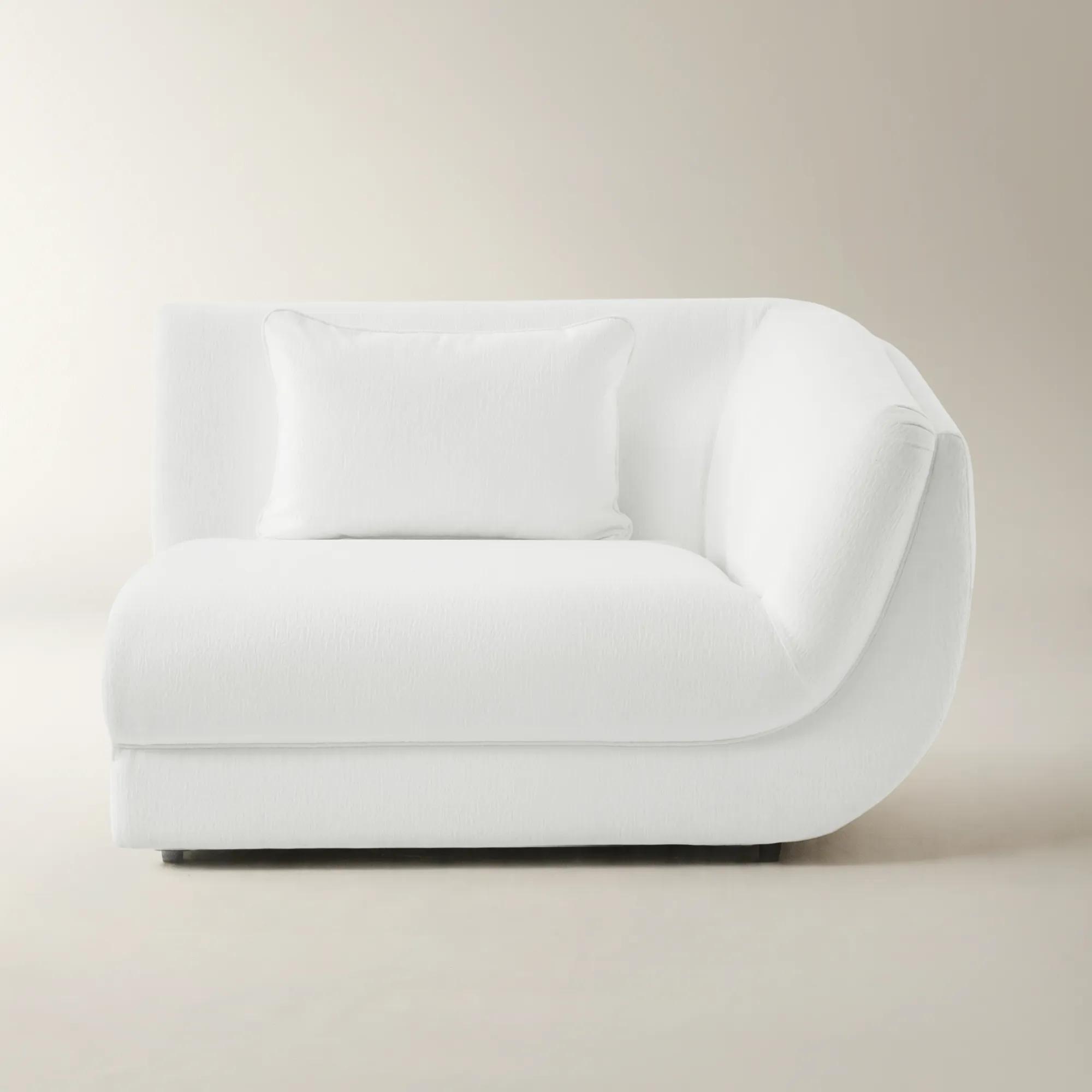
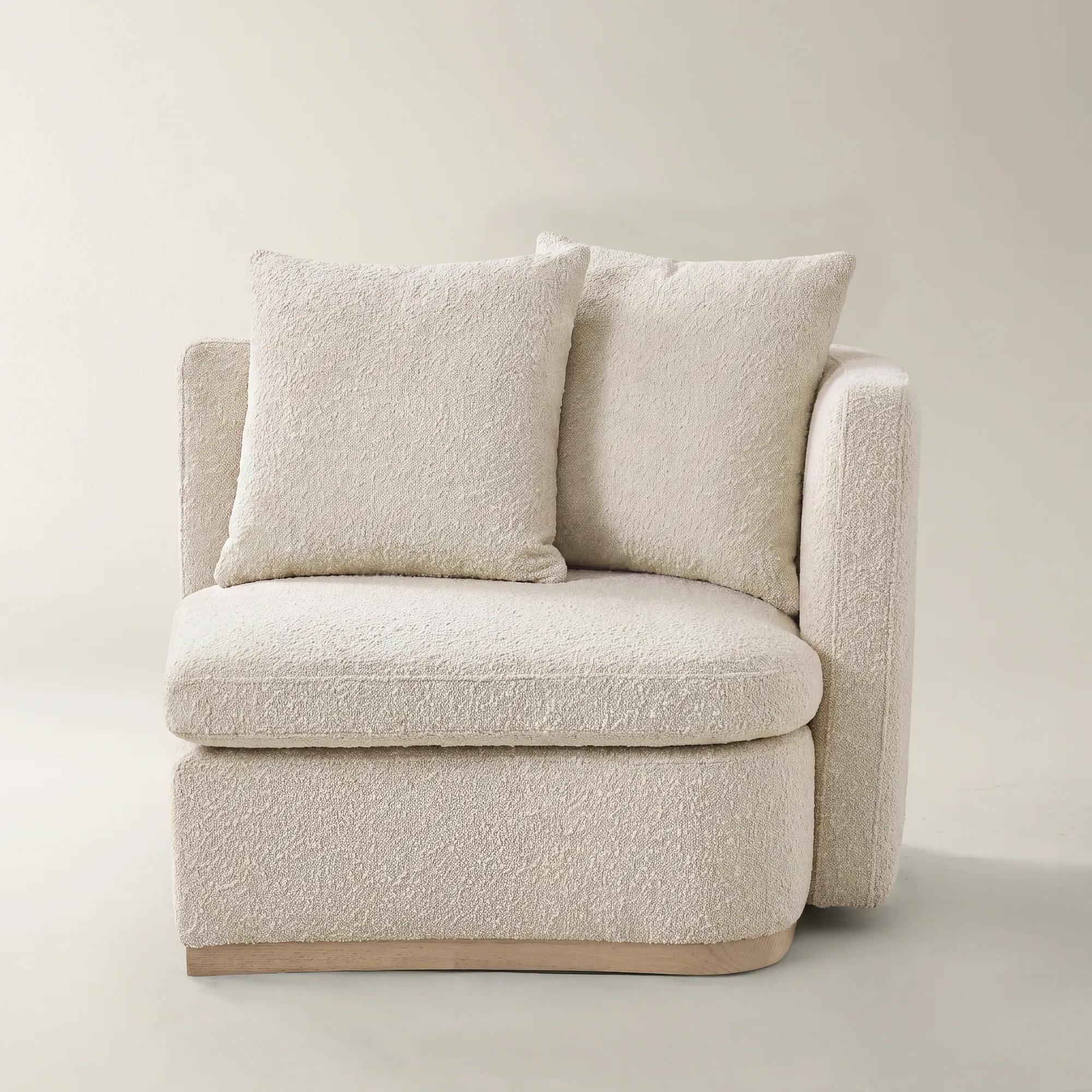
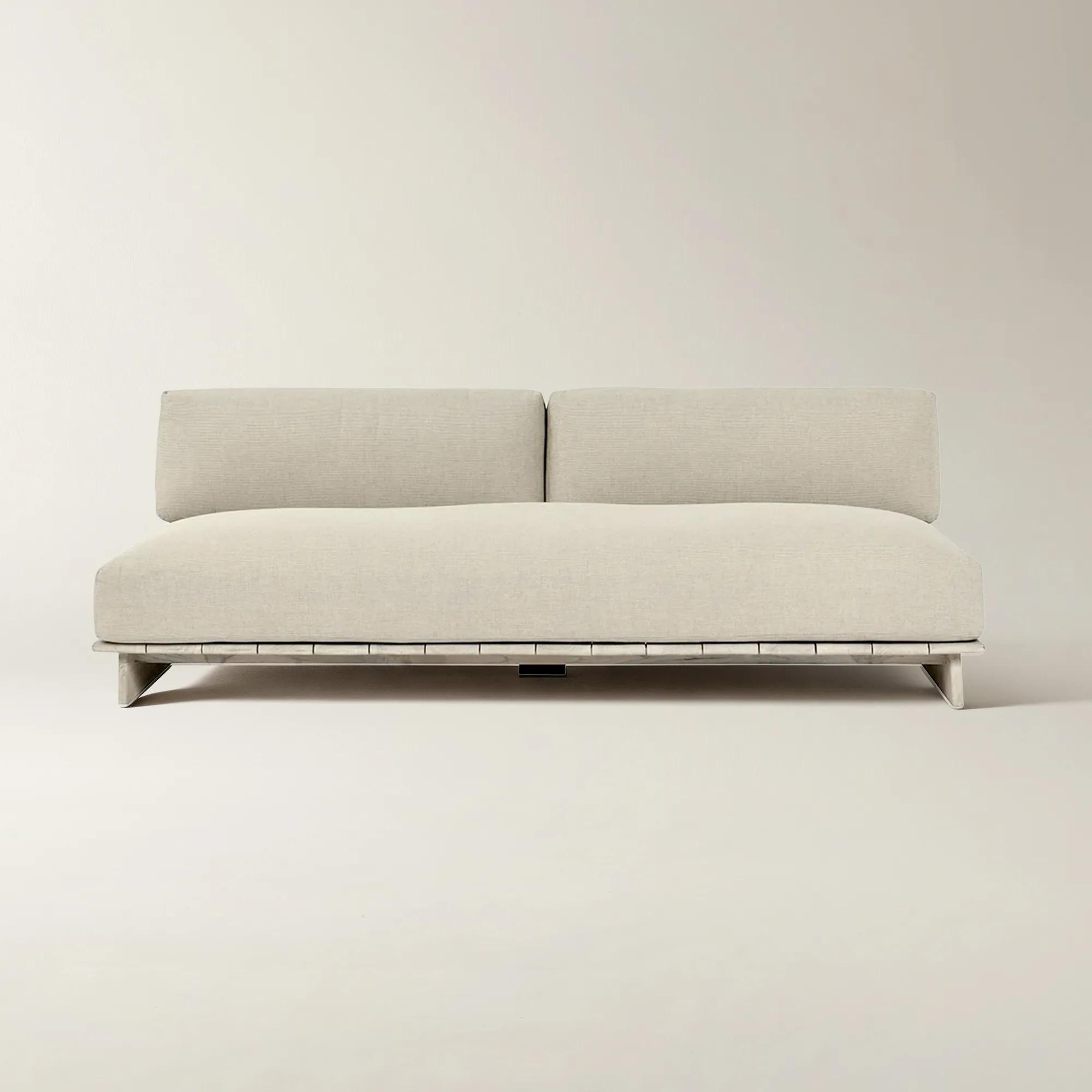
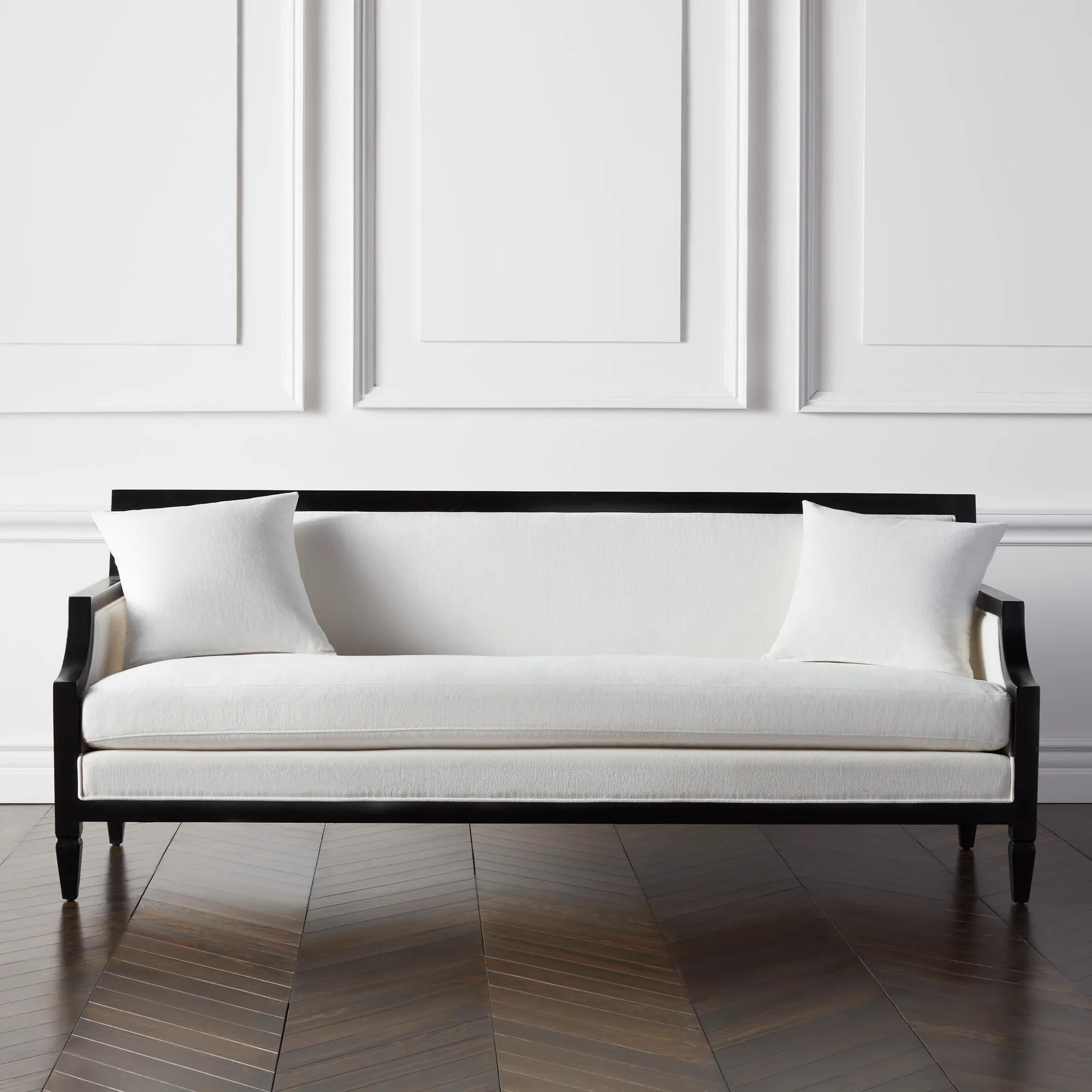
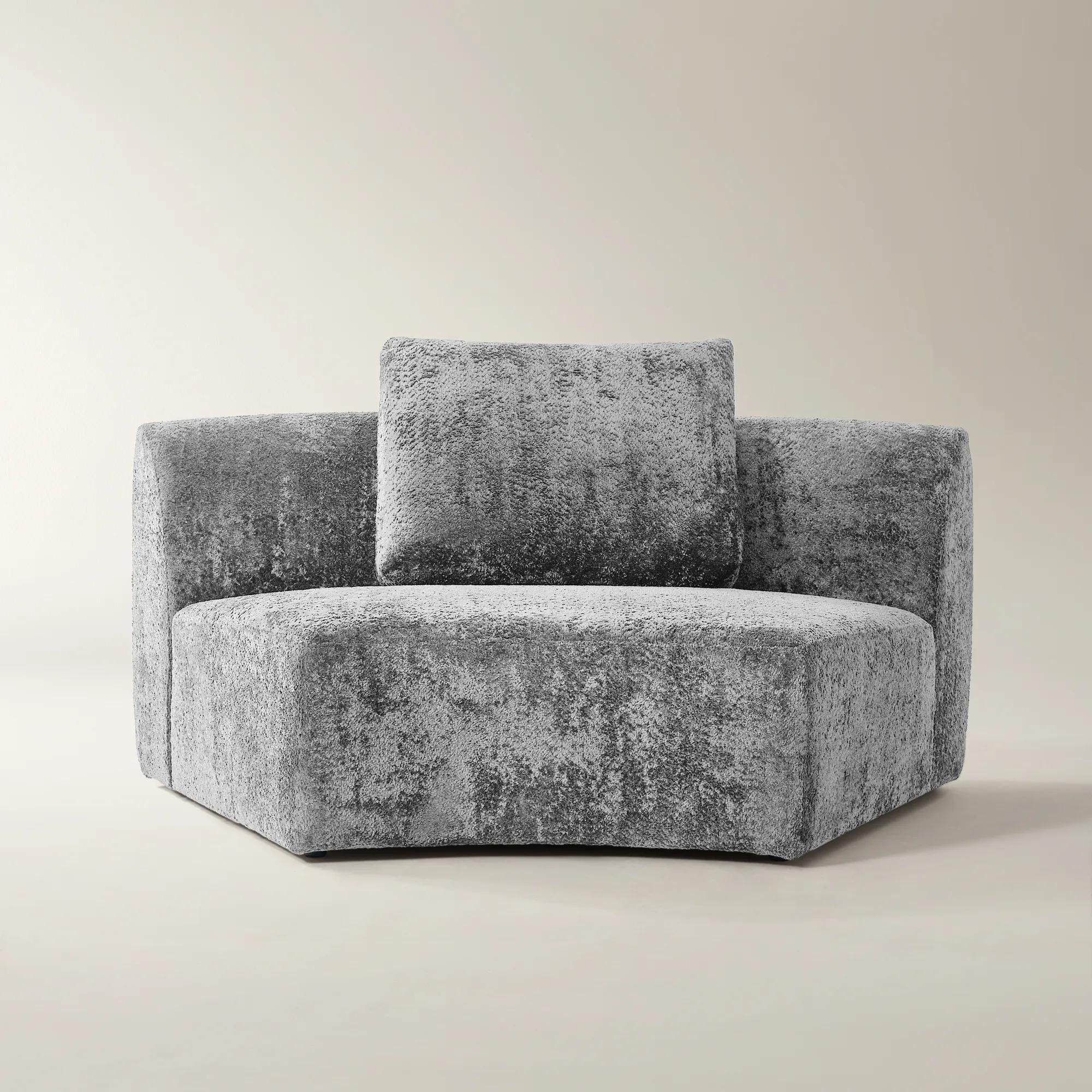
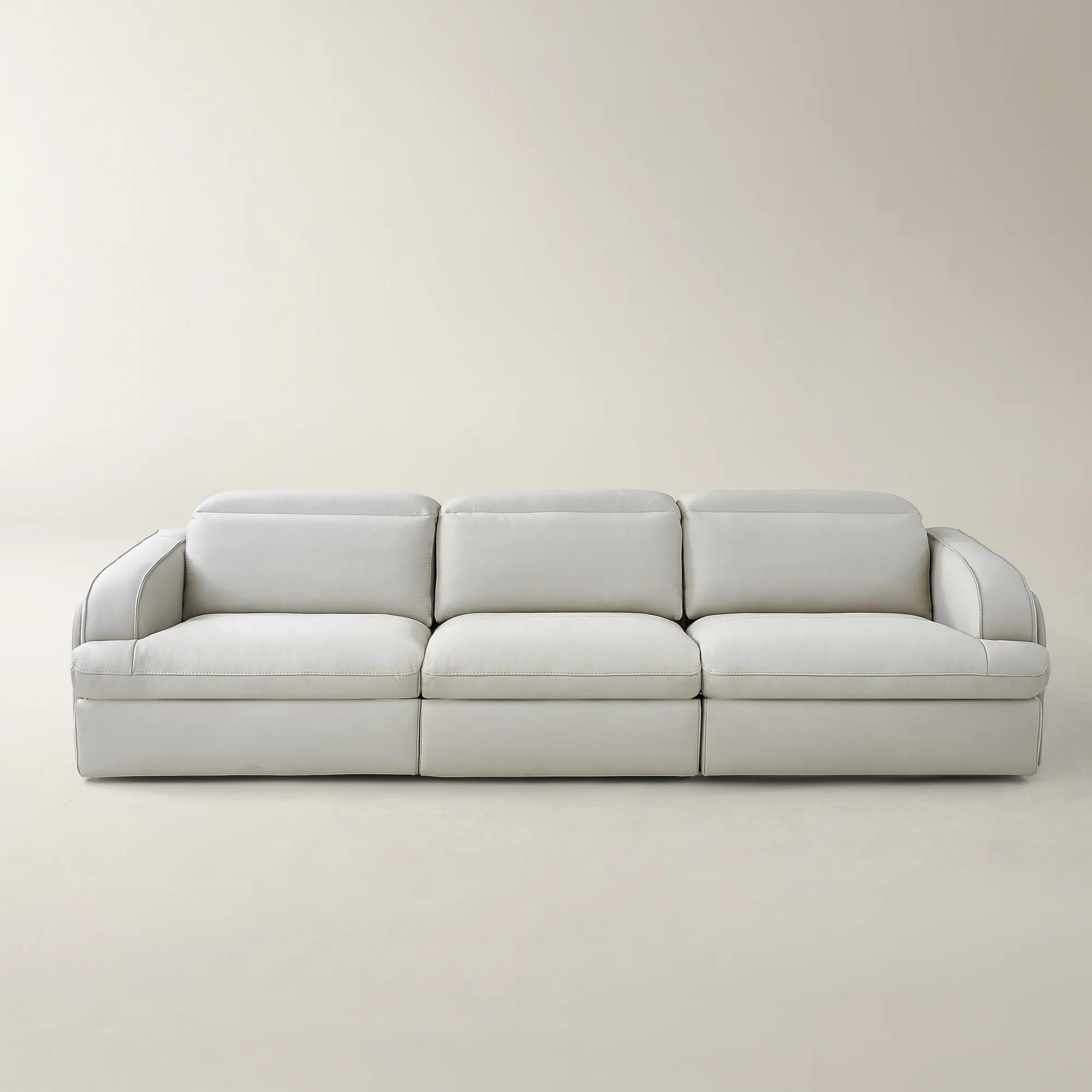
Structured Modern Living Room Sectionals
Structured Modern Living Room Sectionals
-
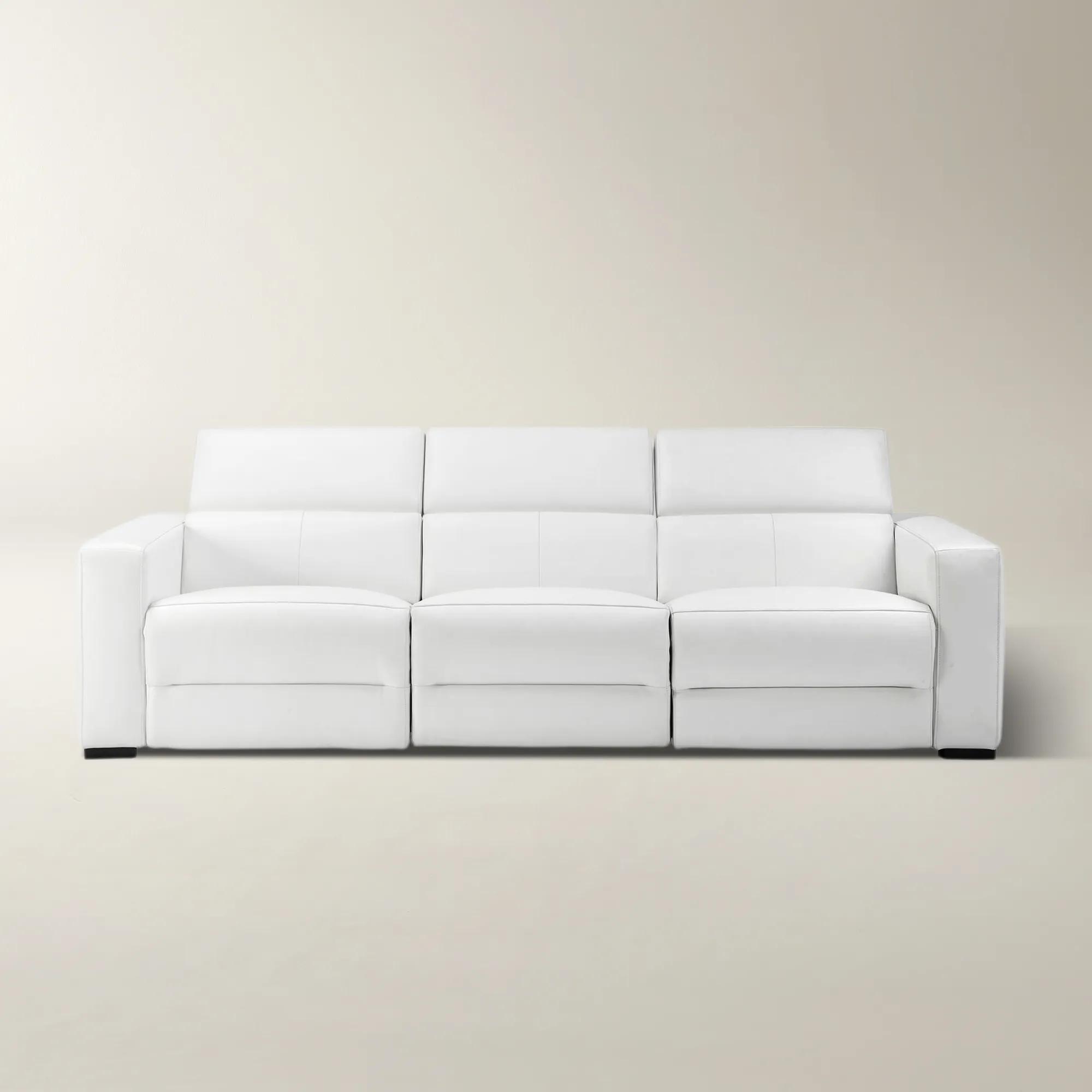
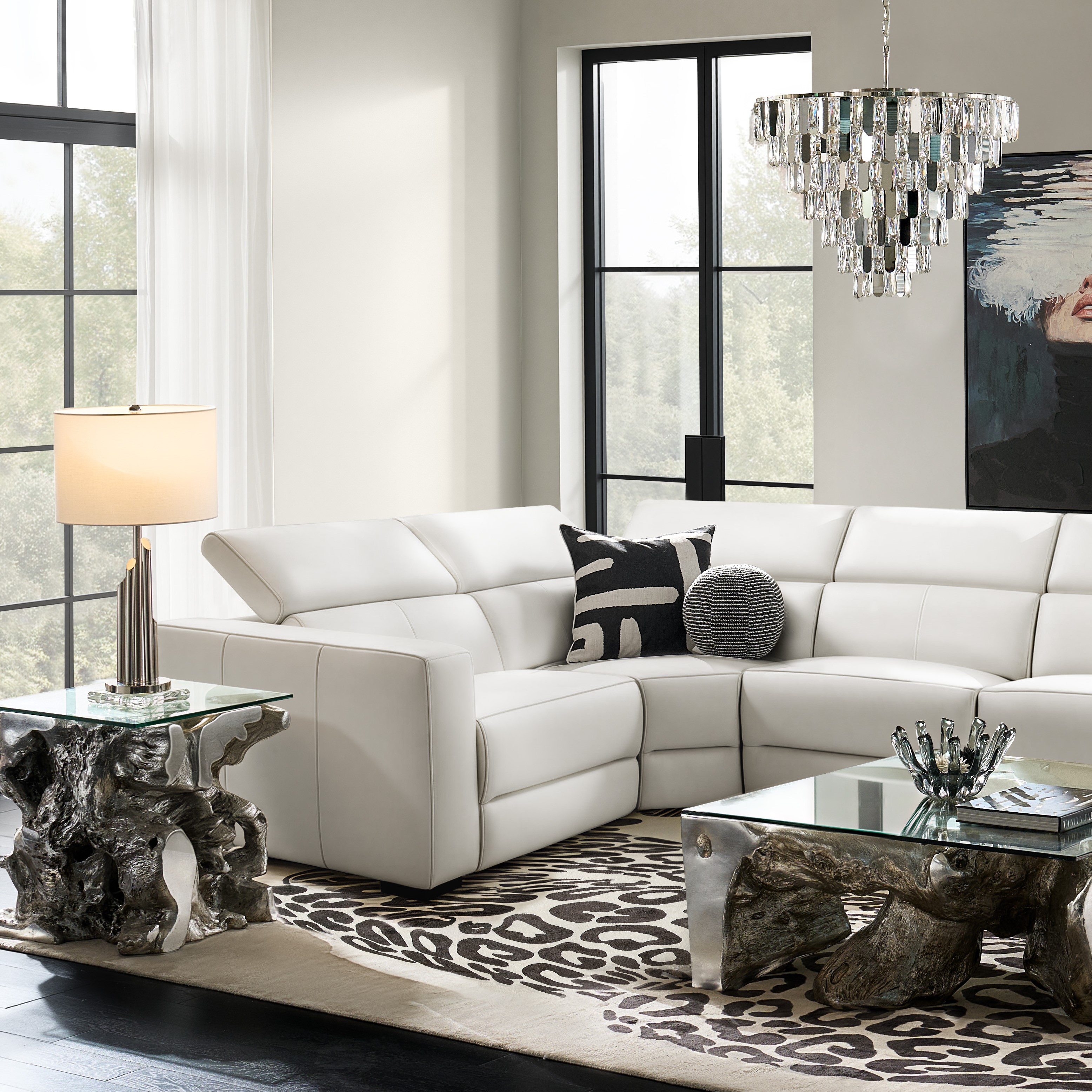 Verona 3-Piece White Leather Sectional Sofa$4399
A modern white sectional upholstered in supple semi-aniline leather with adjustable headrests and power-reclining seats.
Add To Cart -
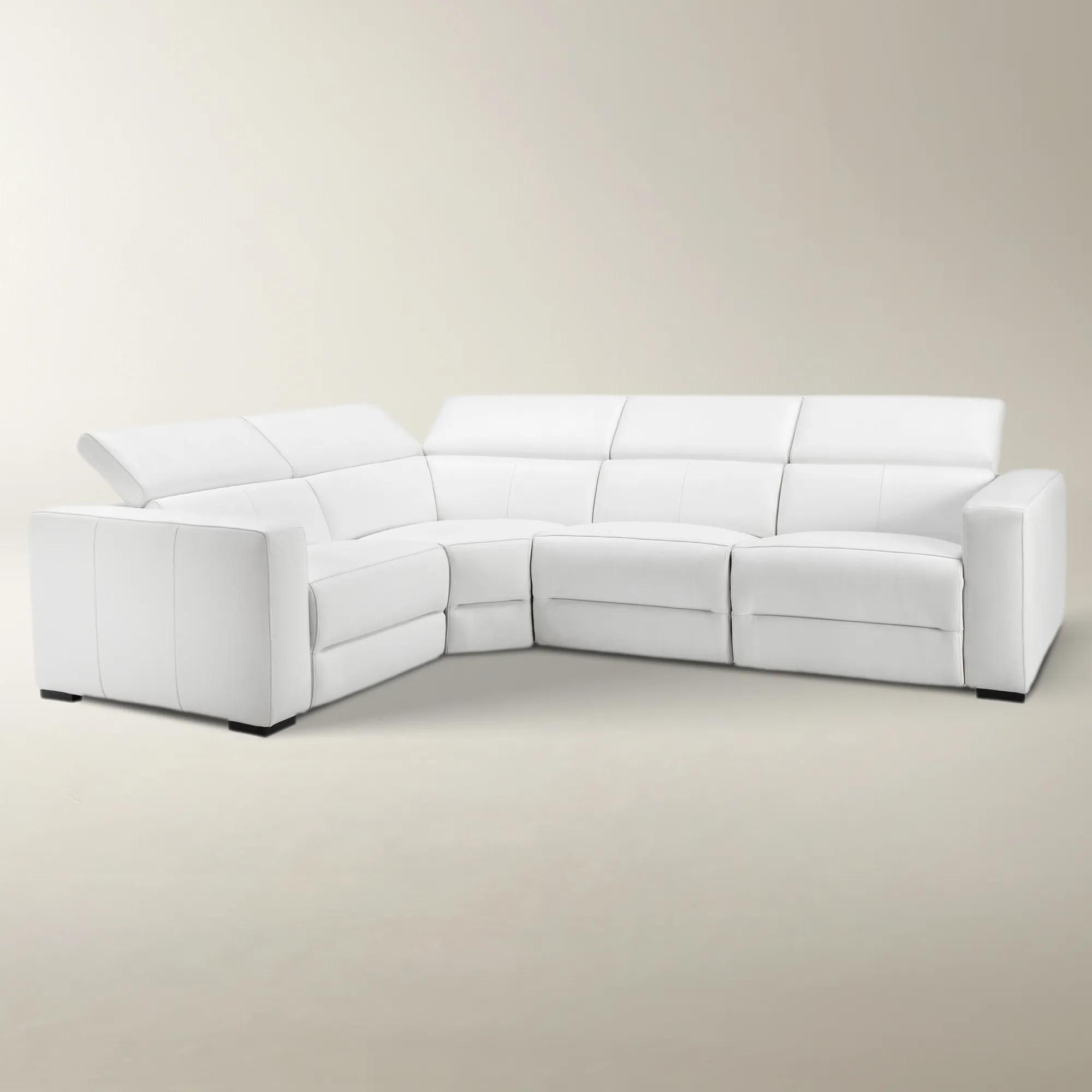 Verona 4-Piece L-Shaped Reclining White Leather Sectional Sofa With Left-Arm$5899
A modern sectional upholstered in supple white semi-aniline leather with adjustable headrests and power-reclining seats.
Add To Cart -
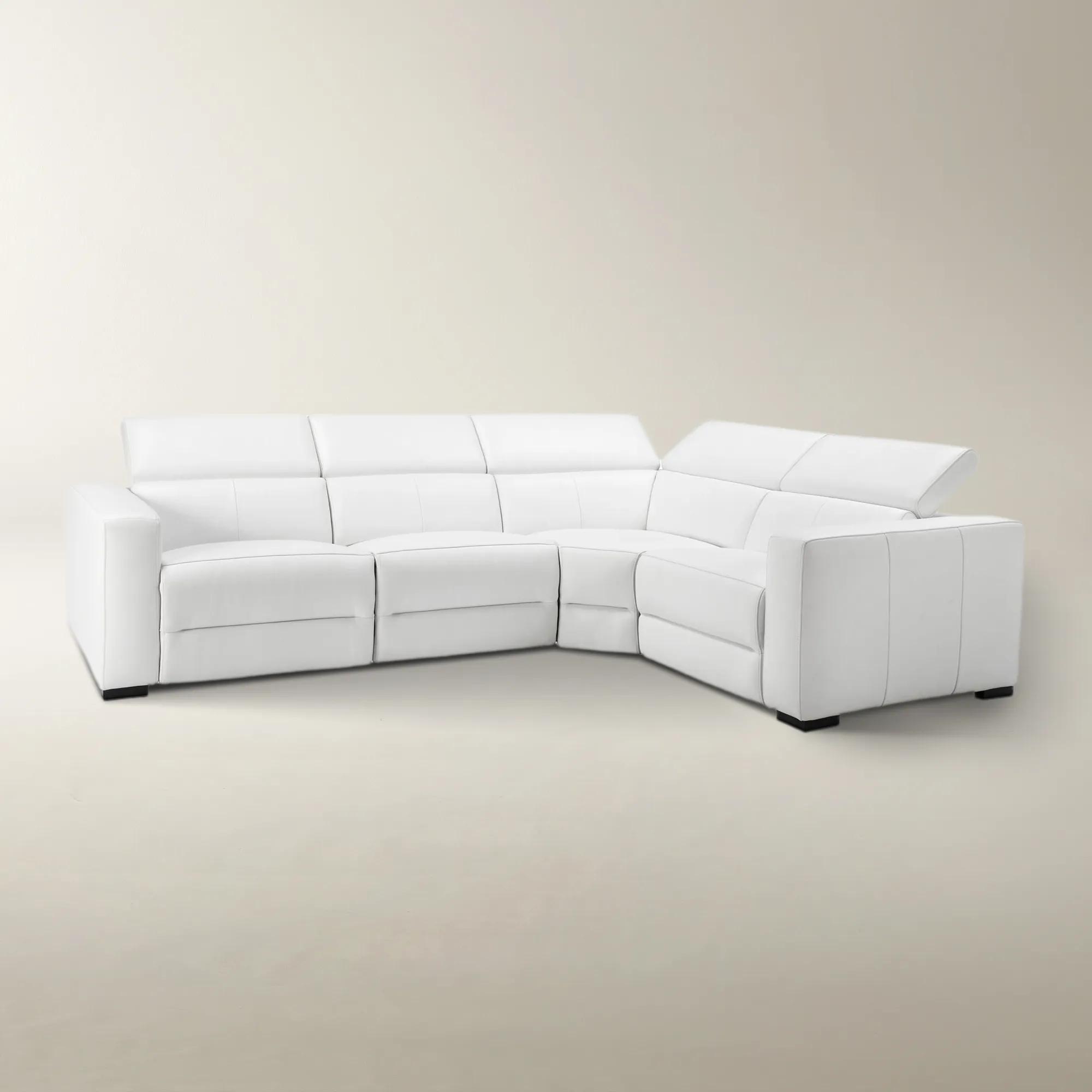 Verona 4-Piece L-Shaped Reclining White Leather Sectional Sofa With Right-Arm$5899
A modern sectional upholstered in supple white semi-aniline leather with adjustable headrests and power-reclining seats.
Add To Cart -
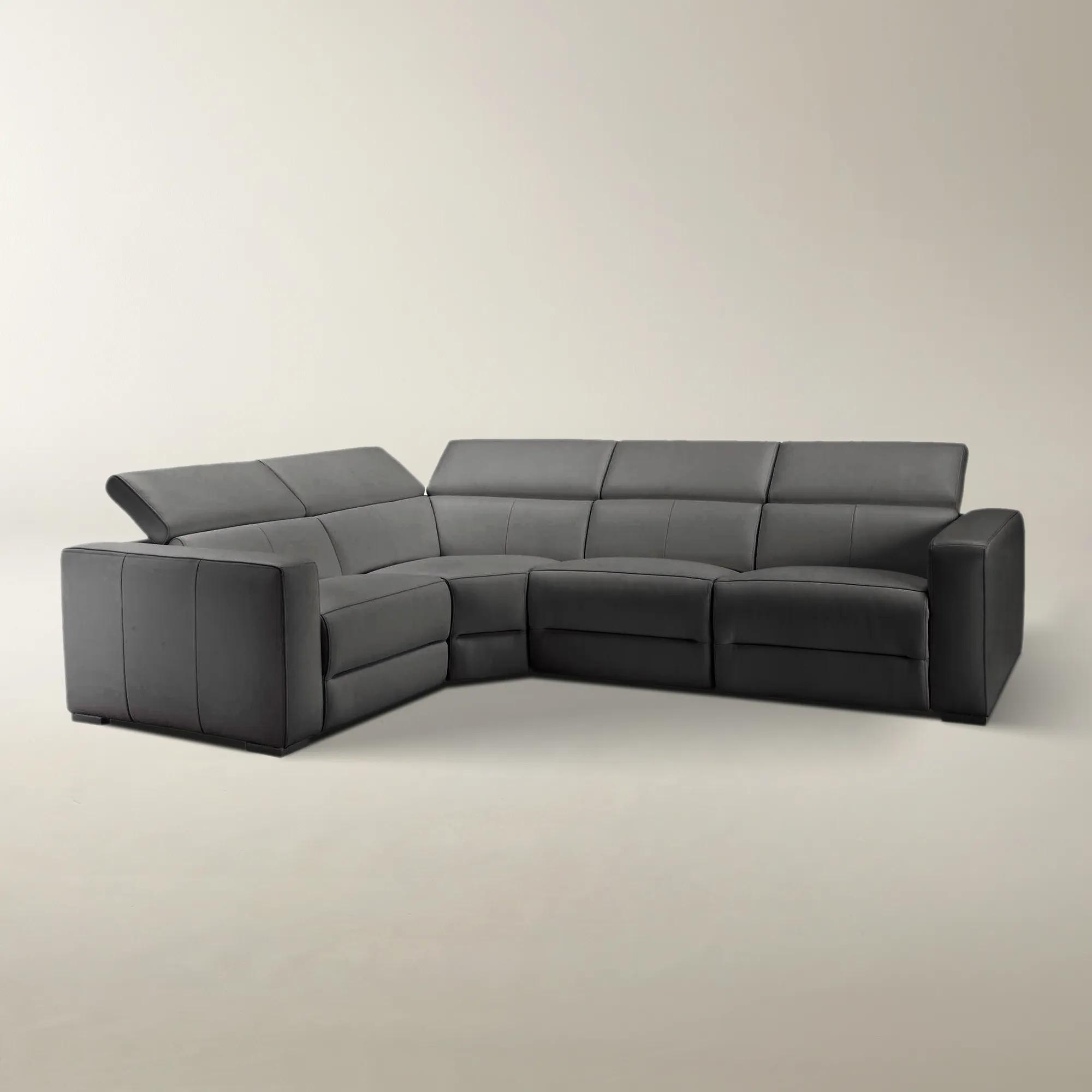 Verona 4-Piece L-Shaped Reclining Charcoal Leather Sectional Sofa With Left-Arm$5899
A charcoal semi-aniline leather sectional featuring adjustable headrests and optional power-reclining seats for comfort.
Add To Cart -
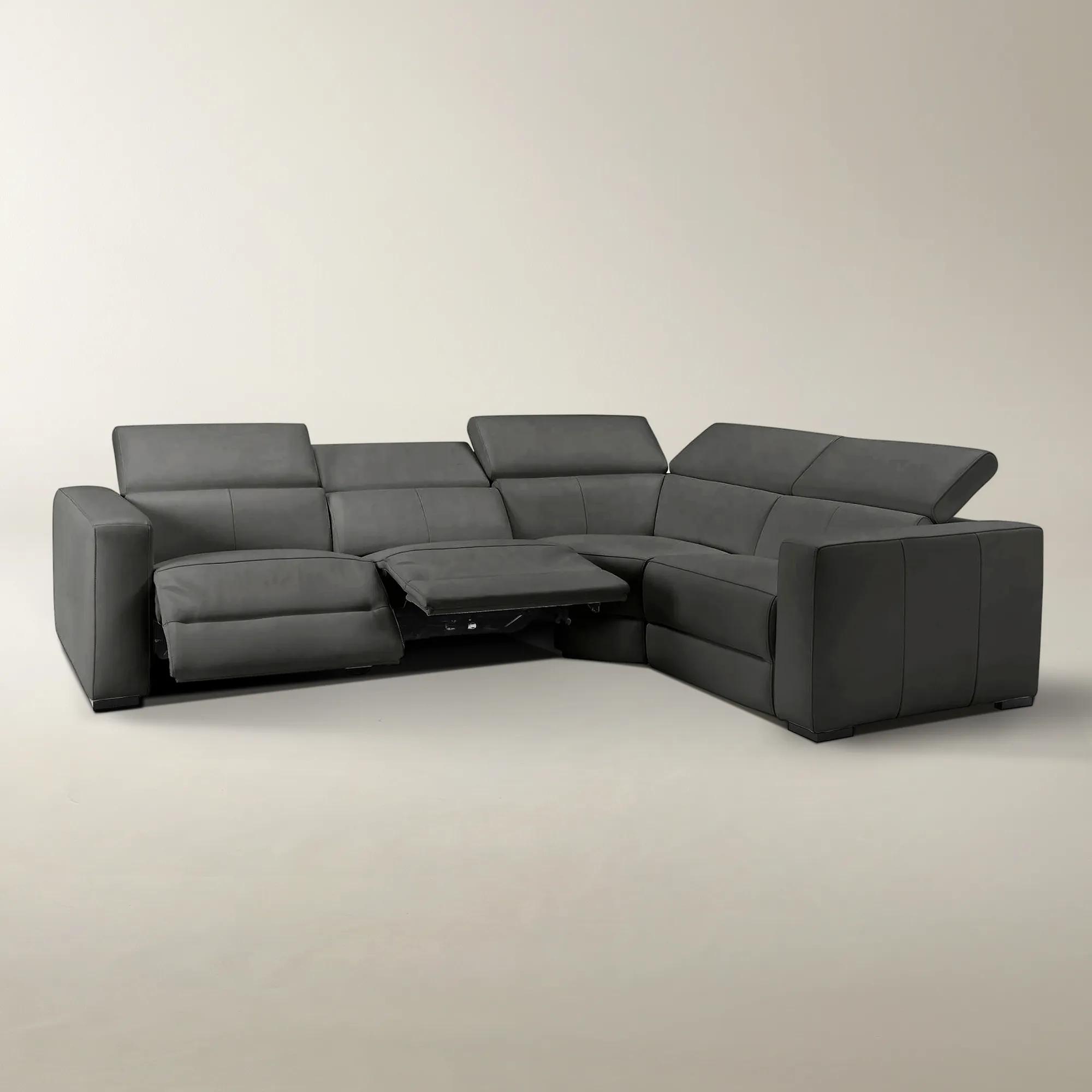
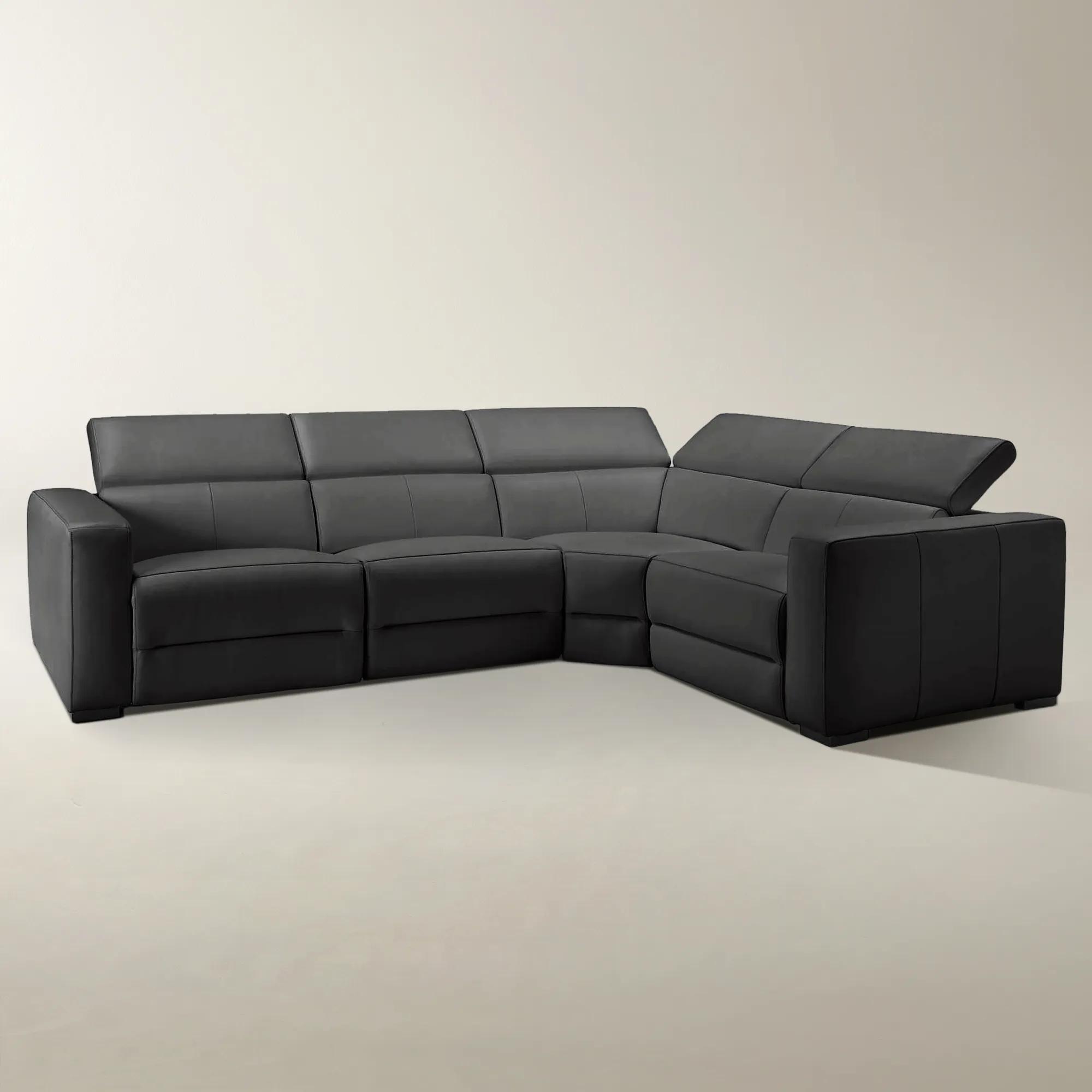 Verona 4-Piece L-Shaped Reclining Charcoal Leather Sectional Sofa With Right-Arm$5899
A charcoal semi-aniline leather sectional featuring adjustable headrests, power-reclining seats, and kiln-dried hardwood frame.
Add To Cart -
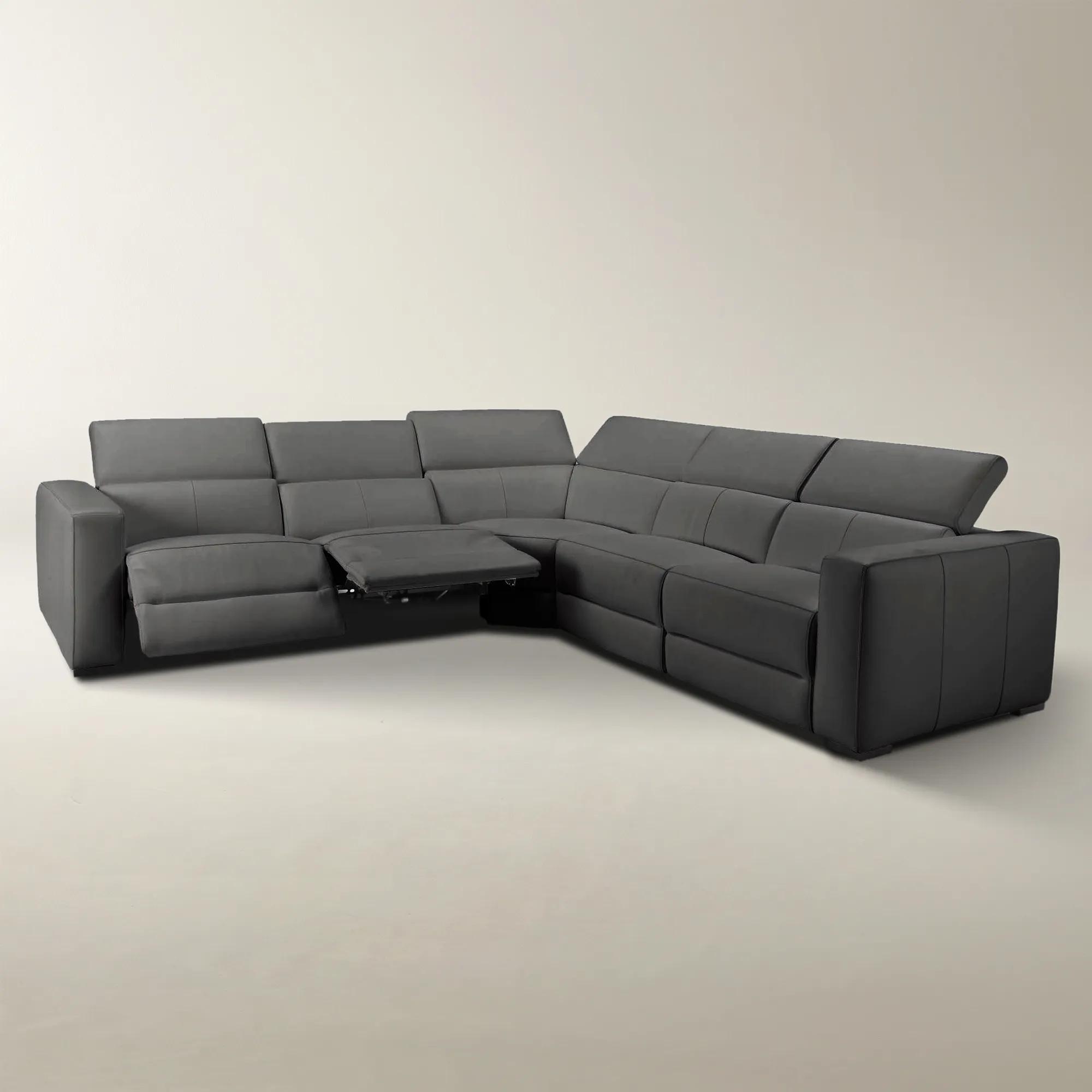 Verona 5-Piece Reclining Charcoal Leather Sectional Sofa$7199
A charcoal semi-aniline leather sectional featuring adjustable headrests, kiln-dried hardwood frame, and optional power recline.
Add To Cart -
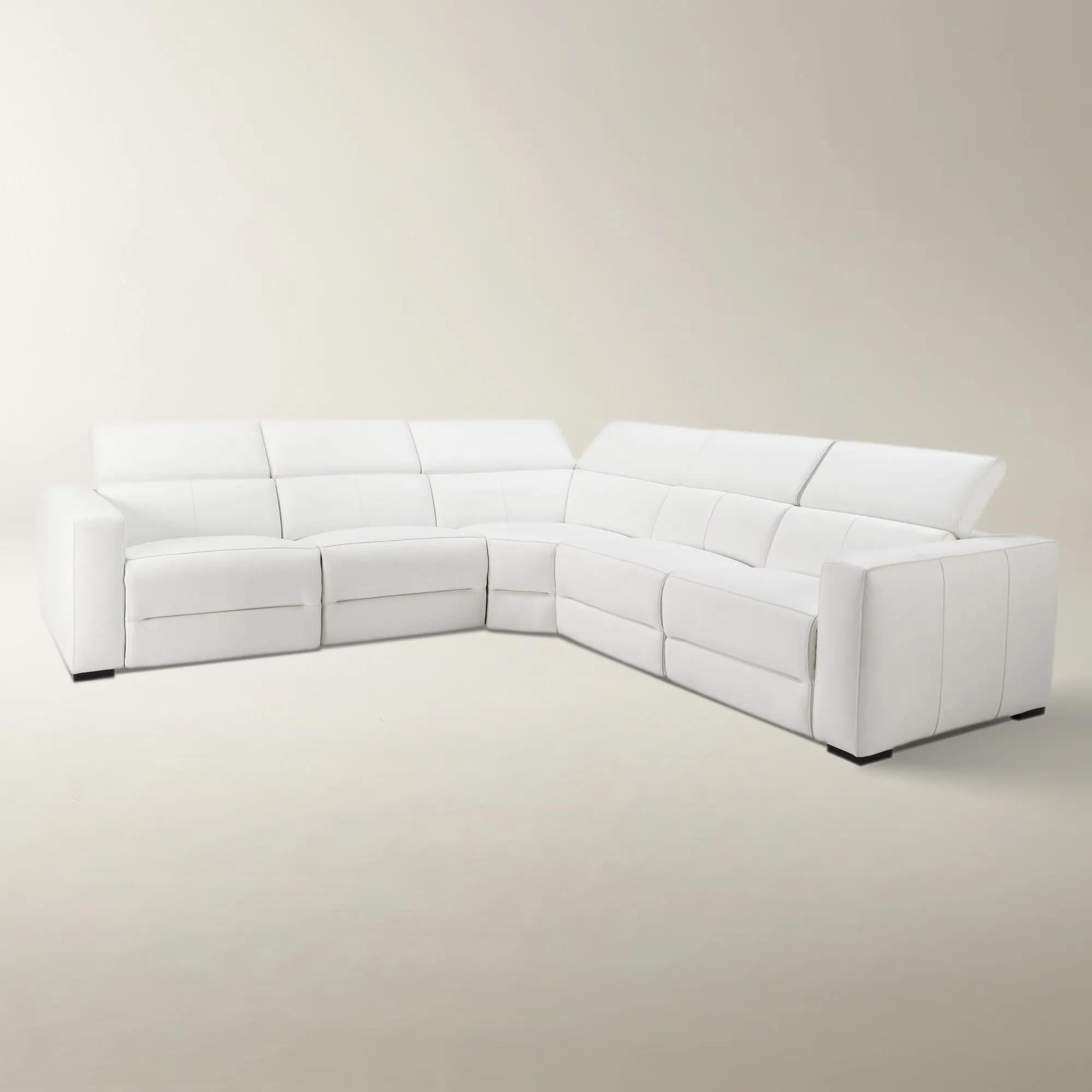 Verona 5-Piece Reclining White Leather Sectional Sofa$7199
A modern sectional upholstered in supple white semi-aniline leather with adjustable headrests and power-reclining seats.
Add To Cart -
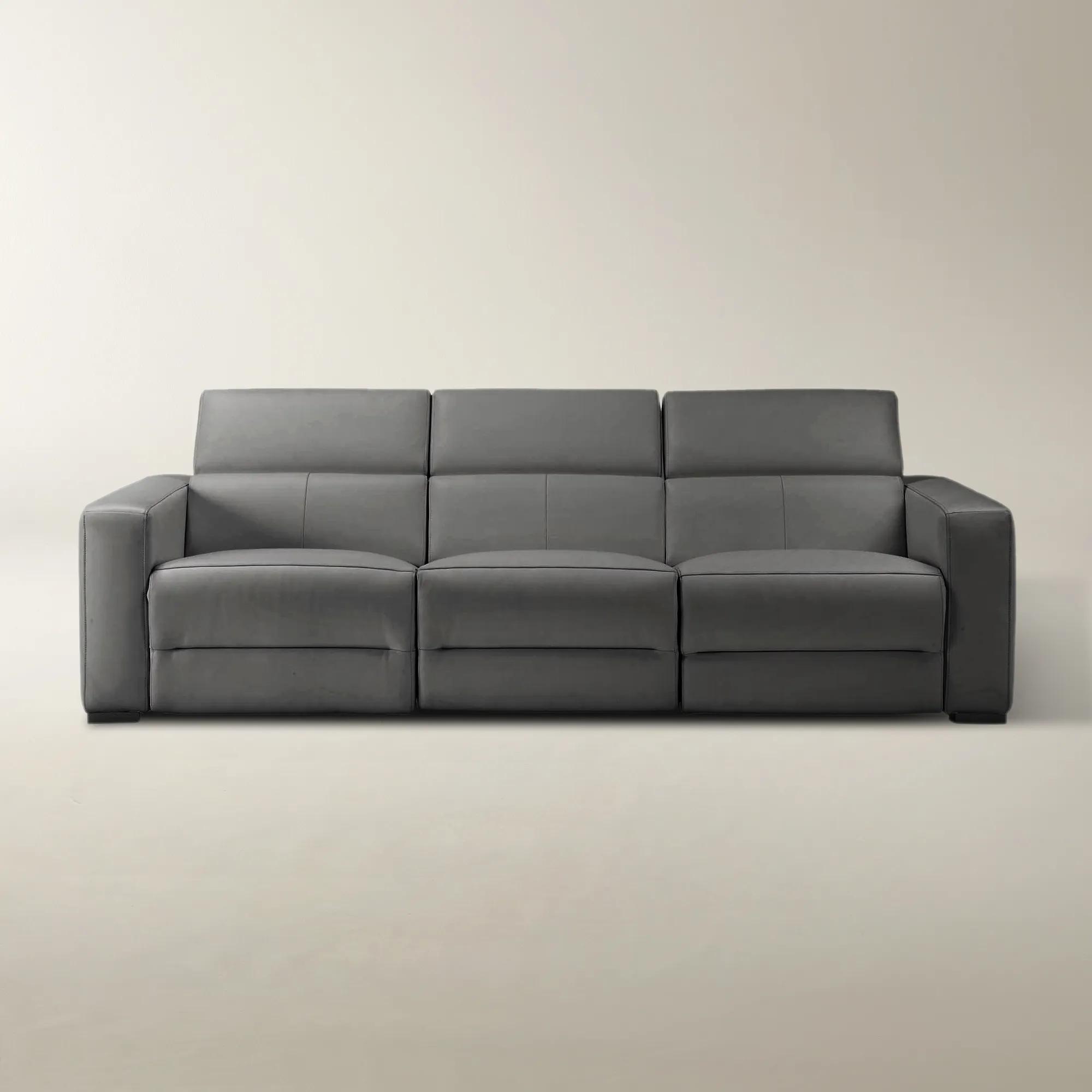 Verona 3-Piece Charcoal Leather Sectional Sofa$4399
A charcoal semi-aniline leather sectional featuring adjustable headrests, kiln-dried hardwood frame, and optional power recline.
Add To Cart -
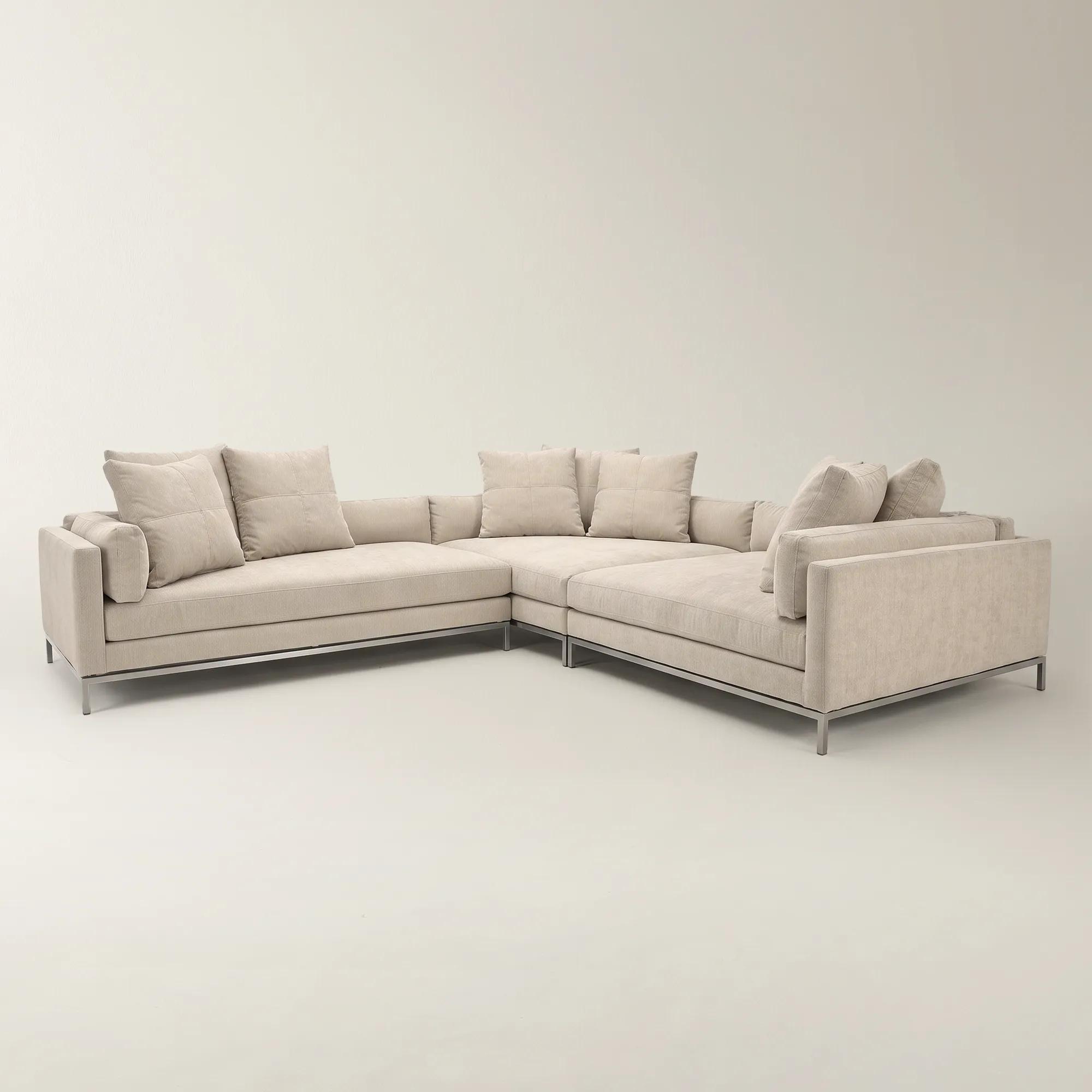
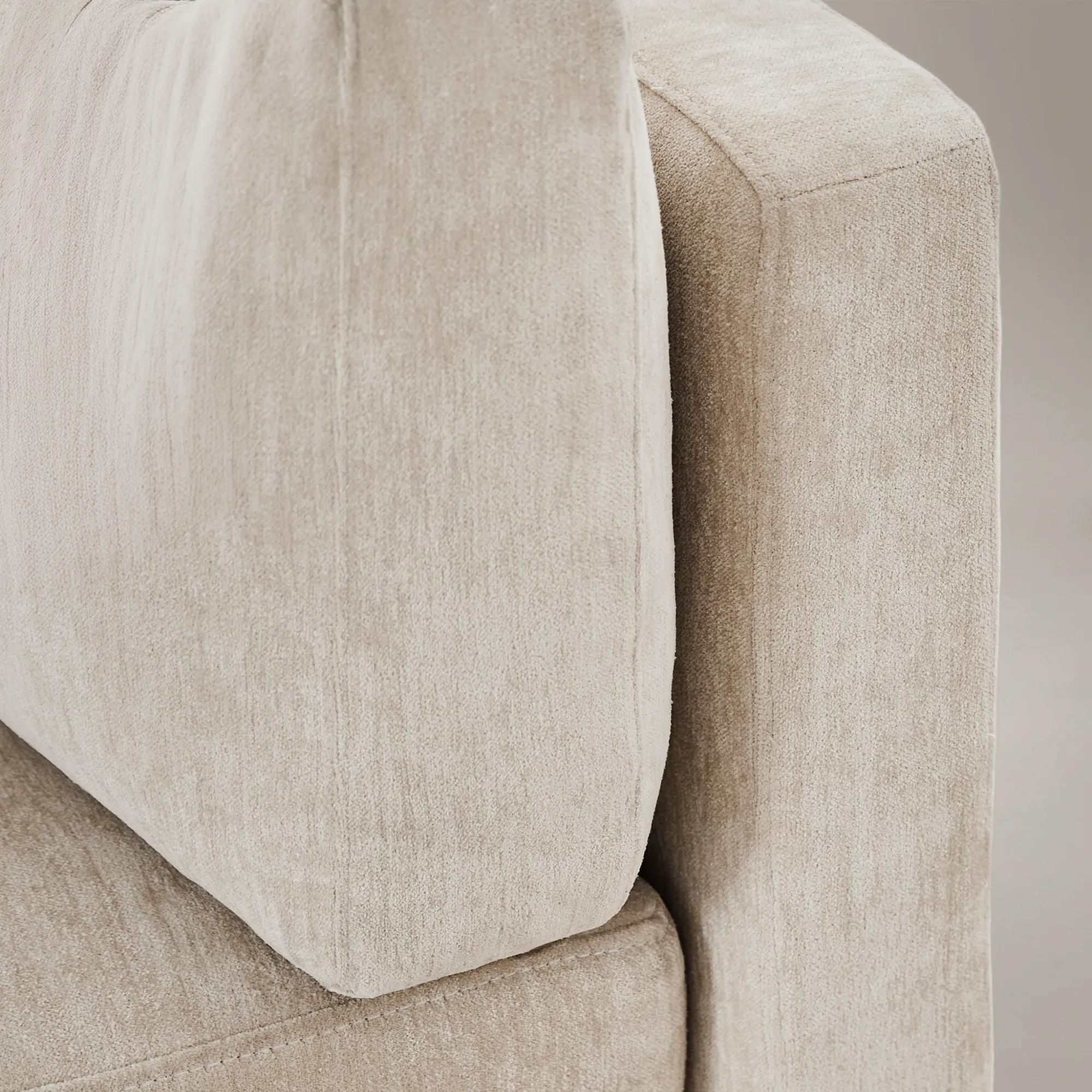 Ventura 3-Piece L-Shaped Snow Chenille Sectional Sofa With Left-Arm Chair$5999
A modern Snow chenille sectional with a stainless-steel base, plush feather pillows, and deep-seated comfort.
Add To Cart -
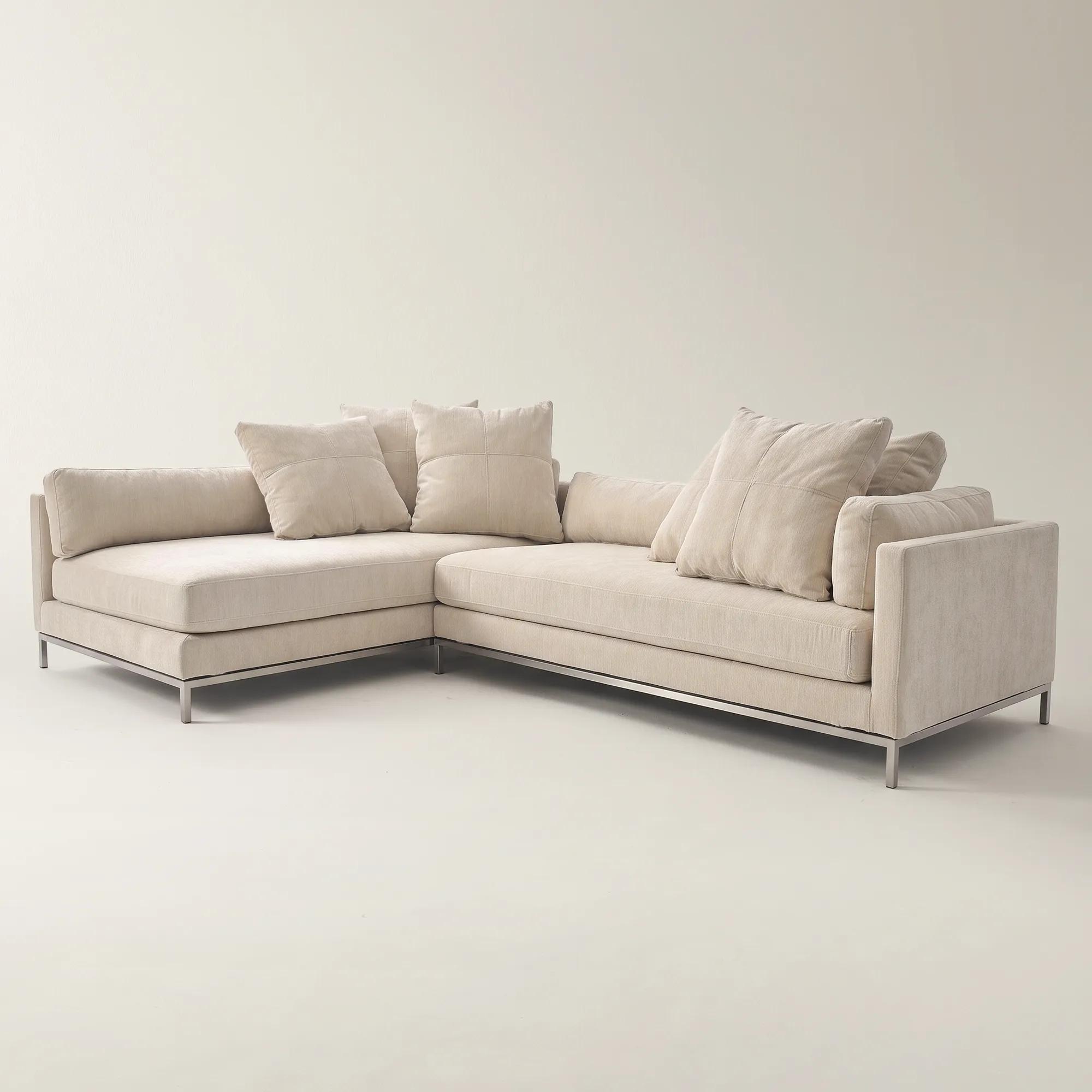 Ventura 2-Piece L-Shaped Snow Chenille Sectional Sofa With Right-Arm Chair$4099
A modern Snow chenille sectional with plush feather-filled cushions, streamlined metal base, and versatile L-shaped comfort.
Add To Cart -
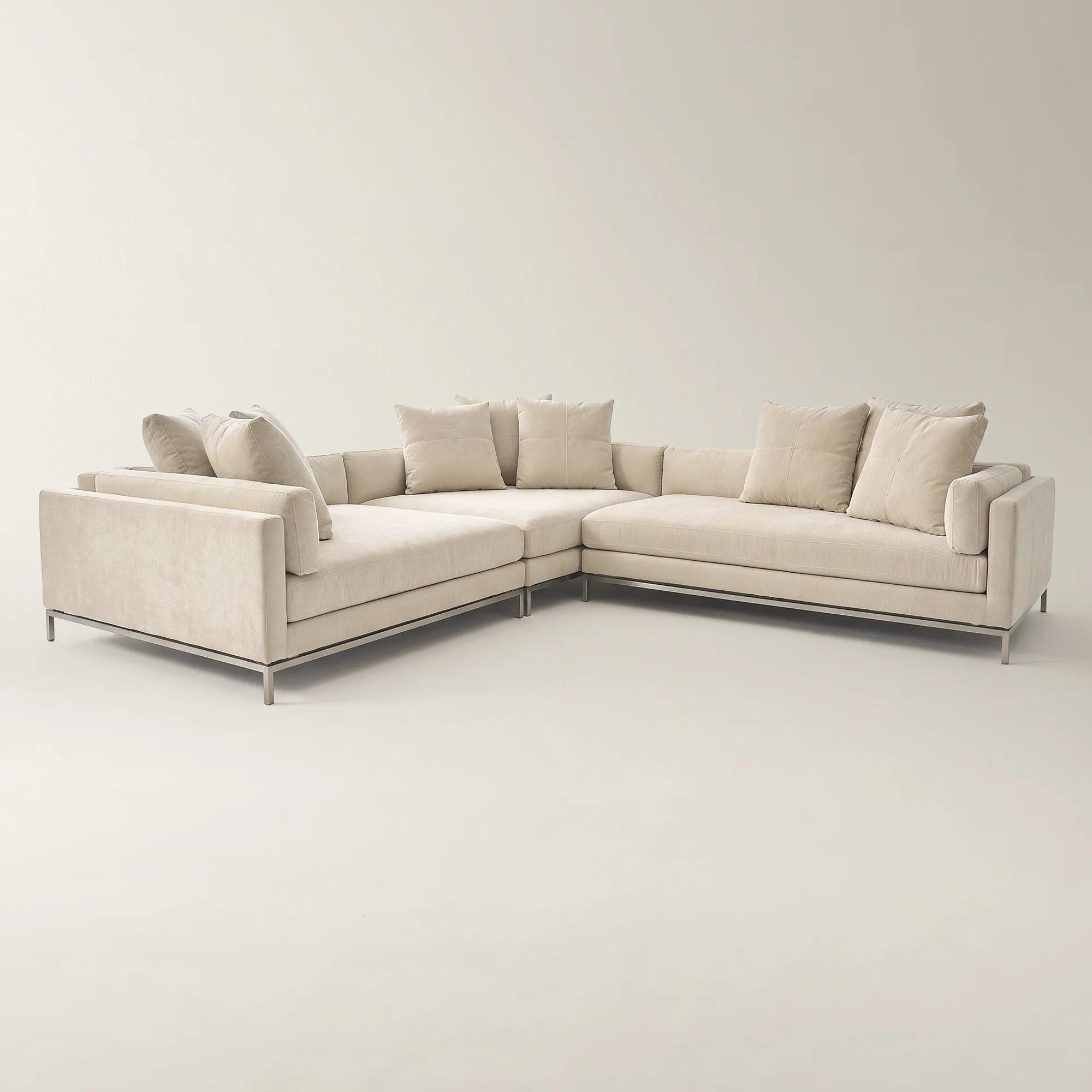 Ventura 3-Piece L-Shaped Snow Chenille Sectional Sofa With Right-Arm Chair$5999
A snow chenille sectional with a streamlined floating silhouette, plush feather-filled cushions, and versatile L-shaped seating.
Add To Cart -
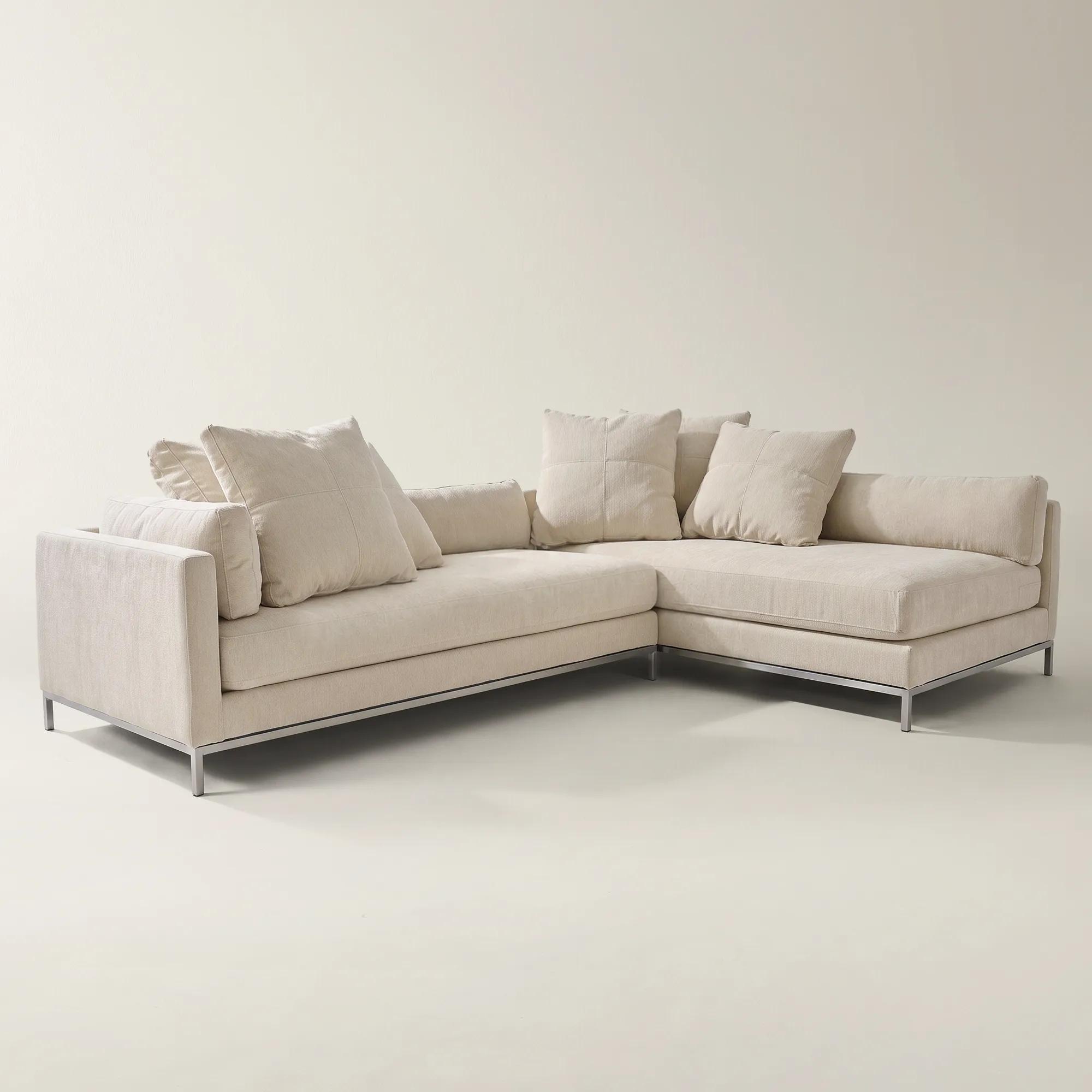 Ventura 2-Piece L-Shaped Snow Chenille Sectional Sofa With Left-Arm Chair$4099
A modern Snow chenille sectional with plush feather-filled pillows, supportive cushioning, and a stainless-steel base.
Add To Cart -
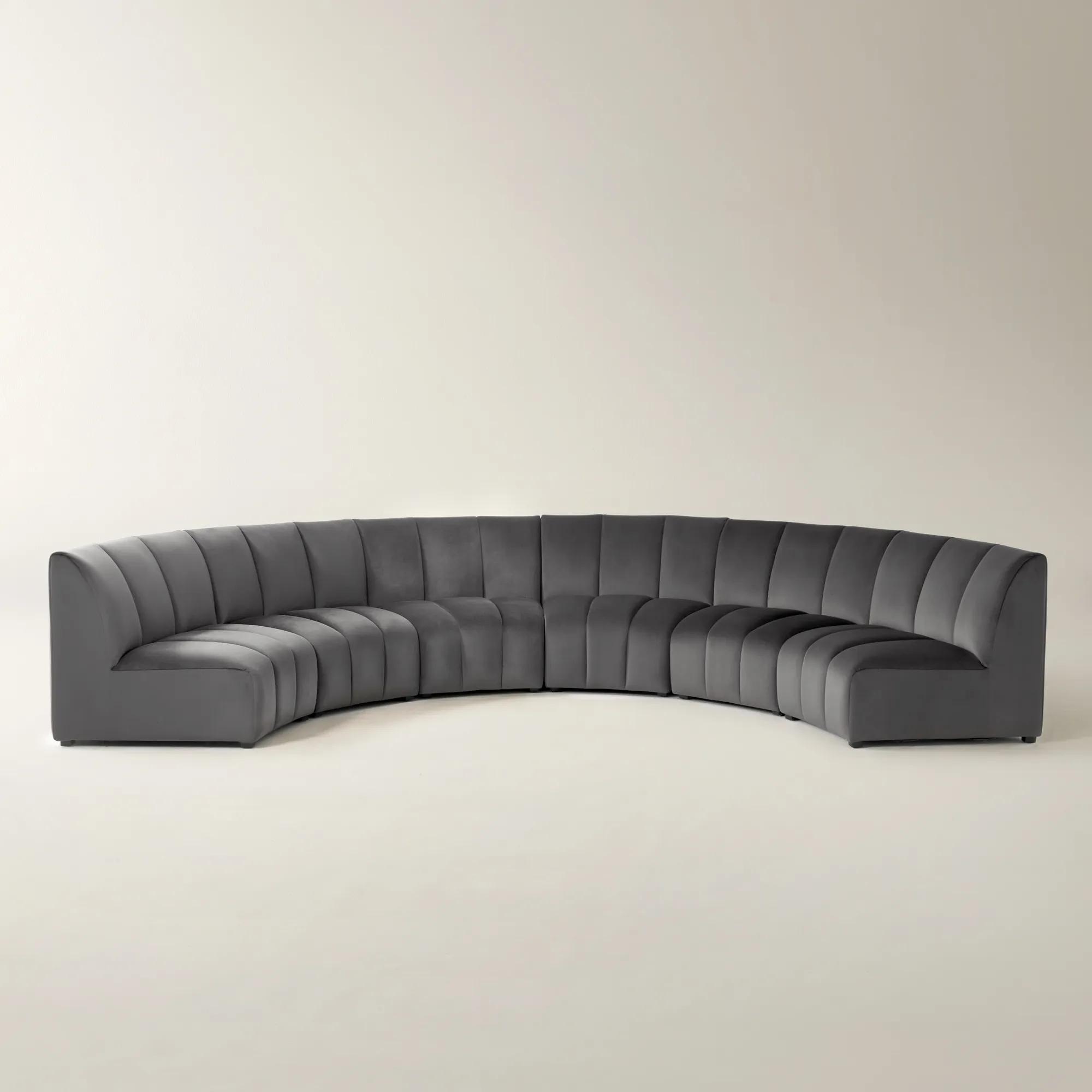 Jayce 6-Piece Channel-Tufted Smoked Pearl Velvet Sectional Sofa$5499
A modern curved sectional in silver grey velvet with deep channel tufting and plush, high-density cushions.
Add To Cart -
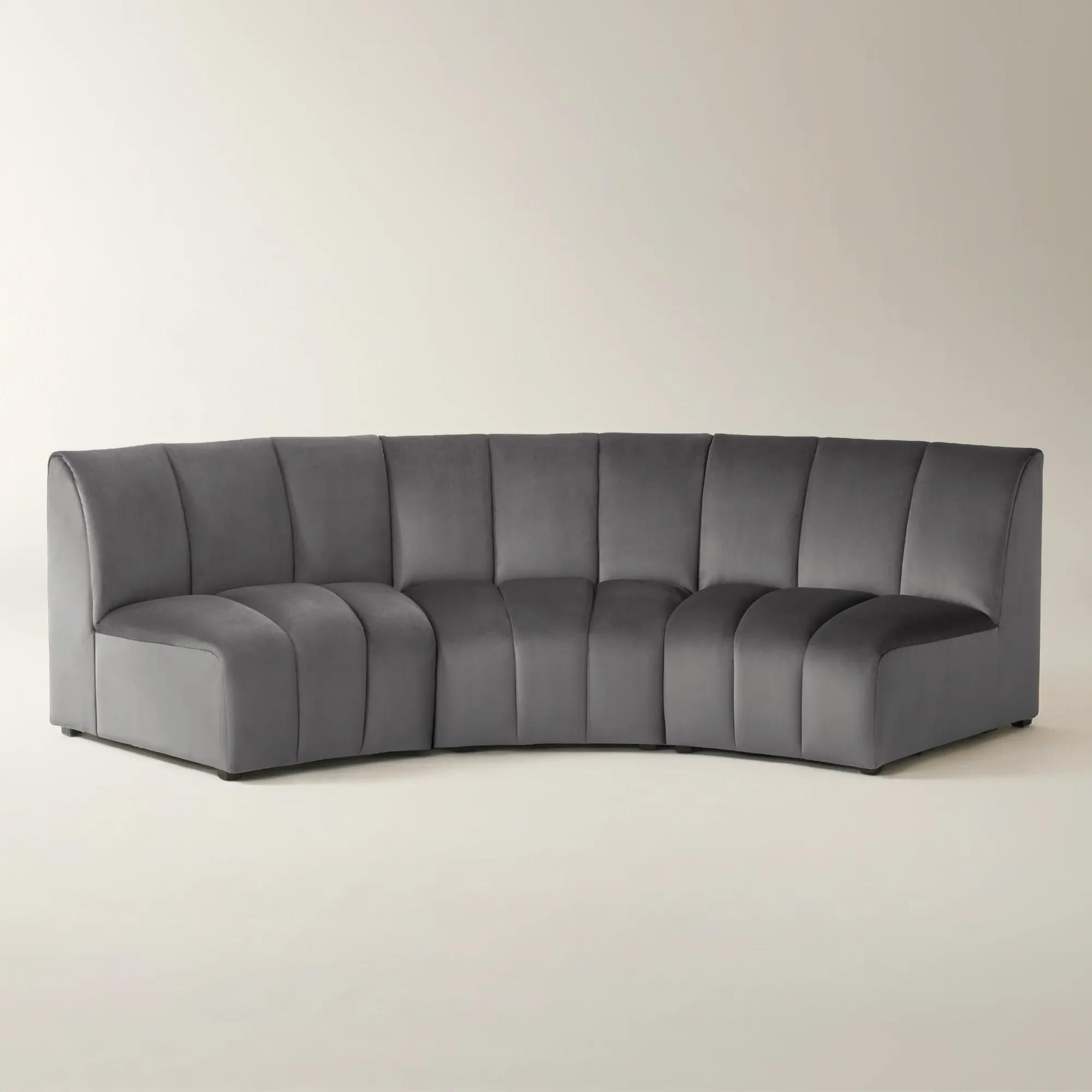 Jayce 3-Piece Channel-Tufted Smoked Pearl Velvet Sectional Sofa$2799
A modern curved sectional in silver grey velvet with deep channel tufting and plush, high-density foam cushions.
Add To Cart -

 Reina 3-Piece Tufted Oatmeal Velvet Sectional Sofa$2499
A plush oatmeal velvet sectional featuring channel tufting, deep seating, and an architectural winged silhouette.
Add To Cart -
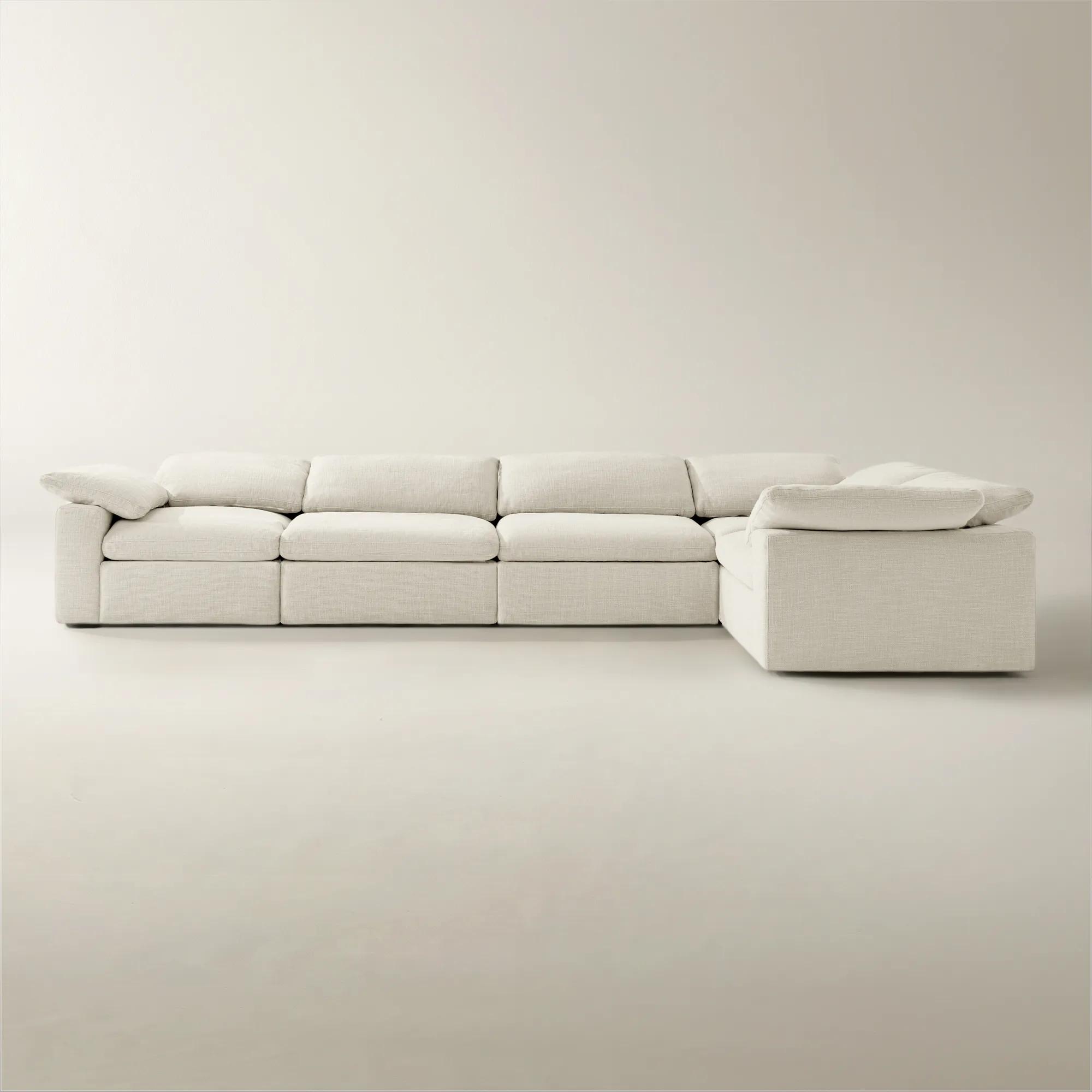
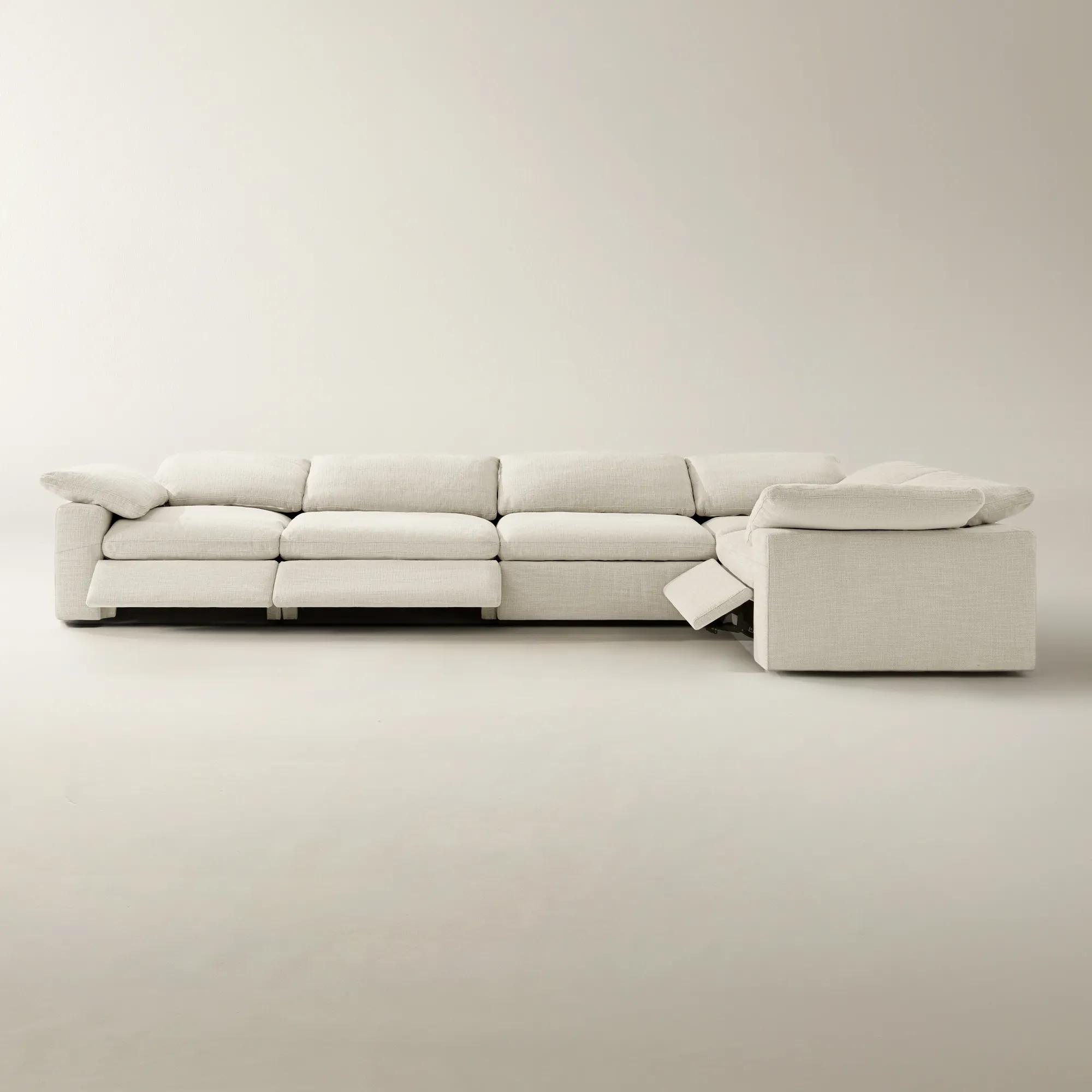 Milo 5-Piece Reclining Ivory Performance Fabric Sectional$5499
A modular sectional sofa in ivory performance fabric with plush cushioning and independent power-reclining footrests.
Add To Cart -
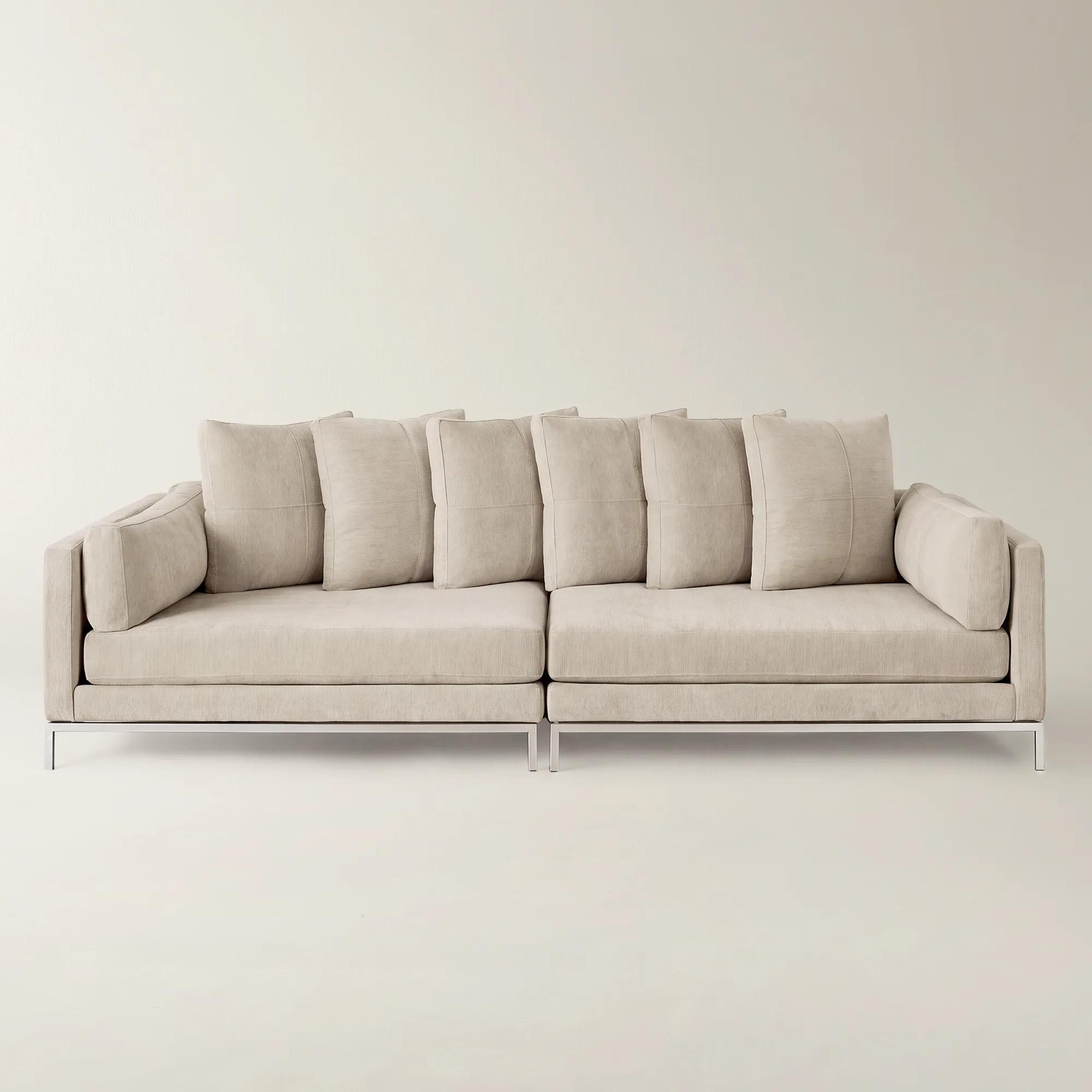
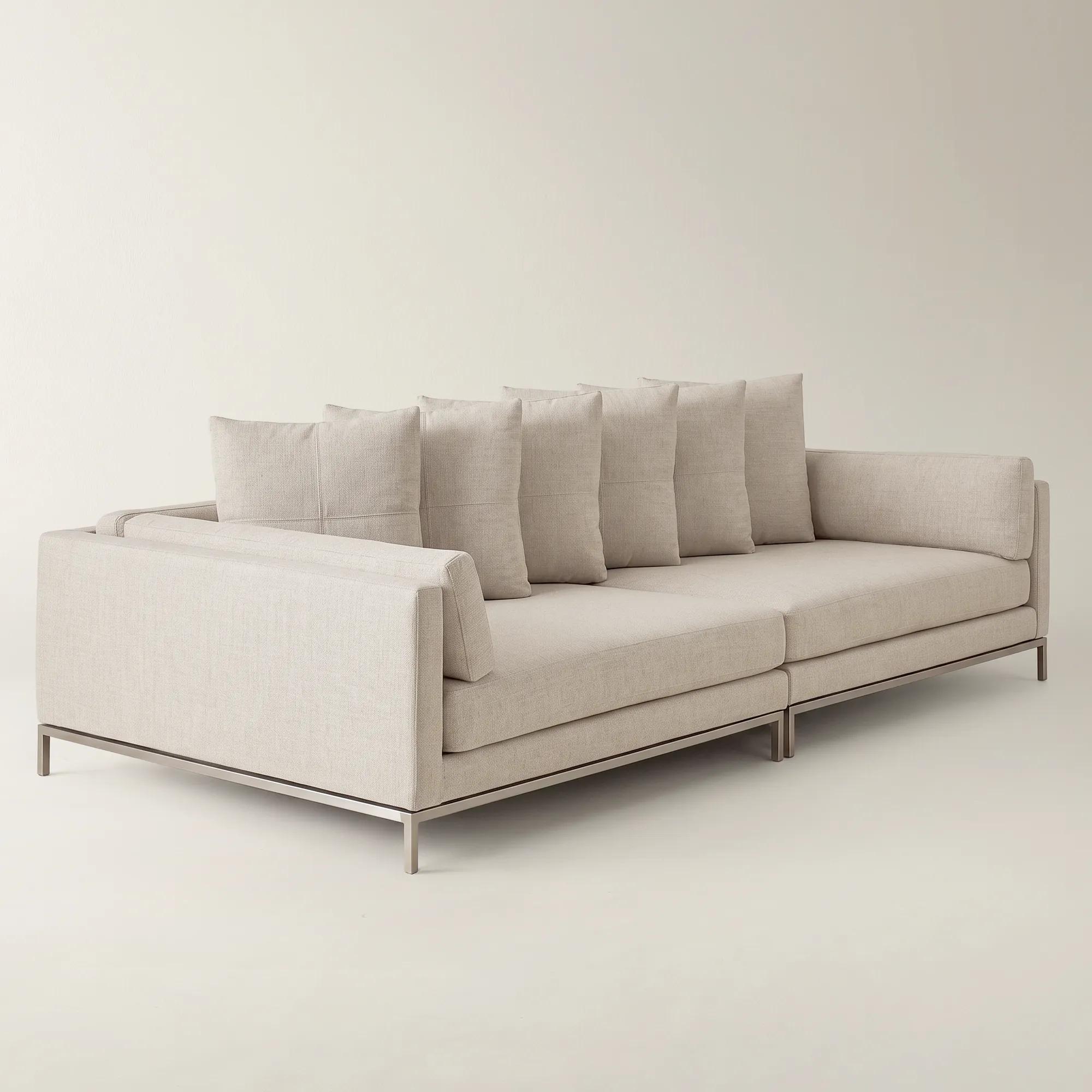 Ventura 2-Piece Square Snow Chenille Sectional Sofa$4299
A modern snow chenille sectional with a floating stainless-steel base, plush feather-filled pillows, and versatile configurations.
Add To Cart -
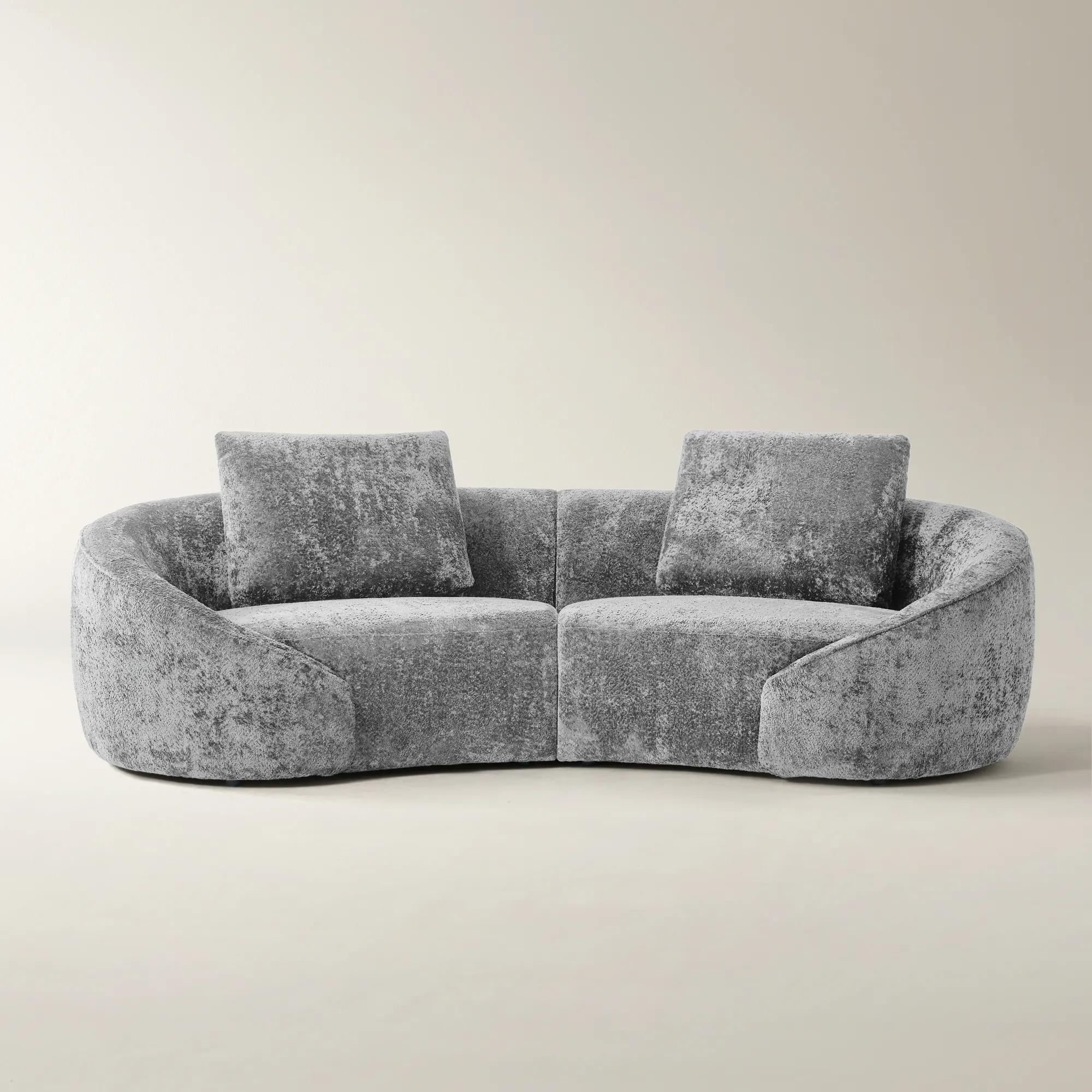 Irene 2-Piece Grey Chenille Sectional$2699
A modern curved sectional upholstered in plush Utopia Sand chenille with high-density foam cushioning for comfort.
Add To Cart -
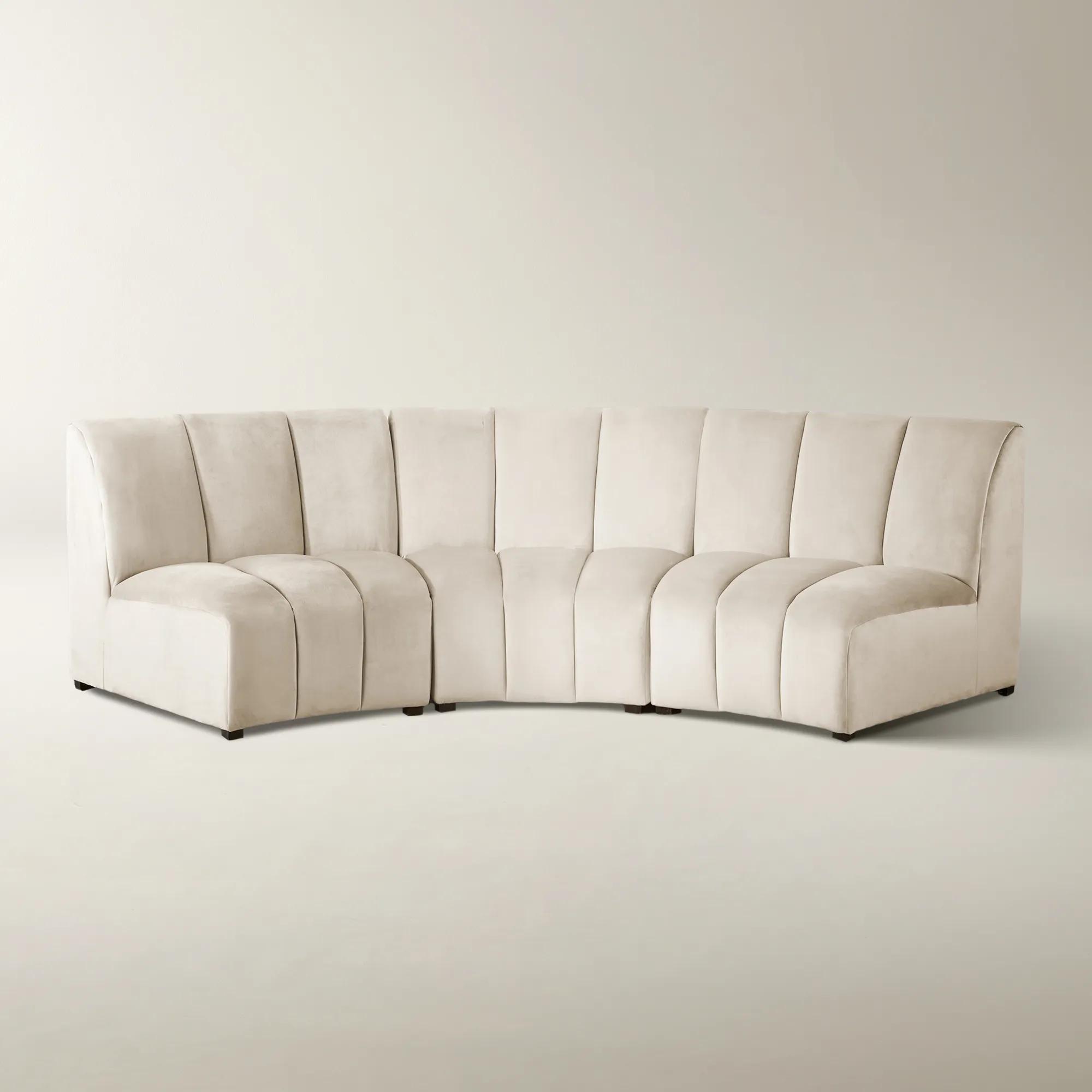
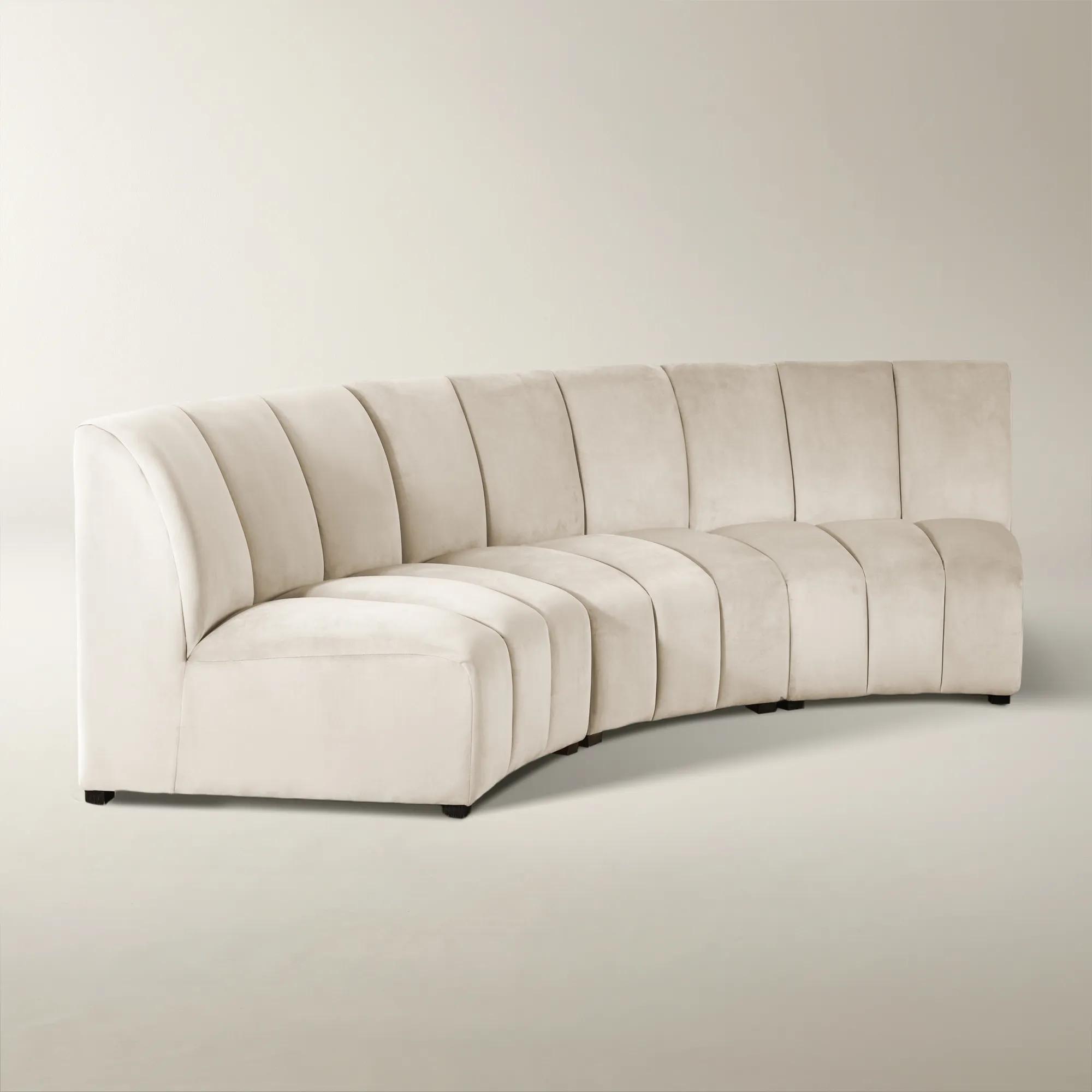 Jayce 3-Piece Channel-Tufted Ivory Velvet Sectional Sofa$2799
A modern curved sectional in stain-resistant Velvet Ivory with deep channel tufting and plush, structured cushions.
Add To Cart -
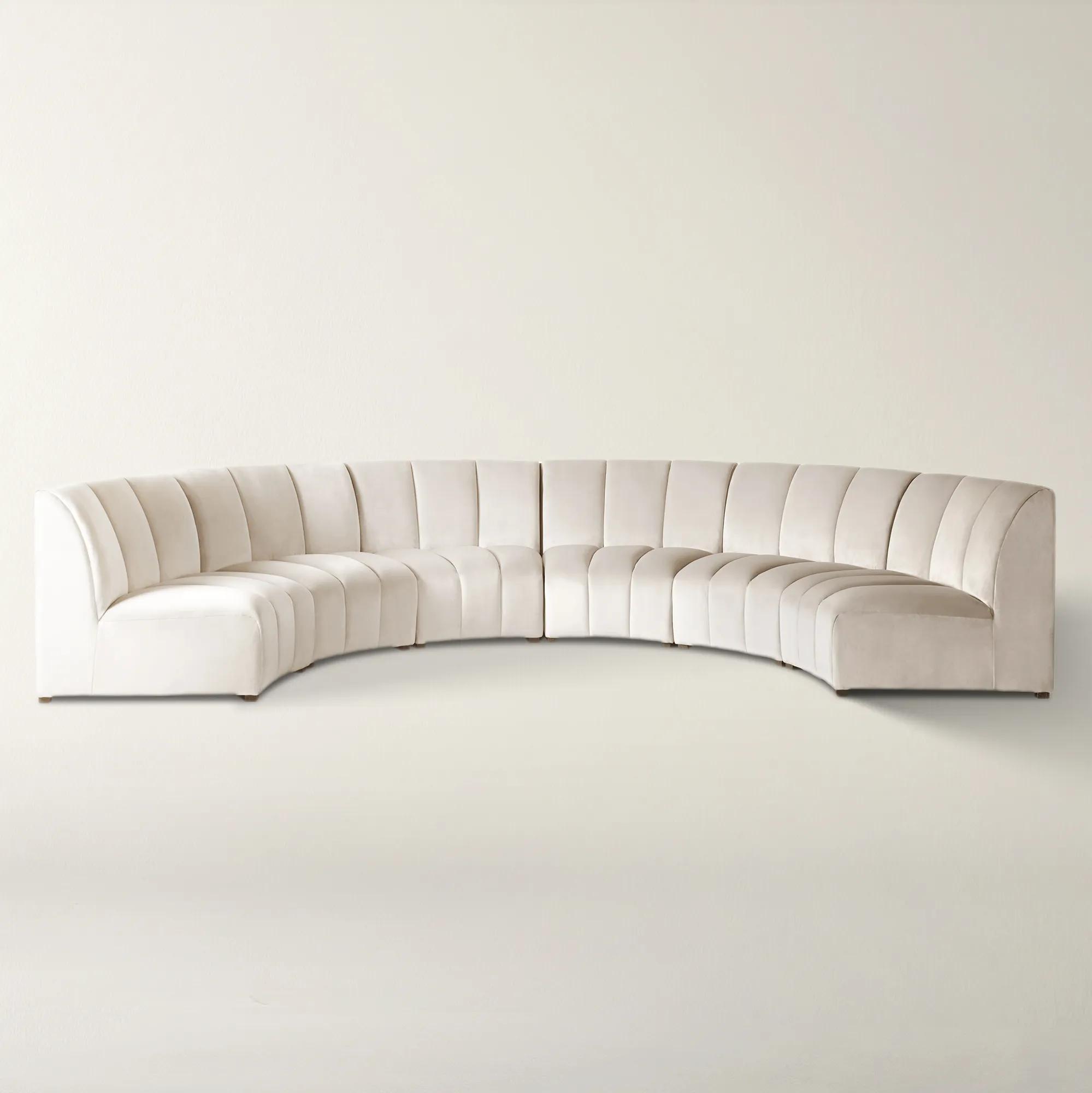 Jayce 6-Piece Channel-Tufted Ivory Velvet Sectional Sofa$5499
A modern curved sectional in stain-resistant Velvet Ivory with deep channel tufting and plush, structured cushions.
Add To Cart -
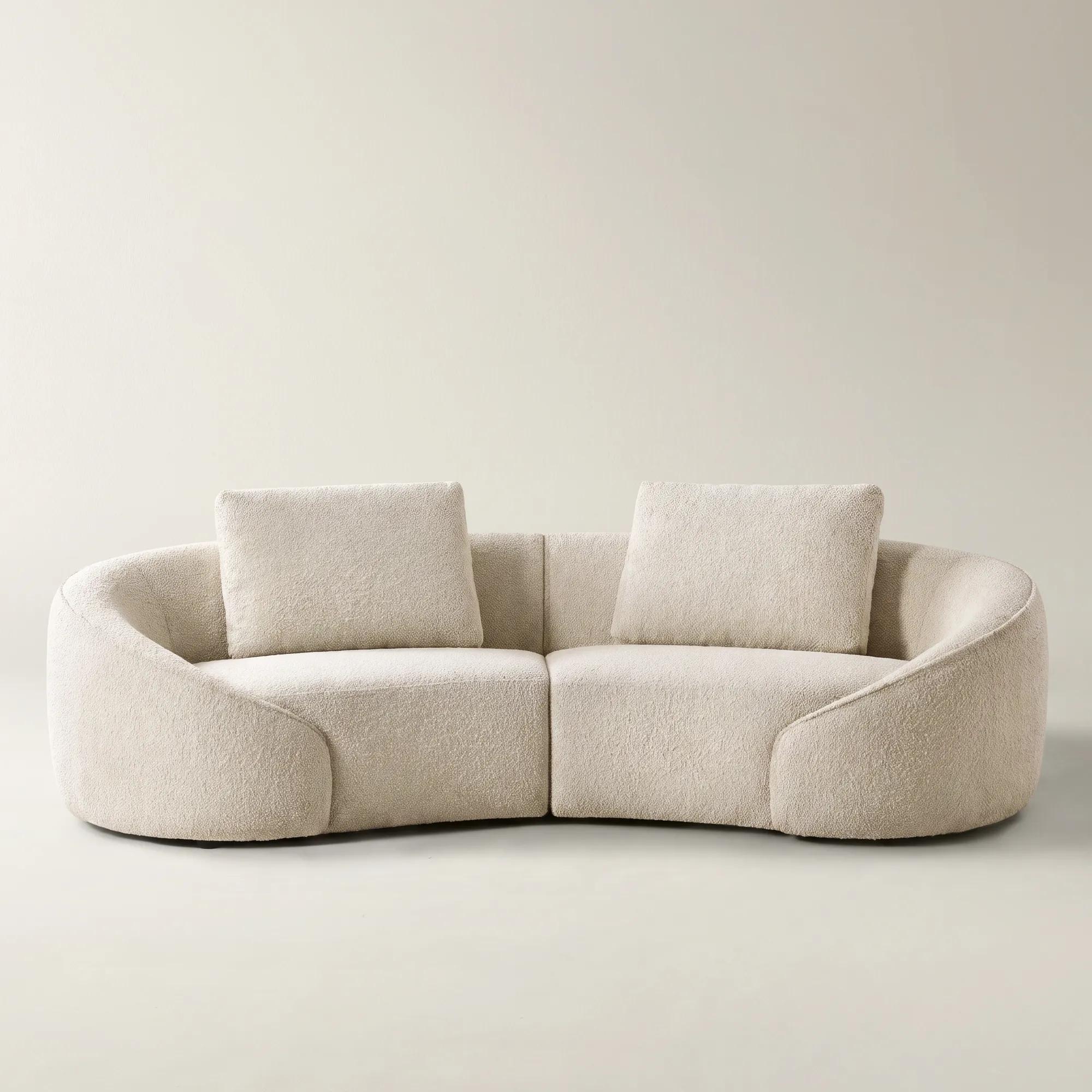
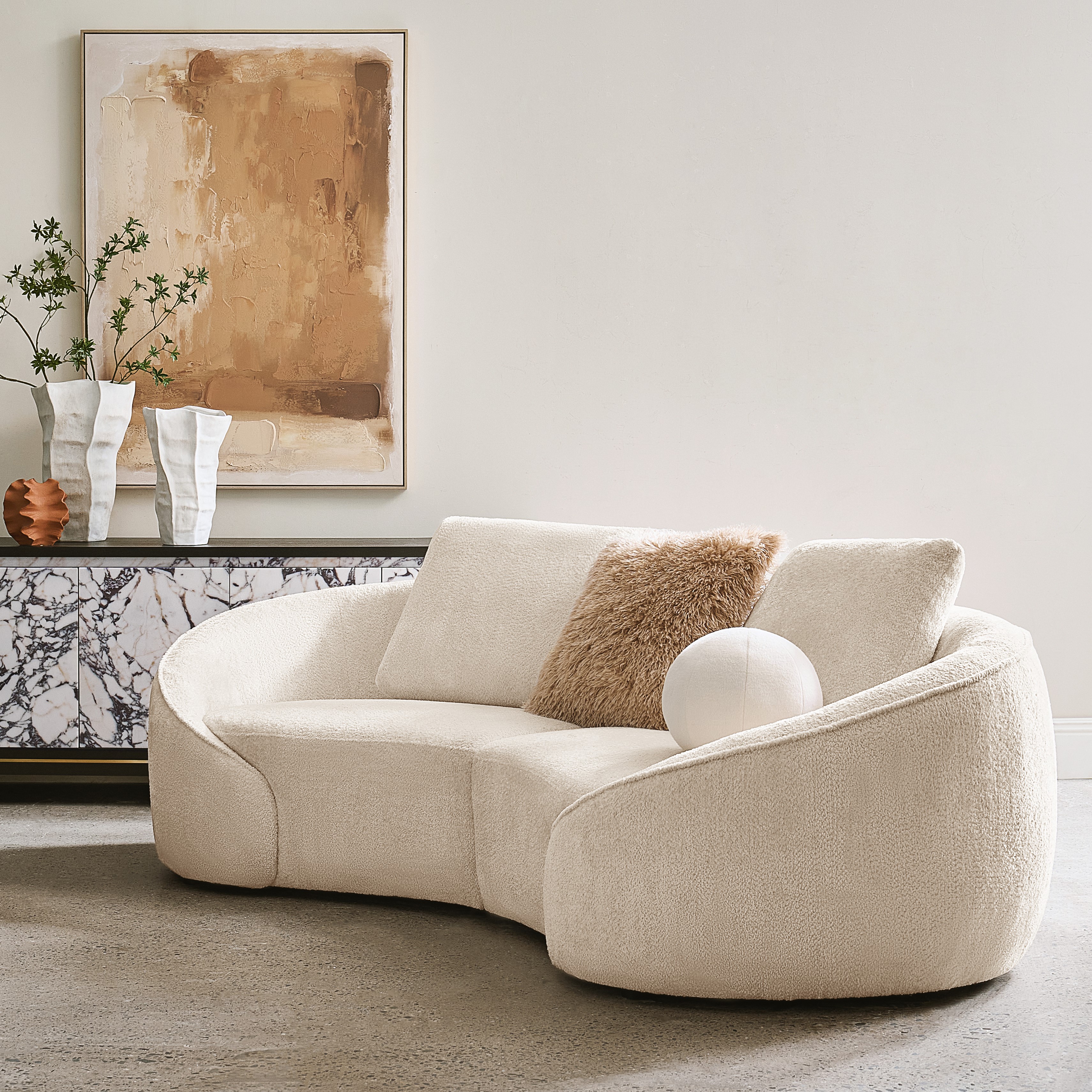 Irene 2-Piece Ivory Performance Boucle Sectional Sofa$2899
An inviting ivory performance boucle sectional featuring sculptural curves, high-resiliency foam, and artisan-tailored upholstery.
Add To Cart -
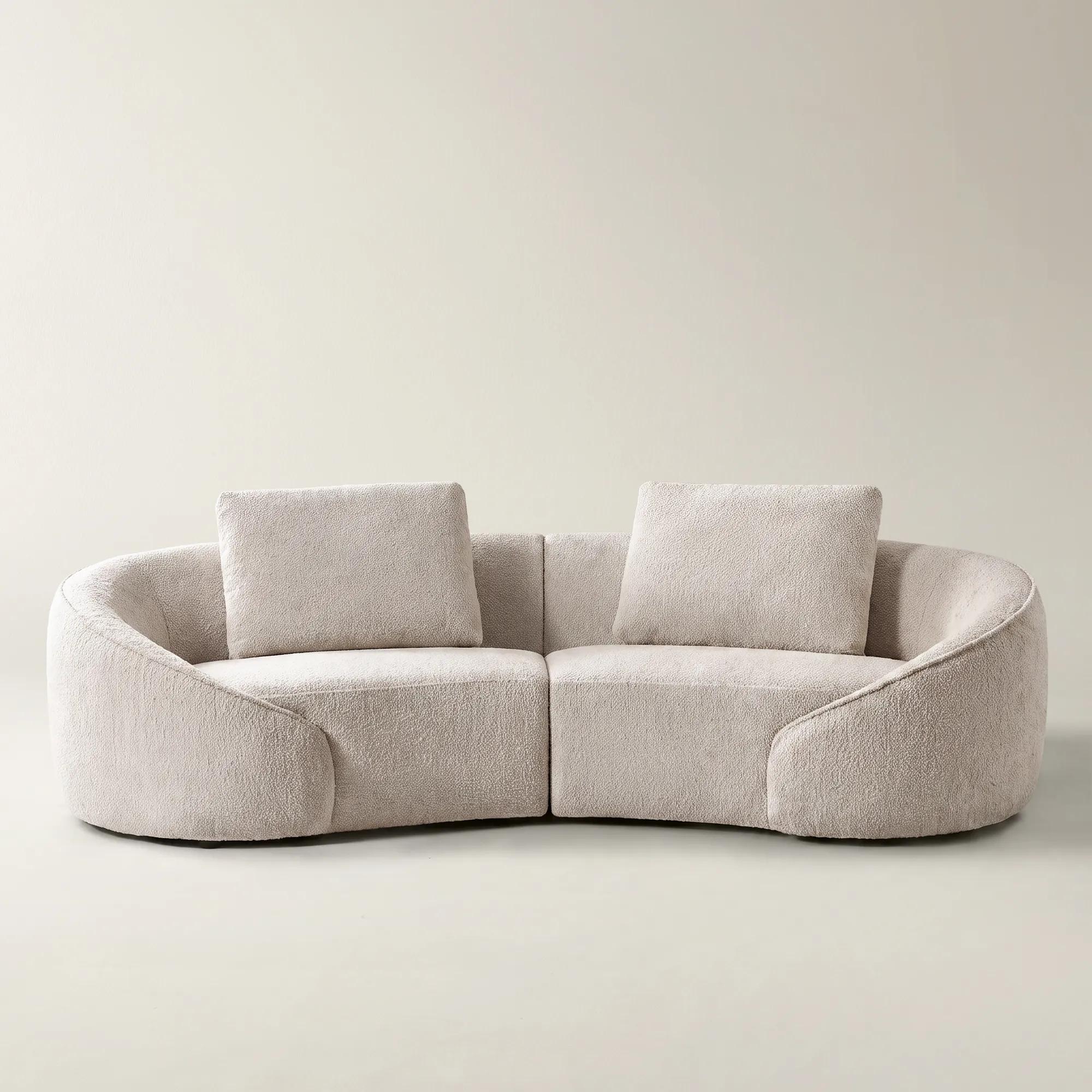
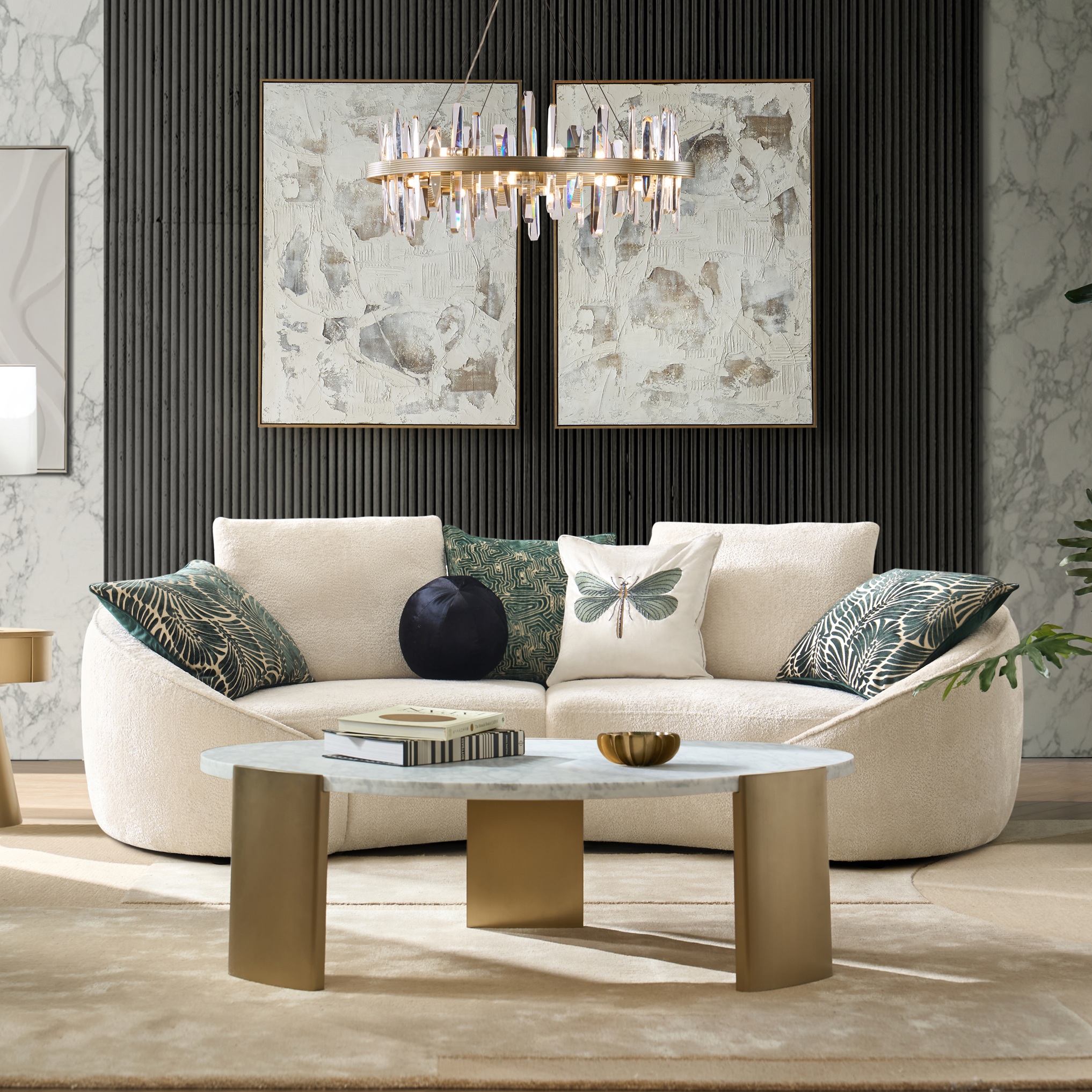 Irene 2-Piece Ivory Performance Boucle Sectional Sofa$2899
An inviting ivory performance boucle sectional featuring sculptural curves, high-resiliency foam, and artisan-tailored upholstery.
Add To Cart -
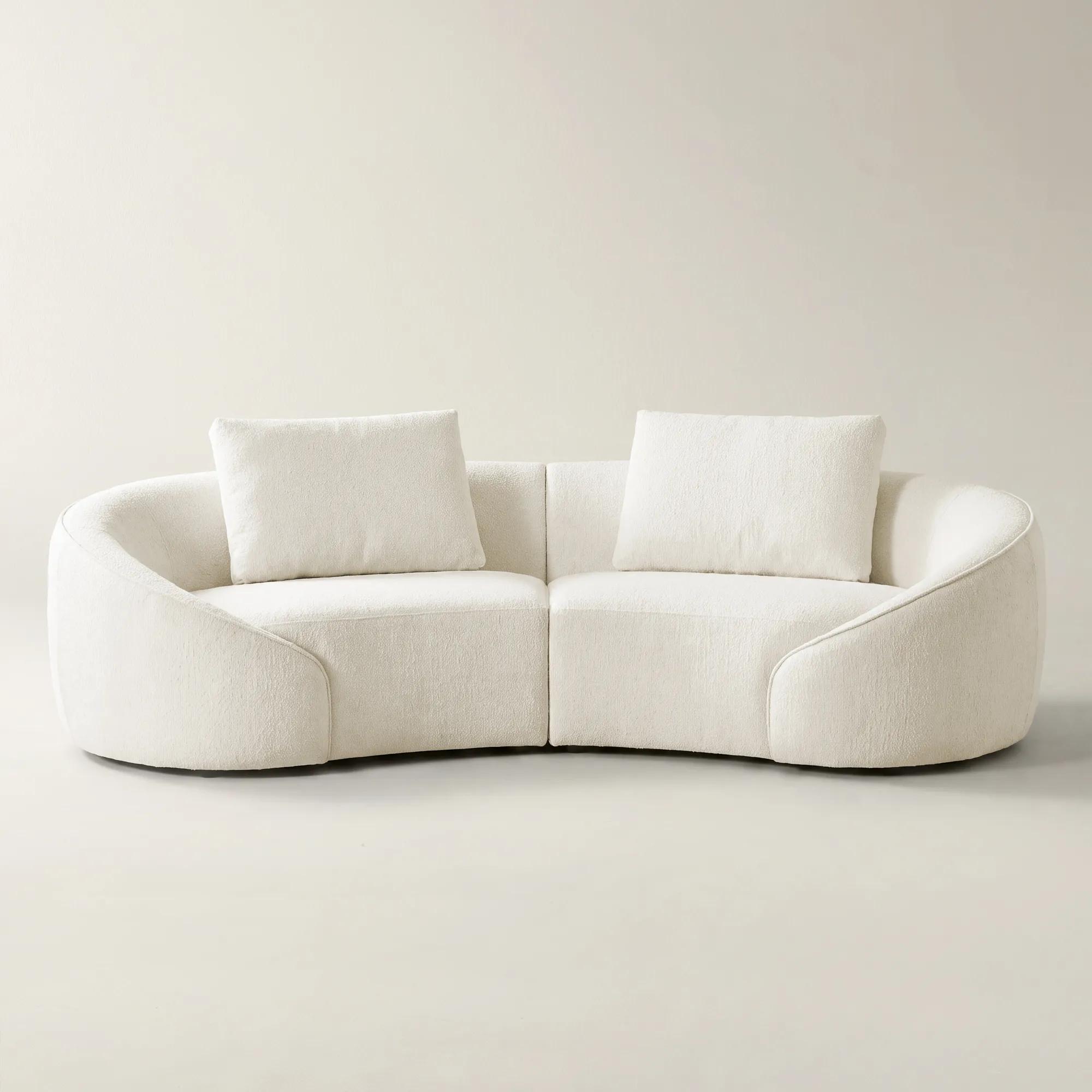 Irene 2-Piece Ivory Performance Chenille Sectional Sofa$2899
A sculptural ivory chenille sectional featuring performance upholstery, high-resiliency foam cushions, and artisan detailing.
Add To Cart -
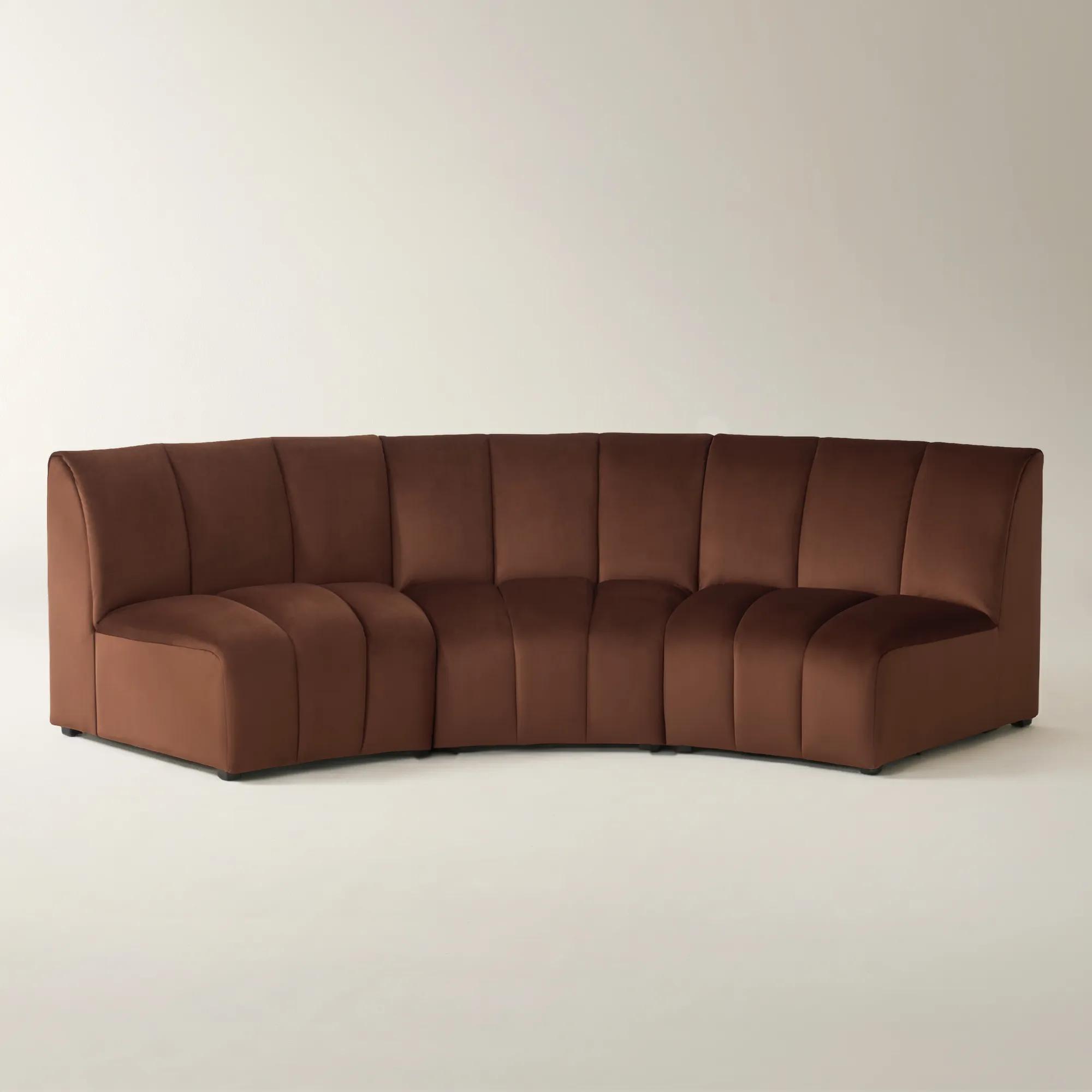 Jayce 3-Piece Channel-Tufted Burnt Umber Velvet Sectional Sofa$2799
A modern curved sectional in silver grey velvet with deep channel tufting and plush, water-repellent upholstery.
Add To Cart

Structured Modern Living Room Sectionals
Structured modern living room sectionals are the cornerstone of a space where artistry meets architecture—where every line, angle, and curve is meticulously composed to command attention. These aren’t just sofas; they are sculptural statements, designed for those who crave both precision and panache in their interiors. Each silhouette invites conversation and captivates the eye, effortlessly transforming your living room into a gallery of bold comfort and refined drama. With structured modern living room sectionals, your space becomes a masterclass in elevated design—a canvas ready to be painted with personality, presence, and unforgettable style.
Structured modern living room sectionals combine clean lines, tailored upholstery, and clearly defined proportions to create seating with an architectural presence. Squared arms, precise seams, aligned cushions, and low-profile silhouettes give these sectionals their composed character, while generous seating makes that polished appearance inviting rather than formal. The appeal lies in the contrast: a strong outline framing a deeply comfortable place to gather. Unlike softly rounded or loosely draped seating, a structured sectional emphasizes shape, making it a striking anchor for contemporary living rooms, open floor plans, and spaces layered with expressive art. An L-shaped configuration can establish an intimate conversation area without enclosing the room, while a broader U-shaped arrangement brings multiple seats into a shared setting. A chaise adds room to stretch out while preserving the visual continuity of a single substantial piece. Upholstery and proportion determine how that geometry feels. Ivory fabric highlights the shadow beneath a tailored arm; charcoal gives a low silhouette greater visual weight; richly colored velvet turns an otherwise restrained form into a saturated focal point. These are sectionals for households that want everyday comfort to coexist with a deliberate design point of view, whether the room hosts lively conversation, relaxed movie nights, or a quiet hour with a book. Their orderly lines also create a compelling backdrop for more expressive accents. A sculptural cocktail table, luminous metallic finish, or oversize abstract canvas can introduce drama without competing with an elaborate sofa profile. A few substantial pillows preserve the sectional’s definition better than layers of small accents that obscure its shape. The result is a living room with a clear visual center: generous enough to welcome company, refined enough to make every surrounding texture and finish feel intentional. Even in a richly decorated interior, the sectional’s disciplined outline gives the eye a place to rest, allowing bold details to feel collected rather than crowded.
The most successful fit comes from matching the sectional’s configuration to the way the room is lived in, not simply filling the longest wall. A chaise can turn an unused corner into a destination, but its projection should leave a comfortable route between the entry, seating area, and adjoining rooms. In an open-plan interior, a sectional with a finished upholstered back can float away from the wall, defining the living area while maintaining a connection to the space beyond. A slim console behind the seating can reinforce that boundary, provided it does not narrow a primary walkway. Allowing approximately 36 inches for main circulation routes is a useful starting point, with additional clearance where doors swing or traffic is especially active. Around a coffee table, roughly 14 to 18 inches often keeps a drink within reach while leaving space for seated movement; individual mobility needs may call for a different arrangement. Overall width is only part of the picture. Seat depth, back height, arm width, and chaise length all influence comfort and scale. A deeper seat favors reclining, while a shallower seat can make upright conversation more comfortable, particularly for people whose feet do not reach the floor on oversized seating. Broad arms create a substantial silhouette but occupy space that might otherwise become usable seating. For households seeking adaptable arrangements, Living Room Modular Sectionals offer another approach to defining the room through individual seating components. Modular construction does not automatically mean every arrangement is possible; finished sides, connector placement, and compatible components determine how pieces can be combined. Likewise, left-facing and right-facing labels should be checked against the configuration diagram rather than assumed. Measuring doorways, stair turns, elevator interiors, and the intended footprint helps ensure that the desired proportions work beyond a floor plan. An area rug extending beneath the front legs and across the seating arrangement then ties the composition together, giving the sectional an intentional foundation.
Materials bring the sectional’s structure to life, influencing everything from the way light travels across the upholstery to how the cushions respond after an evening of use. Velvet lends clean-lined seating a sumptuous depth, with a directional pile that can shift from luminous to shadowed as the viewing angle changes. Tightly woven fabrics emphasize tailored seams, while chenille introduces a softer surface that tempers angular forms. Leather, when specified, offers its own variation in grain, finish, and maintenance requirements; its suitability for a busy household depends on the particular upholstery rather than the material name alone. Performance fabrics can be appealing for frequently used living rooms, but stain resistance, abrasion testing, and approved cleaning methods vary, and no upholstery is immune to wear. Homes with children, pets, or frequent guests benefit from considering weave, texture, and care requirements alongside color. A pale sectional can be beautifully livable when its maintenance needs suit the household, just as a dark fabric may still reveal lint or pet hair. Beneath the upholstery, frame construction, secure joinery, suspension, and cushion composition contribute to lasting support. Dense foam may provide a more defined seat, while fiber or feather blends can soften the feel and require more frequent reshaping; density and firmness are not interchangeable measures. Removable cushions may simplify routine maintenance, but removable covers should never be assumed to be machine washable. The upholstery’s care label remains the authority for cleaning. Regular vacuuming with an appropriate upholstery attachment helps lift abrasive dust from seams and crevices, and prompt blotting rather than rubbing can help limit the spread of a spill. Reversible cushions can be turned when the construction permits, while prolonged direct sunlight may alter some fabrics and finishes. These practical details protect more than appearance: they help preserve the crisp outline and inviting comfort that make structured seating distinctive. With the right balance of proportion, upholstery, and construction, a modern sectional becomes both the room’s most generous gathering place and its most confident design statement.
FAQs
Structured modern living room sectionals are remarkably versatile, harmonizing beautifully with a range of design styles. Their clean lines and sculptural forms lend themselves to contemporary, mid-century modern, and glam-inspired spaces. Pair them with bold artwork, metallic accents, or statement lighting to create a living room that feels curated and expressive. For a softer touch, layer with plush throws and textured pillows to add warmth and depth.
A Z Gallerie sectional serves as a dynamic canvas for seasonal styling. In winter, drape it with sumptuous velvet throws and jewel-toned cushions for a cozy, luxe effect. As spring approaches, swap in lighter linen or silk accessories in fresh, airy hues. No matter the season, introducing new textures, patterns, and accent pieces allows your sectional to evolve with your mood and the atmosphere you wish to create.
Absolutely. Modern living room sectionals are designed to foster connection and conversation, making them ideal for entertaining. Their generous seating accommodates groups with ease, while their modular configurations can be tailored to suit intimate gatherings or lively soirées. The result is a sophisticated yet inviting setting where guests feel welcomed and at ease.
Contemporary living room sectionals are often crafted from premium materials that blend comfort and durability. Expect to find upholstery in luxurious fabrics such as velvet, chenille, or high-performance microfiber, paired with sturdy hardwood frames and refined metal or wood accents. These thoughtful material choices create a tactile experience that’s both inviting and enduring.
To create a cohesive look, start by selecting a sectional in a hue or texture that anchors your space. Build around it with complementary rugs, accent tables, and decorative pieces that echo its style—think mirrored surfaces for added glamor or sculptural décor for an artistic touch. Layer lighting and textiles to enhance the mood, ensuring every element works in harmony to celebrate your sectional as the room’s statement piece.