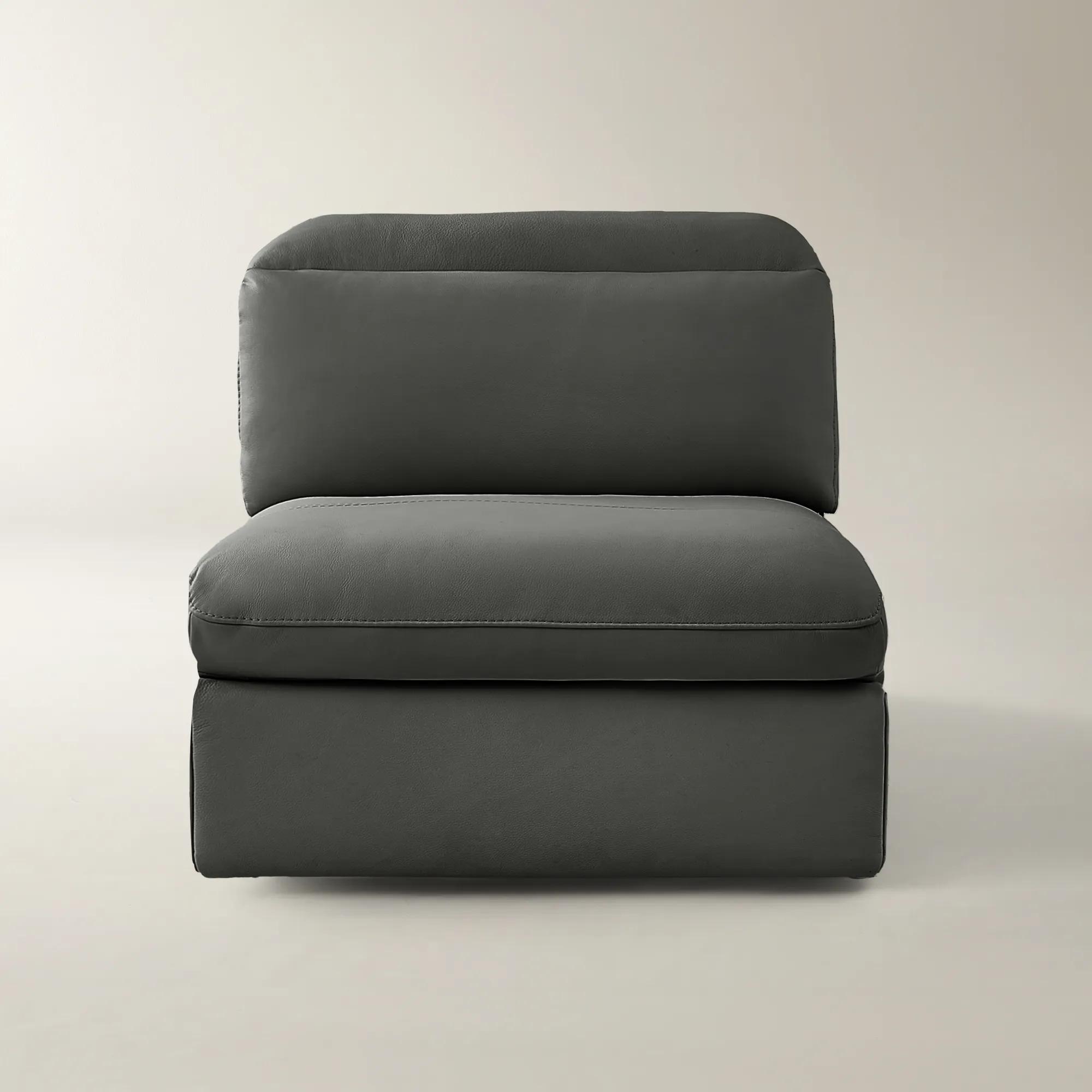
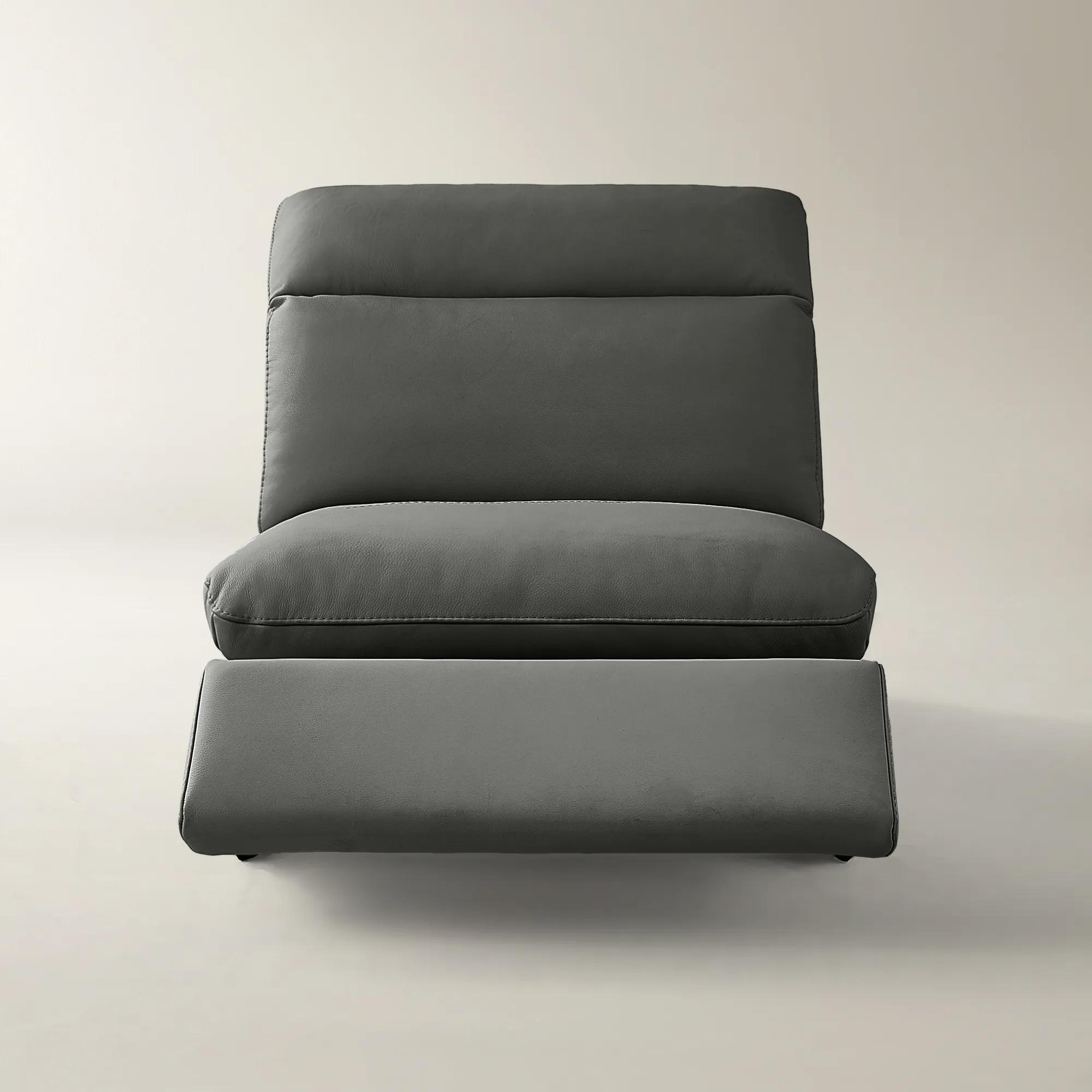
Modular Leather Sectionals
Modular Leather Sectionals
-
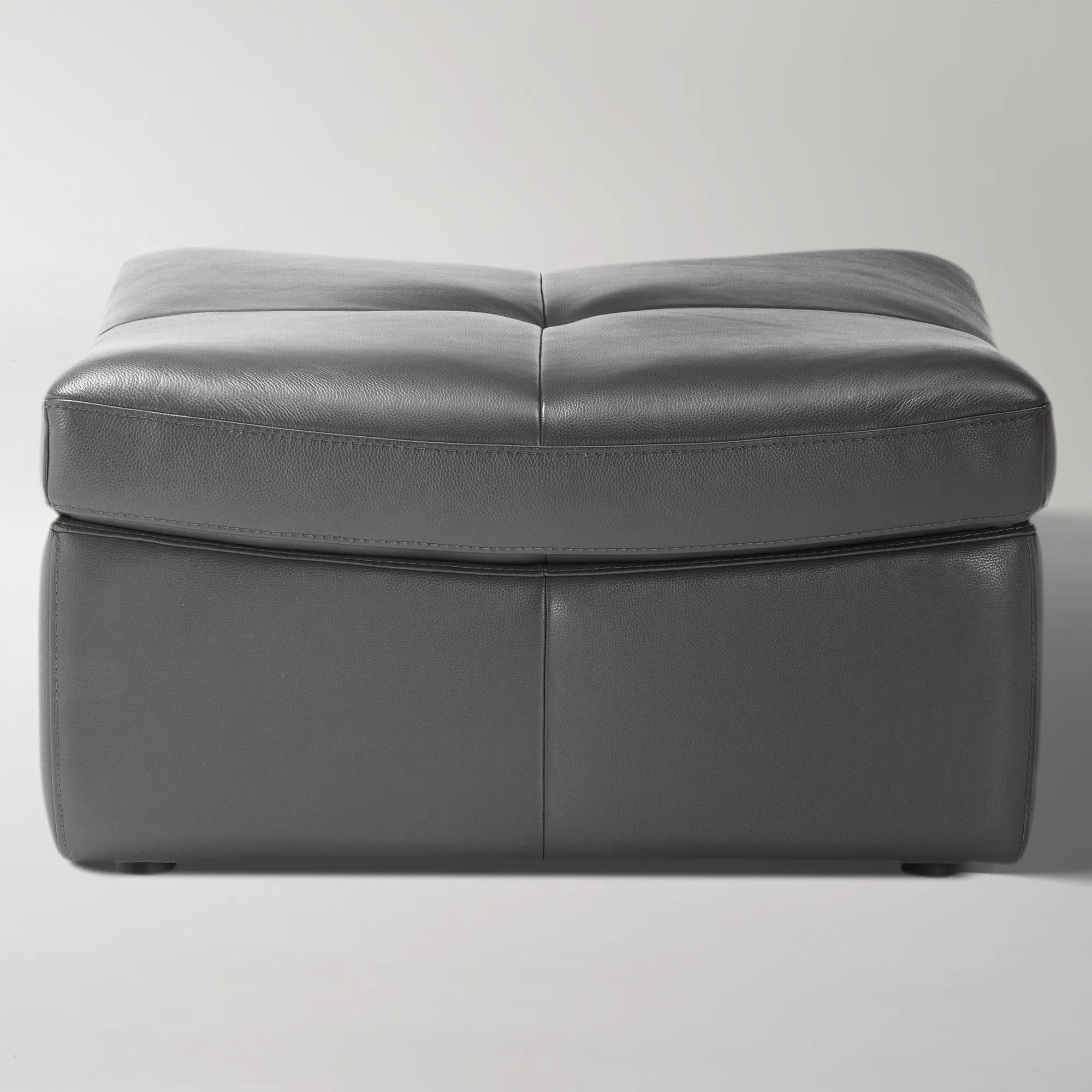 Convo Charcoal Leather Ottoman$849
A modular sectional in charcoal semi-aniline leather with kiln-dried hardwood frames and gently curved seats.
Add To Cart -
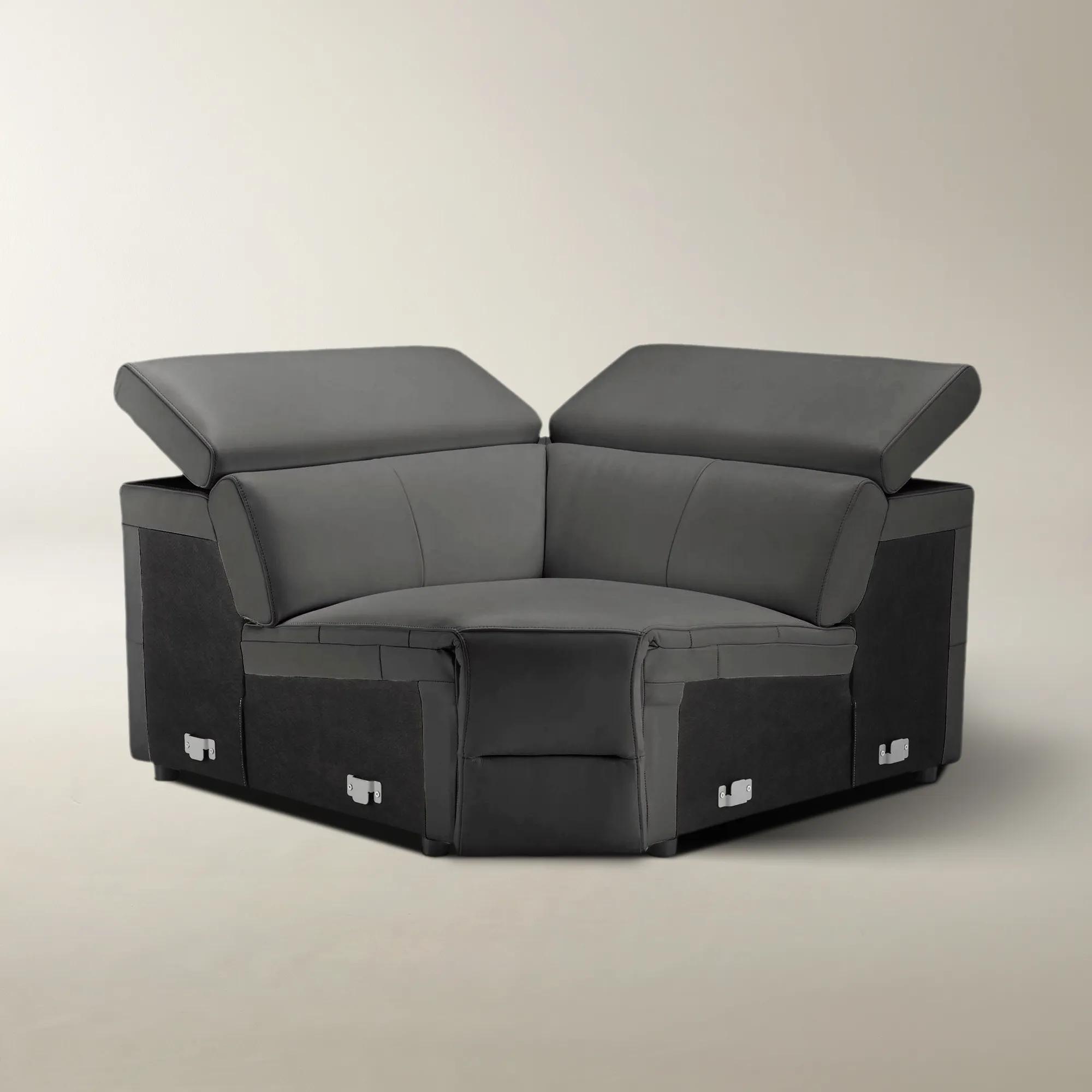
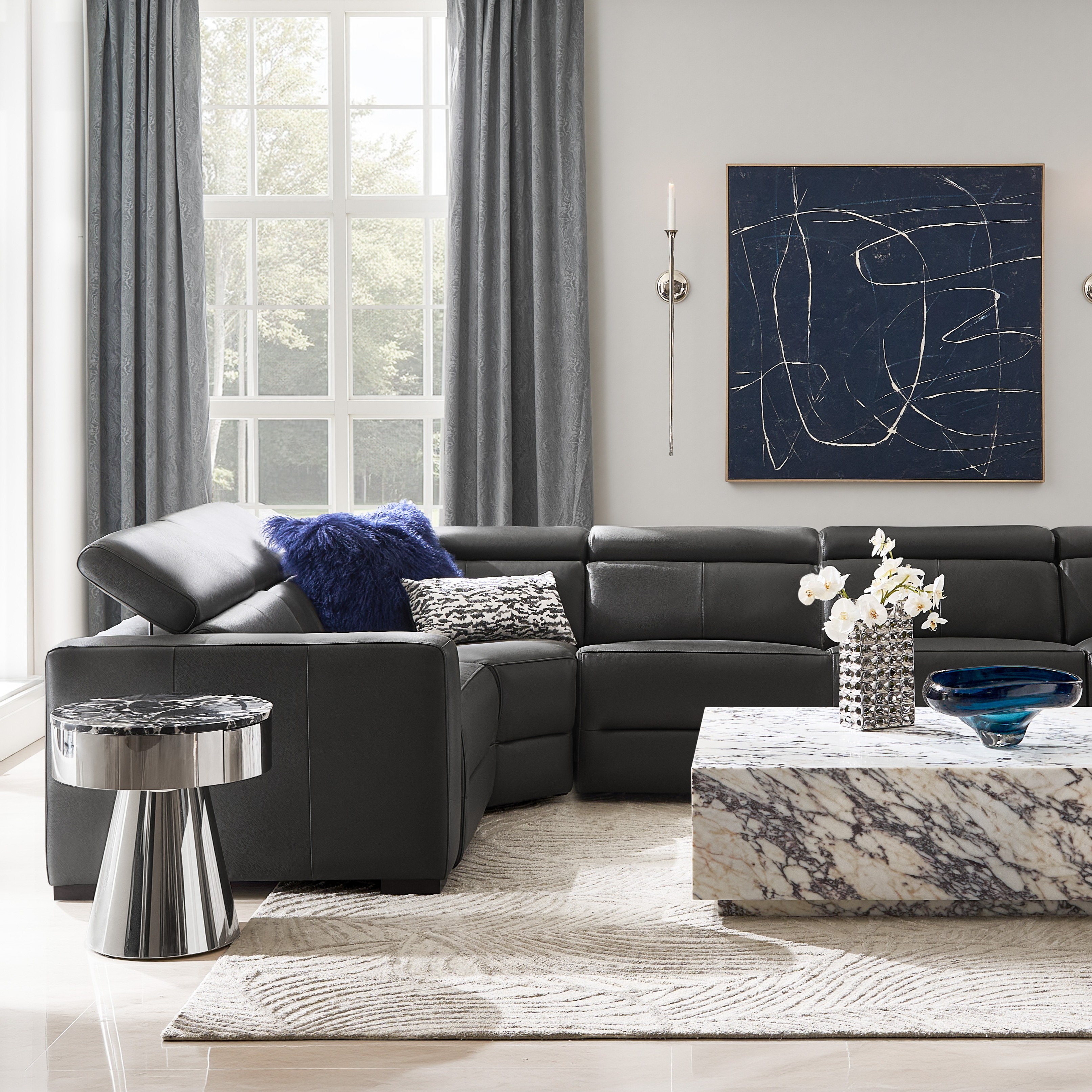 Verona Charcoal Leather Corner Chair With Power$1499
A modern charcoal sectional upholstered in supple semi-aniline leather with adjustable headrests and optional power recline.
Add To Cart -
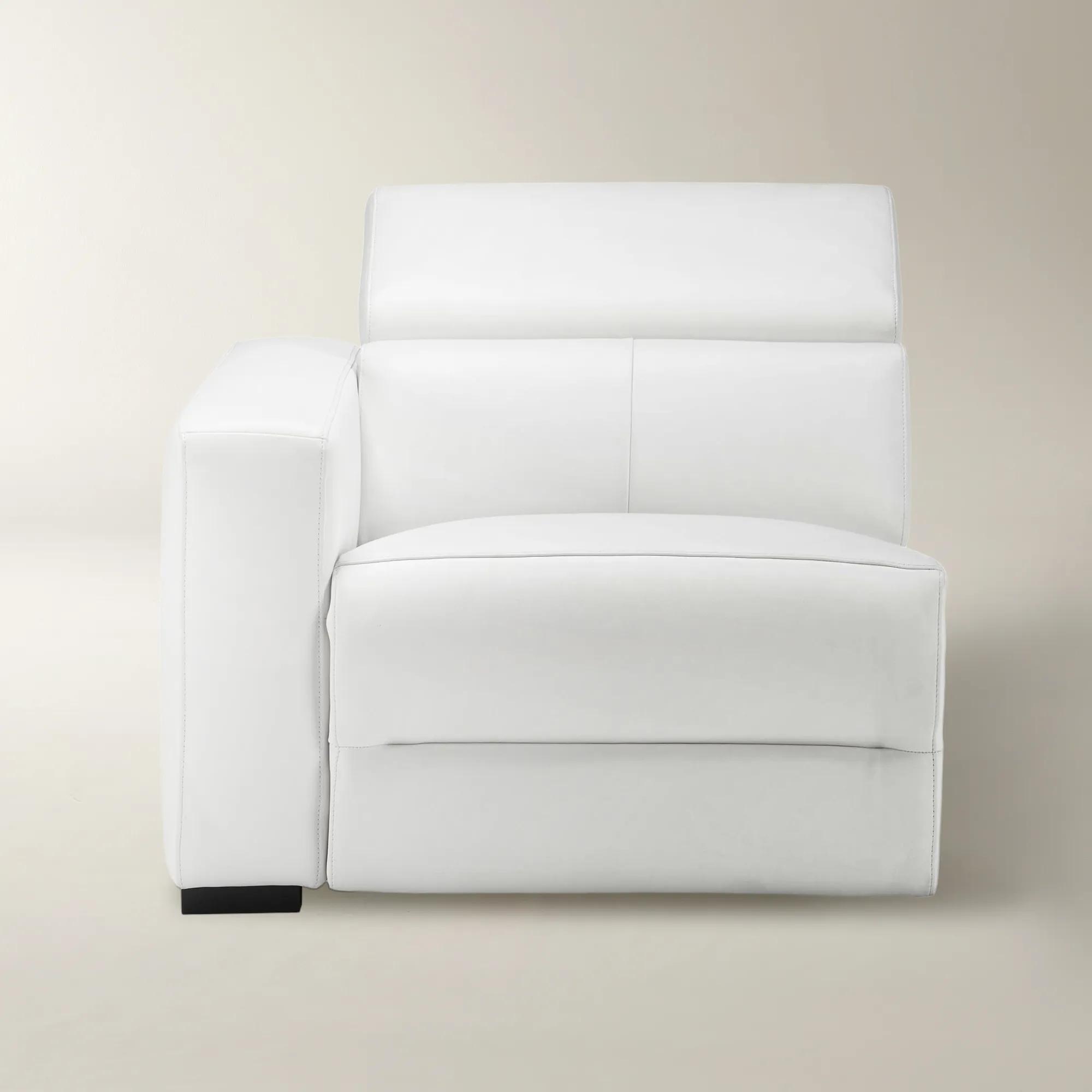
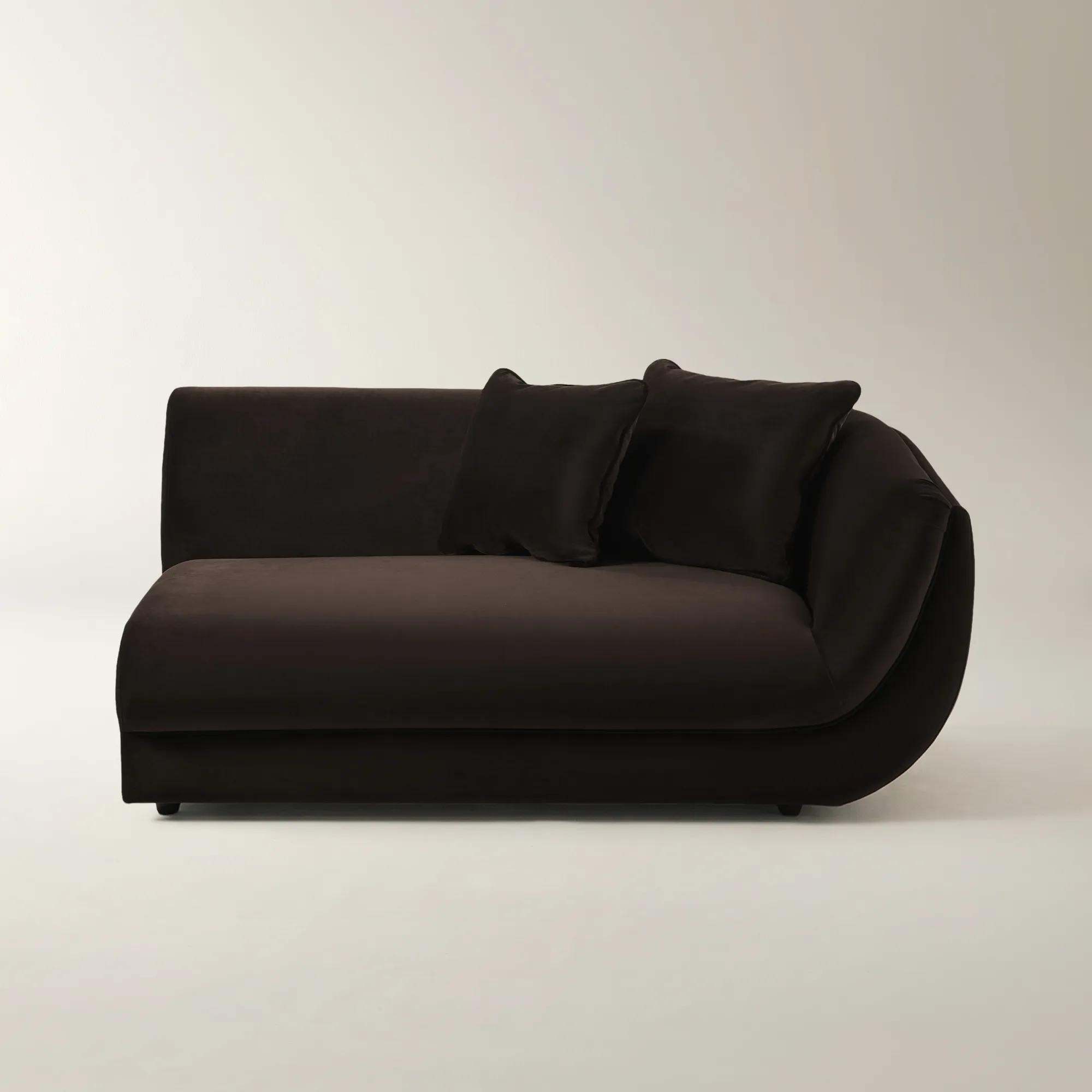
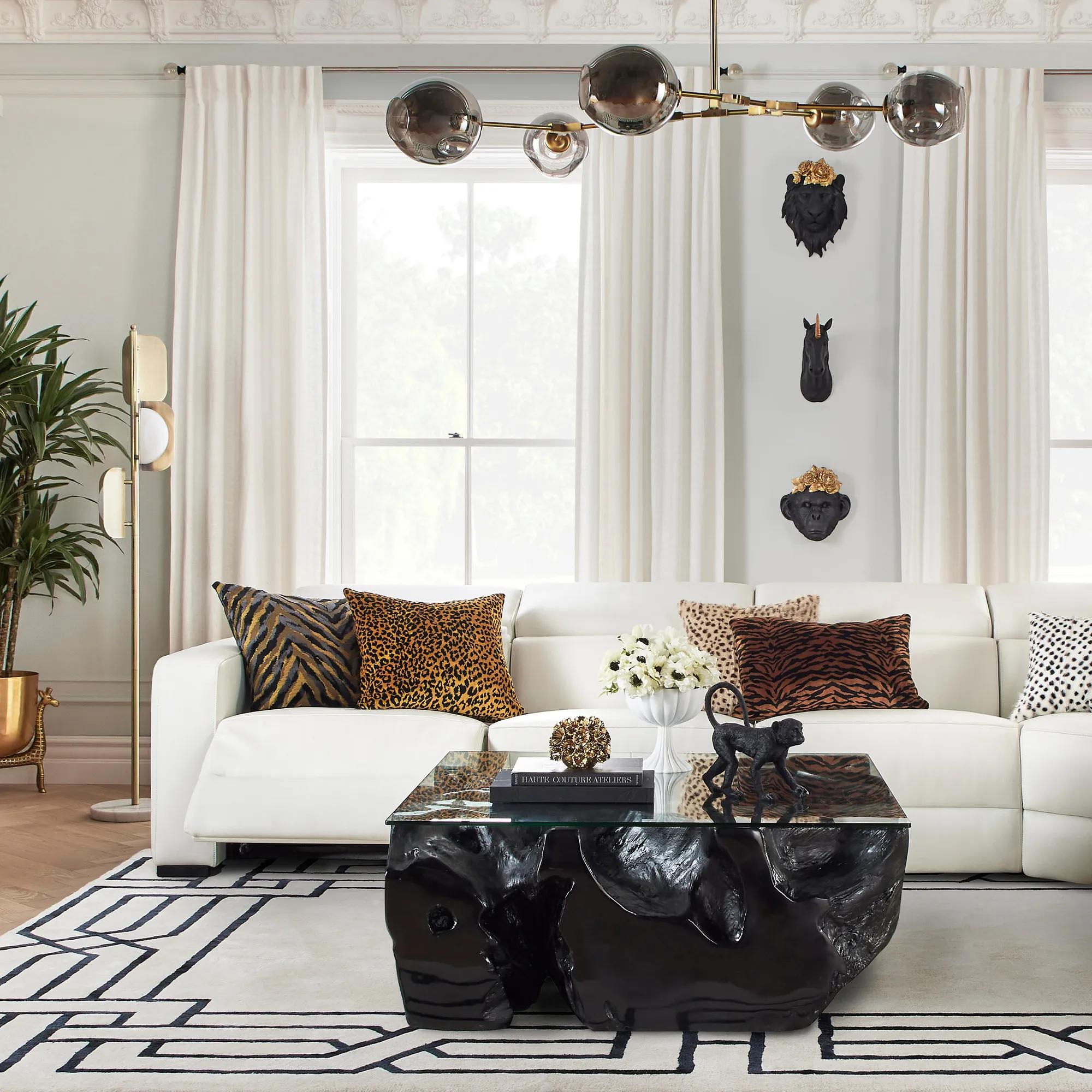 Verona White Leather Left Arm Chair$1299
A modern white sectional upholstered in supple semi-aniline leather with adjustable headrests and power-reclining seats.
Add To Cart -
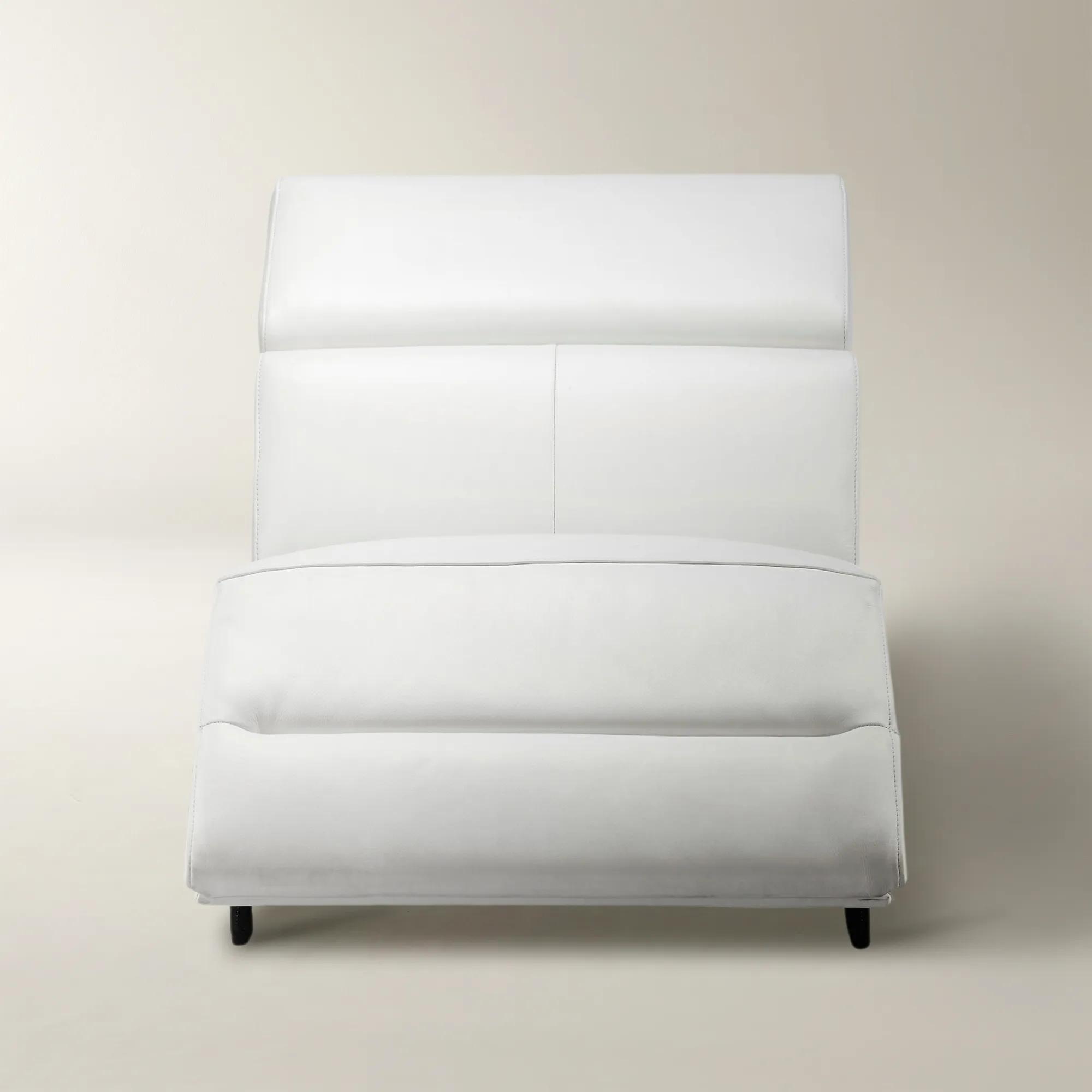 Verona Reclining White Leather Armless Chair With Power$1249
A modern white sectional upholstered in supple semi-aniline leather with adjustable headrests and power-reclining options.
Add To Cart -
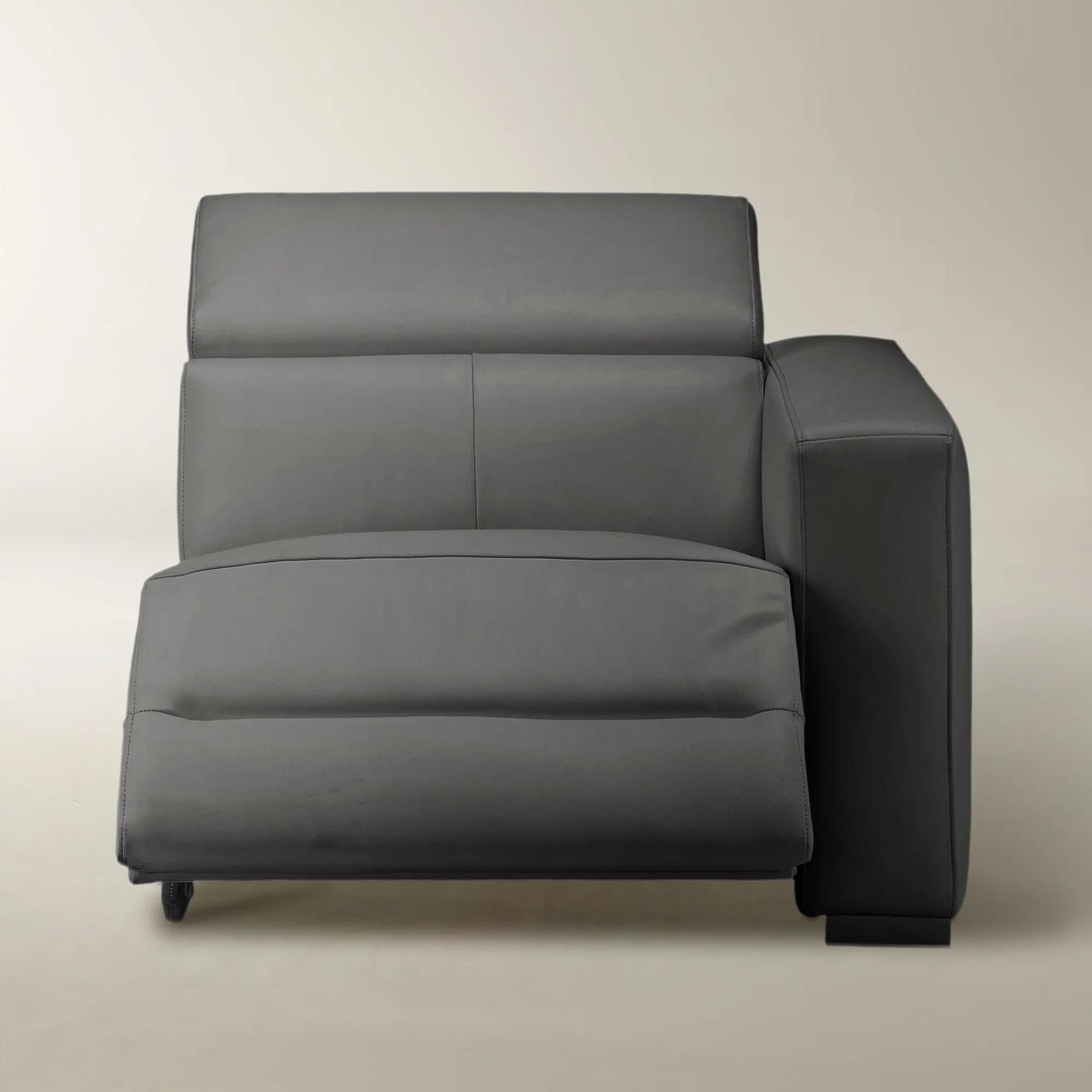 Verona Reclining Charcoal Leather Right Arm Chair With Power$1499
A charcoal semi-aniline leather sectional with adjustable headrests and optional power-reclining seats for comfort.
Add To Cart -
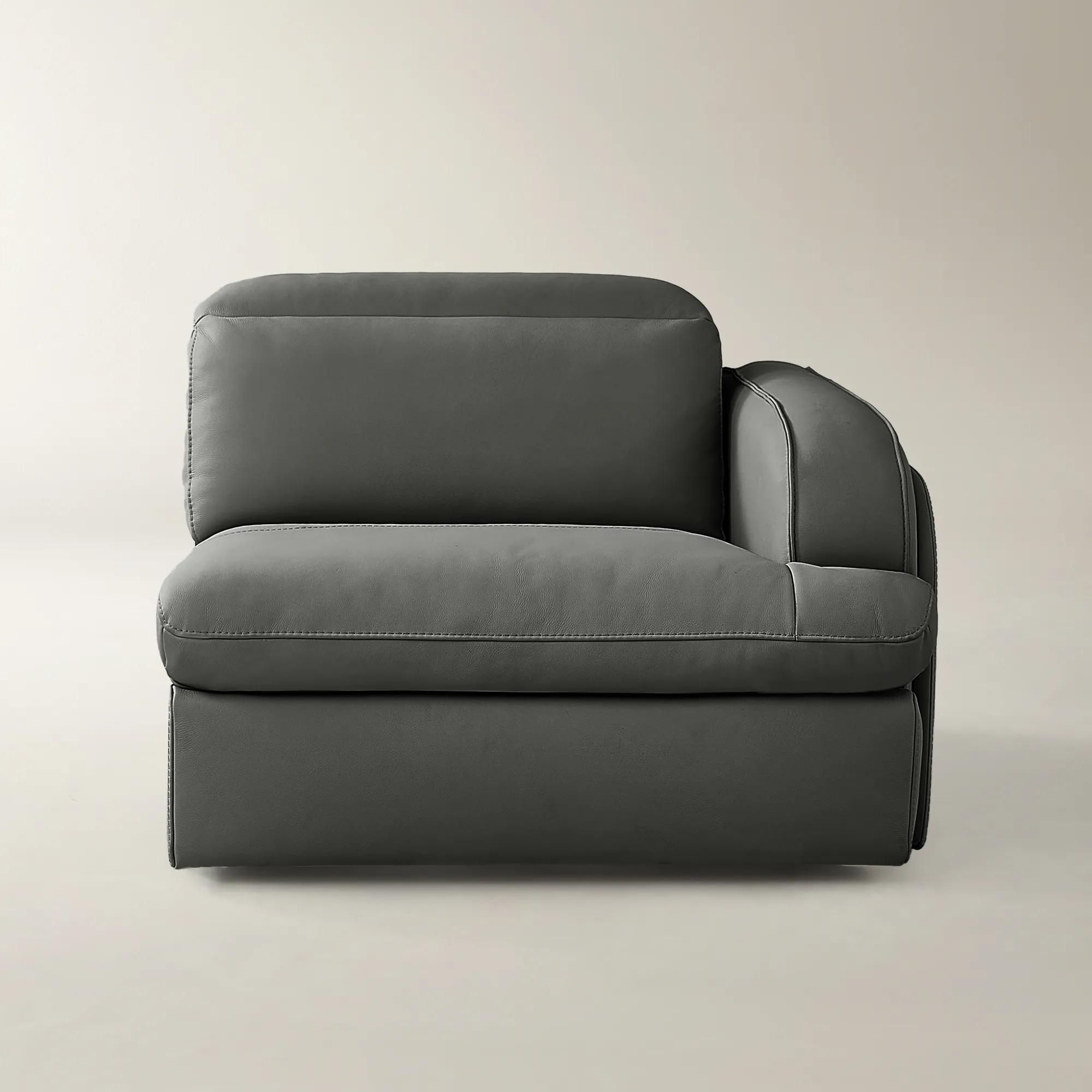
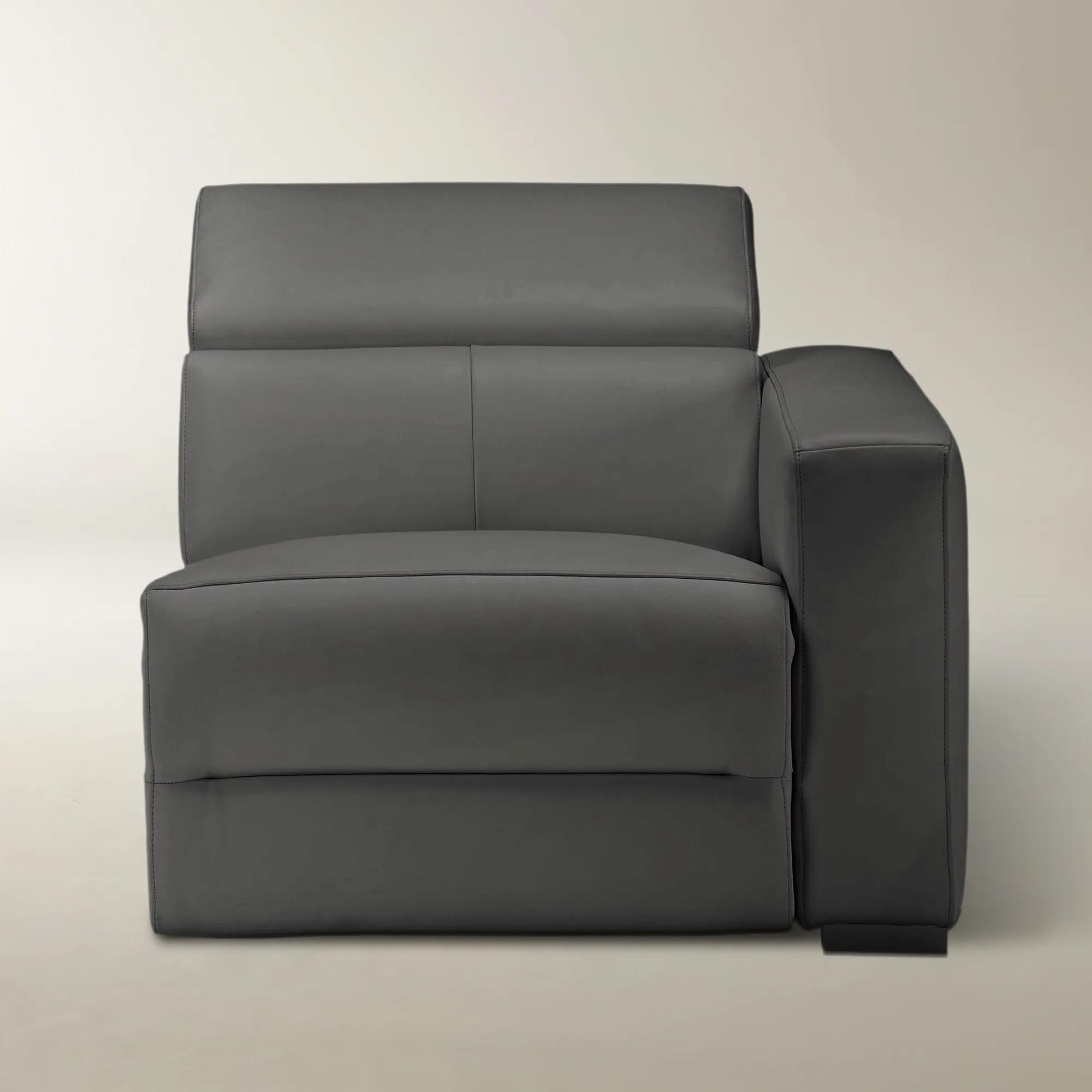 Verona Charcoal Leather Right Arm Chair$1299
A modern charcoal sectional upholstered in supple semi-aniline leather with adjustable headrests and optional power recline.
Add To Cart -
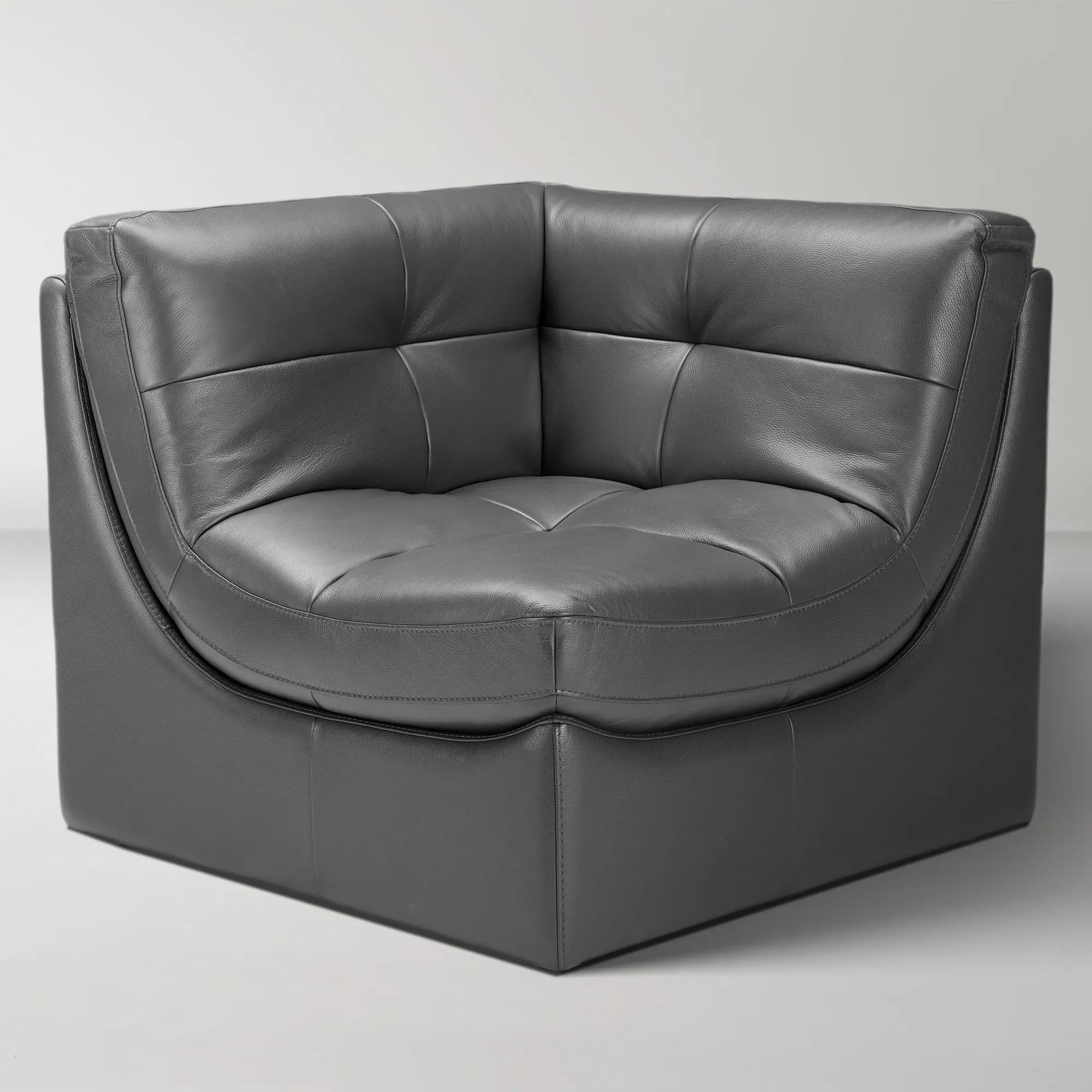
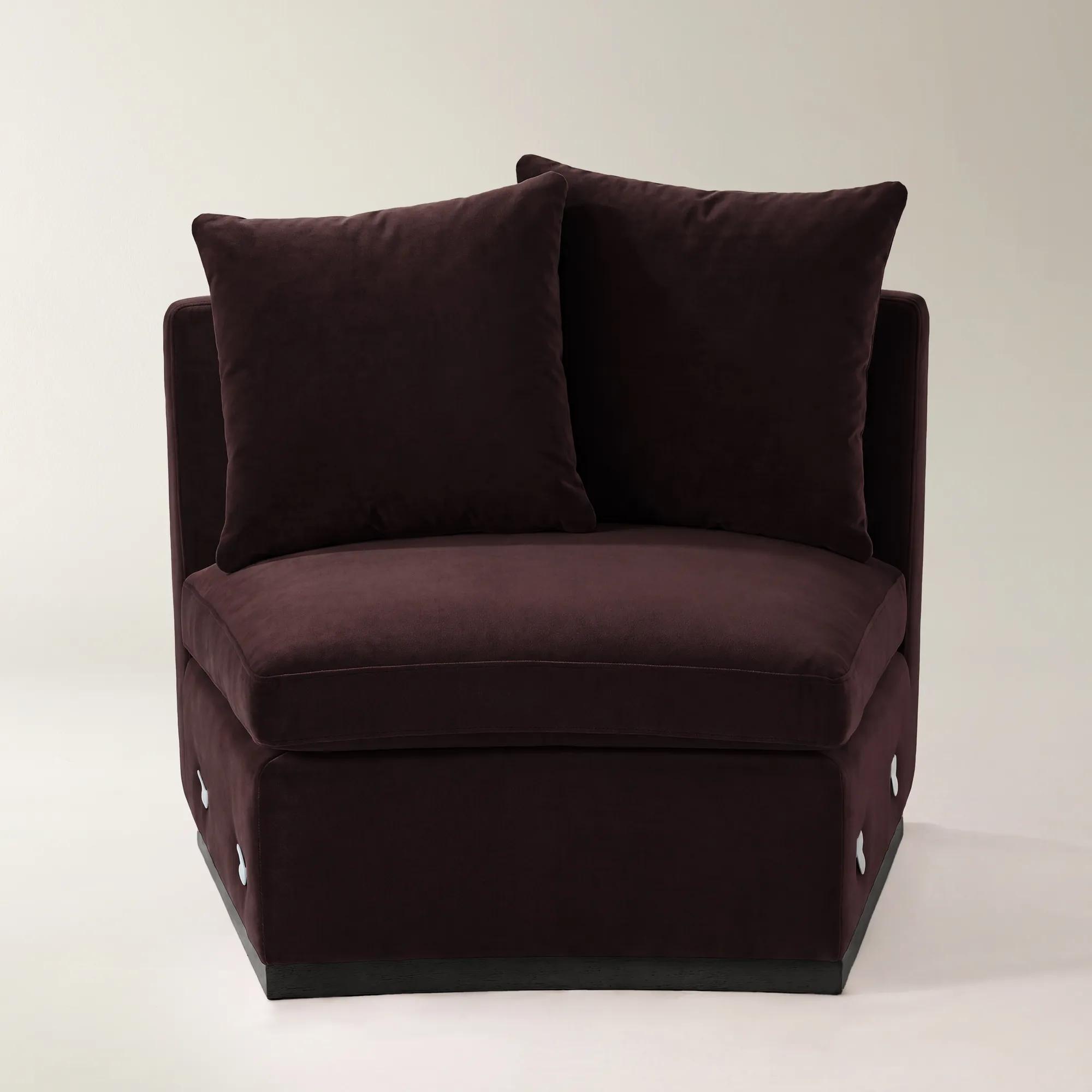
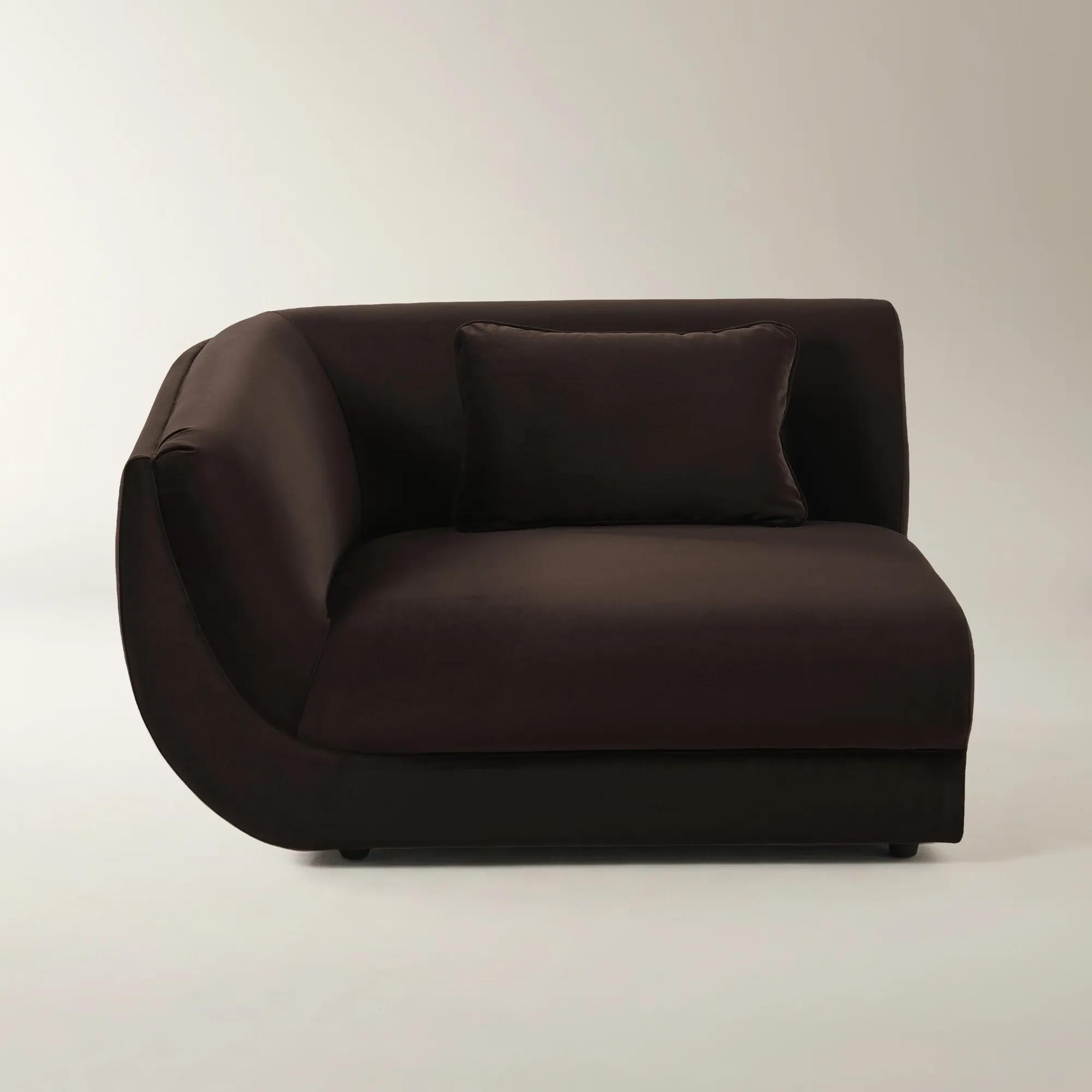
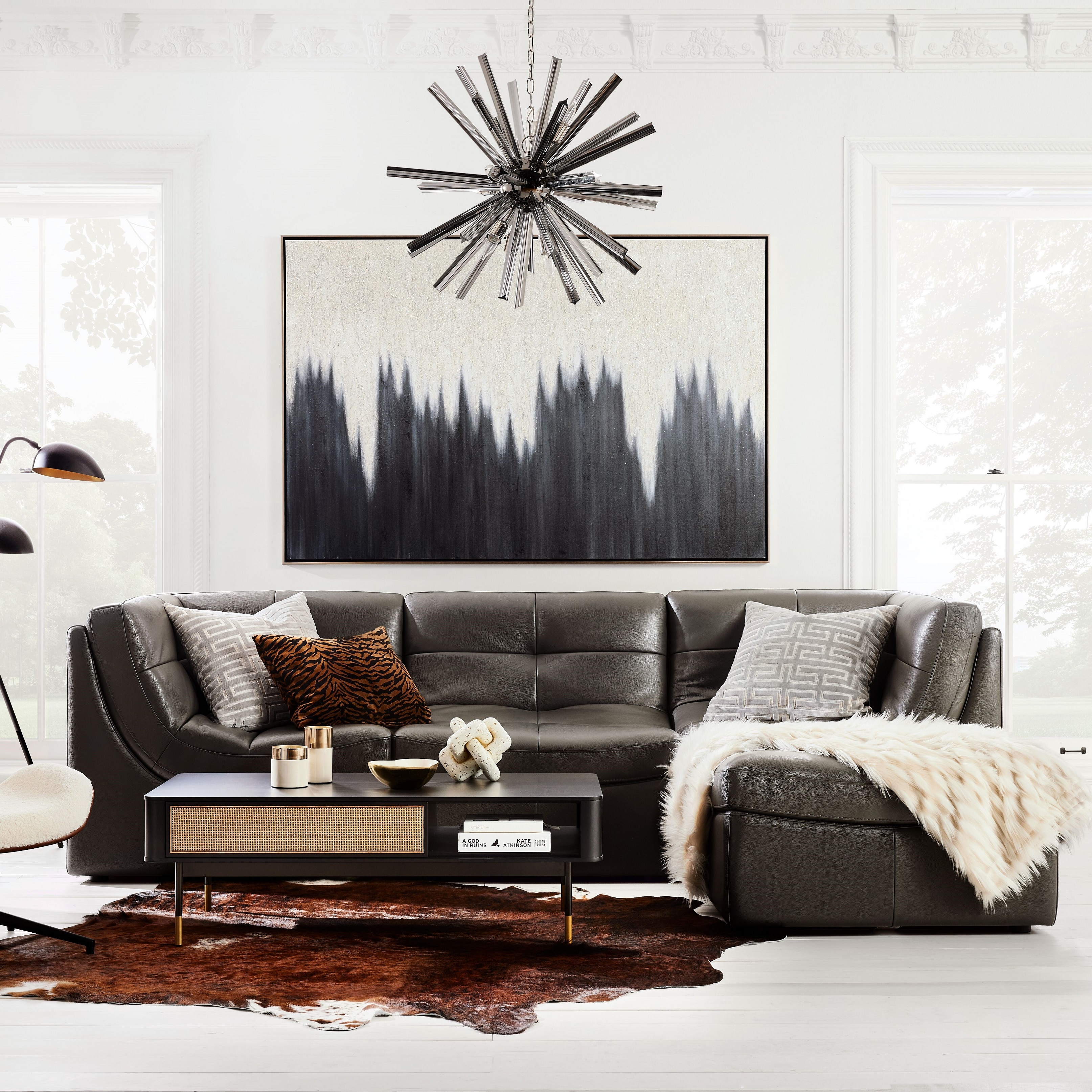 Convo Charcoal Leather Corner Chair$1399
A modular sectional featuring kiln-dried hardwood frames and charcoal semi-aniline leather upholstery for modern versatility.
Add To Cart -
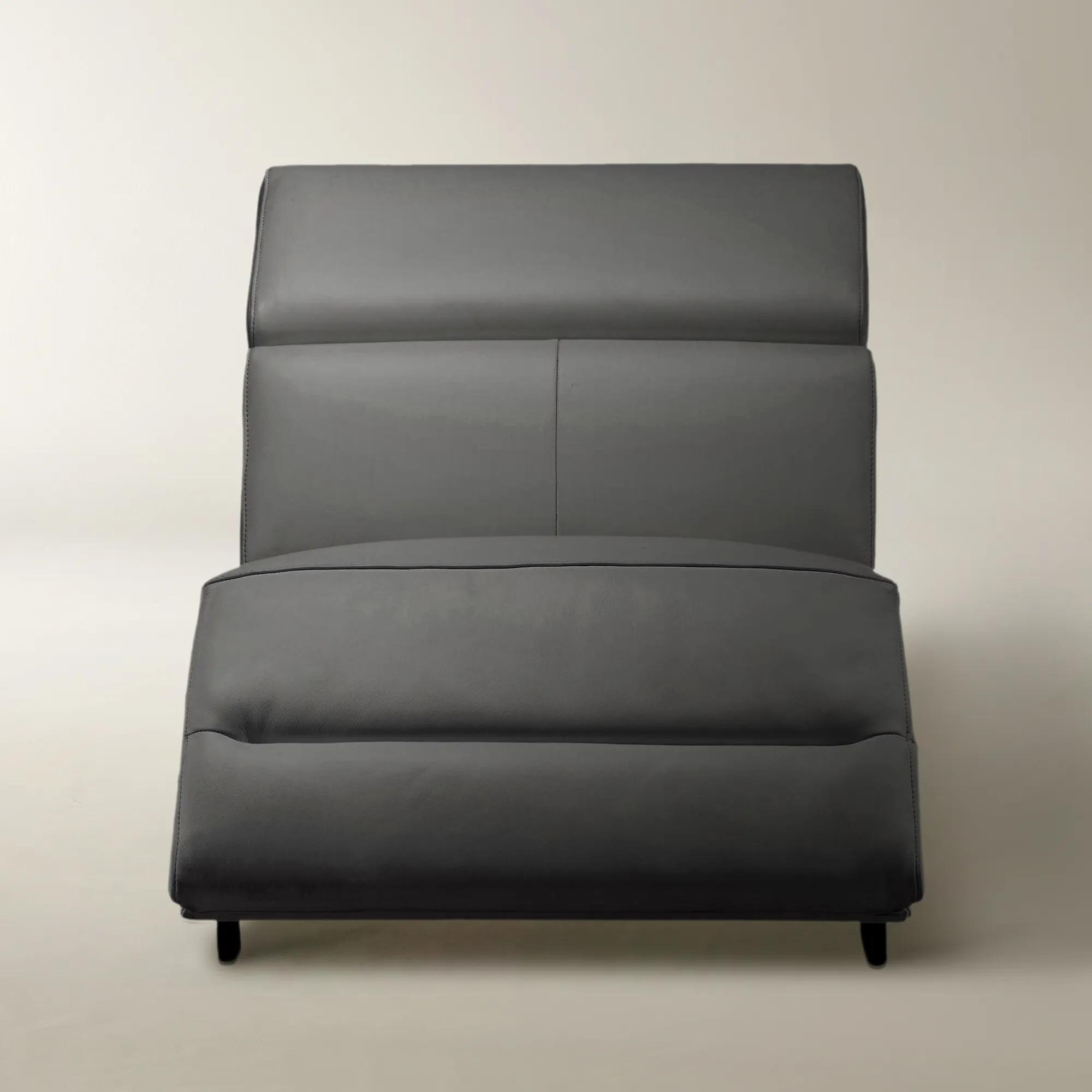 Verona Reclining Charcoal Leather Armless Chair With Power$1249
A charcoal semi-aniline leather sectional with adjustable headrests, power-reclining seats, and kiln-dried hardwood frame.
Add To Cart -
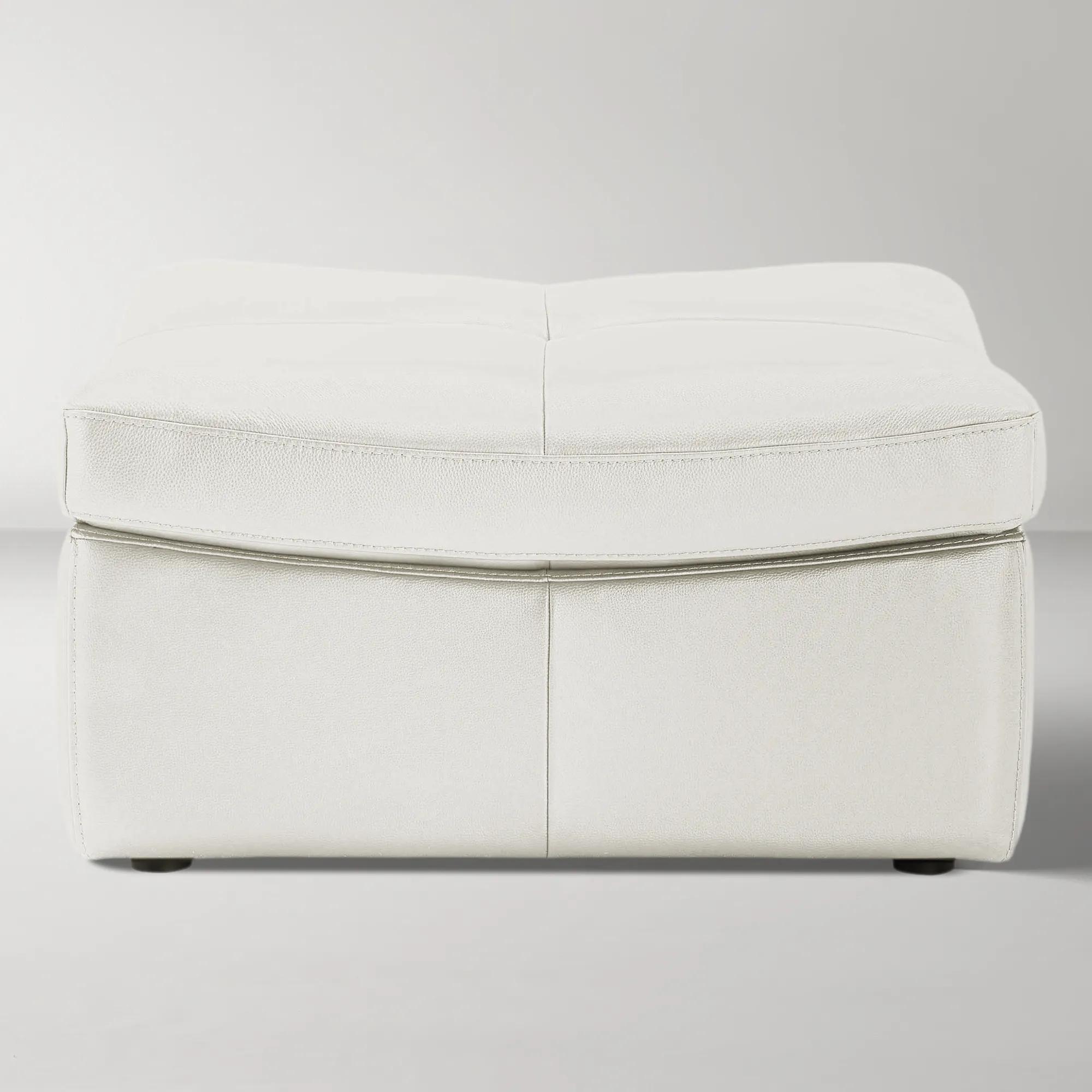 Convo White Leather Ottoman$849
A modular sectional with kiln-dried hardwood frame and charcoal semi-aniline leather upholstery for modern versatility.
Add To Cart -
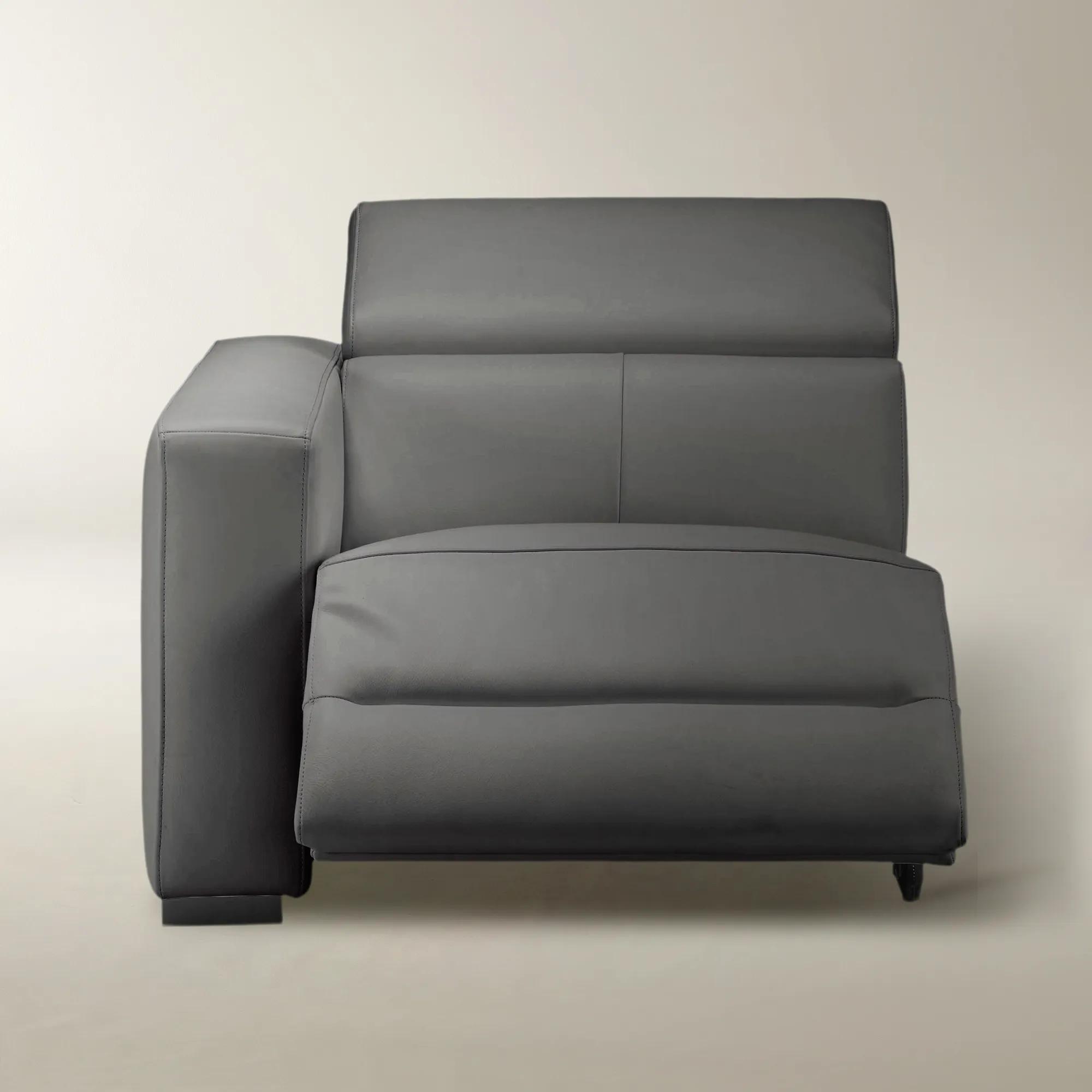 Verona Reclining Charcoal Leather Left Arm Chair With Power$1499
A charcoal semi-aniline leather sectional with adjustable headrests, power-reclining seats, and kiln-dried hardwood frame.
Add To Cart -
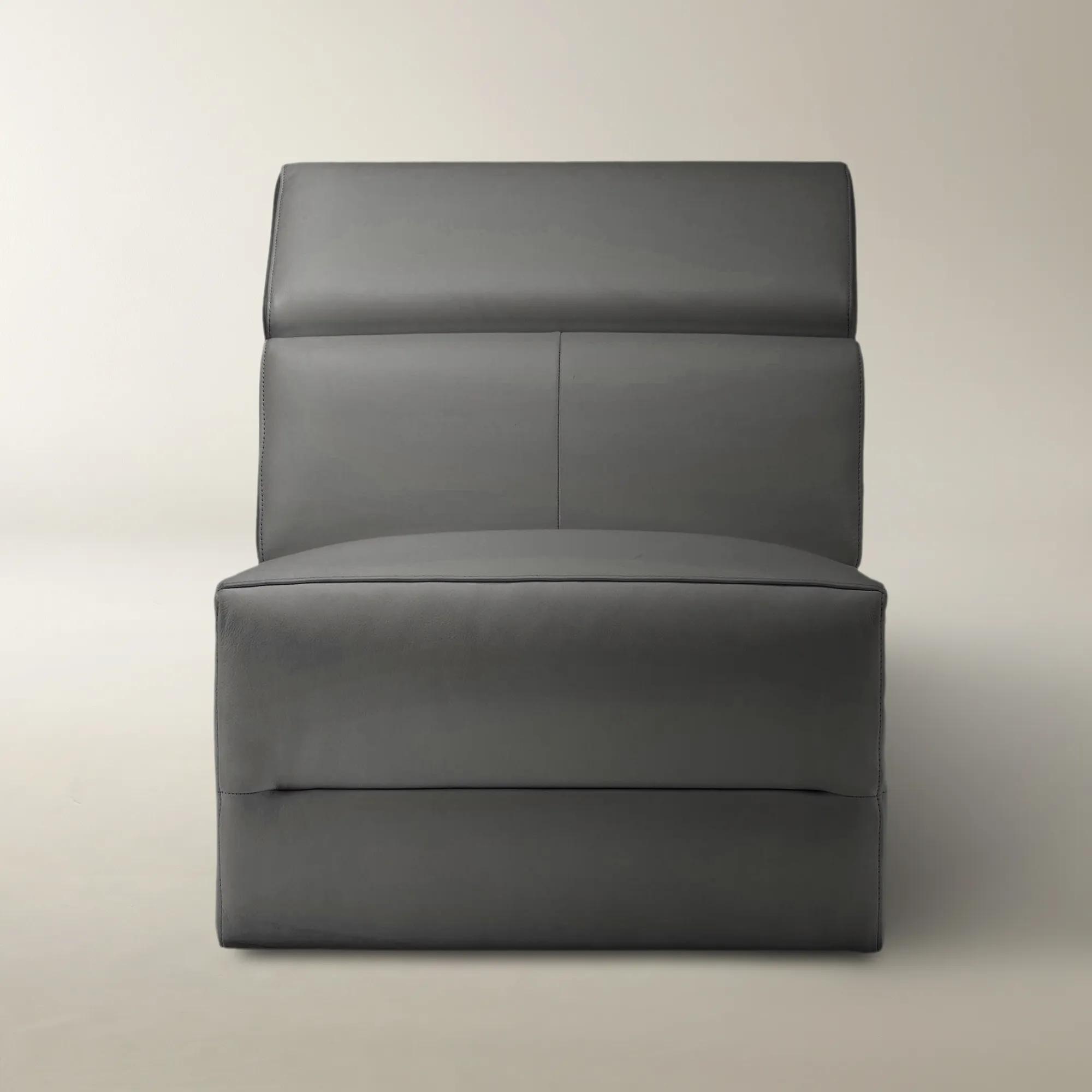 Verona Charcoal Leather Armless Chair$1099
A charcoal semi-aniline leather sectional featuring adjustable headrests and optional power-reclining seats for comfort.
Add To Cart -
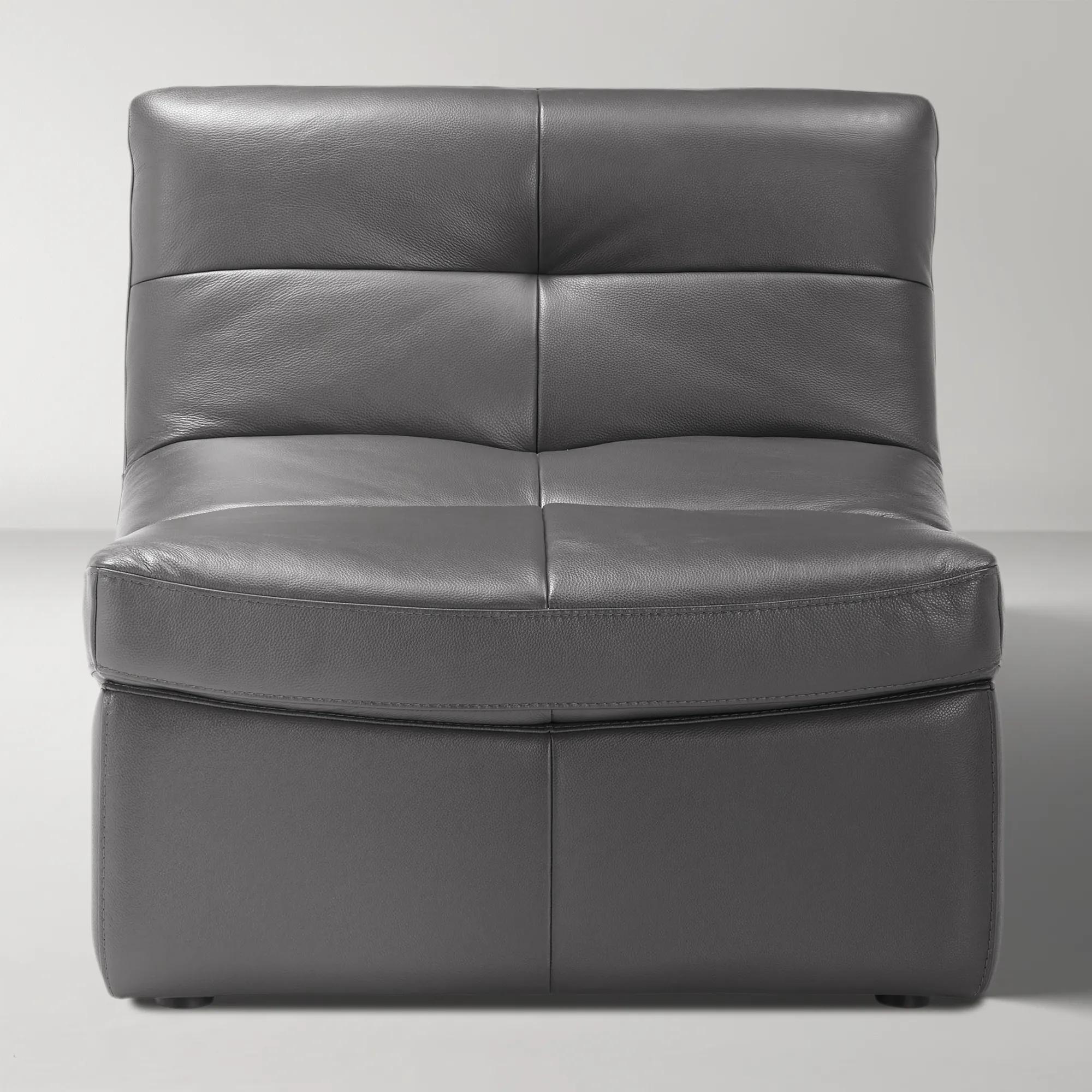
.jpg?w=1200&h=1200) Convo Charcoal Leather Armless Chair$1199
Convo Charcoal Leather Armless Chair$1199A modular sectional with kiln-dried hardwood frame and charcoal semi-aniline leather upholstery for modern versatility.
Add To Cart -
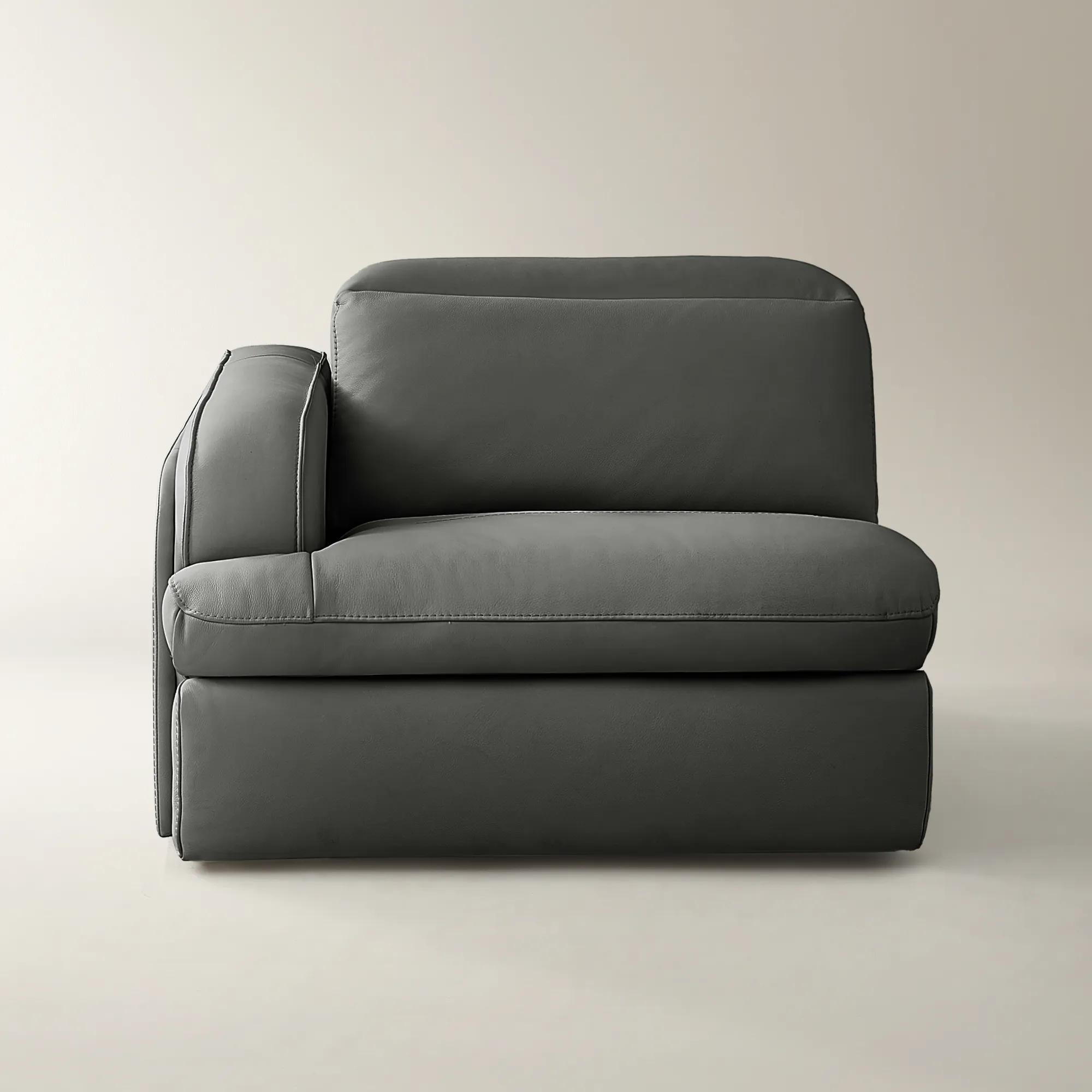
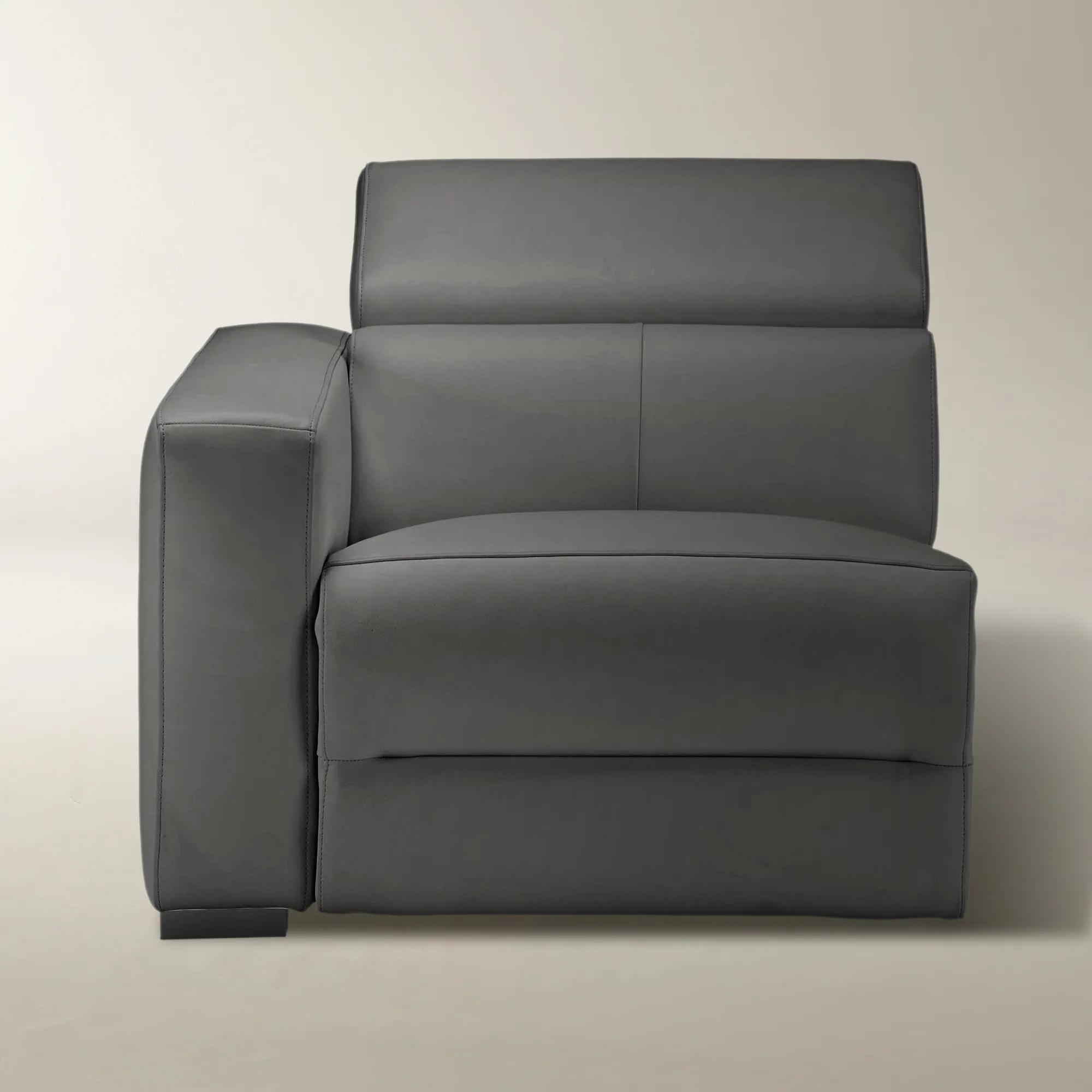 Verona Charcoal Leather Left Arm Chair$1299
A charcoal semi-aniline leather sectional with adjustable headrests, power-reclining seats, and kiln-dried hardwood frame.
Add To Cart -
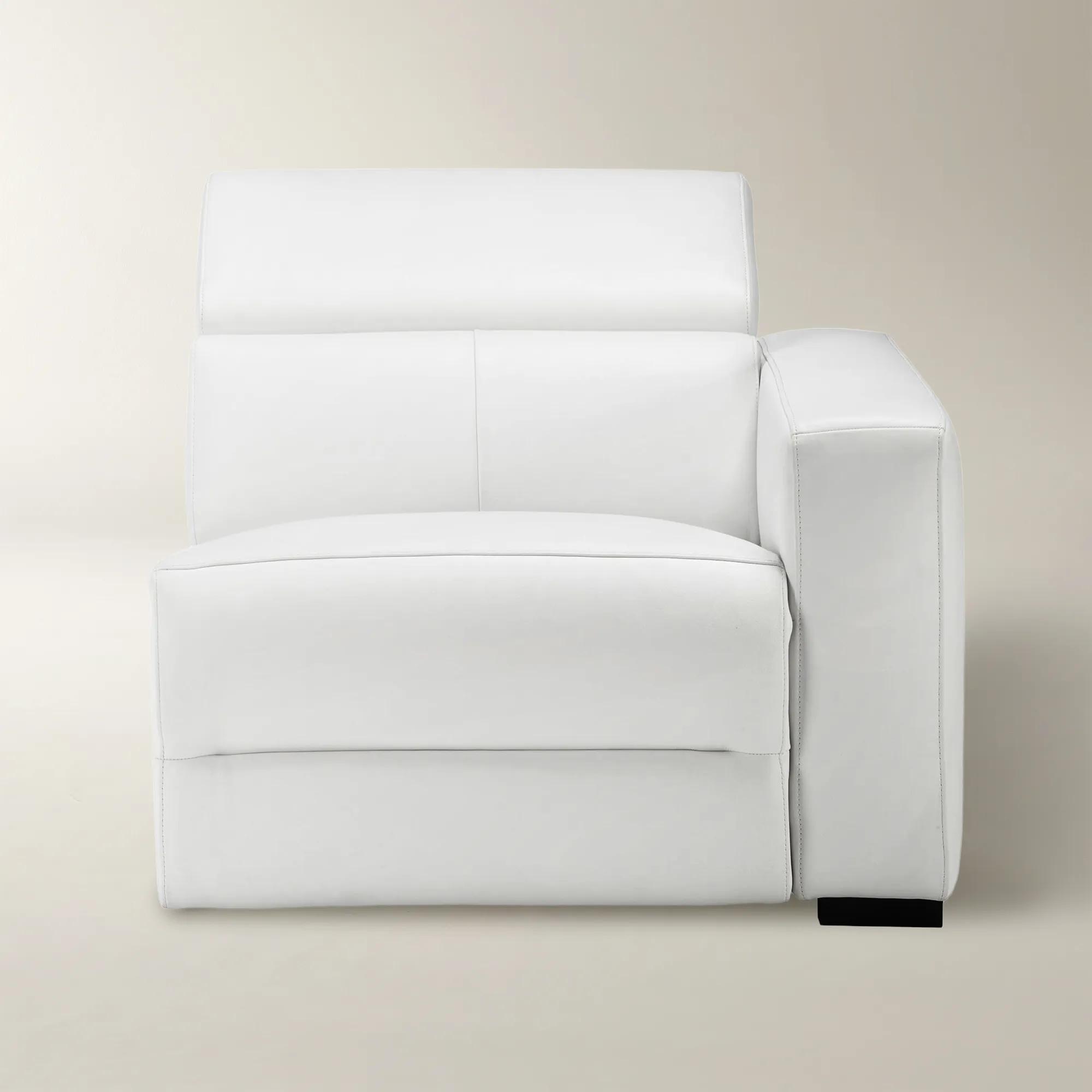 Verona White Leather Right Arm Chair$1299
A modern white sectional upholstered in supple semi-aniline leather with adjustable headrests and power-reclining options.
Add To Cart -
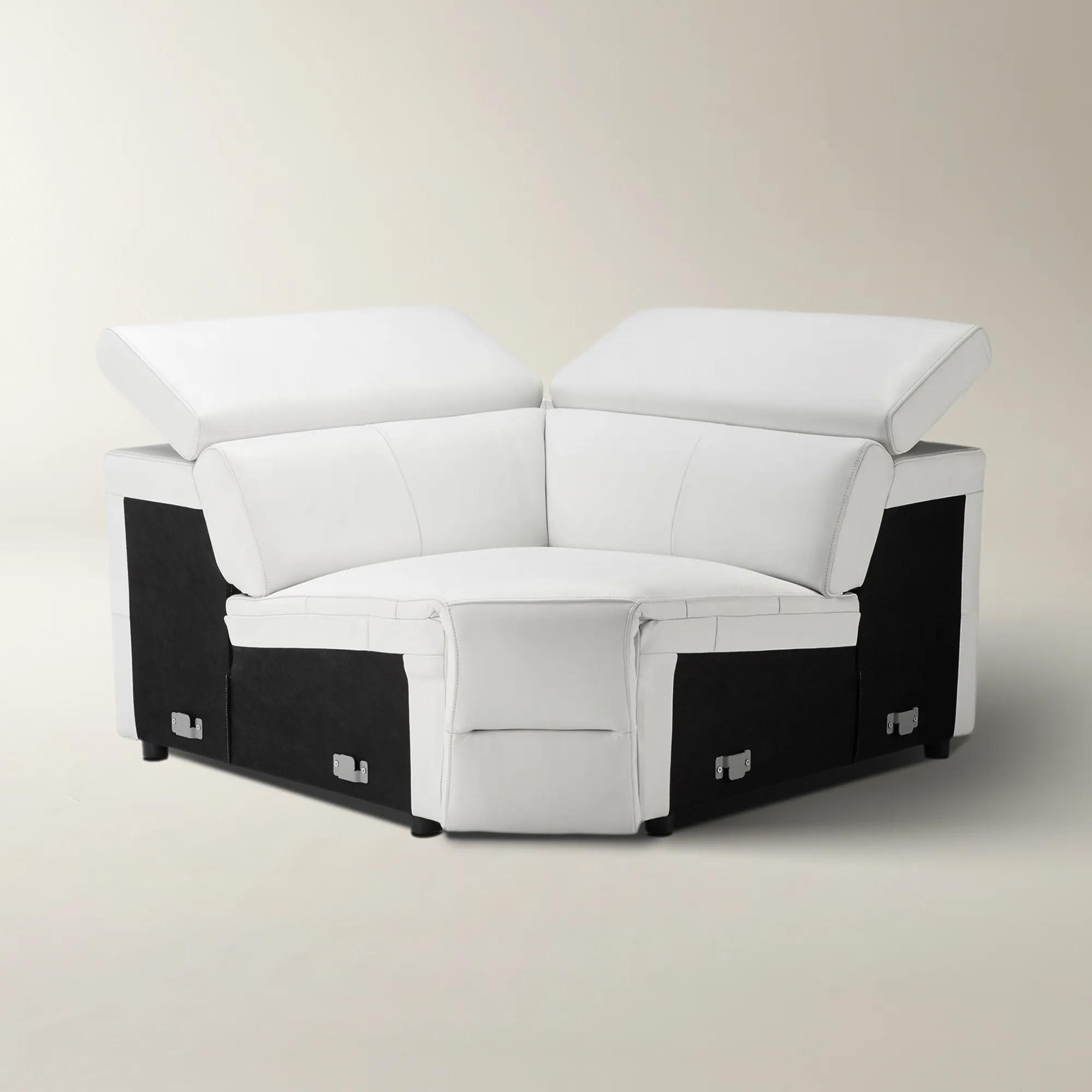 Verona White Leather Corner Chair With Power$1499
A modern sectional upholstered in supple white semi-aniline leather with adjustable headrests and power-reclining seats.
Add To Cart -
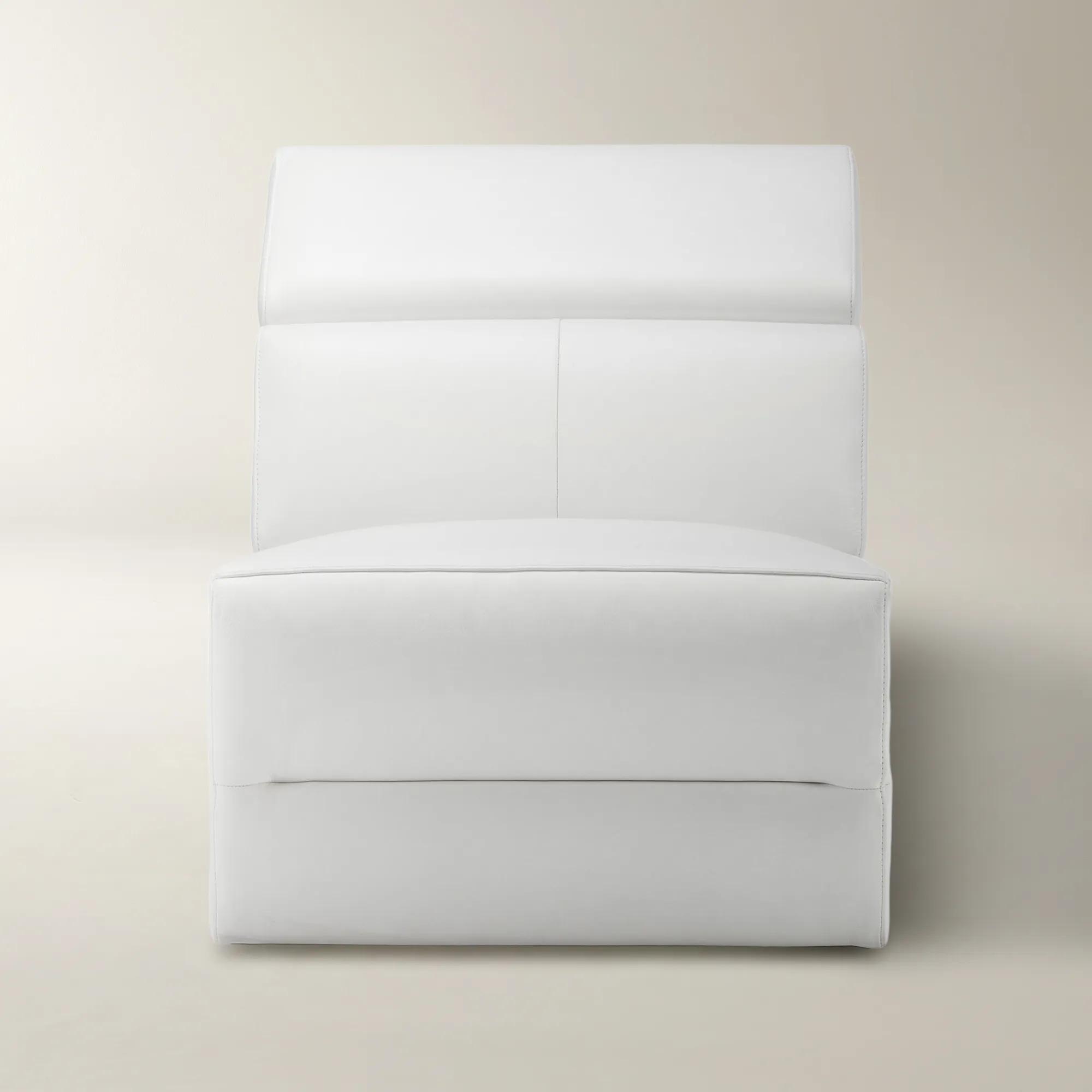 Verona White Leather Armless Chair$1099
A modern sectional upholstered in supple white semi-aniline leather with adjustable headrests and power-reclining options.
Add To Cart -
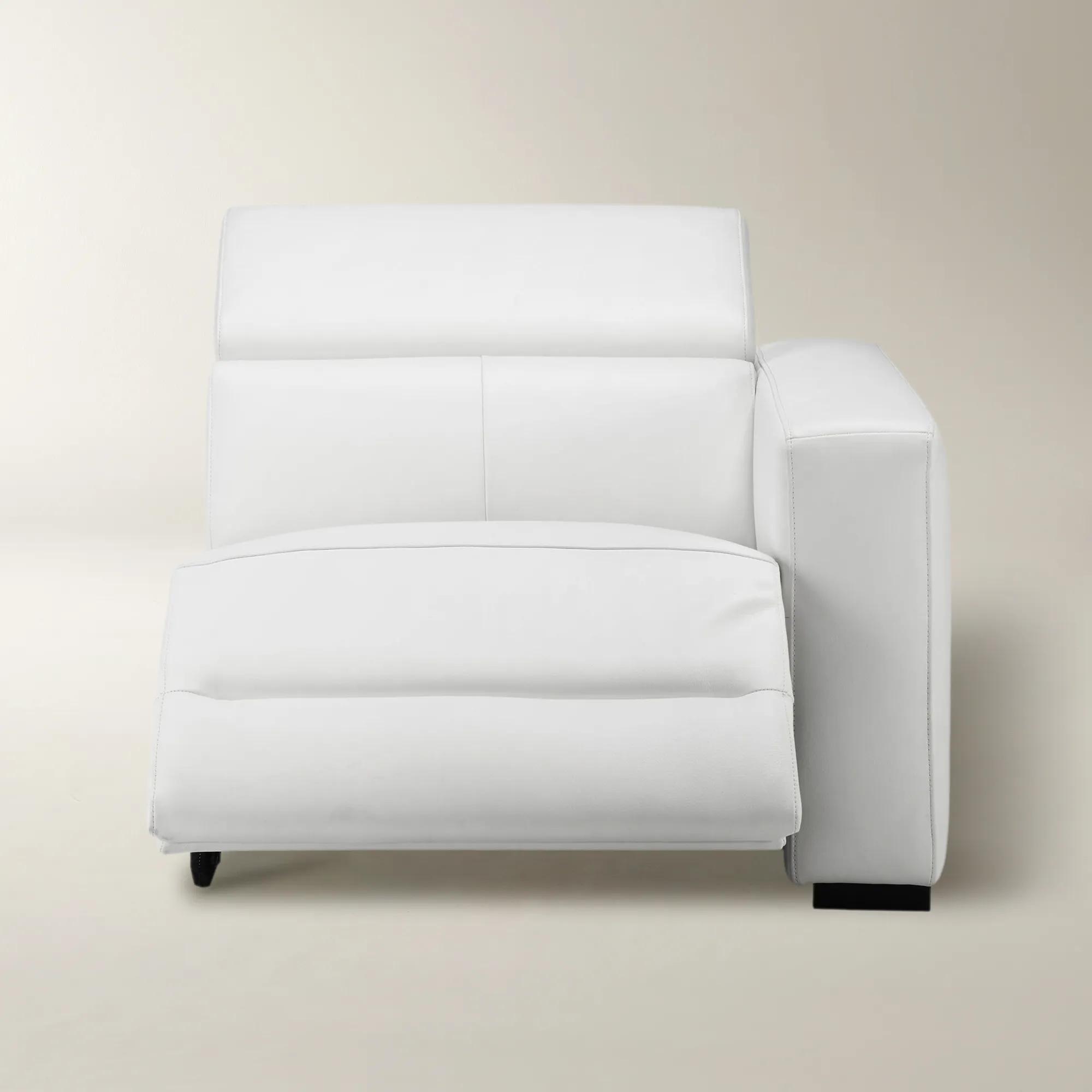 Verona Reclining White Leather Right Arm Chair With Power$1499
A modern white sectional upholstered in supple semi-aniline leather with adjustable headrests and power-reclining options.
Add To Cart -
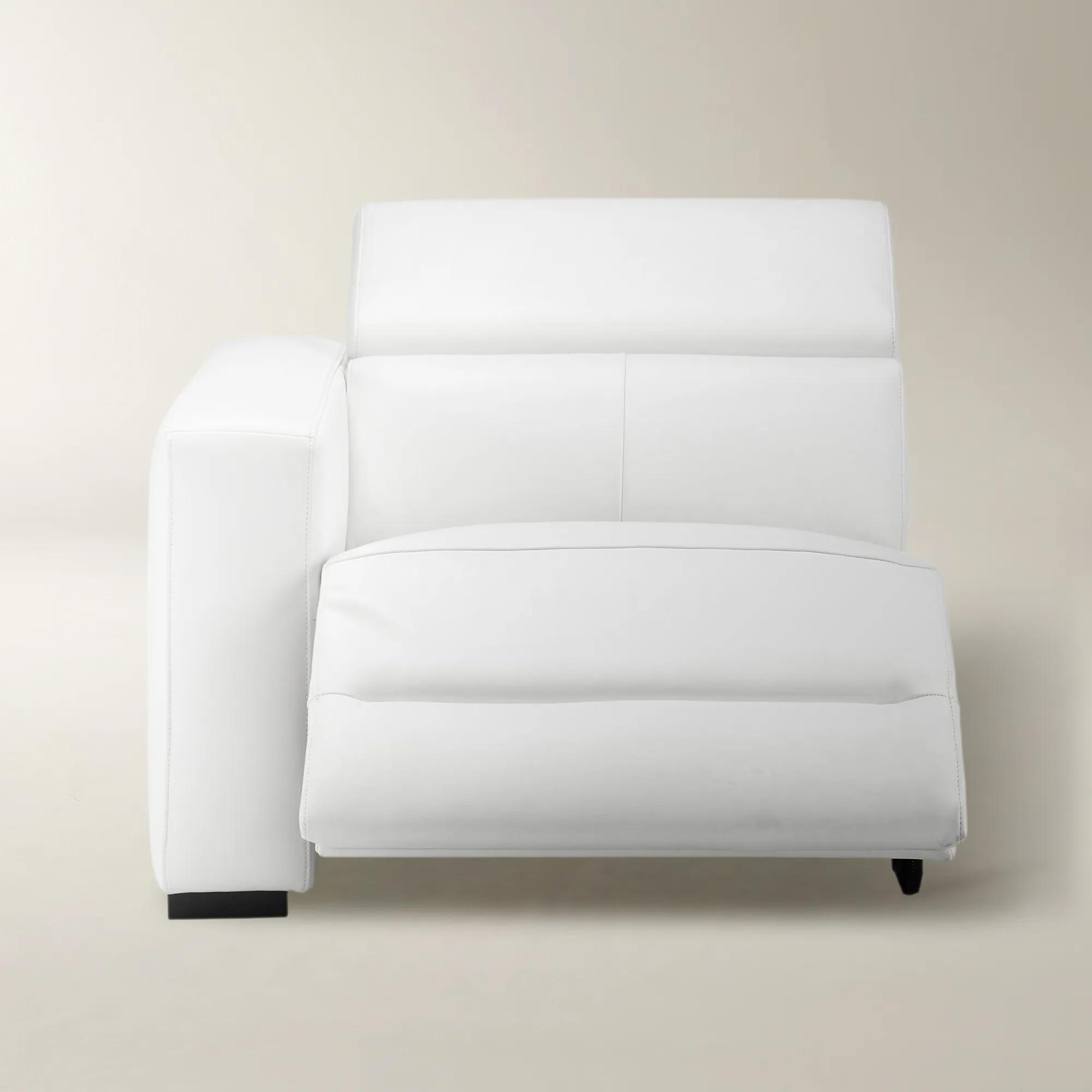 Verona Reclining White Leather Left Arm Chair With Power$1499
A modern white sectional upholstered in supple semi-aniline leather with adjustable headrests and power-reclining seats.
Add To Cart -
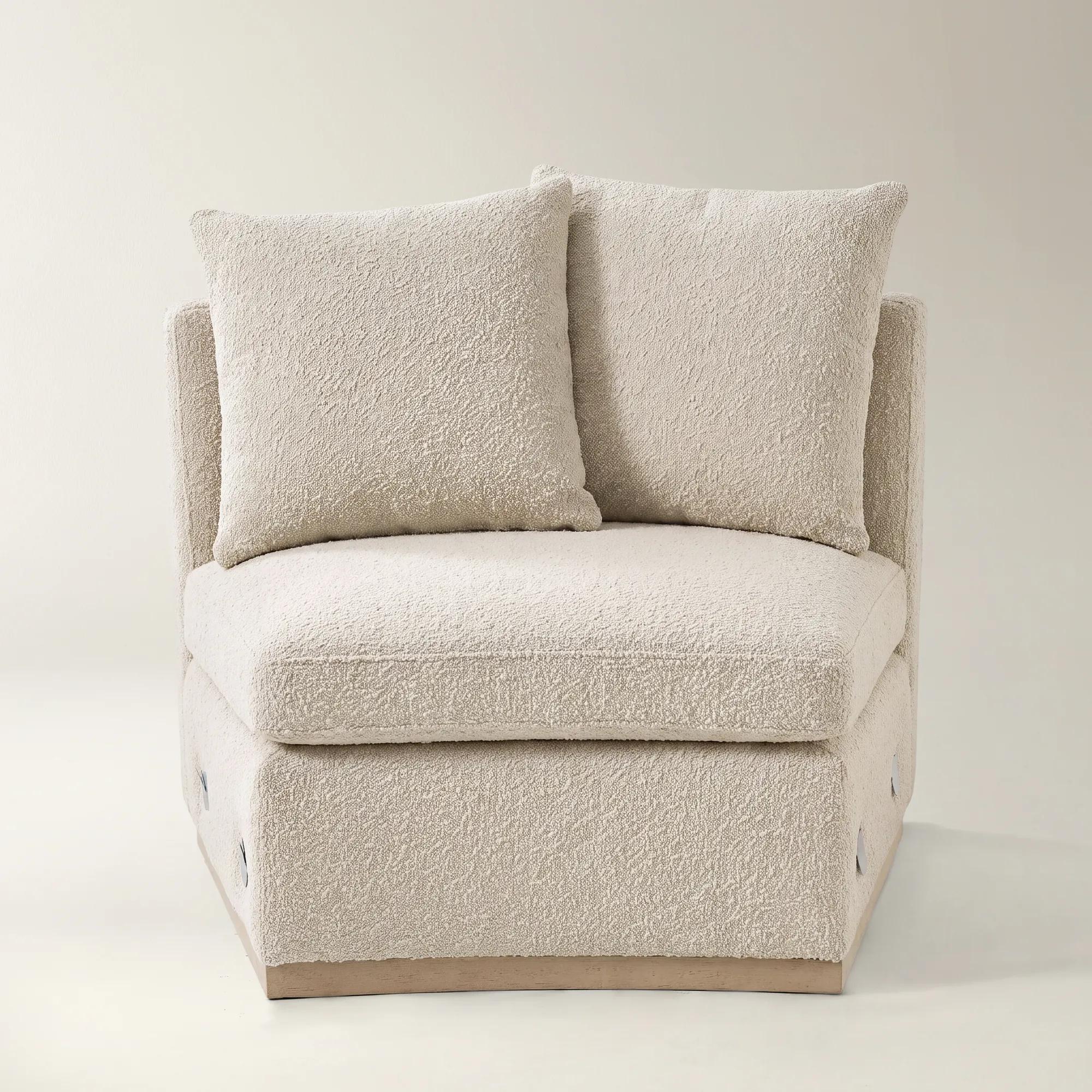
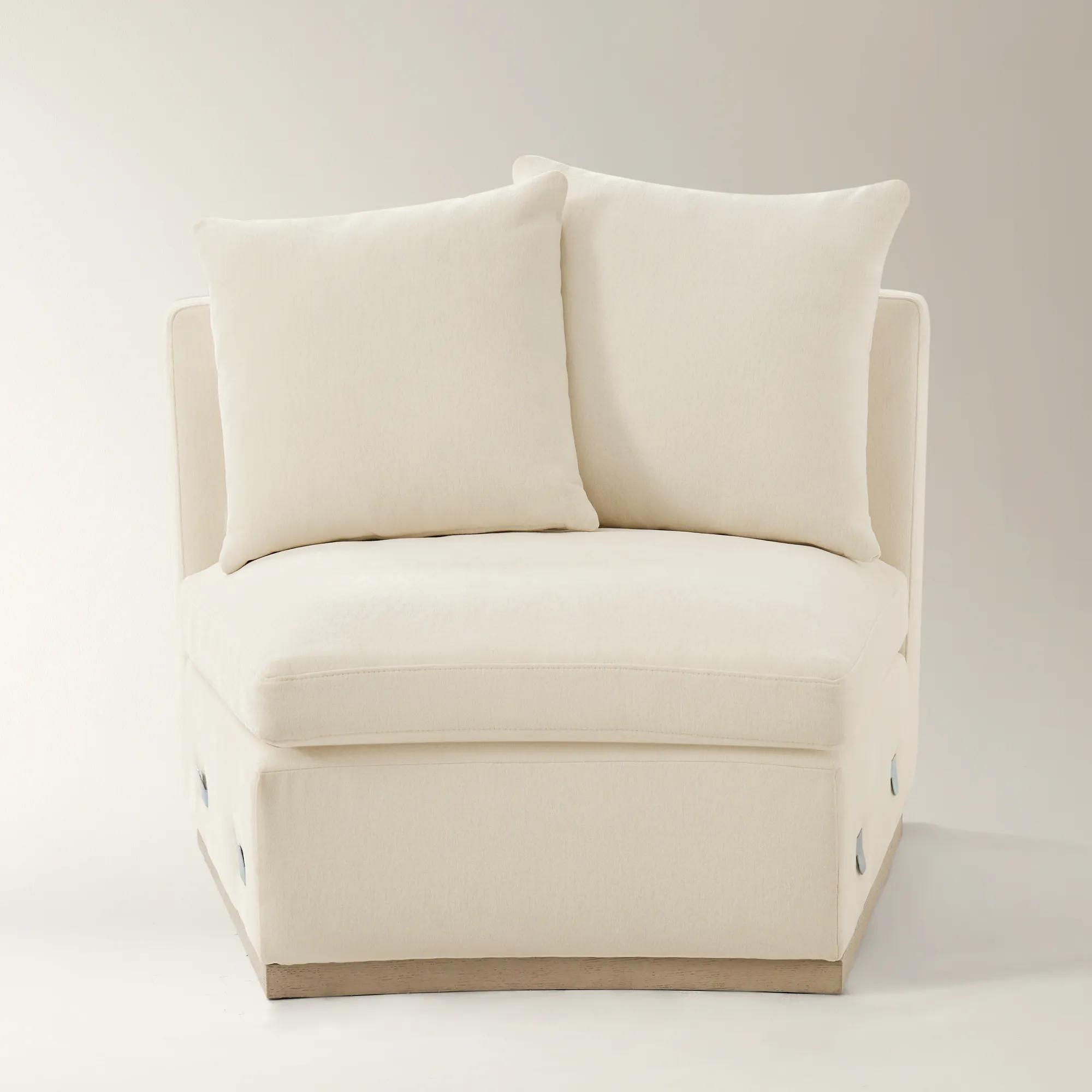
 Convo White Leather Corner Chair$1399
A modular sectional featuring kiln-dried hardwood frames and charcoal semi-aniline leather upholstery for modern versatility.
Add To Cart -
 Convo White Leather Armless Chair$1199
A modular sectional in charcoal semi-aniline leather with kiln-dried hardwood frames and gently curved seats.
Add To Cart -
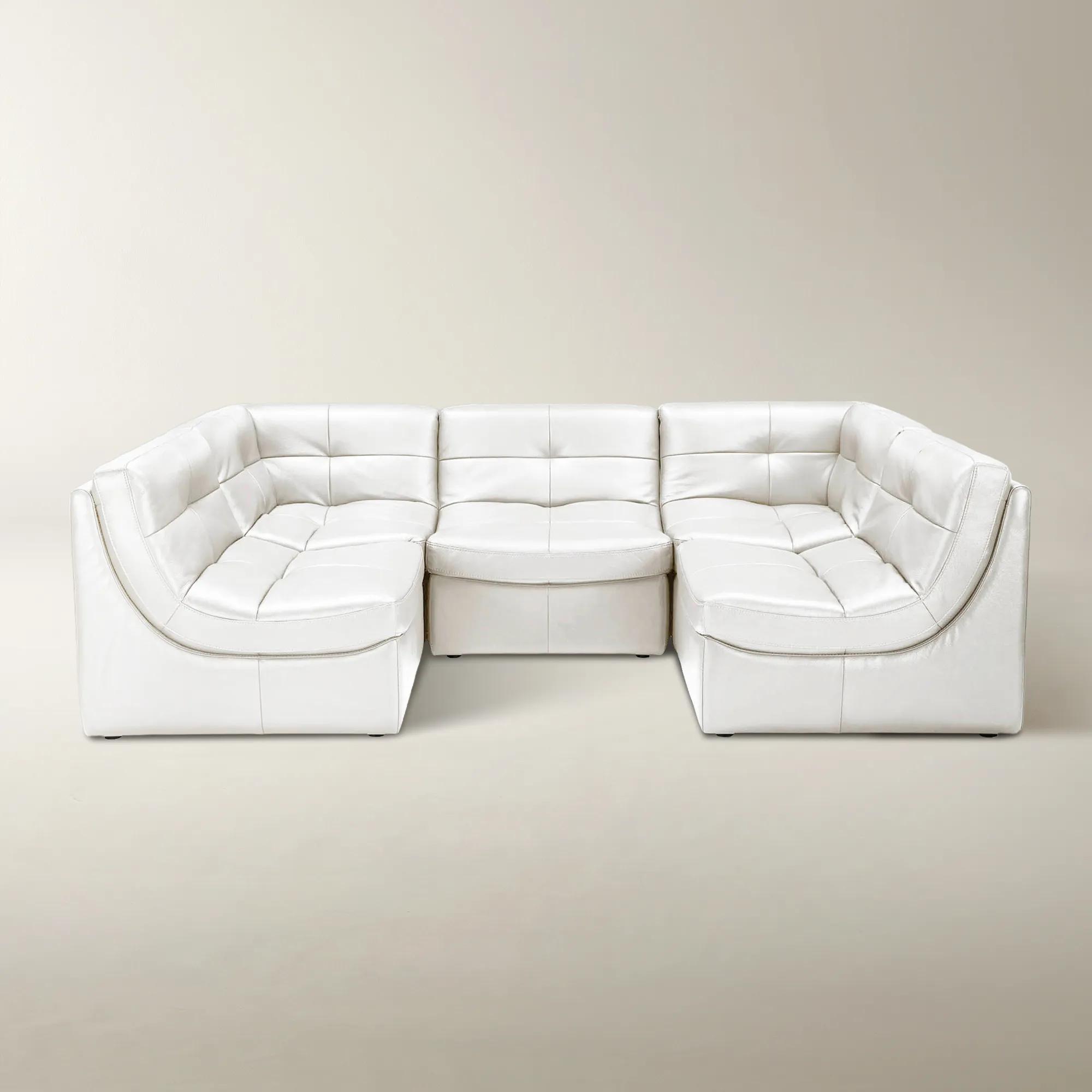 Convo 5-Piece U- Shaped White Leather Sectional Sofa$6399
A modular sectional featuring gently curved seats and charcoal semi-aniline leather upholstery for modern versatility.
Add To Cart -
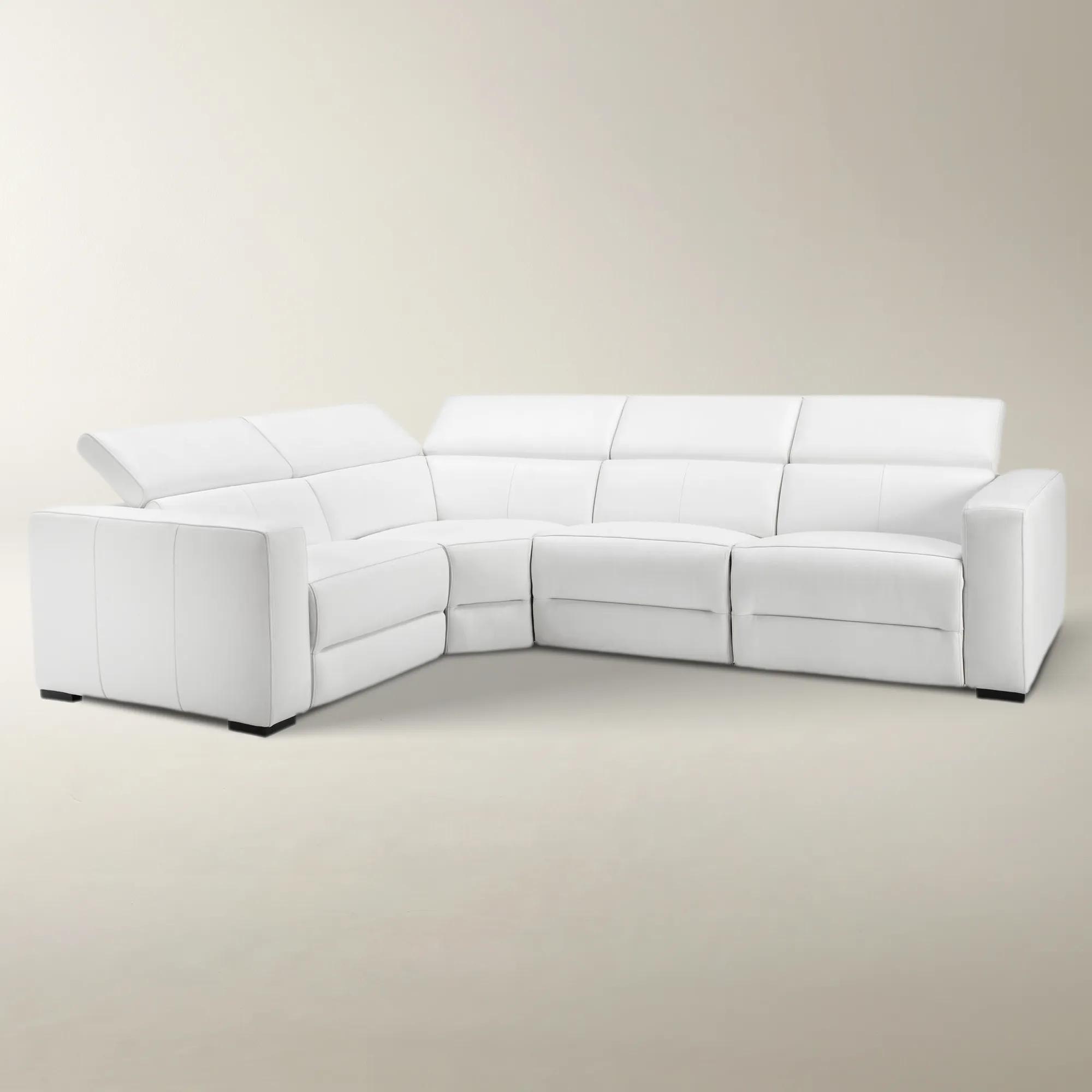 Verona 4-Piece L-Shaped Reclining White Leather Sectional Sofa With Left-Arm$5499
A modern sectional upholstered in supple white semi-aniline leather with adjustable headrests and power-reclining seats.
Add To Cart -
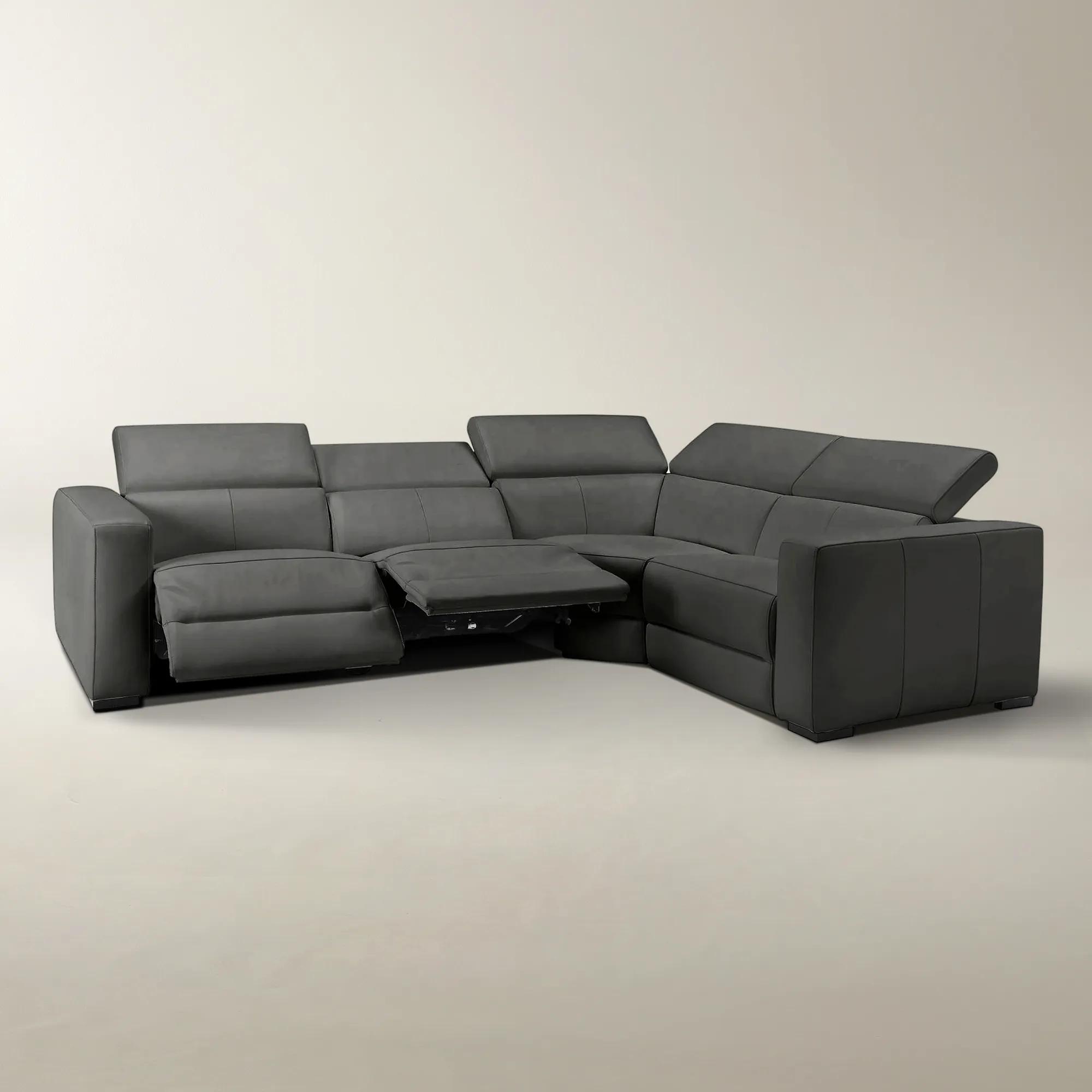
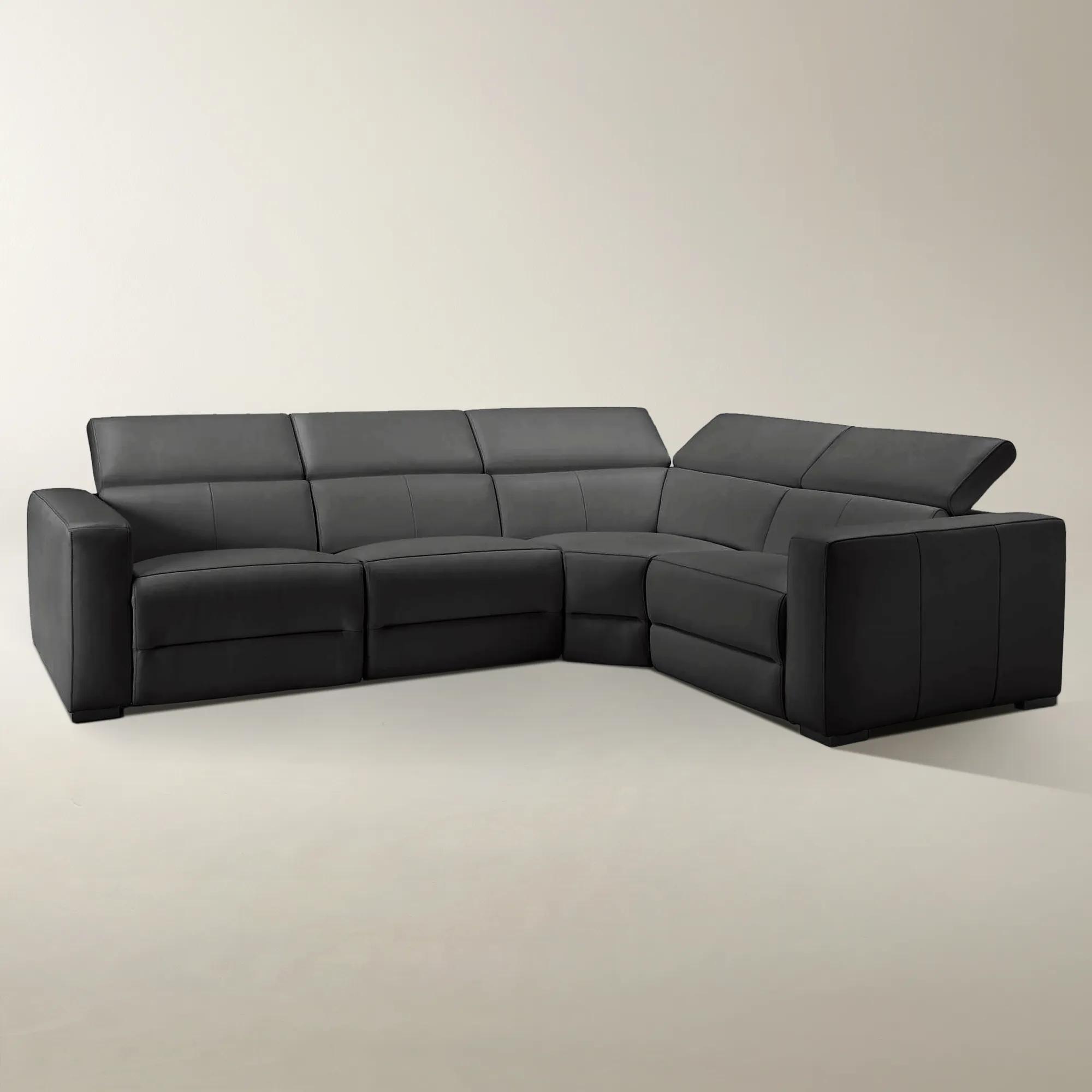 Verona 4-Piece L-Shaped Reclining Charcoal Leather Sectional Sofa With Right-Arm$5499
A charcoal semi-aniline leather sectional featuring adjustable headrests, power-reclining seats, and kiln-dried hardwood frame.
Add To Cart -
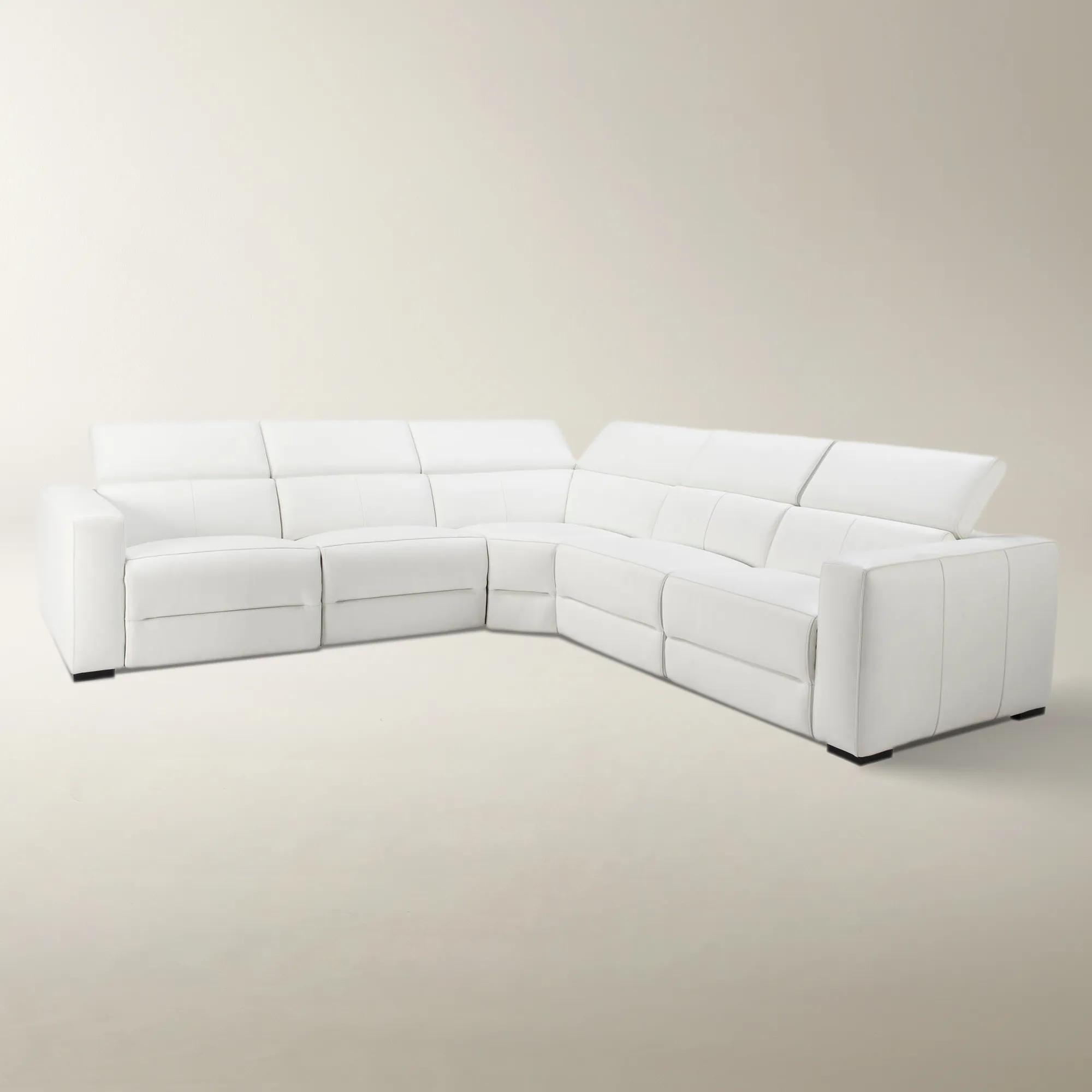
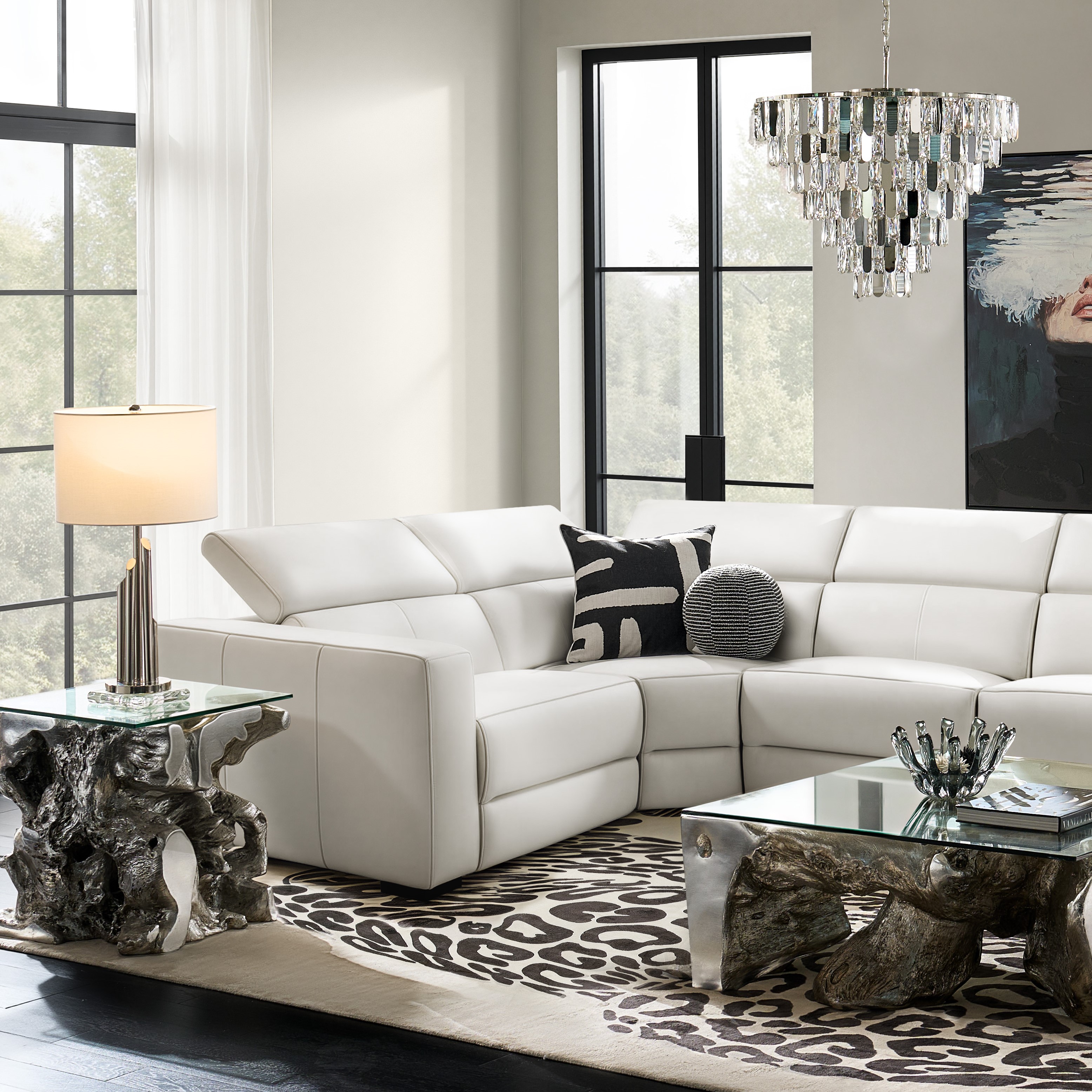 Verona 5-Piece Reclining White Leather Sectional Sofa$6799
A modern sectional upholstered in supple white semi-aniline leather with adjustable headrests and power-reclining seats.
Add To Cart

Modular Leather Sectionals
Explore modular leather sectionals that pair an adaptable seating layout with the rich texture and tailored presence of leather. Compare sectional sofas with your room’s scale and seating needs in mind, and review each design’s available modules and dimensions to create a living space that feels composed, inviting, and distinctly yours.
Modular leather sectionals combine the presence of a statement sofa with the flexibility of seating built from separate, compatible components. Armless seats, corner units, chaise sections, and ottomans can form different arrangements within a modular system, allowing the silhouette to respond to the room rather than dictate it. An L-shaped configuration creates an inviting boundary around a living area, while a U-shaped arrangement brings conversation inward, giving guests a generous place to gather without scattering seating across the space. A chaise extends the composition into a luxurious retreat for reading or stretching out; where the design permits, an ottoman can introduce another lounging position without the visual weight of a fixed extension. Leather lends these adaptable forms a distinctive richness, catching light across broad cushions and giving even a clean-lined profile depth and character. For an open-plan interior, a sectional can define the lounge while preserving a clear connection to the dining area. In a more intimate room, a compact arrangement with restrained arms can deliver substantial seating without overwhelming the architecture. Fit depends on more than overall width: seat depth, back height, arm proportions, and the projection of a chaise all influence how comfortably the piece inhabits its surroundings. A deep seat favors relaxed lounging, while a shallower seat can make upright conversation and standing up more comfortable. Traffic paths should remain generous, particularly between the sectional, coffee table, and main entry; approximately 36 inches of circulation space is a useful planning target where the room allows, with additional clearance for accessibility needs. Configuration diagrams help clarify chaise orientation, especially when left-facing and right-facing descriptions vary. Individual module dimensions also matter for doorways, elevators, and stair turns, since modular construction does not automatically guarantee easy delivery. Explore Versatile Modular Sectionals for additional perspectives on adaptable seating, with leather offering a particularly expressive balance of sculptural form and everyday comfort.
The character of a leather modular sectional begins with its upholstery, but leather terminology describes different qualities rather than a single hierarchy of softness or durability. Full-grain leather retains the hide’s natural grain surface, including variations that make each upholstered expanse distinctive. Top-grain leather comes from the upper portion of the hide and may be lightly sanded or otherwise refined for a more consistent appearance. Either can have different finishes, so the grain designation alone does not explain how the surface will respond to spills, scratches, or light. Aniline leather is colored with dyes and has little surface protection, allowing natural markings and tonal variation to remain visible; its expressive appearance comes with greater sensitivity to staining and fading. Semi-aniline leather adds a light protective finish while preserving much of that natural character. Pigmented or protected leather generally offers a more uniform color and a protective surface that can make routine maintenance less demanding, although no leather is immune to wear. These distinctions matter in a room that hosts frequent entertaining, children’s activities, or pets, where ease of care may be as important as a supple hand. Upholstery descriptions should also clarify whether leather covers the entire sectional or whether matching nonleather material appears on less visible areas. Beneath the surface, comfort depends on the relationship between cushioning, suspension, and frame construction. Foam can provide a defined, tailored seat, while fiber or feather blends may create a softer outline that requires occasional reshaping. Higher foam density generally supports resilience, but density and firmness are not interchangeable; a substantial cushion can still feel yielding. Secure module connectors help maintain alignment during use, and the attachment method determines how readily compatible pieces can be separated or repositioned. Not every system supports every arrangement or allows each module to function independently. The most satisfying choice unites the desired silhouette with the way the room is lived in, whether that means upright support for lively conversation or generous depth for lingering over a film.
Leather brings enduring visual appeal to a gathering space when its finish, placement, and care suit the household. Natural creasing, subtle color variation, and a developing patina can enrich certain leathers, but staining, peeling, or pronounced fading should not be mistaken for desirable aging. Direct sunlight can alter color over time, and close proximity to heating vents or fireplaces can contribute to drying, making thoughtful placement part of preserving the upholstery’s character. Routine care generally begins with gentle dust removal using a soft cloth or the vacuum attachment recommended by the manufacturer. Spills are best blotted promptly rather than rubbed, with cleaning methods matched to the specific finish. Excess water, abrasive cleaners, household solvents, and unapproved oils can damage leather; conditioning is appropriate only when recommended for that upholstery. Any approved cleaner should first be tested in an inconspicuous area. For homes with pets, trimmed nails and a designated washable throw can reduce exposure to scratches without disguising the sectional’s sculptural lines. Cushion rotation or reshaping, where the construction permits, helps distribute use, while periodic attention to connectors keeps the arrangement aligned. Visually, leather rewards a deliberate contrast of textures. A richly toned sectional gains dimension against a luminous rug, plush pillows, or a brushed-metal table, while pale upholstery can create a striking focal point beside darker wood and graphic artwork. Broad, low profiles invite oversized art and substantial lighting; taller backs benefit from surrounding pieces that balance their presence without crowding them. A coffee table within comfortable reach turns a dramatic seating arrangement into a gracious setting for drinks, books, and conversation. For households that gather often, couples designing a shared retreat, or hosts who want seating with both polish and presence, modular leather sectionals offer a compelling foundation. Their appeal lies in the union of expressive material and considered proportions: a room feels composed, yet leaves space for the people and rituals that give it life.
FAQs
A modular leather sectional is a sofa composed of individual seating units that can be arranged in different configurations, depending on its design. Wrapped in leather, it pairs a richly tactile finish with the freedom to create a distinctive seating composition—a dramatic anchor for an expressive living room.
Modular leather sectionals may feature full-grain, top-grain, or split leather, each with a distinct character. Full-grain leather retains natural markings, while top-grain leather may be refined for a more uniform appearance. Bonded leather combines leather fibers with binding materials rather than using an intact hide. Check upholstery descriptions closely, as some sectionals pair leather seating surfaces with matched synthetic materials elsewhere.
Let the leather’s rich surface lead, then create contrast with sumptuous velvet pillows, a sculptural coffee table, and a textured rug. Metallic accents introduce a gleaming counterpoint, while expressive artwork gives the arrangement an unmistakably personal point of view. Keep the palette intentional so each finish contributes to the room’s composition.
Cognac leather creates a luminous pairing with ivory, deep teal, and brushed brass. Black leather takes on an especially dramatic presence alongside warm white, smoky gray, and polished chrome. Cream leather invites layers of champagne, chocolate, or jewel tones. Draw a shared accent color through artwork and textiles to give the room a cohesive, curated feel.
Preserve leather’s distinctive texture by dusting regularly with a soft, dry cloth and gently blotting spills promptly rather than rubbing. Follow the upholstery manufacturer’s instructions for cleaning and conditioning, since different leather finishes require different care. Avoid harsh household cleaners, and position the sectional away from direct sunlight and heat sources to help limit fading and drying.