Large Geometric Art For Living Rooms
Large Geometric Art For Living Rooms
-
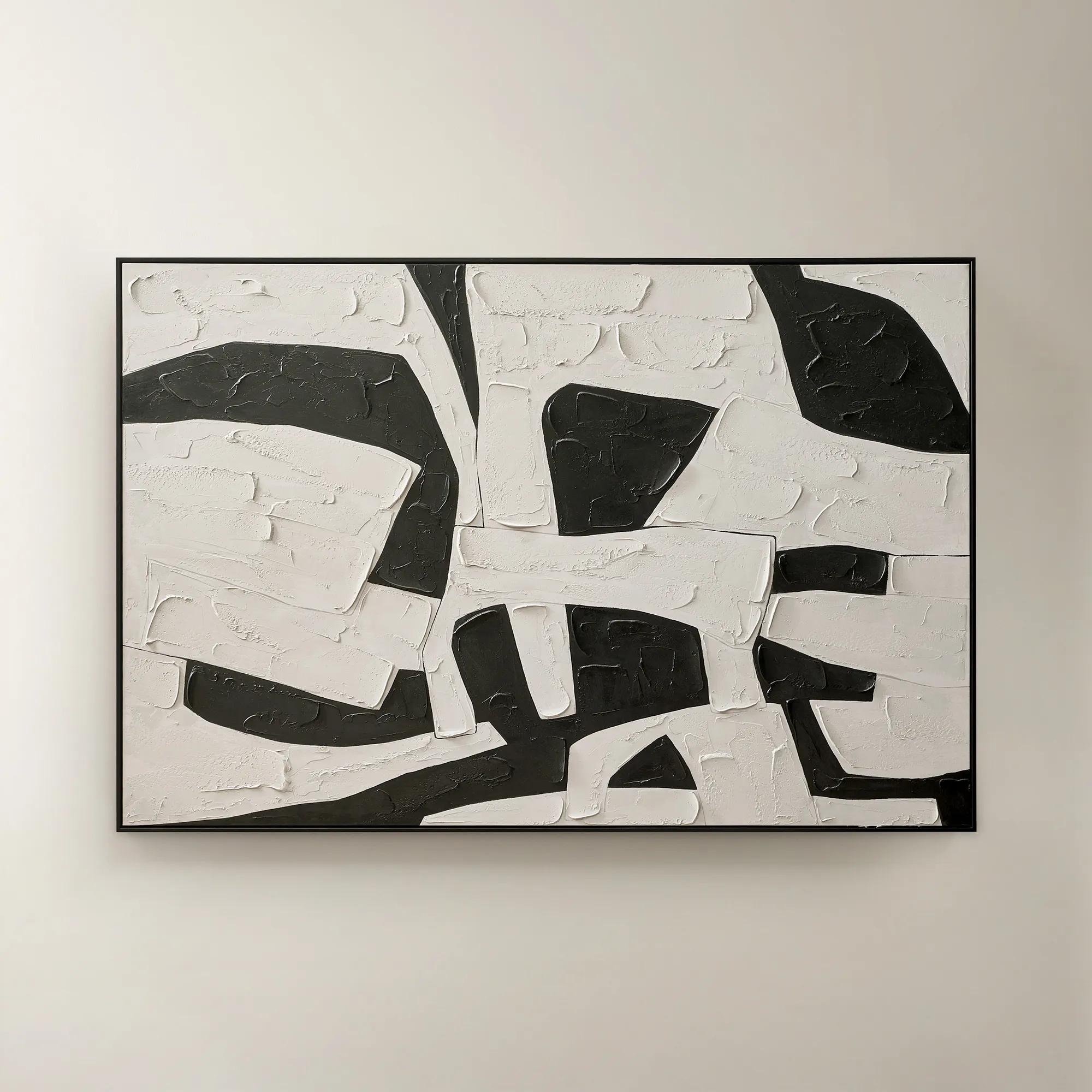 Space Between Shadows Framed Painted Wall Art 72" x 48"$799
A hand-painted abstract canvas featuring bold alabaster and black geometric forms in a sleek black frame.
Add To Cart -
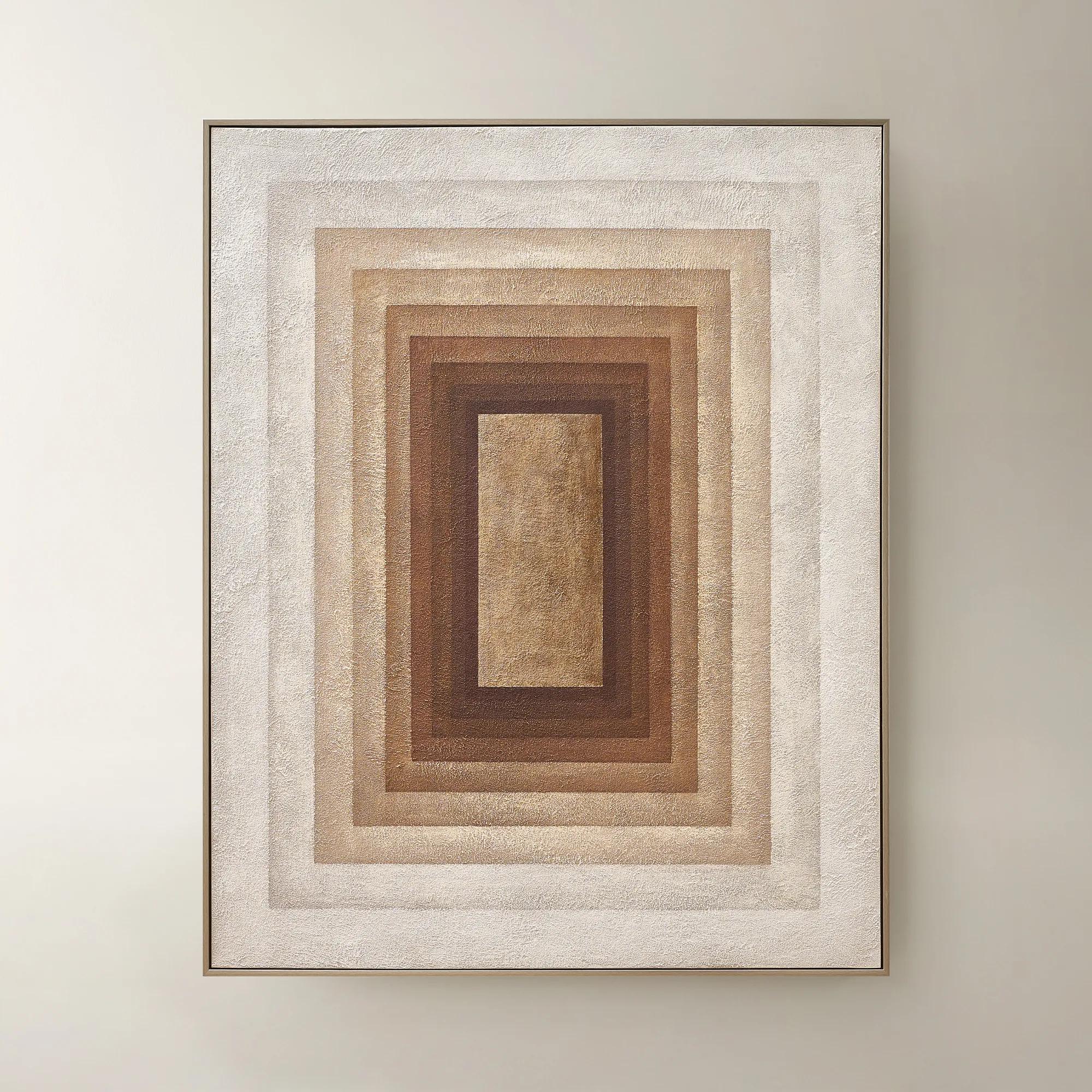 Monochrome Drift Framed Painted Wall Art 60" x 48"$699
A hand-painted abstract canvas with champagne leafing, featuring cocoa and gold tones in modern geometric design.
Add To Cart -
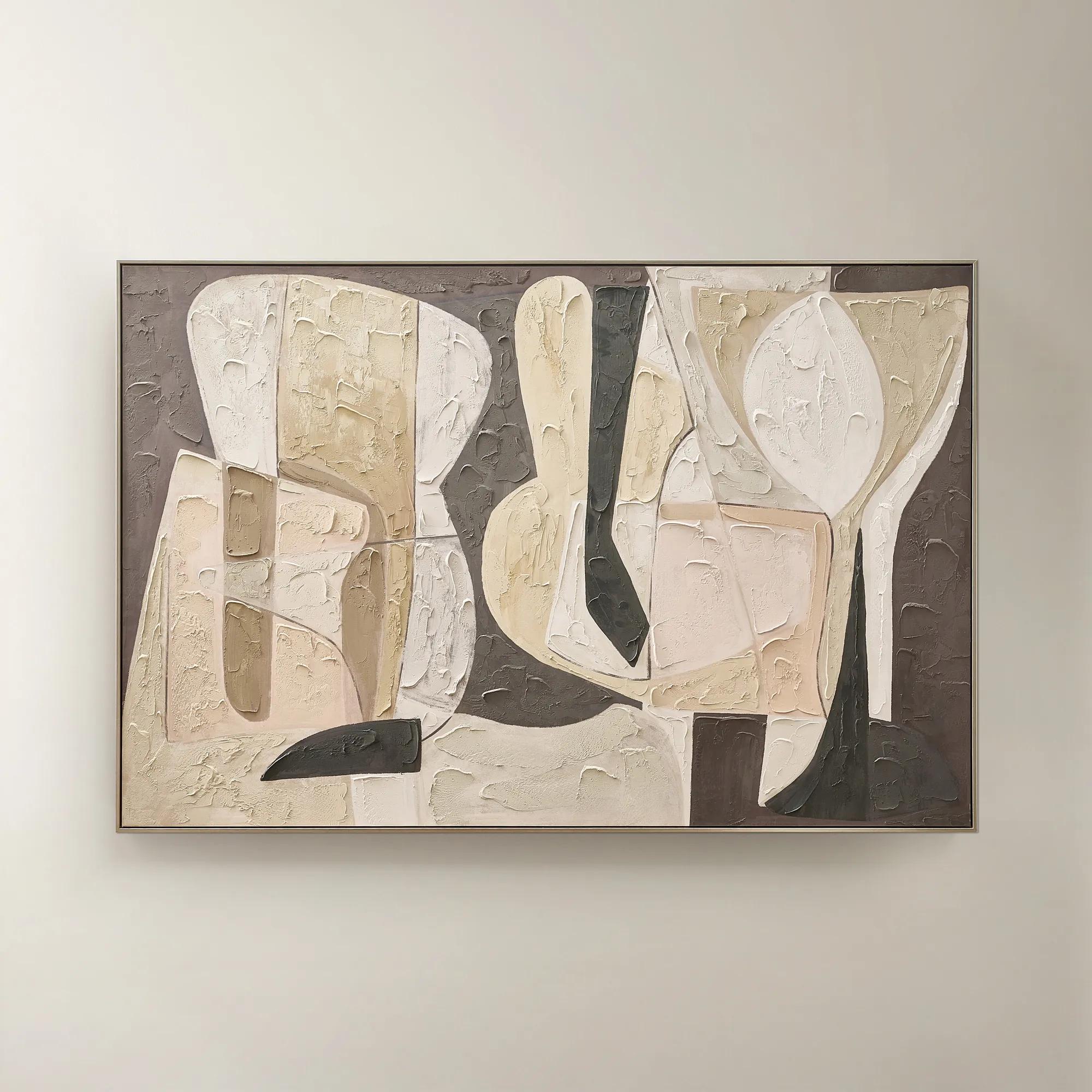 Wishful Thinking Framed Painted Wall Art 72" x 48"$599
A hand-painted abstract canvas featuring bold geometric forms and warm smoked plum, apricot, and tawny hues.
Add To Cart -
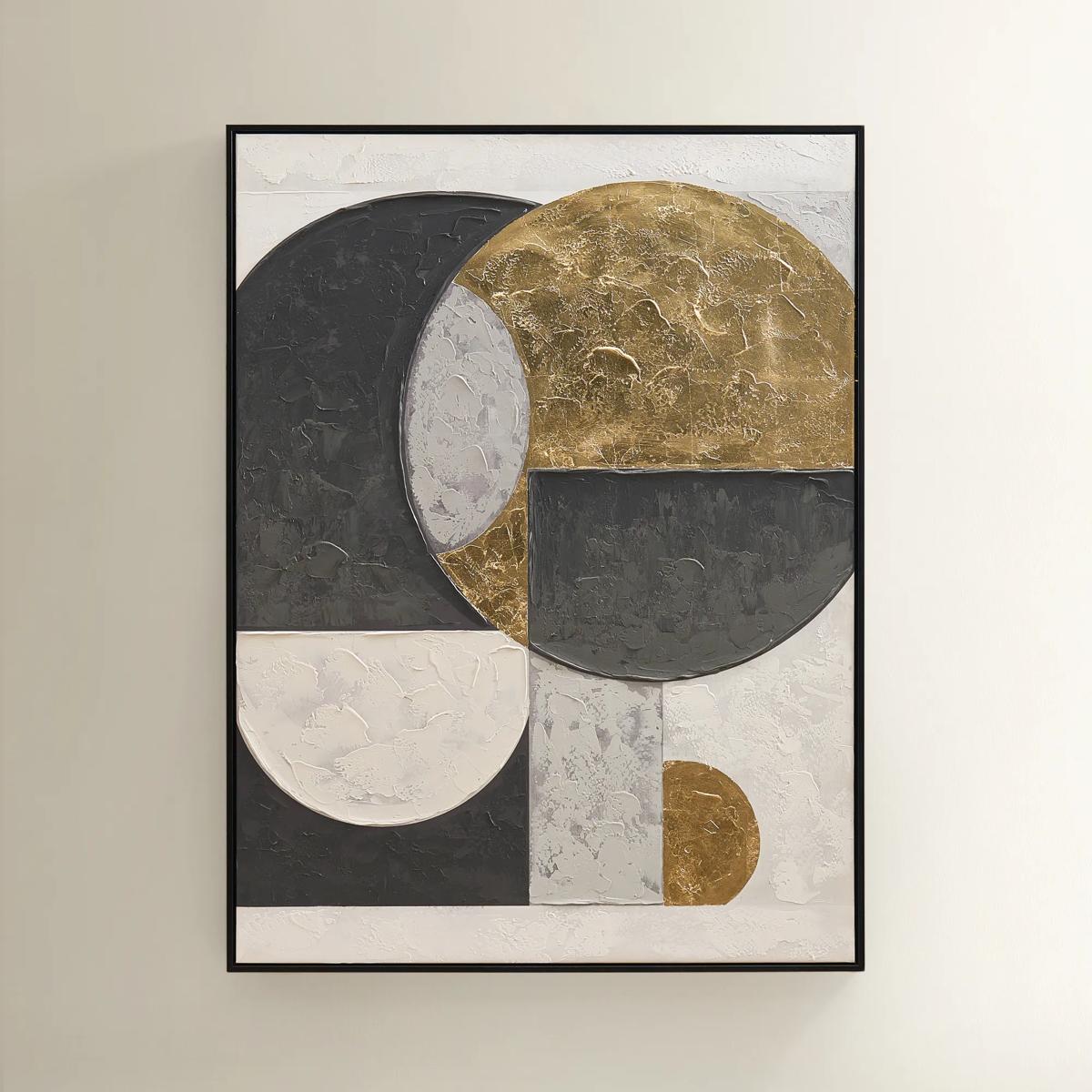
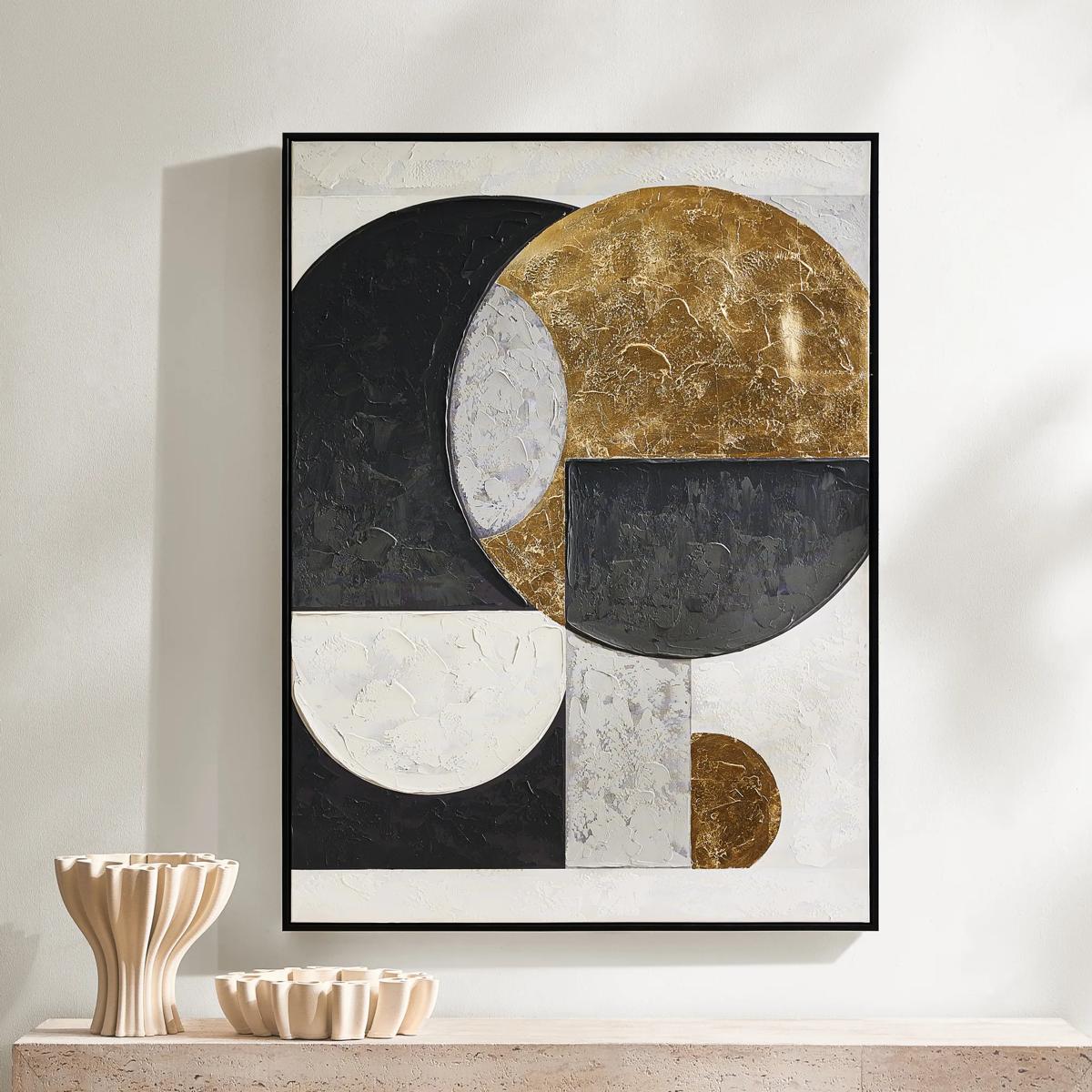 Eclipse Framed Gold Leaf Painted Wall Art 35.25" x 47.25"$449
A hand-painted canvas featuring bold black, grey, and gold geometric shapes with shimmering gold leaf accents.
Add To Cart -
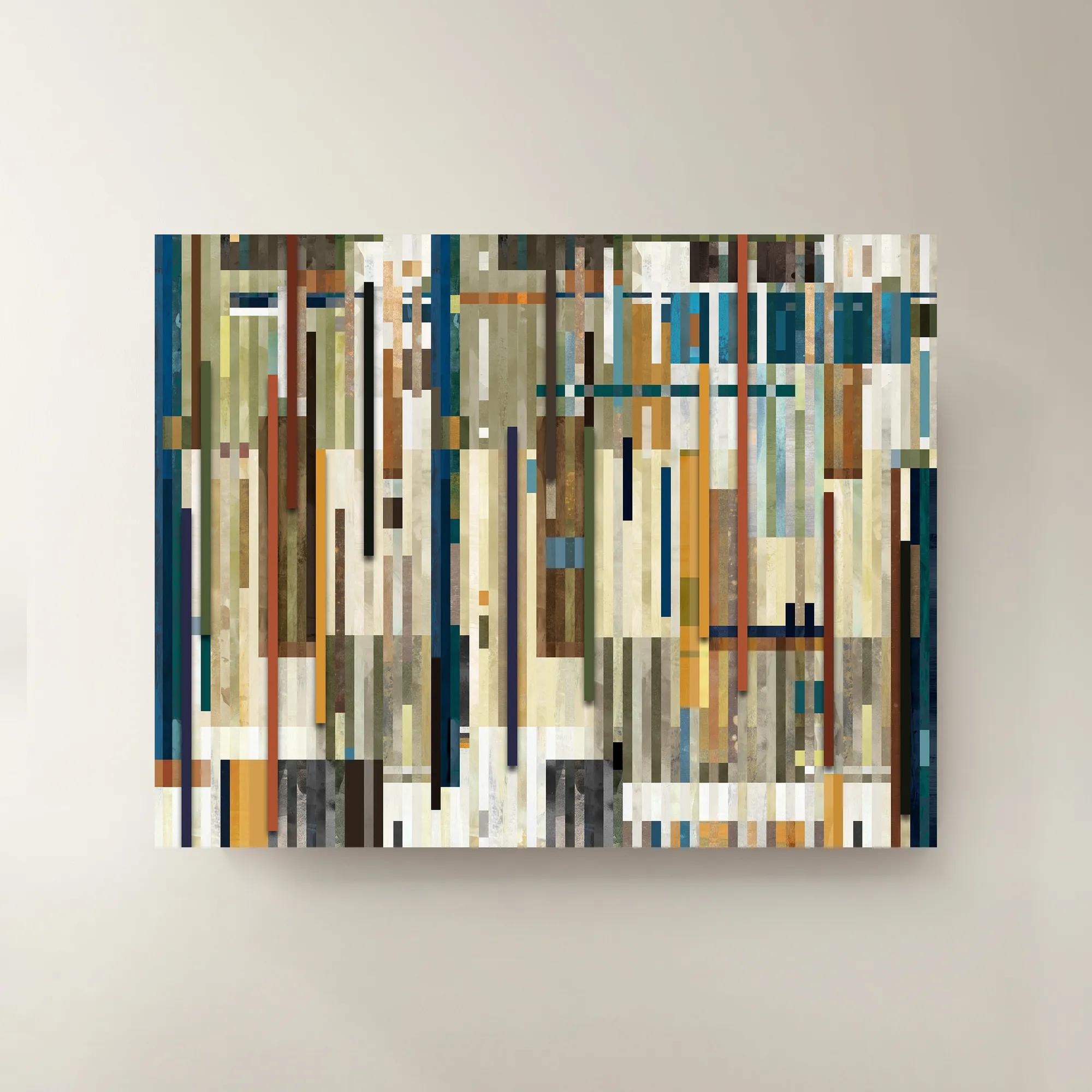
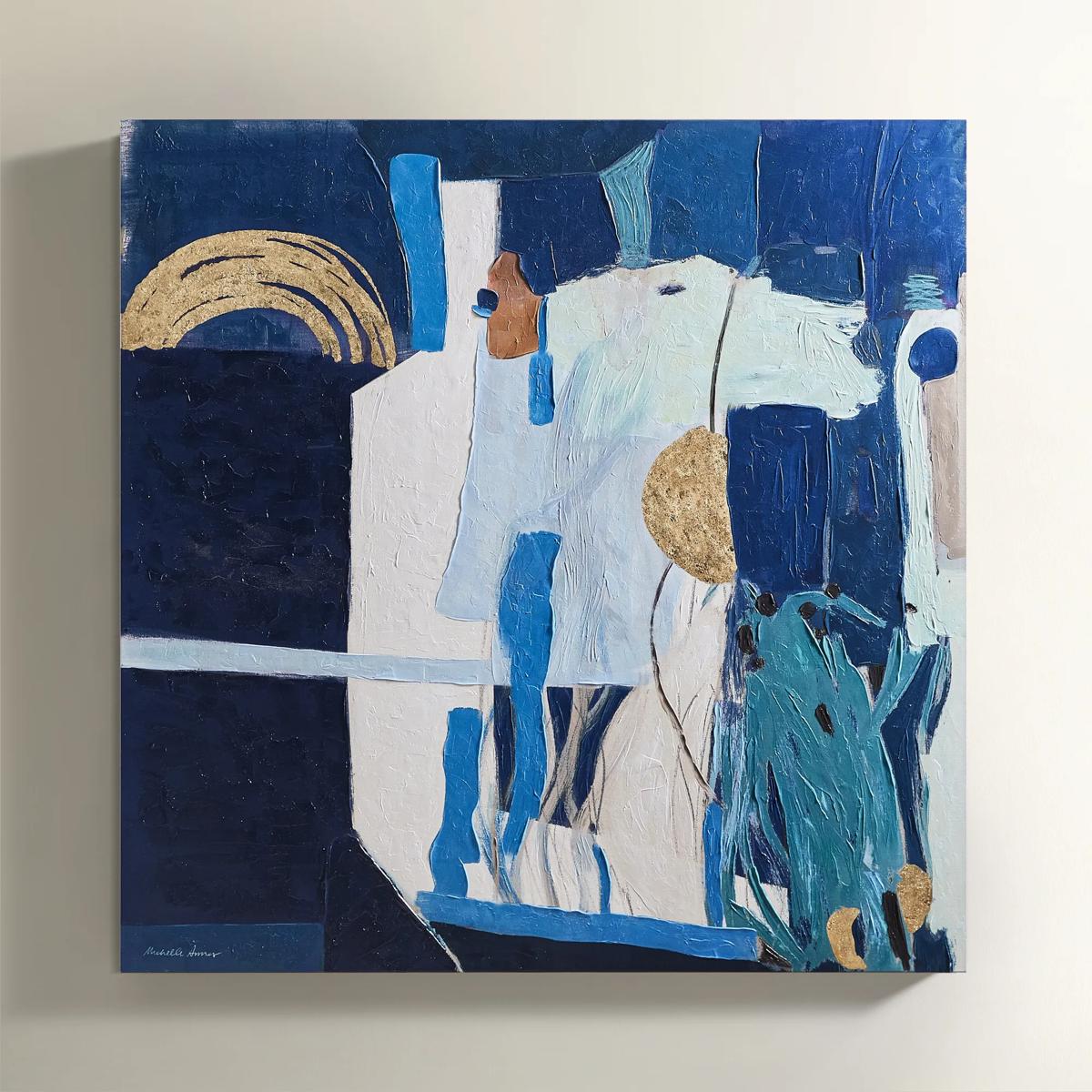
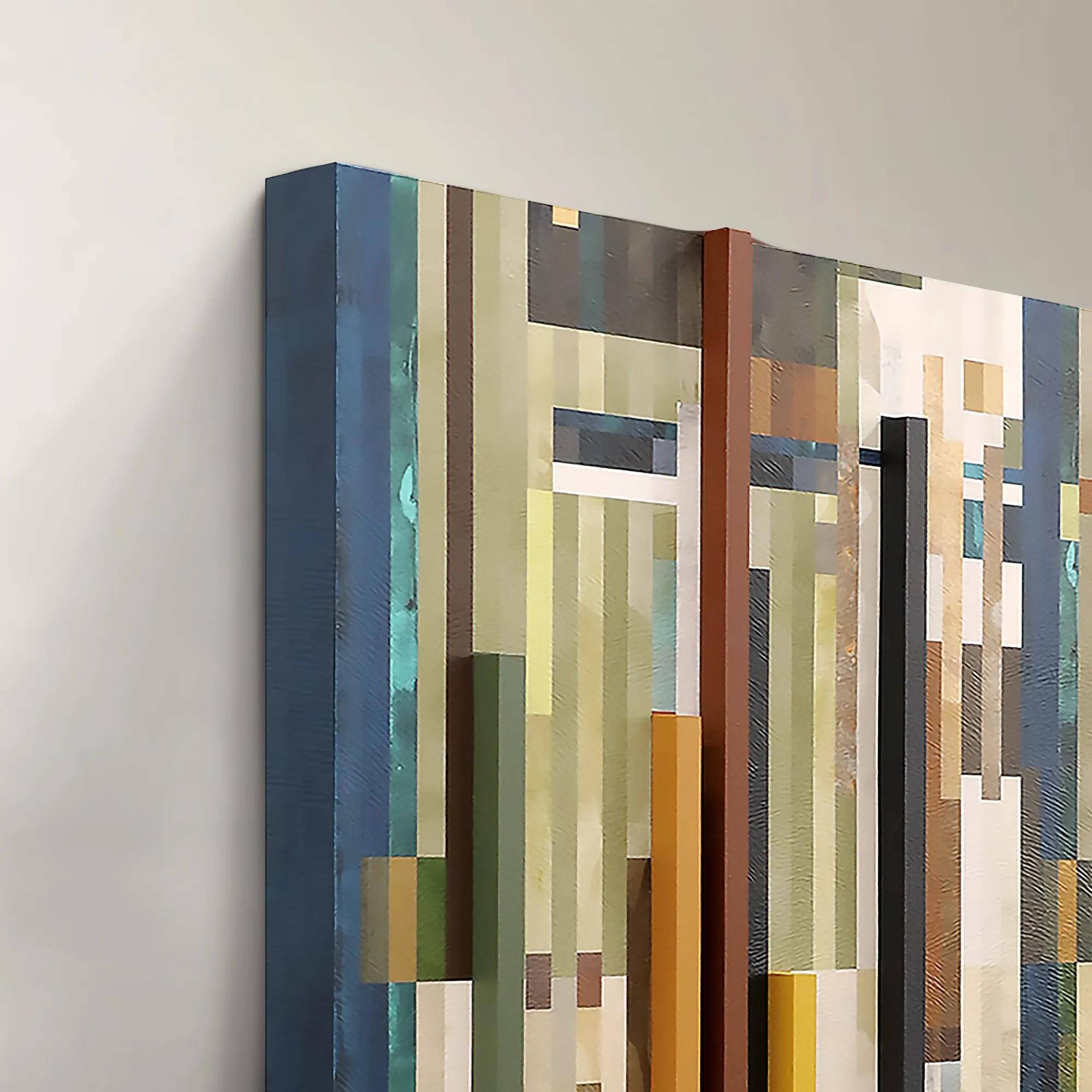 Chromatic Rhythms II Wall Art 60" x 47"$1899
A dynamic blue abstract canvas artwork featuring rhythmic geometric composition.
Add To Cart -
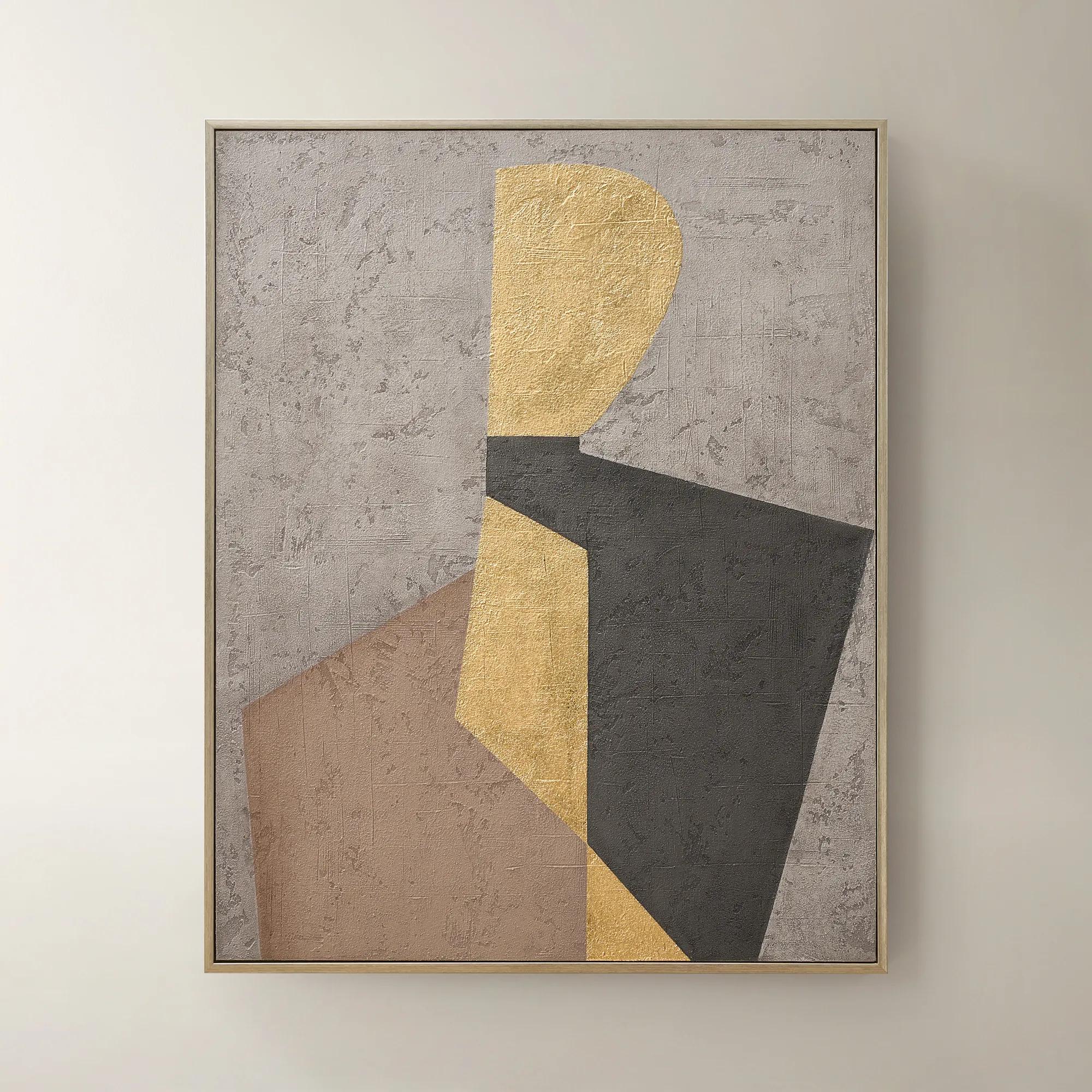 Aura of Gold Framed Painted Wall Art 40" x 50"$399
A hand-painted canvas with champagne leafing and a brushed champagne frame in mocha, grey, black, and gold.
Add To Cart -
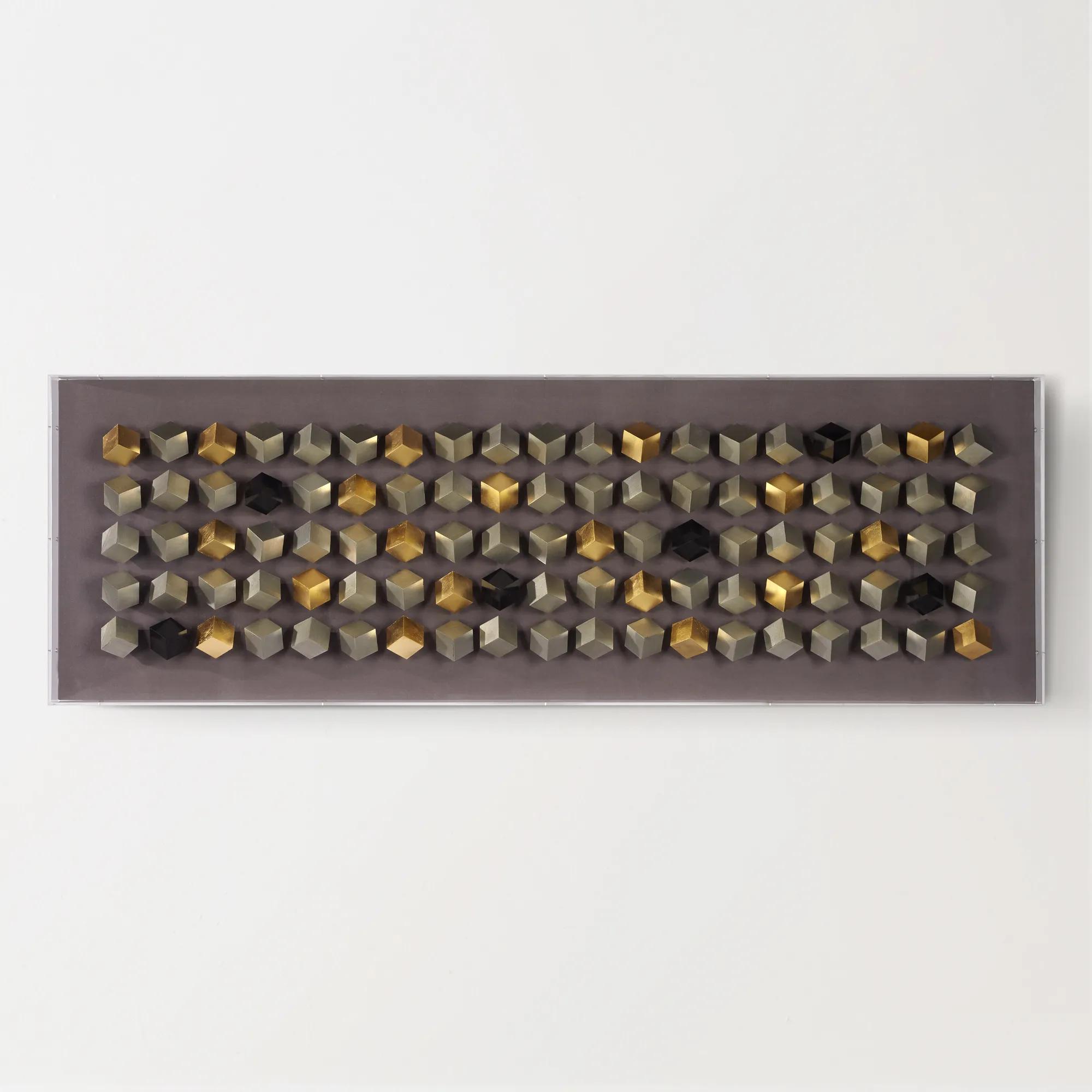
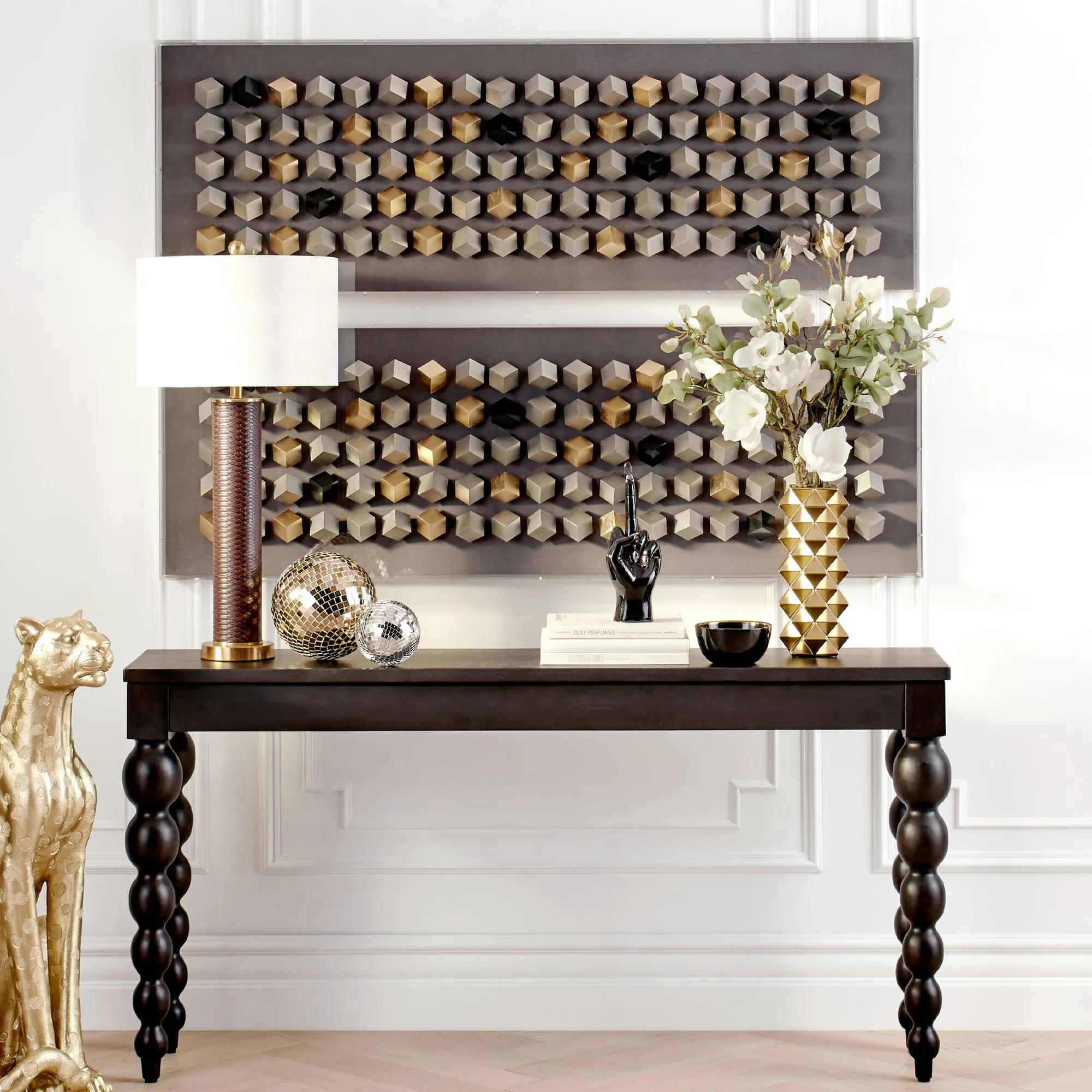 Cubic Array Dimensional Wall Decor in Acrylic 59" x 19.75"$599
A striking shadowbox wall art featuring a cubic, dimensional design with a tri-tone metallic finish.
Add To Cart -
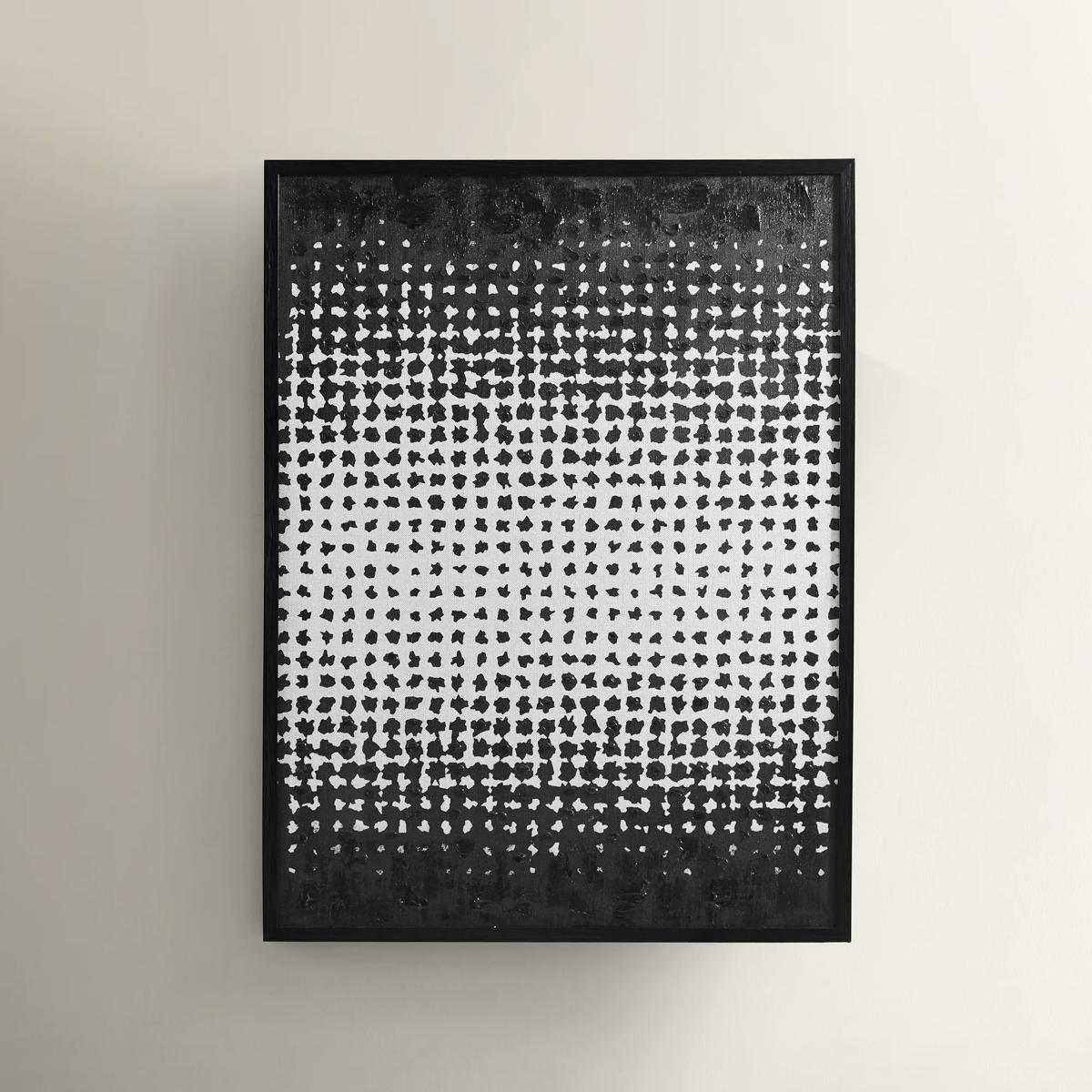
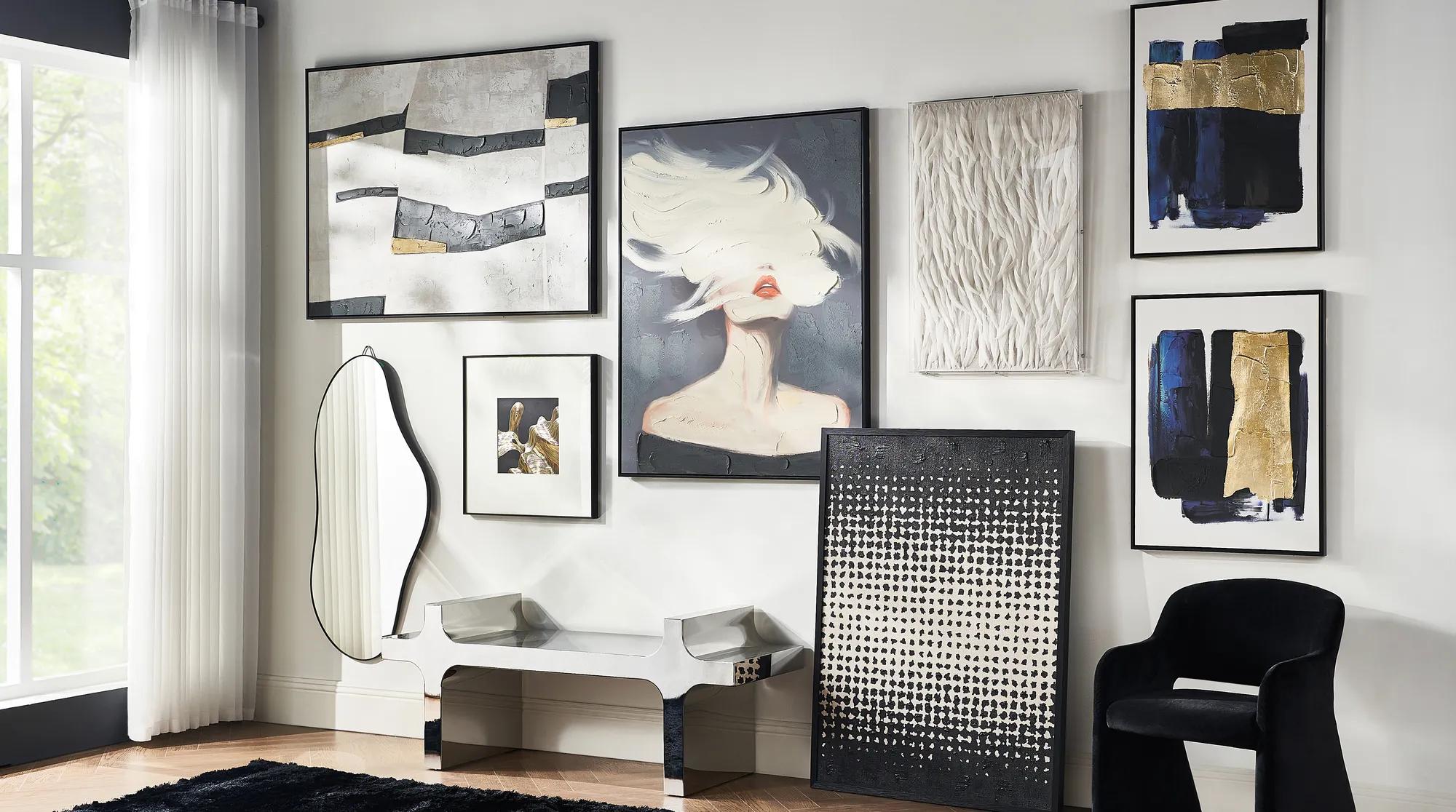 In Time Painting$399
A hand-painted linen canvas featuring cream and black dots in a modern, minimalist geometric pattern.
Add To Cart -
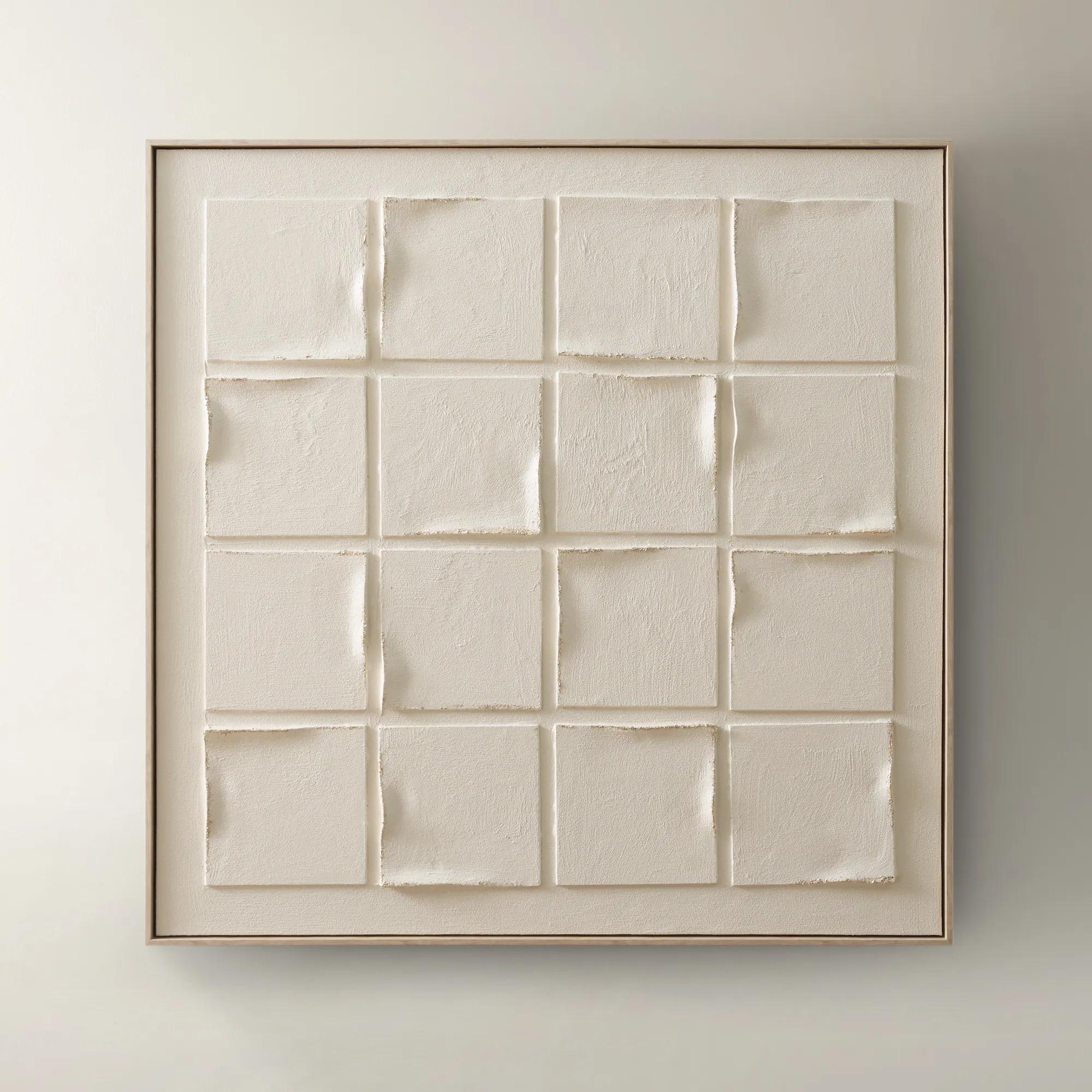
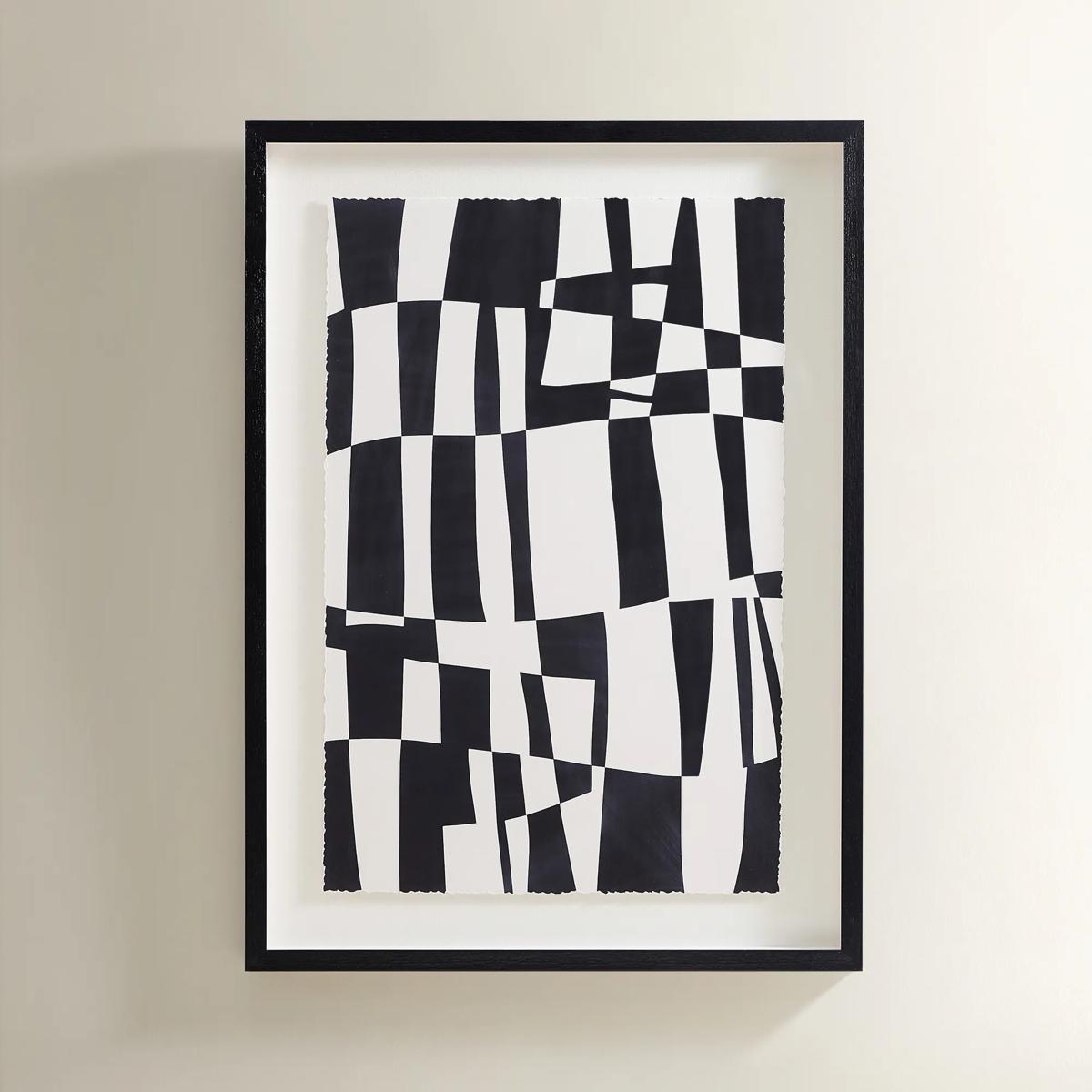 Matrix Art$369
A striking black and white abstract grid print set in a sleek black polyresin frame.
Add To Cart -

 Hint of Spring Framed Painted Wall Art 48" x 48"$599
A framed, multicolored painted canvas artwork that brings a vibrant, artistic touch to contemporary interiors.
Add To Cart -
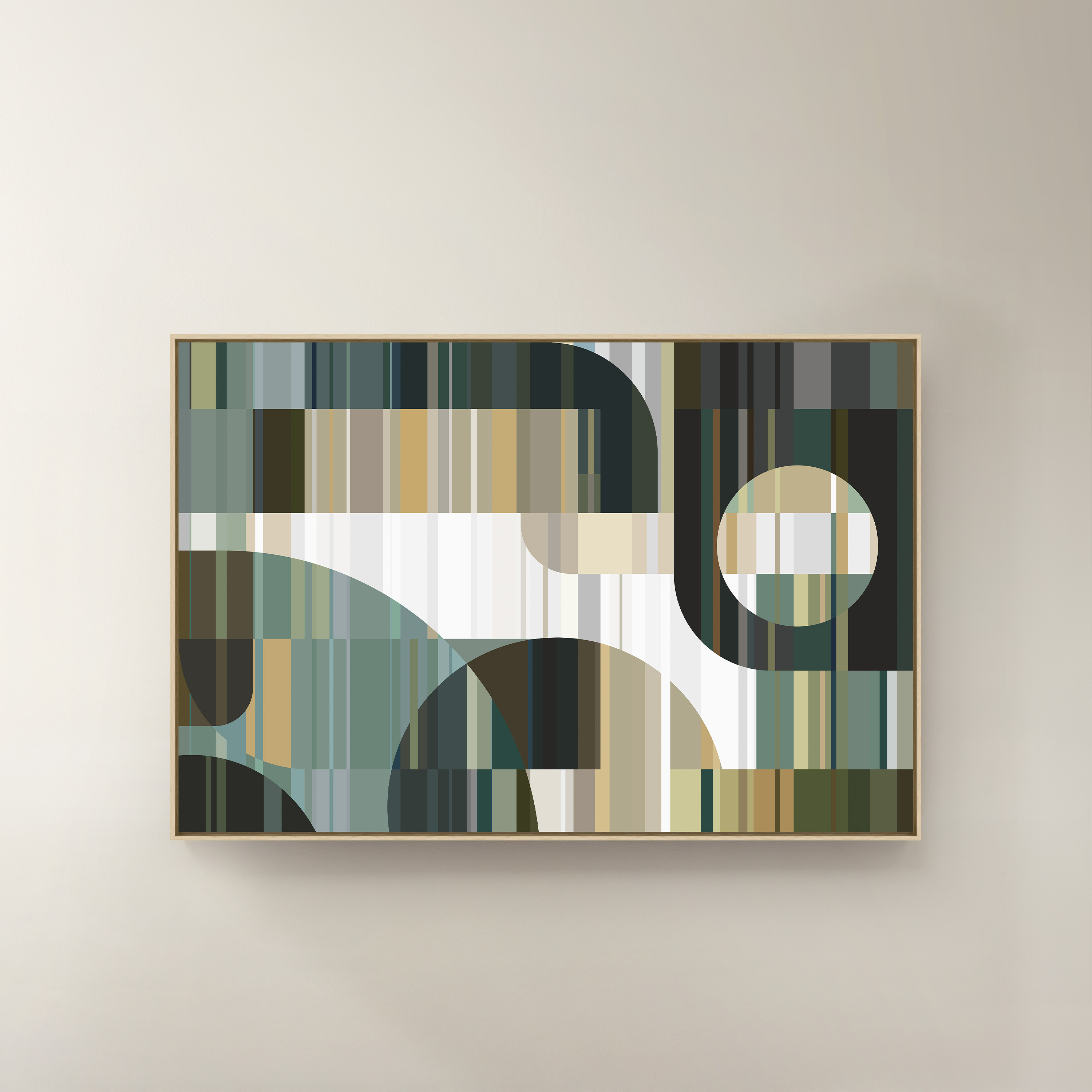
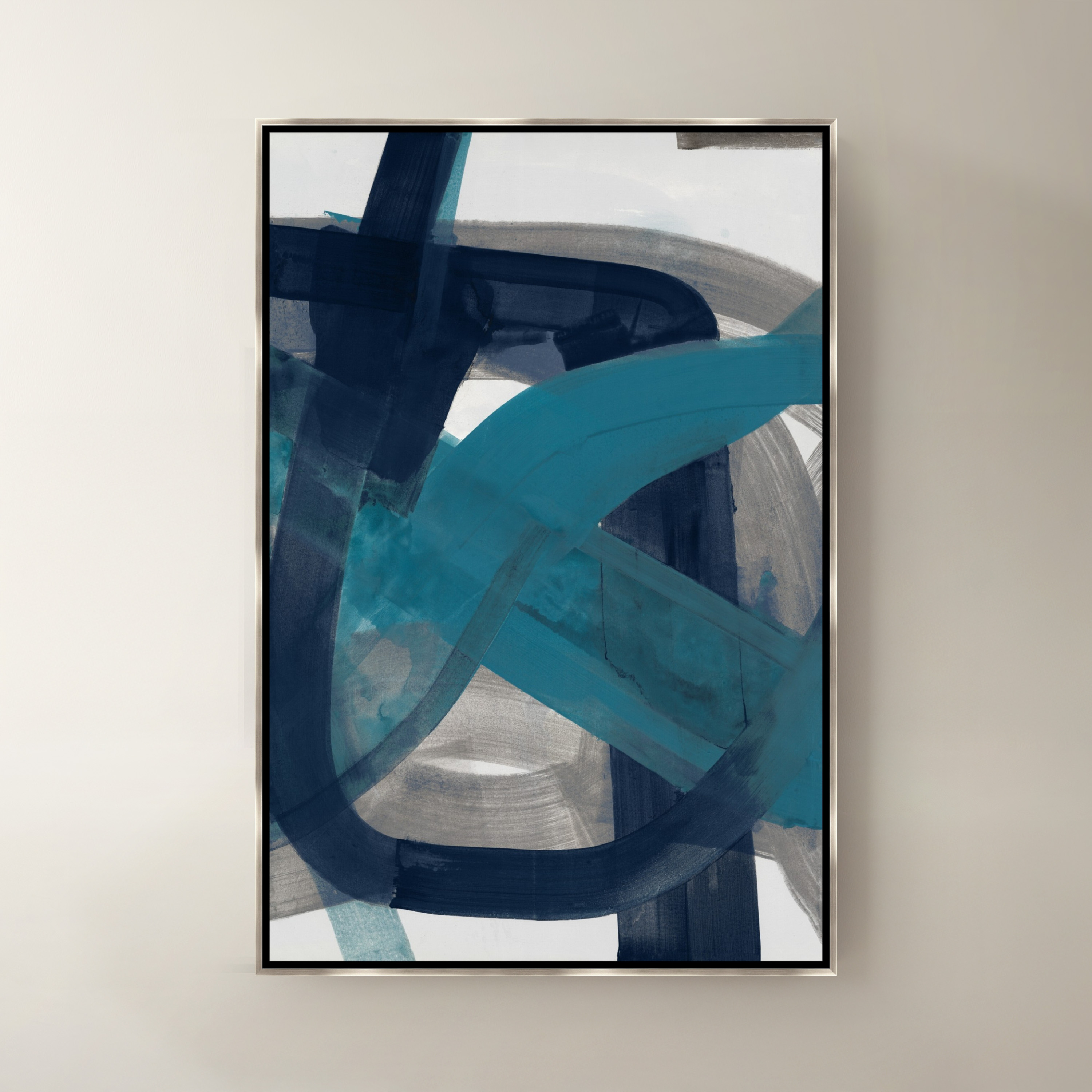
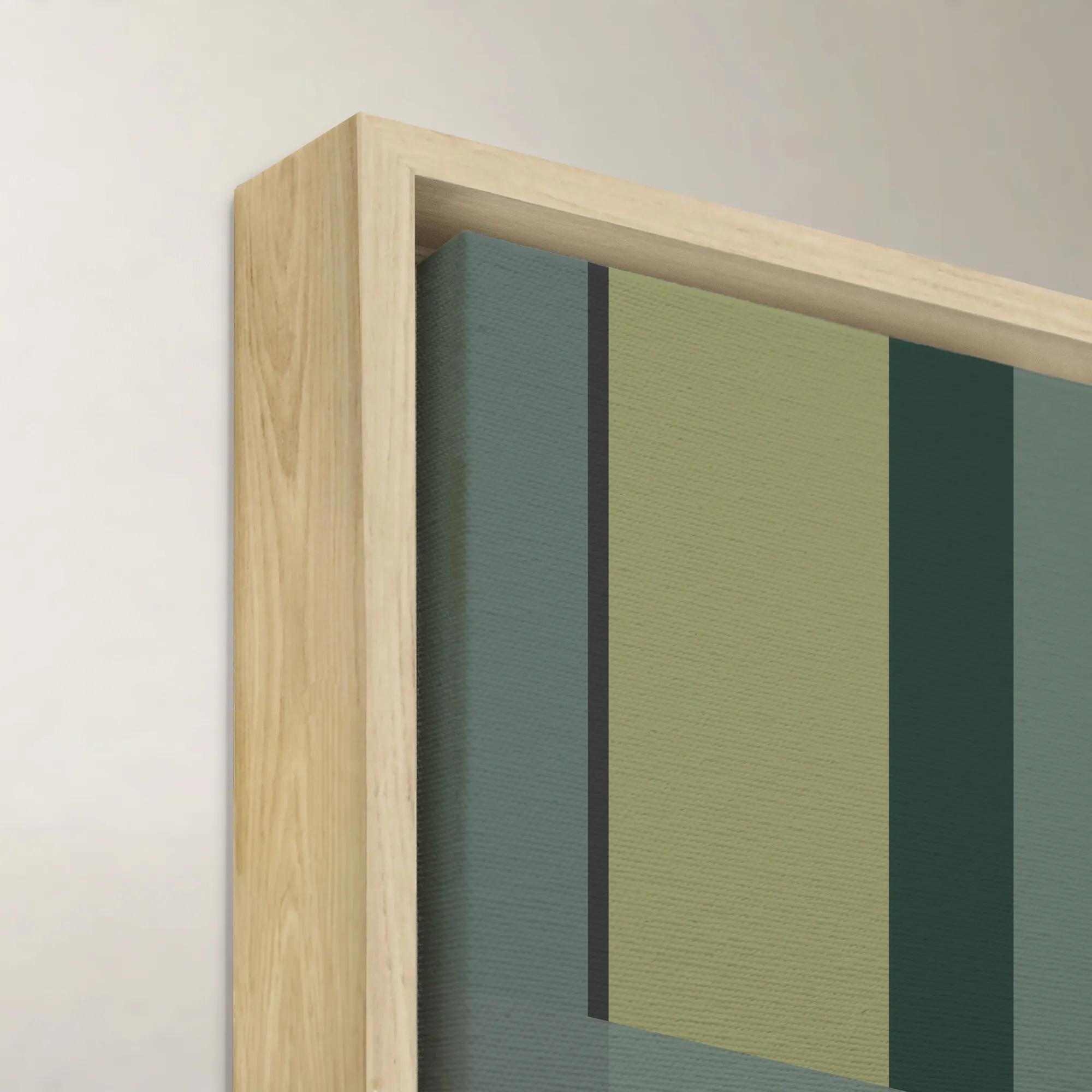 Cool Intersecting Forms II Framed Wall Art 60" x 40"$1099
A framed canvas wall artwork featuring cool-toned intersecting forms in a multicolored abstract composition.
Add To Cart -
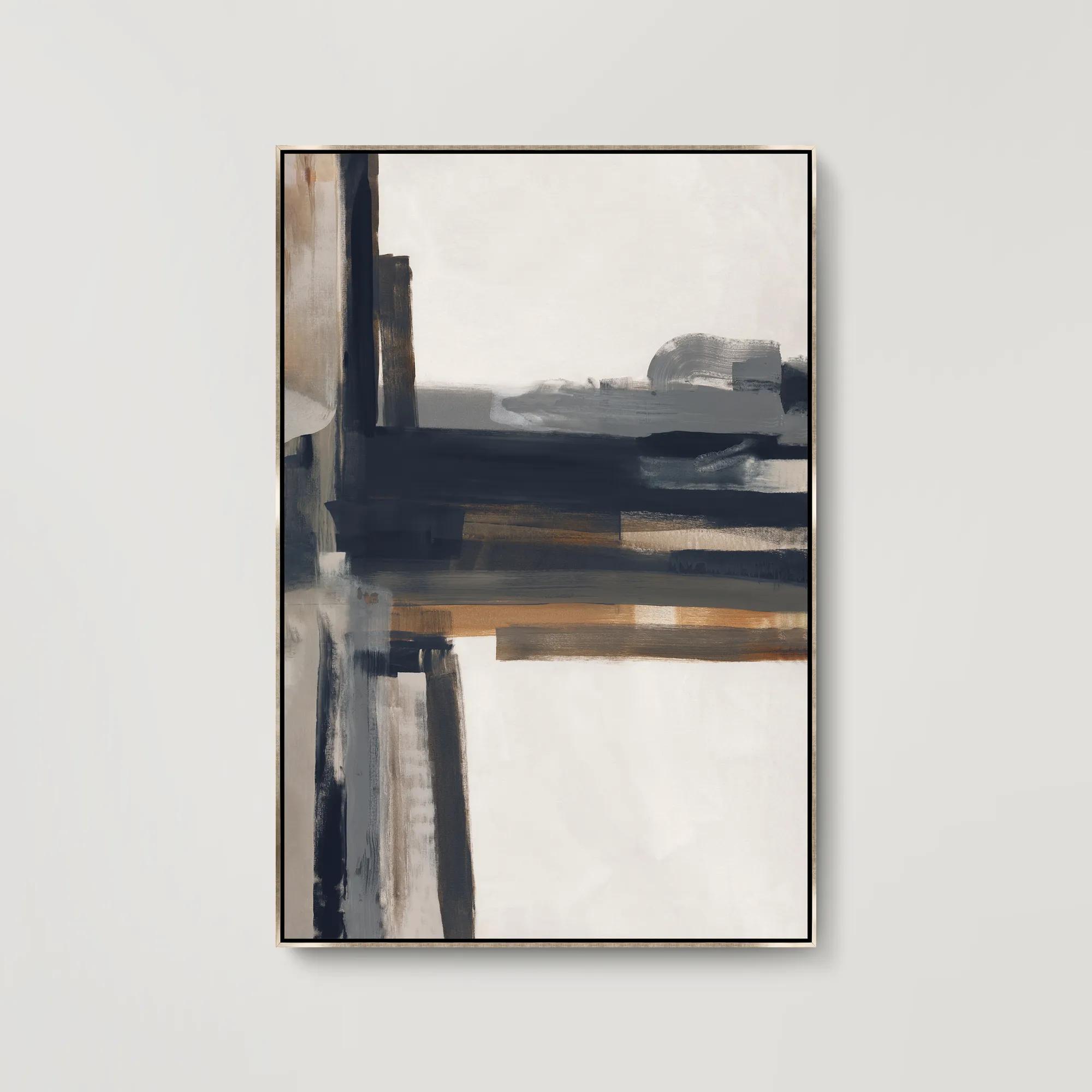
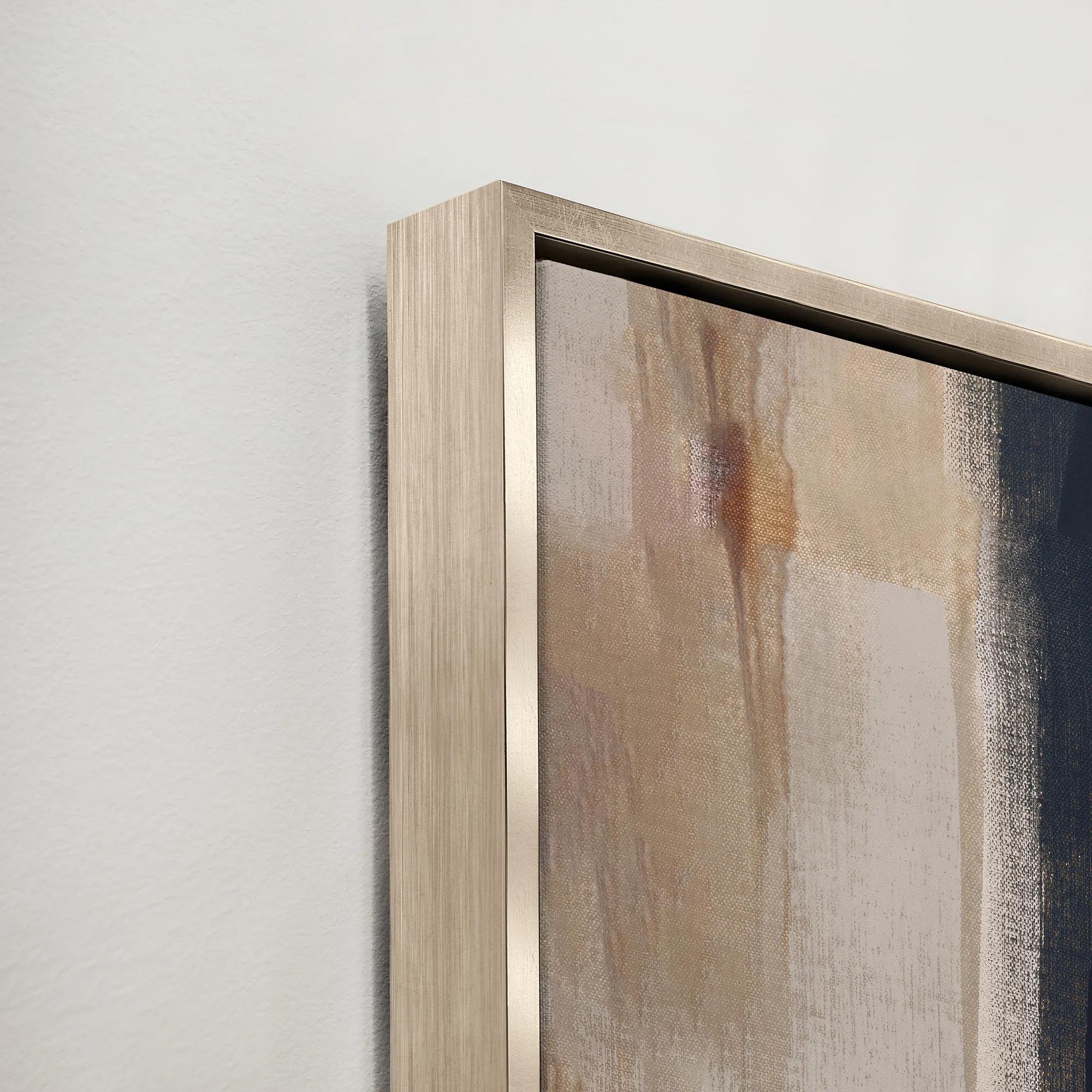 Imposing Construct I Framed Wall Art 41.5" x 61.5"$949
A gallery-wrapped abstract canvas featuring hand-applied brush gel and set in a sleek silver floater frame.
Add To Cart -
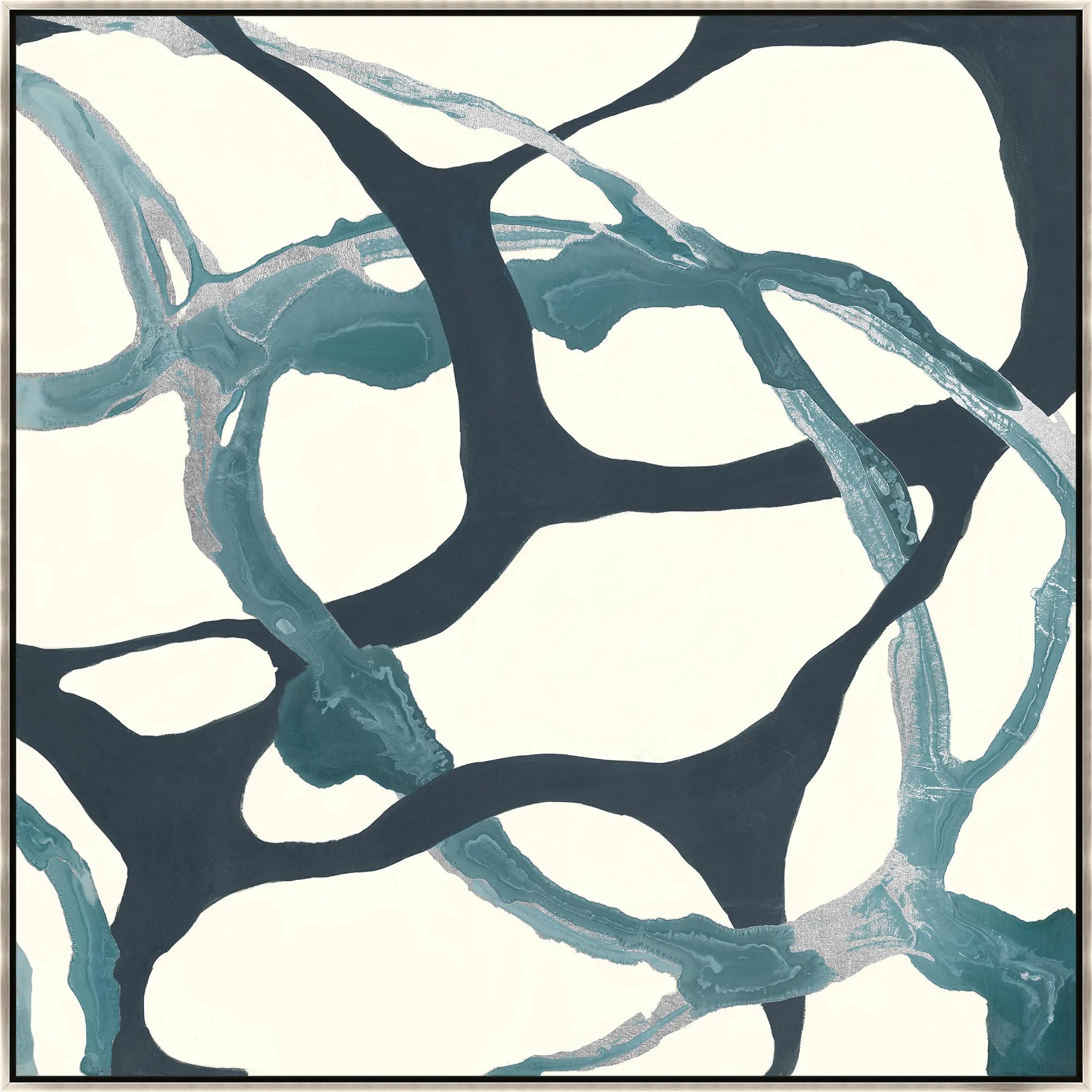
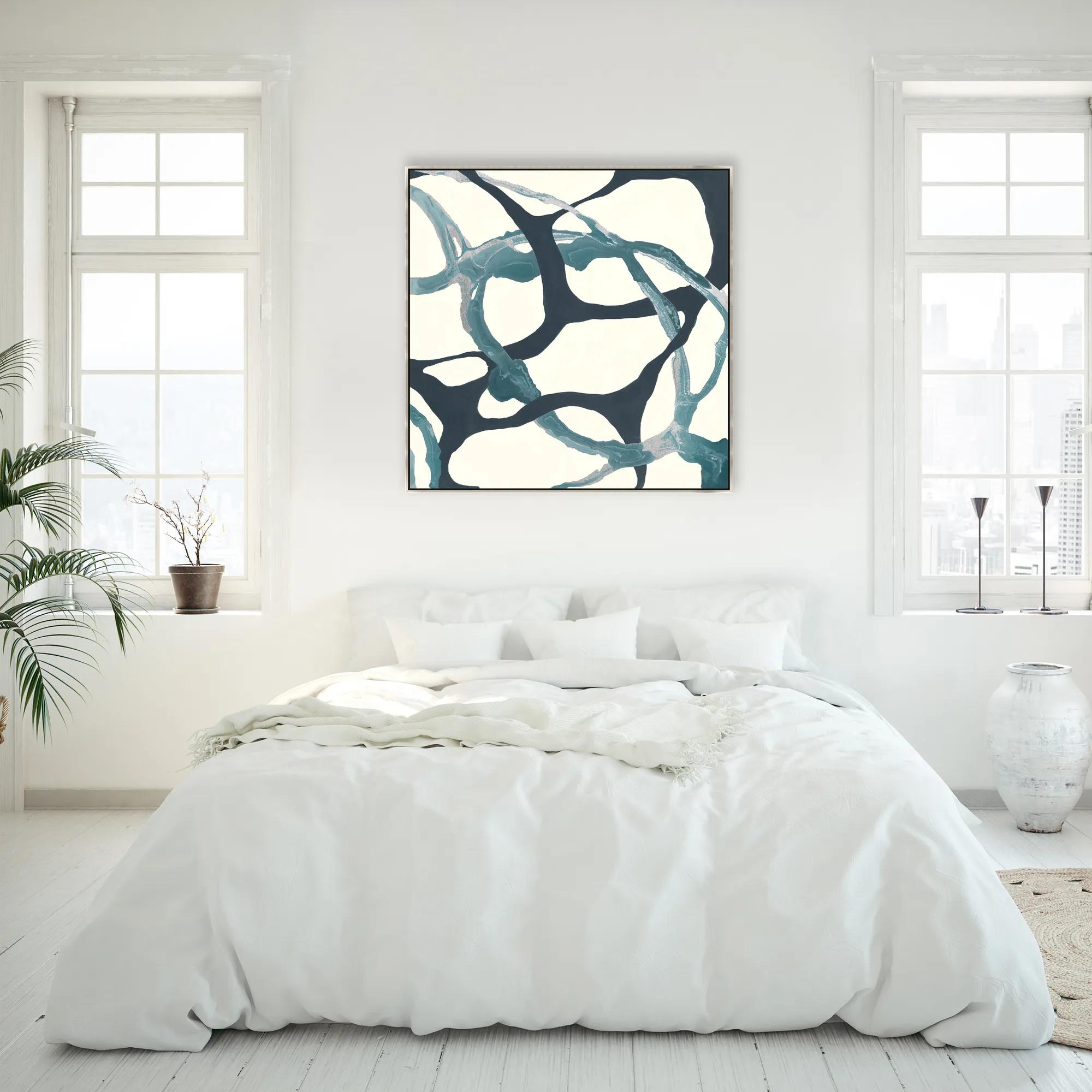 Alignments II Framed Wall Art 40" x 40"$899
A gallery-wrapped canvas featuring gilded silver accents and hand-applied brush gel in a silver floater frame.
Add To Cart -
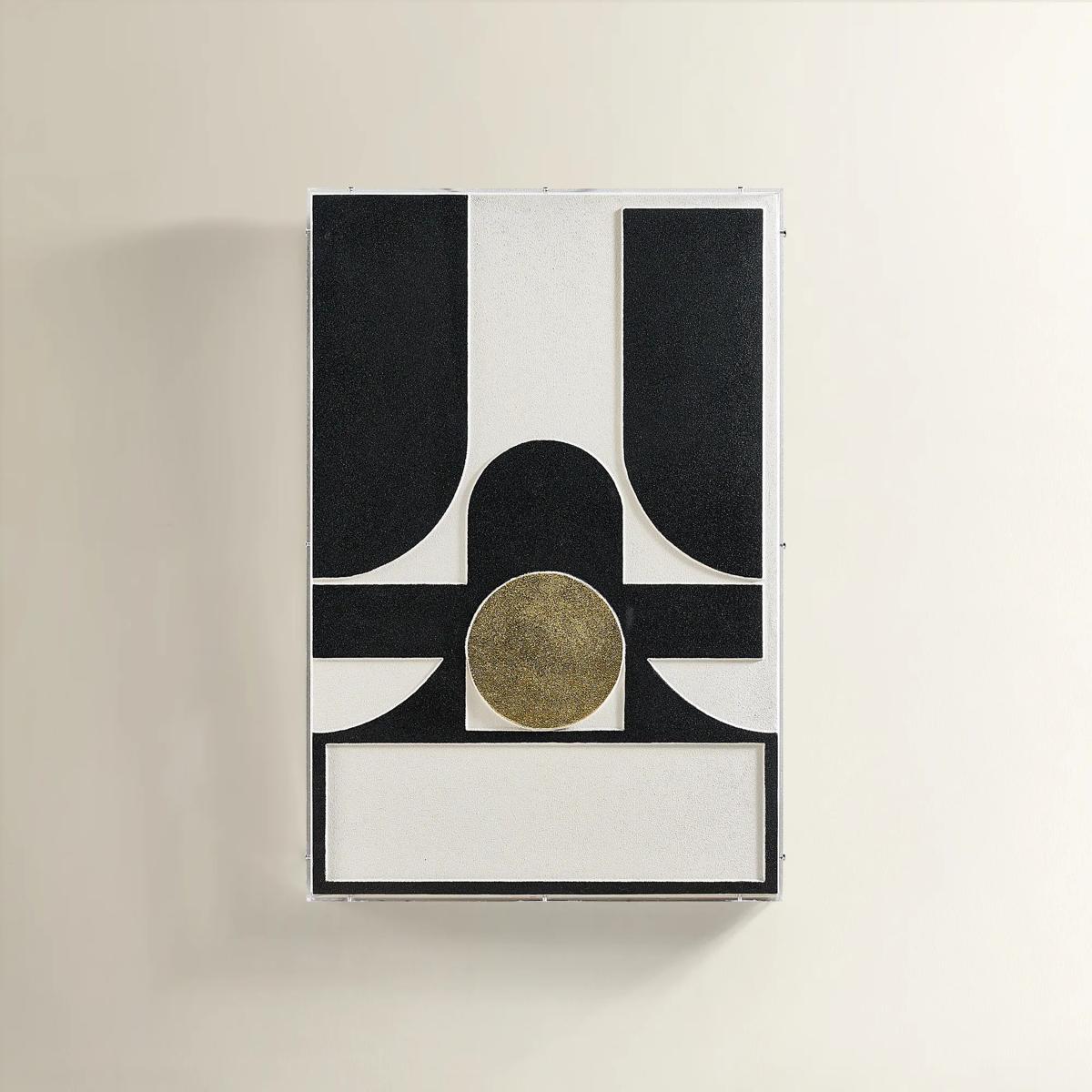
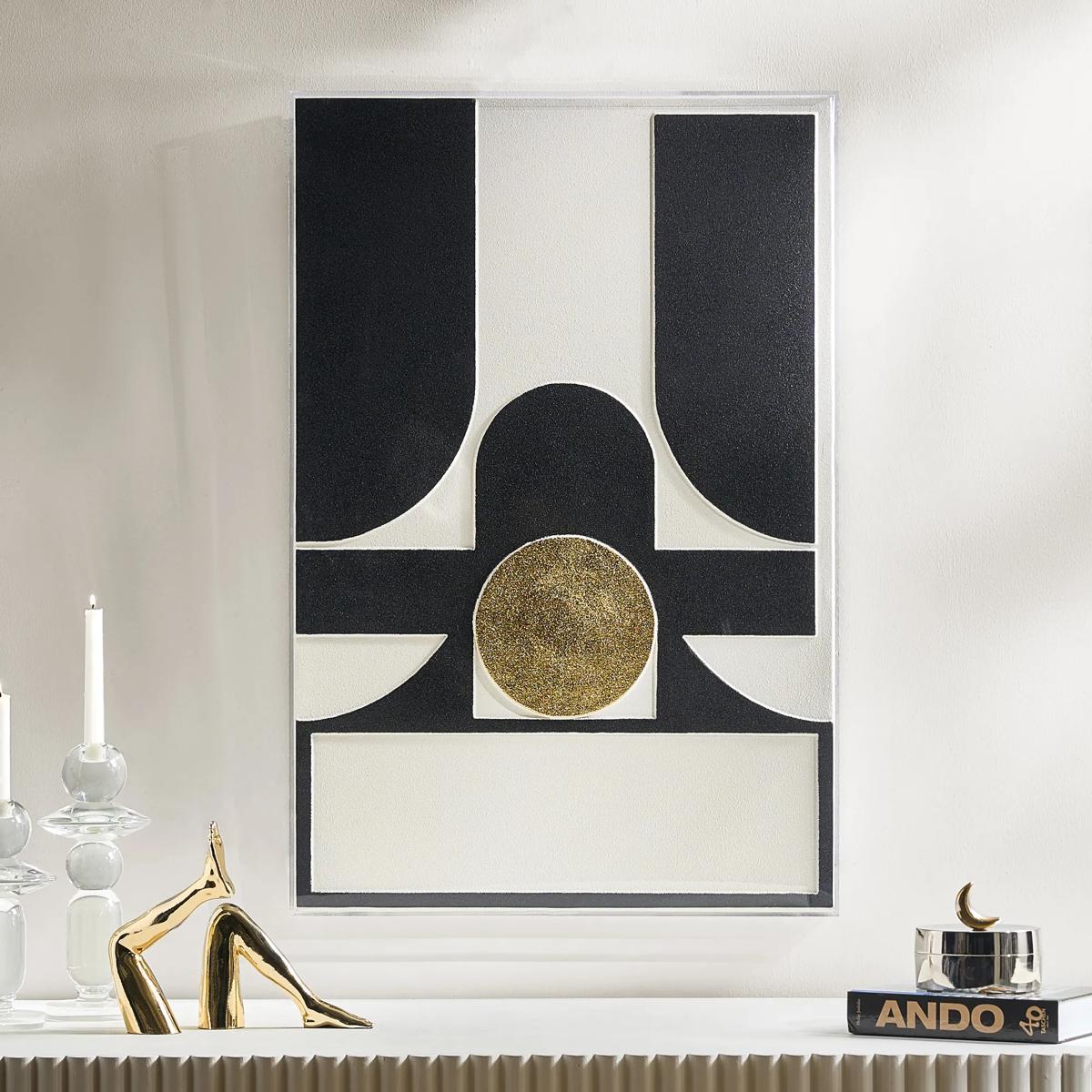 Siren Black And Gold Wall Decor in Acrylic 23.5" x 35.5"$299
A layered composition of black, ivory, and gold geometric forms set in a sleek acrylic shadow box.
Add To Cart -
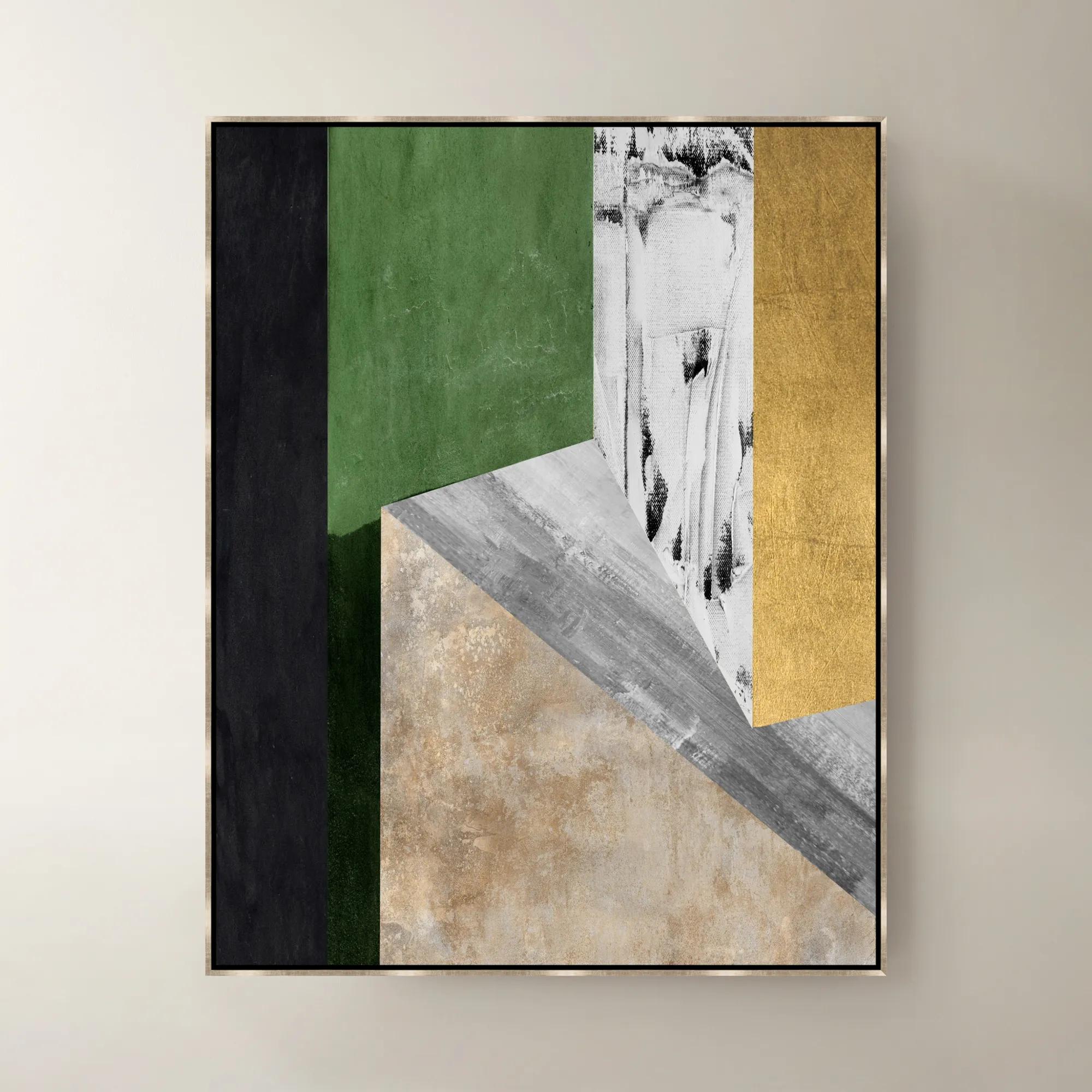
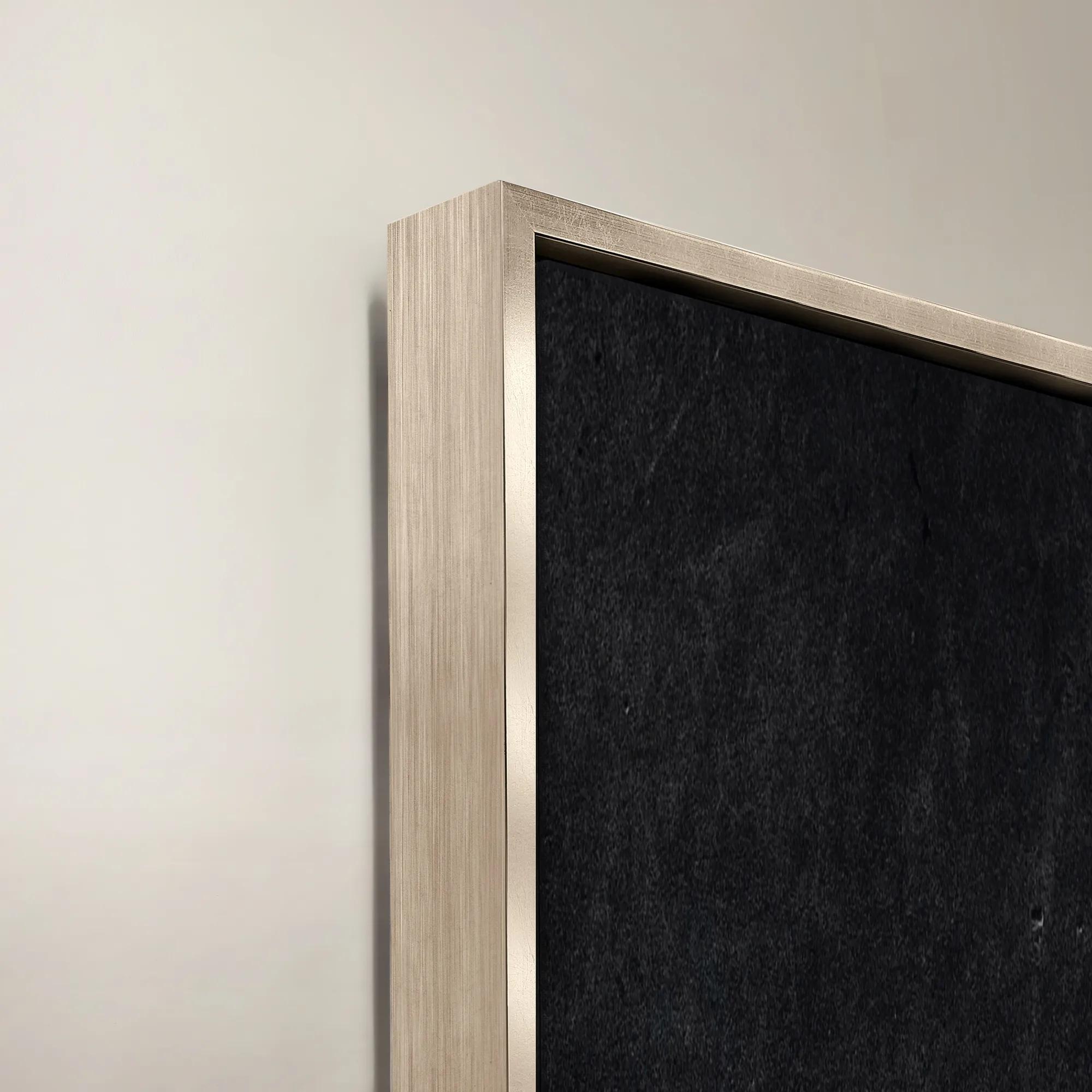 Blocked III Framed Wall Art 42" x 50"$1199
A striking abstract art piece featuring bold geometric shapes and modern design by Nikki Chu.
Add To Cart -
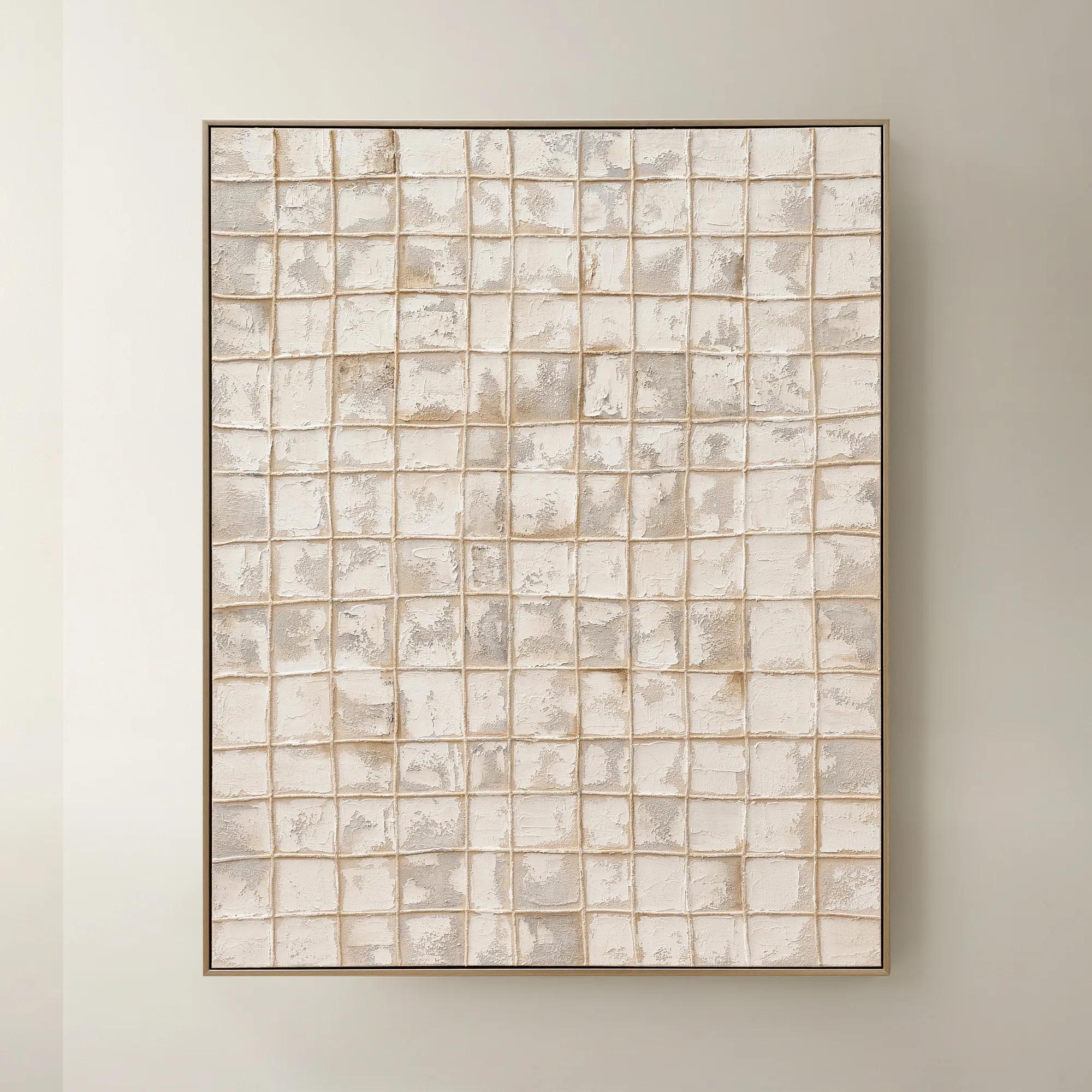
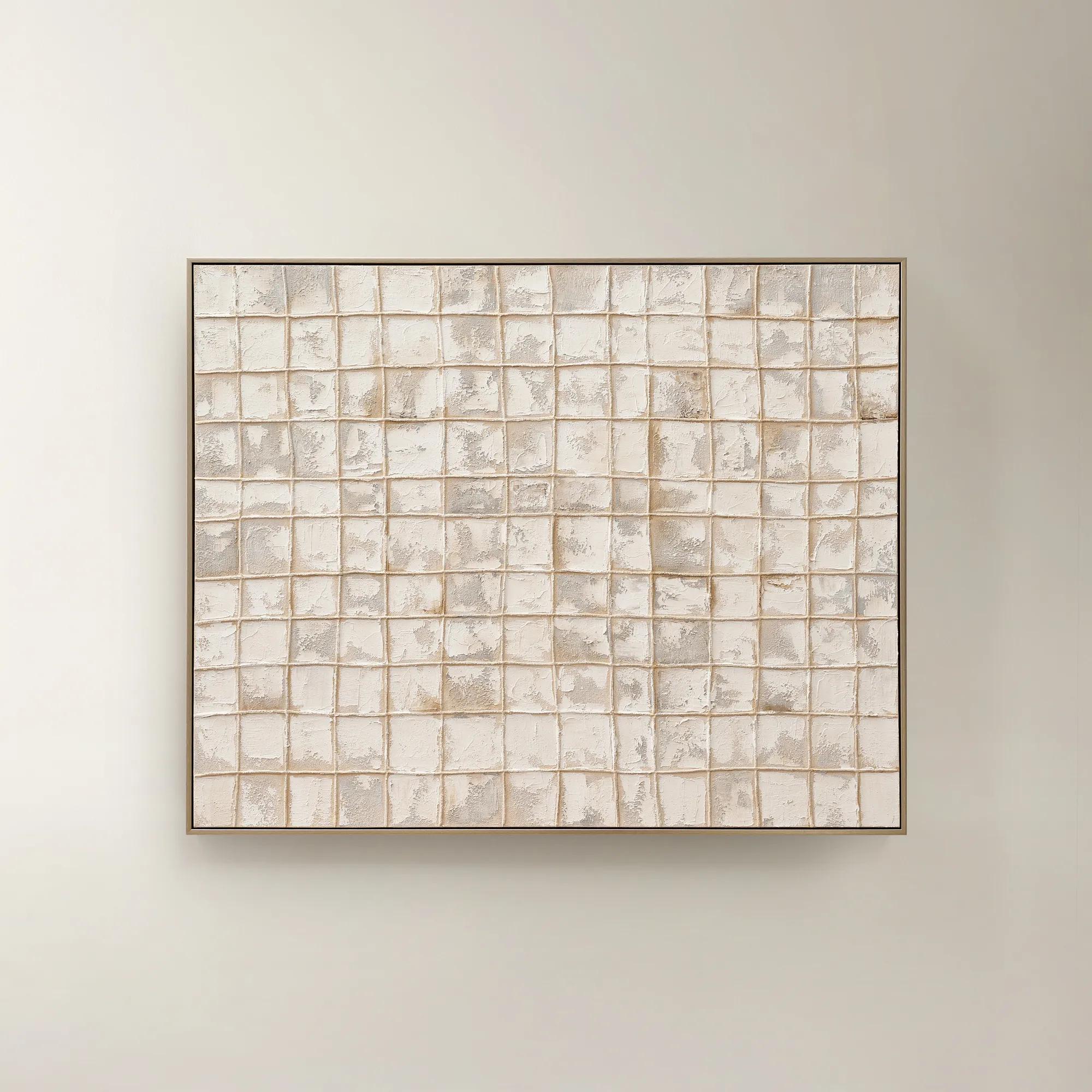 Painted Echos Framed Gold Leaf Wall Art 60" x 48"$699
A hand-painted abstract canvas with gold leaf accents and a champagne frame for modern, versatile display.
Add To Cart -

 Jewel Toned Geometry Framed Wall Art 24" x 33"$519
A jewel-toned geometric canvas artwork framed to bring vibrant modern dimension to any wall.
Add To Cart -
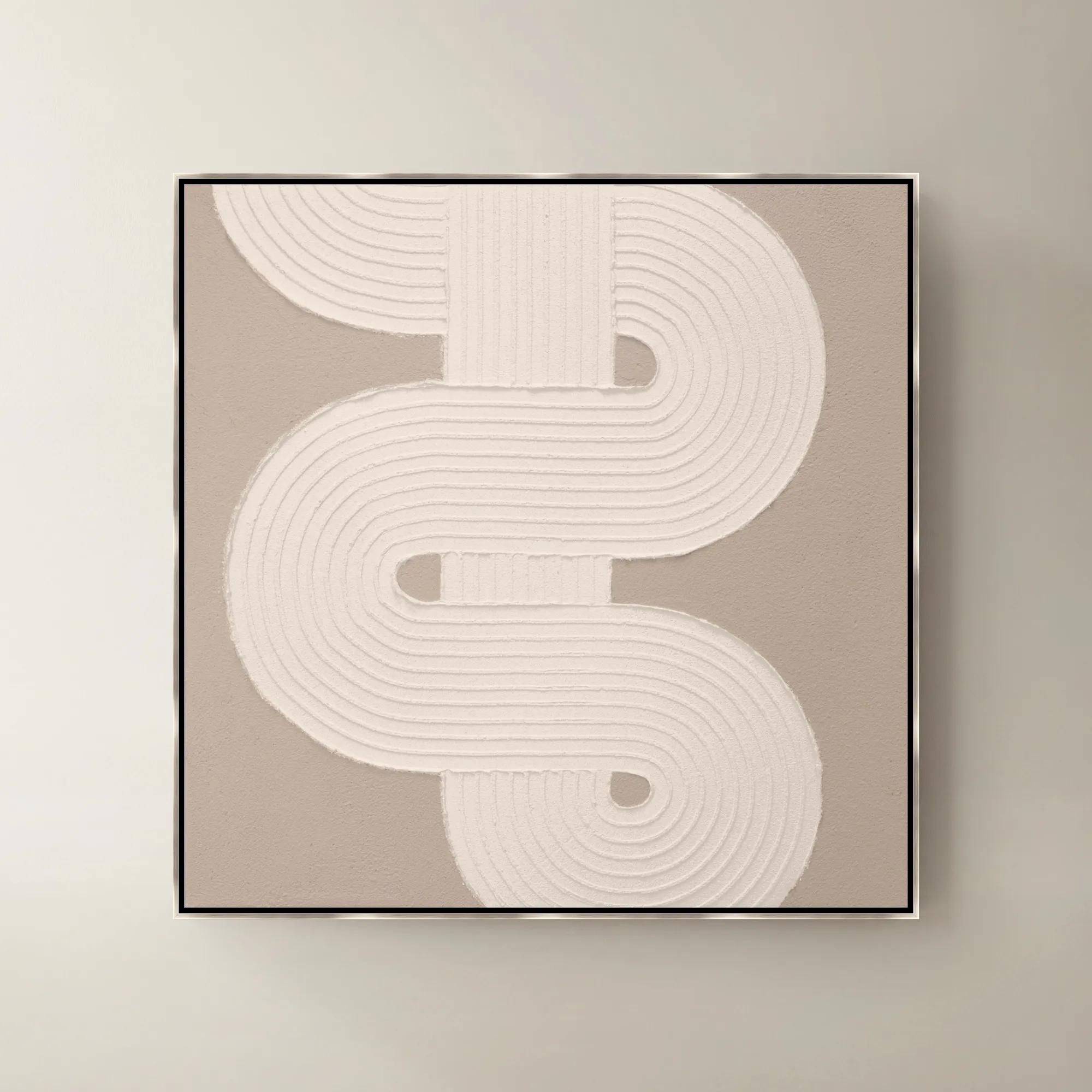
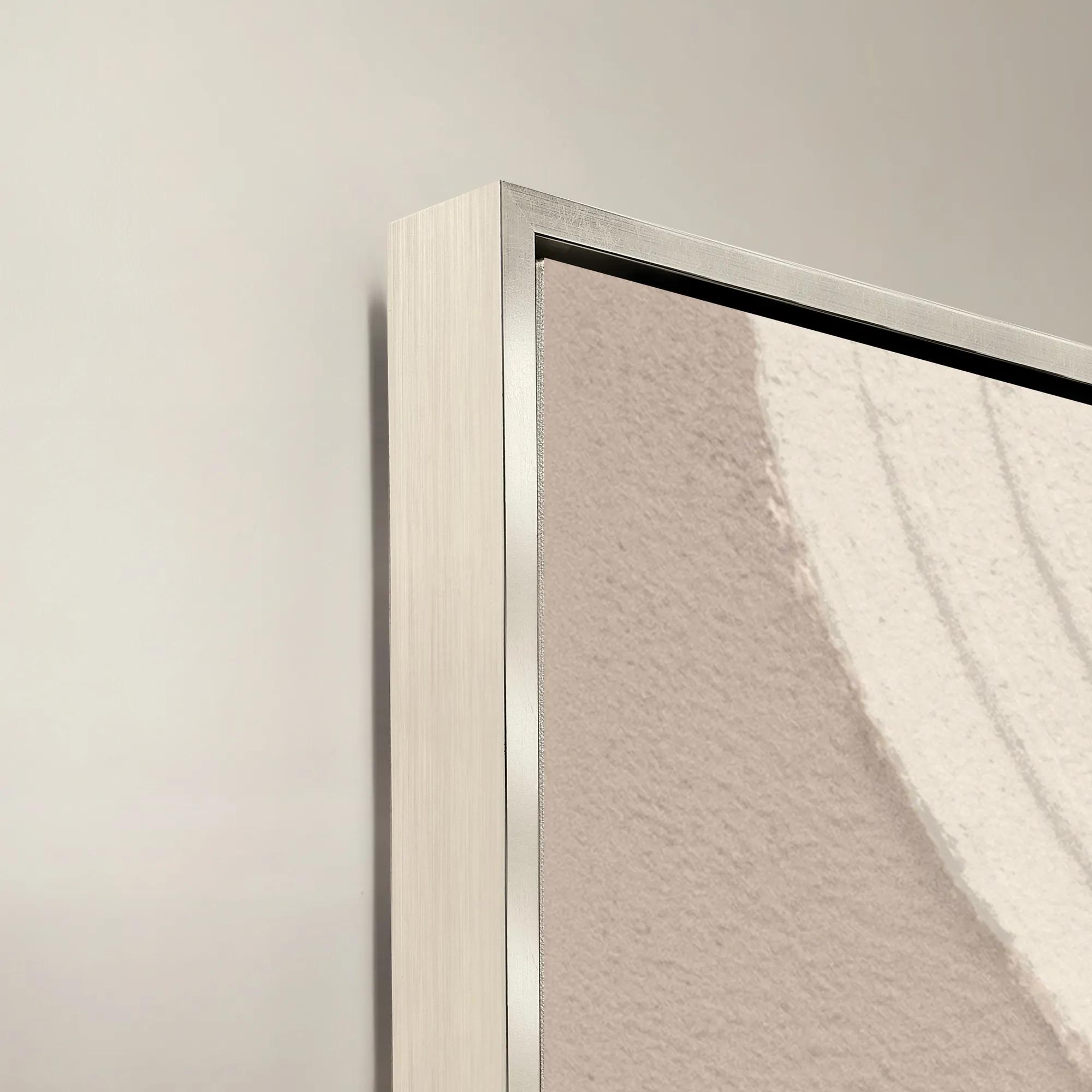 Sacred Geometry V Framed Painted Wall Art 40" x 40"$1099
A striking abstract art piece featuring bold geometric patterns for a modern, sophisticated touch.
Add To Cart -
 Cubism Black Resin Floor Totem 65"$329
A sculptural black resin totem with stacked geometric forms and brushed gold accents creates drama.
Add To Cart -
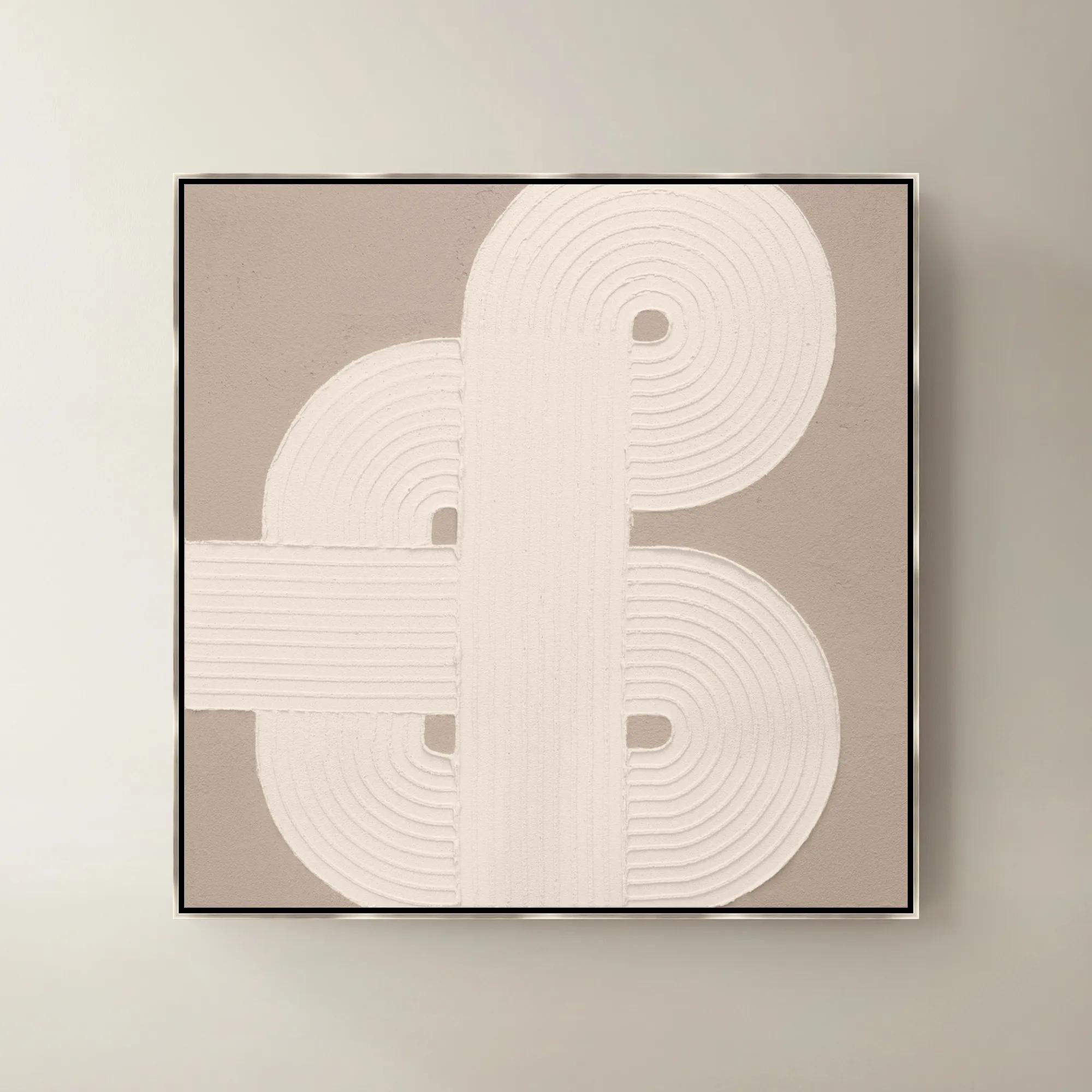
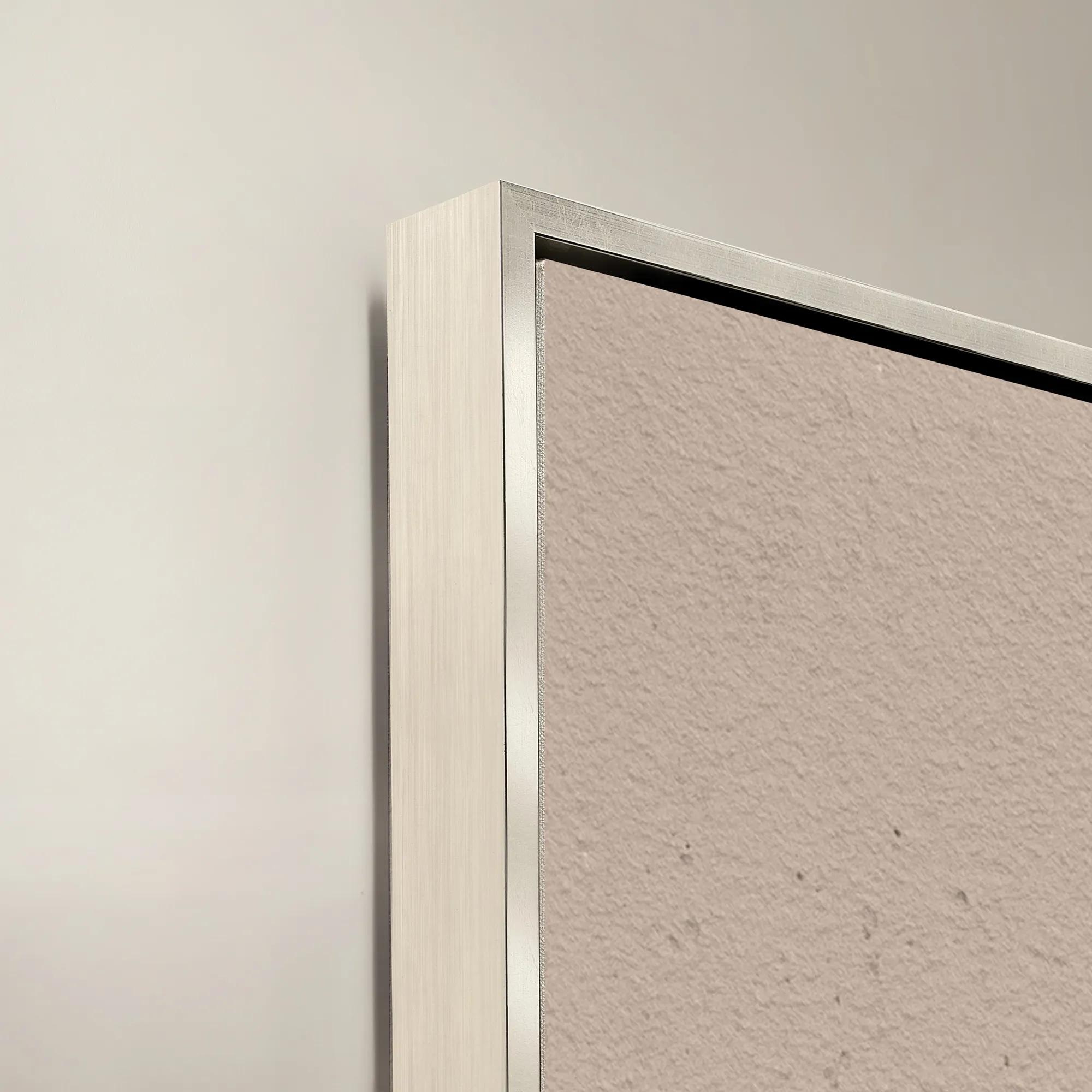 Sacred Geometry IV Framed Painted Wall Art 40" x 40"$1099
A striking abstract art piece featuring bold geometric patterns for a modern, sophisticated touch.
Add To Cart -
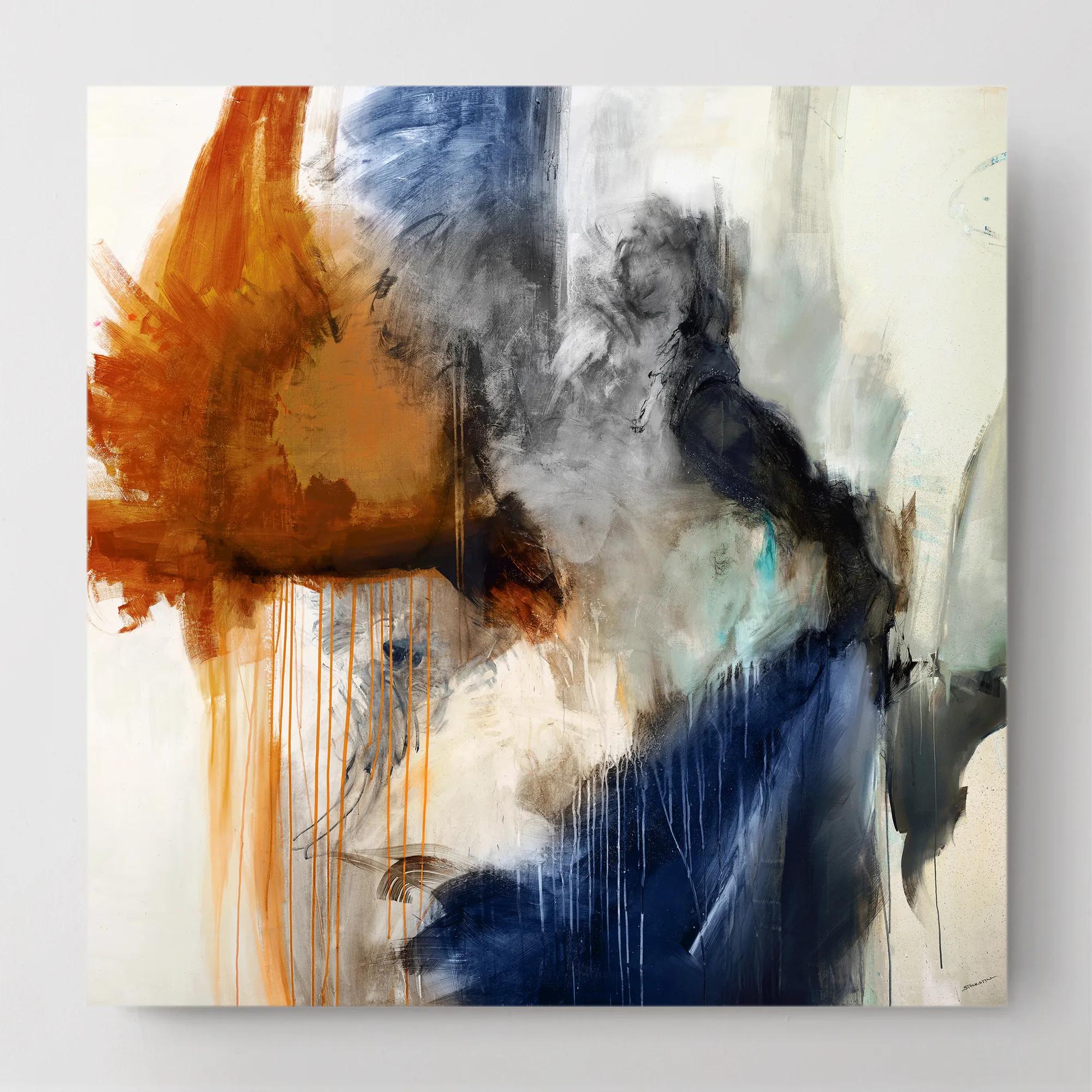
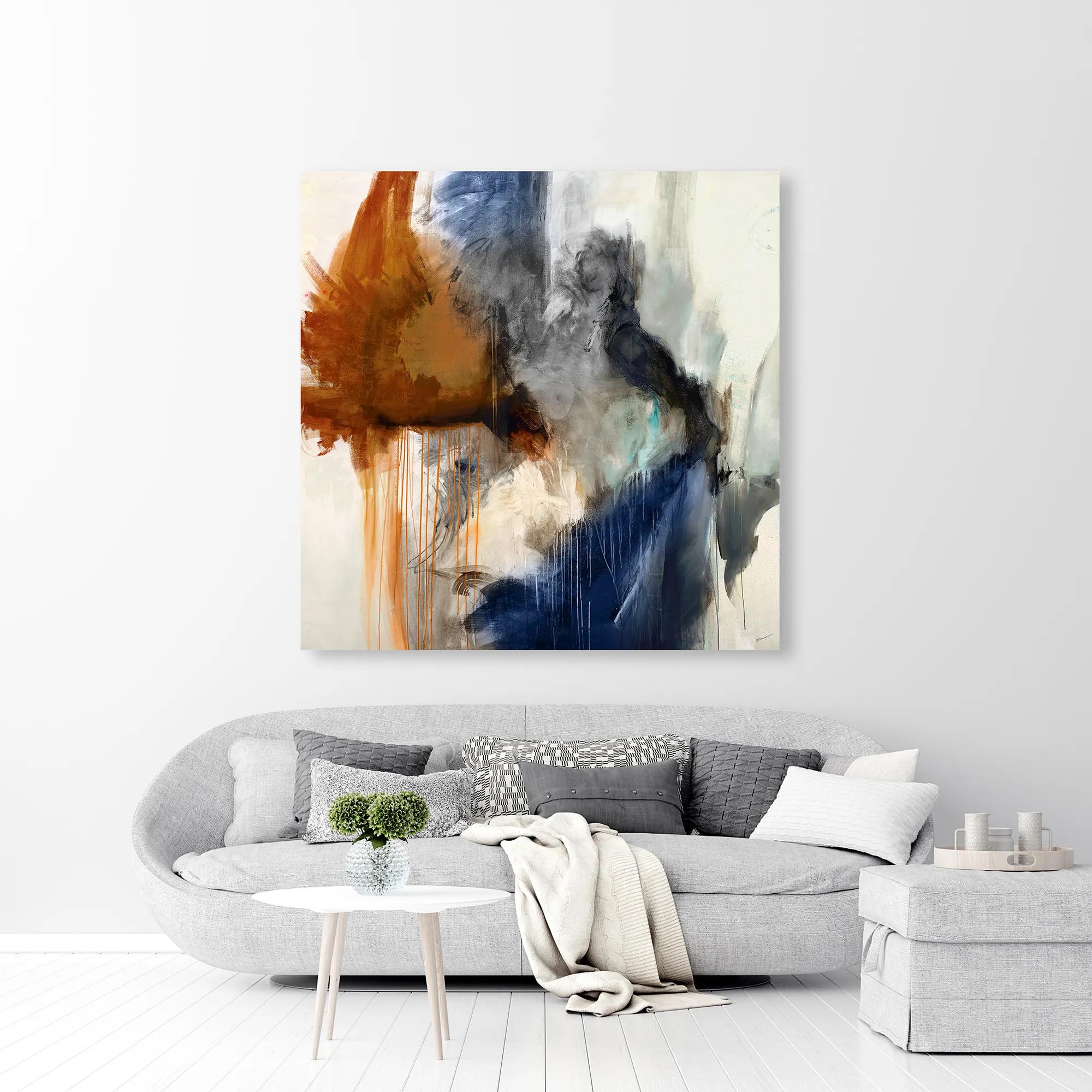 Swoon 6 Wall Art 54" x 54"$899
A gallery-wrapped canvas featuring a hand-applied image brush gel finish for a textured, artistic look.
Add To Cart -
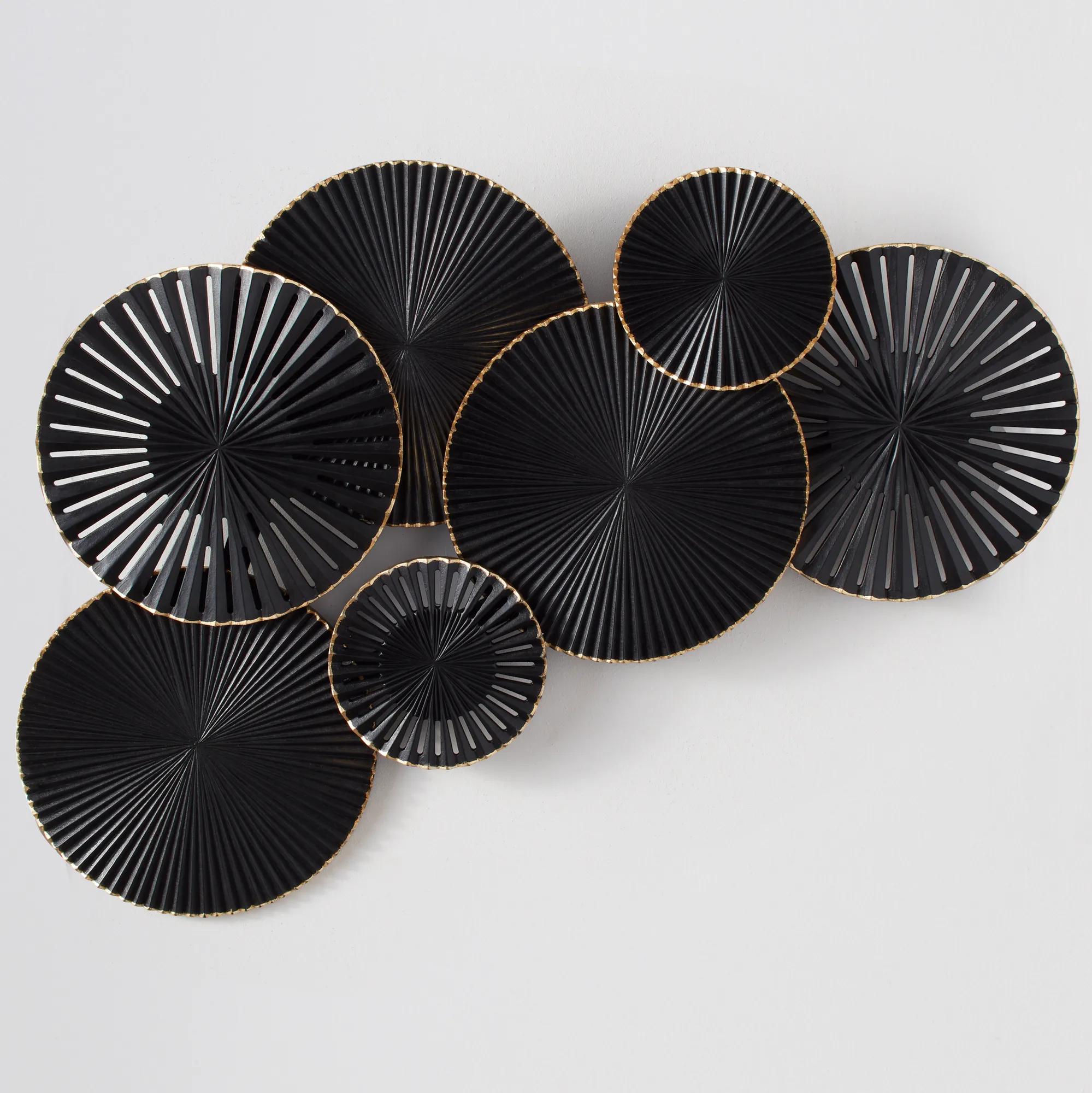
 Circa Black Carved Wood Dimensional Wall Panel 47.25" x 27.5"$499
A carved wood wall art panel in black and gold that adds abstract intrigue to any room.
Add To Cart -
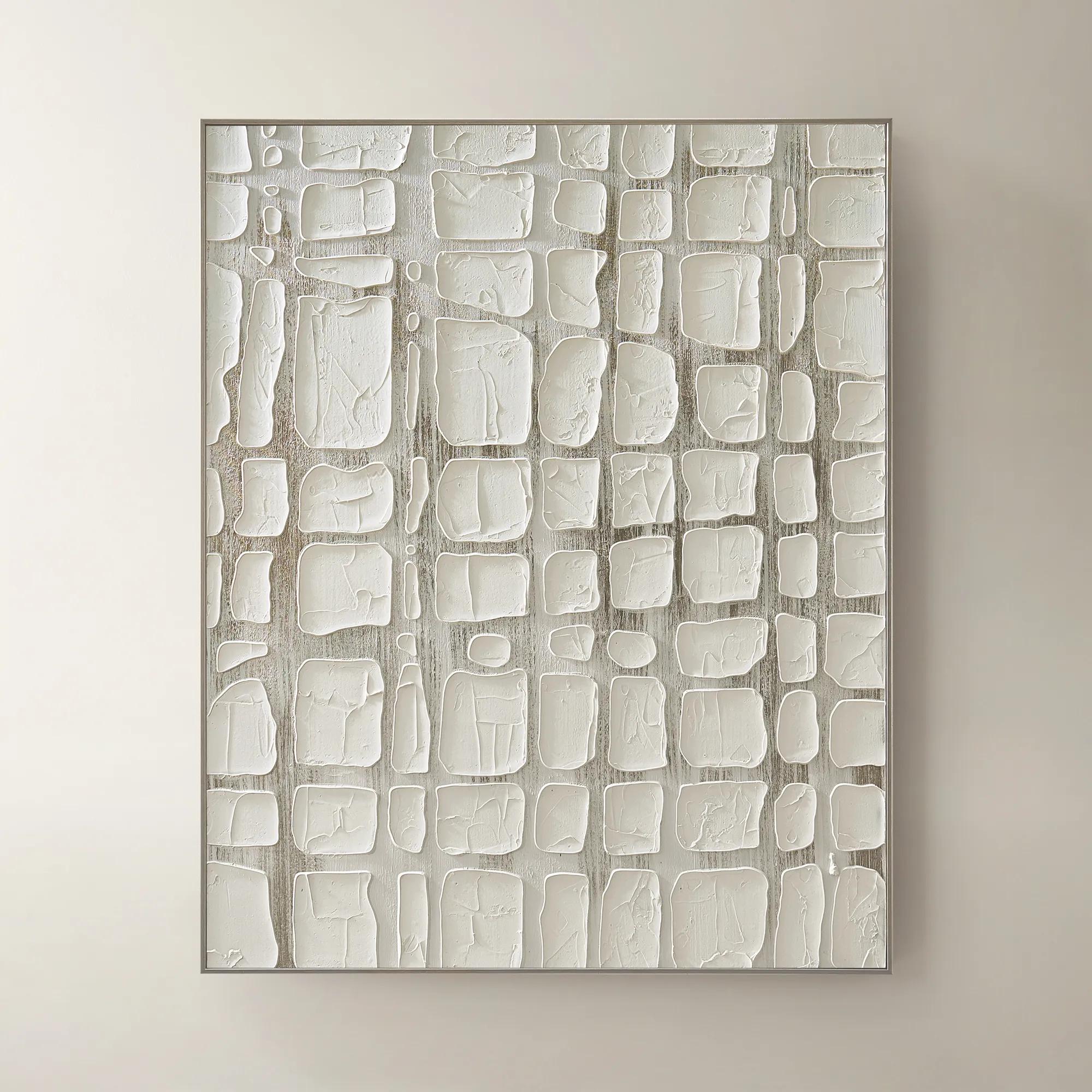
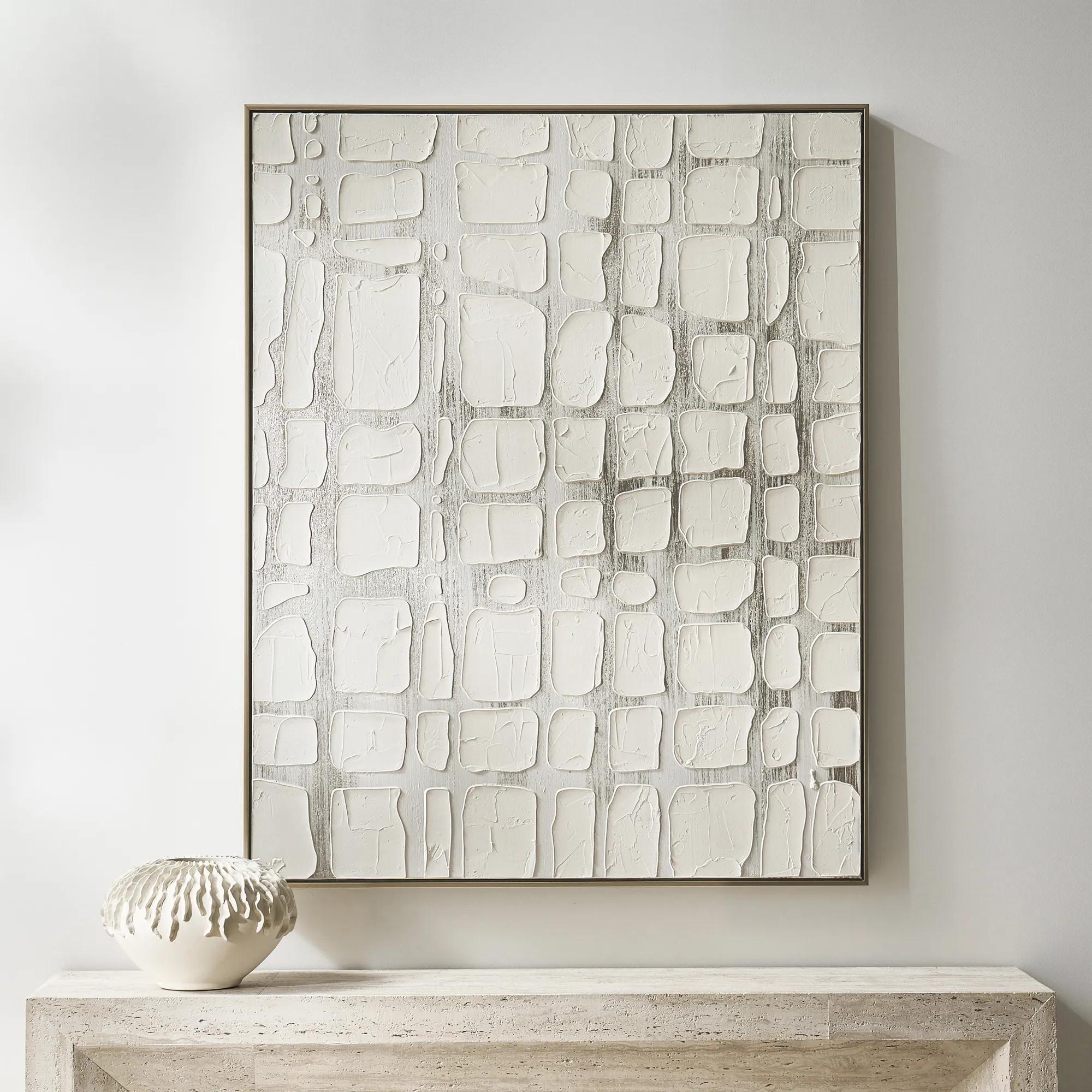 Vanish Framed Painted Wall Art 40" x 50"$499
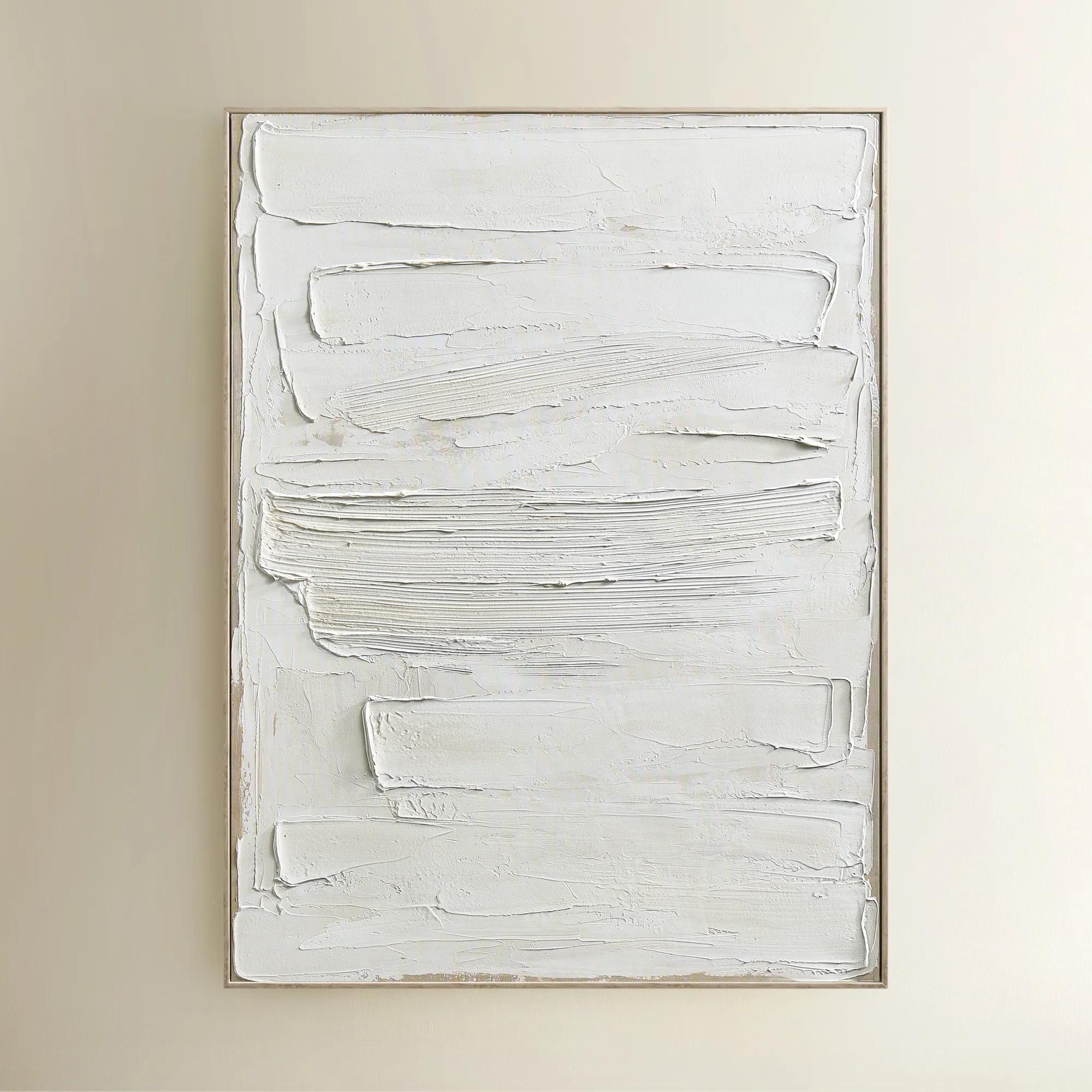
A hand-painted canvas with raised white forms over champagne metallic ground in a refined floater frame.
Add To Cart -
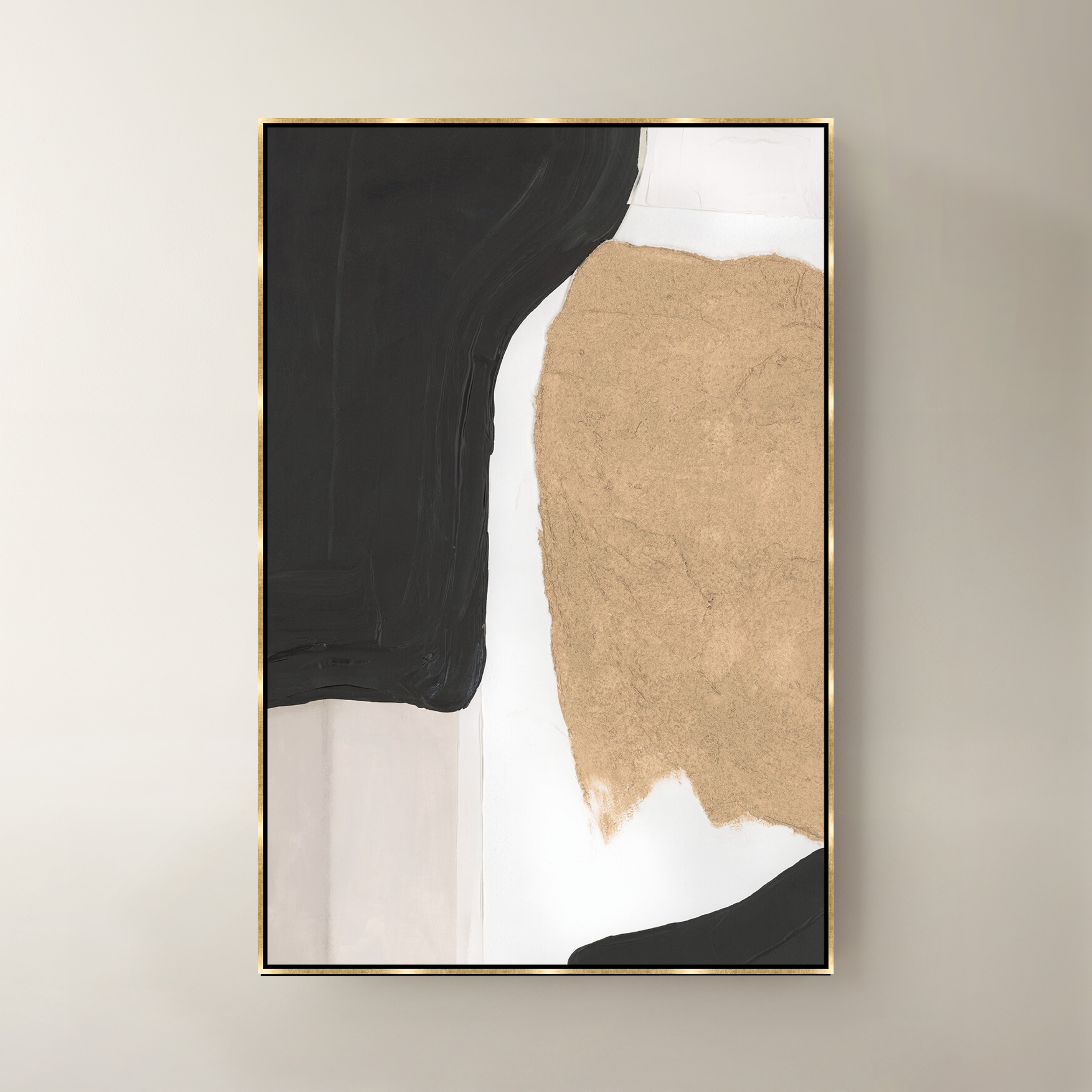
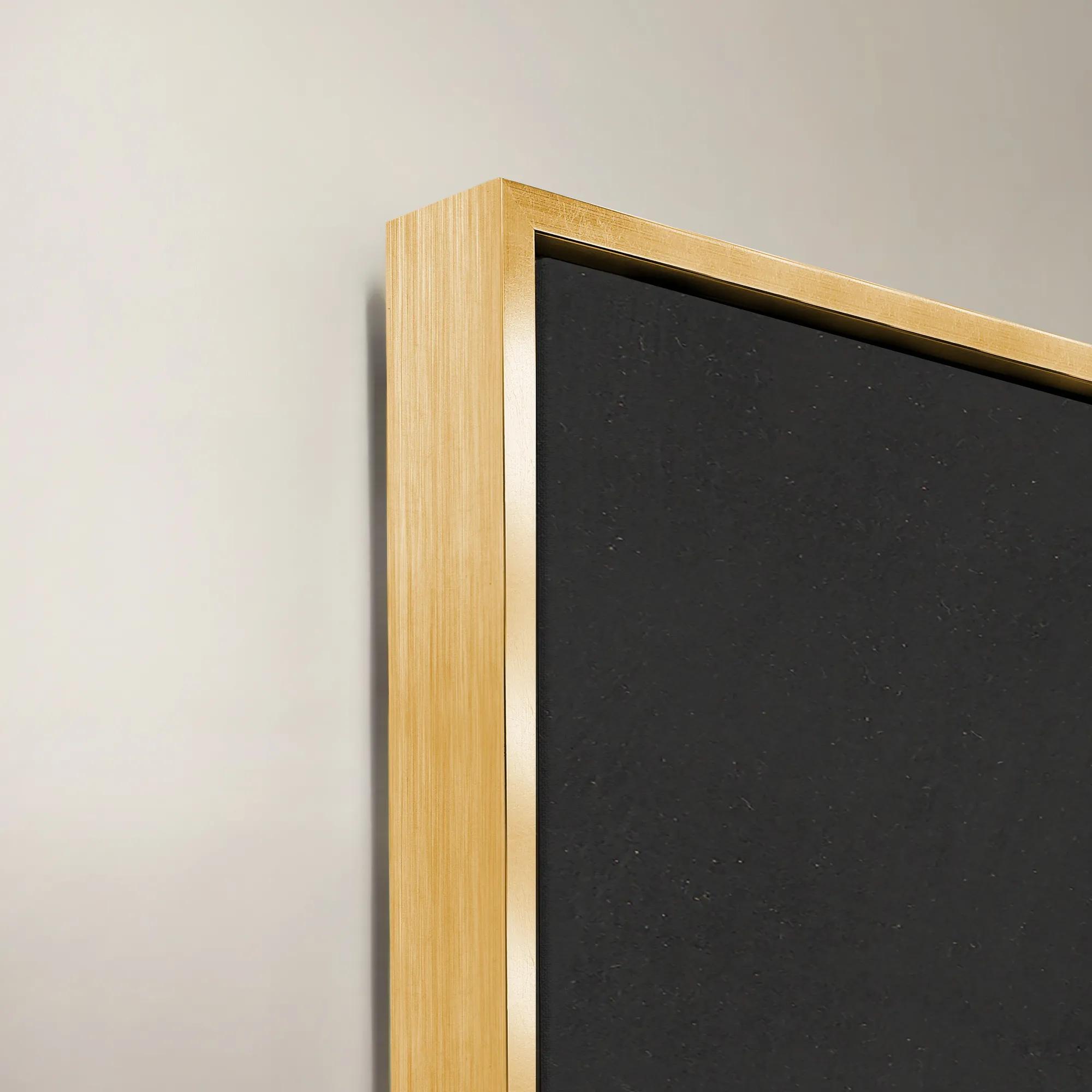 Noir I Framed Wall Art 40" x 60"$1299
A multicolored canvas wall artwork presented in a striking frame for modern interior styling.
Add To Cart

Large Geometric Art For Living Rooms
Large geometric art for living rooms transforms blank walls into breathtaking focal points, infusing your space with bold lines, striking symmetry, and unapologetic scale. Each piece is a visual crescendo—a celebration of form and movement that commands attention and sparks conversation. Whether rendered in luminous metallics or saturated hues, these dramatic compositions invite you to curate a living room that pulses with energy and sophistication. Let your home become a gallery of grand gestures, where every angle and intersection tells a story of fearless artistic expression.
Large geometric art for living rooms creates a bold, structured focal point above a sofa, over a credenza, or across an expansive accent wall. Oversized circles, intersecting lines, angular planes, and layered shapes give a room visual rhythm, turning an open stretch of wall into an expressive composition. The appeal lies in the balance between precision and personality: a crisp grid can bring order to a richly layered interior, while sweeping arcs introduce movement beside streamlined furniture. Black-and-white geometric wall art delivers striking contrast, especially against upholstered seating in ivory, charcoal, or warm neutrals. Tonal compositions offer a quieter kind of drama, revealing subtle shifts in color and texture as the eye moves across the surface. Gold, silver, and bronze accents can add luminous depth, catching light in a way that connects the artwork to a sculptural lamp or gleaming table base. Colorful geometric art brings a different energy, with saturated blue, emerald, or rust creating a confident point of connection for pillows, rugs, and decorative objects. A single accent color repeated elsewhere in the room often feels more intentional than matching every shade in the artwork. The shapes themselves also influence the atmosphere. Rounded forms can soften a room defined by straight edges, while sharp diagonals lend momentum to a seating area with deep cushions and generous curves. This makes large-scale geometric artwork especially compelling in living rooms where furniture, architecture, and personal collections already have distinct personalities. The art does not need to imitate those elements; it can establish a conversation between them. Above a low-profile sofa, an expansive abstract composition gives the seating area presence without adding another piece of furniture. Beside a statement chair, a tall geometric work can draw the eye upward and give a narrow wall architectural importance. The result is a room with a clear visual anchor and space for individual expression.
Scale determines whether geometric wall art feels fully integrated into a living room or visually disconnected from it. For artwork above a sofa or credenza, an overall width around two-thirds to three-quarters of the furniture beneath it is a useful starting point, rather than a rigid requirement. The full framed dimensions matter here, not just the image size. A wide mat or substantial frame can noticeably expand the footprint, while a slim profile keeps attention on the composition itself. One oversized piece creates an uninterrupted statement; a diptych or triptych introduces deliberate pauses between related forms. With multiple panels, the combined width, including the spaces between them, establishes the scale of the arrangement. A horizontal format often complements a long sofa, while a vertical composition can suit the wall between windows or beside a fireplace, provided heat exposure is appropriate for the materials. Artwork positioned roughly 6 to 10 inches above the back of a sofa often feels connected to the furniture, though the room’s proportions and the piece’s hanging requirements should guide final placement. Materials add another layer of distinction. Canvas has a woven surface that can give geometric shapes a softer, more tactile presence, particularly when the composition includes painterly edges or layered color. Works on paper offer a different character, with matting and glazing contributing to the finished presentation. Dimensional artwork can cast subtle shadows that emphasize depth, while metallic details introduce changing highlights under ambient lighting. Neither a textured surface nor a smooth one is inherently more sophisticated; the relationship to the room creates the effect. Against plush upholstery and a deep-pile rug, a clean-lined composition can provide a striking counterpoint. In a living room filled with polished surfaces, visible texture can bring welcome richness. Frame finish also changes the mood: dark frames sharpen contrast, warm wood adds depth, and metallic profiles create a refined connection to surrounding accents. Substantial artwork calls for secure hanging hardware suited to its weight and the wall construction, preserving both the presentation and the safety of the space.
Large geometric wall art is intended to be lived with, not merely noticed at first glance. In a room used for conversation, reading, and entertaining, its arrangement of shape and color can create continuity across several seating areas. An open living space benefits from artwork that holds its presence at a distance while rewarding a closer look through texture, linework, or restrained variations in tone. Geometric compositions share the expressive range of Modern Art for Living Room Walls, with an emphasis on form that can complement both tailored interiors and more richly embellished spaces. For someone establishing a first home, an oversized piece can define the room’s aesthetic before every finishing detail is in place. For a longtime art enthusiast, it can introduce a fresh visual language alongside collected objects and sculptural decor. Artwork can also make a meaningful housewarming or milestone gift when the recipient’s preferences, wall dimensions, and installation needs are well understood; large scale is most successful when it suits both the person and the space. Lasting enjoyment depends in part on thoughtful placement and care. Direct sunlight can fade many pigments and affect paper or canvas over time, so a wall with indirect light is often preferable. Protective glazing may reduce some exposure, but it does not make artwork immune to light damage. Gentle dusting with a clean, soft cloth is generally appropriate for many frames, while the art surface itself requires care specific to its medium and finish. Cleaning liquid should never be sprayed directly onto a framed work, where moisture could reach the image or collect along the edges. Stable indoor humidity, separation from heat sources, and secure mounting help preserve the piece’s condition. With those practical details resolved, the visual experience remains effortless: bold geometry, considered proportions, and a composition that gives the living room unmistakable presence.
FAQs
Large geometric art complements a wide variety of interiors, from sleek modern spaces to eclectic, maximalist rooms. Its bold shapes and lines can add structure to minimalist settings or create a striking contrast in more traditional, layered environments. For those who embrace contemporary glamour, geometric art provides a sophisticated focal point that elevates the overall design narrative.
To seamlessly integrate large geometric art, echo its colors or shapes in your accent pieces—think throw pillows, vases, or area rugs. Layering textures, such as velvet or metallic finishes, can further enhance the dynamic interplay between the artwork and your furnishings, creating a cohesive and visually engaging space.
Absolutely. Large geometric art makes a memorable gift for housewarmings, anniversaries, or milestone celebrations. Its dramatic presence and timeless appeal offer the recipient a daily reminder of your thoughtful gesture, while also transforming their living space into a work of art.
Geometric art brings energy, balance, and a sense of curated sophistication to a living room. Depending on the palette and composition, it can evoke feelings of calm order, creative excitement, or modern elegance, setting the tone for gatherings, relaxation, and everyday inspiration.
Consider the existing tones in your furniture and accessories, then select geometric art that either harmonizes with your palette for a serene effect or introduces a bold accent color for visual drama. Seasonal influences, such as winter’s cool hues or the warmth of early spring, can also inspire your choice and refresh your space.