Large Abstract Art For Entryways
Large Abstract Art For Entryways
-
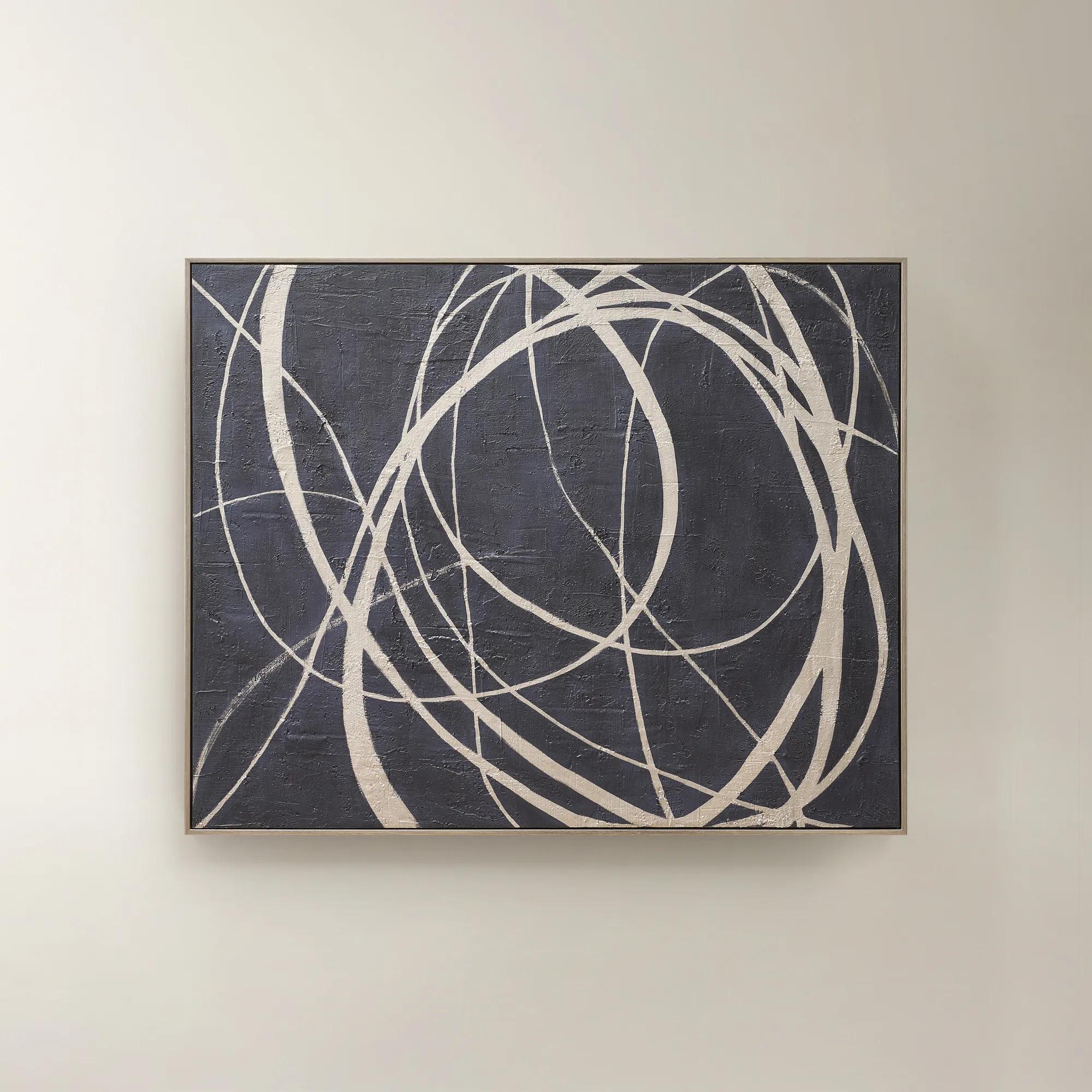 Wandering Framed Painted Wall Art 48" x 60"$699
An expressive hand-painted canvas in deep ink blue with champagne accents for a bold, sophisticated statement.
Add To Cart -
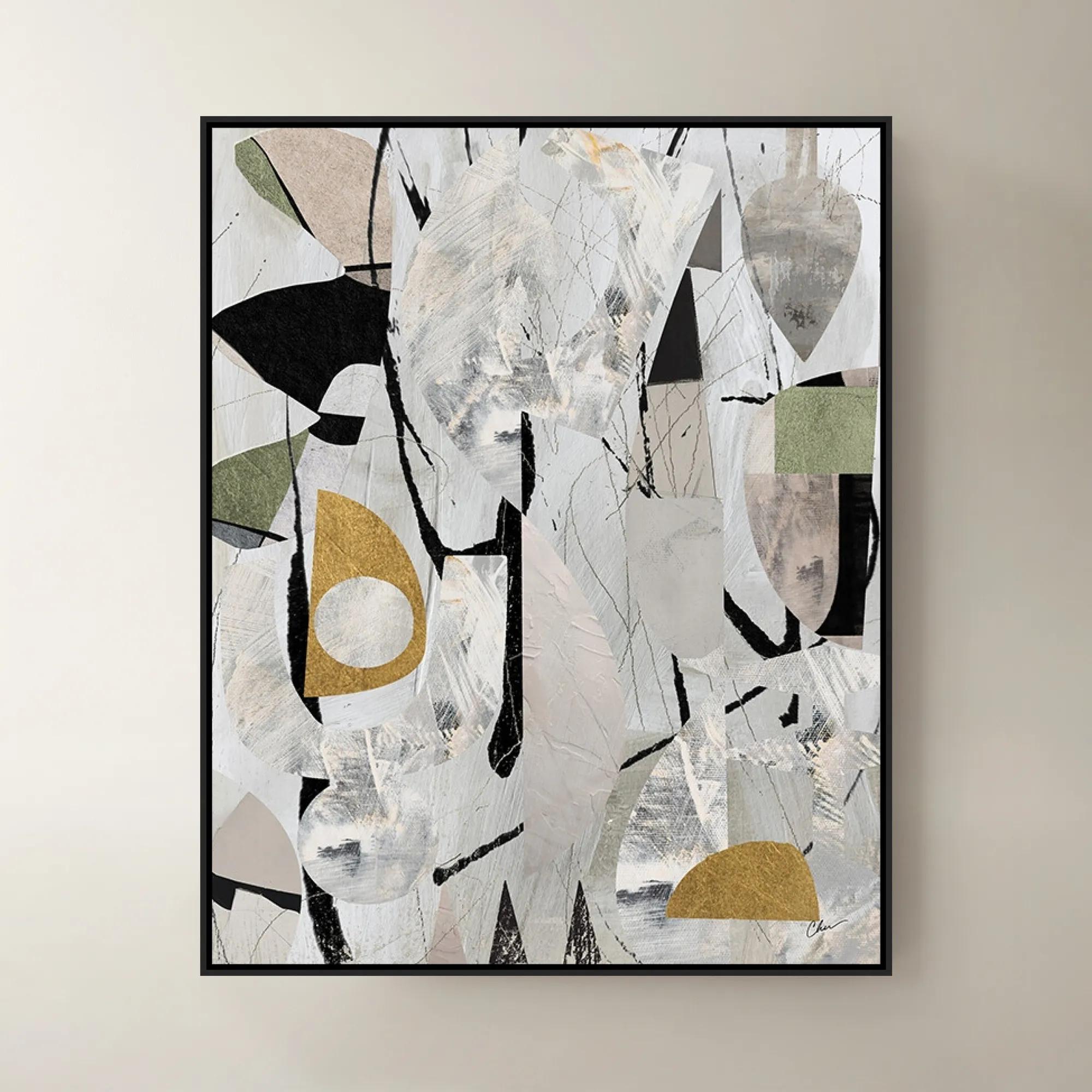
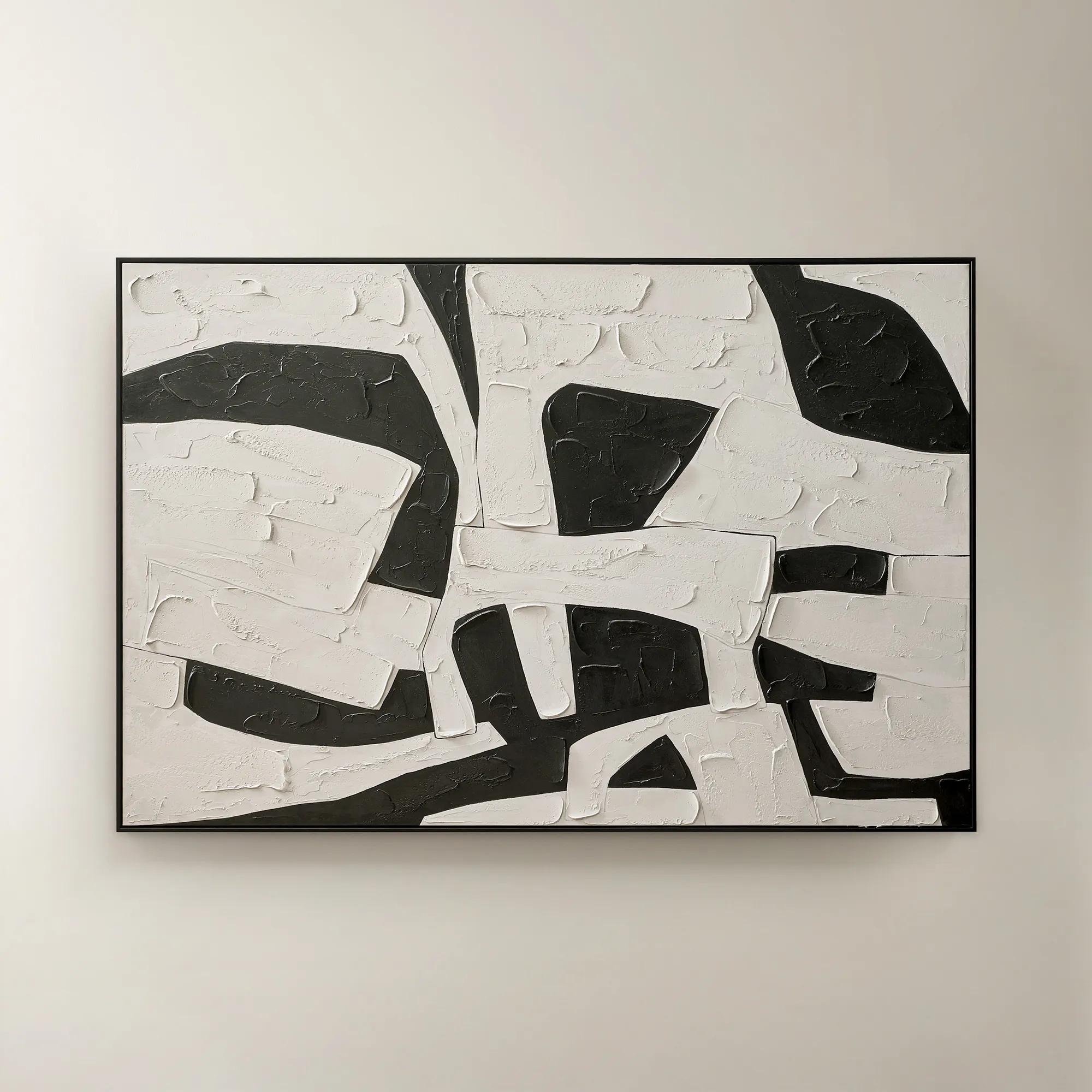 Space Between Shadows Framed Painted Wall Art 72" x 48"$799
A hand-painted abstract canvas featuring bold alabaster and black geometric forms in a sleek black frame.
Add To Cart -
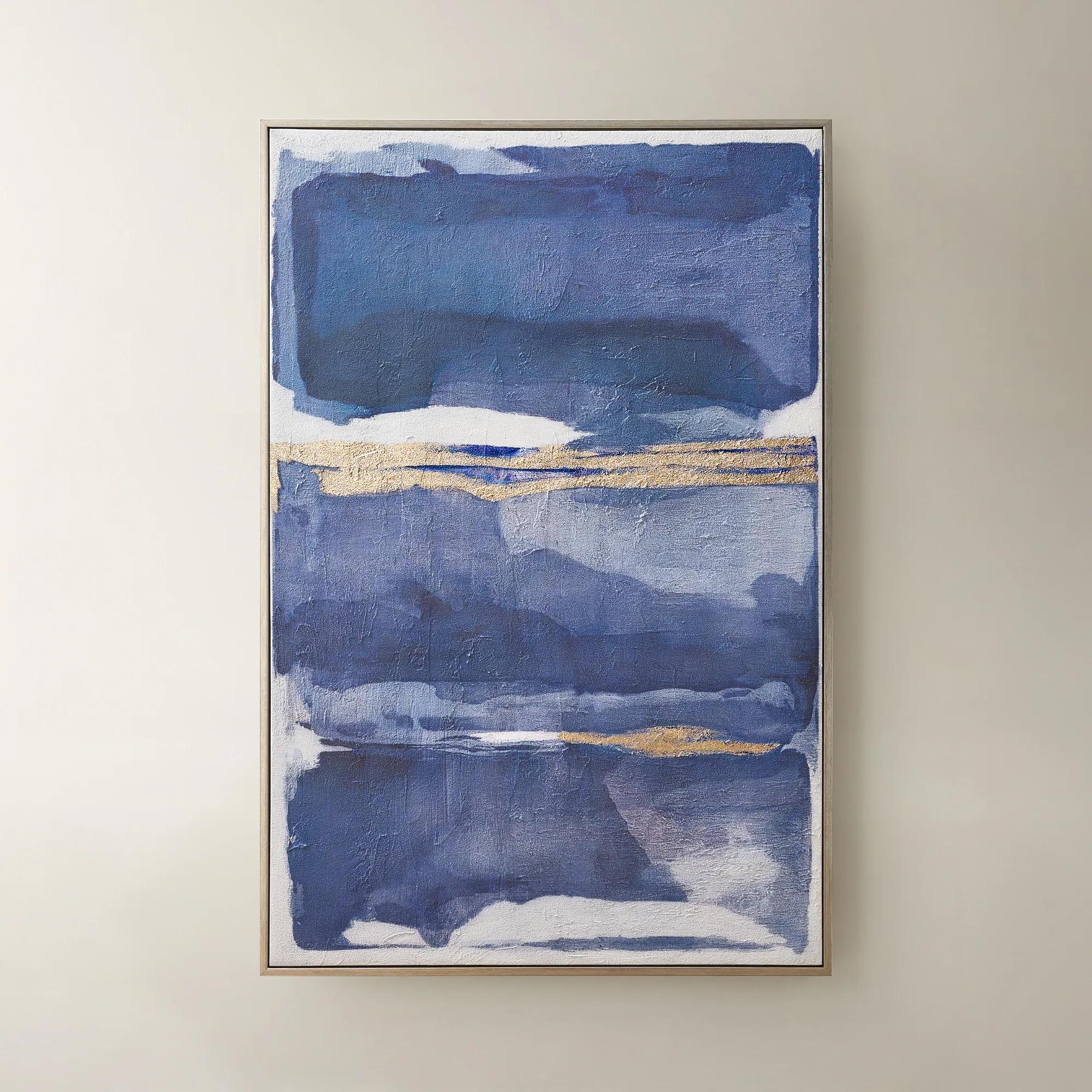
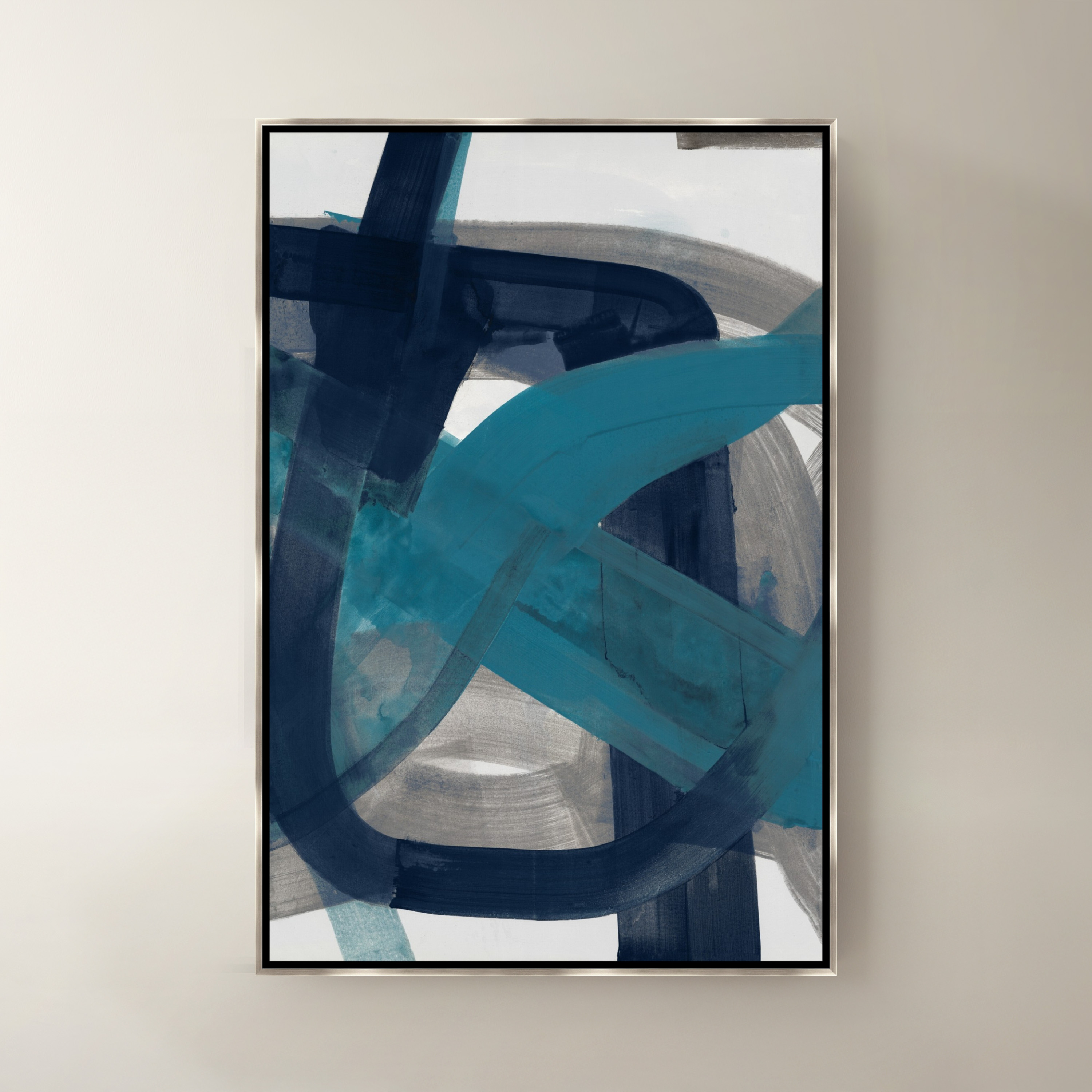
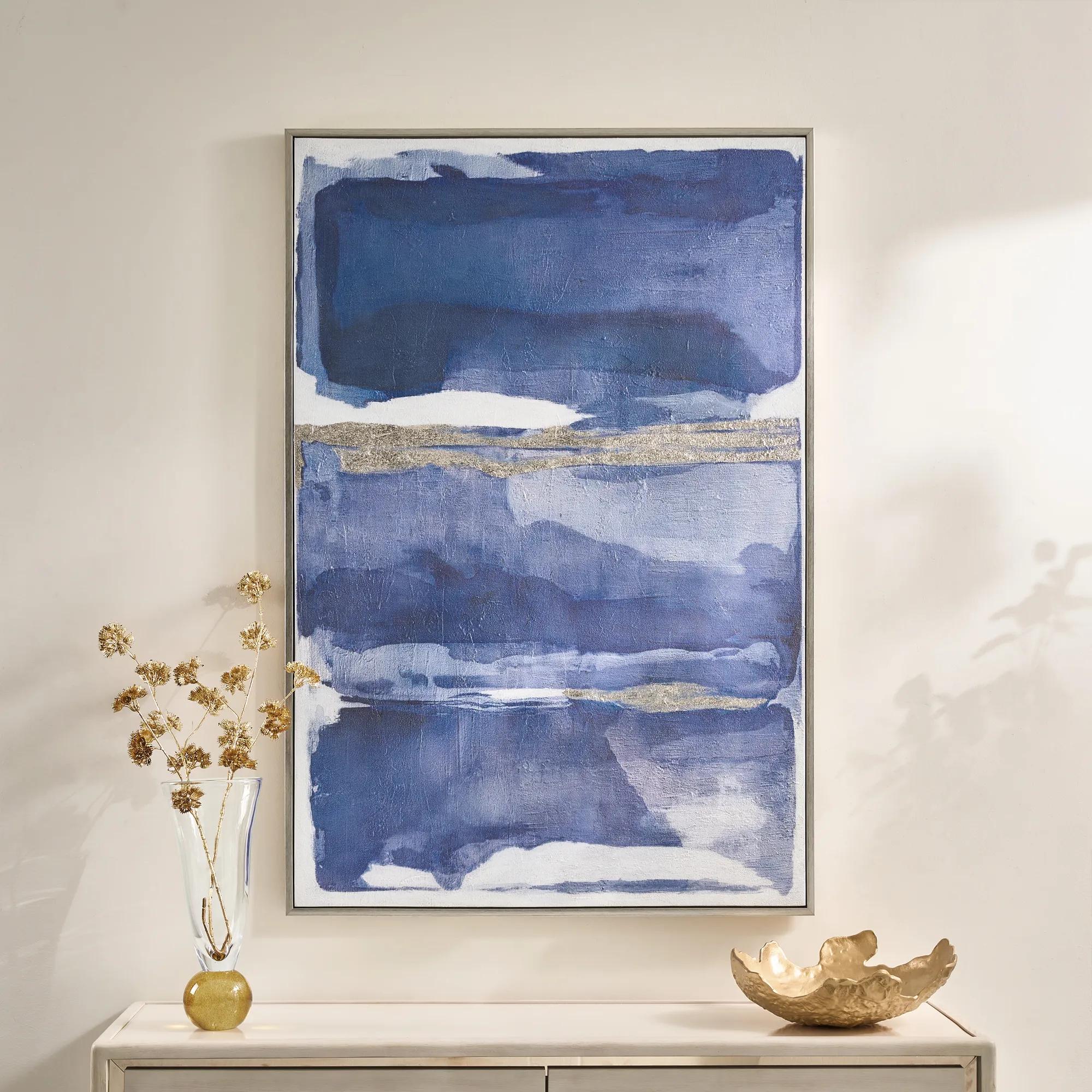 Memories in Blue Framed Painted Wall Art 40" x 60"$499
A hand-painted canvas in deep ink blue with champagne leafing for a sophisticated, gallery-inspired look.
Add To Cart -
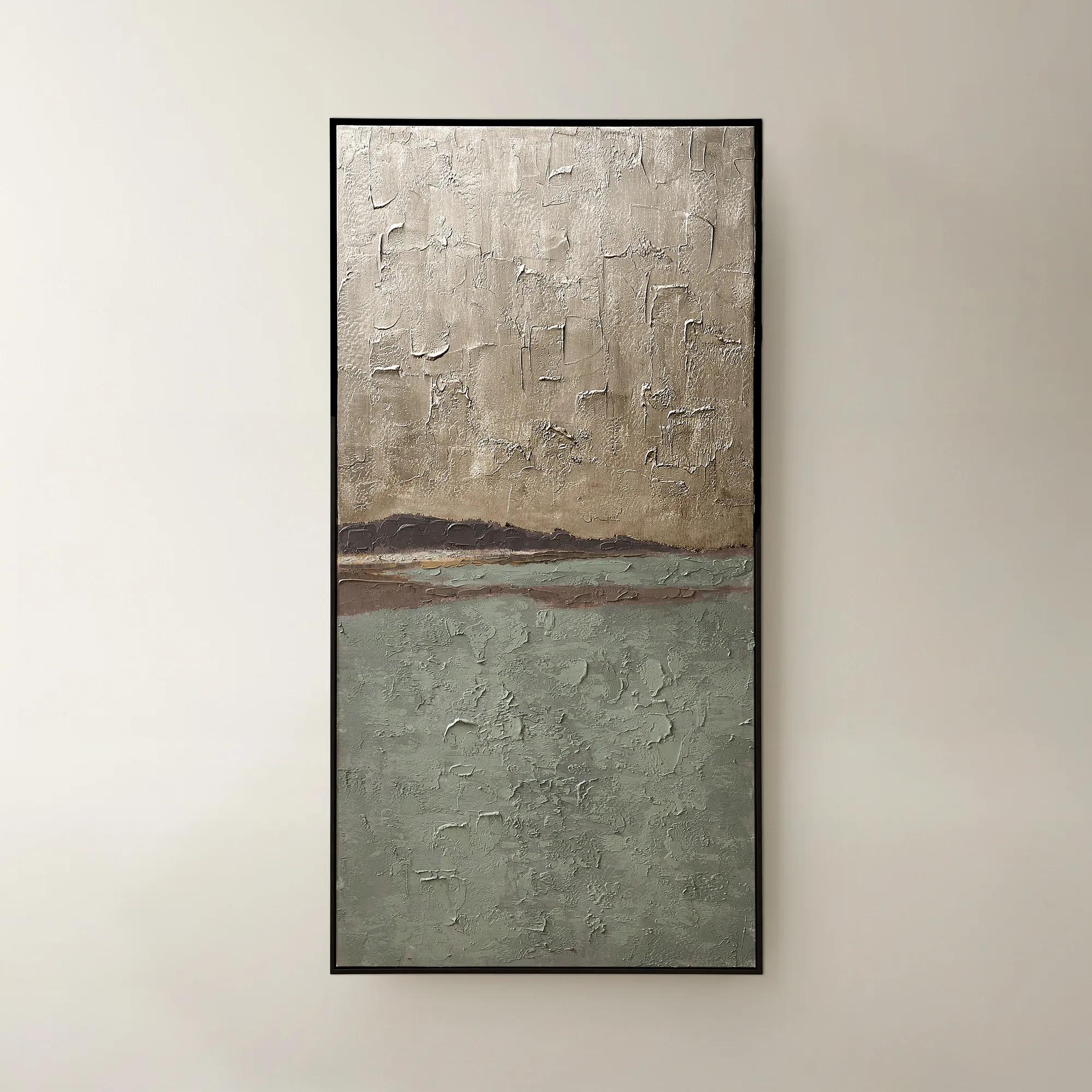
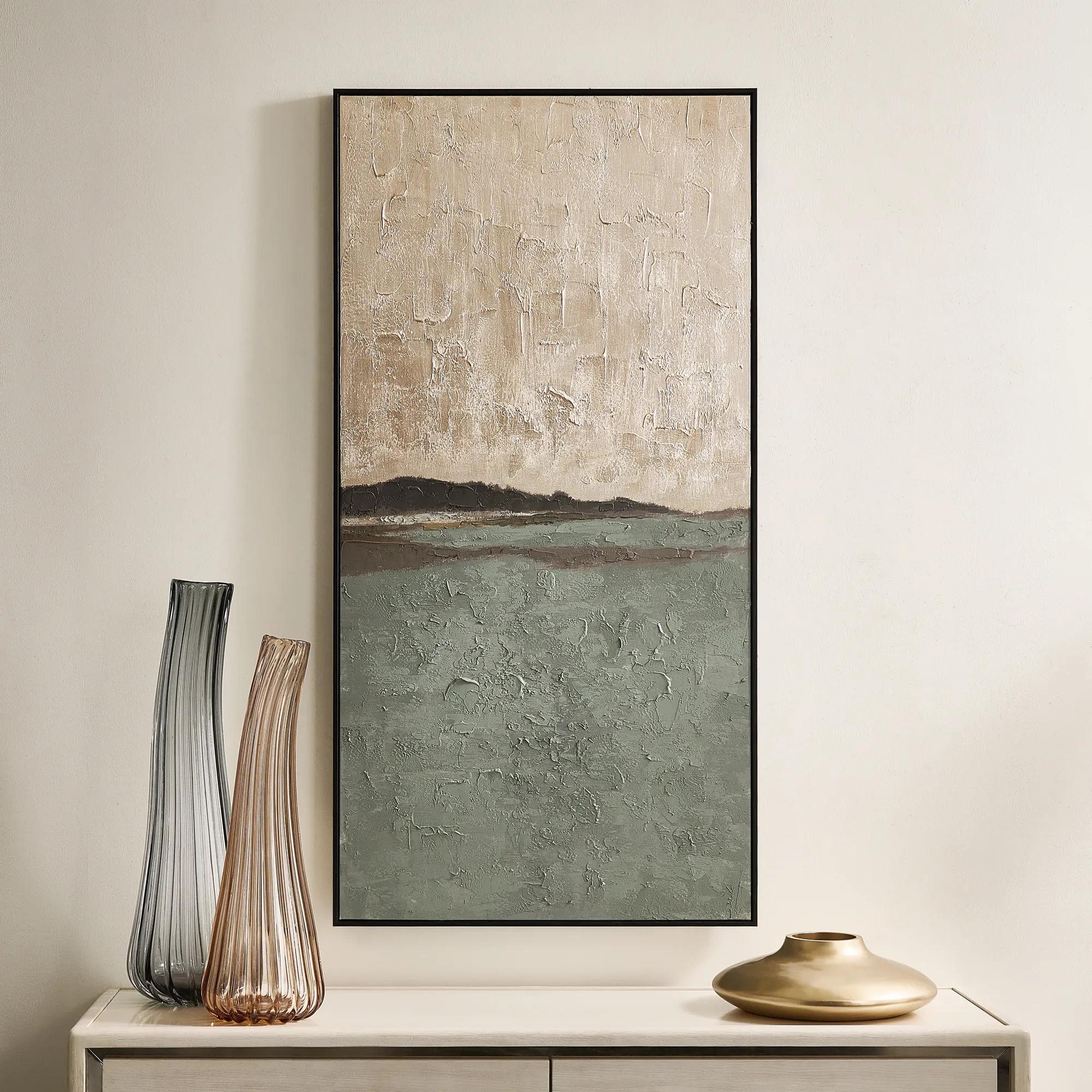 Fields of Gold Framed Painted Wall Art 60" x 30"$399
A hand-painted sage and champagne abstract canvas with a black frame, offering versatile vertical or horizontal display.
Add To Cart -
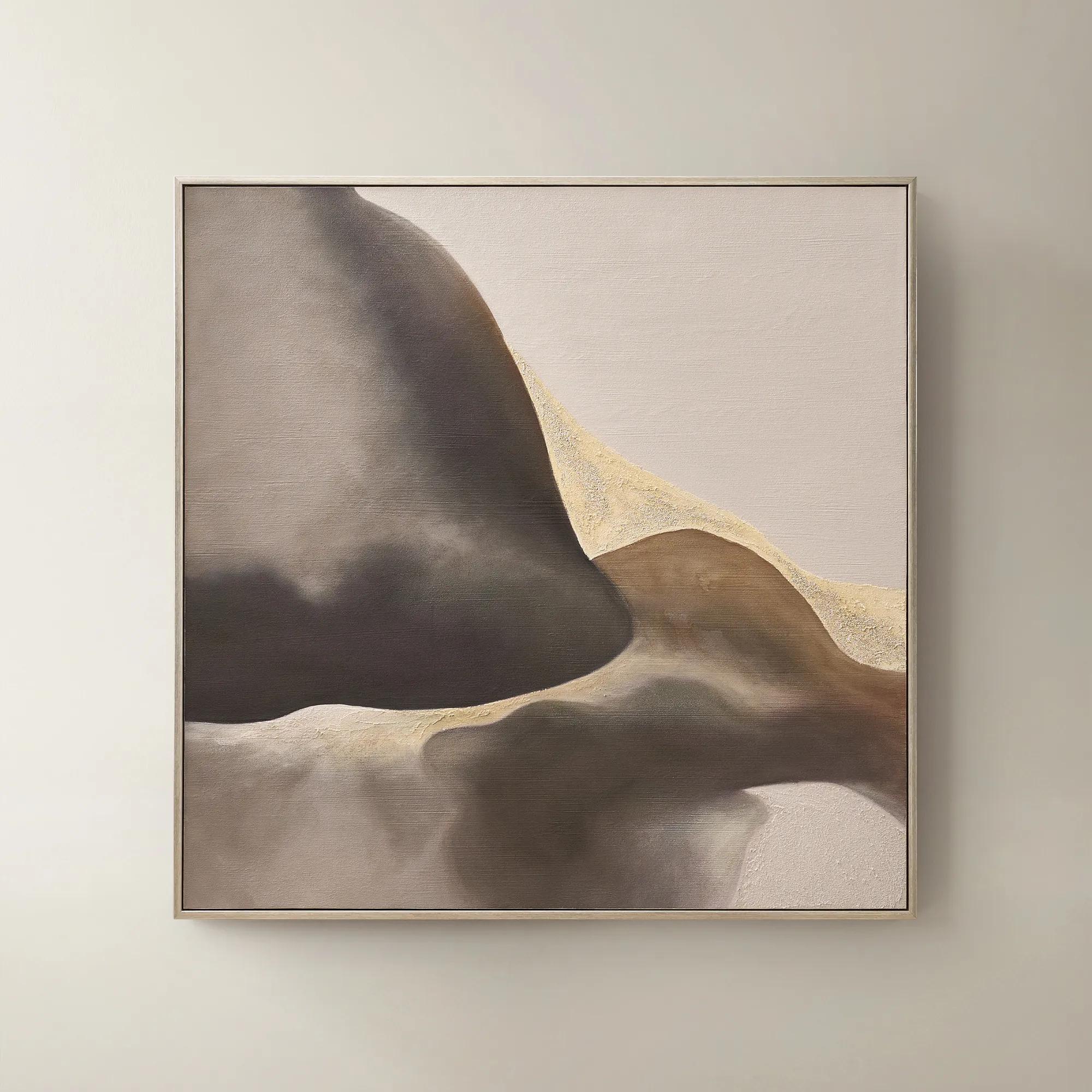 Windswept Framed Gold Leaf Painted Wall Art 50" x 50"$549
A hand-painted abstract canvas in plum truffle with gold leaf accents and a brushed champagne frame.
Add To Cart -
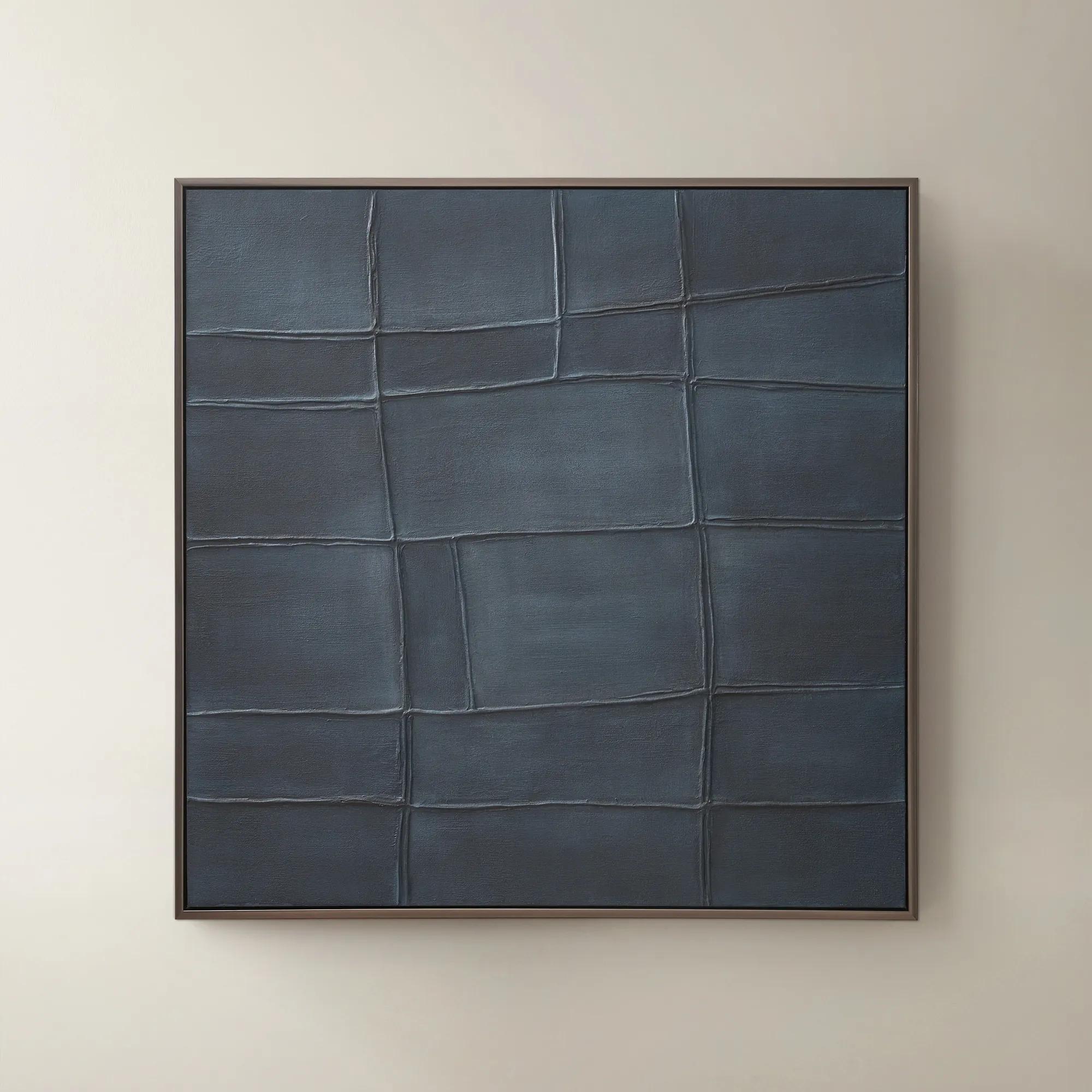
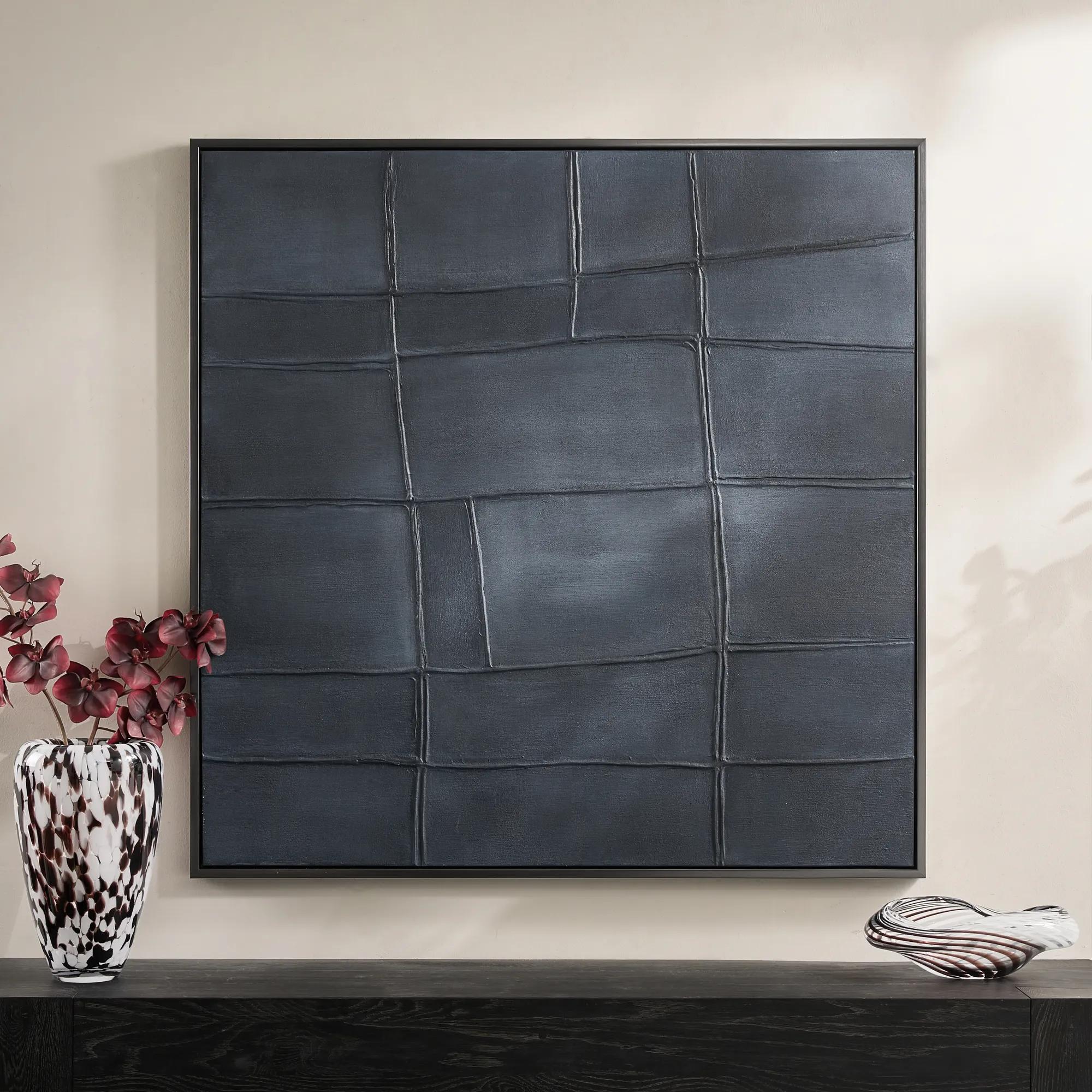 Ink Blue Interval Framed Painted Wall Art 48" x 48"$599
A hand-painted abstract canvas in deep ink blue, finished with a sleek gunmetal frame for modern appeal.
Add To Cart -
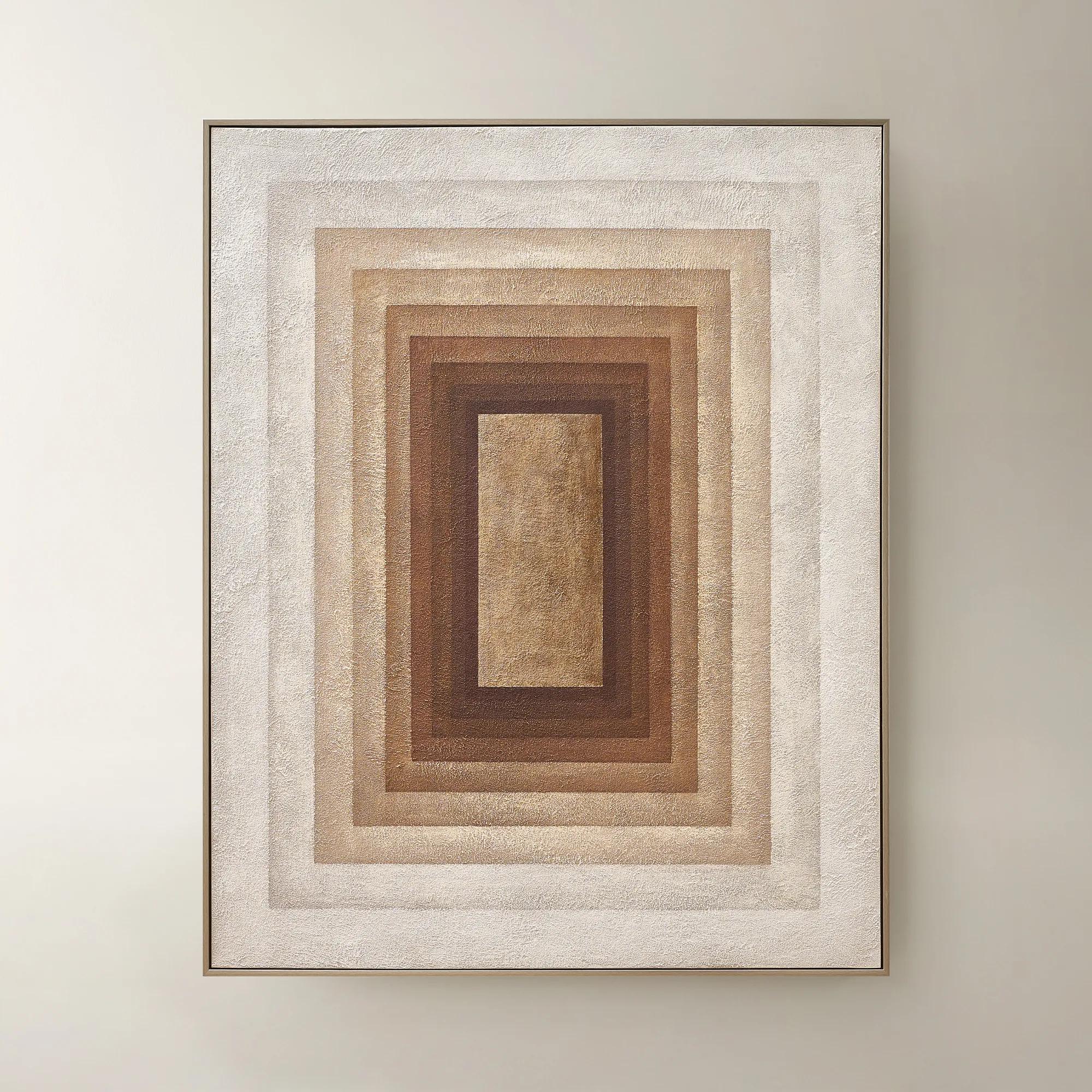 Monochrome Drift Framed Painted Wall Art 60" x 48"$699
A hand-painted abstract canvas with champagne leafing, featuring cocoa and gold tones in modern geometric design.
Add To Cart -
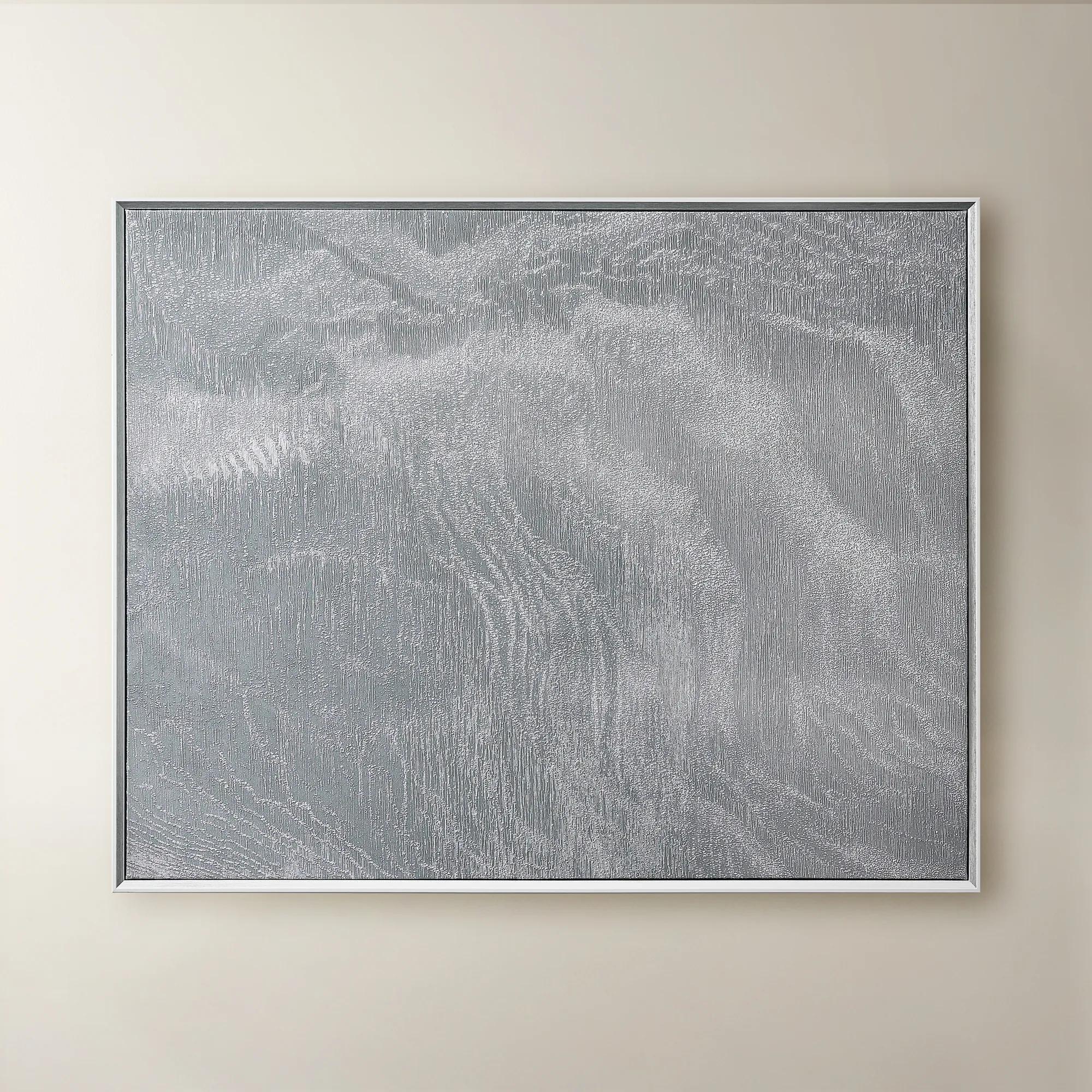 Slow Blue Morning Framed Silver Foil Wall Art 48" x 60"$599
A serene powder blue abstract canvas with silver foil accents, framed in silver and white for modern elegance.
Add To Cart -
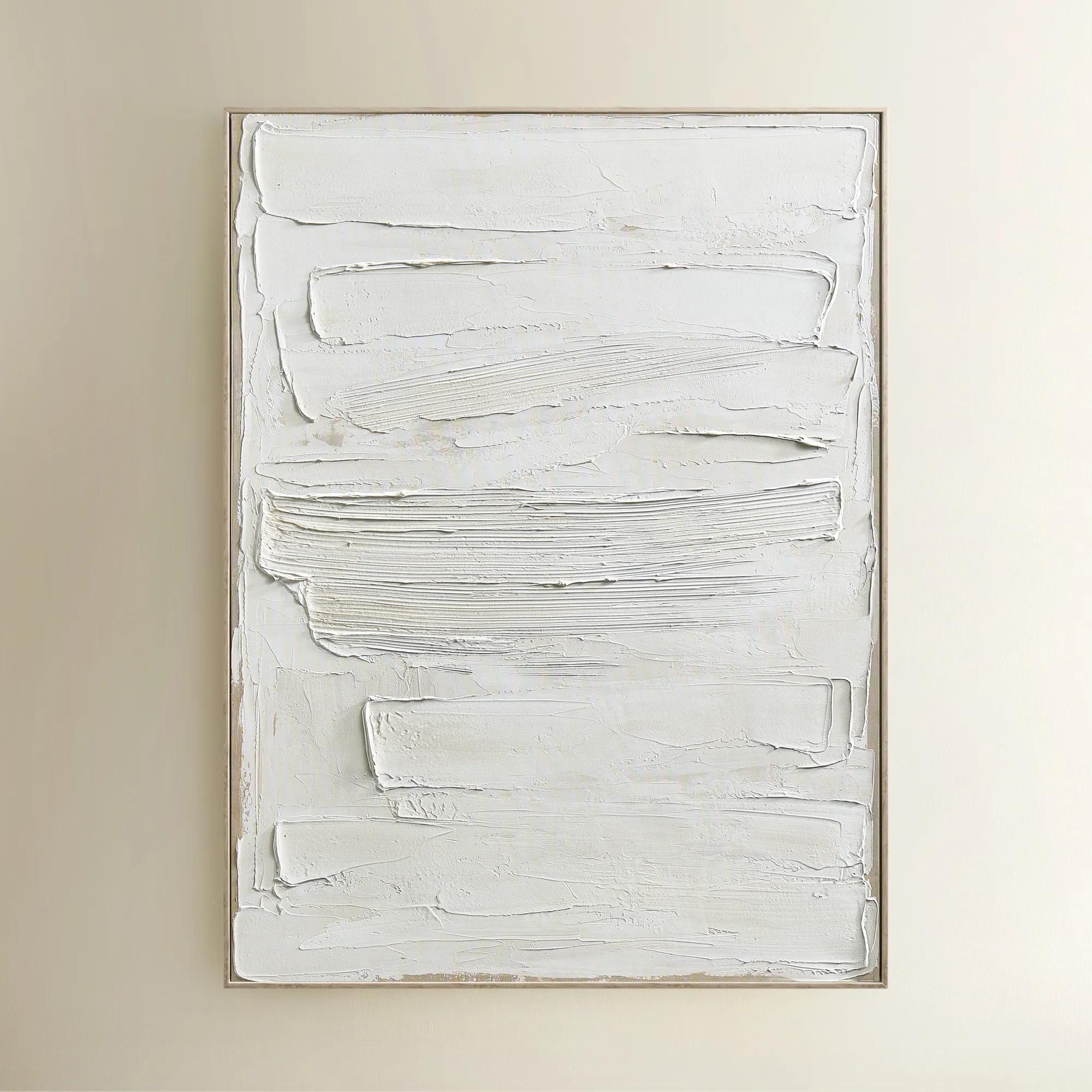
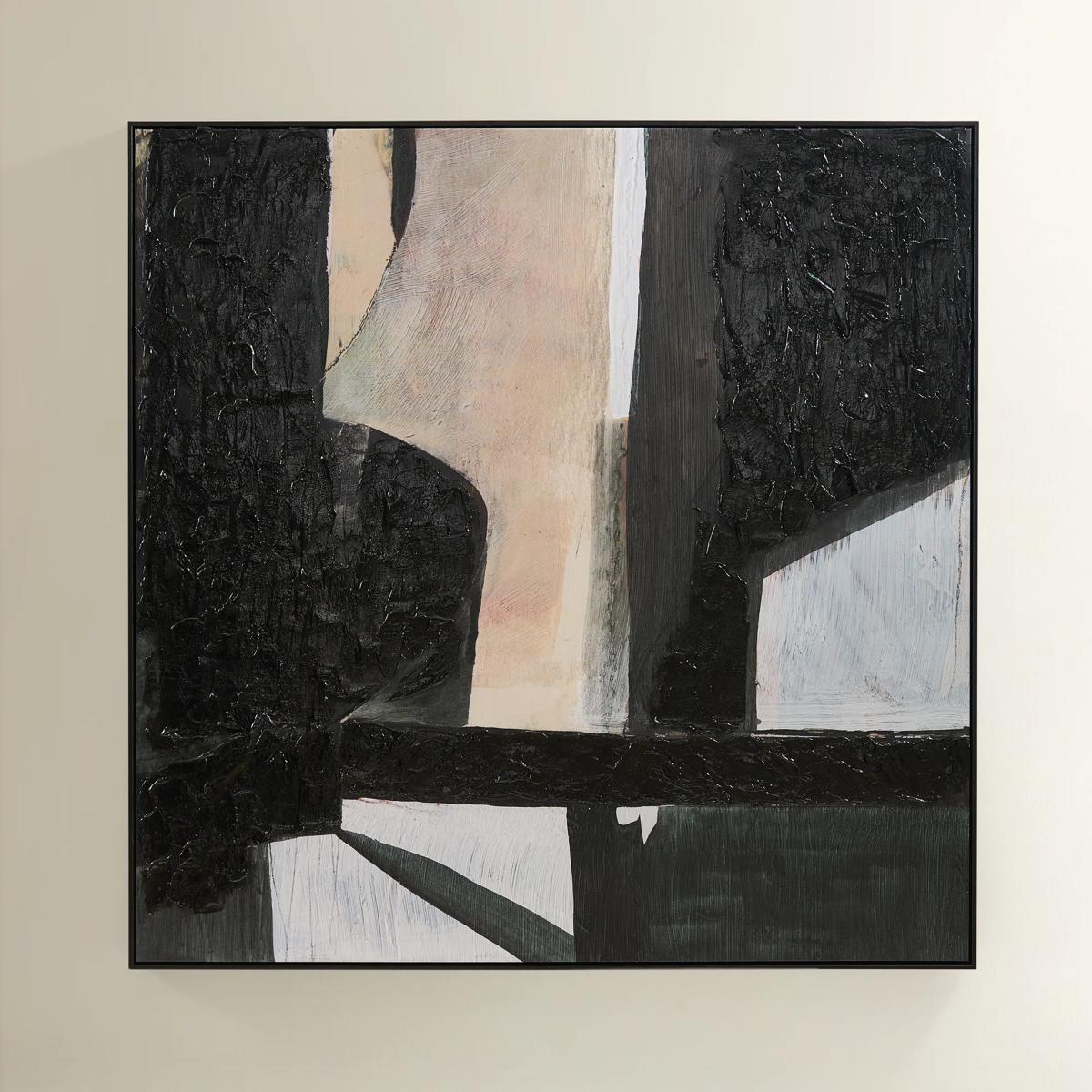 Grounded Painting$699
A hand-painted abstract canvas featuring black, cream, and earth tones in a sleek black floater frame.
Add To Cart -
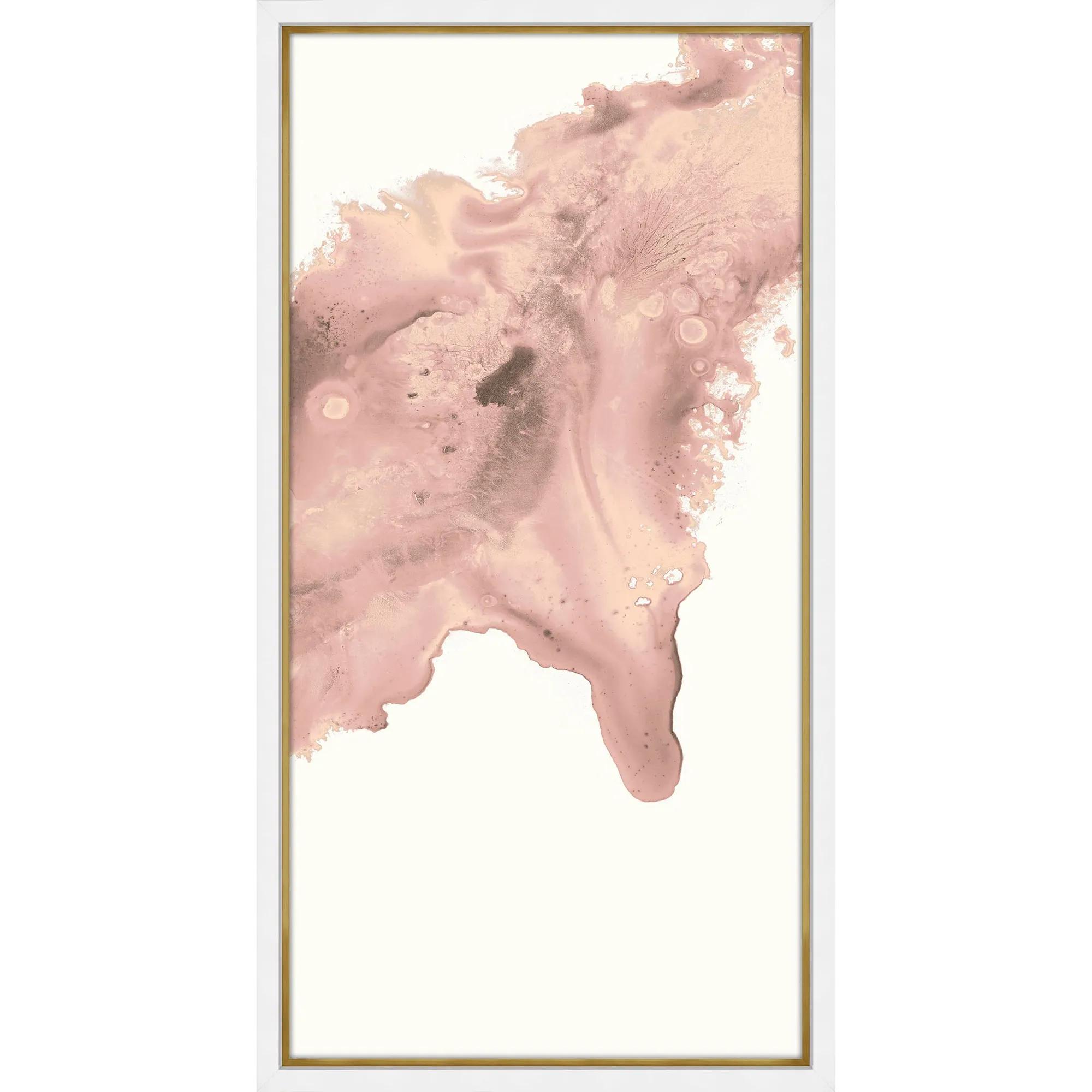
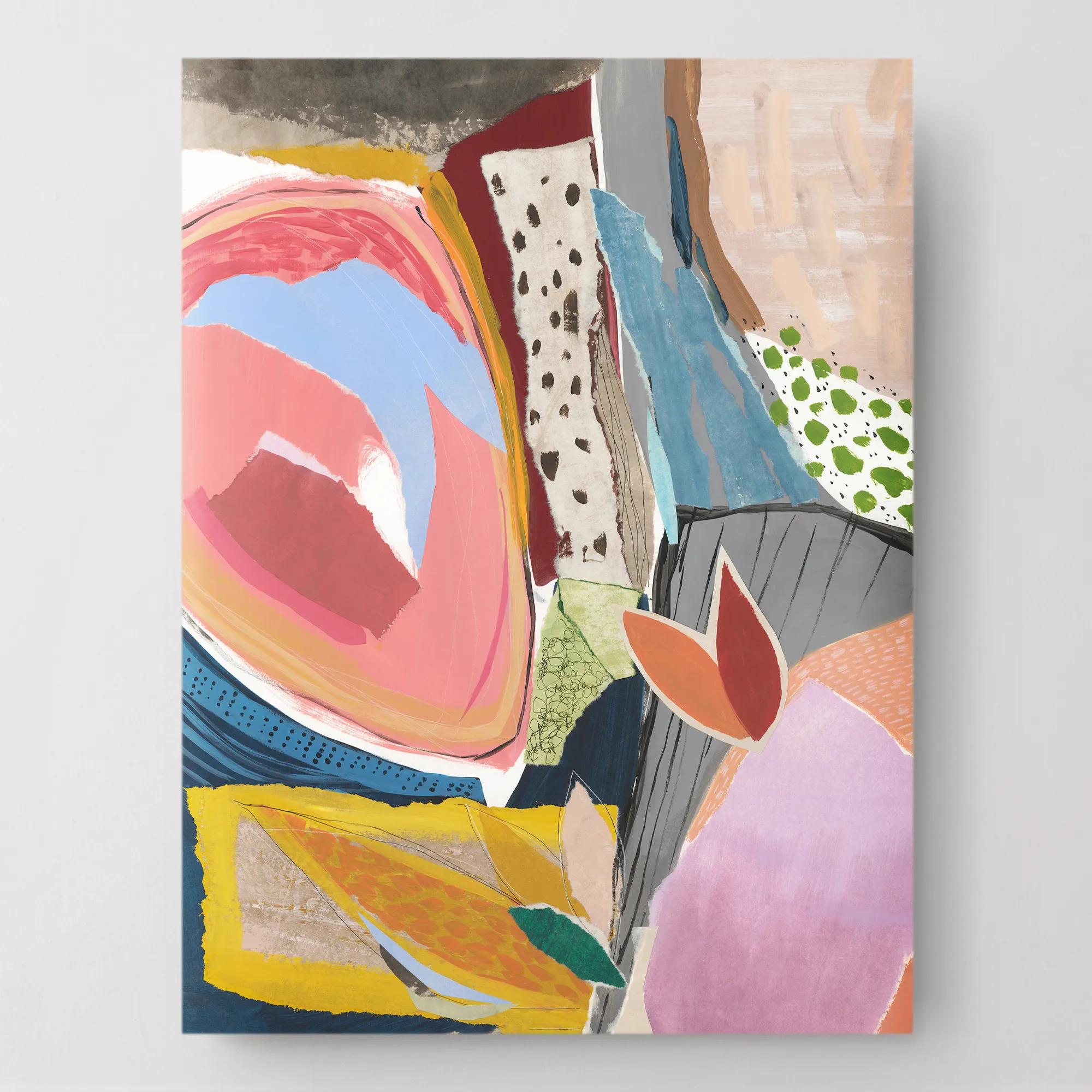
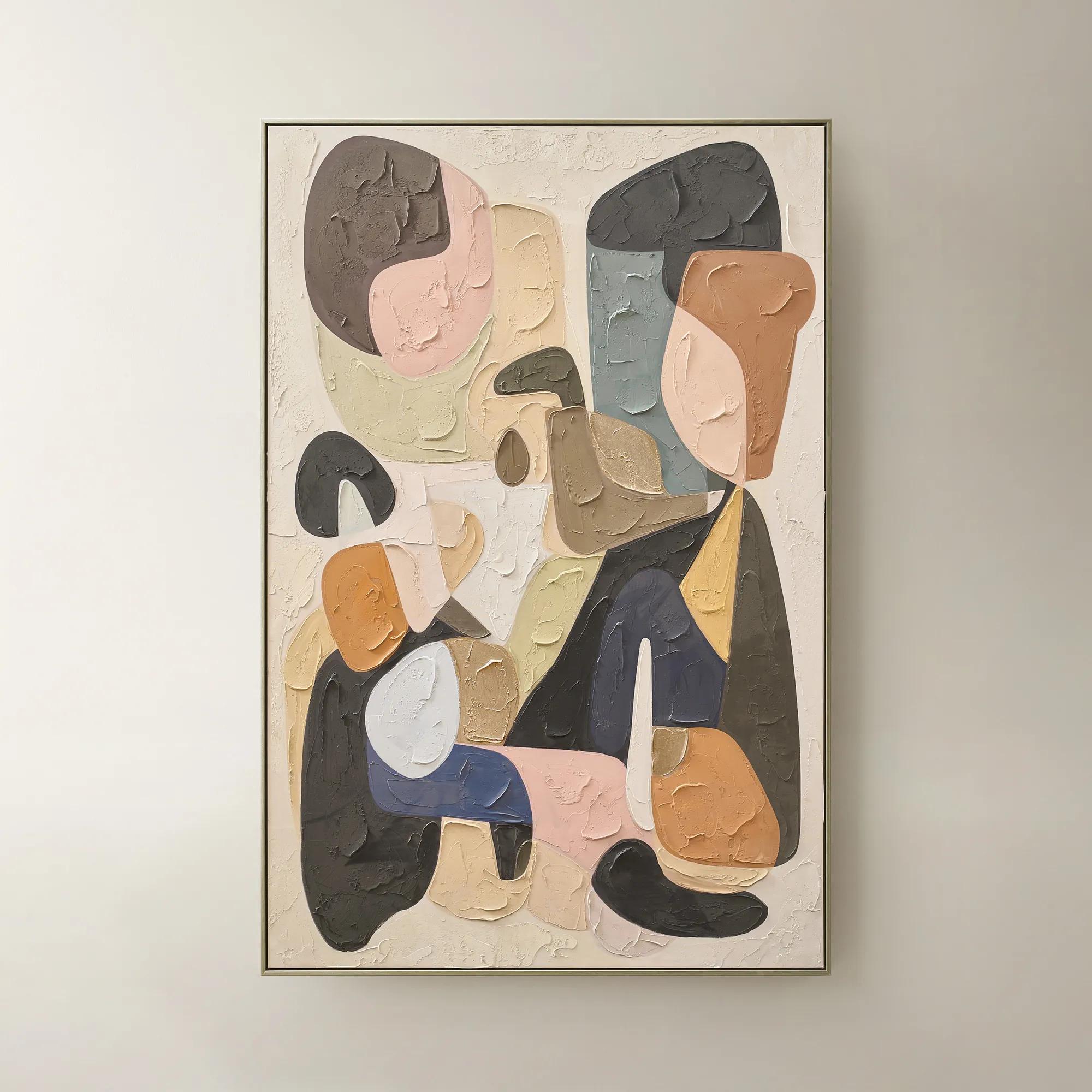 Chromatic Bloom Framed Painted Wall Art 40" x 60"$519
A hand-painted abstract canvas featuring a vibrant multi-color palette and shimmering champagne detailing.
Add To Cart -
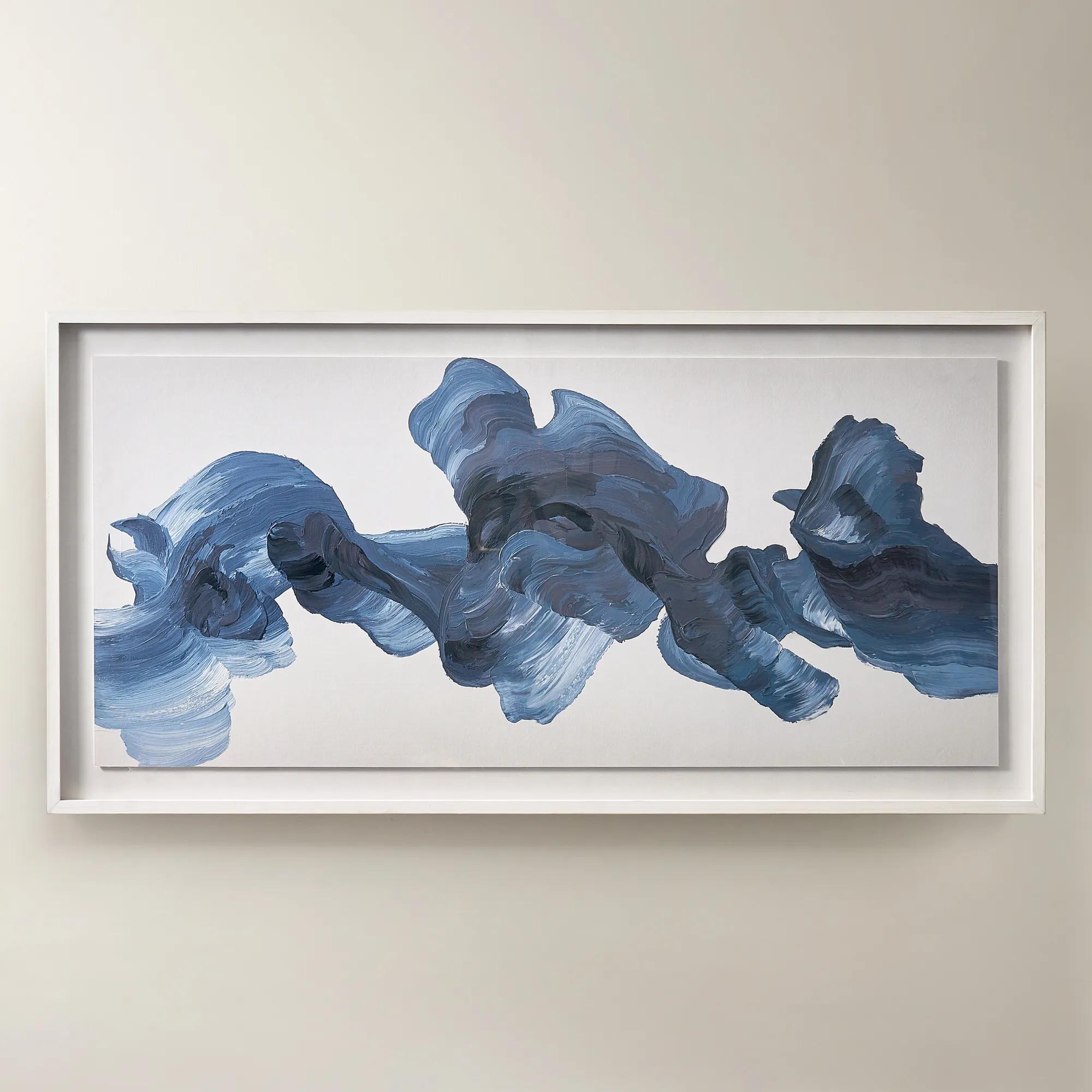
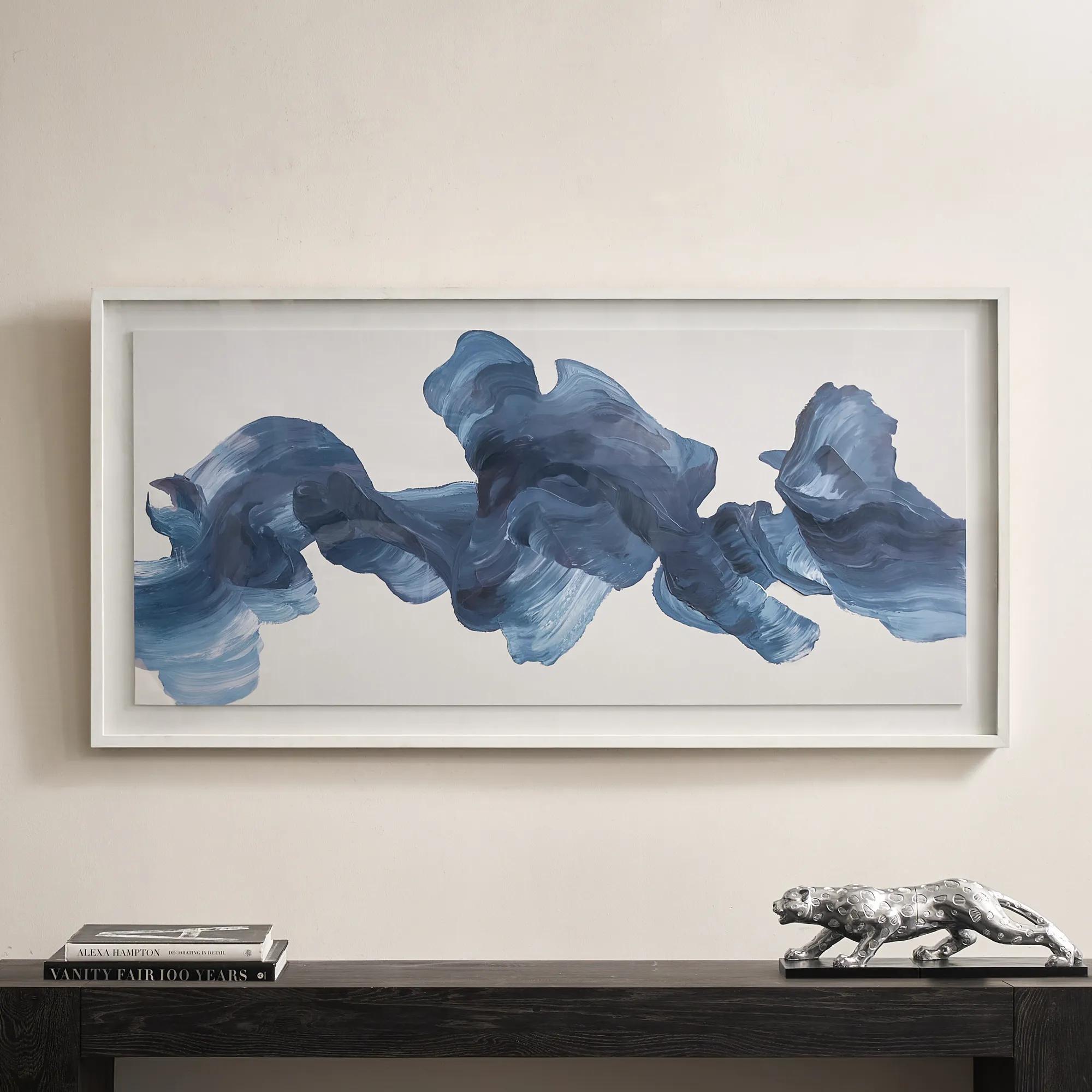 Blue Theory Framed Painted Wall Art in Acrylic 60" x 30"$499
A hand-painted canvas in deep ink blue, framed under acrylic with a whitewashed wood frame.
Add To Cart -
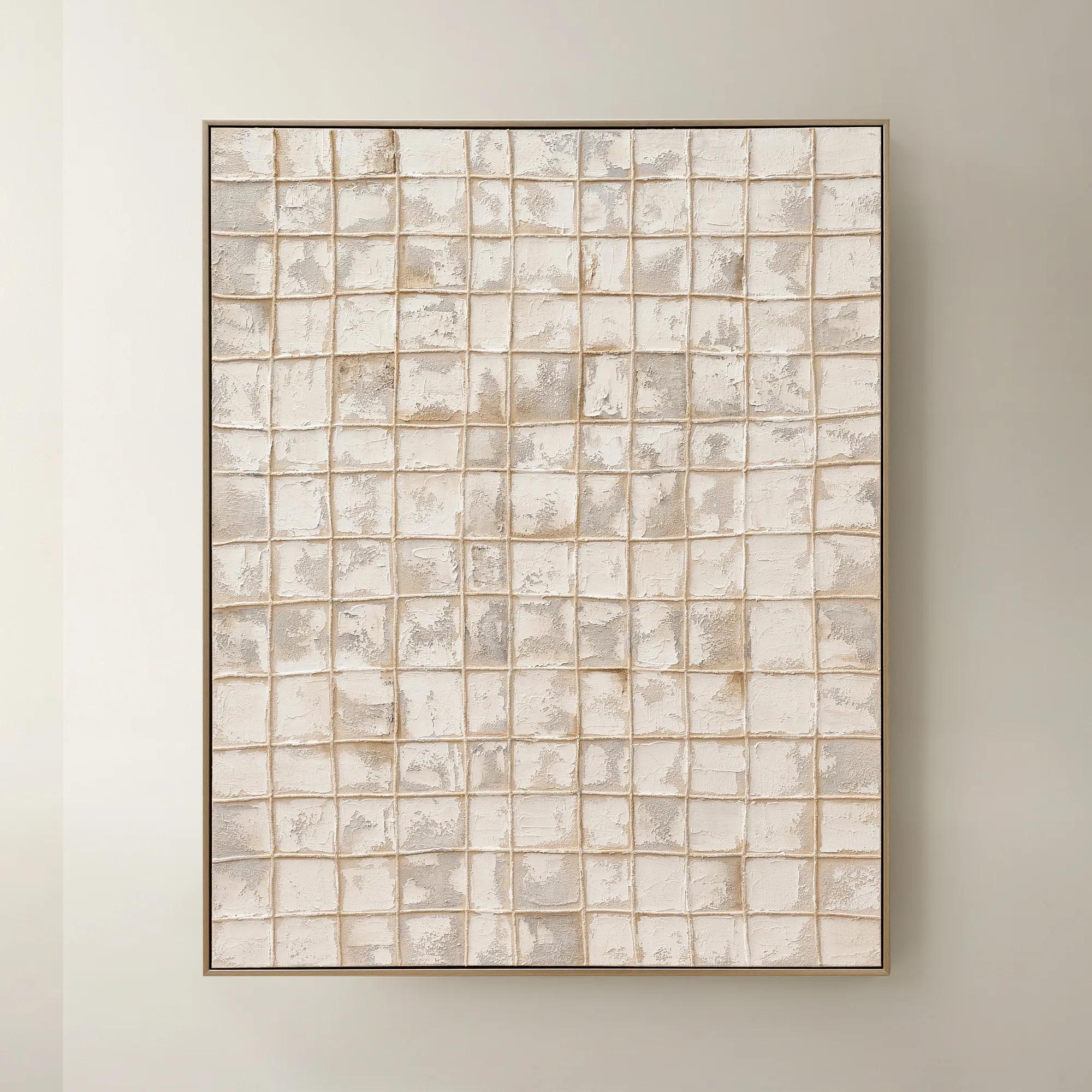
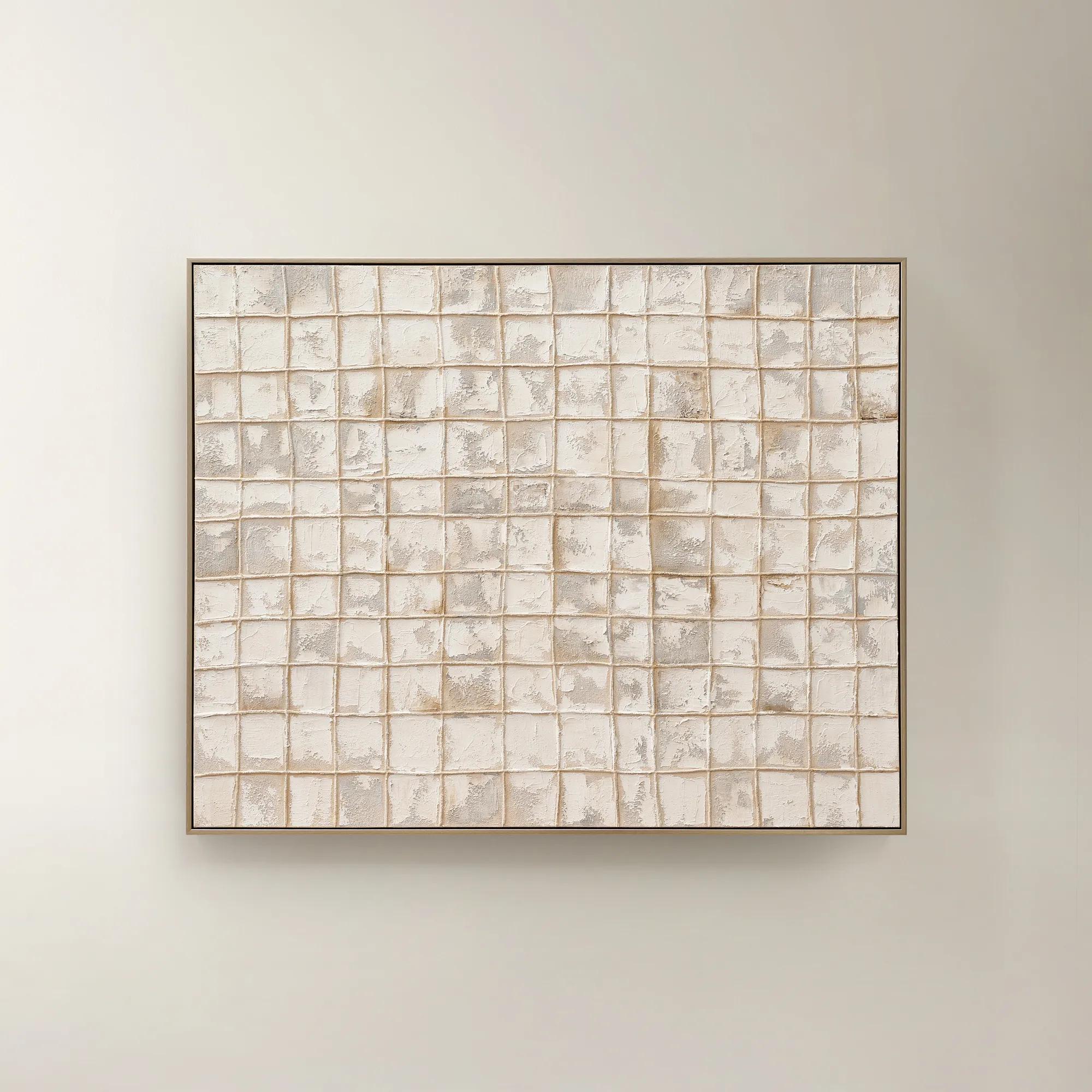 Painted Echos Framed Gold Leaf Wall Art 60" x 48"$699
A hand-painted abstract canvas with gold leaf accents and a champagne frame for modern, versatile display.
Add To Cart -
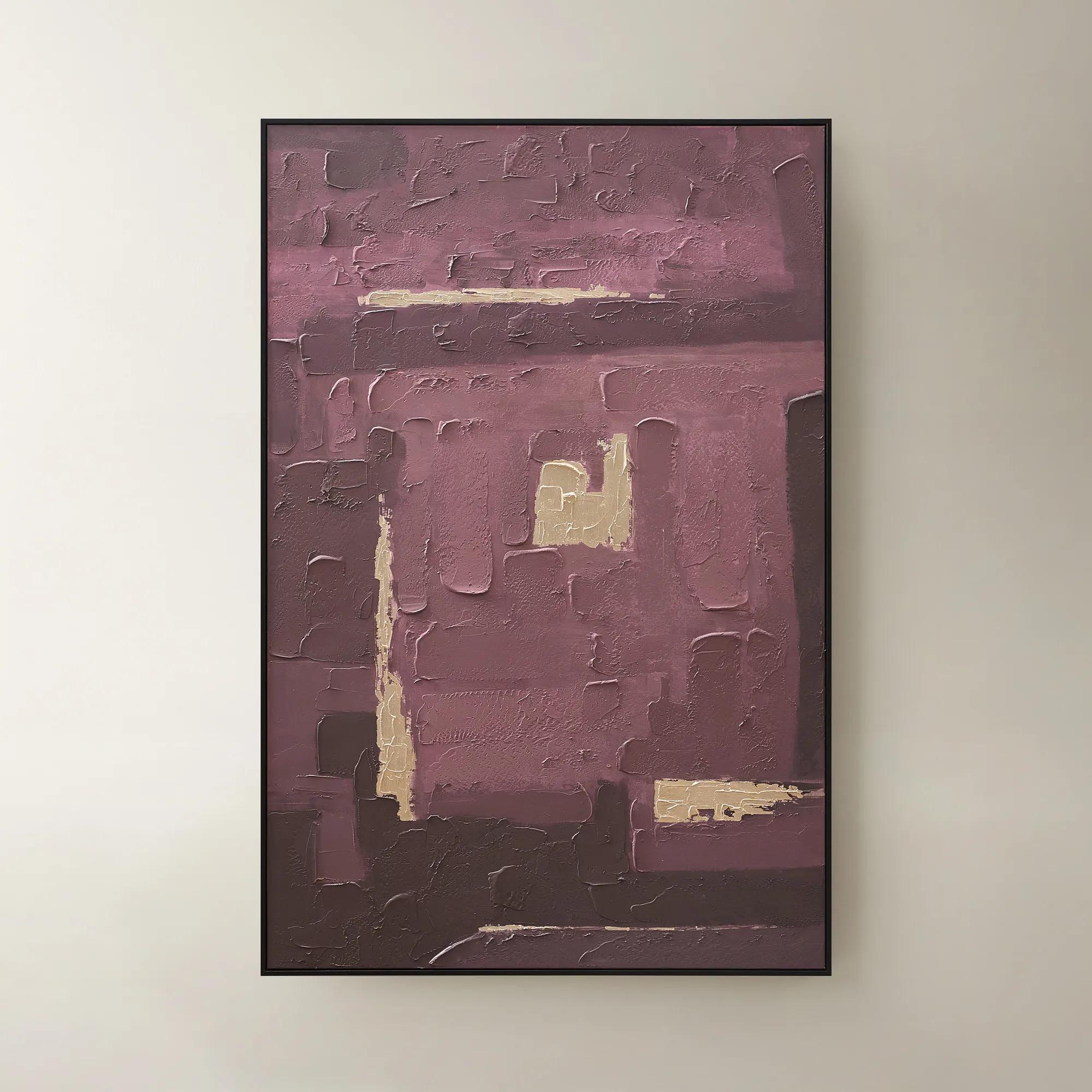
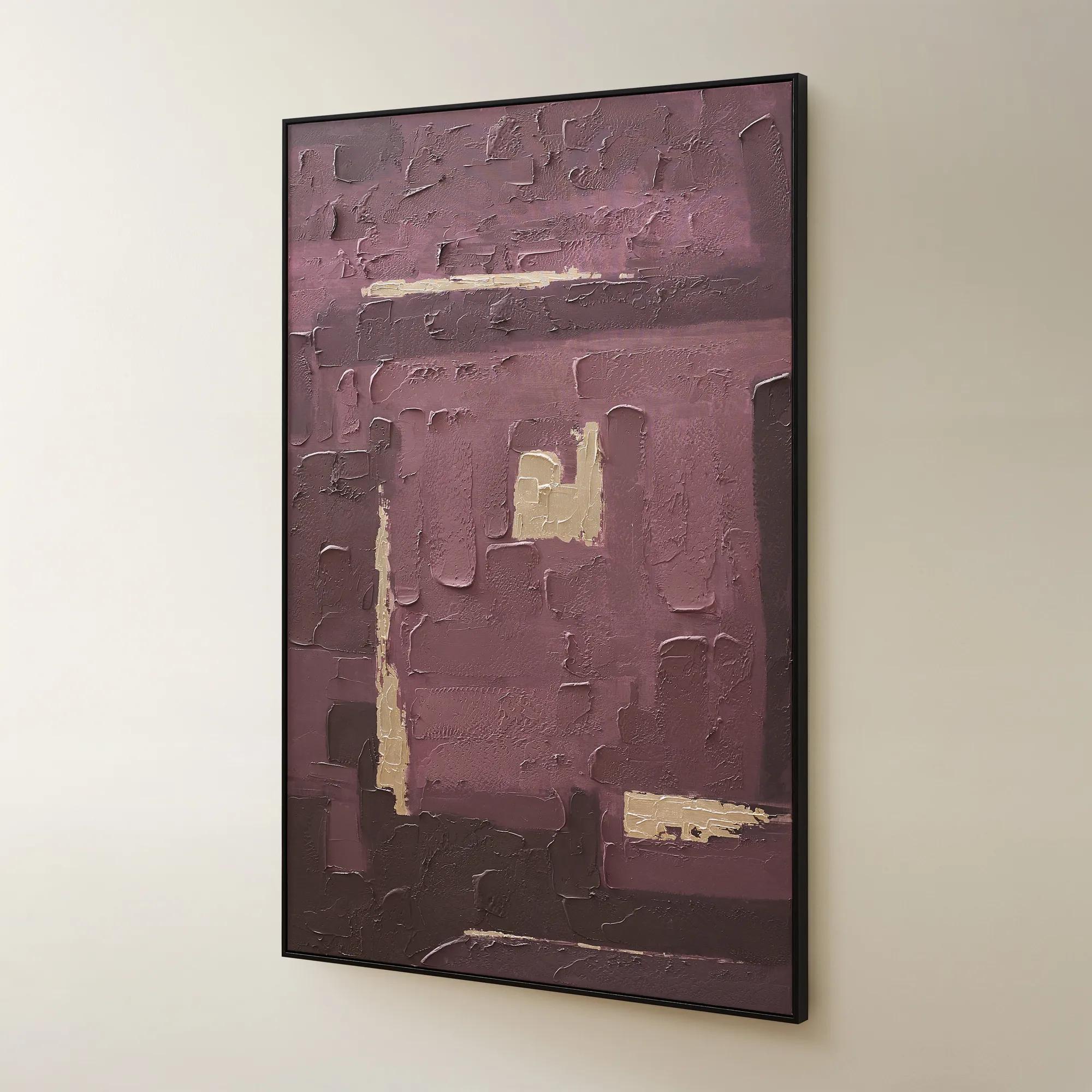 Fallback Framed Painted Wall Art 60" x 40"$499
A hand-painted abstract canvas in rich fig hues with champagne accents, set in a sleek black frame.
Add To Cart -
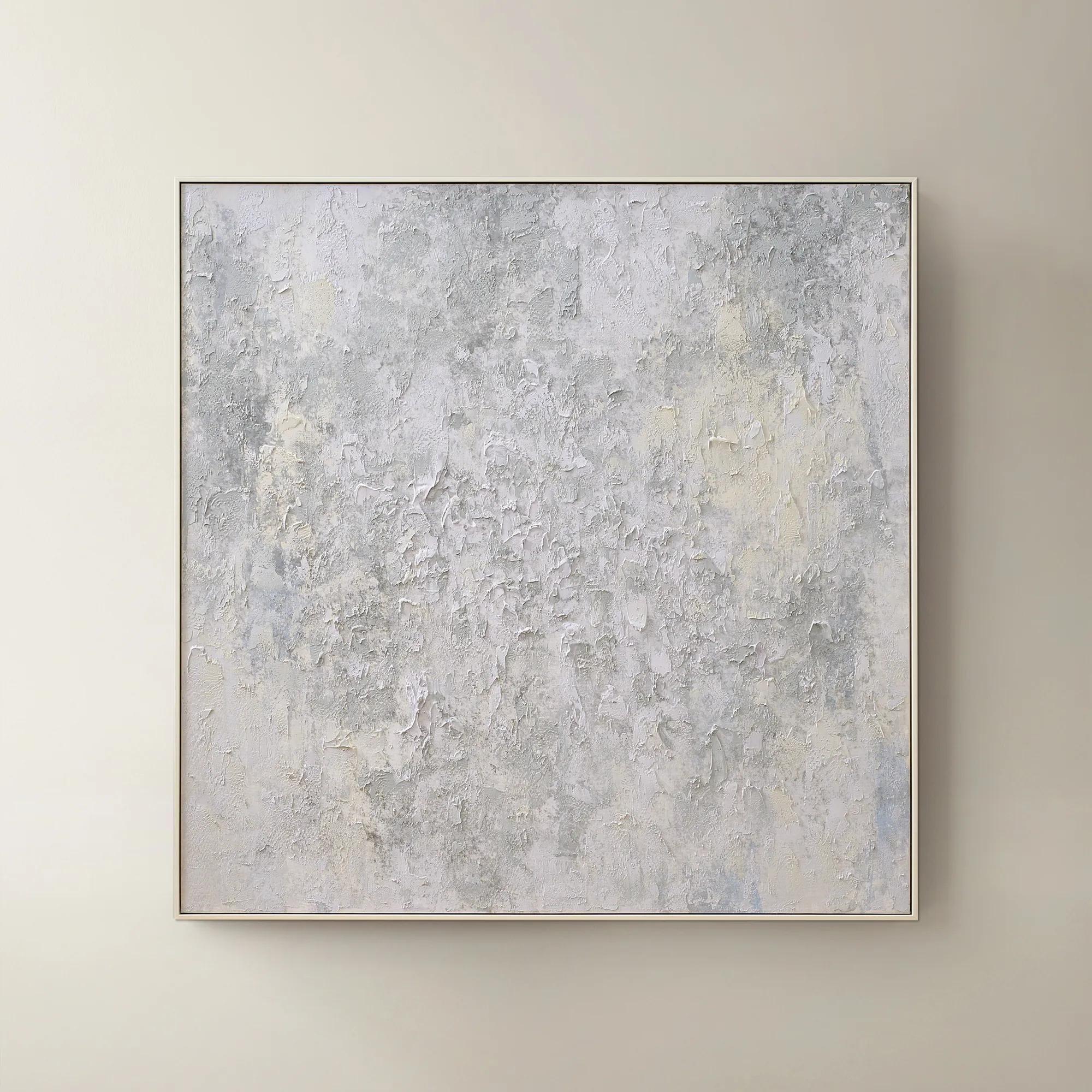 Breathe of Fresh Air Framed Painted Wall Art 50" x 50"$499
A hand-painted abstract canvas in dusty blue hues, elegantly framed in white for a serene, modern accent.
Add To Cart -
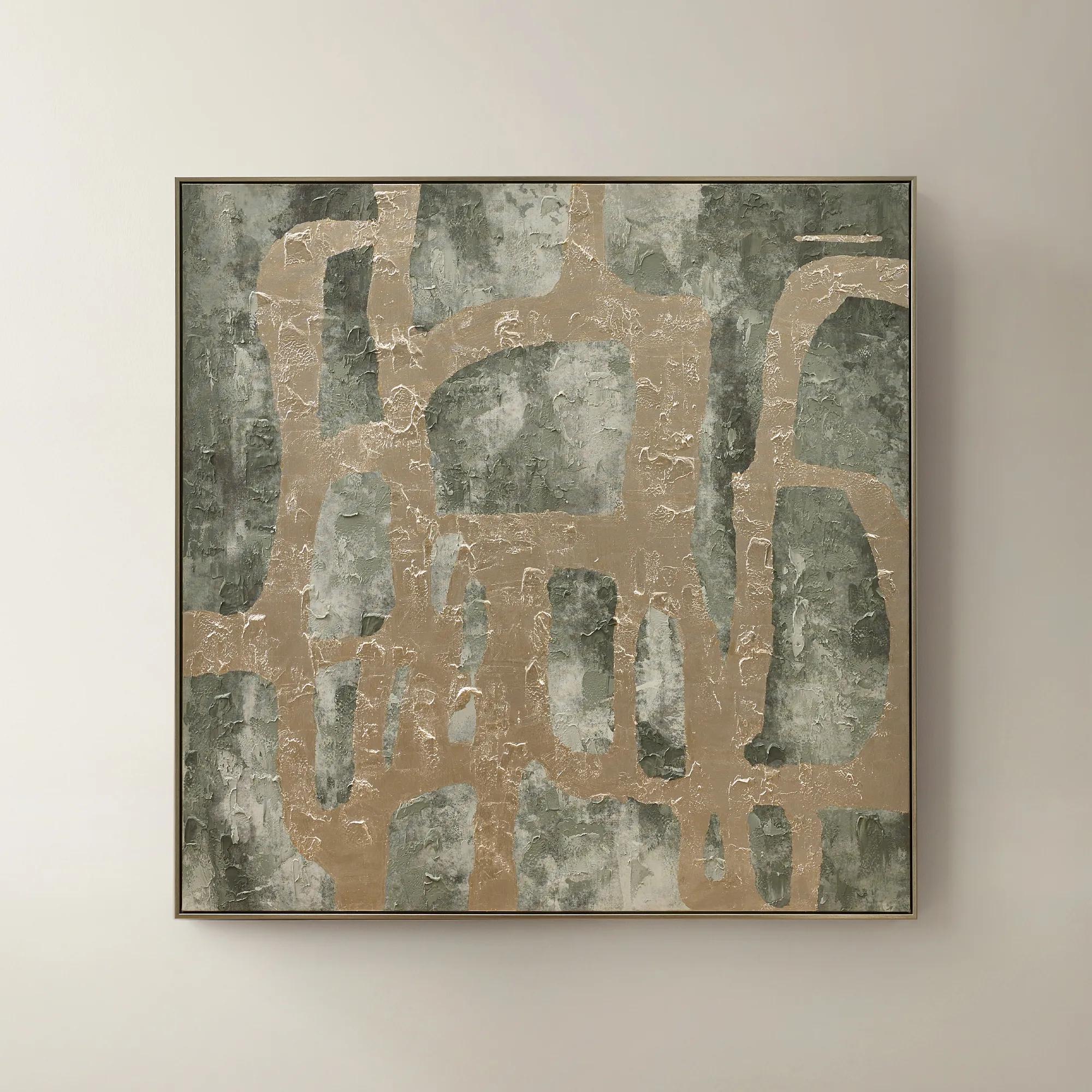 Illusions Framed Painted Wall Art 50" x 50"$599
A hand-painted canvas in sage and champagne tones with textural embellishments for modern, artful depth.
Add To Cart -
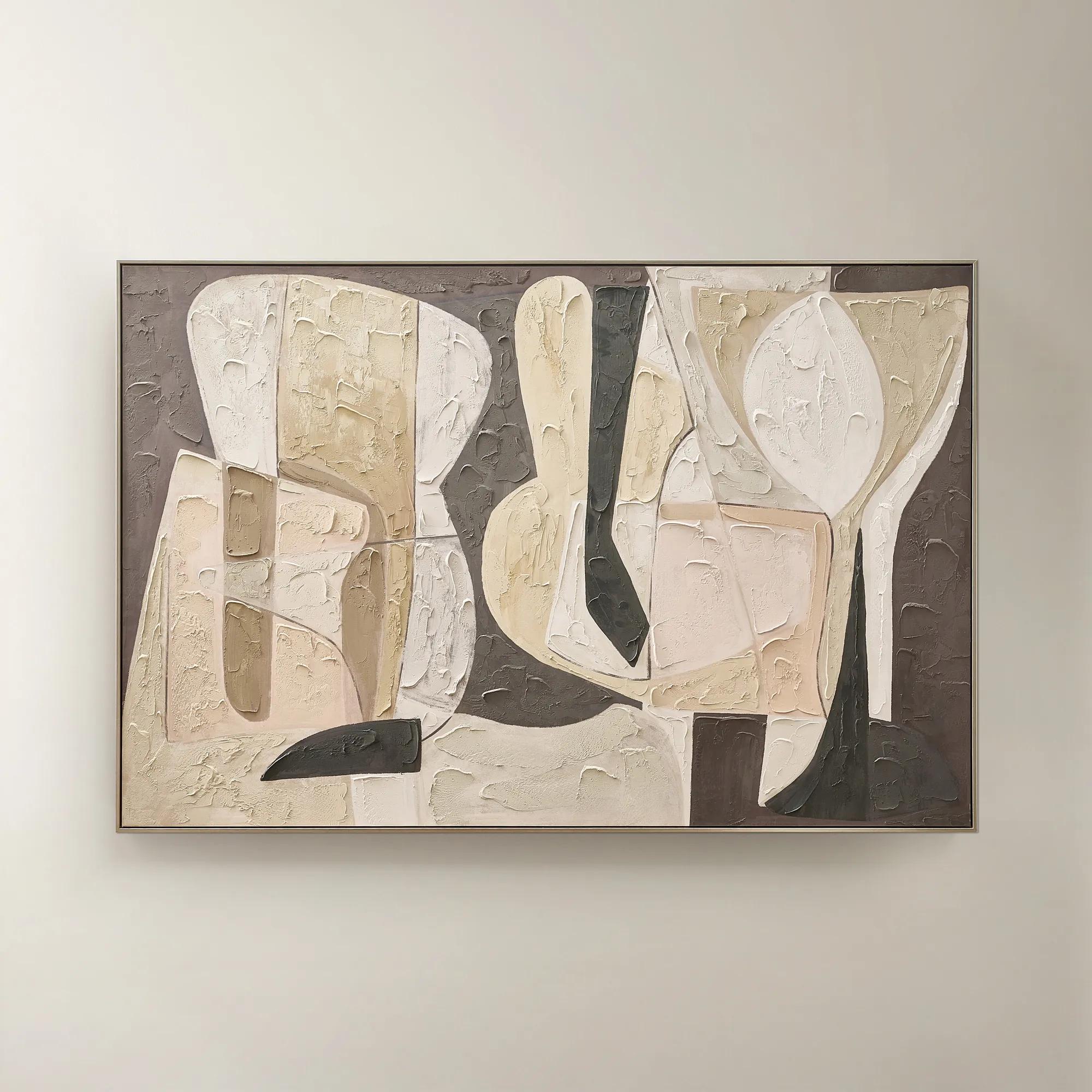 Wishful Thinking Framed Painted Wall Art 72" x 48"$599
A hand-painted abstract canvas featuring bold geometric forms and warm smoked plum, apricot, and tawny hues.
Add To Cart -
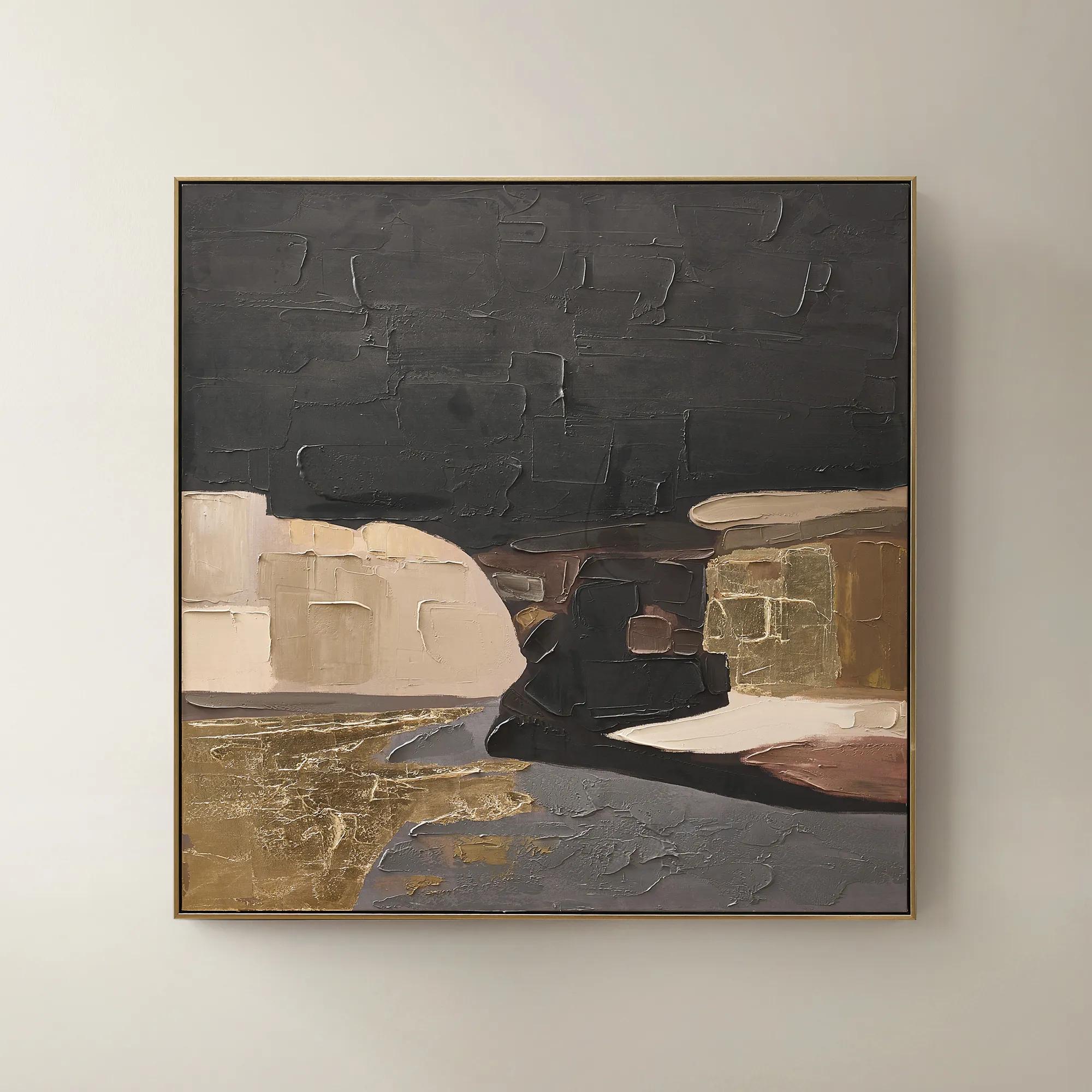 Obscured Light Framed Gold Leaf Painted Wall Art 48" x 48"$499
A hand-painted canvas with gold leaf accents and a black-gold frame in dramatic neutral tones.
Add To Cart -
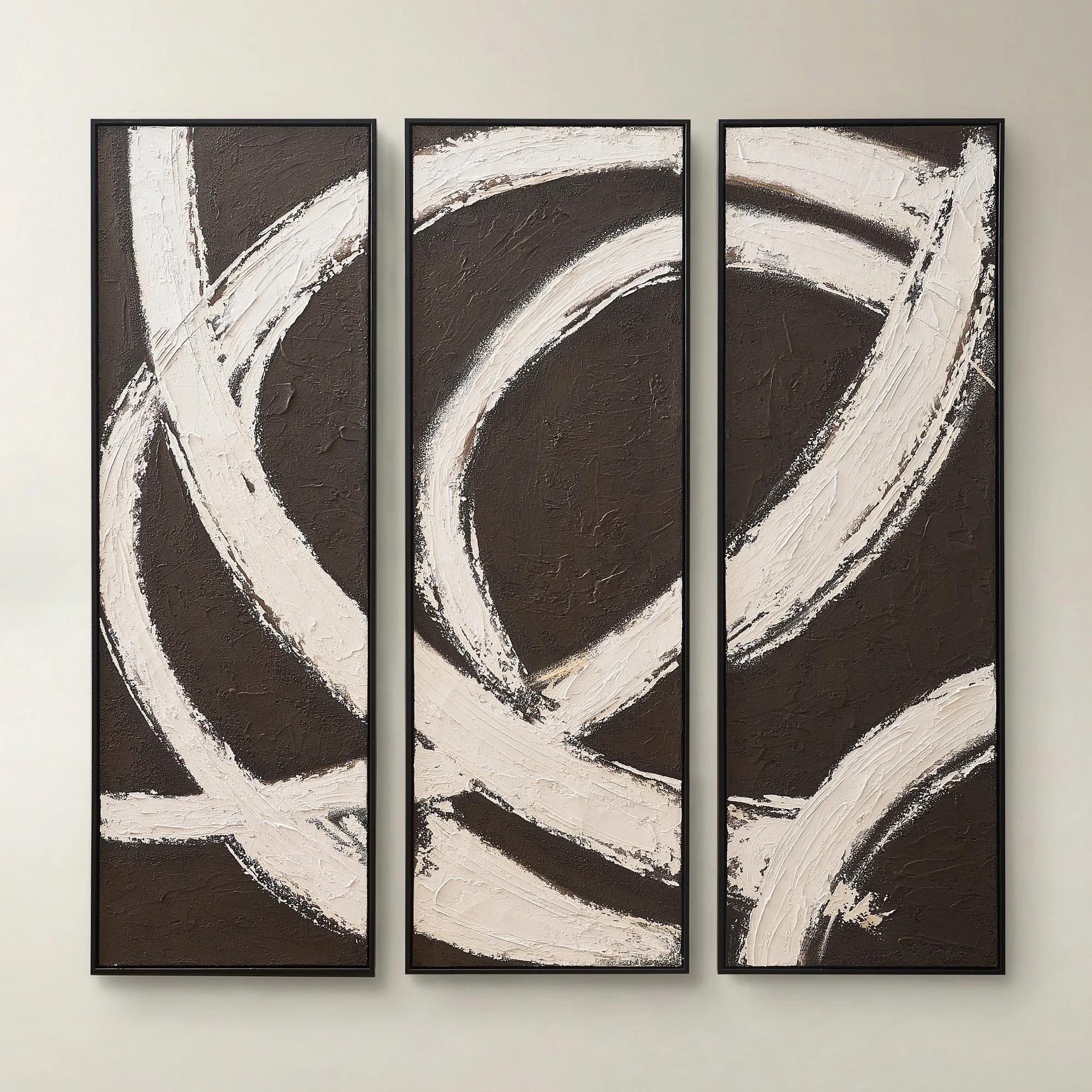
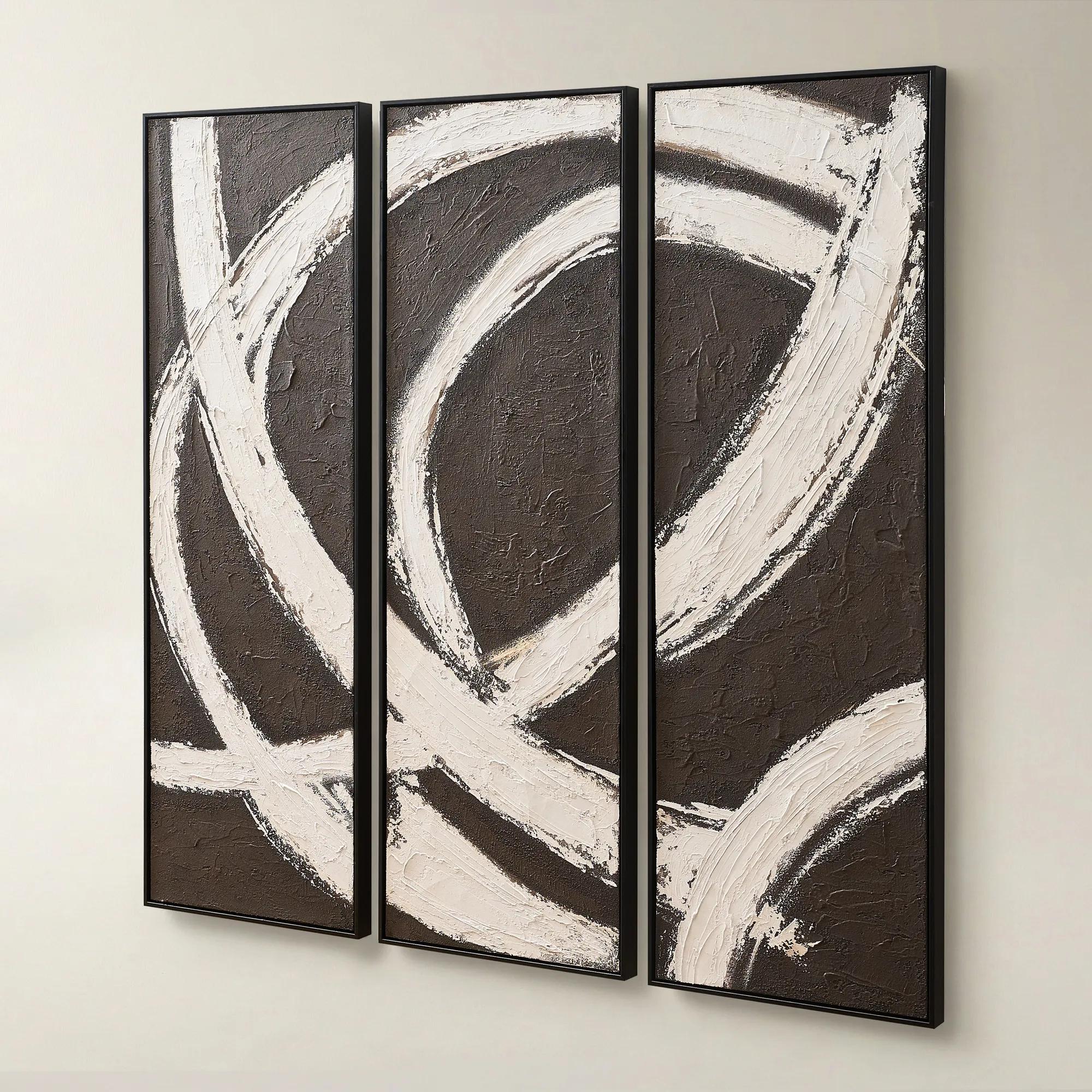 Spun in Coco Framed Painted Wall Art 20" x 60" Set of 3$499
A hand-painted triptych featuring dark chocolate and alabaster tones with rich texture and modern contrast.
Add To Cart -
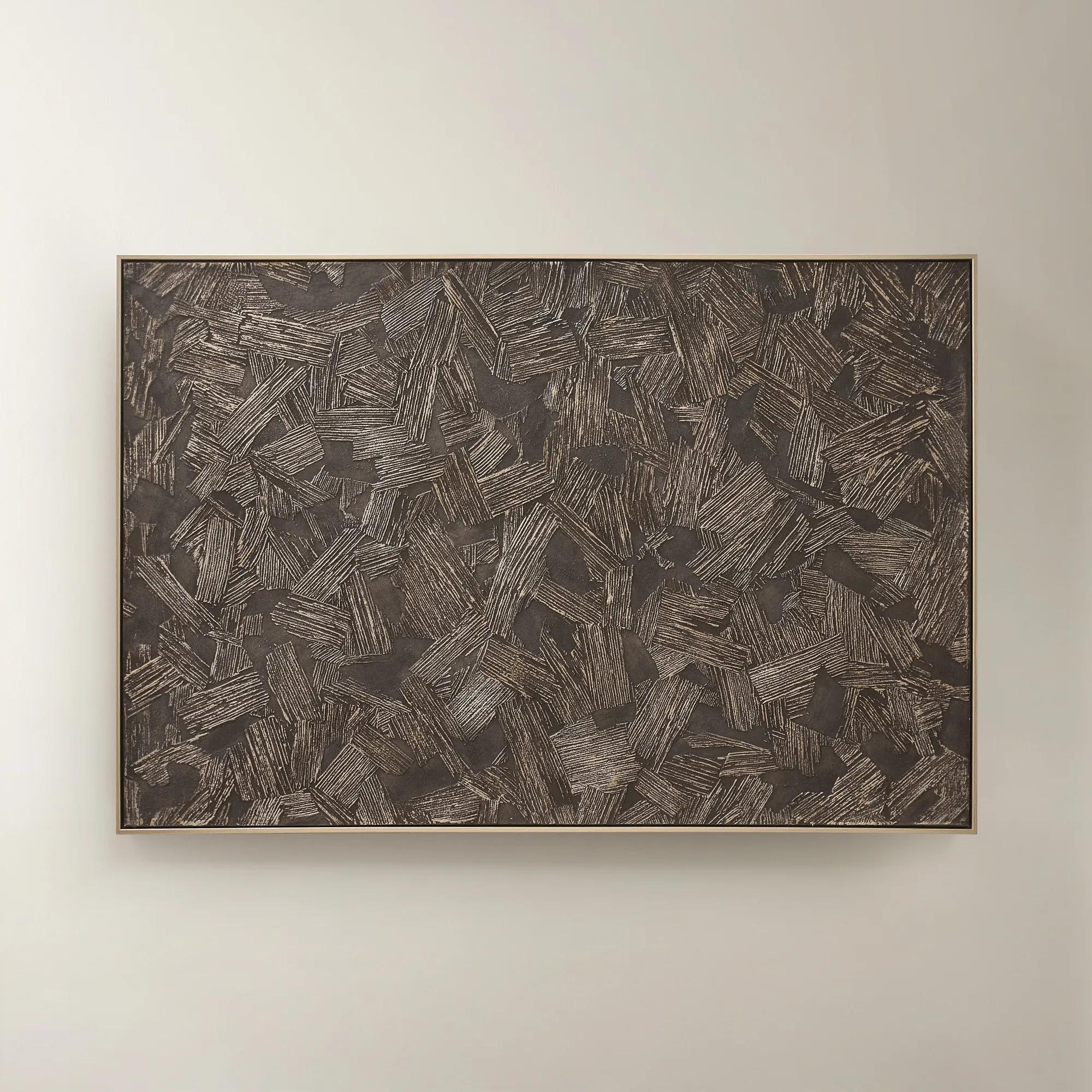
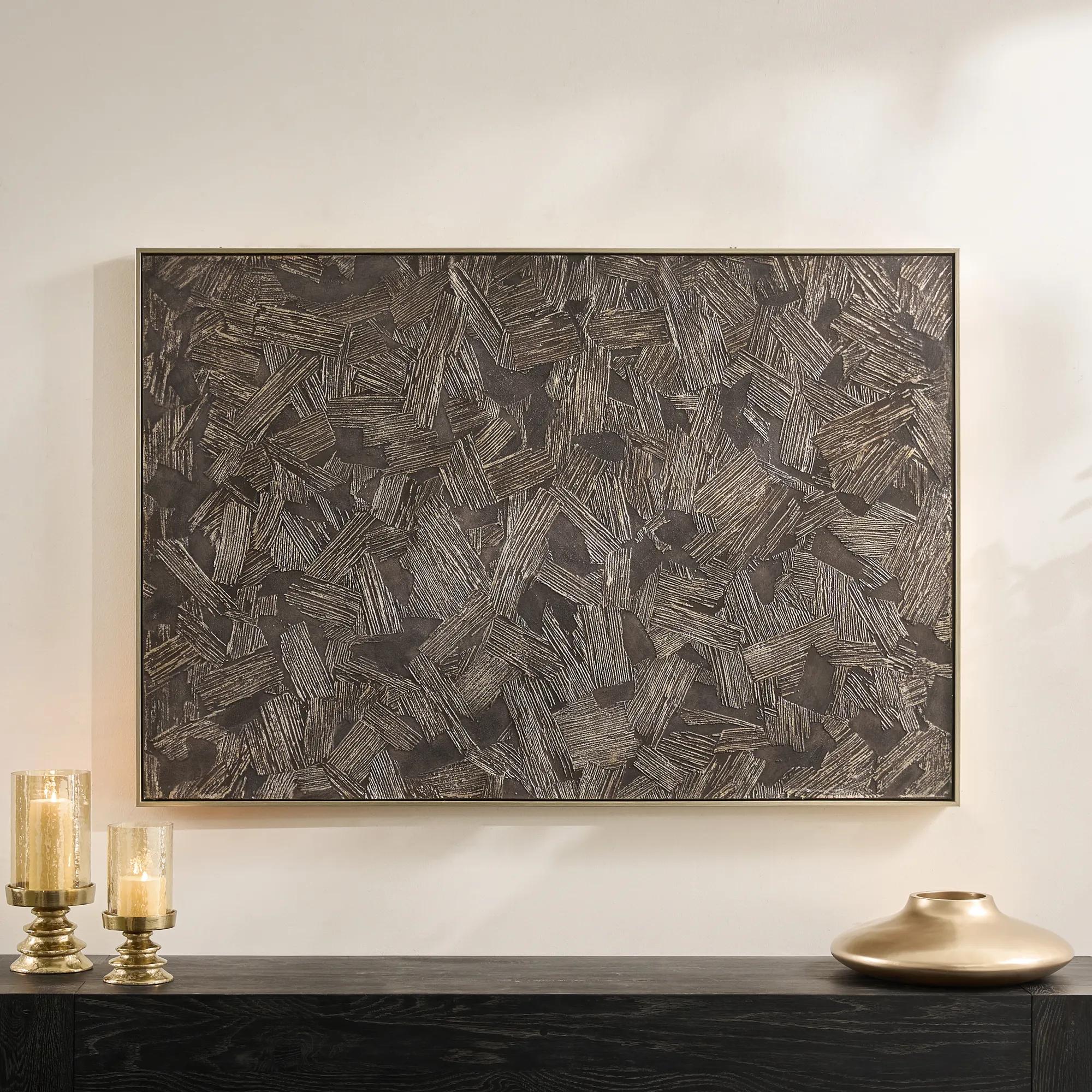 Etched in Darkness Dark Chocolate Wall Panel 53.5" x 36"$329
A hand-painted wrapped canvas features moody dark chocolate hues with champagne accents and a layered, textural finish.
Add To Cart -
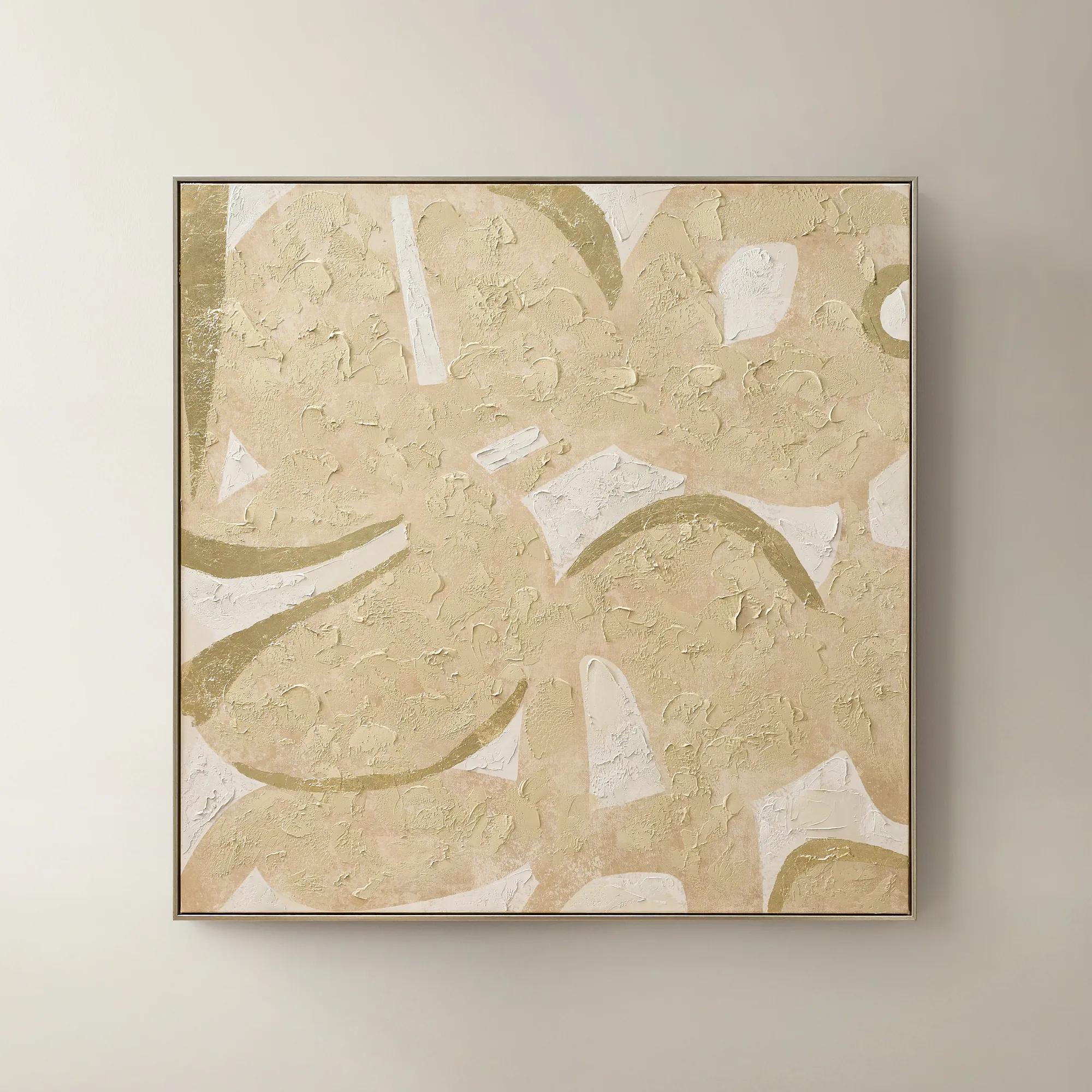
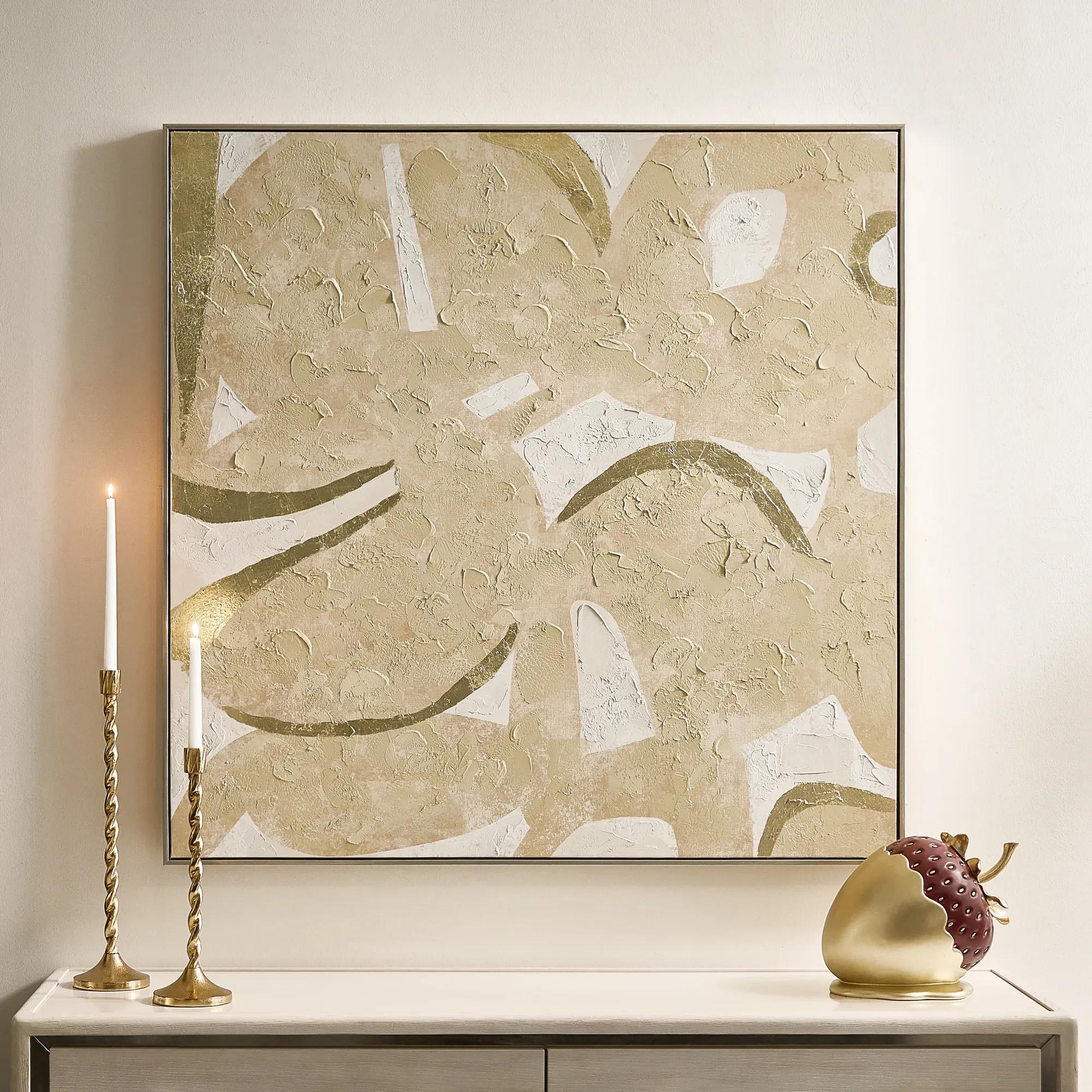 Golden Maize Framed Painted Wall Art 48" x 48"$399
A hand-painted canvas with champagne leafing and butter cream tones adds warmth and modern sophistication.
Add To Cart -
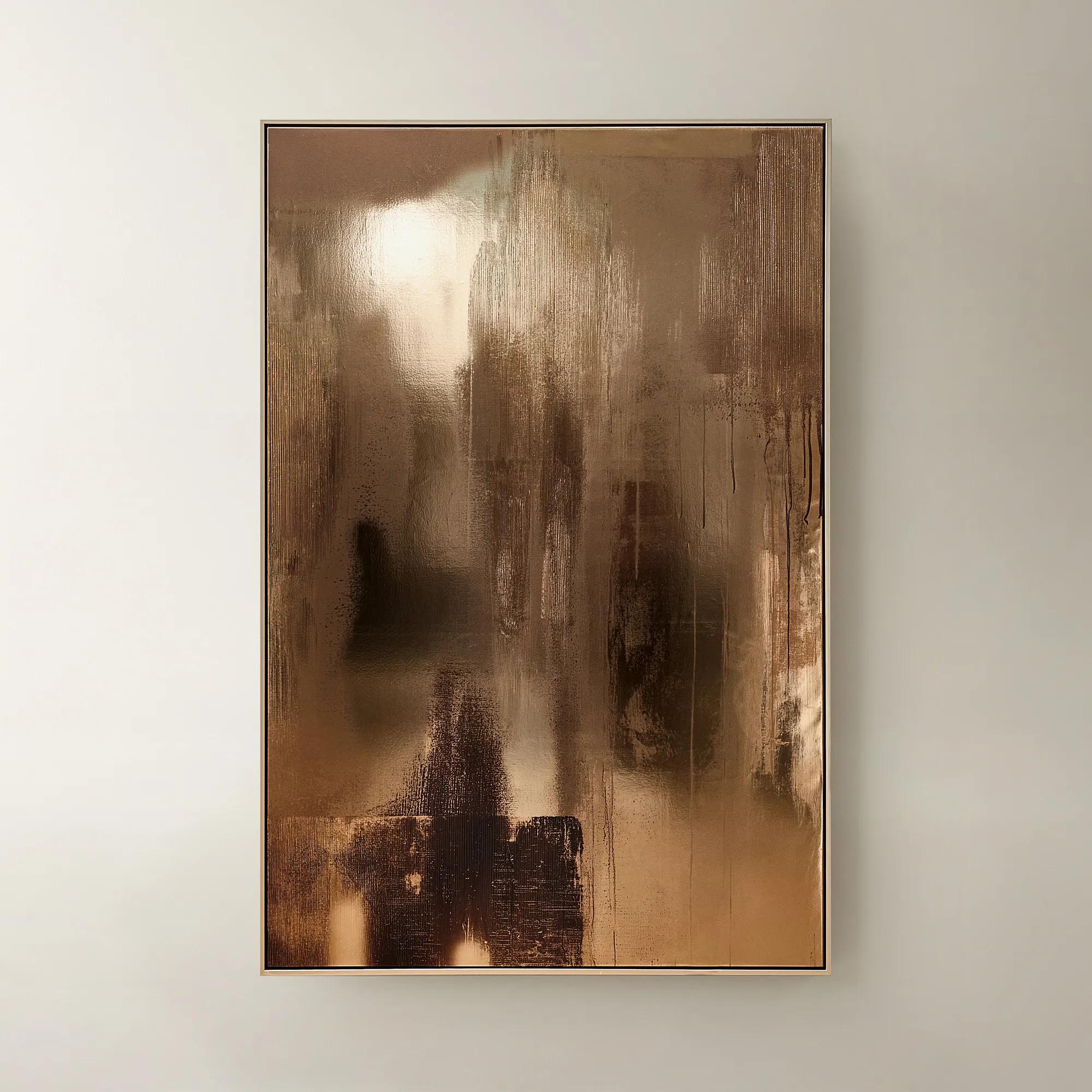
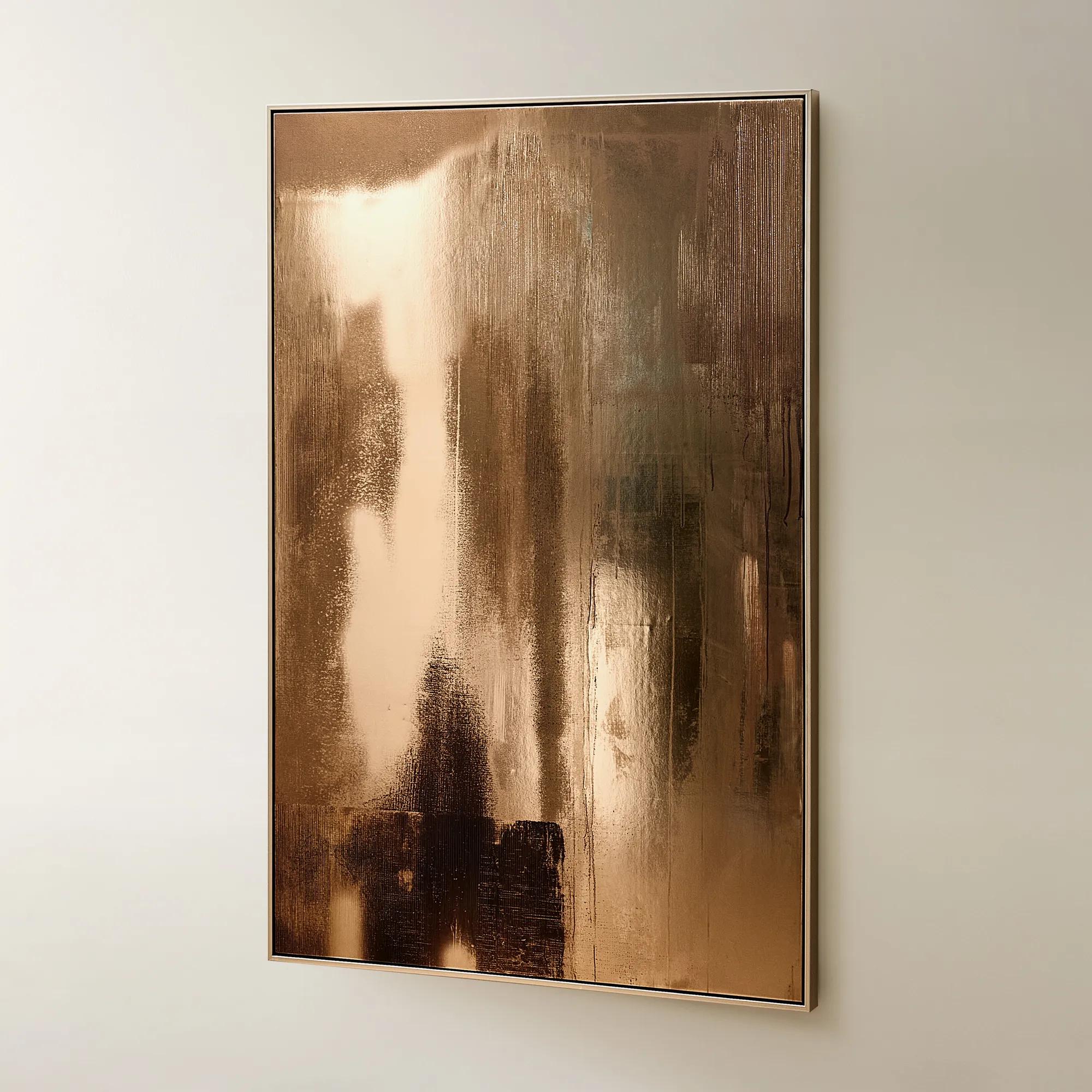 Bronze Reflective Framed Leather Painted Wall Art 40" x 60"$799
A hand-painted abstract wall art featuring reflective bronze faux leather and a warm champagne metallic frame.
Add To Cart -
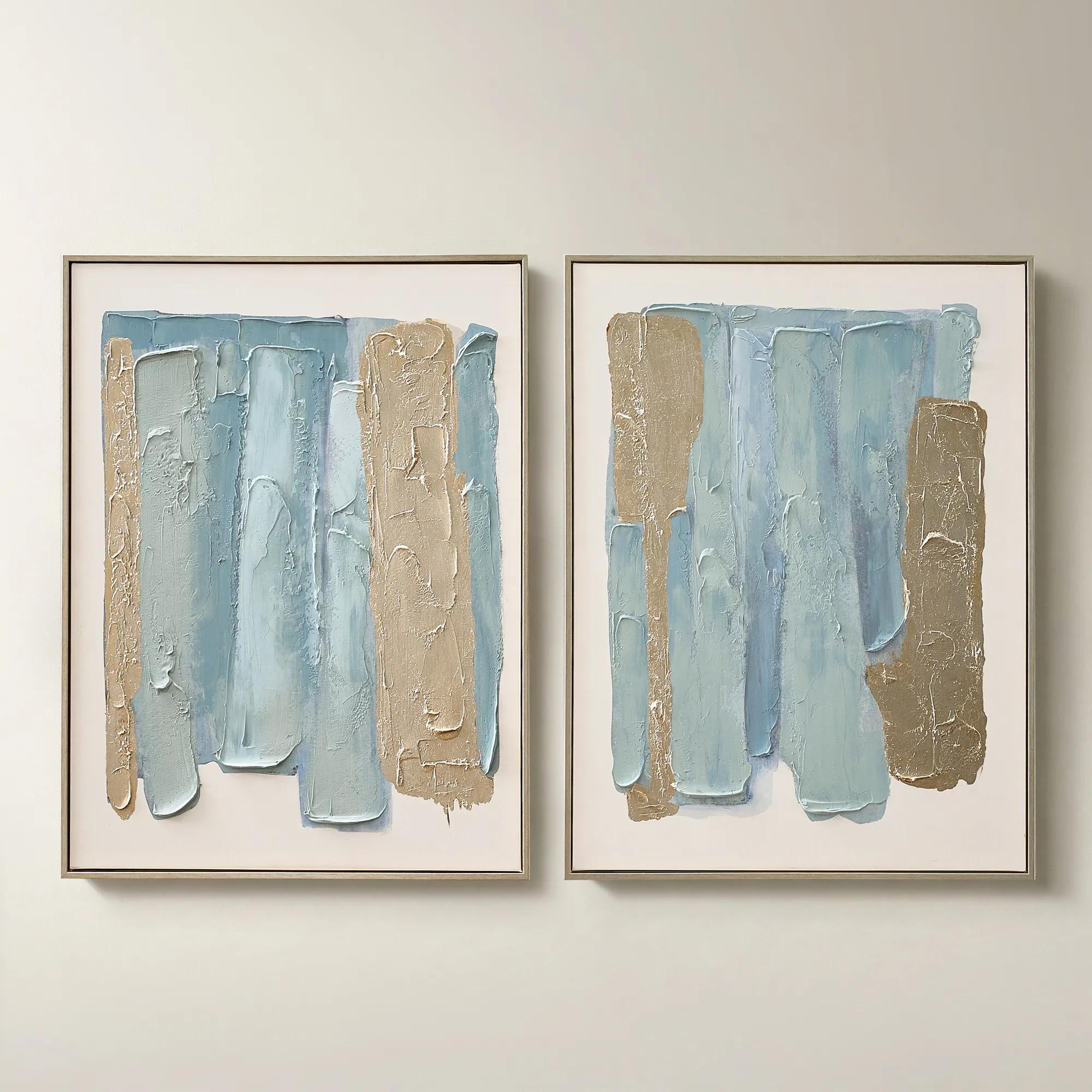
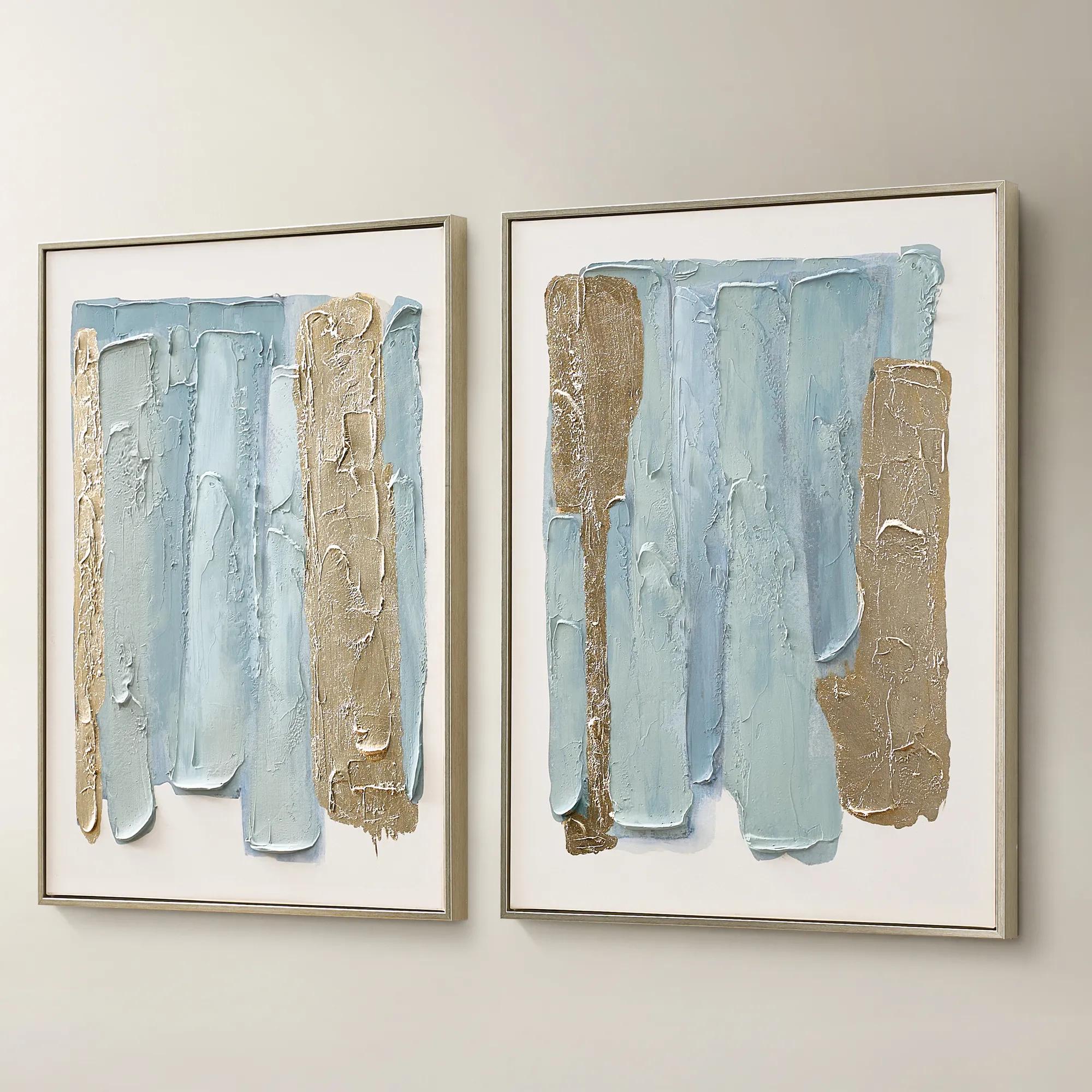 Blue Drift Framed Champagne Painted Wall Art 24" x 32" Set of 2$199
A set of two hand-painted canvases in dusty blue with champagne leafing and modern abstract movement.
Add To Cart -
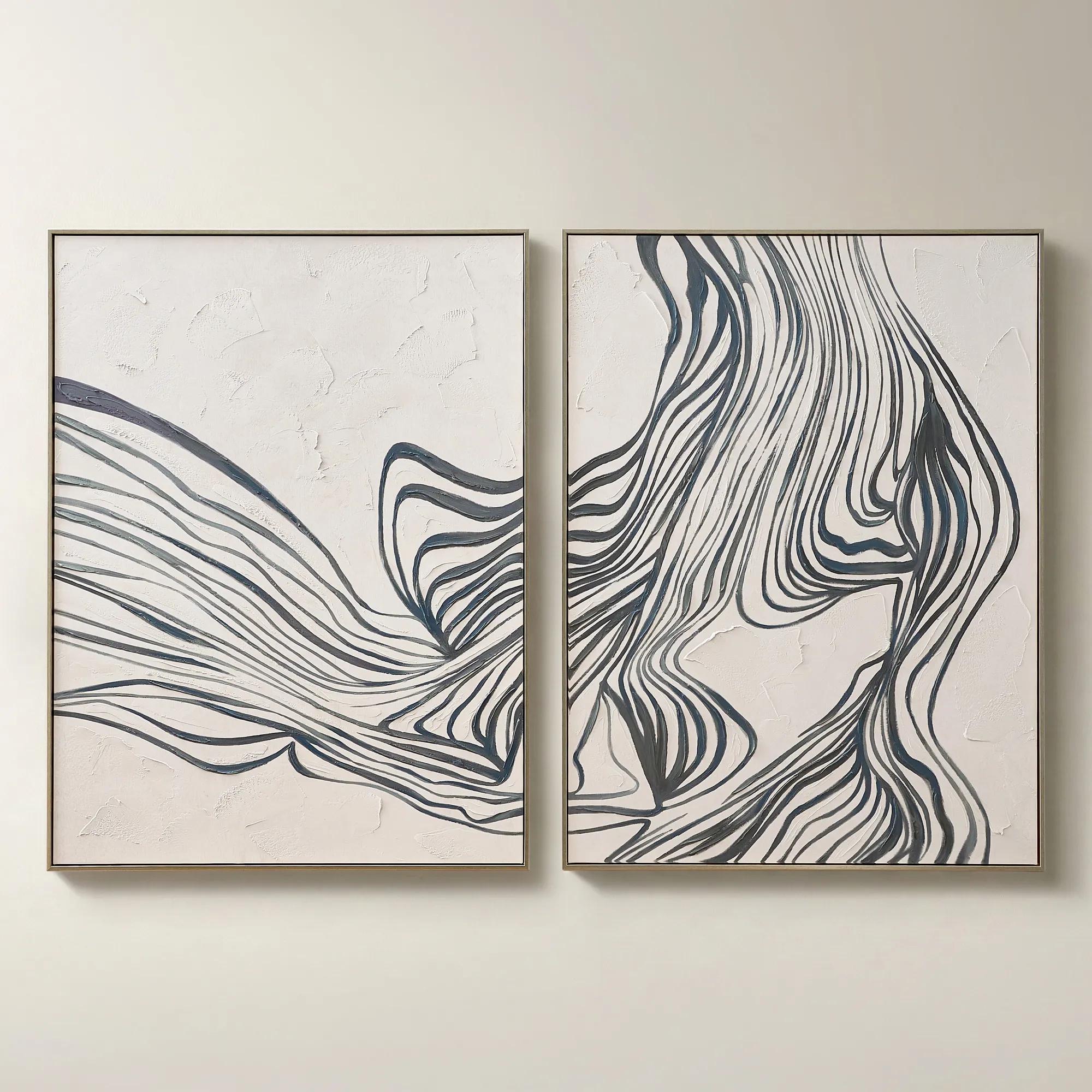
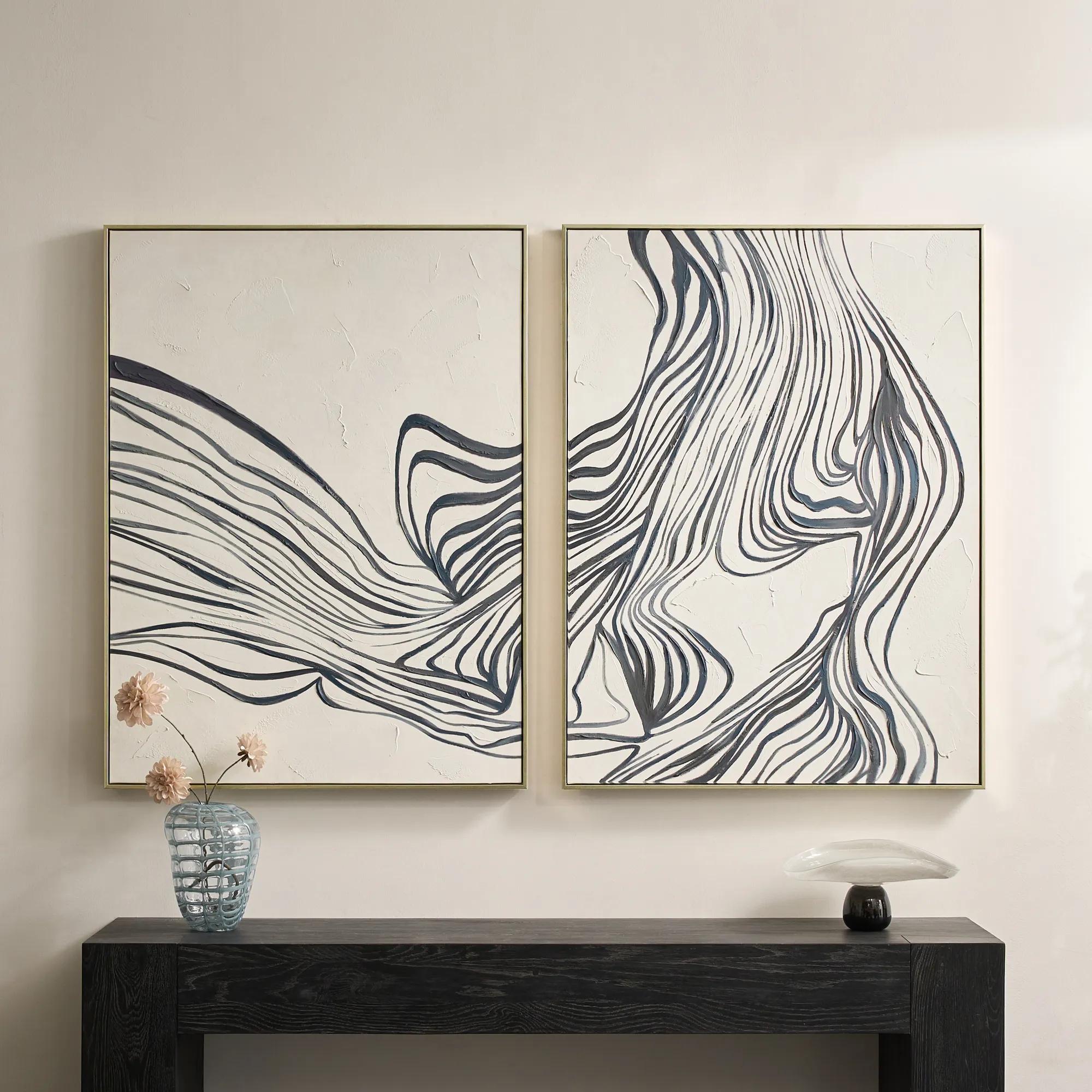 Rhythmic Framed Painted Wall Art 36" x 48" Set of 2$599
A hand-painted diptych featuring bold abstract stripes in dark slate and dusty blue with champagne frames.
Add To Cart -
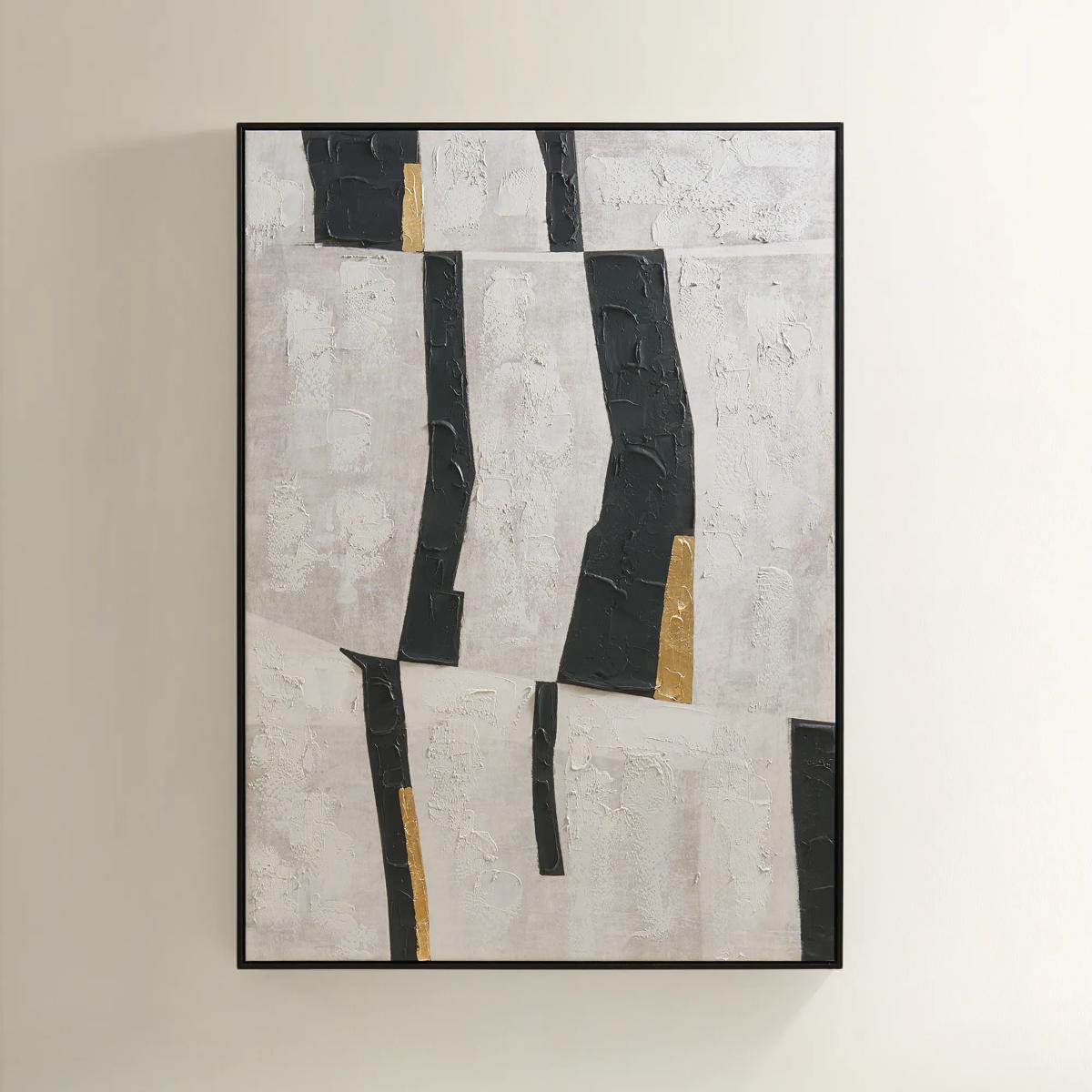
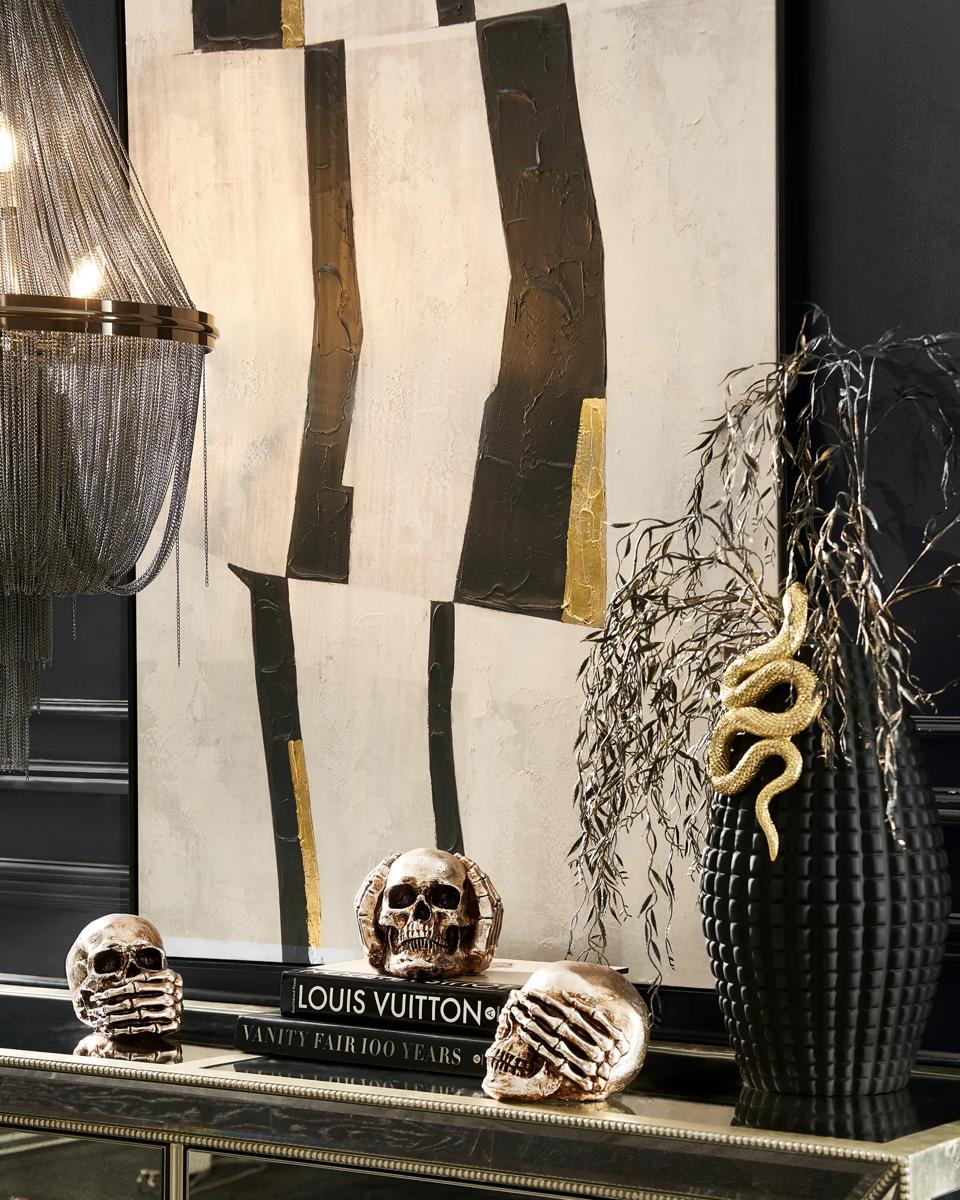 Into the Groove Painting$449
A modern abstract canvas featuring black, gray, and gold leaf accents in a sleek black floater frame.
Add To Cart

Large Abstract Art For Entryways
Large abstract art for entryways transforms mere passageways into grand arrivals, setting the tone for an unforgettable homecoming. With sweeping gestures, bold color fields, and captivating compositions, these statement pieces invite intrigue and admiration from the very first glance. Each canvas becomes a declaration of style—a visual overture that speaks to your individuality and flair. Elevate your entry with art that doesn’t just greet guests, but dazzles them, turning every entrance into a moment of high drama and expressive sophistication.
Large abstract art for entryways creates an immediate focal point, giving the first space inside a home a distinct mood through color, movement, and scale. An expansive composition can turn a blank foyer wall into a dramatic welcome, whether its presence comes from sweeping brushwork, luminous metallic accents, or softly layered fields of color. Unlike representational artwork, abstraction leaves room for interpretation: a wash of charcoal might suggest gathering depth, while a ribbon of ivory draws the eye across the surface like light moving through a room. That openness makes oversized abstract wall art especially expressive in an entrance, where it introduces a home’s personality without needing to tell a literal story. High-contrast black and white brings graphic precision to pale walls and polished furnishings; warm neutrals create a quieter sense of luxury alongside wood, linen, and aged metal. For a more saturated introduction, blue abstract paintings for entryways can bring inky depth or fluid, atmospheric color to the space. A restrained palette does not have to feel reserved. Broad gestures, unexpected negative space, and subtle changes in sheen can give a nearly monochromatic painting remarkable presence. More exuberant compositions can establish a color story that continues into adjoining rooms through upholstery, decorative objects, or a single sculptural vase. In an open-plan home, this visual connection helps the entrance feel intentional rather than separate from the living area beyond it. In a defined foyer, one commanding work can give the room the character of a private gallery. The appeal extends from collectors drawn to energetic mark-making to homeowners seeking a polished counterpoint to traditional architectural details. Abstract art can bridge those preferences beautifully, placing expressive movement against paneled walls or bringing organic softness to a sharply contemporary interior. The strongest impression often comes from allowing the composition enough space to be fully seen, with nearby accents supporting its rhythm rather than competing for attention.
Scale gives entryway artwork its architectural impact, but a generous size works best when it relates to the wall, the furnishings beneath it, and the view from the front door. Above a console, an artwork measuring roughly two-thirds to three-quarters of the furniture’s width often creates a balanced starting point; the outer frame belongs in that measurement. For a 60-inch console, that might mean a piece approximately 40 to 45 inches wide, adjusted for nearby doorways, sconces, and molding. A tall vertical composition can emphasize the height of a narrow foyer, while a broad horizontal work can anchor a longer wall and echo the lines of a substantial console. A square format offers another kind of presence, giving gestural artwork a concentrated, almost architectural weight. In entrances with soaring ceilings, a larger canvas can hold its own against expansive wall space without requiring a collection of smaller accents. Viewing distance matters as much as dimensions: broad color relationships register from the doorway, while finer textures reward a closer look. Material and presentation shape that experience. Original paintings may reveal raised brushwork, layered pigment, and variations across the surface, while reproductions on canvas or paper translate an abstract composition through a different finish. Canvas brings a woven texture and can create an immersive effect without reflective glazing. Works on paper often gain definition from a mat and a surrounding frame, with protective glazing adding another consideration for placement and care. A slim metal frame can sharpen the composition’s edges; a warmer wood finish can connect contemporary artwork to more tactile furnishings. Deep profiles create a shadow line that adds dimension, though their projection deserves attention in a narrow passage. A slim console, a low decorative bowl, and an uninterrupted view of the artwork can feel more luxurious than a crowded arrangement. Where a lamp rises beside the frame, a little visual separation preserves the silhouette of both pieces and keeps the painting’s most expressive details visible.
Because an entryway is a working passage as well as a statement space, placement and construction deserve the same attention as color. Large framed art should be secured with hardware appropriate to its weight and the wall material, following the artwork’s mounting instructions. In a busy household, a properly mounted piece is generally a more dependable choice than an unsecured canvas leaning where bags, children, or pets might brush against it. Door swings, light switches, and the route between the entrance and adjoining rooms all influence how comfortably a substantial artwork fits. Over a console, the painting should feel visually connected to the furniture while leaving sufficient clearance for the objects beneath it; a tall vase should not conceal the composition’s central gesture. Lighting adds another layer of expression. Soft, even illumination reveals tonal variation, while a carefully positioned picture light can emphasize texture and give the entrance a gallery-like focus. Strong glare on glazing can obscure the image, and prolonged direct sunlight can contribute to fading or material changes, so exposure matters even in a room used mainly in passing. Durability depends on the medium, frame, finish, and protective materials rather than size alone. Care should follow the maker’s instructions: frames and suitable surfaces may need only gentle dusting with a clean, soft cloth, while textured paint, metallic applications, and delicate paper call for particular restraint. Cleaning liquid should never be sprayed directly onto framed artwork, where moisture can reach edges or seep beneath glazing. An entrance near frequent splashes or heavy contact may be better served by a protected presentation positioned away from those hazards. For a housewarming or milestone gift, large abstract art feels especially personal when the recipient’s wall dimensions, preferred palette, and framing tastes are already familiar. Its lasting appeal lies in the relationship between the work and the home: a sweep of color that answers a velvet bench, a dark contour that echoes ironwork, or a luminous passage that holds attention above a spare console. With room to breathe and a setting that respects its scale, a commanding abstract composition makes the entrance feel expressive, considered, and unmistakably individual.
FAQs
Large entryway art with abstract designs, bold color blocking, and metallic accents beautifully complements modern interiors. Look for pieces that feature dynamic brushwork, geometric forms, or a striking monochrome palette to create visual intrigue and set an elevated tone right from the doorstep.
Choose artwork that evokes the mood you want to convey—soft, ethereal abstracts can foster calm and serenity, while vivid, energetic pieces spark excitement and conversation. Position your art where it catches natural light or is illuminated by entryway lighting to amplify its impact and create a memorable sense of arrival.
Absolutely. Large entryway wall art makes a thoughtful and impressive gift for housewarmings, weddings, anniversaries, or milestone celebrations. Its statement-making presence transforms any entryway, offering a daily reminder of the occasion and the giver’s impeccable taste.
Consider the color palette and materials of your entryway furniture and accessories. Echoing hues found in your art through vases, rugs, or accent pieces creates harmony, while contrasting textures—such as pairing a glossy painting with a matte console—add depth and sophistication to the vignette.
Abstract entryway paintings invite interpretation and spark curiosity, making them perfect for transitional spaces like the foyer. Their expressive forms and unexpected details draw the eye, encouraging guests to pause, reflect, and experience the artistry of your home from the very first step inside.