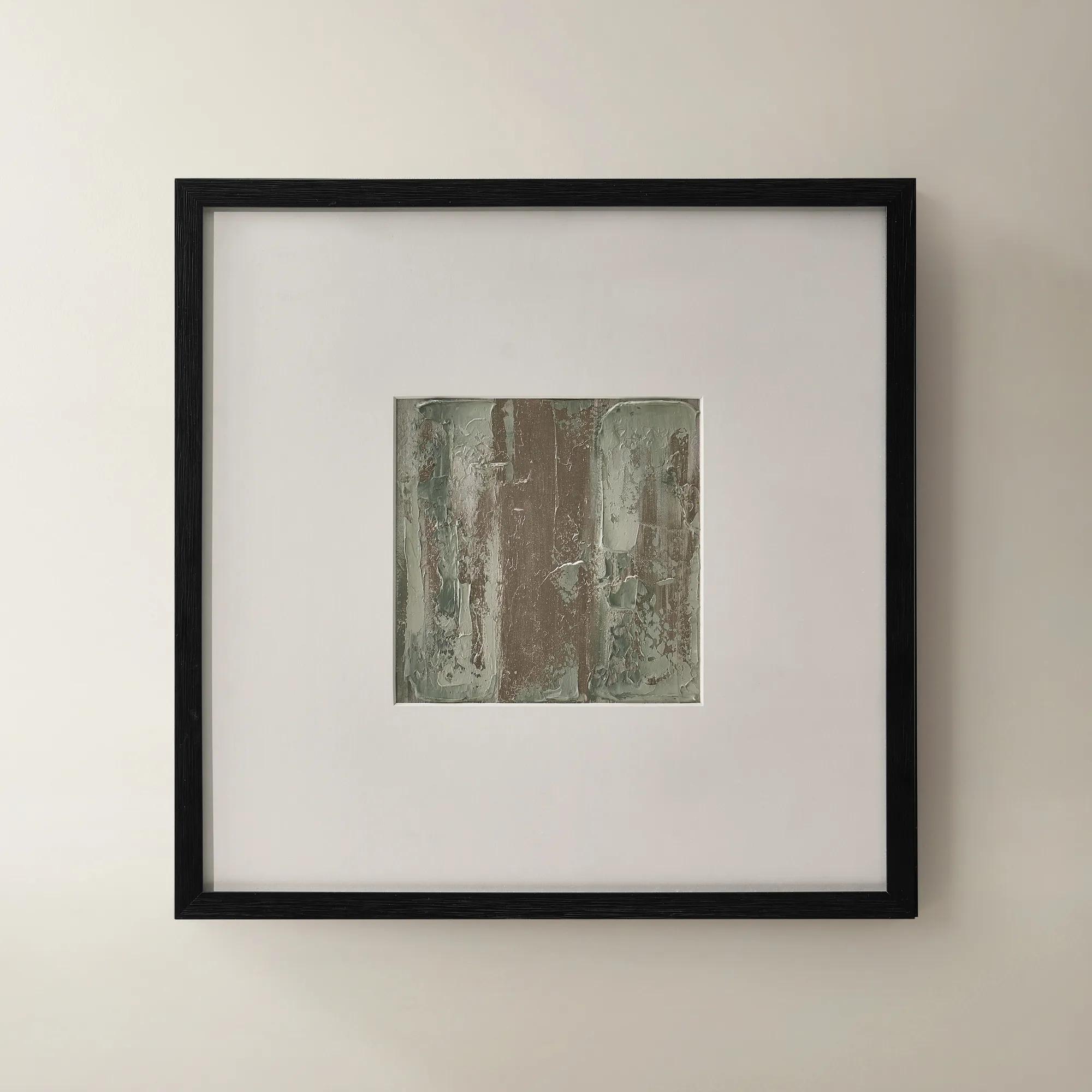
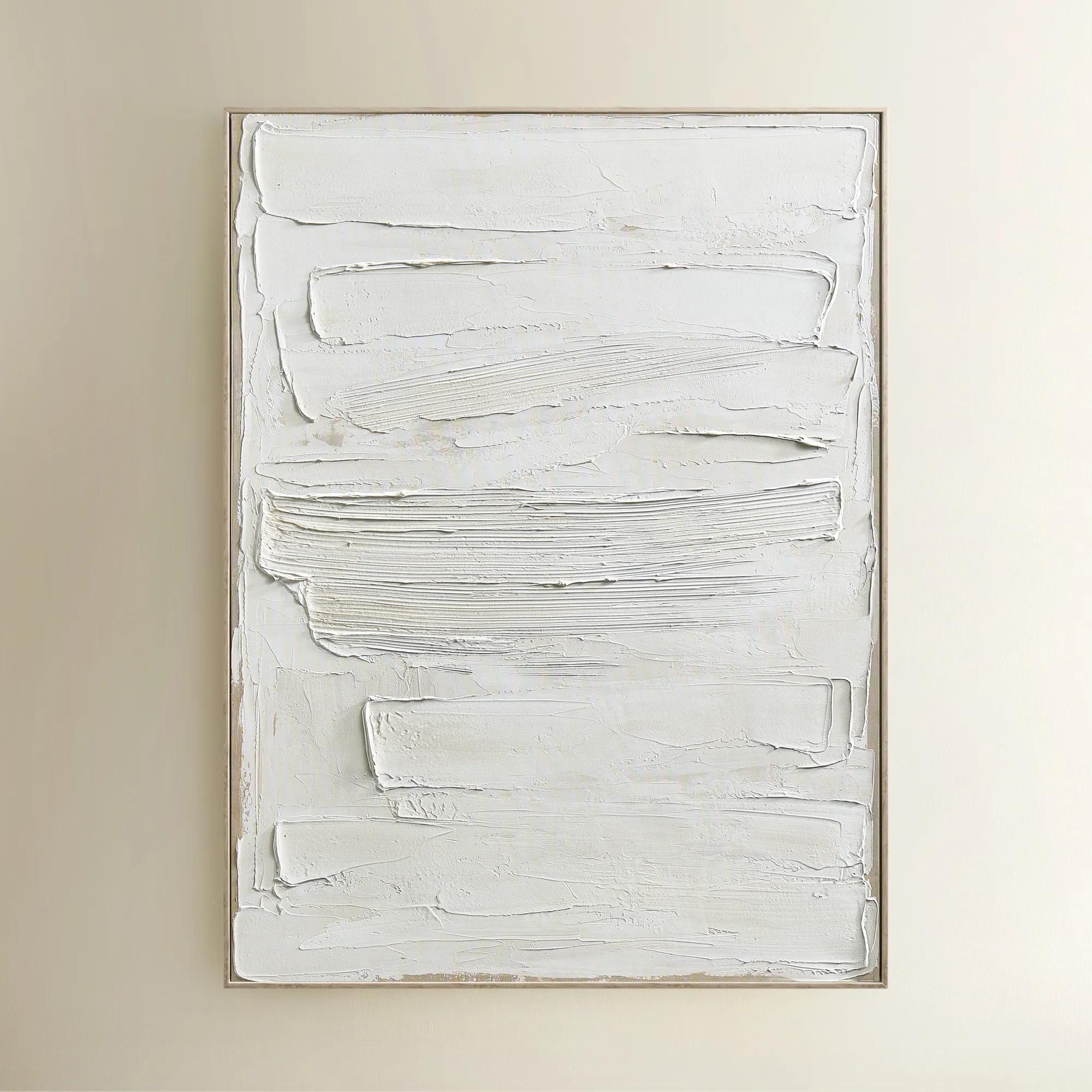
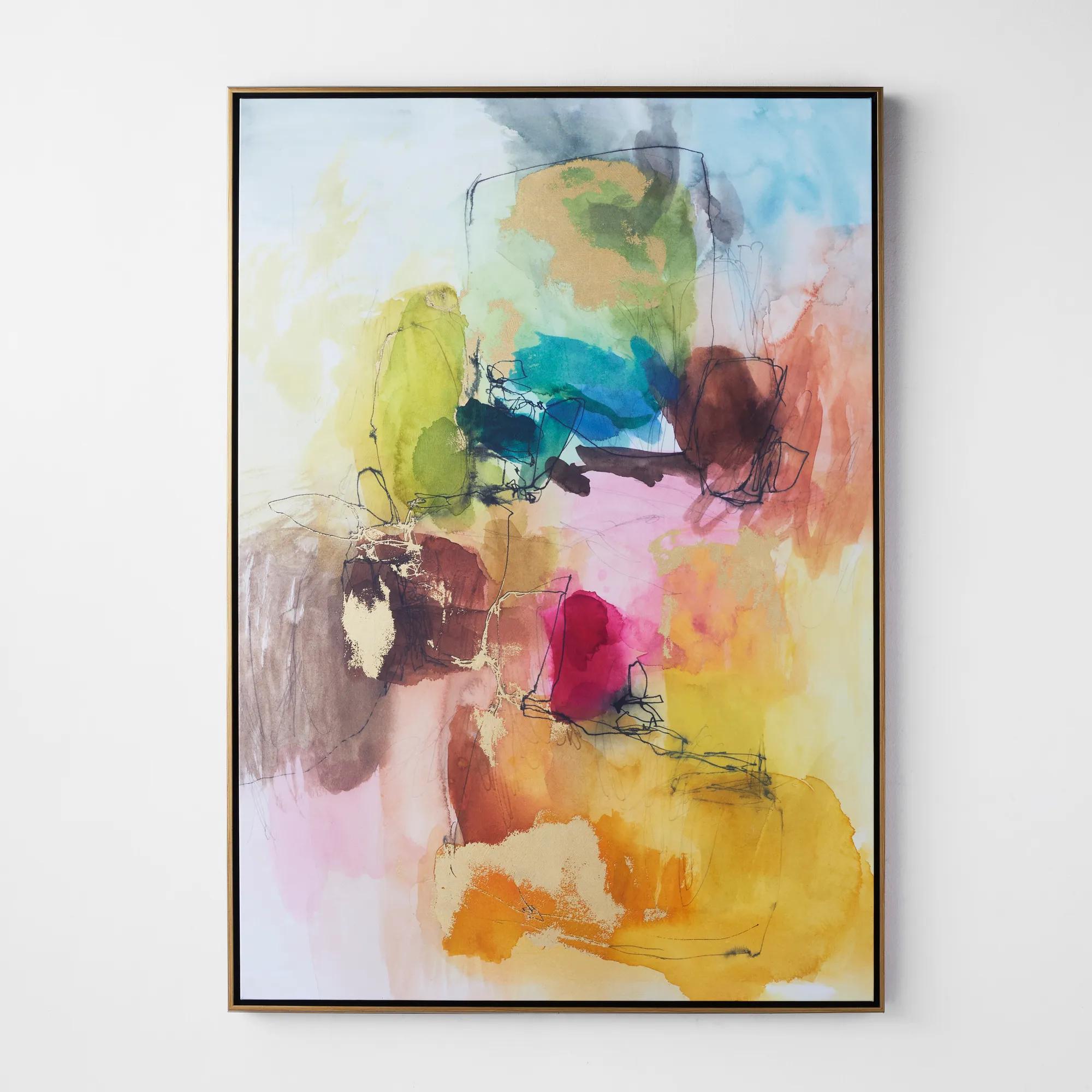
Black Abstract Art For Entryways
Black Abstract Art For Entryways
-
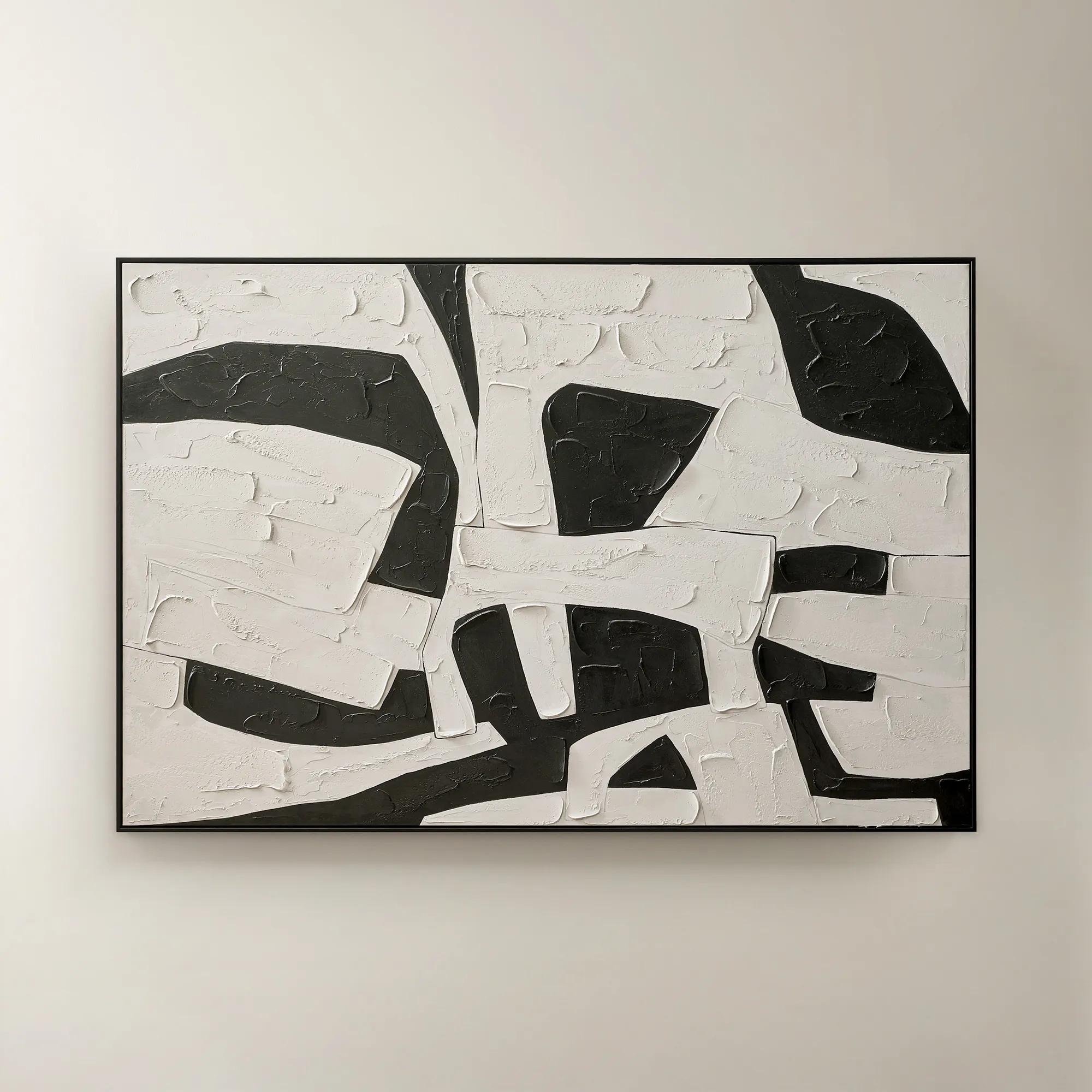 Space Between Shadows Framed Painted Wall Art 72" x 48"$799
A hand-painted abstract canvas featuring bold alabaster and black geometric forms in a sleek black frame.
Add To Cart -
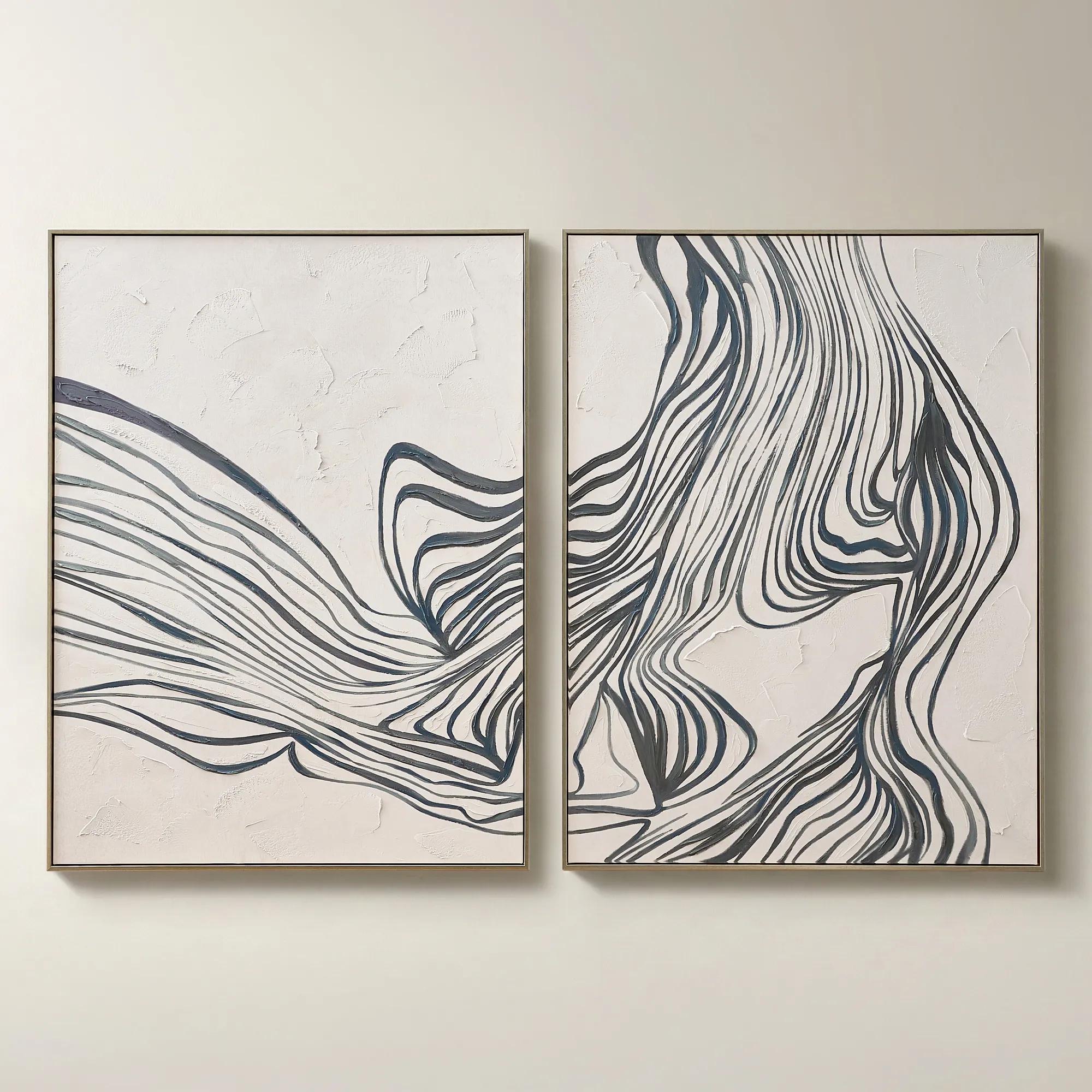
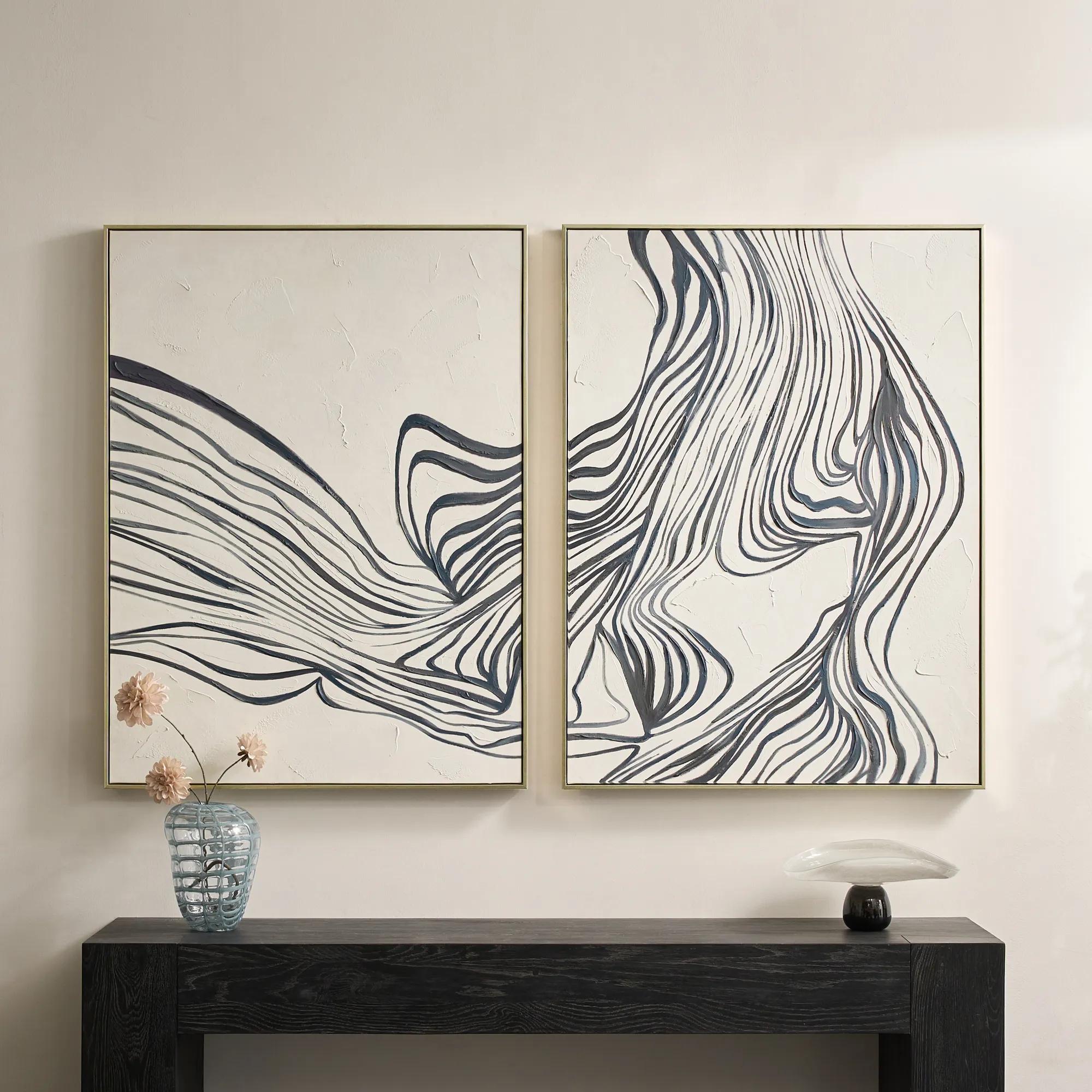 Rhythmic Framed Painted Wall Art 36" x 48" Set of 2$599
A hand-painted diptych featuring bold abstract stripes in dark slate and dusty blue with champagne frames.
Add To Cart -
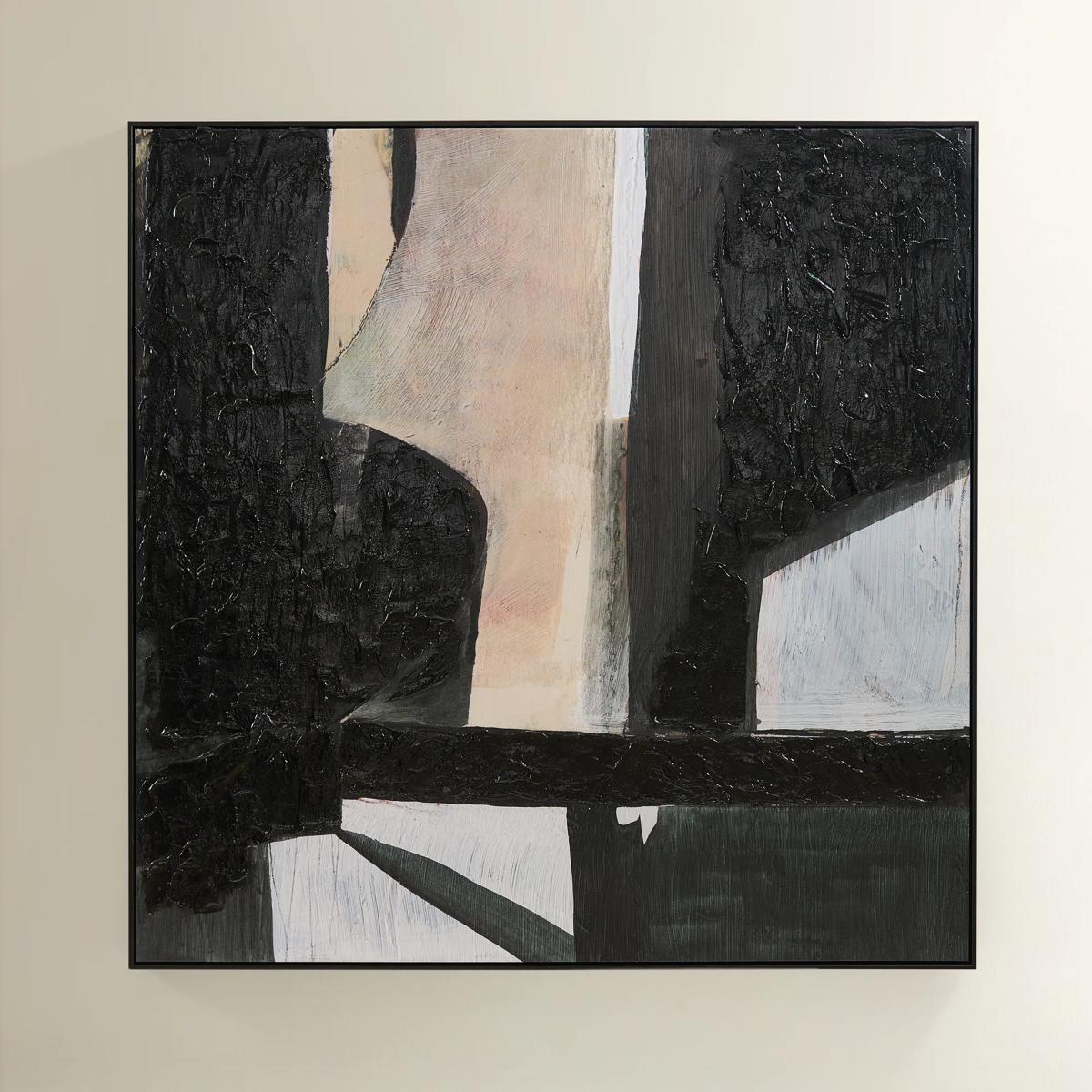 Grounded Painting$699
A hand-painted abstract canvas featuring black, cream, and earth tones in a sleek black floater frame.
Add To Cart -
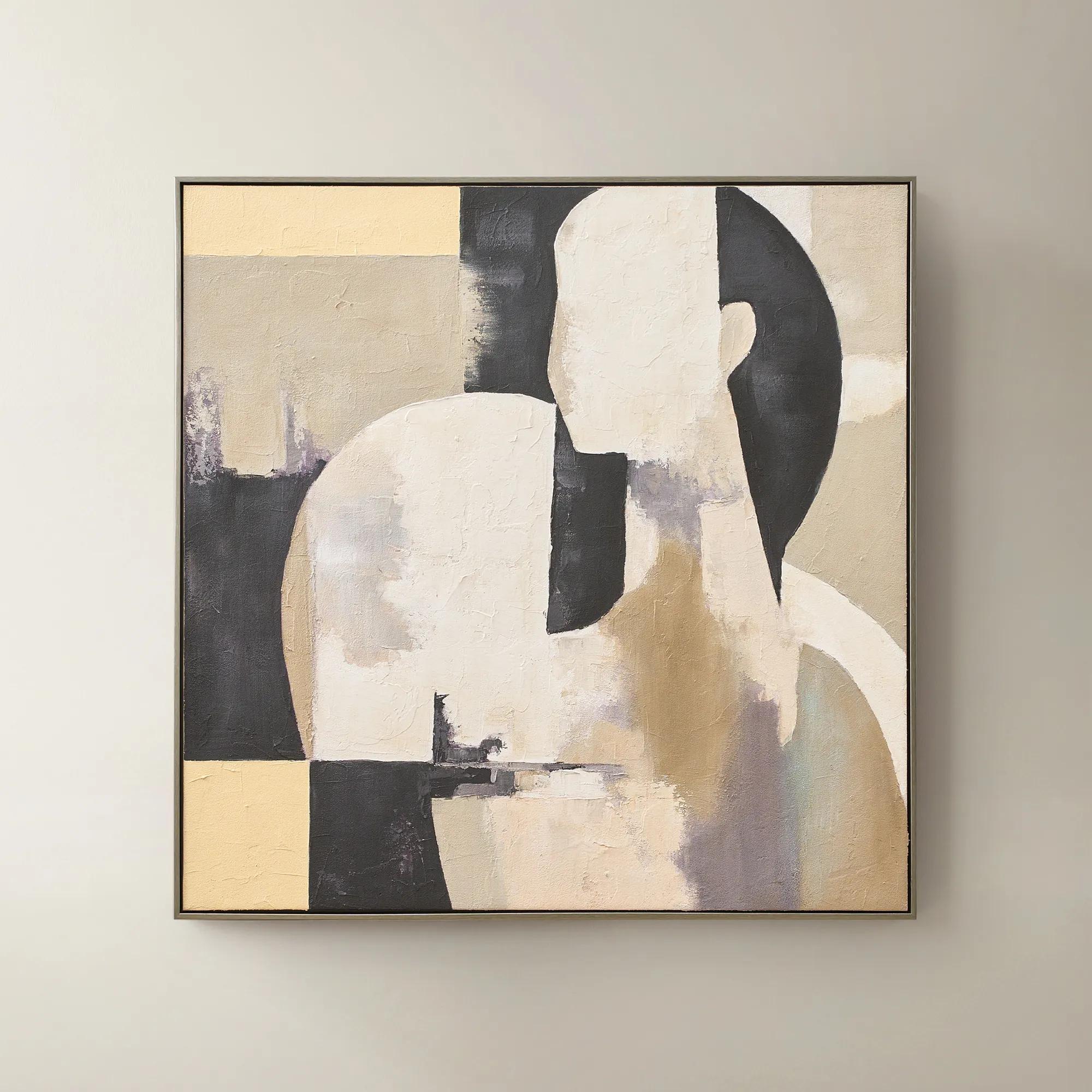 Afternoon Rest Framed Painted Wall Art 40" x 40"$399
A hand-painted abstract figure in buttercream, turtledove, and black hues framed in dark grey.
Add To Cart -
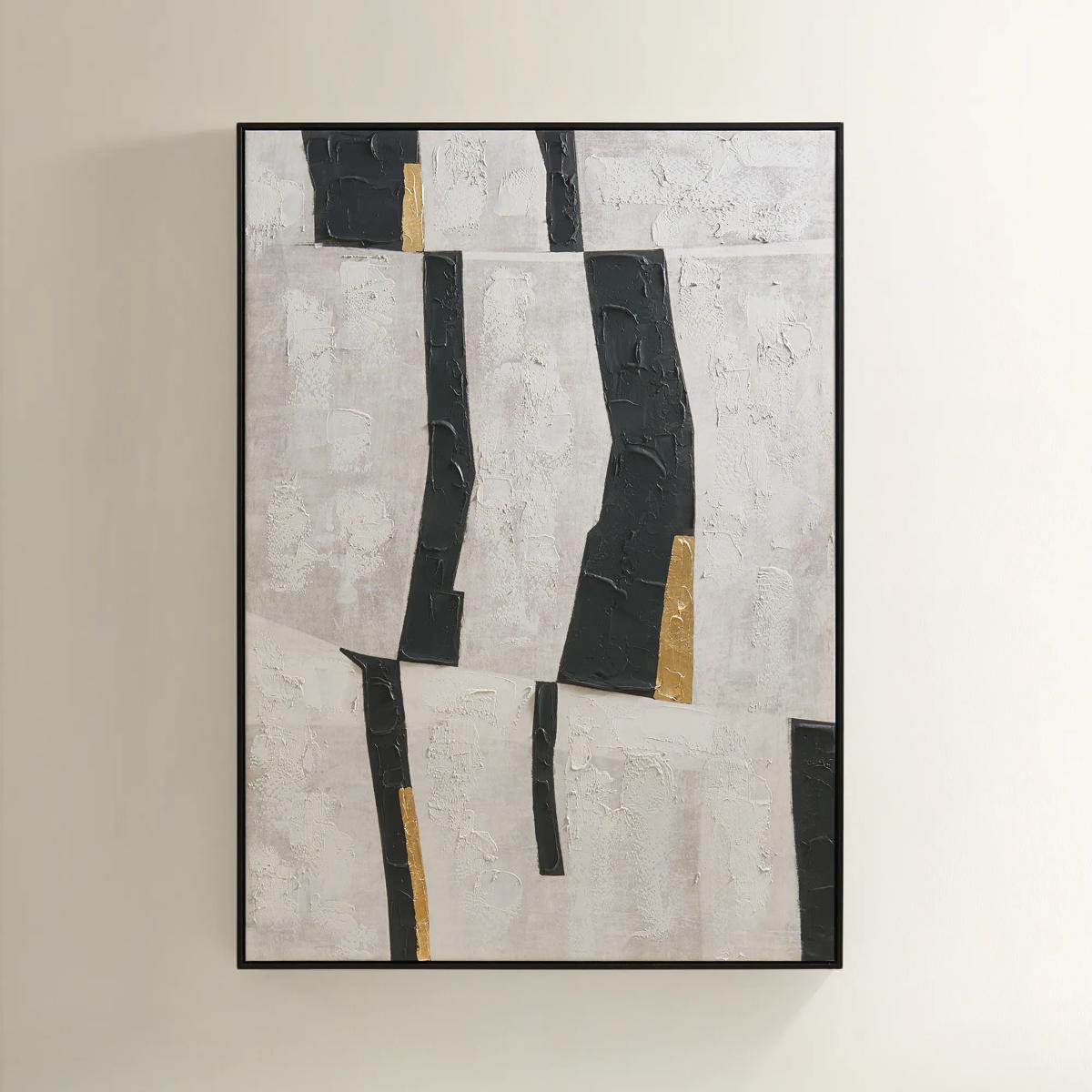
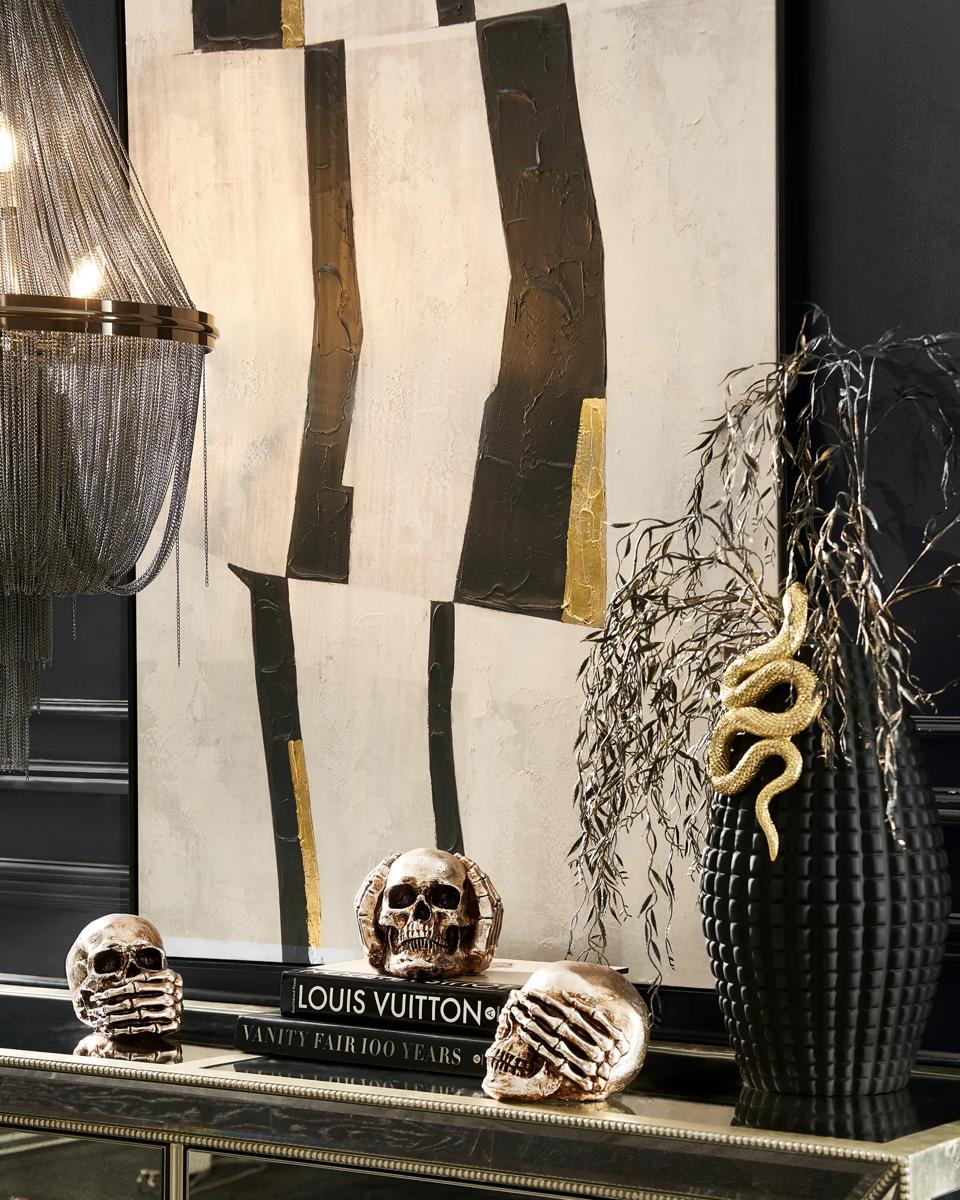 Into the Groove Painting$449
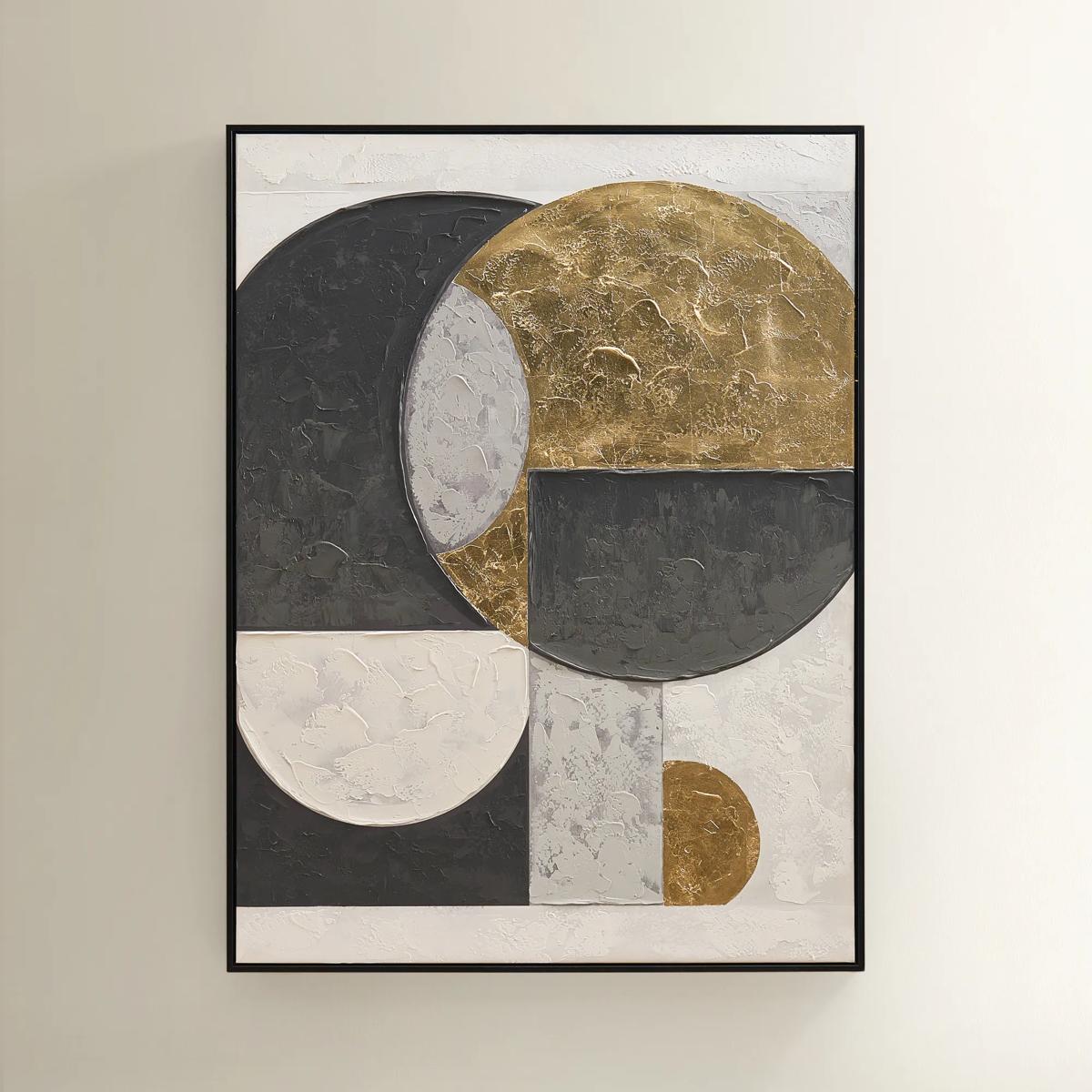
A modern abstract canvas featuring black, gray, and gold leaf accents in a sleek black floater frame.
Add To Cart -
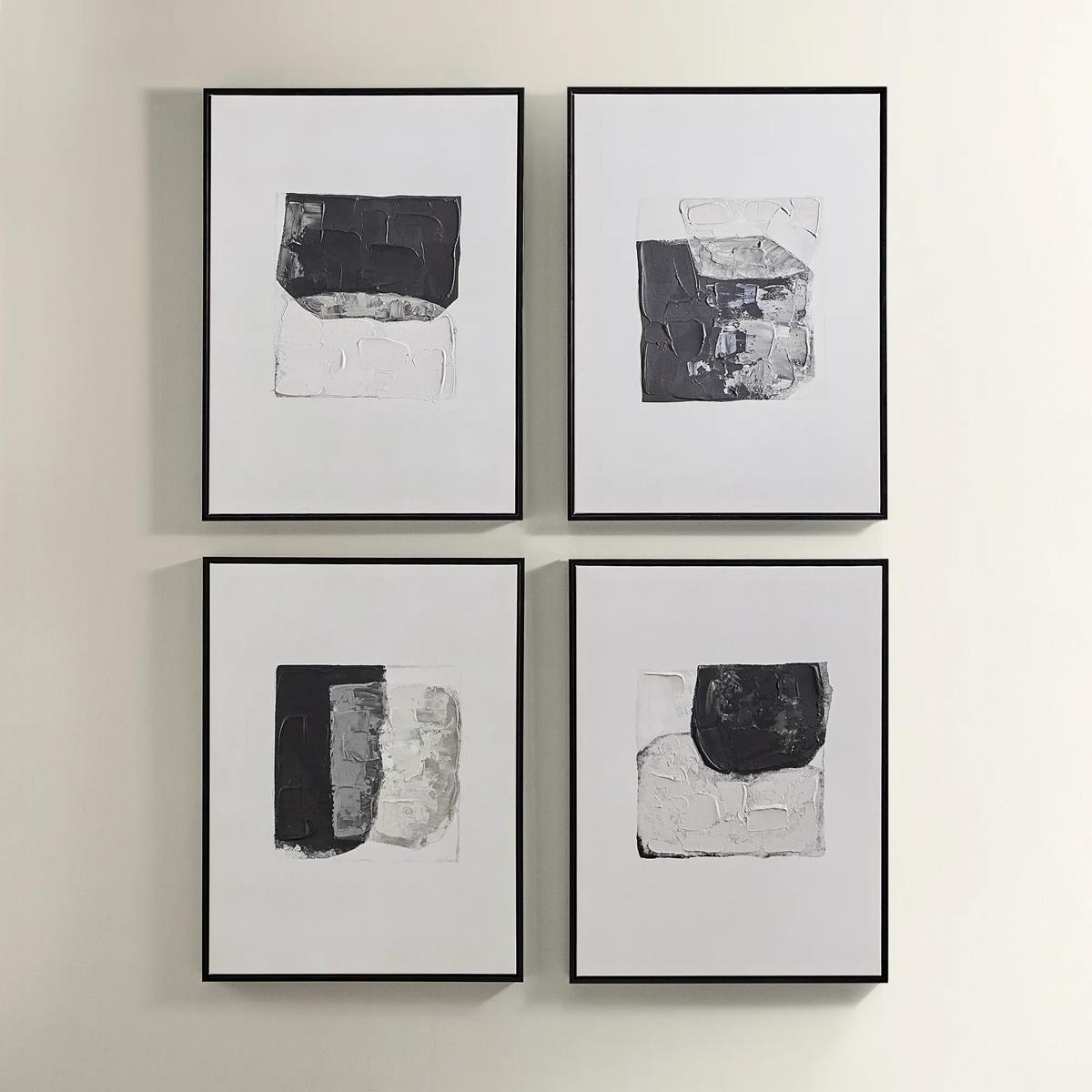
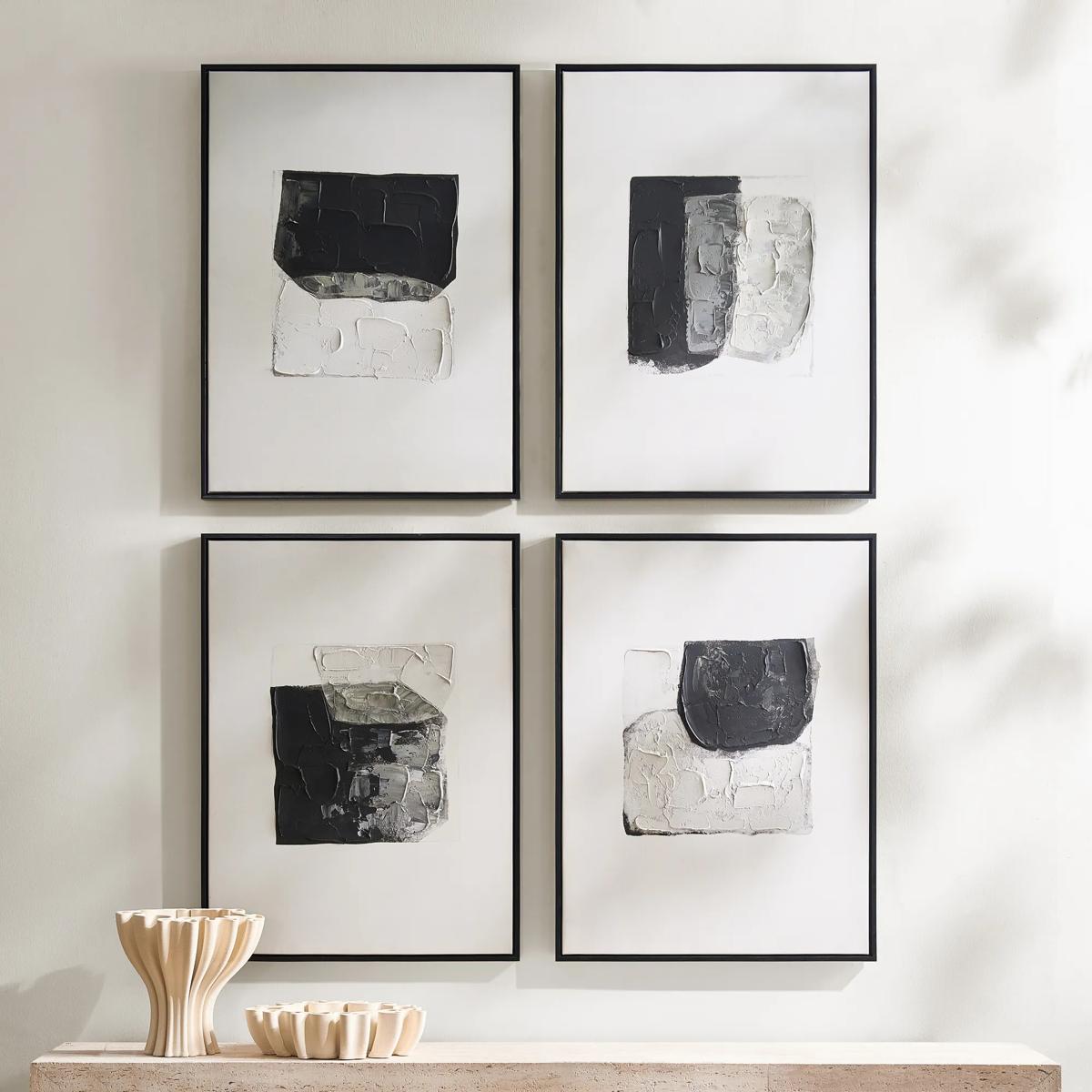 Shadows Framed Painted Wall Art Set of 4$299
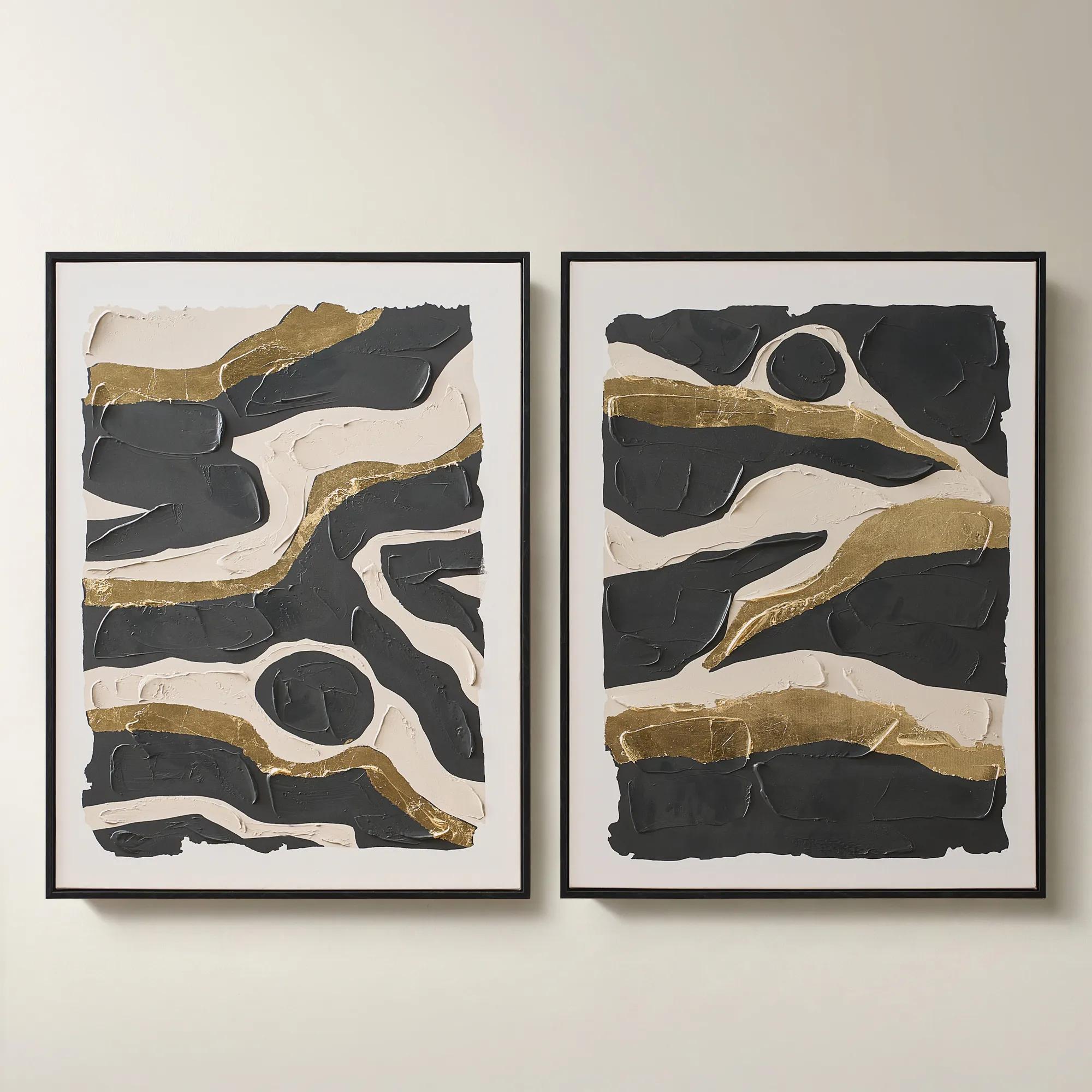
A set of four hand-painted abstract canvases featuring black, white, and gold accents in black frames.
Add To Cart -
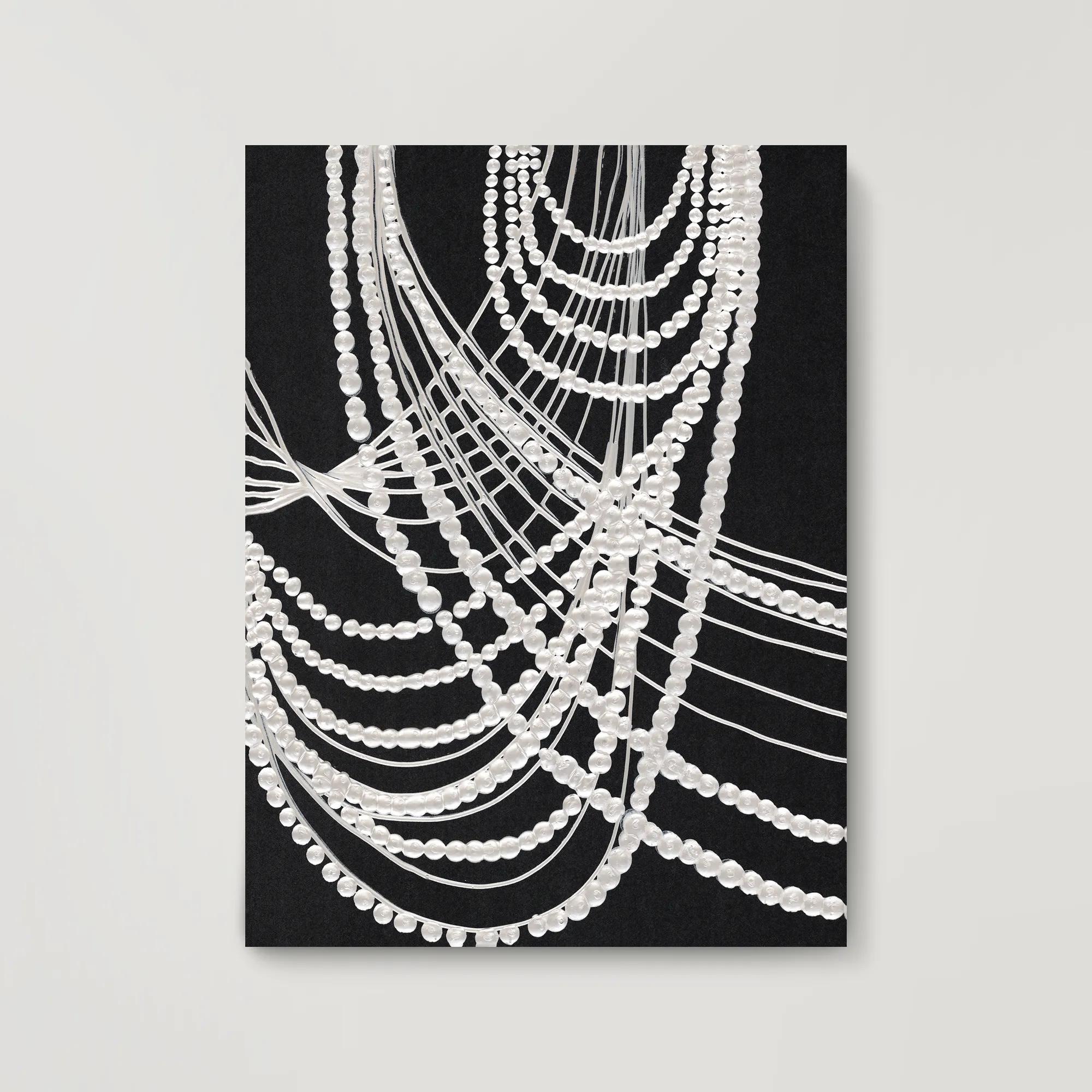 Dripping Pearls Painted Wall Art 36" x 48"$949
A striking hand-painted abstract artwork featuring layered acrylic and watercolor textures in a modern design.
Add To Cart -
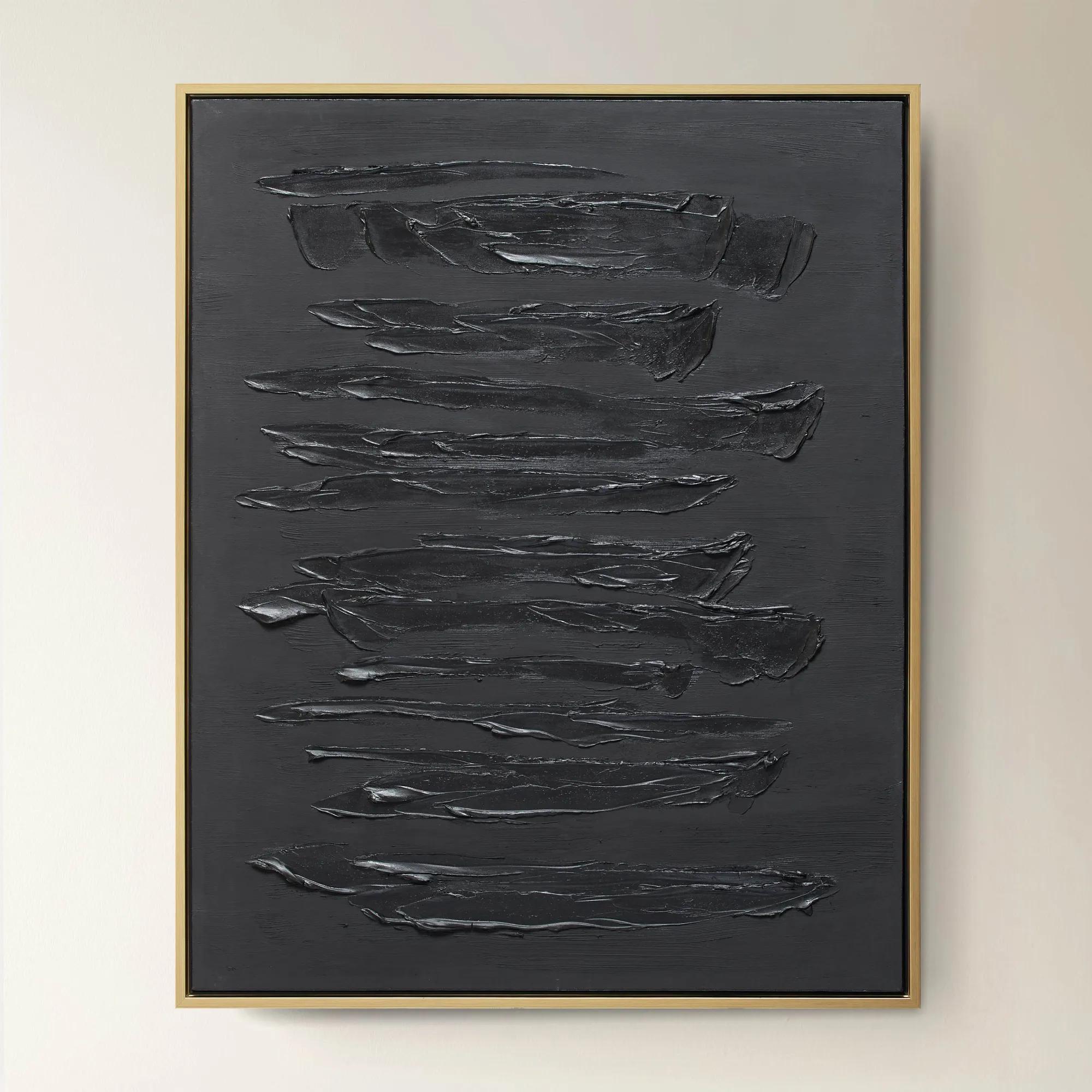
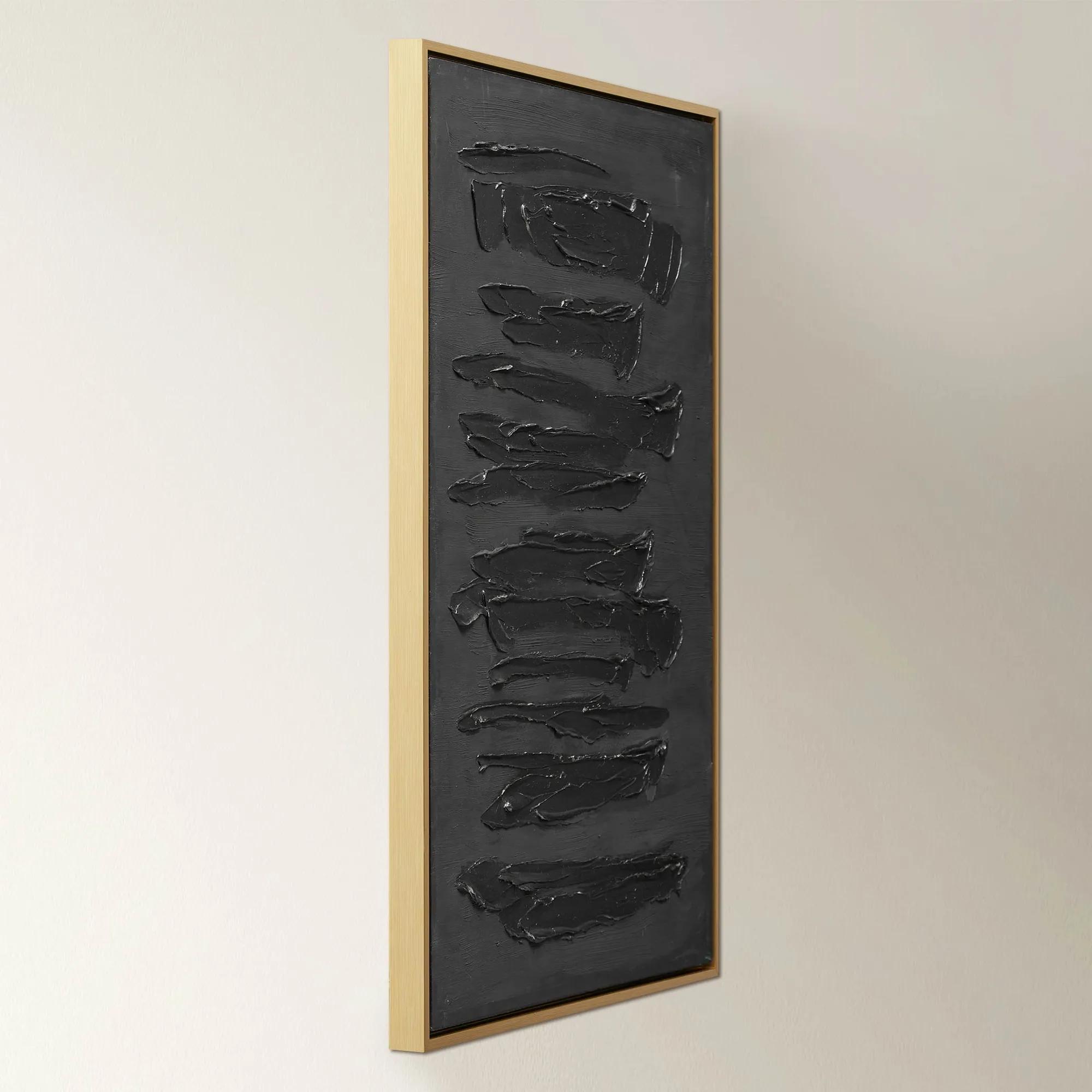 Nocturne$599.95
A dramatic abstract artwork featuring bold, dark brushstrokes on hand-painted canvas in a gold floater frame.
Add To Cart -
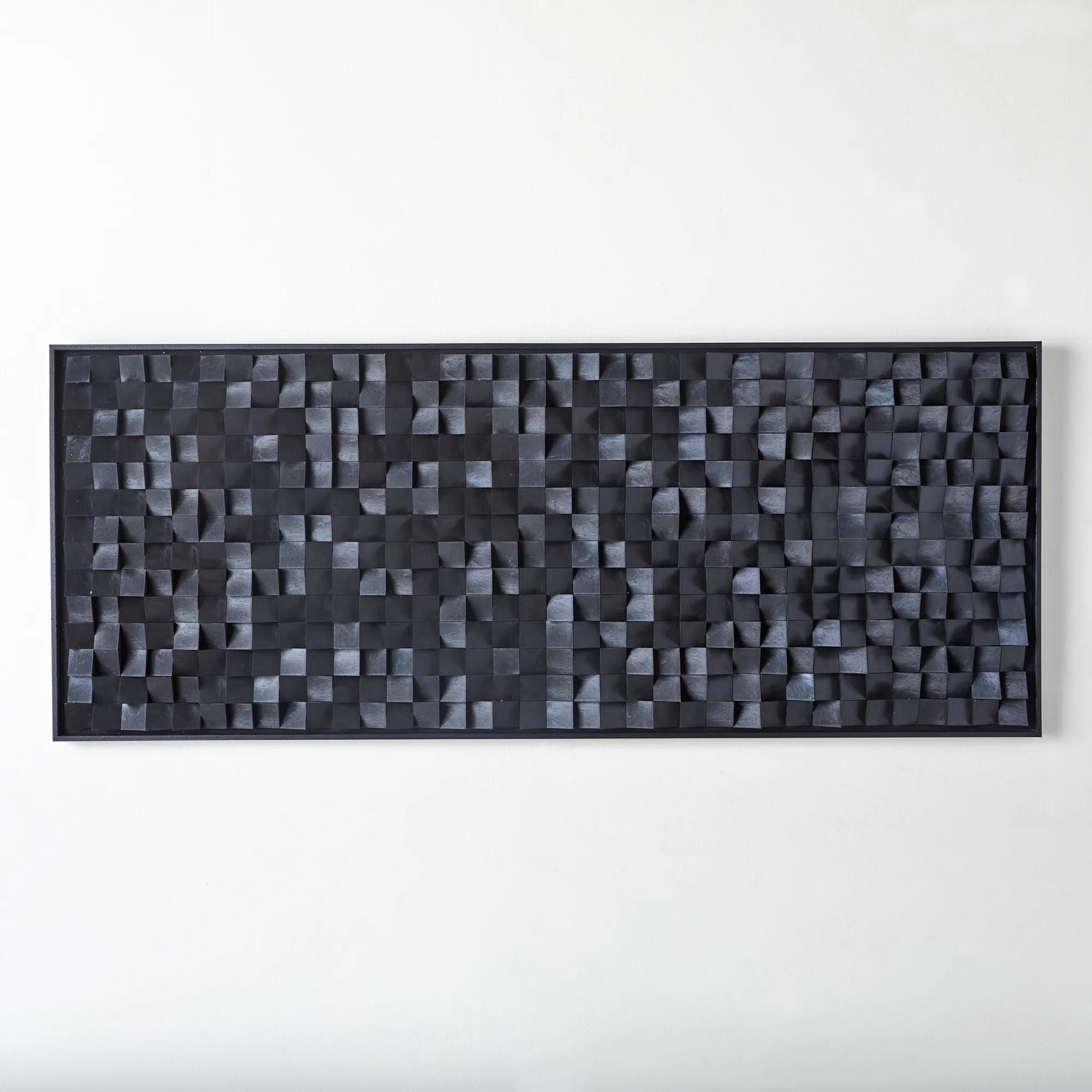 Nightfall Black Wood Dimenisonal Wall Panel 59" x 23.5"$599
An abstract wall art piece featuring cut black blocks in a sleek, low-profile black frame.
Add To Cart -
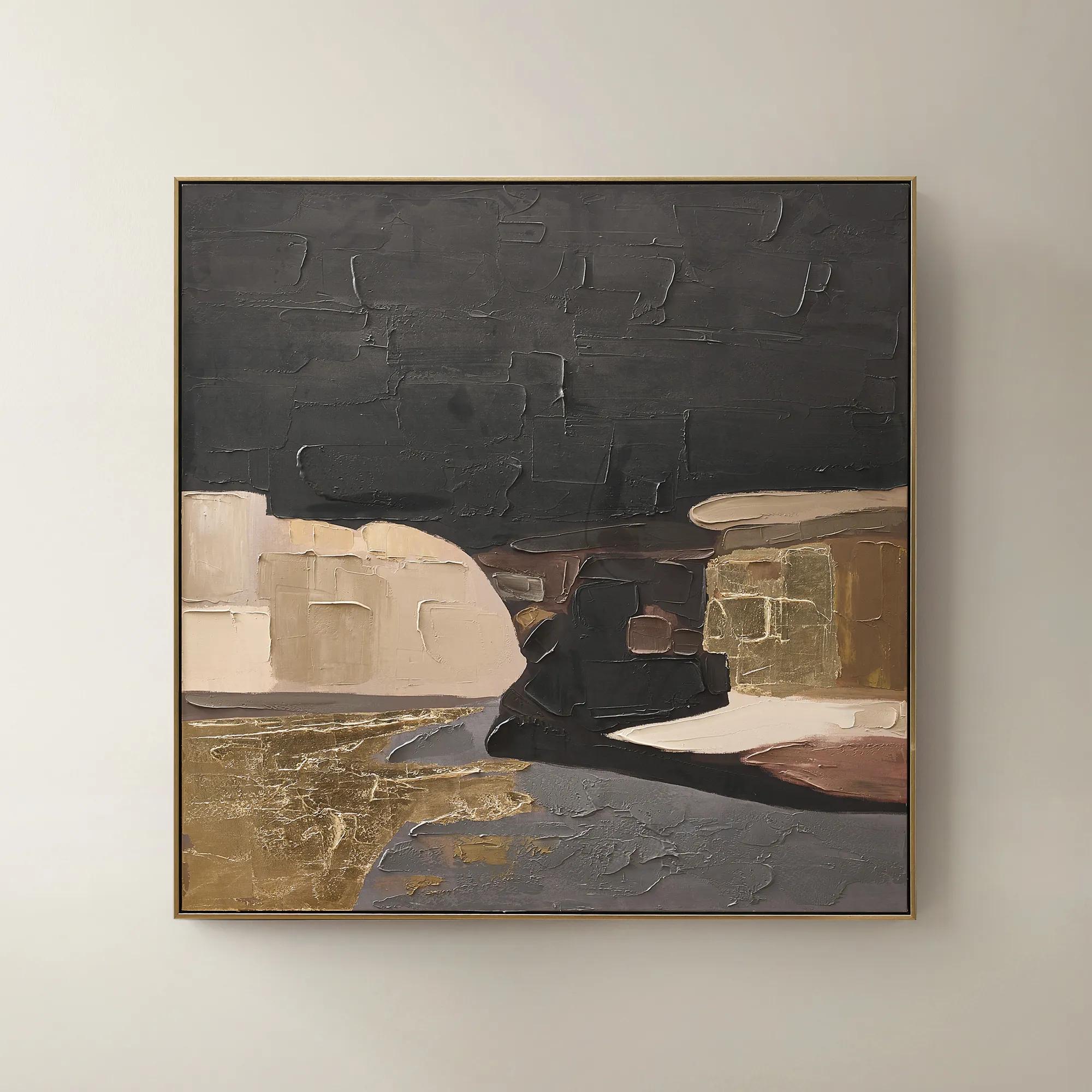 Obscured Light Framed Gold Leaf Painted Wall Art 48" x 48"$499
A hand-painted canvas with gold leaf accents and a black-gold frame in dramatic neutral tones.
Add To Cart -
 Fossil Painting$299
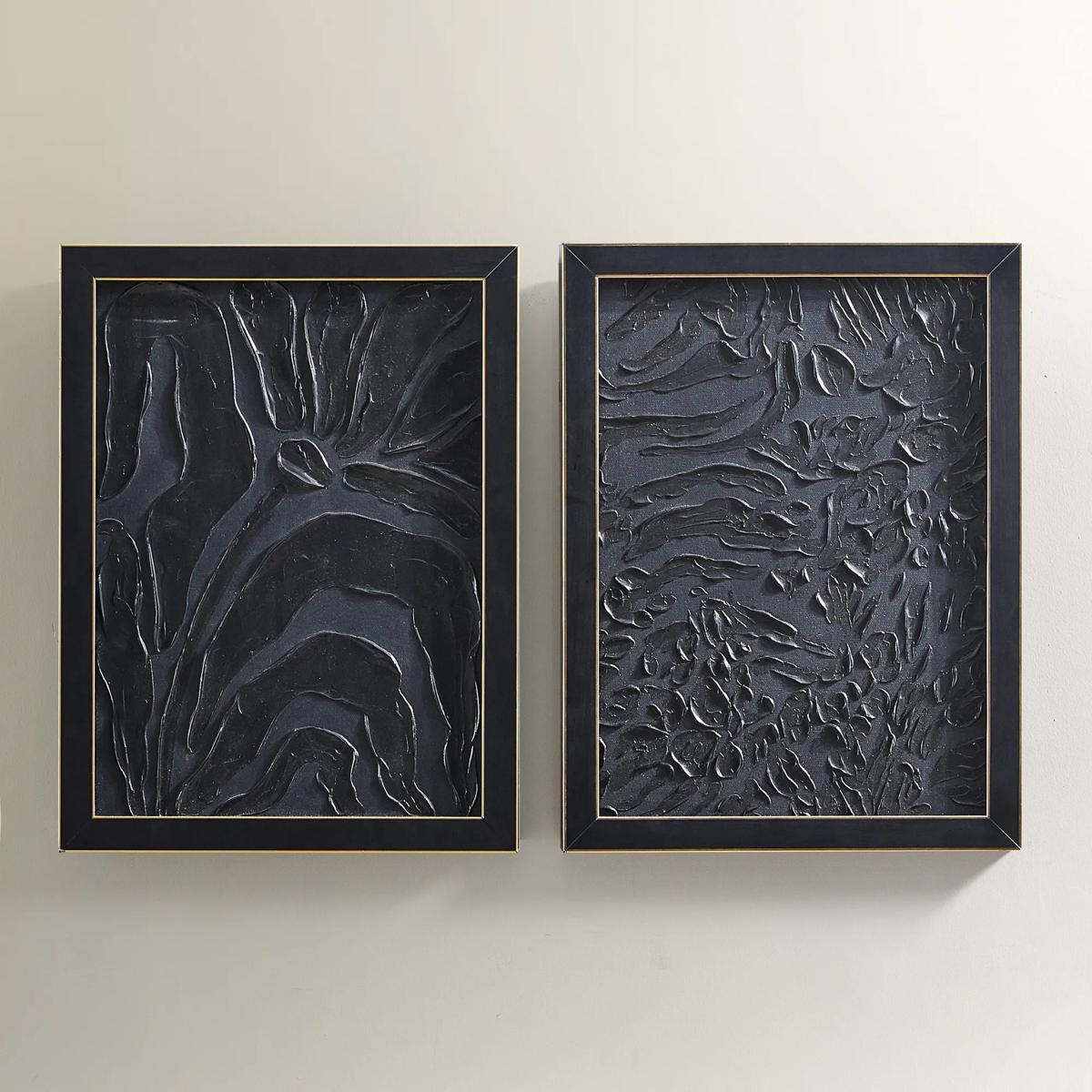
A bold hand-painted abstract artwork featuring textured black shades in a sleek black floater frame.
Add To Cart -
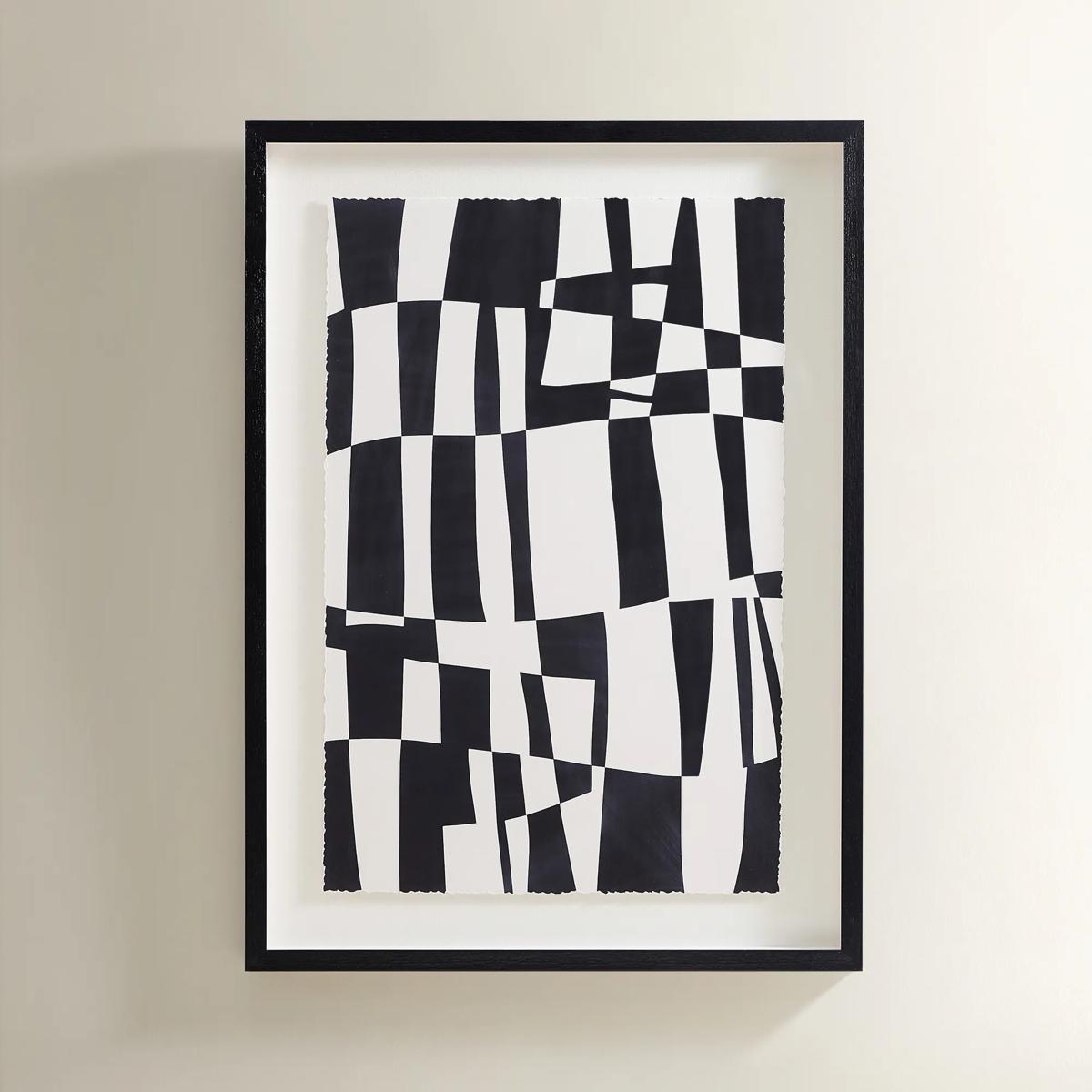 Matrix Art$369
A striking black and white abstract grid print set in a sleek black polyresin frame.
Add To Cart -
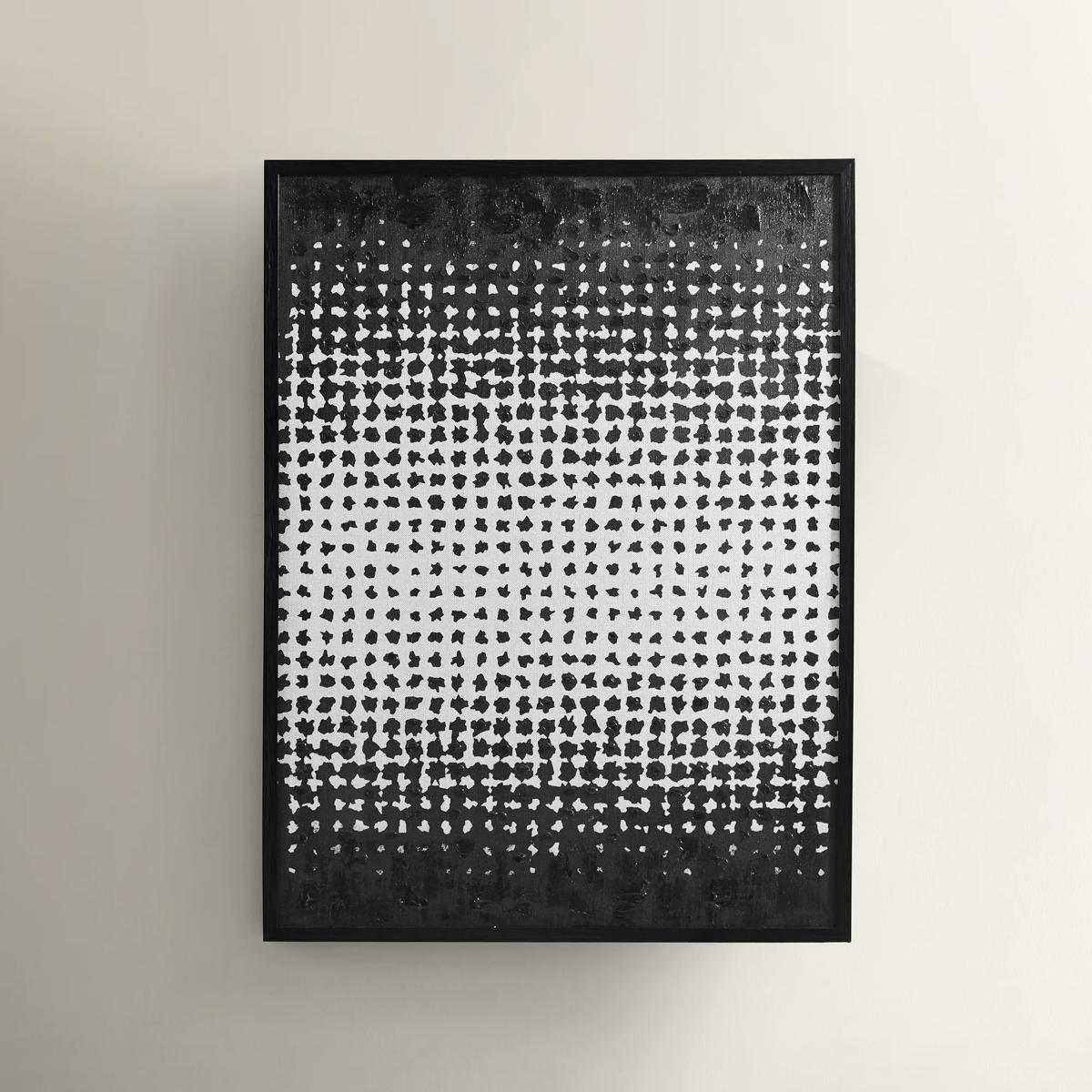
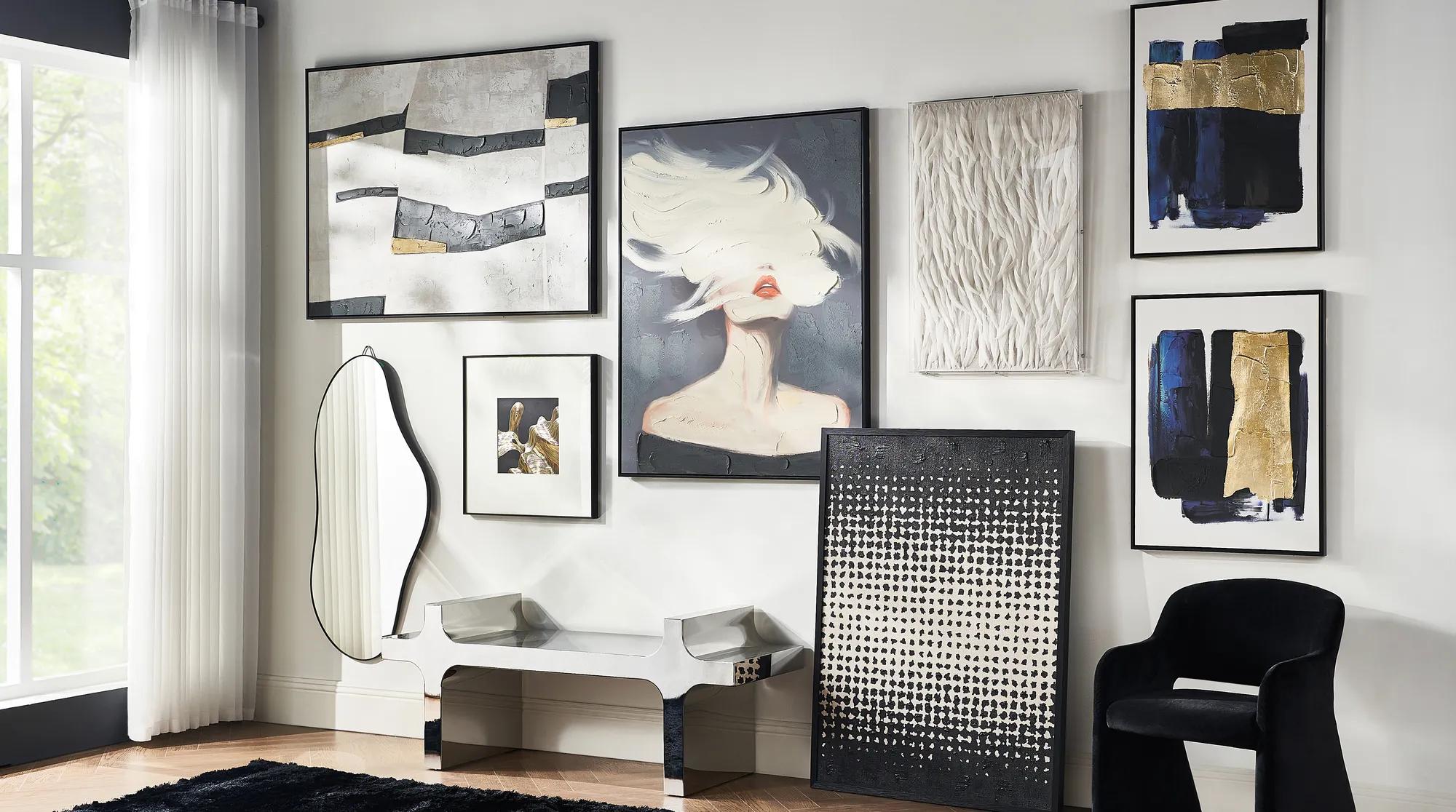 In Time Painting$399
A hand-painted linen canvas featuring cream and black dots in a modern, minimalist geometric pattern.
Add To Cart -
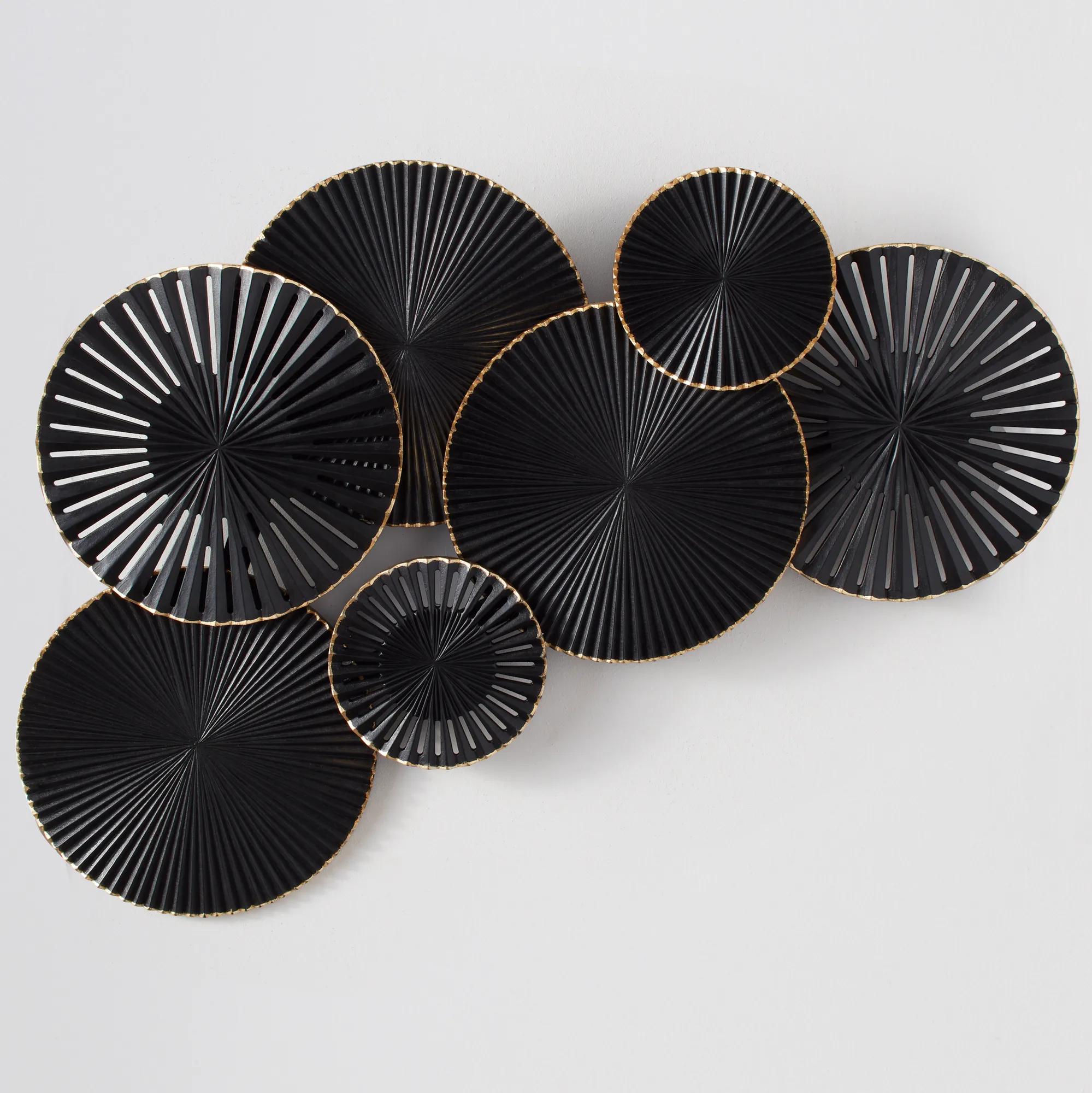
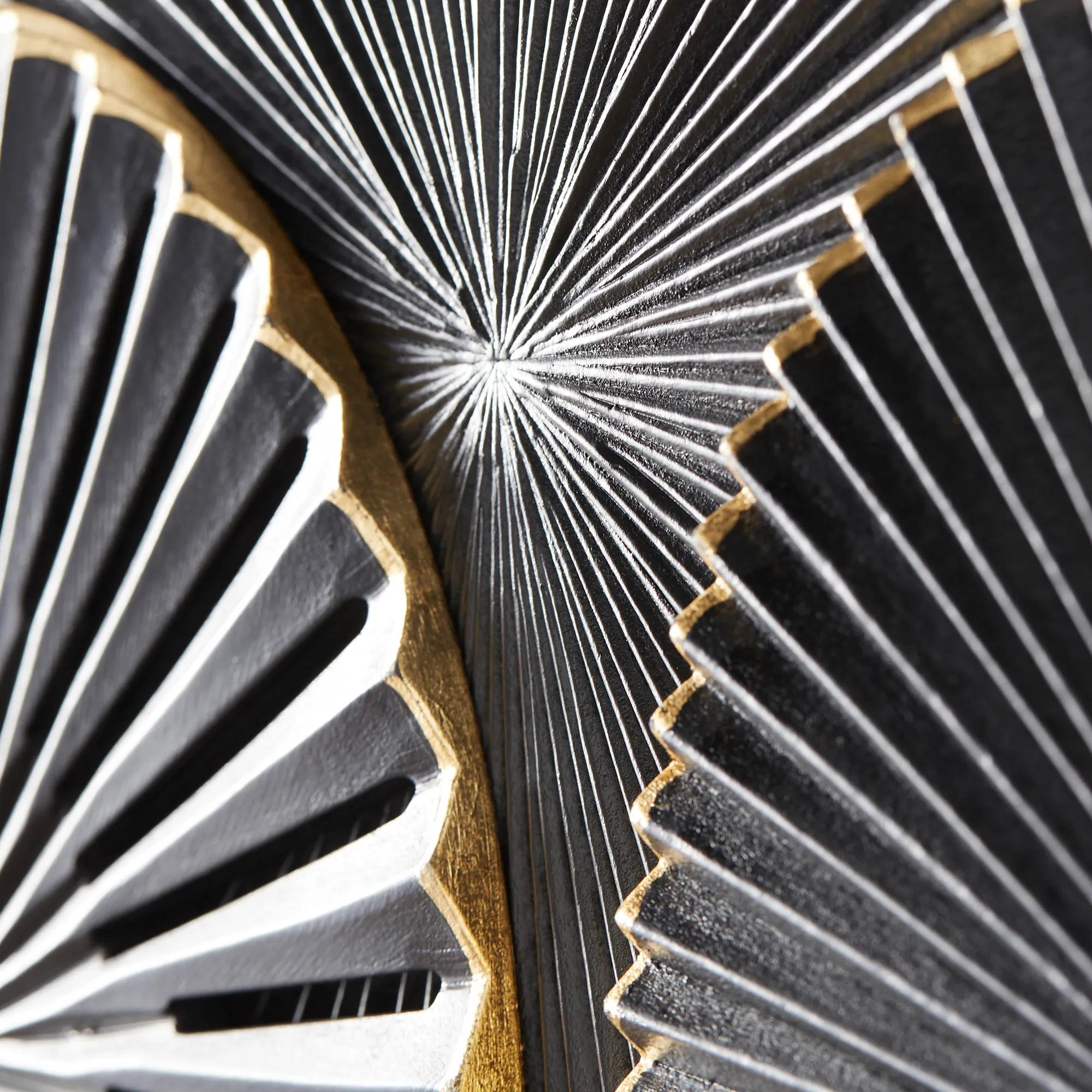 Circa Black Carved Wood Dimensional Wall Panel 47.25" x 27.5"$499
A carved wood wall art panel in black and gold that adds abstract intrigue to any room.
Add To Cart -
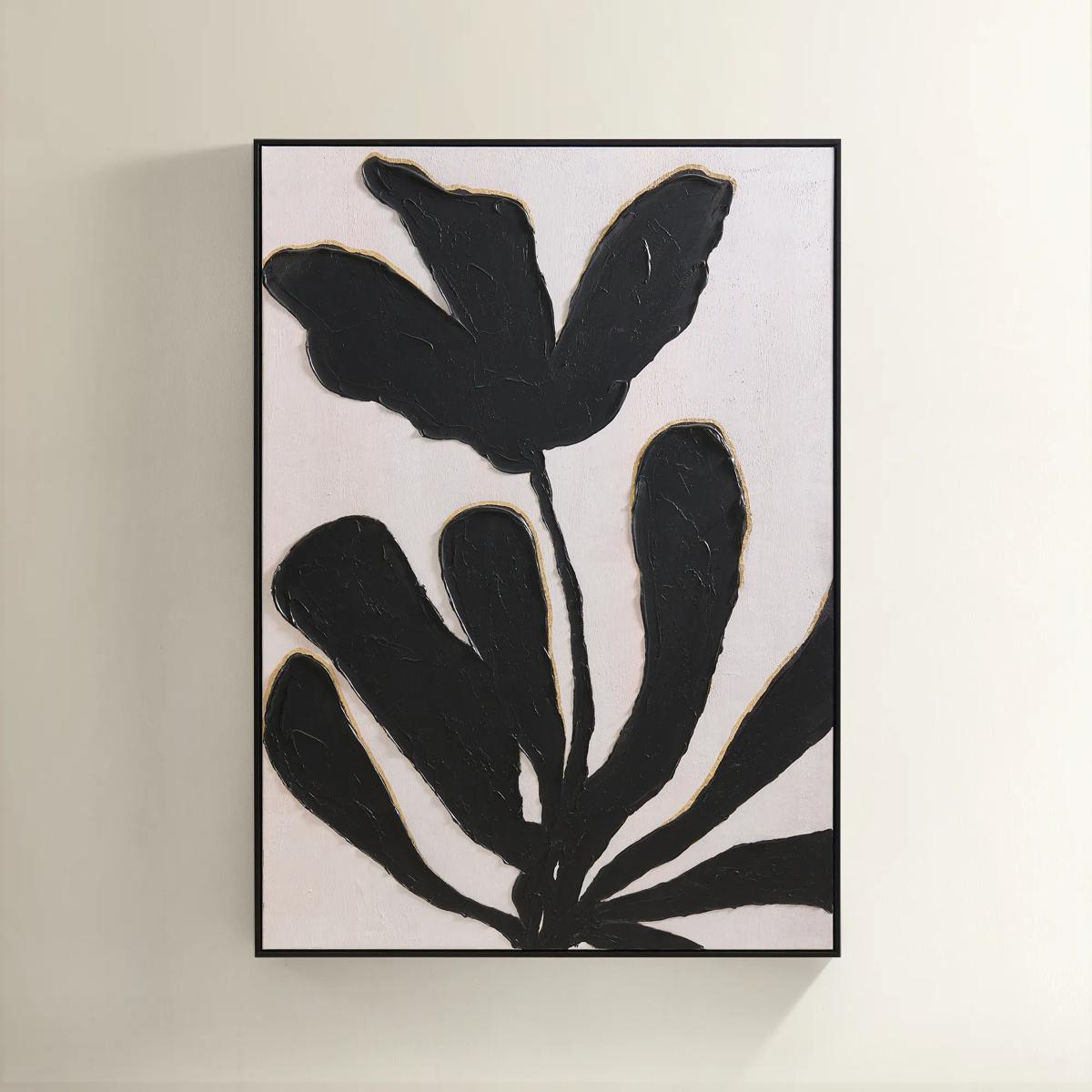
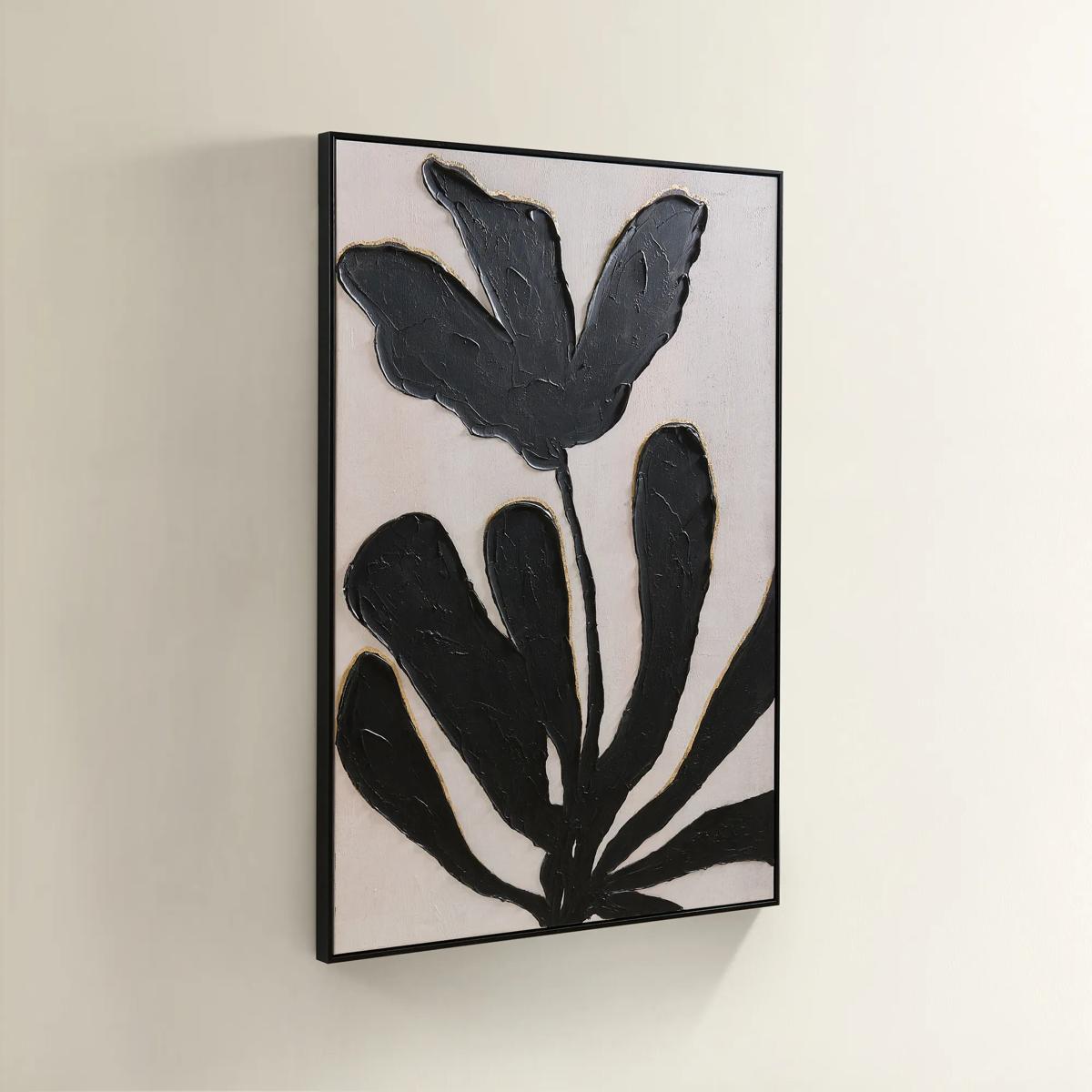 First Bloom Framed Painted Wall Art 39.25" x 55"$499
A hand-painted canvas featuring black abstract leaves and gold leafing on an ivory background in a black frame.
Add To Cart -

 Zebra Pop Framed Painted Wall Art 36" x 48"$449
A bold black painted canvas artwork in a sleek frame, bringing graphic energy to modern interiors.
Add To Cart -
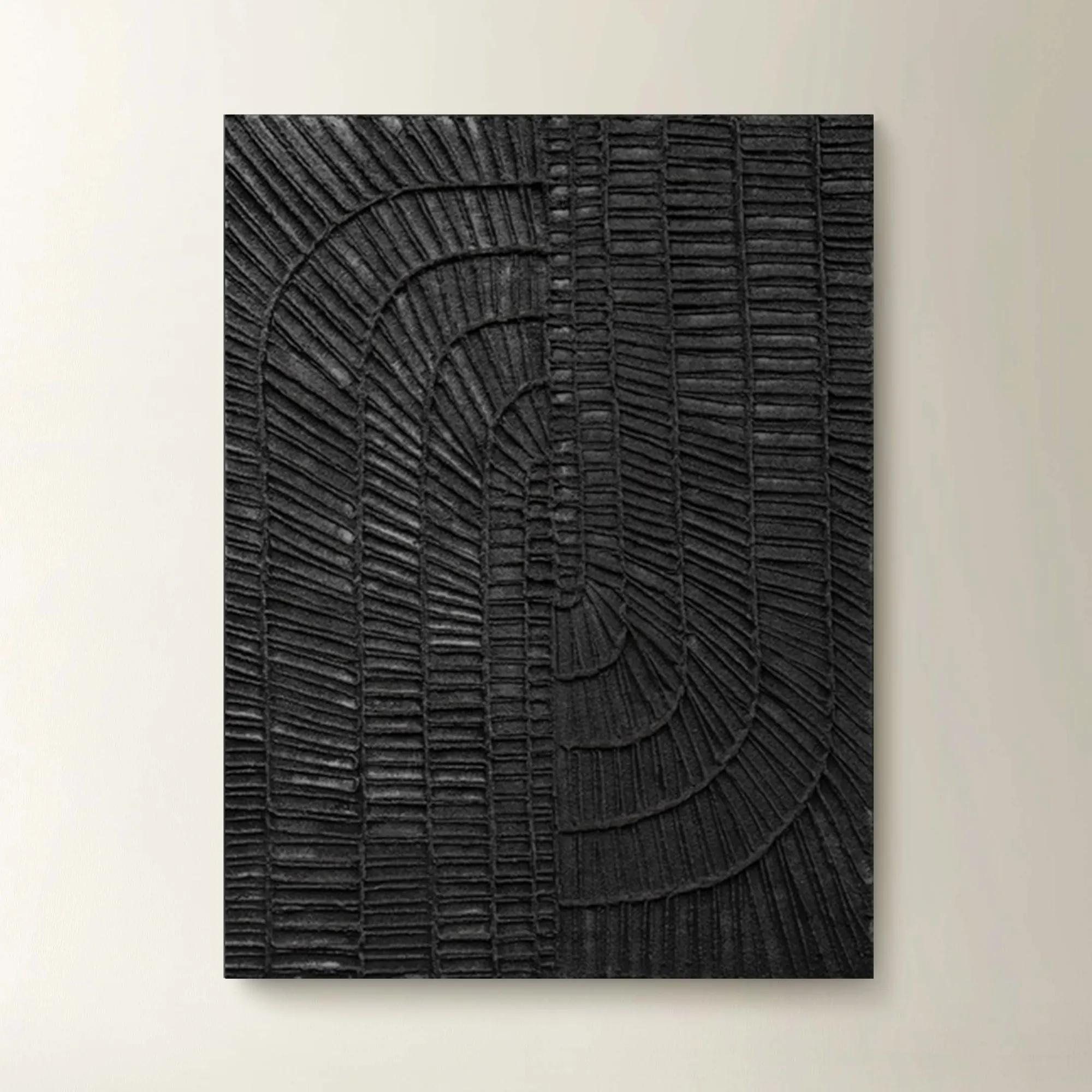 Textured Haze Black II Painted Wall Art 26" x 35"$499
A striking hand-painted black artwork featuring textured details for versatile vertical or horizontal display.
Add To Cart -
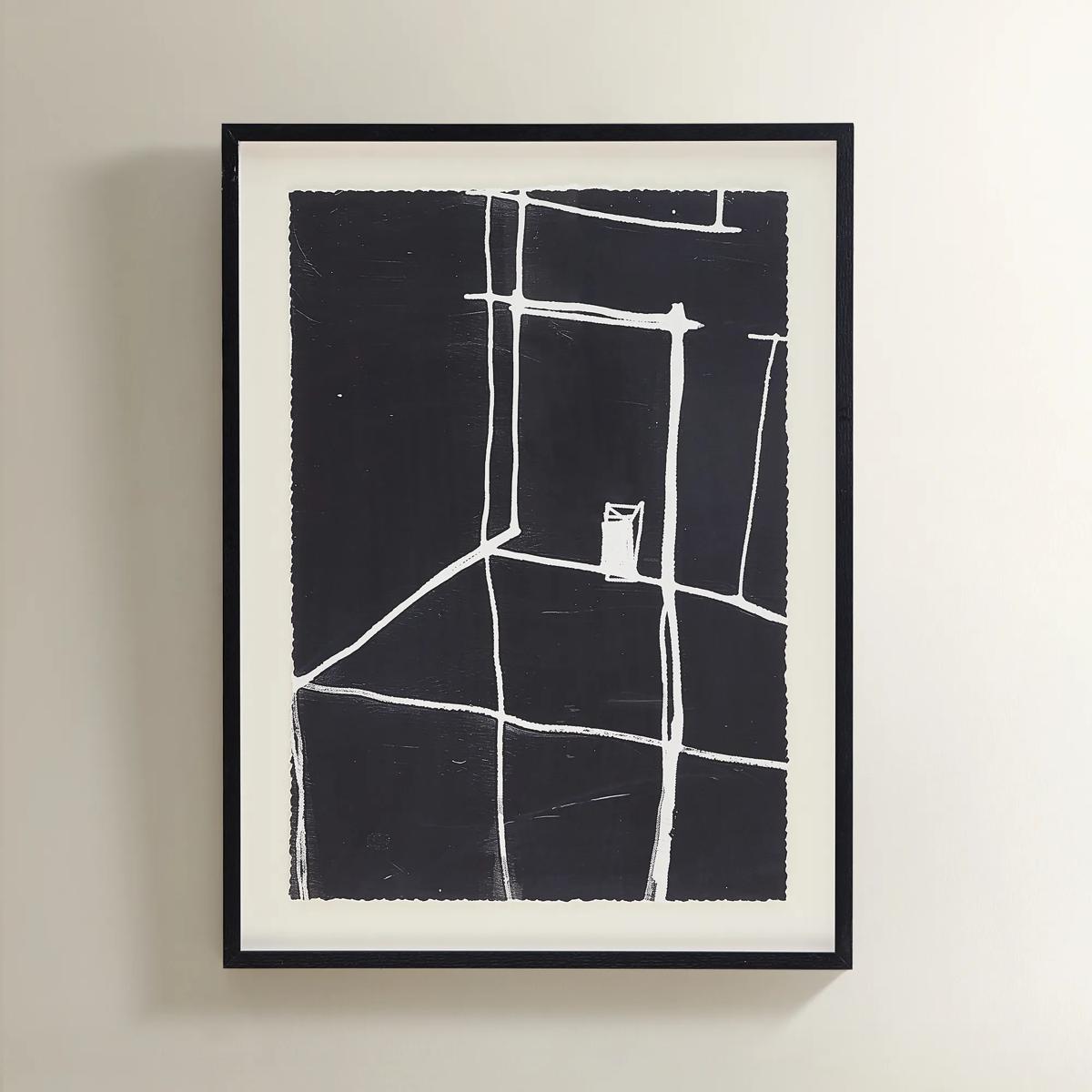 Solitude Art$269
A minimalist black-and-white abstract print featuring bold white lines in a sleek black polyresin frame.
Add To Cart -
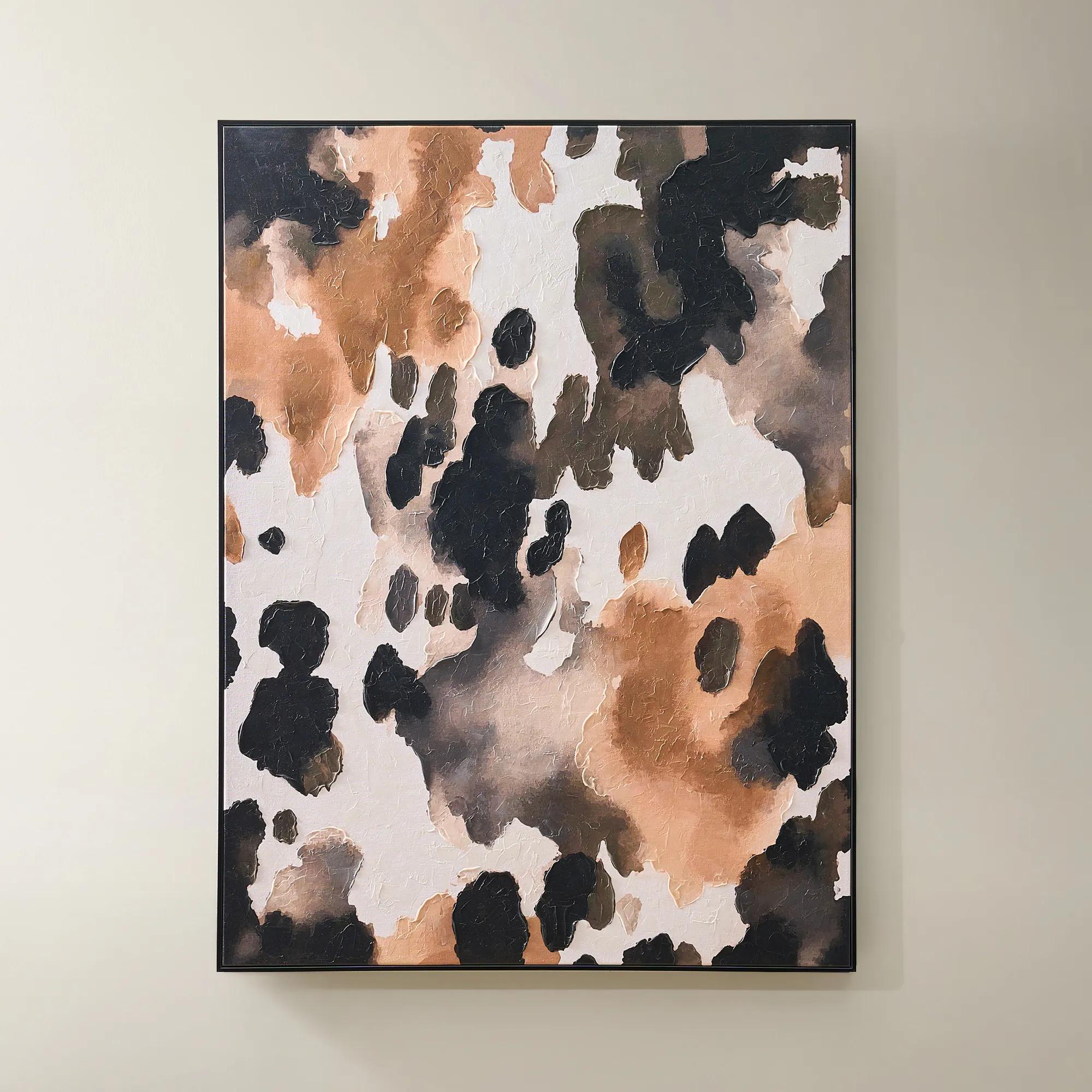
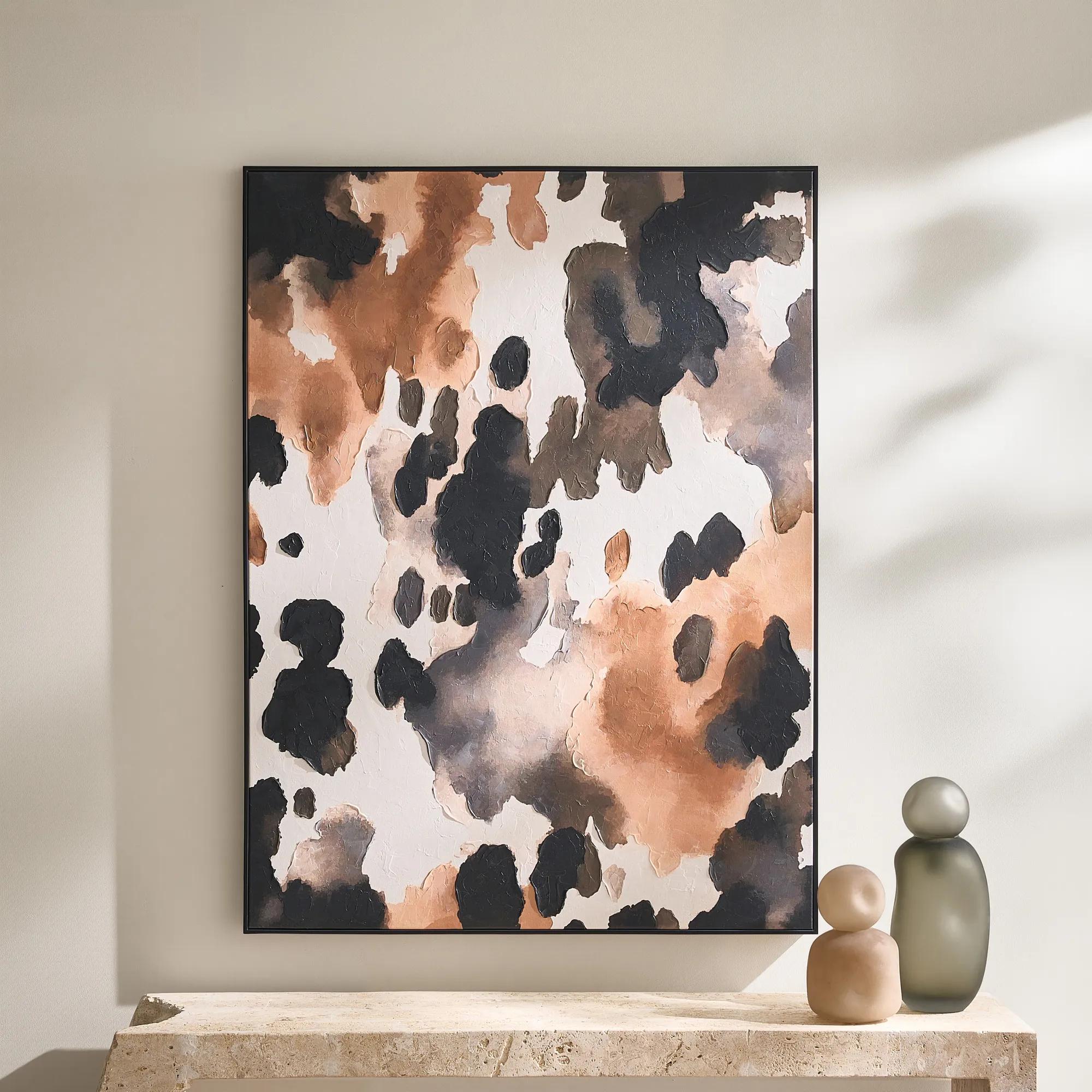 Wilder Framed Painted Wall Art 36" x 48"$499
An abstract hand-painted canvas featuring inky black, taupe, ivory, and coral hues in a sleek black frame.
Add To Cart -
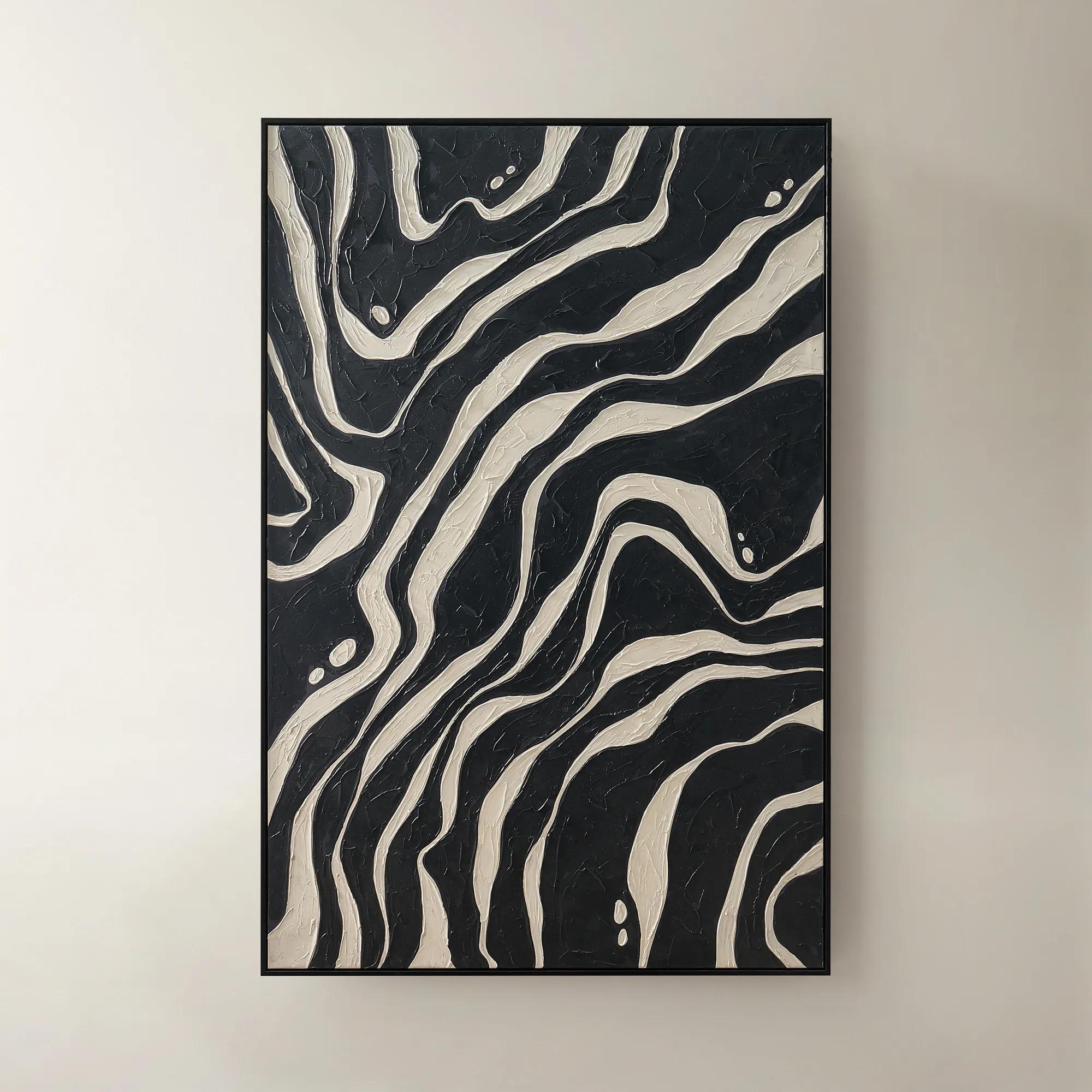
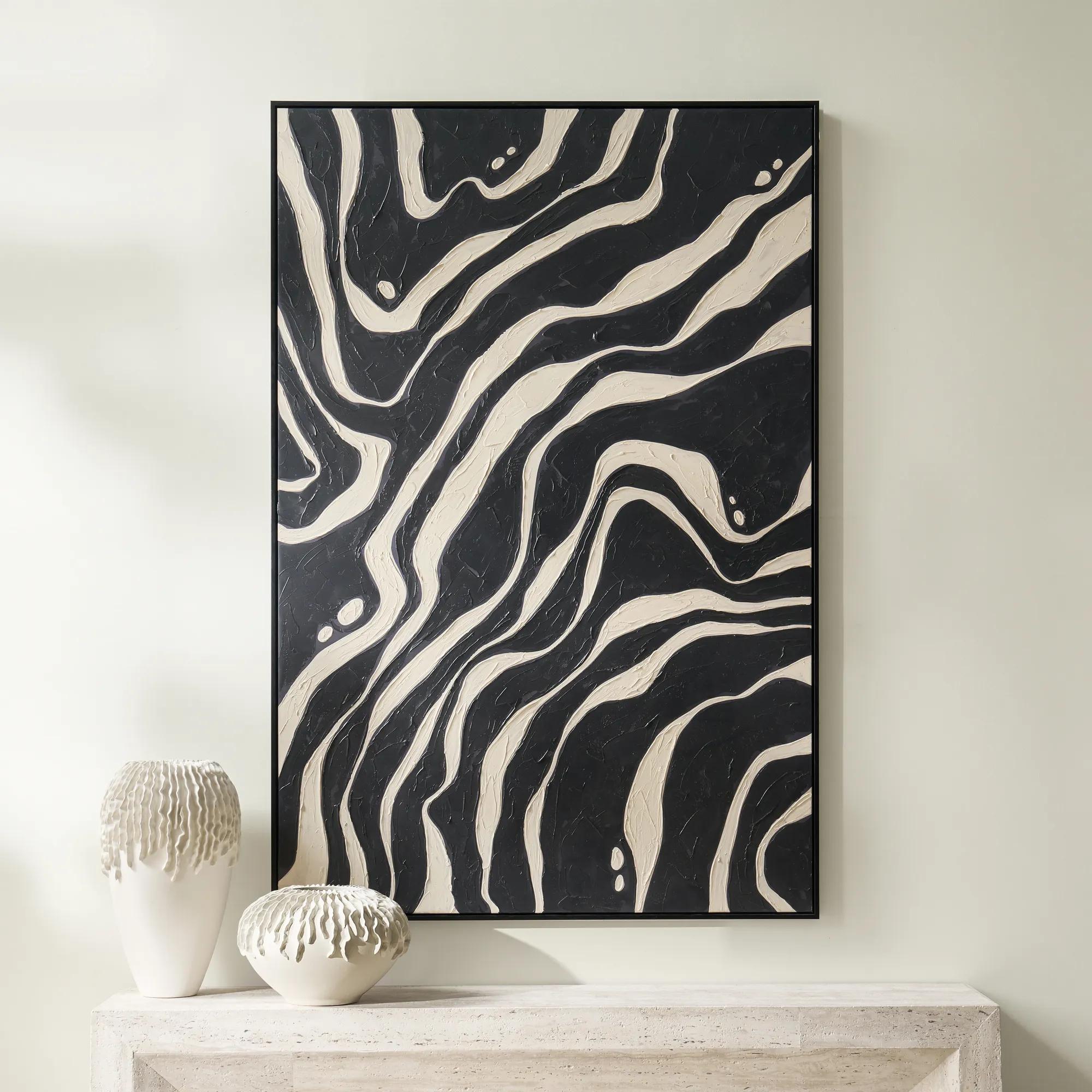 Juxtapose Art$699
A striking black canvas artwork featuring a contemporary, sophisticated design.
Add To Cart -
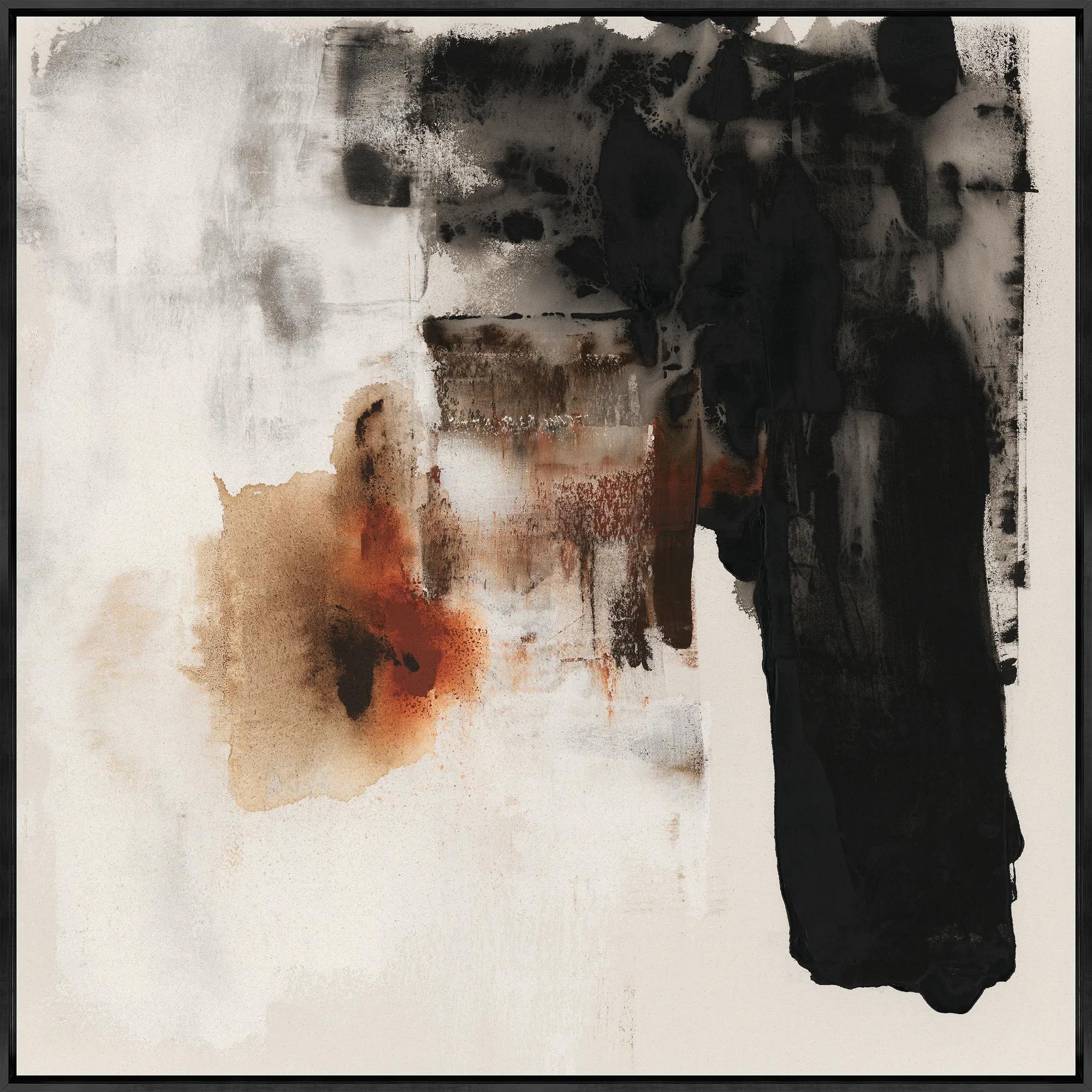
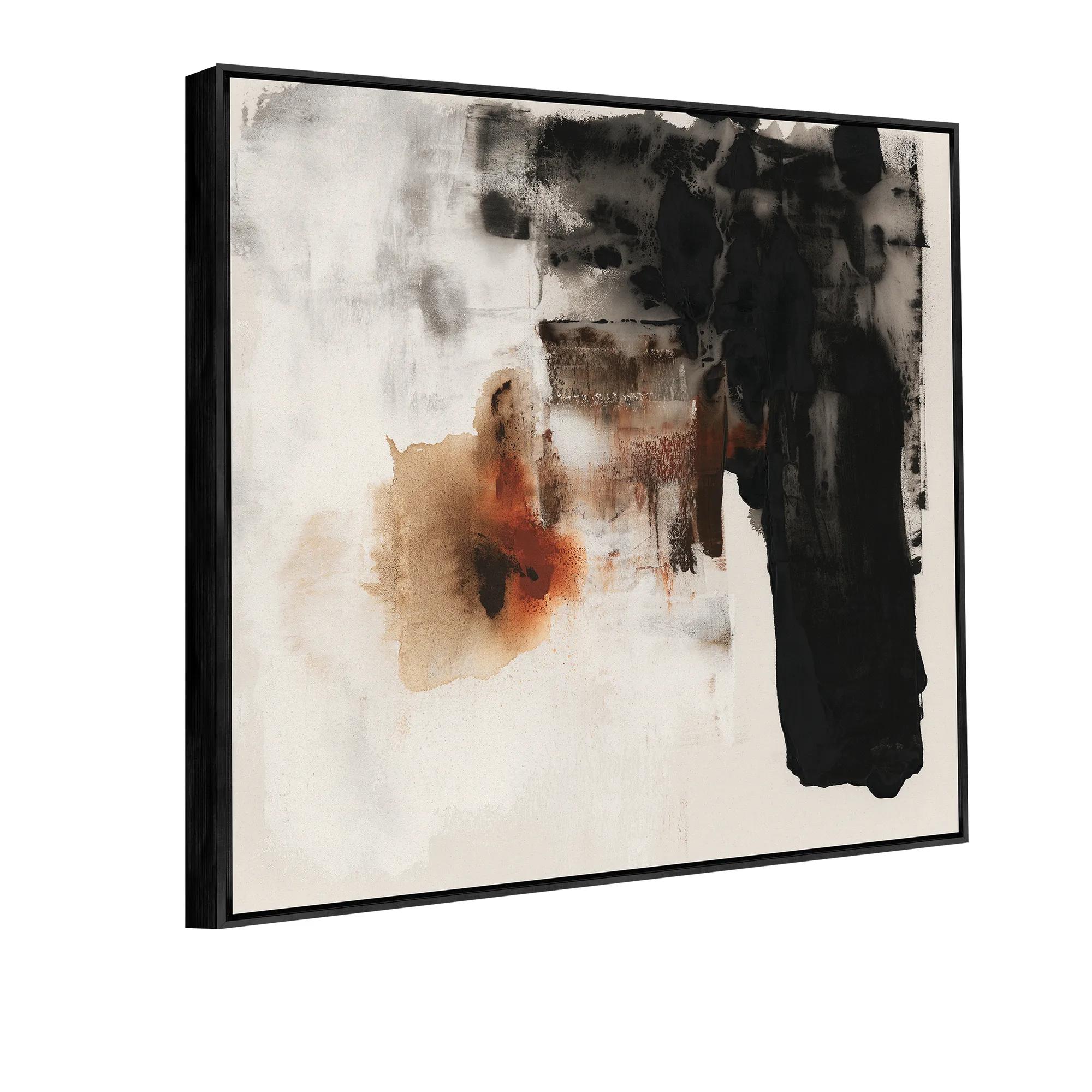 Burning for You II Framed Wall Art 40" x 40"$799
A gallery-wrapped canvas artwork with hand-applied brush gel, set in a sleek black floater frame.
Add To Cart -
 Cubism Black Resin Floor Totem 65"$329
A sculptural black resin totem with stacked geometric forms and brushed gold accents creates drama.
Add To Cart -
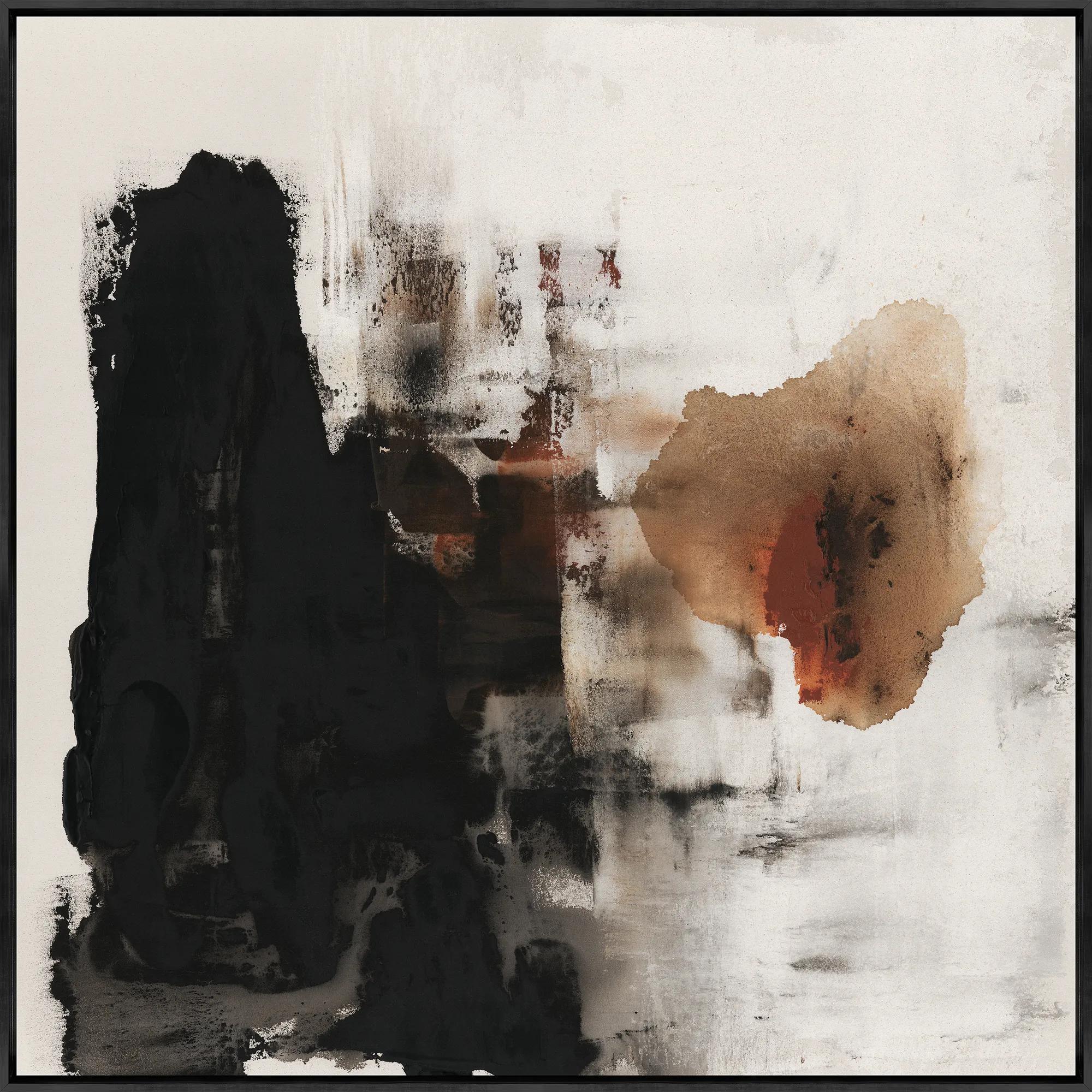 Burning for You I Framed Wall Art 40" x 40"$799
A gallery-wrapped canvas artwork with hand-applied brush gel, set in a sleek black floater frame.
Add To Cart -
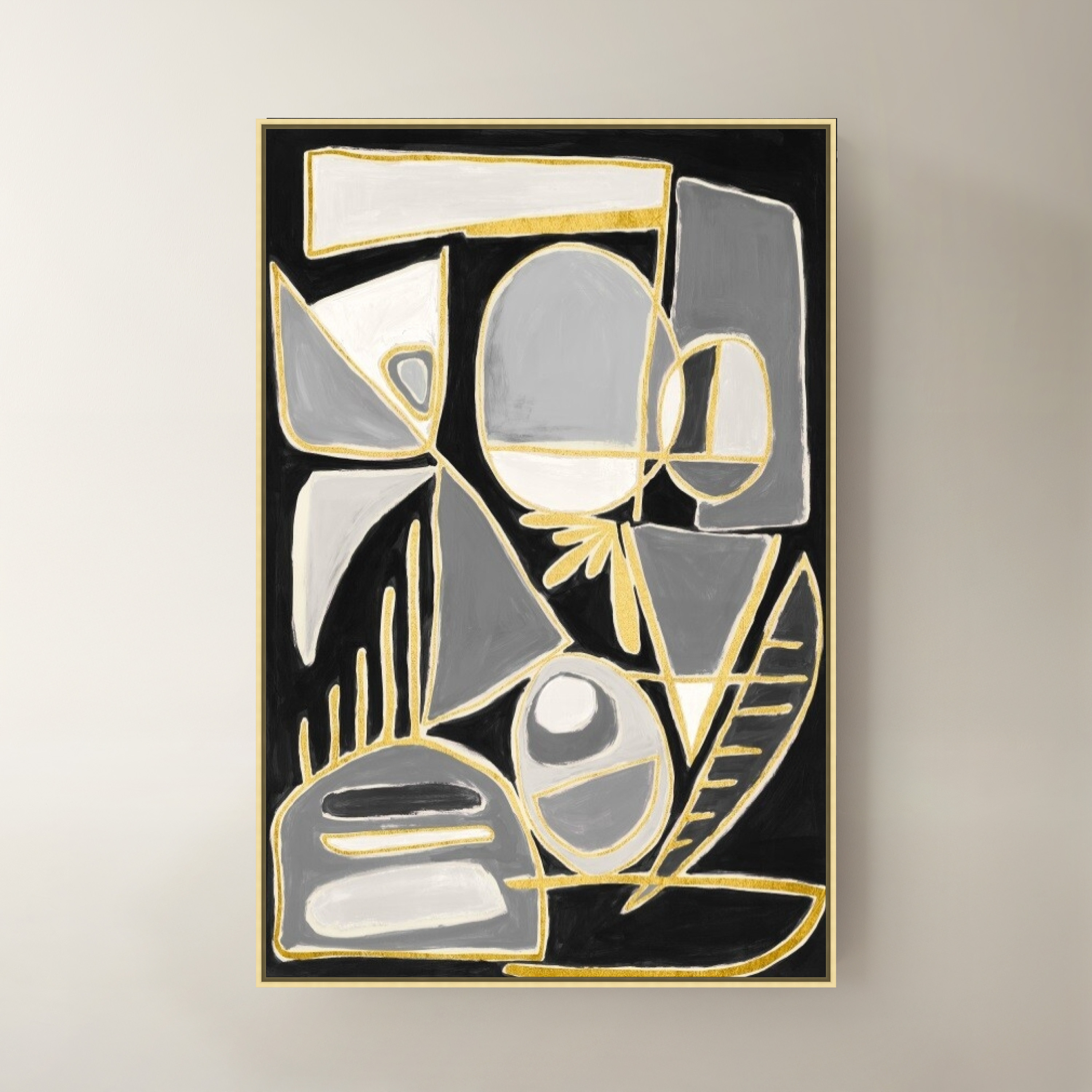
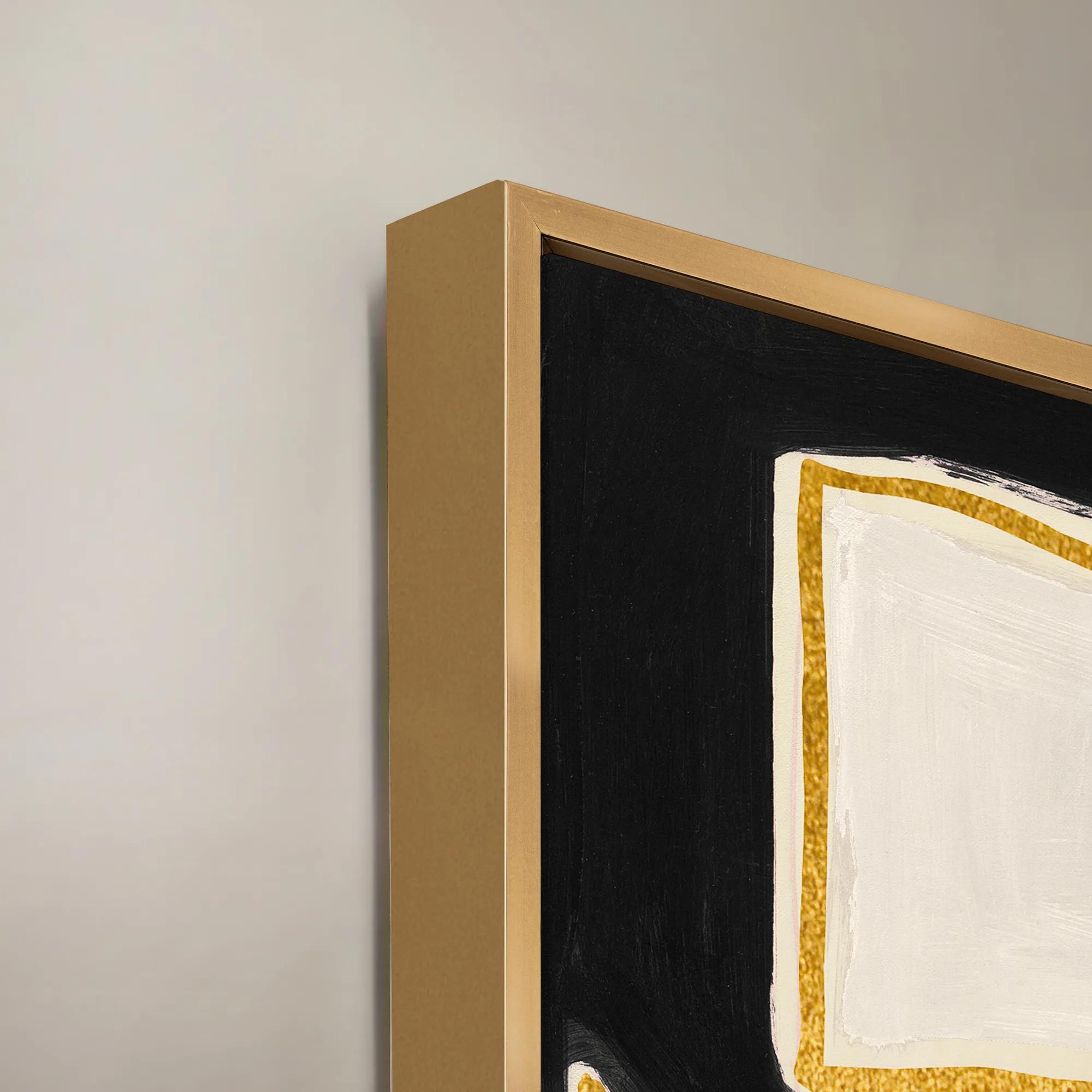 Shuffle City III Framed Wall Art 40" x 60"$1199
A dramatic black canvas wall artwork presented in a refined frame for contemporary interiors.
Add To Cart

Black Abstract Art For Entryways
Black abstract art for entryways is the ultimate invitation to intrigue—an arresting first impression that sets the stage for the extraordinary. With sweeping strokes, enigmatic forms, and a palette as deep as midnight, these pieces transform transitional spaces into curated galleries. Each artwork captures the allure of mystery and movement, drawing guests into a world where creativity reigns and every glance reveals new depths. Whether you crave bold drama or subtle sophistication, black abstract art for entryways elevates your home’s arrival with unapologetic artistry and undeniable presence.
Black abstract art for entryways creates a striking focal point, giving the first room of a home a confident visual identity. Deep charcoal, inky brushwork, and saturated black shapes introduce depth without relying on a broad color palette, while ivory backgrounds and open space keep a composition from feeling heavy. The effect can be quietly architectural or exuberantly expressive: a sweeping gesture draws the eye across a long foyer, while a dense arrangement of layered marks gives a compact entrance the presence of a private gallery. Abstract imagery also leaves room for interpretation, offering something different at a passing glance than it reveals when guests linger. Against pale walls, black abstract wall art delivers crisp contrast; against deeper wall colors, lighter passages and distinctive framing help define its silhouette. In an entryway furnished with a gleaming console, a sculptural lamp, or a velvet bench, a monochromatic composition can connect those expressive details without competing with every surface. Black and white abstract art feels especially cohesive when its darker tones echo a nearby stair railing, door frame, or furniture base. A cream ground softens that relationship, whereas stark white makes it more graphic. For an entrance that opens directly into the living room, the artwork can establish a visual connection to the furnishings beyond, repeating a curve, a metallic accent, or a particular depth of black. Consider the view from the front door as well as the approach from adjoining rooms: a composition that reads beautifully straight on may reveal a different rhythm from the side. The strongest choice is not necessarily the busiest image. A broad black shape suspended within generous negative space can feel just as commanding as an intricate field of energetic strokes, particularly when the surrounding furniture has ornate lines or reflective finishes. That balance gives an entryway drama with intention, making the artwork feel integral to the room rather than added as an afterthought.
Materials and presentation influence how black abstract artwork looks at different distances and under different lighting. Canvas brings a visible weave that can soften the edge of a printed or painted mark, lending even a sharply contrasting composition a tactile foundation. Art on paper often offers a more refined, intimate character, particularly when a generous mat creates breathing room between the image and its frame. Printed artwork can capture intricate tonal shifts and the appearance of brushwork, but depicted texture is different from a physically raised surface. Where dimensional paint or other applied materials are present, actual ridges catch light and cast subtle shadows that change as someone moves through the entrance. This distinction matters when selecting art for a wall illuminated by a side window or directional fixture. Matte surfaces tend to create a velvety impression, while glossier finishes can introduce reflected highlights; glazing over framed art may also reflect a doorway, chandelier, or nearby window. Frame choices further shape the mood. A slender black frame sharpens the composition and connects readily with dark architectural details. A gold-toned frame lends warmth and a jewelry-like edge, while a wood finish introduces an organic counterpoint to high-contrast imagery. A float frame can emphasize the depth of a canvas, giving its edges a sculptural presence. For durability, consider the complete construction rather than the image alone: secure corners, suitable backing, and hanging hardware appropriate to the artwork’s weight all matter in a frequently used passage. Care should follow the instructions supplied with the piece, since paper, canvas, glazing, and dimensional finishes require different handling. Gentle dusting with a clean, soft cloth may suit a frame, but painted or textured surfaces can need a more specialized approach. Avoid spraying cleaners directly onto artwork or glazing, and protect pieces from repeated splashes, persistent humidity, and prolonged direct sunlight. Protective glazing can help limit some exposure, but it does not make an artwork immune to fading or damage.
Scale and placement determine whether black abstract art gives an entryway a polished focal point or overwhelms its proportions. Measure the usable wall area, including trim, switches, sconces, and the path of an opening door, then check the artwork’s full framed dimensions rather than the image size alone. Above a console, a piece roughly two-thirds to three-quarters of the furniture’s width is a useful starting point, not an inflexible rule. Leave enough space between the console and the frame for each to read clearly, accounting for any lamp or decorative objects that rise into the composition. A tall, narrow artwork can emphasize the architecture beside a doorway, while a horizontal format can extend the visual line of a wider console. In a grand foyer, oversized black abstract art can hold its own against high ceilings and substantial furnishings; in an apartment entrance, a smaller work with bold contrast can deliver presence without crowding the wall. Looking at the layout with a paper template helps reveal whether the frame sits comfortably within the sightline before any hardware is installed. Positioning the center near eye level is another helpful starting point, adjusted for furniture, ceiling height, and the way the space is approached. Keep projecting frames and delicate surfaces clear of shoulder traffic, carried bags, and door handles, and use wall anchors or fasteners suited to both the wall material and the piece’s weight. Styling around the art is most compelling when it gives the composition room to speak. A luminous vessel or a single sculptural object can pick up its curves without obscuring the lower edge. For an adjoining space that calls for a color connection, blue abstract paintings for entryways offer another direction, with deep blue tones that can sit comfortably alongside black accents. Black abstract artwork also makes a thoughtful housewarming or wedding gift when the recipient’s taste, available wall space, and preferred framing are known. For design lovers drawn to expressive interiors, its appeal lies in the encounter it creates: a compelling first impression, followed by details worth returning to.
FAQs
Black abstract art brings a sense of drama and sophistication to any entryway, creating a striking first impression. The bold contrast and fluid forms can evoke a mood of intrigue and confidence, while the depth of black anchors the space, making it feel intentionally designed and inviting.
Black abstract paintings are remarkably versatile, complementing a wide range of décor styles—from modern glam and contemporary minimalism to eclectic maximalism. They pair beautifully with metallic accents, mirrored surfaces, and rich textures, as well as with jewel-toned accessories or crisp, white architectural details.
Black abstract art makes a memorable gift for anyone who values artistic expression and bold design. It’s especially well-suited for new homeowners, art enthusiasts, or those celebrating milestones like anniversaries or promotions. The timeless appeal and adaptability of these pieces ensure they resonate with a variety of tastes.
To craft a cohesive gallery wall, consider unifying elements such as frame style, spacing, or a consistent color accent. Vary the scale and orientation of the artwork for visual interest, but maintain a harmonious flow by choosing pieces that share a similar mood, technique, or thematic thread. This approach creates a curated, museum-like experience.
Absolutely—black abstract art serves as a dramatic anchor that can be beautifully layered with pieces in metallic, neutral, or vibrant hues. For added depth, mix in sculptural objects or mirrors, or explore complementary palettes like those found in <a href="https://zgallerie.com/o/blue-abstract-paintings-for-entryways">Blue Abstract Paintings For Entryways</a> to create a dynamic, gallery-inspired entryway.