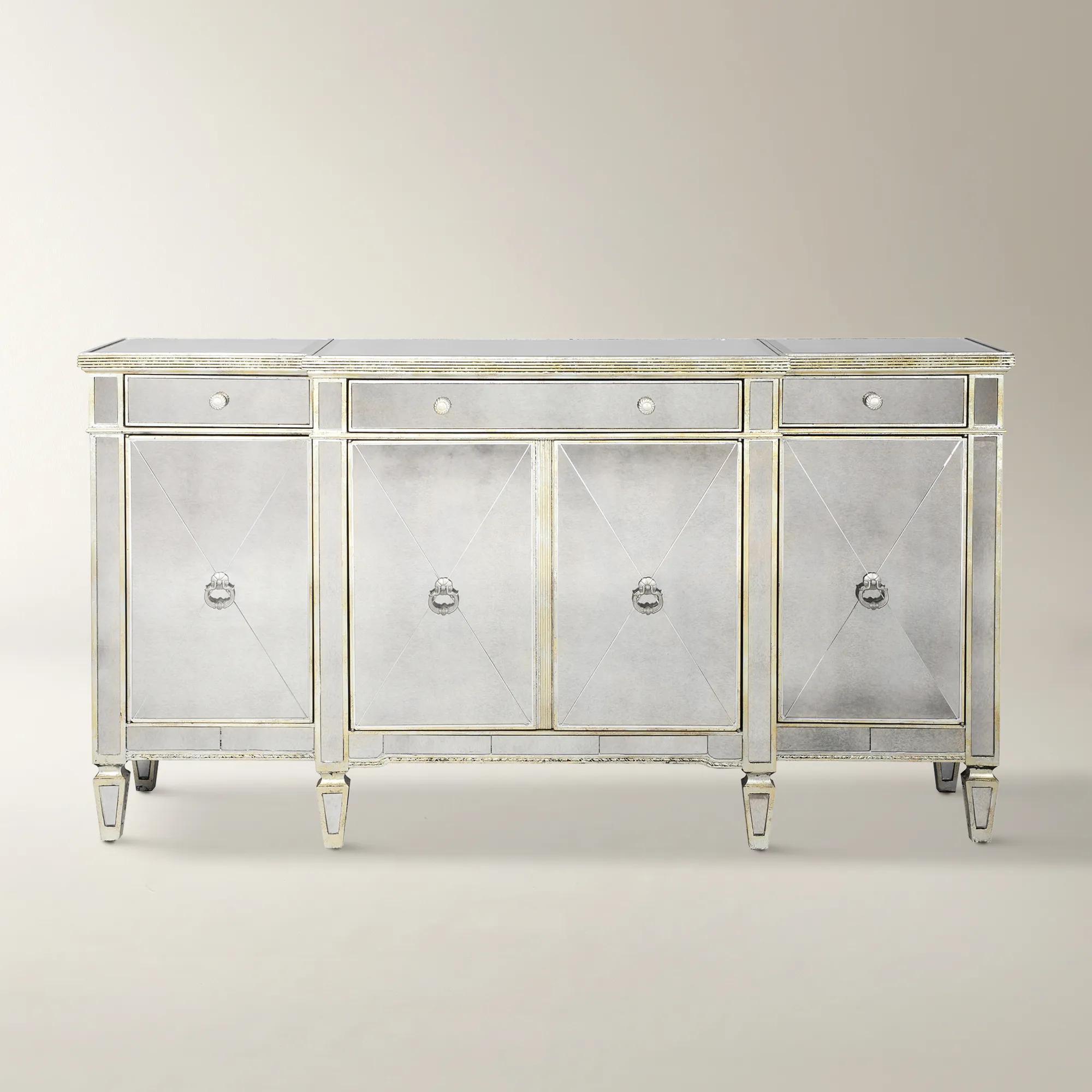
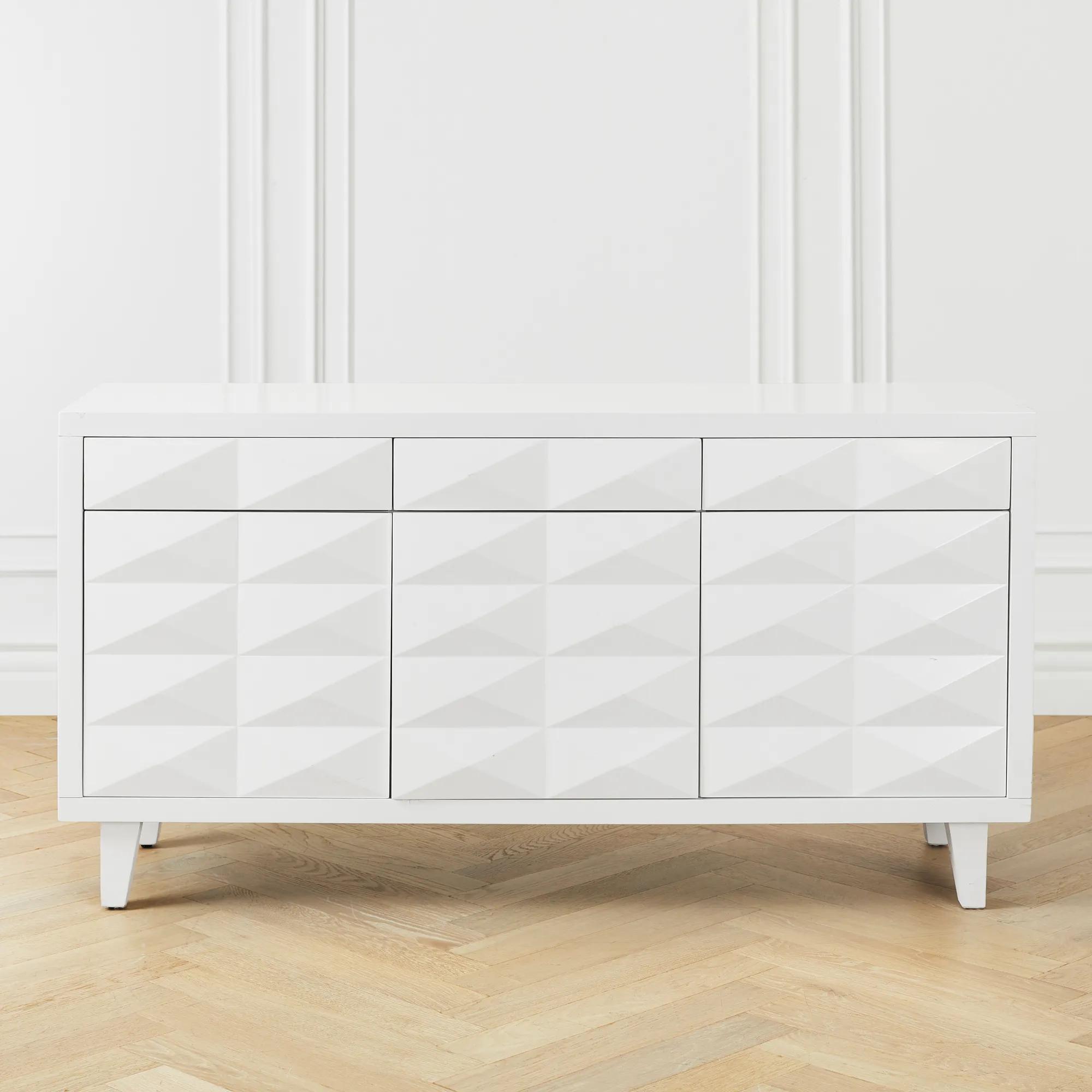
Concealed Storage Cabinets For Home Offices
Concealed Storage Cabinets For Home Offices
-
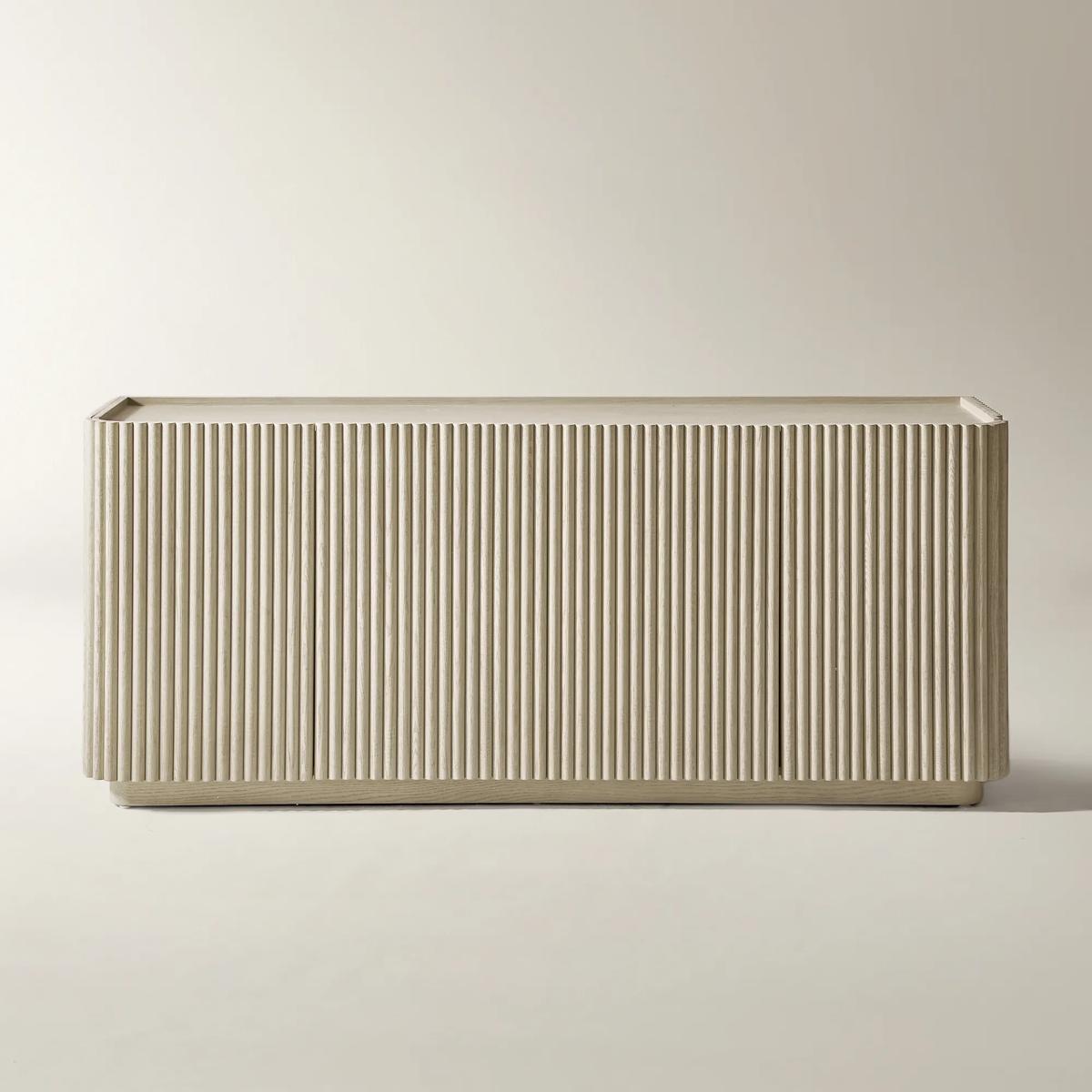
 Stria Reeded White Oak Buffet (72")$2199
A sculptural oak buffet featuring reeded detailing, gold-plated trim, and adjustable storage behind four doors.
Add To Cart -
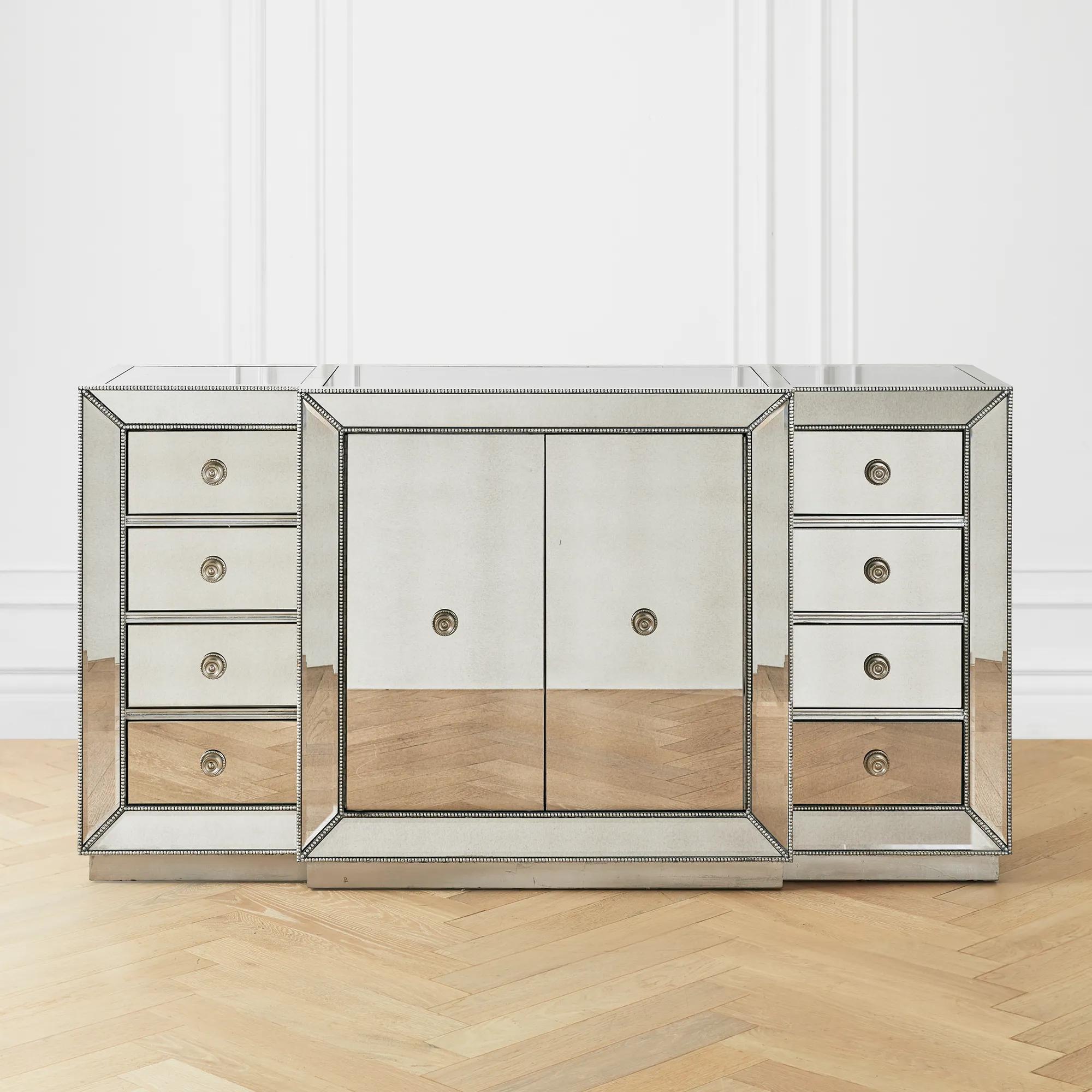 Omni Mirrored Silver 8-Drawer Buffet (72")$2499
A glamorous buffet featuring antique beveled mirrored panels, hand-applied silver leaf, and silver beaded trim.
Add To Cart -
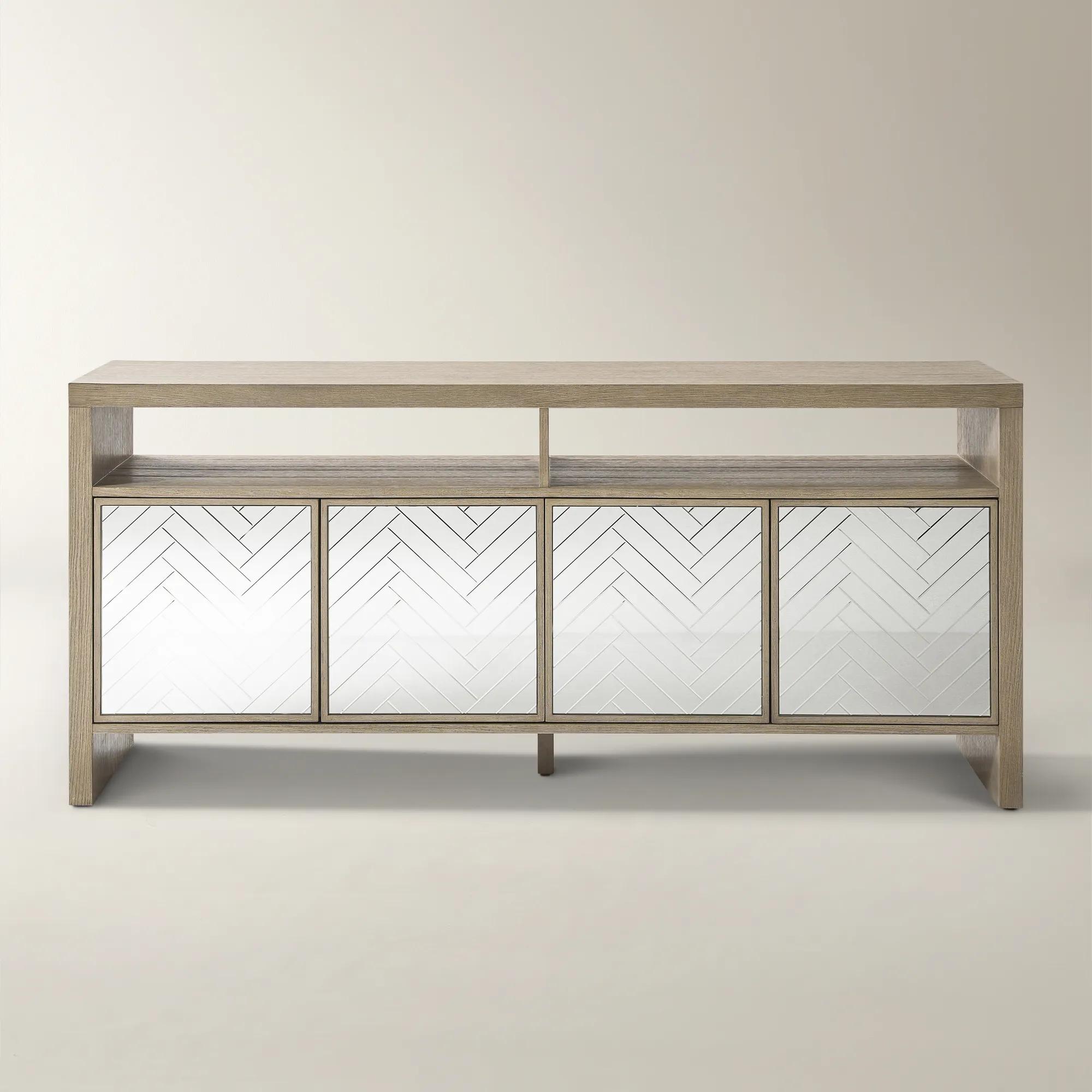 Glimmer Mirrored Seadrift Oak Buffet (70.5")$1999
A sophisticated buffet featuring sea drift oak veneer and mirrored parquet doors with silver leaf accents.
Add To Cart -
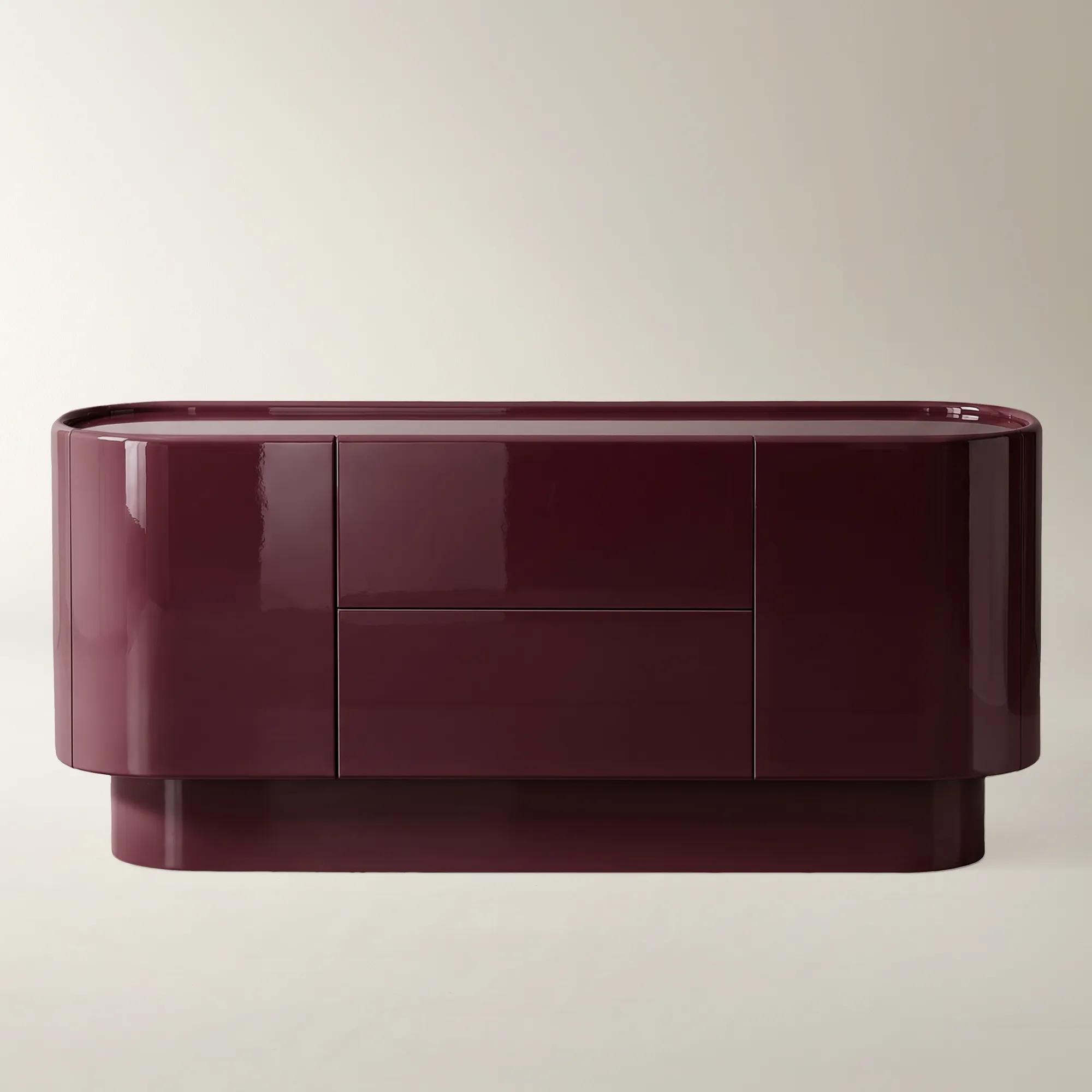 Velar Lacquered Ox Blood Buffet With Glass Top (70")$2099
A sculptural ox blood buffet featuring high-gloss lacquer, back-painted glass top, and illuminated mirrored storage.
Add To Cart -
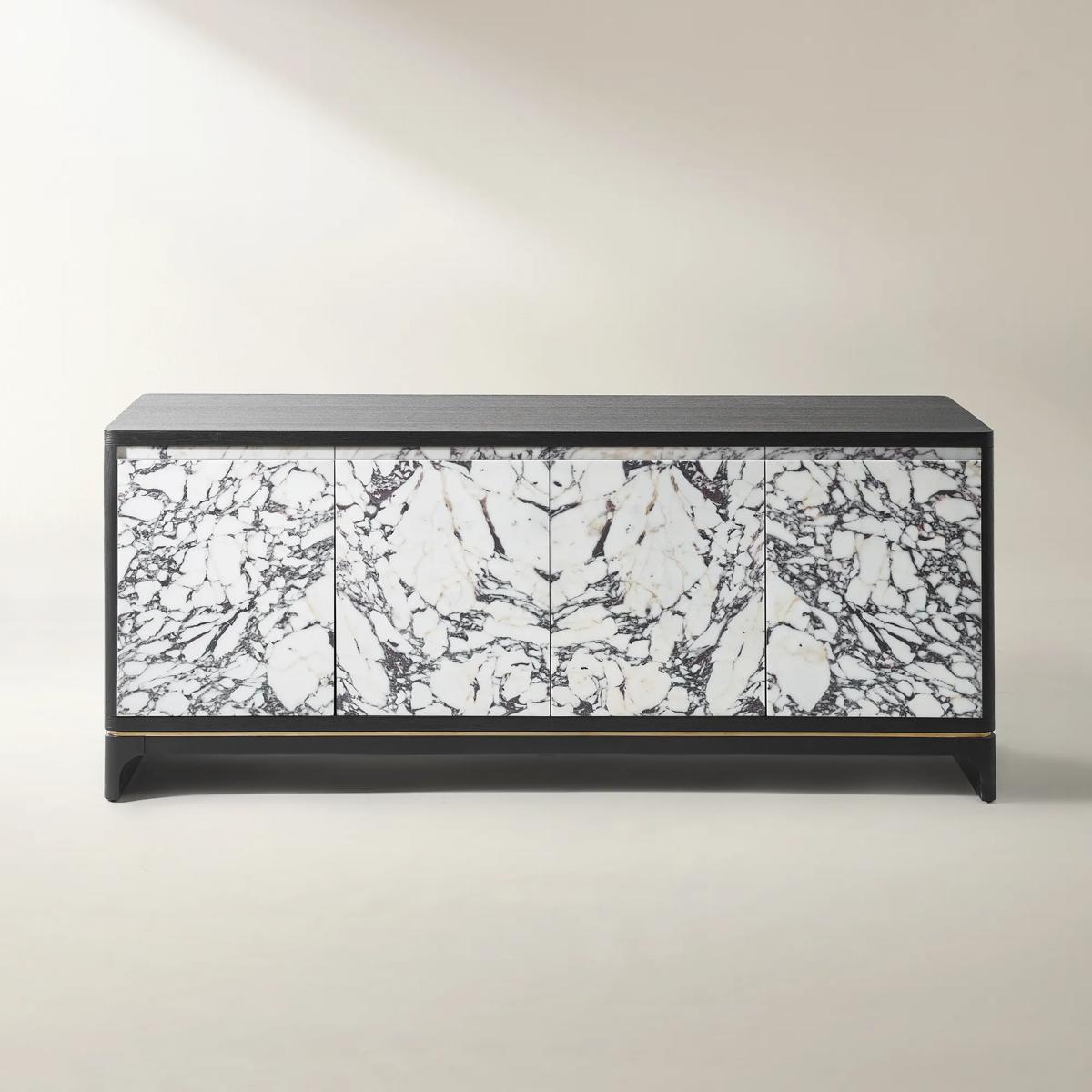
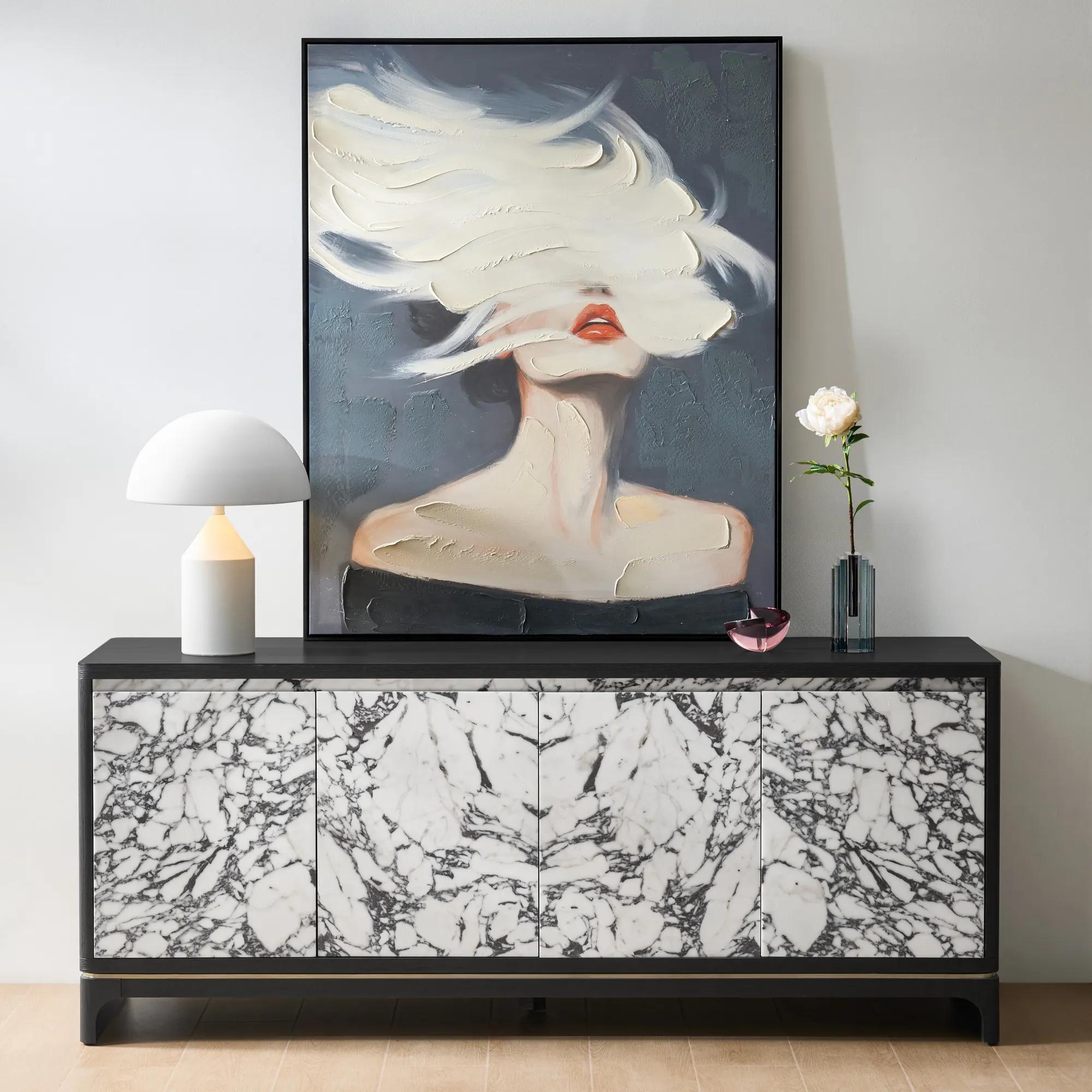 Vanta Black Oak And Calacatta Marble Buffet (72")$2699
A striking matte black oak sideboard featuring genuine Calacatta Viola marble fronts with dramatic violet veining.
Add To Cart -
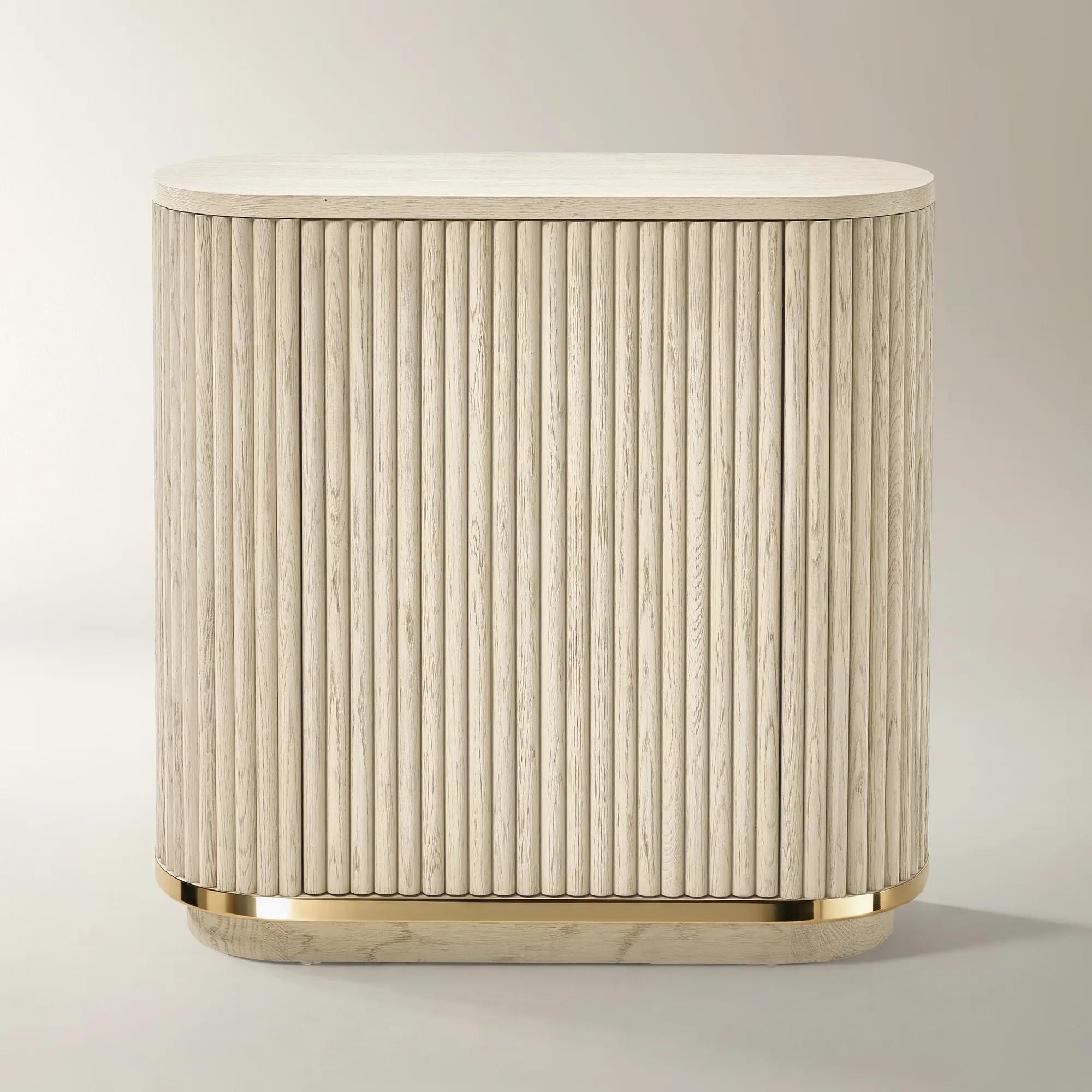 Stria Reeded White Oak Buffet (36")$1399
A modern buffet featuring vertical reeded white oak, soft gold metal trim, and push-to-open doors.
Add To Cart -
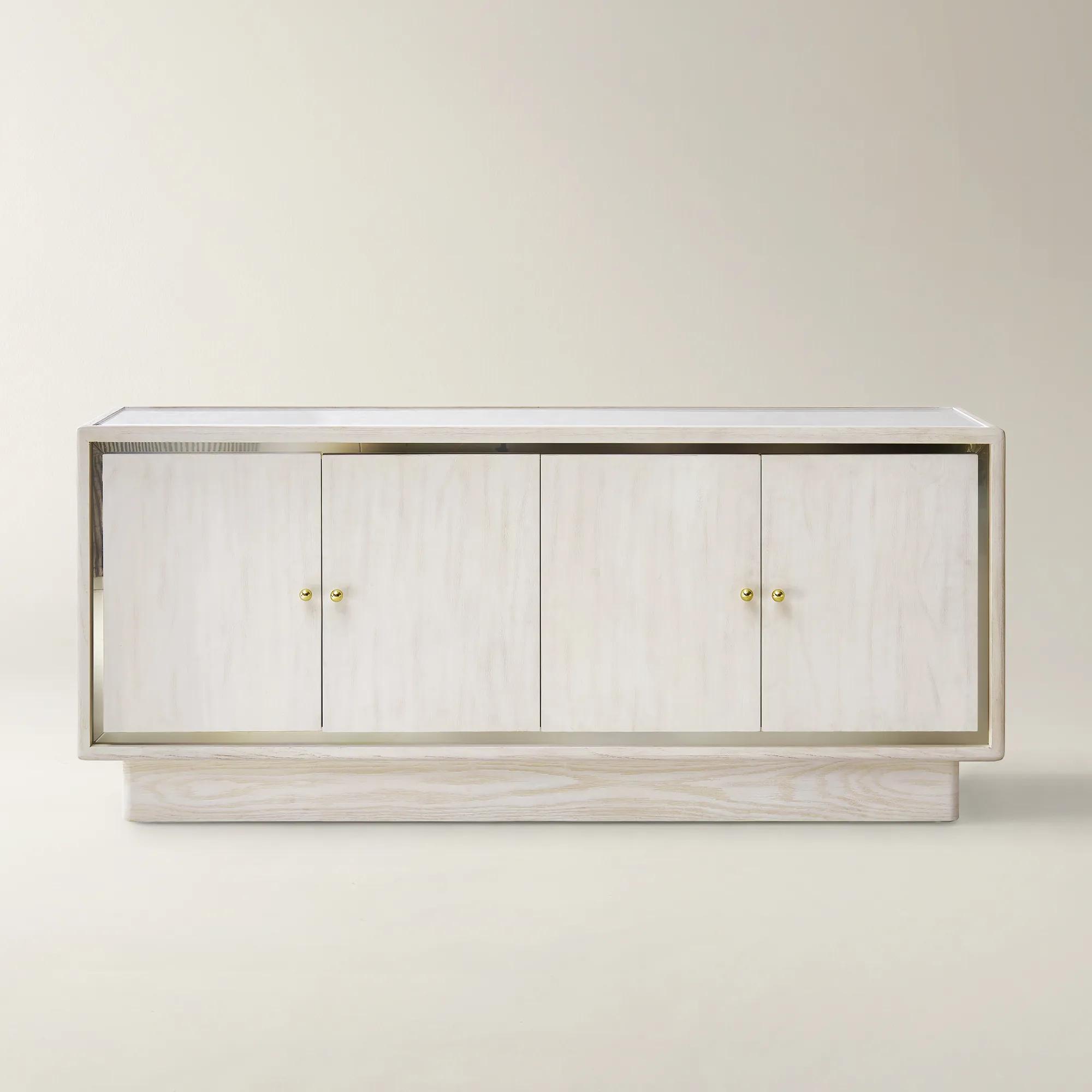 Lumina Bleached Oak Buffet With Pearl Lacquered Top (72")$2299
A luminous bleached oak buffet featuring a pearl lacquered top and champagne gold trim for refined elegance.
Add To Cart -
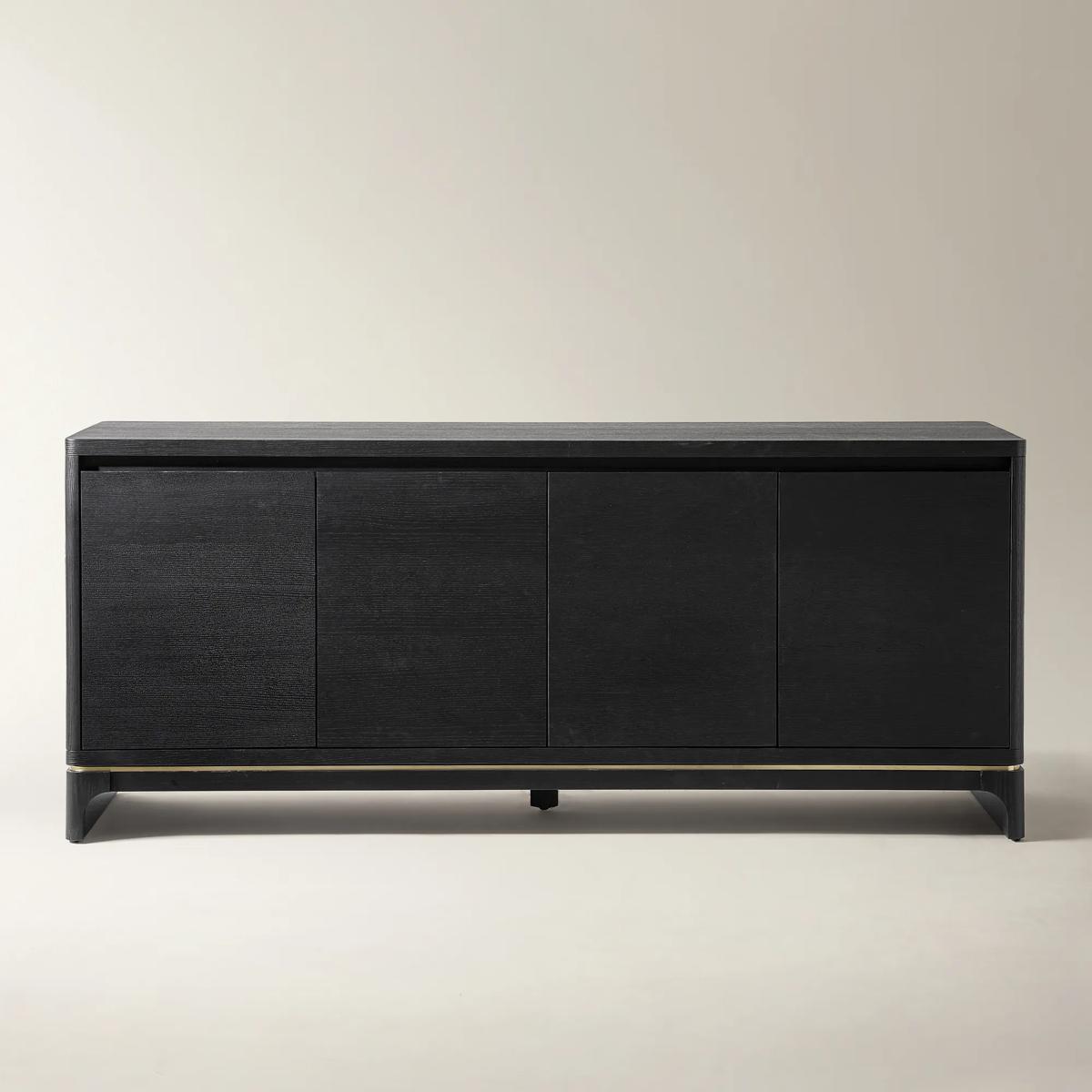
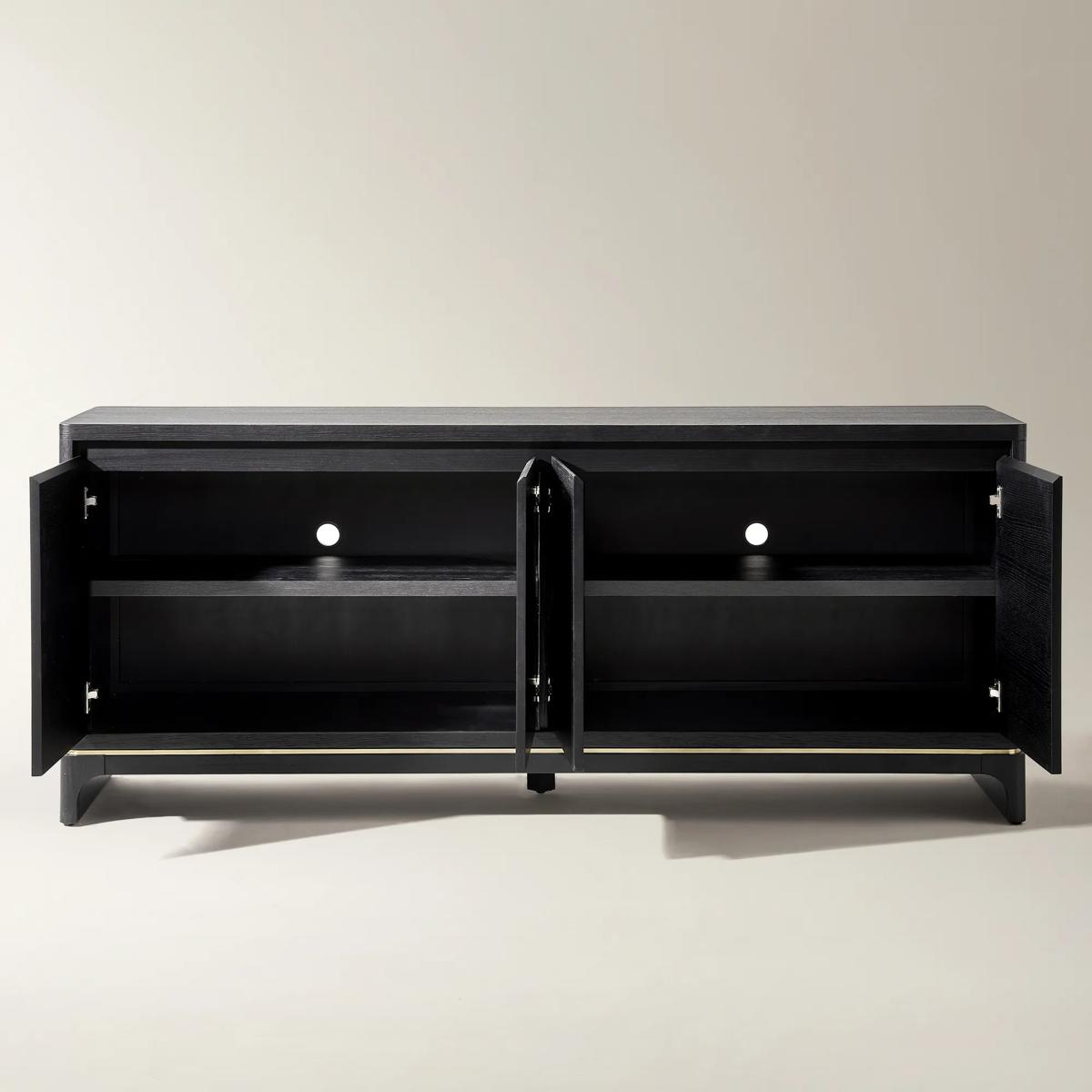 Vanta Black Oak Buffet (72")$1999
A matte black oak sideboard with gold stainless steel trim and concealed pulls for modern, elegant storage.
Add To Cart -
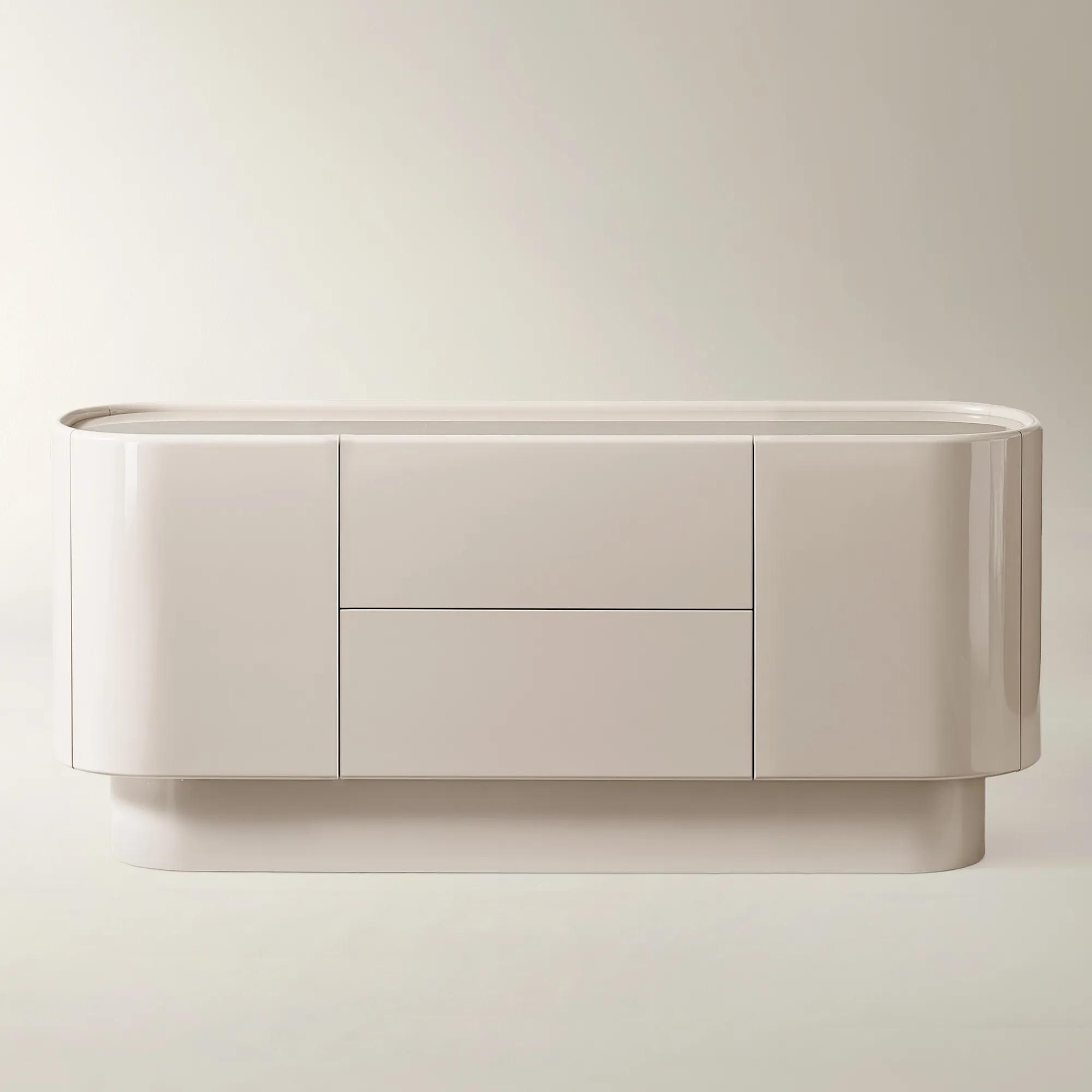
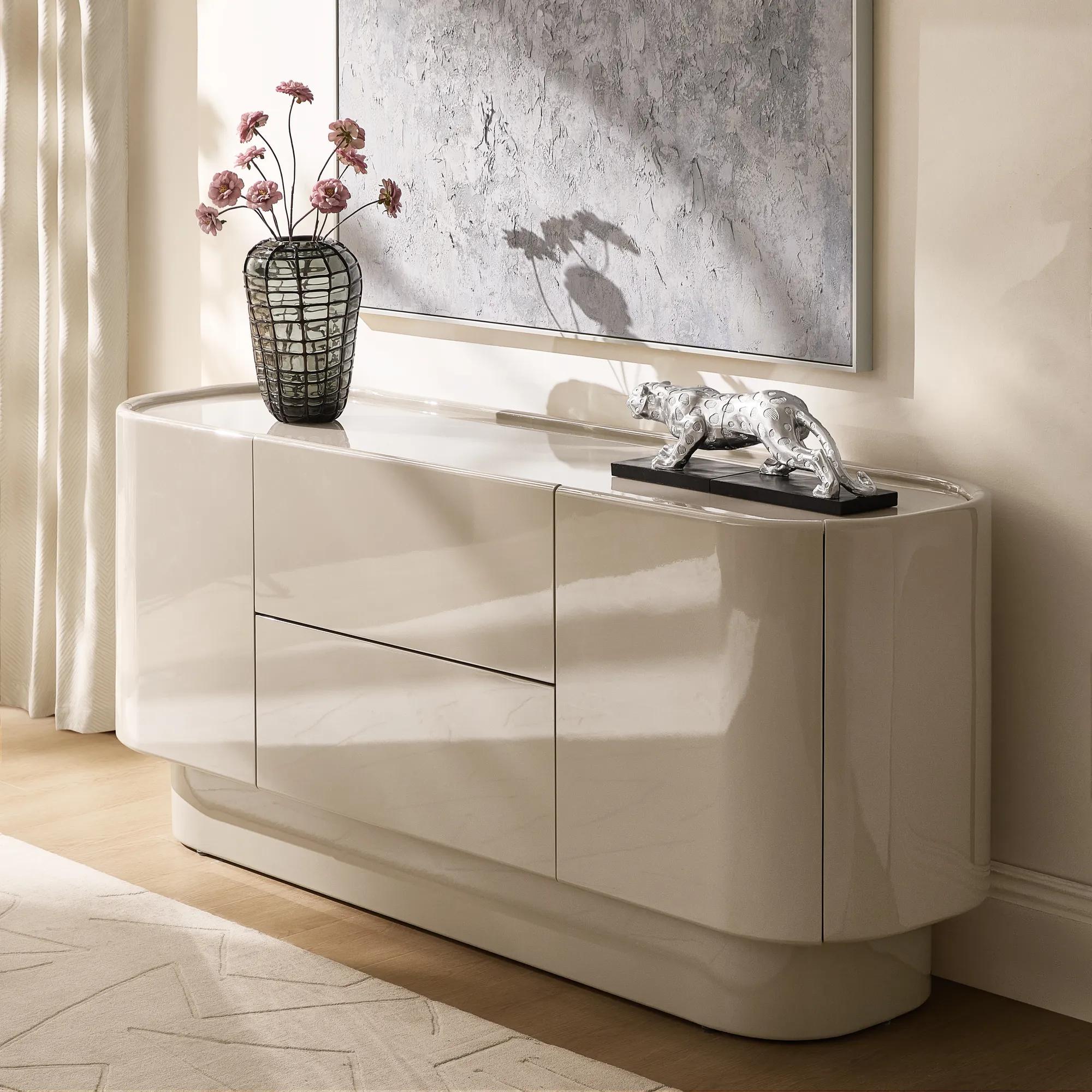 Velar Lacquered Turtle Dove Buffet With Glass Top (70")$2099
A sleek turtle dove buffet featuring high-gloss lacquer, tempered glass, and illuminated mirrored interior storage.
Add To Cart

Concealed Storage Cabinets For Home Offices
Home office storage cabinets give workday essentials a discreet home while bringing sculptural presence to rooms used for more than work. Explore buffets and sideboards with enclosed storage, then compare door and drawer layouts, proportions, and finishes to find a piece that feels as considered as the rest of your home.
Let what you store guide your choice of home office cabinet. Drawers separate smaller accessories, while shelving behind doors creates a place for reference books, notebooks, and organizational boxes. Where adjustable shelves are specified, they offer more freedom to arrange the interior around changing needs. Compare the documented interior measurements with your essentials, and allow space for doors and drawers to open without crowding a chair or walkway. Look closely at the balance of visible and concealed compartments, too: an open gallery can frame a favorite object, while closed sections keep everyday work materials out of view. Choose the layout that supports your routine rather than judging storage by the exterior alone. In a flexible workspace, a storage cabinet should belong to the room even after the workday ends. Consider how its finish interacts with the surrounding furniture: wood grain introduces warmth, a dark finish creates a grounded focal point, and reflective surfaces add luminous drama. Echo a metallic accent or a recurring curve rather than matching every detail. Position the cabinet where supplies remain accessible, then reserve its top for an intentional arrangement of art and objects instead of accumulated paperwork. Establish a per-piece budget and weigh interior organization alongside materials and visual presence. For a cohesive room beyond storage, explore our modern home office furniture ideas.
FAQs
Concealed storage places belongings behind opaque doors or inside drawers, leaving the furniture’s façade in view. Open storage makes its contents part of the room’s composition. A cabinet may combine both, so consider which items you want to display and which you prefer to keep tucked away.
Think about how you prefer to group your belongings. Drawers create distinct places for smaller accessories, while shelves behind doors suit collections of books or storage boxes. A combination offers separate zones; review each cabinet’s documented layout before choosing.
Choose one visual connection, such as a wood tone, metallic detail, or architectural shape. The cabinet can echo that element while introducing contrast elsewhere. A richly textured façade, for example, can bring dimension to a room with smooth, polished furnishings.
Assign distinct compartments to work materials and household belongings. Group related items in labeled boxes or trays, and keep frequently used essentials together. This gives each part of a multipurpose room a defined place without letting its storage dictate the room’s style.
Compose a vignette with framed art, a sculptural object, or a decorative box. Leave some surface visible so the cabinet’s finish remains part of the composition. Keep everyday supplies inside the cabinet to preserve a deliberate distinction between storage and display.