High Style Geometric Wall Art
High Style Geometric Wall Art
-
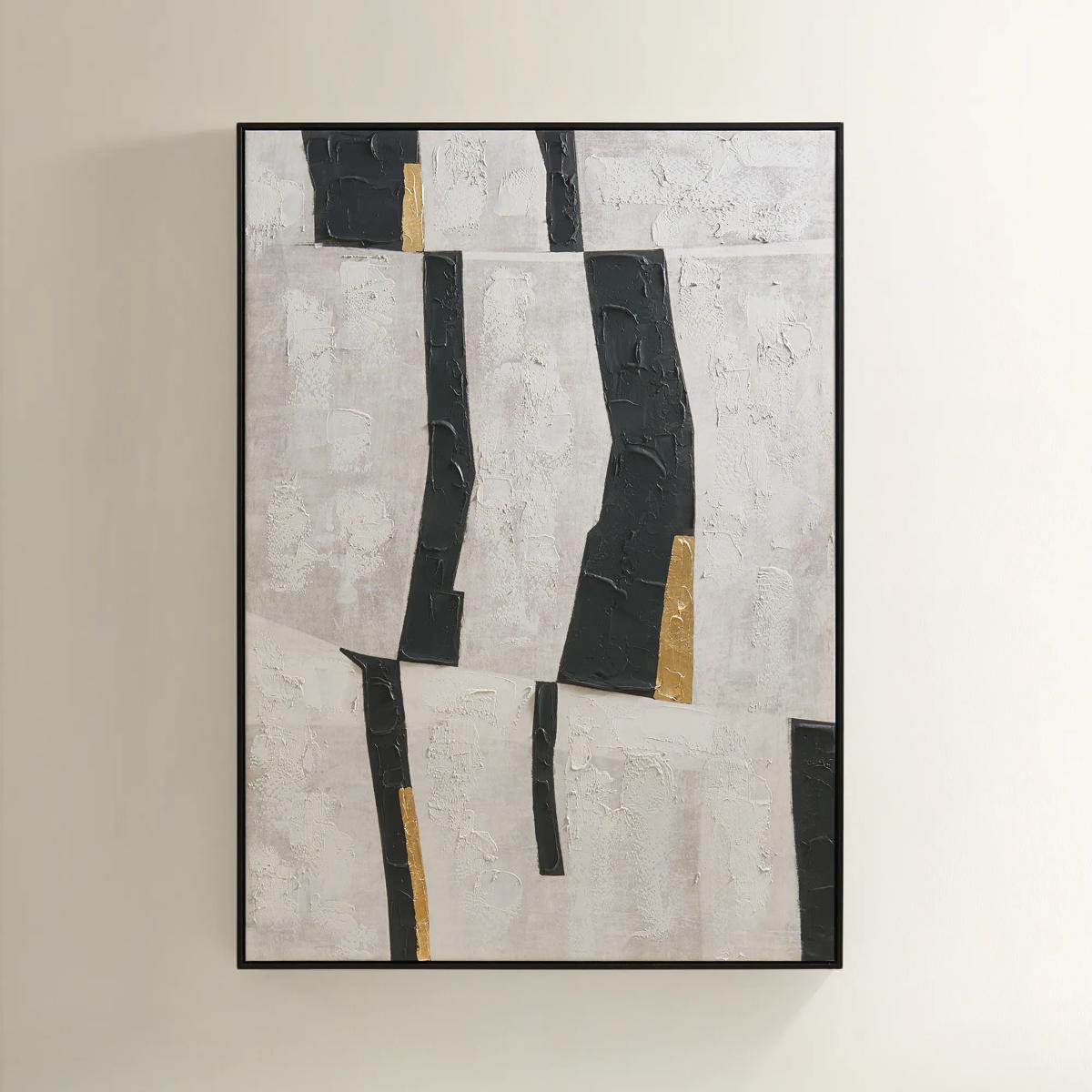
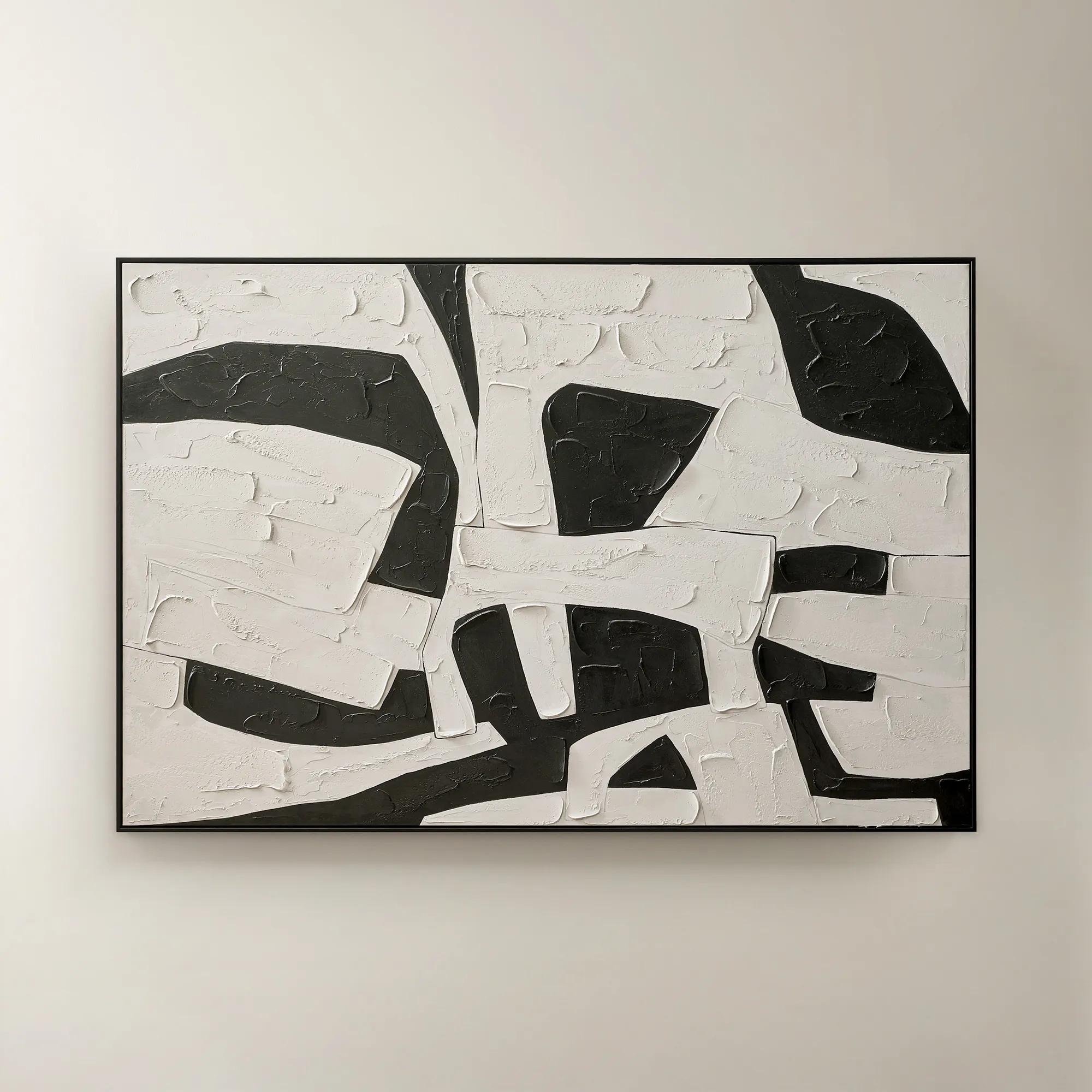 Space Between Shadows Framed Painted Wall Art 72" x 48"$799
A hand-painted abstract canvas featuring bold alabaster and black geometric forms in a sleek black frame.
Add To Cart -
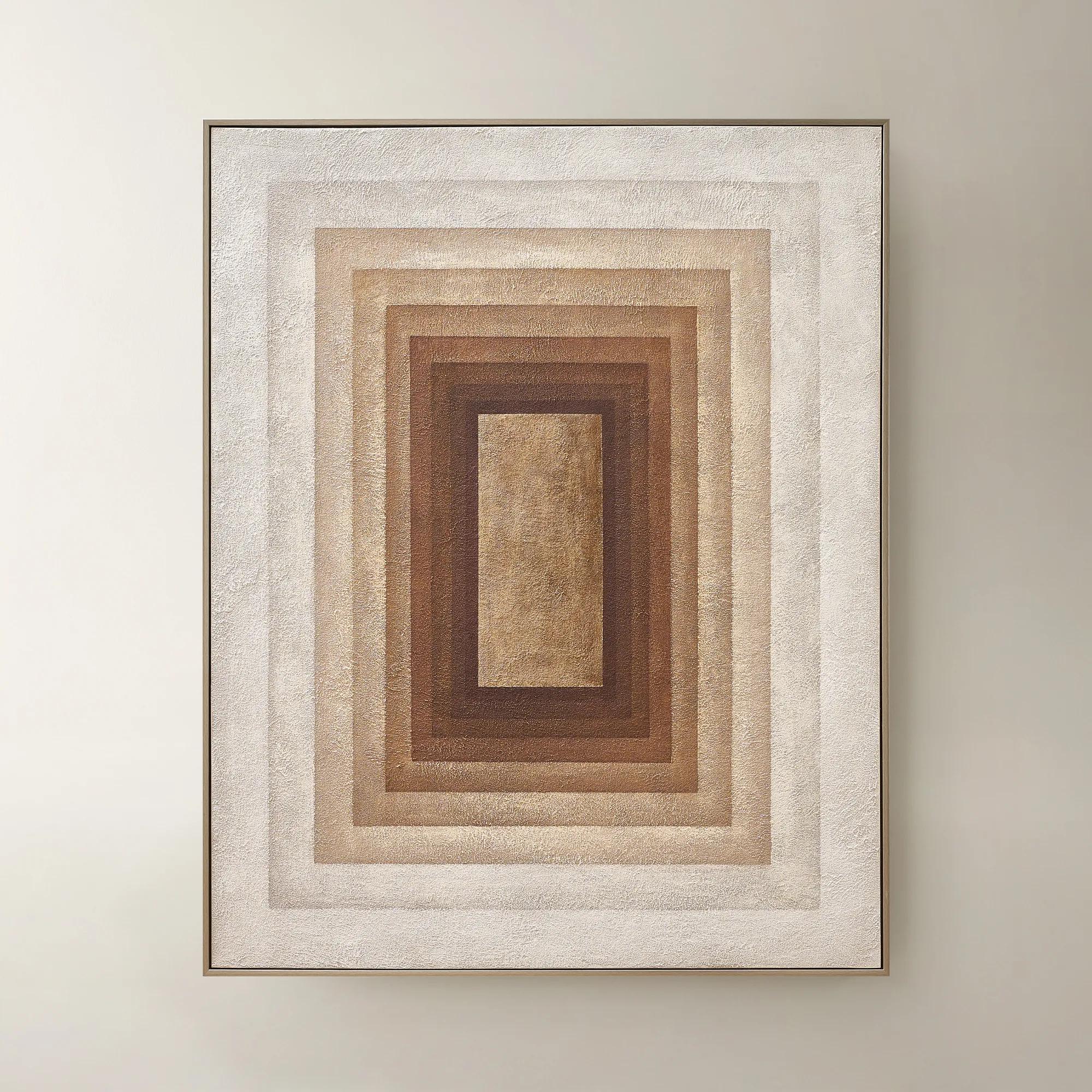 Monochrome Drift Framed Painted Wall Art 60" x 48"$699
A hand-painted abstract canvas with champagne leafing, featuring cocoa and gold tones in modern geometric design.
Add To Cart -
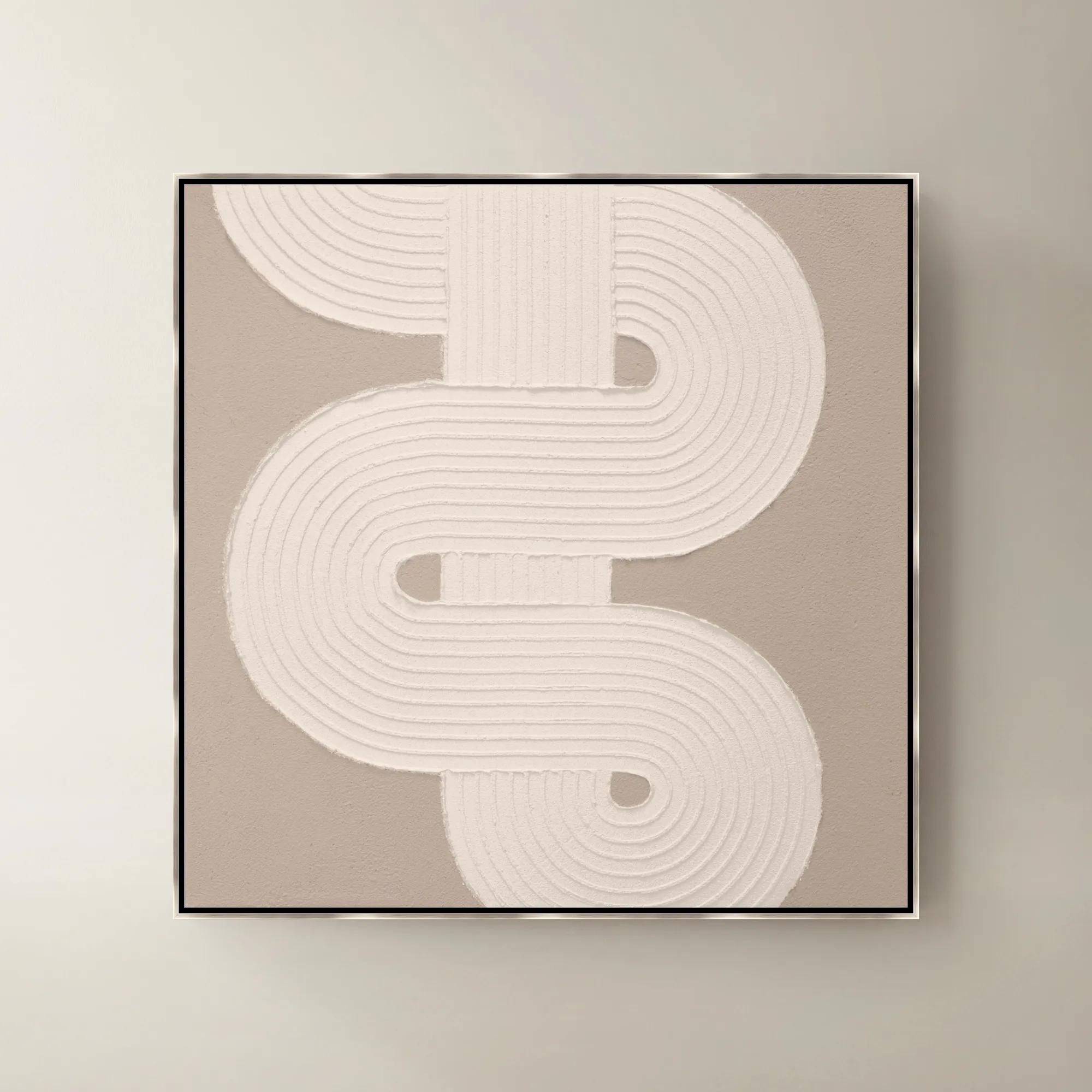
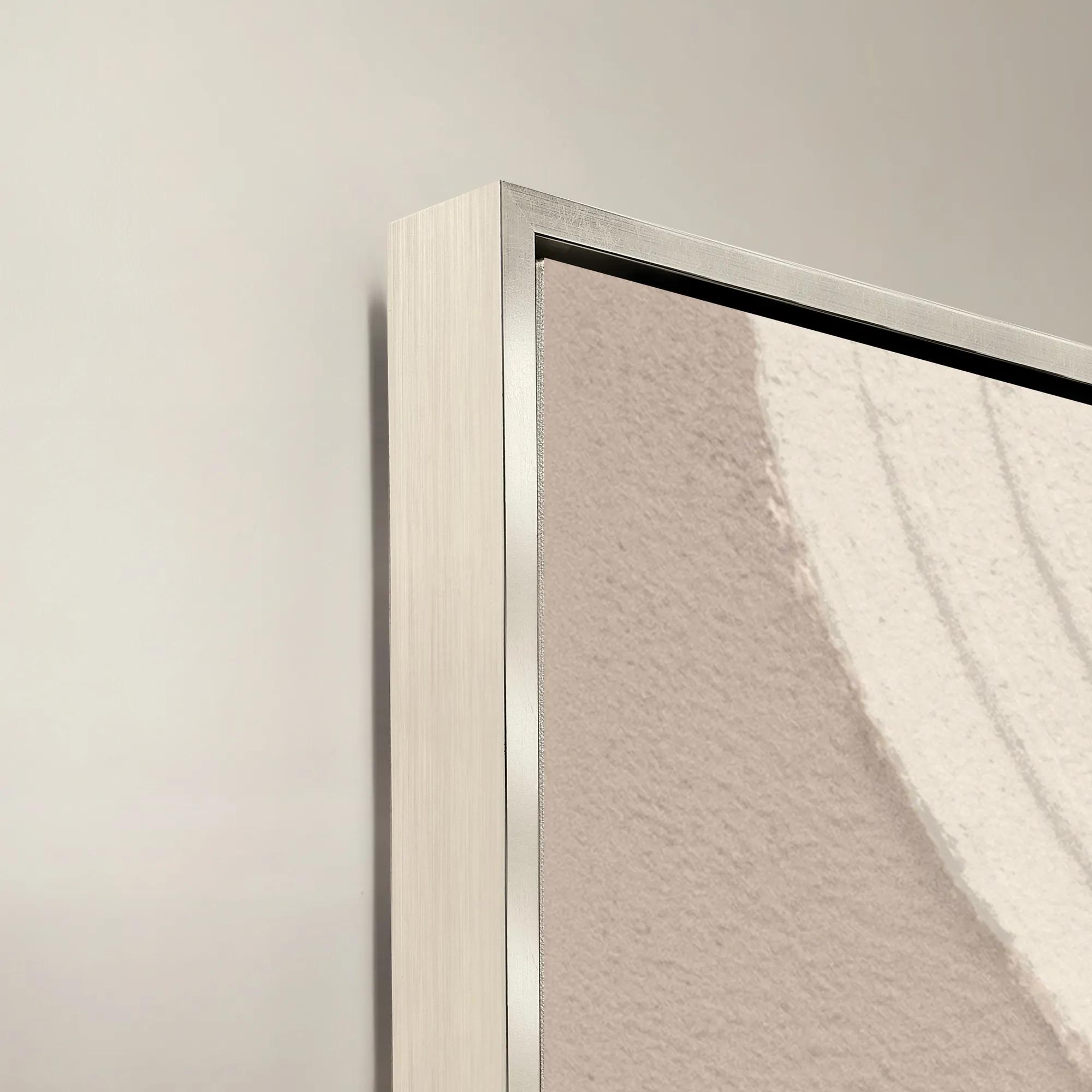 Sacred Geometry V Framed Painted Wall Art 40" x 40"$1099
A striking abstract art piece featuring bold geometric patterns for a modern, sophisticated touch.
Add To Cart -

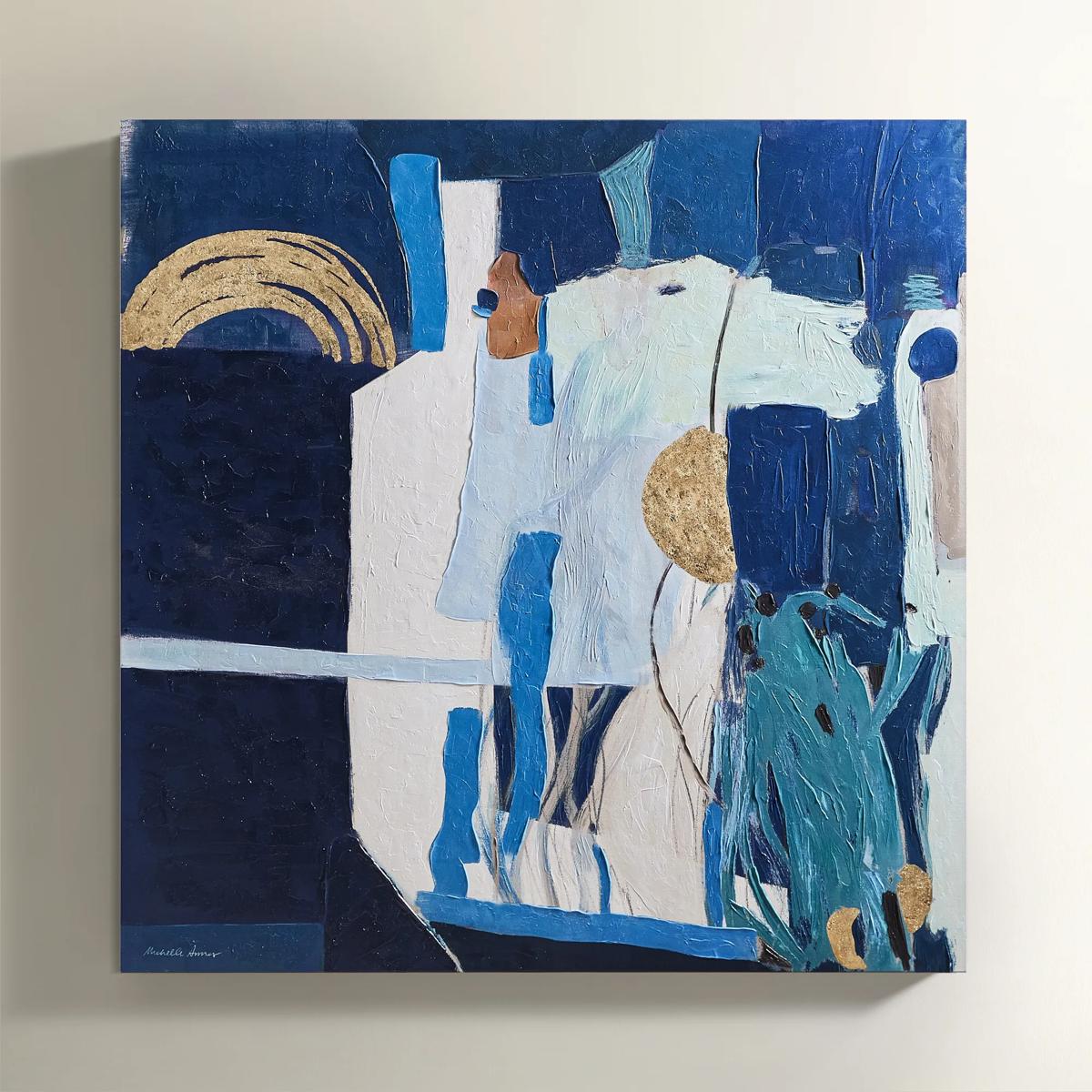
 Jewel Toned Geometry Framed Wall Art 24" x 33"$519
A jewel-toned geometric canvas artwork framed to bring vibrant modern dimension to any wall.
Add To Cart -
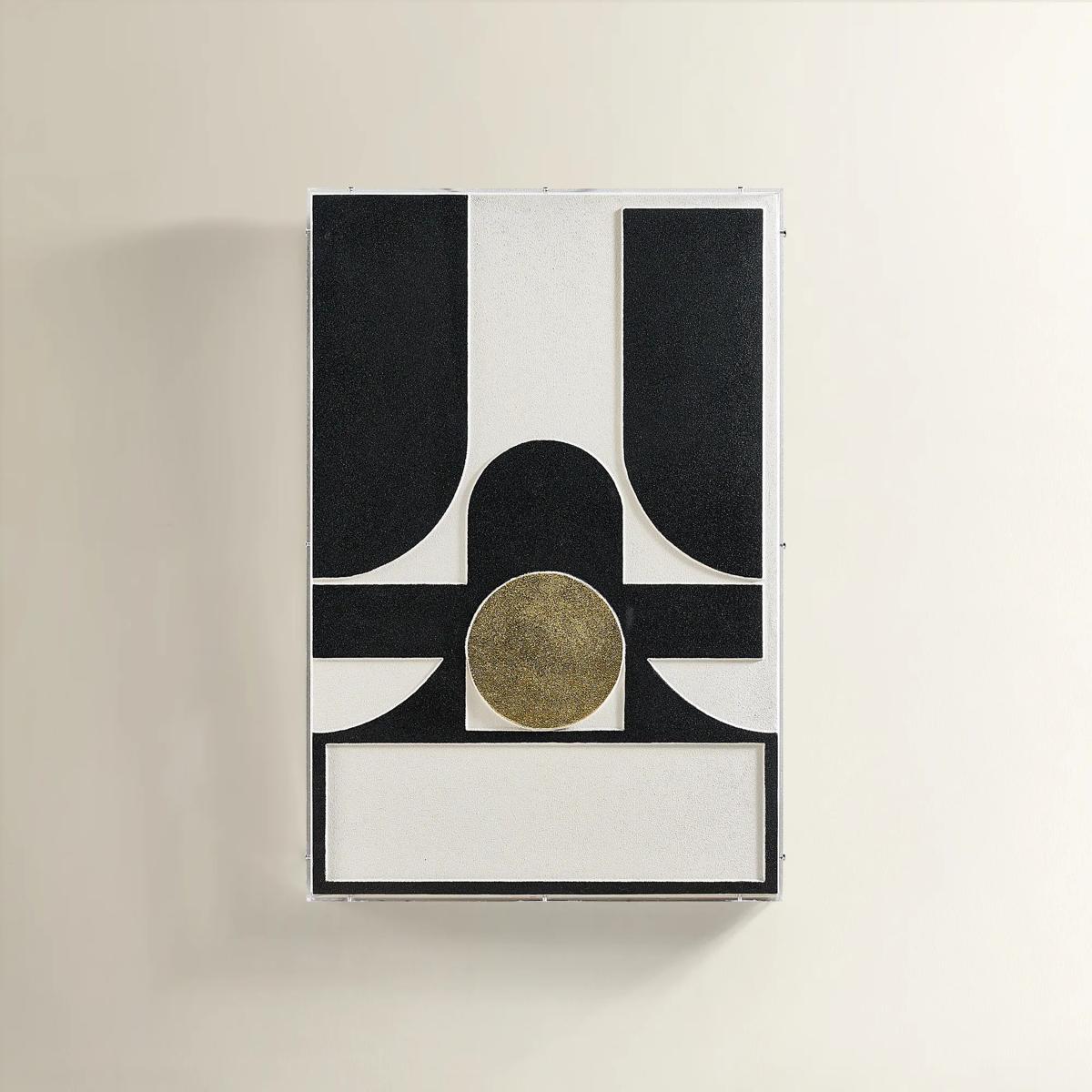
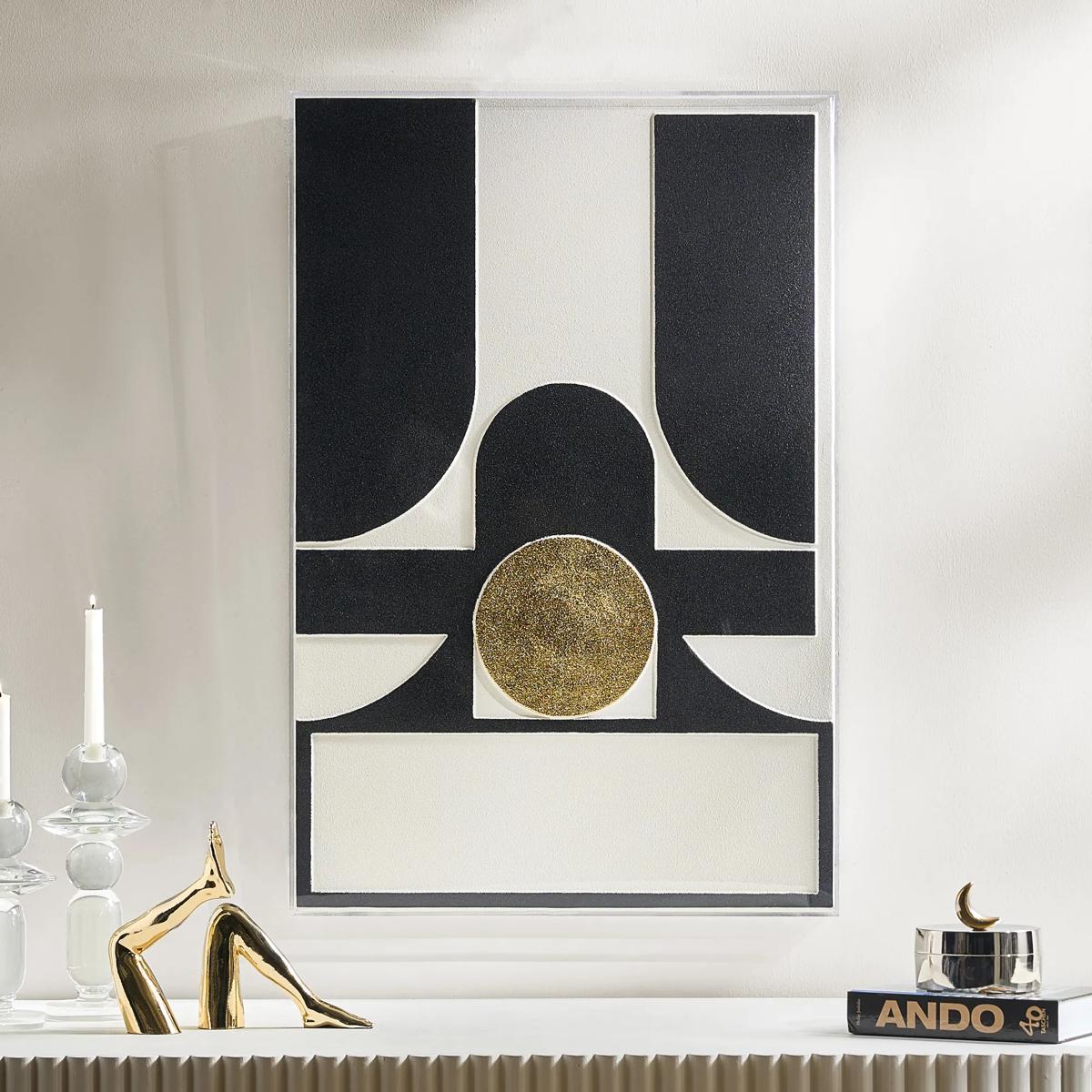 Siren Black And Gold Wall Decor in Acrylic 23.5" x 35.5"$299
A layered composition of black, ivory, and gold geometric forms set in a sleek acrylic shadow box.
Add To Cart -
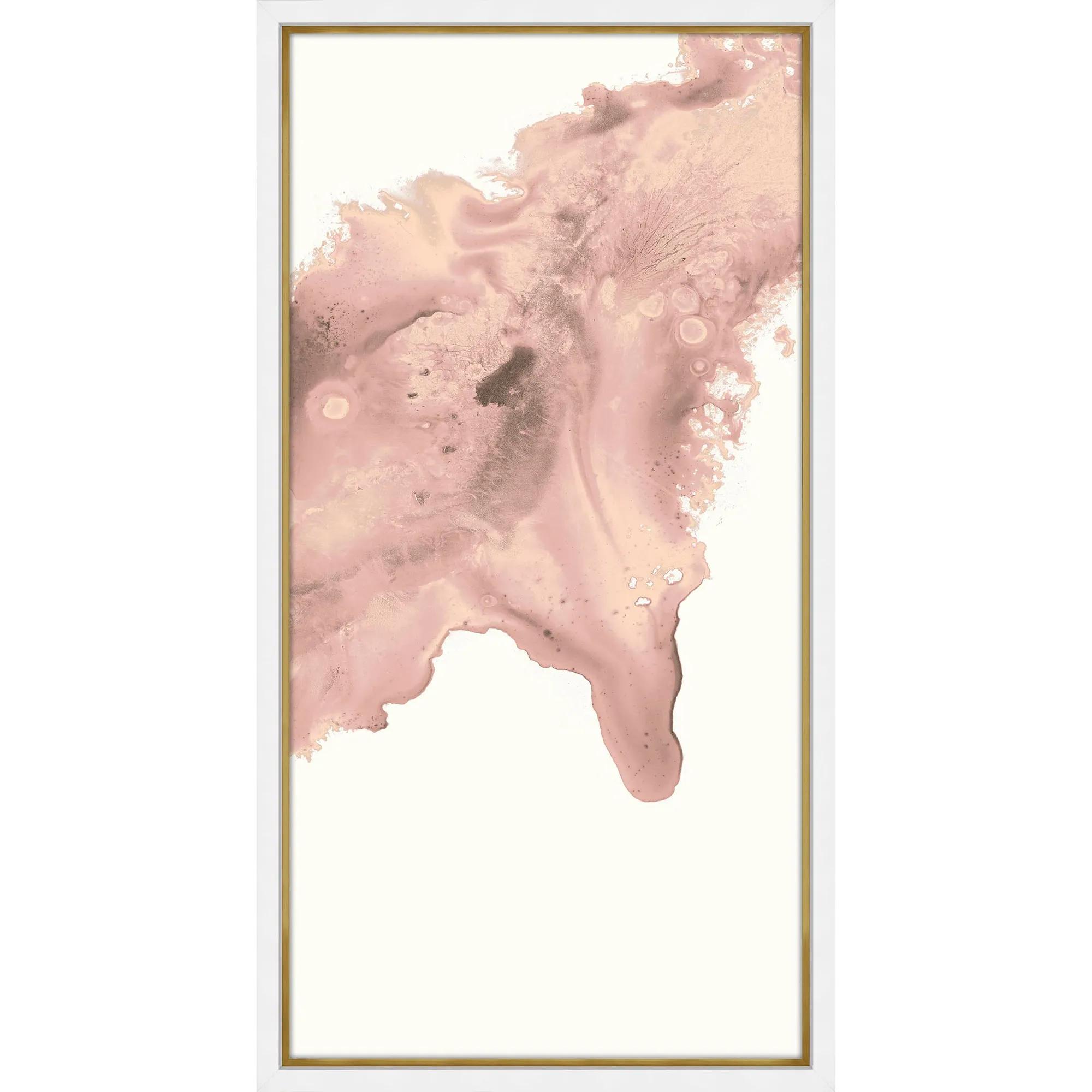
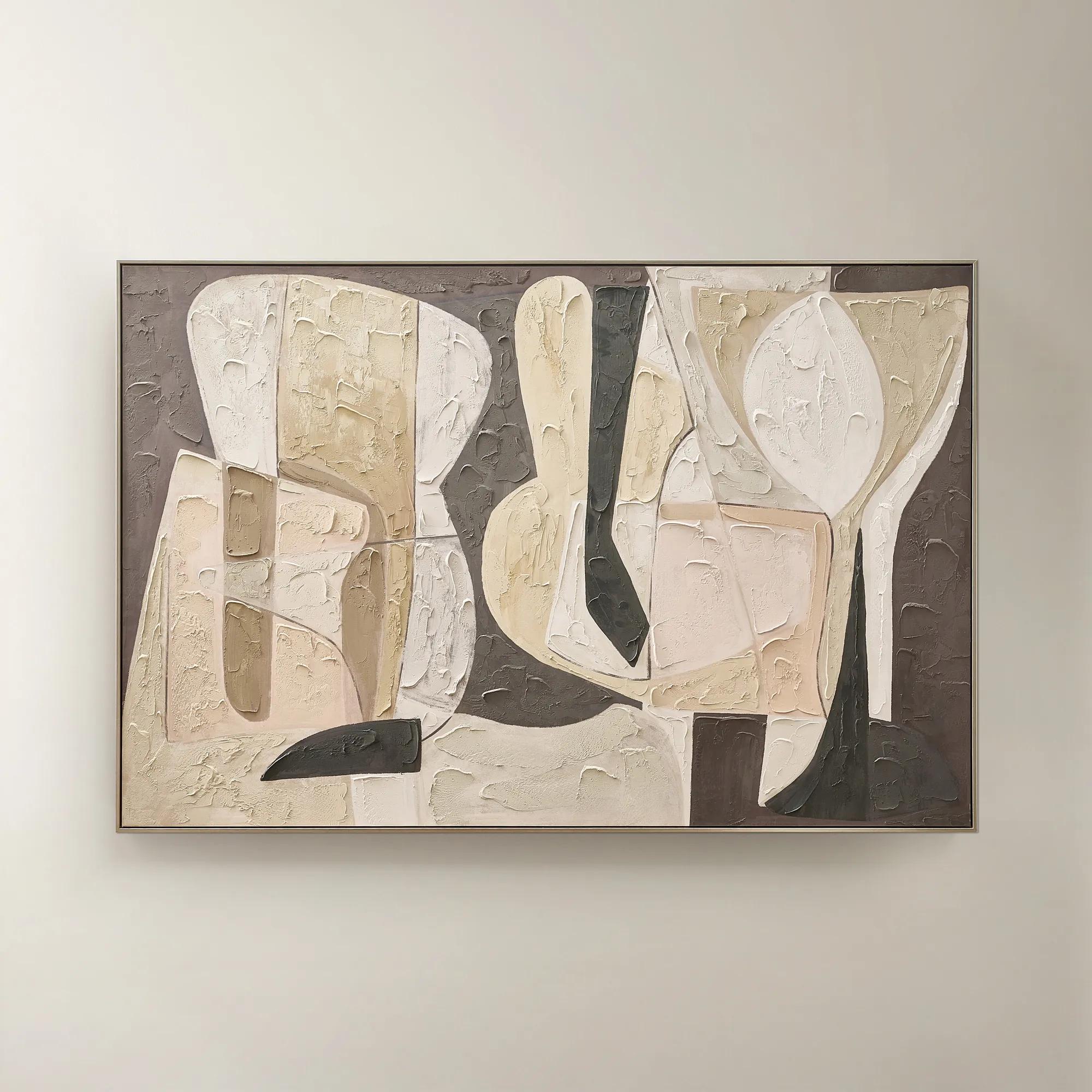 Wishful Thinking Framed Painted Wall Art 72" x 48"$599
A hand-painted abstract canvas featuring bold geometric forms and warm smoked plum, apricot, and tawny hues.
Add To Cart -
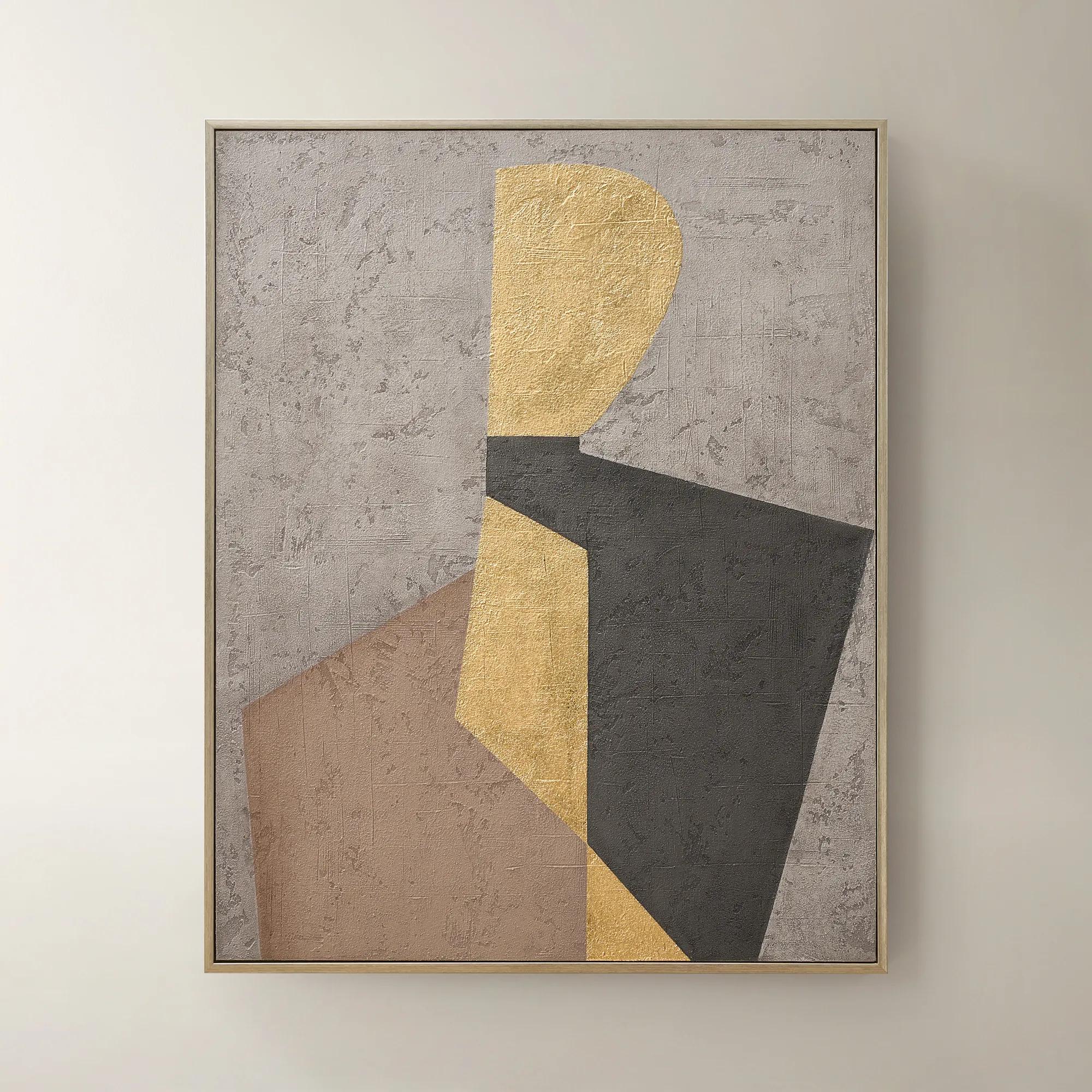 Aura of Gold Framed Painted Wall Art 40" x 50"$399
A hand-painted canvas with champagne leafing and a brushed champagne frame in mocha, grey, black, and gold.
Add To Cart -
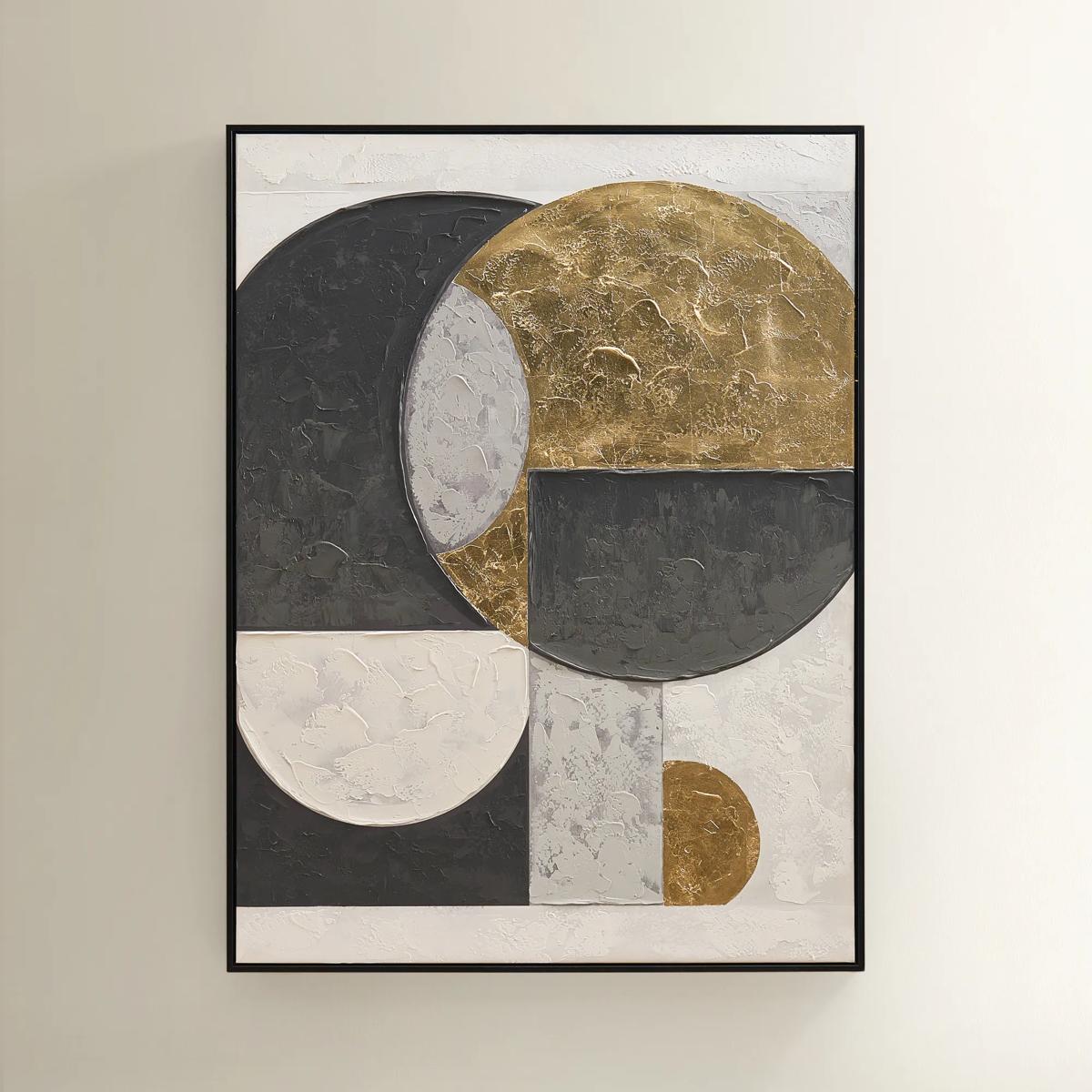
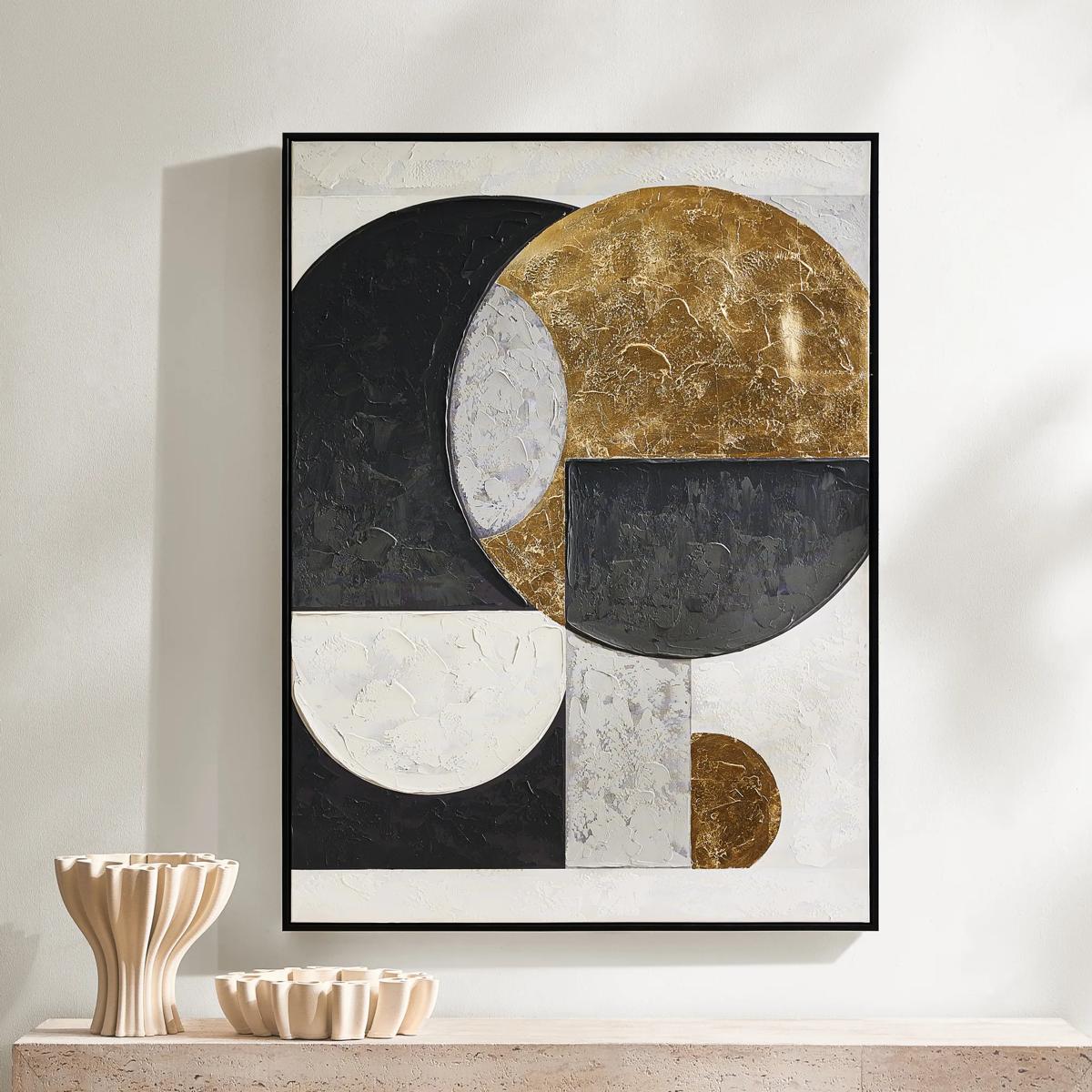 Eclipse Framed Gold Leaf Painted Wall Art 35.25" x 47.25"$449
A hand-painted canvas featuring bold black, grey, and gold geometric shapes with shimmering gold leaf accents.
Add To Cart -
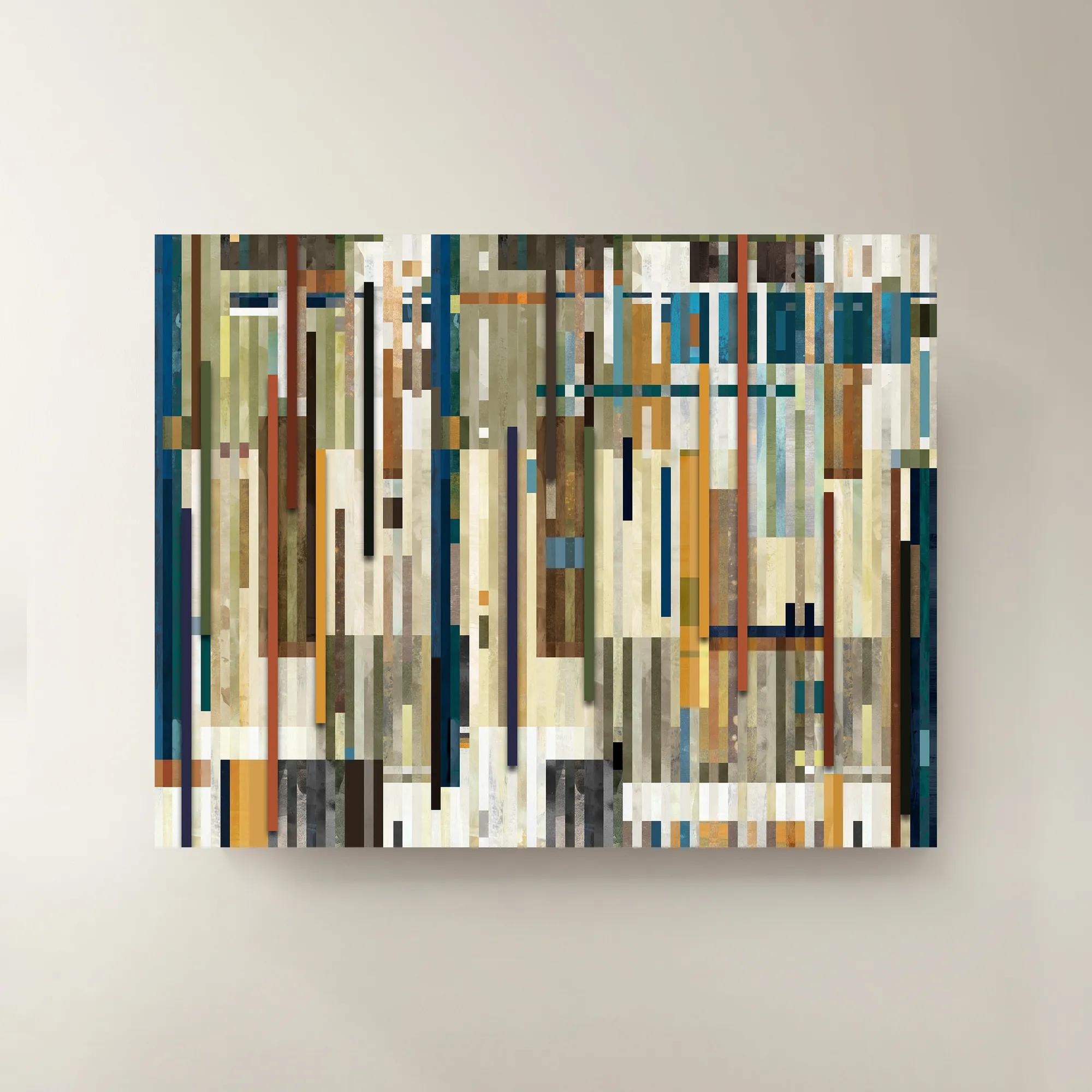
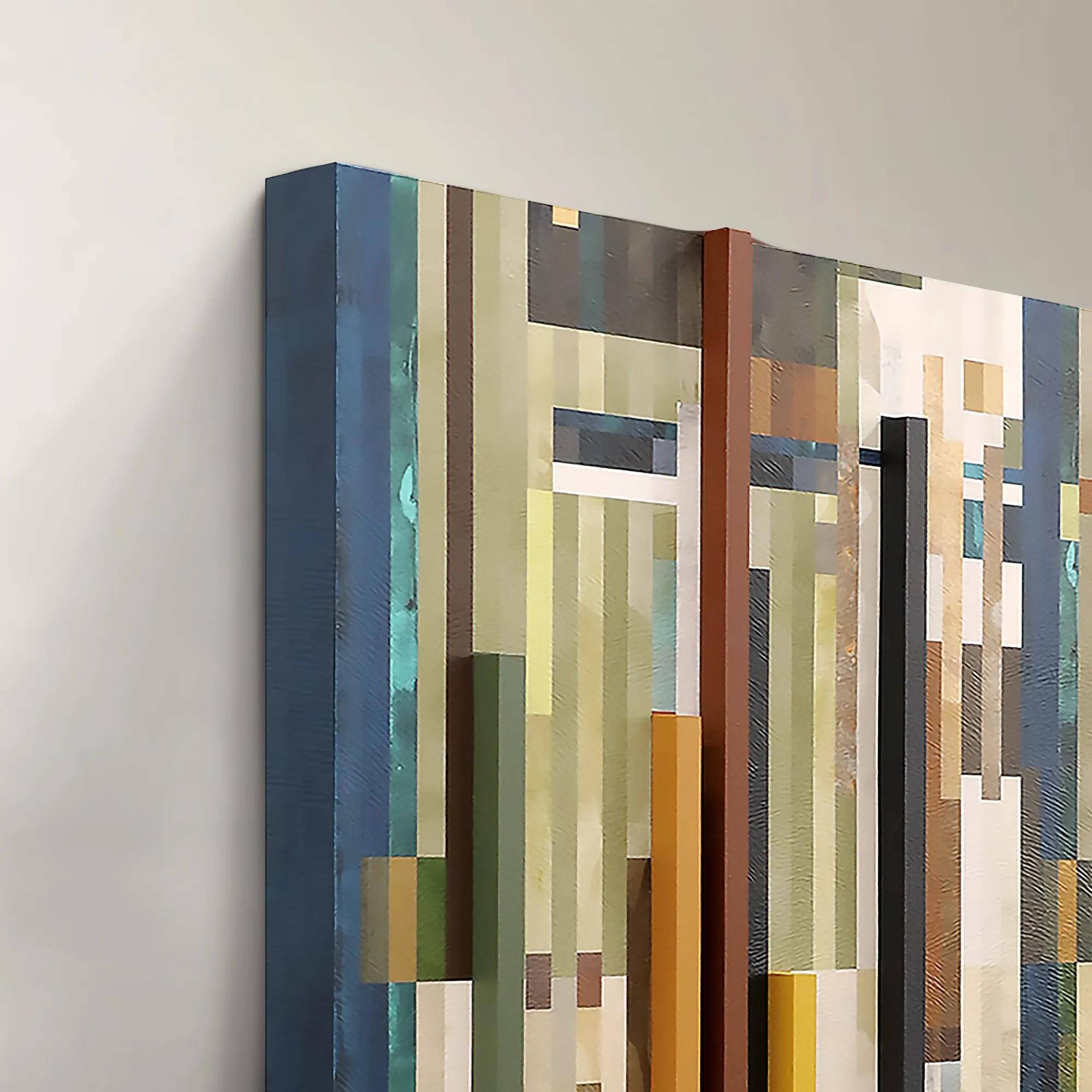 Chromatic Rhythms II Wall Art 60" x 47"$1899
A dynamic blue abstract canvas artwork featuring rhythmic geometric composition.
Add To Cart -
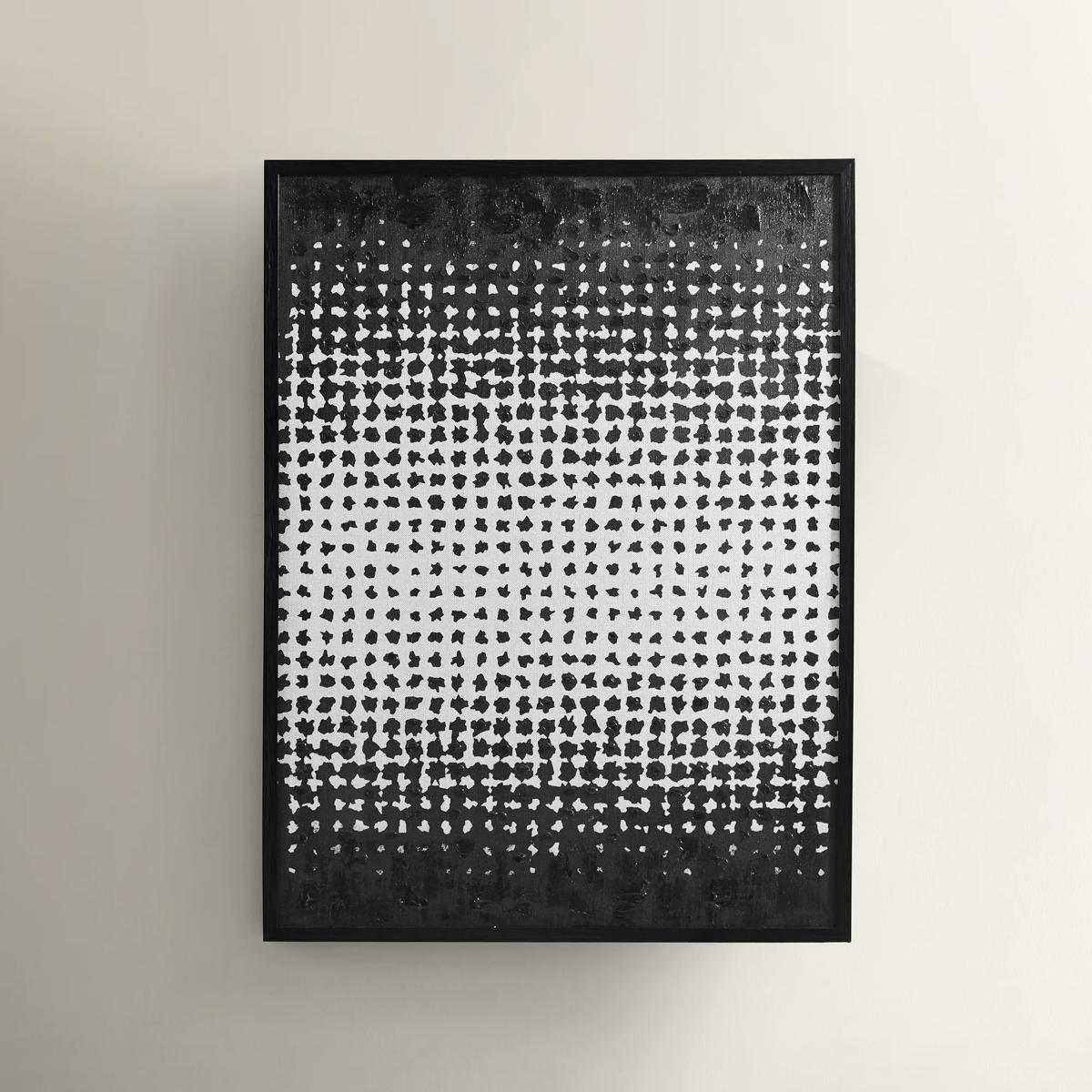
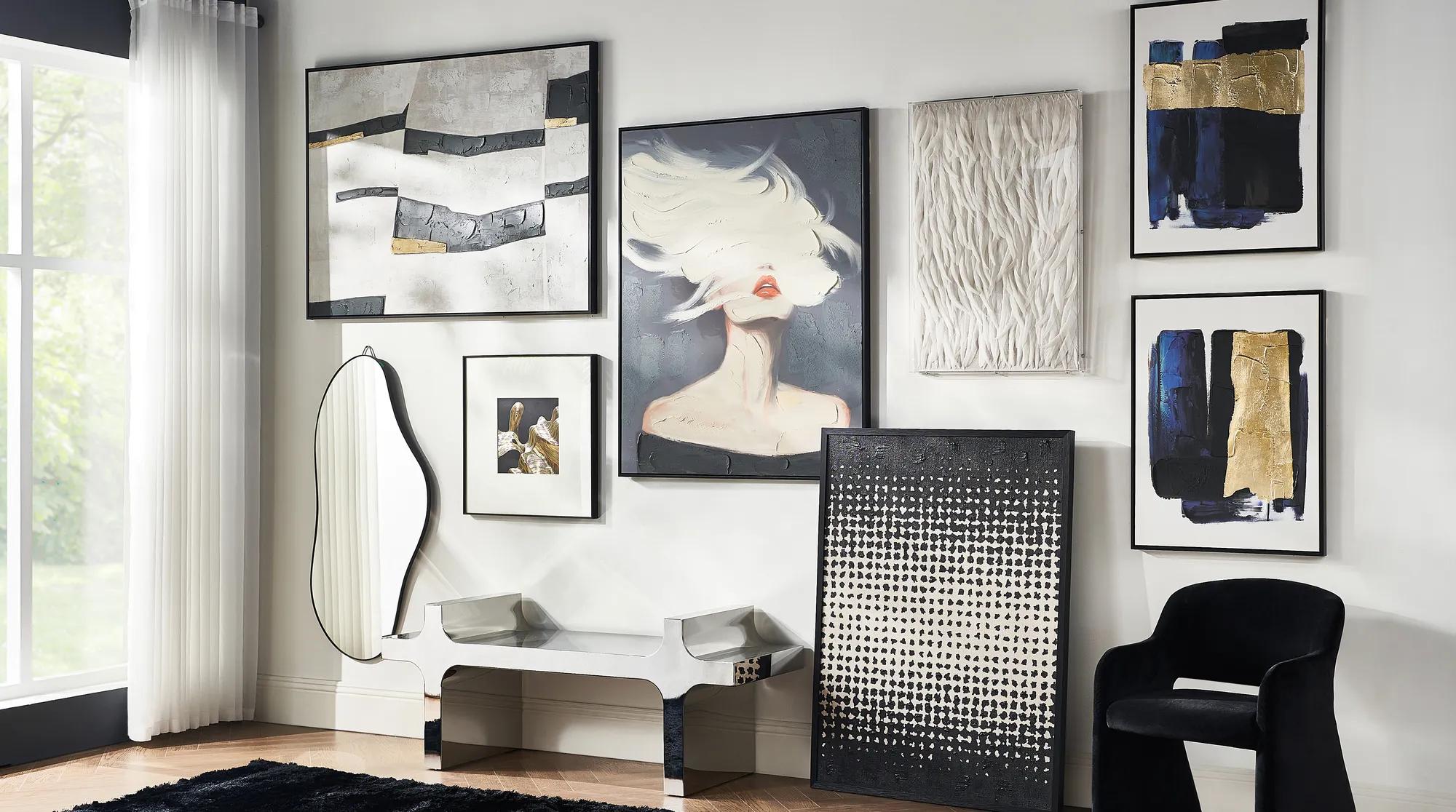 In Time Painting$399
A hand-painted linen canvas featuring cream and black dots in a modern, minimalist geometric pattern.
Add To Cart -
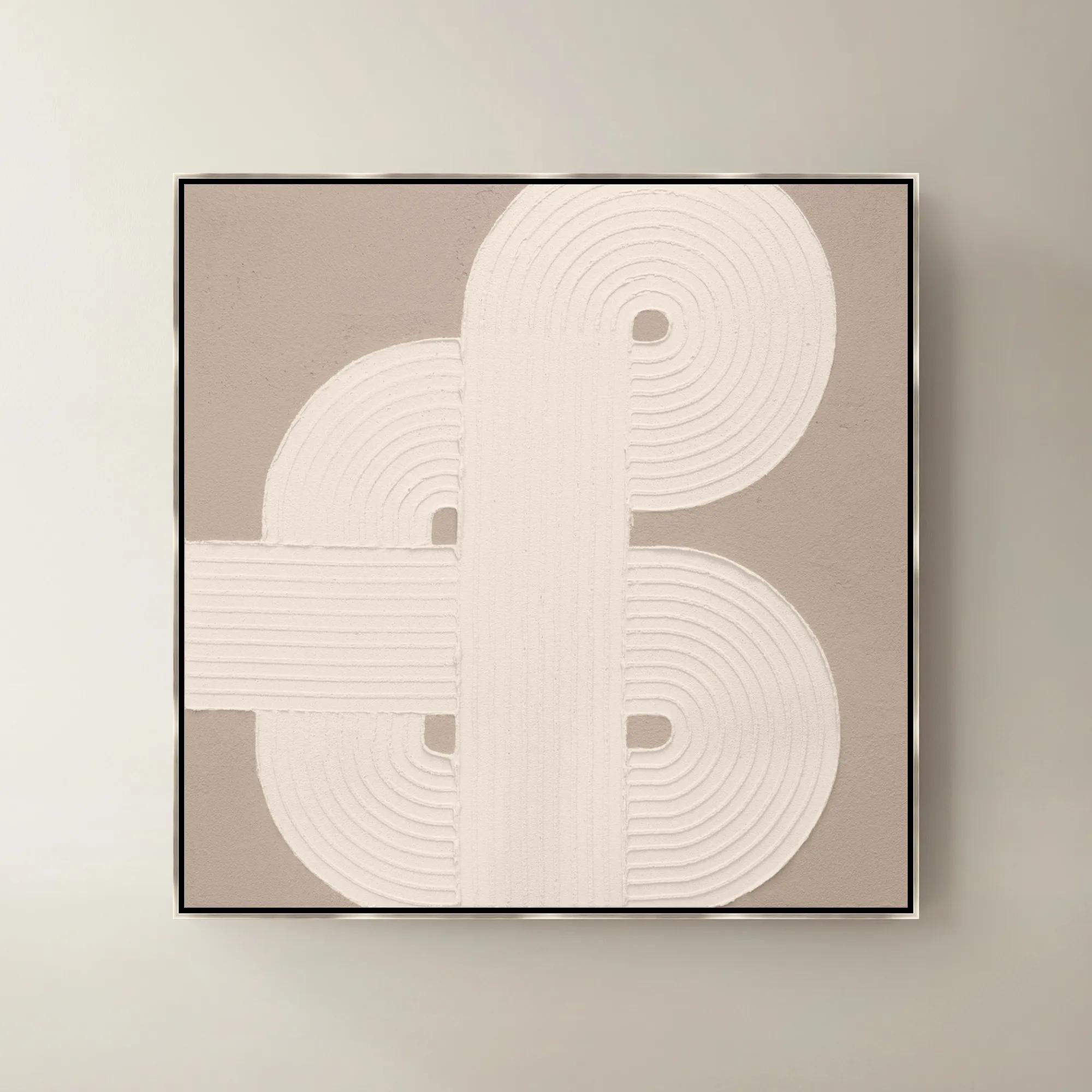
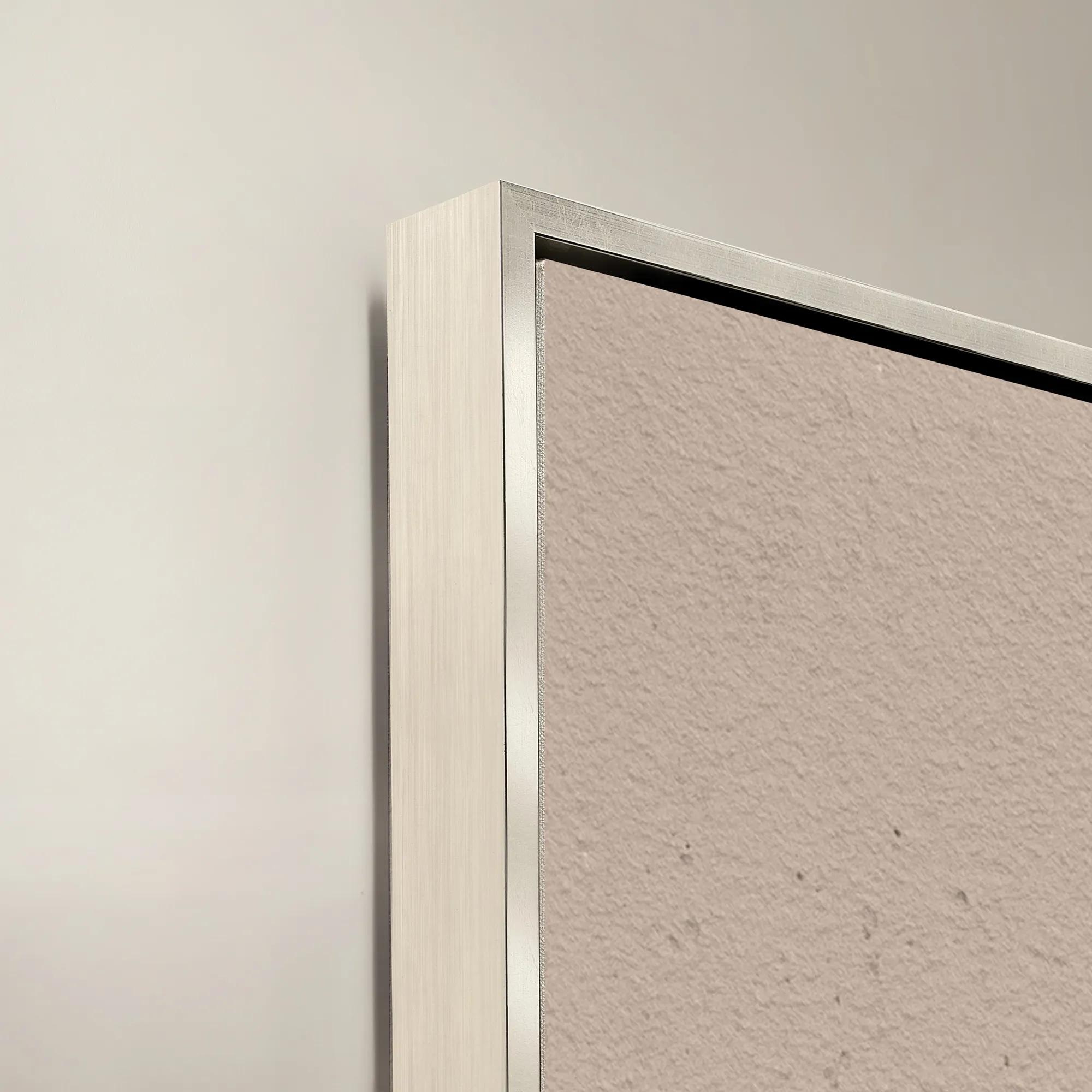 Sacred Geometry IV Framed Painted Wall Art 40" x 40"$1099
A striking abstract art piece featuring bold geometric patterns for a modern, sophisticated touch.
Add To Cart -
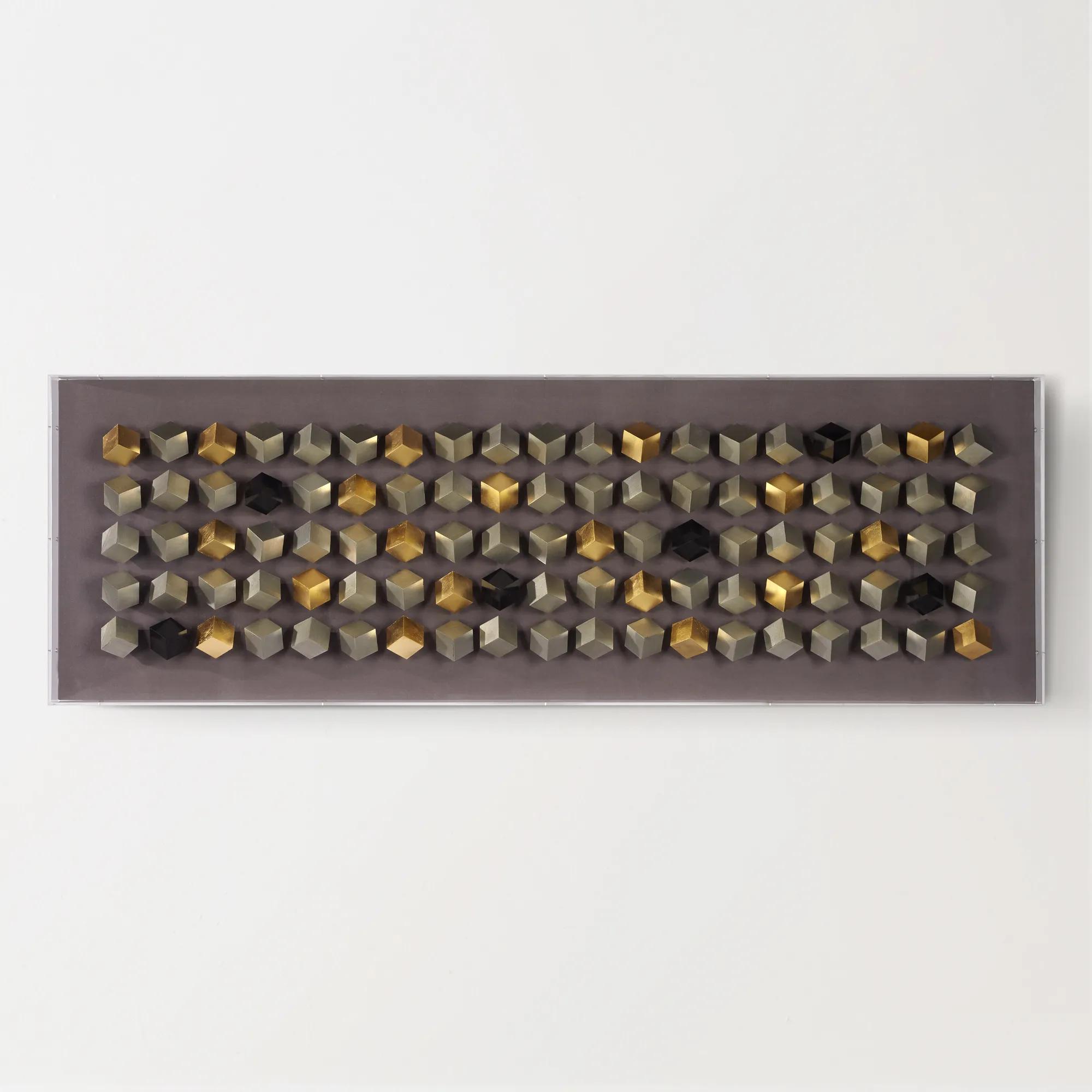
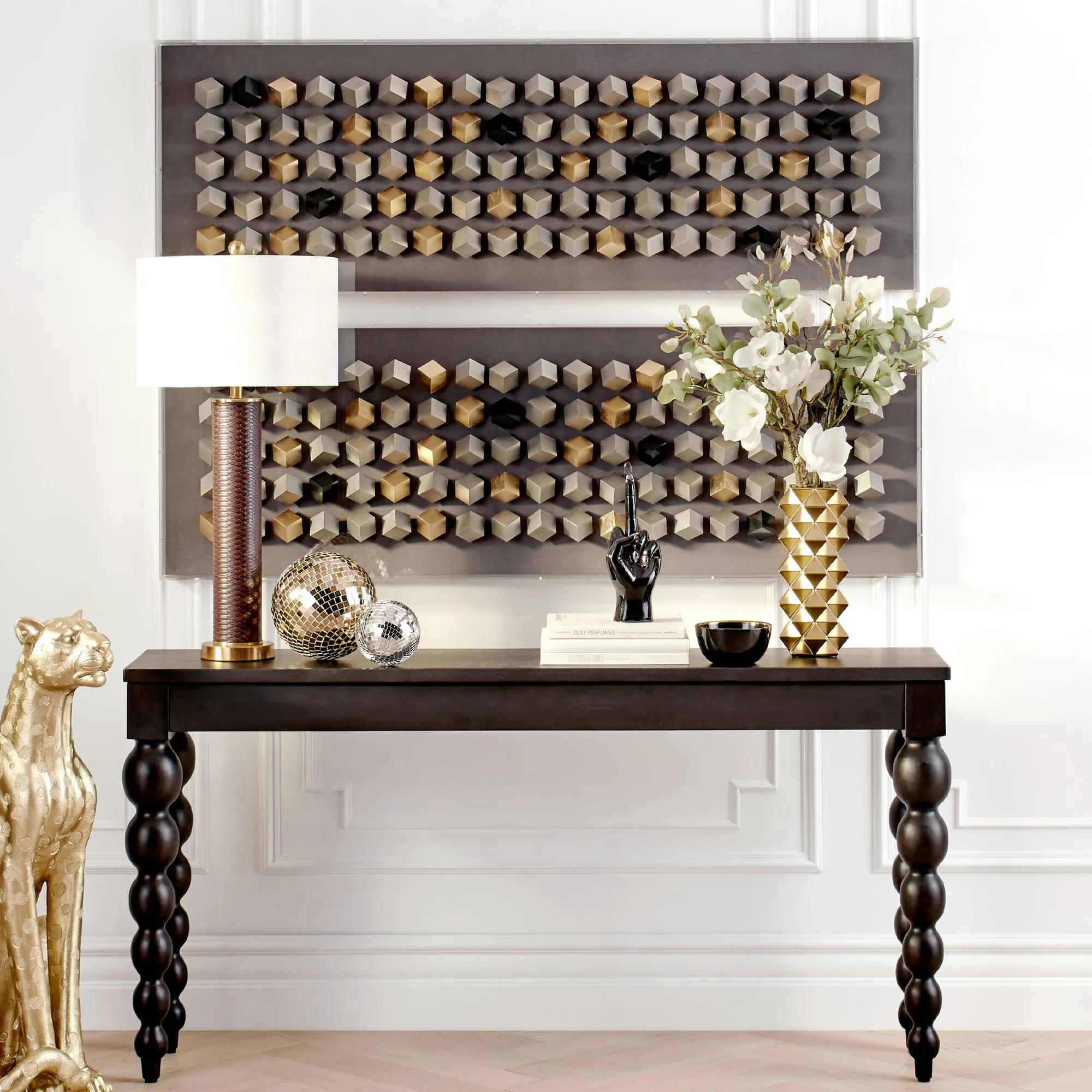 Cubic Array Dimensional Wall Decor in Acrylic 59" x 19.75"$599
A striking shadowbox wall art featuring a cubic, dimensional design with a tri-tone metallic finish.
Add To Cart -
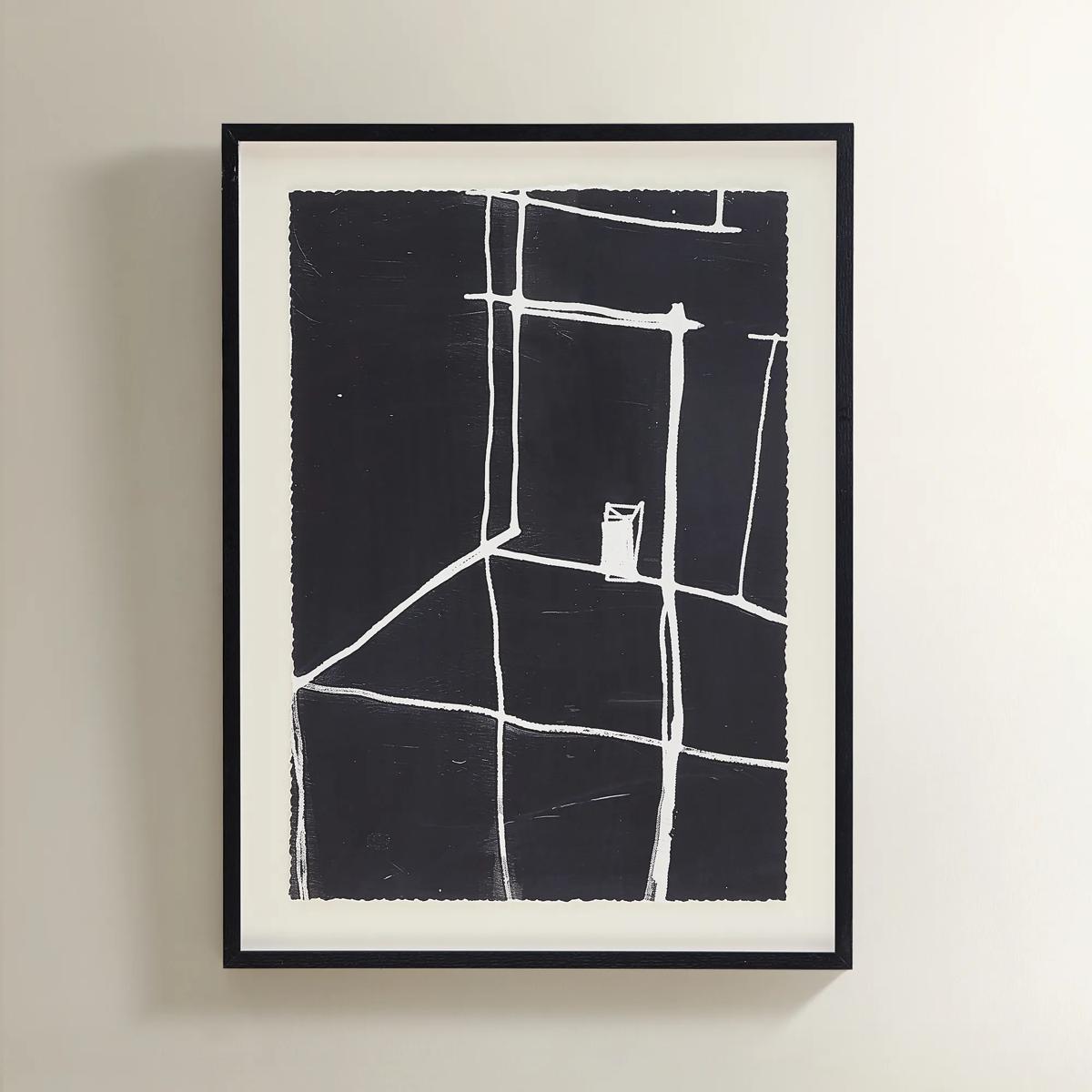
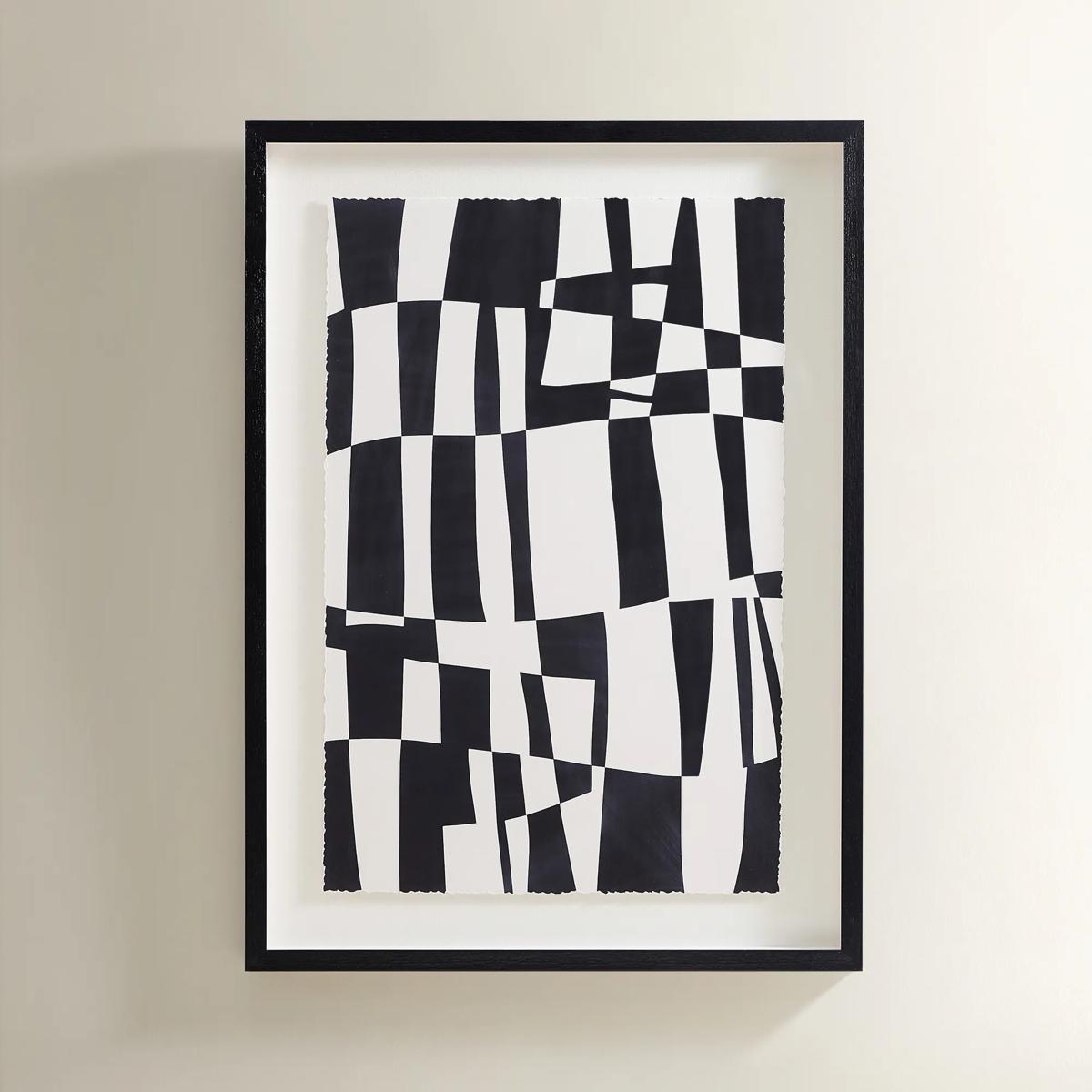 Matrix Art$369
A striking black and white abstract grid print set in a sleek black polyresin frame.
Add To Cart -

 Hint of Spring Framed Painted Wall Art 48" x 48"$599
A framed, multicolored painted canvas artwork that brings a vibrant, artistic touch to contemporary interiors.
Add To Cart -
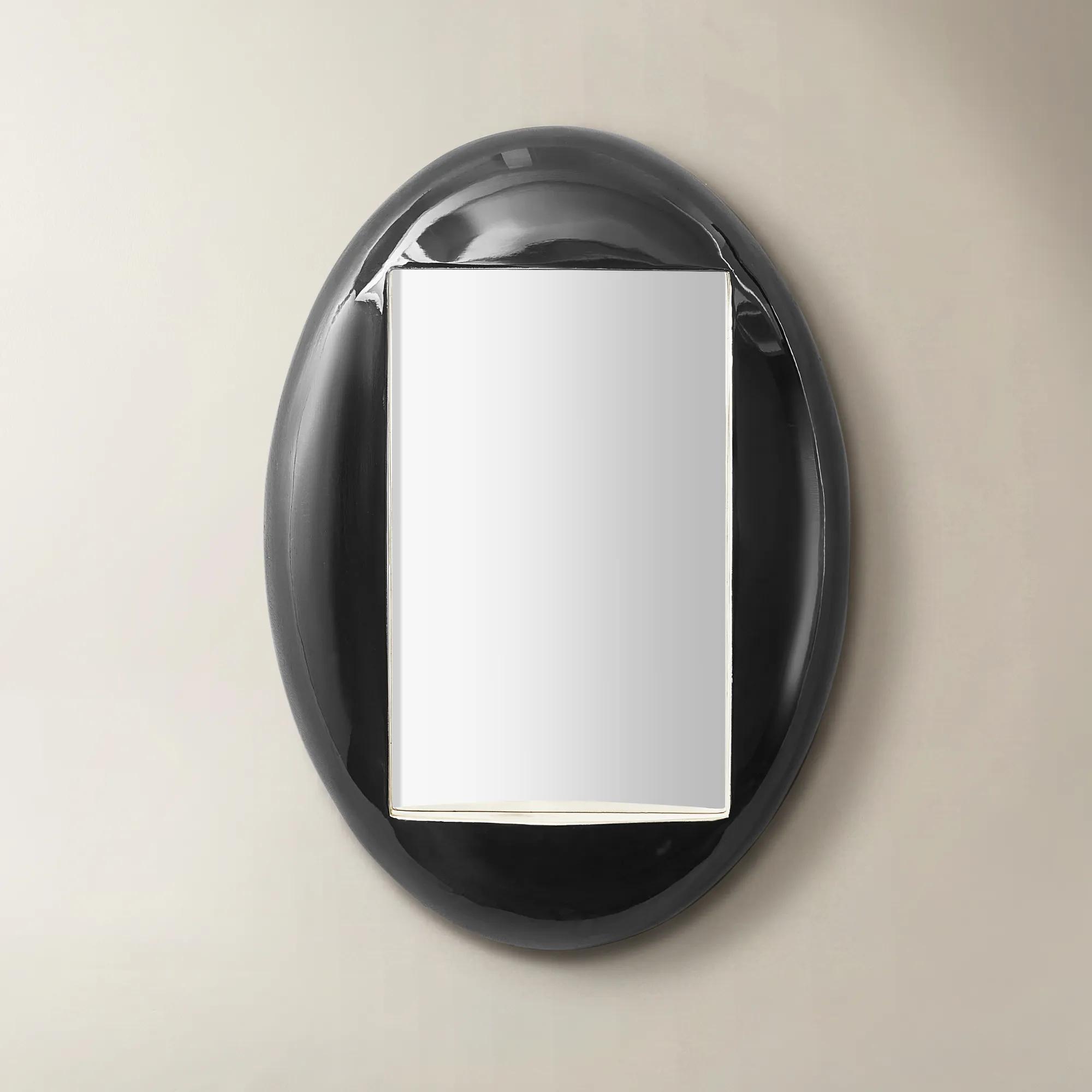 Tuxedo Black And Champagne High Gloss Resin Geometric Wall Mirror 28" x 20"$299
A geometric wall mirror with a black and champagne resin frame for bold, modern sophistication.
Add To Cart -
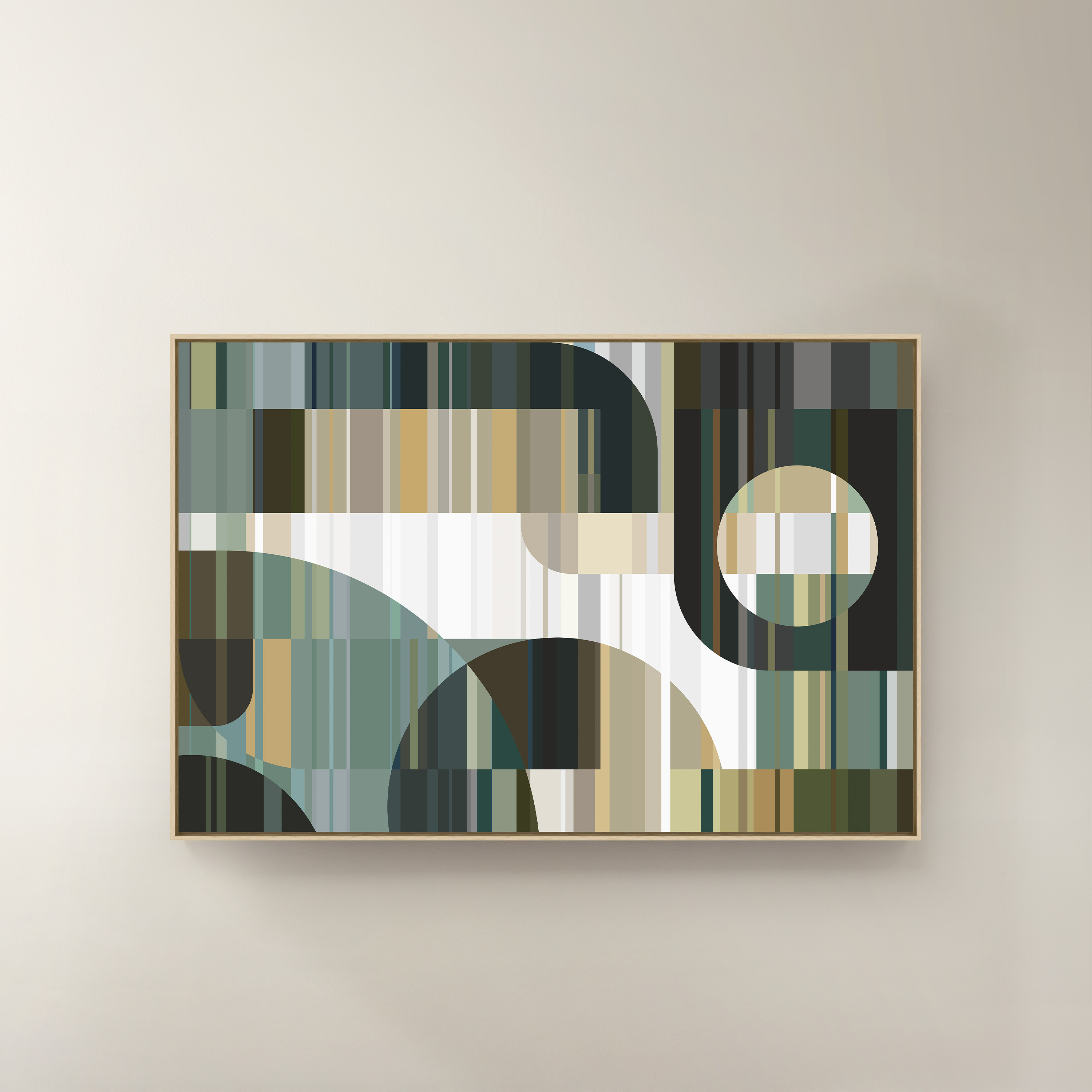
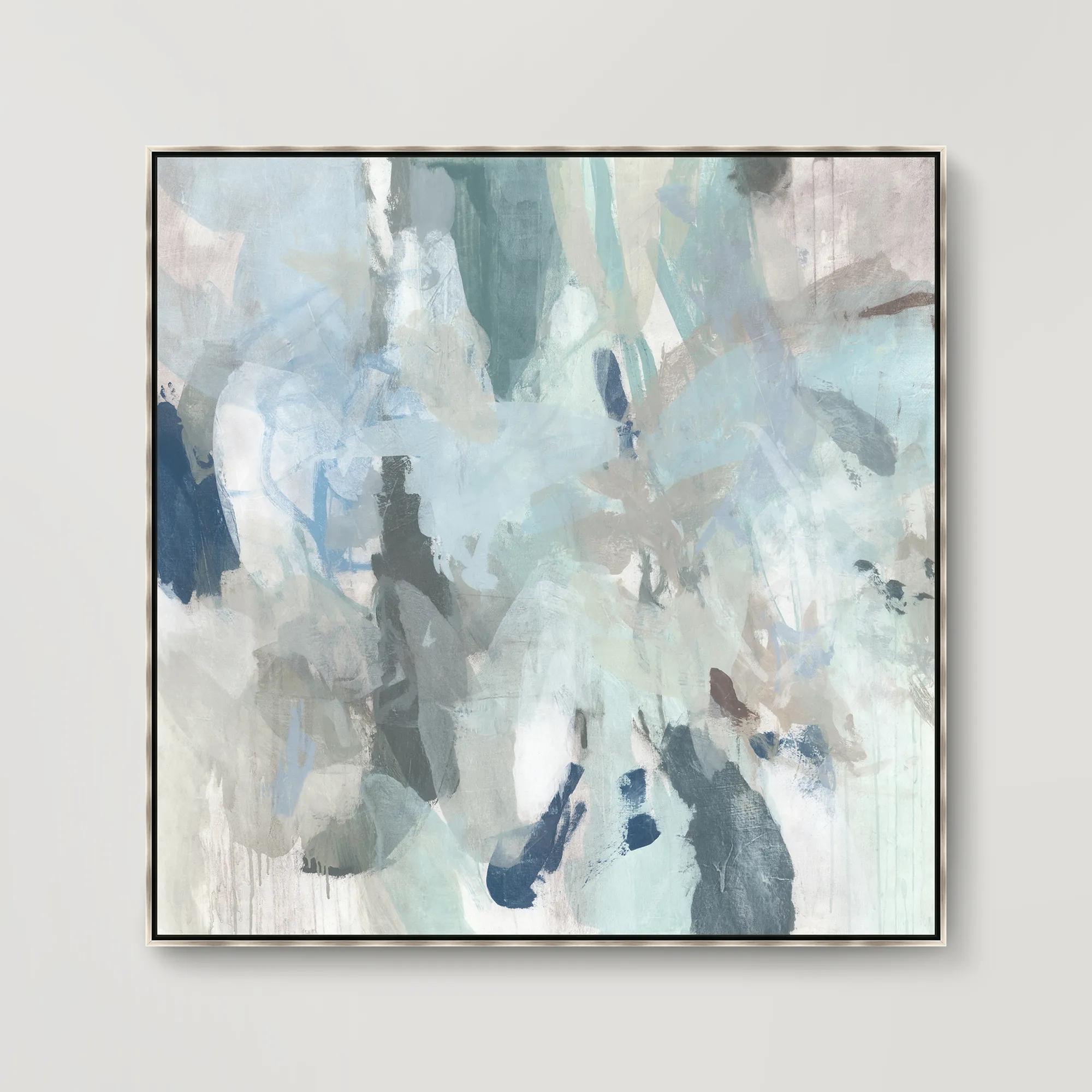
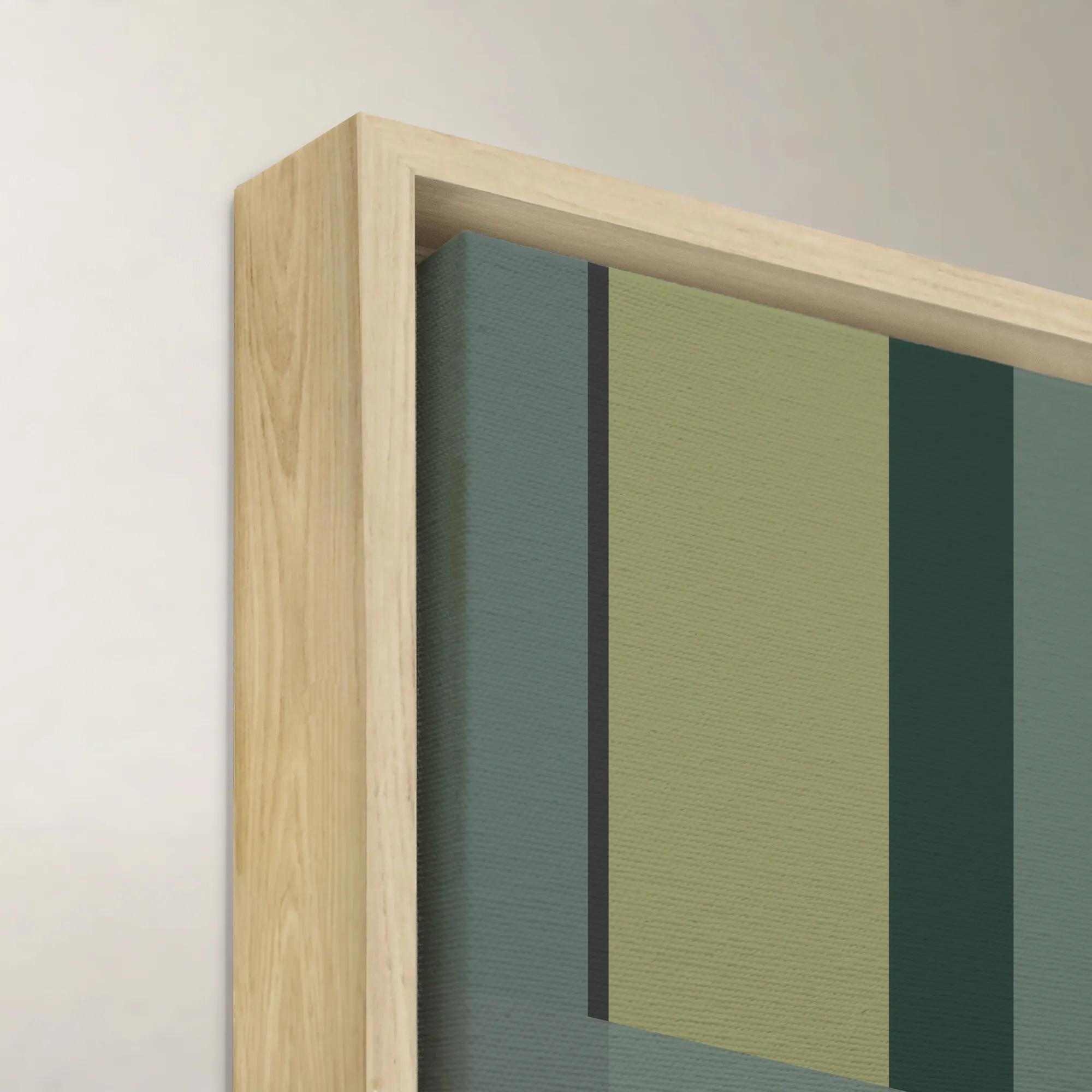 Cool Intersecting Forms II Framed Wall Art 60" x 40"$1099
A framed canvas wall artwork featuring cool-toned intersecting forms in a multicolored abstract composition.
Add To Cart -
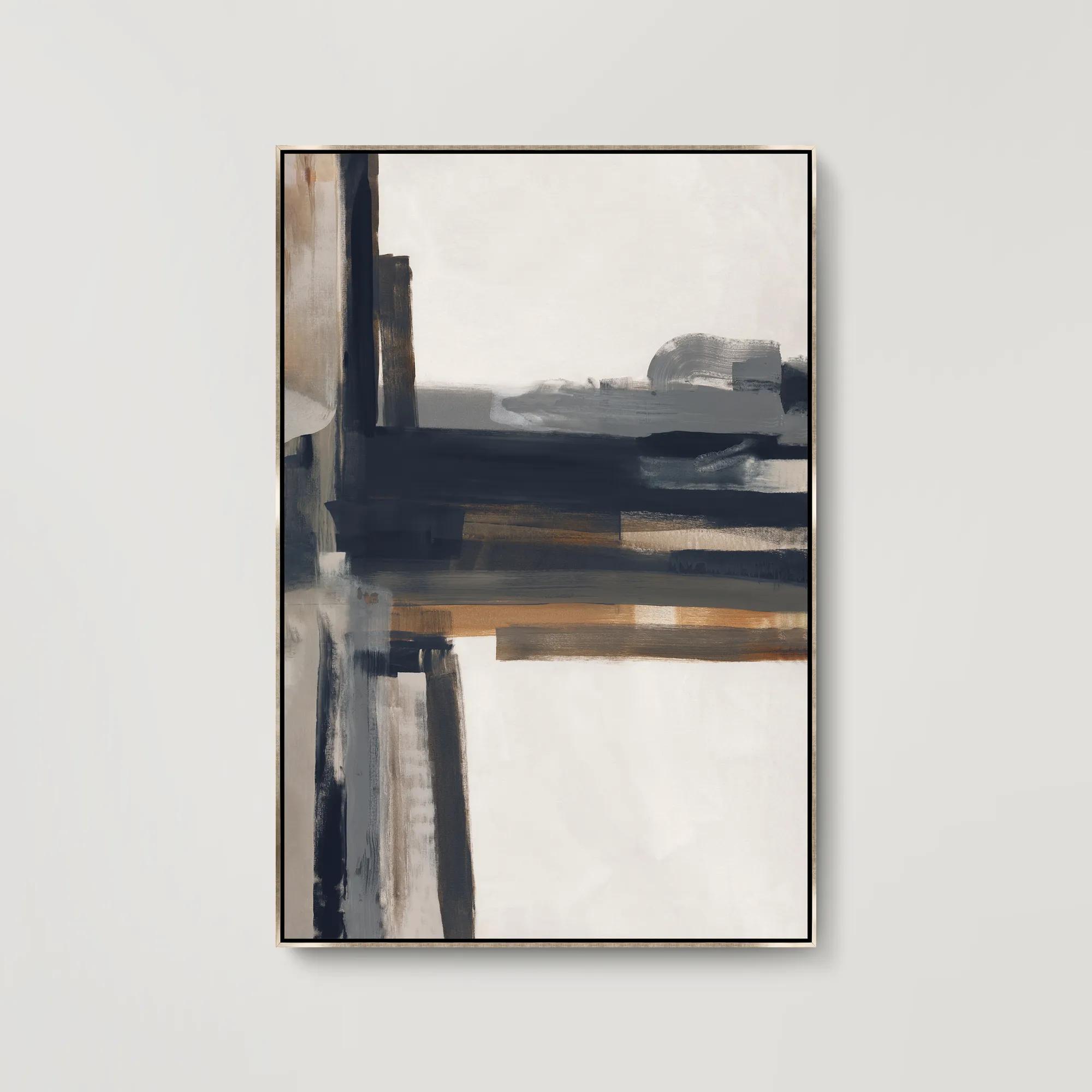
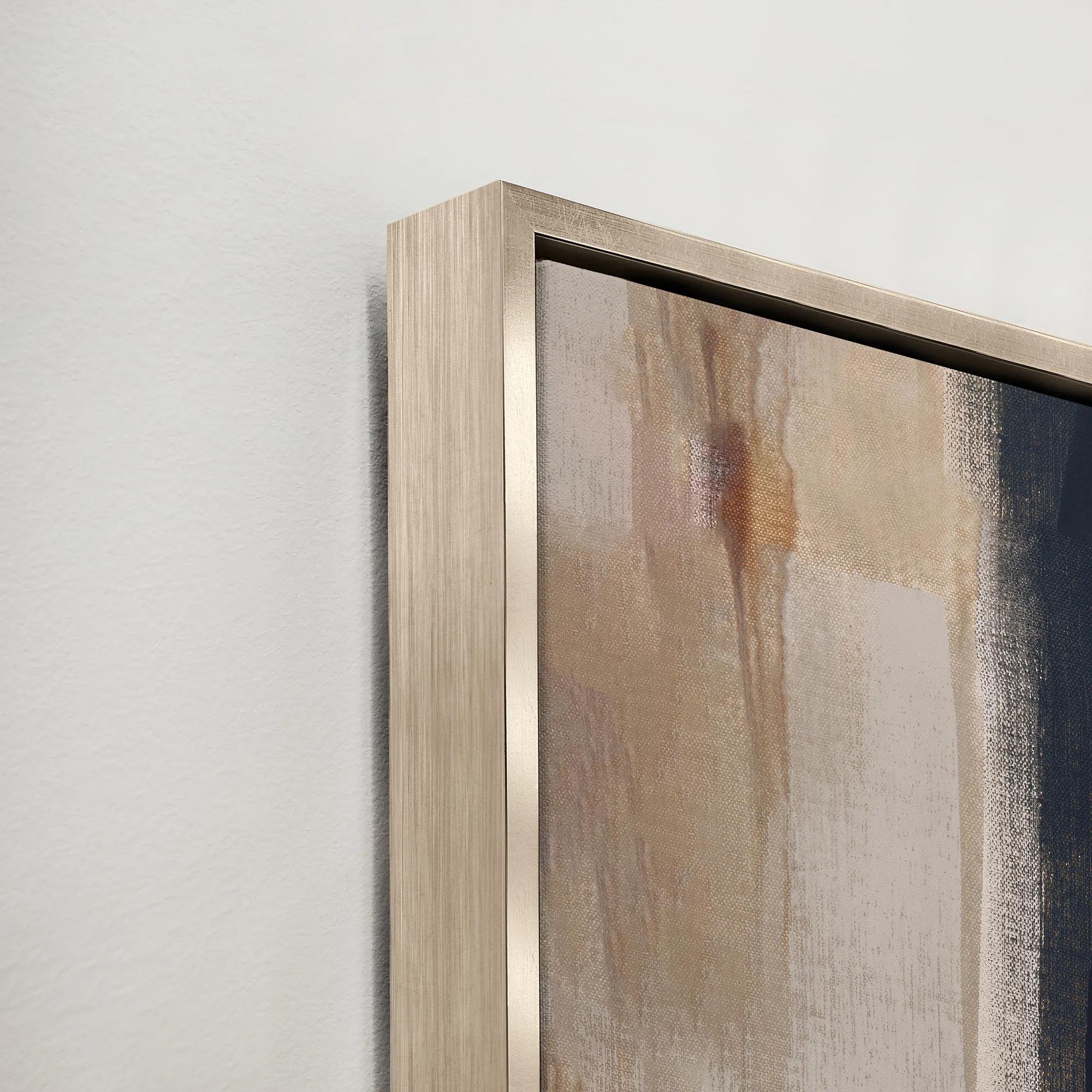 Imposing Construct I Framed Wall Art 41.5" x 61.5"$949
A gallery-wrapped abstract canvas featuring hand-applied brush gel and set in a sleek silver floater frame.
Add To Cart -
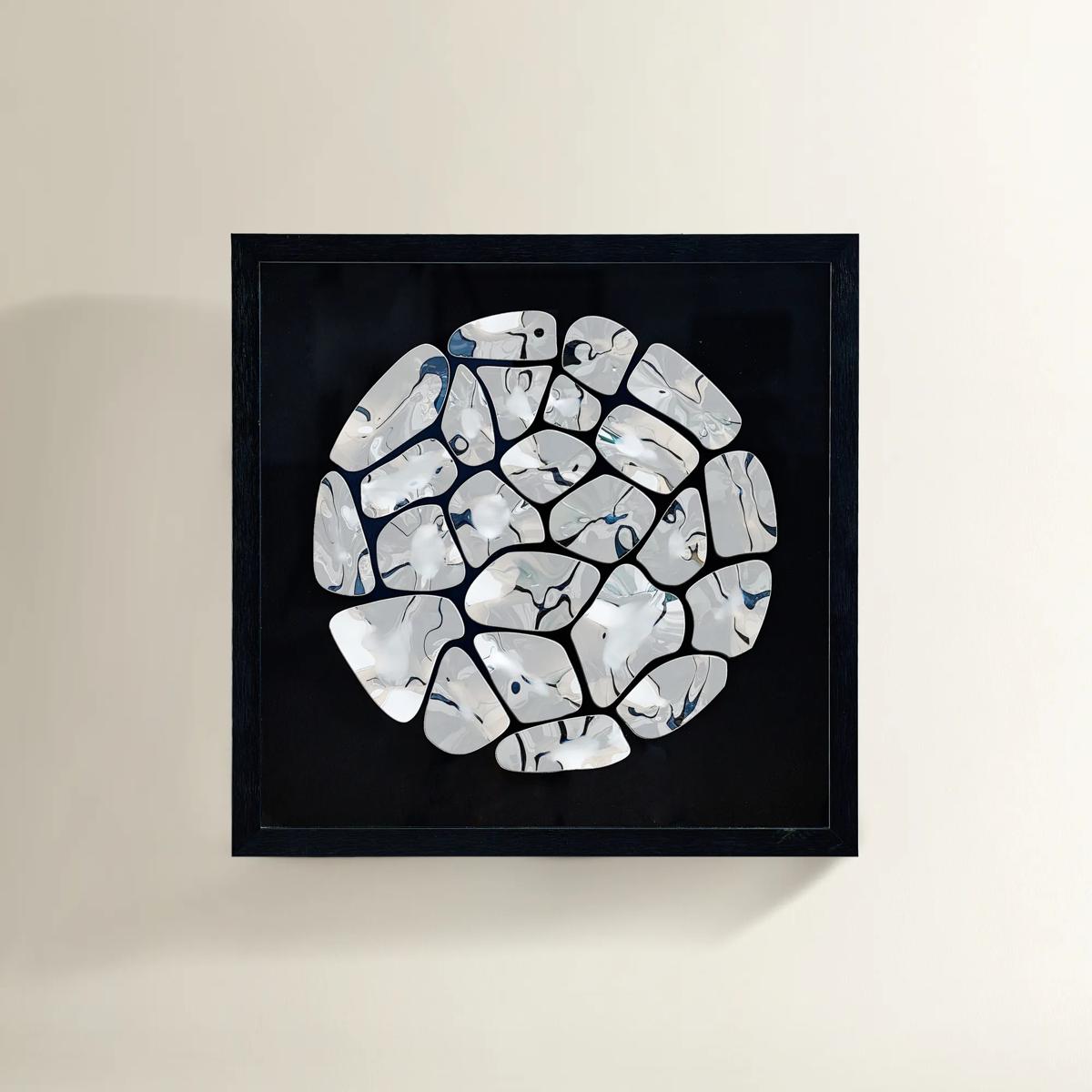
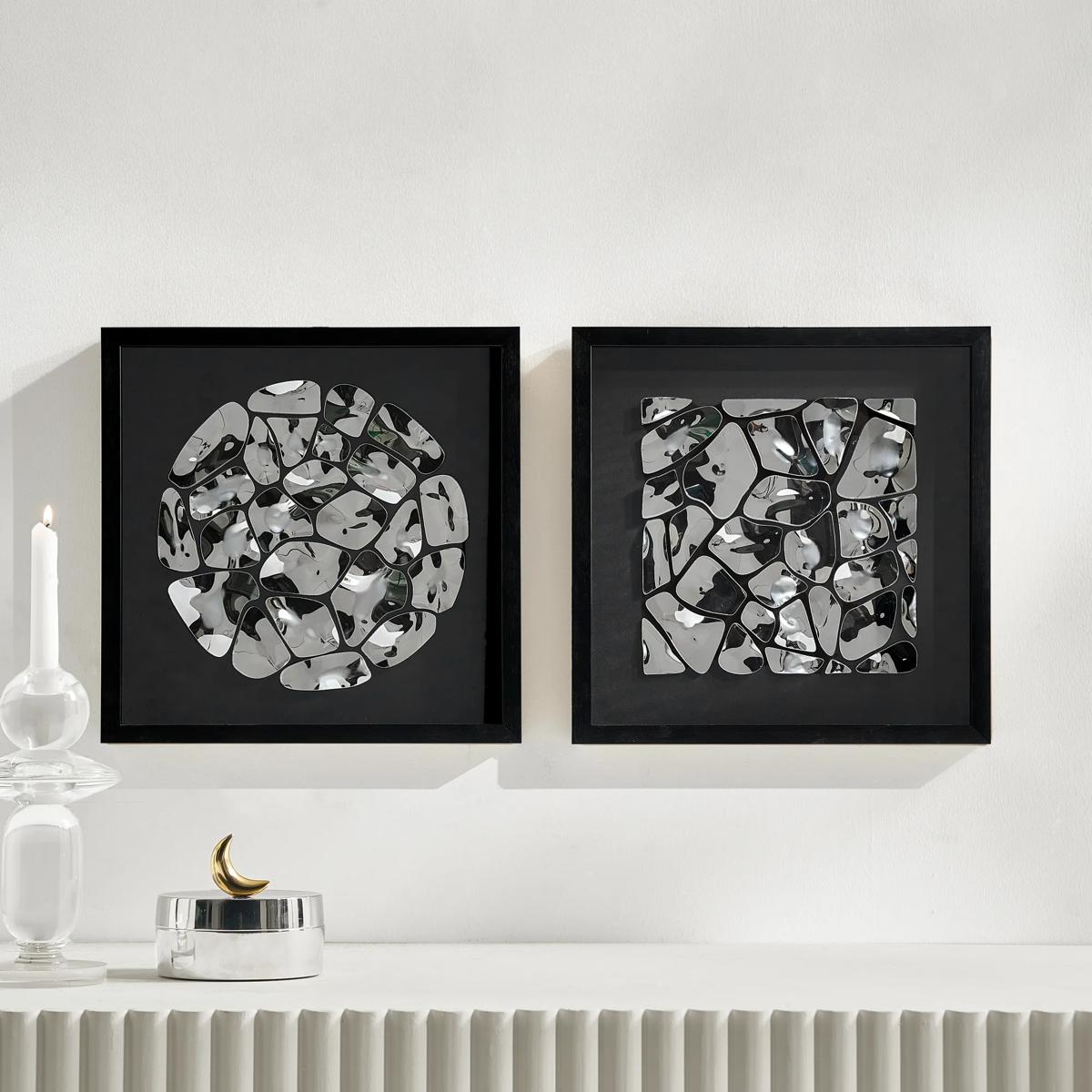 Reflect Silver And Black Shadowbox Art II$189
A dimensional metal wall art piece featuring polished silver and black forms in a sleek black frame.
Add To Cart -
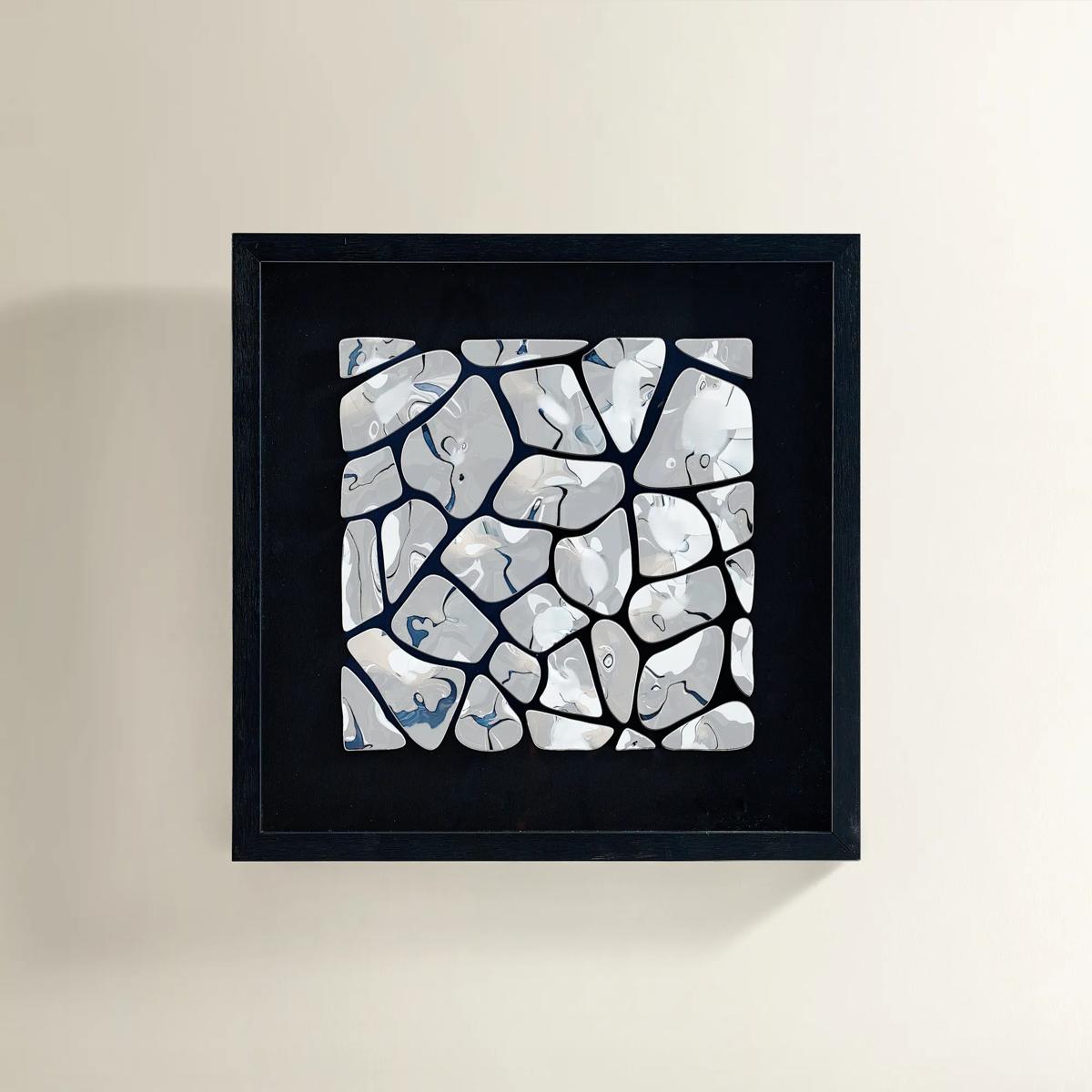 Reflect Silver And Black Shadowbox Art I$189
A dimensional metal wall art piece featuring polished silver and black forms in a sleek black frame.
Add To Cart -
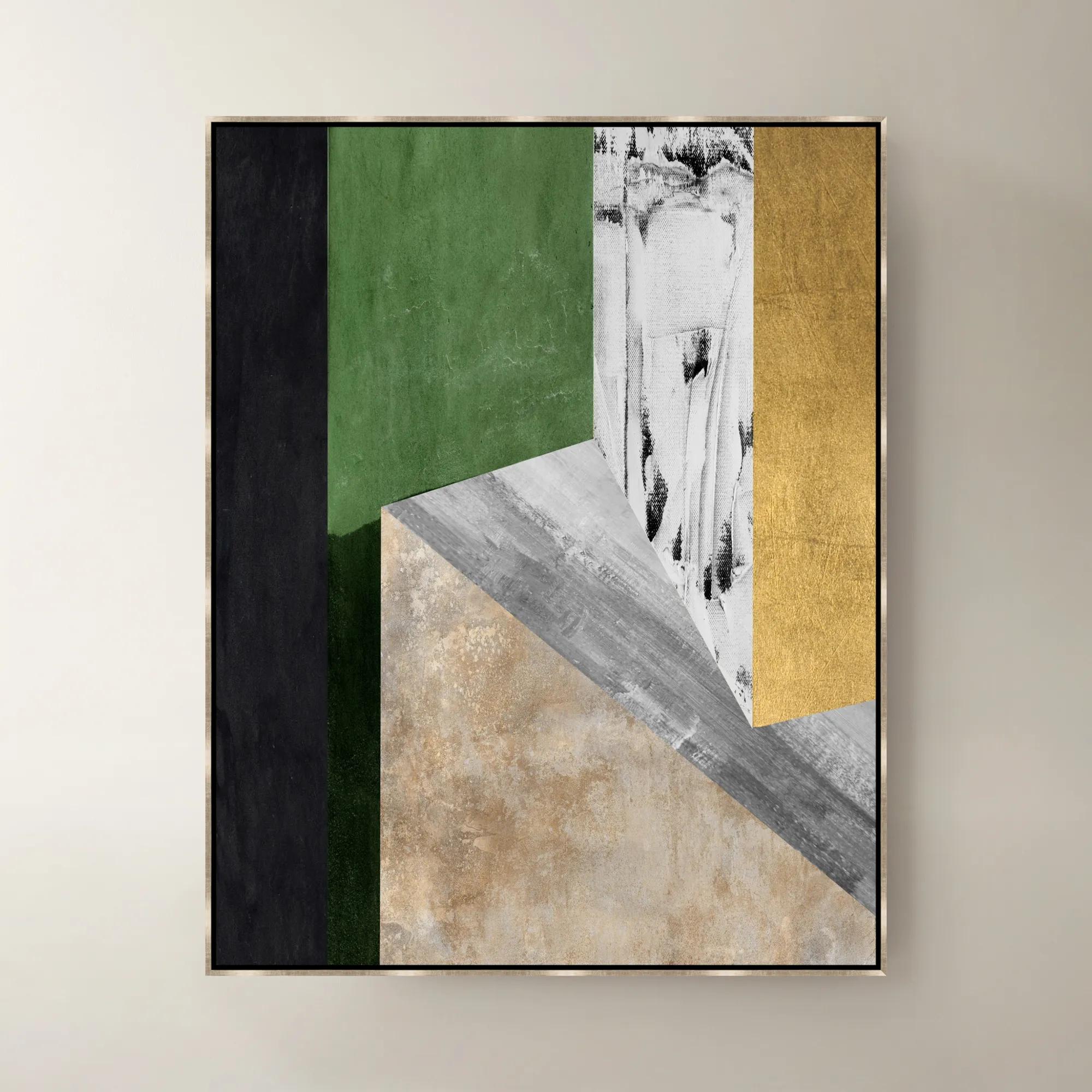
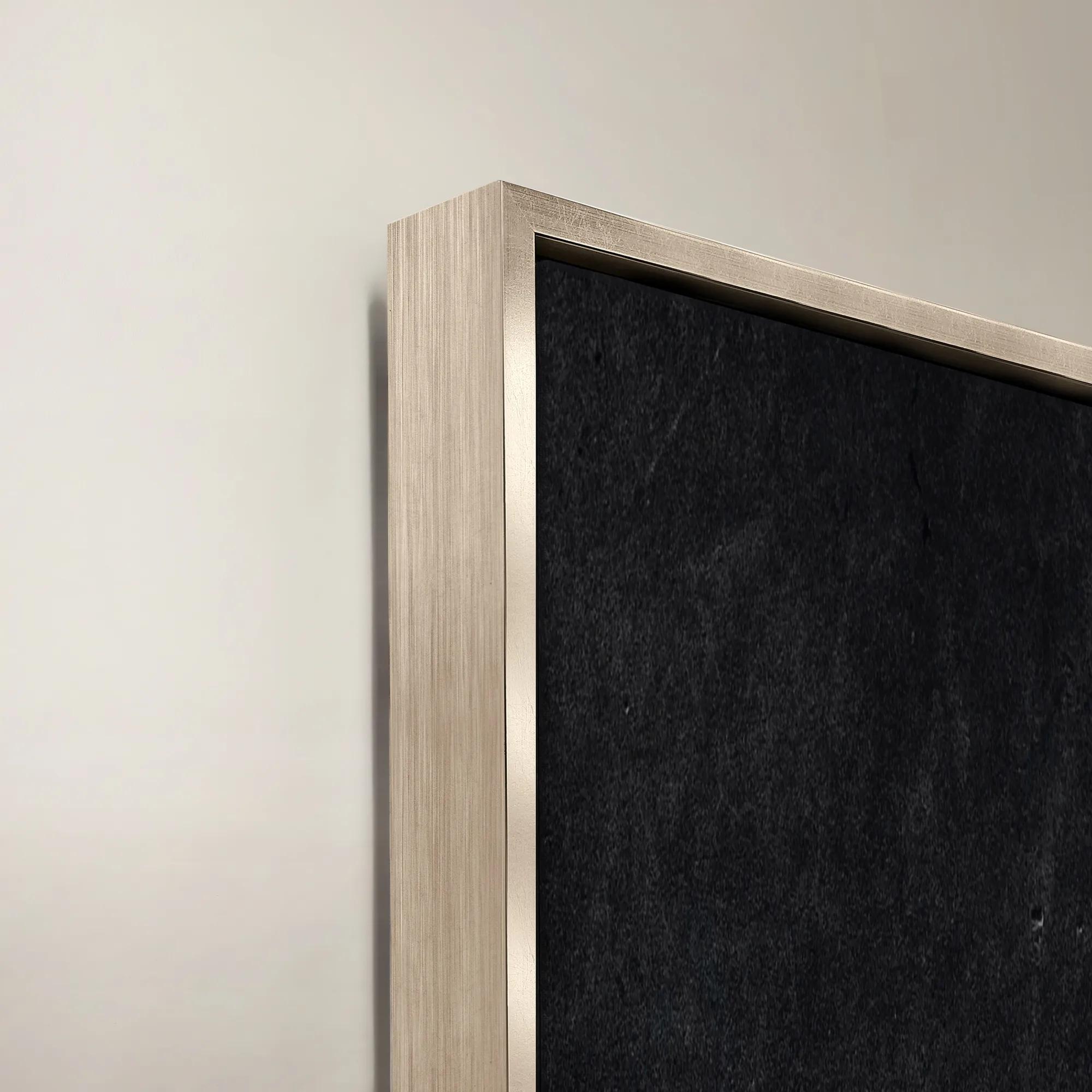 Blocked III Framed Wall Art 42" x 50"$1199
A striking abstract art piece featuring bold geometric shapes and modern design by Nikki Chu.
Add To Cart -
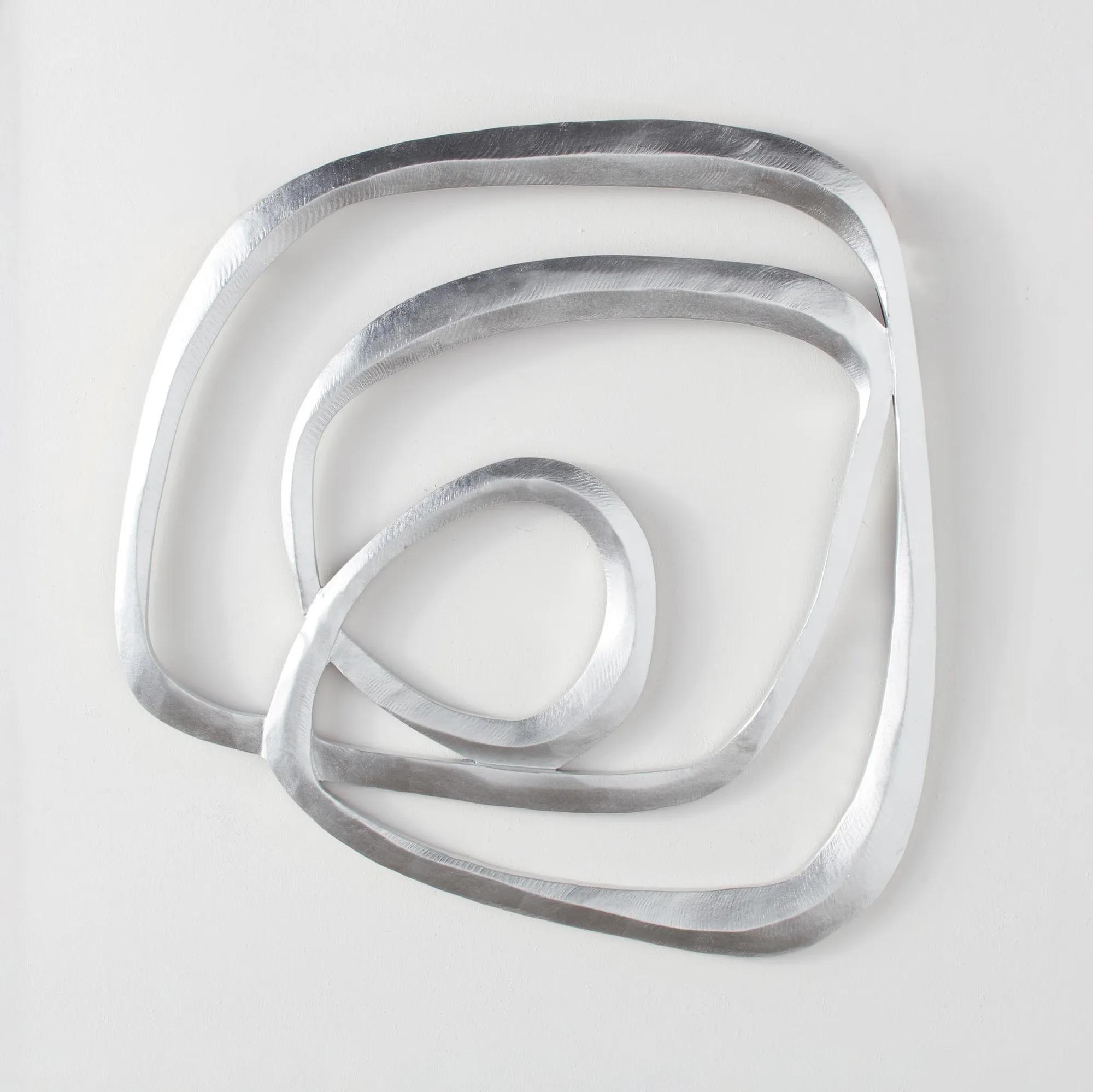 Infinity Silver Leaf Wood Wall Decor II 31.5" x 31.5"$299
A swirling wooden wall sculpture featuring a striking metallic silver finish for modern visual impact.
Add To Cart -
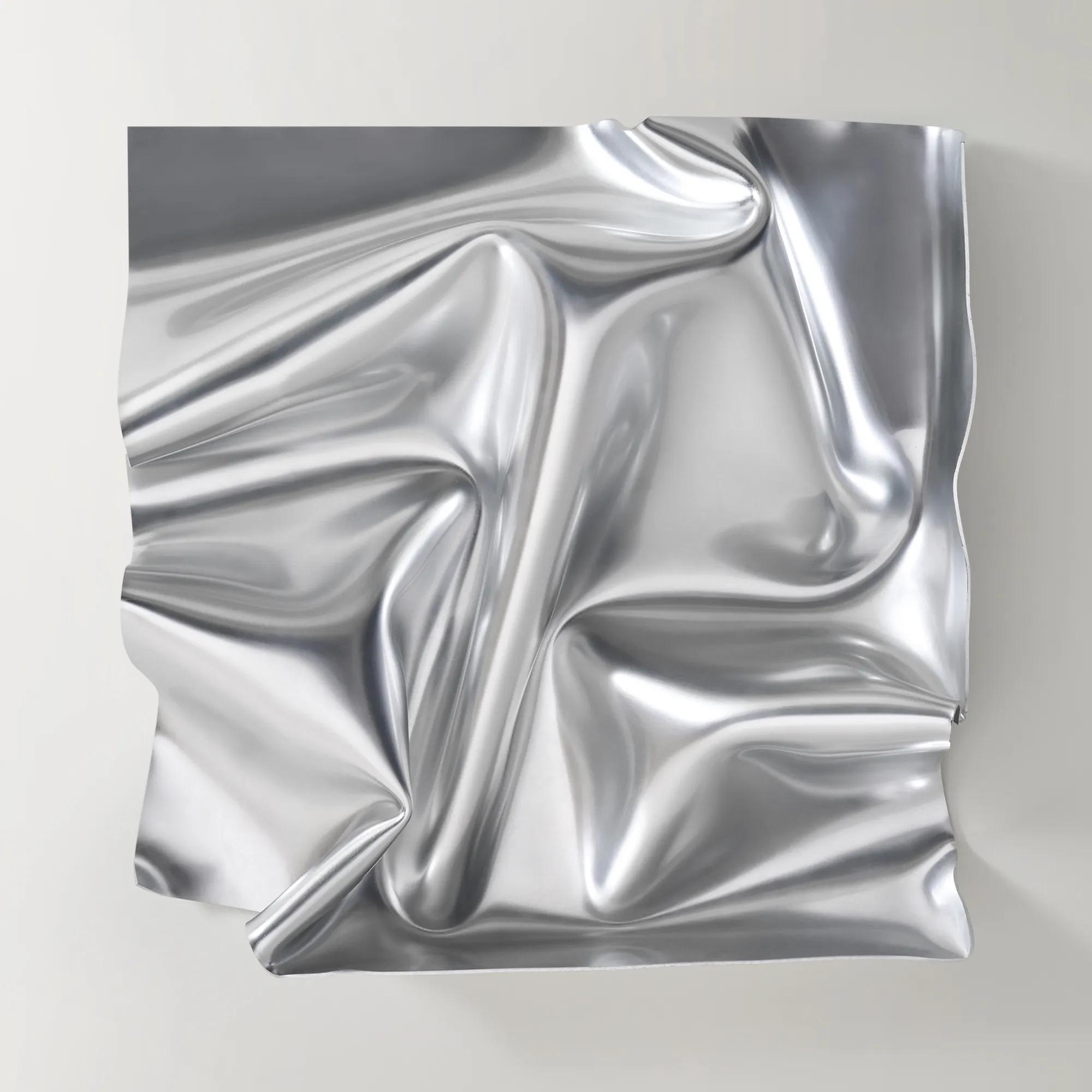
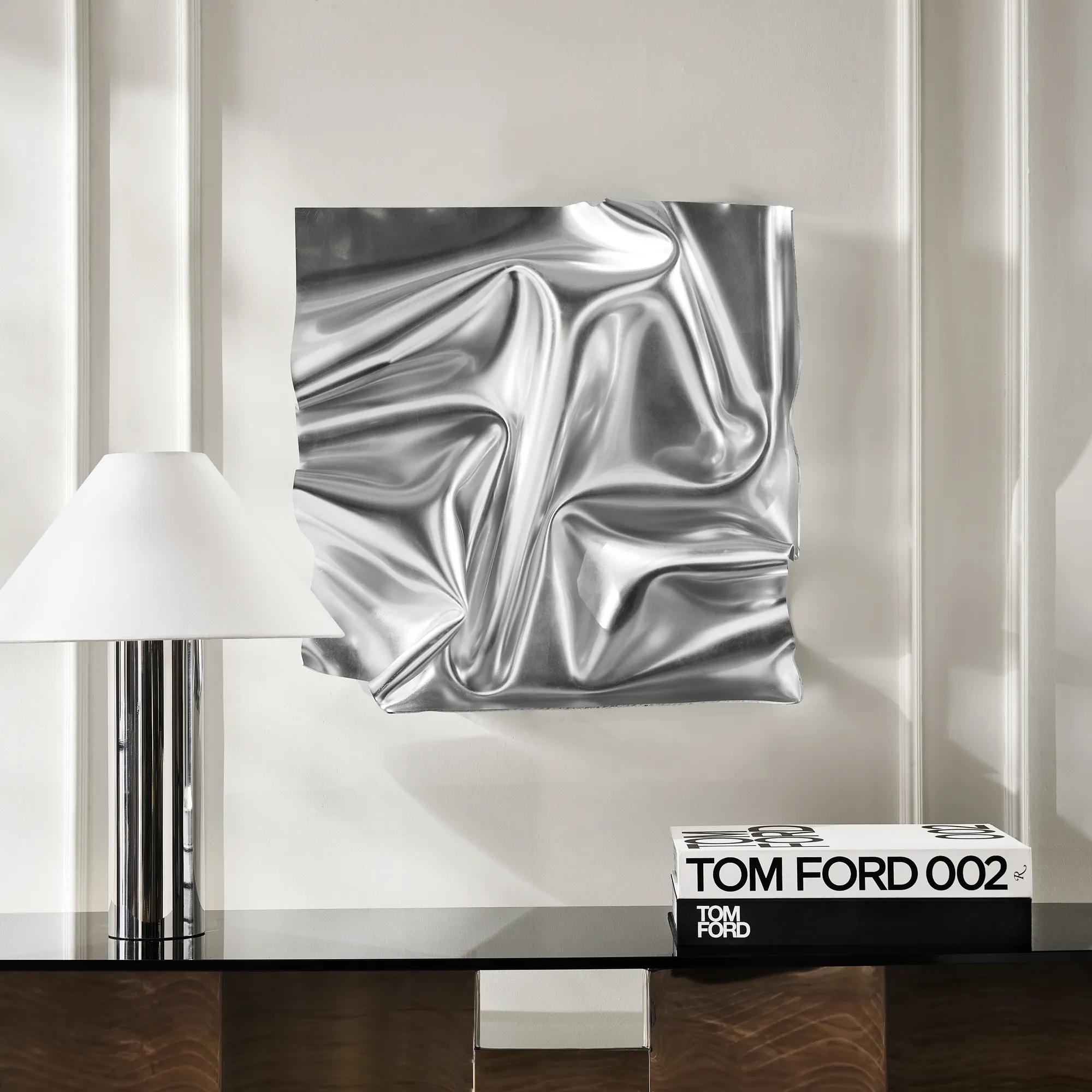 Surface Sculpted Silver Leaf Acrylic Wall Decor 23.6" x 23.6"$189
A striking acrylic wall piece featuring fluid, reflective silver shapes for dramatic, modern visual impact.
Add To Cart -
 Gilt Collage Gold Hand Crafted Wood Dimensional Wall Panel 30" x 60"$799
A glamorous gilt-finished collage wall panel bringing sculptural dimension and contemporary elegance to your decor.
Add To Cart -
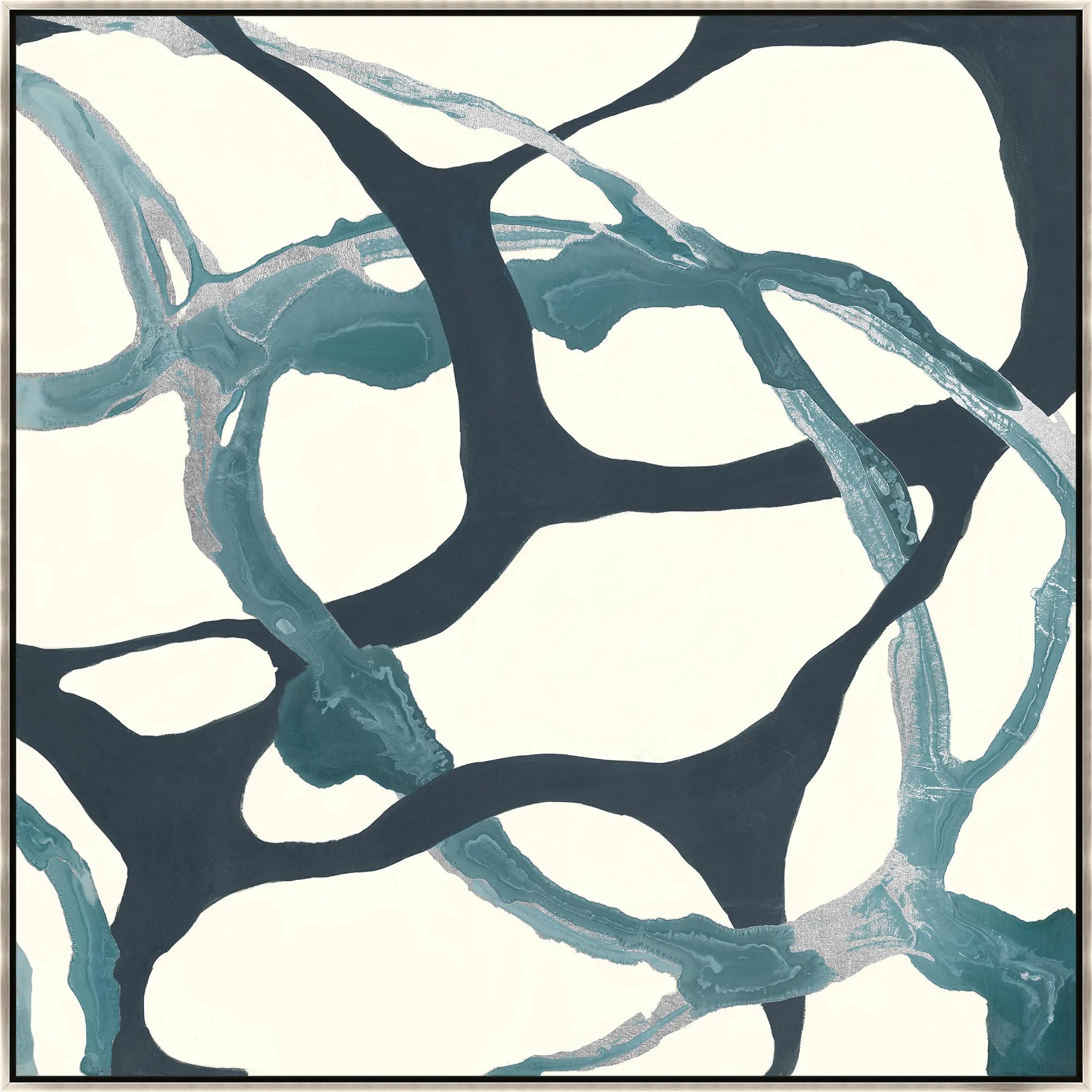
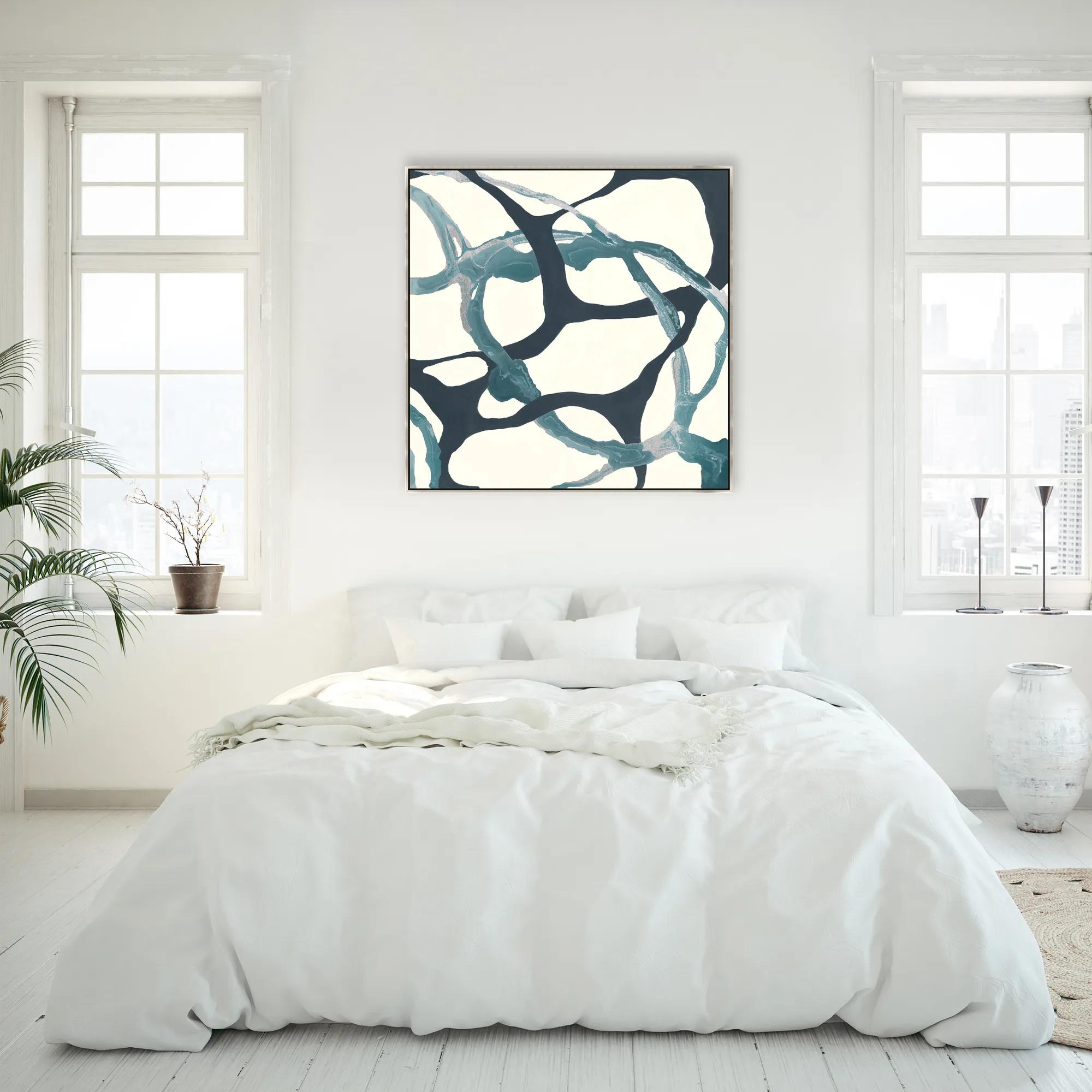 Alignments II Framed Wall Art 40" x 40"$899
A gallery-wrapped canvas featuring gilded silver accents and hand-applied brush gel in a silver floater frame.
Add To Cart

High Style Geometric Wall Art
High style geometric wall art transforms any space into a gallery of modern intrigue, where bold lines and daring symmetry command attention. These striking pieces are more than mere decoration—they are visual statements, sculpted in form and rich in dimension, designed to captivate the eye and spark conversation. With every angle and curve, high style geometric wall art invites you to embrace the unexpected, infusing your home with an air of curated sophistication and avant-garde allure. Elevate your walls from blank canvas to breathtaking masterpiece—because artistry should always make a statement.
High style geometric wall art brings clean lines, bold shapes, and carefully balanced forms into a room, creating a modern focal point with unmistakable presence. Circles, triangles, grids, arches, and intersecting planes become more than decorative motifs: they establish rhythm, draw the eye, and give an interior a distinct visual identity. The appeal lies in the tension between precision and expression. A disciplined arrangement of black and ivory shapes can feel graphic and architectural, while overlapping curves in champagne, charcoal, and gold tones introduce a softer, more luminous kind of drama. Drawing on the angular elegance of Art Deco, the clarity of modernism, and the sculptural confidence of mid-century design, geometric artwork feels at home alongside both streamlined furniture and richly layered interiors. Its impact depends as much on the space between forms as on the forms themselves. Generous negative space allows a striking silhouette to command attention; a denser composition creates energy through repetition, contrast, and movement. In a living room with sumptuous upholstery, a crisp geometric composition offers a compelling counterpoint to soft texture. Beside a gleaming console or above a tailored sideboard, metallic accents can echo the surrounding finishes without making every element match. Color also shapes the atmosphere. Black-and-white geometric wall art creates sharp definition, warm neutrals lend depth to tonal rooms, and saturated jewel tones bring an expressive note to otherwise restrained settings. A single accent color repeated in a cushion, vase, or rug can connect the artwork to the room while preserving its individuality. The strongest arrangements do not simply repeat the furniture’s lines; they add another dimension to the space. Rounded forms can soften angular architecture, while faceted patterns introduce structure to a room filled with curved silhouettes. This balance makes geometric art especially versatile for those who want an interior to feel composed, personal, and confidently expressive rather than decorated by formula.
Material gives geometric wall decor much of its character, influencing surface texture, dimensionality, and the way a composition interacts with light. Canvas art offers a woven surface that can temper the sharpness of graphic forms, lending visual warmth to crisp edges and high-contrast palettes. Gallery-wrapped canvas extends the image around the sides for a finished profile, while a surrounding frame adds definition and a more architectural presence. Framed paper artwork often emphasizes fine detail and precise linework, with matting providing breathing room between the image and its frame. Glazing helps protect the paper surface, although its reflective qualities matter in rooms with prominent windows or overhead lighting. Wood introduces grain, natural variation, and tactile depth; layered or carved forms can create shadows that become part of the composition. Metal wall art offers a different expression, ranging from slender linear structures to dimensional arrangements with polished, brushed, or matte finishes. Reflective surfaces catch ambient light and contribute a jewel-like accent, while quieter finishes let shape and shadow take the lead. Mixed-material compositions can combine these effects, pairing a warm surface with a gleaming edge or a flat graphic field with raised elements. For lasting enjoyment, construction and care deserve the same attention as color and composition. A stable frame, secure backing, and hanging hardware appropriate to the artwork’s weight help support a lasting display. Surface treatments vary, so cleaning should follow the care directions supplied with the artwork. Gentle dusting with a soft, dry cloth is generally preferable to vigorous rubbing, and textured or dimensional areas call for particular care. For glazed pieces, cleaner is best applied to a cloth rather than sprayed toward the frame, where moisture could reach the artwork. Direct sunlight can fade some pigments and paper, while moisture and nearby heat sources may affect wood, canvas, or finishes. These considerations make most decorative geometric artwork best suited to indoor spaces where its materials can retain their intended appearance.
Scale and placement determine whether geometric artwork becomes an intimate accent or the defining gesture of a room. Above a sofa, a generously sized composition can visually anchor the seating area, especially when its width relates comfortably to the furniture beneath it. An artwork that is much narrower than a substantial sofa may feel disconnected unless companion pieces create a broader arrangement. Above a console, a vertical composition can draw attention upward, while a wide horizontal format complements the furniture’s length. Entryways benefit from art with a clear silhouette that registers at a glance; dining rooms can carry more intricate patterns that reward a longer look. In a bedroom, broad curves, measured repetition, and a restrained palette can provide presence without overwhelming the space. A home office may suit a more assertive graphic composition, bringing energy and visual structure to the backdrop of daily work. Dimensional art also needs room to be appreciated from an angle, making a hallway wall or open living area especially effective when projections do not interfere with movement. Viewing distance matters: fine lines reveal their character up close, whereas larger shapes remain legible across an expansive room. Positioning the visual center near eye level usually creates a comfortable relationship between the artwork and its surroundings, with adjustments for seating height, furniture, and ceiling proportions. Secure installation is particularly important above beds or seating, and wall anchors should suit both the wall construction and the piece’s weight. For a quieter expression of this aesthetic, Minimalist Geometric Wall Art offers a related direction centered on pared-back forms and deliberate visual space. Geometric artwork also makes a thoughtful housewarming or milestone gift for someone with an appreciation for architecture, contemporary interiors, or abstract design, especially when the recipient’s palette and available wall space are known. Whether chosen for a grand entertaining space or a carefully considered reading corner, the right composition gives the room a signature: a striking interplay of shape, finish, and proportion that feels distinctly personal.
FAQs
High style geometric wall art complements a wide range of interior styles, from modern and contemporary spaces to Art Deco and eclectic environments. Its structured forms and bold patterns can add drama to minimalist rooms or bring cohesion to more layered, maximalist settings. The versatility of geometric designs makes them ideal for both statement-making focal points and subtle, harmonious accents.
To create a cohesive display, consider unifying elements such as color palette, frame style, or recurring shapes. Arranging geometric art pieces in a curated gallery wall or linear sequence can amplify their visual impact while maintaining harmony. Mixing scales—such as pairing a large geometric framed art piece with smaller works—adds depth and intrigue without overwhelming the space.
Absolutely. Geometric wall art is a thoughtful and sophisticated gift for housewarmings, weddings, anniversaries, or milestone celebrations. Its timeless appeal and artistic flair make it suitable for a wide range of tastes, offering recipients a striking piece that can transform their living space and serve as a lasting reminder of the occasion.
Black geometric wall art can be styled to dramatic effect by placing it against light, neutral walls for high contrast, or against deep, moody hues for a more subtle, layered look. Pairing it with metallic accents, sculptural lighting, or plush textiles enhances its modern edge, while grouping it with other geometric home decor items can create a cohesive, curated vignette.
Geometric wall art introduces a sense of movement, order, and artistic energy to a room. The interplay of shapes and lines can evoke feelings of balance, creativity, and sophistication. Depending on the colors and forms chosen, geometric art can add vibrancy and excitement or contribute to a serene, contemplative atmosphere, allowing you to shape the emotional tone of your space.