Gallery Style Wall Art
Gallery Style Wall Art
-
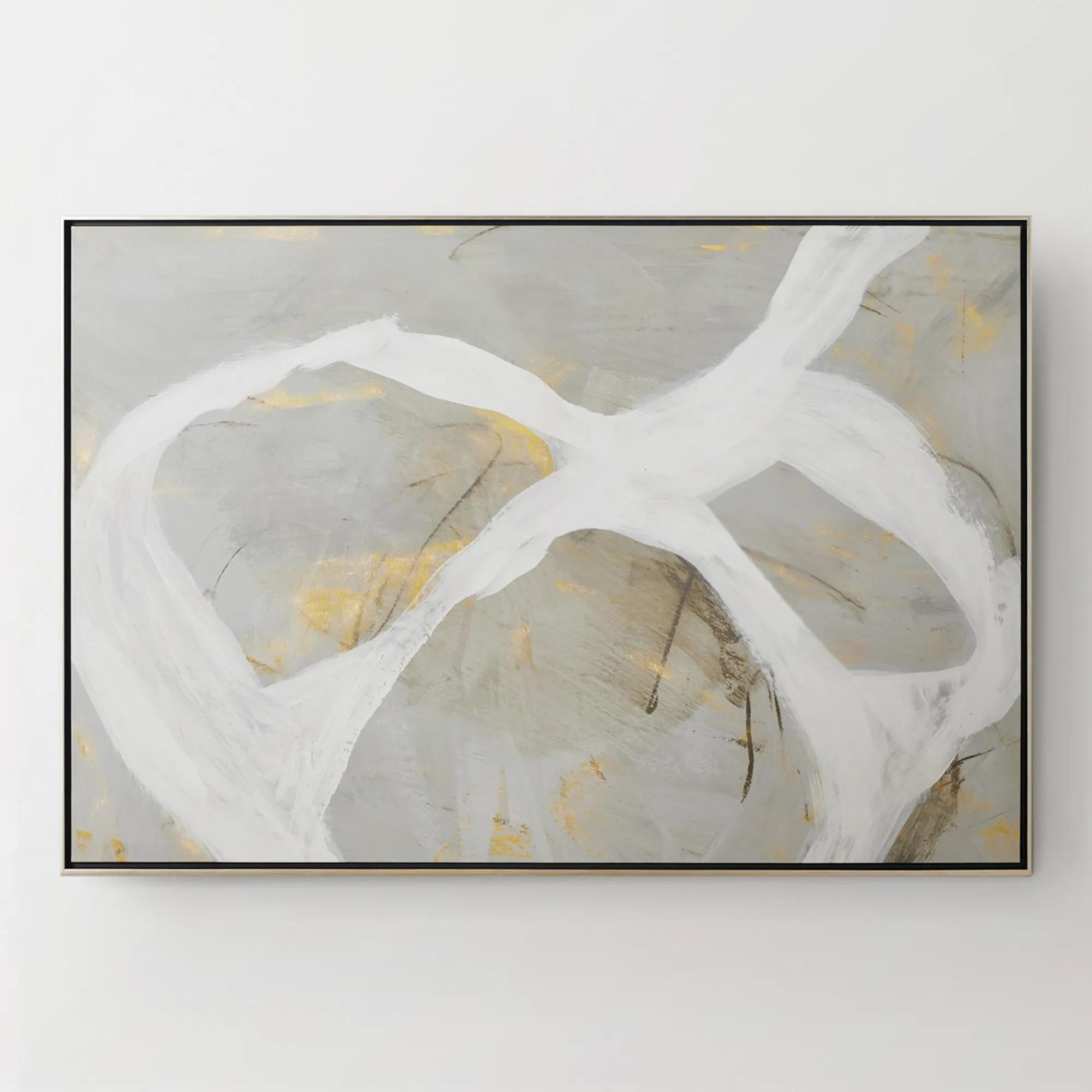
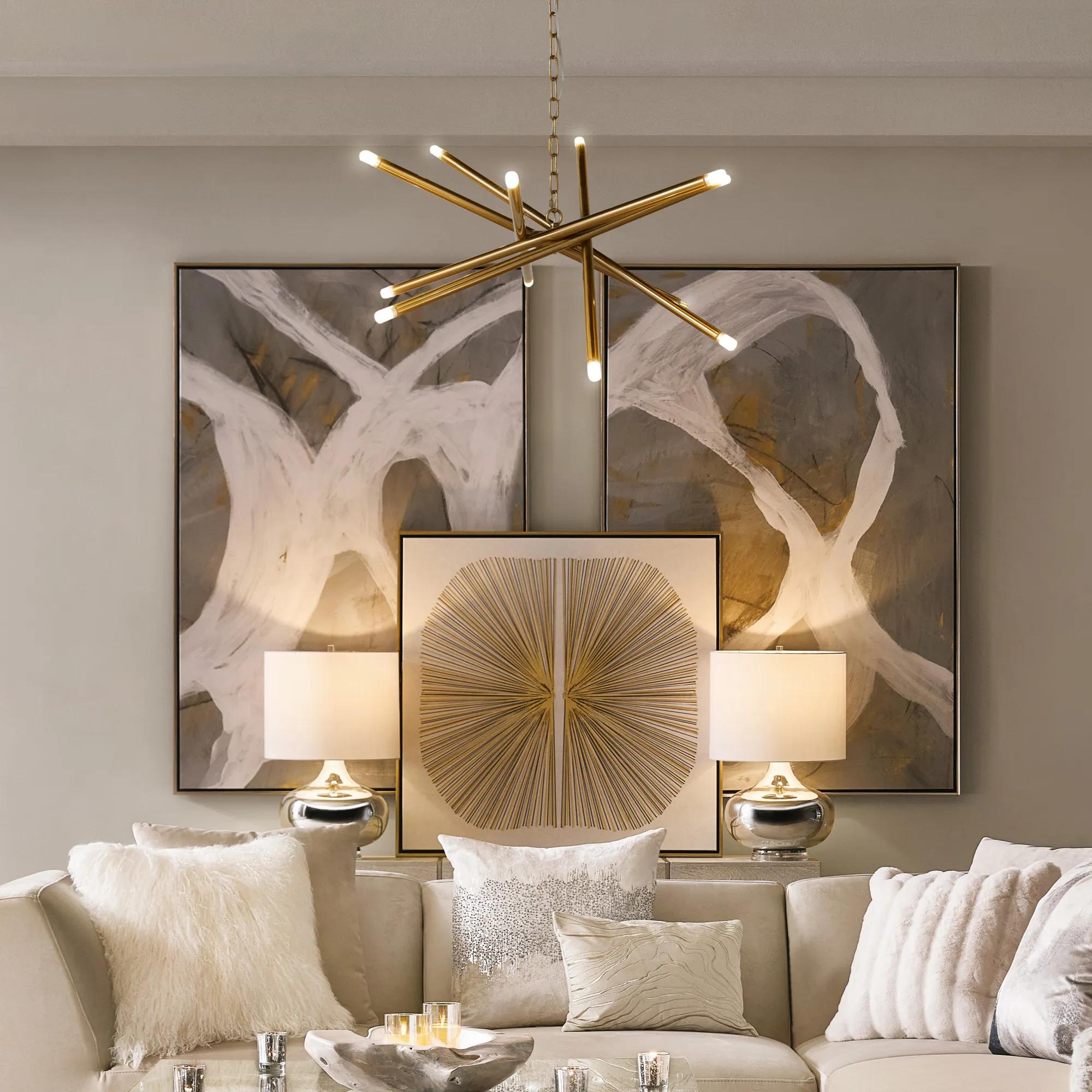 Les Series Framed Painted Wall Art I 61" x 41"$1099
An abstract canvas artwork featuring bold brushstrokes, hand-applied gold accents, and a silver floater frame.
Add To Cart -
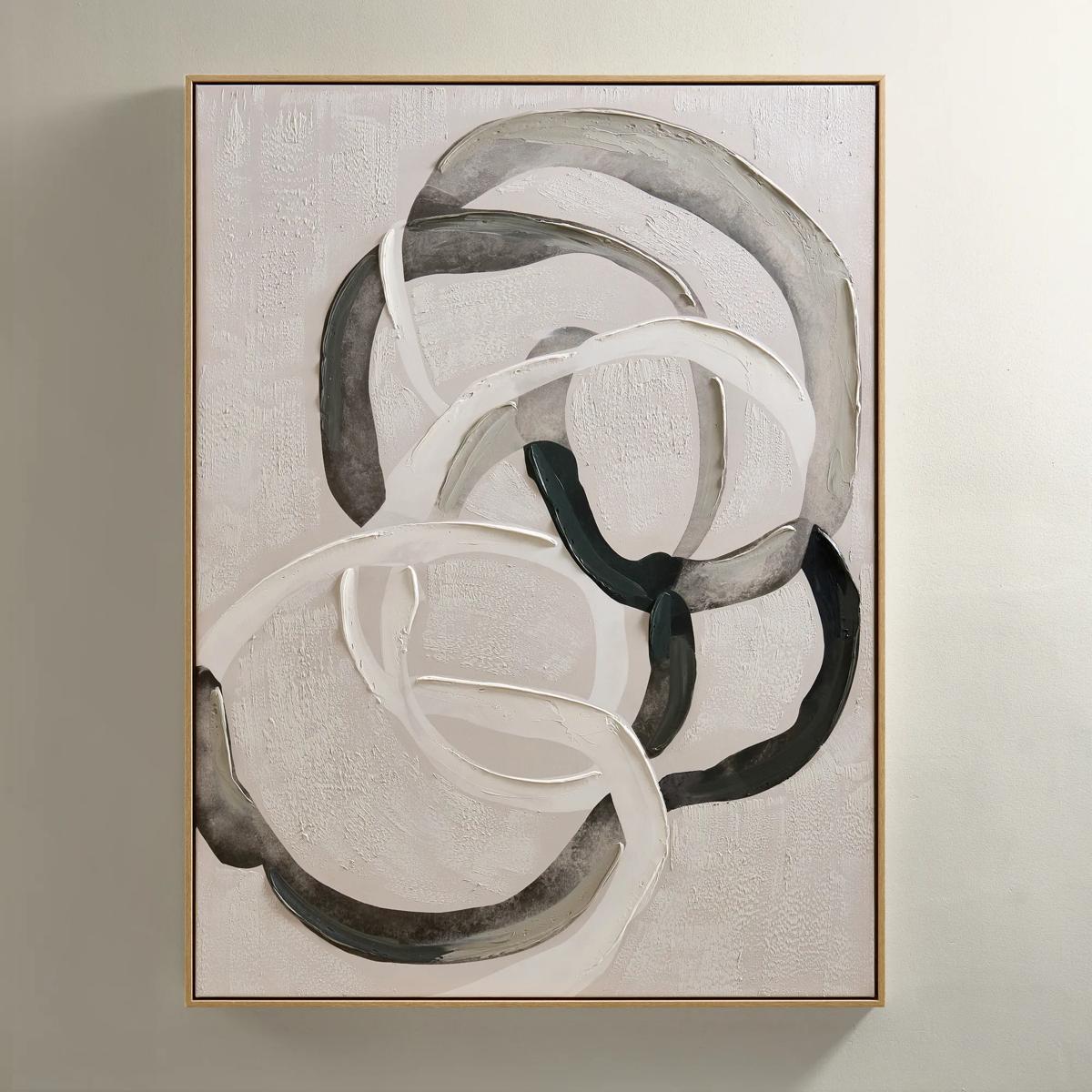
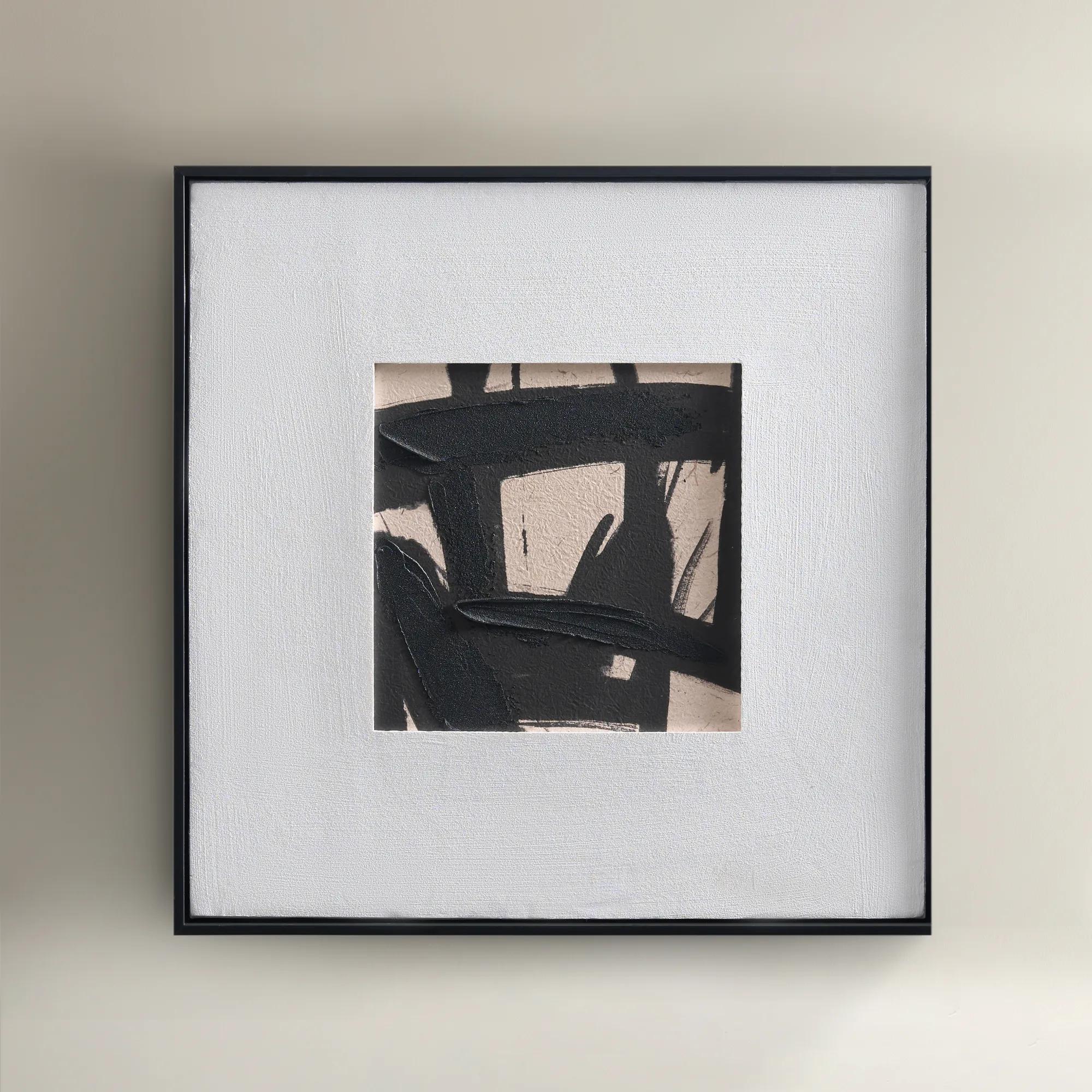
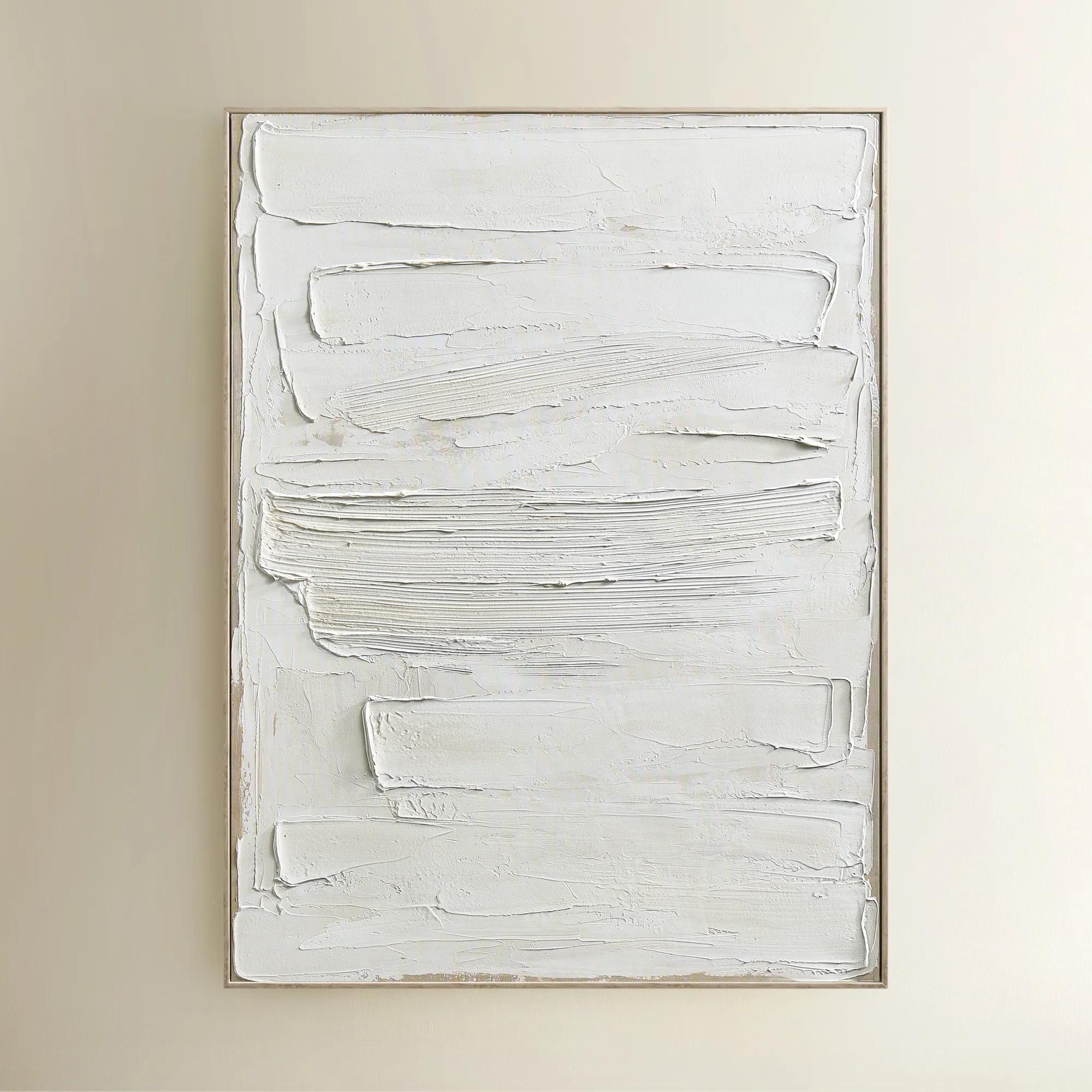
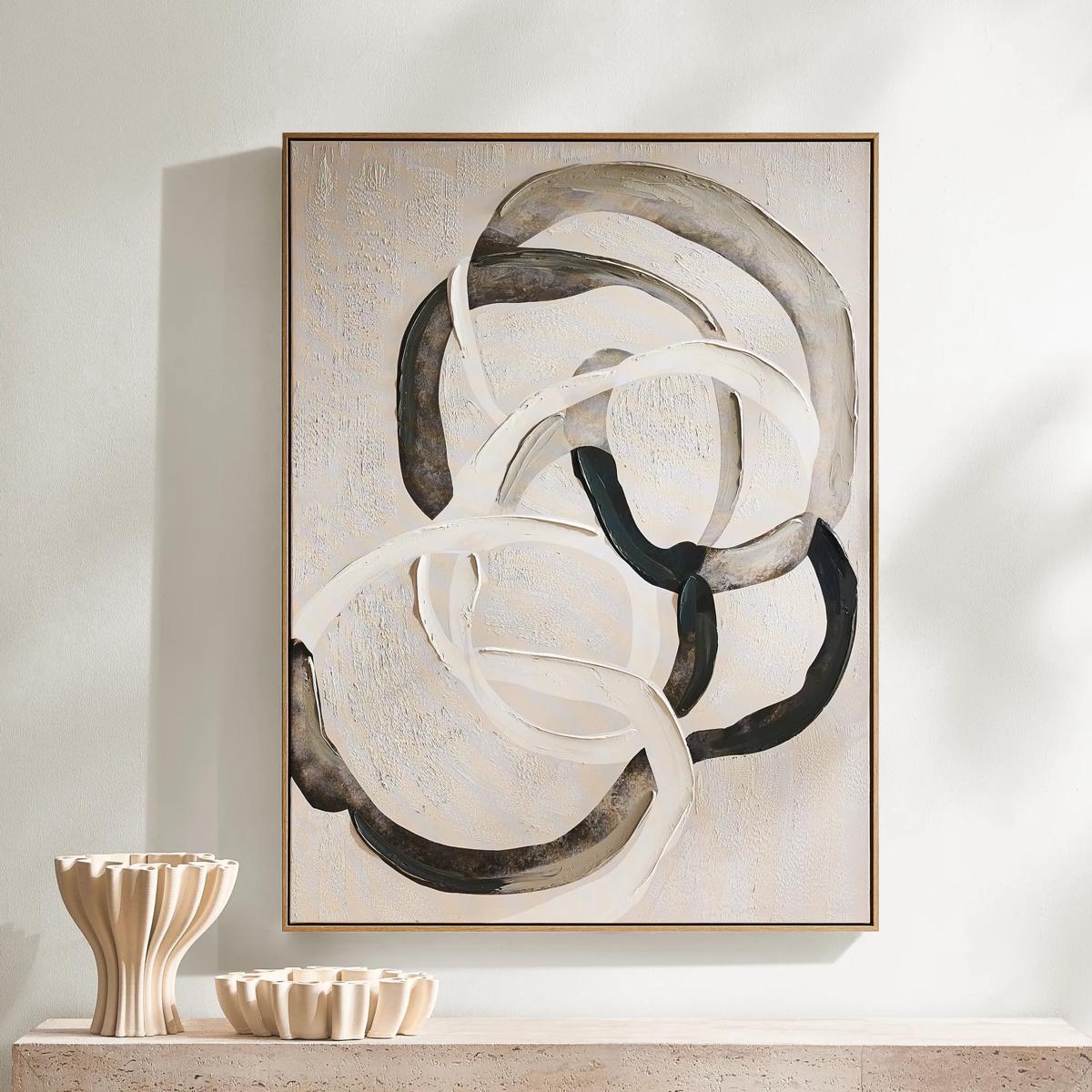 Round About Framed Painted Wall Art 35.25" x 47.25"$349
An abstract hand-painted canvas with tonal whites, charcoals, and taupes in a light wood floater frame.
Add To Cart -
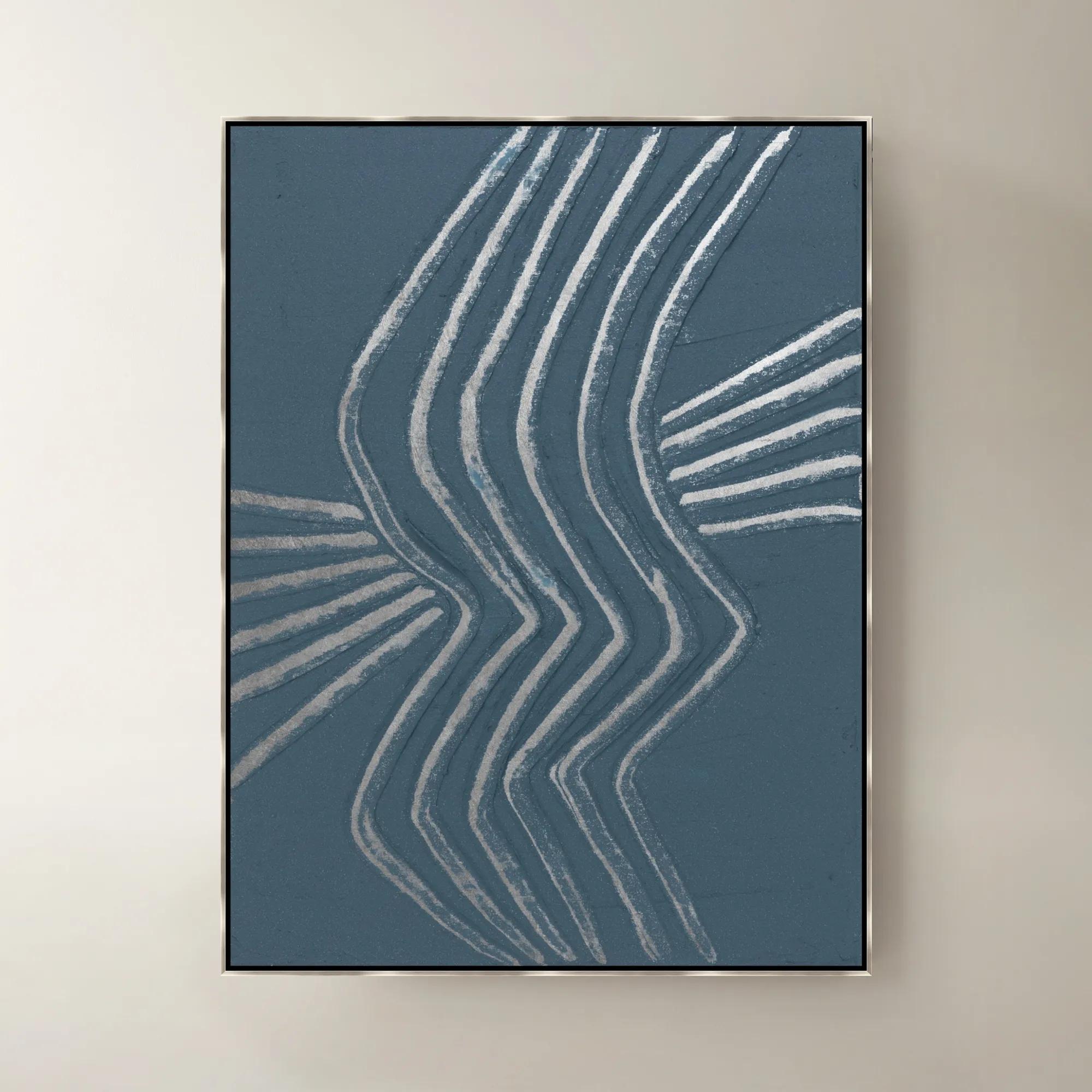
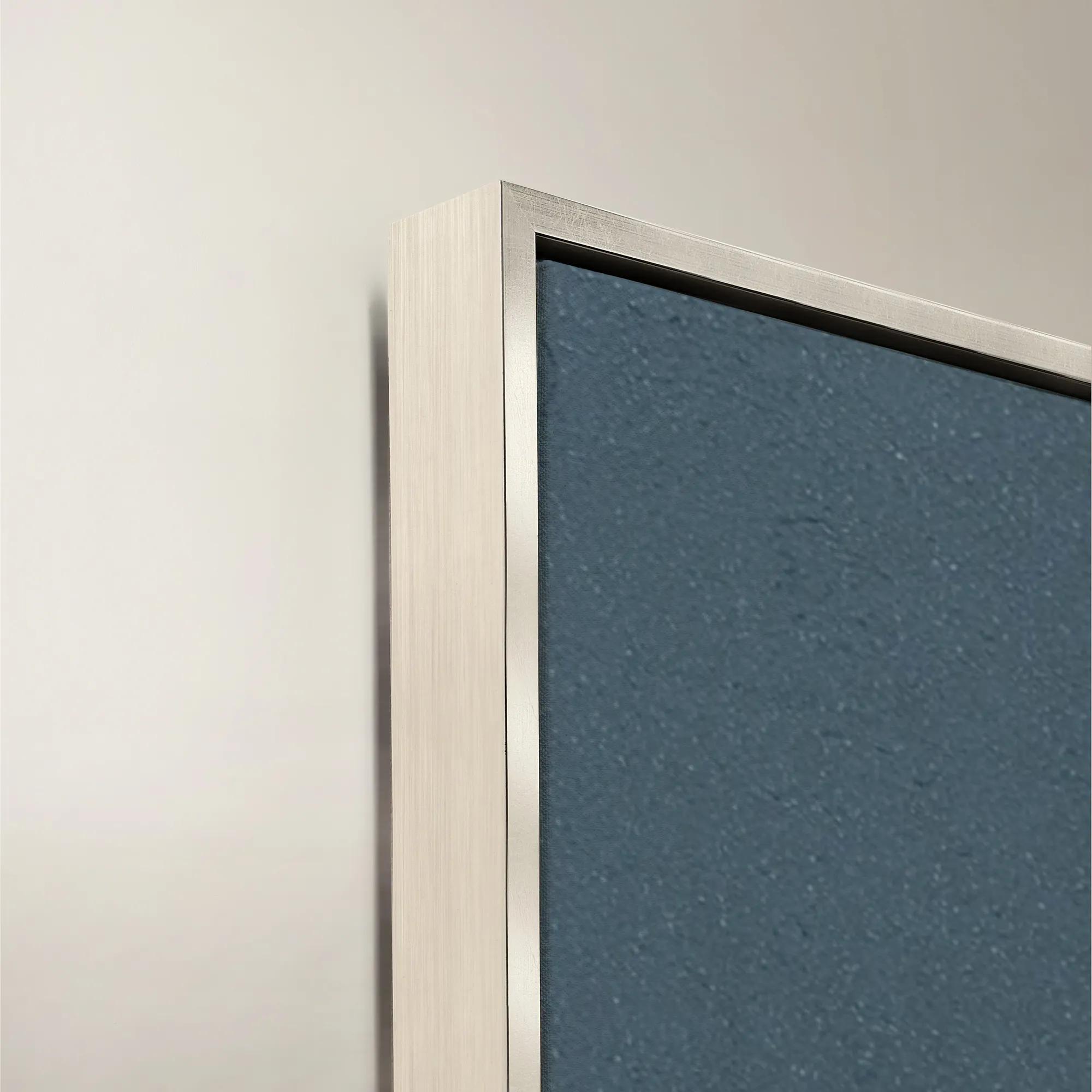 Gilded Waves IV Framed Painted Wall Art 40" x 53"$1399
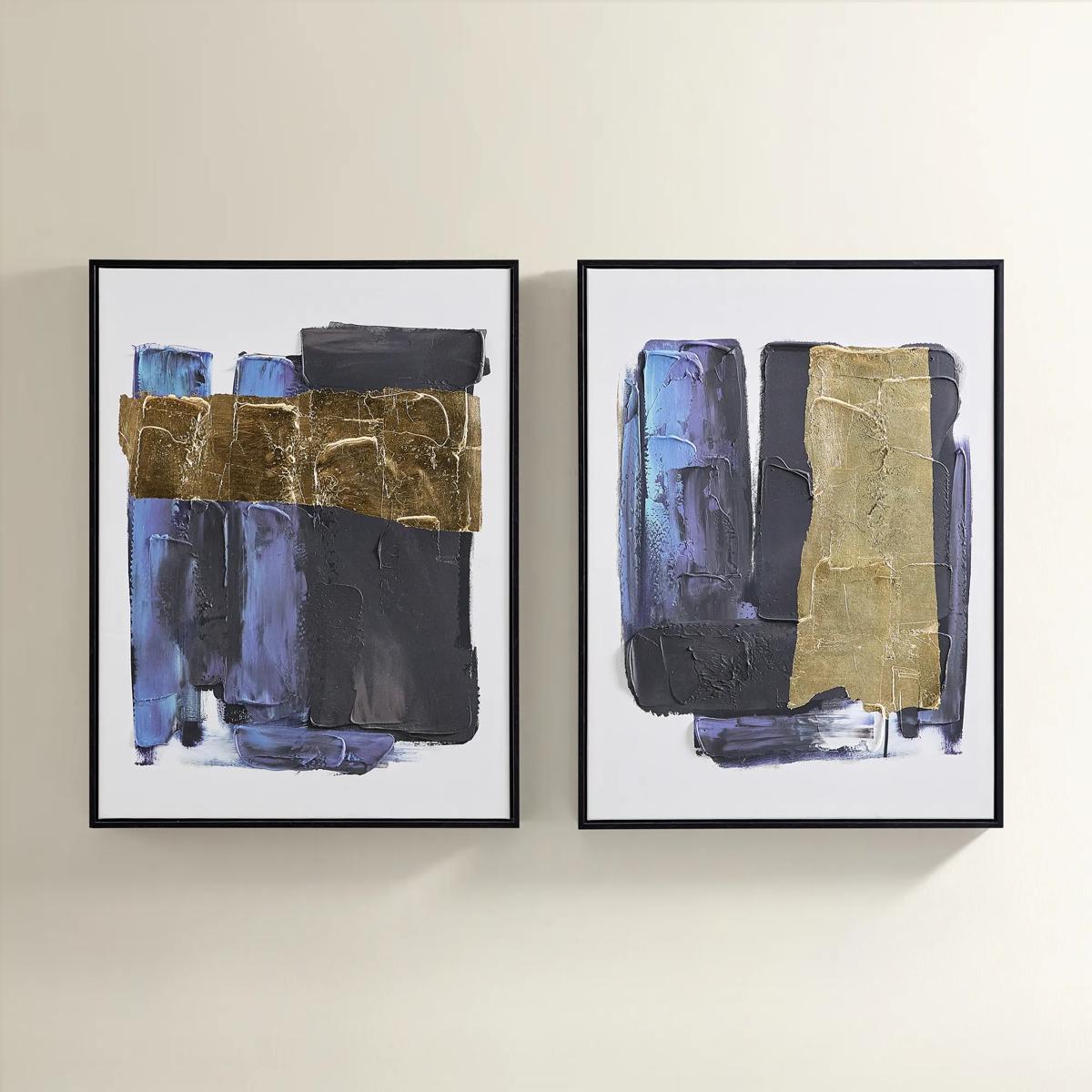
A framed painted canvas artwork featuring flowing gilded waves in soothing blue and purple tones.
Add To Cart -
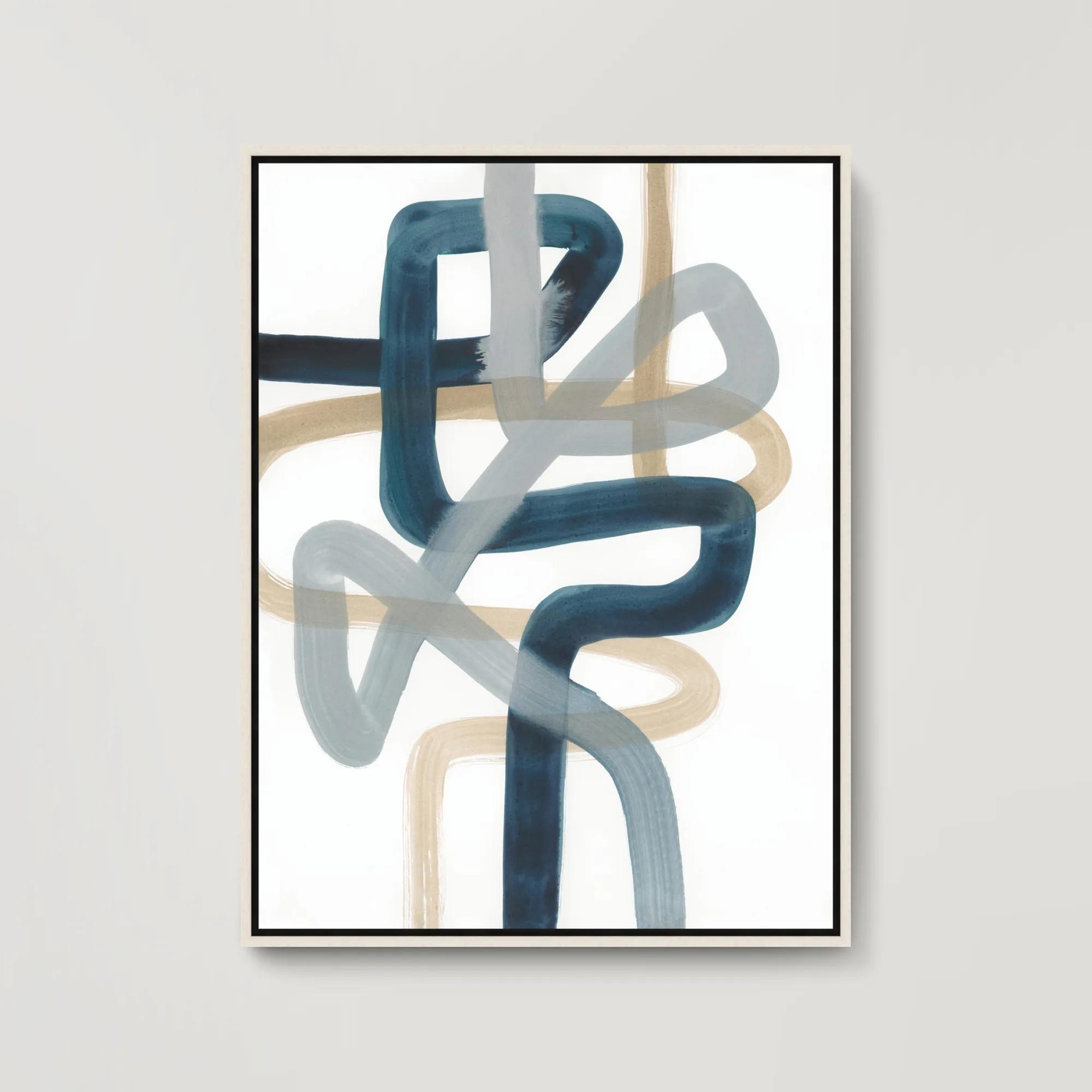
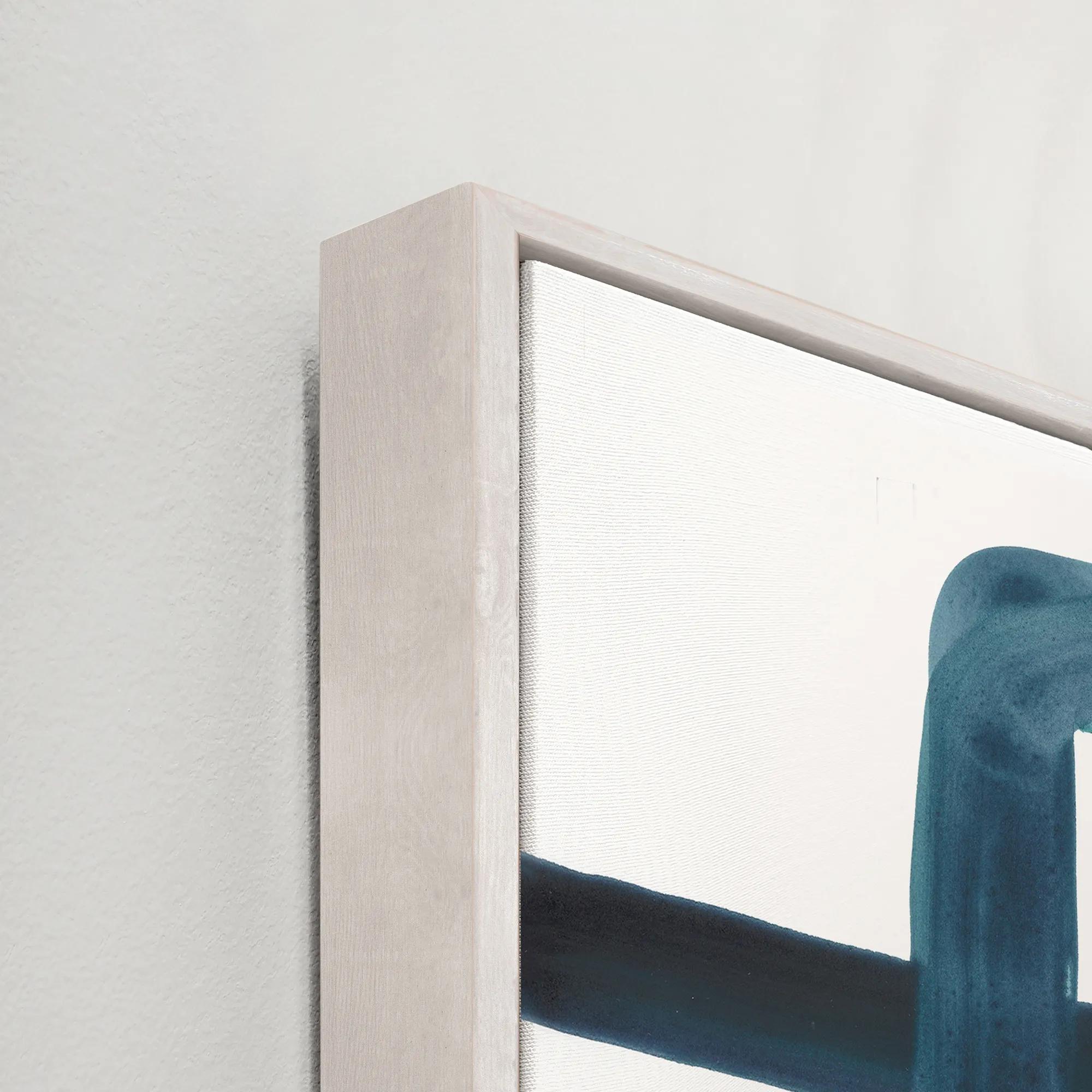 Looped In I Framed Wall Art 31.5" x 41.5"$699
A gallery-wrapped abstract canvas featuring hand-applied brush gel and a sleek white floater frame.
Add To Cart -
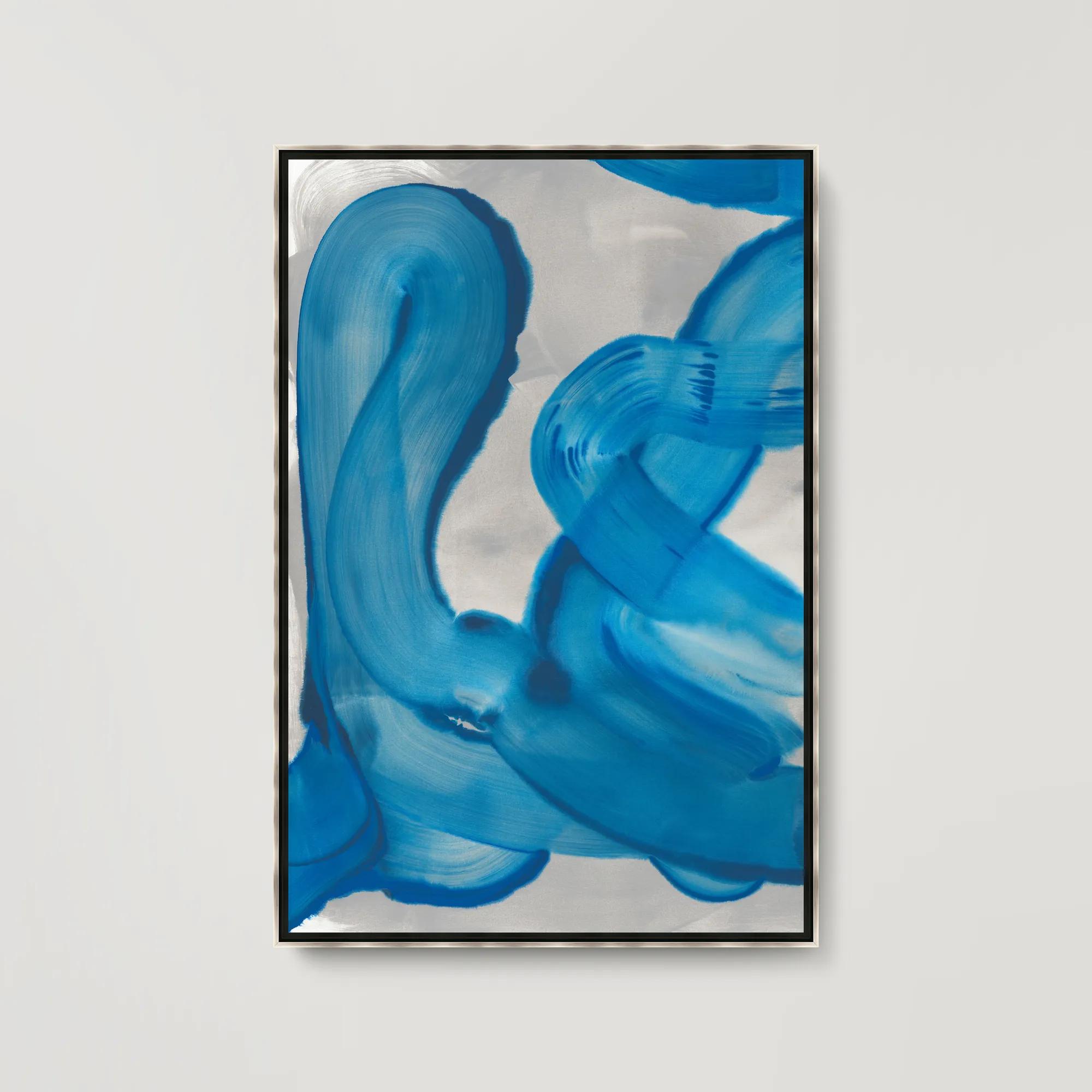 Royal Waves I Framed Wall Art 31.5" x 46.5"$699
A gallery-wrapped abstract canvas featuring hand-applied brush gel and set in a sleek silver floater frame.
Add To Cart -
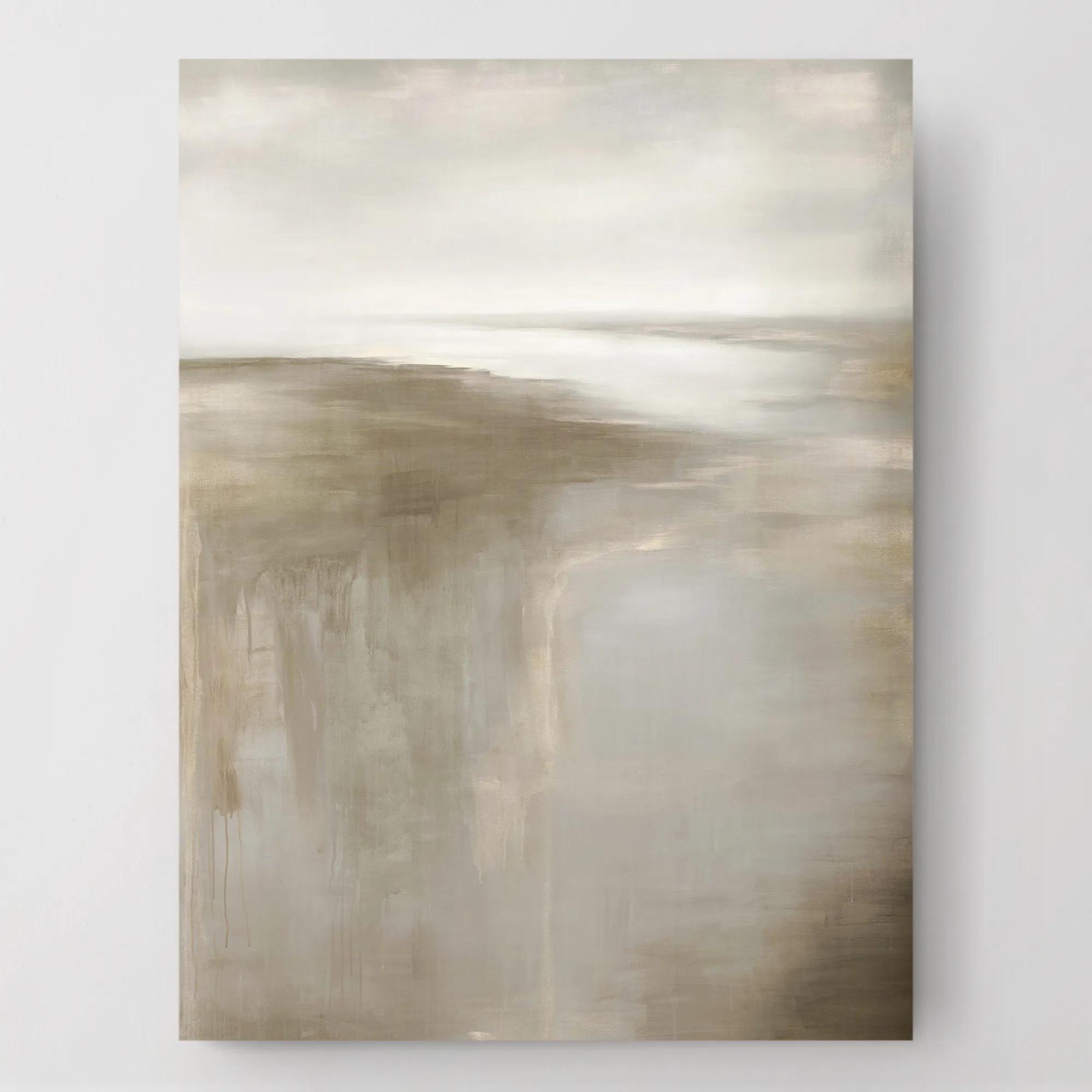
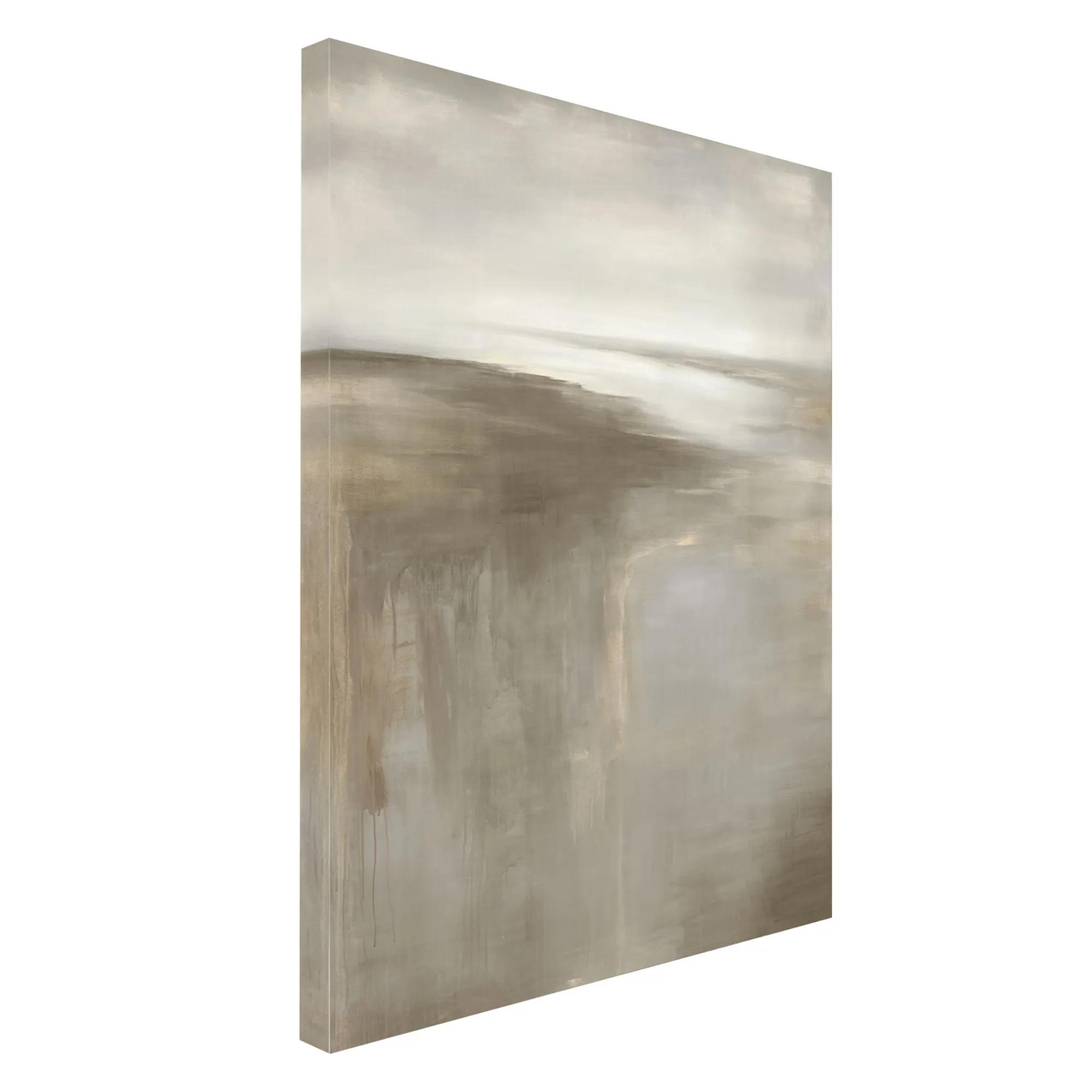 Silver Morning Wall Art 30" x 40"$449
A gallery-wrapped silver canvas artwork featuring a hand-applied image brush gel finish.
Add To Cart -
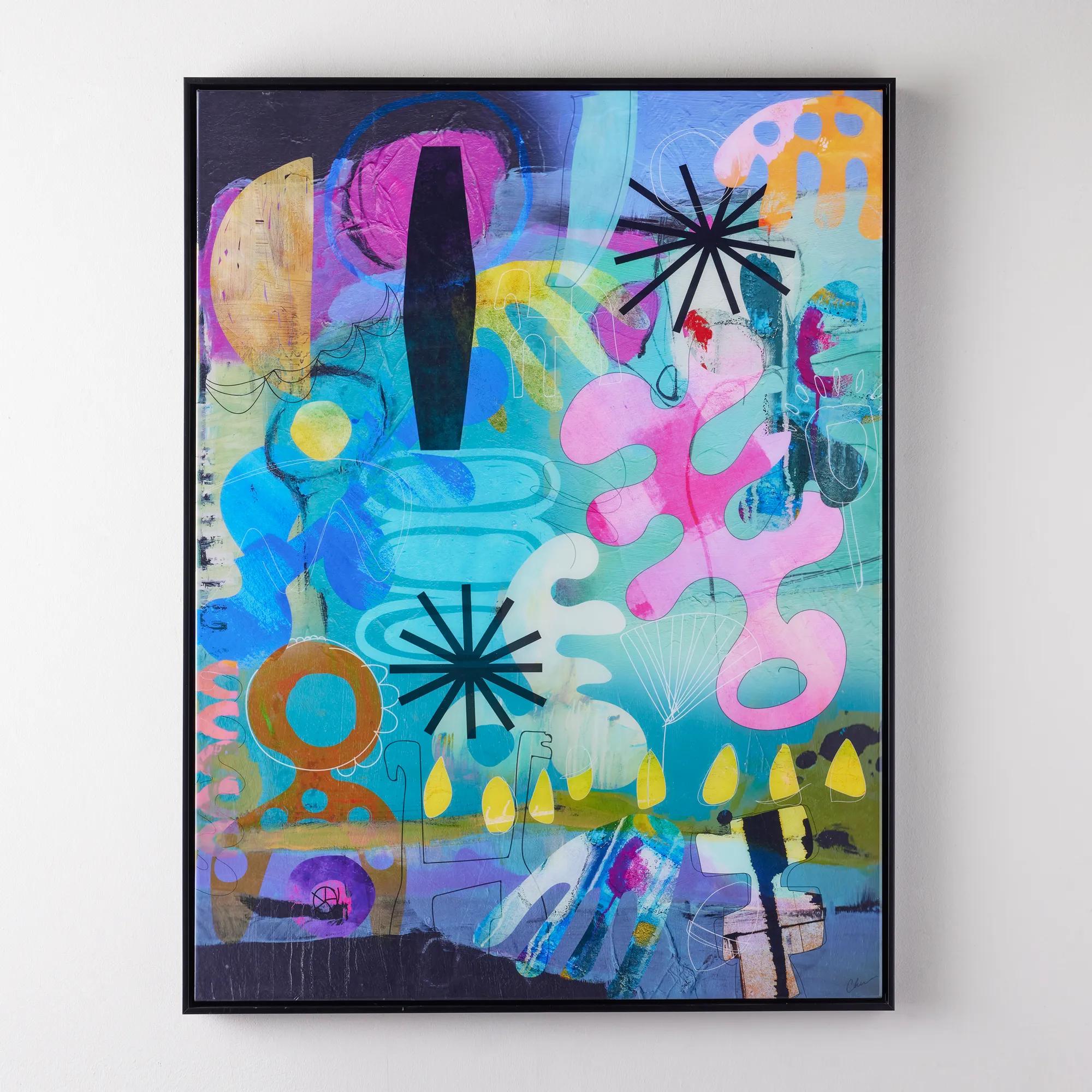
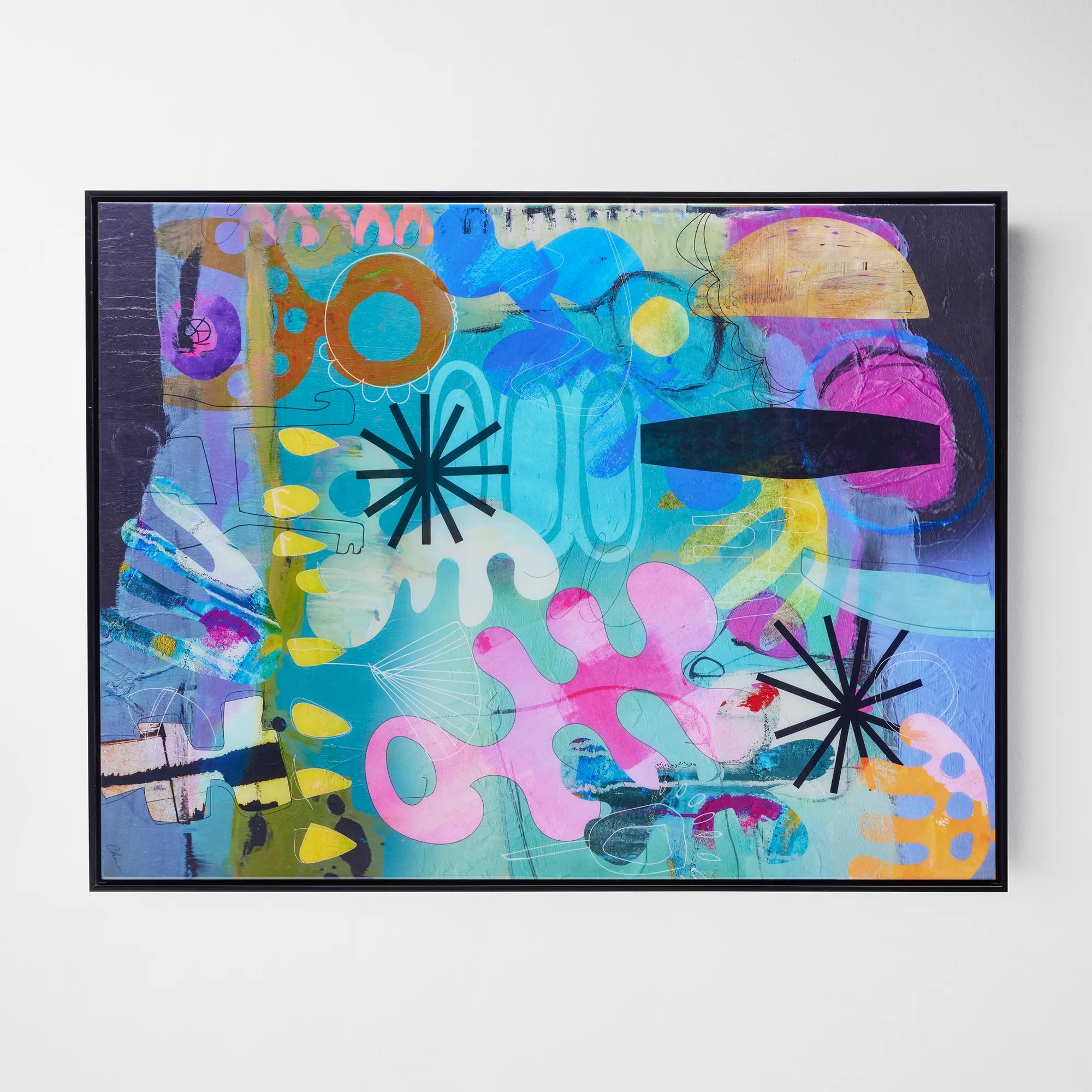 Nikki Chu Detailed Vision Framed Wall Art 54" x 41"$1099
A vibrant, high-gloss artwork with a black frame, designed to hang vertically or horizontally.
Add To Cart -

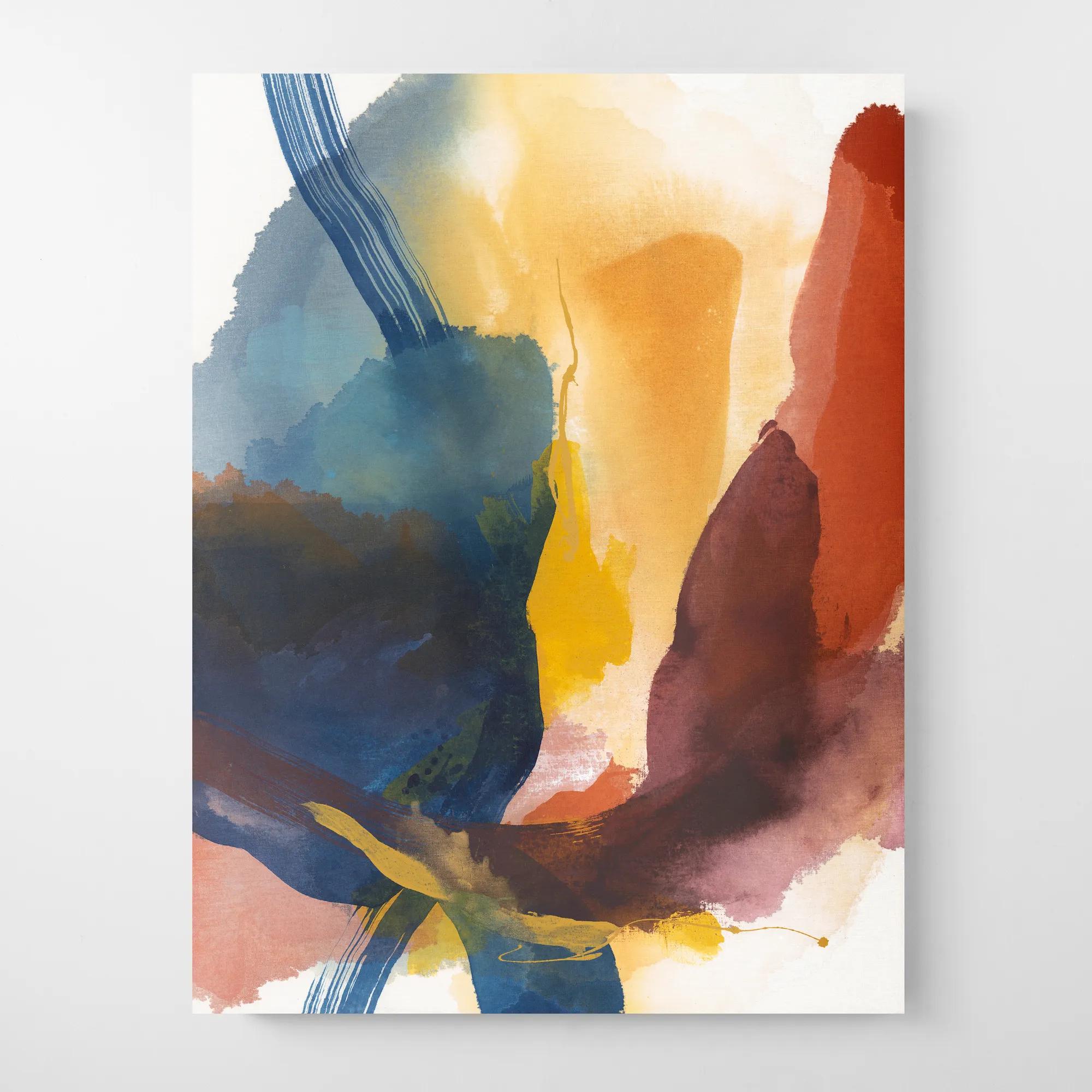
 Blooming in Her Own Time Framed Wall Art 40" x 50"$1029
A vibrant multicolored canvas wall artwork featuring an expressive botanical-inspired design in a framed presentation.
Add To Cart -
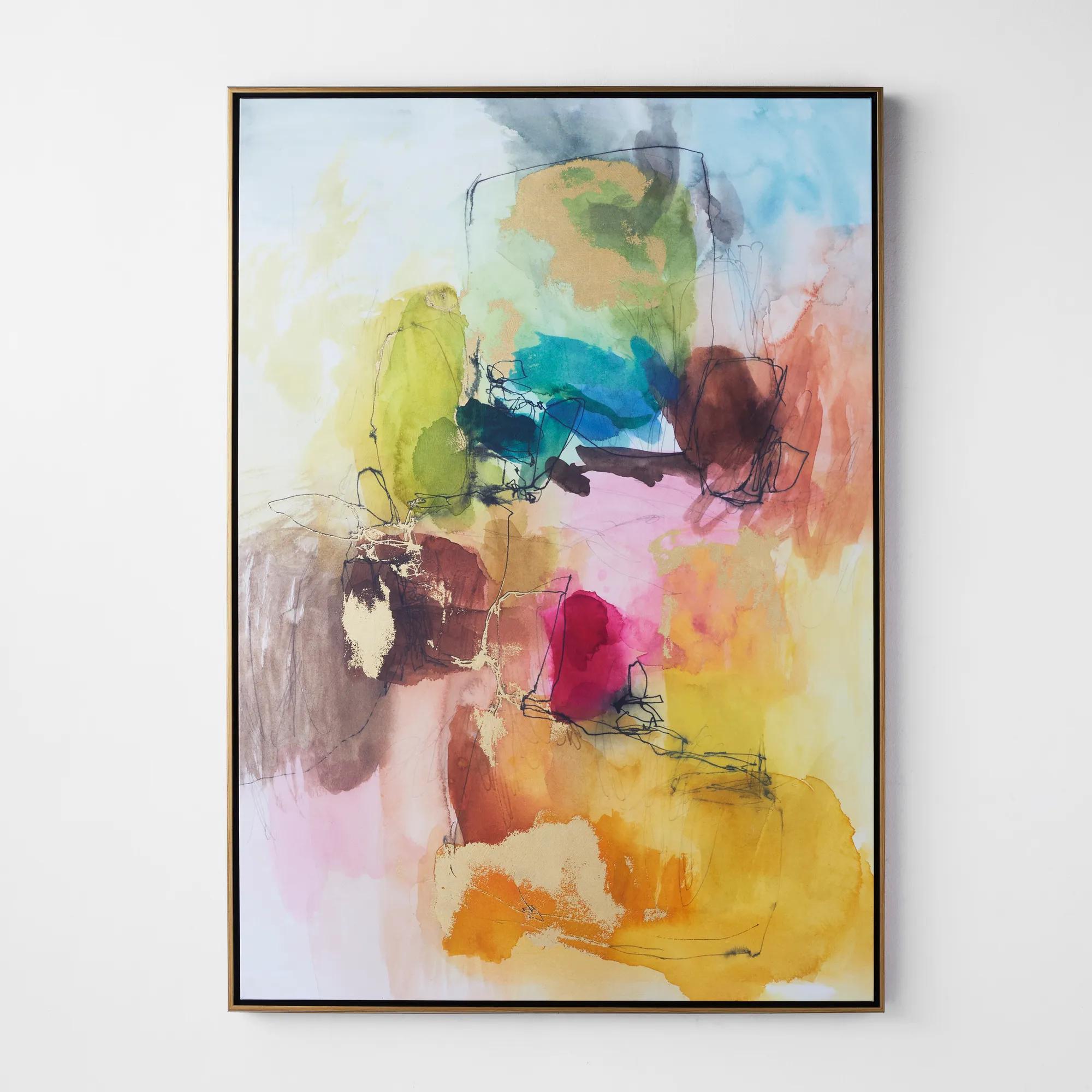 Apricity 3 Framed Wall Art 41" x 58"$899
A vibrant giclee on canvas featuring hand-applied gold gilding and a gold floater frame.
Add To Cart -
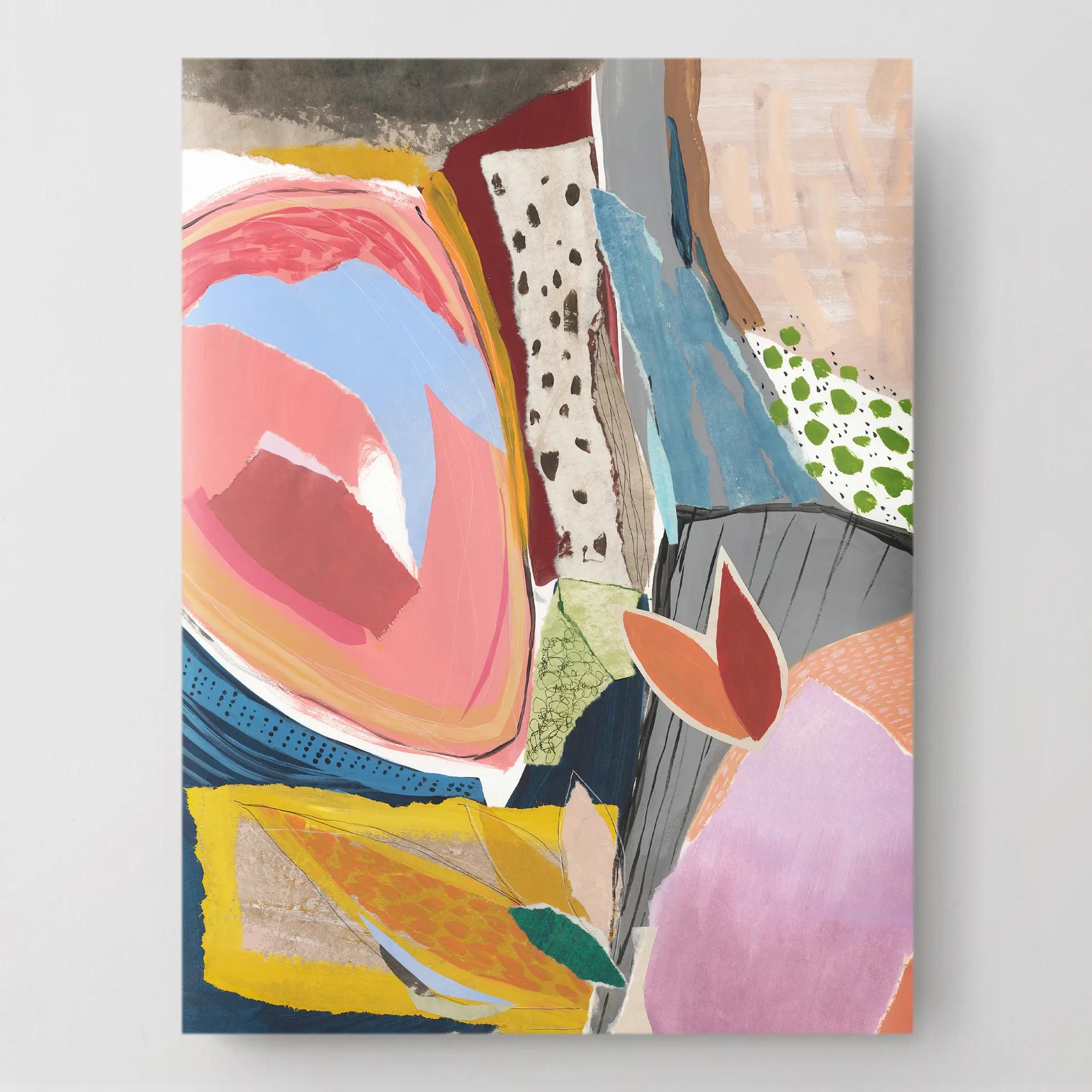
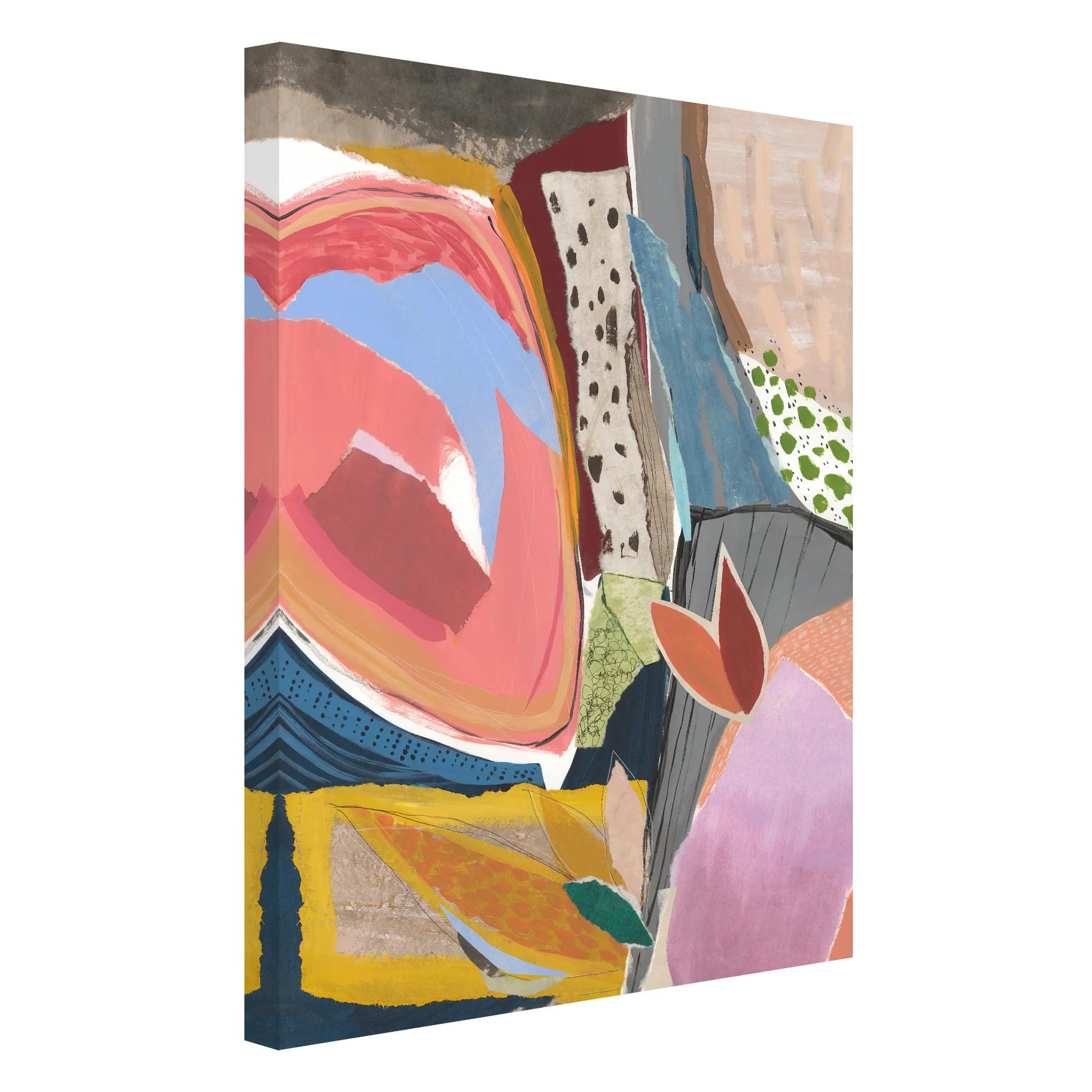 Sunday Vibes 1 Wall Art 30" x 40"$449
A gallery-wrapped canvas artwork featuring a hand-applied image brush gel finish for a textured look.
Add To Cart -
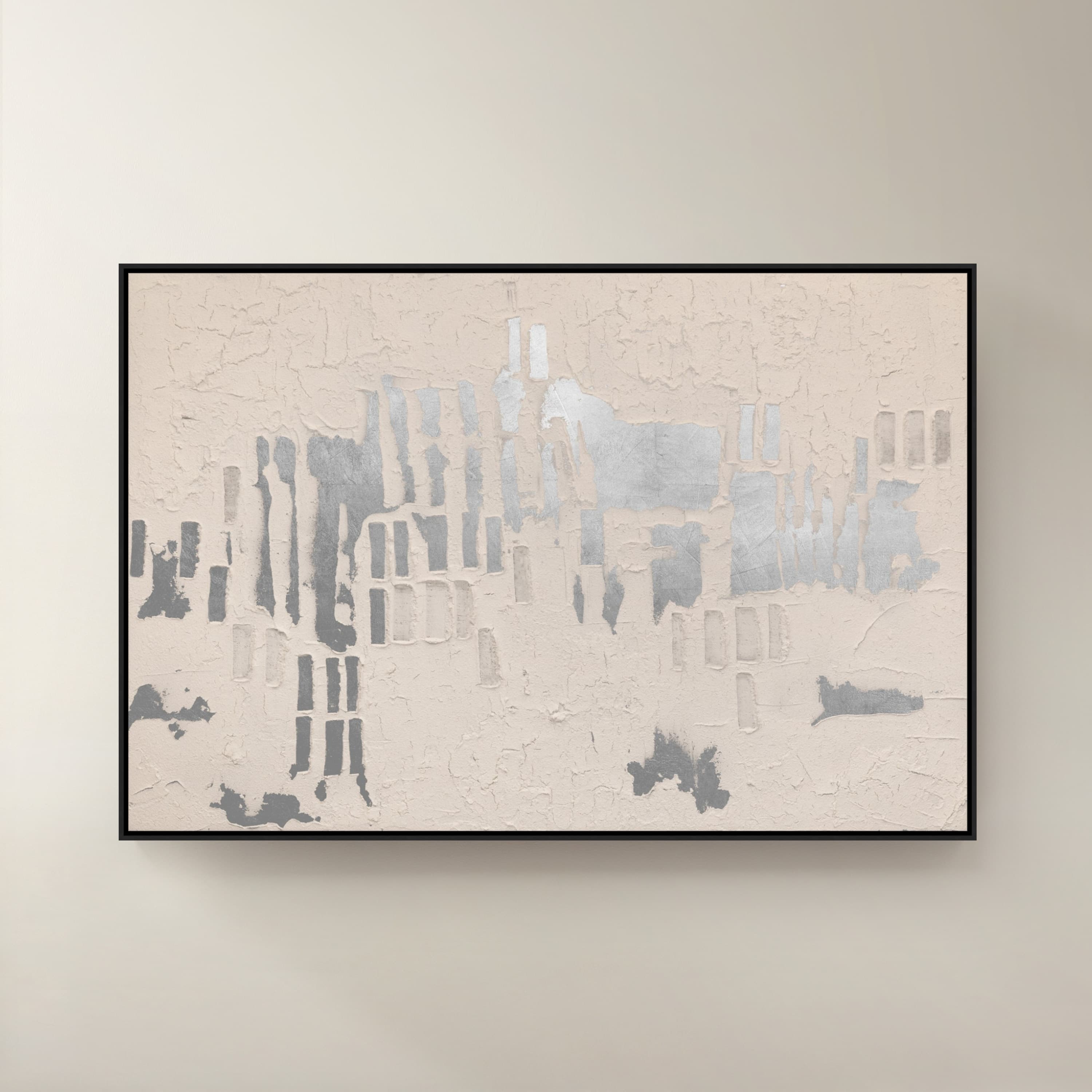
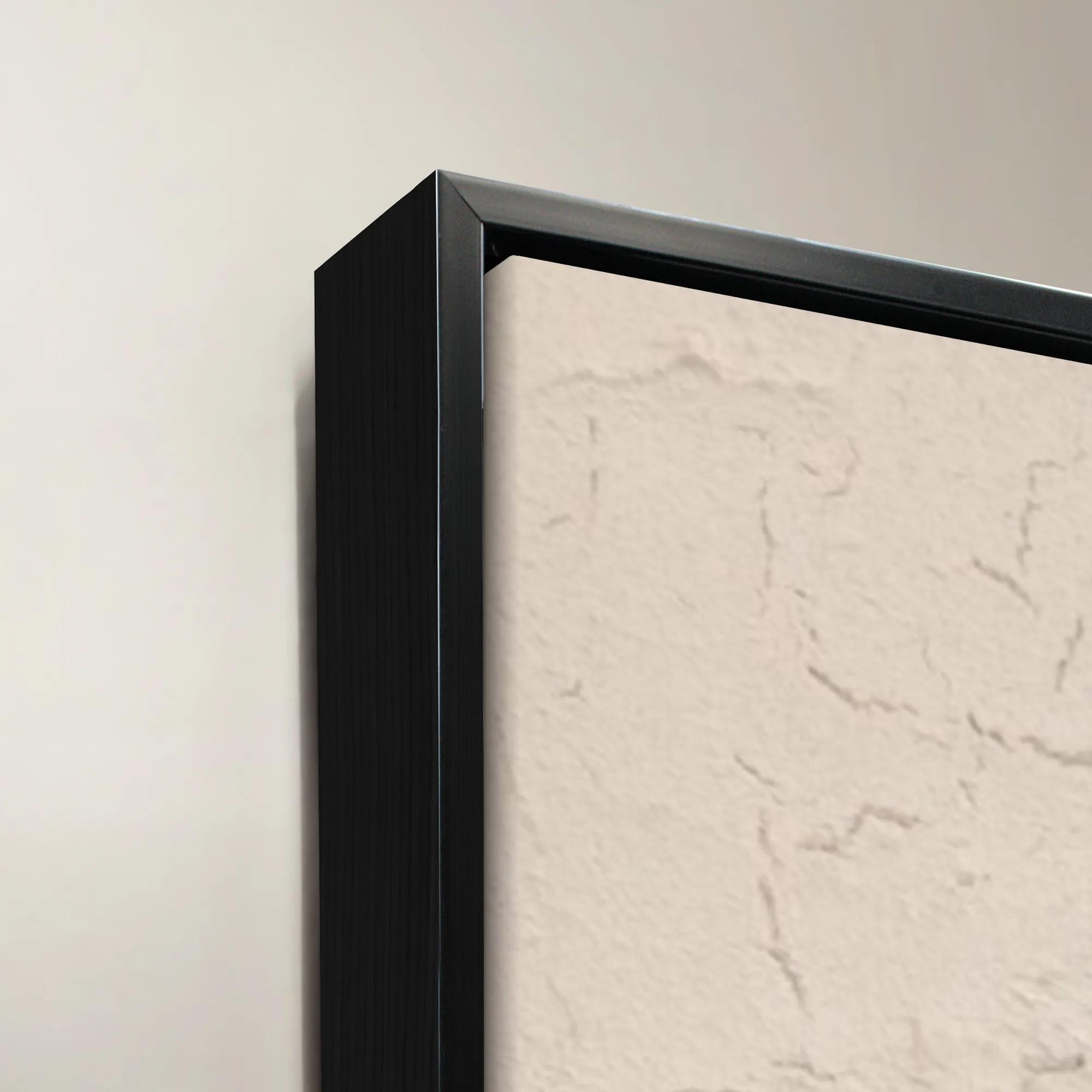 Silver Reverie Framed Painted Wall Art 60" x 40"$1699
A silver-toned painted canvas artwork framed for a sophisticated, contemporary wall display.
Add To Cart -
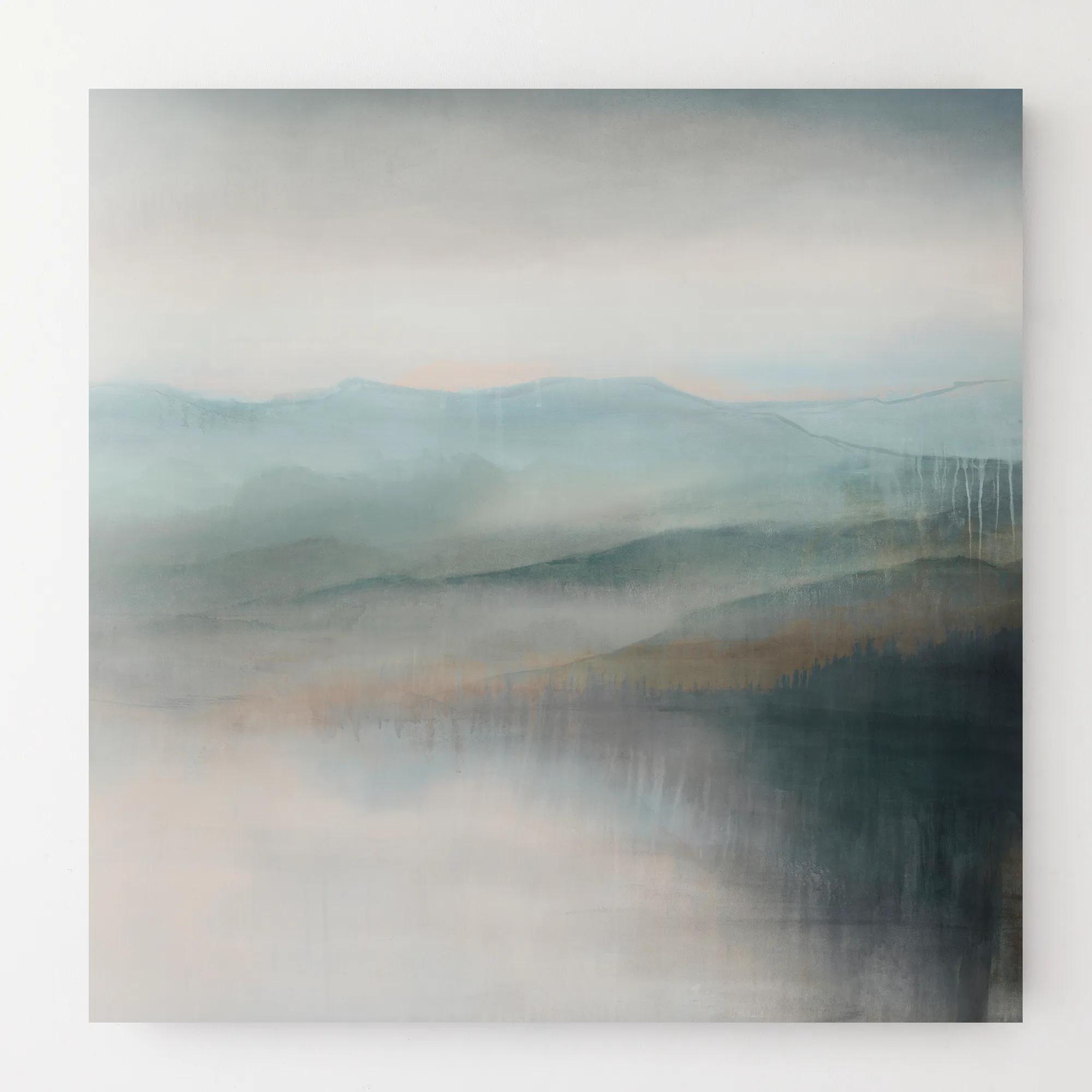
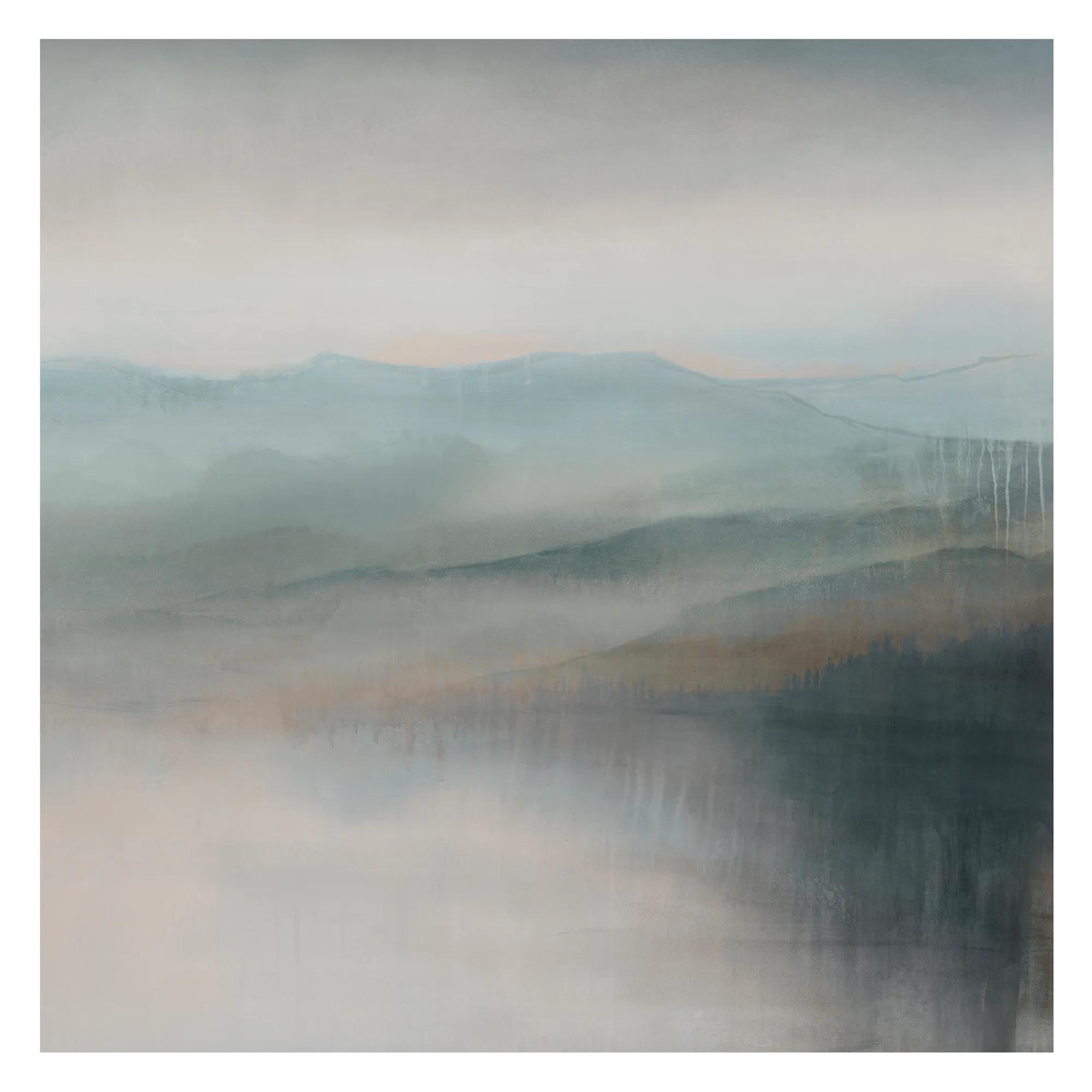 Morning Lift Wall Art 30" x 30"$399
A gallery-wrapped canvas artwork featuring a hand-applied image brush gel finish for added texture and depth.
Add To Cart -
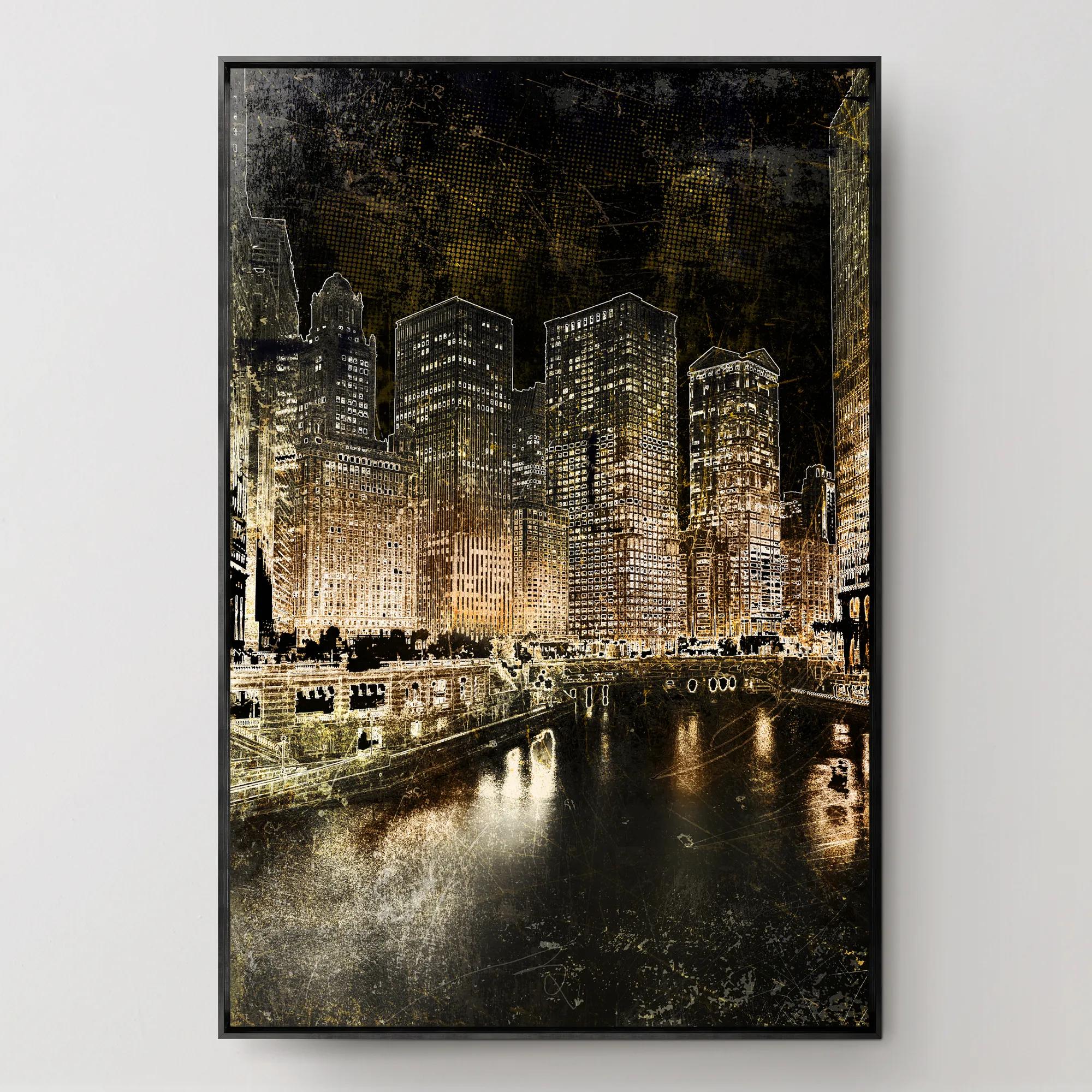
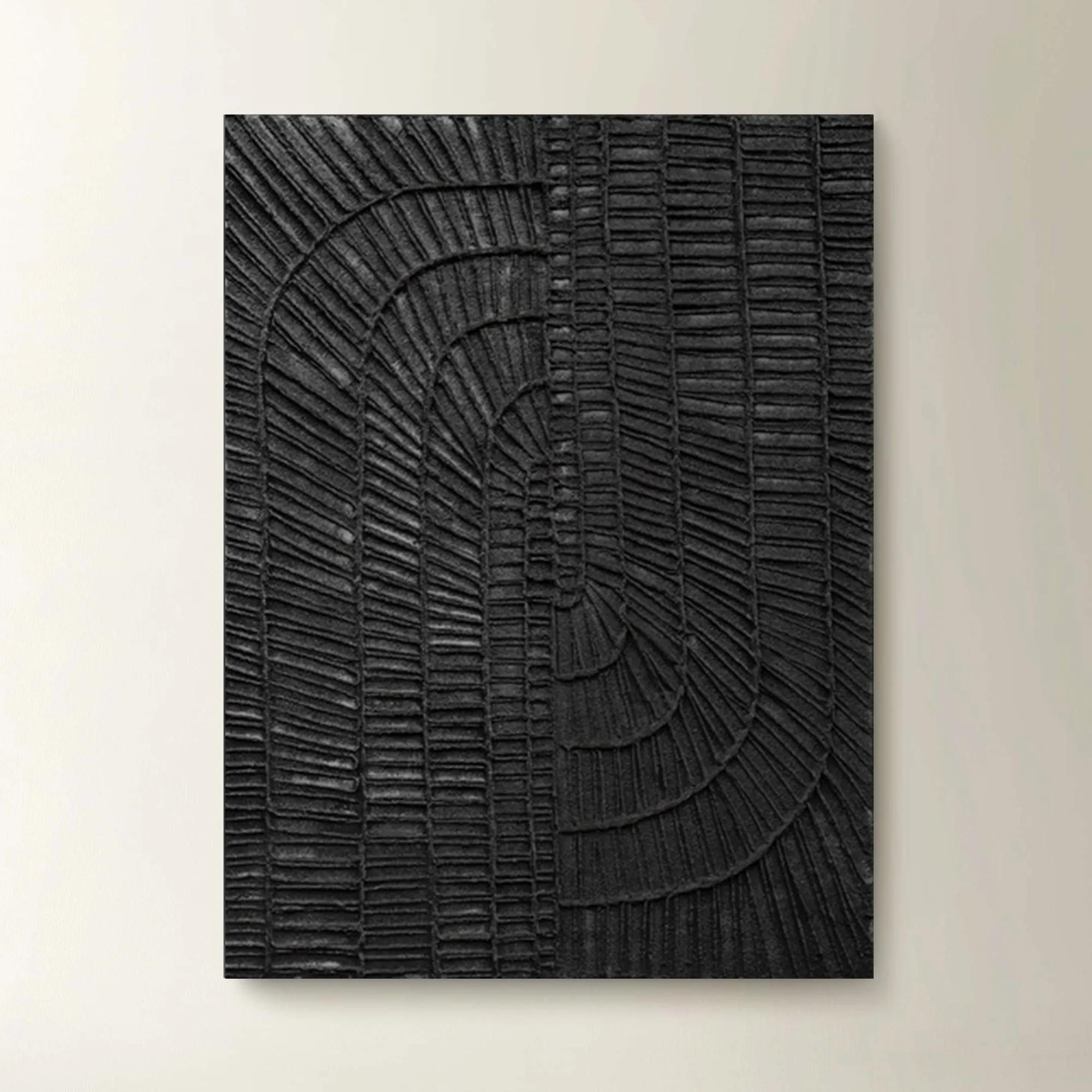
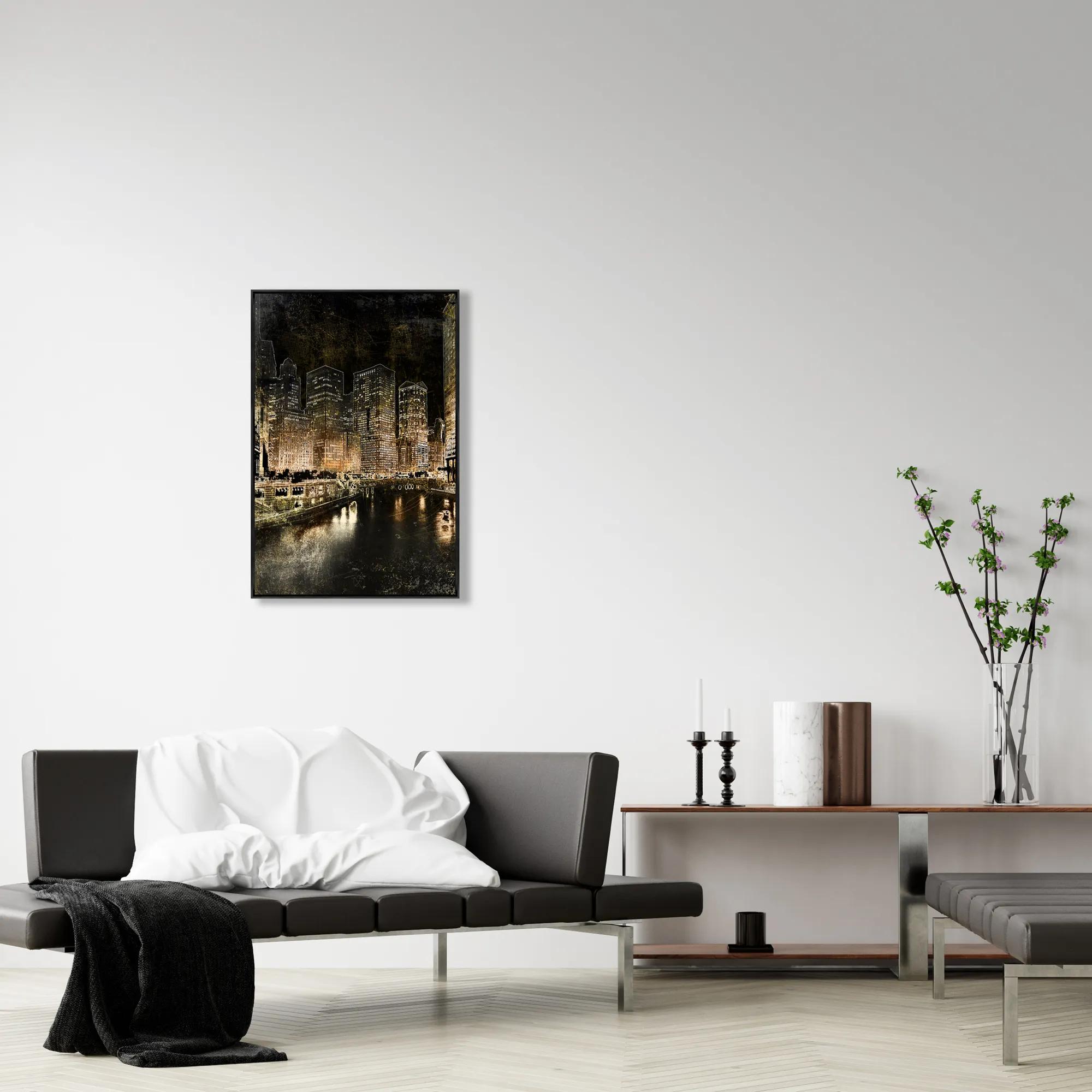 Chicago Lights Framed Wall Art 30" x 45"$649
A gallery-wrapped canvas artwork featuring a hand-applied gel finish in a sleek black floater frame.
Add To Cart -
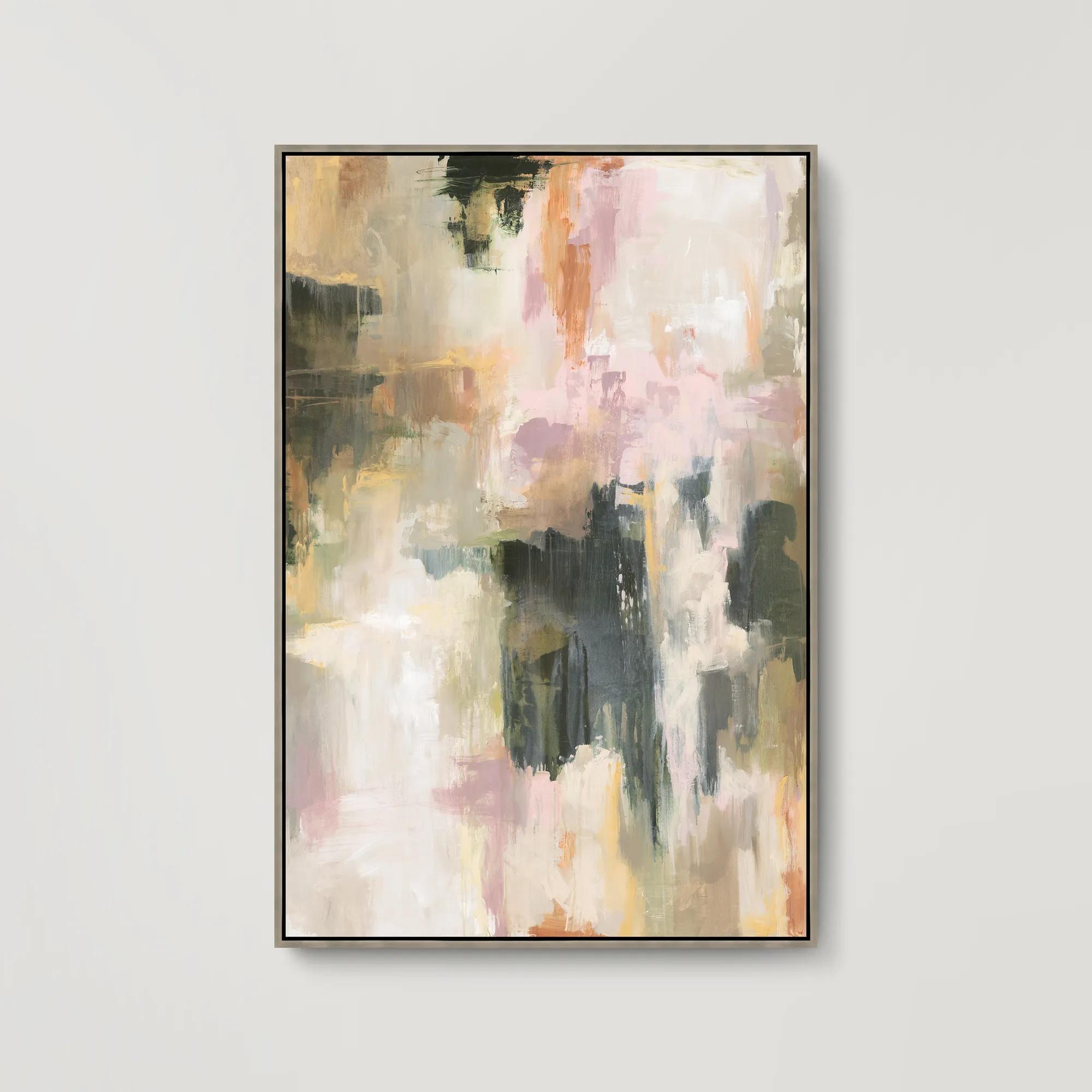
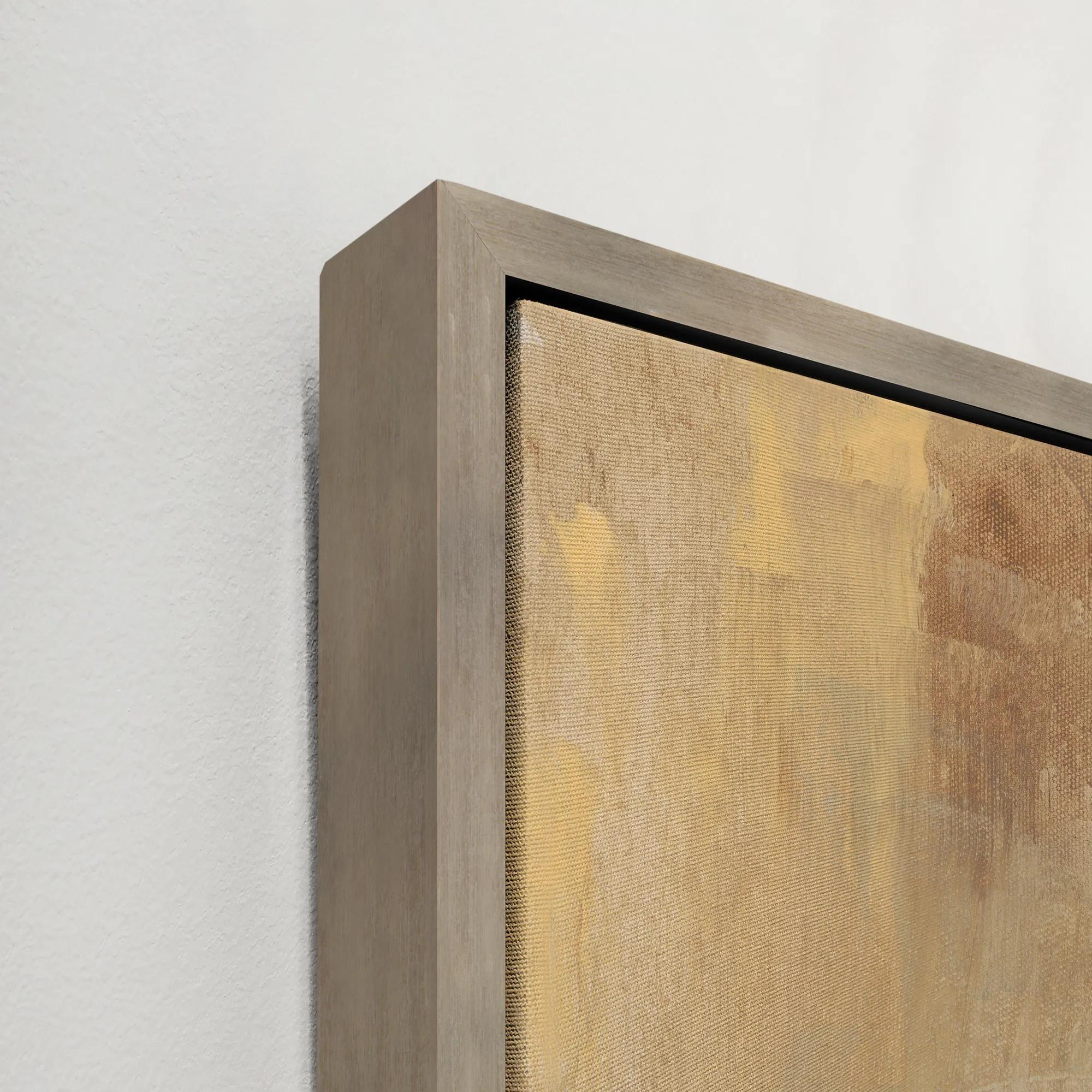 Sculpted Dreamscape Framed Wall Art 41.5" x 61.5"$999
A gallery-wrapped canvas artwork featuring a hand-applied gel finish and a sleek silver floater frame.
Add To Cart -
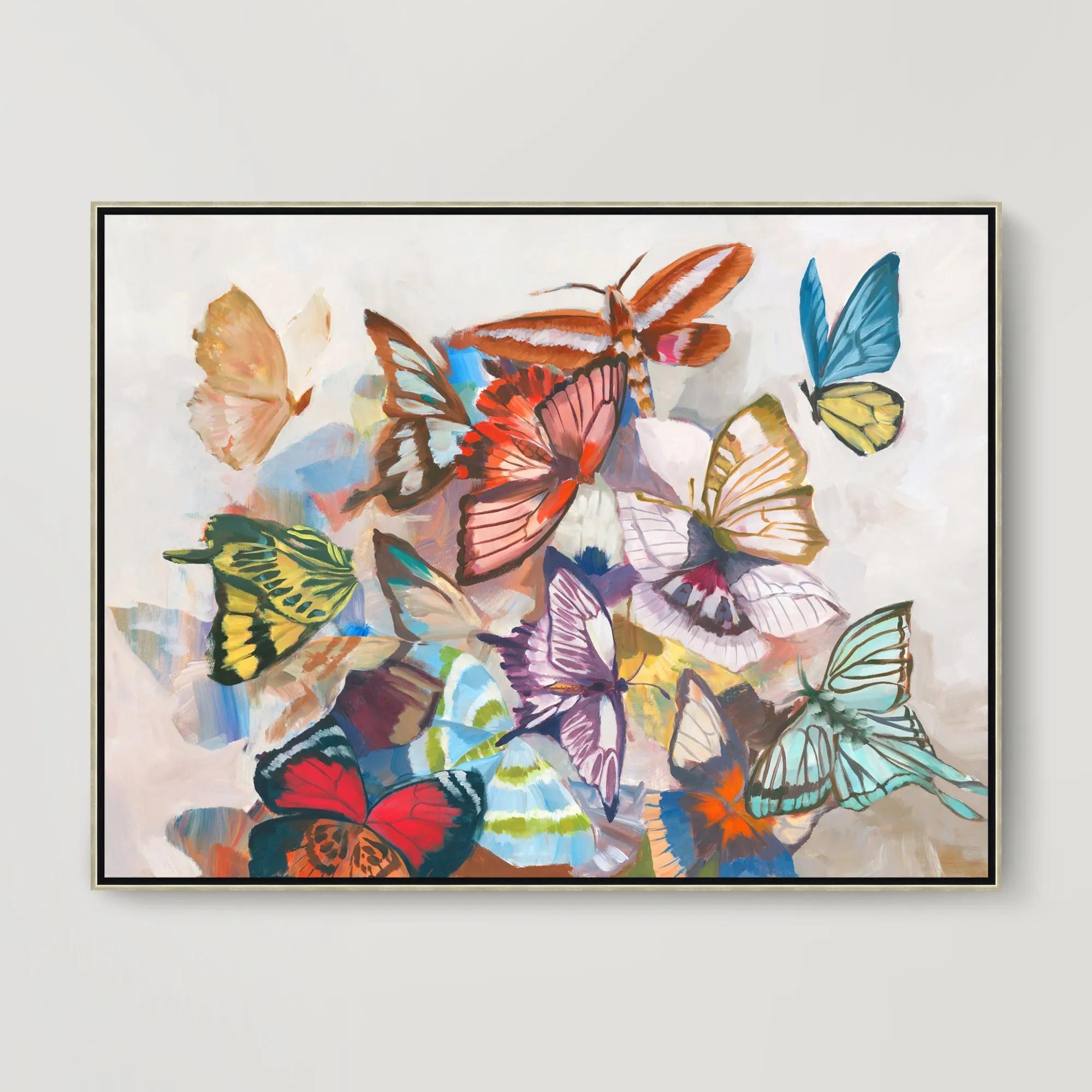 Sugar Wings Framed Wall Art 49.5" x 37.5"$799
A vibrant gallery-wrapped canvas artwork with hand-applied brush gel finish in a sleek silver floater frame.
Add To Cart -
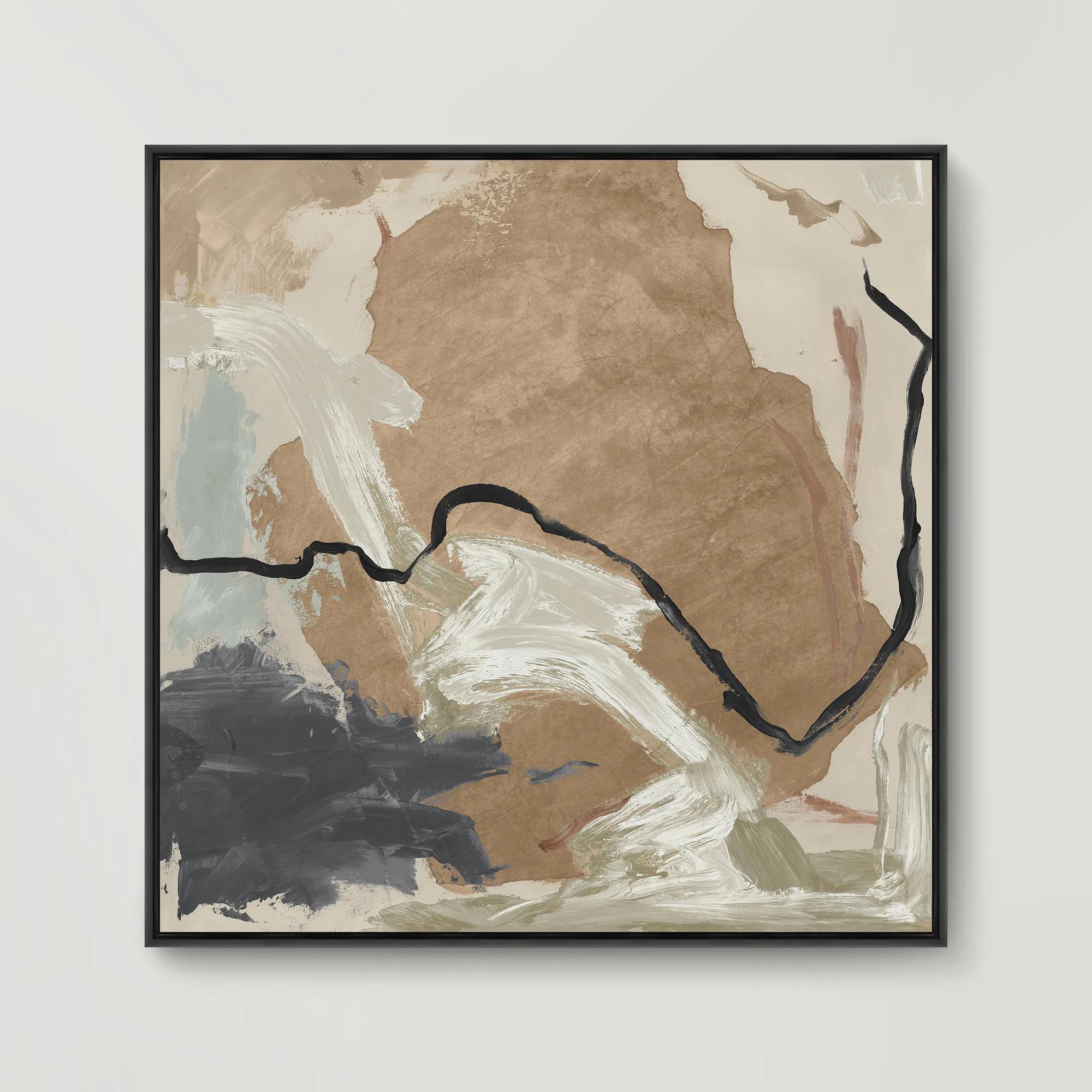 Borderlands III Framed Wall Art 31.5" x 31.5"$499
A gallery-wrapped canvas artwork with hand-applied brush gel finish, set in a sleek gray floater frame.
Add To Cart -
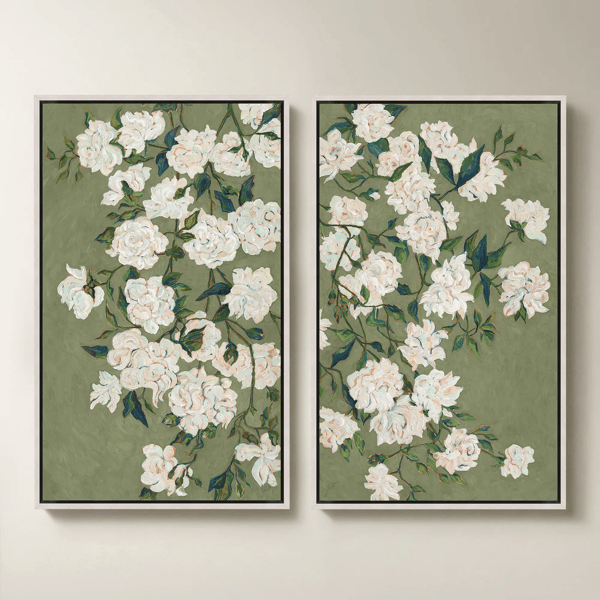
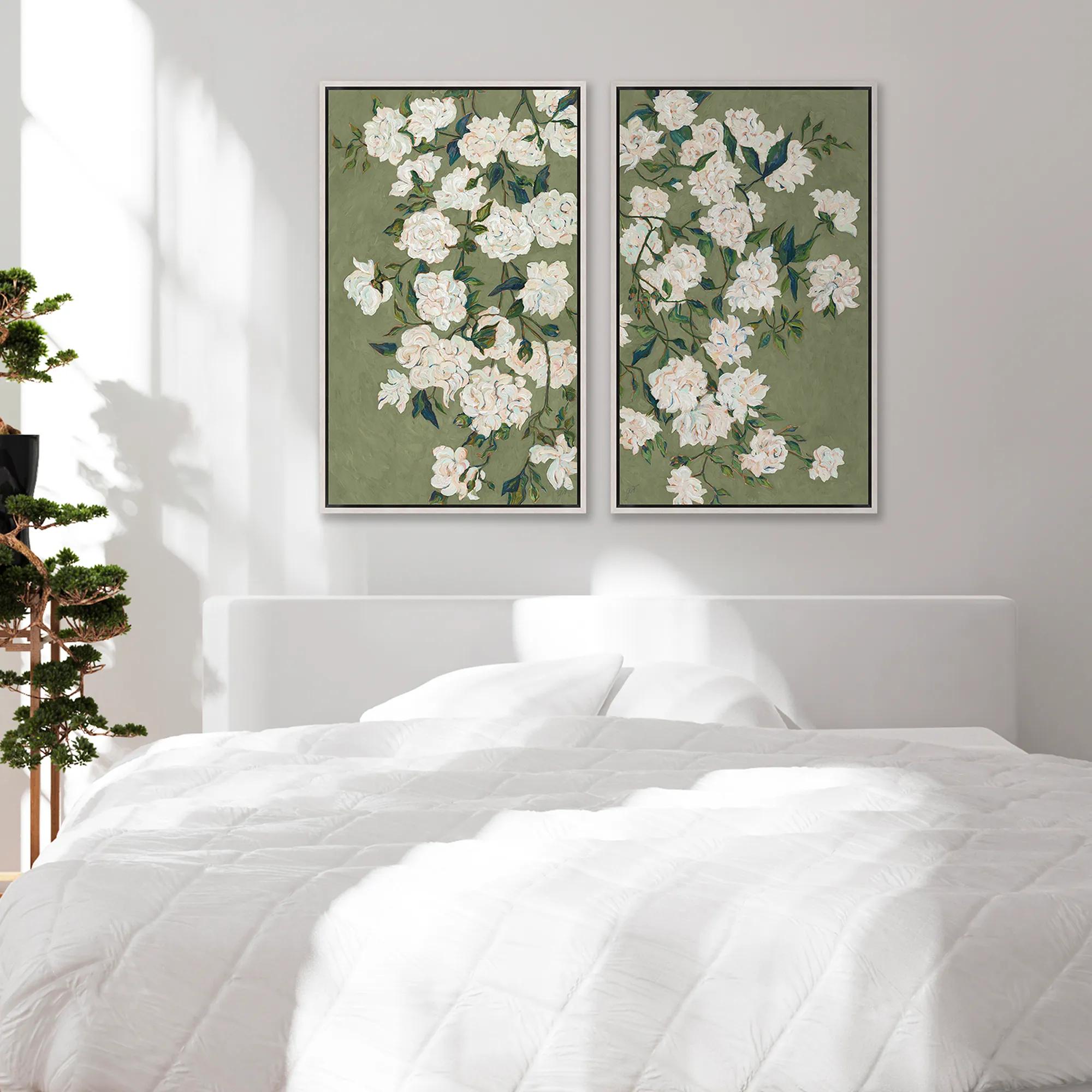 Verdi Vincent Framed Wall Art 21.5" x 41.5" Set of 2$949
A set of two gallery-wrapped fiber texture canvases in white floater frames for modern wall decor.
Add To Cart -
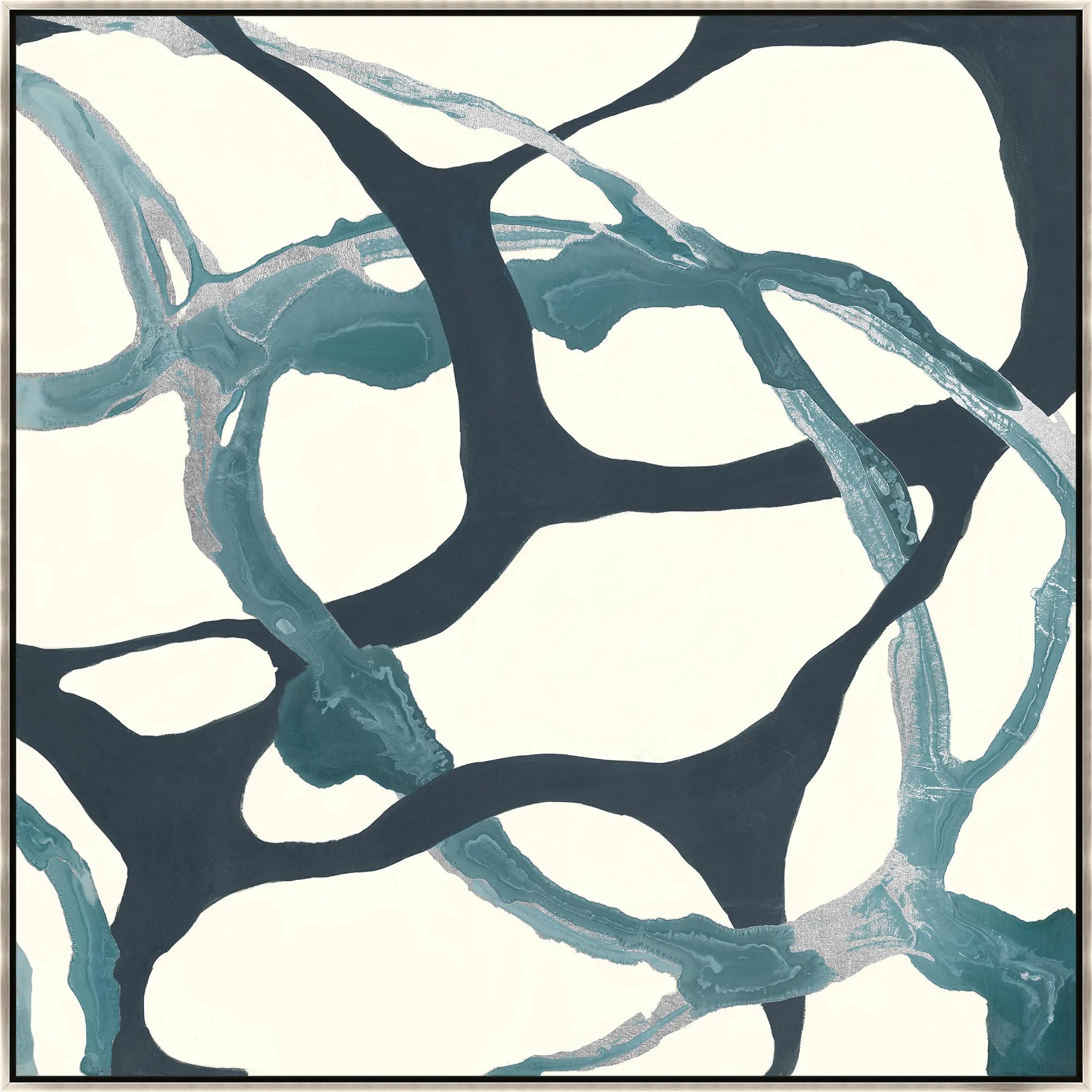
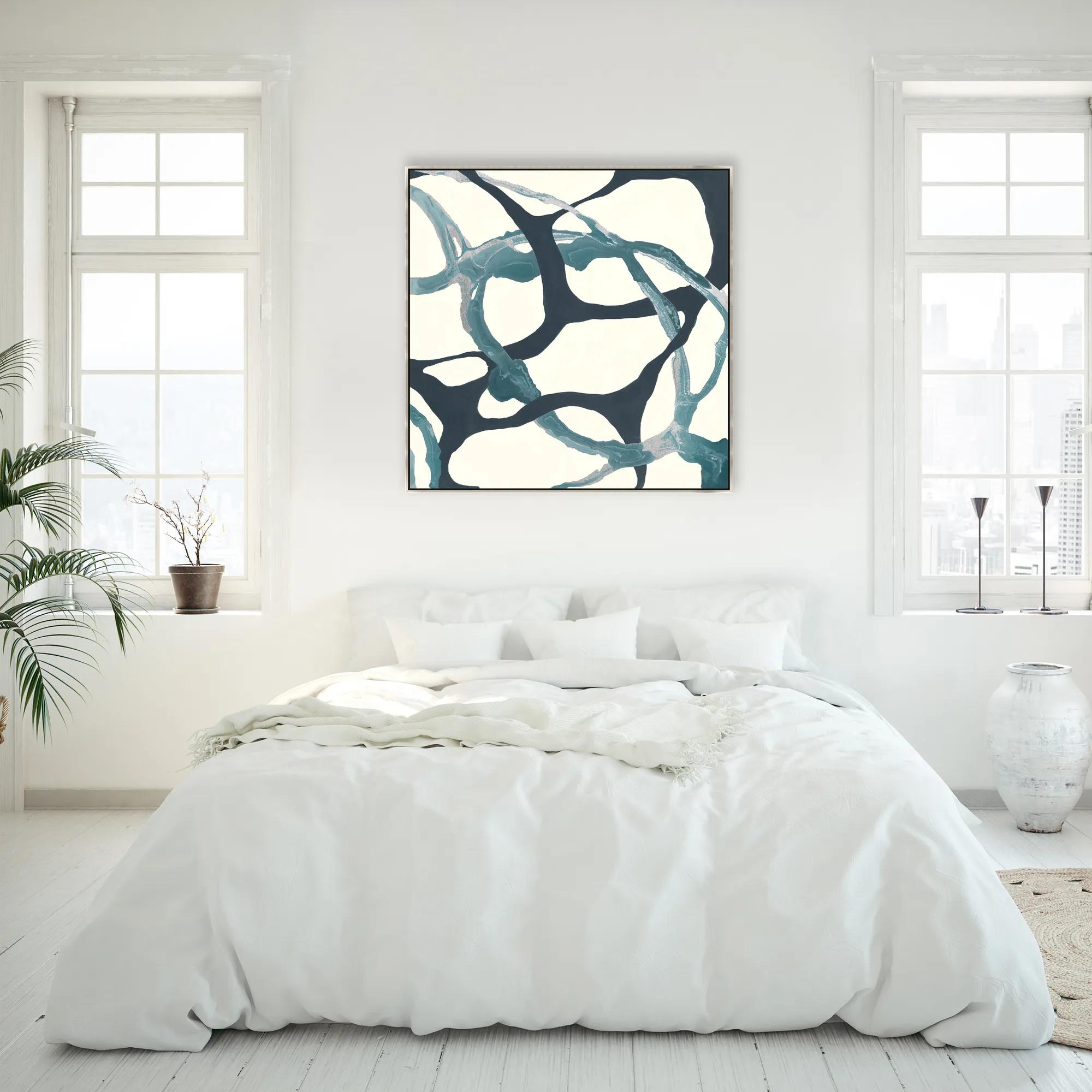 Alignments II Framed Wall Art 40" x 40"$899
A gallery-wrapped canvas featuring gilded silver accents and hand-applied brush gel in a silver floater frame.
Add To Cart -
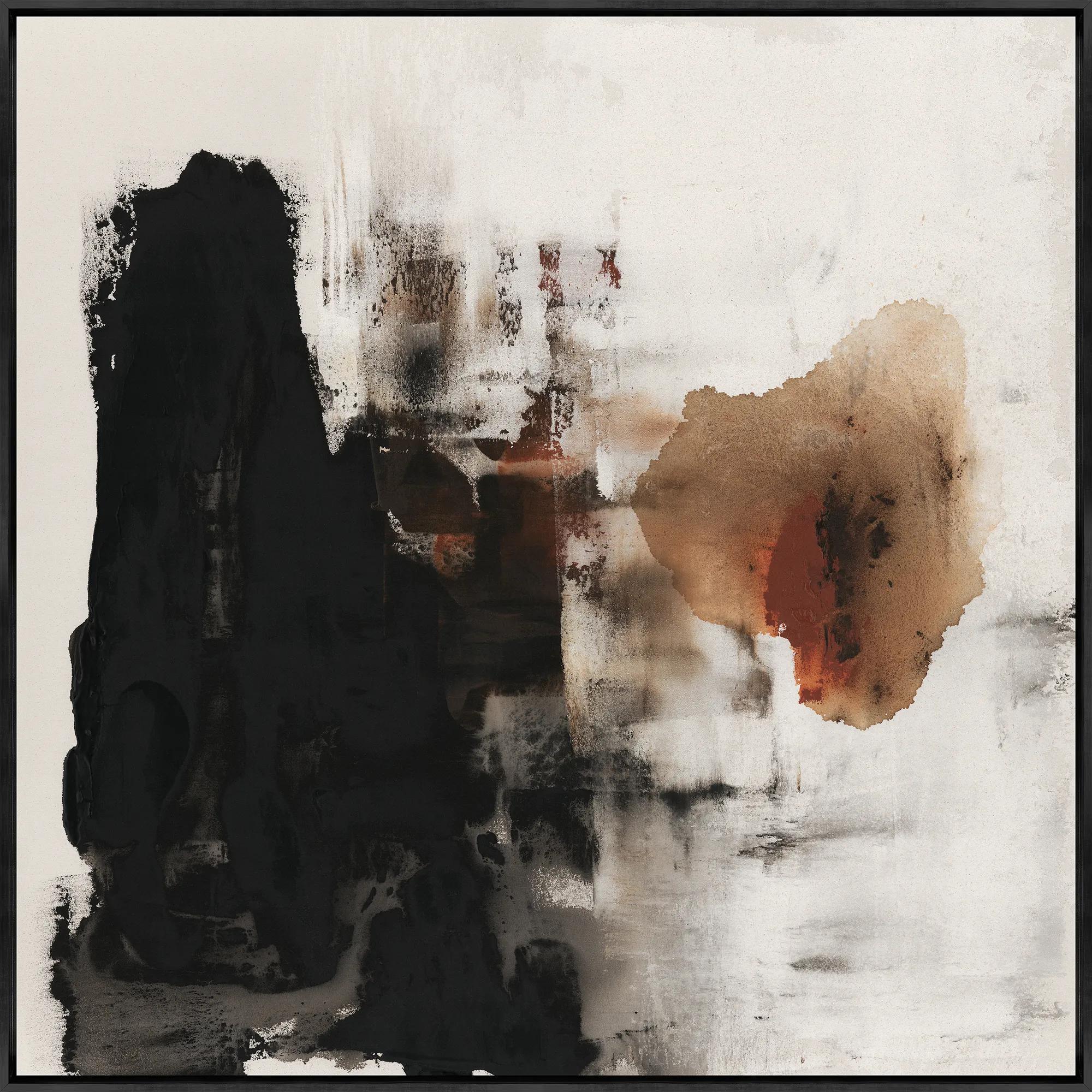 Burning for You I Framed Wall Art 40" x 40"$799
A gallery-wrapped canvas artwork with hand-applied brush gel, set in a sleek black floater frame.
Add To Cart -

 Heart Dancing Framed Wall Art 51.5" x 37.5"$799
A gallery-wrapped canvas artwork with a hand-applied brush gel finish in a sleek gunmetal floater frame.
Add To Cart -
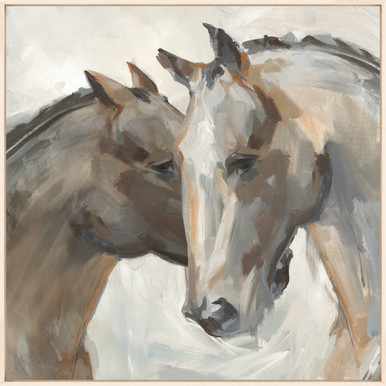
 Equine Duo Framed Wall Art 40" x 40"$699
A gallery-wrapped canvas featuring hand-applied brush gel and set in a natural floater frame.
Add To Cart -
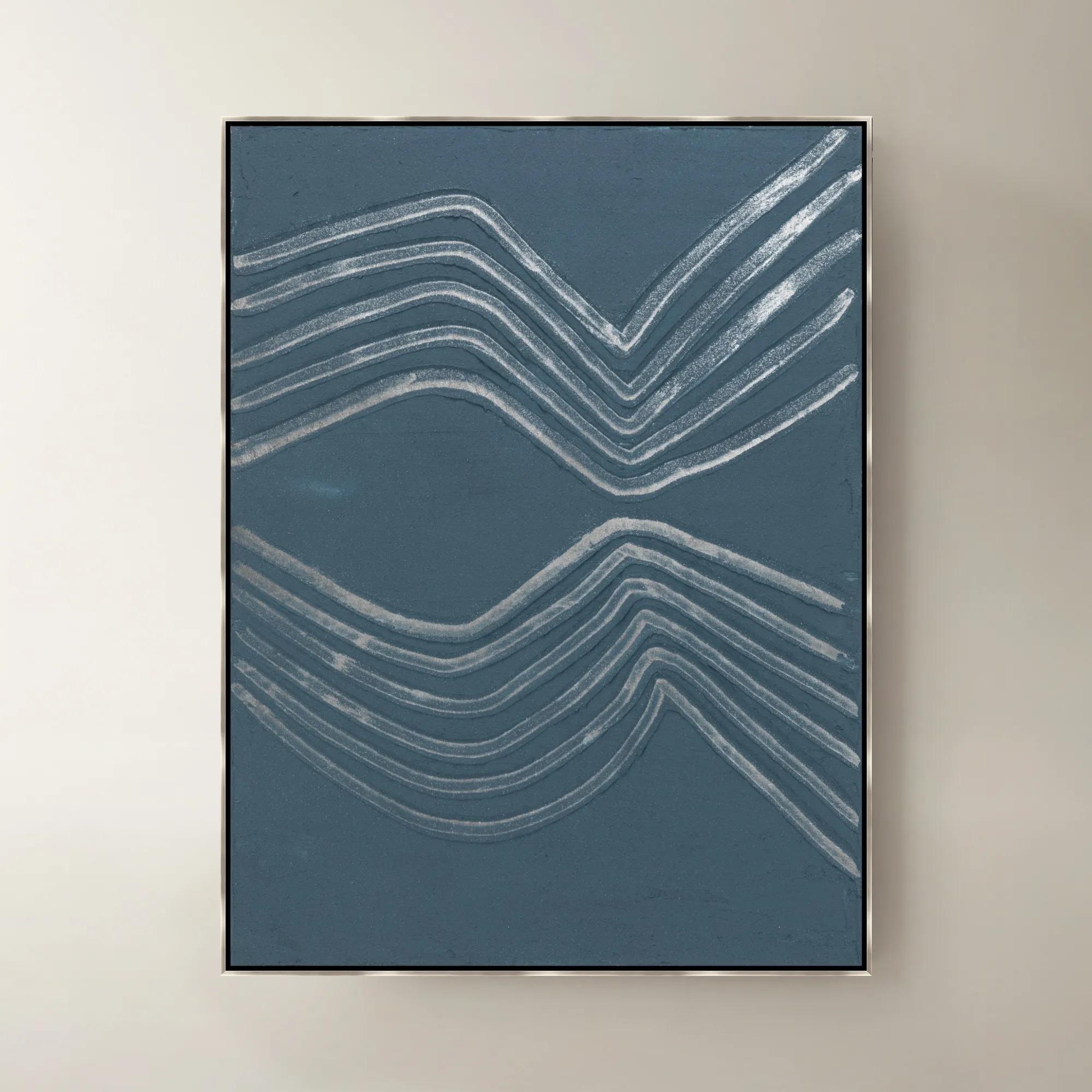
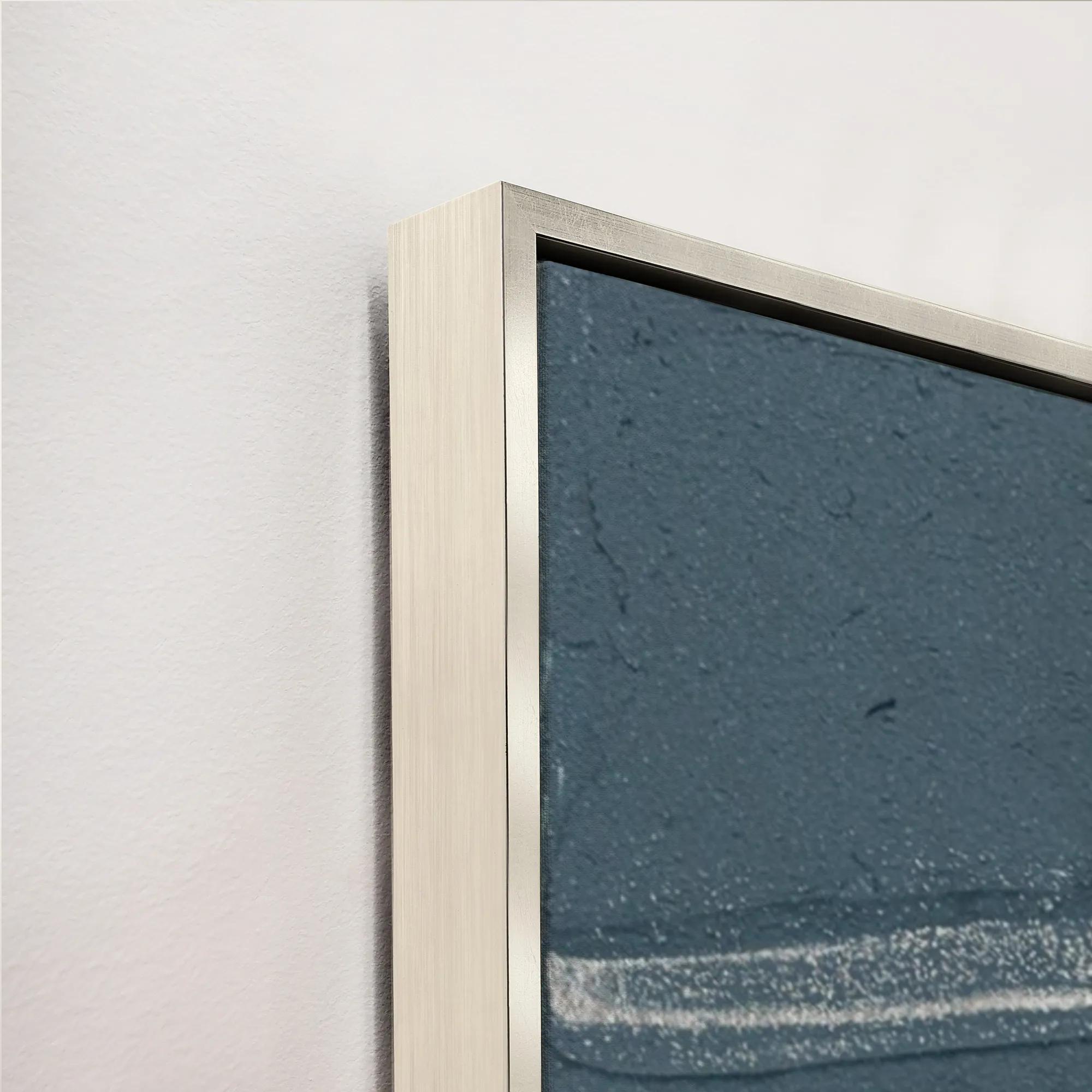 Gilded Waves VI Framed Painted Wall Art 40" x 53"$1399
A framed painted canvas artwork featuring sweeping gilded waves in rich blue and purple tones.
Add To Cart -
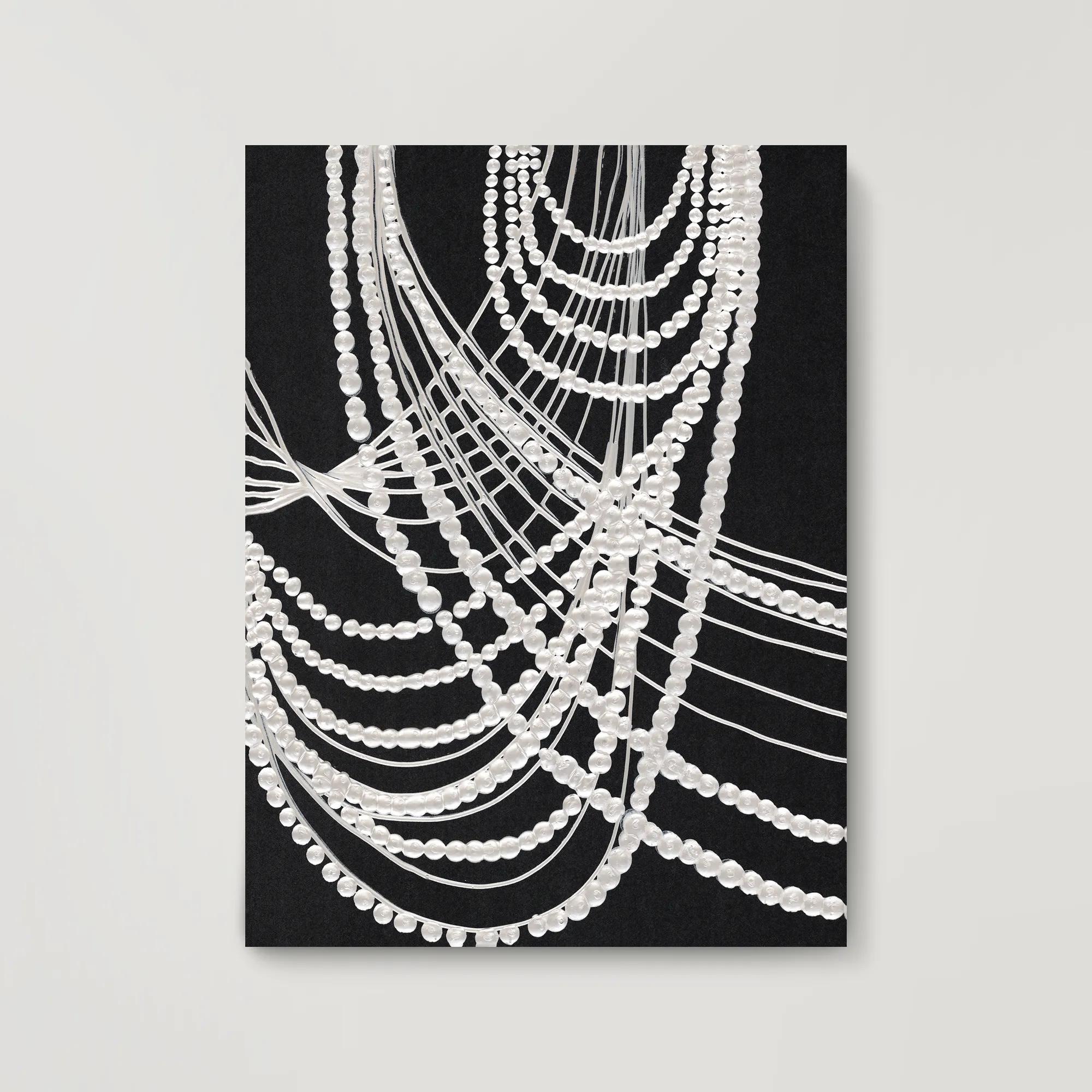 Dripping Pearls Painted Wall Art 36" x 48"$949
A striking hand-painted abstract artwork featuring layered acrylic and watercolor textures in a modern design.
Add To Cart -
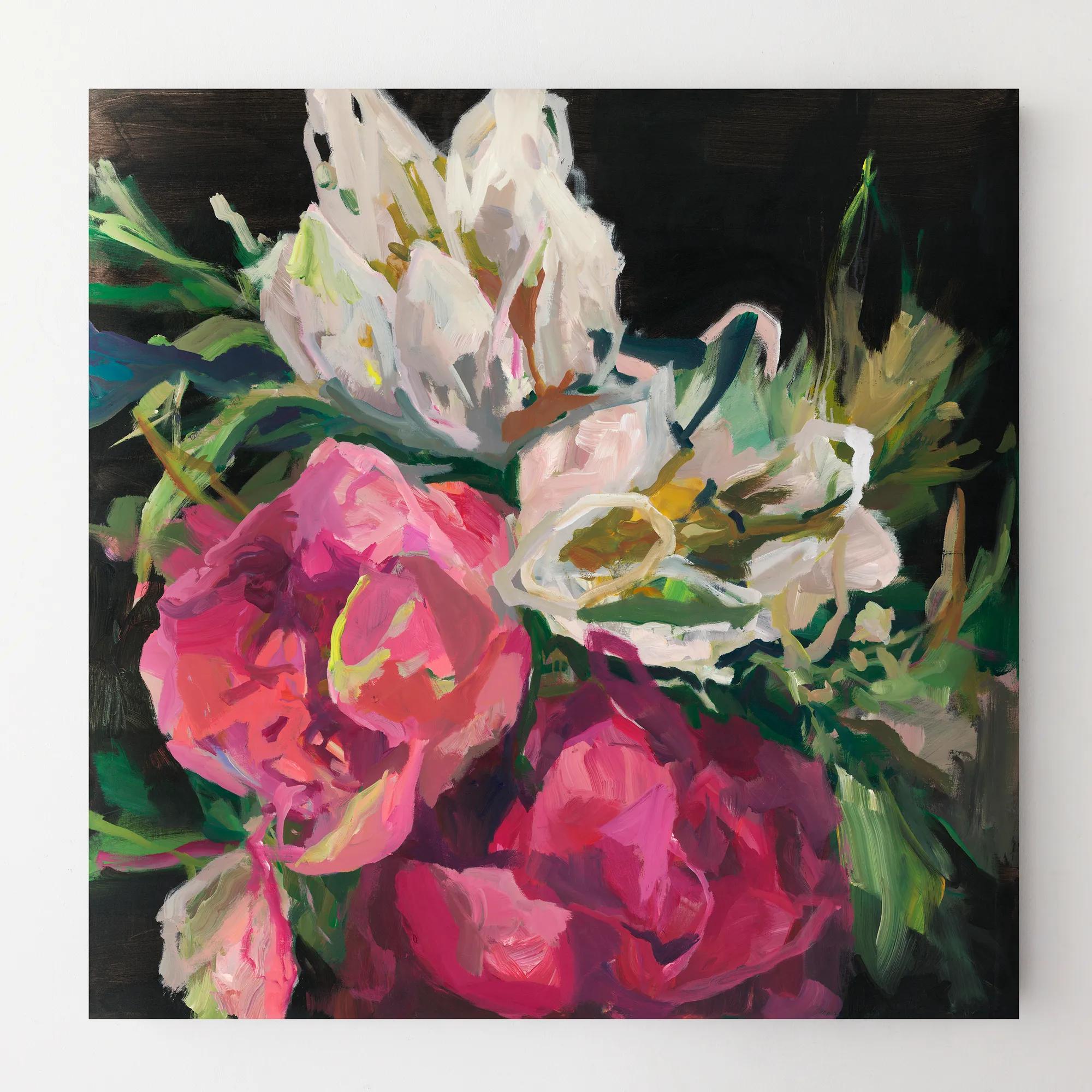
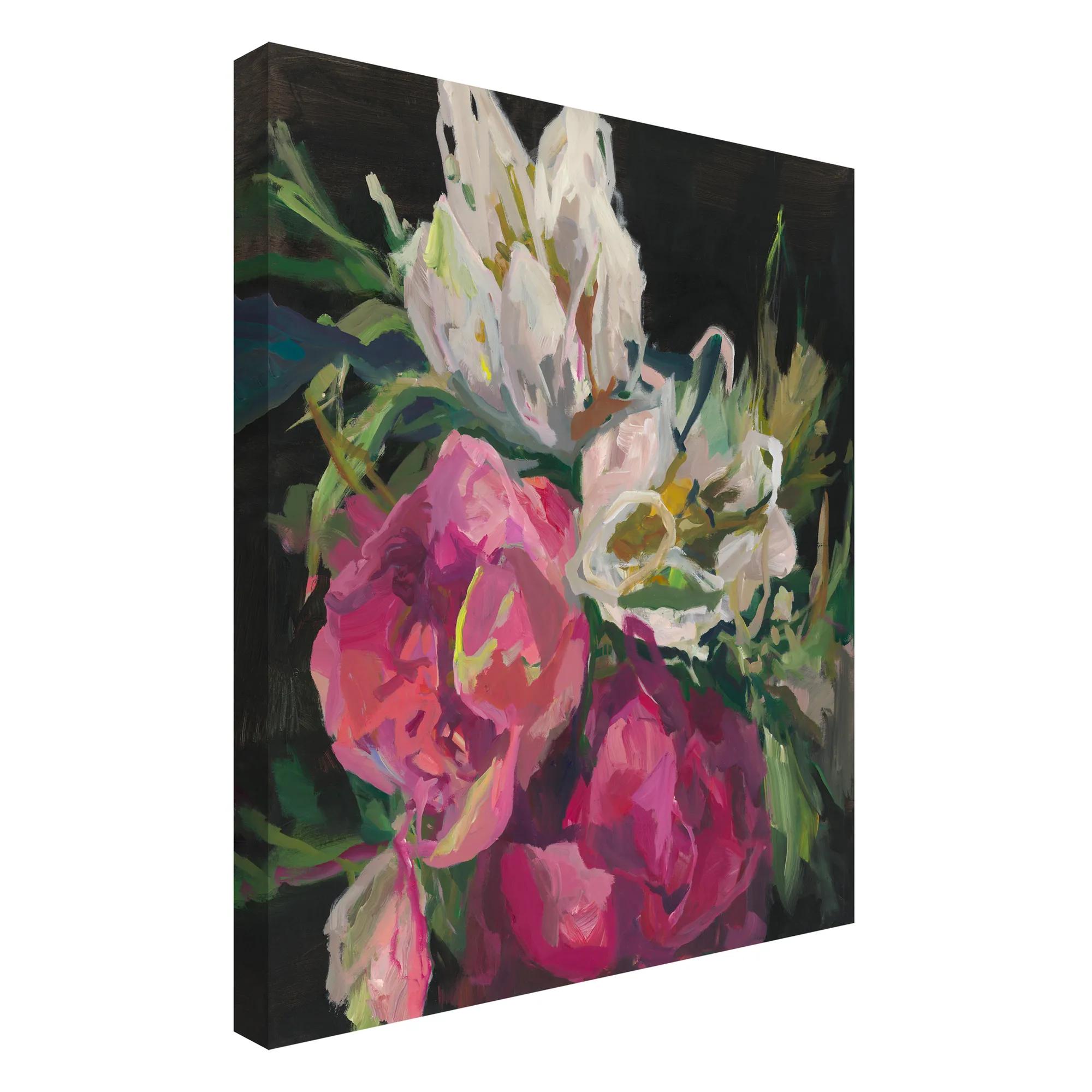 Wild At Heart Wall Art 30" x 30"$399
A gallery-wrapped canvas artwork featuring a hand-applied image brush gel finish for striking visual texture.
Add To Cart

Gallery Style Wall Art
Explore gallery style wall art to create a striking focal point or compose a wall that feels collected and personal. Discover artwork for expressive wall displays, considering scale, color, and composition as you choose. Let one piece command attention, or arrange several with a shared palette for a cohesive gallery wall.
Gallery-style wall art gives a room a distinct point of view, turning an expanse of wall into a composition of color, movement, and personal expression. The effect can be commanding: an oversized abstract above a tailored sofa, a photographic composition anchoring an entryway, or a sequence of smaller framed works bringing rhythm to a dining room. What connects these approaches is a sense of intention. Each piece contributes something beyond decoration, whether it is the energy of a sweeping brushstroke, the restraint of a monochromatic image, or the luminous contrast of metallic details against a deep background. Abstract wall art invites interpretation, allowing its forms and colors to feel different from one viewing to the next. Figurative imagery, architectural studies, and photography establish a more recognizable narrative while still leaving room for individual meaning. Materials shape that experience as much as subject matter. Canvas can lend an image a softly textured presence, while artwork on paper often gains definition from a mat and frame. Mixed-media compositions may introduce dimensional elements that catch the light and reward a closer look. Visible texture can come from the artwork’s surface or be reproduced within the image, a distinction worth considering when choosing the desired depth and finish. A slim frame keeps attention on the composition; a more substantial frame adds architectural weight and makes the artwork feel like a deliberate feature of the room. Black framing can sharpen pale imagery, warm metallic finishes can echo brass accents, and wood tones can connect the wall to surrounding furniture. For expressive interiors, gallery-style wall decor becomes the thread that draws upholstery, rugs, lighting, and decorative objects into a coherent scene. It is equally compelling in a quieter setting, where a single expressive work has space to establish the atmosphere. The result is not a room dressed to resemble an exhibition, but a home with the visual confidence of a thoughtfully composed collection.
Scale determines how that confidence translates into the space. A generous canvas can hold its own above a broad console or sectional, while smaller artwork often feels more substantial when gathered into a cohesive arrangement. The relationship to nearby furniture matters more than wall size alone: a narrow piece floating above a wide sofa may feel disconnected, whereas a composition with enough visual breadth creates a stronger connection between the seating area and the wall. In rooms with tall ceilings, vertical artwork can emphasize height without requiring a crowded display. Along a hallway, repeated frame dimensions or a shared palette can create continuity as the view unfolds from one doorway to the next. Gallery walls allow a more layered expression, pairing contrasting subjects through consistent spacing, related tones, or complementary finishes. A mix of sizes can feel collected rather than rigid, particularly when one larger work gives the arrangement a clear center of gravity. Color provides another way to make the display belong. A trace of ochre can pick up the warmth of a velvet chair; soft ivory can connect dramatic artwork to pale upholstery; charcoal marks can echo the silhouette of a sculptural lamp. For interiors drawn to rich coastal hues and inky depth, Gallery Style Blue Canvas Arts offers a focused color direction to consider alongside neutral furnishings, polished metal, and textured fabrics. Blue can read as tranquil or theatrical depending on its saturation, surrounding colors, and the movement within the composition. Placement also influences how the work is experienced. Artwork near seated eye level feels intimate in a lounge, while an entryway display should relate to the standing viewer and the furniture beneath it. Enough open wall around a piece lets its edges and details remain legible. Lighting brings the arrangement into focus: a carefully positioned picture light can reveal surface character, while strong reflections across glazing may obscure fine details. The most persuasive setting allows the art to command attention without competing with every other element.
The lasting appeal of gallery-style wall art also rests on construction, placement, and thoughtful care. Canvas pieces may be stretched over an internal support or presented within an outer frame, and the depth of that construction affects how far the artwork projects from the wall. Framed paper works have their own considerations, including the backing, glazing, and whether a mat keeps the image separated from the protective surface. Glass offers clarity but adds weight and can break; acrylic is generally lighter, though its surface may scratch more easily. When specified, acid-free mats and backing materials can help protect paper, while UV-filtering glazing can reduce exposure without eliminating the effects of strong light. These details are especially relevant for artwork intended to remain part of a room for years. Direct sunlight, excess moisture, and pronounced environmental fluctuations can affect pigments, paper, canvas, and frames, so a protected interior wall is often preferable to a location close to a steamy bathroom or cooking area. Gentle dusting with a clean, soft cloth is appropriate for many frames, but the artwork itself may require a different approach depending on its medium. Cleaning products should never be sprayed directly onto a framed work, and textured or embellished surfaces deserve particular care to avoid disturbing their finish. Display hardware also needs to suit both the piece’s weight and the wall’s construction, especially above seating or in a frequently used passageway. Beyond practical fit, the best choice reflects the person who will live with it. A design enthusiast may gravitate toward bold abstraction, a photography admirer toward an arresting image, and someone furnishing a first home toward a piece that establishes a signature palette. Wall art can make a meaningful housewarming, wedding, or milestone gift when the recipient’s taste, available space, and preferred framing style are understood. Whether chosen for a private bedroom retreat or a living room made for conversation, it lends lasting presence to the spaces where daily life unfolds.
FAQs
Gallery style wall art brings the expressive character of an art exhibition into your home. Whether displayed as a singular focal point or a curated collection, it emphasizes artistic presence and thoughtful placement. Abstract compositions, evocative imagery, and striking contrasts can turn a wall into a reflection of your personal aesthetic.
Choose a visual thread—a recurring color, subject, or artistic mood—to connect your artwork. Then introduce contrast through different compositions and frame styles for a collected, rather than overly matched, look. Arrange the pieces around one compelling focal point, leaving deliberate breathing room so each work has its own presence.
Mixing art styles gives a gallery wall depth and individuality. Pair fluid abstracts with architectural imagery, or bring expressive portraits into conversation with restrained line art. A shared palette or repeating frame finish helps unite the composition while allowing those unexpected pairings to create drama.
Begin with the atmosphere you want to create. High-contrast artwork lends a room bold energy, while tonal compositions introduce a quieter sense of sophistication. Echo an accent color from your furnishings or choose art that intentionally disrupts the palette. The most compelling choice feels connected to your space without disappearing into it.
Let the artwork and your room’s character guide the frame selection. Sleek black frames create crisp definition, metallic finishes introduce a glamorous accent, and ornate profiles add decorative drama. Use a consistent finish for a polished visual rhythm, or mix profiles with intention for a richly layered, collected aesthetic.