Hazy Atmospheric Wall Arts
Hazy Atmospheric Wall Arts
-
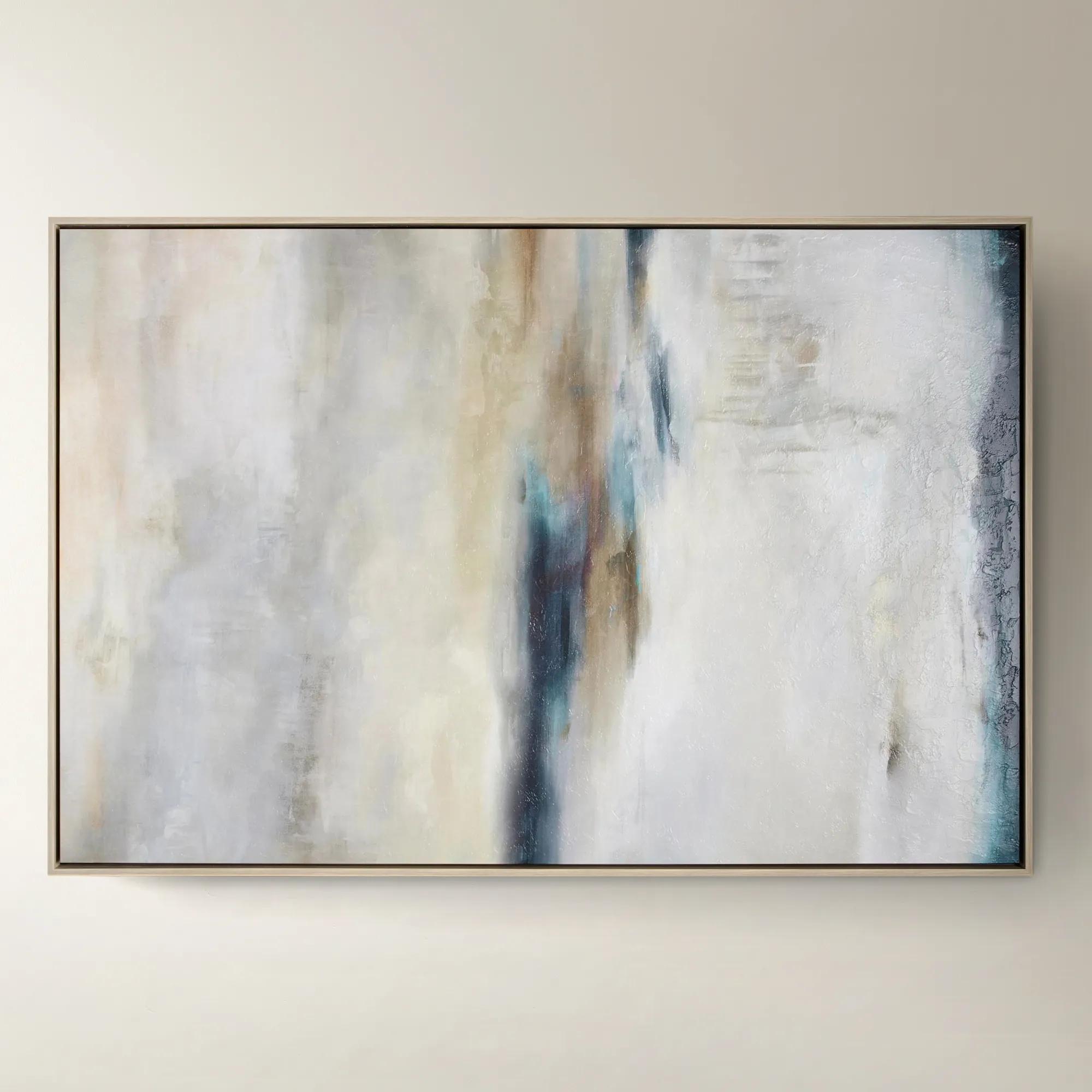
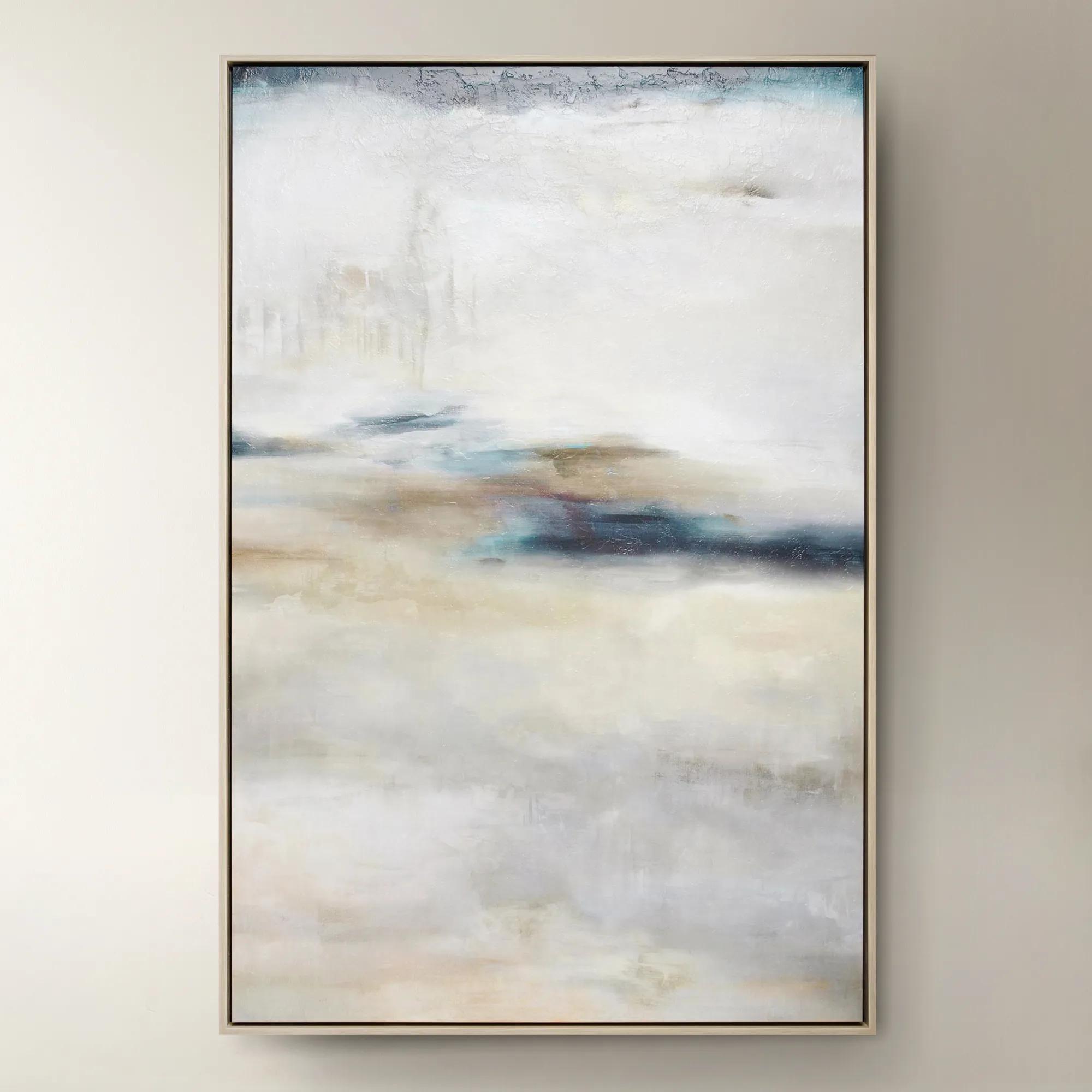 Forward Looking$1299
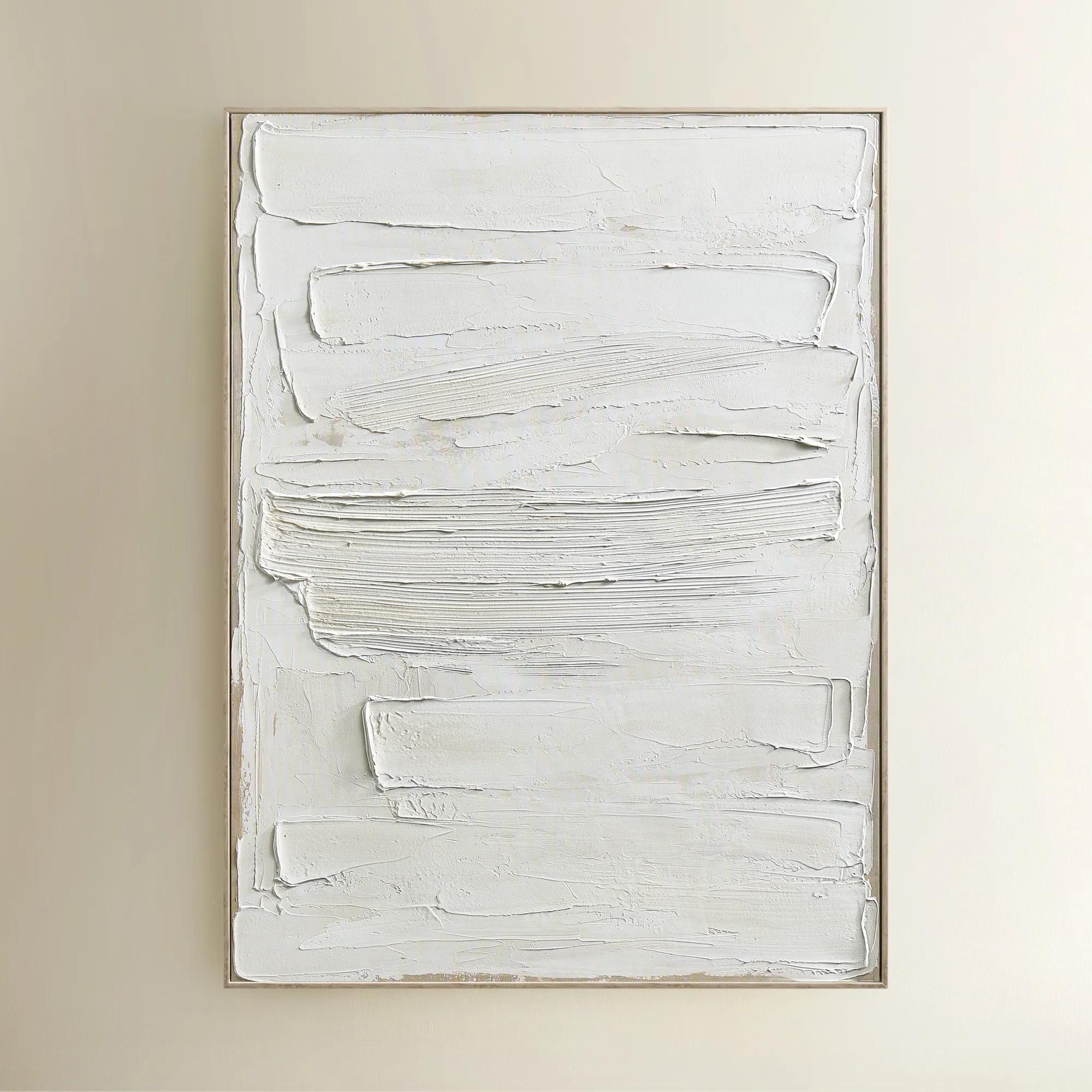
A softly layered abstract canvas print with a gel finish, set in a natural-hued floater frame.
Add To Cart -
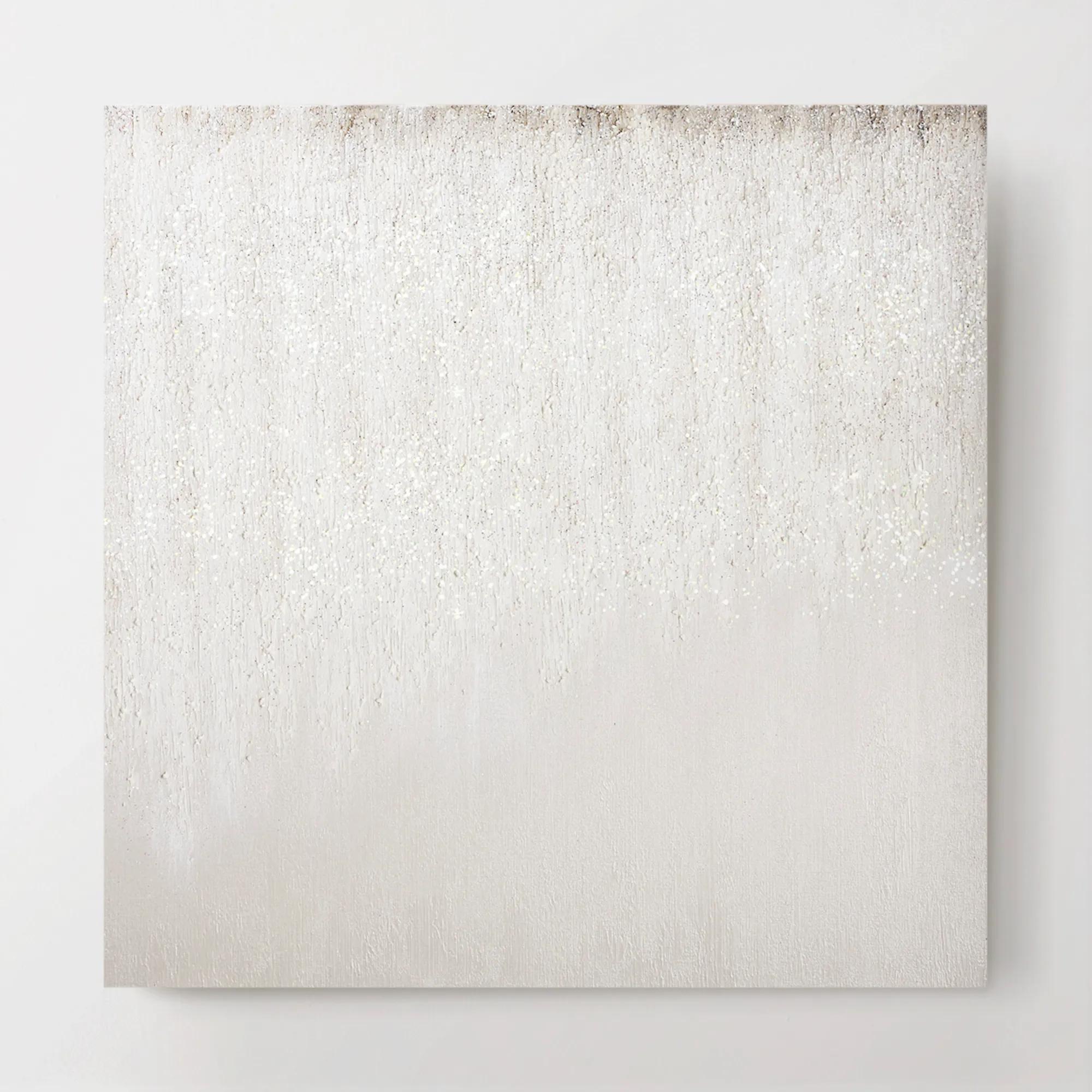 Je T'aime Glitter Painted Wall Art 30" x 30"$499
A hand-painted canvas artwork featuring ethereal hazy brushstrokes and subtle glitter embellishments.
Add To Cart -
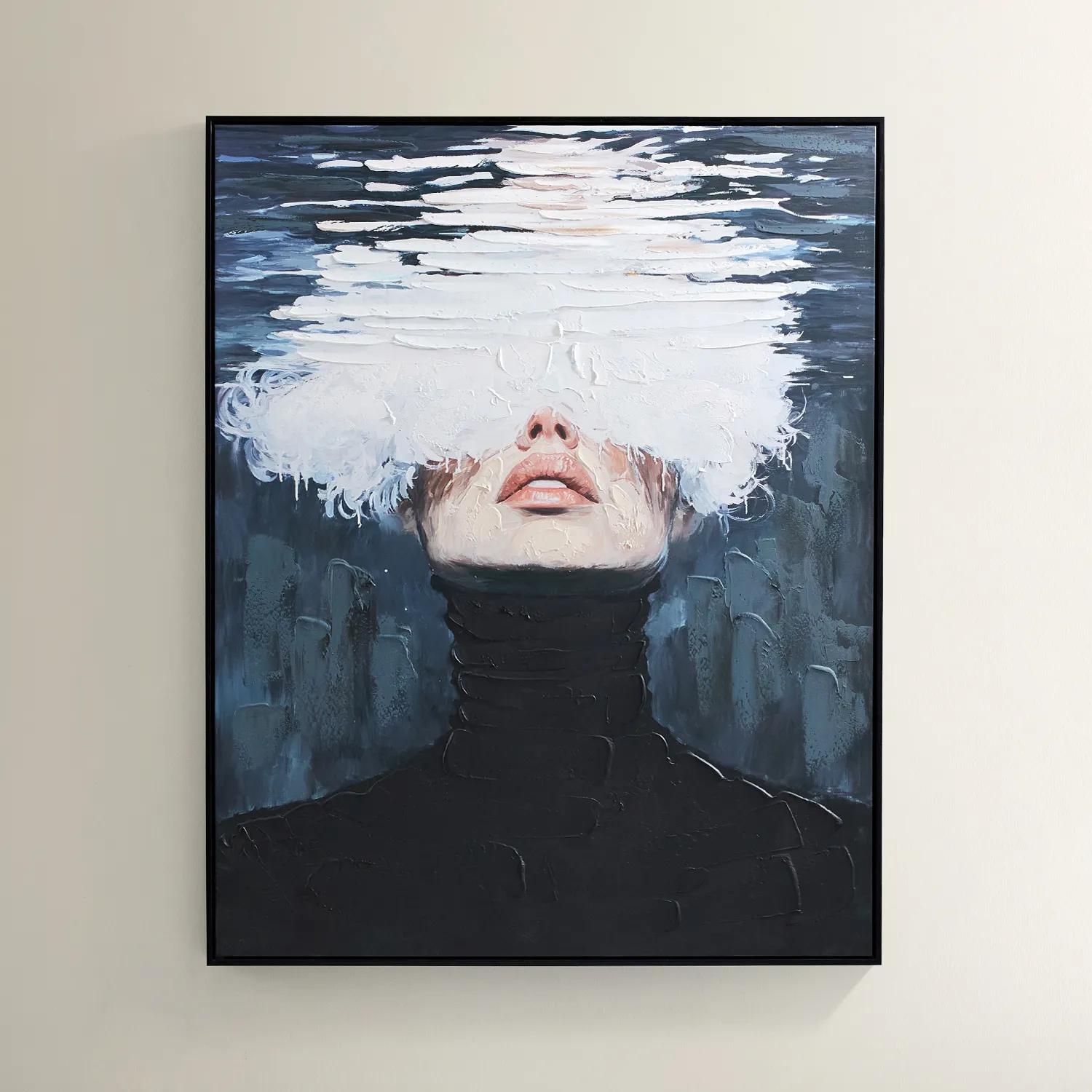
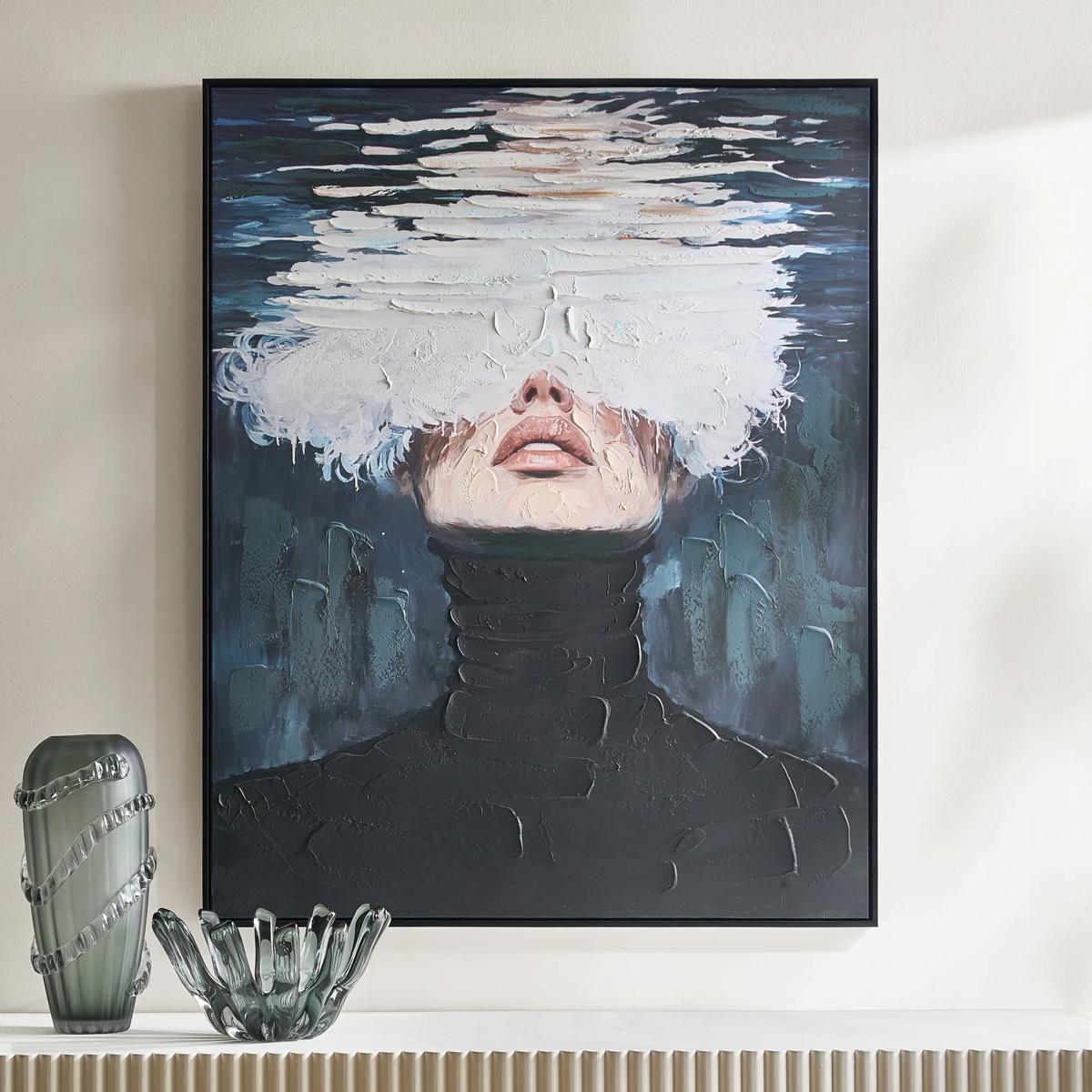 Submerged Framed Painted Wall Art 40" x 50"$599
A hand-painted canvas featuring a surreal portrait in black, blue, and white with a black floater frame.
Add To Cart -
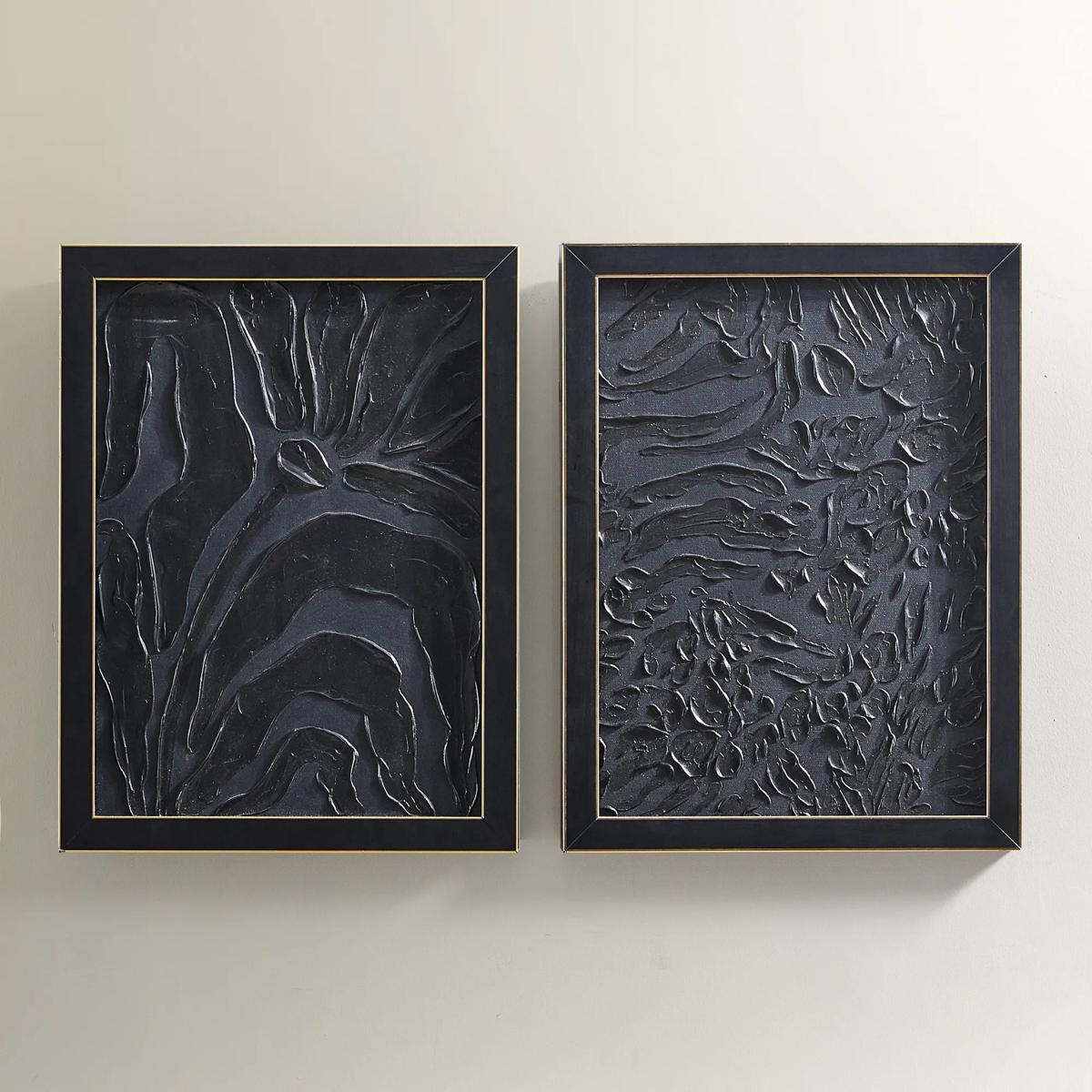
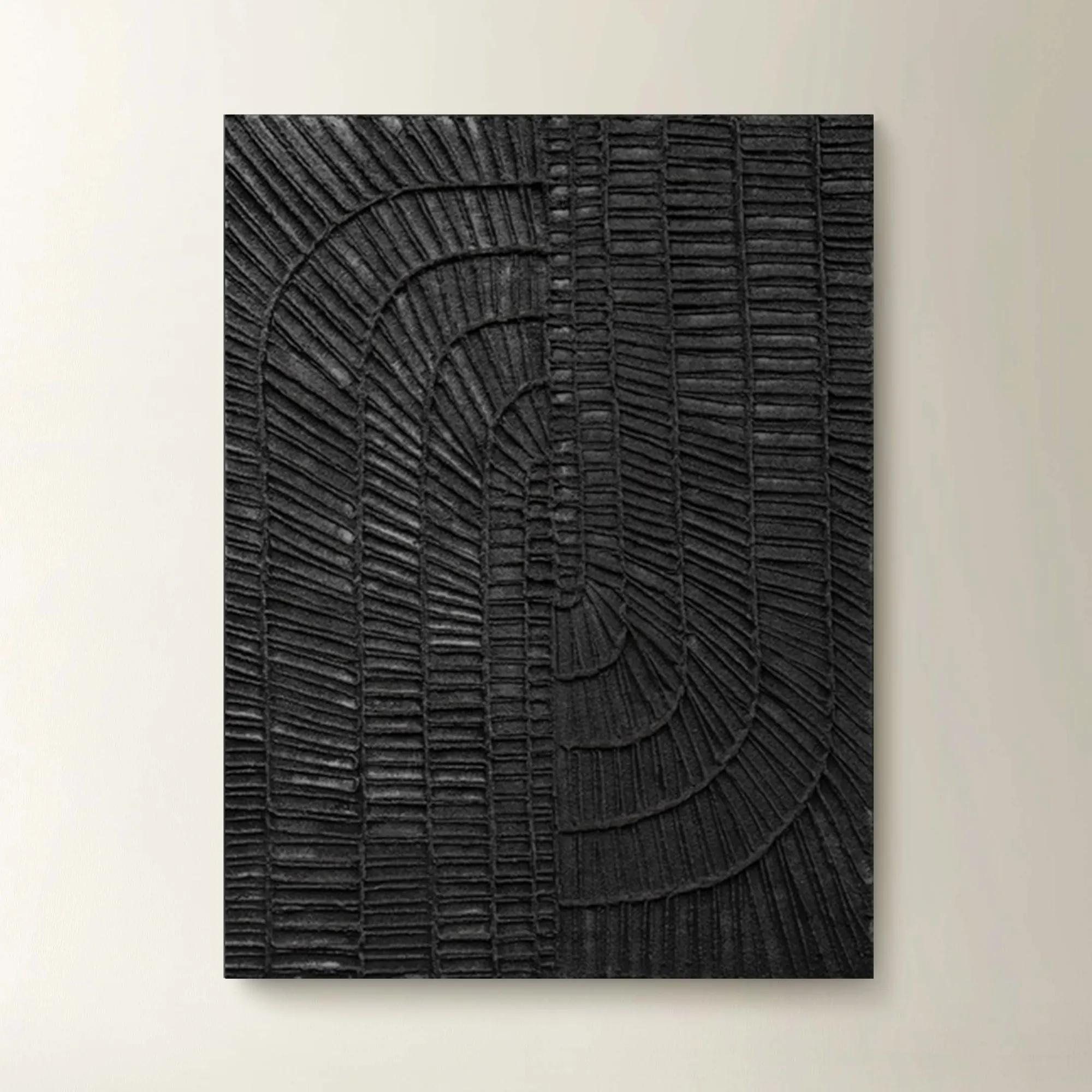 Textured Haze Black II Painted Wall Art 26" x 35"$499
A striking hand-painted black artwork featuring textured details for versatile vertical or horizontal display.
Add To Cart -
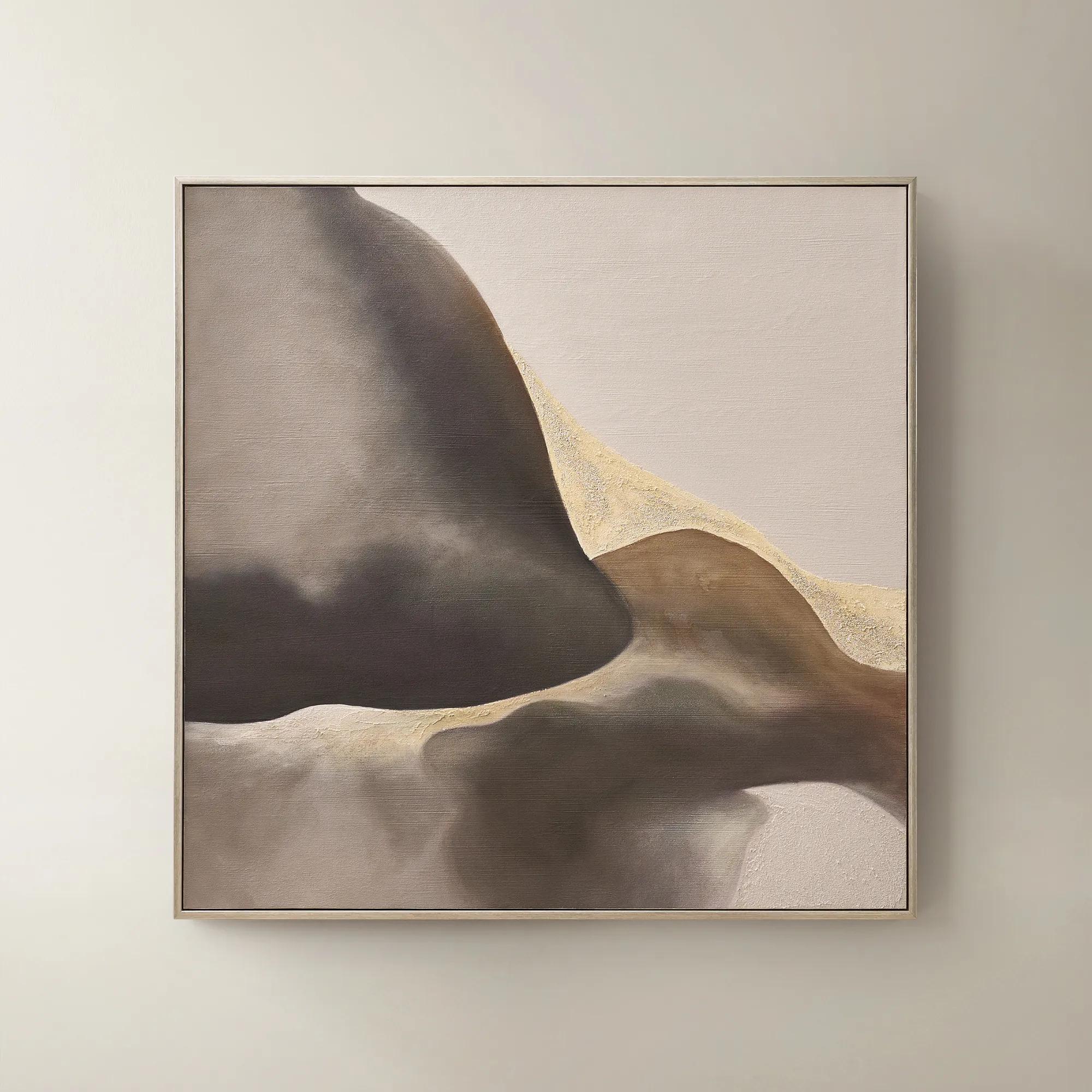 Windswept Framed Gold Leaf Painted Wall Art 50" x 50"$549
A hand-painted abstract canvas in plum truffle with gold leaf accents and a brushed champagne frame.
Add To Cart -
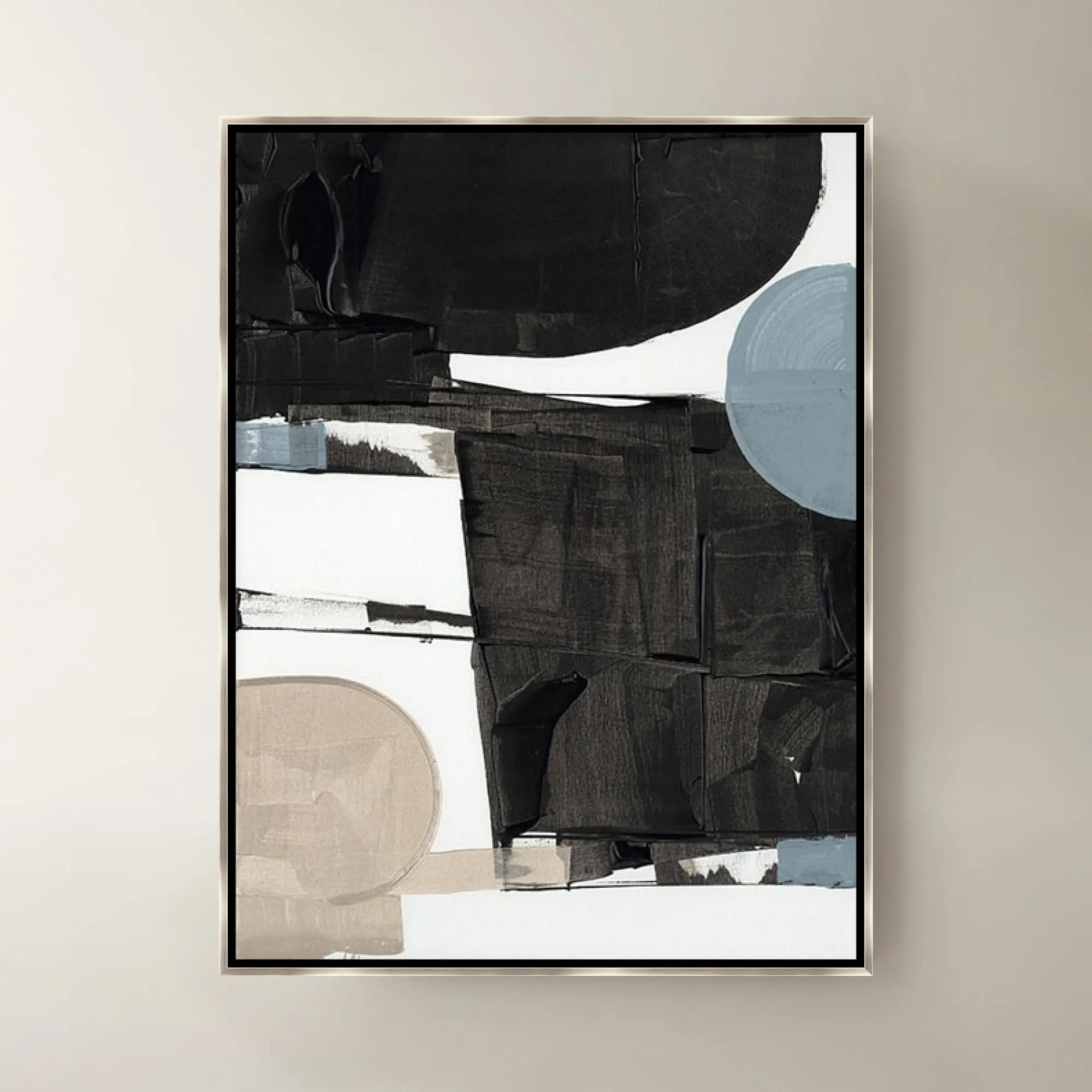
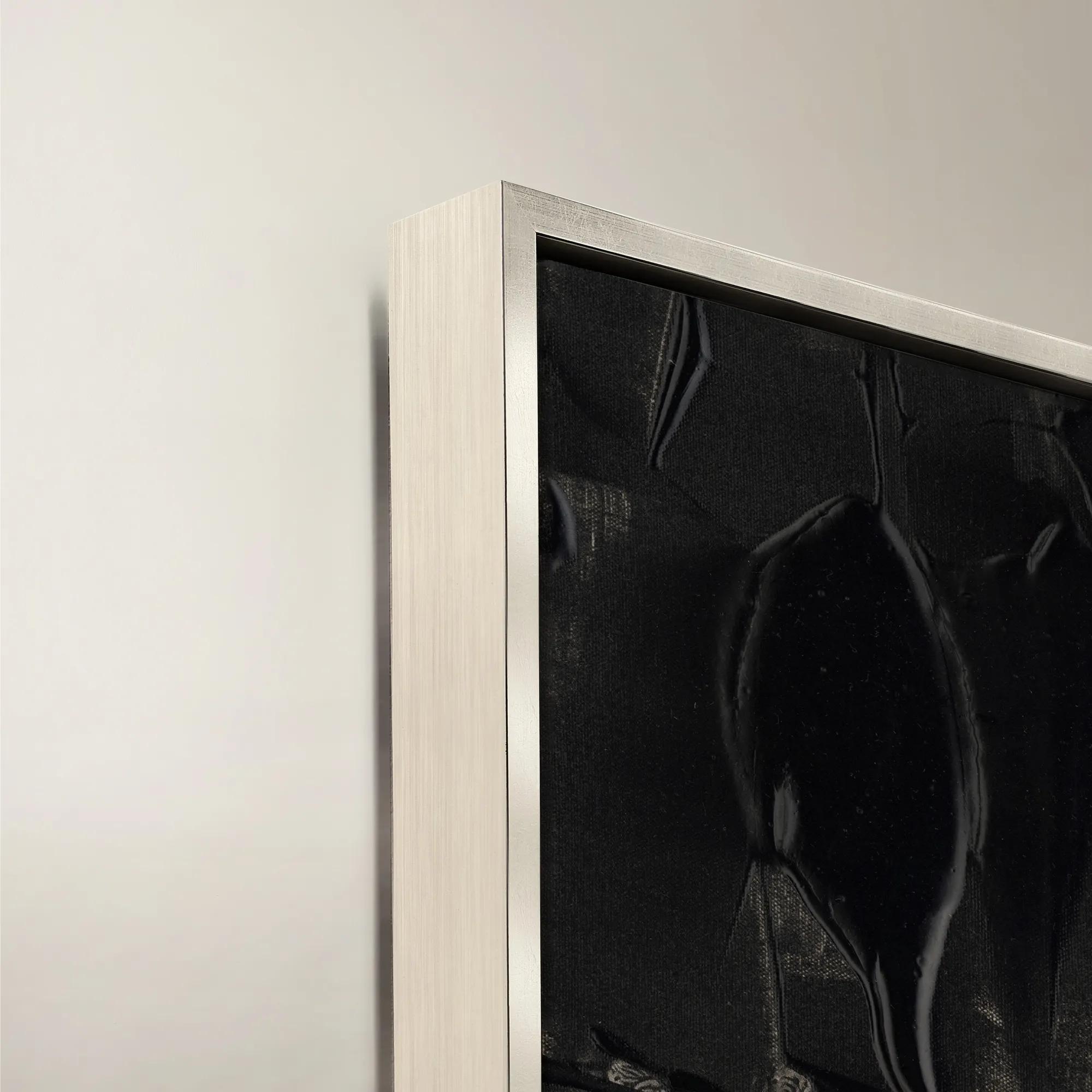 Blanc de Blancs II Framed Wall Art 24" x 30"$519
A sophisticated black canvas artwork presented in a refined frame, bringing modern elegance to your walls.
Add To Cart -
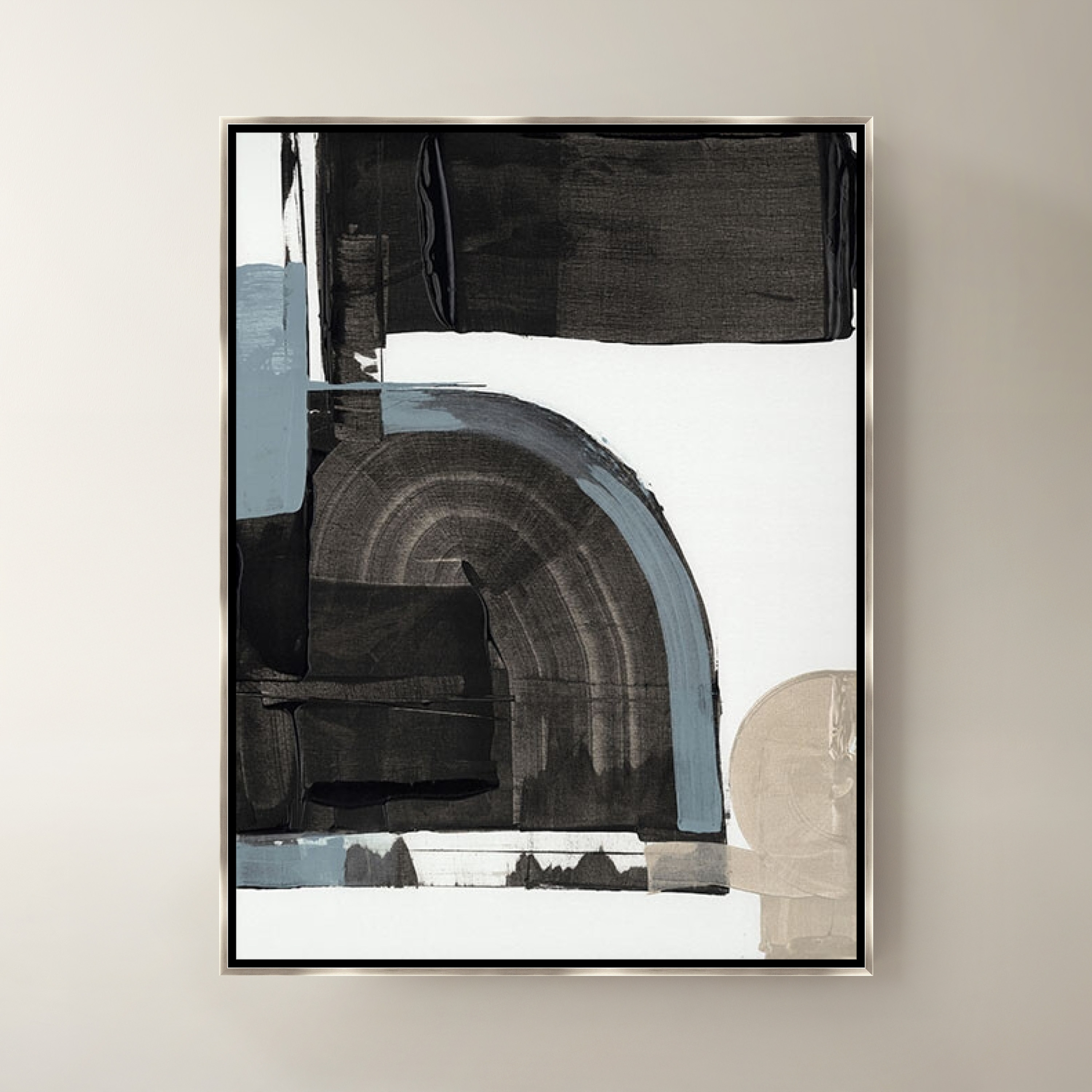
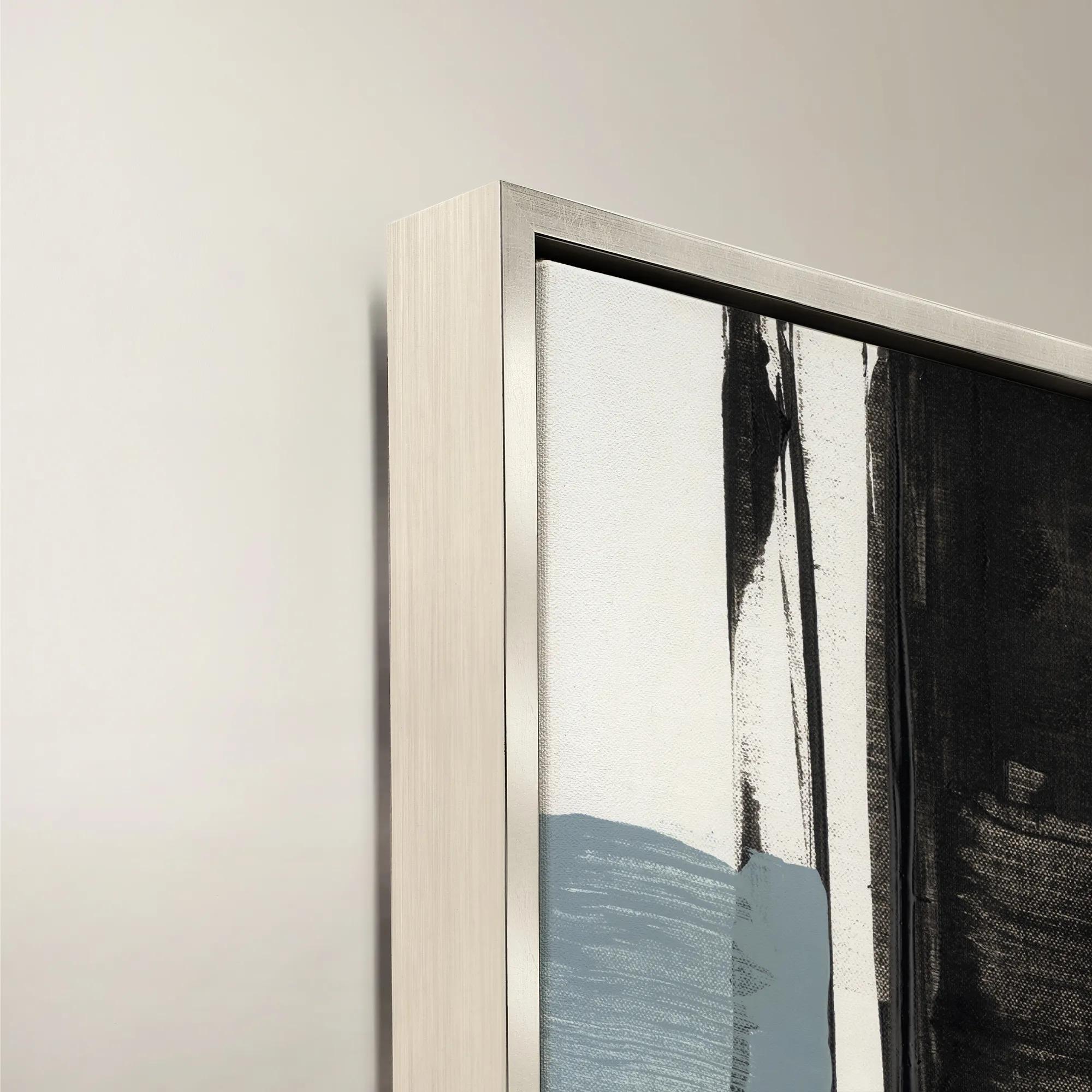 Blanc de Blancs III Framed Wall Art 24" x 30"$519
A sophisticated black canvas artwork presented in a refined frame for modern wall styling.
Add To Cart -
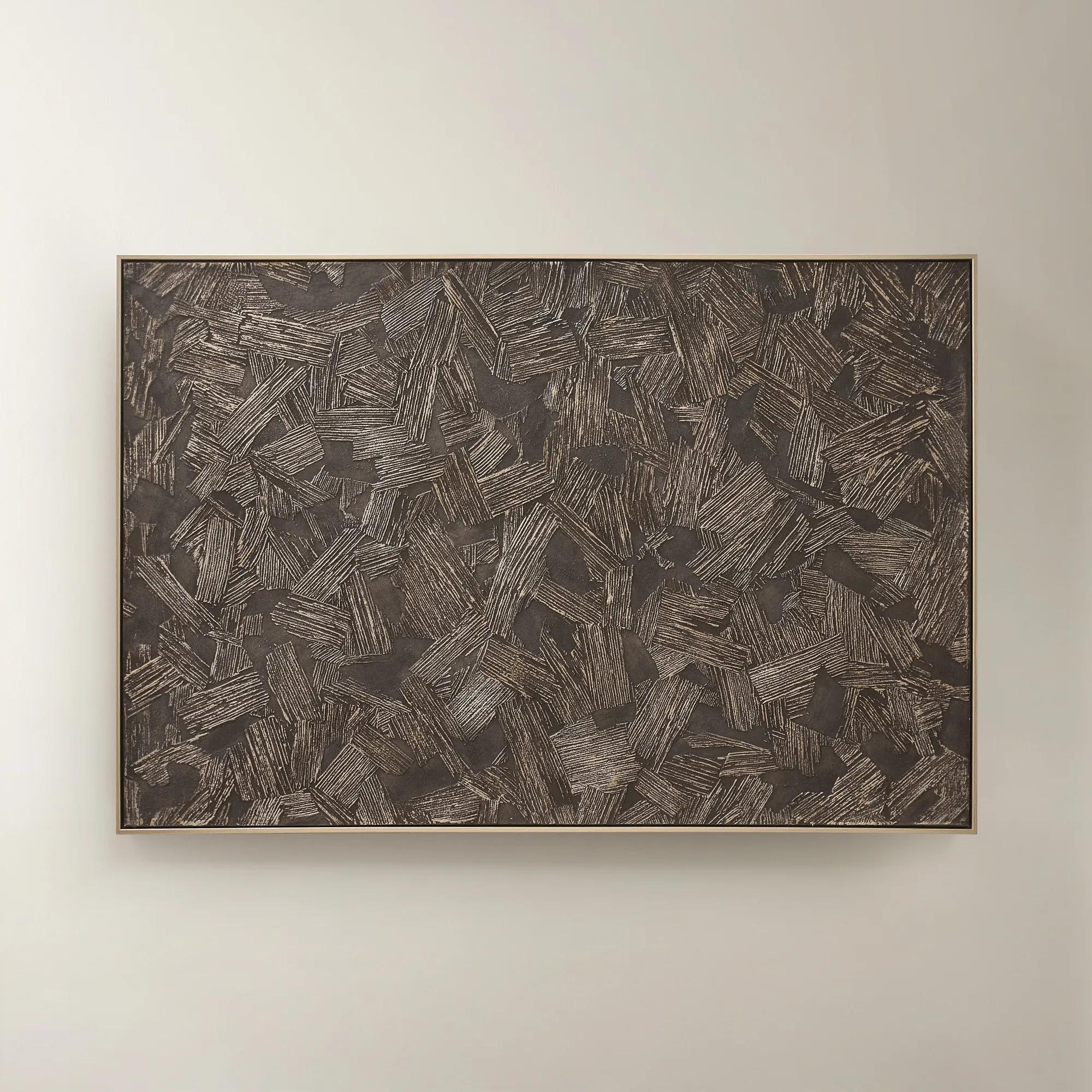
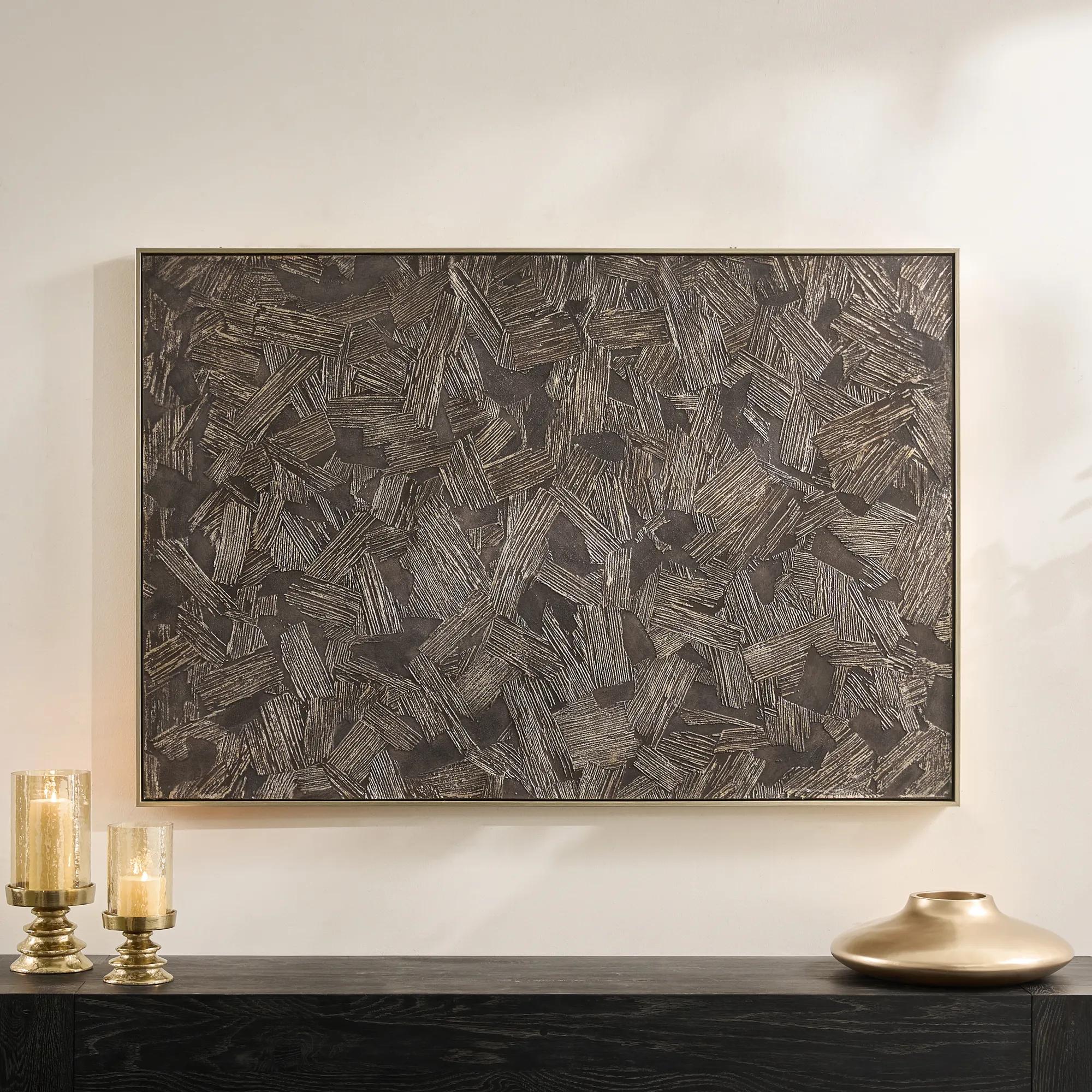 Etched in Darkness Dark Chocolate Wall Panel 53.5" x 36"$329
A hand-painted wrapped canvas features moody dark chocolate hues with champagne accents and a layered, textural finish.
Add To Cart -
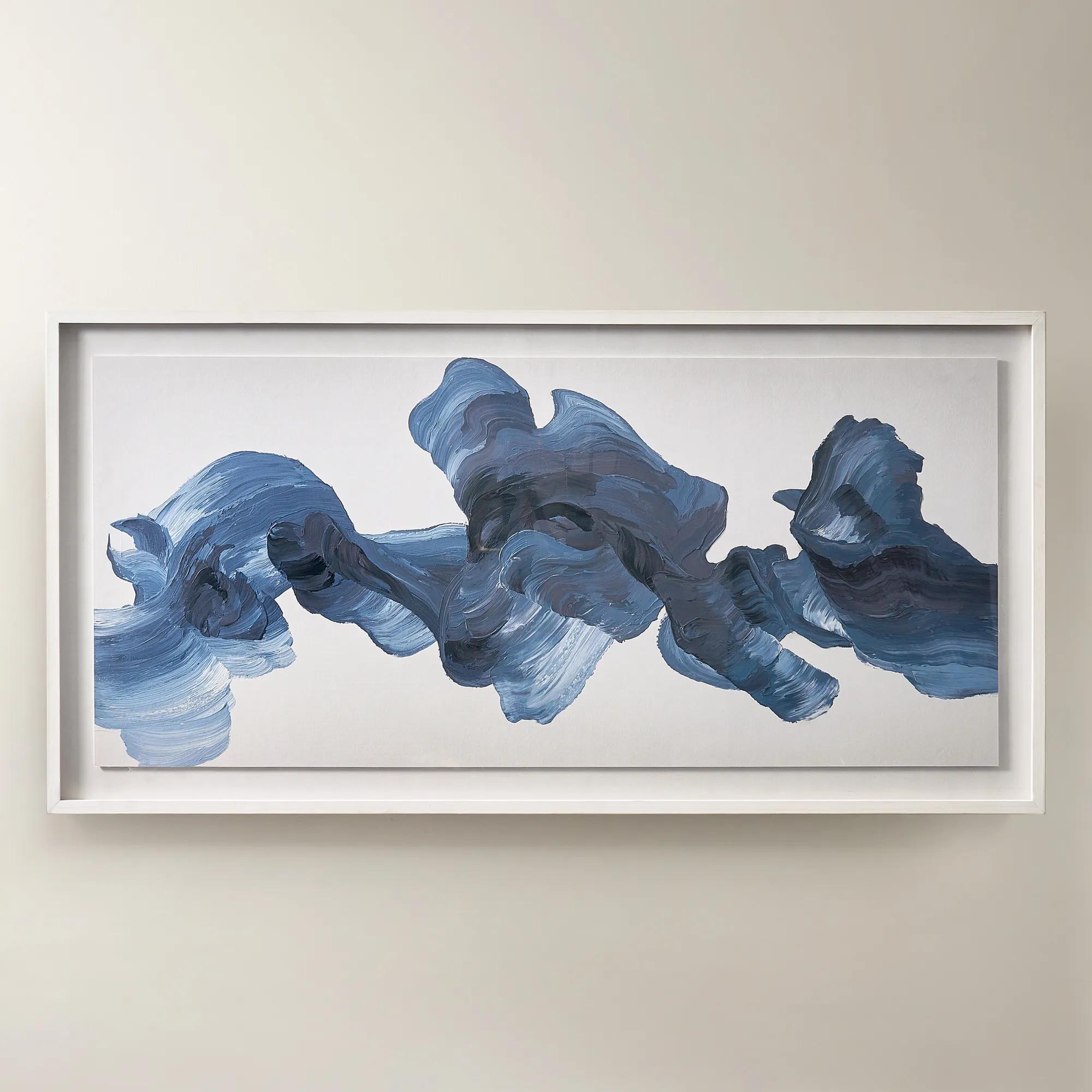
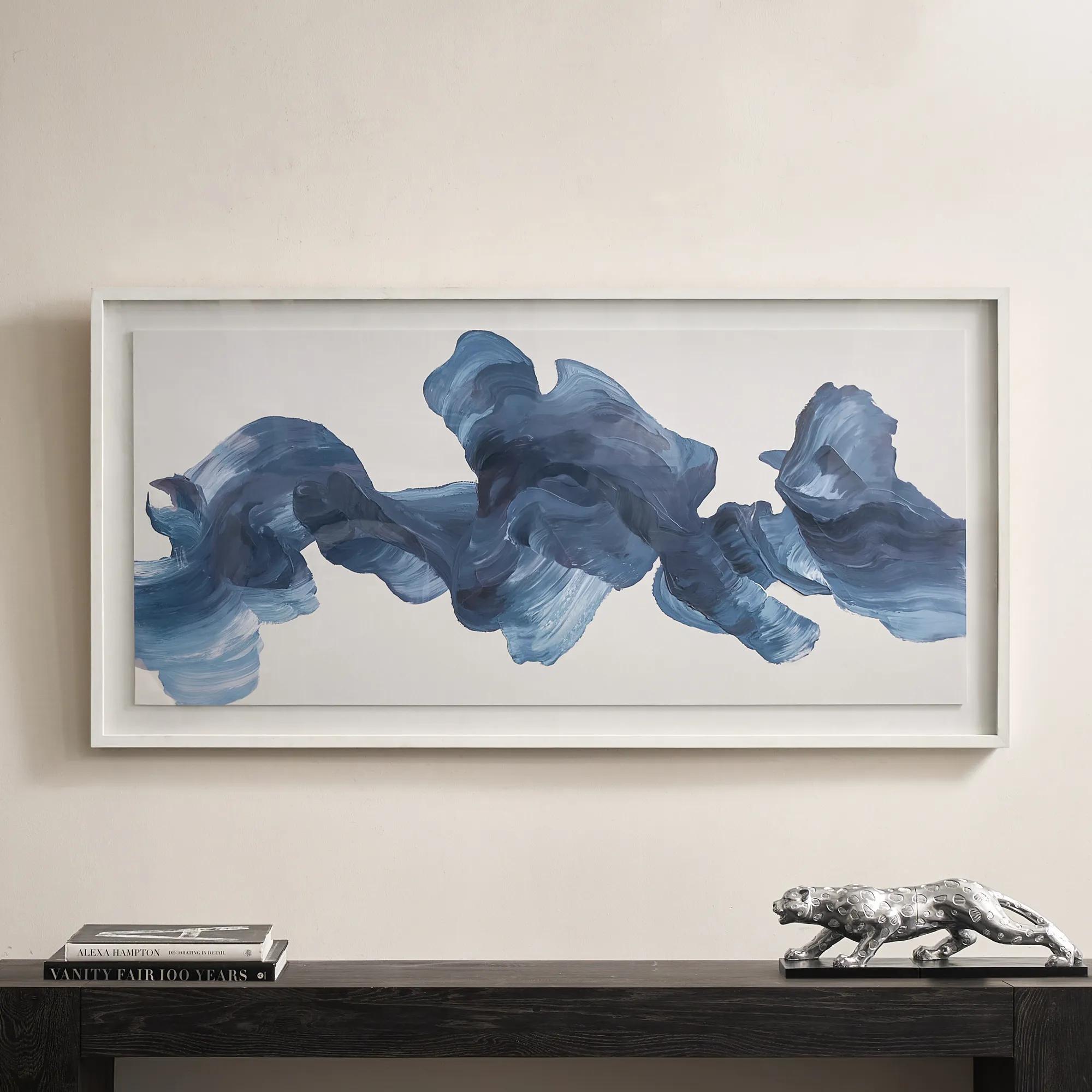 Blue Theory Framed Painted Wall Art in Acrylic 60" x 30"$499
A hand-painted canvas in deep ink blue, framed under acrylic with a whitewashed wood frame.
Add To Cart -
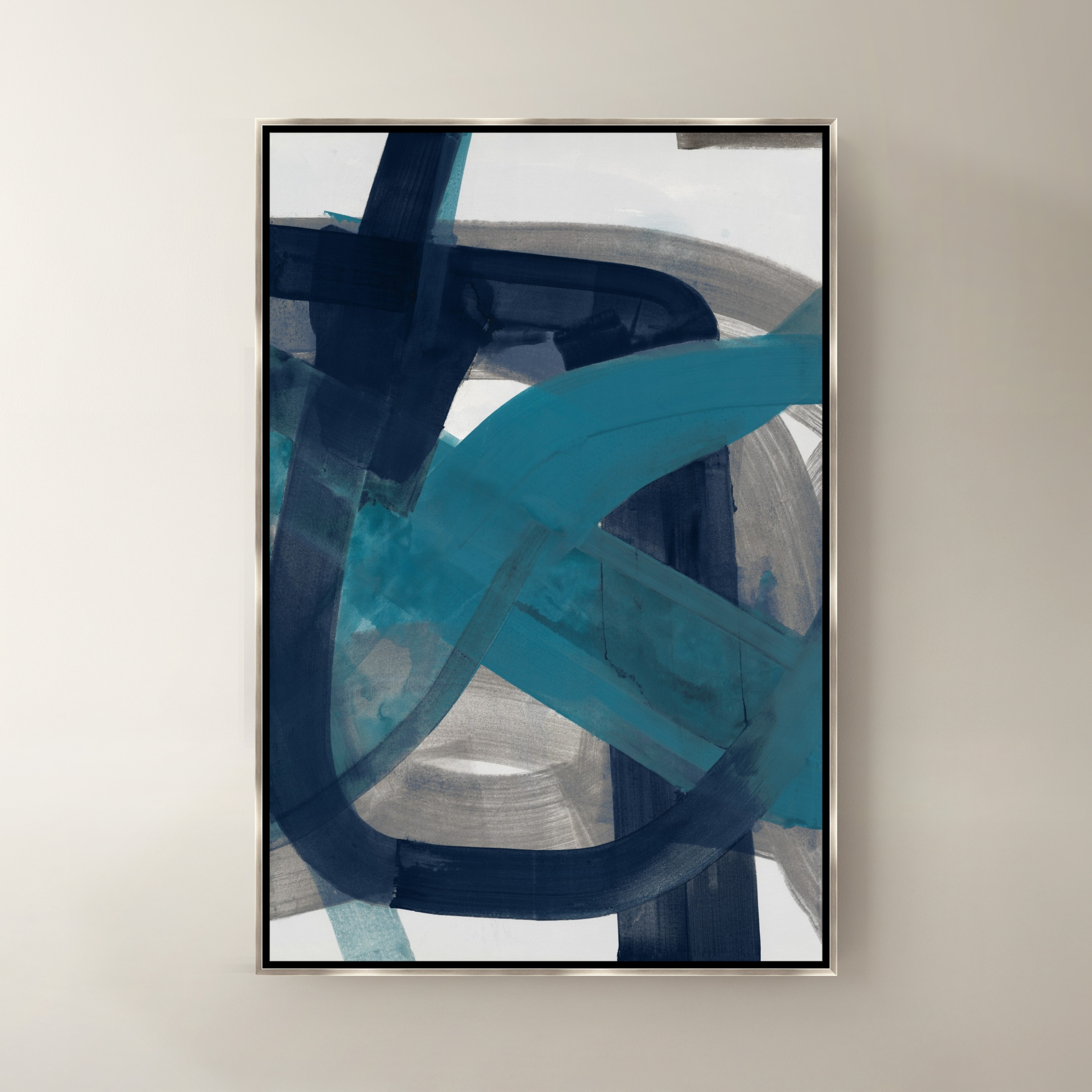
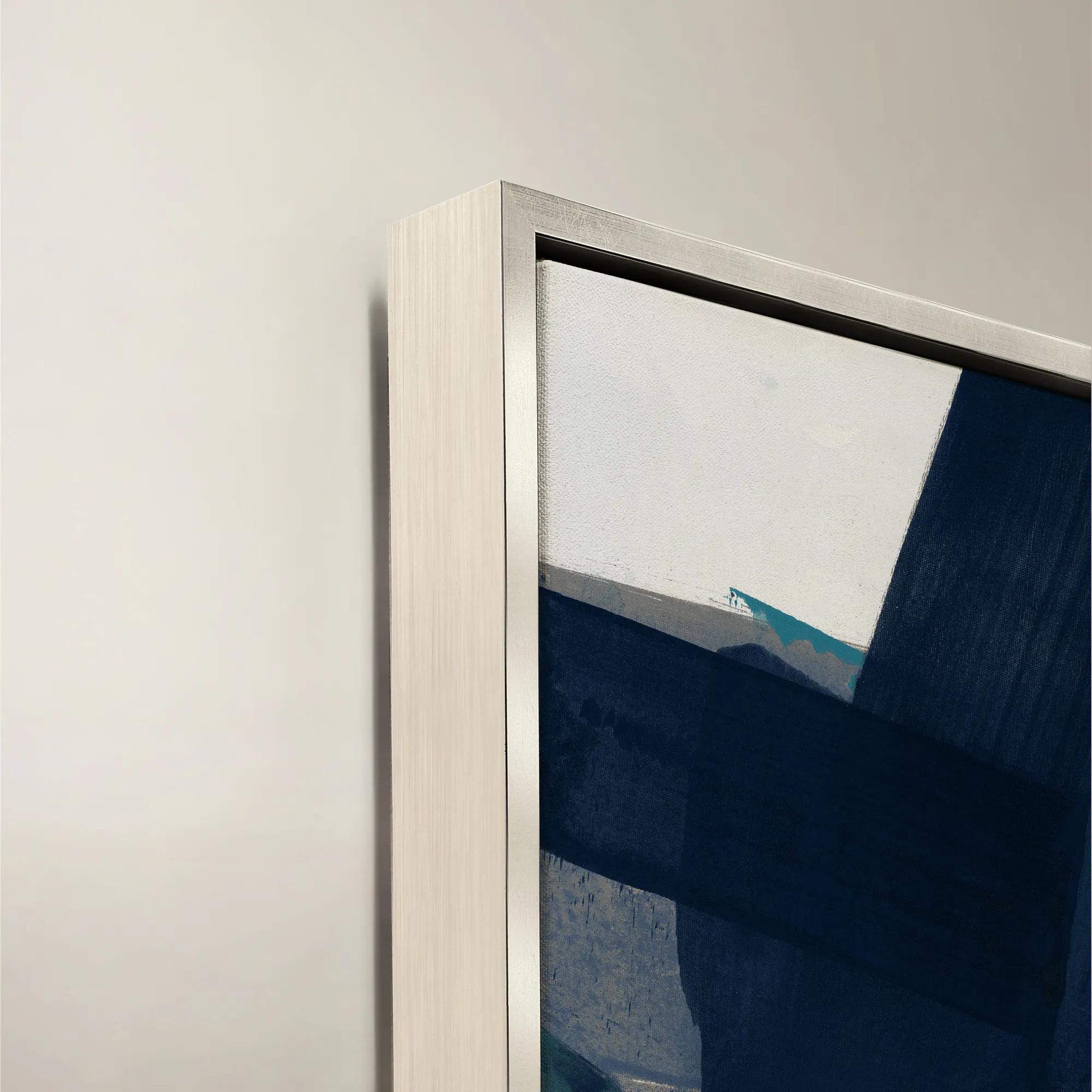 Fractured Currents II Framed Wall Art 24" x 36"$499
A framed canvas wall artwork featuring dynamic blue and purple tones for a modern, expressive accent.
Add To Cart -
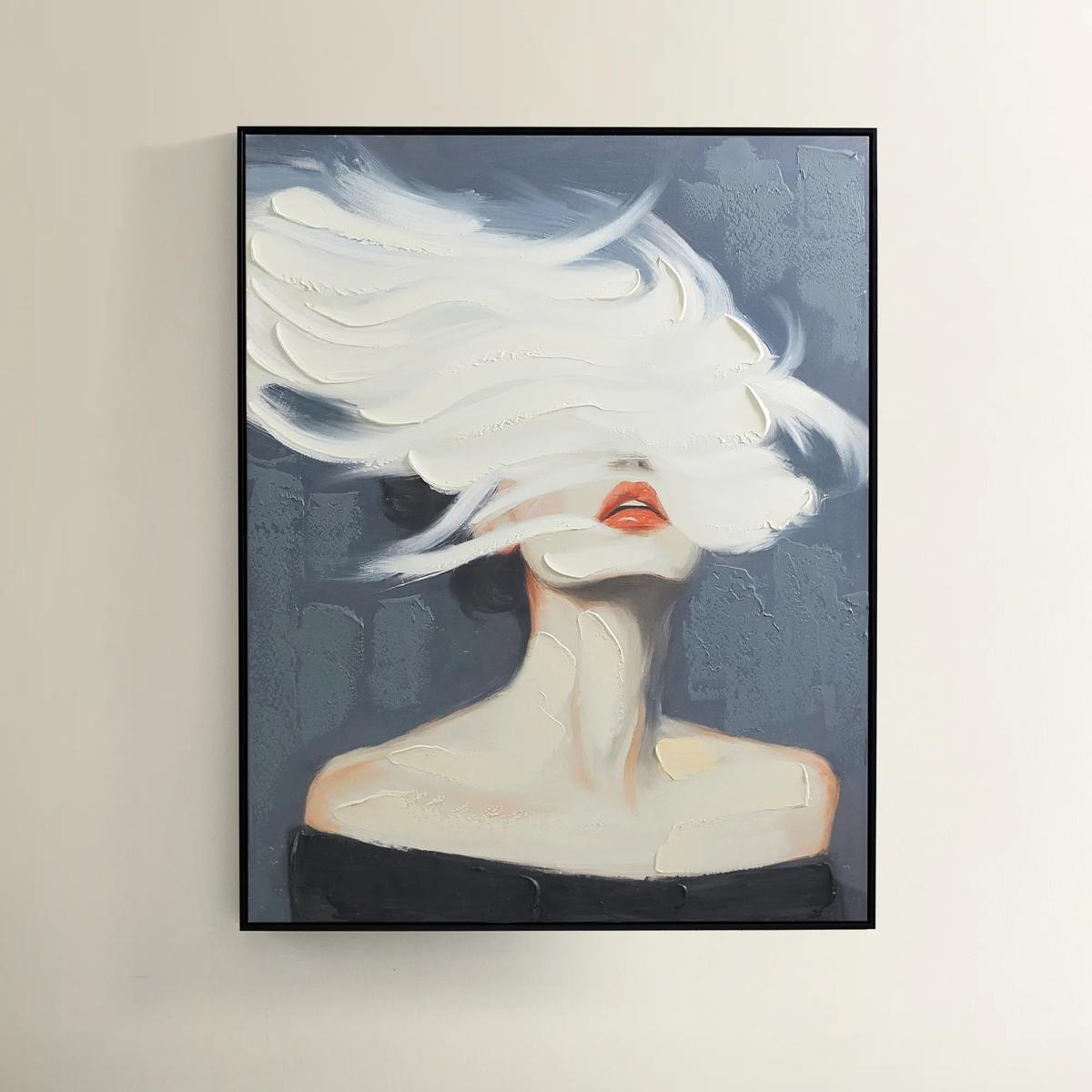
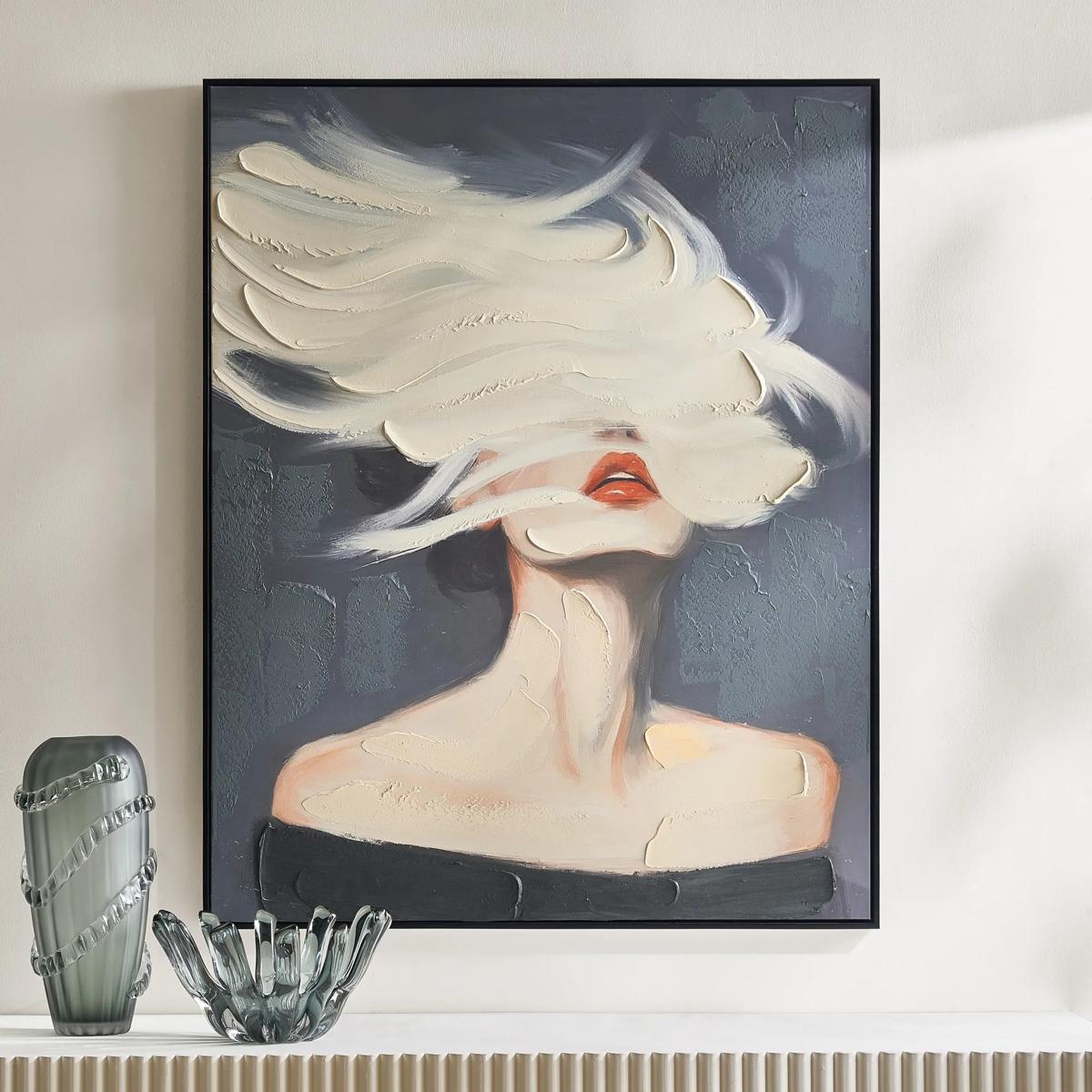 Daydreamer Painting$599
A hand-painted canvas portrait with sculptural white brushstrokes, bold red lips, and a sleek black frame.
Add To Cart -
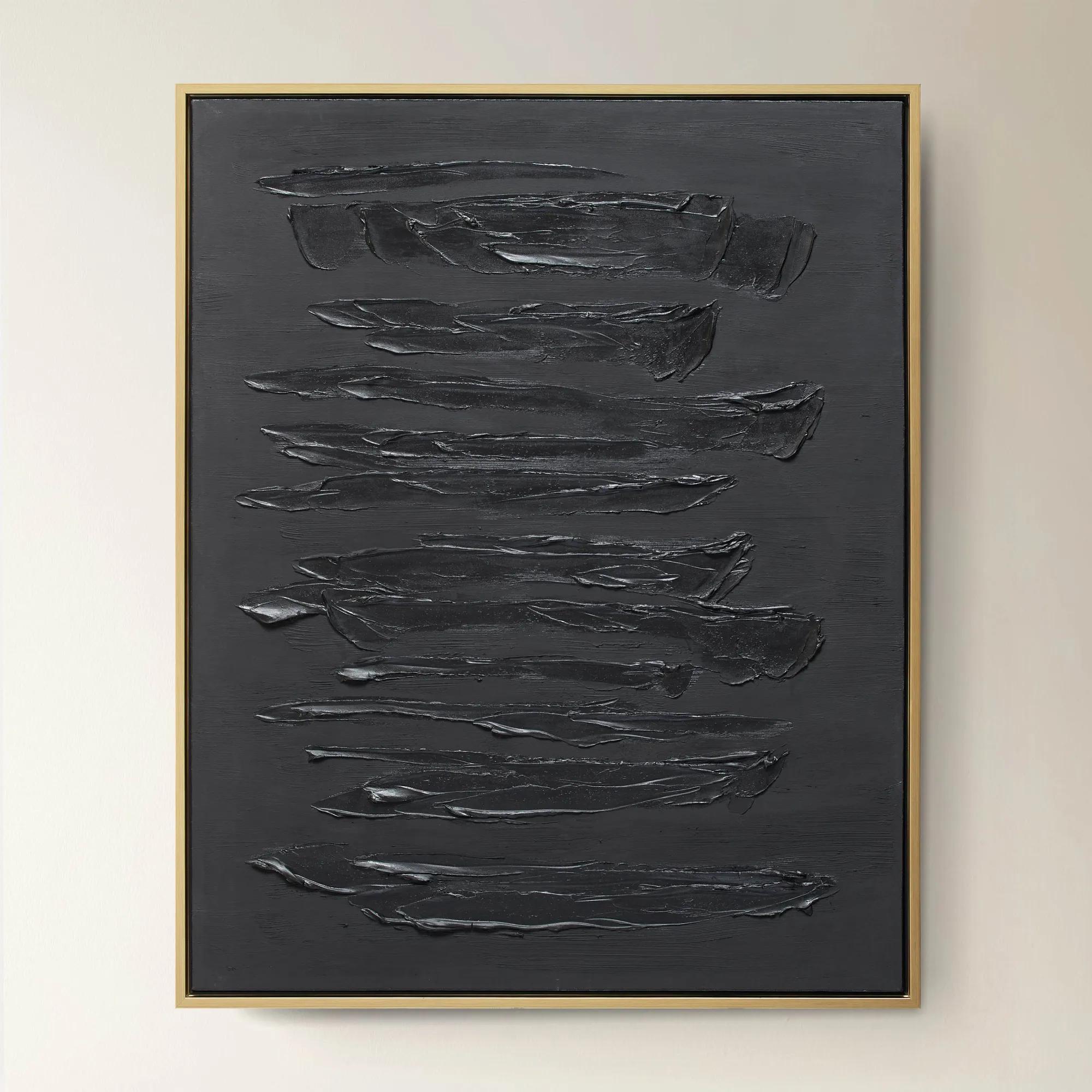
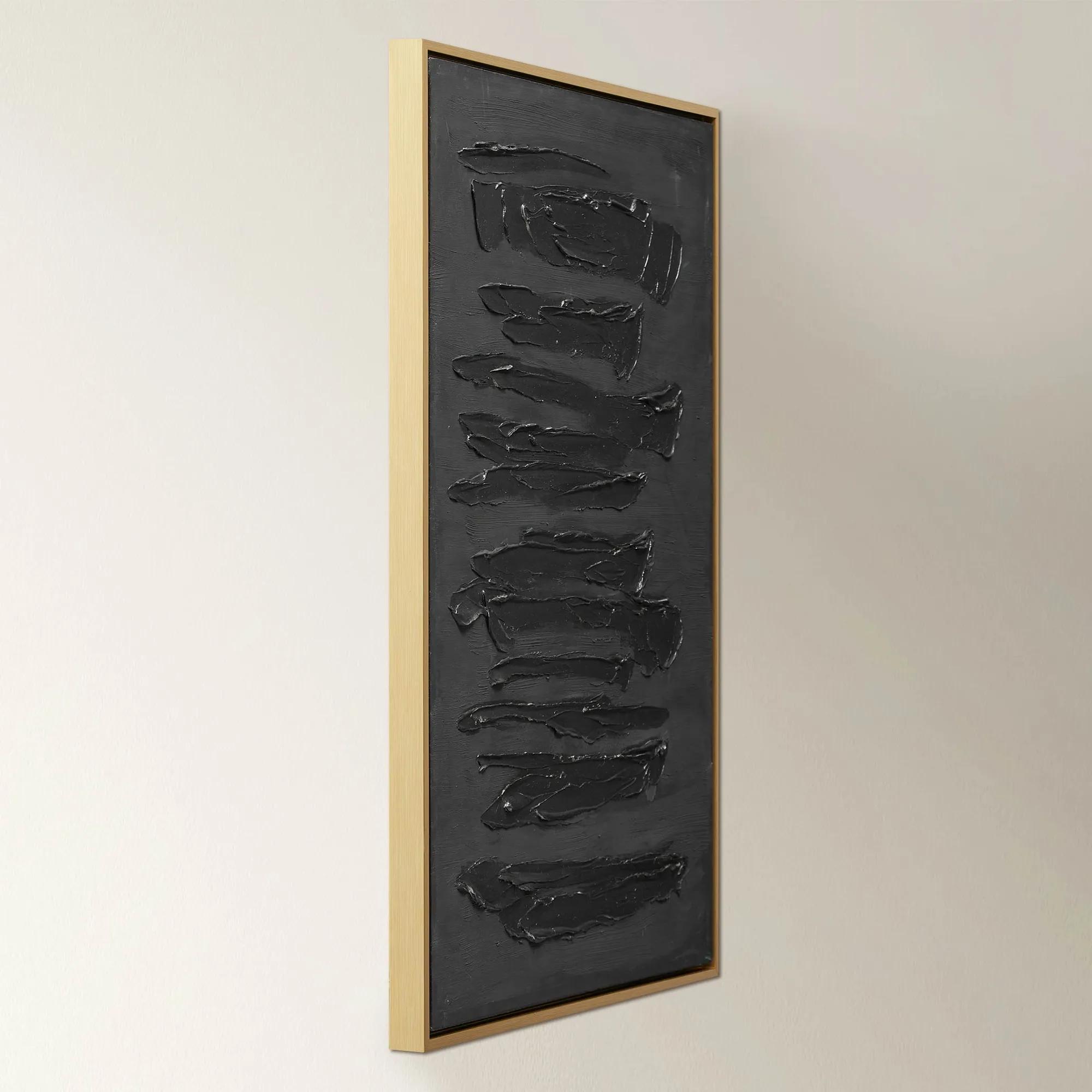 Nocturne$599.95
A dramatic abstract artwork featuring bold, dark brushstrokes on hand-painted canvas in a gold floater frame.
Add To Cart -
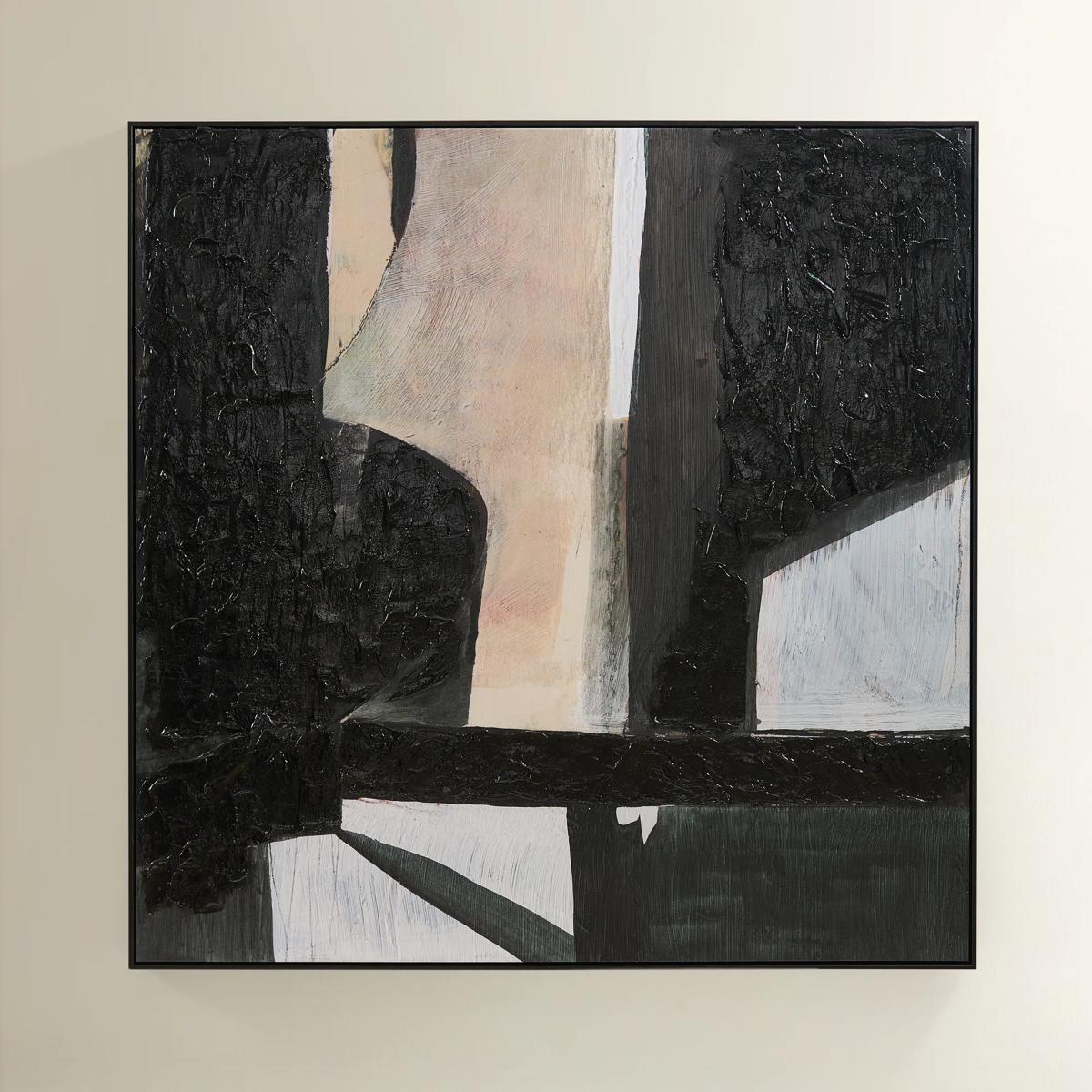 Grounded Painting$699
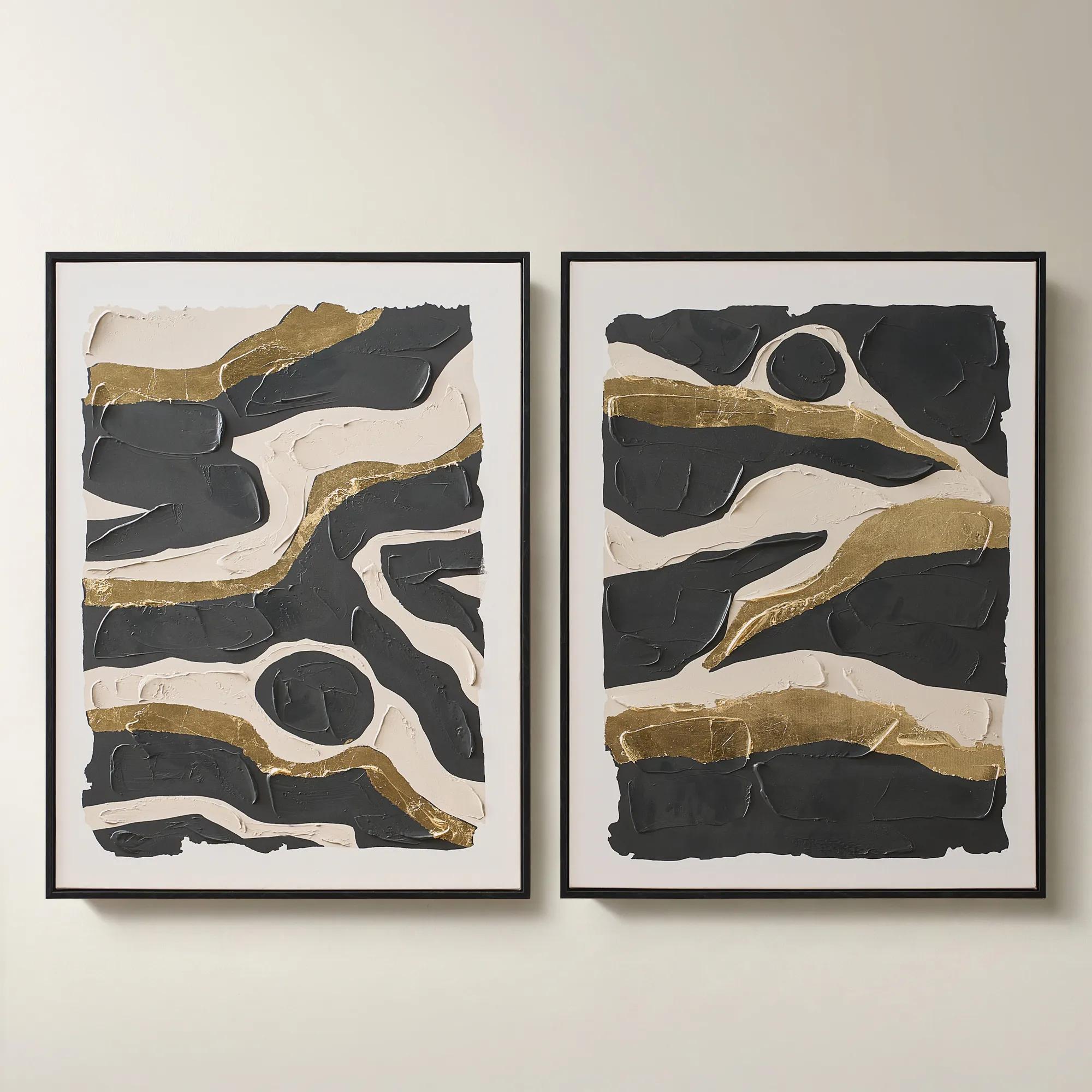
A hand-painted abstract canvas featuring black, cream, and earth tones in a sleek black floater frame.
Add To Cart -

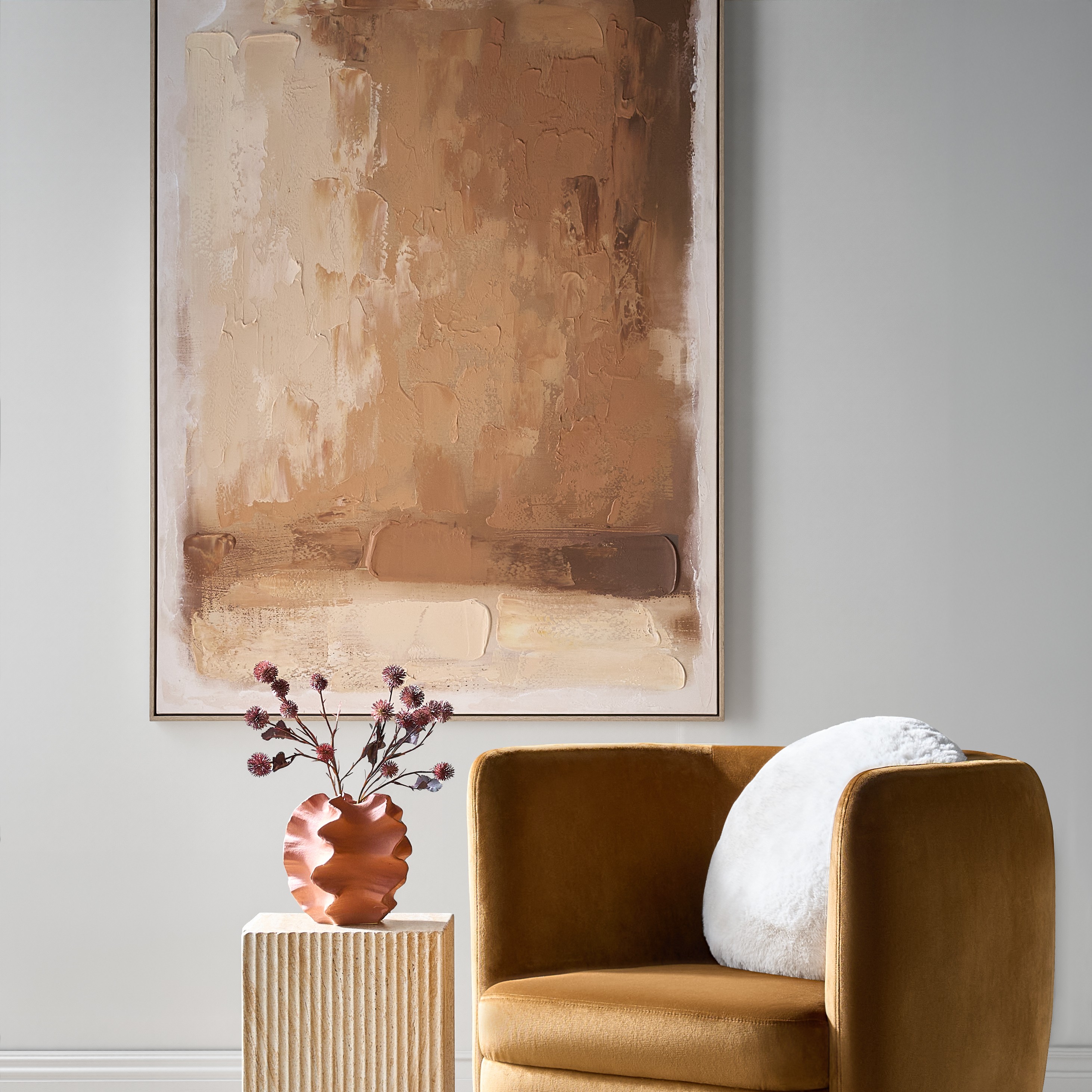 Ember Glow Framed Painted Wall Art 39.25" x 55"$499
A hand-painted abstract canvas blending ochre, terracotta, and golden clay hues in a light natural frame.
Add To Cart -
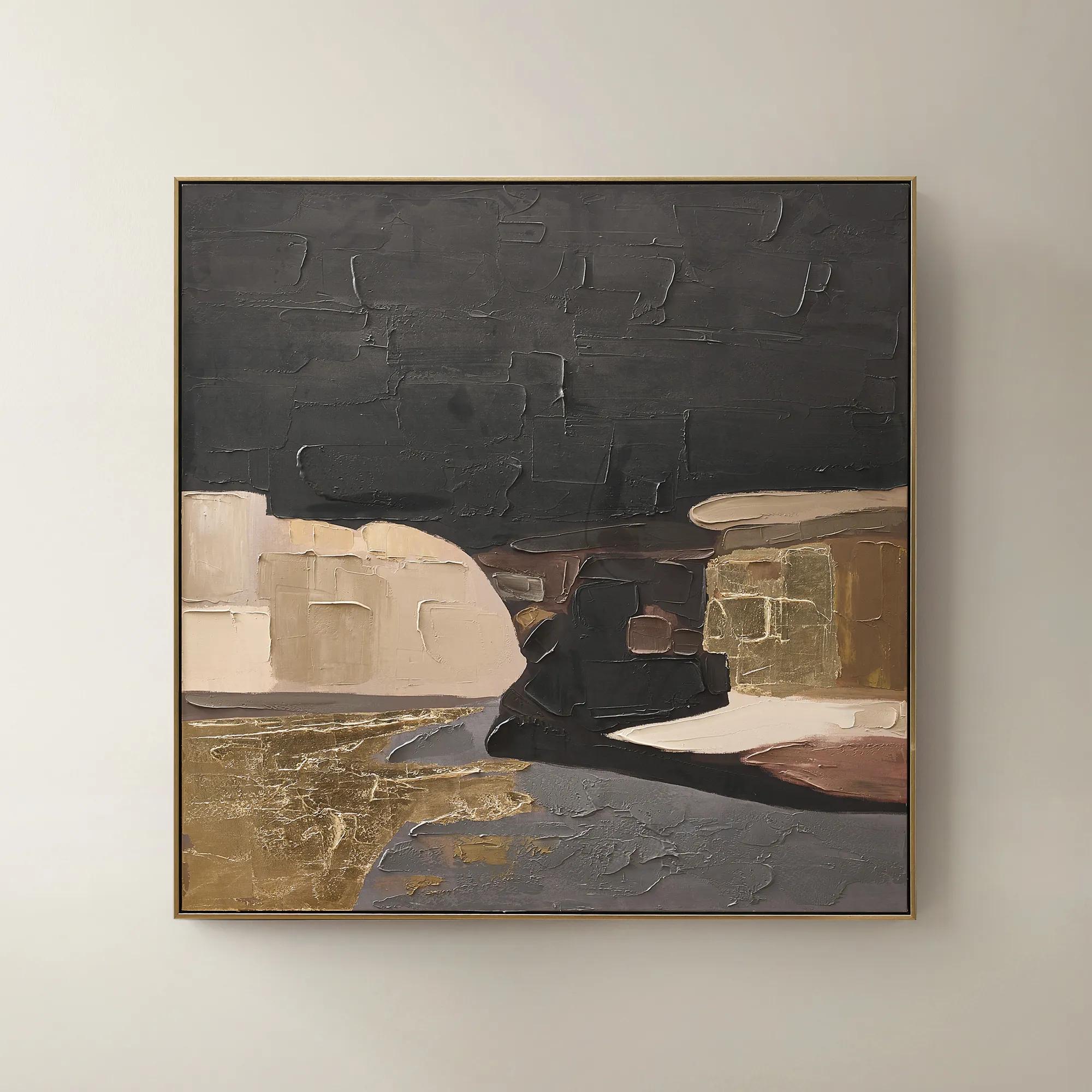 Obscured Light Framed Gold Leaf Painted Wall Art 48" x 48"$499
A hand-painted canvas with gold leaf accents and a black-gold frame in dramatic neutral tones.
Add To Cart -
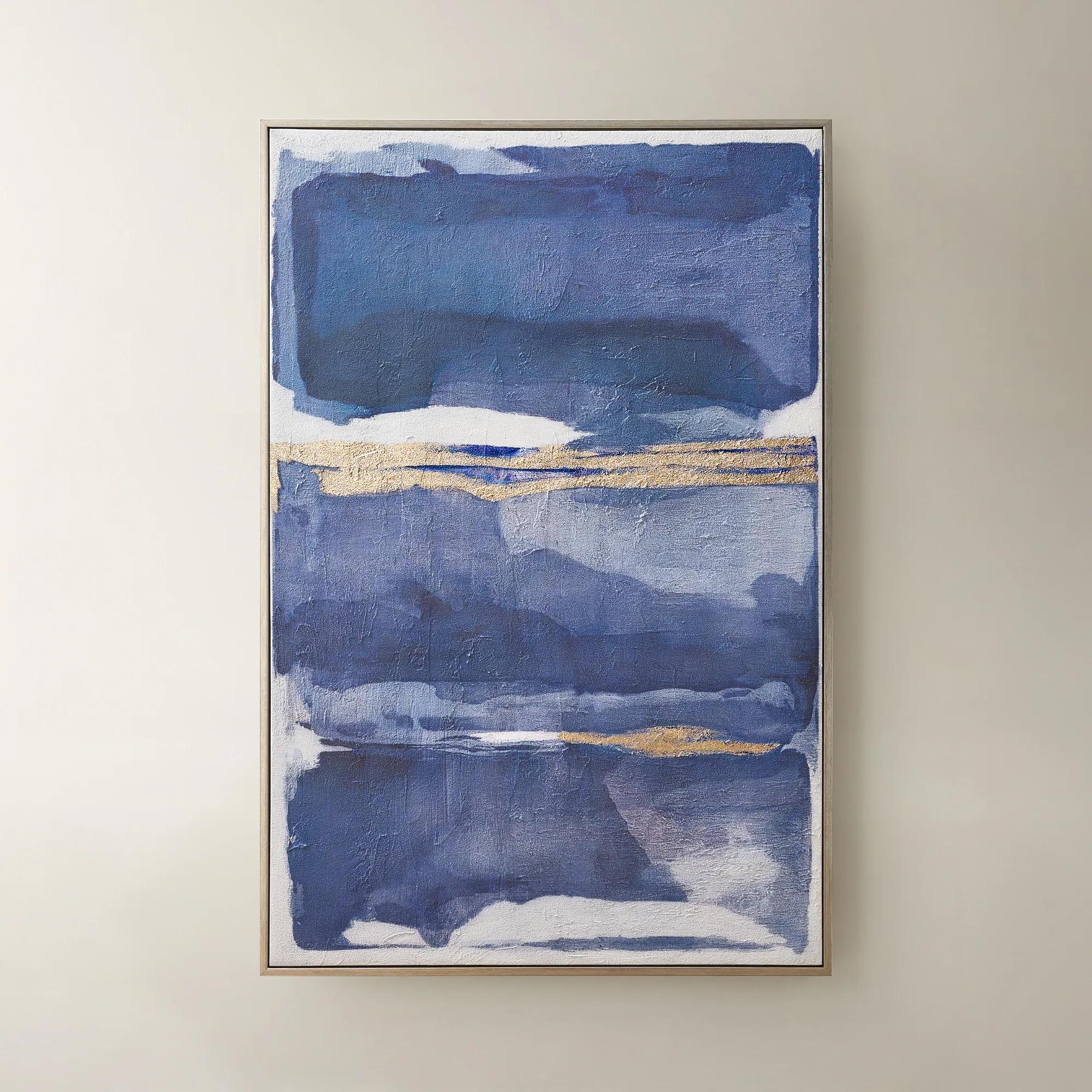
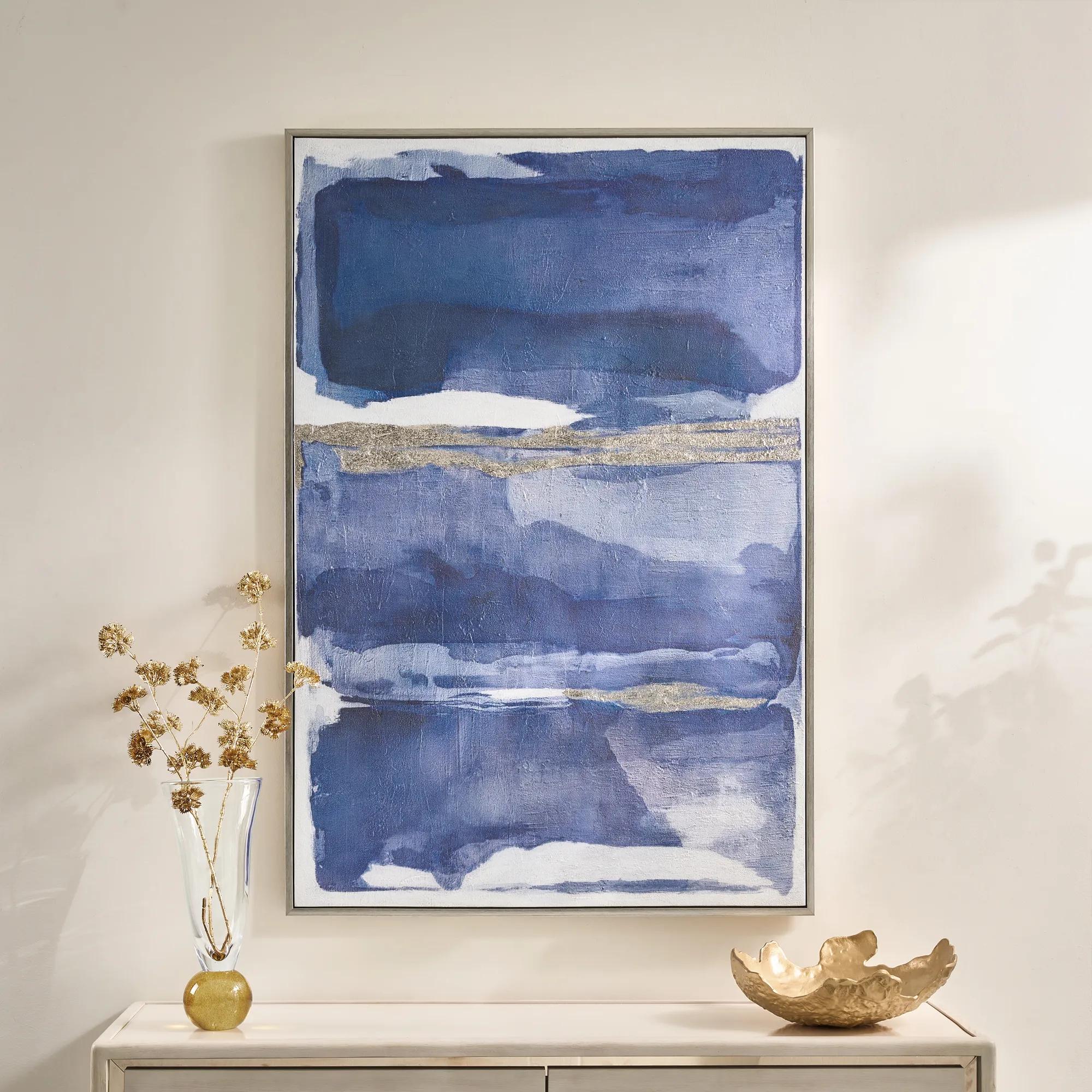 Memories in Blue Framed Painted Wall Art 40" x 60"$499
A hand-painted canvas in deep ink blue with champagne leafing for a sophisticated, gallery-inspired look.
Add To Cart -
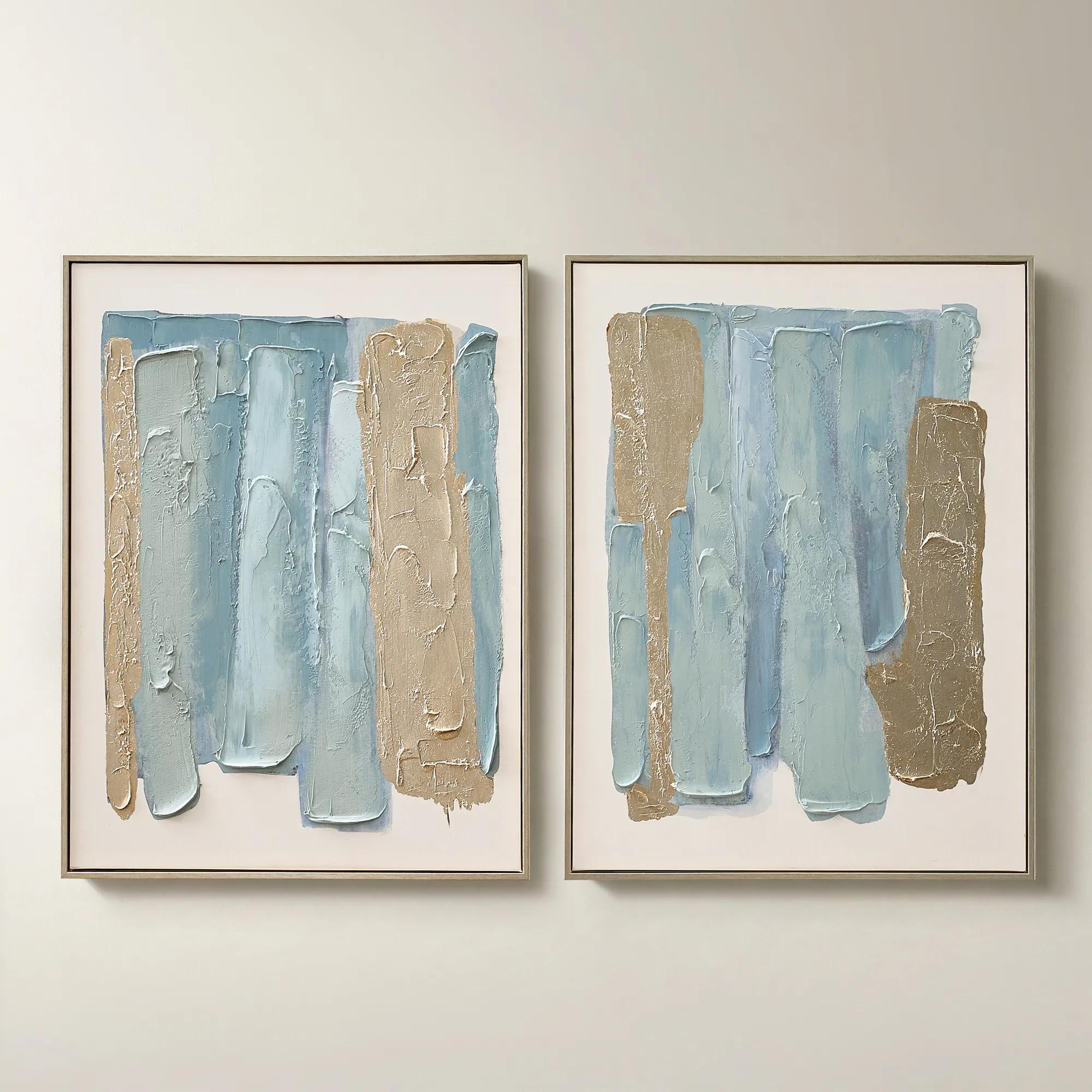
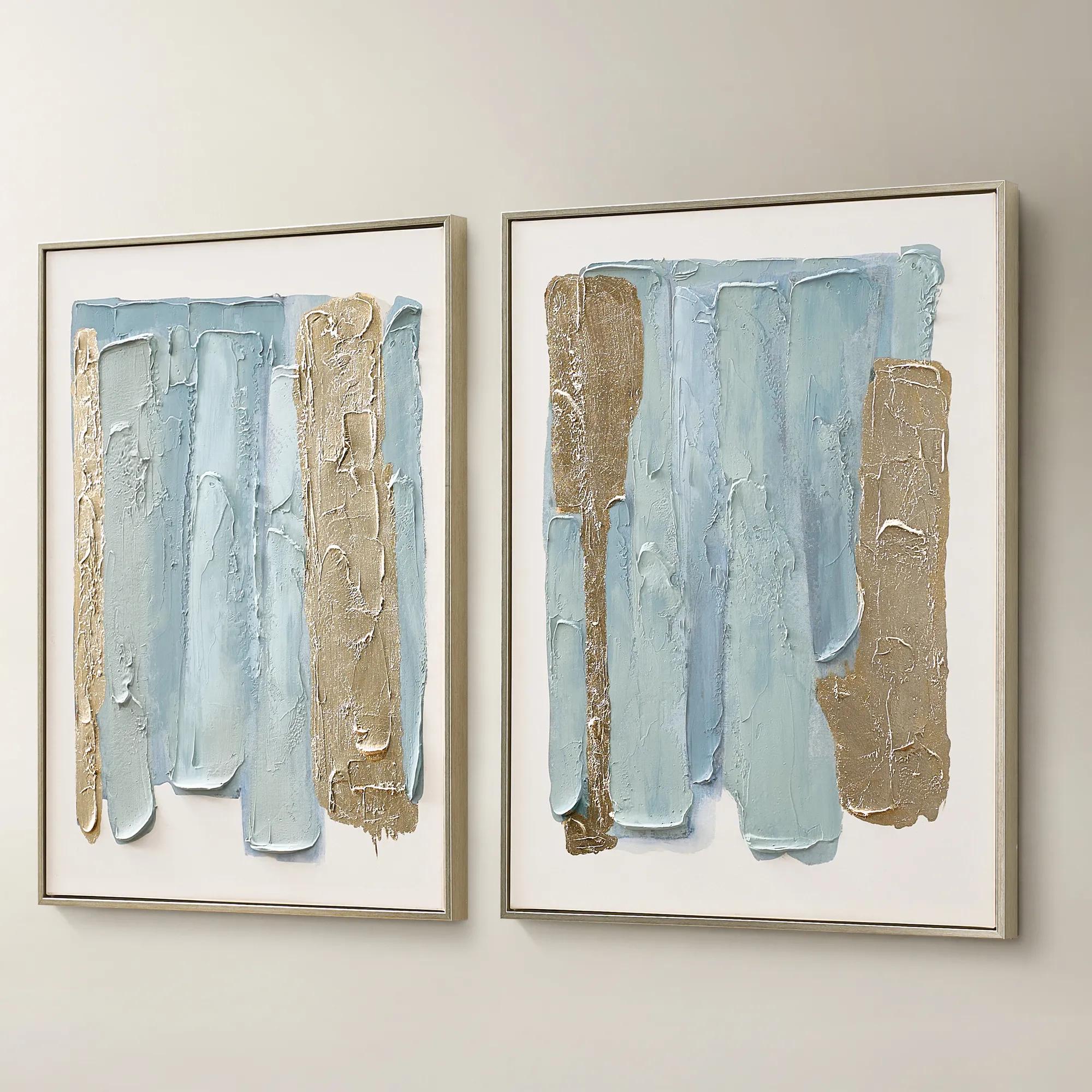 Blue Drift Framed Champagne Painted Wall Art 24" x 32" Set of 2$199
A set of two hand-painted canvases in dusty blue with champagne leafing and modern abstract movement.
Add To Cart -
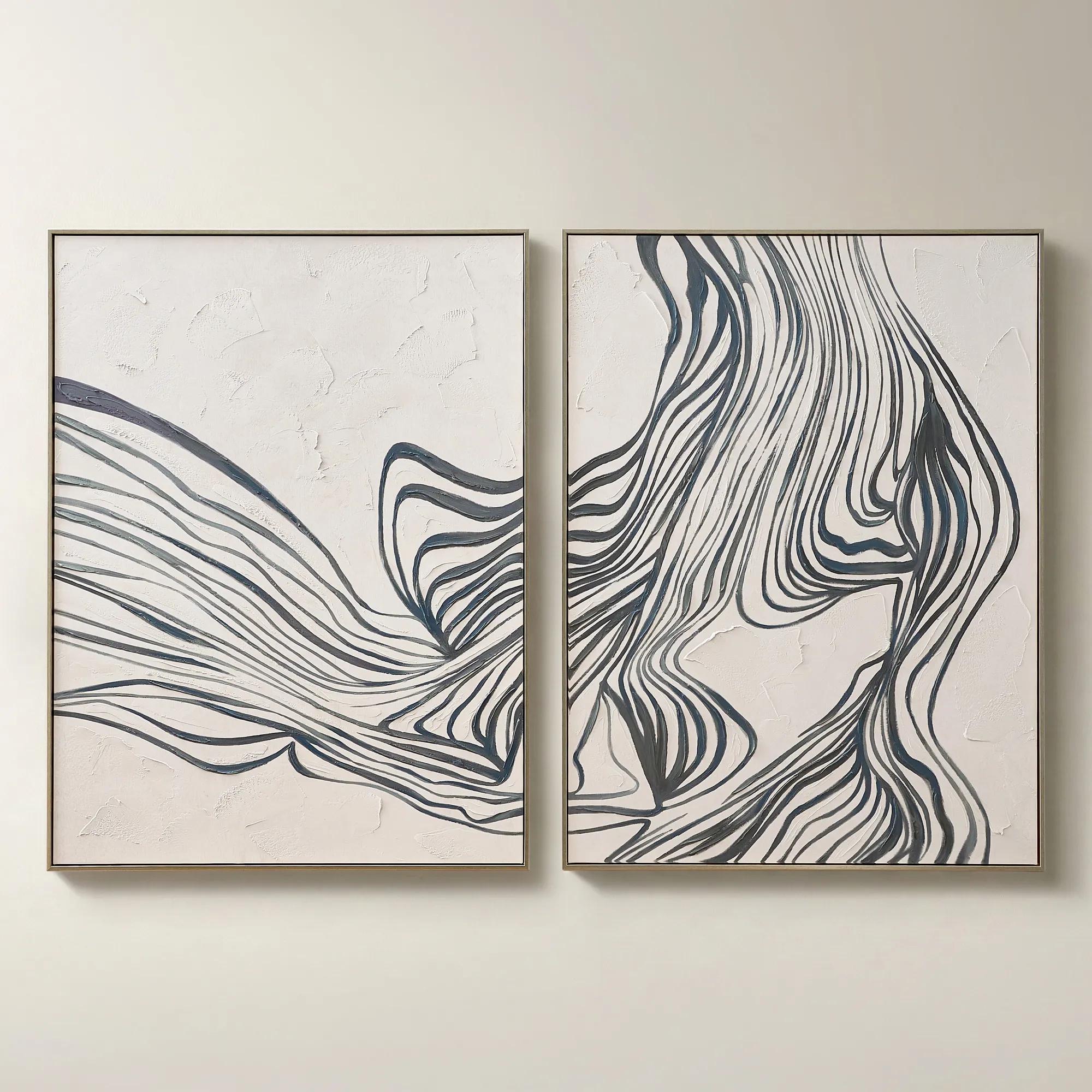
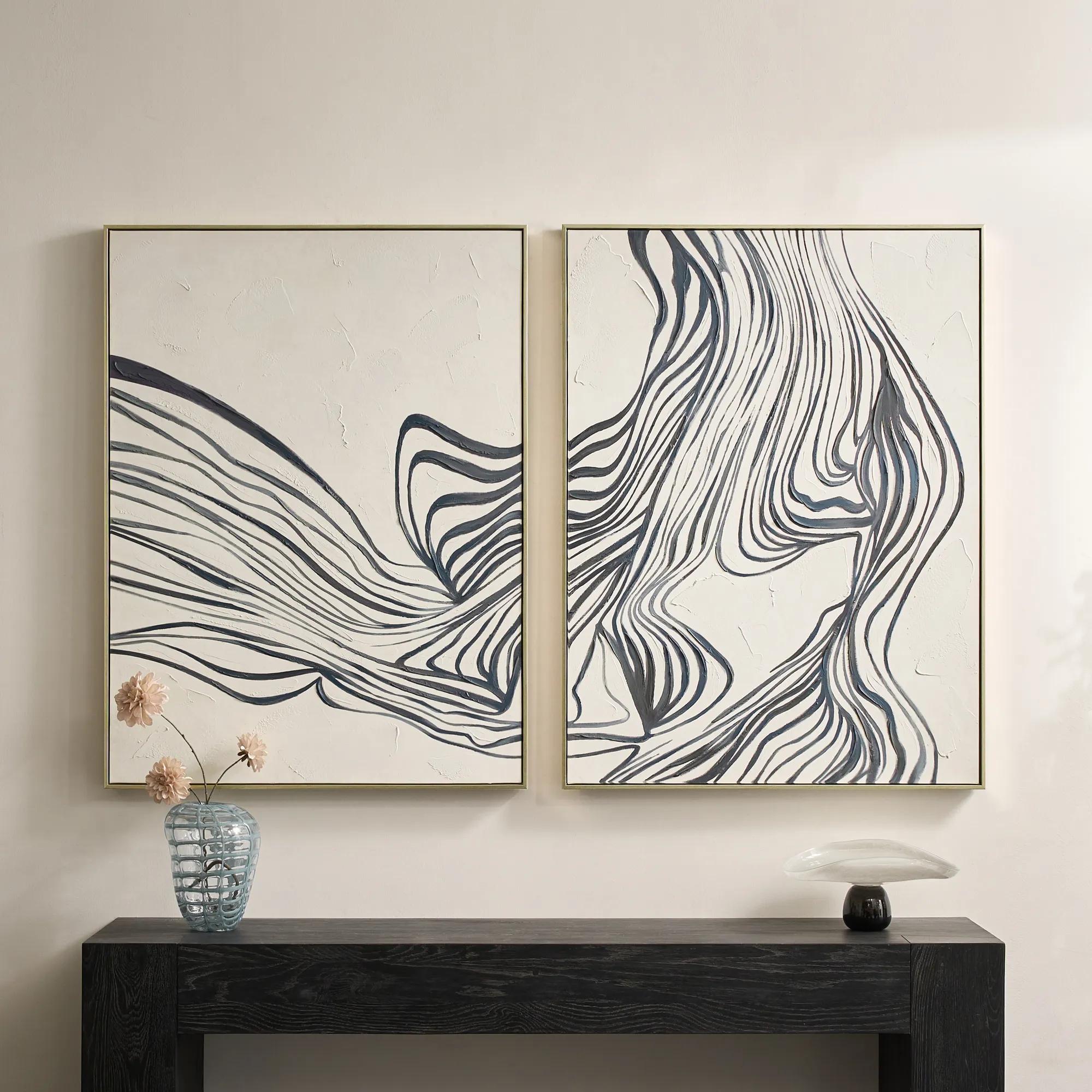 Rhythmic Framed Painted Wall Art 36" x 48" Set of 2$599
A hand-painted diptych featuring bold abstract stripes in dark slate and dusty blue with champagne frames.
Add To Cart -
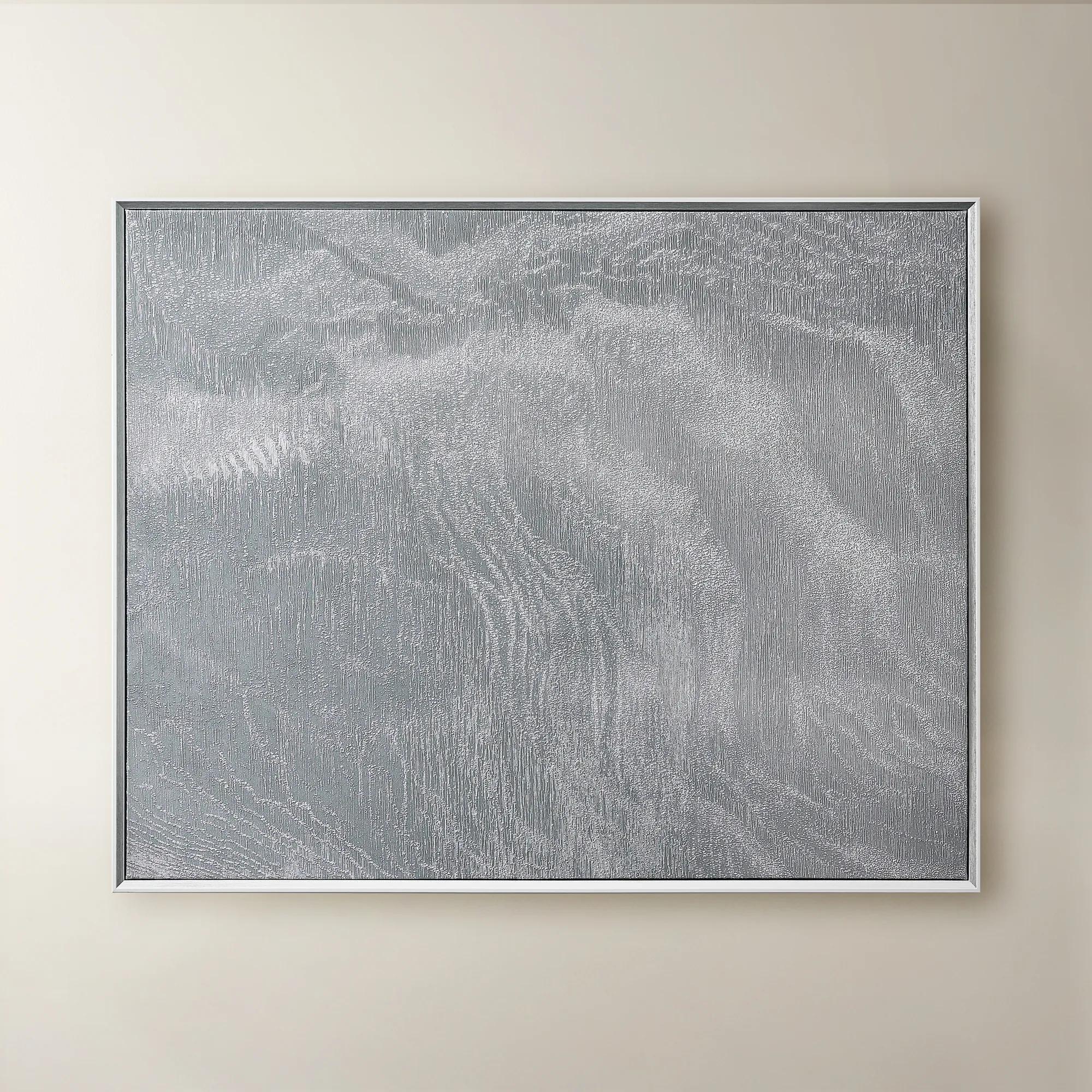 Slow Blue Morning Framed Silver Foil Wall Art 48" x 60"$599
A serene powder blue abstract canvas with silver foil accents, framed in silver and white for modern elegance.
Add To Cart -
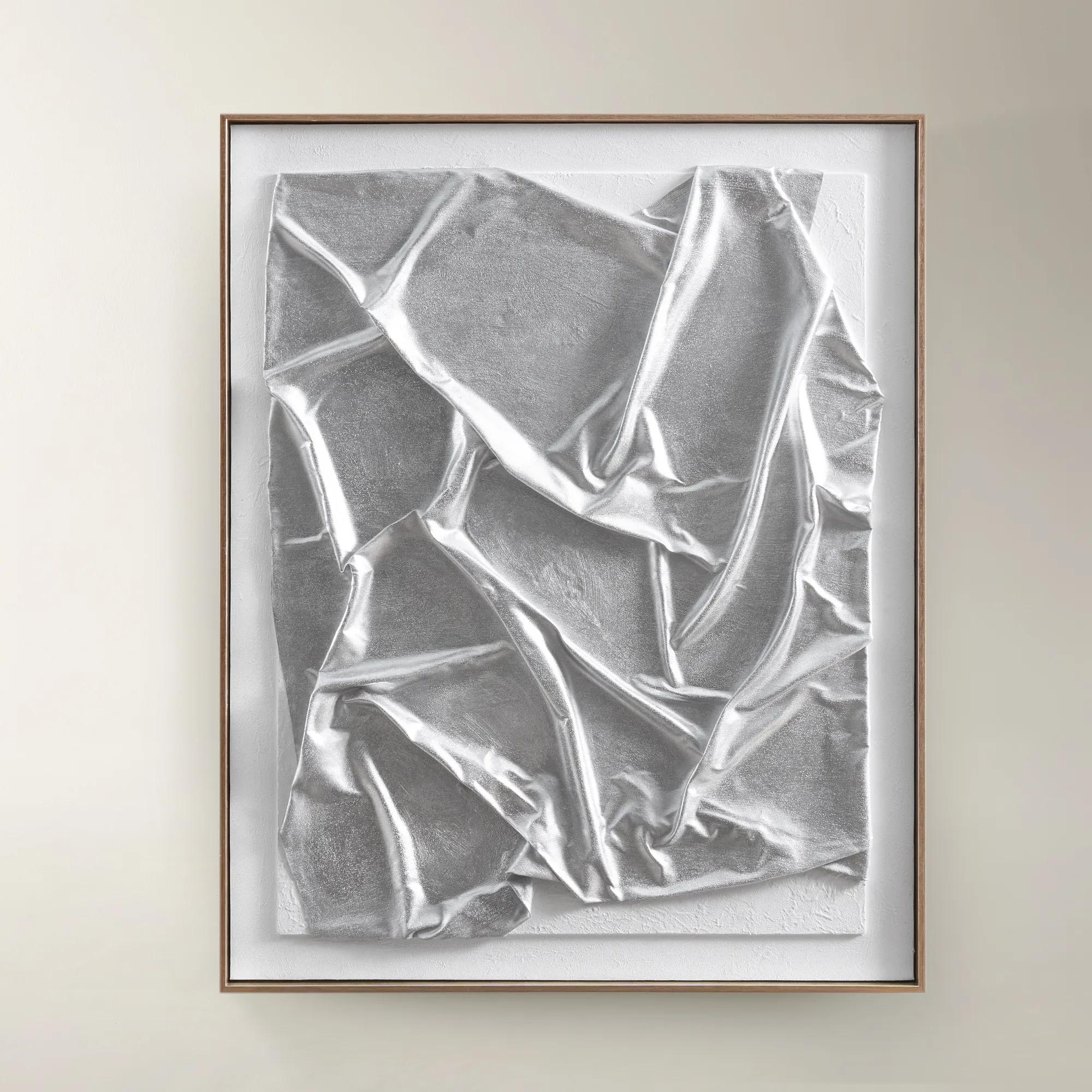
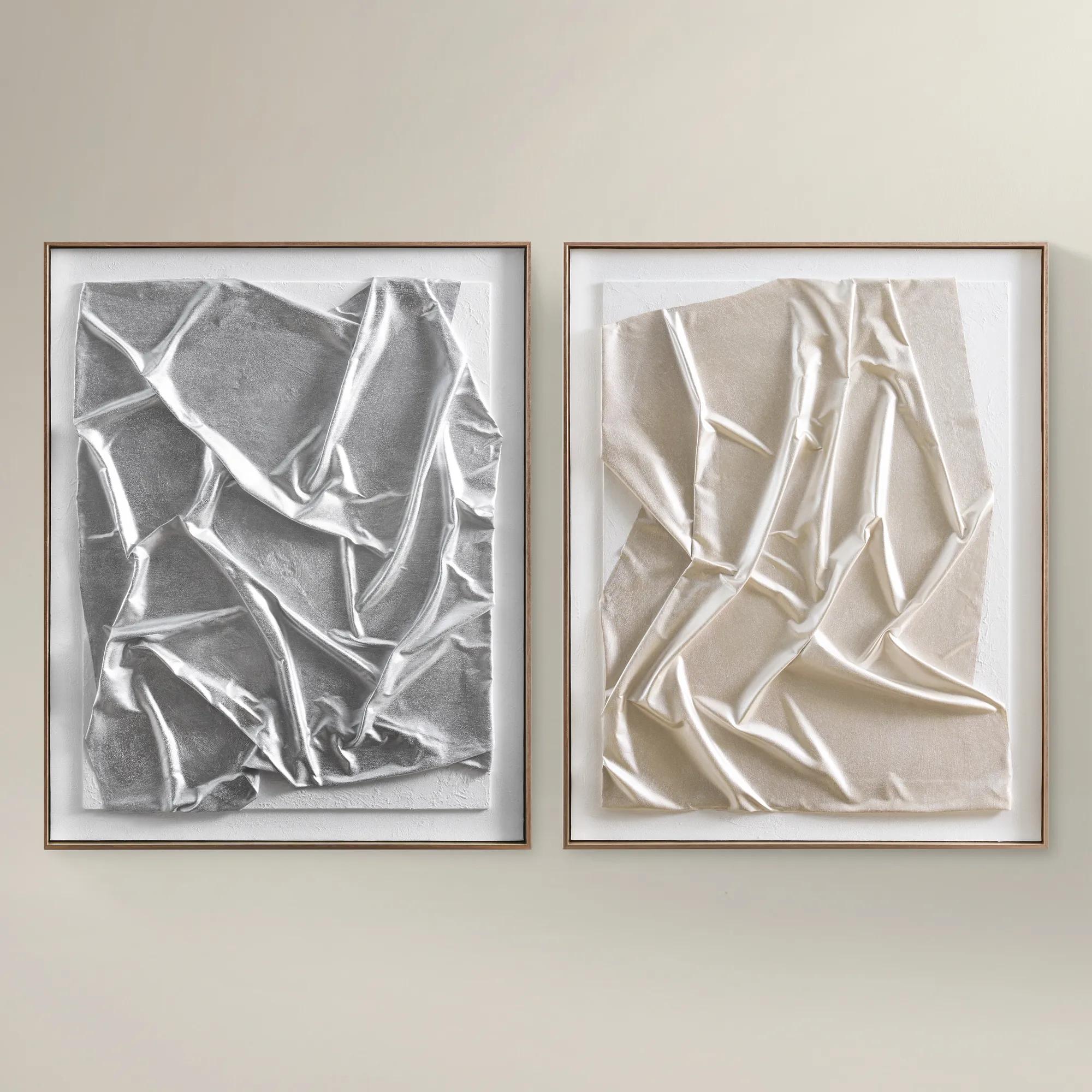 In the Mood Framed Painted Wall Art 31.5" x 39.5"$199
A hand-painted abstract canvas in shimmering silver tones, set in a warm champagne floater frame.
Add To Cart -
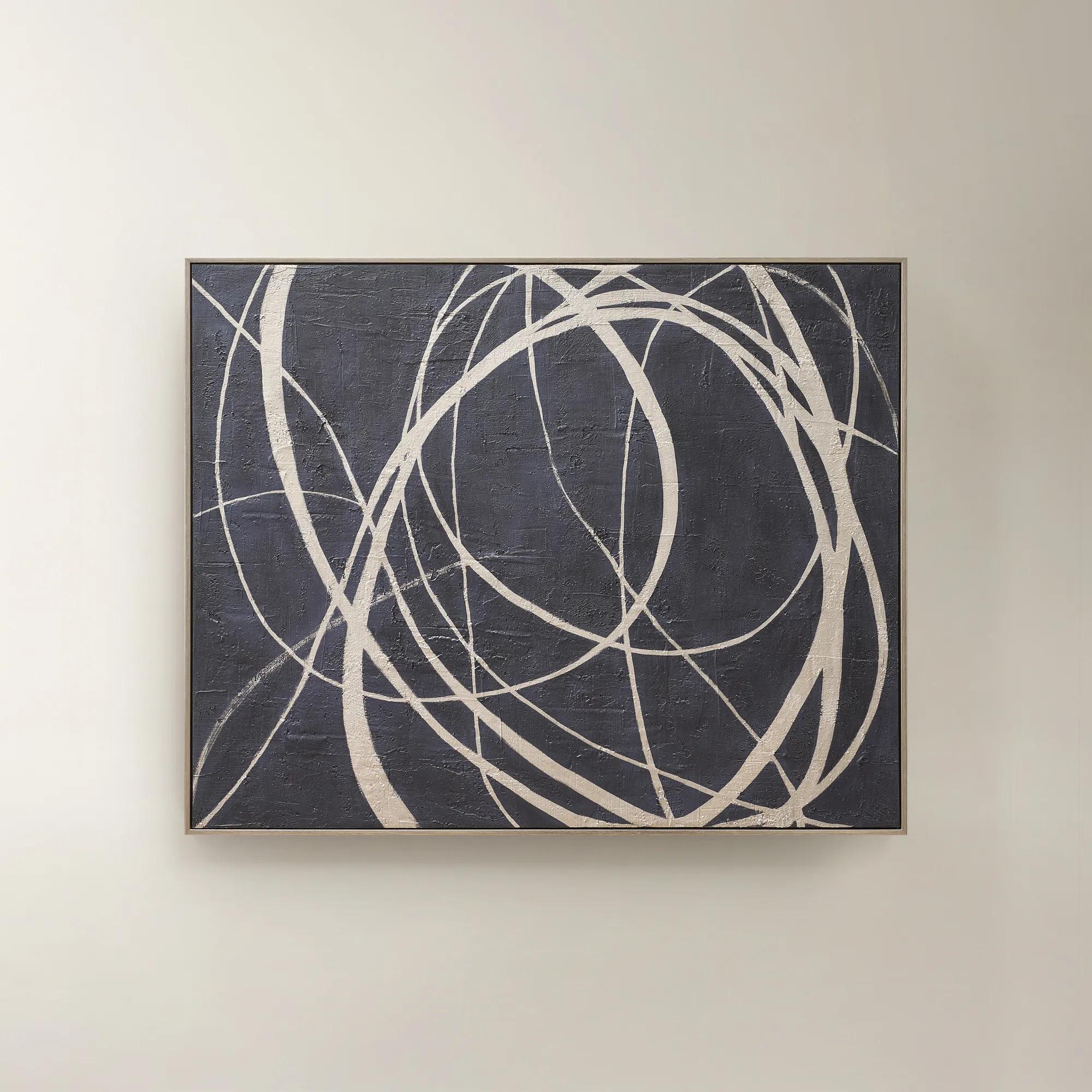 Wandering Framed Painted Wall Art 48" x 60"$699
An expressive hand-painted canvas in deep ink blue with champagne accents for a bold, sophisticated statement.
Add To Cart -
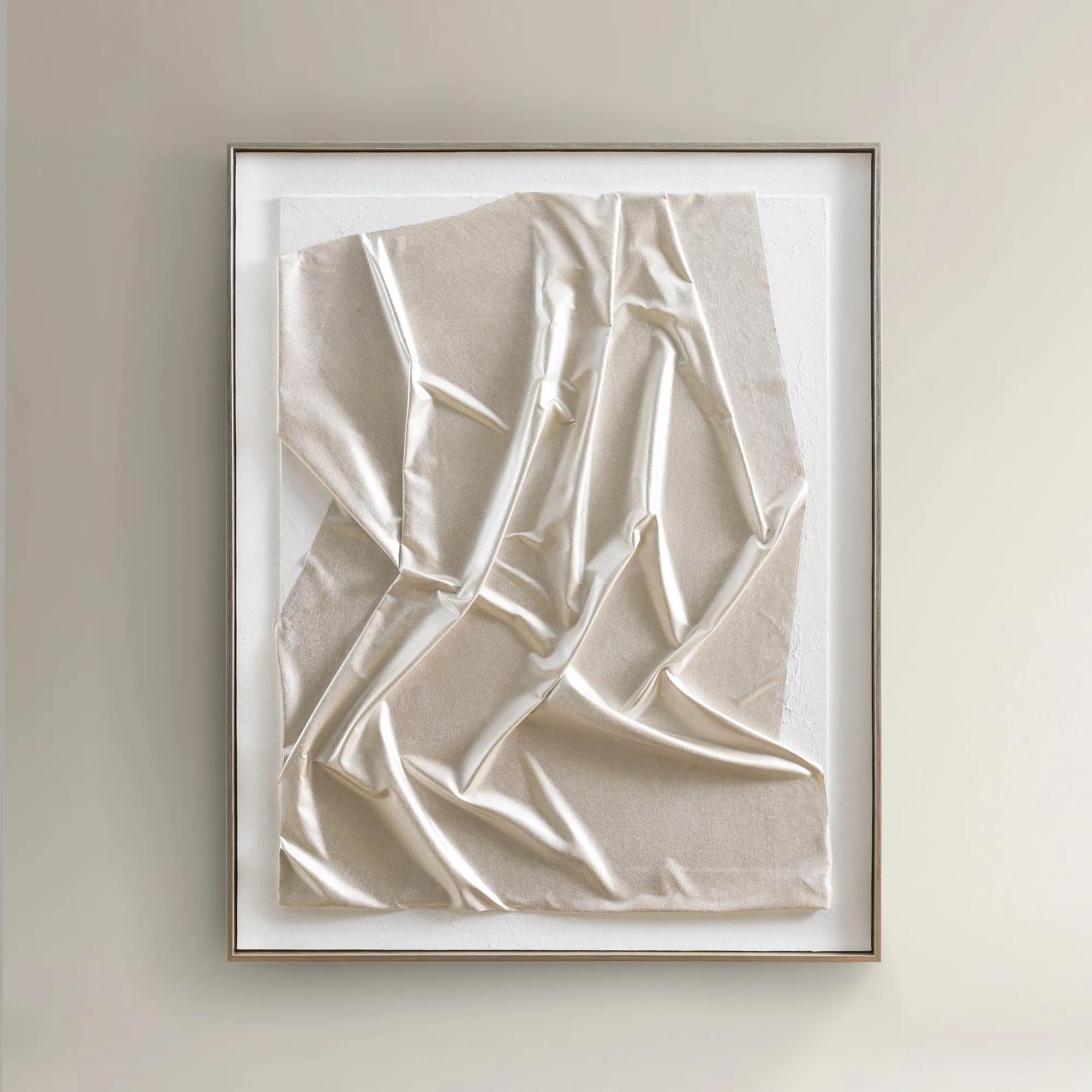 In the Mood Framed Painted Wall Art 31.5" x 39.5"$199
A hand-painted gold canvas artwork featuring textured surfaces and fluid forms in a champagne floater frame.
Add To Cart -
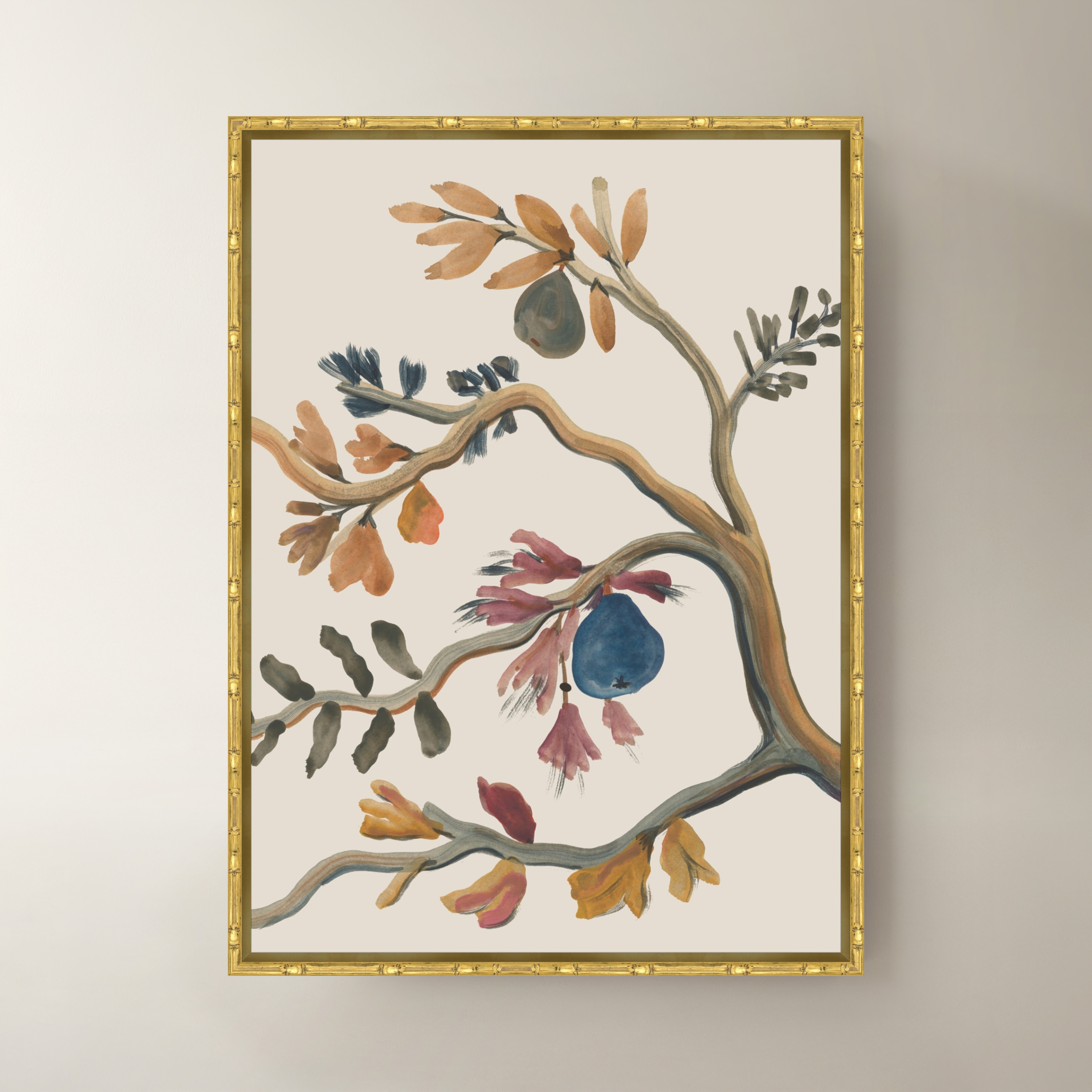
 Whispering Orchard I Framed Wall Art 24" x 33"$749
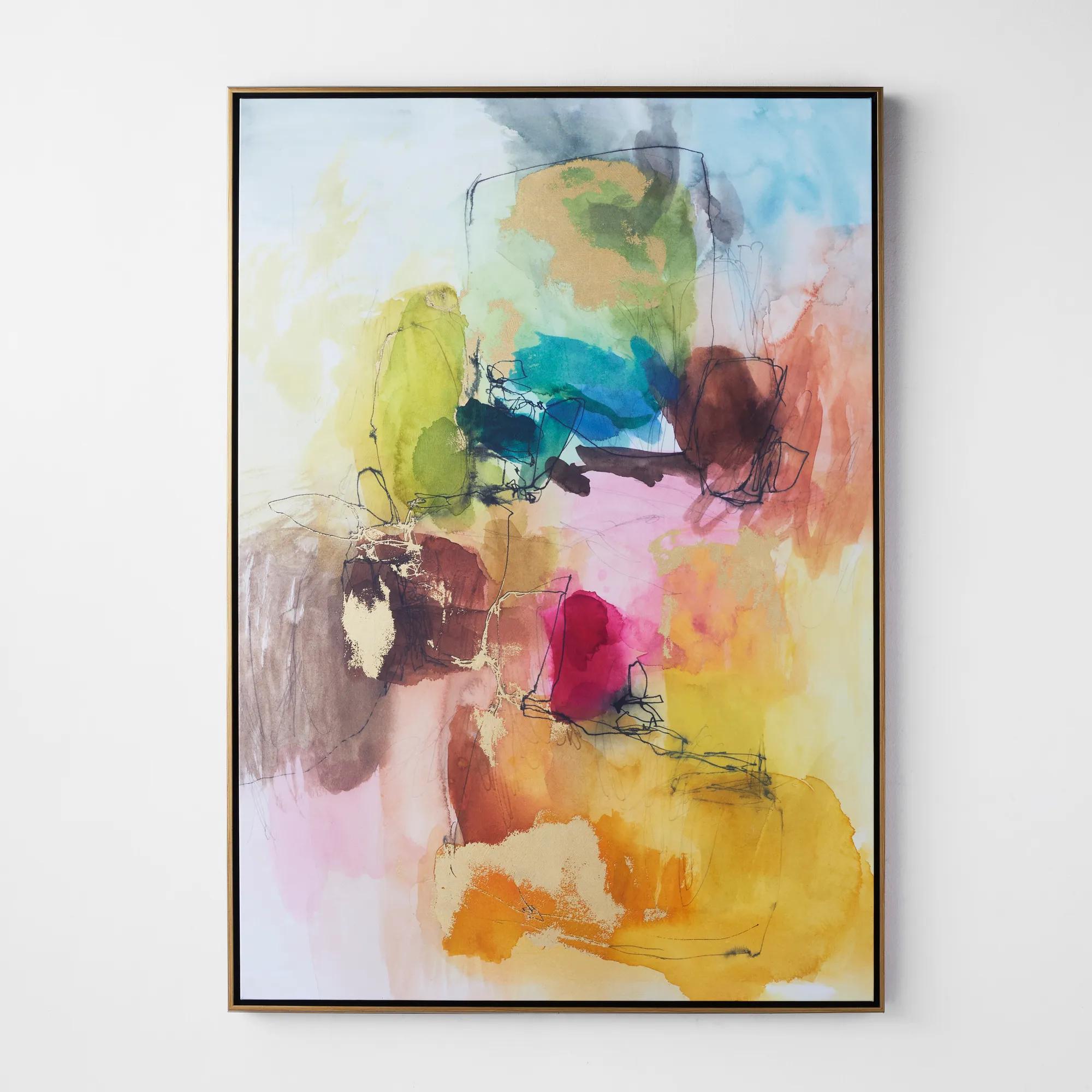
A multicolored canvas wall artwork presented in a refined frame for vibrant, gallery-inspired styling.
Add To Cart -
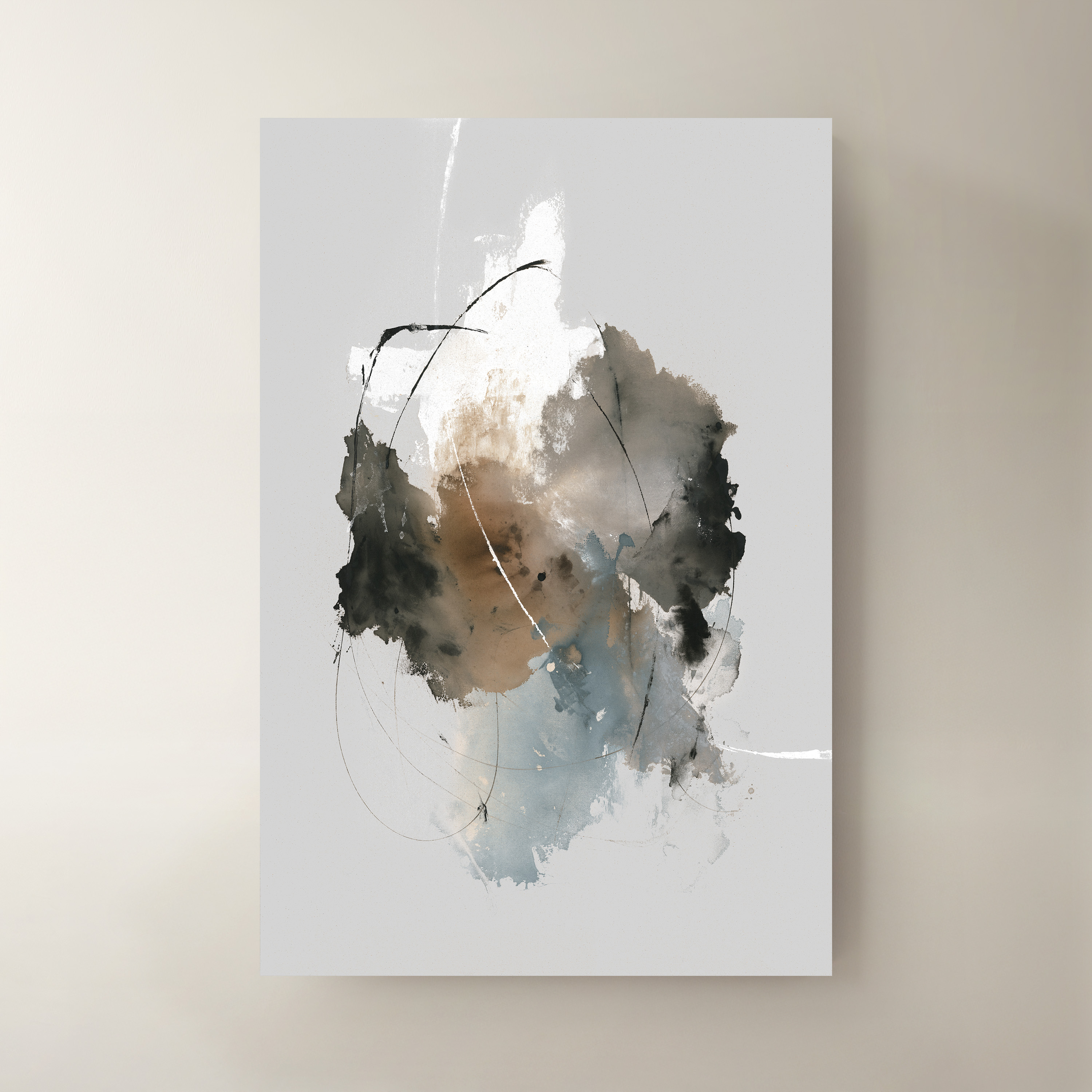
 Time IV Wall Art 40" x 60"$999
A striking multicolored canvas artwork bringing contemporary visual interest to modern interiors.
Add To Cart

Hazy Atmospheric Wall Arts
Hazy atmospheric wall arts summon a world where mystery and allure meet on your walls, transforming any room into an evocative sanctuary. Each piece whispers with ethereal beauty—soft gradients, dreamlike silhouettes, and moody hues that blur the lines between reality and reverie. Designed for those who believe their home is a stage for imagination, these artworks envelop your space in an enchanting veil, inviting intrigue and sparking conversation. Let hazy atmospheric wall arts set the mood—subtle yet striking, endlessly expressive—painting your interiors with the poetry of mist and light.
Hazy atmospheric wall art captures the depth of a landscape or the movement of clouds through softened edges, layered color, and forms that seem to dissolve into the distance. Rather than defining every tree, shoreline, or horizon, this style suggests a scene, leaving room for the imagination. Misty landscapes, cloudlike abstracts, and softly blurred vistas share this expressive quality, making them compelling choices for interiors that favor atmosphere over literal detail. Soft neutral tones are especially characteristic: ivory, pearl gray, warm taupe, and sand create luminous foundations, while smoky blue, muted sage, charcoal, or dusty mauve can introduce greater dimension. The effect is serene without feeling sparse. A pale expanse interrupted by a dark horizon can carry remarkable visual weight, particularly when its scale gives the composition room to unfold. For a living room with sculptural furniture, gleaming metal accents, or richly textured upholstery, atmospheric wall decor provides a fluid counterpoint to strong silhouettes. In a more restrained interior, it can become the defining gesture, bringing depth to walls without overwhelming the surrounding finishes. The distinction between landscape and abstraction often remains deliberately blurred: a wash of gray may suggest distant water, while a veil of ivory can read as cloud, light, or open space. That ambiguity is part of the appeal. These artworks reward a passing glance with an immediate impression, then reveal subtler color relationships during a longer look. Their softness also allows expressive furnishings to coexist without competing for attention. Against a dark wall, pale atmospheric art can appear almost illuminated; against a light wall, deeper passages establish structure and contrast. The most successful composition is not necessarily the palest one, but the one whose balance of light, shadow, and open space gives the room a distinct emotional character. A narrow band of darkness or an unexpected blush undertone may supply all the tension a softly layered composition needs.
Material and presentation influence how that atmosphere comes across. Canvas has a tactile surface that can lend softly blended imagery a painterly presence, while paper prints can preserve delicate tonal transitions and gain definition from a carefully proportioned mat. A gallery-wrapped canvas carries the image around its edges for a continuous presentation; a framed work creates a more pronounced boundary between the artwork and the wall. Neither approach is inherently more suited to atmospheric imagery. The decision depends on whether the room calls for an uninterrupted field of color or an architectural outline. Slender metallic frames can introduce a gleaming accent, wood can add warmth, and black can sharpen a pale composition without changing its subtle palette. Glazing deserves attention as well: reflections may obscure nuanced imagery opposite a bright window, while appropriately specified low-reflection glazing can help retain visibility. Dimensions should include the full frame, not just the image, especially when fitting artwork between sconces, above a console, or within wall molding. Over a sofa, an overall width of roughly two-thirds to three-quarters of the furniture below often creates a balanced relationship, though the composition and surrounding architecture still matter. A broad horizontal landscape can echo a long seating arrangement, while a vertical atmospheric abstract can give a narrow wall a more commanding presence. Leaving approximately six to ten inches between the furniture and the bottom of the frame often keeps the arrangement visually connected; unusually tall furniture or high ceilings may call for adjustment. In an open-plan space, consider the view from adjoining rooms as well as the position directly in front of the artwork. A composition with fine tonal shifts may be intimate at close range, while a strong horizon remains legible across a larger space. For imagery that places greater emphasis on recognizable scenery while retaining a subdued palette, Muted Color Landscape Wall Arts offers a closely related visual direction, with softened landforms and restrained color creating a similarly expansive impression.
Atmospheric artwork is especially expressive in rooms where texture does much of the decorating. Above a velvet sofa, a mistlike composition lets the upholstery’s richness remain visible while extending its color story onto the wall. Over a bedroom dresser, feathered washes of pearl, stone, and blue can establish a restful focal point without reducing the room to a single flat neutral. In an entryway, a generously scaled abstract can introduce an artistic point of view before the rest of the interior comes into view. Repeating one undertone in a rug, pillow, or decorative vessel helps connect the artwork to its setting, but matching every shade can diminish its presence. Contrast often creates a more sophisticated result: warm ivory against cool gray, smoky blue beside burnished metal, or a pale horizon above dark wood. Lighting should reveal those relationships rather than flatten them. Broad, even illumination generally makes subtle transitions easier to appreciate, while harsh spotlights can create glare or exaggerate surface texture. Long-term care depends on the artwork’s construction, so the stated care instructions should take priority. Avoid prolonged direct sunlight, excessive humidity, and placement close to heating vents, all of which can affect artwork materials over time. UV-filtering glazing may help reduce light exposure, but it does not make an artwork immune to fading. Frames can generally be dusted gently with a clean, dry microfiber cloth; exposed canvas and paper require particular caution and should never be sprayed with household cleaner. For glazed pieces, apply an appropriate cleaner to the cloth rather than directly to the surface, keeping moisture away from frame joints and paper edges. Secure installation with hardware suited to the piece’s weight and the wall material is equally important. As a housewarming or wedding gift, atmospheric wall art can be a thoughtful choice for someone drawn to expressive interiors, provided the recipient’s preferred palette and available wall space are known. Its appeal lies in its capacity to give a room depth, feeling, and a beautifully unresolved sense of possibility.
FAQs
Hazy atmospheric wall art is characterized by its use of soft-focus techniques, muted color palettes, and an emphasis on mood rather than precise detail. Unlike traditional landscape paintings that often prioritize clarity and realism, these works evoke a dreamy, ethereal quality through diffused light, blurred edges, and gentle transitions between colors. The result is an artwork that feels immersive and contemplative, inviting the viewer to experience emotion and ambiance rather than simply observe a scene.
Hazy atmospheric art infuses a space with a sense of calm, serenity, and understated drama. The subtle blending of colors and soft textures can make a room feel more expansive and tranquil, while the moody, evocative nature of the artwork inspires contemplation and relaxation. These pieces are especially effective in creating a soothing retreat in bedrooms, living spaces, or any area where you wish to foster a peaceful, inviting atmosphere.
Hazy atmospheric wall art makes a thoughtful and sophisticated gift for anyone who values artistic expression, enjoys nature-inspired décor, or seeks to cultivate a sense of calm in their home. It's particularly well-suited for those celebrating milestones such as housewarmings, weddings, or new beginnings, as these artworks offer timeless beauty and versatility, adapting gracefully to a variety of interior styles.
Hazy atmospheric wall art complements a wide range of interior styles, from modern and contemporary to transitional and eclectic. Its subdued palette and ethereal quality harmonize beautifully with luxe textures like velvet, metallic accents, and sculptural furnishings. Whether your space is bold and dramatic or soft and serene, these artworks add a layer of sophistication and depth, enhancing the overall design narrative.
Artists use techniques such as dry brushing, glazing, and scumbling to create the signature soft, misty effect of hazy atmospheric art. These methods allow for gentle transitions between colors and the creation of diffused, blurred edges. By layering translucent washes and employing a restrained, muted palette, artists evoke a sense of distance and mystery, resulting in works that feel both timeless and evocative.