Furniture For Modern Farmhouse Dining Rooms
Furniture For Modern Farmhouse Dining Rooms
-
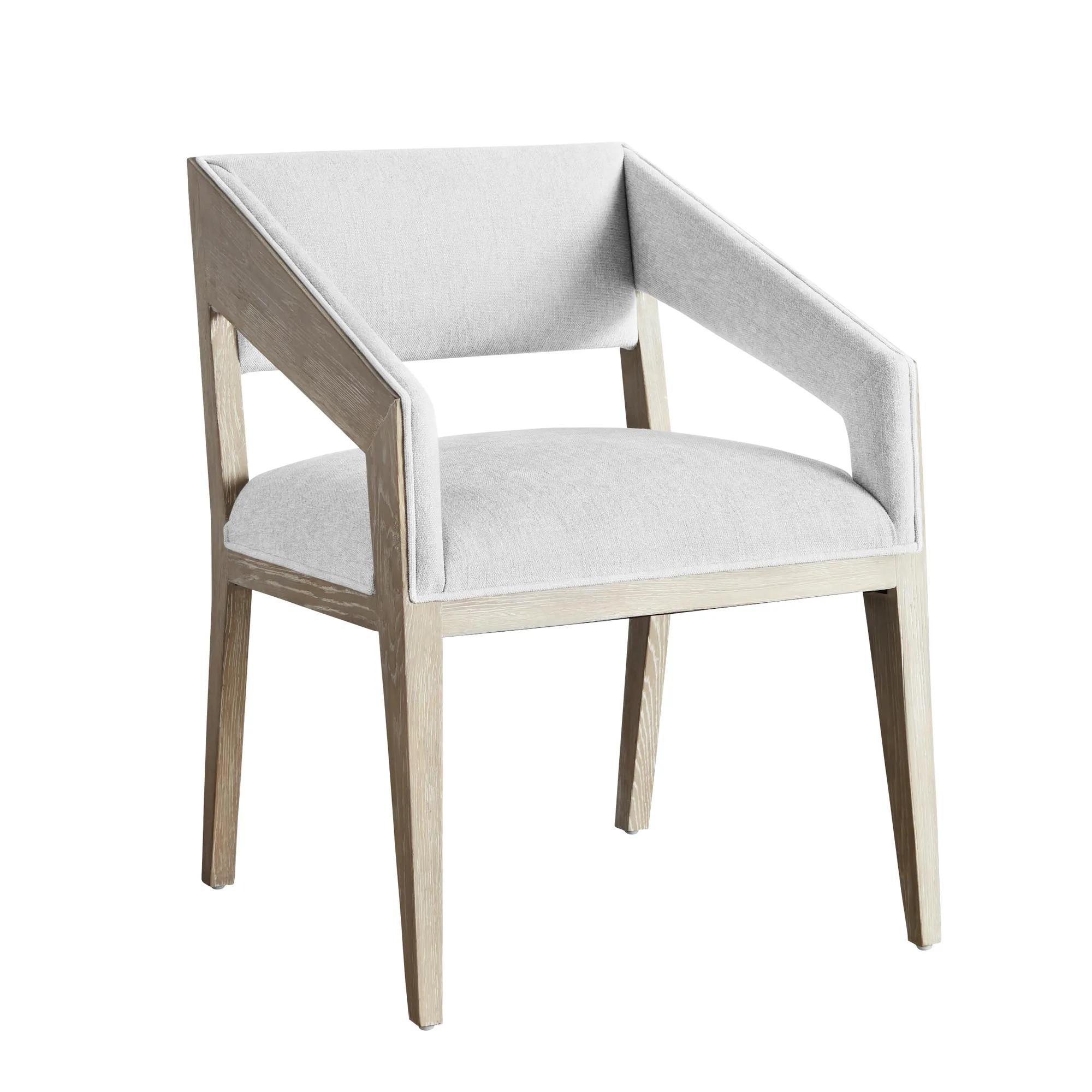
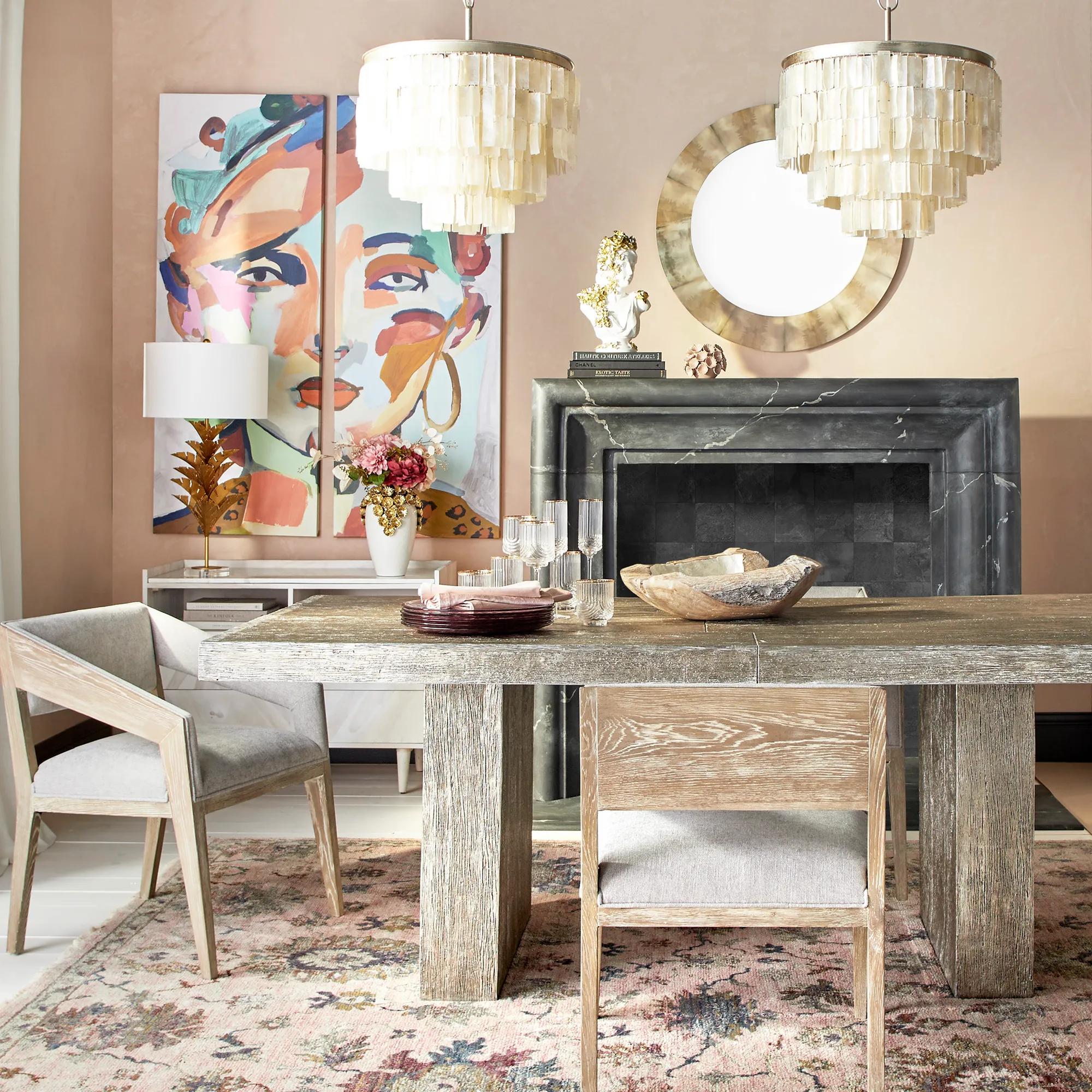 Alric Dining Arm Chair$699
A modern armchair featuring solid oak framing, natural grey finish, and neatly tailored pearl grey upholstery.
Add To Cart -
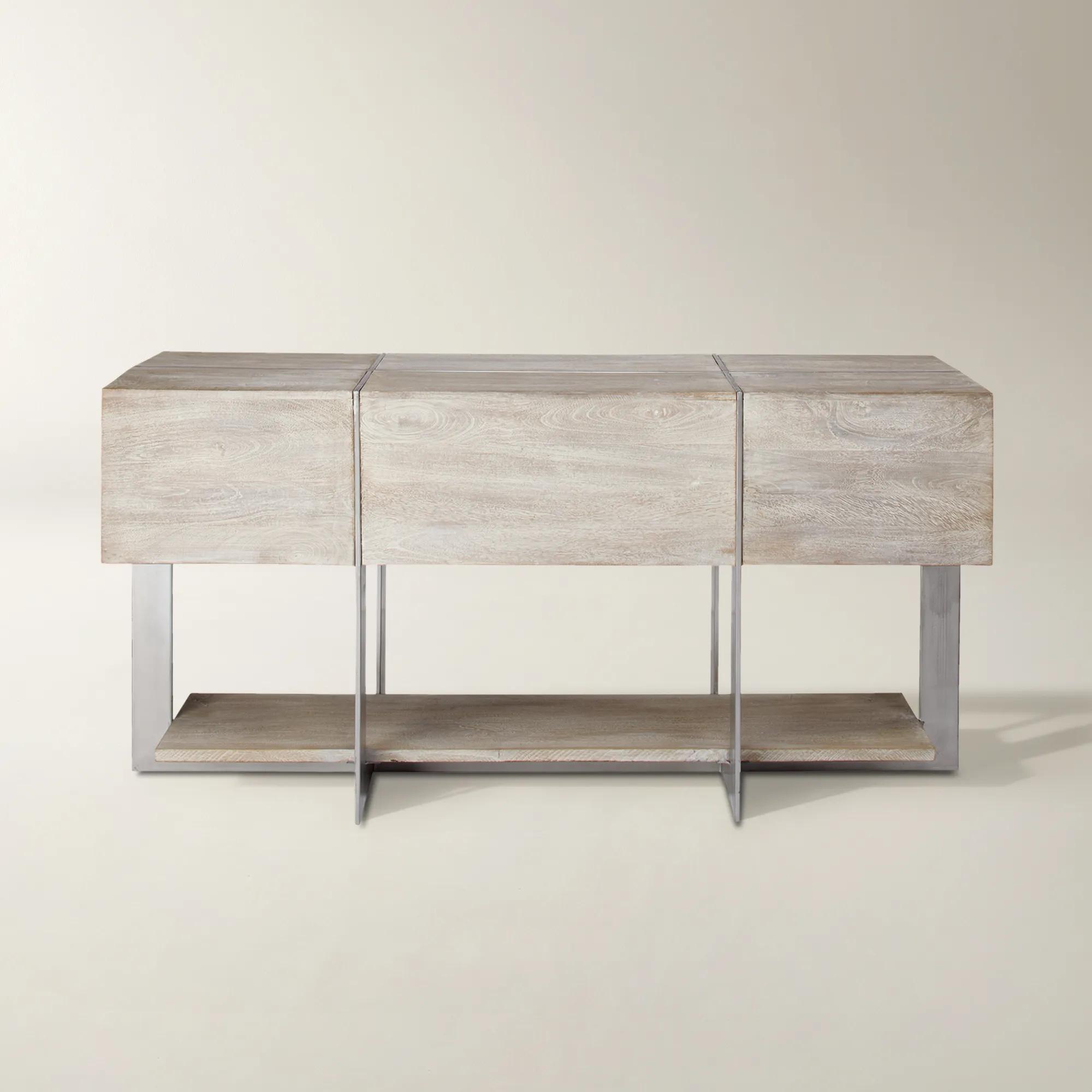
.jpg?w=1200&h=1200) Clifton Rectangular Natural Mango Wood Console Table (60")$1399
Clifton Rectangular Natural Mango Wood Console Table (60")$1399A handcrafted mango wood console table with a whitewashed finish and antiqued silver iron legs.
Add To Cart -
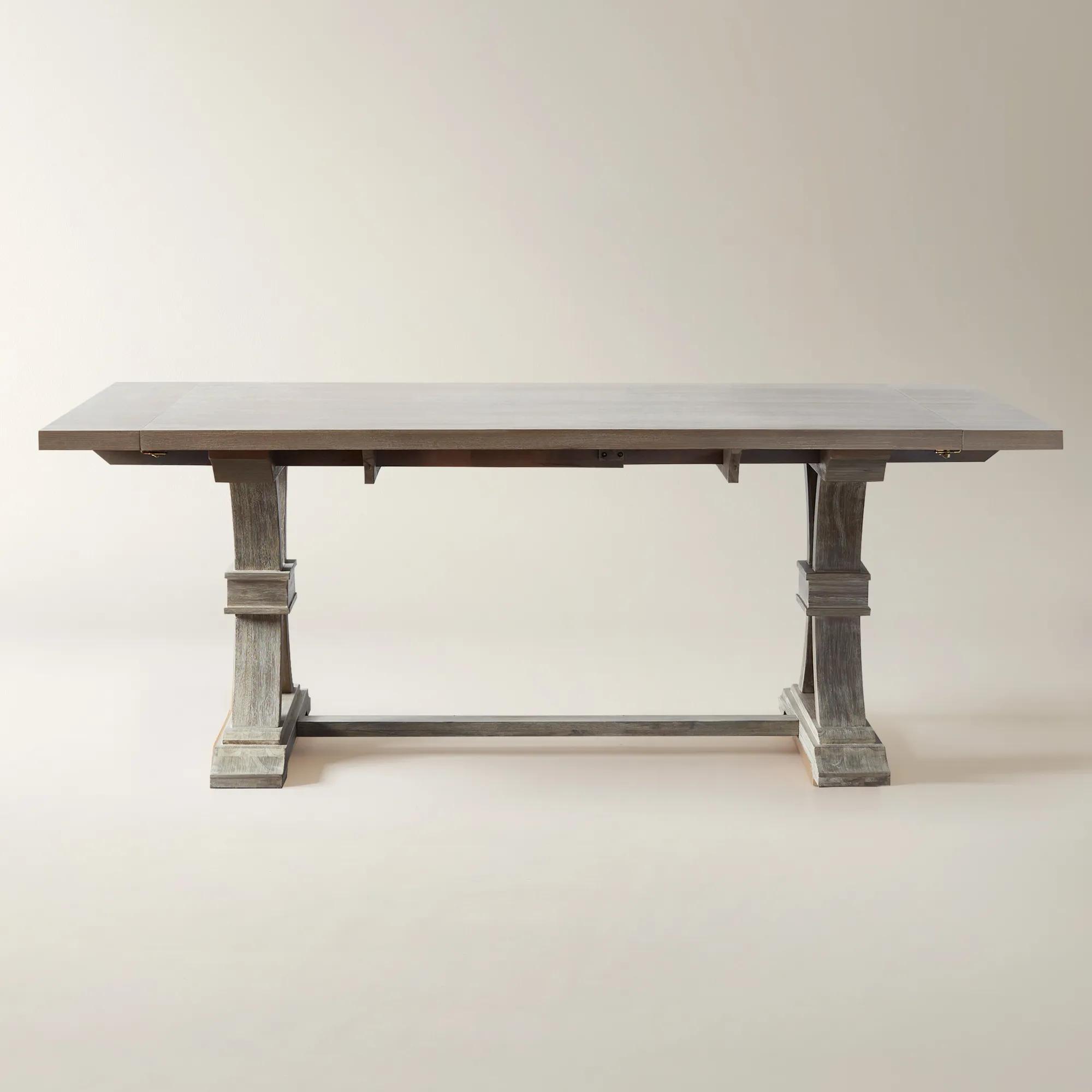 Archer Rectangular Grey Acacia Wood Extending Dining Table (78" - 110")$2499
A weathered grey acacia wood dining table with removable leaves and a kiln-dried hardwood frame.
Add To Cart -
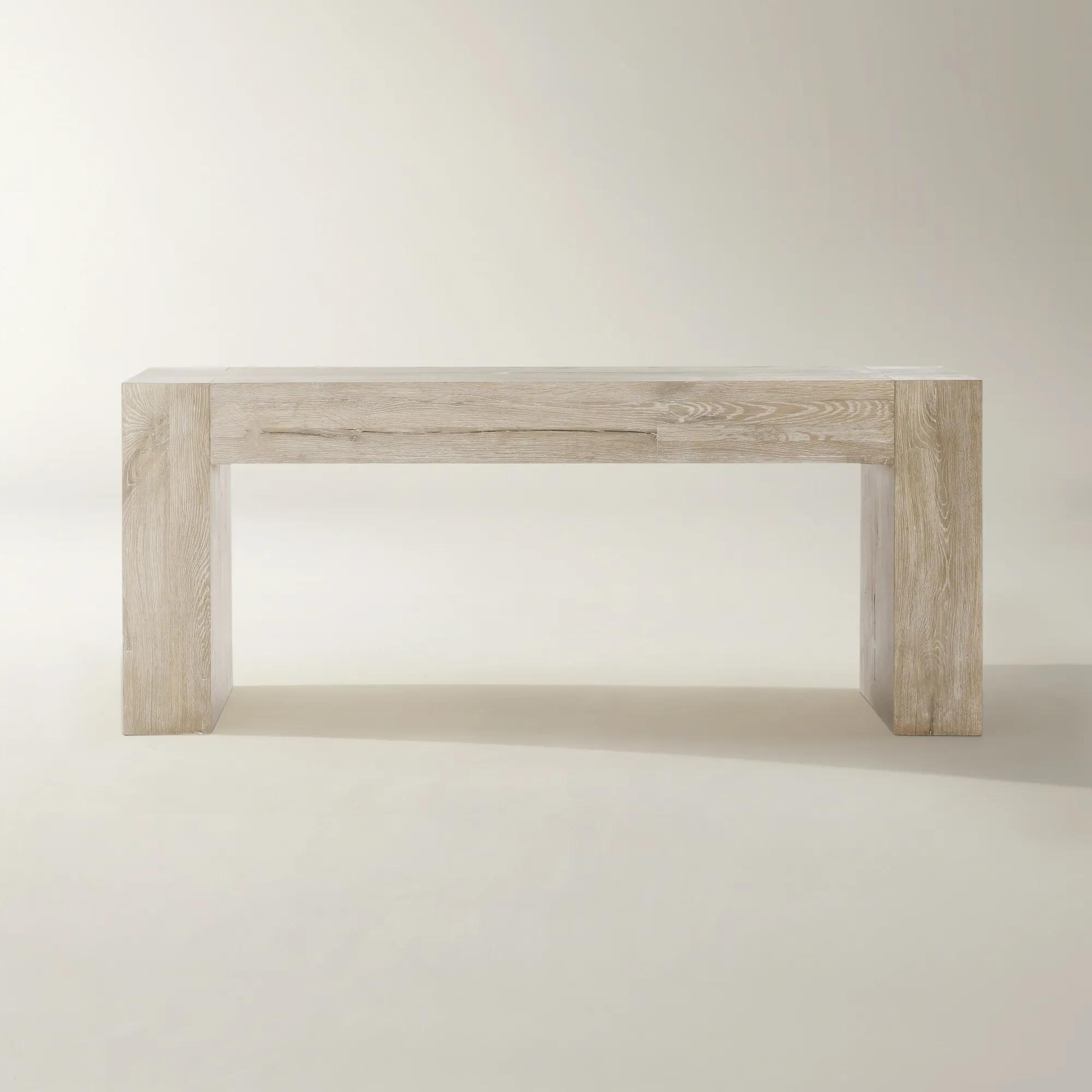
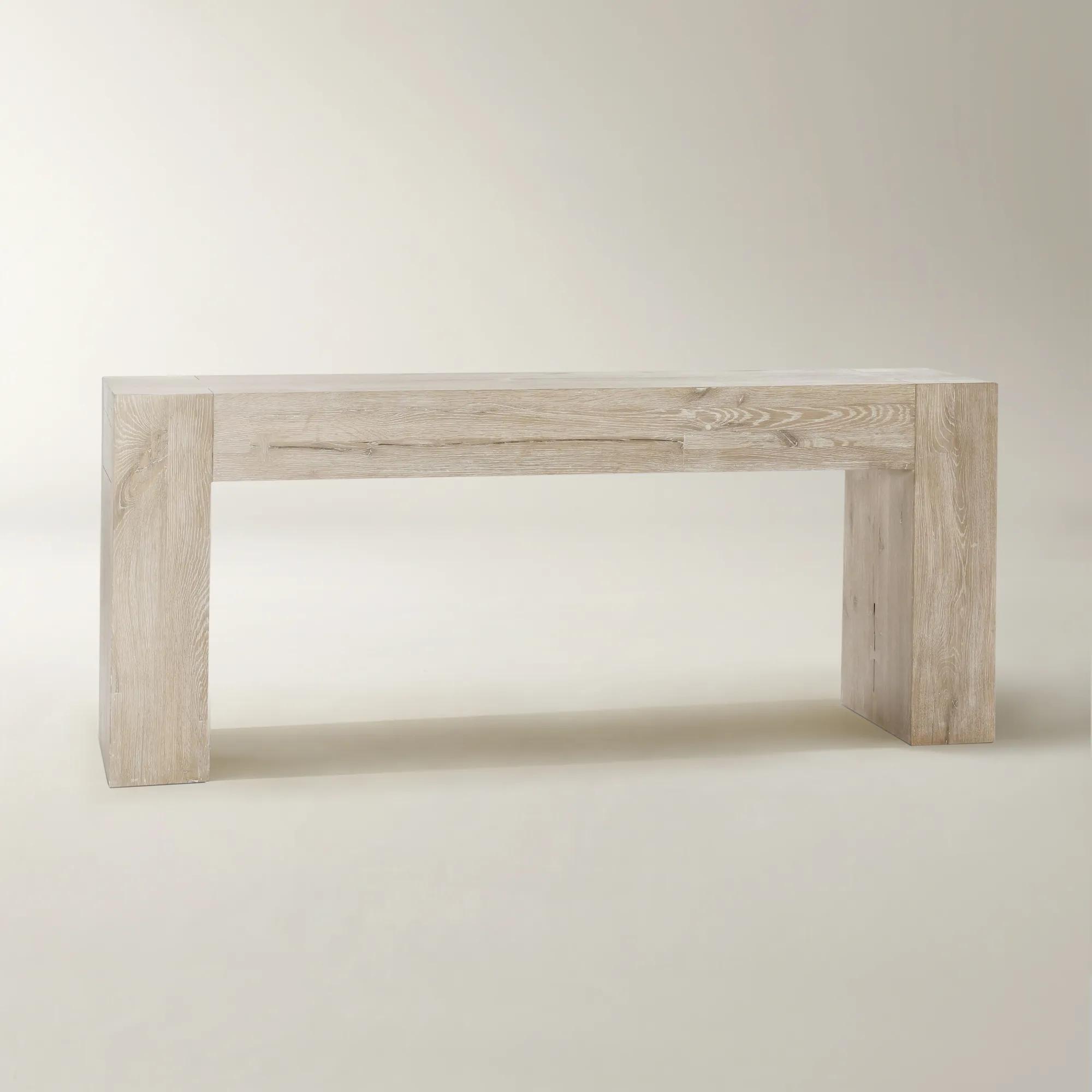 Bristol Rectangular Cream Oak Console Table (72")$2099
A handcrafted console table in aged cream cracked oak with modern dovetail detailing and artisanal character.
Add To Cart -
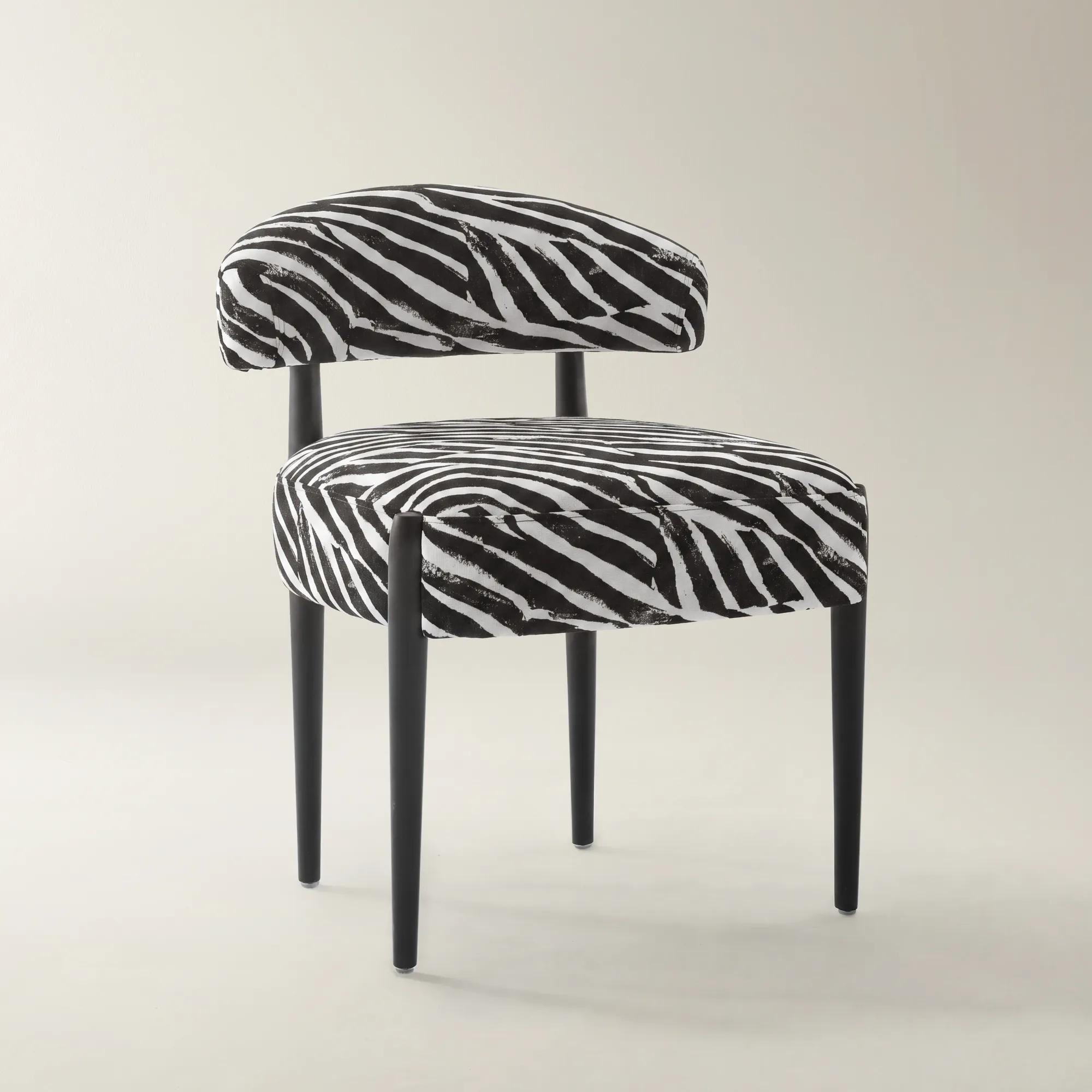
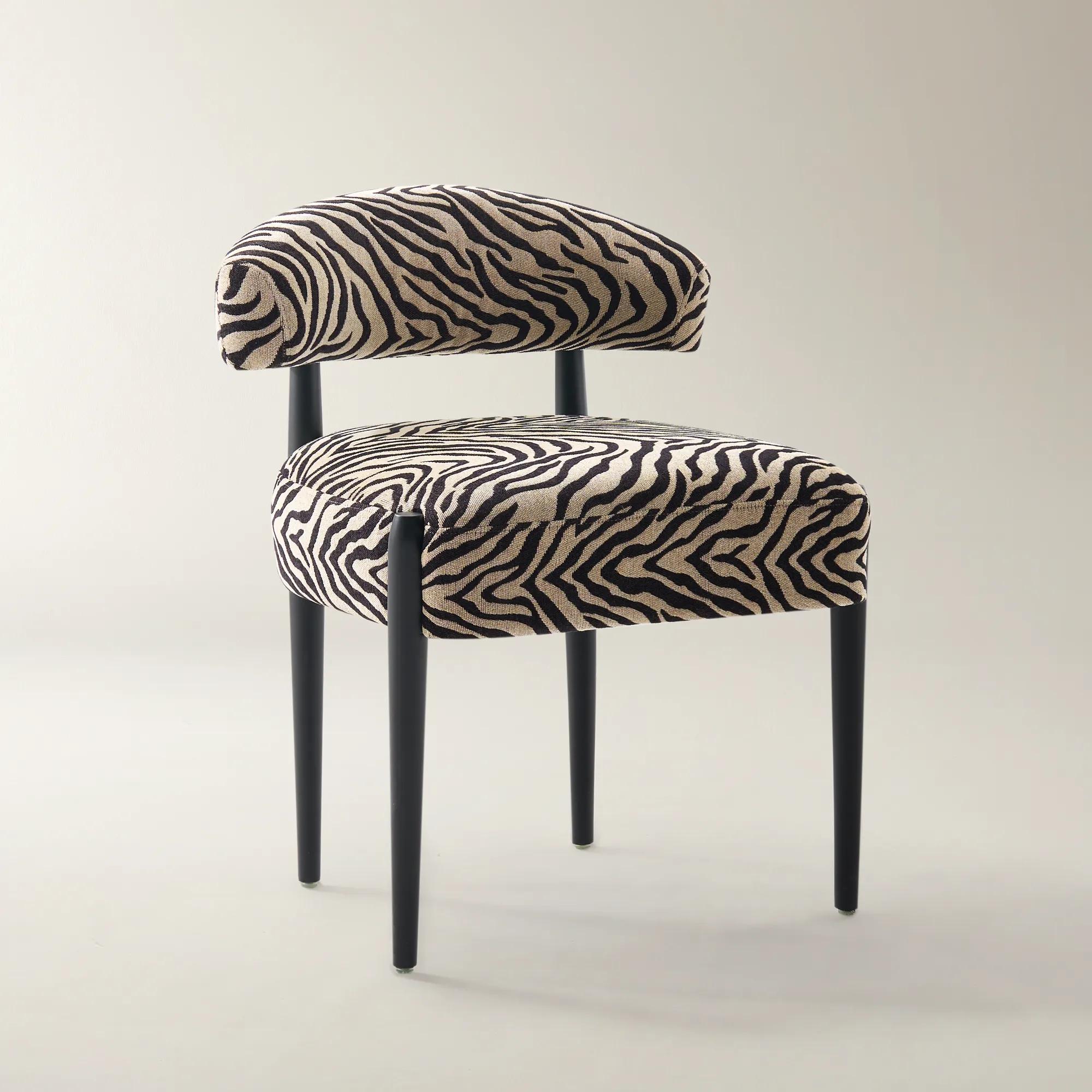 Anna White/Black Performance Chenille Dining Chair Set of 2$599
A black-and-white performance chenille chair set with arched backs, high-density foam, and solid rubberwood legs.
Add To Cart -
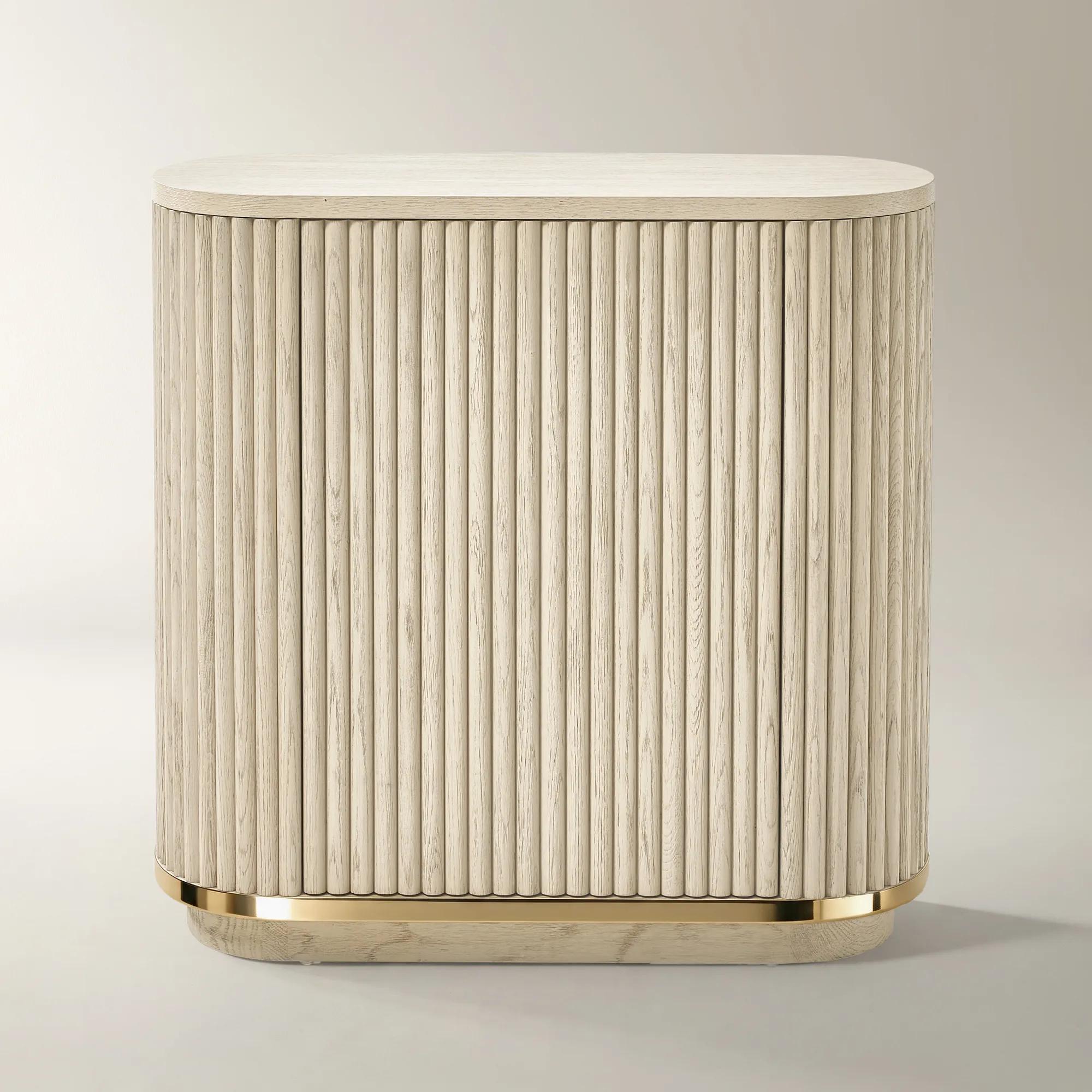 Stria Reeded White Oak Buffet (36")$1199
A modern buffet featuring vertical reeded white oak, soft gold metal trim, and push-to-open doors.
Add To Cart -
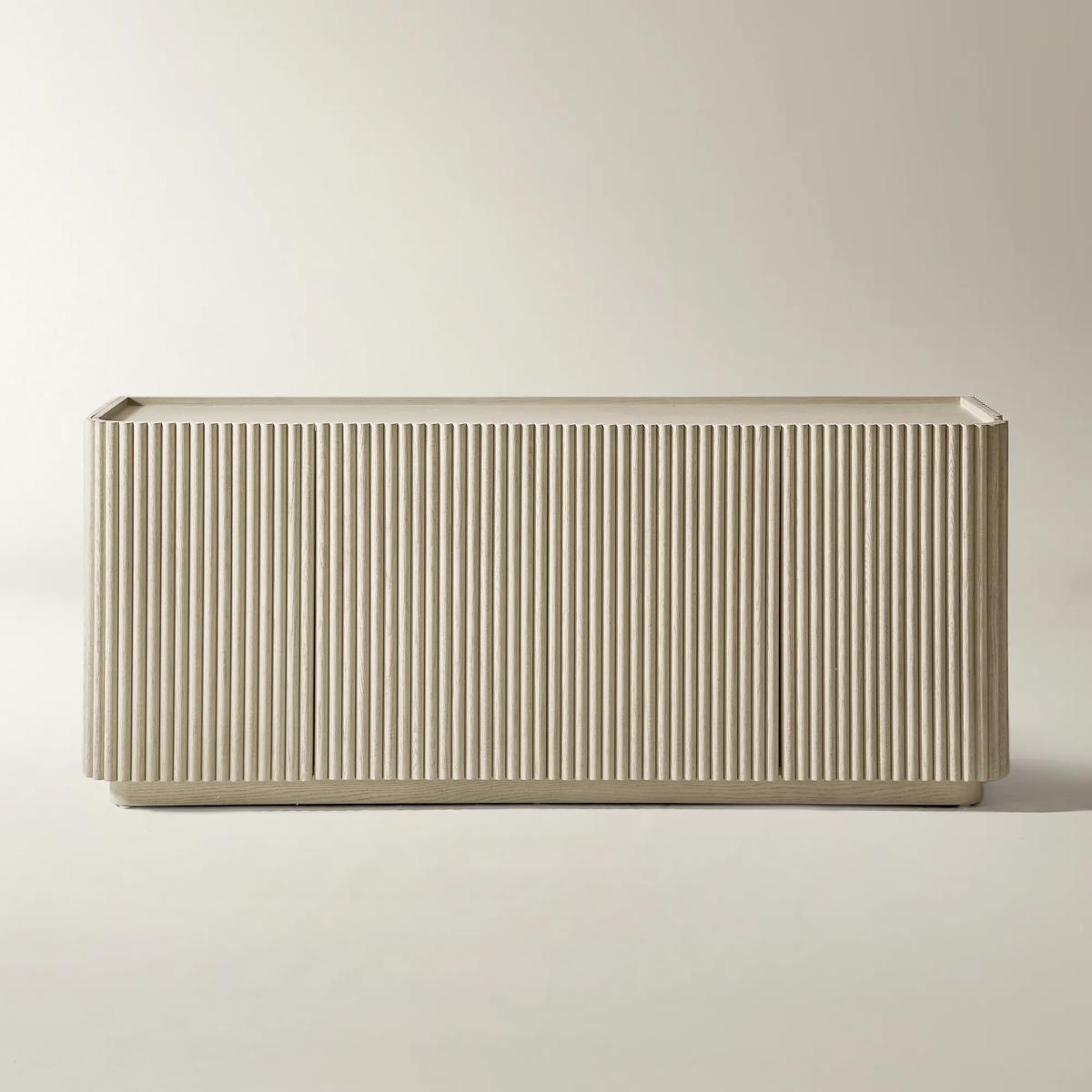
 Stria Reeded White Oak Buffet (72")$1899
A sculptural oak buffet featuring reeded detailing, gold-plated trim, and adjustable storage behind four doors.
Add To Cart -
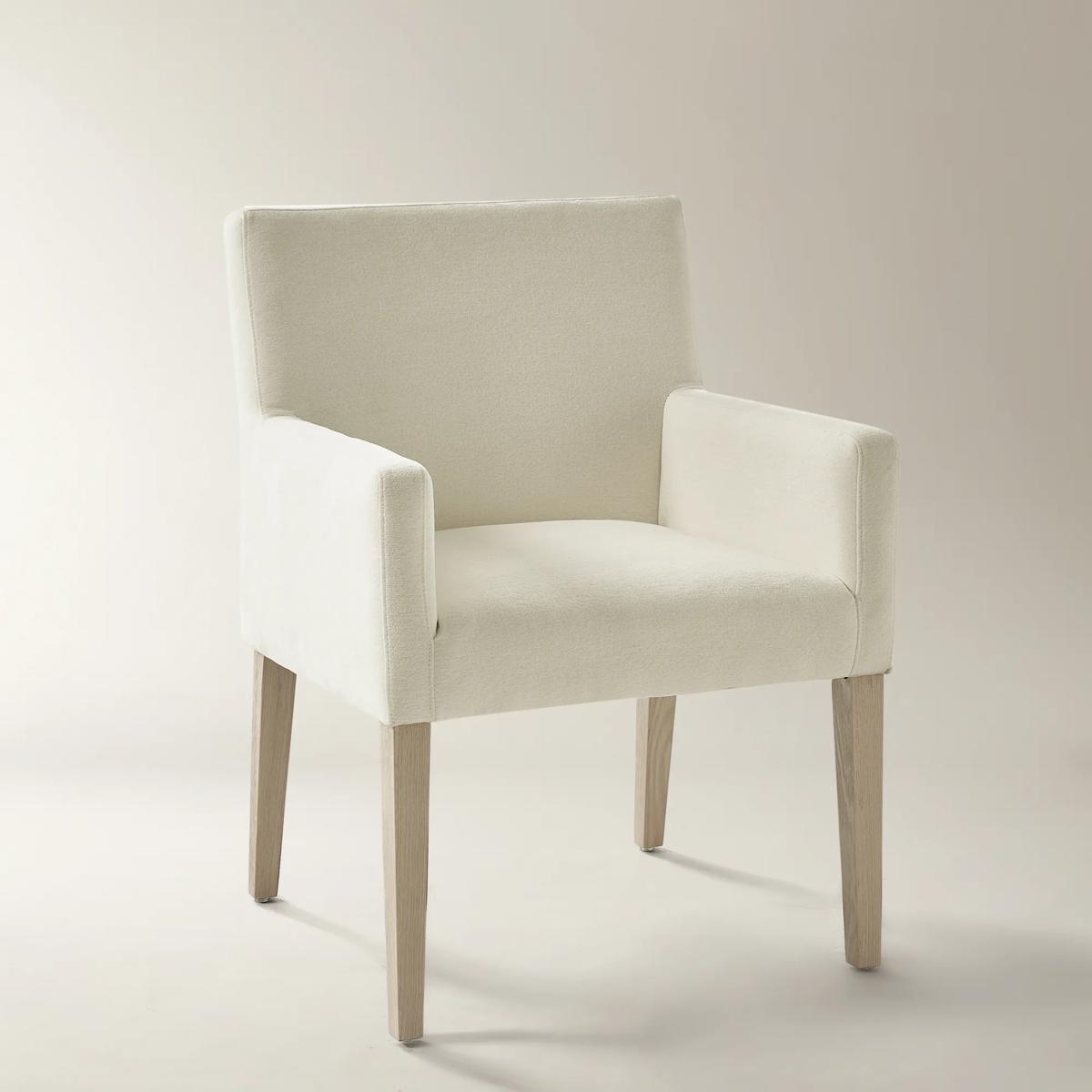
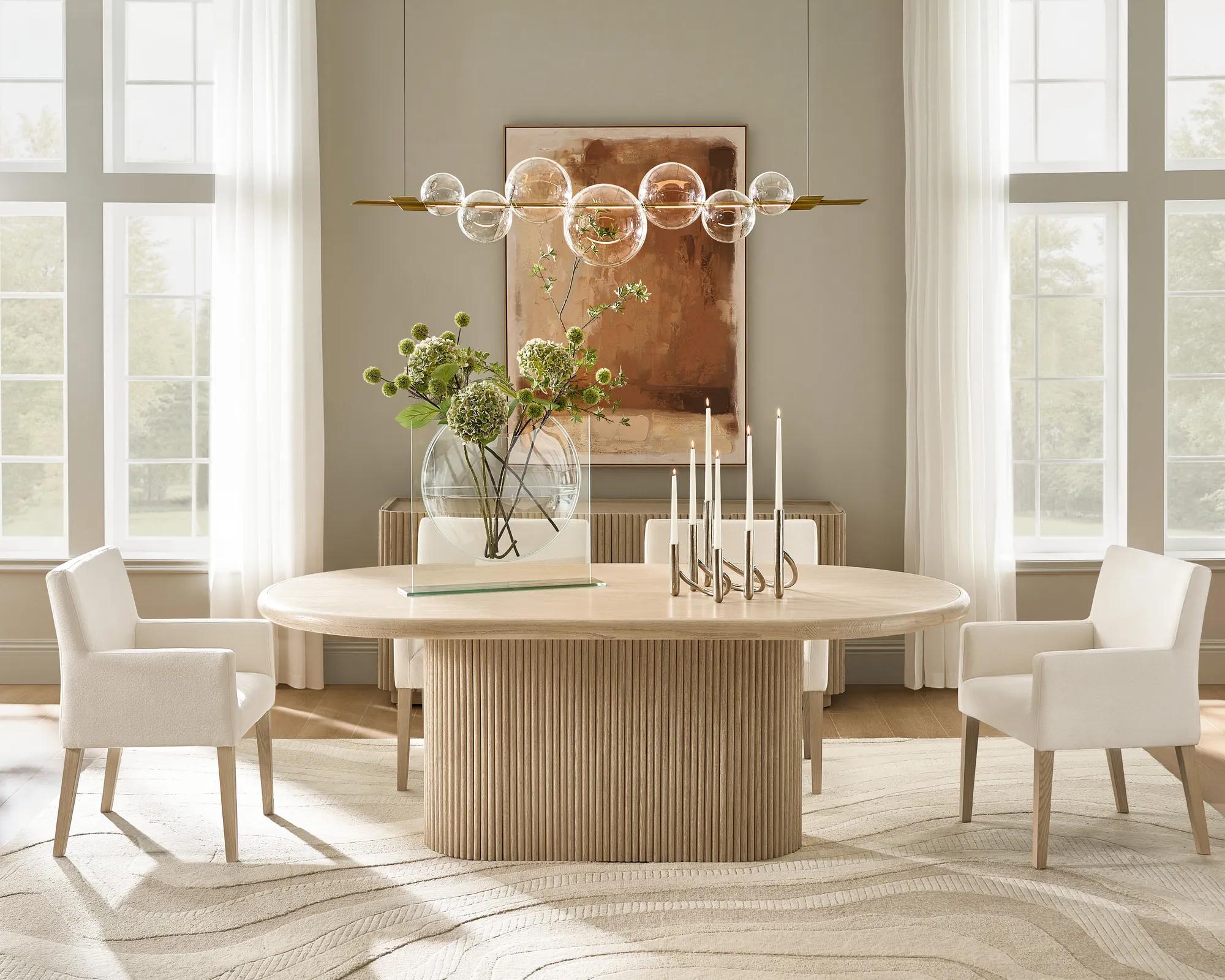 Stria Ivory Chenille Dining Chair Set Of 2$599
A pair of ivory chenille arm chairs with natural oak legs, offering plush comfort and modern elegance.
Add To Cart -
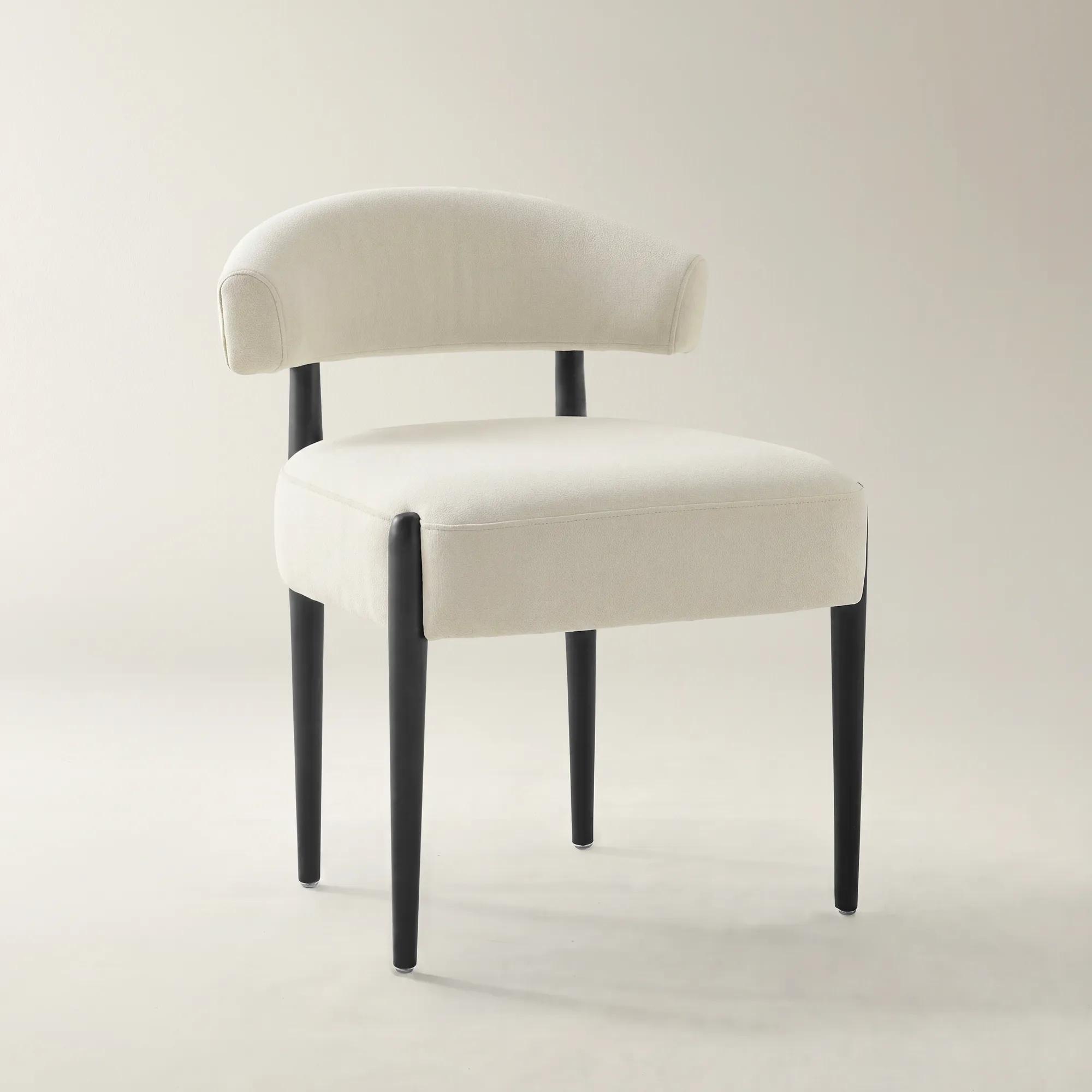 Anna Ivory Performance Chenille Dining Chair Set of 2$599
An ivory performance chenille chair pair featuring curved backs, high-density foam, and solid rubberwood legs.
Add To Cart -
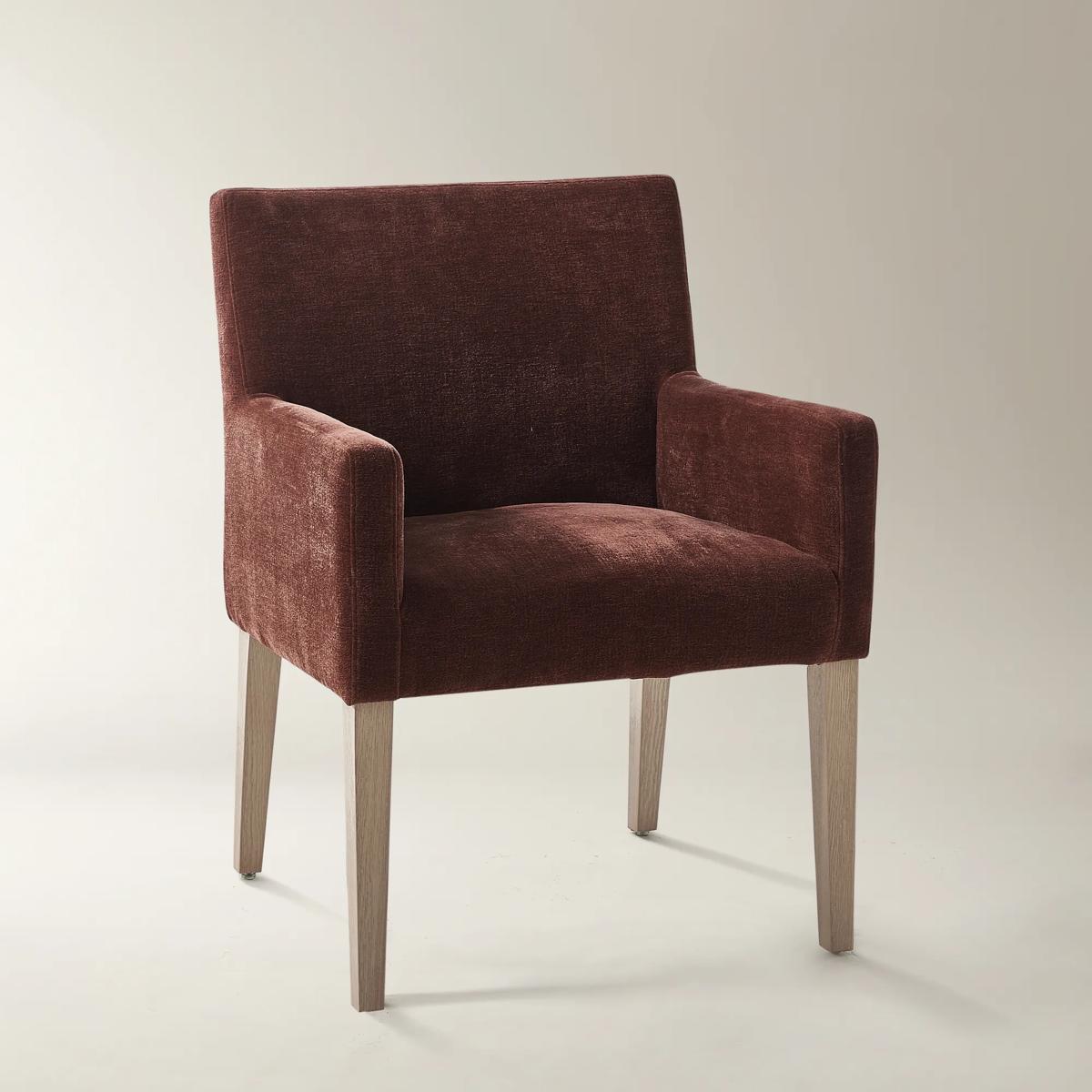
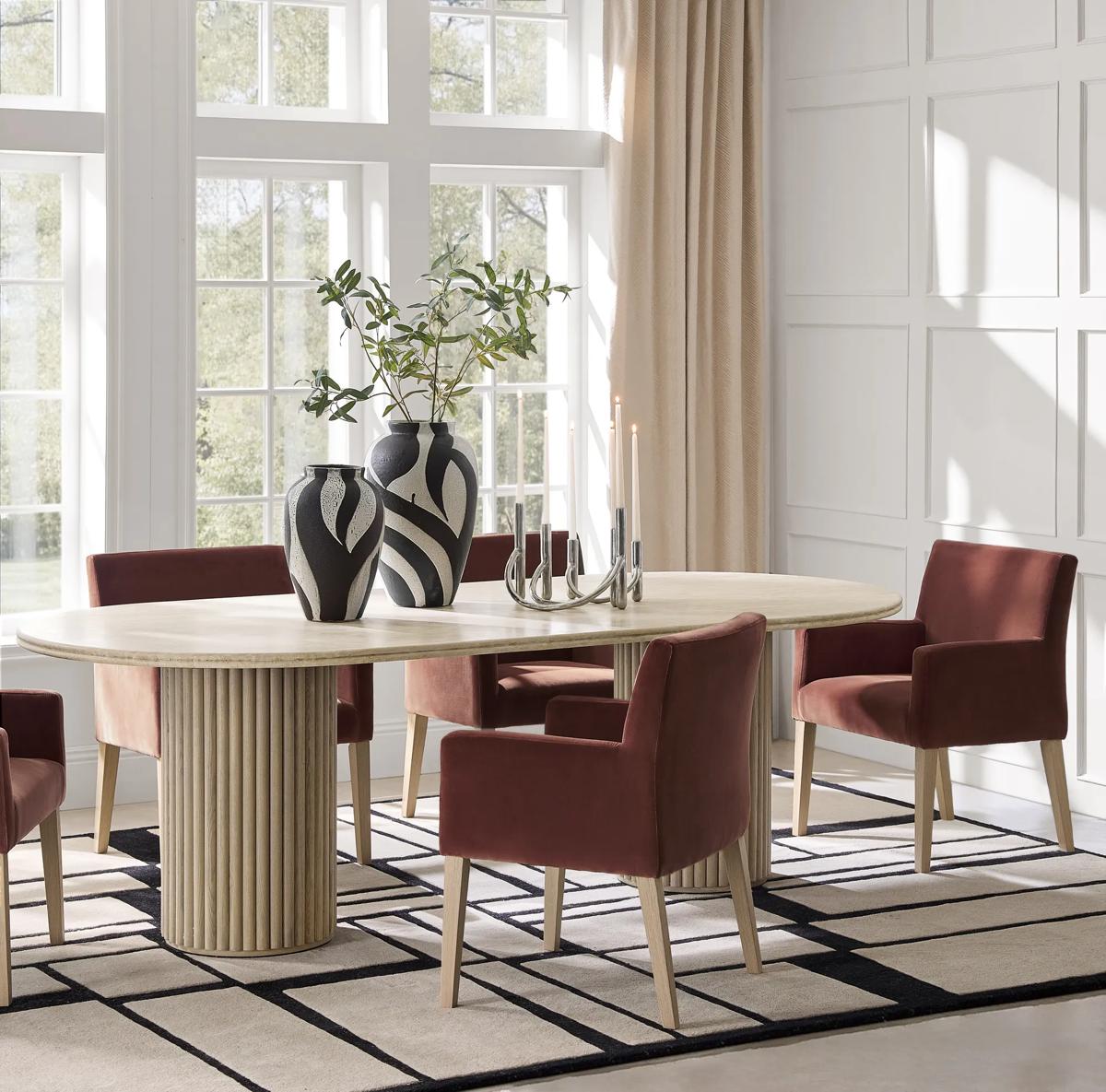 Stria Rust Velvet Dining Chair Set Of 2$599
A set of two arm chairs featuring cognac chenille upholstery and handcrafted solid oak legs for timeless style.
Add To Cart -
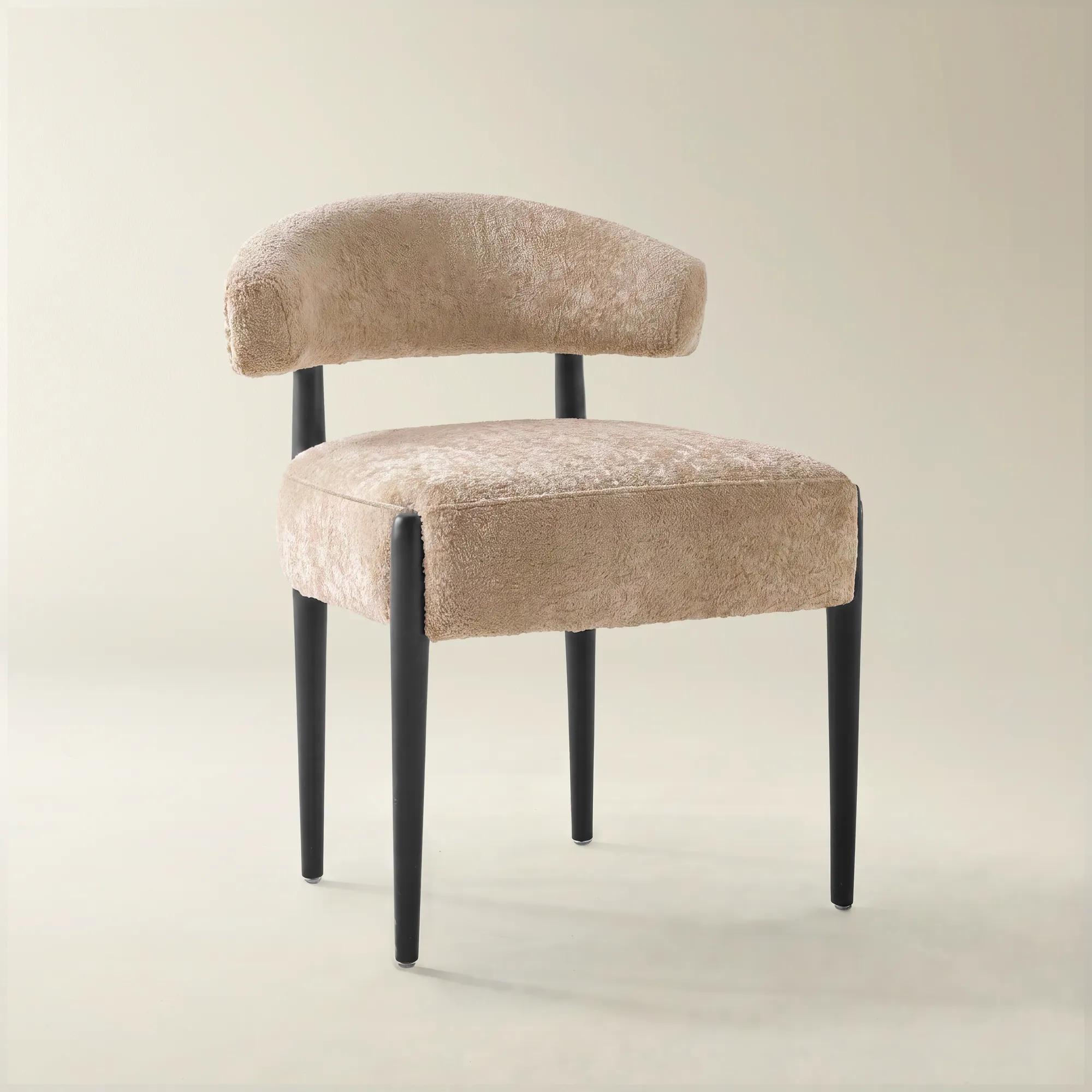 Anna Light Brown Chenille Dining Chair Set of 2$599
A light brown chenille chair set featuring arched backs, high-density foam cushioning, and solid rubberwood legs.
Add To Cart -
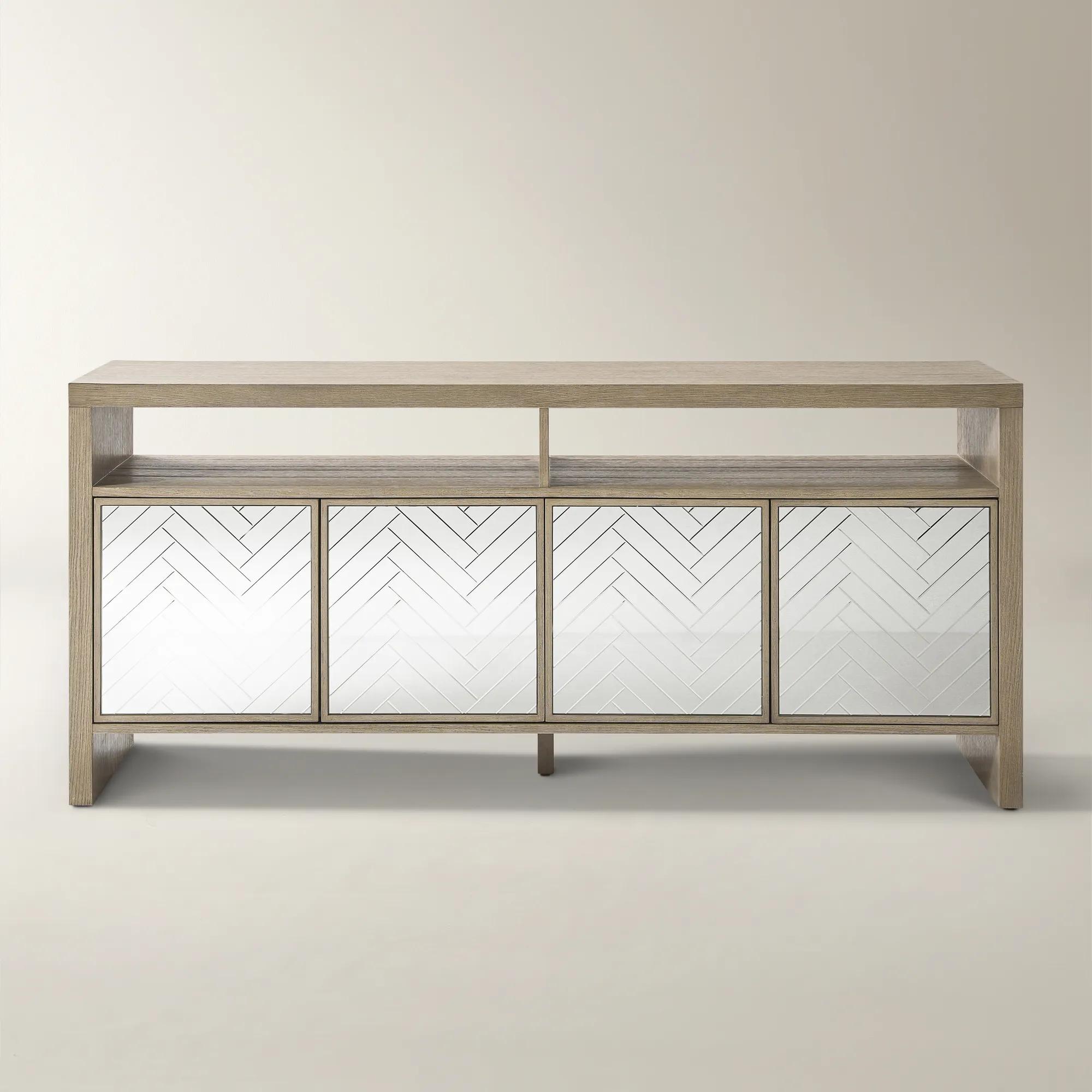 Glimmer Mirrored Seadrift Oak Buffet (70.5")$1799
A sophisticated buffet featuring sea drift oak veneer and mirrored parquet doors with silver leaf accents.
Add To Cart -
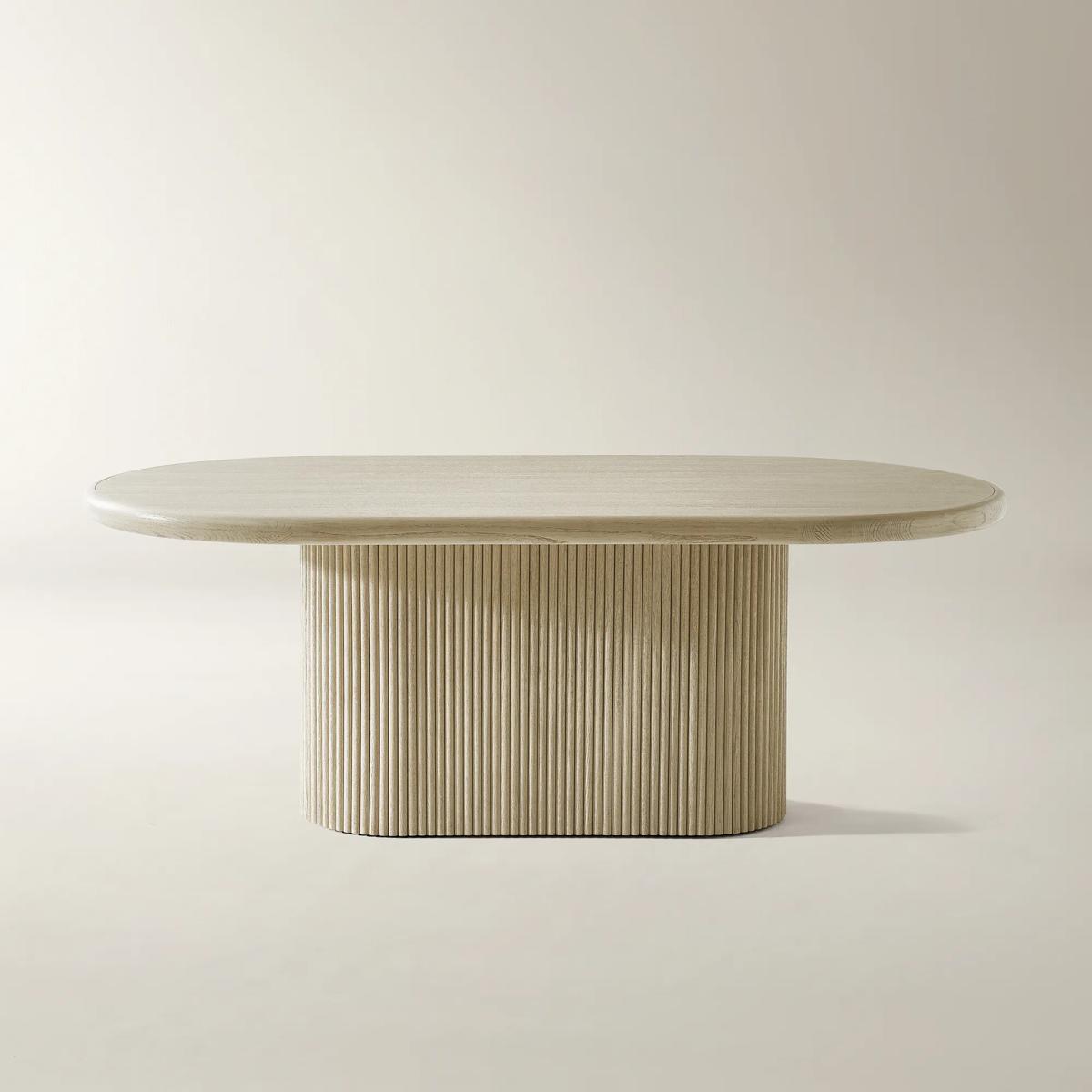
.jpg?w=1200&h=1200) Stria Oval Reeded White Oak Dining Table (82")$1999
Stria Oval Reeded White Oak Dining Table (82")$1999A sculptural oval dining table featuring reeded oak, a single pedestal base, and gold-plated steel trim.
Add To Cart -
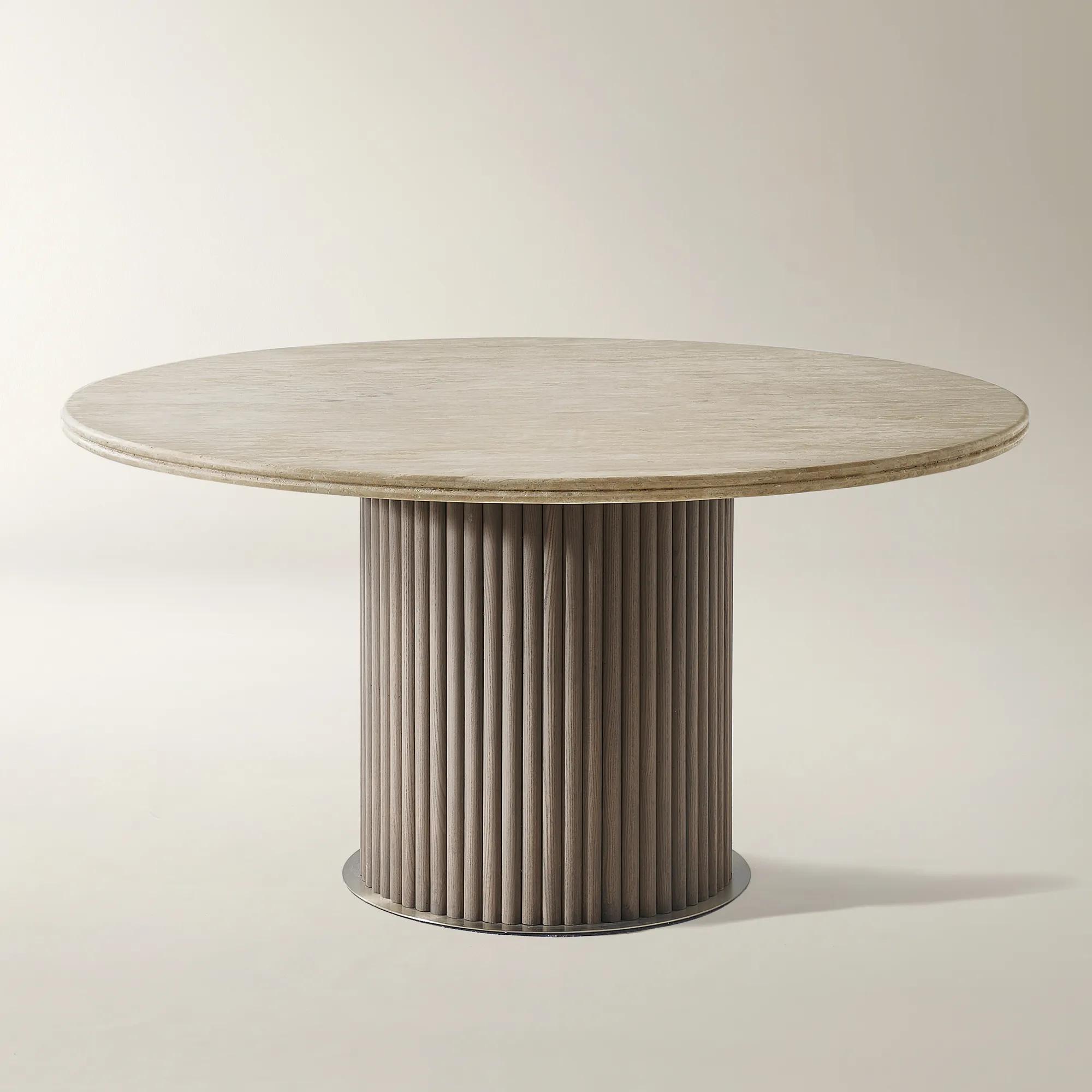 Bond Round Reeded Travertine and Wood Dining Table (59")$3499
A round dining table featuring a genuine natural travertine stone top and a fluted solid ash base.
Add To Cart -
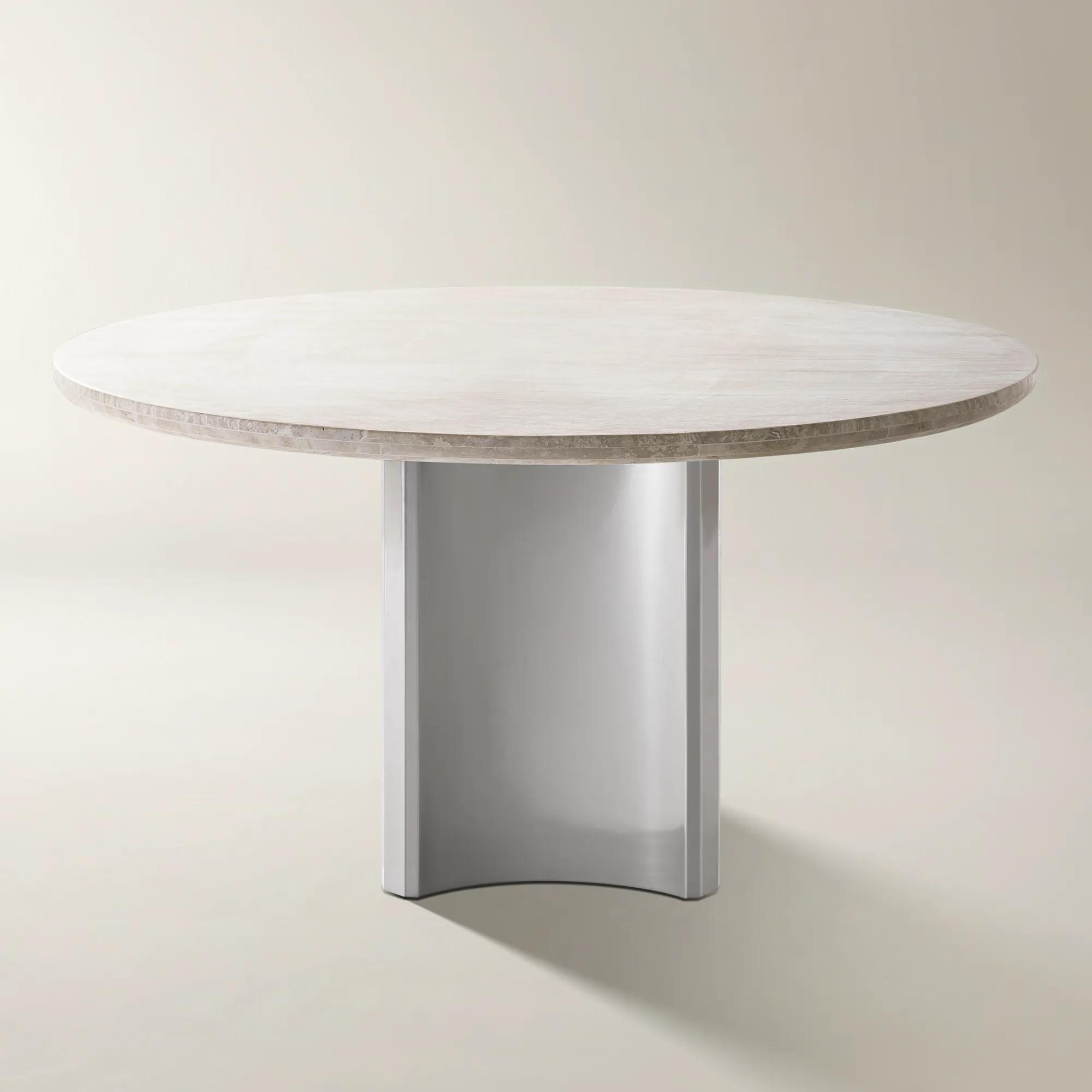 Ventane Round Tan Marble and Stainless steel Dining Table (58")$2999
A round tan travertine marble table with a polished stainless steel base for modern, elegant dining spaces.
Add To Cart -
.jpg?w=1200&h=1200)
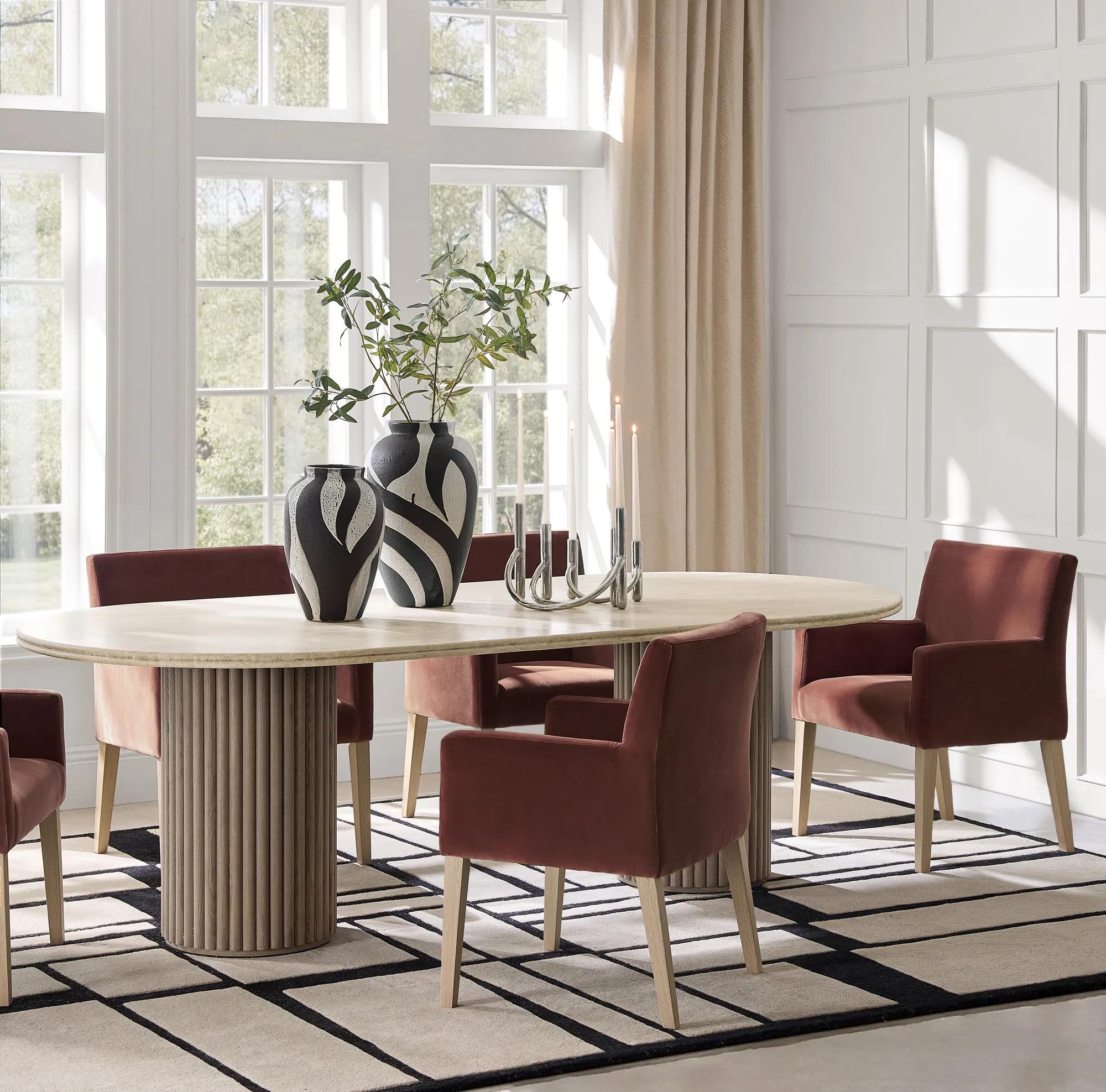 Bond Oval Reeded Travertine and Wood Dining Table (94.25")$4599
A natural travertine stone top pairs with a fluted solid ash base for refined, organic elegance.
Add To Cart -
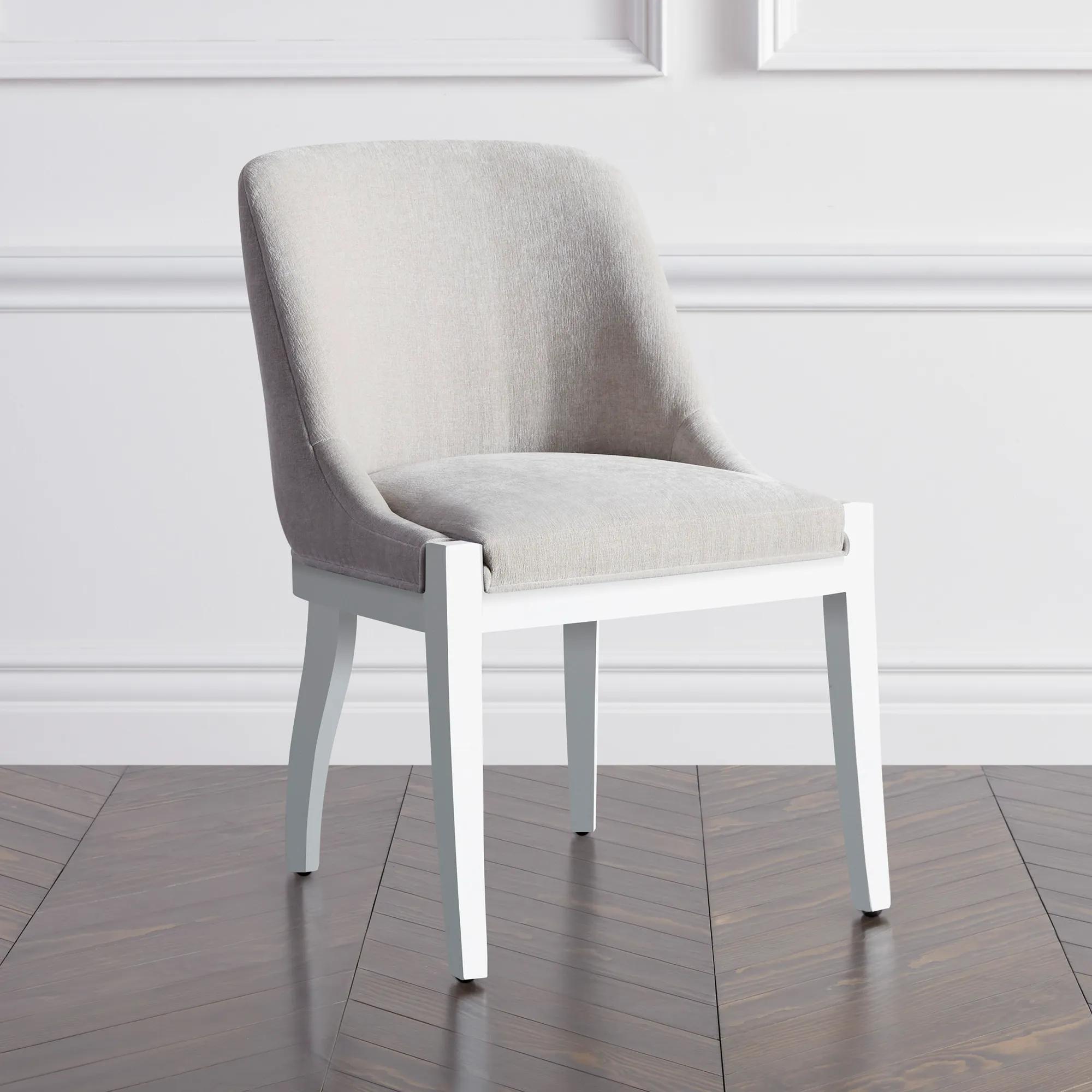
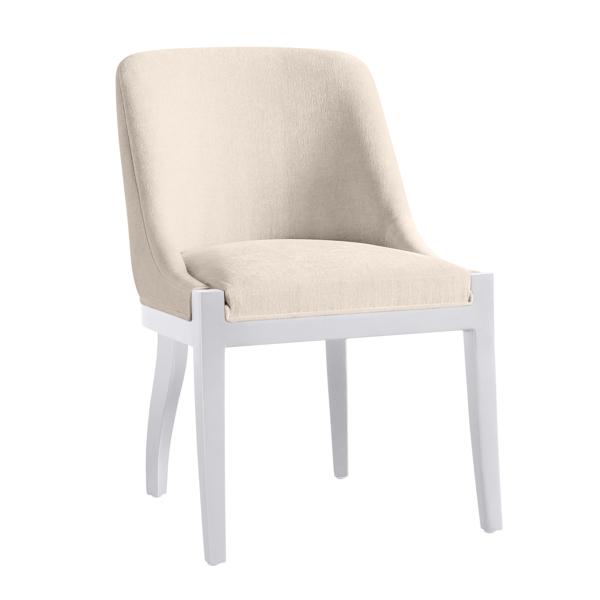 Lily Dining Chair - High Gloss White$649
A modern dining chair featuring kiln-dried hardwood, high-gloss white legs, and neatly tailored upholstery.
Add To Cart -
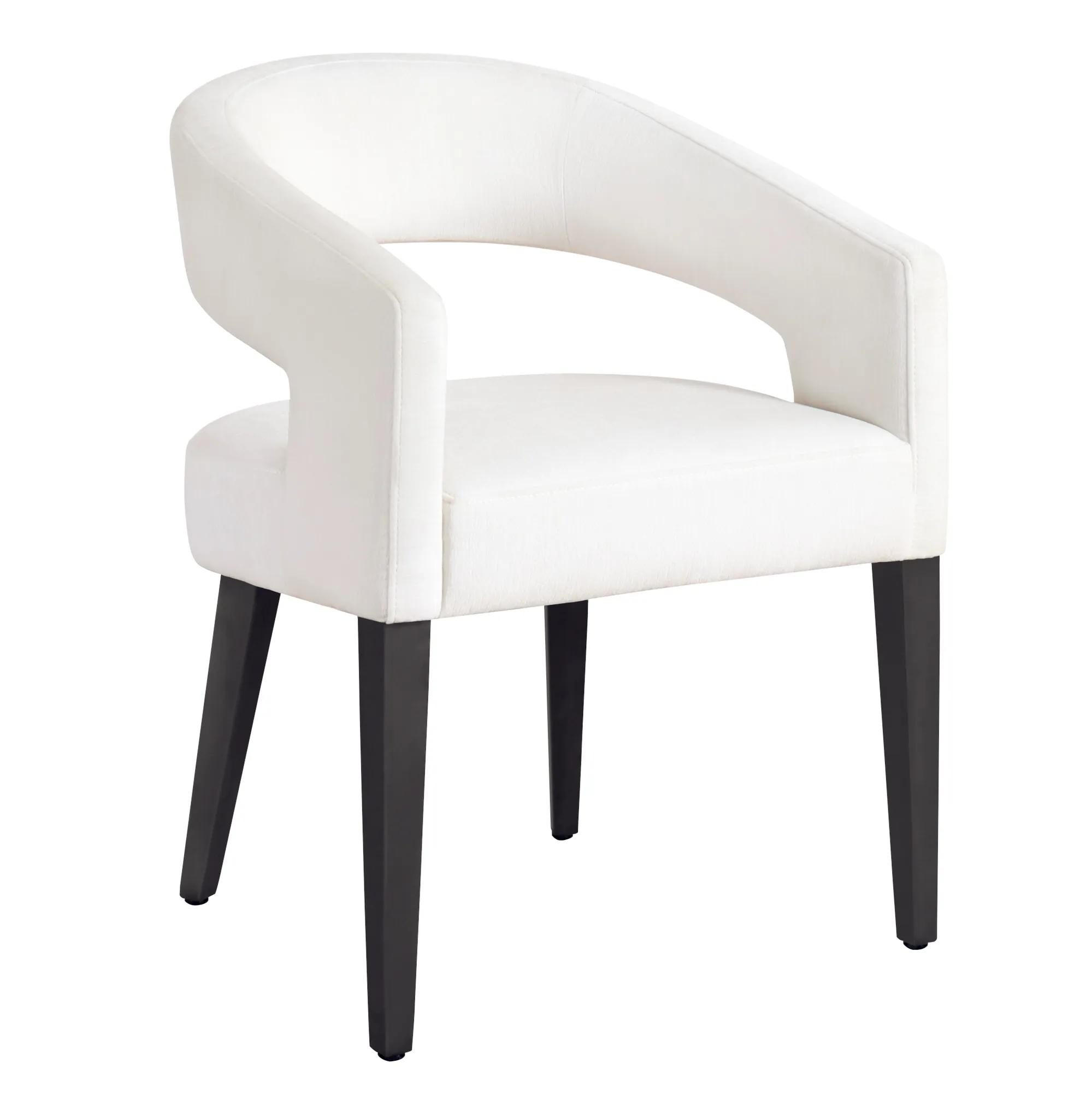
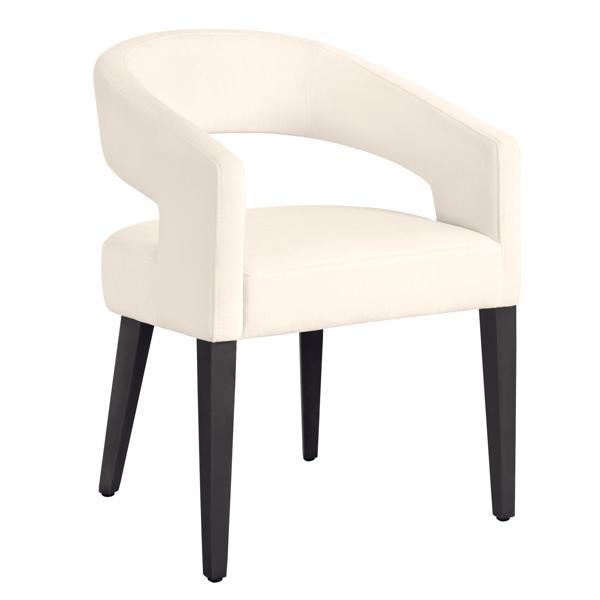 Philippa Dining Chair - Espresso$699
A modern dining chair featuring a curved silhouette, espresso legs, and neatly tailored chenille upholstery.
Add To Cart -
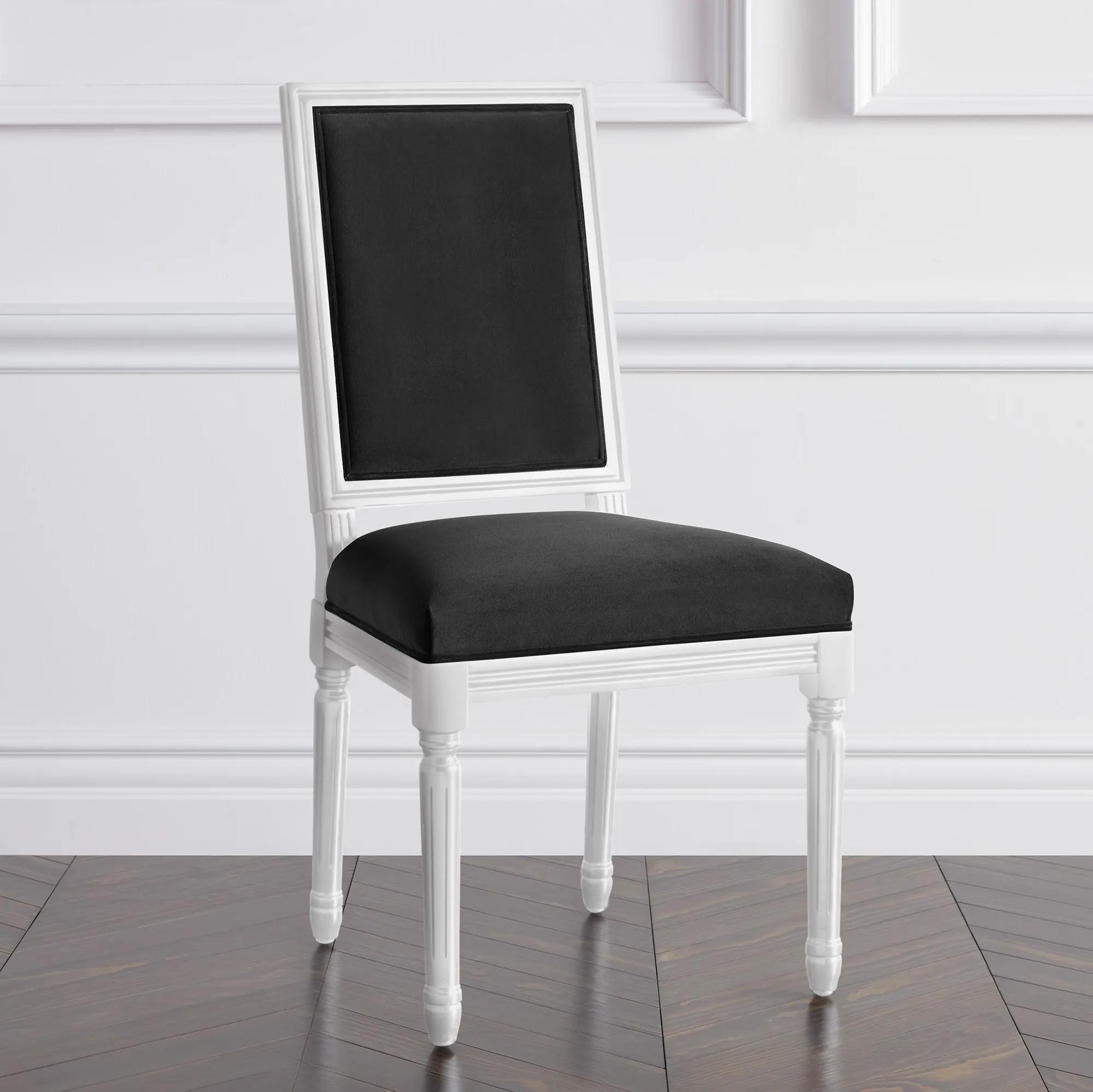
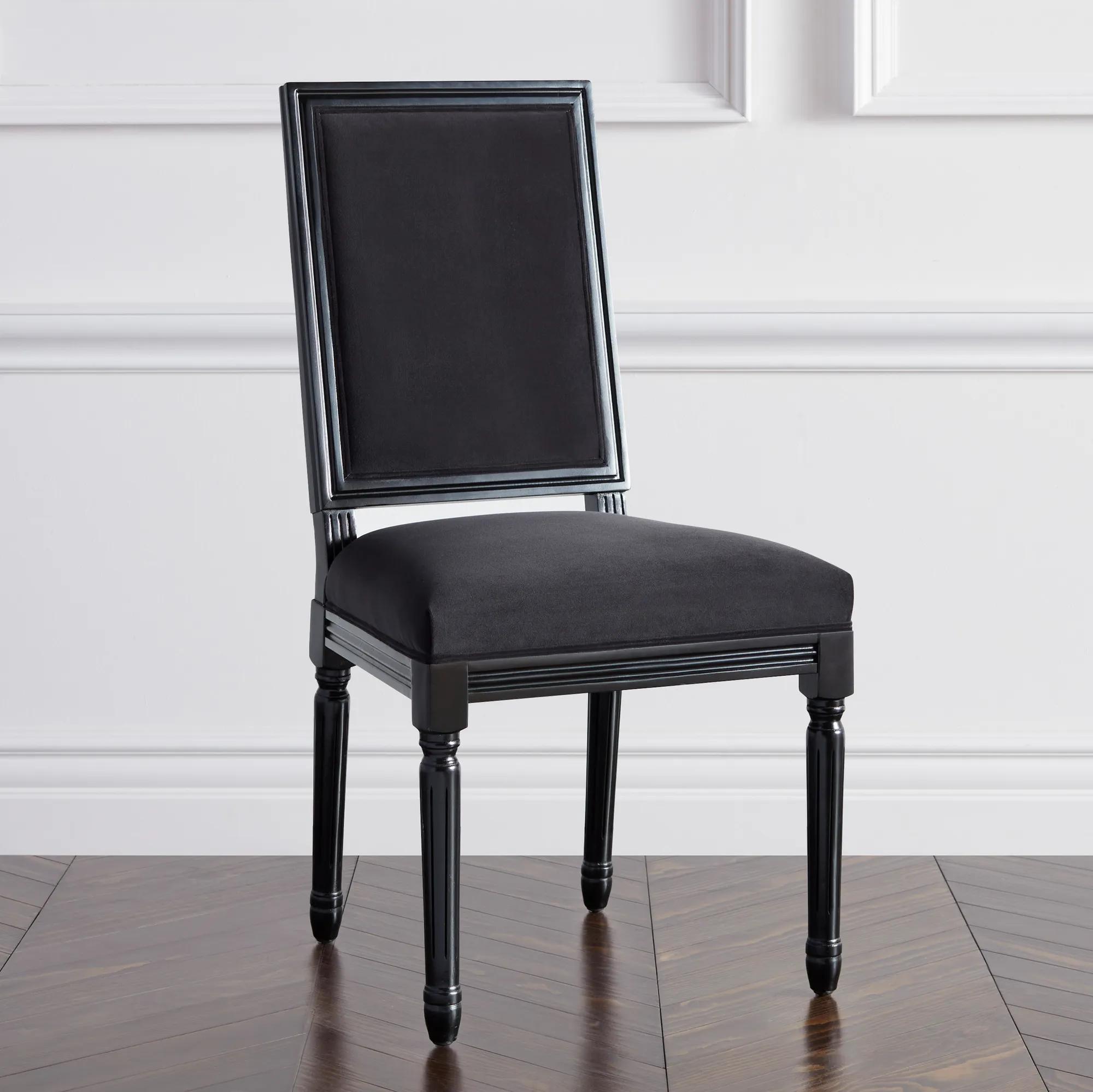
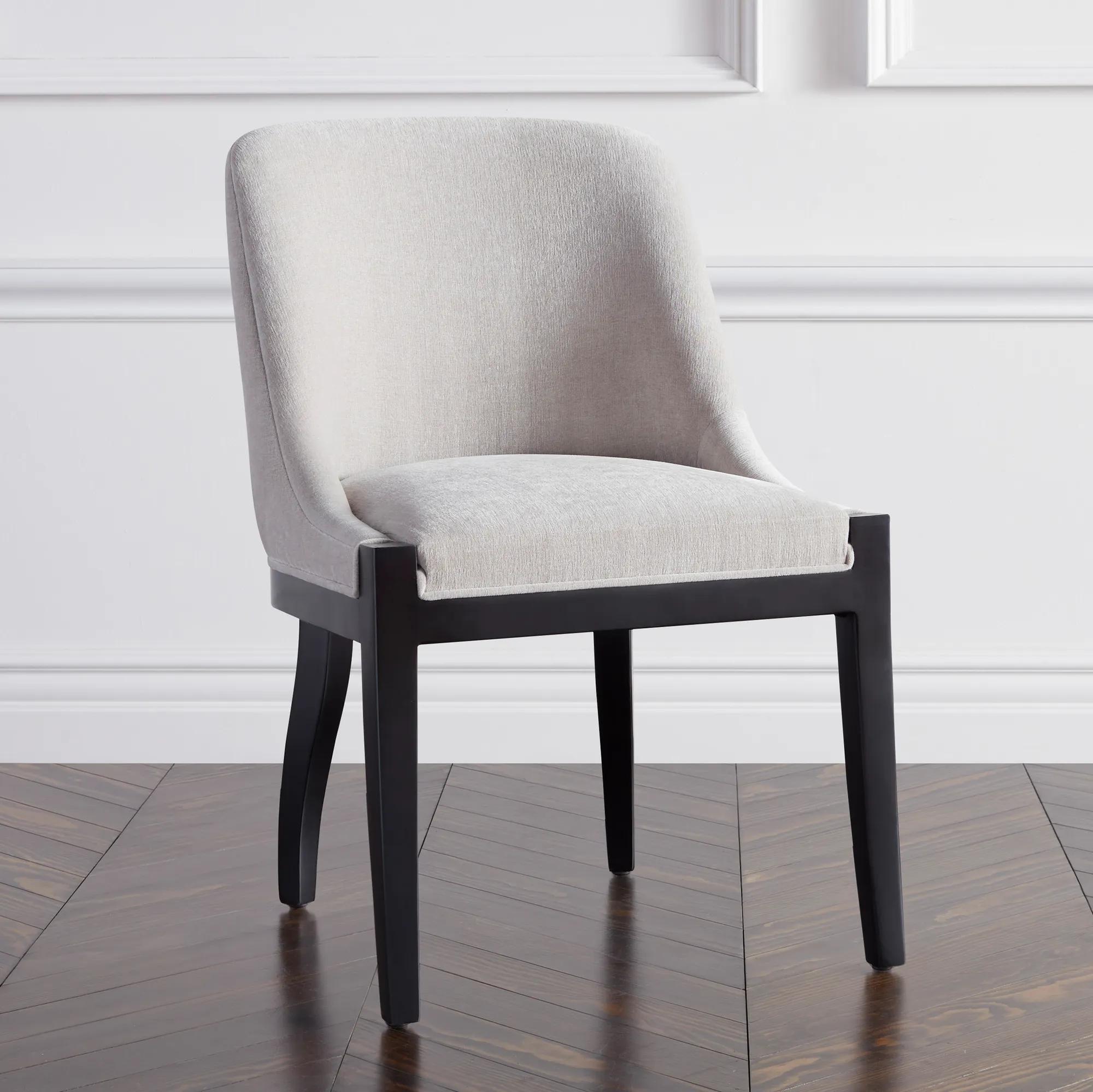 Lily Dining Chair - Matte Black$649
A modern dining chair featuring a kiln-dried hardwood frame and matte black legs with tailored upholstery.
Add To Cart -
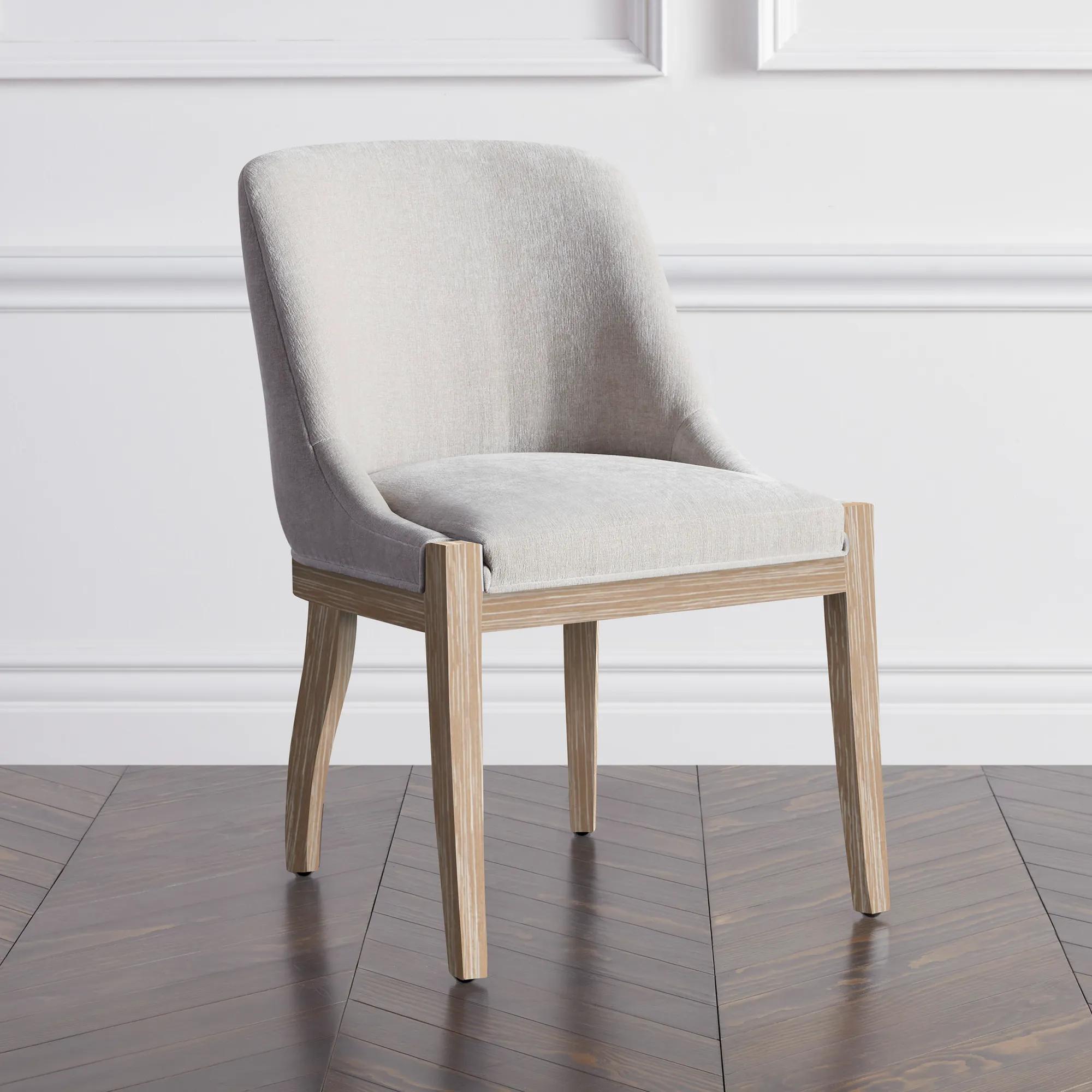
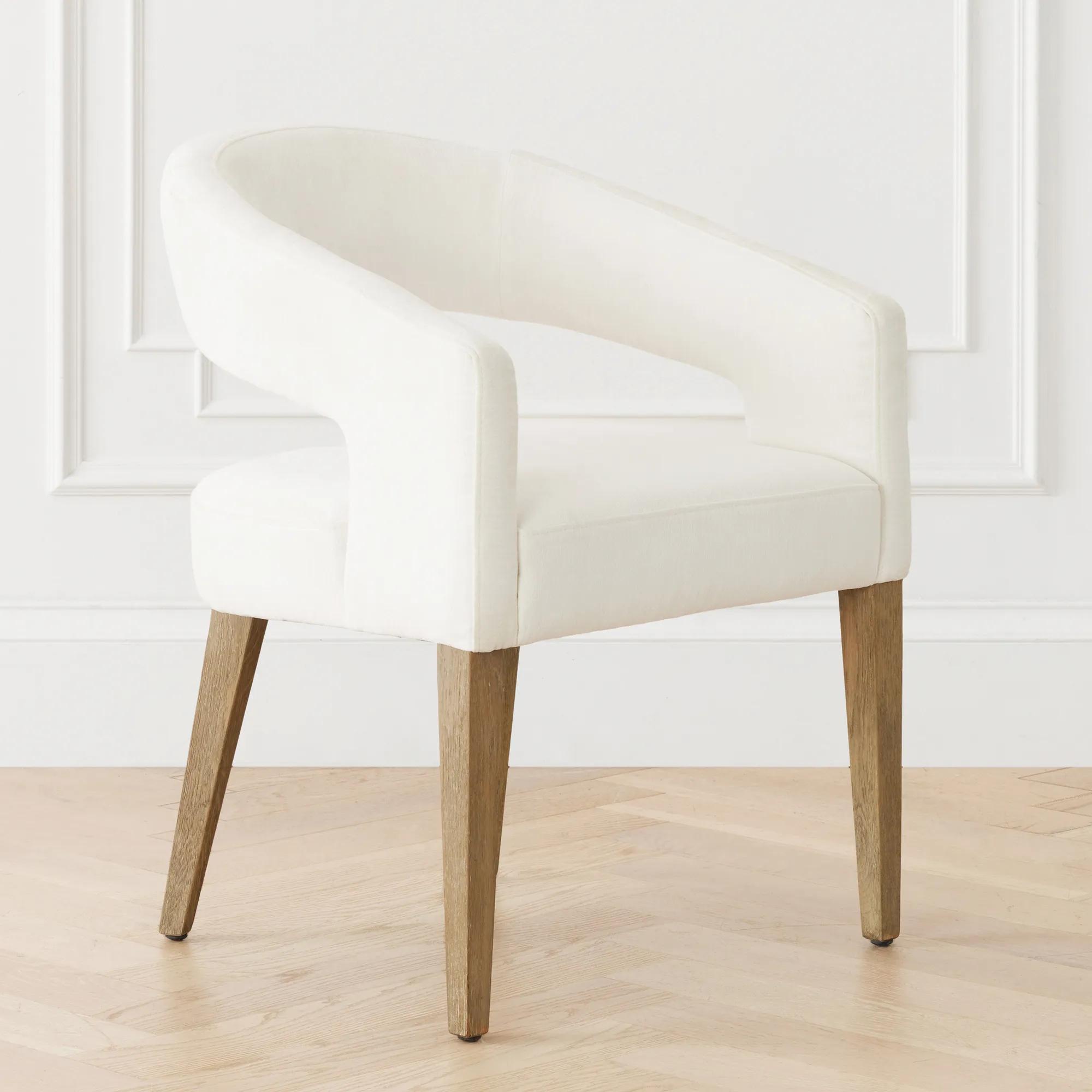 Philippa Dining Chair - Natural Grey$845
A modern dining chair featuring a curved silhouette, grey upholstery, and a kiln-dried hardwood frame.
Add To Cart -
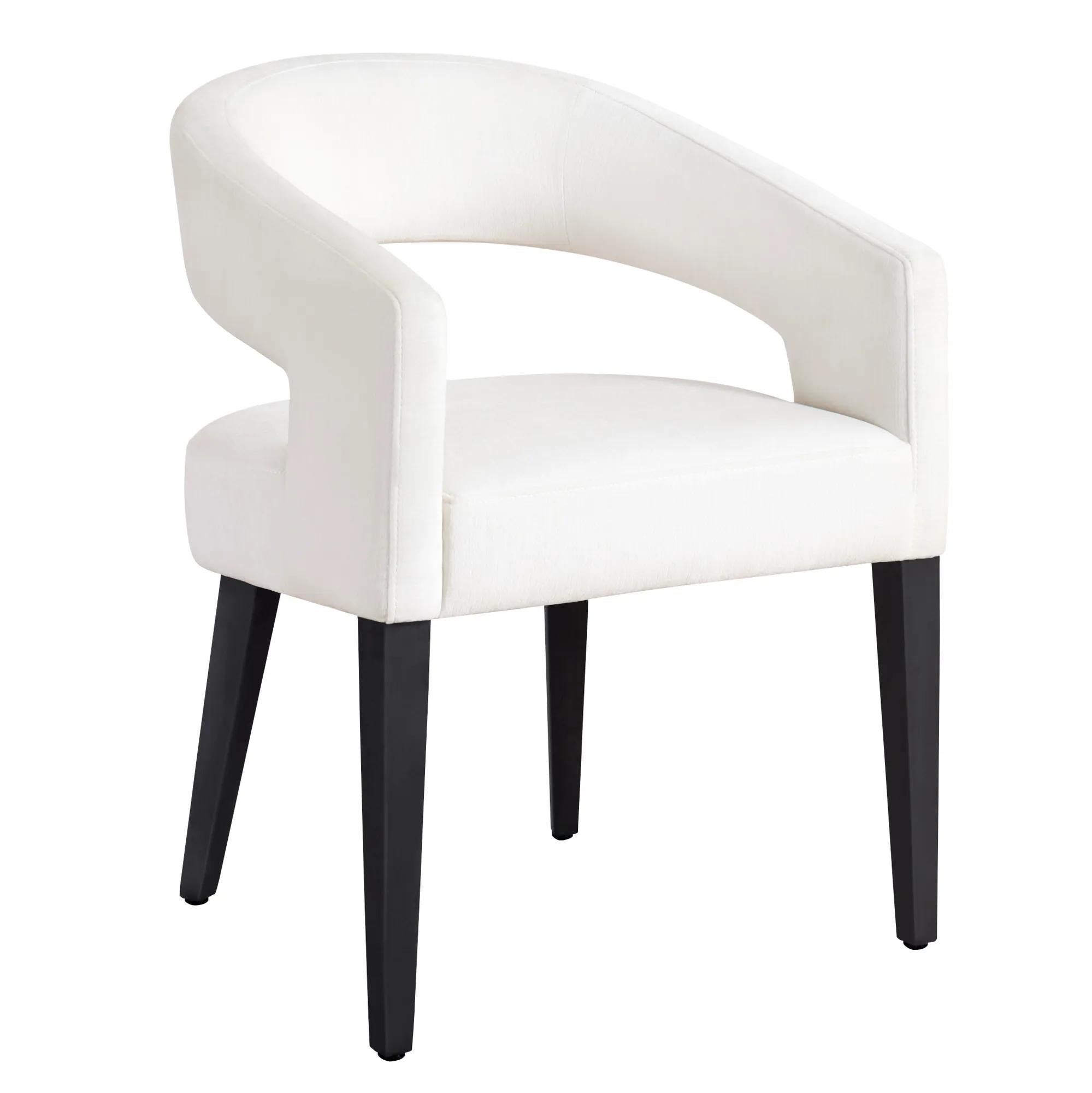
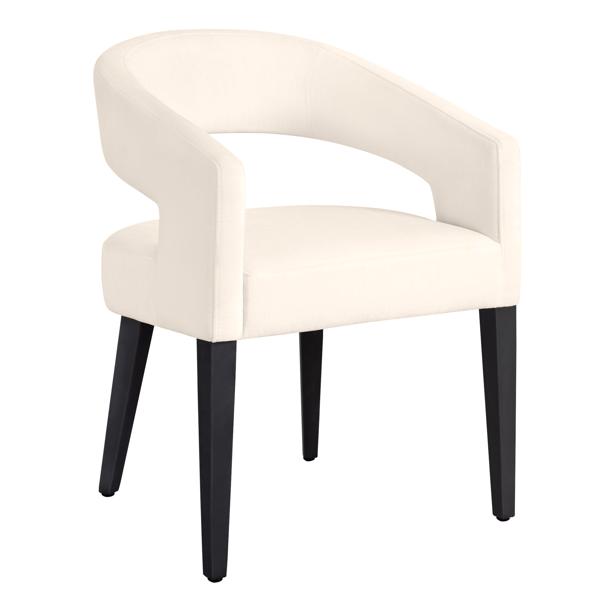 Philippa Dining Chair - Matte Black$599
A modern dining chair featuring a curved silhouette, matte black legs, and neatly tailored upholstery.
Add To Cart -
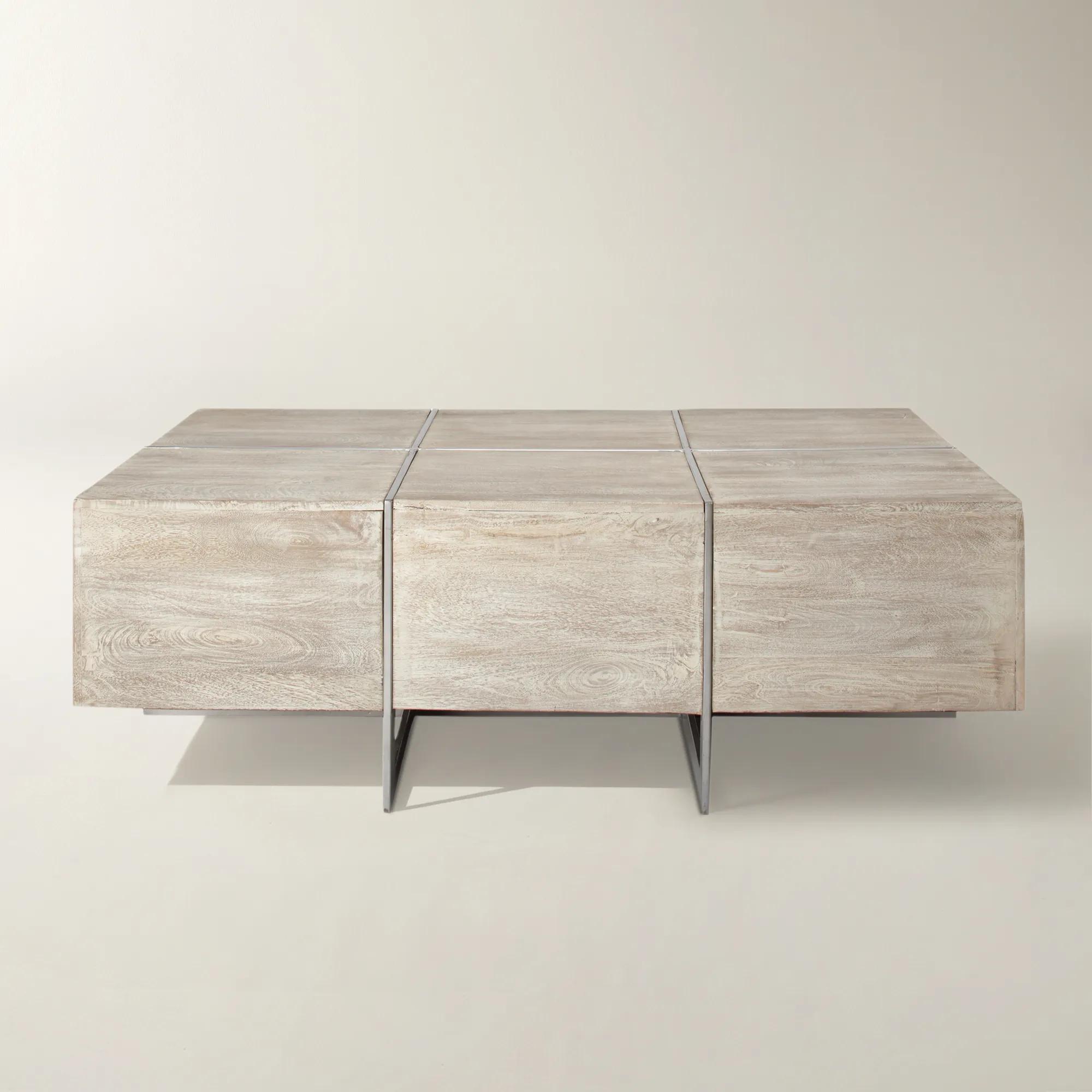
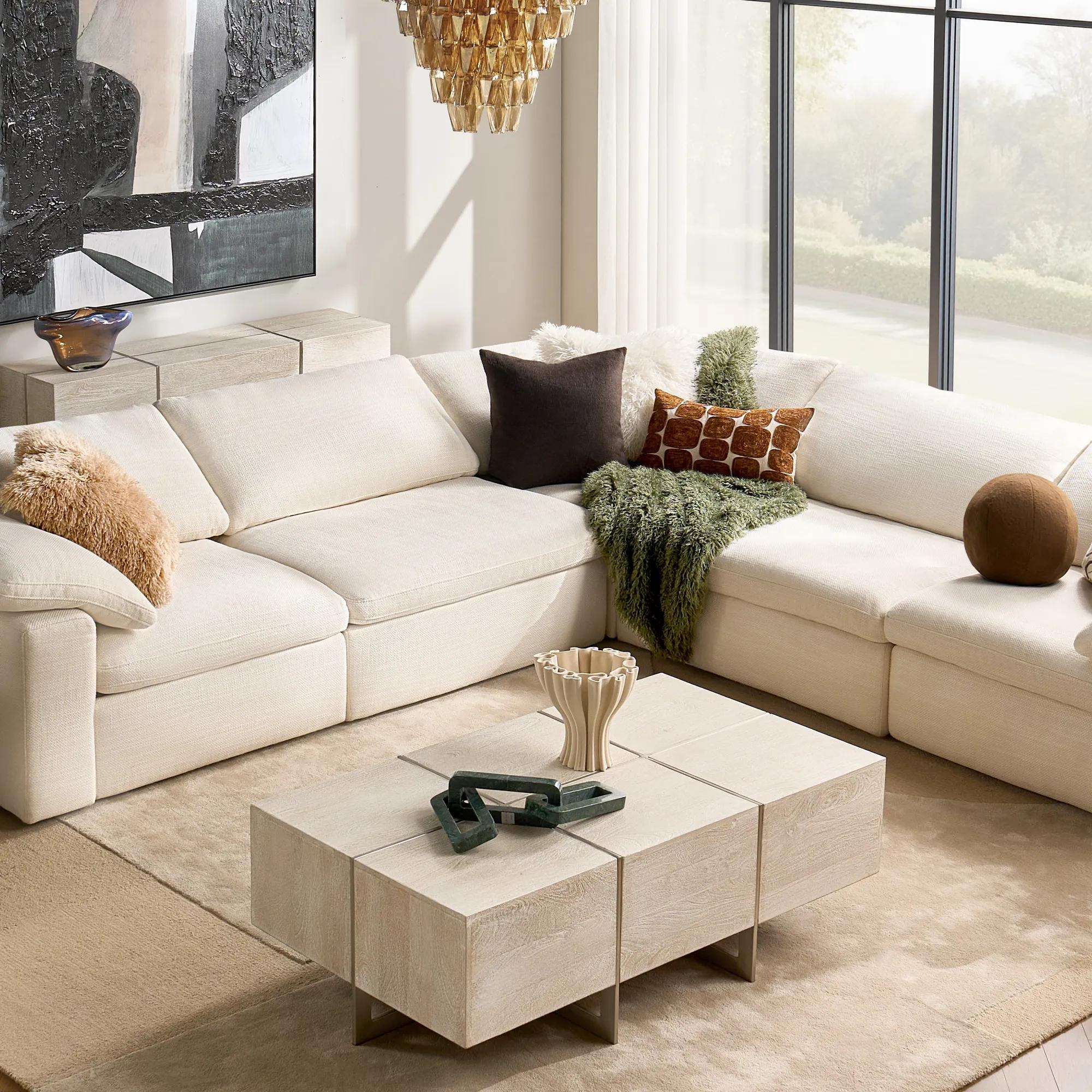 Clifton Rectangular Natural Mango Wood Coffee Table (54")$1299
A handcrafted mango wood table with a whitewashed finish and antiqued silver iron legs for organic appeal.
Add To Cart -
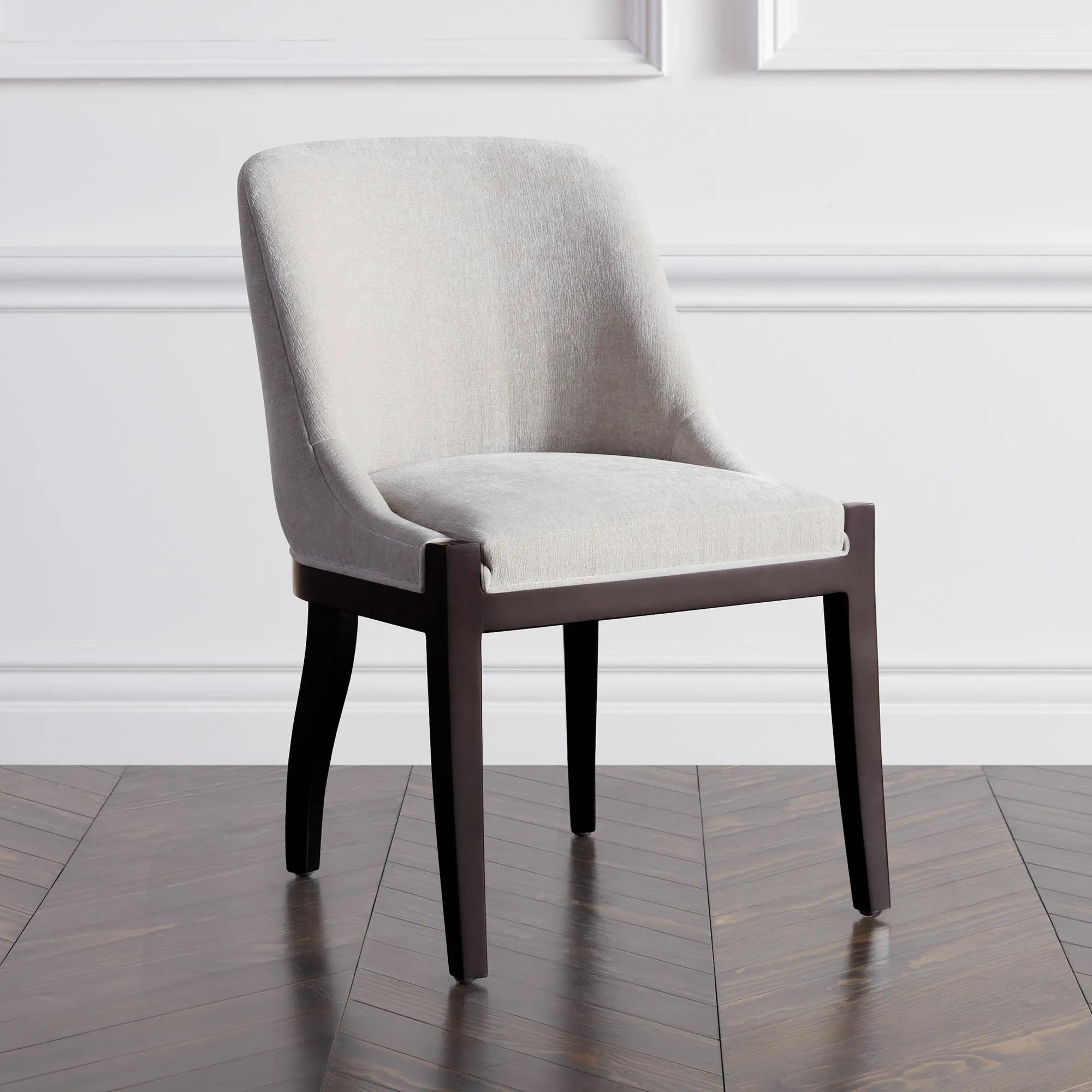
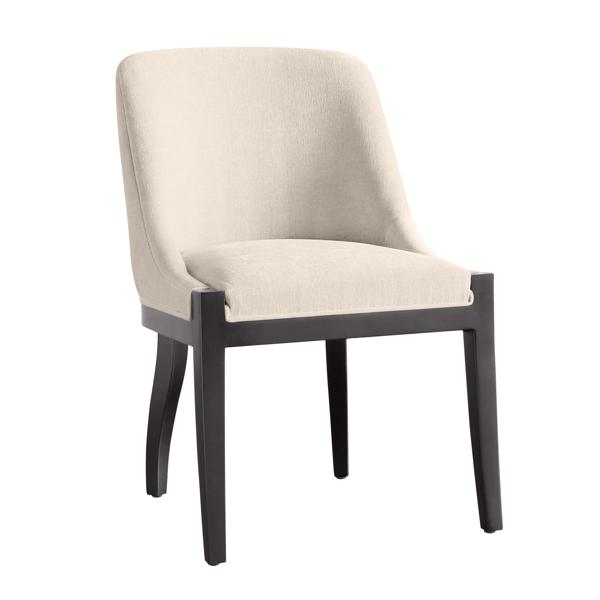 Lily Dining Chair - Espresso$649
A modern dining chair with kiln-dried hardwood frame, espresso legs, and plush tailored upholstery for comfort.
Add To Cart -
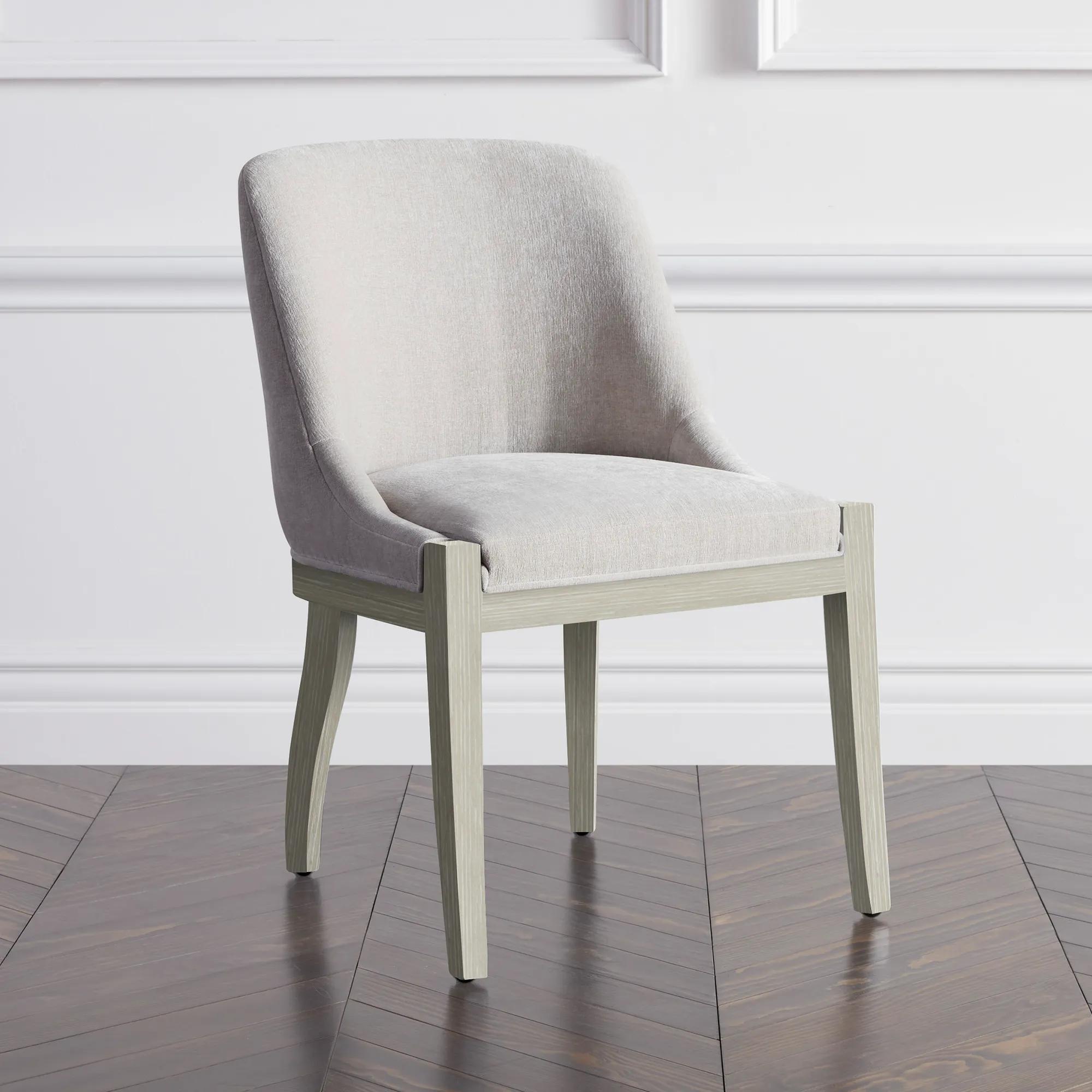 Lily Dining Chair - Natural Grey$749
A modern grey dining chair with kiln-dried hardwood frame and plush, tailored upholstery for lasting comfort.
Add To Cart

Furniture For Modern Farmhouse Dining Rooms
Furniture for Modern Farmhouse Dining Rooms is an invitation to savor the art of gathering—where rustic charm meets refined elegance in a symphony of style. Imagine a dining space layered with warmth, texture, and a hint of drama: wood grains that whisper of heritage, sculptural silhouettes that command attention, and finishes that catch the light just so. Each piece is thoughtfully curated to evoke the soulful comfort of farmhouse living, reimagined through a modern lens. The result? A dining room that feels both grounded and glamorous—a canvas for memorable meals, spirited conversation, and everyday moments elevated beyond the ordinary.
Furniture for modern farmhouse dining rooms brings together the warmth of natural wood, the ease of upholstered seating, and the definition of clean, contemporary silhouettes. The look is grounded but expressive: a generously proportioned table with visible grain, sculptural chairs in a contrasting finish, and a sideboard that gives serving pieces a beautifully composed home. Unlike a strictly rustic dining room, a modern farmhouse space balances weathered textures with refined shapes, allowing a substantial pedestal or an elegant curved chair back to make a statement without elaborate ornament. Wood dining tables often establish that balance. Oak offers distinctive grain and character, while pine generally has a softer surface that develops marks more readily with everyday use. Reclaimed wood can introduce knots, color variation, and traces of an earlier life, though its construction and finish still determine how well a table suits daily dining. Solid wood and wood veneer each deserve consideration: solid wood can sometimes be refinished, depending on its construction and finish, while a well-made veneer over a stable core delivers natural wood character with a more consistent surface. Neither material alone guarantees durability; joinery, base stability, and the protective finish matter just as much. Rectangular dining tables lend themselves to longer rooms and larger gatherings, while round tables encourage conversation and soften the geometry of a square dining area. An extension table accommodates a changing guest list without requiring a permanently expansive footprint. For comfortable placement, allow approximately 36 inches between the table edge and a wall or nearby furniture, with more clearance where people regularly pass behind occupied chairs. Measure an extending table at its full length, and account for doorways, baseboards, and the space needed to open a neighboring cabinet. The most compelling centerpiece is not simply the largest table a room can hold. It is one that feels generous when dinner is served and leaves the surrounding space poised, open, and easy to move through.
Dining chairs shape both the atmosphere of the room and the experience of lingering at the table. A pale wood surface paired with dark, slender chair frames creates crisp contrast; upholstered end chairs introduce a more sumptuous note without overwhelming the natural materials around them. Mixed dining seating feels deliberate when a shared element, such as a curved back, a similar wood undertone, or a repeated fabric color, connects the different silhouettes. Cream, warm gray, charcoal, and soft taupe offer a sophisticated foundation, leaving grain, weave, and shape to supply the drama. Linen and linen-blend upholstery bring tactile variation, while velvet lends depth and a subtle play of light to an otherwise earthy setting. For households where the dining table hosts breakfast, homework, and evening entertaining, evaluate upholstery by its stated cleaning requirements and suitability for frequent use rather than appearance alone. Performance fabrics vary, and stain resistance does not mean a fabric is impervious to spills. Woven cane adds an airy architectural detail, but it requires different care from a fully upholstered seat and should be protected from concentrated pressure. Comfort depends on proportions as much as padding. Many dining tables stand approximately 28 to 30 inches high, and a seat-to-tabletop difference of roughly 10 to 12 inches is a useful starting point, though seat compression and the table apron can affect legroom. Armchairs should slide beneath the apron if they are intended to tuck in, and pedestal or trestle bases should leave adequate foot space at every place setting. Allow about 24 inches of table edge per diner, increasing that allowance for wider chairs or a more spacious arrangement. A dining bench offers a continuous silhouette and flexible seating, particularly along a wall, but guests may find individual chairs easier to enter and leave. Check the distance between table legs before choosing a bench intended to nest underneath. These details make the difference between a room that photographs beautifully and one that feels equally considered through a long, candlelit dinner.
Sideboards, buffets, and dining cabinets complete a modern farmhouse dining room by giving its collected textures a sense of order. A low, substantial cabinet anchors an open wall and provides a surface for serving dishes, while drawers and adjustable shelves keep flatware, linens, and larger platters close to the table. Shallow storage can be especially useful in a narrow room, provided the interior dimensions accommodate the pieces it needs to hold. Check drawer extension and door swing against nearby chairs, and leave enough standing room to retrieve a serving bowl without disrupting seated guests. Glass-front cabinets turn everyday tableware into a quiet display; closed fronts create a calmer backdrop when the room also serves as a workspace or a route between the kitchen and living area. Follow manufacturer instructions for anchoring storage furniture, particularly taller cabinets. Finish combinations can give this practical furniture an artful presence: warm wood beside ivory upholstery, a dark cabinet beneath luminous artwork, or restrained metallic hardware against a softly textured door front. In an open floor plan, repeating one or two of those tones in the adjoining seating area creates continuity without making every piece match. The silhouettes and upholstery of modular sofas for modern farmhouse living rooms can extend that conversation, connecting the dining space to a lounge arranged for relaxed entertaining. During the cooler months, this relationship feels particularly inviting as gatherings move from a generous meal to conversation nearby. Preserve the character of dining furniture with care suited to its materials: use coasters and heat-resistant trivets, blot spills promptly, and follow the recommended cleaning method for each finish and fabric. Avoid placing wood furniture directly beside heating vents or in prolonged direct sunlight, which can contribute to movement or fading. Vacuum upholstered seating with an appropriate attachment, and check care labels before applying cleaners. With thoughtful proportions, tactile contrasts, and construction suited to its intended use, modern farmhouse dining room furniture creates a setting that welcomes daily rituals while holding its own on more celebratory evenings.
FAQs
Modern farmhouse dining room furniture combines the rustic charm of natural wood, distressed finishes, and artisanal craftsmanship with clean lines and contemporary silhouettes. The look is inviting yet elevated, often mixing textures like linen and jute with sturdy wooden tables and a curated blend of seating to create a space that feels both timeless and fresh.
To achieve a cohesive modern farmhouse aesthetic, focus on a unifying element such as color palette, material, or finish. Pair upholstered chairs with wooden benches in complementary tones, or use similar fabrics and textures throughout. This curated mix brings visual interest and a sense of collected charm, while maintaining harmony in the overall design.
Solid woods such as oak, pine, or reclaimed timber are ideal for modern farmhouse dining tables, offering both durability and character. Distressed or lightly finished surfaces highlight the natural grain, while metal or iron accents can add a subtle industrial edge that enhances the contemporary feel.
Embrace the cozy spirit of winter by layering your dining table with textured linen runners, chunky knit throws draped over benches, and warm candlelight. Incorporate natural elements like evergreen branches or pinecones in your centerpiece, and choose dinnerware with subtle metallic or earthen tones to reflect the season’s warmth and elegance.
Absolutely. The modern farmhouse style is inherently versatile, offering a welcoming backdrop for both relaxed family meals and sophisticated dinner parties. The blend of comfort-focused seating and statement-making tables allows you to adapt the space effortlessly, ensuring that every gathering feels special and uniquely yours.