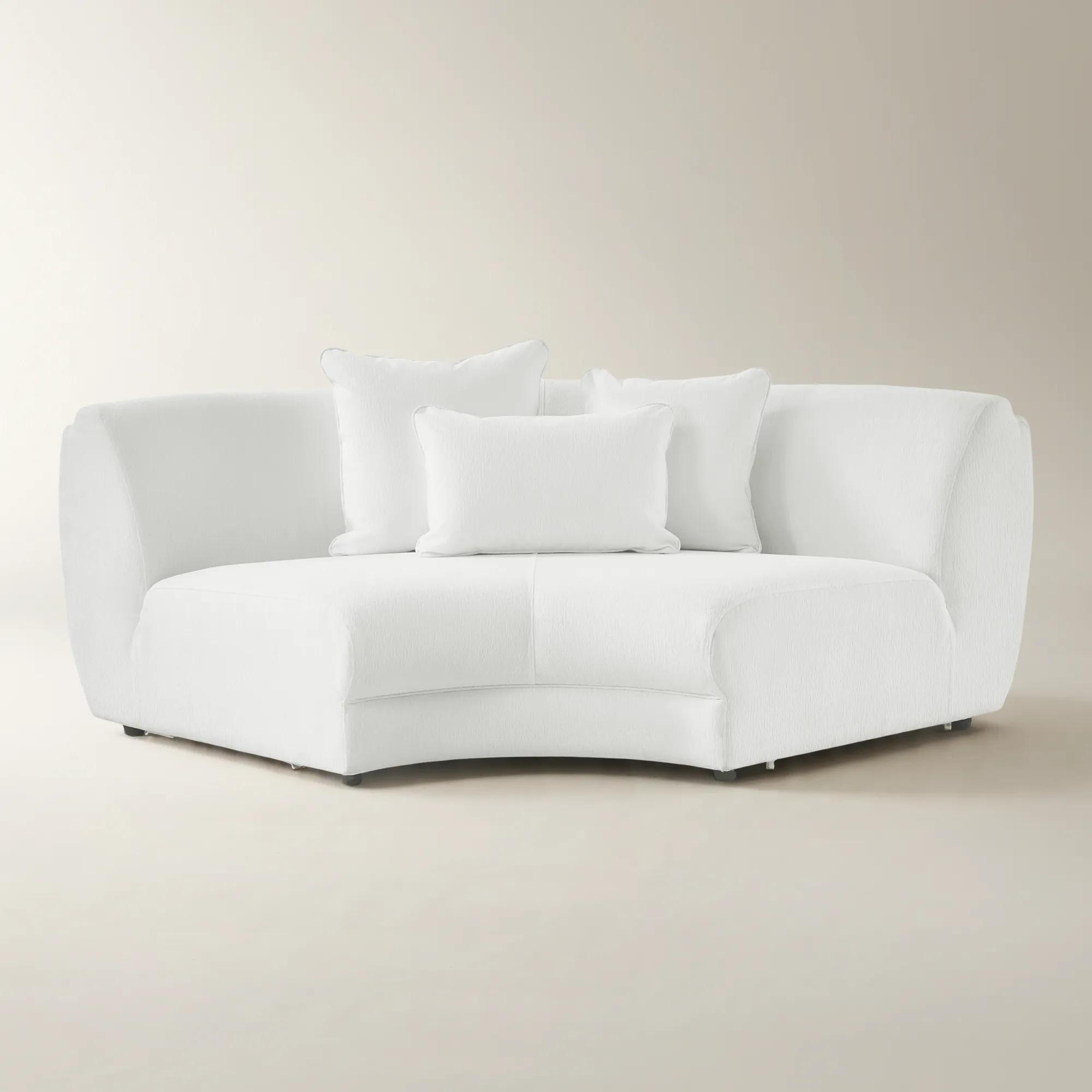
Modular Sofas For Modern Farmhouse Living Rooms
Modular Sofas For Modern Farmhouse Living Rooms
-
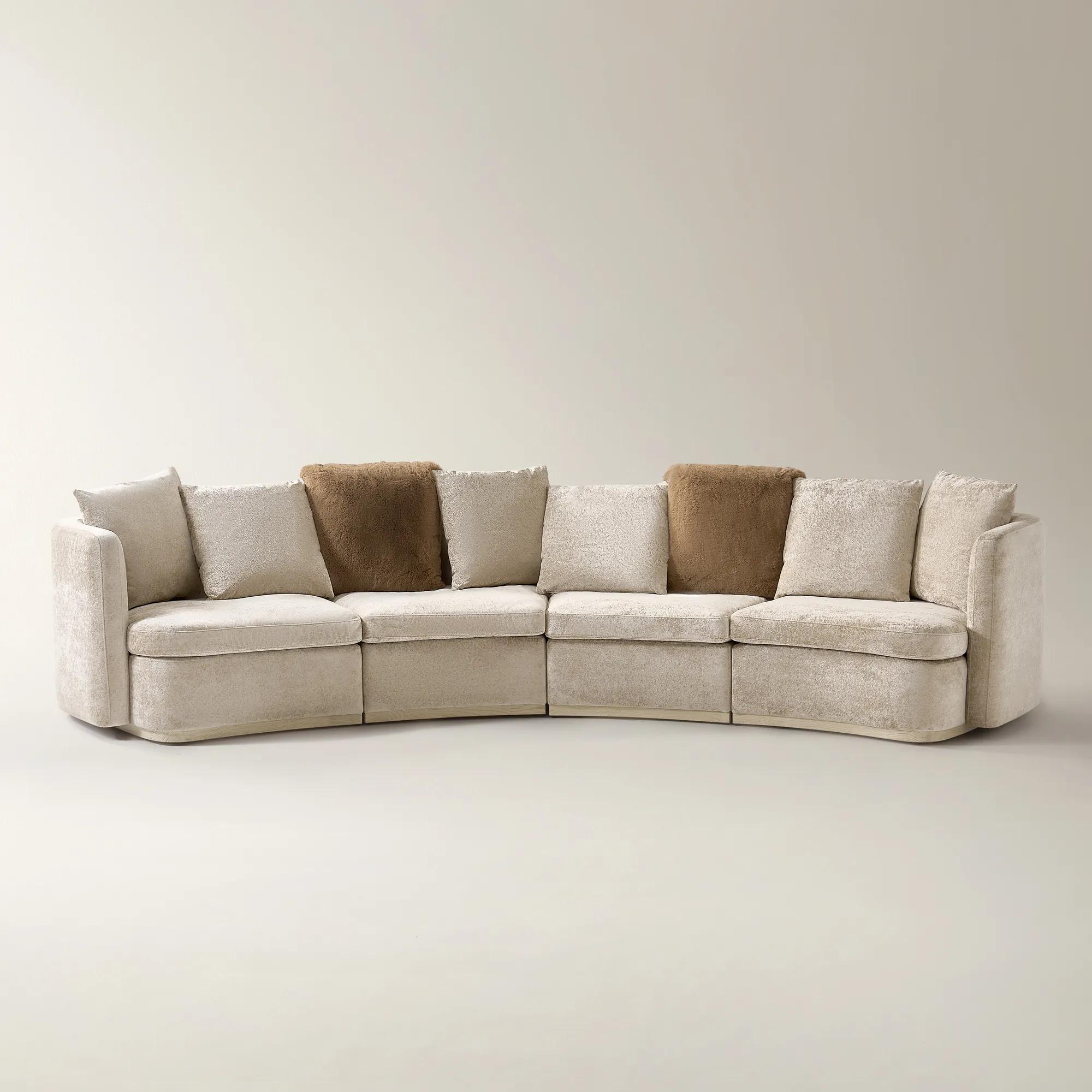 Stria 4-Piece Light Brown Chenille Sectional Sofa$4499
A light brown chenille sectional with a curved silhouette, triple-layer cushioning, and kiln-dried oak frame.
Add To Cart -
 Stria 3-Piece Light Brown Chenille Sectional Sofa$3399
A light brown chenille sofa with triple-layer cushioning and a kiln-dried oak frame for lasting comfort.
Add To Cart -
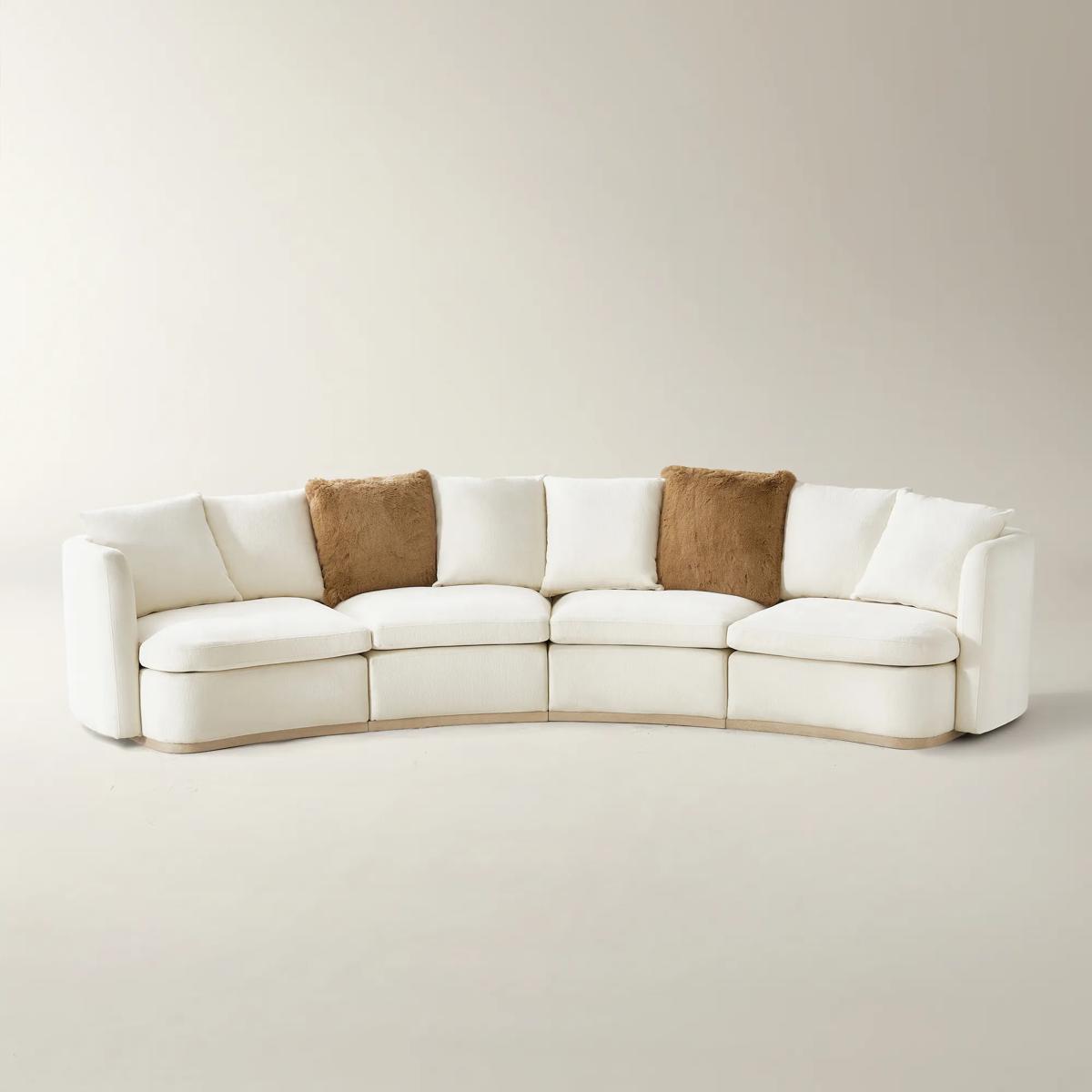
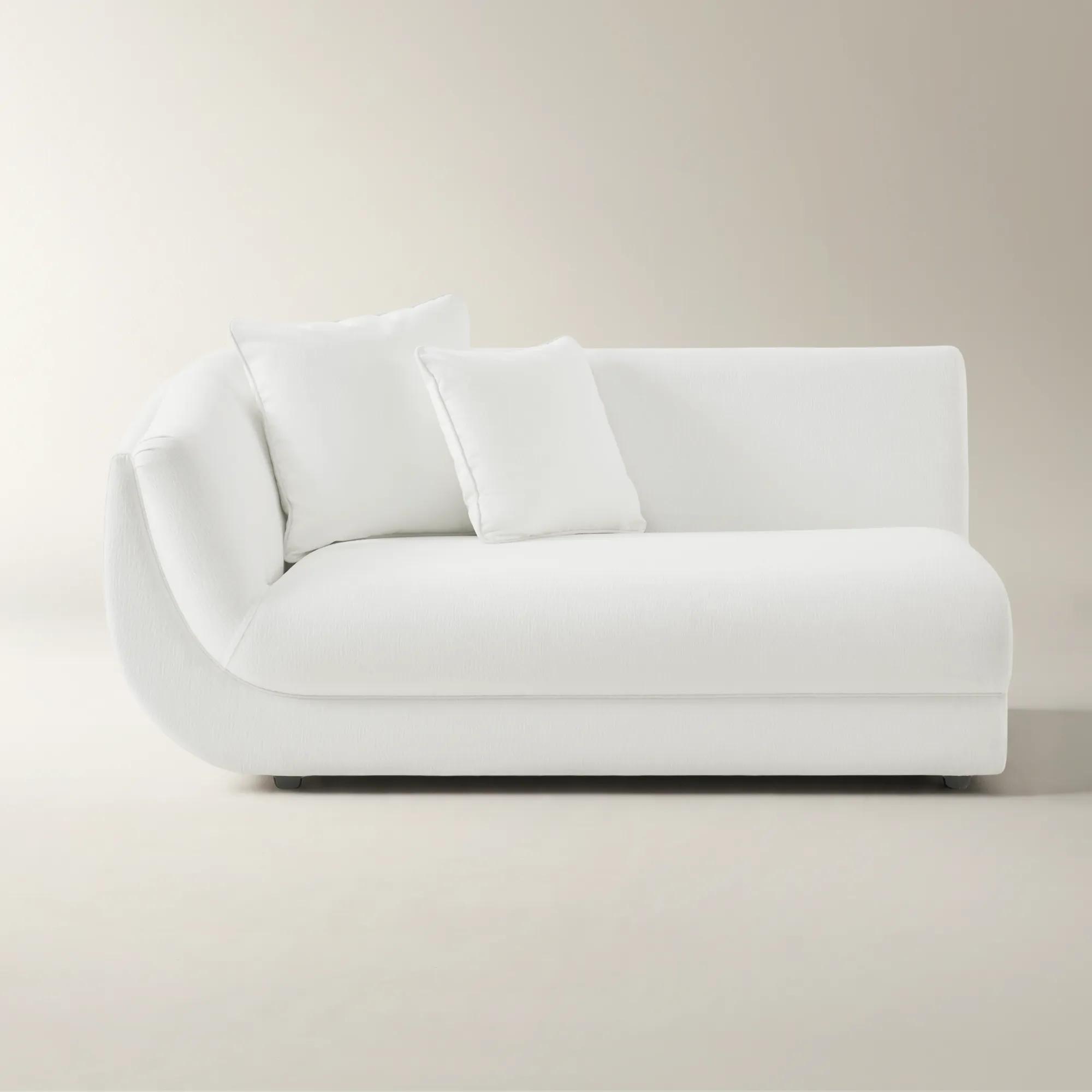
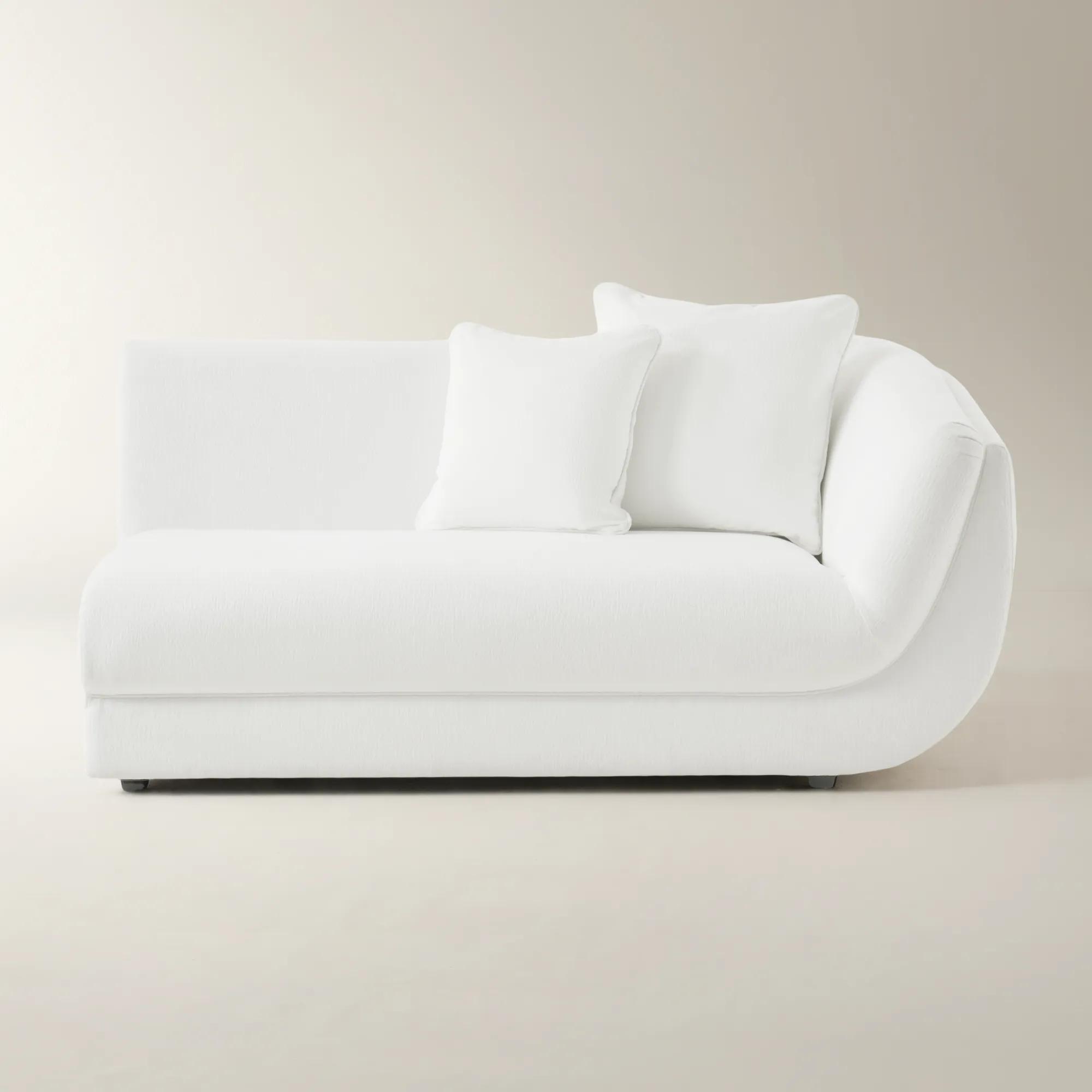
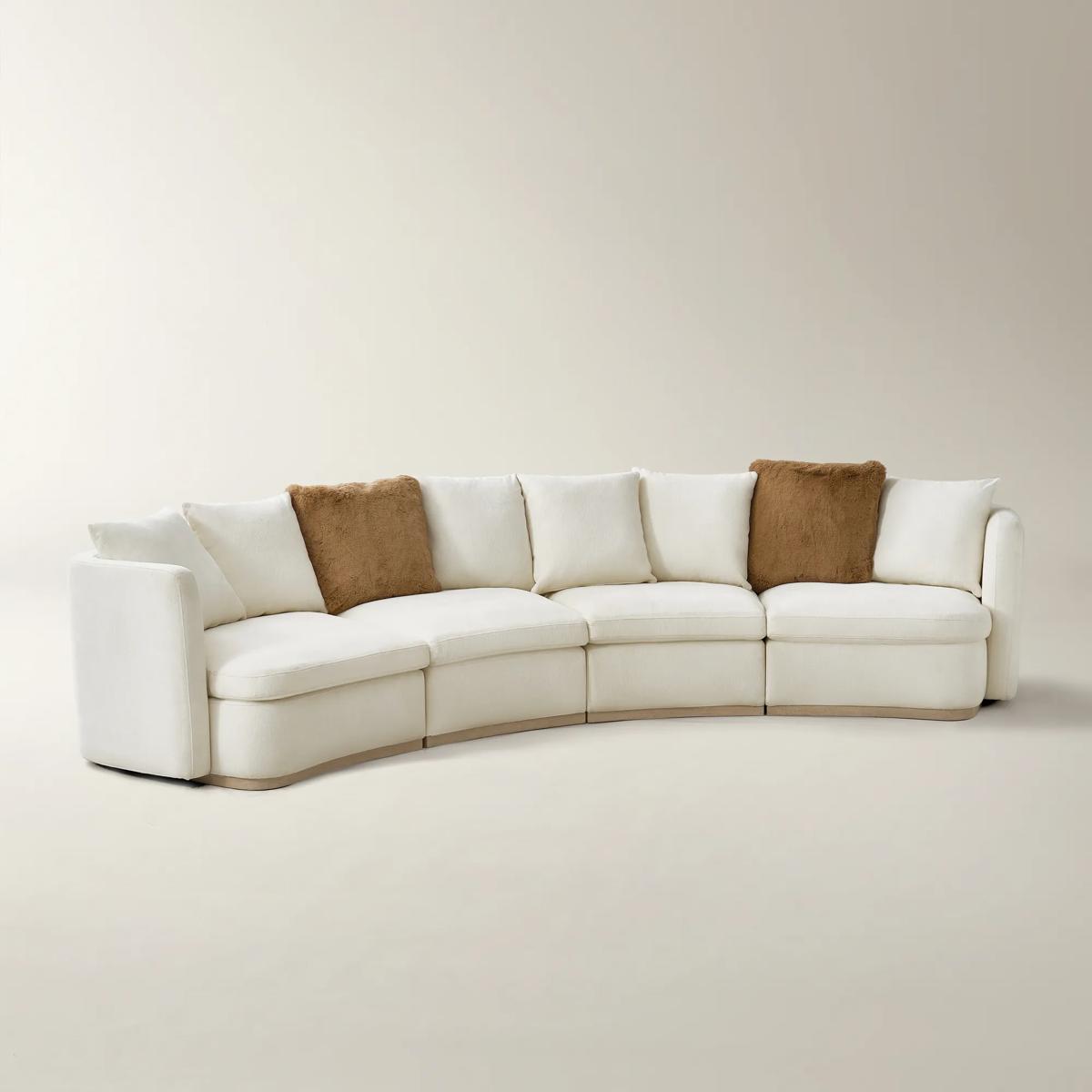 Stria 4-Piece Ivory Chenille Sectional Sofa$4499
An elegantly curved ivory chenille sectional with triple-layer cushioning and a kiln-dried solid oak frame.
Add To Cart -
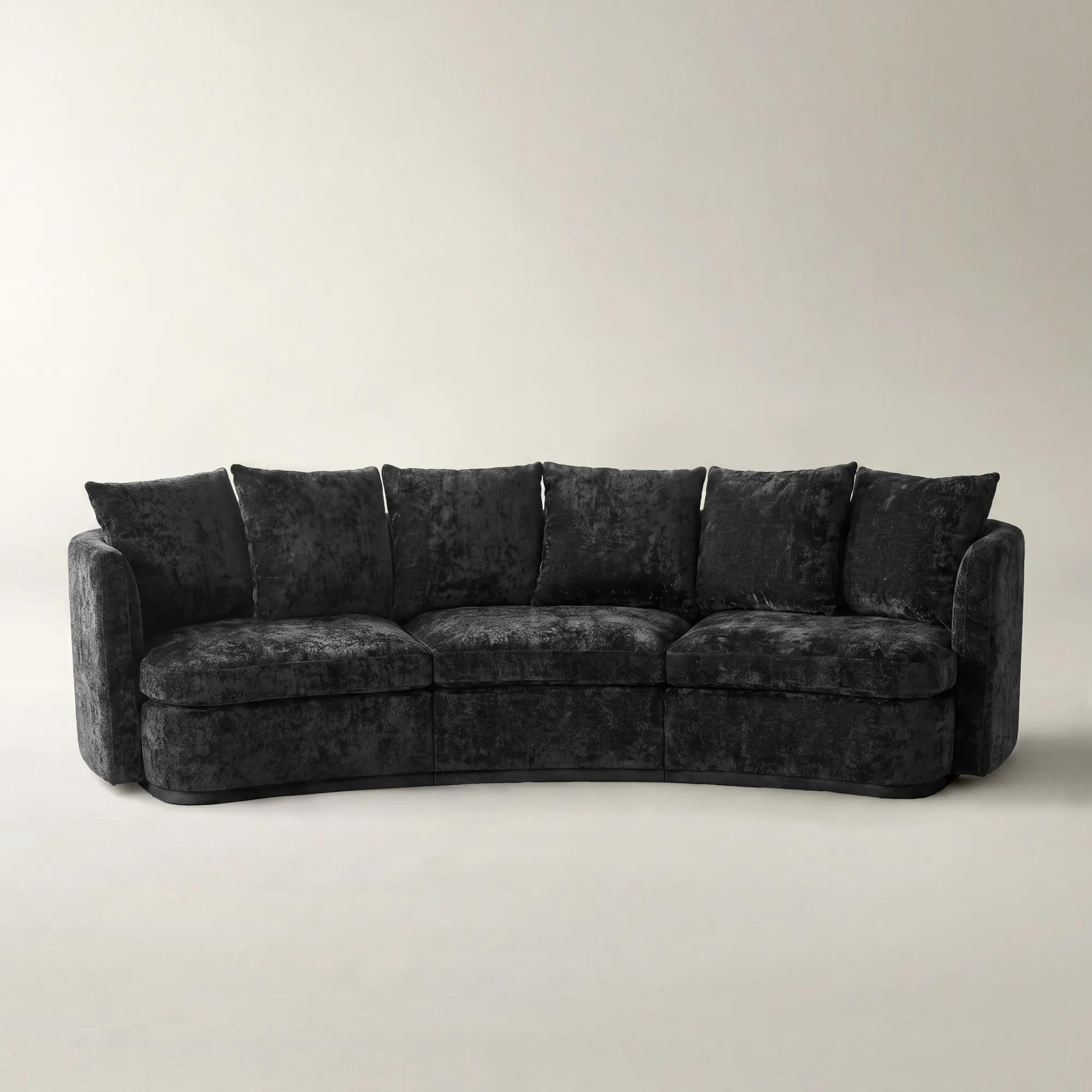 Stria 3-Piece Black Chenille Sectional Sofa$3399
A sculptural black chenille sectional with modular connectors, kiln-dried wood construction, and layered foam-down cushioning.
Add To Cart -
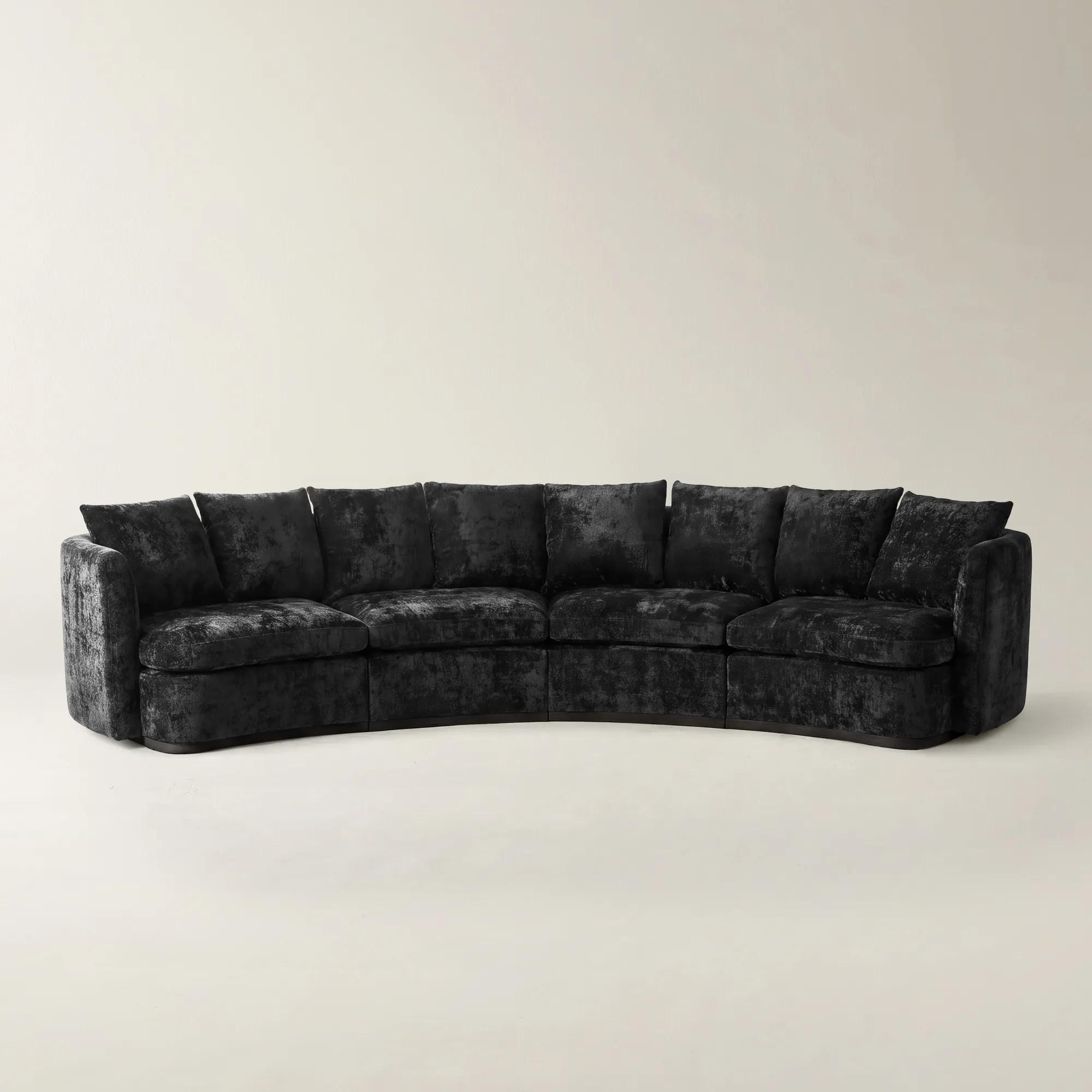
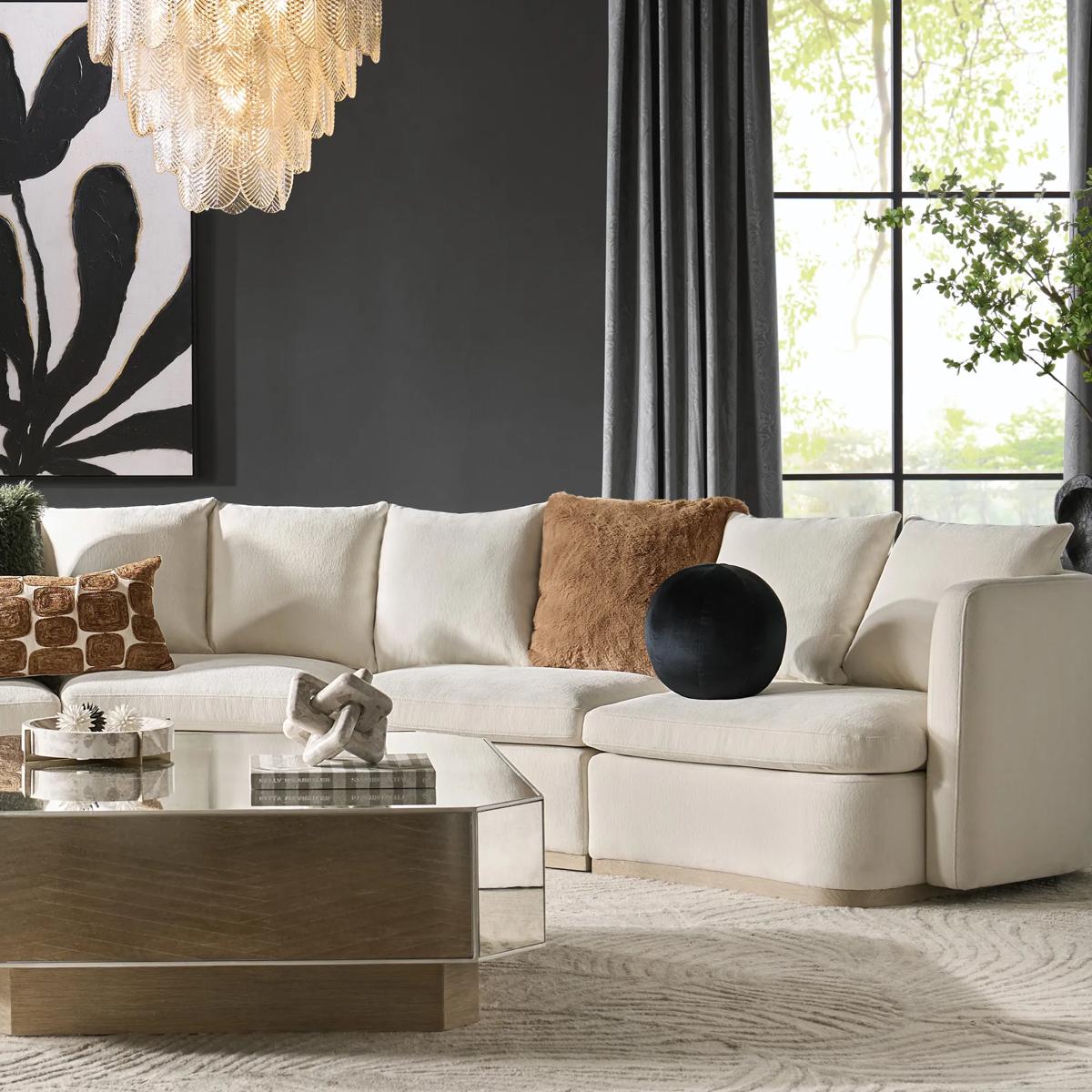 Stria 4-Piece Black Chenille Sectional Sofa$4499
A sculptural black chenille sectional featuring modular construction, curved edges, and layered foam-and-down cushioning.
Add To Cart -
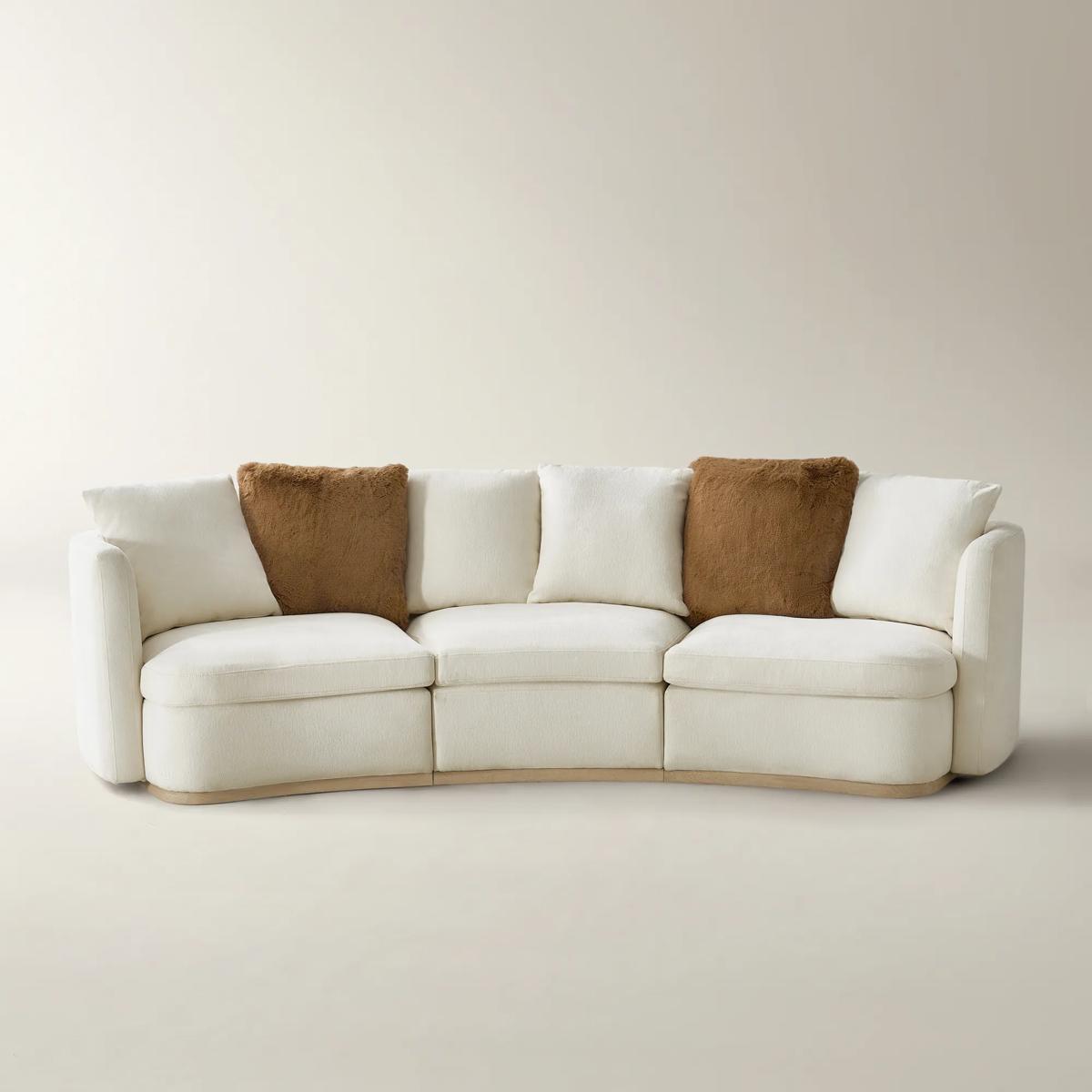 Stria 3-Piece Ivory Chenille Sectional Sofa$3399
An ivory chenille sofa featuring a sculptural curved design, triple-layer cushioning, and a kiln-dried oak frame.
Add To Cart -
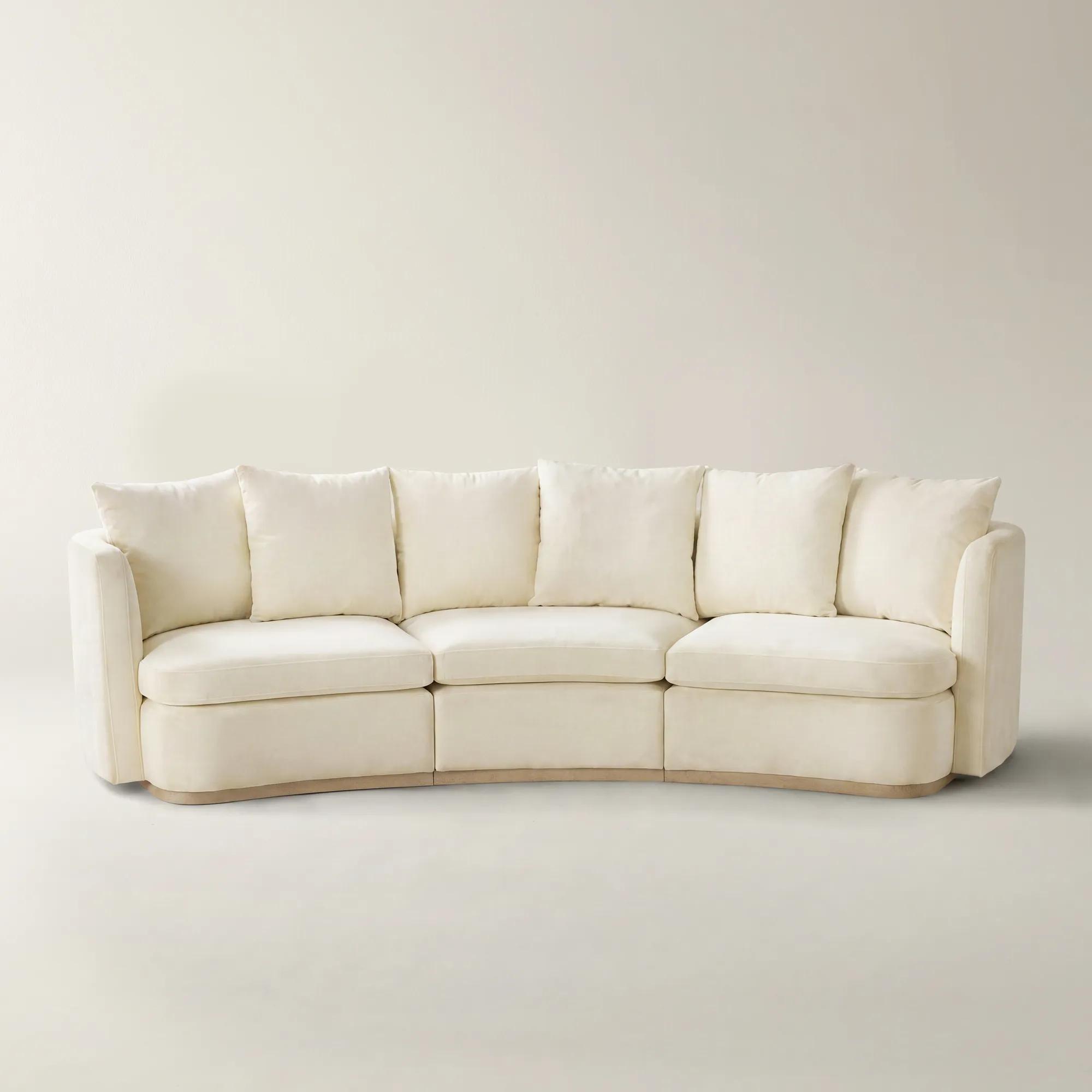 Stria 3-Piece Oatmeal Velvet Sectional Sofa$3399
A sculptural oatmeal velvet sectional with modular connectors, layered foam-and-down cushioning, and a kiln-dried wood frame.
Add To Cart -
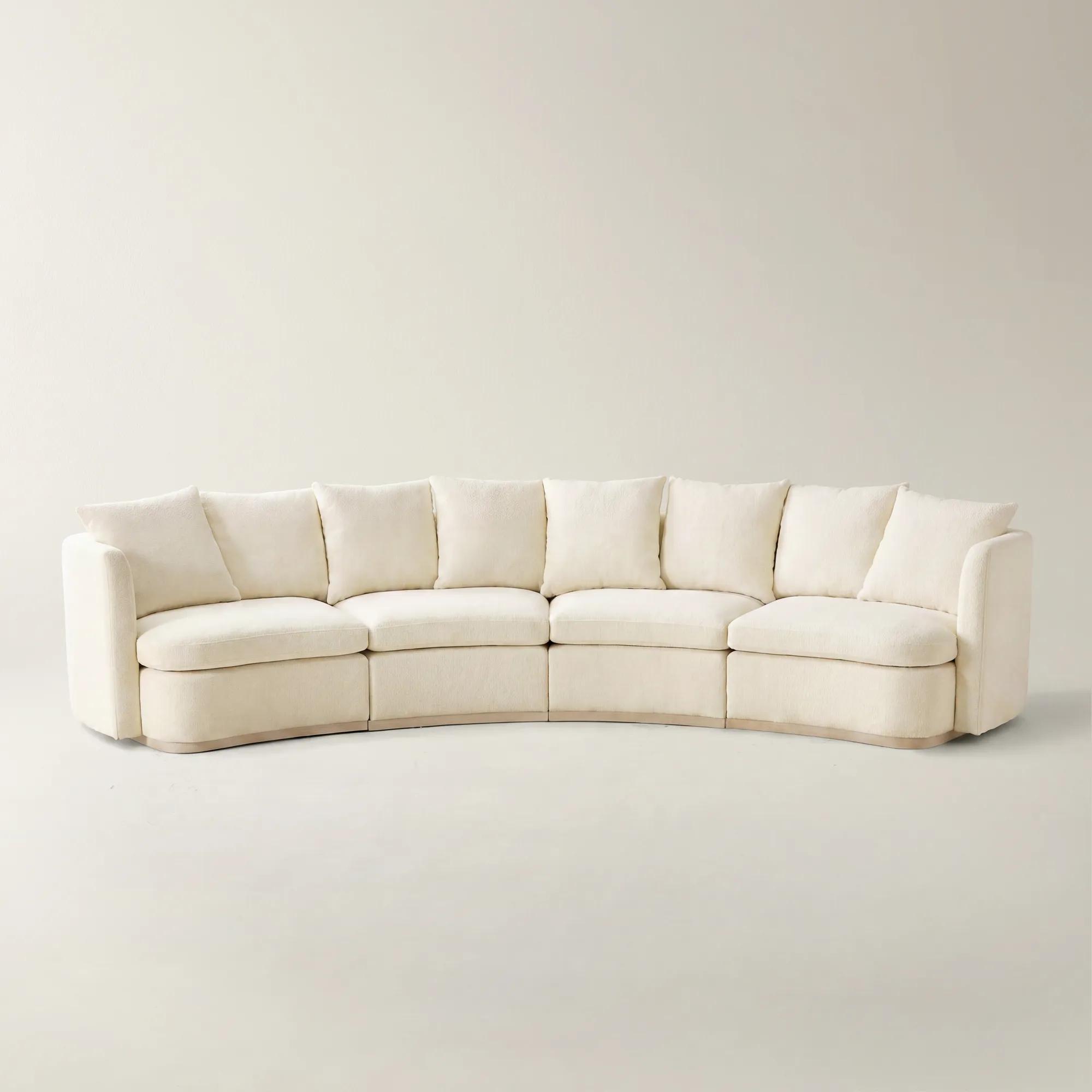 Stria 4-Piece Oatmeal Velvet Sectional Sofa$4499
A sculptural oatmeal velvet sectional with modular connectors, curved styling, and layered foam-down cushioning.
Add To Cart -
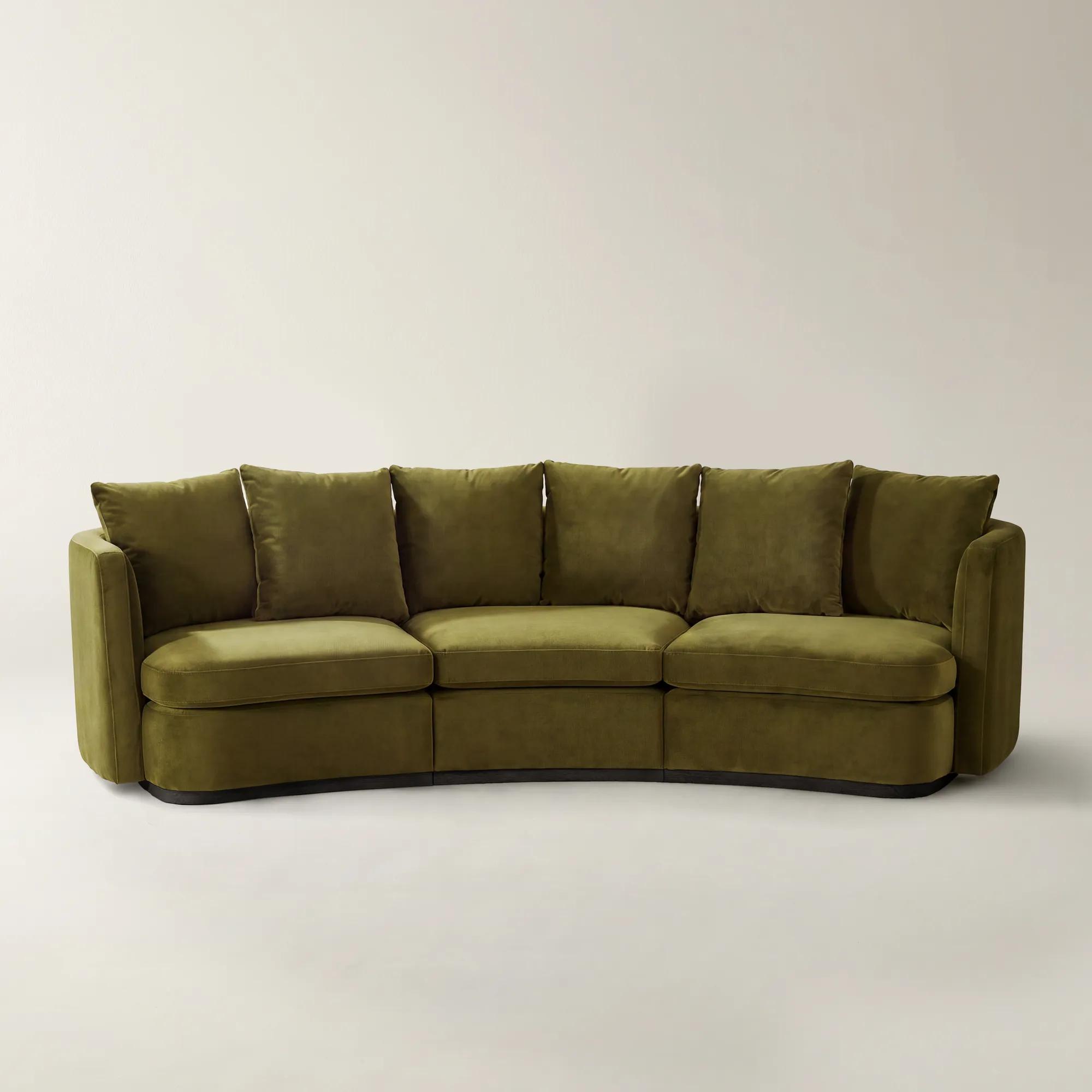 Stria 3-Piece Deep Olive Velvet Sectional Sofa$3399
A sculptural deep olive velvet sectional with modular connectors and layered foam-down cushioning.
Add To Cart -
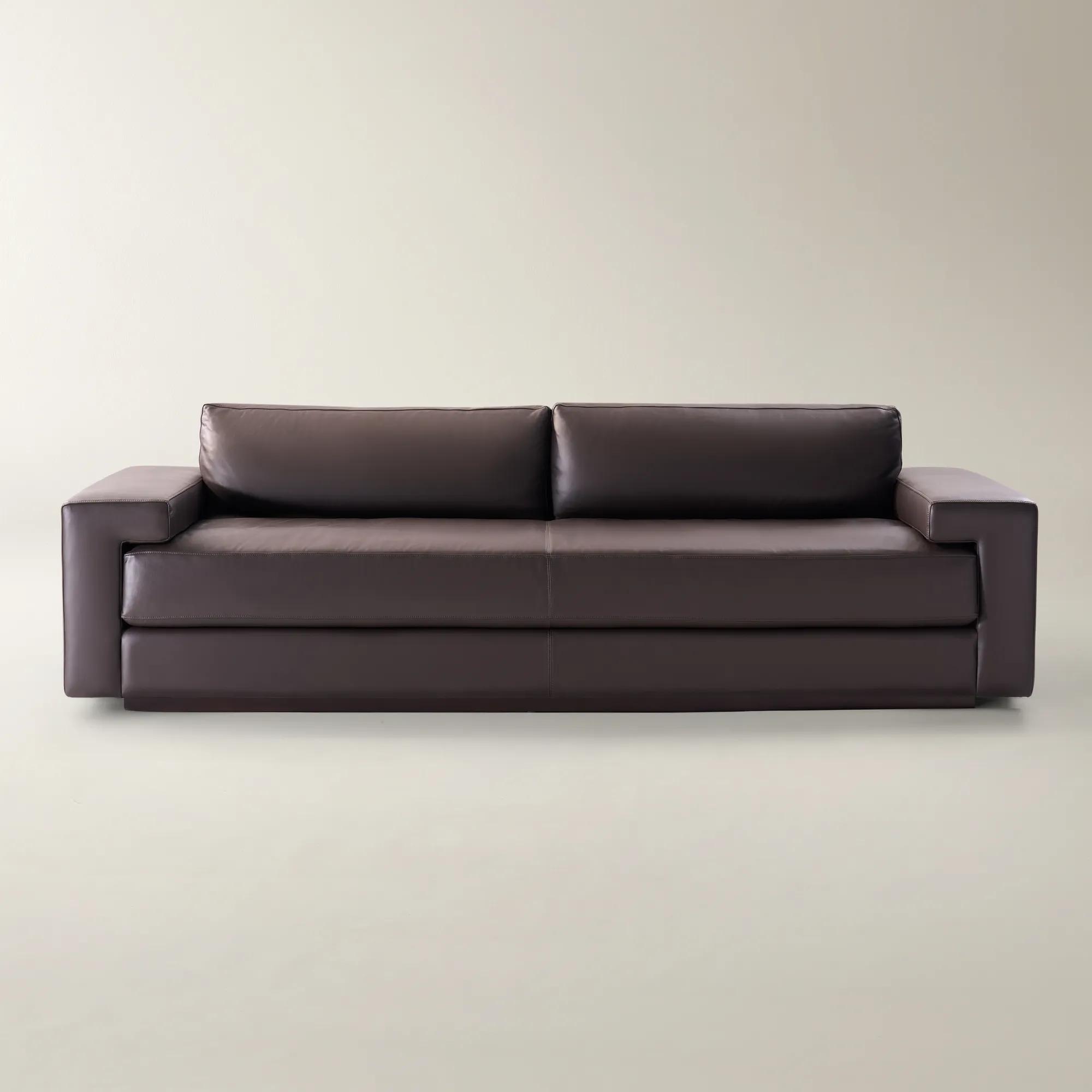
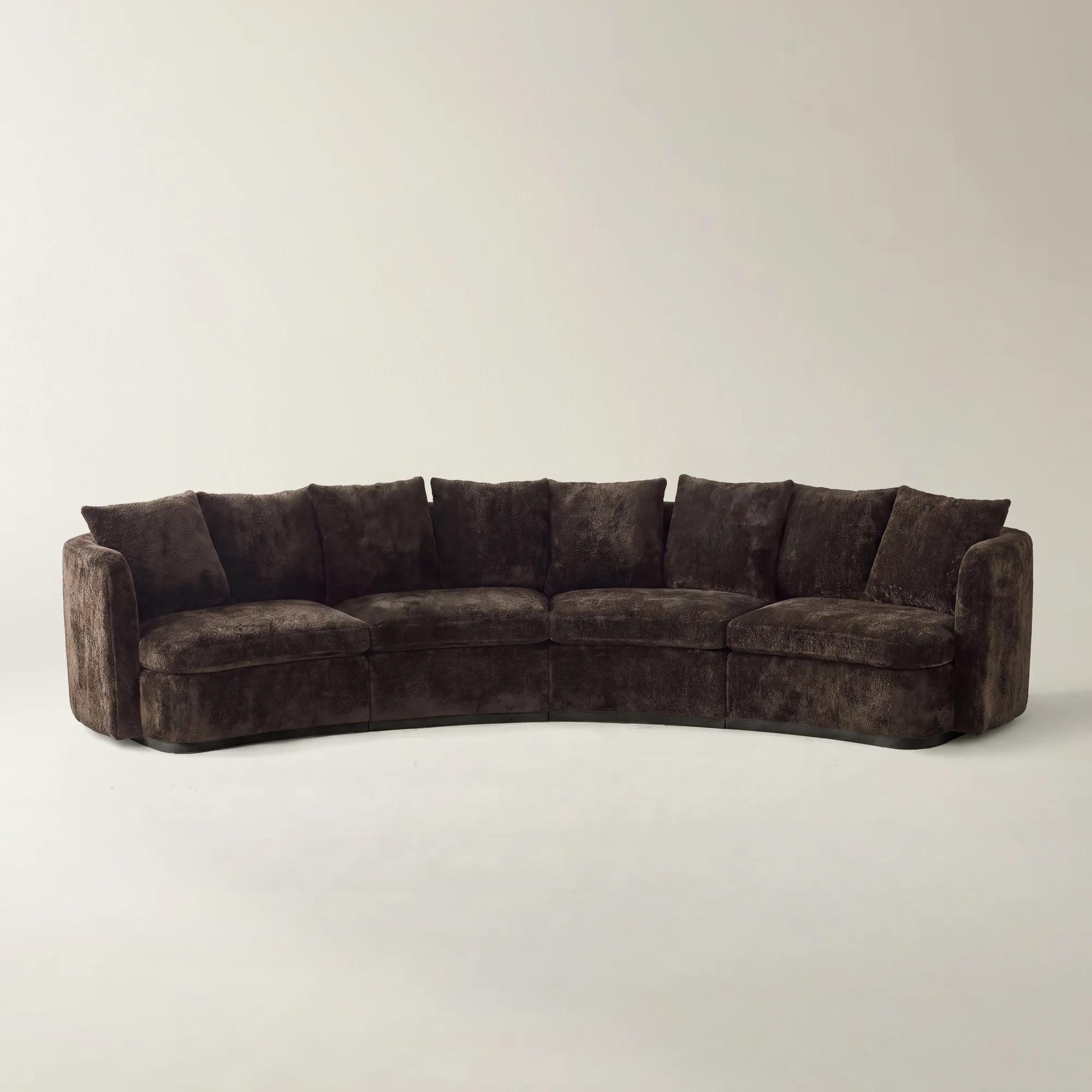 Stria 4-Piece Dark Chocolate Chenille Sectional Sofa$4499
A dark chocolate chenille sectional featuring sculptural curves, layered down-blend cushioning, and modular connectors.
Add To Cart -
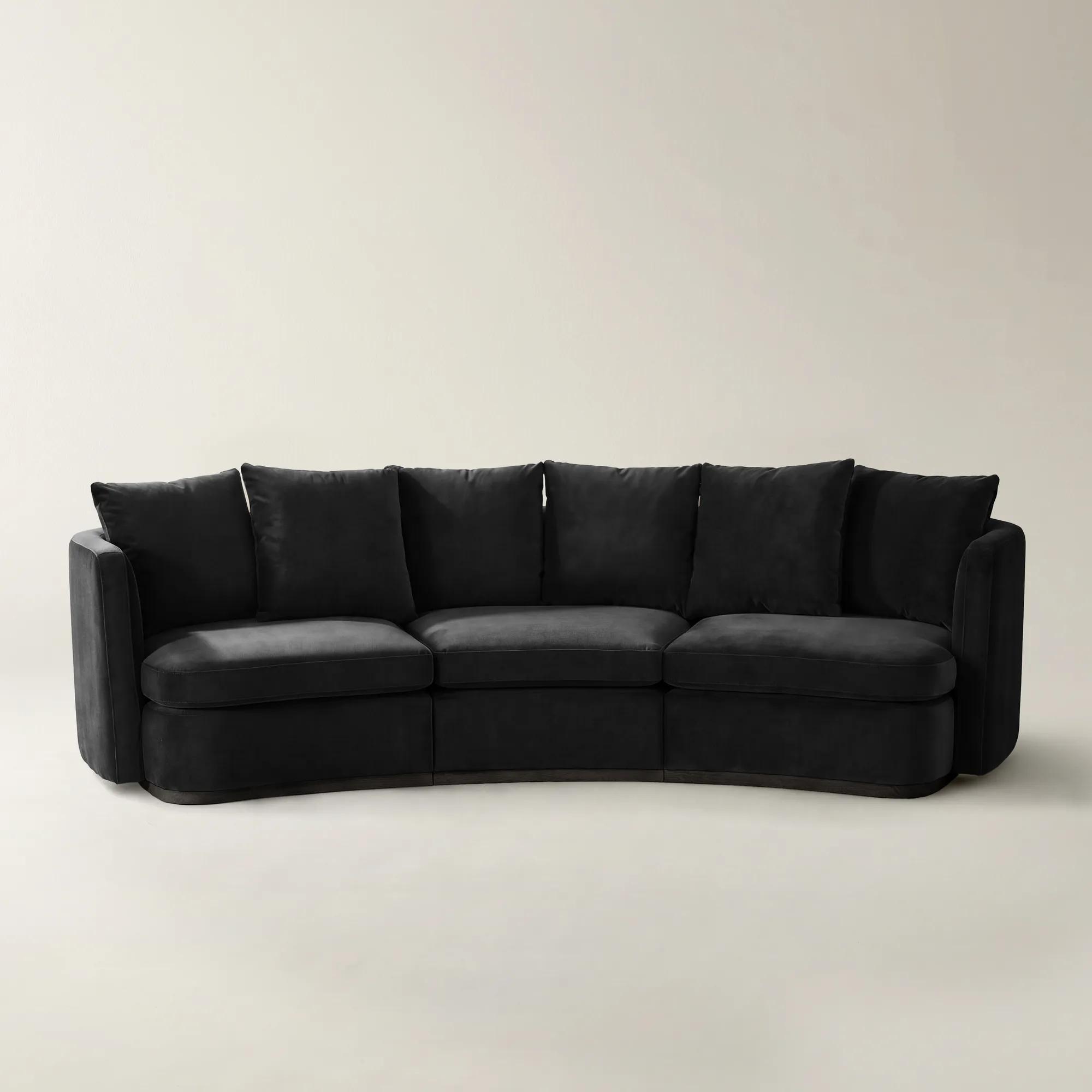 Stria 3-Piece Charcoal Velvet Sectional Sofa$3399
A sculptural charcoal velvet sectional featuring curved styling, layered cushioning, and modular connectors for adaptable comfort.
Add To Cart -
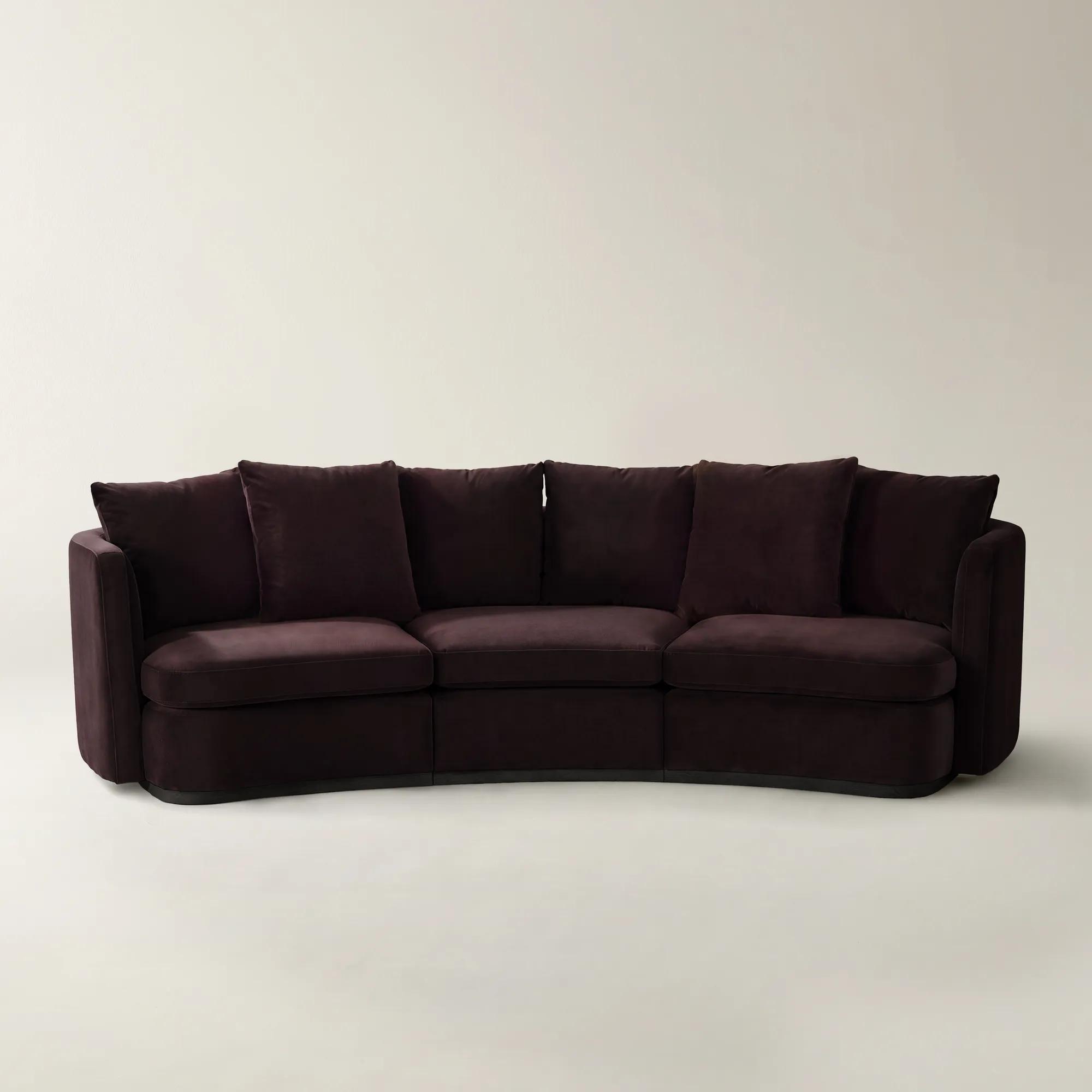 Stria 3-Piece Fig Velvet Sectional Sofa$3399
A sculptural fig velvet sectional with curved silhouette, layered cushioning, and modular connectors for flexible comfort.
Add To Cart -
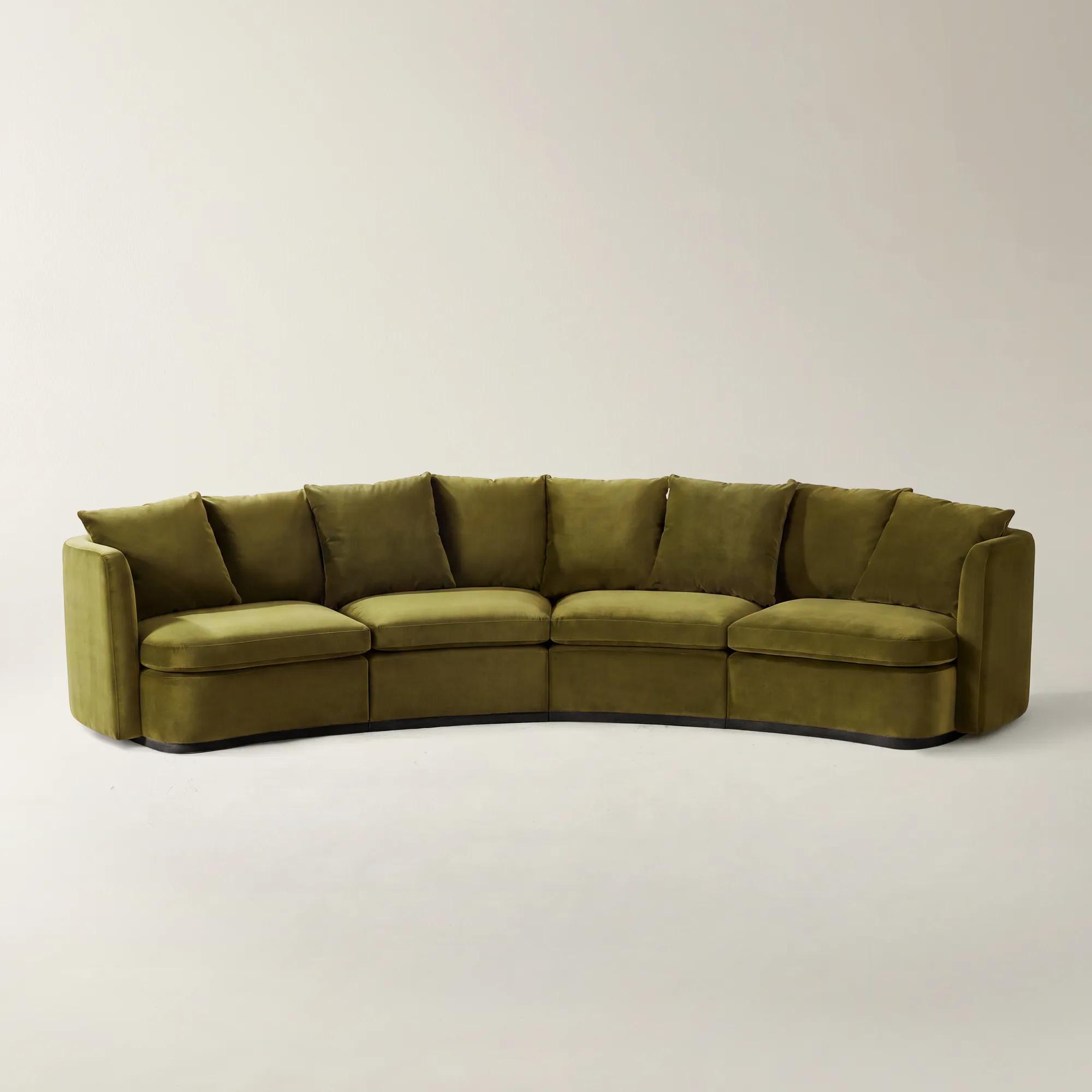 Stria 4-Piece Deep Olive Velvet Sectional Sofa$4499
A sculptural deep olive velvet sectional with modular connectors, kiln-dried wood construction, and layered foam-down cushioning.
Add To Cart -
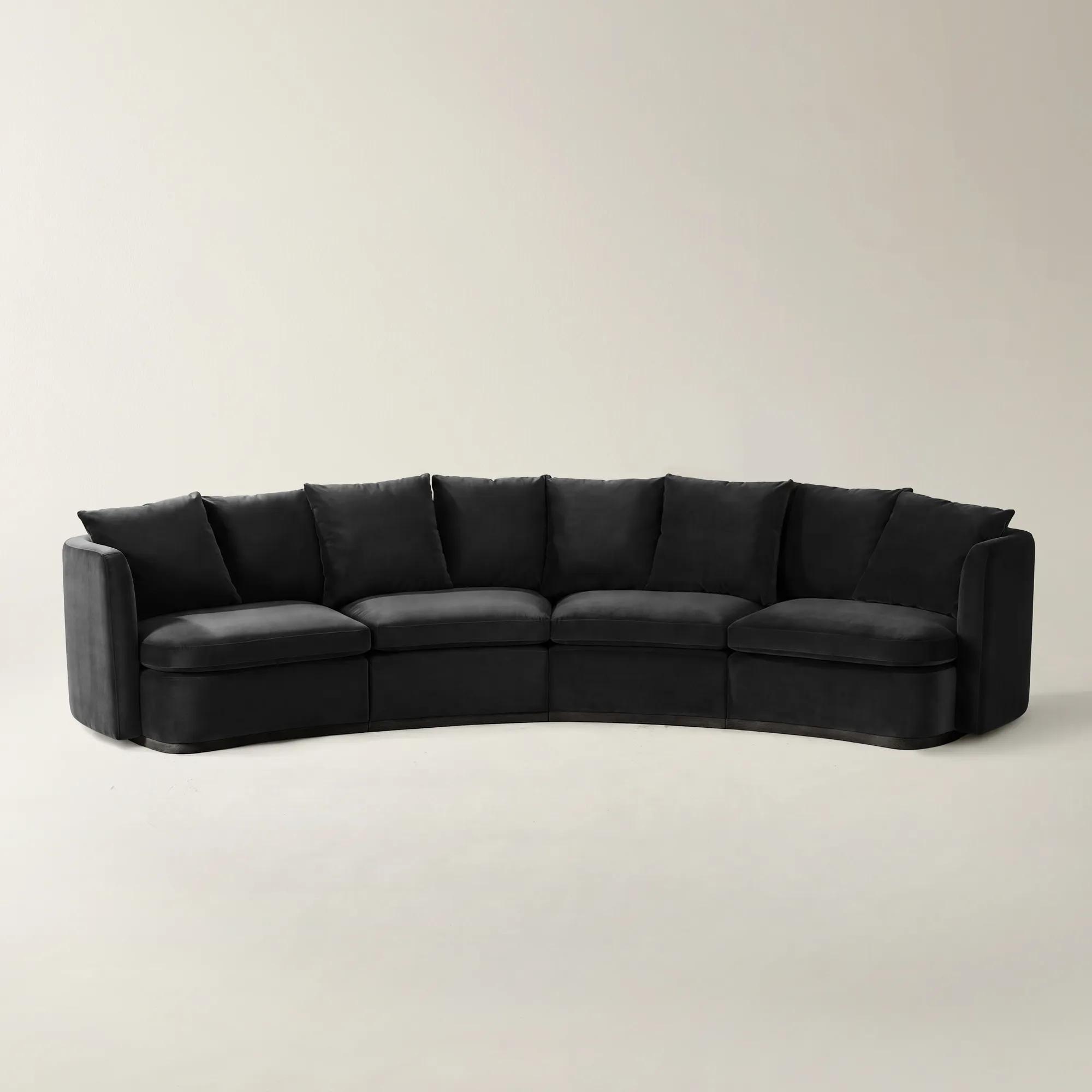 Stria 4-Piece Charcoal Velvet Sectional Sofa$4499
A sculptural charcoal velvet sectional with modular construction, curved edges, and supportive layered cushioning for comfort.
Add To Cart -
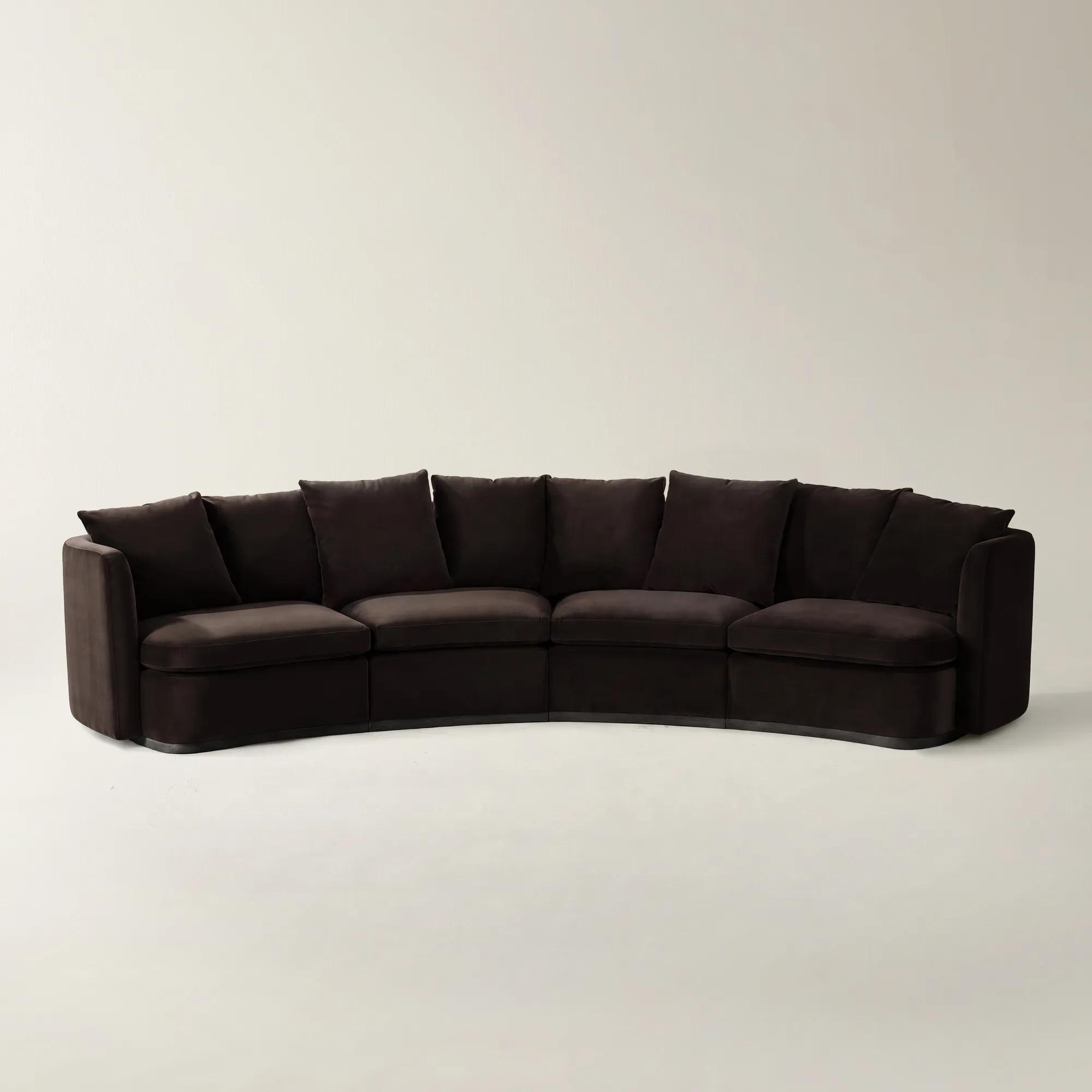 Stria 4-Piece Dark Chocolate Velvet Sectional Sofa$4499
A sculptural dark chocolate velvet sectional with curved edges, layered foam-down cushioning, and adaptable modular connectors.
Add To Cart -
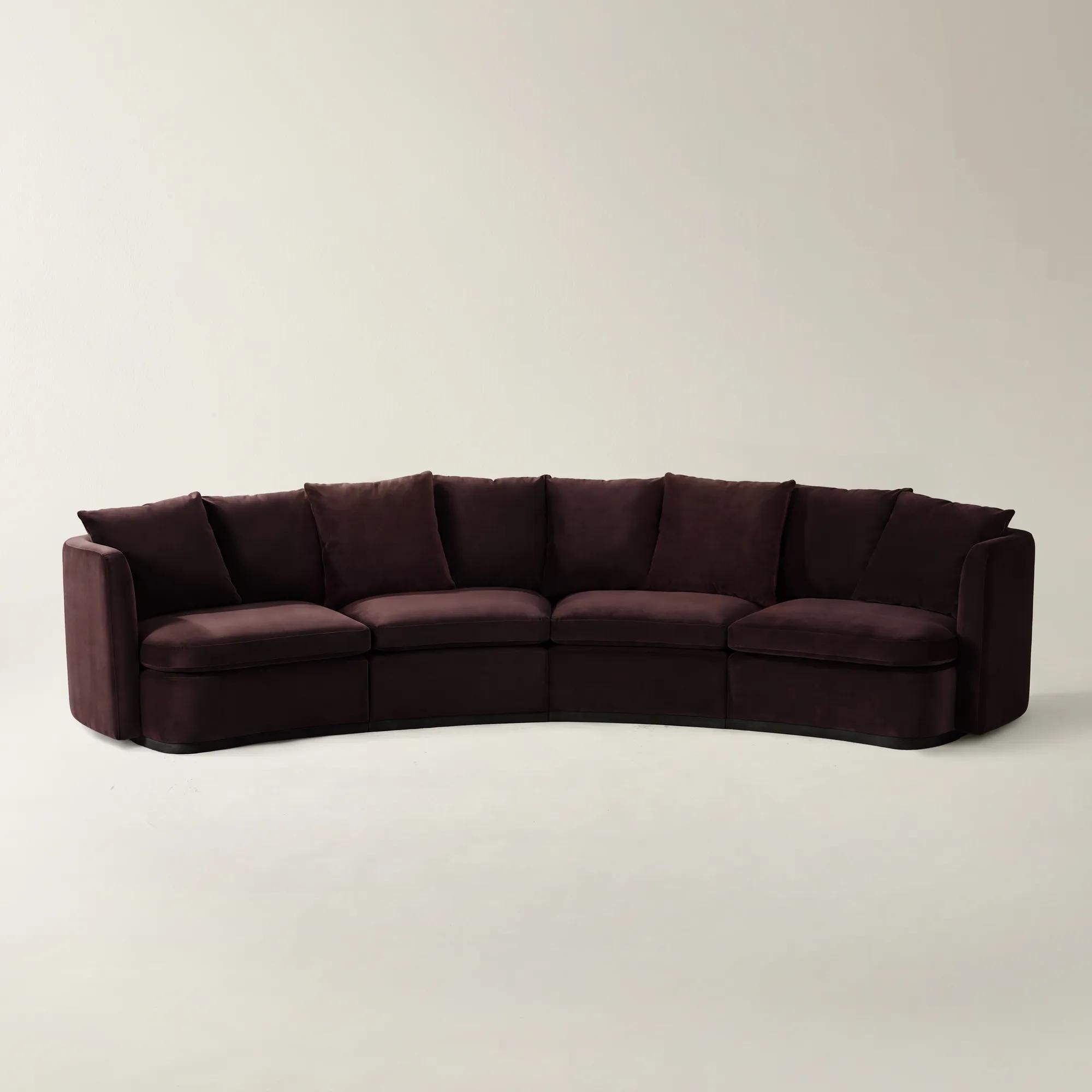 Stria 4-Piece Fig Velvet Sectional Sofa$4499
A sculptural fig velvet sectional with curved lines, layered foam-and-down cushioning, and modular connectors for comfort.
Add To Cart -
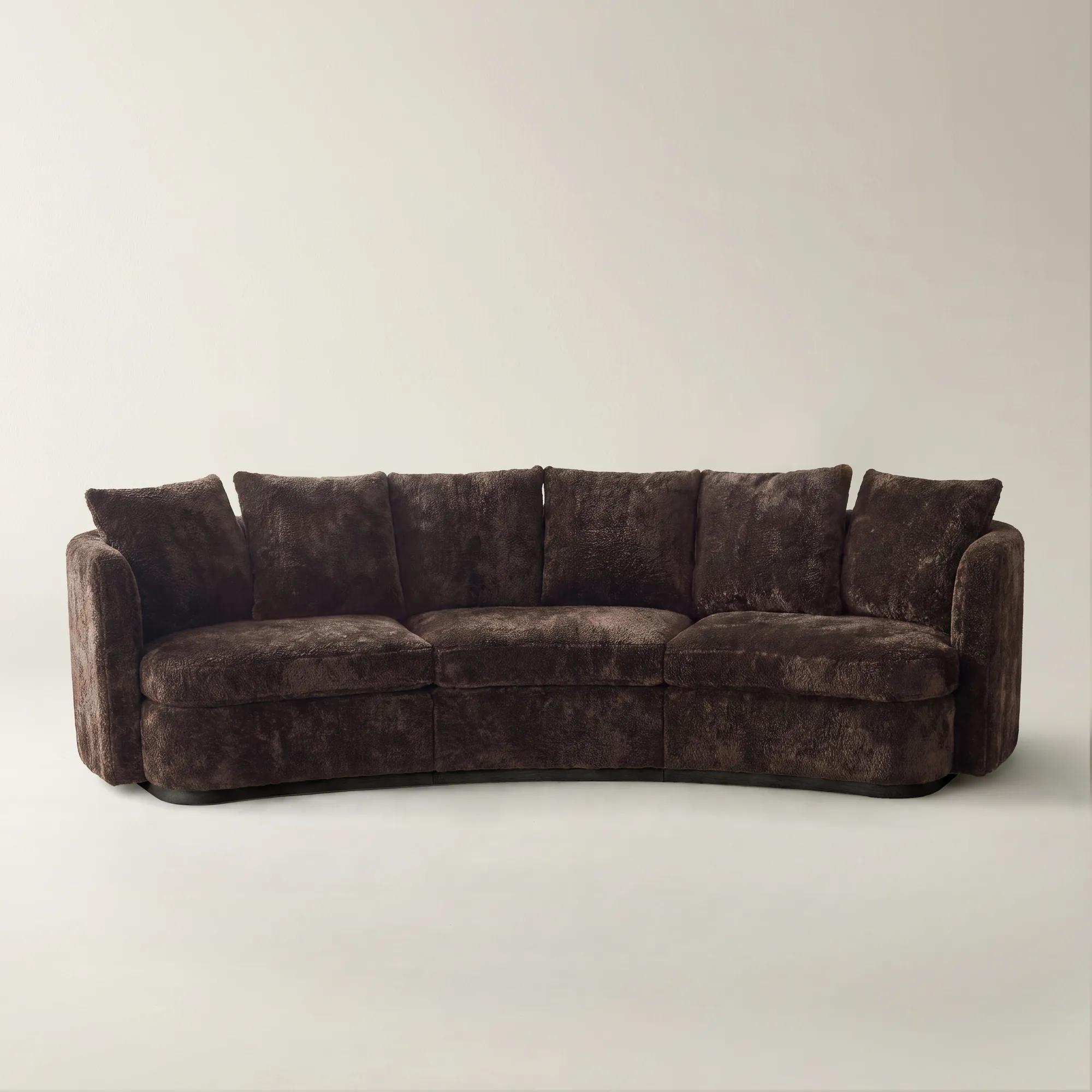 Stria 3-Piece Dark Chocolate Chenille Sectional Sofa$3399
A dark chocolate chenille sectional with sculptural curves, layered cushioning, and modular connectors for tailored comfort.
Add To Cart -
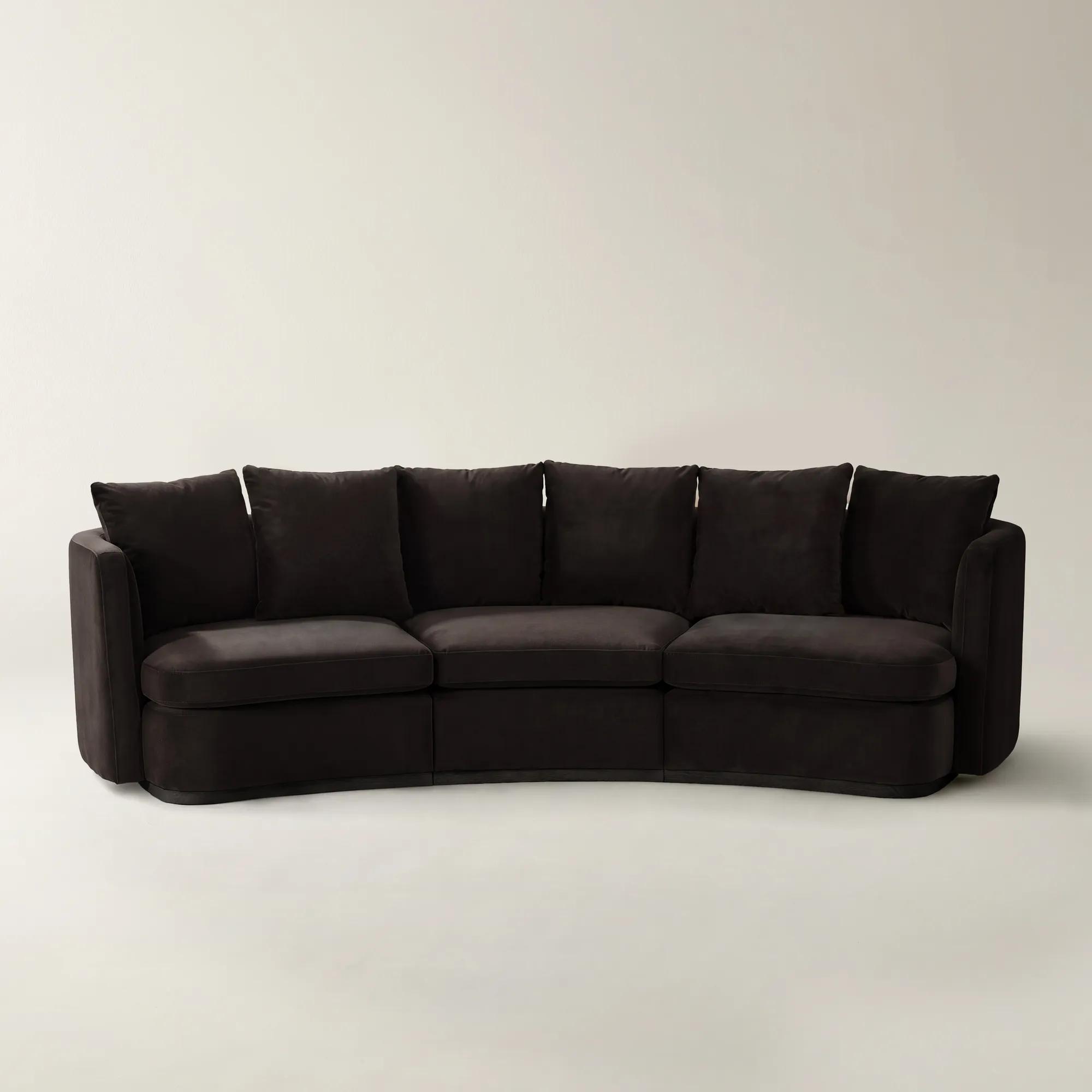 Stria 3-Piece Dark Chocolate Velvet Sectional Sofa$3399
A sculptural dark chocolate velvet sectional with curved styling, layered cushioning, and adaptable modular construction.
Add To Cart -
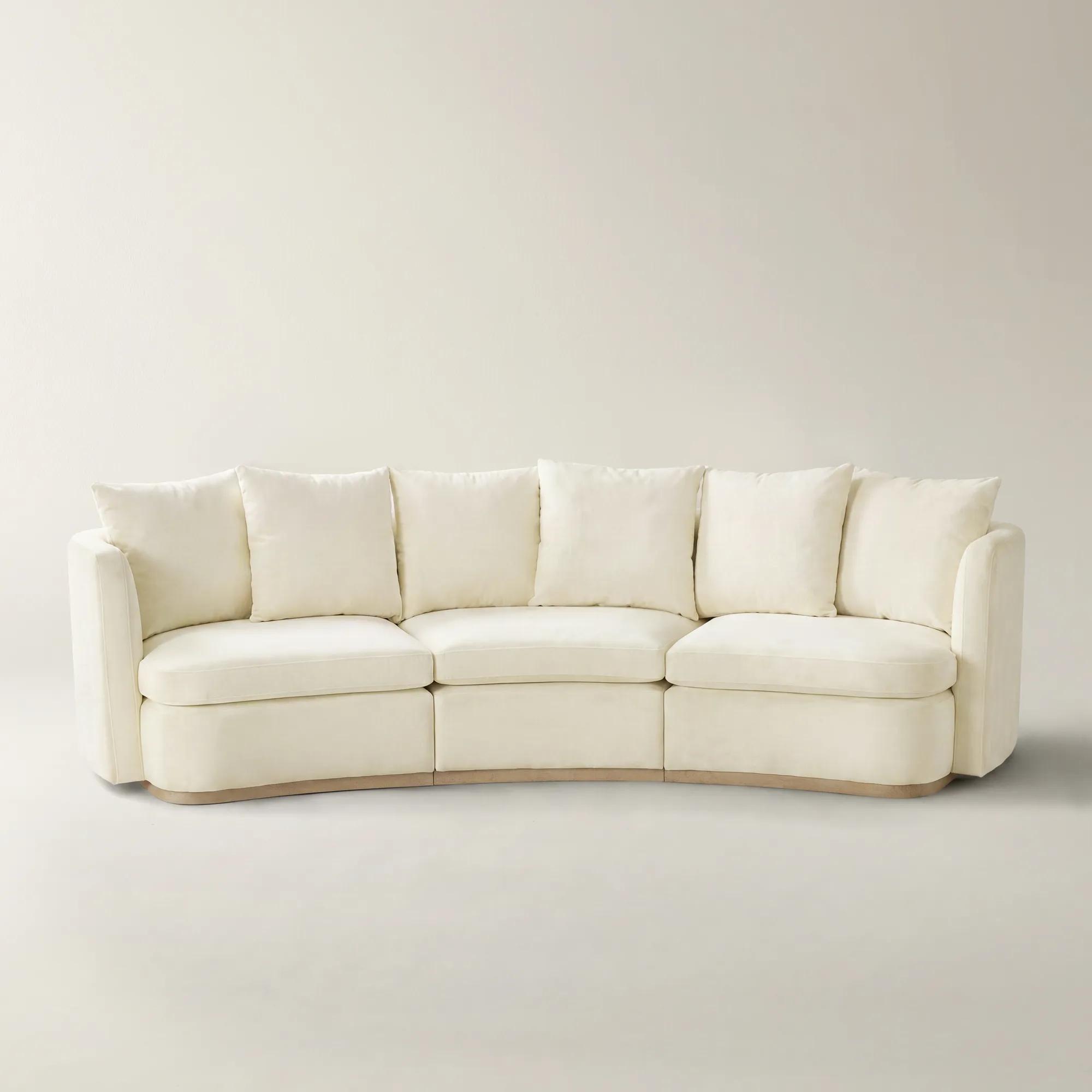 Stria 3-Piece Cloud Velvet Sectional Sofa$3399
A sculptural cloud velvet sectional with a curved silhouette, modular design, layered cushioning, and oak base.
Add To Cart -
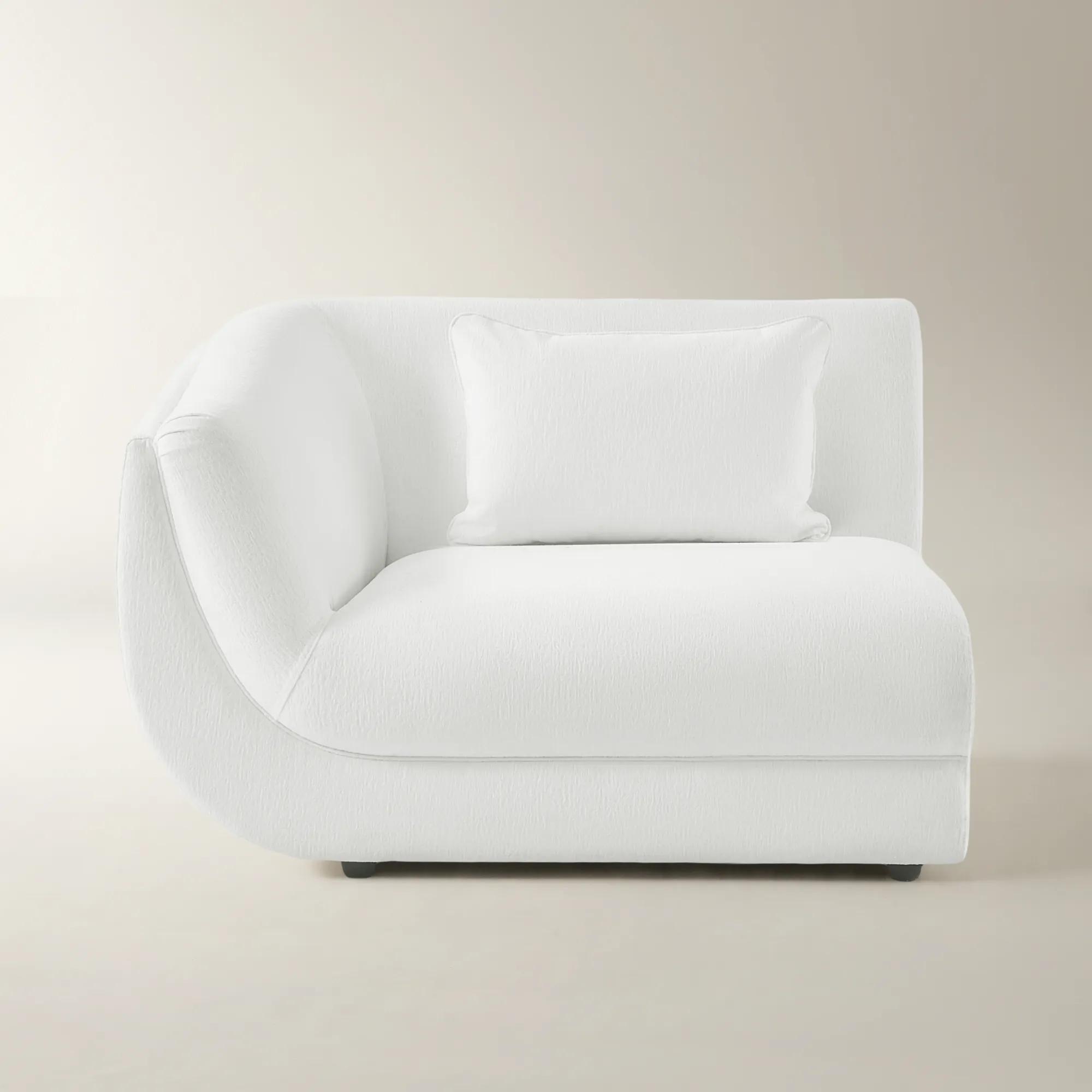
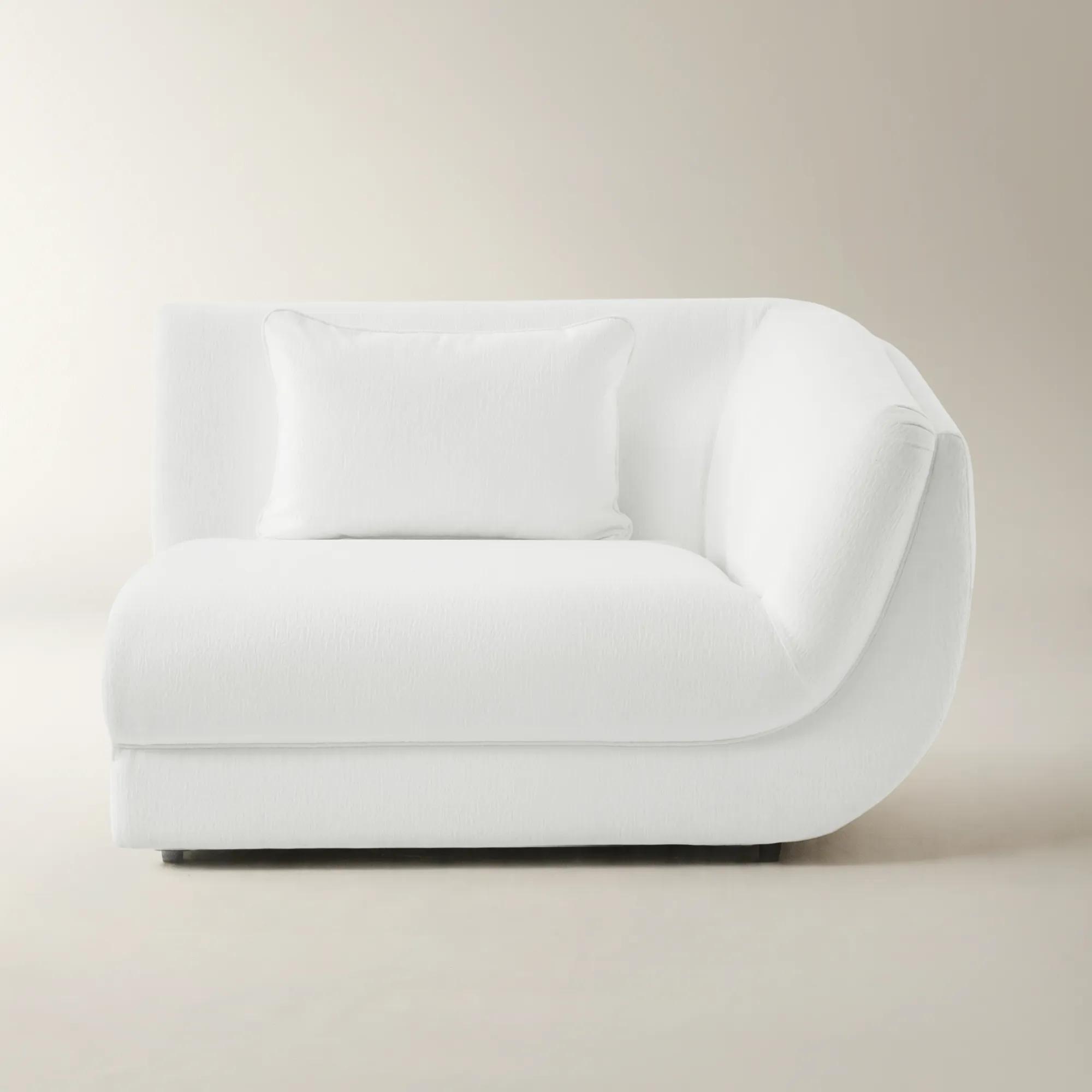
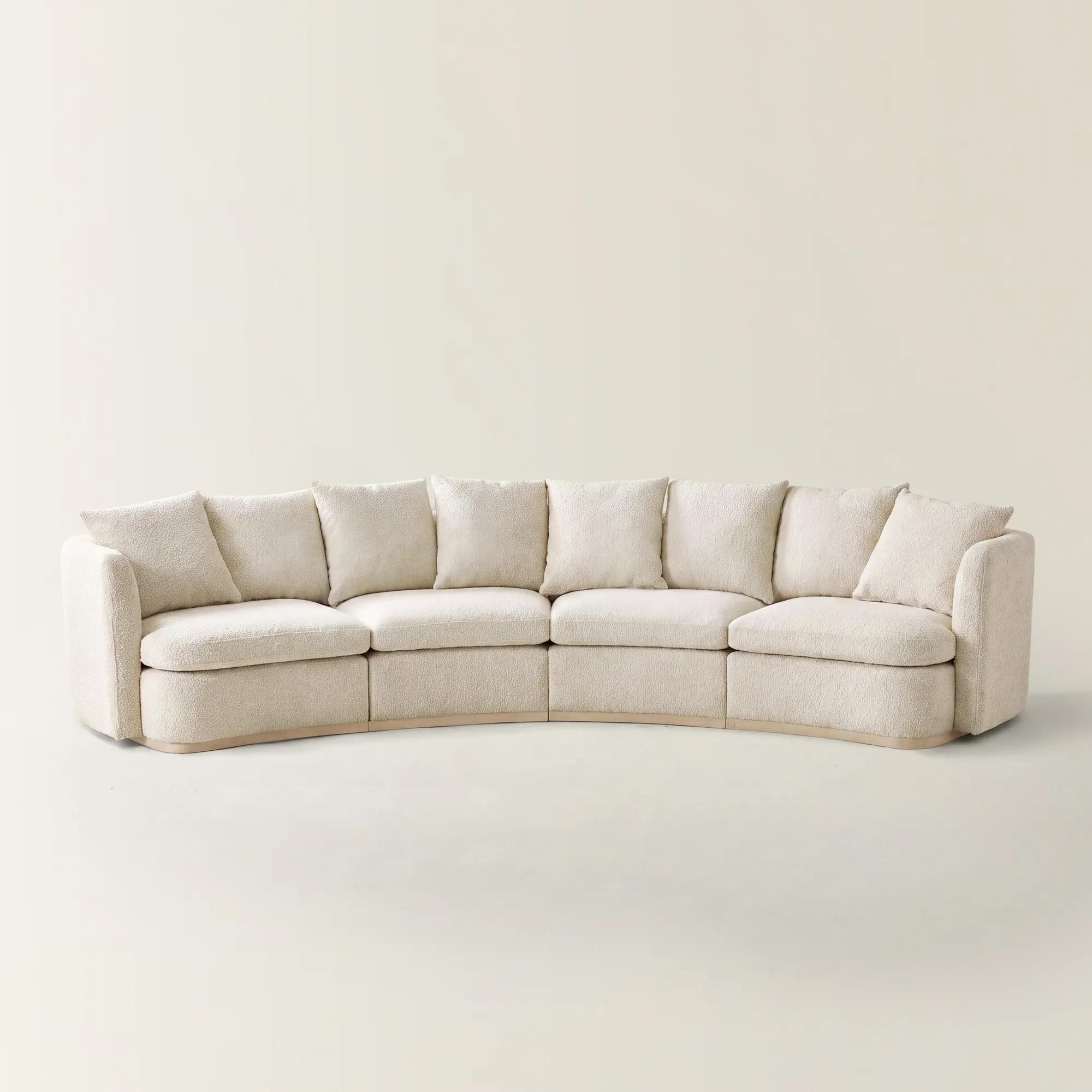 Stria 4-Piece Ivory Performance Boucle Sectional Sofa$4499
A sculptural ivory performance boucle sectional with modular connectors and layered foam-down cushioning for relaxed comfort.
Add To Cart -
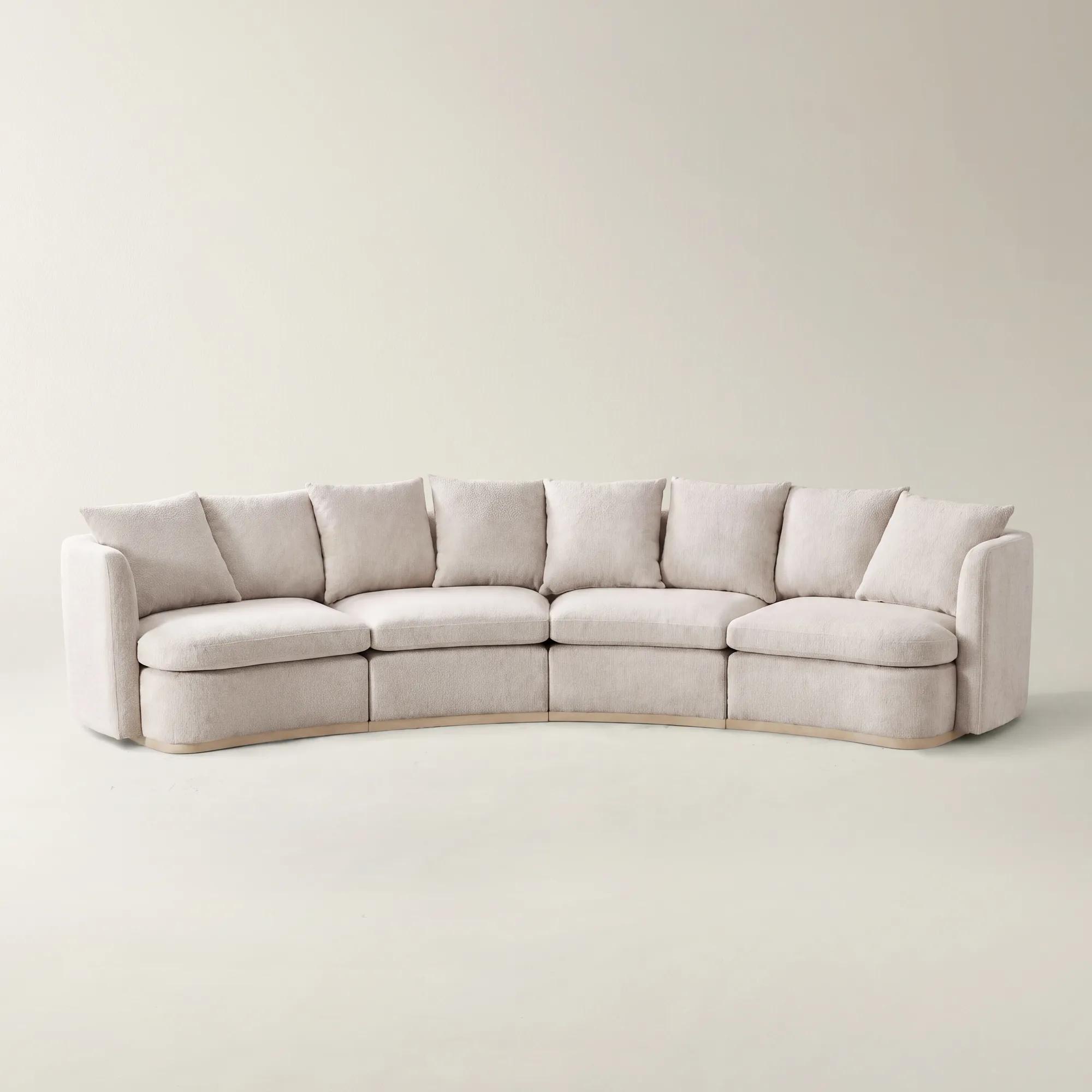 Stria 4-Piece Ivory Performance Boucle Sectional Sofa$4499
A sculptural ivory performance boucle sectional with modular connectors, kiln-dried wood construction, and layered foam-down cushioning.
Add To Cart -
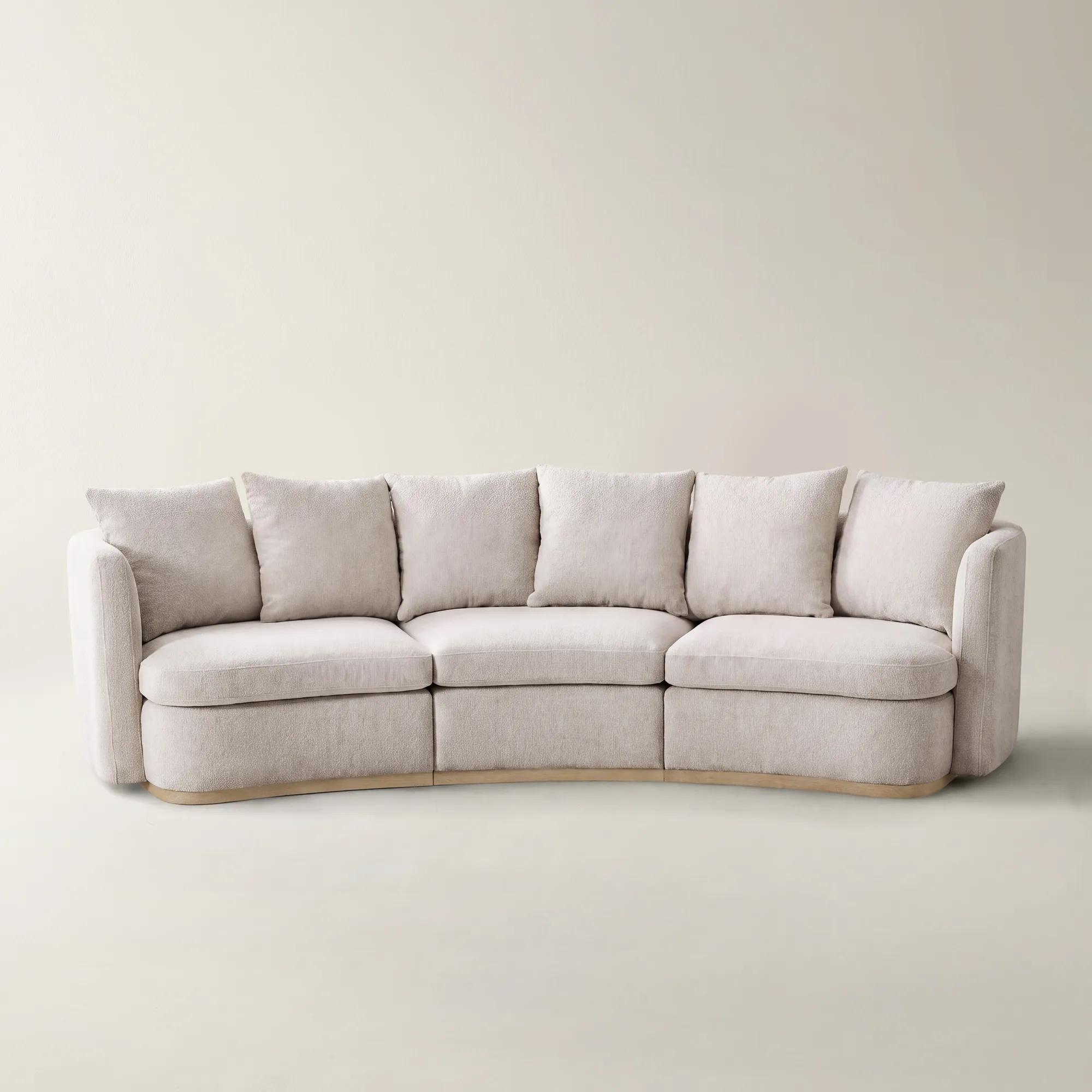 Stria 3-Piece Ivory Performance Boucle Sectional Sofa$3399
An ivory performance boucle sectional with sculptural curves, modular construction, and layered foam-down cushioning for comfort.
Add To Cart -
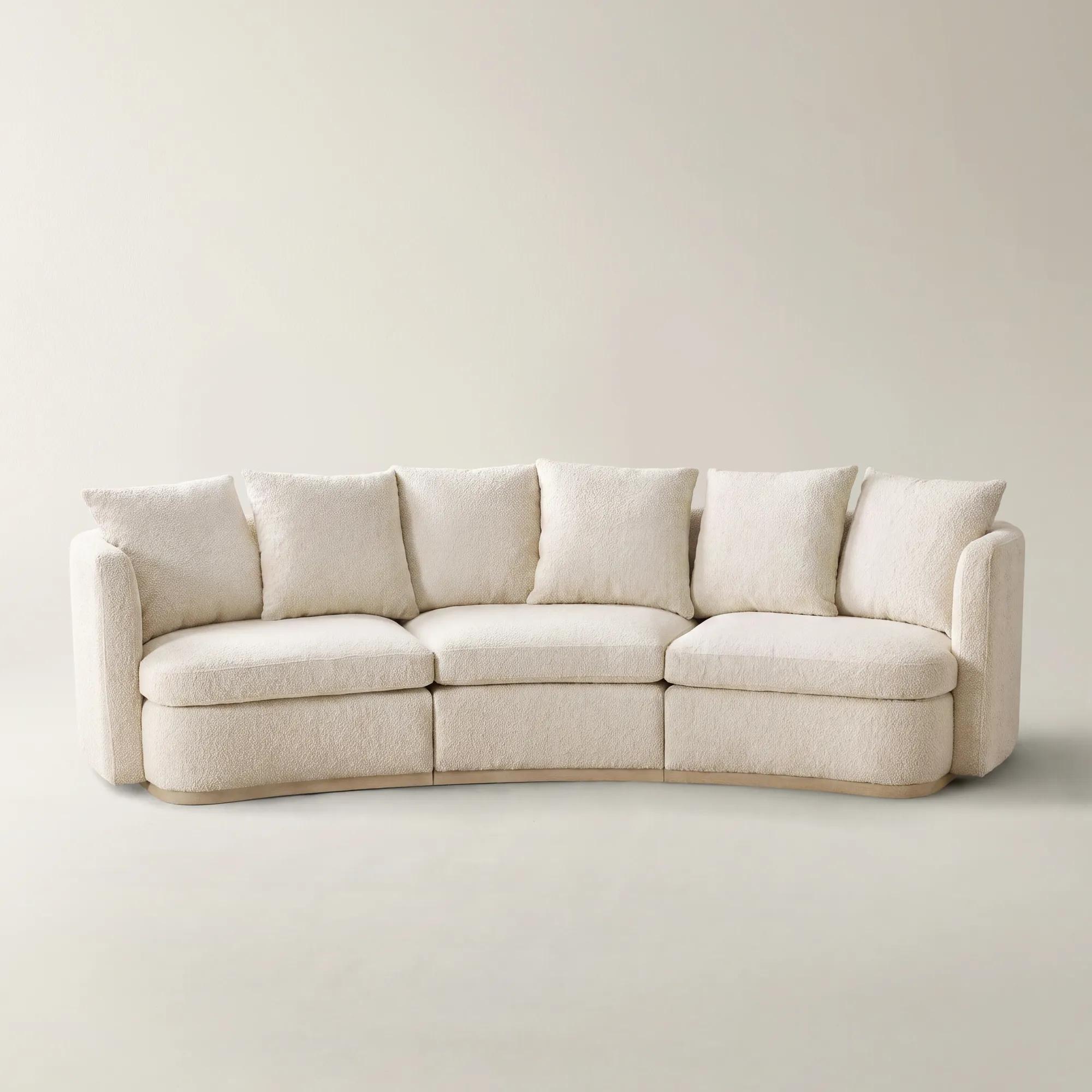 Stria 3-Piece Ivory Performance Boucle Sectional Sofa$3399
A sculptural ivory performance boucle sectional with kiln-dried wood, oak base, modular connectors, and down-blend cushioning.
Add To Cart -
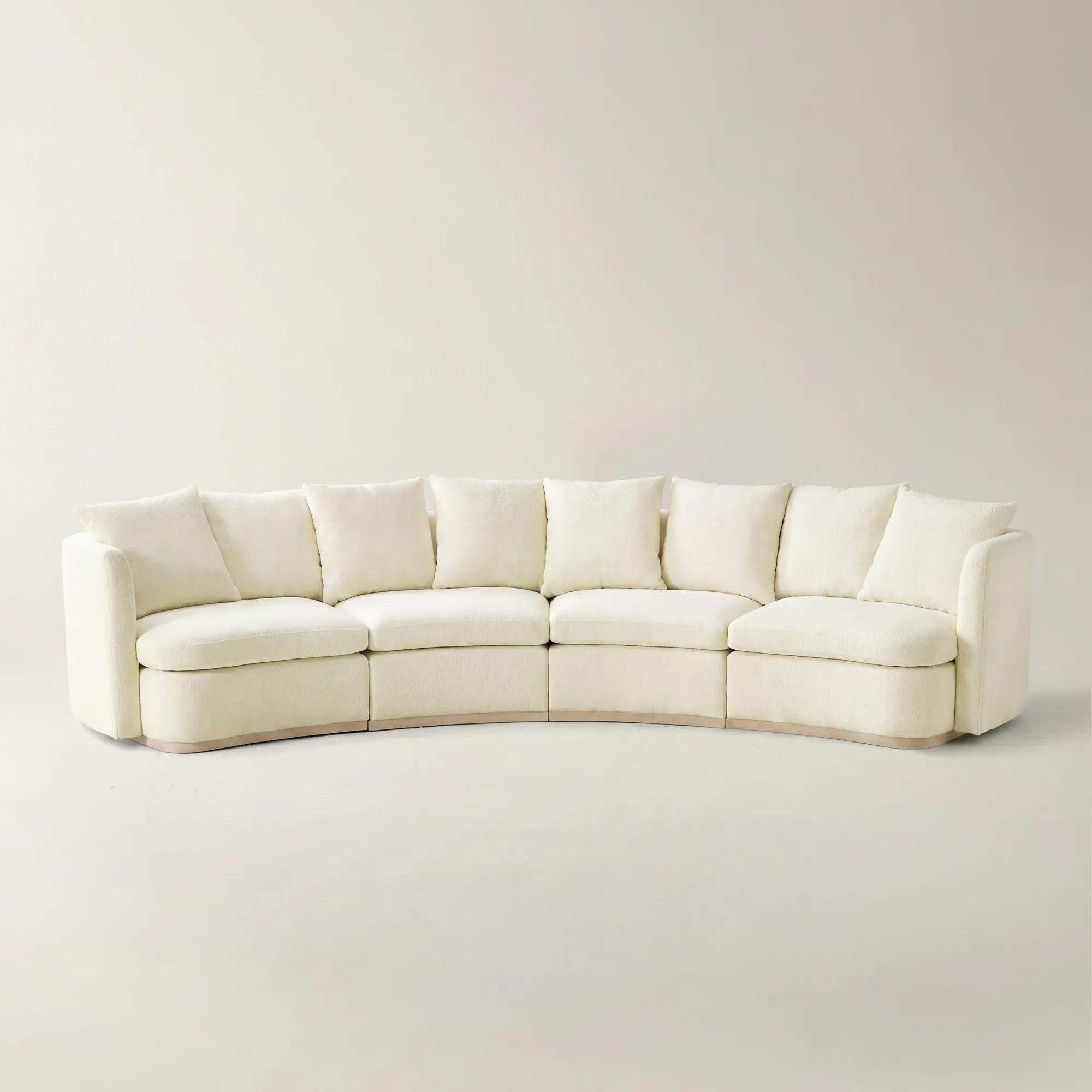 Stria 4-Piece Cloud Velvet Sectional Sofa$4499
A sculptural cloud velvet sectional featuring curved lines, modular connectors, and layered foam-down cushioning.
Add To Cart

Modular Sofas For Modern Farmhouse Living Rooms
Rustic charm meets contemporary allure in modular sofas for modern farmhouse living rooms—a marriage of comfort and artistry designed to elevate your space. Imagine generous silhouettes upholstered in tactile fabrics, inviting moments of connection and relaxation while echoing the warmth of countryside retreats. Each piece is an invitation to curate, configure, and create a living room that feels both timeless and refreshingly new. With modular sofas as your foundation, every gathering becomes an occasion, every corner a canvas for expressive style. Transform your modern farmhouse living room into a sanctuary where sophistication and ease live side by side.
Modular sofas for modern farmhouse living rooms bring tailored lines and generous comfort to interiors rich with natural texture. Their defining feature is a sectional construction: individual seating units connect to form a larger arrangement, with layout options determined by the modules and connection system. That flexibility suits a room where relaxed family life shares space with expressive design. A low, sculptural profile can balance exposed beams or a substantial wood coffee table, while softly rounded arms introduce a graceful counterpoint to paneled walls and architectural trim. The most compelling combinations feel collected rather than matched, pairing an expansive upholstered silhouette with the character of aged timber, woven fibers, and luminous accents. Warm ivory, oatmeal, stone, and taupe create a nuanced foundation; charcoal lends definition, particularly against pale walls and lighter wood finishes. Texture gives these restrained colors their richness. A linen-look weave adds subtle variation, chenille offers a plush surface, and velvet introduces a more dramatic sheen without abandoning the room’s welcoming spirit. Modular seating also accommodates different ways of gathering. An L-shaped arrangement can define the living area within an open floor plan, leaving an adjoining dining space visually connected. A U-shaped configuration turns a larger room toward conversation, while a sofa-and-chaise arrangement creates an inviting place to stretch out without surrounding the entire seating area. Where the design permits, an ottoman module can extend a lounge seat or serve as a separate upholstered perch. Not every modular system supports every configuration, so the relationship between armless seats, corners, end pieces, and ottomans matters as much as their appearance. For households that entertain, share the sofa with pets, or simply prefer room to settle in, modular construction offers a considered alternative to a fixed silhouette. Its appeal lies in balancing architectural presence with an easy, lived-in quality: seating that anchors the room beautifully while making space for the people who give it personality.
Scale determines whether a modular sectional feels sumptuous or overwhelming. Overall width and depth tell only part of the story; arm thickness, back height, and usable seat depth influence both its visual weight and everyday comfort. Deep seats encourage reclining and lounging, while a shallower sitting area can feel more supportive for conversation or for someone who prefers to sit upright with feet on the floor. Lower backs preserve sightlines across an open living room, though taller occupants may prefer more substantial back support. In a compact farmhouse-inspired space, a shorter configuration with a chaise can provide a generous resting area without the footprint of a full U-shaped sectional. In a larger room, a broad arrangement looks more intentional when it relates to the fireplace, television, or primary gathering area rather than simply following the walls. Measuring the complete configuration, including any projecting chaise or ottoman, helps preserve comfortable routes between doorways and adjoining rooms. Painter’s tape on the floor makes those proportions tangible before a room is rearranged. Delivery access deserves equal attention, especially around narrow entryways, stair turns, and elevator doors; separate modules can be easier to maneuver than a single large frame, but each piece still needs clearance. Beneath the upholstery, frame construction, suspension, cushion fill, and connectors all contribute to how the sofa performs. Well-constructed hardwood or engineered-wood frames can provide a stable foundation, while suspension and cushion design determine how evenly the seat supports the body. Foam cushions tend to offer a more defined shape, whereas feather- or fiber-blended cushions may feel softer and require more frequent reshaping. Neither feel is universally better; the right balance depends on how the seating will be used. Secure, properly engaged connectors help modules stay aligned during everyday movement. Removable cushions, reversible surfaces, and replaceable components can make maintenance more manageable when those features are part of the design, but modular construction alone does not guarantee them.
Upholstery gives modern farmhouse modular sofas much of their character, and its suitability extends beyond color. Cotton and linen blends offer natural-looking texture, though their tendency to wrinkle, absorb spills, or show wear varies with the blend and finish. Synthetic blends can provide resilience and color consistency, while fabrics described as performance upholstery should be evaluated for their specific stain-resistance, cleaning, and wear characteristics rather than treated as universally spillproof. For a household with children or pets, a tightly woven surface may be easier to maintain than an open weave that can catch on claws or everyday accessories. Pale upholstery creates an airy, expansive effect, but a softly mottled neutral can be more forgiving of visible lint and minor marks than a uniform cream. Care should always follow the upholstery’s cleaning instructions: a removable cover is not necessarily machine washable, and an unsuitable cleaner can leave rings, alter texture, or affect the finish. Regular vacuuming with an appropriate upholstery attachment helps remove grit before it settles into the weave. Promptly blotting spills rather than rubbing, rotating cushions when permitted, and reshaping loose fills help preserve a composed appearance. Protecting upholstery from prolonged direct sunlight and keeping seating clear of heat sources can also reduce avoidable wear. The surrounding details can then bring the farmhouse setting into sharper focus without making it feel overly rustic. A richly textured rug grounds the modules, a weathered wood table introduces contrast, and a restrained glint of metal adds polish. Pillows in varied weaves create depth without obscuring the sofa’s silhouette. For an alternative expression with fewer decorative layers, explore Modular Sofas For Modern Minimalist Homes. Within a modern farmhouse living room, the distinctive appeal remains the interplay of clean structure and tactile richness: generous seating, thoughtful proportions, and upholstery that makes an architectural statement feel deeply welcoming.
FAQs
Modular sofas designed for modern farmhouse living rooms often feature natural, tactile materials that evoke both comfort and sophistication. Linen, chenille, and performance velvet are popular fabric choices, offering a soft hand and inviting texture. For those seeking a touch of rustic luxury, genuine or top-grain leather—especially in earthy or black finishes—adds depth and visual interest. Solid wood frames, often crafted from birch or oak, provide lasting durability and a nod to farmhouse authenticity.
A modular sofa is the ultimate chameleon for modern farmhouse spaces, allowing you to rearrange and adapt your seating to suit any occasion. Whether you need a cozy nook for reading, ample space for entertaining, or a sectional that wraps around a fireplace, modular pieces can be configured to fit your vision. Their flexibility also makes them ideal for open-concept layouts, seamlessly bridging dining and living areas while maintaining a cohesive, curated look.
When selecting a farmhouse couch sectional, seek out details that blend rustic charm with contemporary elegance. Look for plush, reversible cushions for comfort and longevity, flange-edged or piped seams for added character, and built-in storage for practical luxury. Neutral hues—such as beige, wheat, or soft gray—create a serene backdrop, while thoughtful accents like exposed wood legs or hand-tied springs elevate the overall aesthetic.
Absolutely. Many contemporary modular sofas are upholstered in performance fabrics that resist stains and are easy to clean, making them well-suited for lively households with pets or children. The ability to rearrange or replace individual sections also means you can adapt your seating arrangement as your family grows or your needs change, ensuring lasting beauty and functionality.
A black leather sofa modern in silhouette can become a striking focal point in a farmhouse-inspired living room. Soften the boldness with textured throws in natural fibers, add accent pillows in muted earth tones, and incorporate rustic elements like reclaimed wood coffee tables or woven baskets. Layering in greenery and metallic accents will further enhance the balance between contemporary drama and farmhouse warmth, creating a space that feels both timeless and daring.