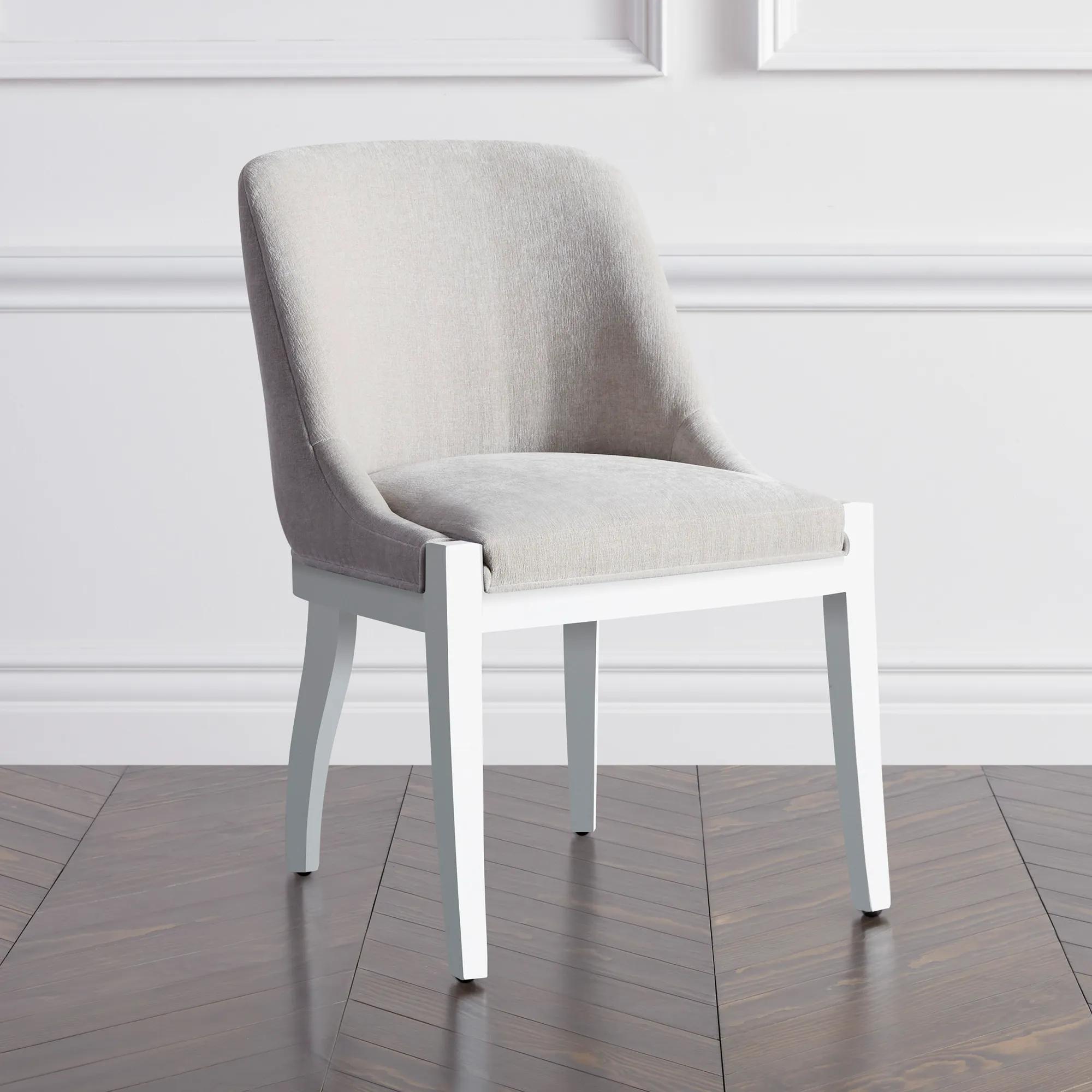
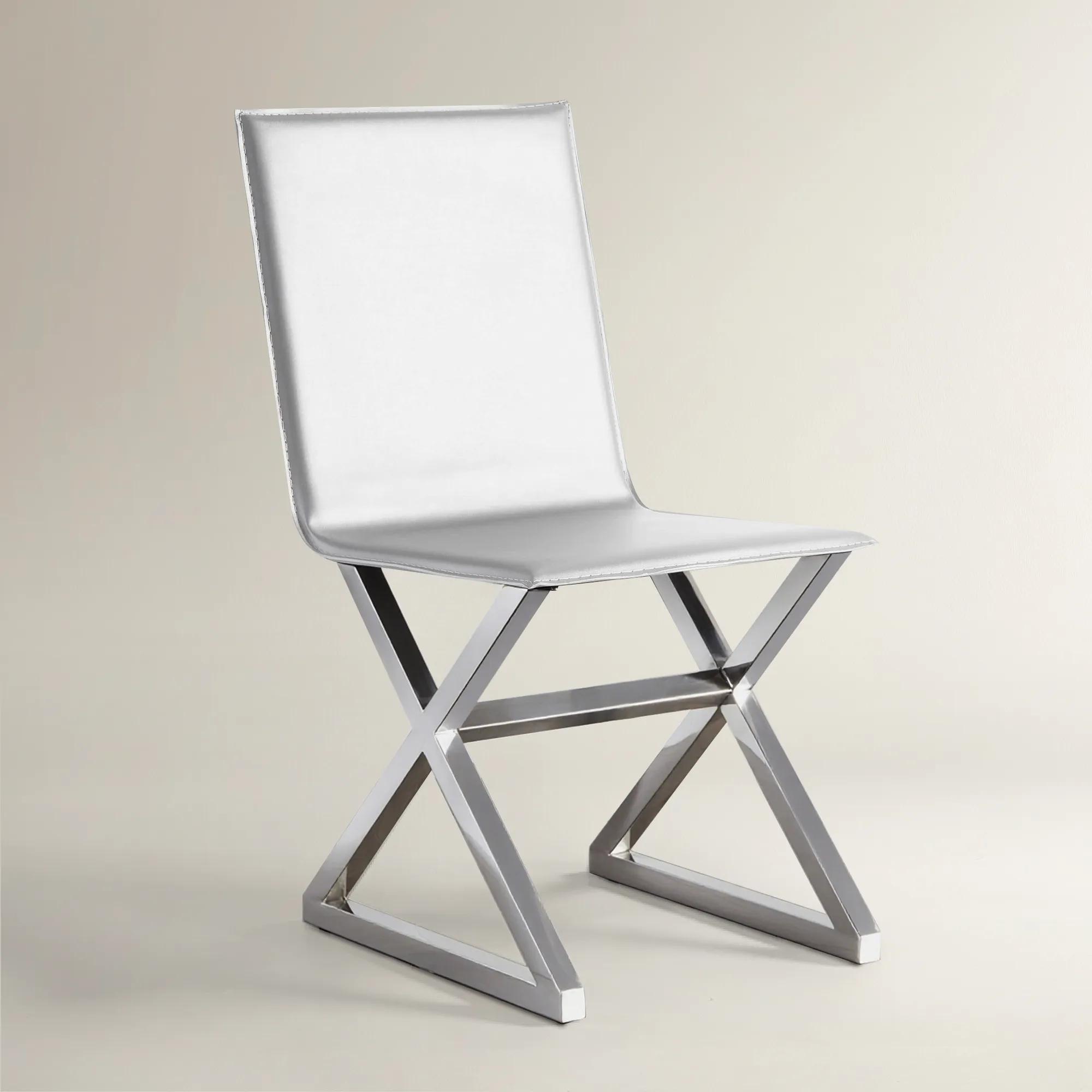
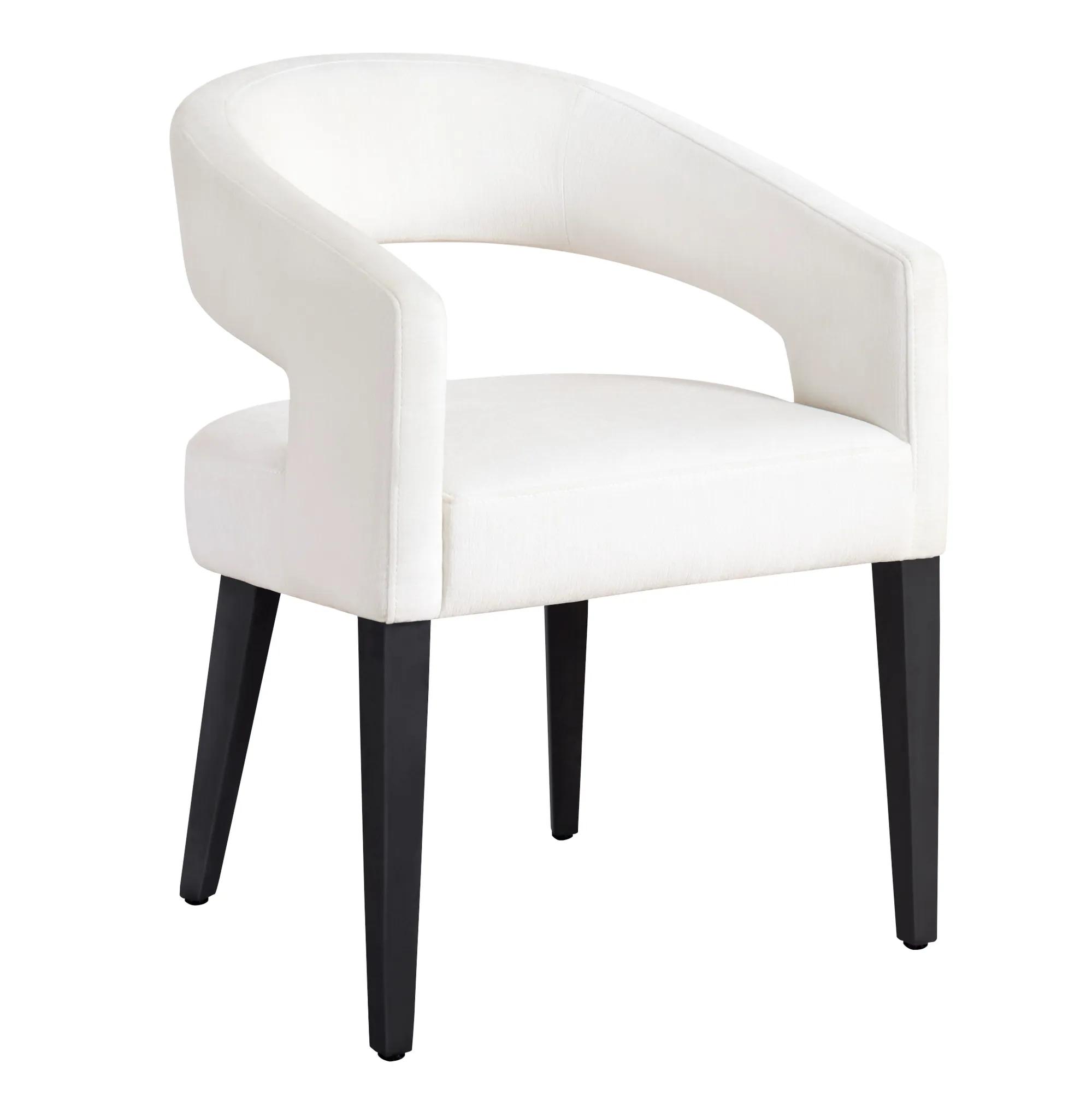
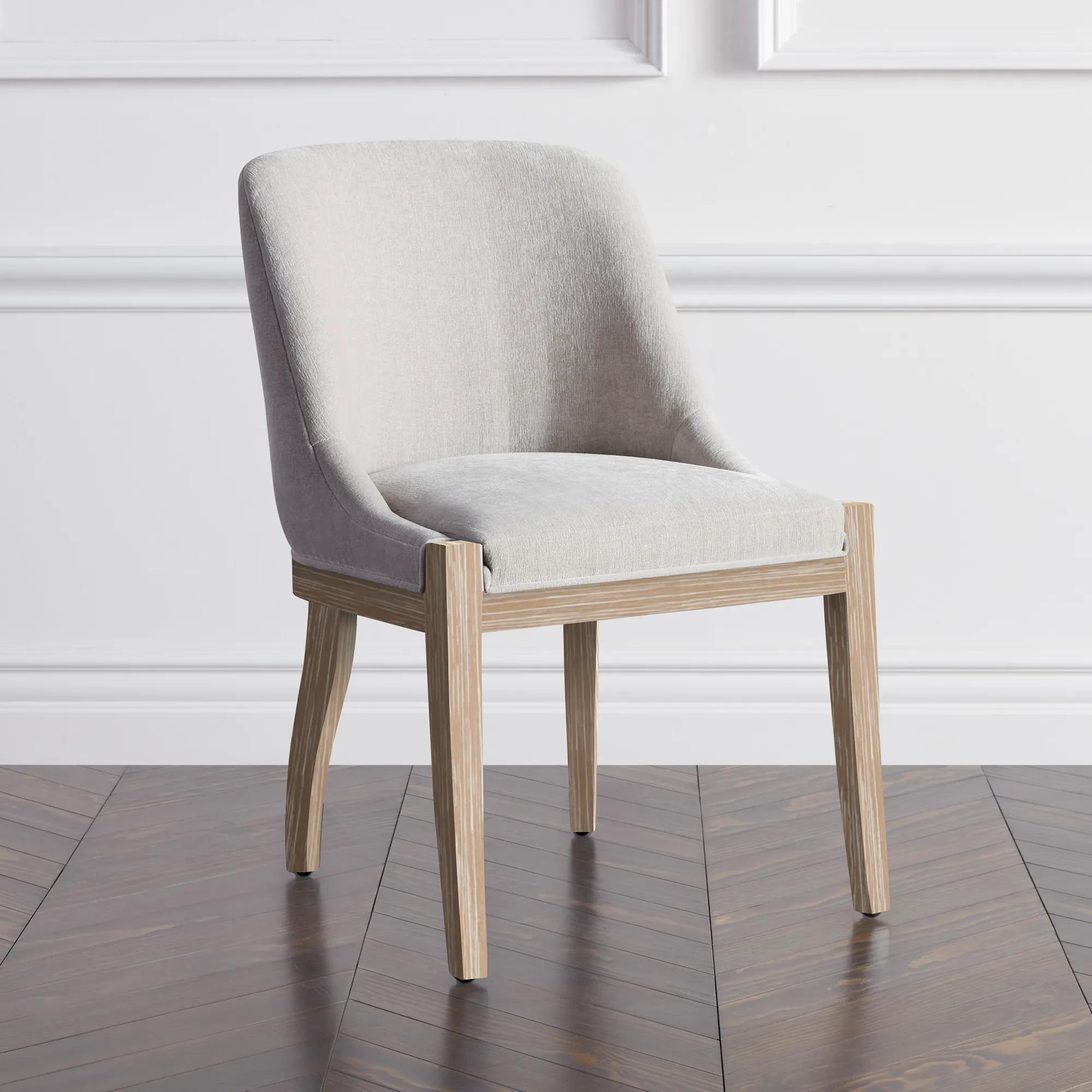
Modern Farmhouse Dining Chairs
Modern Farmhouse Dining Chairs
-
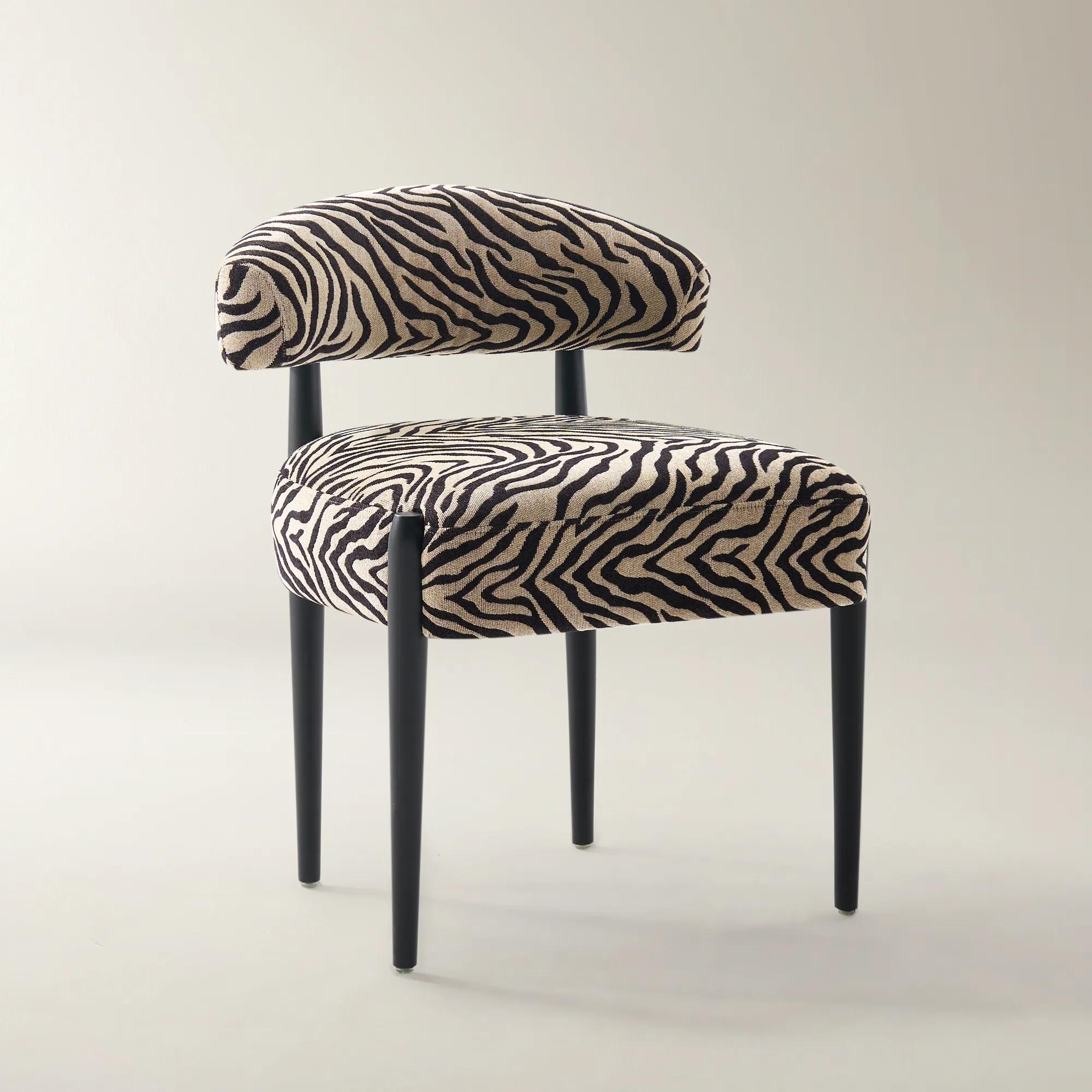 Anna Zebra Chenille Dining Chair Set Of 2$699
A set of zebra-print chenille dining chairs with high-density foam cushions and sturdy rubberwood legs.
Add To Cart -
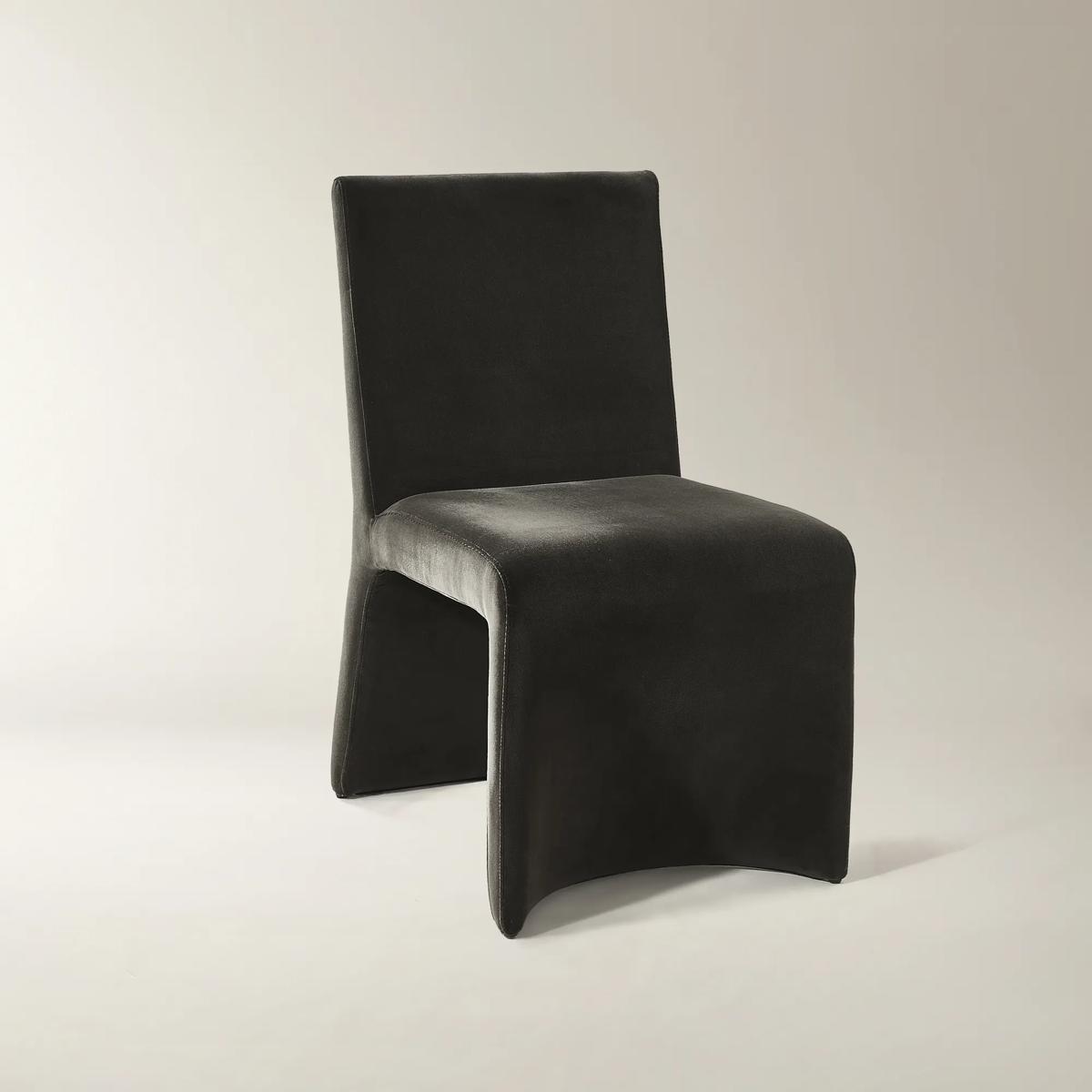
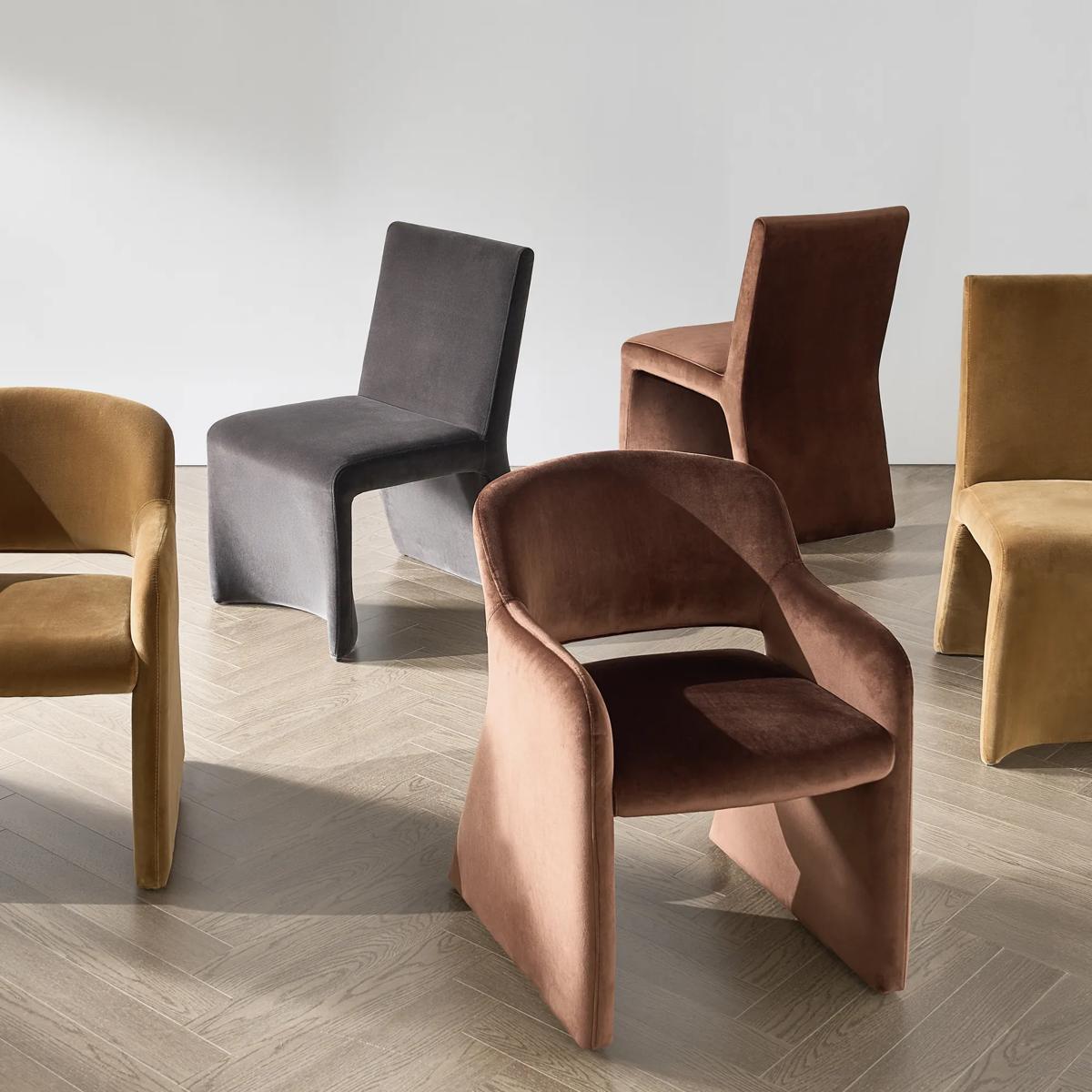 Elara Charcoal Velvet Dining Chair Set Of 2$799
A pair of charcoal velvet dining chairs featuring curved ergonomic silhouettes, plush upholstery, and hand-crafted details.
Add To Cart -
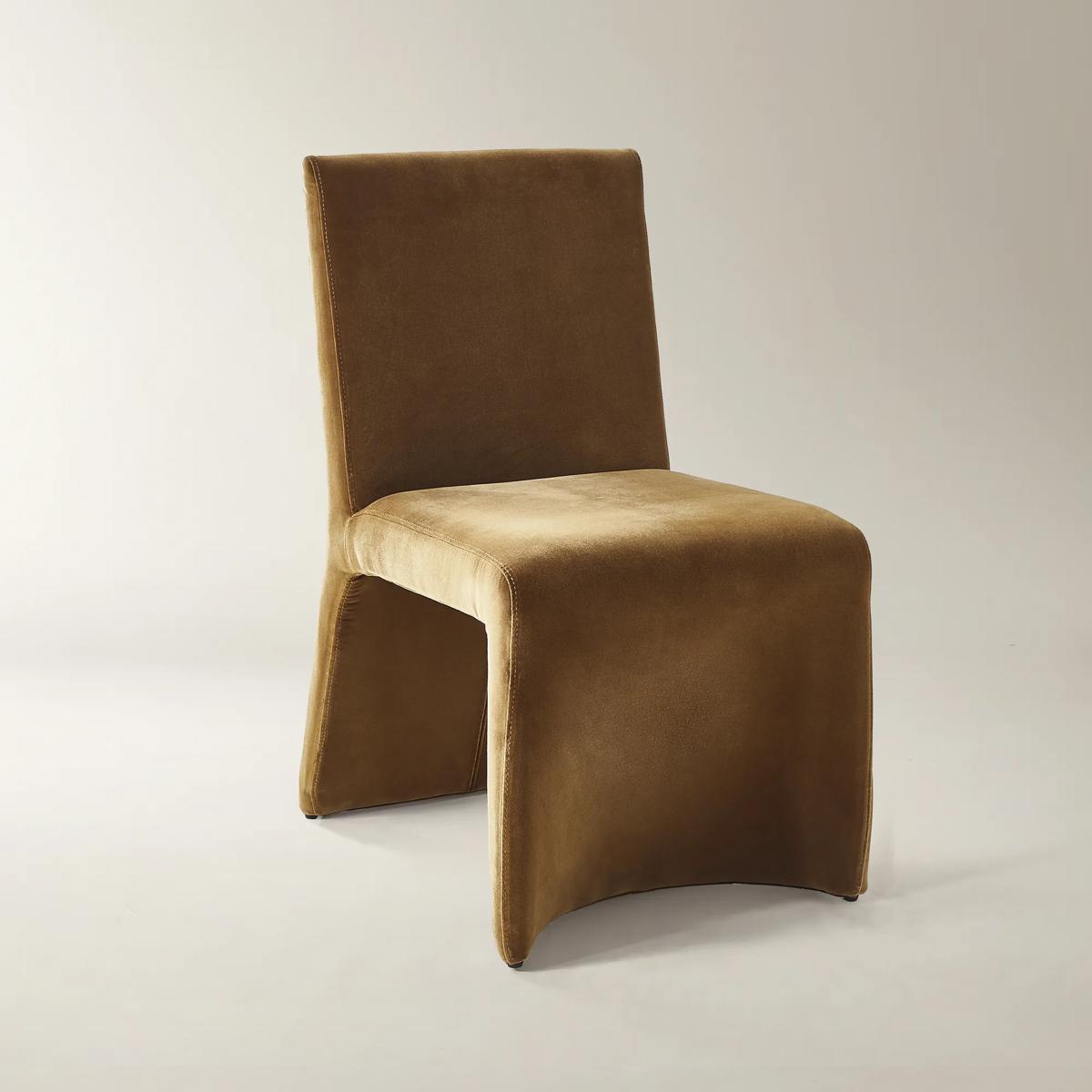 Elara Roasted Pecan Velvet Dining Chair Set Of 2$799
A pair of mustard velvet dining chairs featuring curved ergonomic silhouettes and hand-upholstered, reinforced construction.
Add To Cart -
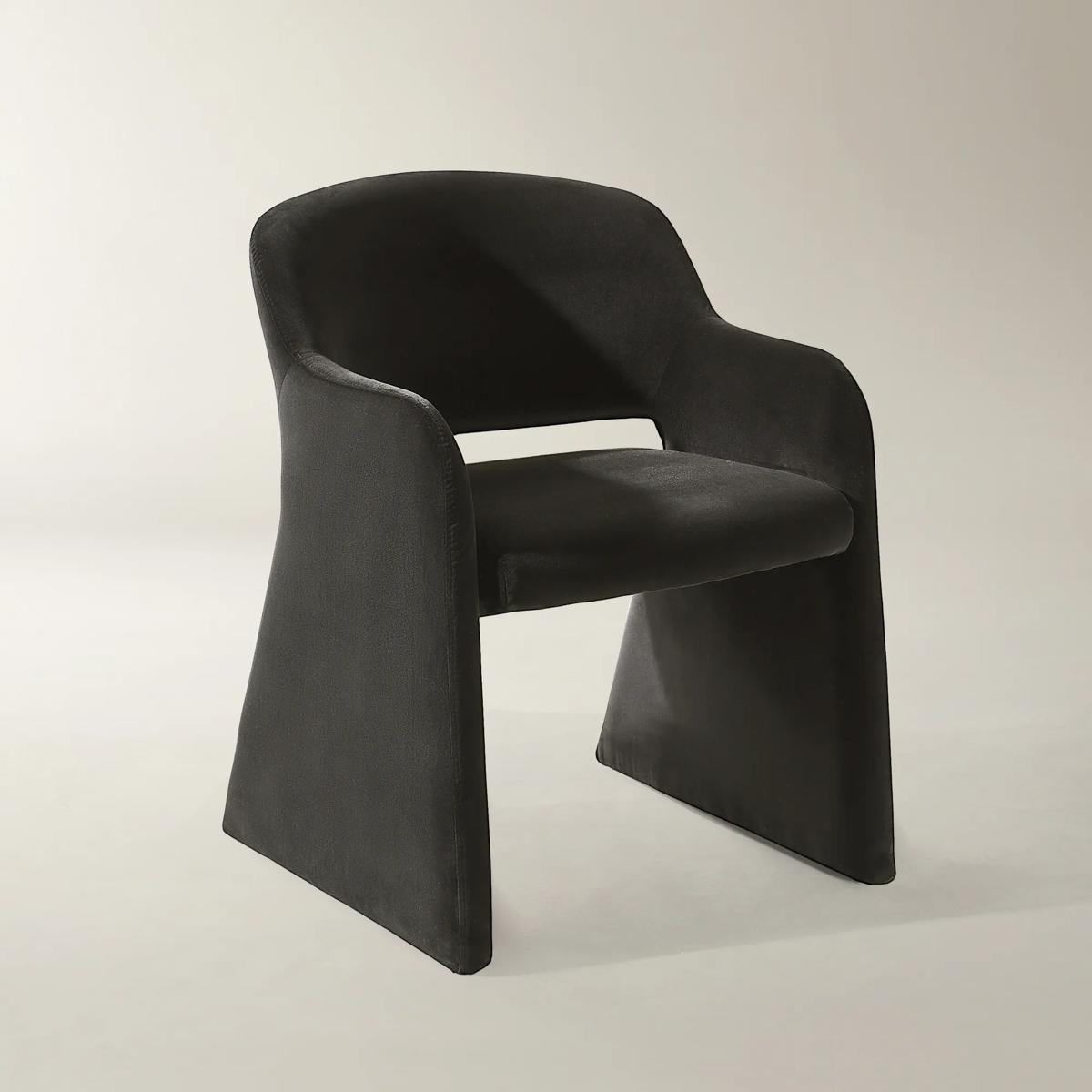 Elara Charcoal Velvet Dining Chair$449
A charcoal velvet armchair with sinuous curves, supportive embrace, and hand-crafted, reinforced construction.
Add To Cart -
 Stria Ivory Chenille Swivel Dining Chair With Oak Base$699
An inviting ivory chenille arm chair with a solid oak swivel base and hand-crafted details.
Add To Cart -
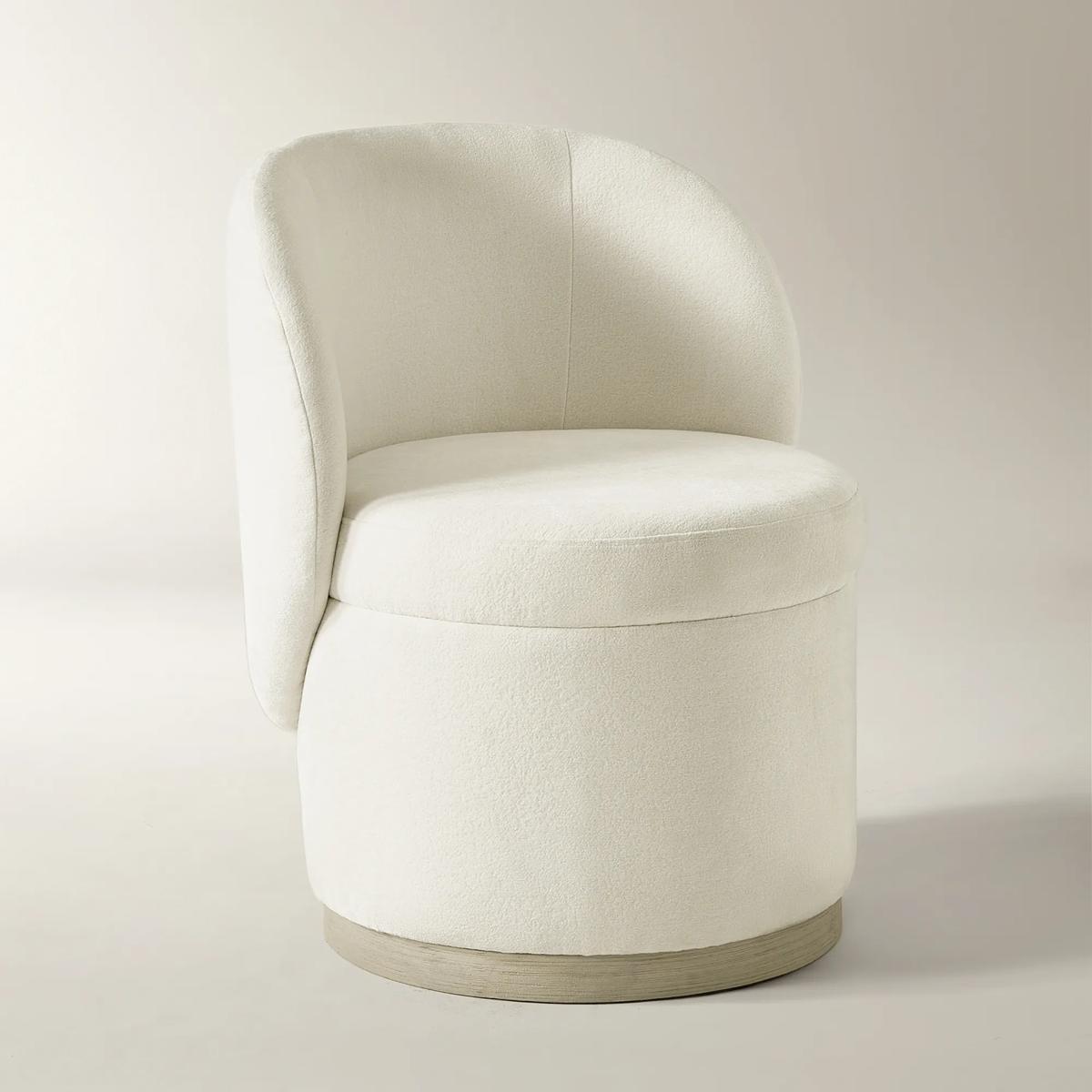 Stria Ivory Chenille Dining Chair With Oak Base$599
An ivory chenille chair featuring a plush, velvet-like finish and a handcrafted solid oak base.
Add To Cart -
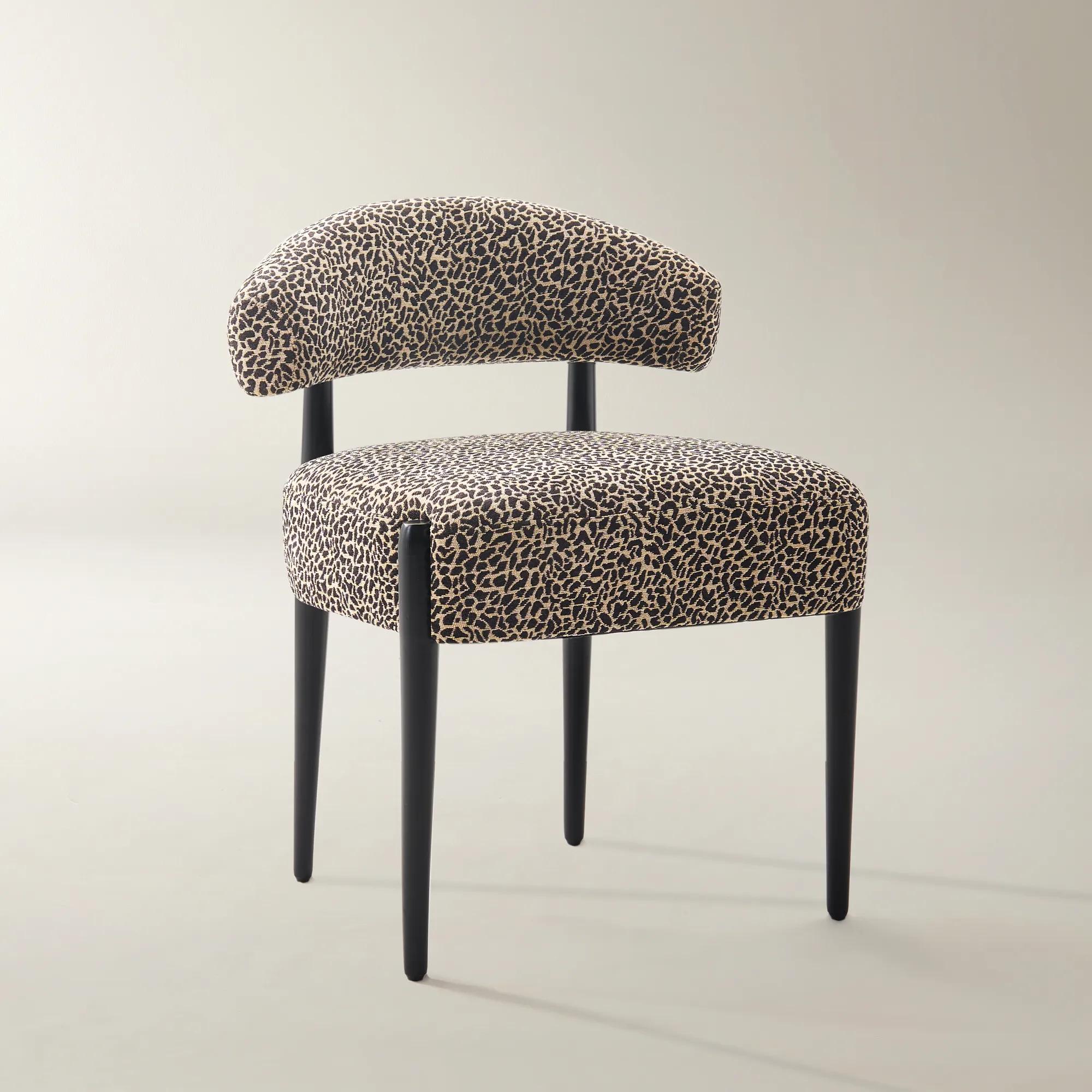
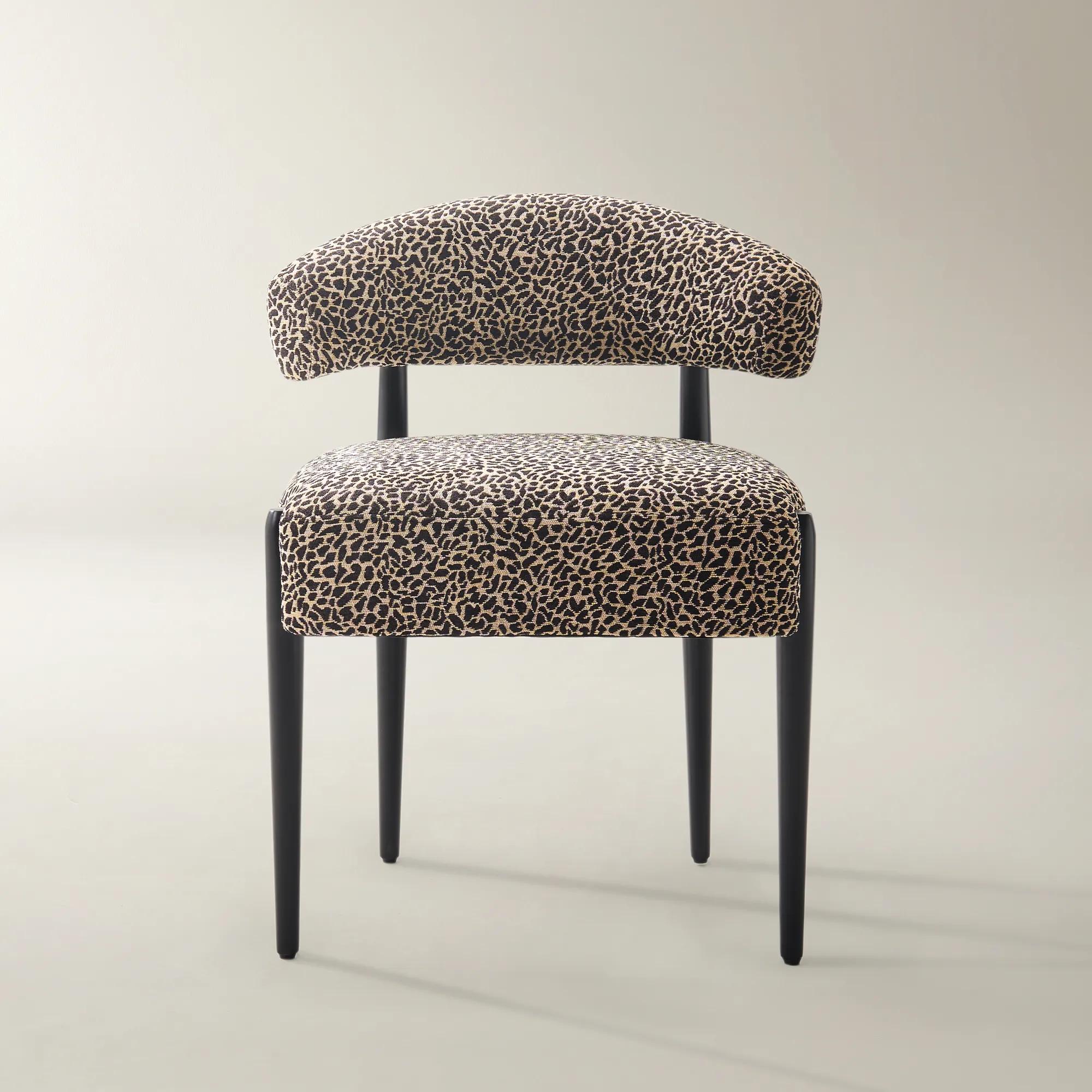 Anna Leopard Chenille Dining Chair Set Of 2$699
A pair of leopard-print chenille chairs with solid rubberwood legs and high-density foam for lasting comfort.
Add To Cart -
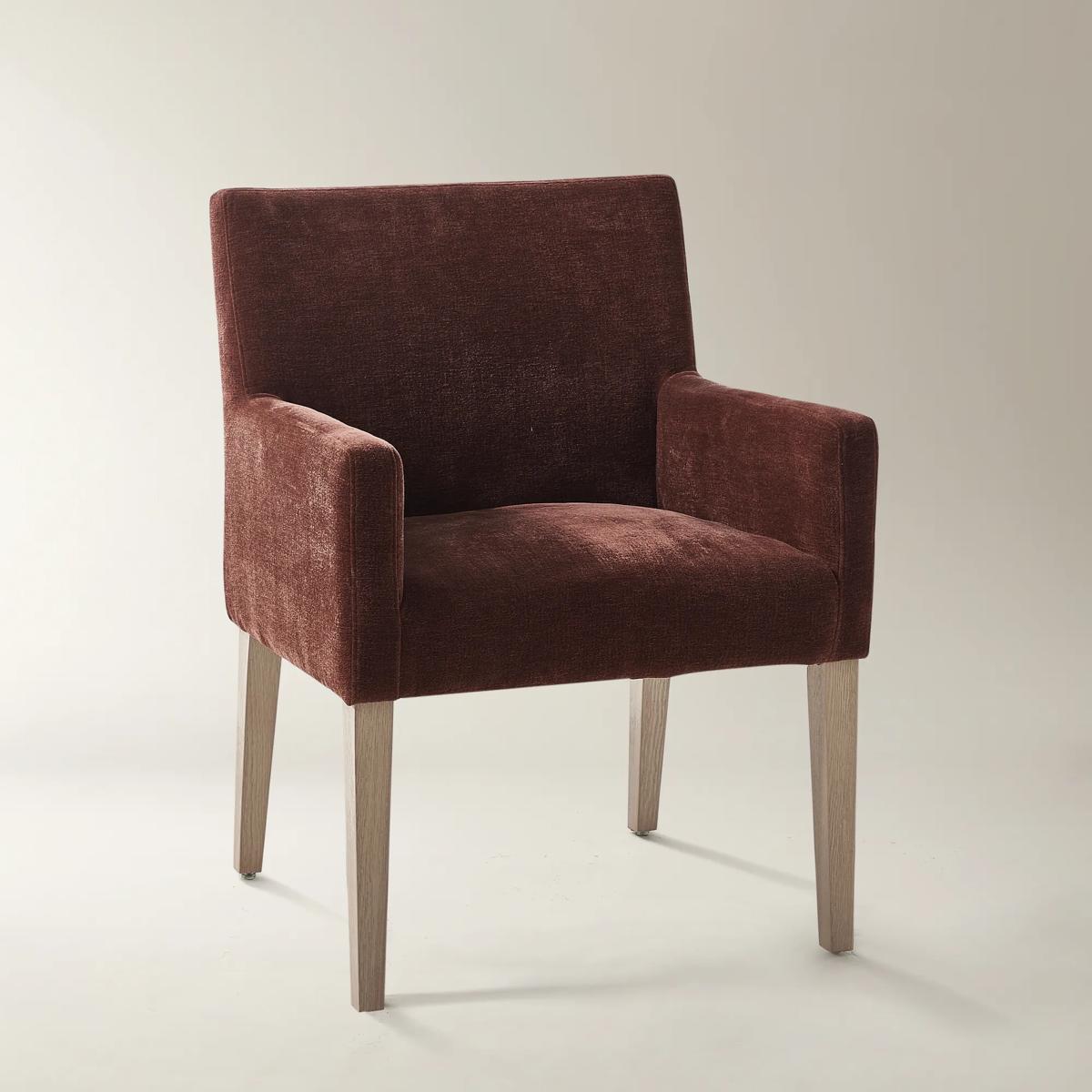
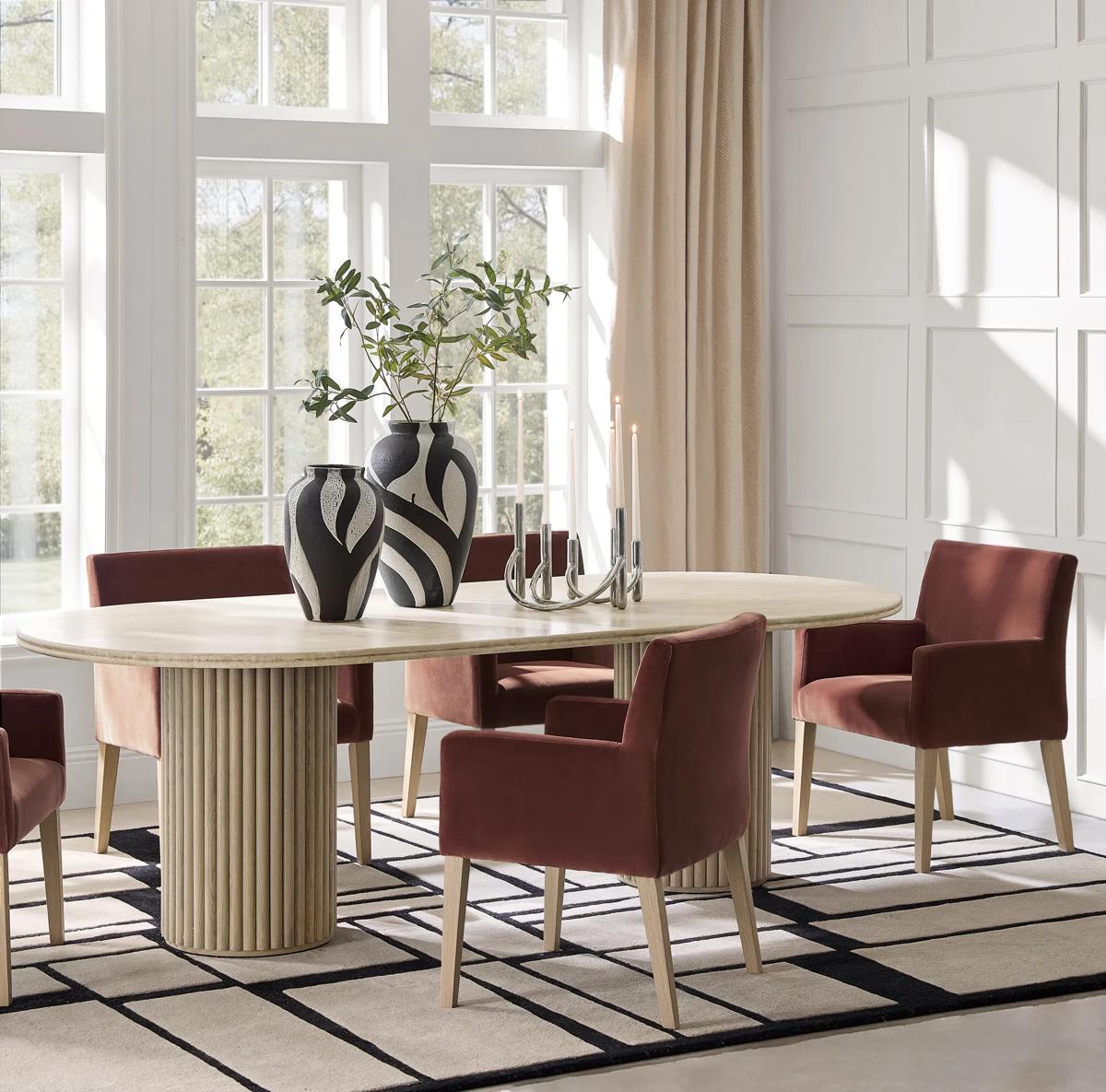 Stria Rust Velvet Dining Chair Set Of 2$599
A set of two arm chairs featuring cognac chenille upholstery and handcrafted solid oak legs for timeless style.
Add To Cart -
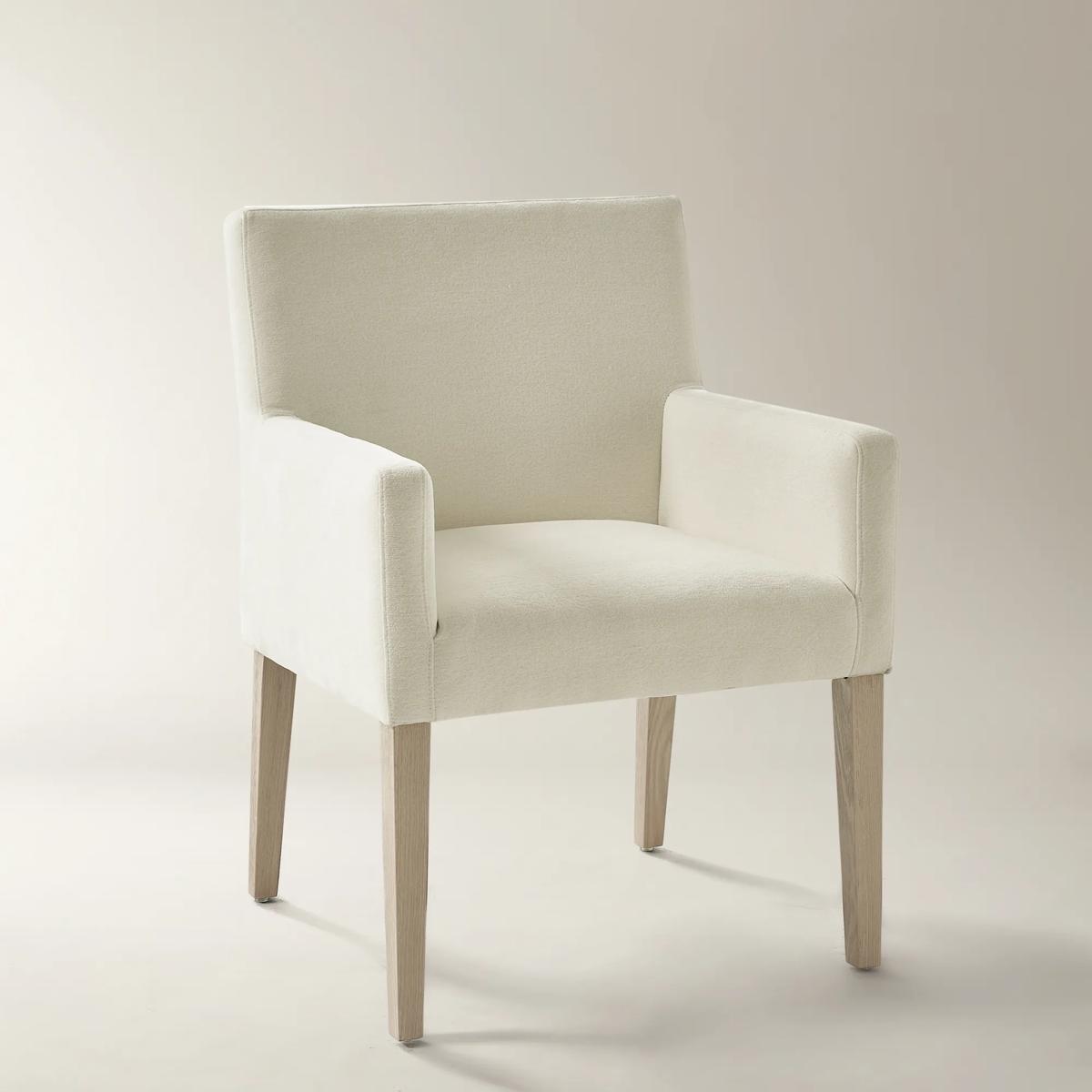
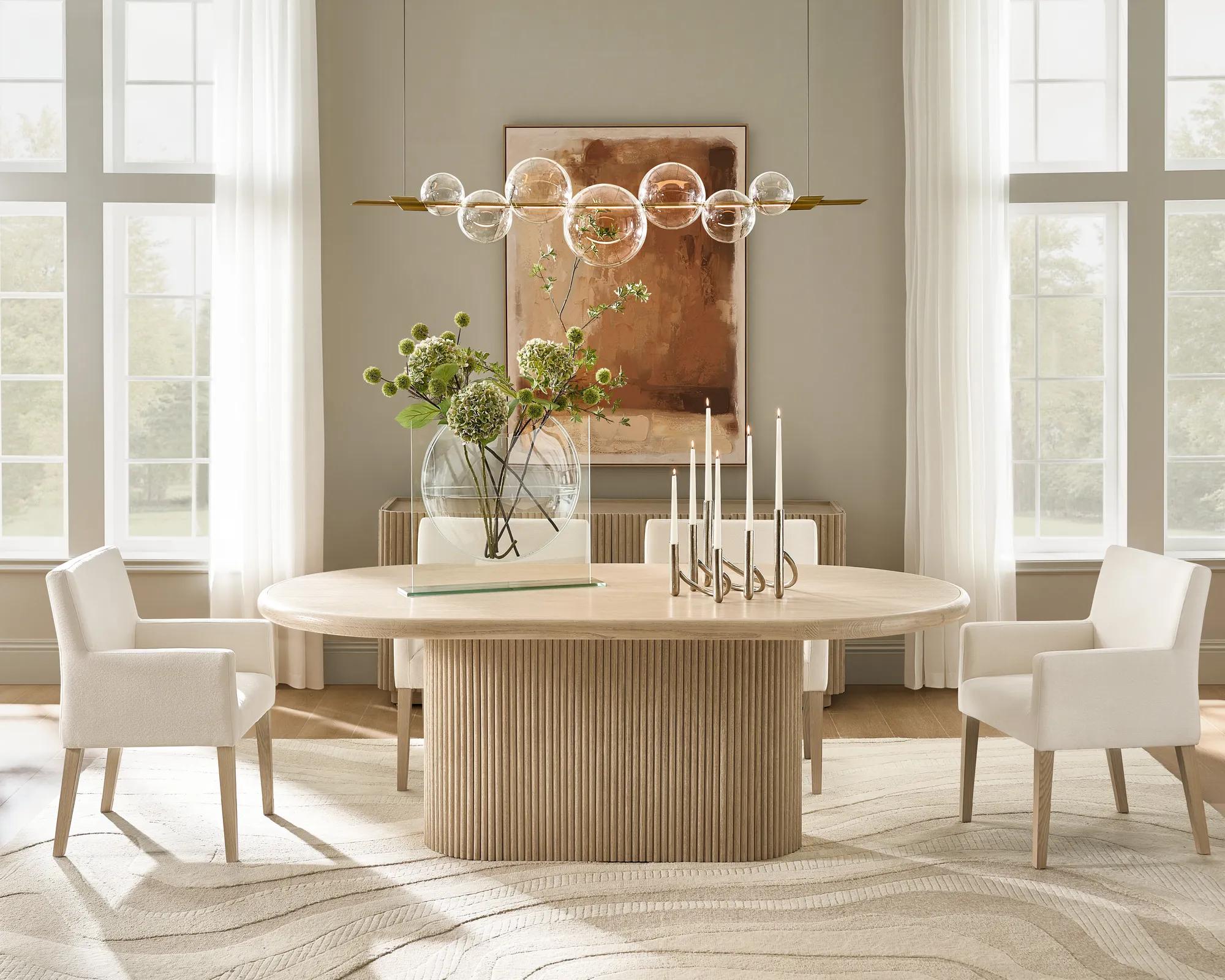 Stria Ivory Chenille Dining Chair Set Of 2$599
A pair of ivory chenille arm chairs with natural oak legs, offering plush comfort and modern elegance.
Add To Cart -
 Stria Roasted Pecan Velvet Swivel Dining Chair With Oak Base$699
A khaki chenille swivel armchair with a handcrafted solid oak base and plush, modern comfort.
Add To Cart -

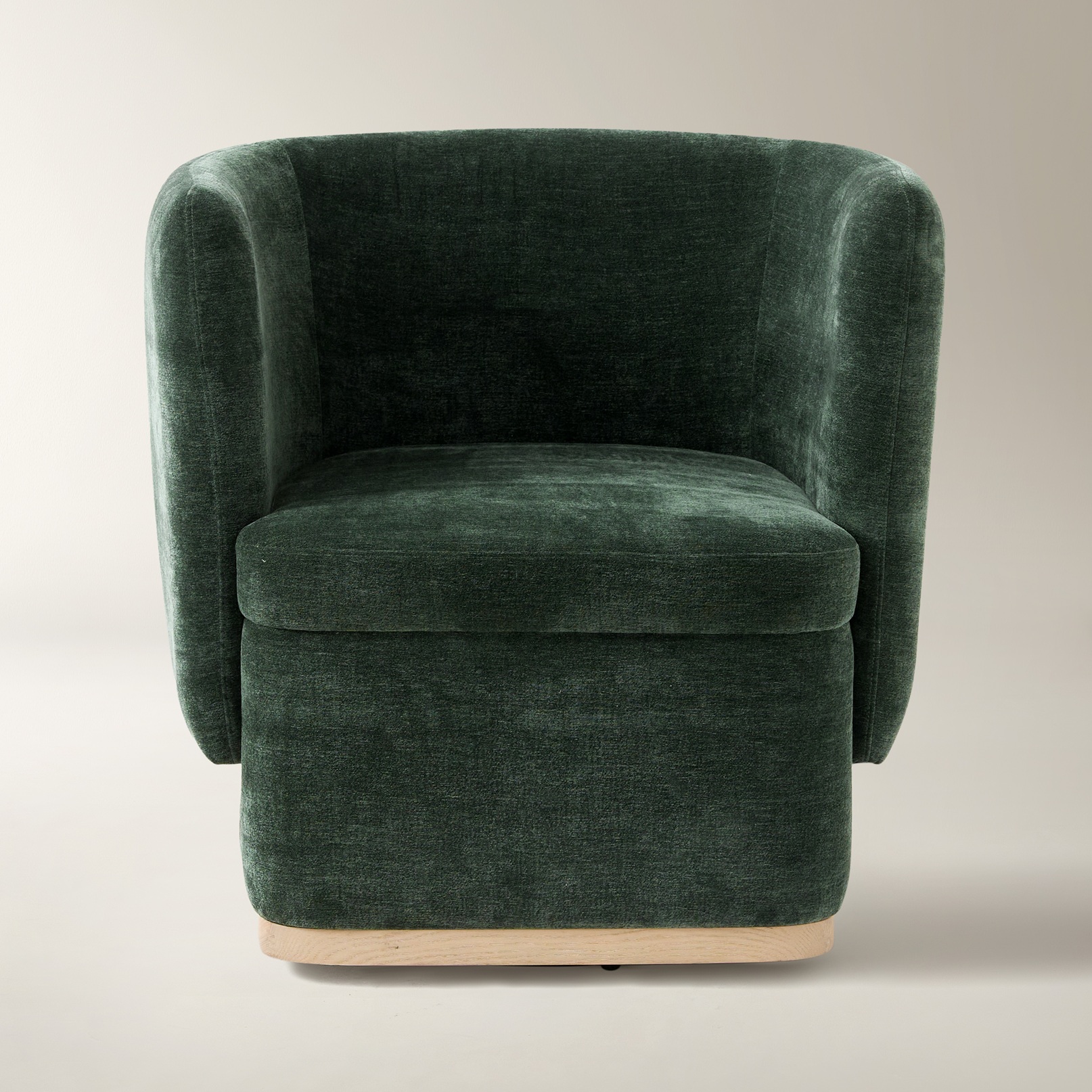 Stria Green Chenille Swivel Dining Chair With Oak Base$699
A green chenille arm chair with a solid oak swivel base, offering cozy comfort and modern versatility.
Add To Cart -
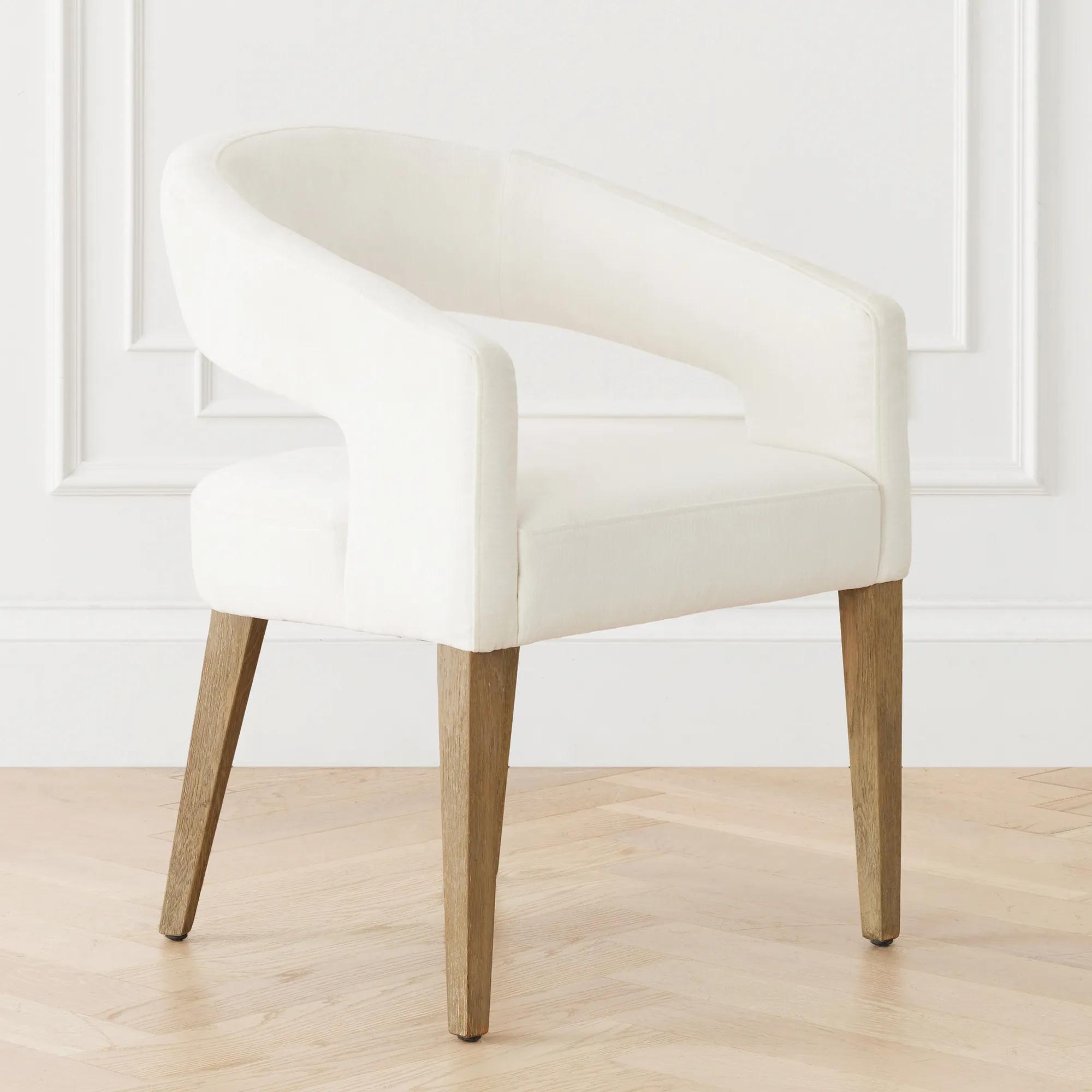
 Harrison Cream Chenille Dining Chair$499
A fully upholstered cream chenille chair with high-density foam cushioning for exceptional comfort and contemporary style.
Add To Cart -

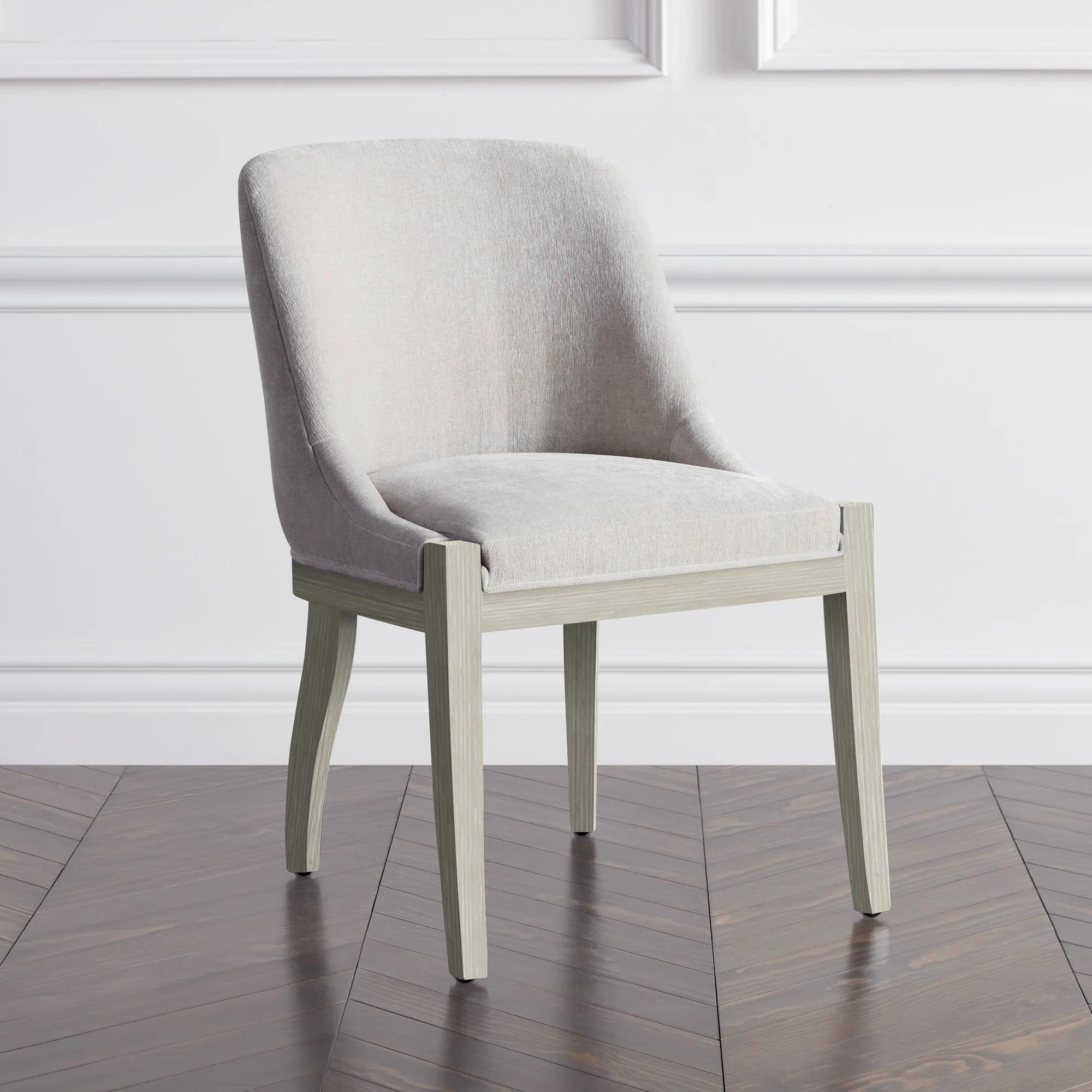
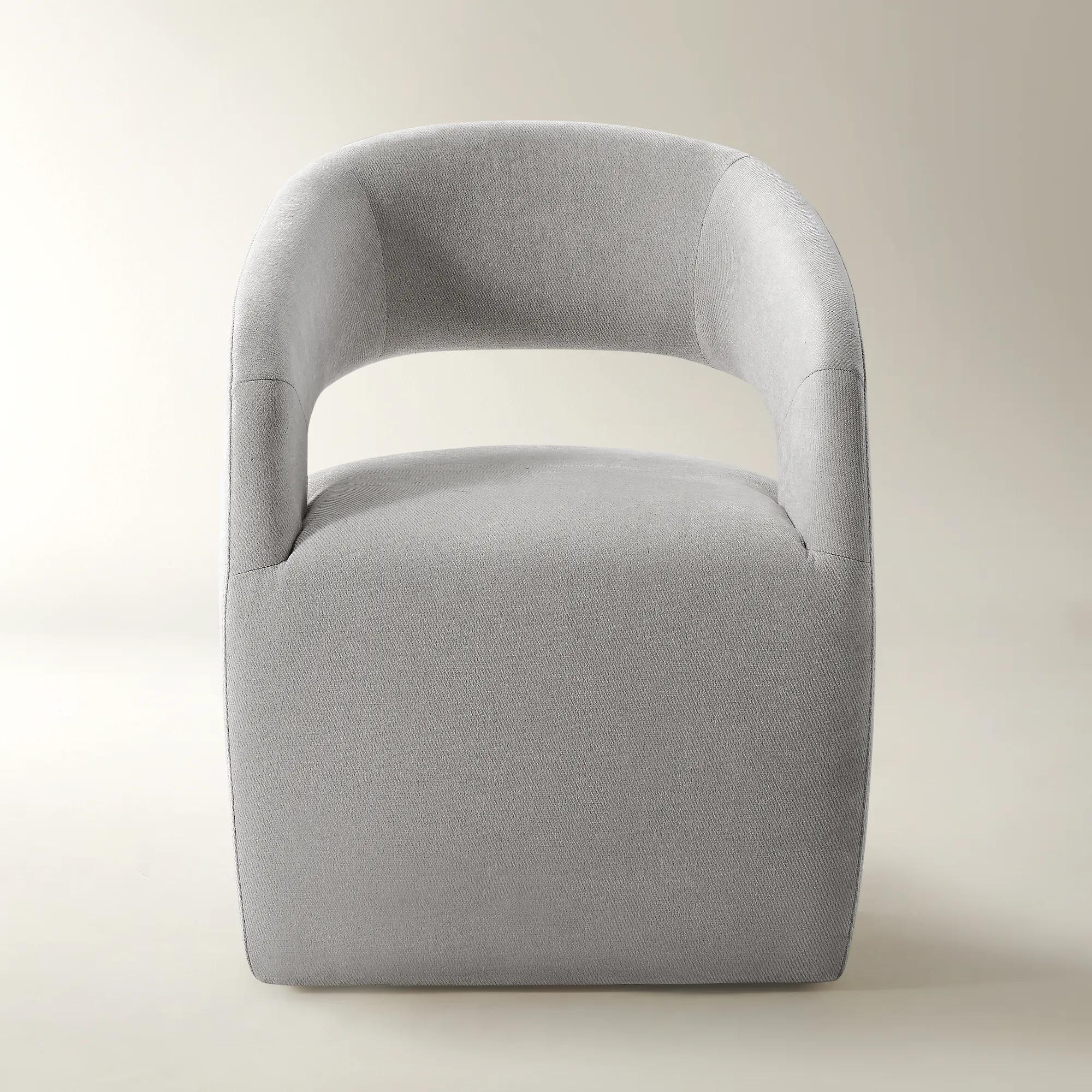 Harrison Flint Chenille Dining Chair$499
A fully upholstered flint chenille dining chair with high-density foam cushioning for superior comfort and style.
Add To Cart -
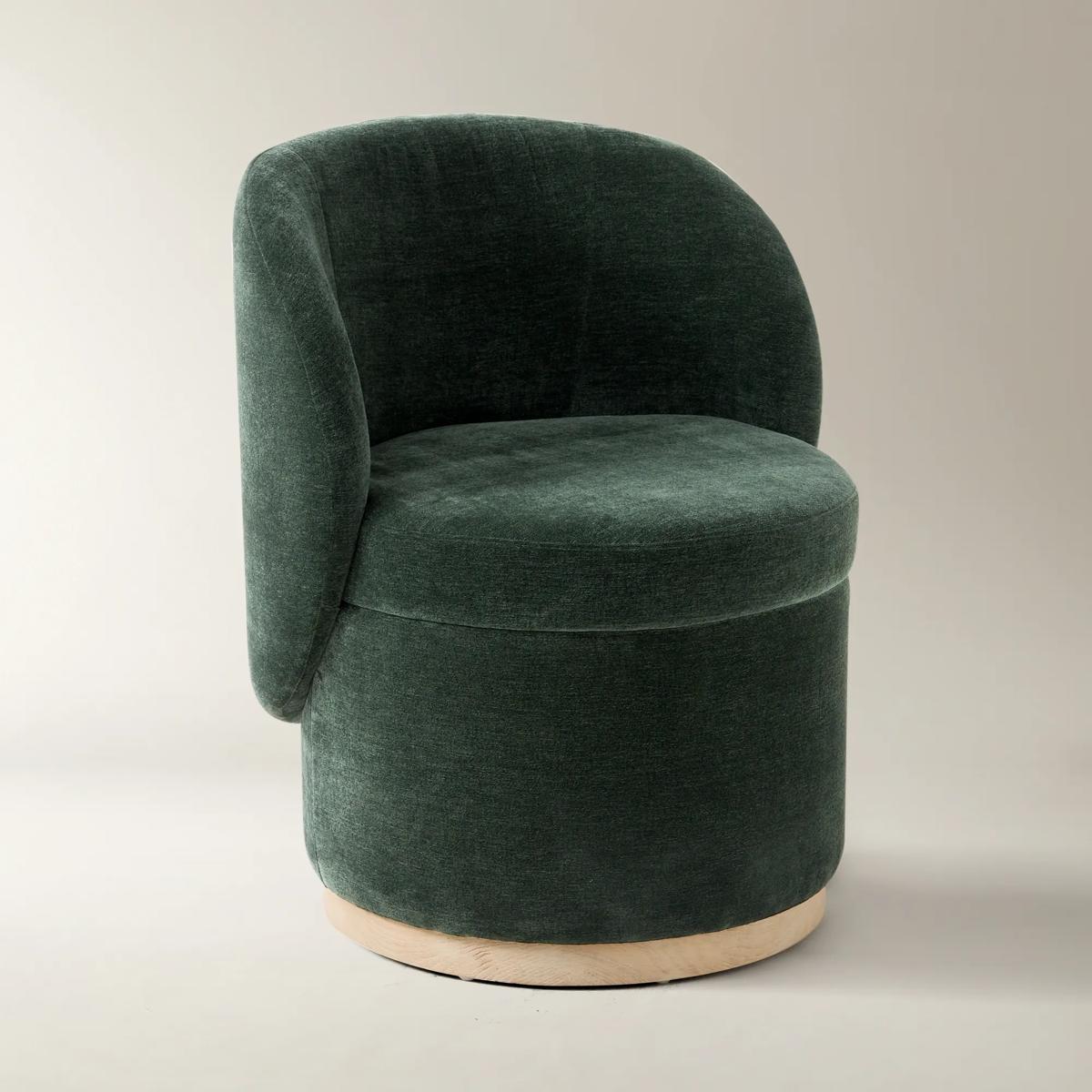
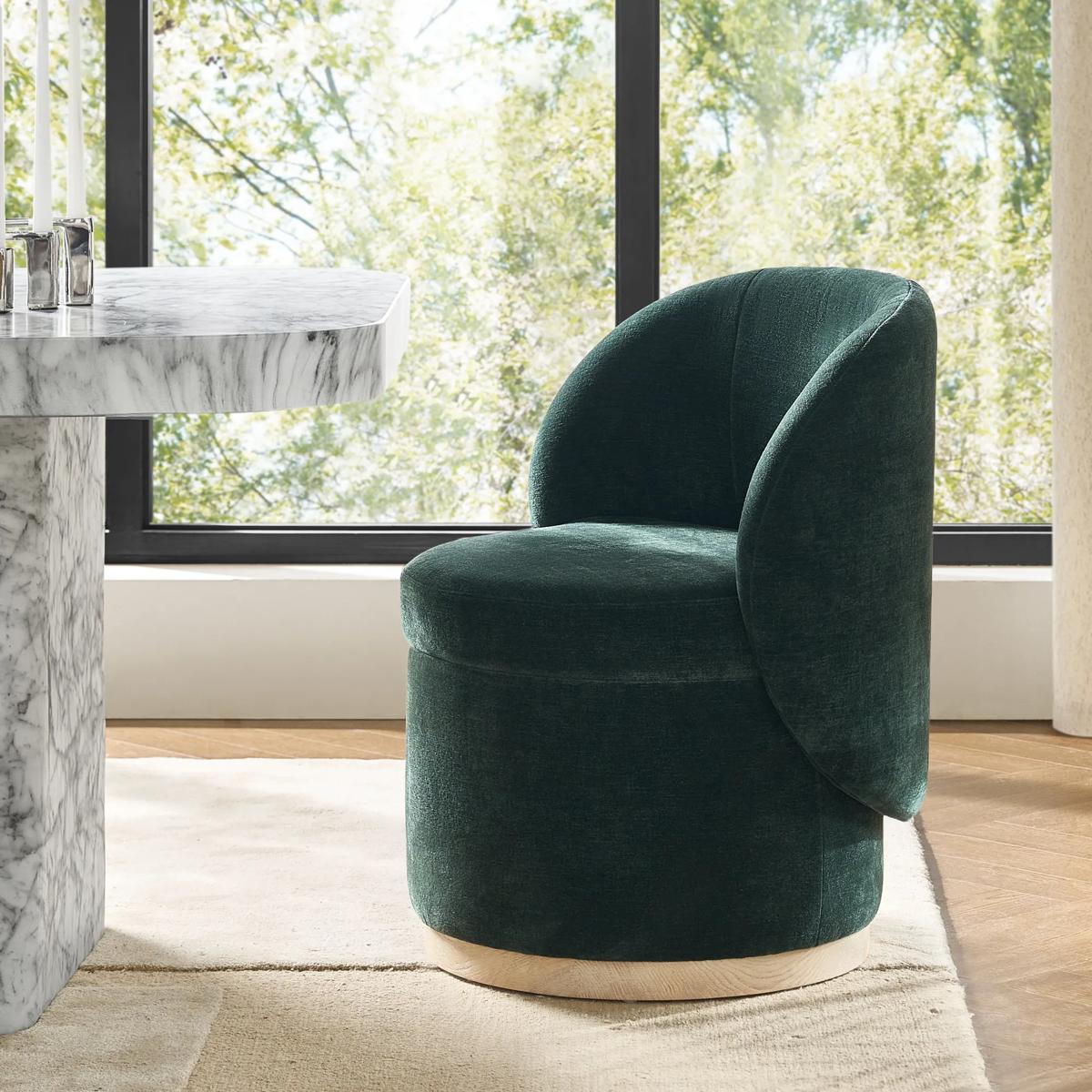 Stria Green Chenille Dining Chair With Oak Base$599
A green chenille dining chair with a handcrafted solid oak base and inviting, softly curved silhouette.
Add To Cart -
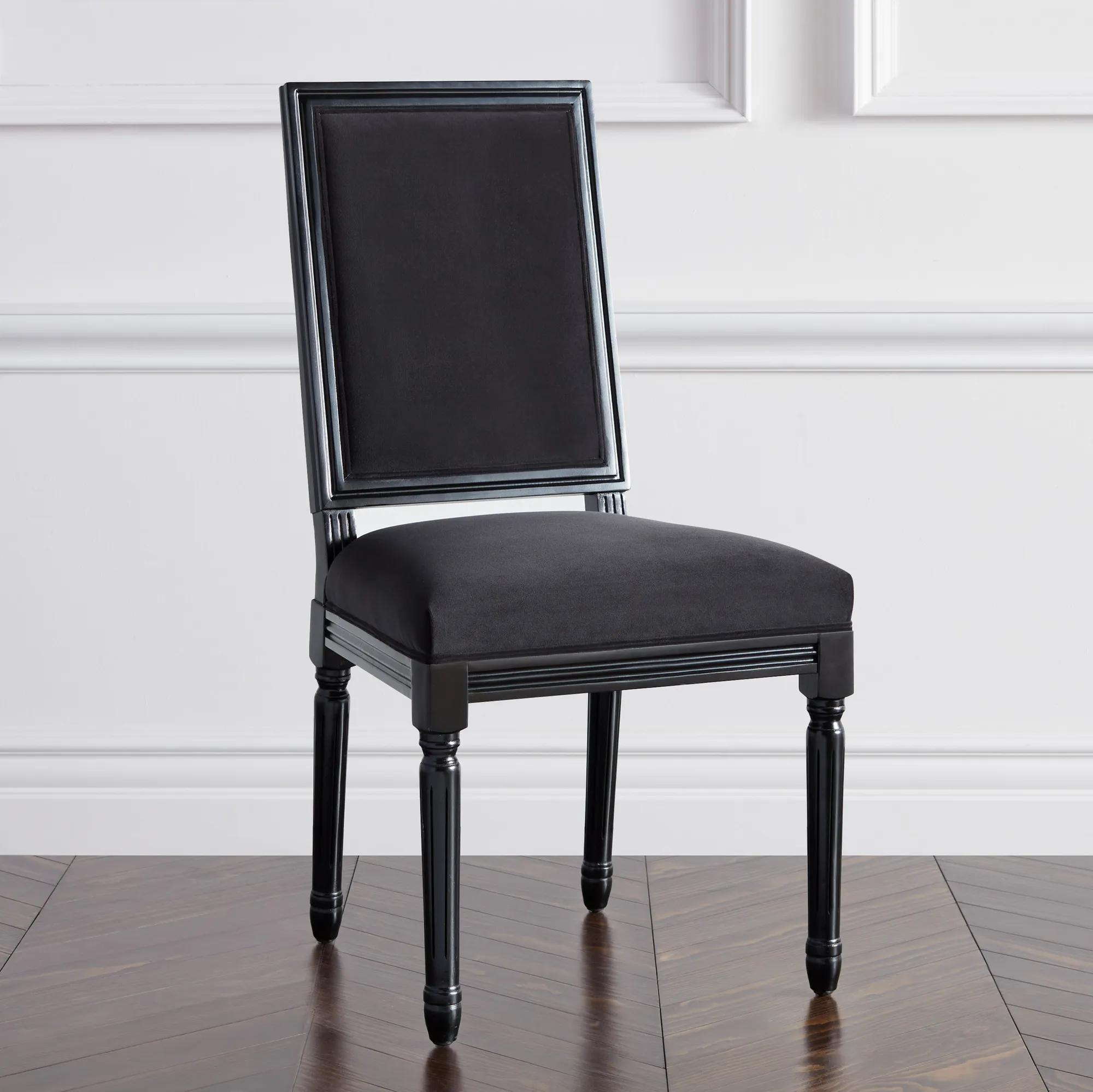
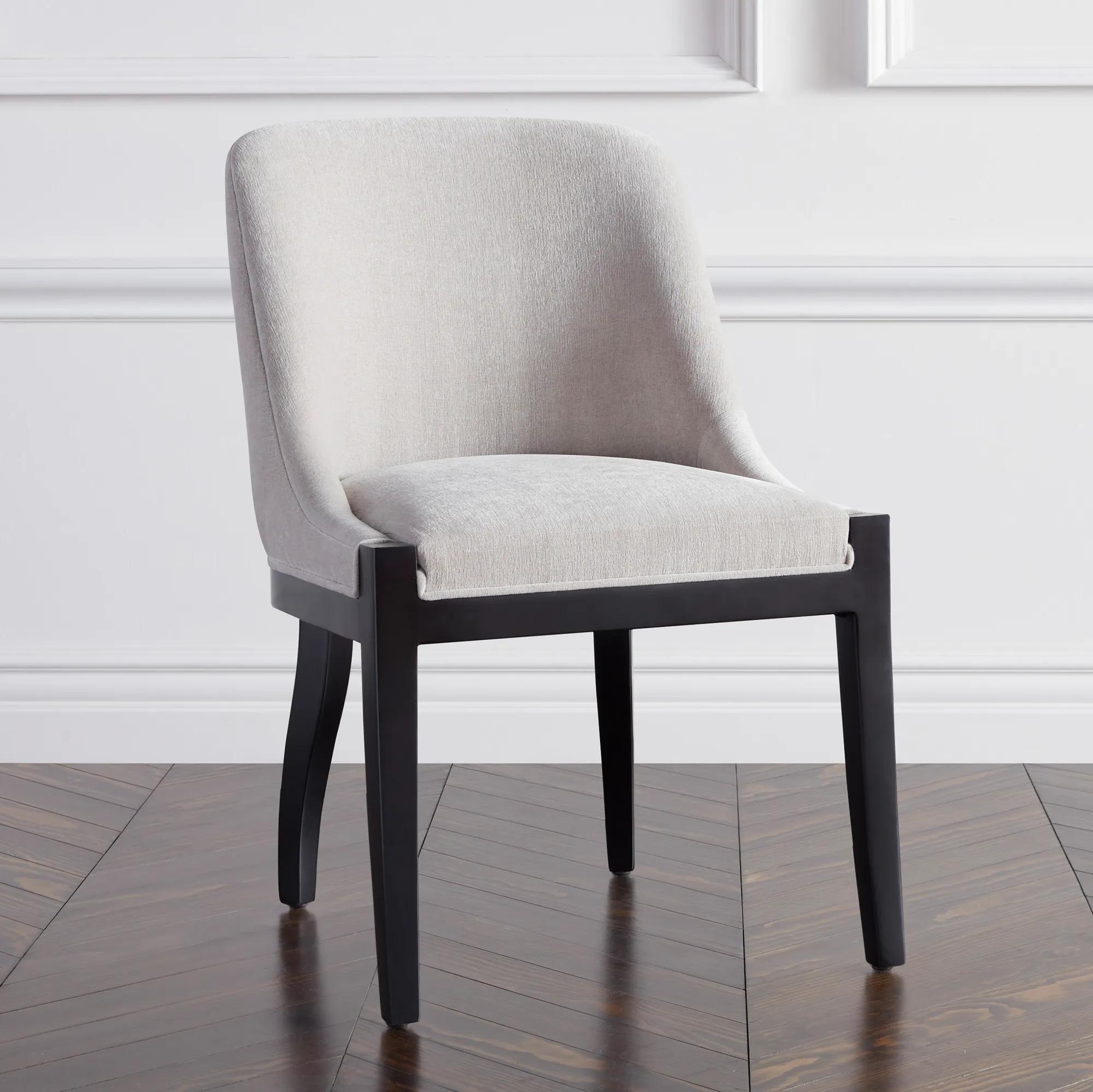
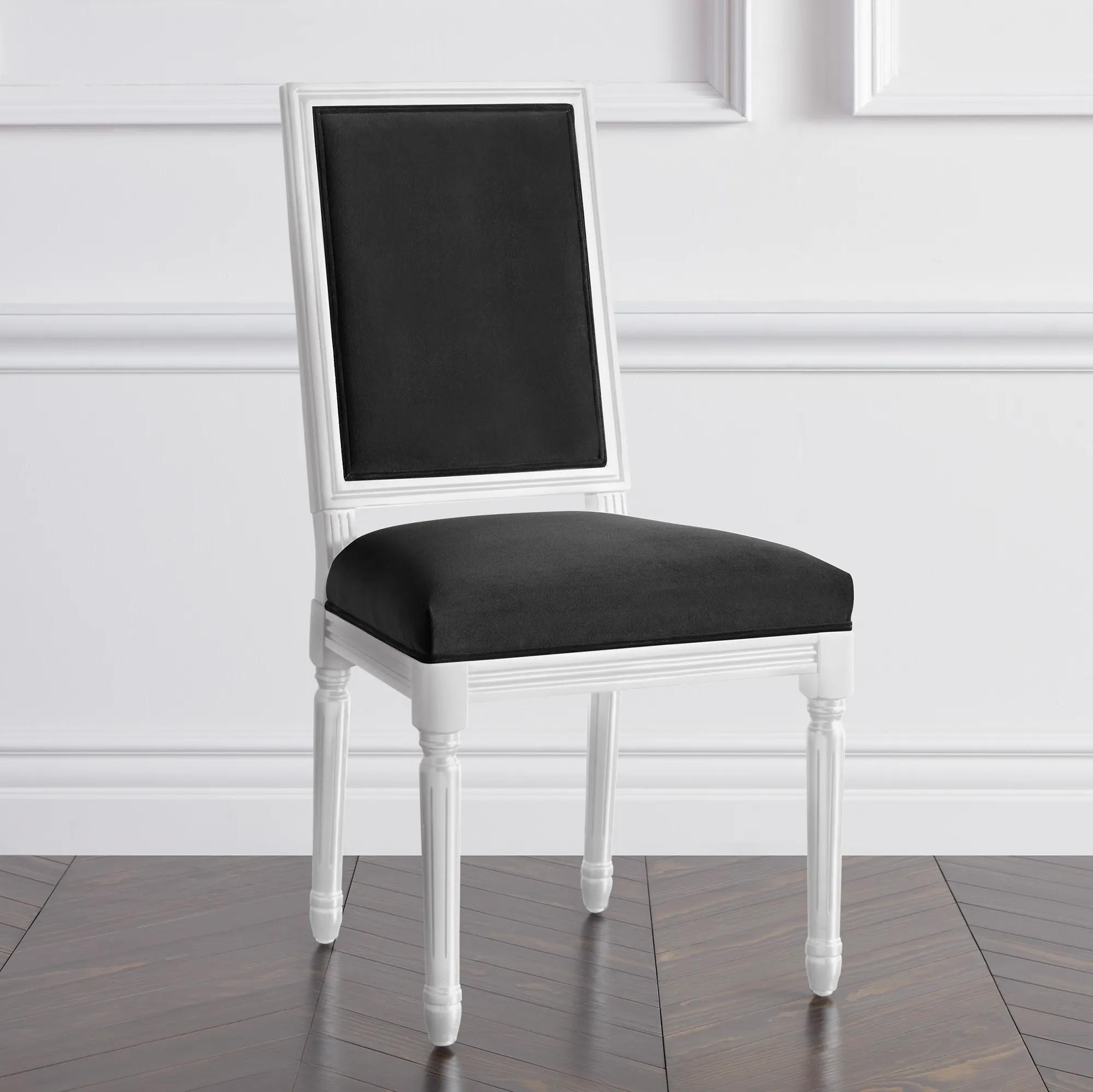
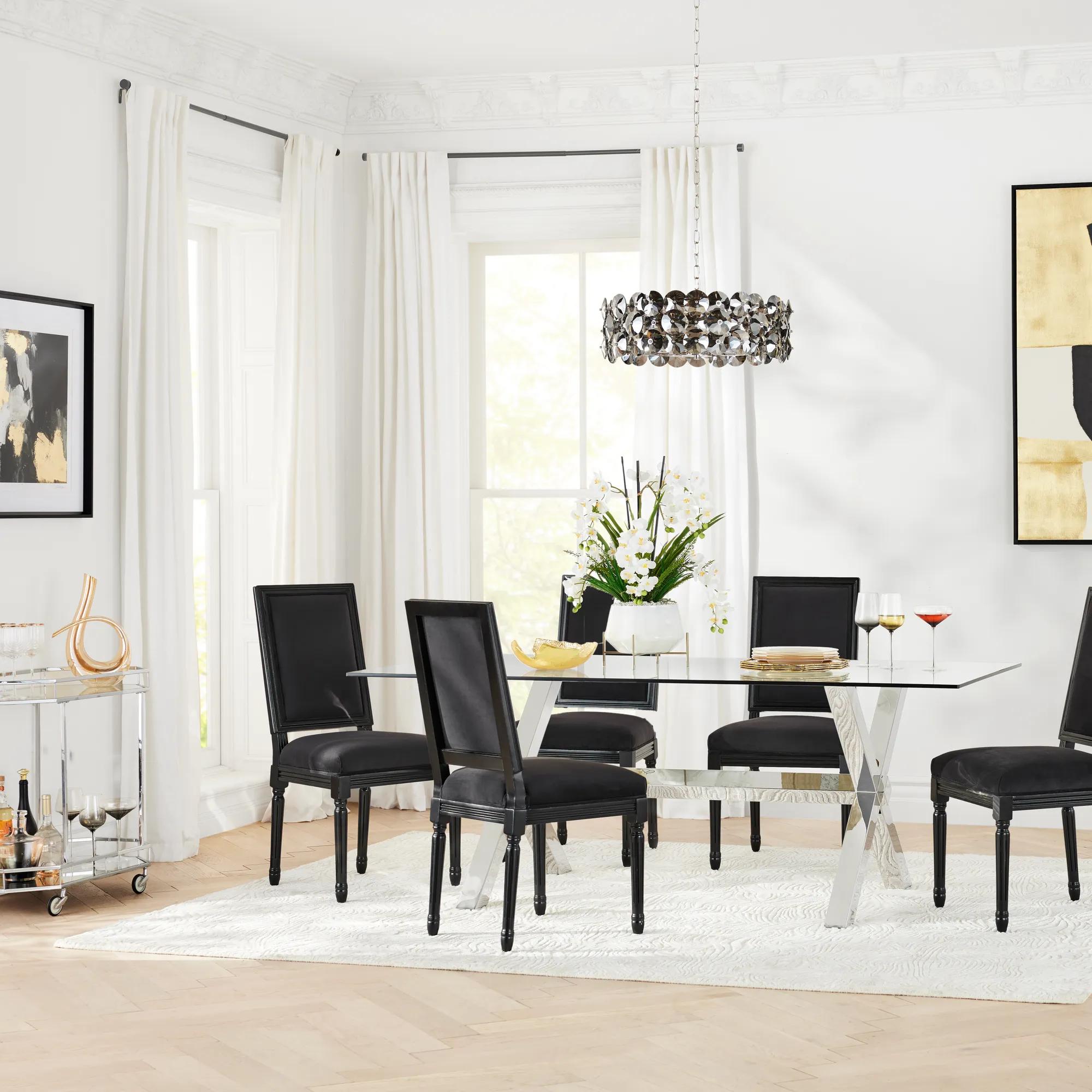 Callan Dining Chair - High Gloss Black$549
A handcrafted dining chair featuring high-gloss black finish, Bella Velvet upholstery, and classic French-inspired details.
Add To Cart -
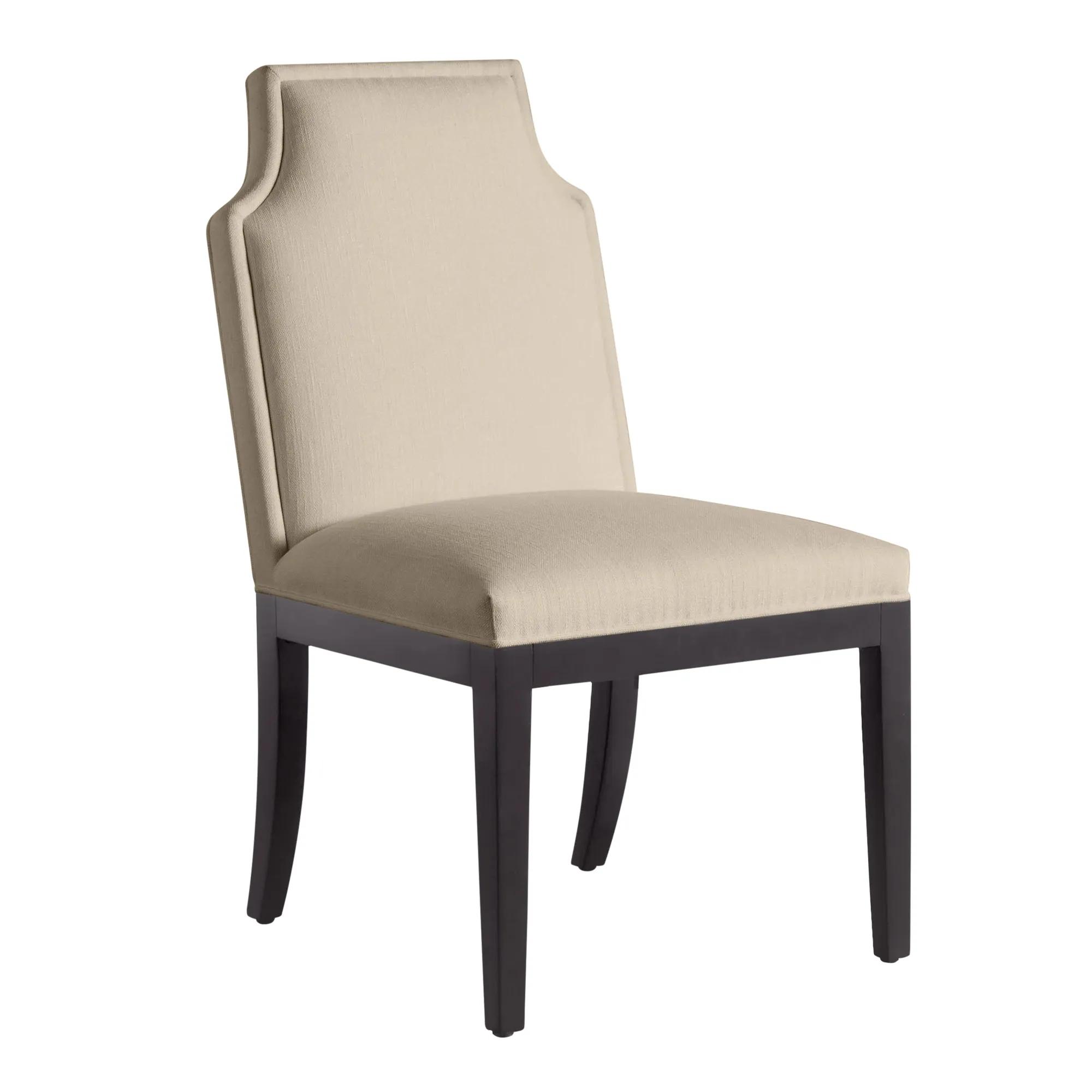
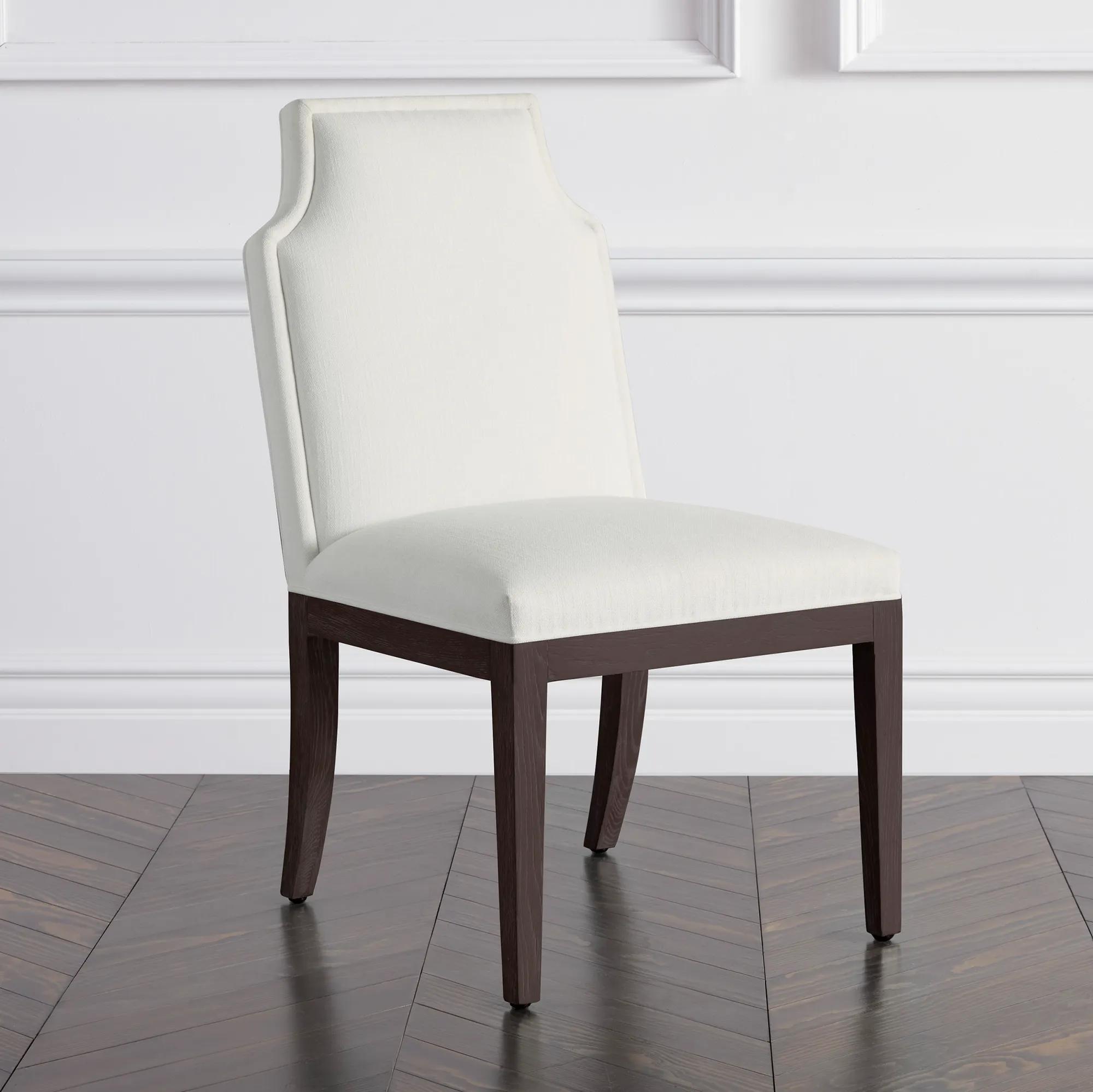 Jasmine Dining Chair - Espresso$649
A chic dining chair featuring a notched back, espresso legs, and plush upholstery for lasting comfort.
Add To Cart -
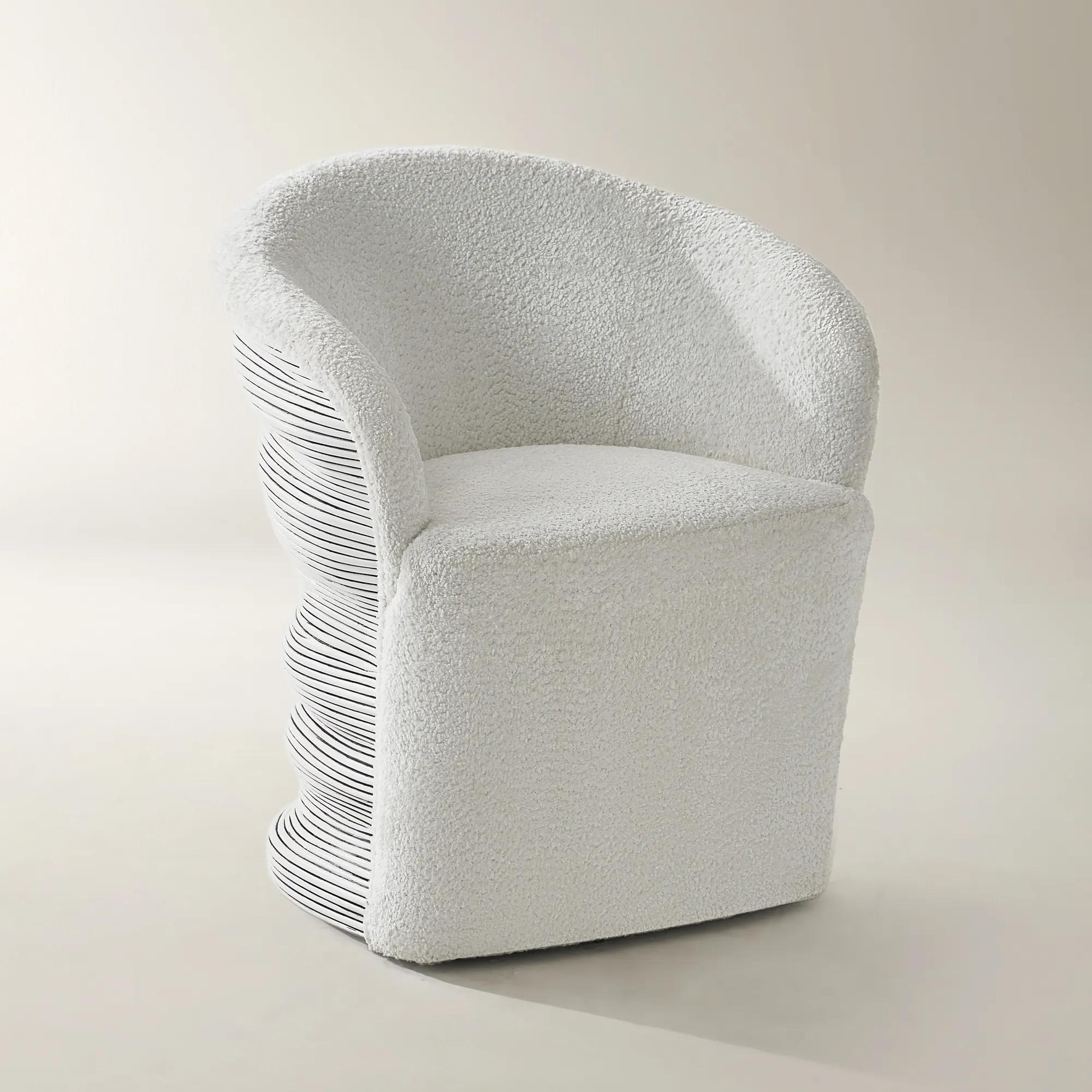
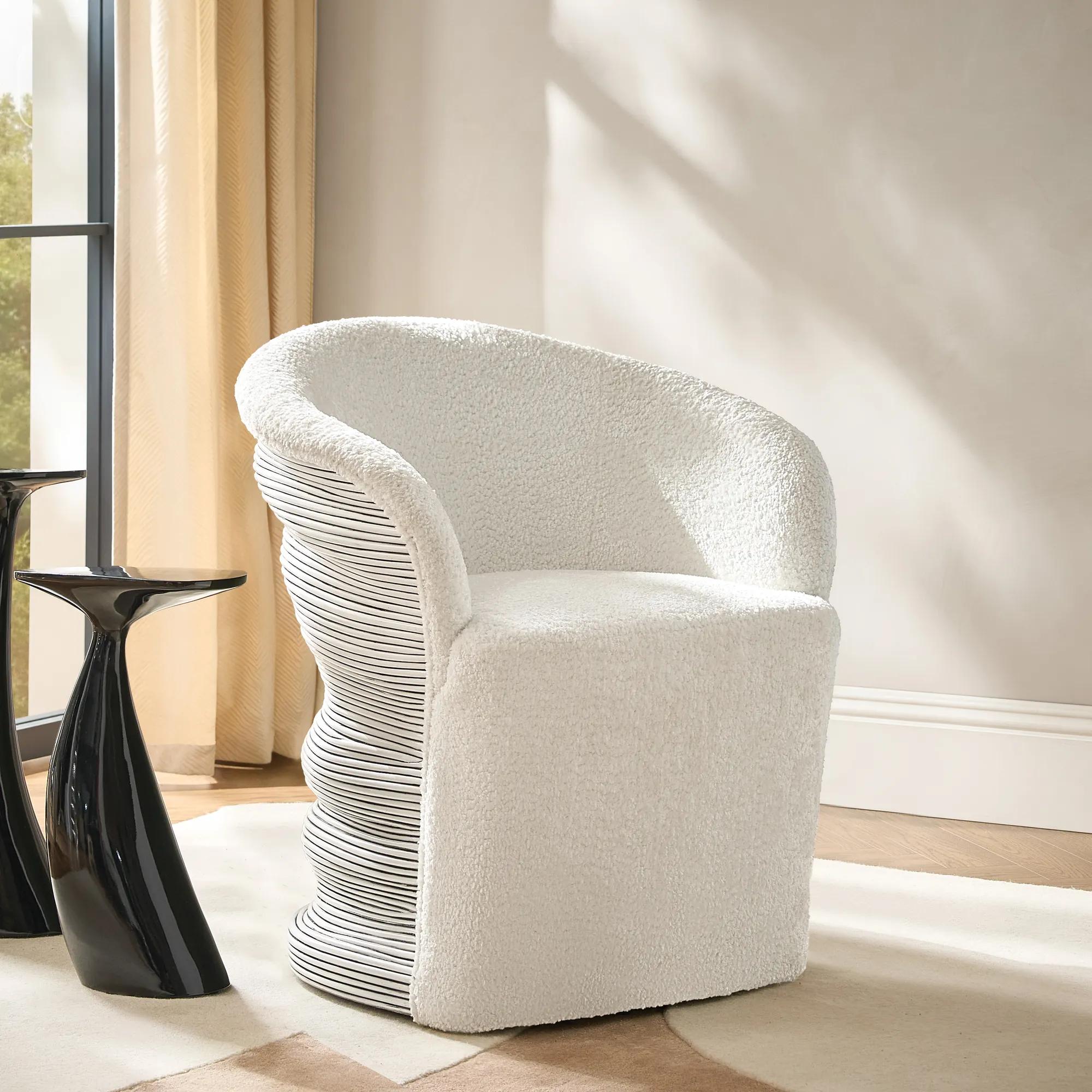 Cairo Rattan Ivory Chenille Dining Chair$999
An artisan-crafted swivel chair featuring handwoven natural rattan and plush ivory chenille upholstery for modern comfort.
Add To Cart -
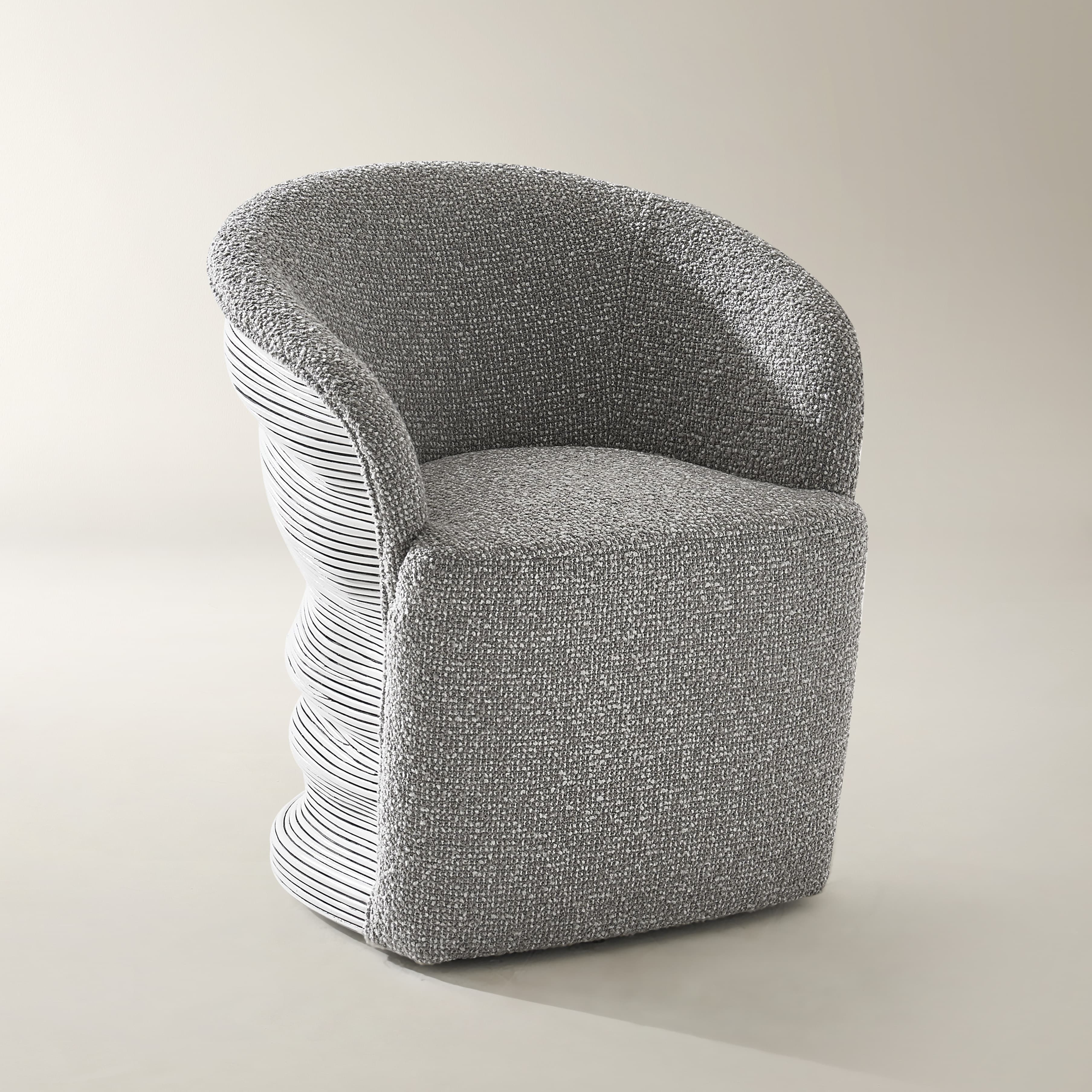
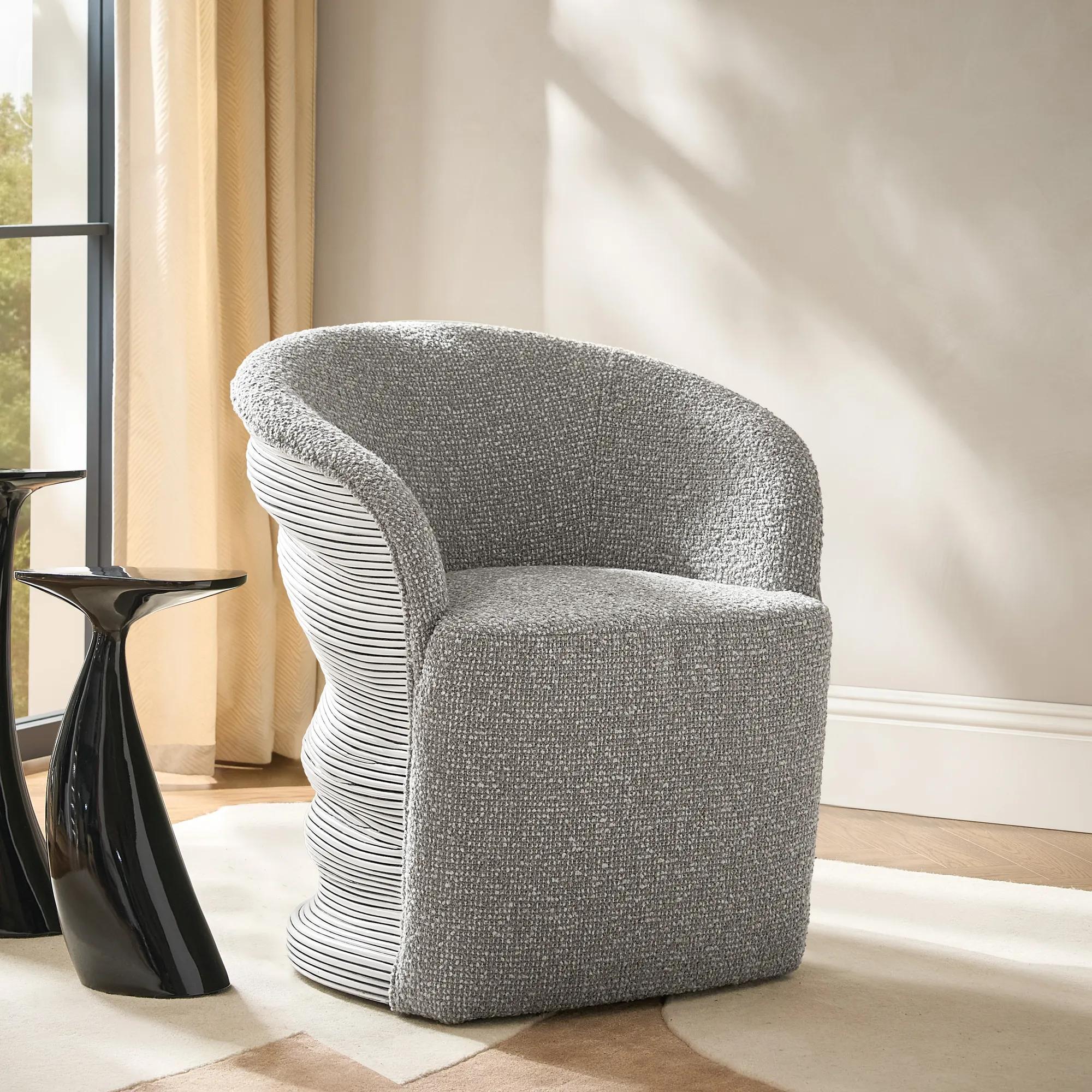 Cairo Rattan Grey Chenille Dining Chair$999
A handwoven natural rattan swivel chair in grey chenille, blending sculptural form with plush comfort.
Add To Cart -
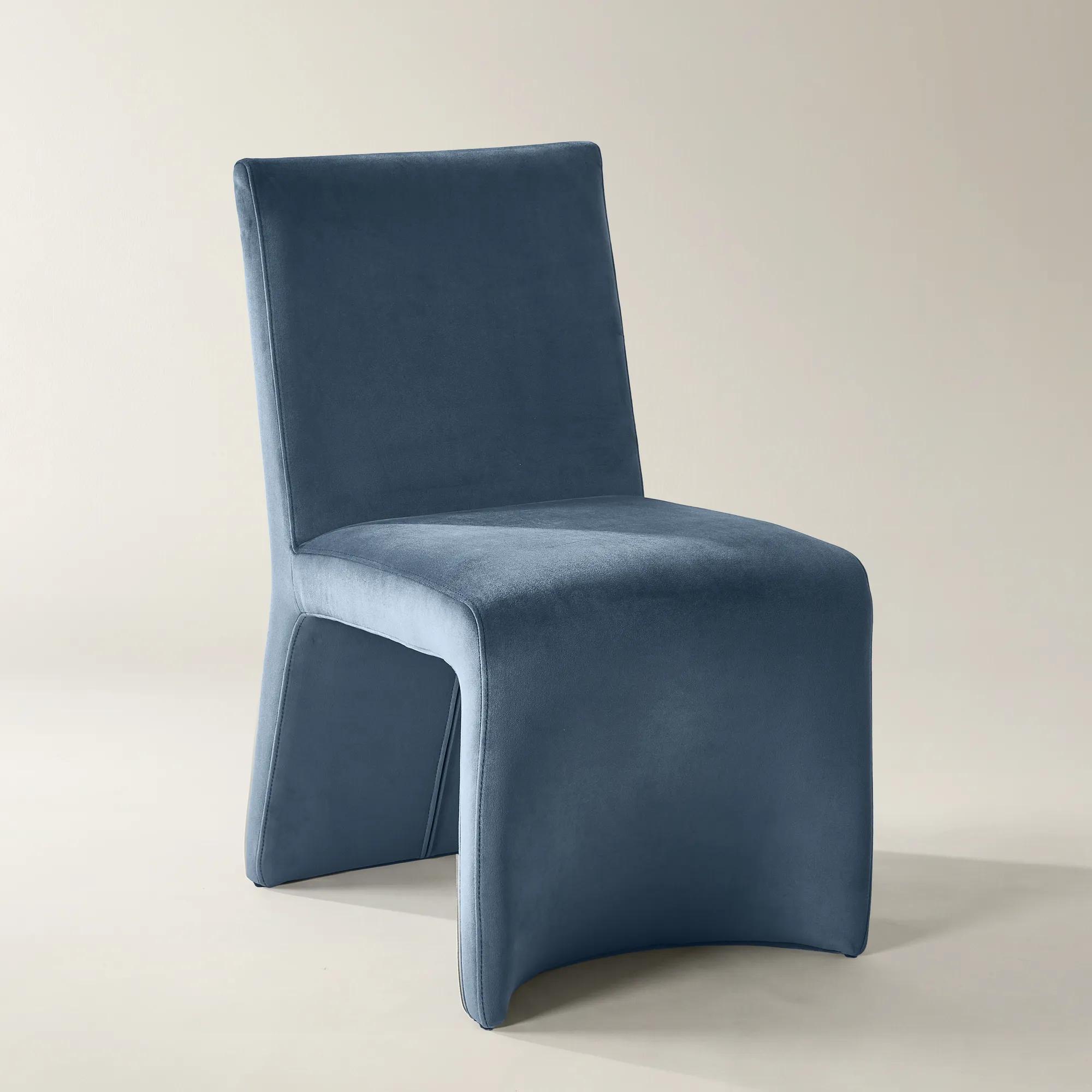 Elara Dusty Blue Velvet Dining Chair Set Of 2$799
A set of two dining chairs featuring plush dusty blue velvet upholstery and a seamless, artful silhouette.
Add To Cart -
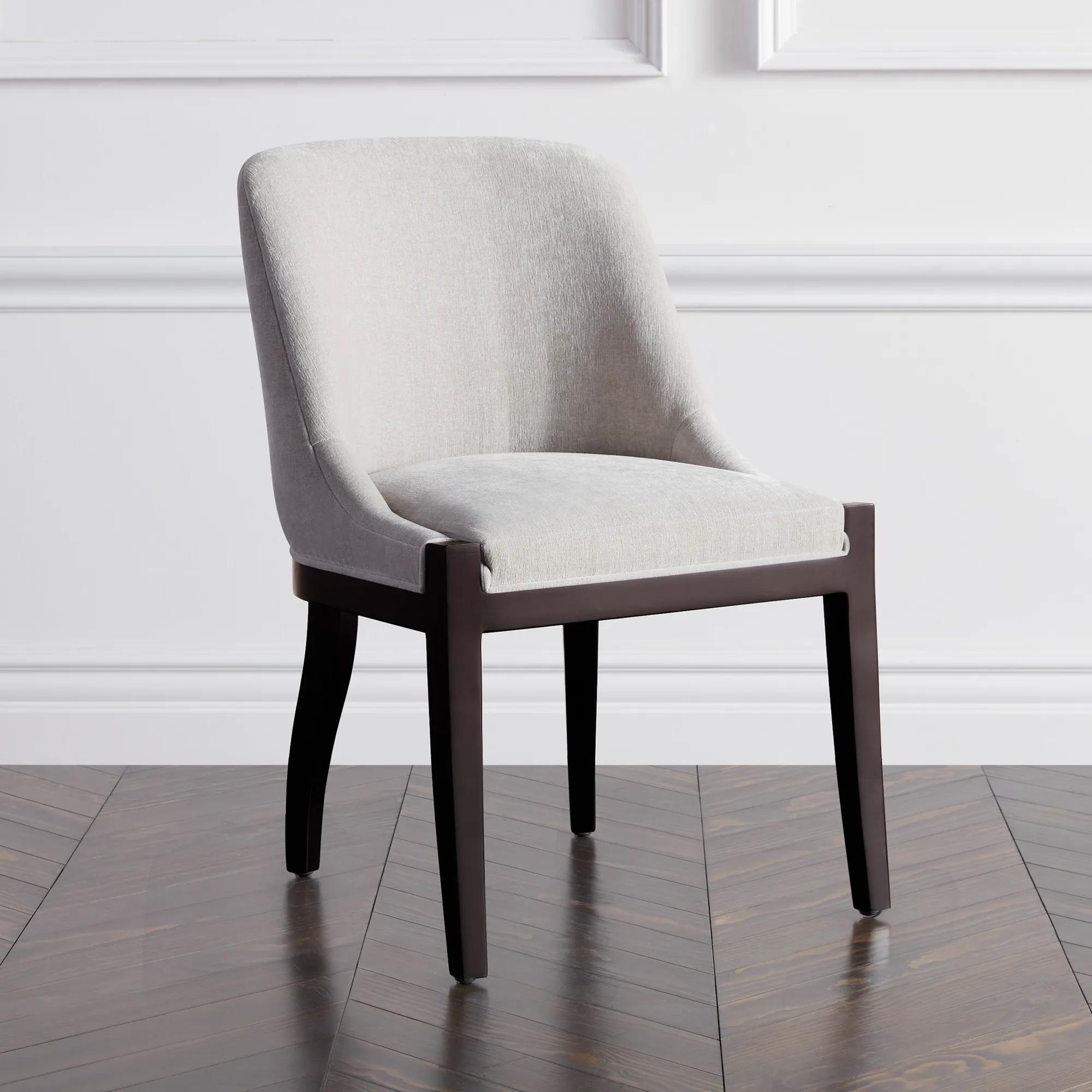
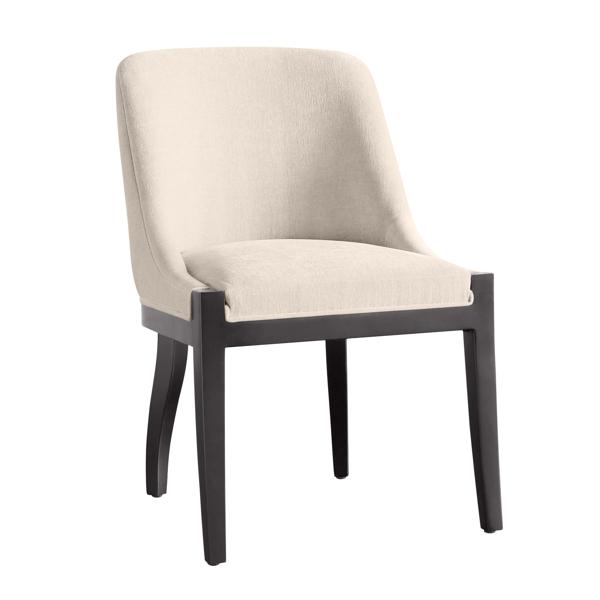 Lily Dining Chair - Espresso$599
A modern dining chair with kiln-dried hardwood frame, espresso legs, and plush, tailored upholstery.
Add To Cart -
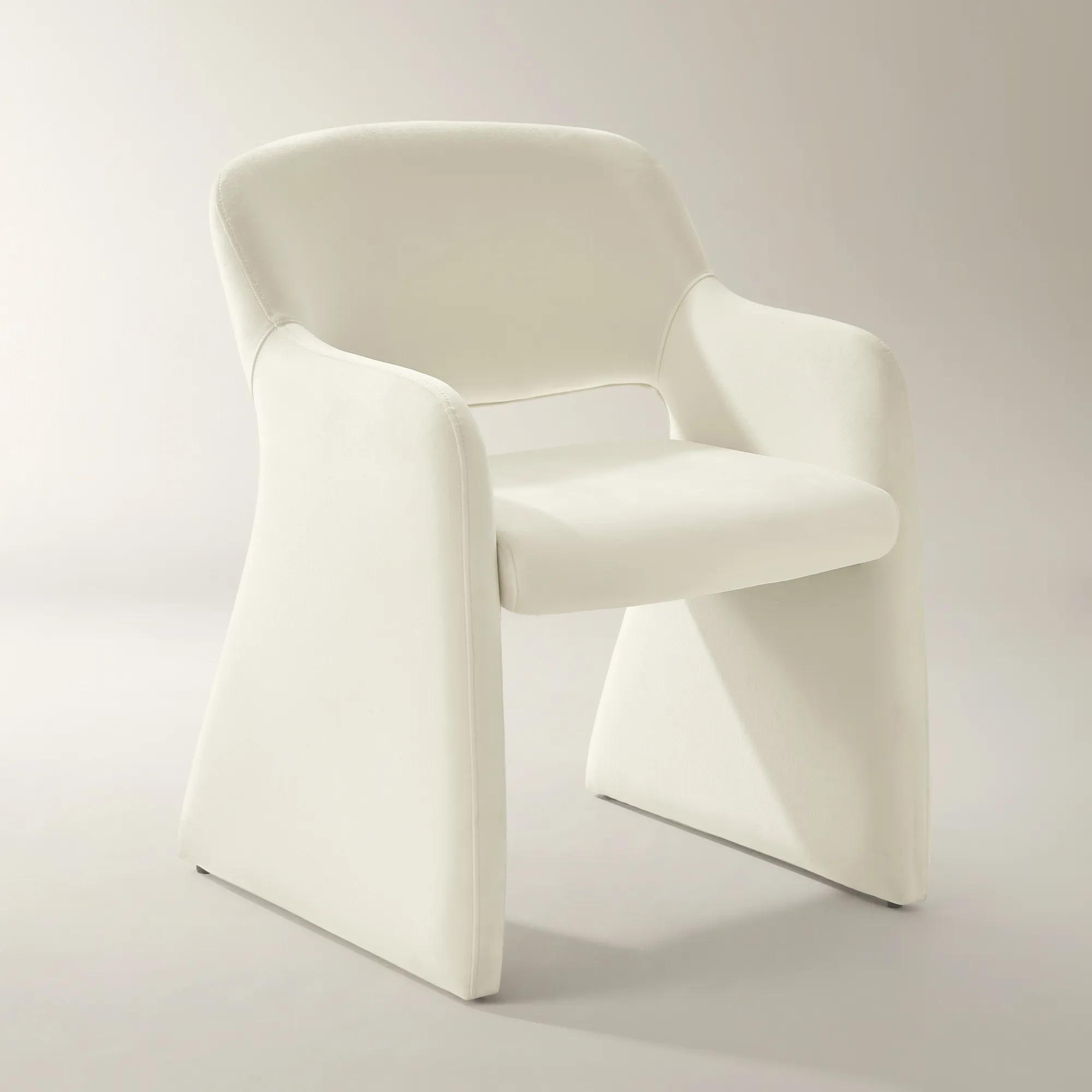 Elara Cloud Velvet Dining Chair$449
A plush velvet dining chair featuring a seamless wraparound silhouette and supportive carbon steel frame.
Add To Cart -
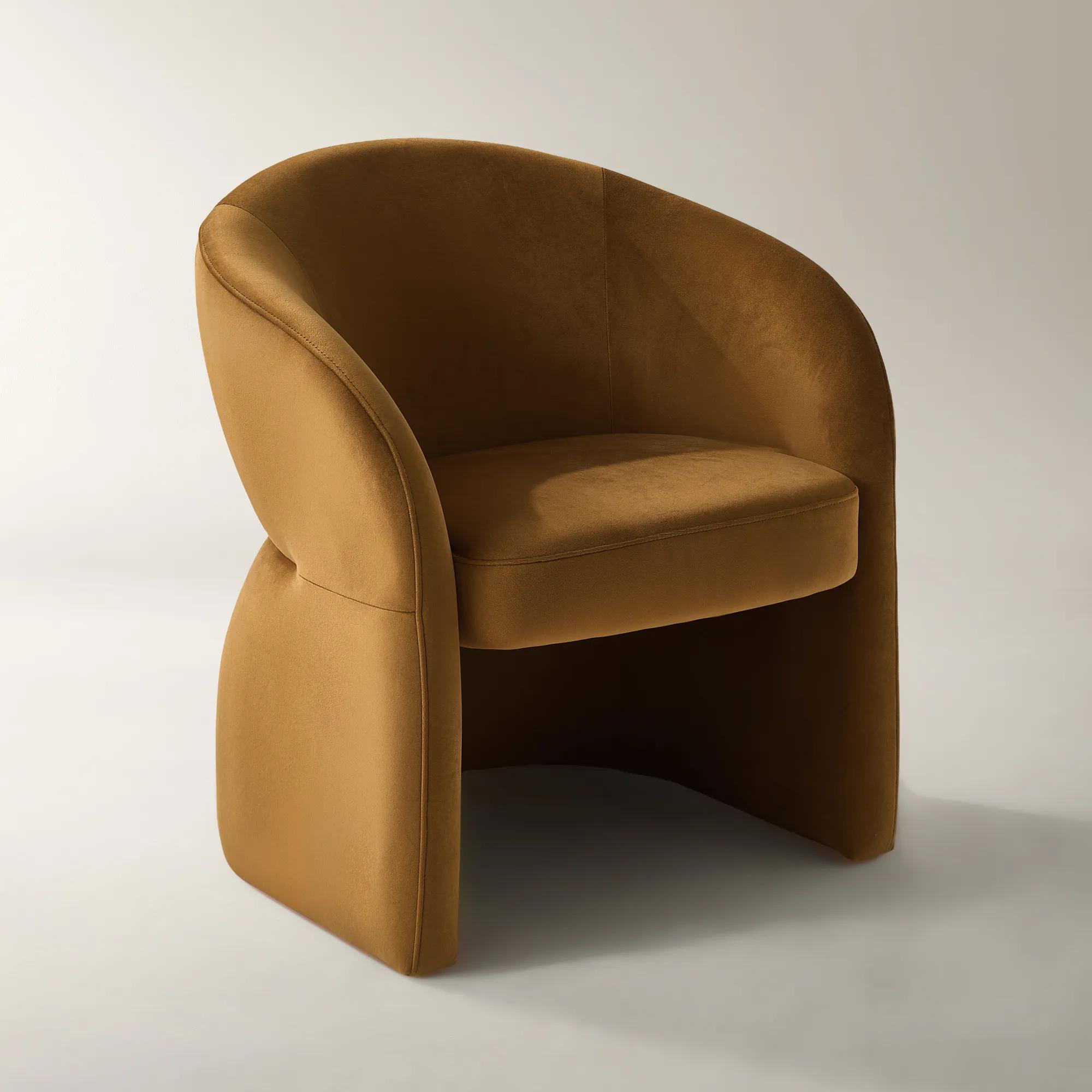
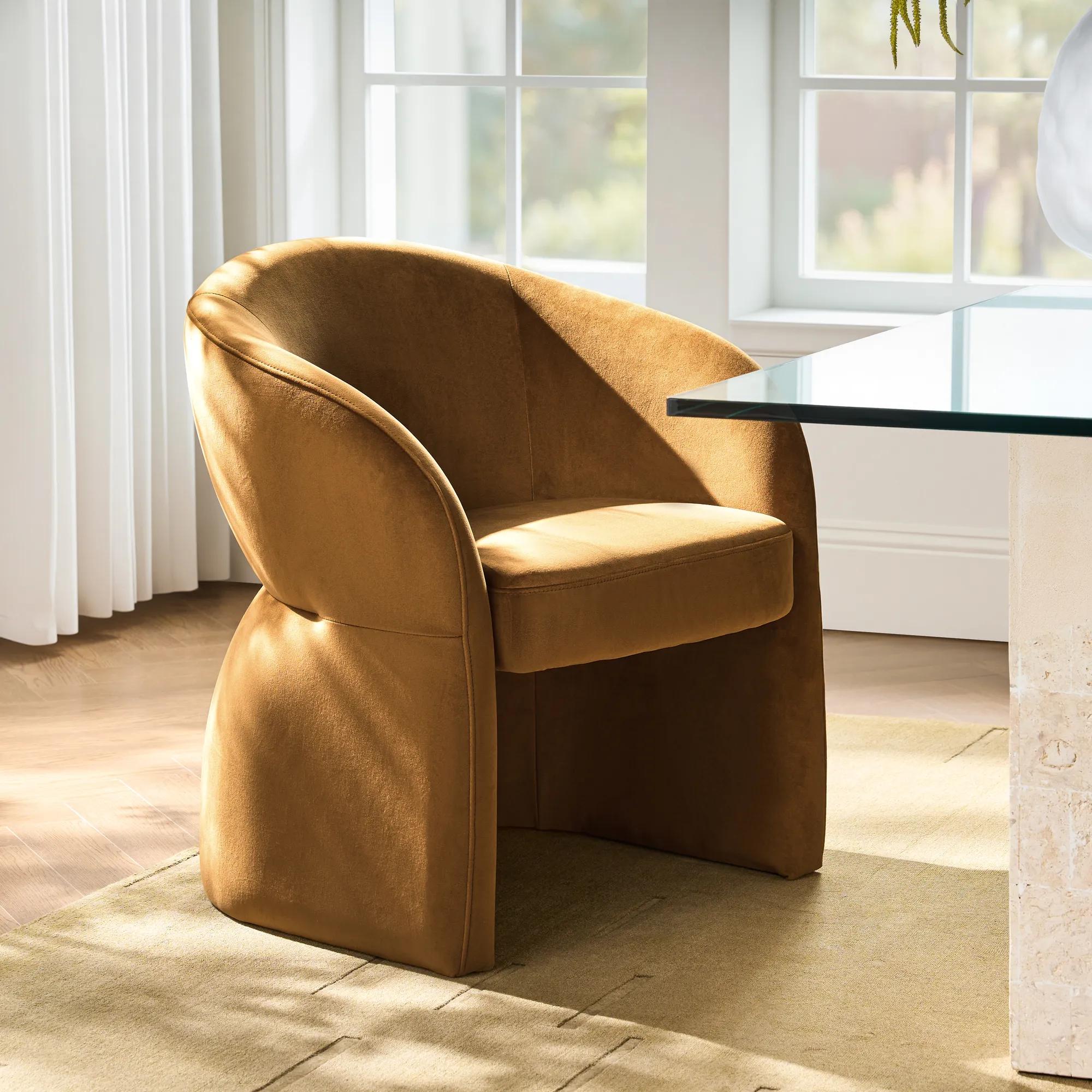 Sierra Roasted Pecan Velvet Dining Chair$599
A sculptural accent chair in roasted pecan velvet with arched arms, curved back, and plush cushioning.
Add To Cart -
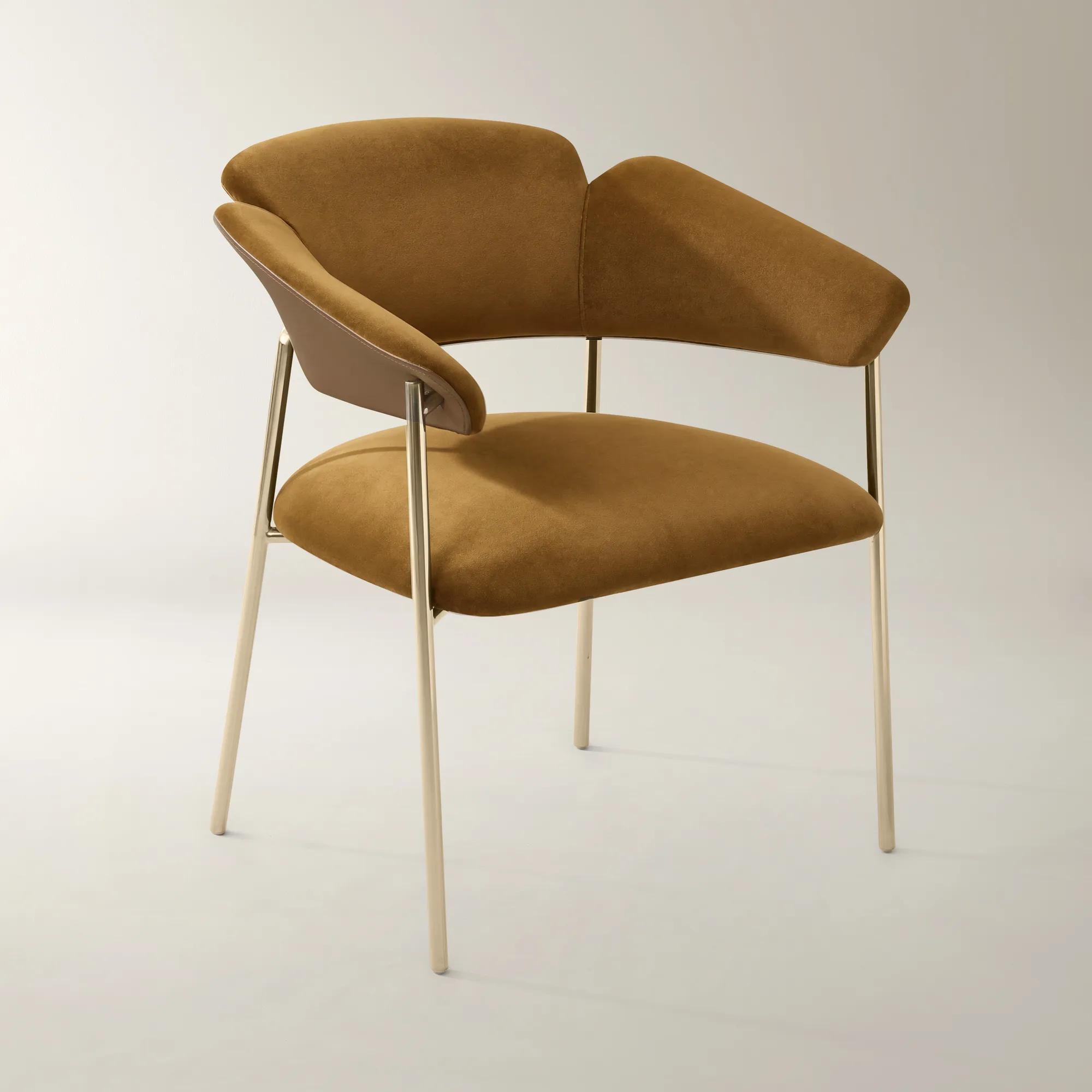 Odette Roasted Pecan Velvet Dining Chair$499
A sculptural dining chair featuring roasted pecan velvet, tonal faux leather accents, and gold stainless steel legs.
Add To Cart -
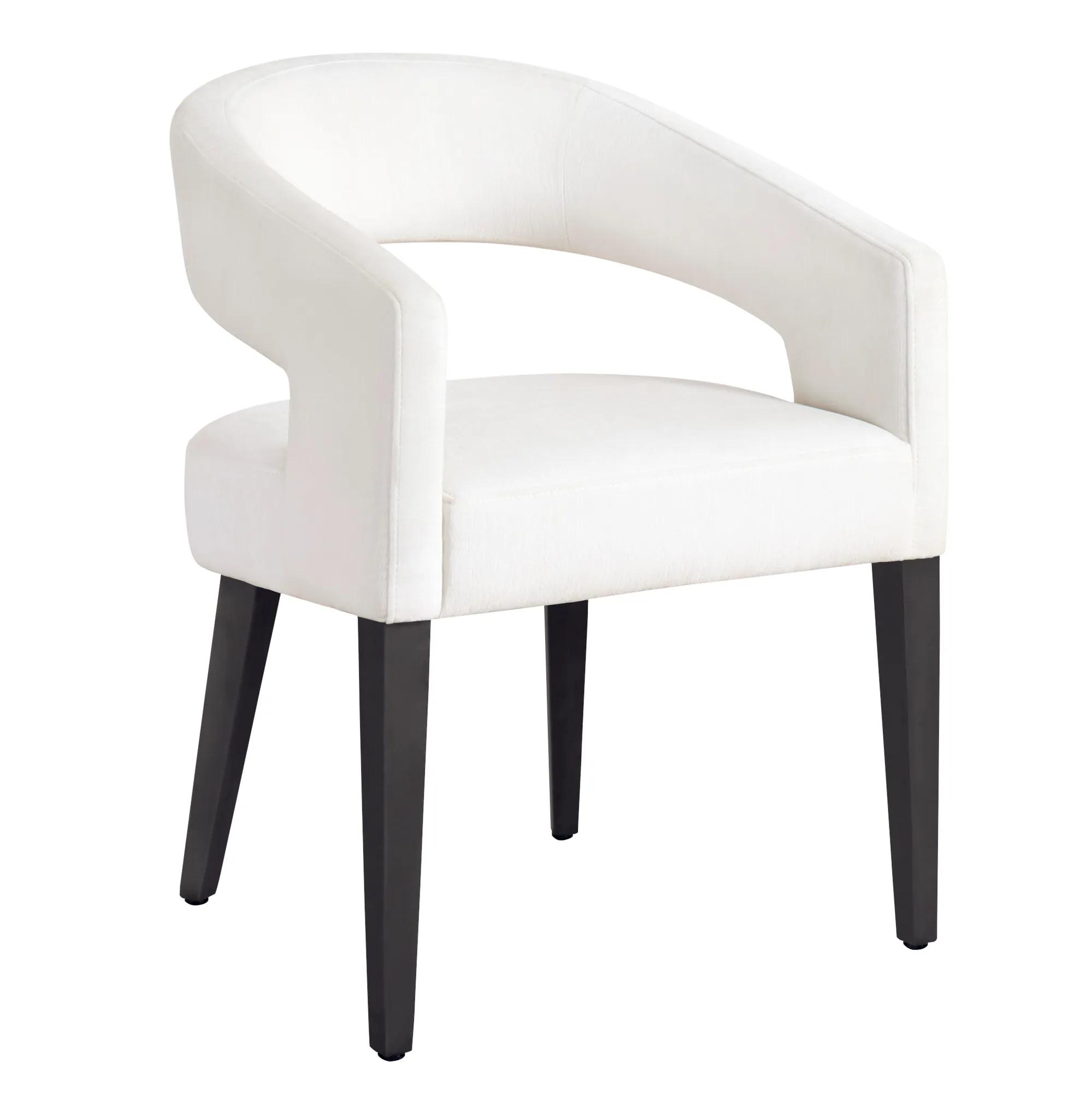
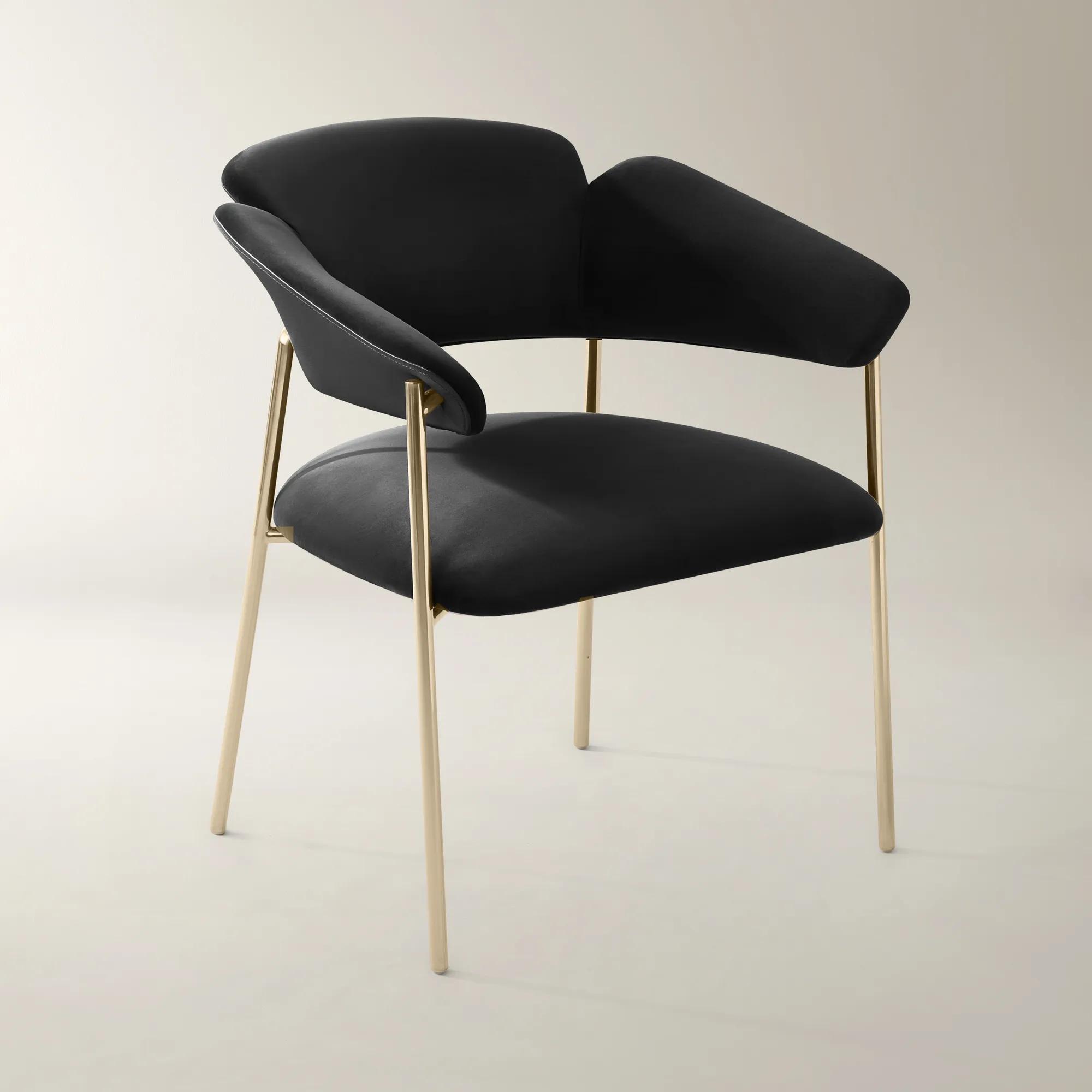 Odette Charcoal Velvet Dining Chair$499
A charcoal velvet chair featuring a wraparound open-back design, tonal faux leather accents, and gold metal legs.
Add To Cart

Modern Farmhouse Dining Chairs
Modern farmhouse dining chairs capture the art of contrast—where rustic warmth meets contemporary polish, and every gathering feels both inviting and elevated. These sculptural silhouettes blend clean lines with artisanal textures, infusing your dining space with a sense of curated charm and effortless sophistication. Whether you’re hosting a lavish dinner party or savoring quiet mornings, modern farmhouse dining chairs set the stage for moments that are as memorable as they are stylish. Let each seat become a statement, grounding your table in comfort while radiating timeless allure.
Modern farmhouse dining chairs bring warmth and architectural presence to the table, pairing the character of country-inspired interiors with a more tailored, expressive silhouette. The appeal lies in contrast: visible wood grain against smooth upholstery, a generous curved back beside a clean-lined table, or a dark frame that gives a pale dining room a striking outline. Rather than relying on heavily distressed finishes or overtly rustic details, this look can feel composed and sophisticated, with natural texture doing much of the storytelling. A sculptural chair in an understated finish lends presence to a breakfast nook, while upholstered seating introduces softness to a dining room framed by substantial wood furniture. Color helps establish the mood. Ivory and oatmeal create a luminous backdrop for patterned dinnerware and gleaming candleholders; taupe and gray lend depth without overwhelming the room; black or espresso finishes draw a confident line around the table. For a quieter palette with room for dramatic accents, grey dining chairs for farmhouse dining rooms offer a natural point of connection between weathered wood, polished metal, and richly textured textiles. Undertones matter as much as the color itself: a warm gray can sit beautifully beside honey-toned wood, while a cooler gray may complement a charcoal table or stone-inspired surface. Matching every finish is not essential to a cohesive setting. Repeating a curve, a fabric tone, or the depth of a wood stain can create harmony while preserving the collected character that makes farmhouse interiors inviting. A pair of more substantial chairs at the ends of a rectangular table can anchor the arrangement, with slimmer side chairs keeping the overall composition light. In an open dining area, where chair backs are visible from the living room or entryway, the rear silhouette deserves particular attention. A graceful spindle pattern, an upholstered curve, or an exposed wood frame becomes part of the room’s architecture, contributing interest even when the table is not set. The result should feel welcoming enough for a leisurely breakfast and distinctive enough to hold its own beneath a statement chandelier.
Materials shape both that first impression and the experience of sitting down every day. Wood frames can introduce everything from subtle grain and a refined finish to a more textured, rustic expression, but appearance alone does not establish durability. Joinery, frame construction, finish quality, and the manufacturer’s intended use all deserve consideration. Solid wood has natural variation and may respond to changes in humidity; engineered wood components have their own construction and care requirements, so the material description is more useful than assumptions based on style. Metal frames offer a different visual rhythm, lending crisp definition to softer farmhouse elements, although their protective finishes still need care. Upholstery adds another layer of texture and comfort. A tightly woven fabric can look tailored beside a broad plank tabletop, while a fabric with a more pronounced weave brings tactile depth to an otherwise restrained room. Leather and faux leather have different characteristics and should not be treated as interchangeable, particularly when choosing cleaning products. For households where the dining table hosts breakfast, homework, and evening meals, documented performance features may be especially valuable. Stain resistance, abrasion testing, and approved cleaning methods should be verified in the individual specifications rather than inferred from a fabric’s color or feel. A darker seat may make some marks less conspicuous, but it does not eliminate the need for prompt care. Blot spills rather than rubbing them into upholstery, and follow the stated cleaning instructions before applying water, solvents, or protective treatments. Wood and metal surfaces generally benefit from gentle cleaning suited to their finish, with abrasive pads and harsh chemicals avoided unless explicitly approved. Direct sunlight, nearby heating vents, and repeated contact with damp fabrics can affect certain materials over time. Routine attention to hardware and appropriate floor protectors helps preserve both the seating and the surrounding room. Felt pads should be suitable for the flooring and checked for trapped grit, especially where chairs move frequently. These details support a dining space that retains its polished character through daily use, rather than one reserved only for special occasions.
Proportion gives modern farmhouse dining seating its sense of ease, and a beautiful chair should feel as considered beneath the table as it looks across the room. Seat height needs to work with the underside of the tabletop, including any apron that reduces knee clearance. Many standard-height dining arrangements allow roughly 10 to 12 inches between the seat and the underside of the table, though cushioning, body proportions, and table construction can change what feels comfortable. Dining-height chairs are generally intended for standard dining tables, not counter-height or bar-height surfaces. Width matters, too: measure the full chair, not just the seat, and account for splayed legs, curved backs, and arms when planning how many people can sit comfortably. Table legs and pedestal bases can limit placement even when the tabletop appears generous. Armchairs create an enveloping place to settle in for a long conversation, but their arms should clear the table apron if the chairs need to tuck in fully. Armless profiles often suit smaller dining rooms or banquettes with a narrow approach, where an unobstructed path makes the arrangement feel more gracious. Around a round table, curved backs can echo the tabletop’s shape, provided the chair bases have enough room without crowding one another. Leave sufficient space behind each seat for someone to rise and for others to pass, paying particular attention to nearby cabinets, doorways, and serving furniture. Comfort depends on more than generous padding: back angle, seat depth, edge shape, and support influence how a chair feels over a lingering meal or an afternoon spent at the table. A deep seat may appeal to one person and leave another without comfortable back support, making dimensions especially important when selecting seating for a shared household. During the cooler months, textured upholstery and warm wood tones lend intimacy to candlelit dinners without requiring seasonal decoration. Balanced with a substantial table, an expressive centerpiece, and lighting that casts a flattering glow, thoughtfully proportioned chairs give the dining room lasting presence—a place where everyday meals feel considered and gathering becomes part of the home’s character.
FAQs
Modern farmhouse dining chairs blend rustic textures with sleek, contemporary lines. Expect to see a harmonious mix of natural wood finishes, streamlined silhouettes, and subtle details like cross-back supports, turned legs, or gently distressed surfaces. This style captures the warmth of traditional farmhouse design while introducing a refined, updated edge that feels both inviting and sophisticated.
To create a truly personalized dining space, consider mixing different chair styles or finishes around your table. Pair upholstered end chairs with classic wooden side chairs, or incorporate a bench for a relaxed, communal vibe. Layering textures—think linen slipcovers, woven seat cushions, or metallic accents—adds depth and visual interest, allowing your dining room to reflect your individual taste and flair.
Absolutely. The inherent versatility of modern farmhouse dining chairs allows them to transition seamlessly between everyday meals and more formal gatherings. Their blend of comfort and elegance means they can anchor a laid-back family breakfast or elevate a sophisticated dinner party, making them a timeless choice for any occasion.
Modern farmhouse chairs often feature a blend of solid woods—such as oak, pine, or acacia—with accents of iron or brushed metal for a contemporary touch. Upholstered options may use plush fabrics like linen, velvet, or cotton blends, offering both tactile comfort and a dash of luxury. The thoughtful combination of these materials ensures each chair feels both sturdy and stylish.
Modern farmhouse dining chairs make an inspired gift for anyone who delights in entertaining, is settling into a new home, or appreciates the artistry of finely crafted furniture. They’re particularly meaningful for newlyweds, recent graduates, or families looking to create a welcoming and expressive dining space that becomes the backdrop for years of shared moments.