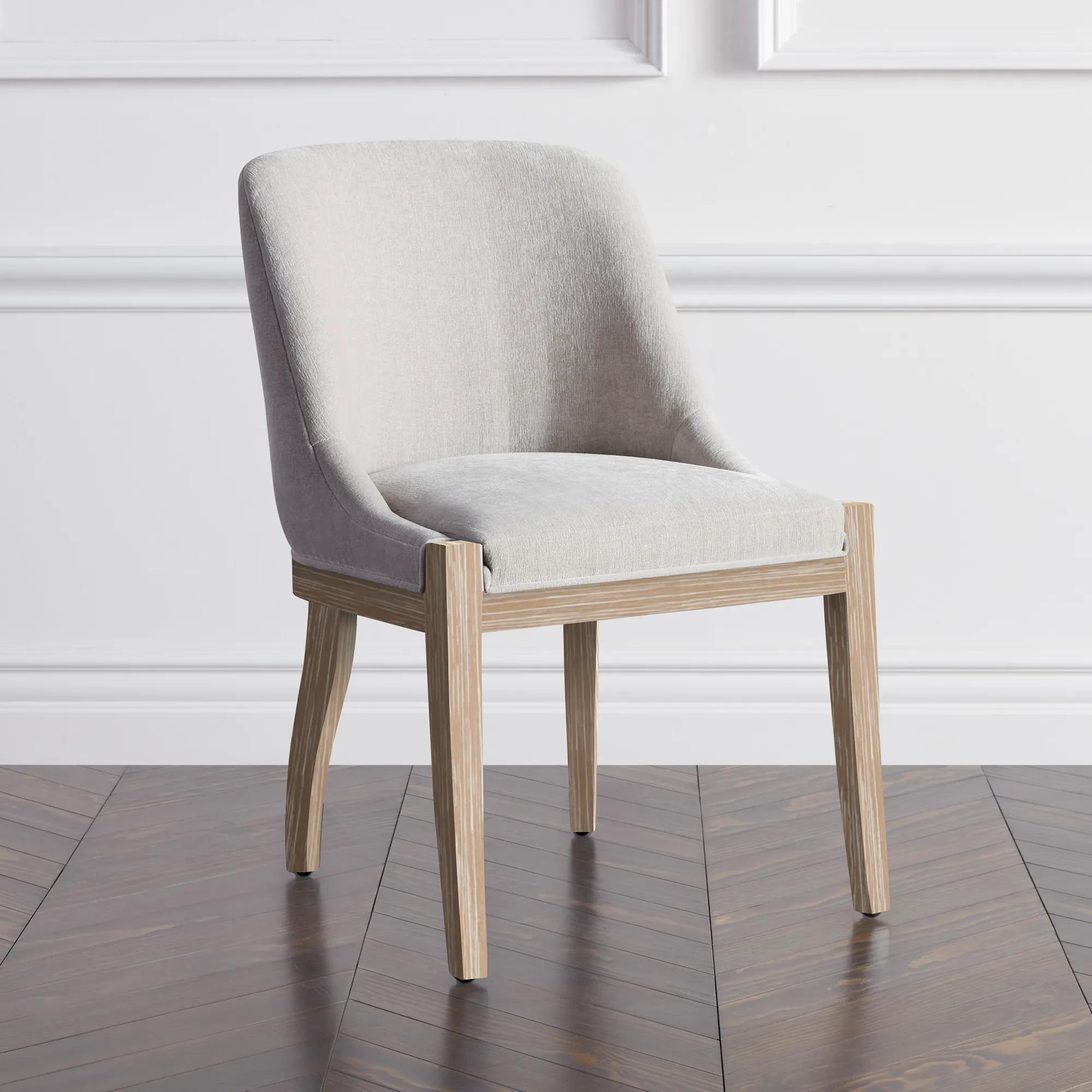
Modern Fabric Dining Chairs
Modern Fabric Dining Chairs
-
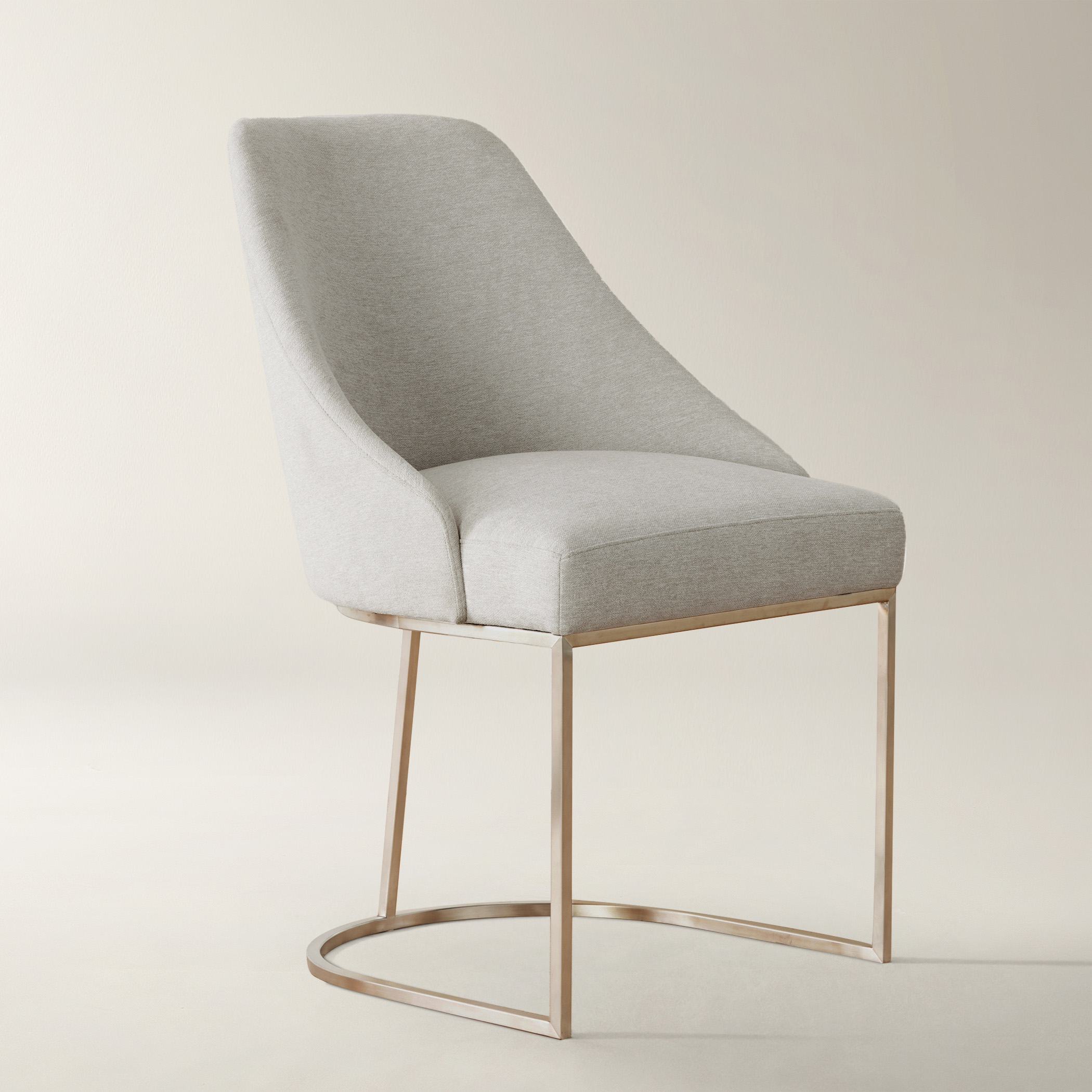
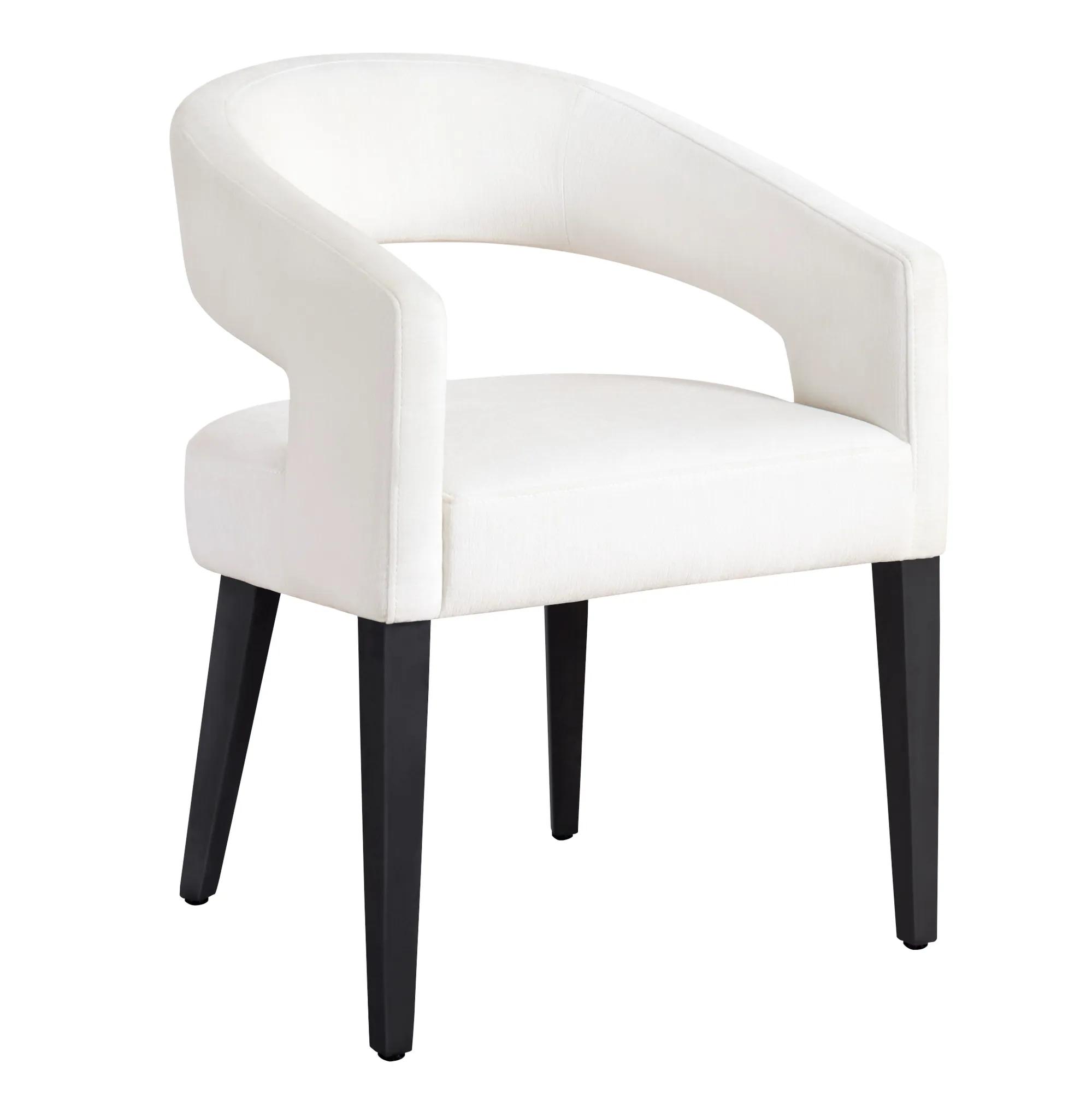
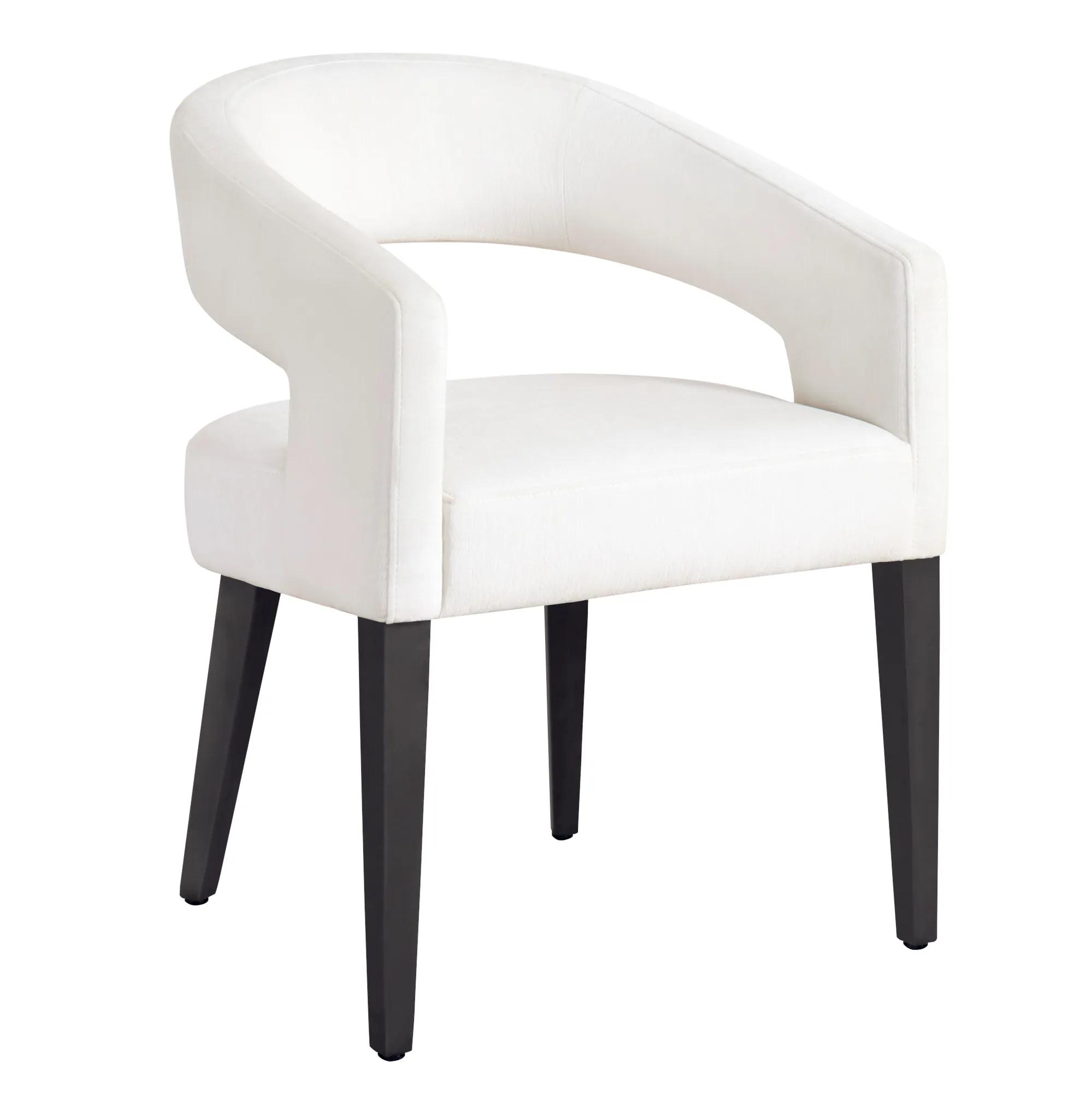
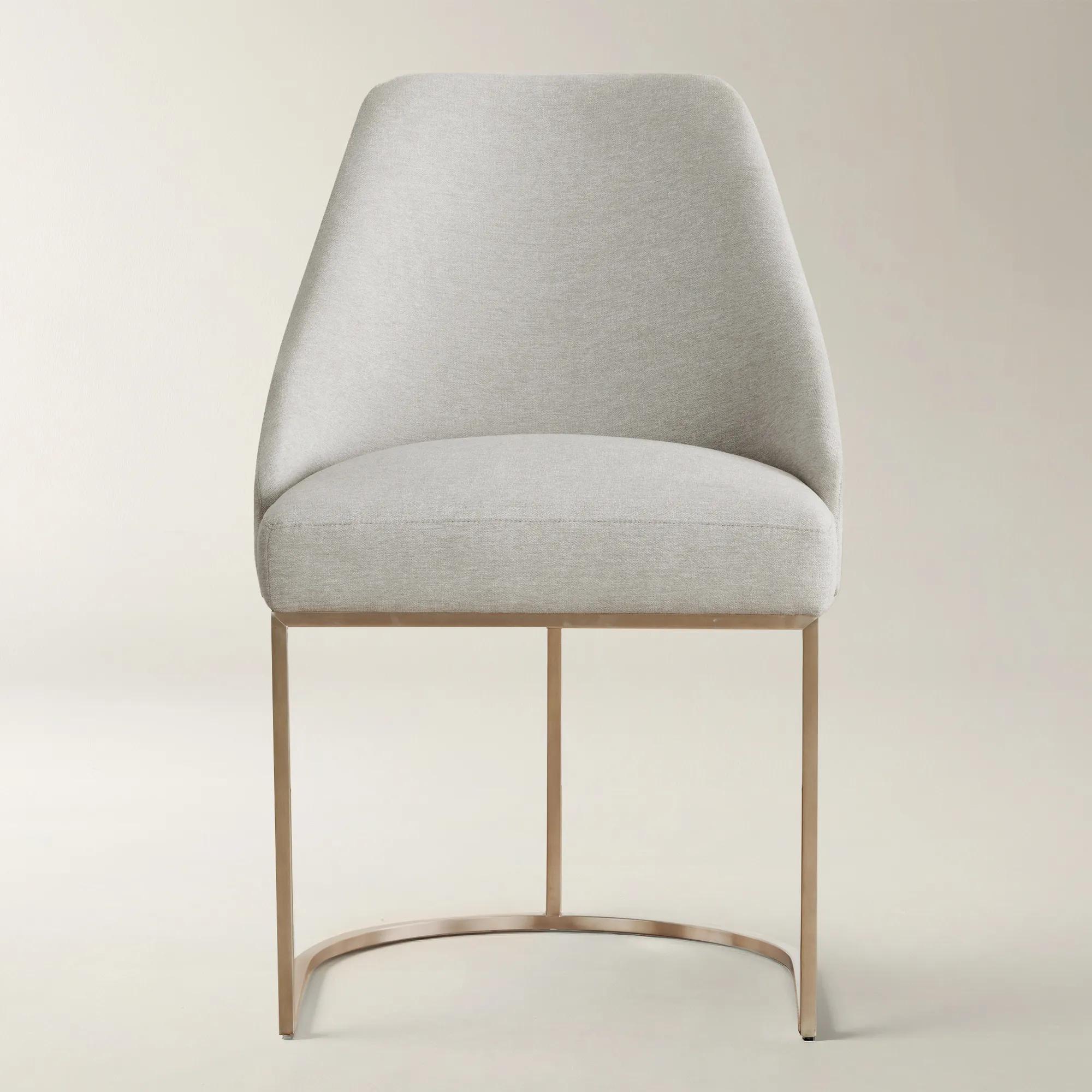 Rowan Ivory Fabric Dining Chair$599
A modern chair featuring brushed stainless steel legs and stain-resistant, water-repellent Roxboro Frost fabric.
Add To Cart -
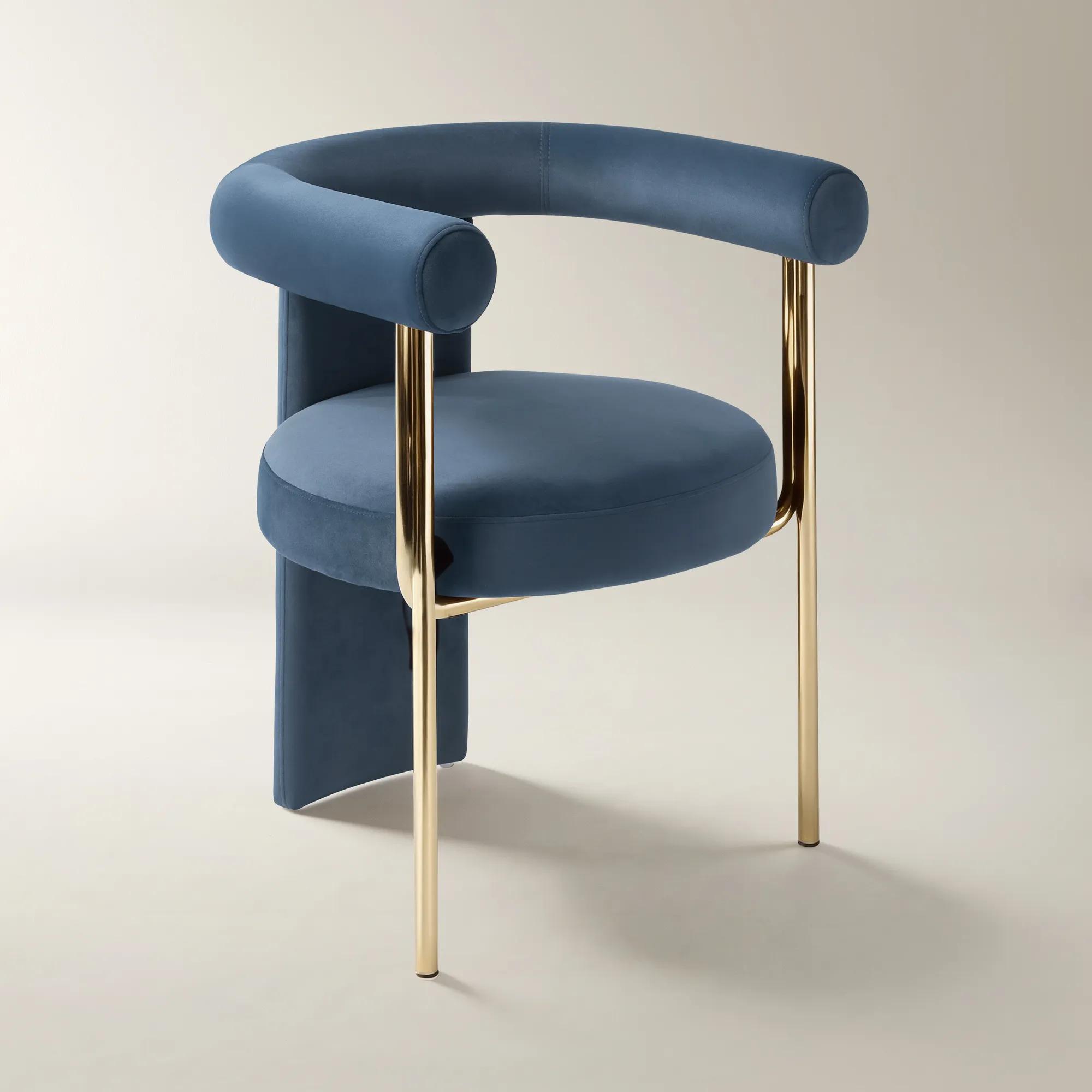 Davina Dusty Blue Velvet Dining Chair Set Of 2$899
A set of two dining chairs featuring dusty blue velvet upholstery and a polished gold metal frame.
Add To Cart -

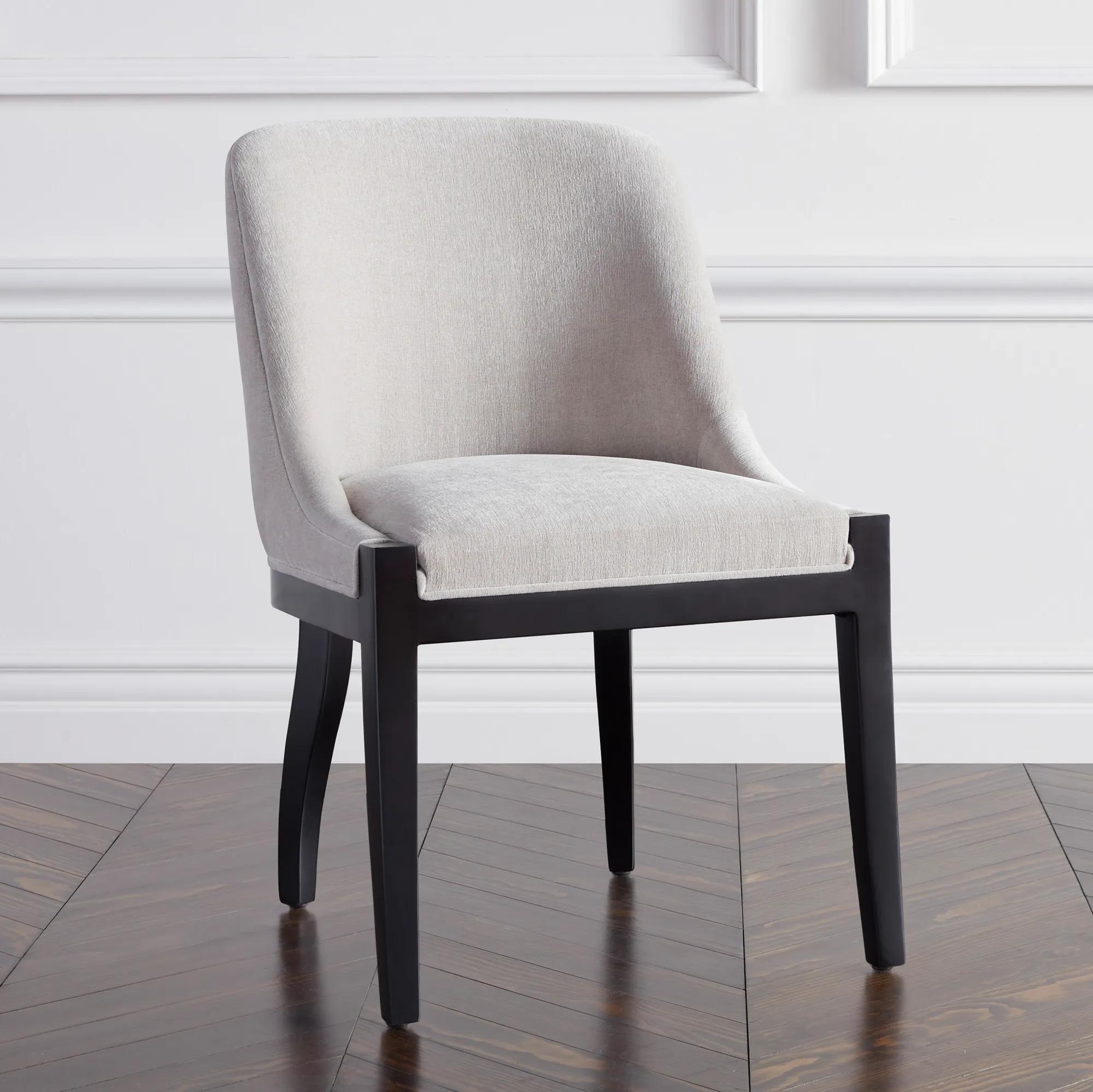
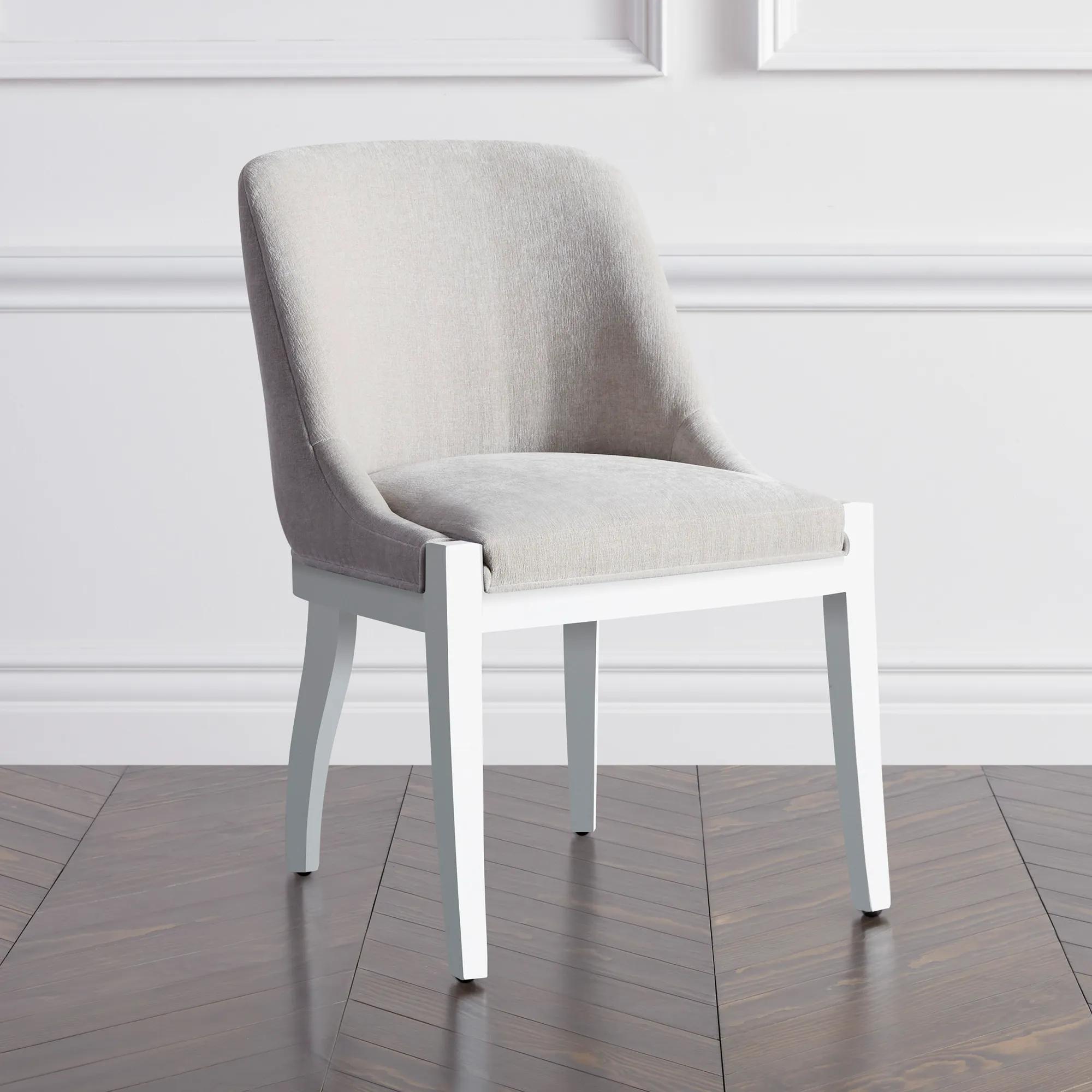
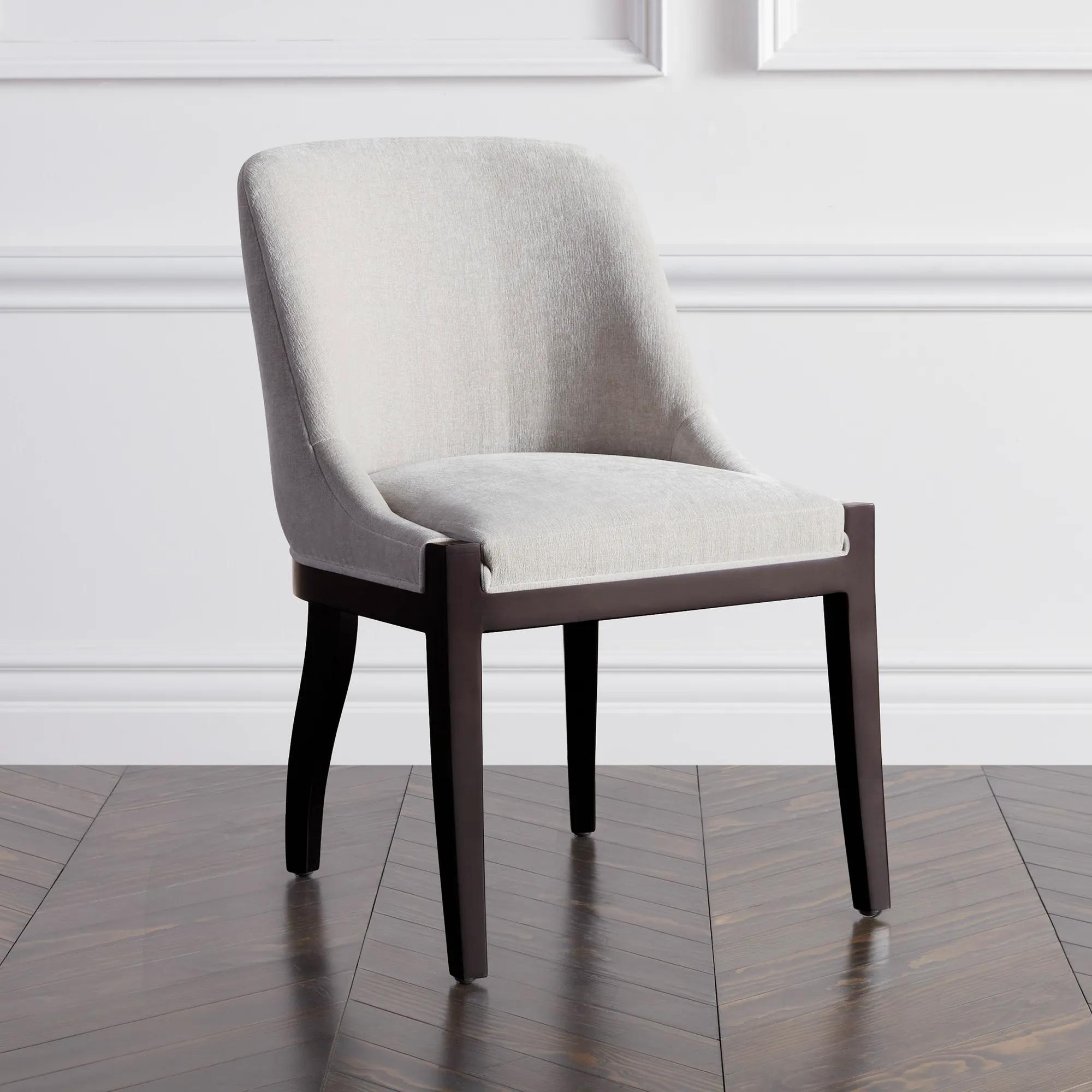
 Alric Dining Chair$599
A modern dining chair featuring solid oak in a natural grey finish and neatly tailored upholstery.
Add To Cart -
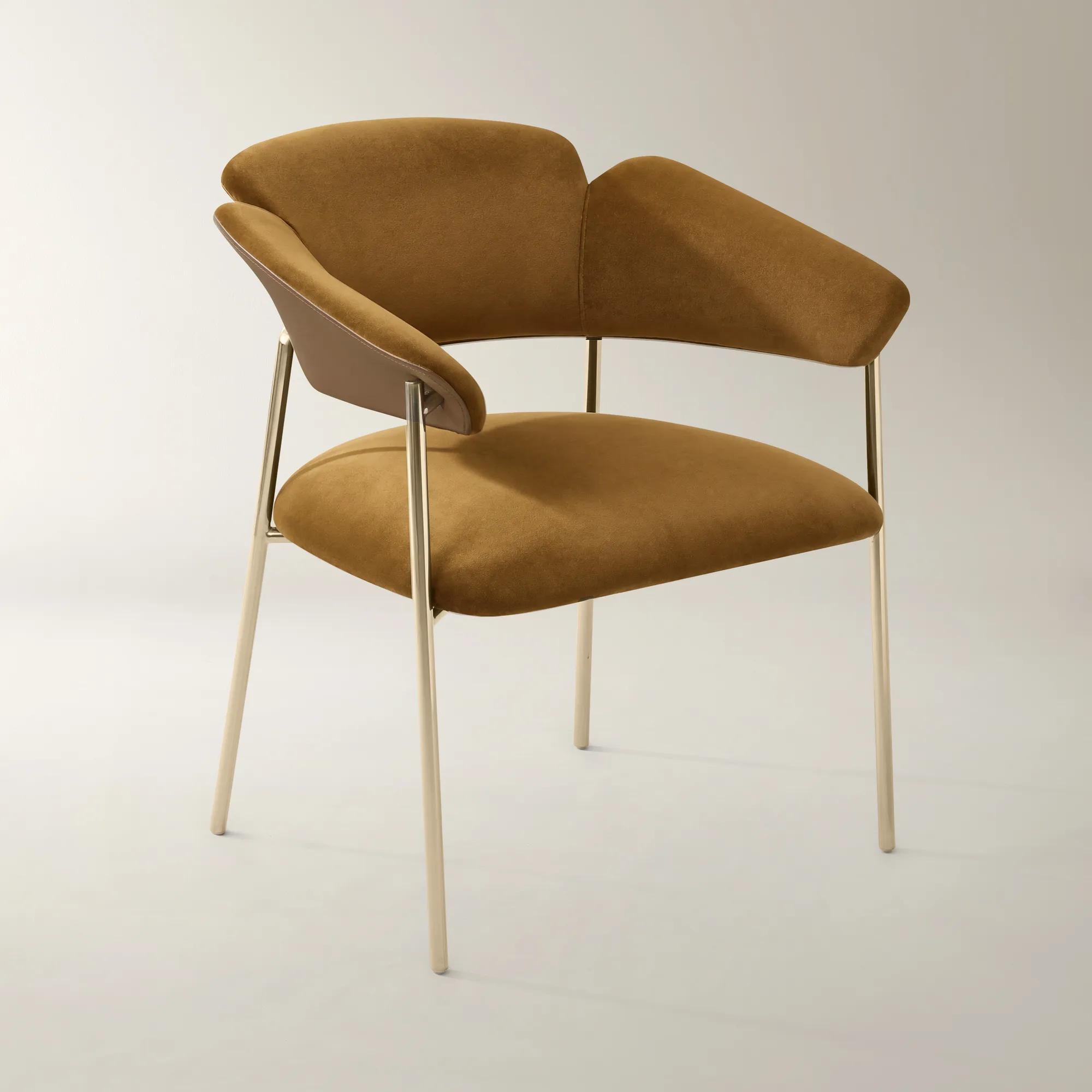 Odette Roasted Pecan Velvet Dining Chair$499
A sculptural dining chair featuring roasted pecan velvet, tonal faux leather accents, and gold stainless steel legs.
Add To Cart -
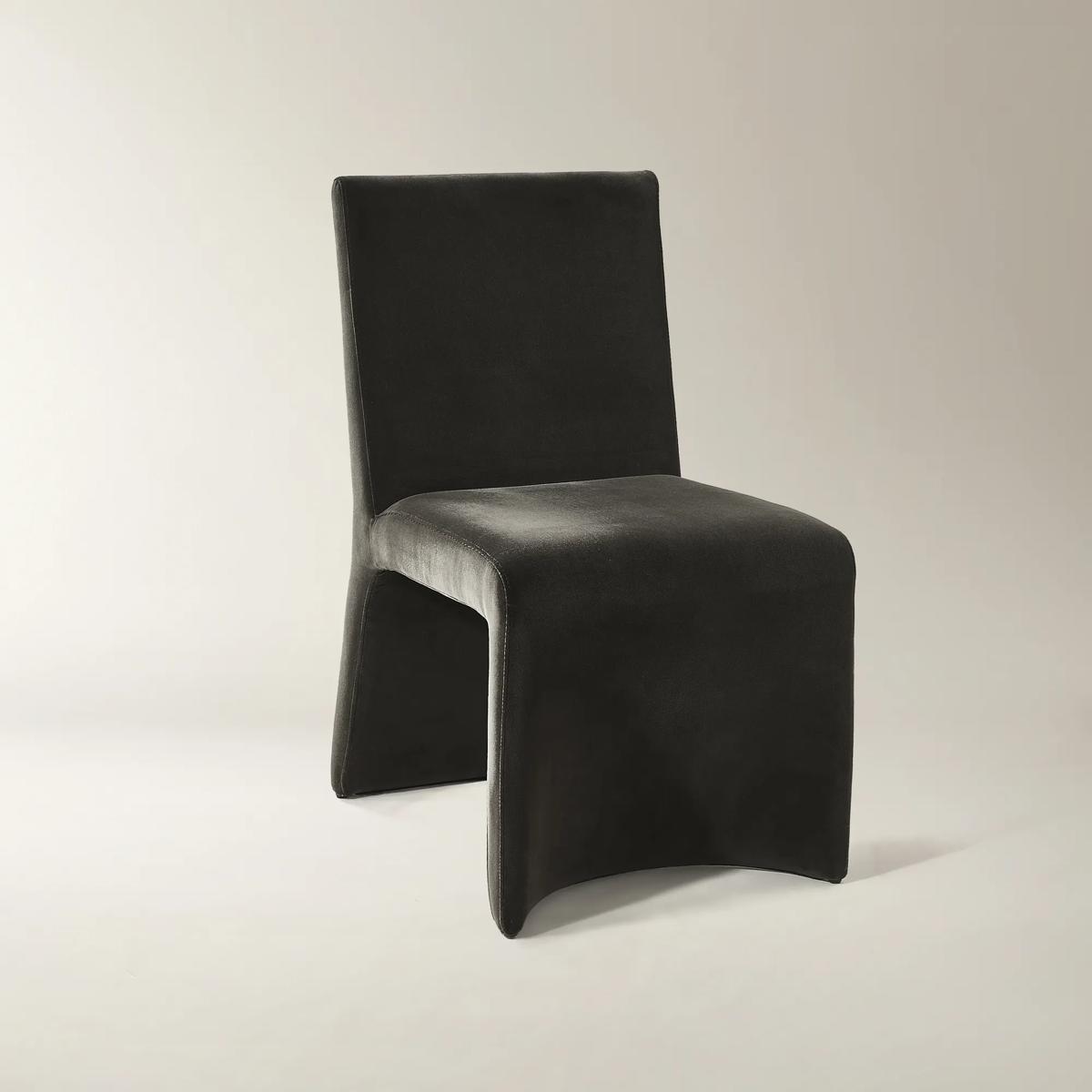
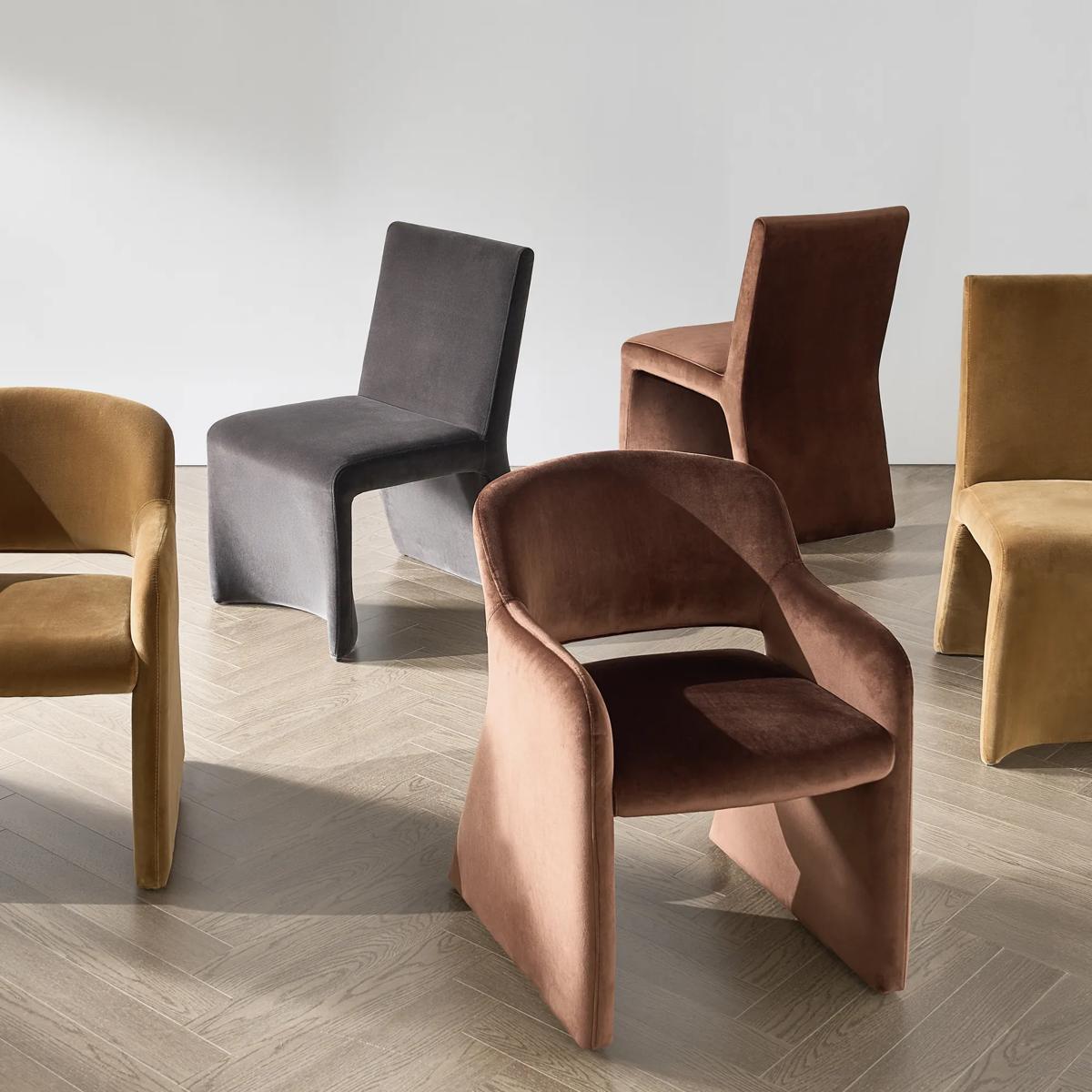 Elara Charcoal Velvet Dining Chair Set Of 2$799
A pair of charcoal velvet dining chairs featuring curved ergonomic silhouettes, plush upholstery, and hand-crafted details.
Add To Cart -
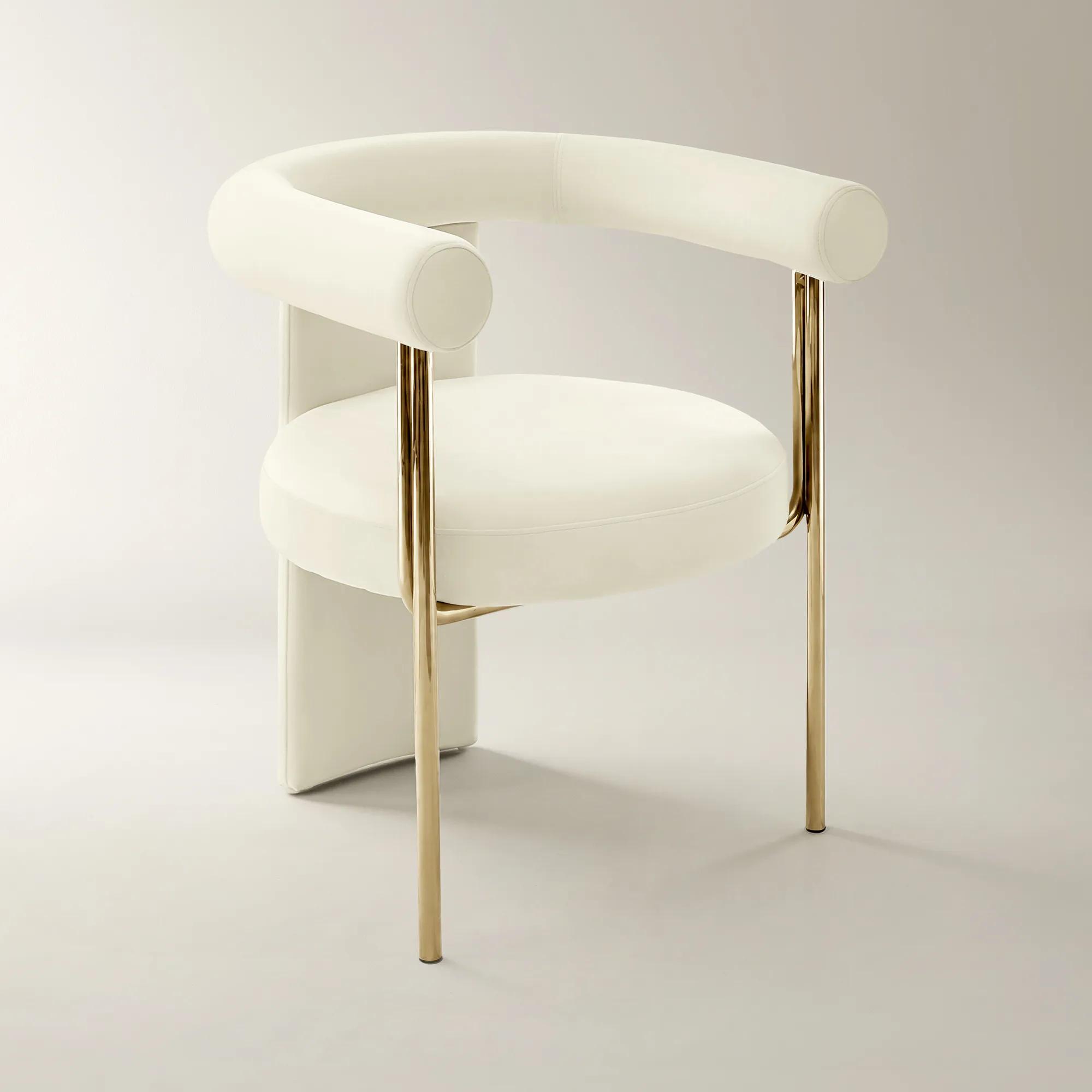 Davina Cloud Velvet Dining Chair Set Of 2$899
A set of two dining chairs featuring plush cloud velvet upholstery and a sculptural gold metal frame.
Add To Cart -
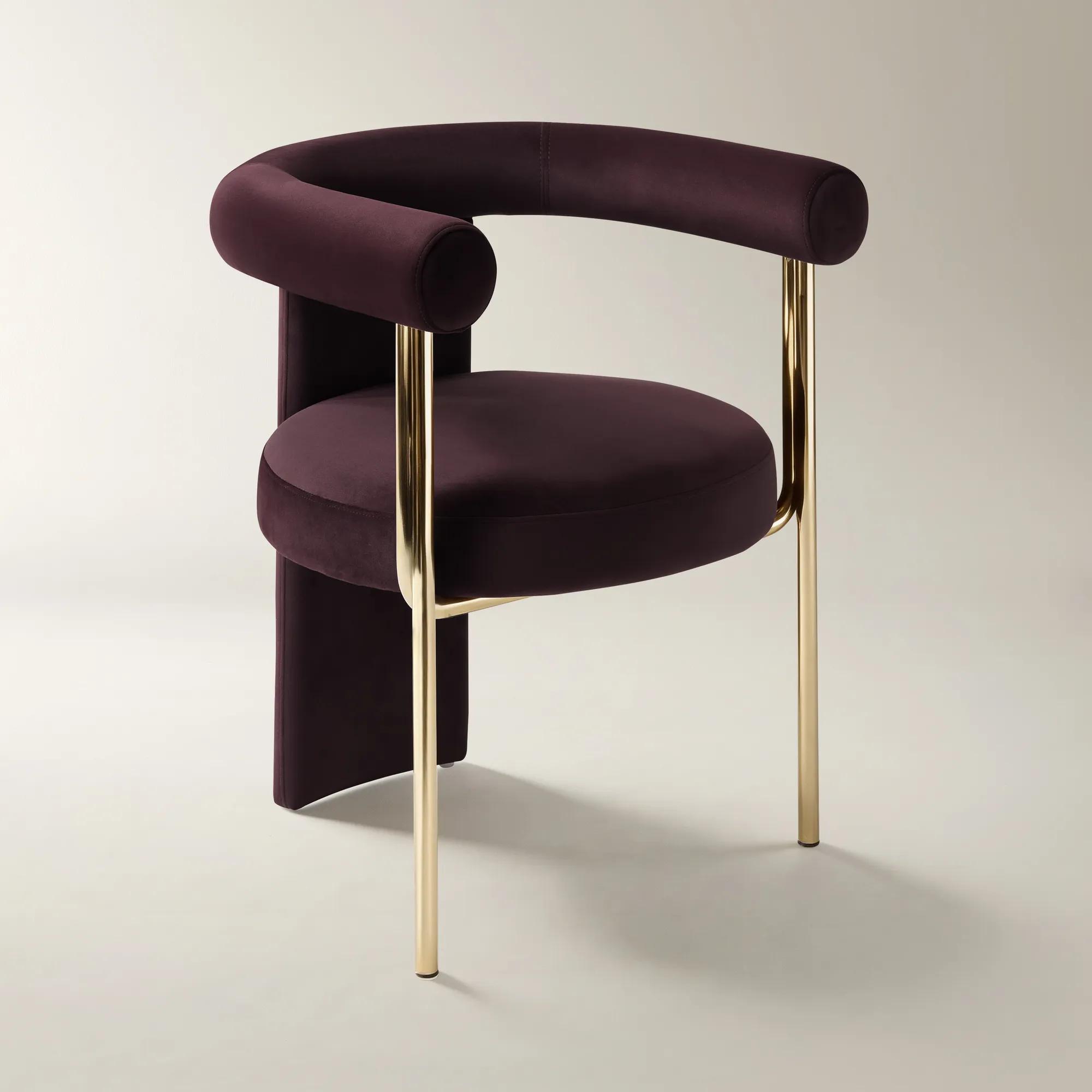 Davina Fig Velvet Dining Chair Set Of 2$899
A set of two dining chairs featuring plush fig velvet upholstery and a sleek gold-finished metal frame.
Add To Cart -
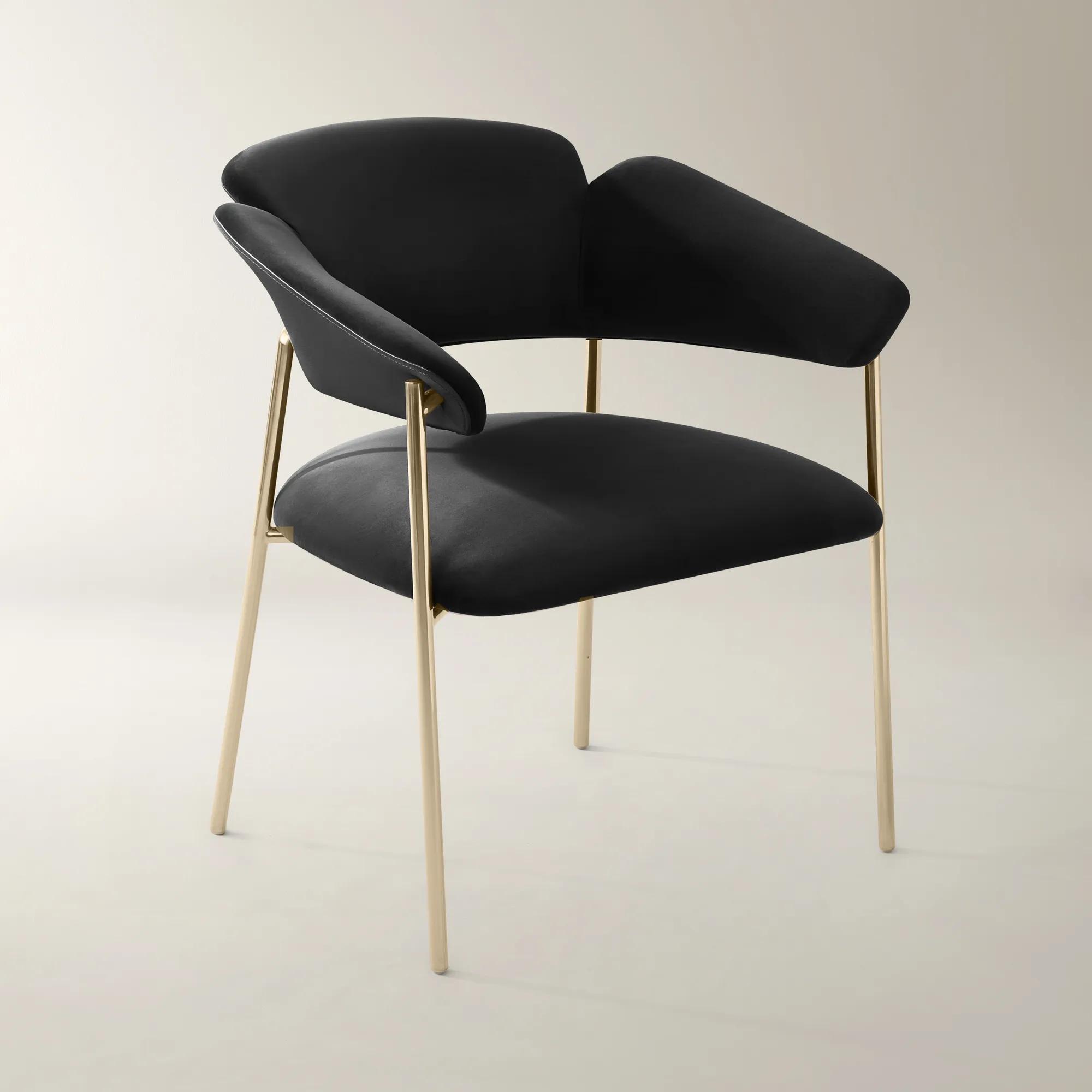 Odette Charcoal Velvet Dining Chair$499
A charcoal velvet chair featuring a wraparound open-back design, tonal faux leather accents, and gold metal legs.
Add To Cart -
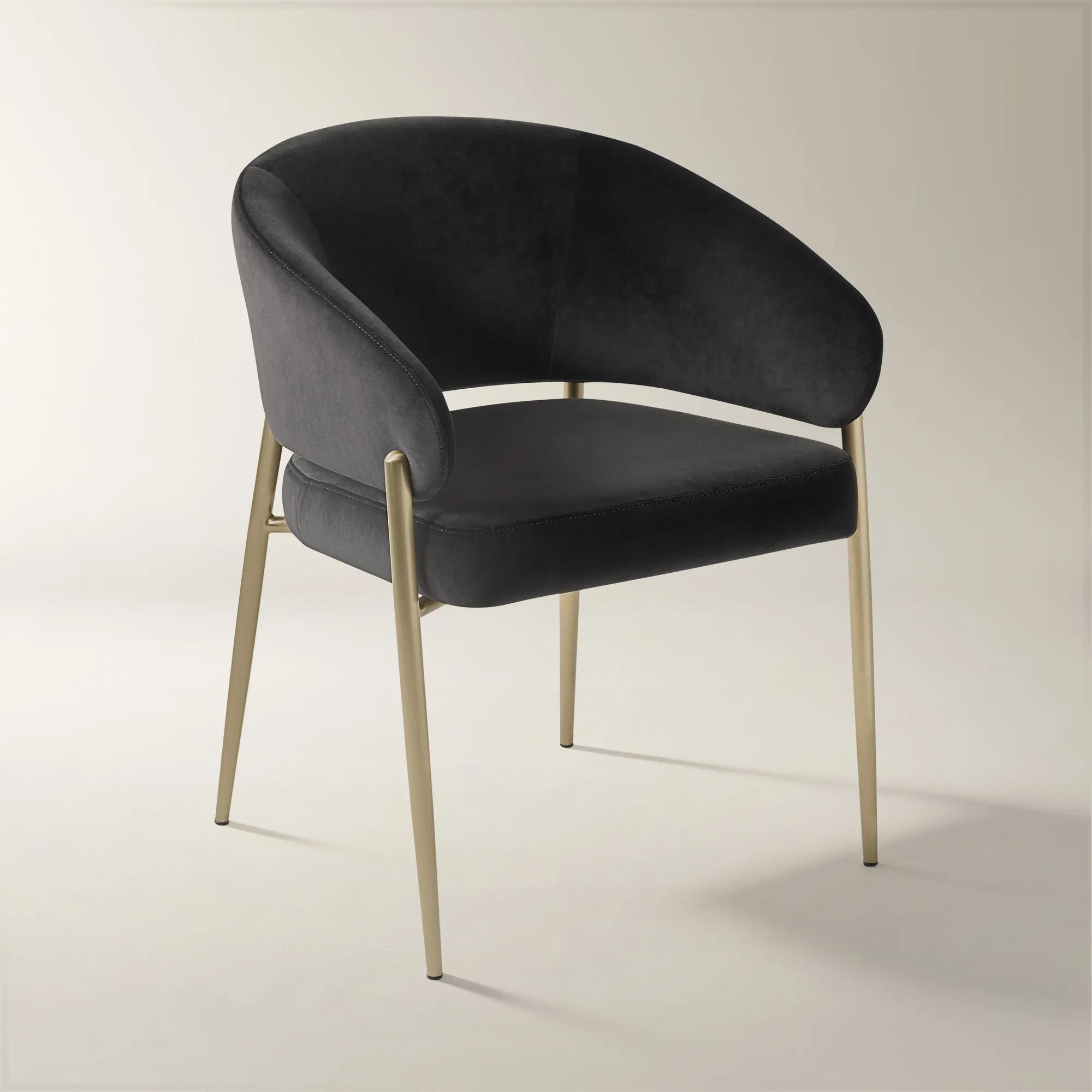 Nara Charcoal Velvet Dining Chair Set Of 2$599
A set of two charcoal velvet chairs featuring curved backs, plush upholstery, and brushed brass metal legs.
Add To Cart -
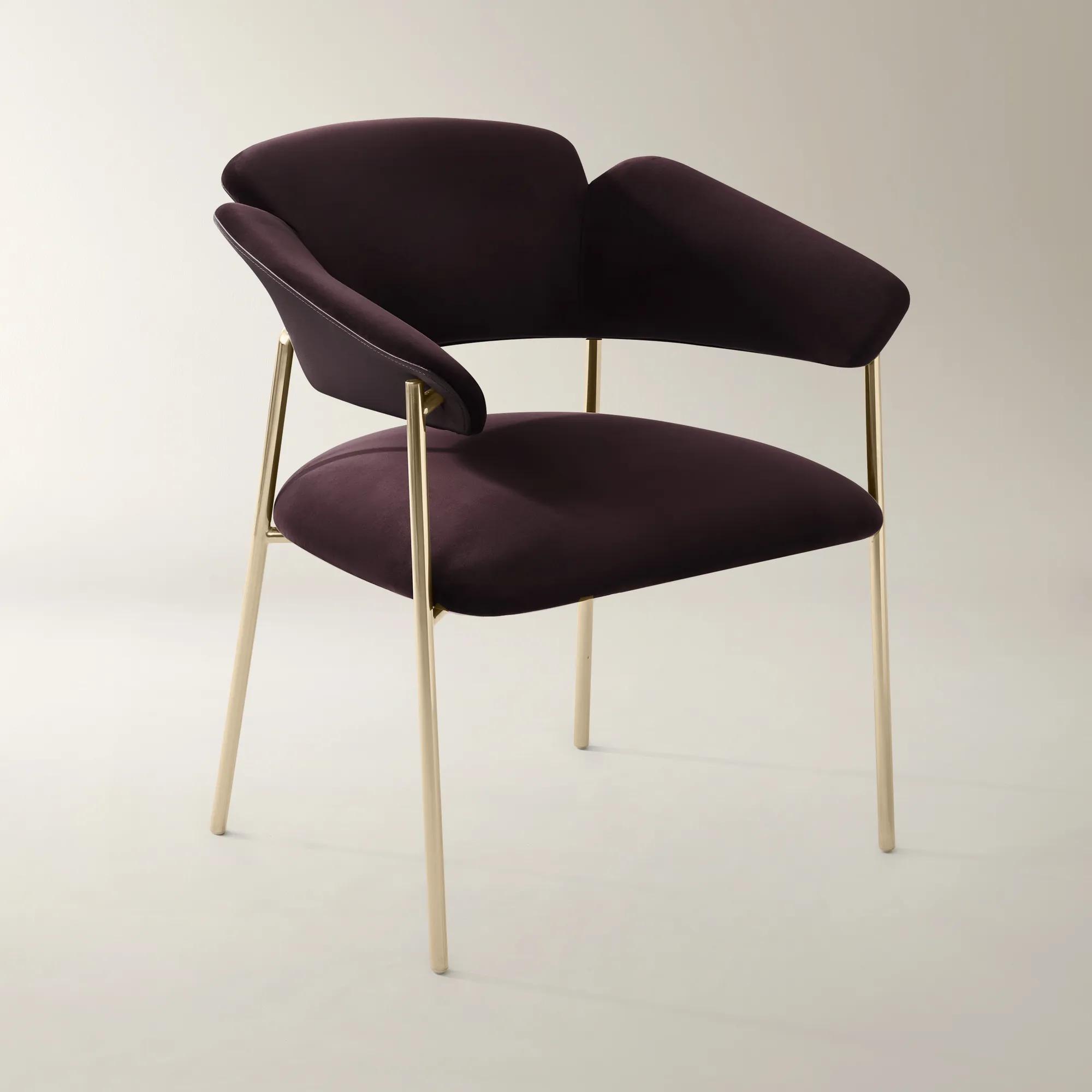 Odette Fig Velvet Dining Chair$499
A sculptural dining chair featuring fig velvet, tonal faux leather accents, and slender gold-finished metal legs.
Add To Cart -
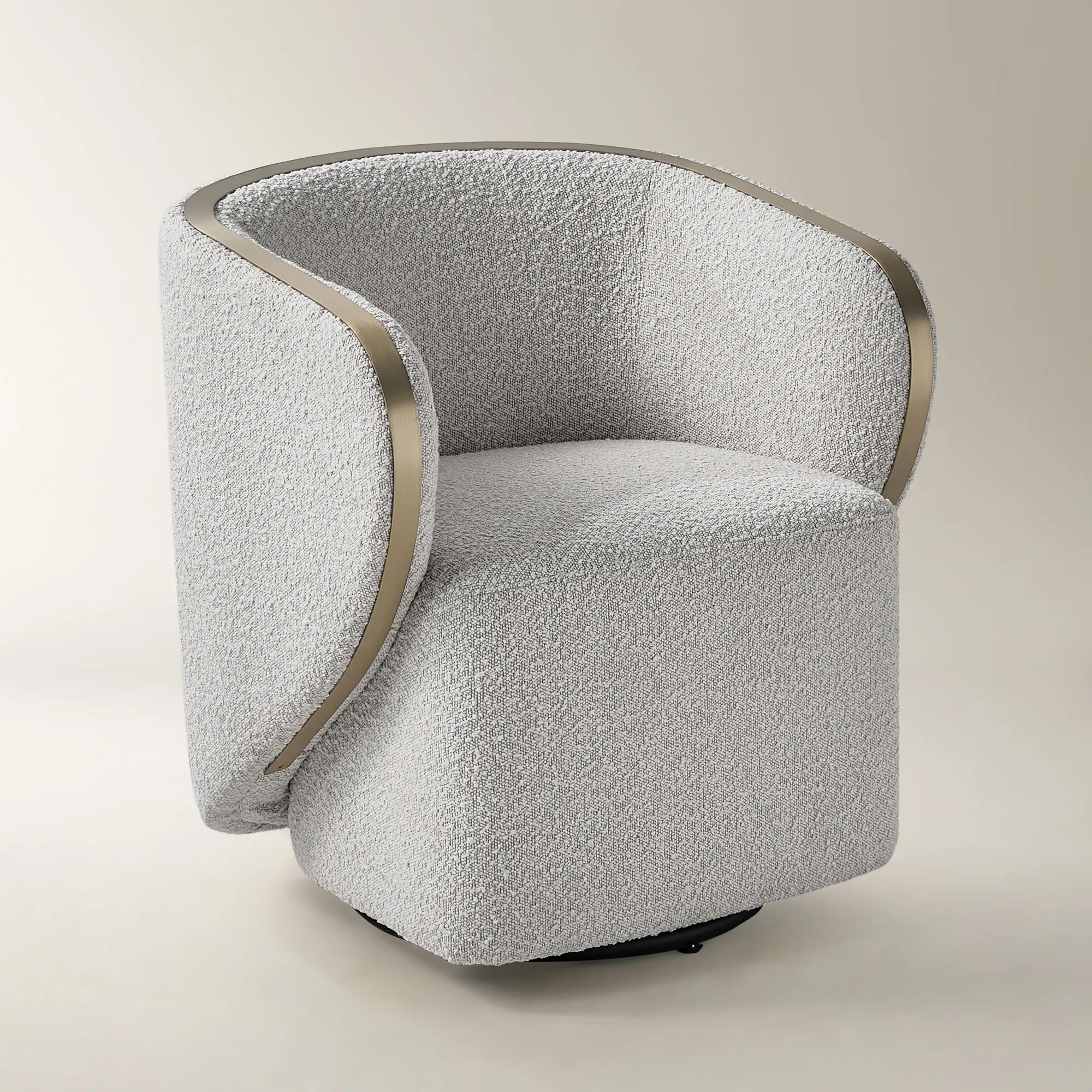 Nova Light Grey Performance Boucle Swivel Dining Chair$699
A sculptural light grey chair in water-repellent boucle with metallic trim and a smooth 360° swivel base.
Add To Cart -
 Elara Burnt Umber Velvet Dining Chair Set Of 2$799
A pair of brown velvet chairs with sinuous curves, ergonomic support, and hand-crafted, sculptural design.
Add To Cart -
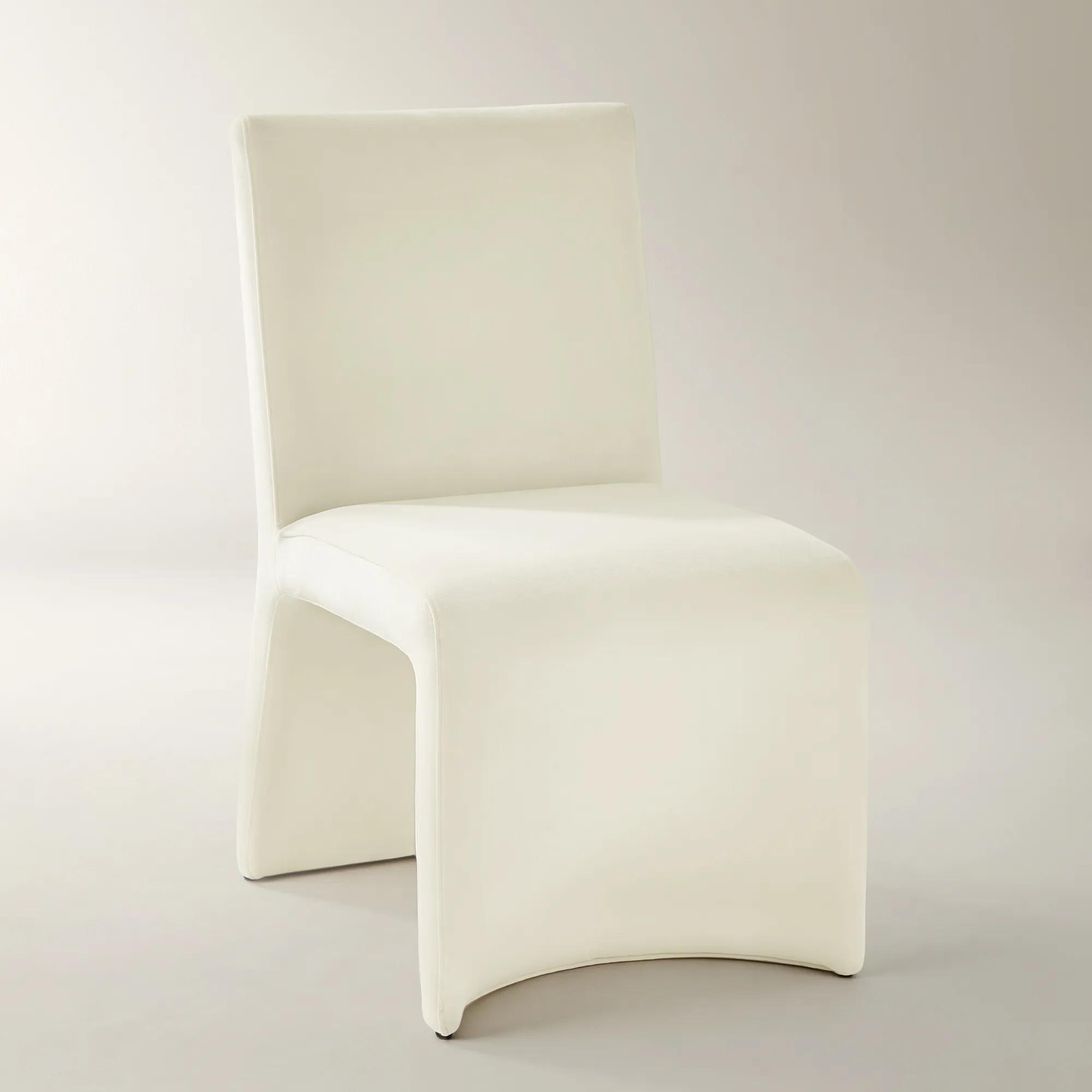 Elara Cloud Velvet Dining Chair Set Of 2$799
A set of two dining chairs featuring plush velvet upholstery, a seamless curved silhouette, and a sturdy steel frame.
Add To Cart -
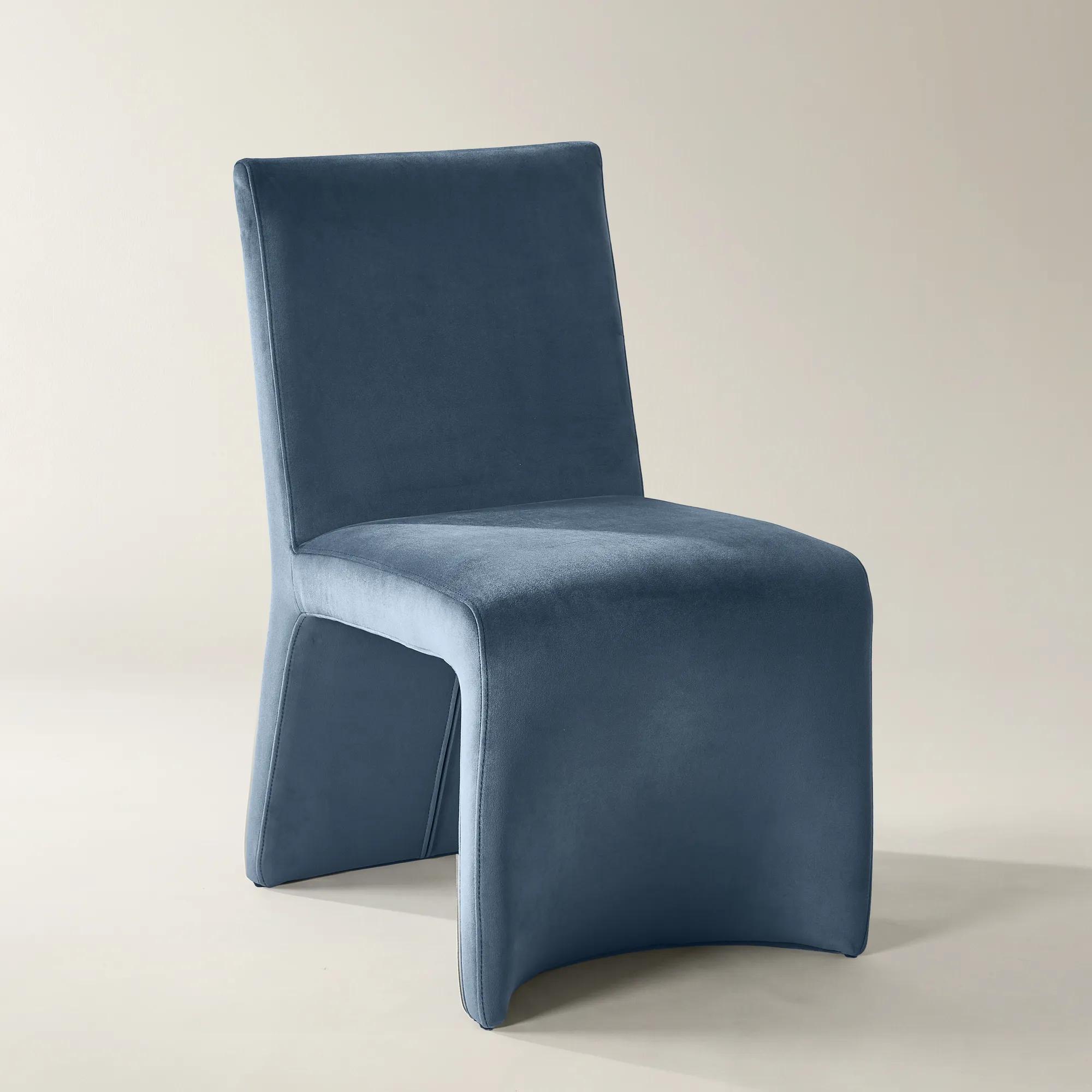 Elara Dusty Blue Velvet Dining Chair Set Of 2$799
A set of two dining chairs featuring plush dusty blue velvet upholstery and a seamless, artful silhouette.
Add To Cart -
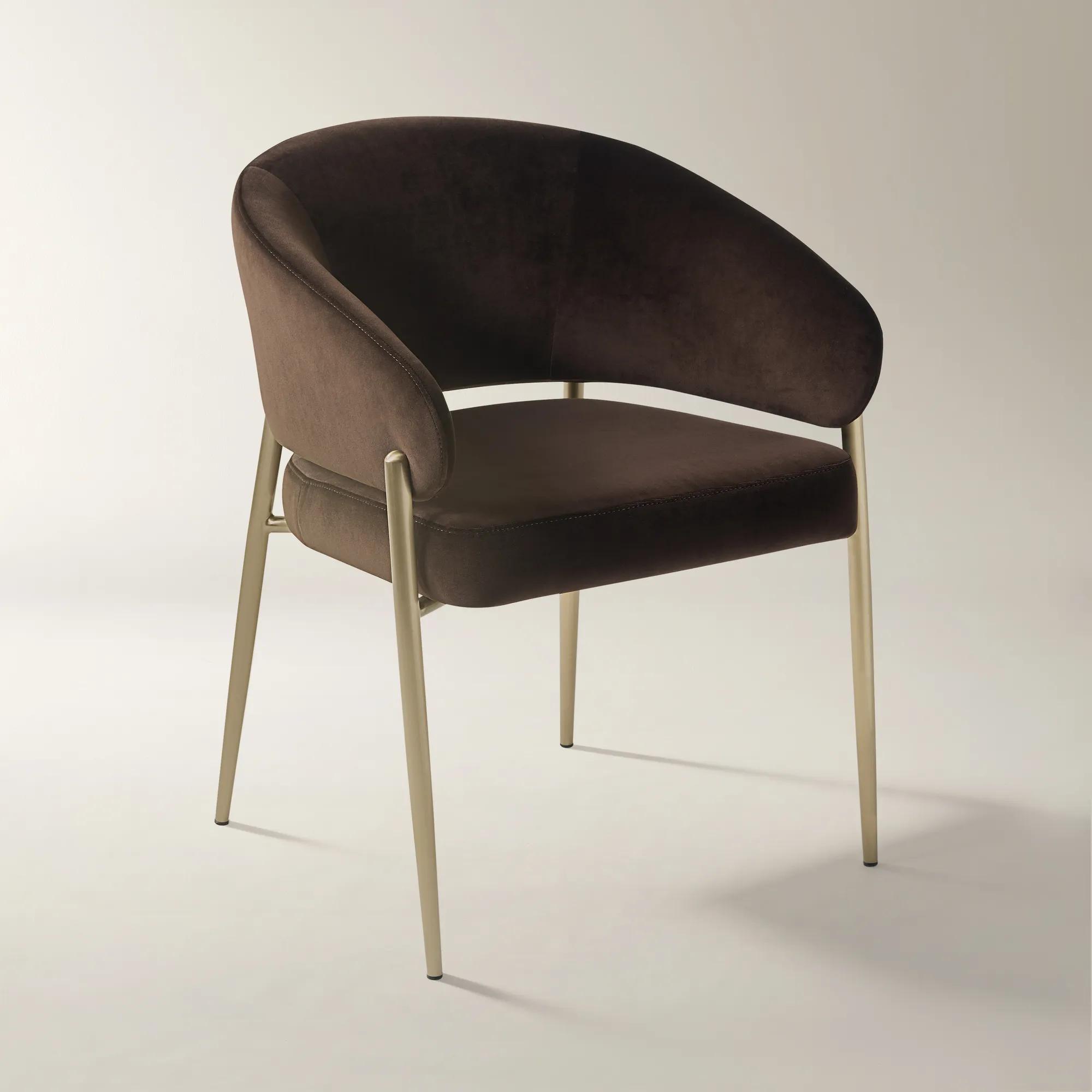 Nara Dark Chocolate Velvet Dining Chair Set Of 2$599
A pair of dark chocolate velvet chairs with curved backs and brushed brass stainless-steel legs for modern elegance.
Add To Cart -
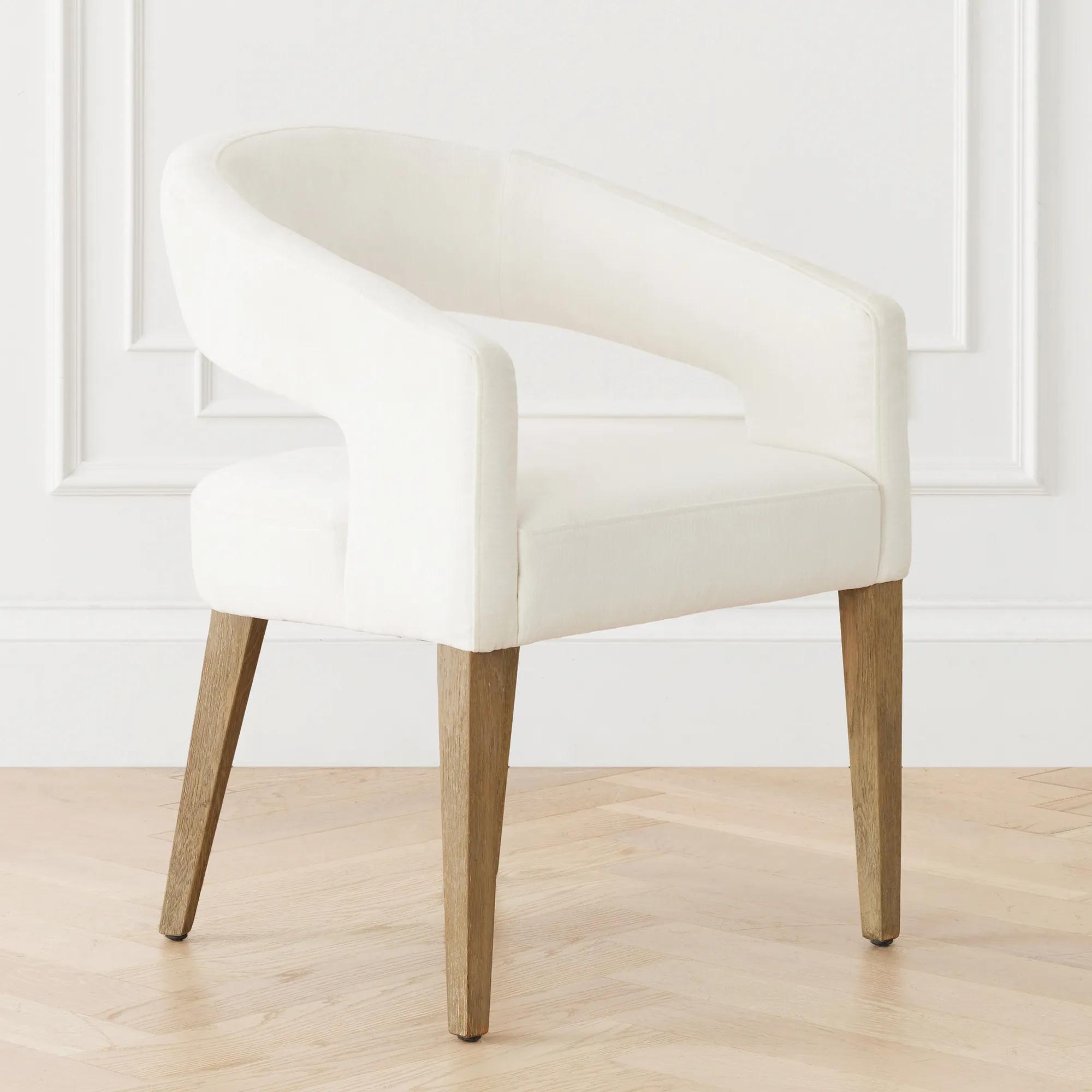
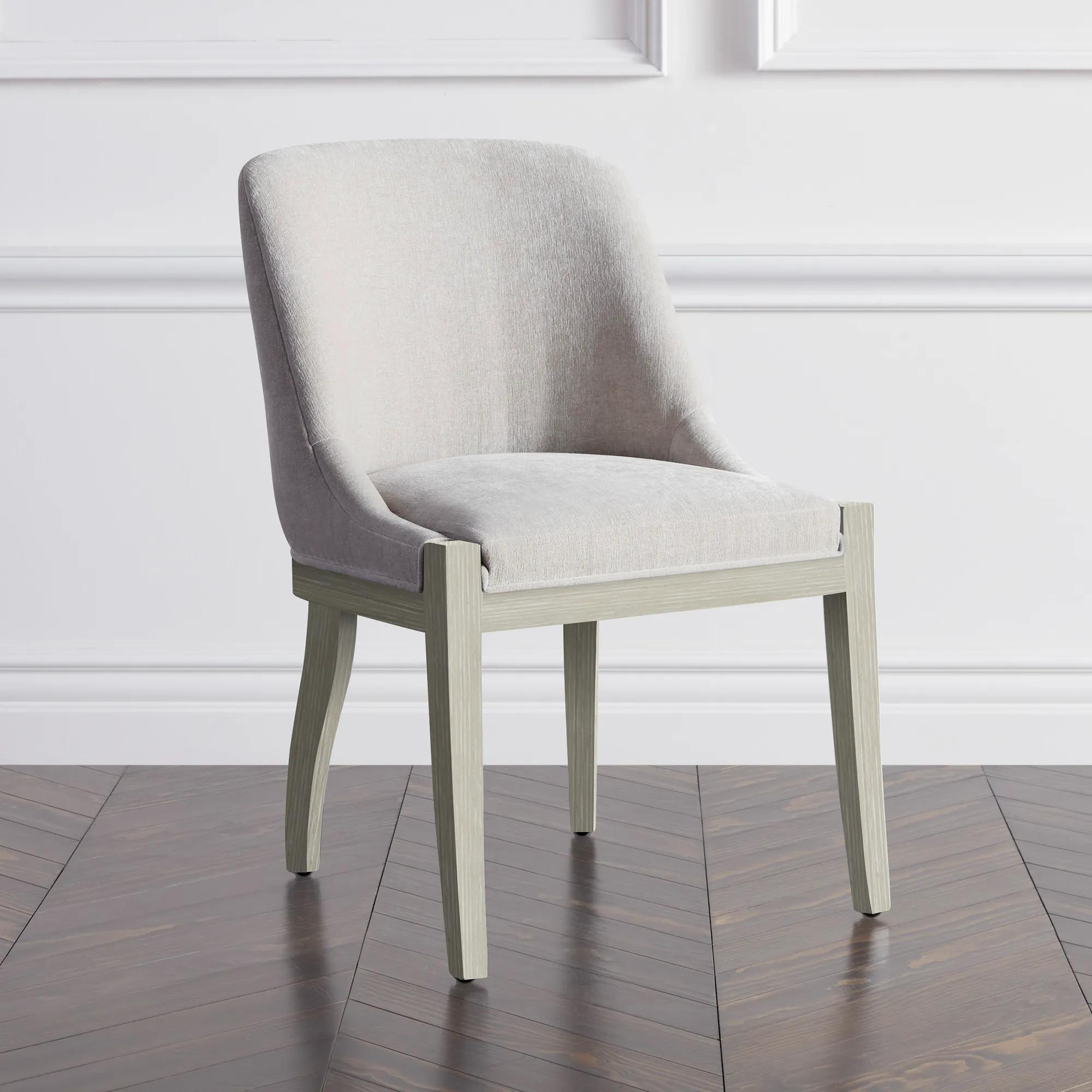 Lily Dining Chair - Natural Grey$649
A modern dining chair featuring kiln-dried hardwood, natural grey upholstery, and cushioned foam-and-fiber comfort.
Add To Cart -
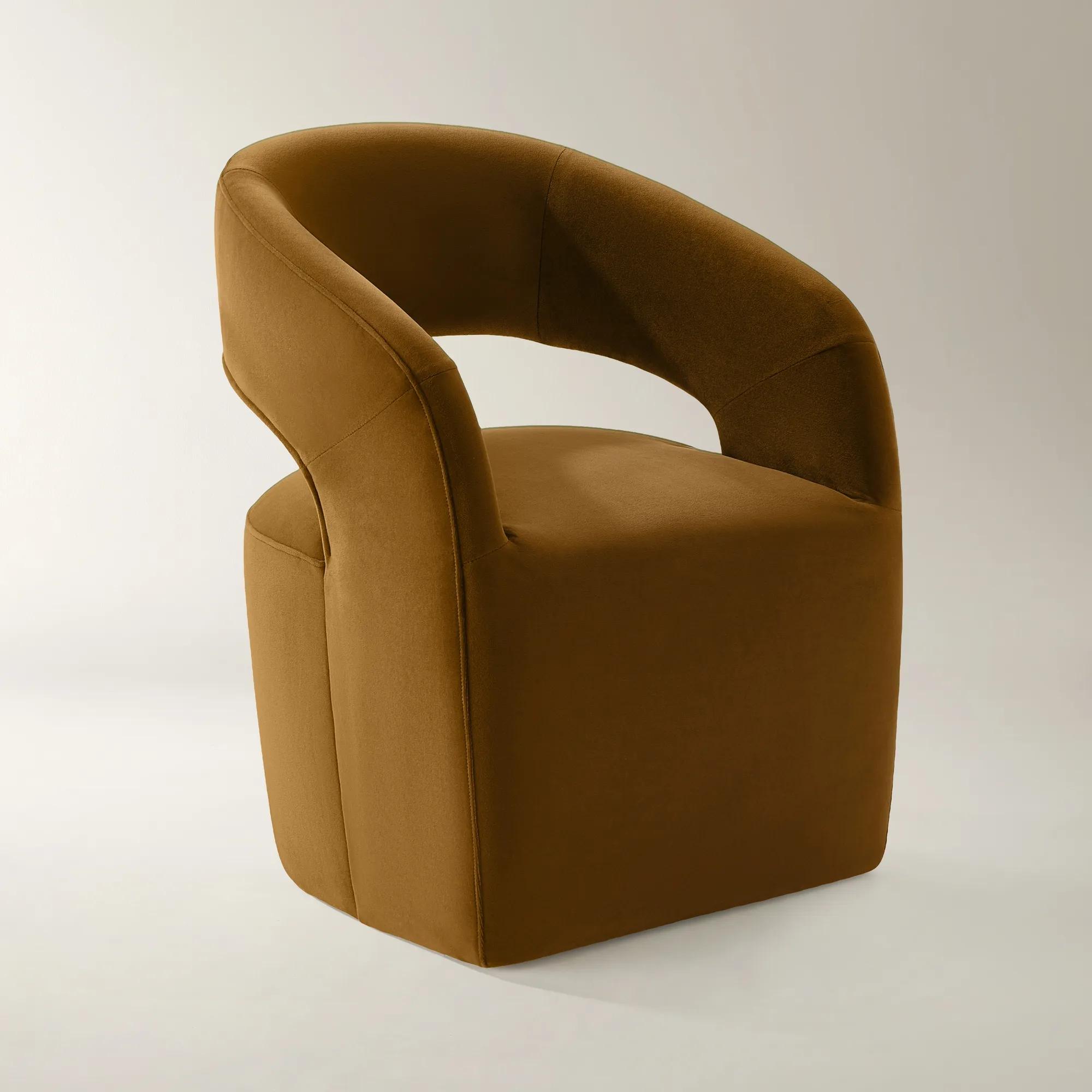
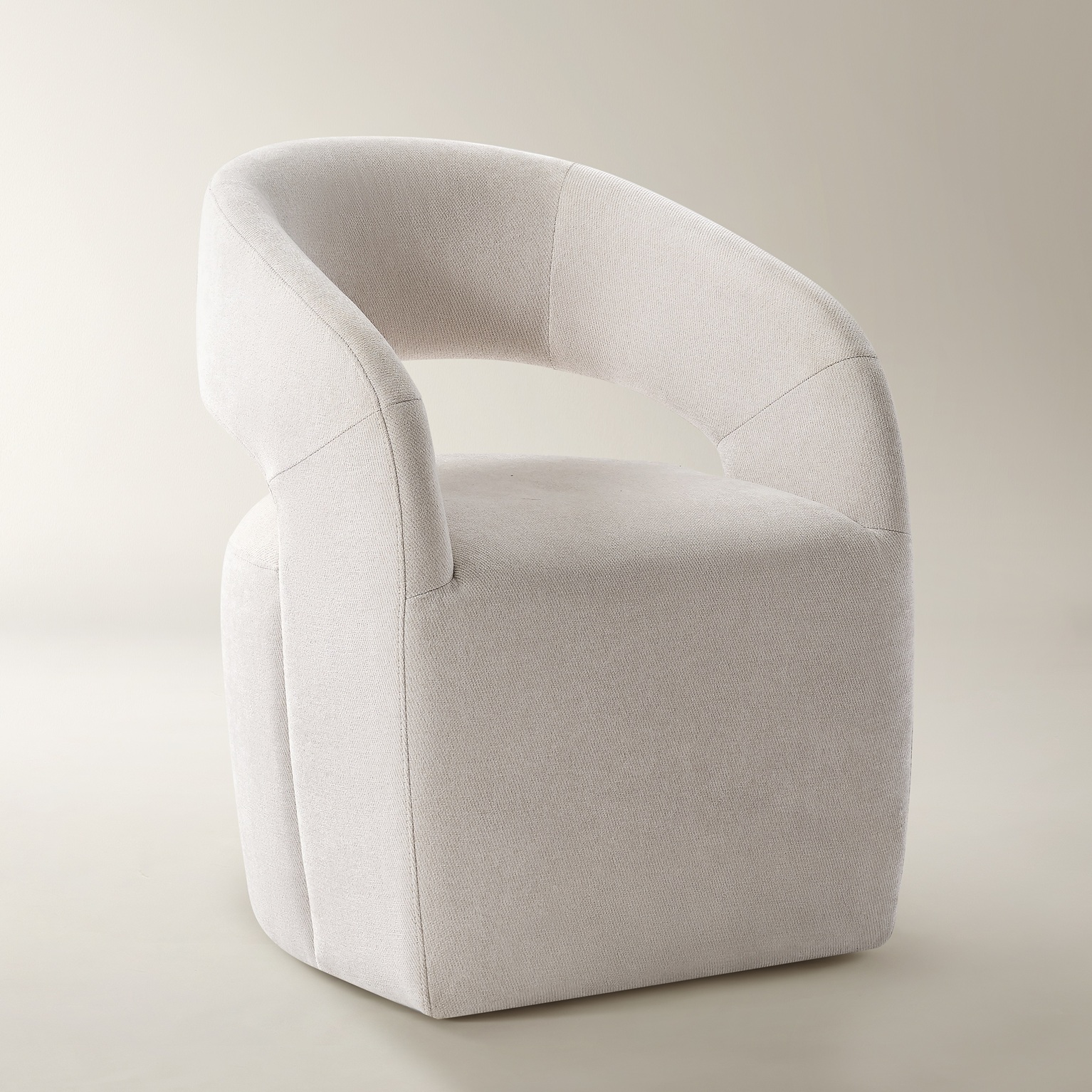 Harrison Roasted Pecan Velvet Dining Chair$499
A sculptural dining chair upholstered in roasted pecan velvet with feather-blend cushioning and integrated arms.
Add To Cart -
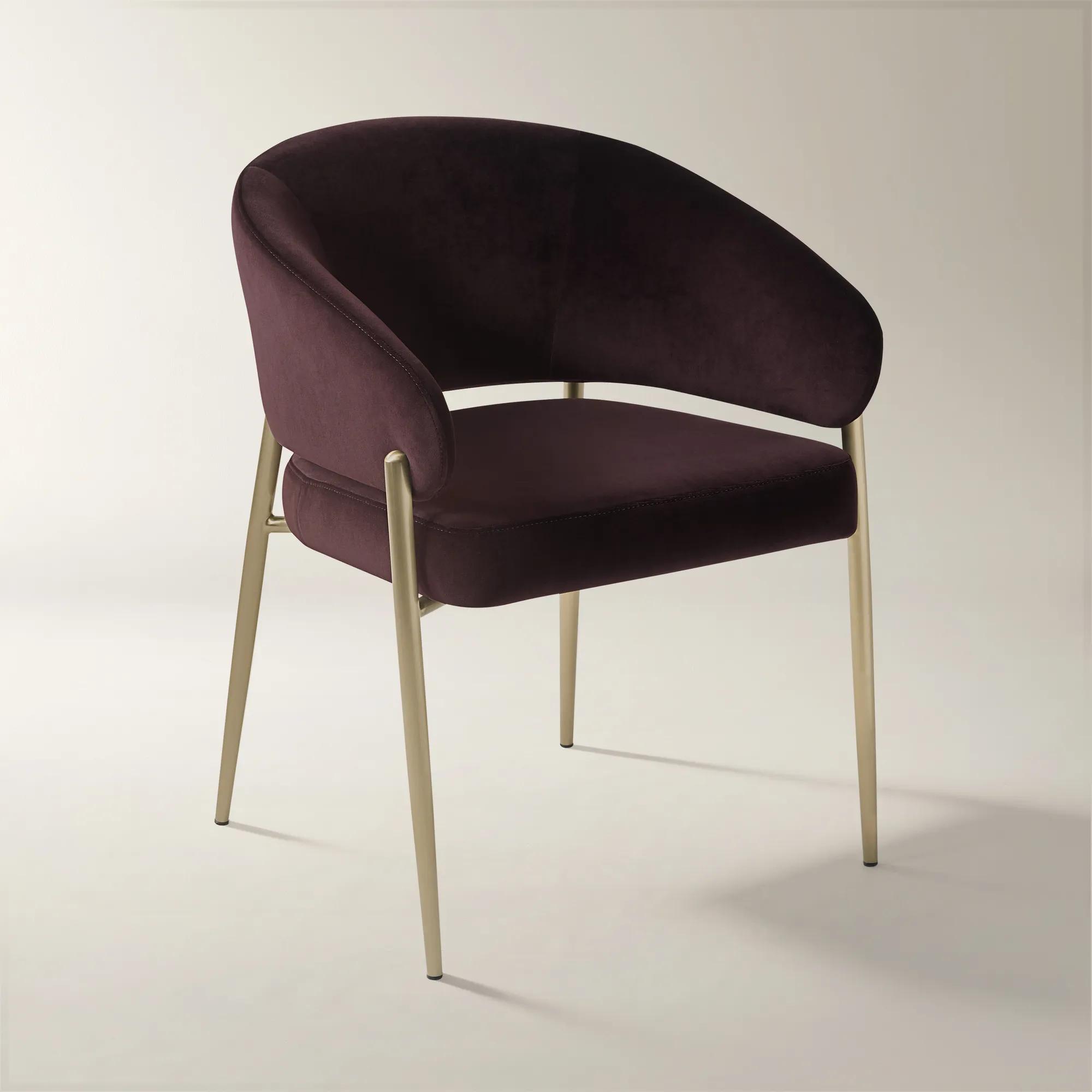 Nara Fig Velvet Dining Chair Set Of 2$599
A set of two dining chairs featuring plush fig velvet upholstery and brushed brass stainless-steel legs.
Add To Cart -
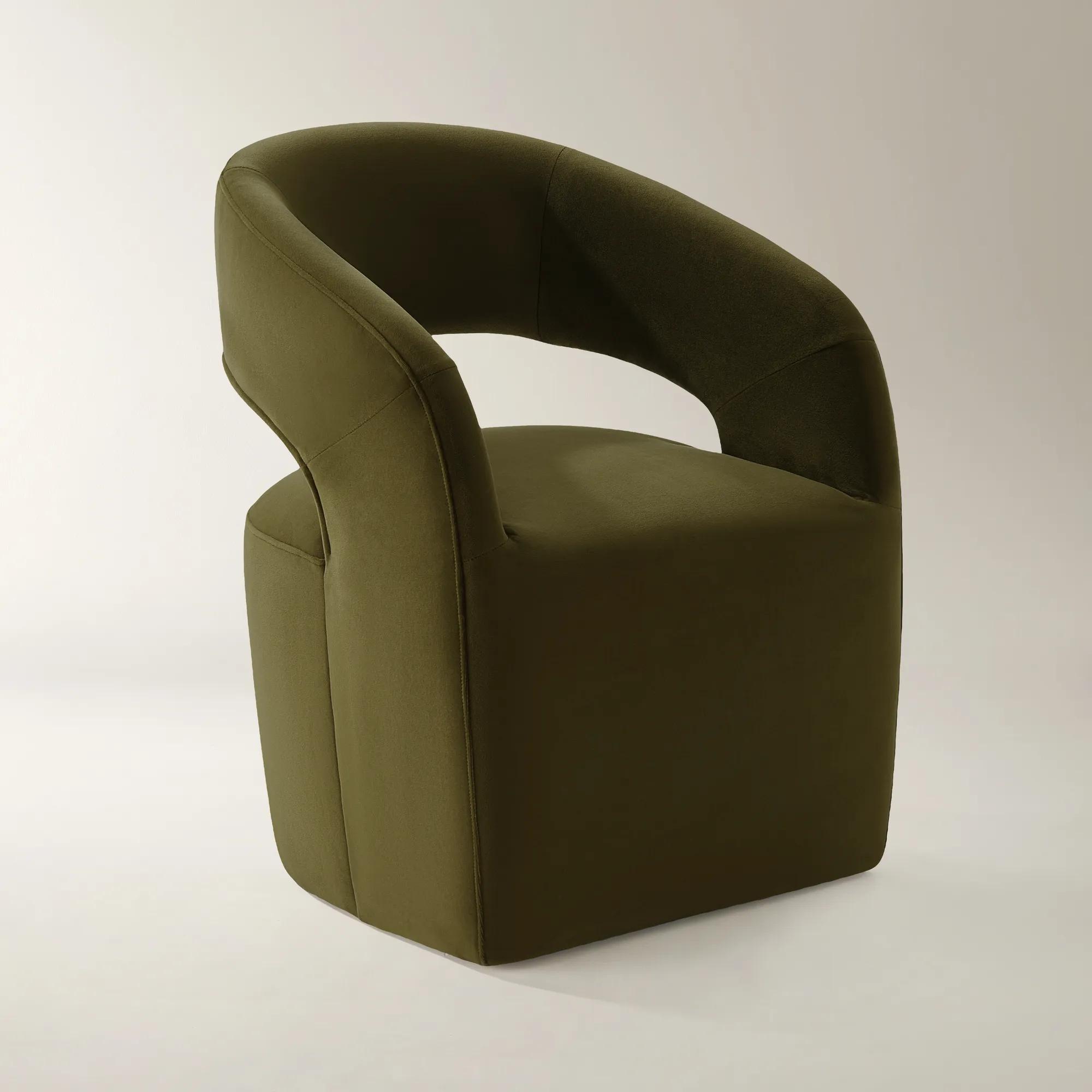 Harrison Deep Olive Velvet Dining Chair$499
A sculptural dining chair in deep olive velvet with a curved back, integrated arms, and plush feather-blend comfort.
Add To Cart -
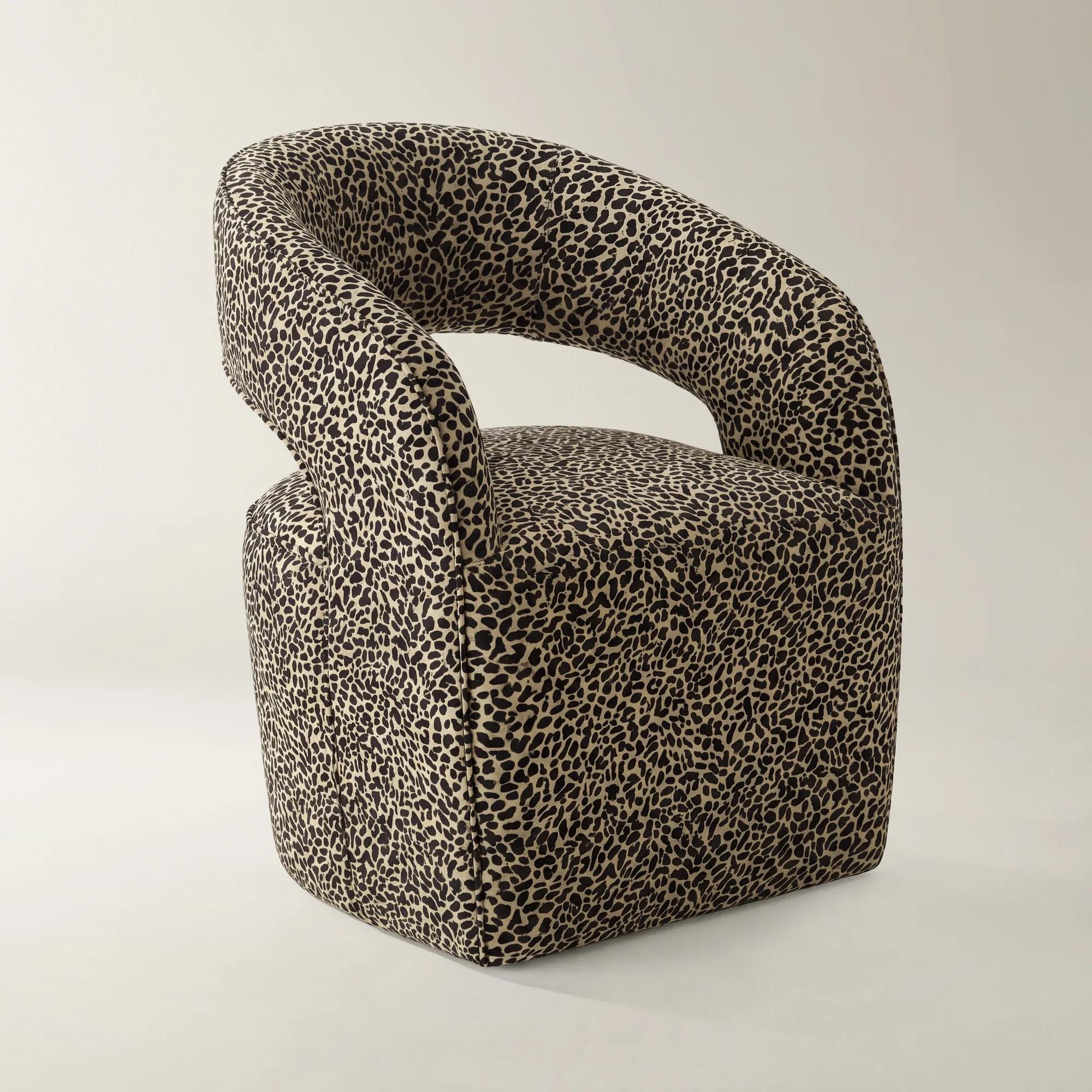 Harrison Leopard Performance Chenille Dining Chair$499
A sculptural dining chair featuring leopard performance chenille upholstery, feather-blend cushioning, and a curved silhouette.
Add To Cart -
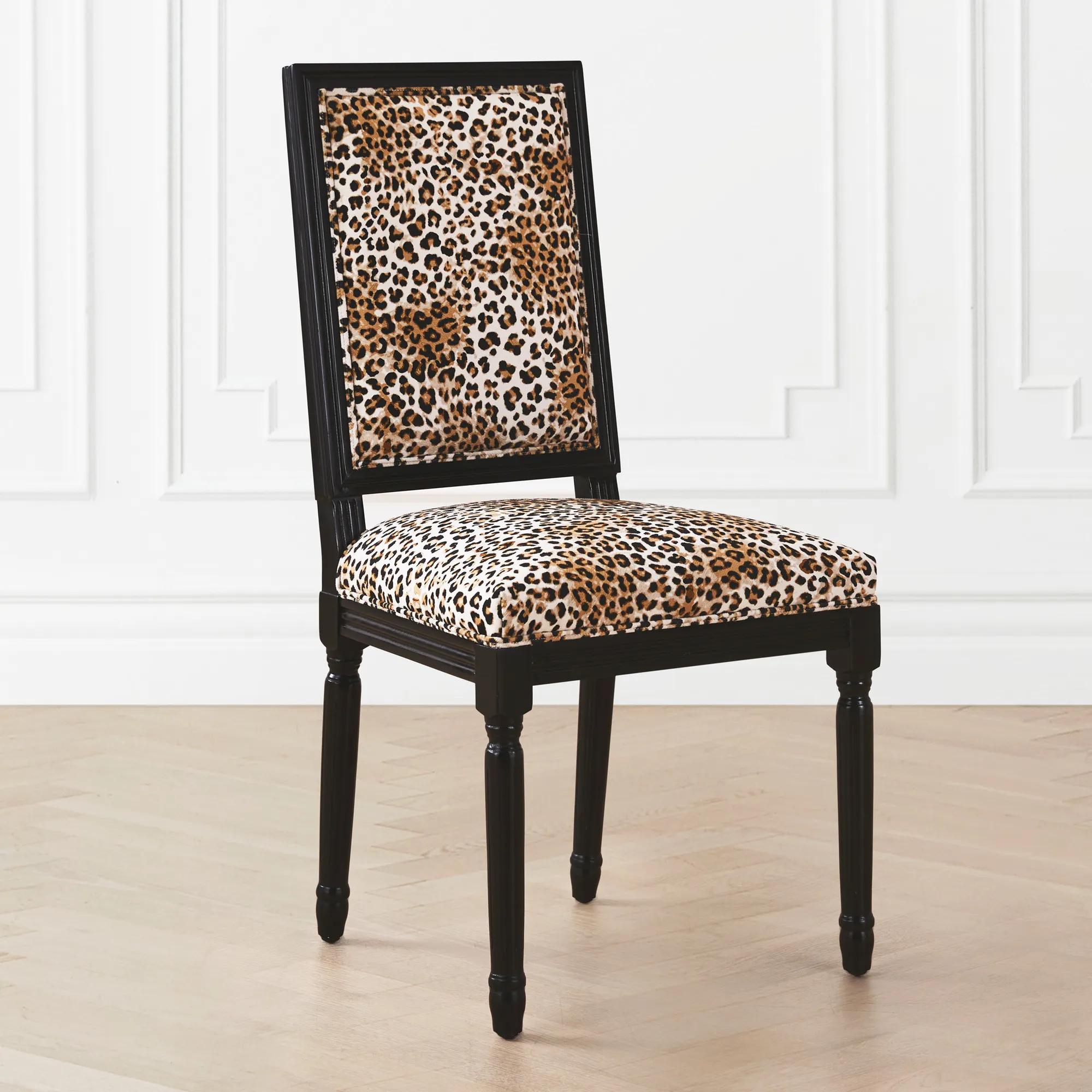
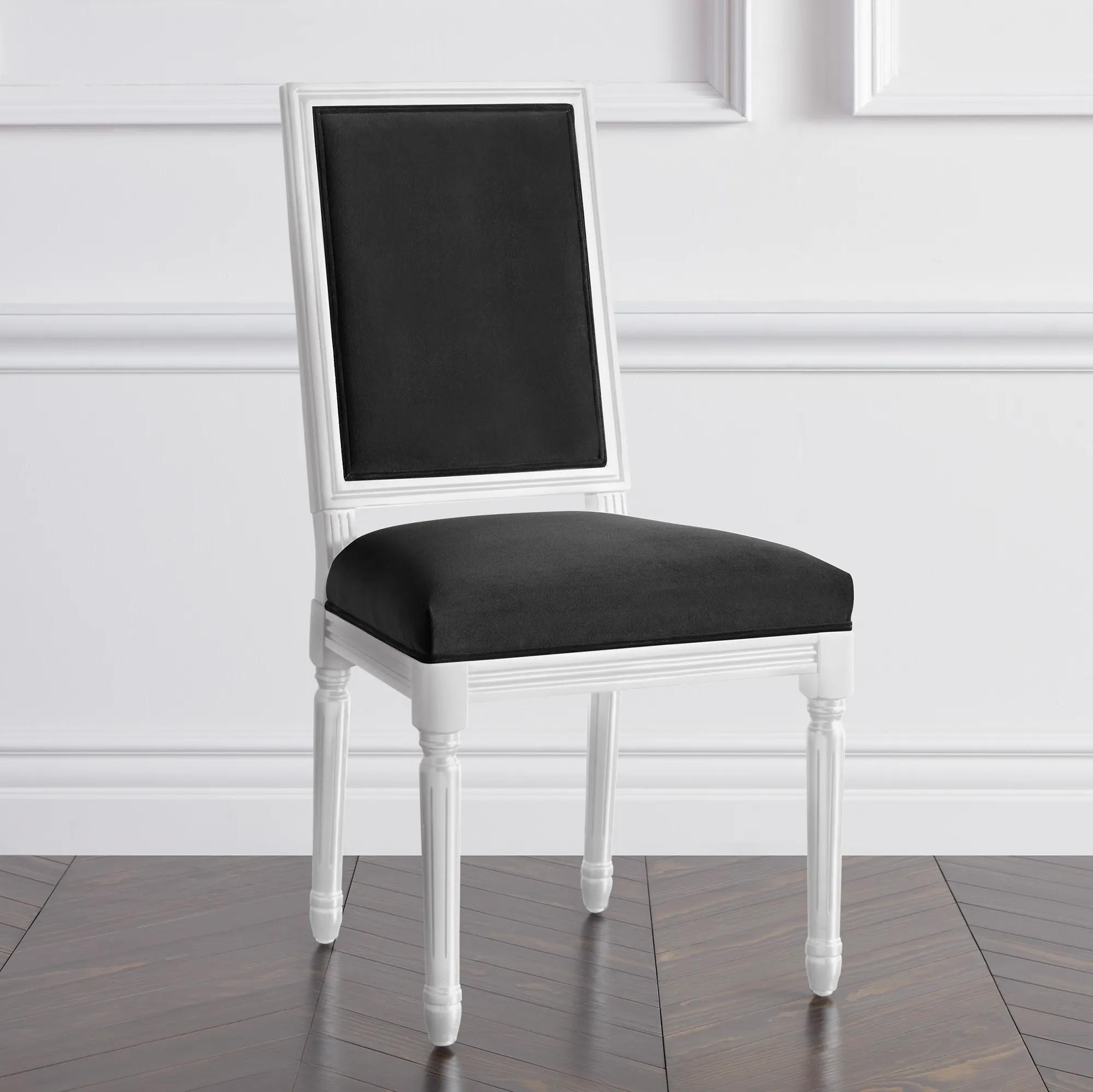
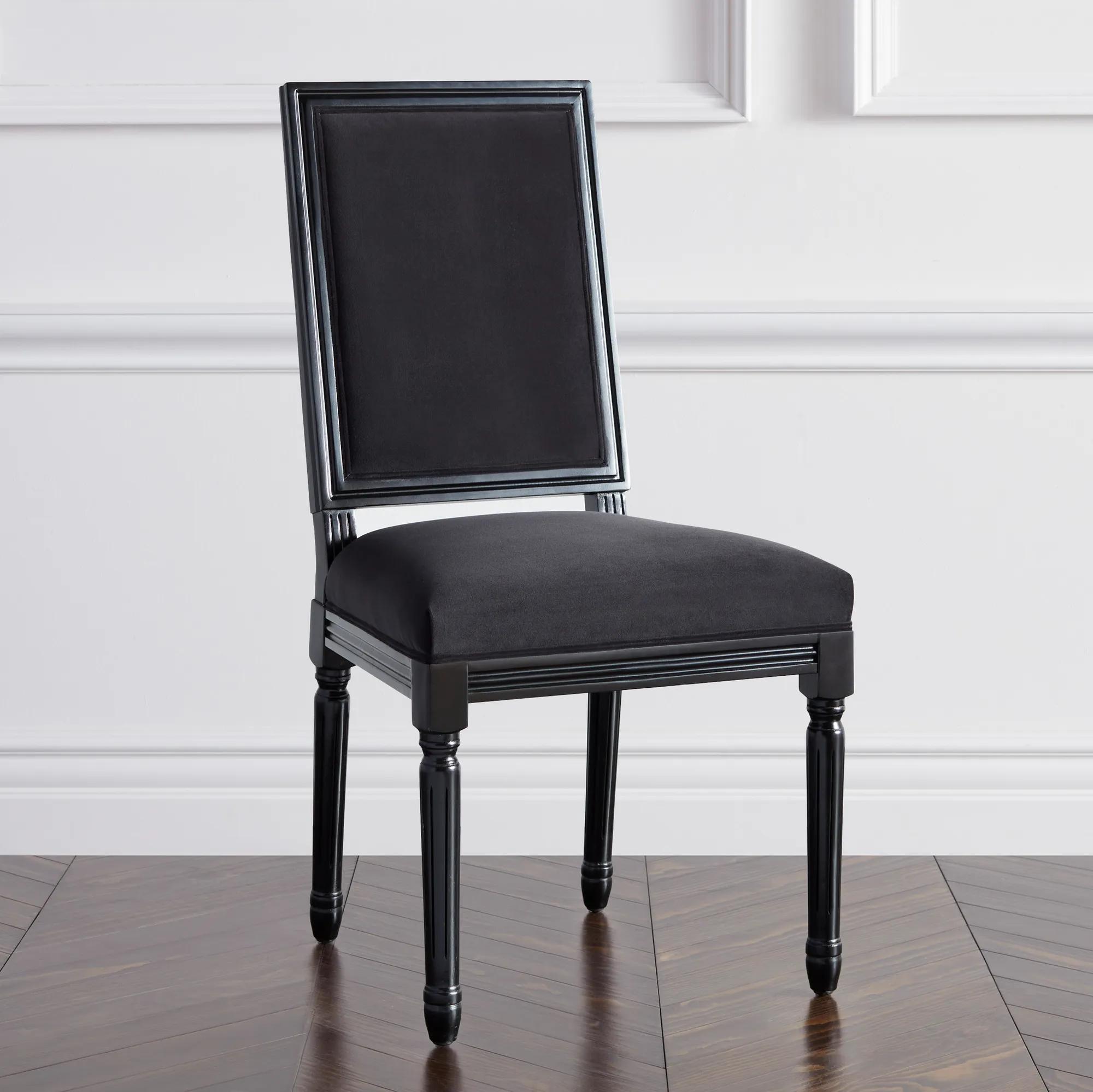
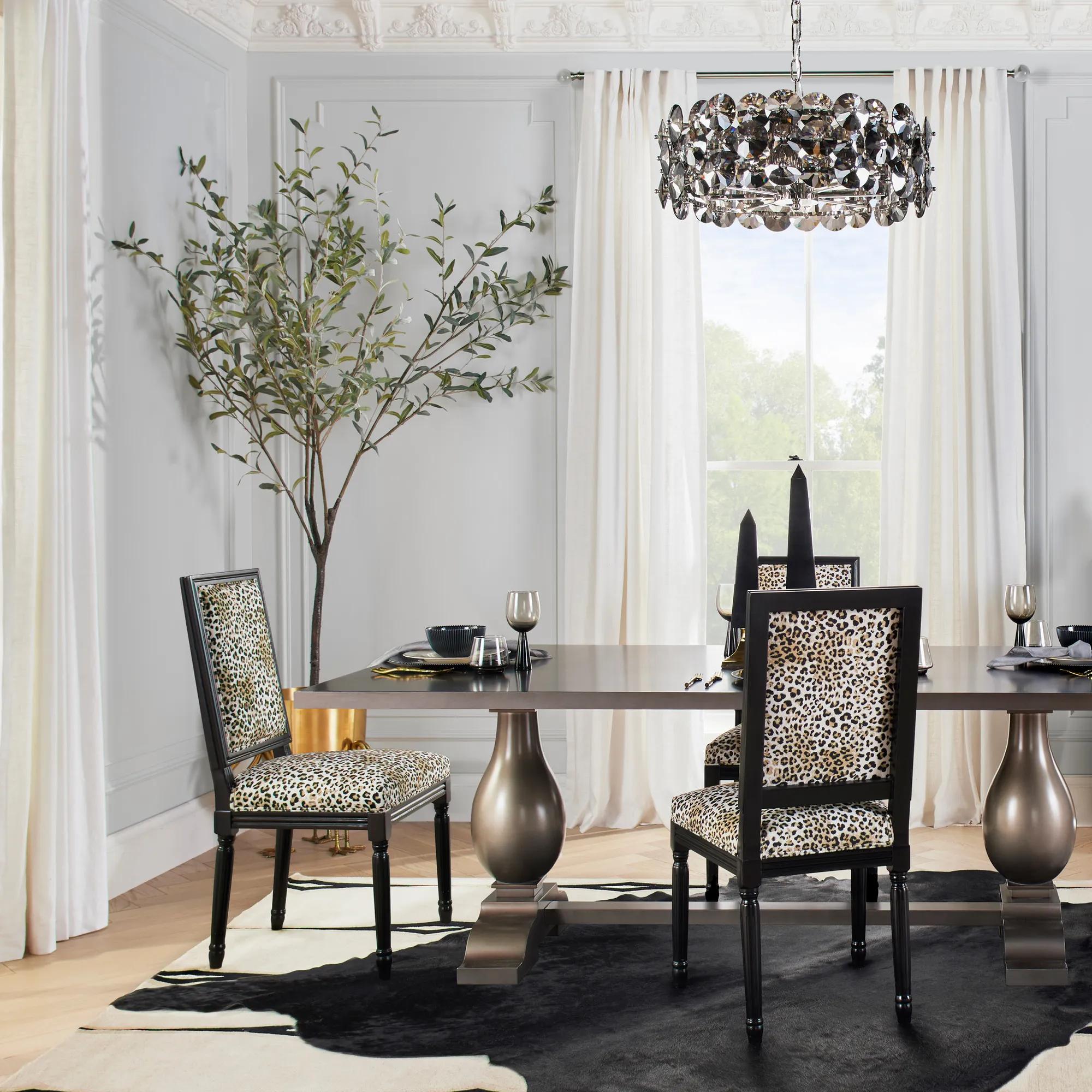 Callan Dining Chair$599
A handcrafted modern chair featuring classic upholstery, squared back, fluted legs, and high-gloss finish.
Add To Cart -
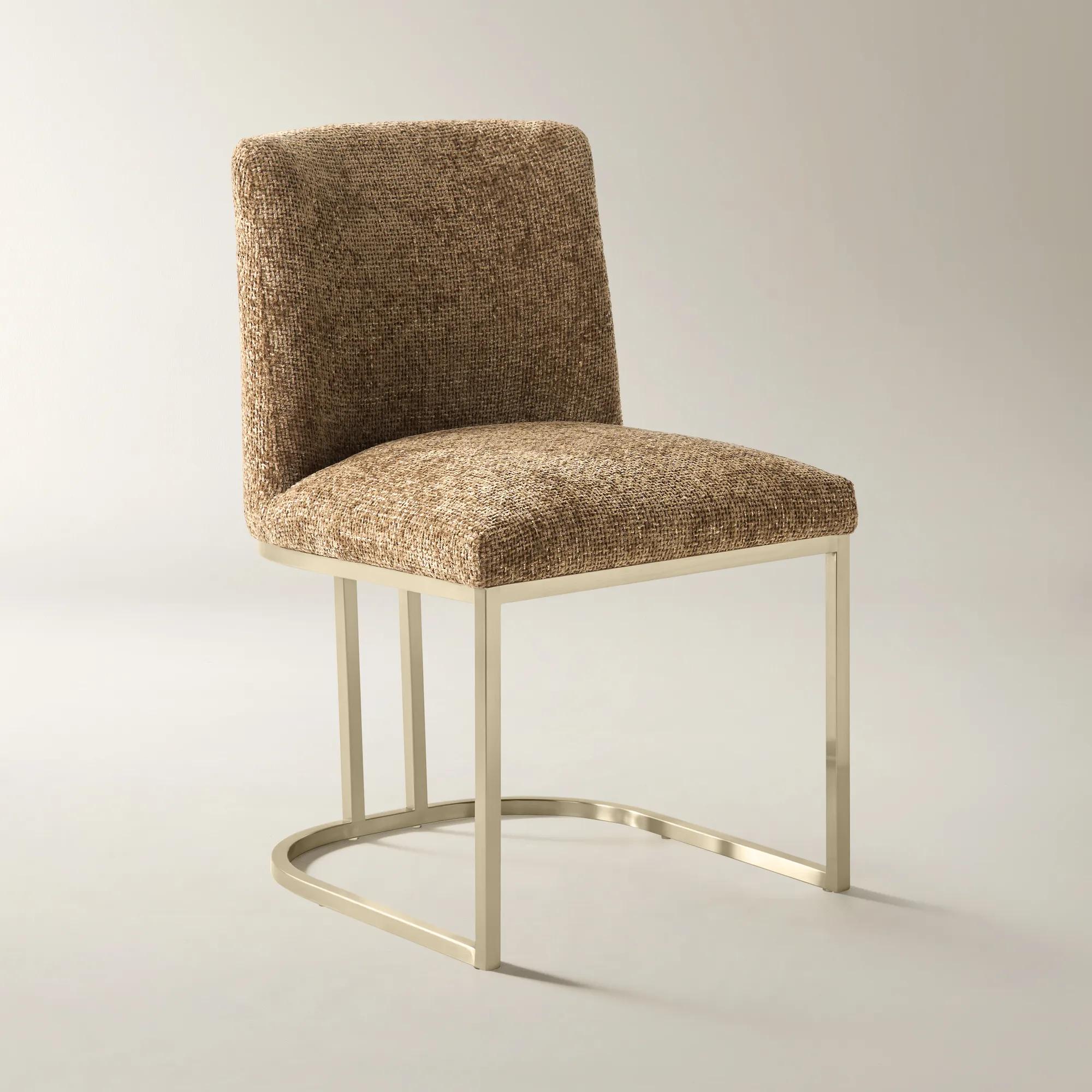 Bergen Bronze Chenille Dining Chair Set Of 2$549
A set of two dining chairs featuring bronze chenille upholstery and a sculptural brushed gold metal base.
Add To Cart -
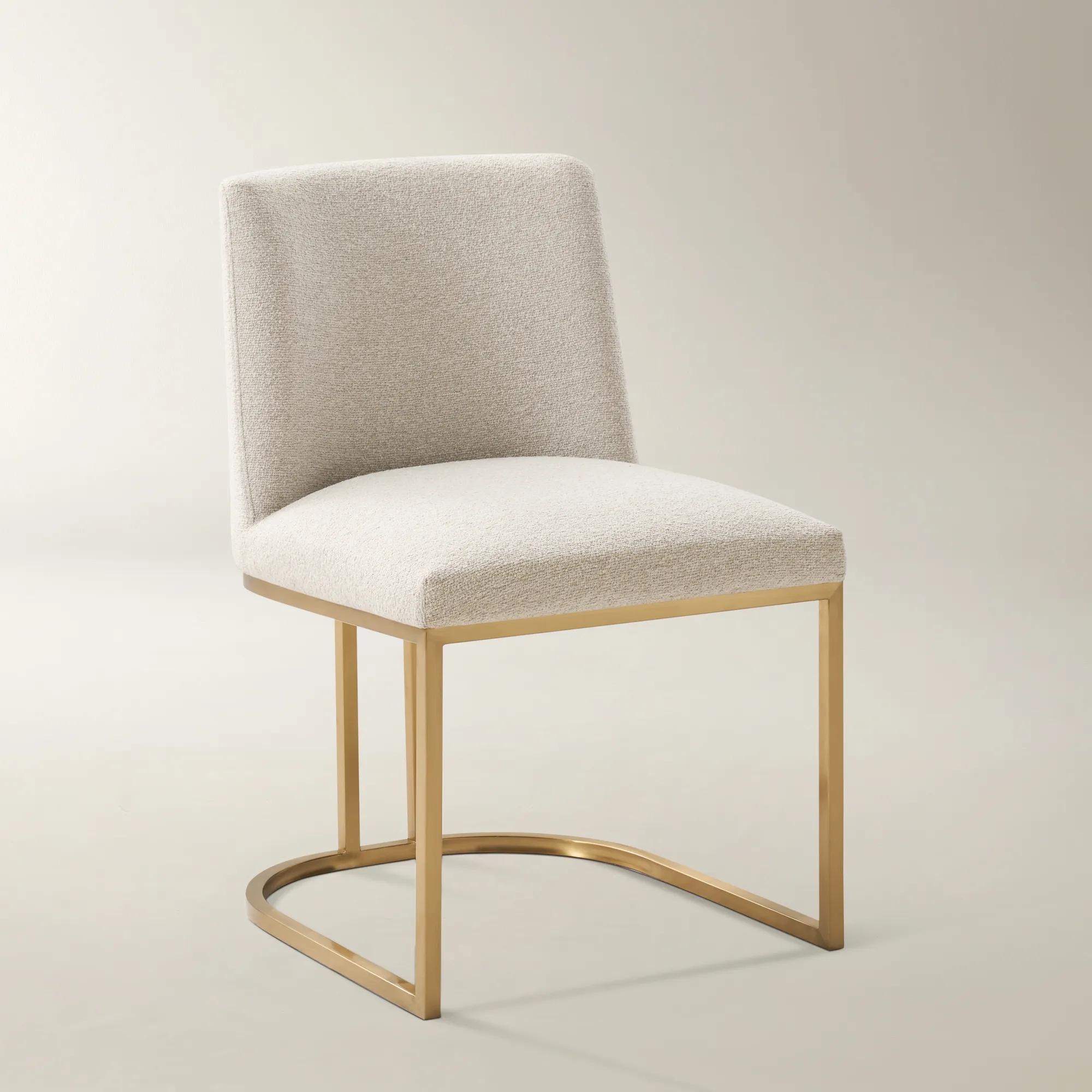 Bergen Ivory Boucle Dining Chair Set Of 2$549
An ivory boucle dining chair set featuring a curved backrest and brushed stainless steel frame for elegance.
Add To Cart -
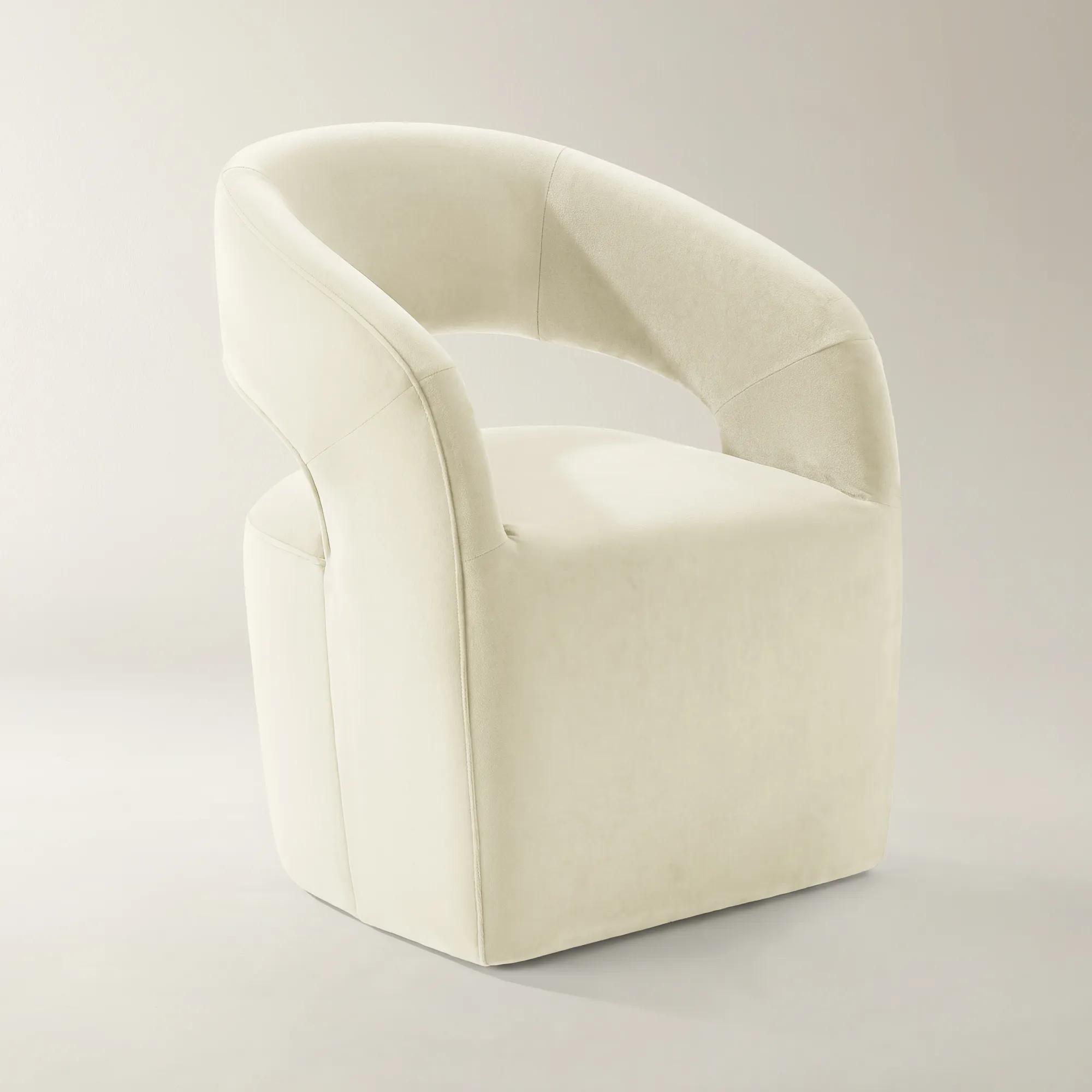 Harrison Cloud Velvet Dining Chair$499
A sculptural dining chair featuring cloud velvet upholstery, feather-blend cushioning, and a continuous curved back.
Add To Cart

Modern Fabric Dining Chairs
Modern Fabric Dining Chairs invite you to transform dining into an experience of artistry and allure. Each seat is a celebration of sculptural form and sumptuous texture, designed to captivate the eye while enveloping guests in comfort. Whether you crave a hint of drama or a whisper of elegance, these chairs set the stage for unforgettable gatherings, infusing every meal with an air of modern sophistication. Elevate your dining space with silhouettes that command attention and fabrics that tempt the senses—because at Z Gallerie, every detail is an opportunity to express your boldest vision.
Modern fabric dining chairs combine contemporary silhouettes, upholstered seats, and tactile textiles to bring comfort and visual depth to a dining space. Clean lines keep the composition refined, while a curved back, sculpted seat, or sumptuous weave gives each chair a distinct presence. Unlike seating defined primarily by wood or metal, fabric dining chairs introduce softness at the places where the body rests, making them especially inviting for dinners that linger long after the plates are cleared. Their appeal extends from intimate breakfast corners to formal dining rooms, where upholstery can temper the gleam of a glass tabletop or create a rich counterpoint to polished stone. The fabric itself sets much of the mood. Velvet has a directional pile that catches light differently across its surface, lending even a restrained silhouette a sense of movement and drama. Bouclé creates dimension through its looped texture, bringing a sculptural quality to rounded backs and generously upholstered forms. Linen and linen-look weaves offer a more tailored, textural effect, with subtle variations that pair beautifully with both warm wood and sleek metal. Fiber content matters as much as appearance: natural fibers, synthetic fibers, and blends can differ in their resistance to abrasion, wrinkling, fading, and staining. Performance fabrics may offer added resistance to certain everyday spills or wear, but the designation does not make every textile stainproof or maintenance-free. Product specifications and care information remain essential to understanding how a particular upholstery will behave. Color adds another expressive layer. Ivory and warm gray allow shape and texture to take center stage; charcoal creates definition; saturated jewel tones turn seating into a focal point. A tonal arrangement feels composed without being flat, especially when the upholstery contrasts with the table’s surface. Explore New Modern Dining Chairs for a broader view of contemporary seating, then let fabric, form, and finish establish a dining room with a distinct point of view.
The most compelling dining spaces balance visual drama with proportions that feel effortless in daily use. A beautifully upholstered chair needs enough room to pull away from the table, accommodate the sitter, and return neatly beneath the edge without colliding with an apron or pedestal. Many standard dining tables stand approximately 28 to 30 inches high, while dining-chair seat heights commonly fall around 17 to 19 inches; actual compatibility depends on the dimensions of both pieces, including cushion compression and the clearance below the tabletop. Around 10 to 12 inches between the seat and the top of the table is a common starting point, not a substitute for checking the full construction. Arms require particular attention because a comfortable armrest can still be too tall to slide beneath a low apron. Width matters just as much. Allowing roughly 24 inches of table edge per person provides a useful baseline, with additional space often needed for broad silhouettes, substantial arms, or a more expansive place setting. Behind the chairs, approximately 36 inches between the table edge and a wall or other obstruction generally allows room to pull out a seat; a frequently traveled passage benefits from more generous clearance. These relationships are especially important in an apartment dining area, where an airy profile can preserve sightlines, or beside a pedestal table, where the base may limit footroom despite an open-looking top. Armless chairs often suit closely spaced settings, while upholstered armchairs can lend distinction to the ends of a rectangular table. Mixing the two creates rhythm without requiring every chair to match exactly. A shared fabric tone, leg finish, or repeated curve keeps the arrangement intentional. Comfort also comes from details that photographs cannot fully convey: the angle of the back, the usable seat depth, the firmness of the cushioning, and the position of any arms. For households that gather over meals, conversation, or an occasional evening of board games, those details give beautiful seating a lasting place in everyday life.
Durability begins beneath the fabric, where the frame, joints, seat support, and cushioning work together to maintain a chair’s shape and stability. Wood, engineered wood, and metal can each contribute to a well-constructed design, but material names alone do not establish quality; construction details, intended use, and any stated weight limits offer a more complete picture. Upholstery should feel secure rather than loose, seams should appear even, and the chair should rest steadily on a level surface. Cushion density and firmness influence both the initial sitting experience and how the seat responds over time, although a plush appearance does not necessarily indicate greater support. For a dining room used every day, a tightly woven textile with documented abrasion performance may be a practical choice. In a home with pets, looped or loosely textured fabrics deserve extra consideration because claws can catch the surface. Families with young children may favor upholstery with clearly stated cleaning instructions and an appropriate stain-resistant treatment, while still allowing for prompt attention to spills. Care is part of preserving the chair’s finish and texture, not simply responding to accidents. Regular vacuuming with a suitable upholstery attachment helps remove crumbs and surface dust before they settle into the weave. Spills generally call for gentle blotting rather than vigorous rubbing, followed by the method specified on the care label. Cleaning codes distinguish between fabrics suited to water-based products, solvent-based products, either approach, or professional attention; a cleaner should never be assumed suitable for every textile. Any permitted treatment is best tested first in an inconspicuous area. Prolonged direct sunlight can affect upholstery color, and appropriate floor protectors can help limit scratches when chairs move. Most fabric dining chairs are intended for indoor use unless explicitly designated otherwise. With thoughtful proportions and care suited to the material, upholstered dining seating brings more than softness to the table: it creates a richly layered setting where a simple meal can feel beautifully considered.
FAQs
Modern fabric dining chairs offer a harmonious blend of comfort, style, and versatility. Their soft upholstery invites guests to linger, while contemporary silhouettes and curated fabric choices elevate the overall aesthetic of your dining area. These chairs can introduce color, texture, and a sense of luxury, transforming your dining room into a welcoming and expressive environment.
Contemporary fabric dining chairs are remarkably adaptable and can complement a range of interior styles. Pair bold, sculptural chairs with sleek, modern tables for a dramatic effect, or mix soft, neutral fabrics with traditional wood furnishings for a timeless, layered look. Play with color and texture to either make a statement or create a subtle, cohesive atmosphere.
Yes, many modern fabric dining chairs are upholstered in durable, easy-to-clean fabrics that stand up beautifully to everyday use. These chairs are designed for real life—whether you’re hosting lively dinner parties, family meals, or creative gatherings, they offer both resilience and refined style.
When selecting modern fabric dining chairs, consider the shape and silhouette, the tactile quality of the upholstery, and how the color or pattern will interact with your existing décor. Look for details like tufting, channel stitching, or metallic accents that add a touch of artistry and visual interest to your dining space.
Absolutely. Modern fabric dining chairs are versatile enough to be styled as accent seating in living rooms, home offices, or bedrooms. Their elegant design and comfortable upholstery make them ideal for creating inviting reading nooks, stylish workspaces, or extra seating for guests throughout your home.