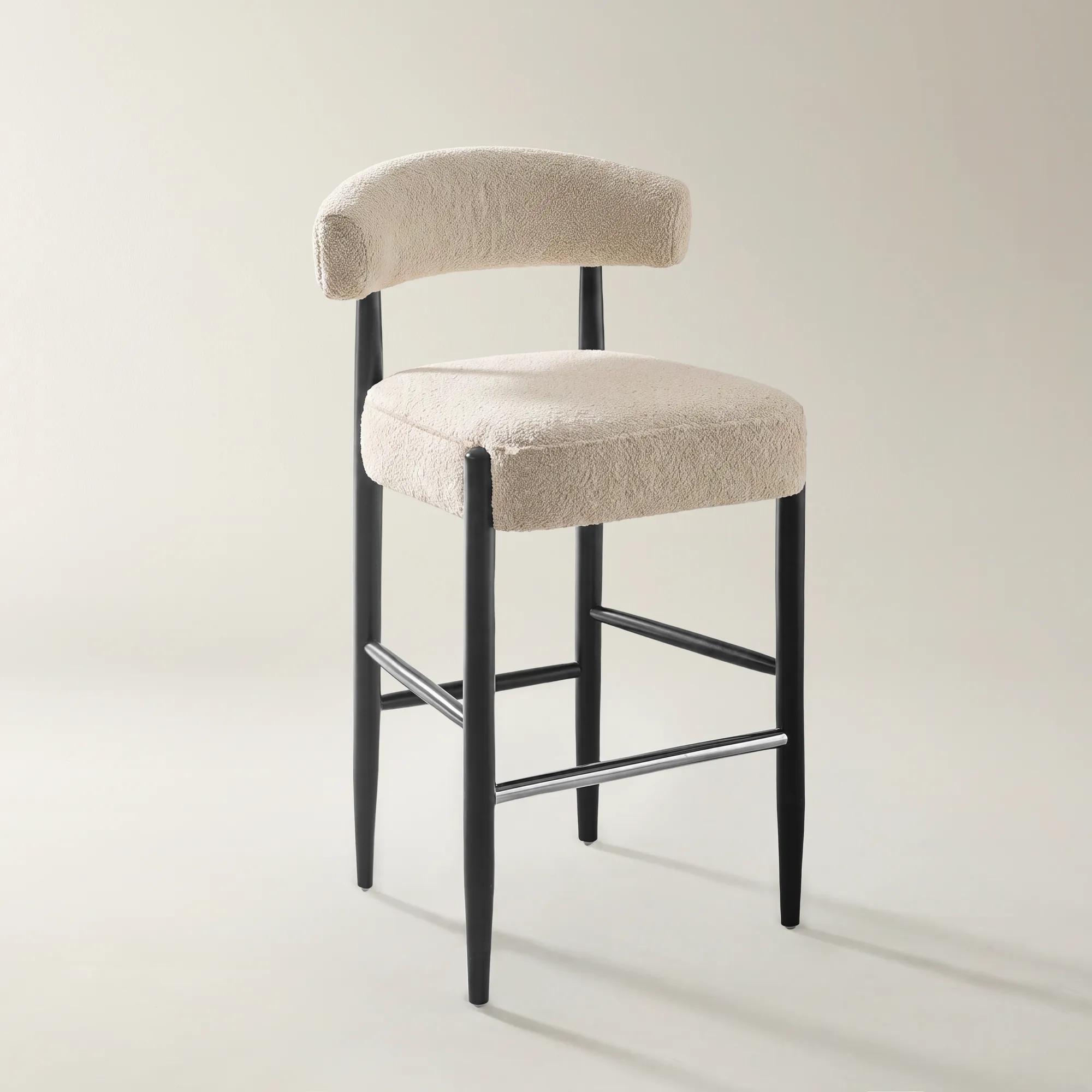
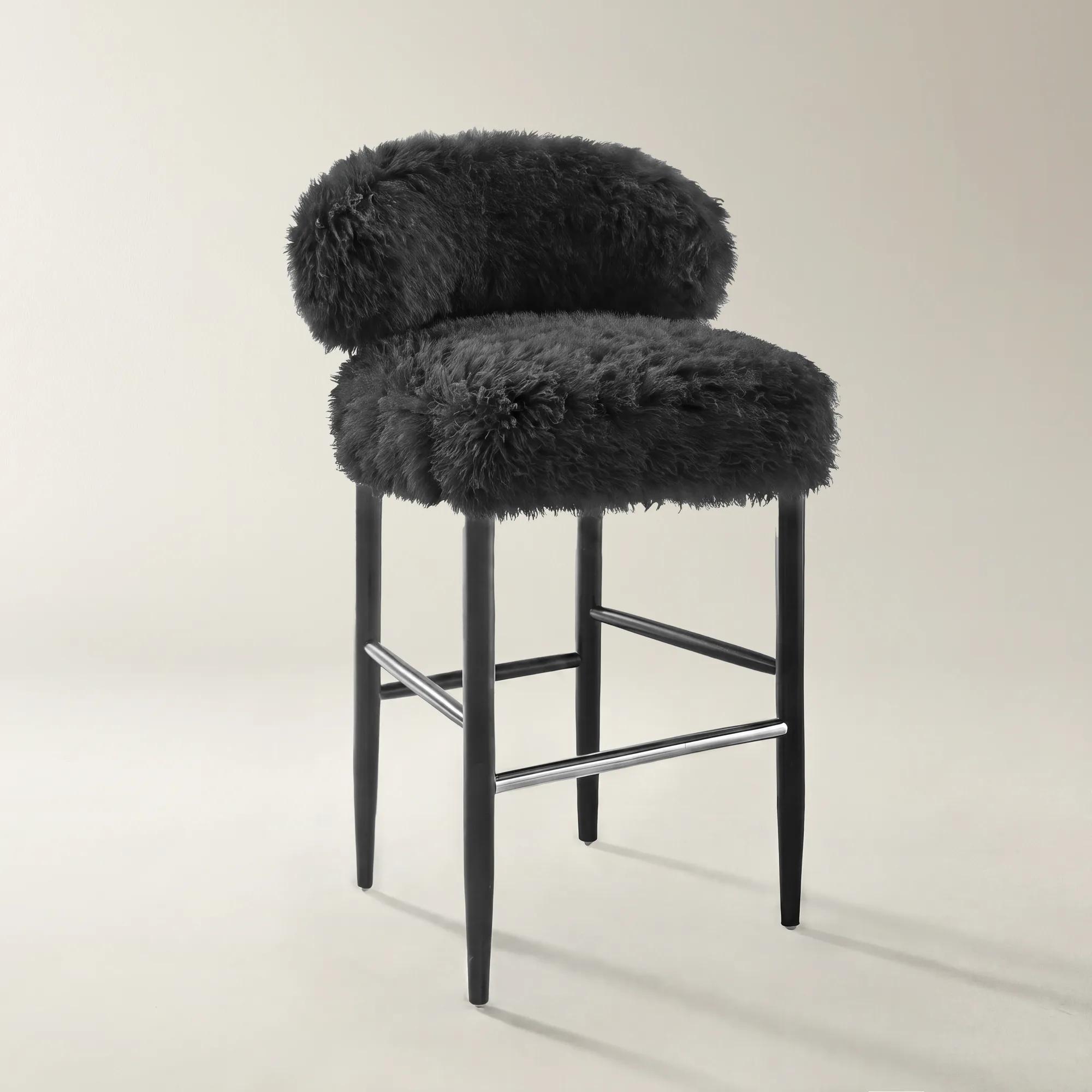
Furniture For Interior Designers
Furniture For Interior Designers
-
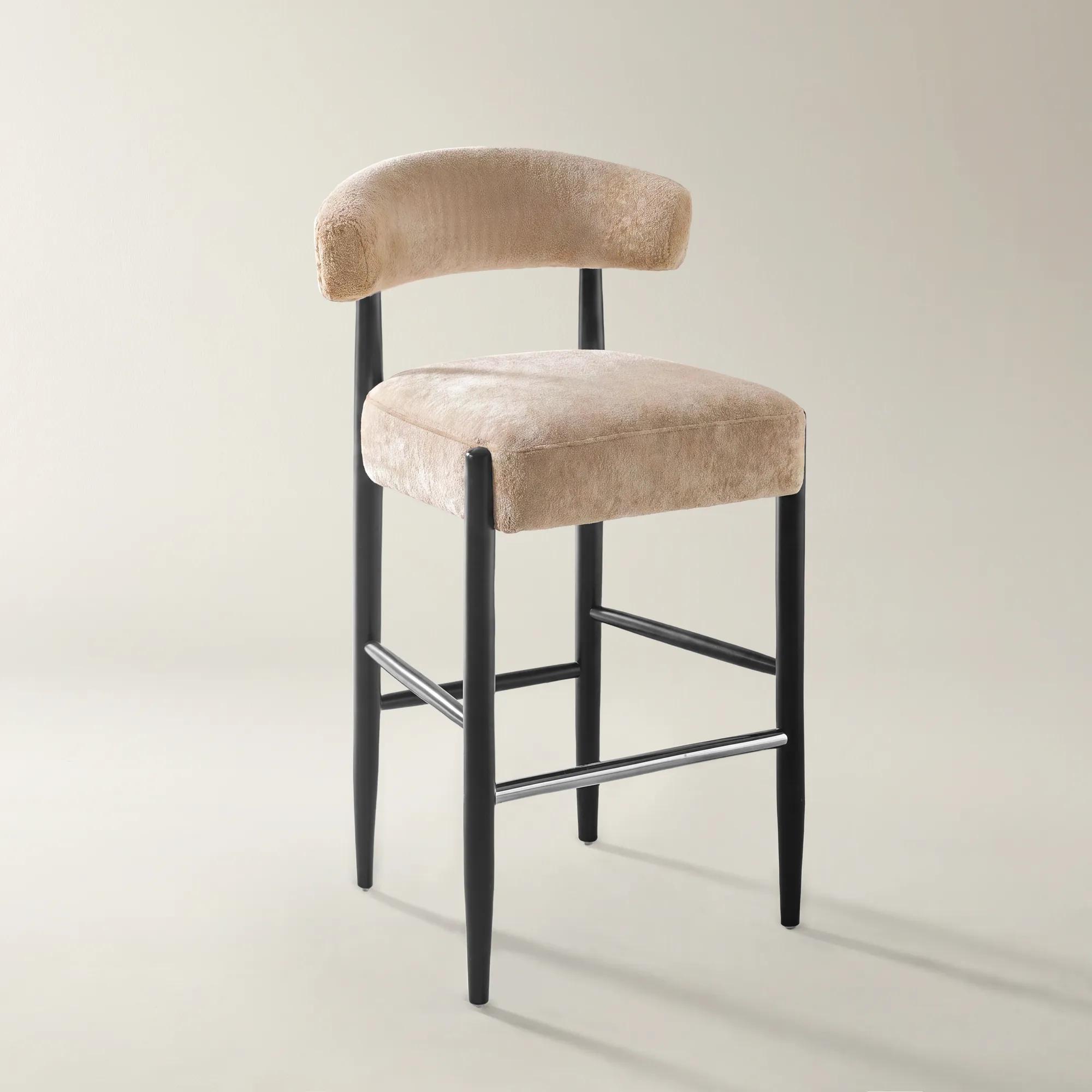 Anna Light Brown Chenille Bar/Counter Stool$449
A brown chenille counter stool with a sculpted back, padded seat, and tapered solid-rubberwood legs.
Add To Cart -
 Lucia Ivory Performance Chenille Swivel Desk Chair$499
A beige texture weave desk chair featuring a brass-plated metal base and adjustable gas lift for comfort.
Add To Cart -
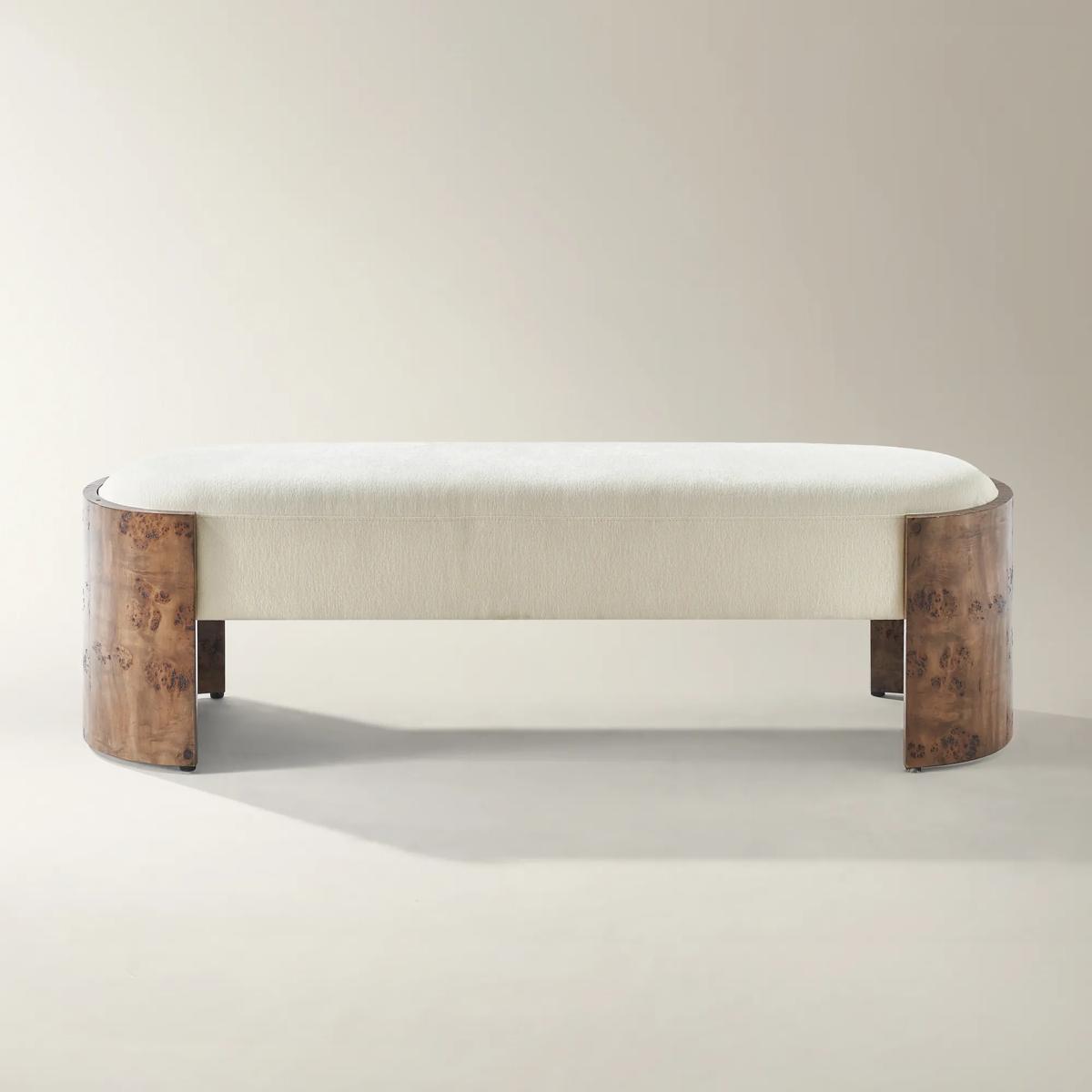 Cora Ivory Chenille With Ash Wood Bench (60.6")$999
An ivory chenille bench with curved ash burl veneer panels, blending plush comfort with striking wood artistry.
Add To Cart -
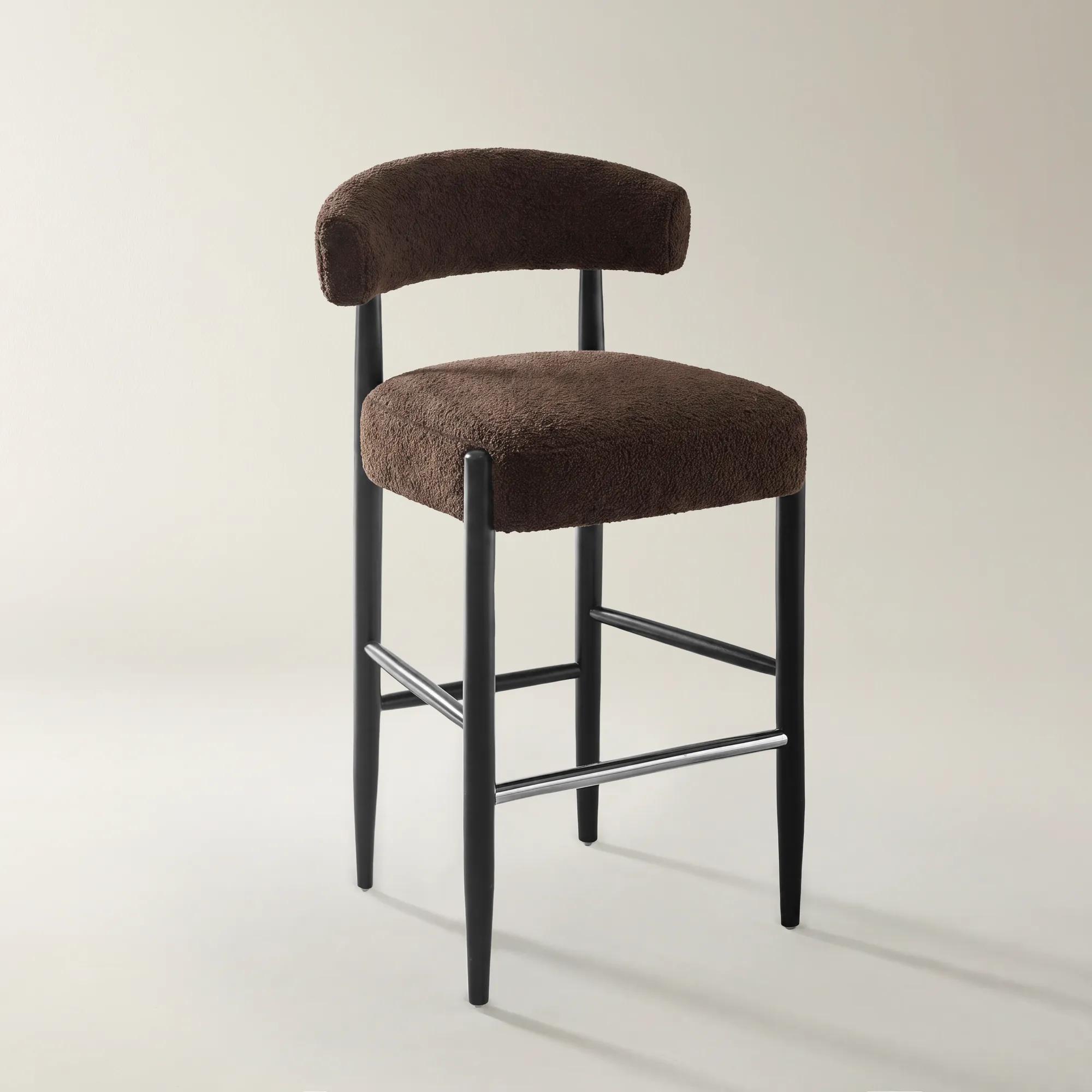 Anna Dark Chocolate Chenille Bar/Counter Stool$449
A dark chocolate chenille counter stool with a sculpted padded seat and solid rubberwood legs.
Add To Cart -
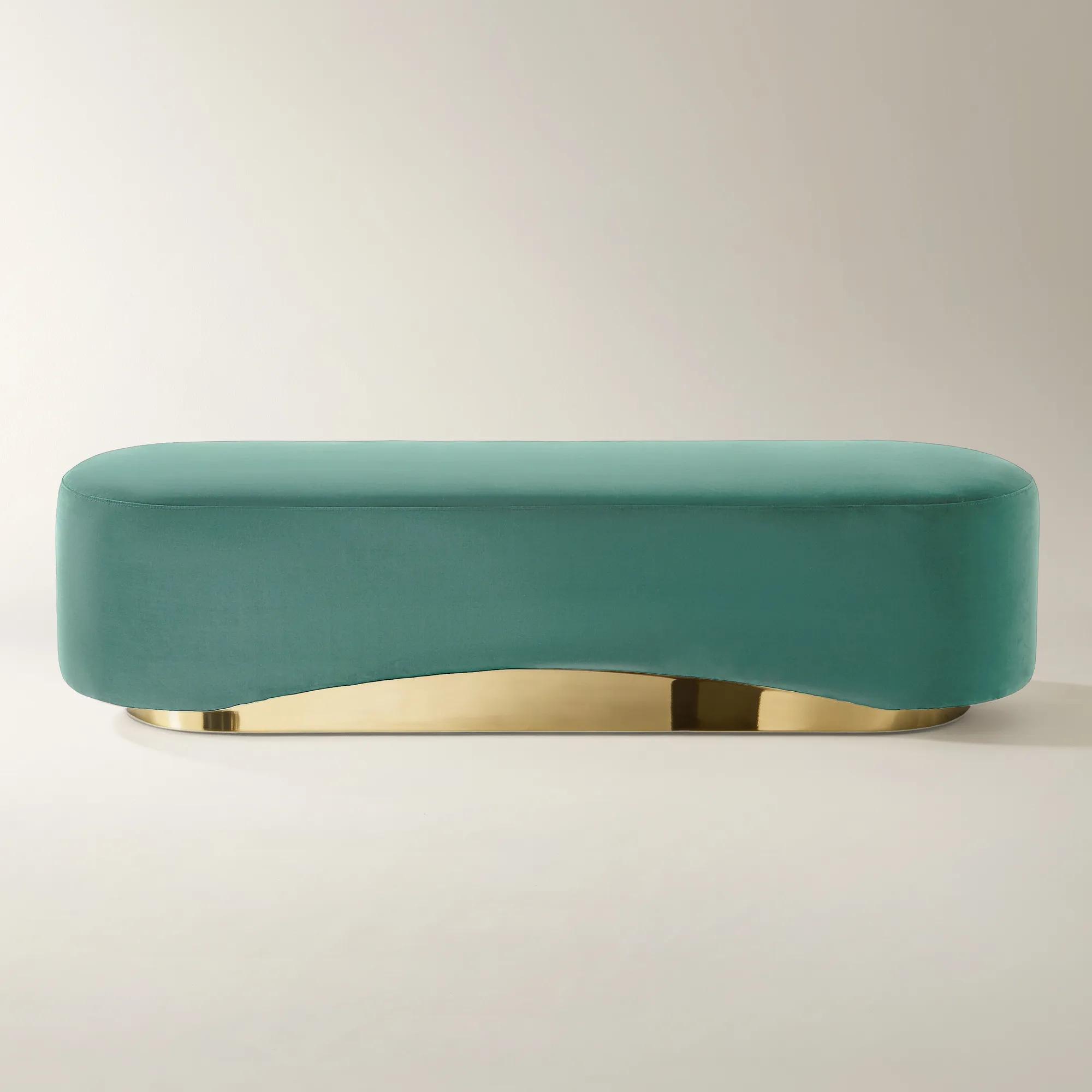 Kendra Ocean Teal Velvet Bench (70.47")$799
An elongated oval bench in ocean teal velvet with a plush seat and polished gold stainless steel base.
Add To Cart -
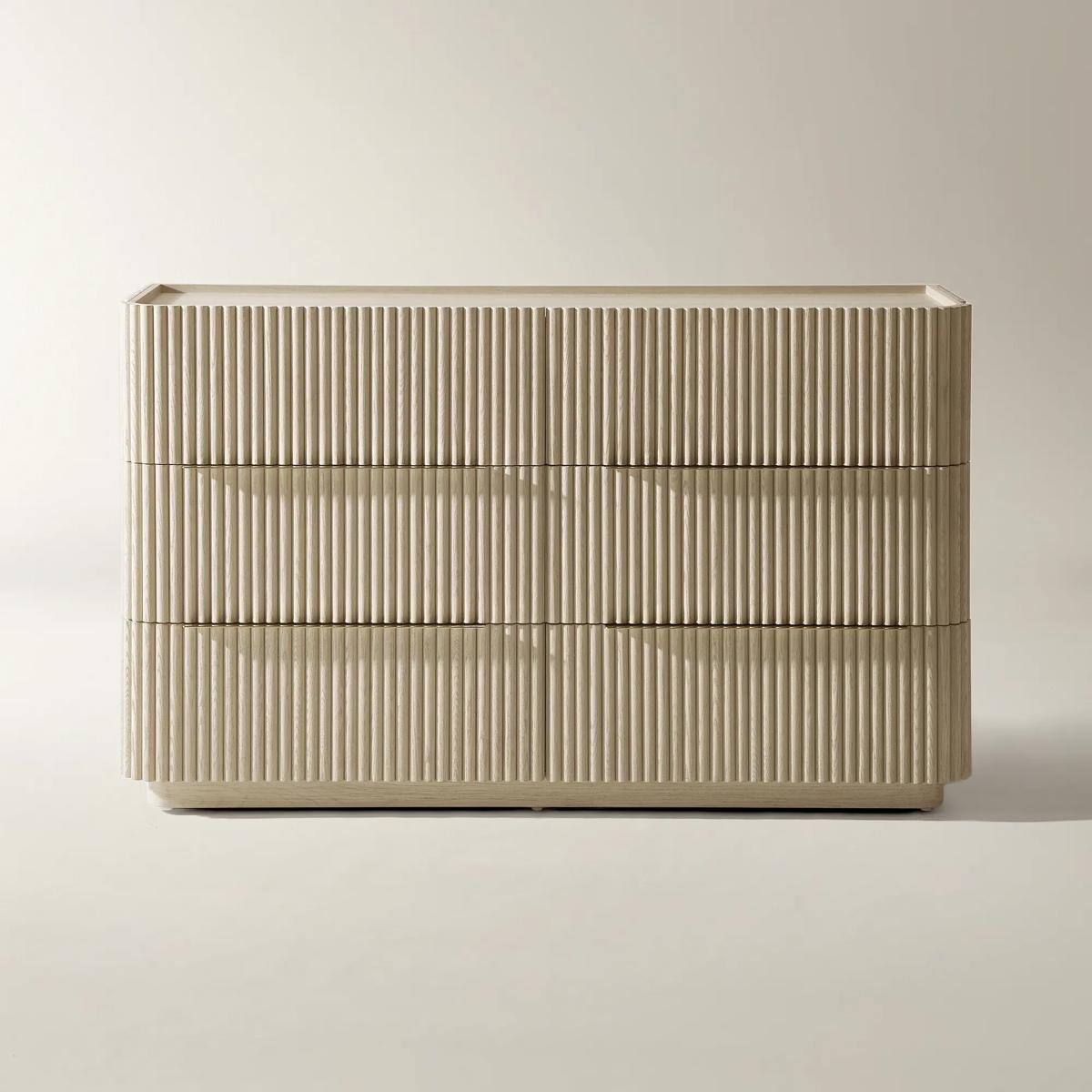
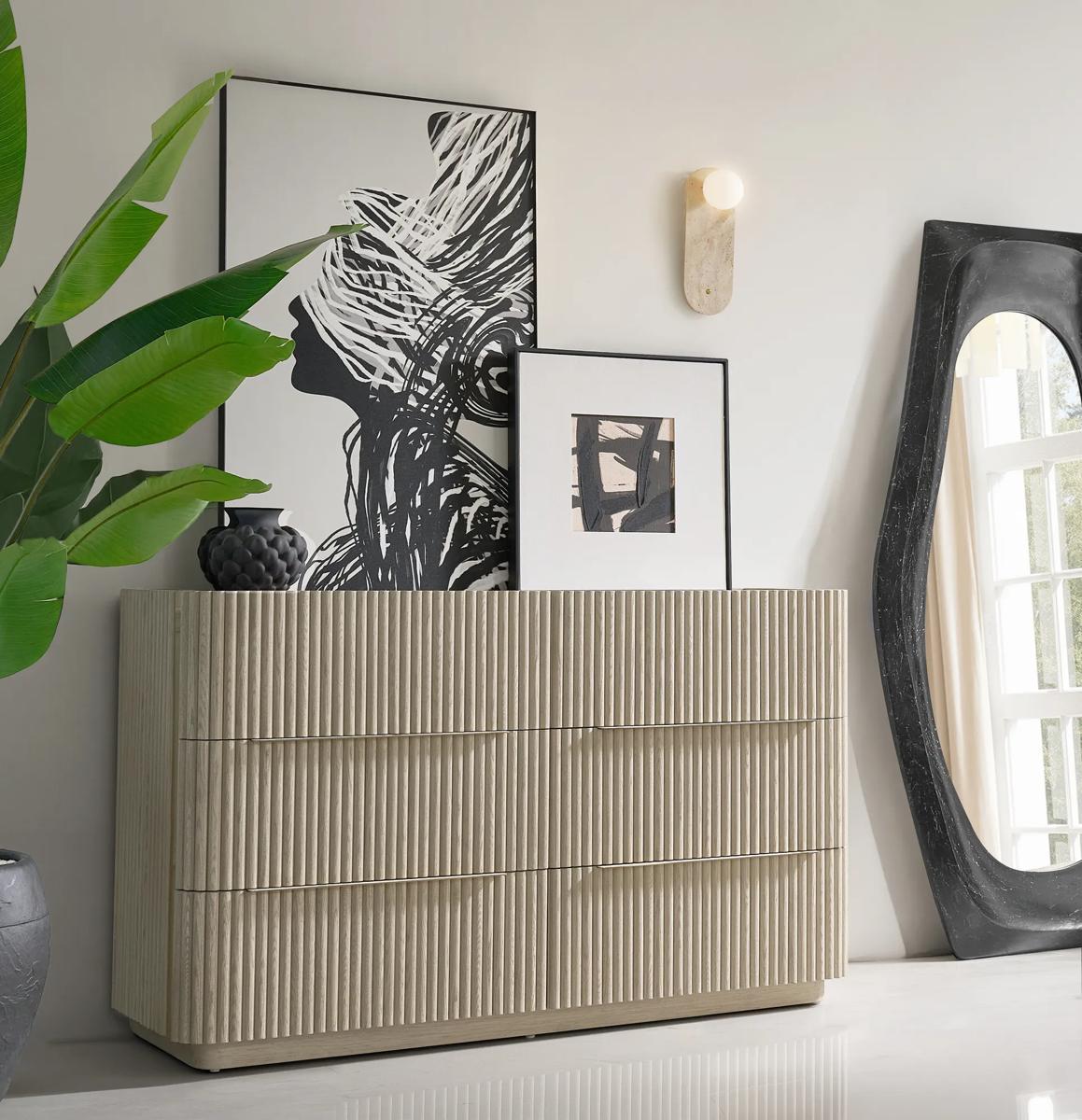 Stria Reeded White Oak 6-Drawer Dresser (64.5")$2599
A sculptural dresser crafted from solid oak with fluted detailing, gold-plated trim, and soft-close drawers.
Add To Cart -
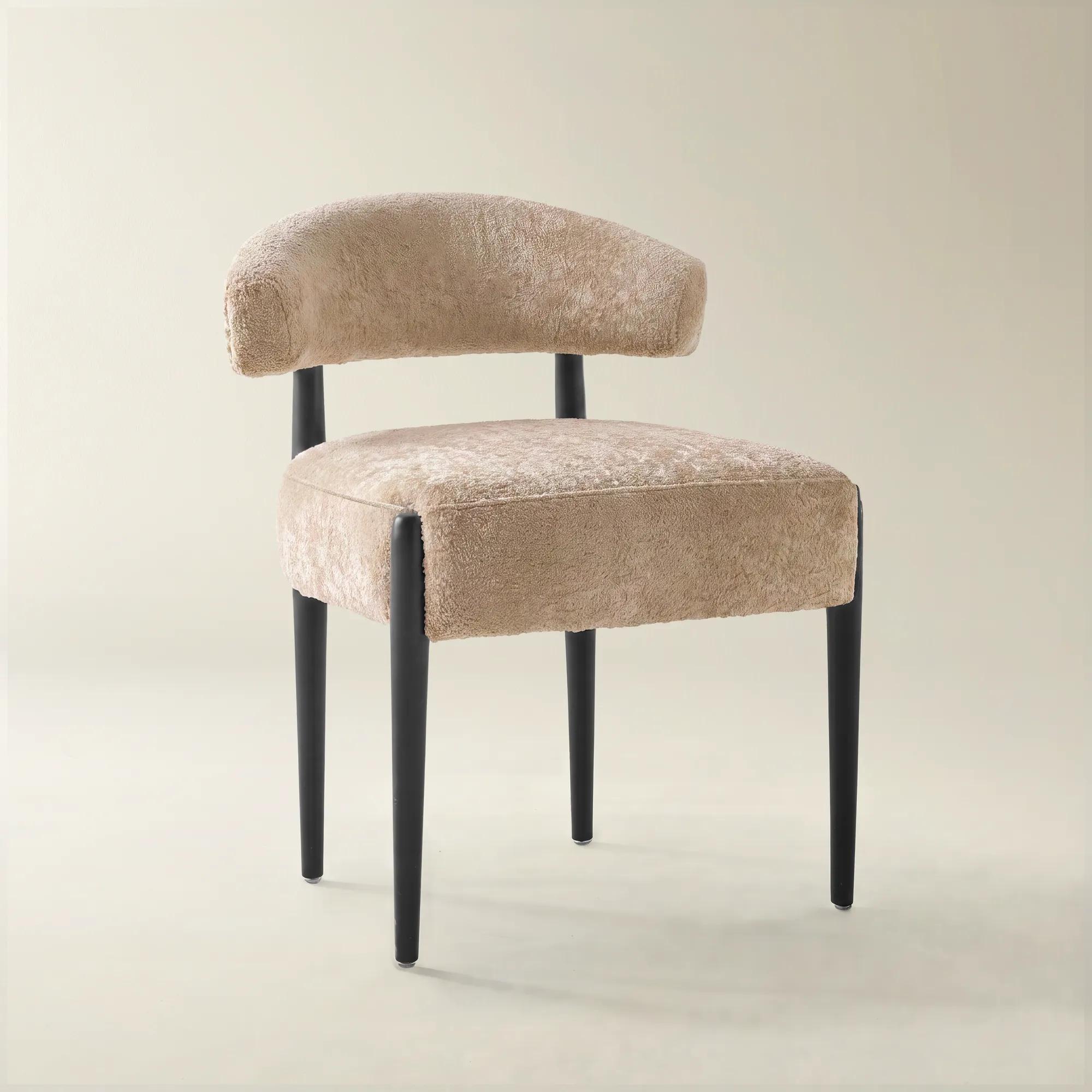
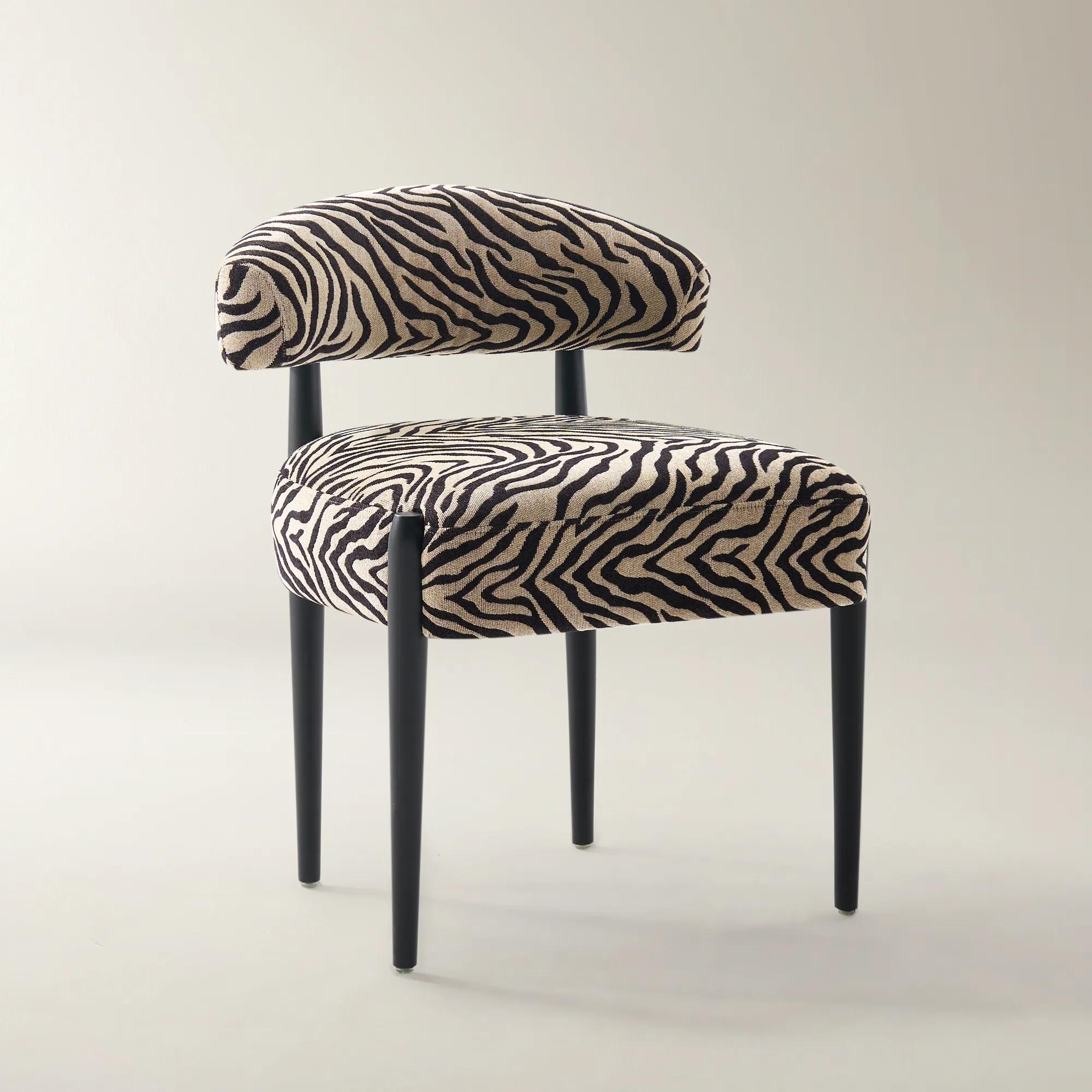 Anna Light Brown Chenille Dining Chair Set of 2$699
A light brown chenille chair set featuring arched backs, high-density foam cushioning, and solid rubberwood legs.
Add To Cart -
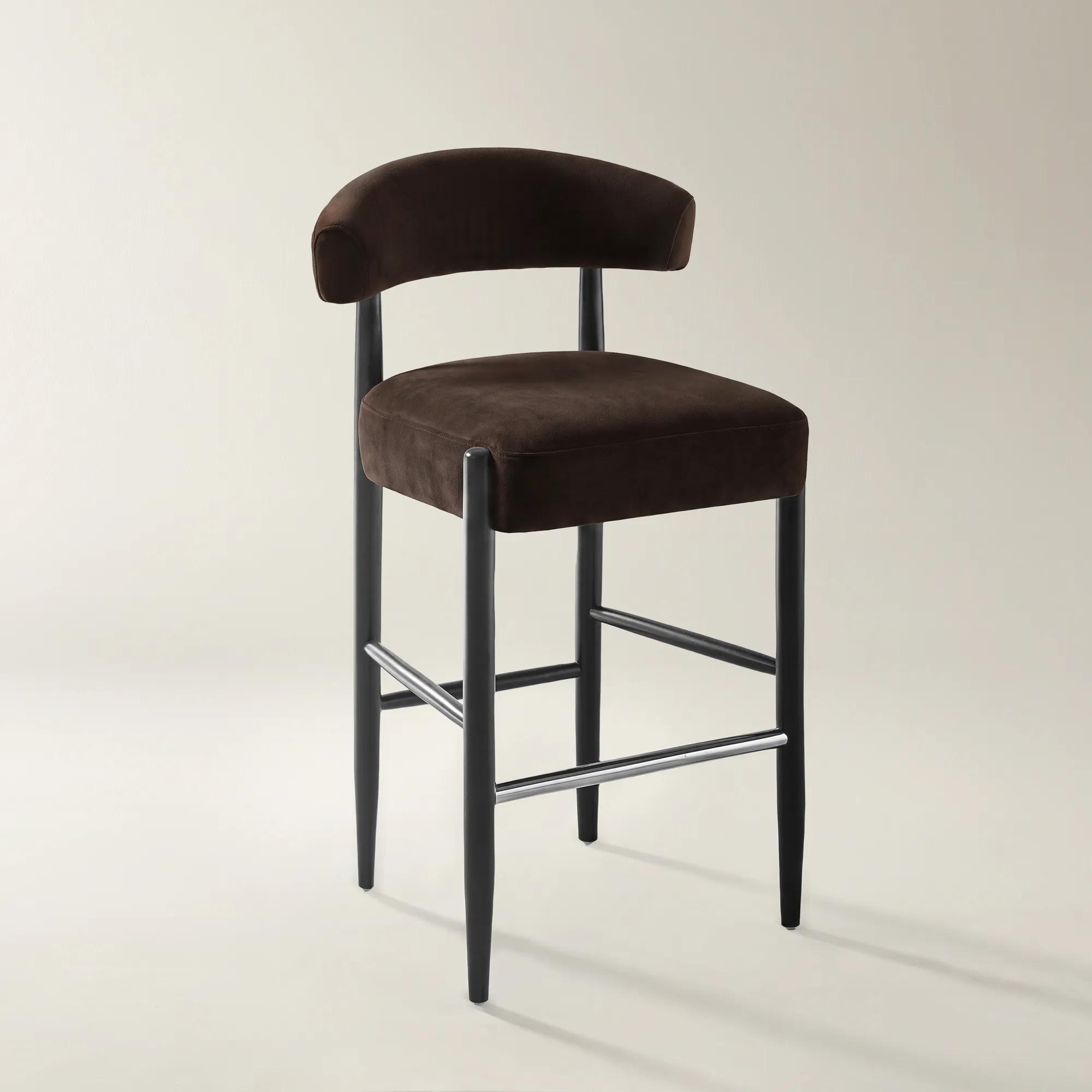 Anna Dark Chocolate Velvet Bar/Counter Stool$449
A dark chocolate velvet counter stool with a sculpted back, padded seat, and tapered solid-rubberwood legs.
Add To Cart -
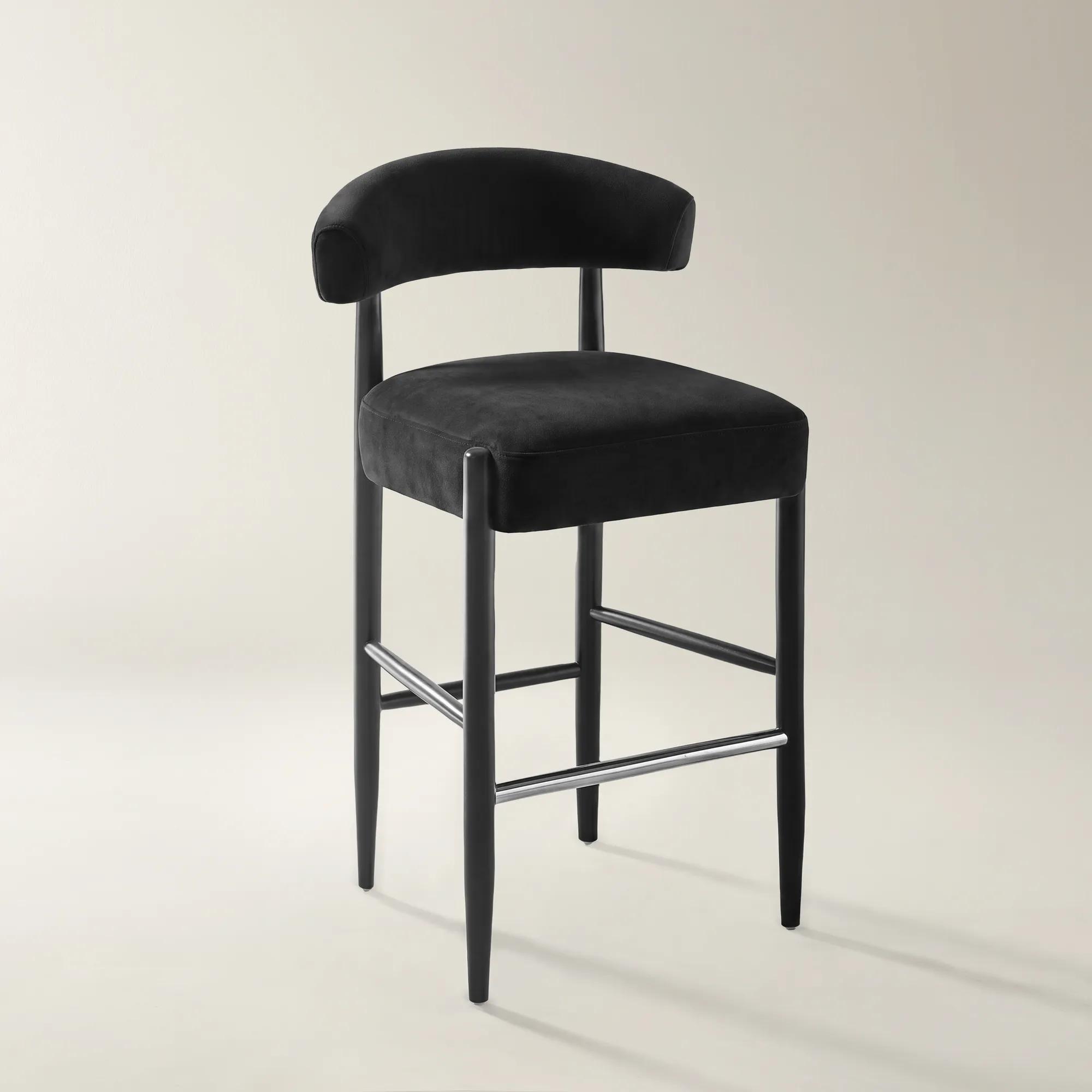 Anna Charcoal Velvet Bar/Counter Stool$449
A charcoal velvet bar stool with a sculpted padded seat and solid rubberwood legs.
Add To Cart -
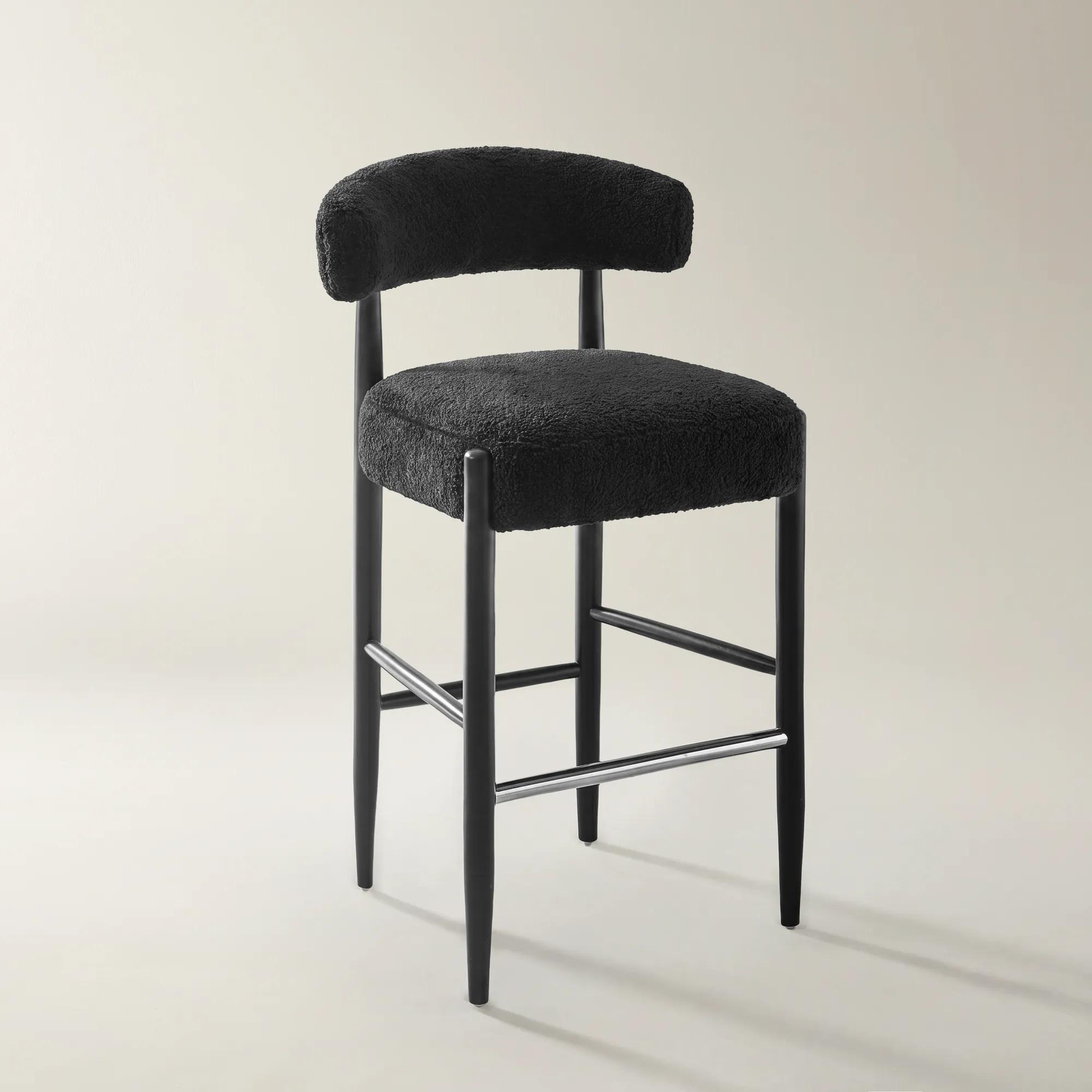 Anna Black Chenille Bar/Counter Stool$449
A black chenille counter stool with a sculpted padded seat and solid rubberwood legs.
Add To Cart -
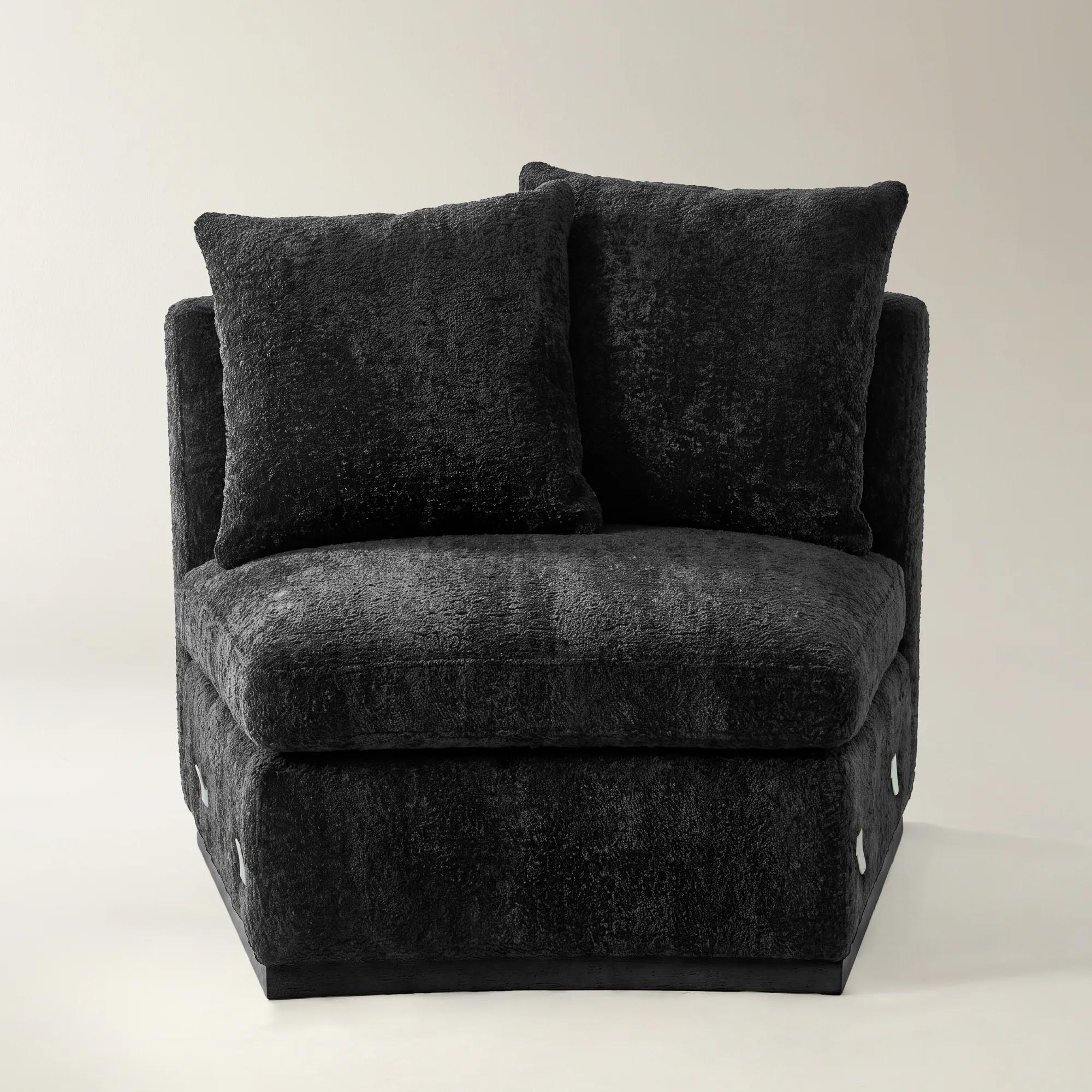
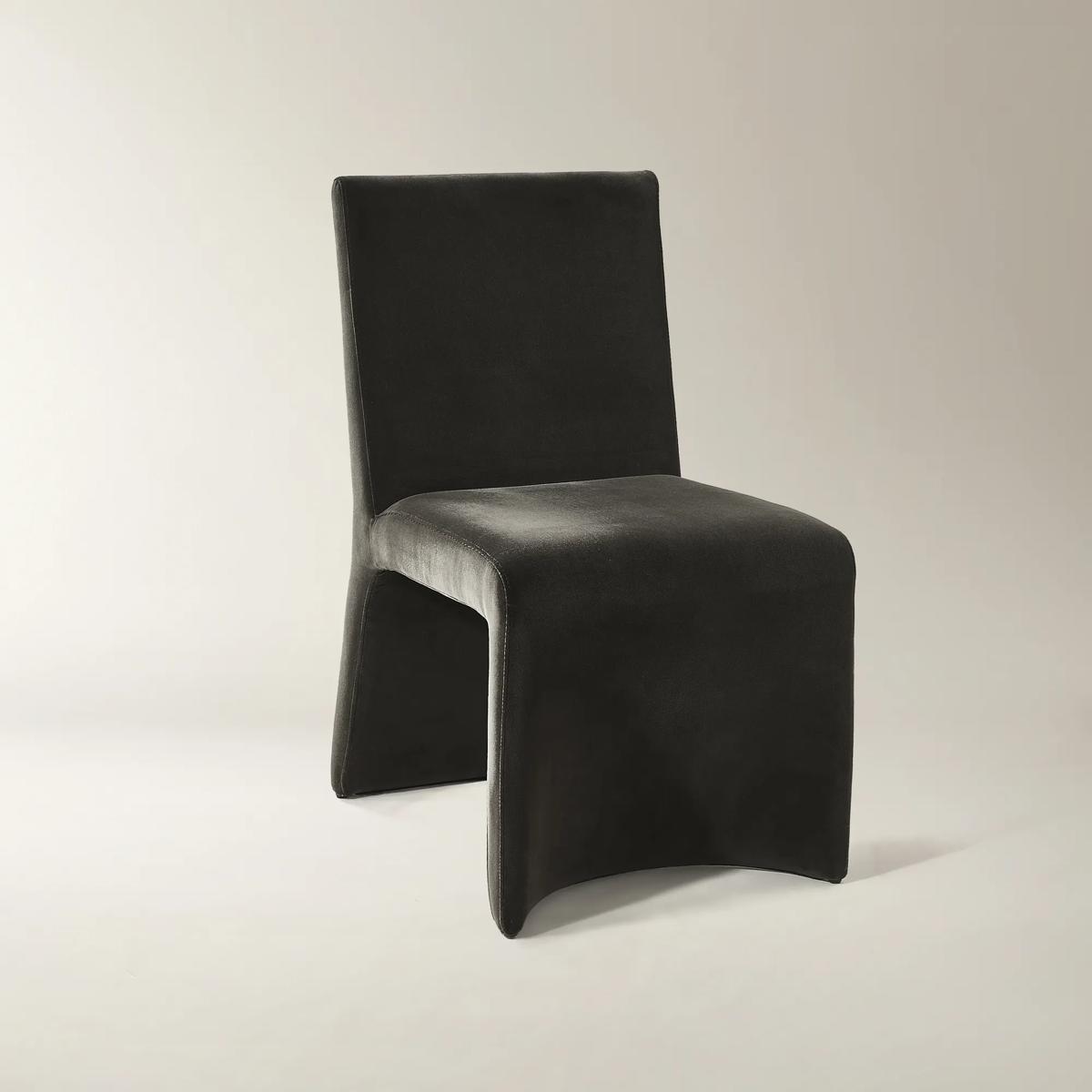
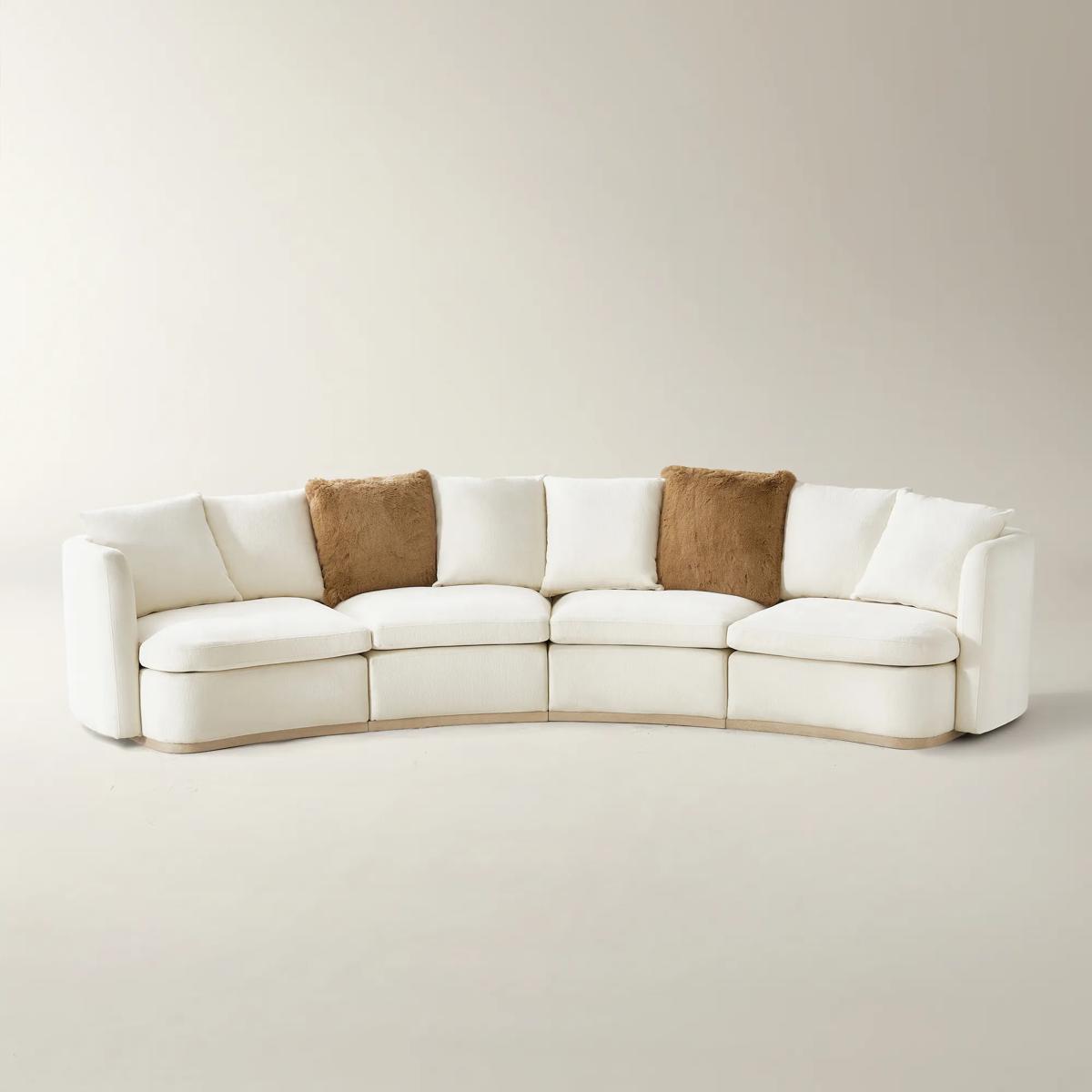 Stria Black Chenille Armless Chair$1099
A sculptural black chenille armless chair with kiln-dried wood construction, solid oak base, and layered cushioning.
Add To Cart -
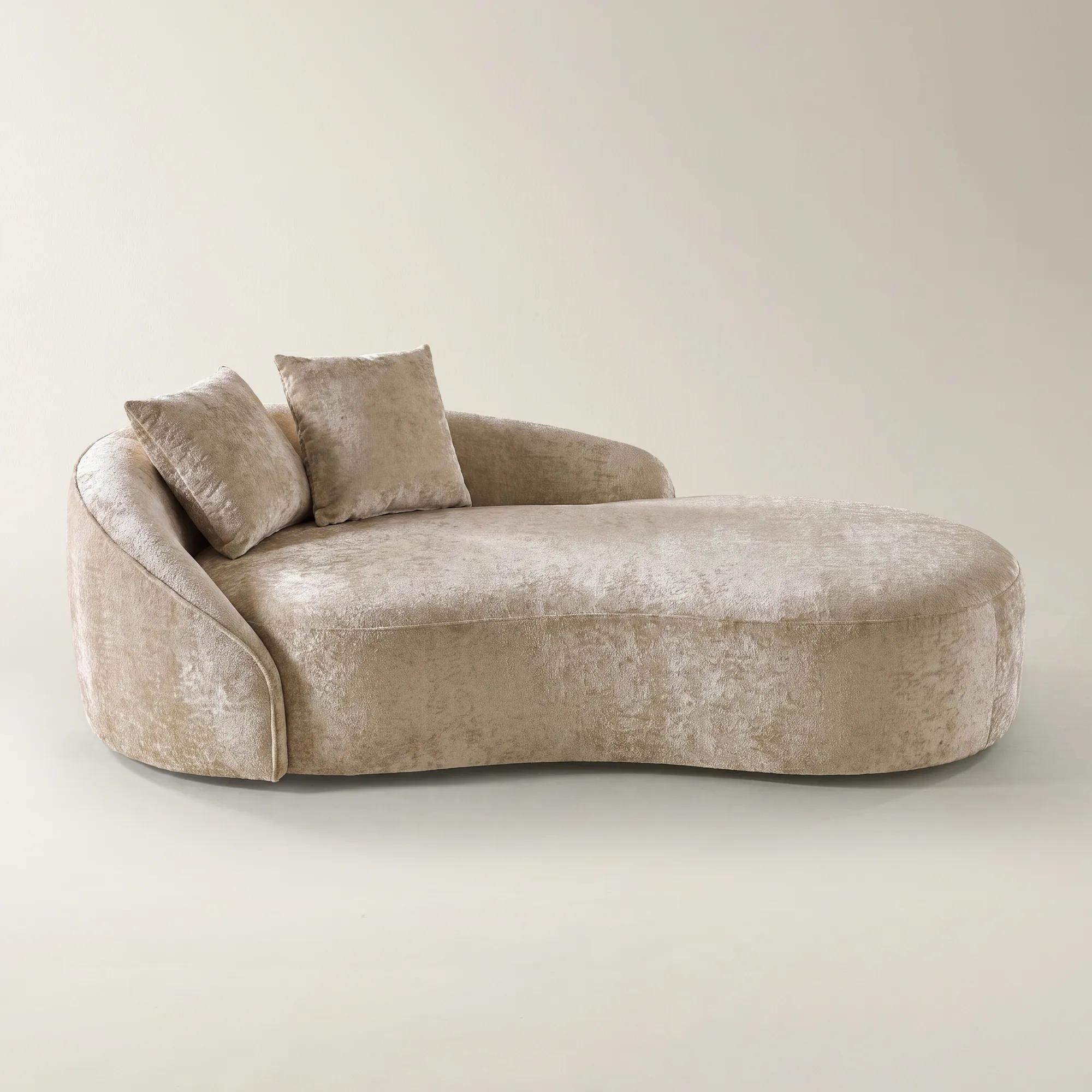 Irene Light Brown Chenille Chaise$1899
A sculptural light brown chenille chaise featuring hand-finished upholstery and high-resiliency foam cushions for lasting comfort.
Add To Cart -

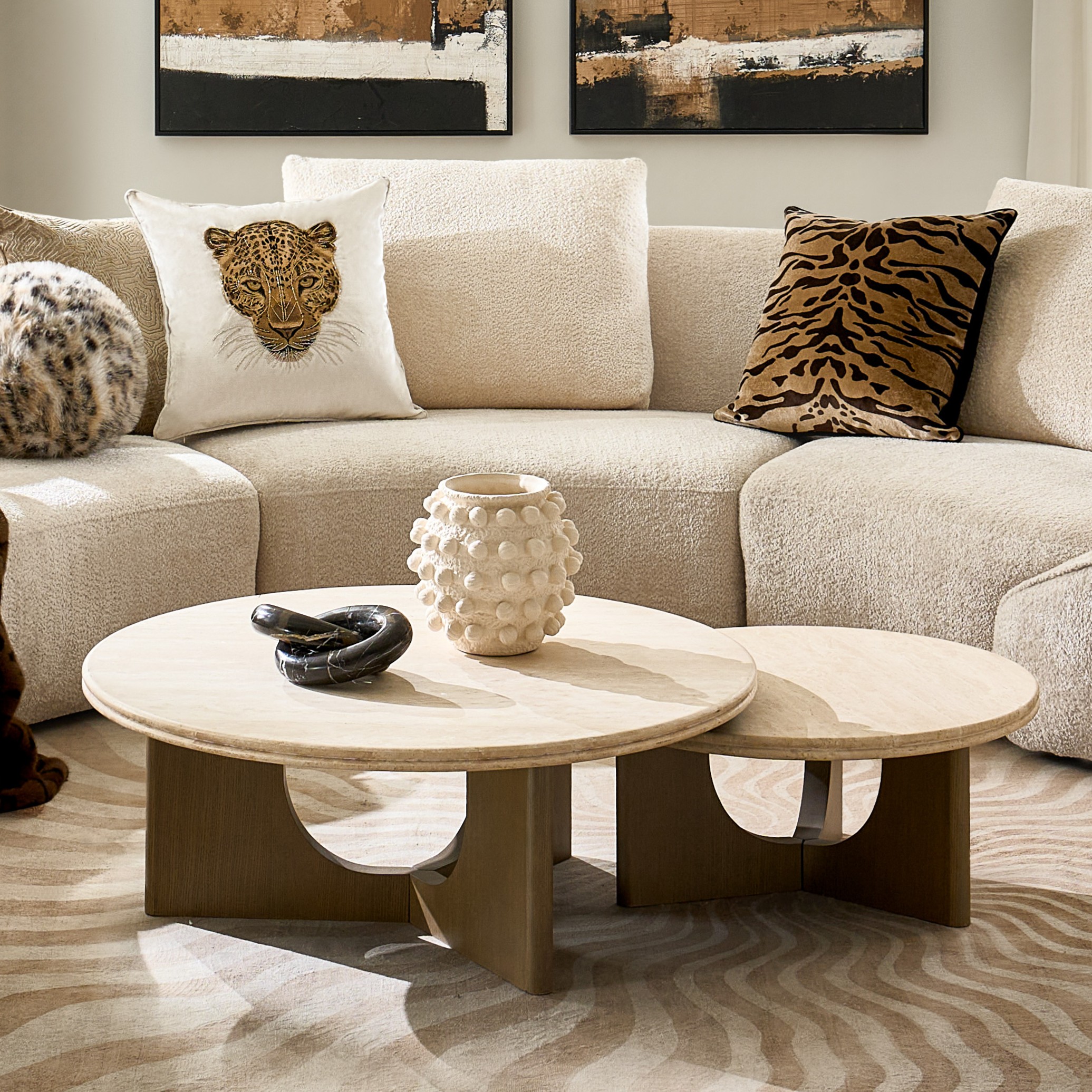 Bond Round Travertine and Wood Coffee Table (29.25")$699
A genuine travertine stone coffee table with warm ivory-gold tones atop a solid natural ash base.
Add To Cart -
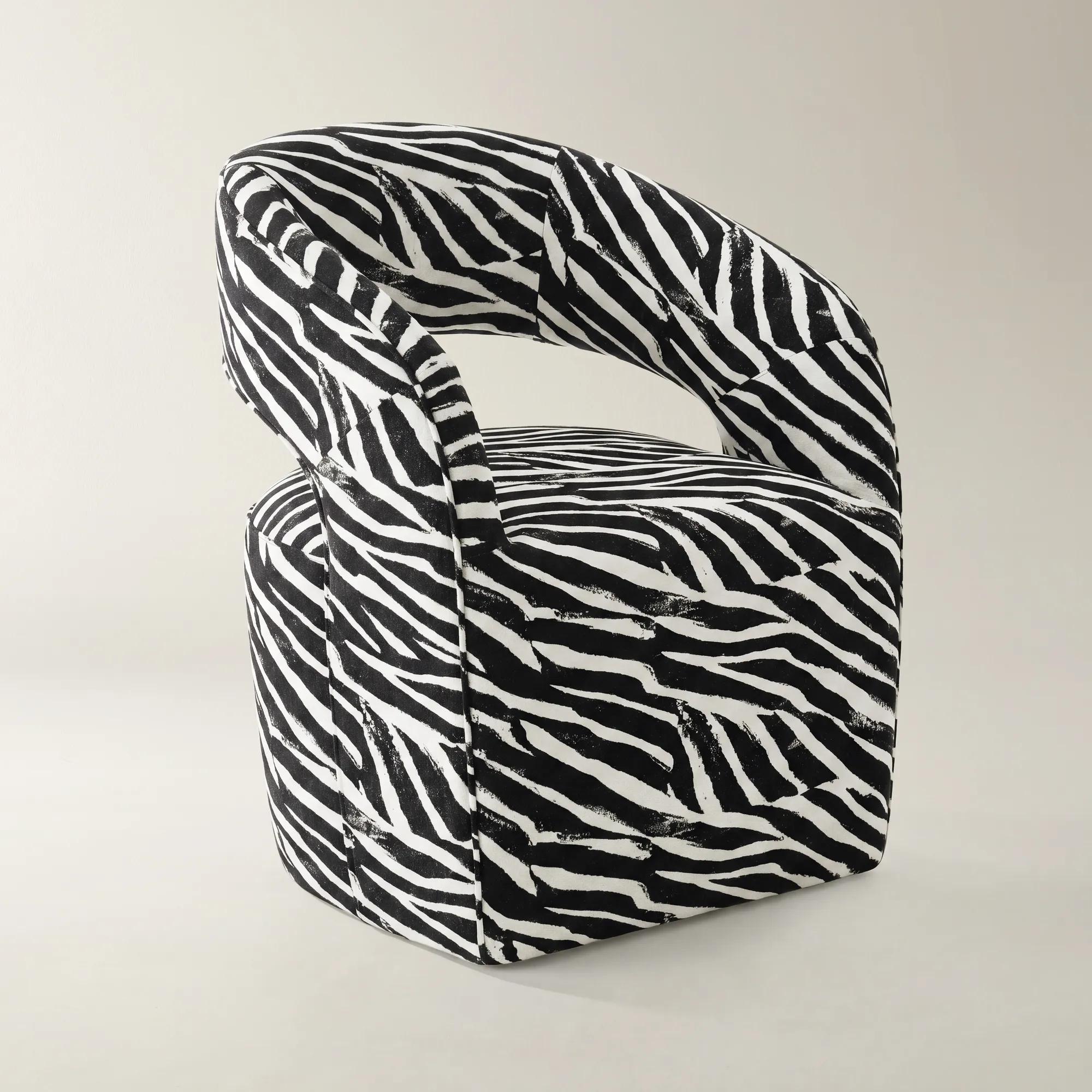
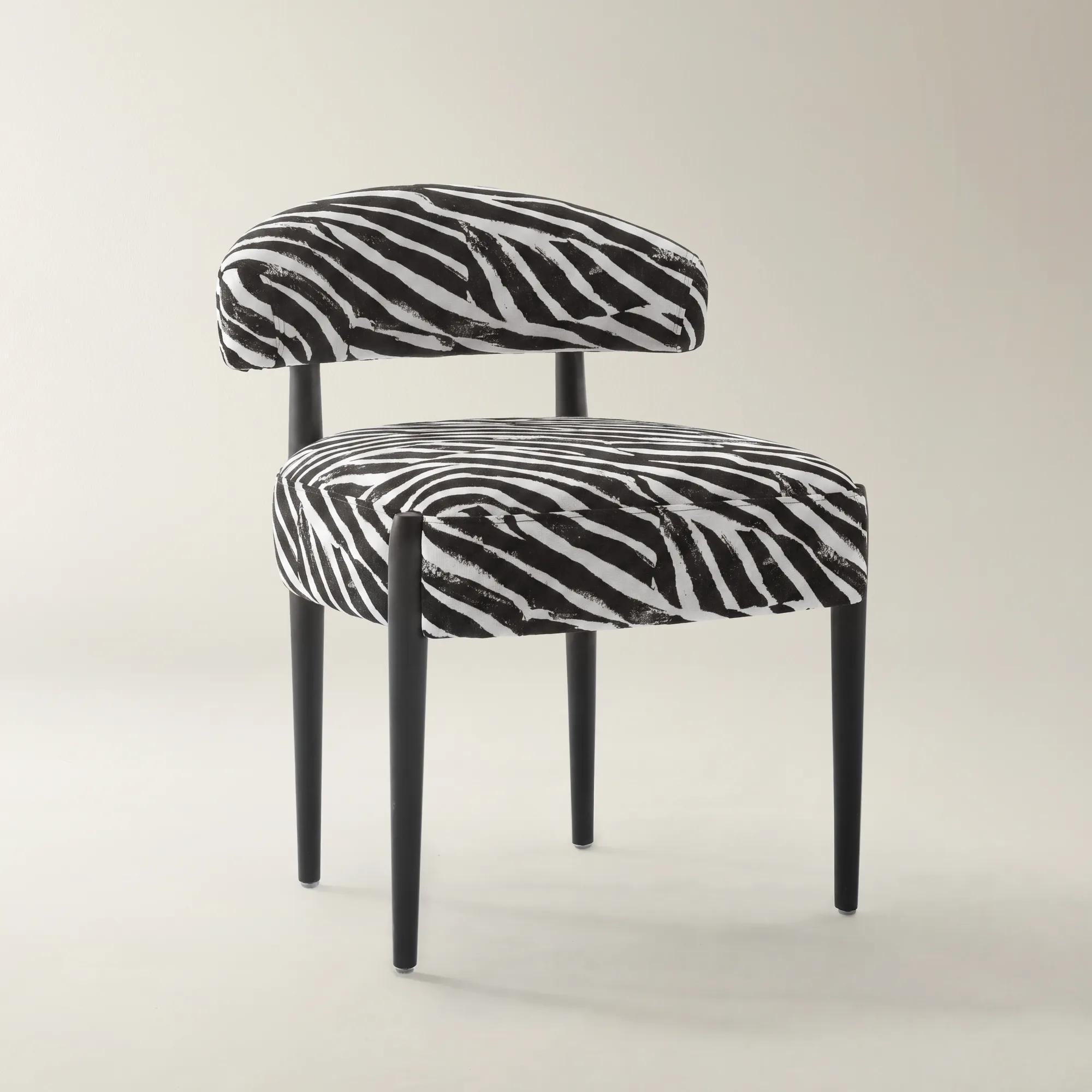 Anna White/Black Performance Chenille Dining Chair Set of 2$699
A black-and-white performance chenille chair set with arched backs, high-density foam, and solid rubberwood legs.
Add To Cart -
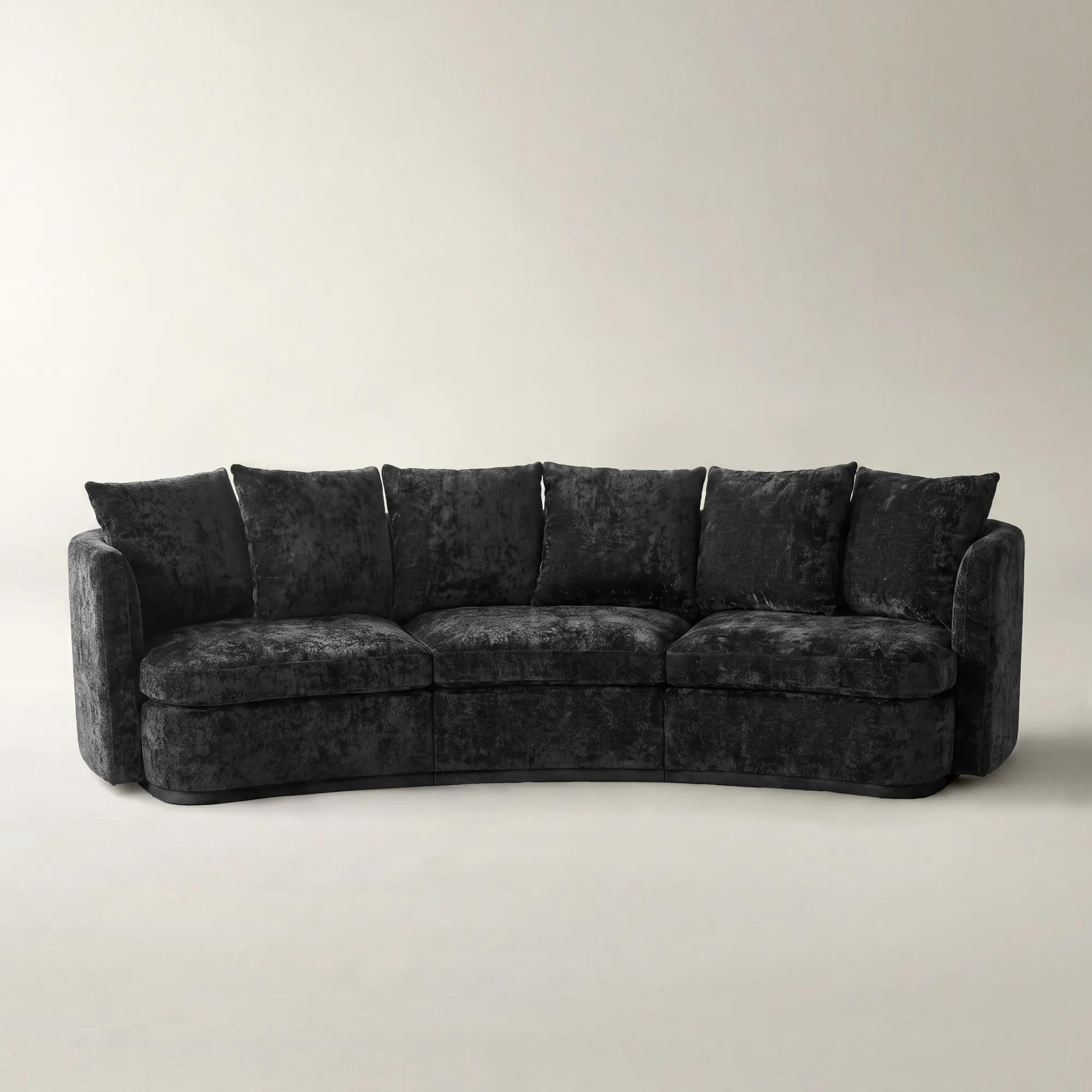 Stria 3-Piece Black Chenille Sectional Sofa$3399
A sculptural black chenille sectional with modular connectors, kiln-dried wood construction, and layered foam-down cushioning.
Add To Cart -
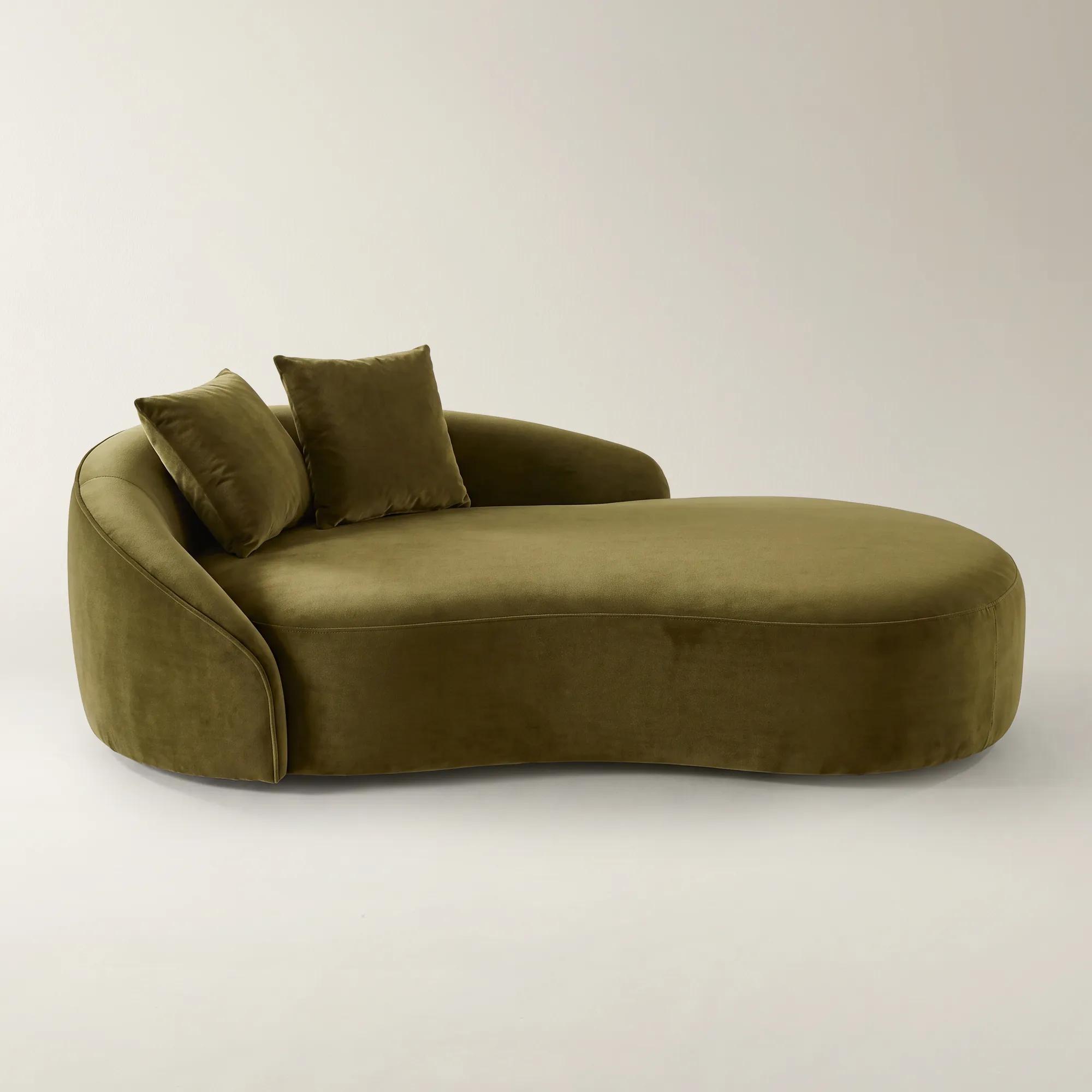
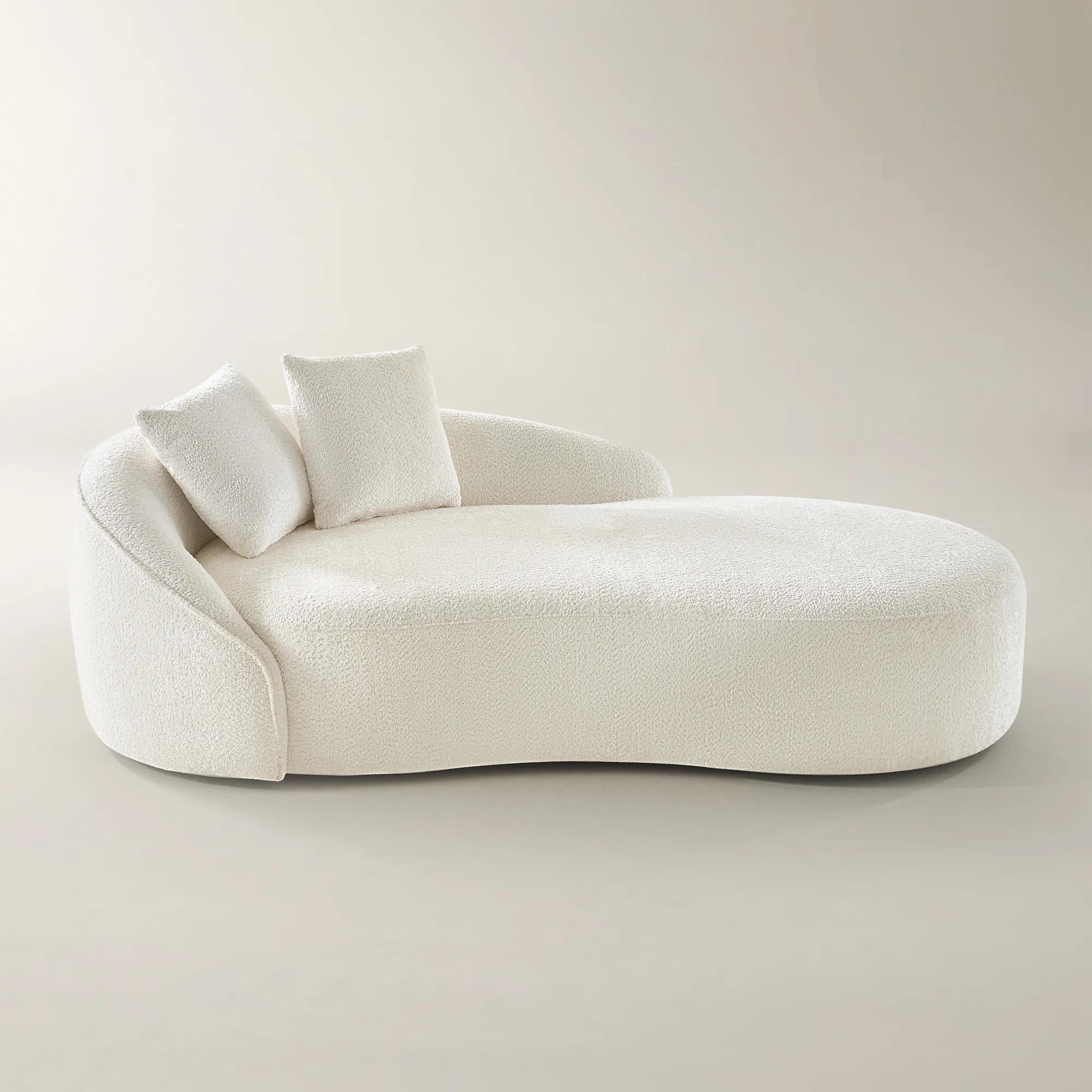 Irene Deep Olive Velvet Chaise$1899
A sculptural deep olive velvet chaise featuring high-resiliency foam cushions and artisan hand-finished upholstery.
Add To Cart -
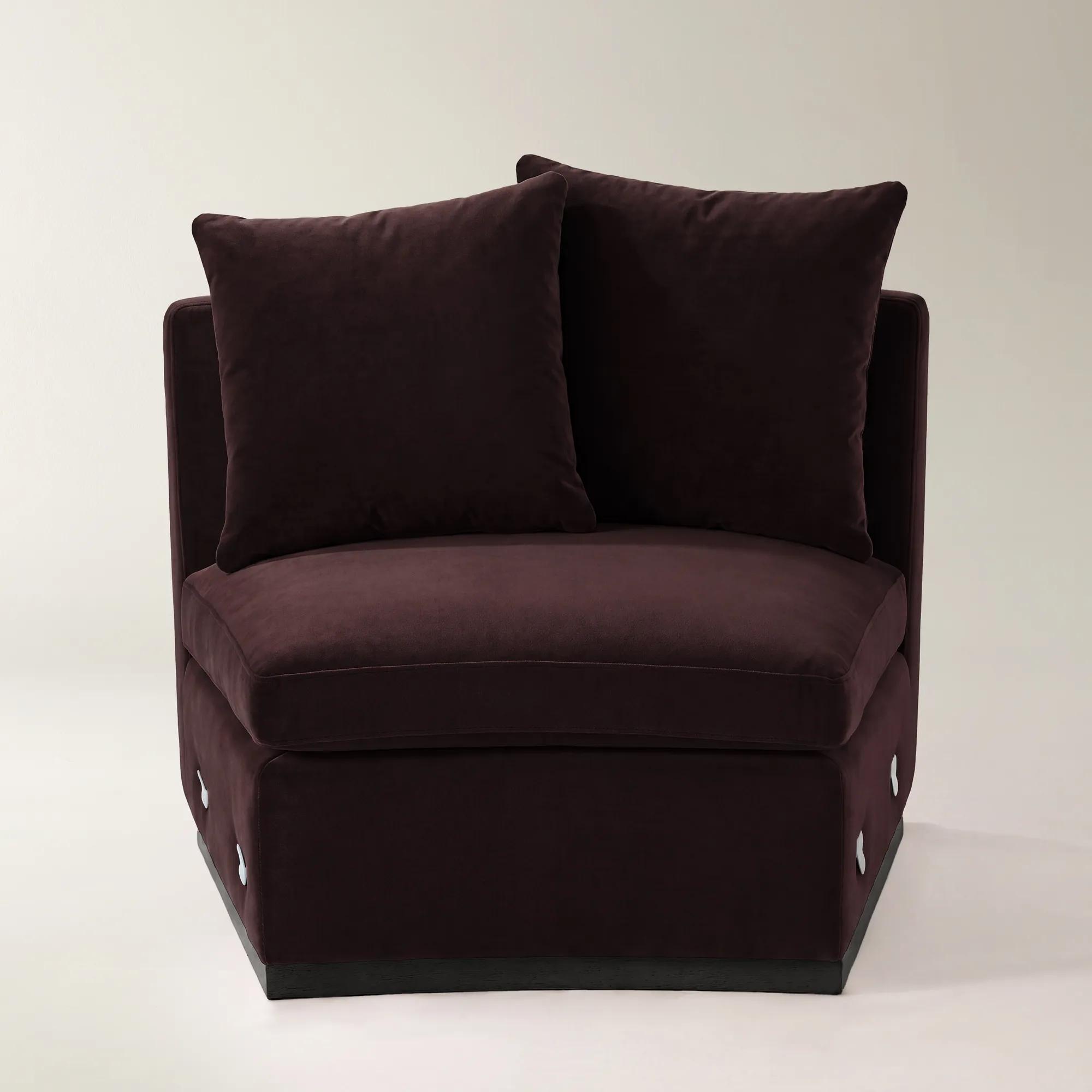 Stria Fig Velvet Armless Chair$1099
A sculptural fig velvet chair with layered cushioning, curved edges, and a kiln-dried wood frame.
Add To Cart -
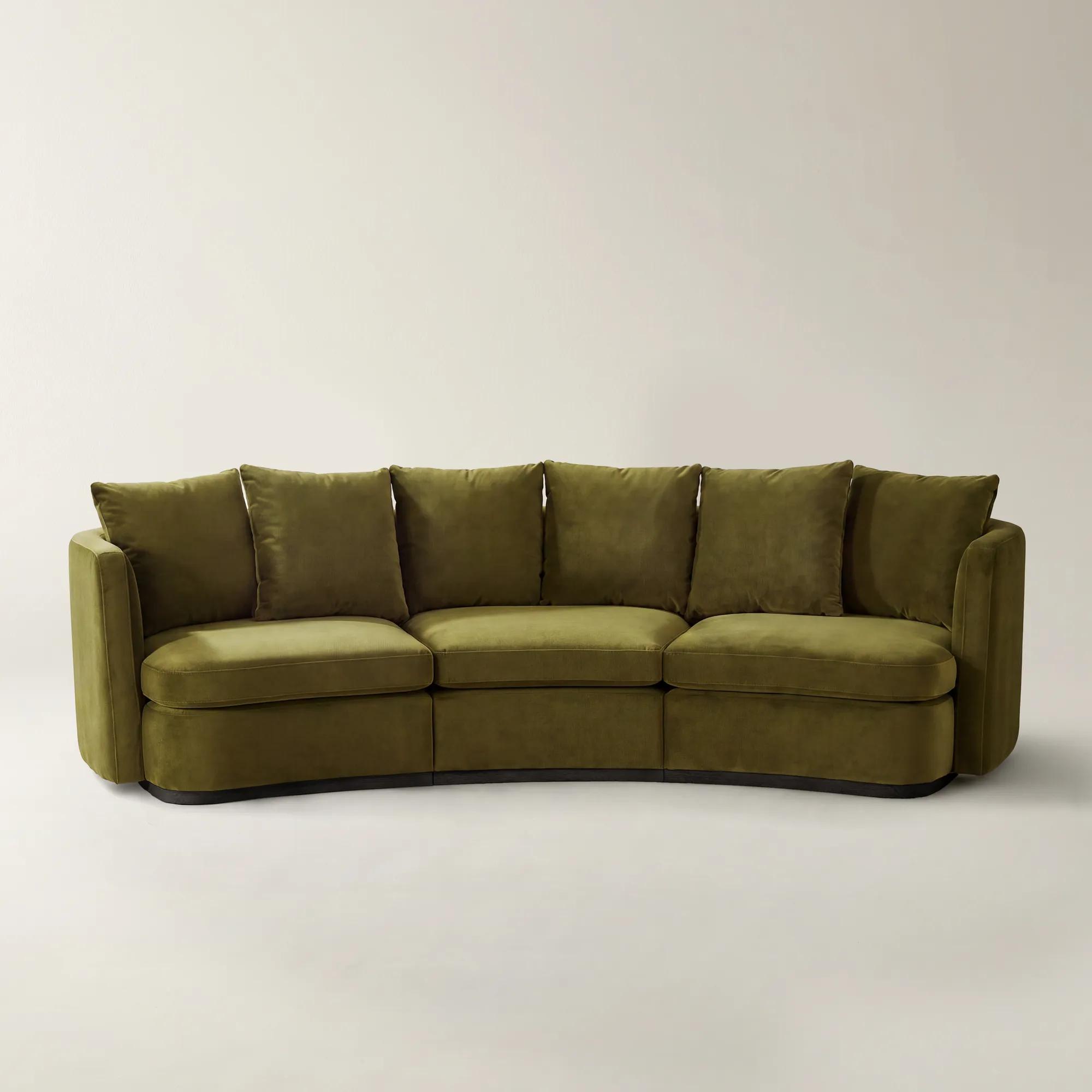 Stria 3-Piece Deep Olive Velvet Sectional Sofa$3399
A sculptural deep olive velvet sectional with modular connectors and layered foam-down cushioning.
Add To Cart -
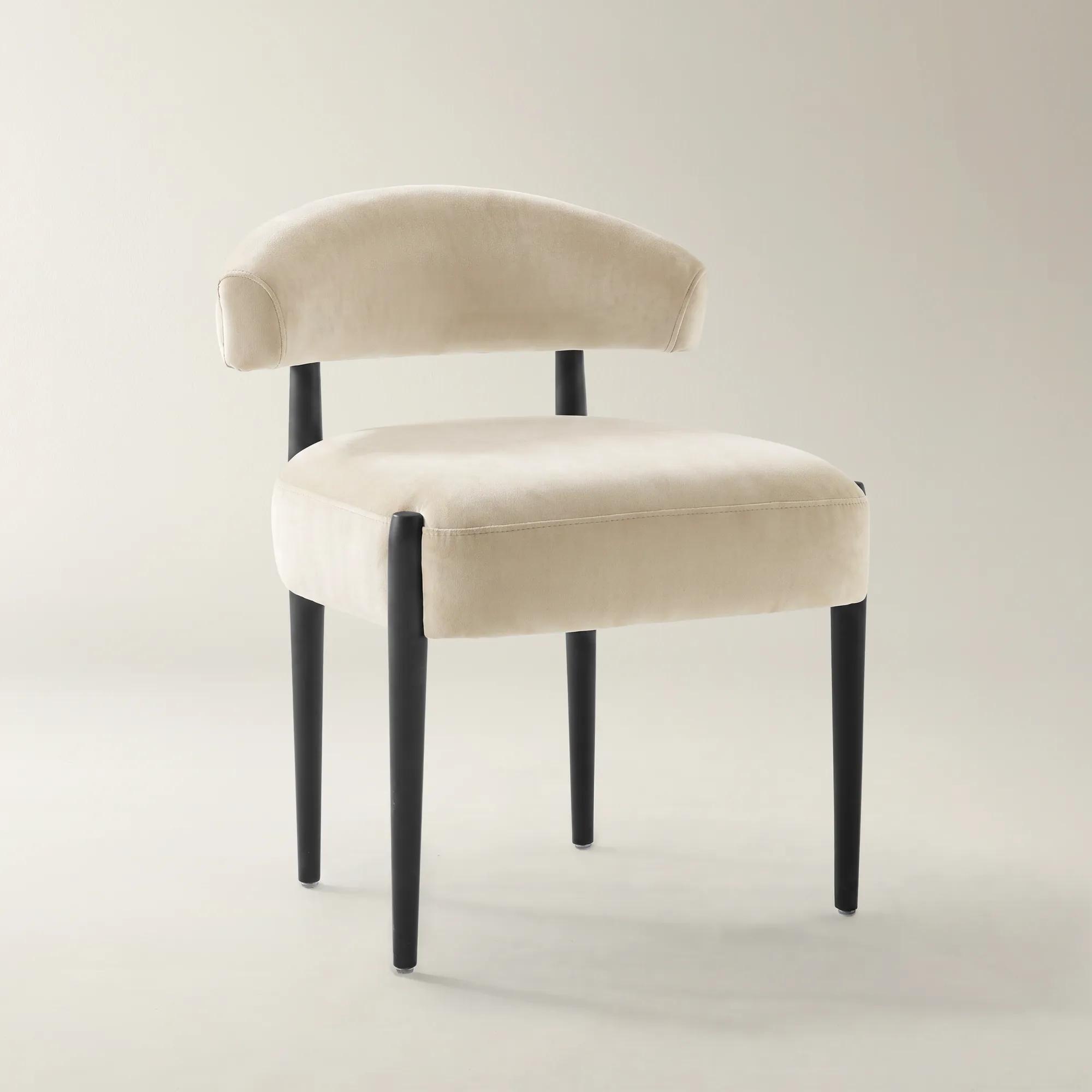
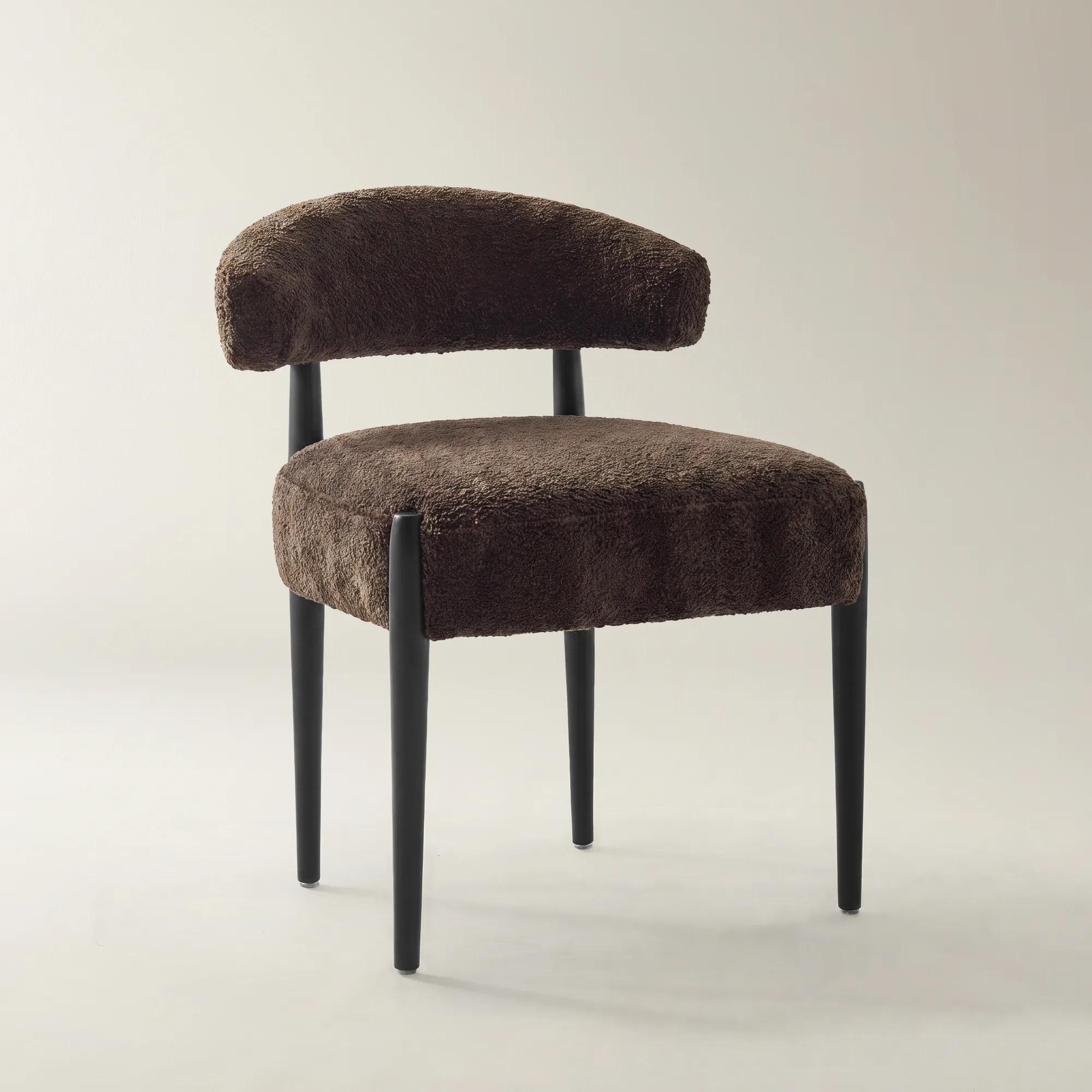 Anna Dark Chocolate Chenille Dining Chair Set of 2$699
A dark chocolate chenille chair pair featuring tailored curved backs, high-density foam, and solid rubberwood legs.
Add To Cart -
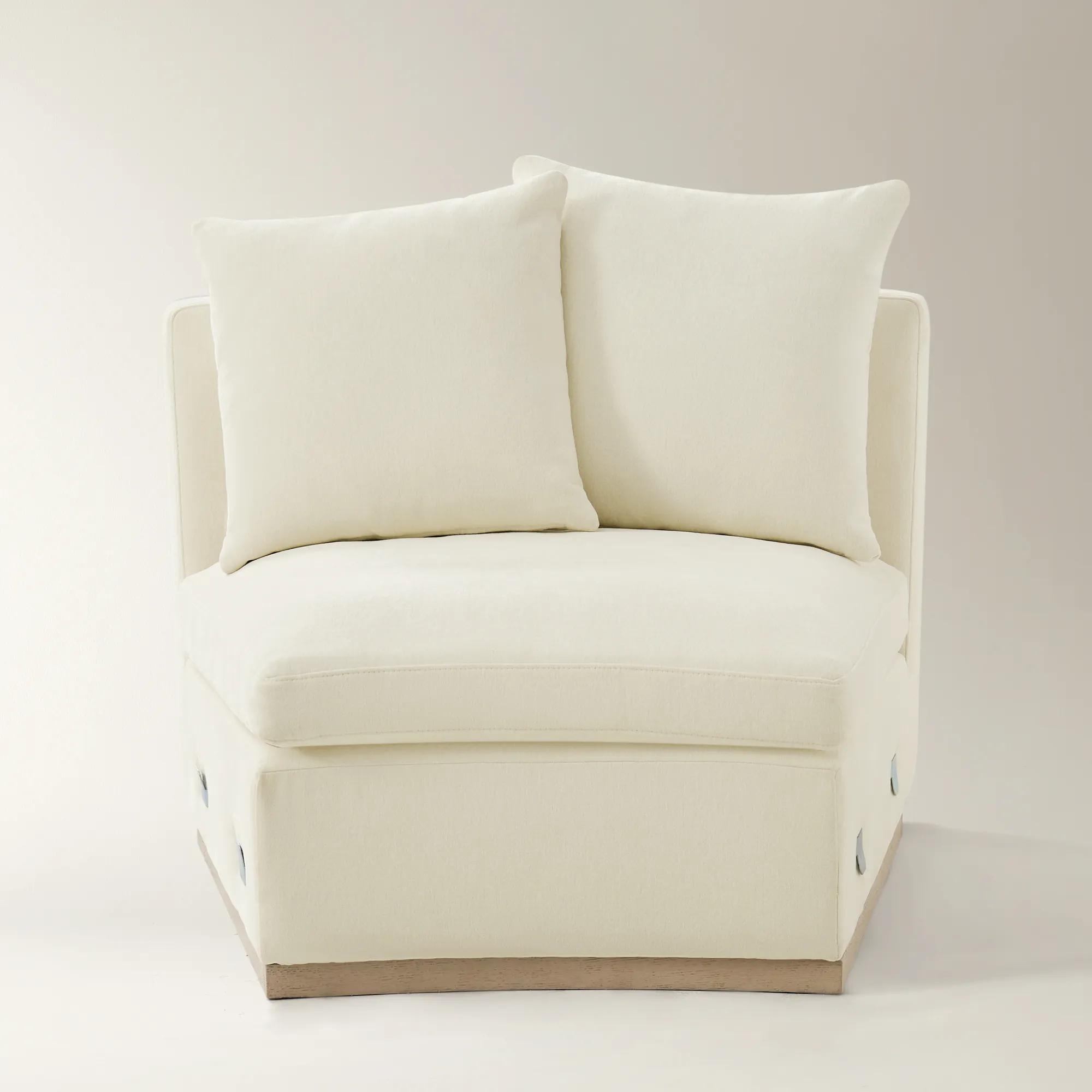 Stria Cloud Velvet Armless Chair$1099
A sculptural cloud velvet armless chair featuring layered foam-and-down cushioning and a solid oak base.
Add To Cart -
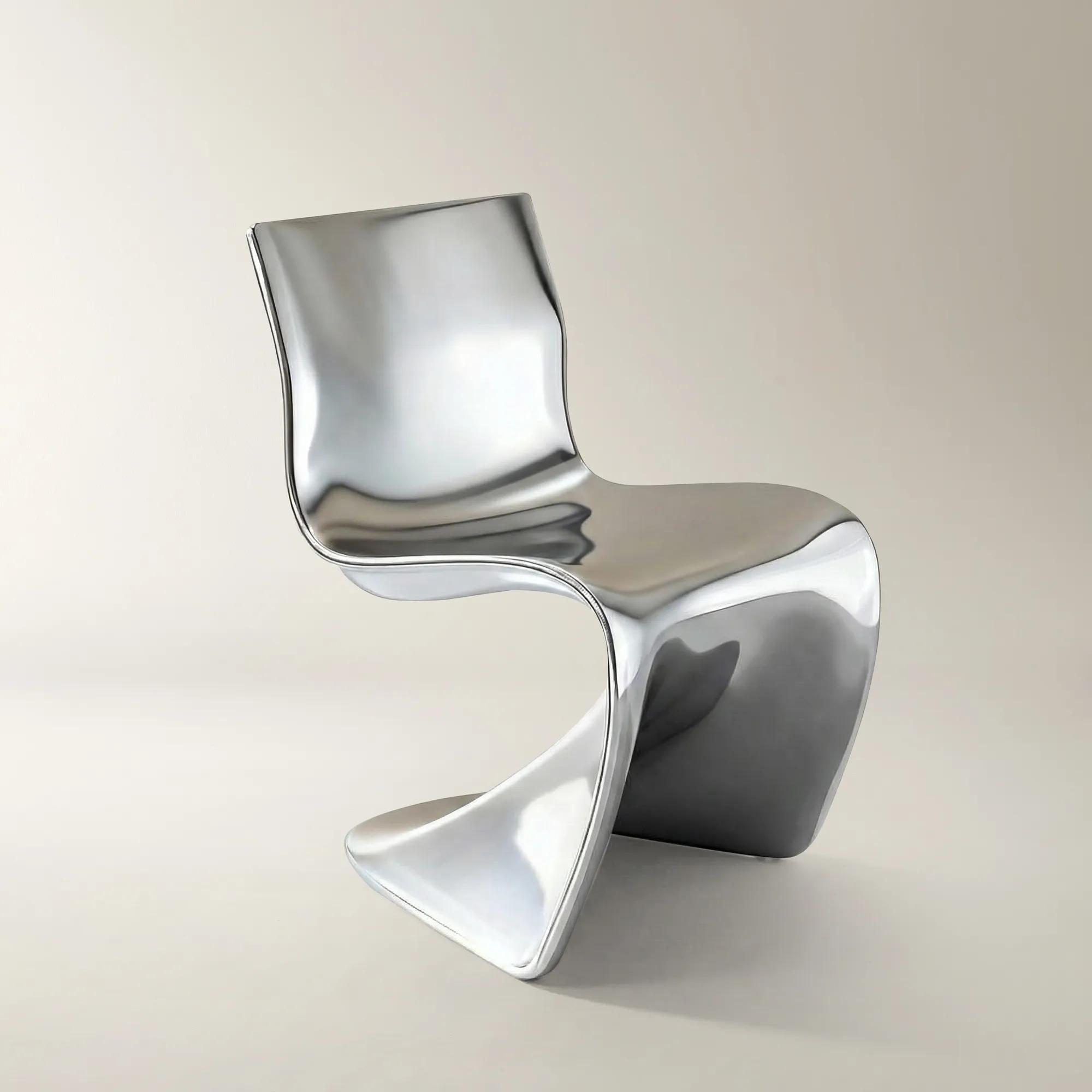
 Sasha Chrome Dining Chair$899
A sculptural accent chair crafted from polished chrome-finished fiberglass for a sleek, modern statement.
Add To Cart -
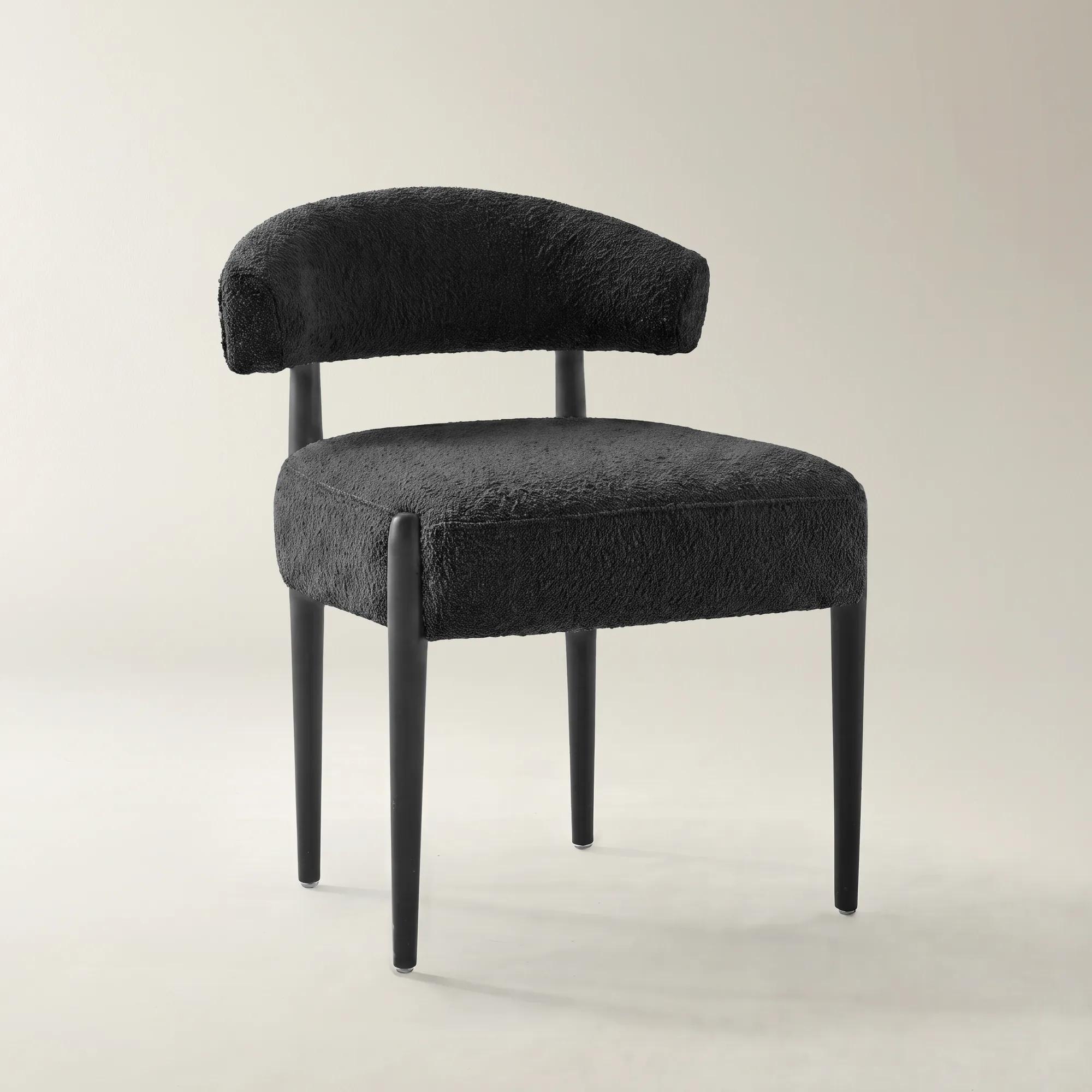 Anna Black Chenille Dining Chair Set of 2$699
A charcoal chenille dining chair set with curved backs, high-density foam cushioning, and rubberwood legs.
Add To Cart -
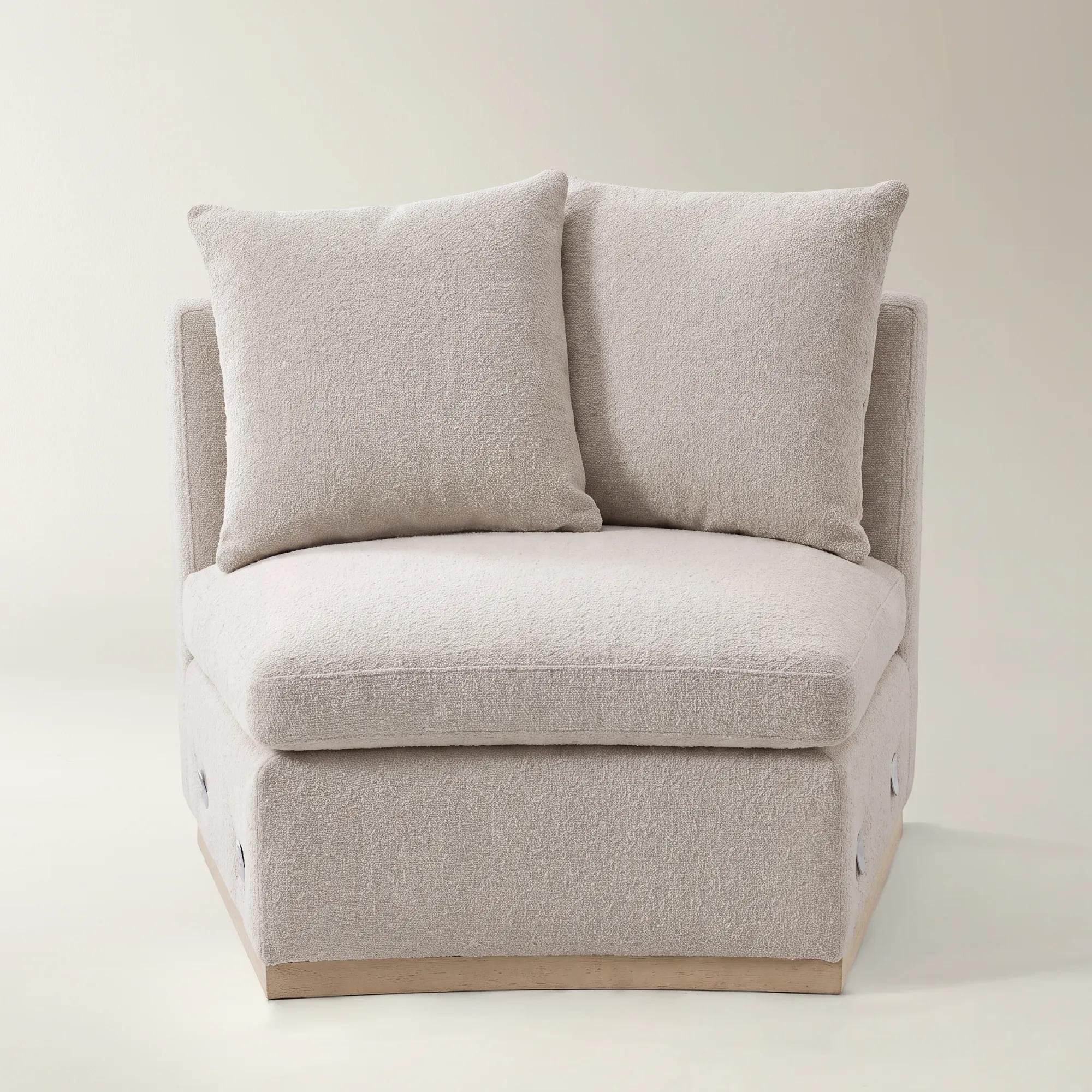 Stria Ivory Performance Boucle Armless Chair$1099
An ivory boucle chair with sculptural curves, layered foam-and-down cushioning, and a kiln-dried wood frame.
Add To Cart -
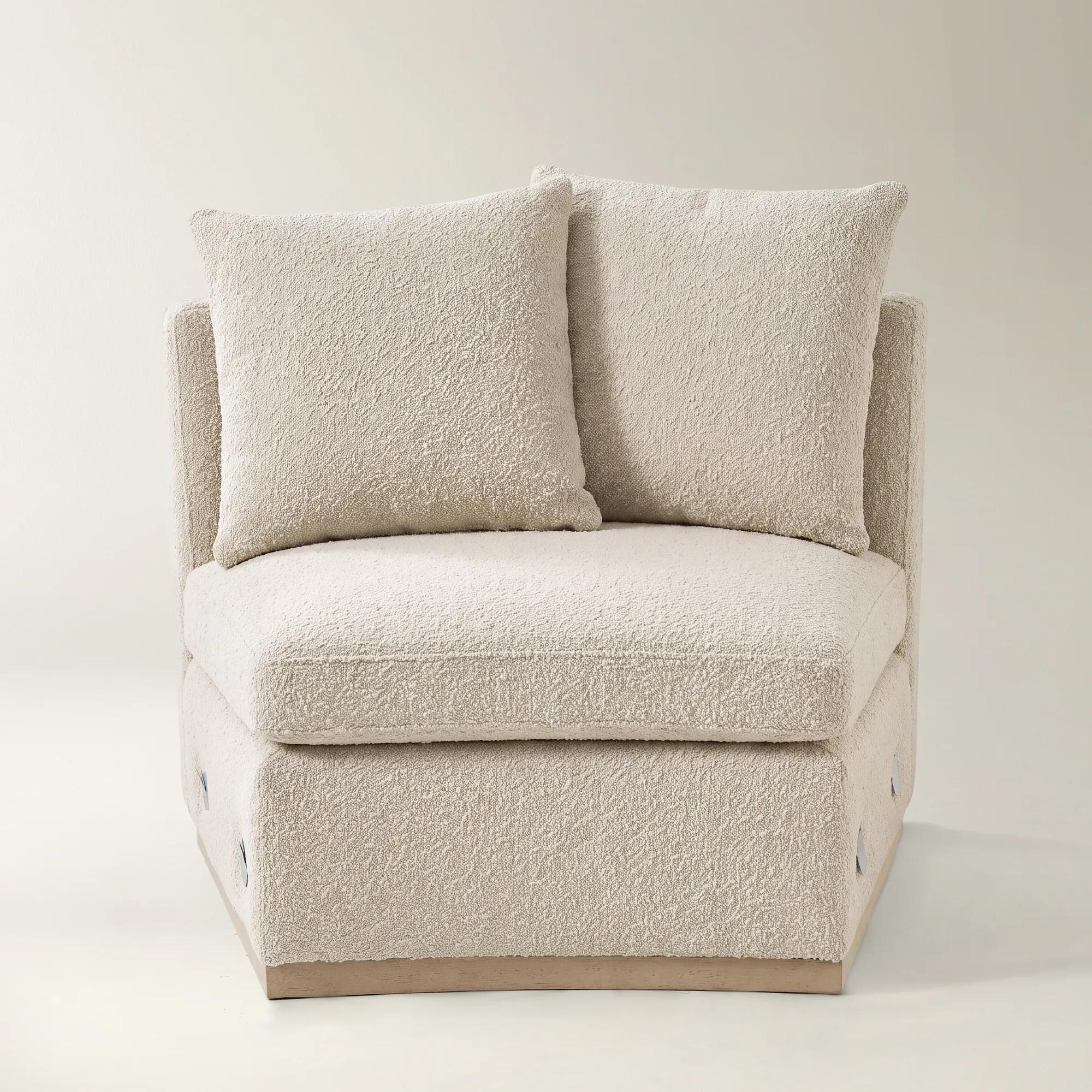 Stria Ivory Performance Boucle Armless Chair$1099
A sculptural ivory performance boucle chair with curved lines, layered cushioning, and a kiln-dried wood frame.
Add To Cart

Furniture For Interior Designers
Furniture for interior designers is more than a collection of pieces—it’s a curated palette for creative visionaries who transform ordinary rooms into extraordinary experiences. Every selection is an invitation to play with scale, texture, and silhouette, inviting bold statements and nuanced layers that capture the essence of high-style living. Whether orchestrating a dramatic focal point or composing a symphony of subtle luxury, these furnishings empower designers to sculpt spaces that intrigue, inspire, and delight. Discover the art of possibility with furniture for interior designers—where every detail becomes an opportunity to make a lasting impression.
Furniture for interior designers brings expressive form, considered proportions, and everyday function into the same composition. These are the furnishings that establish a room’s character: a generously scaled sofa that invites conversation, a sculptural dining table that anchors an open floor plan, or an upholstered bed that gives a private retreat its sense of ceremony. For residential designers, decorators, and design-minded homeowners, the strongest selections do more than complement a palette. They support the way a space will be lived in, from intimate dinners to evenings when every seat is occupied. Interior designers source furniture through retail collections and professional trade channels, evaluating dimensions, construction, materials, and finish details against the needs of each project. Trade program eligibility varies by provider and may require business documentation or proof of professional status; the furniture itself still needs to satisfy the design brief. A dramatic silhouette might establish the visual direction, while a comfortable seat depth, a thoughtfully placed drawer, or a surface suited to frequent use makes that direction livable. In a formal living room, curved upholstery and gleaming accents can create a polished conversation area without making the space feel untouchable. In a dining room, substantial proportions and richly textured seating lend presence to gatherings while allowing the architecture to remain part of the composition. Bedrooms call for a different kind of confidence, with balanced storage, tactile upholstery, and bedside surfaces that keep essentials within reach. Furniture chosen for a client’s home should reflect that client’s habits as clearly as their taste. Someone who entertains frequently may value flexible seating and generous serving surfaces; someone who reads every evening may care most about supportive cushioning, arm height, and room for a lamp. The result is an interior with an unmistakable point of view, where decorative impact and practical comfort feel inseparable. Even a single statement piece can set that direction, introducing the curve, color, or material contrast that gives surrounding selections a shared visual language.
Materials give designer furniture its depth, and their differences matter as much to daily use as they do to the finished photograph. Velvet brings saturated color and a light-responsive surface that can make a simple silhouette feel sumptuous; its pile may show shading or pressure marks that change with touch and viewing angle. Woven upholstery introduces a more textured effect, with fiber content, weave density, and cleaning requirements helping determine suitability for a particular household. A richly tactile fabric can be compelling in a quiet sitting room, while a heavily used family space may call for upholstery with documented performance characteristics and a care routine the client can realistically maintain. Performance claims deserve close attention: resistance to stains does not make a fabric impervious to every spill, and a tightly woven surface is not automatically resistant to pet claws. Wood contributes warmth and visual rhythm through grain, finish, and proportion. Solid wood and wood veneer each have a place in well-considered furniture; construction quality, substrate, joinery, and protective finishes are more informative than a material label alone. Stone surfaces add mineral variation and sculptural weight, although porosity, sealing requirements, and sensitivity to acidic liquids differ by stone and finish. Glass introduces reflection and visual openness, while metal can supply a crisp outline or a lustrous accent. Across these materials, durability depends on construction and intended use as well as appearance. Upholstered seating benefits from attention to frame quality, suspension, cushion composition, and any published use limitations. Storage furniture should accommodate its contents without overloading shelves or drawers, and tall pieces should be secured according to the manufacturer’s instructions. Care belongs in the design conversation from the beginning: follow material-specific cleaning directions, blot spills promptly when appropriate, and use protective pads or coasters where recommended. Upholstery cleaning codes should guide the choice of cleaning method rather than a one-solution approach. Clear care expectations help preserve the finish, texture, and comfort that made a piece compelling in the first place.
Scale is where beautiful furniture becomes convincing within an actual room. Overall dimensions tell only part of the story; arm width, seat height, table clearance, door swings, and the space needed to open a drawer all influence how naturally a layout works. In a compact living area, a raised base or reflective surface can create visual breathing room without sacrificing a confident silhouette. In a larger room, substantial upholstery and a broader table can give a seating arrangement the presence it needs, rather than leaving individual pieces disconnected across an expanse of floor. Dining chairs should relate comfortably to the table’s height and apron, and their arms need enough clearance if they are intended to tuck underneath. A bedroom requires room to move around the bed, access storage, and use bedside furniture without awkward reaching. Delivery access also deserves consideration, especially when elevators, narrow stairways, or tight entry turns are involved. For clients with mobility needs, supportive seats, appropriate heights, stable surfaces, and generous circulation can make a refined interior more welcoming. Similar attention applies when furnishing professional settings: residential furniture should not be assumed suitable for commercial use without confirming the relevant specifications and requirements. A cohesive material palette makes these functional decisions feel intentional rather than restrictive. Repeating a warm metal tone, balancing plush upholstery with smooth stone, or carrying a curved profile between rooms creates continuity without requiring every piece to match. The Furniture For Contemporary Interiors collection offers another perspective on furnishings shaped by clean lines, expressive proportions, and material contrast. Whether the project centers on a full-home composition or a single room with a distinctive focal point, furniture for interior designers should offer enough character to inspire and enough practical substance to endure daily use. The most memorable spaces achieve both: a room that feels artfully composed at first glance and entirely comfortable once someone settles in.
FAQs
Furniture curated for interior designers stands apart through its elevated craftsmanship, distinctive materials, and expressive design details. These pieces are chosen not only for their visual impact but also for their ability to transform and define a space, often featuring customizable elements and finishes that enable a truly bespoke result.
Interior designers expertly blend styles by balancing proportions, harmonizing color palettes, and thoughtfully layering textures. They often use a primary style as a foundation, then incorporate accent pieces—like a sculptural chair or a bold console—to create visual interest and a dynamic, curated look.
Customization allows designers to tailor each piece to the unique needs of a space and the personal tastes of their clients. Whether choosing upholstery, finishes, or dimensions, customization ensures that every selection feels intentional, cohesive, and perfectly scaled to the environment.
Statement furniture acts as a focal point, setting the tone and mood for the entire room. Whether it's a dramatic chandelier, a velvet accent sofa, or a striking coffee table, these pieces anchor the design, spark conversation, and express the personality of the space.
Absolutely. Designer furniture, with its emphasis on artistry and quality, makes a memorable and meaningful gift for milestones such as weddings, anniversaries, or housewarmings. A thoughtfully chosen piece can become a cherished part of someone’s home and story for years to come.