Framed Blue Abstract Wall Arts
Framed Blue Abstract Wall Arts
-
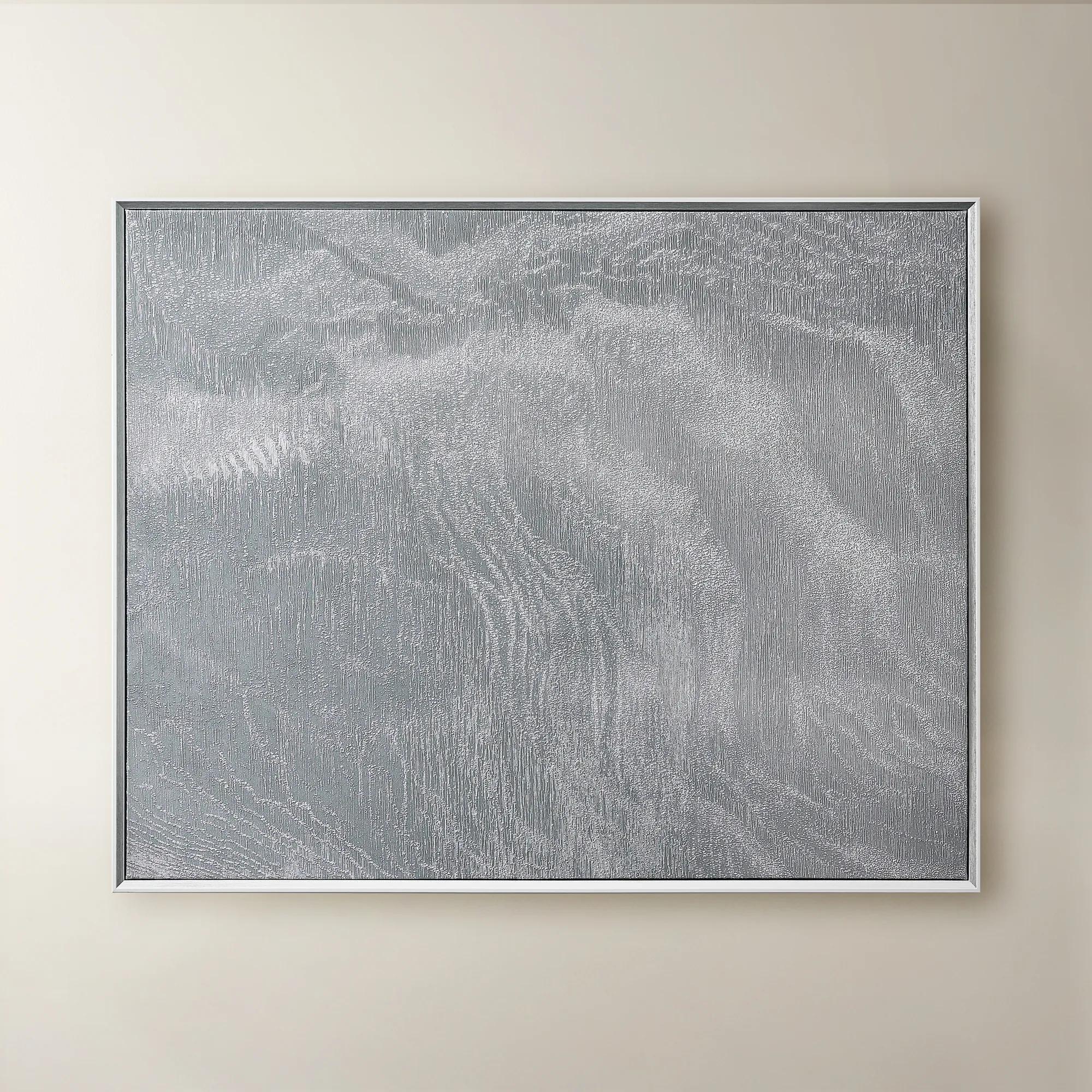 Slow Blue Morning Framed Silver Foil Wall Art 48" x 60"$599
A serene powder blue abstract canvas with silver foil accents, framed in silver and white for modern elegance.
Add To Cart -
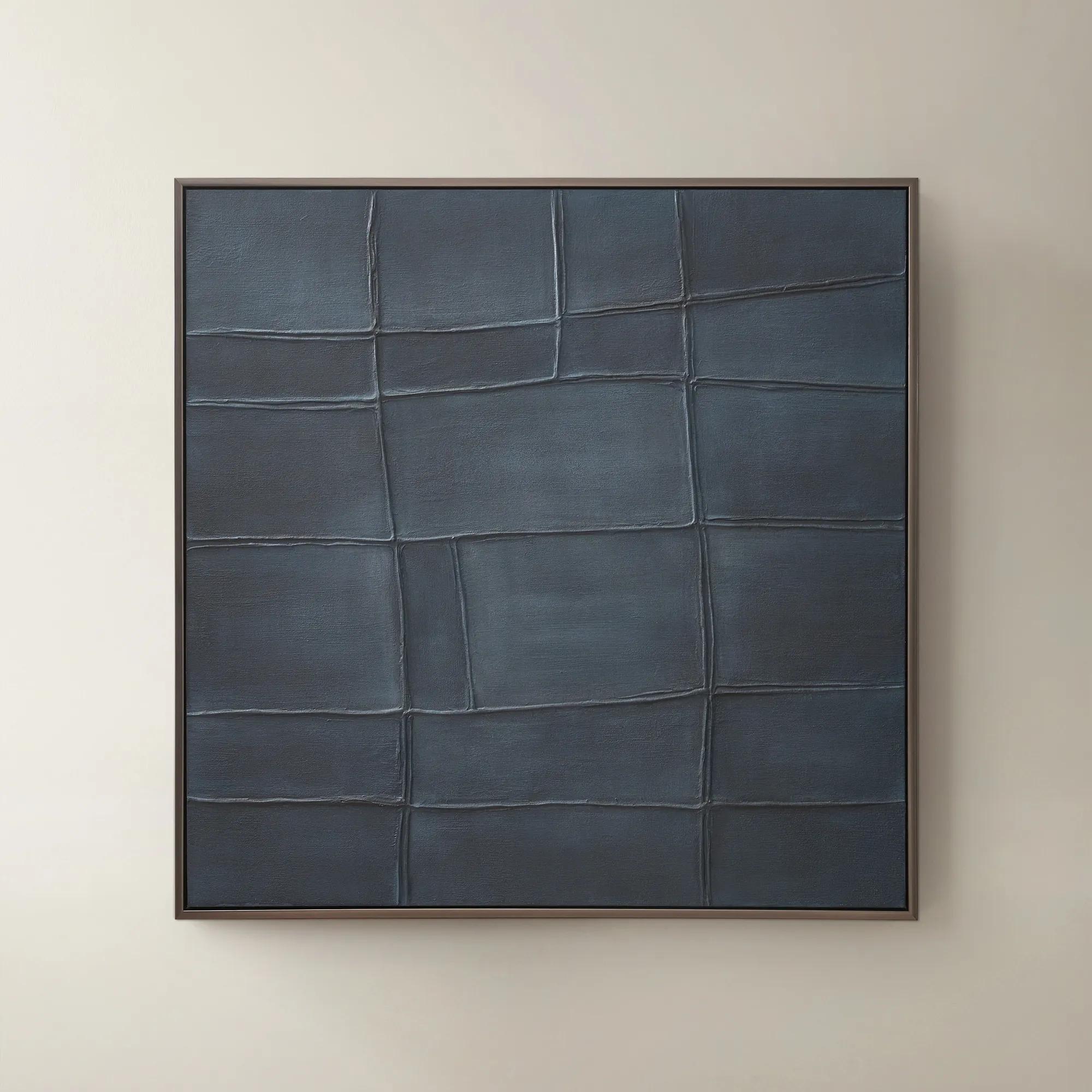
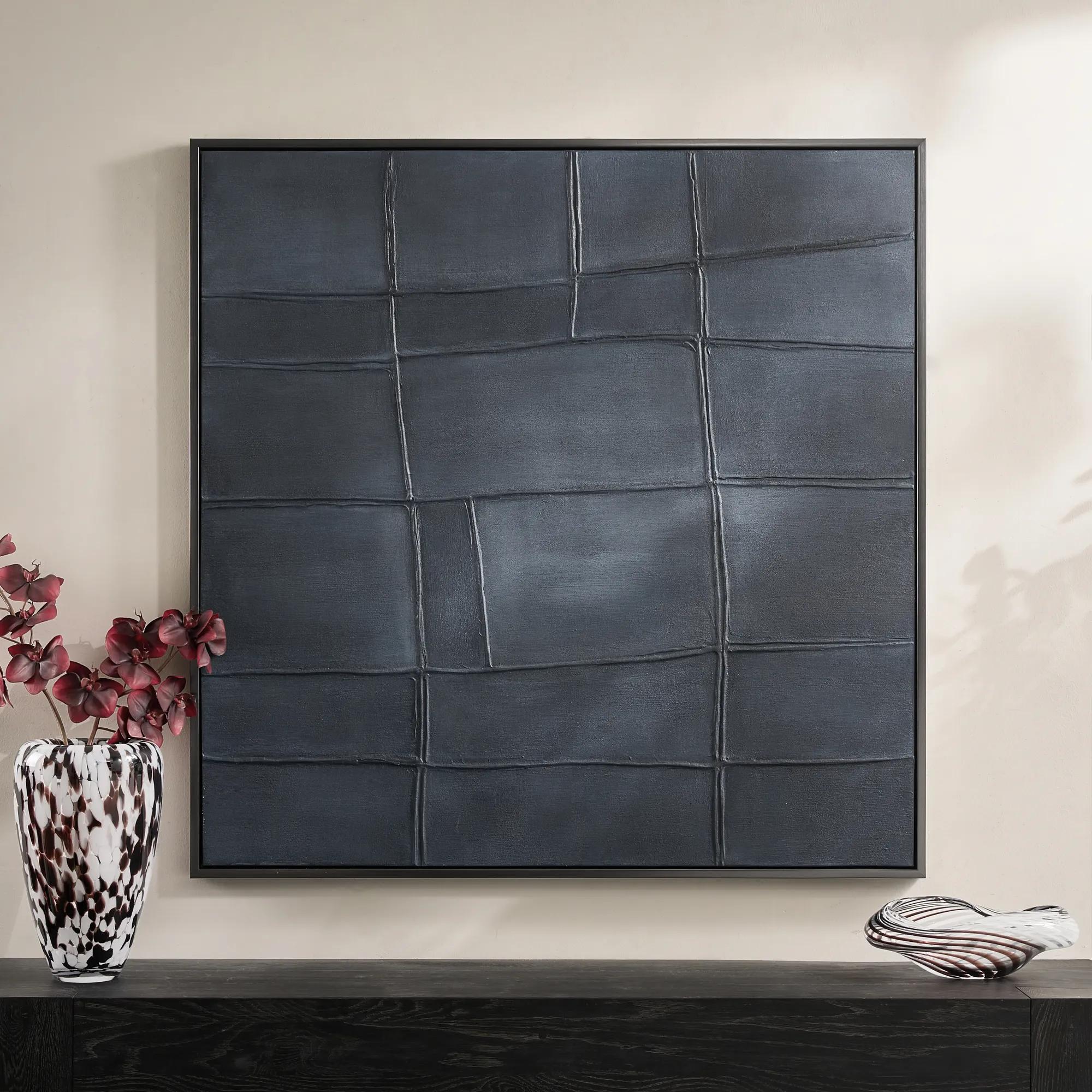 Ink Blue Interval Framed Painted Wall Art 48" x 48"$599
A hand-painted abstract canvas in deep ink blue, finished with a sleek gunmetal frame for modern appeal.
Add To Cart -
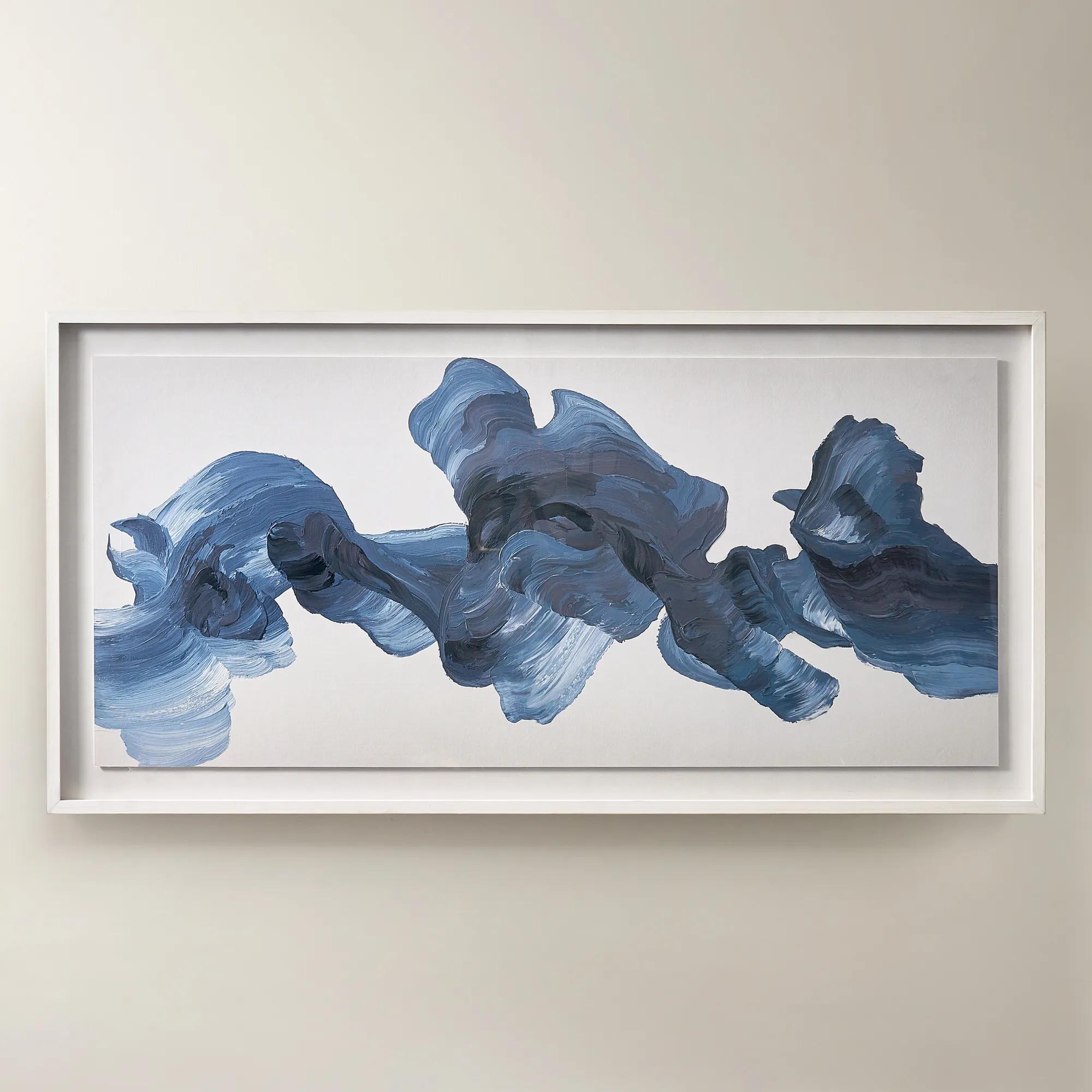
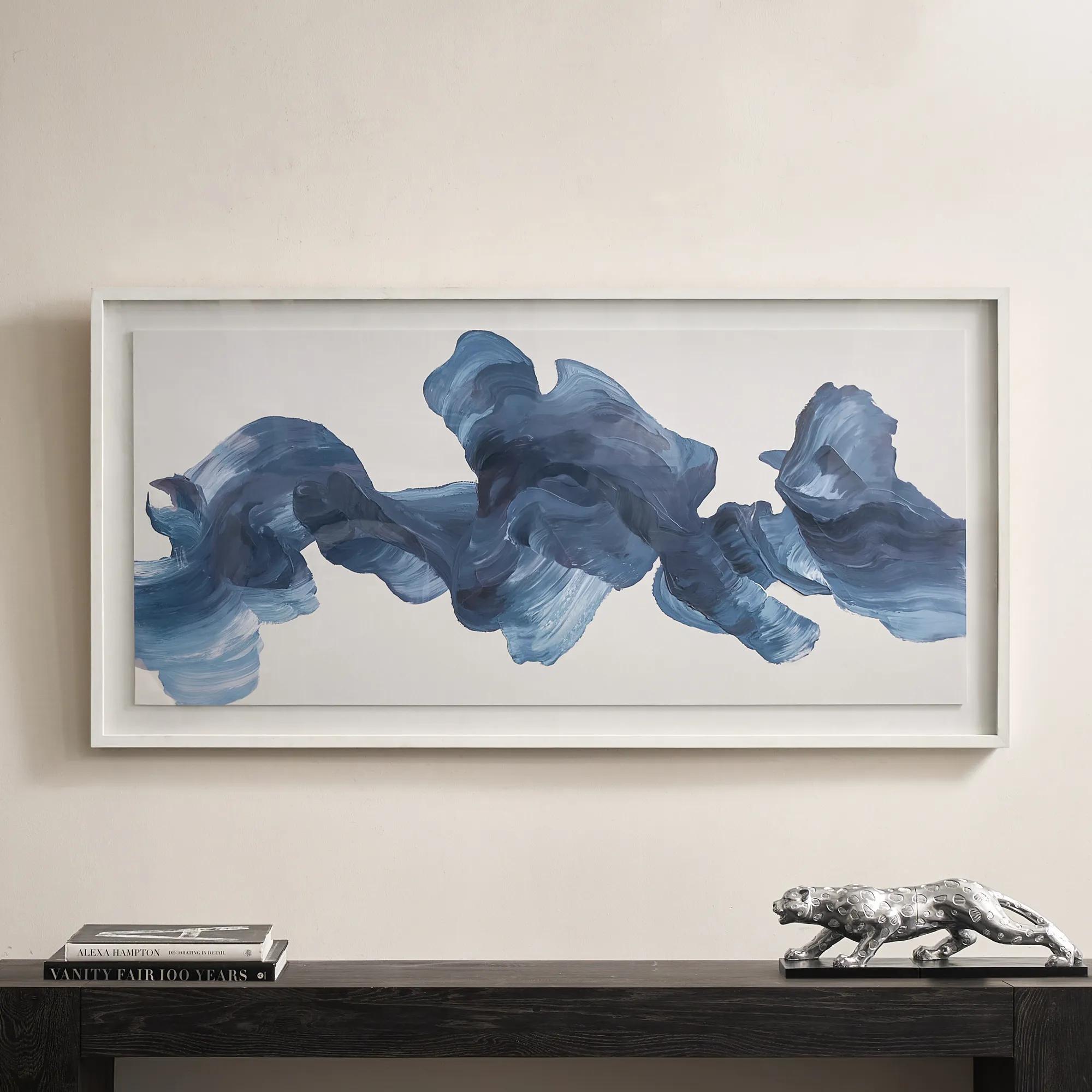 Blue Theory Framed Painted Wall Art in Acrylic 60" x 30"$499
A hand-painted canvas in deep ink blue, framed under acrylic with a whitewashed wood frame.
Add To Cart -
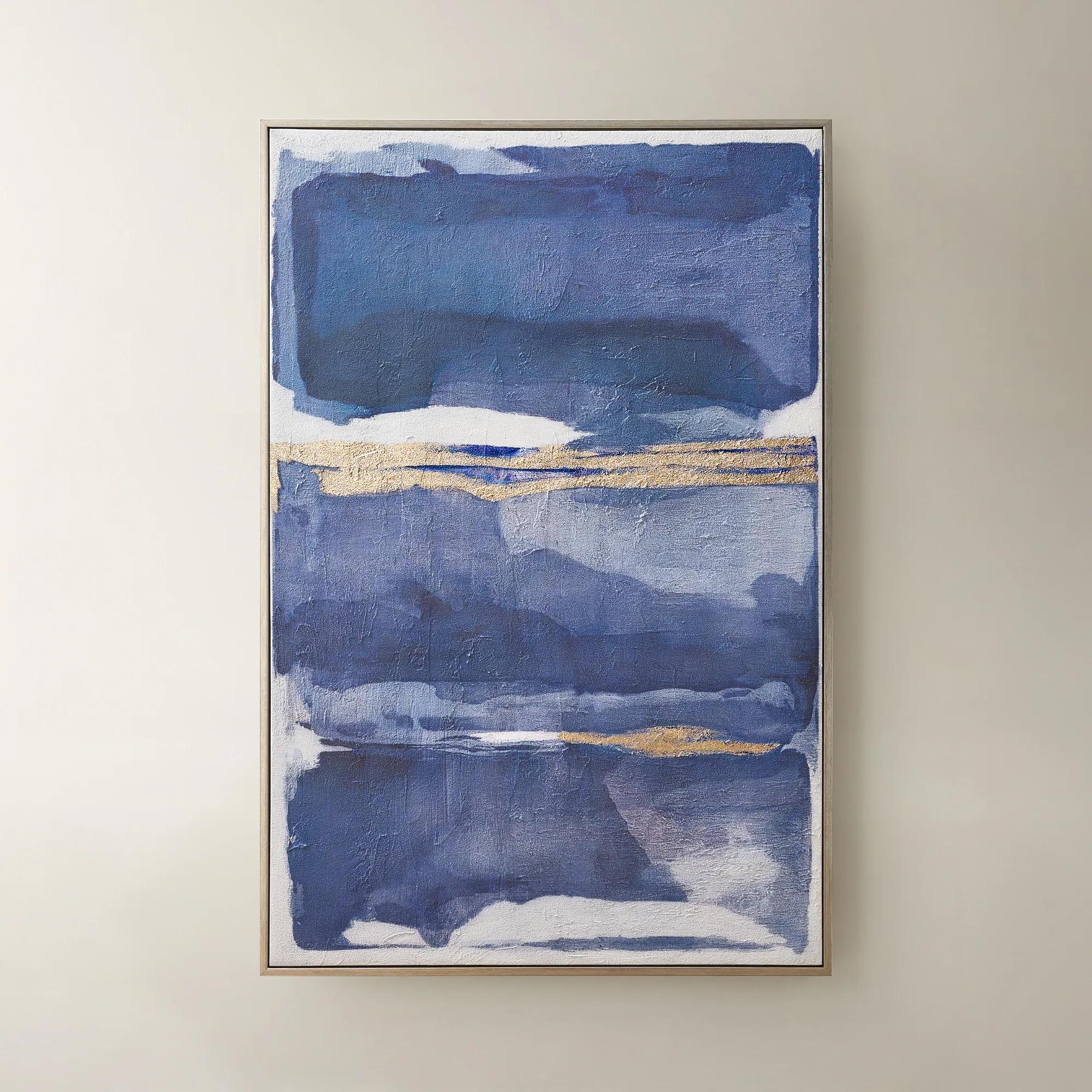
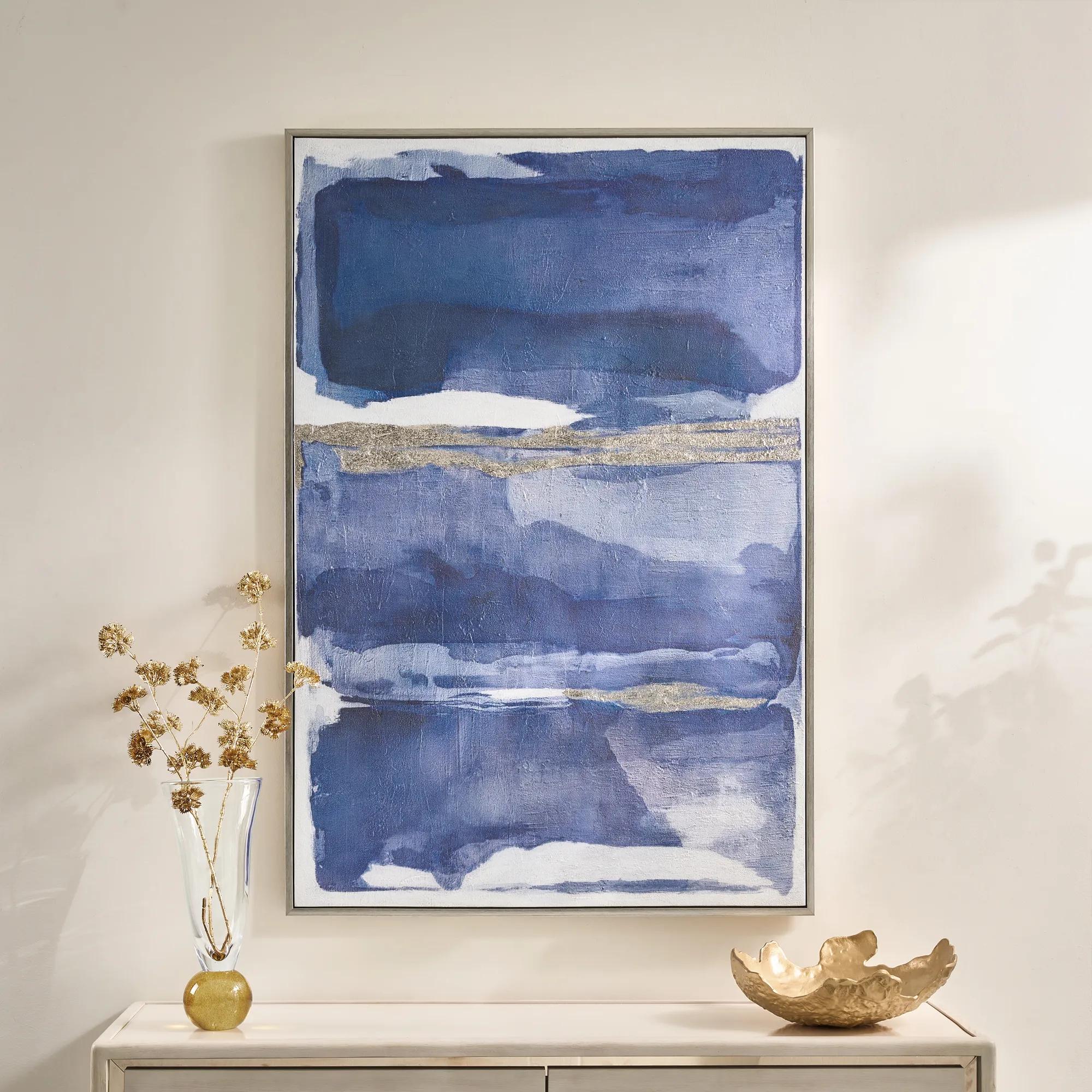 Memories in Blue Framed Painted Wall Art 40" x 60"$499
A hand-painted canvas in deep ink blue with champagne leafing for a sophisticated, gallery-inspired look.
Add To Cart -
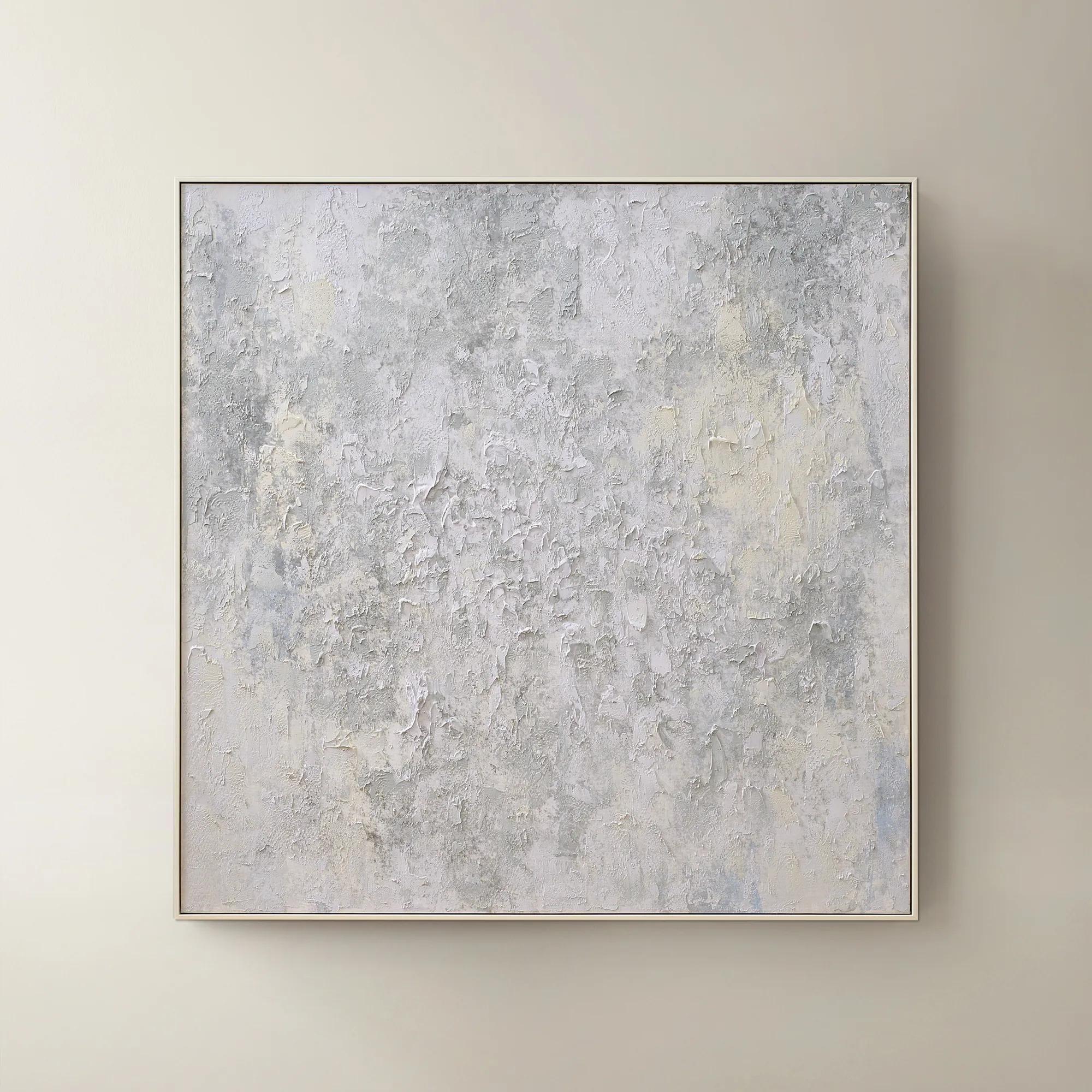 Breathe of Fresh Air Framed Painted Wall Art 50" x 50"$499
A hand-painted abstract canvas in dusty blue hues, elegantly framed in white for a serene, modern accent.
Add To Cart -
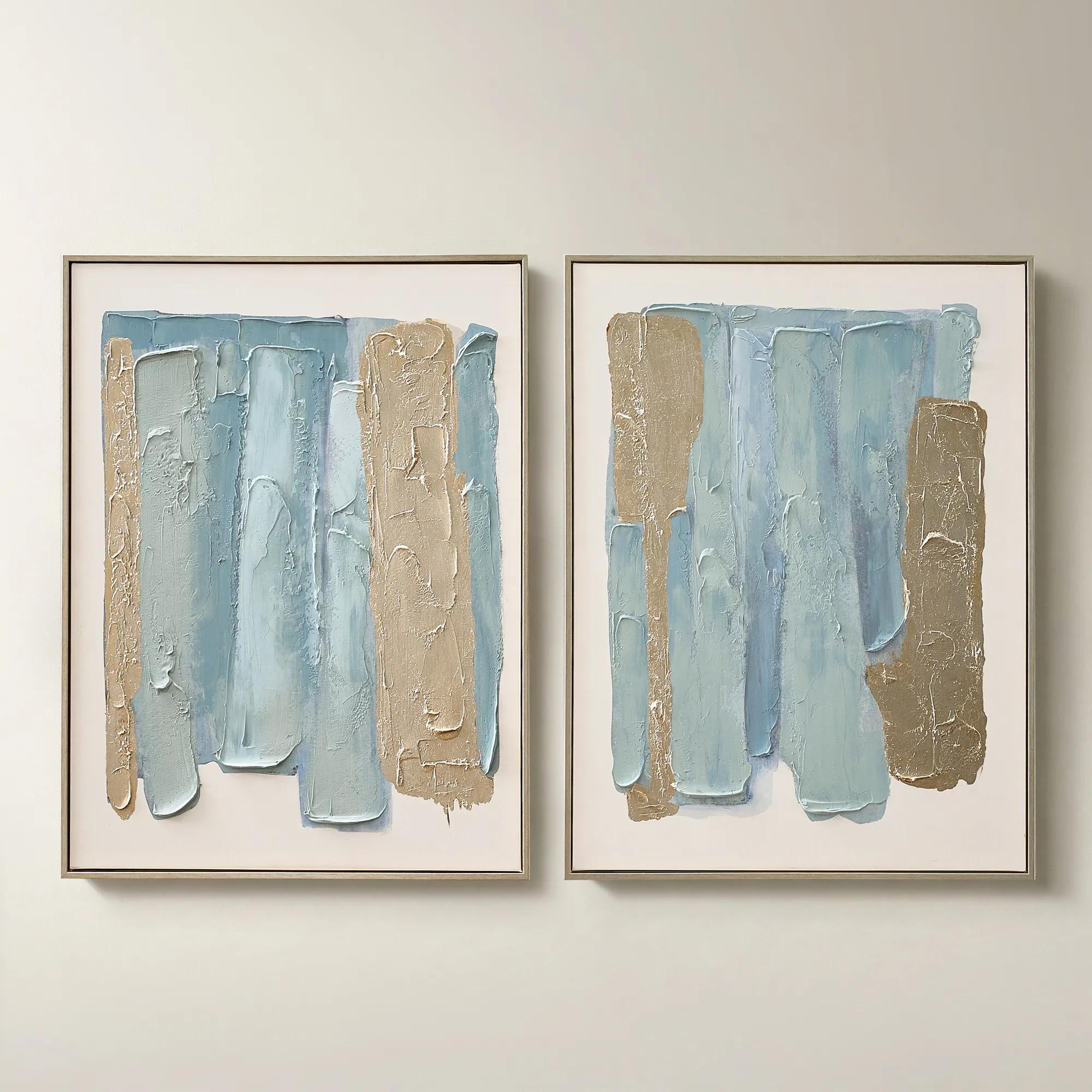
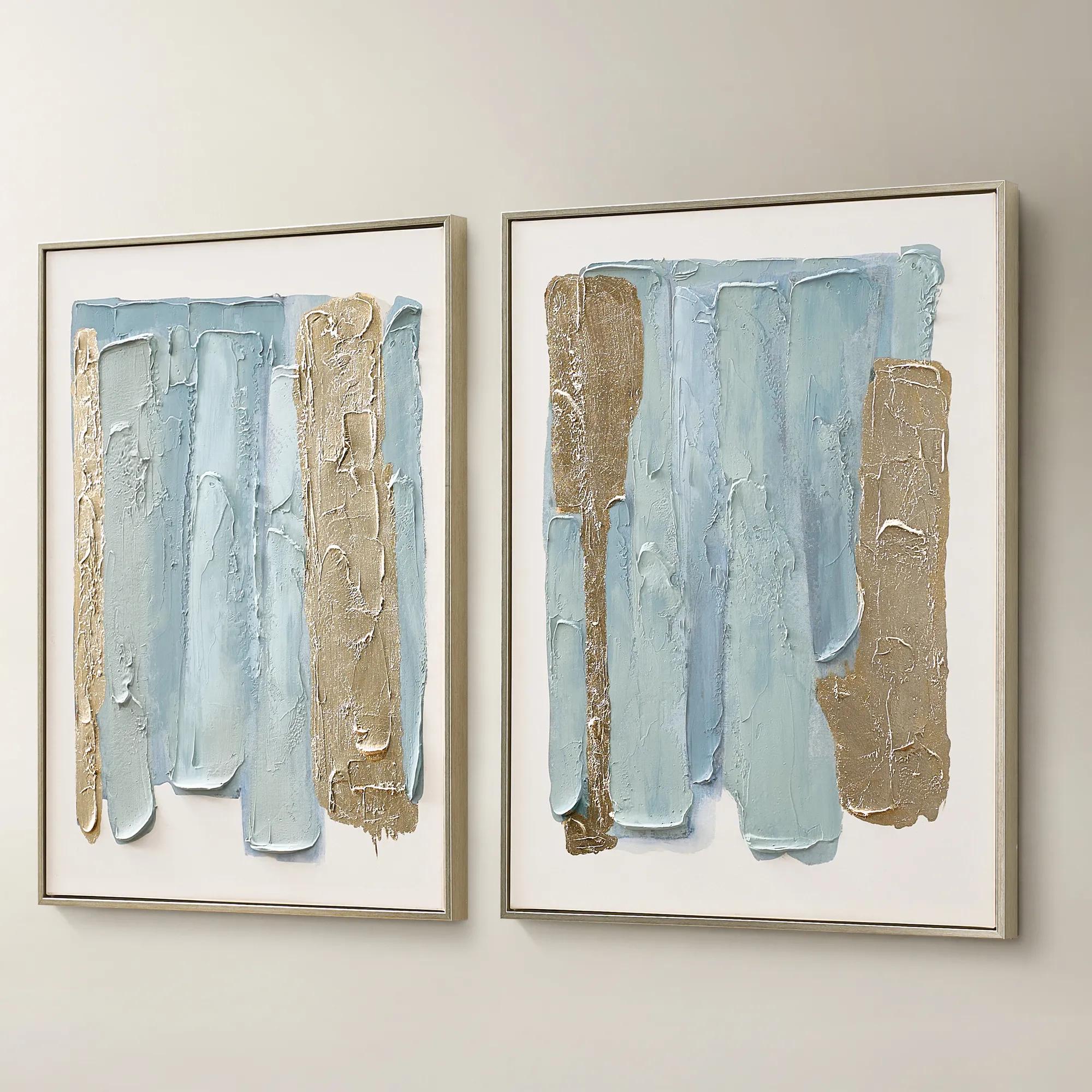 Blue Drift Framed Champagne Painted Wall Art 24" x 32" Set of 2$199
A set of two hand-painted canvases in dusty blue with champagne leafing and modern abstract movement.
Add To Cart -
 Relic Framed Painted Triptych Wall Art Set of 3$399
A hand-painted abstract triptych in deep navy and neutral tones, set in sleek black floater frames.
Add To Cart -

 Twin Abstract 1 Framed Wall Art 30" x 45"$699
A captivating abstract canvas artwork featuring layered blue and purple tones in a sophisticated framed presentation.
Add To Cart -
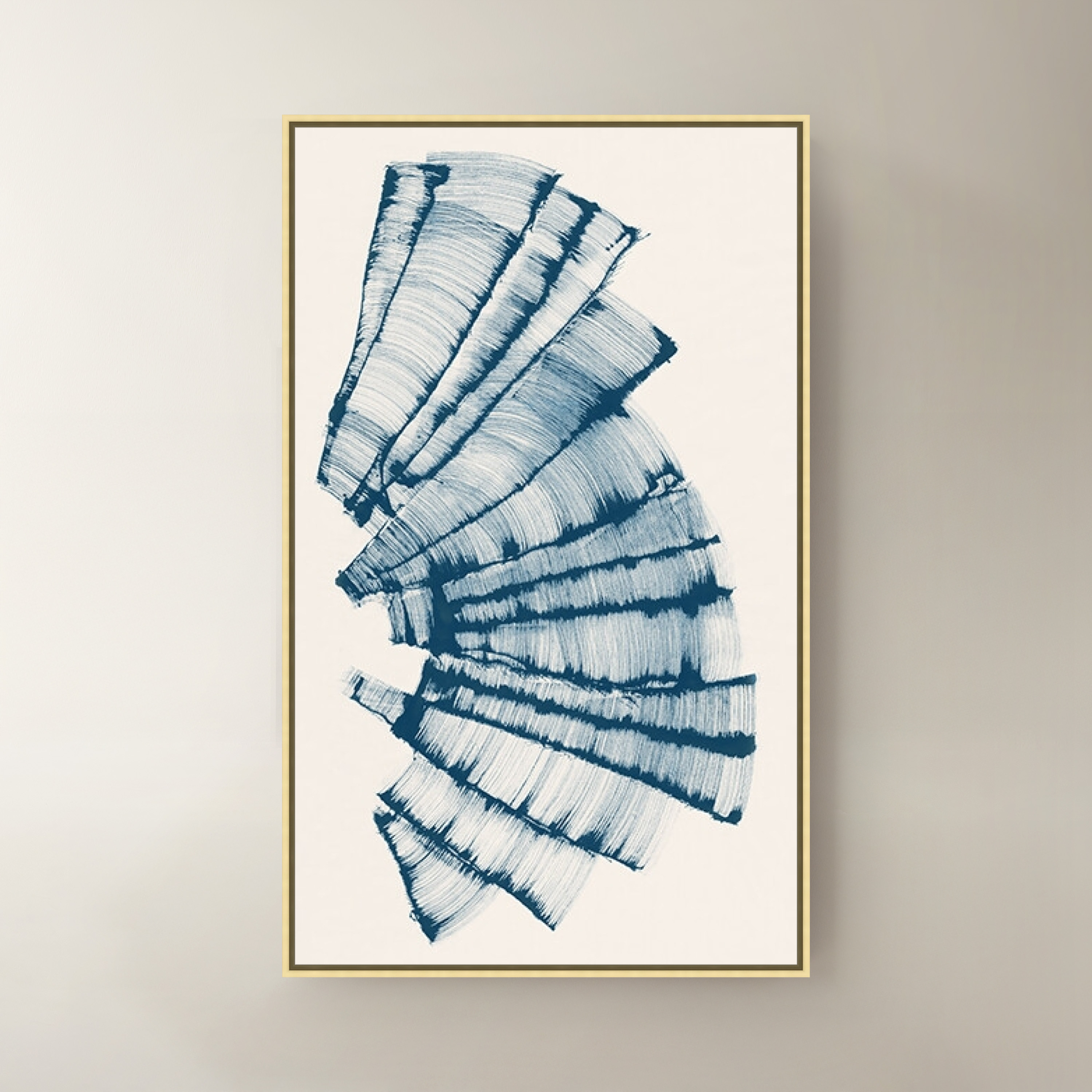
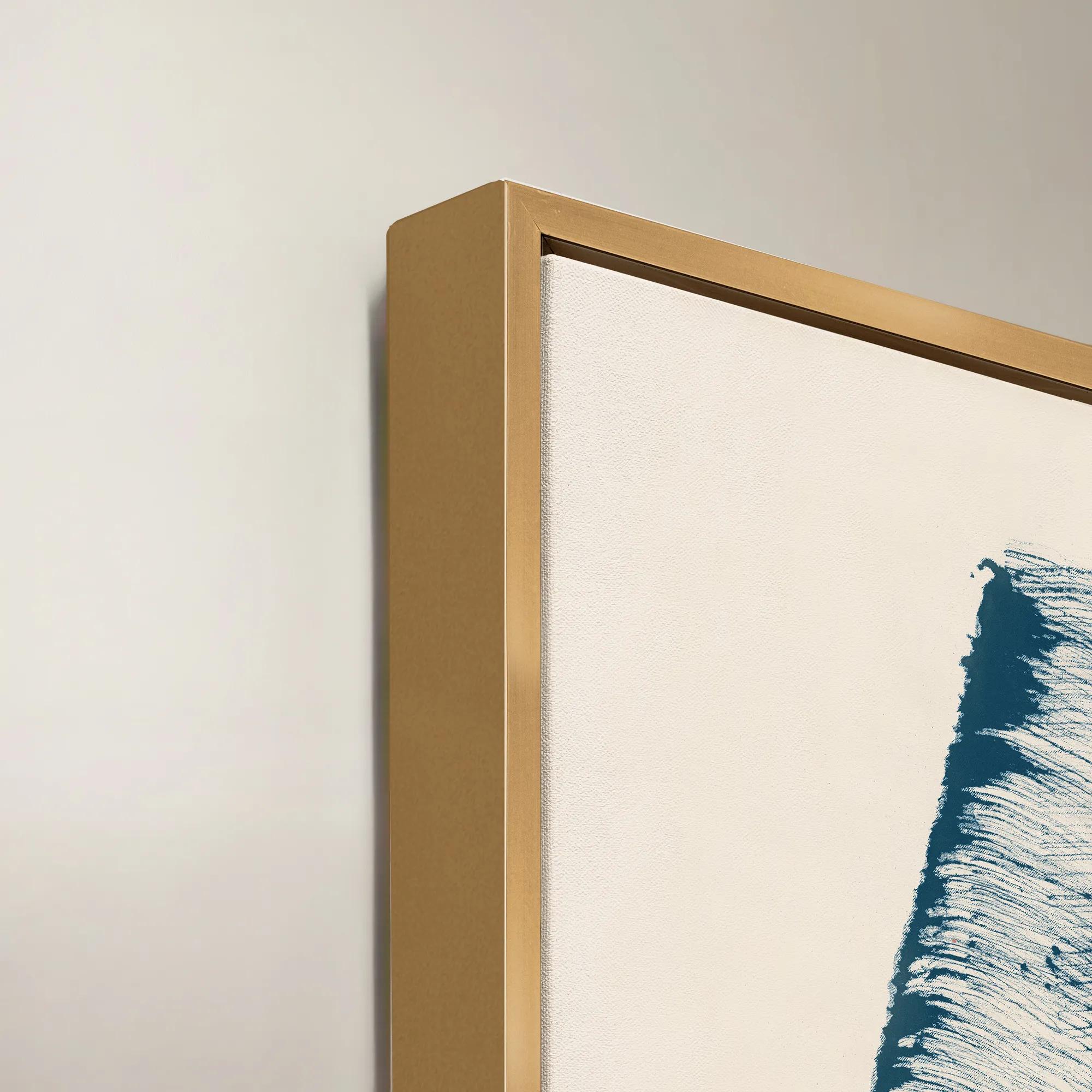 Escape Path IV Framed Wall Art 30" x 50"$799
A blue and purple canvas wall artwork presented in a sophisticated frame for modern interiors.
Add To Cart -

 Escape Path III Framed Wall Art 30" x 50"$799
A captivating blue and purple canvas artwork adding contemporary movement and layered dimension to your walls.
Add To Cart -
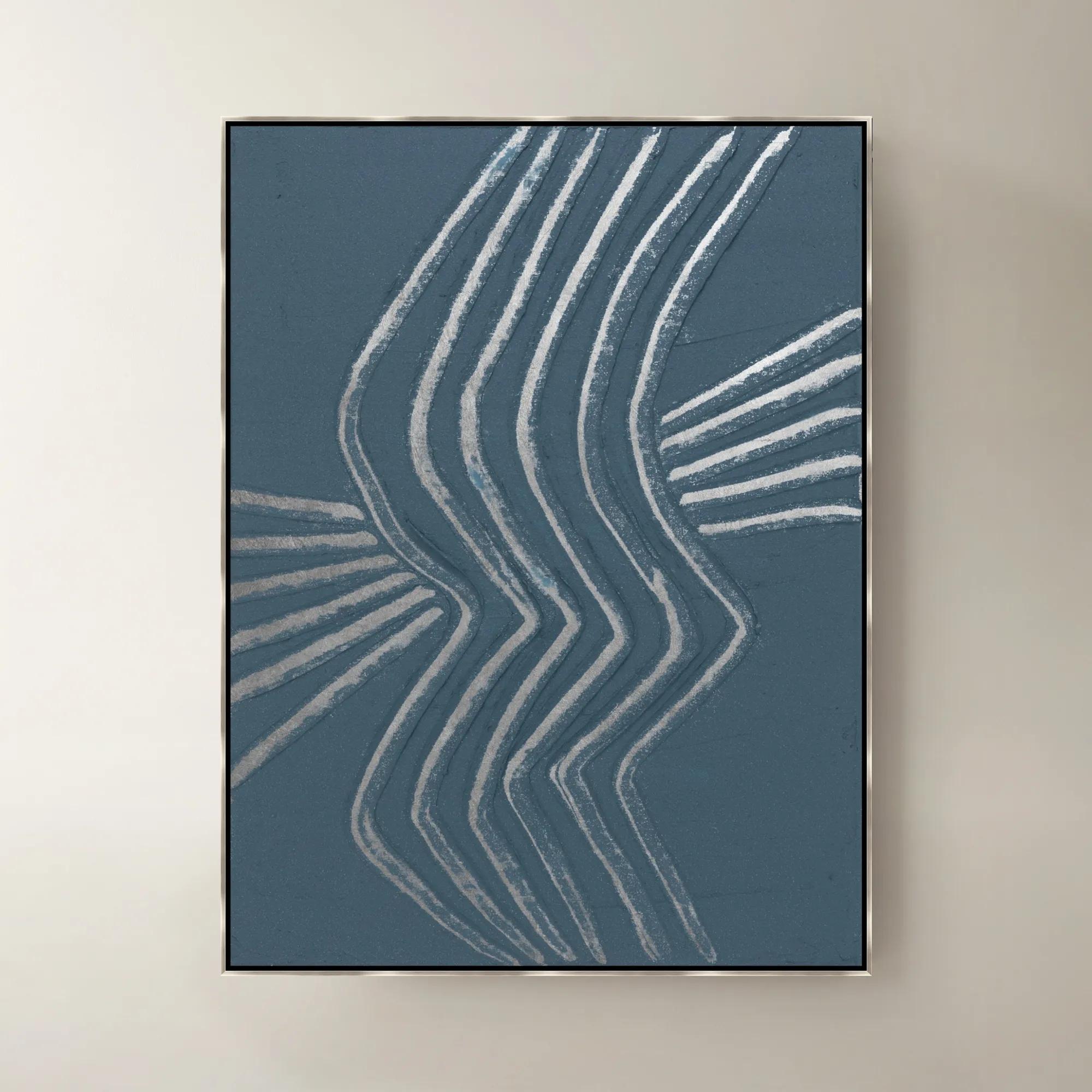
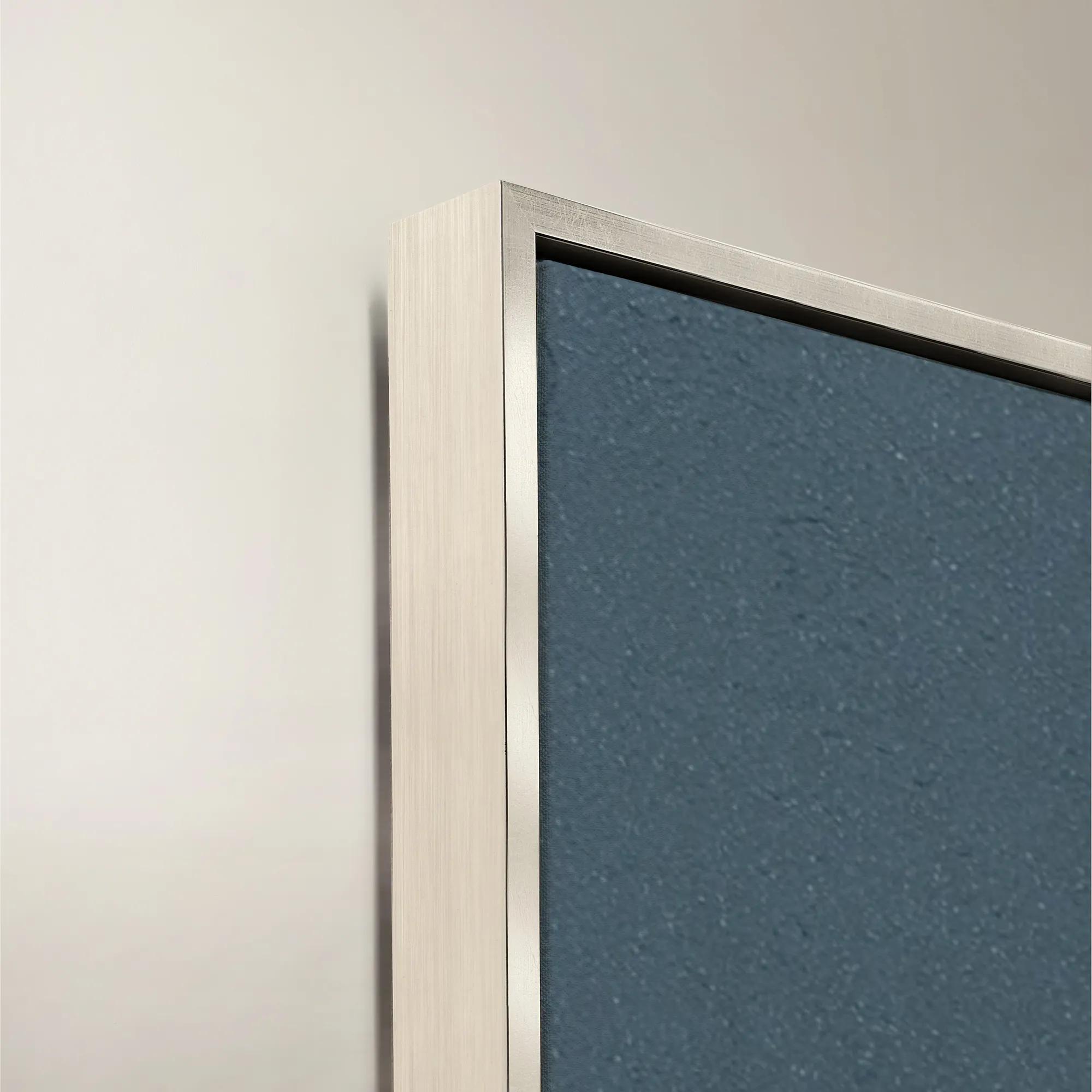 Gilded Waves IV Framed Painted Wall Art 40" x 53"$1399
A framed painted canvas artwork featuring flowing gilded waves in soothing blue and purple tones.
Add To Cart -
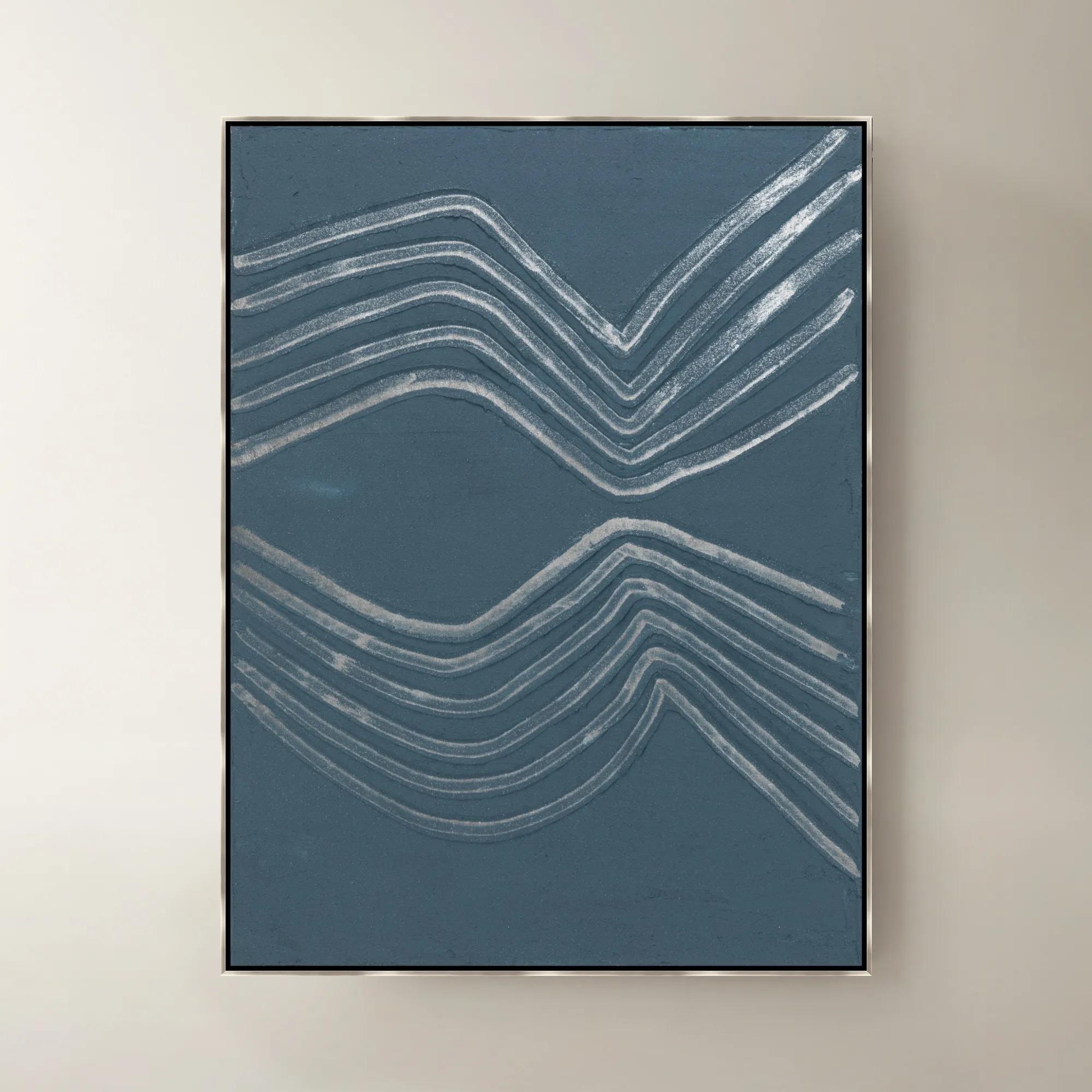
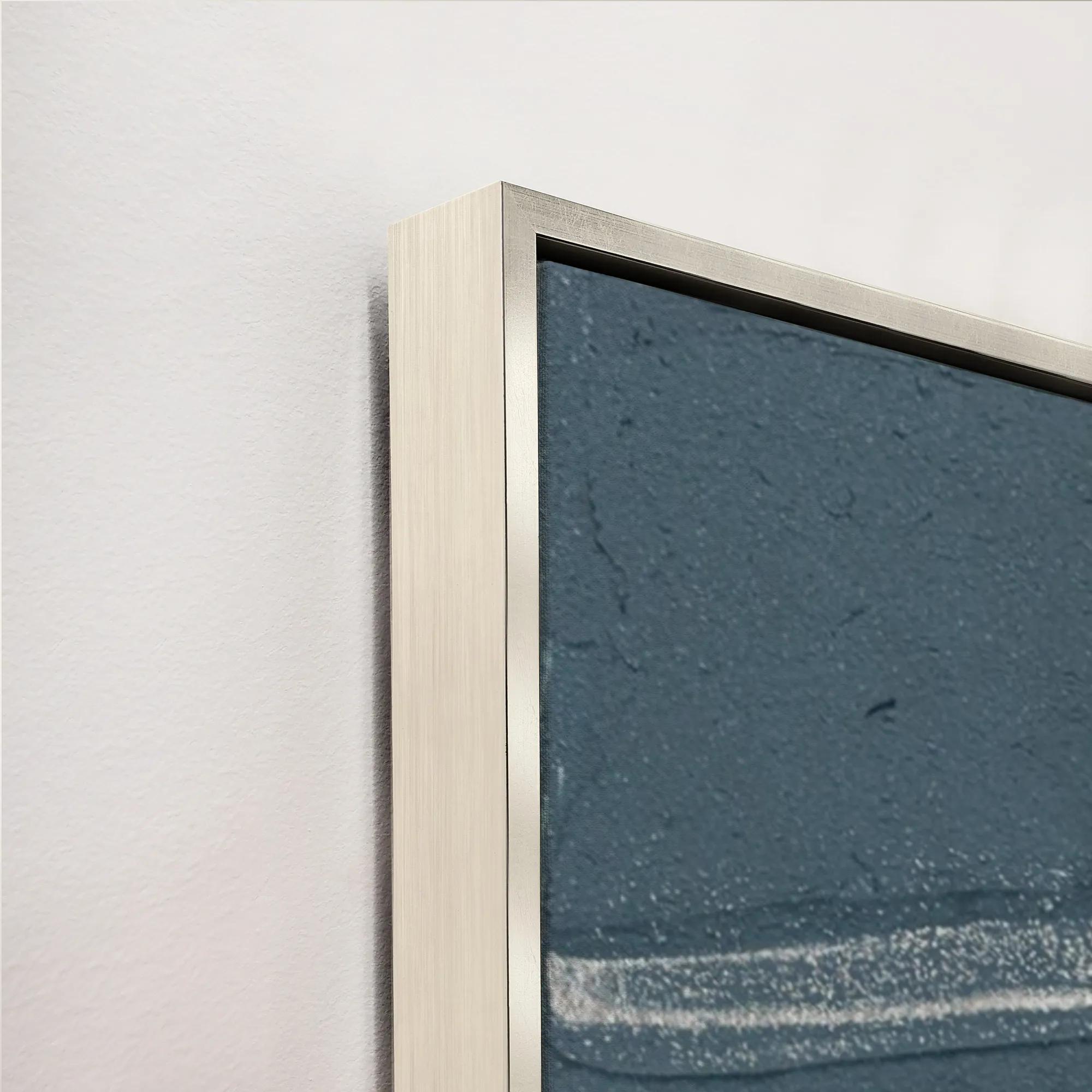 Gilded Waves VI Framed Painted Wall Art 40" x 53"$1399
A framed painted canvas artwork featuring sweeping gilded waves in rich blue and purple tones.
Add To Cart -
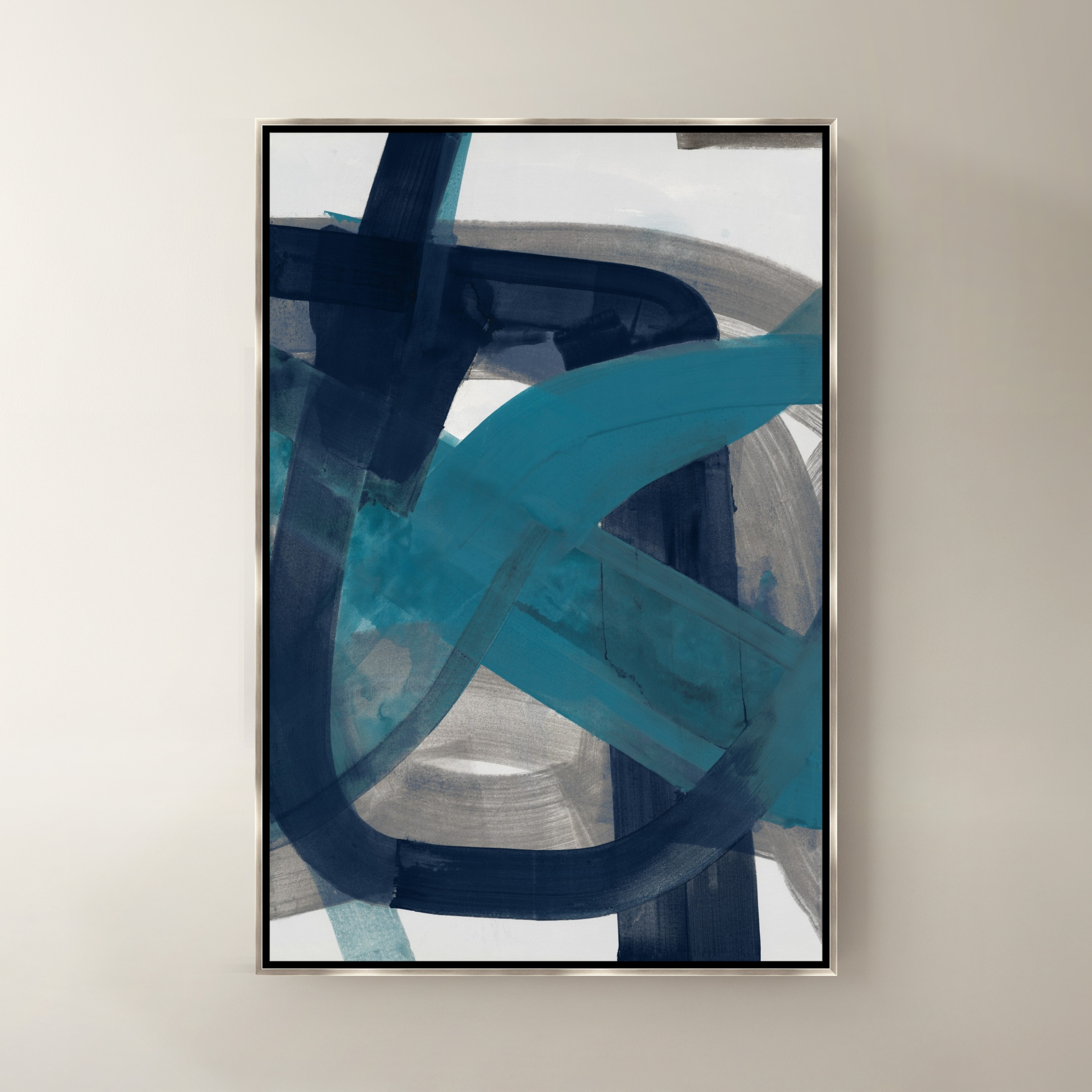
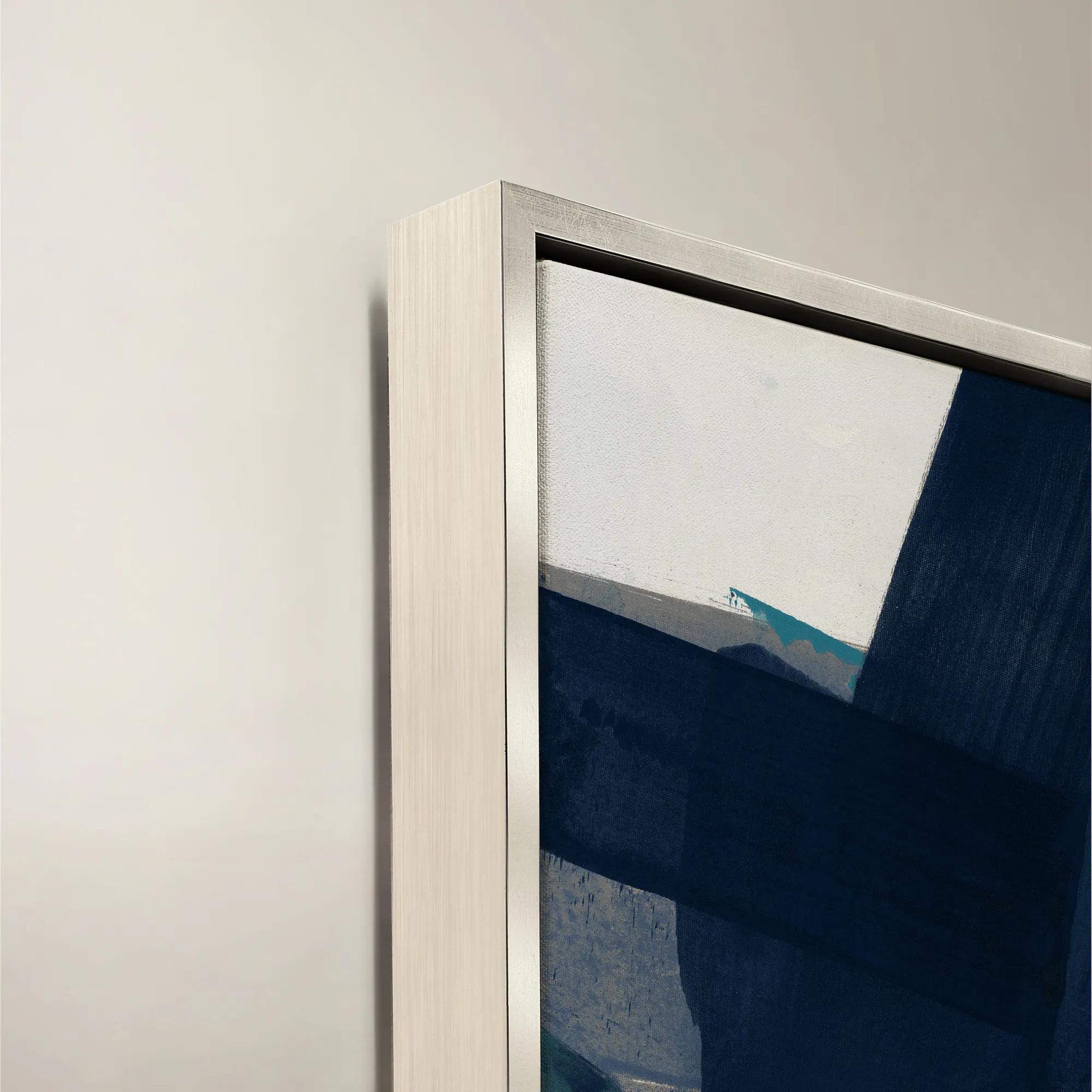 Fractured Currents II Framed Wall Art 24" x 36"$499
A framed canvas wall artwork featuring dynamic blue and purple tones for a modern, expressive accent.
Add To Cart -
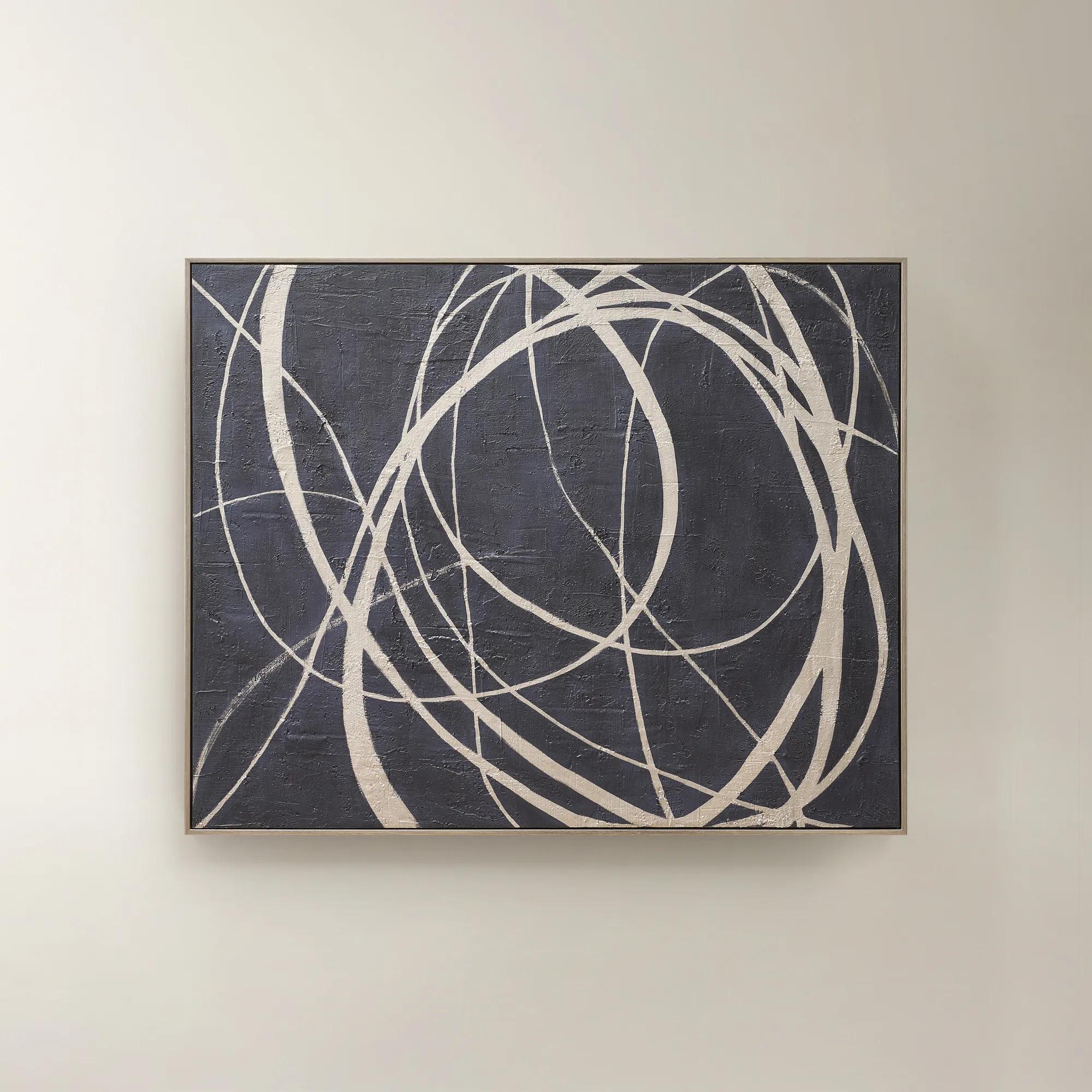 Wandering Framed Painted Wall Art 48" x 60"$699
An expressive hand-painted canvas in deep ink blue with champagne accents for a bold, sophisticated statement.
Add To Cart -
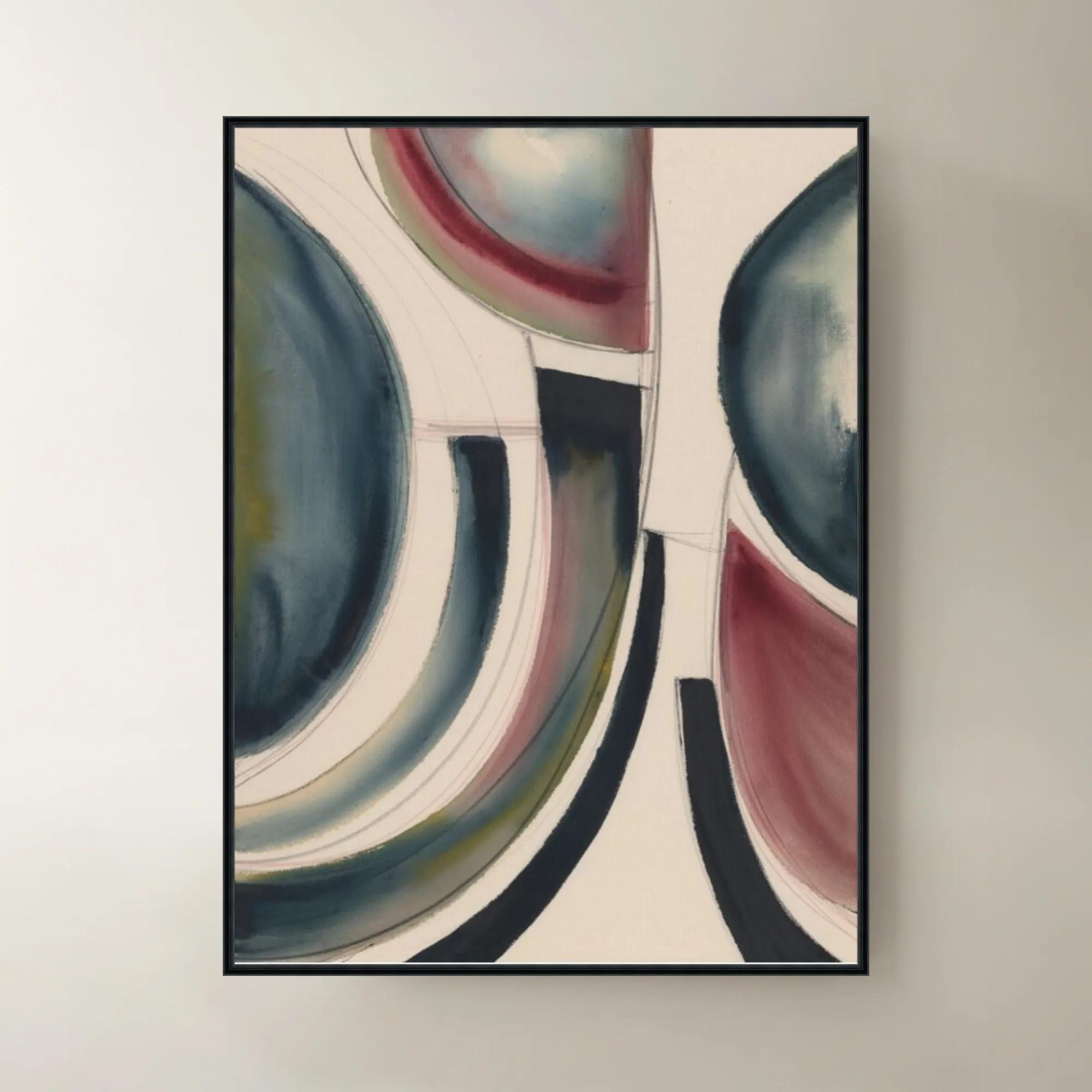
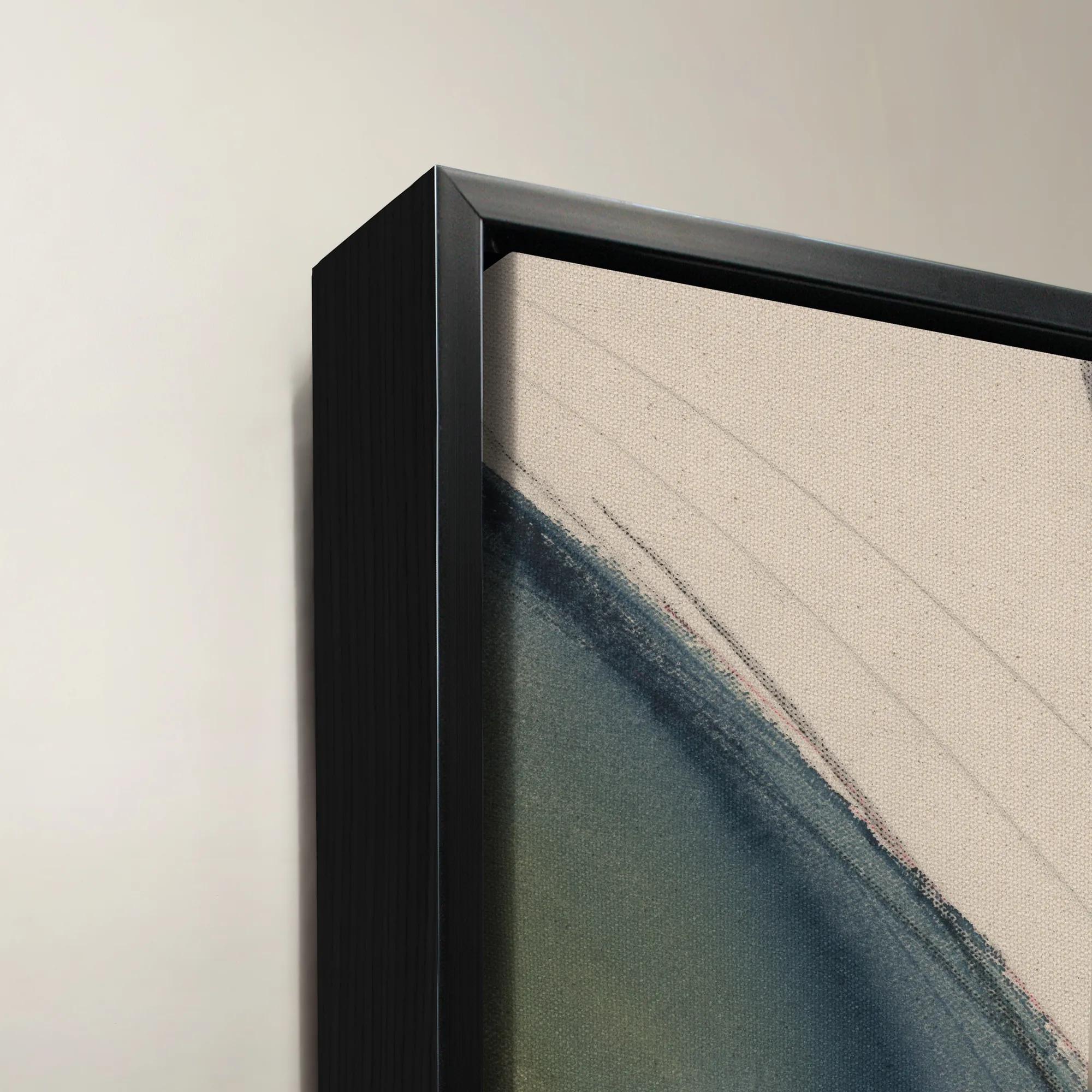 Dreamsicle Framed Wall Art 40" x 54"$1199
A vibrant multicolored canvas wall artwork presented in an elegant frame for contemporary interiors.
Add To Cart -
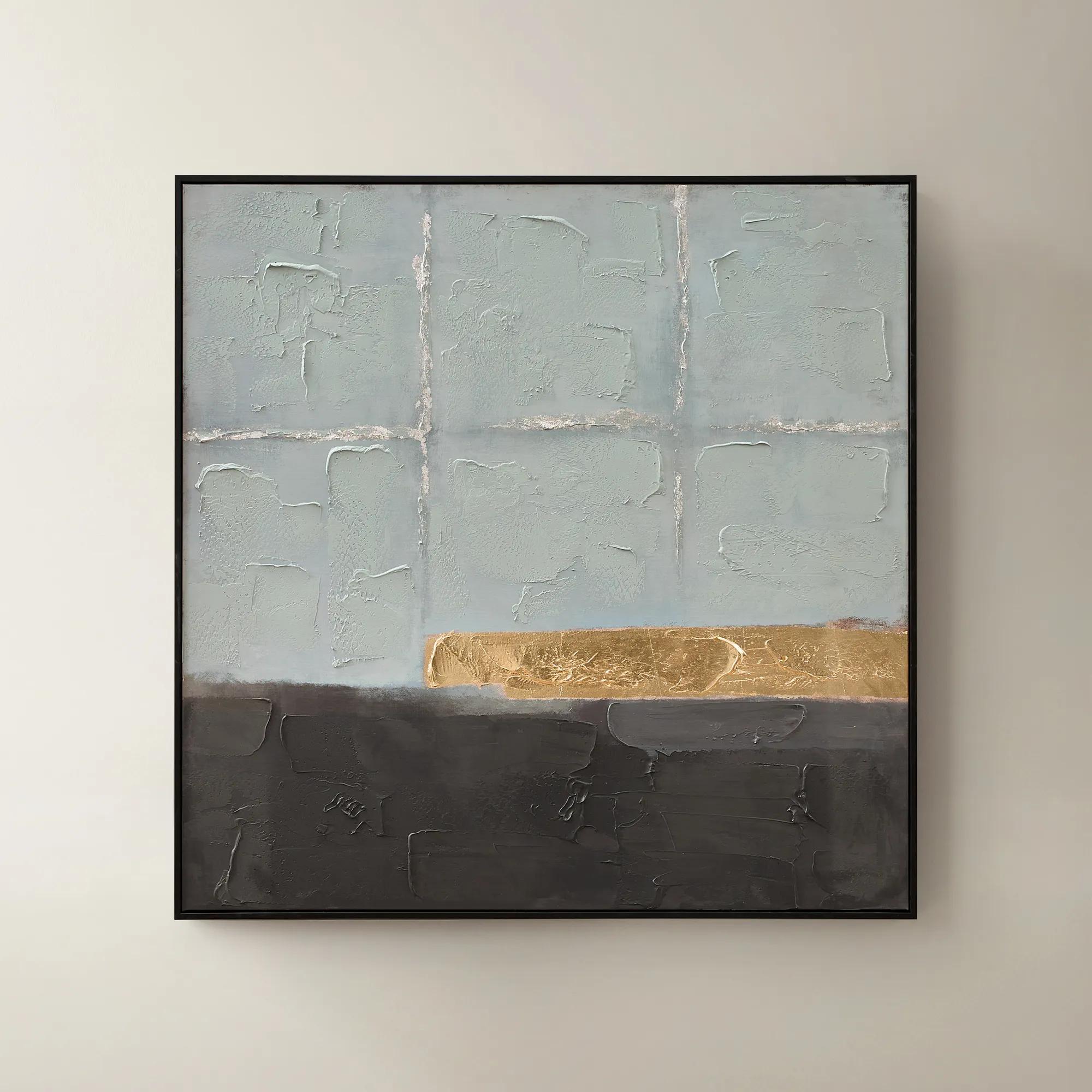
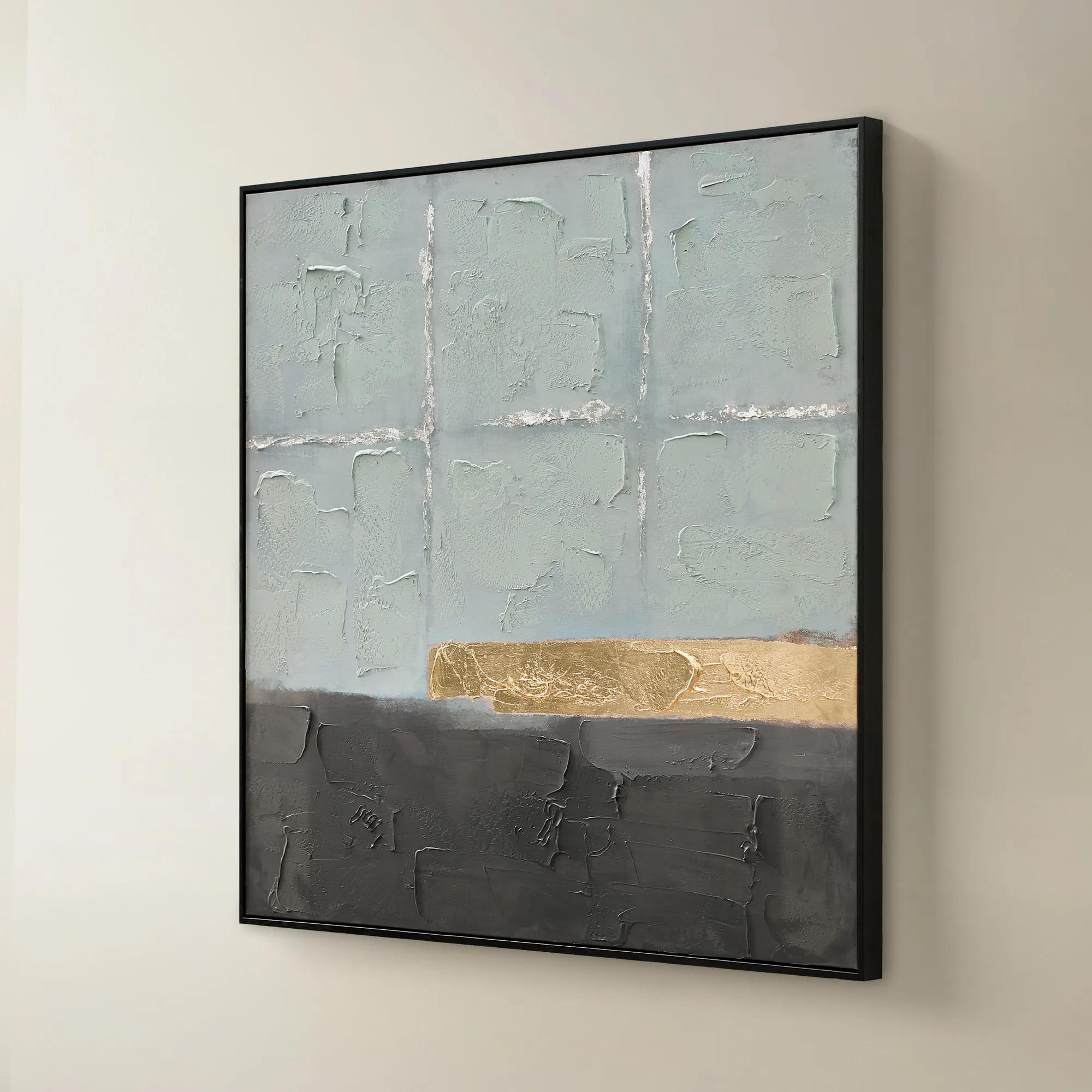 Jules Framed Gold Leaf Painted Wall Art 40" x 40"$299
A hand-painted canvas in mineral blue with gold leaf accents and a sleek black frame for modern appeal.
Add To Cart -
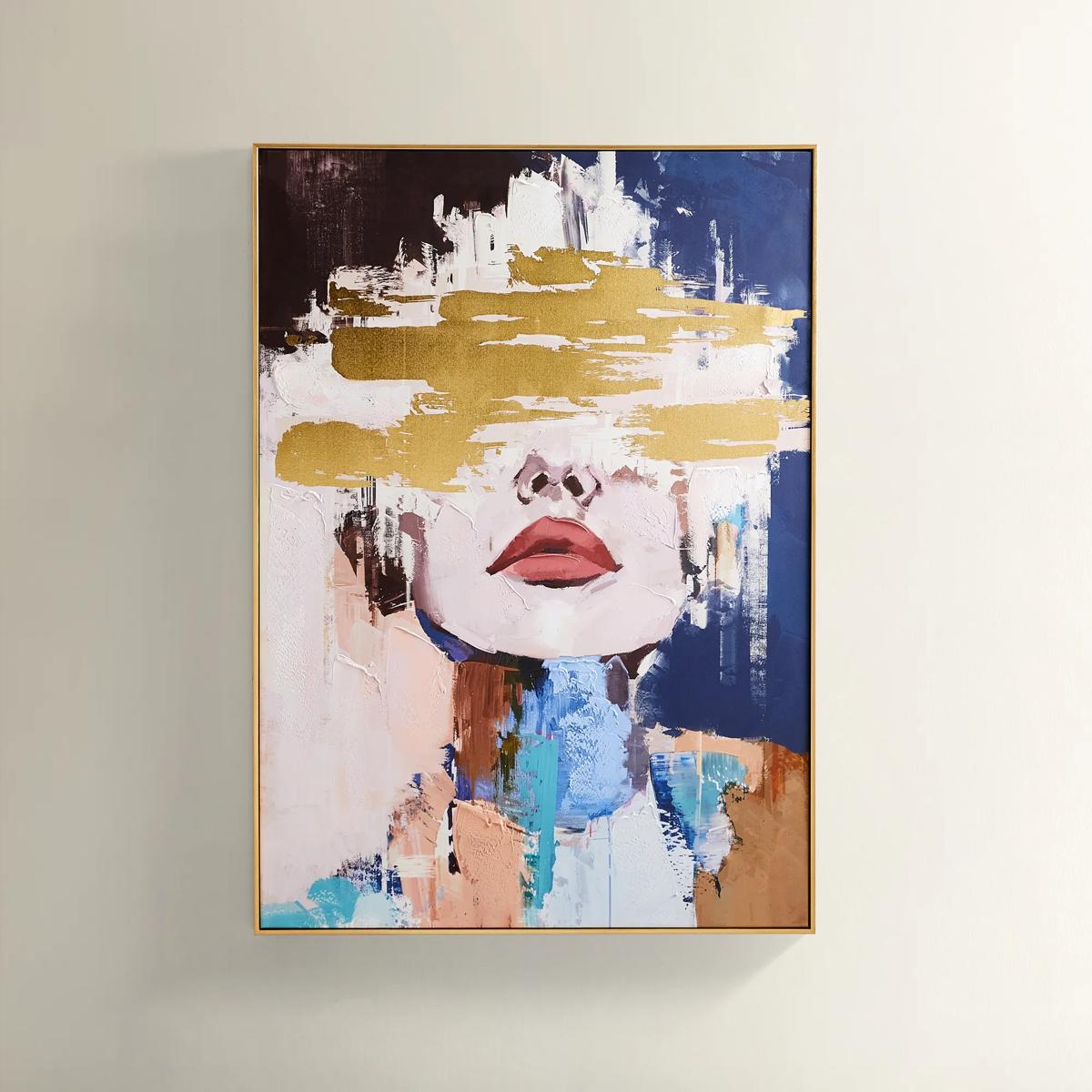
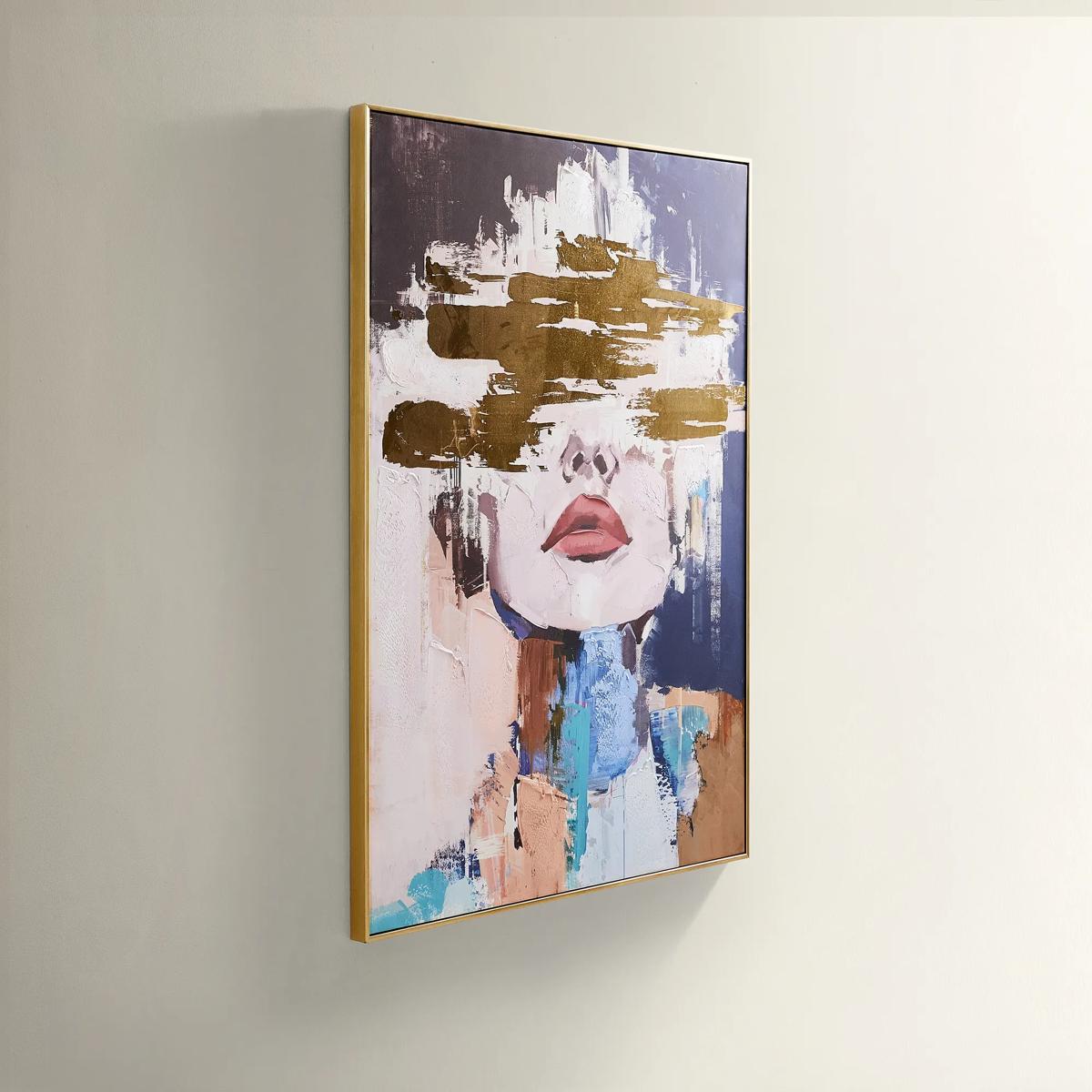 Waiting in Color Gold Foil Painted Wall Art 39.25" x 55"$499
A hand-painted abstract portrait in vivid blue, blush, and gold foil, framed in luxe gold.
Add To Cart -
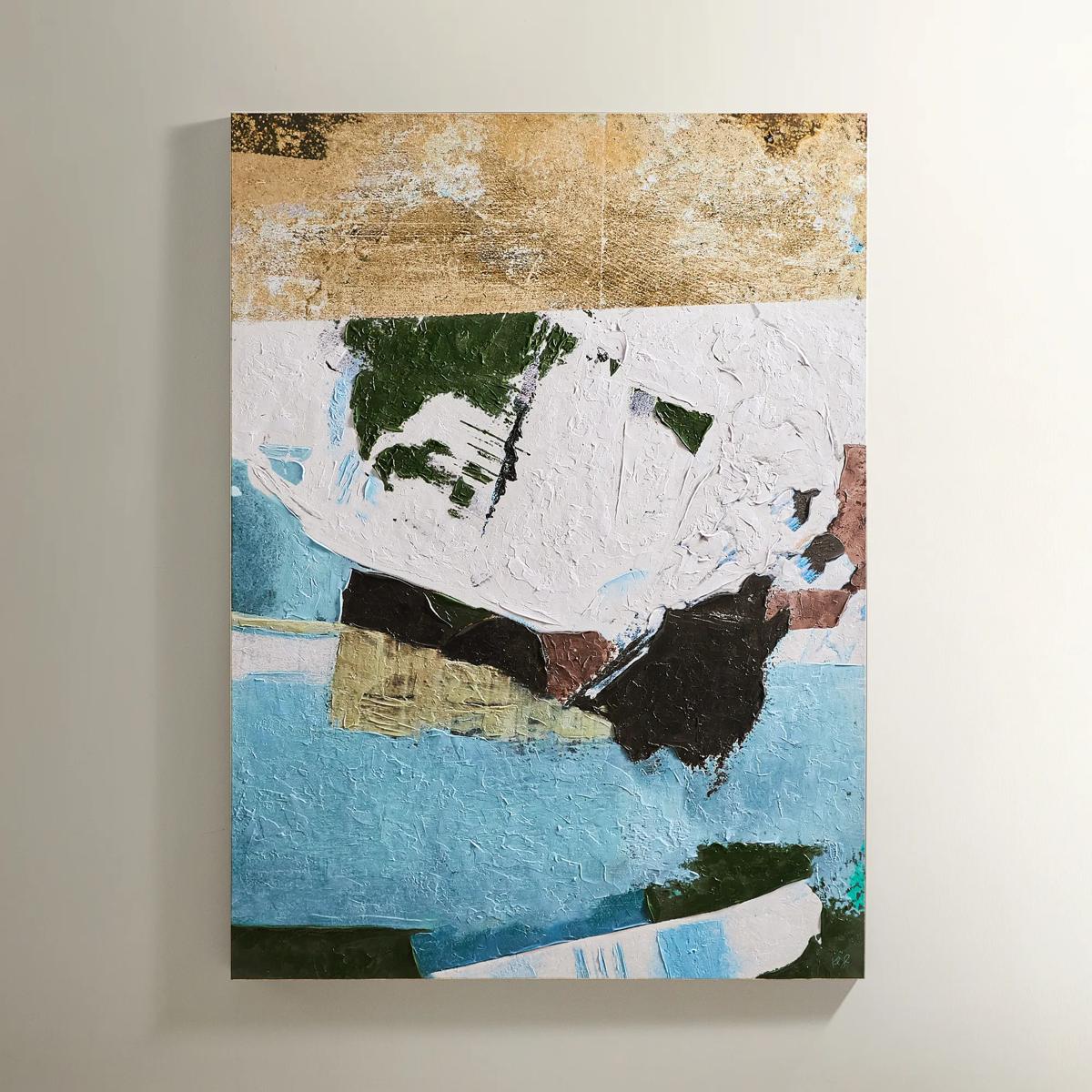
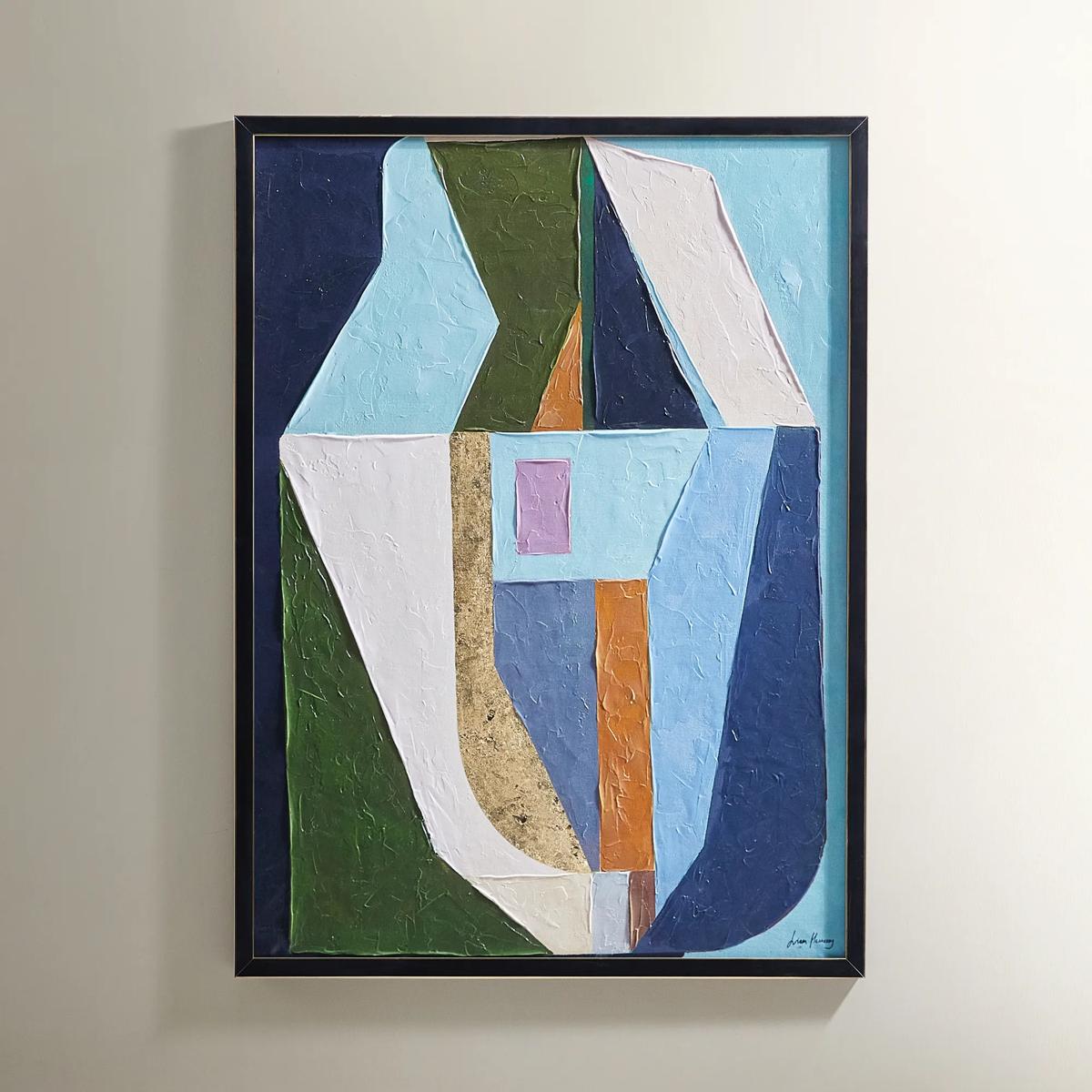 Thought Provoking Painting 2$249
A hand-embellished canvas artwork featuring textured strokes in deep blue, olive green, and gold accents.
Add To Cart -
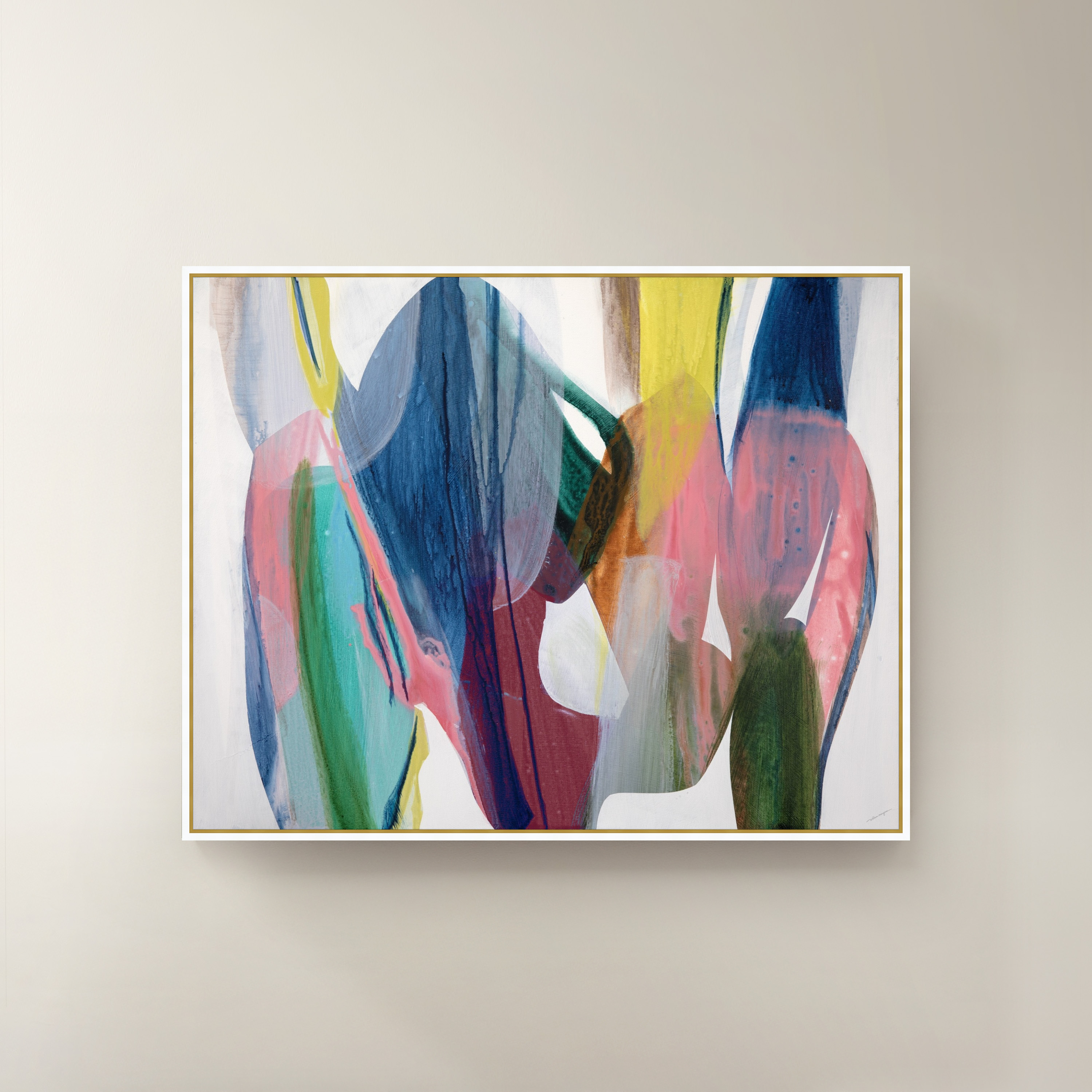
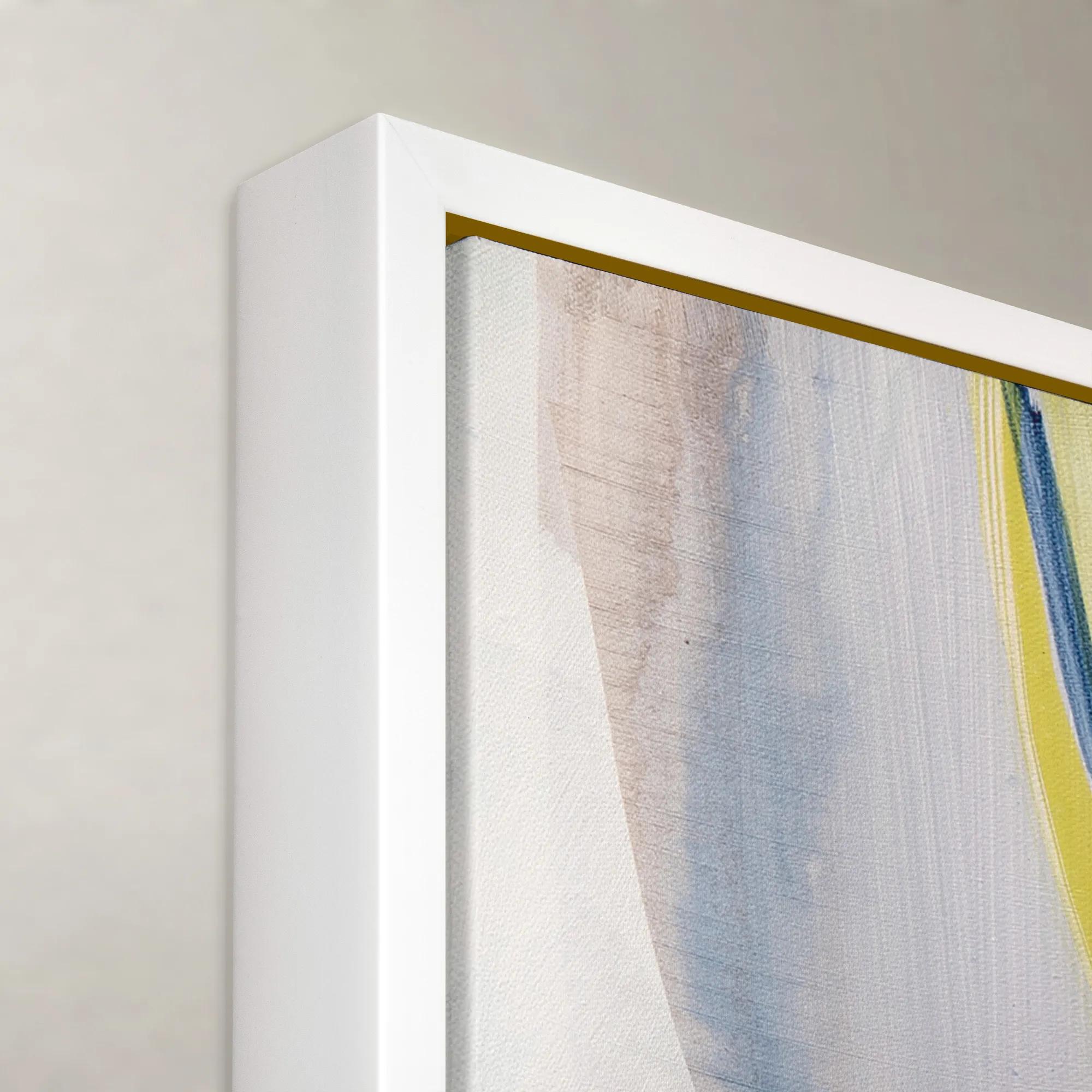 Dreams Take Flight Framed Wall Art 60" x 47"$1299
A vibrant multicolored framed canvas artwork adding expressive, contemporary style to any wall.
Add To Cart -
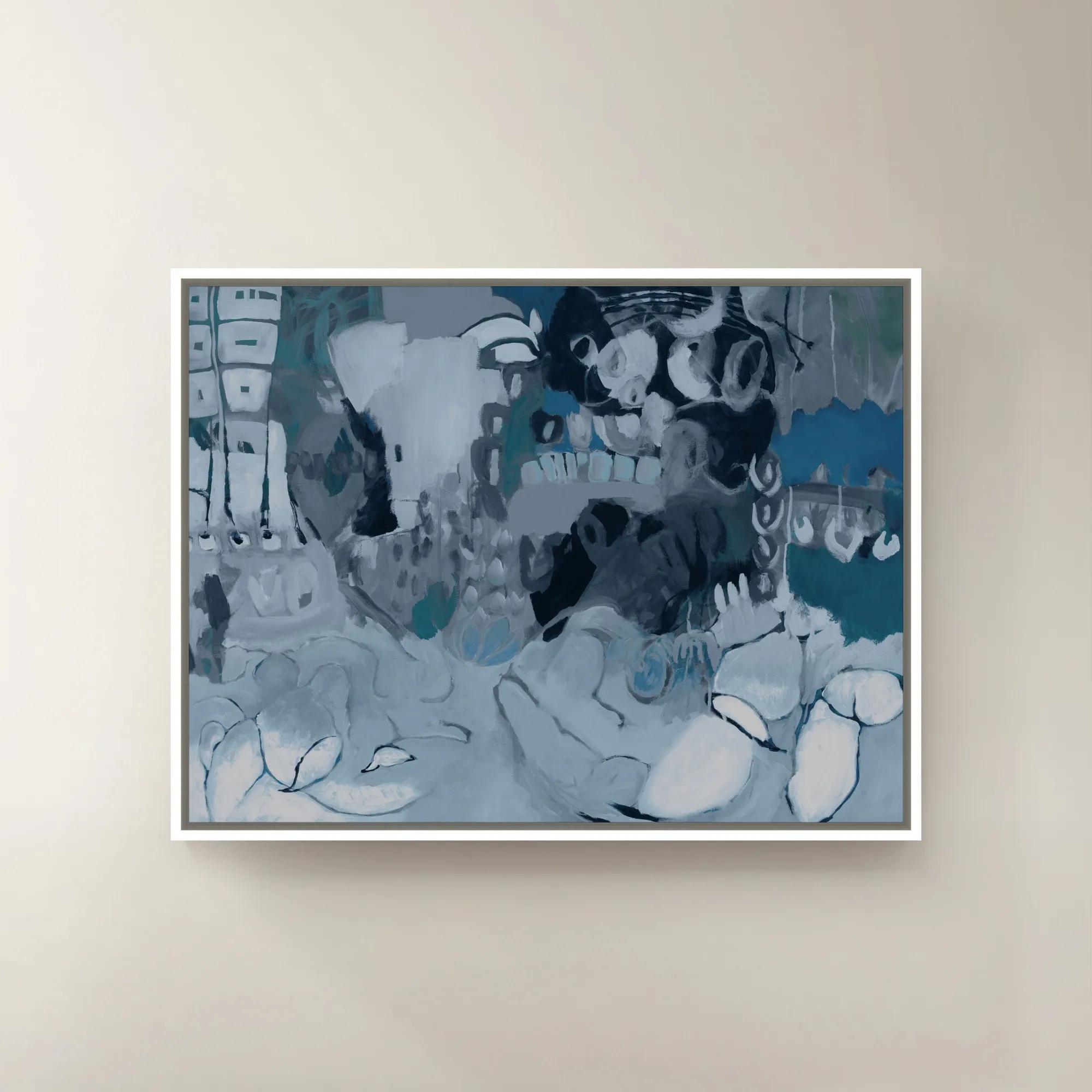
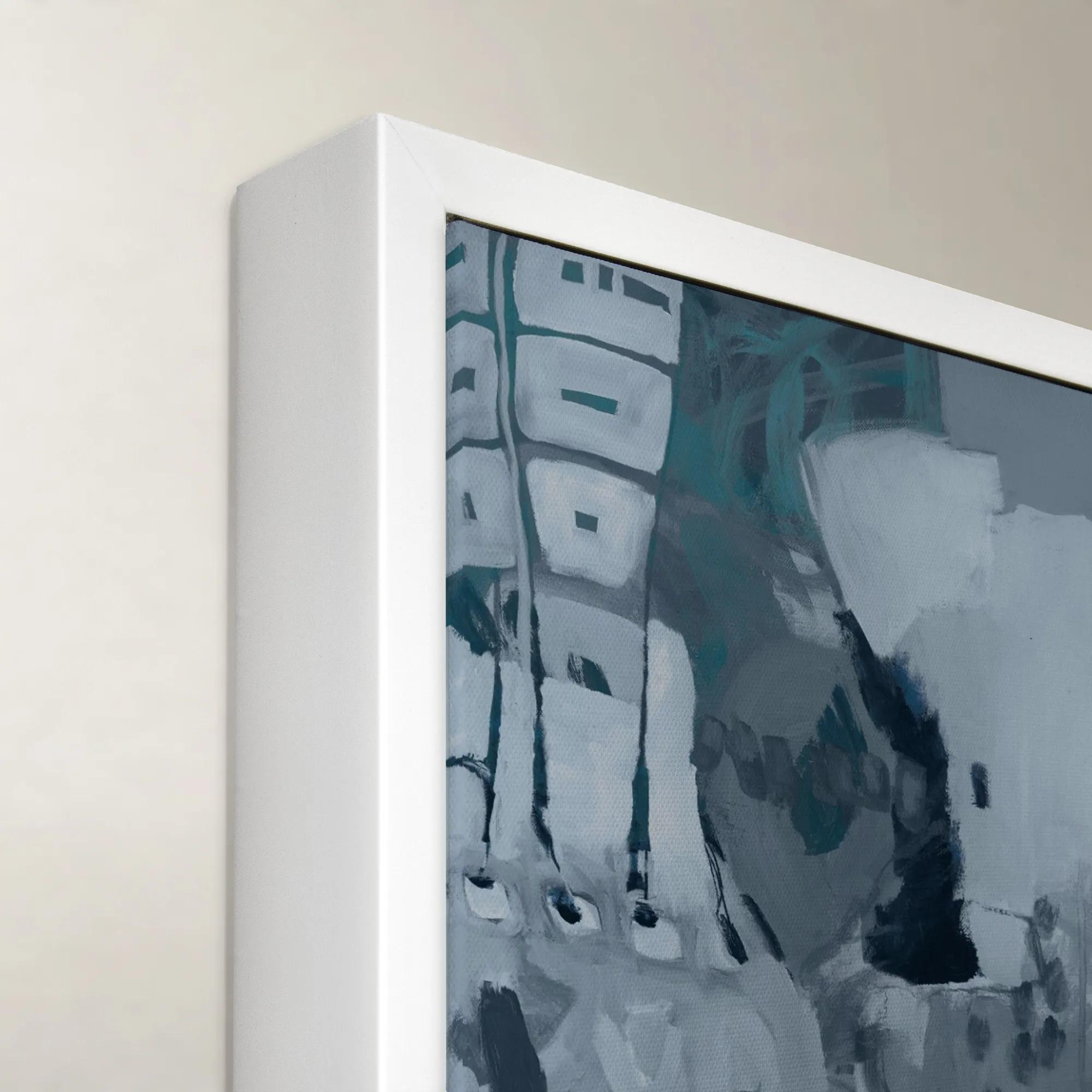 Wrap me in Forever II Framed Wall Art 40" x 30"$699
A striking blue and purple canvas wall art piece presented in a refined frame.
Add To Cart -
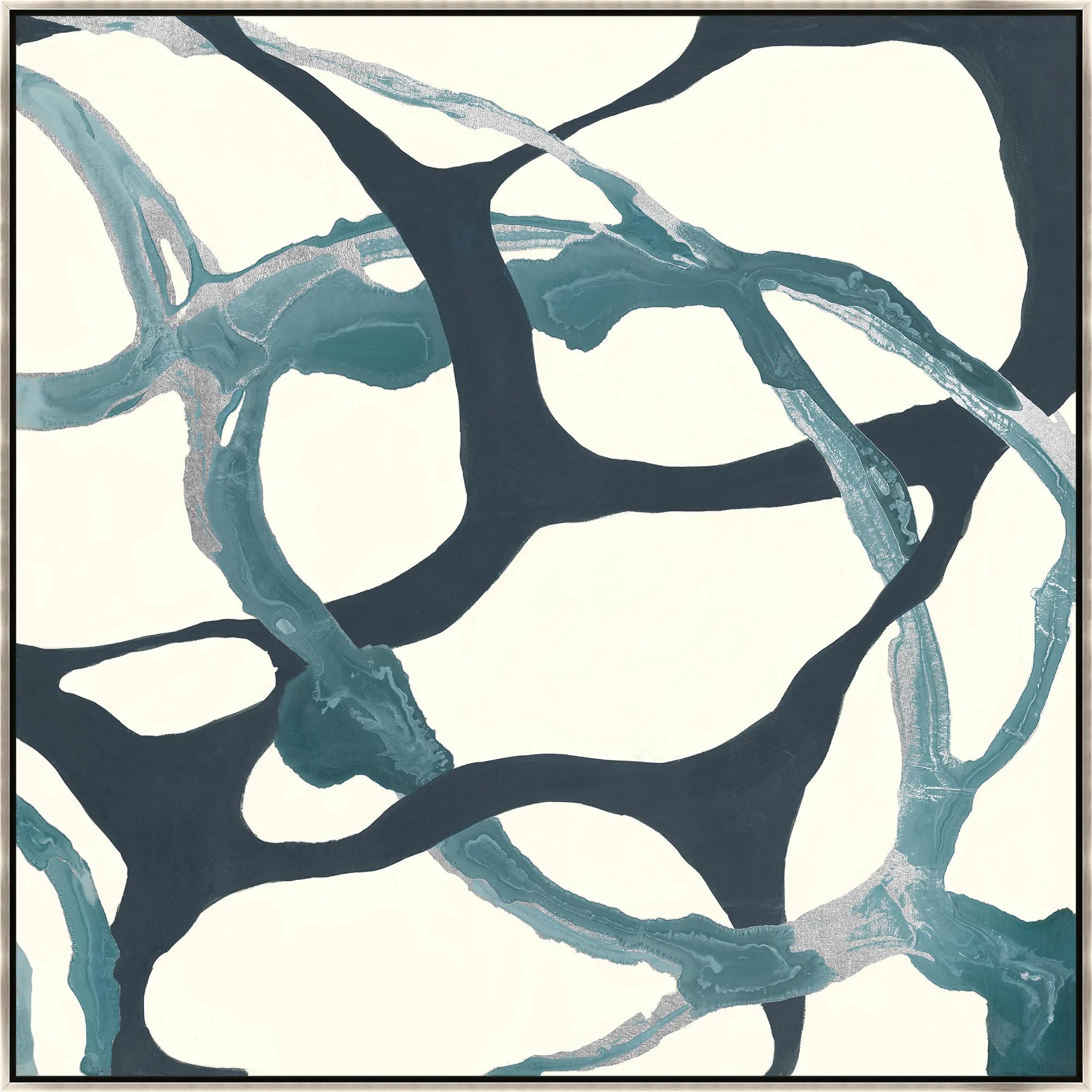
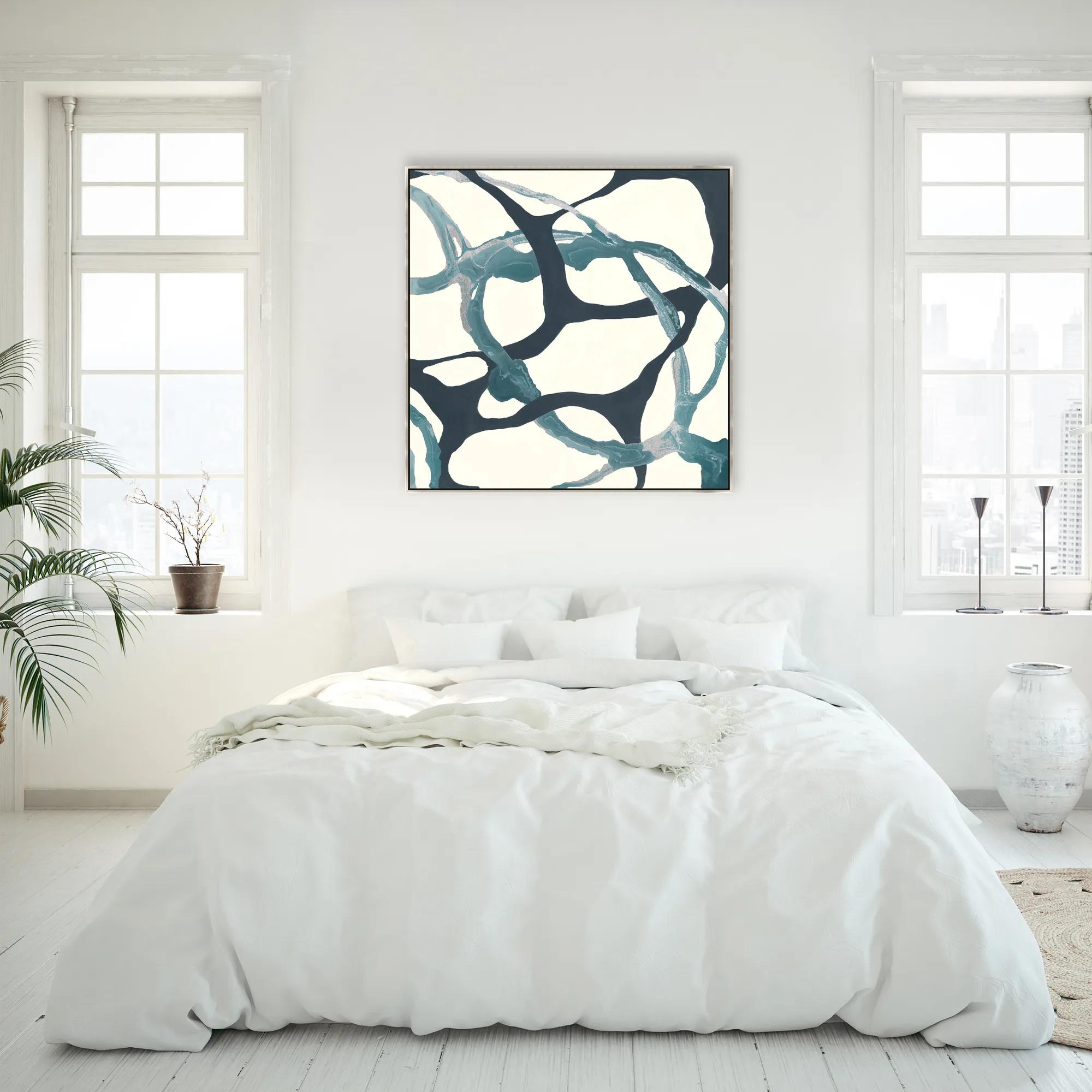 Alignments II Framed Wall Art 40" x 40"$899
A gallery-wrapped canvas featuring gilded silver accents and hand-applied brush gel in a silver floater frame.
Add To Cart -
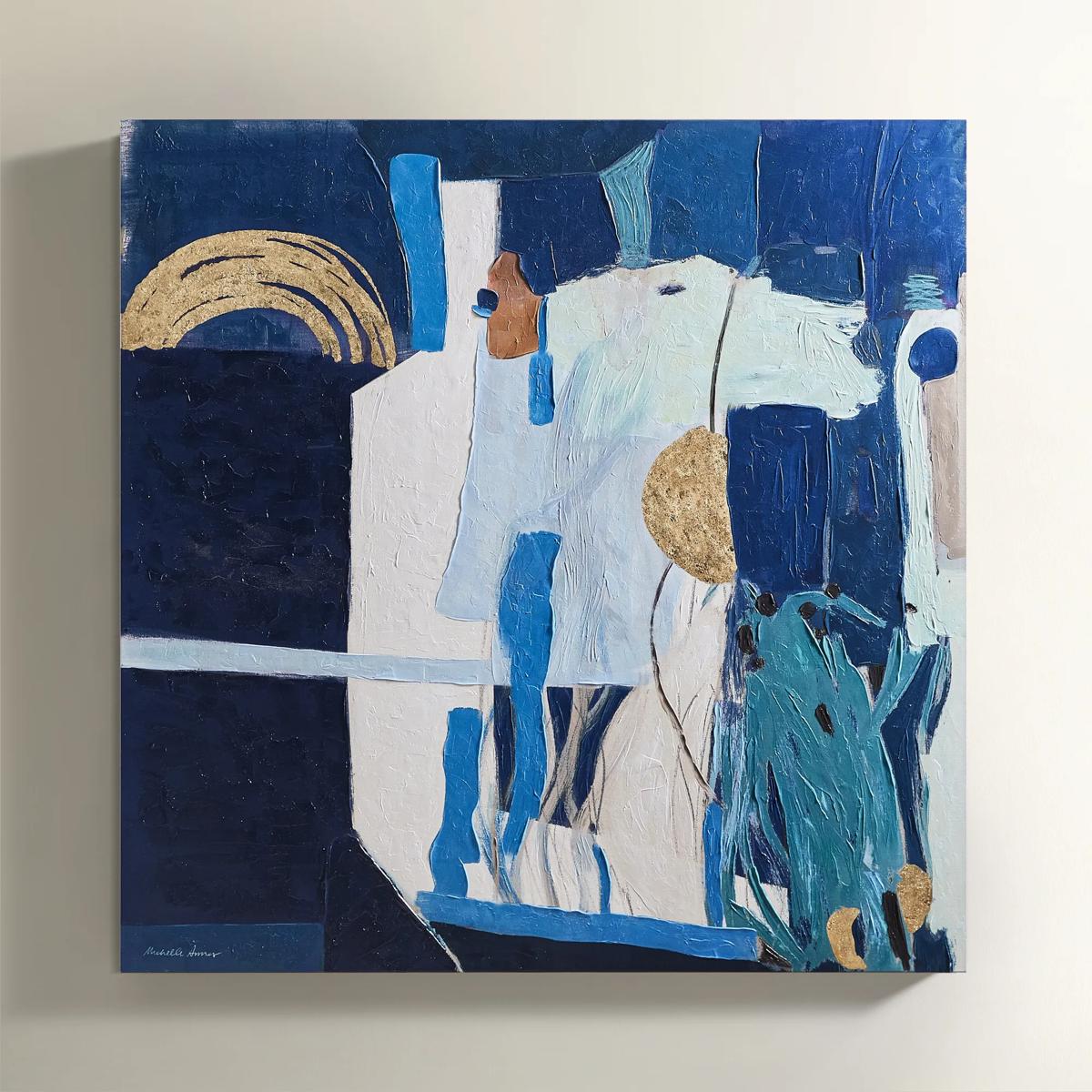
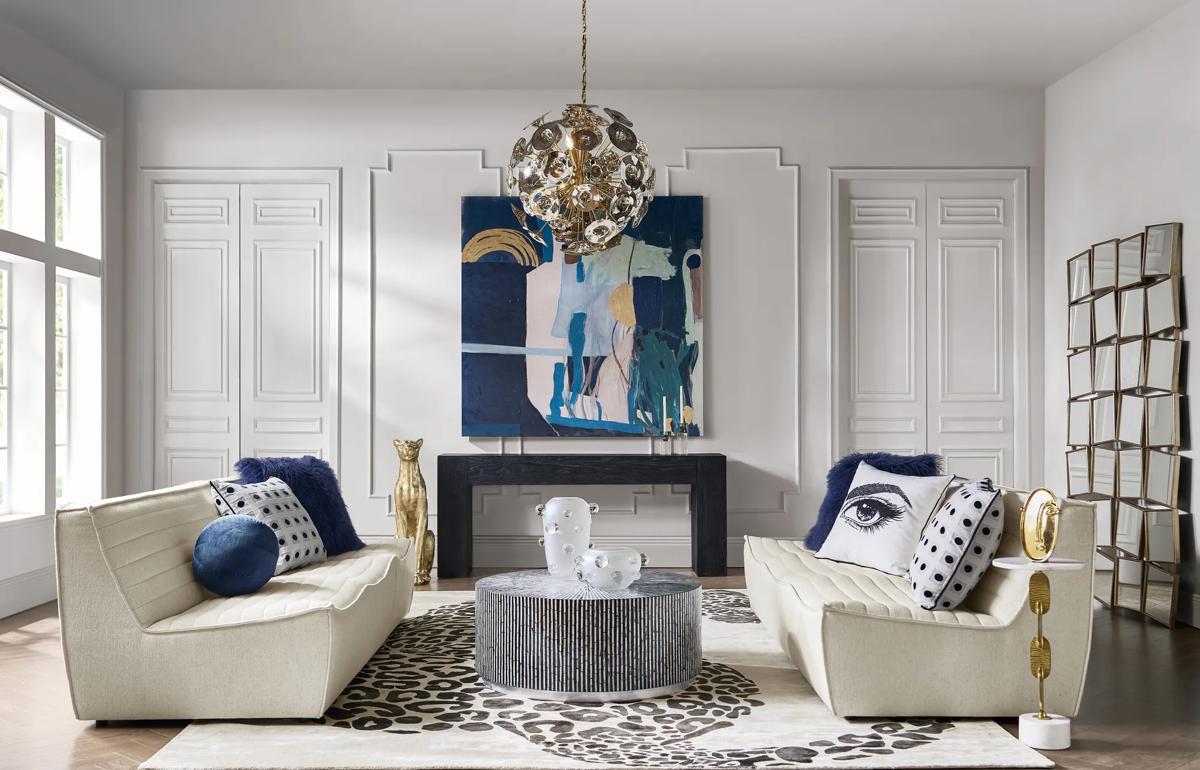 In Flux Painting$699
A hand-embellished canvas artwork featuring deep teal, green, ivory, and gold in a black Art Deco frame.
Add To Cart -
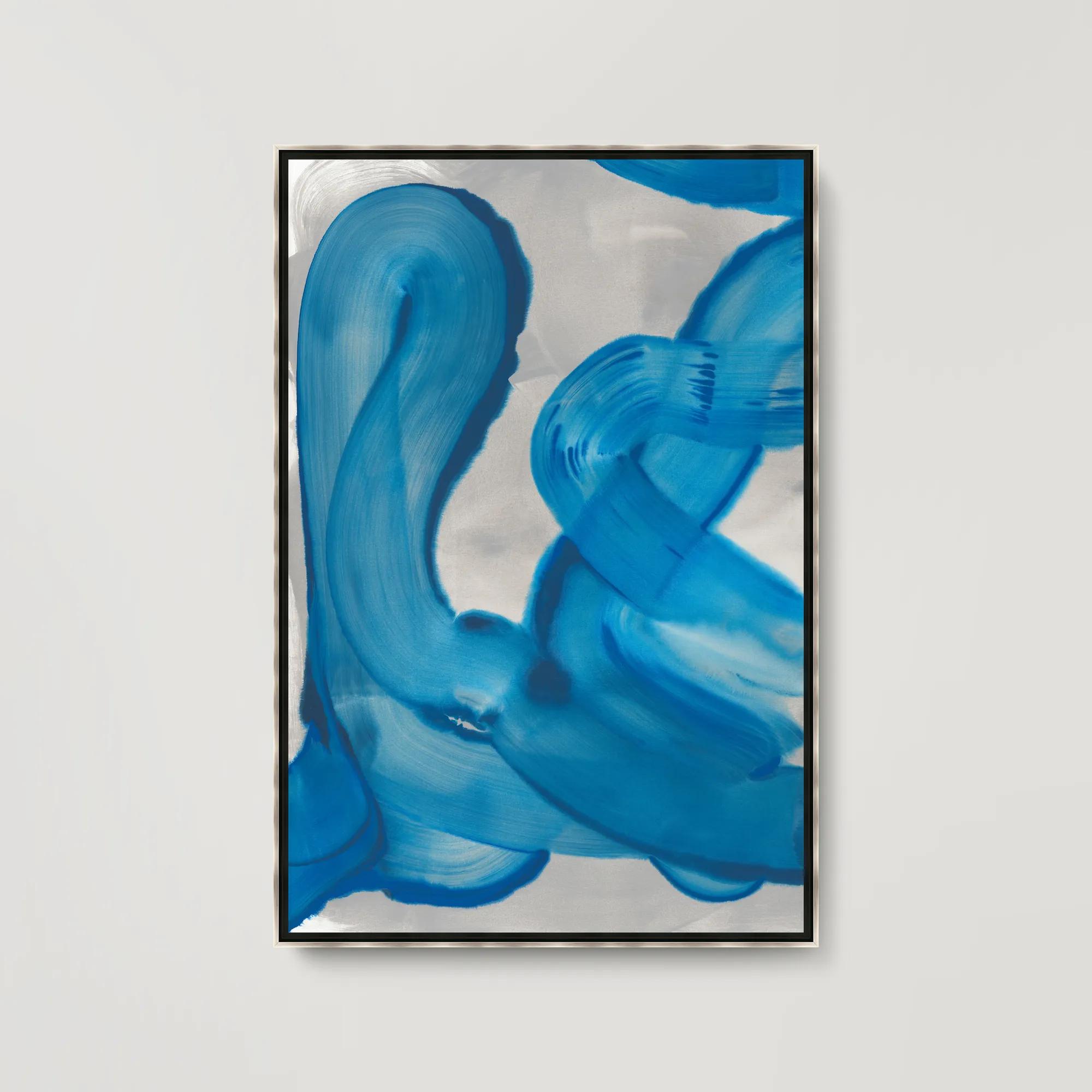 Royal Waves I Framed Wall Art 31.5" x 46.5"$699
A gallery-wrapped abstract canvas featuring hand-applied brush gel and set in a sleek silver floater frame.
Add To Cart -
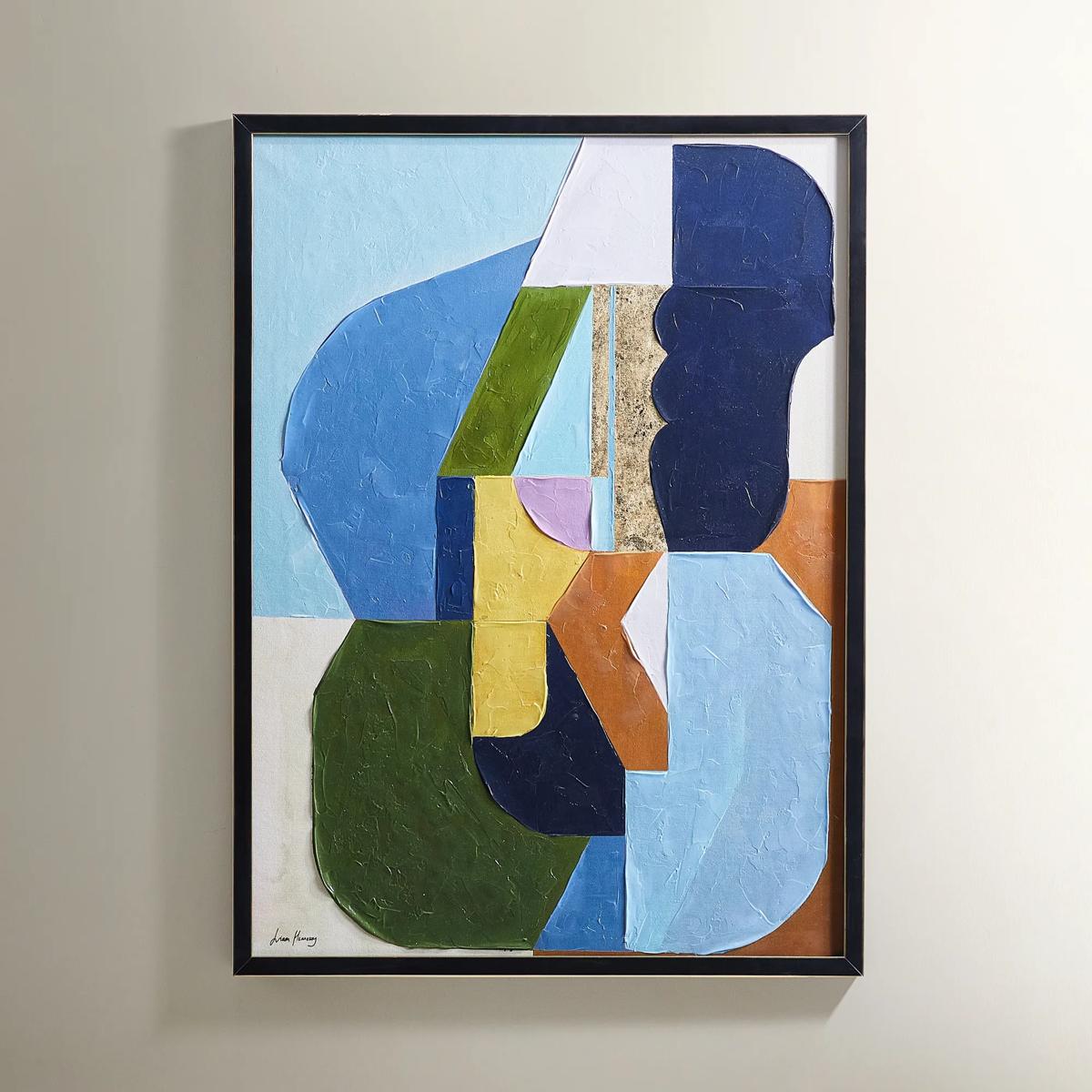
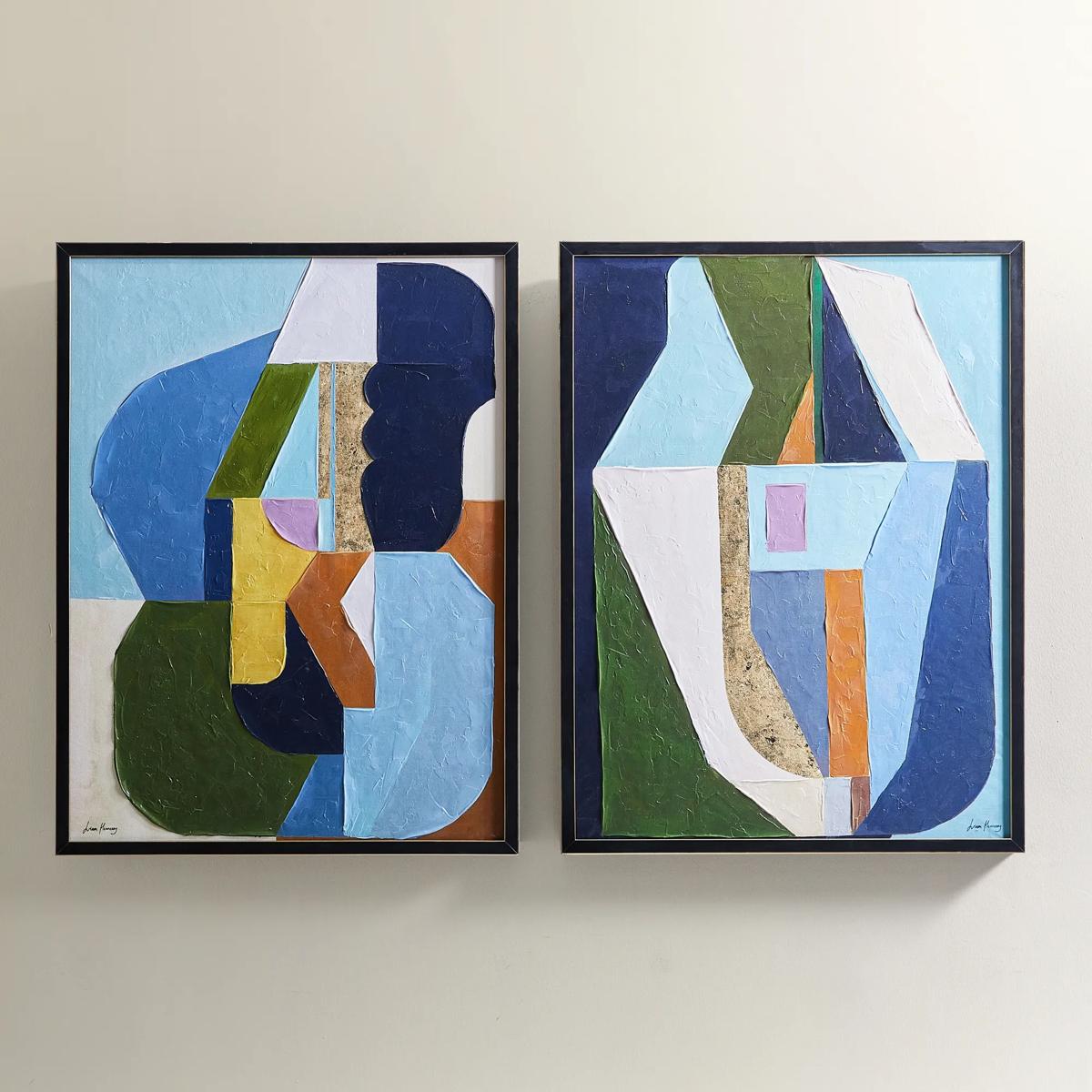 Thought Provoking Painting 1$249
A hand-embellished canvas artwork featuring textured strokes in deep blue, olive green, and gold accents.
Add To Cart

Framed Blue Abstract Wall Arts
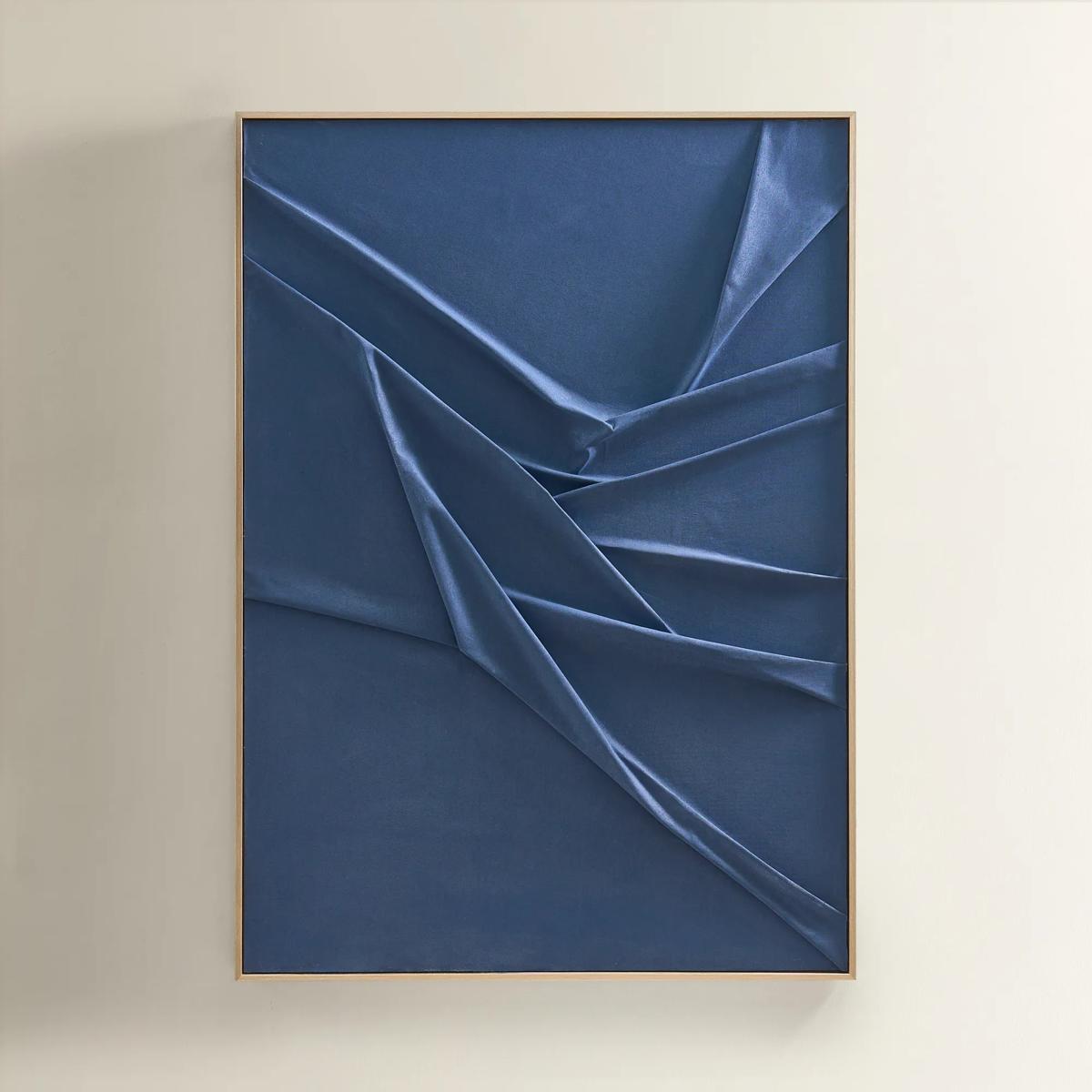
Framed blue abstract wall arts are the ultimate invitation to transform blank walls into bold expressions of style. Saturated in rich indigos, cerulean swirls, and sapphire strokes, these captivating pieces conjure a sense of intrigue and serenity all at once. Each artwork is meticulously encased in a frame that elevates its allure, creating a gallery-worthy focal point in any room. Whether you crave a touch of moody drama or a breath of tranquil sophistication, framed blue abstract wall arts infuse your space with artistry and imagination—turning everyday living into an extraordinary visual experience.
Framed blue abstract wall art brings expressive color, movement, and architectural definition to a room, turning an open wall into a deliberate design statement. The category spans framed canvas prints, works on paper displayed behind glass or acrylic, and coordinated arrangements that extend a composition across multiple panels. Its appeal lies in the range of moods blue can create: midnight and navy feel enveloping and dramatic, cobalt introduces a vivid pulse, and powder blue lends an airy softness without surrendering visual presence. Abstract compositions can suggest water, mineral formations, shifting light, or sweeping gestures without depicting a literal scene, leaving room for personal interpretation. A broad wash of indigo may feel contemplative above a bedroom dresser, while sharp blue brushstrokes against ivory can energize a dining room with sculptural furniture. Framing adds another layer of intention, giving fluid color a crisp boundary and connecting the artwork to the surrounding finishes. A slender black frame emphasizes graphic contrast; a gold-toned surround warms cool pigments; silver-toned metal echoes polished lighting and reflective accessories. Natural wood introduces an organic counterpoint, particularly when the composition combines blue with sand, cream, or charcoal. These relationships make framed abstract art especially compelling in interiors that mix sumptuous upholstery, sleek surfaces, and collected objects. A single oversized piece can anchor a living room above a sofa, while a diptych or triptych creates rhythm along a generous wall. Smaller framed compositions bring equal character to a reading corner, an entry console, or the space above a nightstand. For someone drawn to a confident interior but reluctant to commit to blue furniture, artwork offers a concentrated expression of color with remarkable visual reach. Its tones can connect a velvet pillow to a patterned rug, sharpen the silhouette of a pale sofa, or bring depth to a neutral room. The result feels considered rather than overly coordinated: color becomes a thread running through the space, and the artwork gives that thread an expressive point of focus.
Materials and presentation shape the experience of framed blue abstract art as much as the composition itself. Canvas has a visible weave that can give printed brushwork a tactile appearance, while fine art paper offers a different surface character, from smooth and precise to softly textured. A floating frame leaves a narrow reveal around a stretched canvas, emphasizing its depth and allowing the edges to remain visually distinct from the surrounding frame. Paper artwork often benefits from a mat, which creates breathing room around the image and, when properly fitted, separates the paper from the glazing. A wide ivory mat can make a compact composition feel more expansive, especially when darker blues need space to resonate. Glass provides a clear protective surface, while acrylic glazing is typically lighter and may be useful for larger framed works; either can produce reflections depending on its finish and placement. Where specified, UV-filtering glazing, acid-free mats, and archival printing materials can help support long-term preservation, though no framing treatment makes artwork immune to fading or environmental damage. Frame construction matters, too: solid wood, engineered wood, and metal differ in weight, finish, and response to their surroundings, making the listed materials and hanging requirements worth attention. Scale is equally influential. Above a sofa or sideboard, an arrangement roughly two-thirds to three-quarters of the furniture’s width often feels balanced, with the total measurement including any gaps between panels. This proportion is a starting point rather than a rule; tall ceilings, nearby windows, and adjacent furnishings all affect the composition. A vertical piece can emphasize height in a narrow entry, while a horizontal work can settle a seating area into a cohesive whole. Allowing several inches between the furniture and the lower frame edge keeps the relationship visually connected without crowding the surface beneath it. Final placement also benefits from a view across the room, where sightlines reveal whether the art feels integrated. Near a lamp or opposite a window, a small adjustment in position can reduce glare and preserve the richness of the blue.
The most memorable interiors give artwork room to express a point of view while allowing daily life to unfold around it. In a living room with a curved cream sofa and a polished metal table, a framed composition of navy, white, and smoky gray can introduce a dramatic counterweight to soft upholstery. Beside a dark wood desk, pale blue abstraction can lighten the visual mood without distracting from the workspace. A dining room can carry stronger contrasts, with saturated cobalt or inky washes creating a backdrop for candlelight, glassware, and sculptural silhouettes. For a broader exploration of this expressive palette, Unique Blue Abstract Wall Arts offers another direction for developing a distinctive wall composition. Whether displayed alone or within a gallery arrangement, framed artwork benefits from repetition with restraint: echoing one frame finish or one shade of blue creates cohesion while leaving space for different shapes and textures. Lasting beauty also depends on thoughtful placement and gentle care. Direct sunlight can fade pigments and affect paper, while excess humidity or proximity to heating vents may stress canvas, backing materials, and frames. A dry, soft cloth is generally appropriate for routine frame dusting, with any finish-specific instructions taking precedence. Glazing should be cleaned according to its material, applying a suitable cleaner to the cloth rather than spraying toward the artwork; exposed canvas and textured surfaces should not be scrubbed or treated with household cleaning products. Properly rated wall anchors and secure hanging hardware help support the frame’s weight, especially for substantial pieces or multi-panel arrangements. Framed blue abstract art also makes a thoughtful housewarming, wedding, or anniversary gift when the recipient’s preferred palette, available wall space, and taste in framing are known. For collectors and first-time art buyers alike, its enduring appeal is personal: a familiar color becomes something unexpected, and an everyday room gains a compelling visual signature.
FAQs
Framed blue abstract wall art seamlessly complements a variety of interior styles, from modern and contemporary spaces to transitional and eclectic rooms. The versatile nature of blue—whether in soft, dreamy washes or bold, saturated strokes—makes it a dynamic choice for minimalist lofts, glamorous living rooms, or even coastal-inspired retreats. The abstract form adds a layer of sophistication and intrigue, allowing the art to harmonize with both sleek furnishings and more ornate décor.
To achieve a cohesive look, consider curating pieces that share a similar color palette or artistic style, such as fluid brushwork or geometric abstraction. Arrange them in a gallery wall for visual impact, or pair a large statement piece with smaller accents for balance. Complement the artwork with accessories—like throw pillows or vases—in coordinating hues to tie the room together and amplify the sense of unity.
Absolutely—framed blue abstract wall art makes a memorable and meaningful gift for art lovers, new homeowners, or anyone seeking to refresh their space. Its universal appeal and emotive color story lend themselves beautifully to milestone occasions, offering both visual delight and a lasting reminder of your thoughtfulness.
Blue abstract art can dramatically influence a room’s atmosphere. Soft, ethereal shades evoke calm and introspection, perfect for bedrooms or meditation spaces. Meanwhile, vibrant or deep blues infuse energy and sophistication, making them ideal for social spaces like dining rooms or creative studios. The abstract nature invites personal interpretation, allowing each viewer to connect with the artwork in their own way.
Framed blue abstract wall art often features high-quality materials such as archival-grade canvas or fine art paper, paired with elegant frames crafted from wood, metal, or acrylic. The framing not only enhances the artwork’s presentation but also helps preserve its vibrancy and integrity, ensuring it remains a striking focal point for years to come.