Formal Dining Wall Sconces
Formal Dining Wall Sconces
-
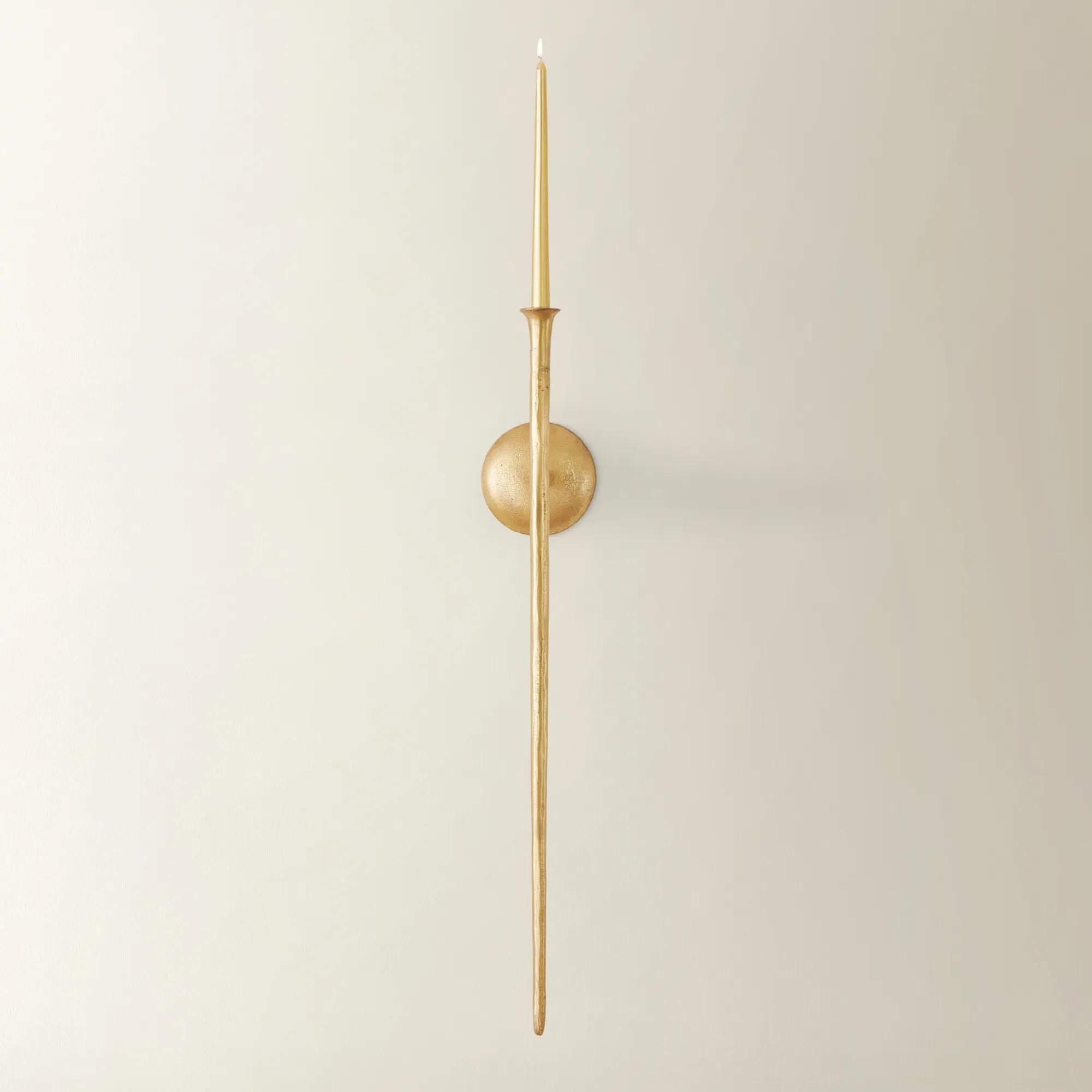 Aspar Gold Aluminum Candle Wall Sconce Large 33"$59
A slender metal wall sconce available in silver, gold, or black, perfect for displaying taper candles.
Add To Cart -
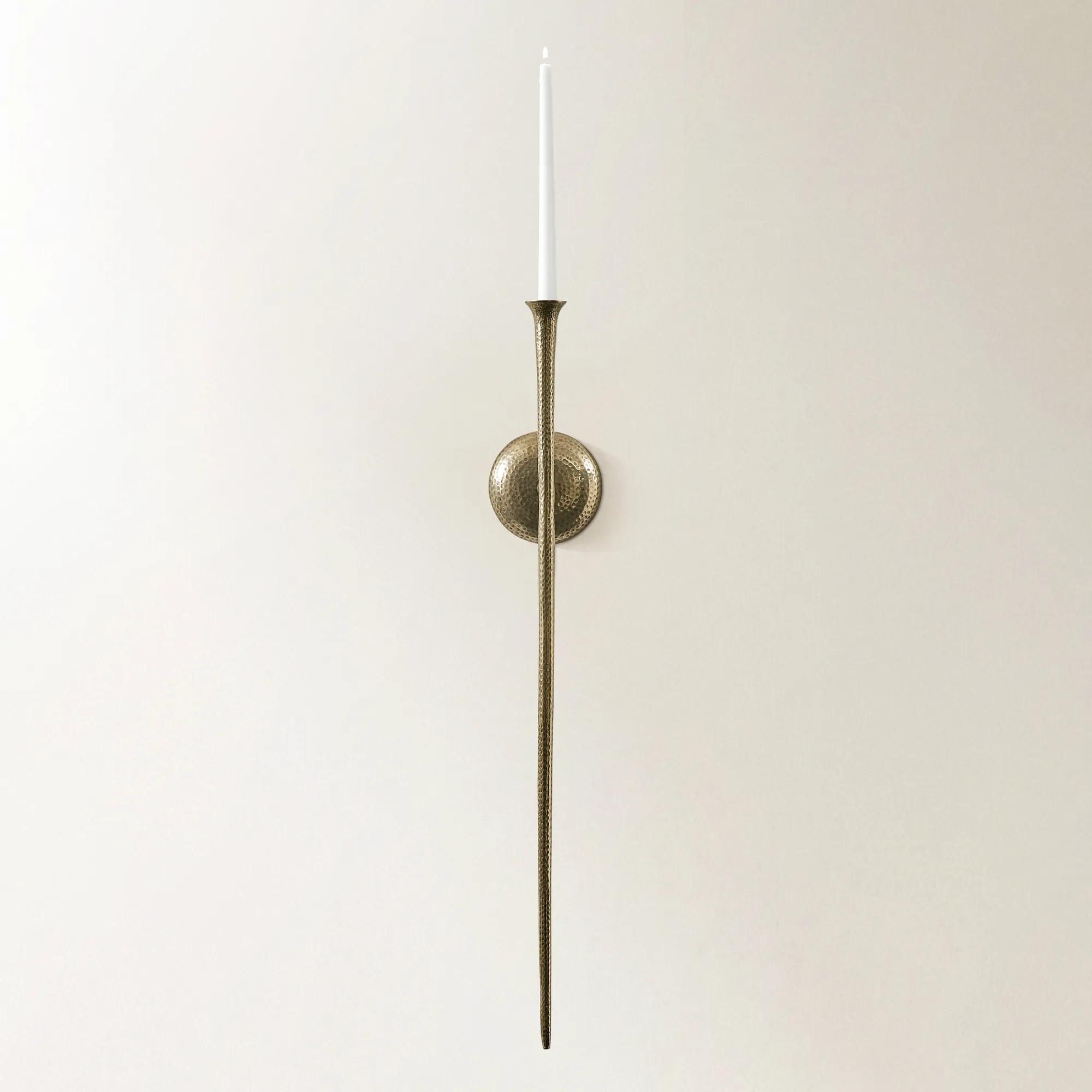 Aspar Hammered Antiqued Gold Aluminum Candle Wall Sconce Large 33"$79
A sculptural aluminum wall sconce featuring a hammered antiqued gold finish for rich texture and warmth.
Add To Cart -
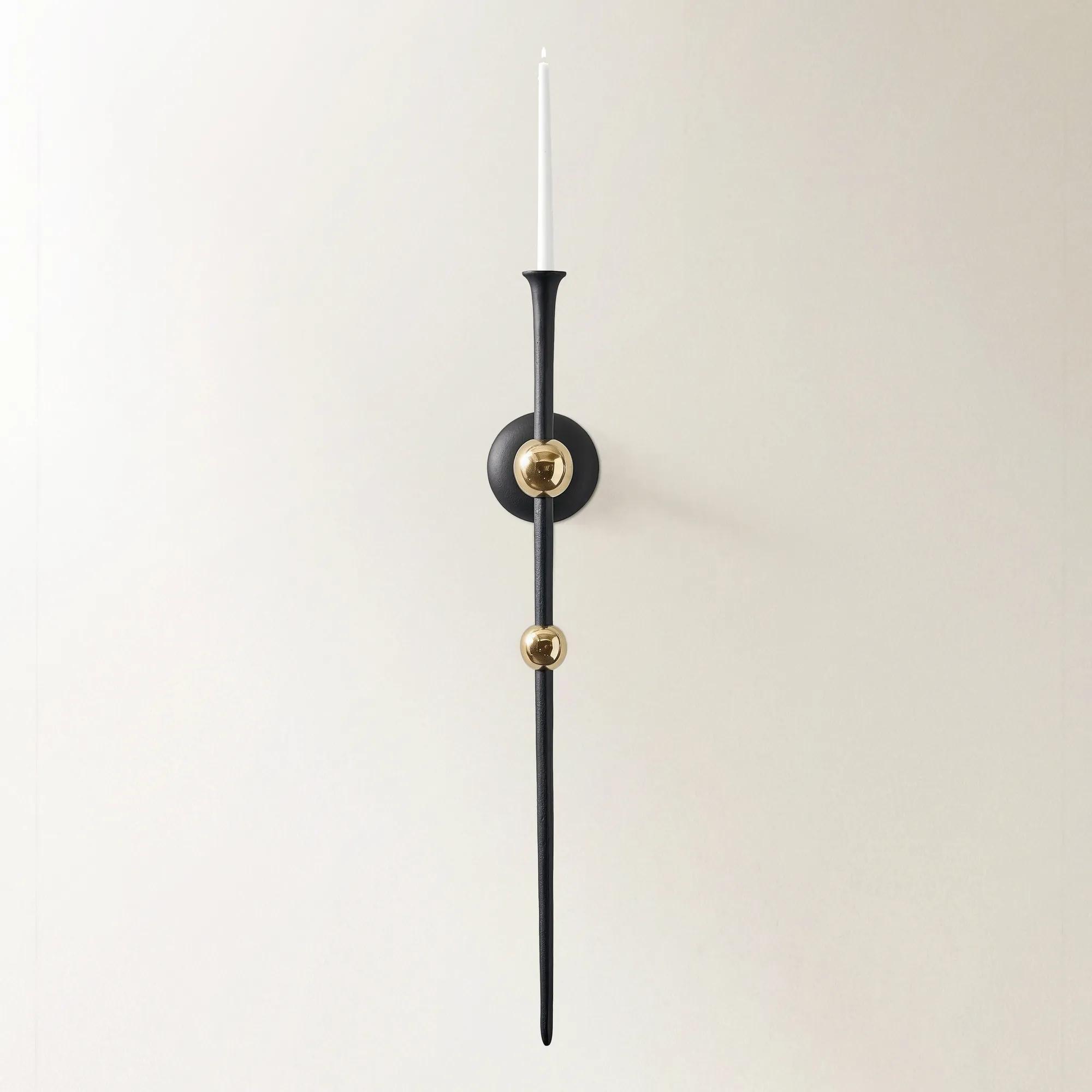 Aspar Soft Gold Bauble and Black Aluminum Candle Wall Sconce Large 33"$79
A sculptural aluminum wall sconce featuring a striking black finish with a soft gold bauble accent.
Add To Cart -
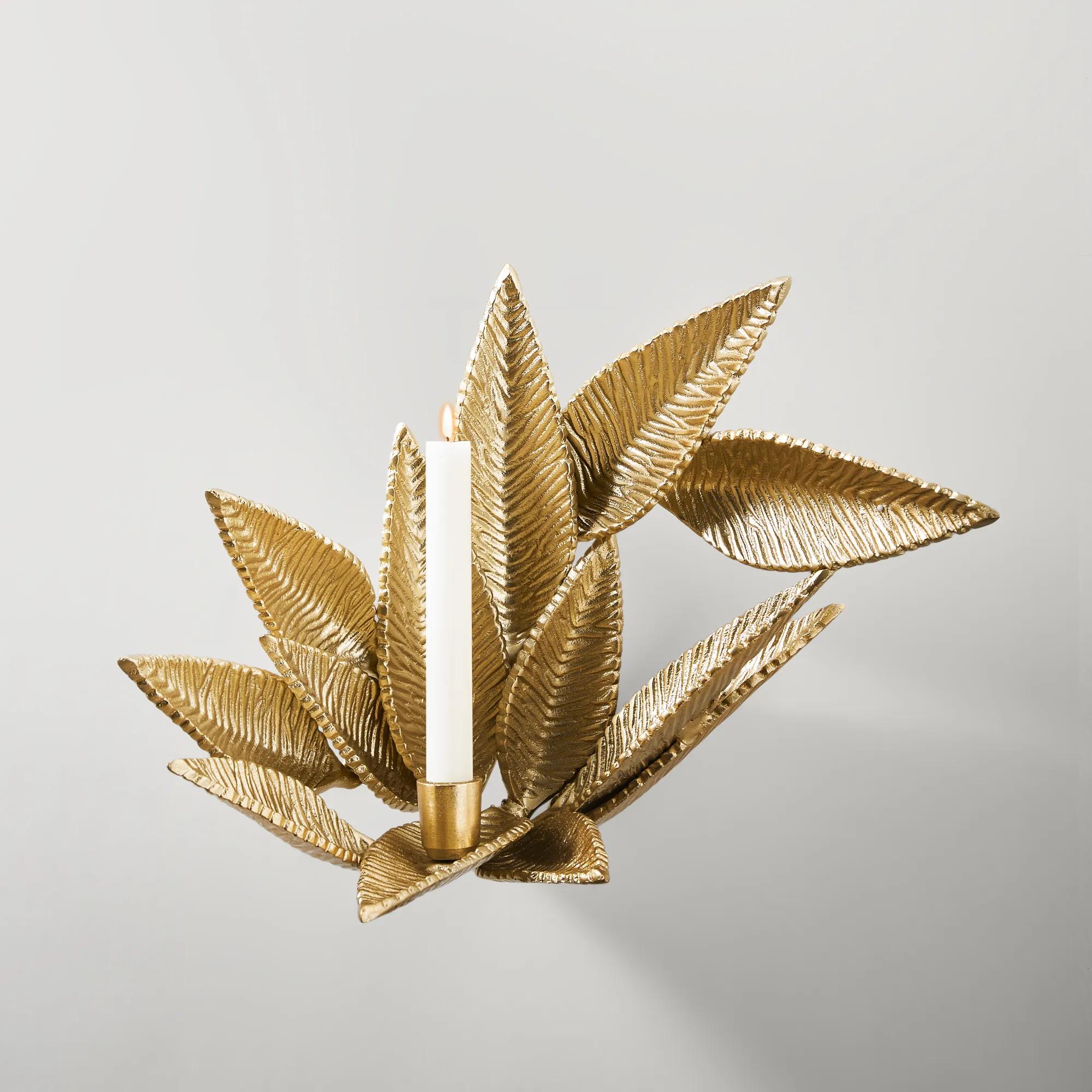
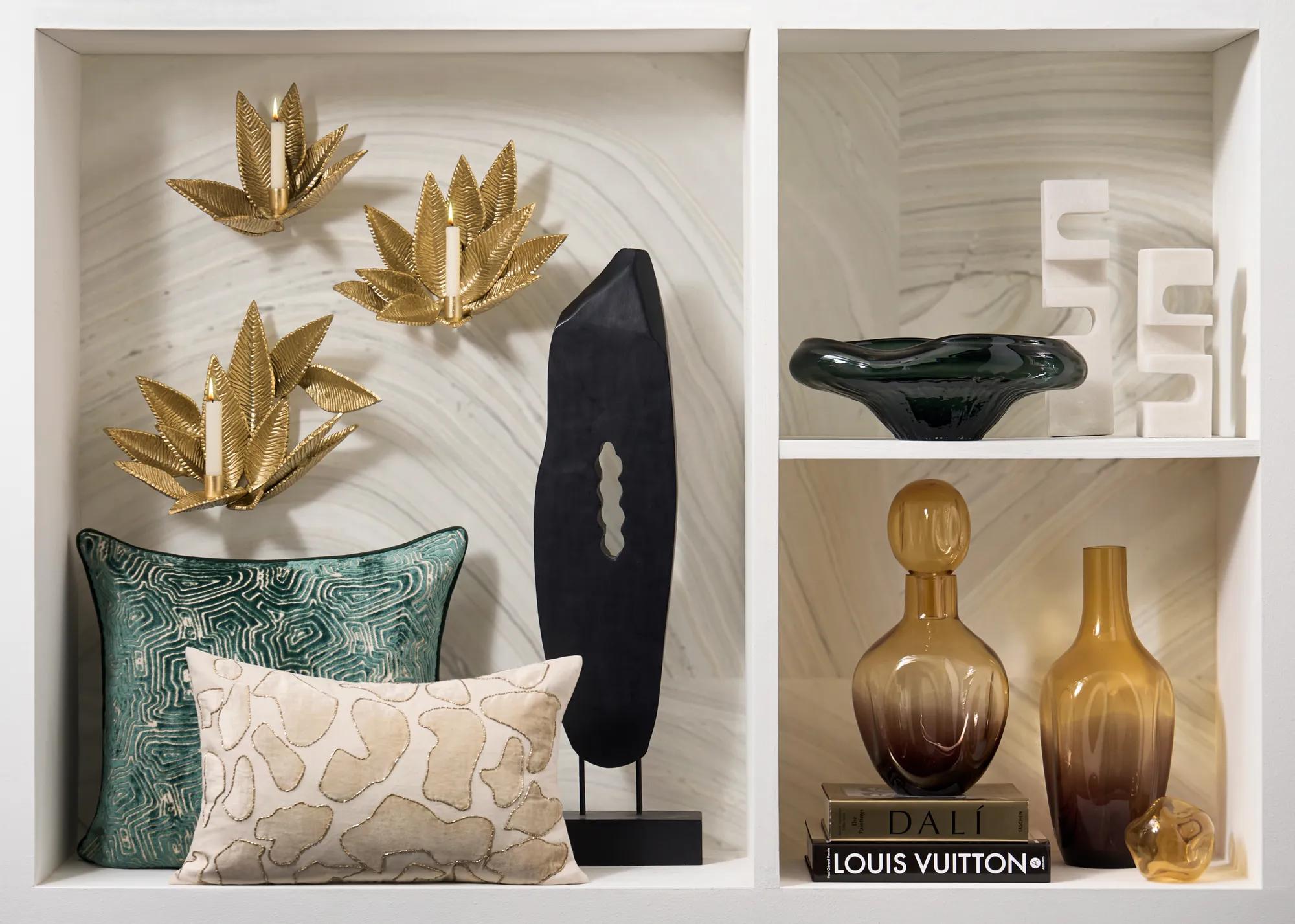 Bloom Wall Sconce$119
A gold-finished aluminum candle sconce with an organic texture and artful, jewelry-inspired silhouette.
Add To Cart -
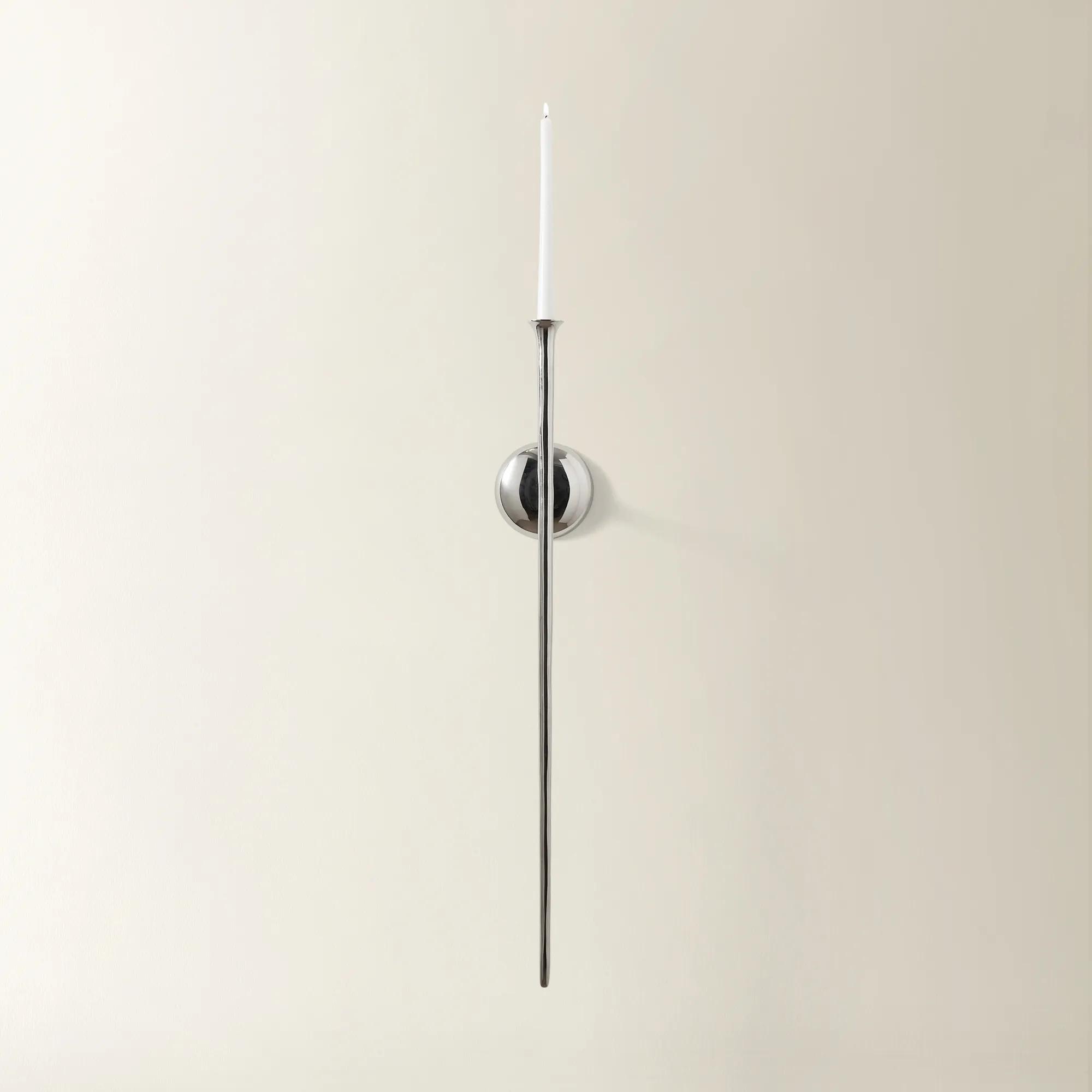 Aspar Wall Sconce$59
A slender, shiny silver aluminum sconce designed to hold a standard taper candle for elegant wall decor.
Add To Cart -
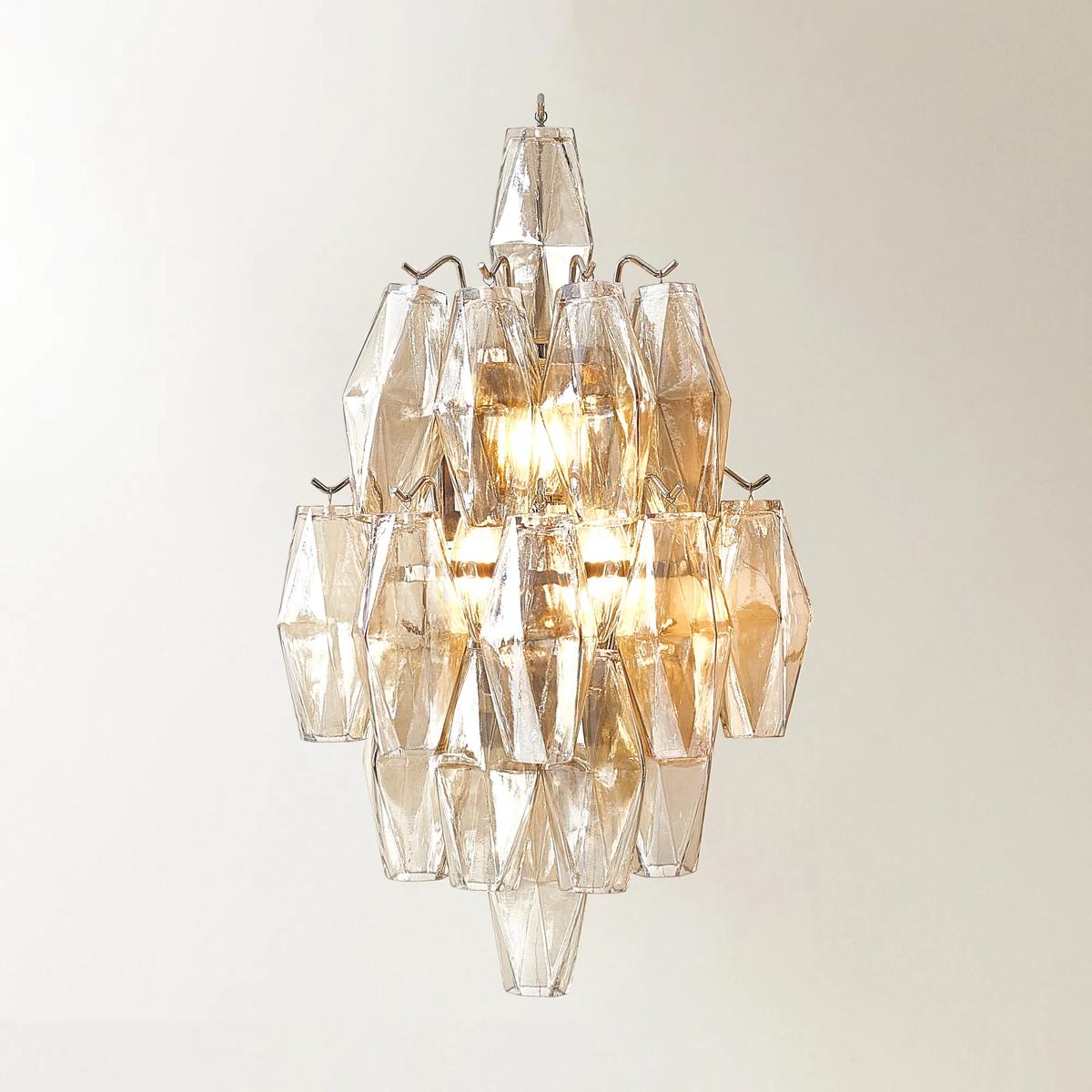
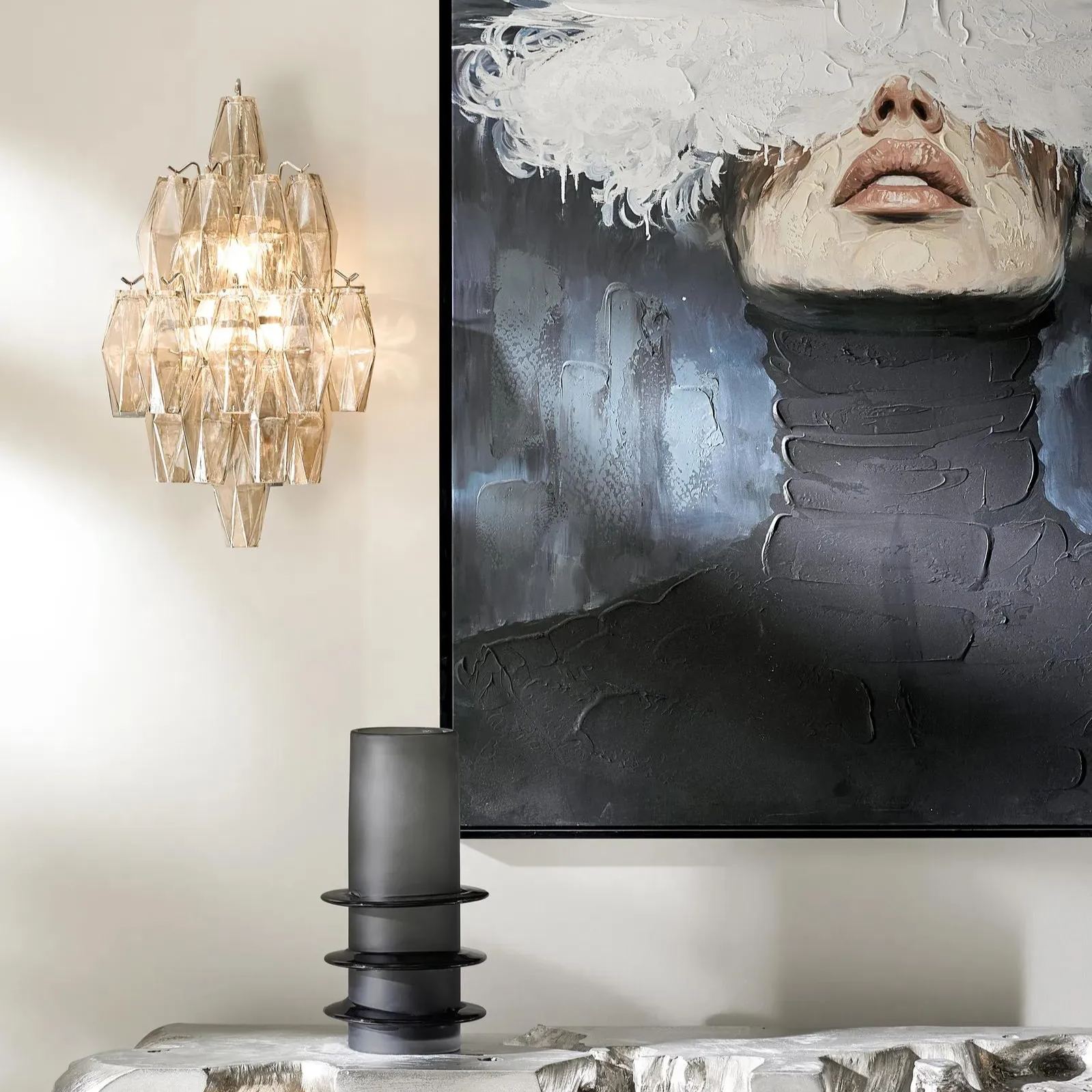 Cosima Champagne Hand-Blown Glass Electric Wall Sconce 19.75"$299
A cascading wall sconce featuring hand-blown champagne glass and a polished nickel backplate for elegant ambiance.
Add To Cart -

 Carved Silver Handcrafted Aluminum Candle Wall Sconce 19.75"$99
A handcrafted silver aluminum wall sconce featuring carved detailing for elegant candlelit ambiance.
Add To Cart -
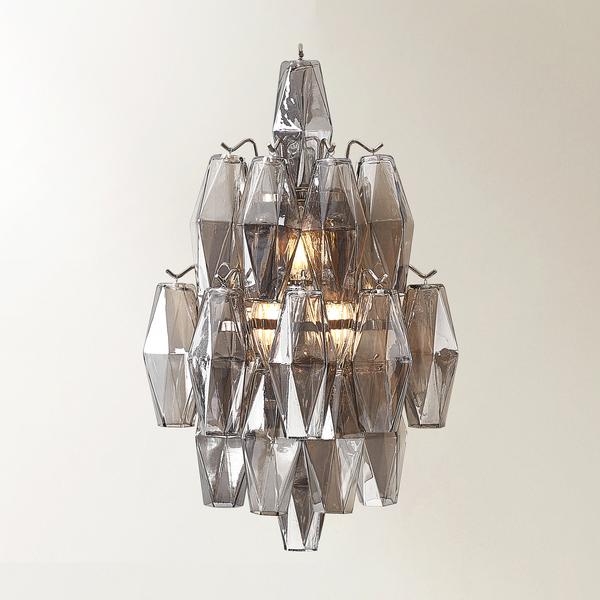
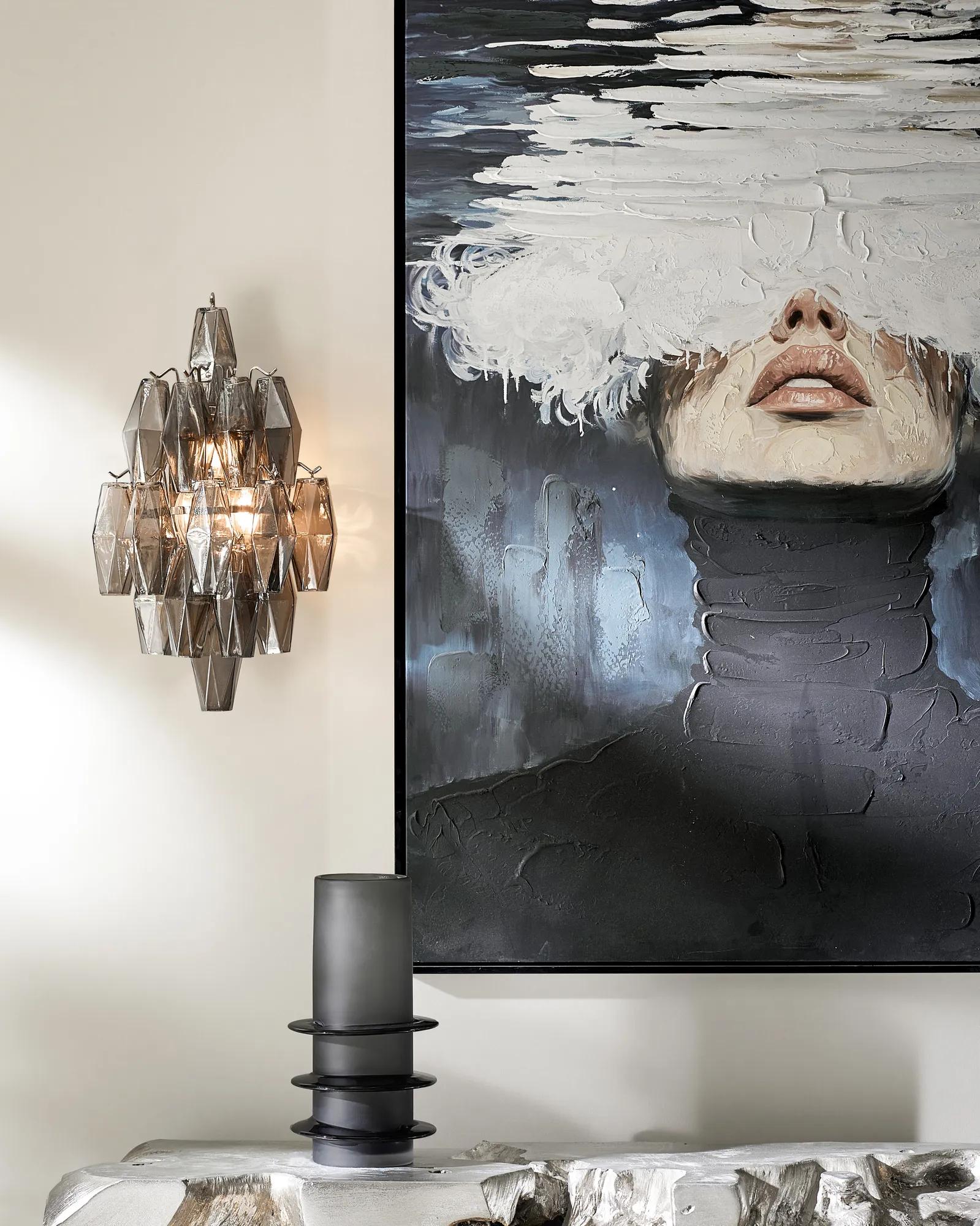 Cosima Glass Sconce 19.75" - Smoke$299
A sculptural sconce featuring hand-blown smoked gray glass and a polished nickel backplate for moody elegance.
Add To Cart -
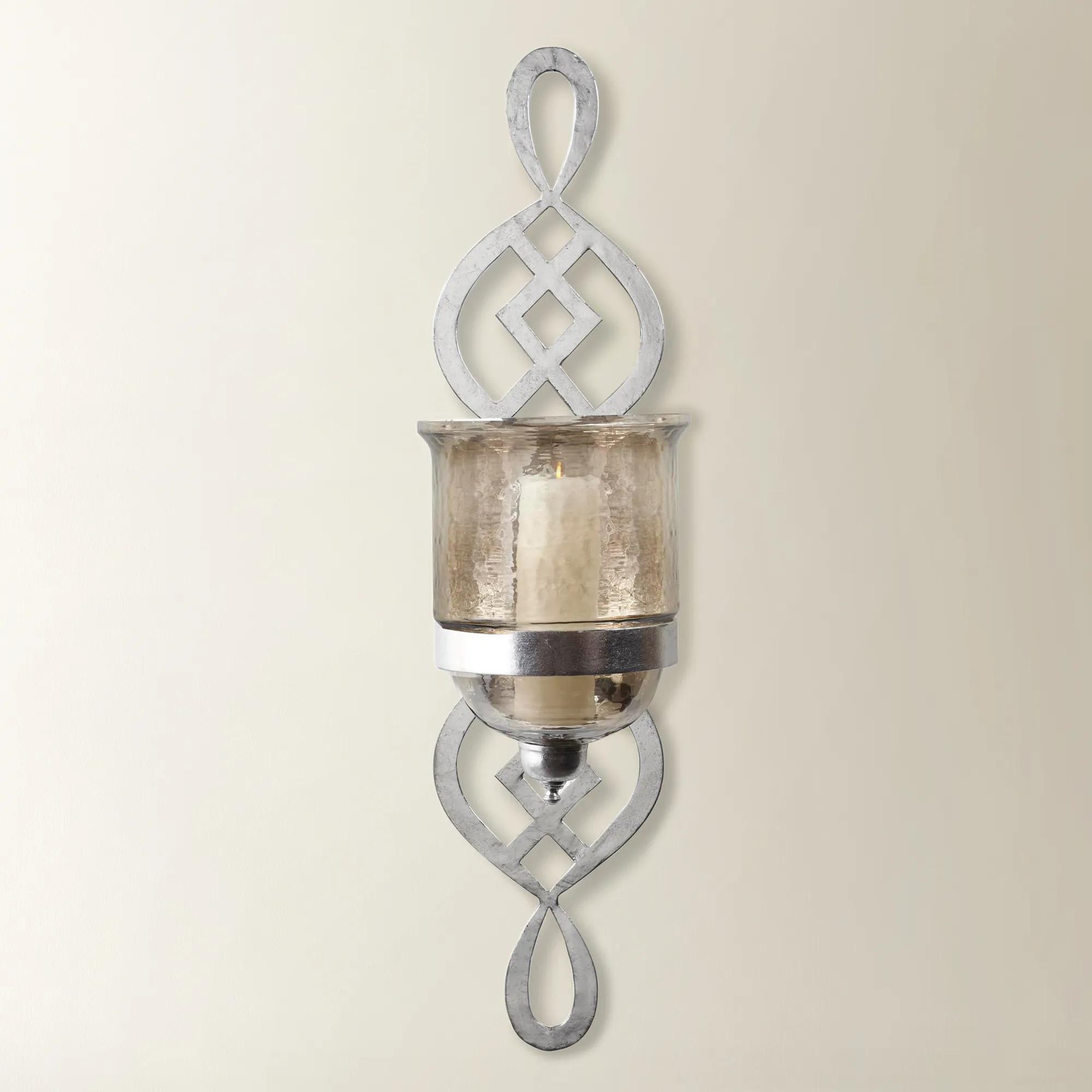 Beverton Wall Sconce$219
A striking wall sconce featuring a hand-finished stainless steel iron frame and hammered amber glass shade.
Add To Cart -
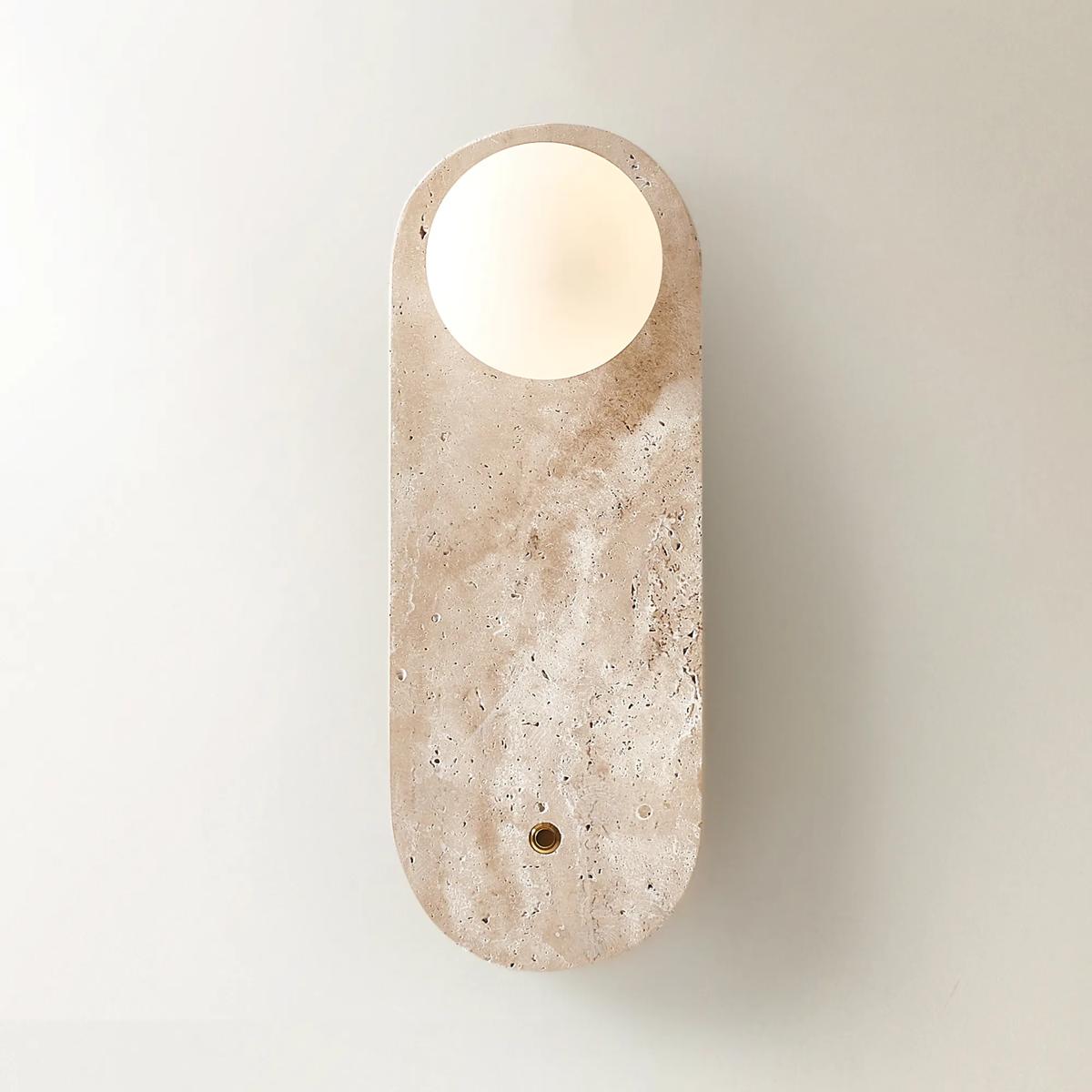 Eden Natural Travertine Electric Wall Sconce 15"$149
A handcrafted travertine sconce featuring a frosted glass globe and unique natural stone variations.
Add To Cart -
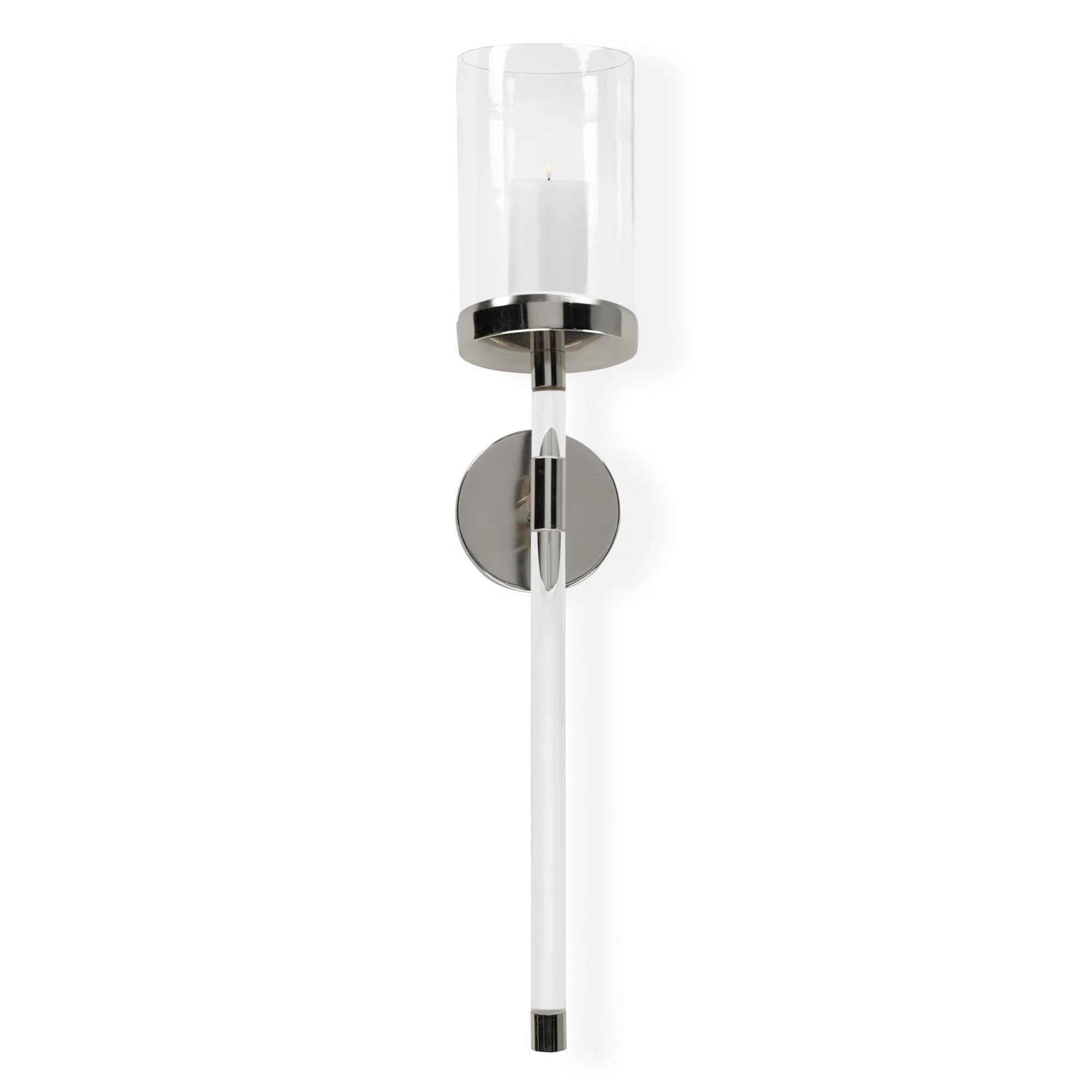
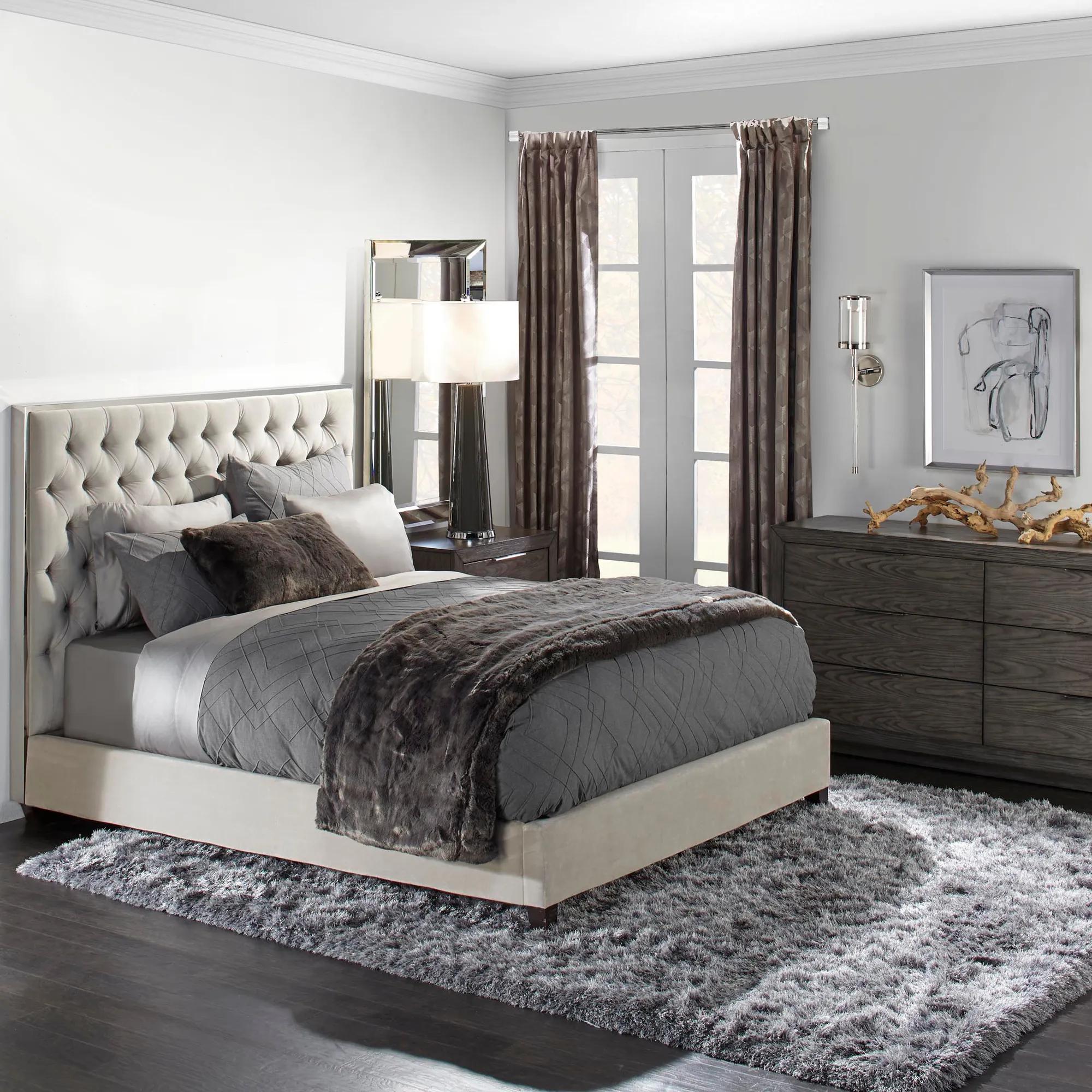 Ethan Sconce$99
A modern sconce featuring a clear glass shade, acrylic stem, and metallic aluminum base for contemporary flair.
Add To Cart -
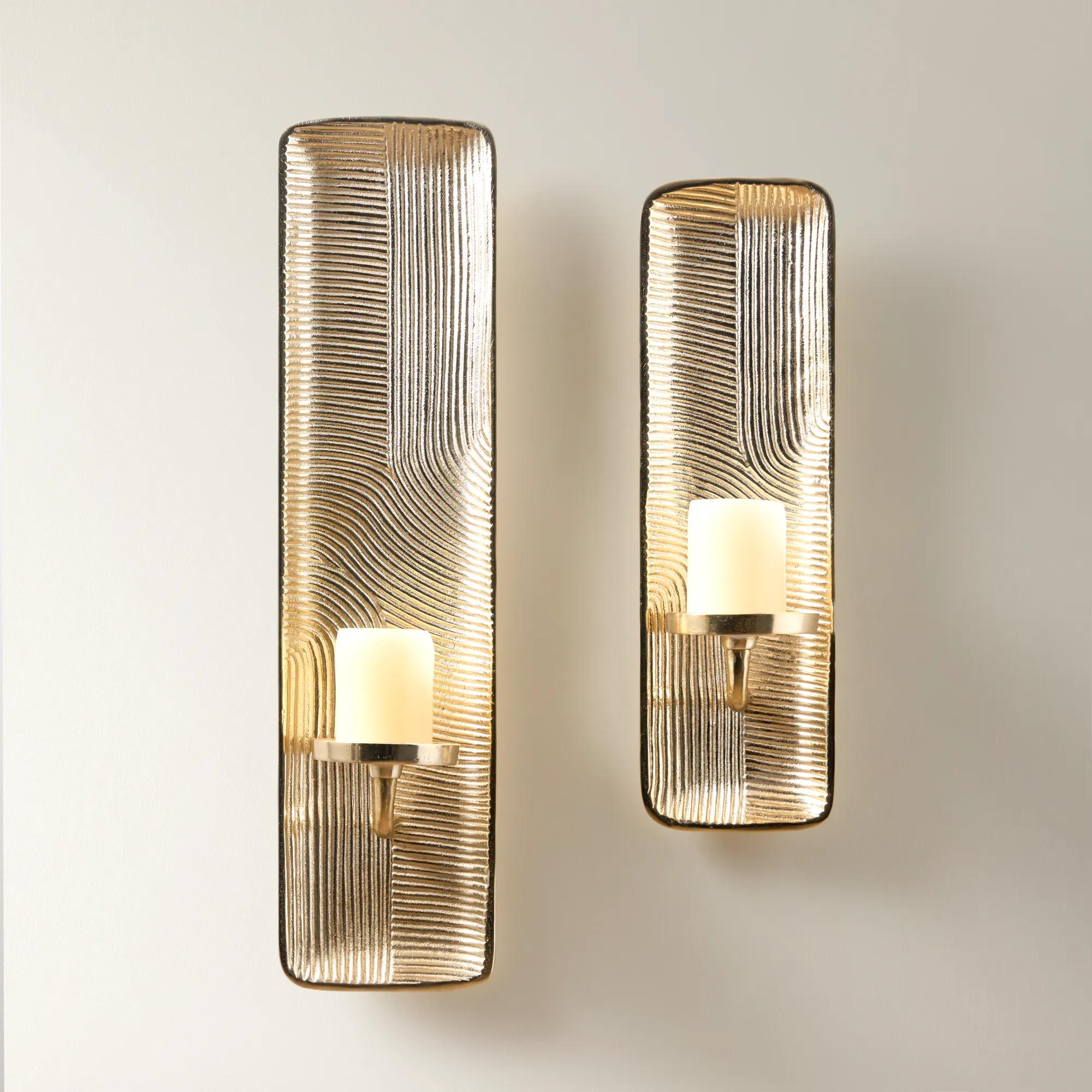
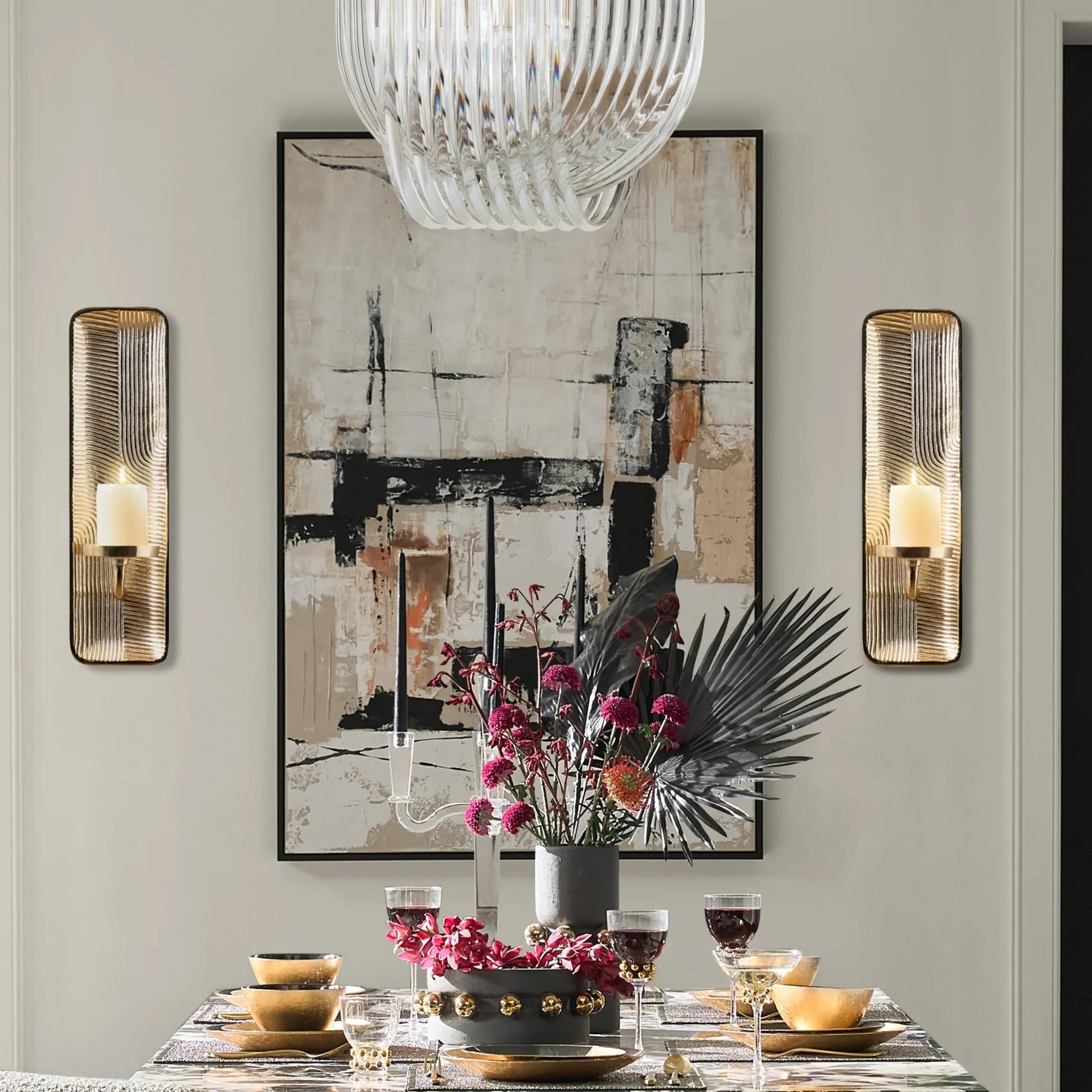 Ando Gold Aluminum Wall Sconces$99
A hand-wrought gold aluminum sconce that adds understated elegance and ambient candlelit glow to any space.
Add To Cart -

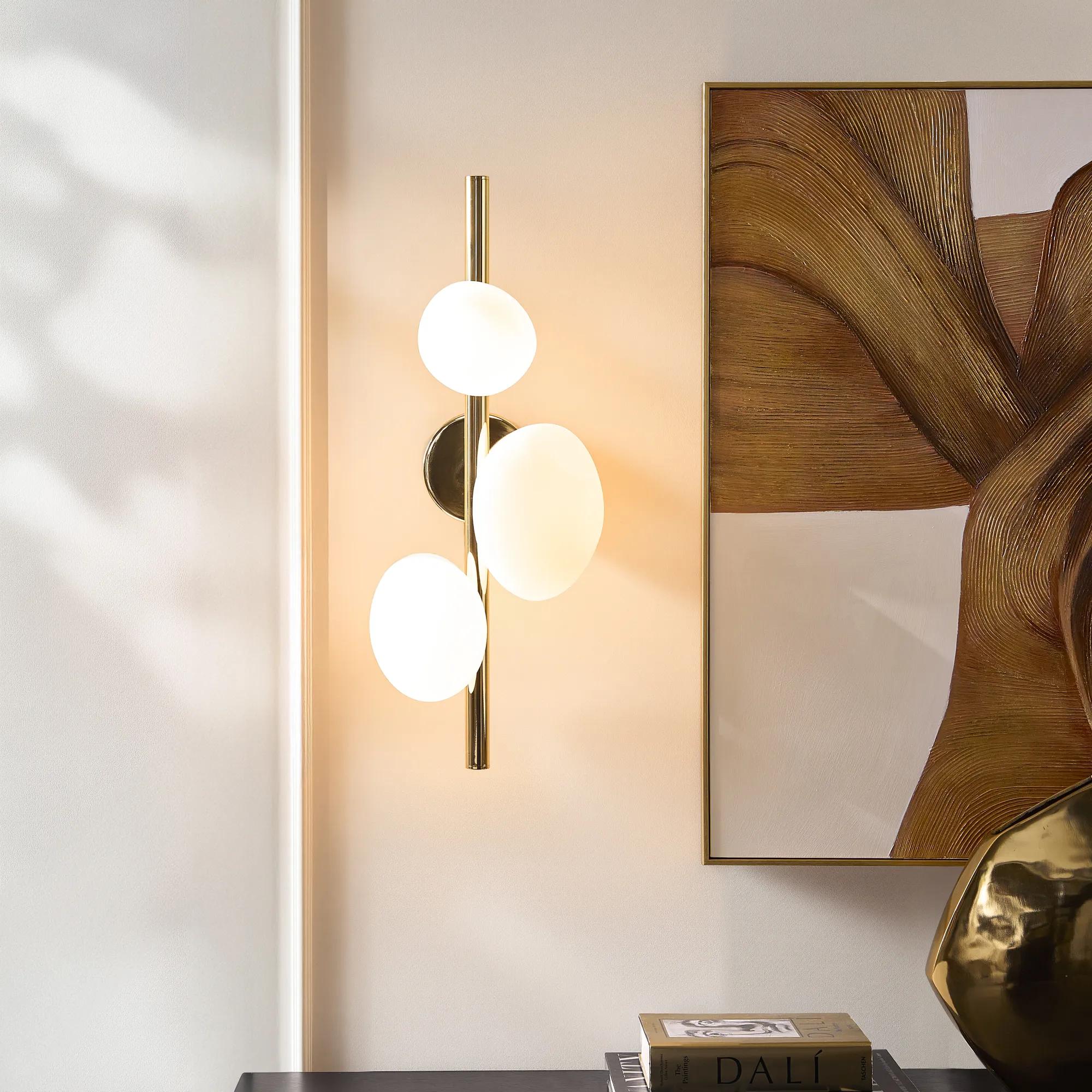 Radiante LED Globe Wall Sconce - Polished Gold$349
A polished gold LED wall sconce featuring a luminous globe design.
Add To Cart -

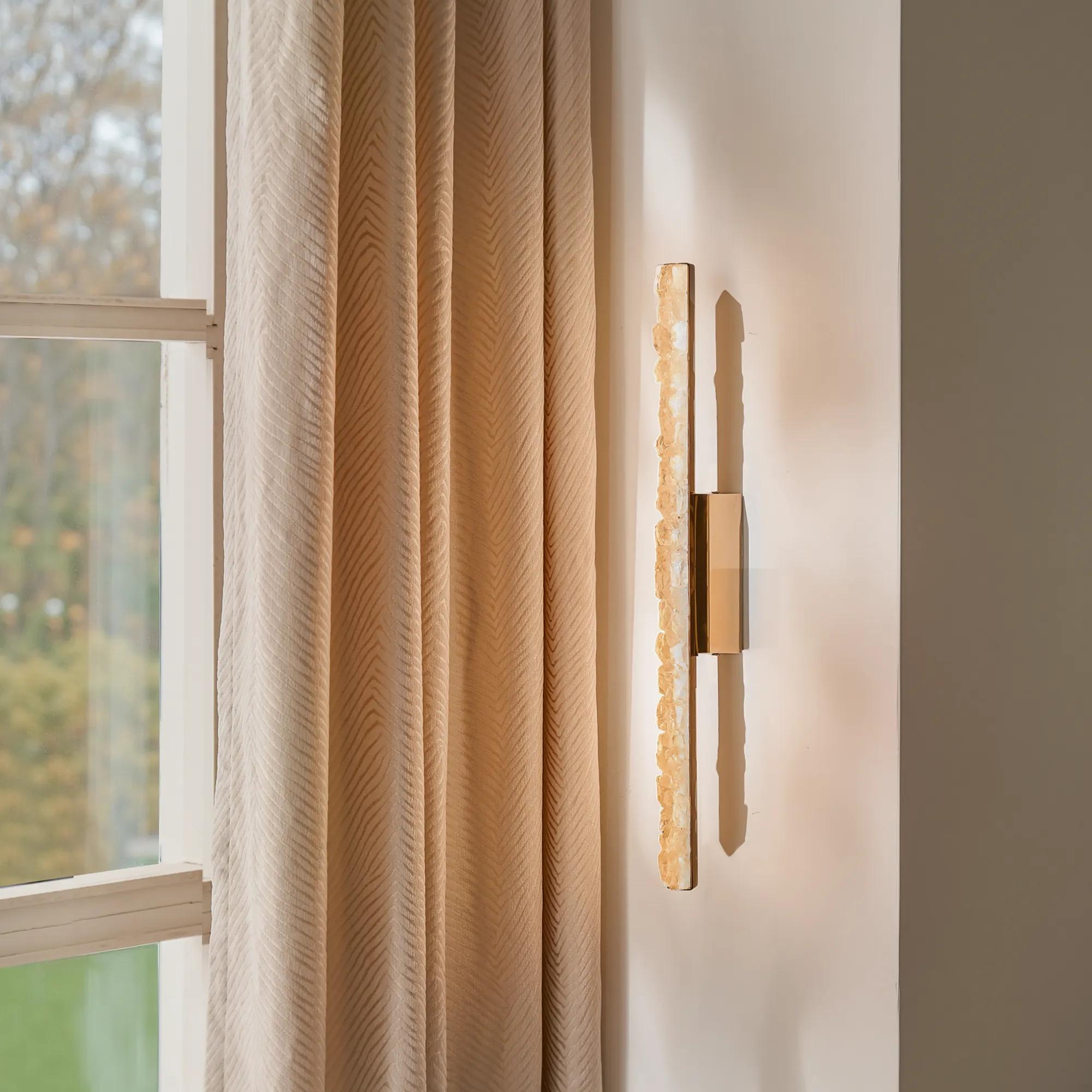 Demi LED Natural Quartz Crystal Wall Sconce 19.75"$229
An LED wall sconce featuring natural quartz crystals for an elegant, softly illuminated modern accent.
Add To Cart -
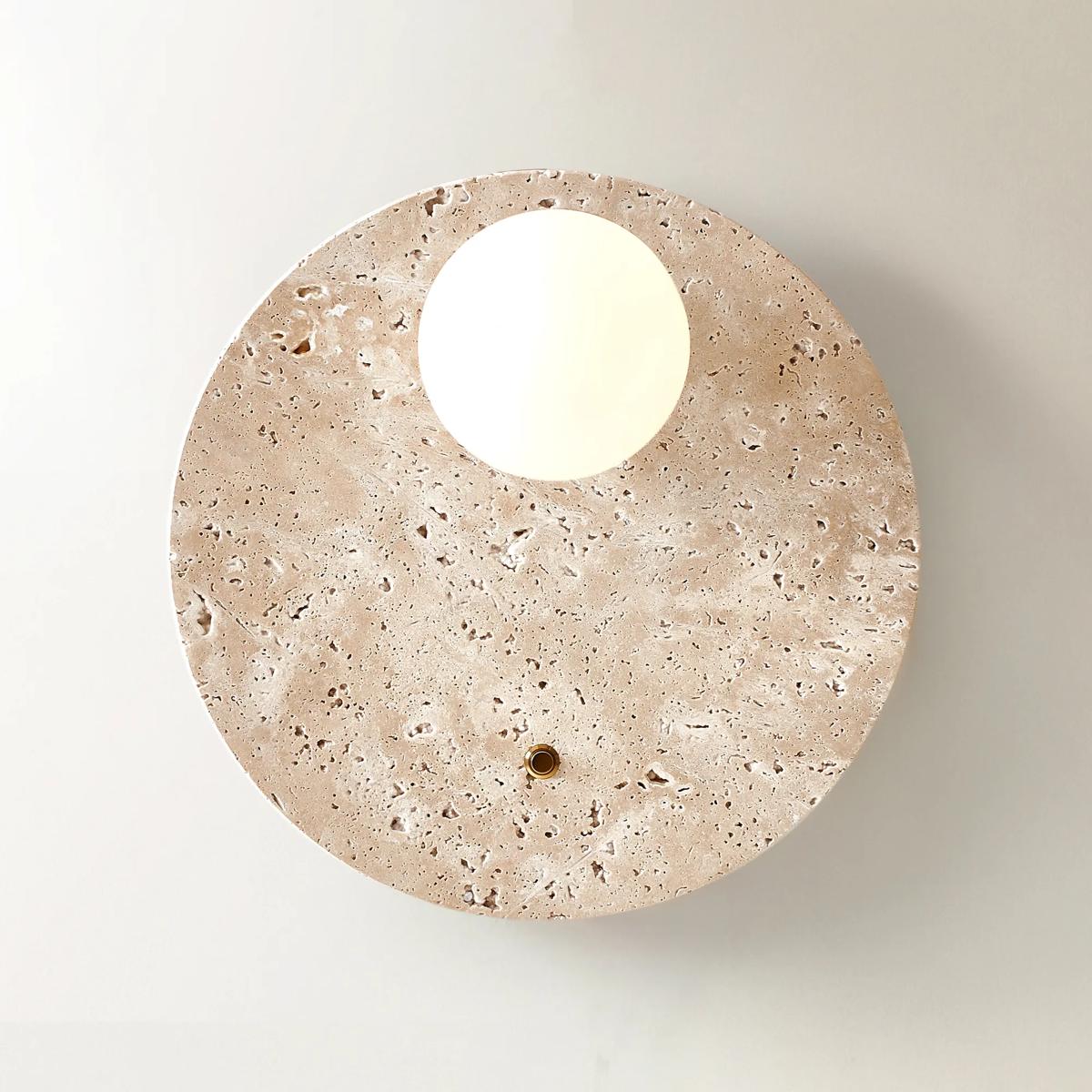
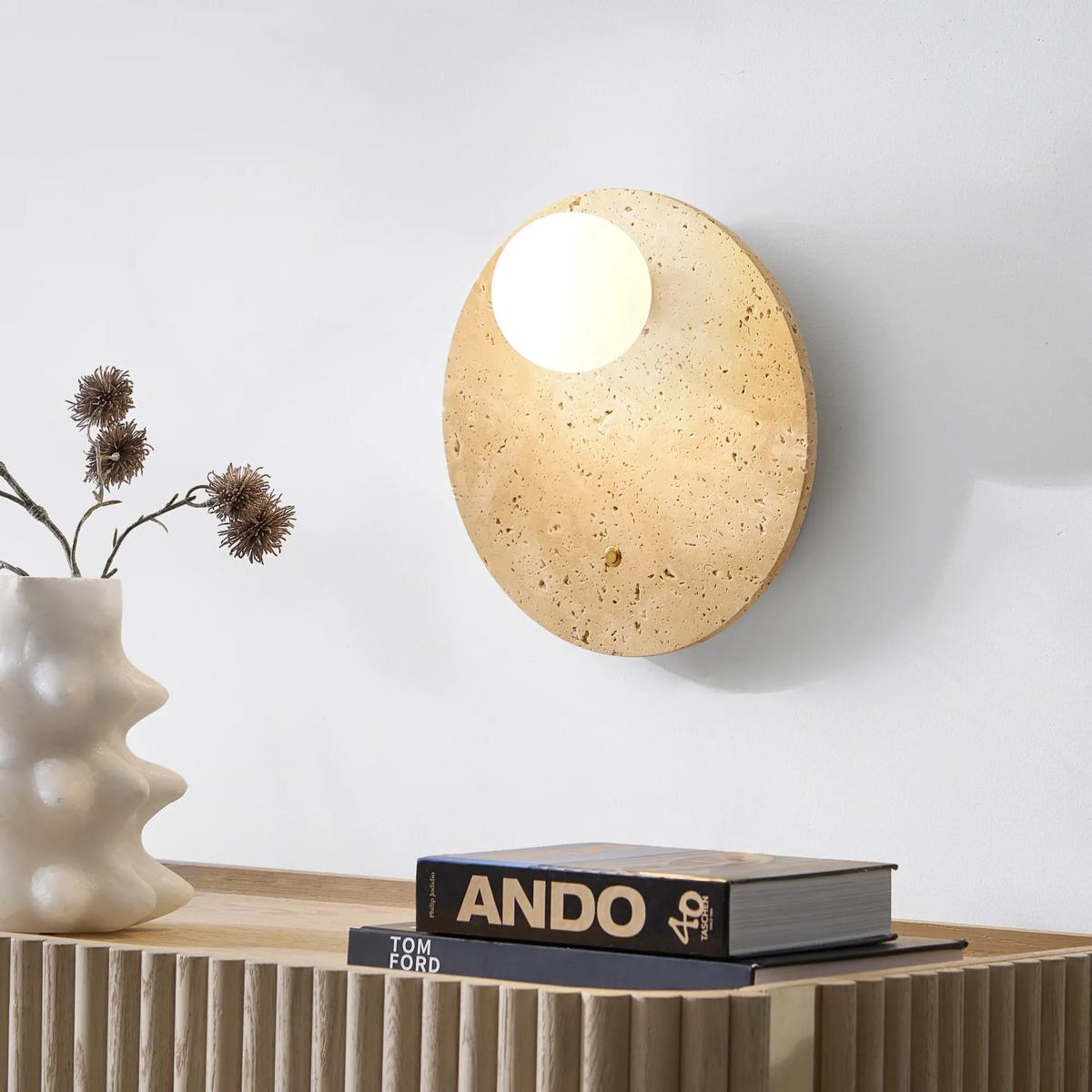 Eden Travertine Sconce 11.75"$149
A sculptural wall sconce crafted from genuine travertine and frosted glass for a softly diffused glow.
Add To Cart -
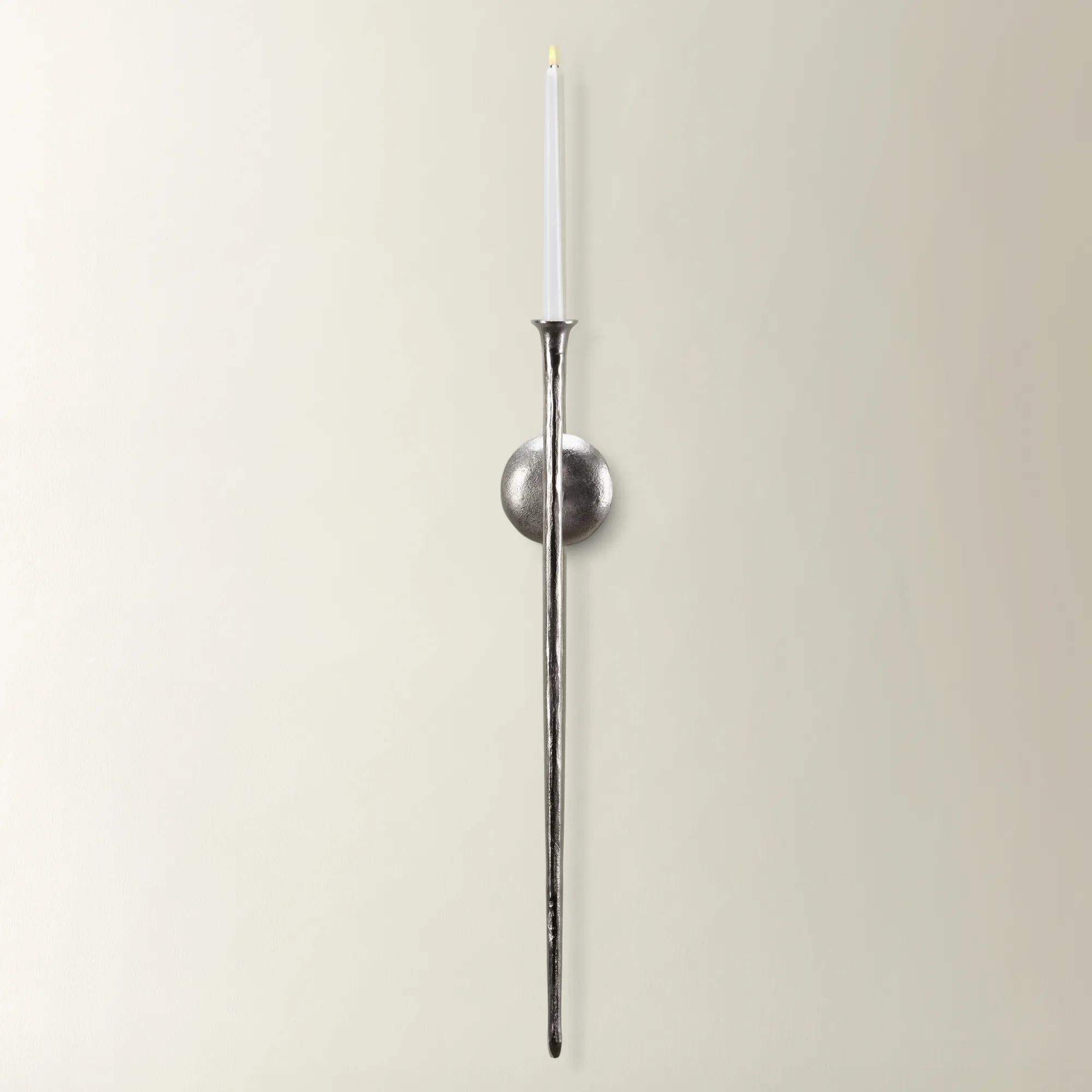
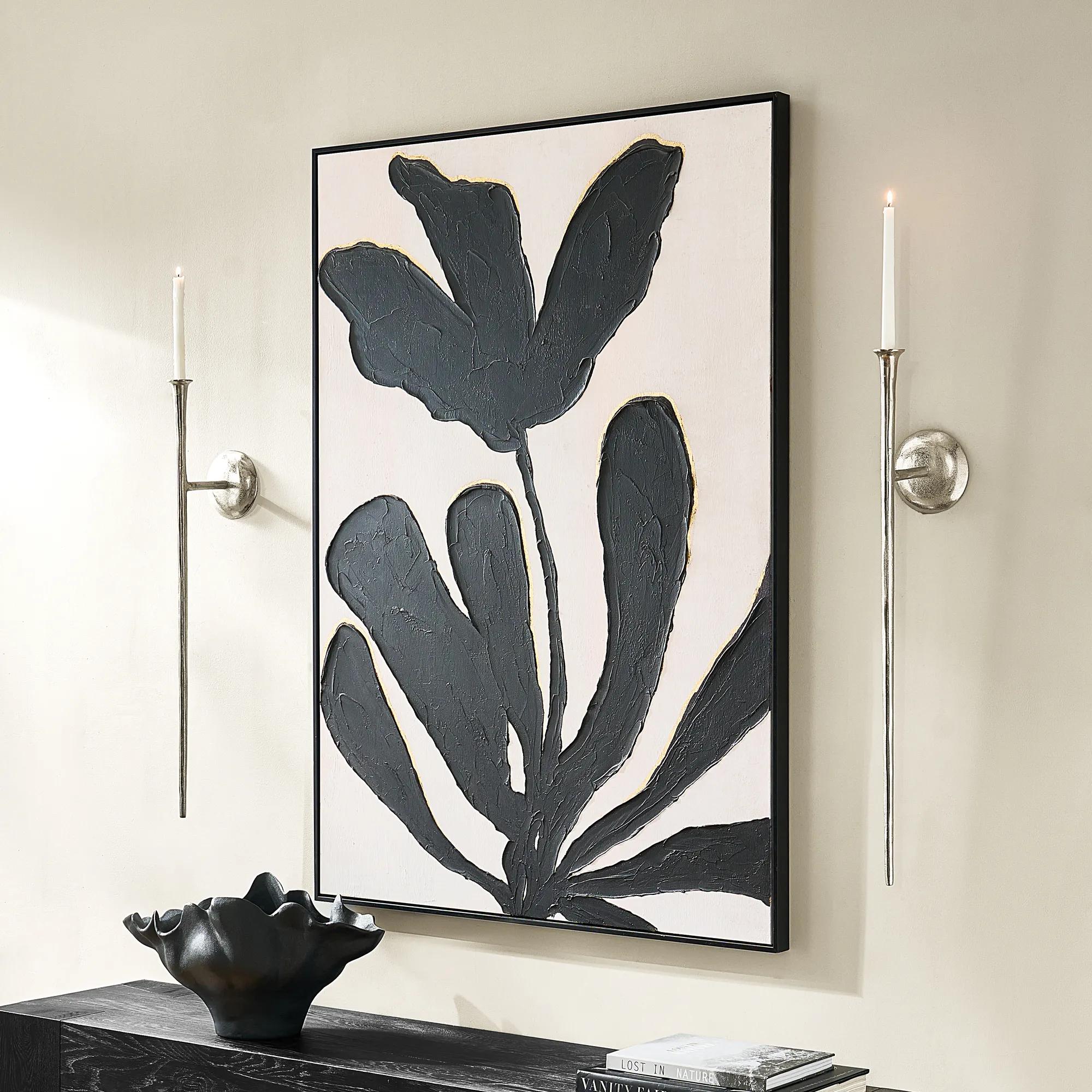 Aspar Silver Aluminum Candle Wall Sconce Large 33"$59
A slender metal wall sconce available in silver, gold, or black for elegant candlelit ambiance.
Add To Cart -
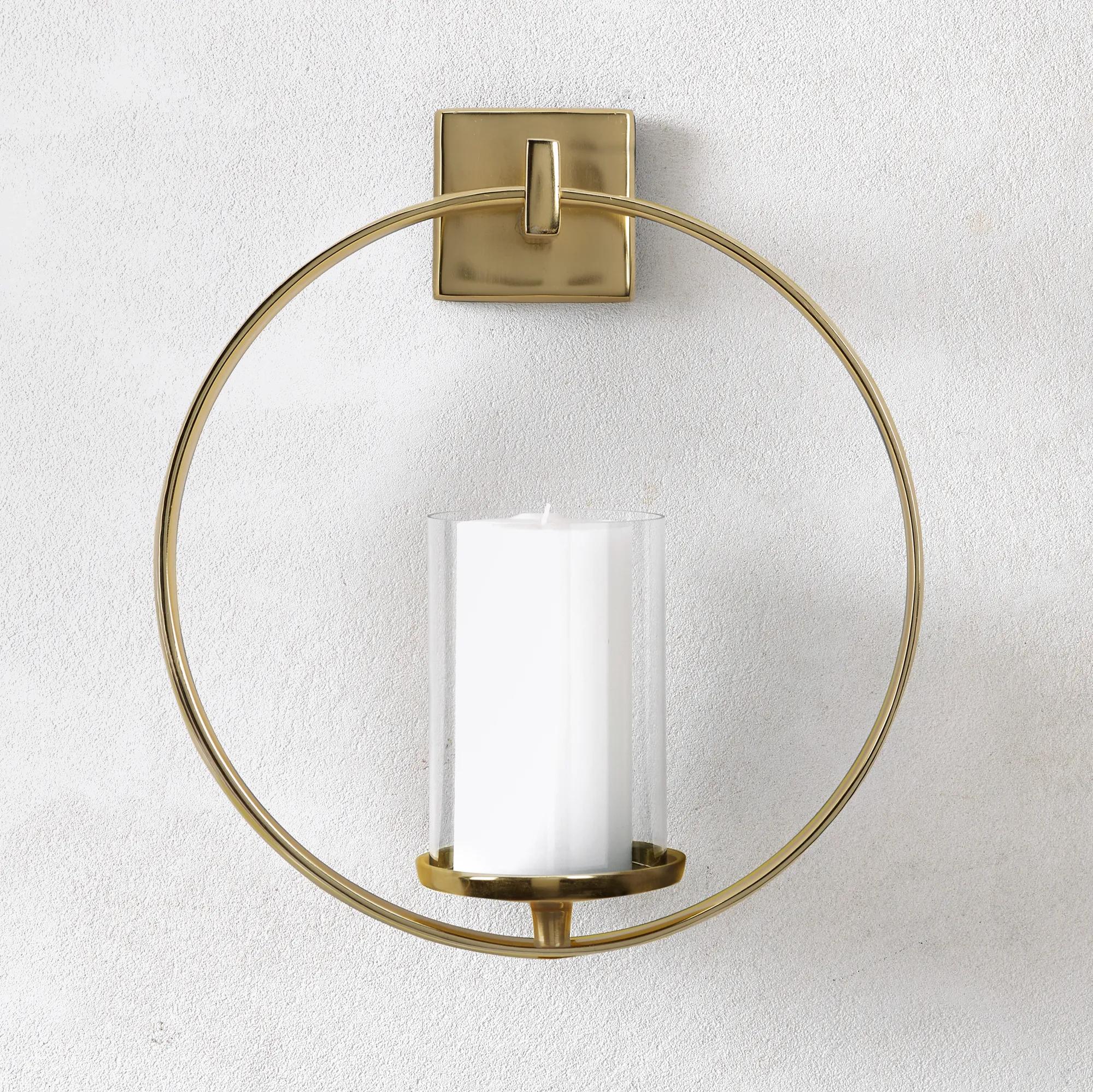
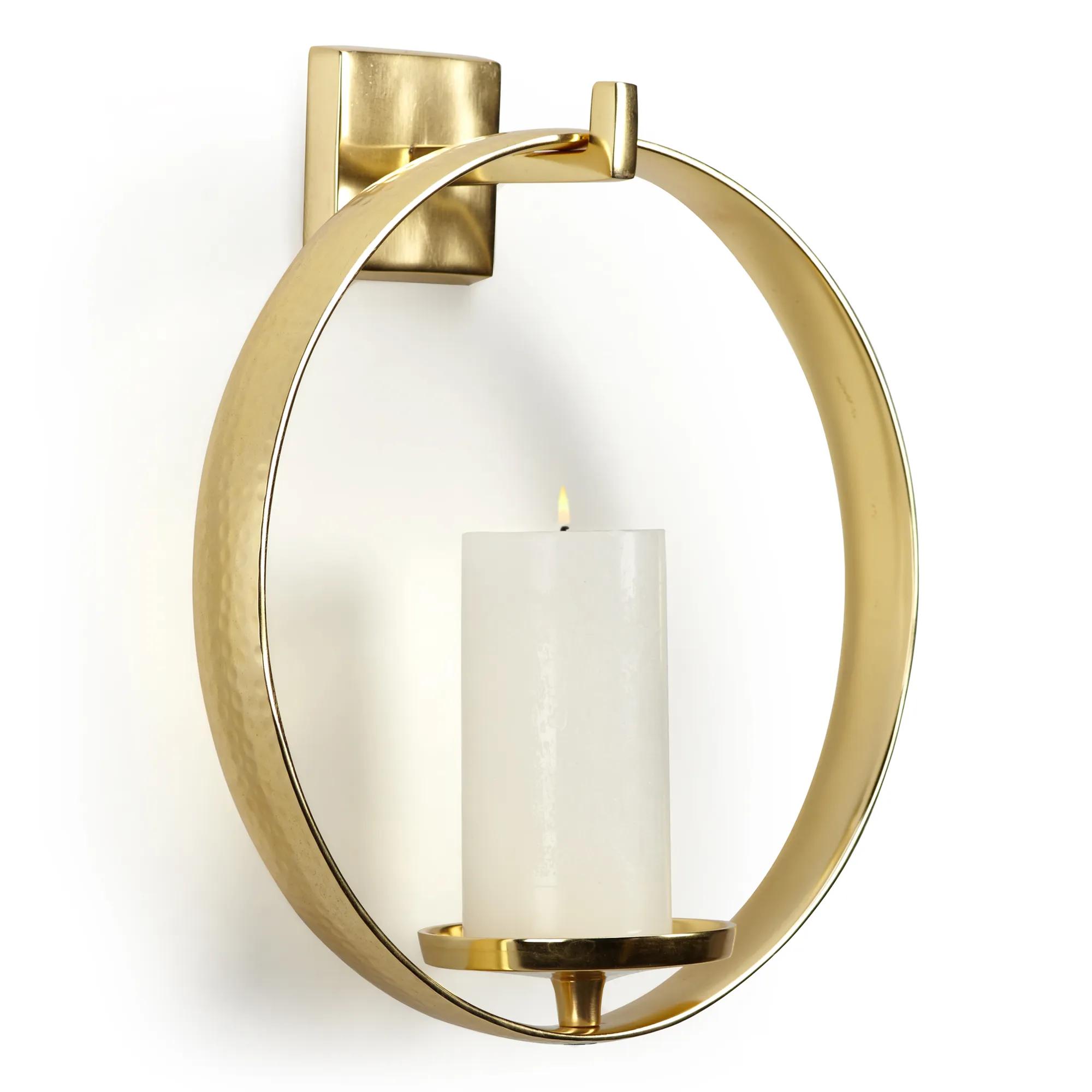 Cirque Hanging Sconce$79
A sleek aluminum wall sconce with a metallic finish, available in silver, gold, or black.
Add To Cart -
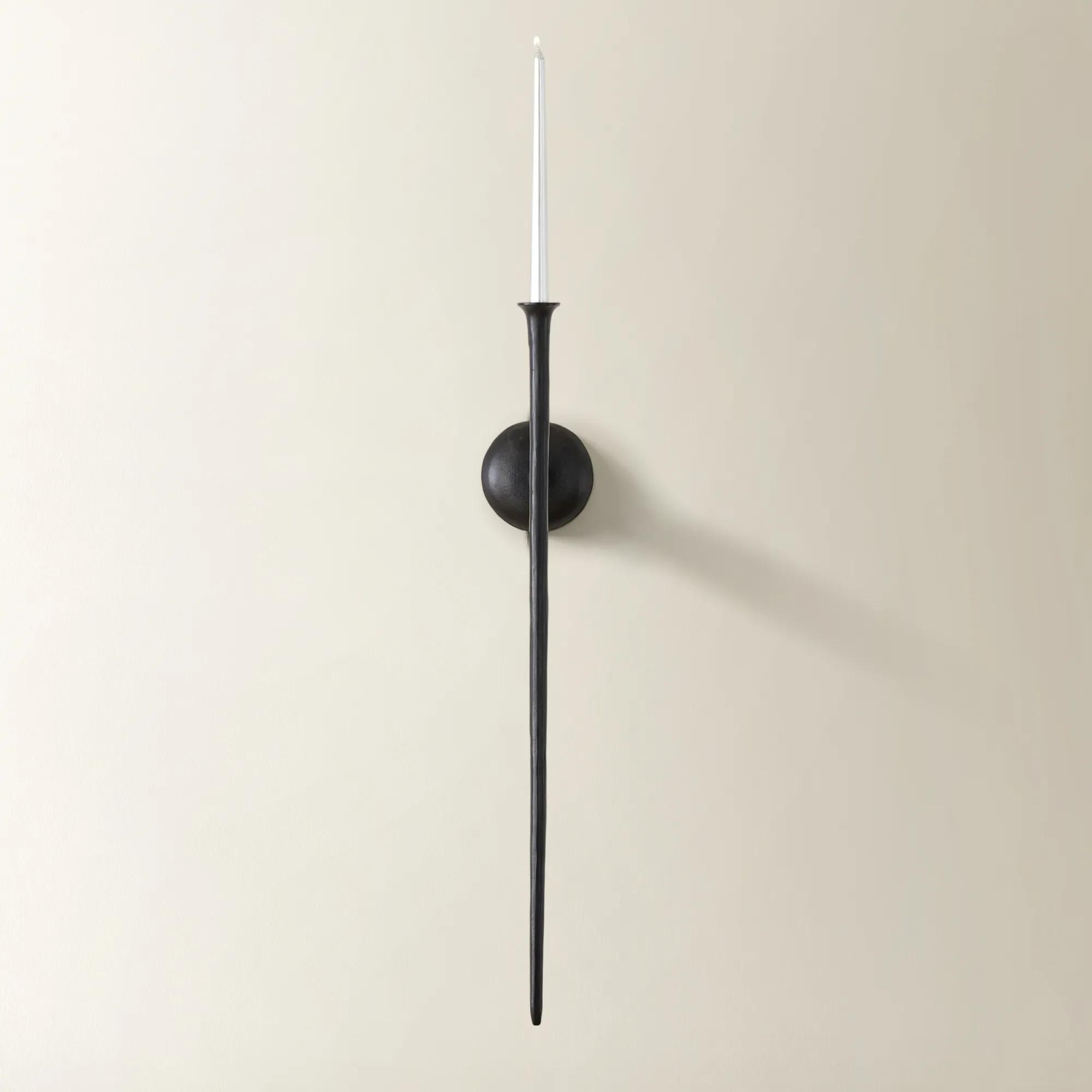 Aspar Black Aluminum Candle Wall Sconce Large 33"$59
A slender metal wall sconce available in silver, gold, or black, perfect for elegant candlelit ambiance.
Add To Cart -
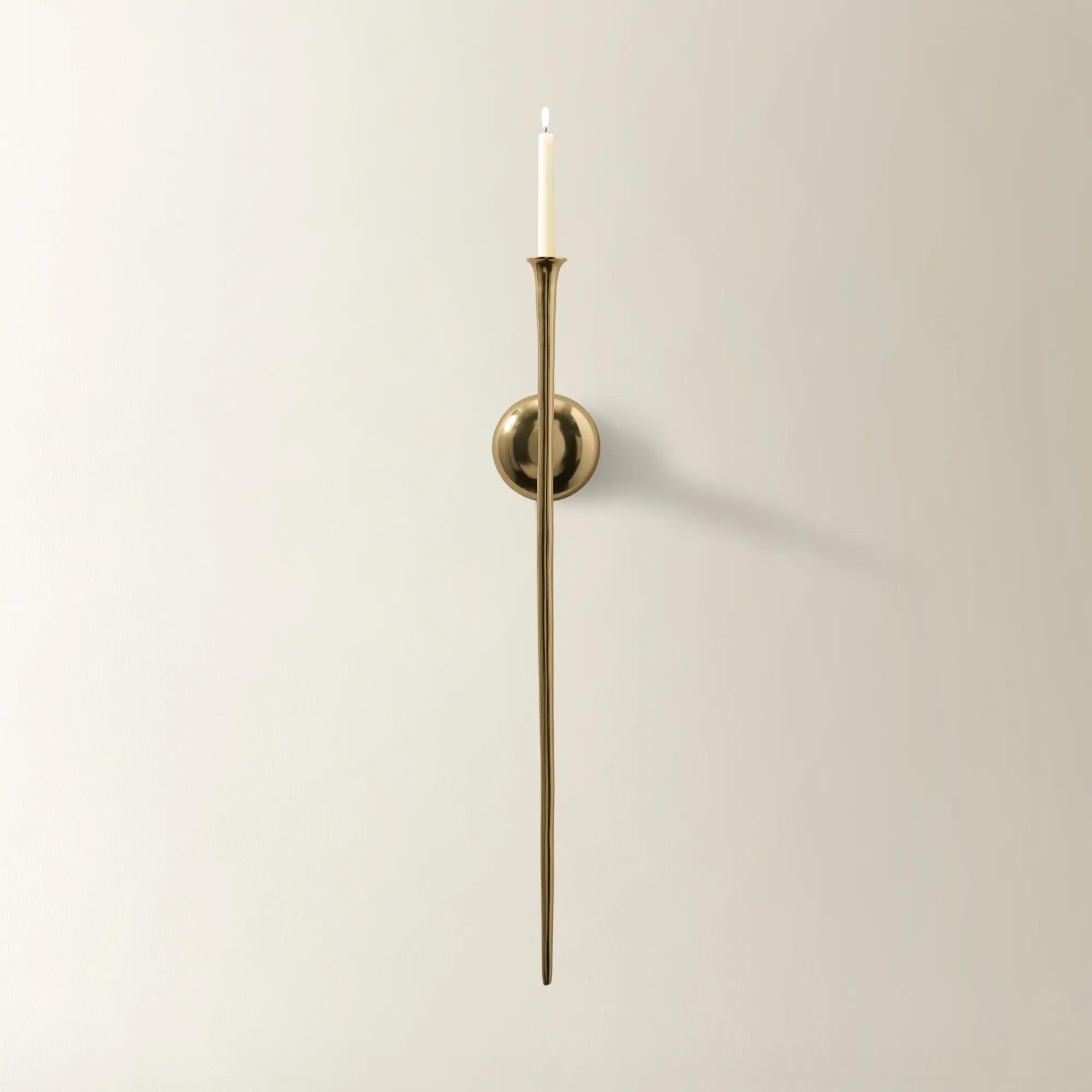
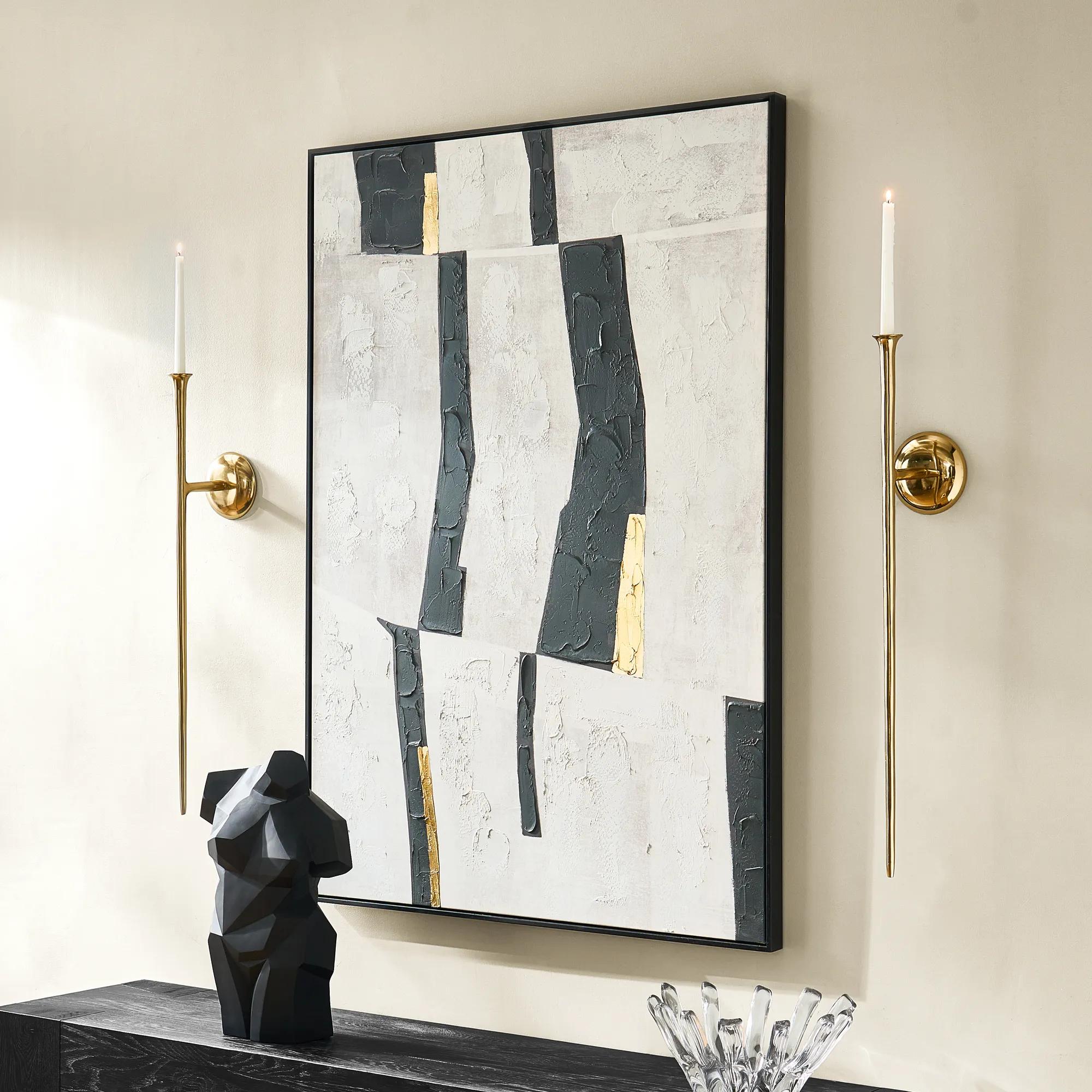 Aspar Shiny Gold Aluminum Candle Wall Sconce Large 33"$59
A slender aluminum wall sconce in shiny gold, designed to hold a standard taper candle.
Add To Cart -
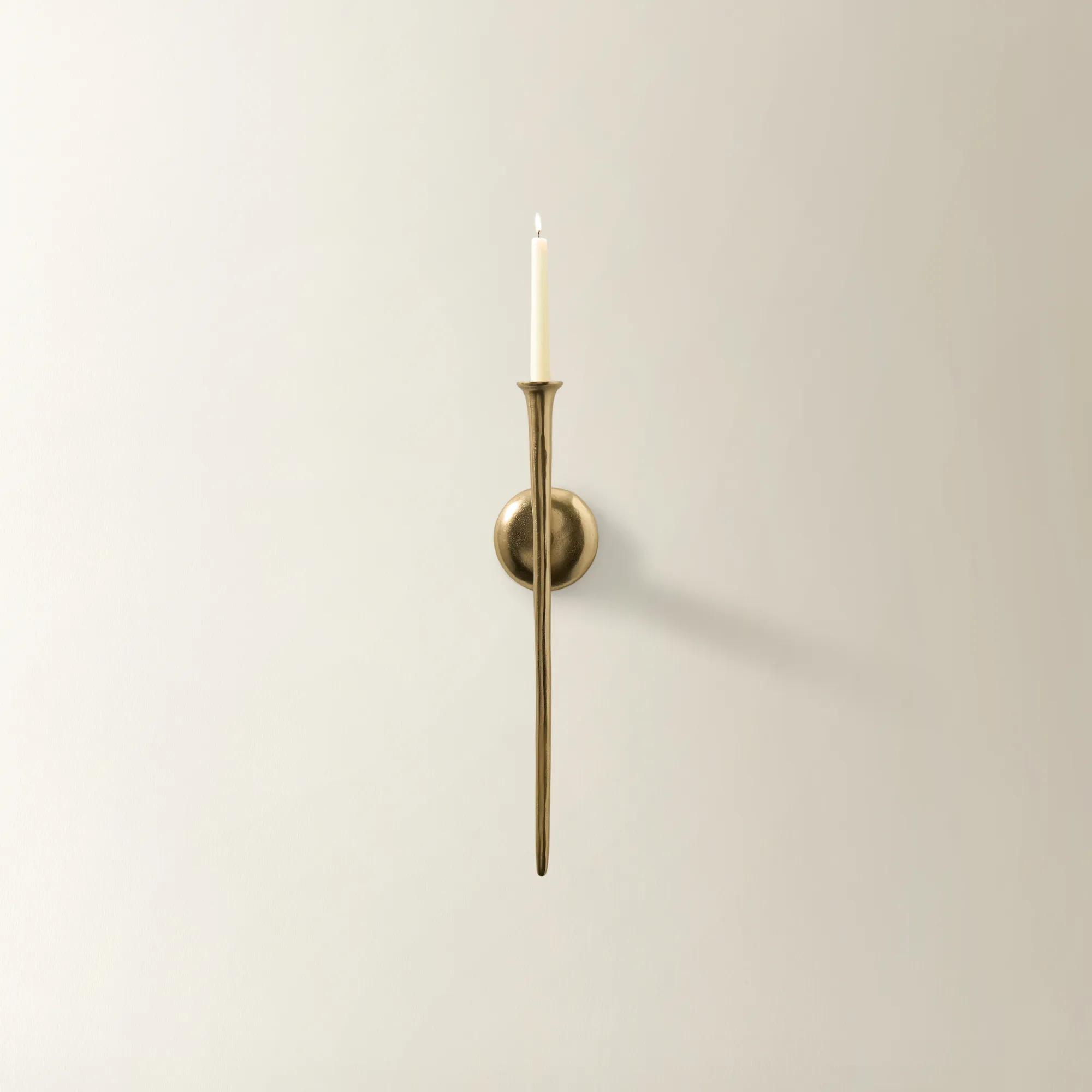
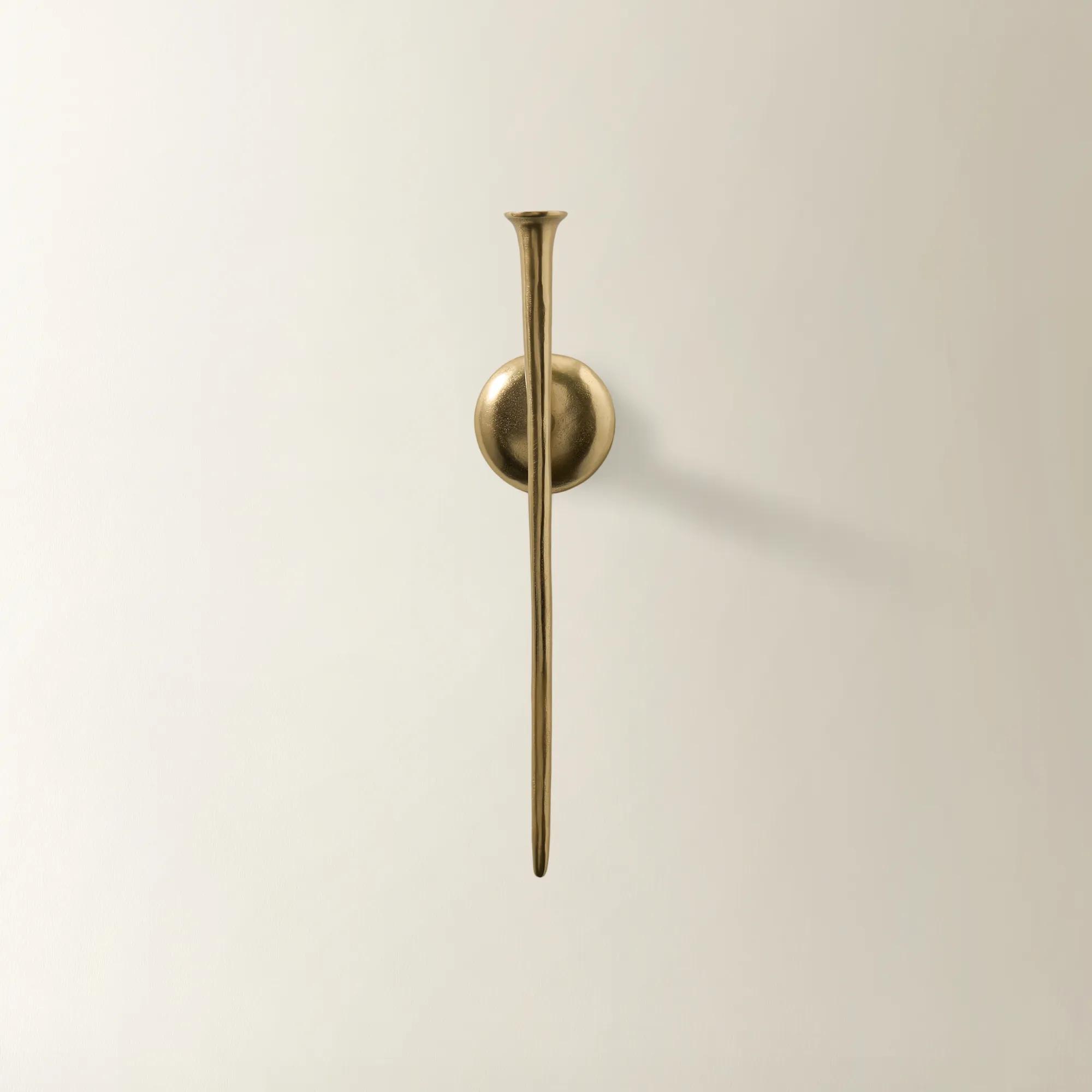 Aspar Gold Aluminum Candle Wall Sconce Small 20"$39
A sleek gold aluminum wall sconce designed to hold a standard taper candle for elegant ambiance.
Add To Cart -
 Vince Gold Aluminum Candle Wall Sconce 18.5"$79
A sculptural gold aluminum sconce that cradles a single taper candle for modern, luminous ambiance.
Add To Cart -
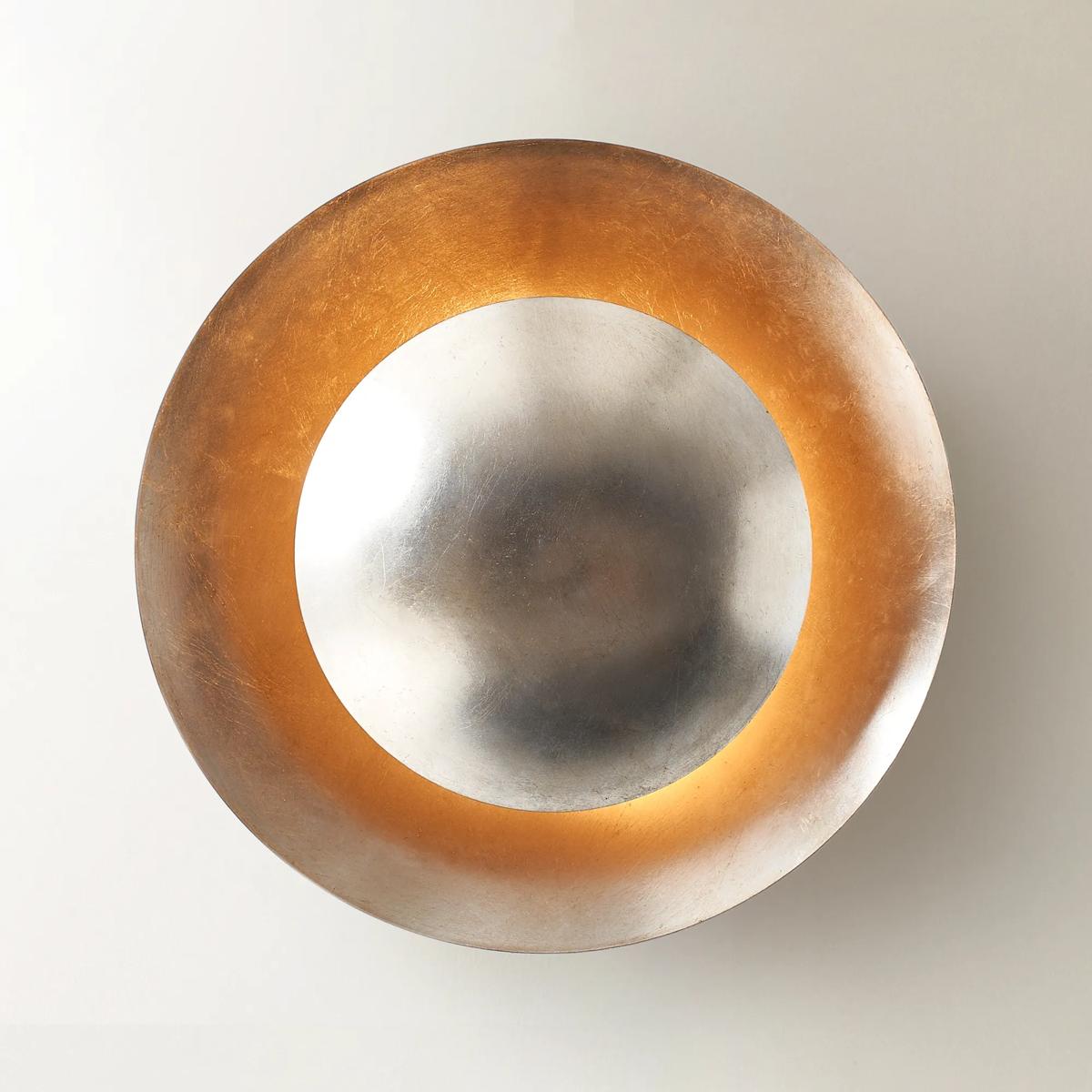
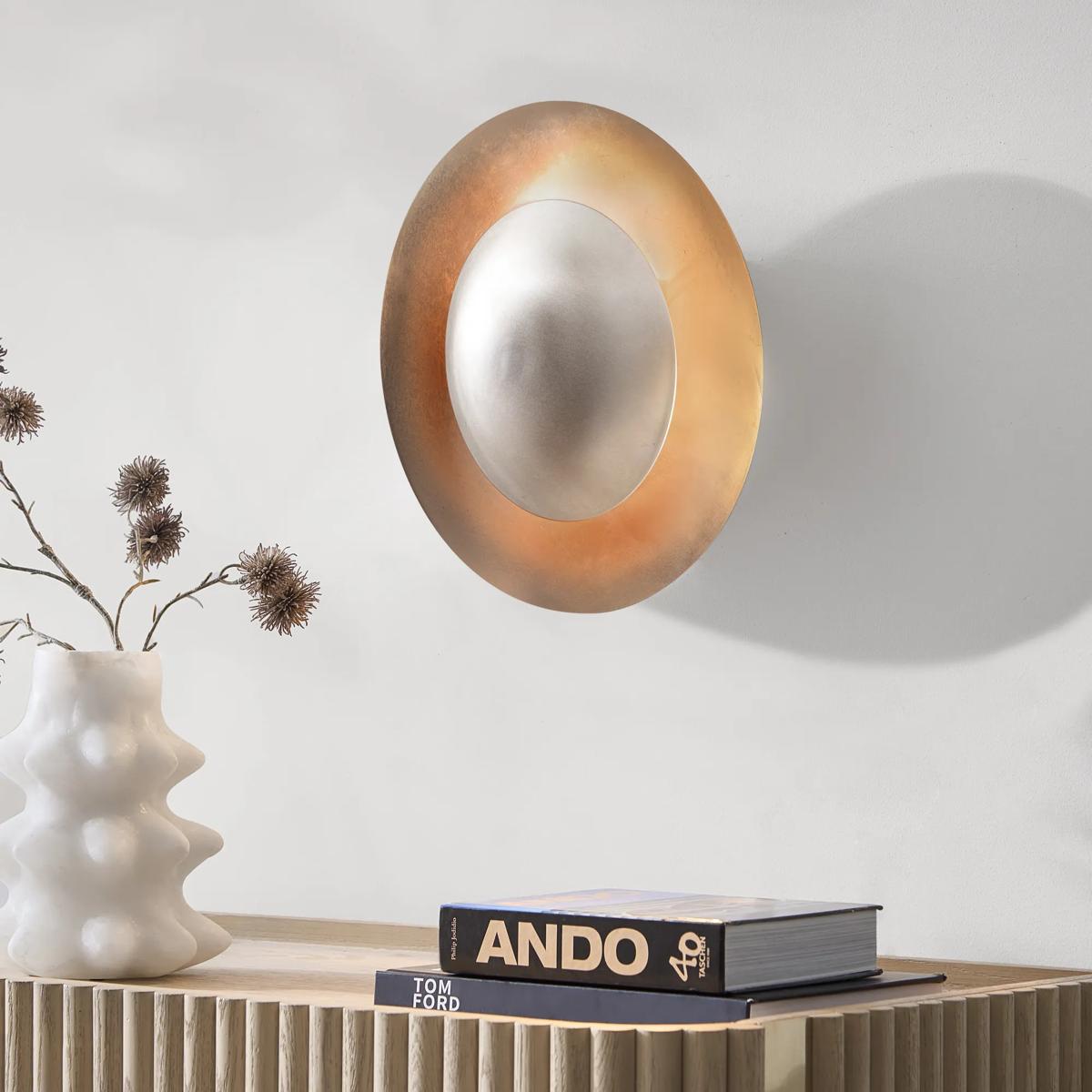 Ovid Wall Sconce 14" - Silver$199
A sculptural iron wall sconce in warm silver with a champagne gold backplate for modern ambiance.
Add To Cart -
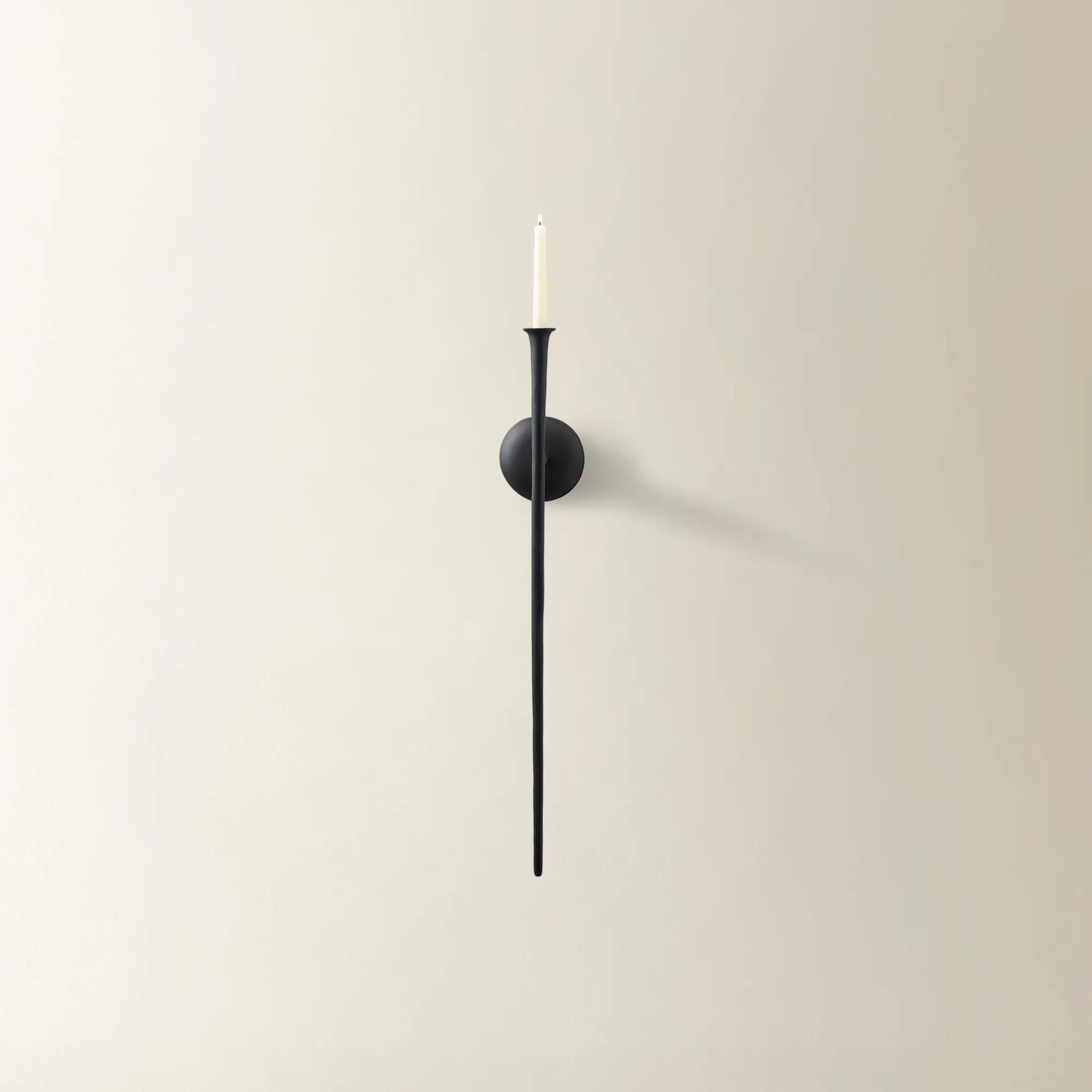
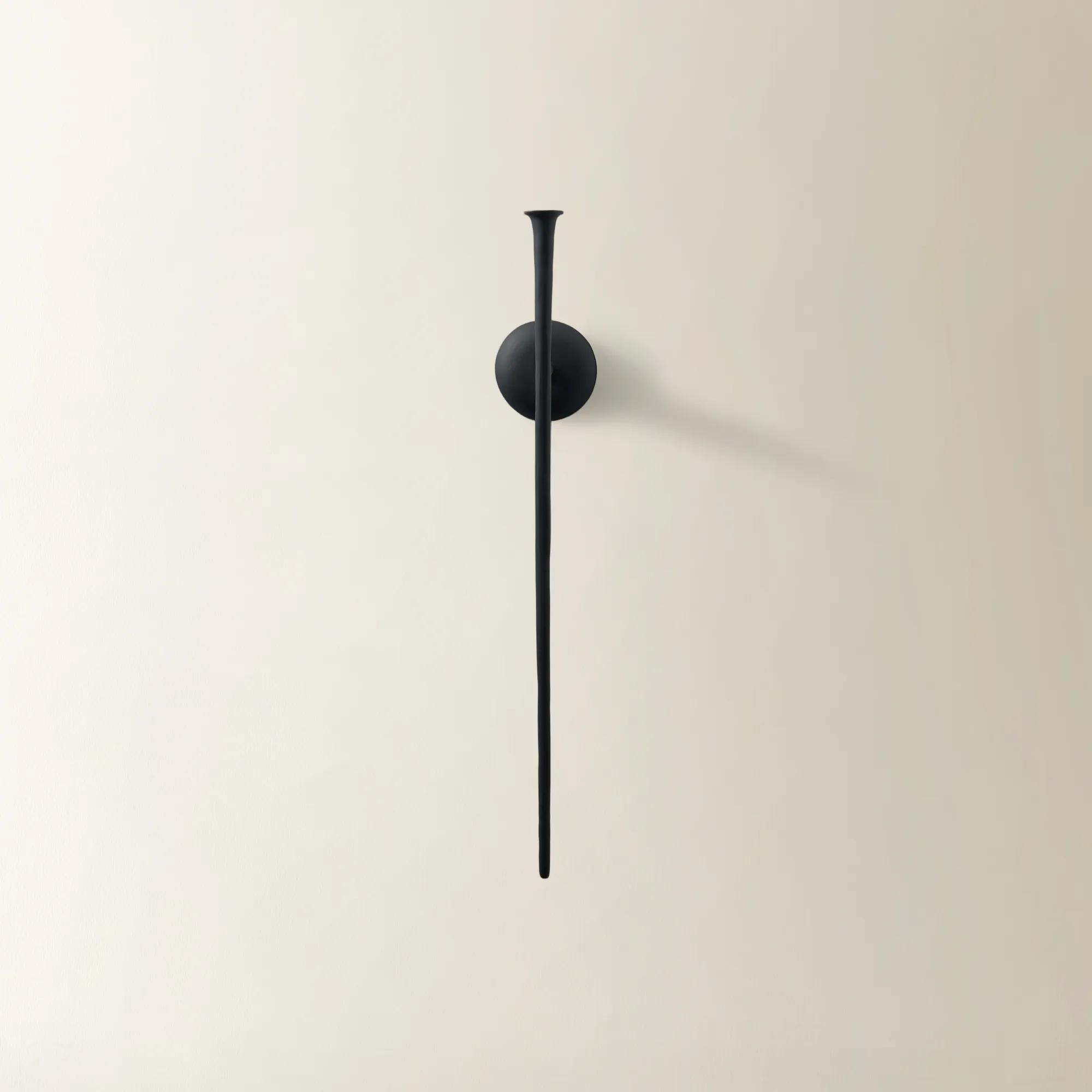 Aspar Black Aluminum Candle Wall Sconce Small 20"$39
A sleek black aluminum wall sconce designed to hold a standard taper candle for modern elegance.
Add To Cart -
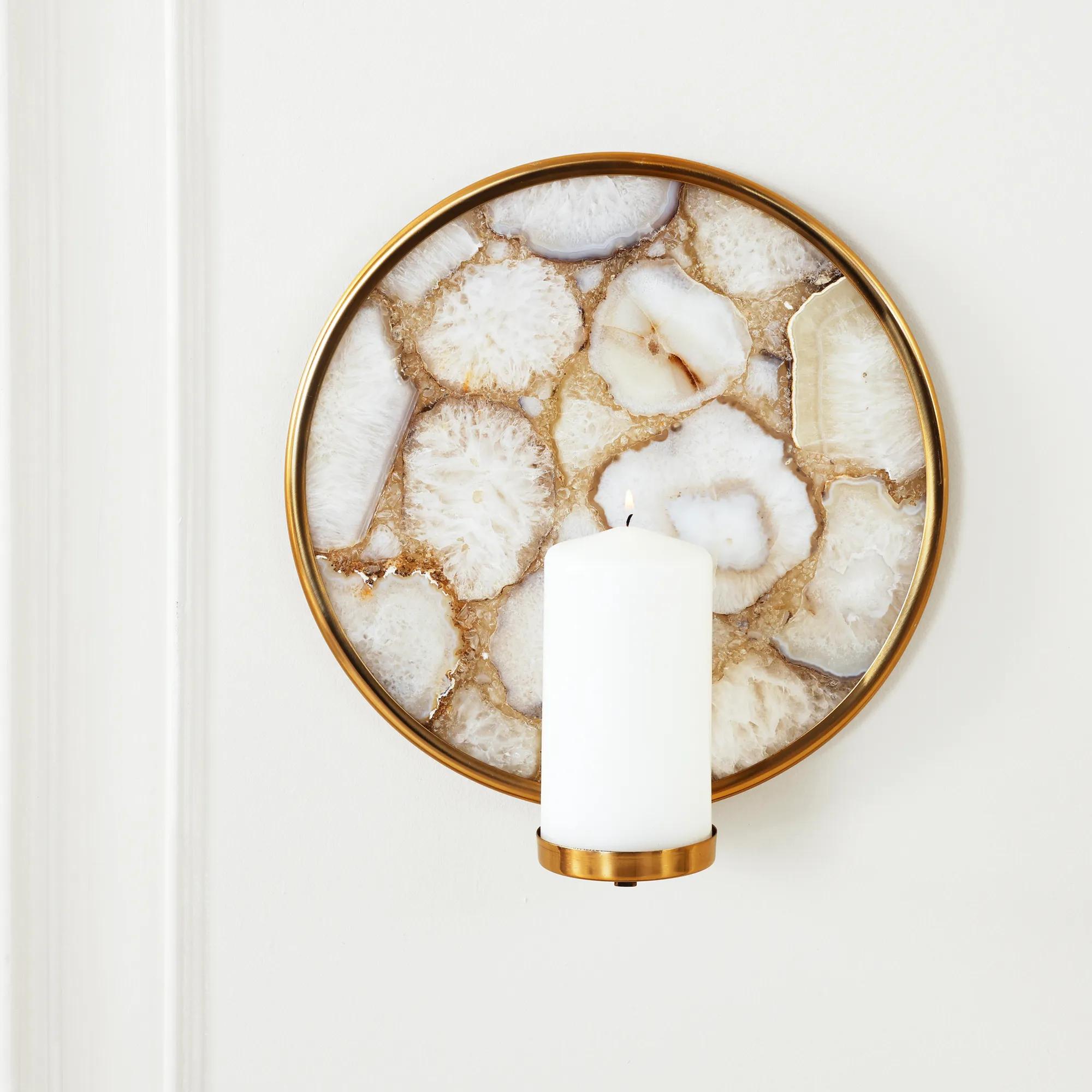 Diego Sconce$179
A neutral-toned agate sconce framed in gold, blending artistic elegance with functional lighting.
Add To Cart

Formal Dining Wall Sconces
Formal Dining Wall Sconces are the secret ingredient to a dining space that dazzles long after the last course is served. Imagine candlelit brilliance dancing along sculptural silhouettes, casting shimmering shadows that set the stage for unforgettable evenings. Each sconce is more than illumination—it’s an invitation to indulge in ambiance, to frame your gatherings with a sense of grandeur and artistry. Elevate every dinner party and celebration with wall lighting designed to transform your formal dining room into a gallery of sophisticated allure.
Formal dining wall sconces bring soft ambient light, architectural definition, and a sense of occasion to the dining room. Positioned along the walls, they complement a chandelier rather than compete with it, drawing attention to the space beyond the table and giving the room a more balanced glow. The effect is especially inviting during the cooler months, when dinner often begins after dark: glassware catches a glimmer, a sideboard takes on depth, and the walls feel like part of the gathering rather than its backdrop. For people who love hosting, this layered lighting makes a formal dining room feel gracious without becoming stiff. It is equally compelling for smaller dinners, when a fully illuminated overhead fixture can feel too commanding. The character of a sconce comes from the interplay of its silhouette, material, and light. Crystal accents scatter delicate reflections and introduce a jewel-like finish, while gilded metal lends warmth to richly painted walls. Polished nickel and chrome offer a cooler, mirror-bright counterpoint to velvet upholstery and dark wood. Brass can feel tailored or ornate depending on its finish and detailing; bronze creates a quieter contrast that works beautifully with textured wallcoverings and substantial furniture. Fabric shades soften the appearance of the light source, while frosted or opal glass diffuses illumination with a more sculptural presence. Clear glass and exposed bulbs deliver greater sparkle, though they deserve particular attention to brightness and sightlines. Traditional dining room sconces often feature curved arms, candle-inspired profiles, and decorative backplates. Transitional designs refine those elements into simpler shapes, and contemporary styles bring drama through elongated forms, geometric frames, or luminous glass. The most convincing choice does not need to duplicate every detail of the chandelier. A shared finish, a related curve, or a similar quality of light can connect the fixtures while allowing each one its own expression. That subtle relationship helps the room feel collected and personal, with enough contrast to keep even a symmetrical arrangement from becoming predictable.
Scale and placement determine whether formal dining room wall sconces feel integrated into the architecture or merely attached to it. A pair flanking a mirror above a buffet can give the entire wall a composed, luminous presence, while fixtures beside a doorway or between windows establish rhythm around the room. When placed near artwork, sconces can frame the display beautifully, but their light distribution should be considered carefully; a decorative wall fixture is not necessarily a substitute for dedicated picture lighting. Before choosing a size, compare the fixture’s full height, width, and projection with the available wall area, the furniture below it, and any nearby trim. A slender backplate may suit a narrow section of wall, while a broad shade needs enough breathing room to look intentional. Projection matters particularly beside a dining chair or along the route between the kitchen and table, where a generous arm can intrude into circulation space. As a general starting point, dining room sconces are often positioned with the center of the junction box approximately 60 to 72 inches above the floor. That range is not a fixed rule: ceiling height, fixture construction, shade position, and seated eye level should guide the final location. A tall fixture may extend well above or below its electrical connection, so the junction box measurement alone cannot predict where the light will fall. One useful test is to tape up a paper outline of the fixture, then sit at the table and walk through the room. The proportions become much easier to judge from the places where people will actually experience them. Mirrors need similar care because they can reflect a bare bulb directly toward guests. For new wiring or relocated junction boxes, a qualified electrician can assess the installation requirements before wall finishes are completed. Hardwired sconces offer a clean, permanent appearance with concealed wiring; plug-in options may suit spaces where electrical alterations are impractical, provided cords can be managed safely and discreetly. Always confirm the fixture’s installation type rather than assuming similar-looking designs connect the same way.
The quality of illumination deserves as much attention as the finish. Warm-white bulbs in the 2700K to 3000K range are a useful starting point for formal dining spaces, creating an inviting glow that complements wood, metallic accents, and richly layered textiles. Bulbs toward 2700K generally feel softer and more intimate, while 3000K can offer a slightly crisper warm light. Keep the color temperature reasonably consistent across the chandelier and sconces so the room does not divide into visibly different pools of color. Brightness should be assessed in lumens, not wattage alone, especially when comparing LED bulbs, and the appropriate output will depend on the shade, room dimensions, wall color, and other light sources. Dark walls absorb more light; pale walls and reflective surfaces can make the same fixture feel considerably brighter. Dimmable fixtures offer flexibility, but the bulb, fixture, and dimmer must be compatible to perform properly. Separate controls for overhead and wall lighting are particularly useful for entertaining: brighter illumination supports arranging flowers and setting the table, while a lower setting brings warmth to conversation once everyone is seated. Check bulb-base requirements, maximum wattage, whether bulbs are included, and whether an integrated LED light source is replaceable before purchasing. Practical details also influence long-term enjoyment. Open metalwork and intricate crystal accents require more patient dusting than a simple glass shade, and fabric shades benefit from placement away from food splashes and heavy serving traffic. For those drawn to the ceremonial beauty of candlelight, Dining Room Candle Wall Sconces offer another decorative direction, bringing candle-inspired drama to the walls. Where real flames are used, follow the holder’s instructions and maintain safe clearance from curtains, artwork, and other combustible materials; appropriately sized flameless candles can provide an alternative when compatible with the holder. Electric sconces are best chosen with the room’s dimensions and installation needs in mind, especially when intended as a housewarming or wedding gift. For your own dining room, the lasting reward is more personal: light that gives treasured furnishings fresh depth and makes an ordinary evening feel thoughtfully composed.
FAQs
Formal dining wall sconces complement a variety of design styles, from classic and traditional to modern and art deco. Ornate metallic finishes and decorative glass wall sconces can enhance luxurious, glamorous spaces, while sculptural or minimalist sconces add a contemporary edge. Look for details that echo your dining room’s architectural elements or existing décor to achieve a cohesive, curated look.
To create a layered lighting effect, pair wall sconces with a central chandelier or pendant light. Use sconces to add ambient or accent lighting, highlighting artwork, mirrors, or architectural features. Adjustable dimmers allow you to shift the mood from vibrant celebrations to intimate dinners, giving you full control over the atmosphere.
Absolutely. Wall sconces are an excellent way to introduce ambient lighting without sacrificing valuable table or floor space. They add elegance and visual interest, drawing the eye upward and making the room feel larger and more inviting. Choose slim, vertical designs or mirrored finishes to amplify light and create a sense of openness.
Popular materials for formal dining wall sconces include hand-blown glass, polished metals like brass or chrome, antiqued mirror, and crystal accents. These materials catch and reflect light beautifully, contributing to a sense of luxury and drama. Z Gallerie sconces often feature unique combinations of textures and finishes for added visual intrigue.
Yes, wall sconces are perfect for drawing attention to art, mirrors, or architectural details such as paneling or alcoves. Positioning a Z Gallerie sconce near a statement piece creates a dramatic focal point, while the interplay of light and shadow adds depth and dimension to your dining room’s design.