Formal Dining Room Ideas
Formal Dining Room Ideas
-

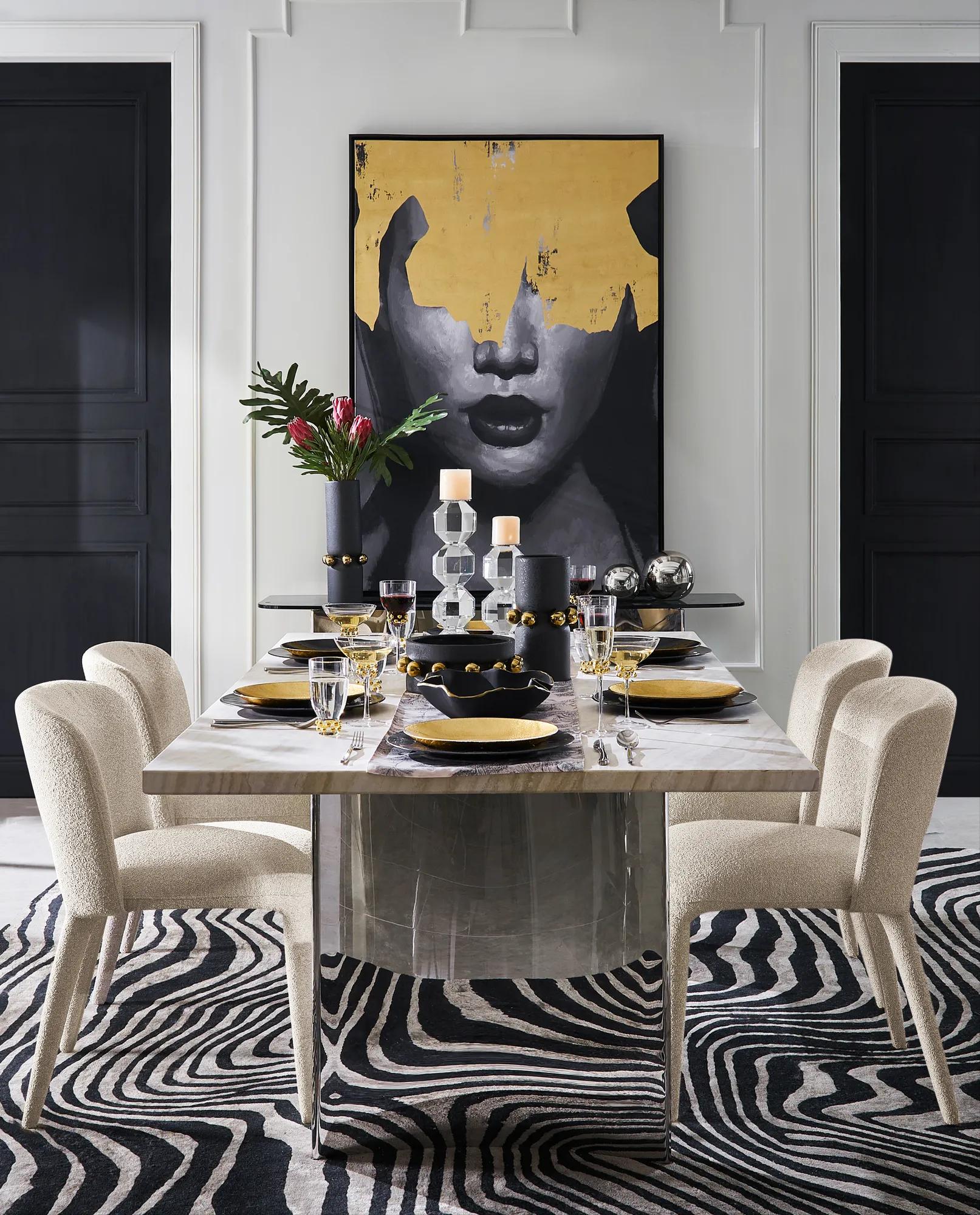 Muscat Rectangular Tan Marble Dining Table With Stainless Steel Base (84")$3099
A sophisticated dining table featuring a tan travertine marble top and polished stainless steel base.
Add To Cart -
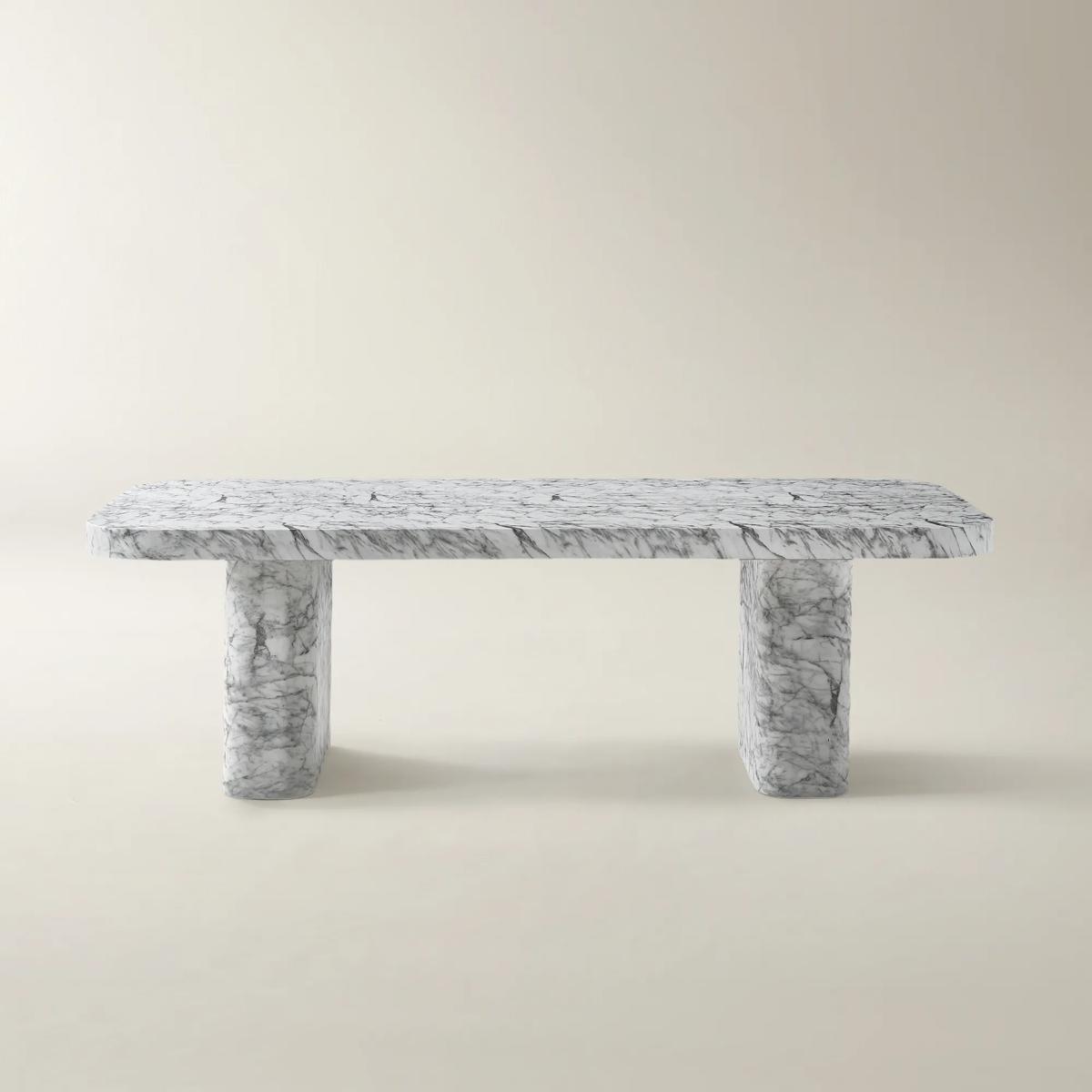
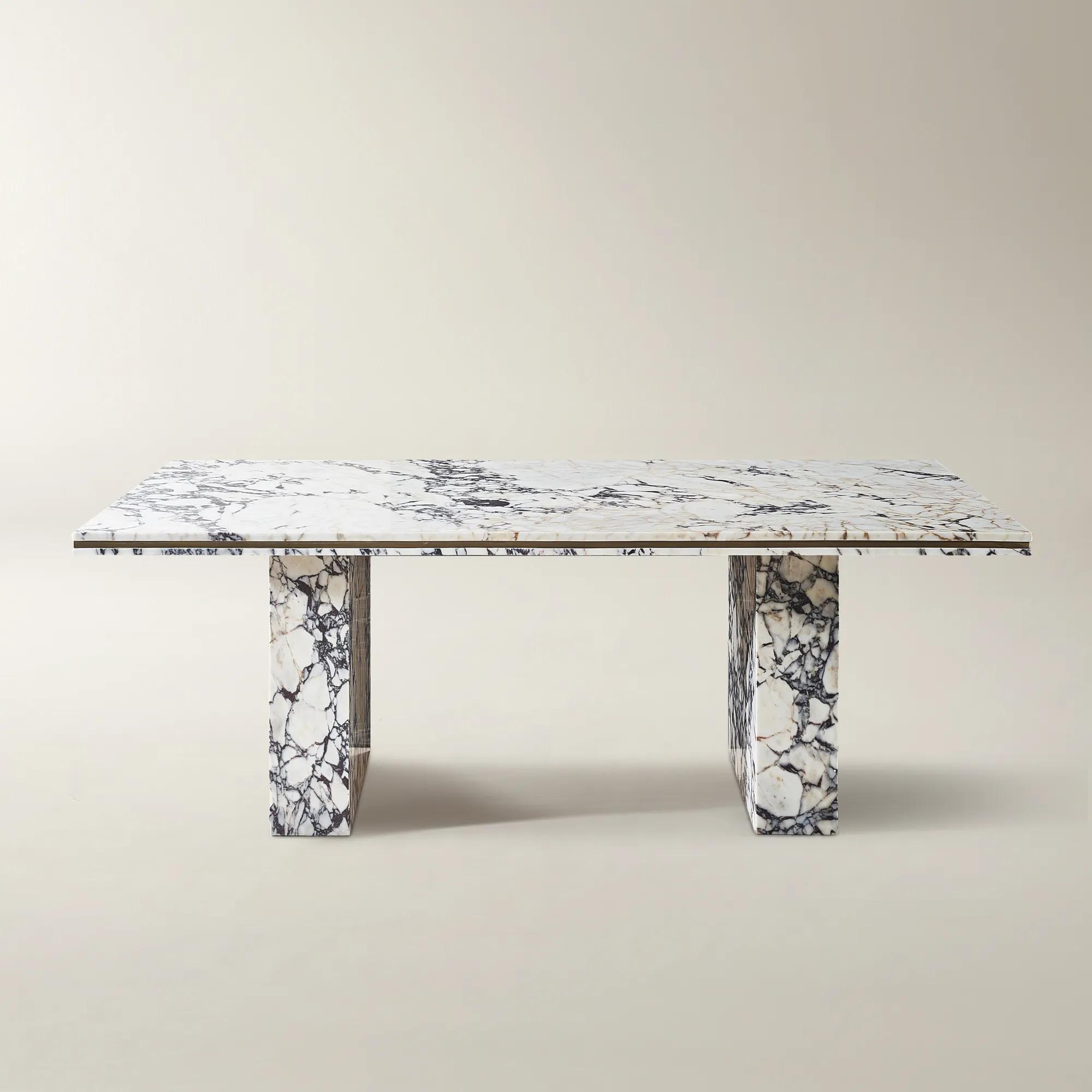
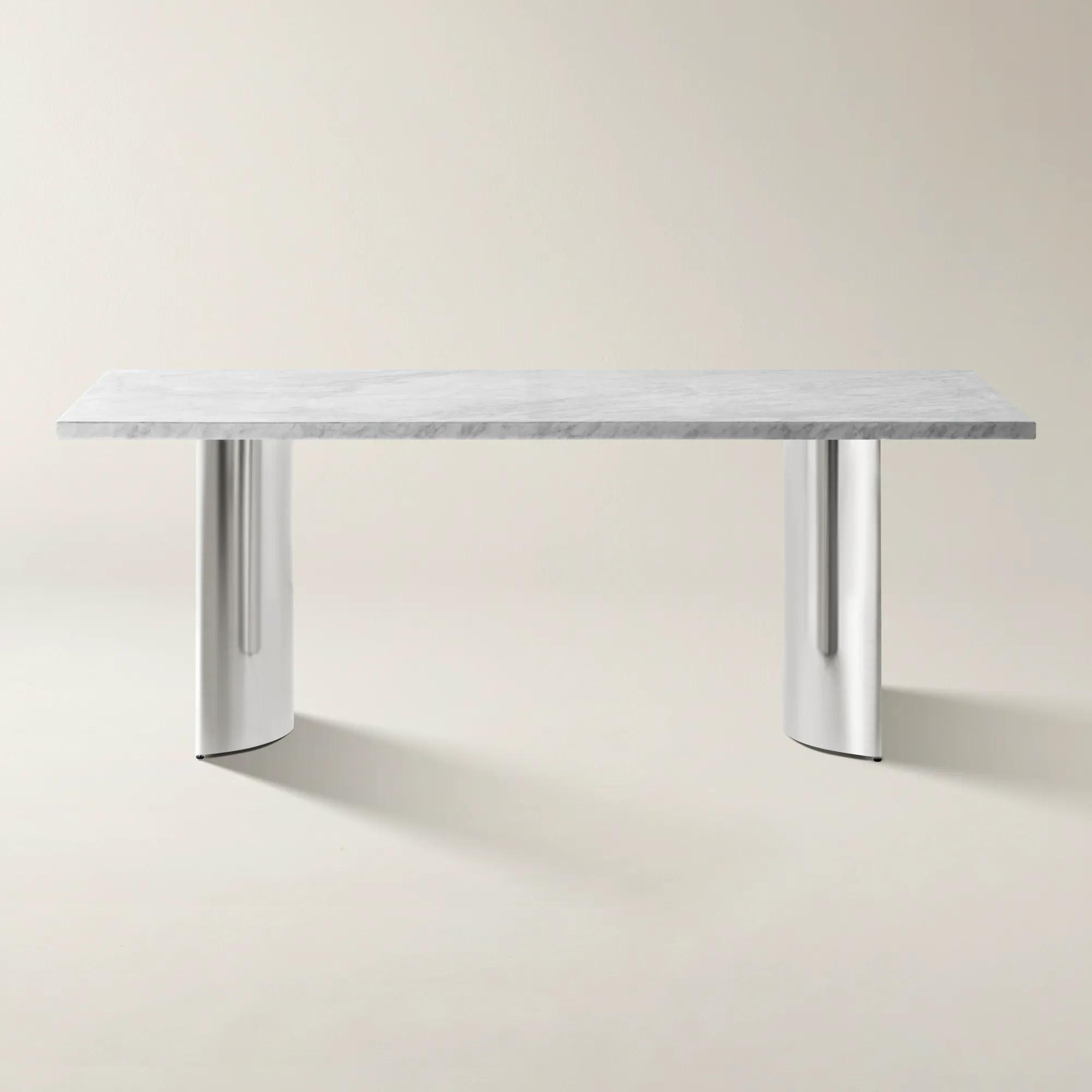 Muscat Rectangular White Marble Dining Table With Stainless Steel Base (84")$3099
A striking dining table featuring a natural white marble top with unique veining and a polished stainless steel base.
Add To Cart -
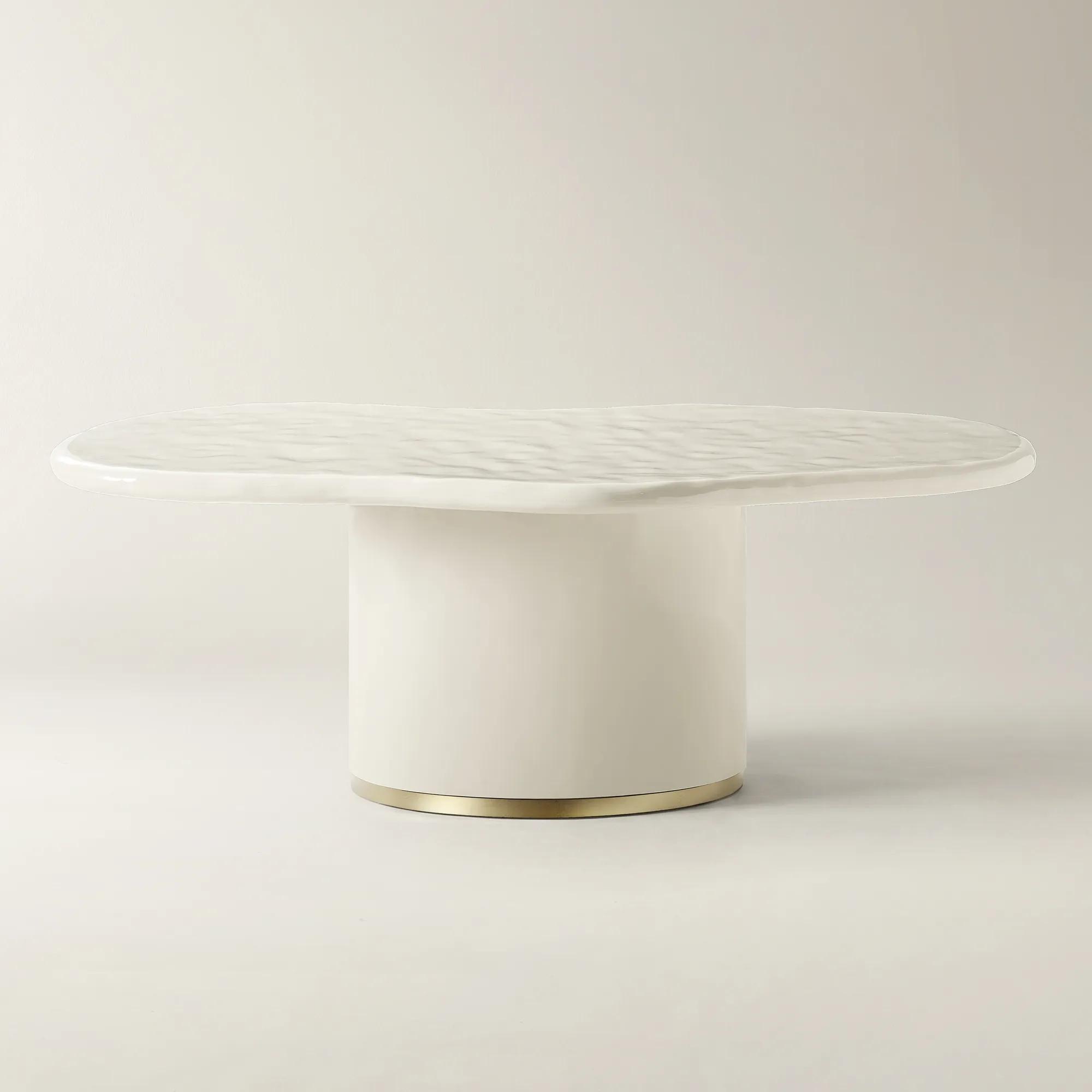
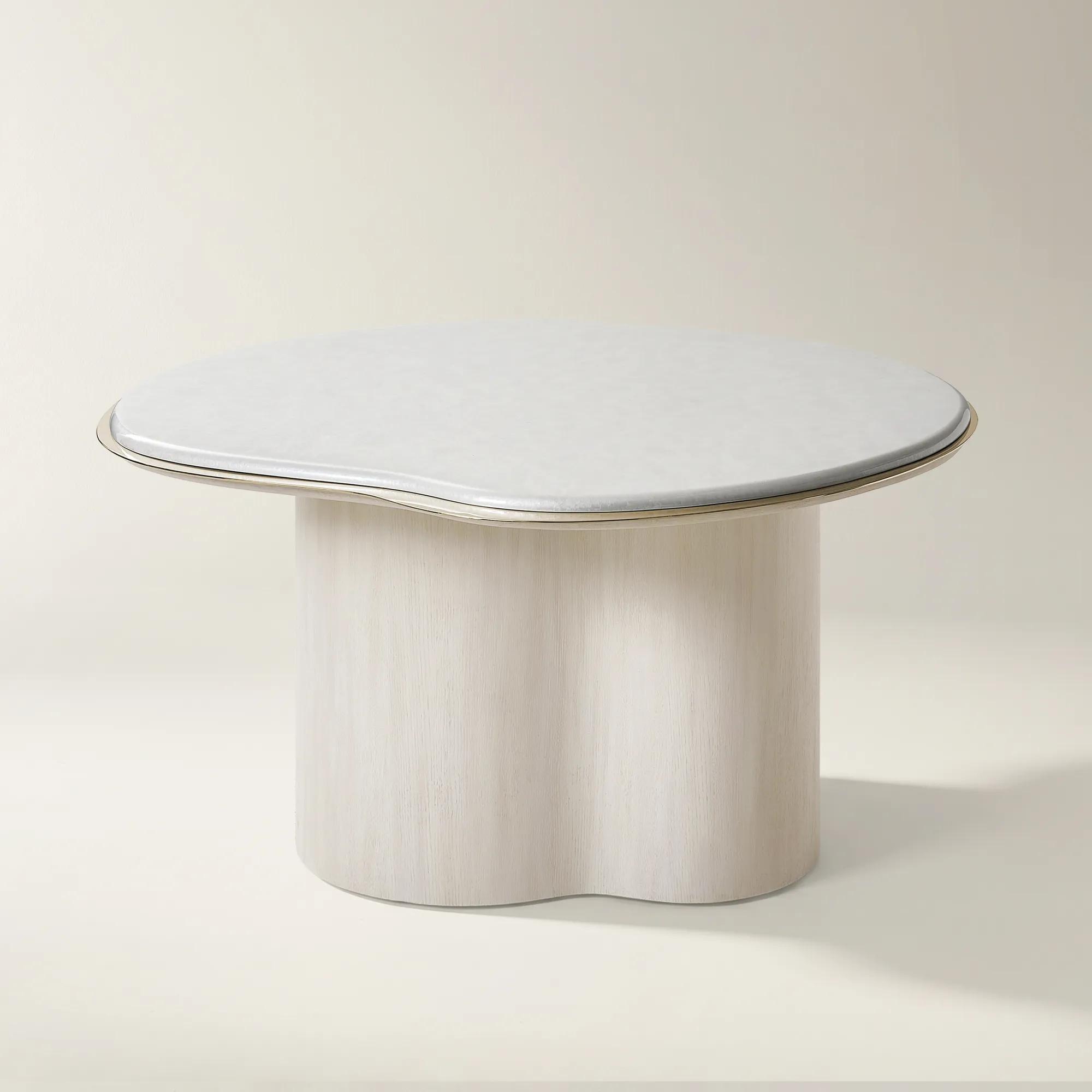 Lumina Bleached Oak Dining Table With Pearl Lacquered Top (58")$2699
A sculptural dining table featuring a pearl lacquered top, bleached oak base, and champagne gold trim.
Add To Cart -
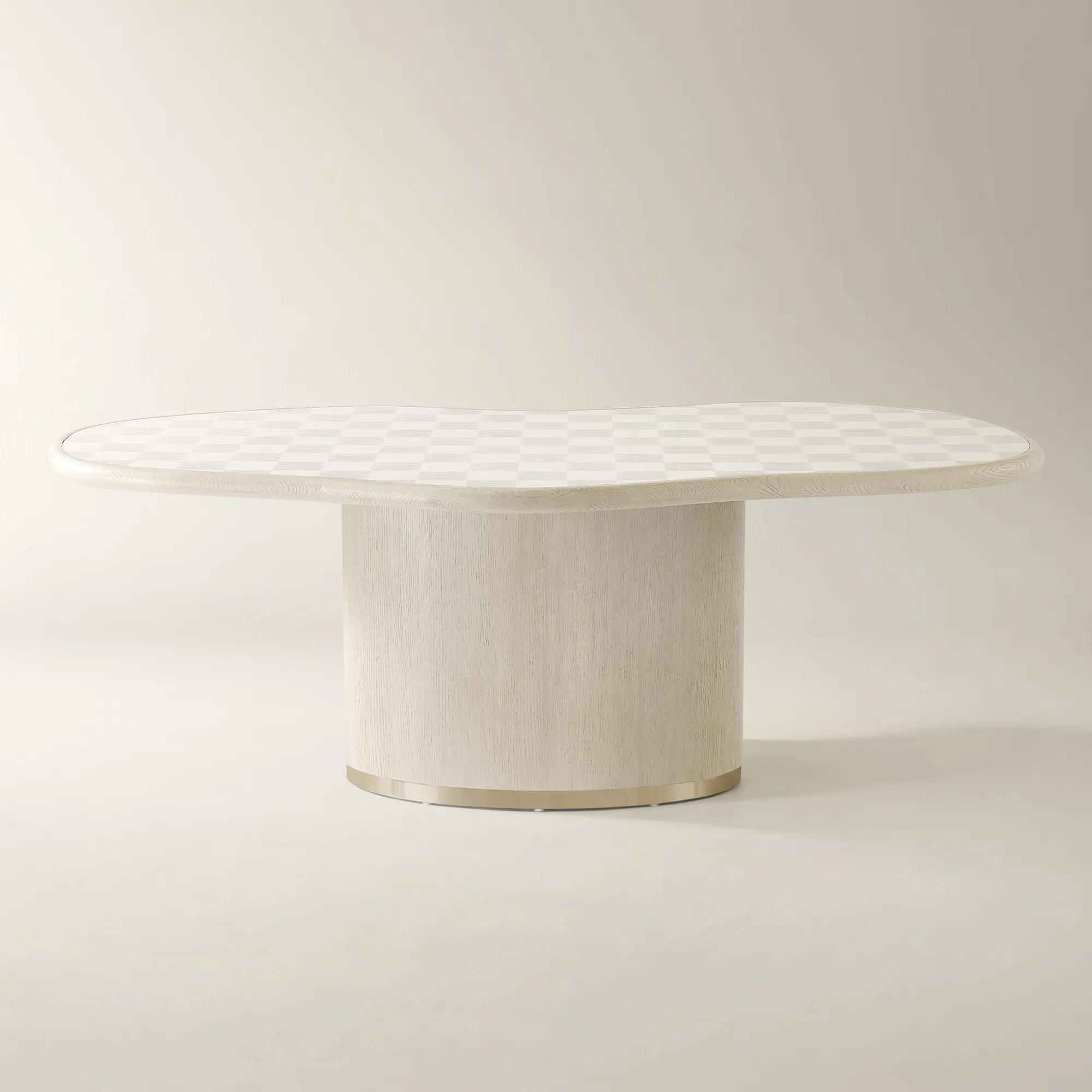 Vetra Checkerboard Oak and Maple Dining Table (84")$2399
A striking dining table featuring a hand-arranged oak and maple checkerboard veneer with soft gold accents.
Add To Cart -

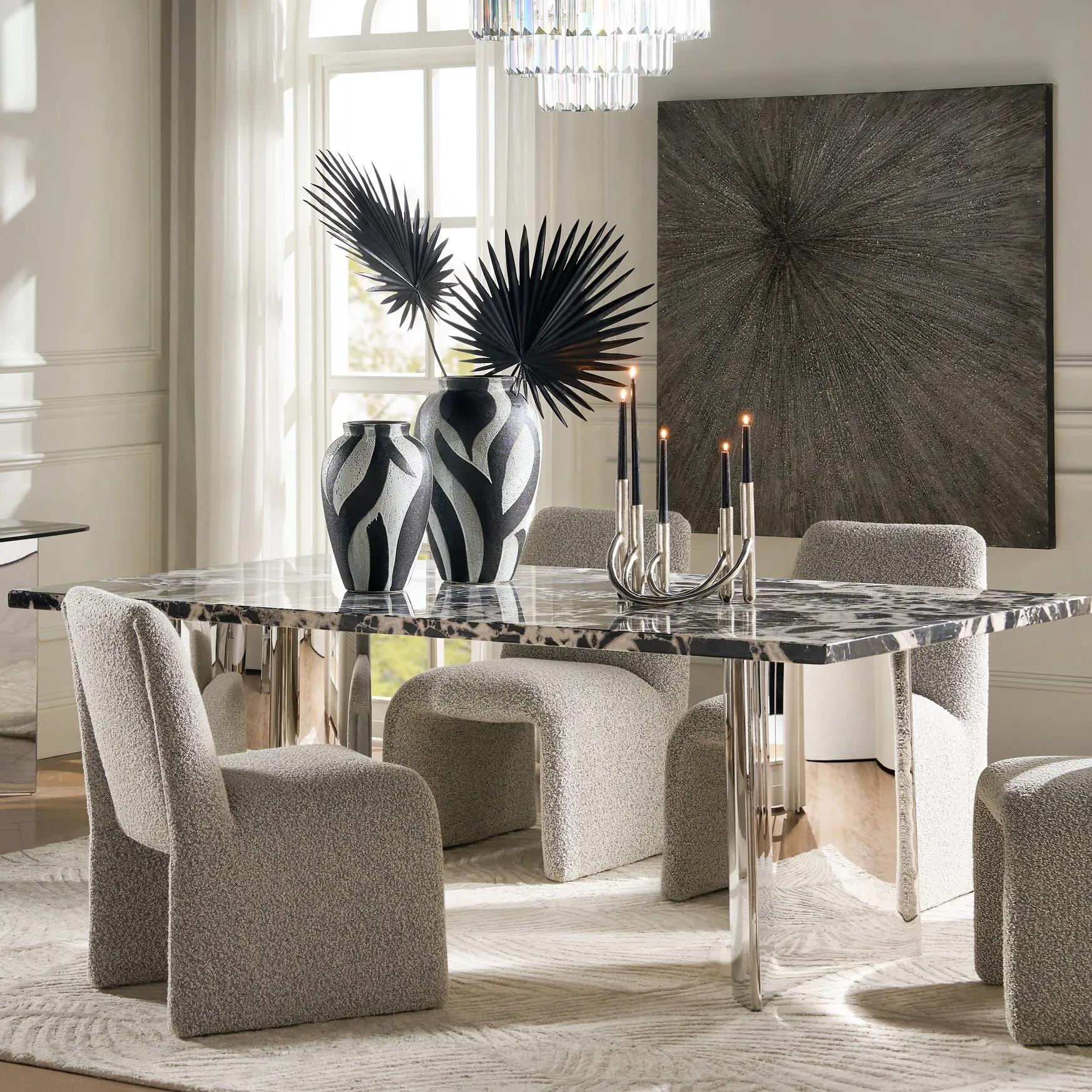 Muscat Rectangular Black Marble Dining Table With Stainless Steel Base (84")$3099
A dramatic black marble dining table with unique veining and a polished stainless steel base.
Add To Cart -
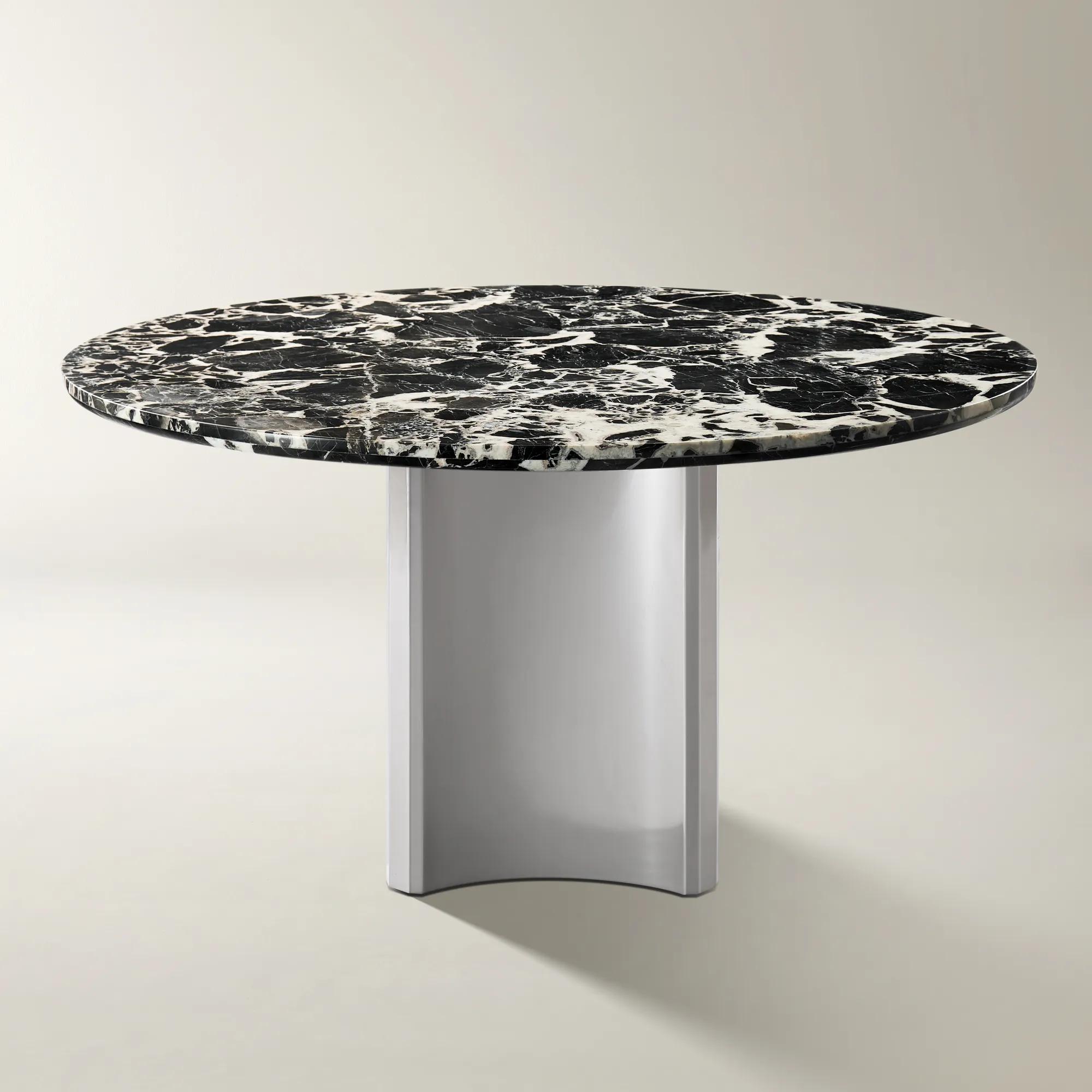
 Ventane Round Black Marble and Stainless steel Dining Table (58")$2999
A dramatic round dining table featuring a natural black marble top and polished stainless steel base.
Add To Cart -

 Matera Rectangular White Marble Dining Table With Stainless Steel Base (86.61")$2499
A modern dining table featuring a white marble top and polished stainless steel base for timeless elegance.
Add To Cart -
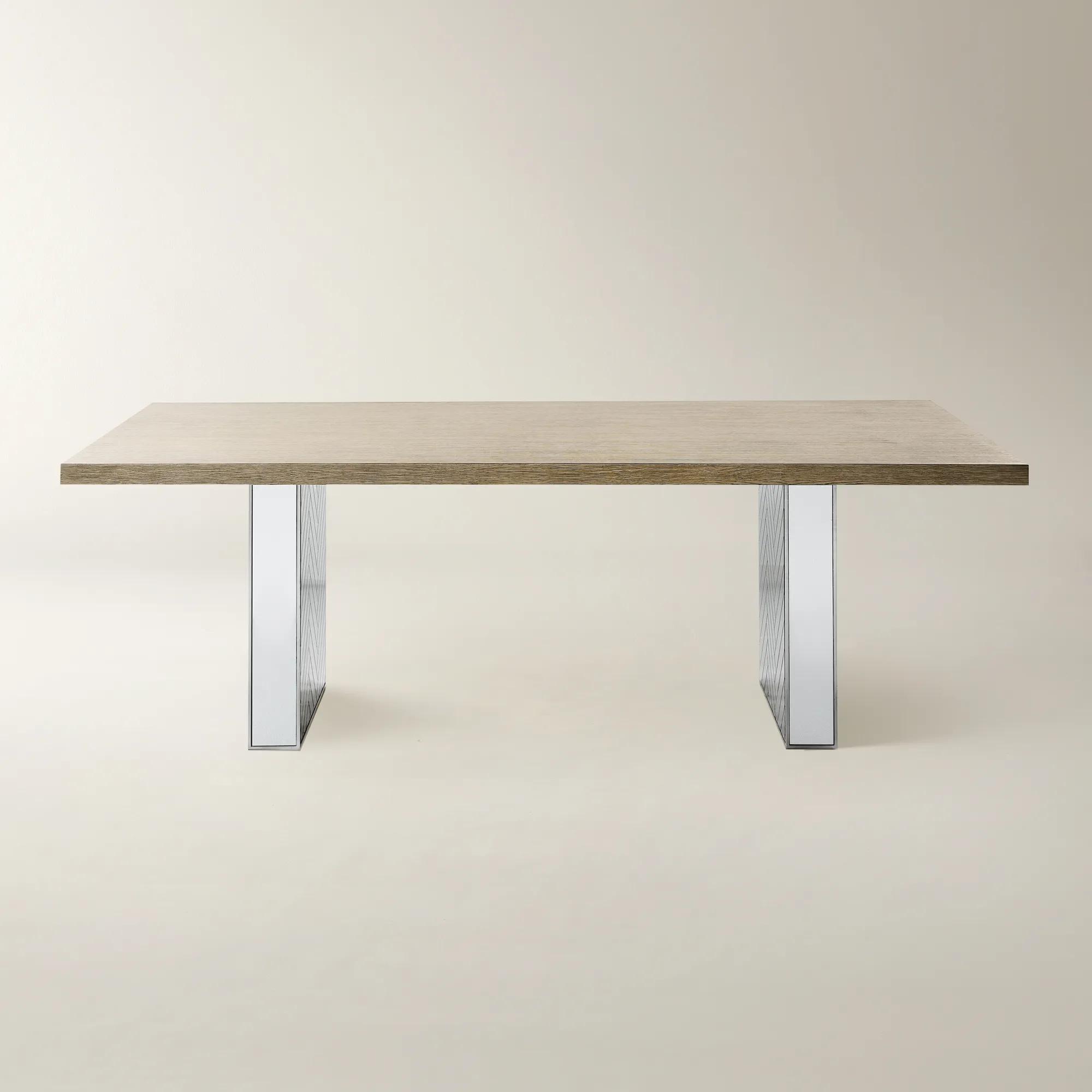
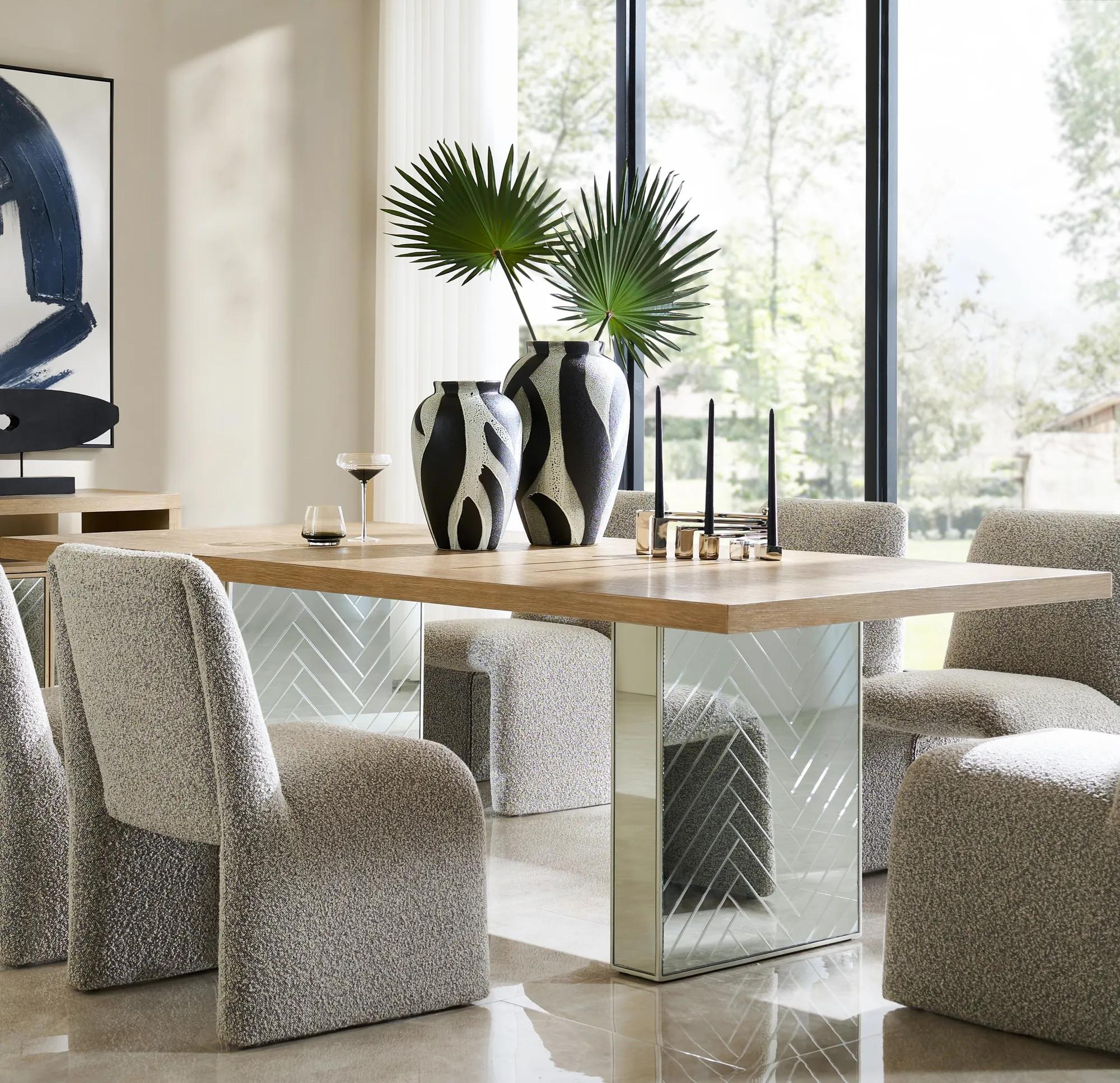 Glimmer Rectangular Seadrift Oak Dining Table With Mirrored Base (90.5")$1799
A modern dining table featuring a warm oak veneer top and a silver mirror-faced parquet base.
Add To Cart -
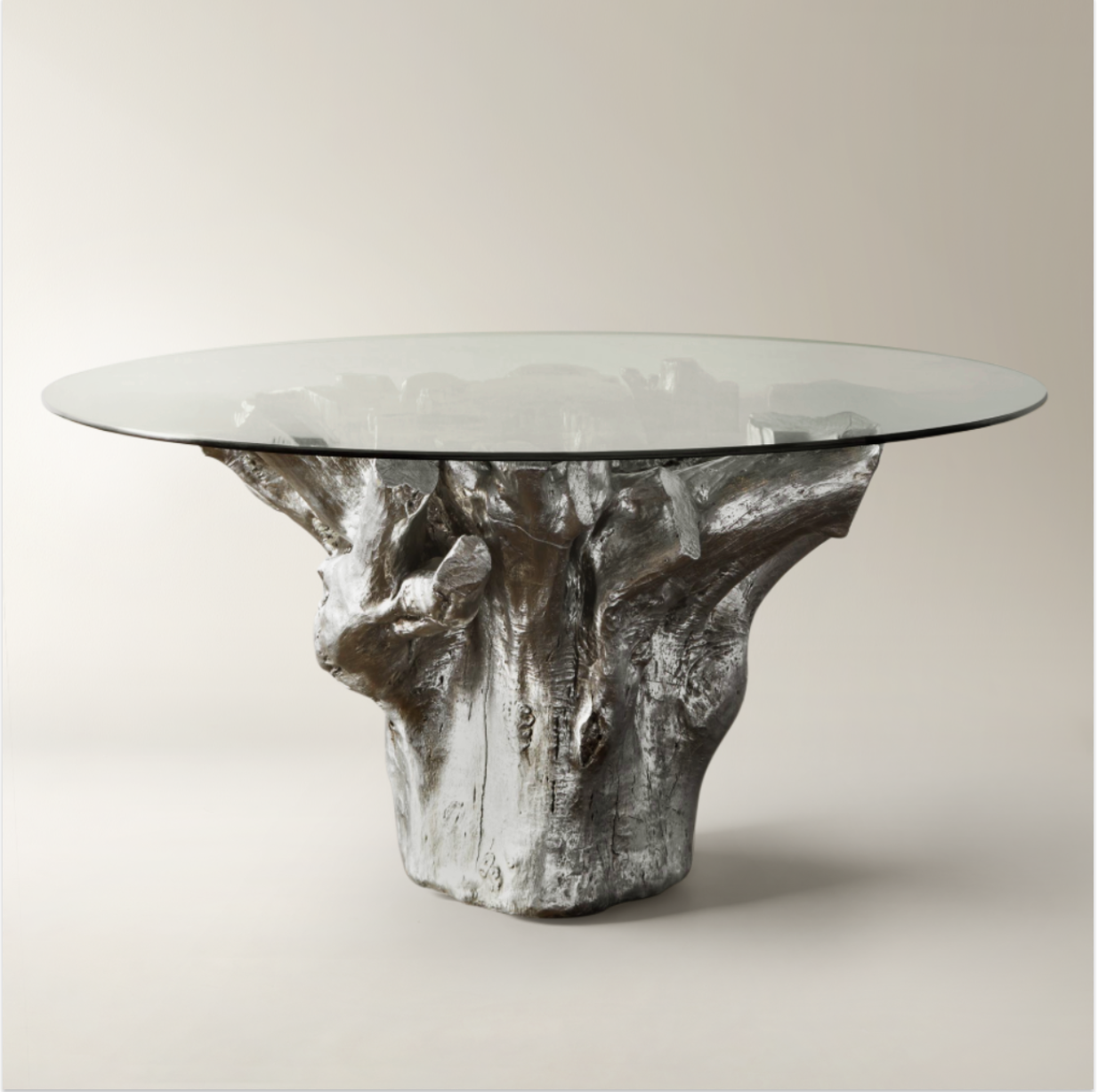 Sequoia Silver Resin Dining Table With Glass Top (60")$2199
A sculptural resin base with hand-applied silver leaf supports a round tempered glass top for modern elegance.
Add To Cart -
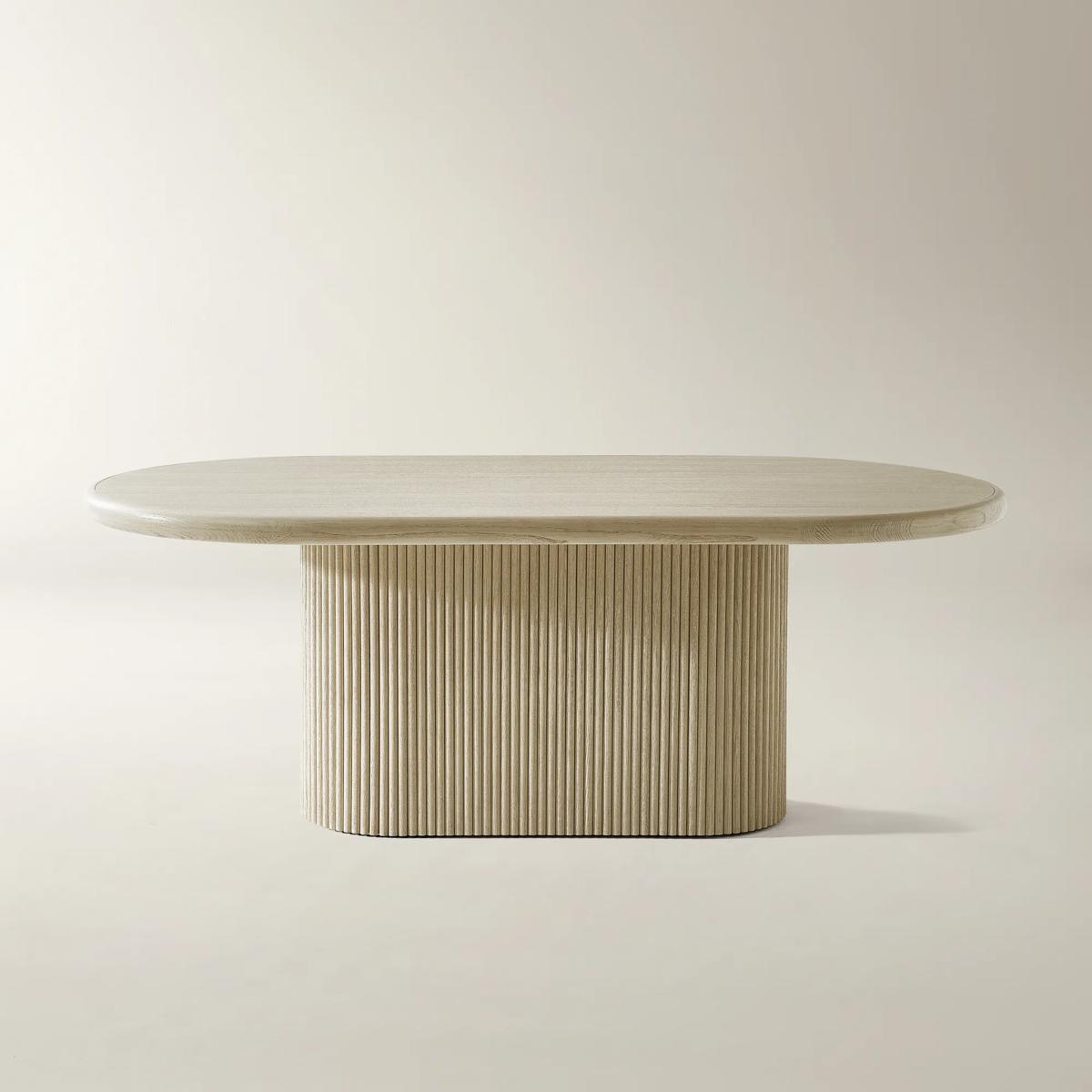
 Stria Oval Reeded White Oak Dining Table (82")$2199
A sculptural oval dining table featuring reeded oak, a single pedestal base, and gold-plated steel trim.
Add To Cart -
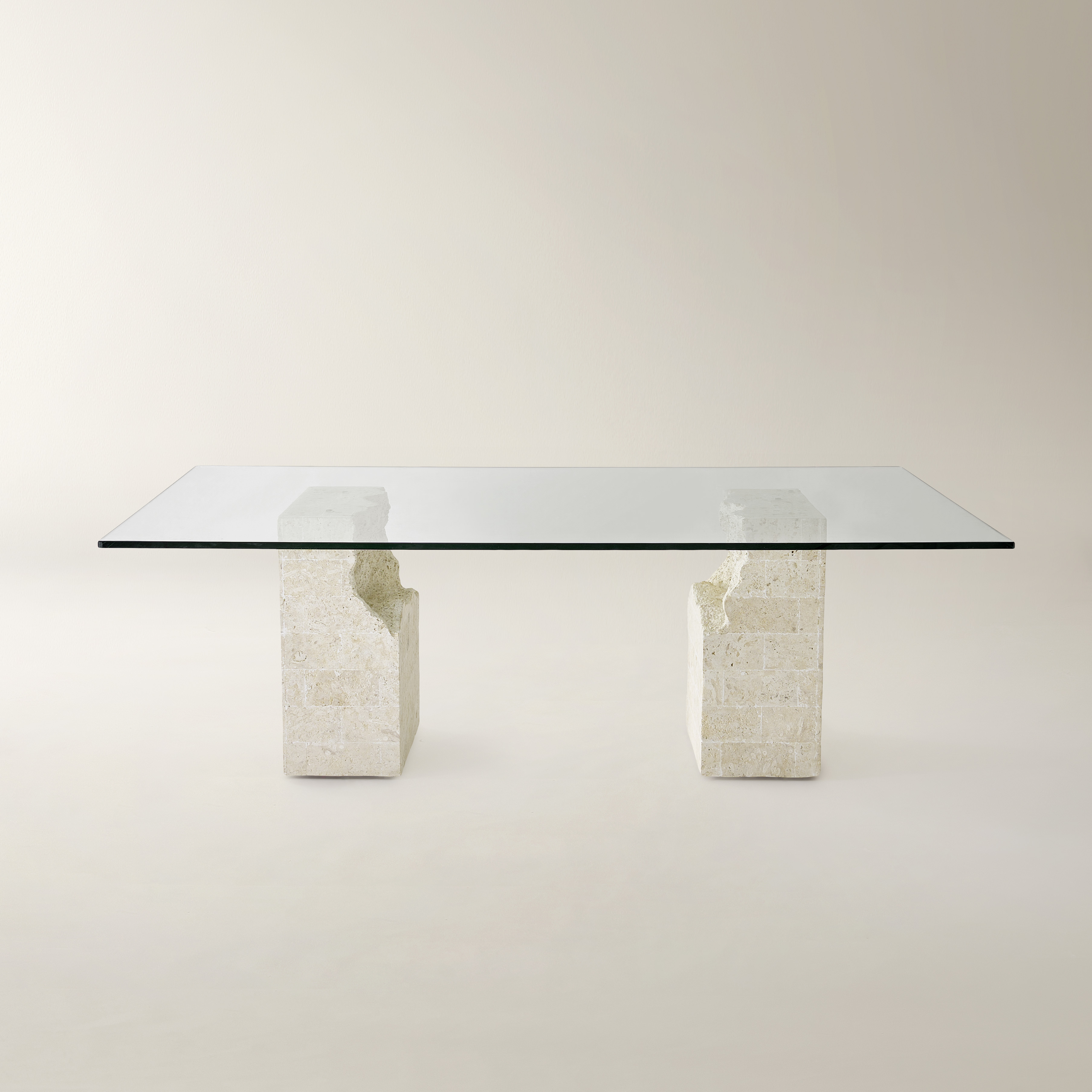 Cairo Rectangular Mactan Stone Dining Table With Glass Top (86.6")$2399
A contemporary dining table featuring a clear tempered glass top over hand-carved Mactan stone bases.
Add To Cart -
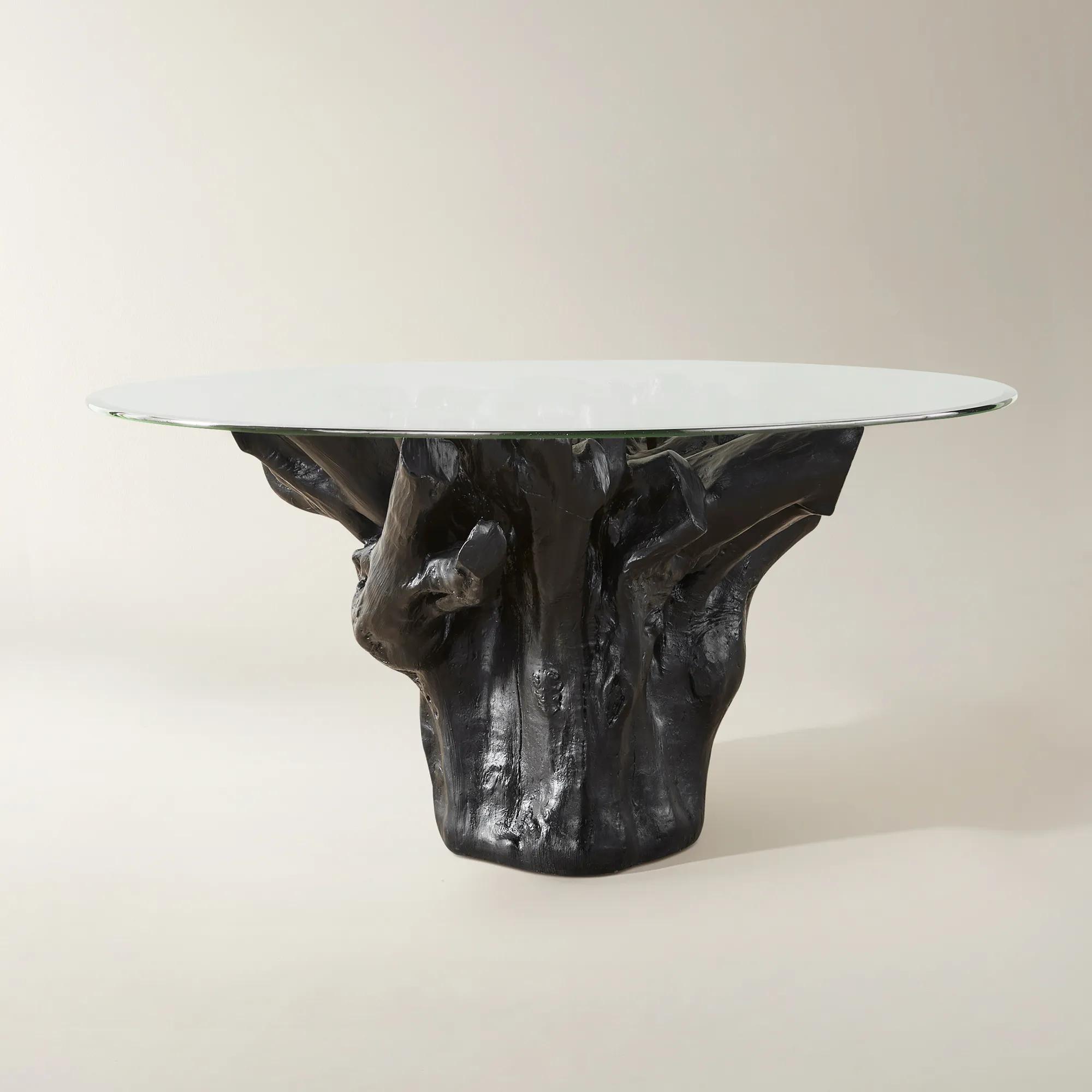 Sequoia Black Resin Dining Table With Glass Top (60")$2299
A sculptural black resin base with real stone fragments supports a round tempered glass top for organic elegance.
Add To Cart -
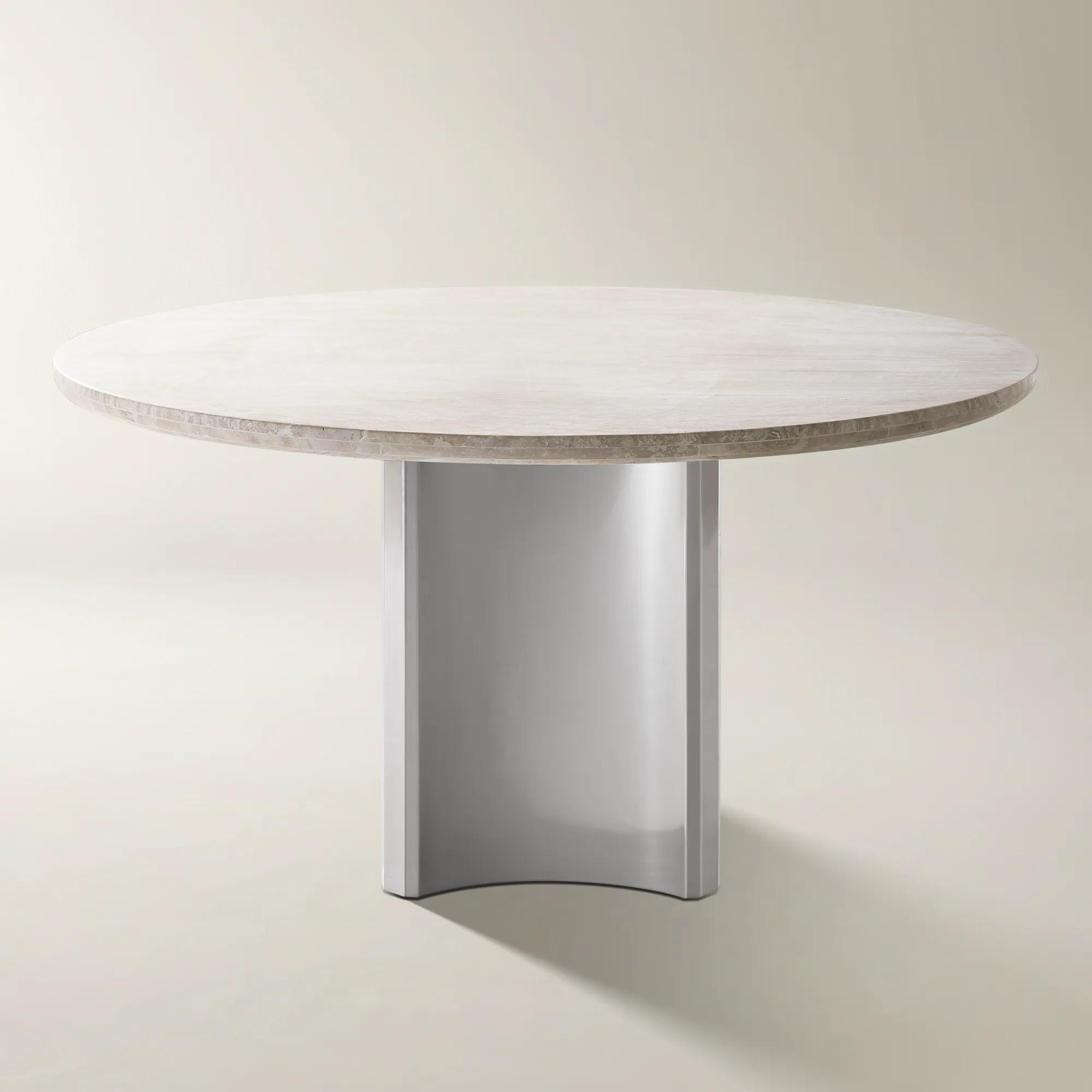 Ventane Round Tan Marble and Stainless steel Dining Table (58")$2999
A round tan travertine marble table with a polished stainless steel base for modern, elegant dining spaces.
Add To Cart -
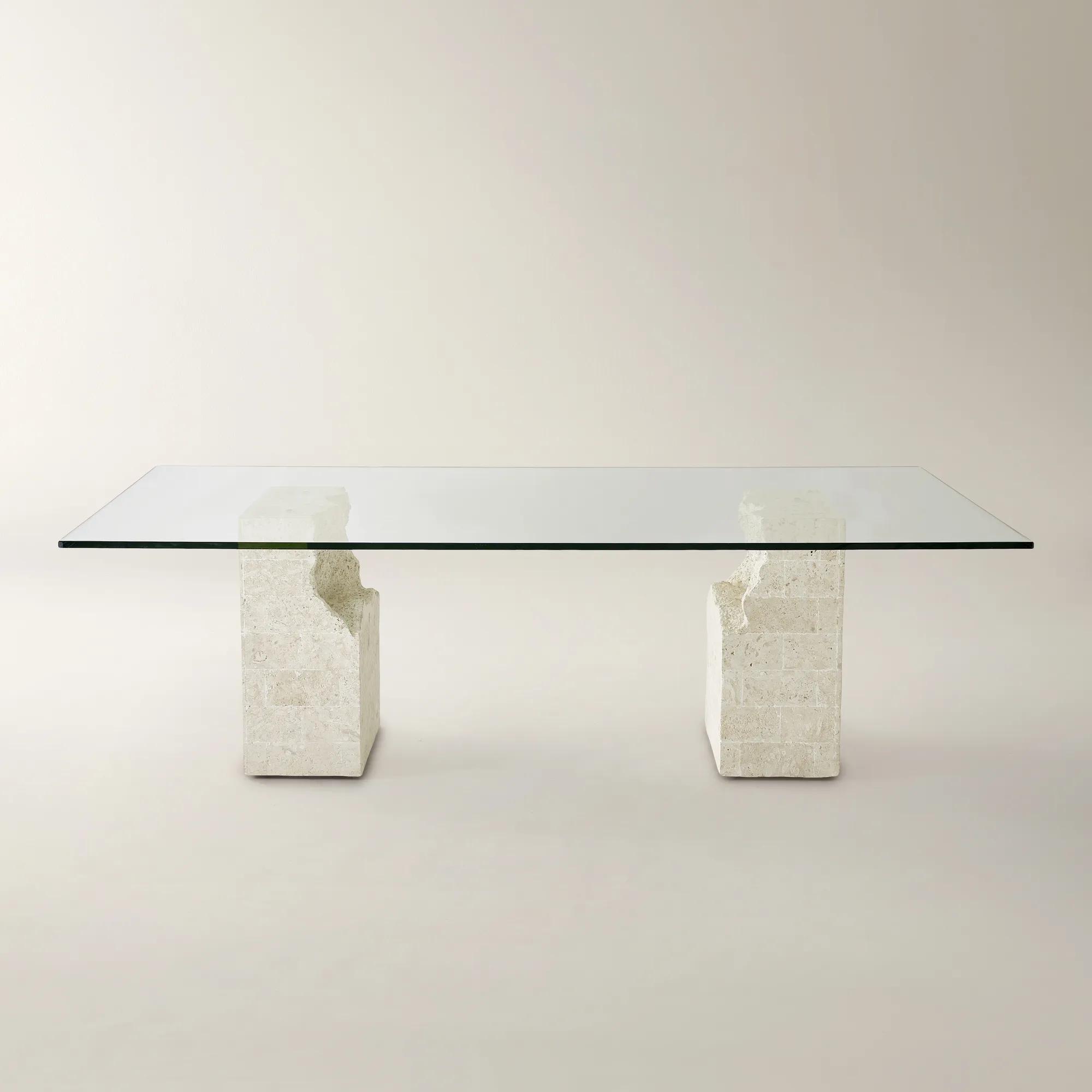 Cairo Rectangular Mactan Stone Dining Table With Glass Top (96")$2599
A contemporary dining table featuring a clear tempered glass top over hand-carved Mactan stone bases.
Add To Cart -
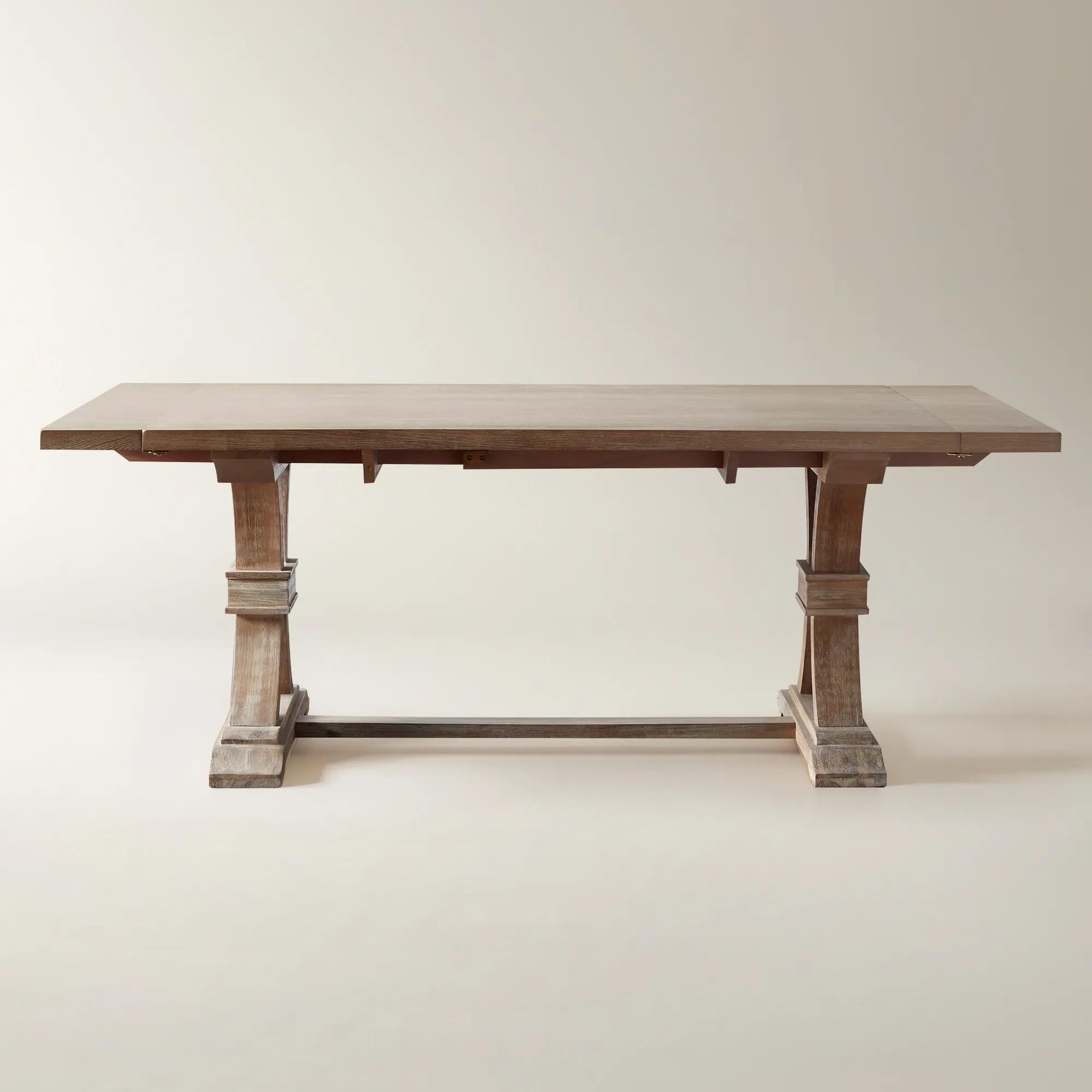
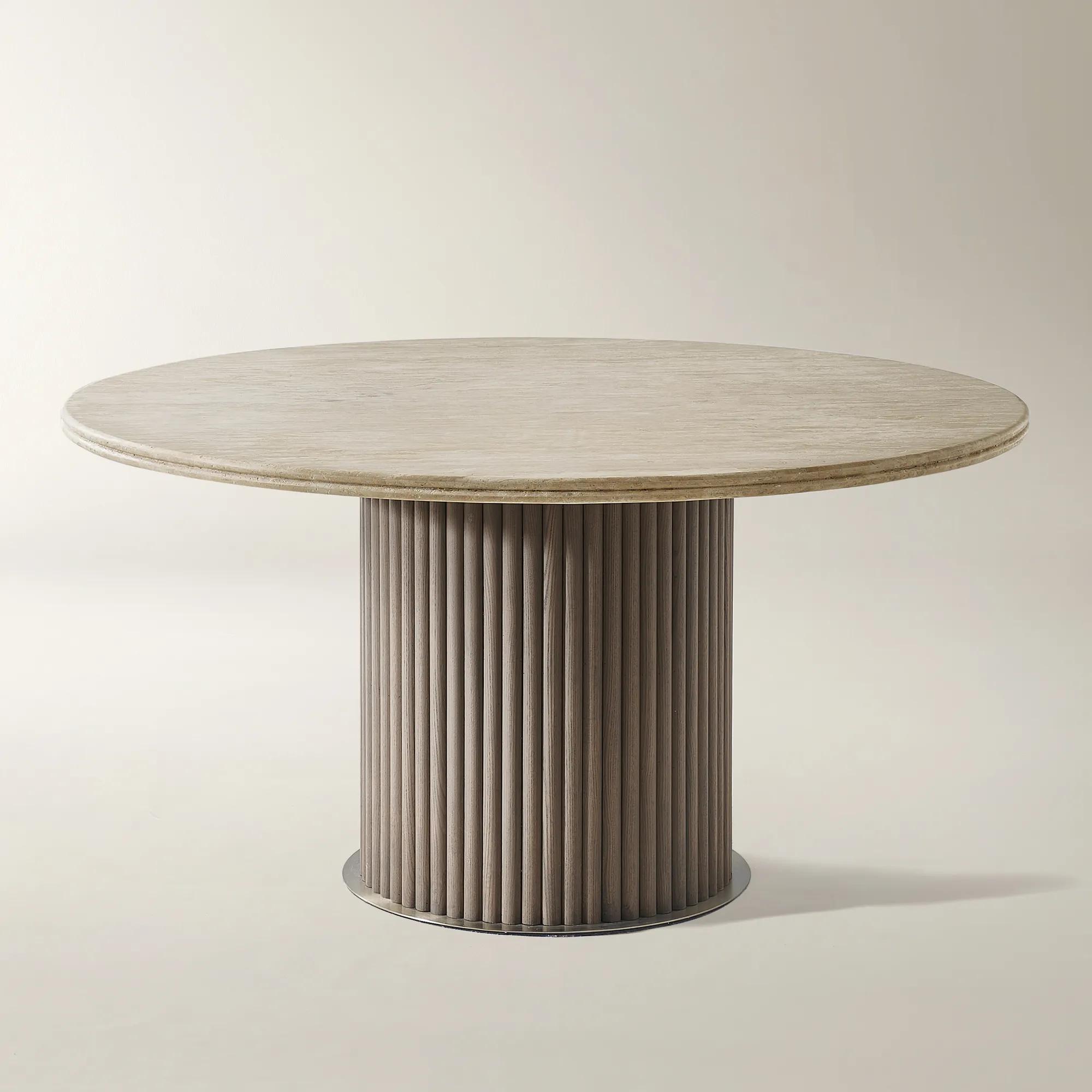 Bond Round Reeded Travertine and Wood Dining Table (59")$3499
A round dining table featuring a genuine natural travertine stone top and a fluted solid ash base.
Add To Cart

Formal Dining Room Ideas
Formal Dining Room Ideas are the invitation to indulge in the art of entertaining, transforming every meal into a grand occasion. Picture a space where sculptural silhouettes, gleaming finishes, and sumptuous textures converge, setting the stage for unforgettable evenings and spirited conversation. Here, dramatic lighting casts a golden glow over polished surfaces, while curated accents add layers of intrigue and sophistication. Whether you crave opulent glamour or modern refinement, discover inspiration to create a dining room that dazzles—where every detail is a brushstroke on your canvas of self-expression.
Formal dining room ideas take shape through a statement dining table, comfortable upholstered seating, a generously sized rug, and lighting that gives the entire arrangement a sense of occasion. A cohesive palette connects these elements, while large-scale artwork, sculptural silhouettes, and reflective accents bring depth and personality. The result should feel composed rather than rigid: a room equally suited to an anniversary dinner, an intimate gathering of friends, or an unhurried meal served on treasured dinnerware. Modern formal dining furniture often pairs clean architectural lines with expressive materials, such as richly grained wood, polished stone, glass, and gleaming metal. Traditional shapes introduce curves and carved detail, while transitional combinations balance familiar proportions with a more streamlined finish. A substantial pedestal table can create a striking centerpiece without corner legs competing with chairs; a rectangular table establishes a graceful rhythm in a longer room. Round tables encourage conversation and can soften an angular floor plan, provided there is enough space around the perimeter. Shape alone does not determine capacity, so compare actual dimensions with the number and width of the chairs. Allow approximately 24 inches of table edge per person as a starting point, with additional room for generous armchairs or elaborate place settings. Aim for at least 36 inches between the table and surrounding walls or furniture, and more where guests need to pass behind occupied chairs. Material choice should reflect how the room will be used. Wood brings warmth and distinctive grain, but finishes vary in their resistance to moisture and scratches. Stone offers dramatic veining and substantial presence, though some surfaces require sealing and protection from acidic spills. Glass lends visual openness while making fingerprints more noticeable. Protective pads, coasters, and prompt spill cleanup help preserve the surface without diminishing its beauty. For a dining room used frequently, dependable construction and practical upkeep matter just as much as the first impression.
Dining chairs give a formal room much of its tactile richness, especially when sumptuous upholstery contrasts with a smooth tabletop. Velvet creates depth as light moves across its pile, textured woven fabrics add dimension, and leather introduces a tailored surface with its own care requirements. Where meals include young children or frequent entertaining, upholstery selected for cleanability and abrasion resistance can make a more practical choice; performance claims and cleaning methods should always be checked against the fabric specifications. Comfort depends on proportions rather than appearance alone. Compare seat height with the underside of the table, allowing roughly 10 to 12 inches of space between the seat and tabletop as a common starting point, and confirm that arms clear any apron. Supportive backs and well-proportioned seats encourage guests to linger without crowding the setting. Matching chairs create a unified silhouette, while upholstered host chairs at the ends of a table can introduce a contrasting texture or shape. Beneath them, a large area rug defines the dining zone and softens the sound of conversation. Ideally, the rug extends at least 24 to 30 inches beyond the tabletop on every side so chair legs remain supported when seats are pulled back; especially deep chairs may need more space. Measure with any table extensions in place if that is the room’s usual entertaining arrangement. Low-pile or flatwoven constructions generally make chairs easier to move, while fiber content, backing, and care instructions determine suitability for spills and regular use. Overhead, a statement chandelier establishes a visual center. Its scale should relate to both the table and the room, with enough clearance to preserve sightlines across dinner. A hanging height around 30 to 36 inches above the tabletop is a common starting point for an eight-foot ceiling, subject to the fixture’s design and installation requirements. Compatible dimming allows bright illumination for setting the table and a gentler glow when guests sit down. In an open-concept home, the rug and chandelier also give the dining area a distinct identity while complementary finishes connect it to adjacent spaces.
Storage and decorative accents complete the room with purpose as well as presence. A sideboard or buffet provides a landing place for serving dishes, keeps linens close at hand, and offers a broad surface for a composed arrangement of art, lamps, or sculptural objects. Its doors and drawers need room to open without interrupting seating, and its depth should be considered alongside the clearance behind chairs. Closed storage helps preserve a serene backdrop, while a display cabinet can frame glassware and collected pieces with a more decorative effect. Above a buffet, one substantial artwork often creates a stronger focal point than several pieces too small for the wall. A mirror can amplify light and architectural detail, but its reflection deserves consideration: a beautiful chandelier or expressive artwork makes a more compelling view than a busy passageway. A considered selection of formal dining room accessories brings the setting into focus through proportion, texture, and restrained repetition. A low centerpiece preserves conversation across the table, while taller arrangements work beautifully on a sideboard where they do not obstruct faces or serving space. Candlesticks, decorative bowls, and substantial vases introduce sculptural interest without requiring every surface to be filled. Repeating one metal finish or an accent color across a few details creates continuity; allowing wood grain, upholstery, and artwork to vary keeps the room expressive. Dinnerware and glassware should balance visual impact with the intended routine, whether that means dishwasher-safe pieces for frequent gatherings or delicate finishes reserved for special occasions. Follow individual care instructions, protect furniture from hot serving vessels, and lift decorative objects rather than sliding them across polished surfaces. For newlyweds, new homeowners, or hosts who delight in a beautifully set table, serving pieces and decorative vessels can make thoughtful gifts when chosen around existing colors and proportions. The most compelling formal dining rooms feel personal and assured, with furniture that supports gracious hosting and details that reward a closer look.
FAQs
An elegant formal dining room relies on a harmonious blend of statement lighting, sophisticated furniture, and layered textures. Start with a striking chandelier or sculptural overhead fixture as a focal point, then introduce plush upholstered seating and a luxurious rug to anchor the space. Add drama and depth with rich fabrics, metallic accents, and curated wall art or mirrors. Thoughtful accessories—like refined tableware, sculptural centerpieces, and candlelight—complete the scene, ensuring every gathering feels special.
Seasonal touches can be introduced with fresh floral arrangements, greenery, and decorative accents that reflect the time of year. In winter, consider jewel-toned table linens, silver or gold candleholders, and lush velvet chair cushions to evoke warmth and opulence. For spring and summer, lighter fabrics, pastel accessories, and vibrant blooms can refresh the space. Rotating art, vases, or table runners allows your dining room to evolve with the seasons while maintaining its formal elegance.
Accessories that elevate a formal dining room include ornate chargers, crystal or metallic napkin rings, sculptural vases, and elegant candleholders. Layered table settings with fine china, linen napkins, and decorative placemats add a tactile sense of luxury. Statement centerpieces—whether a floral arrangement or a bold sculptural object—draw the eye and create a dramatic focal point. Mirrors and art with gilded or lacquered frames further amplify the room’s sophistication.
Formal dining room decor makes a thoughtful and memorable gift for newlyweds, new homeowners, or anyone who delights in entertaining. Items such as decorative serving trays, luxurious table linens, or unique centerpiece bowls become cherished keepsakes, often associated with shared celebrations and milestones. These gifts are ideal for hosts and hostesses who love to create memorable gatherings and value the artistry of a beautifully set table.
Art and mirrors are powerful tools for elevating a formal dining room. Large-scale artwork or a curated gallery wall can serve as a bold statement, reflecting your personal style and setting the mood for the room. Mirrors, especially those with ornate or metallic frames, bounce light around the space and create a sense of grandeur and openness. Positioning a mirror to reflect a chandelier or a beautiful tablescape doubles the drama and makes the room feel even more opulent.