Dining Room Ideas For Entertaining
Dining Room Ideas For Entertaining
-
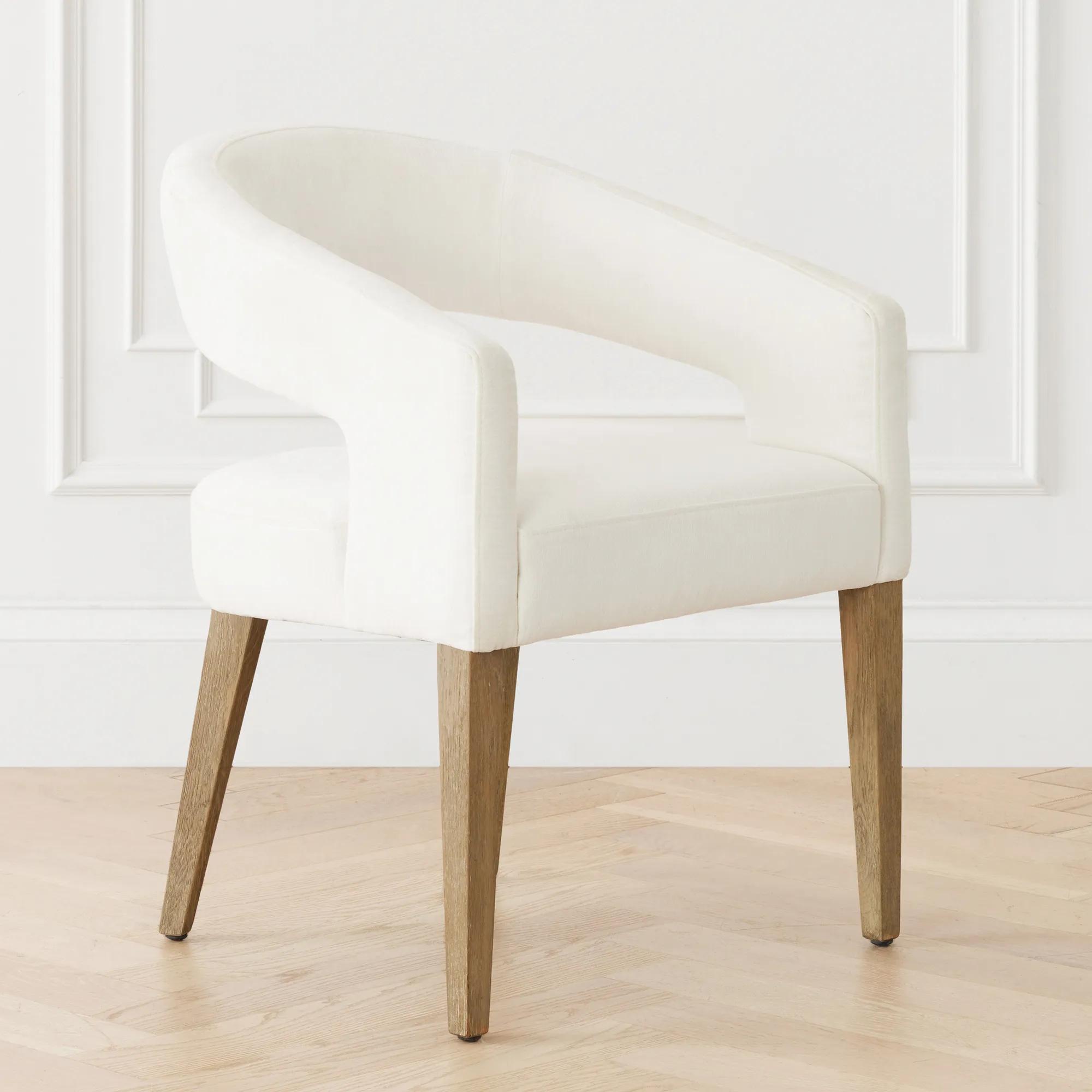 Philippa Dining Chair - Natural Grey$845
A modern dining chair featuring a curved silhouette, grey upholstery, and a kiln-dried hardwood frame.
Add To Cart -
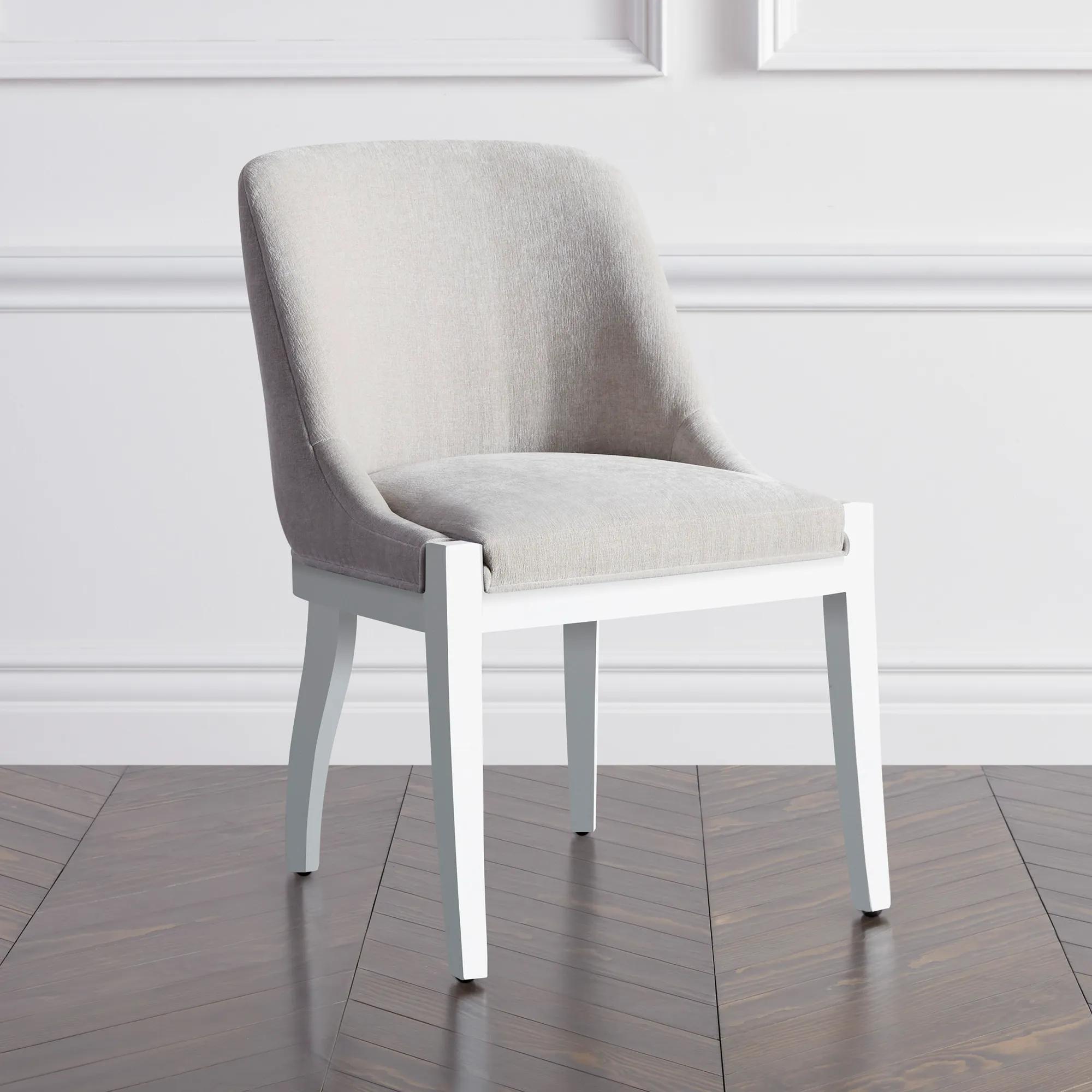
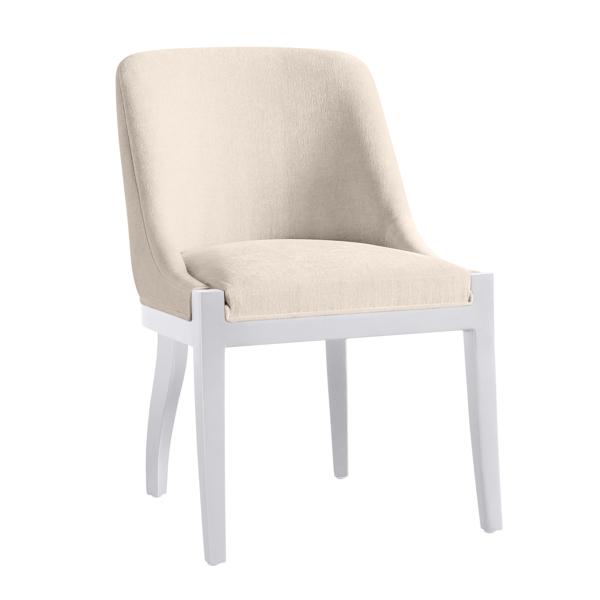 Lily Dining Chair - High Gloss White$699
A modern dining chair with a kiln-dried hardwood frame and high-gloss white legs for lasting elegance.
Add To Cart -
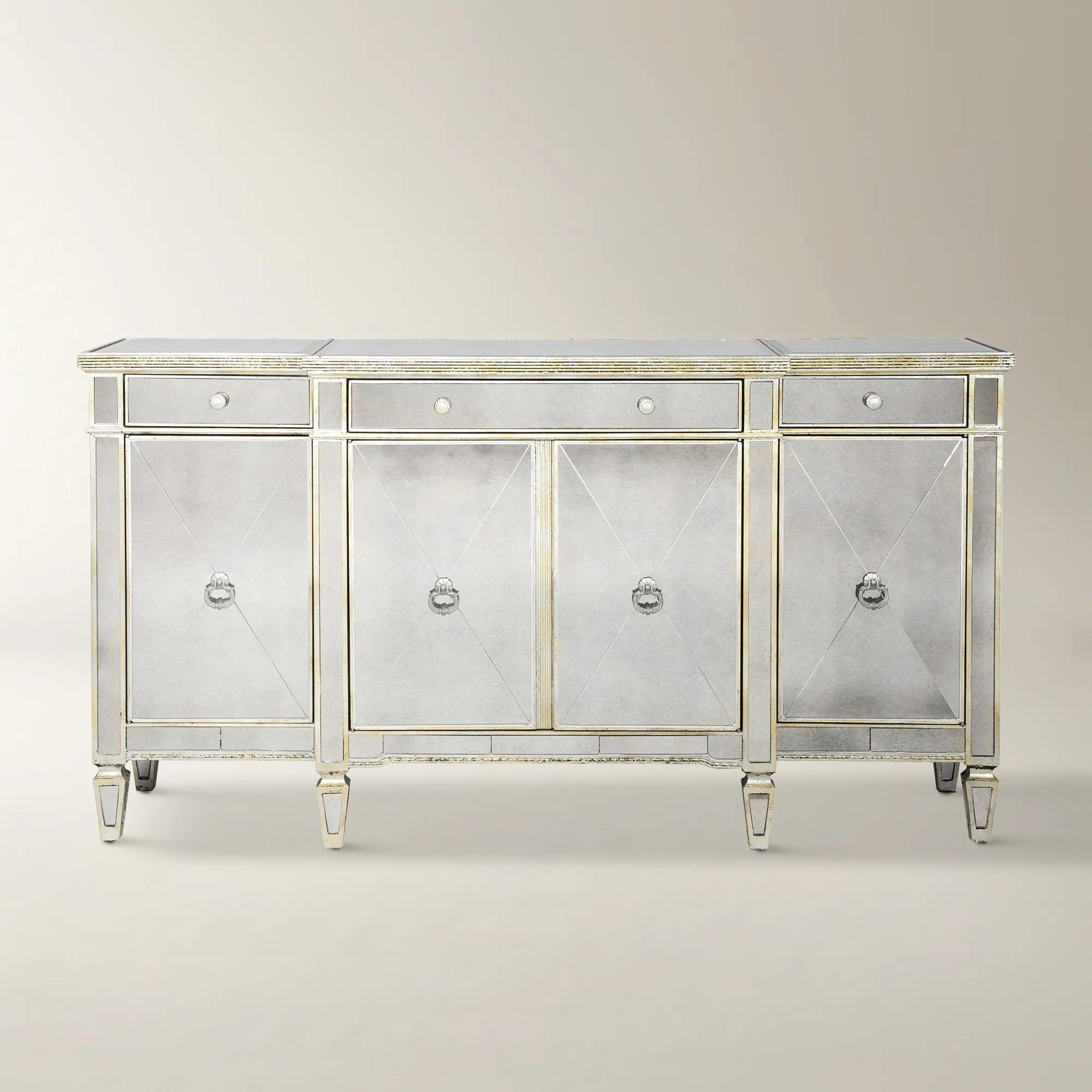
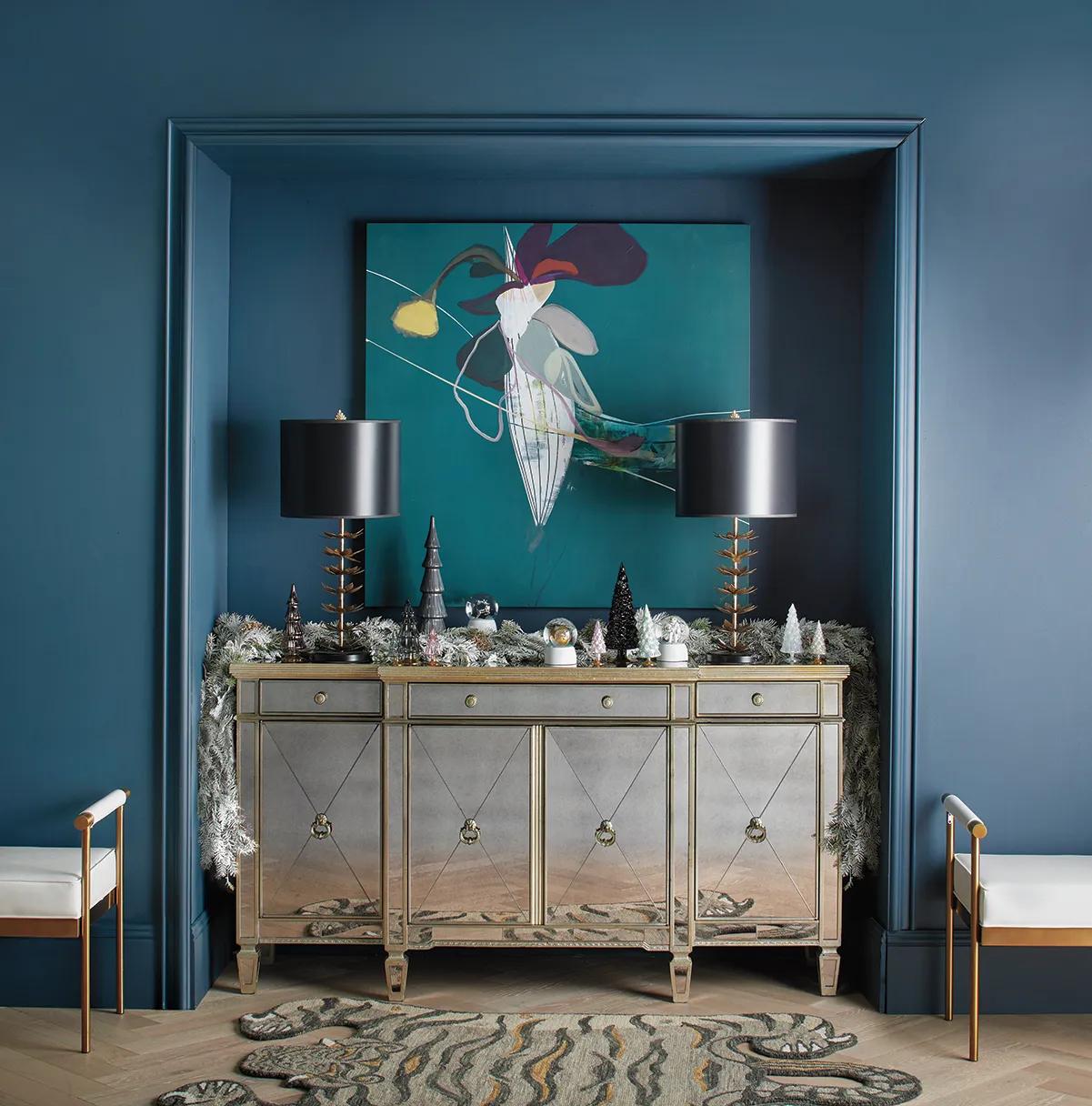 Borghese Mirrored Silver 3-Drawer Buffet (70")$2199
A sophisticated mirrored buffet featuring antique beveled glass, champagne gilt wood trim, and hand-applied silver leaf.
Add To Cart -
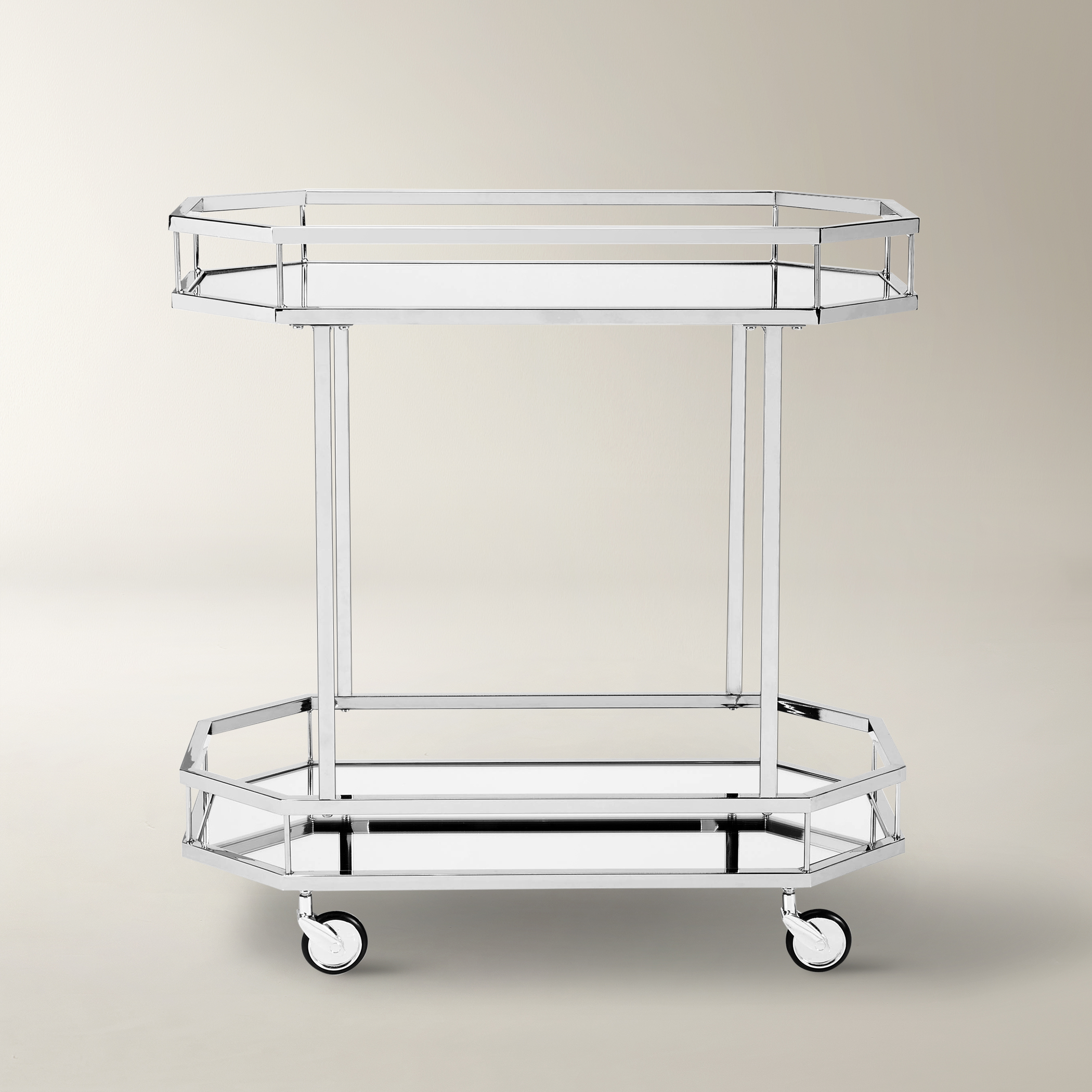
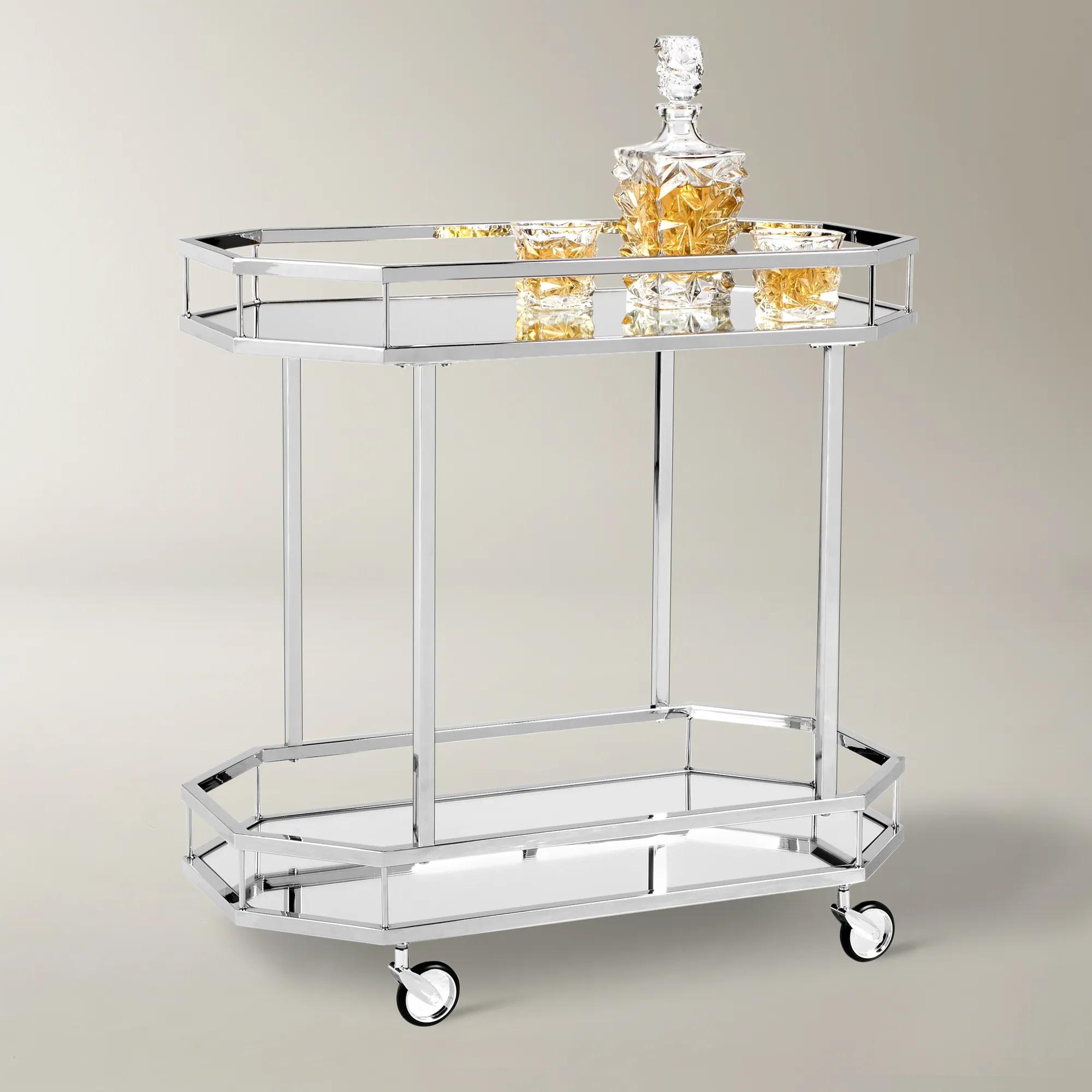 Metropolitan Silver Chrome Plated Steel 2-Tier Bar Carts With Mirror Tray (29.5")$449
A sleek chrome-plated bar cart with mirrored trays and casters for stylish, mobile entertaining.
Add To Cart -
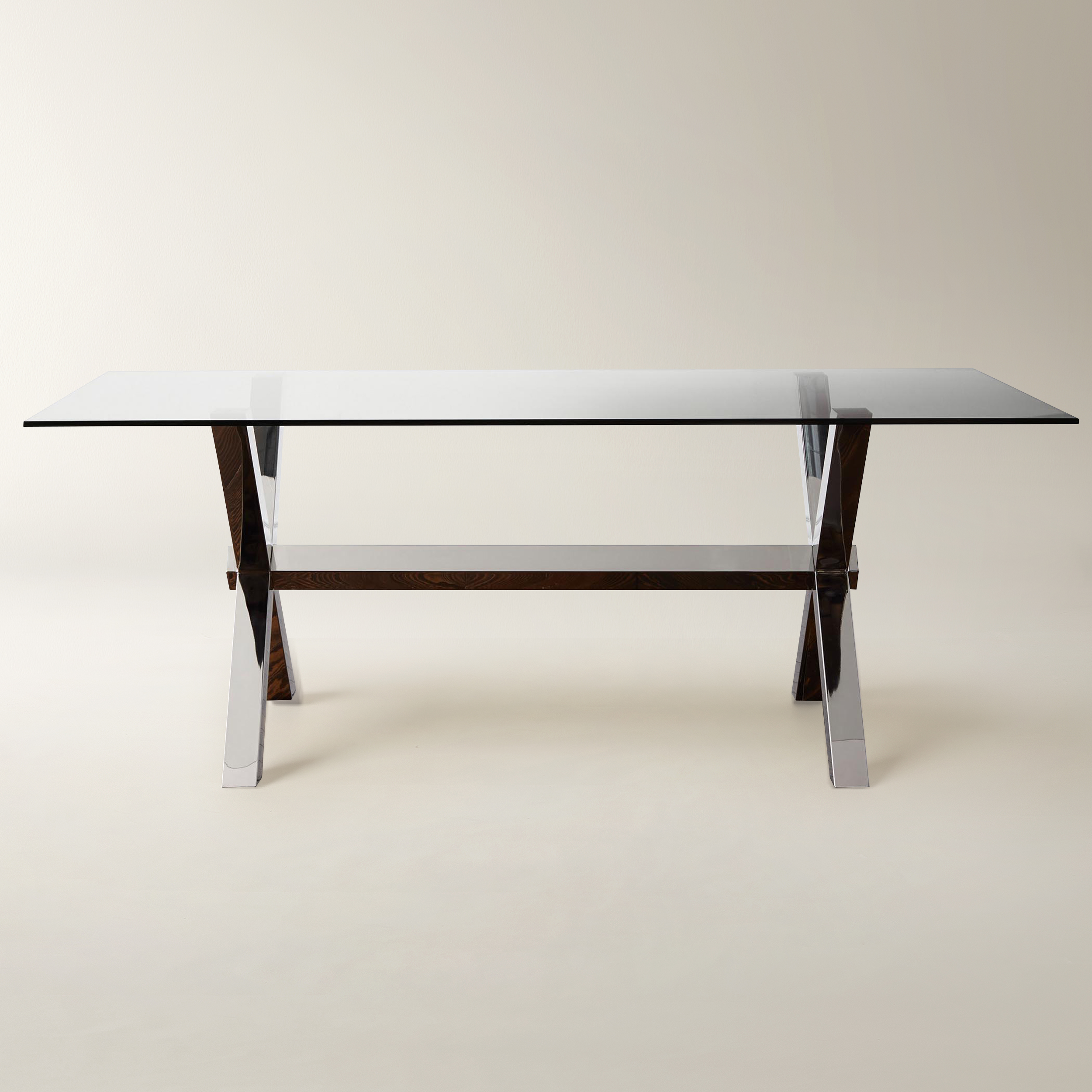
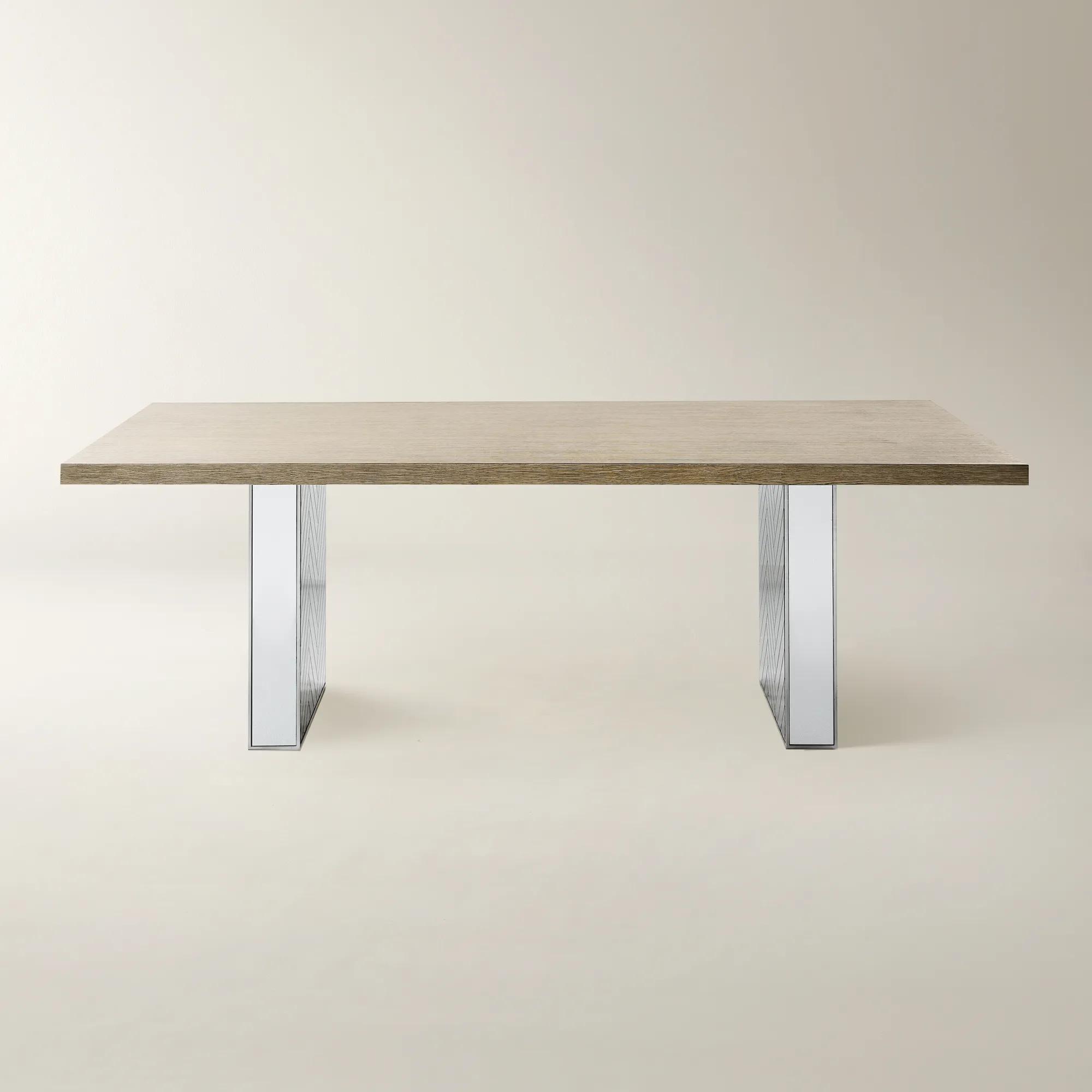
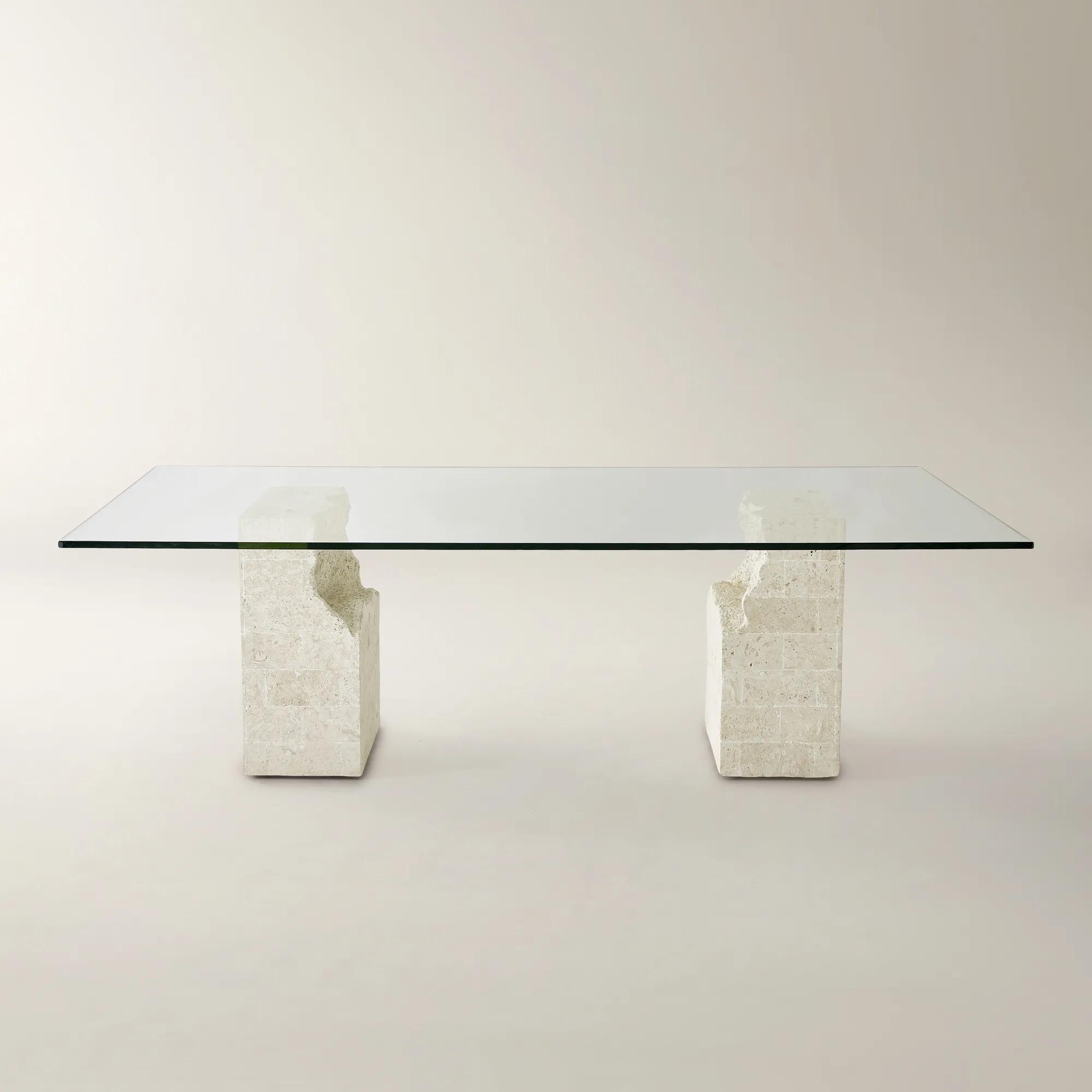
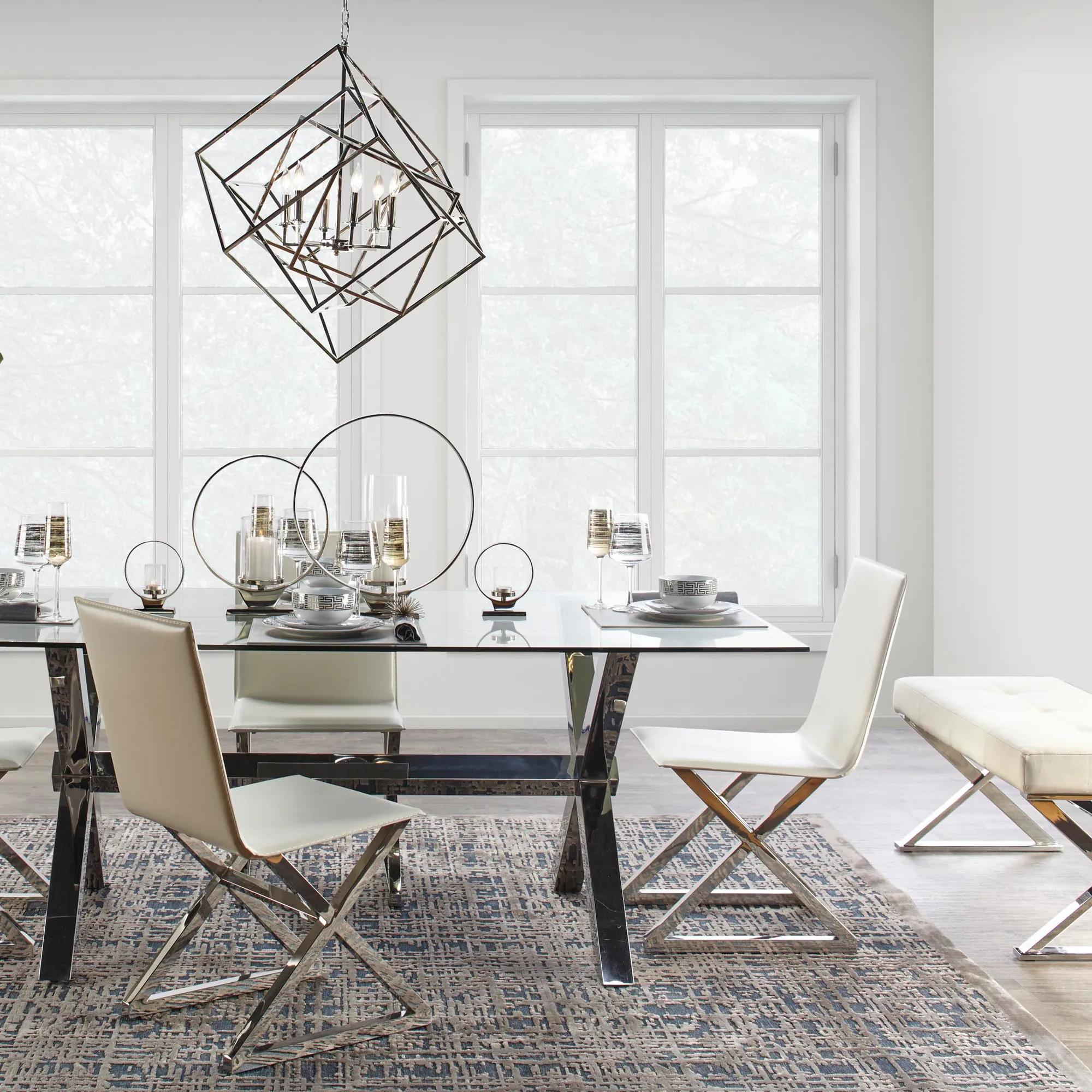 Axis Rectangular Silver Dining Table With Glass Top (78")$1199
A contemporary dining table featuring a polished stainless steel base and durable tempered glass top.
Add To Cart -
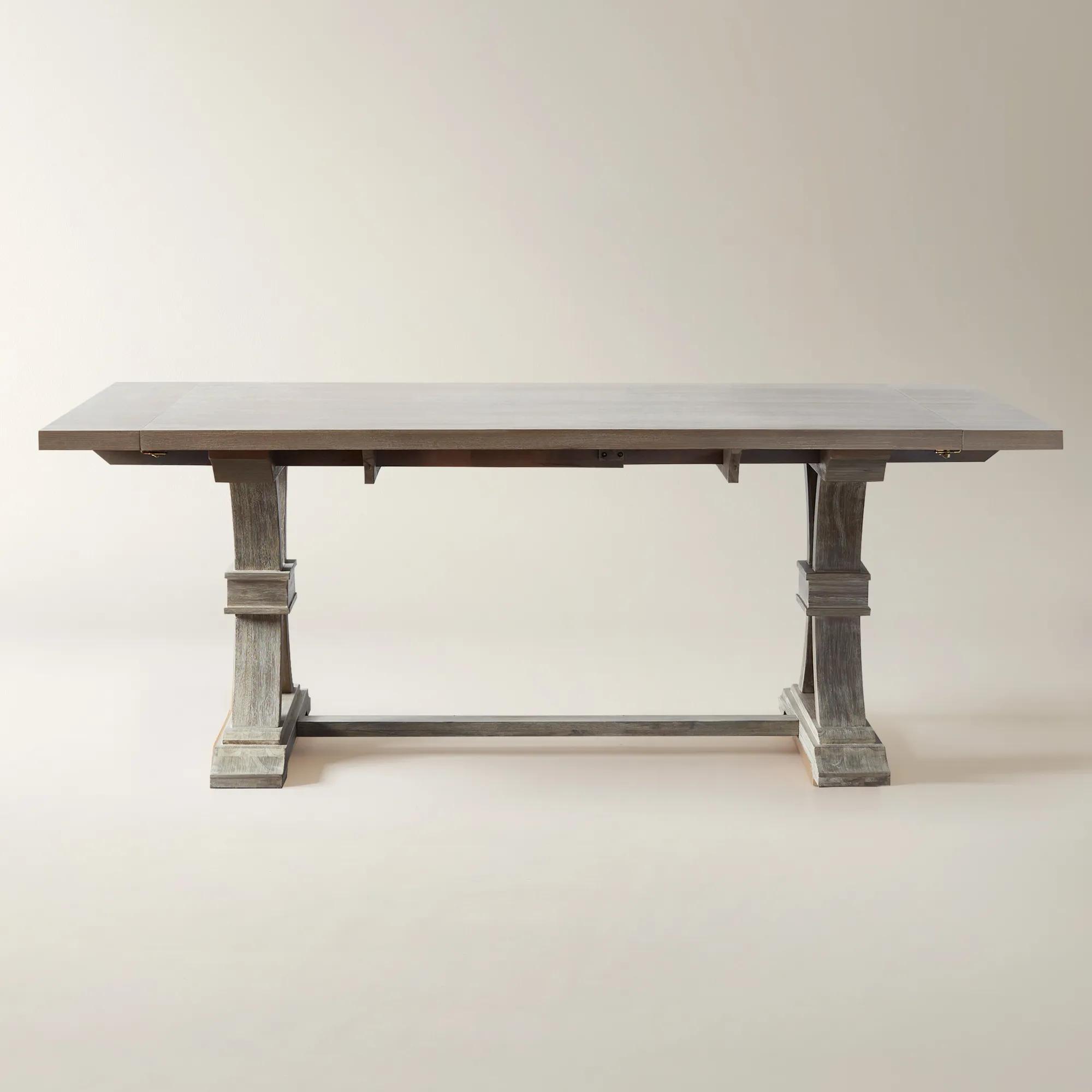 Archer Rectangular Grey Acacia Wood Extending Dining Table (78" - 110")$2499
A weathered grey acacia wood dining table with removable leaves and a kiln-dried hardwood frame.
Add To Cart -
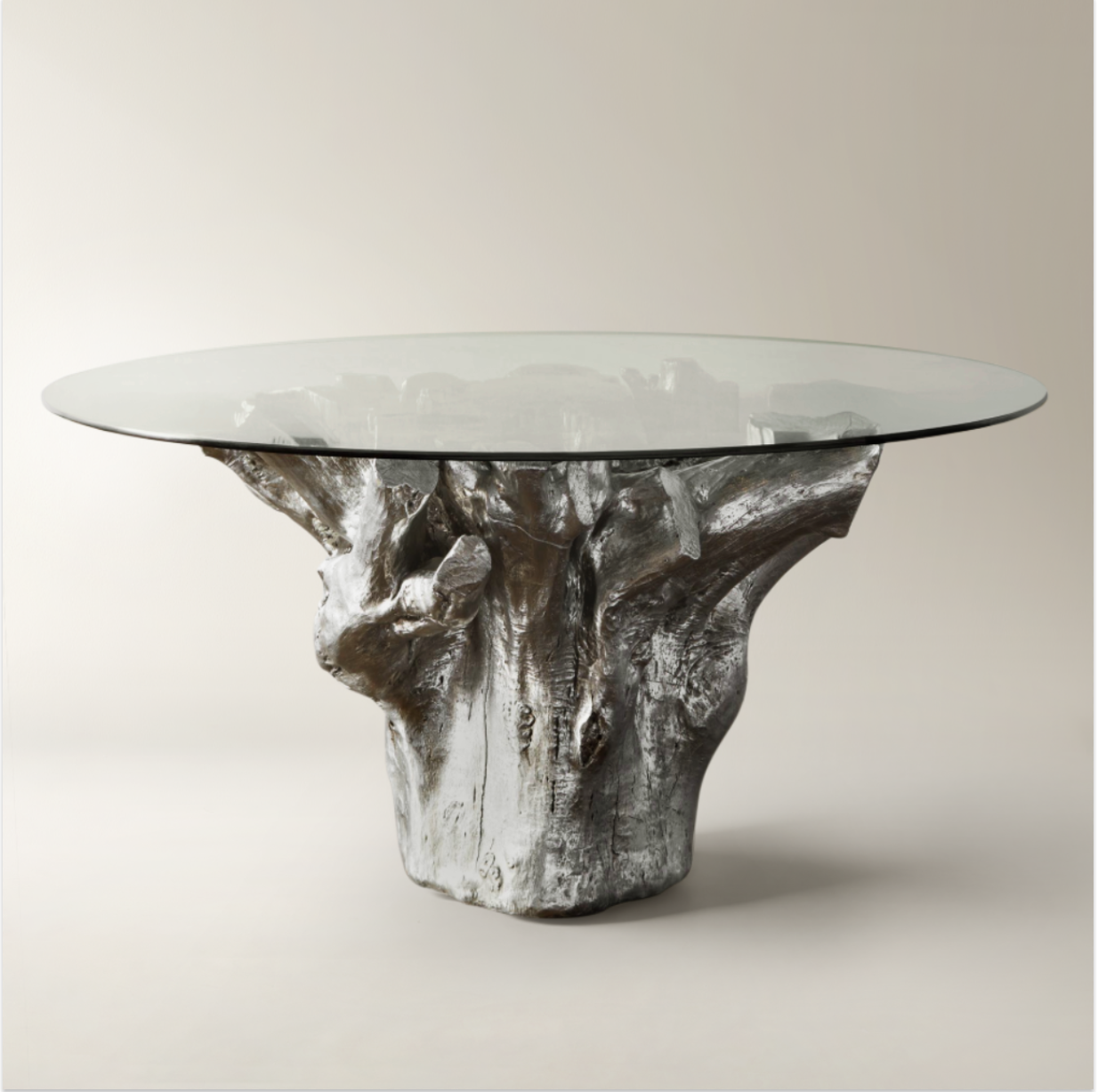
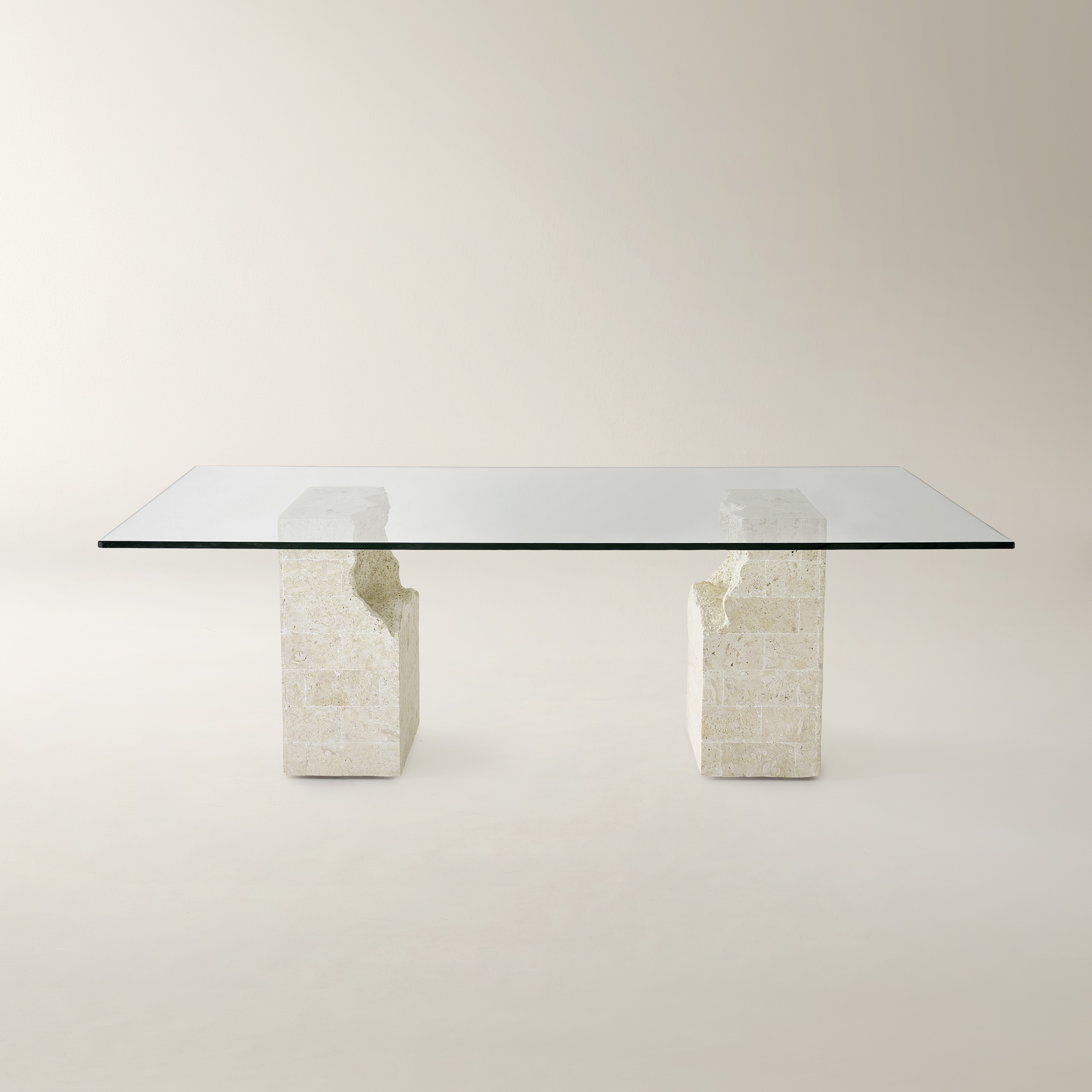
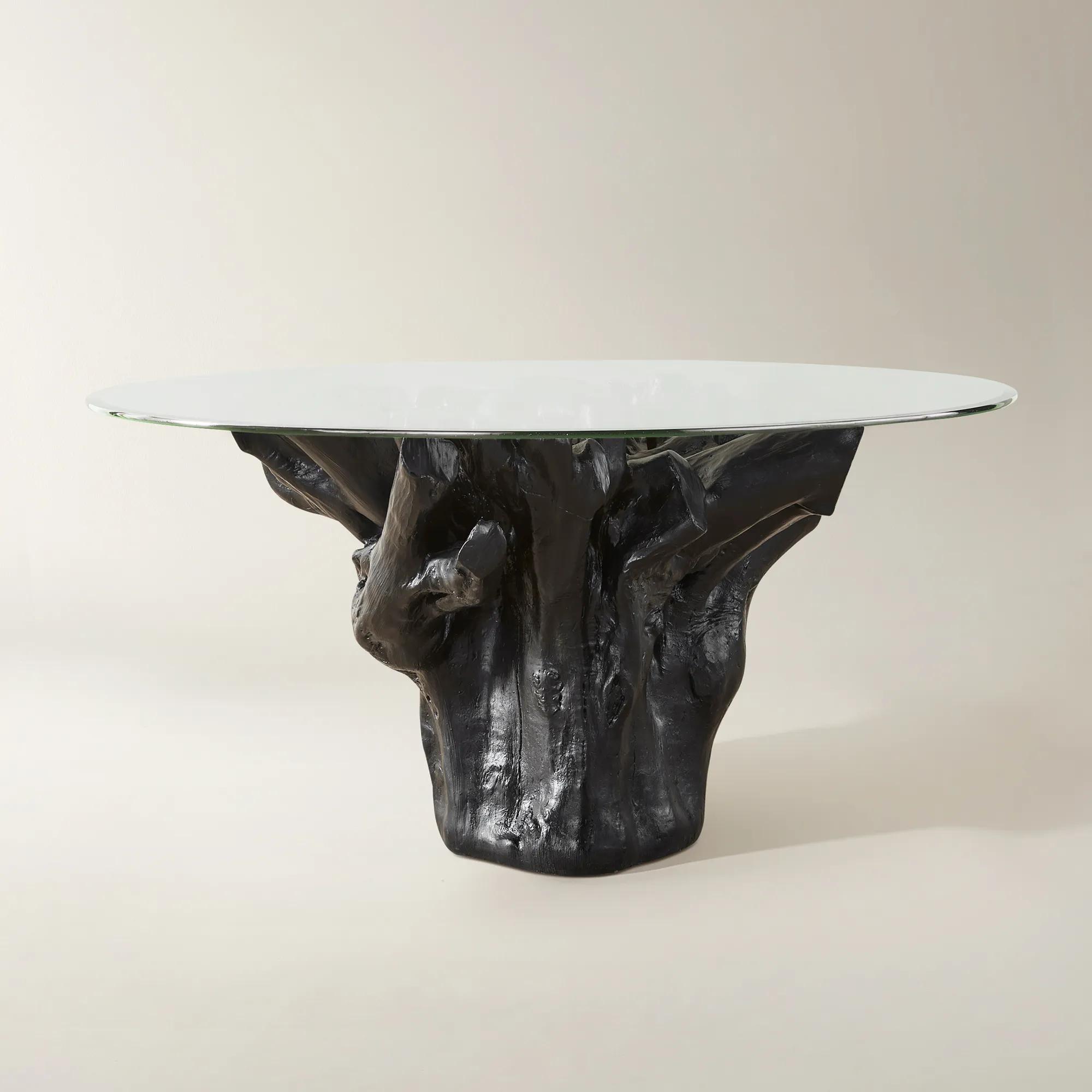 Sequoia Black Resin Dining Table With Glass Top (60")$2299
A sculptural black resin base with real stone fragments supports a round tempered glass top for organic elegance.
Add To Cart -
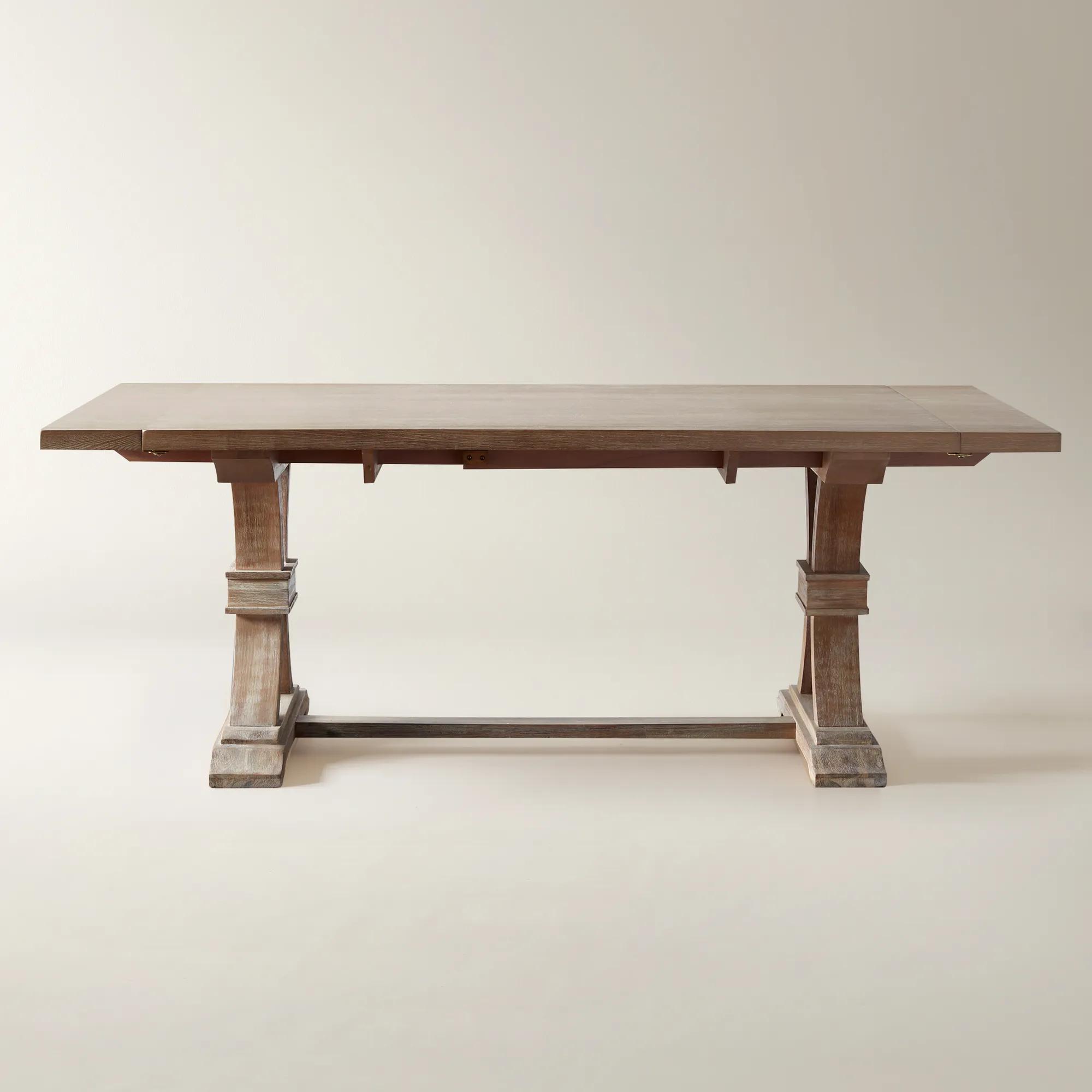 Archer Rectangular Whitewashed Acacia Wood Extending Dining Table (78" - 110")$2499
An extending dining table crafted from kiln-dried hardwood with a whitewashed oak finish and acacia veneer.
Add To Cart -
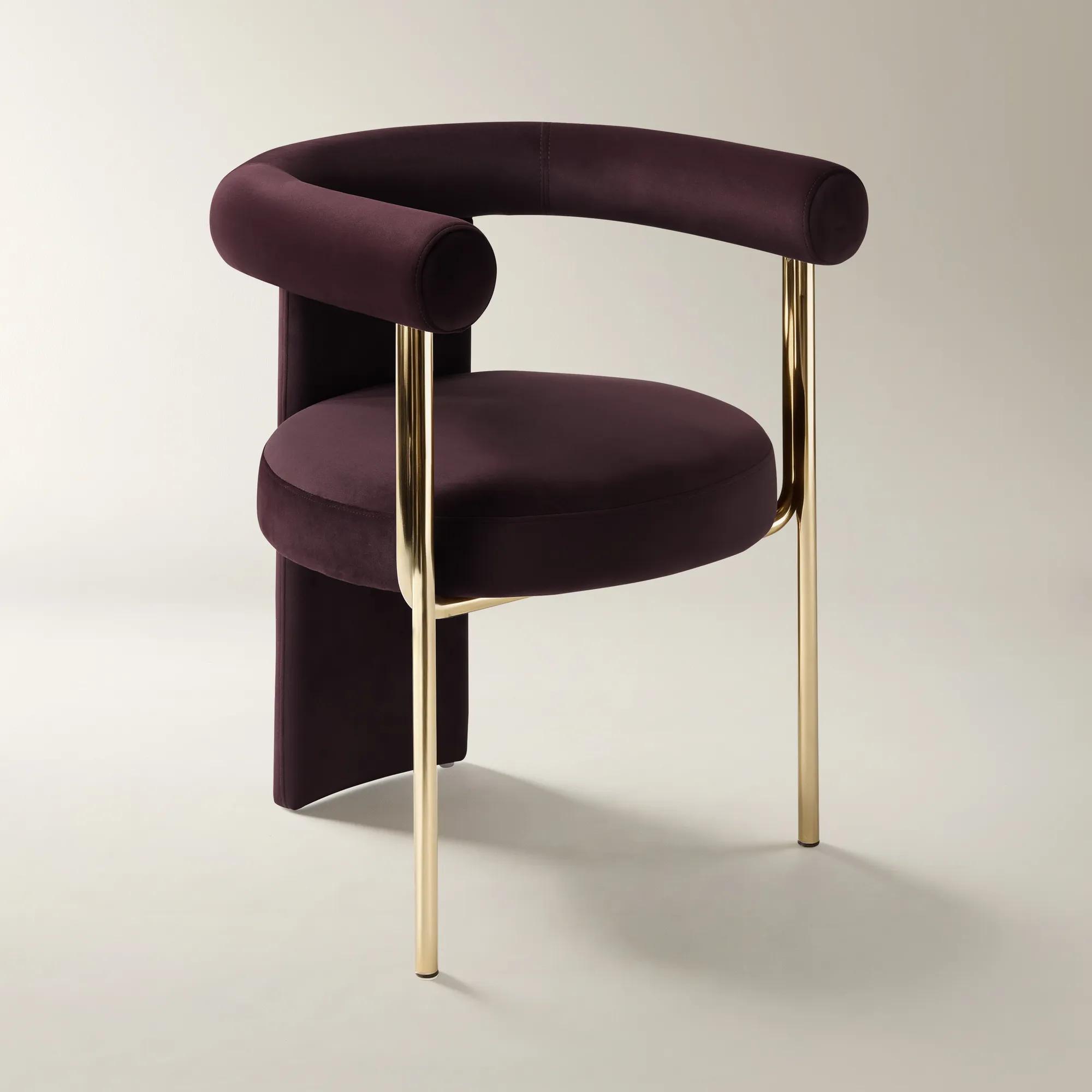 Davina Fig Velvet Dining Chair Set Of 2$799
A set of two dining chairs featuring plush fig velvet upholstery and a sleek gold-finished metal frame.
Add To Cart -
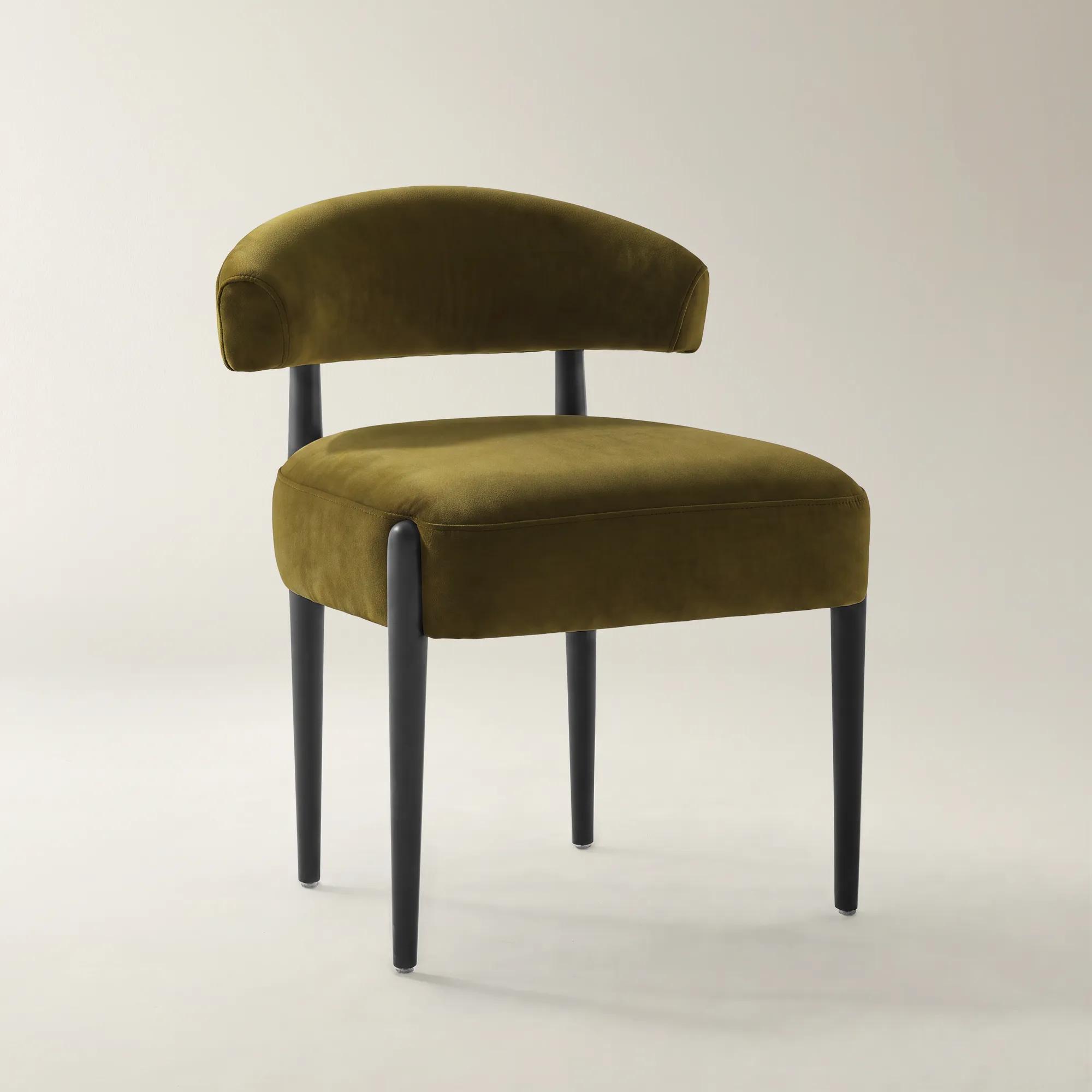
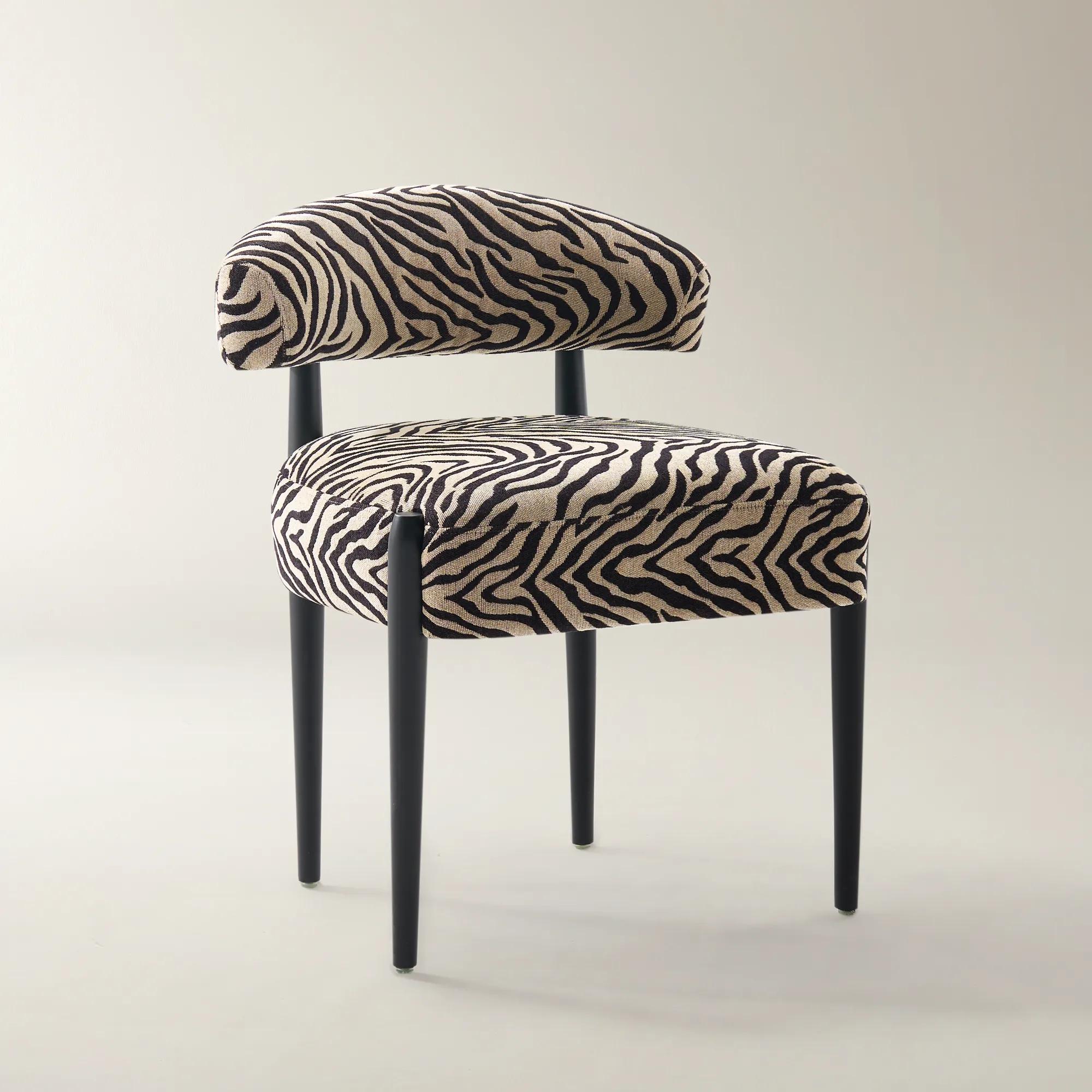 Anna Deep Olive Velvet Dining Chair Set of 2$599
A deep olive velvet dining chair with a tailored curved back, high-density cushioning, and solid rubberwood legs.
Add To Cart -
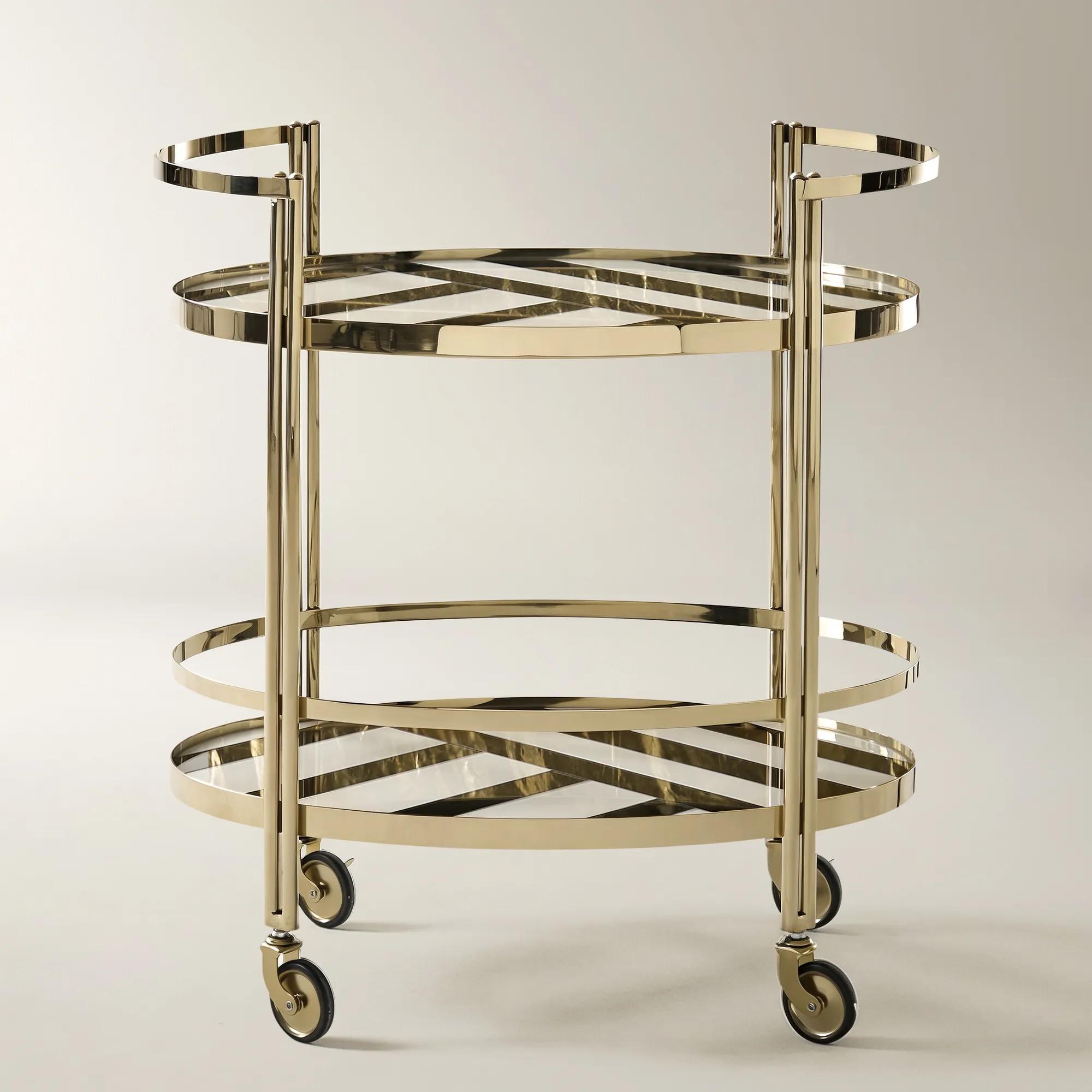
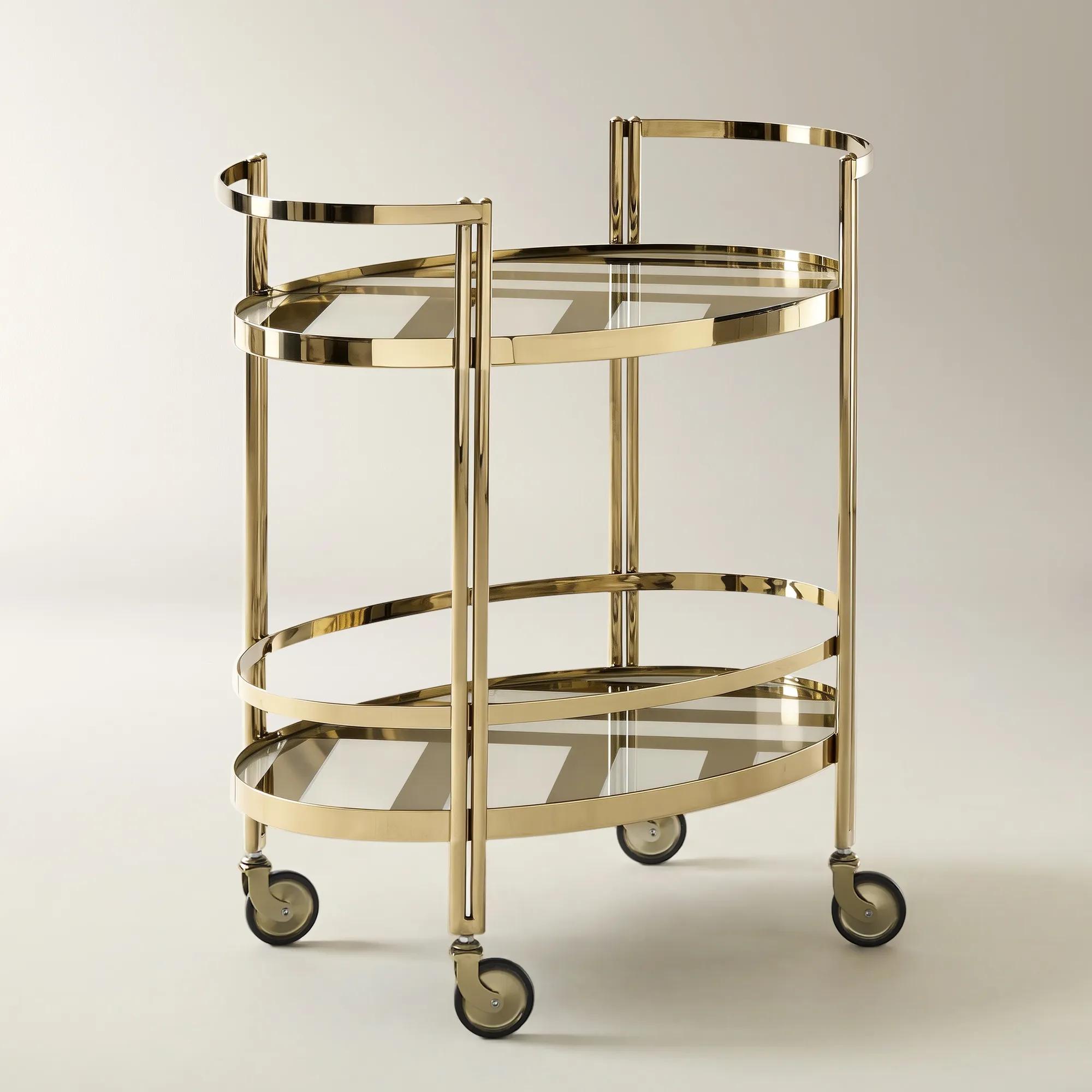 Rivoli Geometric Two - Tone Mirror 2 - Tier Bar Cart (30")$799
A sculptural bar cart featuring geometric bronze and clear mirrored shelves with a luminous soft gold frame.
Add To Cart -
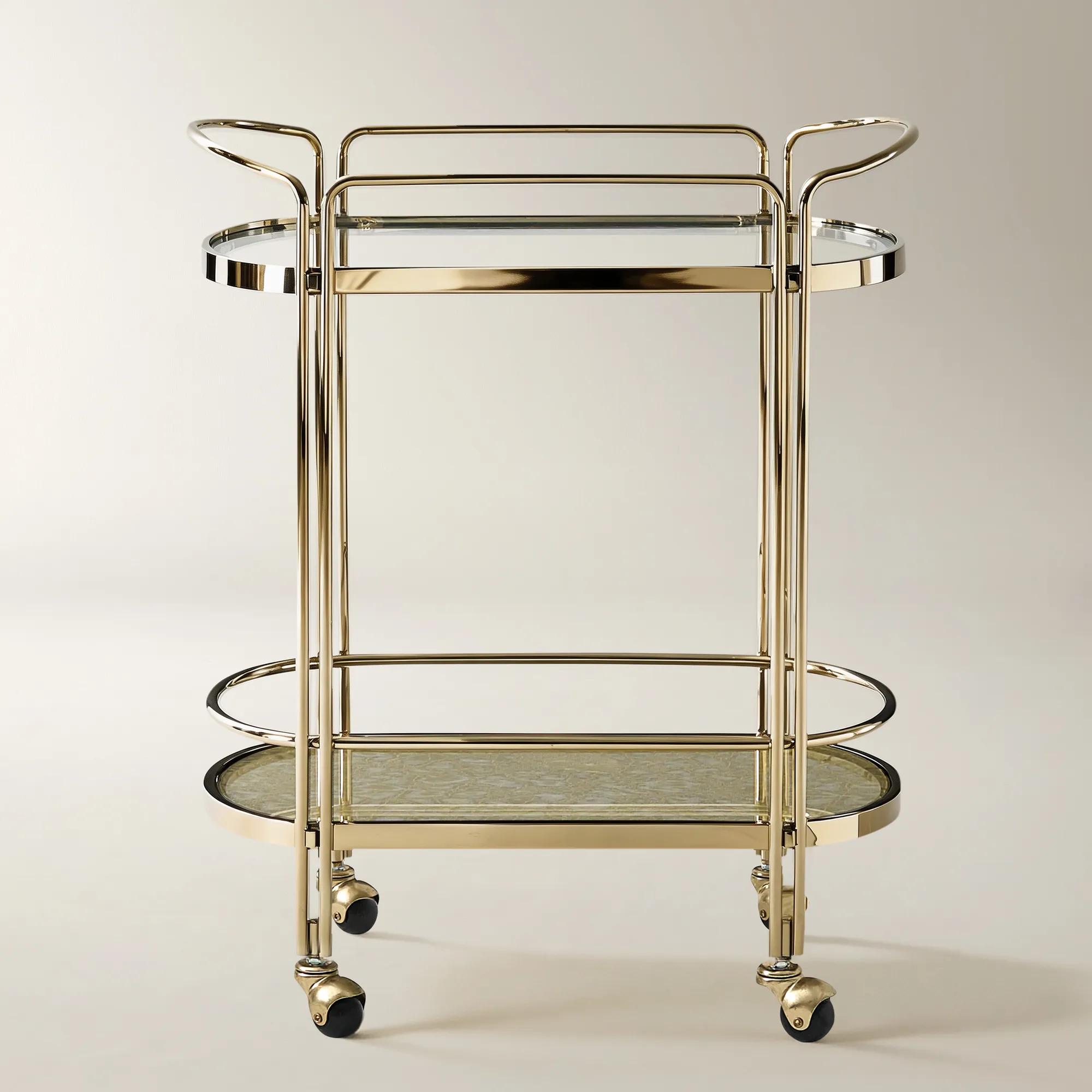 Duality Fabric-Laminated Glass 2-Tier Bar Cart (25.3")$399
A two-tier bar cart featuring a clear tempered glass top, fabric-laminated shelf, and soft gold stainless-steel frame.
Add To Cart -
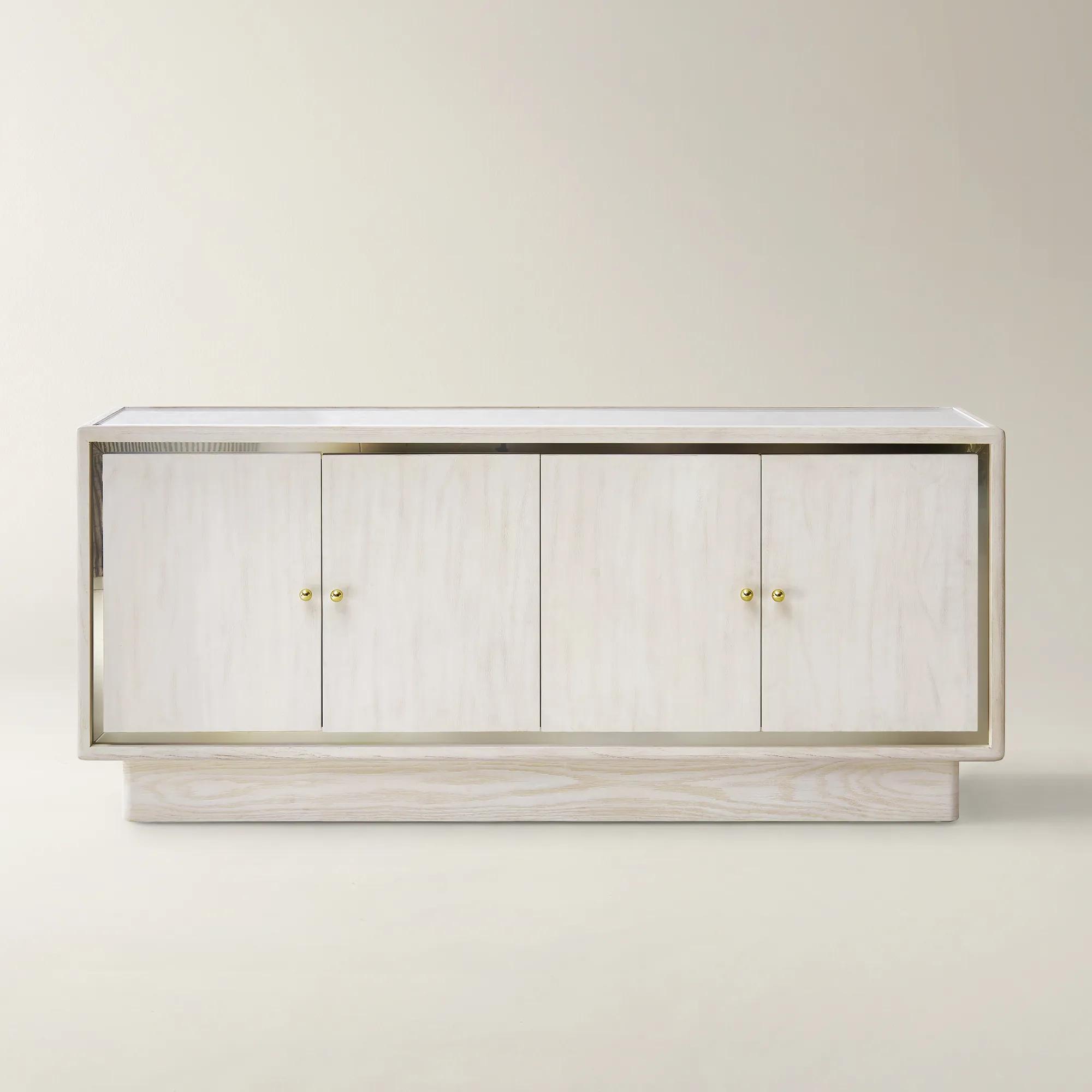 Lumina Bleached Oak Buffet With Pearl Lacquered Top (72")$1999
A luminous bleached oak buffet featuring a pearl lacquered top and champagne gold trim for refined elegance.
Add To Cart -
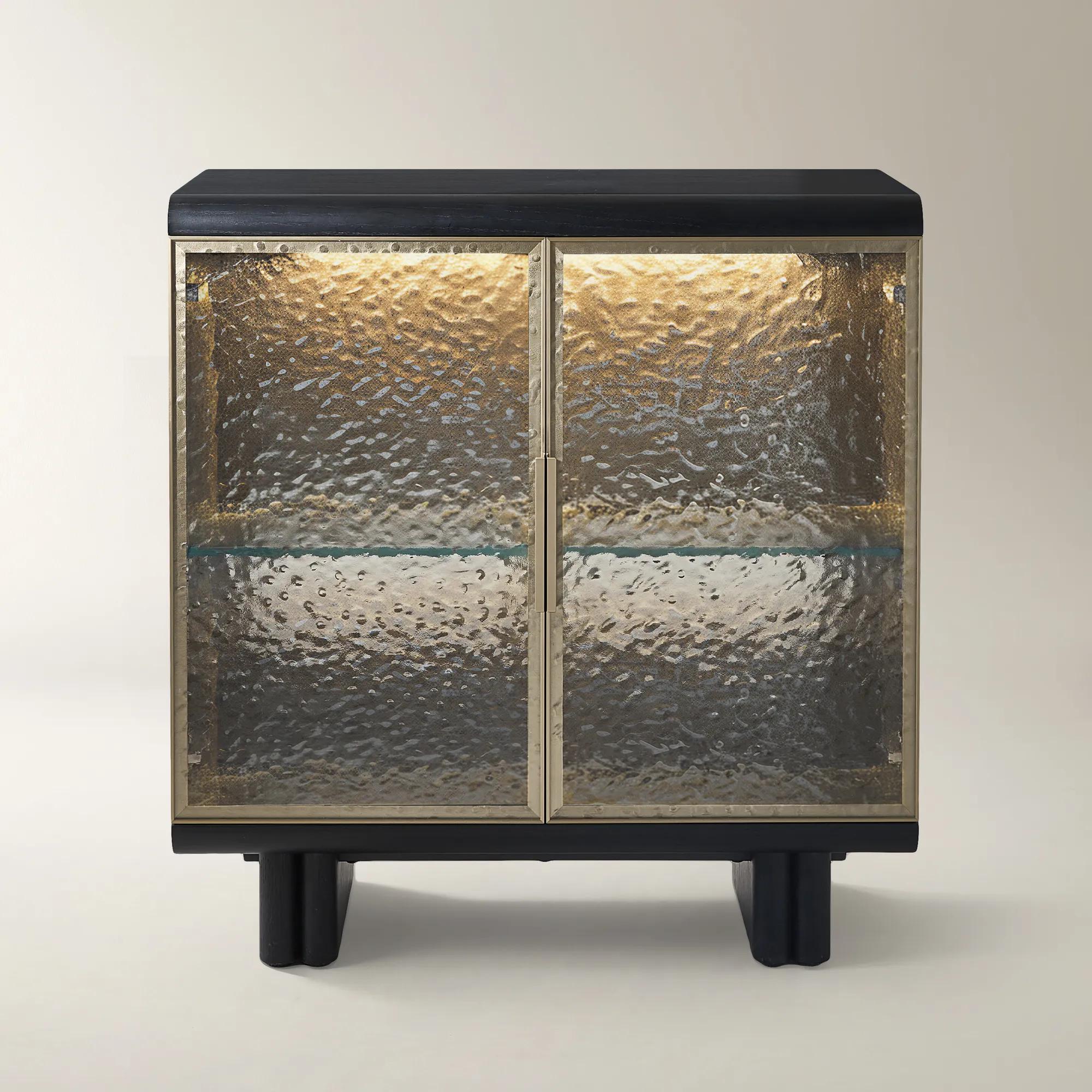
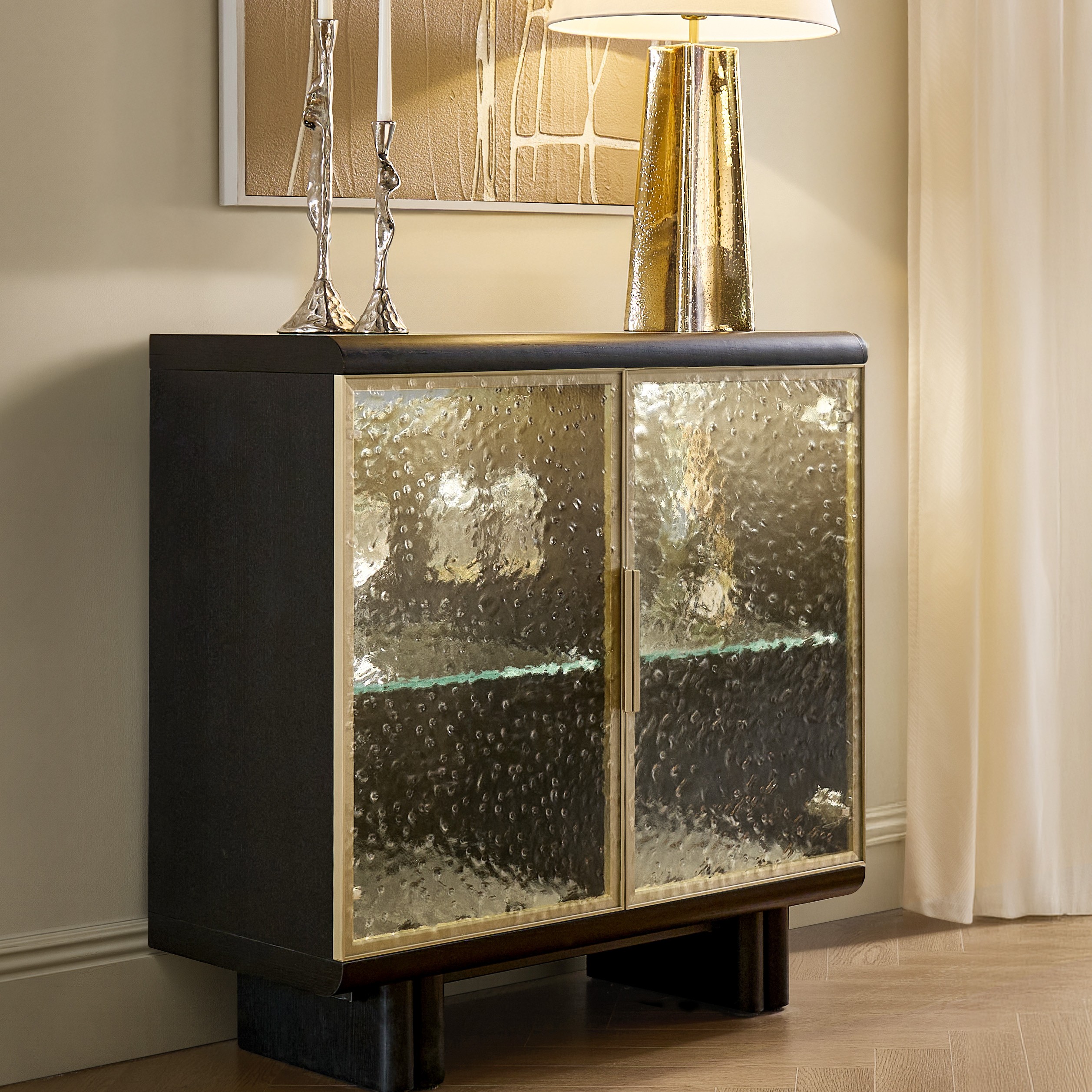 Eleanor Cerused Black Oak Buffet With Wavy Glass Door (38")$1499
A matte black oak veneer buffet with wavy glass doors, mirrored back, and touch-control LED lighting.
Add To Cart -
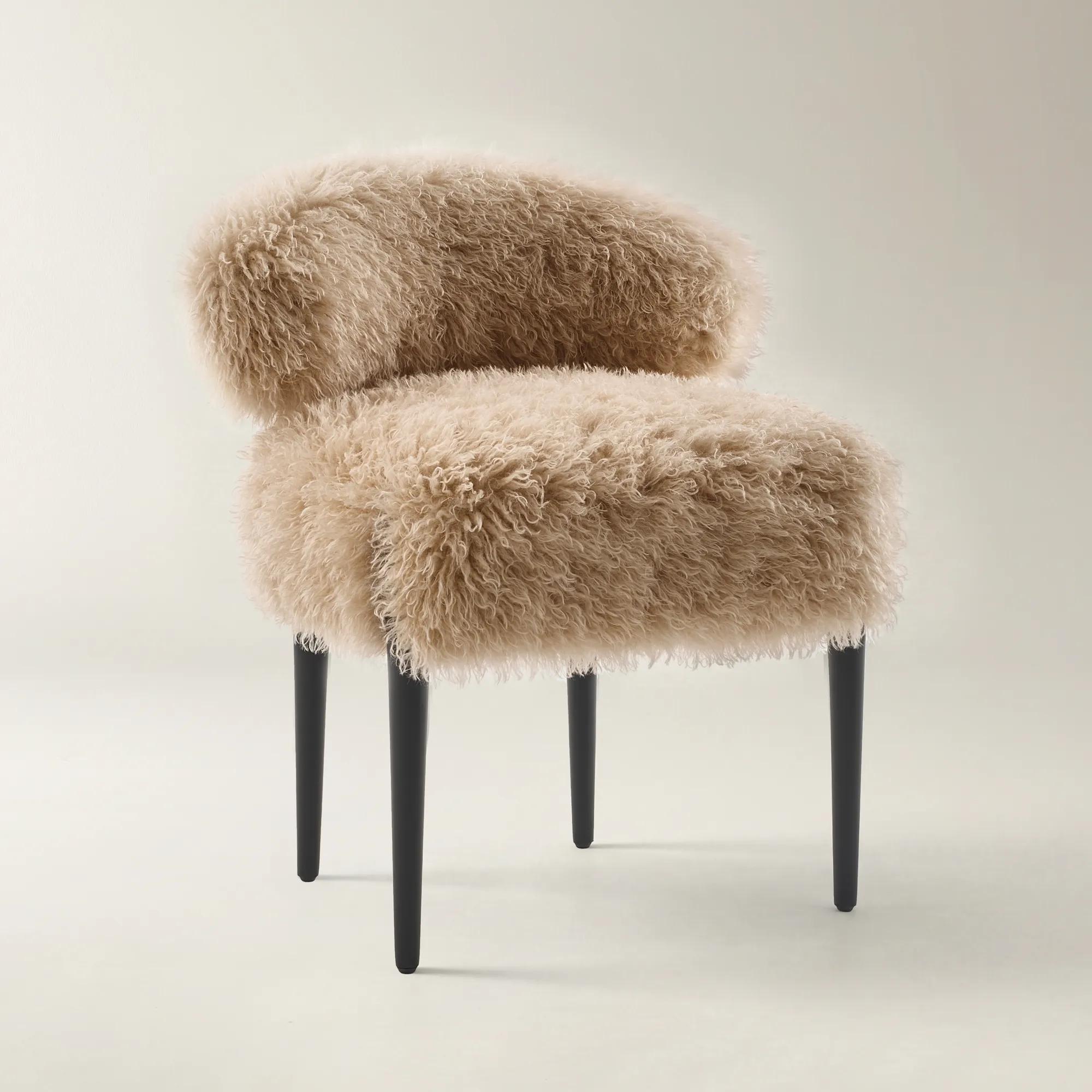 Anna Tan Faux Fur Dining Chair Set of 2$699
A tan faux fur dining chair set with curved backs, cushioned comfort, and solid rubberwood legs.
Add To Cart -
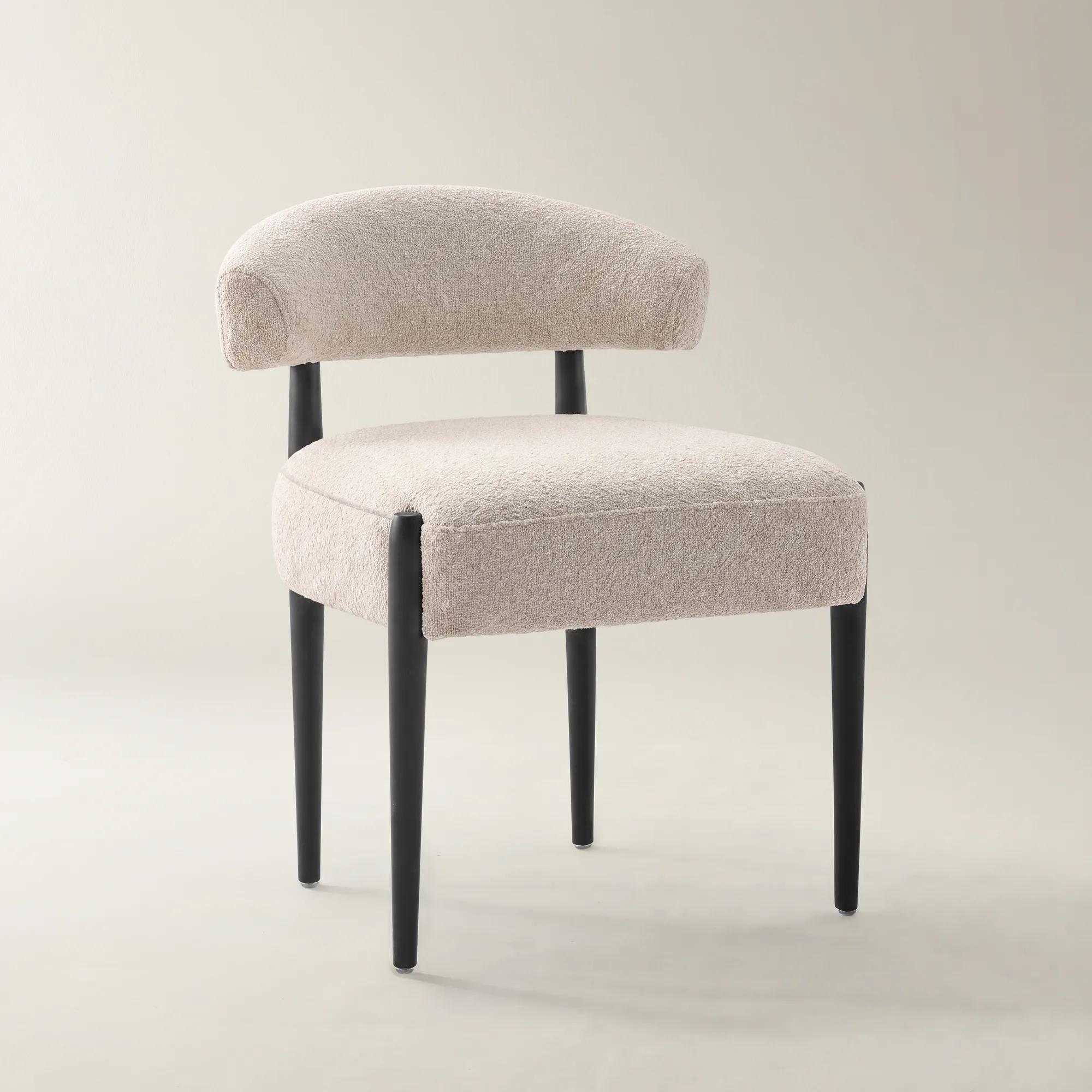 Anna Ivory Performance Boucle Dining Chair Set of 2$599
An ivory performance bouclé dining chair set with arched backs, high-density foam, and solid wood construction.
Add To Cart -
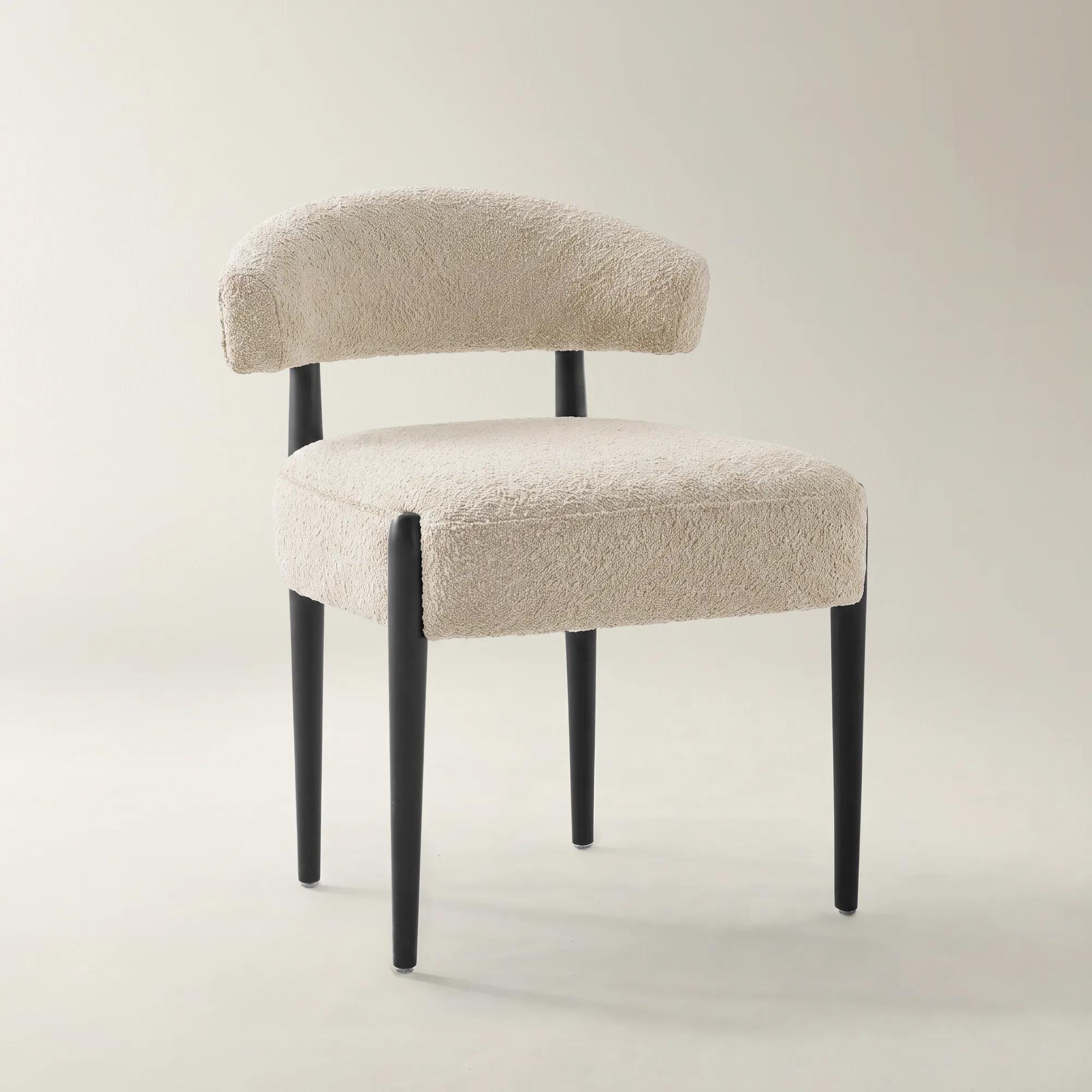 Anna Ivory Performance Boucle Dining Chair Set of 2$599
A pair of ivory performance boucle chairs with curved backs, cushioned comfort, and solid wood frames.
Add To Cart -
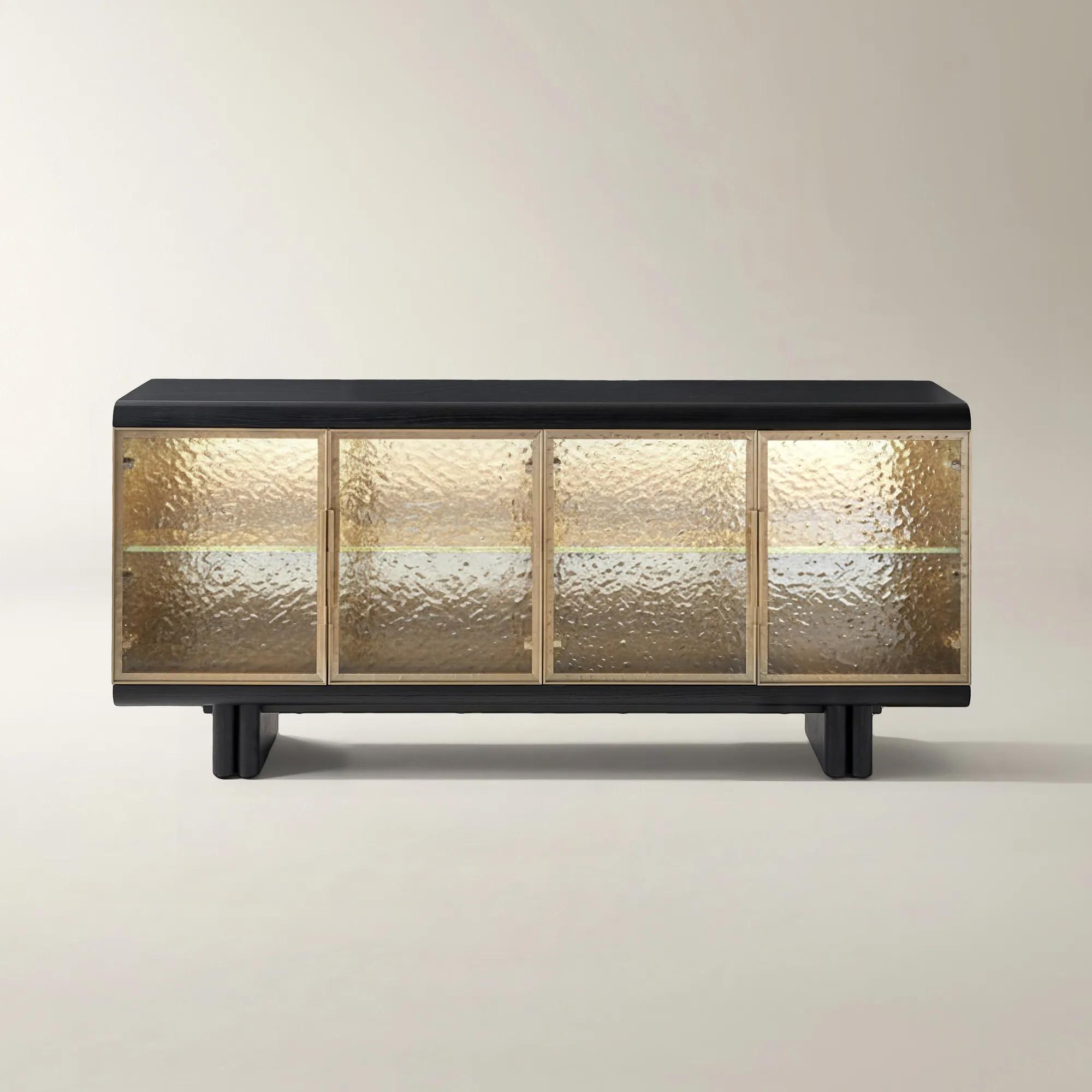 Eleanor Cerused Black Oak Buffet With Wavy Glass Door (72")$1999
A matte black oak veneer buffet featuring wavy art-glass doors, mirrored back, and integrated LED lighting.
Add To Cart -
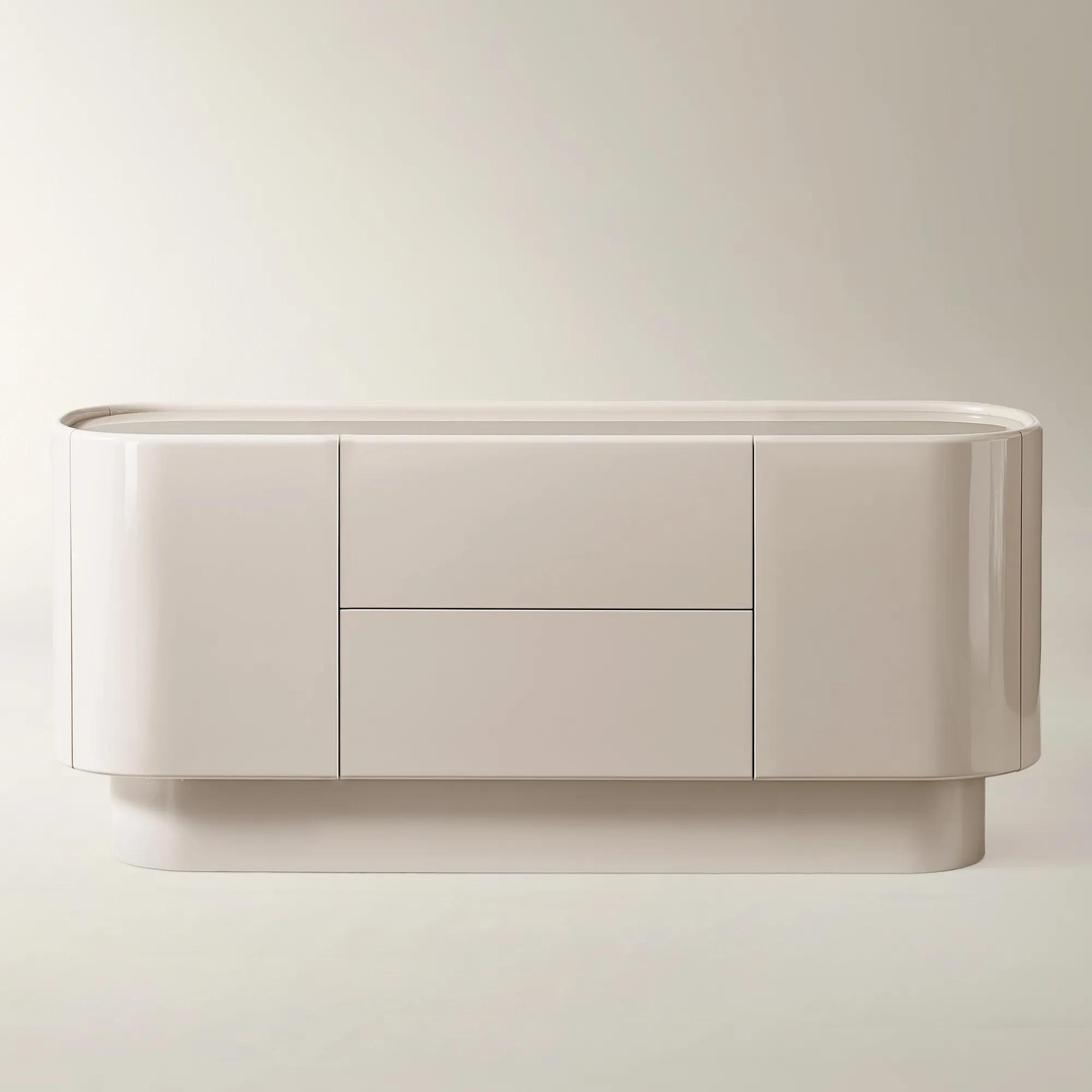
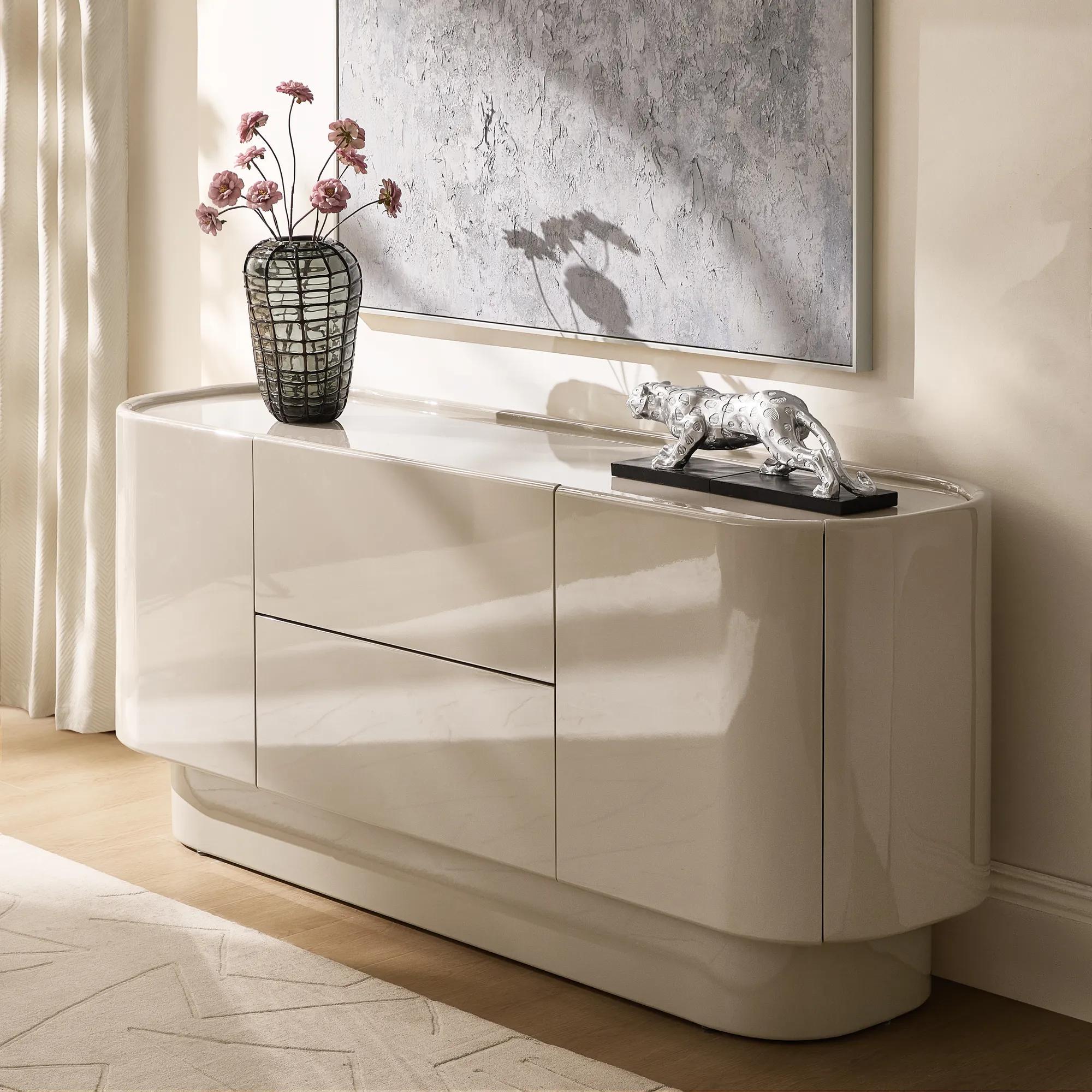 Velar Lacquered Turtle Dove Buffet With Glass Top (70")$1899
A sleek turtle dove buffet featuring high-gloss lacquer, tempered glass, and illuminated mirrored interior storage.
Add To Cart -
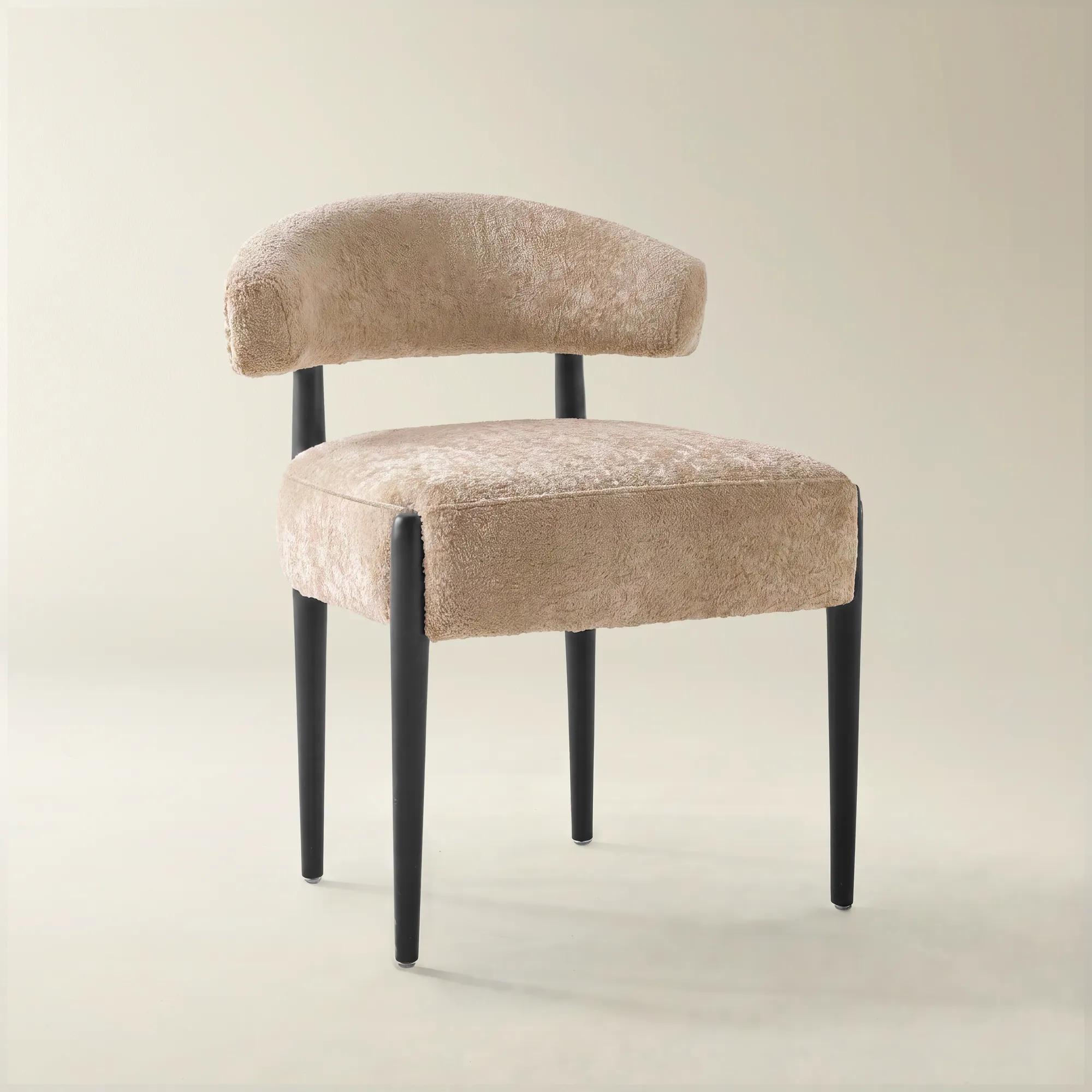 Anna Light Brown Chenille Dining Chair Set of 2$599
A light brown chenille chair set featuring arched backs, high-density foam cushioning, and solid rubberwood legs.
Add To Cart -
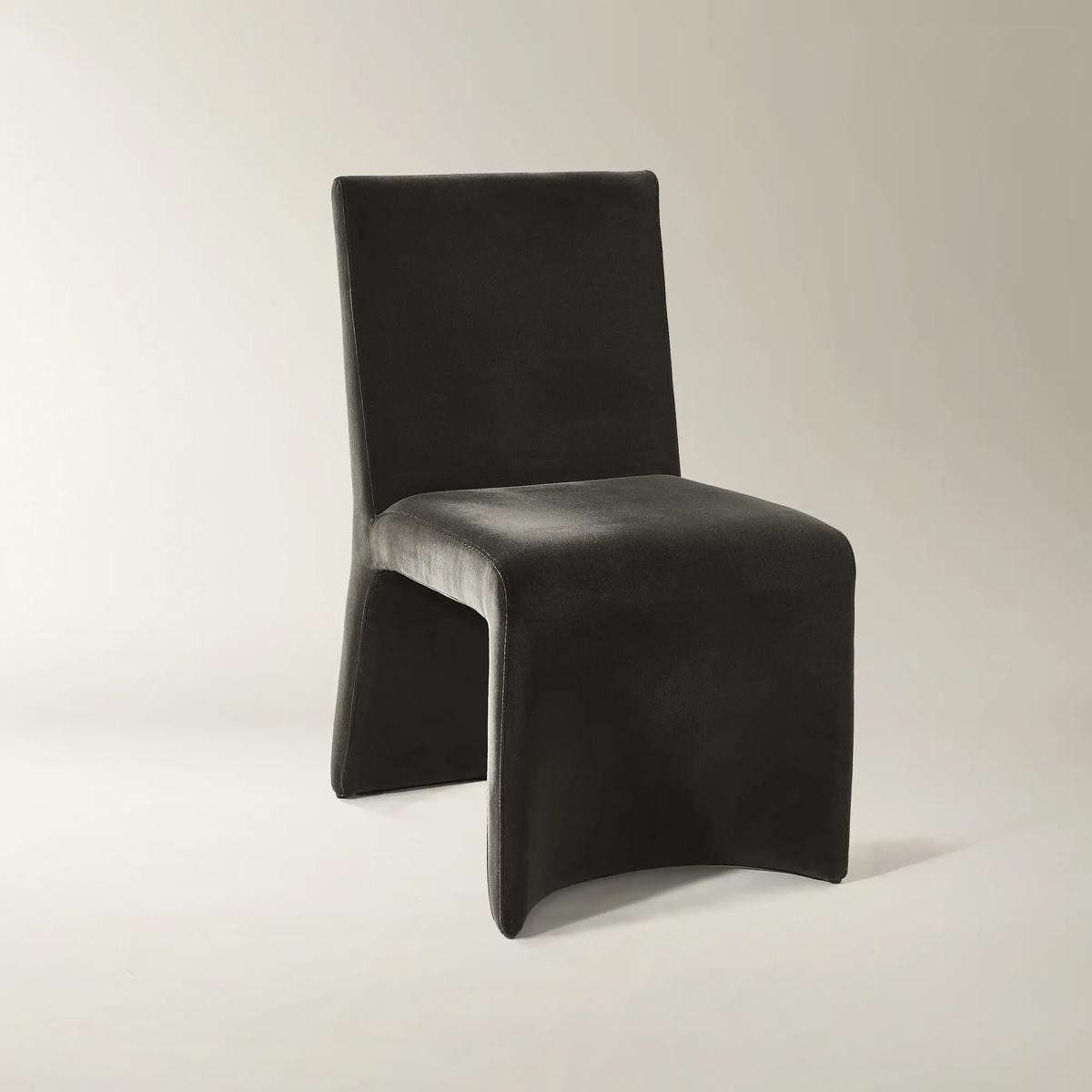
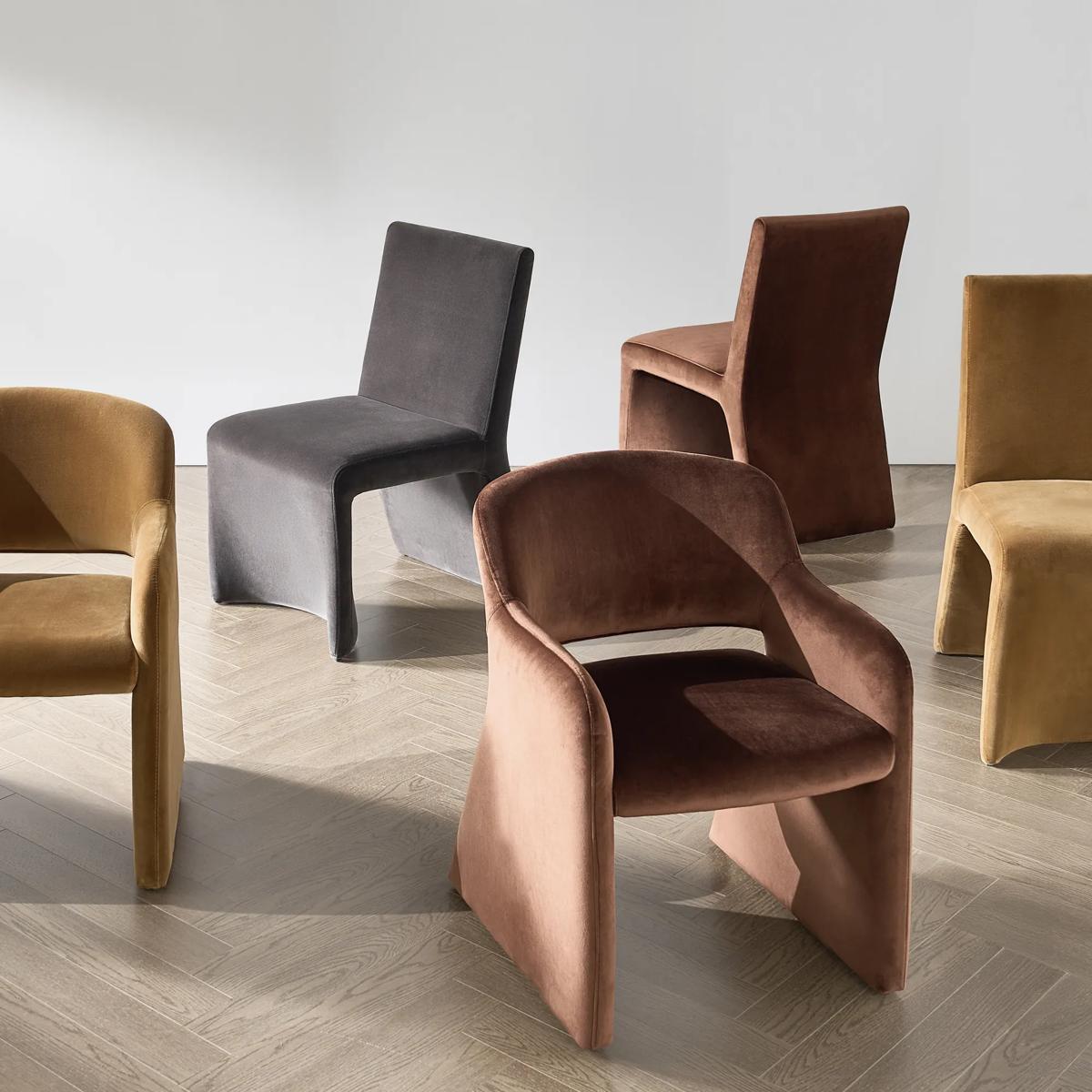 Elara Charcoal Velvet Dining Chair Set Of 2$699
A pair of charcoal velvet dining chairs featuring curved ergonomic silhouettes, plush upholstery, and hand-crafted details.
Add To Cart -
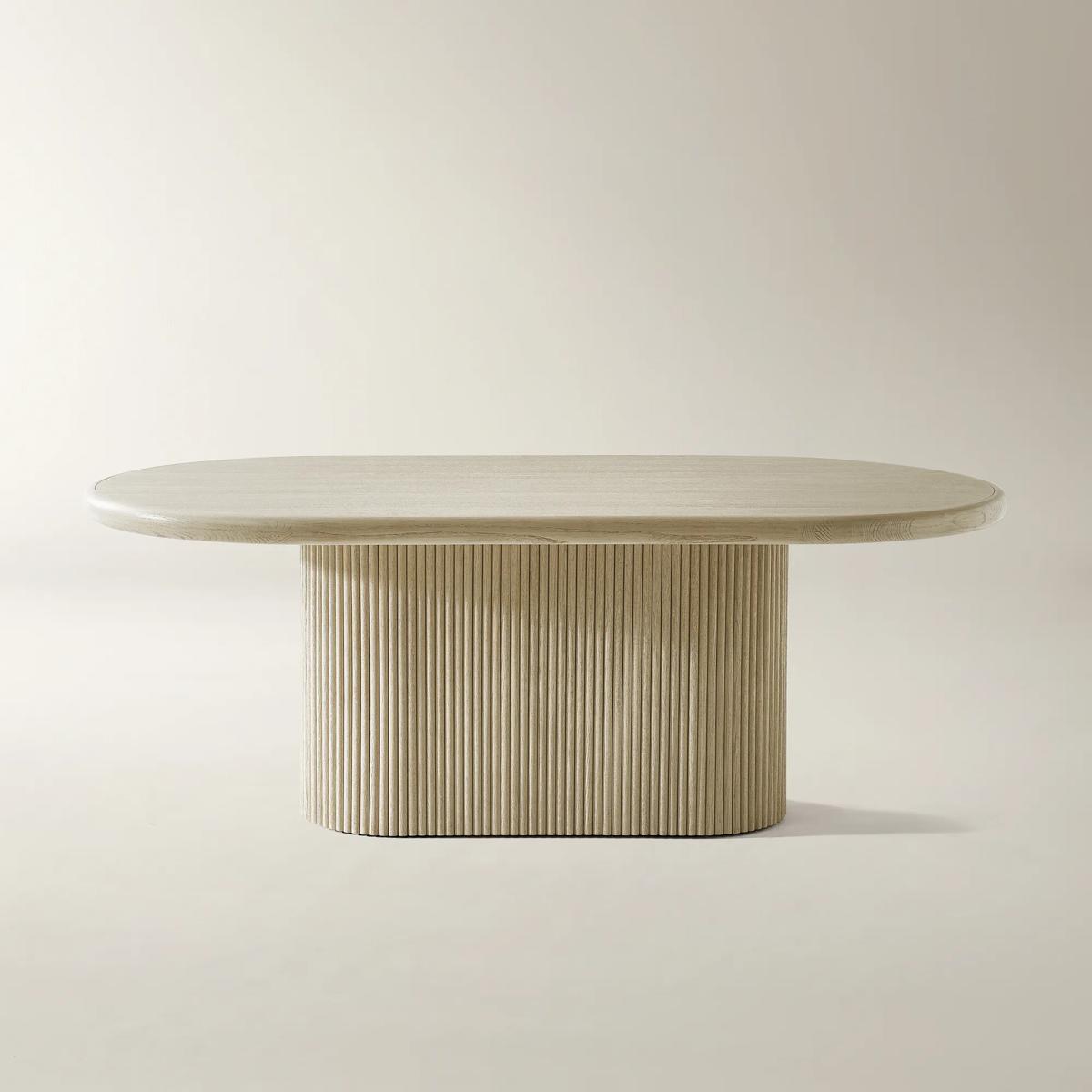
.jpg?w=1200&h=1200) Stria Oval Reeded White Oak Dining Table (82")$1999
Stria Oval Reeded White Oak Dining Table (82")$1999A sculptural oval dining table featuring reeded oak, a single pedestal base, and gold-plated steel trim.
Add To Cart -
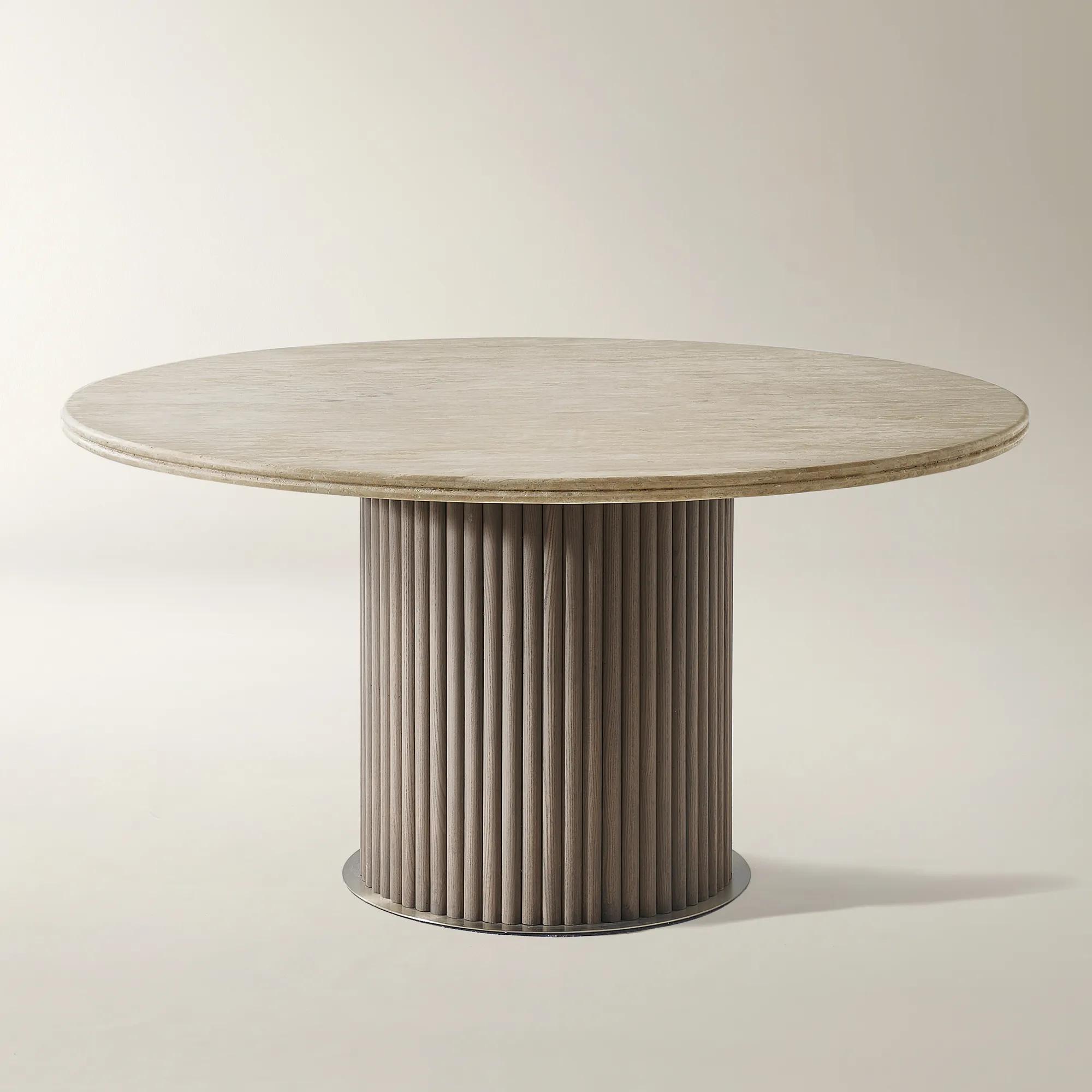 Bond Round Reeded Travertine and Wood Dining Table (59")$3499
A round dining table featuring a genuine natural travertine stone top and a fluted solid ash base.
Add To Cart -
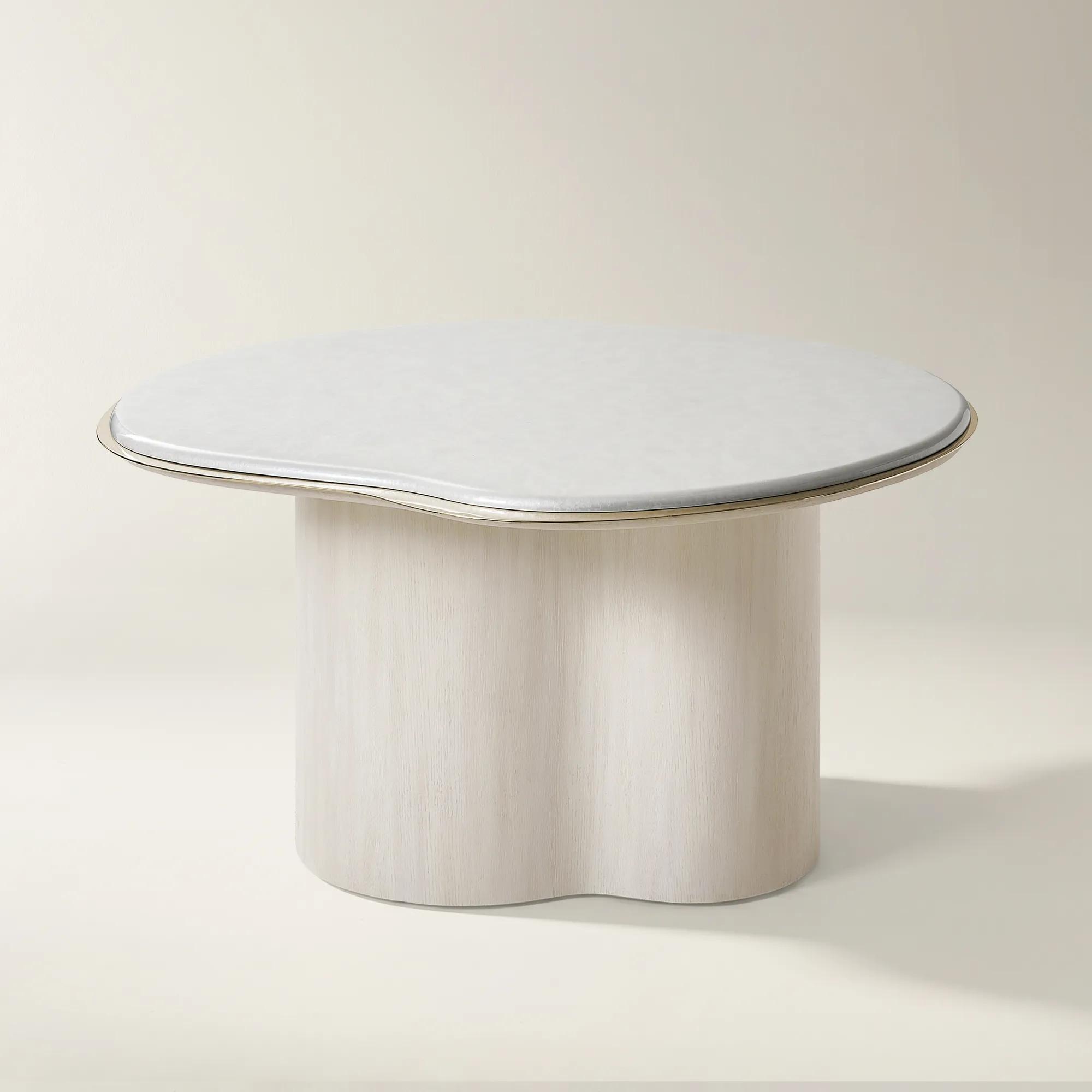
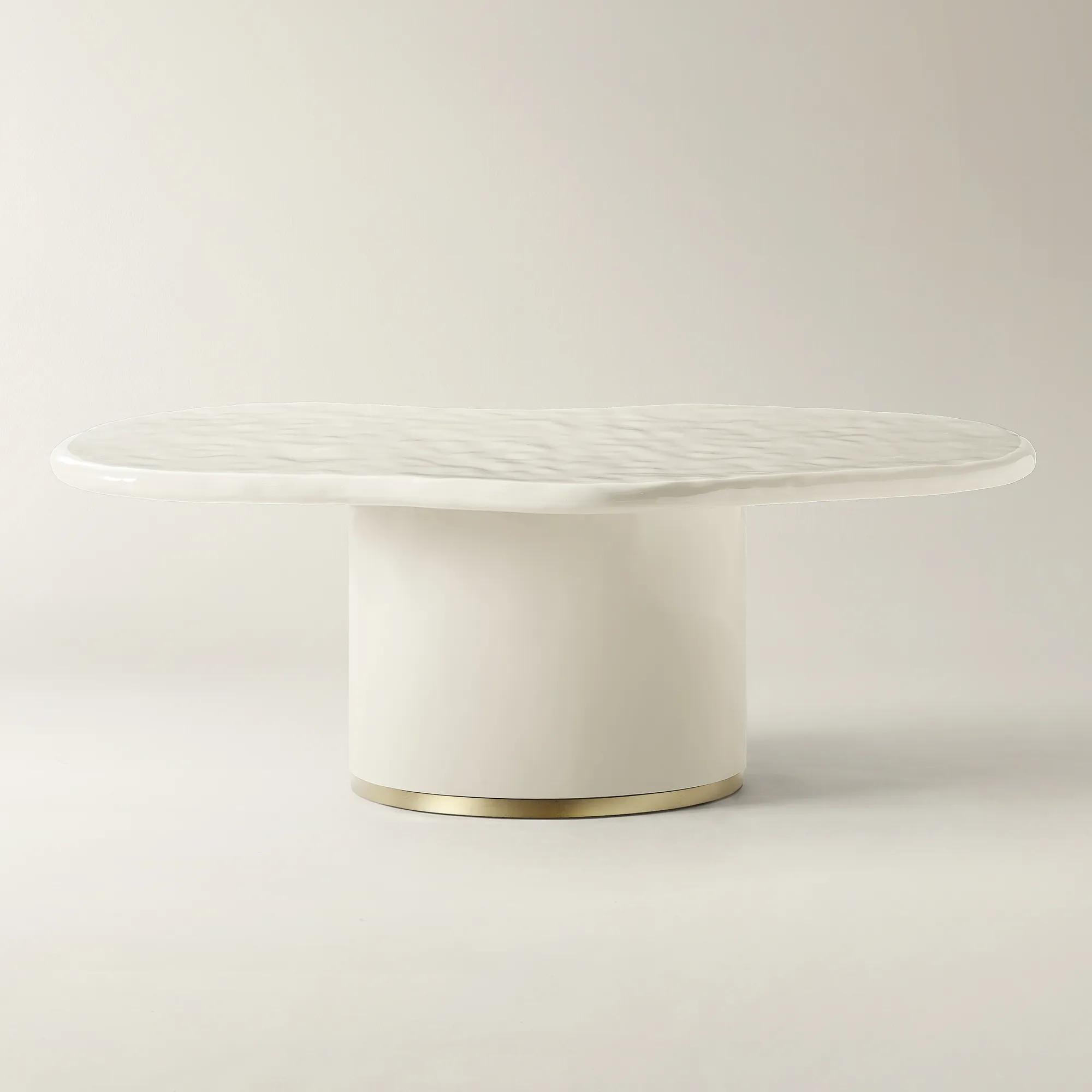 Celia Lacquered Cloud Resin Indoor/Outdoor Dining Table (84")$1999
A sculptural, high-gloss resin dining table with gold stainless steel accents for indoor or covered outdoor use.
Add To Cart

Dining Room Ideas For Entertaining
Dining Room Ideas for Entertaining begin with a vision—an invitation to transform every gathering into an unforgettable affair. Imagine a space where sculptural silhouettes and gleaming surfaces set the stage for laughter, conversation, and culinary artistry. Here, each detail is curated to captivate: from dramatic lighting that bathes your table in golden glow to sumptuous textures that beckon guests to linger just a little longer. Whether you’re hosting an intimate soirée or a lavish dinner party, these inspired ideas turn your dining room into a canvas of celebration—where every moment feels elevated, every seat is the best in the house, and entertaining becomes pure theater.
Dining room ideas for entertaining begin with a balance of presence and ease: a table that gives the room its character, seating that invites guests to settle in, and enough space for conversation to flow as freely as the meal. The most inviting dining room furniture feels expressive without making hosting more complicated. A sculptural silhouette can bring drama to a restrained interior, while richly grained wood, luminous glass, or polished metal introduces a distinct mood before the first place is set. When choosing a dining table, consider both your everyday household and the gatherings you love to host. An extendable design accommodates a changing guest list without occupying its full footprint between occasions; check its expanded dimensions, how the extension operates, and where any removable leaves will be stored. Round tables encourage face-to-face conversation and can soften the circulation in a compact dining area, although the table’s diameter and base still determine how comfortably chairs fit. Rectangular tables lend themselves to longer rooms and generous arrangements of shared dishes. As a planning benchmark, allow about 24 inches of table edge per person and at least 36 inches between the table and a wall or furniture, with more clearance along busy walkways. Measure with chairs pulled out, not just tucked neatly beneath the tabletop. That distinction matters when someone slips away to bring out dessert while another guest is still seated. Dining chairs deserve equal attention: supportive backs, inviting upholstery, and a seat height suited to the table make an evening feel unhurried. Look for roughly 10 to 12 inches between the seat and the underside of the tabletop, accounting for any apron, and confirm that chair arms fit beneath it. For frequent entertainers, households with children, or anyone who loves a generous supper, easy-care finishes and upholstery with clearly stated cleaning instructions bring welcome reassurance without sacrificing a sumptuous look.
A dining room made for entertaining also needs atmosphere beyond the table. Layered lighting, thoughtfully scaled storage, and tactile finishes turn a dining area into a setting with depth. A chandelier or pendant centered over the table creates a visual focal point; dimmable lighting lets the room move from bright preparations to a softer glow once everyone gathers. For a typical eight-foot ceiling, positioning the bottom of a fixture approximately 30 to 36 inches above the tabletop is a useful starting point, adjusted for the fixture’s proportions, ceiling height, and unobstructed views. Check bulb requirements and dimmer compatibility before purchasing rather than assuming every fixture offers the same flexibility. Nearby lamps or accent lighting can soften the contrast between the illuminated table and the surrounding room, giving glassware and metallic finishes a subtle gleam. Storage makes that atmosphere easier to maintain. A sideboard or buffet provides a place for serving pieces, folded linens, and the plates that otherwise require another trip to the kitchen; its top can become a composed serving station, leaving the dining table open for food and conversation. Compare cabinet interiors and shelf spacing with what you actually need to store, and allow room for doors and drawers to open without crowding seated guests. Beneath the table, a dining room rug grounds the arrangement with color and texture while helping soften sound. Ideally, it extends at least 24 inches beyond every side of the table, and often closer to 30 inches, so chair legs remain on the rug as guests move back. A low pile generally allows chairs to glide more easily, while care requirements deserve particular attention in a room where spills are part of the occasion. Drapery adds another layer of softness, especially around expansive windows or hard architectural edges. Together, these elements create a room that feels beautifully composed but never too precious for a lively evening.
Tabletop decor brings the most personal expression to dining room entertaining, whether the occasion is an intimate dinner for two, a reunion of old friends, or a full table during the cooler months. The strongest settings have a clear point of view without competing with the meal. White or softly neutral dinnerware gives richly colored food a luminous backdrop, while patterned pieces and saturated hues create a more theatrical composition. When purchasing, consider plate diameter, cabinet space, dishwasher compatibility, and whether the pieces suit the way you serve. A broad rim can look striking, but oversized settings may leave little room for shared platters on a narrower table. Glassware should feel balanced in the hand and fit comfortably beside the place setting; serving pieces should be manageable when filled, not merely beautiful on an empty table. Linen napkins introduce softness, and a runner adds texture while leaving an expressive tabletop visible. Metallic accents can echo a light fixture or chair detail without requiring every finish to match exactly. Centerpieces work best when they preserve sightlines: low arrangements let guests talk across the table, while carefully spaced decorative elements leave room to pass dishes. Candlelight adds movement and warmth, but keep open flames away from linens and foliage, use stable holders, and favor unscented candles so fragrance does not compete with the food. Flameless alternatives offer another way to bring a gentle glow to gatherings with children or crowded surfaces. There is something especially welcoming about a table that has room for the unexpected—a second serving bowl, an extra glass, the dessert someone insisted on bringing. That generosity is worth considering alongside color and finish. For newlyweds, new homeowners, and devoted hosts, versatile serving pieces or finely textured table linens can make thoughtful gifts when chosen with the recipient’s space, tastes, and care preferences in mind. Coordinating the dining area with an adjacent drinks station or living space gives the whole gathering a cohesive feeling; Ideas for Stylish Entertaining offers a broader perspective on that connection. The result is a dining room with unmistakable personality, where expressive design supports the pleasure of having people around your table.
FAQs
To create a dramatic focal point, consider incorporating large-scale art, a sculptural chandelier, or a bold wallpaper accent wall. These elements instantly draw the eye and set the stage for memorable gatherings. Pair with a statement centerpiece—such as a cluster of vases, a lavish floral arrangement, or a collection of unique decorative objects—to anchor the table and elevate the atmosphere.
Layered lighting is key to a welcoming dining room. Combine a glamorous chandelier or pendant as the primary source with wall sconces and accent lamps to add warmth and depth. Adjustable dimmers allow you to tailor the ambiance for everything from elegant dinner parties to intimate family meals, while candlelight or metallic finishes add a touch of opulence and glow.
Textiles are essential for both comfort and visual interest. Plush upholstered dining chairs, textured rugs beneath the table, and luxe cushions on banquette seating create a cozy and inviting feel. Layer table runners, placemats, and napkins in rich colors or intricate patterns to infuse your tablescape with personality and sophistication, making every guest feel indulged.
Personalize your dining room by updating accessories and decor to reflect the season. In autumn, introduce warm hues like gold, plum, and emerald through table linens, centerpieces, and accent decor. Fresh greenery, sculptural vases, and mirrors can amplify light and add a festive touch. Swapping out artwork or adding seasonal decorative objects can also refresh the space for every occasion.
A sideboard or bar cart adds both function and flair to your dining room. These pieces provide a dedicated space for serving drinks, displaying appetizers, or storing extra tableware—making entertaining seamless and stylish. They also offer an opportunity to showcase curated decor, glassware, or floral arrangements, enhancing the overall ambiance and elevating your hosting experience.
.jpeg?w=3614&h=3614)
.jpeg?w=3009&h=3009)