Dining Room Makeover Essentials
Dining Room Makeover Essentials
-

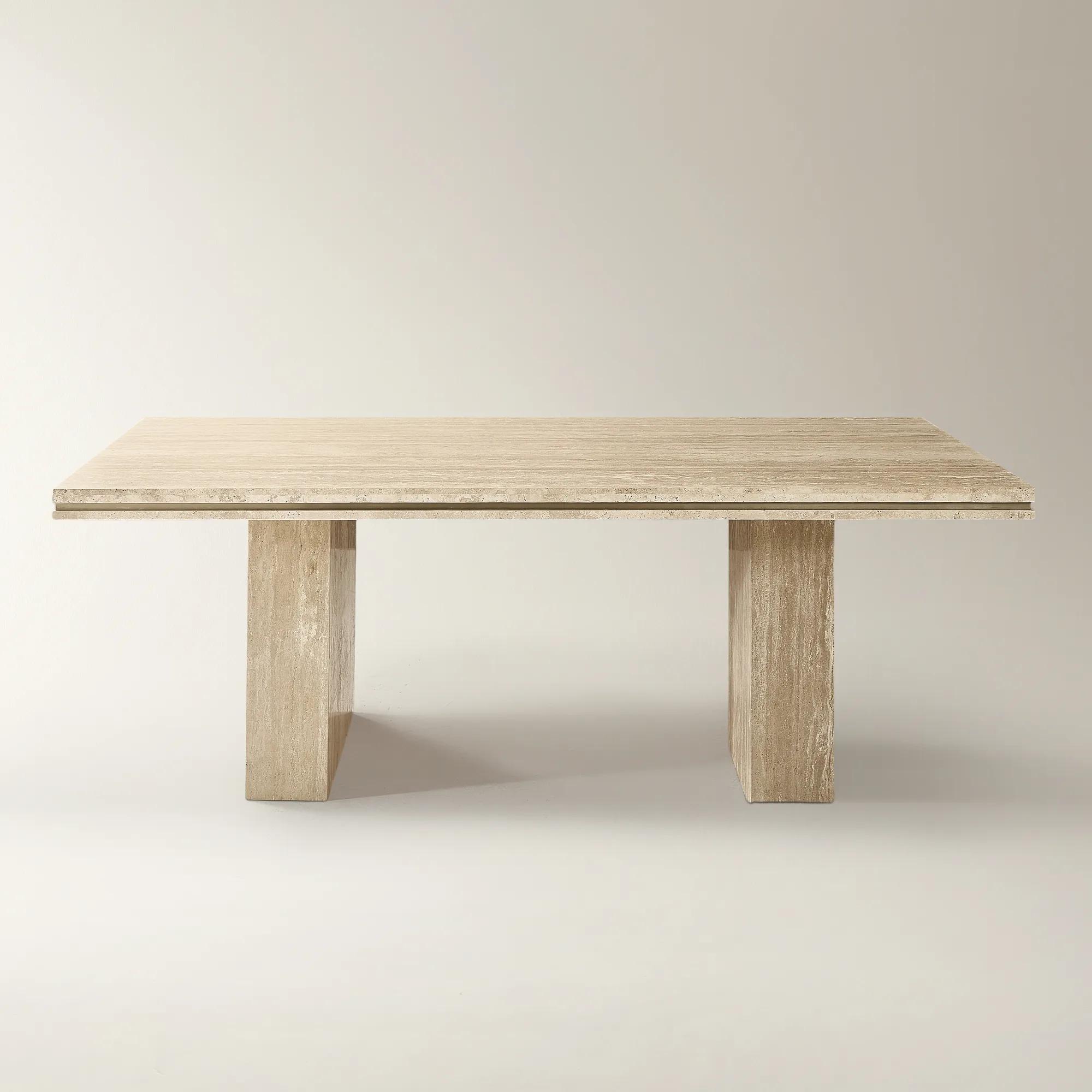
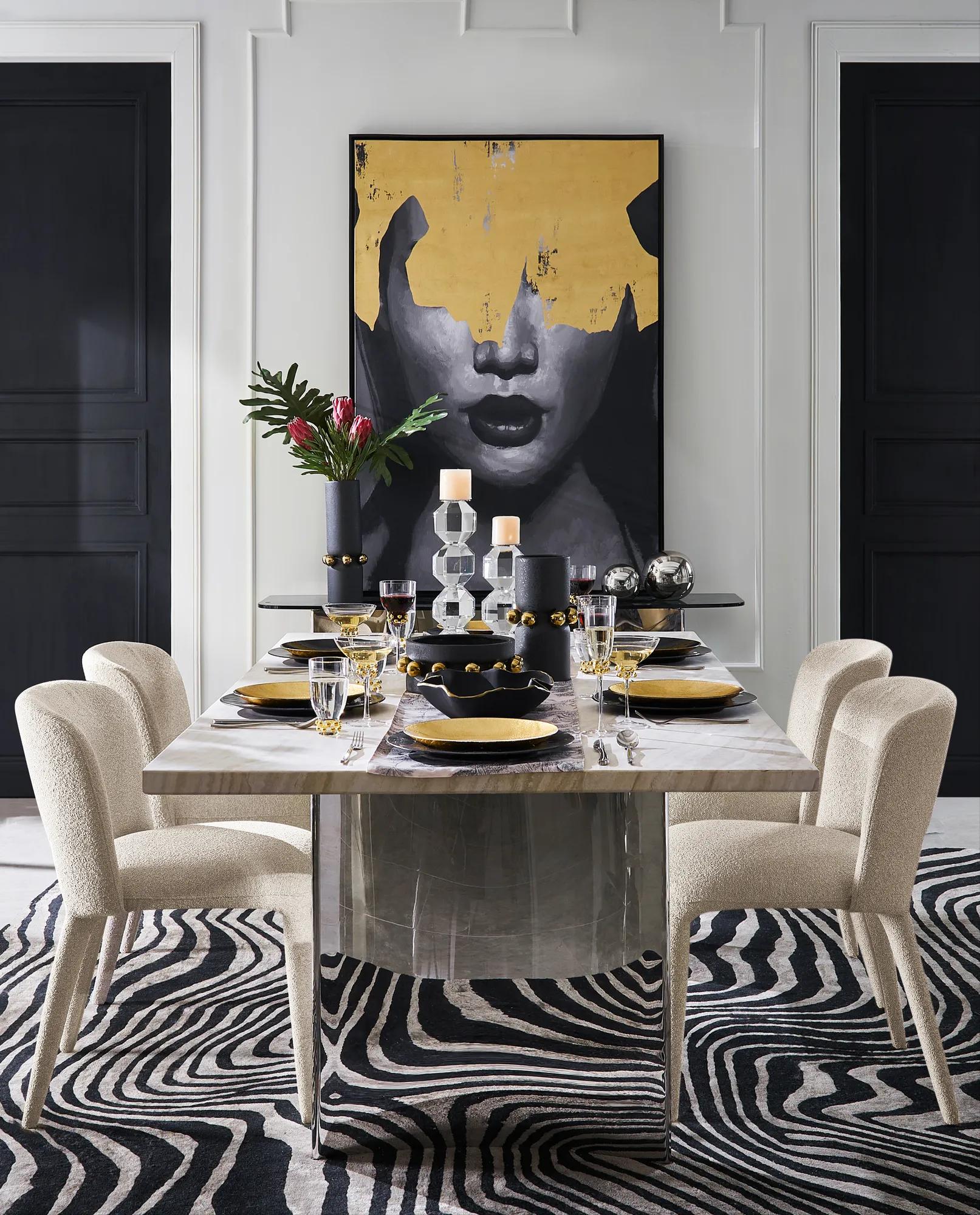 Muscat Rectangular Tan Marble Dining Table With Stainless Steel Base (84")$3099
A sophisticated dining table featuring a tan travertine marble top and polished stainless steel base.
Add To Cart -
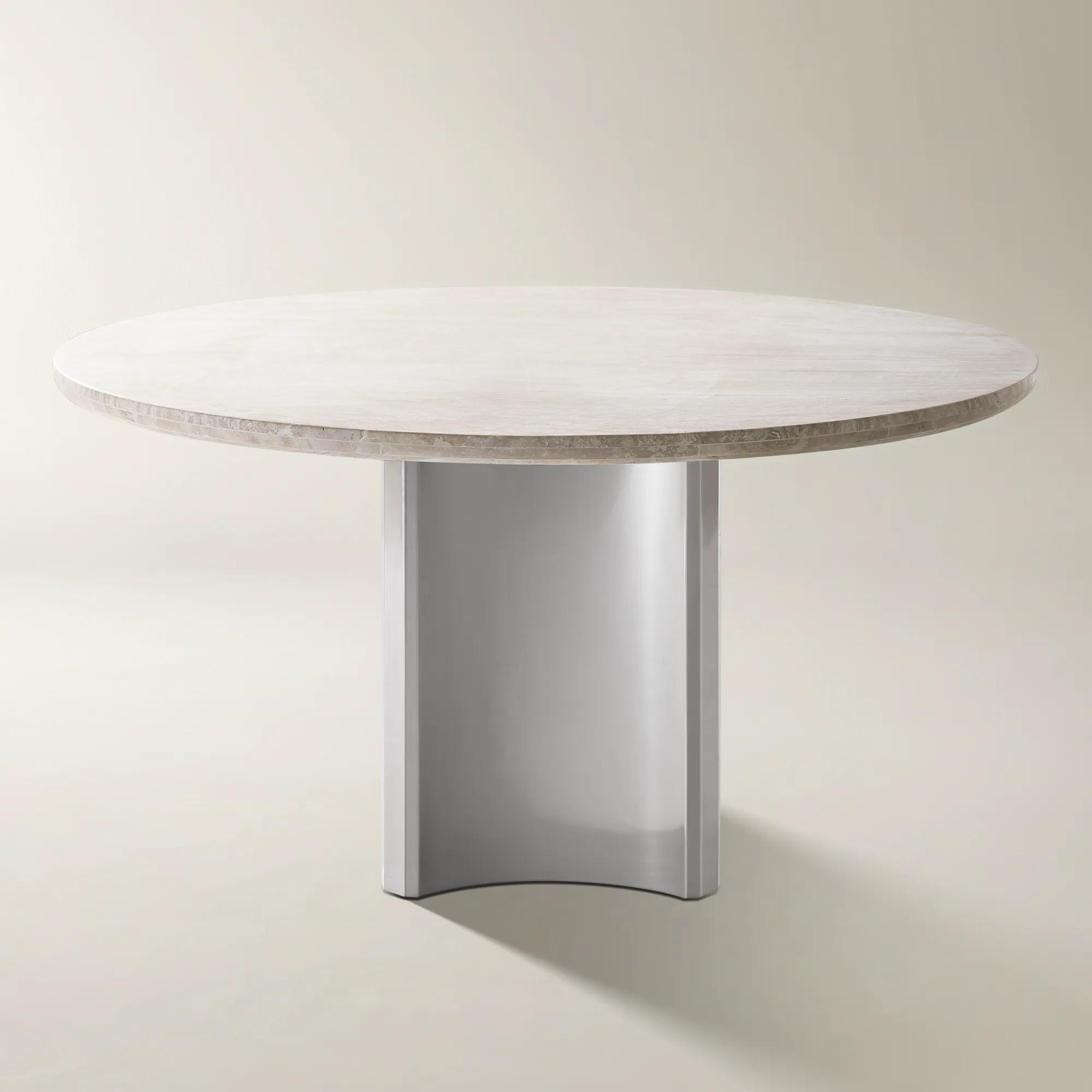 Ventane Round Tan Marble and Stainless steel Dining Table (58")$2999
A round tan travertine marble table with a polished stainless steel base for modern, elegant dining spaces.
Add To Cart -

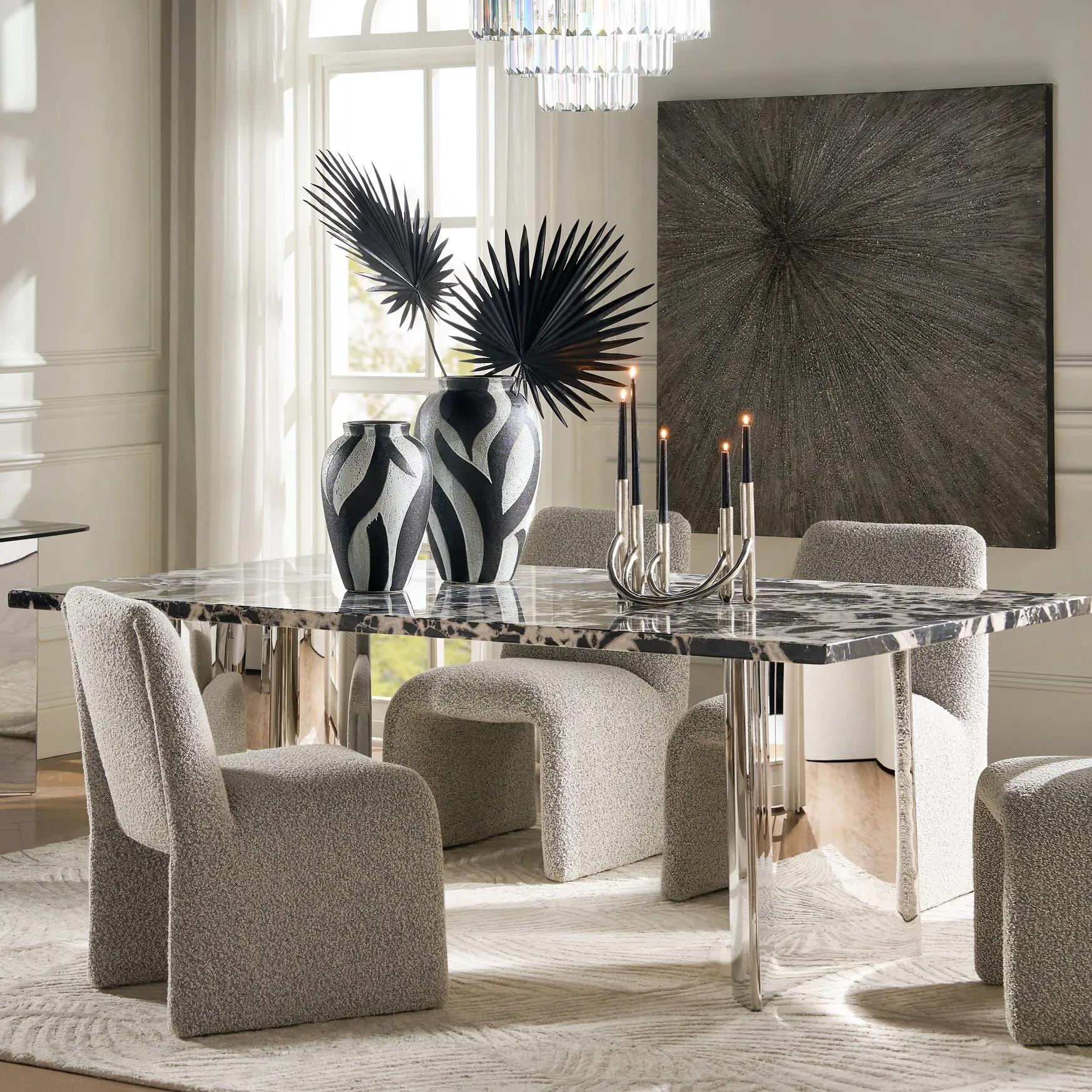 Muscat Rectangular Black Marble Dining Table With Stainless Steel Base (84")$3099
A dramatic black marble dining table with unique veining and a polished stainless steel base.
Add To Cart -
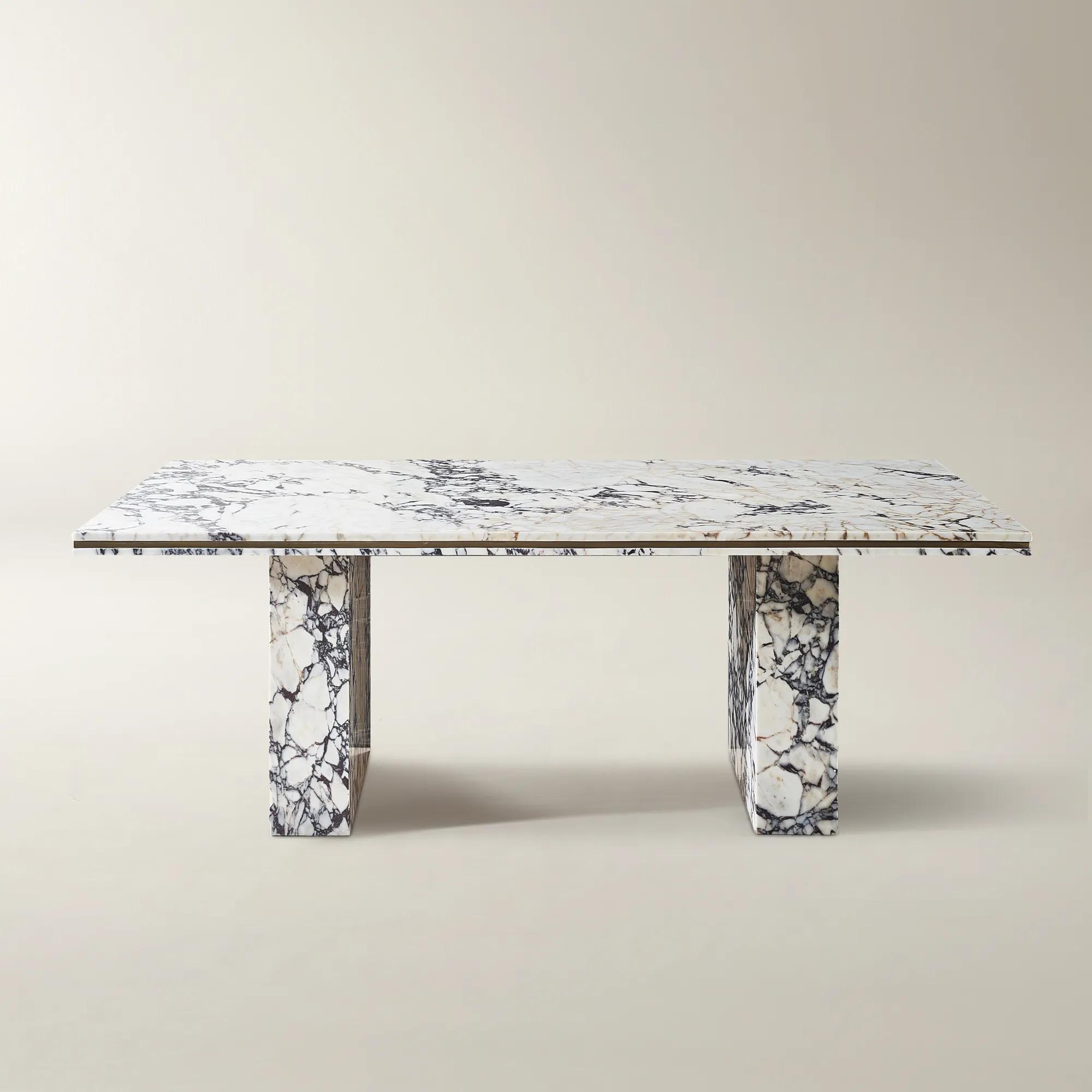
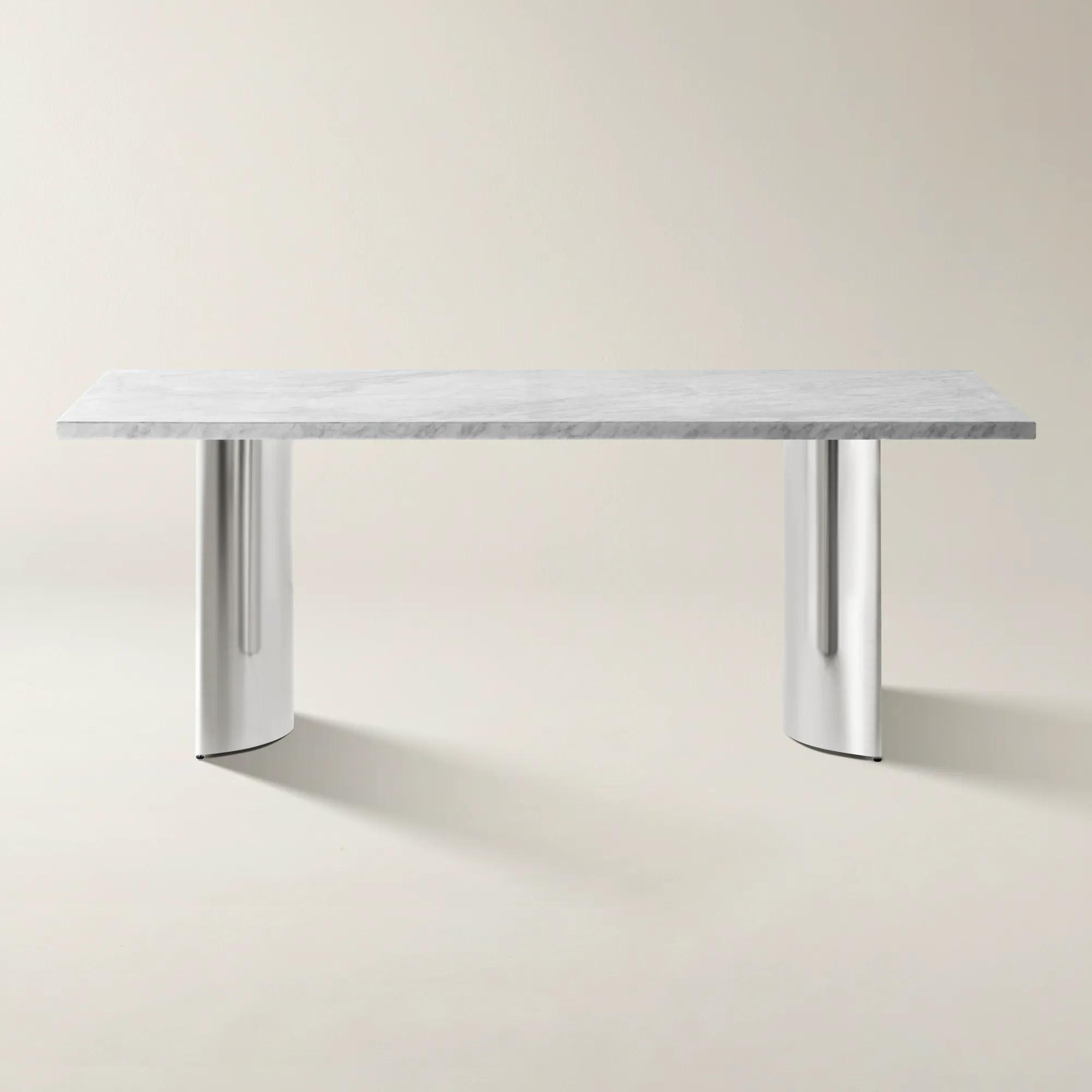 Muscat Rectangular White Marble Dining Table With Stainless Steel Base (84")$3099
A striking dining table featuring a natural white marble top with unique veining and a polished stainless steel base.
Add To Cart -
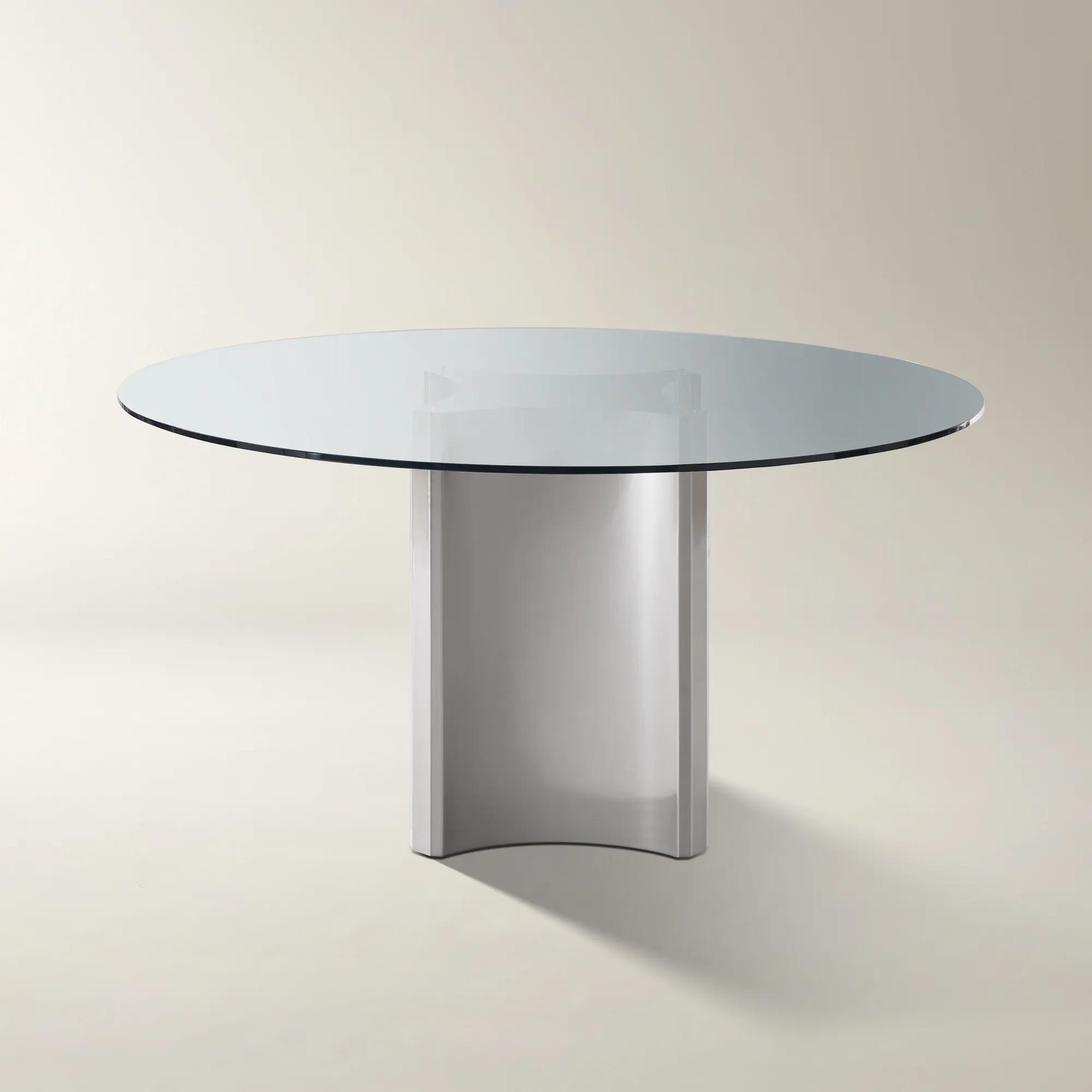 Ventane Round Clear Glass and Stainless steel Dining Table (58")$1499
A modern dining table featuring a clear tempered glass top and polished stainless steel base with anti-fingerprint finish.
Add To Cart -
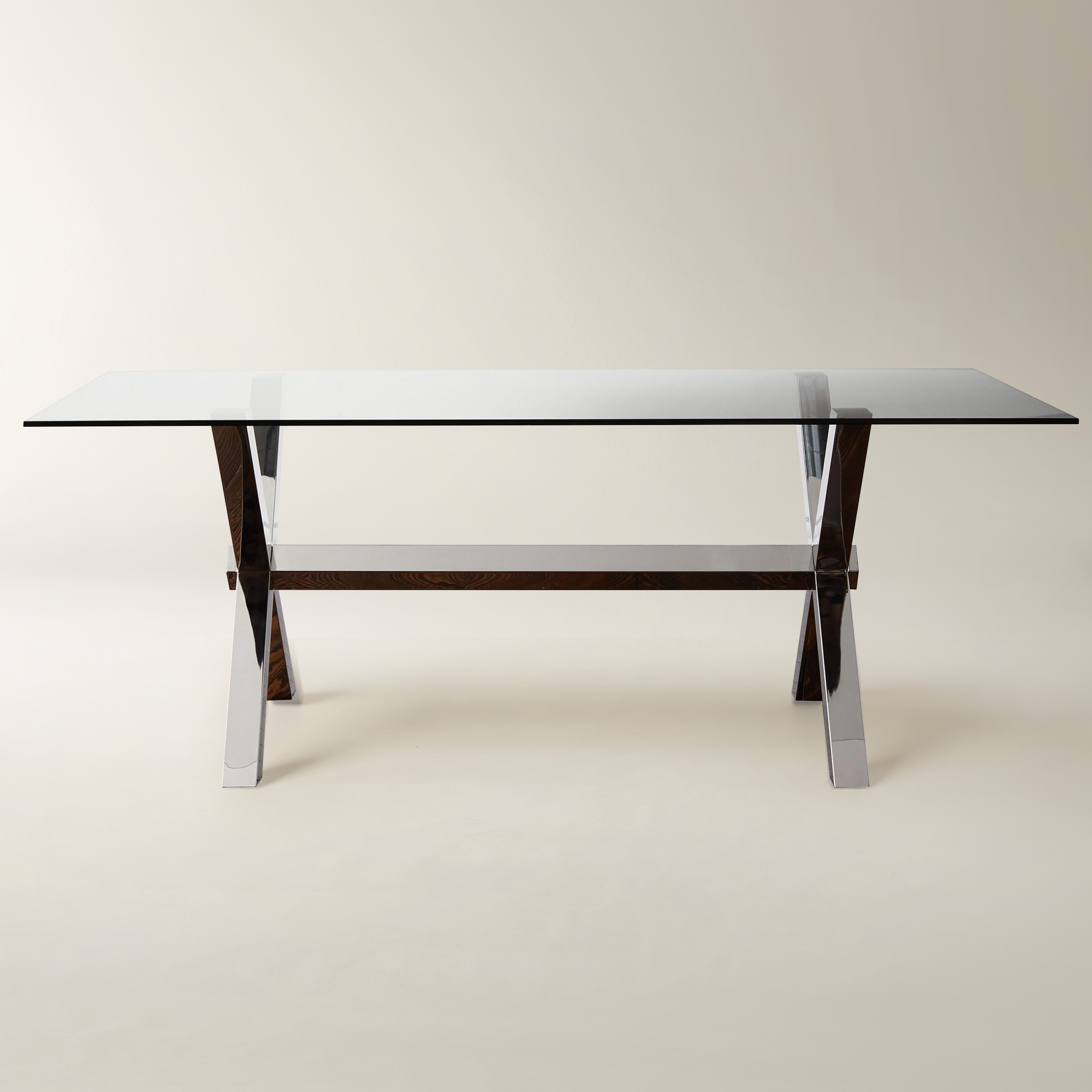
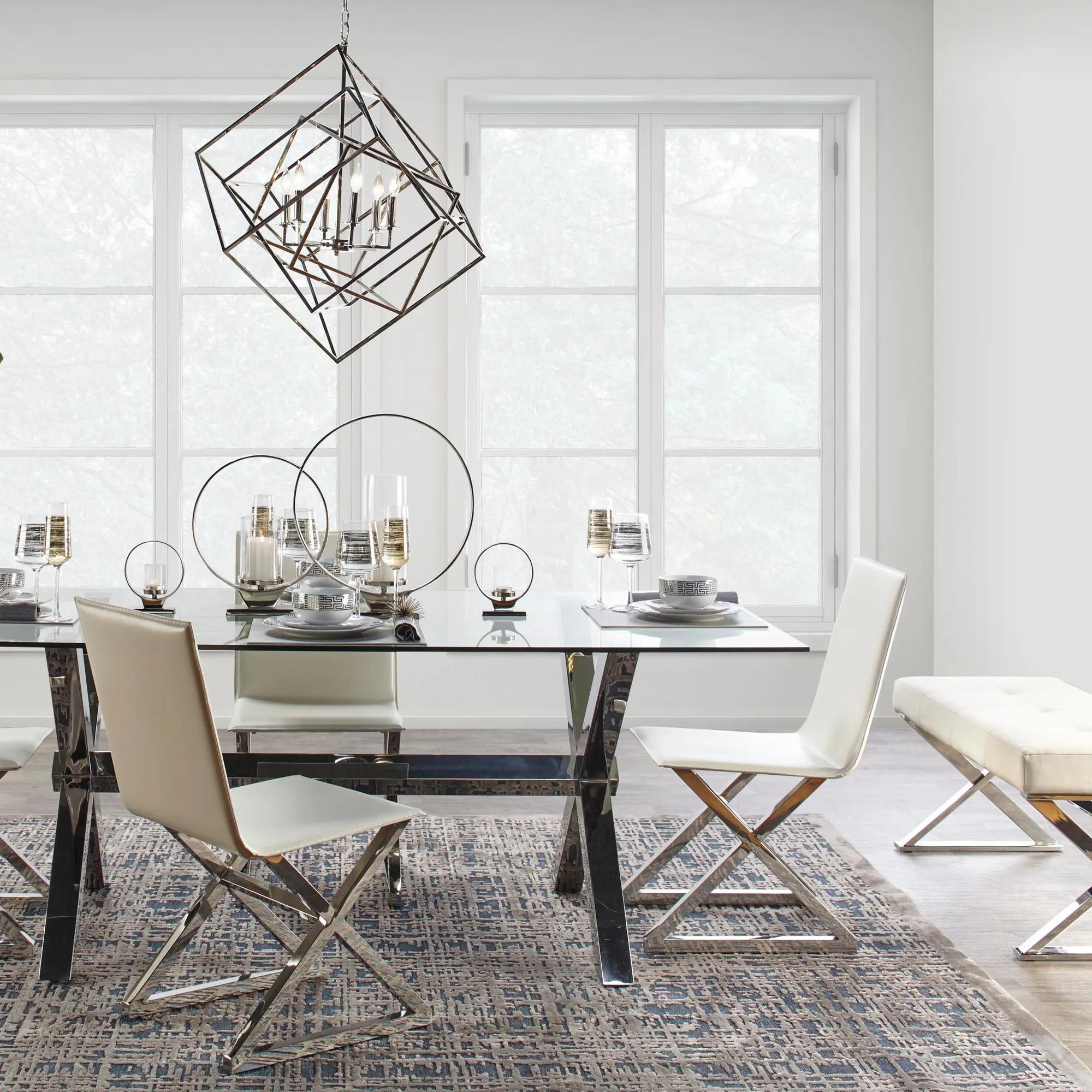 Axis Rectangular Silver Dining Table With Glass Top (78")$1199
A contemporary dining table featuring a polished stainless steel base and durable tempered glass top.
Add To Cart -
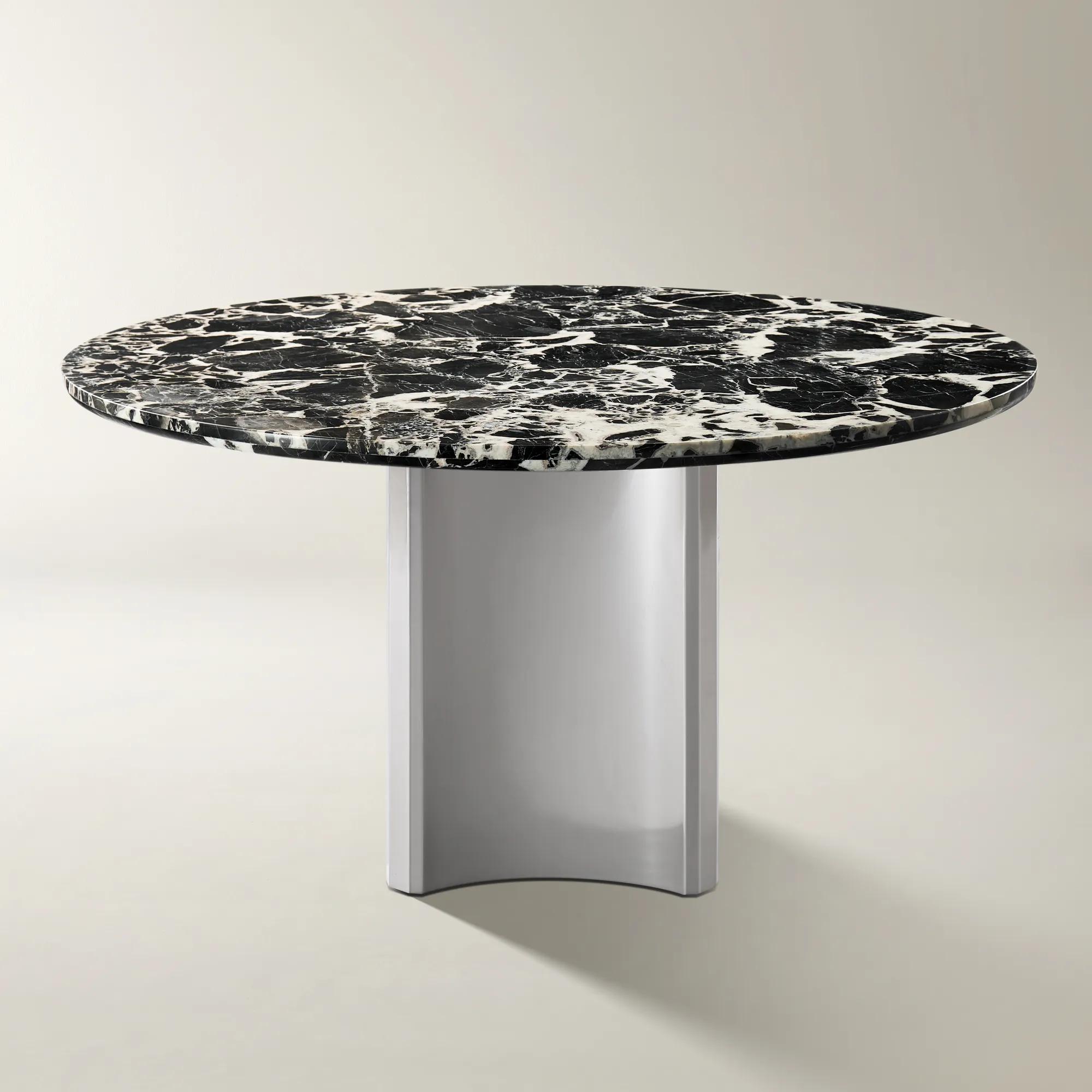
 Ventane Round Black Marble and Stainless steel Dining Table (58")$2999
A dramatic round dining table featuring a natural black marble top and polished stainless steel base.
Add To Cart -
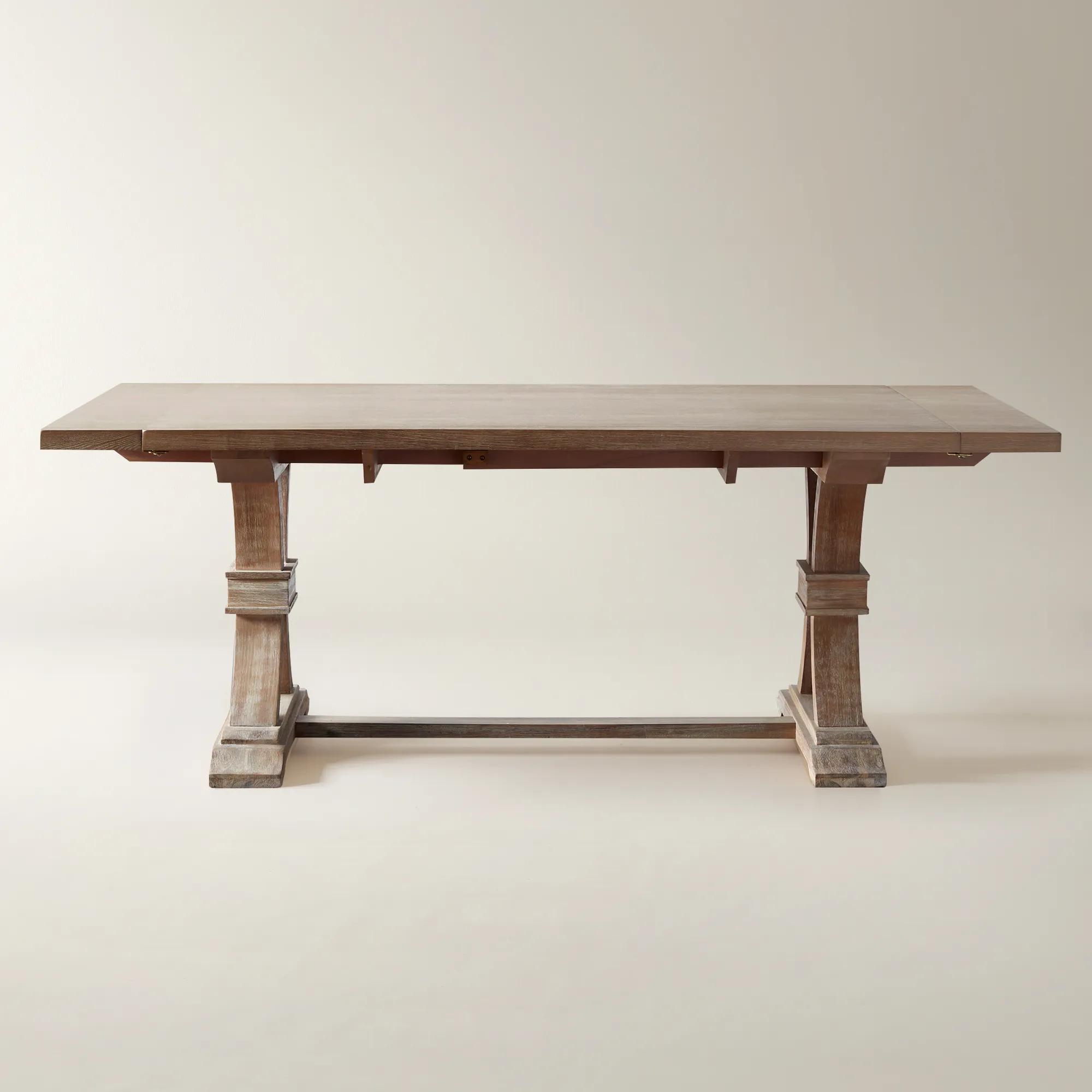 Archer Rectangular Whitewashed Acacia Wood Extending Dining Table (78" - 110")$2499
An extending dining table crafted from kiln-dried hardwood with a whitewashed oak finish and acacia veneer.
Add To Cart -
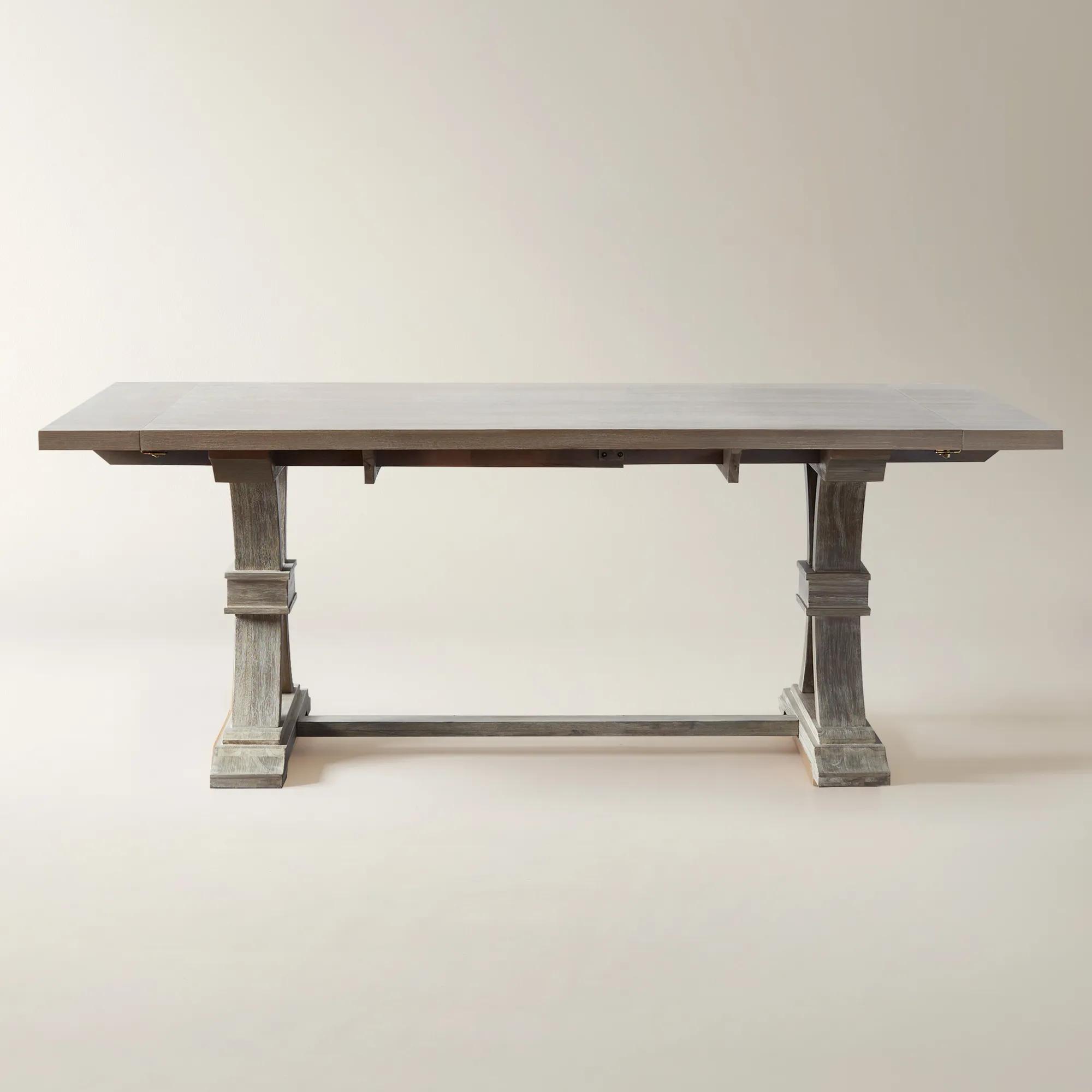 Archer Rectangular Grey Acacia Wood Extending Dining Table (78" - 110")$2499
A weathered grey acacia wood dining table with removable leaves and a kiln-dried hardwood frame.
Add To Cart -
 Aspar Soft Gold Bauble and Black Aluminum Candle Wall Sconce Large 33"$79
A sculptural aluminum wall sconce featuring a striking black finish with a soft gold bauble accent.
Add To Cart -
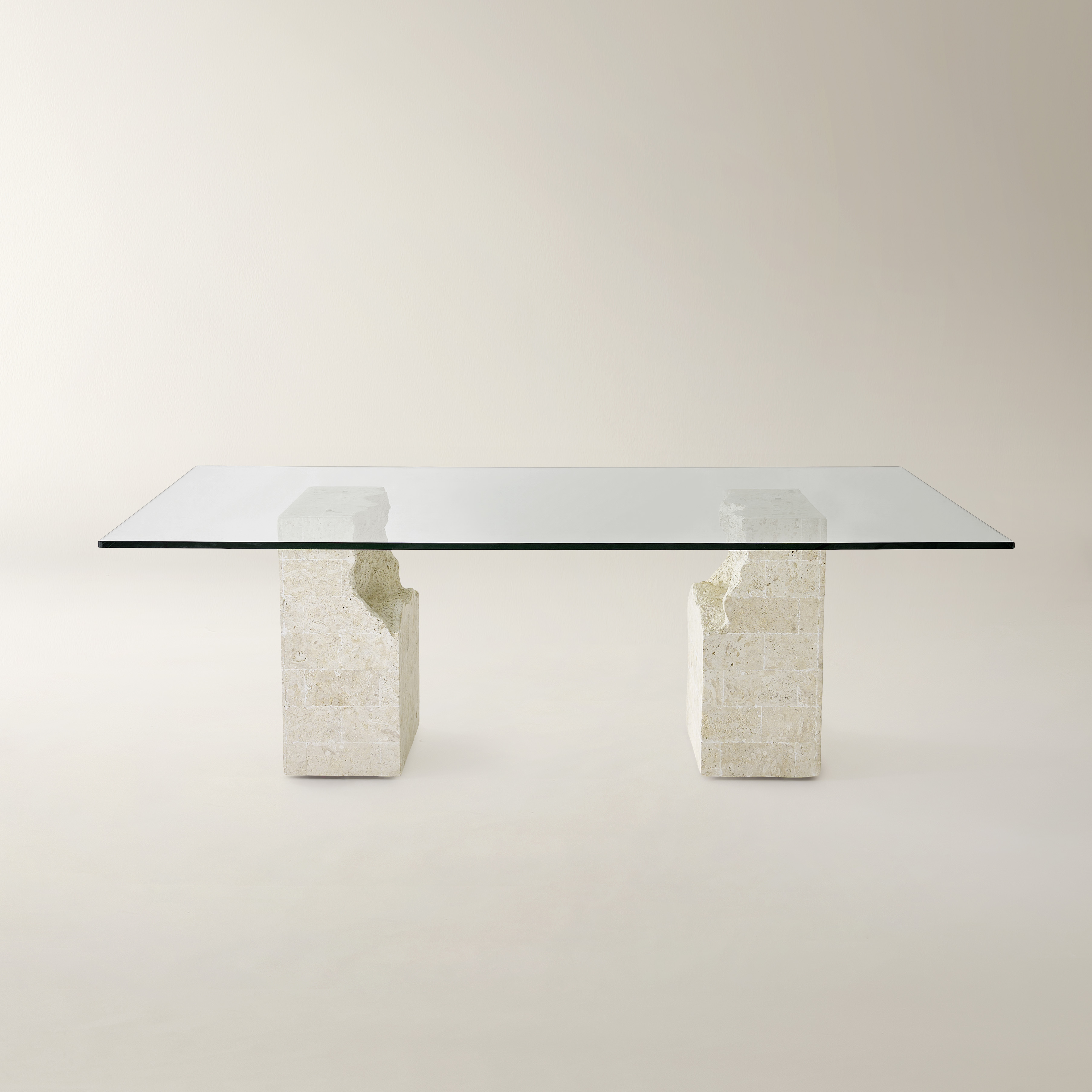
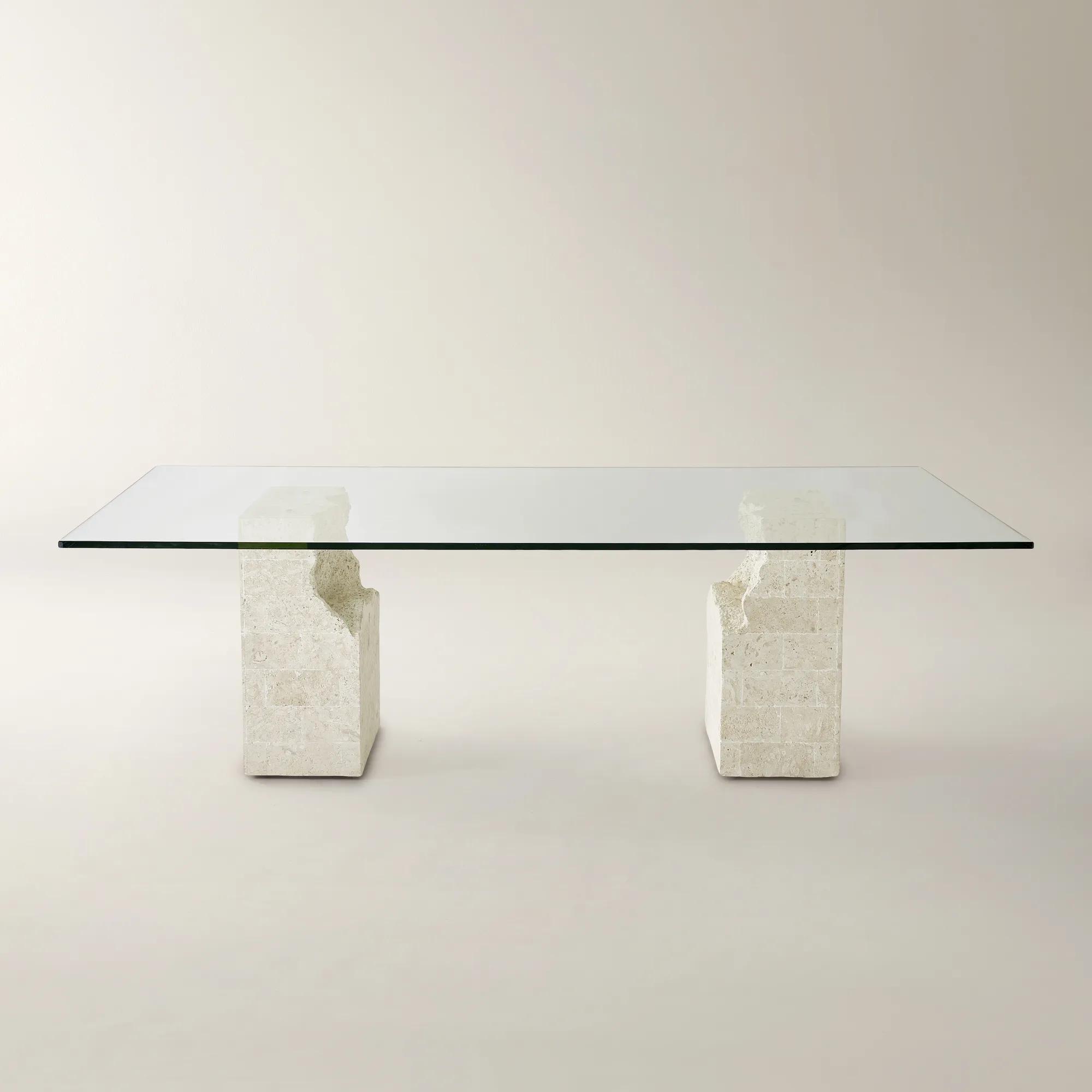 Cairo Rectangular Mactan Stone Dining Table With Glass Top (96")$2599
A contemporary dining table featuring a clear tempered glass top over hand-carved Mactan stone bases.
Add To Cart -
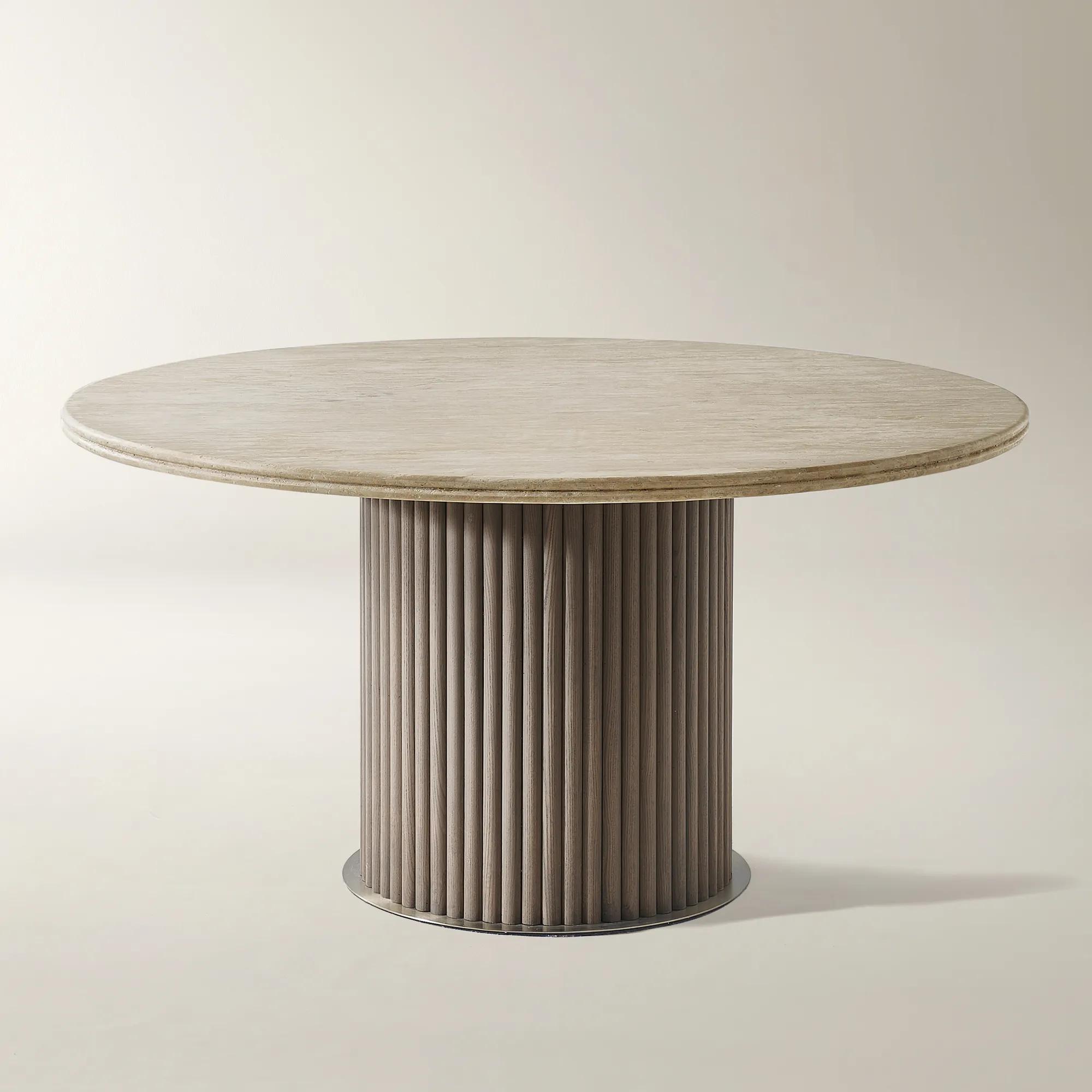 Bond Round Reeded Travertine and Wood Dining Table (59")$3499
A round dining table featuring a genuine natural travertine stone top and a fluted solid ash base.
Add To Cart -
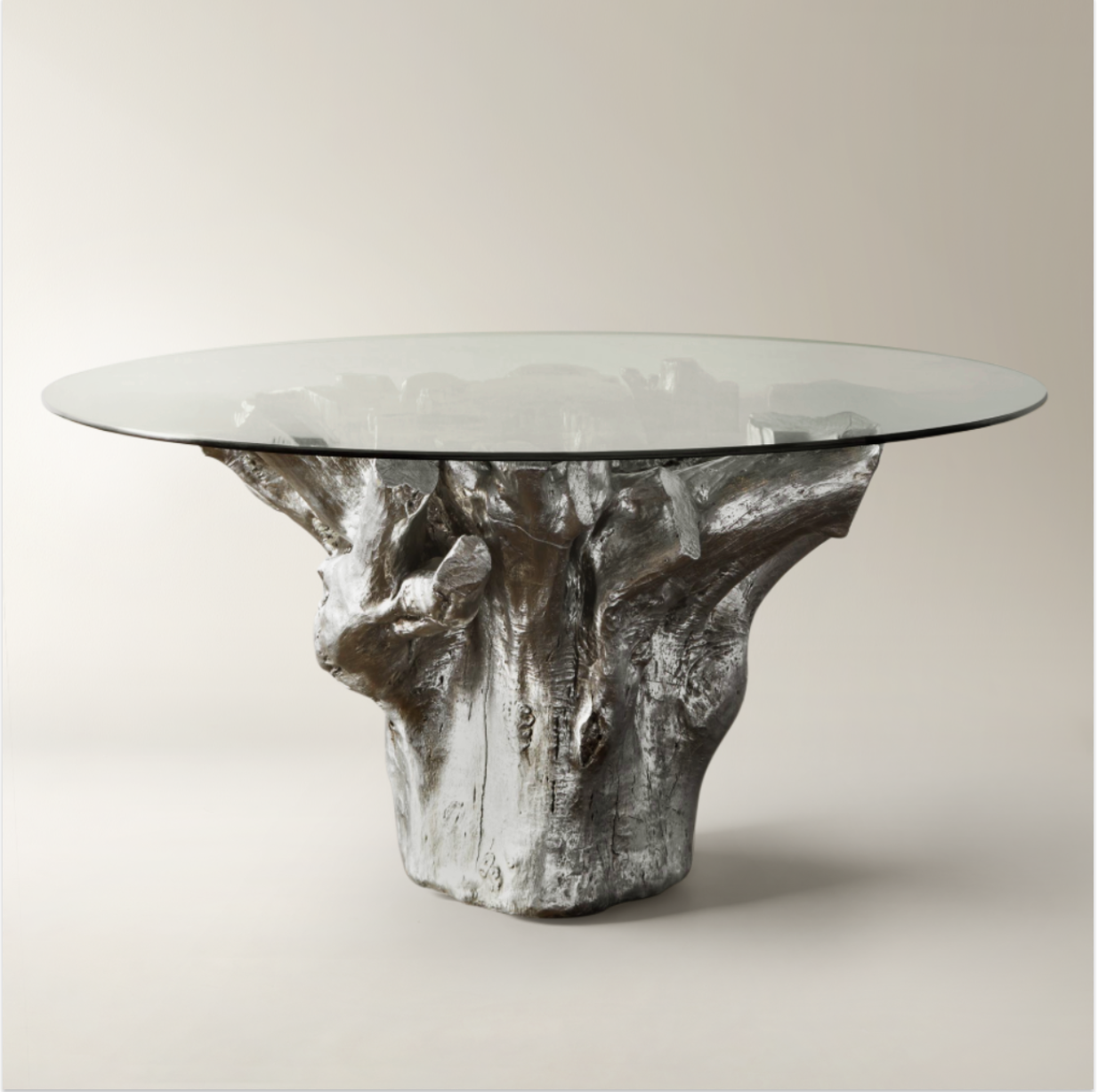 Sequoia Silver Resin Dining Table With Glass Top (60")$2199
A sculptural resin base with hand-applied silver leaf supports a round tempered glass top for modern elegance.
Add To Cart -
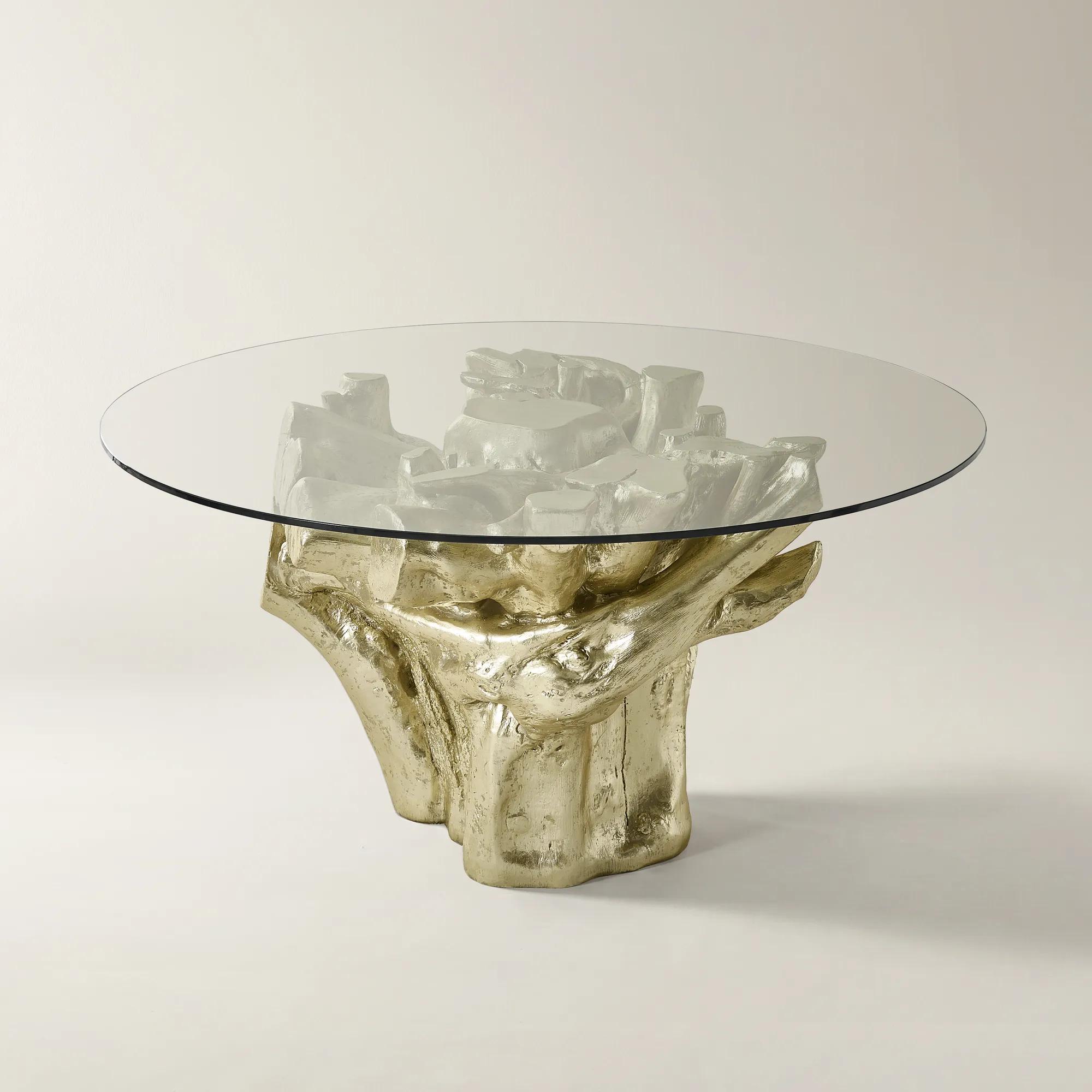 Sequoia Champagne Gold Resin Dining Table With Glass Top (60")$2199
A sculptural resin dining table with a champagne gold leaf base and a clear tempered glass top.
Add To Cart -
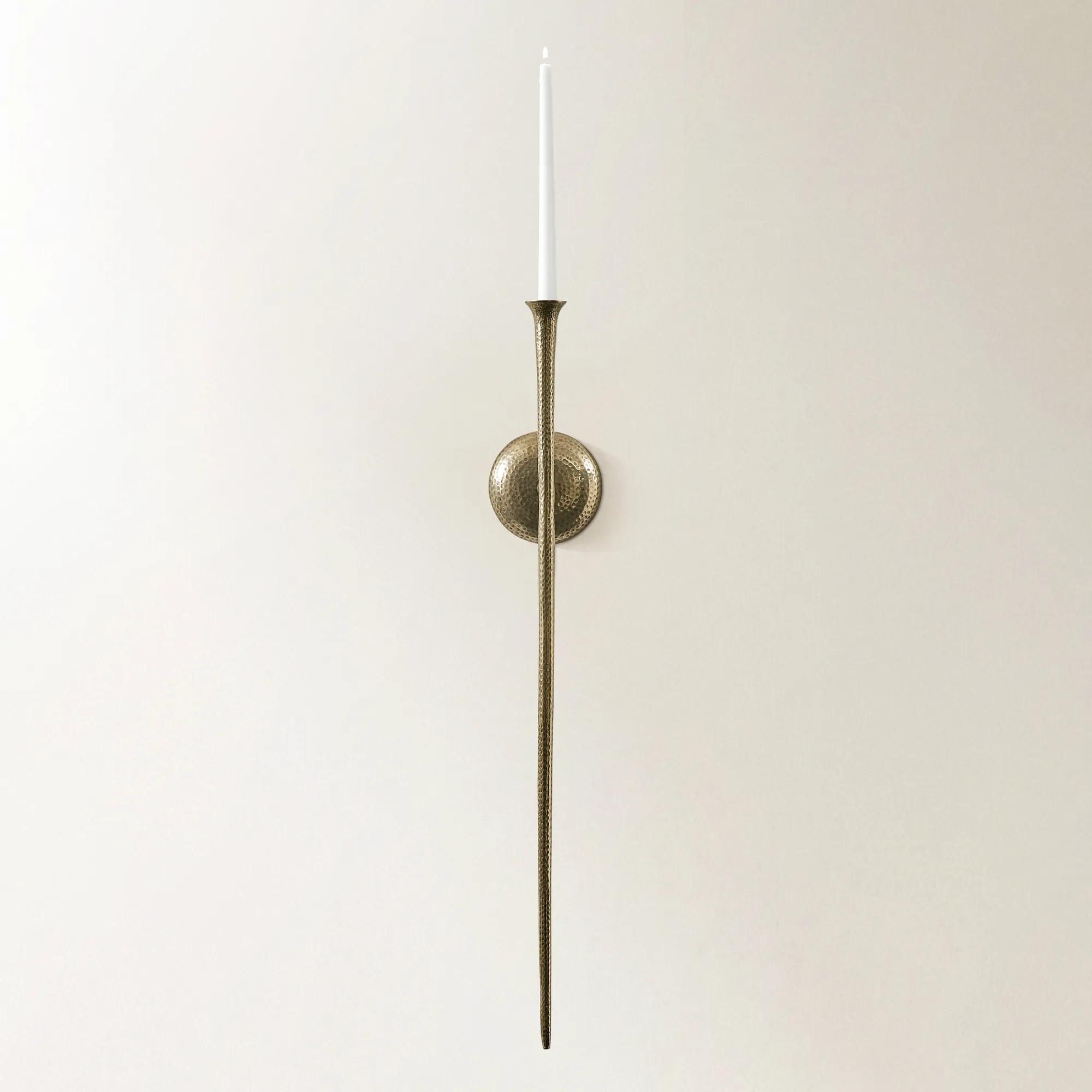 Aspar Hammered Antiqued Gold Aluminum Candle Wall Sconce Large 33"$79
A sculptural aluminum wall sconce featuring a hammered antiqued gold finish for rich texture and warmth.
Add To Cart -

 Matera Rectangular White Marble Dining Table With Stainless Steel Base (86.61")$2499
A modern dining table featuring a white marble top and polished stainless steel base for timeless elegance.
Add To Cart -
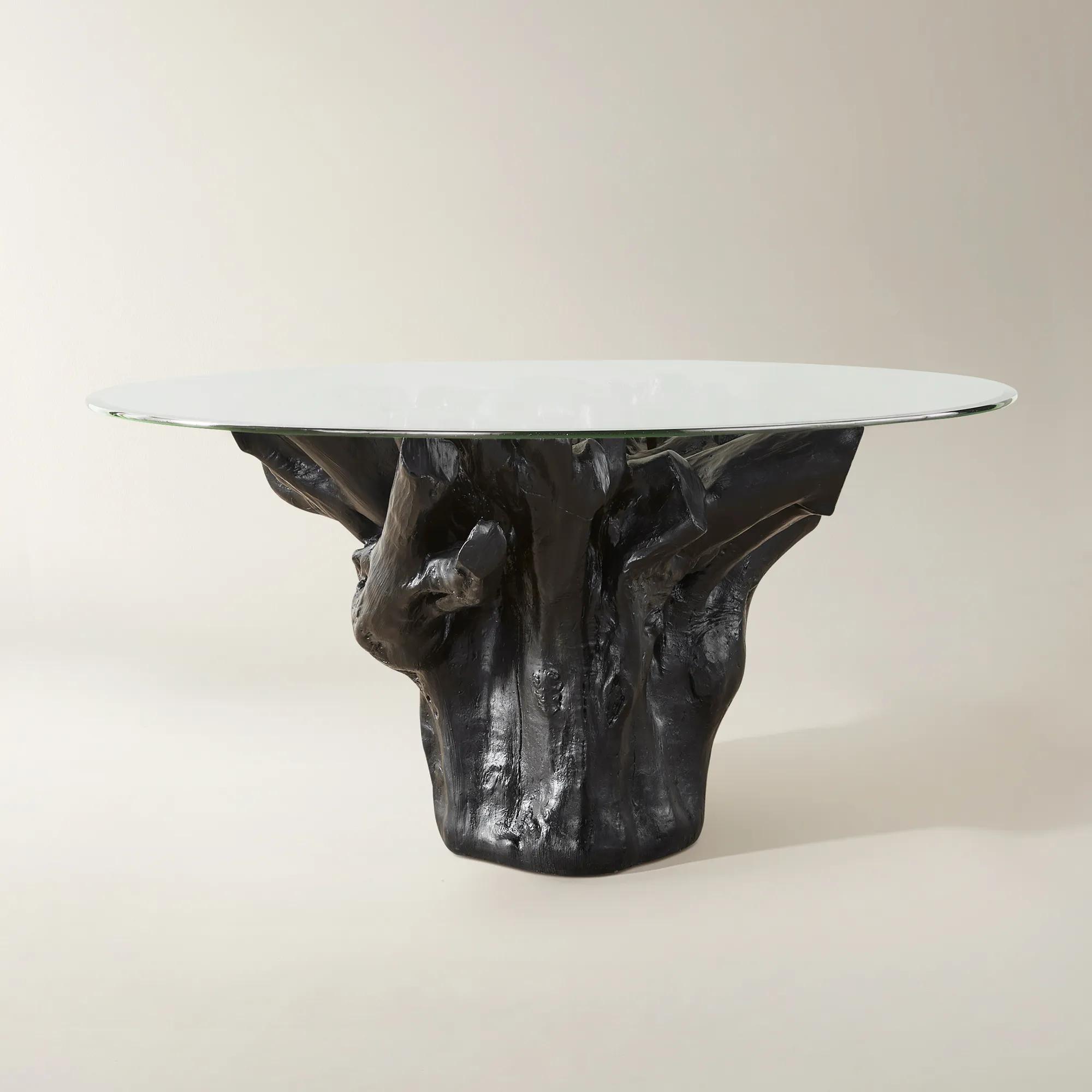 Sequoia Black Resin Dining Table With Glass Top (60")$2299
A sculptural black resin base with real stone fragments supports a round tempered glass top for organic elegance.
Add To Cart -
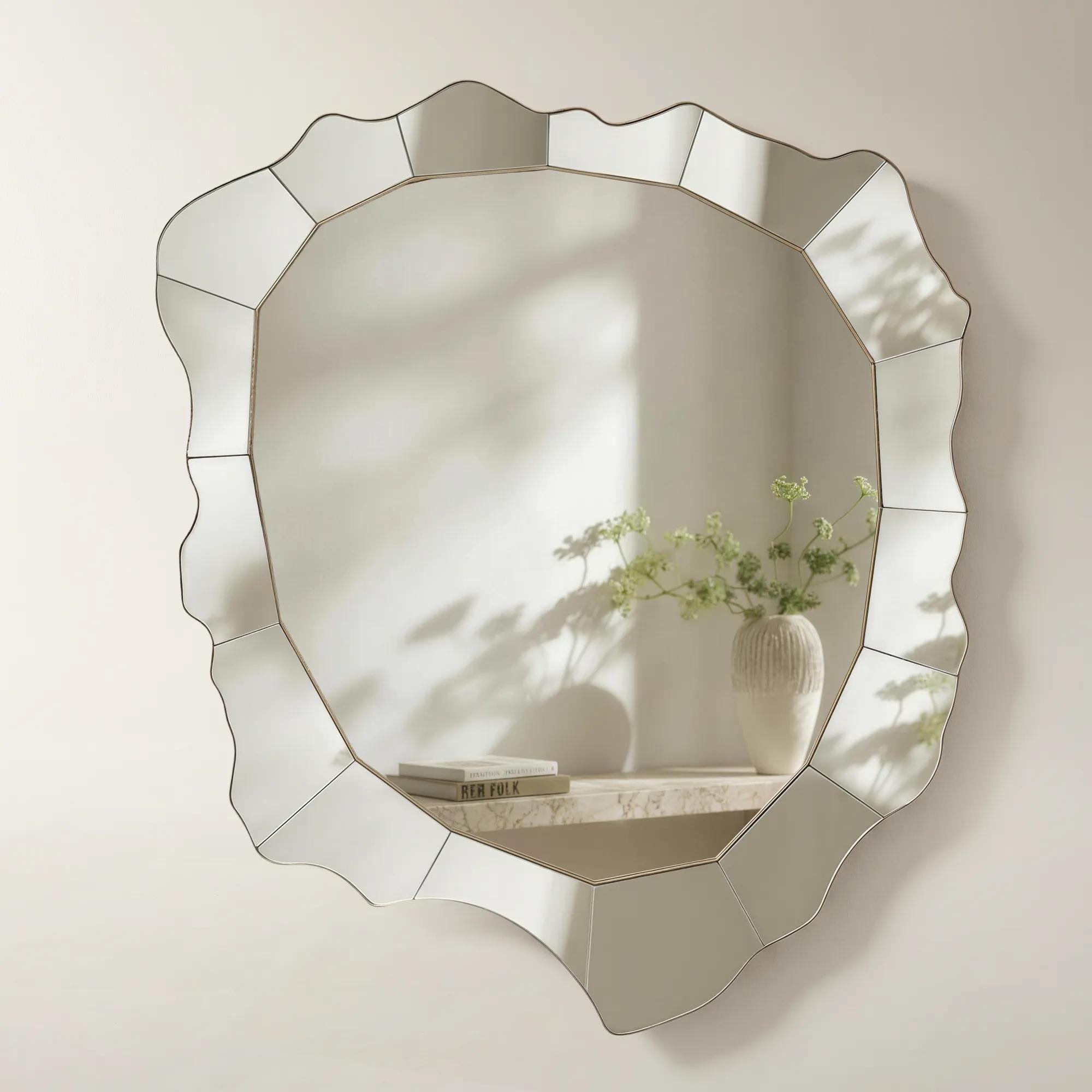 Gala Gold Trim Organic Shaped Wall Mirror 45" x 54"$999
An organic faceted mirror with soft gold iron trim adds sculptural movement and refined glamour to any room.
Add To Cart -
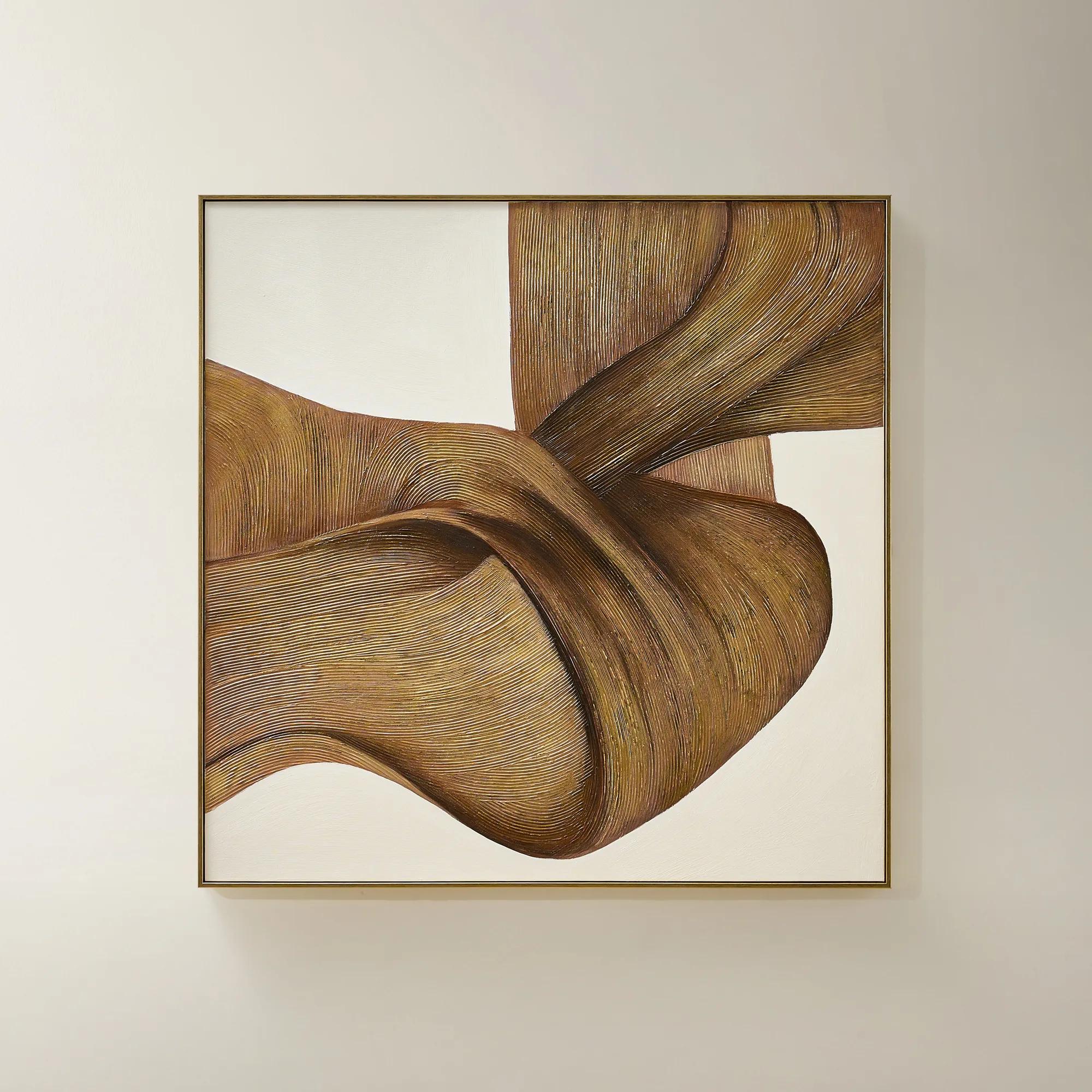
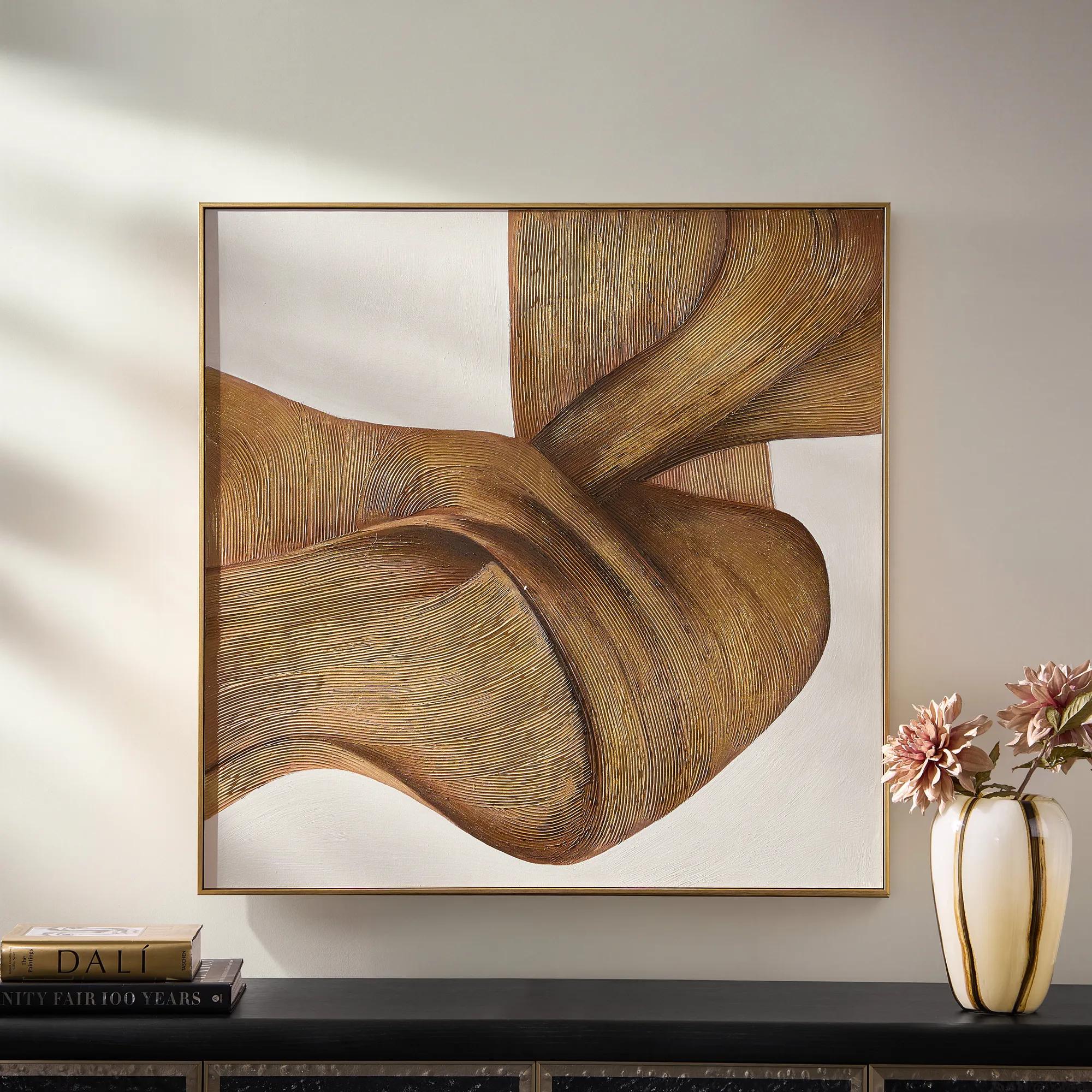 Latte Framed Gold Leaf Painted Wall Art 40" x 40"$499
A hand-painted canvas with fluid brown lines, luminous gold leafing, and a crisp black floater frame.
Add To Cart -
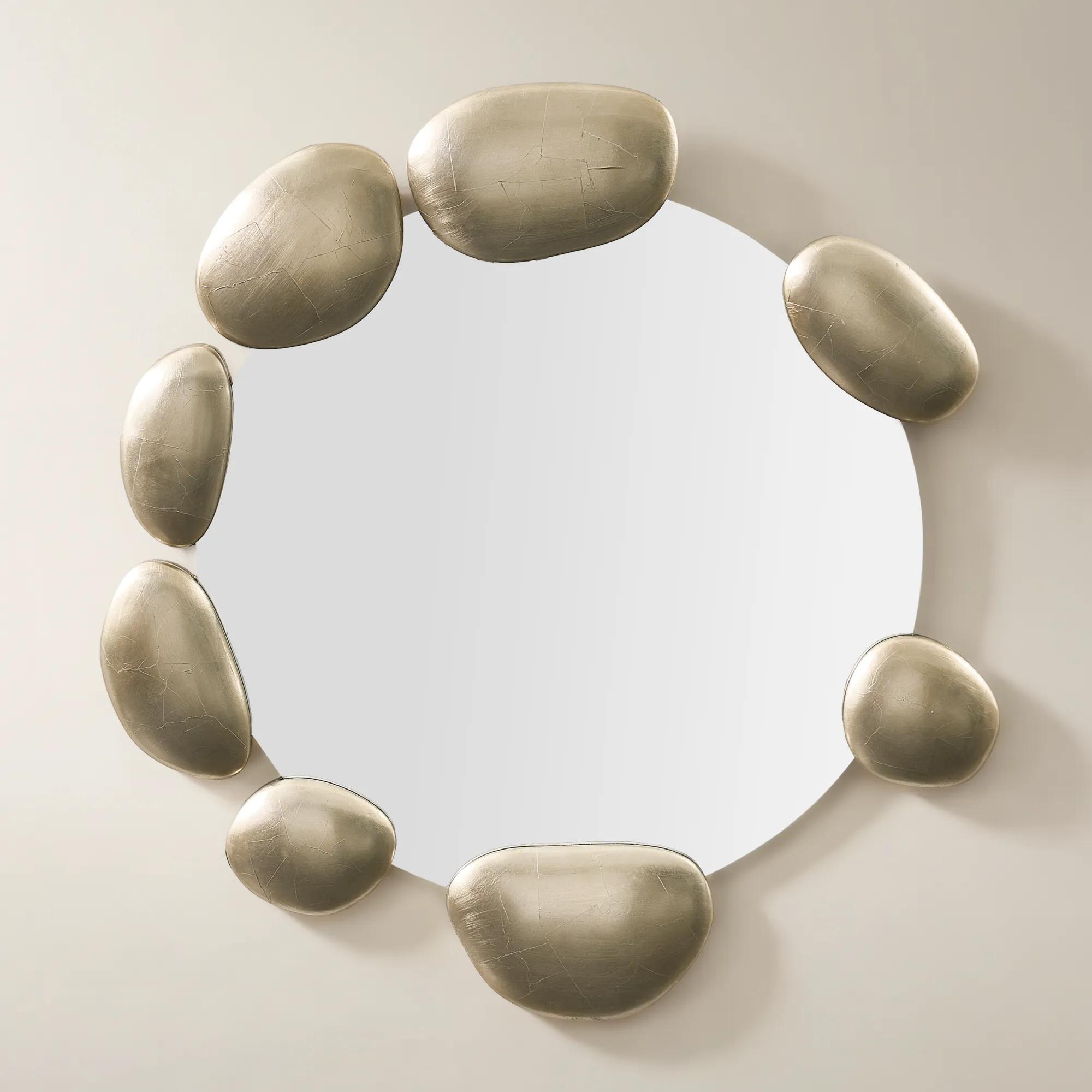 Pebbled Champagne Leaf Resin Round Wall Mirror 40"$599
A round wall mirror featuring a sculptural resin frame with champagne leafing and playful pebbled accents.
Add To Cart -

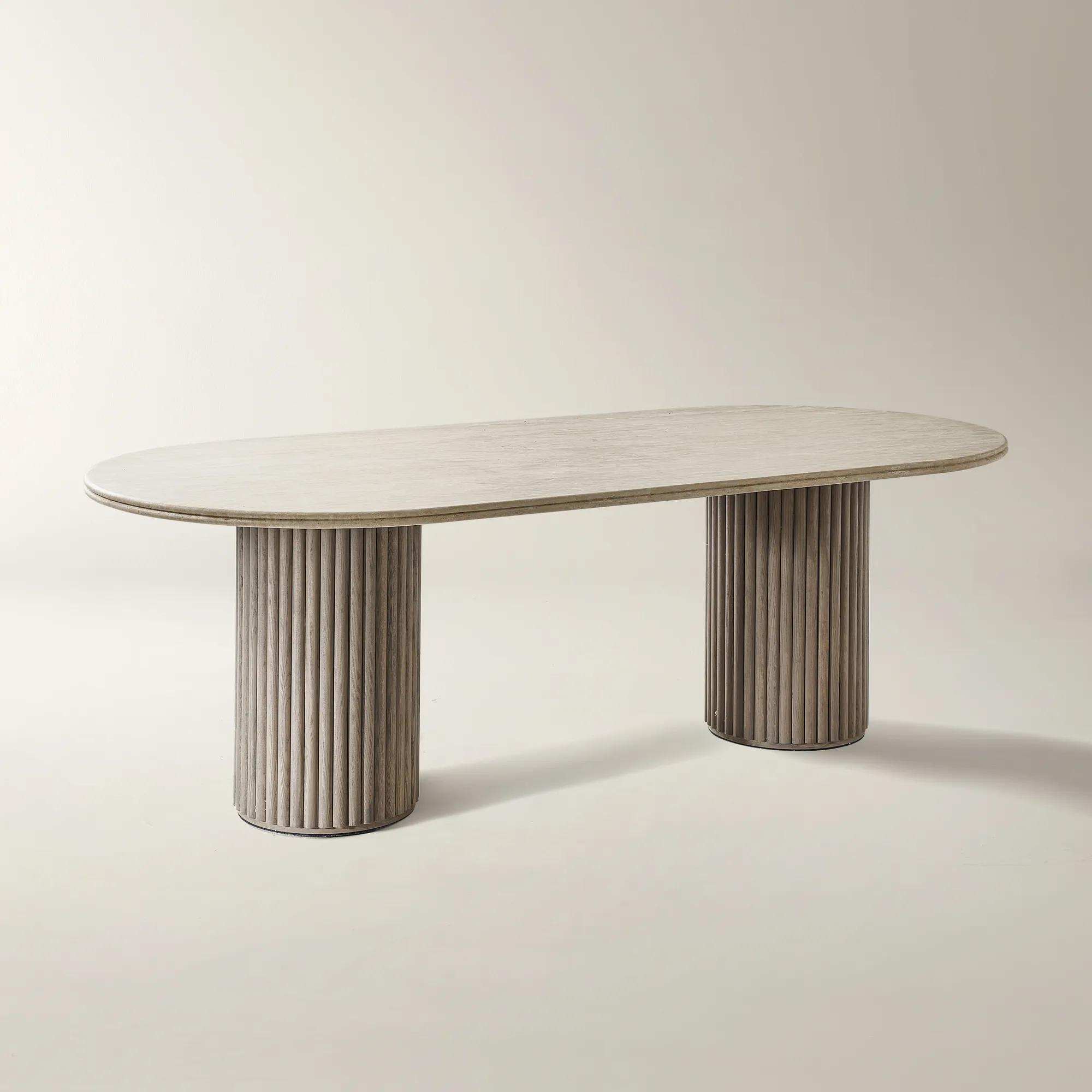 Bond Oval Reeded Travertine and Wood Dining Table (94.25")$4599
A natural travertine stone top pairs with a fluted solid ash base for refined, organic elegance.
Add To Cart -
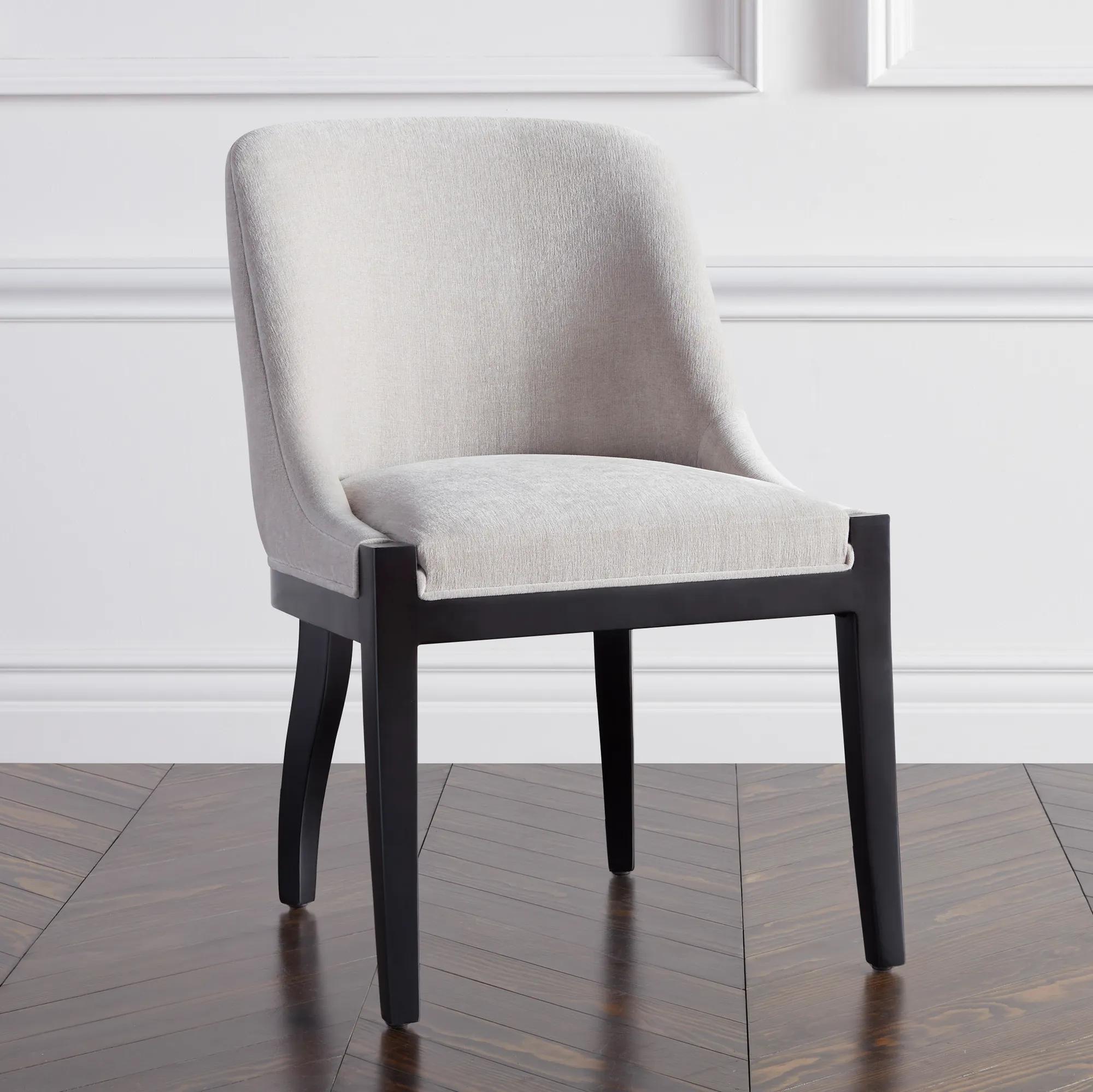 Lily Dining Chair - Matte Black$599
A modern dining chair with a kiln-dried hardwood frame, matte black legs, and plush tailored upholstery.
Add To Cart -
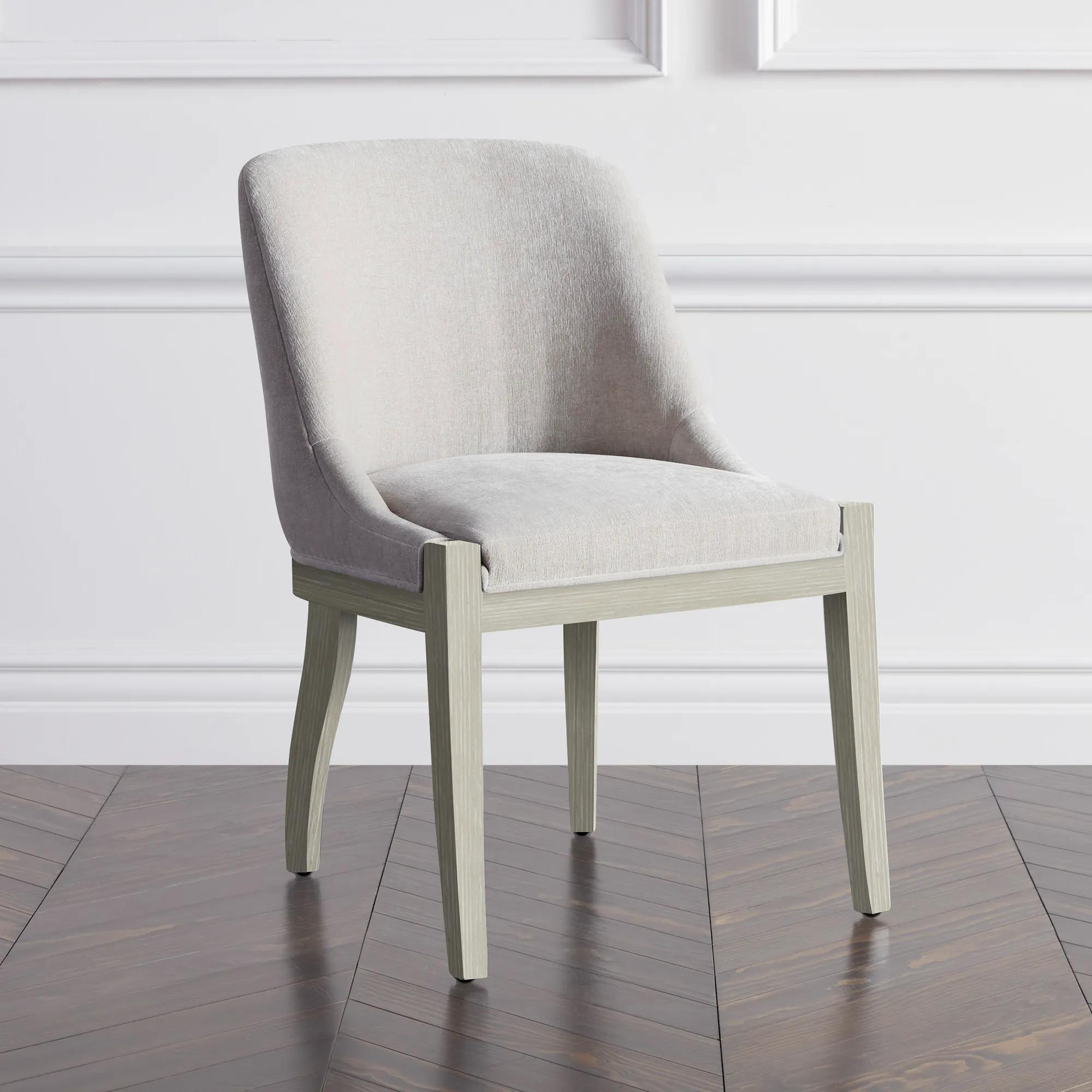 Lily Dining Chair - Natural Grey$649
A modern grey dining chair featuring kiln-dried hardwood, plush foam cushioning, and tailored chenille upholstery.
Add To Cart -
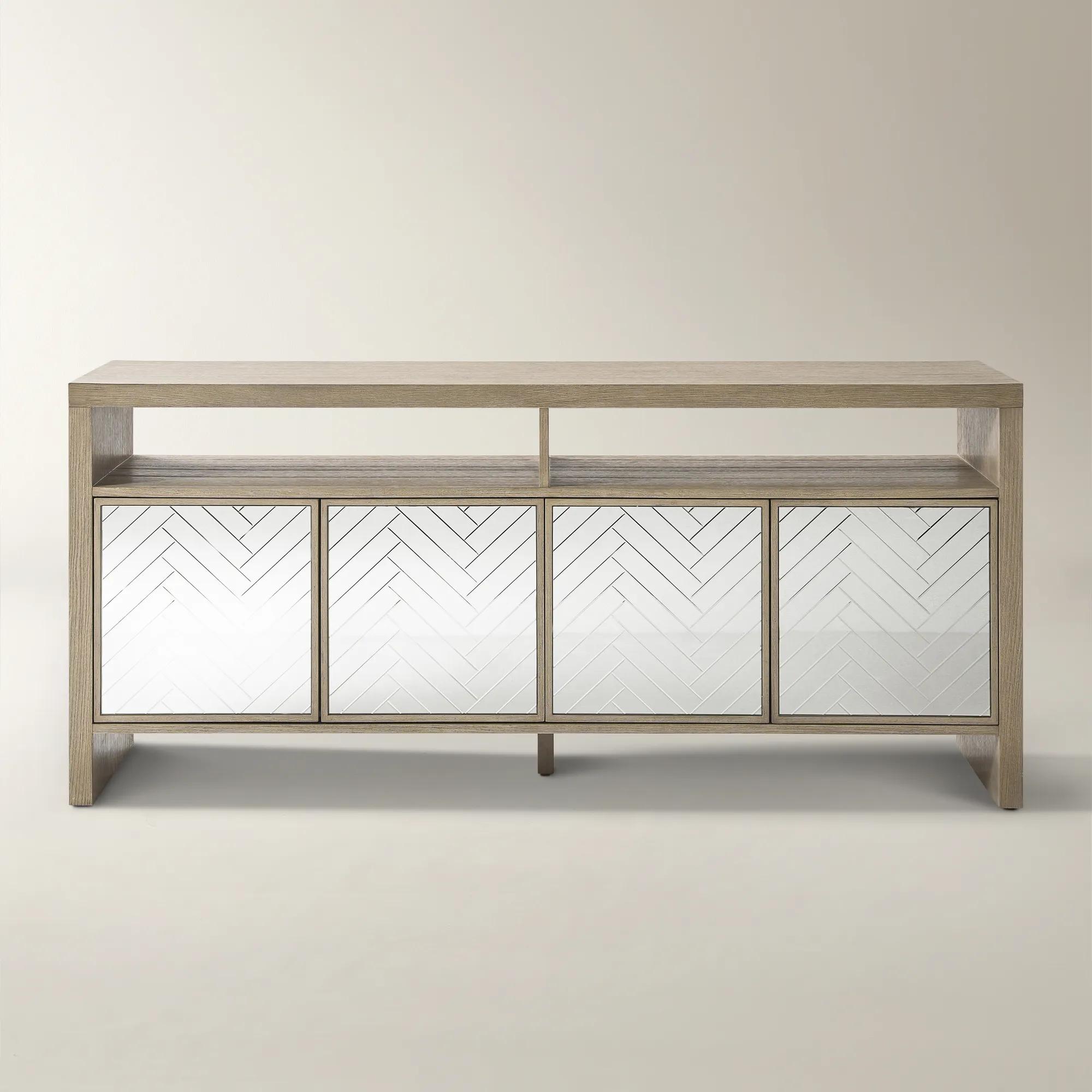 Glimmer Mirrored Seadrift Oak Buffet (70.5")$1999
A sophisticated buffet featuring sea drift oak veneer and mirrored parquet doors with silver leaf accents.
Add To Cart

Dining Room Makeover Essentials
Dining Room Makeover Essentials transform every gathering into a grand affair, where artistry meets appetite and conversation sparkles beneath a canopy of style. Imagine your dining space reimagined—a stage set for unforgettable evenings, where sculptural silhouettes and sumptuous textures invite guests to linger just a little longer. Here, every detail is curated for drama and delight, from gleaming finishes that capture the light to statement pieces that anchor the room with unapologetic elegance. Elevate your entertaining and savor the magic of a dining room that’s as expressive and extraordinary as you are.
Dining room makeover essentials bring together statement furniture, comfortable seating, functional storage, layered lighting, and tactile tabletop details to create a space equally suited to everyday meals and memorable gatherings. At the center of that composition, a dining table establishes both the room’s proportions and its personality. A sculptural pedestal can give a round tabletop an architectural presence while leaving more freedom for chair placement; a rectangular silhouette brings definition to a longer room and creates a generous stage for shared dishes and conversation. Shape matters as much as size. Round and oval tables soften the flow through compact spaces, while rectangular designs often align naturally with elongated rooms. Allowing approximately 24 inches of table edge per diner supports comfortable seating, and about 36 inches between the table and surrounding walls or furniture provides a useful starting point for circulation. Busy passageways may need more clearance, particularly when chairs are occupied. Extendable designs suit households that move between intimate dinners and larger celebrations, provided the room can accommodate the expanded footprint. Materials bring another layer of character: wood introduces expressive grain, stone offers distinctive veining, and glass creates visual openness without sacrificing presence. Durability depends on construction, finish, and daily use rather than appearance alone. Sealed stone may still need prompt attention to spills, glass benefits from regular cleaning, and wood surfaces deserve protection from moisture and direct heat. Dining chairs complete the foundation with comfort that encourages guests to linger. Upholstered seats, supportive backs, and thoughtfully proportioned arms can make a meaningful difference during a long meal. Seat height and arm clearance should work with the table’s underside, including any apron, not simply its overall height. Velvet lends depth and a sumptuous hand, while textured woven upholstery introduces quieter dimension; households with frequent spills may prefer fabrics specifically identified for easy cleaning. A repeated chair silhouette creates visual rhythm, while distinctive end chairs can lend a rectangular table a more expressive frame. The strongest dining room furniture arrangements feel generous without crowding the people who use them.
Storage and lighting give that foundation its polish, allowing the dining room to function beautifully beyond the moment a meal is served. A sideboard or buffet creates a composed landing place for serving dishes while keeping linens, flatware, and entertaining accessories close at hand. Behind closed doors, adjustable shelves can accommodate taller vessels; drawers help separate delicate pieces from everyday essentials. Depth deserves particular attention in a narrow room, where an imposing cabinet can interrupt the path around occupied chairs. Door swings and drawer extensions also need space to operate comfortably. A low storage silhouette offers room for an artwork or mirror above it, bringing the eye upward and giving the wall a deliberate focal point. Lacquered surfaces introduce a sleek sheen, richly grained wood adds visual movement, and metallic details catch the light like jewelry against cabinetry. Protective pads beneath decorative objects and trays beneath serving pieces help preserve these finishes, while manufacturer care instructions should determine which cleaners are appropriate. Lighting adds another dimension, shaping how the room feels and how its materials appear. A chandelier or pendant provides the central gesture, but its scale should relate to the table rather than compete with the entire room. For a standard-height ceiling, a fixture approximately 30 to 36 inches above the tabletop is a common starting point; the fixture’s shape, ceiling height, and seated sightlines can call for adjustments. Sconces and a lamp on a sideboard introduce softer pools of light, reducing the stark effect of relying on one overhead source. Compatible dimmers allow that composition to move from clear illumination for dining to a more intimate glow for conversation. Mirrors can amplify light and lend depth, especially when positioned to reflect a considered view rather than clutter. Artwork brings color, movement, and personal expression into the setting. One generously scaled piece can feel more assured than several undersized accents, particularly above substantial furniture. Repeating a finish or color across lighting, frames, and cabinet hardware gives varied elements a shared visual language without requiring every detail to match.
Textiles and tabletop accents make the dining room feel complete at close range, where texture, proportion, and practical care become part of the experience. A rug grounds the table and chairs, defining the dining area within an open-plan space while introducing pattern or a richly layered neutral palette. Its dimensions should account for chairs in use, not just the table’s footprint: extending roughly 24 to 30 inches beyond each side of the table is a helpful starting point, with more room sometimes needed for larger chairs. Low-pile constructions generally allow chairs to move more easily, and a suitable rug pad can help stabilize the arrangement and protect the floor beneath it. Fiber content and care requirements matter in a room where crumbs and spills are inevitable; prompt blotting and cleaning methods appropriate to the material help maintain its appearance. On the table, dinnerware, glassware, flatware, and linens provide an opportunity for expressive contrast. A luminous glazed surface against a textured placemat, or gleaming metal beside a softly draped napkin, creates detail without overwhelming the meal. Pieces intended for frequent use should suit the household’s routines, with dishwasher and microwave suitability confirmed individually rather than assumed from appearance. Decorative metallic finishes and delicate glass may require handwashing, while linen and other natural-fiber textiles can have specific laundering instructions. A centerpiece has the greatest impact when its scale leaves space for food and keeps conversation unobstructed. Low arrangements, sculptural bowls, and a restrained grouping of vessels can establish presence without forming a barrier between guests. Unscented candles preserve the aromas of the meal, while flameless designs offer another way to introduce a gentle glow. Decorative accents and table linens can also make thoughtful housewarming or wedding gifts, particularly when chosen with the recipient’s palette, storage space, and entertaining habits in mind. For a coordinated finish, explore Upgrades For Dining Room Makeovers alongside the furniture and tabletop details that shape the room. Together, these elements create a dining space with a distinct point of view: artful enough to feel celebratory, comfortable enough to invite another conversation, and considered in every detail.
FAQs
To create a luxurious dining room atmosphere, focus on layering textures, incorporating statement lighting, and choosing furniture with sculptural silhouettes. Add drama with bold artwork or mirrors, plush area rugs, and elegant storage pieces like buffets or sideboards. Thoughtful accents such as table linens, centerpieces, and greenery complete the scene, transforming your dining space into a true showcase of personal style.
Refresh your dining room for winter by introducing rich, tactile elements such as velvet chair cushions, high-pile area rugs, and metallic or crystal accents that reflect candlelight. Opt for warm, layered lighting to create an inviting glow and consider adding seasonal centerpieces like evergreen branches or sculptural candles to evoke a sense of cozy sophistication.
A dining room primed for entertaining features comfortable seating, ambient lighting, and a spacious table that invites conversation. Storage solutions like sideboards keep essentials within reach, while curated decor—such as statement art and luxurious textiles—sets an inspiring and welcoming tone for guests, ensuring every gathering feels special.
Absolutely. Dining room essentials like elegant dinnerware, statement light fixtures, or decorative centerpieces make thoughtful and lasting gifts for new homeowners or newlyweds. These pieces help them create a personalized, inviting space where they can celebrate milestones and make memories together.
Artwork adds personality and visual intrigue to your dining room, serving as a focal point or a conversation starter. Mirrors, especially those with dramatic frames, reflect light and make the space feel larger and more luminous. Both elements contribute to a layered, gallery-inspired aesthetic that elevates the overall ambiance.