Dining Room Essentials For Families
Dining Room Essentials For Families
-
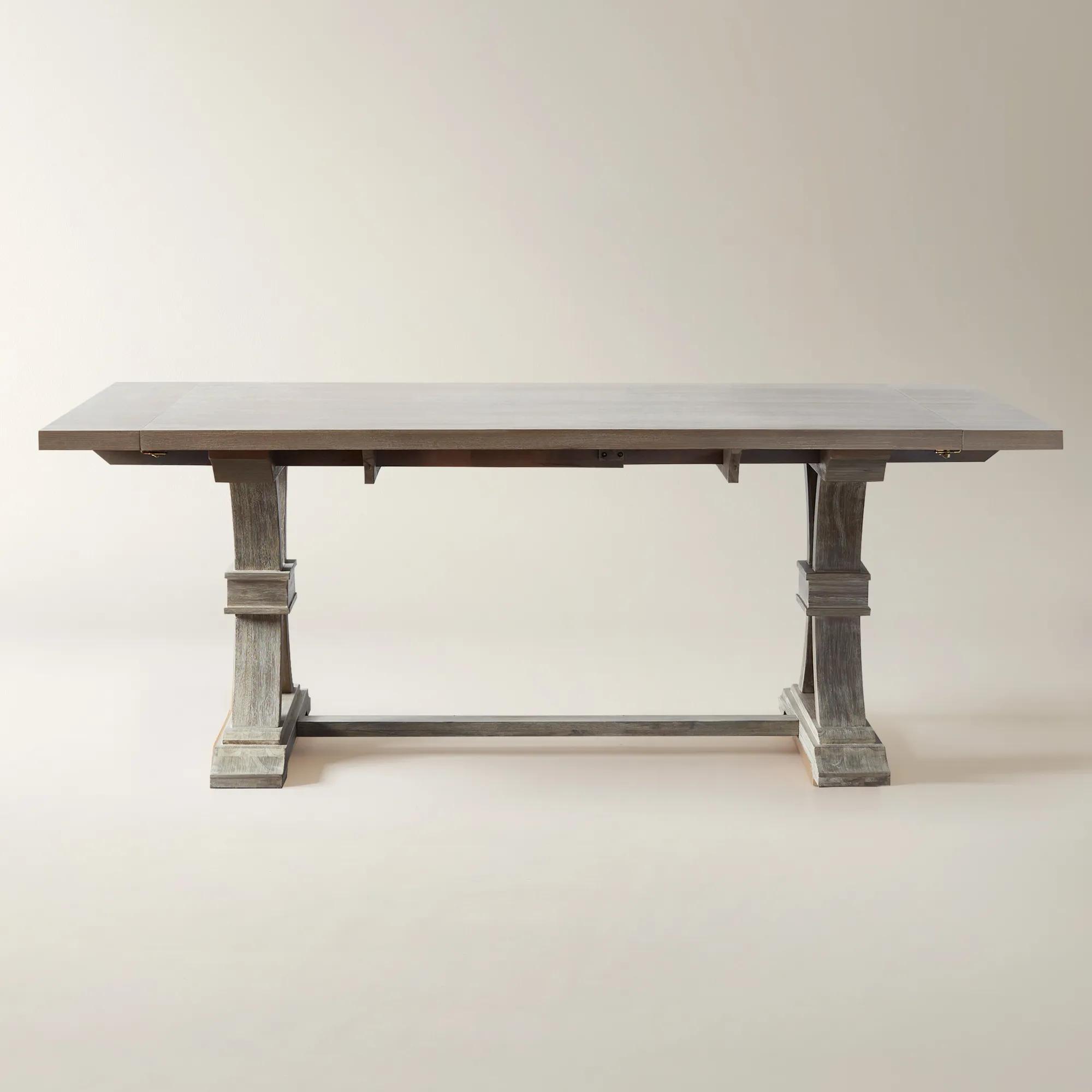 Archer Rectangular Grey Acacia Wood Extending Dining Table (78" - 110")$2499
A weathered grey acacia wood dining table with removable leaves and a kiln-dried hardwood frame.
Add To Cart -
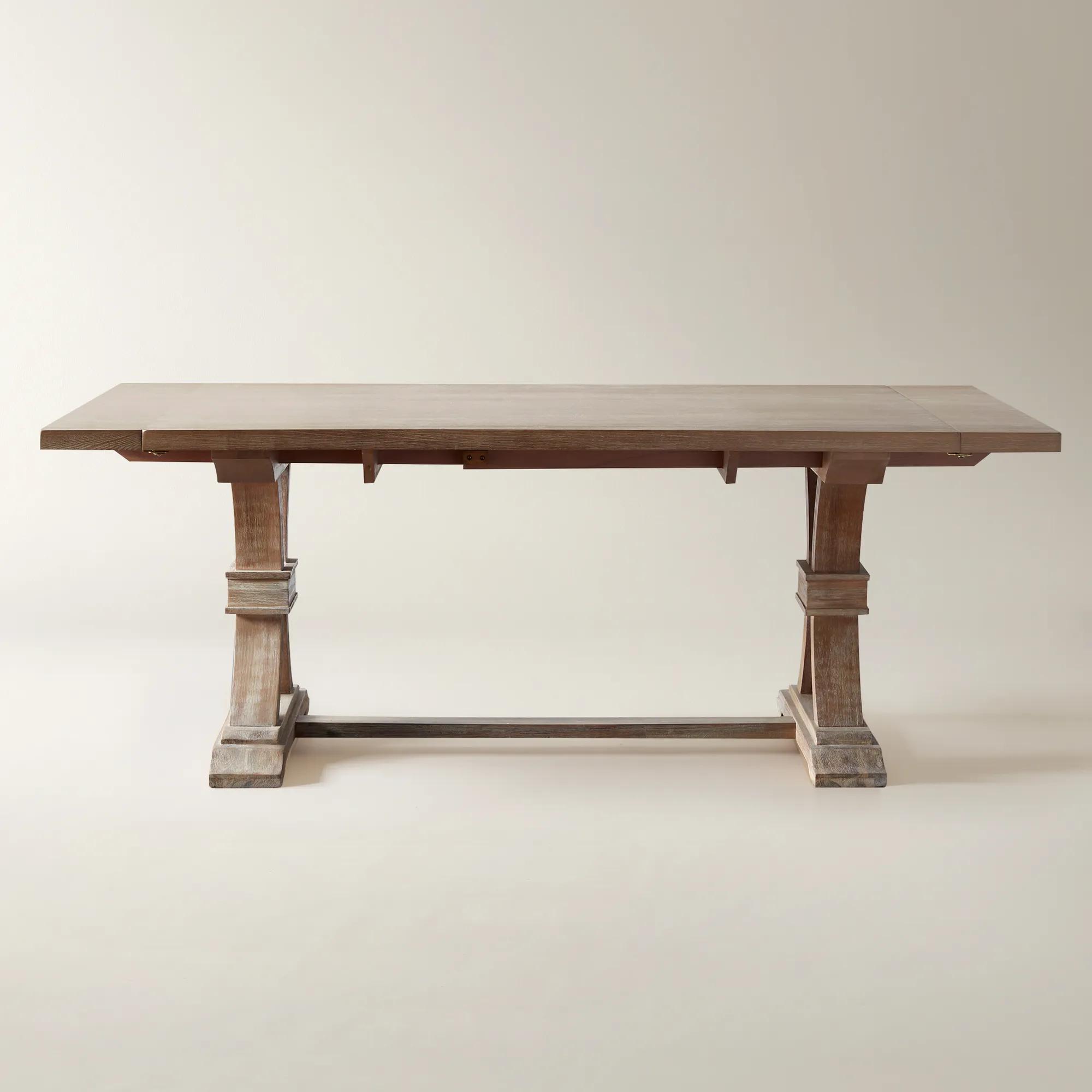 Archer Rectangular Whitewashed Acacia Wood Extending Dining Table (78" - 110")$2499
An extending dining table crafted from kiln-dried hardwood with a whitewashed oak finish and acacia veneer.
Add To Cart -
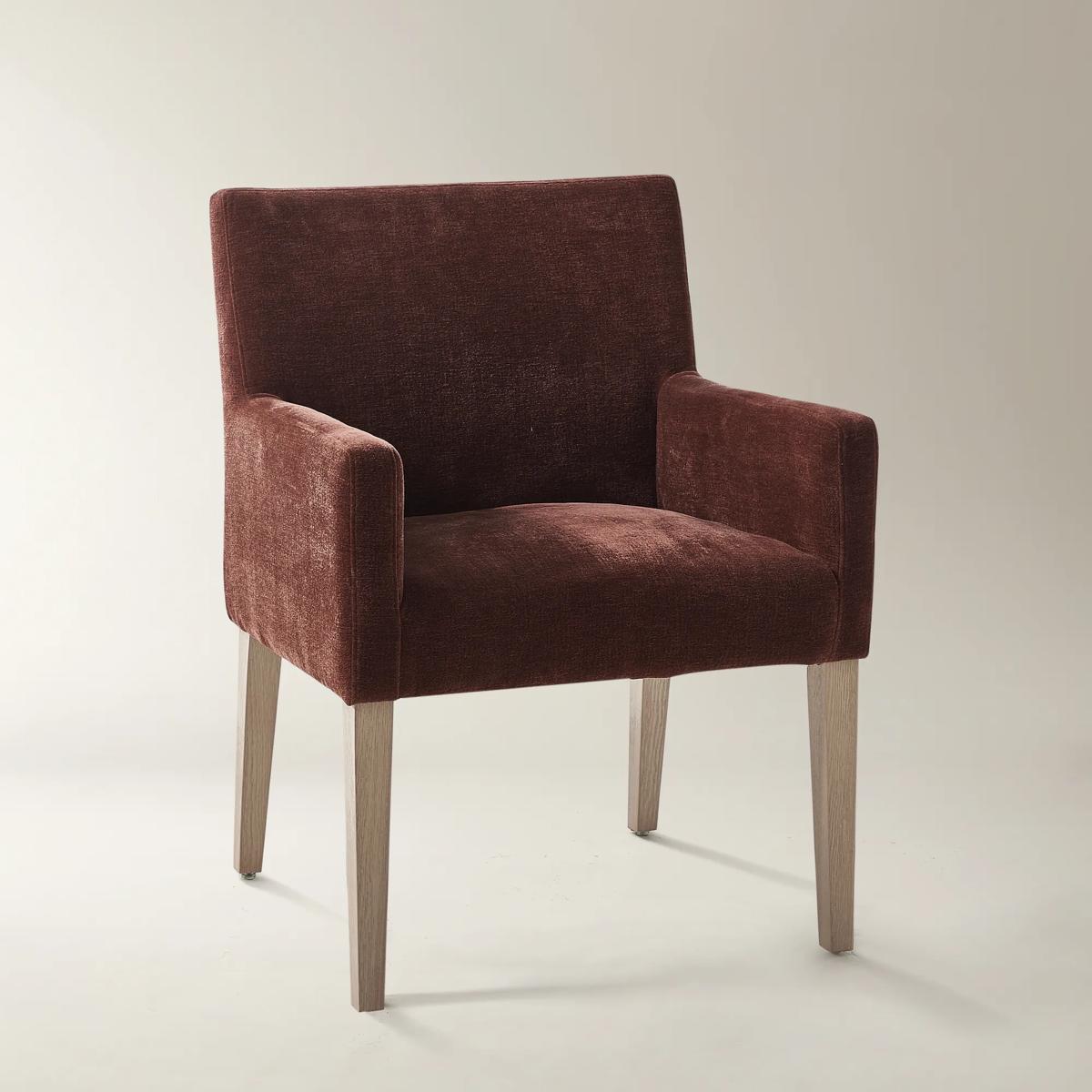
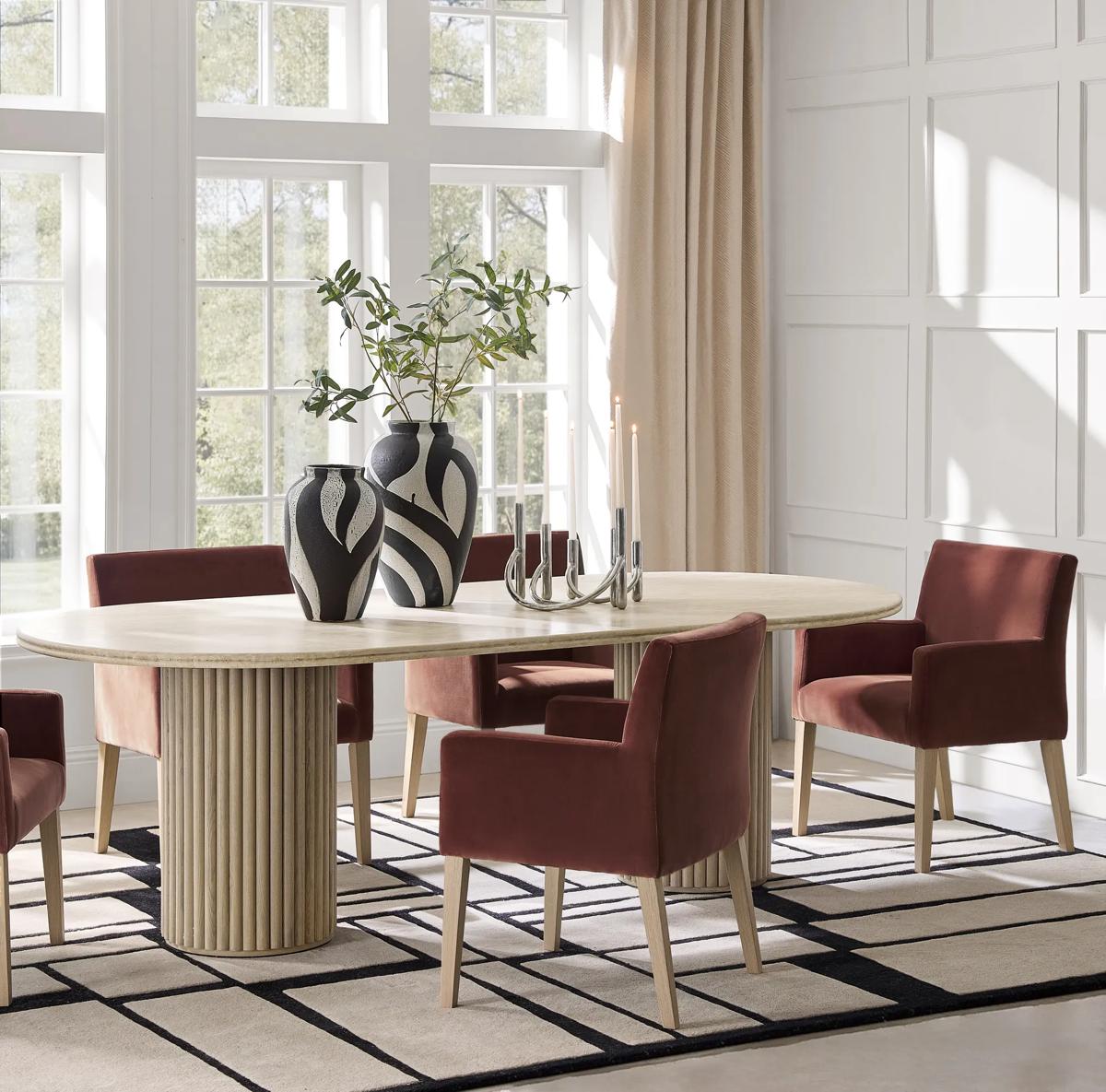 Stria Rust Velvet Dining Chair Set Of 2$599
A set of two arm chairs featuring cognac chenille upholstery and handcrafted solid oak legs for timeless style.
Add To Cart -
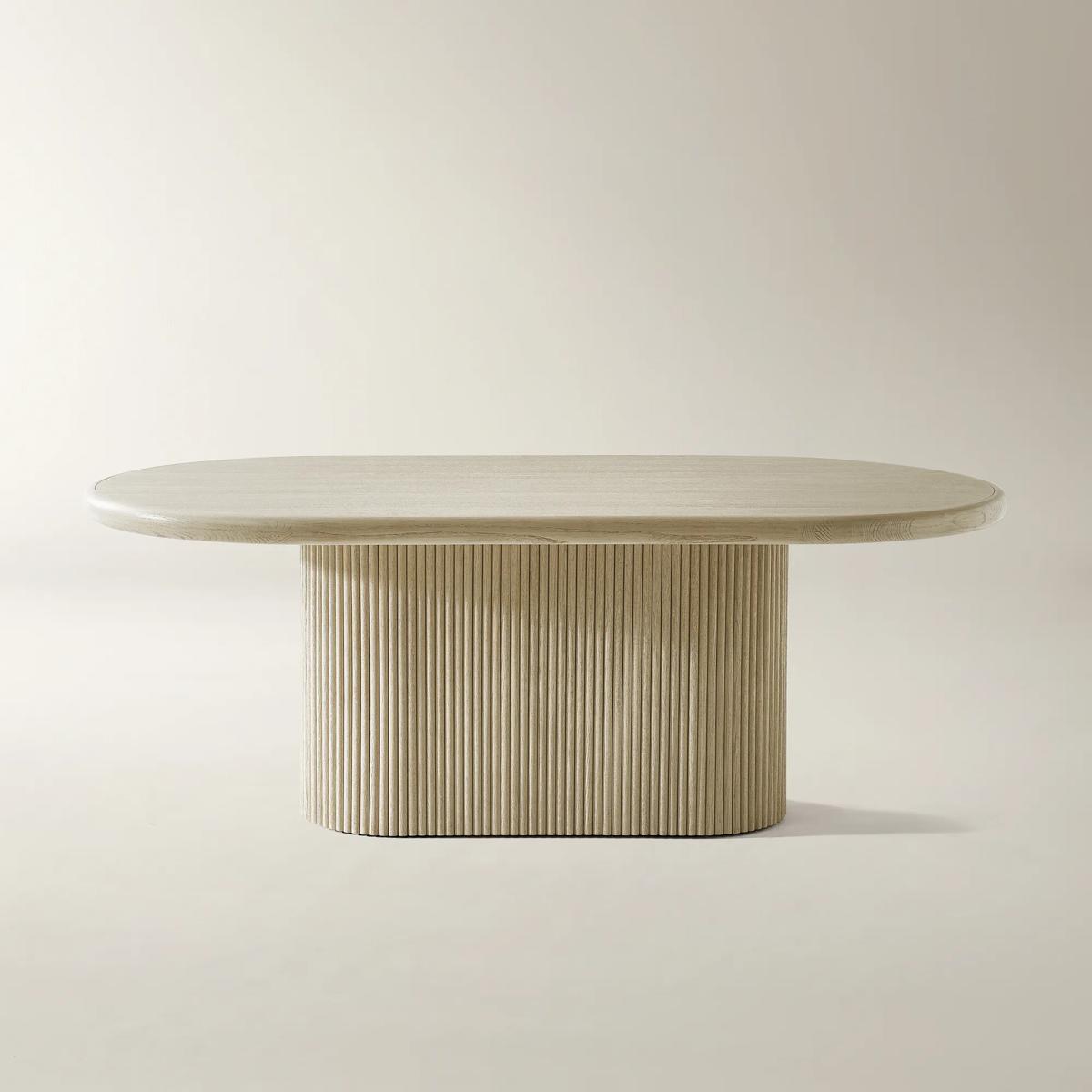
.jpg?w=1200&h=1200) Stria Oval Reeded White Oak Dining Table (82")$1999
Stria Oval Reeded White Oak Dining Table (82")$1999A sculptural oval dining table featuring reeded oak, a single pedestal base, and gold-plated steel trim.
Add To Cart -
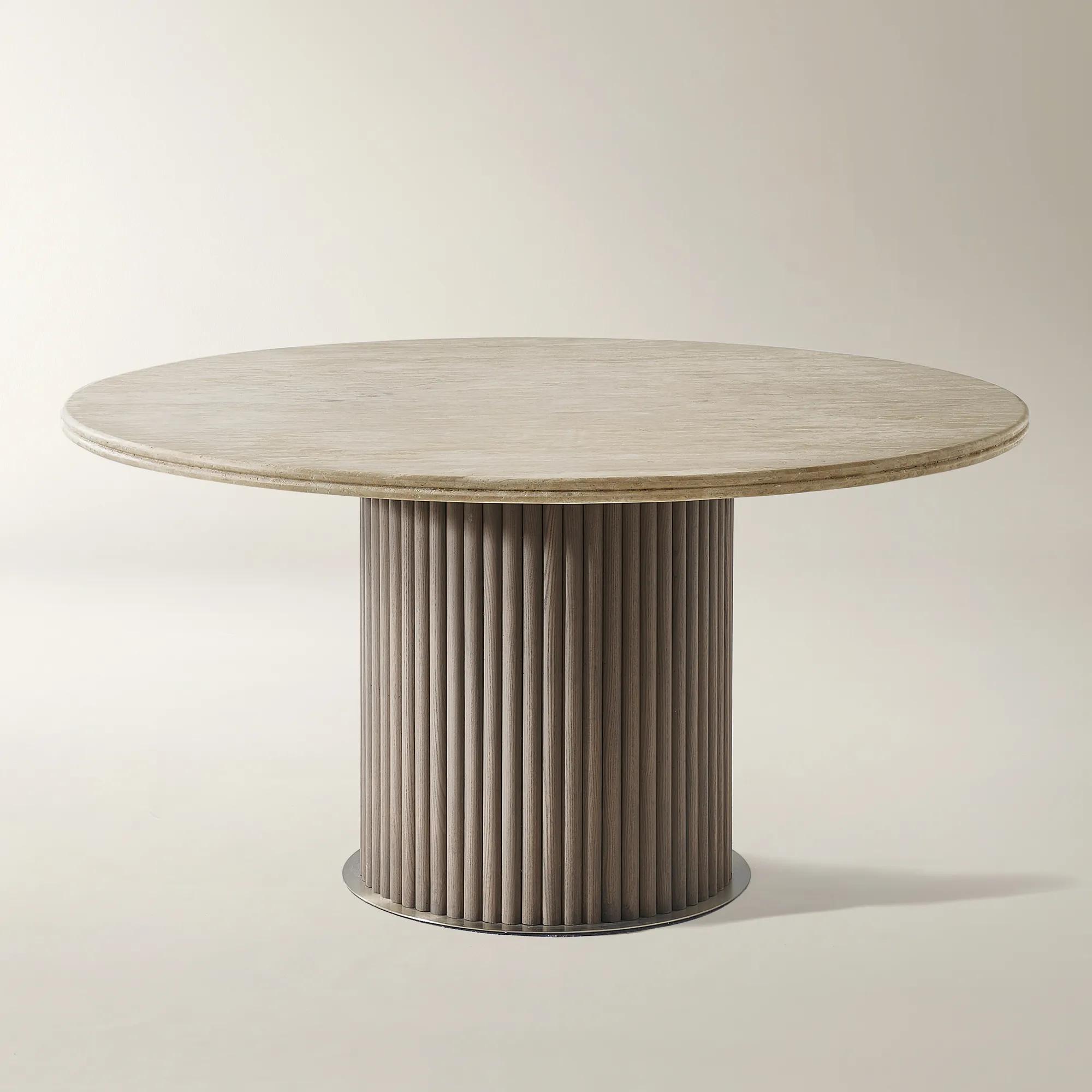 Bond Round Reeded Travertine and Wood Dining Table (59")$3499
A round dining table featuring a genuine natural travertine stone top and a fluted solid ash base.
Add To Cart -
.jpeg?w=1200&h=1200)
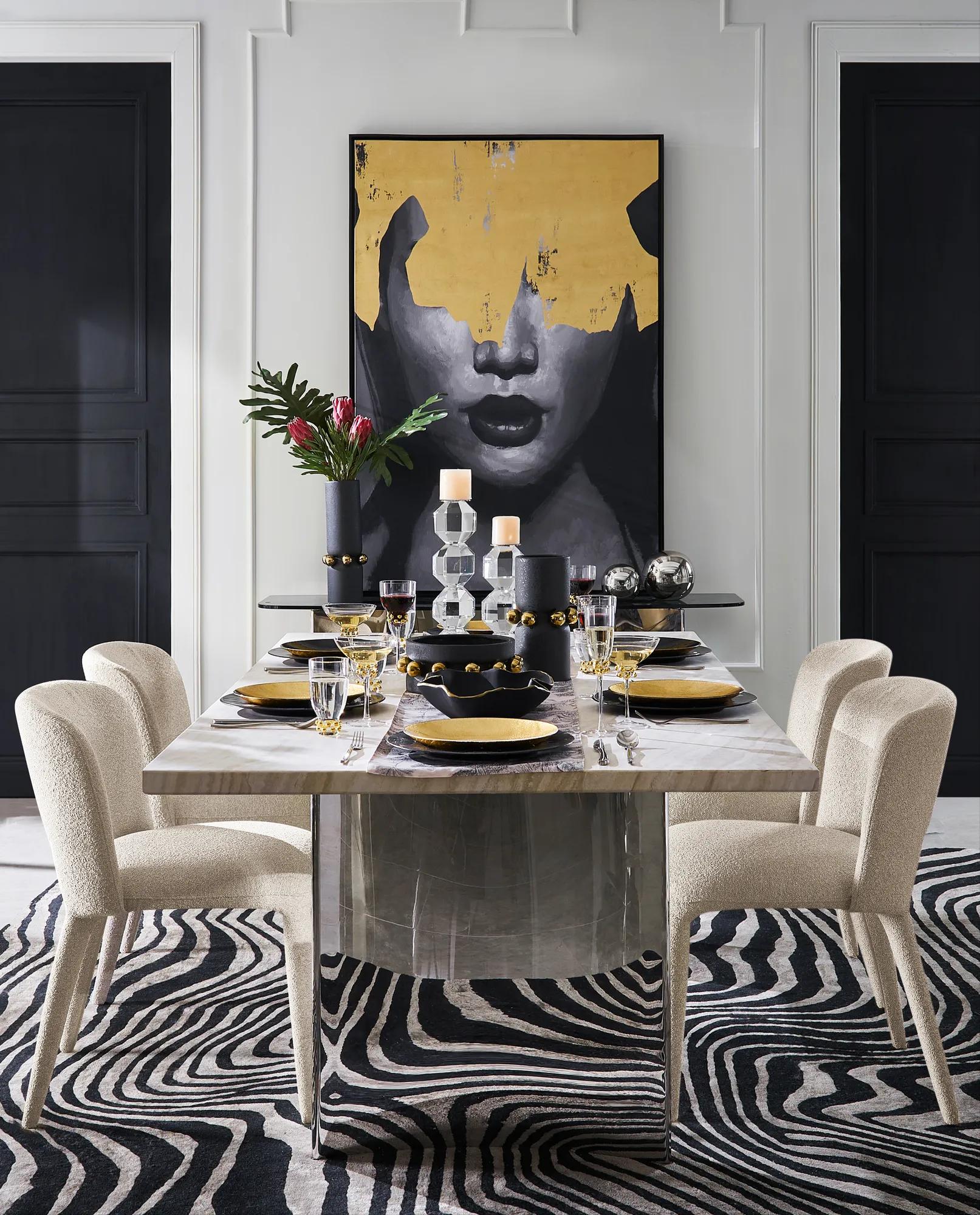 Muscat Rectangular Tan Marble Dining Table With Stainless Steel Base (84")$3099
A sophisticated dining table featuring a tan travertine marble top and polished stainless steel base.
Add To Cart -
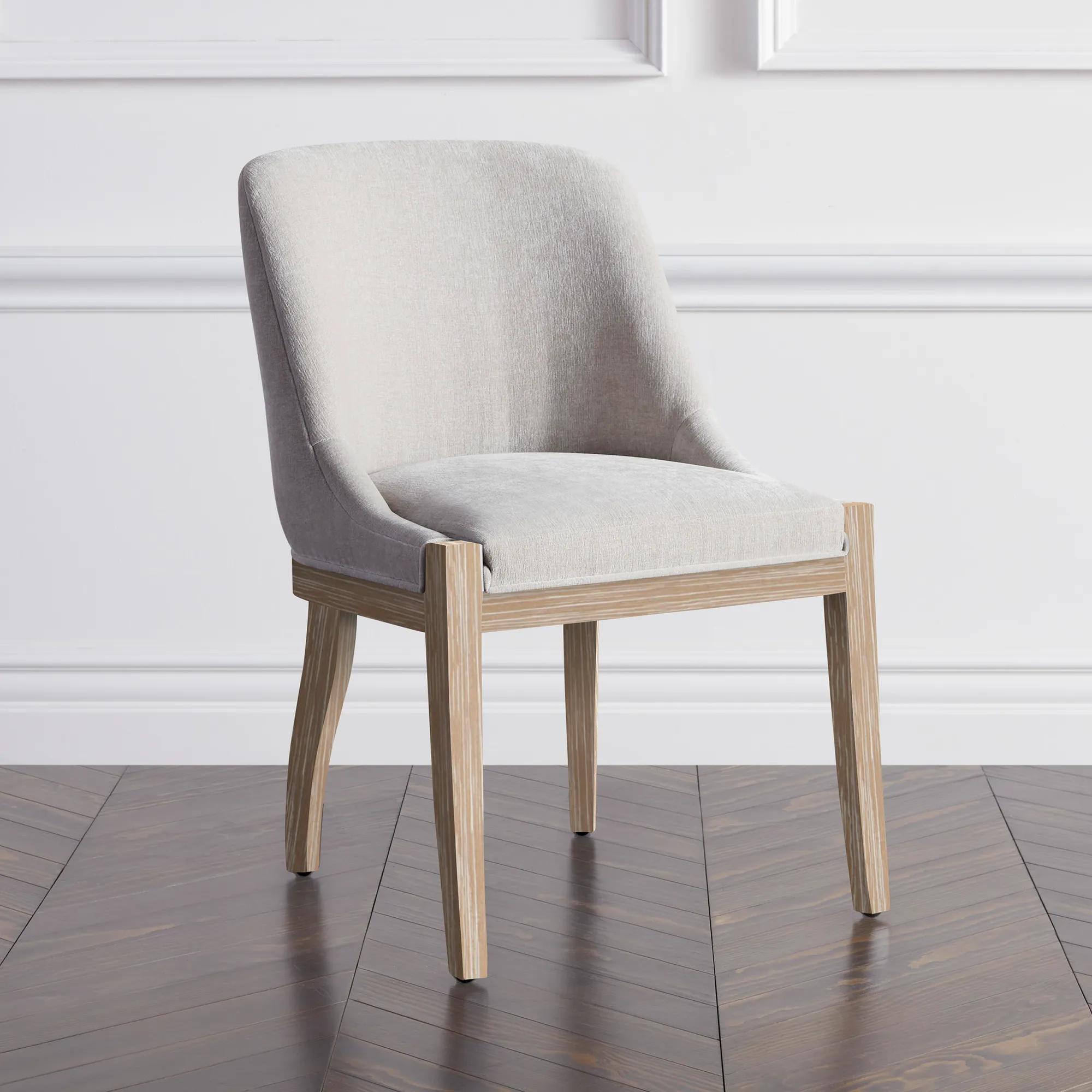
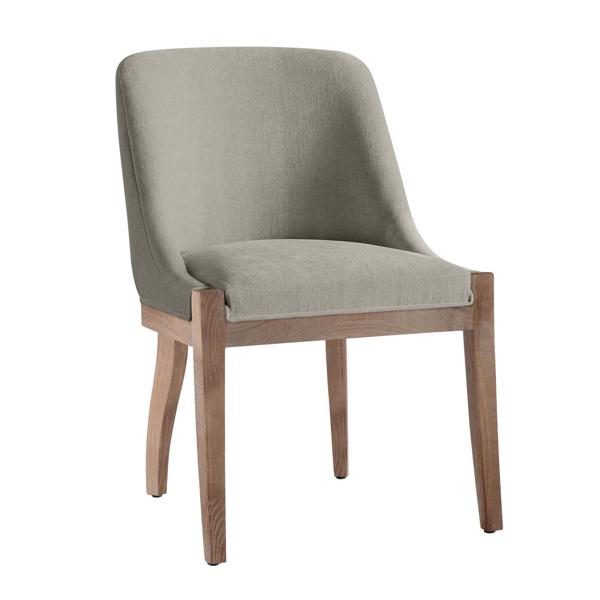 Lily Dining Chair - Wash Oak$649
A modern dining chair with a kiln-dried hardwood frame, wash oak legs, and plush tailored upholstery.
Add To Cart -
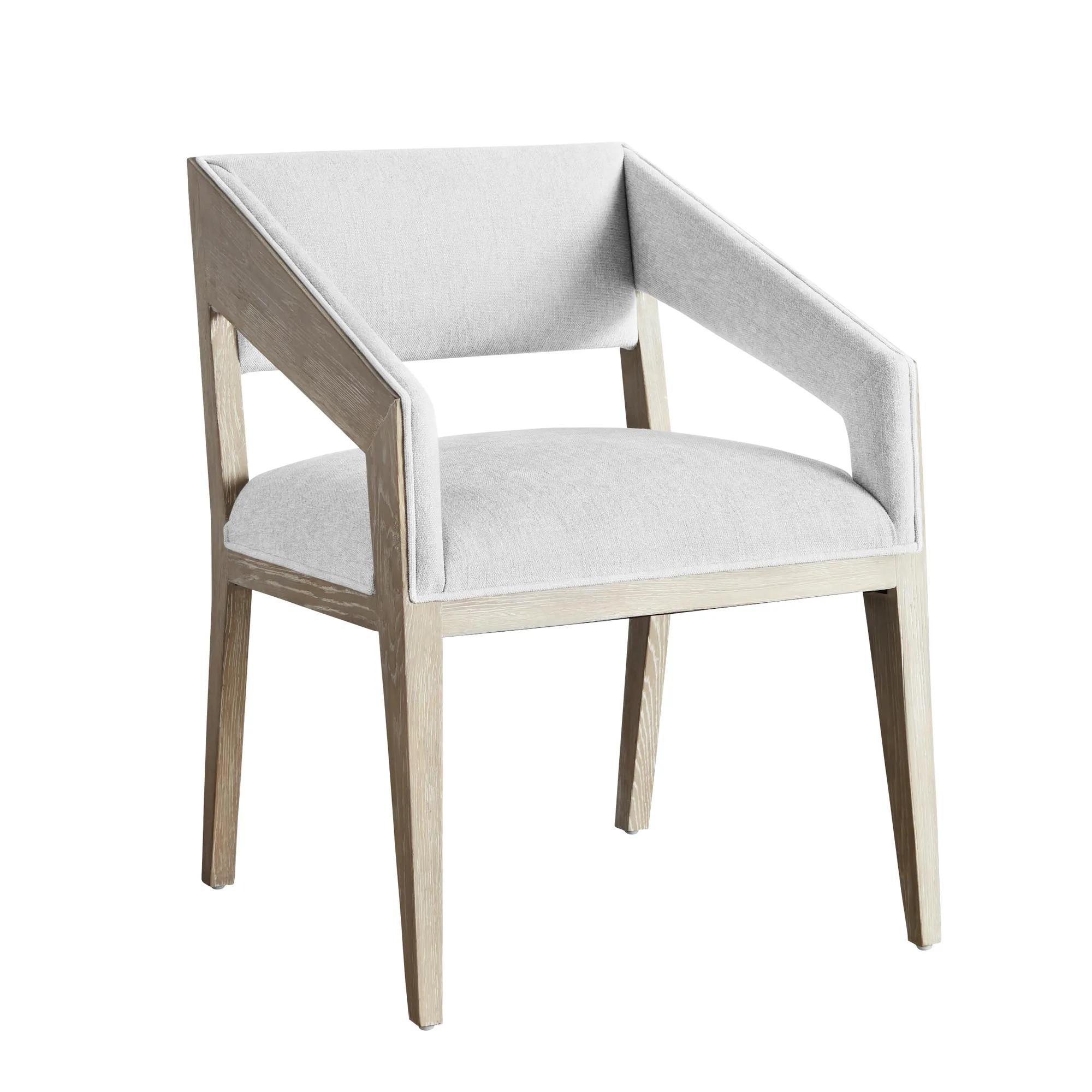
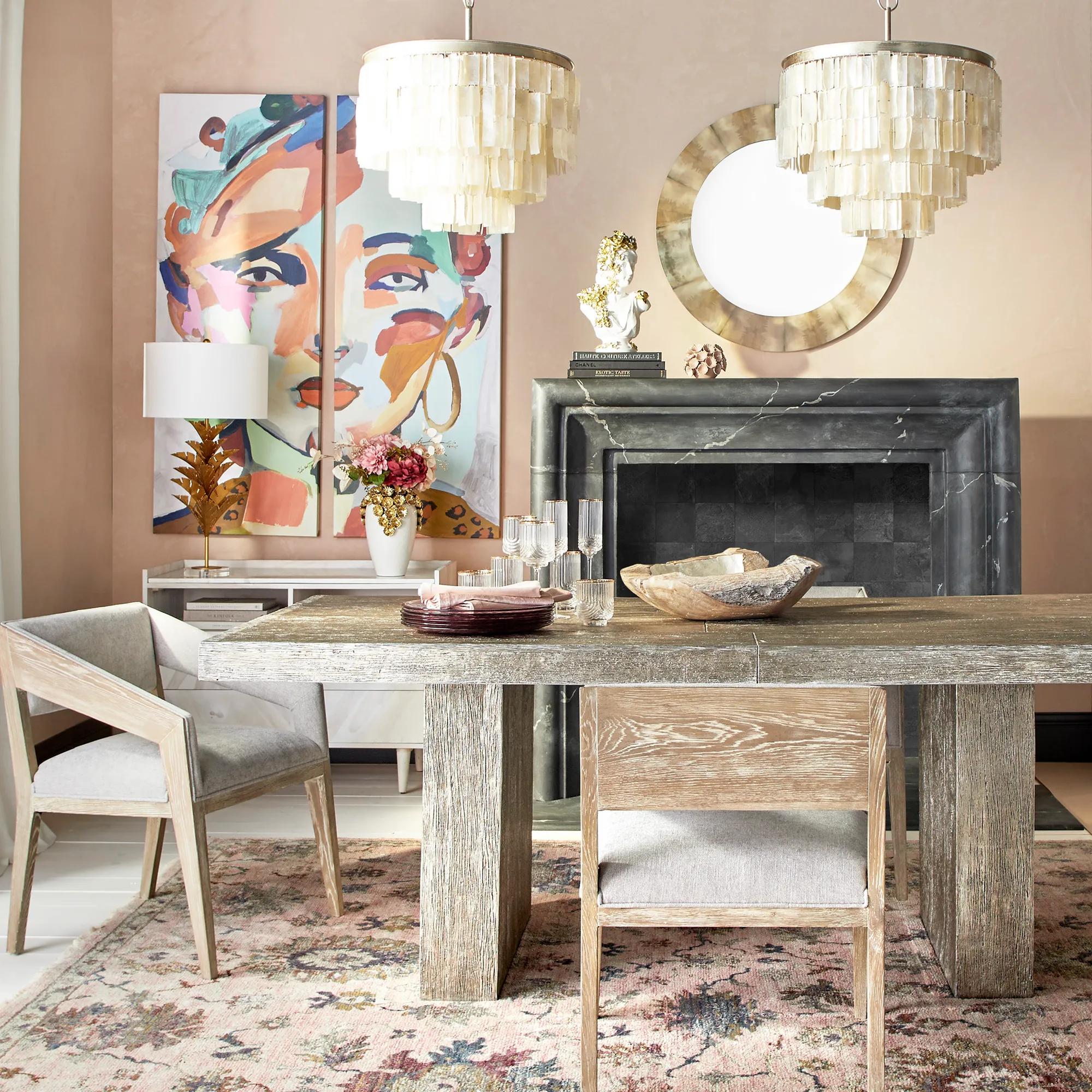 Alric Dining Arm Chair$699
A modern armchair featuring solid oak framing, natural grey finish, and neatly tailored pearl grey upholstery.
Add To Cart -
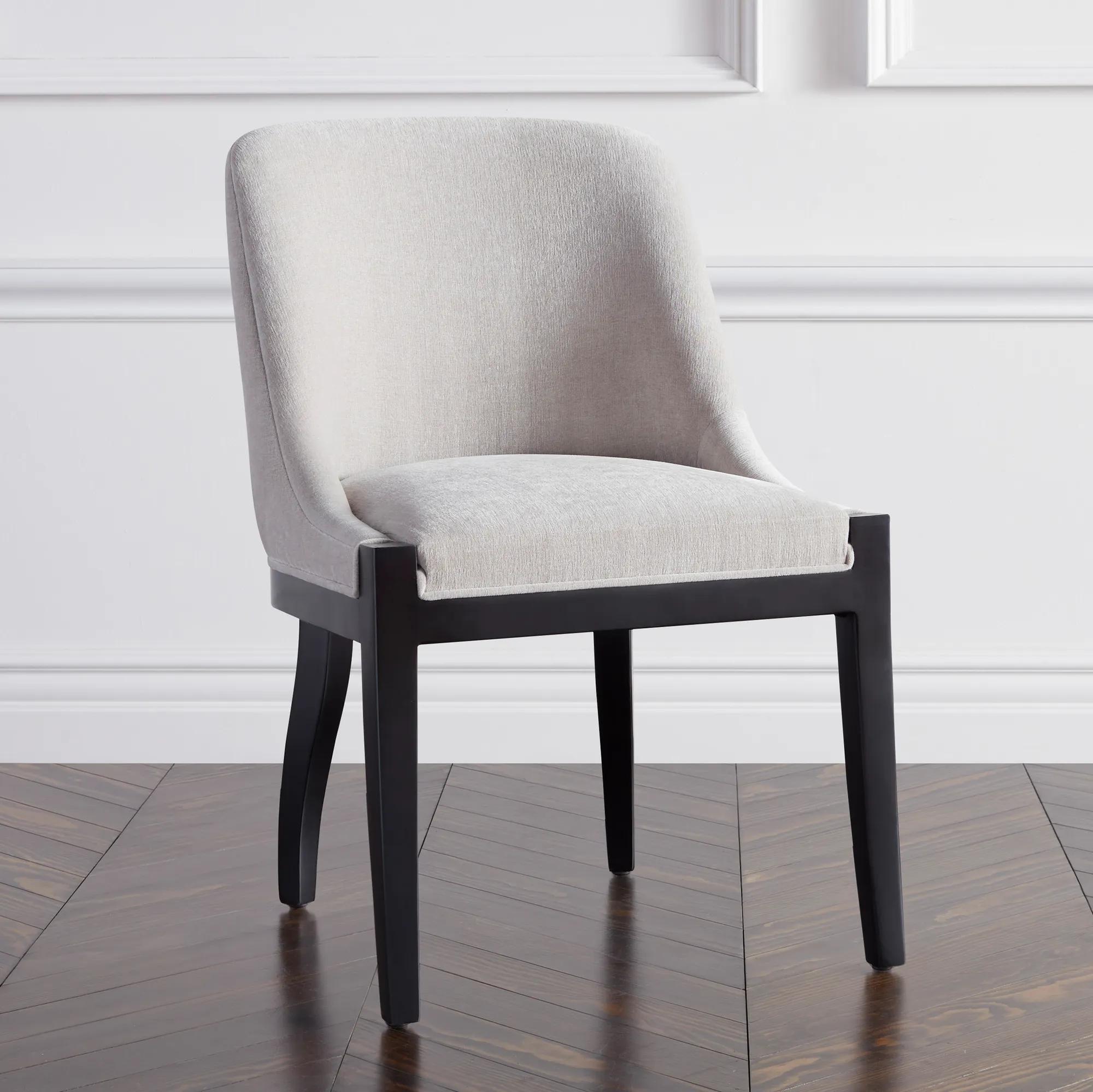 Lily Dining Chair - Matte Black$649
A modern dining chair featuring a kiln-dried hardwood frame and matte black legs with tailored upholstery.
Add To Cart -
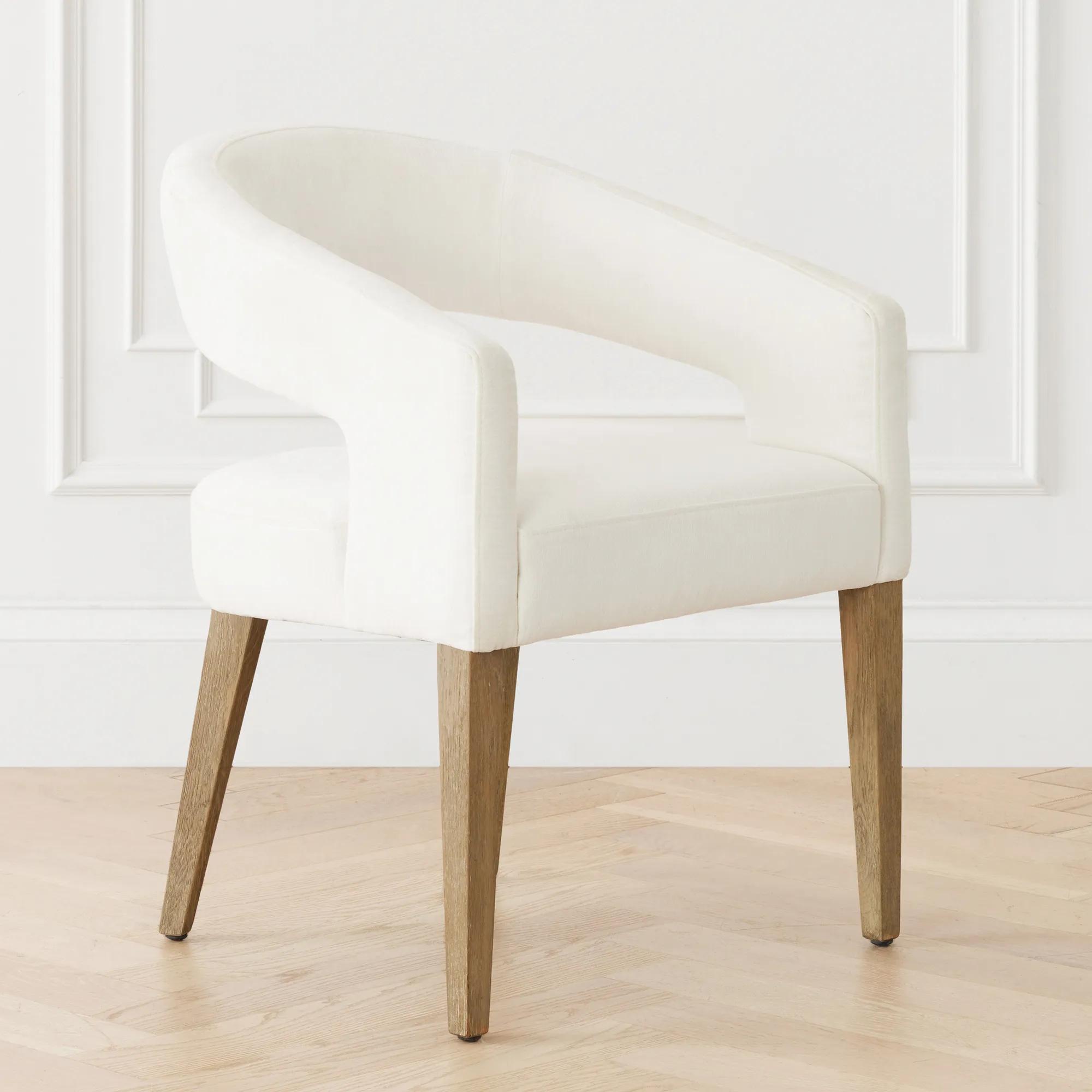 Philippa Dining Chair - Natural Grey$749
A modern dining chair featuring a curved silhouette, grey upholstery, and a kiln-dried hardwood frame.
Add To Cart -
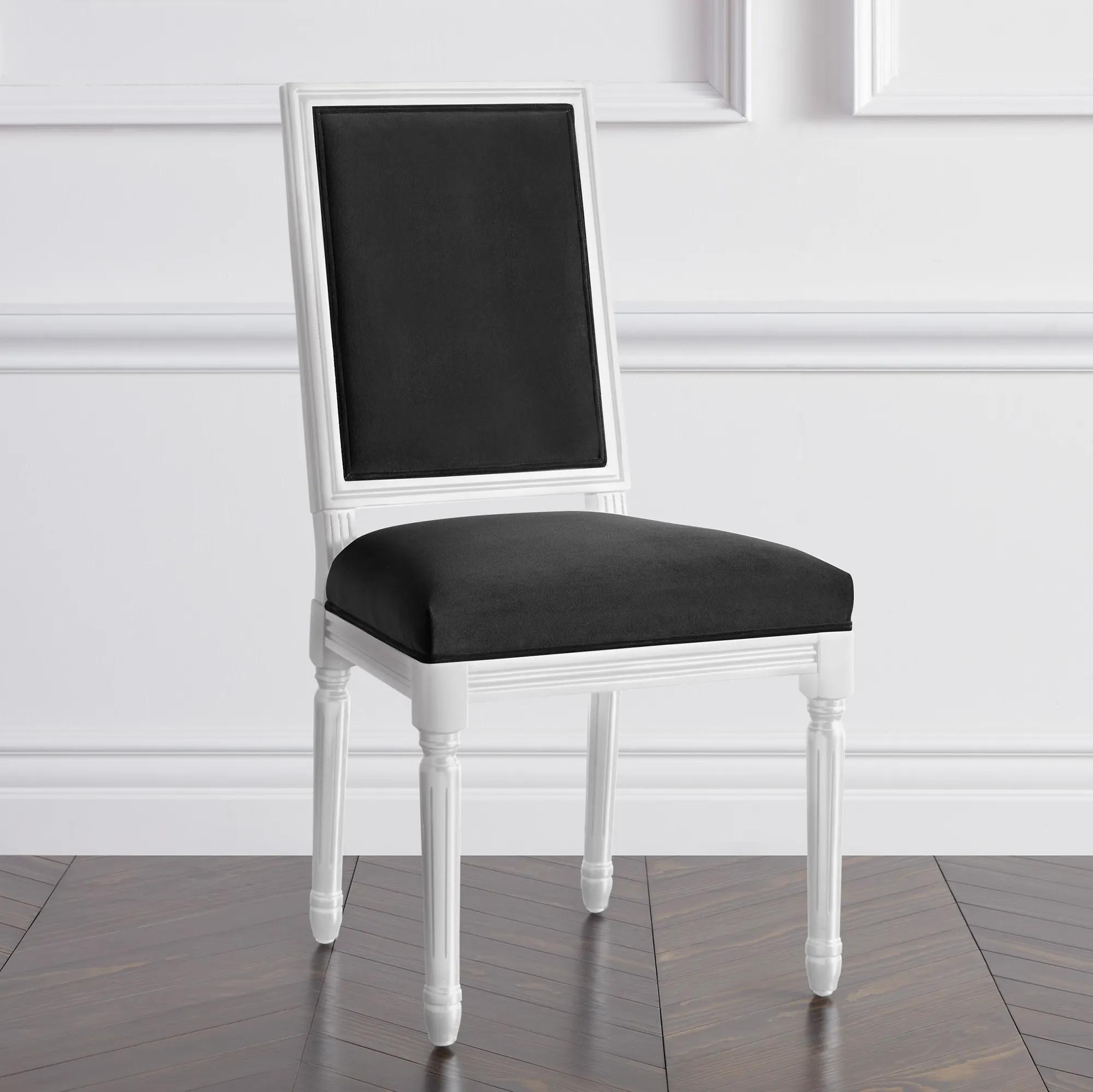
 Callan Dining Chair - High Gloss White$599
A handcrafted dining chair featuring a high-gloss white finish, kiln-dried hardwood frame, and plush upholstery.
Add To Cart -
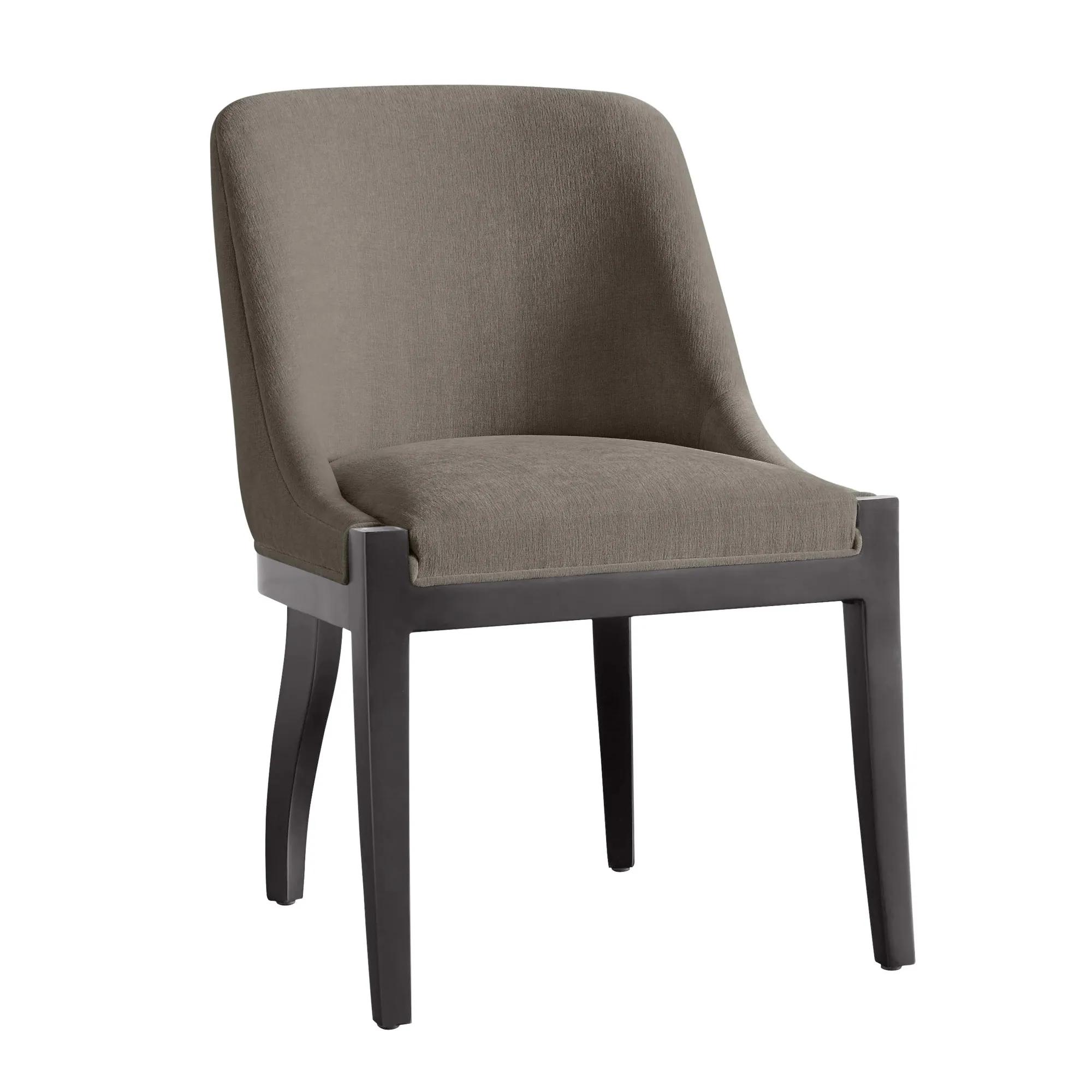
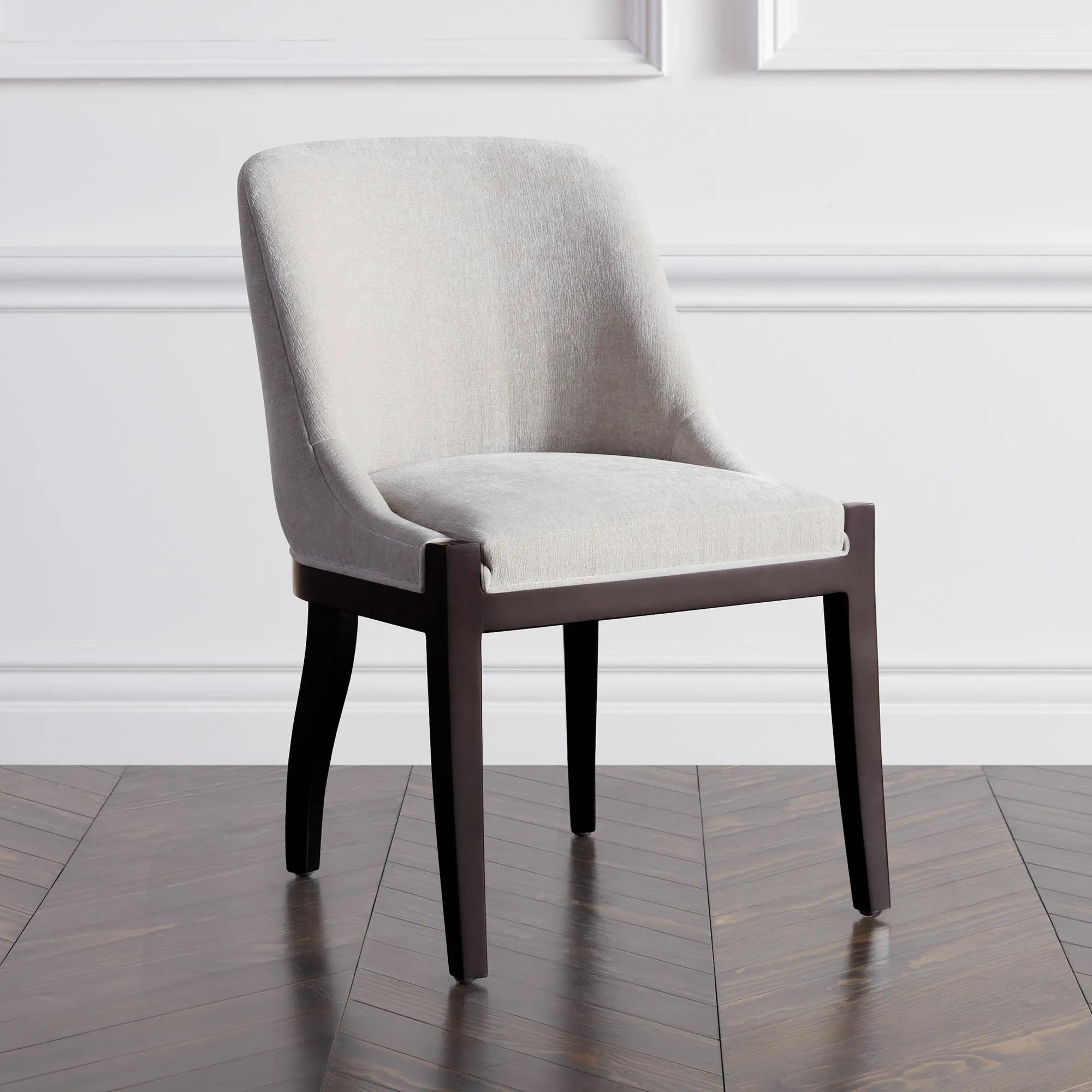 Lily Dining Chair - Espresso$649
A modern dining chair featuring espresso-finished hardwood, curvaceous silhouette, and plush tailored upholstery.
Add To Cart -
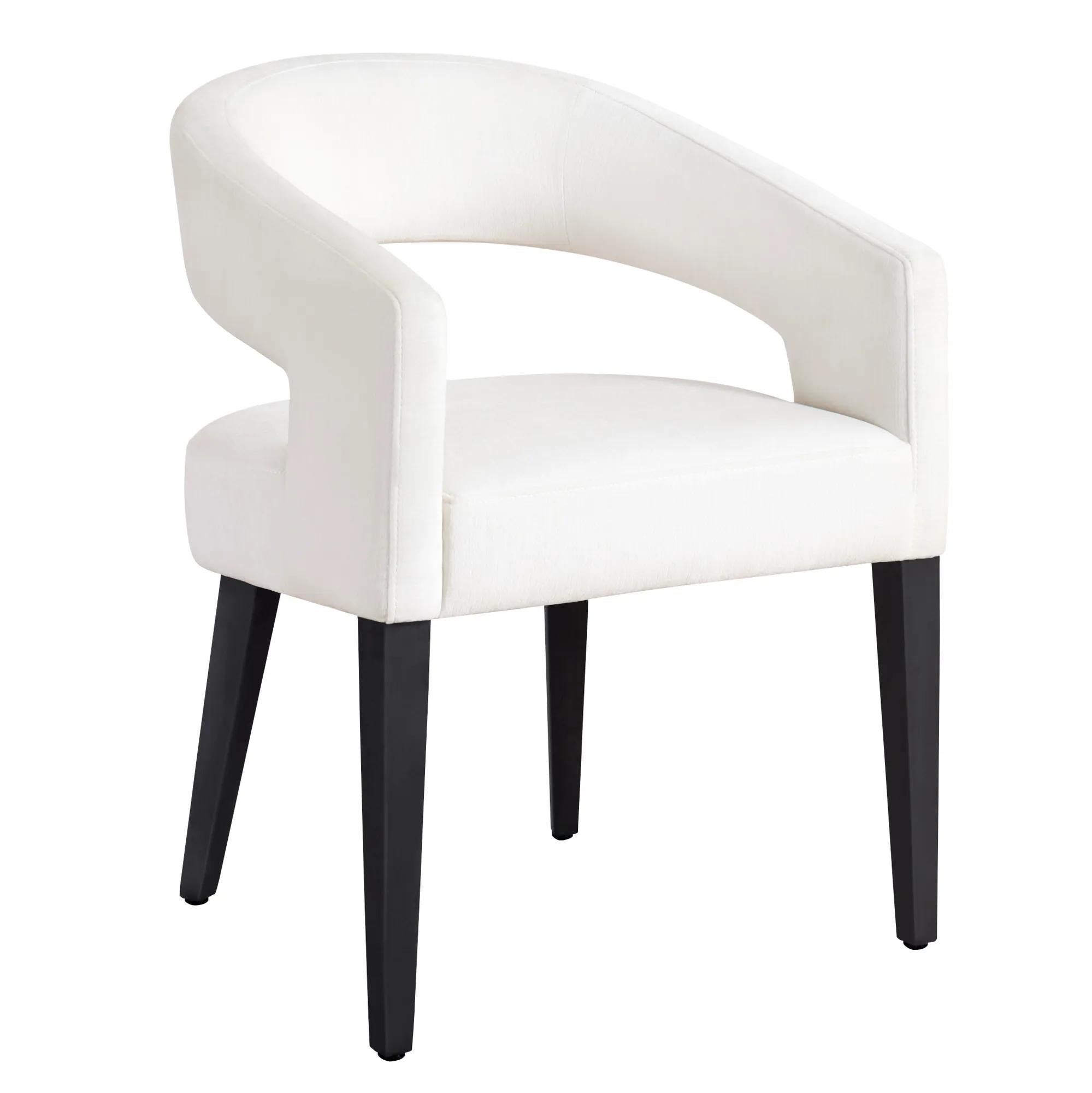
 Philippa Dining Chair - Matte Black$699
A modern dining chair featuring a curved silhouette, matte black legs, and neatly tailored upholstery.
Add To Cart -
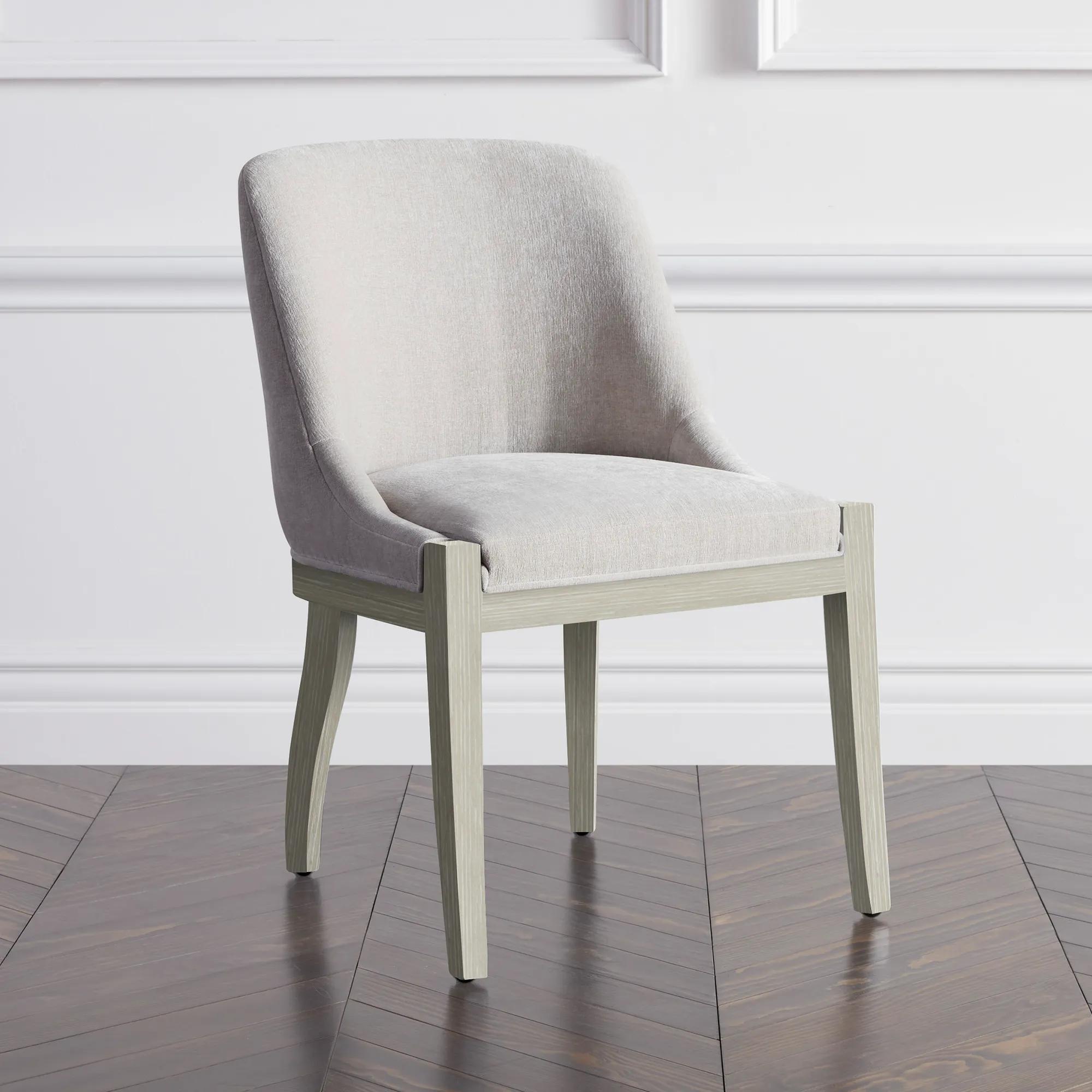 Lily Dining Chair - Natural Grey$649
A modern dining chair featuring kiln-dried hardwood, natural grey upholstery, and cushioned foam-and-fiber comfort.
Add To Cart -
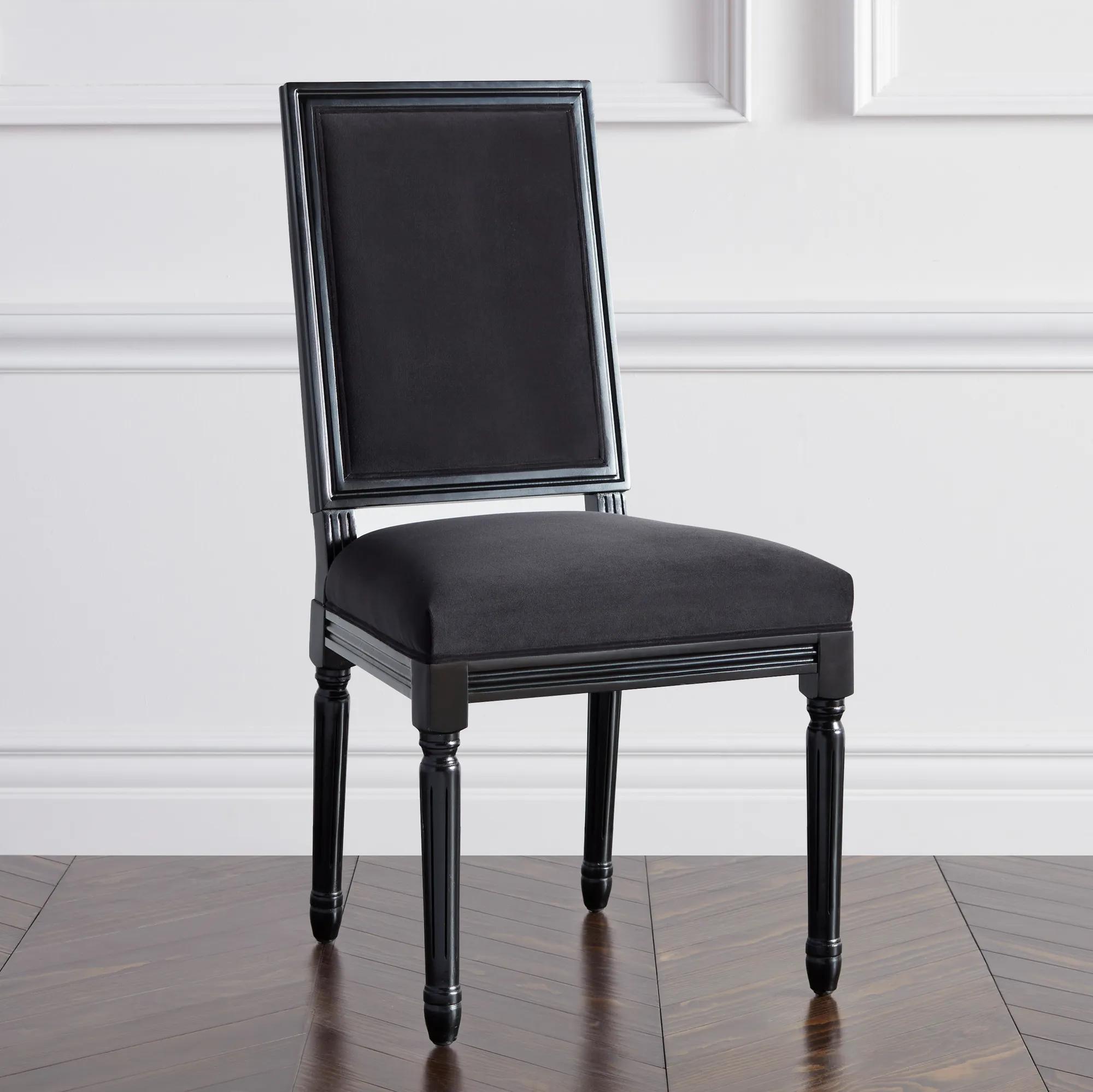
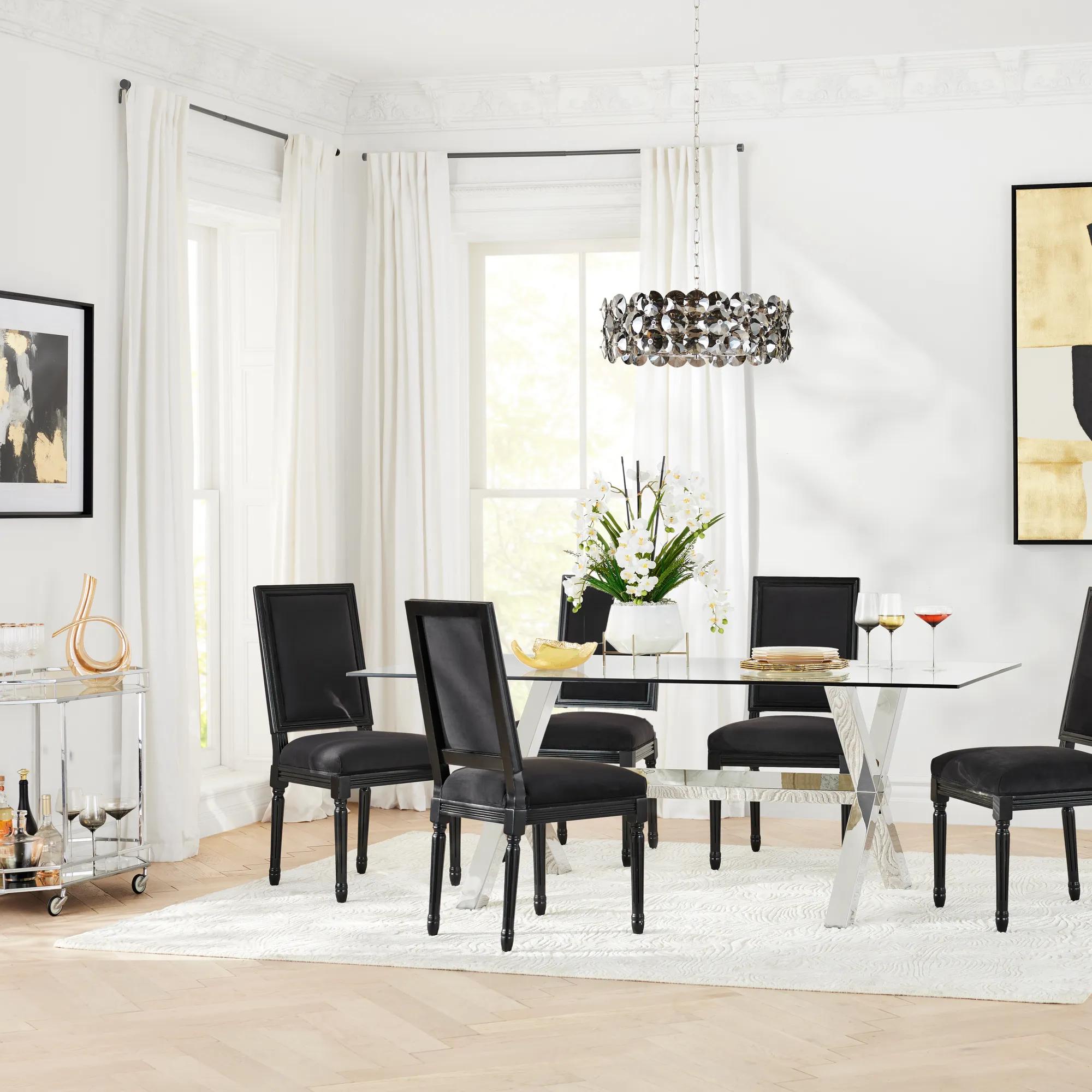 Callan Dining Chair - High Gloss Black$699
A handcrafted dining chair featuring high-gloss black Bella Velvet upholstery, fluted legs, and a squared back.
Add To Cart -
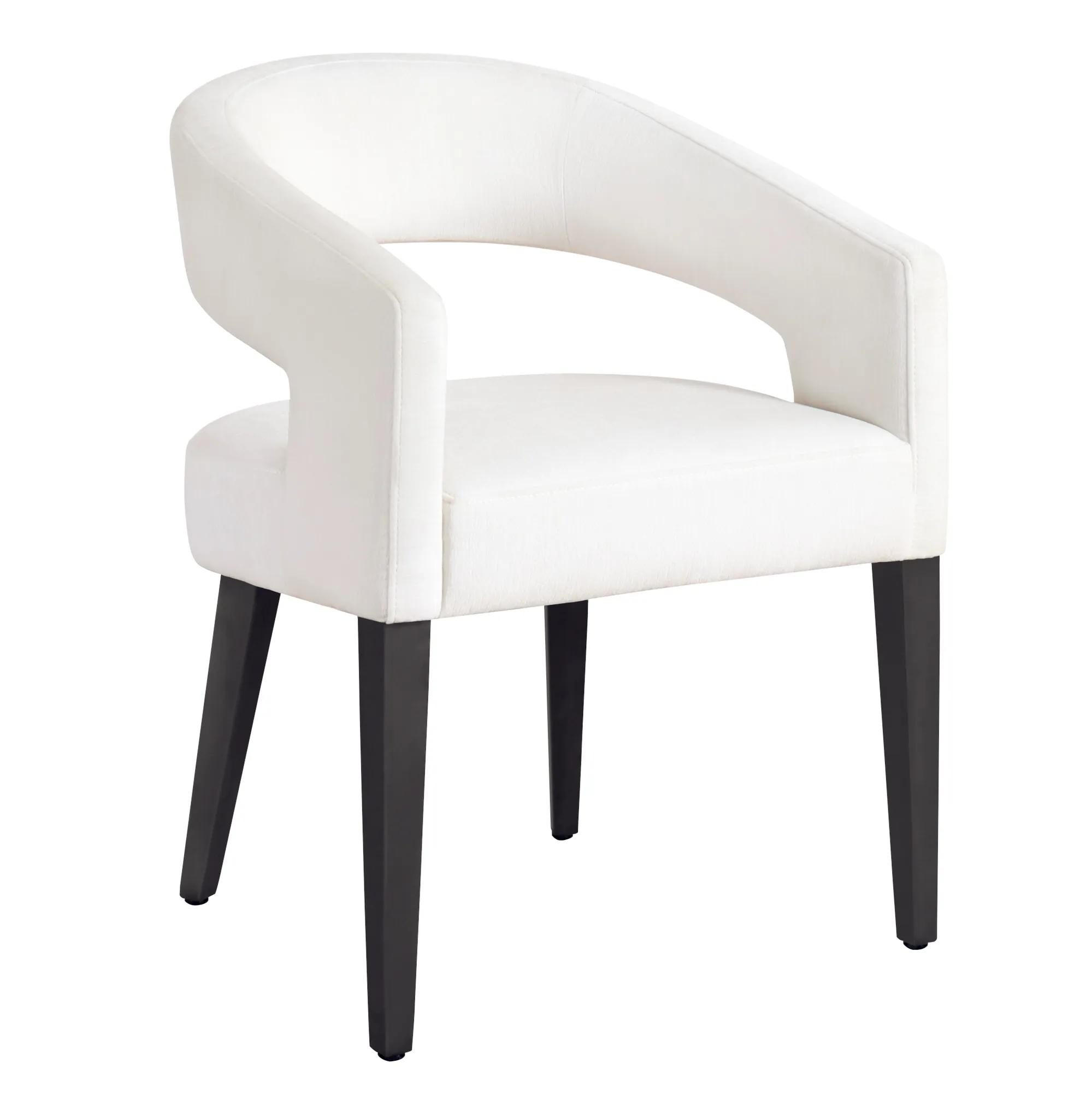
 Philippa Dining Chair - Espresso$599
A modern dining chair featuring a curved silhouette, espresso legs, and neatly tailored chenille upholstery.
Add To Cart -
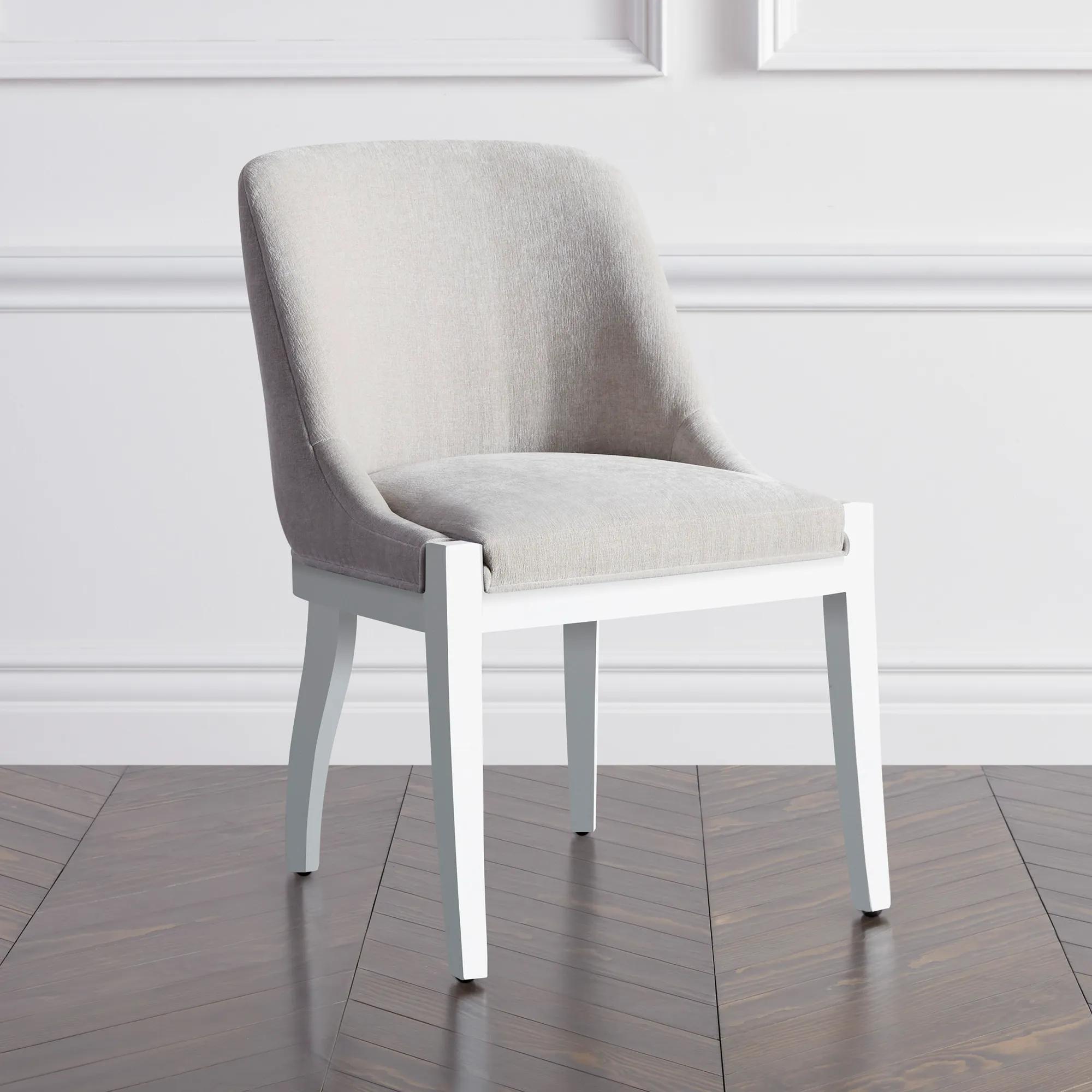
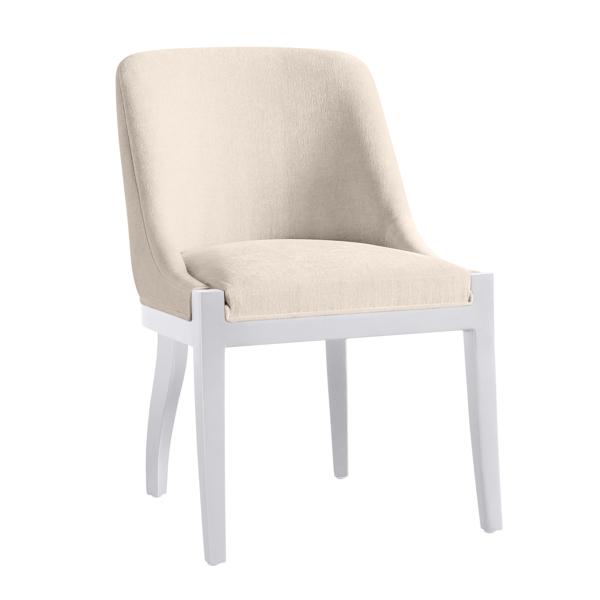 Lily Dining Chair - High Gloss White$649
A modern white dining chair featuring kiln-dried hardwood, high-gloss legs, and plush tailored upholstery.
Add To Cart -
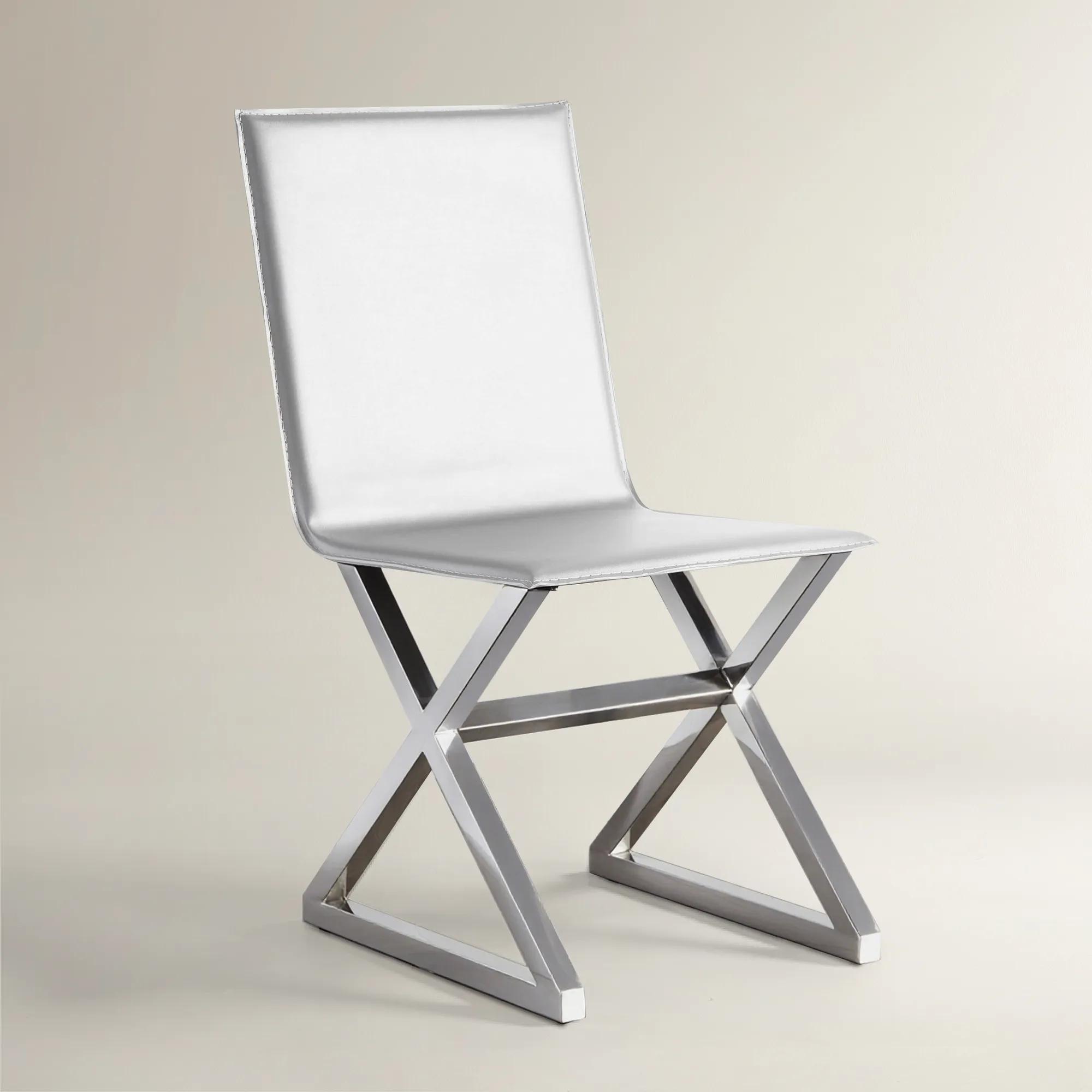
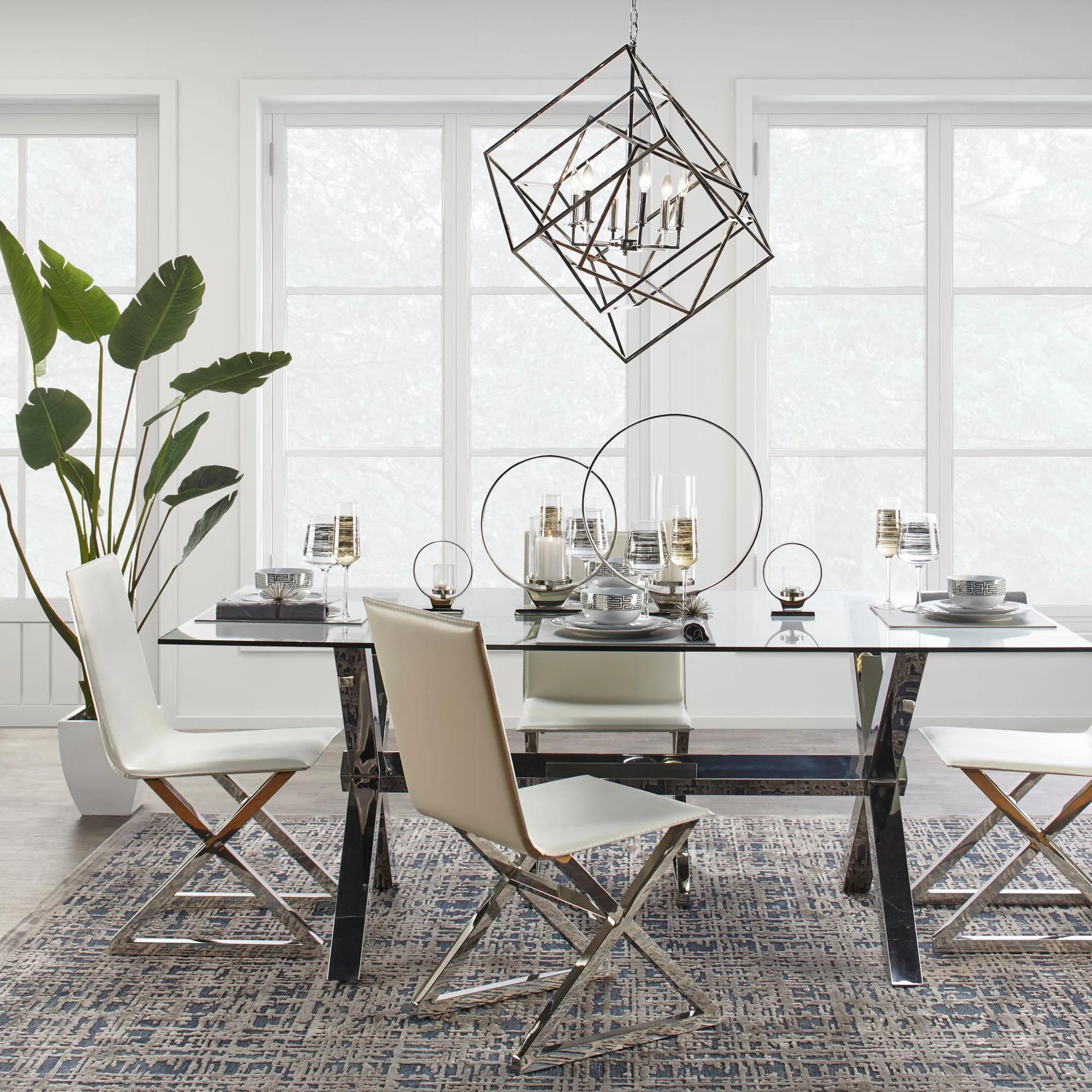 Axis Dining Chair - Set of 2$399
A contemporary chair set featuring white bonded leather upholstery and a polished stainless steel base.
Add To Cart -
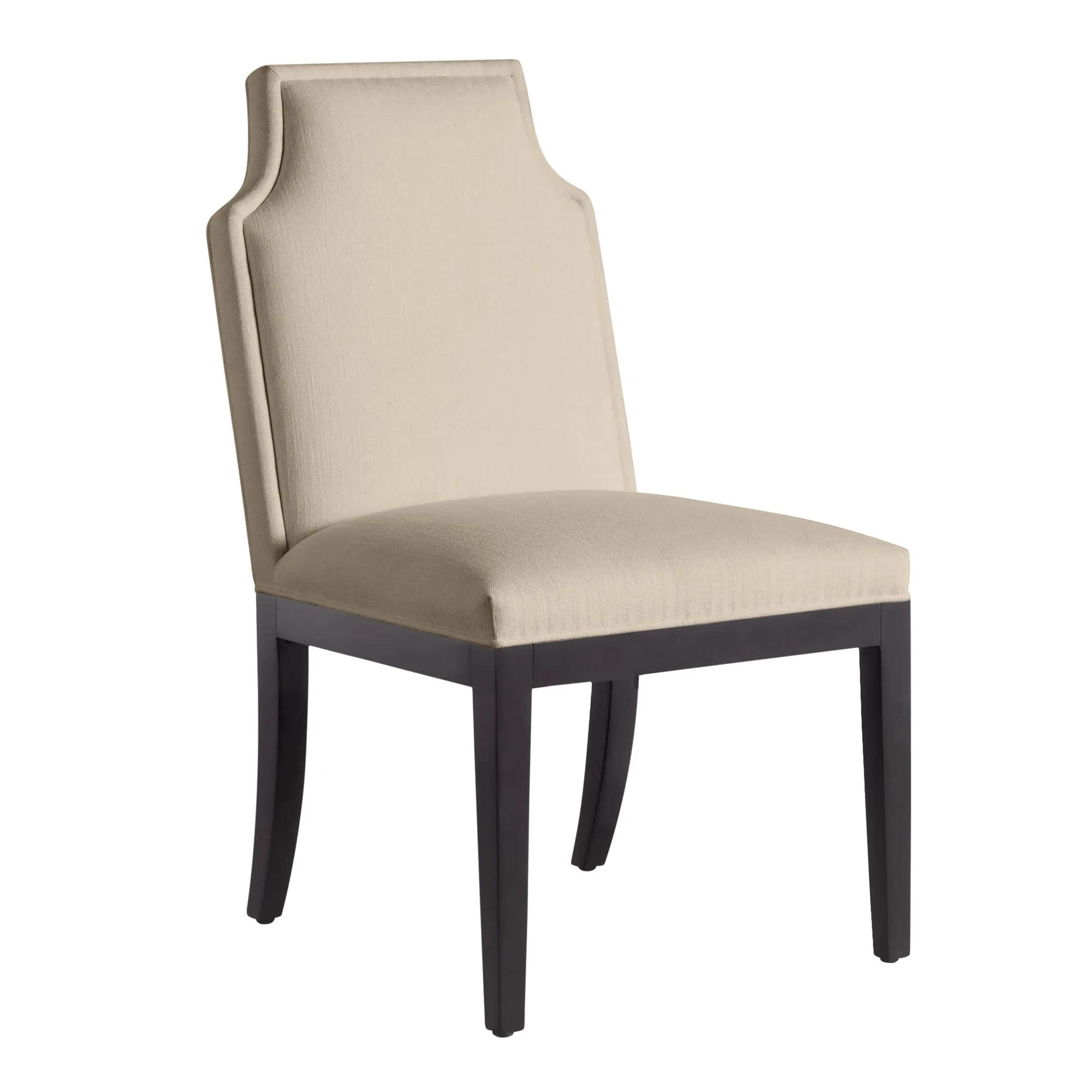
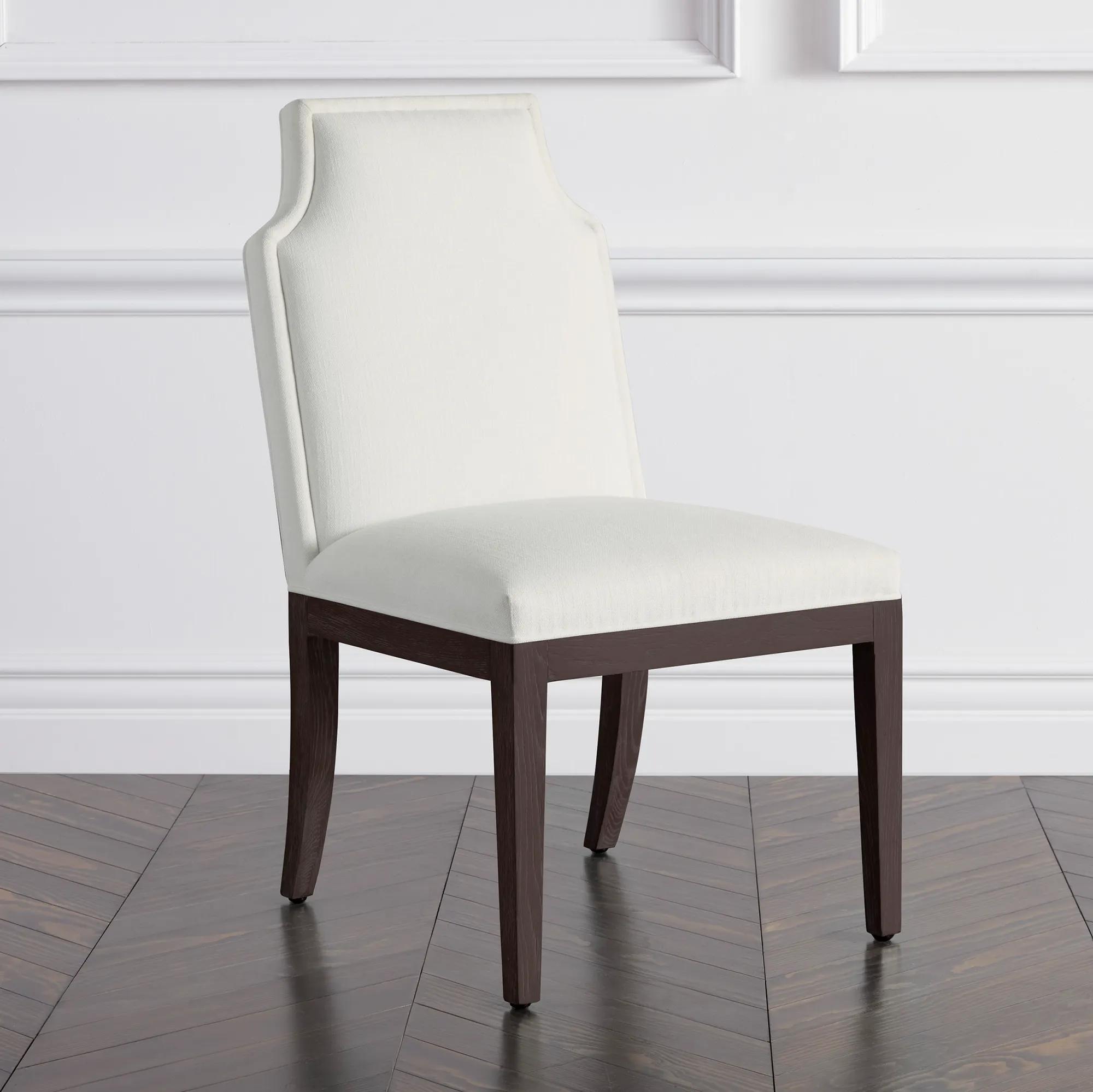 Jasmine Dining Chair - Espresso$649
A chic dining chair featuring a notched back, espresso legs, and plush upholstery for lasting comfort.
Add To Cart -
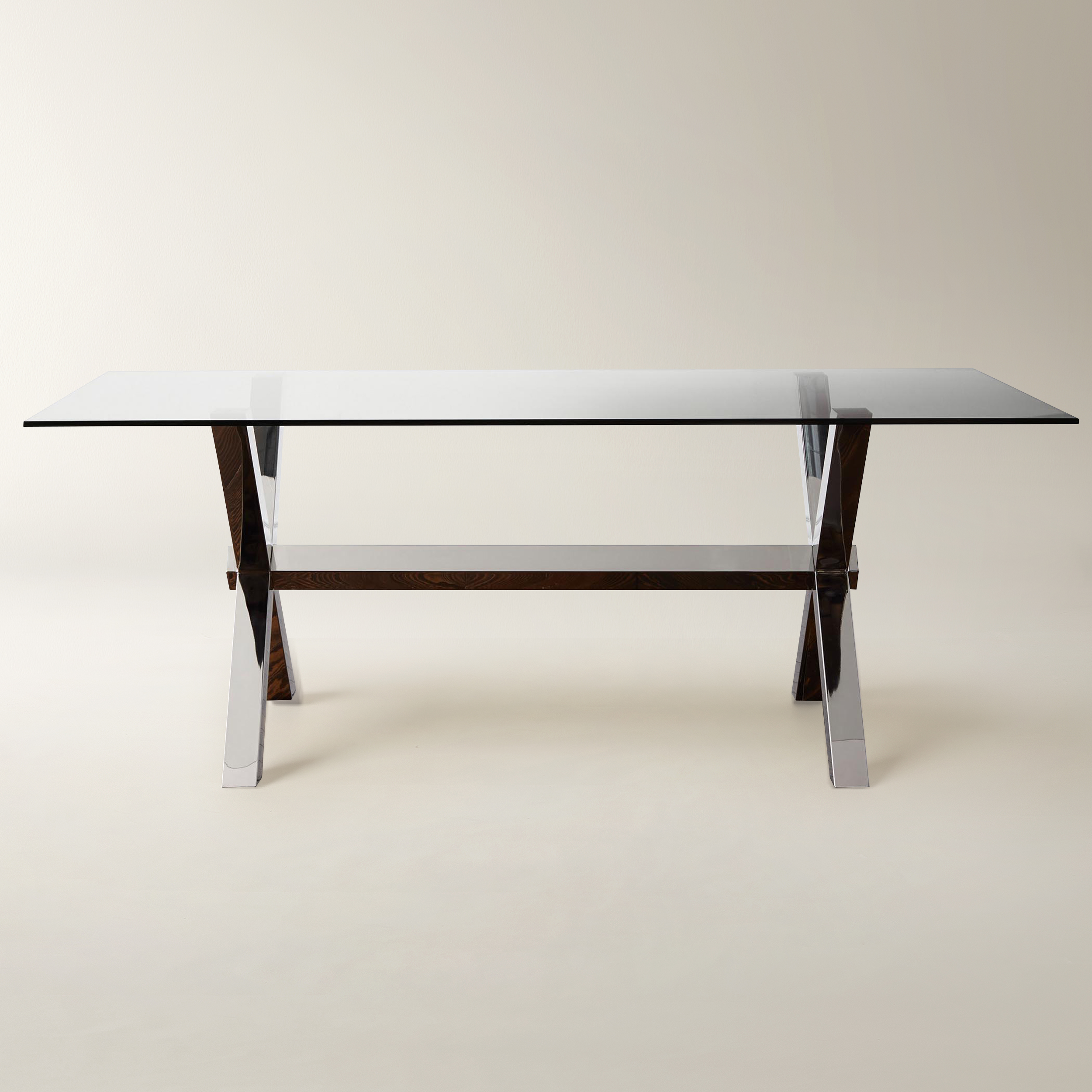
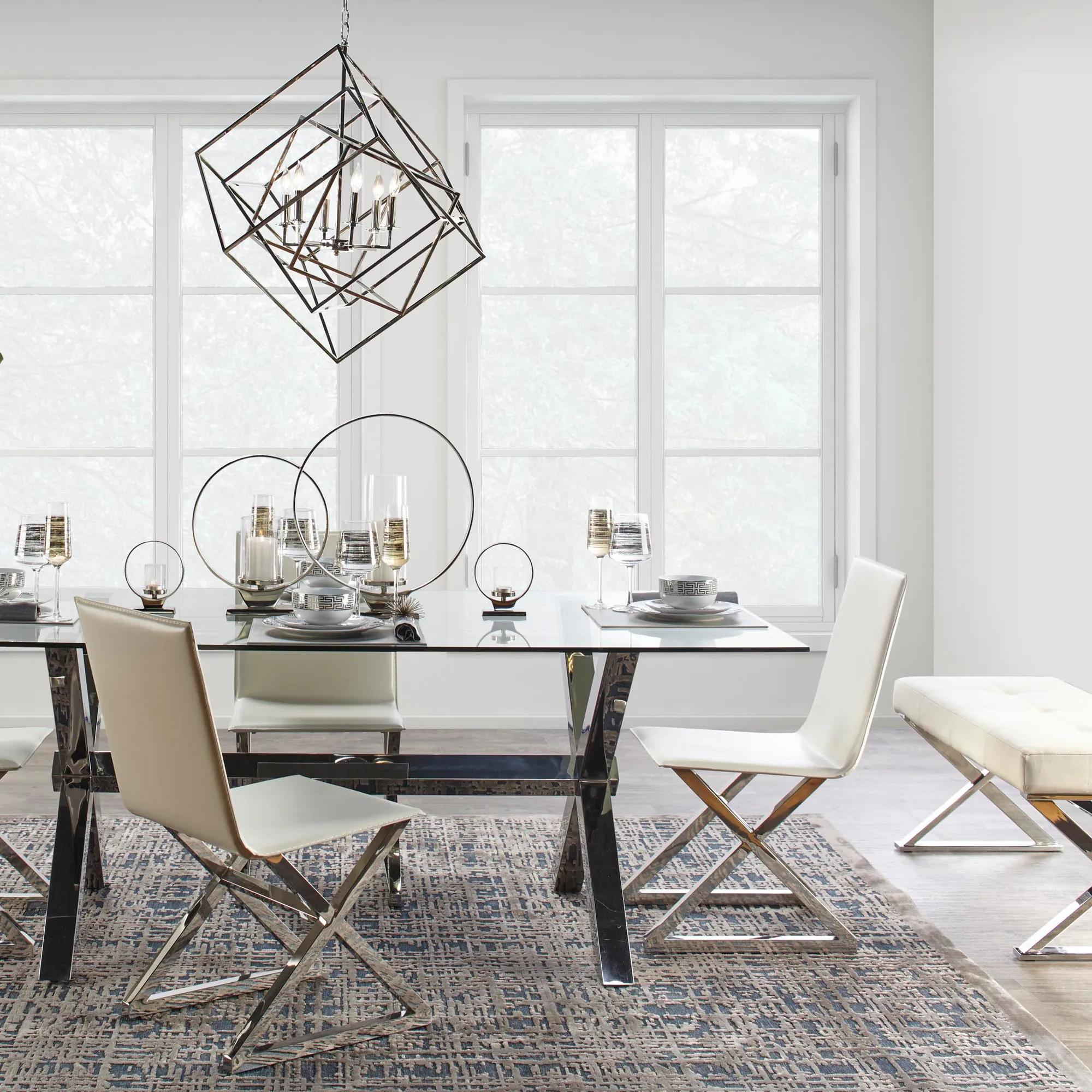 Axis Rectangular Silver Dining Table With Glass Top (78")$1199
A contemporary dining table featuring a polished stainless steel base and durable tempered glass top.
Add To Cart -
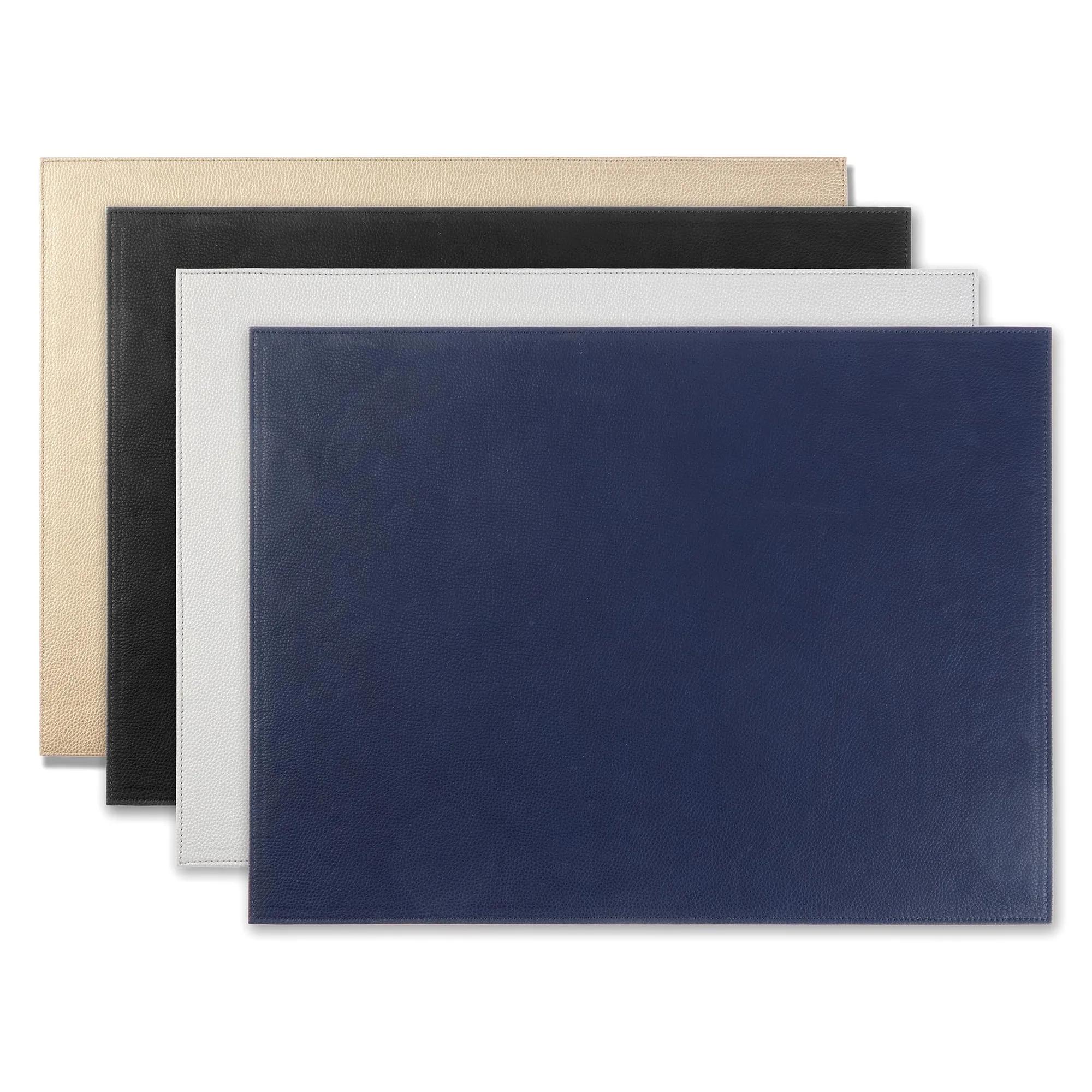 Viceroy Placemat Sets$89
A set of four faux leather placemats featuring clean lines and classic hues for stylish entertaining.
Add To Cart -
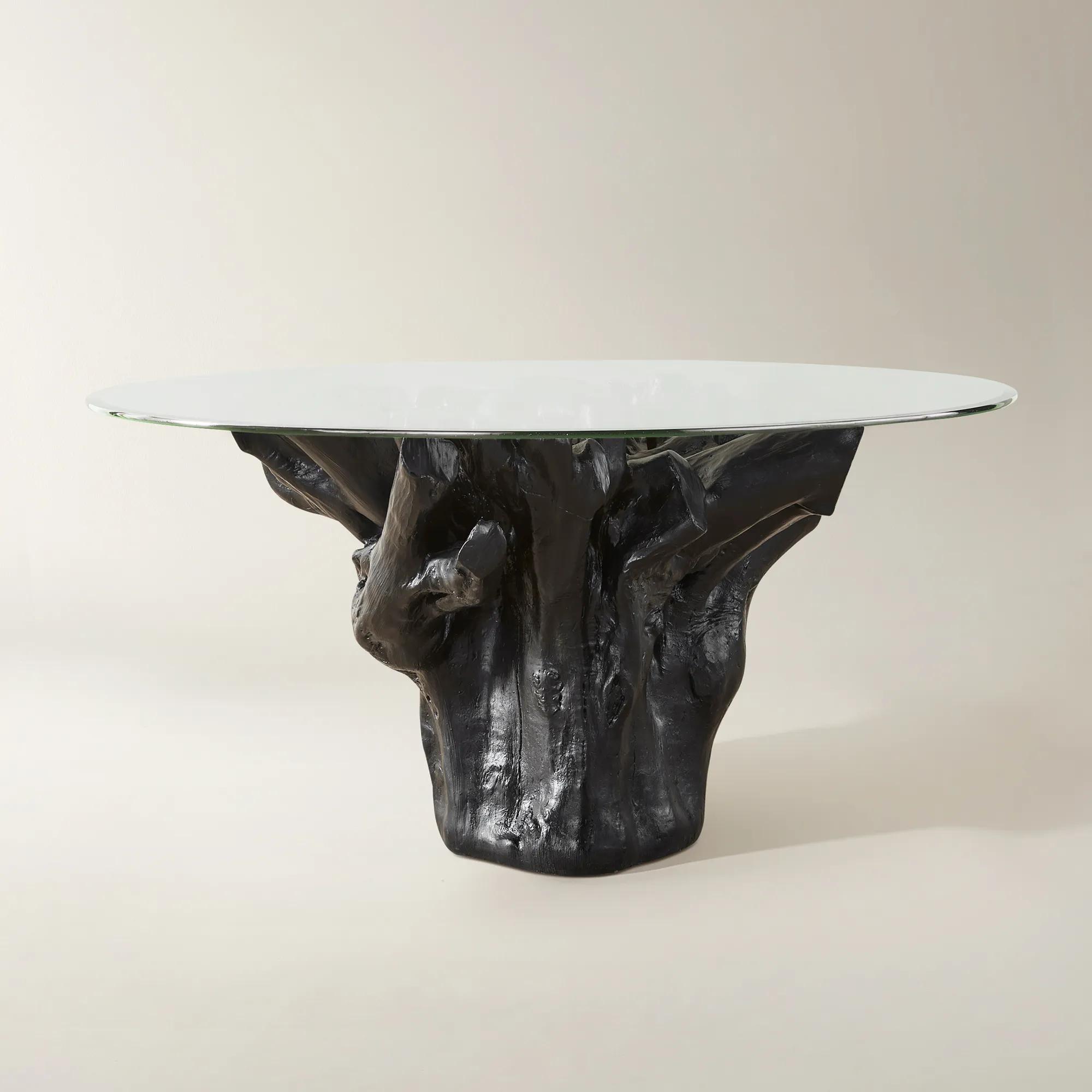 Sequoia Black Resin Dining Table With Glass Top (60")$2299
A sculptural black resin base with real stone fragments supports a round tempered glass top for organic elegance.
Add To Cart -
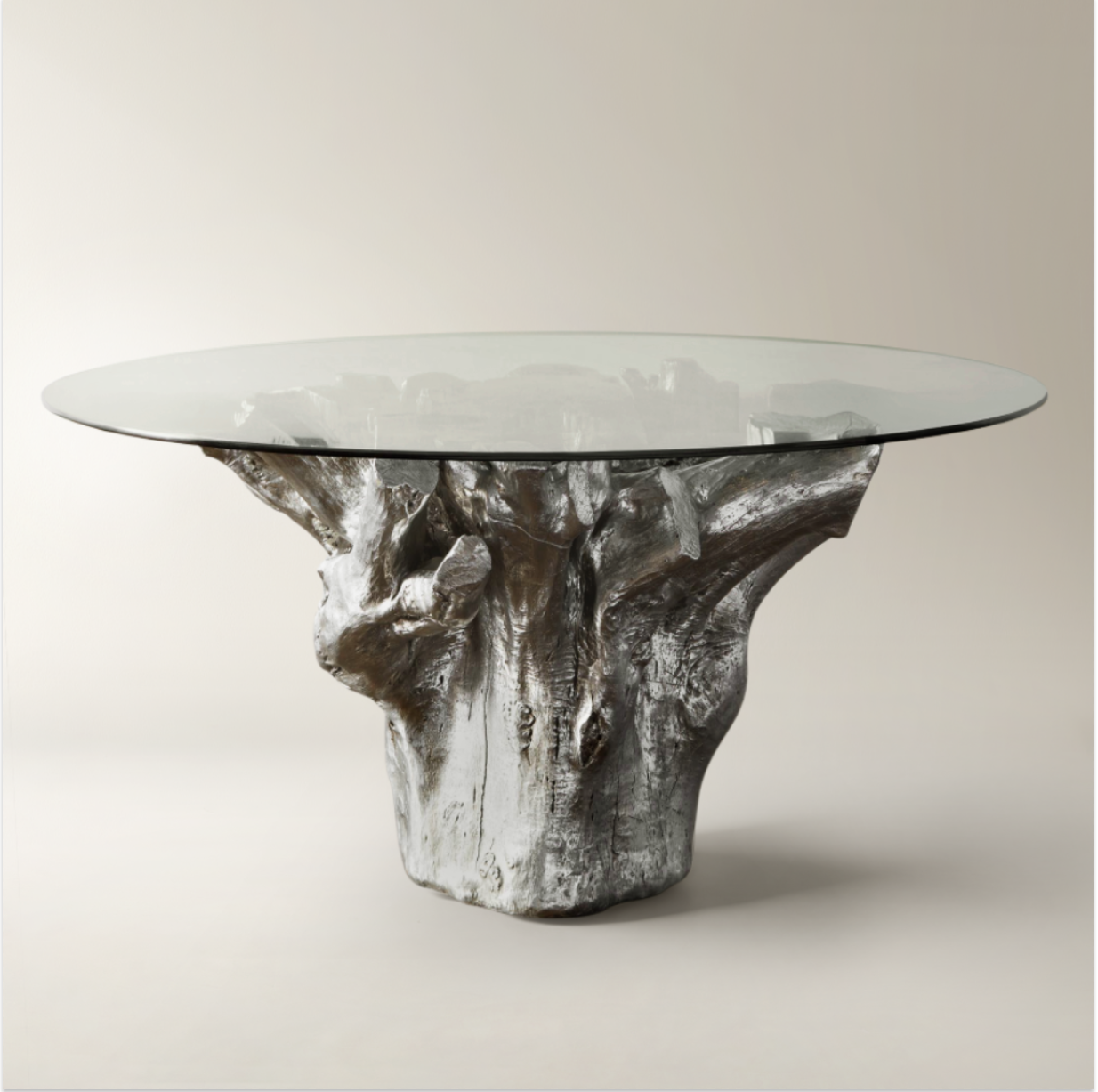 Sequoia Silver Resin Dining Table With Glass Top (60")$2199
A sculptural resin base with hand-applied silver leaf supports a round tempered glass top for modern elegance.
Add To Cart -
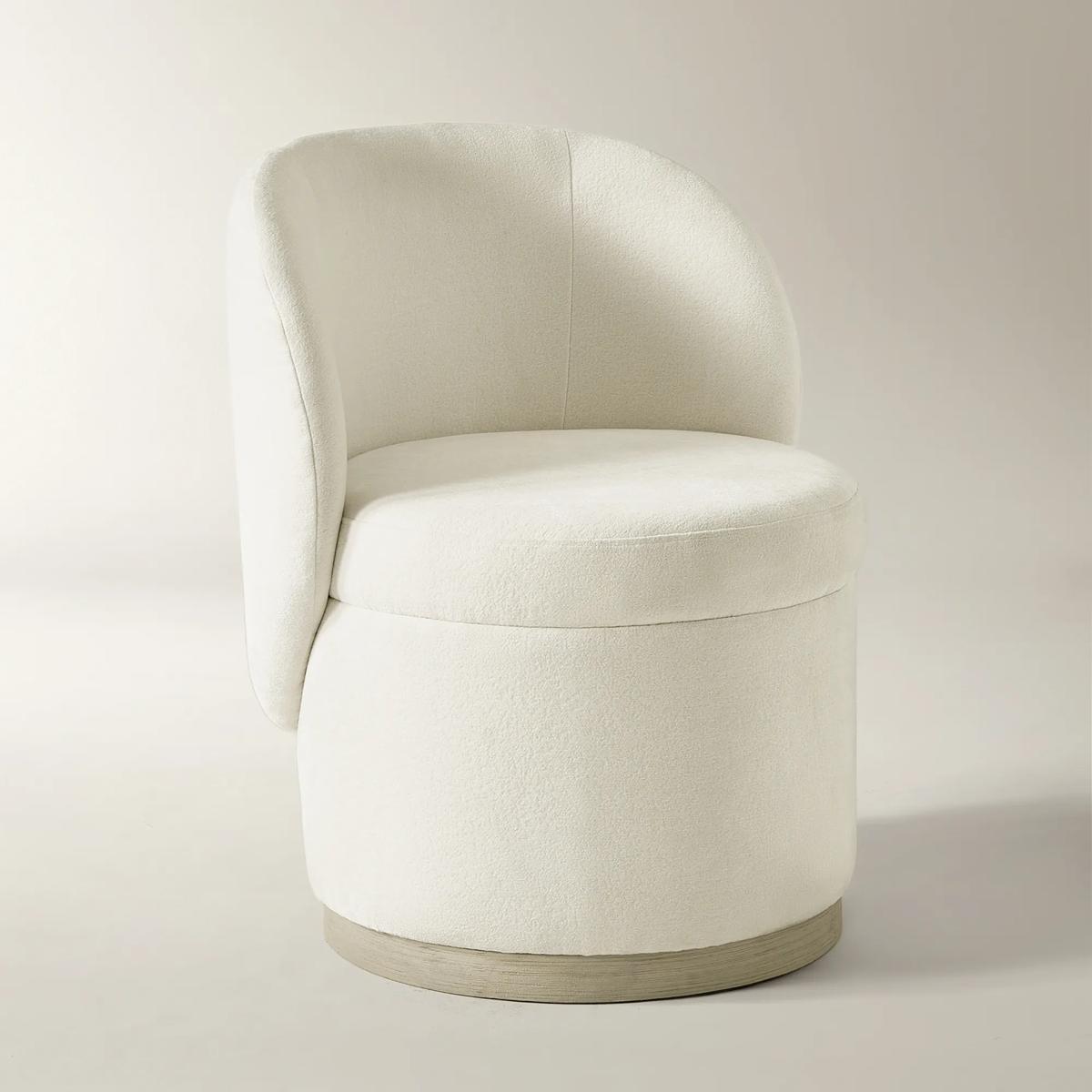 Stria Ivory Chenille Dining Chair With Oak Base$449
An ivory chenille chair featuring a plush, velvet-like finish and a handcrafted solid oak base.
Add To Cart

Dining Room Essentials For Families
Dining Room Essentials for Families transforms everyday gatherings into extraordinary moments, where laughter lingers and memories are made in style. Imagine a space where sumptuous textures invite lingering conversations, sculptural silhouettes spark admiration, and every detail—down to the gleam of polished surfaces—creates an ambiance of effortless sophistication. With Dining Room Essentials for Families, your dining area becomes more than a place to share meals; it’s a stage for connection, celebration, and self-expression. Elevate your family’s experience with artful pieces that turn every dinner into a dazzling affair.
Dining room essentials for families bring together a sturdy dining table, comfortable seating, accessible storage, forgiving floor coverings, and warm lighting, creating a space that feels as composed over breakfast as it does over a celebratory dinner. The most inviting family dining rooms balance expressive design with the realities of daily life: a spilled glass, an extra place setting, a school project that stretches across the afternoon. At the center, a beautifully proportioned table gives those moments a generous stage. Solid wood offers distinctive grain and character, though its finish still needs protection from moisture, heat, and scratches; wood veneer provides a real-wood surface with its own care requirements. Glass introduces luminous openness but makes fingerprints more visible, while stone can lend sculptural weight and may require sealing or special cleaning depending on its composition. No surface should be assumed scratchproof simply because it looks substantial. Rounded corners soften the silhouette and reduce sharp edges in busy pathways, but a stable base and construction suited to everyday use matter just as much. Fit is equally important to the atmosphere. About 24 inches of table edge per diner is a useful starting point, with additional room for broad chairs or generous place settings. Roughly 36 inches between the table edge and a wall or nearby furniture generally allows chairs to pull out; busier walkways benefit from more clearance. A round table can encourage conversation in a compact dining area, while a rectangular shape often suits longer rooms and larger households. Pedestal bases may offer flexible legroom, provided the base does not crowd feet or interfere with chair placement. Extension tables can accommodate visiting relatives without occupying the same footprint every day, although their expanded dimensions and leaf-storage needs deserve consideration. For households furnishing around children and shared routines, Dining Room Furniture for Parents offers a related focus on spaces where family life and distinctive style belong at the same table.
Seating gives a family dining room much of its personality, whether the effect is tailored and architectural or softened by sumptuous upholstery. Comfort depends on more than a beautifully curved back: seat height, depth, support, and clearance beneath the tabletop all influence how naturally a chair fits its setting. Many dining arrangements work comfortably with approximately 10 to 12 inches between the seat and the underside of the tabletop, but thick aprons and upholstered cushions can change that relationship. Armchairs need enough clearance to tuck in without striking the table, and chairs that move easily make everyday meals more comfortable for family members with different mobility needs. A bench creates a strong horizontal line and can tuck beneath some tables, opening the room visually between meals. Its usefulness depends on the space between table legs, its stated capacity, and whether each diner can get in and out comfortably; it is not a substitute for an age-appropriate high chair or booster. For families with young children, smooth, wipeable seating can simplify cleanup, while upholstered dining chairs bring texture and a more enveloping feel to longer gatherings. Performance fabrics may offer stain resistance, but their capabilities vary, and spills still need prompt attention according to the care label. Removable covers are only machine washable when specifically identified that way. Deeply textured weaves and decorative seams can catch crumbs, a small detail that becomes noticeable after frequent meals. Beneath the seating, a low-pile or flat-woven dining room rug adds pattern, absorbs some sound, and lets chairs move more readily than a deep, plush pile. Extending the rug approximately 24 to 30 inches beyond the tabletop on each side helps keep chair legs supported when diners pull back; larger chairs may need more room. Washable rugs can be appealing for active households, provided their size and construction suit the recommended washing method. A compatible nonslip rug pad helps hold the arrangement in place and protect the floor. The result can still be richly layered: a tonal pattern, a lustrous chair frame, and tactile upholstery bring depth without asking delicate finishes to carry every practical demand.
Storage, lighting, and tabletop accents complete the room by making family meals feel considered rather than crowded. A sideboard or buffet provides a place for dishes, serving pieces, table linens, and the miscellaneous belongings that tend to gather where everyone sits. Closed compartments preserve a calm backdrop, while drawers with organizers keep napkins and utensils easy to find. Interior dimensions matter as much as the exterior silhouette: oversized platters need sufficient depth, and adjustable shelves can accommodate pieces of different heights. A separate basket or compartment for homework supplies allows the table to shift from afternoon activity to dinner without displacing the objects used for serving. Tall or potentially tip-prone storage furniture should be anchored according to the manufacturer’s instructions, with heavier contents placed low and hazardous or breakable belongings secured away from young children. Above the table, a chandelier or pendant introduces a luminous focal point, casting a flattering glow across richly grained wood, polished accents, and layered place settings. For a typical eight-foot ceiling, approximately 30 to 36 inches between the tabletop and the bottom of a hanging fixture is a common starting range, adjusted for the fixture’s proportions, ceiling height, and unobstructed sightlines. Compatible dimmable lighting allows brighter illumination for projects and a softer atmosphere for dinner, especially during the cooler months when more gatherings unfold indoors. Tabletop essentials work best when their beauty complements their intended use. Everyday dinnerware benefits from manageable weight, comfortable handling, and care instructions that match household routines; dishwasher and microwave suitability should always be verified rather than inferred from appearance. Placemats, coasters, and trivets help shield finishes, while washable linens introduce color and texture without requiring a formal occasion. Low centerpieces leave faces visible across the table, and stable, modestly scaled arrangements preserve room for shared dishes. Flameless candles offer a glow without an open flame around reaching hands. For housewarmings or families establishing a new home, versatile serving pieces and table linens can make thoughtful gifts when their materials and care needs suit the recipients. Together, these details give the family dining room its enduring appeal: expressive enough for memorable gatherings, comfortable enough to welcome everyone back each day.
FAQs
When curating dining room essentials for families, prioritize durability, comfort, and style. Look for tables with sturdy construction and finishes that can withstand daily use, seating that invites lingering conversations, and storage pieces that keep the space organized. Choose materials and fabrics that balance luxury with easy maintenance, especially for homes with children. Lighting, rugs, and decor should complement your family’s lifestyle while adding a sense of artistry and warmth to the room.
A welcoming dining room blends comfort with expressive design. Layer lighting with a statement chandelier and ambient sconces or lamps to bathe the space in a golden glow. Add a plush rug to ground the room, and incorporate personal touches like bold artwork, fresh greenery, or a dramatic centerpiece. Choose chairs or benches with inviting upholstery and consider versatile storage, such as a sideboard, to keep essentials close at hand and the space clutter-free.
Personalize your dining room by mixing textures, finishes, and colors that reflect your family’s unique style. Hang a gallery wall of family photos or expressive art, layer the table with sumptuous linens and sculptural decor, and introduce a statement mirror to amplify light and create depth. Seasonal touches—like an autumnal floral arrangement or glimmering candleholders—can transform the mood and make every gathering feel special.
Dining room essentials such as elegant serveware, luxurious placemats, or a timeless centerpiece make meaningful gifts for families starting a new chapter or celebrating milestones. Consider gifting a set of plush dining chairs, a versatile sideboard, or an artful vase—pieces that blend beauty with everyday utility and become woven into the fabric of family traditions.
To achieve a harmonious balance of luxury and practicality, select pieces that offer both visual impact and everyday resilience. Opt for dining tables and chairs crafted from high-quality, easy-care materials, and choose rugs and linens designed to resist spills and wear. Storage solutions like buffets or consoles keep the room elegant yet functional, while layered lighting and expressive decor ensure the space remains both sophisticated and family-friendly.