Updating Dining Room Furniture
Updating Dining Room Furniture
-

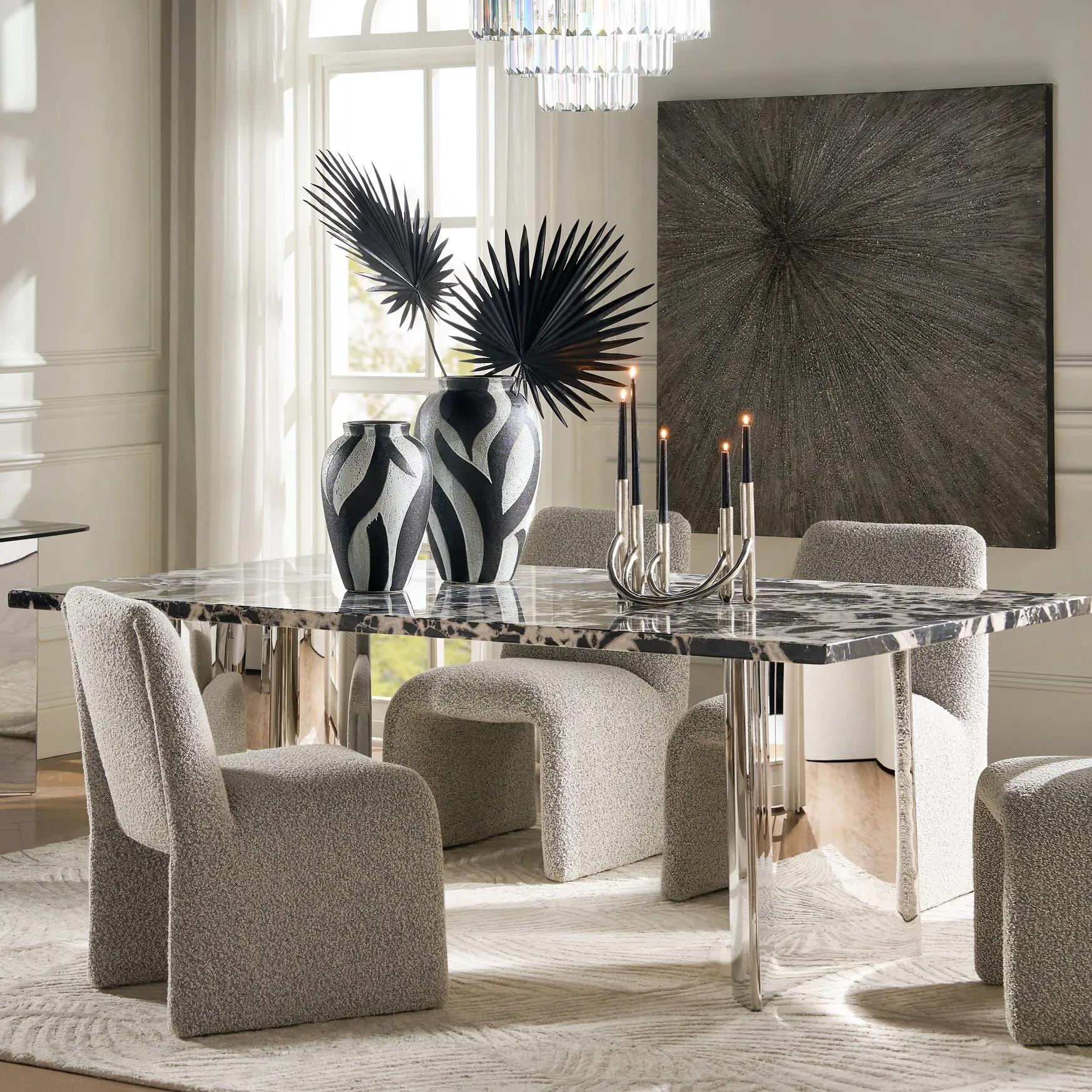 Muscat Rectangular Black Marble Dining Table With Stainless Steel Base (84")$3099
A dramatic black marble dining table with unique veining and a polished stainless steel base.
Add To Cart -
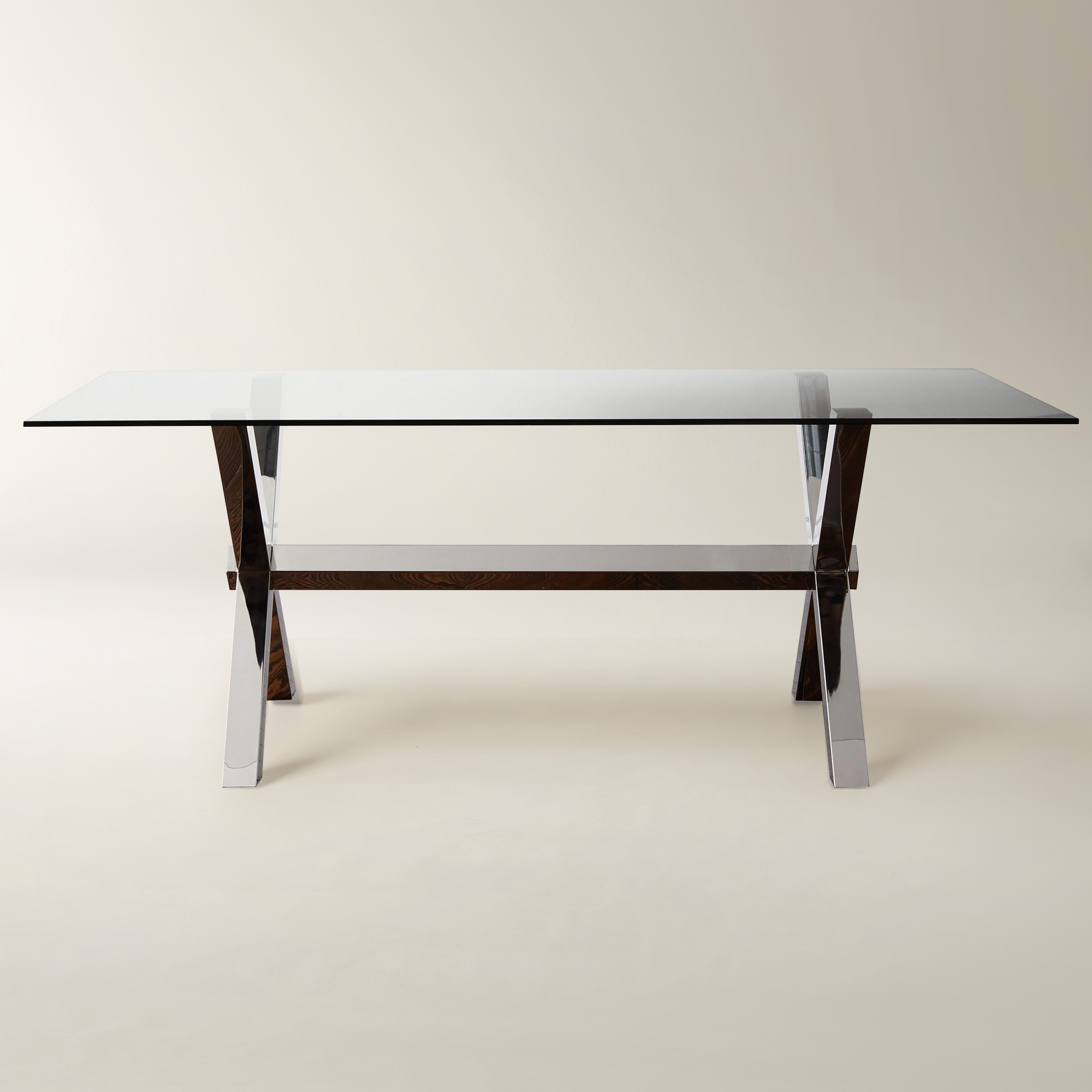
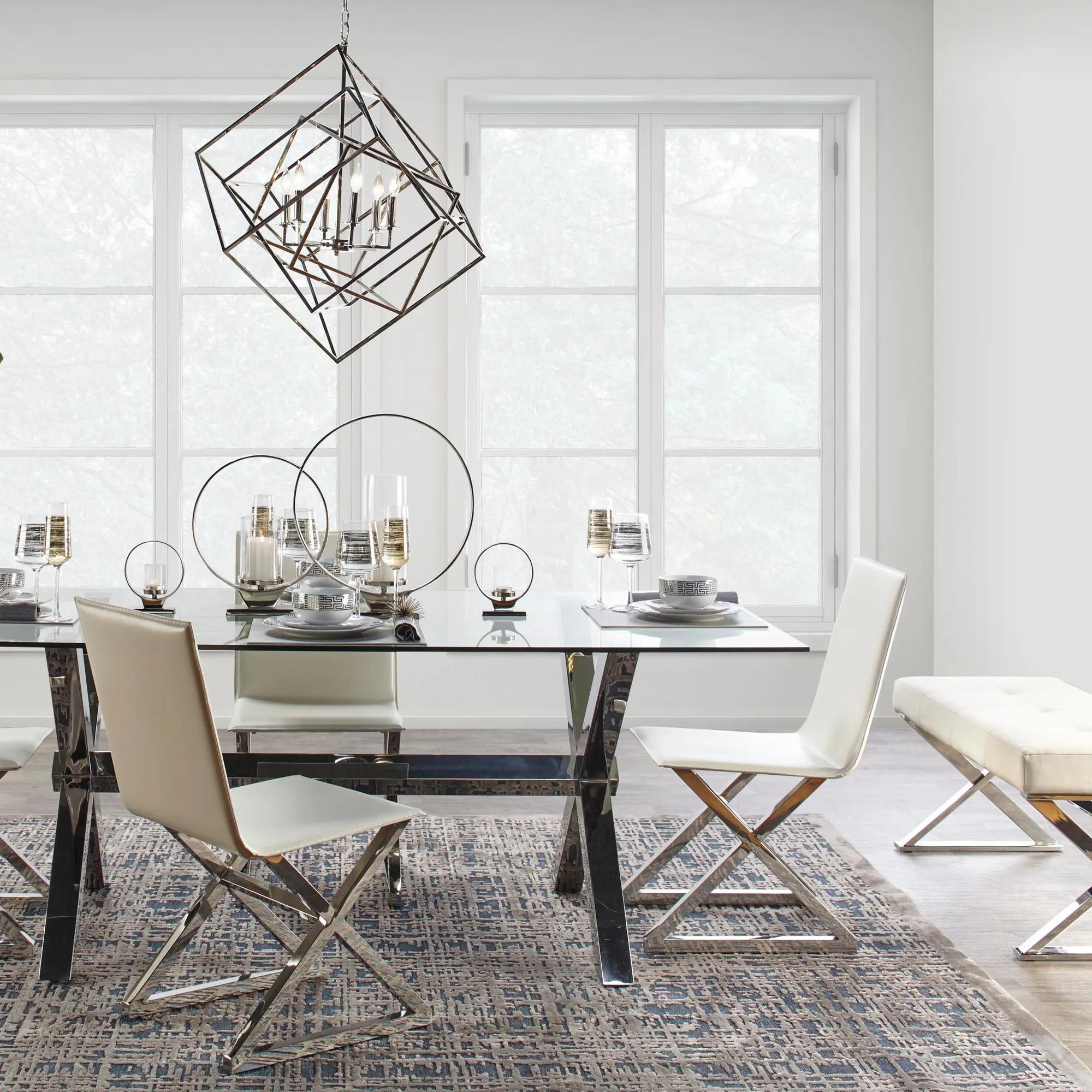 Axis Rectangular Silver Dining Table With Glass Top (78")$1199
A contemporary dining table featuring a polished stainless steel base and durable tempered glass top.
Add To Cart -

 Matera Rectangular White Marble Dining Table With Stainless Steel Base (86.61")$2499
A modern dining table featuring a white marble top and polished stainless steel base for timeless elegance.
Add To Cart -

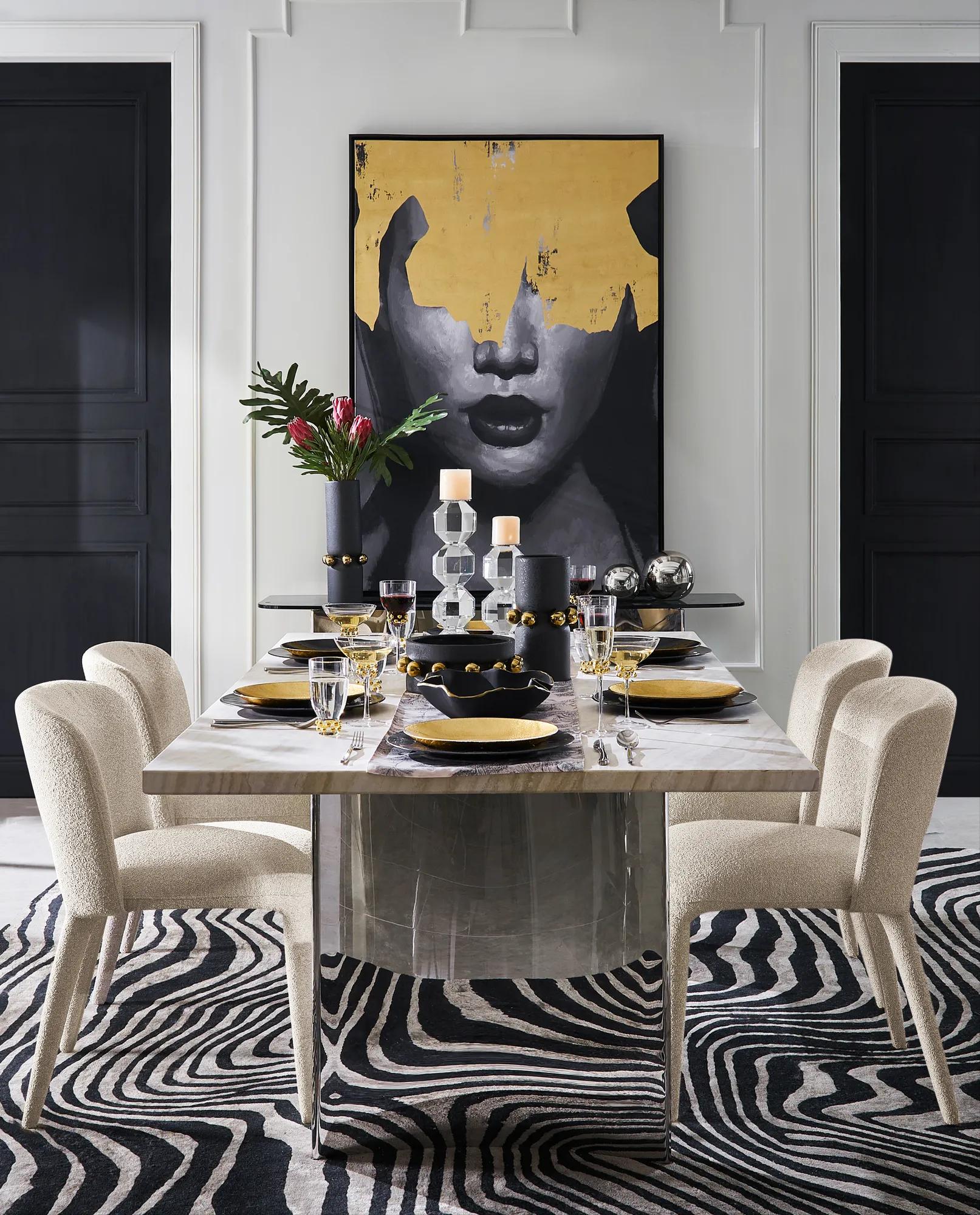 Muscat Rectangular Tan Marble Dining Table With Stainless Steel Base (84")$3099
A sophisticated dining table featuring a tan travertine marble top and polished stainless steel base.
Add To Cart -
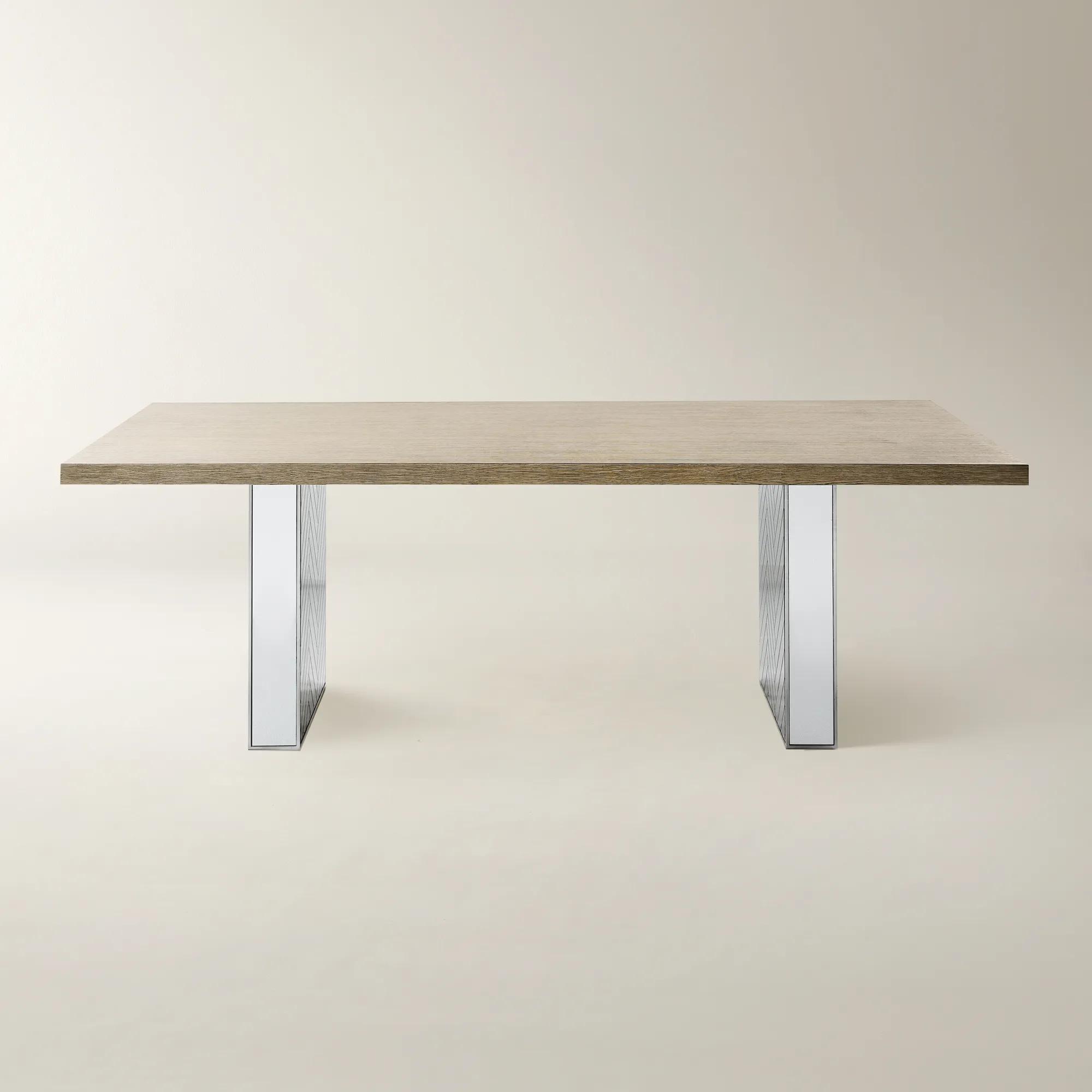
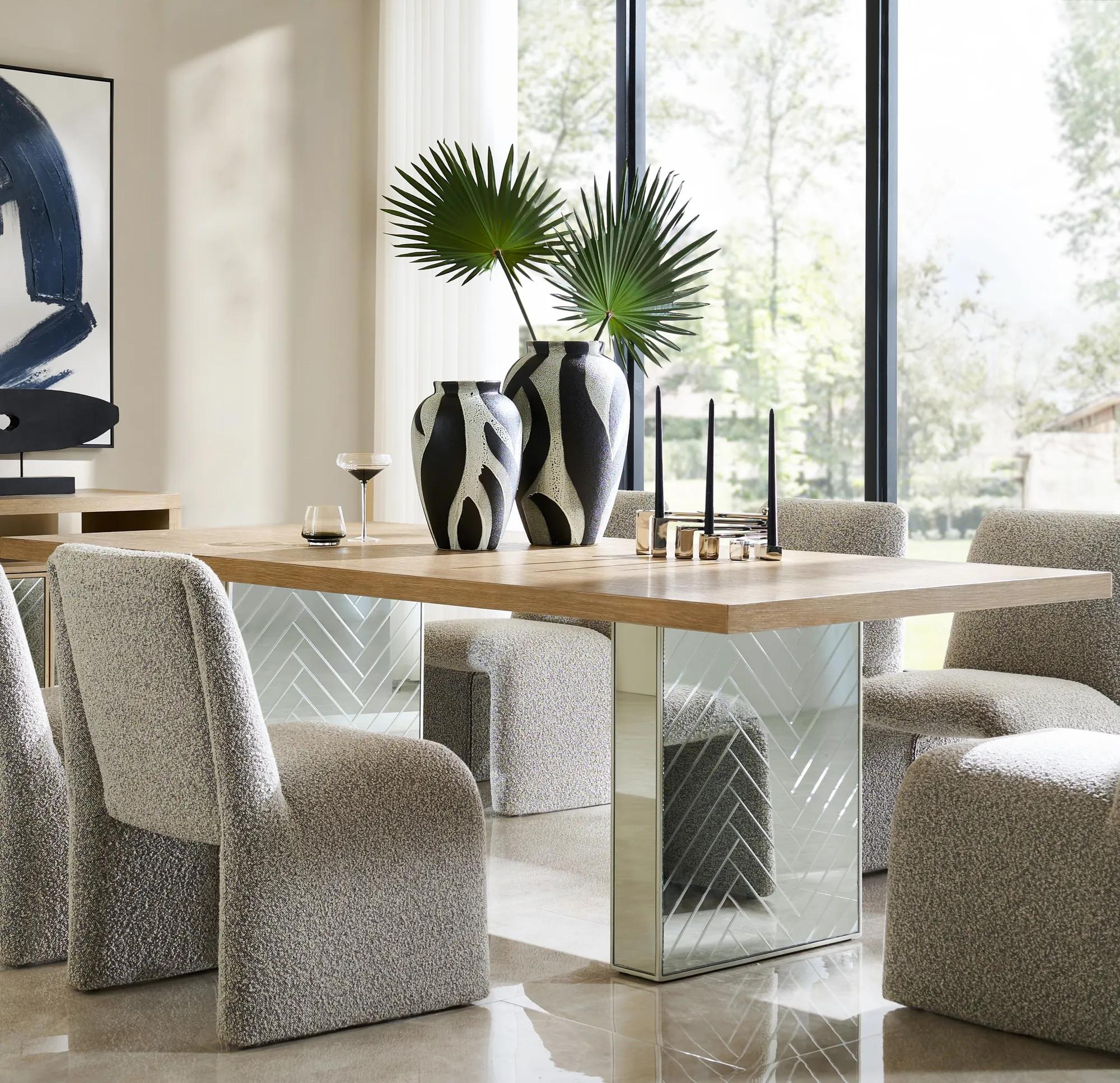 Glimmer Rectangular Seadrift Oak Dining Table With Mirrored Base (90.5")$1799
A modern dining table featuring a warm oak veneer top and a silver mirror-faced parquet base.
Add To Cart -
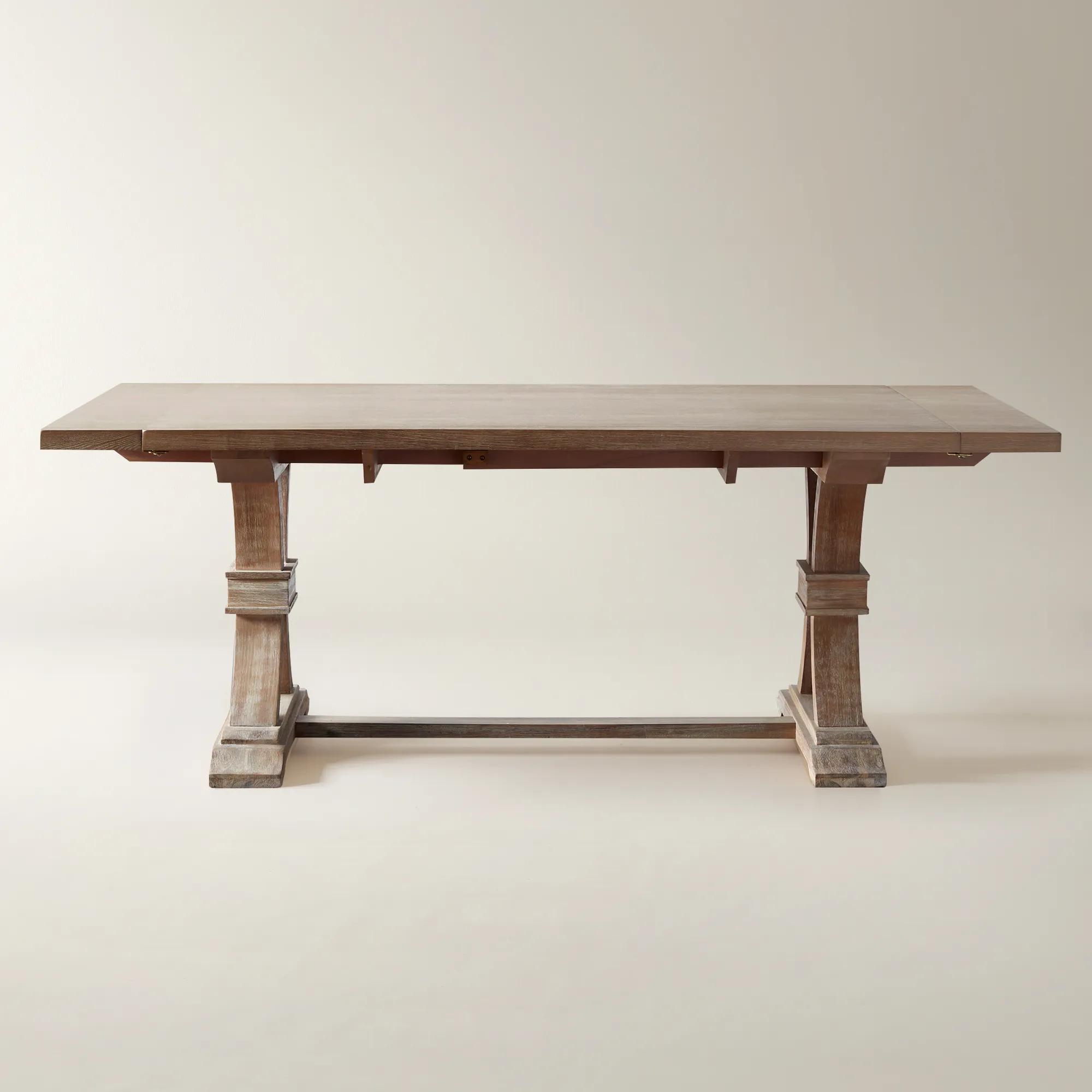 Archer Rectangular Whitewashed Acacia Wood Extending Dining Table (78" - 110")$2499
An extending dining table crafted from kiln-dried hardwood with a whitewashed oak finish and acacia veneer.
Add To Cart -
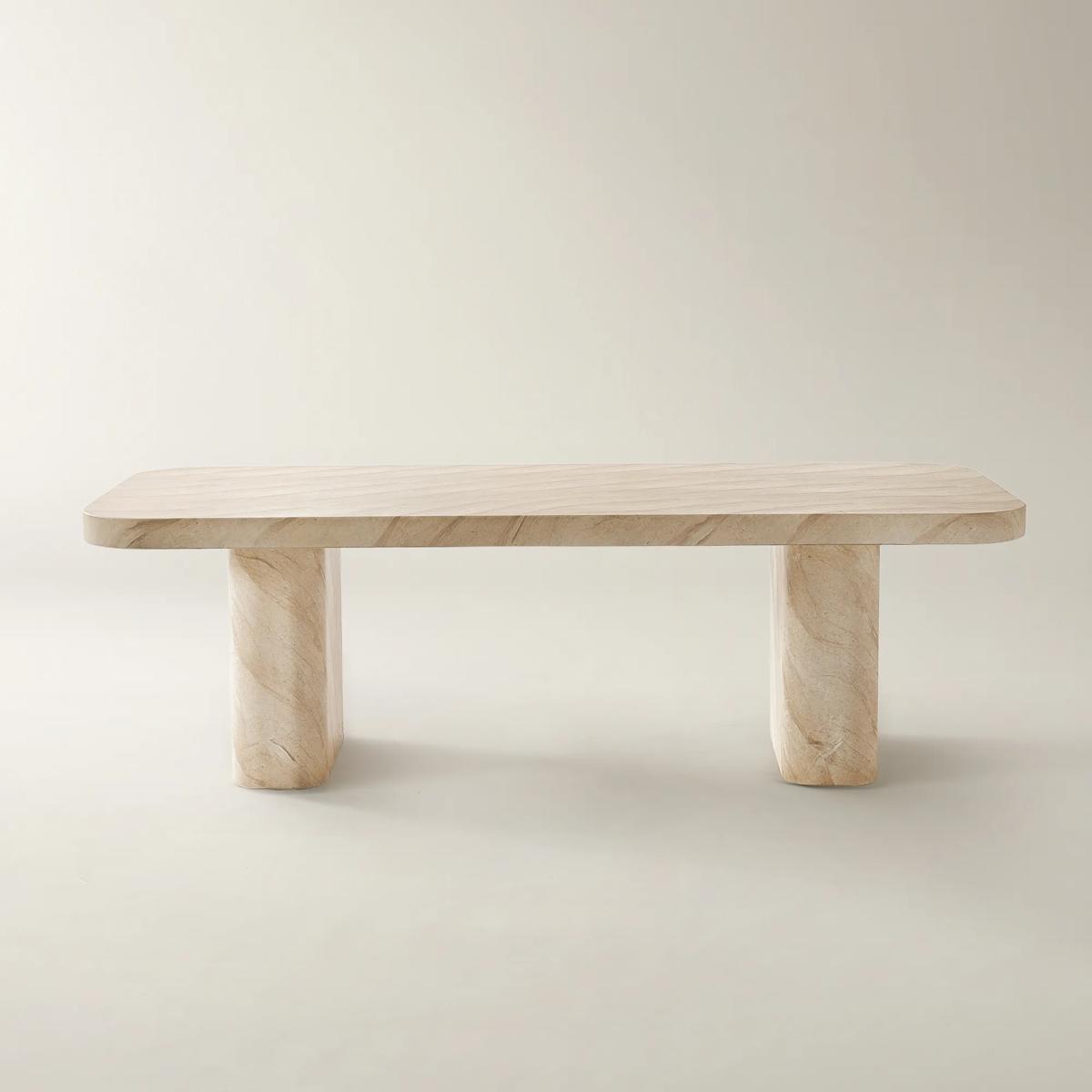
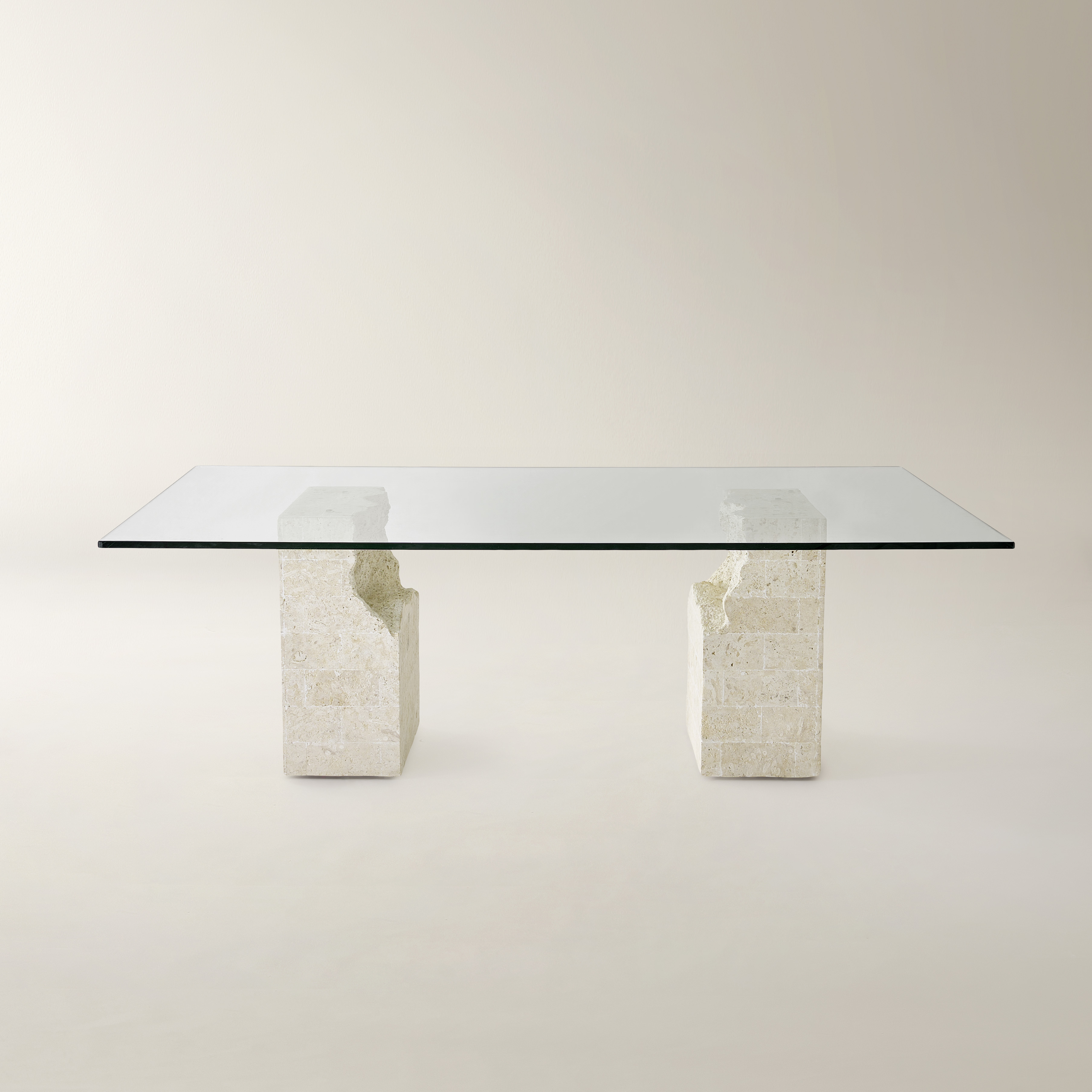 Cairo Rectangular Mactan Stone Dining Table With Glass Top (86.6")$2399
A contemporary dining table featuring a clear tempered glass top over hand-carved Mactan stone bases.
Add To Cart -
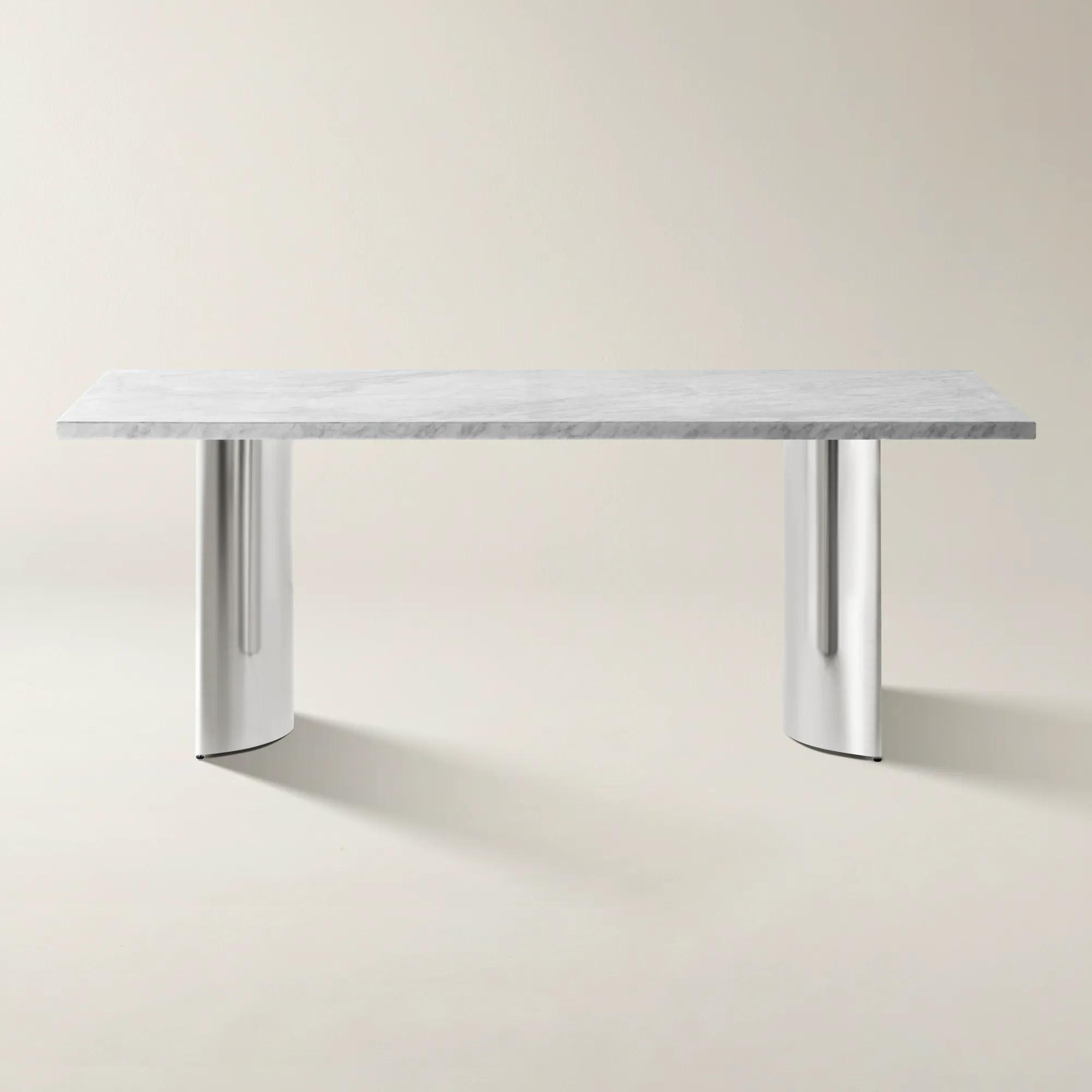 Muscat Rectangular White Marble Dining Table With Stainless Steel Base (84")$3099
A striking dining table featuring a natural white marble top with unique veining and a polished stainless steel base.
Add To Cart -
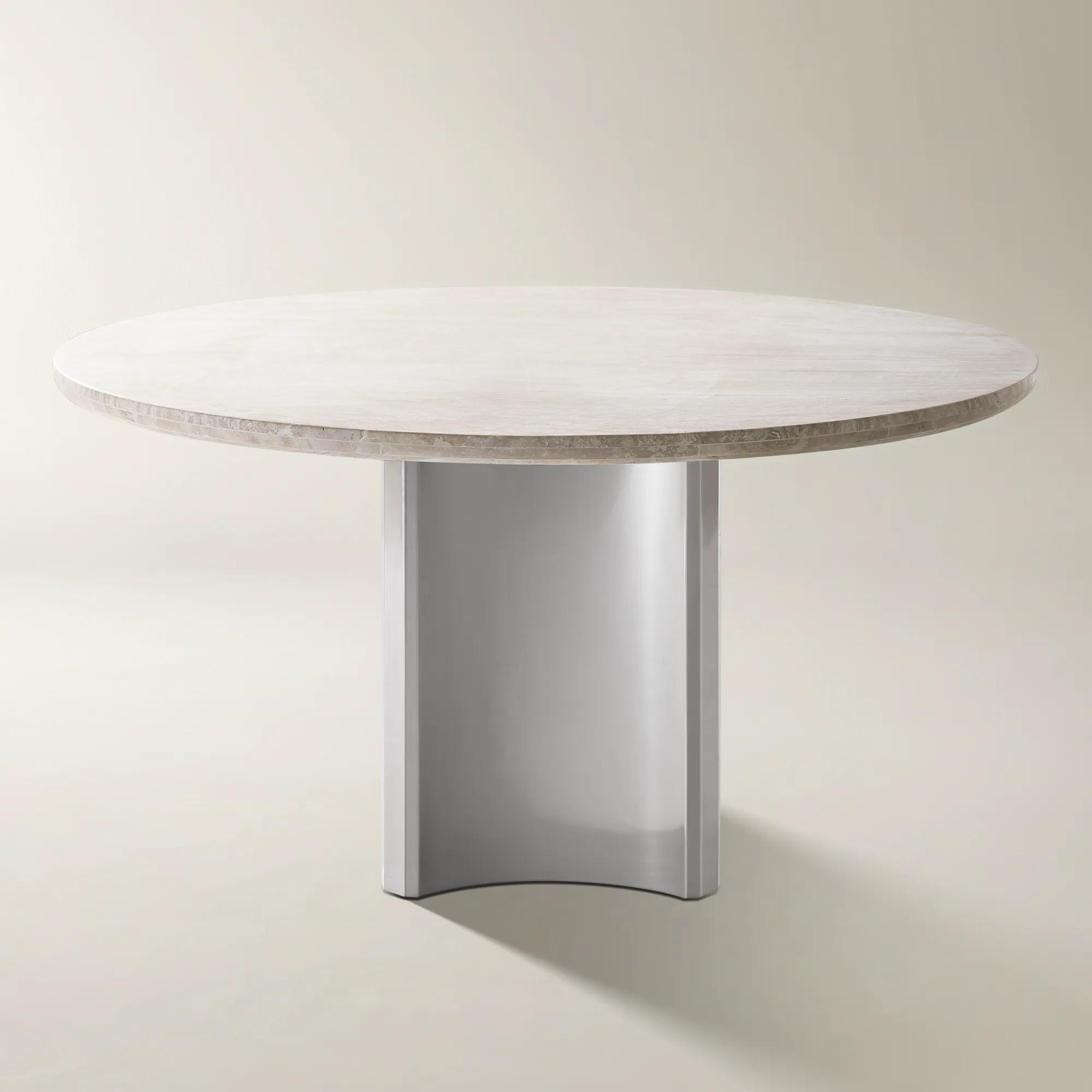 Ventane Round Tan Marble and Stainless steel Dining Table (58")$2999
A round tan travertine marble table with a polished stainless steel base for modern, elegant dining spaces.
Add To Cart -
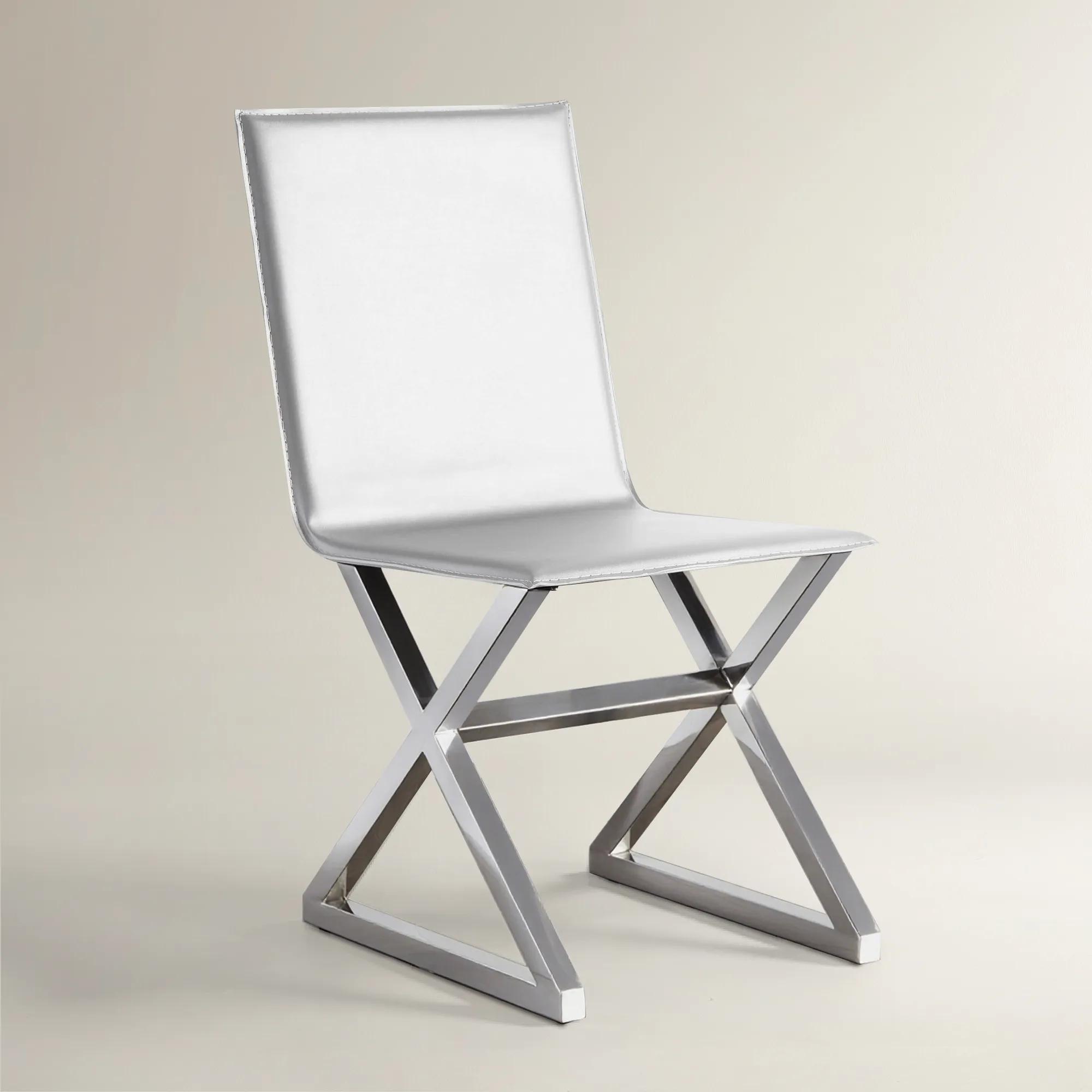
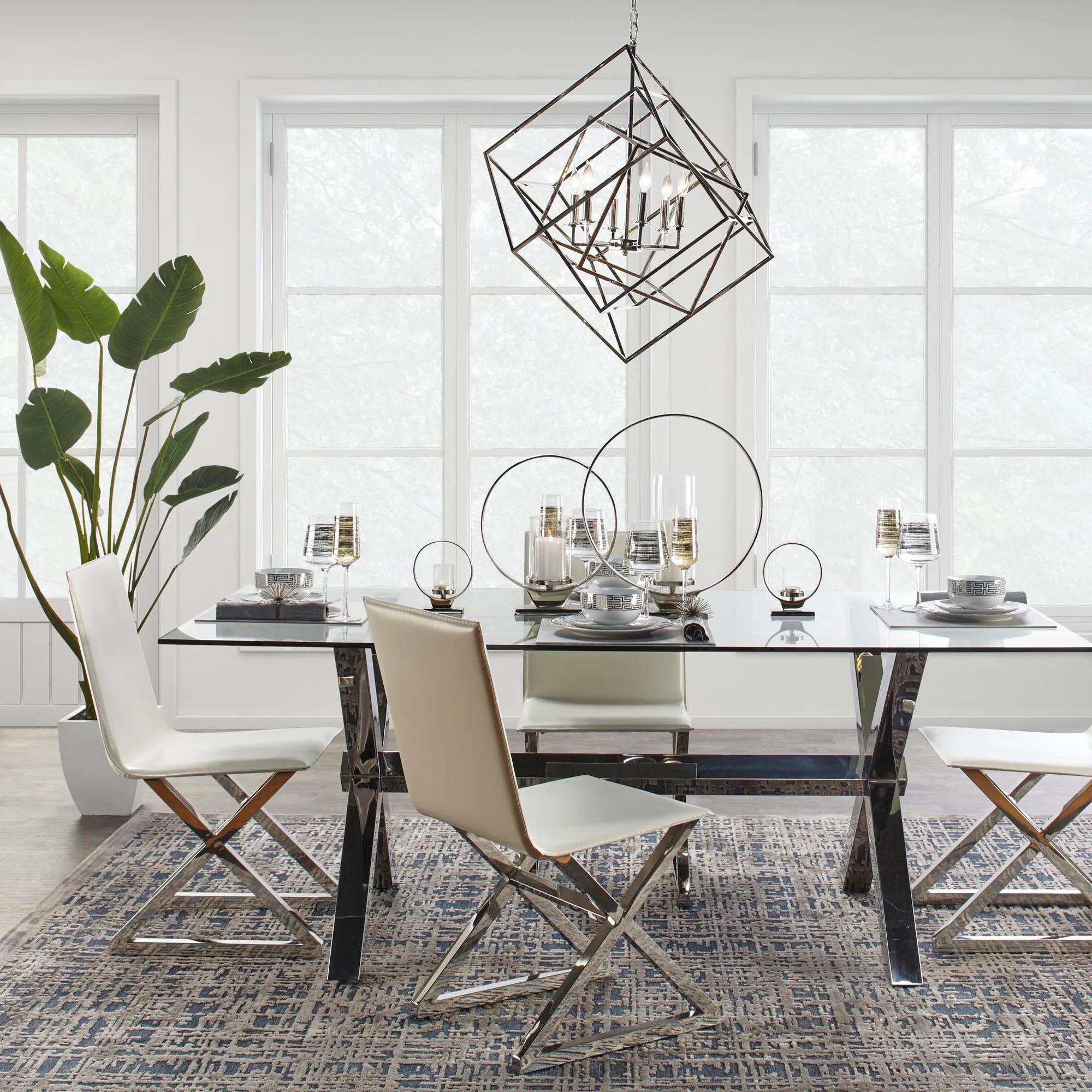 Axis Dining Chair - Set of 2$399
A contemporary dining chair set featuring white bonded leather upholstery and a polished stainless steel base.
Add To Cart -
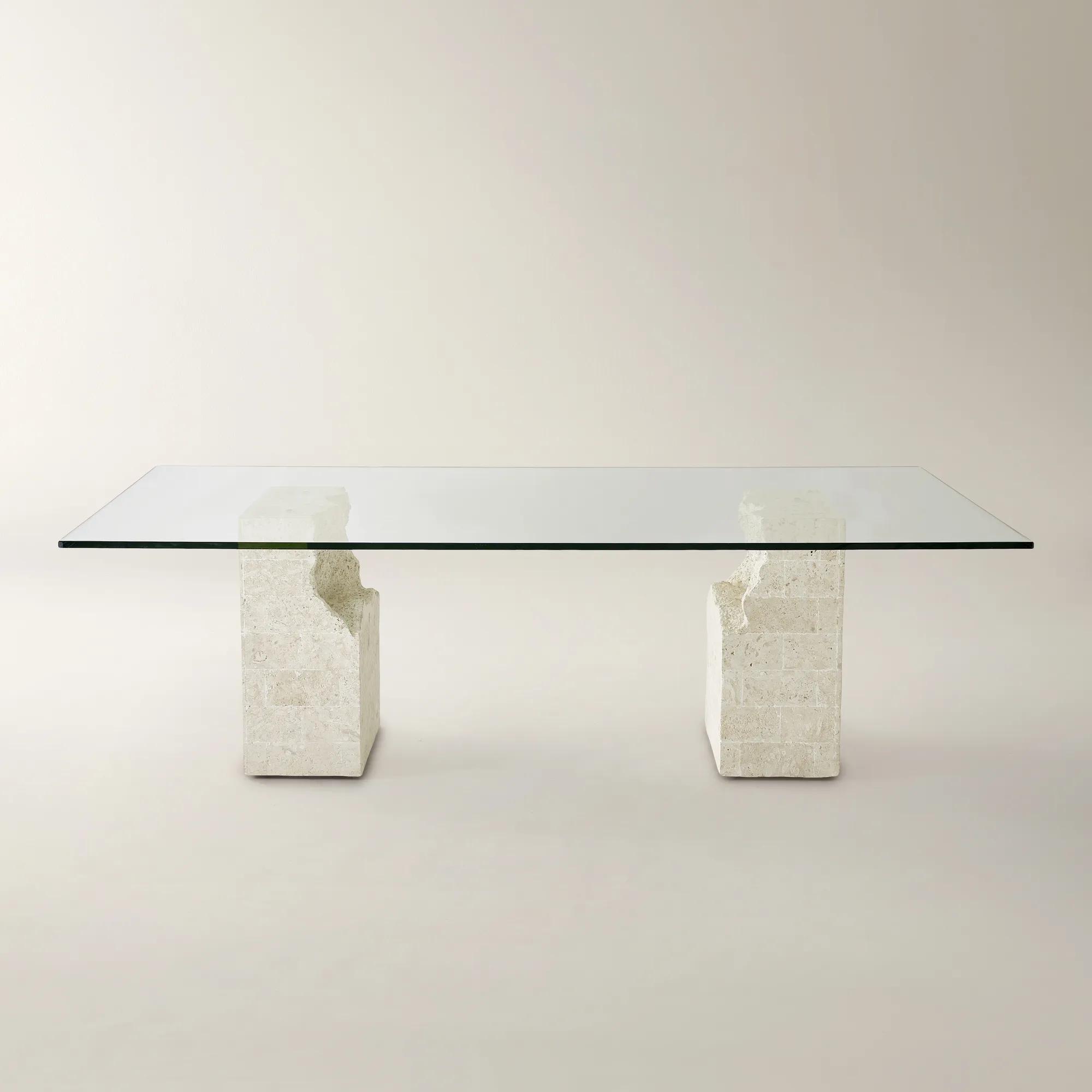 Cairo Rectangular Mactan Stone Dining Table With Glass Top (96")$2599
A contemporary dining table featuring a clear tempered glass top over hand-carved Mactan stone bases.
Add To Cart -
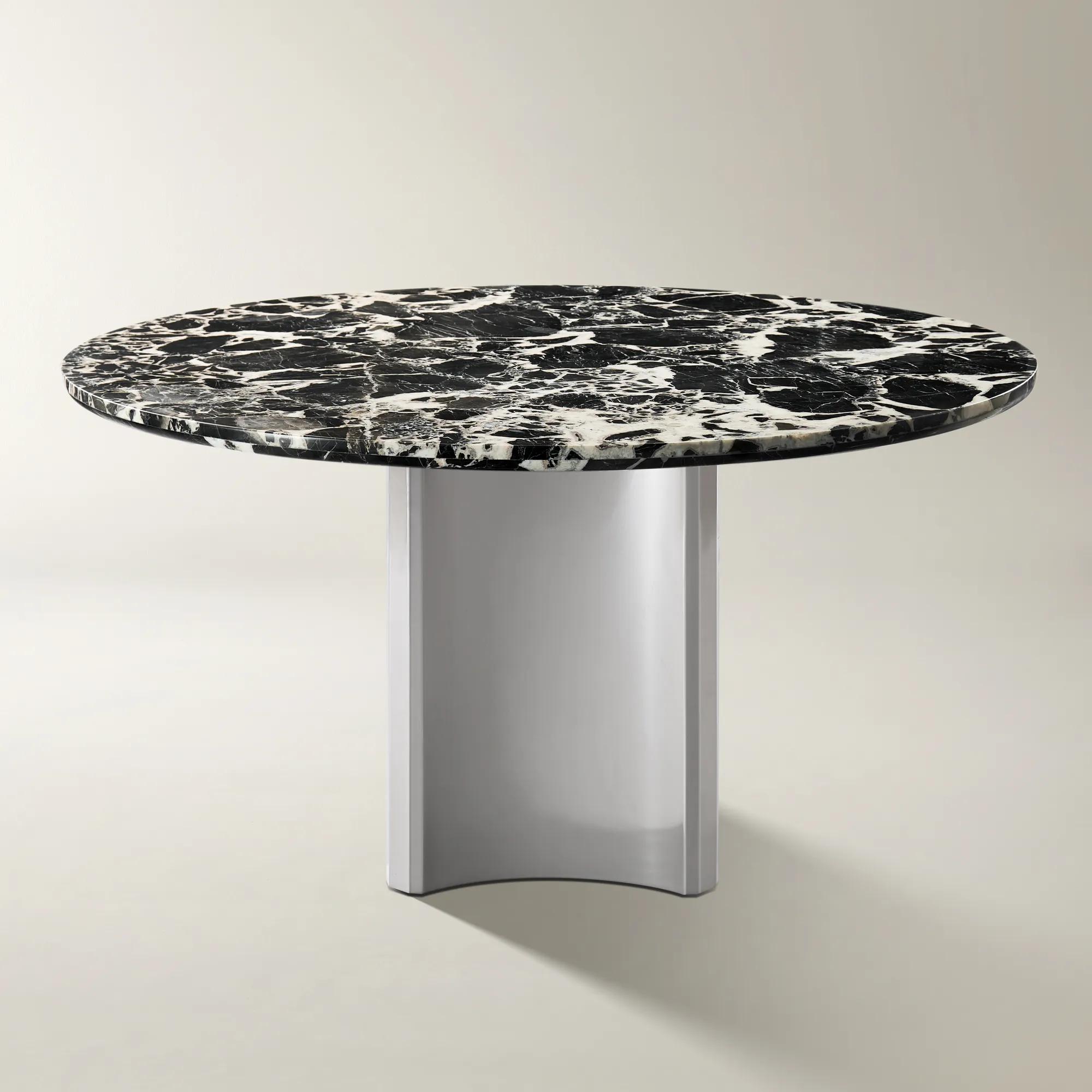
 Ventane Round Black Marble and Stainless steel Dining Table (58")$2999
A dramatic round dining table featuring a natural black marble top and polished stainless steel base.
Add To Cart -
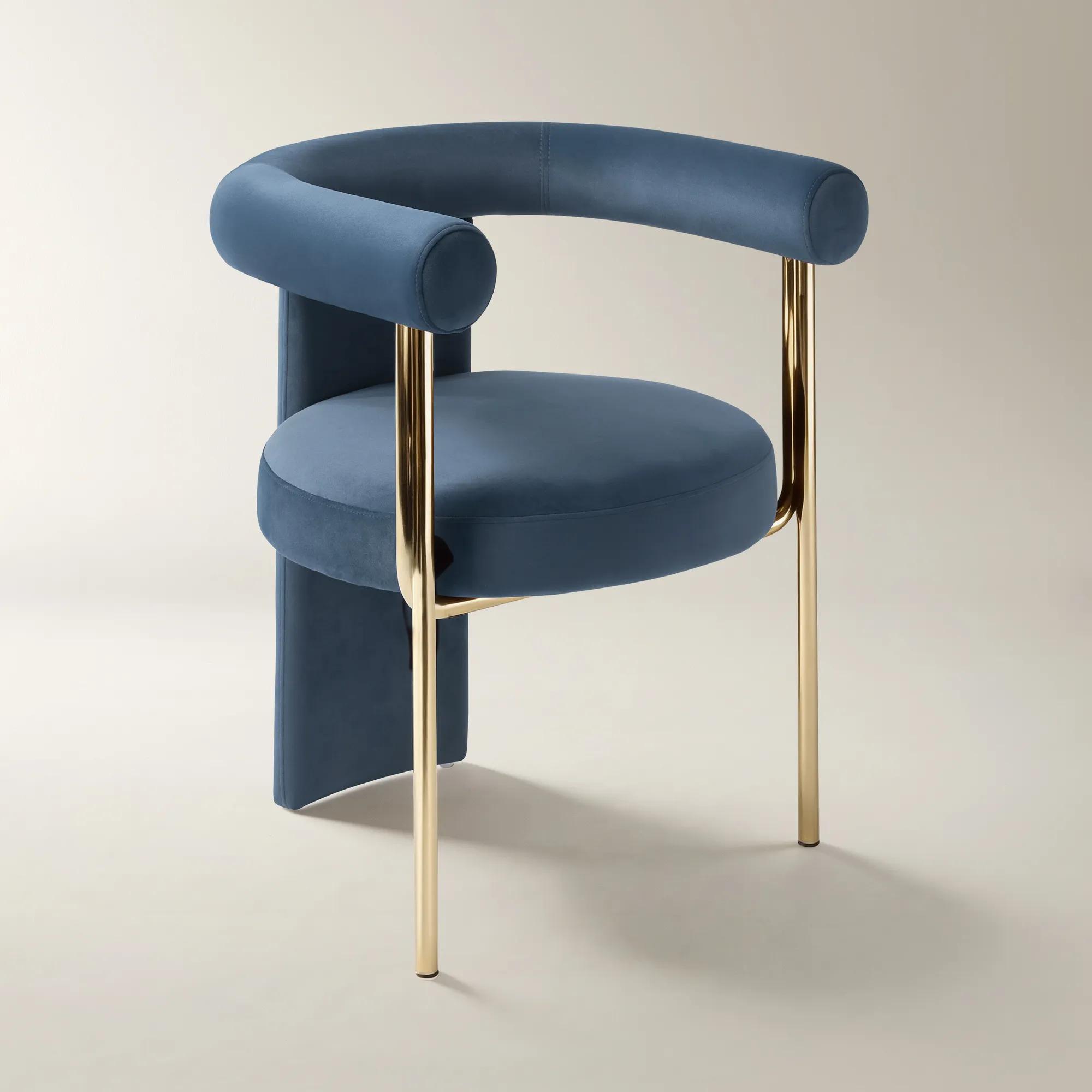 Davina Dusty Blue Velvet Dining Chair Set Of 2$899
A set of two dining chairs featuring dusty blue velvet upholstery and a polished gold metal frame.
Add To Cart -
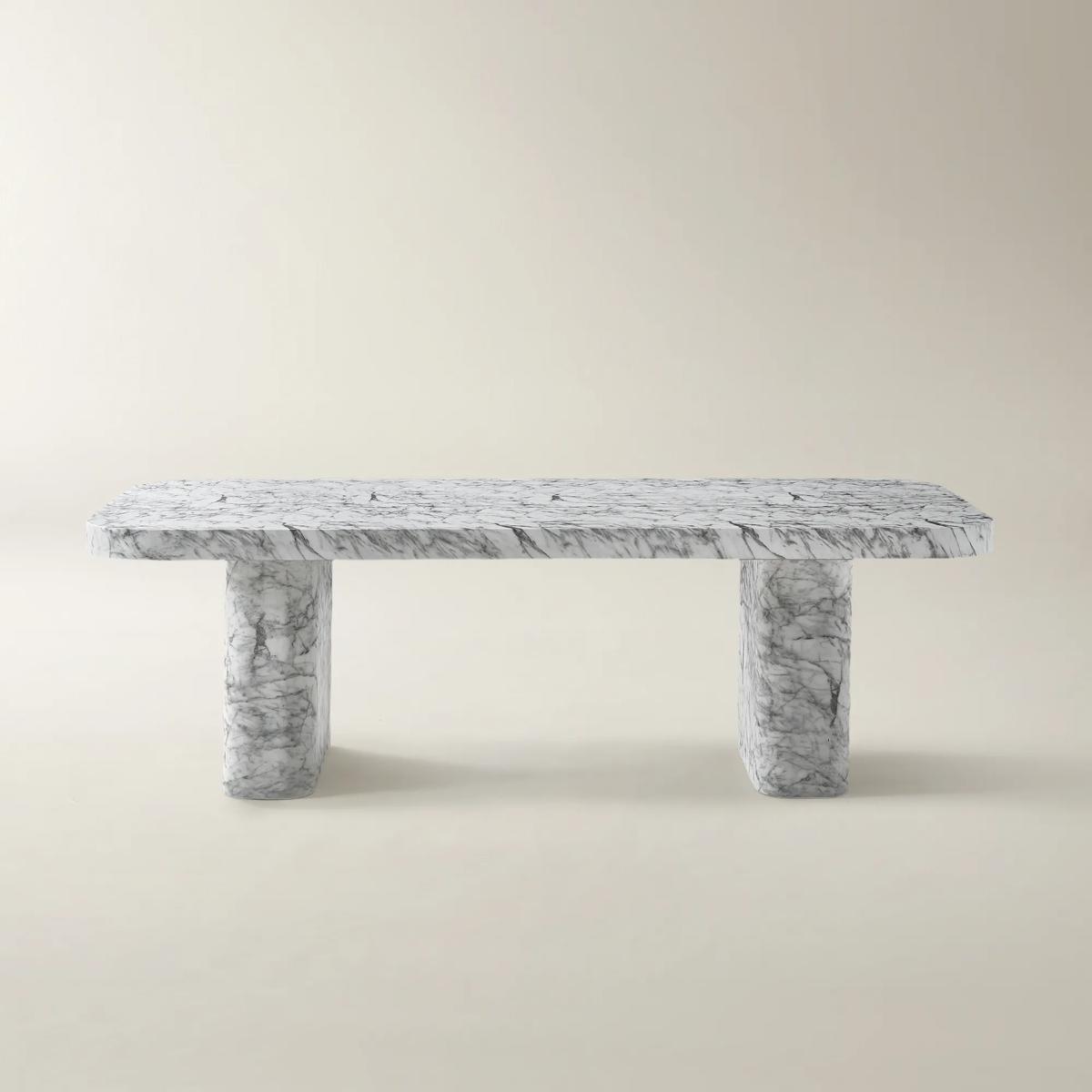
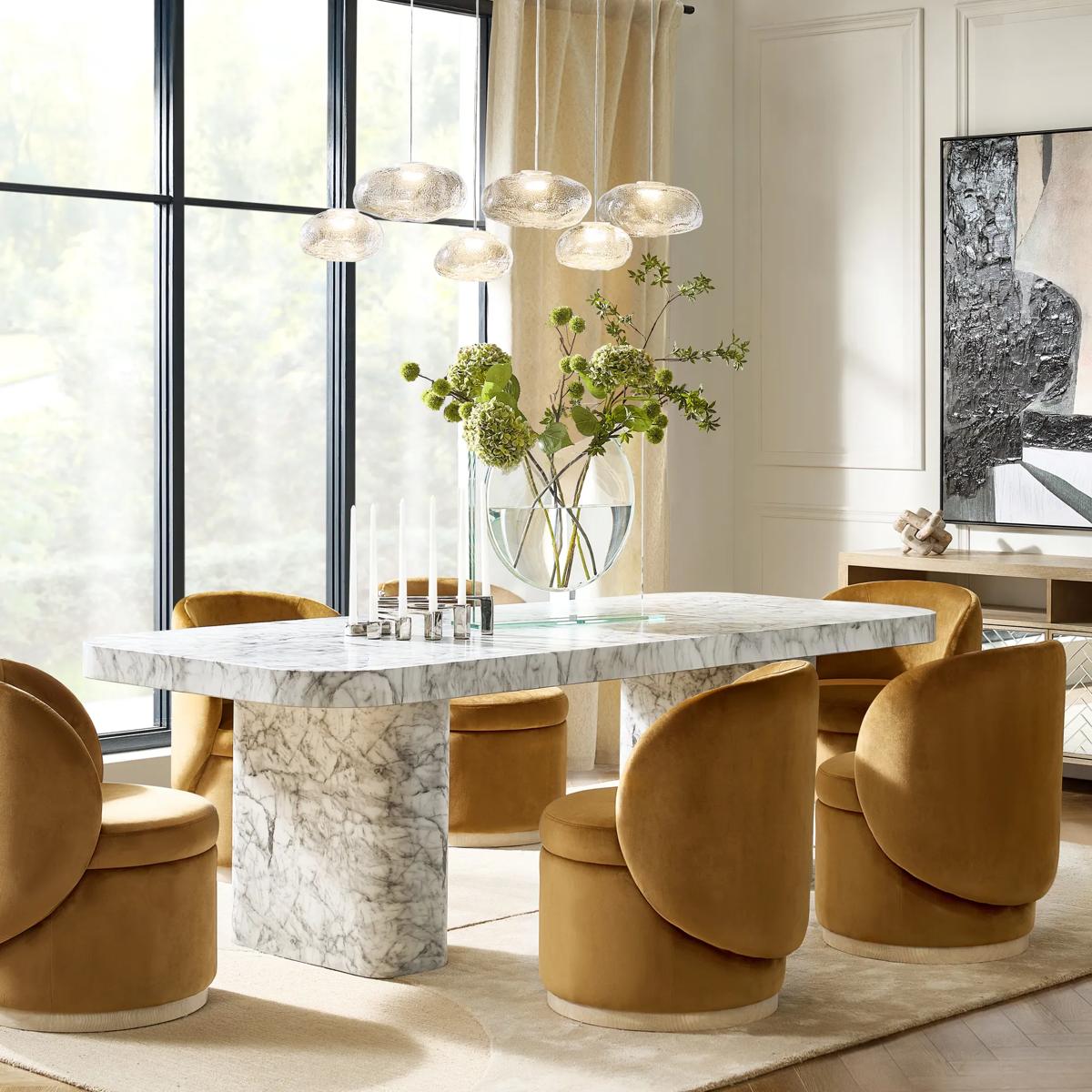 Silex Rectangular White Concrete Indoor/Outdoor Dining Table (94.5")$1999
A white concrete dining table with a sculptural pedestal base, marble-inspired veining, and indoor-outdoor versatility.
Add To Cart -
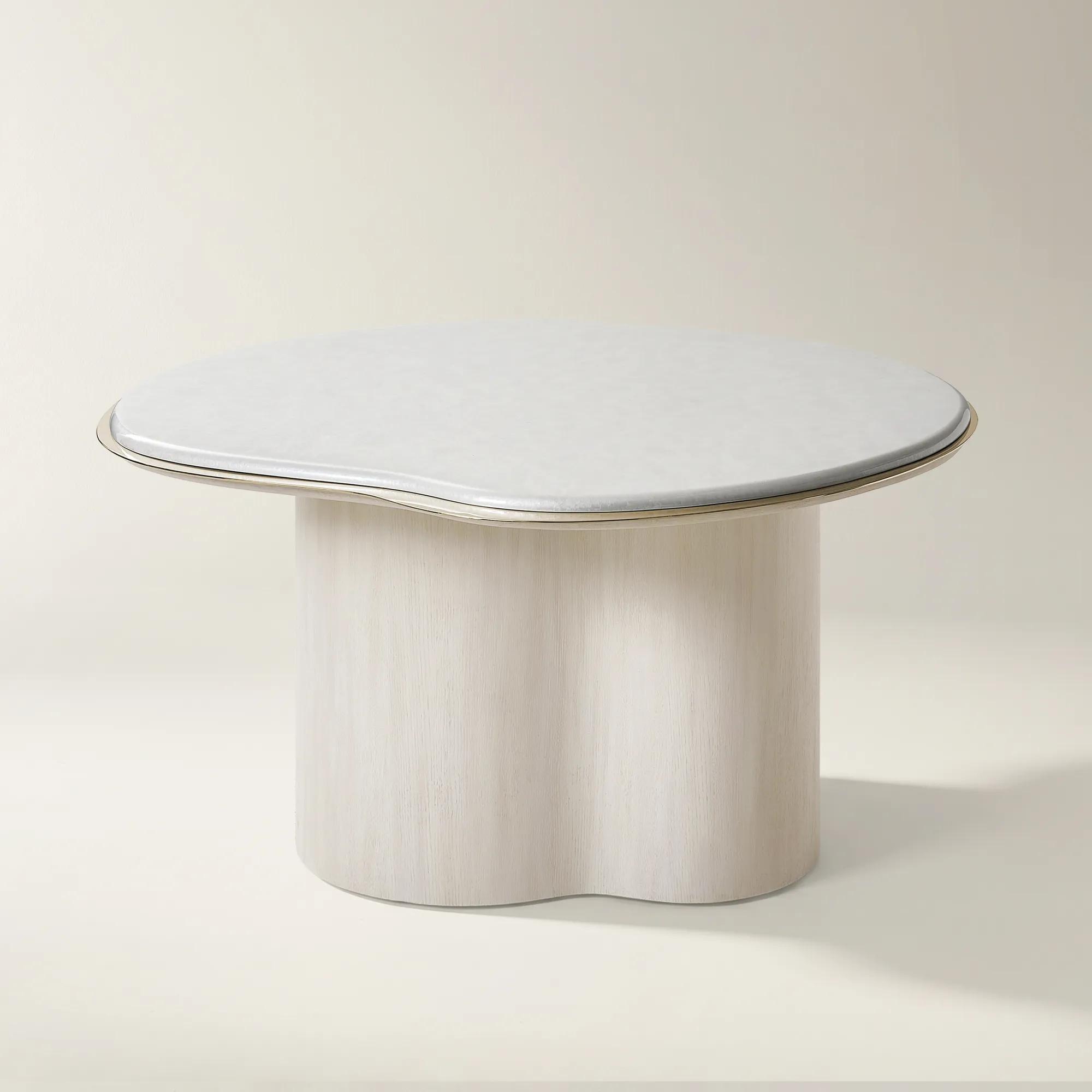 Lumina Bleached Oak Dining Table With Pearl Lacquered Top (58")$2699
A sculptural dining table featuring a pearl lacquered top, bleached oak base, and champagne gold trim.
Add To Cart -
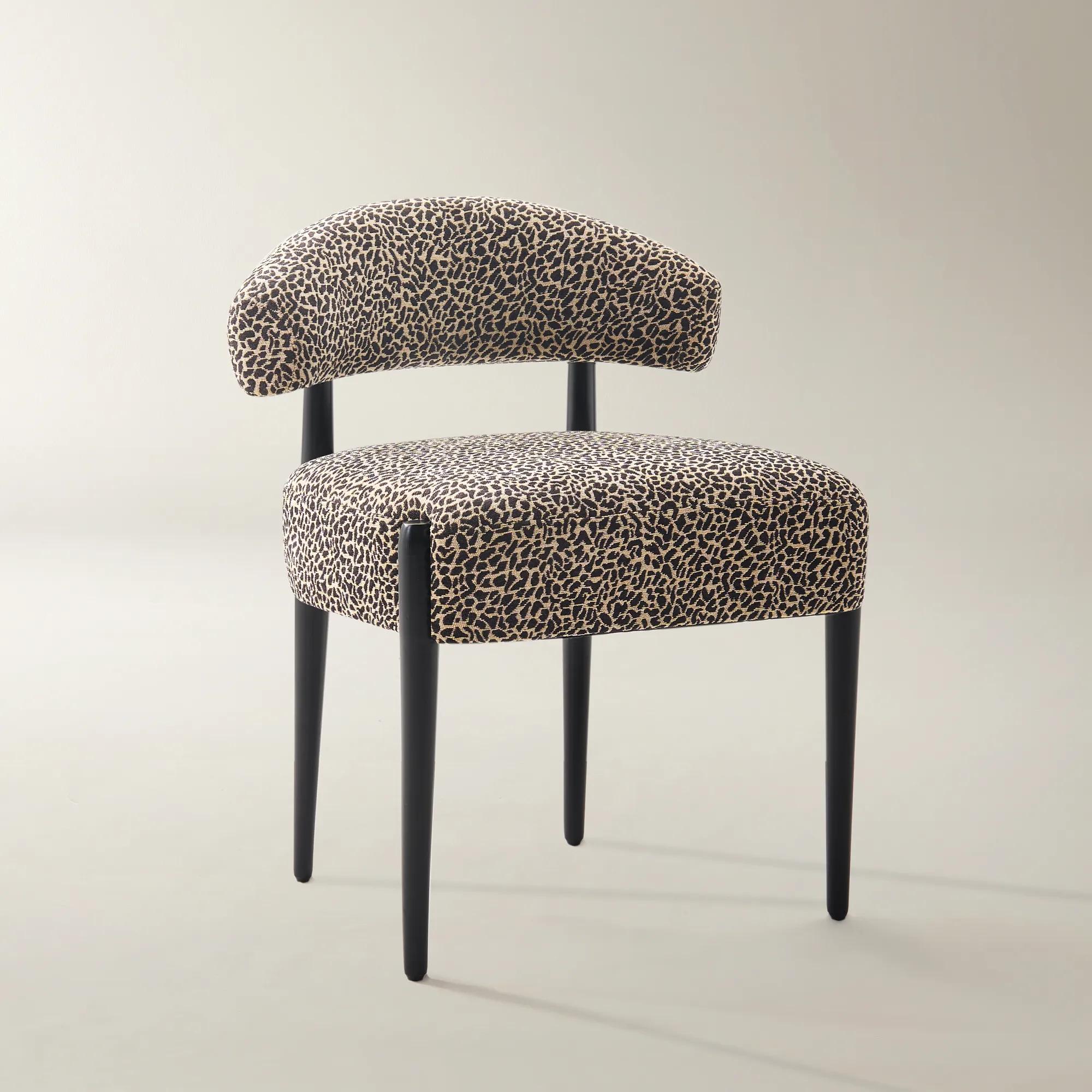
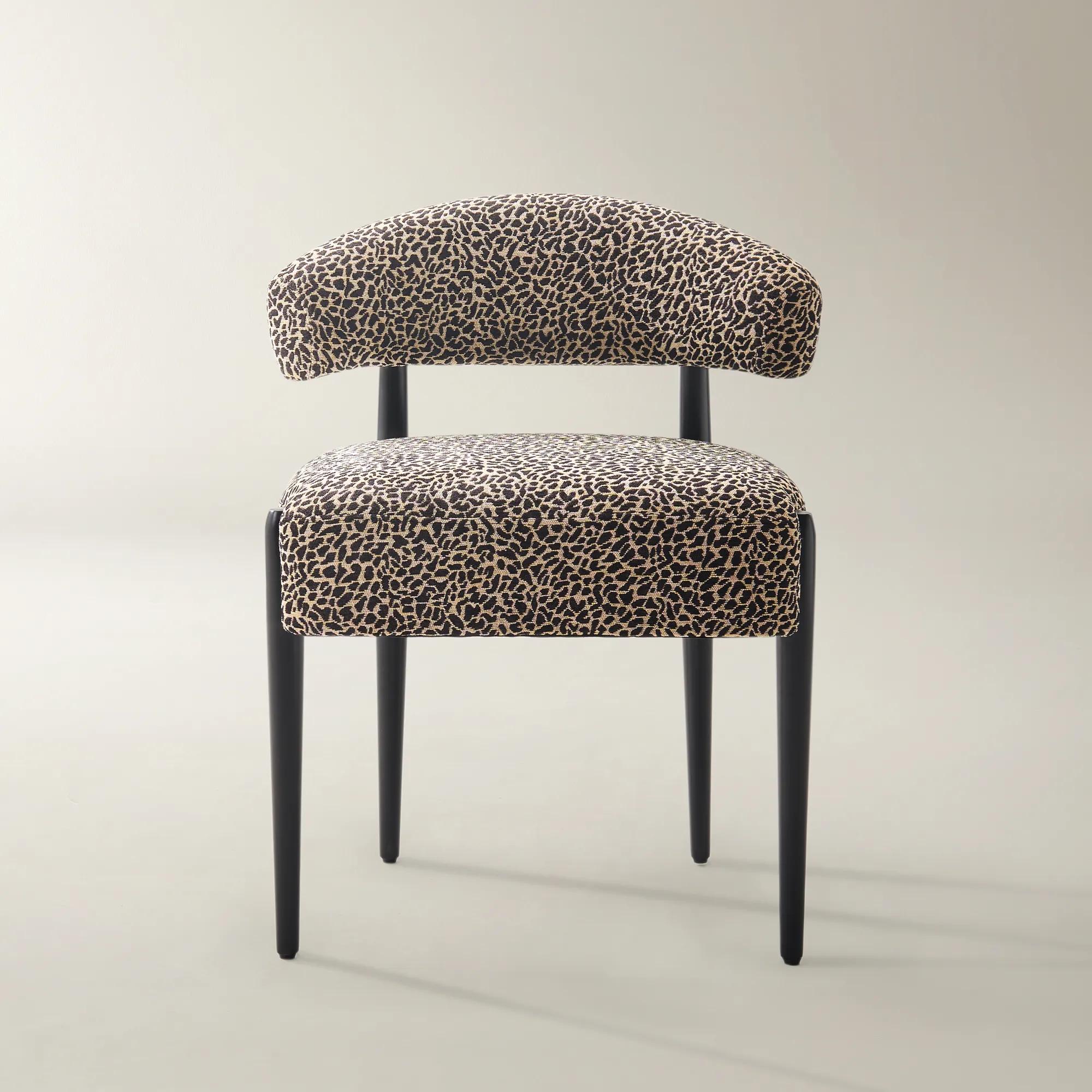 Anna Leopard Chenille Dining Chair Set Of 2$699
A pair of leopard-print chenille chairs with solid rubberwood legs and high-density foam for lasting comfort.
Add To Cart -
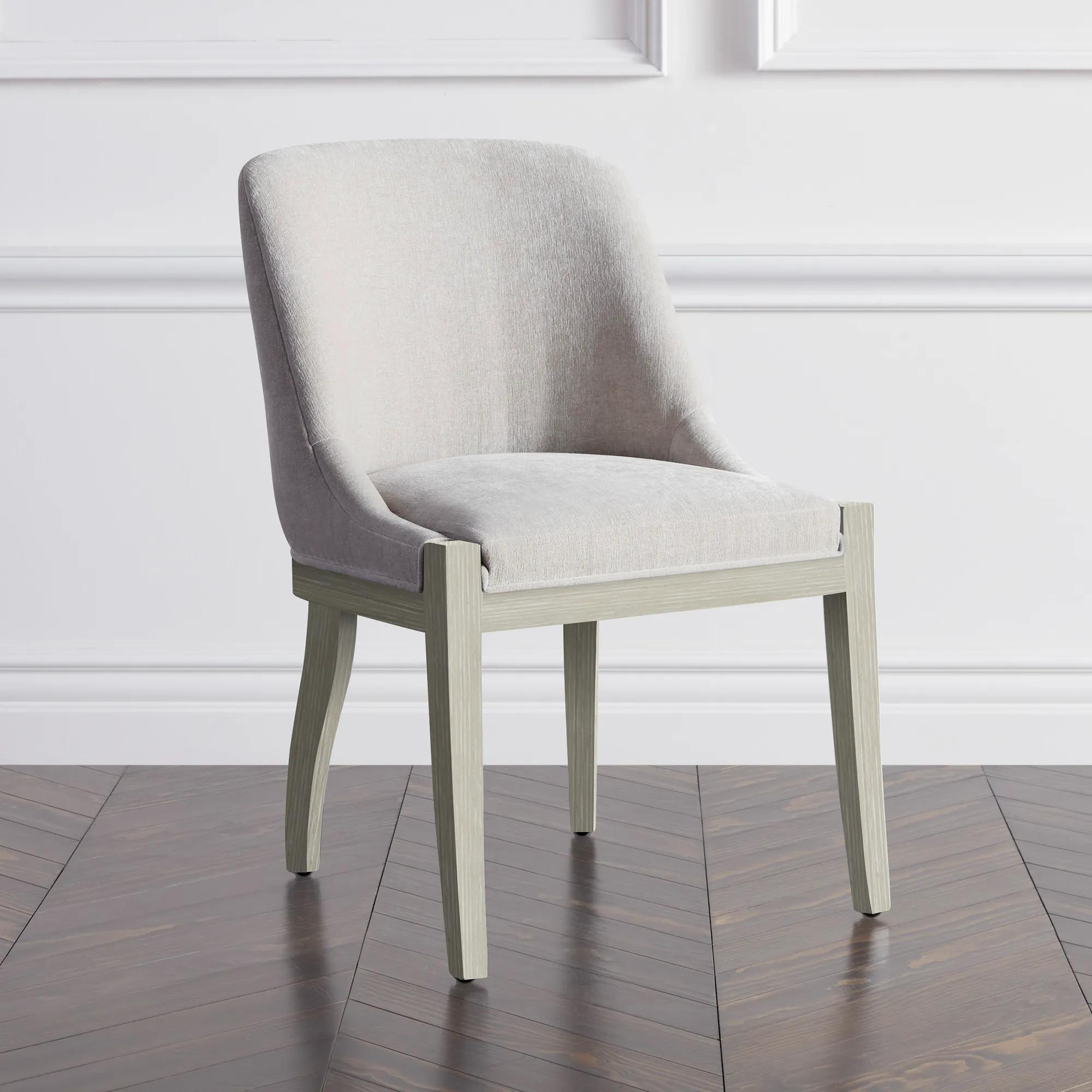 Lily Dining Chair - Natural Grey$649
A modern dining chair with kiln-dried hardwood frame and grey tailored upholstery for lasting comfort.
Add To Cart -
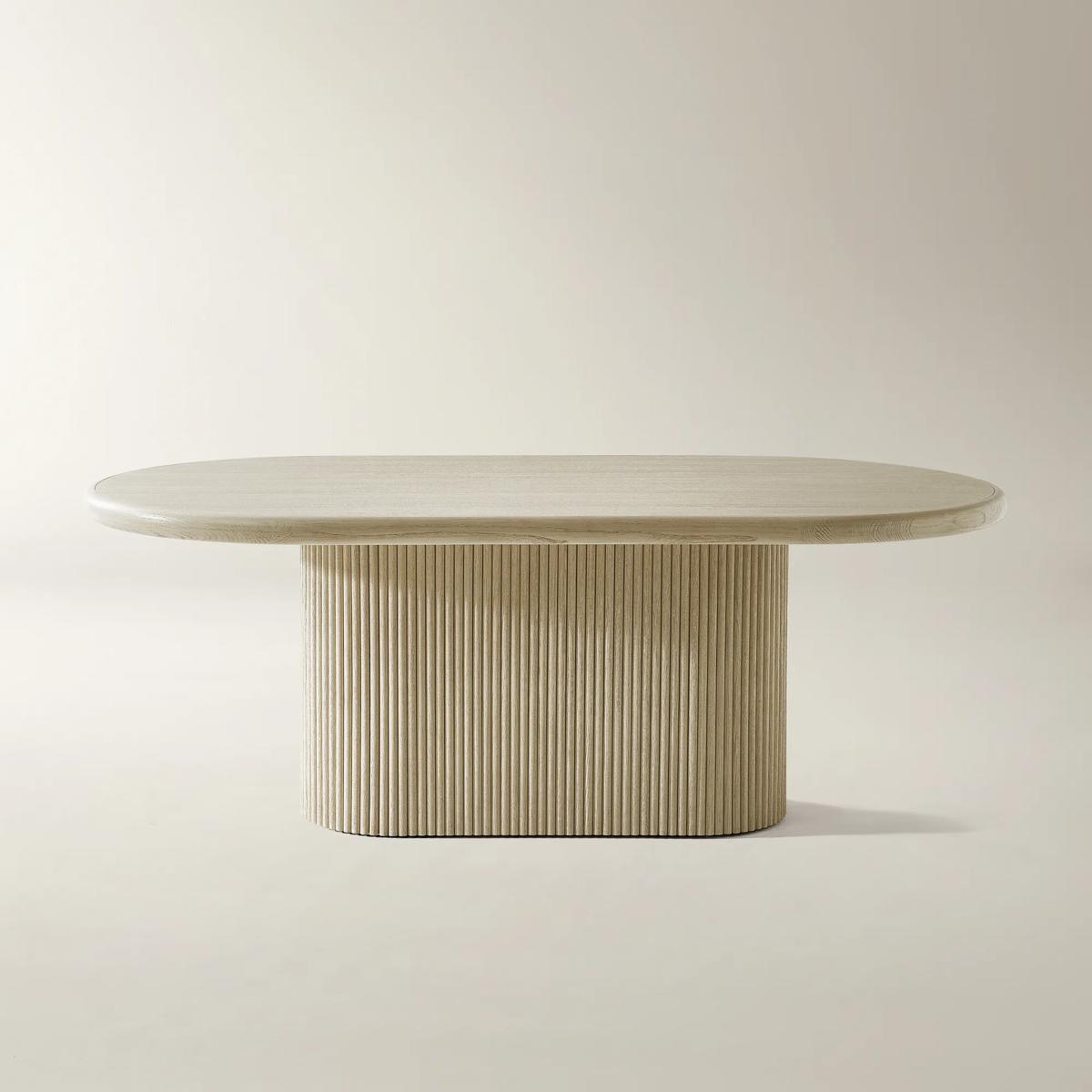
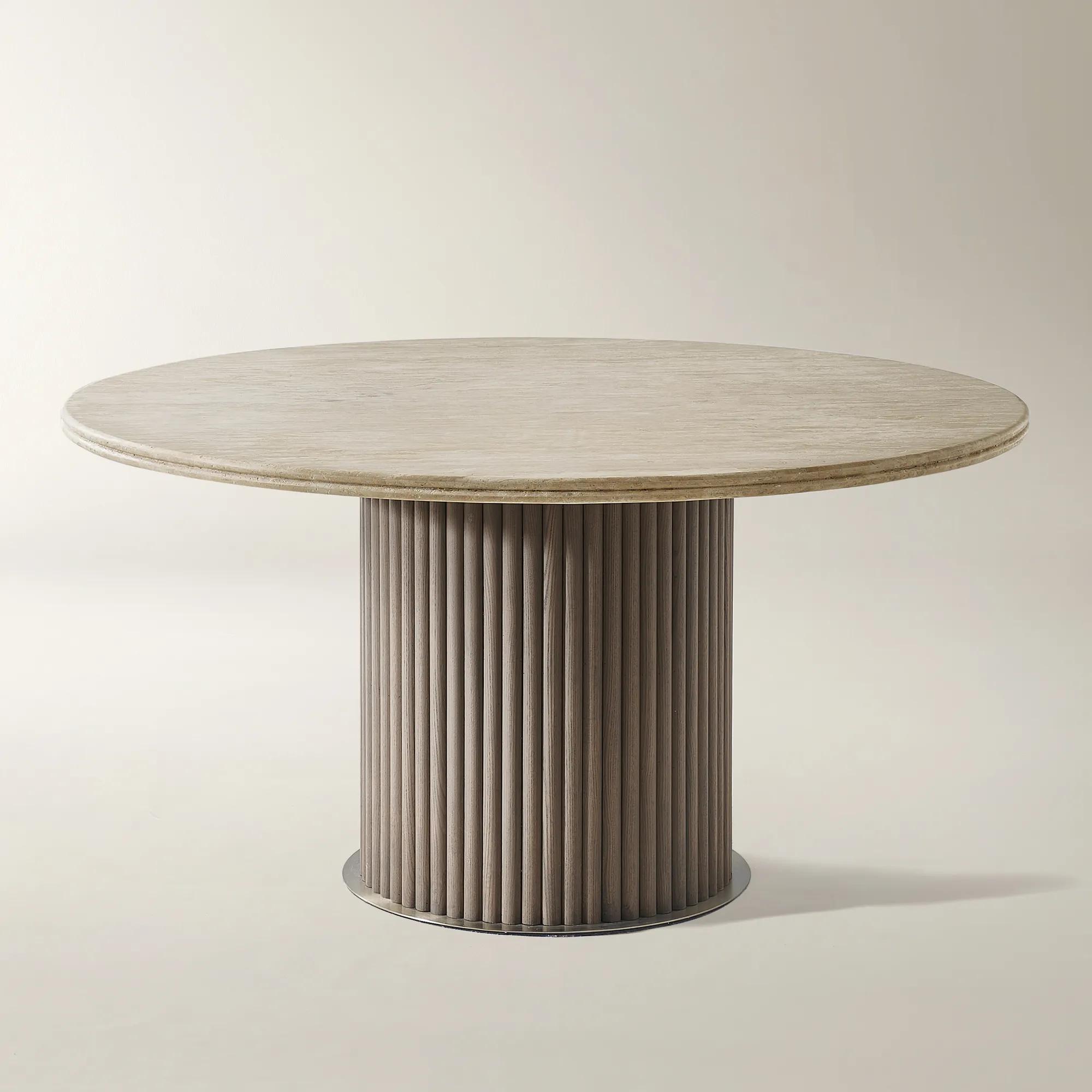 Bond Round Reeded Travertine and Wood Dining Table (59")$3499
A round dining table featuring a genuine natural travertine stone top and a fluted solid ash base.
Add To Cart -
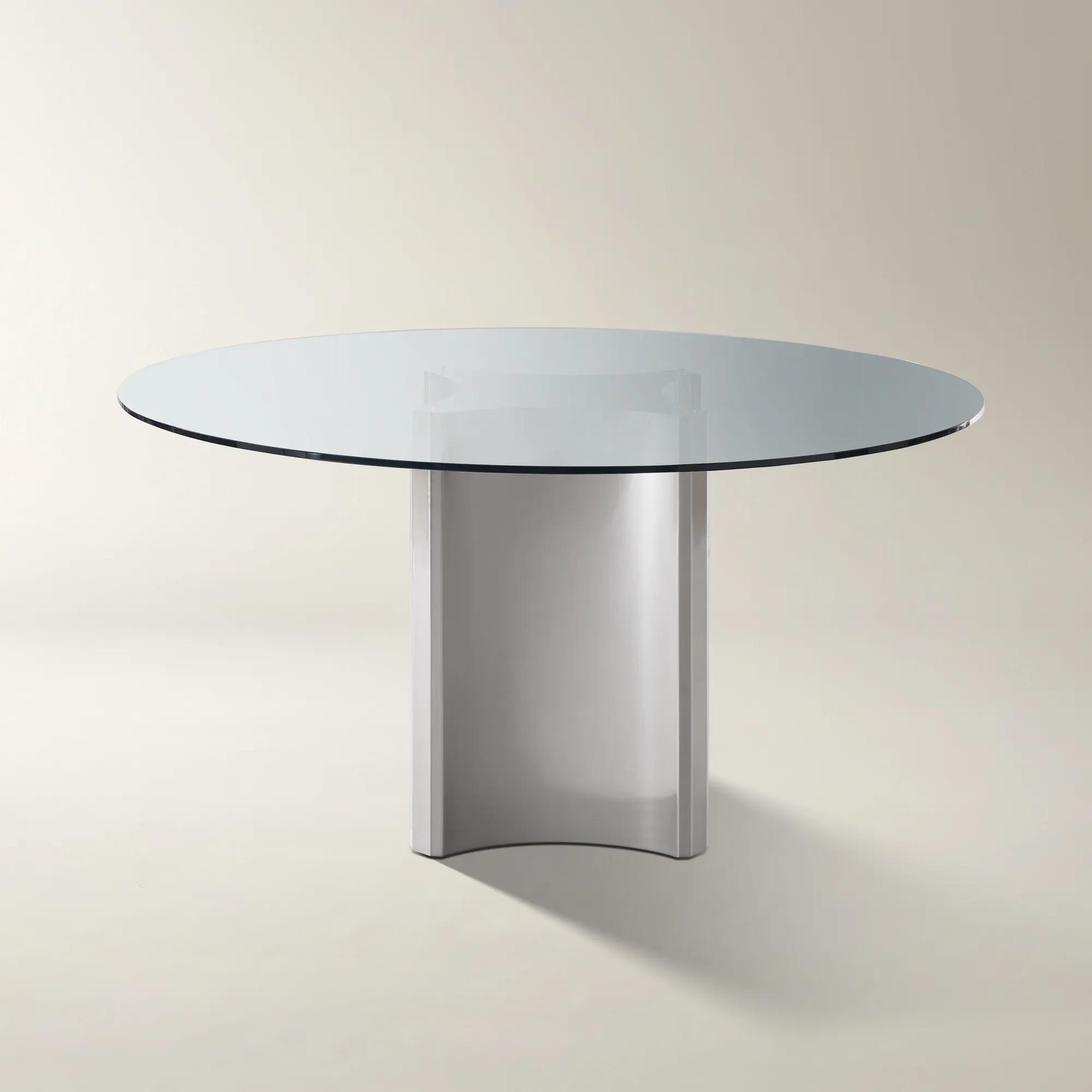 Ventane Round Clear Glass and Stainless steel Dining Table (58")$1499
A modern dining table featuring a clear tempered glass top and polished stainless steel base with anti-fingerprint finish.
Add To Cart -
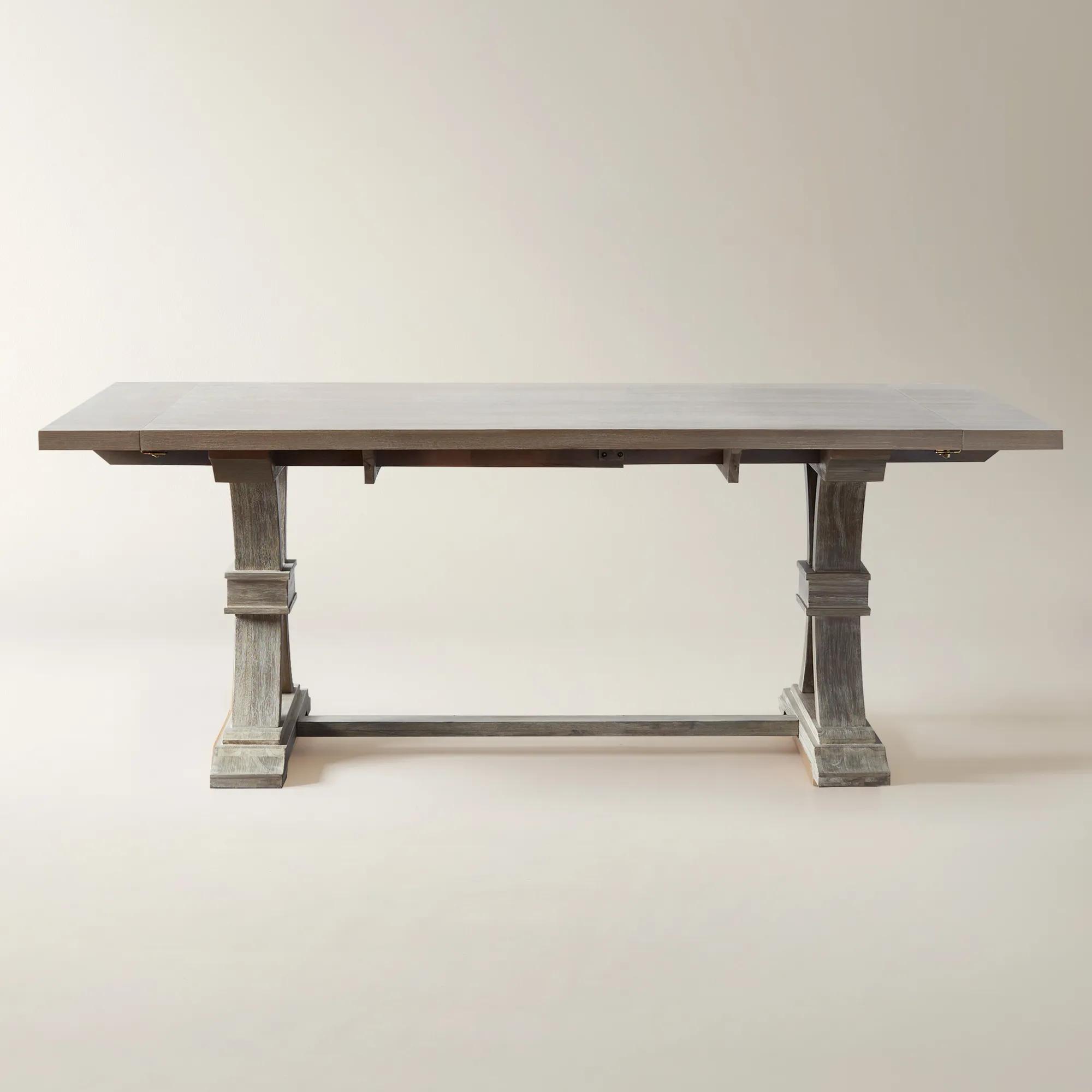 Archer Rectangular Grey Acacia Wood Extending Dining Table (78" - 110")$2499
A weathered grey acacia wood dining table with removable leaves and a kiln-dried hardwood frame.
Add To Cart -
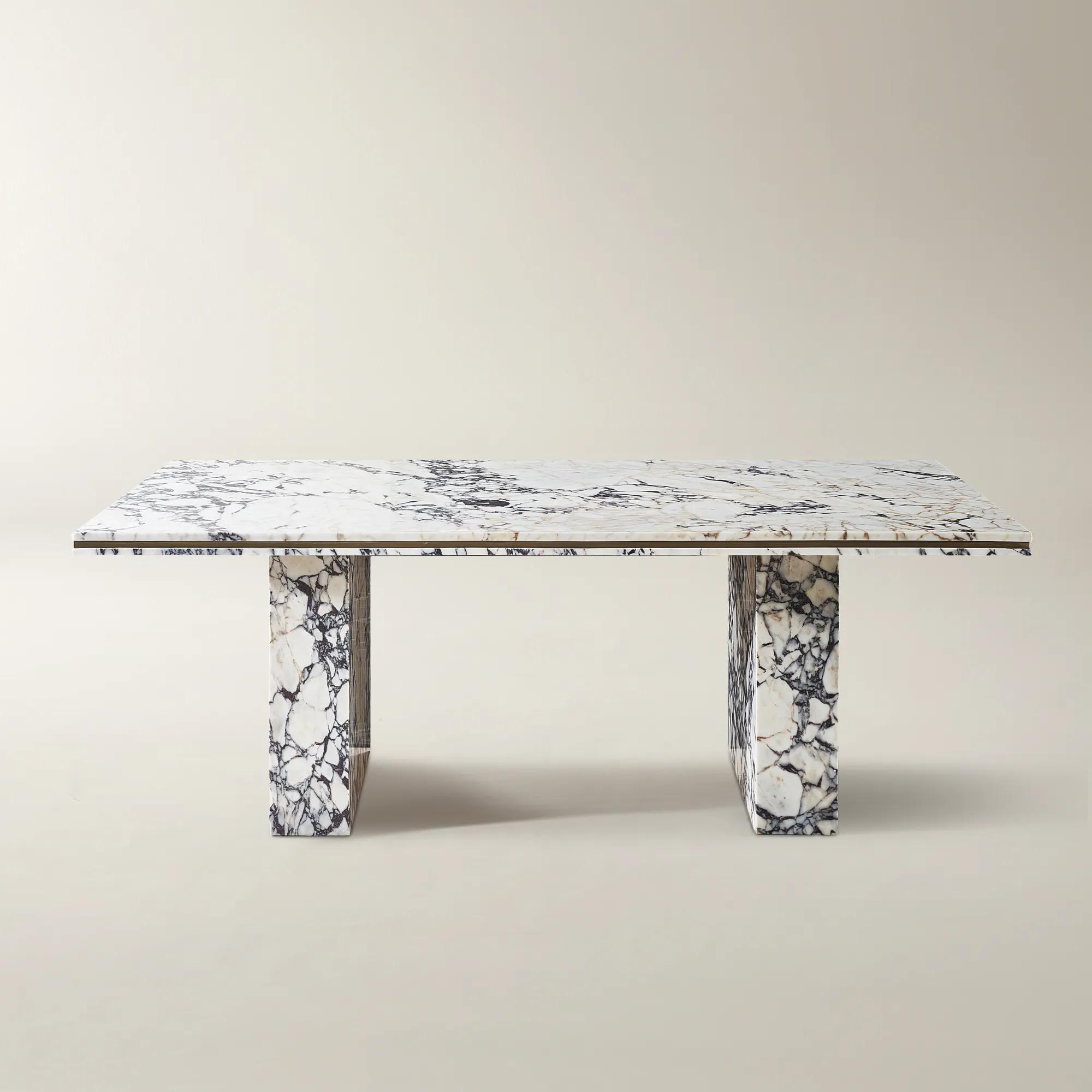
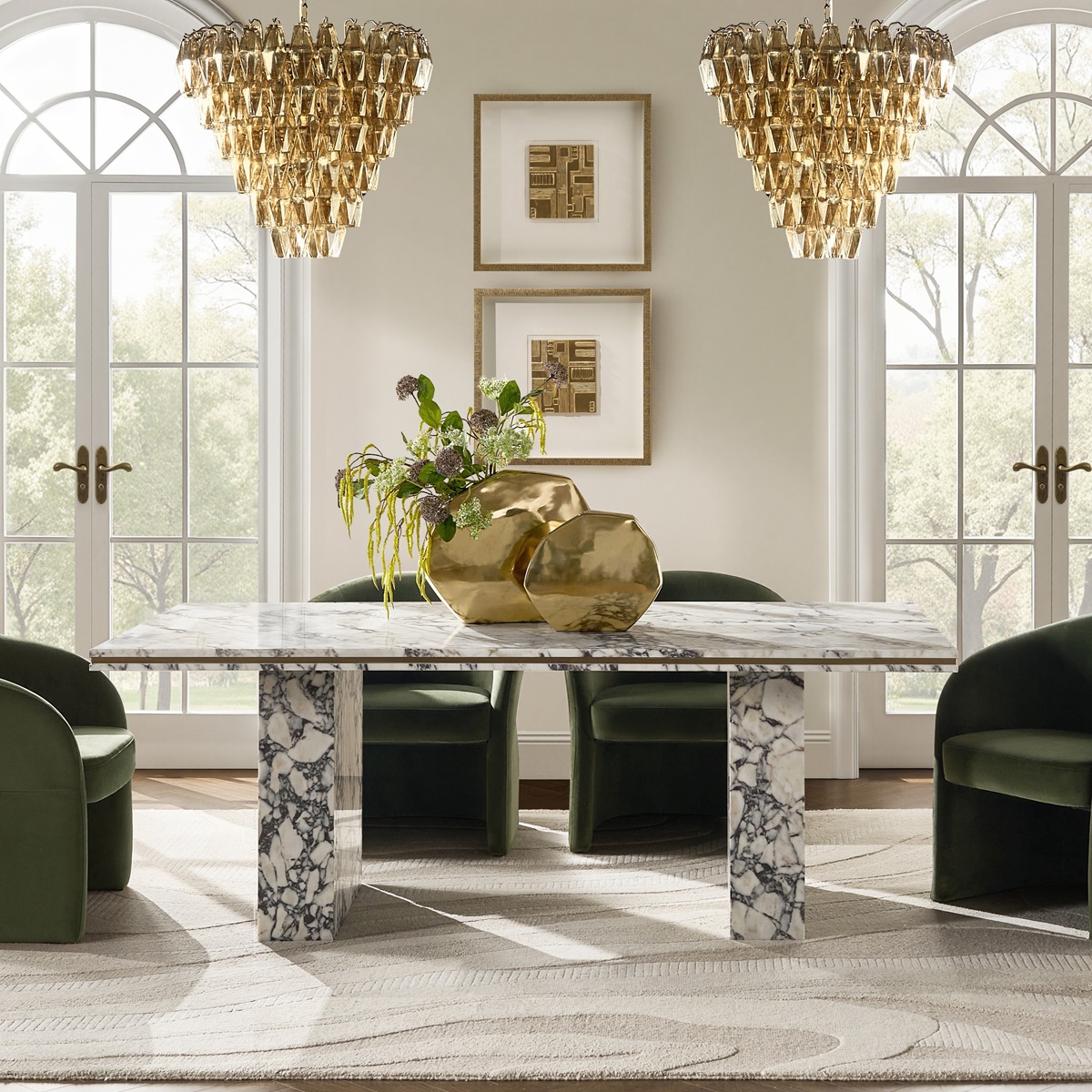 Vanta Rectangular Viola Calacatta Marble Dining Table (84")$6599
A marble dining table with dramatic violet veining, soft-gold inlay, and a sculptural twin-panel base.
Add To Cart -
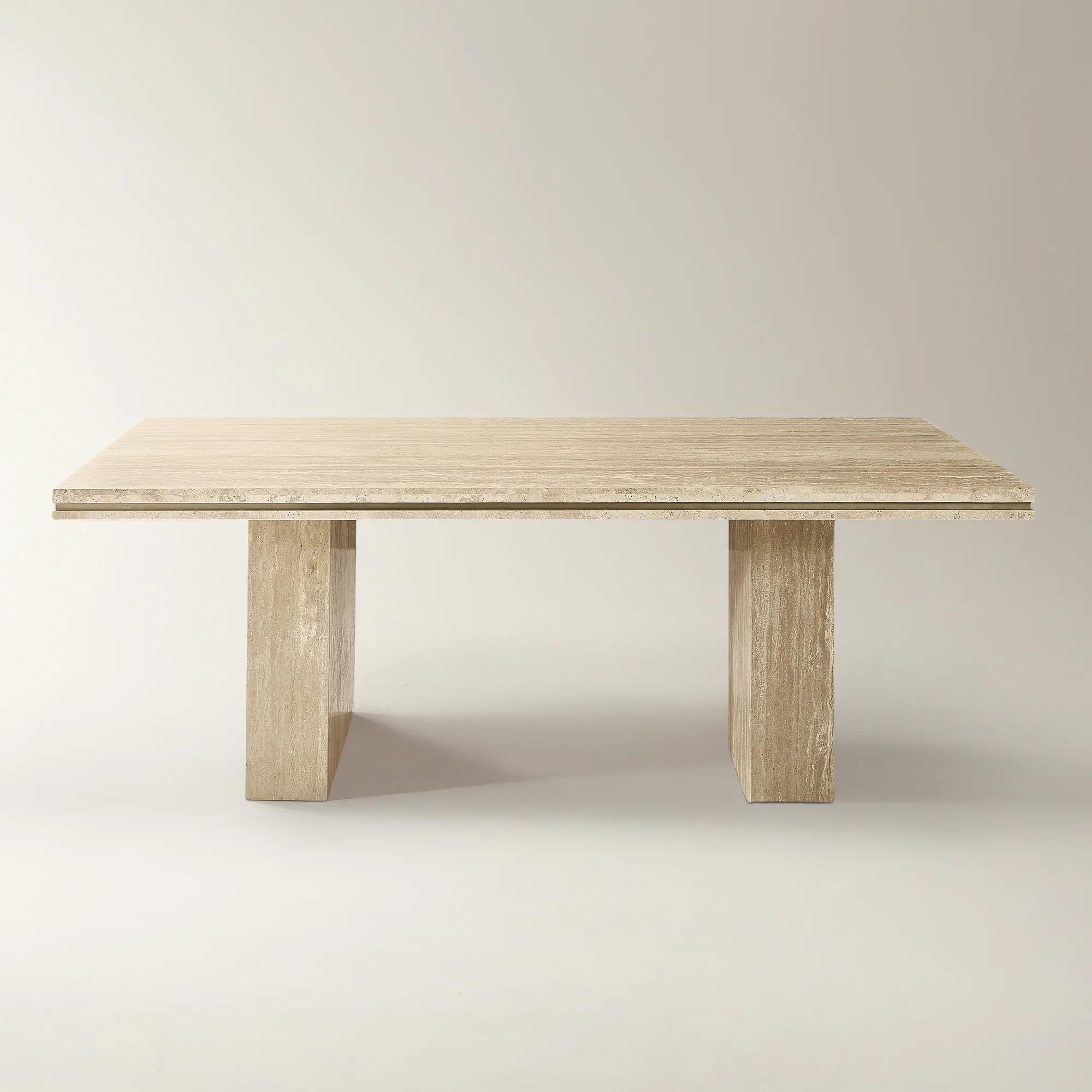 Vanta Rectangular Travertine Dining Table (84")$4199
A natural travertine dining table featuring a soft gold stainless-steel inlay and sculptural twin-panel base.
Add To Cart -
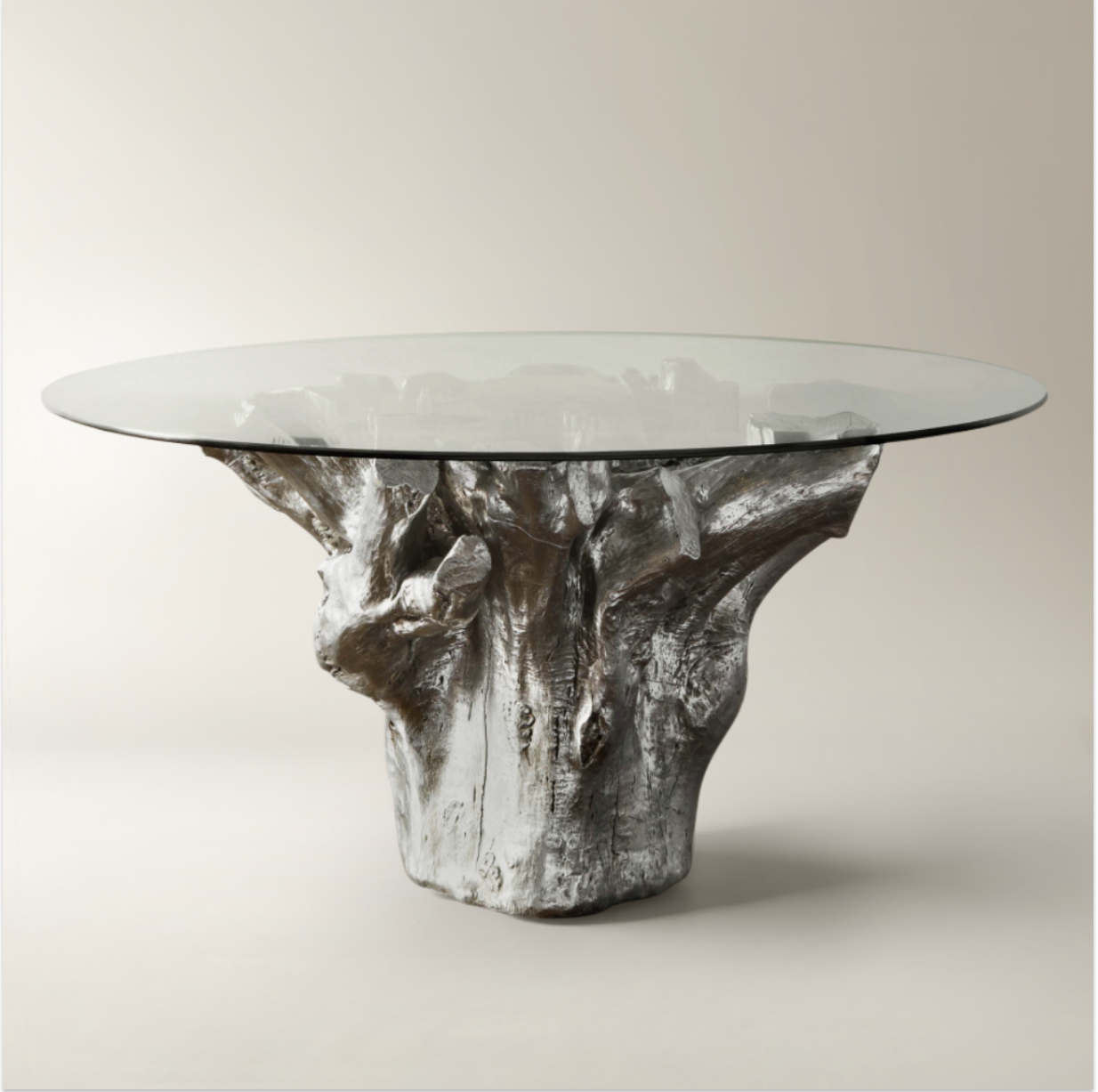
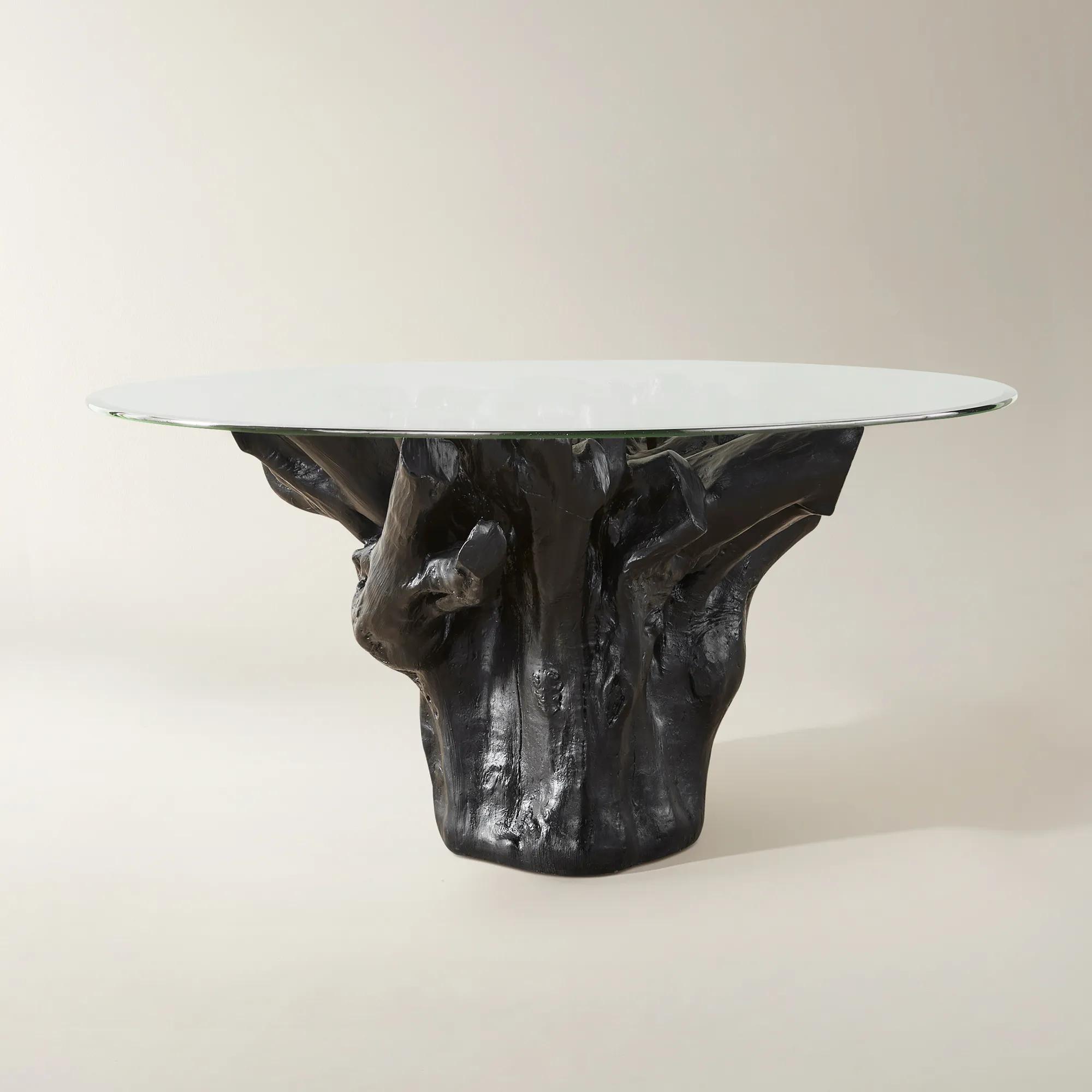 Sequoia Black Resin Dining Table With Glass Top (60")$2299
A sculptural black resin base with real stone fragments supports a round tempered glass top for organic elegance.
Add To Cart -
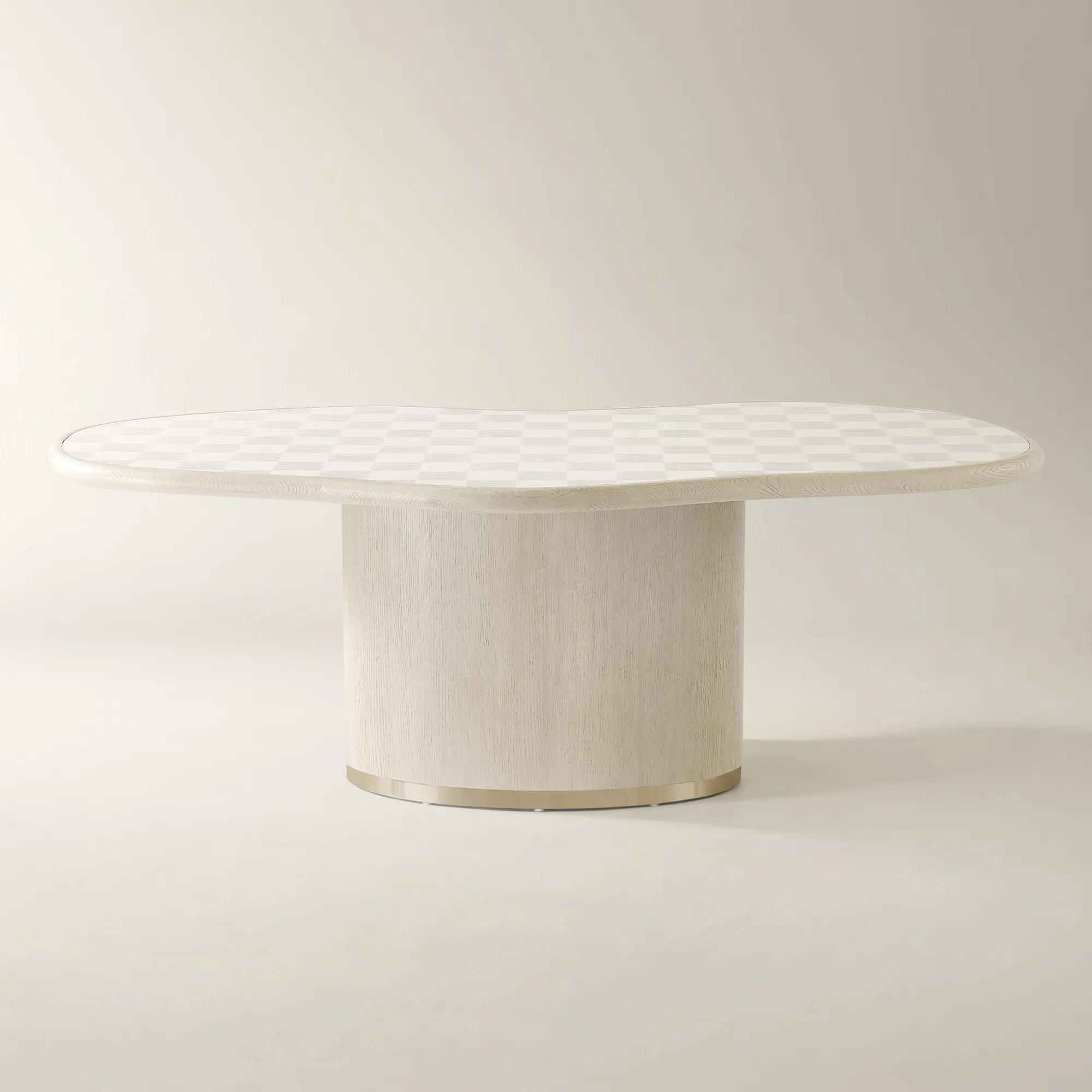 Vetra Checkerboard Oak and Maple Dining Table (84")$2399
A striking dining table featuring a hand-arranged oak and maple checkerboard veneer with soft gold accents.
Add To Cart

Updating Dining Room Furniture
Updating dining room furniture is more than a refresh—it’s an invitation to transform every meal into a grand affair. Imagine sculptural silhouettes commanding attention, sumptuous textures enticing the senses, and gleaming surfaces reflecting candlelight in a dance of drama and delight. Each piece becomes a brushstroke in your personal masterpiece, elevating gatherings from everyday to extraordinary. Let your dining space radiate confidence and artistry, where every detail is curated for impact and every moment feels unapologetically luxe.
Updating dining room furniture can transform the atmosphere of a home through a new table, more expressive seating, or a beautifully proportioned sideboard, without requiring every furnishing to change. The strongest combinations balance a distinctive focal point with pieces that support the way the room is used: intimate dinners, lively conversation, everyday meals, and celebrations that linger long after dessert. A sculptural dining table establishes presence, while upholstered dining chairs introduce softness, color, and the invitation to stay seated. For a more dramatic composition, a dark wood surface can anchor pale upholstery, or a luminous glass tabletop can reveal the architectural lines of its base. Furniture shape matters as much as finish. Round dining tables encourage conversation across the table and can soften a room dominated by straight lines; rectangular tables create an elongated silhouette that suits many dedicated dining rooms. Oval tables offer a similar sense of length with curved ends, although their overall footprint still deserves careful measurement. In compact dining areas, a pedestal base may make chair placement more flexible, depending on the size and shape of its foot. Extendable dining tables can accommodate different gatherings, provided there is enough room for the expanded surface and somewhere suitable to store any removable leaves. Comfortable fit begins with the room rather than the stated seating capacity. About 36 inches between the table edge and a wall or nearby furniture is a useful starting point for pulling out chairs; busier walkways often benefit from 42 to 48 inches. Allowing roughly 24 inches of table edge per diner provides a general seating baseline, with more space desirable for broad chairs or generous place settings. These measurements help preserve the elegance of the arrangement in use, not just when every chair is tucked neatly beneath the table. In an open-plan home, the dining furniture also becomes part of the view from adjoining rooms, making silhouette, proportion, and the relationship between finishes especially important.
Materials give dining room furniture its visual character, but their everyday behavior is equally revealing. Wood brings depth and movement through grain, with variations that lend a tabletop individuality rather than a uniform, printed effect. Solid wood can respond to changes in indoor humidity, while wood veneer over an appropriate substrate offers a real-wood surface with a different construction; neither description alone determines the quality of the finished piece. Well-fitted joints, a stable base, and clear care instructions deserve attention alongside the finish. Glass dining tables create an airy composition and allow a striking rug or sculptural base to remain visible, though fingerprints and smudges may require frequent attention. Where glass is specified, its type, edge treatment, and recommended handling matter. Marble and other natural stone surfaces introduce richly varied veining and substantial visual weight, but their care needs differ. Acidic spills can etch marble, and sealing does not make every stone impervious to staining. Engineered surfaces likewise vary in composition and performance, so heat resistance, cleaning methods, and protective measures should follow the manufacturer's guidance rather than appearance alone. Gleaming metal details bring definition to the room, whether expressed through slender chair legs or a bold table base, but plated and polished finishes generally call for gentle cleaning rather than abrasive products. Coasters, trivets, and placemats with suitable backings help protect dining surfaces without concealing their character. Seating adds another layer of texture and practical consideration. Velvet can lend saturated color and a sumptuous hand, while woven upholstery creates subtle dimension; durability depends on the particular fabric, its construction, and its care requirements, not simply its name. For households with children, frequent guests, or daily use of the dining table, cleanability and documented fabric performance can be as persuasive as a beautiful shade. A supportive back, comfortable seat depth, and a sturdy frame make the difference between seating that photographs beautifully and seating that feels equally considered through a long meal.
A cohesive dining room does not require every piece to match. Repeating one or two elements—a warm metal tone, a curved profile, or a closely related wood undertone—can connect different furnishings while leaving room for contrast. An existing rectangular table might take on a more expressive character with rounded upholstered chairs, while a substantial wood dining set can gain balance from a sideboard with a lighter-looking base. Chairs with arms bring a generous, almost lounge-like presence to the ends of a table, provided their arms clear the apron and their width does not crowd neighboring seats. Armless chairs offer a more open profile, and a dining bench can create a continuous line along one side, although its length, support placement, and ease of entry need to suit the table. Seat height should be considered alongside tabletop height and the depth of any apron, especially when pairing pieces from different collections. Storage furniture contributes just as much to the room's ease and atmosphere. A buffet or sideboard gives serving pieces, table linens, and glassware a dedicated place, while its surface can hold a composed arrangement of ceramics or become a serving station during dinner. Interior shelf spacing, drawer dimensions, and clearance for opening doors determine how useful that storage will be. Heavy furniture also requires an appropriate delivery route, with doorways, corners, elevators, and stairways measured before placement; tall storage pieces should be secured as directed. For a broader composition, Upgrades For Dining Room Makeovers offers a complementary direction for bringing furniture and decorative details into conversation. The most compelling dining room updates reflect the people who gather there: a couple who enjoys unhurried dinners, a household whose table serves several purposes, or a host who loves an expansive, richly layered setting. When scale, comfort, materials, and personal expression align, the furniture gives daily rituals a more distinctive setting—and every gathering a sense of occasion.
FAQs
Infuse new life into your dining room by mixing and matching materials, adding bold upholstery to chairs, or introducing a sculptural credenza for both storage and style. Layering in a statement rug, contemporary lighting, or a bar cart can dramatically change the atmosphere, while a fresh coat of paint or refinished surfaces can transform existing furniture into standout pieces.
Achieve a harmonious design by selecting a unifying color palette or theme, then blending textures and finishes for depth and intrigue. Pair sleek metallic accents with warm woods, or balance bold statement pieces with more understated elements. Incorporate coordinating textiles, such as curtains or seat cushions, to tie the room together and set a distinct mood.
Elegant dining chairs, a chic bar cart, or a distinctive centerpiece are all timeless gifts that add both function and flair to any dining room. For hosts and entertainers, consider gifting a decorative sideboard or a set of artful tableware—pieces that inspire gatherings and elevate every occasion.
Lighting is transformative—an opulent chandelier or a series of modern pendants can cast a golden glow, highlight architectural features, and set the tone for any gathering. Layering different light sources, such as sconces or table lamps, adds depth and allows you to adjust the ambiance for intimate dinners or lively celebrations.
Combining different materials—such as marble, glass, metal, and rich woods—creates visual interest and a sense of curated luxury. This approach allows for personalization, turning the dining room into a dynamic space that reflects your individual style while offering a tactile, inviting experience for guests.