
Upgrades For Summer Dining Rooms
Upgrades For Summer Dining Rooms
-
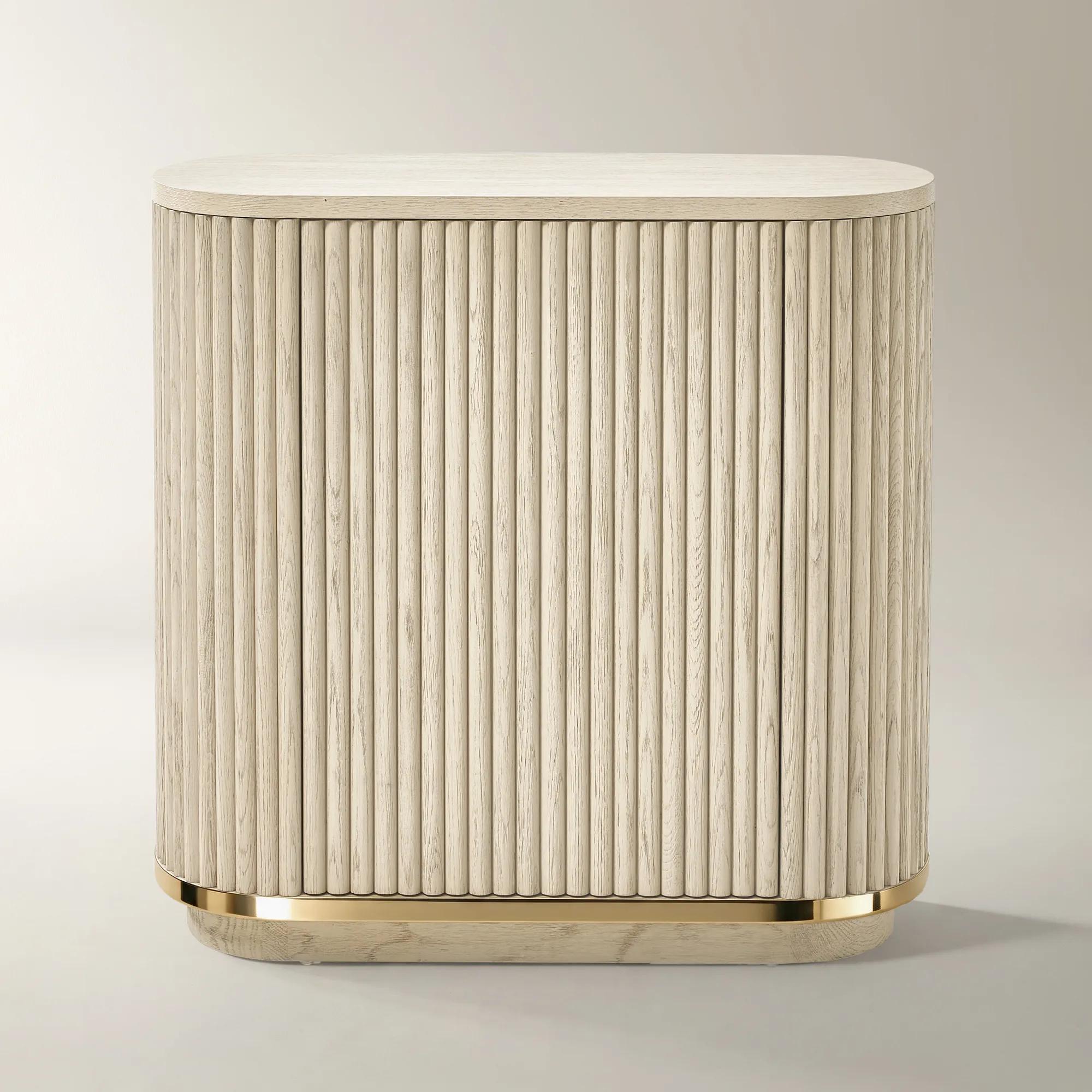 Stria Reeded White Oak Buffet (36")$1199
A modern buffet featuring vertical reeded white oak, soft gold metal trim, and push-to-open doors.
Add To Cart -
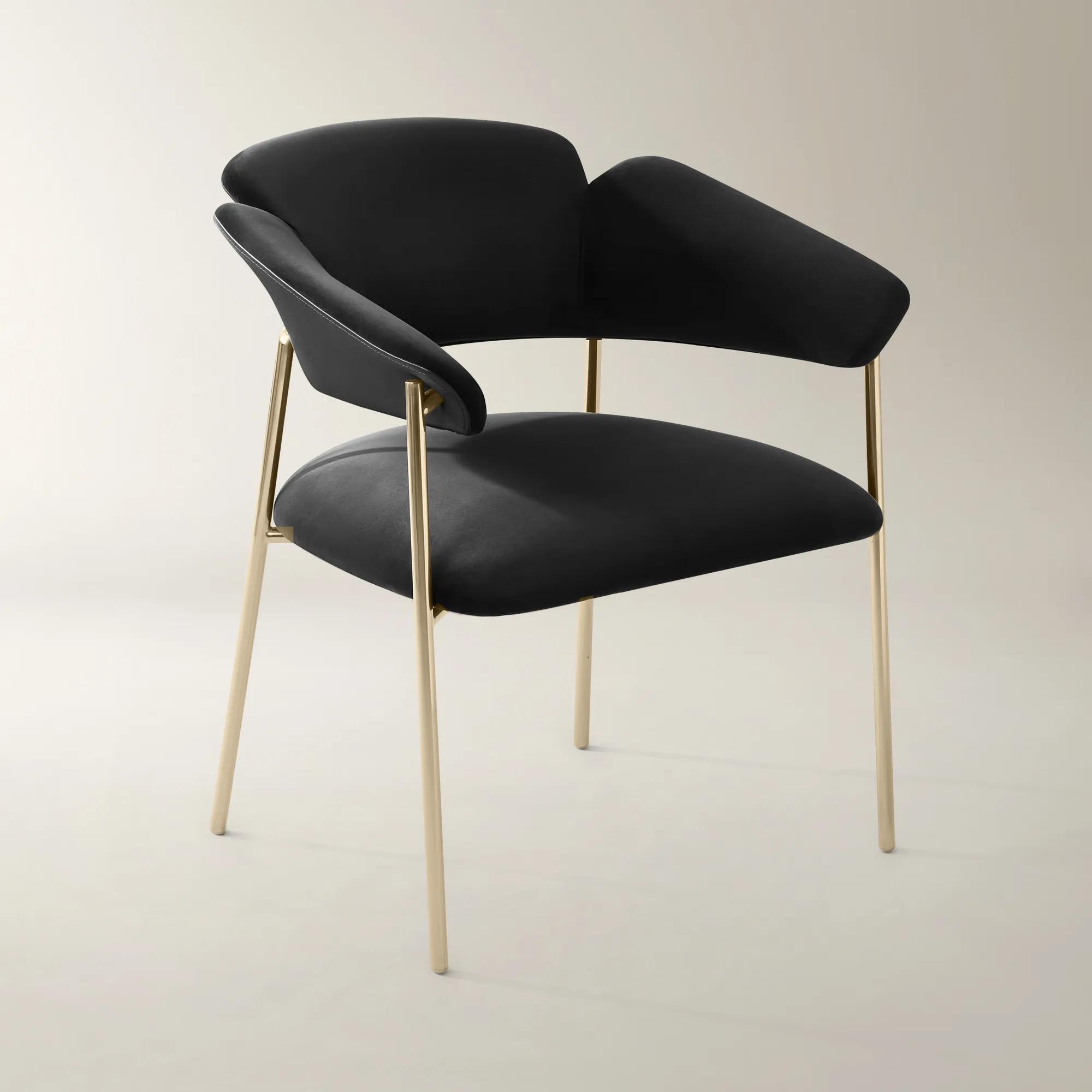 Odette Charcoal Velvet Dining Chair$499
A charcoal velvet chair featuring a wraparound open-back design, tonal faux leather accents, and gold metal legs.
Add To Cart -
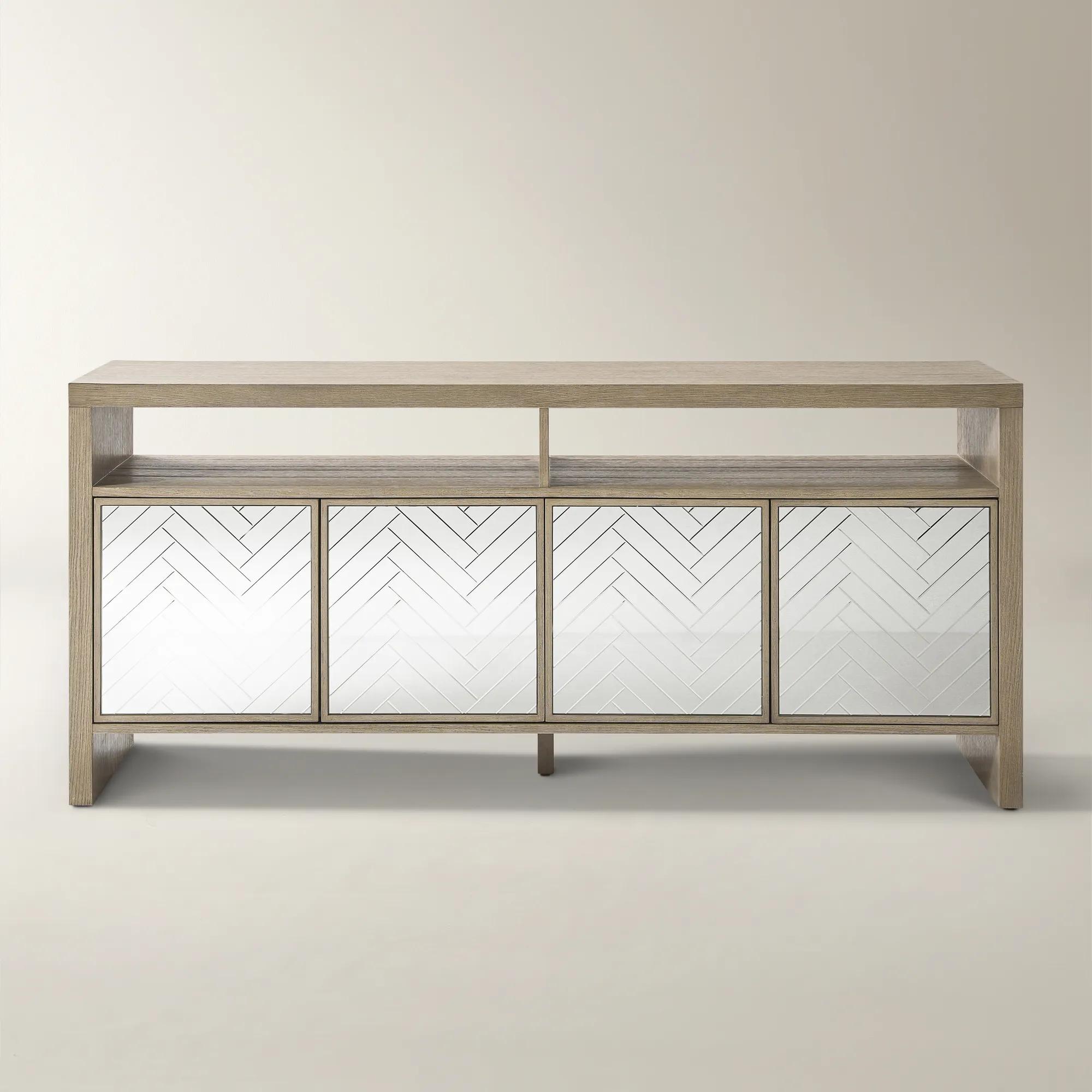 Glimmer Mirrored Seadrift Oak Buffet (70.5")$1799
A sophisticated buffet featuring sea drift oak veneer and mirrored parquet doors with silver leaf accents.
Add To Cart -
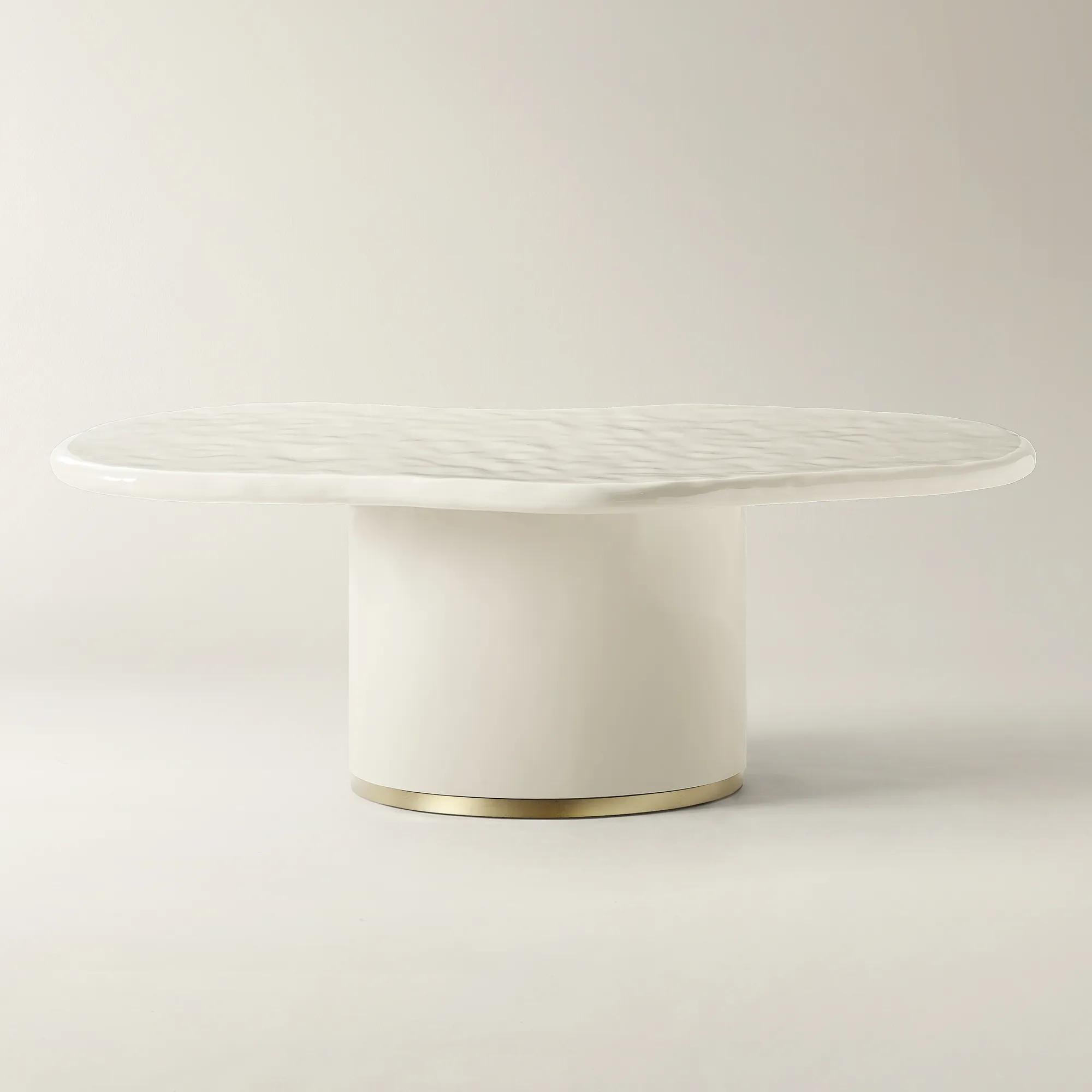 Celia Lacquered Cloud Resin Indoor/Outdoor Dining Table (84")$1999
A sculptural, high-gloss resin dining table with gold stainless steel accents for indoor or covered outdoor use.
Add To Cart -
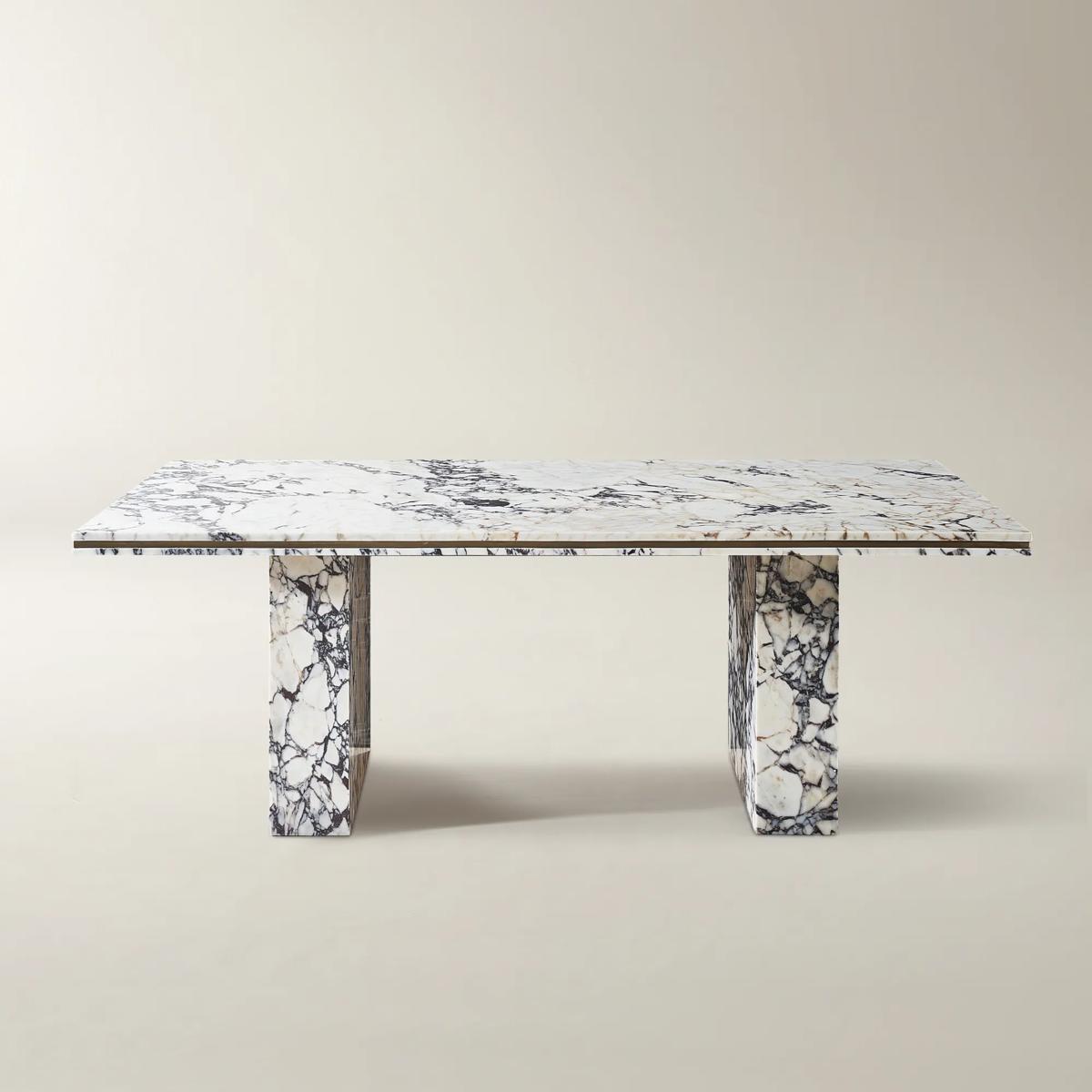
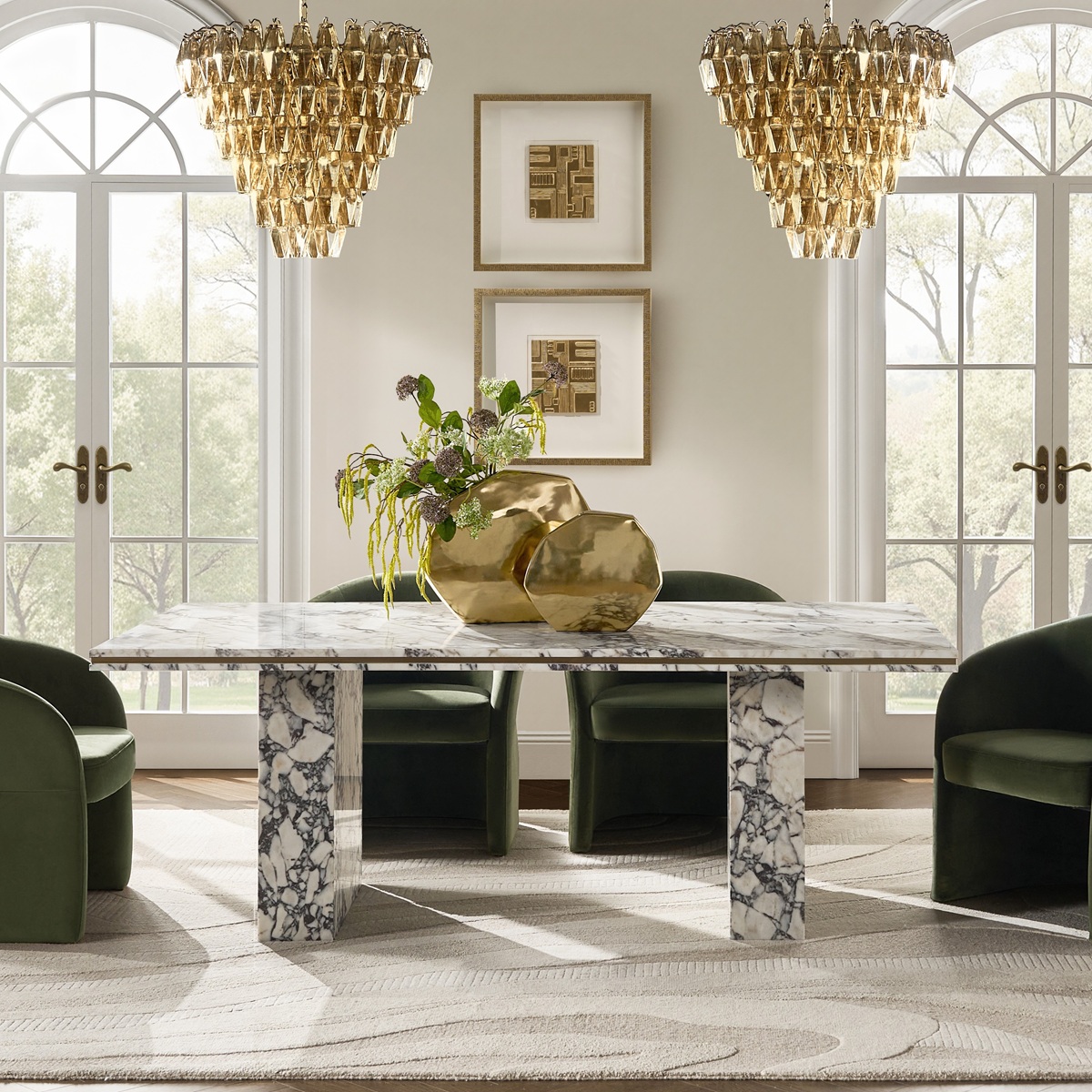 Vanta Rectangular Viola Calacatta Marble Dining Table (84")$6599
A striking Calacatta Viola marble table with vivid violet veining, gold stainless steel inlay, and aluminum core.
Add To Cart -
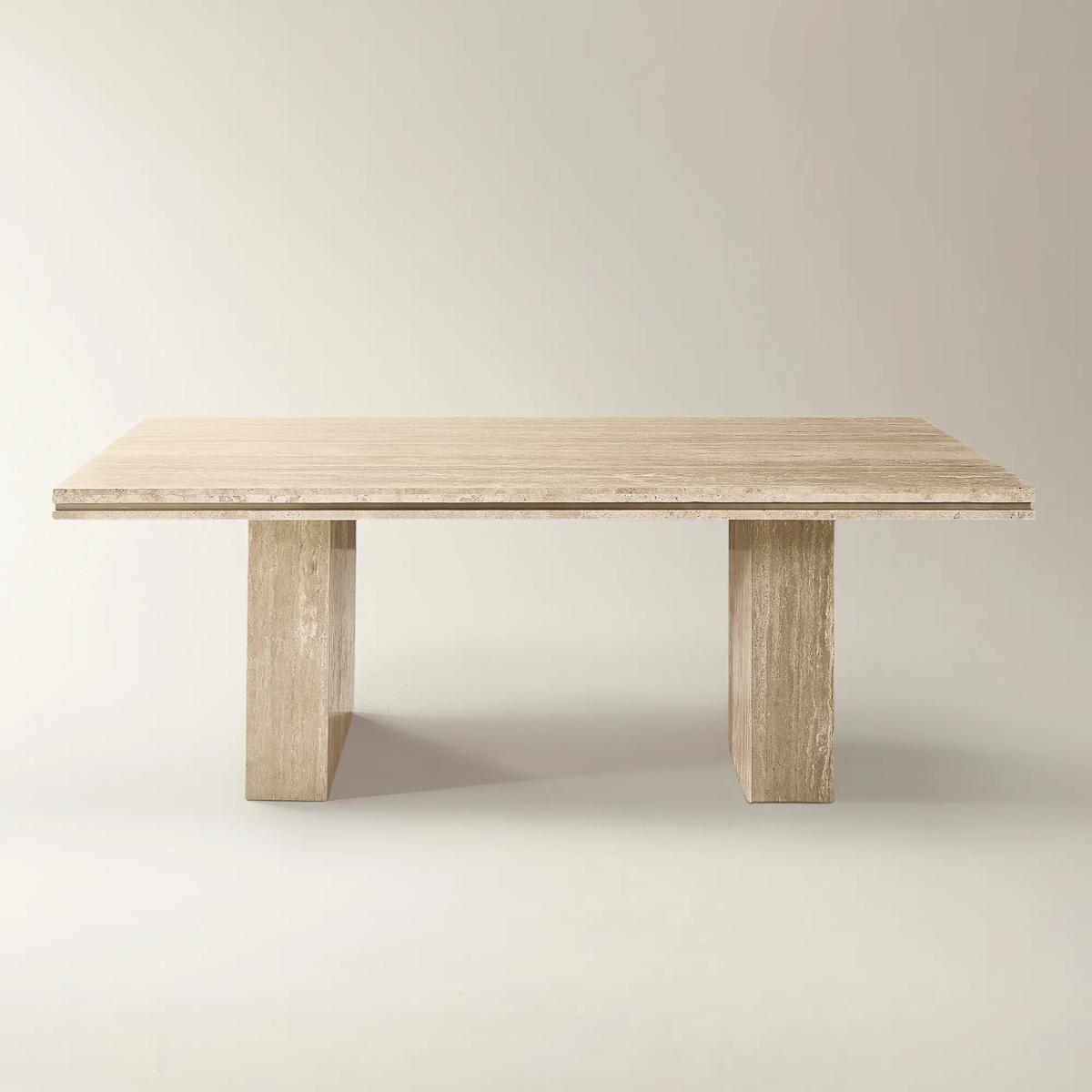 Vanta Rectangular Travertine Dining Table (84")$4199
A genuine travertine dining table with ivory-gold hues and a shimmering gold stainless steel inlay.
Add To Cart -
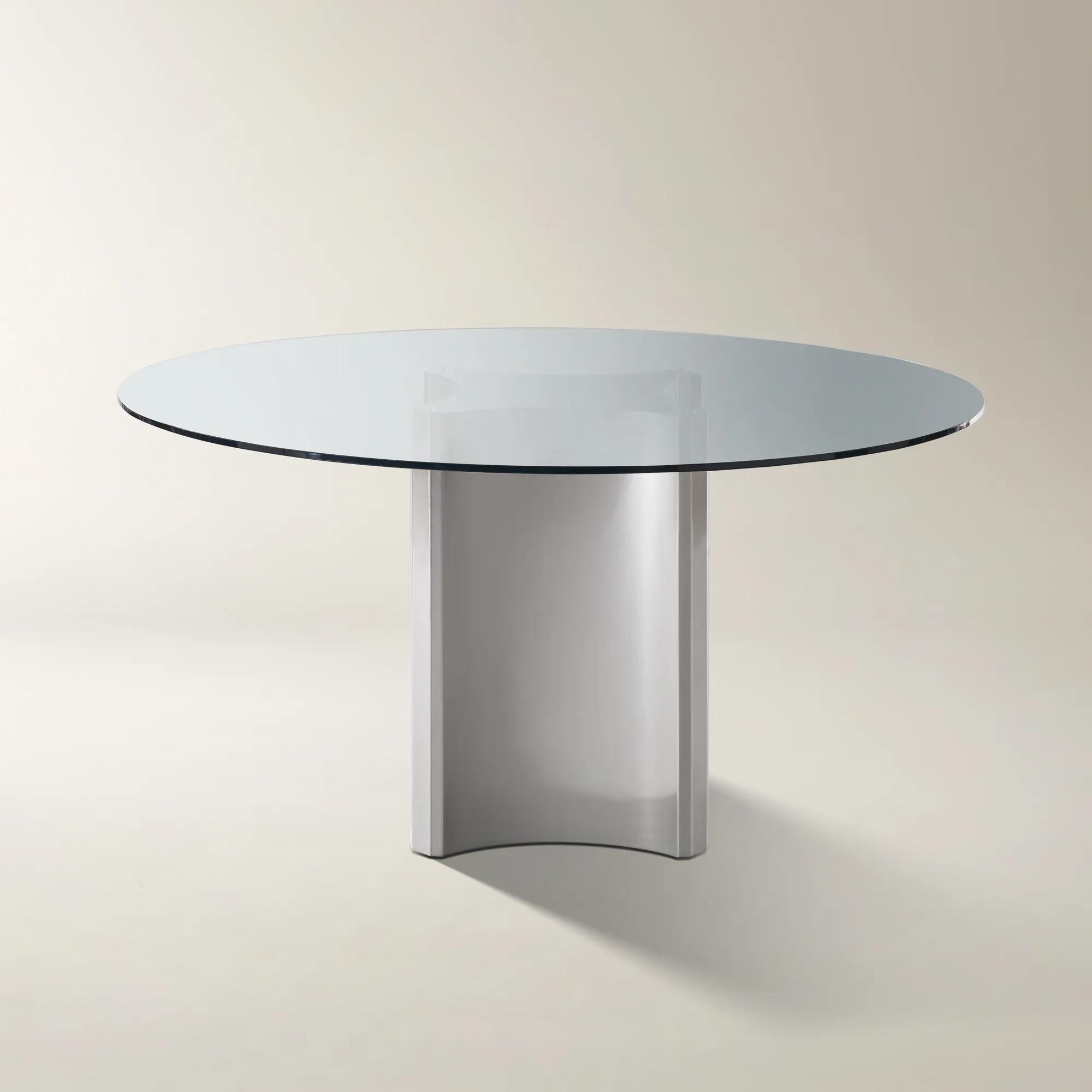 Ventane Round Clear Glass and Stainless steel Dining Table (58")$1499
A modern dining table featuring a clear tempered glass top and polished stainless steel base with anti-fingerprint finish.
Add To Cart -
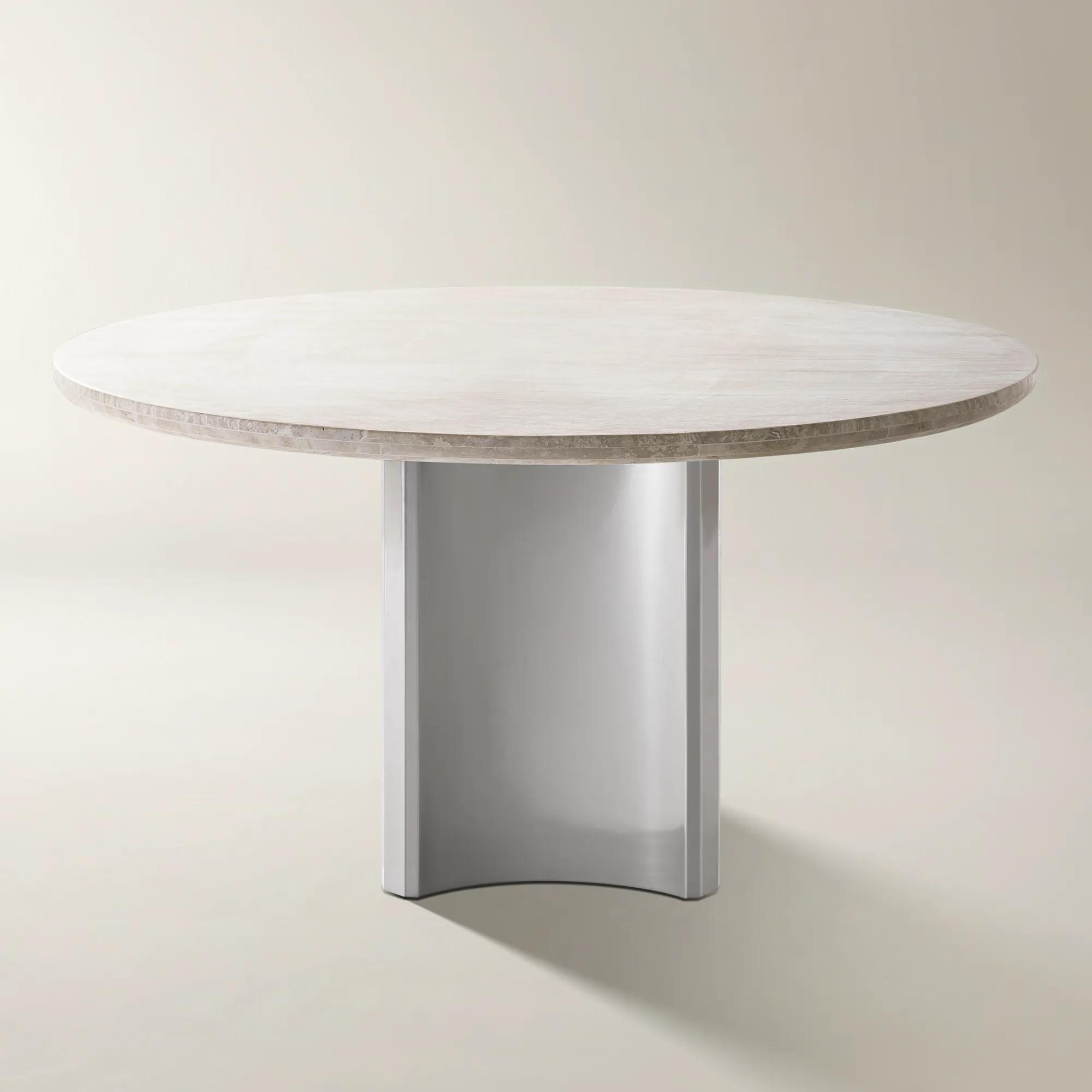 Ventane Round Tan Marble and Stainless steel Dining Table (58")$2999
A round tan travertine marble table with a polished stainless steel base for modern, elegant dining spaces.
Add To Cart -
.jpeg?w=1200&h=1200)
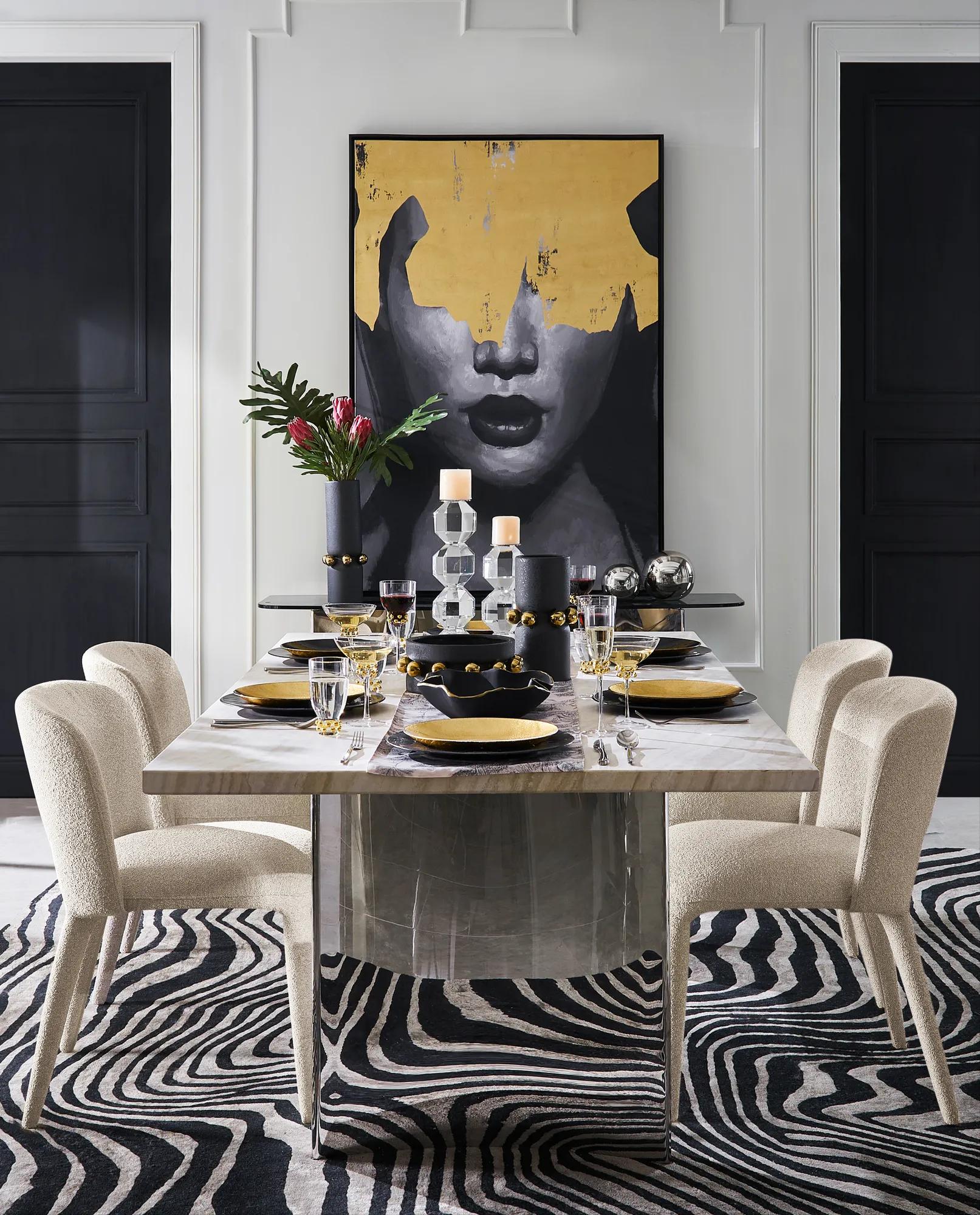 Muscat Rectangular Tan Marble Dining Table With Stainless Steel Base (84")$3099
A sophisticated dining table featuring a tan travertine marble top and polished stainless steel base.
Add To Cart -
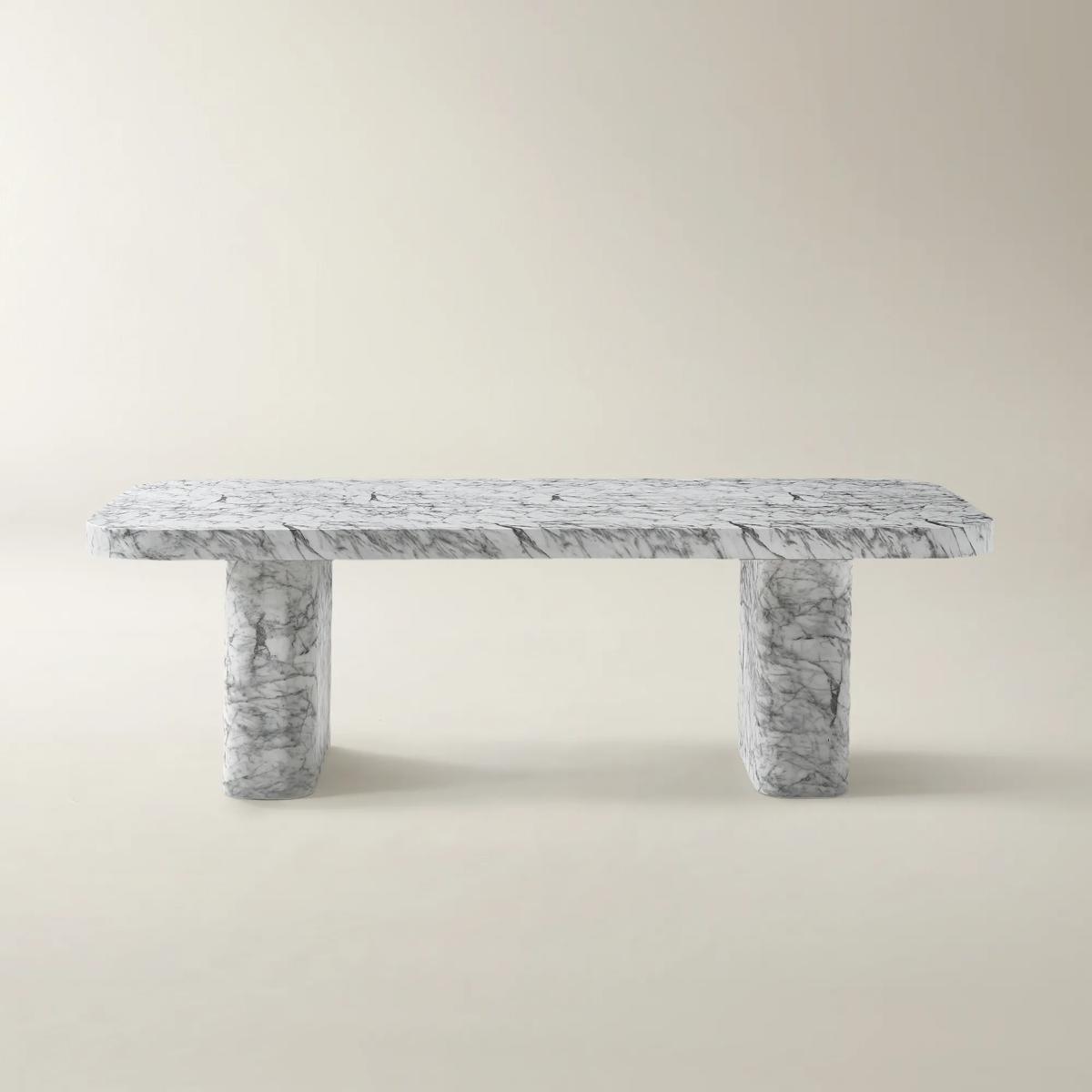
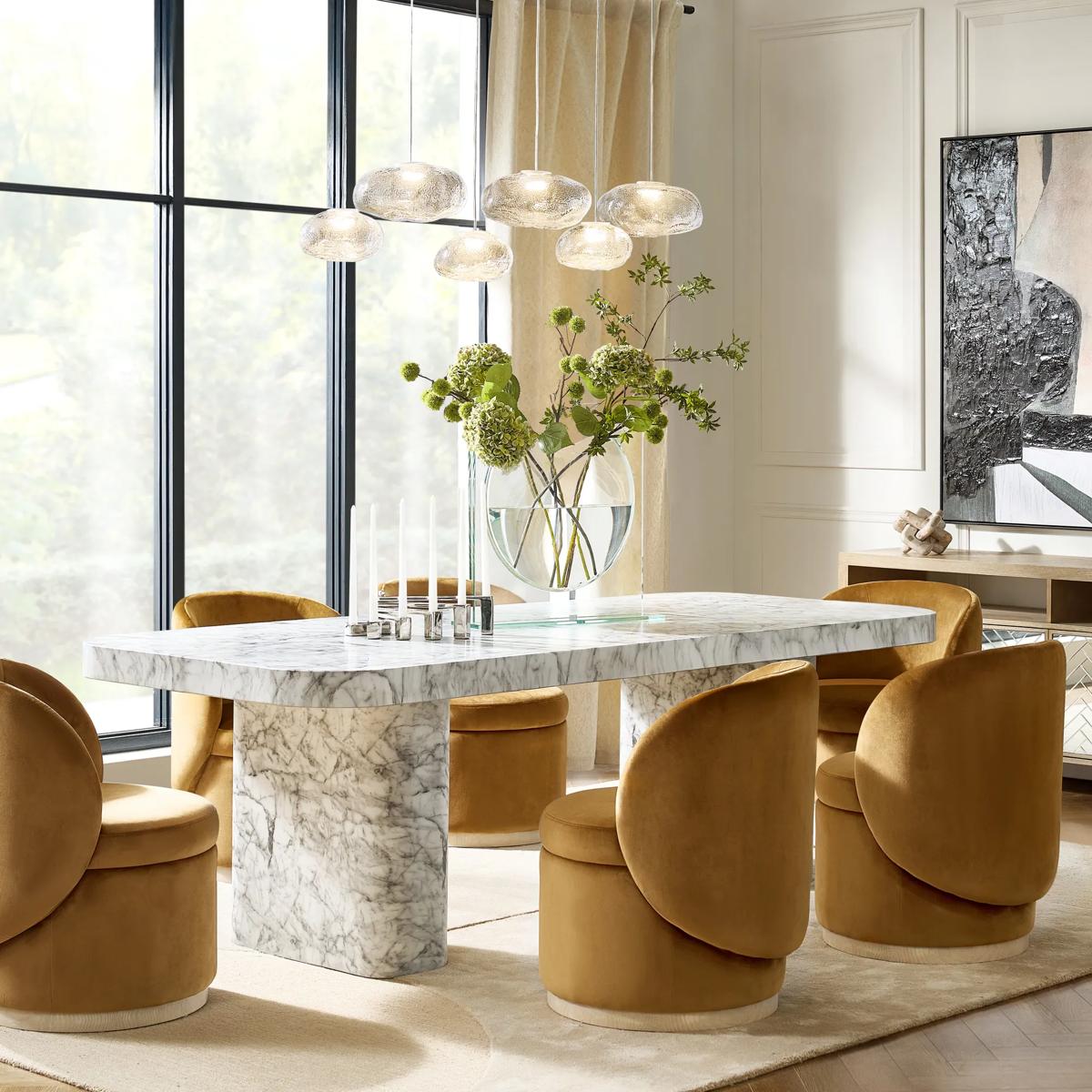 Silex Rectangular White Concrete Indoor/Out Door Dining Table (94.5")$1999
A white marble-look dining table crafted from ultra-rigid, lightweight fiber concrete for indoor or outdoor use.
Add To Cart -
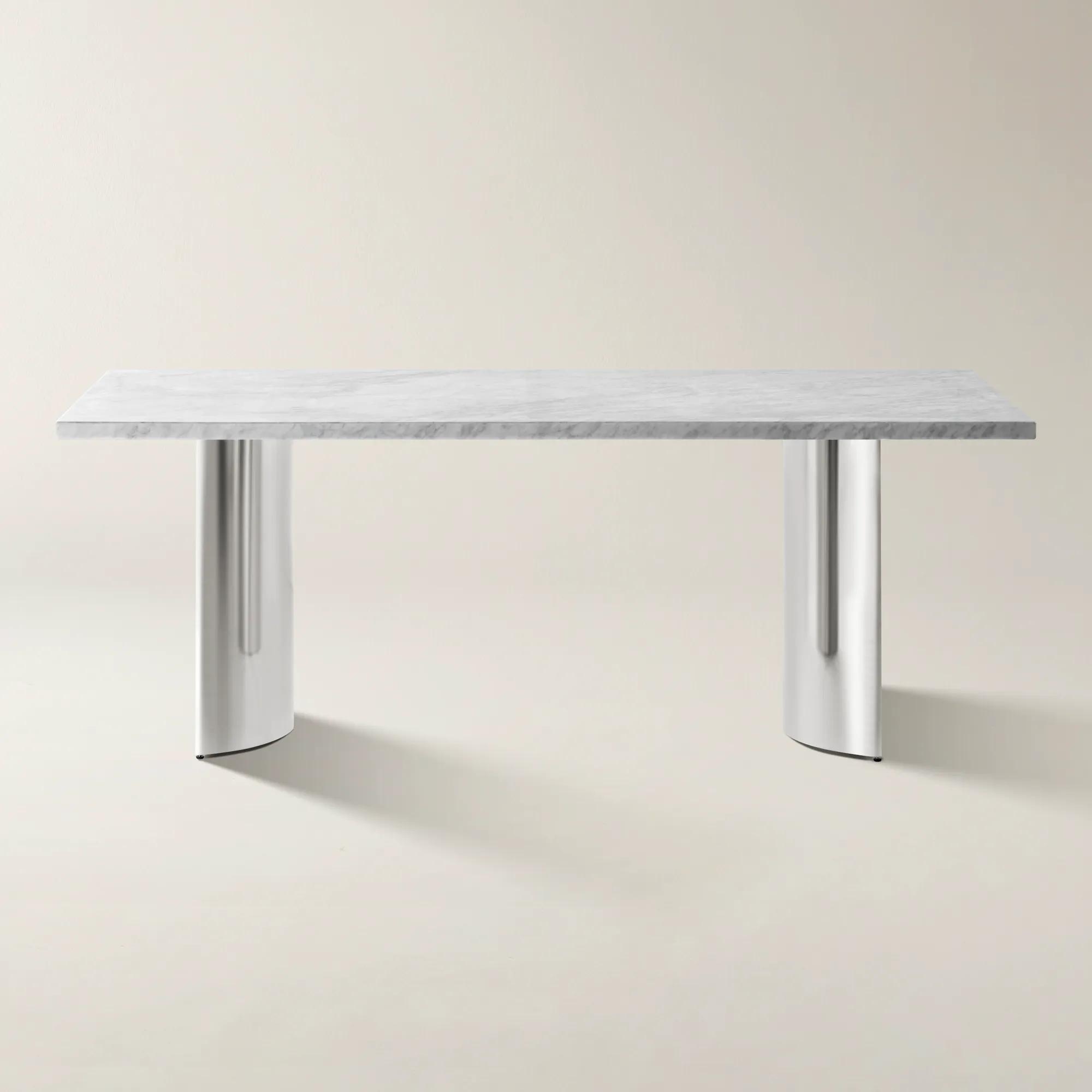 Muscat Rectangular White Marble Dining Table With Stainless Steel Base (84")$3099
A striking dining table featuring a natural white marble top with unique veining and a polished stainless steel base.
Add To Cart -
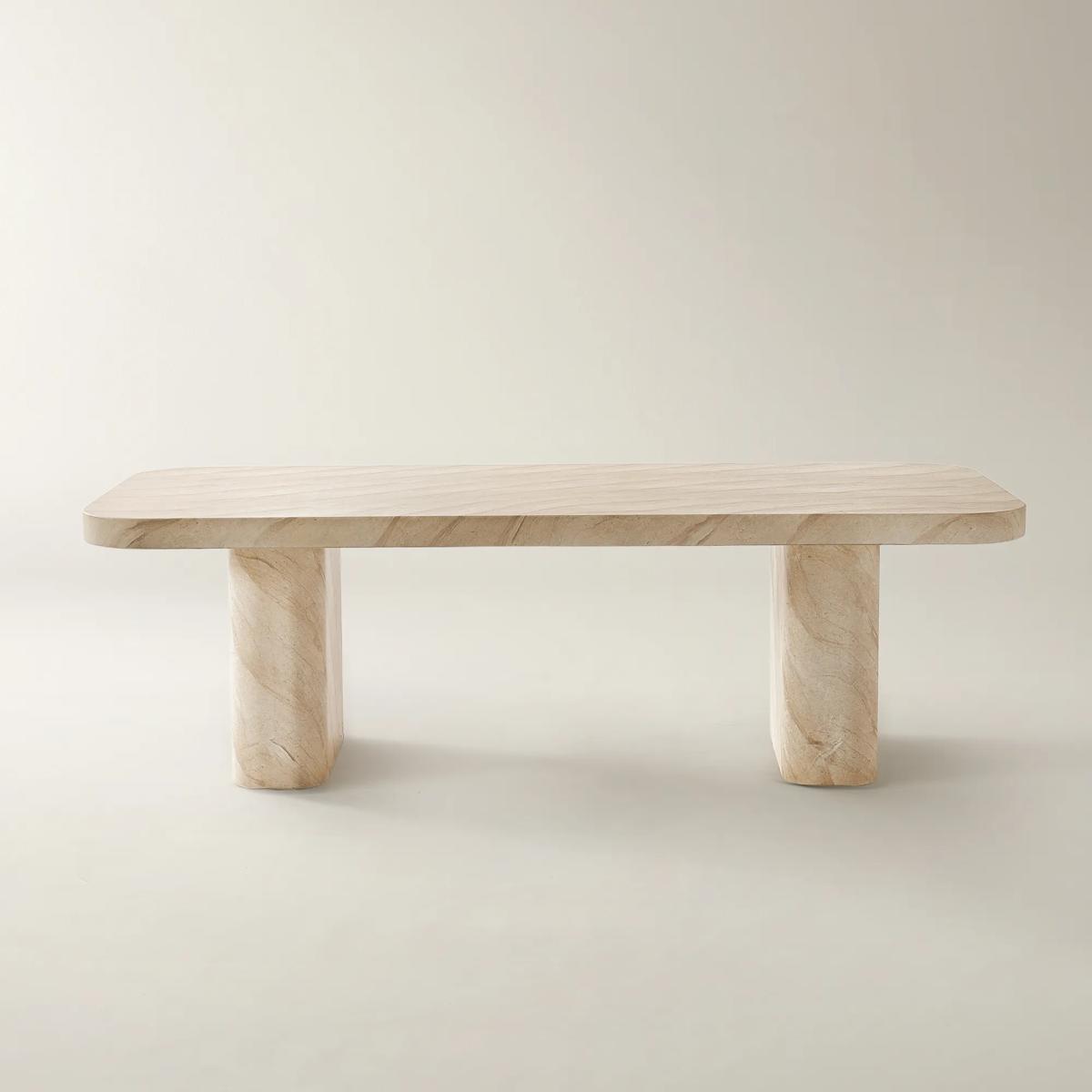 Silex Rectangular Travertine Concrete Indoor/Out Door Dining Table (94.5")$1999
A seamless travertine-look dining table crafted from ultra-rigid, water-resistant fiber concrete for indoor or outdoor use.
Add To Cart -
.jpg?w=1200&h=1200)
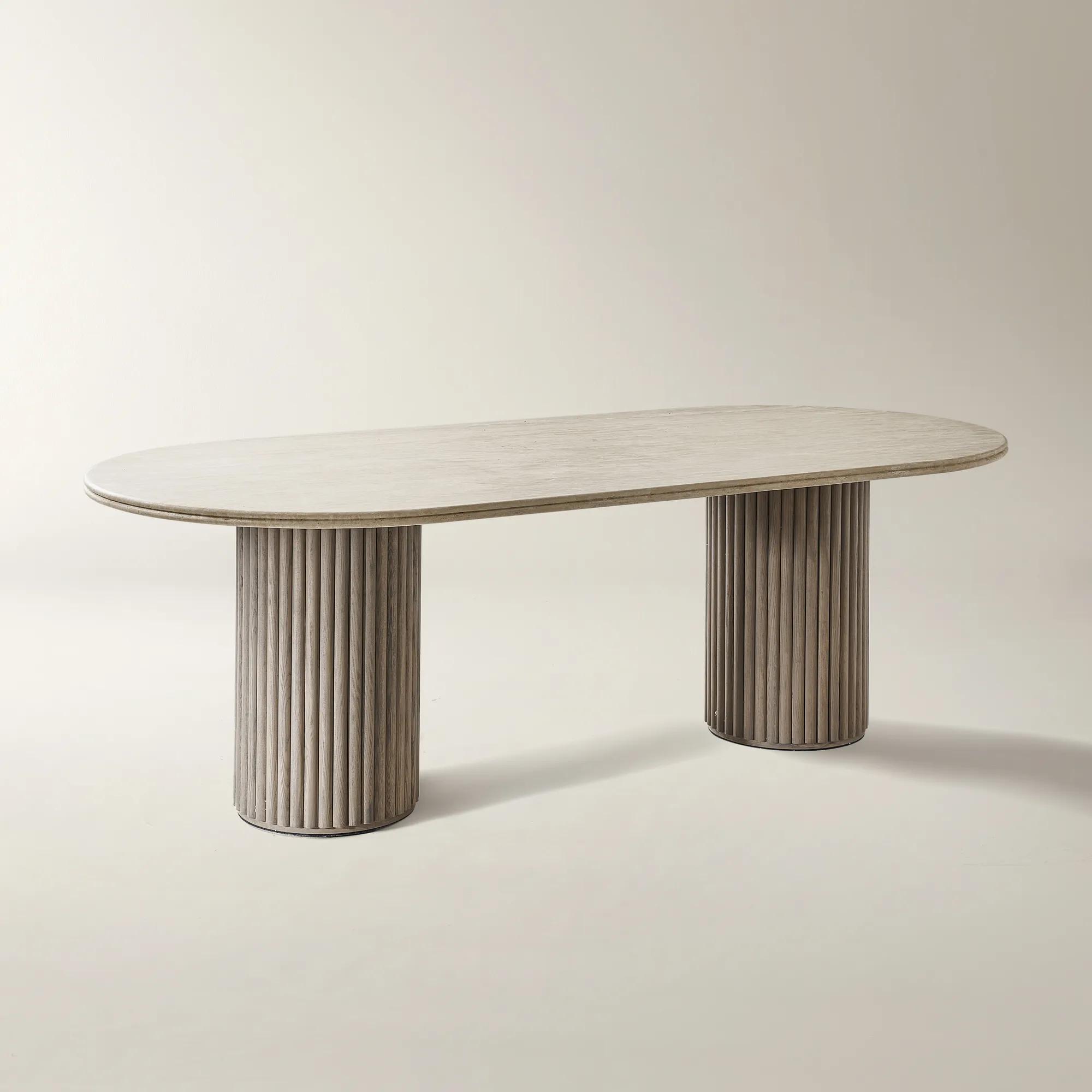 Bond Oval Reeded Travertine and Wood Dining Table (94.25")$4599
A natural travertine stone top pairs with a fluted solid ash base for refined, organic elegance.
Add To Cart -
.jpeg?w=1200&h=1200)
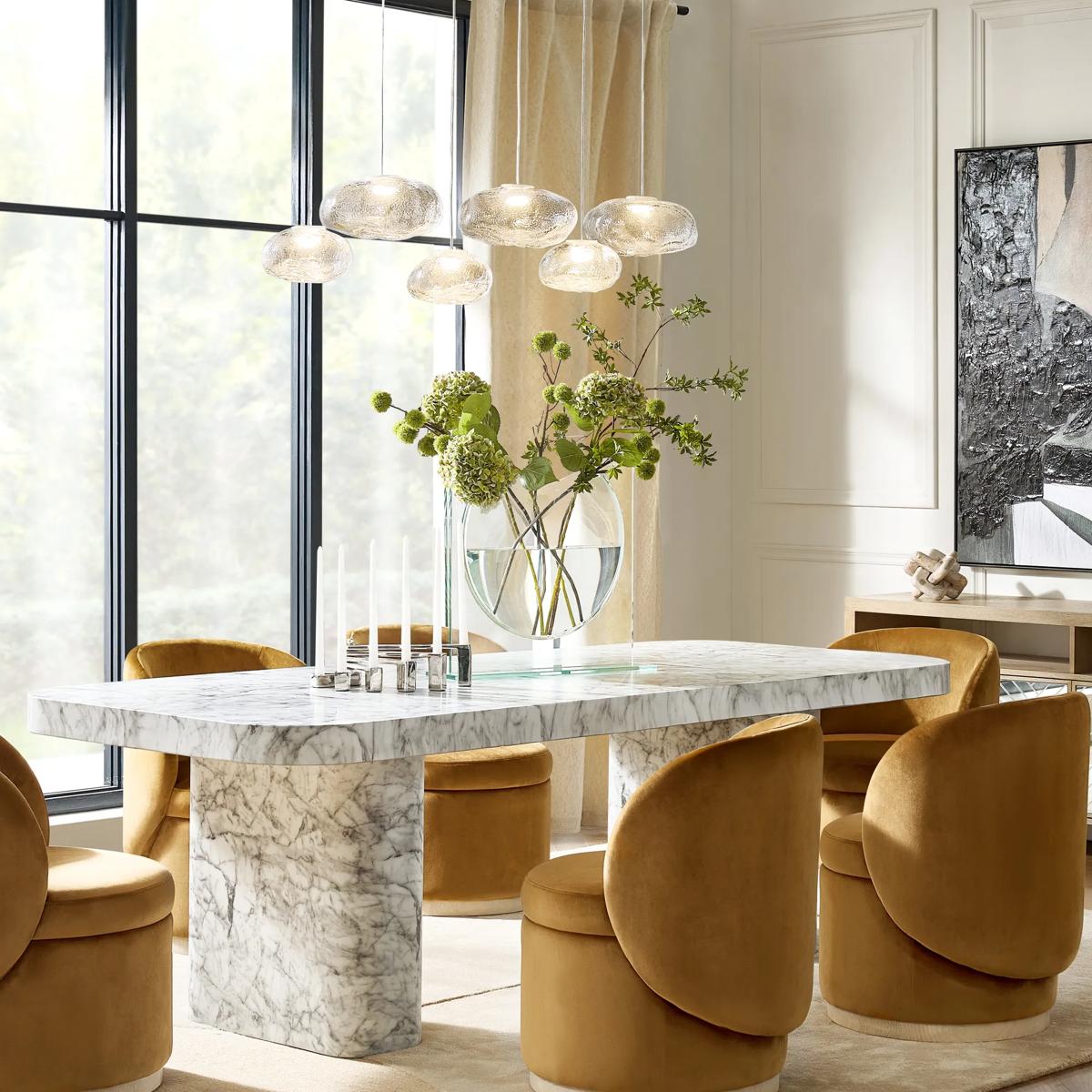 Nuvola Glass Globe Chandelier 47"$999
A sculptural chandelier featuring six textured clear glass globes and energy-efficient integrated LED lighting.
Add To Cart -
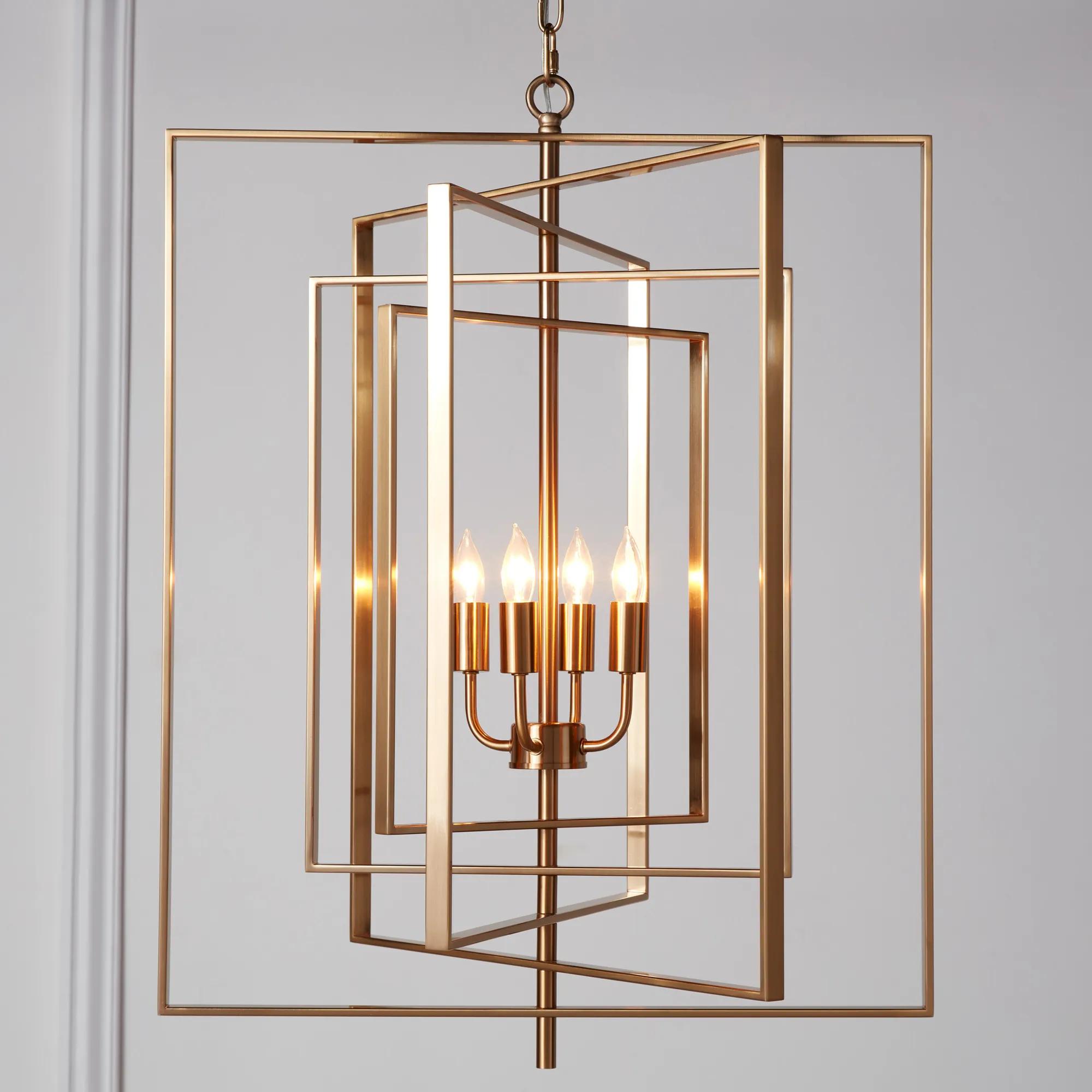 Hollis Chandelier$499
A geometric brass-finished iron chandelier with four lights, perfect for modern and minimal interiors.
Add To Cart -
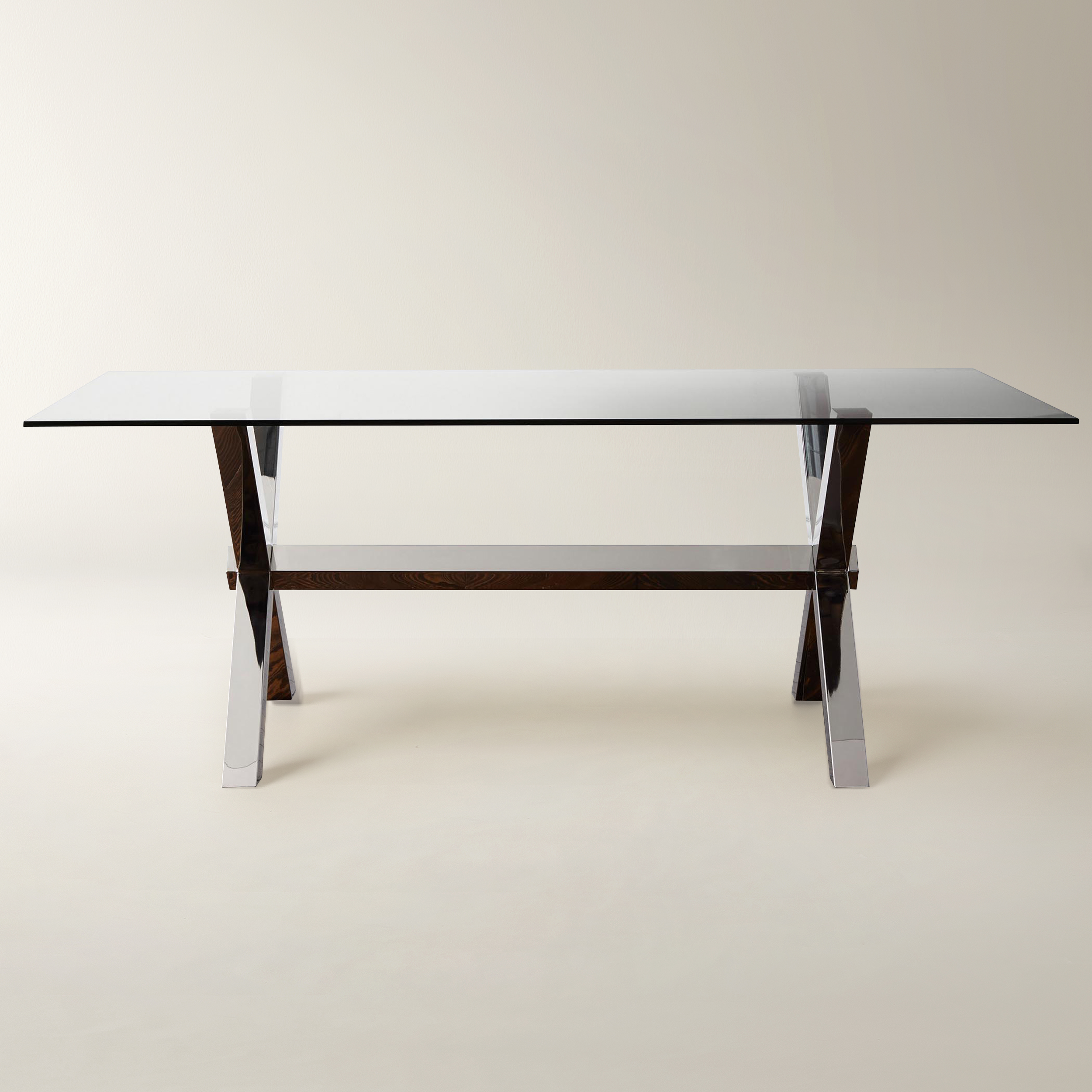
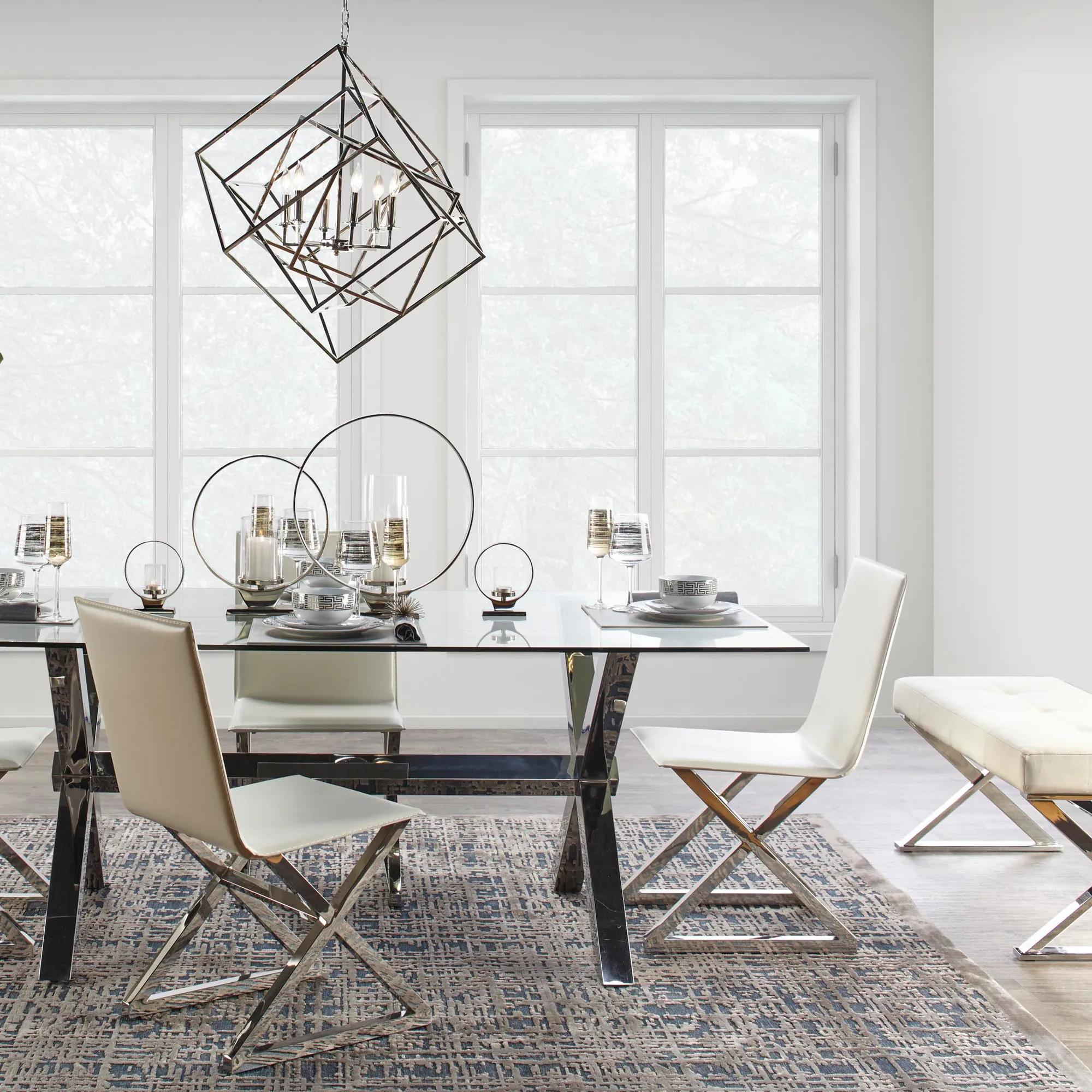 Axis Rectangular Silver Dining Table With Glass Top (78")$1199
A contemporary dining table featuring a polished stainless steel base and durable tempered glass top.
Add To Cart -
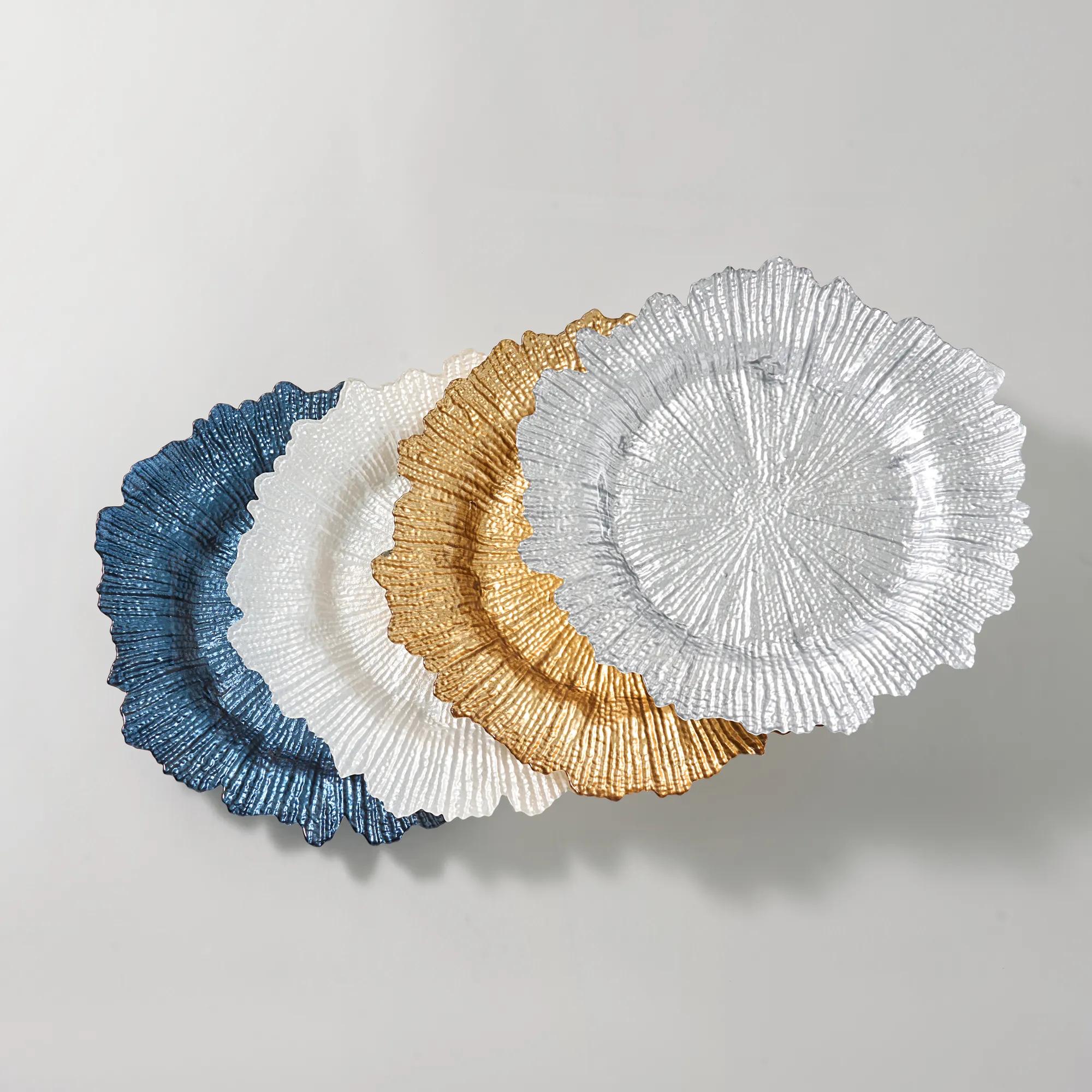
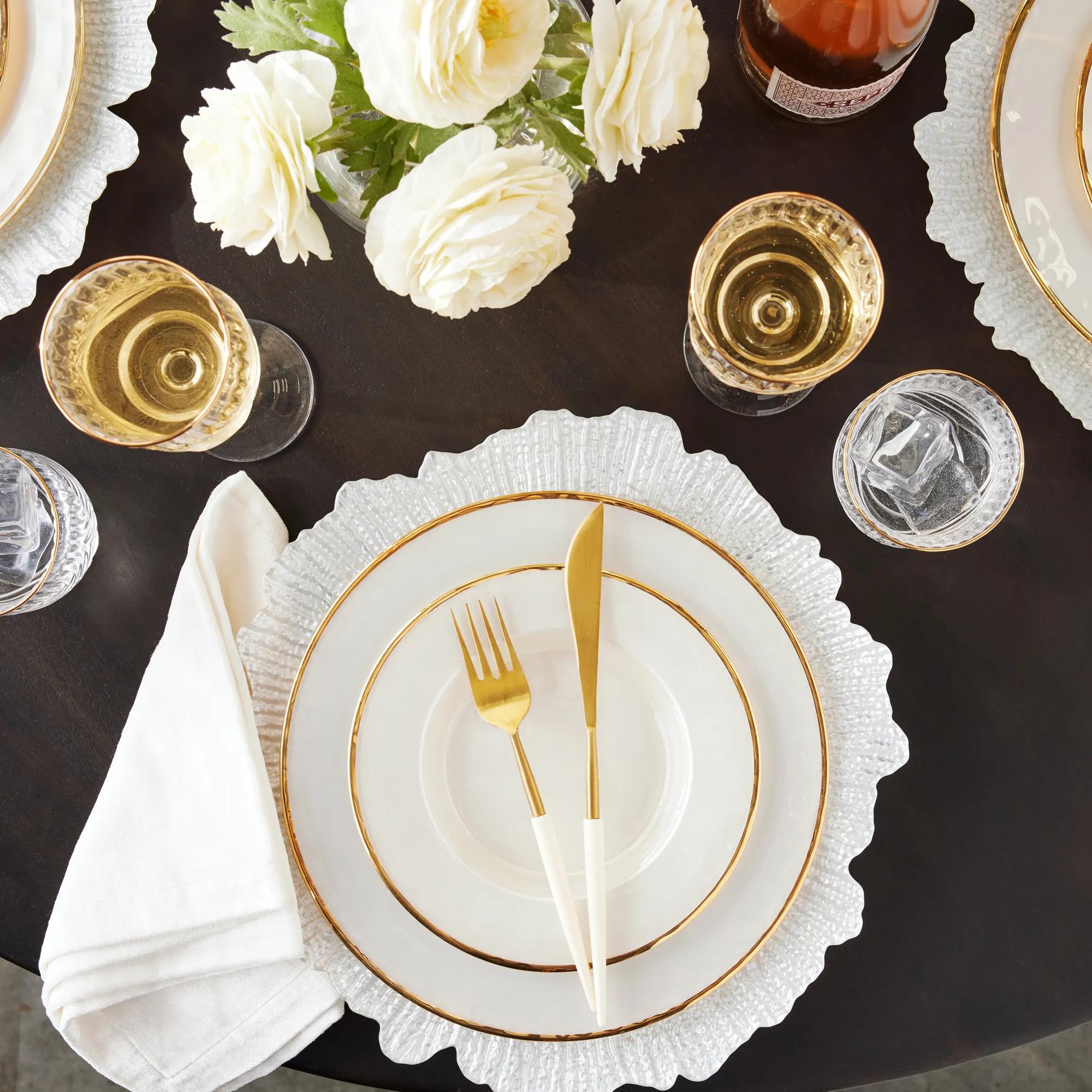 Spruzzo Glass Charger Sets 13"$109
A clear glass charger with a metallic gold, silver, white, or sapphire leaf-inspired design and irregular edge.
Add To Cart -
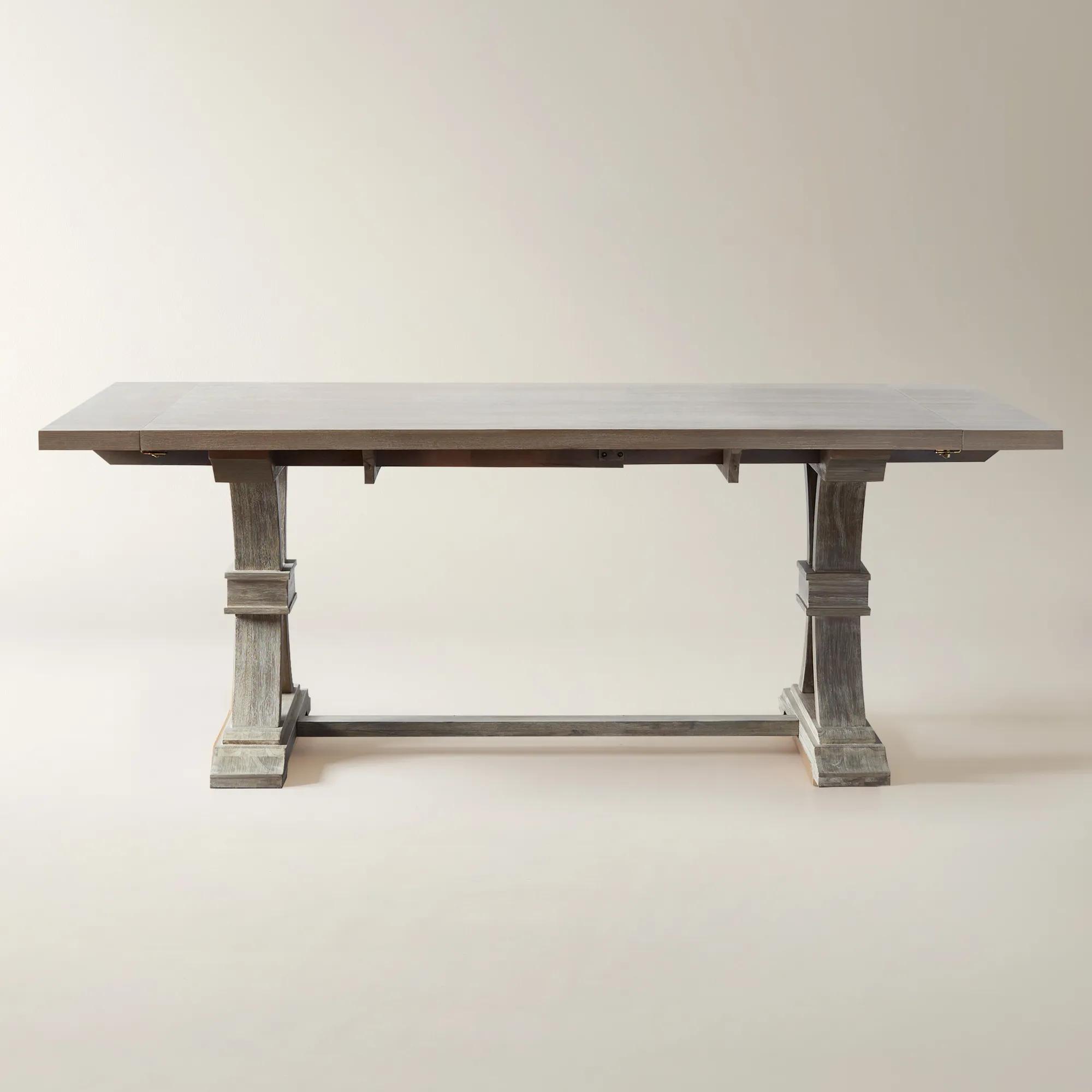 Archer Rectangular Grey Acacia Wood Extending Dining Table (78" - 110")$2499
A weathered grey acacia wood dining table with removable leaves and a kiln-dried hardwood frame.
Add To Cart -
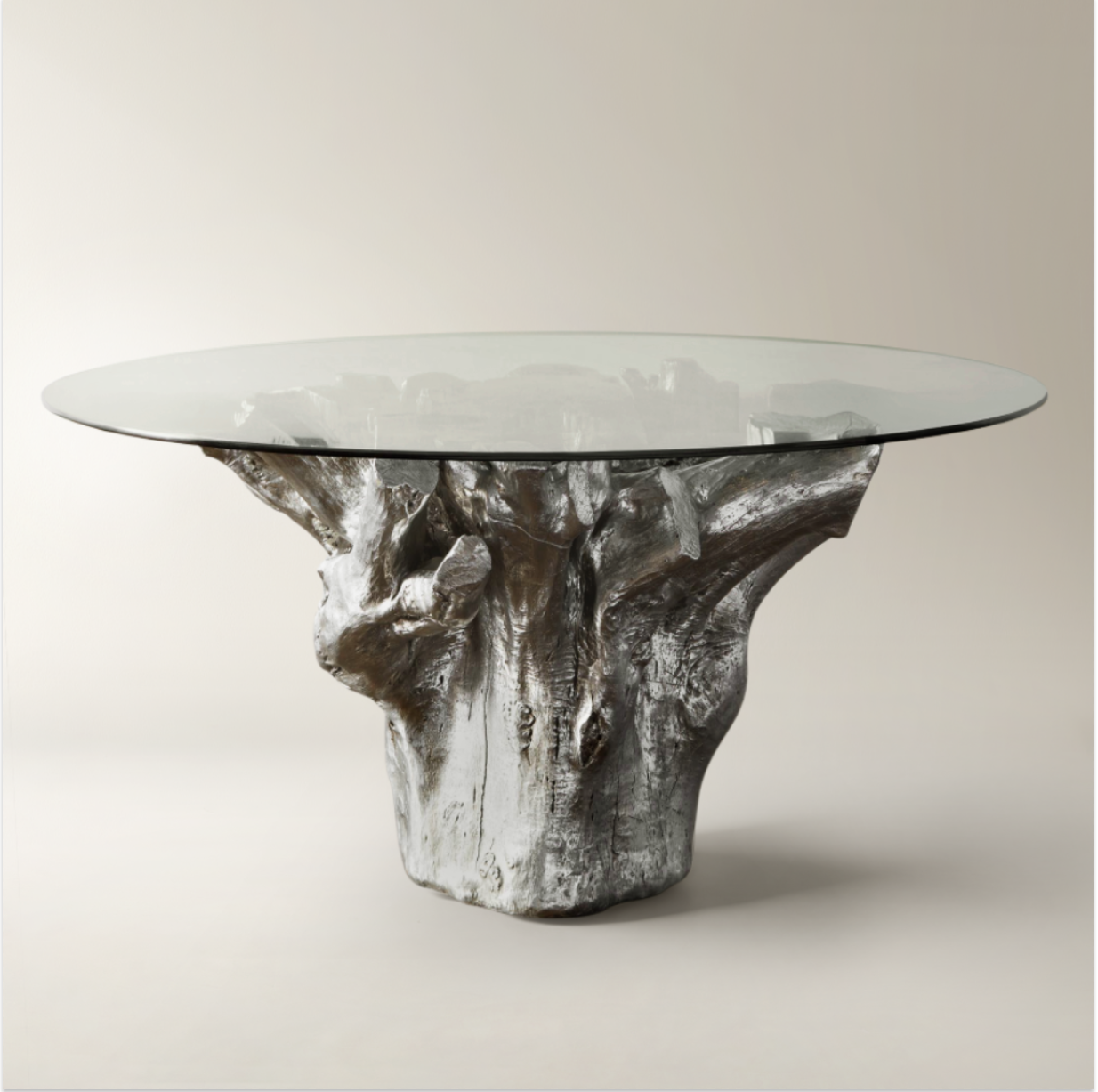 Sequoia Silver Resin Dining Table With Glass Top (60")$2199
A sculptural resin base with hand-applied silver leaf supports a round tempered glass top for modern elegance.
Add To Cart -
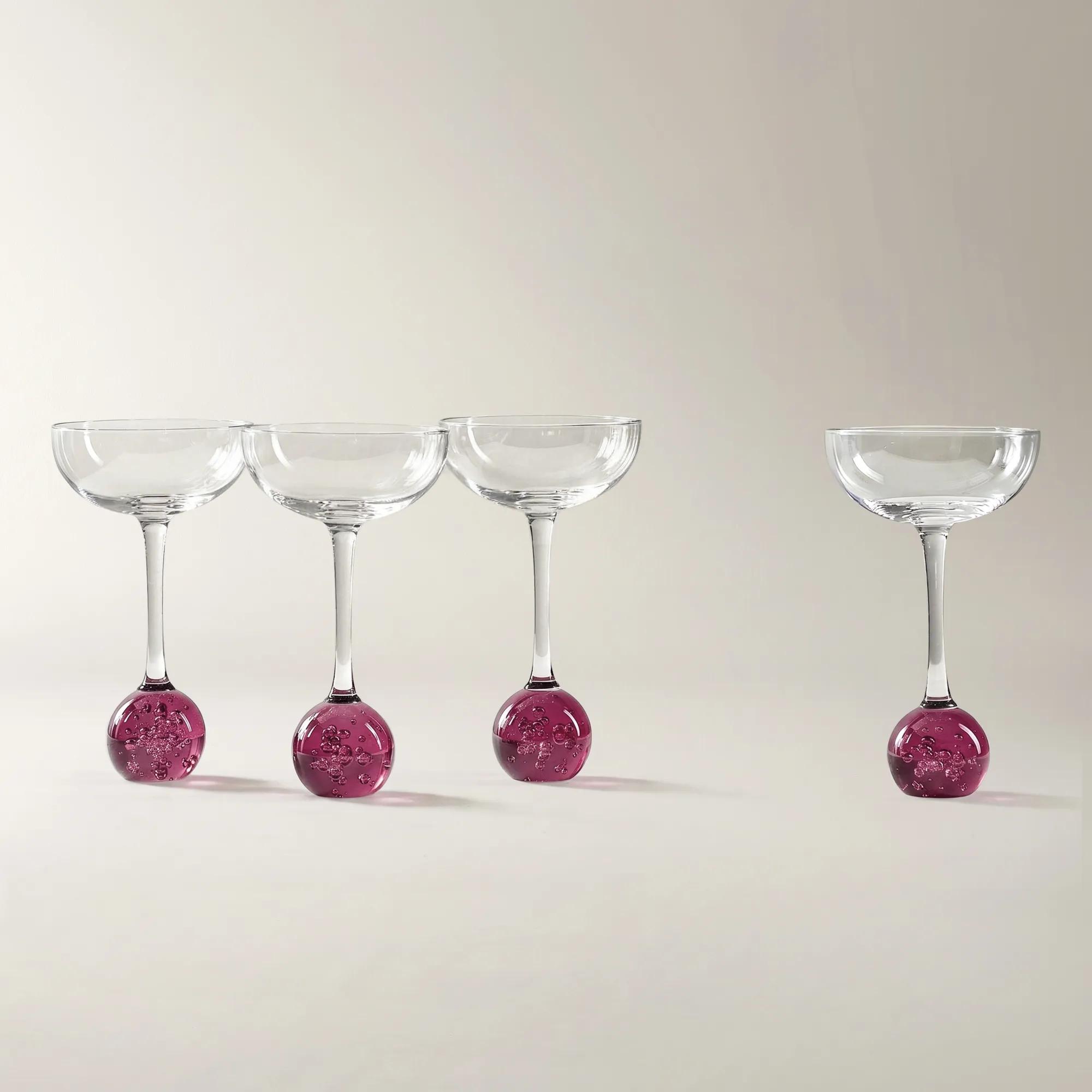 Dottie Fig Martini Glass Set of 4$79
A set of four fig-colored glass martini glasses featuring playful bauble stems for modern entertaining.
Add To Cart -
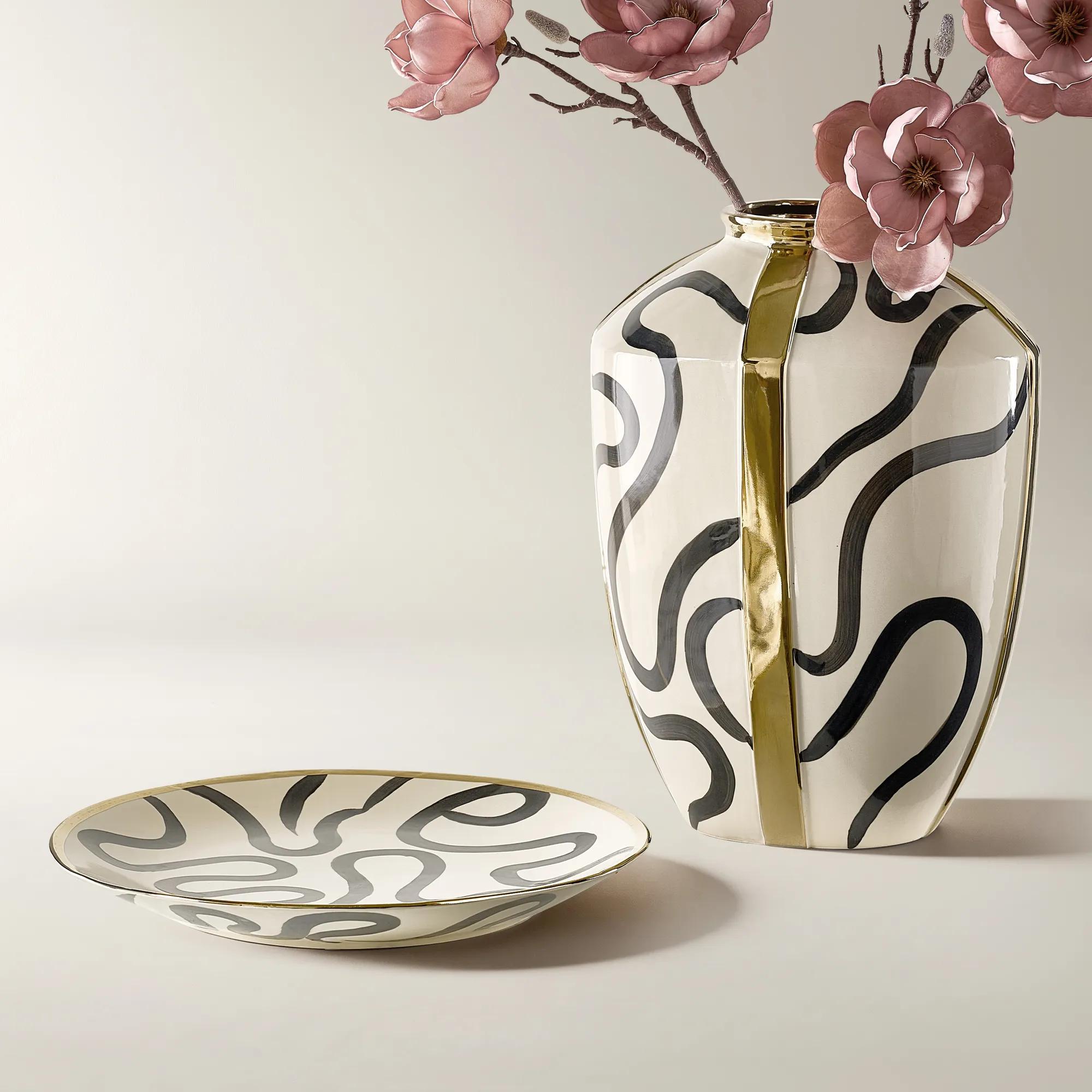
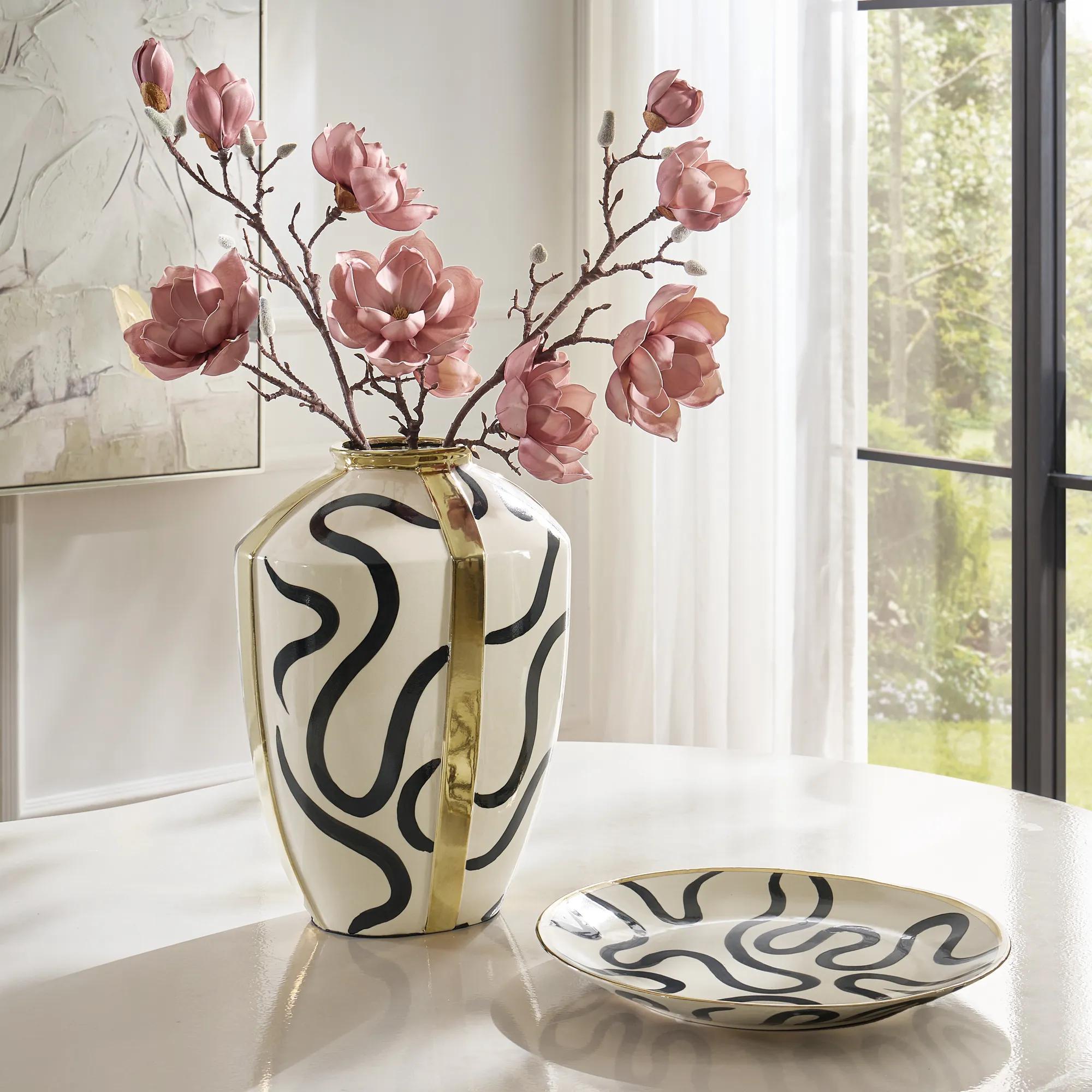 Sonder Soft Gold Black Ceramic Vase & Plate$99
A sculptural ceramic vase featuring interlacing wavy loops in soft gold, alabaster, and black tones.
Add To Cart -
 Studio Mouth Blown Clear Glass Vase 13.75"$199
A handblown clear glass vase with faceted detailing that beautifully reflects light for modern elegance.
Add To Cart -
 Rose' Crystal Taper Holder$79
A faceted purple crystal glass holder that adds sculptural elegance and sparkling ambiance to candlelight.
Add To Cart -

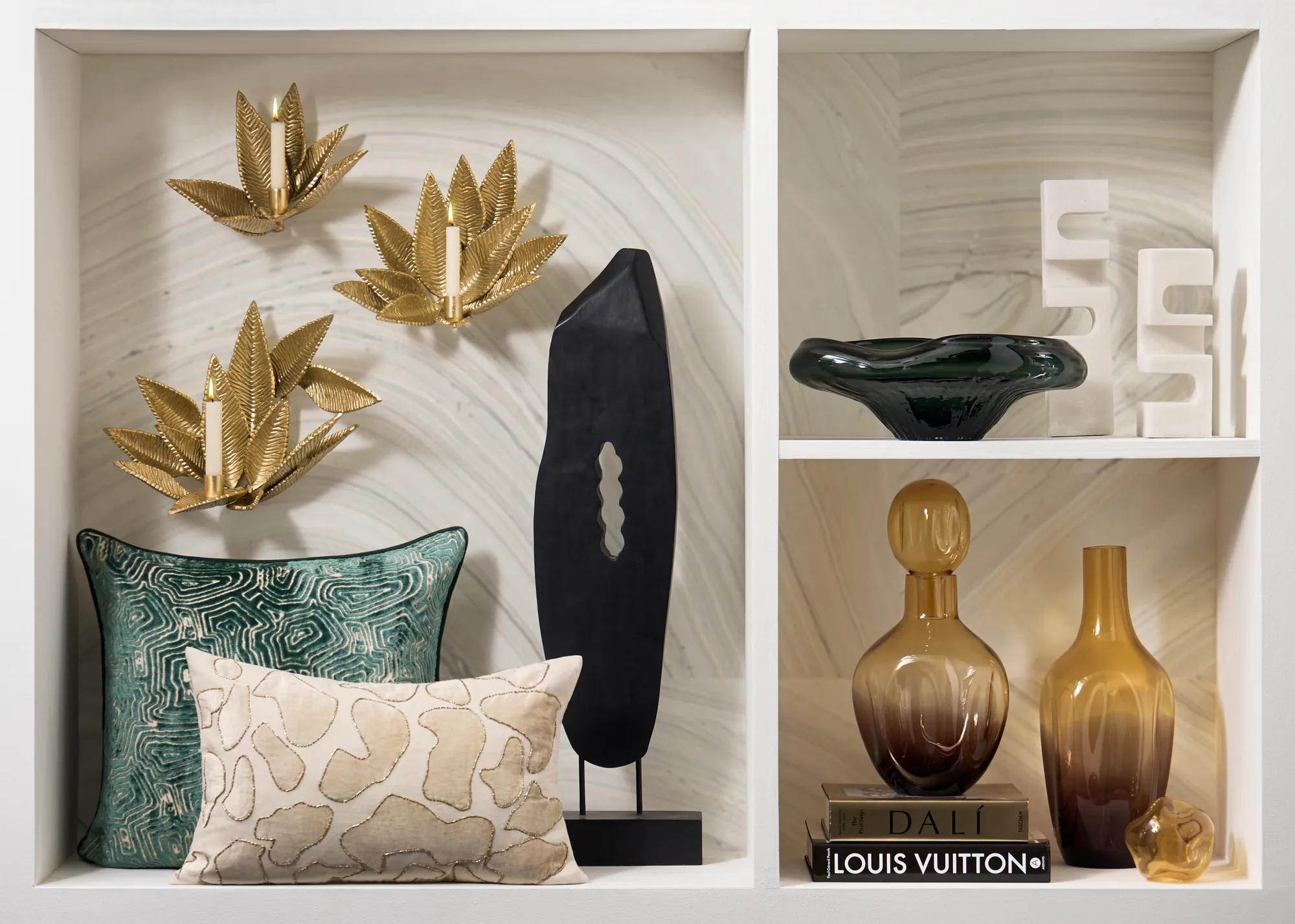 Bloom Wall Sconce$119
A gold-finished aluminum candle sconce with an organic texture and artful, jewelry-inspired silhouette.
Add To Cart

Upgrades For Summer Dining Rooms
Upgrades For Summer Dining Rooms invite a season of celebration—where every meal becomes an occasion and every gathering basks in luminous style. Imagine sunlight dancing across sculptural silhouettes, vibrant palettes enlivening each tablescape, and textures that evoke the breezy ease of endless summer days. With artful accents and striking furnishings, transform your dining space into a sanctuary of sophistication and warmth. Let each detail capture the spirit of summer—bold, radiant, and unforgettable—setting the stage for moments that linger long after sunset.
Upgrades for summer dining rooms bring light, texture, and a sense of occasion to the place where meals become memories. Reflective finishes, sculptural furniture, luminous glass, and expressive table settings create an inviting backdrop for leisurely lunches and dinners that linger past dessert. The most compelling combinations balance visual openness with substance: a streamlined dining table beneath a dramatic chandelier, upholstered chairs against gleaming metal, or a pale rug that gives richly grained wood room to shine. A summer dining room can feel airy without surrendering its glamour. Ivory, sand, and soft blue establish a luminous foundation, while polished accents and saturated touches of green or turquoise lend depth and personality. Dining tables and chairs anchor that composition, so proportion matters as much as finish. A glass tabletop preserves sightlines in a compact room, although fingerprints and place-setting marks may be more visible on its surface. Wood introduces warmth and distinctive grain, while stone offers natural variation and a substantial presence; each material calls for care appropriate to its finish. An extendable dining table can accommodate a small household’s daily meals and a larger gathering, provided the room allows enough clearance when the leaf is in place. Approximately 36 inches between the table edge and a wall or nearby furniture is a useful starting point, with additional space desirable along busy walkways. Pedestal bases can reduce interference from corner legs, but the base’s footprint still affects footroom and chair placement. Seating deserves equally thoughtful attention. Seat height, arm height, and the space beneath the tabletop determine whether chairs tuck in comfortably, particularly when an apron runs below the table edge. Slim profiles keep a smaller dining area visually open; generous upholstered silhouettes lend a more enveloping feel to longer evenings. For households with frequent guests or children, upholstery with documented stain-resistance features may be appealing, though performance fabrics still need prompt spill attention and care according to their labels. Comfort and resilience give a striking room the freedom to be enjoyed rather than merely admired.
Decorative layers give summer dining room furniture its distinctive atmosphere, transforming the same table from an everyday gathering place into a setting with unmistakable presence. A woven runner against a smooth tabletop introduces contrast without covering the material beneath it, while linen or cotton napkins bring softness to polished dinnerware and glass. Fabric composition and laundering instructions matter here: some textiles tolerate machine washing, while others require gentler treatment, and natural fibers may wrinkle or shrink depending on their construction and finish. Pale table linens make colorful food and richly toned plates stand out; deeper accent colors can echo artwork, chair upholstery, or the veining in a stone surface. Low centerpieces preserve conversation across the table and leave room for serving dishes. A cluster of vessels in varied shapes can feel artfully collected, especially when their finishes share a common thread, such as translucent glass, softly textured ceramic, or brushed metallic detail. Fresh stems bring movement, and potted herbs introduce living greenery suited to a casual summer meal. Basil and mint need appropriate light, drainage, and ongoing care, so an herb centerpiece may need a brighter home between gatherings. Protective saucers also help keep moisture away from vulnerable tabletops. Decorative vessels are not automatically watertight or food-safe; their intended use should determine whether they hold flowers, wrapped favors, or something purely ornamental. Beyond the tabletop, a dining room rug creates a defined setting and softens the sound of chairs and conversation. A useful sizing consideration is enough rug beyond every table edge to support chairs when pulled out, often approximately 24 to 30 inches, with the actual chair depth and room layout guiding the final choice. Low-pile constructions generally make chair movement easier than deep, plush surfaces. Woven natural fibers offer expressive texture, but their response to spills varies, and some are difficult to spot-clean without visible marks. Washable or stain-resistant alternatives may better suit frequent family meals when their care requirements fit the household. A compatible rug pad helps stabilize the arrangement and protect the floor, giving the room’s most tactile layer a practical foundation.
Lighting, storage, and finishing accents complete a summer dining room with the polish of a considered interior and the ease of a space made for company. A chandelier or pendant can establish the room’s focal point, whether its effect comes from sculptural lines, faceted surfaces, or a diffuse glow. Fixture dimensions should relate to both the table and the room rather than the ceiling alone; a dramatic silhouette needs breathing room to feel intentional. Over a dining table beneath an eight-foot ceiling, roughly 30 to 36 inches between the tabletop and the bottom of a fixture is a common starting point, adjusted for fixture design, sightlines, and installation requirements. Compatible dimmable lighting offers flexibility between a bright lunch setting and a softer dinner atmosphere, while a mirror can reflect daylight and decorative light without adding another fixture. Placement makes the difference: a mirror that captures artwork or a beautiful table arrangement adds depth, whereas one facing direct glare may be less comfortable. A sideboard provides a composed backdrop for entertaining, keeping serving pieces, linens, and glassware close without crowding the table. Its depth, door swing, and drawer clearance deserve attention in rooms where guests circulate behind dining chairs. A protected surface for pitchers and platters helps preserve the finish, and trivets remain important wherever hot serving dishes might rest. Routine care supports the entire arrangement: blot spills promptly, use cleaning products approved for the material, and avoid abrasive tools on delicate or reflective finishes. Furniture intended for indoor dining should remain indoors unless expressly rated for outdoor use, even when its breezy appearance suggests a terrace setting. For hosts, newlyweds, or someone settling into a new home, decorative serving accessories and table linens can make thoughtful gifts when their style, storage needs, and care preferences are considered. The same flexible furniture and layered accents also create a foundation for upgrading dining rooms for holidays, allowing the atmosphere to evolve through color, textiles, and centerpiece choices. Summer’s particular expression remains light-filled and generous: room for a shared platter, a comfortable seat, and details that reward a closer look.
FAQs
To blur the boundaries between indoor and outdoor dining, select furnishings and decor in coordinating materials and colors, such as natural wood or woven textures. Incorporate lightweight, movable seating and tables that can easily shift outdoors. Use area rugs, greenery, and lighting to visually connect the spaces, and consider adding sheer curtains or sliding doors to invite in fresh air and sunlight.
Lighting is essential for setting the mood in a summer dining room. Opt for statement pendants or chandeliers that bathe the space in a warm, golden glow. Layer in dimmable sconces or candles for evening ambiance, and use mirrors to reflect natural daylight, making the room feel expansive and inviting at any hour.
Decorative accents that evoke the season—such as vases of fresh flowers, bowls of citrus fruit, or botanical prints—instantly enliven a summer dining room. Layer in natural-fiber placemats, textured runners, and colorful napkins to add tactile interest. Personal touches like handwritten place cards or bundles of herbs tied to napkins elevate everyday dining into an experience.
Summer dining room upgrades make thoughtful gifts for new homeowners, newlyweds, or anyone who loves to entertain. Elegant serveware, striking centerpieces, or a set of artisanal linens offer both beauty and utility, making them cherished additions to any gathering space.
Bring the outdoors in by introducing potted plants, fresh herbs, or cascading greenery as living decor. Choose furniture and accents crafted from rattan, wicker, or light-toned woods to enhance the room’s organic appeal. Layering in these natural textures and colors creates a breezy, refreshing environment perfect for summer gatherings.
.jpeg?w=3614&h=3614)
.jpg?w=1928&h=1928)
.jpeg?w=3009&h=3009)


