Decor Ideas For Formal Living Rooms
Decor Ideas For Formal Living Rooms
-
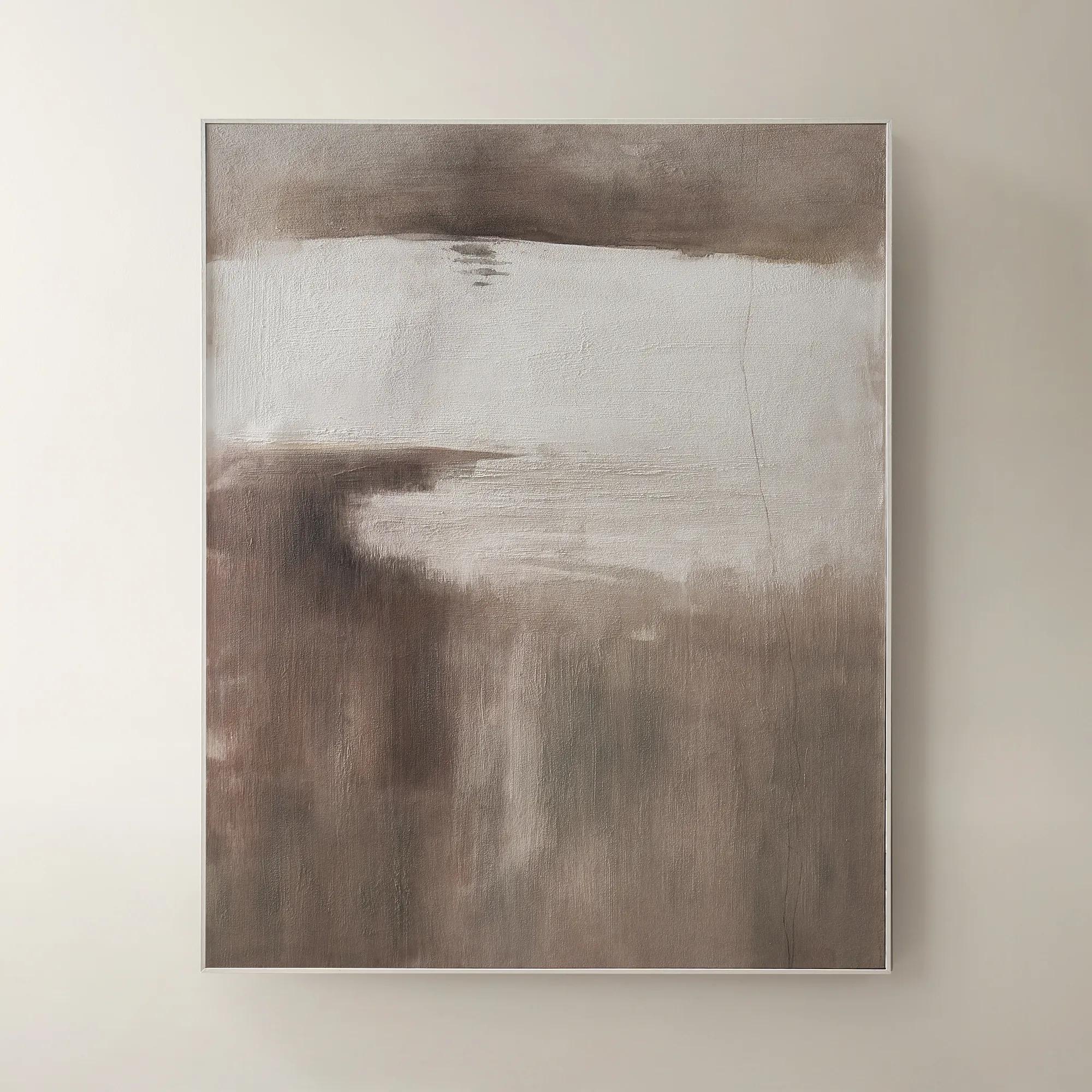
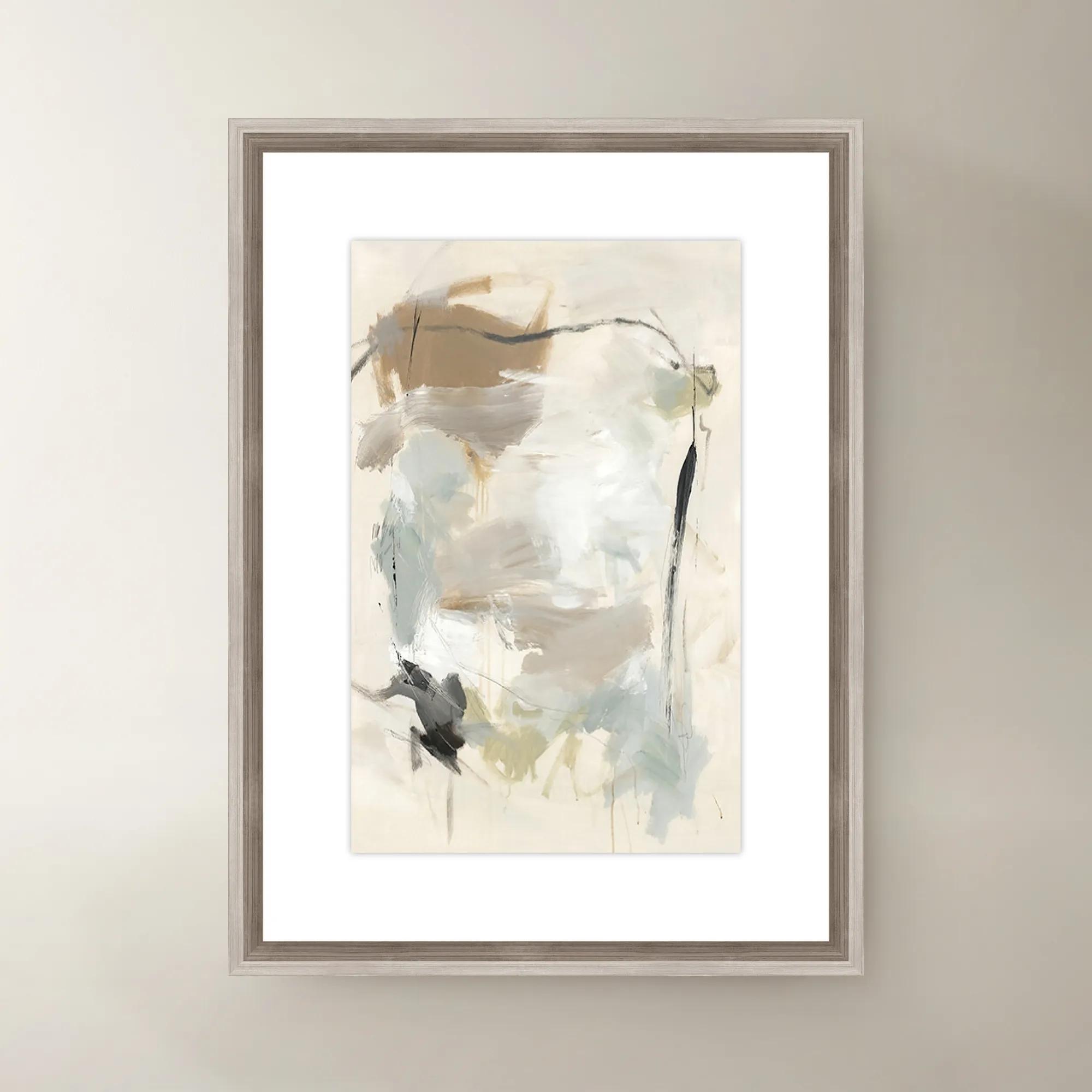
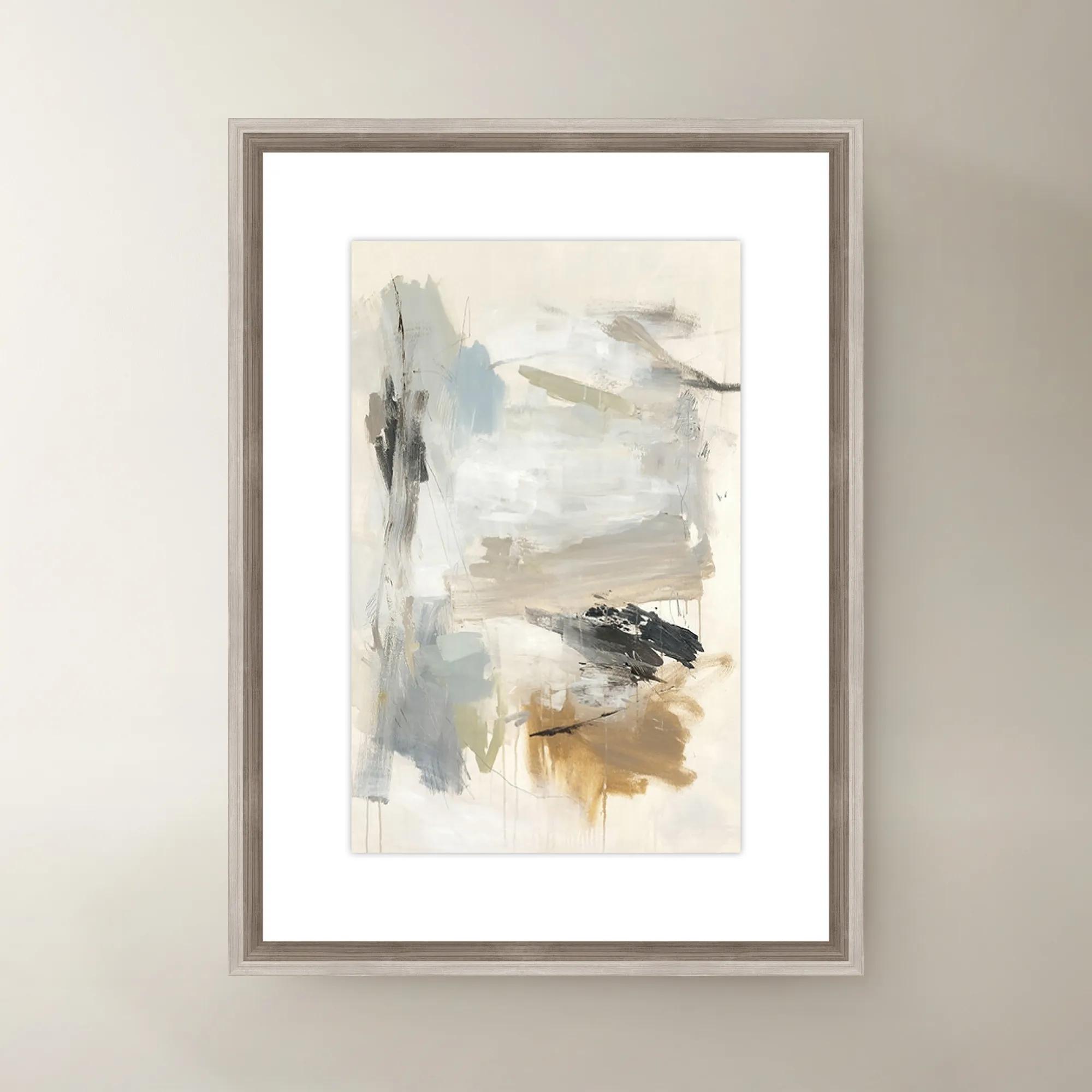
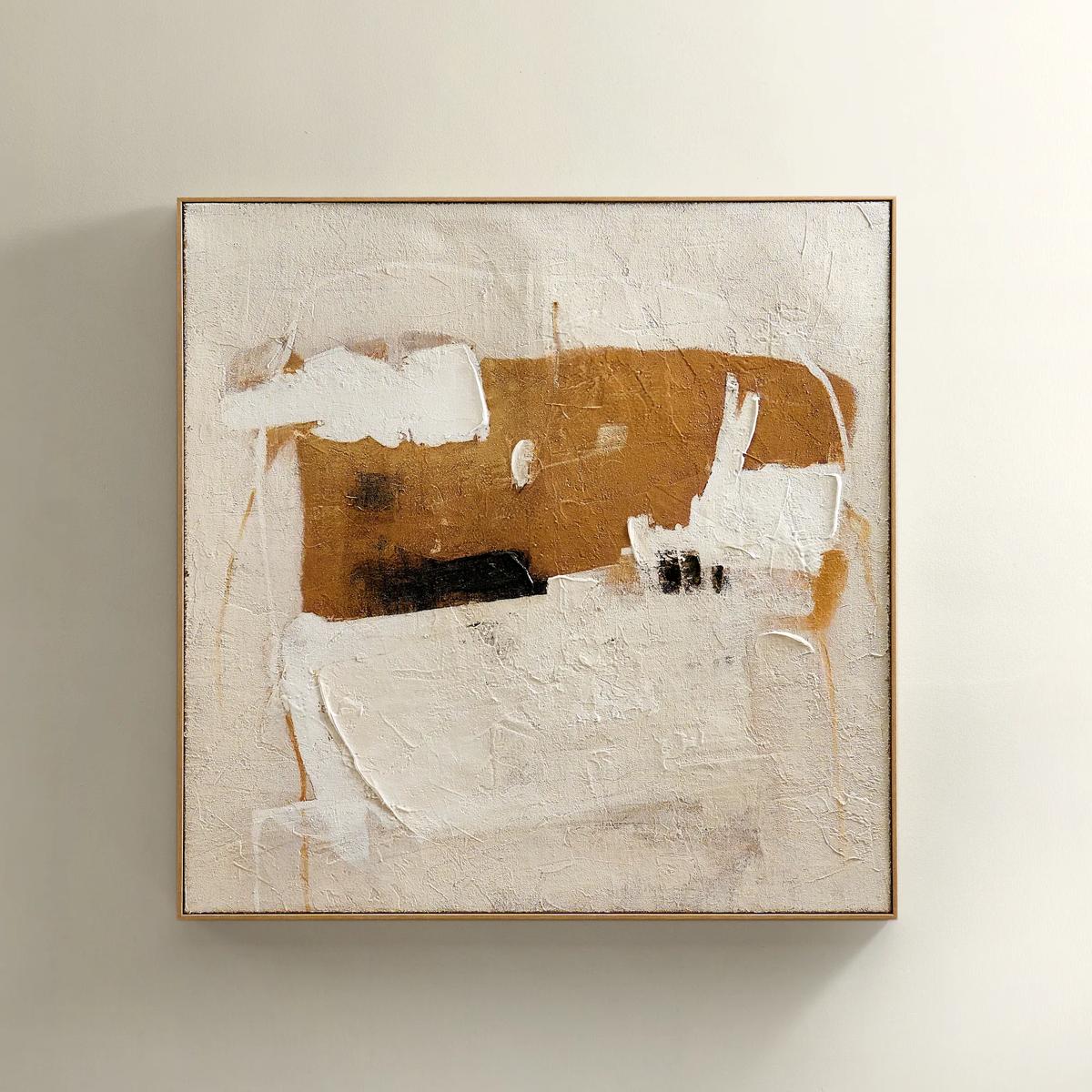 Instinct Framed Painted Wall Art 39.25" x 39.25"$349
An abstract hand-painted artwork featuring warm neutrals and black strokes on hessian with a light natural frame.
Add To Cart -
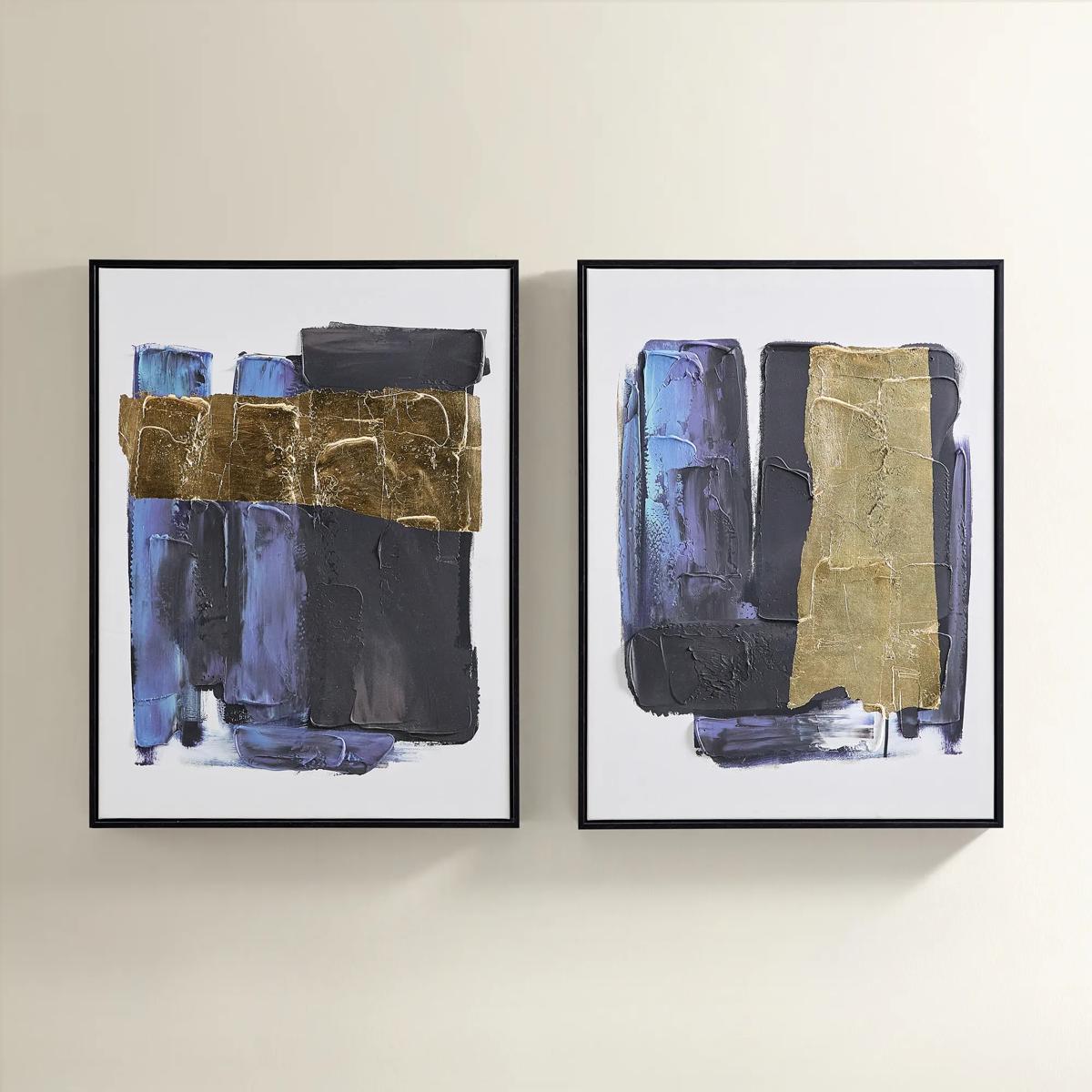
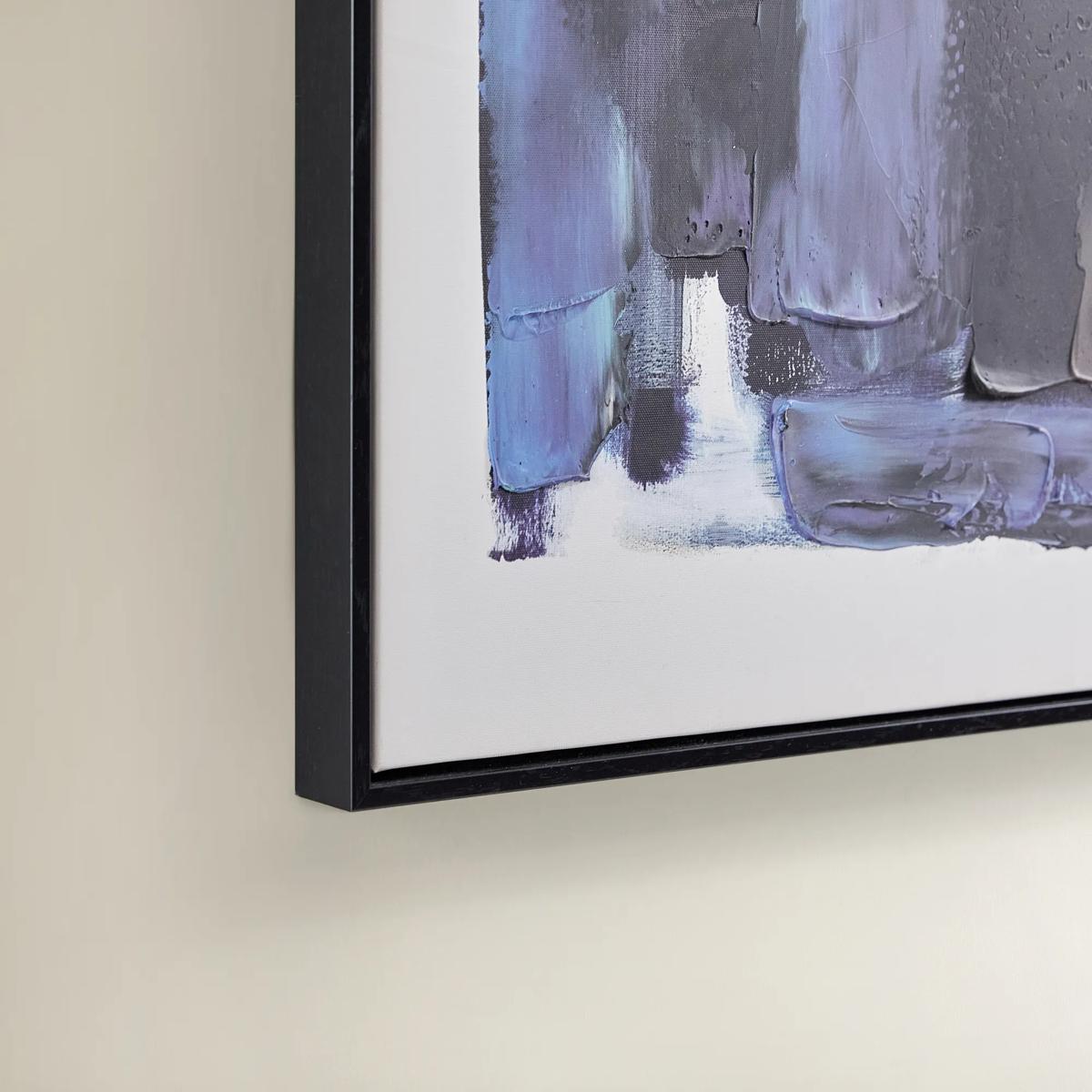 Deep Thoughts Gold Leaf Painted Wall Art Set of 2$199
A set of two hand-painted abstract canvases in blue and gold leaf, framed in sleek black.
Add To Cart -
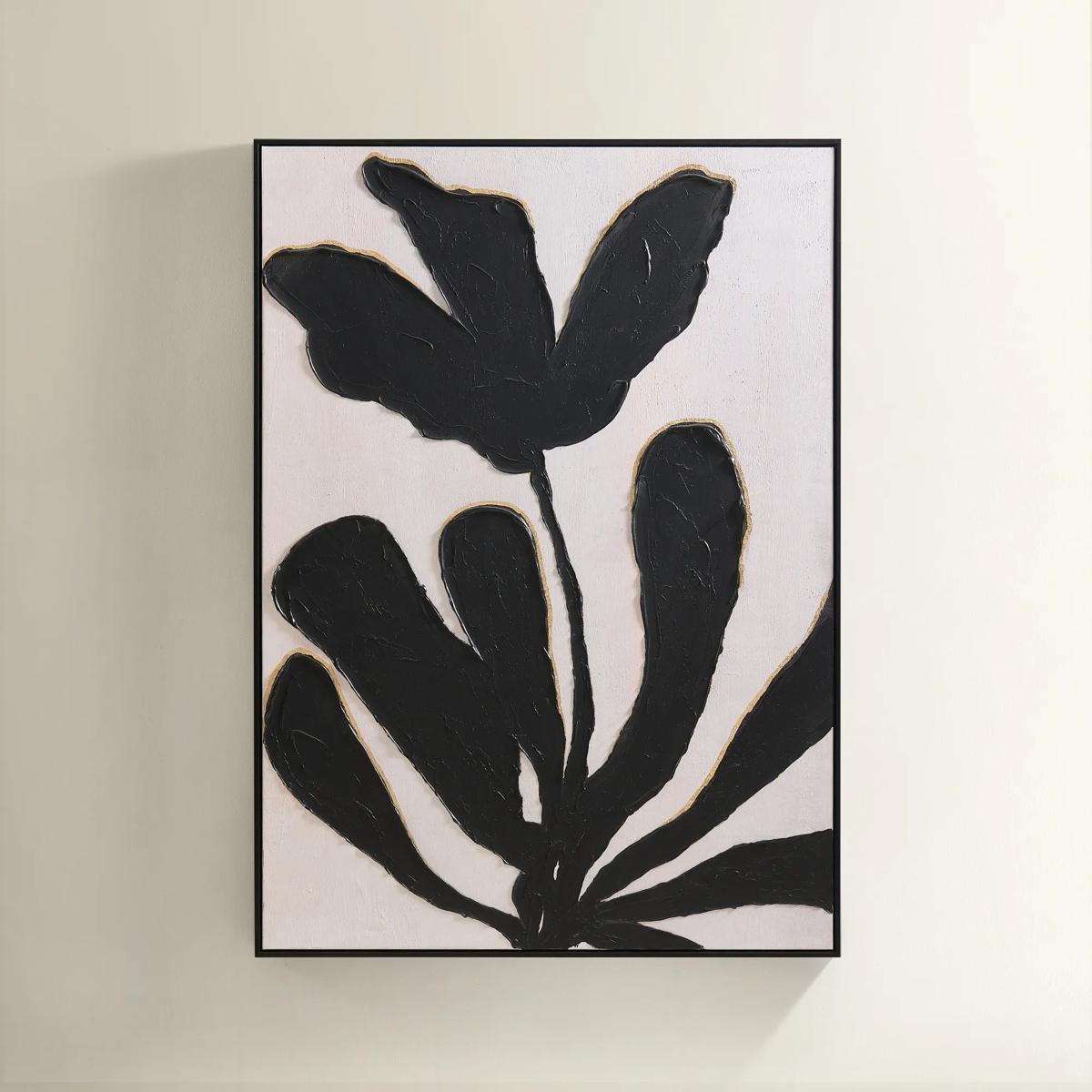
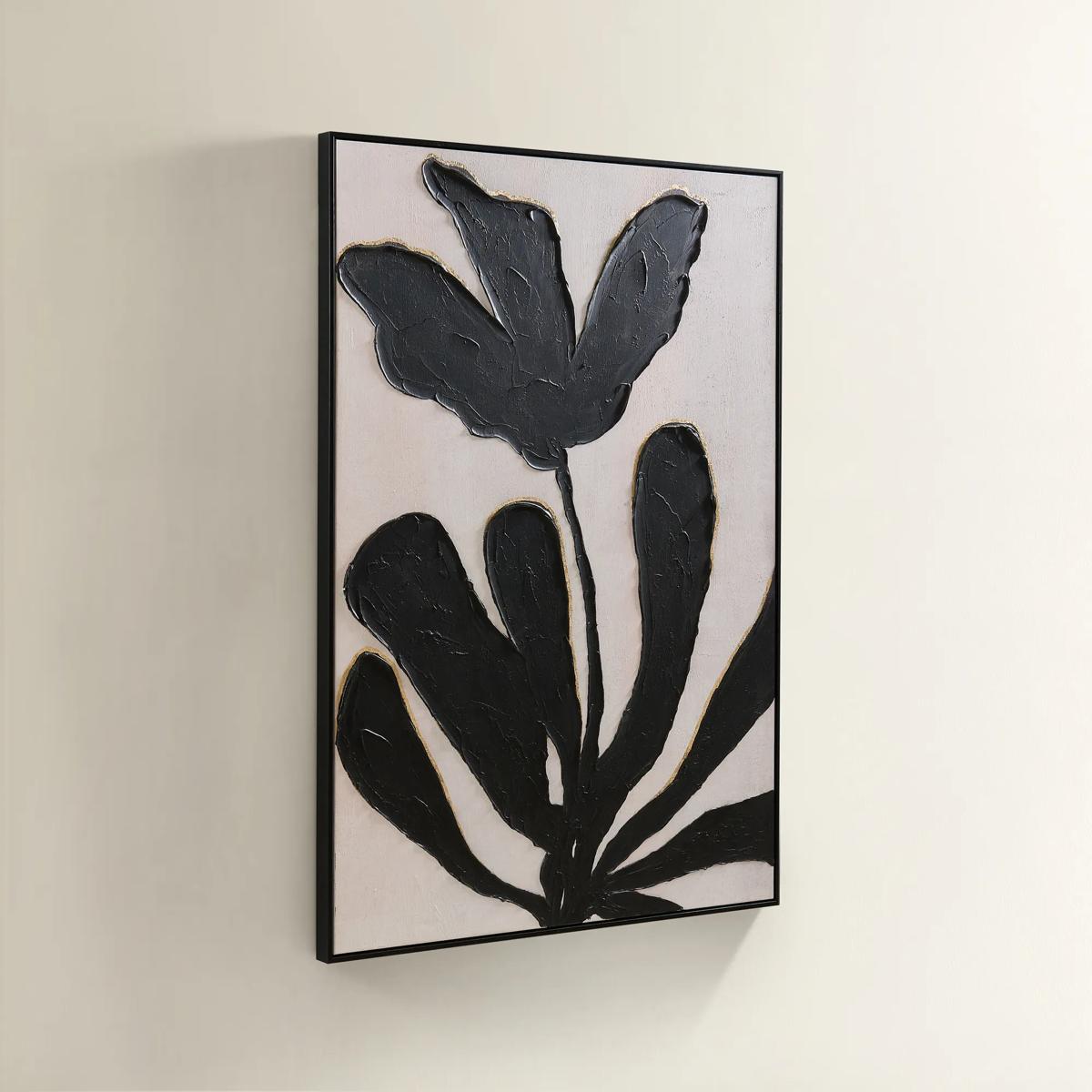 First Bloom Framed Painted Wall Art 39.25" x 55"$499
A hand-painted canvas featuring black abstract leaves and gold leafing on an ivory background in a black frame.
Add To Cart -
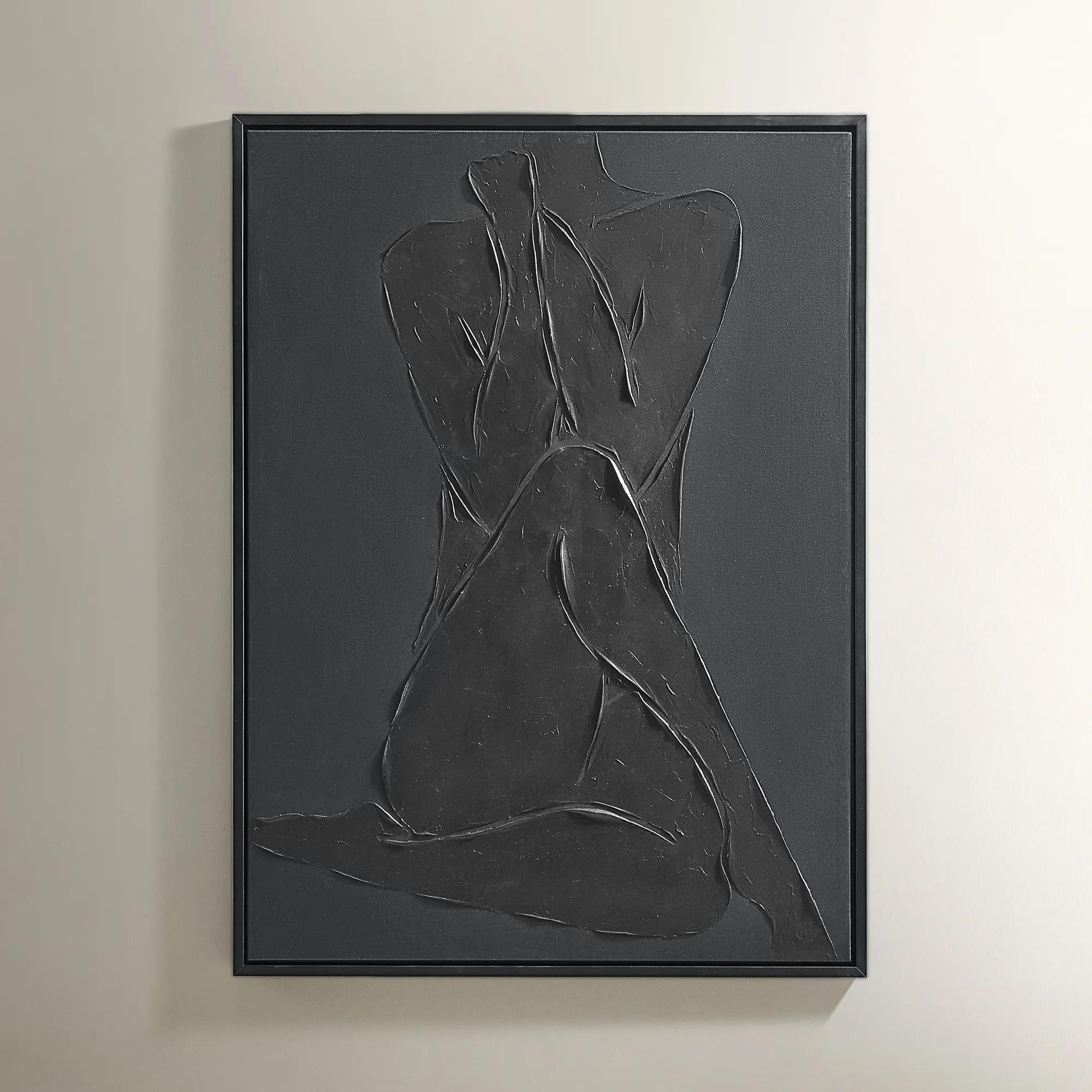 Modern Elegance Nude Black Framed Painted Wall Art 35.5" x 47.25"$599
A hand-embellished canvas artwork featuring textured strokes and vibrant hues in a black and gold Art Deco frame.
Add To Cart -
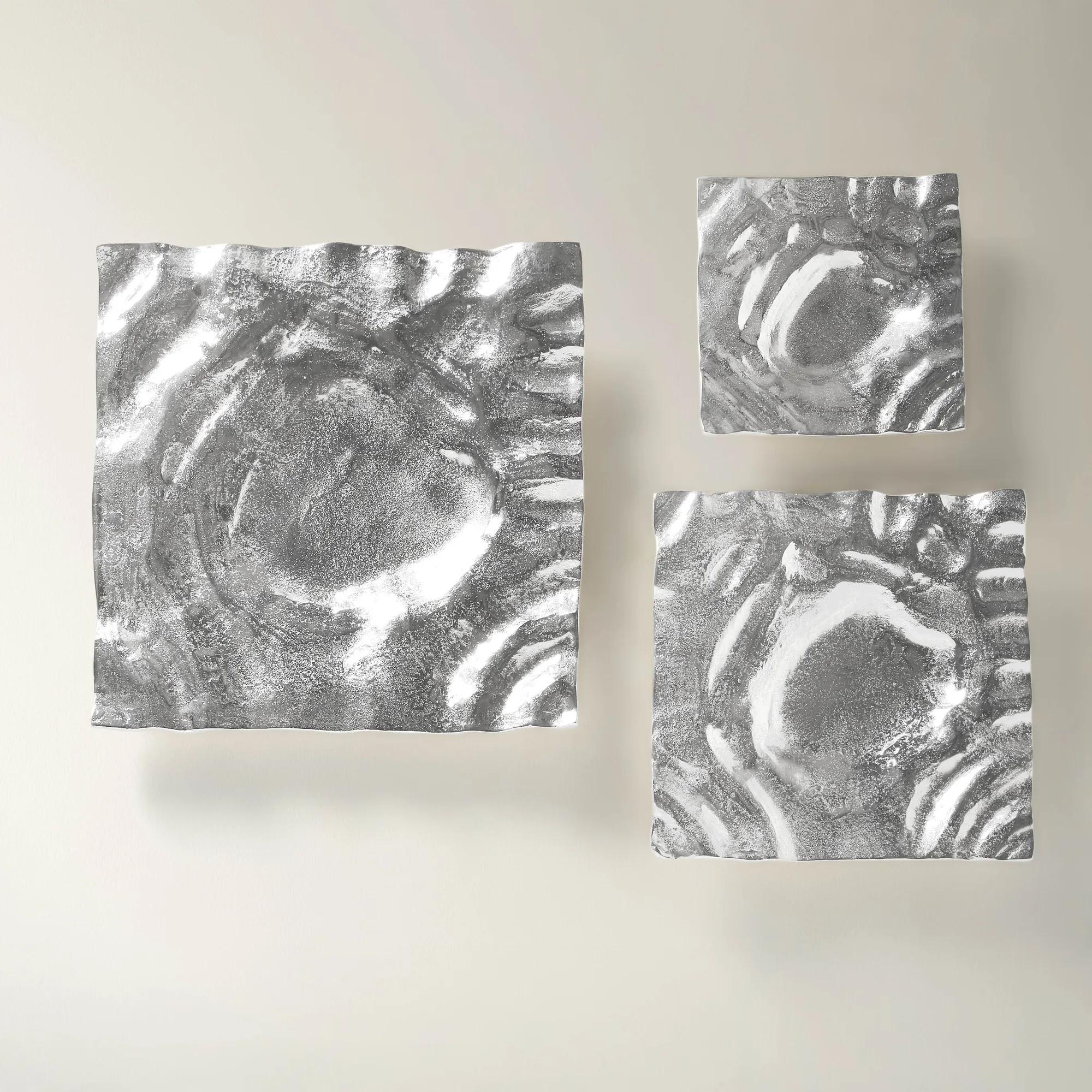
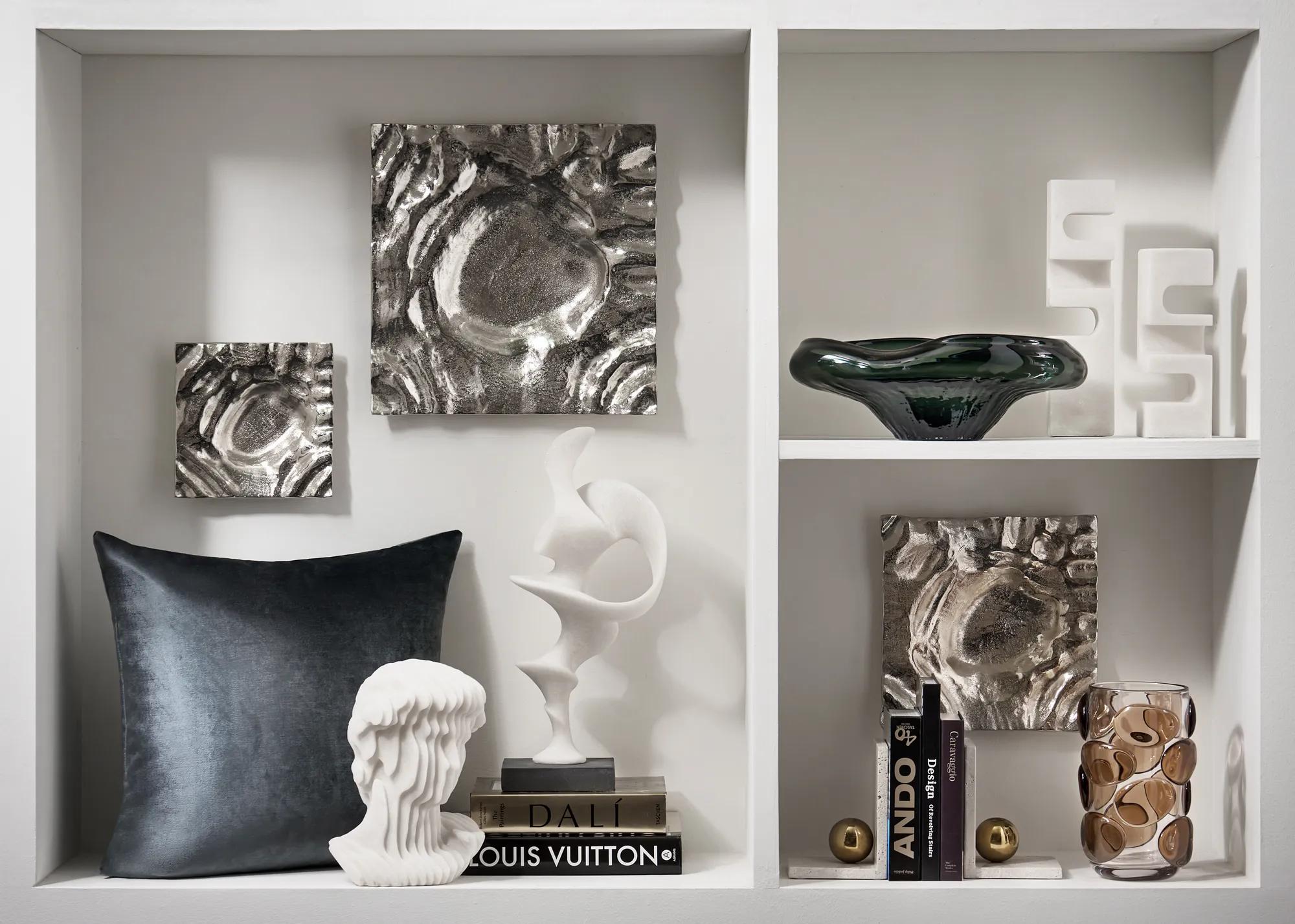 Cascade Wall Art - Set of 3$119
A set of three silver aluminum wall art pieces featuring textured surfaces that reflect and play with light.
Add To Cart -
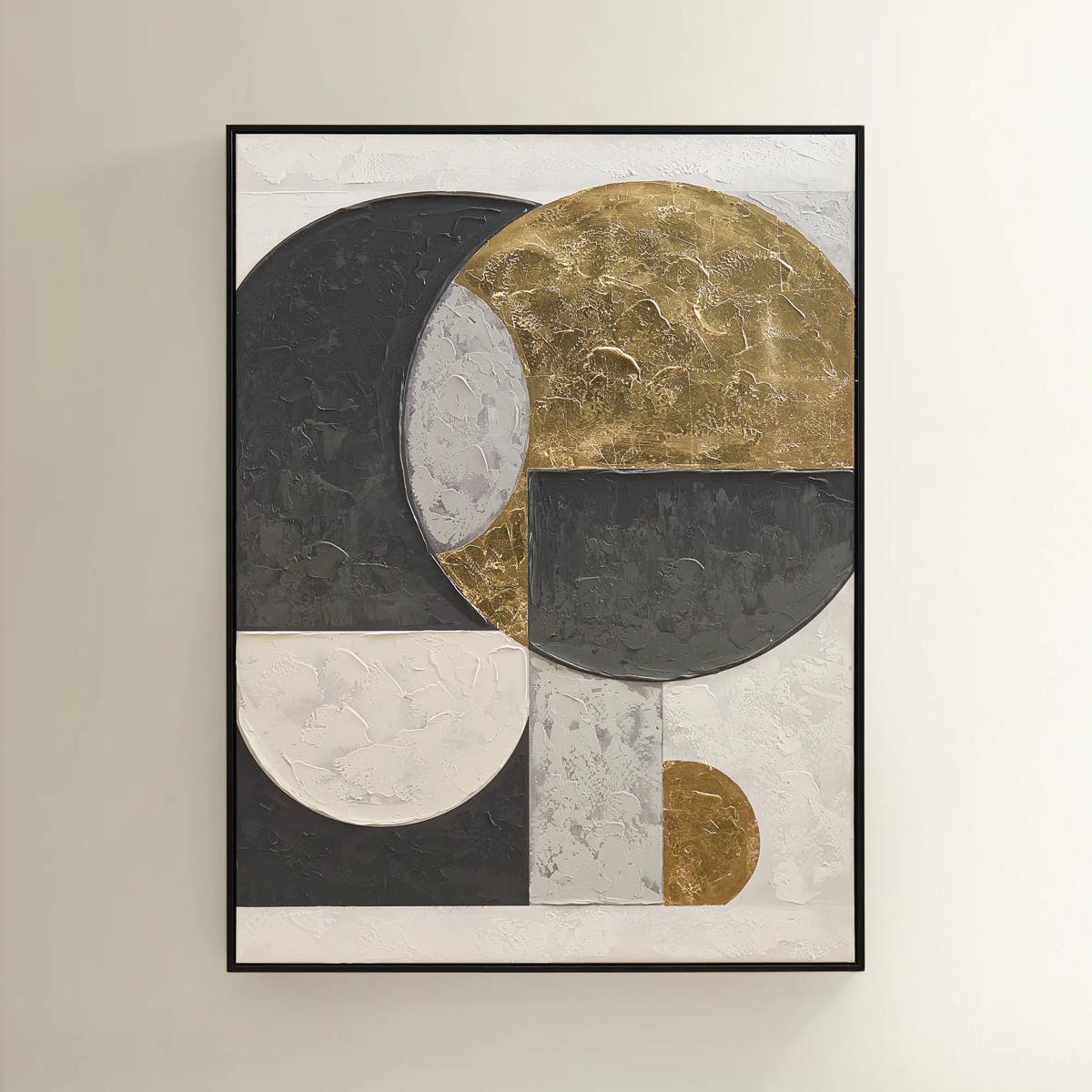
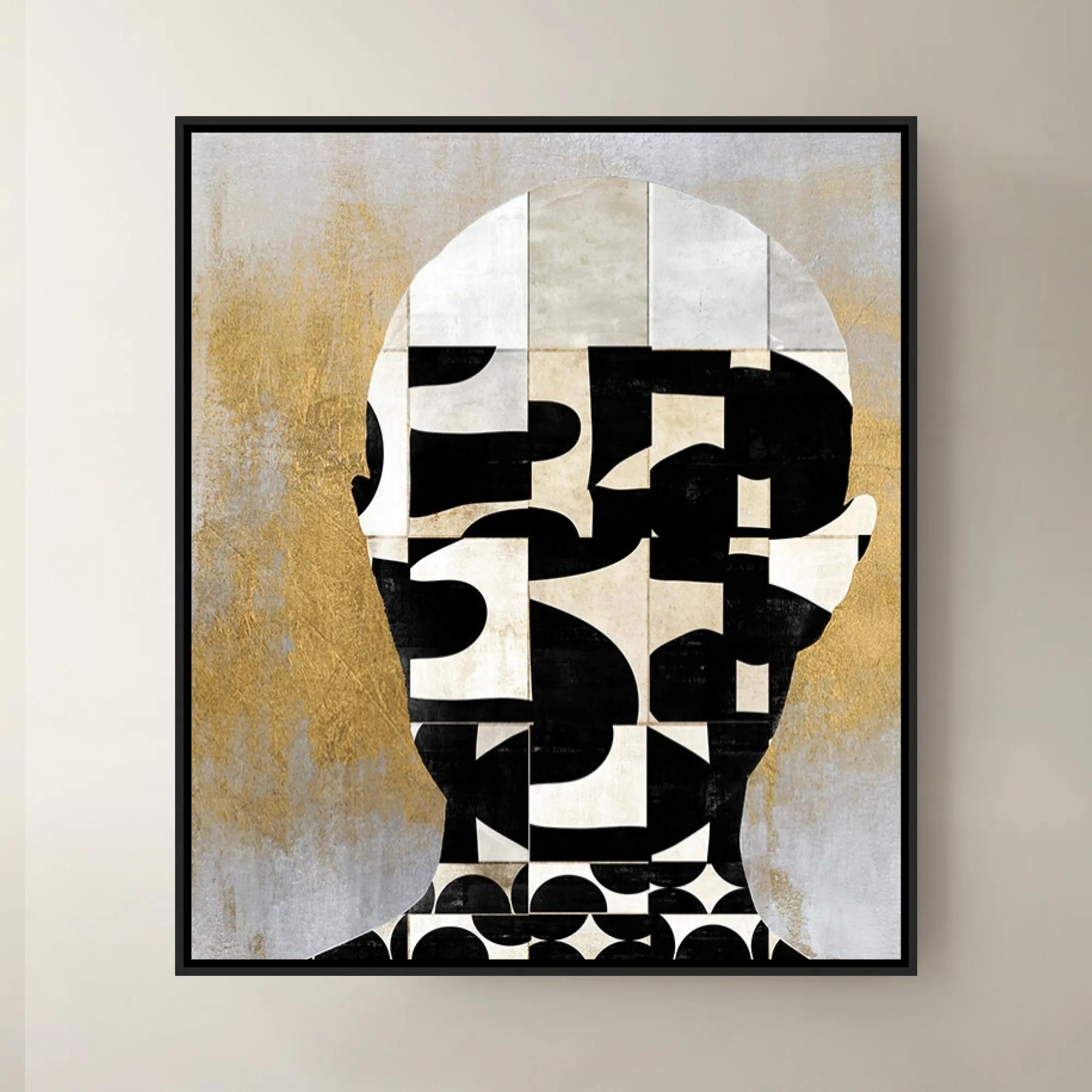
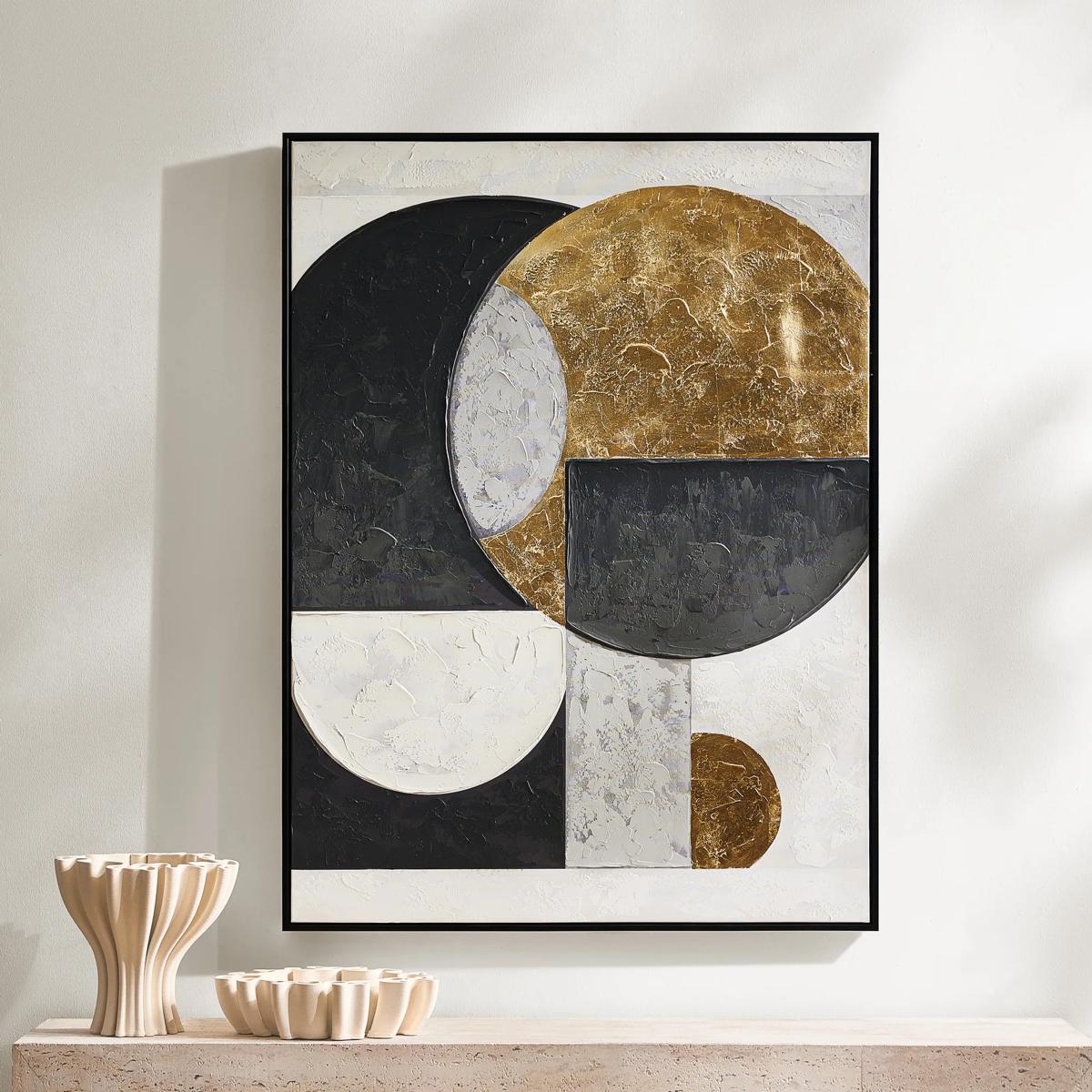 Eclipse Framed Gold Leaf Painted Wall Art 35.25" x 47.25"$449
A hand-painted canvas featuring bold black, grey, and gold geometric shapes with shimmering gold leaf accents.
Add To Cart -
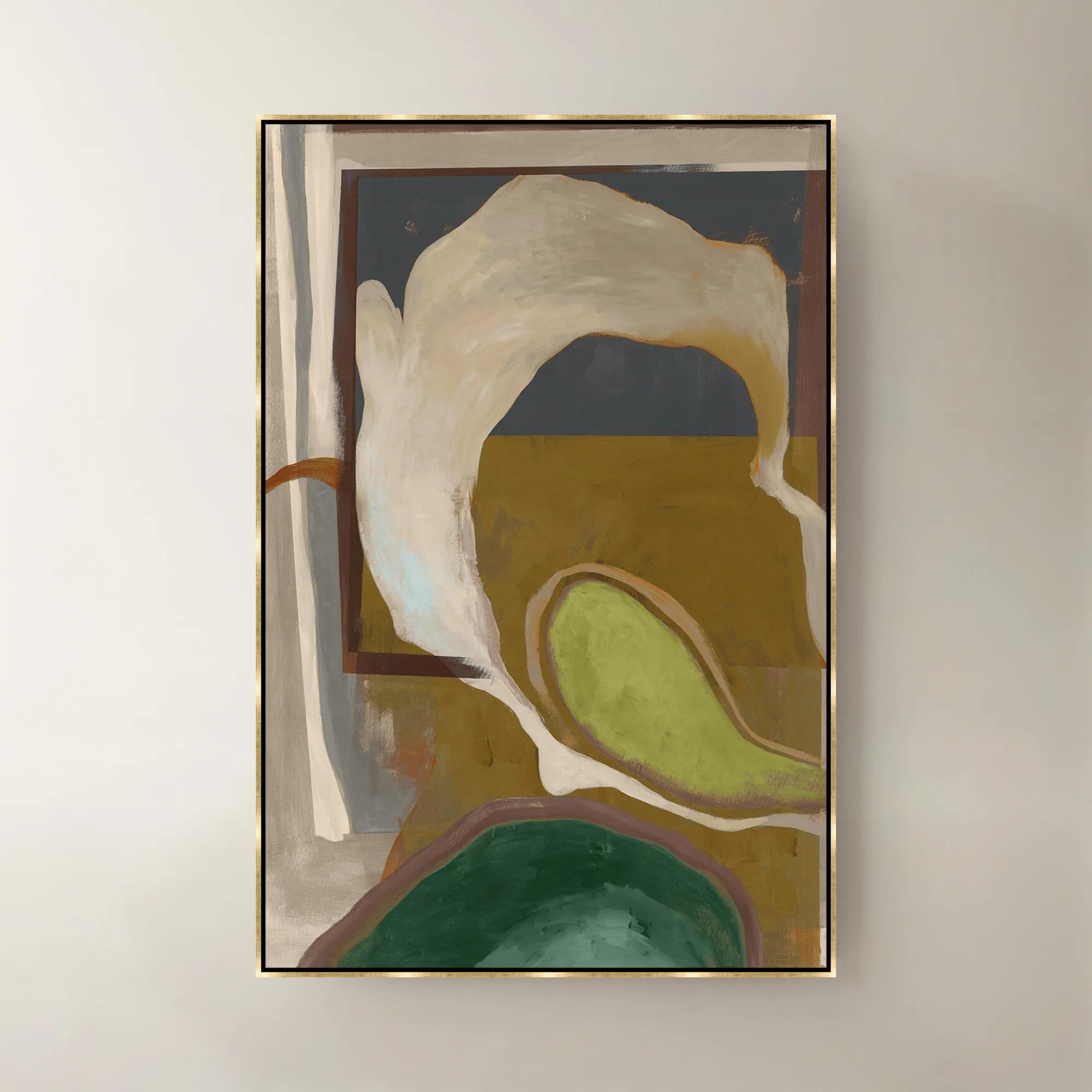
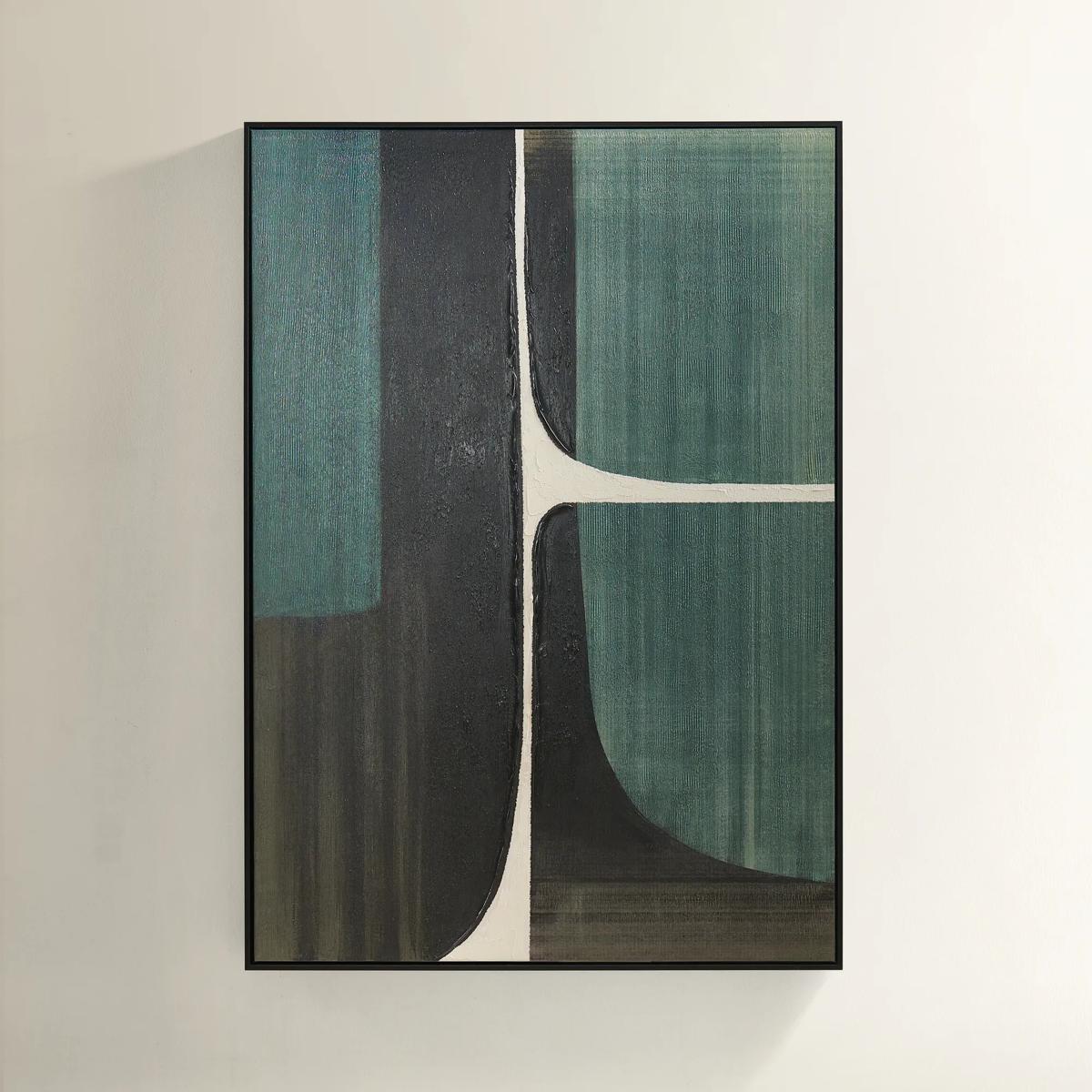 Plains Framed Painted Wall Art 39.25" x 55"$499
A hand-painted abstract canvas in forest green, ivory, and black with a sleek black floater frame.
Add To Cart -
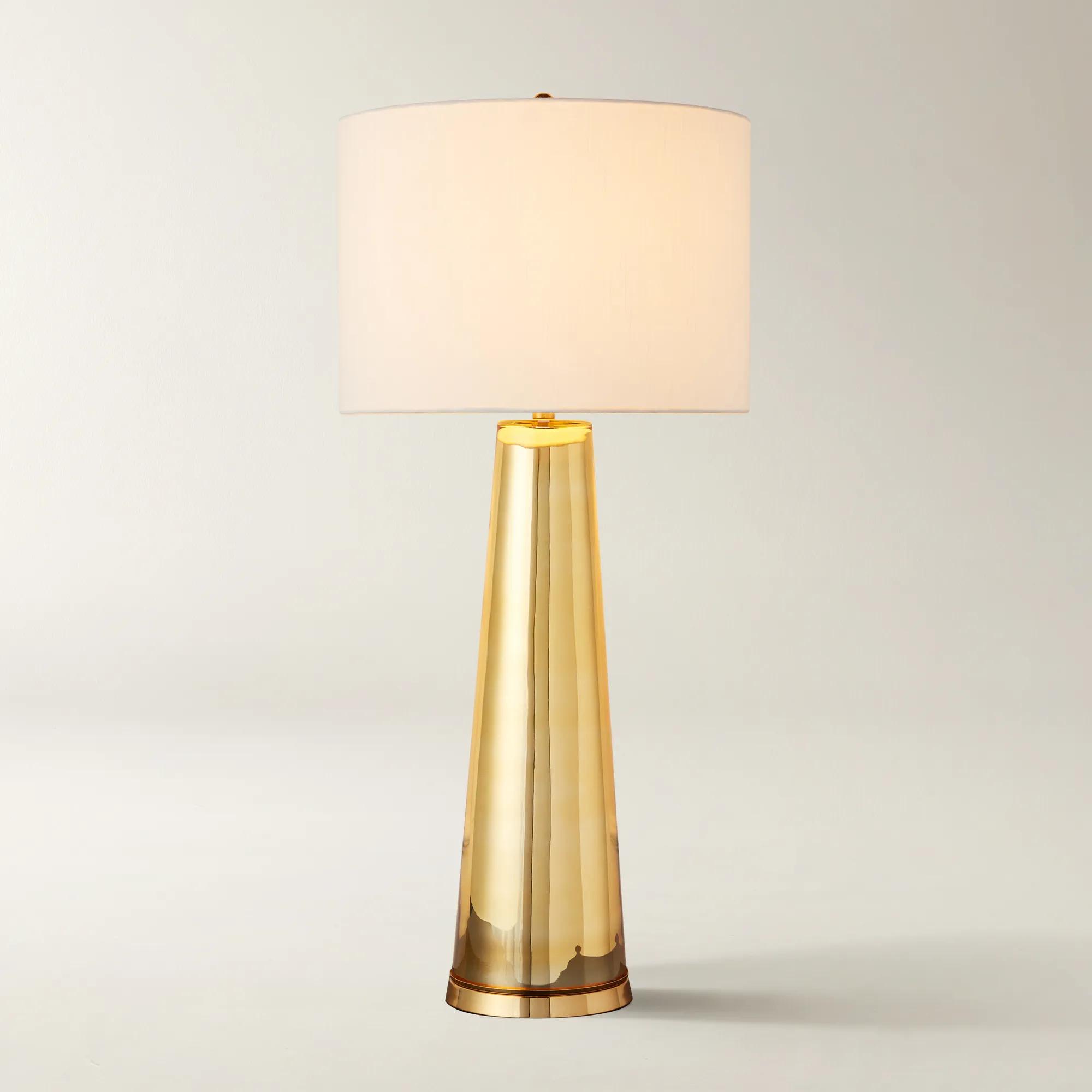
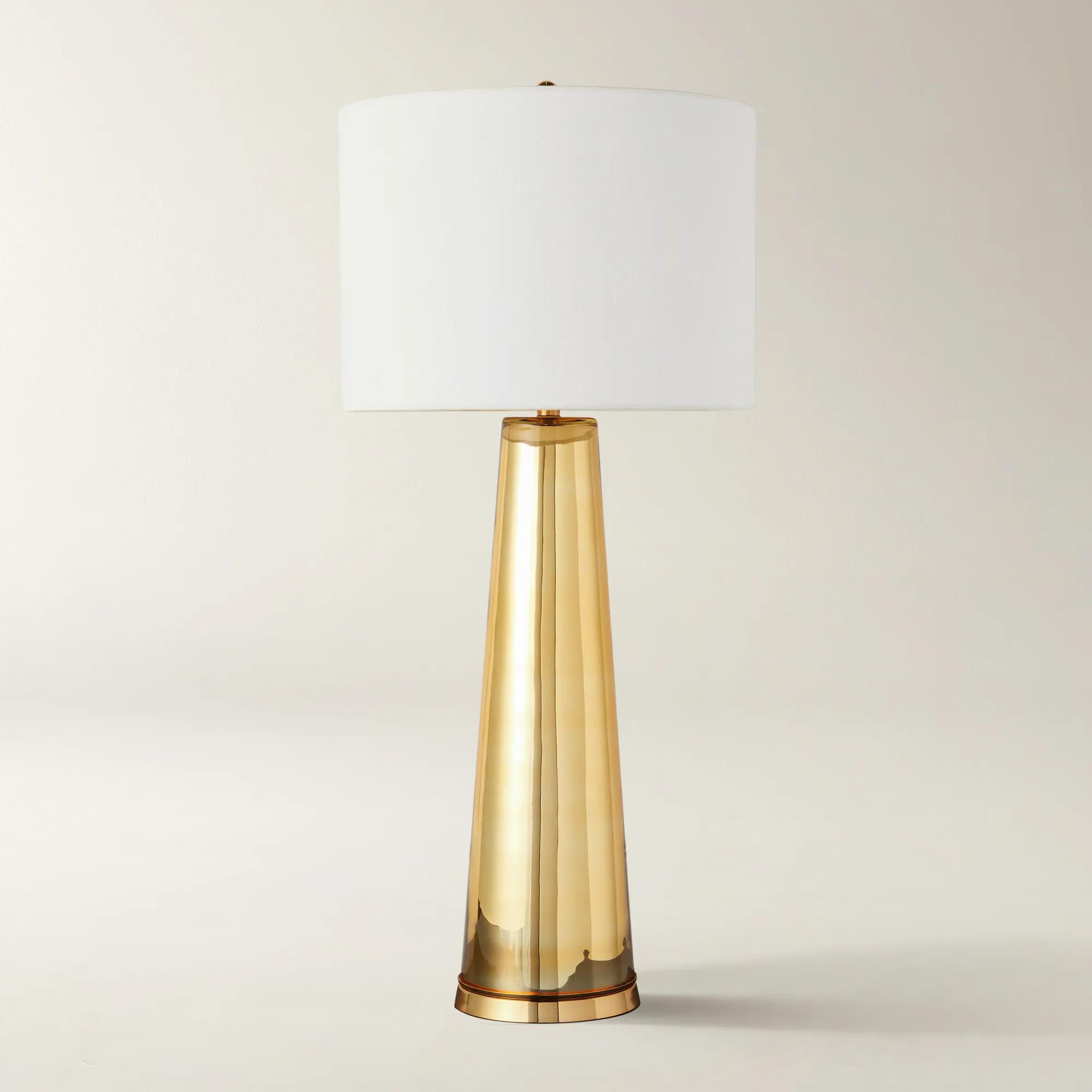 Century Gold Mirrored Glass Table Lamp 40"$299
A modern lamp featuring a mirrored glass base and white drum shade, accented with gold or silver details.
Add To Cart -
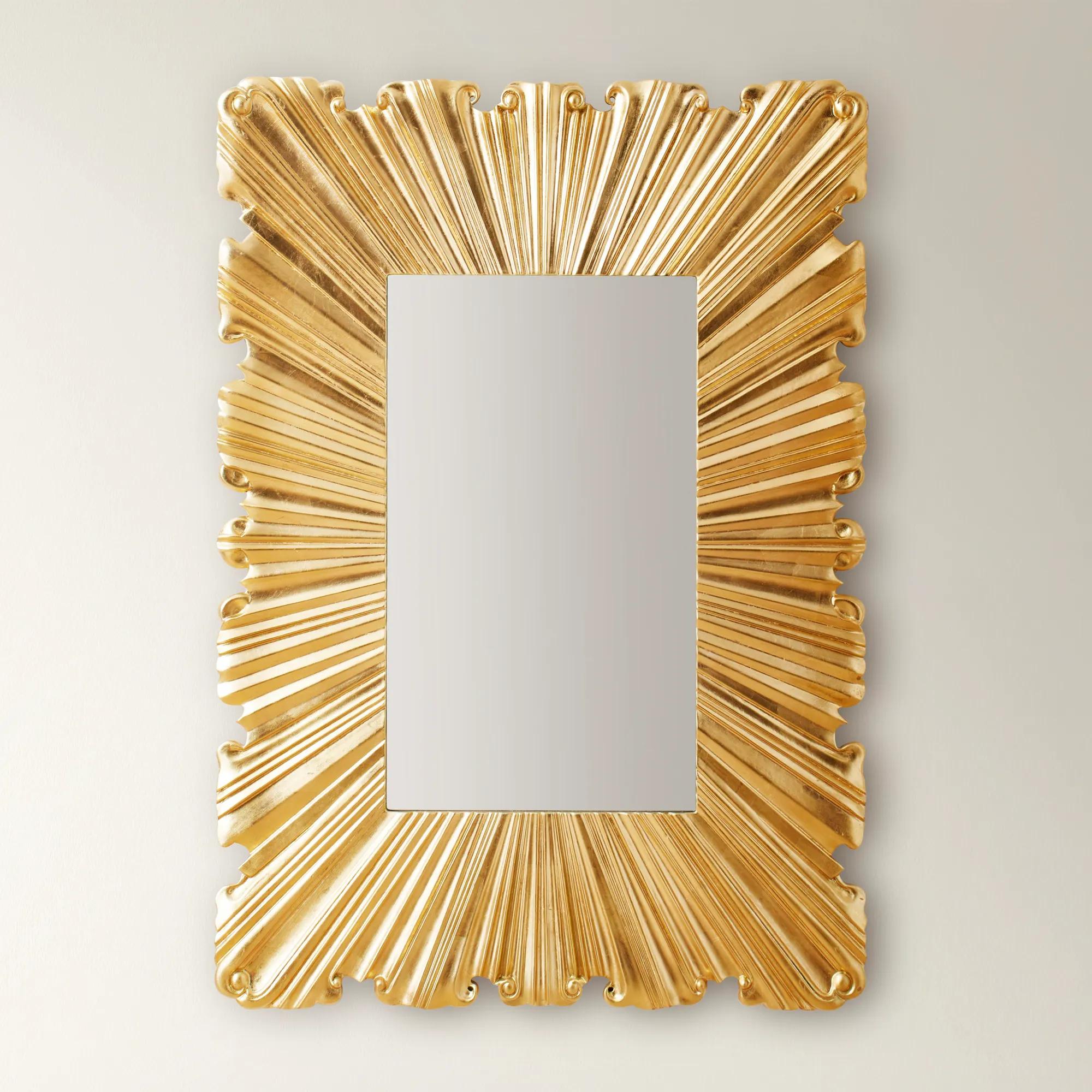 Metropolitan Gold Leaf Resin Rectangular Wall Mirror 27.5" x 39.5"$459
A sculptural wall mirror featuring a gold-finished polyurethane frame for a modern, elegant accent.
Add To Cart -
.jpeg?w=1200&h=1200)
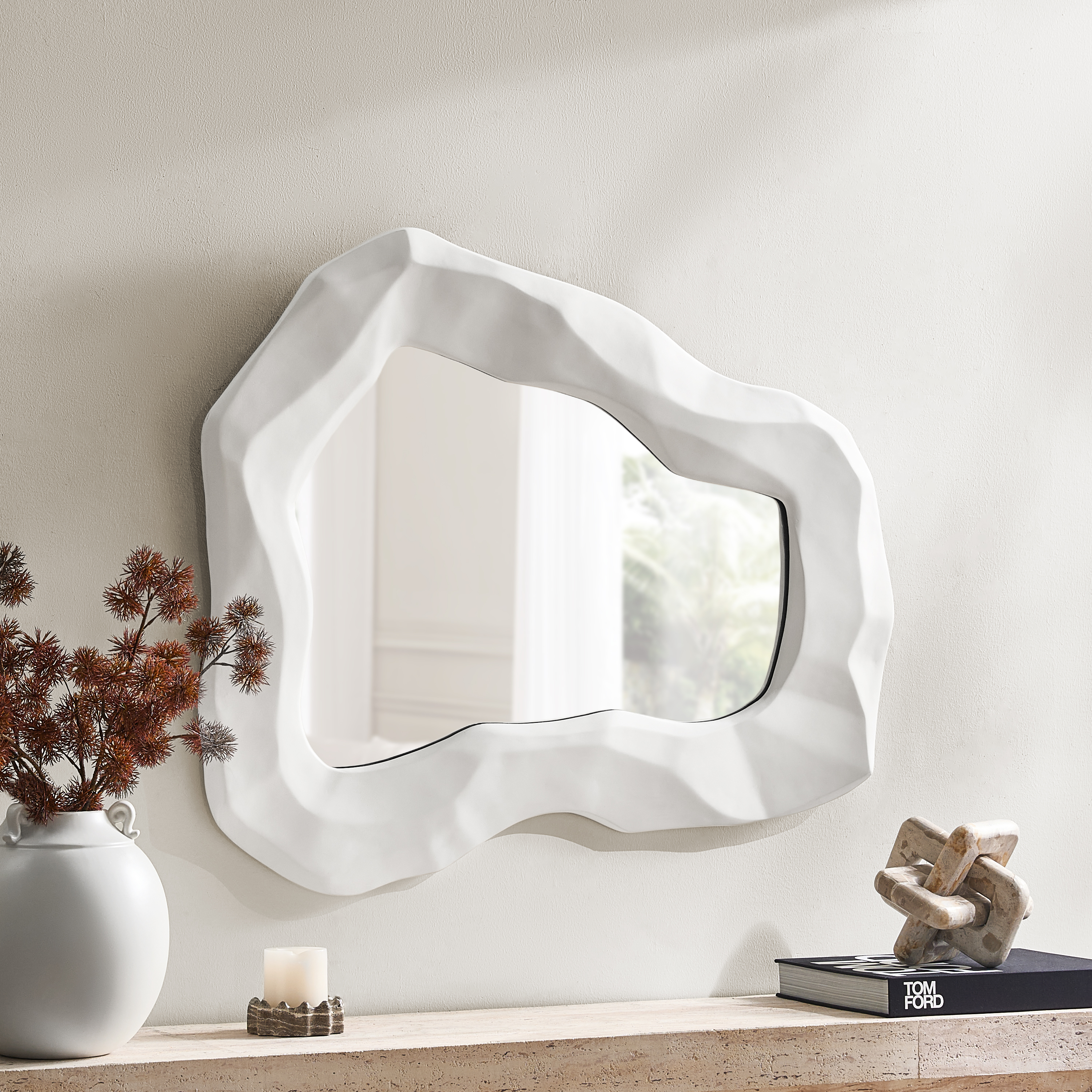 Islay Wall Mirror - White$549
A sculpted resin-framed mirror in matte white with an organic, asymmetrical silhouette for modern interiors.
Add To Cart -
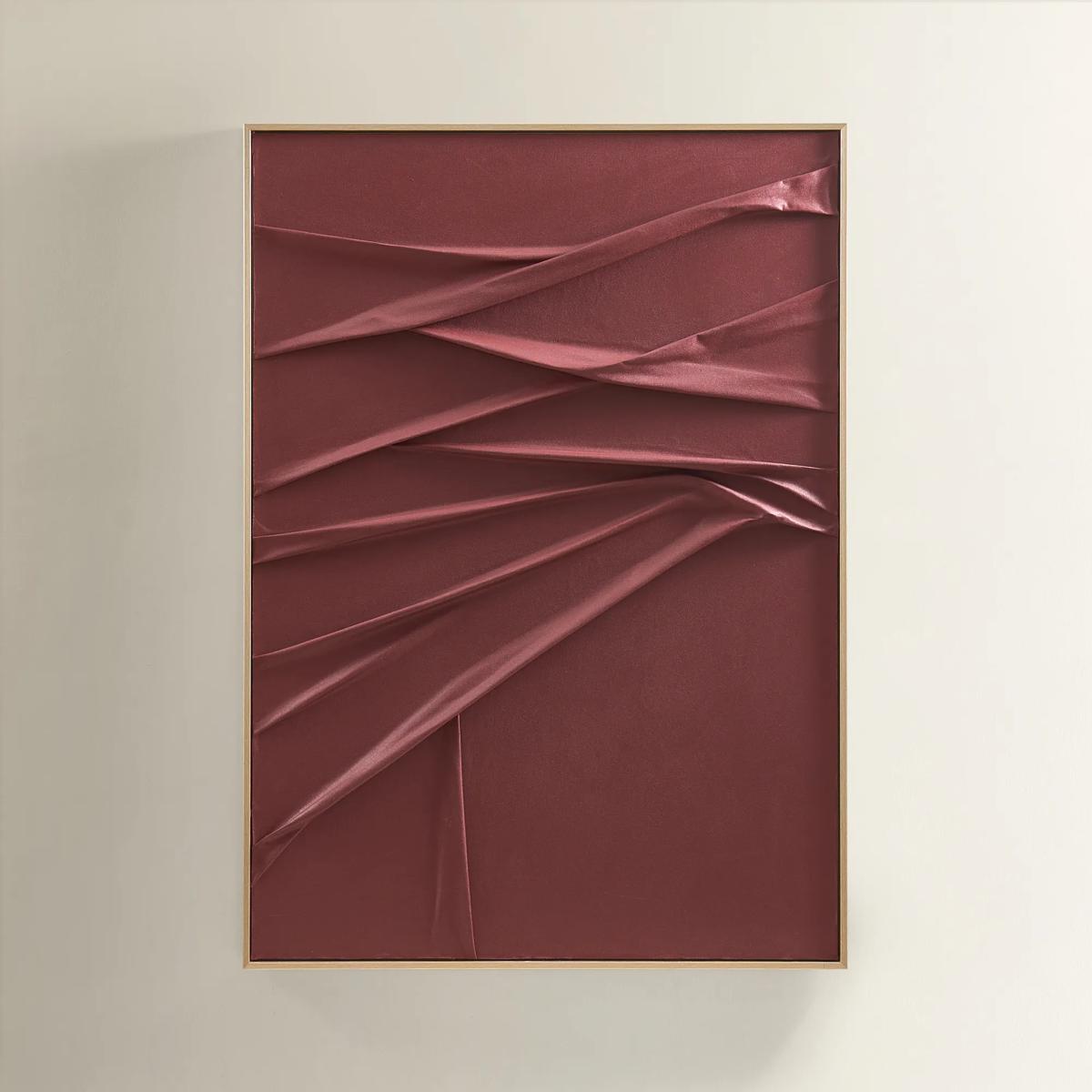
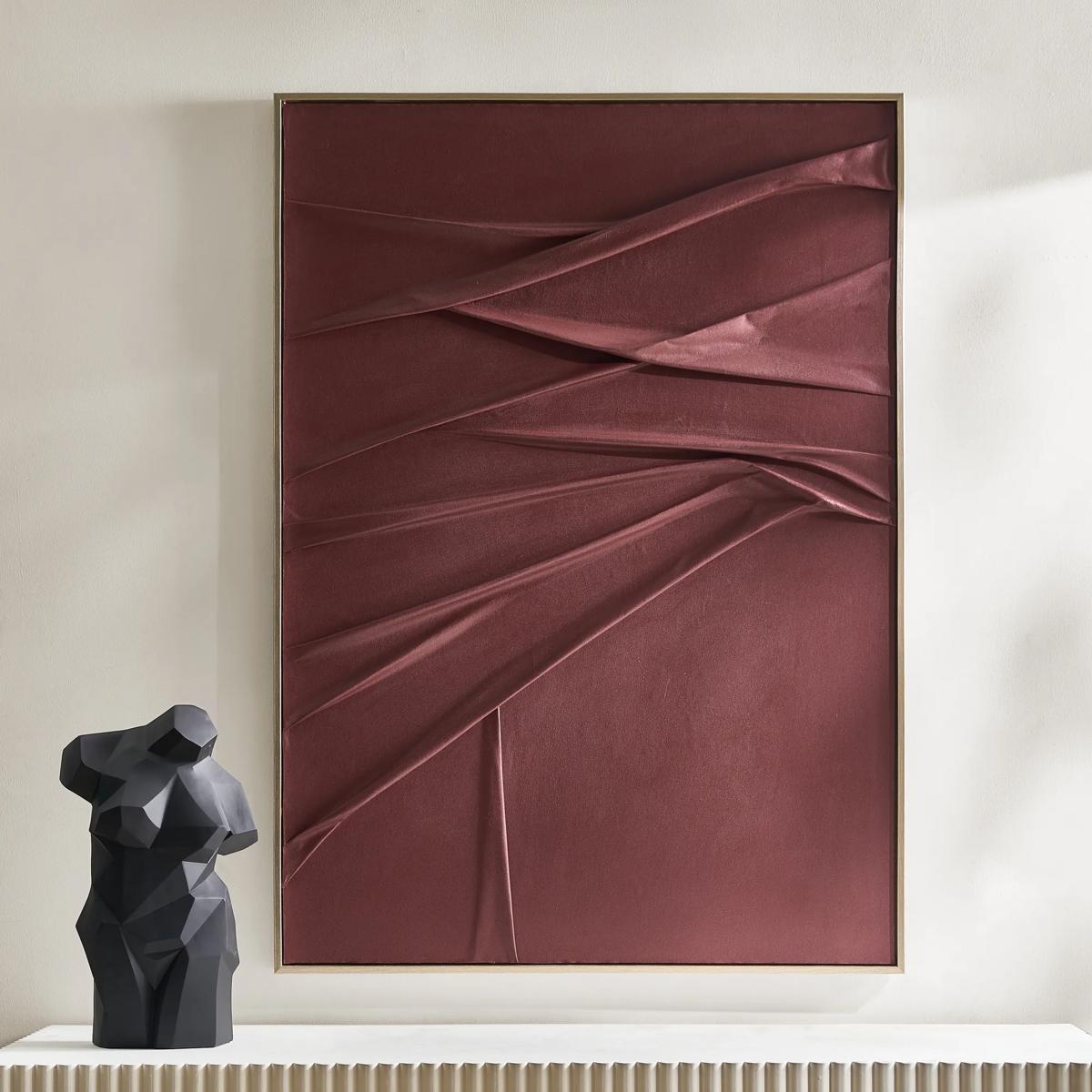 Crimson Painting$599
A handcrafted burgundy canvas artwork with sculptural folds, framed in champagne for a dramatic, textured effect.
Add To Cart -
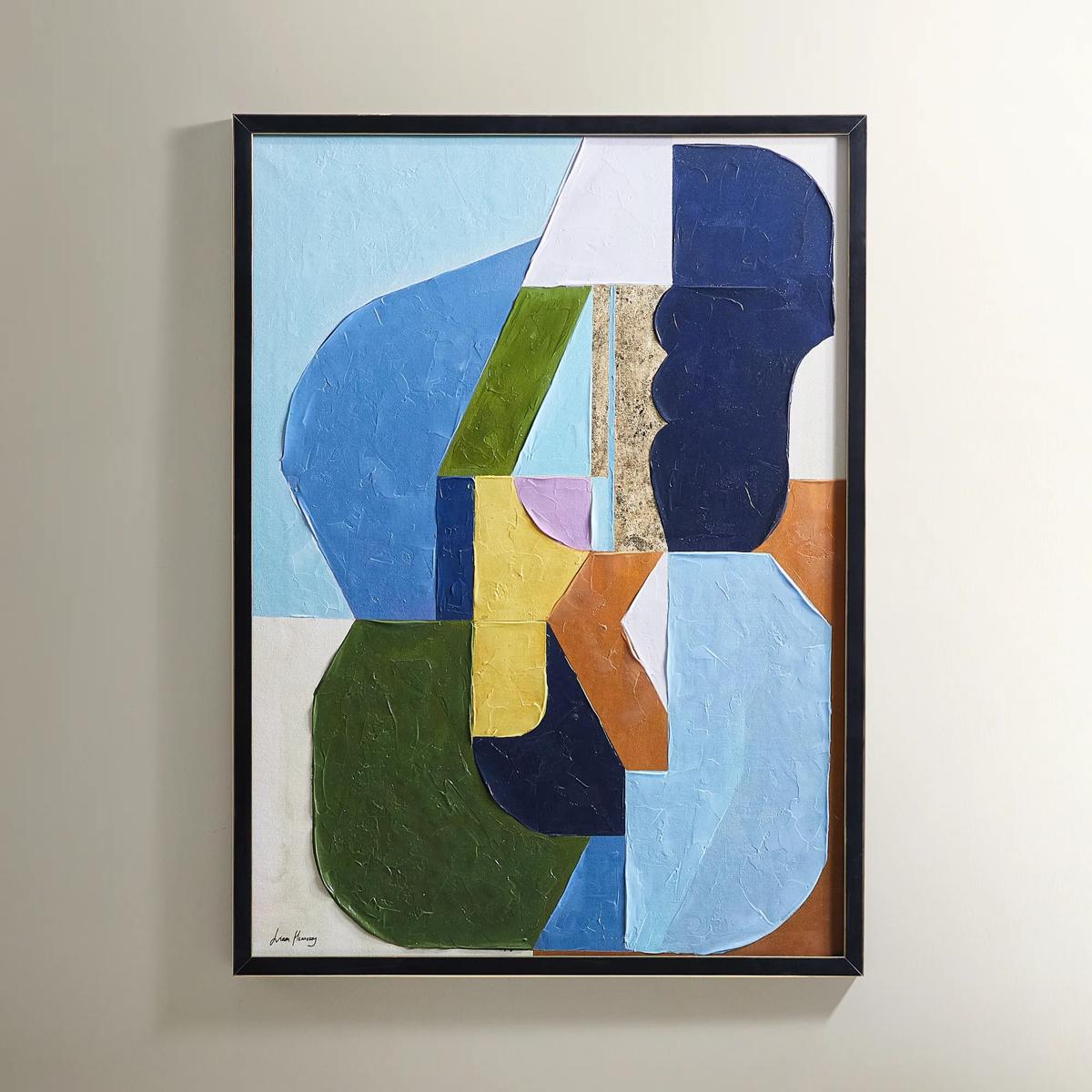
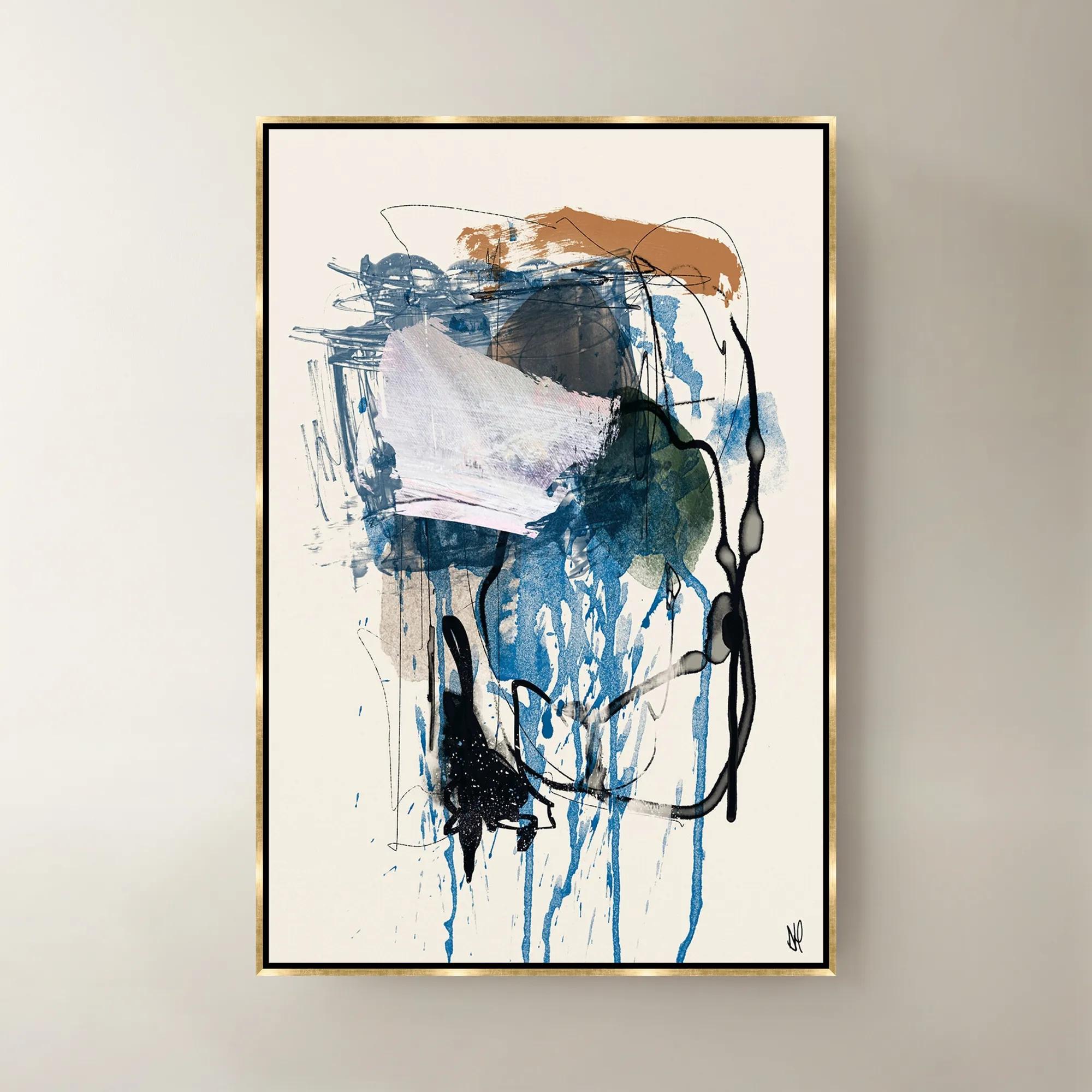
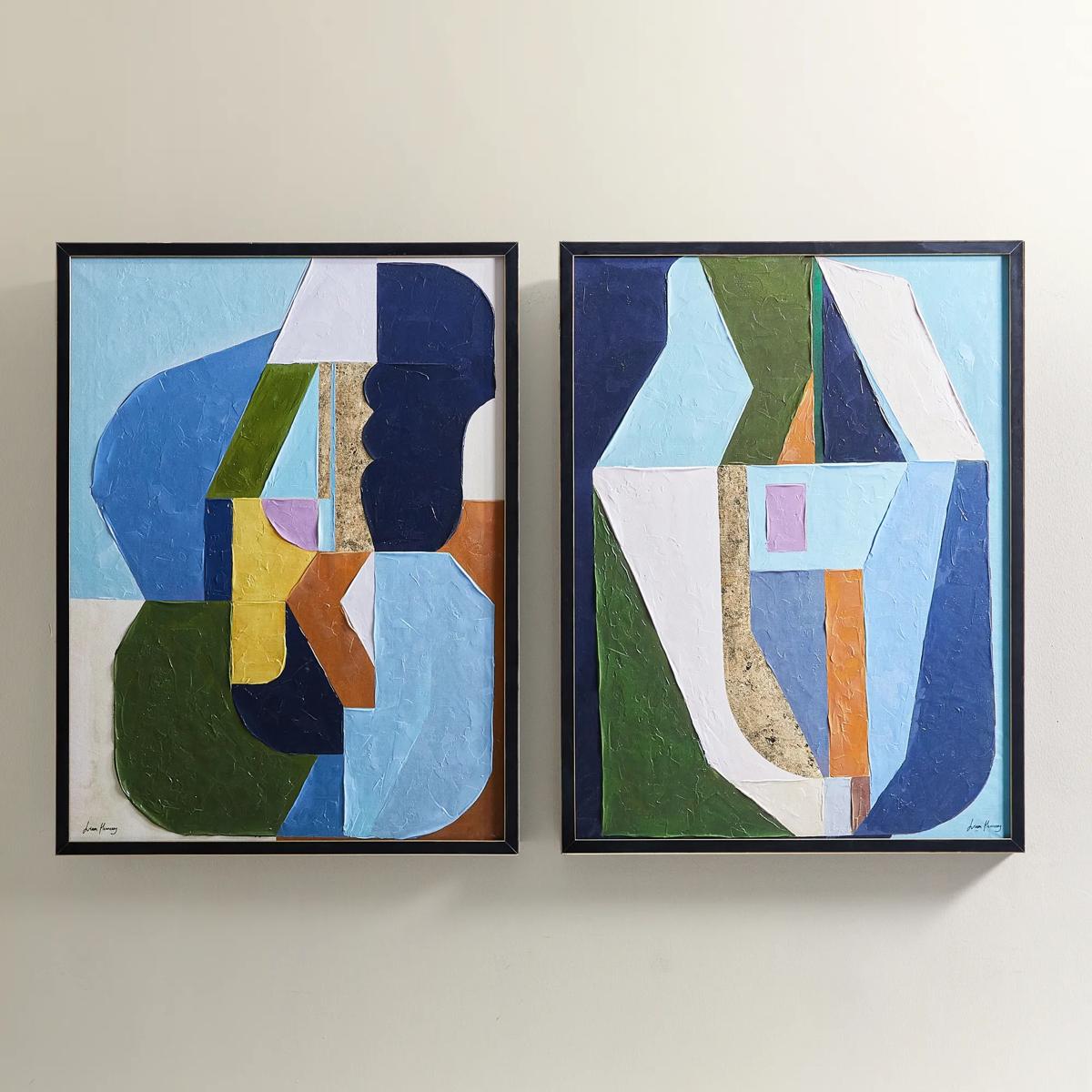 Thought Provoking Painting 1$249
A hand-embellished canvas artwork featuring textured strokes in deep blue, olive green, and gold accents.
Add To Cart

Decor Ideas For Formal Living Rooms
Elevate your entertaining spaces with decor ideas for formal living rooms that celebrate artistry, grandeur, and unapologetic self-expression. Here, every detail is an invitation to indulge in drama—from sculptural silhouettes that command attention to sumptuous textures that beckon you closer. Whether you’re drawn to gleaming metallics, bold color palettes, or statement-making accents, these inspirations transform your living room into a gallery of sophistication. Discover how to curate a space where elegance meets imagination, and every gathering feels like an opening night.
Decor ideas for formal living rooms center on balanced furniture arrangements, rich textures, layered lighting, and a focal point that gives the space its identity. The most compelling rooms feel composed rather than crowded: a sumptuous sofa anchors the setting, sculptural chairs invite conversation, and a generous piece of art establishes the mood. Formal living room furniture creates a place for welcoming guests, sharing an aperitif before dinner, or lingering over conversation after a celebration. Its elegance comes as much from proportion and comfort as from decorative detail. Facing sofas can lend a spacious room architectural balance, while a sofa paired with two armchairs brings similar poise to a narrower footprint. Matching silhouettes establish symmetry; contrasting upholstery or an unexpected accent table keeps that symmetry from becoming rigid. Seat height and depth deserve attention, especially in rooms used by guests of different ages. Supportive cushions and a seat that is easy to rise from make an extended visit more comfortable, while upholstered arms soften the experience without sacrificing structure. Velvet brings luminous depth to jewel tones and quiet neutrals alike, with its pile catching light differently across curved backs and tailored cushions. Linen blends offer a more textured counterpoint, while leather can introduce richness through a smooth surface and natural variation. Fiber content, upholstery construction, and the demands of the household matter more than appearance alone when considering durability. A formal space that also welcomes children or pets benefits from fabrics with documented performance characteristics and care requirements suited to everyday use. Scale is equally consequential: furniture needs room to breathe, doors must open freely, and guests should be able to move between seats without turning sideways. A coffee table within comfortable reach gives drinks and small plates a graceful landing place. Together, these practical details allow a room to look dressed for an occasion while remaining genuinely inviting, whether the gathering is an intimate evening for four or a fuller house during the cooler months.
Color, material, and light give formal living room decor its distinctive atmosphere. Ivory upholstery against charcoal walls feels crisp and theatrical; warm taupe, champagne tones, and softly veined stone create a gentler kind of opulence. A restrained palette does not require restrained expression. Deeply textured fabric, a substantial wood frame, and a gleaming metallic accent can supply drama without competing colors. Glass and mirrored surfaces introduce reflection, helping a room feel more luminous, while wood contributes visual weight and warmth. Stone brings organic pattern to a polished setting, though its porosity, sealing needs, and sensitivity to spills vary by material and finish. Coasters and prompt attention to moisture help protect surfaces during entertaining, and manufacturer care instructions remain essential for stone, lacquer, wood, and plated metal alike. Repeating a finish in a few deliberate places creates continuity without making every detail match. A warm metallic note might appear in a lighting frame, an artwork border, and a decorative bowl, with matte ceramics offering a quiet contrast. Statement lighting gives these materials dimension. A chandelier can establish a strong overhead focal point, but table lamps and floor lamps bring illumination closer to the people using the room. Compatible dimmable lighting allows brighter light for welcoming guests and a softer glow once conversation settles in. Fixture dimensions should suit both ceiling height and room size, with appropriate clearance and professional installation where required. Window treatments add another layer of softness and help frame the room’s architecture. Full-length panels can emphasize height, while lining influences privacy, light filtration, and the way fabric hangs. The fabrics and silhouettes associated with Formal Living Room Drapes complement spaces where tailored upholstery and expressive finishes deserve an equally considered backdrop. Panel fullness, rod placement, and a length suited to the household all affect the result. Fabric that just meets the floor offers a clean, elegant line without excess material gathering in a busy walkway, and generous folds bring depth to the window even when the panels remain open.
The finishing layers make a formal living room feel personal rather than anonymous. Large-scale wall art can provide the central gesture, whether through sweeping abstraction, tonal texture, or a dramatic composition that draws attention across the room. Its dimensions should relate to the furniture below it and the surrounding wall space; a work that feels commanding above a sofa may overwhelm a slender console. A decorative mirror offers a different effect, reflecting light and extending a sightline, especially when positioned to capture an attractive window or architectural detail rather than a cluttered passage. Substantial mirrors and artwork require mounting hardware appropriate to their weight and the wall construction. Underfoot, an area rug defines the conversation setting and introduces softness against stone or wood flooring. A size that accommodates at least the front legs of the main seating pieces usually creates a more cohesive arrangement than one floating beneath the coffee table alone. Wool offers resilient texture, while synthetic fibers may provide practical stain resistance depending on their construction; delicate, lustrous fibers can demand more specialized care. Rug pile, edge height, and an appropriate rug pad also influence stability and how easily people move through the space. Decorative pillows bring smaller doses of color and tactile contrast, particularly when smooth velvet sits beside an embroidered or woven surface. A few generously scaled pillows leave more usable seating than a dense arrangement of small accents. Throws add warmth for a guest seated near a window, and their care requirements should suit how often they will be used. On tables and consoles, sculptural vessels, decorative boxes, and bowls introduce artistry while leaving space for the rituals of entertaining. Varied heights create visual interest, but lower arrangements near seating preserve clear views between guests. Removable covers, accessible surfaces, and accents that can be lifted easily for dusting make routine care less cumbersome. These considered choices give formal living room accessories a lasting role: not simply embellishment, but the expressive details that make a gracious room unmistakably personal.
FAQs
A dramatic focal point can be established with a grand fireplace, a statement piece of art, or an eye-catching chandelier. Consider layering the area with sculptural accents, a curated gallery wall, or a luxe coffee table to draw the eye and set the tone for the entire room.
Pairing sumptuous fabrics like velvet or silk with gleaming metallics, mirrored surfaces, and organic materials such as stone or wood creates visual intrigue and depth. Layering these textures—think plush throws, sleek vases, and handwoven rugs—allows the room to feel both curated and inviting.
A blend of ambient, accent, and task lighting works wonders in a formal living room. Chandeliers or pendant lights provide a dramatic centerpiece, while table lamps and sconces offer warmth and intimacy. Accent lighting can be used to highlight art or architectural features, creating a multidimensional glow.
Incorporate curated collections, artful displays, or meaningful decorative pieces that reflect your personality. A gallery wall, a collection of travel mementos, or a selection of unique vases and objets d’art can infuse the space with individuality while maintaining a sophisticated aesthetic.
Absolutely. The formal living room is designed for gracious entertaining—its layered textiles, elegant seating, and artful lighting create a welcoming atmosphere for gatherings. Seasonal accents like fresh florals, metallic decor, and plush throws can further elevate the space for memorable holiday celebrations.