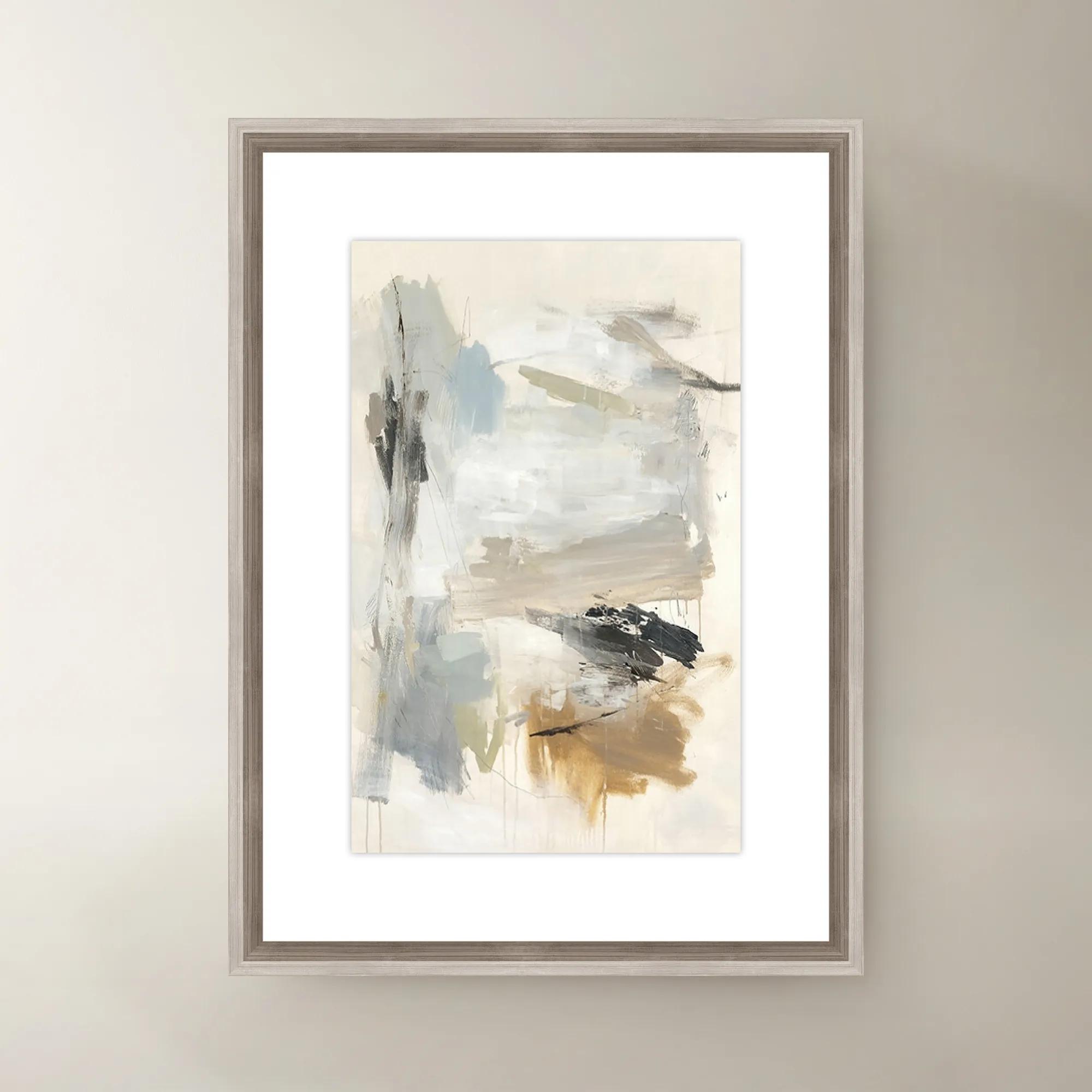
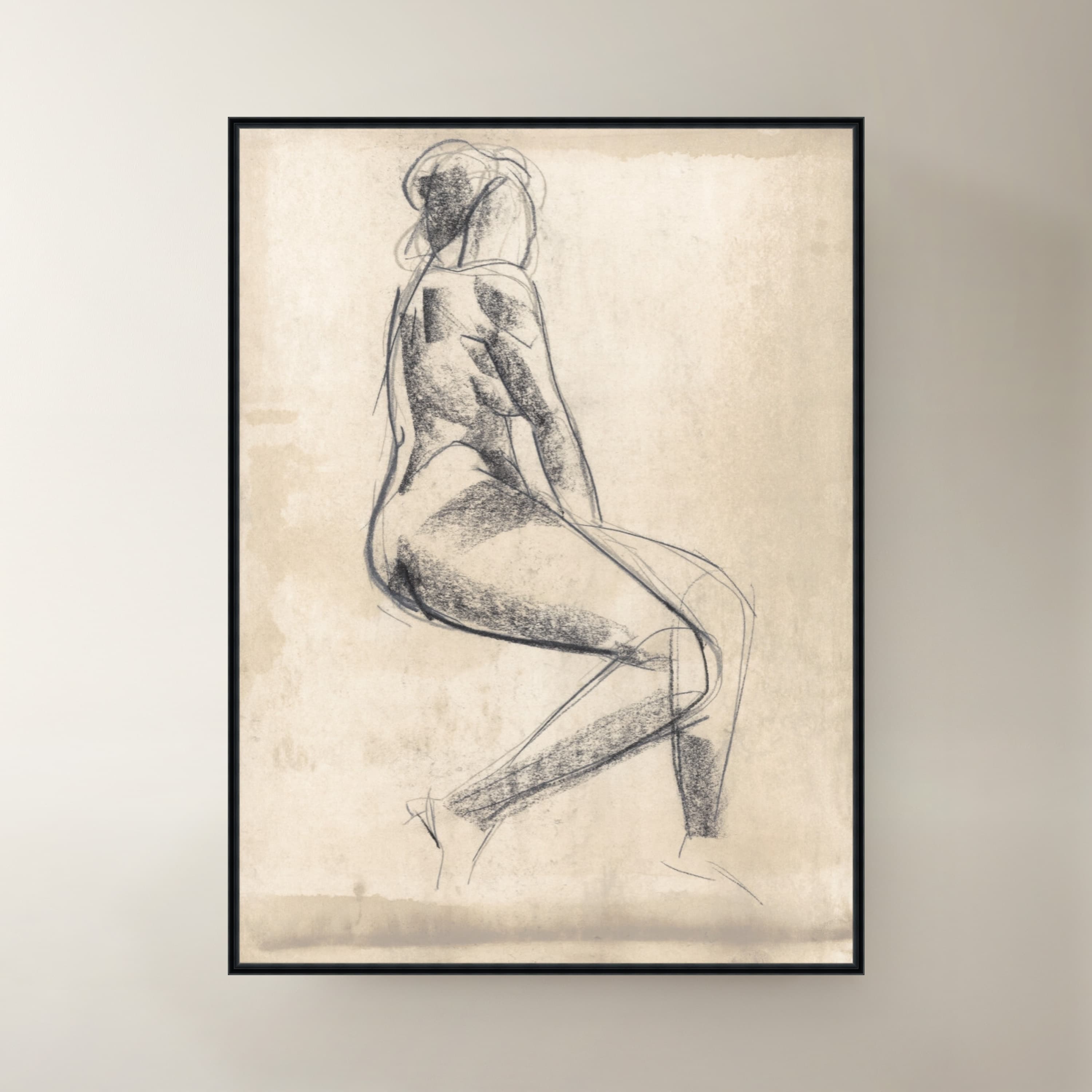
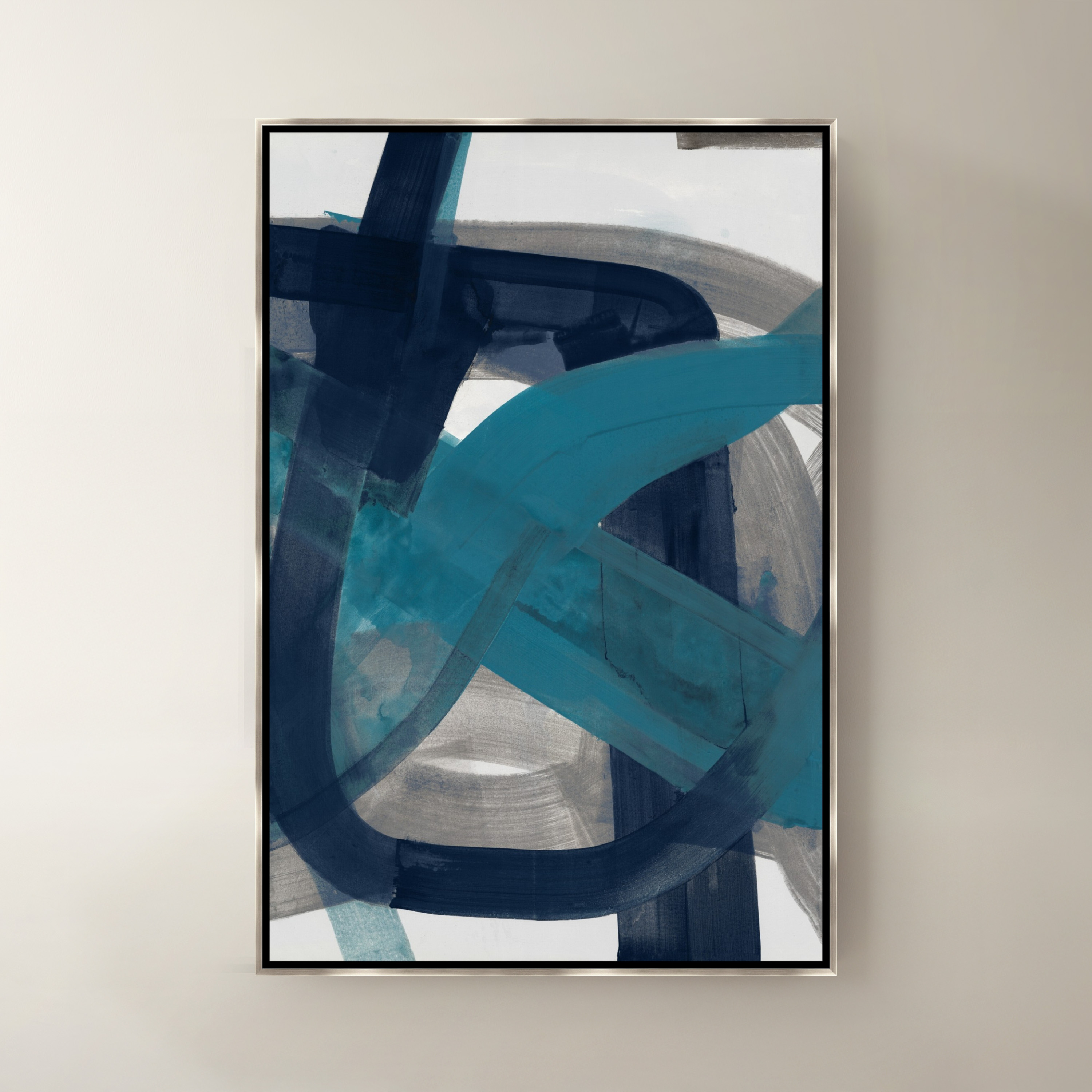
Elegant Dining Room Wall Decor
Elegant Dining Room Wall Decor
-
 Bella Champagne Draped Leather Wall Panel 50" x 40"$699
A sculptural wall panel featuring cascading black, champagne, and ivory leather over a fabric-wrapped MDF foundation.
Add To Cart -
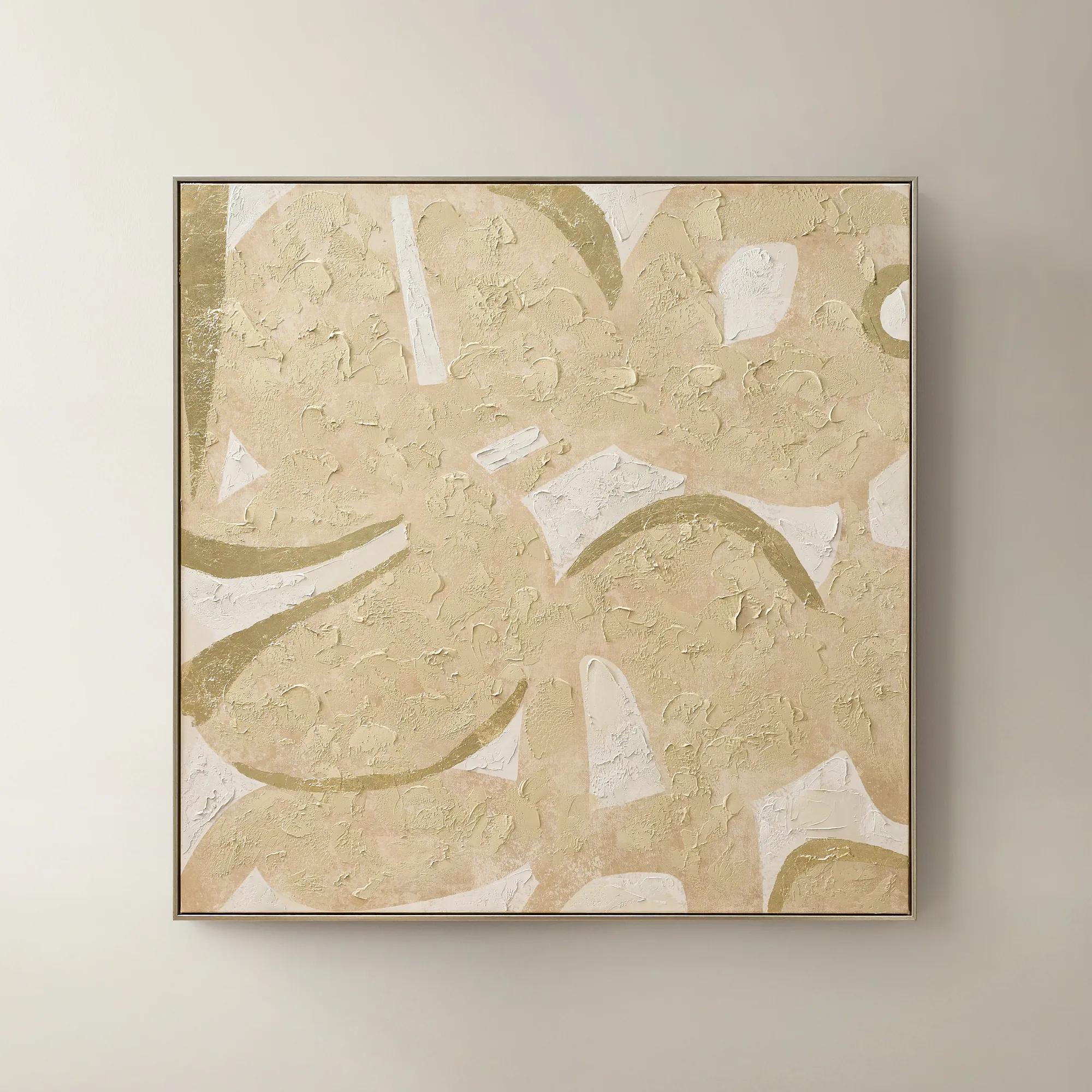
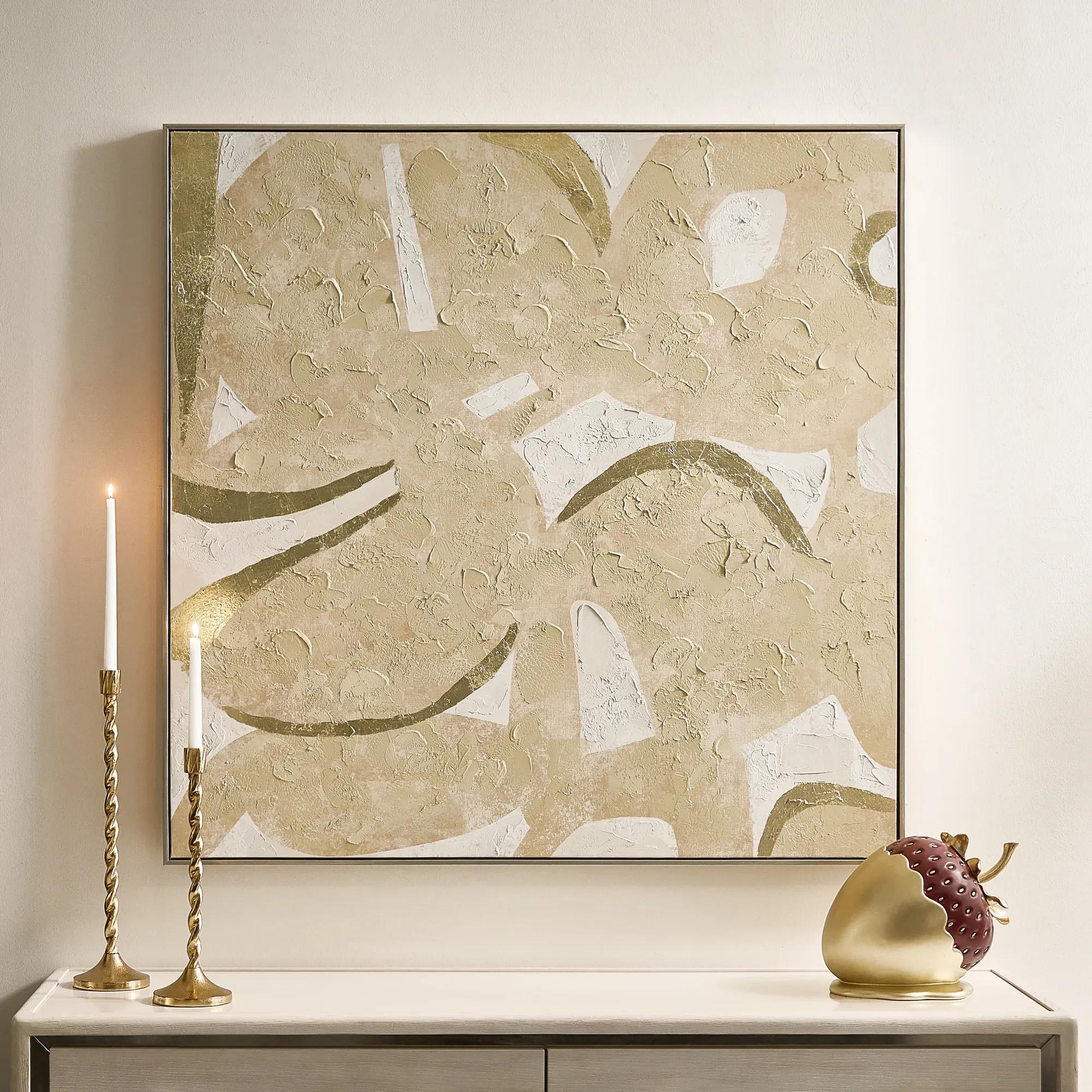 Golden Maize Framed Painted Wall Art 48" x 48"$399
A hand-painted canvas with champagne leafing and butter cream tones adds warmth and modern sophistication.
Add To Cart -
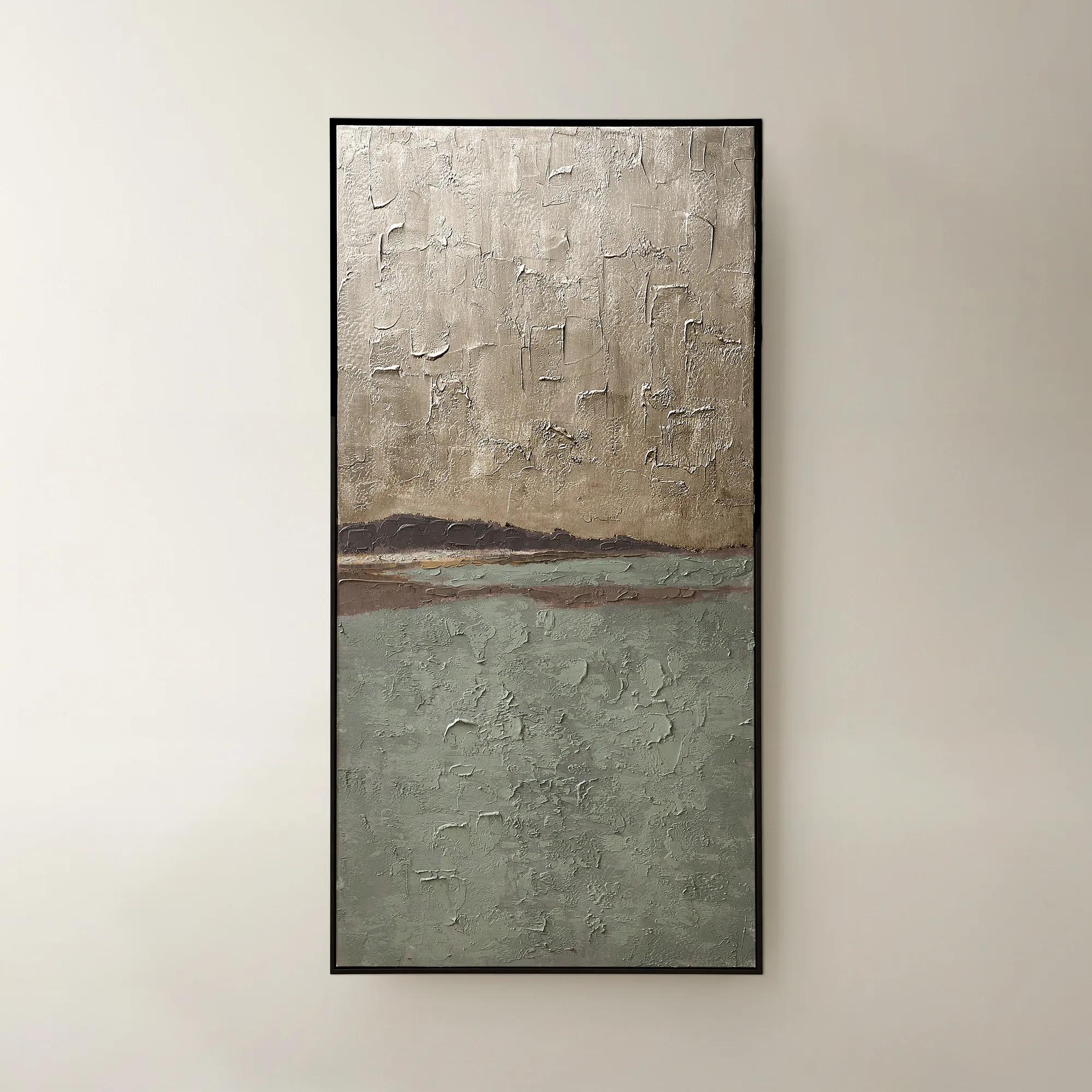
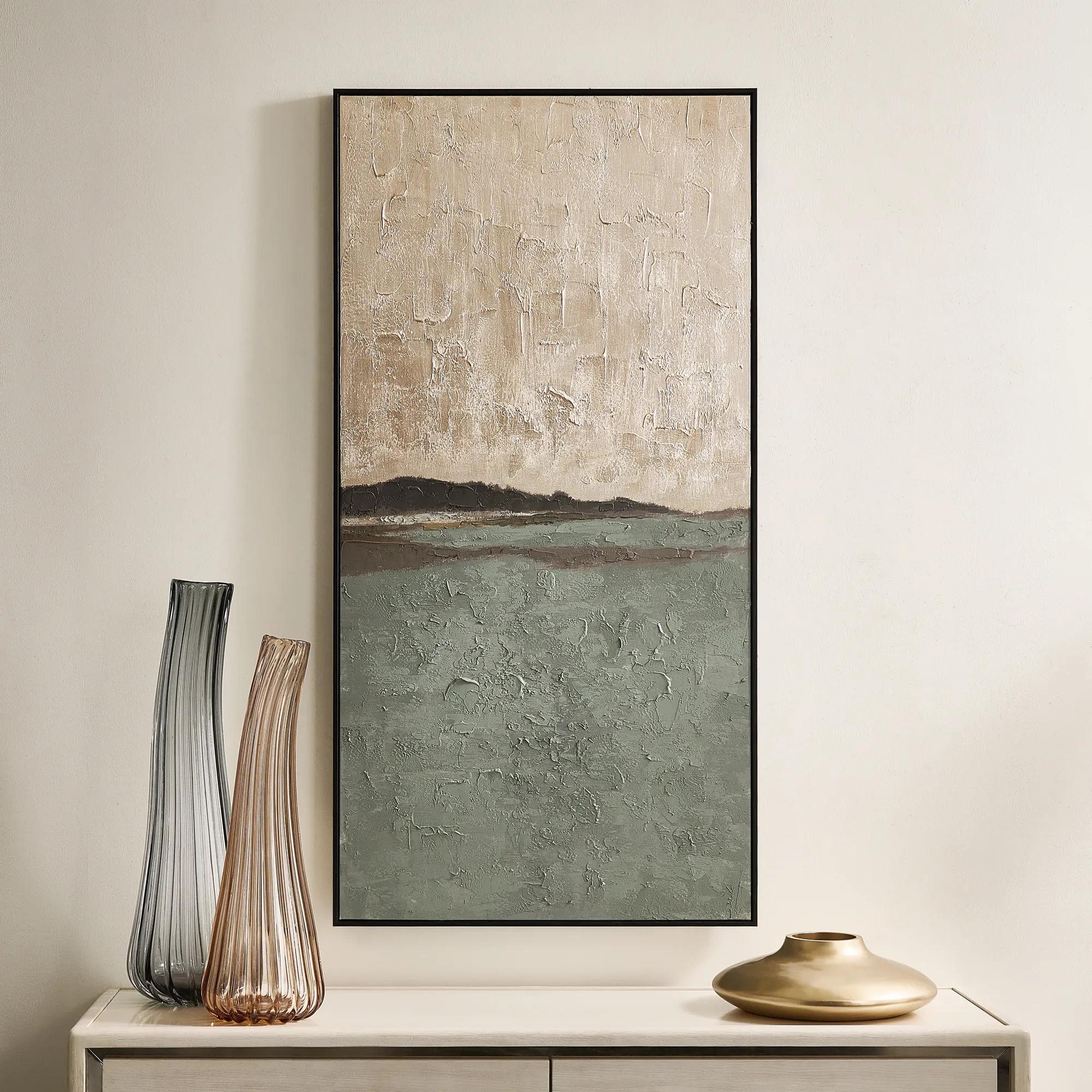 Fields of Gold Framed Painted Wall Art 60" x 30"$399
A hand-painted sage and champagne abstract canvas with a black frame, offering versatile vertical or horizontal display.
Add To Cart -
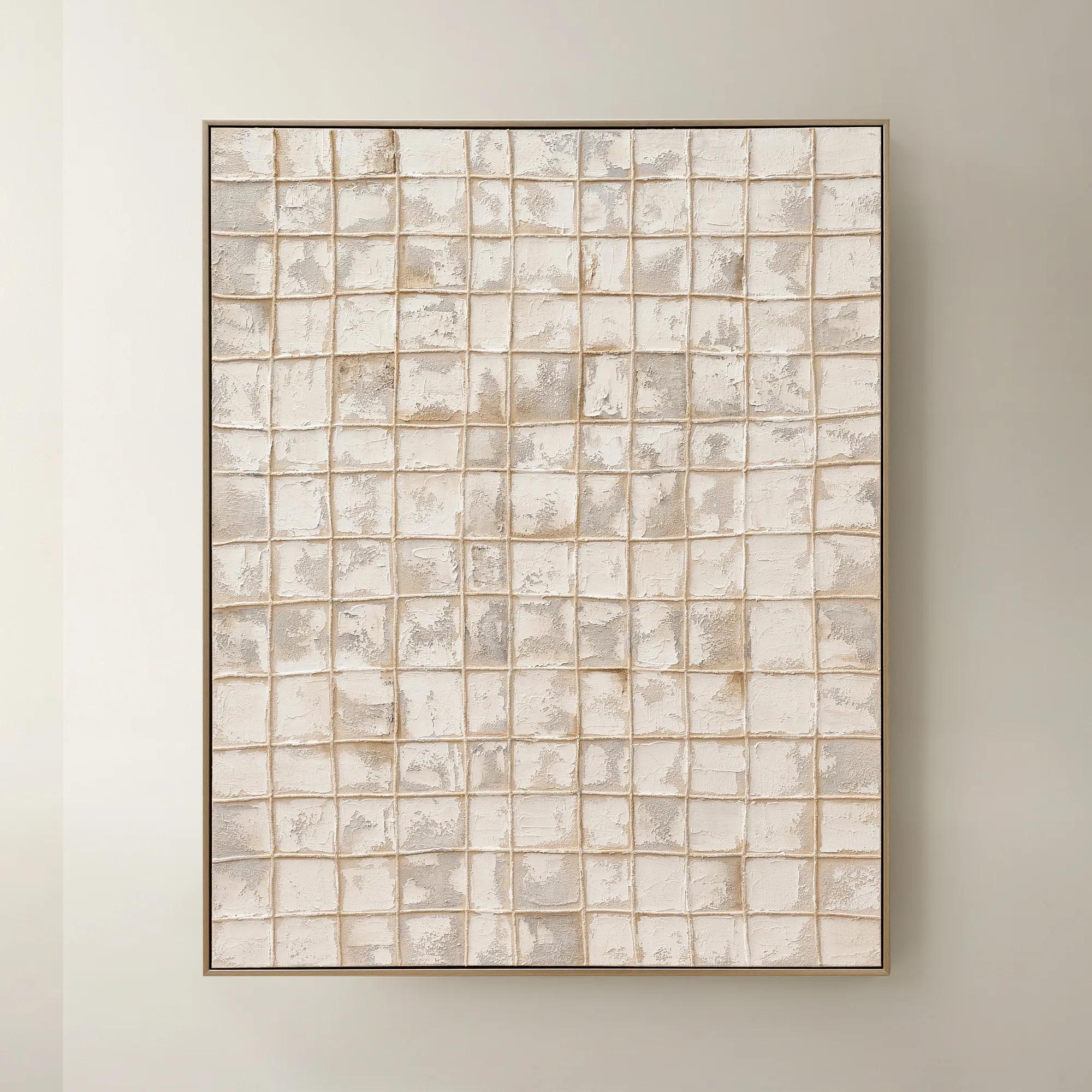
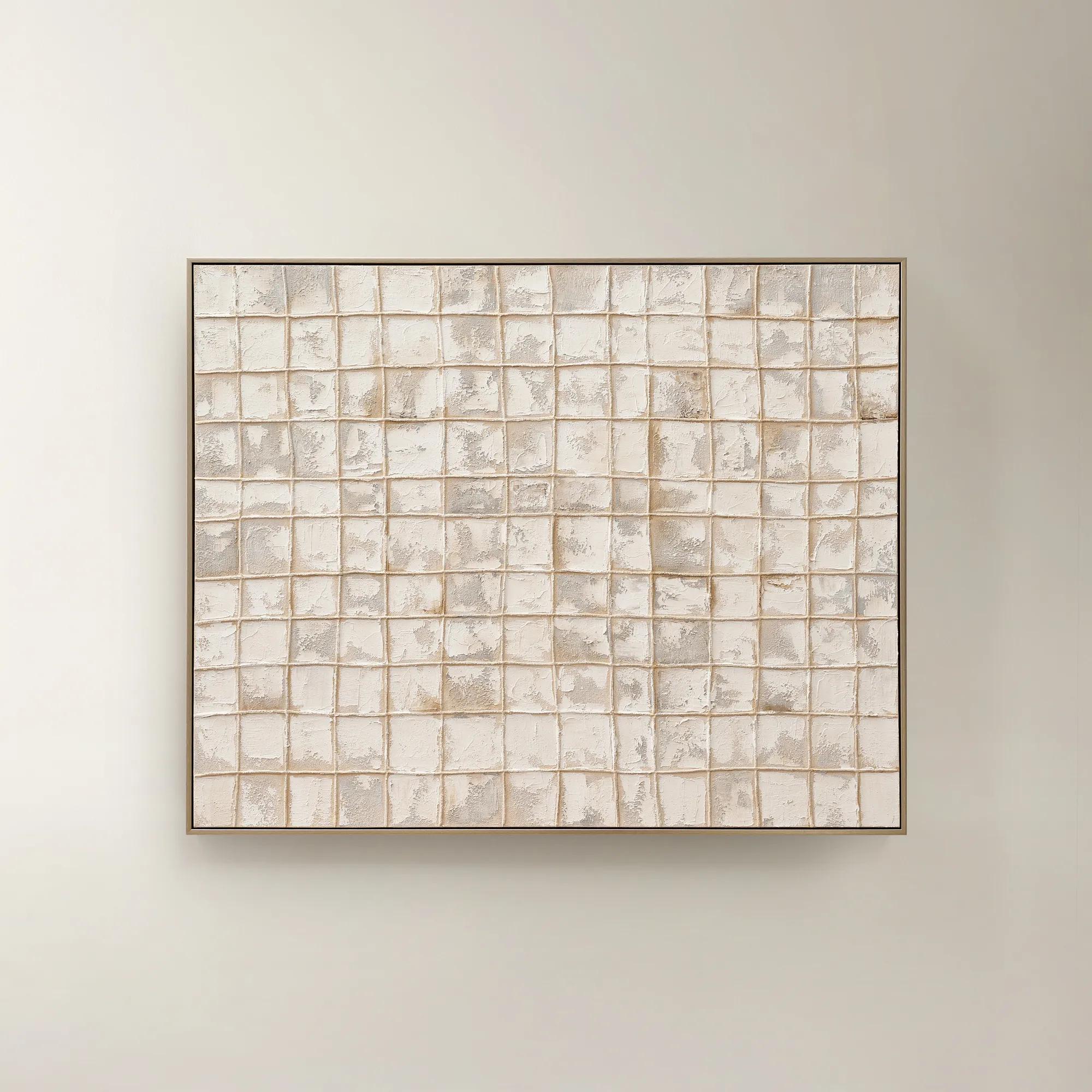 Painted Echos Framed Gold Leaf Wall Art 60" x 48"$699
A hand-painted abstract canvas with gold leaf accents and a champagne frame for modern, versatile display.
Add To Cart -
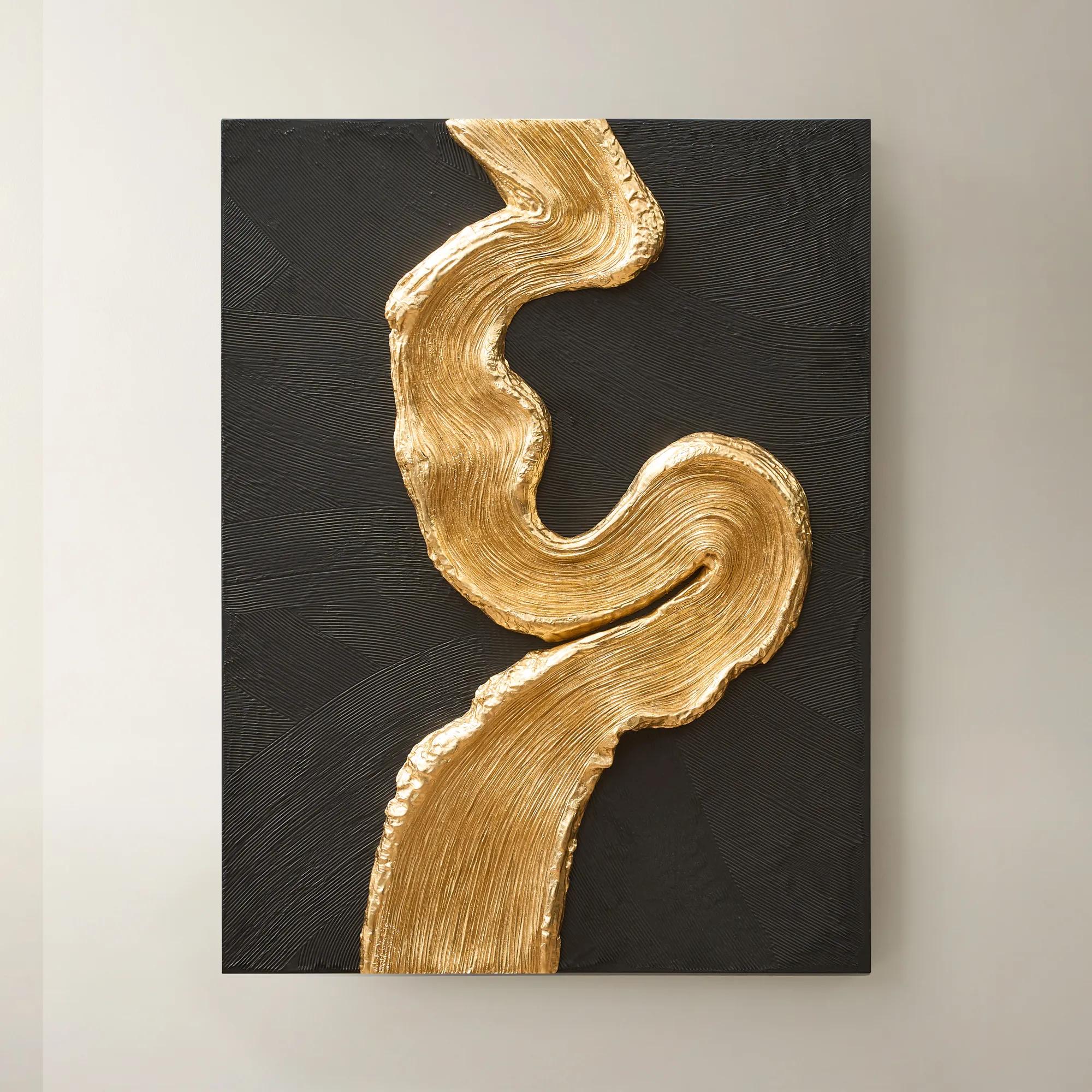
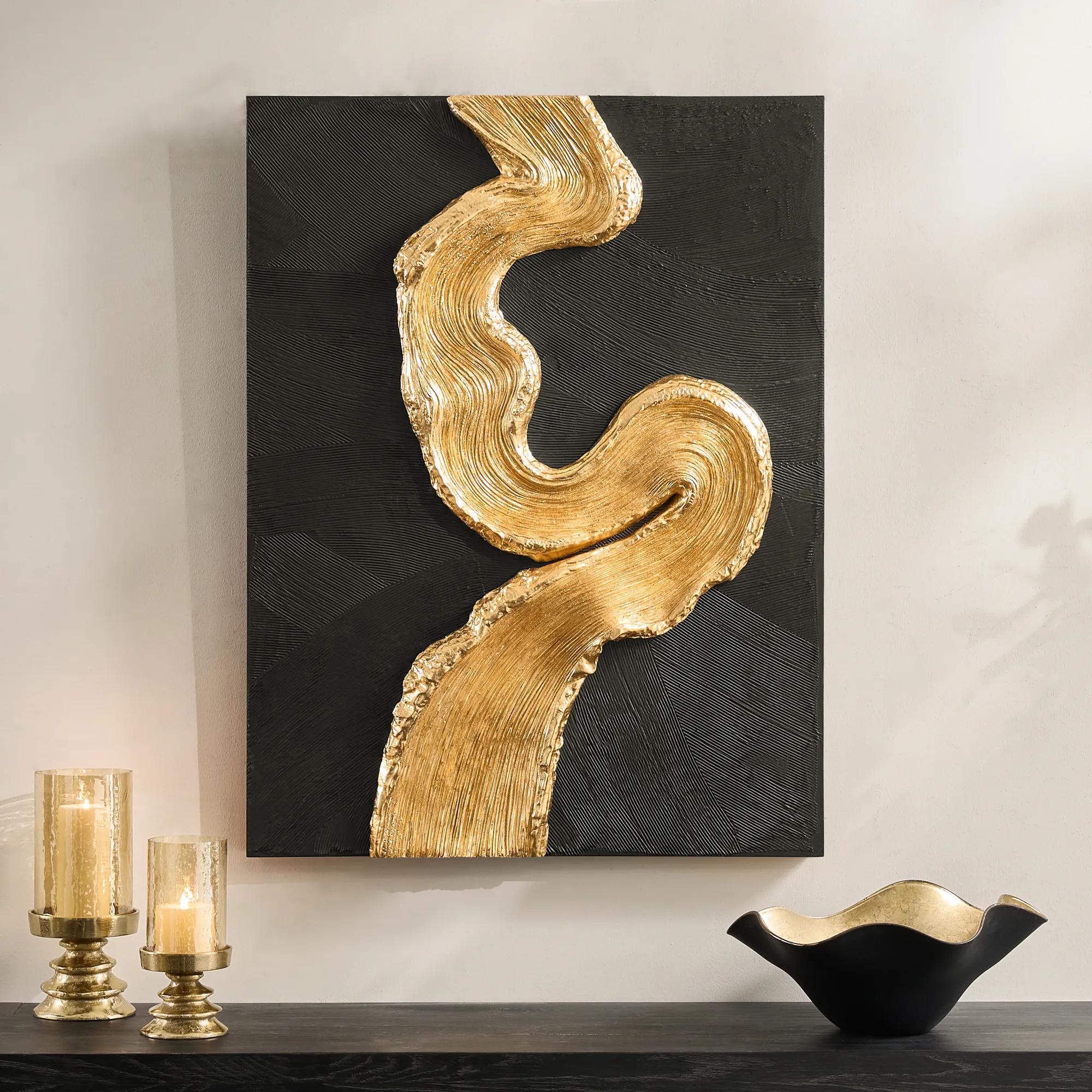 Gold Impasto Sculpted Resin Wall Panel 30" x 40"$499
A sculpted fiberglass resin wall panel featuring gold leaf detail and bold impasto texture on a black backdrop.
Add To Cart -
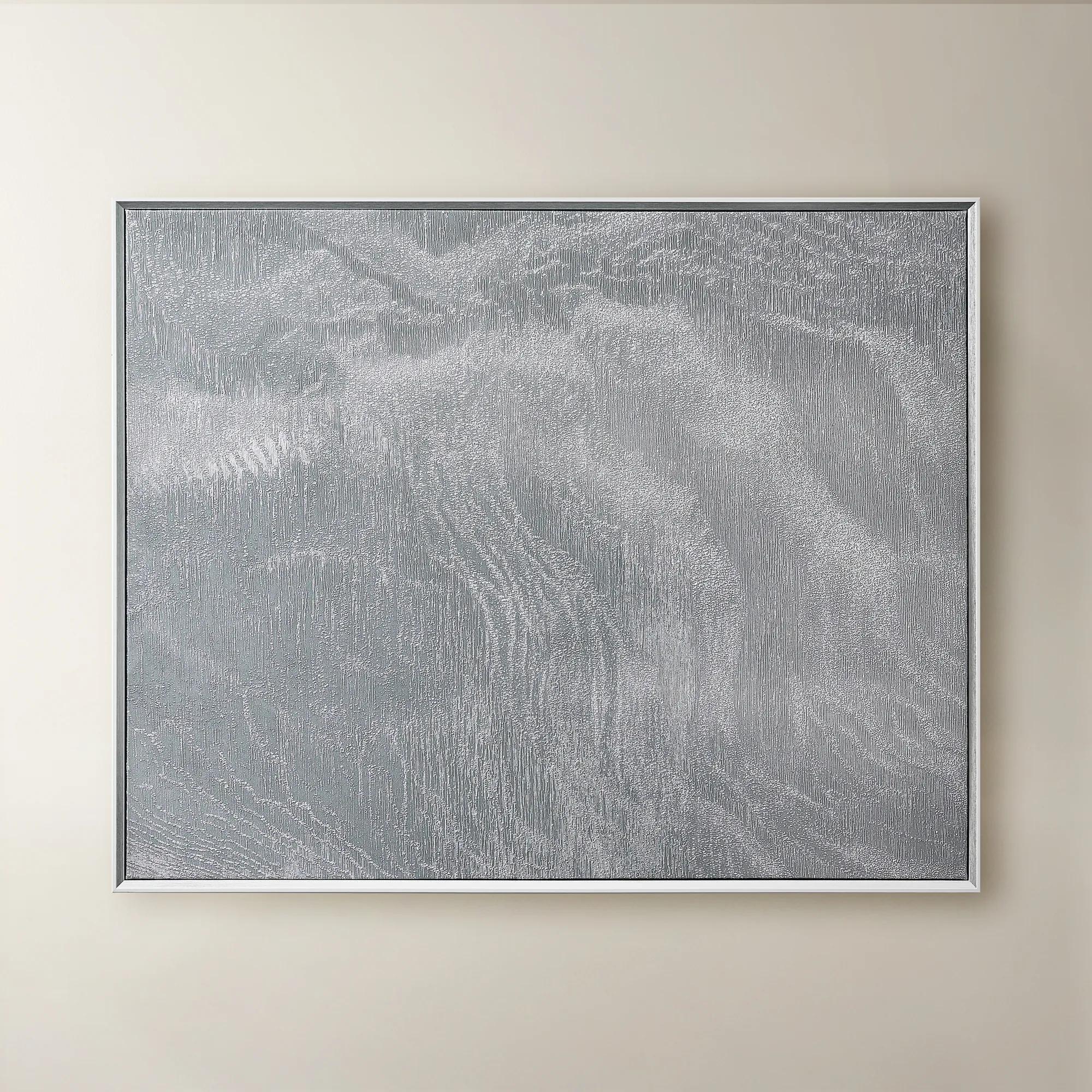 Slow Blue Morning Framed Silver Foil Wall Art 48" x 60"$599
A serene powder blue abstract canvas with silver foil accents, framed in silver and white for modern elegance.
Add To Cart -
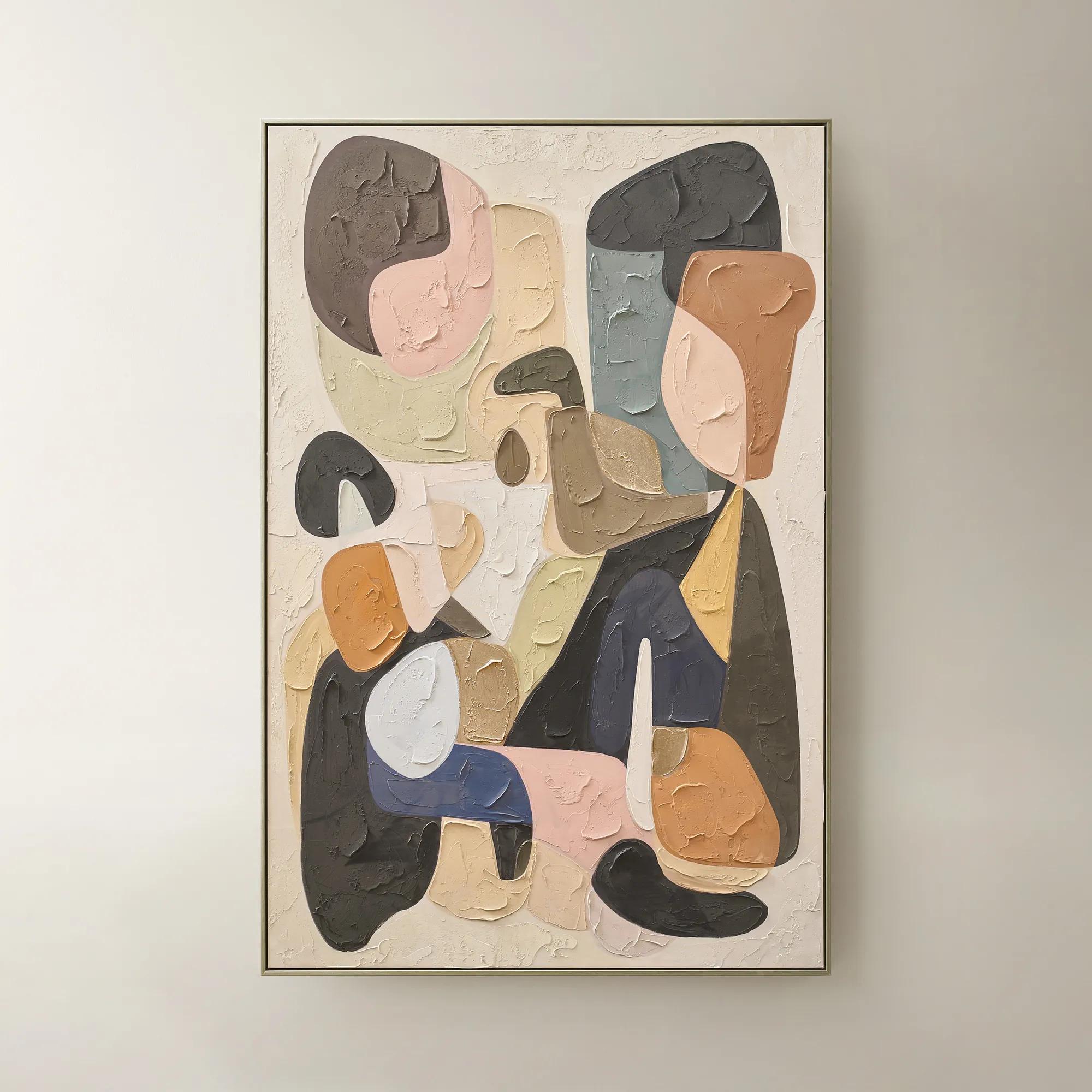 Chromatic Bloom Framed Painted Wall Art 40" x 60"$519
A hand-painted abstract canvas featuring a vibrant multi-color palette and shimmering champagne detailing.
Add To Cart -
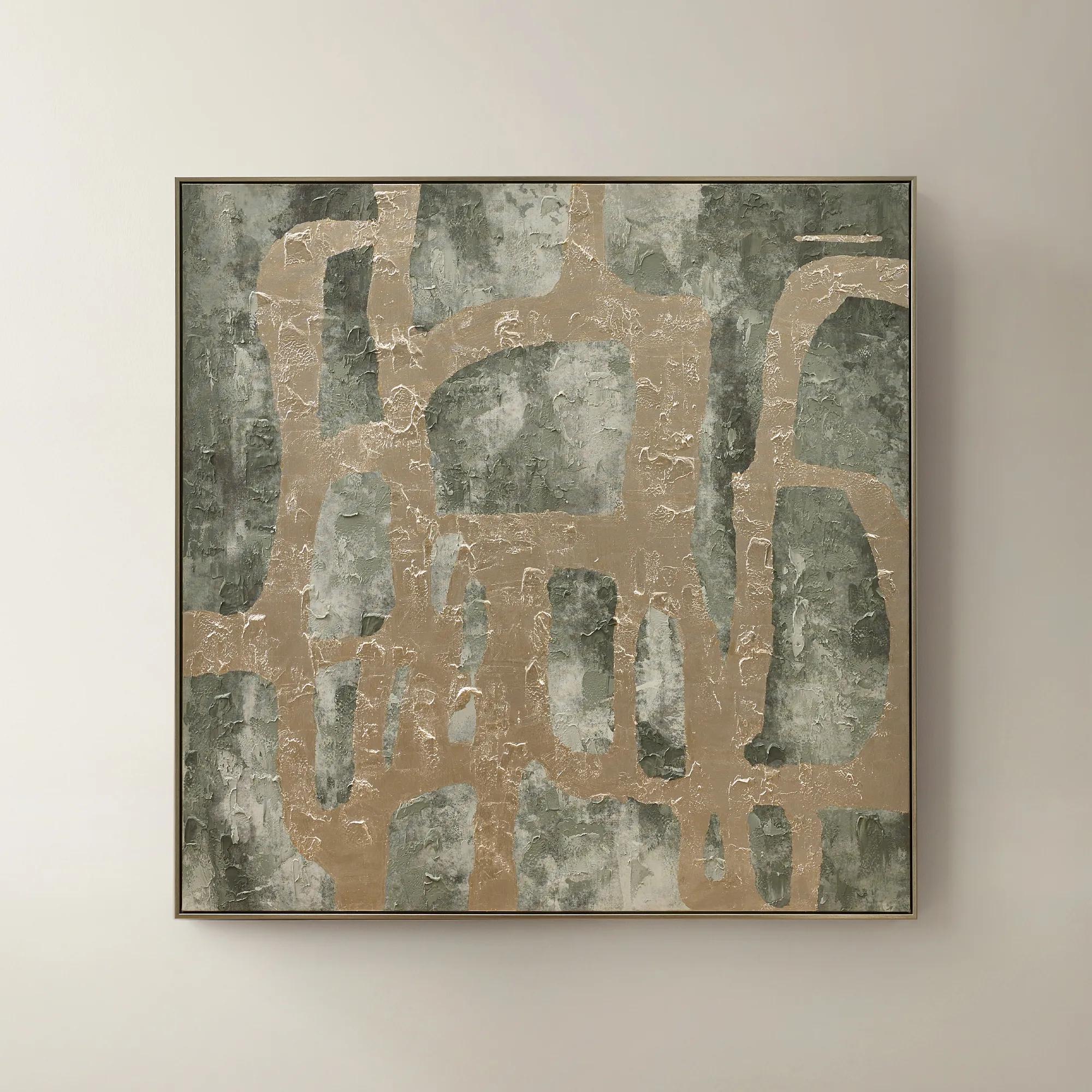 Illusions Framed Painted Wall Art 50" x 50"$599
A hand-painted canvas in sage and champagne tones with textural embellishments for modern, artful depth.
Add To Cart -
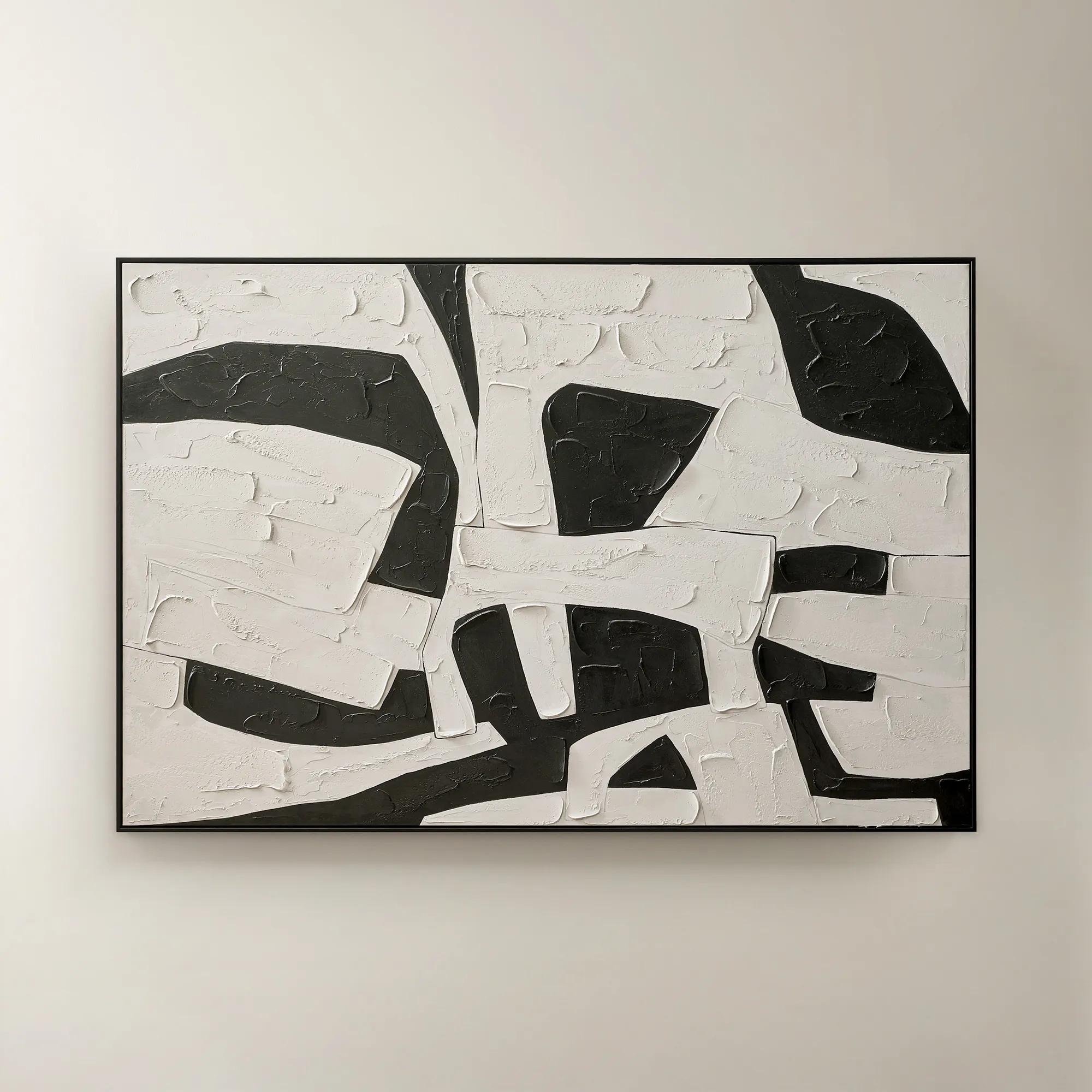 Space Between Shadows Framed Painted Wall Art 72" x 48"$799
A hand-painted abstract canvas featuring bold alabaster and black geometric forms in a sleek black frame.
Add To Cart -
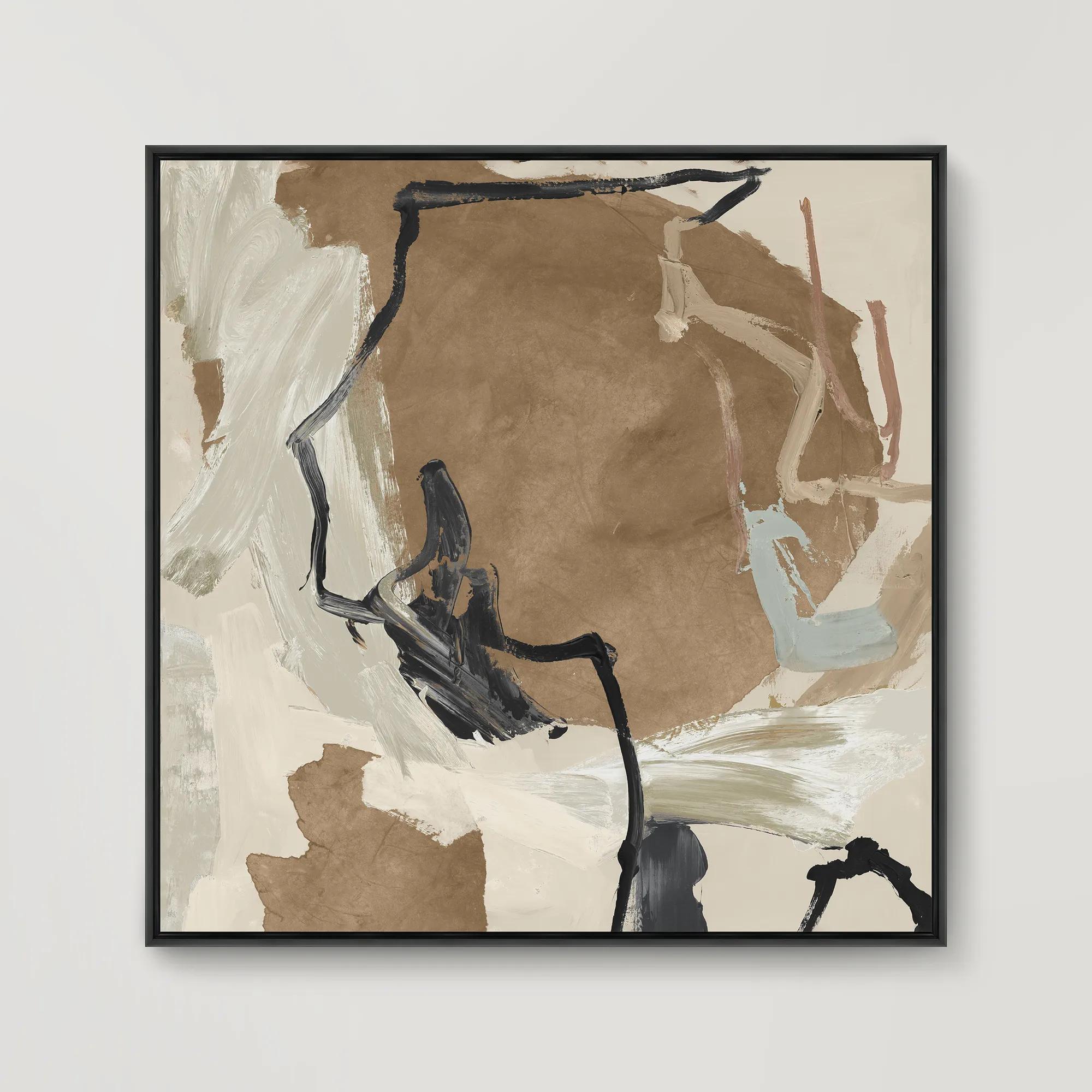
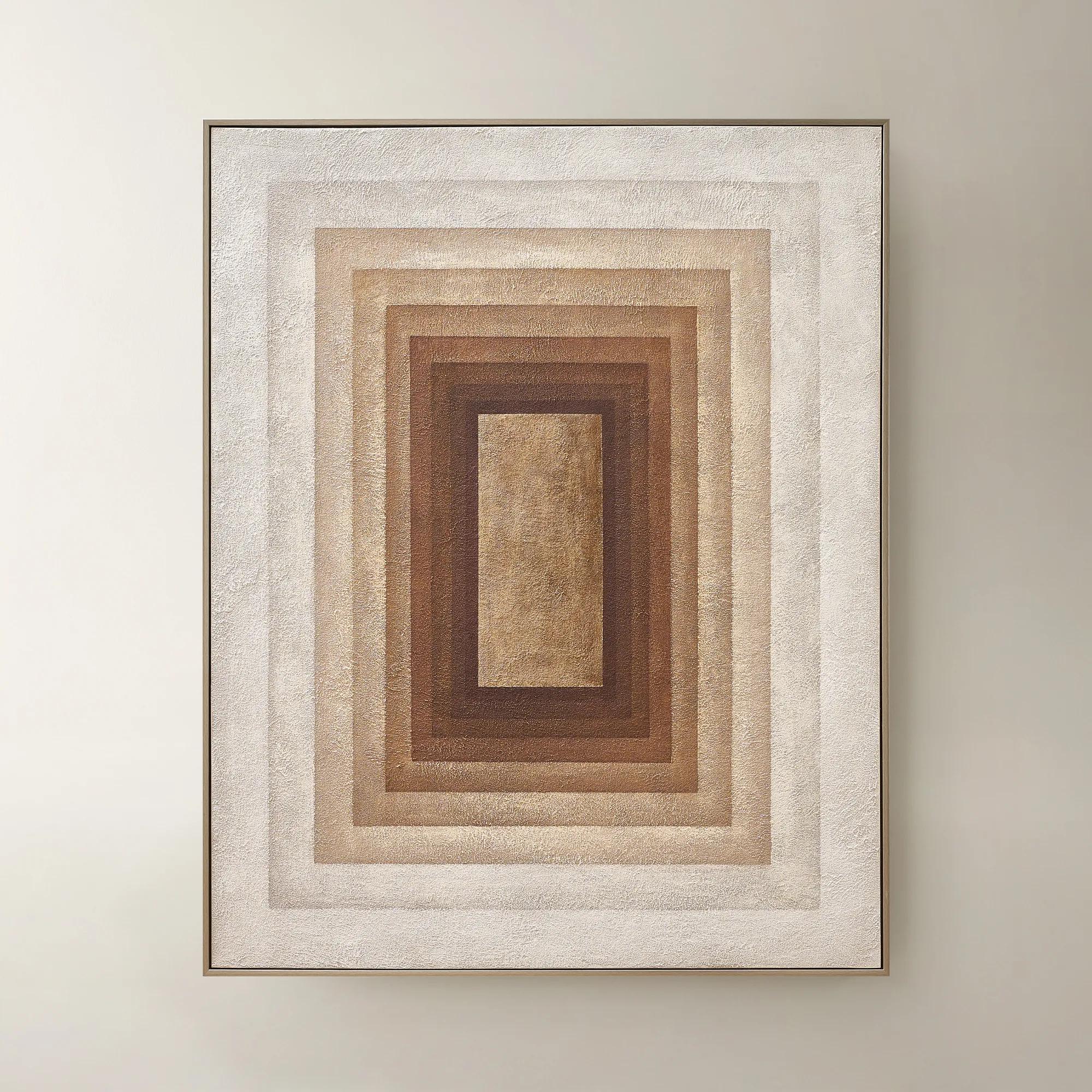 Monochrome Drift Framed Painted Wall Art 60" x 48"$699
A hand-painted abstract canvas with champagne leafing, featuring cocoa and gold tones in modern geometric design.
Add To Cart -
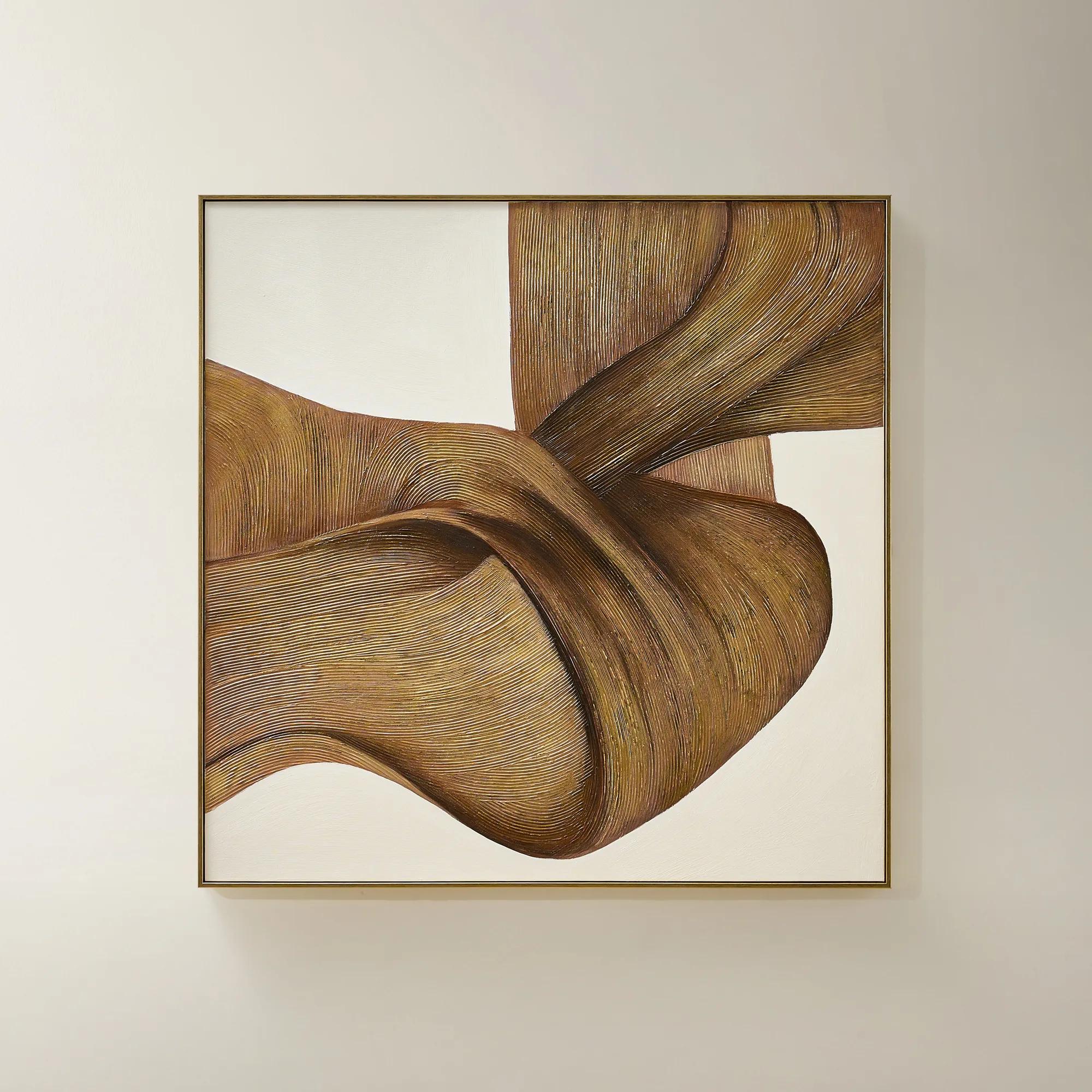
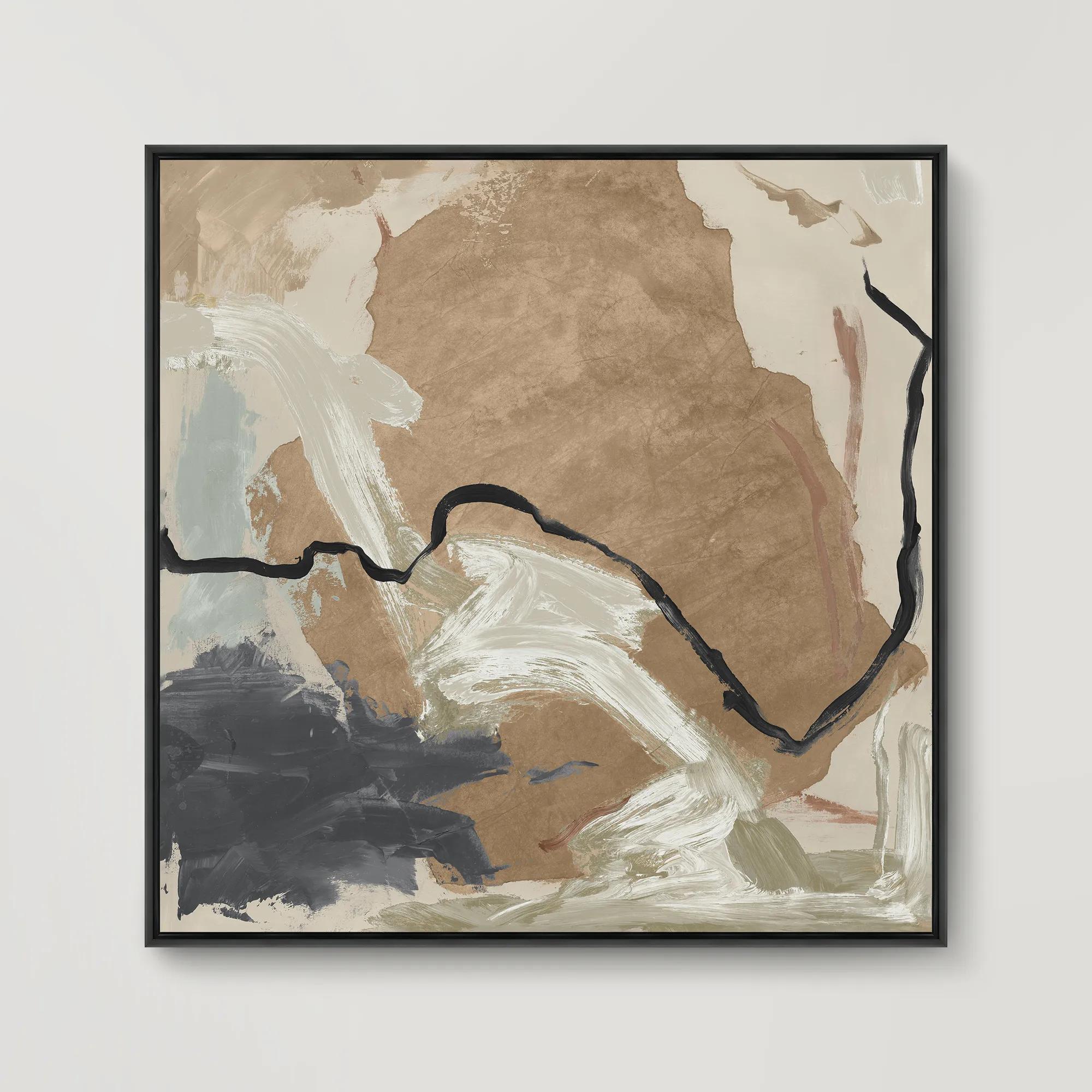
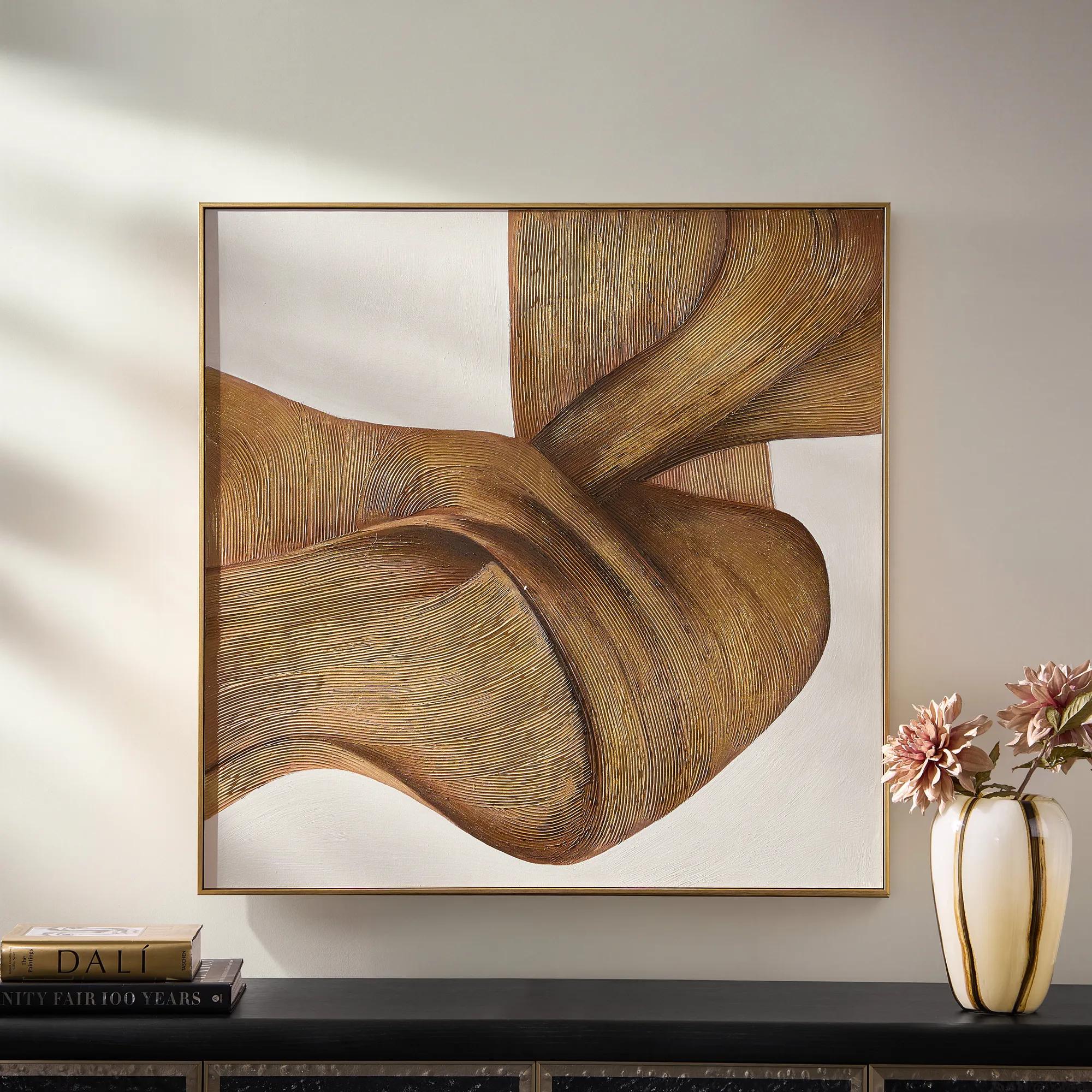 Latte Framed Gold Leaf Painted Wall Art 40" x 40"$499
A hand-painted canvas with fluid brown lines, luminous gold leafing, and a crisp black floater frame.
Add To Cart -
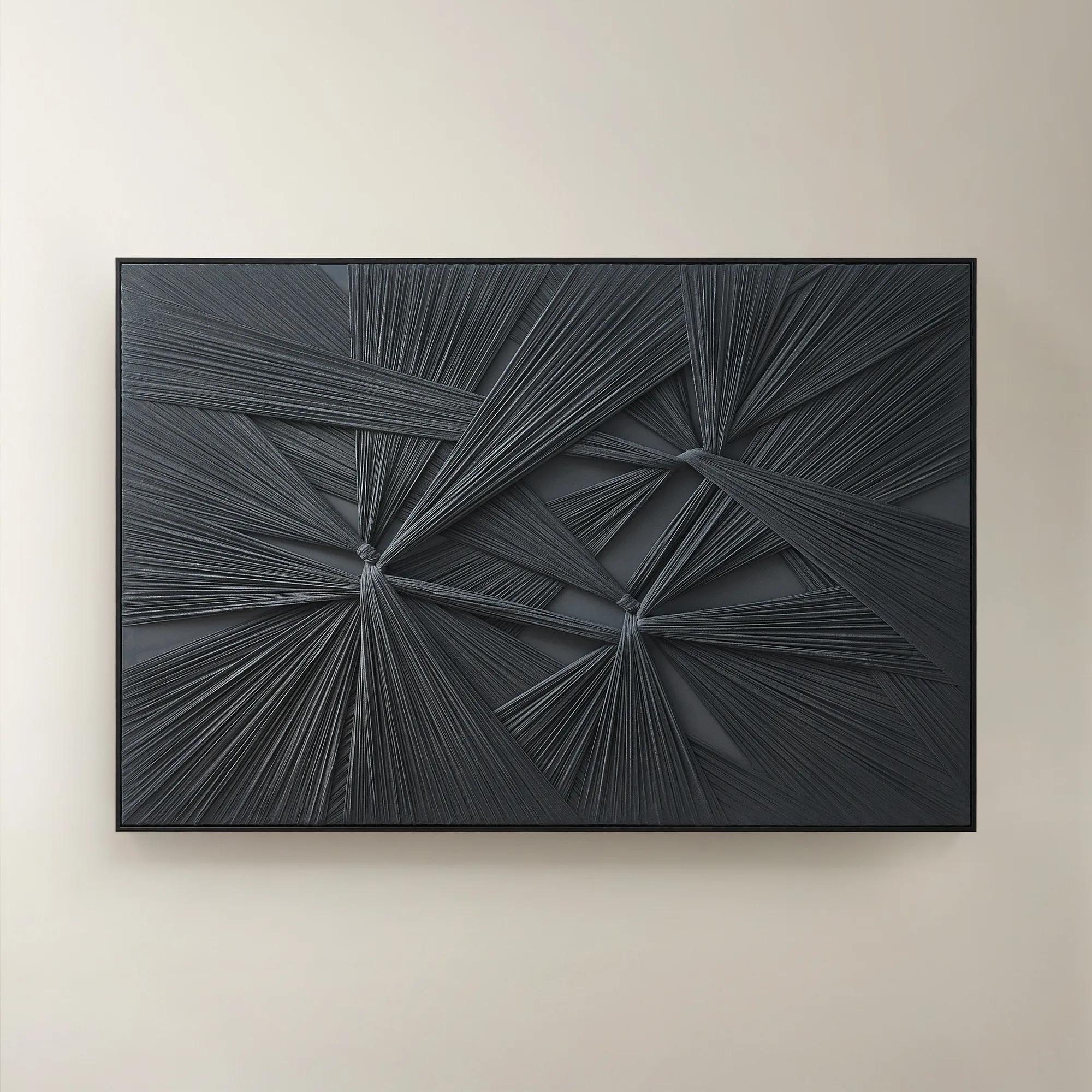 Grace in Dark Slate Hand-crafted Fabric Wall Art 70.75" x 47"$799
A hand-crafted textile wall art piece in dark slate, featuring sculptural texture and versatile display options.
Add To Cart -
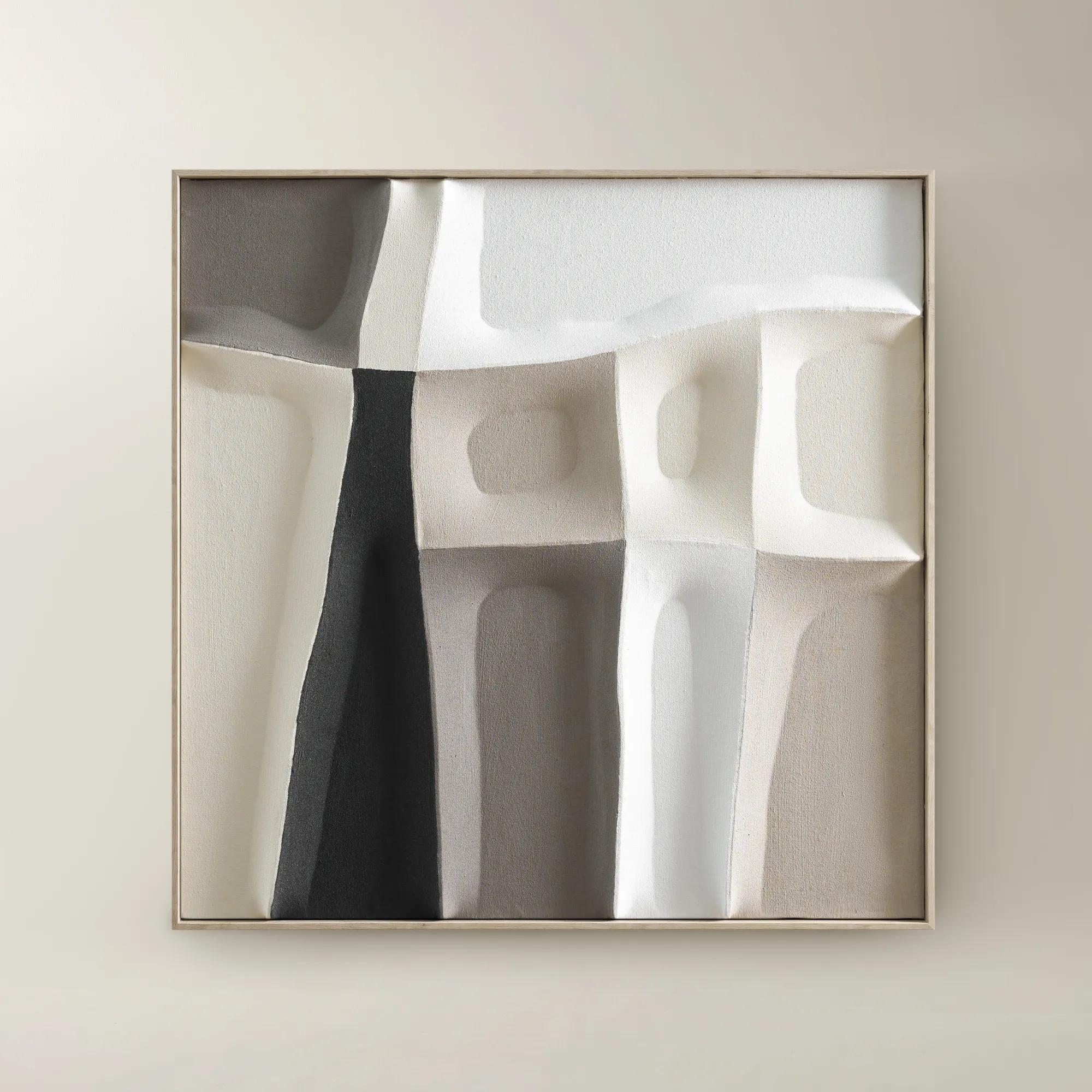
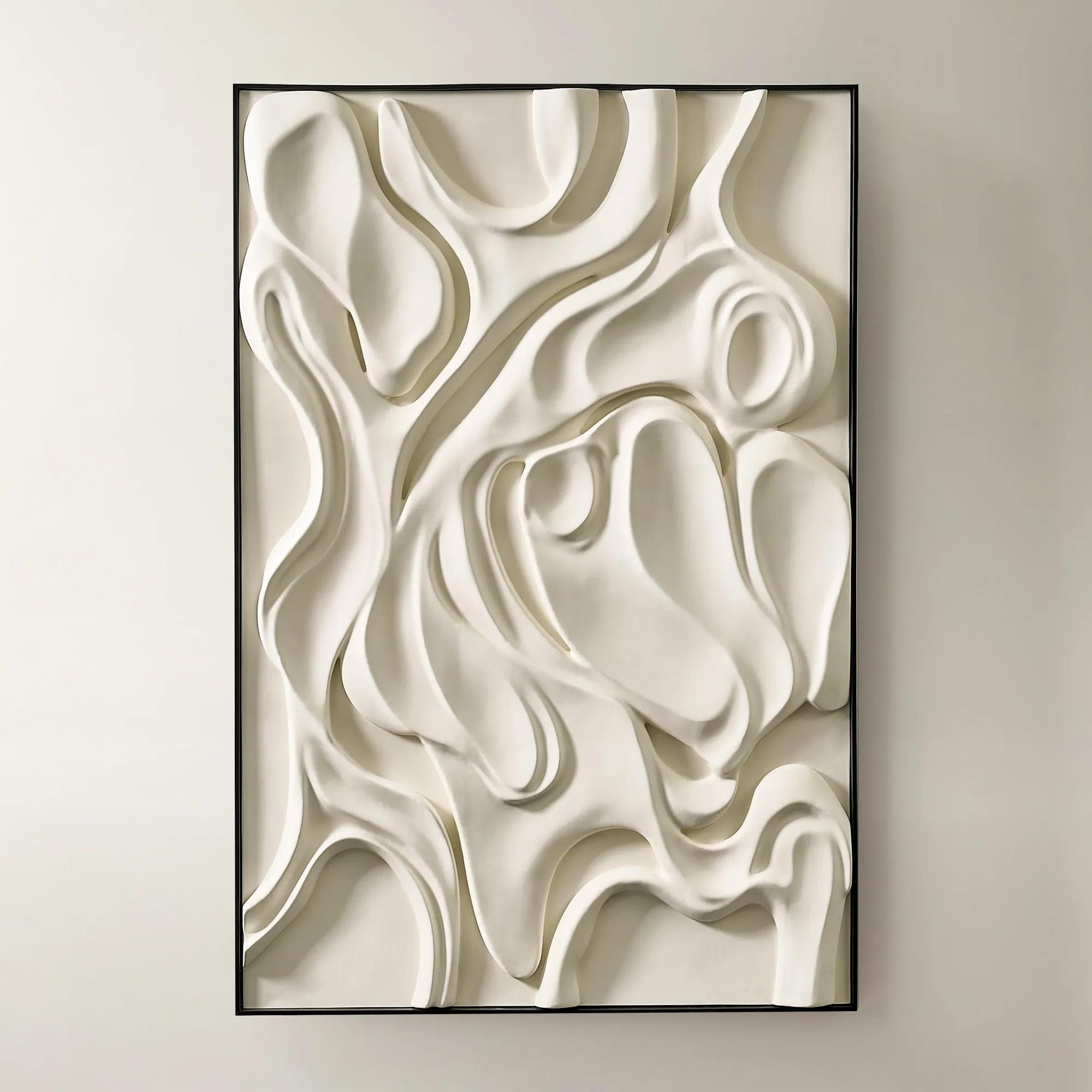 Overflow Alabaster Sculpted Resin Wall Panel 40" x 60"$699
An alabaster fiberglass resin wall panel with sculptural texture and a versatile black frame for modern spaces.
Add To Cart -
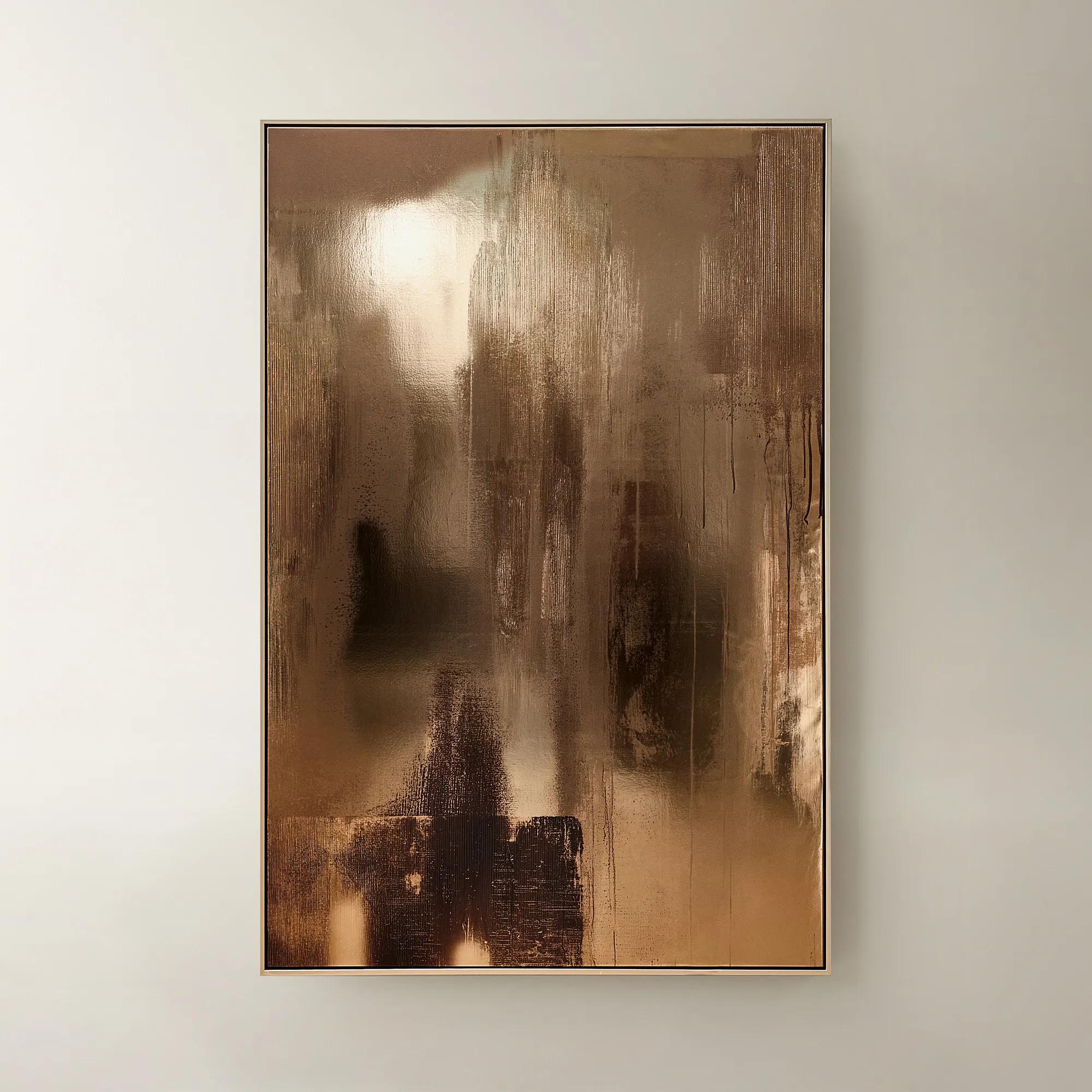
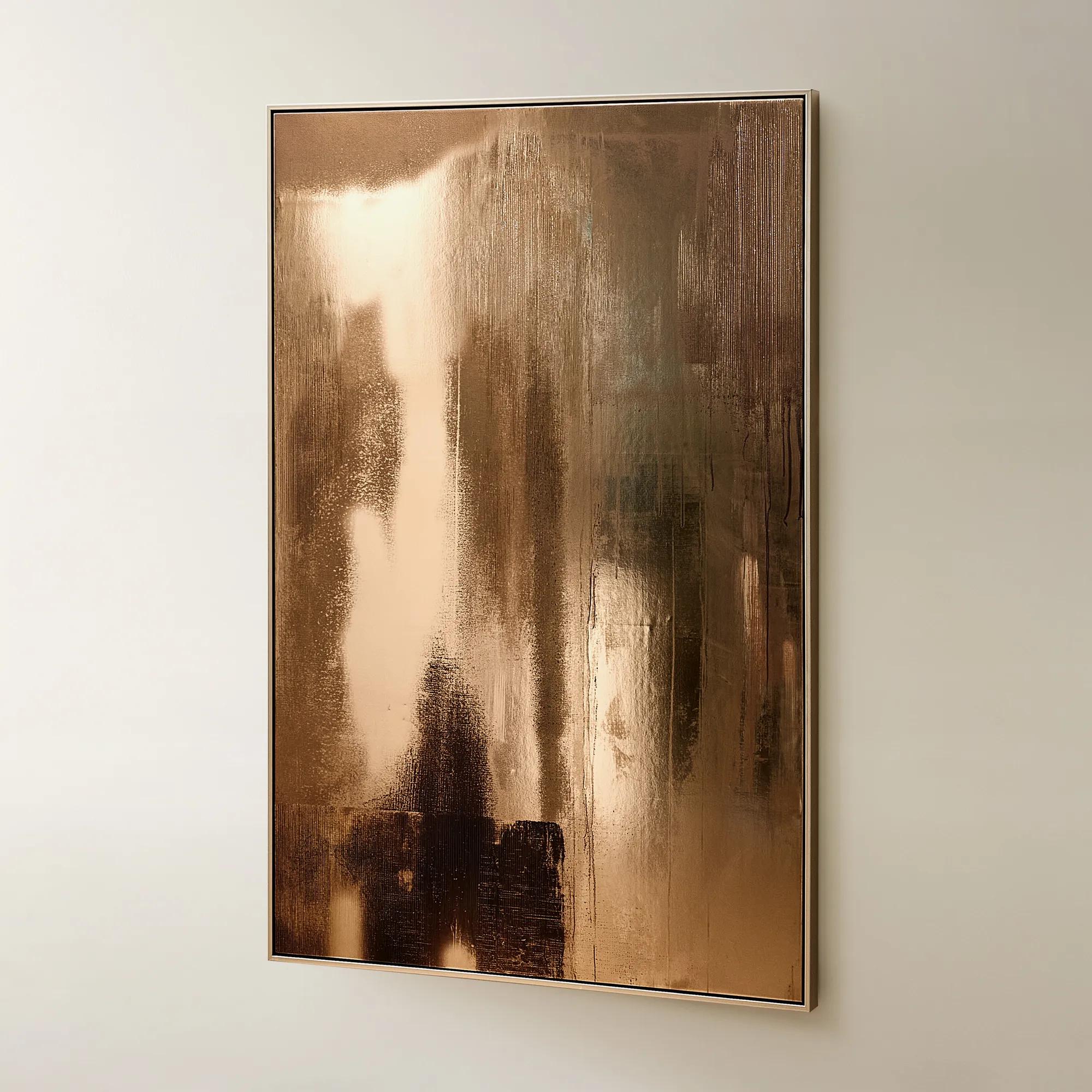 Bronze Reflective Framed Leather Painted Wall Art 40" x 60"$799
A hand-painted abstract wall art featuring reflective bronze faux leather and a warm champagne metallic frame.
Add To Cart -
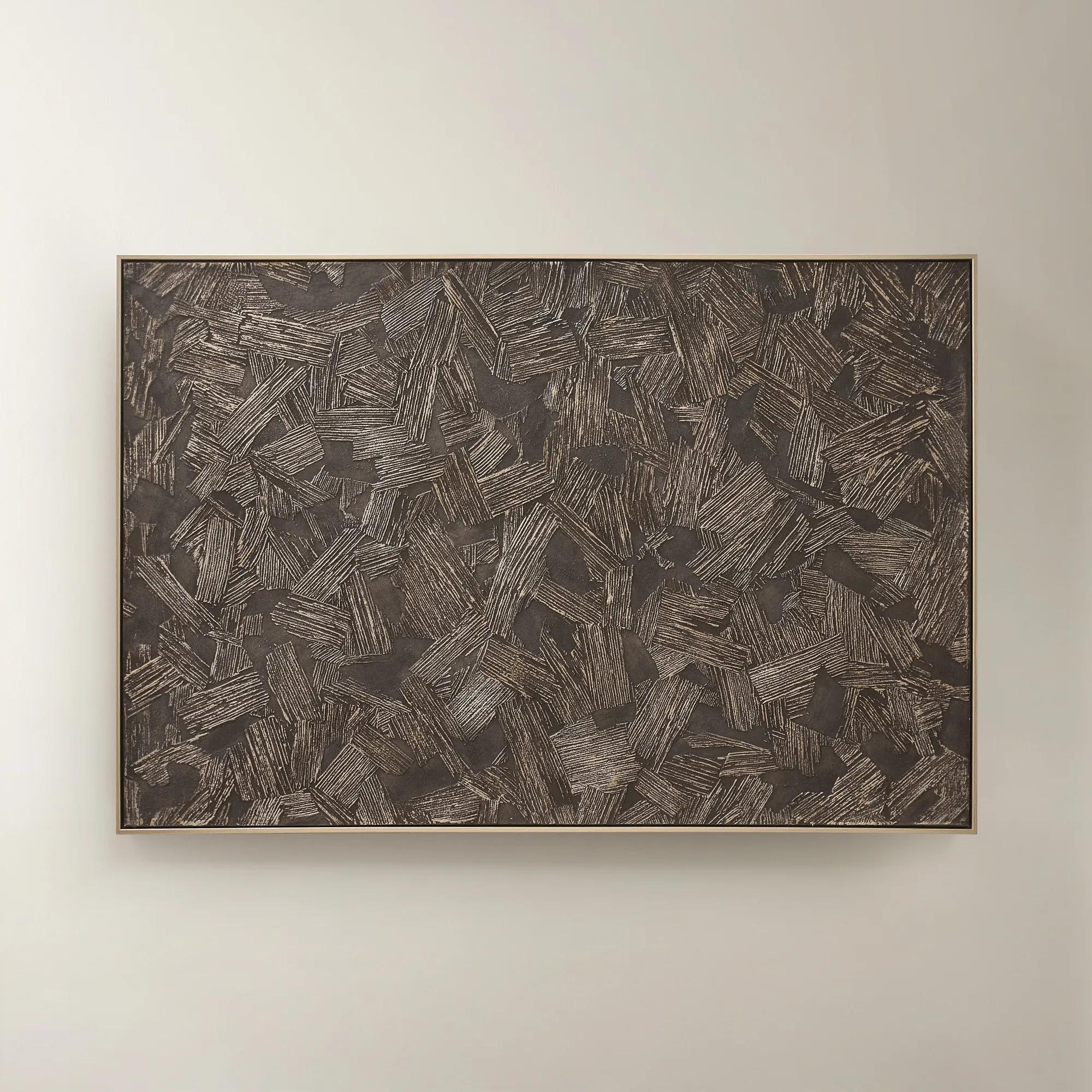
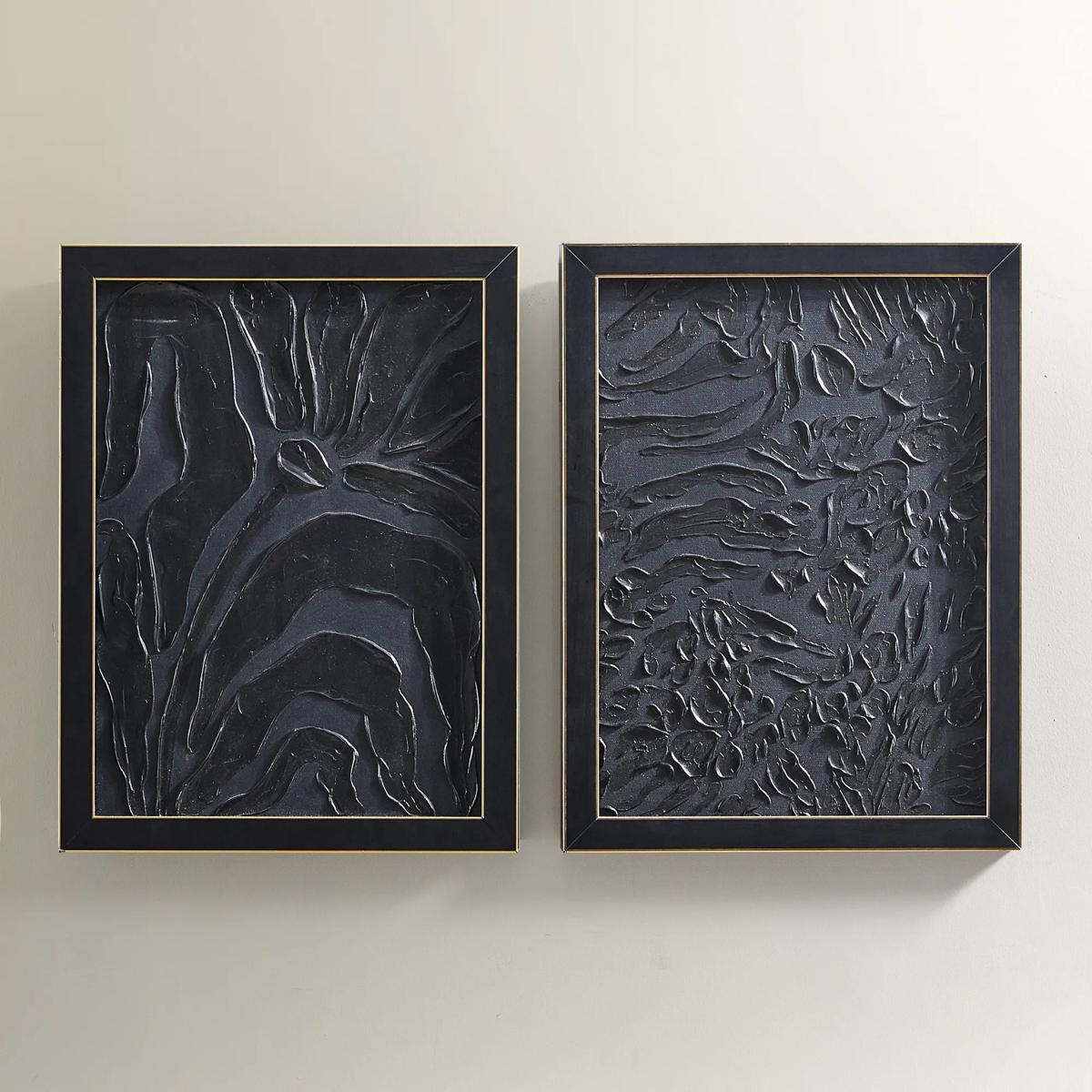
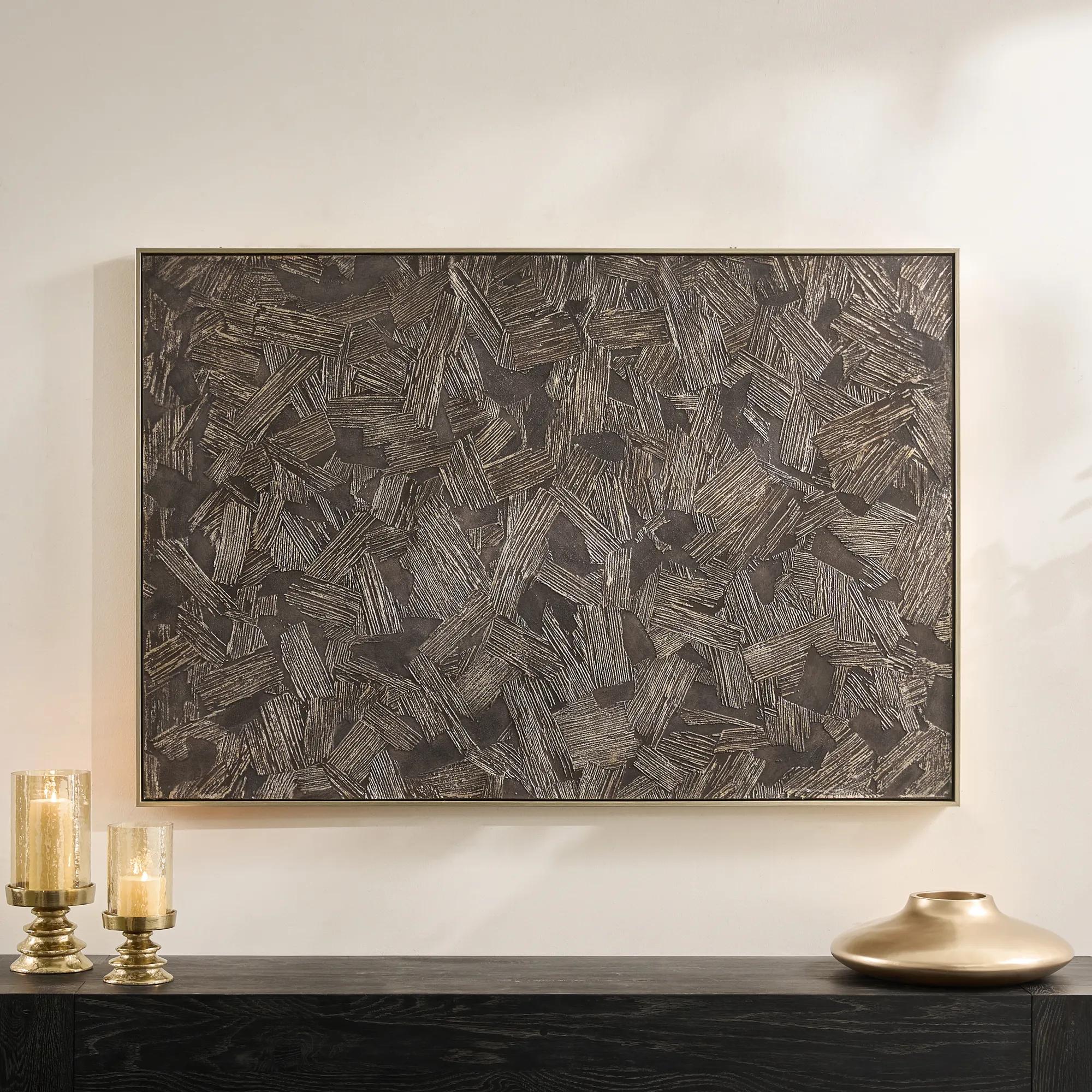 Etched in Darkness Dark Chocolate Wall Panel 53.5" x 36"$329
A hand-painted wrapped canvas features moody dark chocolate hues with champagne accents and a layered, textural finish.
Add To Cart -
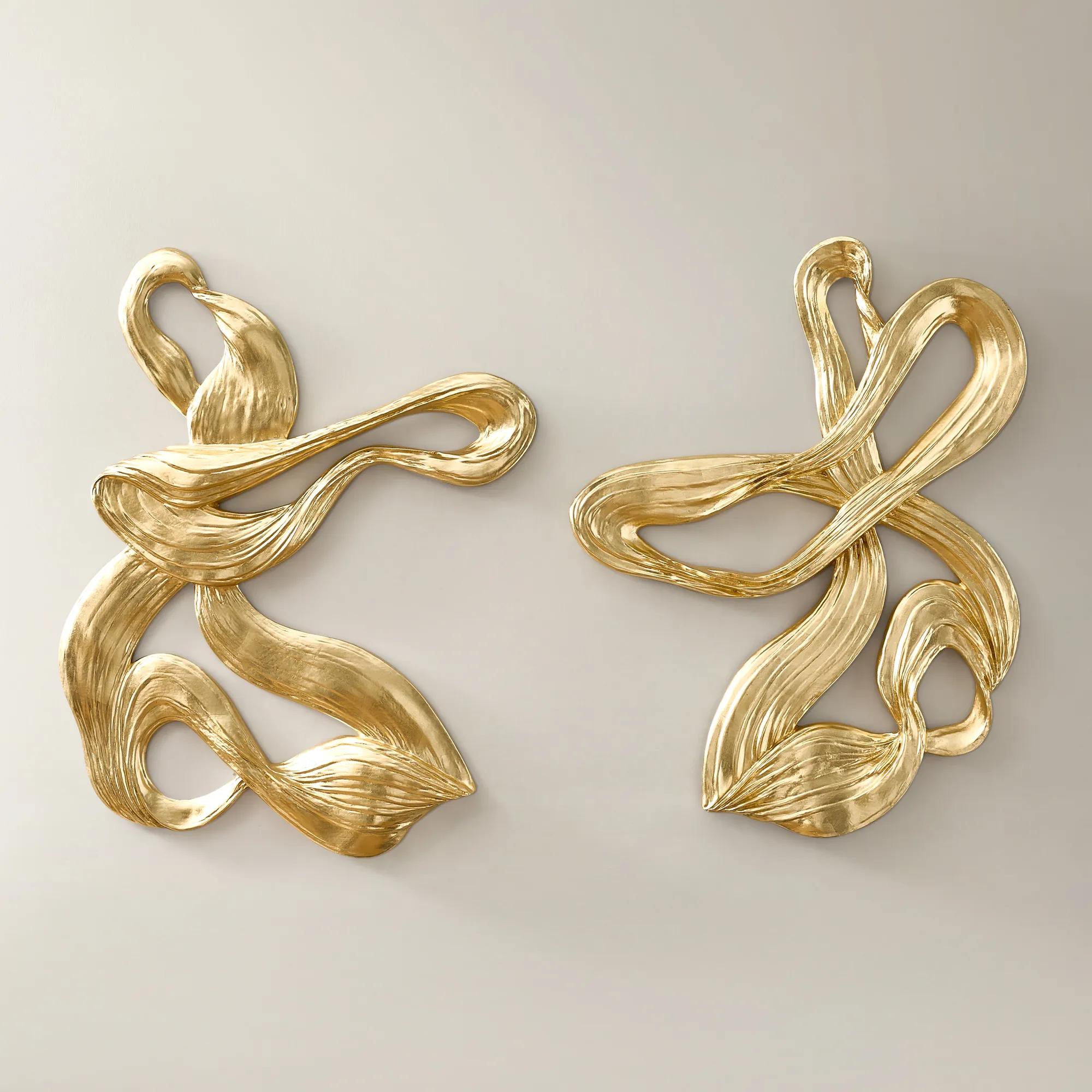
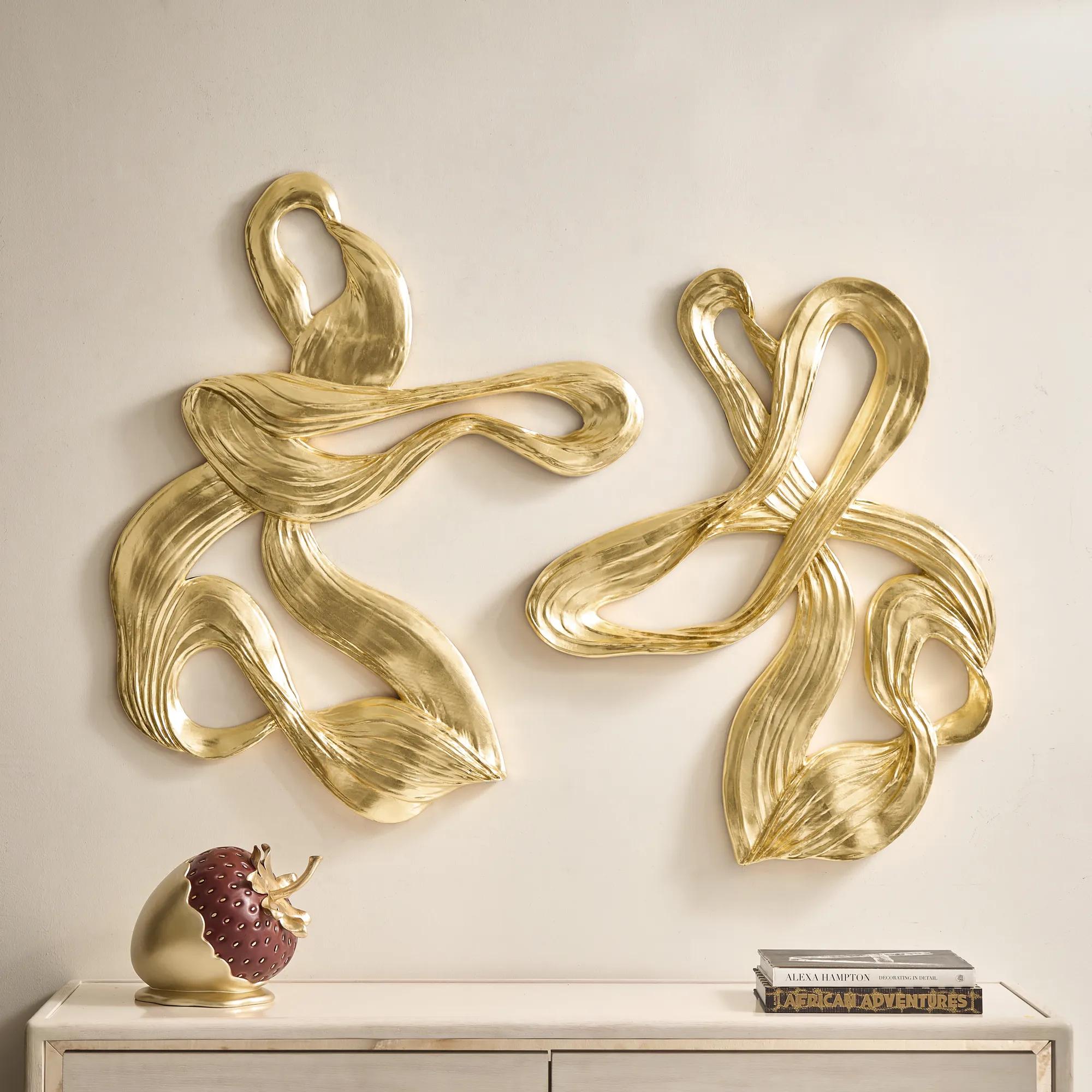 Vela Gold Leaf Sculpted Resin Wall Decor 30.5" x 39.25" Set of 2$699
A set of two resin wall sculptures featuring abstract loop designs and soft gold leafing for modern elegance.
Add To Cart -
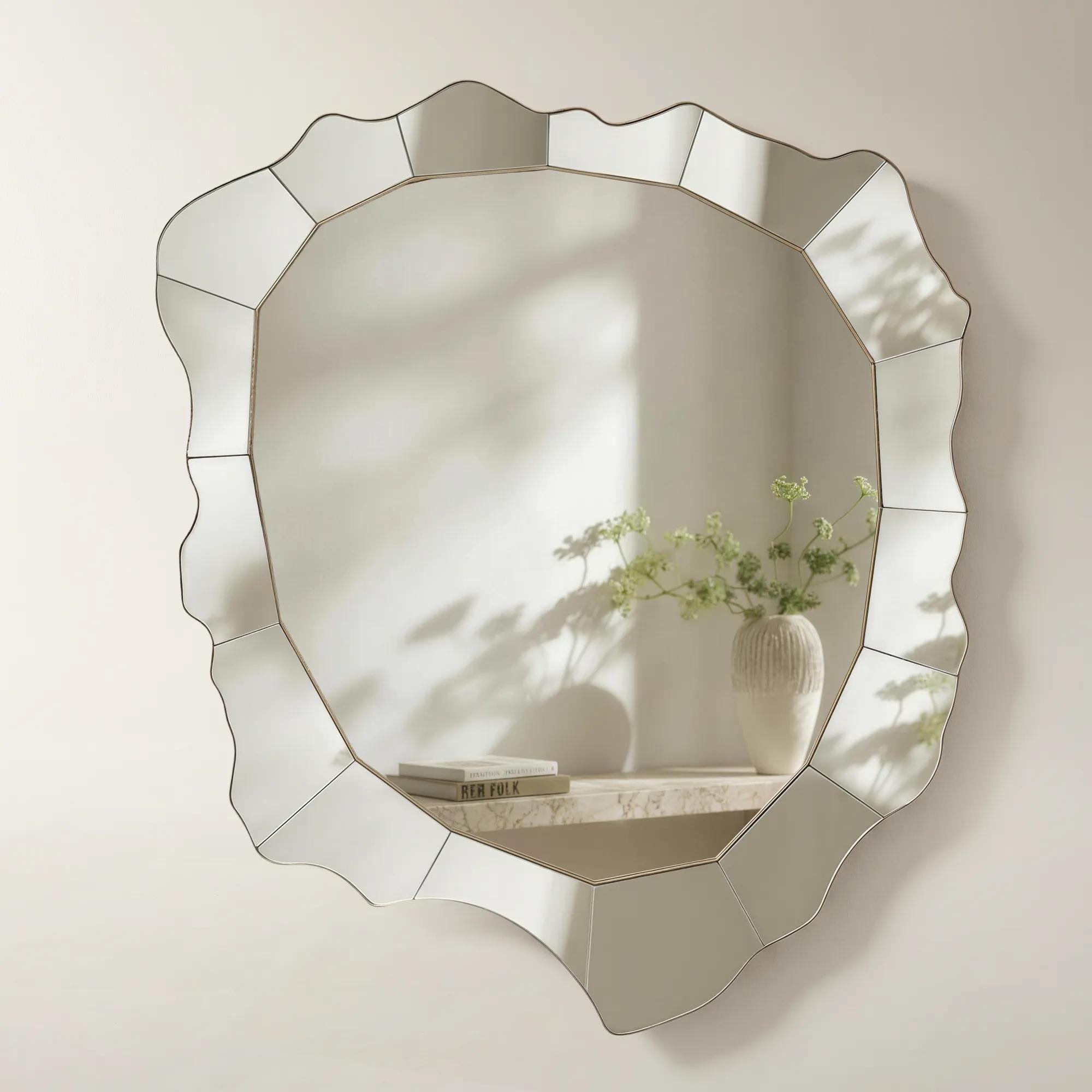 Gala Gold Trim Organic Shaped Wall Mirror 45" x 54"$999
An organic faceted mirror with soft gold iron trim adds sculptural movement and refined glamour to any room.
Add To Cart -
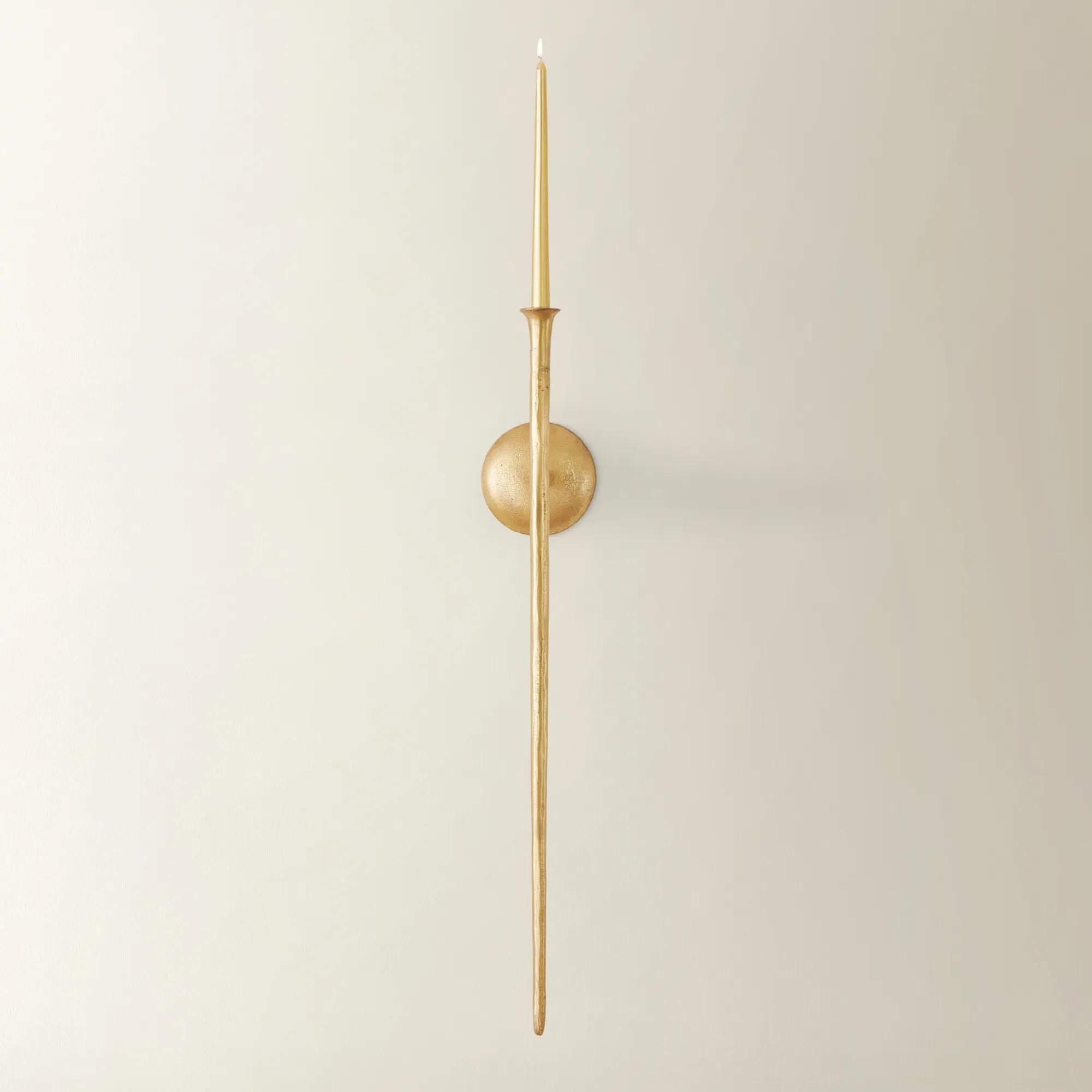 Aspar Gold Aluminum Candle Wall Sconce Large 33"$59
A slender metal wall sconce available in silver, gold, or black, perfect for displaying taper candles.
Add To Cart -
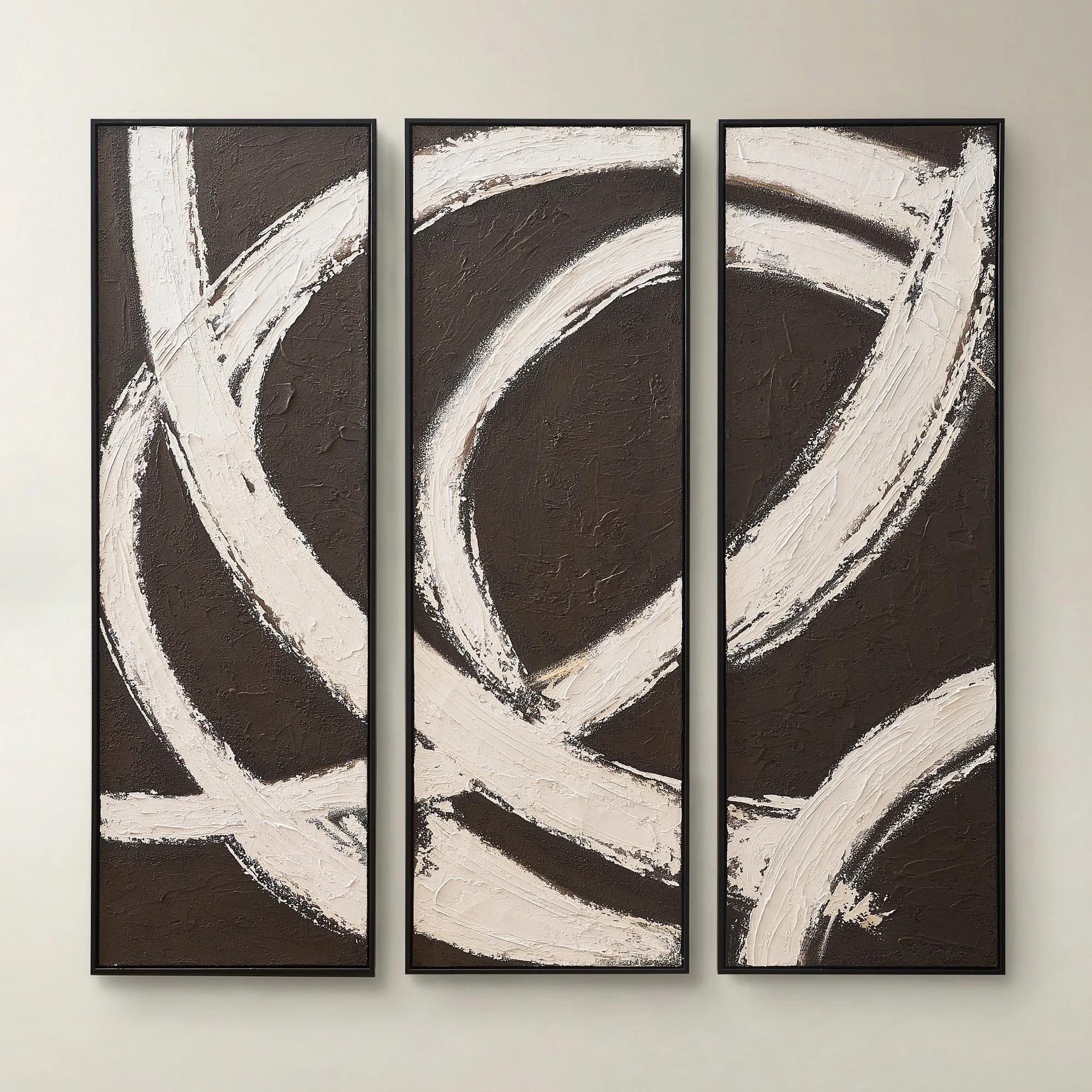
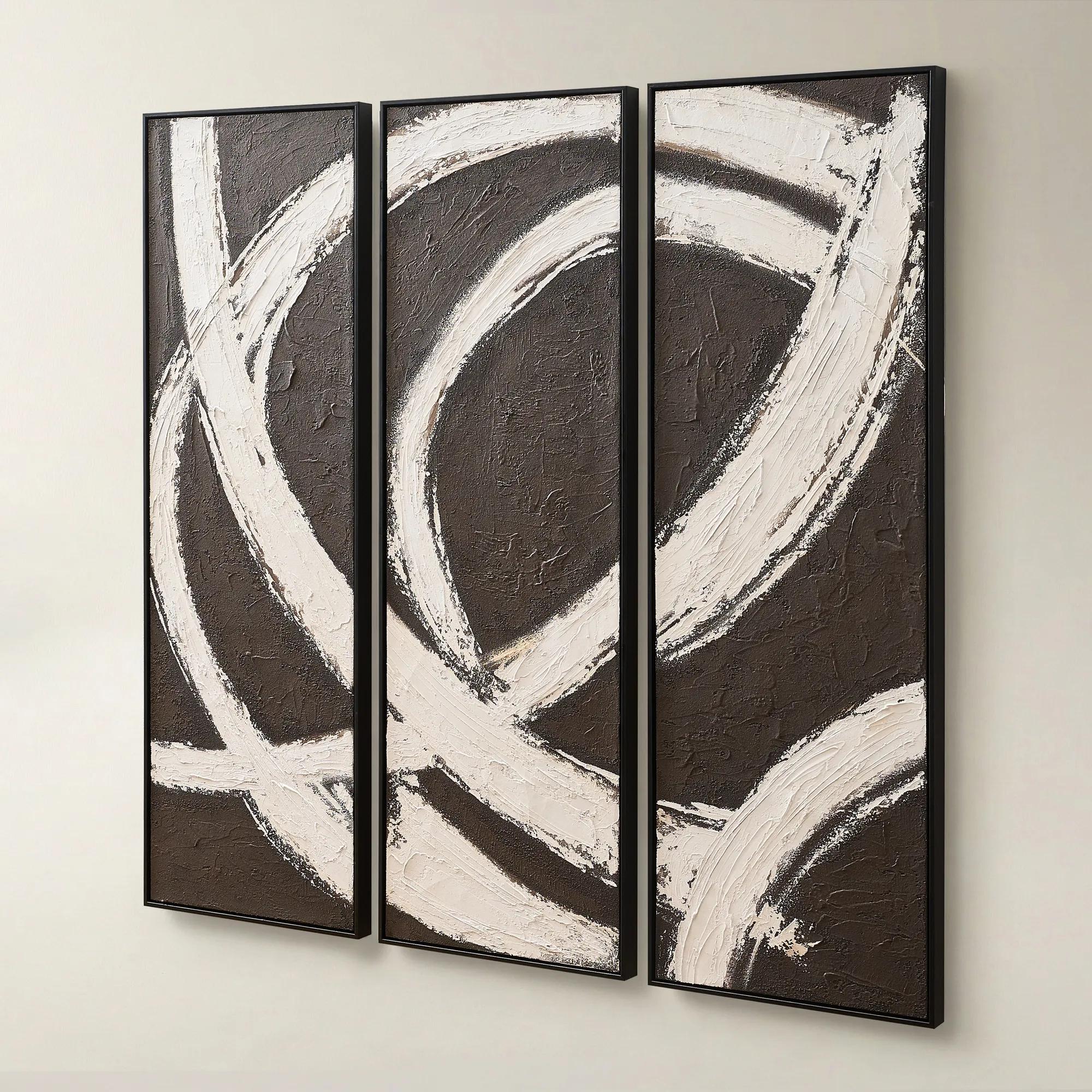 Spun in Coco Framed Painted Wall Art 20" x 60" Set of 3$499
A hand-painted triptych featuring dark chocolate and alabaster tones with rich texture and modern contrast.
Add To Cart -
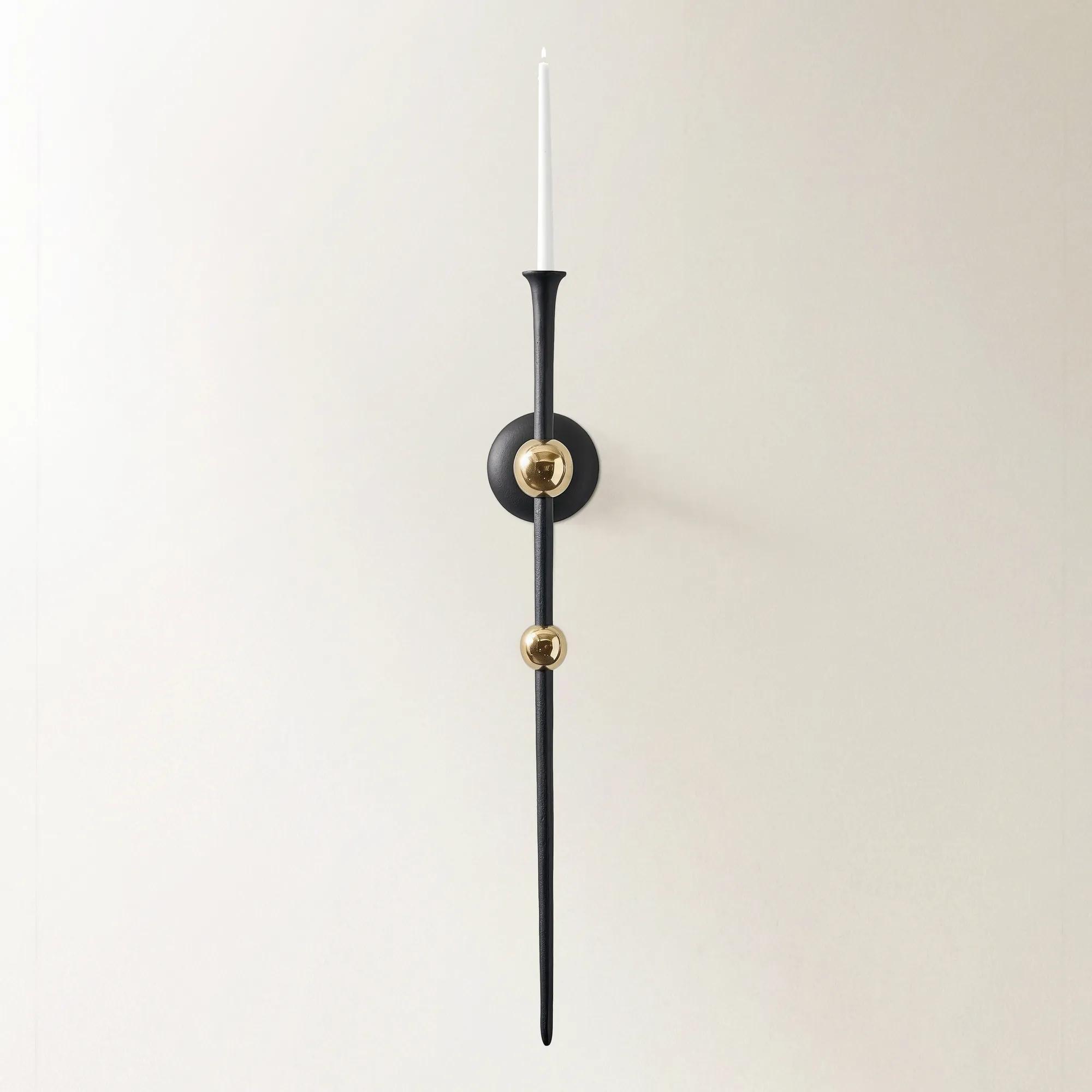 Aspar Soft Gold Bauble and Black Aluminum Candle Wall Sconce Large 33"$79
A sculptural aluminum wall sconce featuring a striking black finish with a soft gold bauble accent.
Add To Cart -
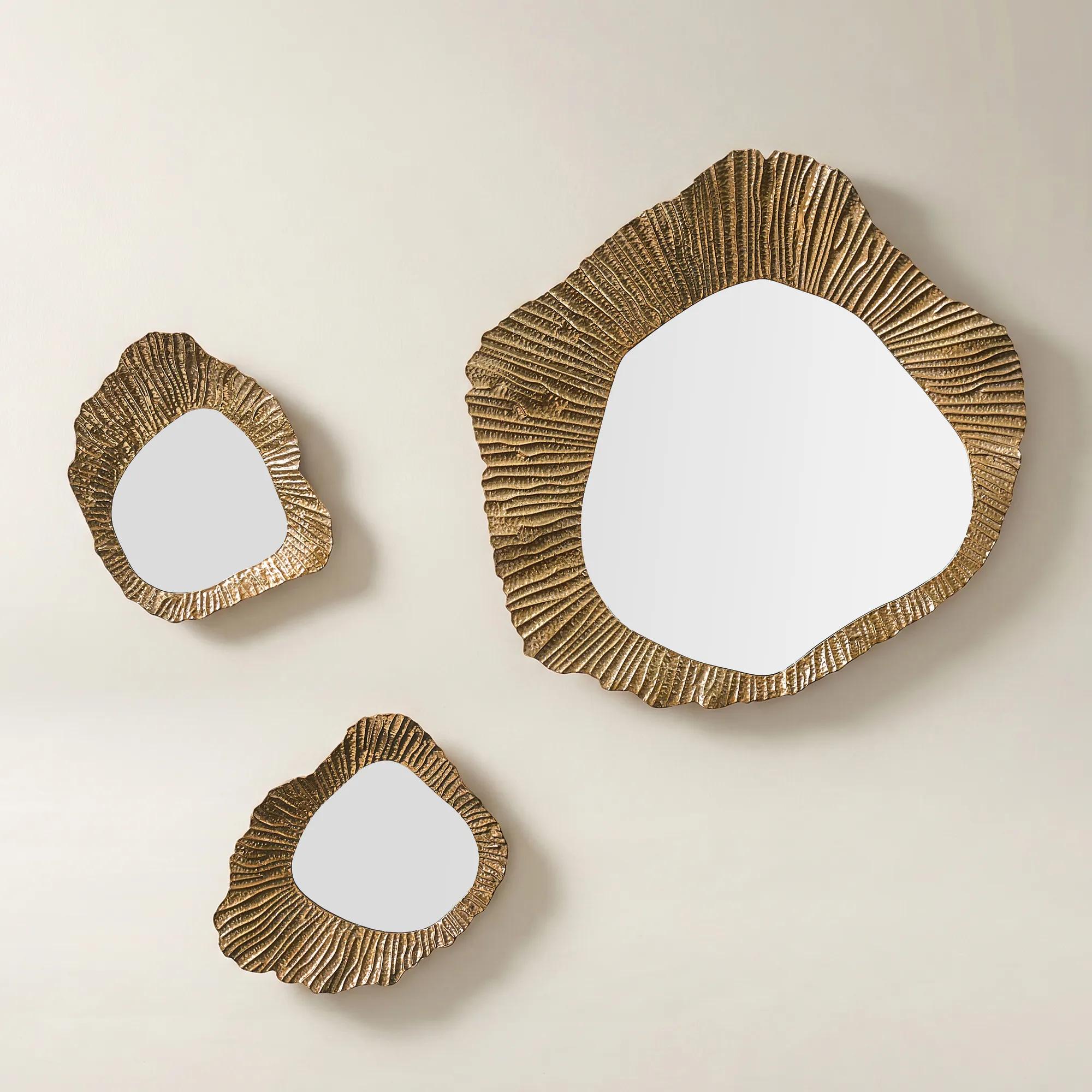 Cara Antique Gold Hand-Forged Iron Organic Shaped Wall Mirror Cluster Trio$1099
A set of three hand-forged iron mirrors in antiqued gold, featuring an organic, sculptural cluster design.
Add To Cart -
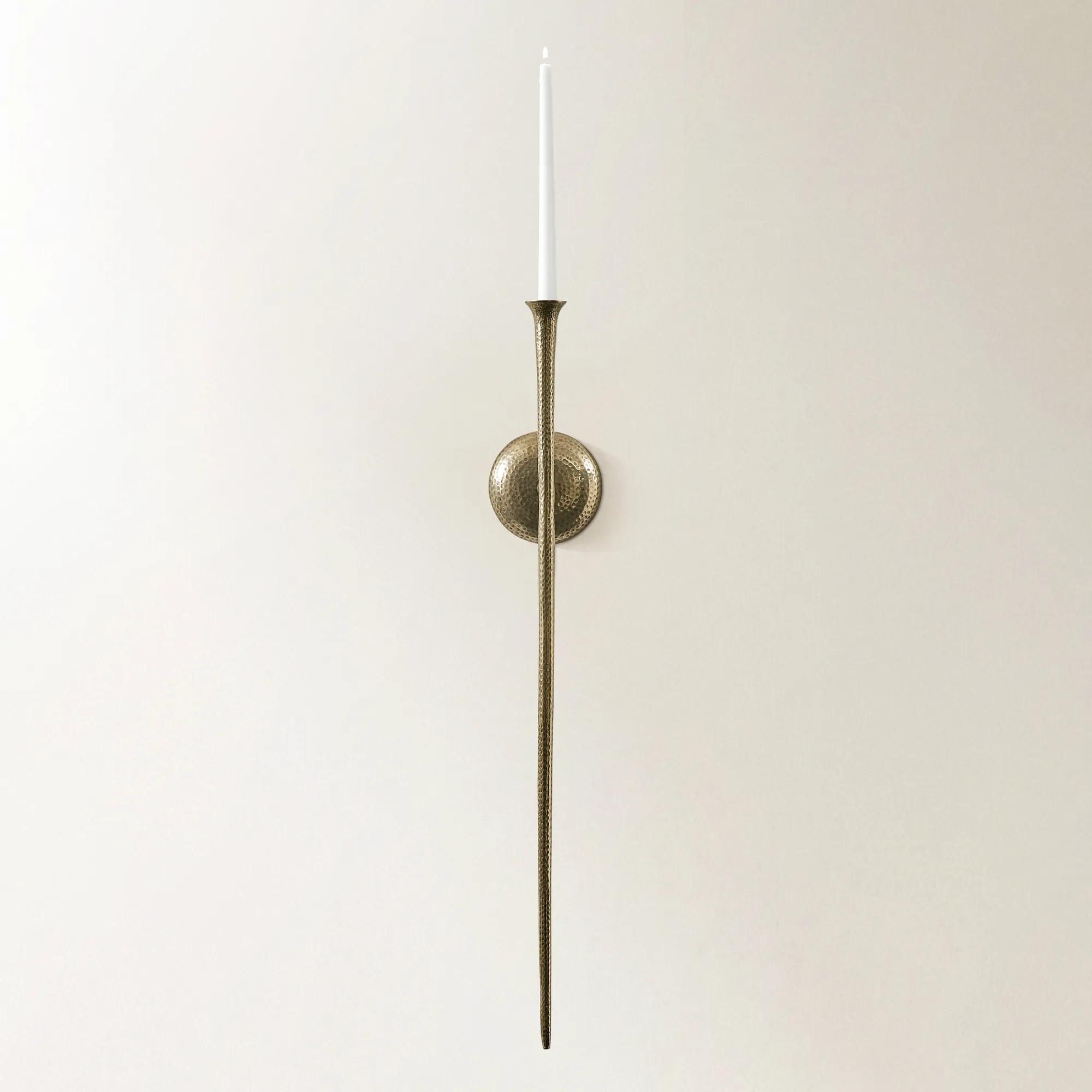 Aspar Hammered Antiqued Gold Aluminum Candle Wall Sconce Large 33"$79
A sculptural aluminum wall sconce featuring a hammered antiqued gold finish for rich texture and warmth.
Add To Cart -
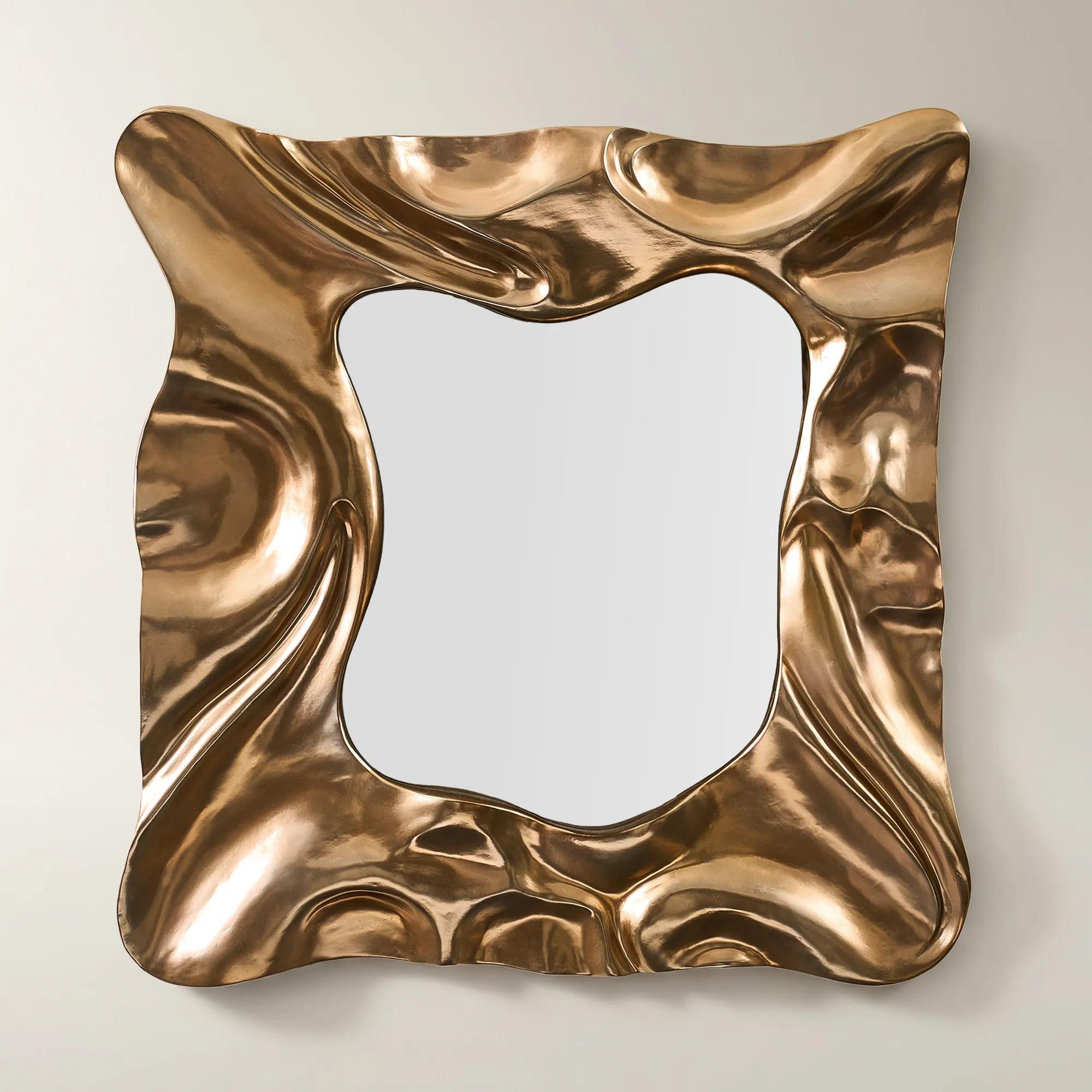 Surface Bronze Resin Organic Shaped Wall Mirror 40" x 40"$699
A sculptural bronze resin frame and organic silhouette create a striking, artful focal point for any room.
Add To Cart -
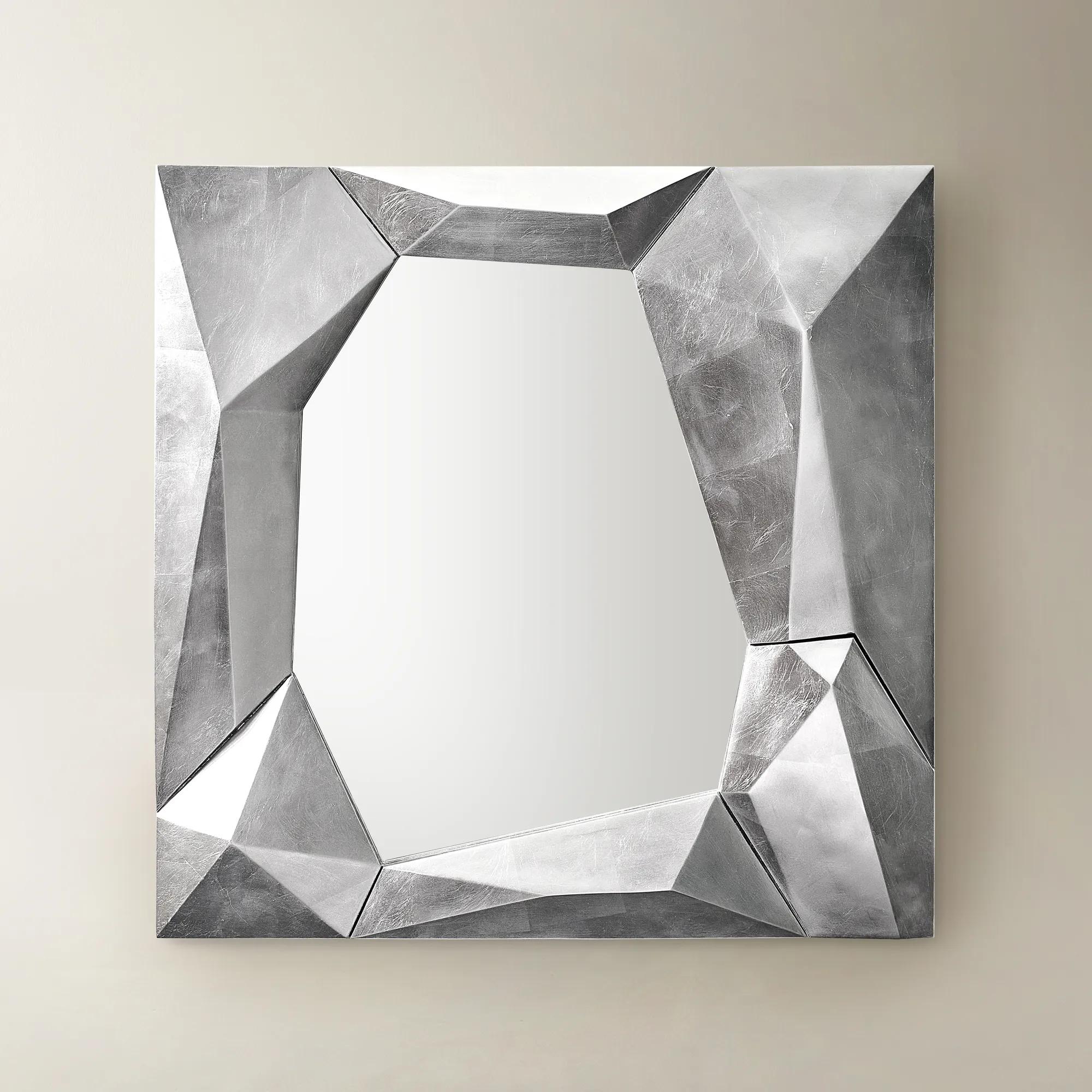 Aeris Satin Silver Faceted Resin Square Wall Mirror 35" x 35"$499
A satin silver fiberglass resin frame and faceted silhouette create a modern, sculptural wall mirror.
Add To Cart

Elegant Dining Room Wall Decor
Elegant Dining Room Wall Decor transforms every meal into a grand occasion, enveloping your space in a sense of artistry and allure. Curated for those who believe dining is as much about ambiance as it is about cuisine, these pieces invite you to indulge in visual drama and refined sophistication. From luminous accents that catch the light to captivating compositions that spark conversation, each selection is designed to elevate your dining experience with expressive detail and timeless glamour. Let your walls set the stage for unforgettable gatherings, where every glance reveals a new layer of beauty and intrigue.
Elegant dining room wall decor brings together framed artwork, decorative mirrors, and sculptural accents to give the space surrounding the table a distinct point of view. The most compelling arrangements complement the room’s architecture, furniture, and lighting without making every surface compete for attention. An expansive abstract painting can lend movement to a tailored dining room, while a pair of framed compositions introduces balance above a sideboard. A decorative mirror offers a different kind of presence, reflecting a chandelier, an architectural detail, or the glow of a beautifully set table. These pieces shape the atmosphere for intimate dinners and larger gatherings alike, creating a backdrop that feels considered even before the first place setting is arranged. Color plays an especially expressive role: ivory and champagne tones soften dark furniture, charcoal adds definition against pale walls, and saturated blue or emerald can establish a dramatic focal point within an otherwise restrained palette. Metallic accents introduce another layer, from the warm gleam of gold-toned framing to the crisp brilliance of polished silver finishes. Not every finish needs to match. A common undertone, a repeated shape, or a shared degree of sheen can connect different elements with greater nuance than a perfectly coordinated suite. For dining rooms visible from an entryway or living area, wall decor also helps carry a visual theme between spaces. A sweeping brushstroke might echo the curve of an upholstered chair; a geometric relief can pick up the angular lines of a pedestal table. The effect is expressive rather than overly arranged. Whether the setting is a dedicated dining room, an open-plan entertaining space, or a compact dining alcove, art and mirrors provide visual depth without occupying the floor. They give the room something memorable beyond its furnishings: a composition that welcomes guests, rewards a closer look, and makes everyday meals feel worthy of a beautiful setting.
Materials and construction influence both the character of dining room wall art and the way it lives in the space. Canvas has a softer, more tactile appearance than art presented behind glass, allowing painted effects and tonal variation to remain central to the composition. Glass-fronted artwork introduces a polished finish and helps shield the image from dust, though reflections deserve consideration where windows and chandeliers are prominent. Wood frames can add warmth or a crisp architectural border, depending on their finish and profile. Metal frames and wall sculptures range from slender outlines to substantial dimensional forms, with brushed surfaces offering a quieter luster and highly polished finishes producing a more reflective effect. Decorative mirrors may feature beveled edges, textured surrounds, or antiqued effects that become part of the artwork itself. Their placement determines what they contribute: a mirror reflecting an attractive light fixture or a well-composed vignette feels intentional, while one facing a busy passage may emphasize movement rather than calm. Scale matters just as much as surface. Above a buffet or console, an arrangement that occupies roughly two-thirds of the furniture’s width can be a useful starting point, adjusted for the frame’s visual weight and the surrounding architecture. A broad wall may welcome one generous piece, while a narrower section can accommodate a vertical composition or a closely spaced pair. Artwork should feel connected to the furniture beneath it rather than suspended near the ceiling. In a dining room, that relationship also needs to work from a seated position, where guests spend much of their time. Dimensional wall decor deserves enough clearance to avoid chair backs and circulating guests, particularly along a narrow route beside the table. The finished arrangement should leave room for the architecture to remain legible, including moldings, doorways, and built-in cabinetry. Appropriate hanging hardware, selected for the piece’s weight and the wall construction, supports secure placement; heavier mirrors may require anchoring into studs or another suitable support specified by the manufacturer.
Lasting elegance also depends on how comfortably a piece fits the household’s routines. In a dining area used for daily meals, durable frames, secure mounting, and surfaces that can be maintained without elaborate treatment are practical considerations with a visible payoff. A textured wall sculpture can bring extraordinary depth to a simple wall, but intricate recesses may need more frequent dusting than a smooth frame. Canvas, paper, wood, metal, and mirrored glass each require different care, so the manufacturer’s instructions should determine the cleaning method. A soft, dry cloth is often appropriate for routine dusting of frames and decorative surfaces; abrasive pads and harsh cleaners can damage delicate finishes. For mirrored or glazed surfaces, a suitable cleaner applied to a cloth rather than sprayed directly onto the piece helps limit moisture around edges and framing. Prolonged direct sunlight may fade artwork or alter some finishes, making exposure worth considering before choosing a permanent position. Wall decor near a kitchen opening also benefits from distance from steam and cooking residue. These details preserve the richness of the materials while keeping the room ready for company. For hosts who love a formal table, a richly framed composition can reinforce the occasion without requiring additional tabletop decoration. For collectors and design enthusiasts, sculptural accents or art with pronounced texture offer an opportunity to express a more individual aesthetic. A thoughtfully chosen piece can also make a meaningful housewarming or wedding gift when the recipient’s taste, wall dimensions, and preferred palette are known. Explore Elegant Dining Room Inspiration for a broader view of the relationship between wall decor, furniture, and lighting. A room with an elaborate chandelier may benefit from art with generous negative space, while streamlined furnishings can support a more ornate mirror or dimensional composition. That balance gives each element room to be appreciated. The result is a dining space with presence and personality, where a reflected glow, a striking silhouette, or a richly worked surface becomes part of the pleasure of gathering.
FAQs
Elegant wall decor transforms the dining room into a captivating space, setting the tone for memorable gatherings. Reflective surfaces, textured finishes, and bold artwork can amplify natural light, add depth, and create a sense of drama, making every meal feel like a special occasion.
For formal dining rooms, consider pieces that exude sophistication—such as gilded mirrors, sculptural metal art, or richly detailed canvases. These selections introduce a sense of grandeur and refinement, complementing fine tableware and luxurious furnishings.
Absolutely. Statement wall decor is a meaningful gift for hosts, newlyweds, or anyone who delights in gathering friends and family. It offers a lasting reminder of shared moments and adds a personal, artistic touch to their entertaining space.
Mixing styles can create a dynamic and curated look. Pair modern abstract pieces with classic mirrors or blend metallic finishes with soft textiles for visual interest. The key is to maintain a cohesive color palette or unifying element, ensuring the overall effect feels intentional and harmonious.
Lighting is essential for highlighting the beauty and detail of wall decor. Strategically placed sconces, chandeliers, or picture lights can accentuate textures, cast intriguing shadows, and draw attention to focal pieces, enhancing the overall ambiance of the dining room.