Dining Area Wall Sconces
Dining Area Wall Sconces
-
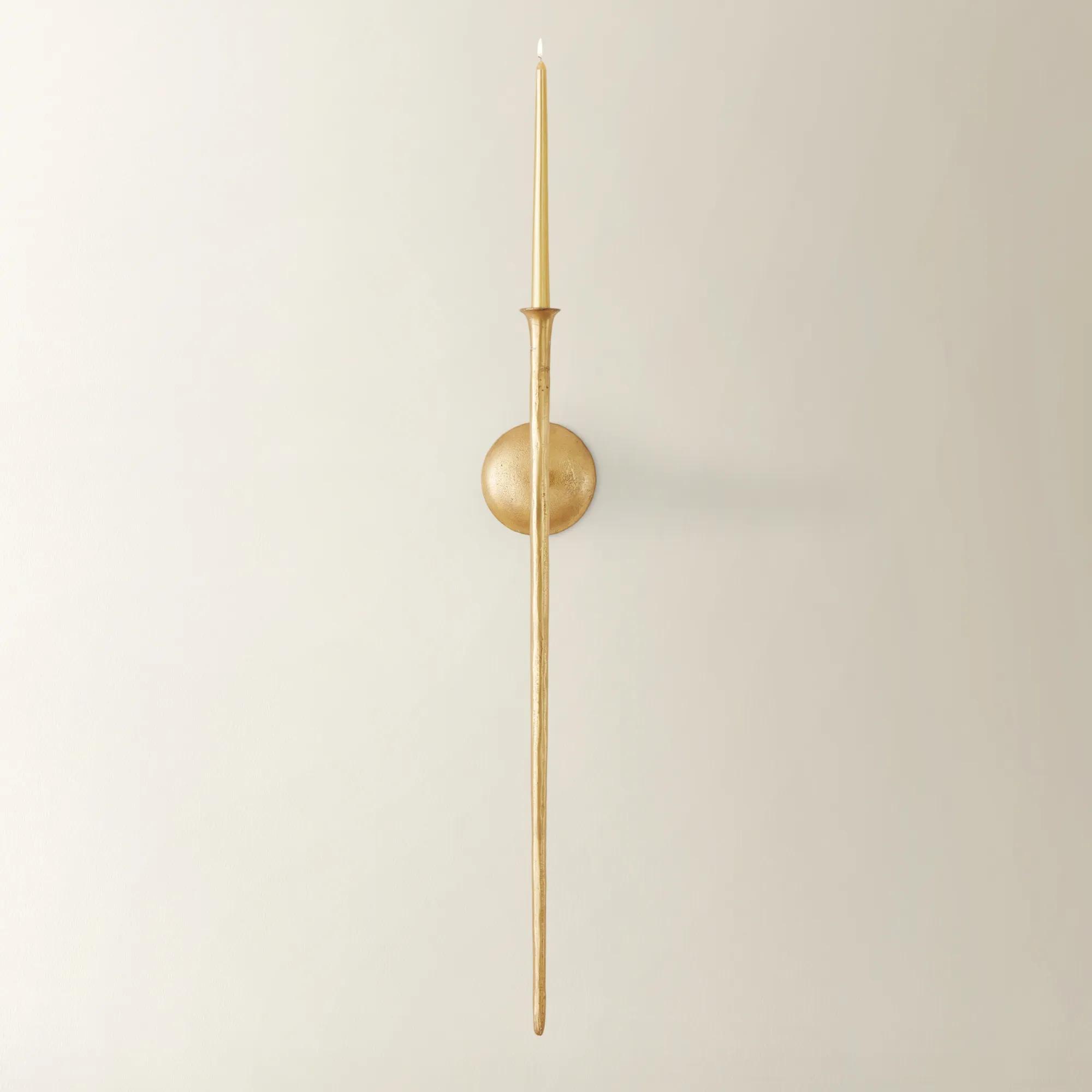 Aspar Gold Aluminum Candle Wall Sconce Large 33"$59
A slender metal wall sconce available in silver, gold, or black, perfect for displaying taper candles.
Add To Cart -
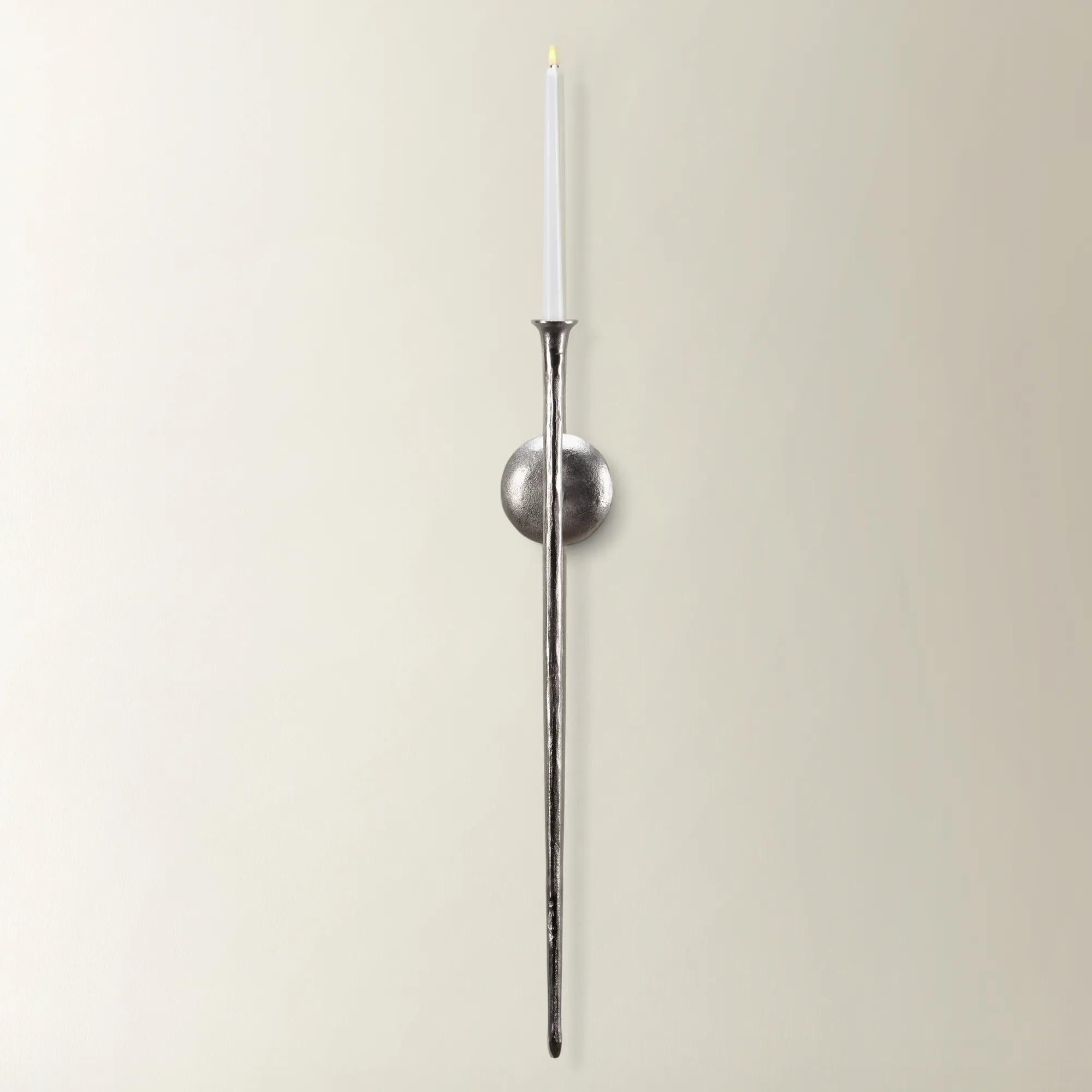
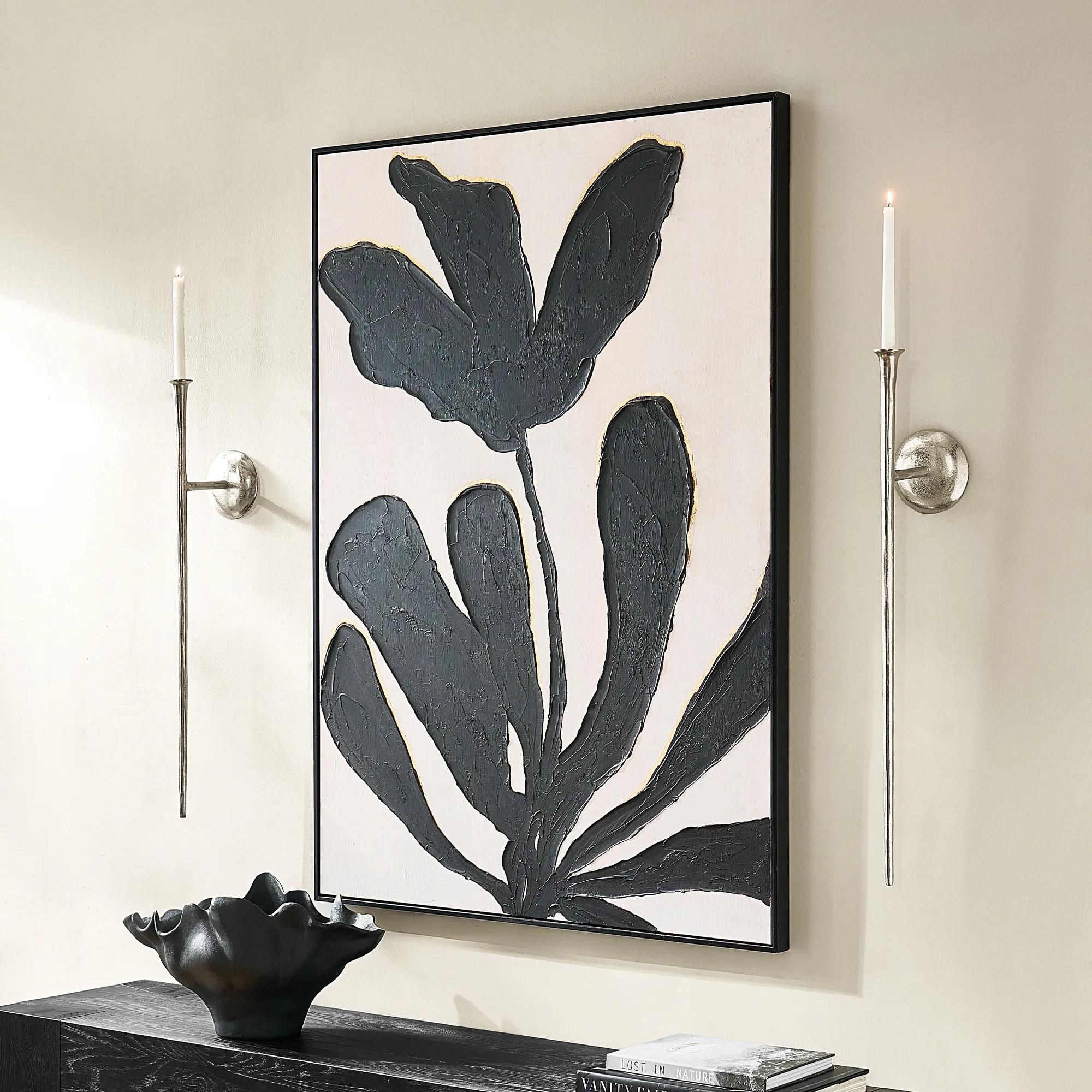 Aspar Silver Aluminum Candle Wall Sconce Large 33"$59
A slender metal wall sconce available in silver, gold, or black for elegant candlelit ambiance.
Add To Cart -
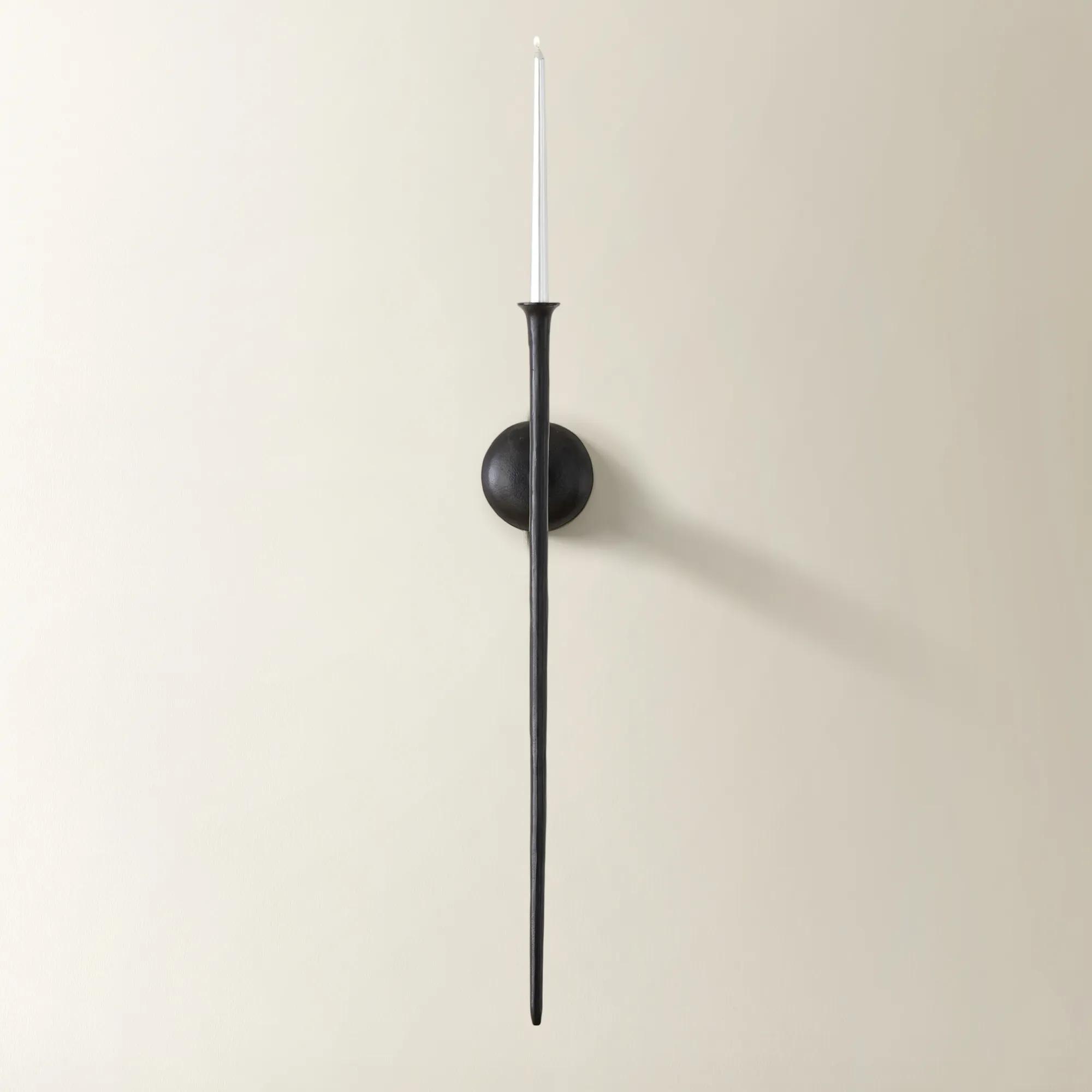 Aspar Black Aluminum Candle Wall Sconce Large 33"$59
A slender metal wall sconce available in silver, gold, or black, perfect for elegant candlelit ambiance.
Add To Cart -
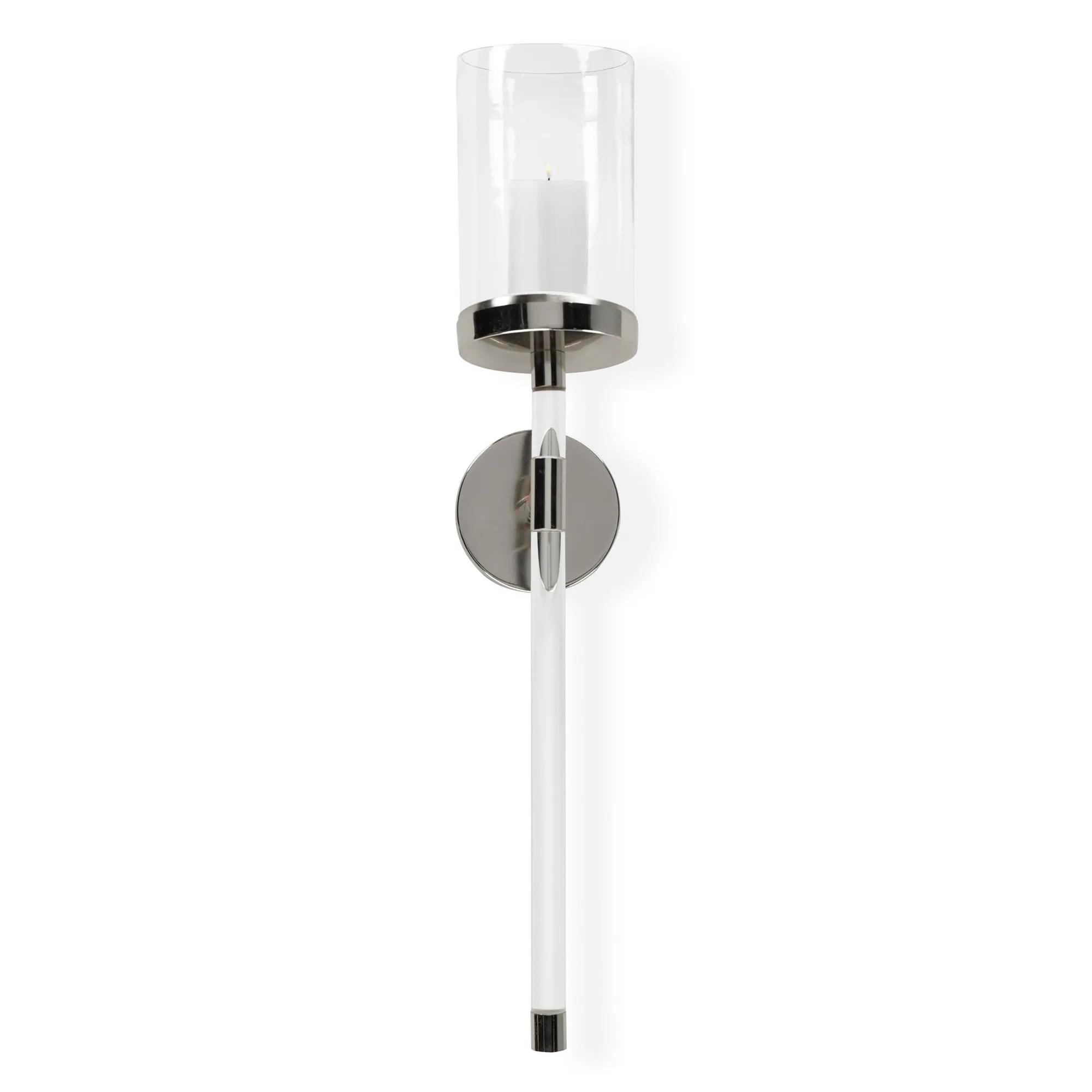
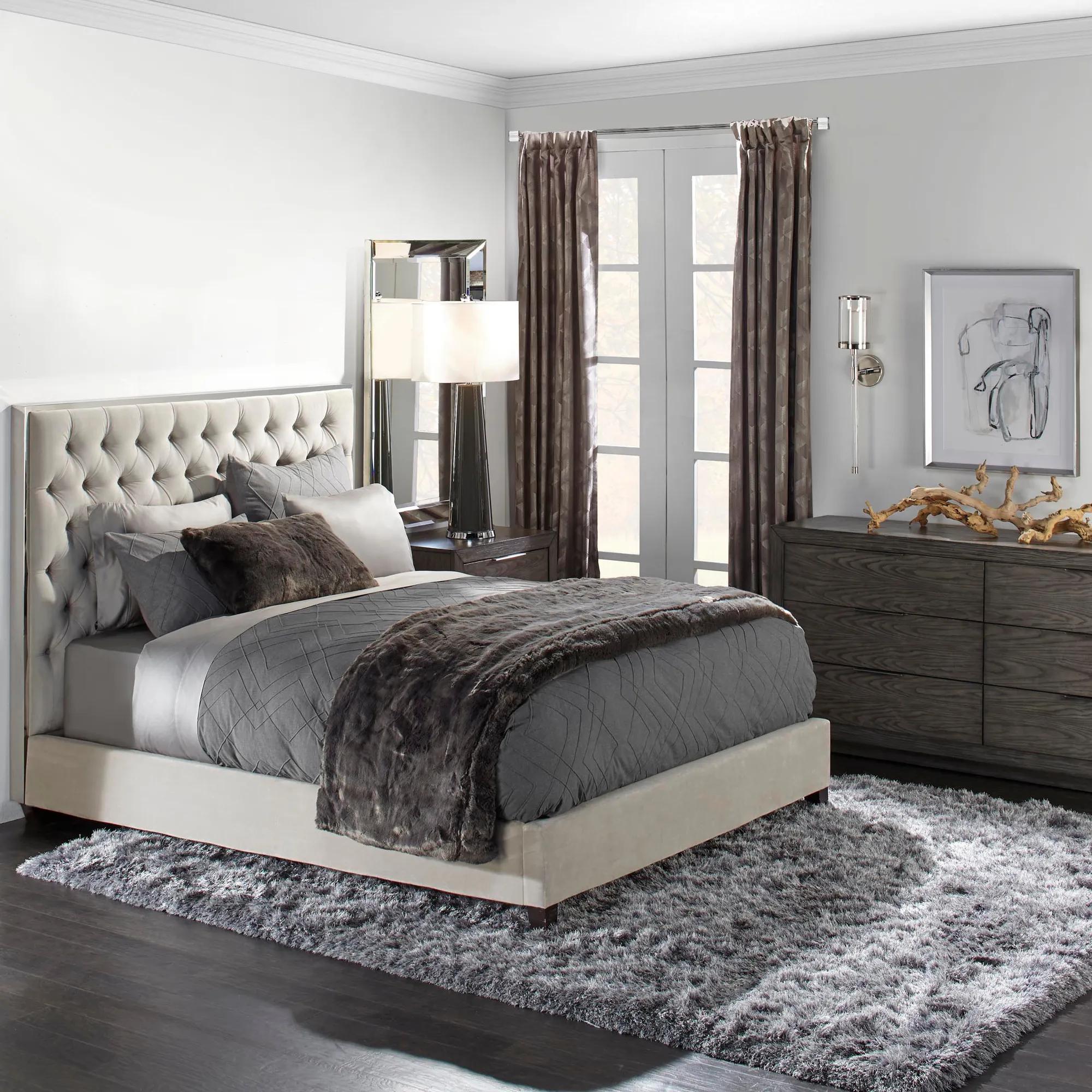 Ethan Sconce$99
A modern sconce featuring a clear glass shade, acrylic stem, and metallic aluminum base for contemporary flair.
Add To Cart -
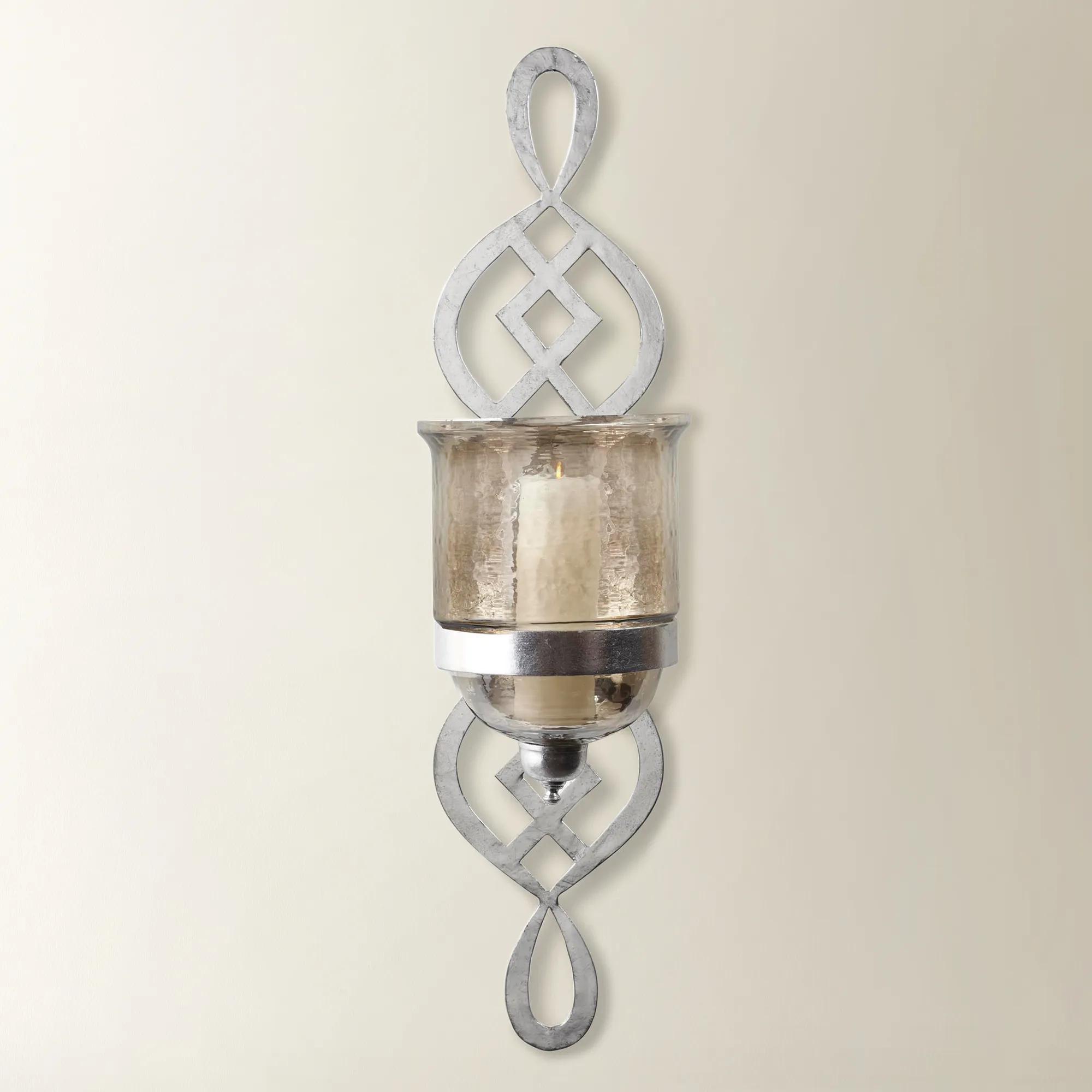 Beverton Wall Sconce$219
A striking wall sconce featuring a hand-finished stainless steel iron frame and hammered amber glass shade.
Add To Cart -
.jpeg?w=1200&h=1200) Vince Gold Aluminum Candle Wall Sconce 18.5"$79
Vince Gold Aluminum Candle Wall Sconce 18.5"$79A sculptural gold aluminum sconce that cradles a single taper candle for modern, luminous ambiance.
Add To Cart -
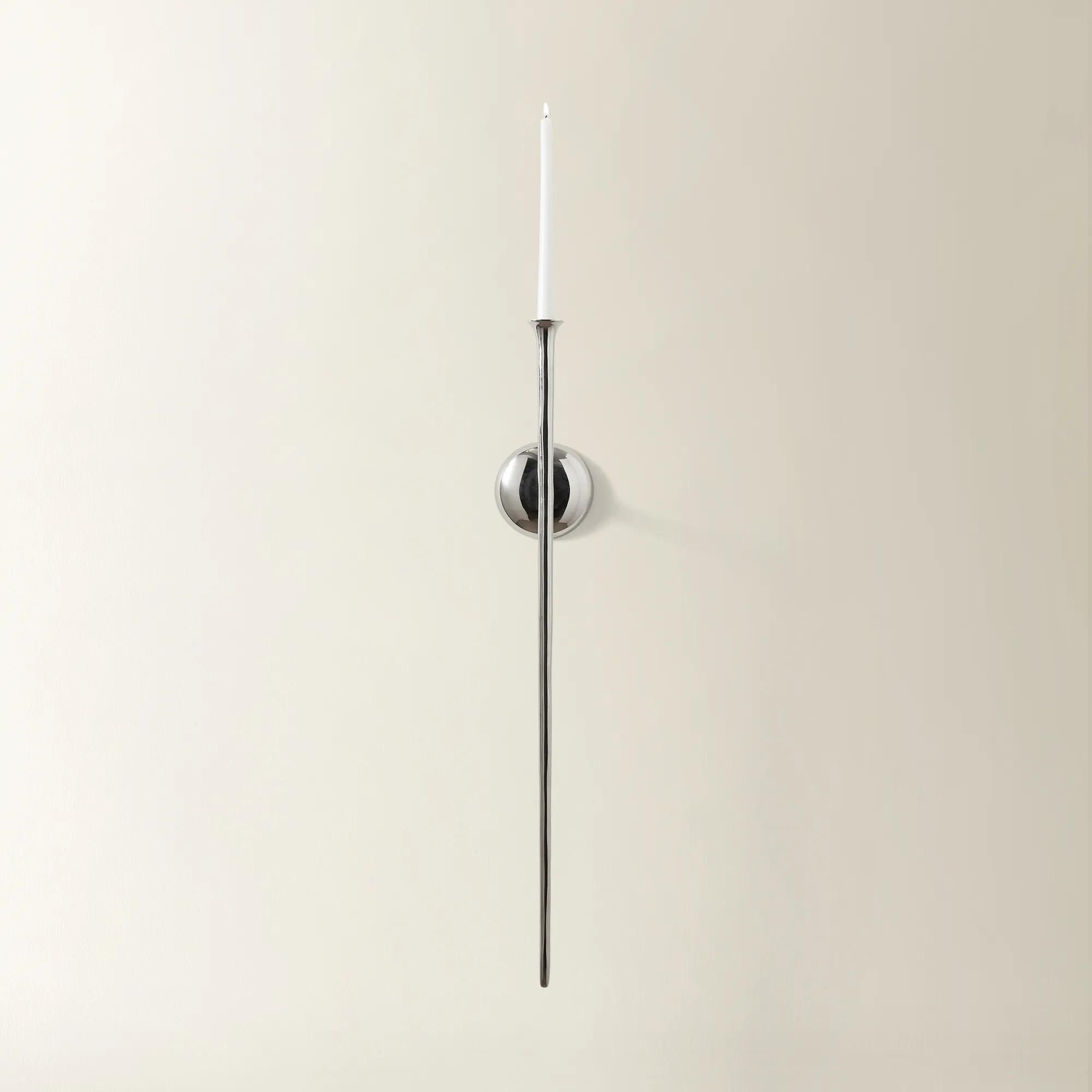 Aspar Wall Sconce$59
A slender, shiny silver aluminum sconce designed to hold a standard taper candle for elegant wall decor.
Add To Cart -
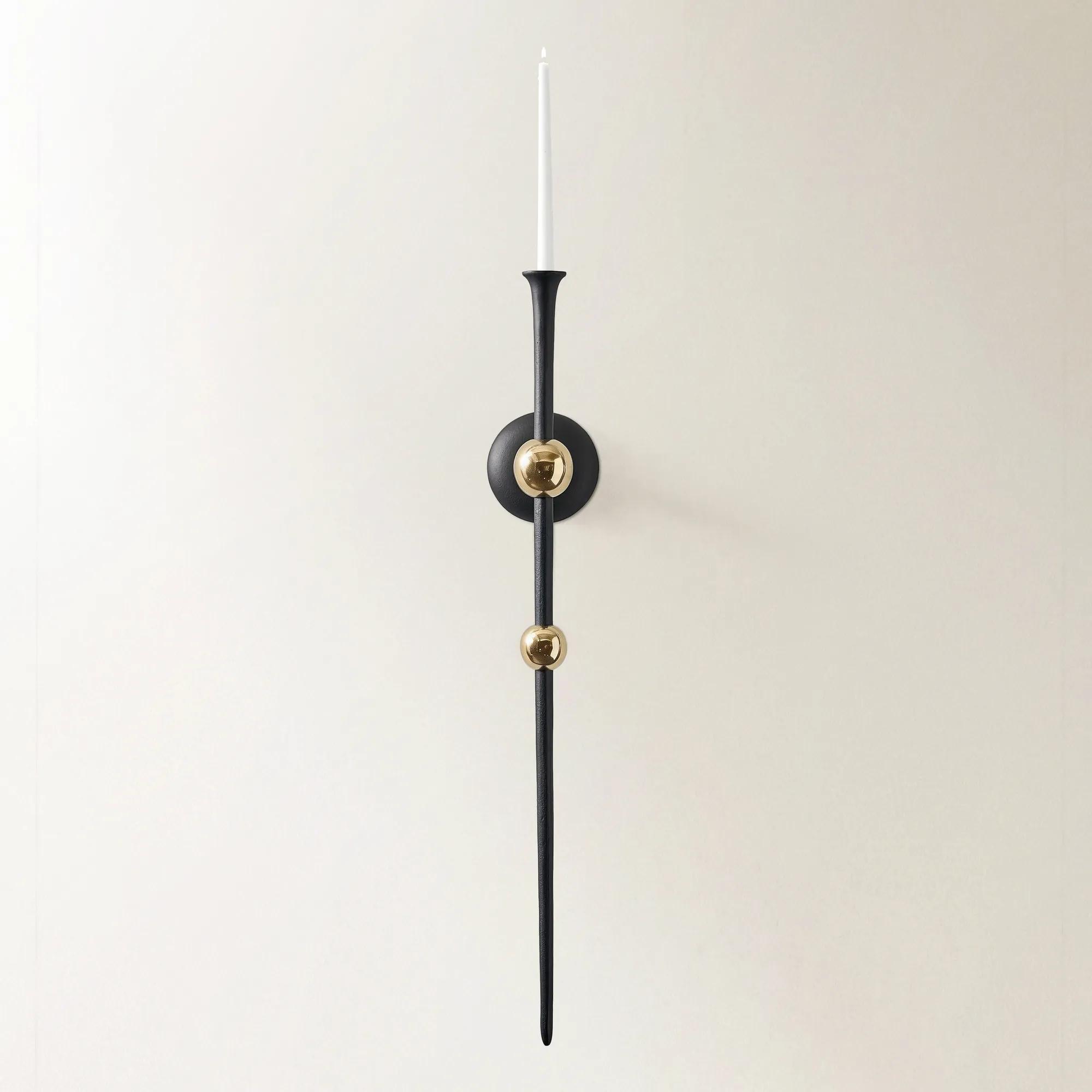 Aspar Soft Gold Bauble and Black Aluminum Candle Wall Sconce Large 33"$79
A sculptural aluminum wall sconce featuring a striking black finish with a soft gold bauble accent.
Add To Cart -
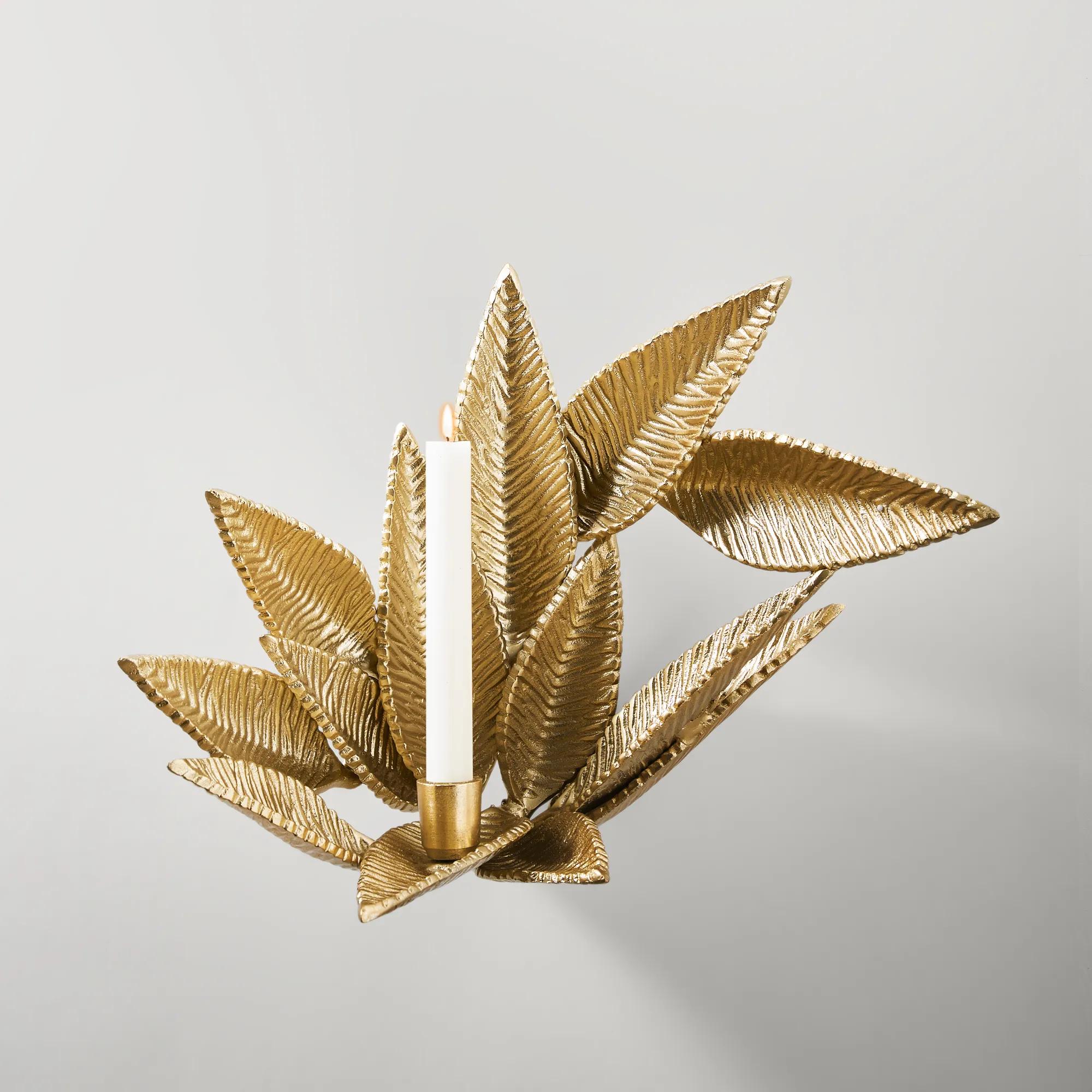
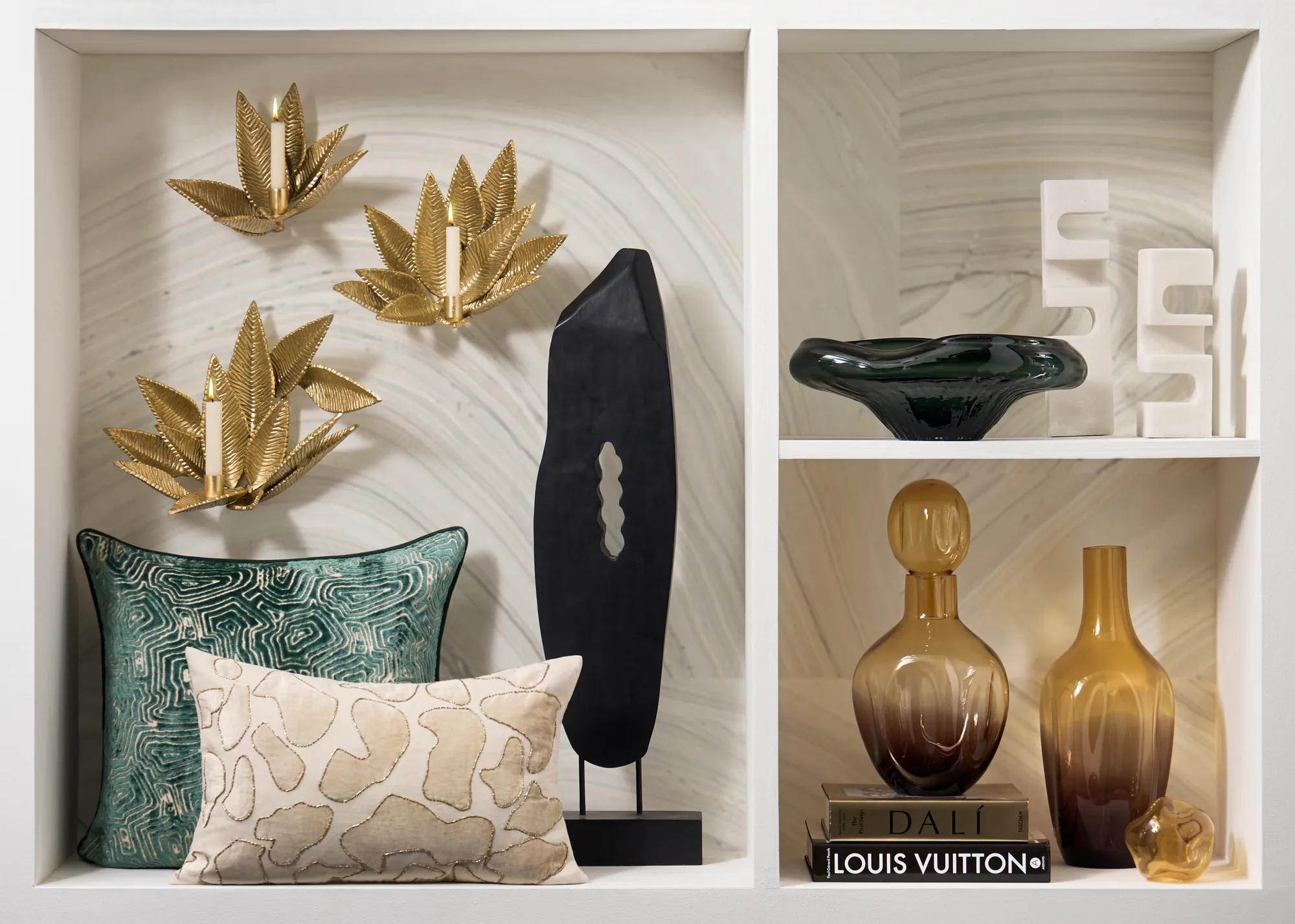 Bloom Wall Sconce$119
A gold-finished aluminum candle sconce with an organic texture and artful, jewelry-inspired silhouette.
Add To Cart -
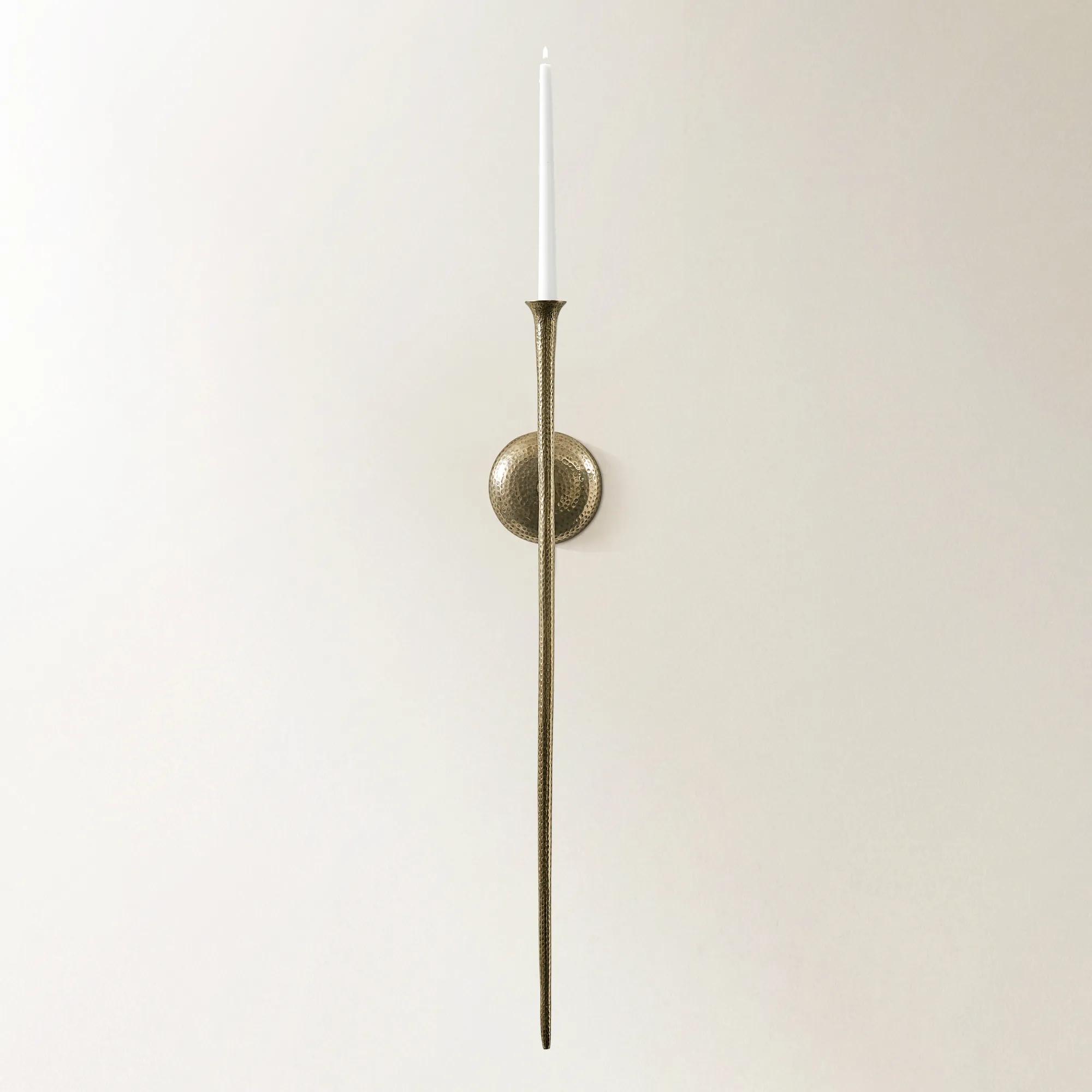 Aspar Hammered Antiqued Gold Aluminum Candle Wall Sconce Large 33"$79
A sculptural aluminum wall sconce featuring a hammered antiqued gold finish for rich texture and warmth.
Add To Cart -
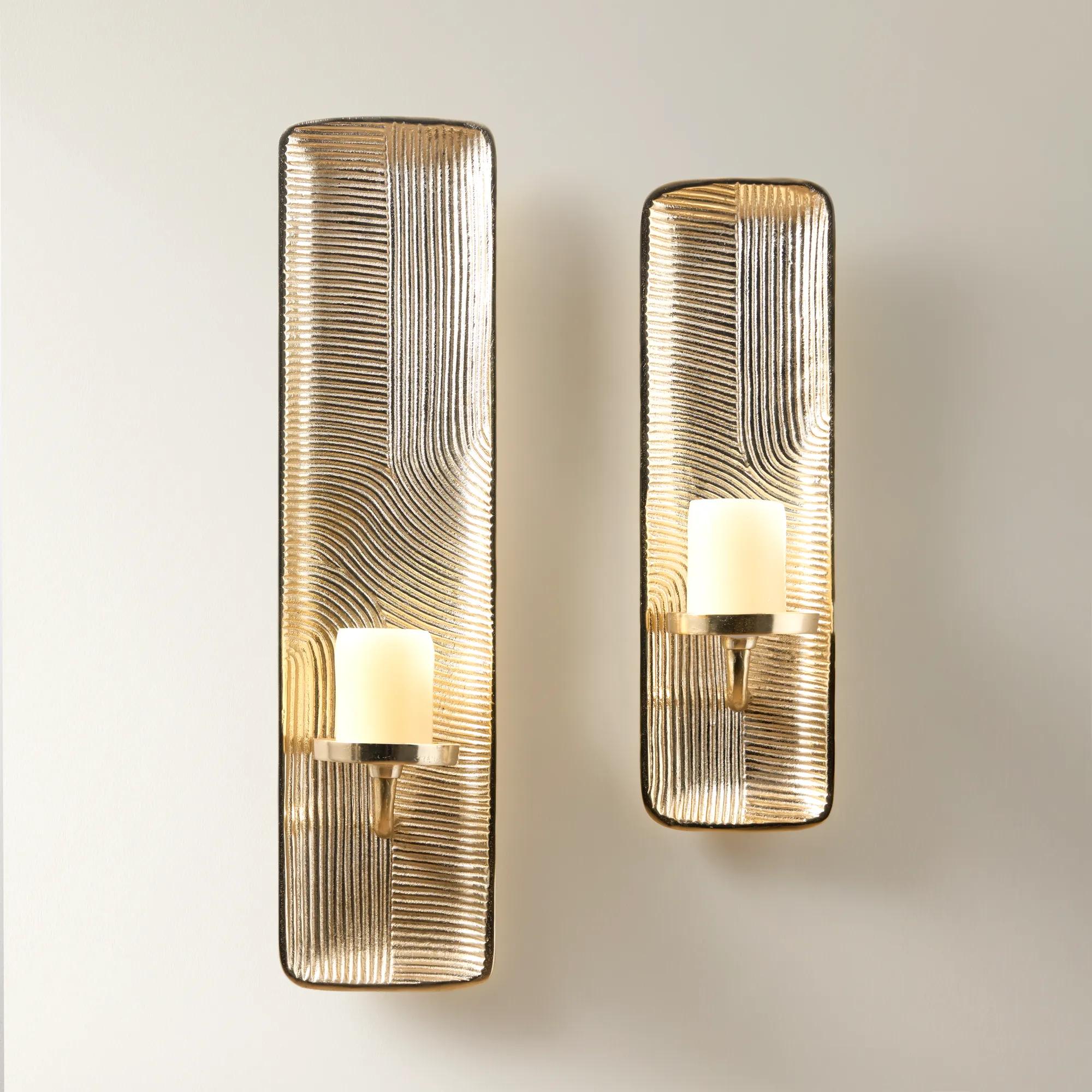
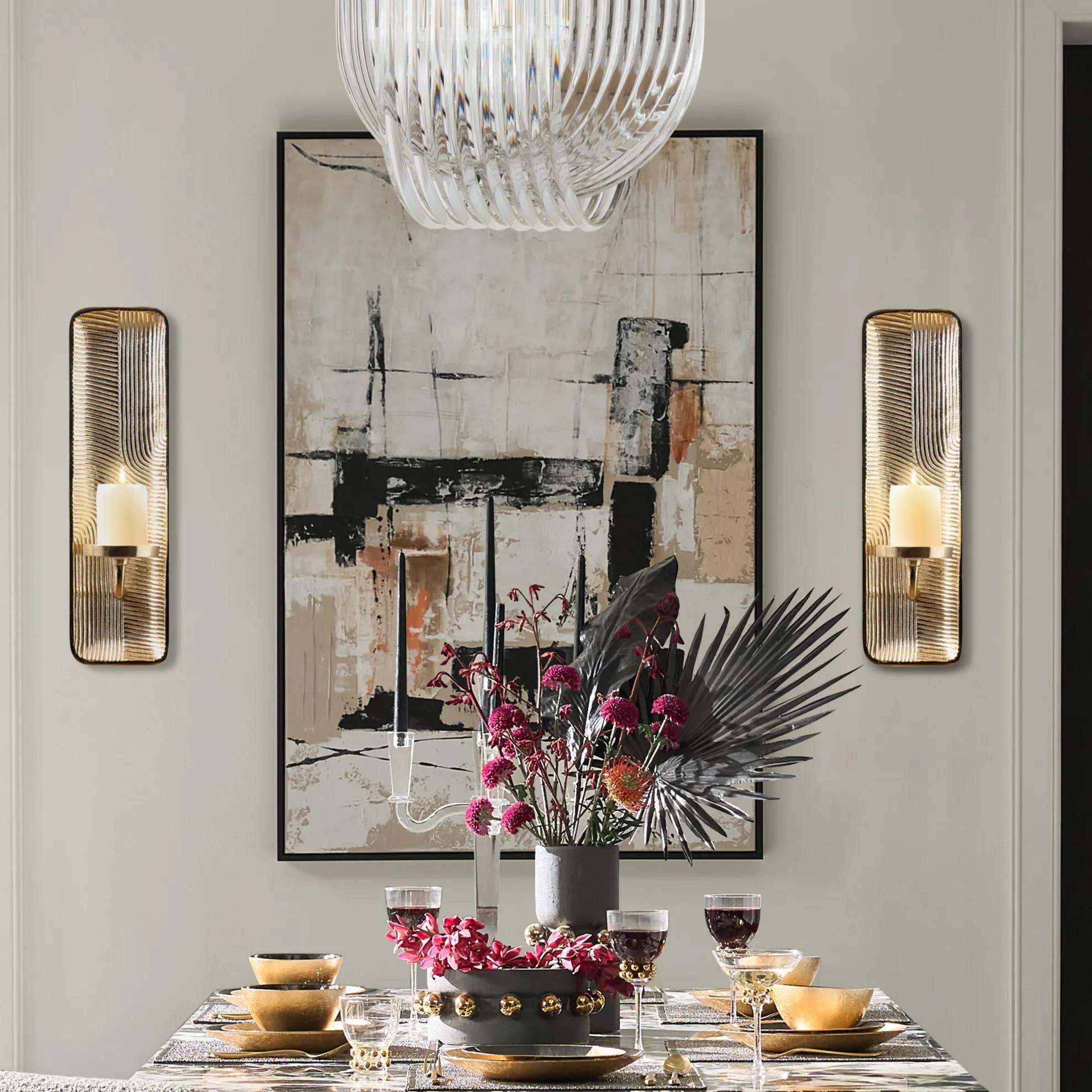 Ando Gold Aluminum Wall Sconces$69
A hand-textured gold aluminum sconce that adds understated elegance and a warm candlelit glow.
Add To Cart -
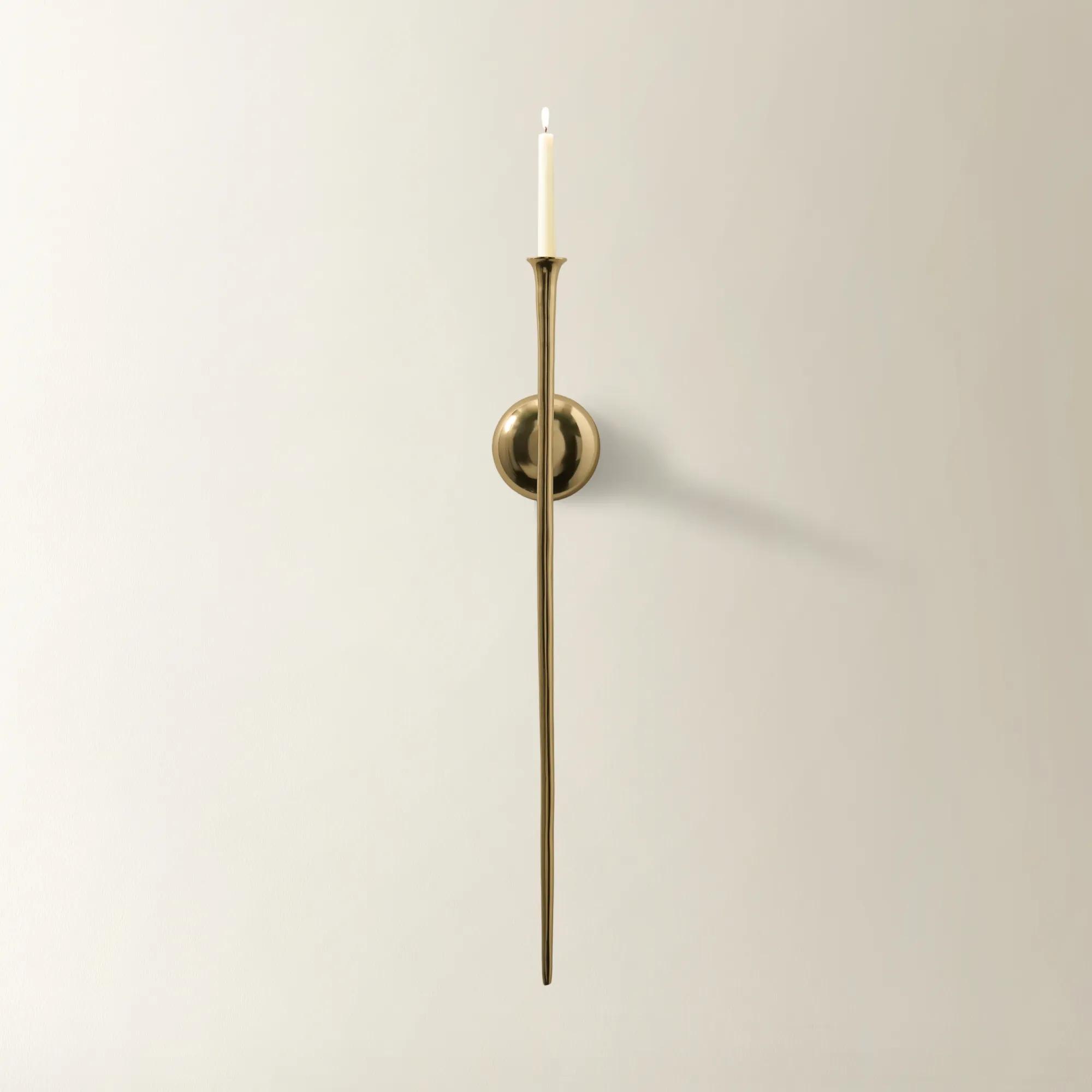
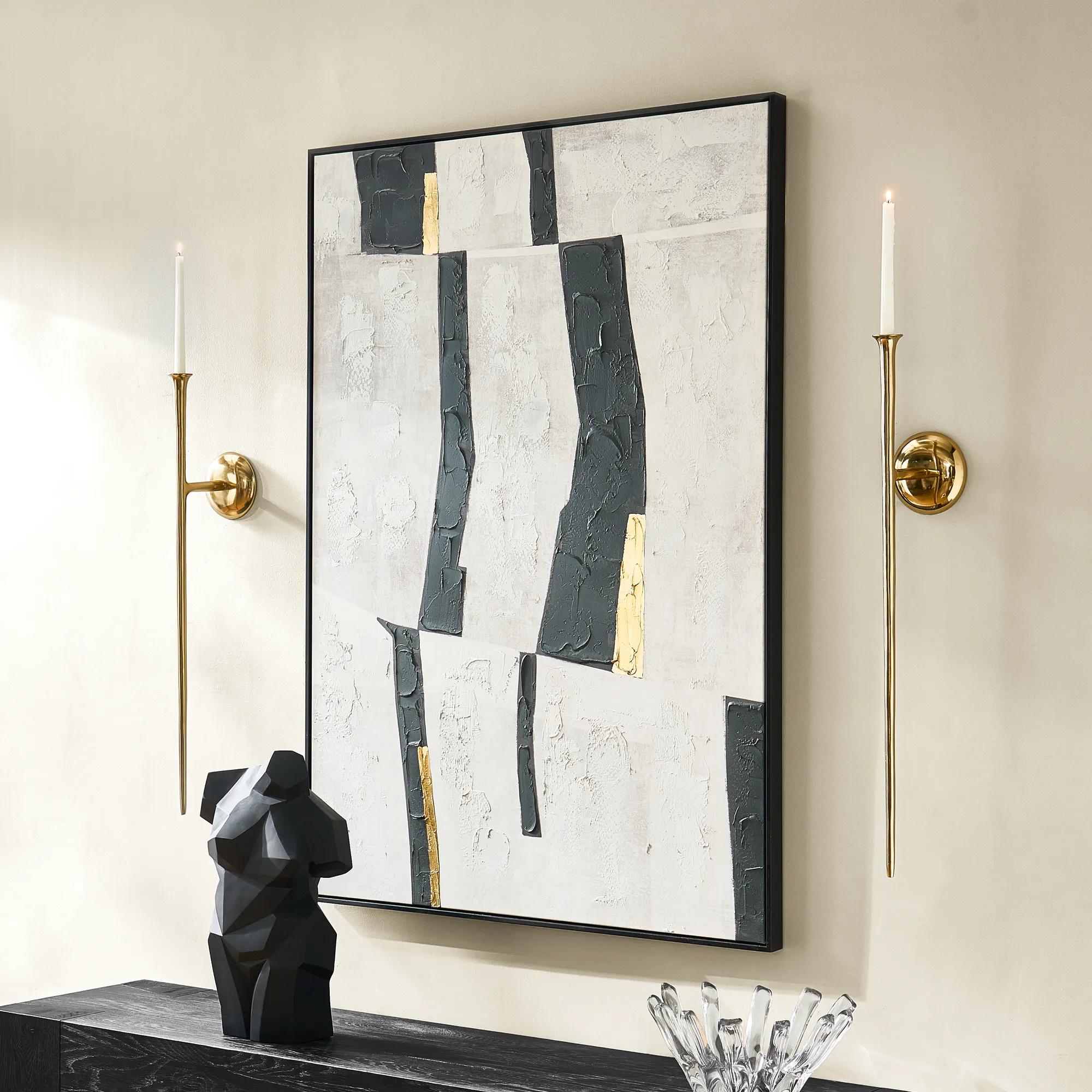 Aspar Shiny Gold Aluminum Candle Wall Sconce Large 33"$59
A slender aluminum wall sconce in shiny gold, designed to hold a standard taper candle.
Add To Cart -
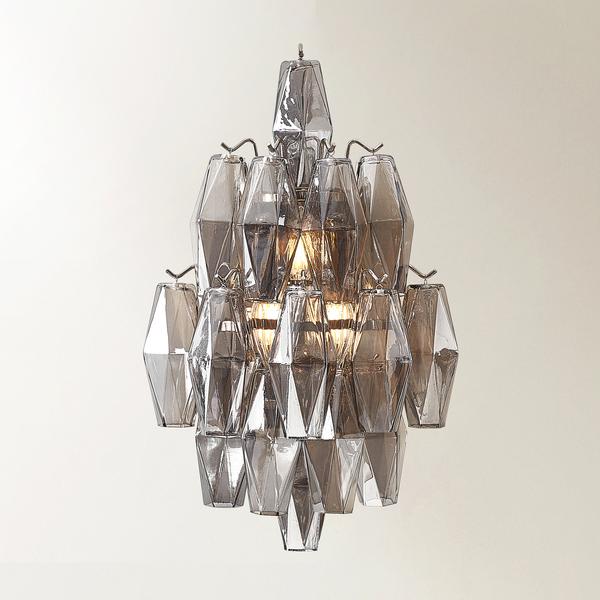
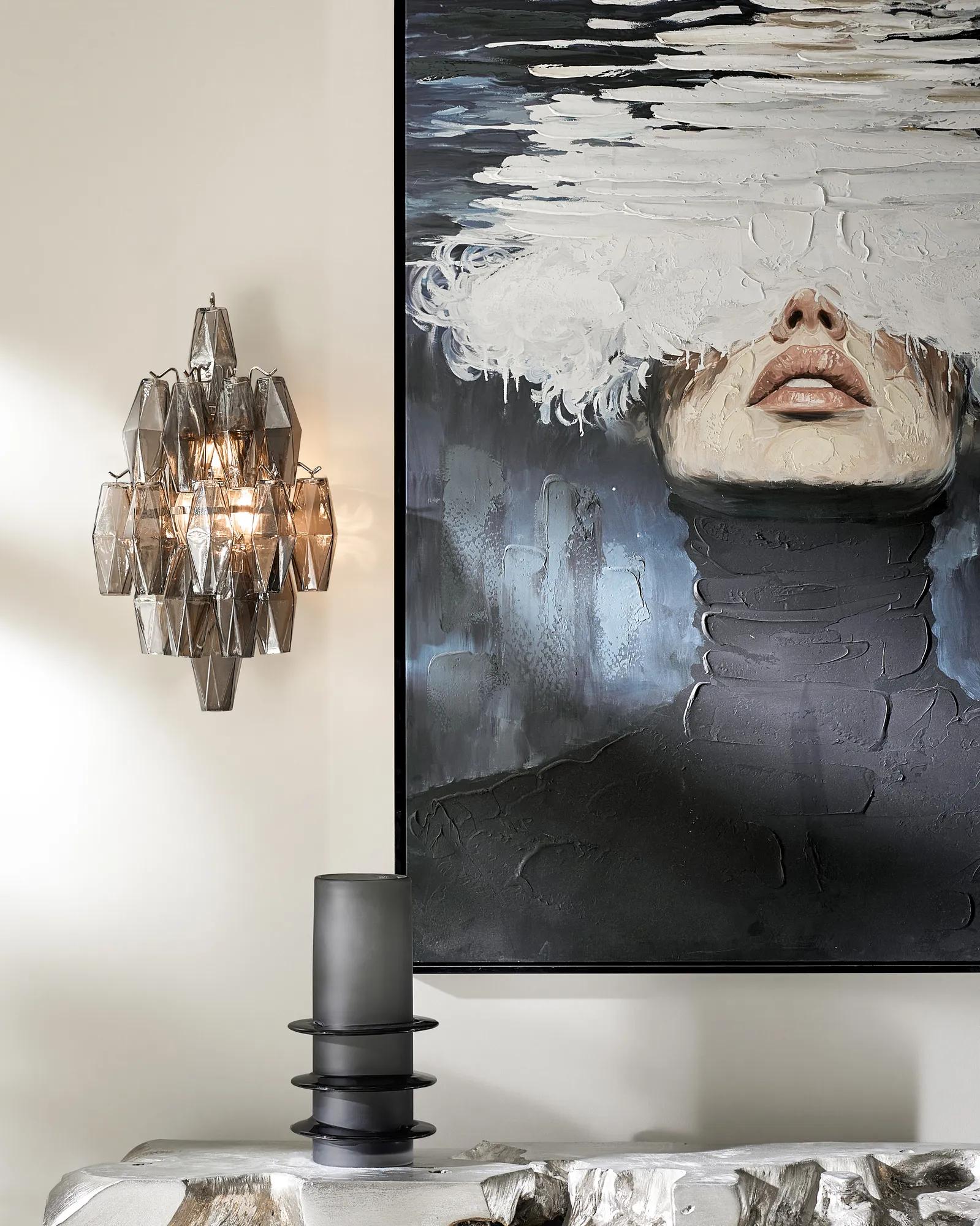 Cosima Glass Sconce 19.75" - Smoke$299
A sculptural sconce featuring hand-blown smoked gray glass and a polished nickel backplate for moody elegance.
Add To Cart -
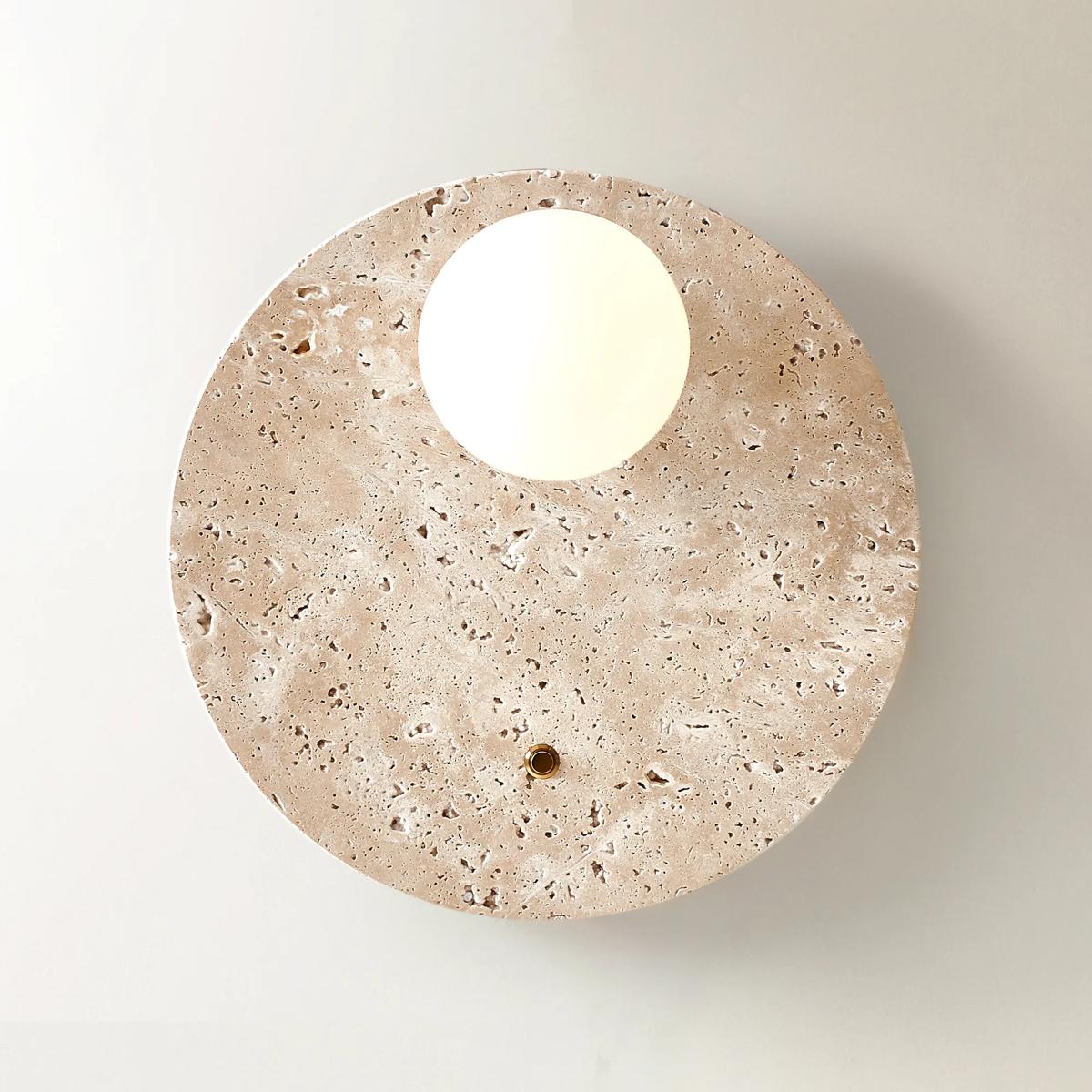
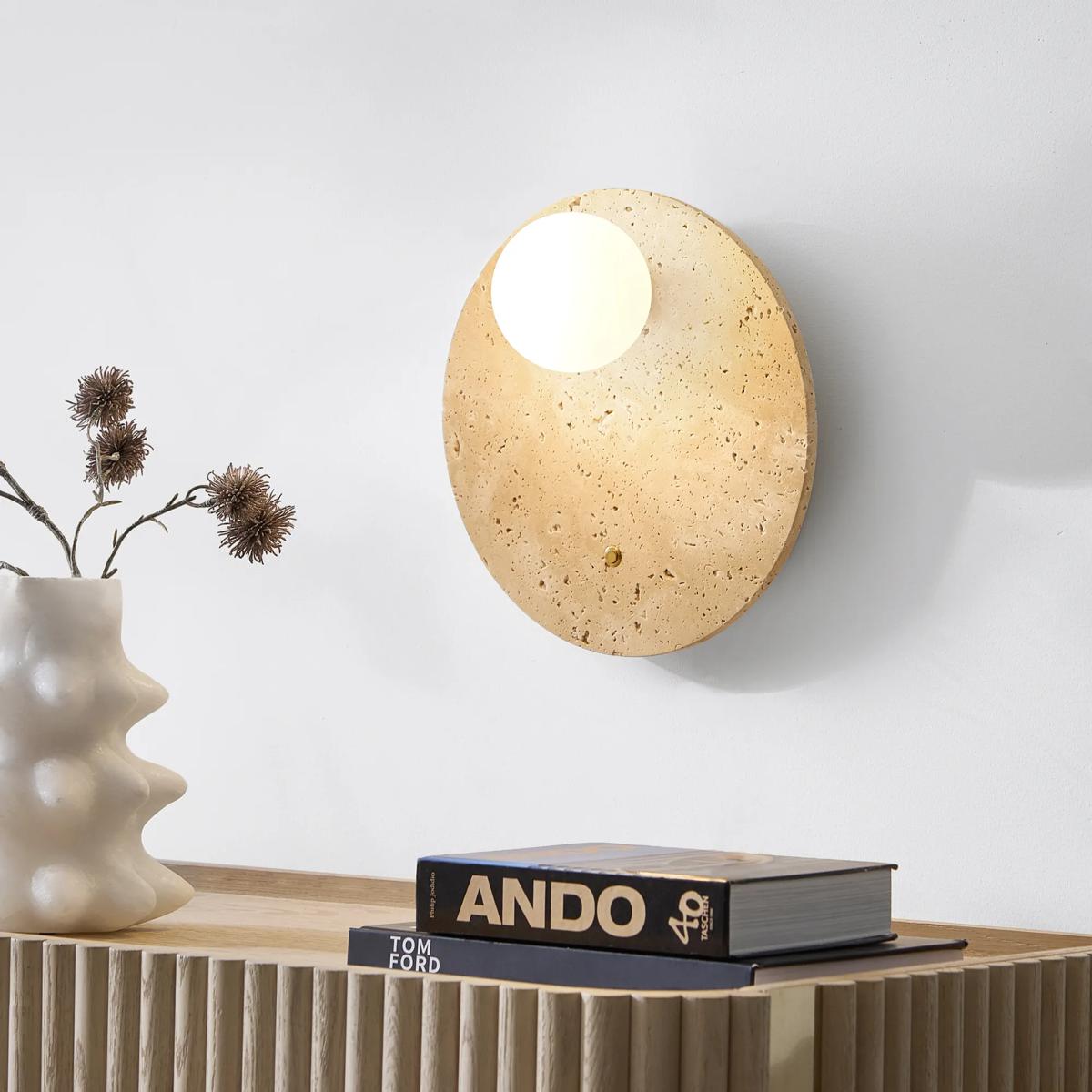 Eden Travertine Sconce 11.75"$149
A sculptural wall sconce crafted from genuine travertine and frosted glass for a softly diffused glow.
Add To Cart -
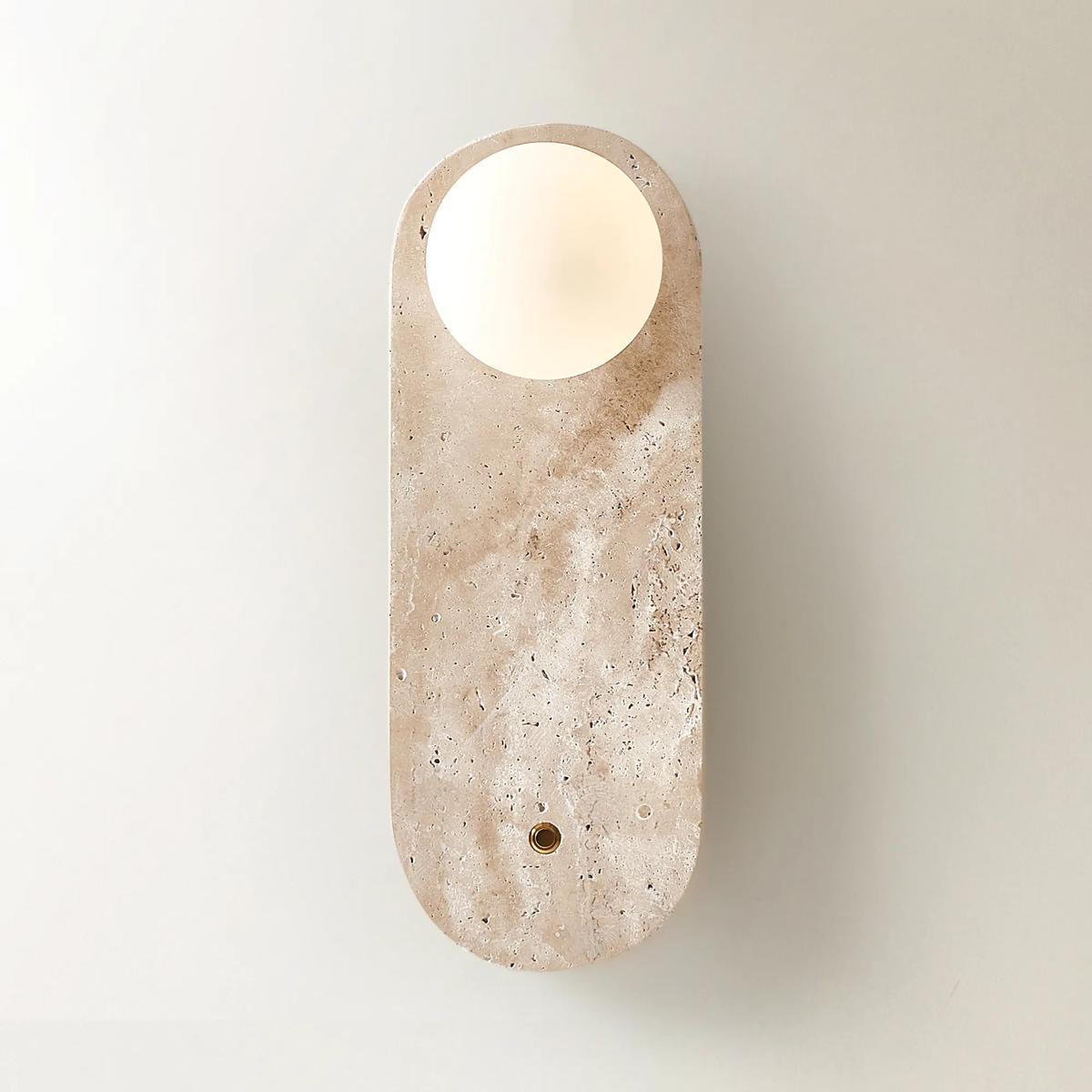 Eden Natural Travertine Electric Wall Sconce 15"$149
A handcrafted travertine sconce featuring a frosted glass globe and unique natural stone variations.
Add To Cart -
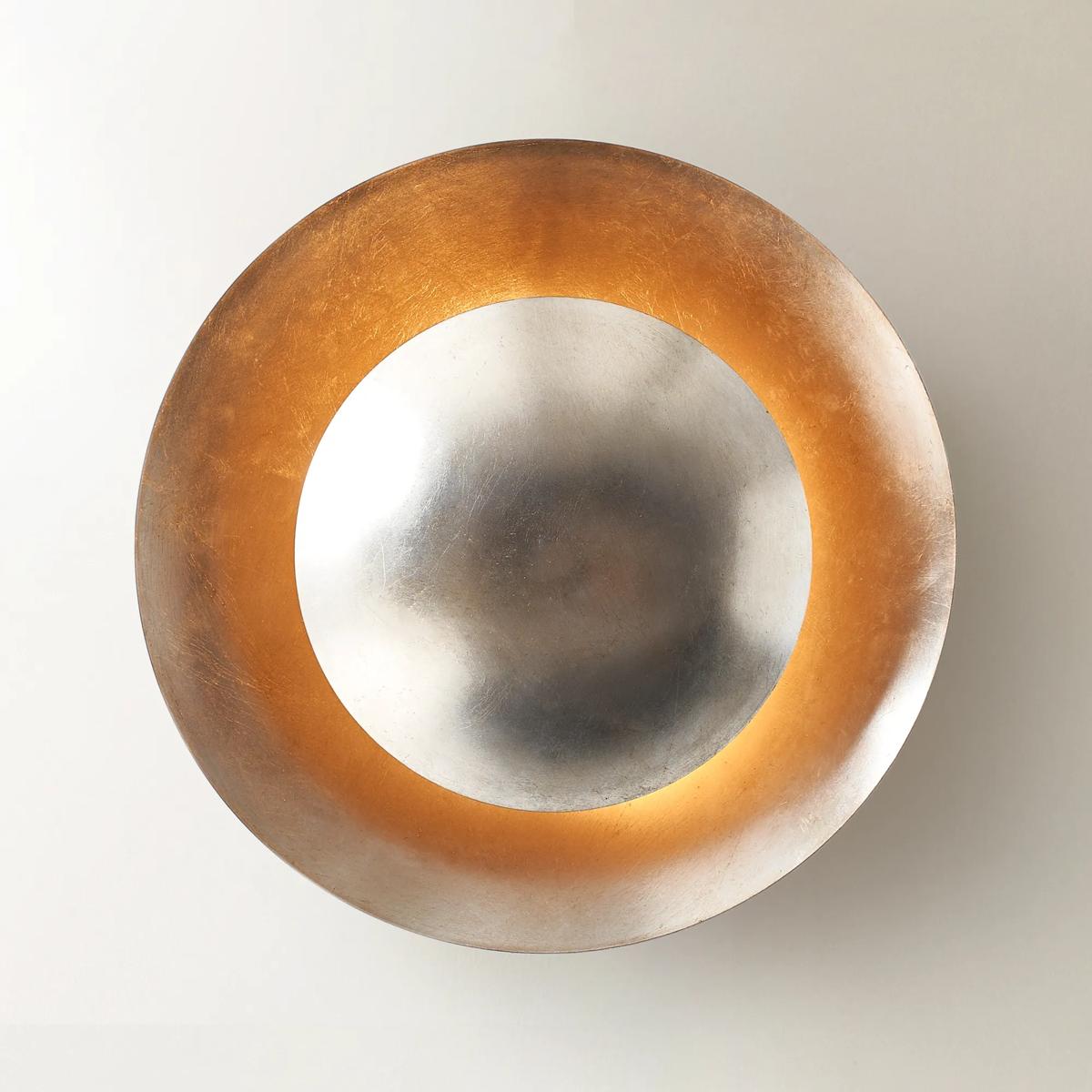
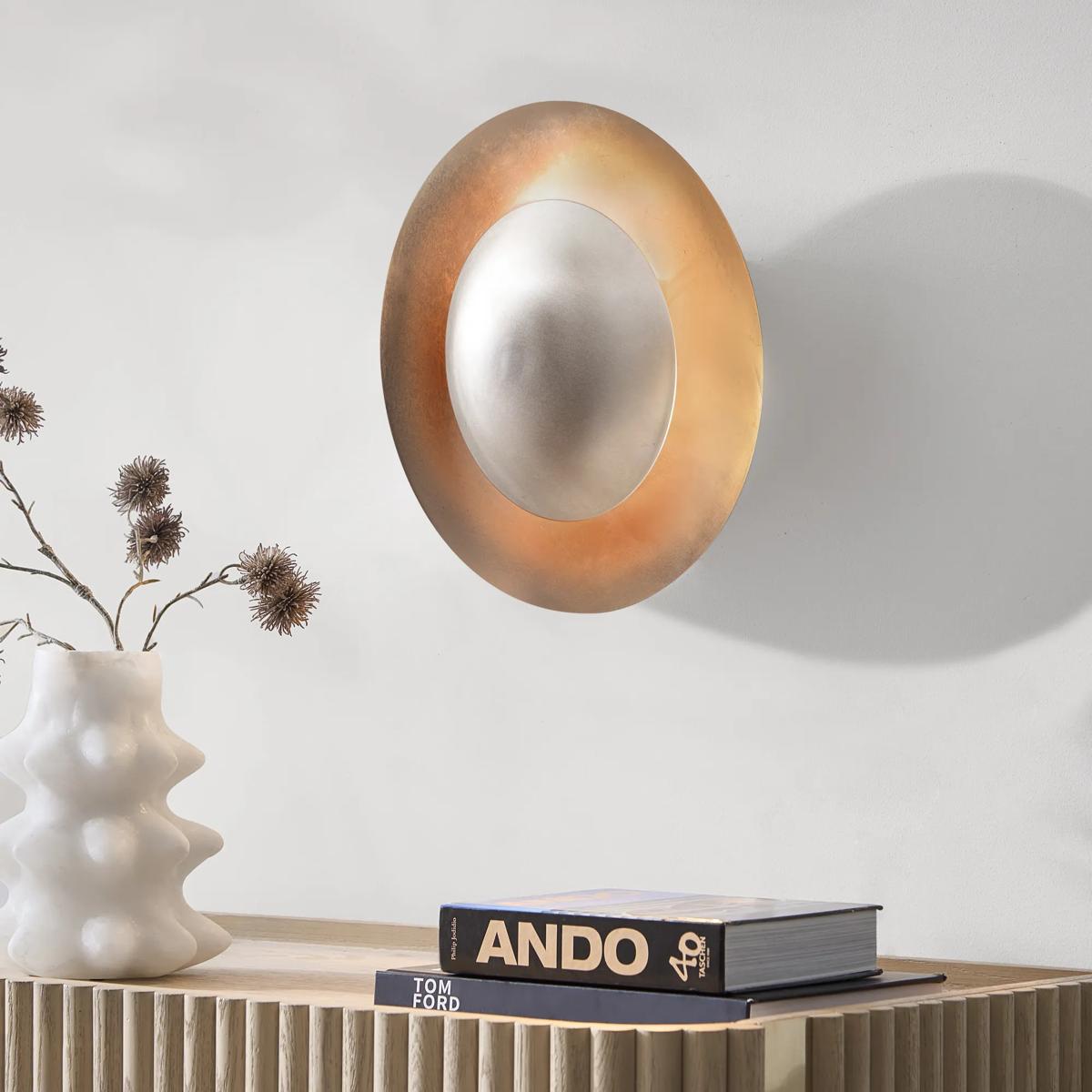 Ovid Wall Sconce 14" - Silver$199
A sculptural iron wall sconce in warm silver with a champagne gold backplate for modern ambiance.
Add To Cart -
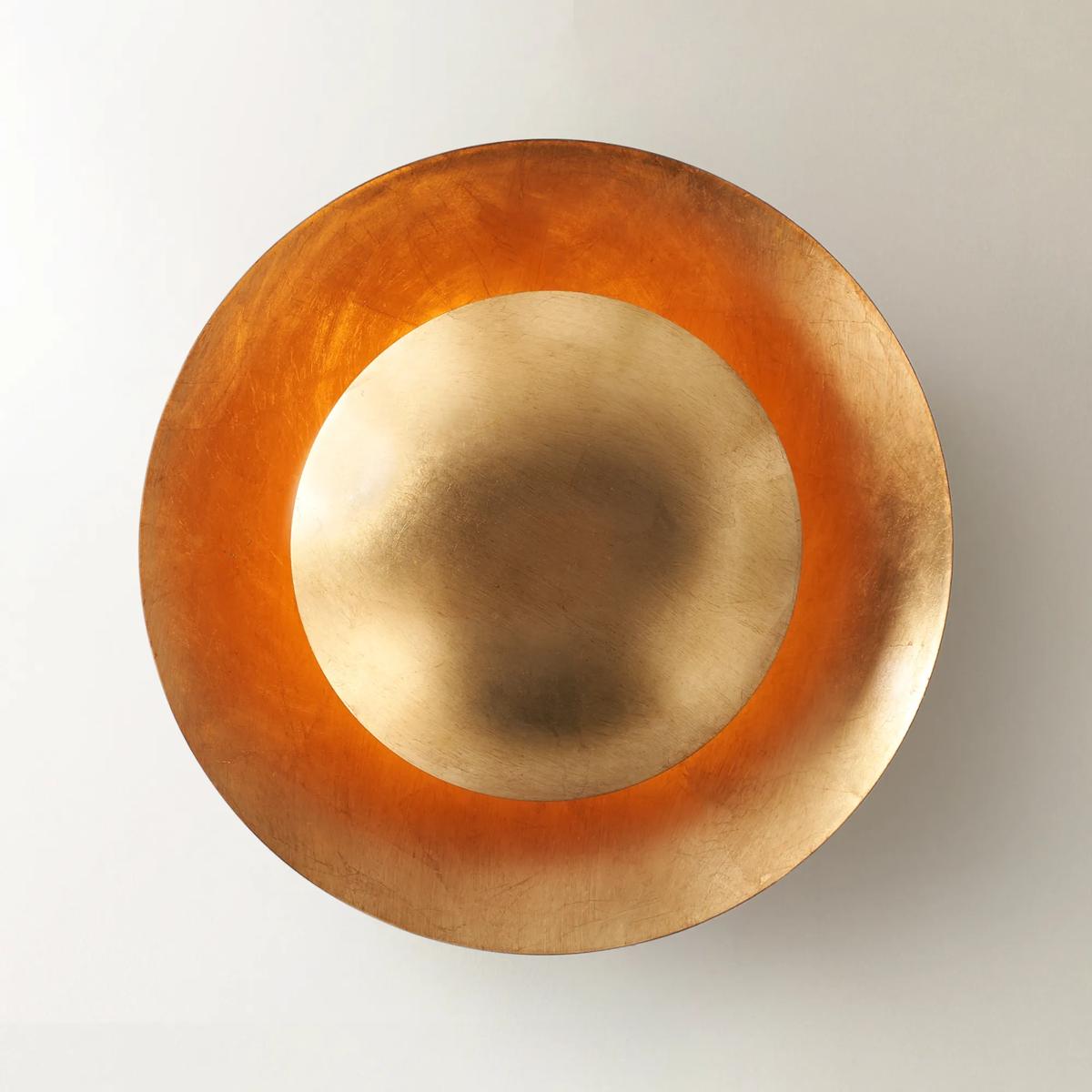 Ovid Wall Sconce 14" - Gold$199
A sculptural round iron wall sconce finished in hand-applied gold leaf for a warm, luminous glow.
Add To Cart -
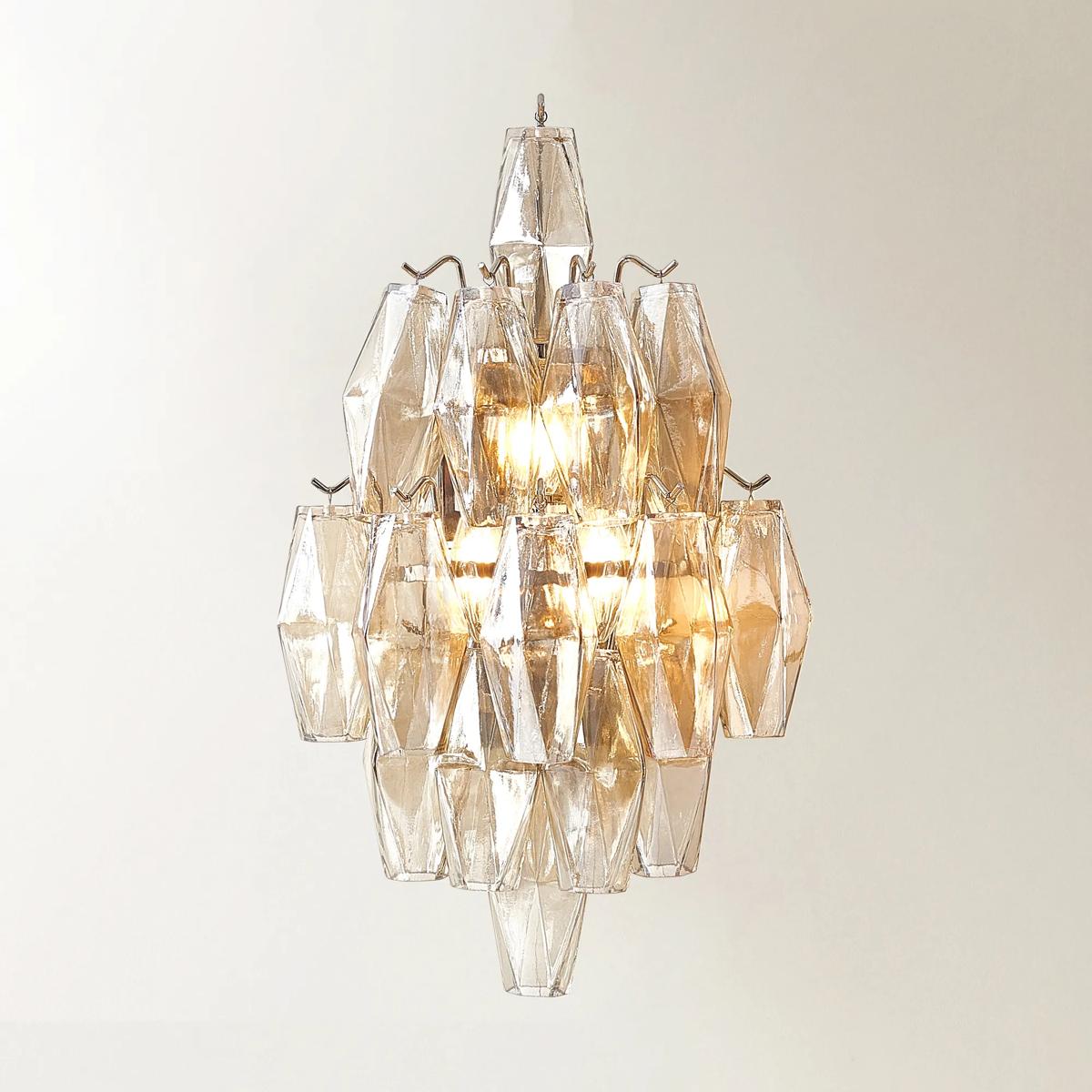
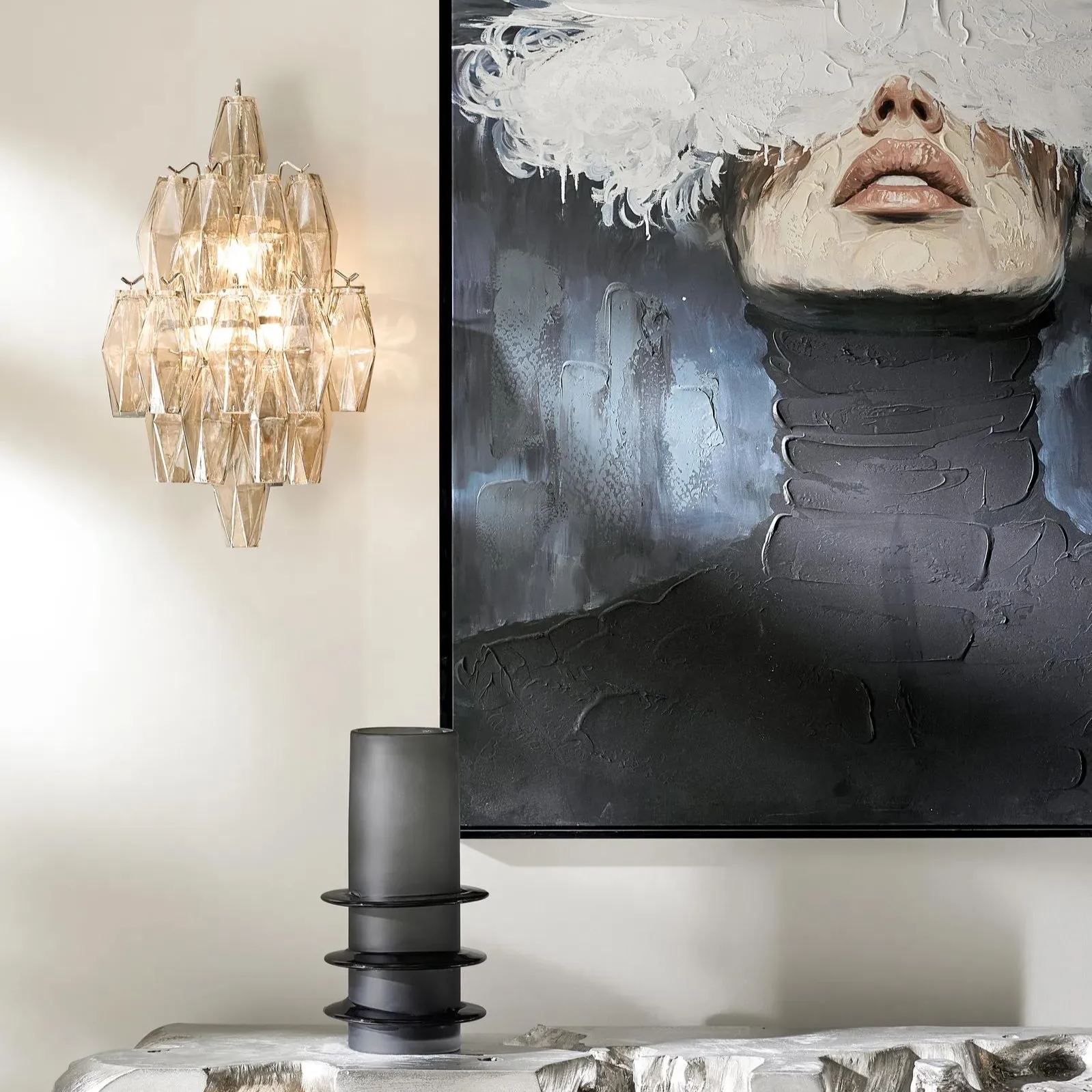 Cosima Champagne Hand-Blown Glass Electric Wall Sconce 19.75"$299
A cascading wall sconce featuring hand-blown champagne glass and a polished nickel backplate for elegant ambiance.
Add To Cart -
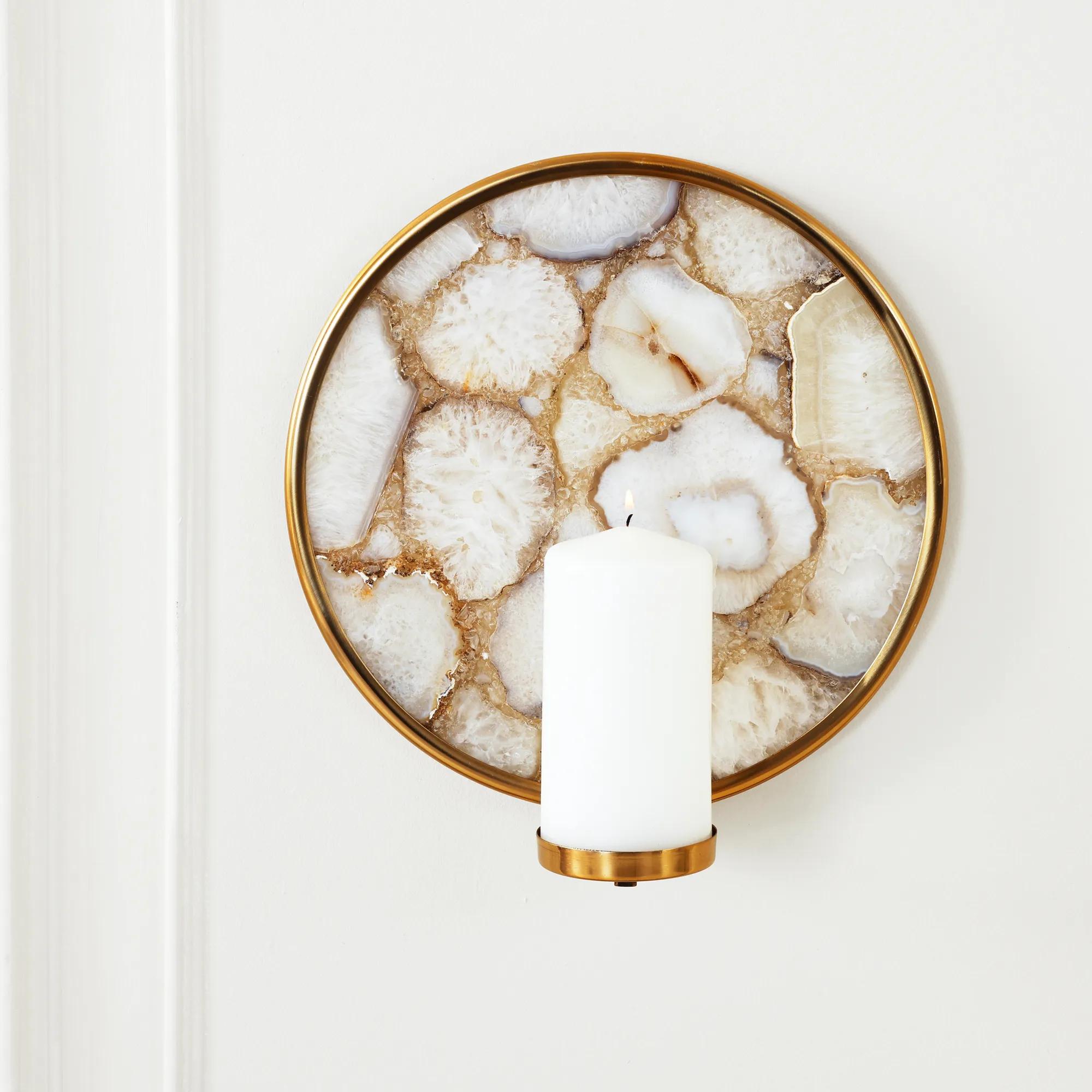 Diego Sconce$179
A neutral-toned agate sconce framed in gold, blending artistic elegance with functional lighting.
Add To Cart -
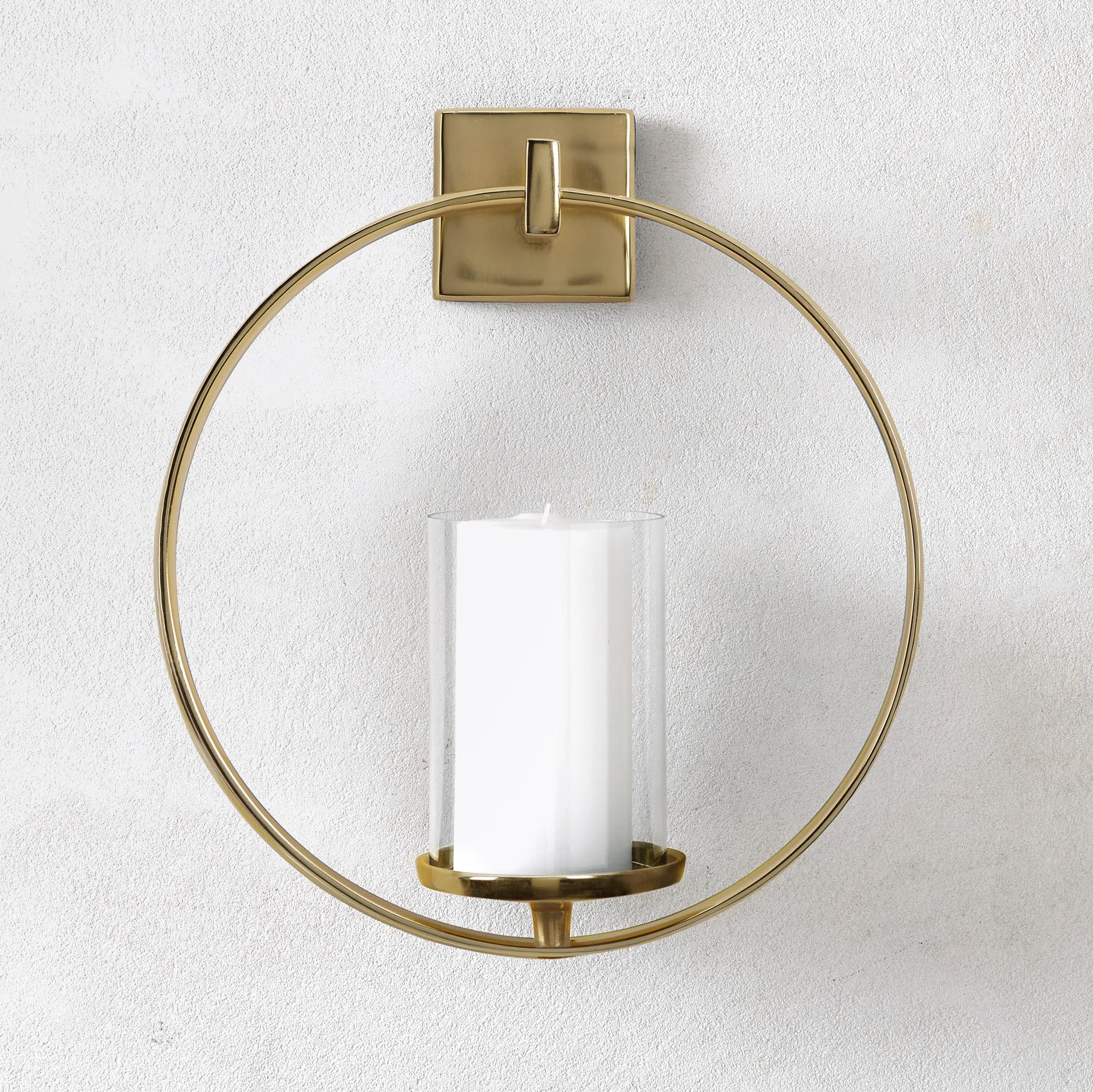
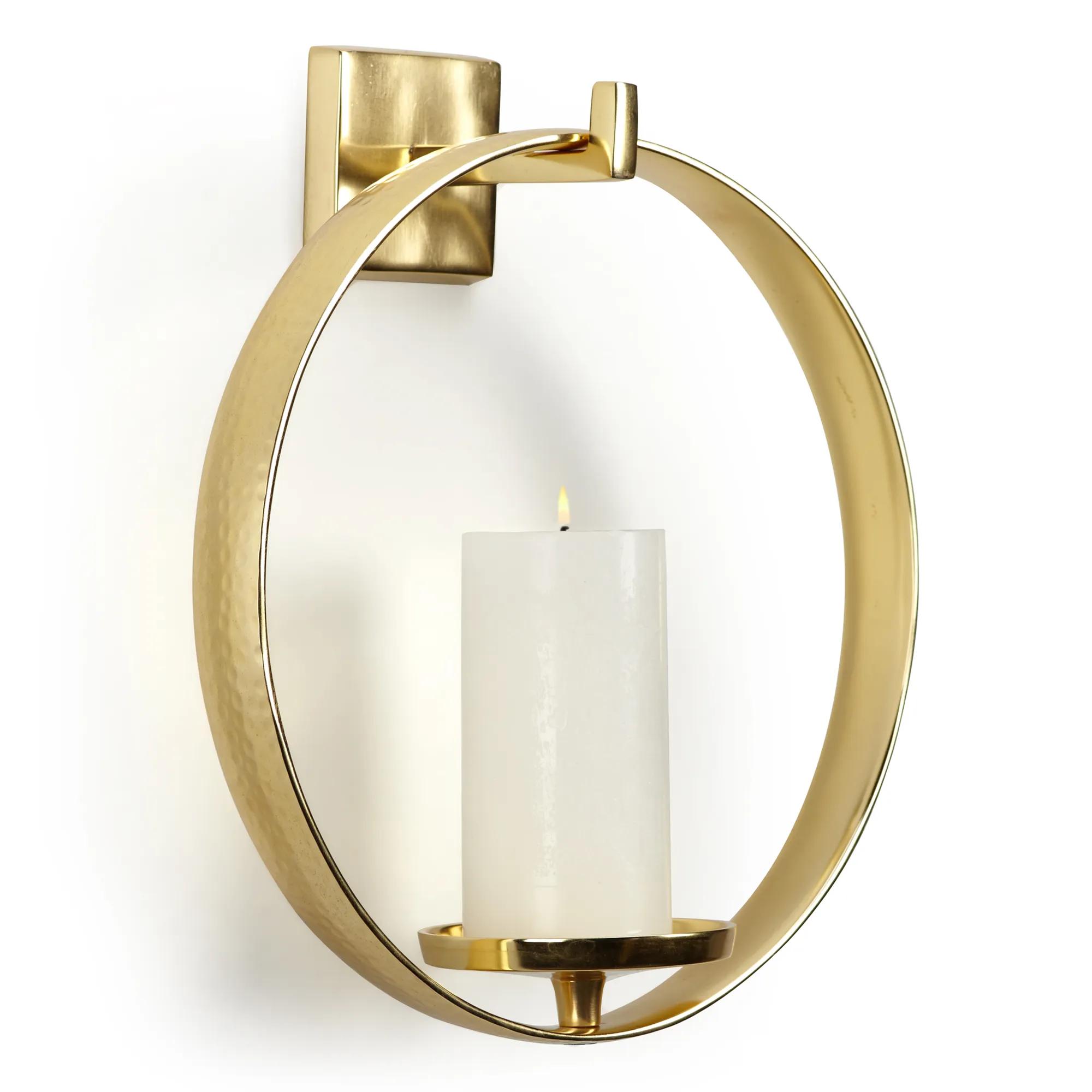 Cirque Hanging Sconce$79
A sleek aluminum wall sconce with a metallic finish, available in silver, gold, or black.
Add To Cart -
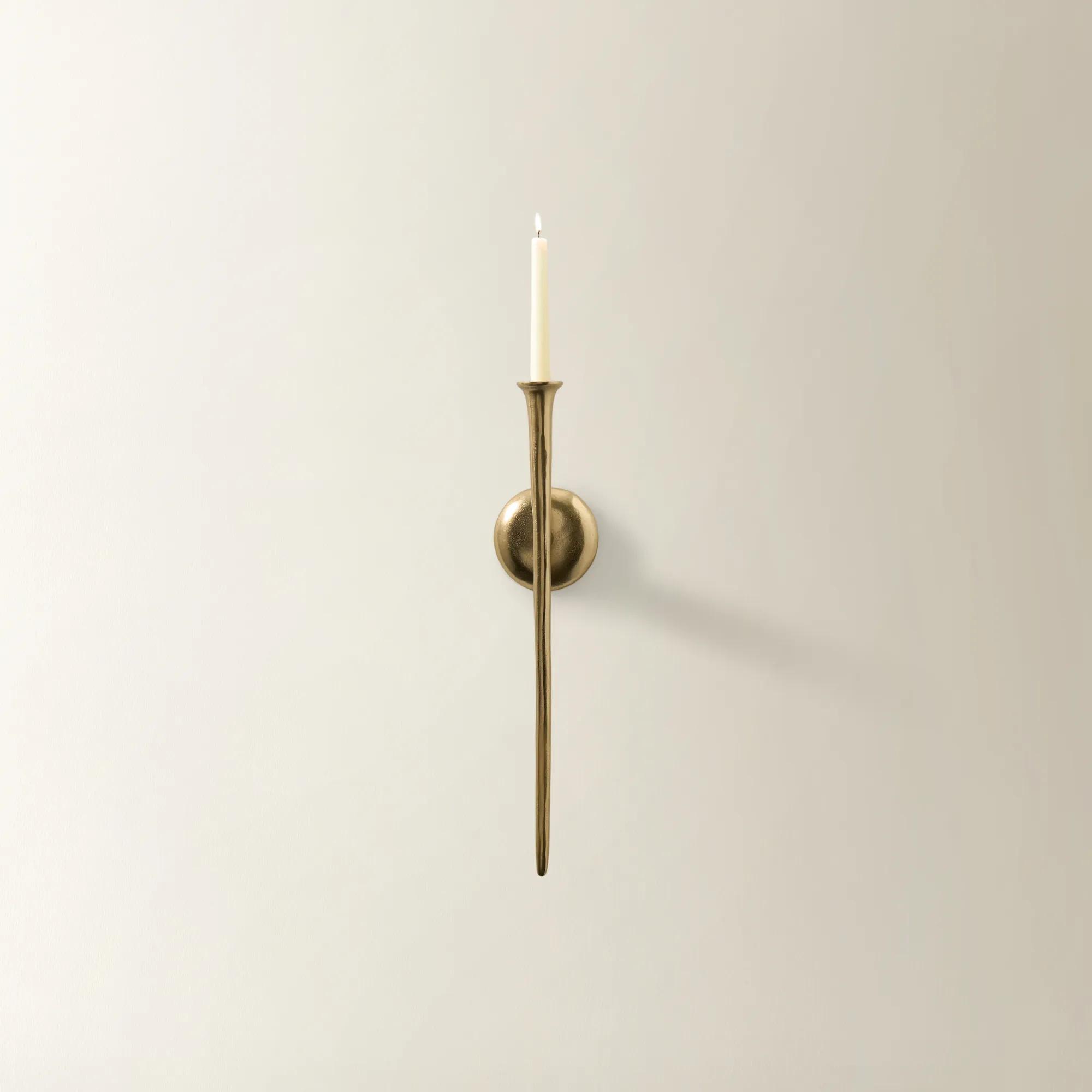
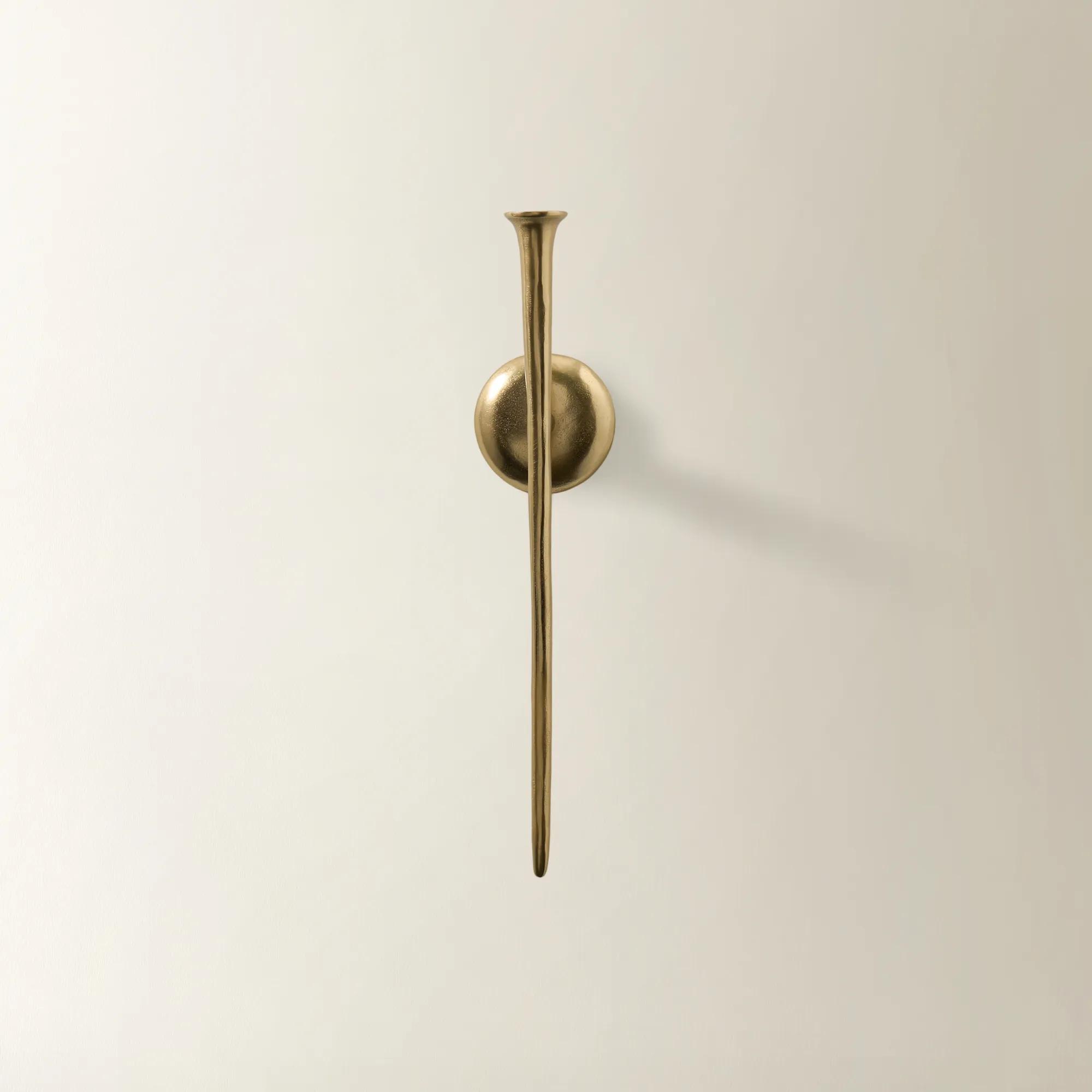 Aspar Gold Aluminum Candle Wall Sconce Small 20"$39
A sleek gold aluminum wall sconce designed to hold a standard taper candle for elegant ambiance.
Add To Cart -
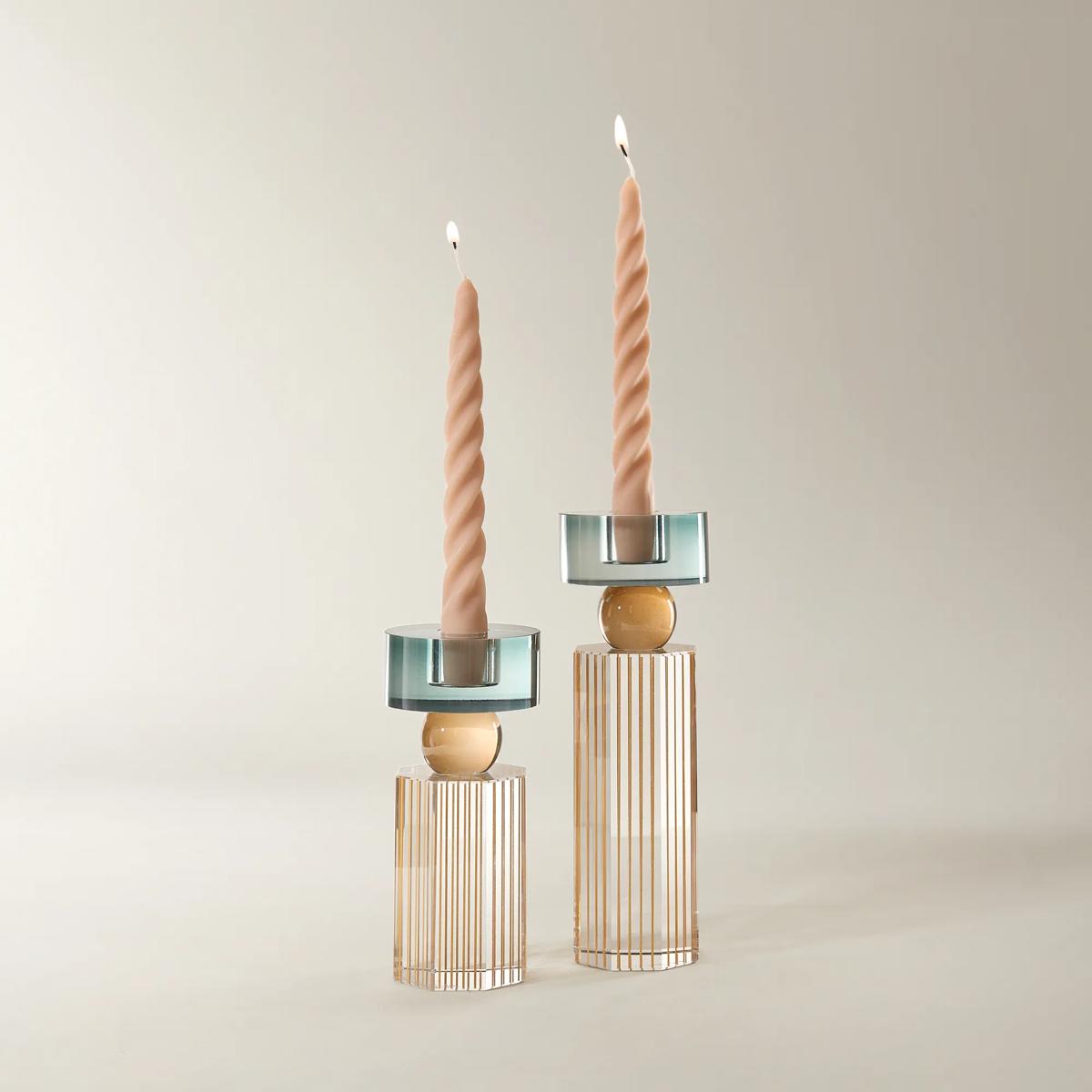
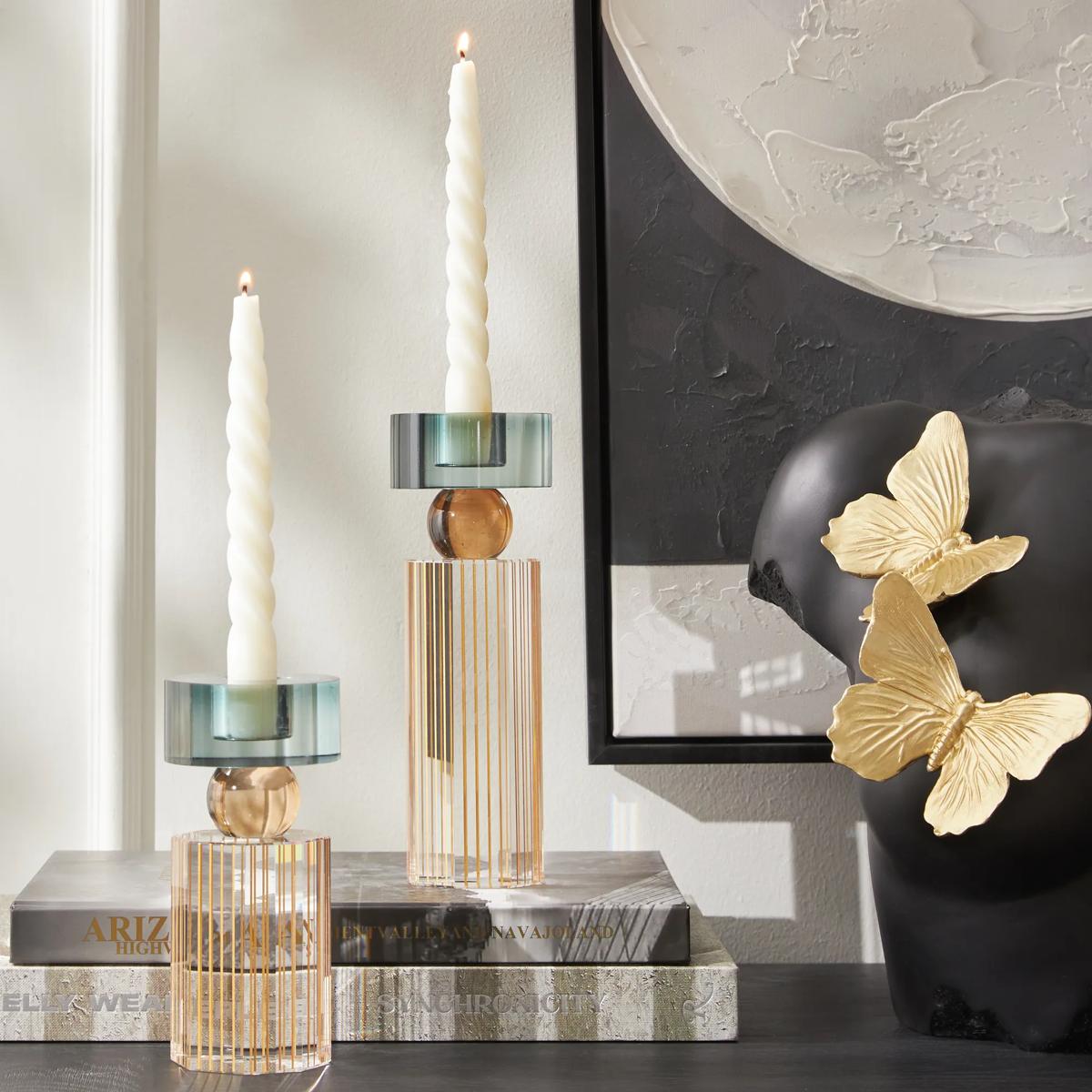 Cora Teal And Gold Crystal Glass Taper Holders$59
A modern crystal taper holder featuring teal and gold accents with clean, architectural lines.
Add To Cart -
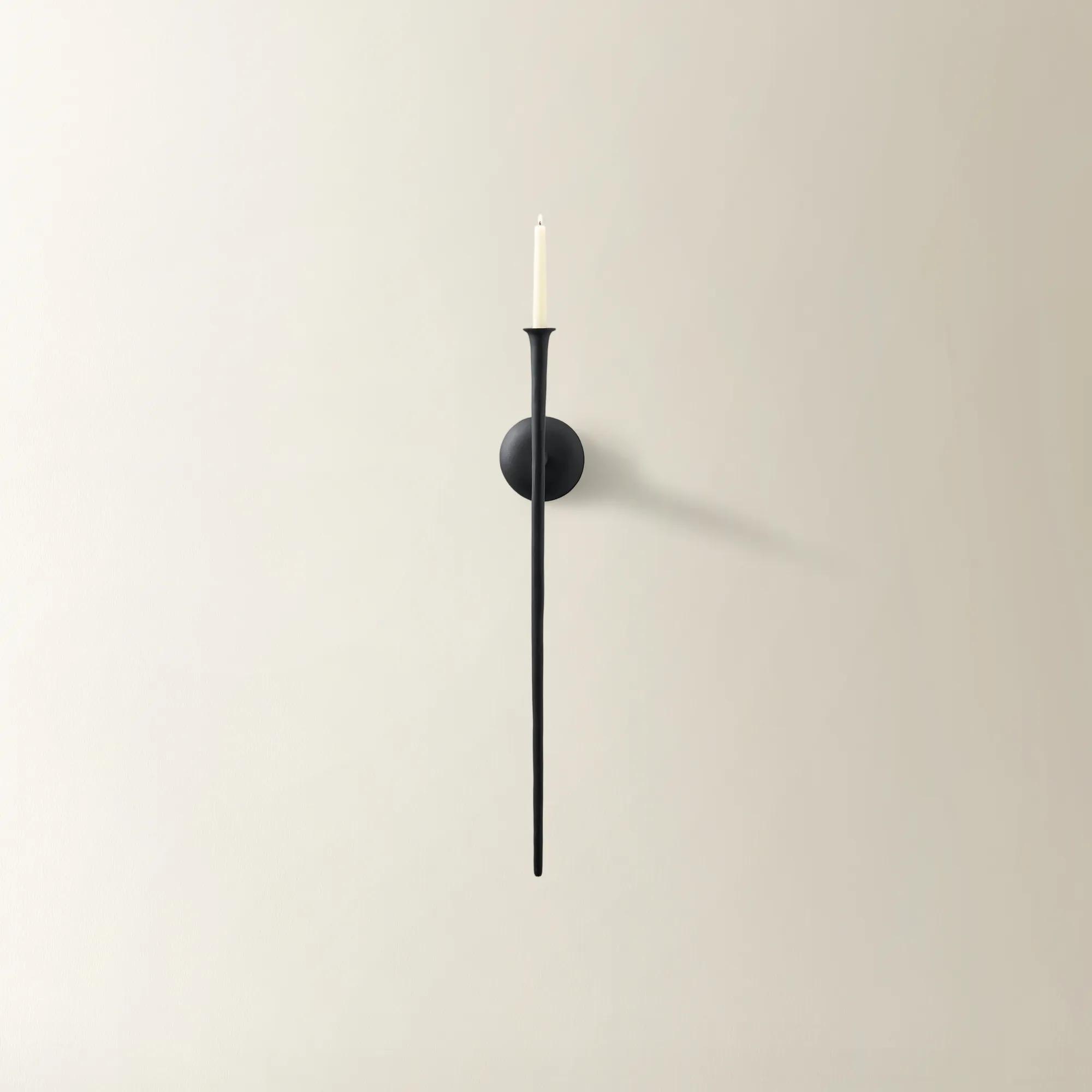
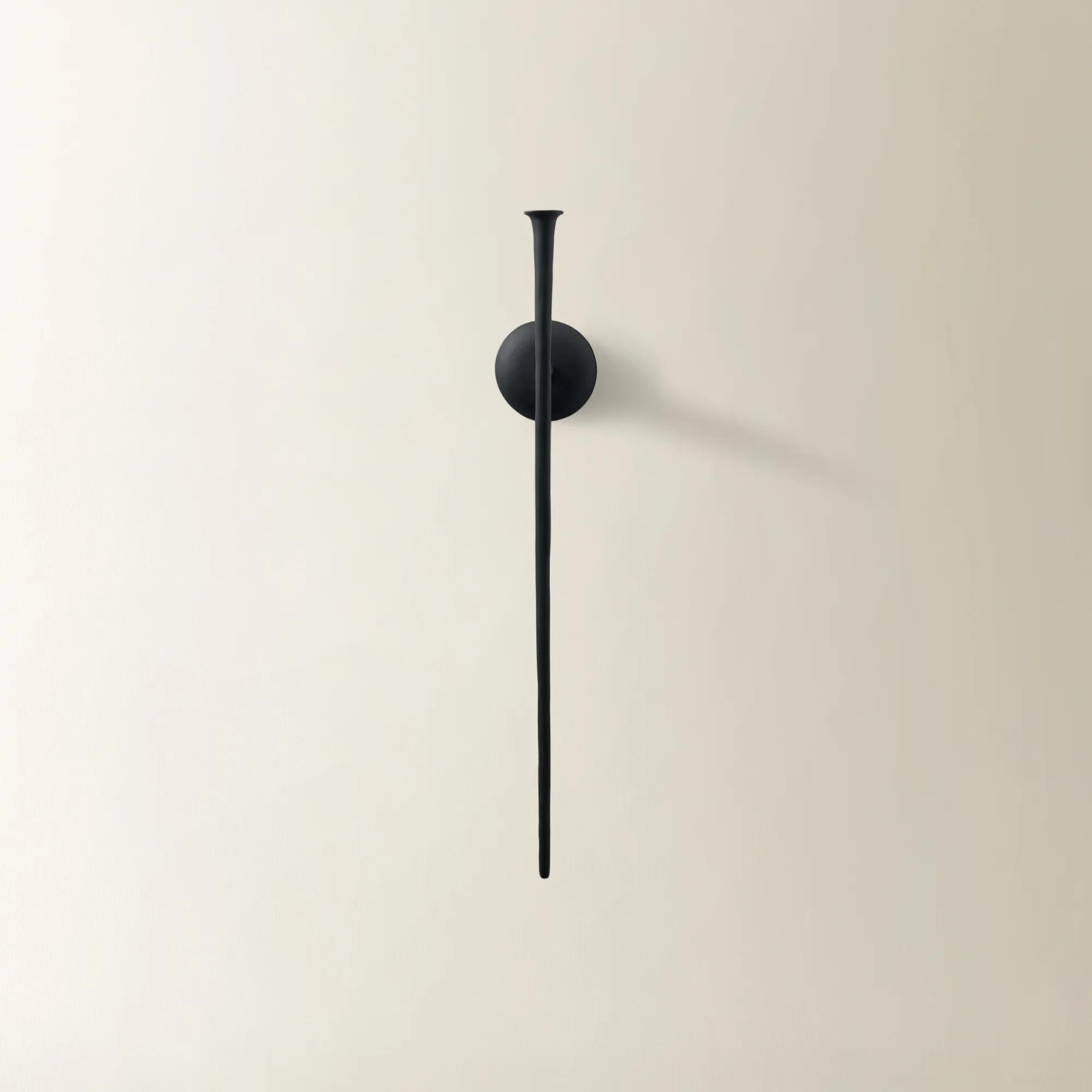 Aspar Black Aluminum Candle Wall Sconce Small 20"$39
A sleek black aluminum wall sconce designed to hold a standard taper candle for modern elegance.
Add To Cart -
.jpg?w=1200&h=1200)
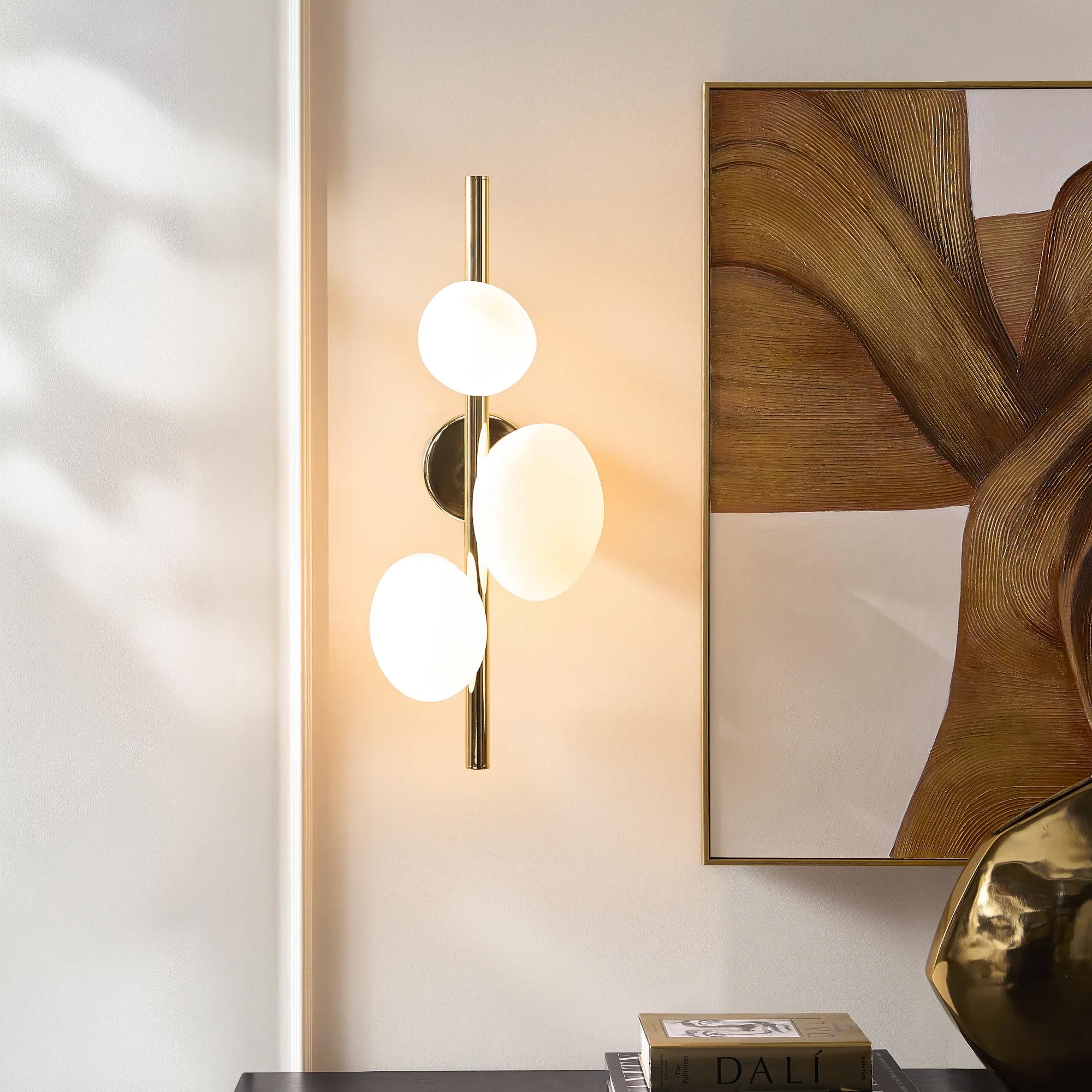 Radiante LED Globe Wall Sconce - Polished Gold$349
A polished gold LED wall sconce featuring a luminous globe design.
Add To Cart

Dining Area Wall Sconces
Dining area wall sconces are the secret ingredient to crafting an ambiance that lingers long after the last toast. These radiant accents do more than illuminate—they sculpt shadows, cast warmth, and elevate every gathering into a scene worthy of celebration. Whether your dining space is a stage for lavish soirées or intimate dinners, wall sconces infuse each moment with artistry and allure. Let your walls shimmer with intention, transforming ordinary meals into extraordinary experiences where style takes center stage and every detail dazzles.
Dining area wall sconces bring light to the part of the room where conversation unfolds, adding dimension beyond the reach of an overhead fixture. Their glow can frame a mirror above a buffet, draw attention to architectural molding, or turn an otherwise quiet wall into a striking backdrop for the table. Unlike a chandelier, which often anchors the center of a dining room, sconces establish a rhythm around its edges, balancing illumination with sculptural detail. The effect feels especially inviting during evening meals, when a softly lit wall gives the room depth without competing with candlelight or the sparkle of glassware. Different designs shape that atmosphere in distinct ways. An upward-facing shade washes the wall and ceiling with reflected light; a downward-facing fixture creates a more defined pool of illumination; a translucent shade diffuses brightness for a gentler presence. Clear glass and faceted crystal introduce brilliance and visible reflections, while frosted glass offers a quieter, more even glow. Fabric shades lend tailored softness, particularly beside upholstered dining chairs or richly textured drapery. Metal finishes contribute their own character: brass brings warmth, bronze adds depth, polished nickel offers a luminous accent, and matte black creates a decisive outline against pale walls. These finishes need not match every detail in the room. A warm metal sconce can echo the subtle threads in a rug or the edging on a mirror, creating continuity without making the space feel overly coordinated. For an open-plan dining area, repeating one finish from the adjacent living space can help the dining arrangement feel connected yet distinct. In a dedicated dining room, a more expressive silhouette can hold its own against large artwork, patterned wallpaper, or a substantial sideboard. The strongest choice considers both the fixture’s unlit form and the atmosphere it creates after dark, allowing wall lighting to become part of the room’s composition rather than an afterthought.
Scale and placement determine whether that composition feels poised or crowded. A common starting point for dining room wall sconces is 60 to 66 inches from the finished floor to the center of the fixture, but the final mounting height should account for ceiling height, fixture dimensions, nearby furnishings, and sightlines from seated guests. A tall design may need a different position than a compact shaded sconce, and an exposed bulb that feels comfortable while standing can become distracting from a dining chair. Before installation, a paper outline of the fixture can make its proportions easier to judge from the doorway and from each side of the table. When sconces flank a buffet mirror or artwork, balanced spacing creates a composed, symmetrical arrangement; leave enough visual breathing room that the shades do not crowd the frame or obscure its edges. Near windows, doors, and drapery, clearance must accommodate moving panels and fabric as well as the manufacturer’s installation requirements. Projection deserves equal attention. A generous arm may look magnificent over a deep sideboard but intrude into a narrow route between the dining table and wall. Slimmer profiles often suit compact dining alcoves, where every inch of circulation matters. In larger rooms, a pair of substantial fixtures can give a long wall the presence it needs without relying on excessive brightness. Dining area sconces are usually most effective as part of layered lighting, complementing a chandelier, pendant, or recessed fixtures rather than carrying the entire room alone. Dimmable lighting makes that layering more adaptable, provided the fixture, bulb or integrated LED, and dimmer are compatible. Warm-white light around 2700K to 3000K often suits dining spaces, bringing a welcoming cast to wood, textiles, and faces. Matching color temperature across nearby light sources keeps the scene cohesive. For rooms arranged around ceremonial symmetry, polished finishes, and an elegant entertaining backdrop, Formal Dining Wall Sconces offer a related direction for a more stately expression.
Construction and everyday use are just as important as the initial impression. Metal bodies can provide a durable foundation, but the base material and surface finish are separate considerations: a brass-toned finish does not necessarily indicate solid brass, and a living finish may develop a patina rather than remain unchanged. Glass and crystal retain their luminous appeal with thoughtful handling, while fabric shades benefit from protection against splashes and airborne cooking residue, particularly in dining areas adjoining a kitchen. Hardwired sconces create a clean architectural appearance, with wiring concealed behind the wall; they also require suitable electrical connections and installation consistent with local requirements, typically handled by a qualified electrician. Plug-in wall sconces can offer greater flexibility where an outlet is accessible, although cord placement should remain intentional and clear of walkways. Rechargeable designs avoid a visible power cord during use, but their brightness, operating time, charging needs, and mounting requirements deserve consideration before they become part of a regular dinner routine. For fixtures with replaceable bulbs, check the specified bulb base, dimensions, and maximum wattage, not simply the desired appearance. With integrated LED designs, review the stated light output, dimming compatibility, and serviceability. These details affect how comfortably the lighting supports everything from a lively gathering to a quiet meal at the end of the day. Care should follow the manufacturer’s instructions, with power switched off and fixtures allowed to cool before cleaning. A soft, dry cloth is often appropriate for routine dusting of finished metal, while removable glass may require a different method; abrasive cleaners, excess moisture, and unapproved polishes can damage delicate coatings. Fabric shades generally call for gentle dust removal rather than wet cleaning. In a household that entertains frequently, accessible shades and straightforward bulb replacement can make maintenance less intrusive. For someone furnishing a first dining room or refining a long-loved space, the enduring appeal lies in that balance of artistry and practicality. A beautifully proportioned sconce lends distinction by day and a welcoming glow by night, giving shared meals a setting that feels considered, expressive, and unmistakably personal.
FAQs
Dining rooms are perfect for wall sconces that balance both form and function. Choose designs that complement your decor—such as sculptural metallic sconces for a modern space, or candelabra-inspired fixtures for a more classic ambiance. Look for finishes and materials that echo your dining table, chairs, or artwork to create a cohesive, curated look.
Wall sconces add a layer of ambient lighting that transforms the dining experience. They create a soft, inviting glow that flatters guests and highlights your table settings. The right sconces can introduce drama, warmth, or even a sense of intimacy, making every meal feel like a special occasion.
Absolutely. Wall sconces are a thoughtful, artful gift for design enthusiasts or new homeowners. They offer a unique way to personalize a space, adding both function and flair. A well-chosen pair of sconces can become a signature detail in the recipient’s dining room, making every gathering feel elevated.
Yes, wall sconces are ideal for accentuating artwork, mirrors, or striking architectural details. Positioning sconces to frame a focal point draws the eye and adds depth to your dining area’s visual story, enhancing both the art and the overall atmosphere.
Consider the overall mood and palette of your dining space. For a glamorous setting, opt for sconces with crystal accents or polished metals. For a more understated look, matte finishes or minimalist designs work beautifully. Let your sconces echo the shapes and tones already present in your room for a harmonious, intentional effect.