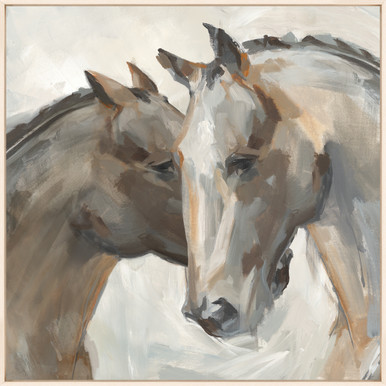
Fiber Texture Framed Wall Arts
Fiber Texture Framed Wall Arts
-
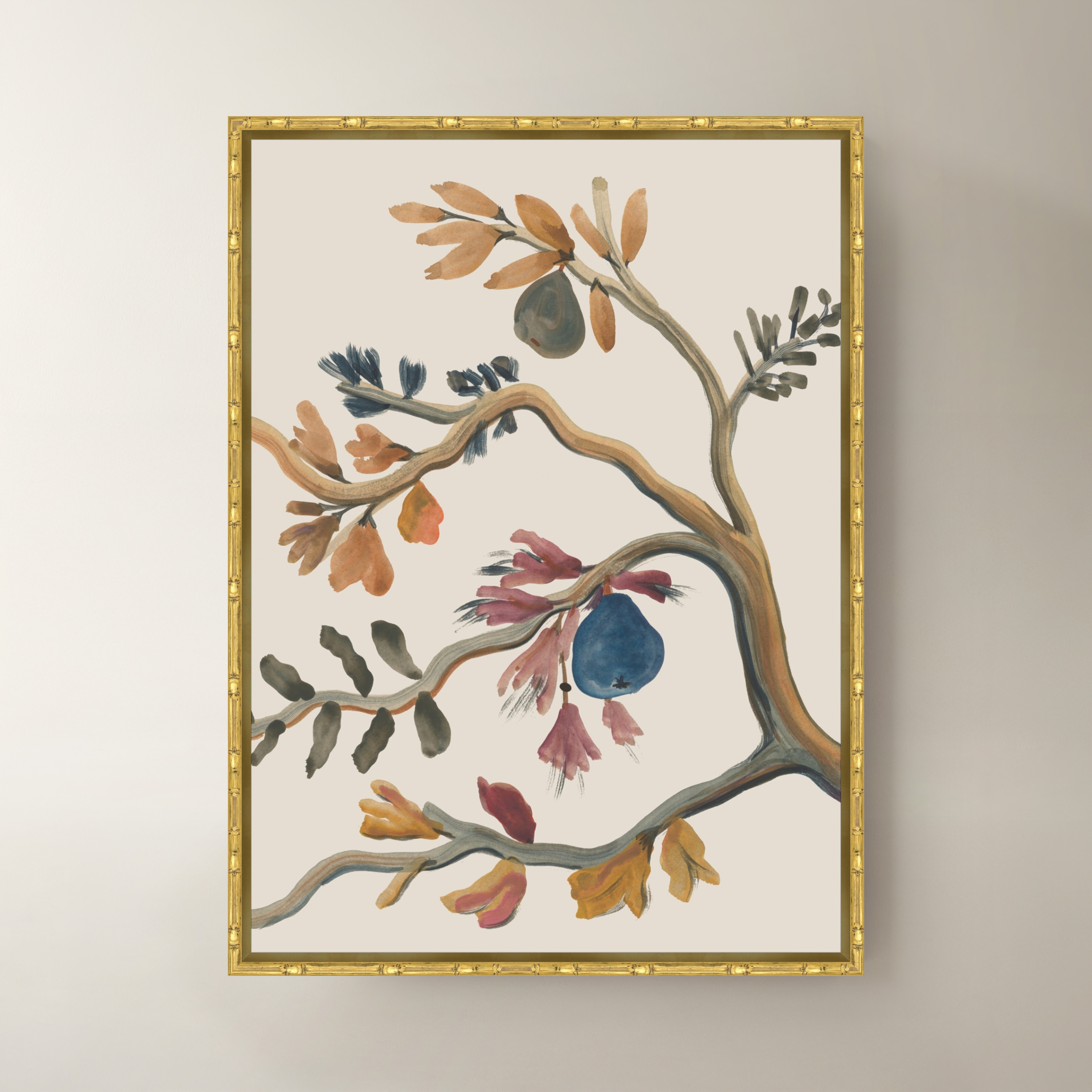
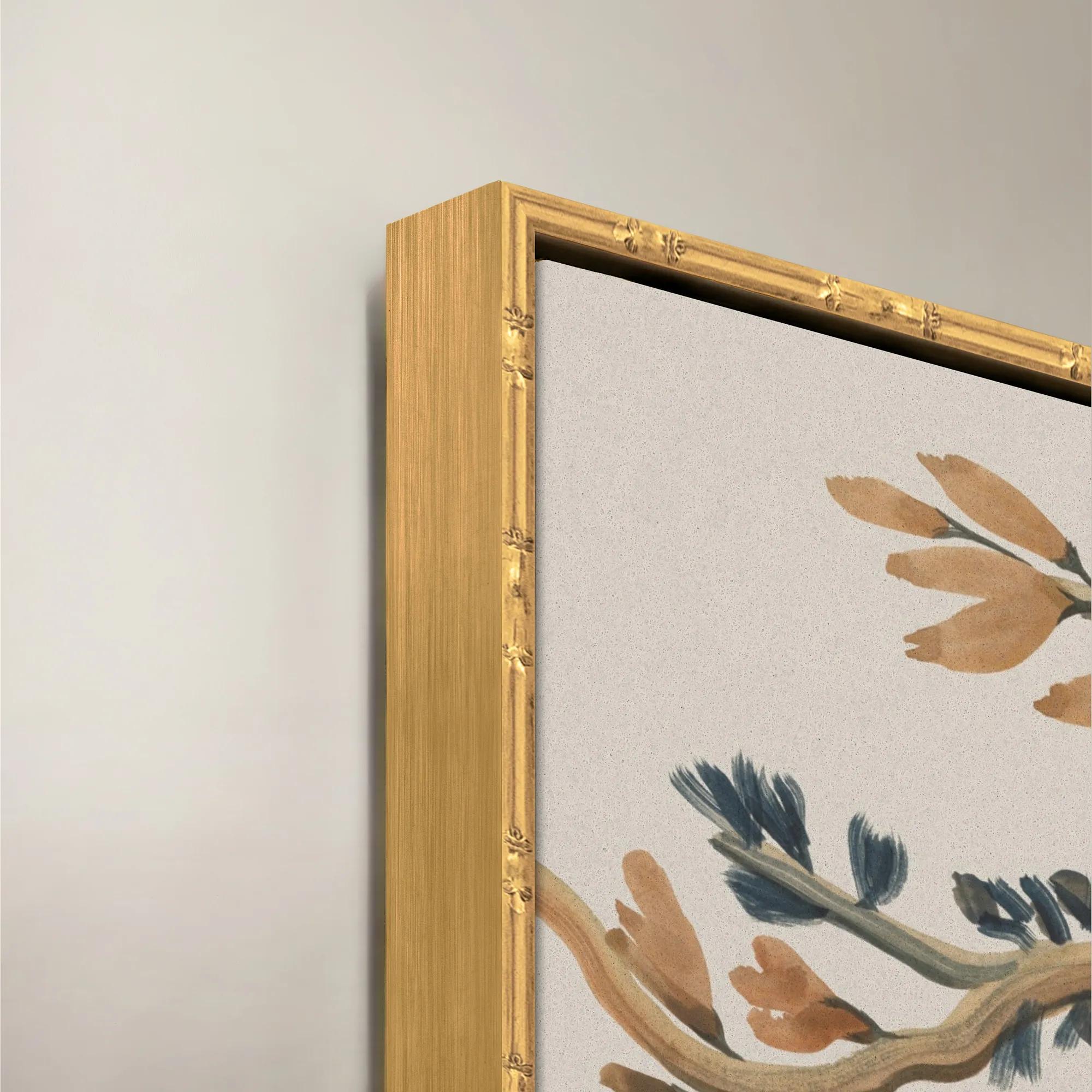 Whispering Orchard I Framed Wall Art 24" x 33"$749
A multicolored canvas wall artwork presented in a refined frame for vibrant, gallery-inspired styling.
Add To Cart -
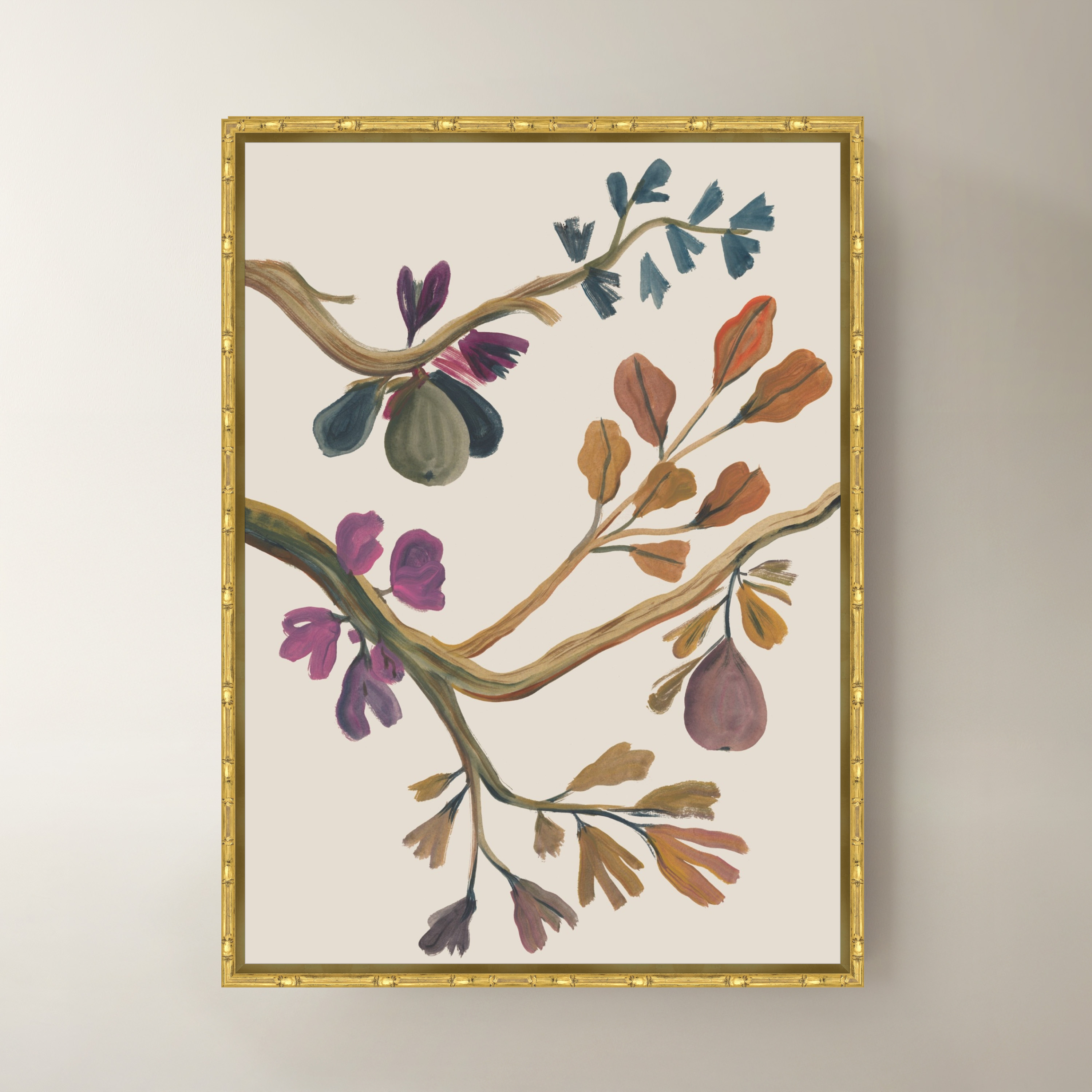
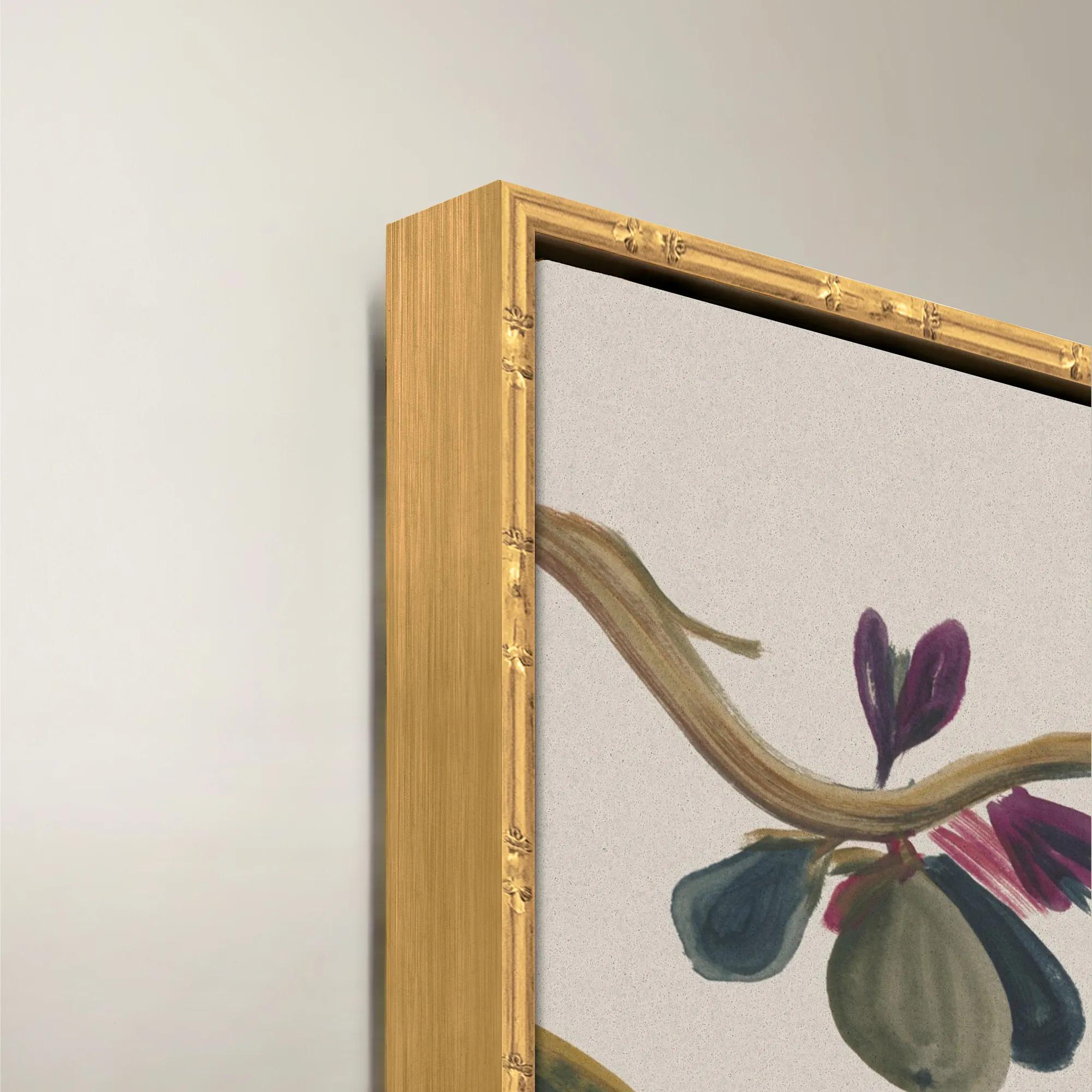 Whispering Orchard II Framed Wall Art 24" x 33"$749
A multicolored canvas wall art piece presented in an elegant frame for contemporary interiors.
Add To Cart -
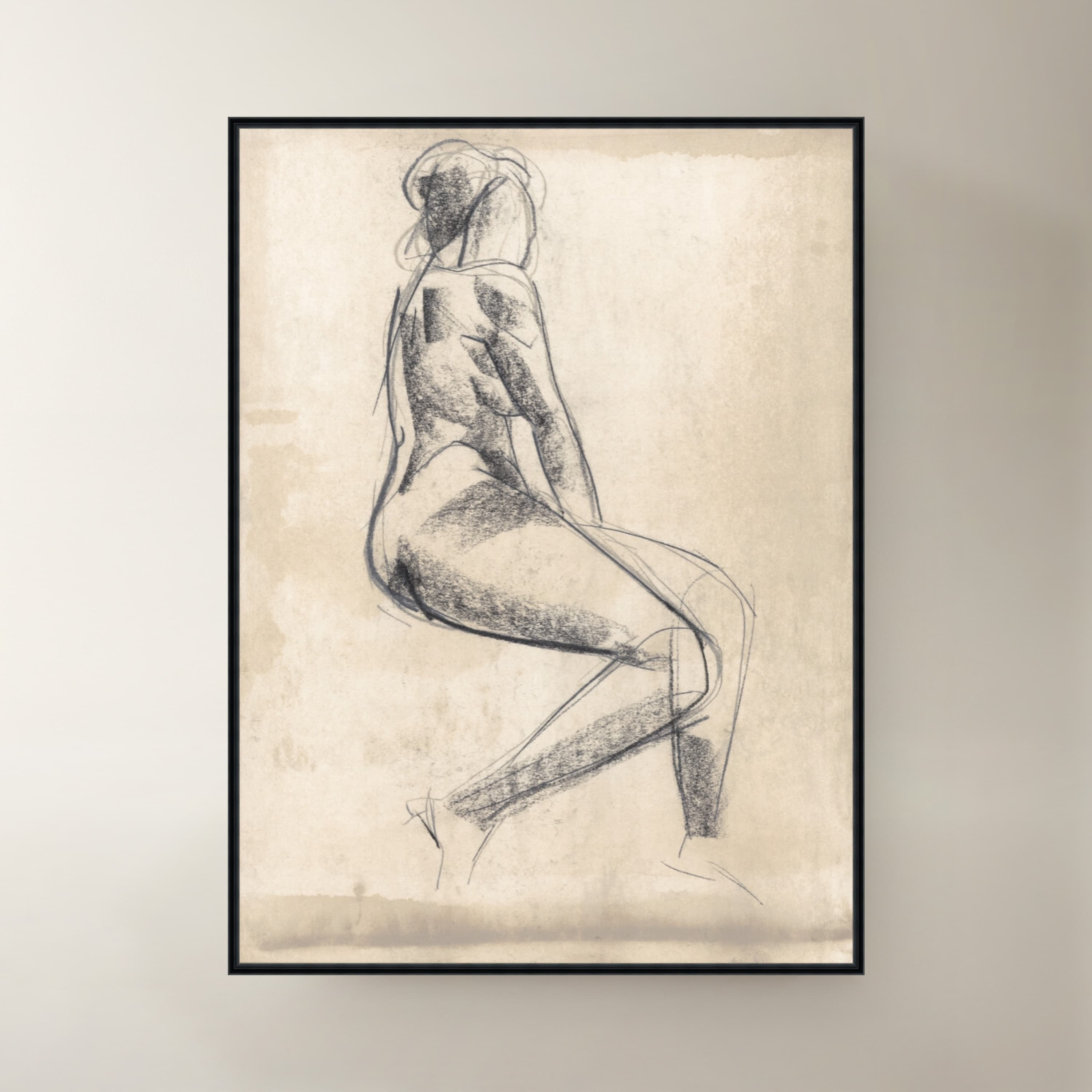
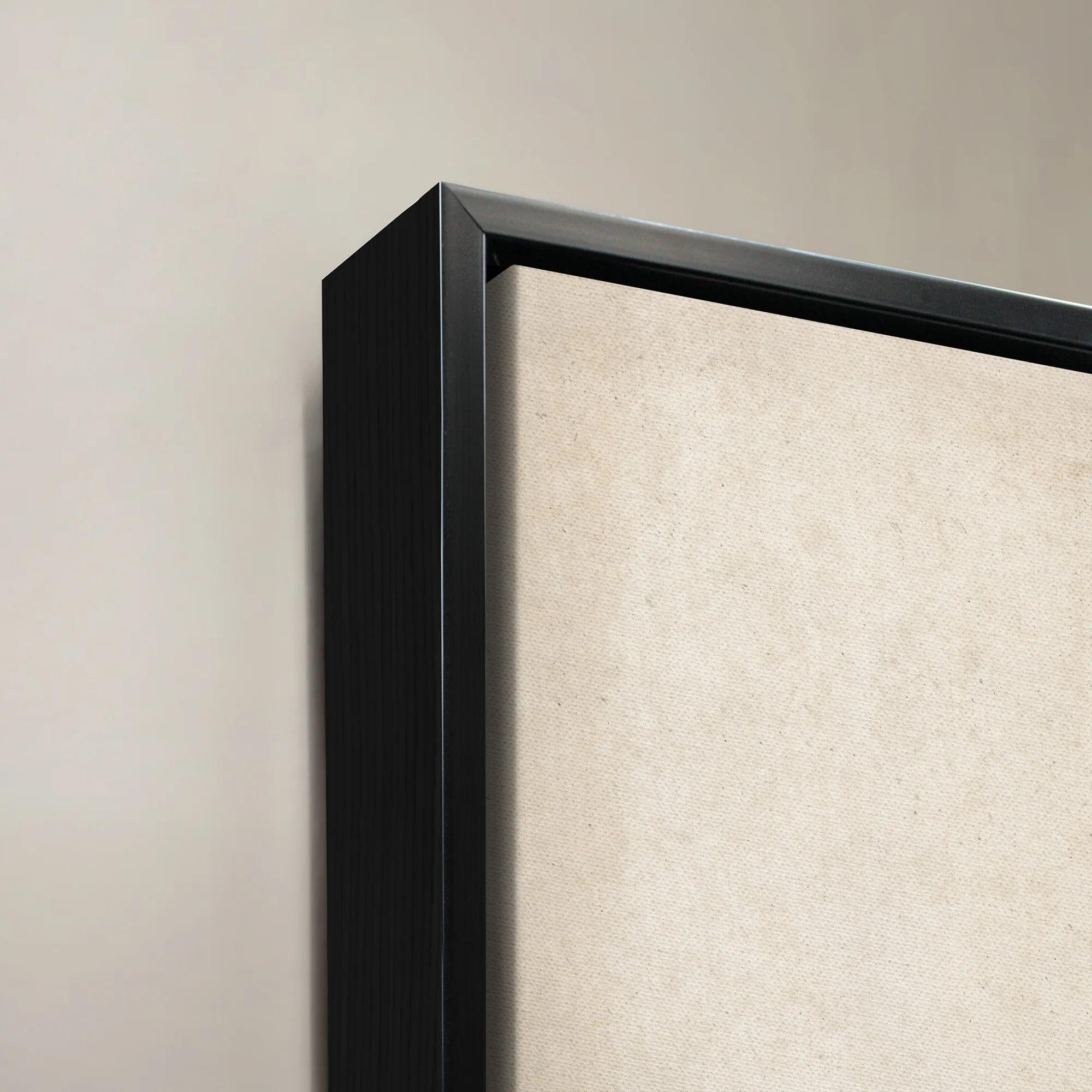 Restful Figure I Framed Wall Art 20" x 27"$449
A serene figurative canvas artwork in warm brown tones, elegantly framed for sophisticated wall display.
Add To Cart -
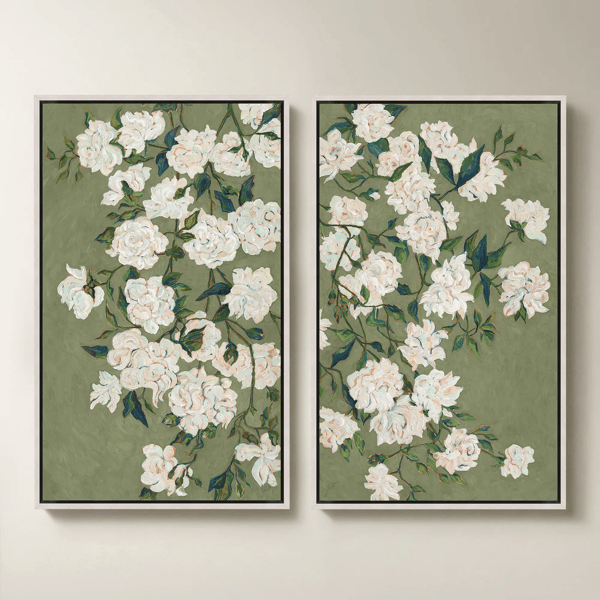
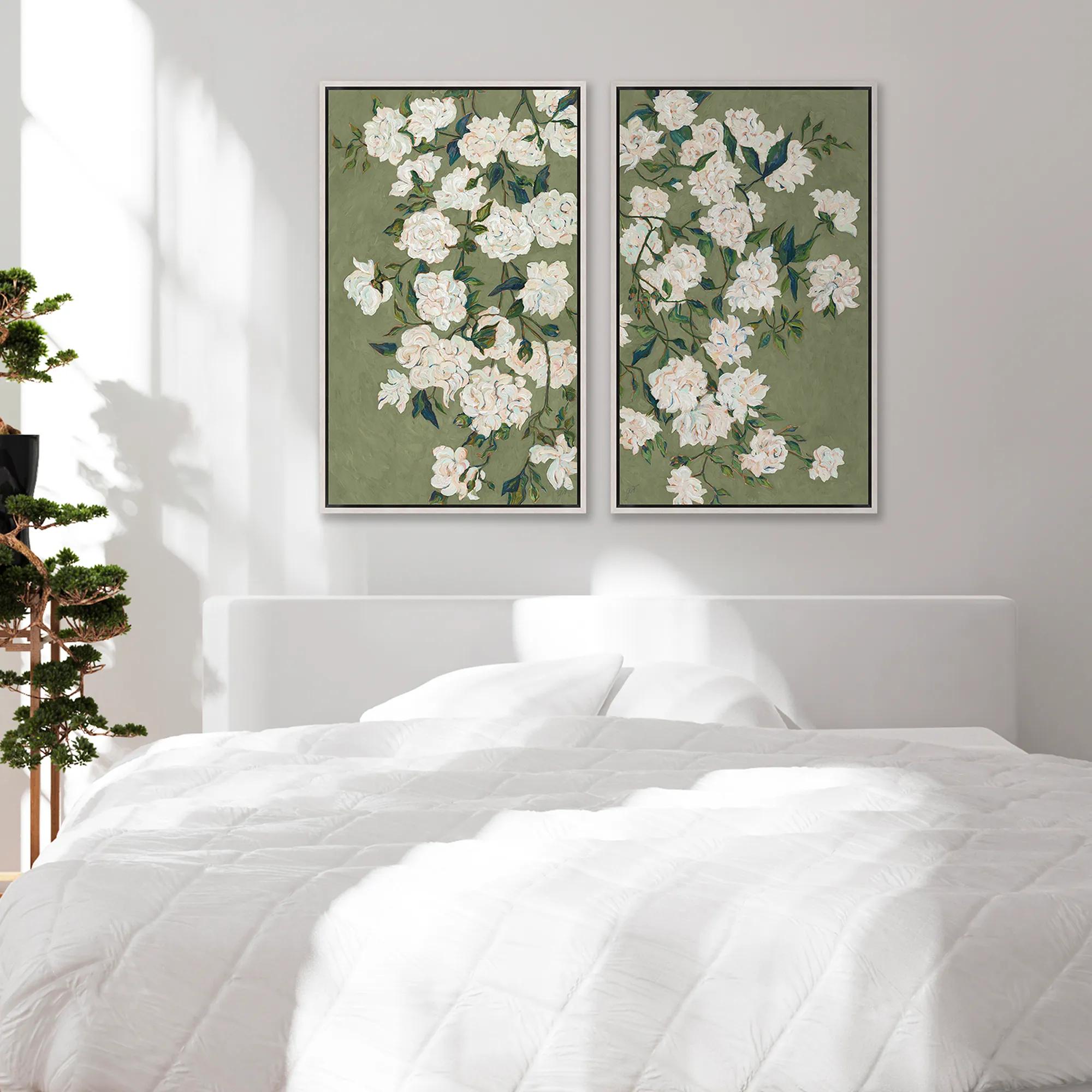 Verdi Vincent Framed Wall Art 21.5" x 41.5" Set of 2$949
A set of two gallery-wrapped fiber texture canvases in white floater frames for modern wall decor.
Add To Cart -

 Jewel Toned Geometry Framed Wall Art 24" x 33"$519
A jewel-toned geometric canvas artwork framed to bring vibrant modern dimension to any wall.
Add To Cart -
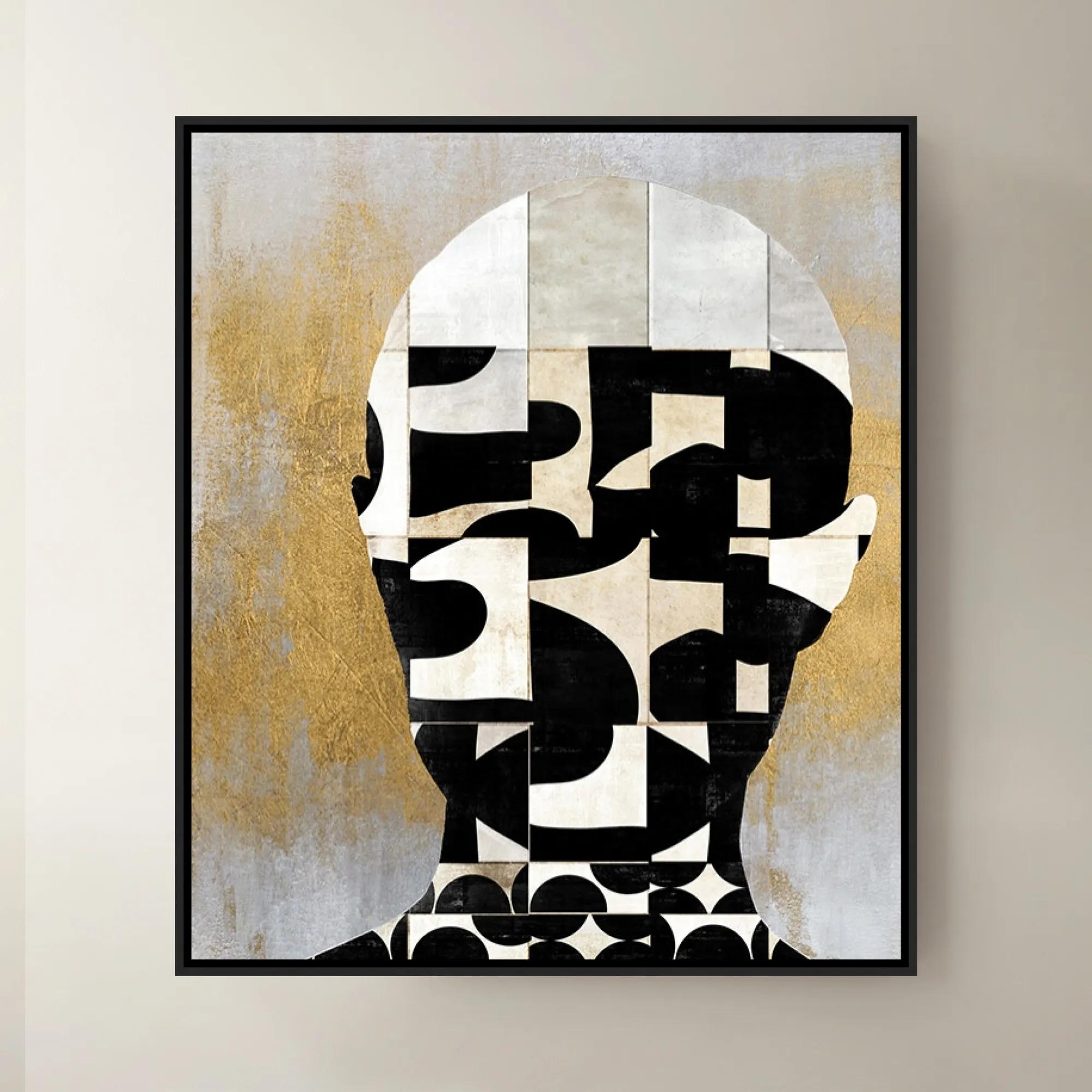
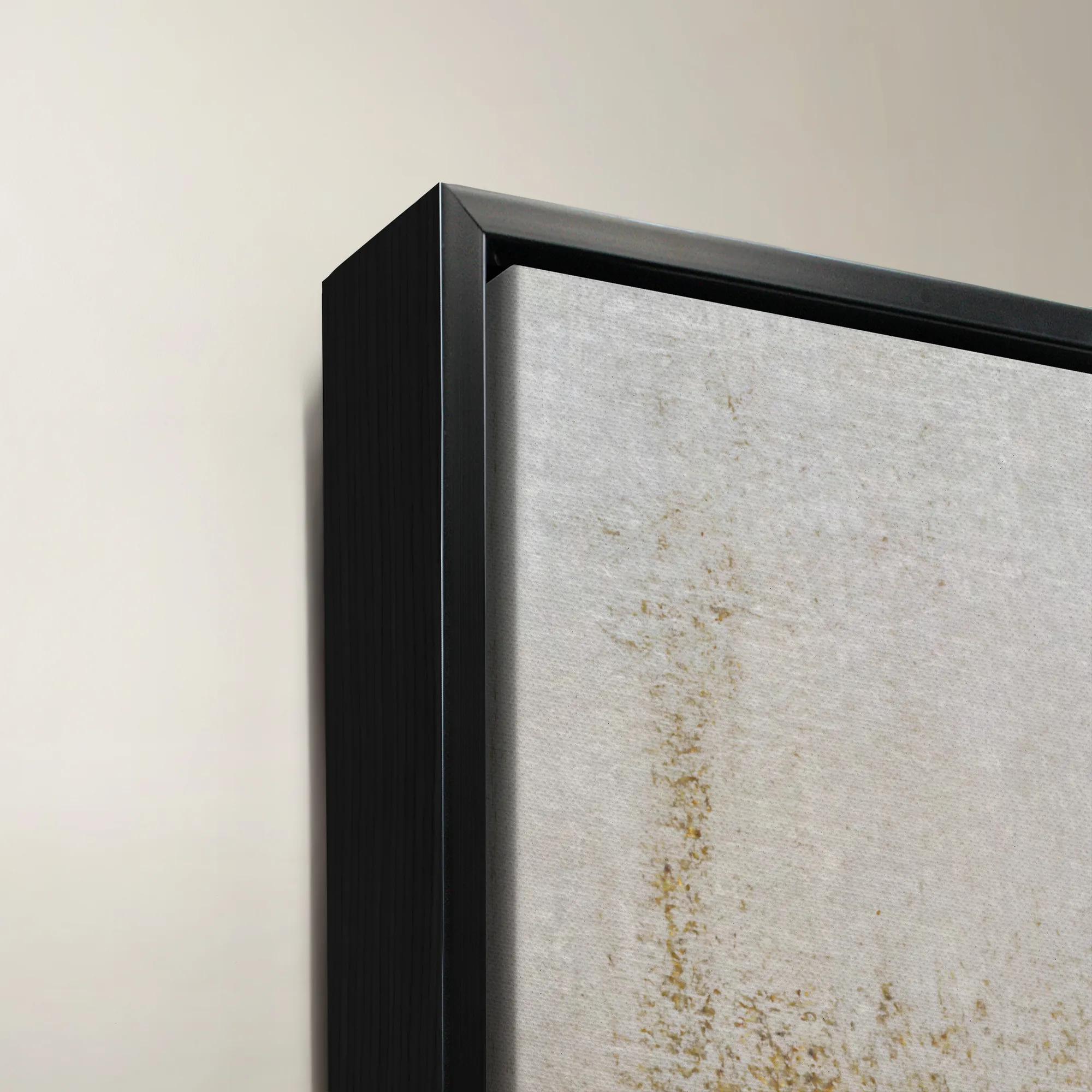 Lets Face It II Framed Wall Art 30" x 35"$699
A striking contemporary art piece showcasing bold design and creative flair by a renowned interior designer.
Add To Cart -
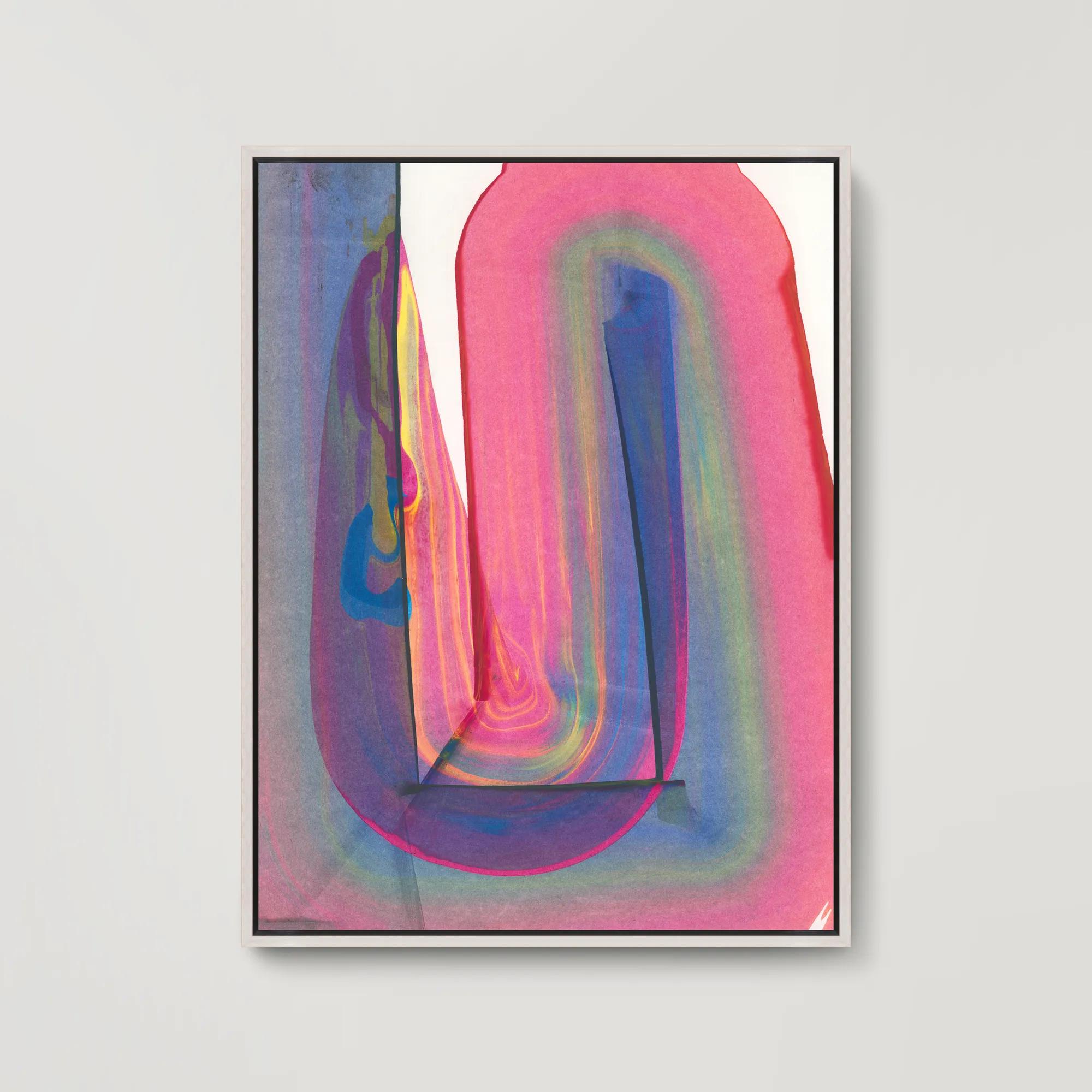
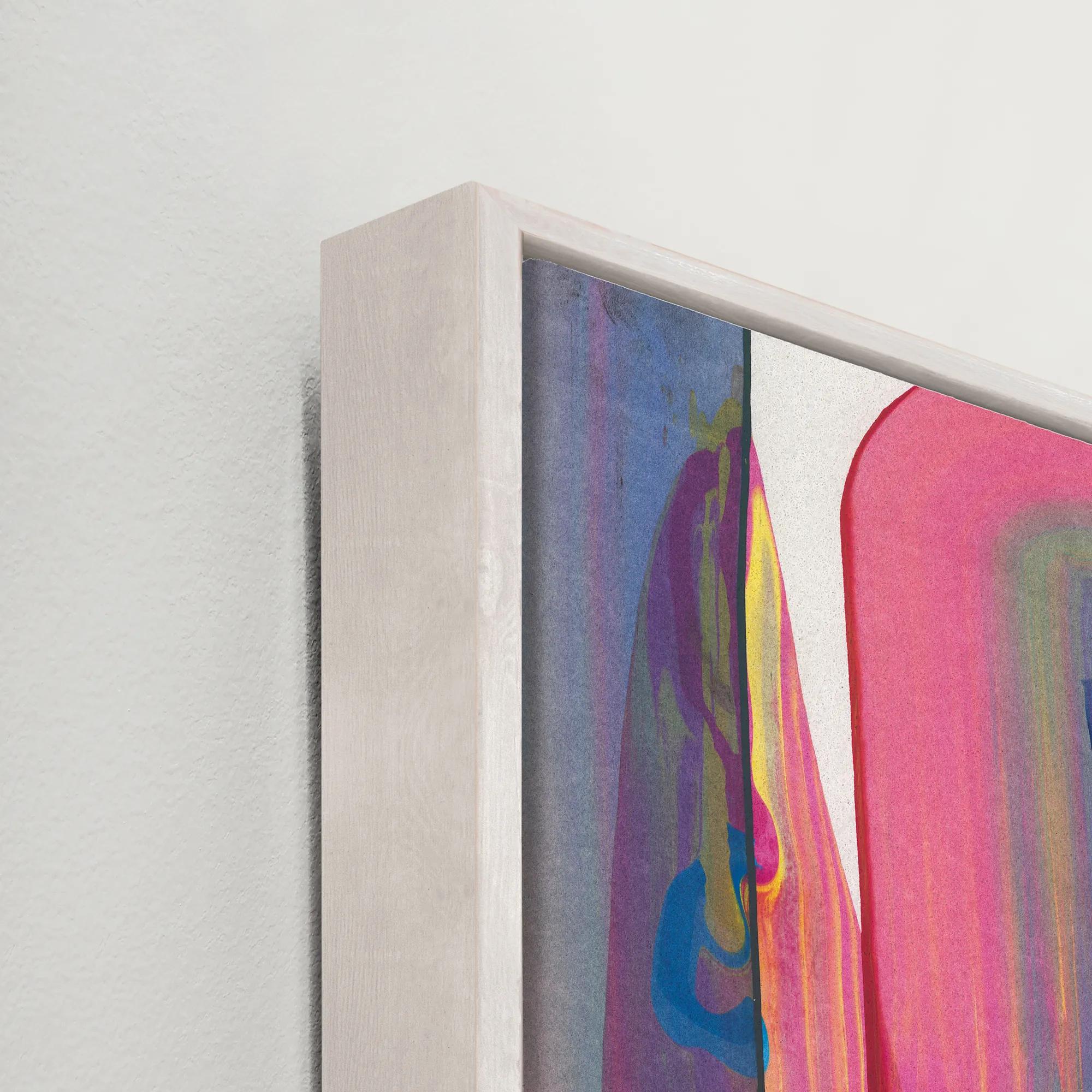 Color In Motion Framed Wall Art 31.5" x 41.5"$699
A gallery-wrapped abstract artwork featuring layered translucent paint and expressive brushstrokes in a white floater frame.
Add To Cart -
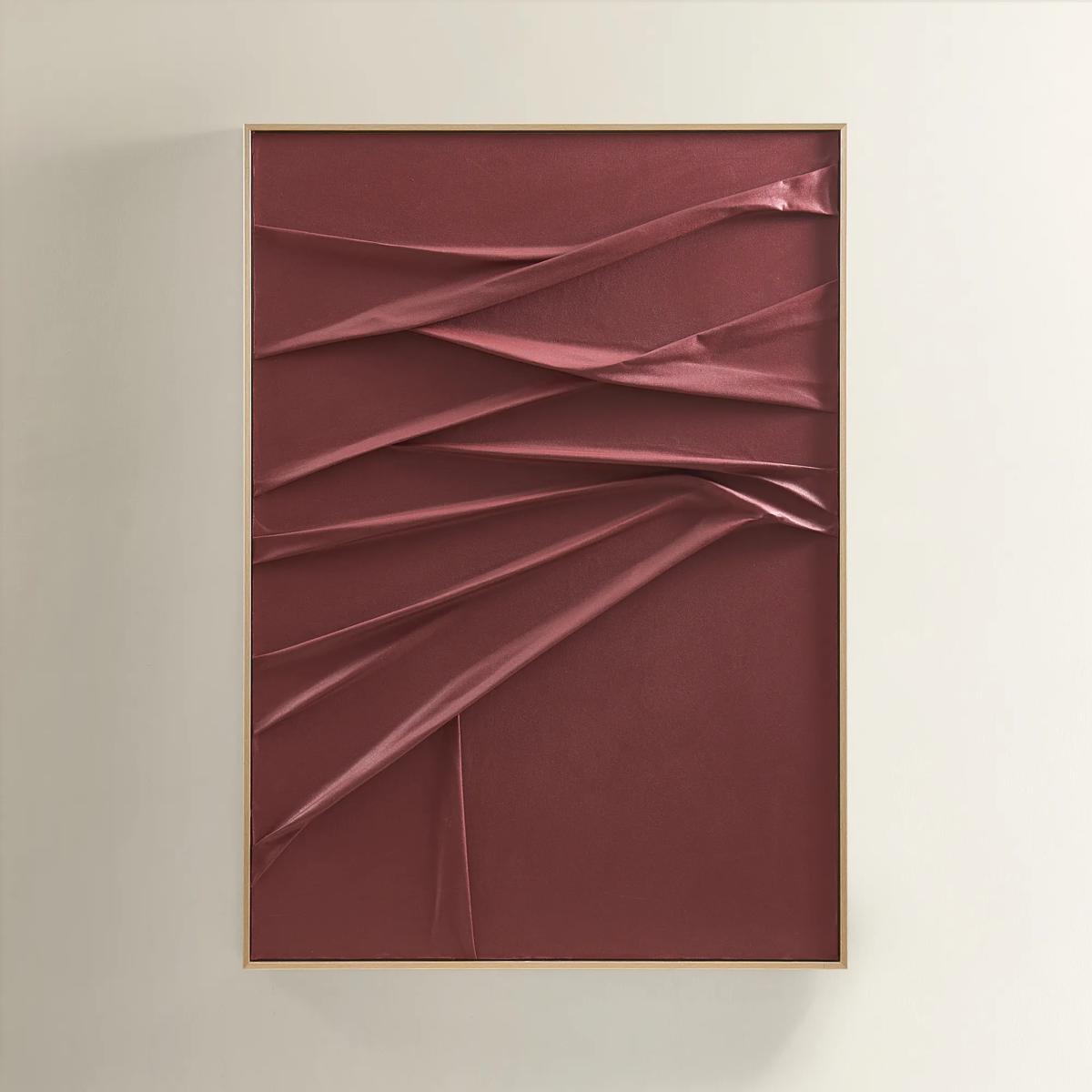
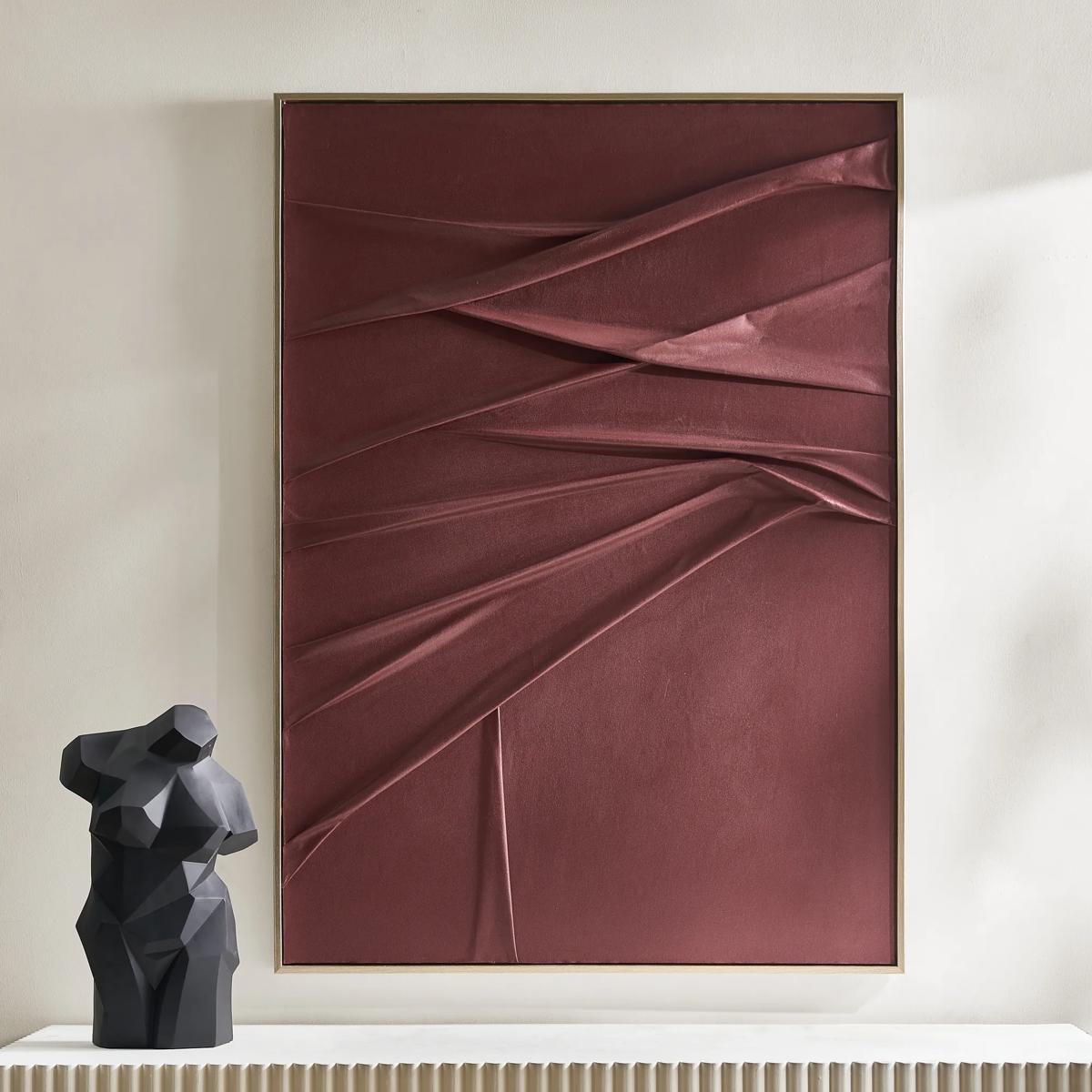 Crimson Painting$599
A handcrafted burgundy canvas artwork with sculptural folds, framed in champagne for a dramatic, textured effect.
Add To Cart -
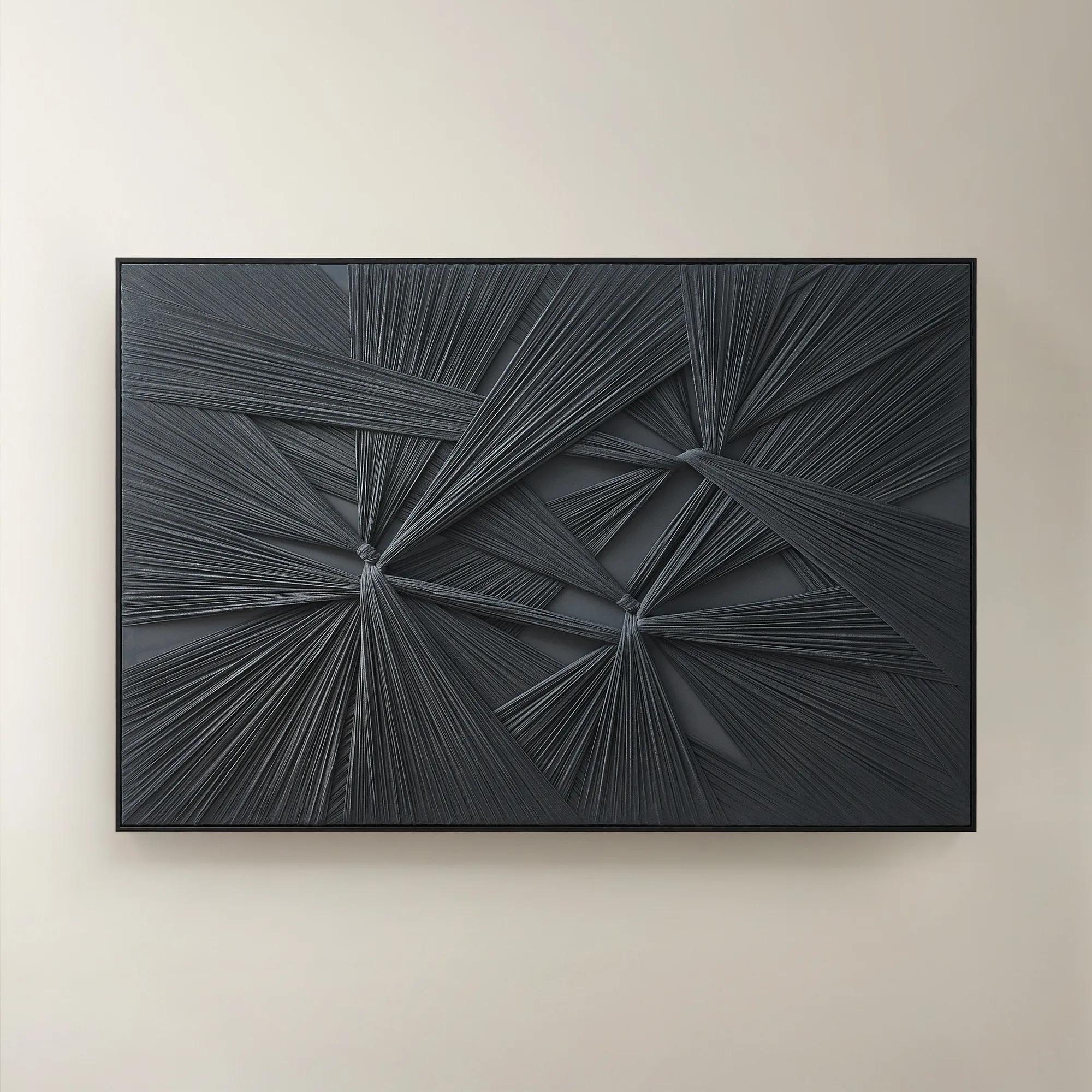 Grace in Dark Slate Hand-crafted Fabric Wall Art 70.75" x 47"$799
A hand-crafted textile wall art piece in dark slate, featuring sculptural texture and versatile display options.
Add To Cart -
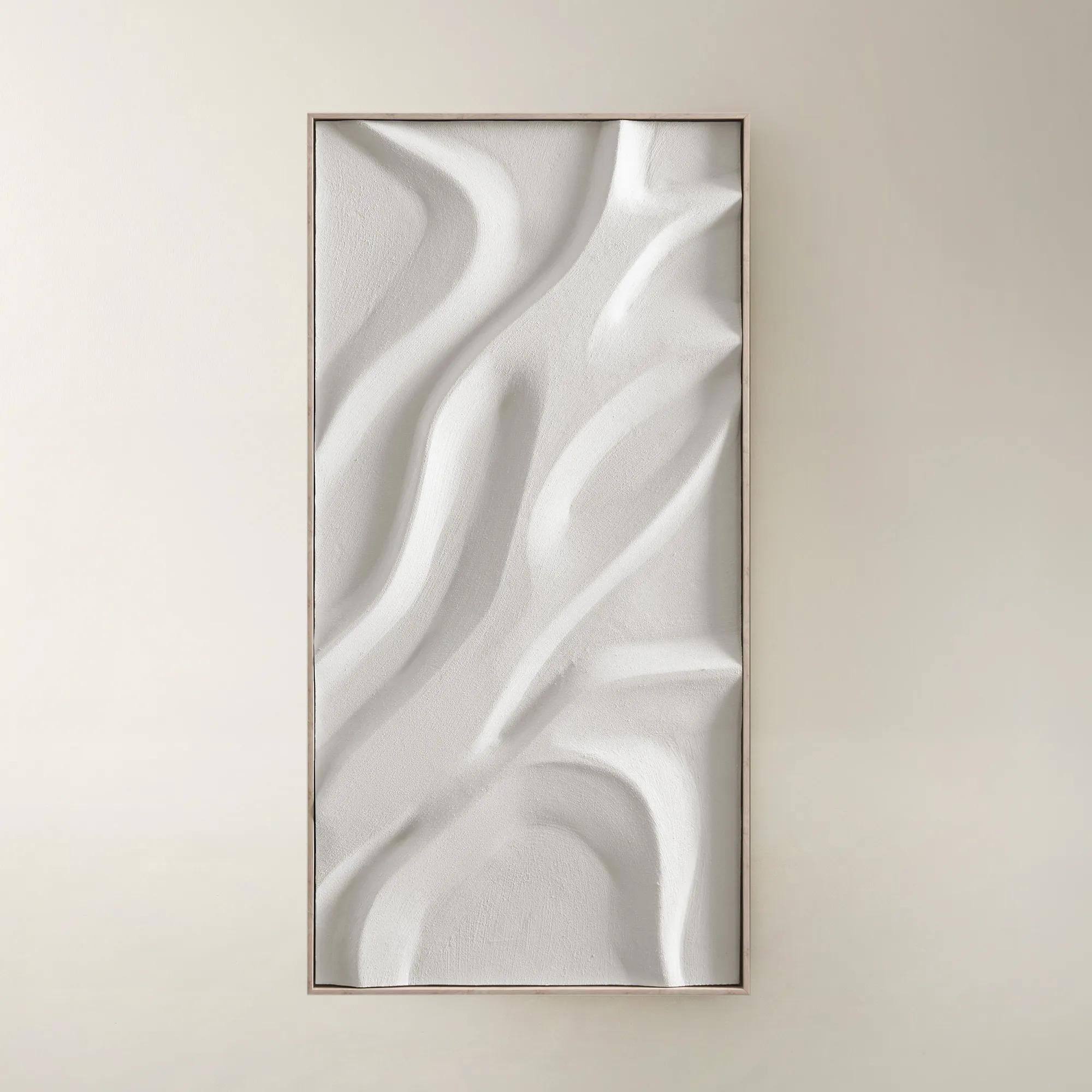
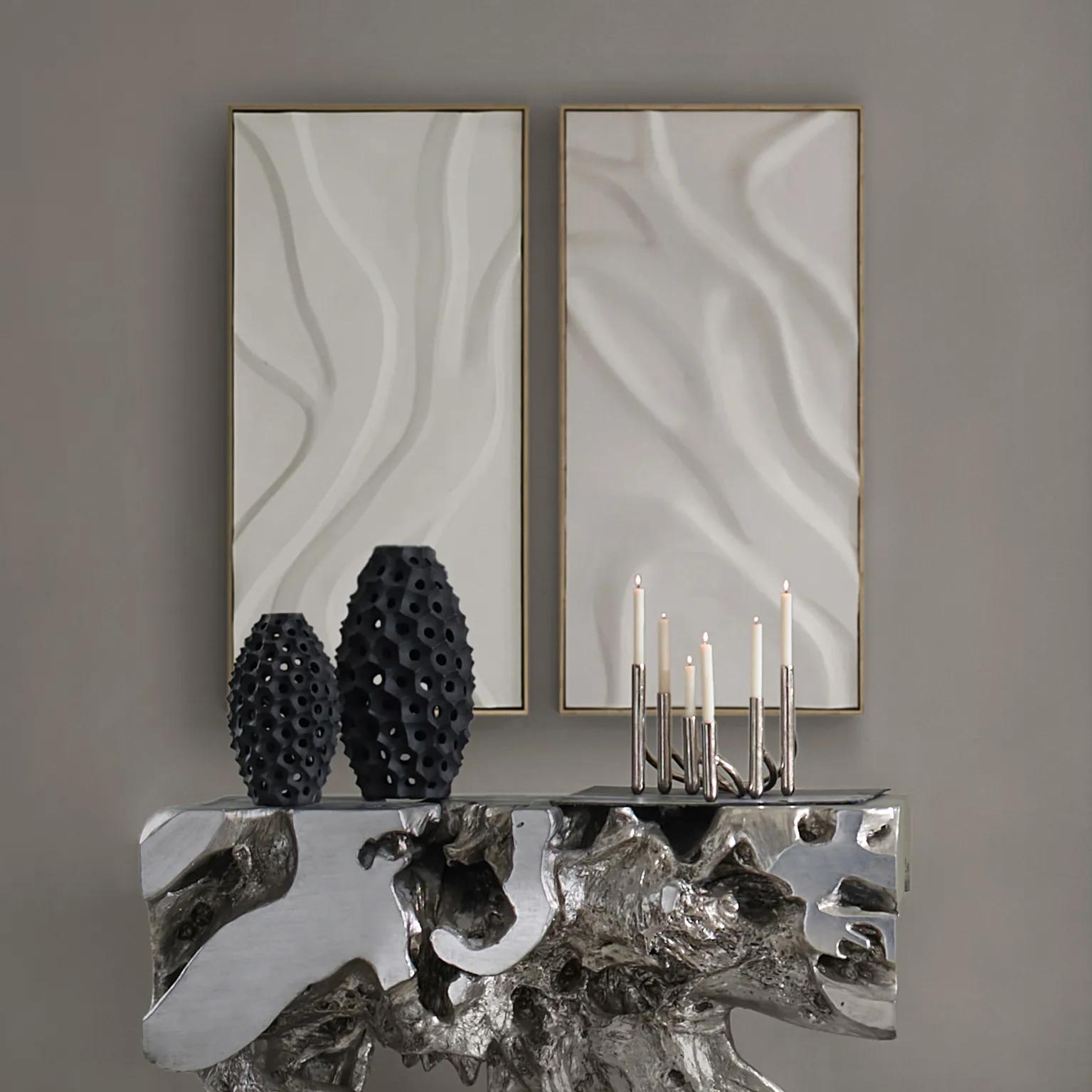 Au Lait Framed Painted Wall Art II 47.2" x 23.6"$199
A serene hand-painted canvas in beige, set in a warm whitewash floater frame for modern interiors.
Add To Cart -
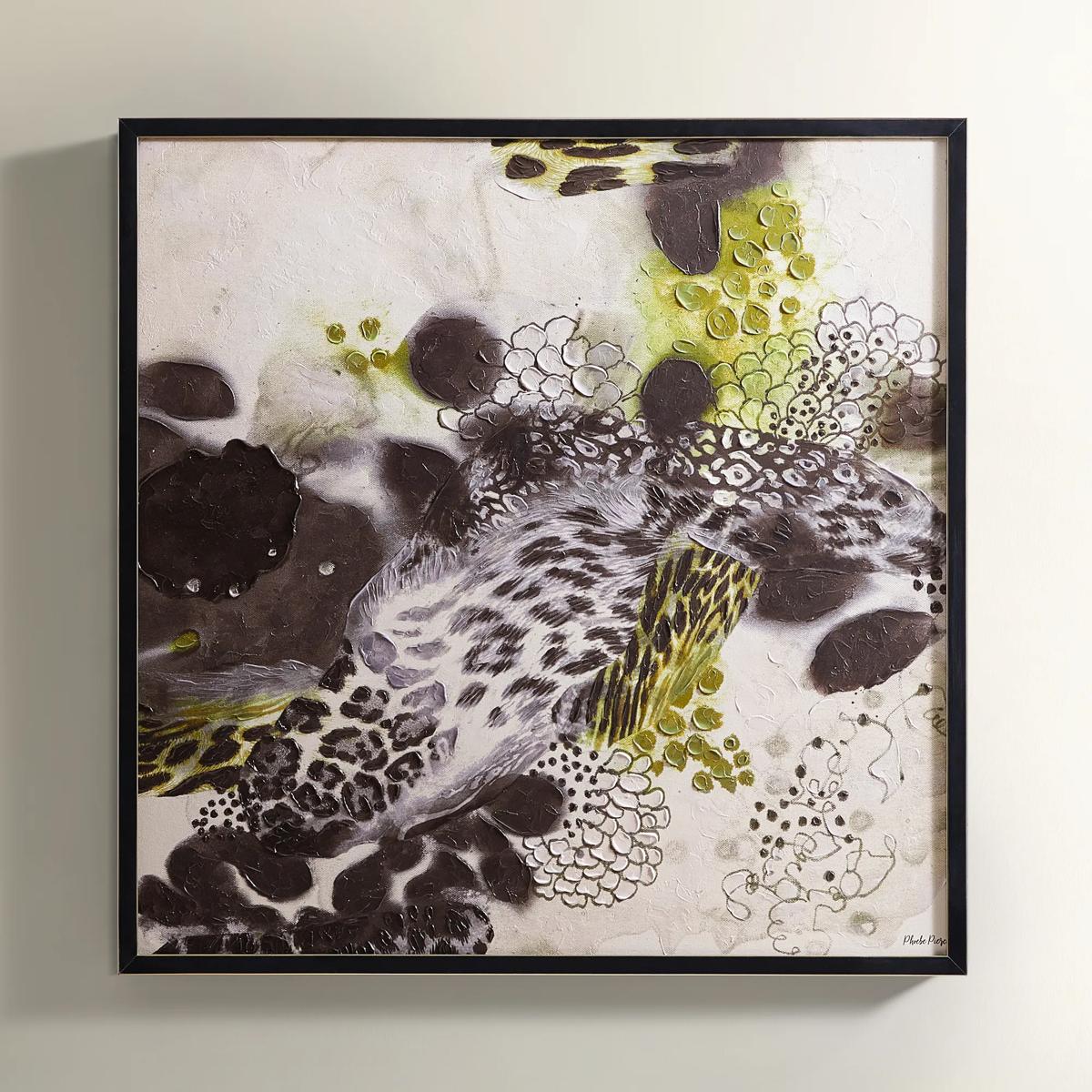
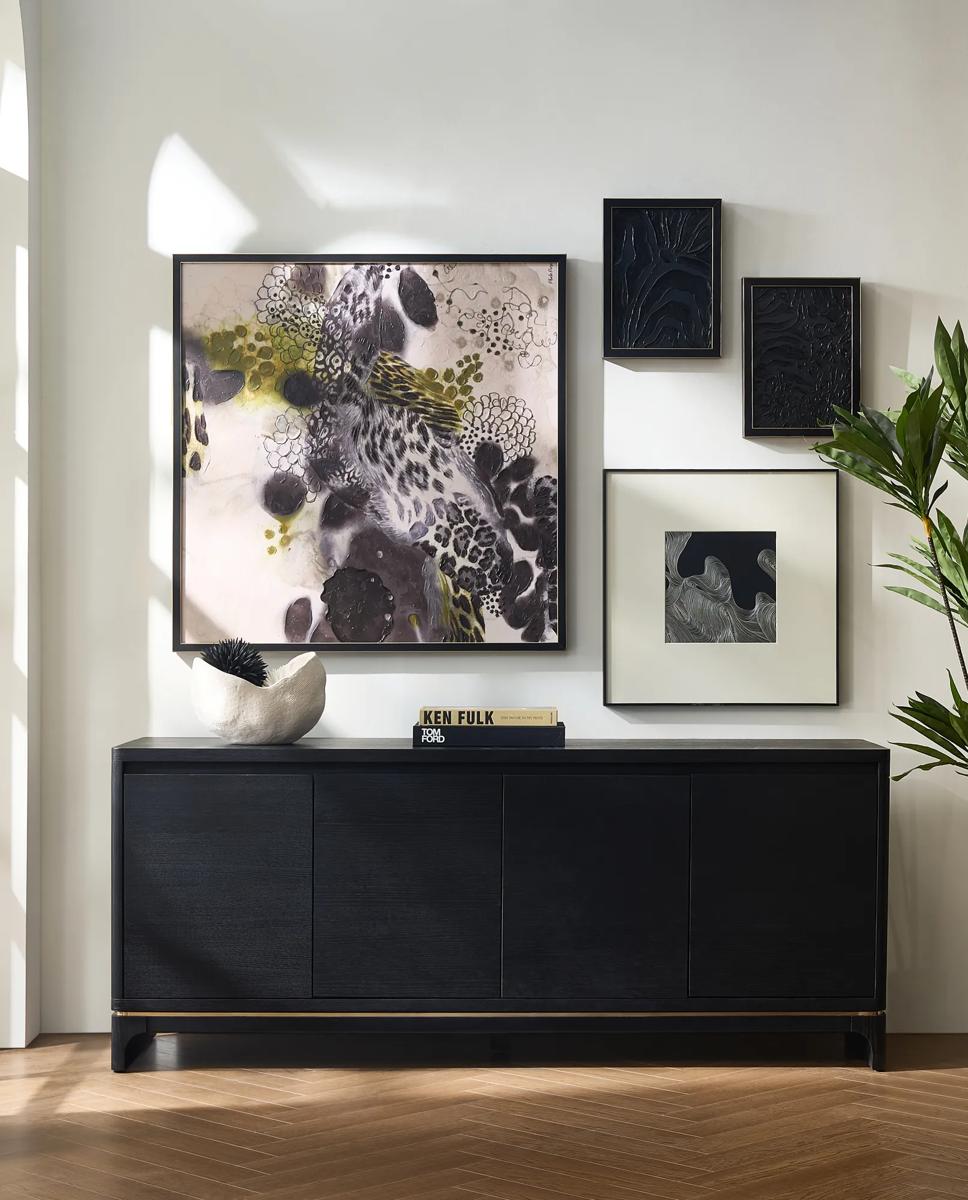 In the Wild$399
A hand-embellished canvas artwork featuring textured strokes in black, chartreuse, and sand, framed in ornate wood.
Add To Cart -
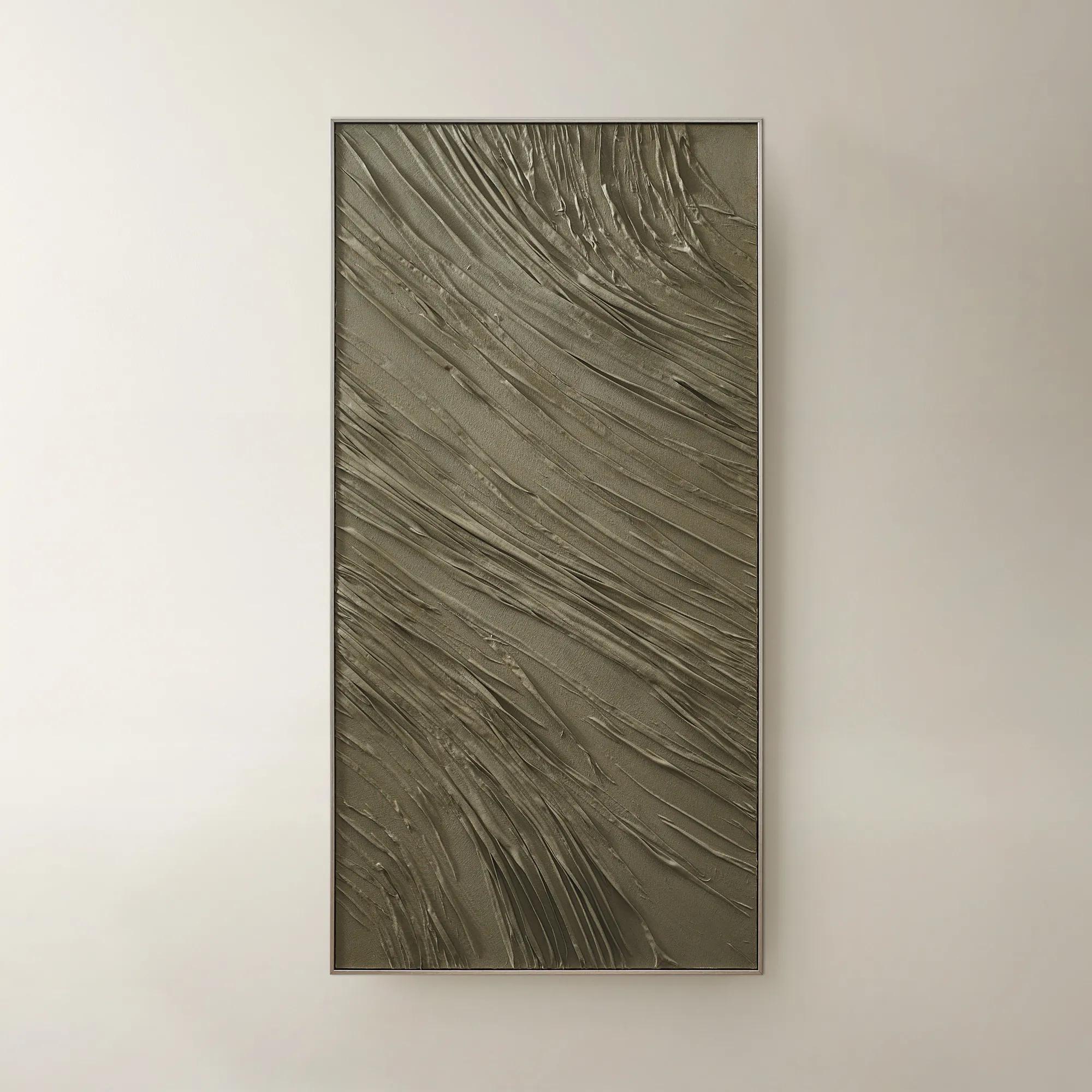
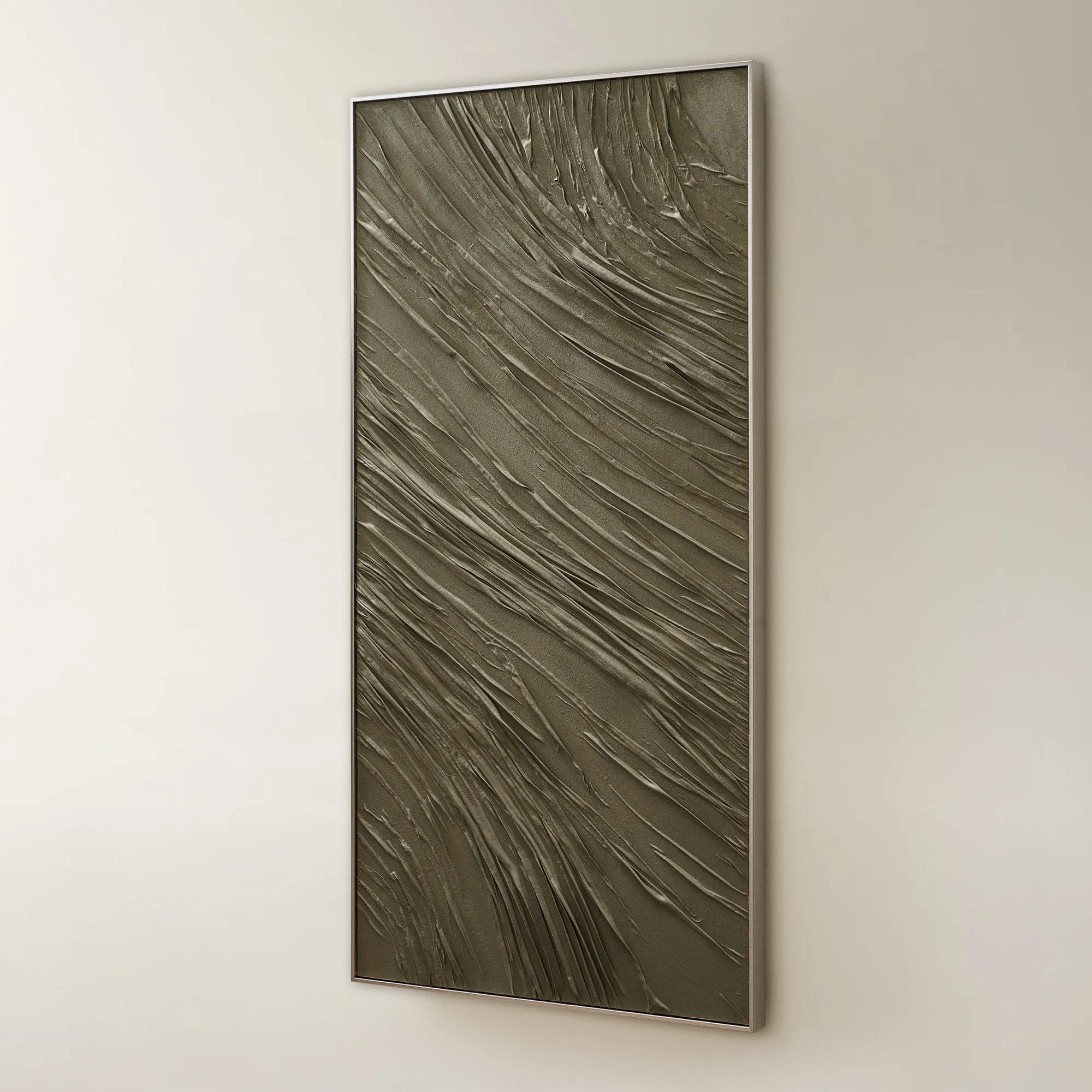 Grove Framed Hand-crafted Folded Fabric Wall Art 60" x 30"$349
A hand-crafted folded canvas in deep olive with a champagne frame for sculptural, modern wall art.
Add To Cart -
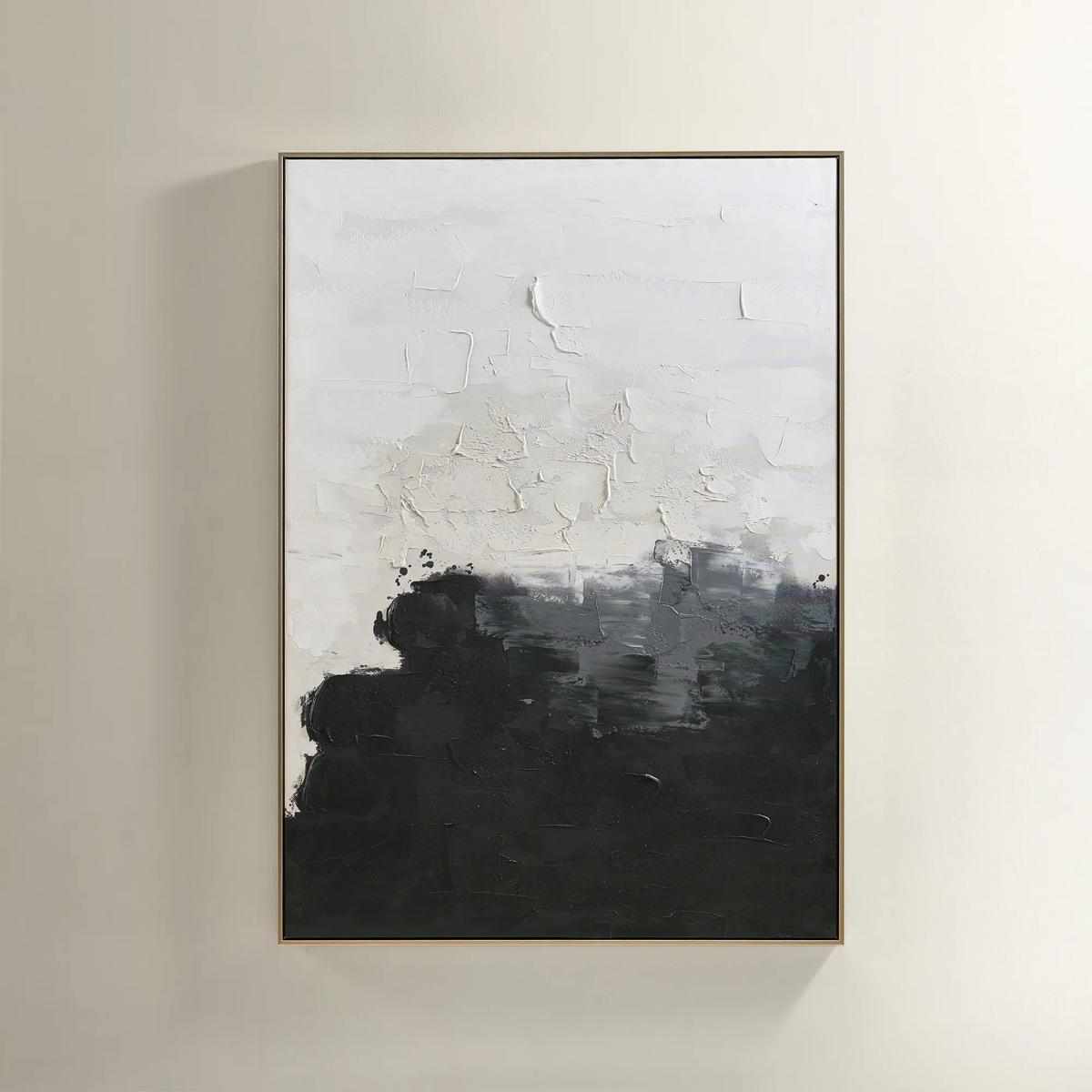
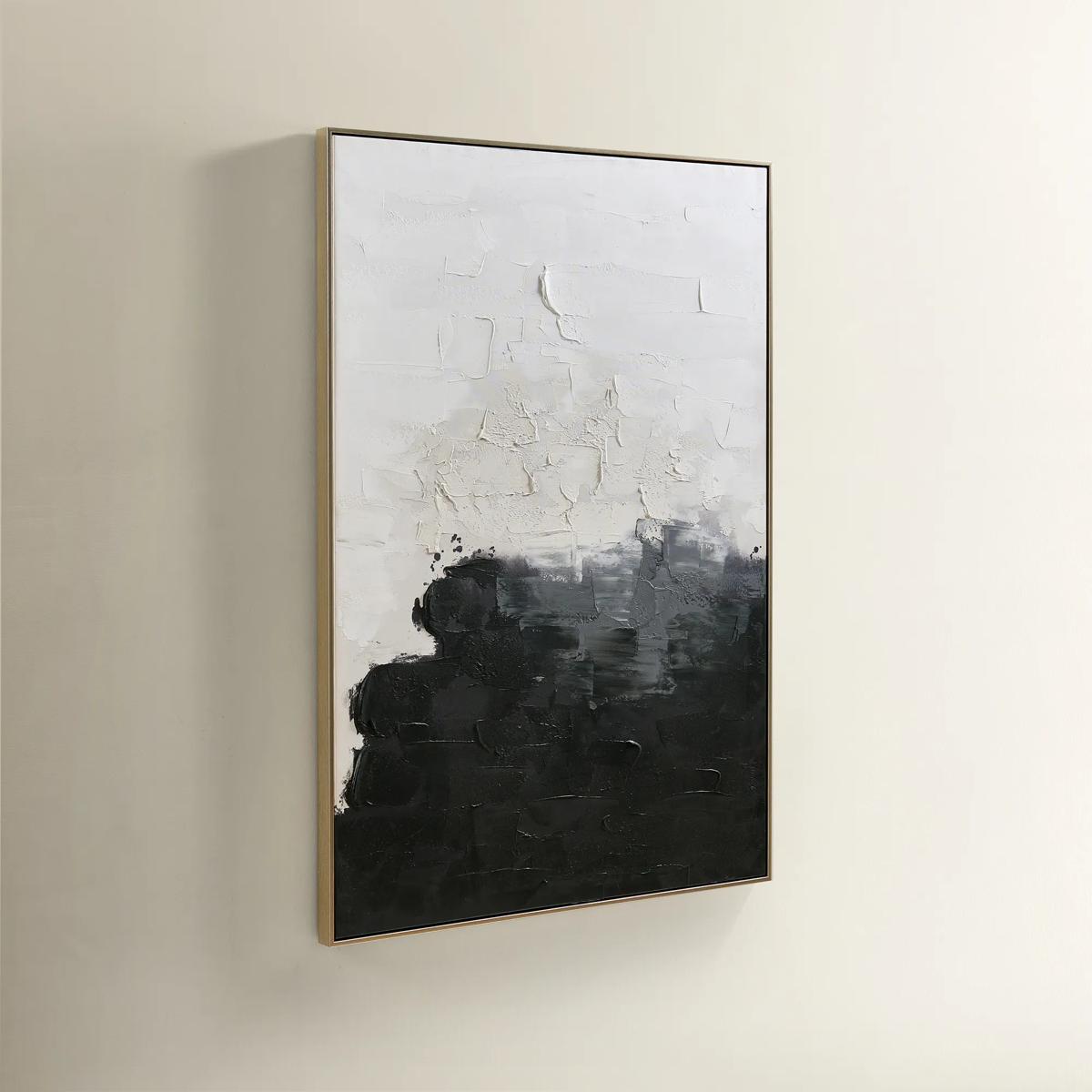 No Rush Painted Wall Art 39.25" x 55"$499
A hand-painted canvas featuring textured strokes of white, ivory, and charcoal in a natural wood frame.
Add To Cart -
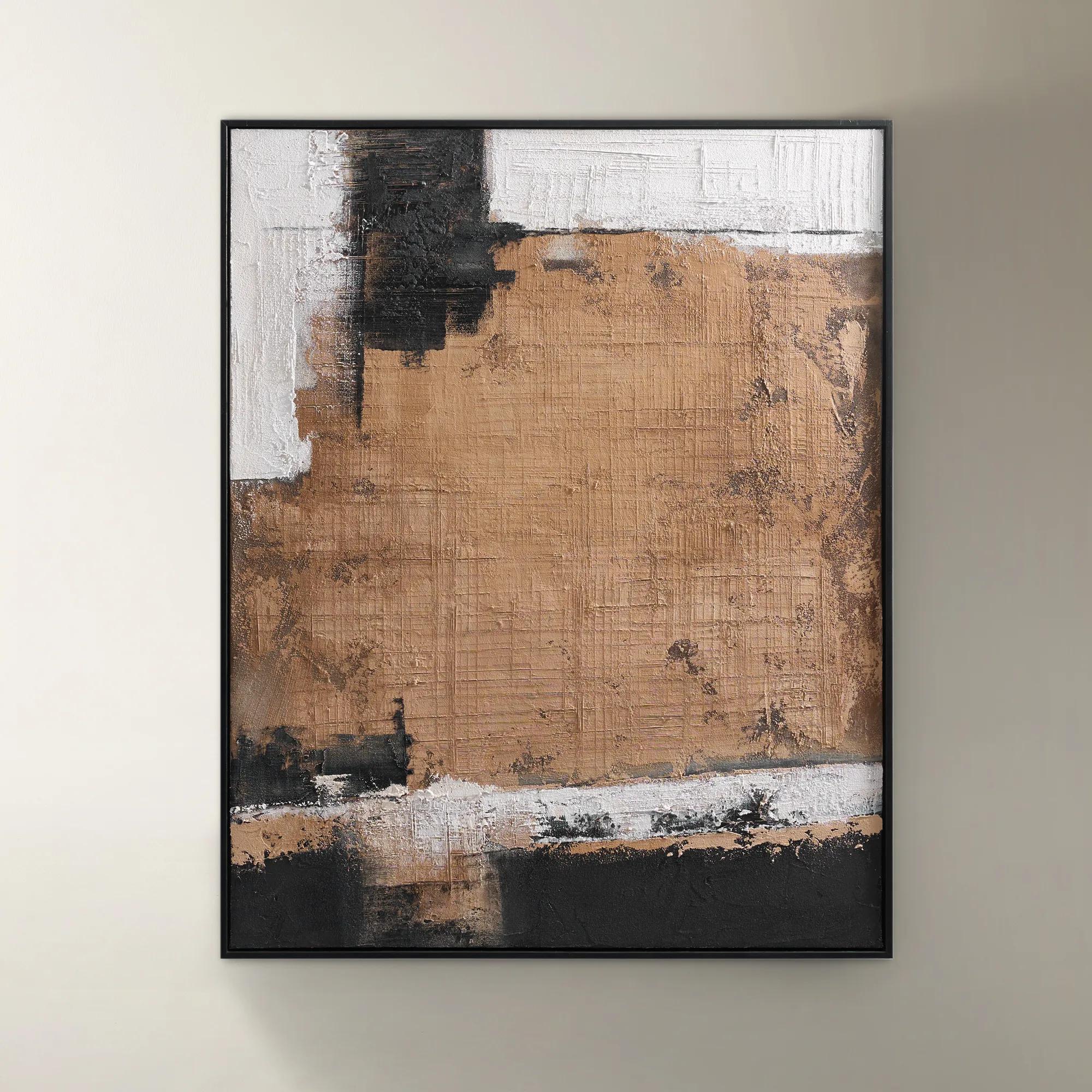
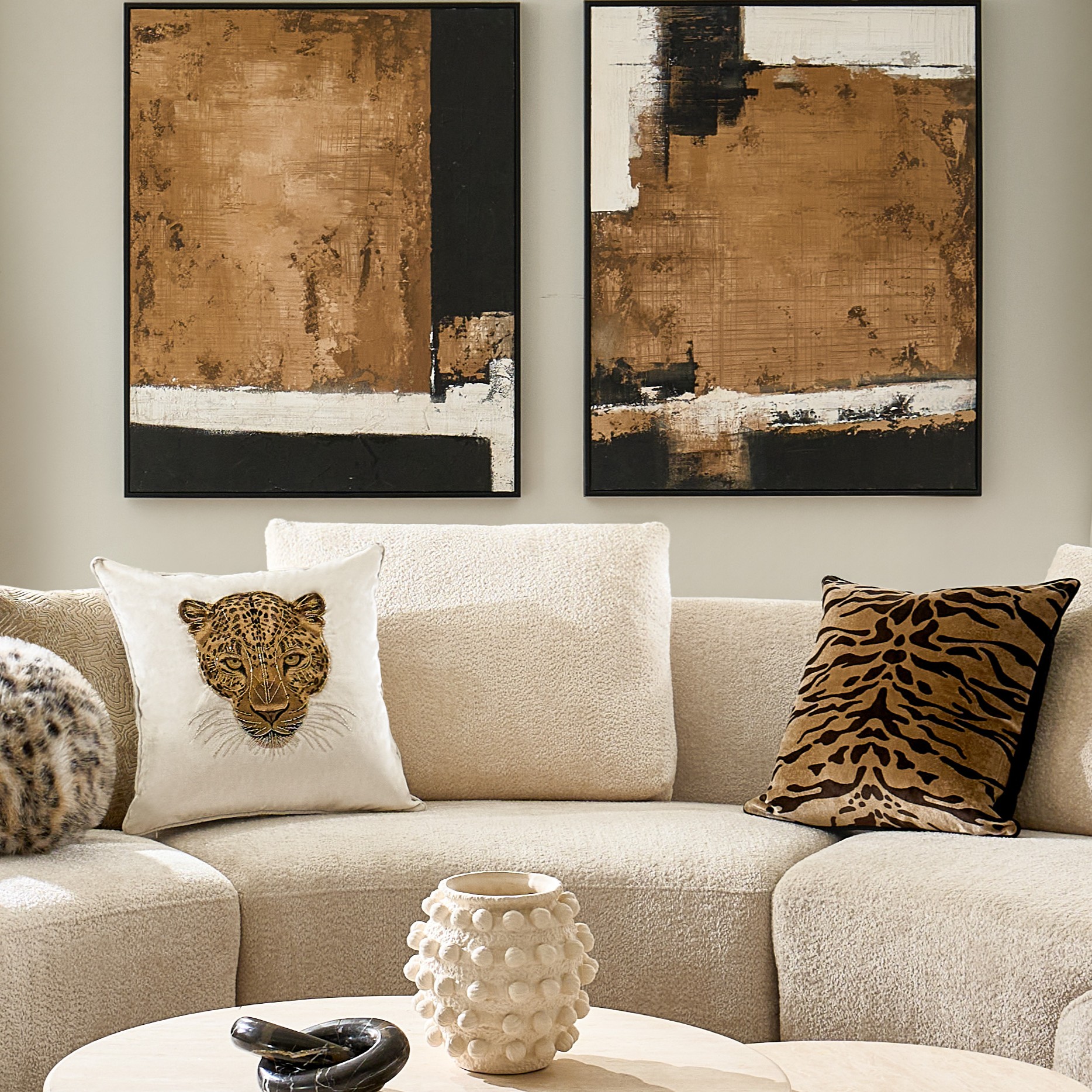 Drift Framed Painted Wall Art II 39.4" x 31.5"$299
A hand-painted canvas in brown, featuring bold texture and color interplay within a sleek black floater frame.
Add To Cart -
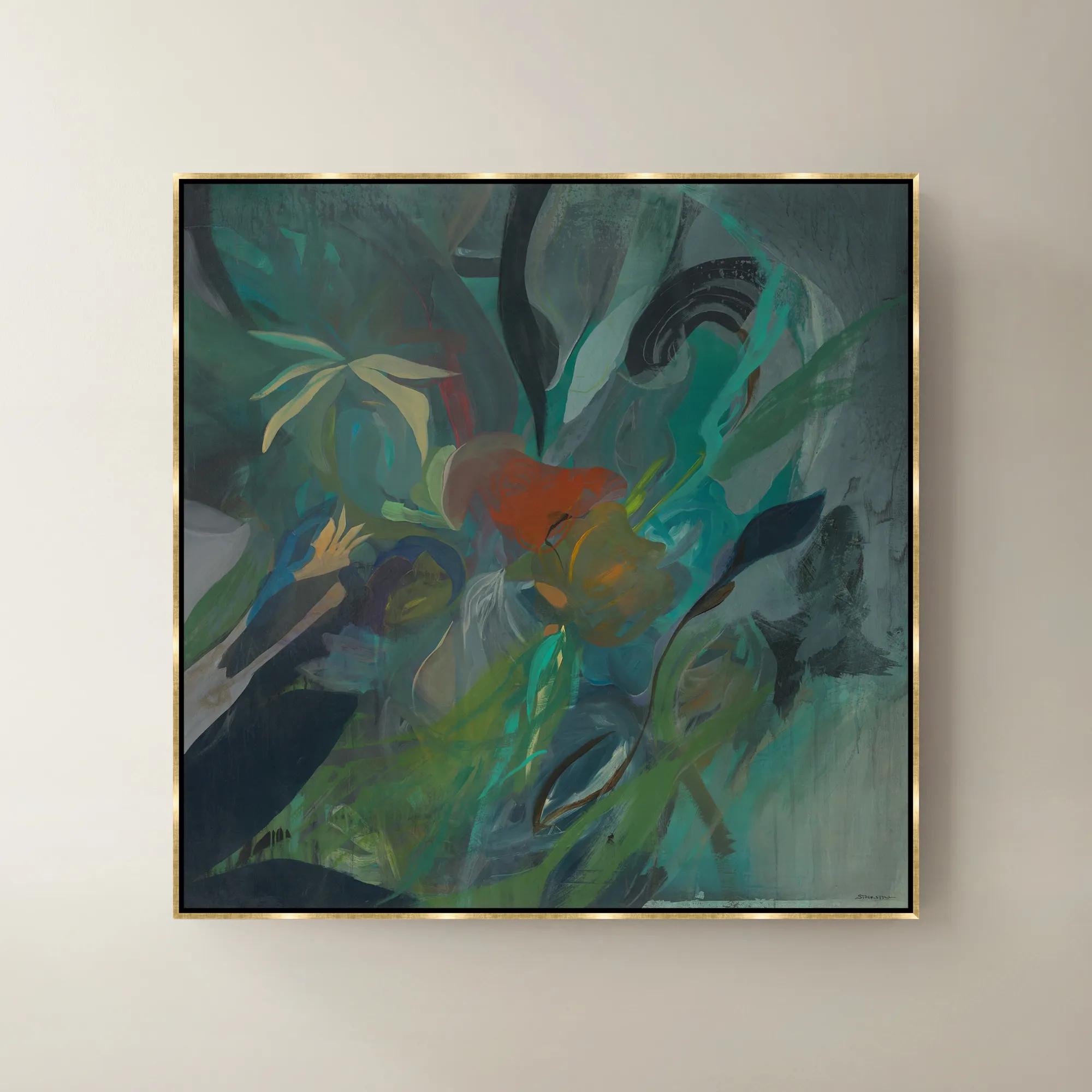
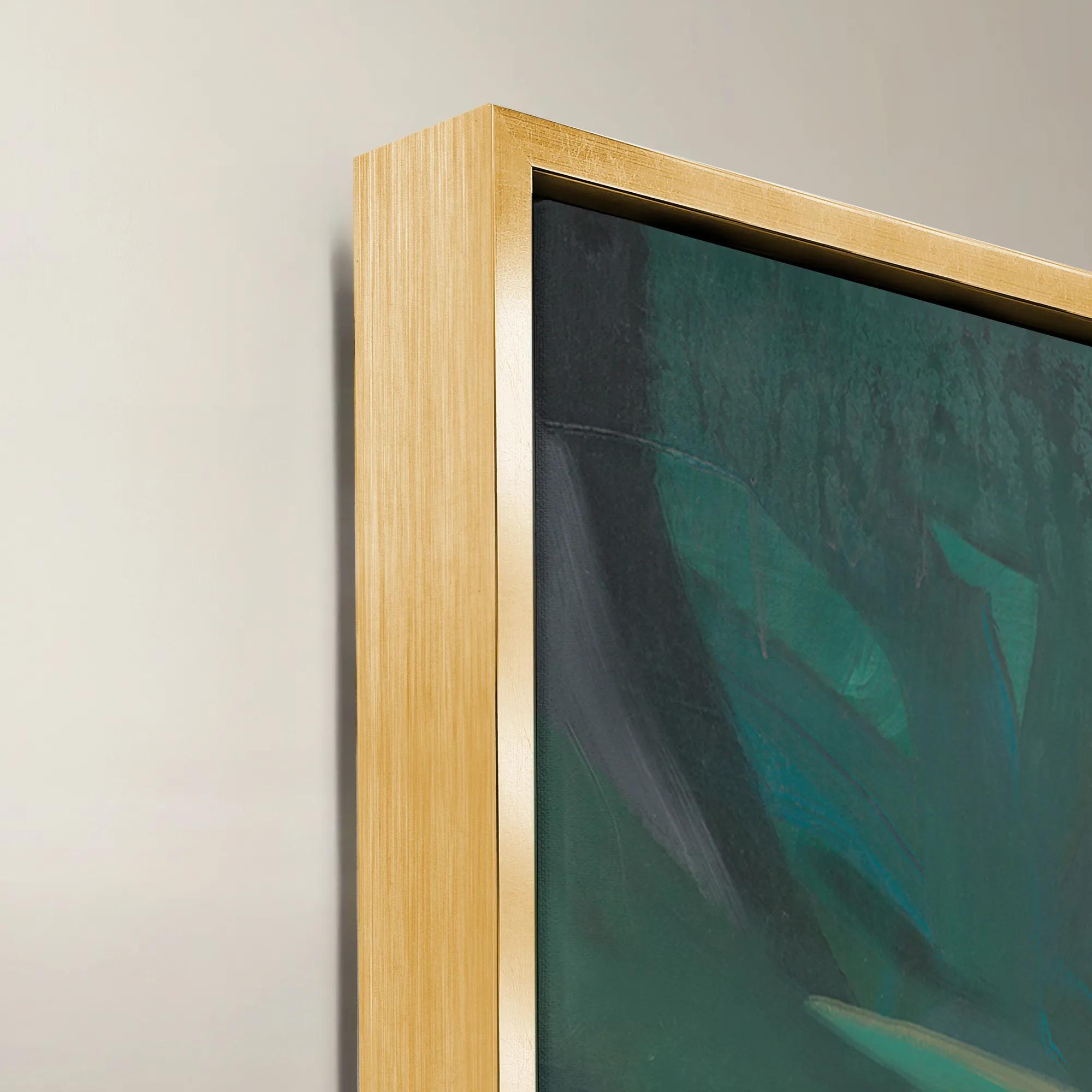 Fresh Places Framed Wall Art 47" x 47"$1199
A vibrant green canvas wall artwork with a sophisticated framed finish, bringing contemporary character to interiors.
Add To Cart -
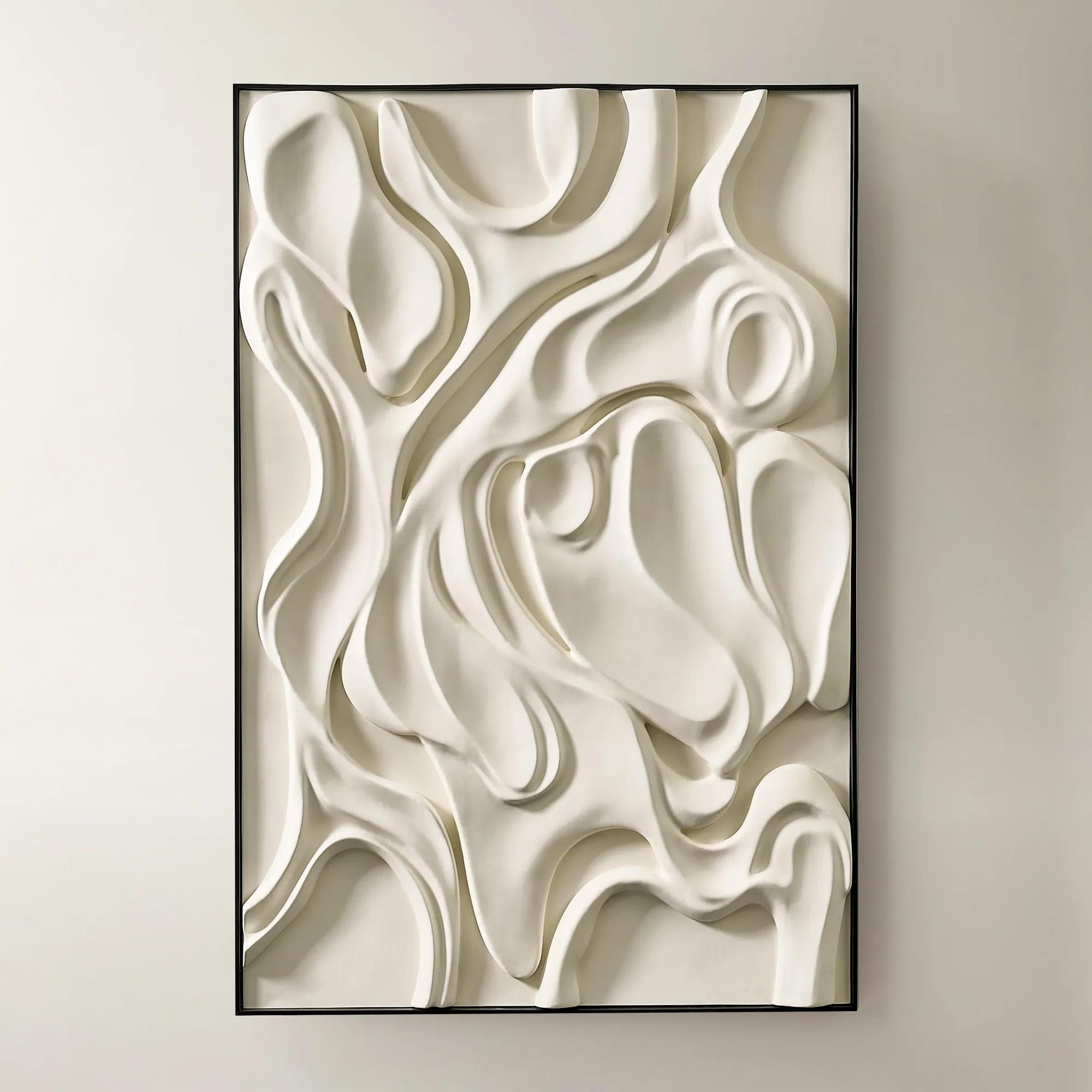 Overflow Alabaster Sculpted Resin Wall Panel 40" x 60"$699
An alabaster fiberglass resin wall panel with sculptural texture and a versatile black frame for modern spaces.
Add To Cart -
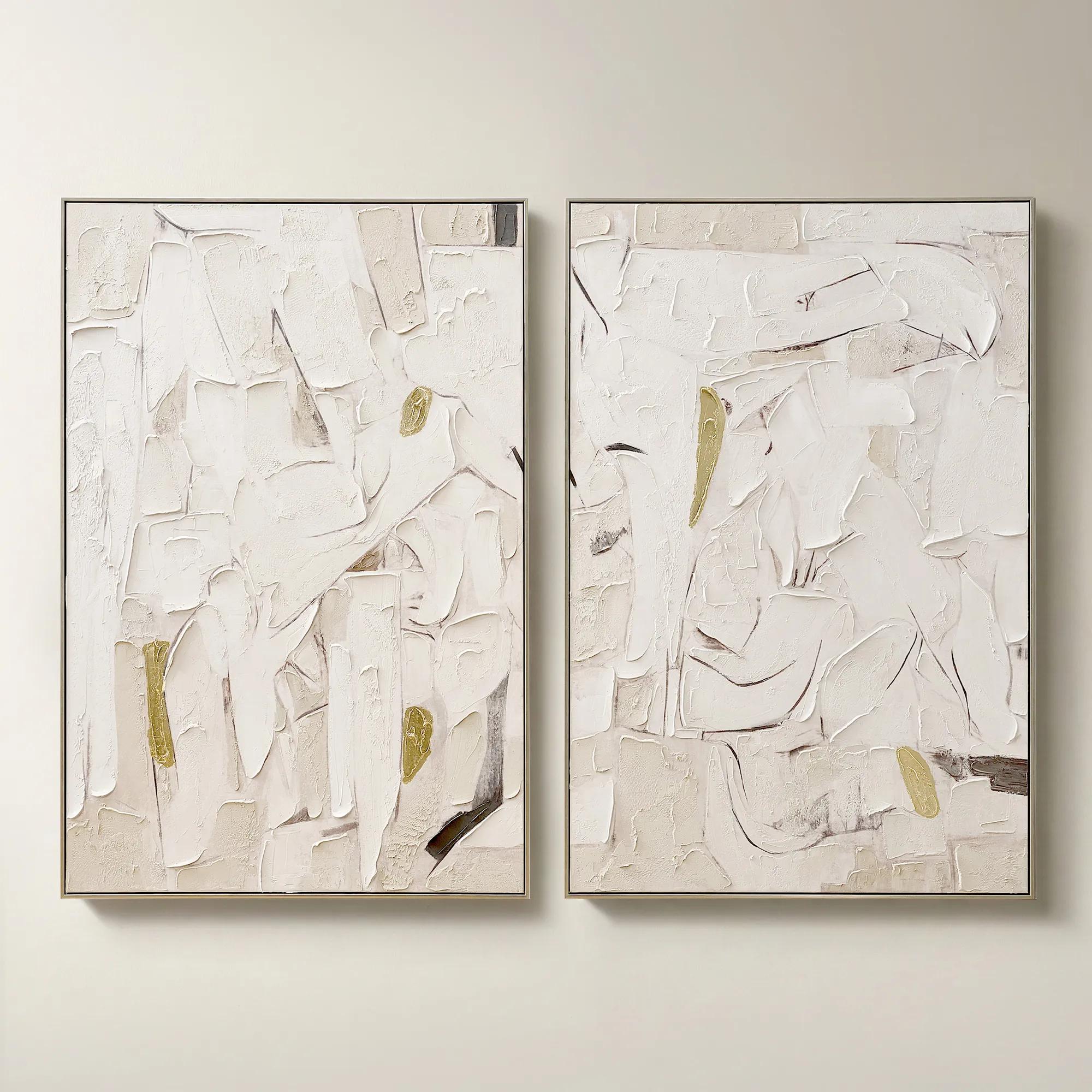 Beneath the Surface Framed Gold Leaf Painted Wall Art 40" x 60" Set of 2$799
A hand-painted abstract diptych featuring gold detailing and layered texture in alabaster and tawny hues.
Add To Cart -
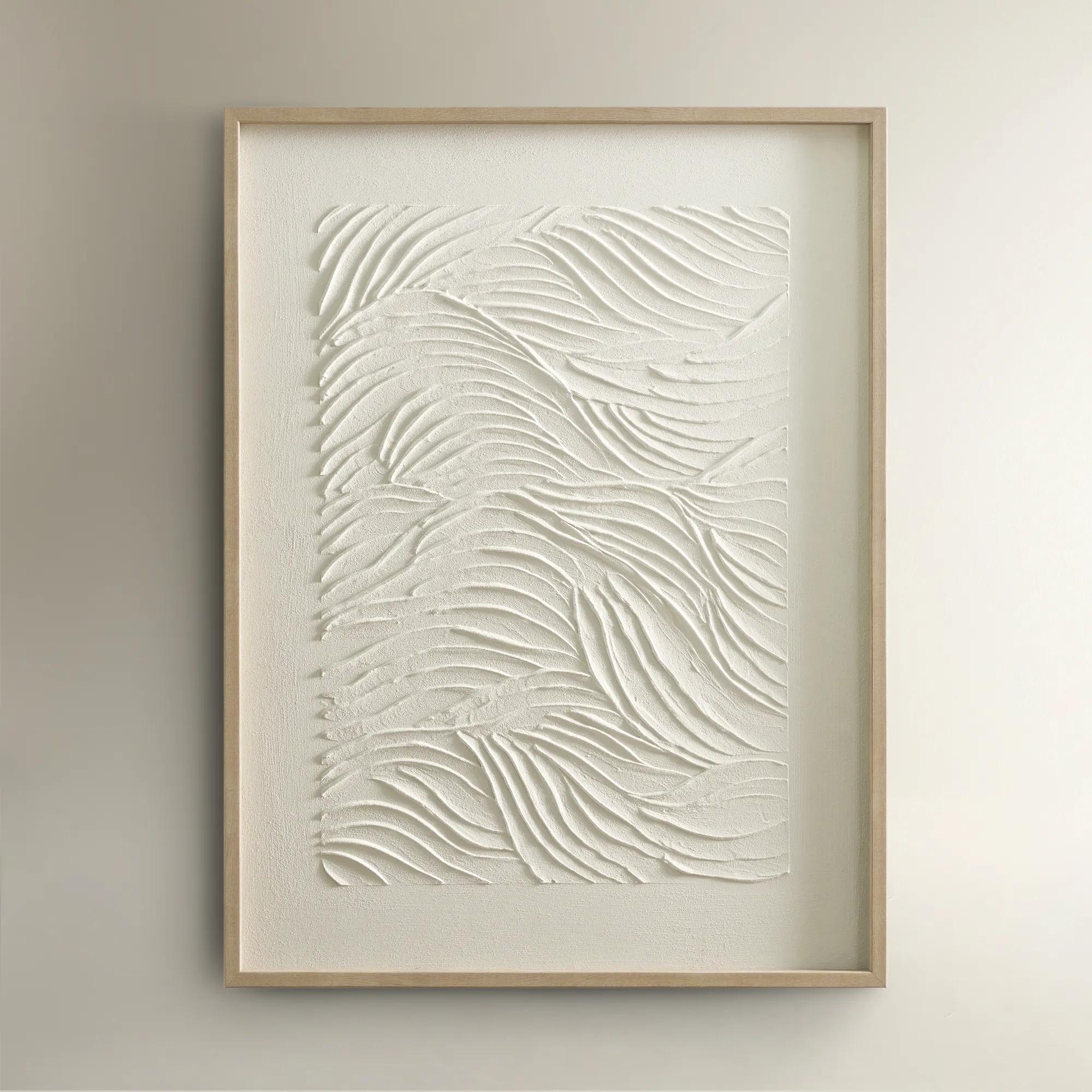
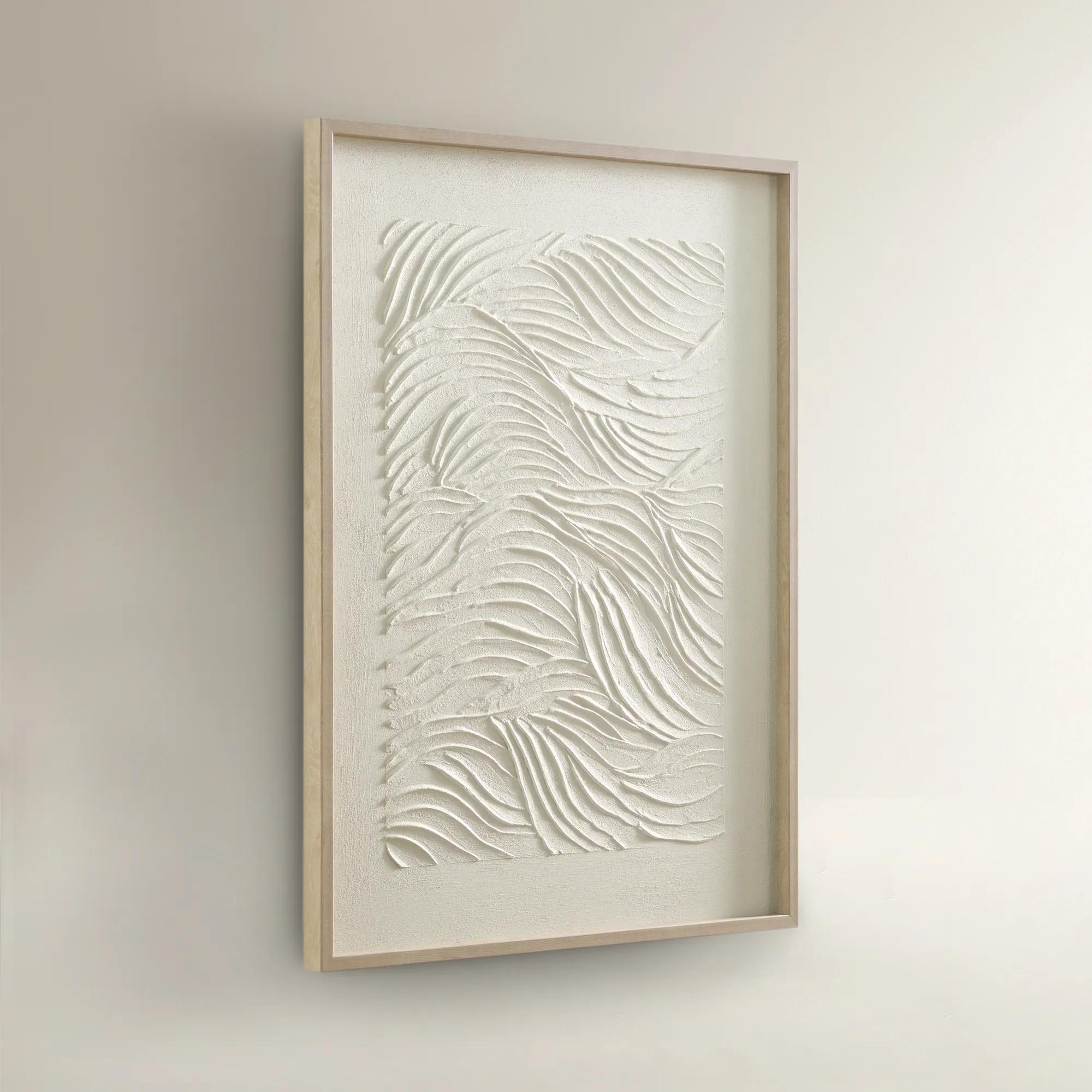 Sonnet Framed Painted Wall Art 23.5" x 31.5"$99
A hand-painted canvas featuring textured white shades and a warm blonde wood frame for elegant depth.
Add To Cart -

 Shift Framed Painted Wall Art 39.4" x 59"$499
A hand-painted canvas featuring bold black and beige contrasts with textured layers in a sleek black frame.
Add To Cart -
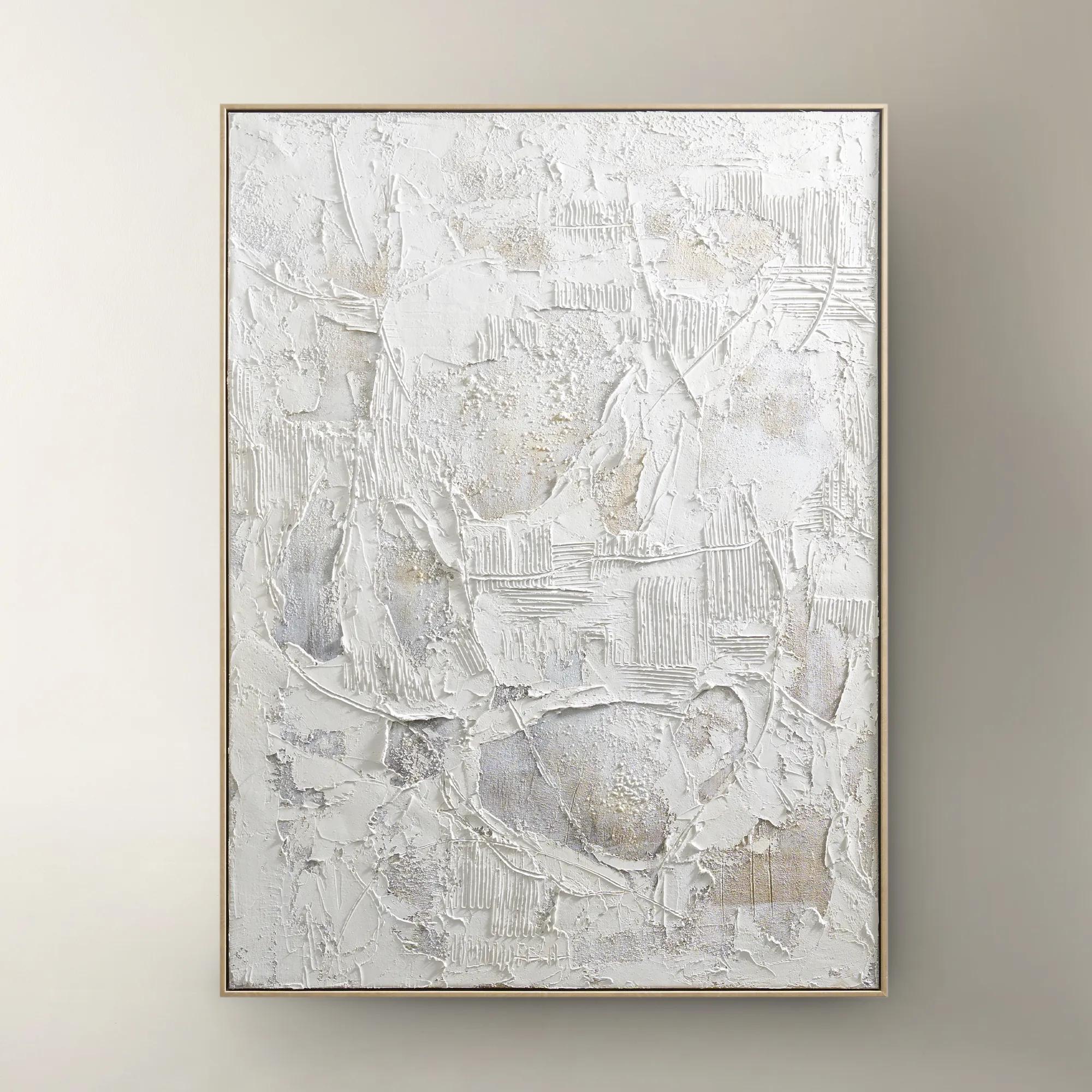 Stone Heritage Painting$399
A hand-painted canvas featuring textured white tones, elegantly framed in warm beech wood for refined appeal.
Add To Cart -
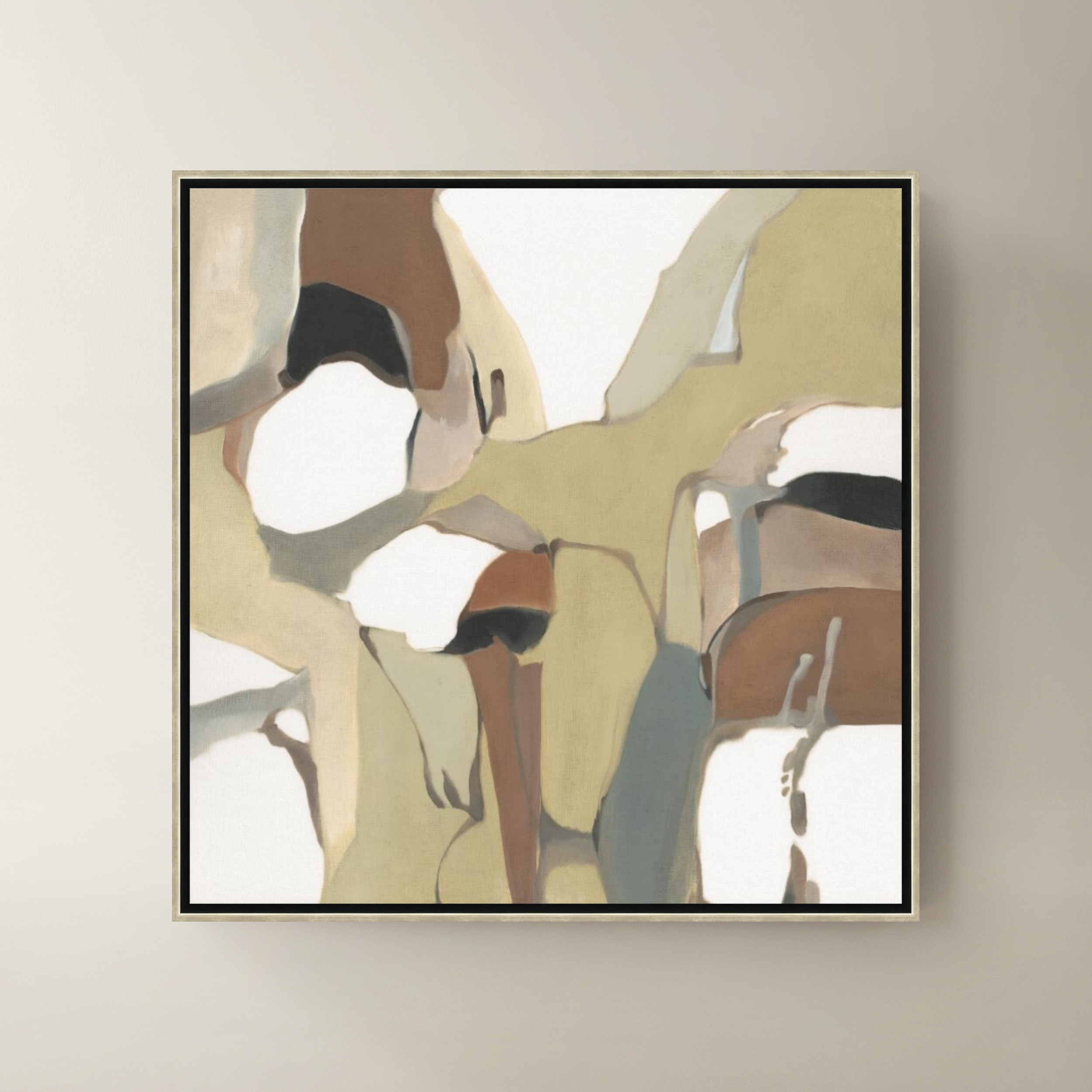
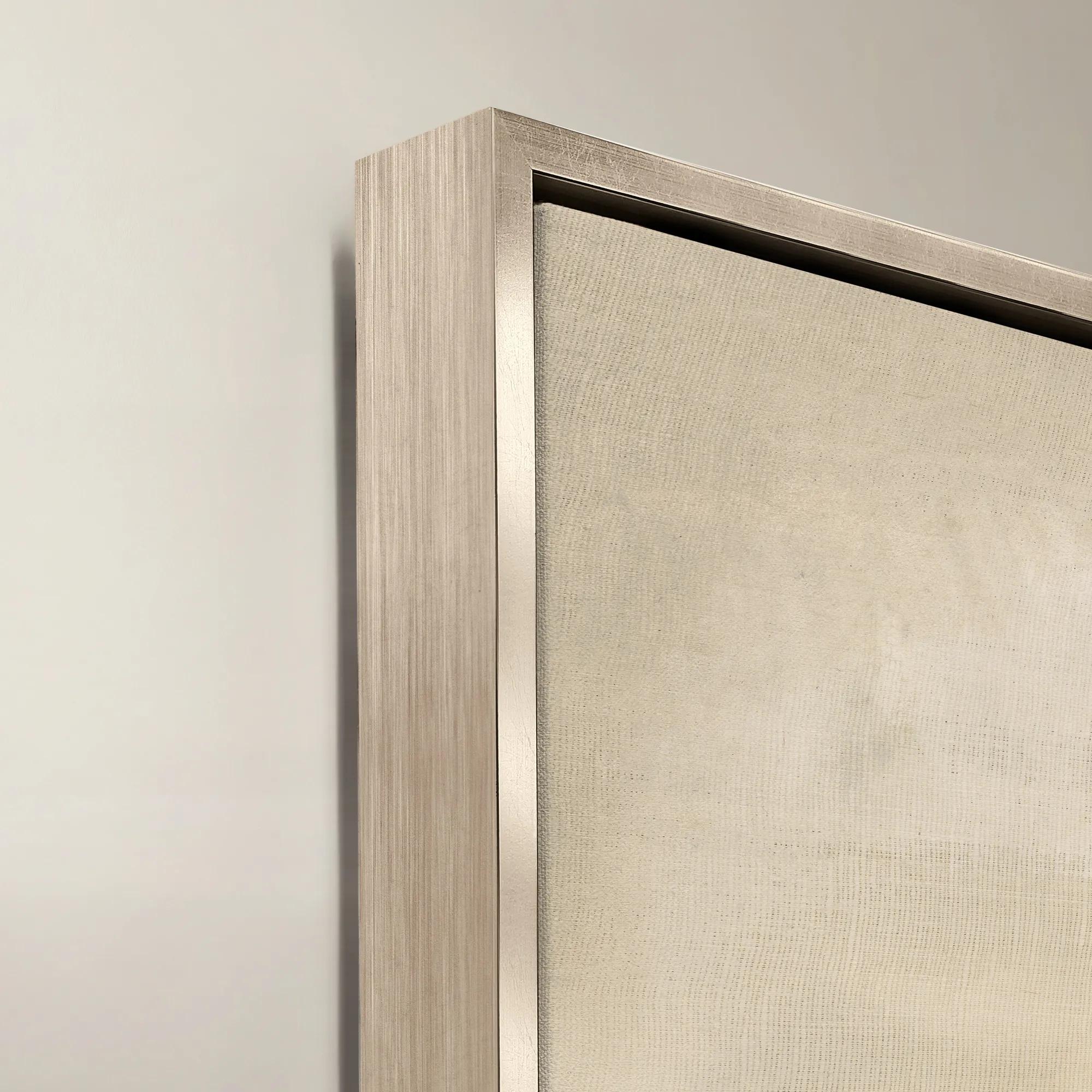 Organic Shape Framed Wall Art 47" x 47"$1099
A framed canvas artwork featuring an organic shape in rich brown tones.
Add To Cart -
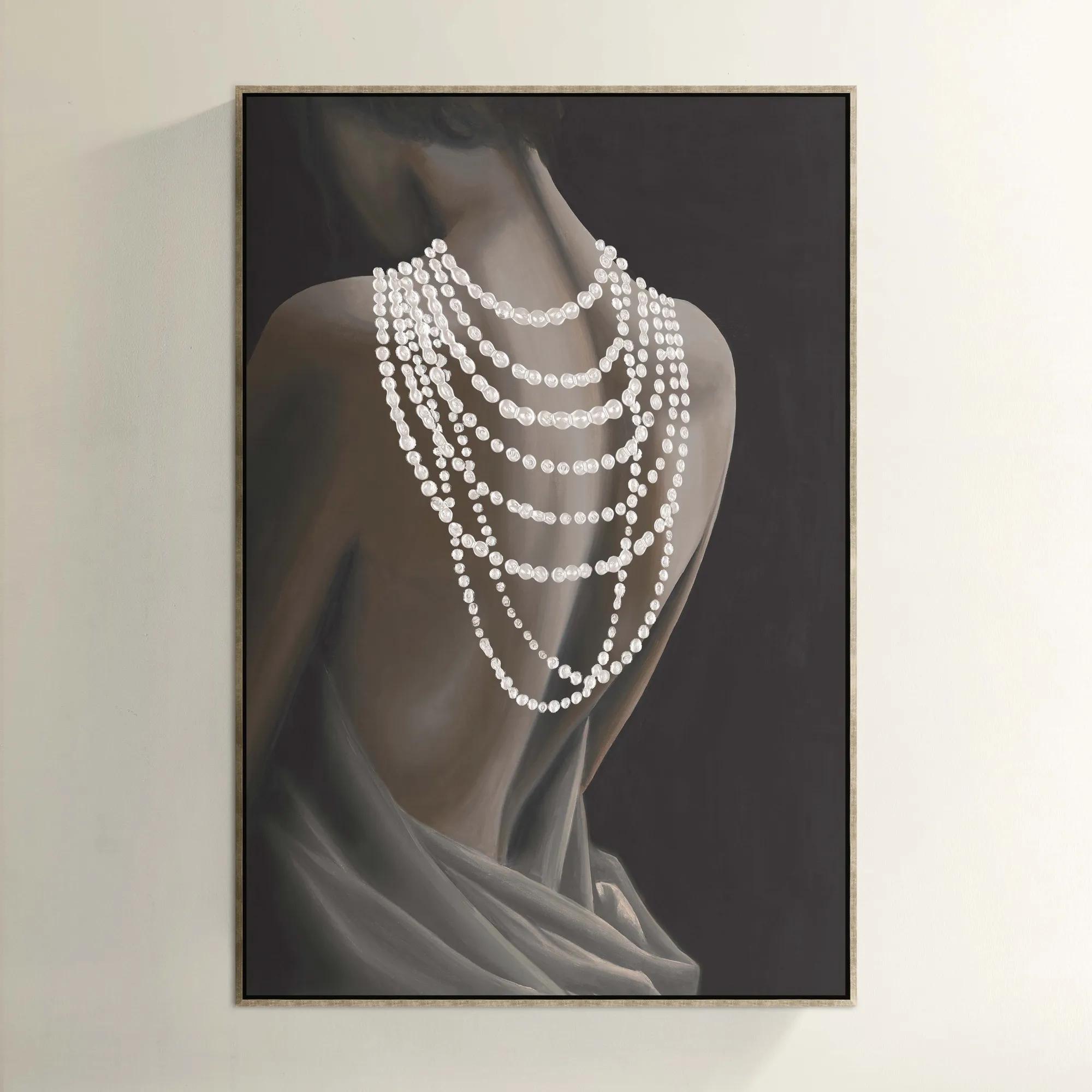 Luminescent Pearls Framed Wall Art 40" x 60"$1119
A hand-embellished canvas artwork featuring textured brush gel, set in a sleek silver floater frame.
Add To Cart -
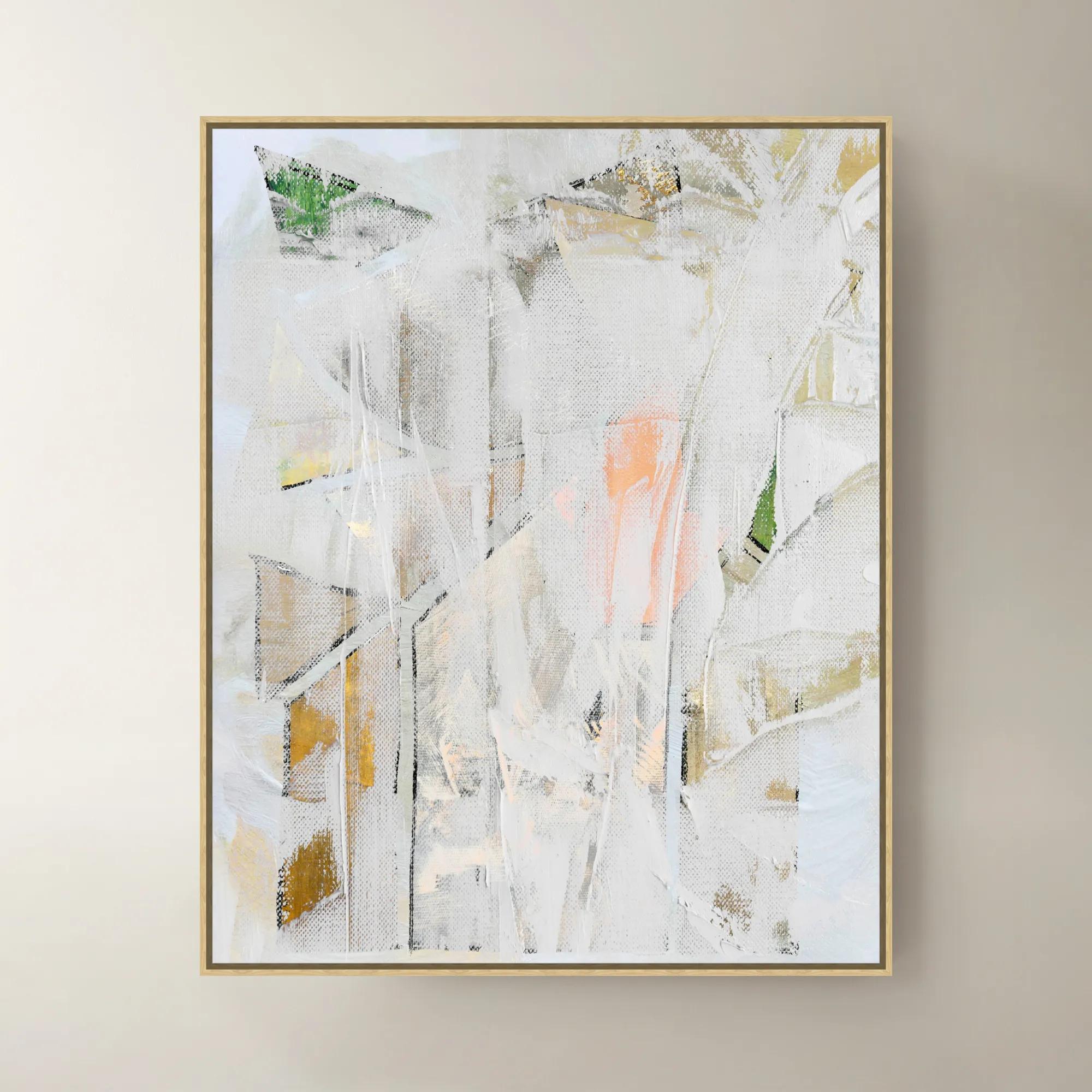
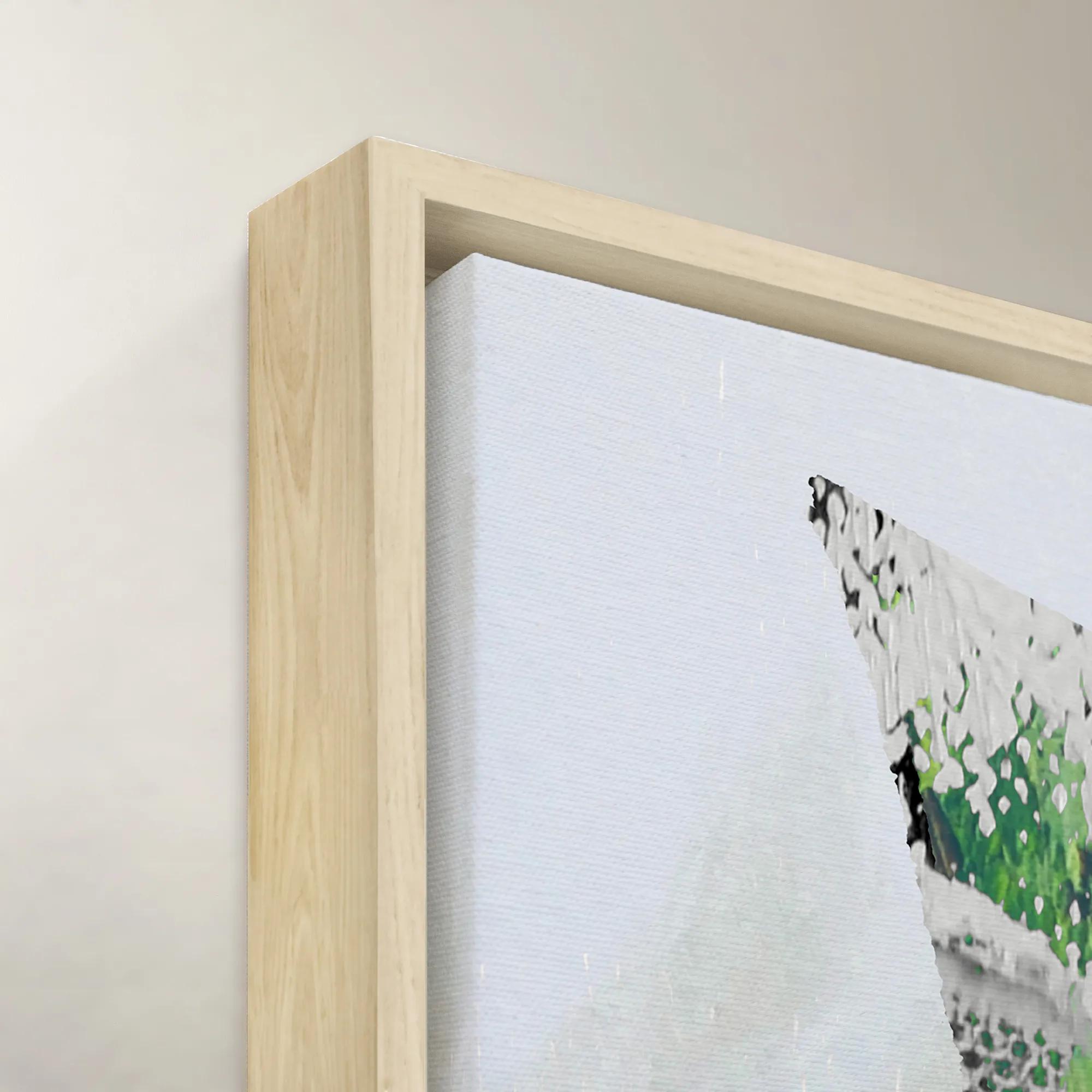 Builder Framed Wall Art 40" x 40"$1199
An inspiring art piece by Nikki Chu, blending modern design with her signature creative flair.
Add To Cart -
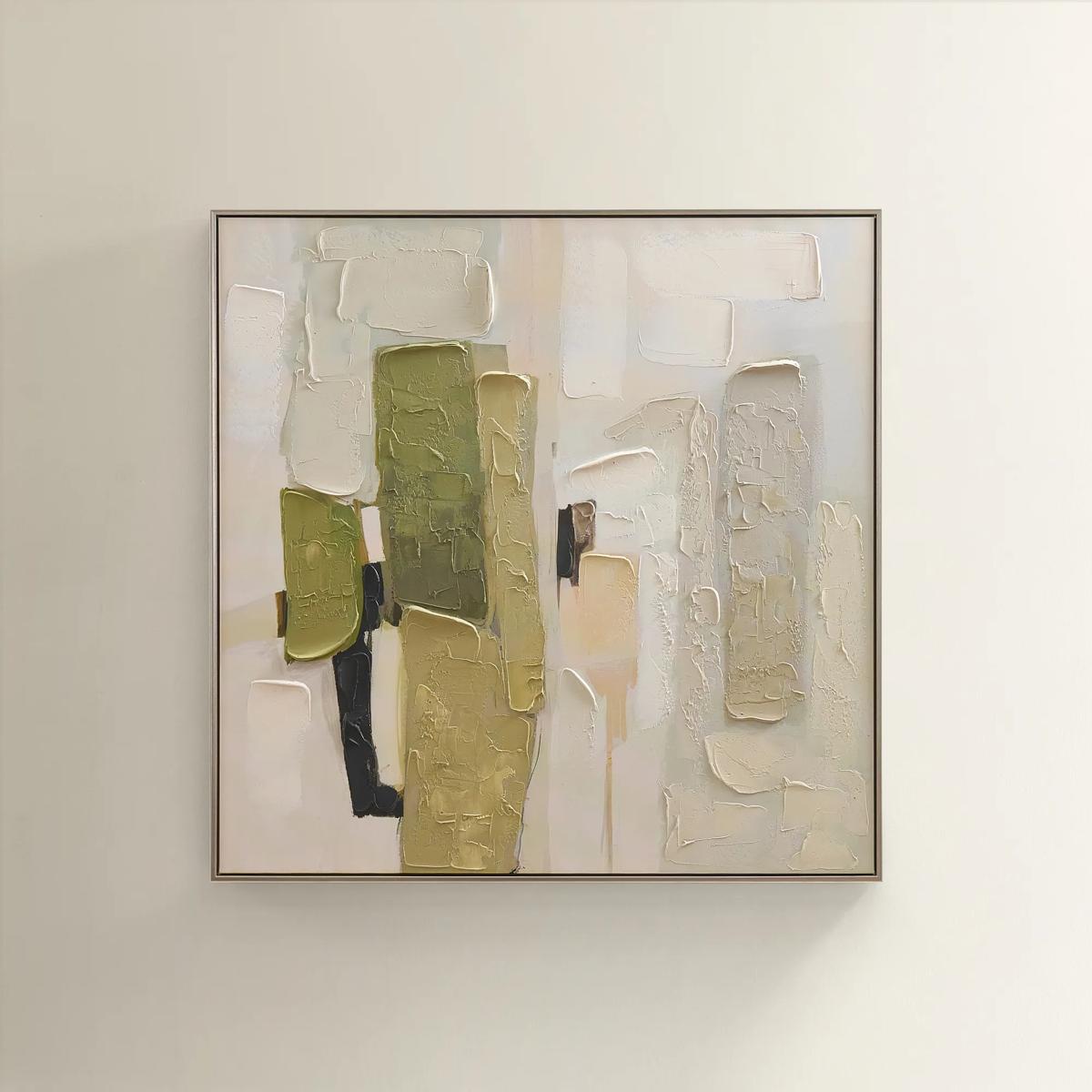 Verde Crush Framed Painted Wall Art 39.25" x 39.25"$349
A hand-painted abstract canvas featuring rich green tones, layered neutrals, and a champagne floater frame.
Add To Cart

Fiber Texture Framed Wall Arts
Fiber texture framed wall arts transform blank walls into immersive works of art, where touchable intrigue and visual drama collide. Each piece weaves depth and dimension into your space, inviting the eye to linger and the imagination to wander. With their tactile allure and sculptural presence, these masterpieces elevate any room—turning everyday backdrops into curated galleries of expression. For those who crave artistry beyond the ordinary, fiber texture framed wall arts offer a bold canvas for your unique vision.
Fiber texture framed wall art brings textile-inspired depth into a defined, architectural frame, giving walls a sculptural presence that a flat image alone cannot achieve. Depending on the design, these compositions may incorporate cotton, wool, linen, blended fabrics, or paper fibers arranged into woven surfaces, layered shapes, knots, folds, or raised patterns. The appeal lies in the relationship between material and light: a pale ridge casts a delicate shadow, a dense weave introduces quiet movement, and an open arrangement of fibers allows the backing to become part of the composition. Unlike an unframed textile hanging, a framed piece has a distinct perimeter that gives even loose, expressive textures a polished presentation. Some designs emphasize actual dimensional fibers, while others depict textile textures on a flatter surface, so the material description and close-up views are important distinctions when considering the intended effect. Cotton can lend a soft, matte character; wool can create fuller, more pronounced texture; linen often reveals an irregular weave; and shaped paper fibers can introduce crisp relief and sculptural detail. These qualities make framed fiber art especially compelling in interiors where contrast carries the design. Above a sleek console, an ivory composition softens the gleam of metal or lacquer without diminishing its drama. Against a richly colored wall, a restrained textile palette becomes luminous and deliberate. In a room already layered with velvet, glass, and polished stone, a woven surface adds another expressive note without requiring another bold color. The frame completes that conversation. Wood can reinforce the organic character of the artwork, while a metallic finish can lend a sharper, more glamorous outline. A deep shadow-box frame gives dimensional elements room to breathe, and glazing, when included, places a protective barrier between delicate materials and everyday contact. The result is art that draws attention through structure, shadow, and close observation, inviting a room to feel richly composed rather than simply decorated. Even a narrow palette can feel expansive when the surface offers this much variation.
Choosing fiber texture framed wall art begins with the wall itself: its proportions, the furniture beneath it, and the distance from which the artwork will usually be seen. A broad composition can establish a focal point above a sofa or credenza, while a vertical format can give a narrow wall a stronger sense of height. For artwork displayed above furniture, a useful starting point is a framed width around two-thirds to three-quarters of the furniture’s width, adjusted for nearby lamps, architectural details, and the visual weight of the composition. Consider the outside frame dimensions rather than the artwork dimensions alone, and check depth as well as height and width. A projecting shadow box may be striking in a living room but less suitable along a tight passage where shoulders or bags could brush against it. At close range, fine stitching, subtle fiber variations, and intricate layering reward attention; across a large room, stronger relief and clearer shapes are easier to appreciate. Color also changes the experience. Tonal cream, sand, and taupe compositions can create a serene focal point through texture alone, while charcoal accents or contrasting bands introduce graphic definition. Matching every shade to the upholstery is unnecessary; repeating one undertone or frame finish often creates a more assured connection. A pair of related pieces can bring balance to a long console, while a single substantial work can give a bedroom an uncluttered but expressive center of attention. For a complementary direction that emphasizes the character of woven canvas, Framed Linen Canvas Wall Arts offers a related theme to consider alongside more dimensional fiber compositions. When combining artwork, give each frame enough separation for its outline and texture to remain distinct. Lighting deserves equal attention: soft, angled illumination can reveal raised details beautifully, while a bright source reflected directly in glazing can obscure them. Before hanging, view the intended location from the doorway and the main seating position to judge how the piece participates in the whole room, not just the empty wall.
The lasting beauty of framed fiber art depends on thoughtful placement, suitable mounting, and care that respects both the textile and its surrounding structure. Natural fibers can respond to prolonged sunlight and fluctuations in humidity, so a dry interior wall away from direct sun, cooking residue, and sources of moisture is generally a better setting than a steamy bathroom or an exposed area near a sink. A frame or glazed cover does not make textile artwork waterproof or eliminate the possibility of fading. Check the stated materials and care directions, particularly when a composition combines fabric, paper, adhesives, painted details, or mixed-media elements that may require different handling. For routine upkeep, remove dust from the frame with a soft, dry cloth, taking care not to catch exposed fibers. Avoid scrubbing, spraying cleaners onto the artwork, or using water on textile elements unless the care instructions specifically allow it. Glass and acrylic also require different cleaning approaches; use a method approved for the glazing material, and apply any suitable cleaner to the cloth rather than directly to the frame. Acrylic can scratch, and moisture that seeps into frame joints can reach the artwork. During installation, account for the full framed weight and follow the mounting instructions, using hardware appropriate for the wall construction rather than assuming a decorative hook will be sufficient. Lift and carry the piece by its frame, never by raised textile details or hanging wire. These practical considerations preserve the very qualities that make fiber artwork distinctive: delicate relief, considered spacing, and the interplay of light across an expressive surface. For someone furnishing a first home, refining a personal office, or celebrating a housewarming, framed textile art can also make a meaningful gift when its scale and palette reflect the recipient’s space. It suits those drawn to tactile materials, restrained color with dramatic depth, or interiors that balance sculptural forms with sumptuous finishes. Chosen with that personal context in mind, fiber texture framed wall art becomes more than an accent; it gives the room a distinctive visual rhythm and a presence that rewards a closer look.
FAQs
Fiber texture framed wall art stands apart for its tactile, three-dimensional surfaces crafted from materials like wool, cotton, or linen. These pieces introduce depth, movement, and a sense of artistry that goes beyond flat prints or canvases, transforming walls into visually rich, sensory experiences.
Fiber texture wall art adds warmth, softness, and an inviting layer of detail to any space. Its unique textures catch light and shadow, creating dynamic focal points that can either anchor a bold statement or infuse subtle luxury into transitional areas such as hallways and entryways.
Fiber texture framed wall art makes a thoughtful, distinctive gift for anyone who appreciates artistic expression, handcrafted details, or modern decor. It’s especially cherished for housewarmings, weddings, and milestone celebrations, offering a lasting symbol of creativity and comfort.
Fiber texture wall art is remarkably versatile, complementing a wide range of aesthetics—from contemporary and minimalist spaces to bohemian, eclectic, or even transitional interiors. Its blend of natural materials and striking textures allows it to harmonize or contrast beautifully with existing decor.
To preserve the beauty of fiber texture framed wall art, gently dust the surface with a soft, dry cloth or a feather duster. Avoid direct sunlight and excessive humidity to maintain the vibrancy and integrity of the fibers, ensuring your piece remains a stunning focal point for years to come.