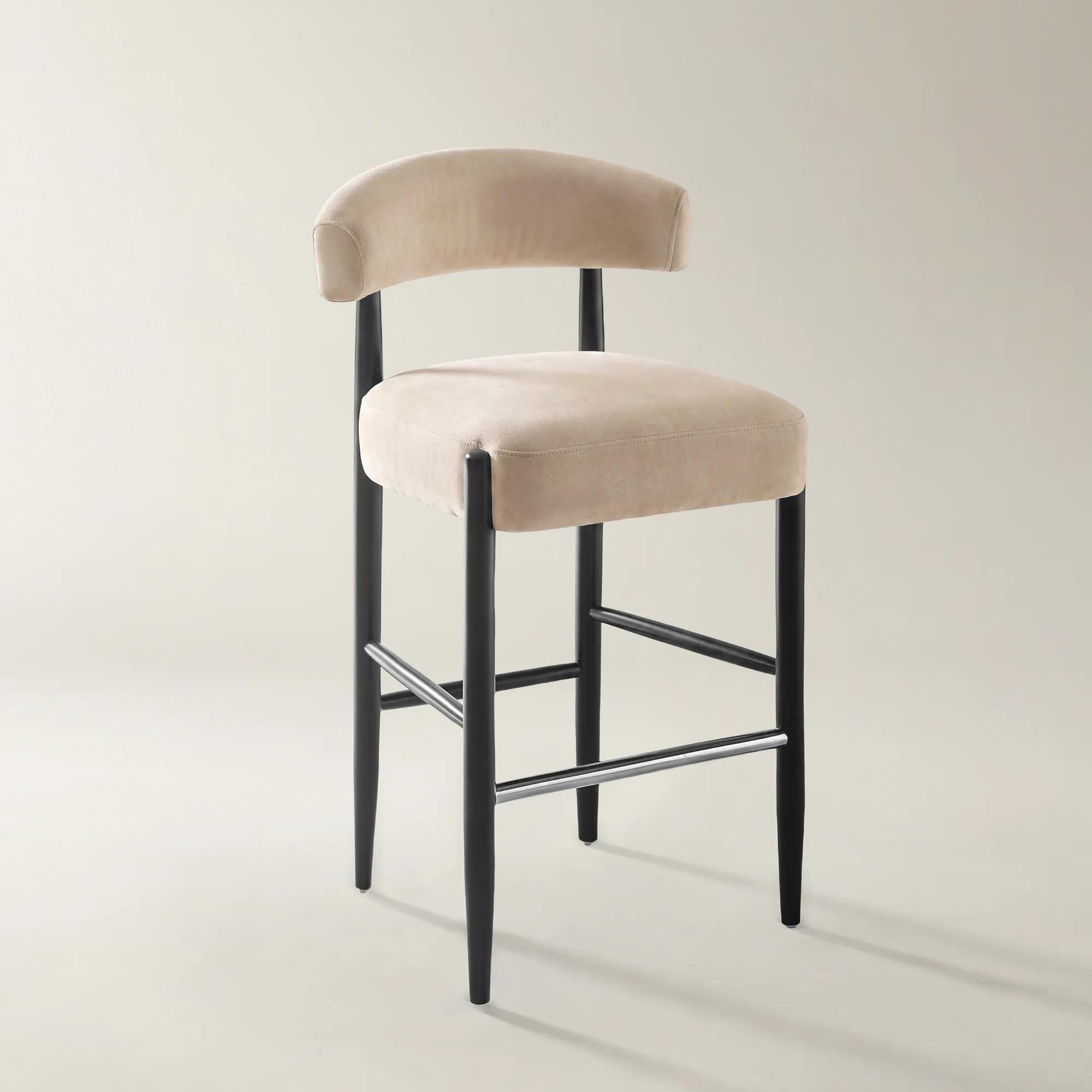
Fabric Dining Chairs
Fabric Dining Chairs
-
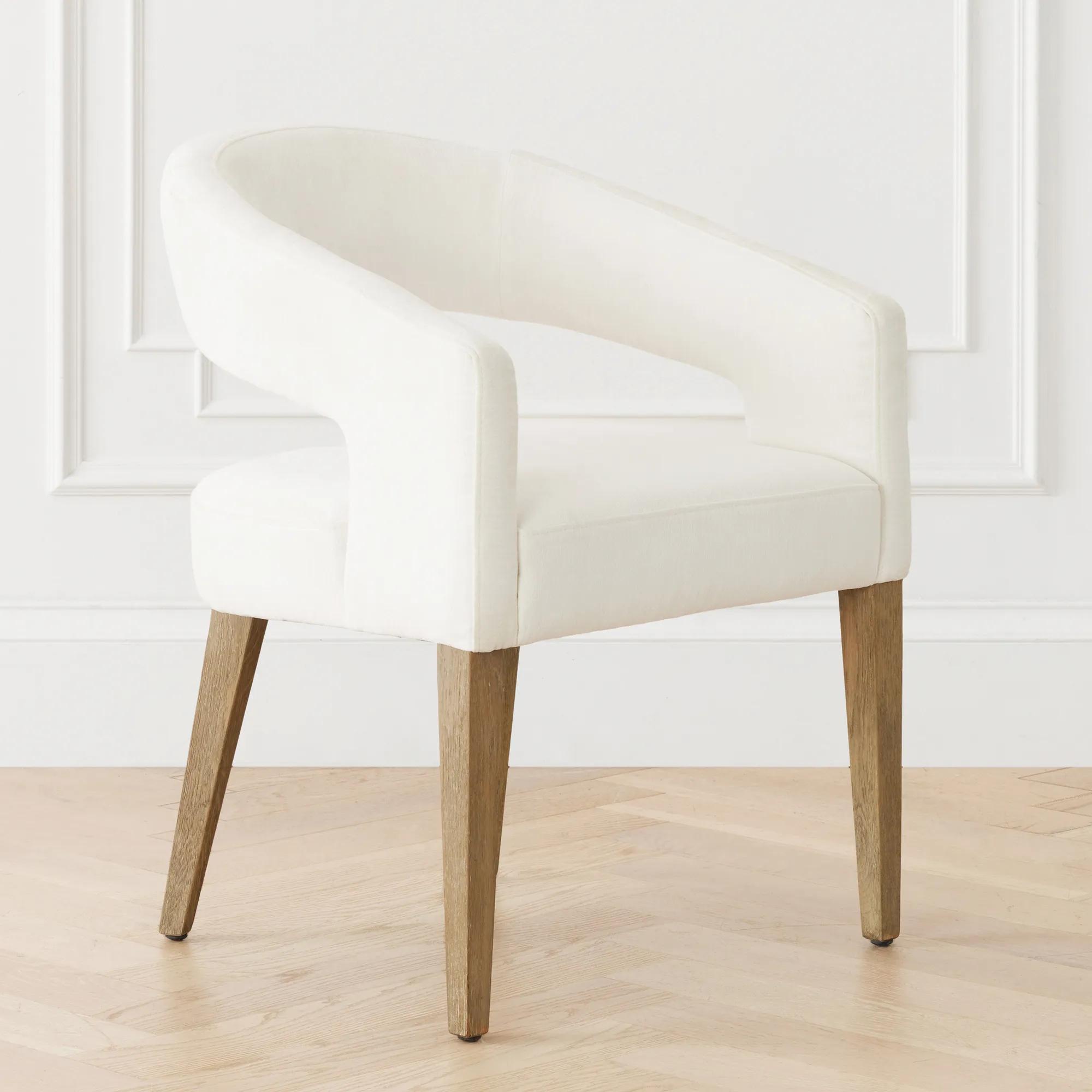 Philippa Dining Chair - Natural Grey$699
A modern dining chair featuring a curved silhouette, natural grey legs, and tailored chenille upholstery.
Add To Cart -
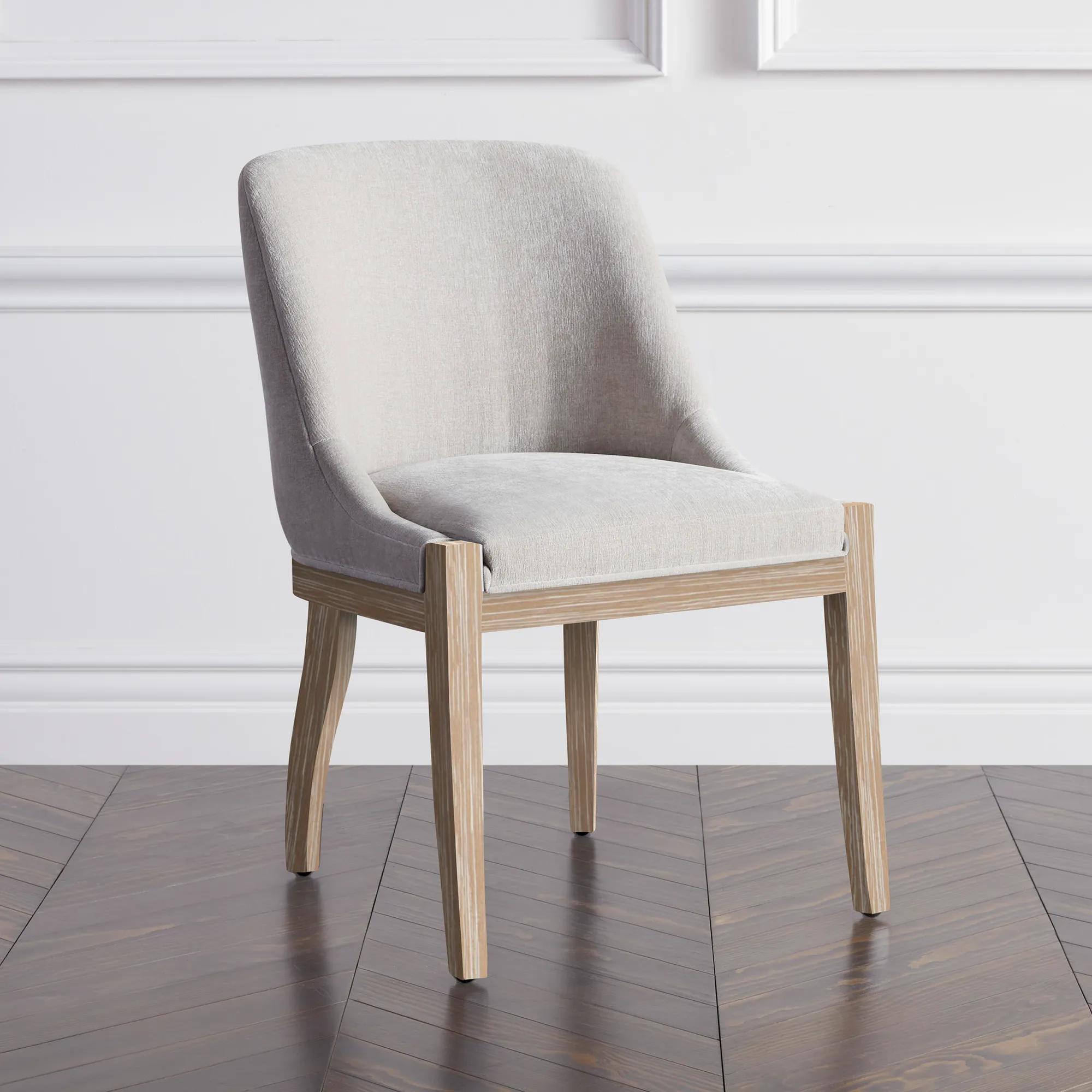
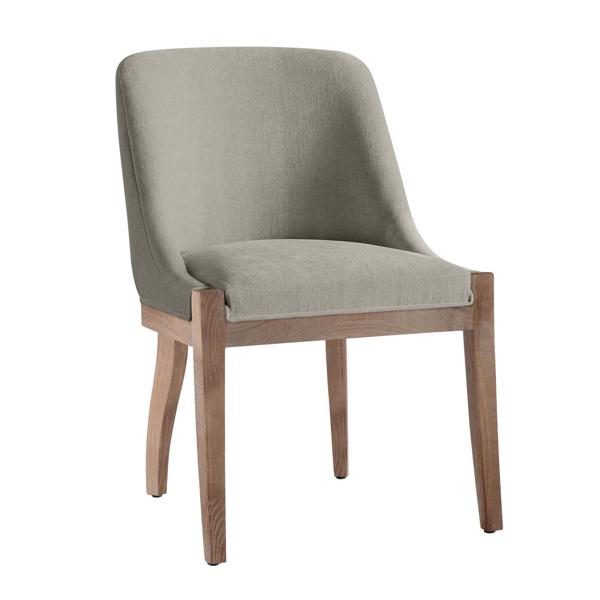 Lily Dining Chair - Wash Oak$649
A modern dining chair with a kiln-dried hardwood frame, wash oak legs, and plush tailored upholstery.
Add To Cart -
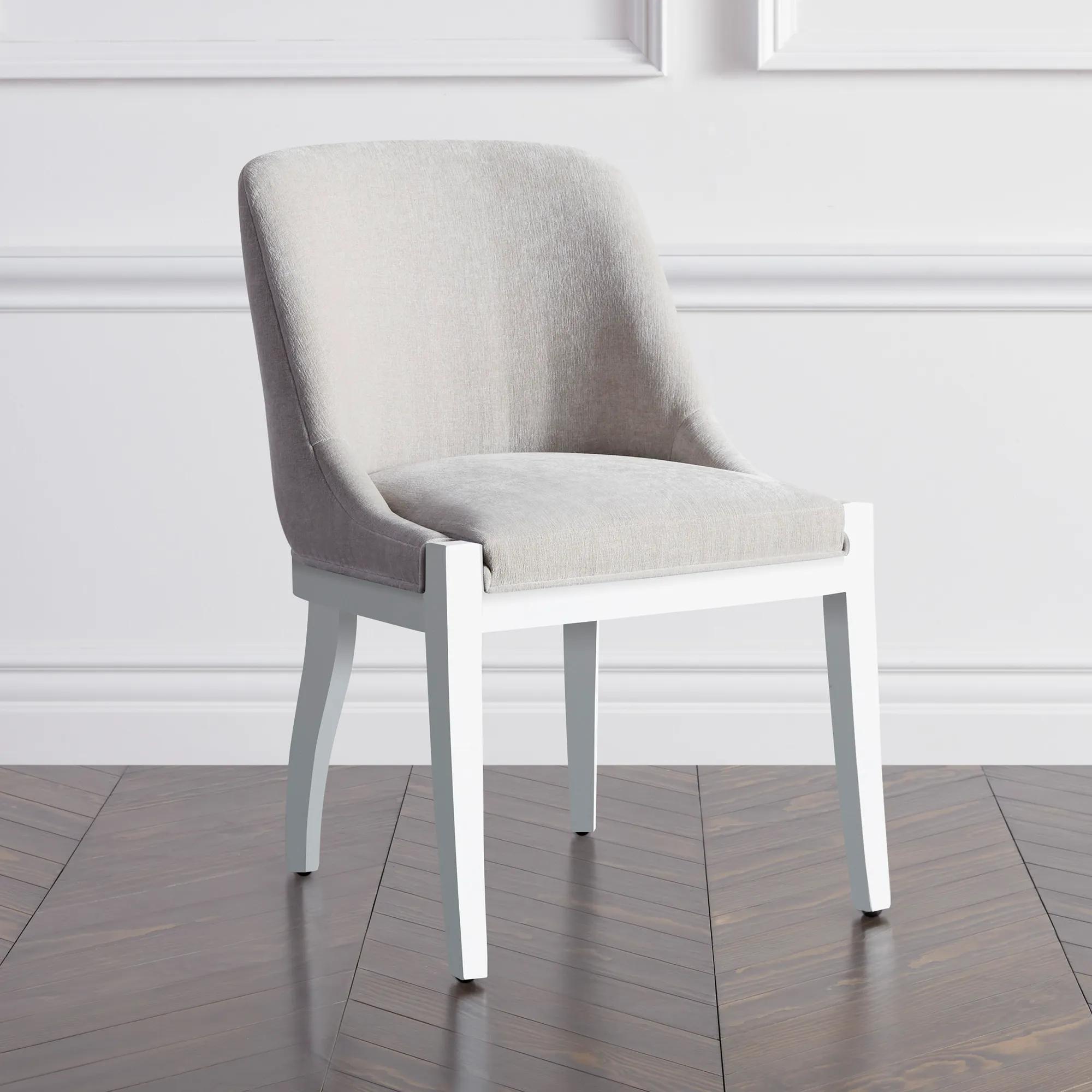
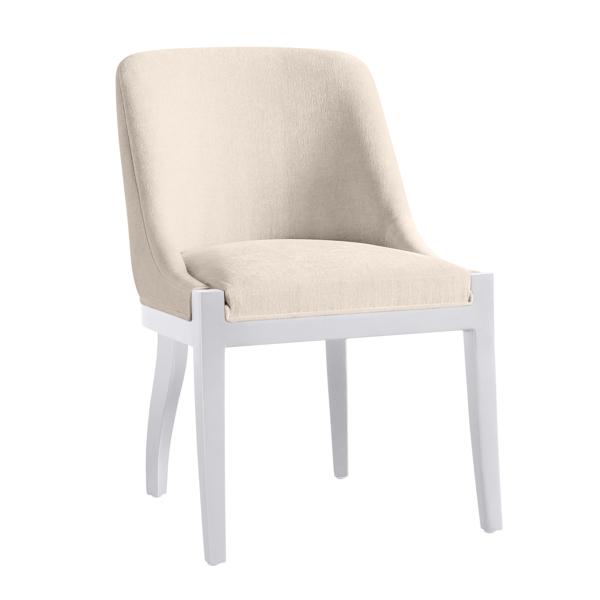 Lily Dining Chair - High Gloss White$649
A modern dining chair featuring kiln-dried hardwood, high-gloss white legs, and neatly tailored upholstery.
Add To Cart -
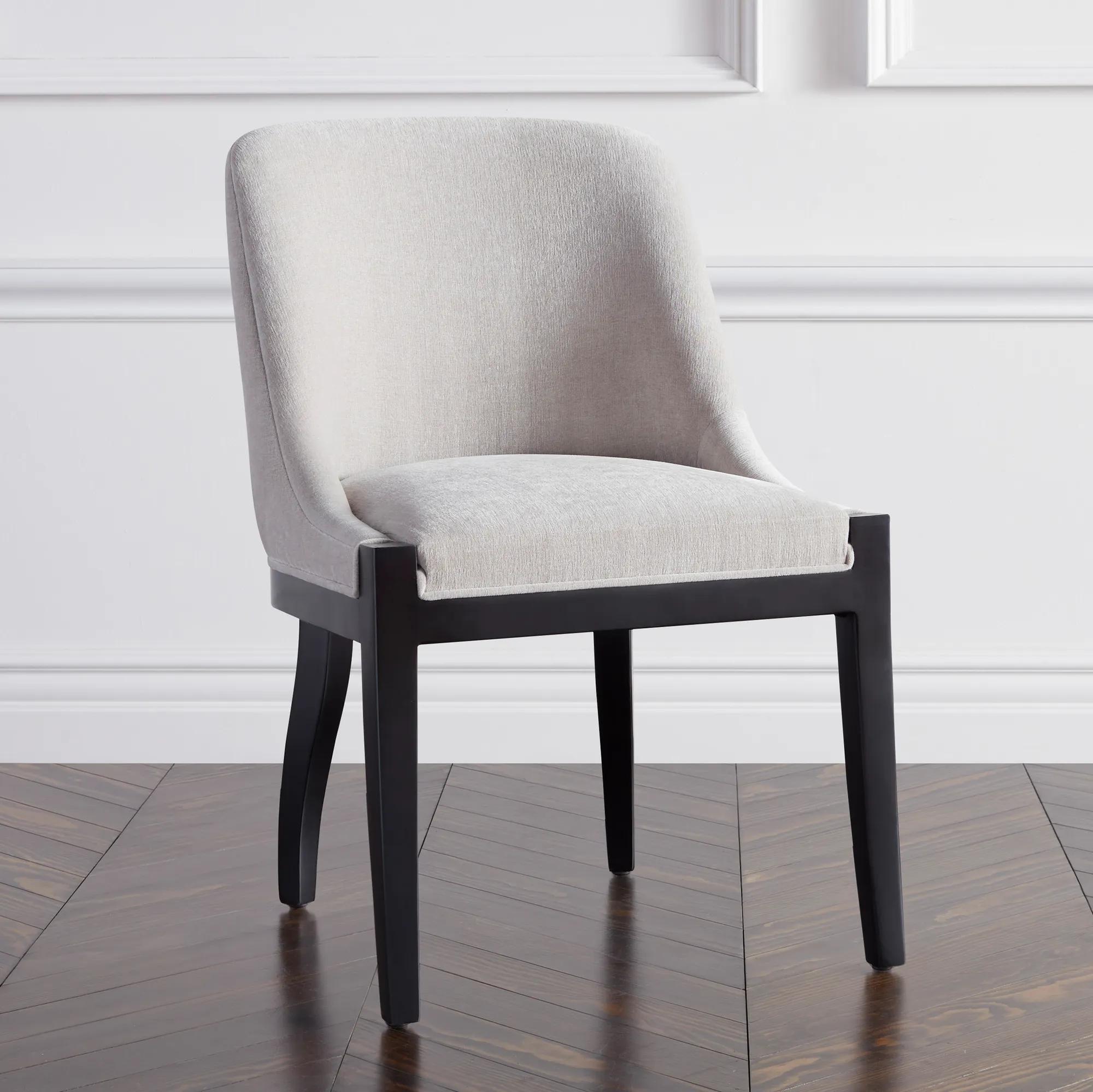 Lily Dining Chair - Matte Black$599
A modern dining chair featuring a kiln-dried hardwood frame and plush, tailored upholstery in matte black.
Add To Cart -
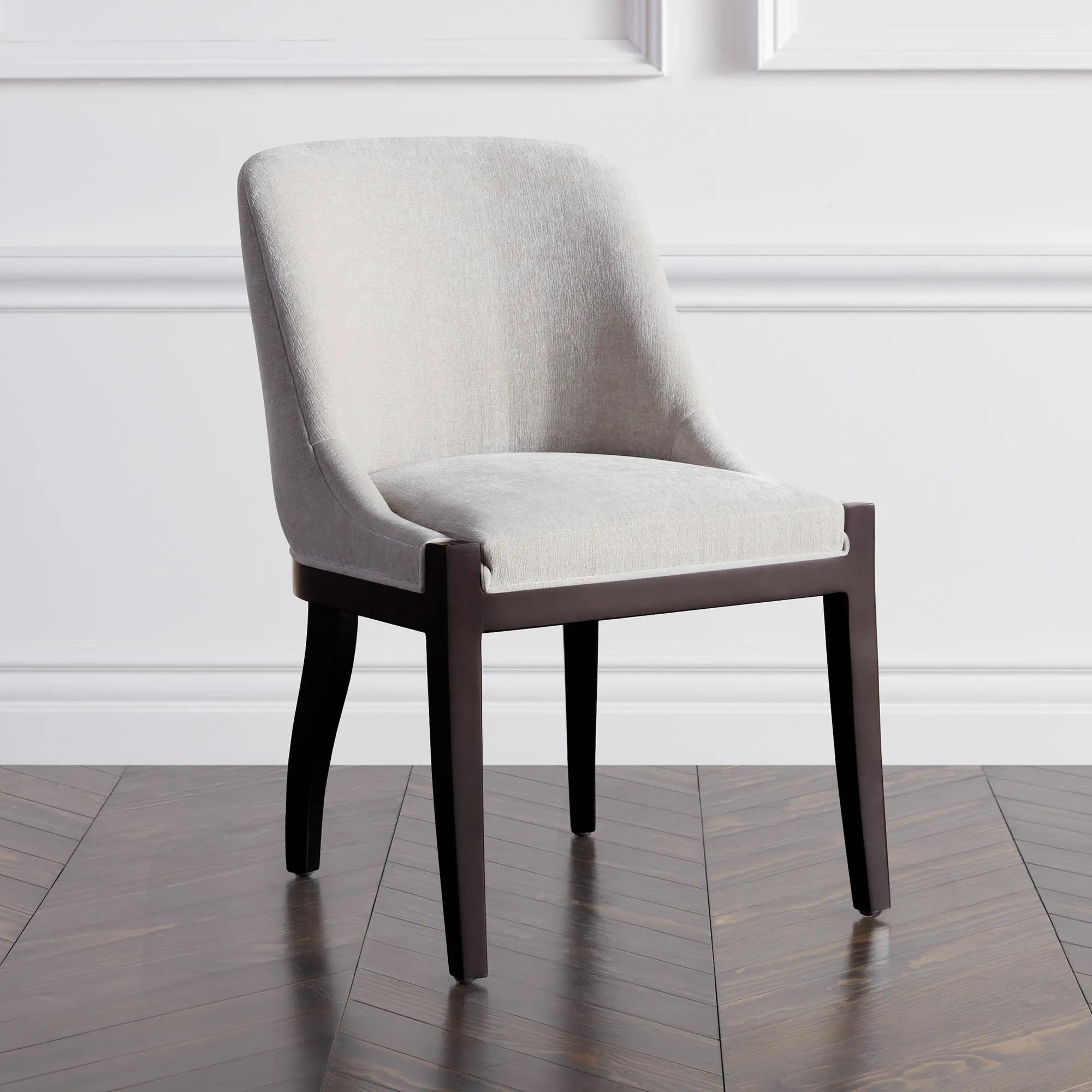
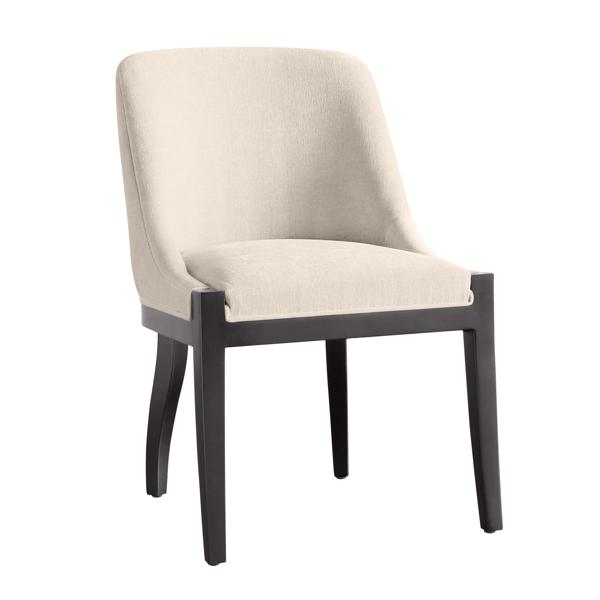 Lily Dining Chair - Espresso$699
A modern dining chair with espresso-finished hardwood frame and tailored upholstery for lasting comfort and support.
Add To Cart -
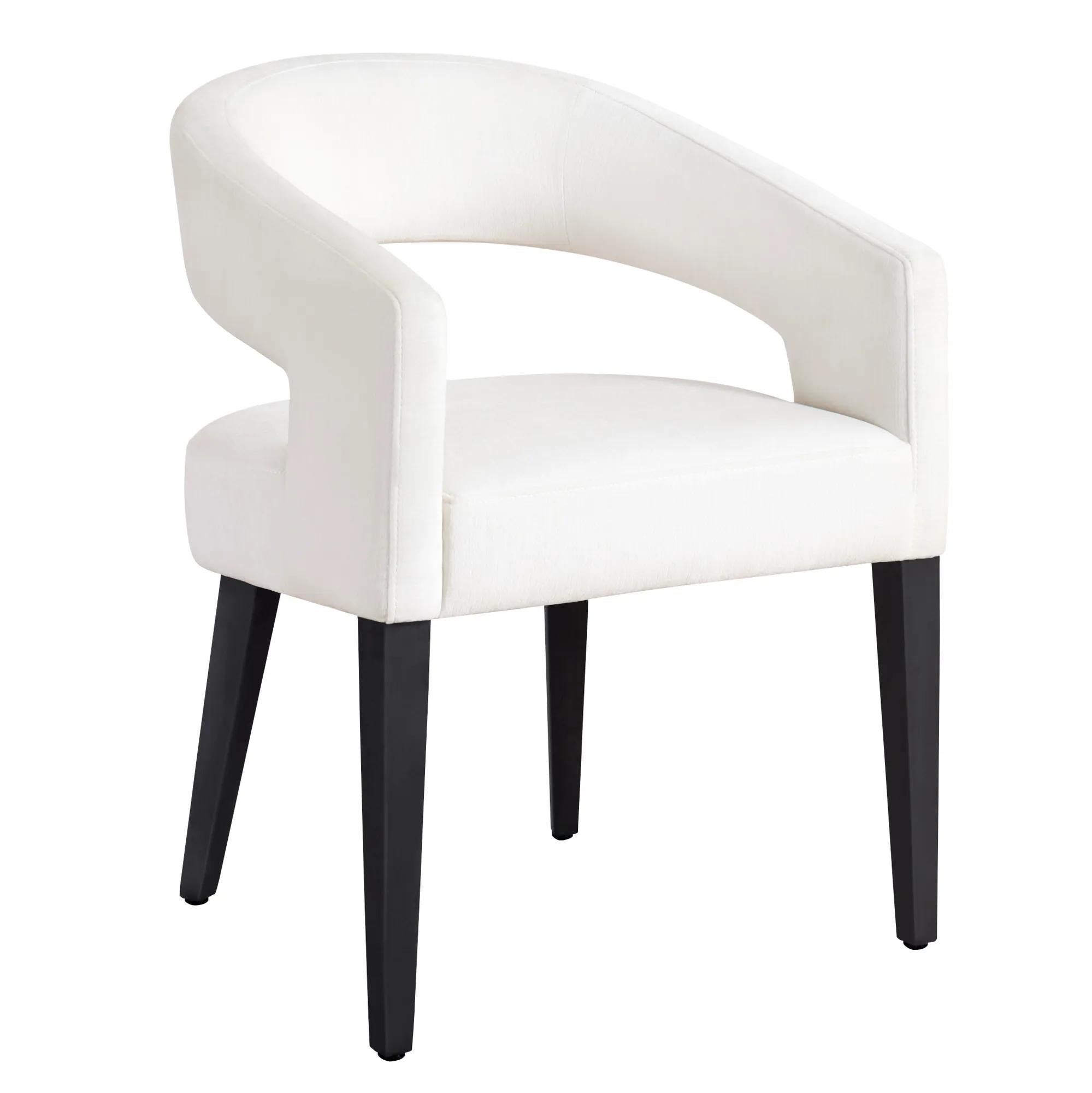
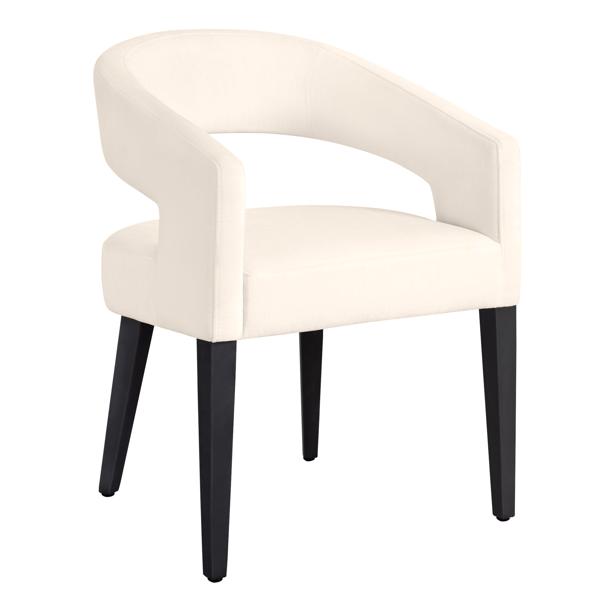 Philippa Dining Chair - Matte Black$599
A modern dining chair featuring a curved silhouette, matte black legs, and neatly tailored upholstery.
Add To Cart -
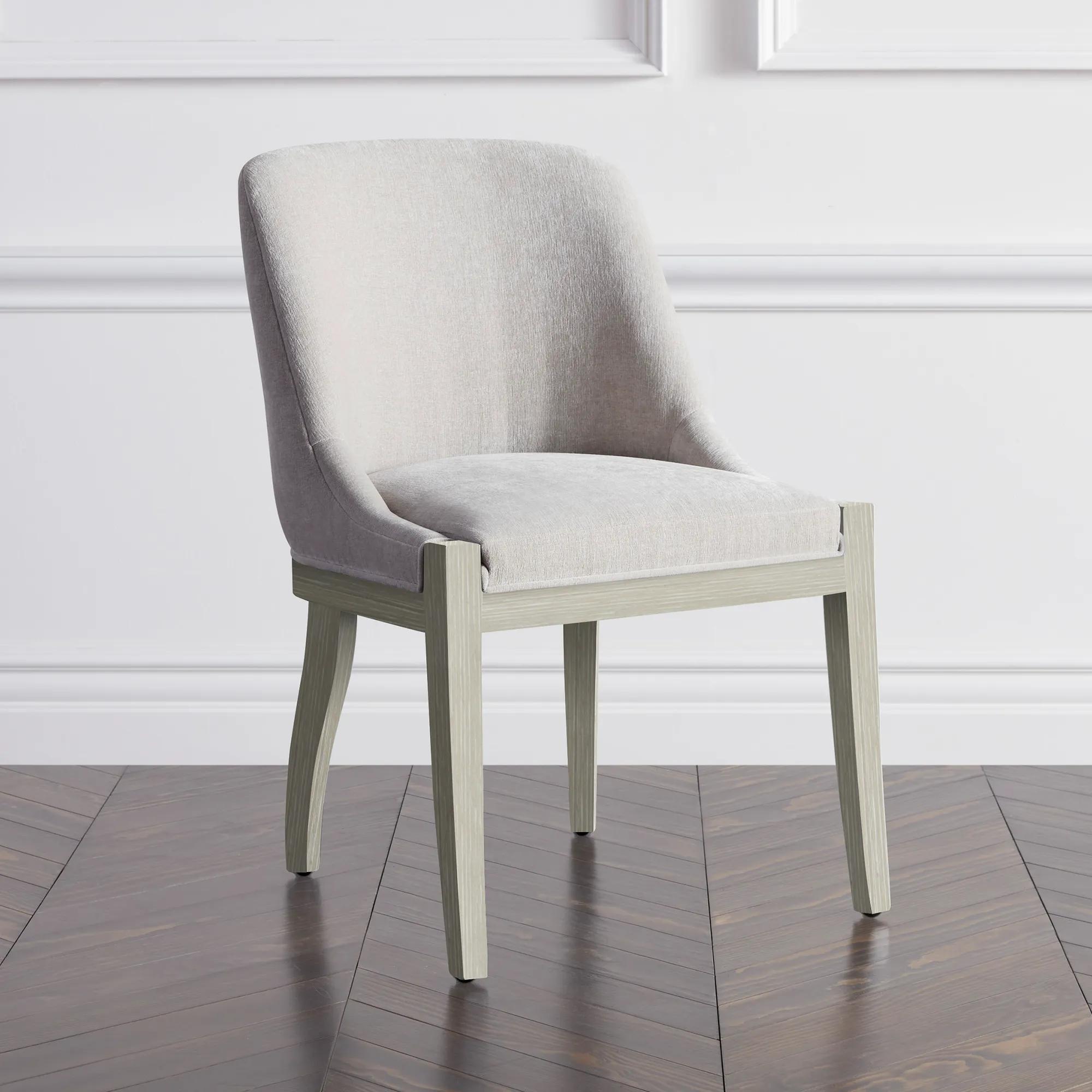 Lily Dining Chair - Natural Grey$749
A modern grey dining chair with kiln-dried hardwood frame and plush, tailored upholstery for lasting comfort.
Add To Cart -
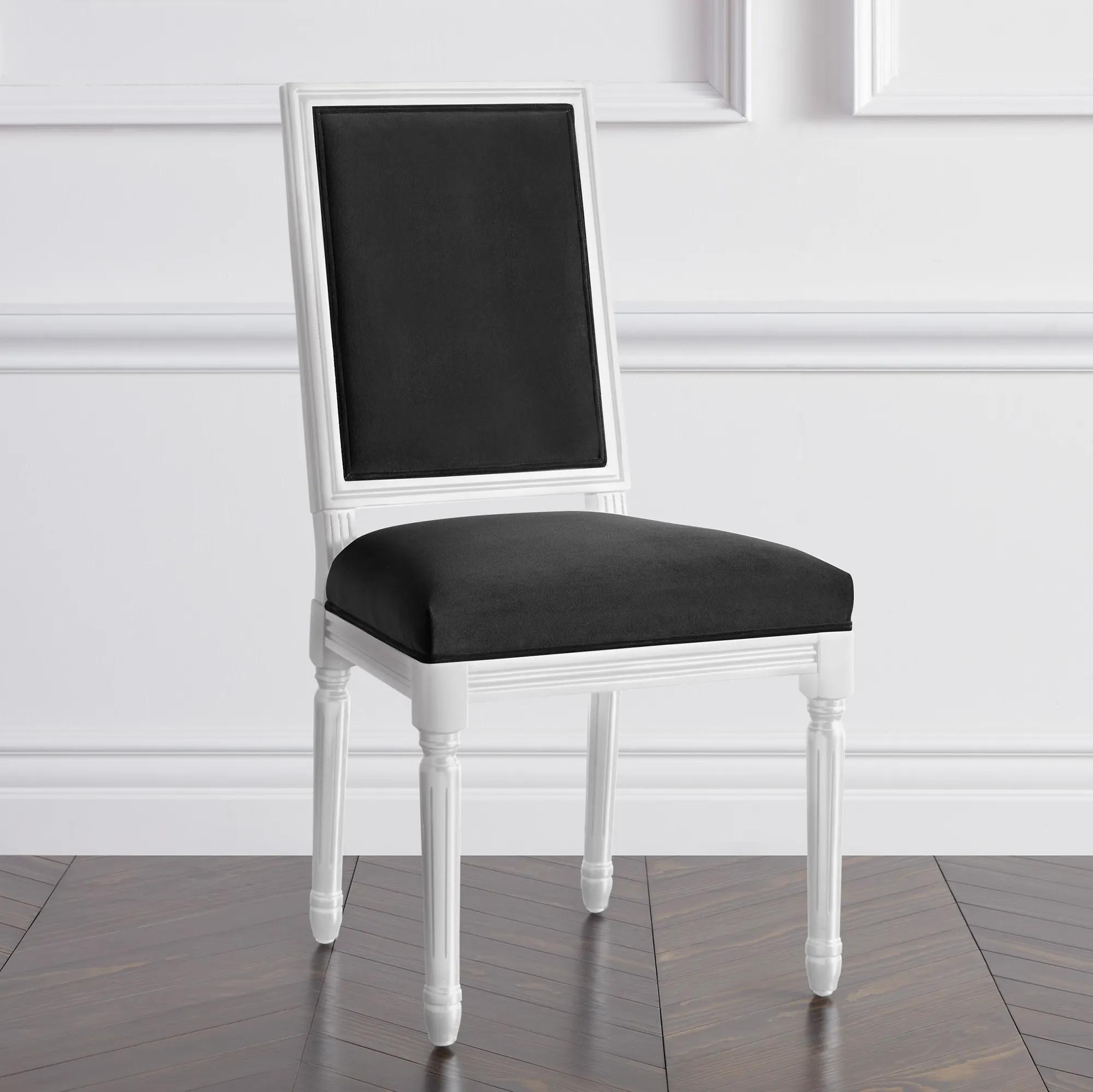
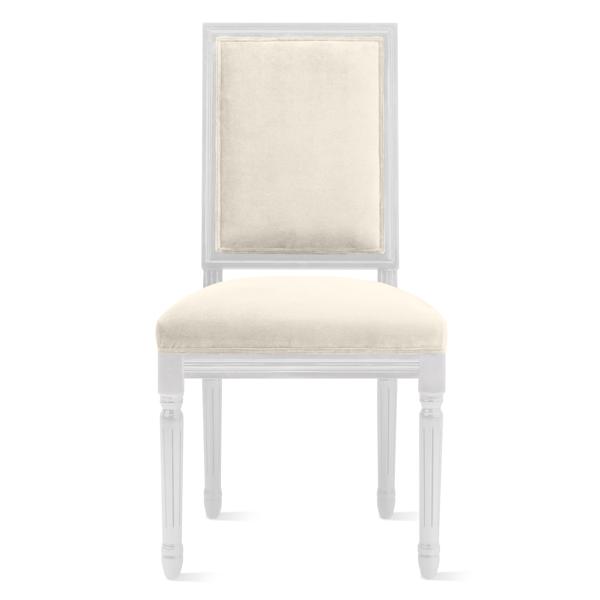 Callan Dining Chair - High Gloss White$599
A handcrafted dining chair featuring a high-gloss white finish, kiln-dried hardwood frame, and plush upholstery.
Add To Cart -
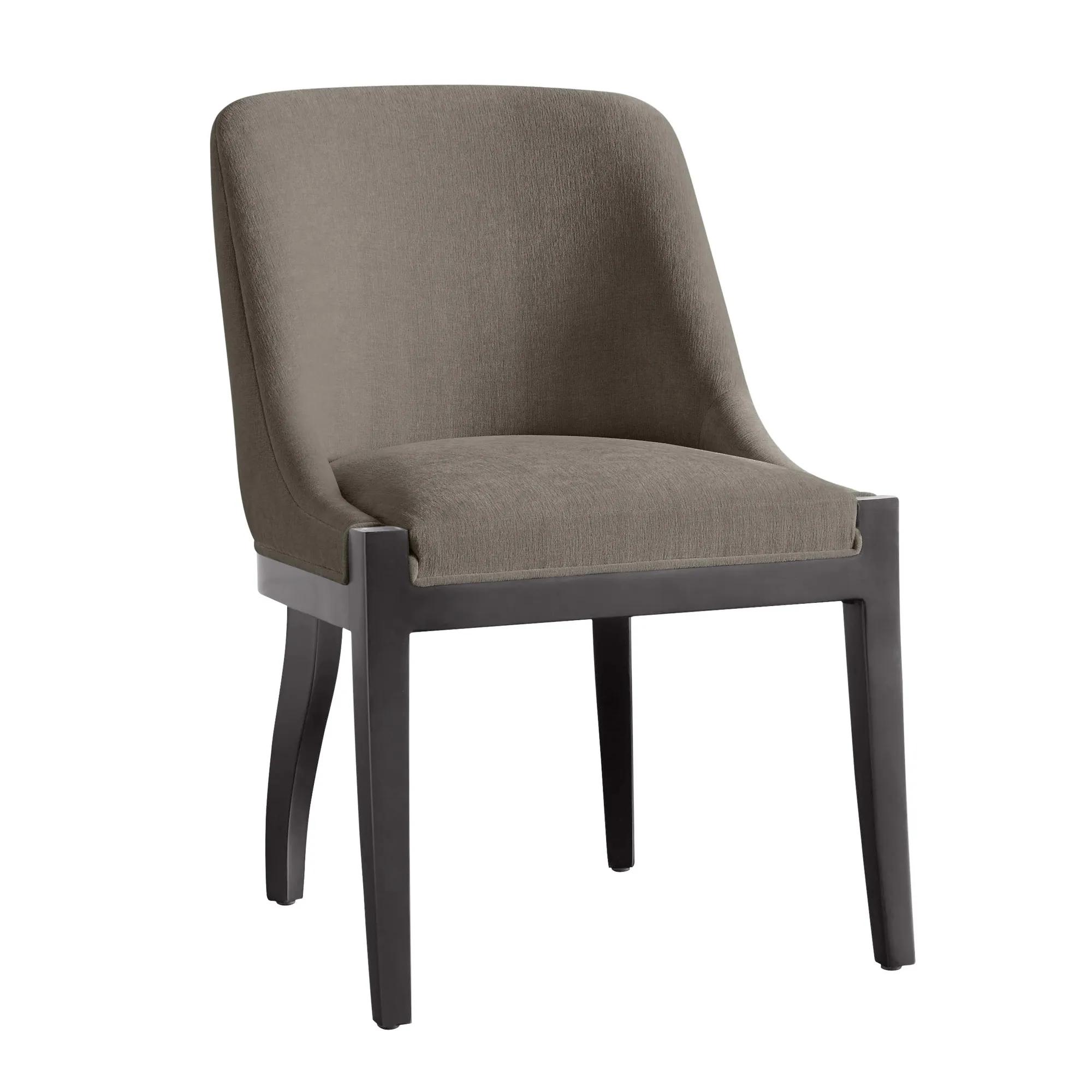 Lily Dining Chair - Espresso$649
A modern dining chair featuring espresso-finished hardwood, curvaceous silhouette, and plush tailored upholstery.
Add To Cart -
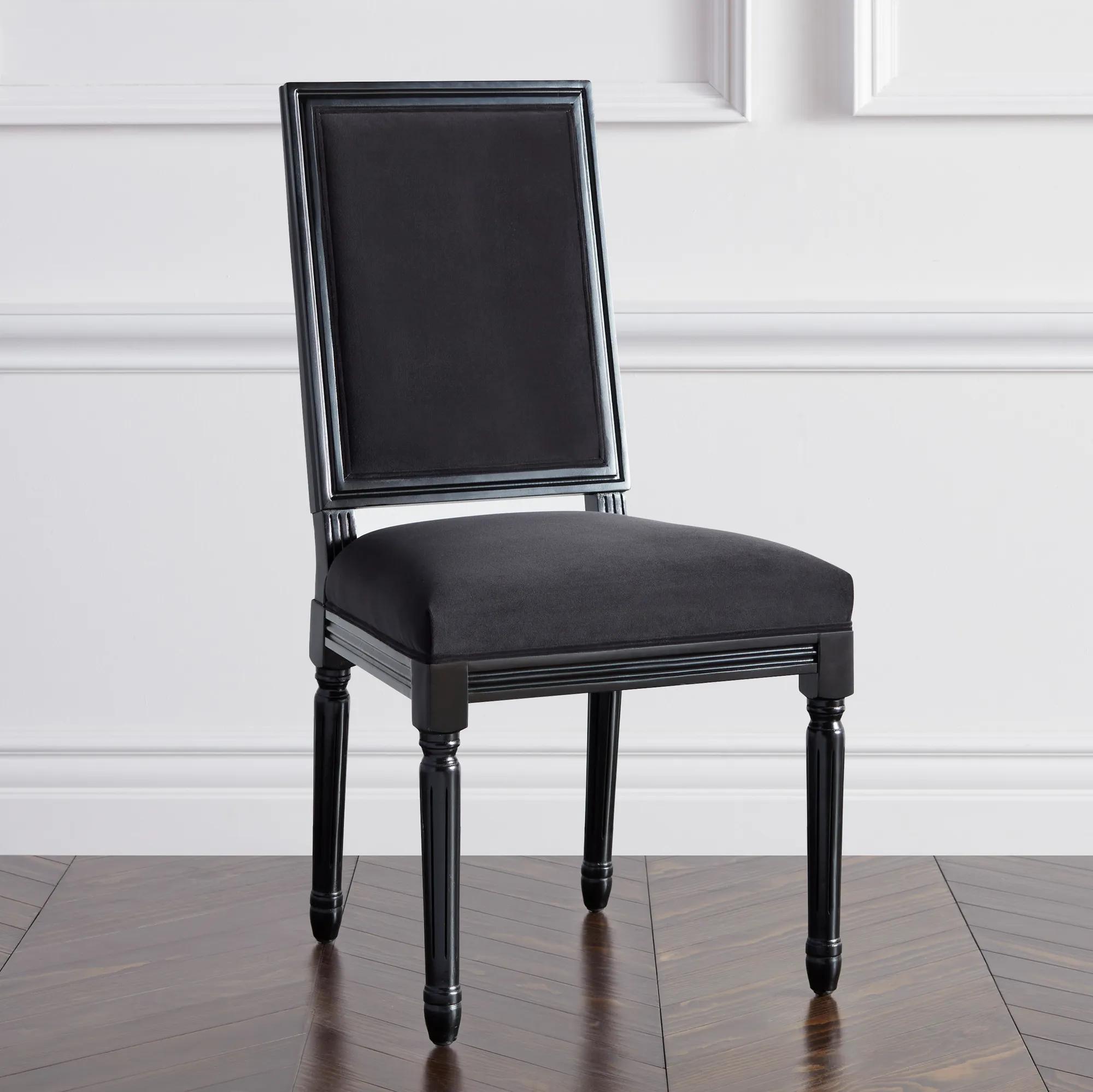
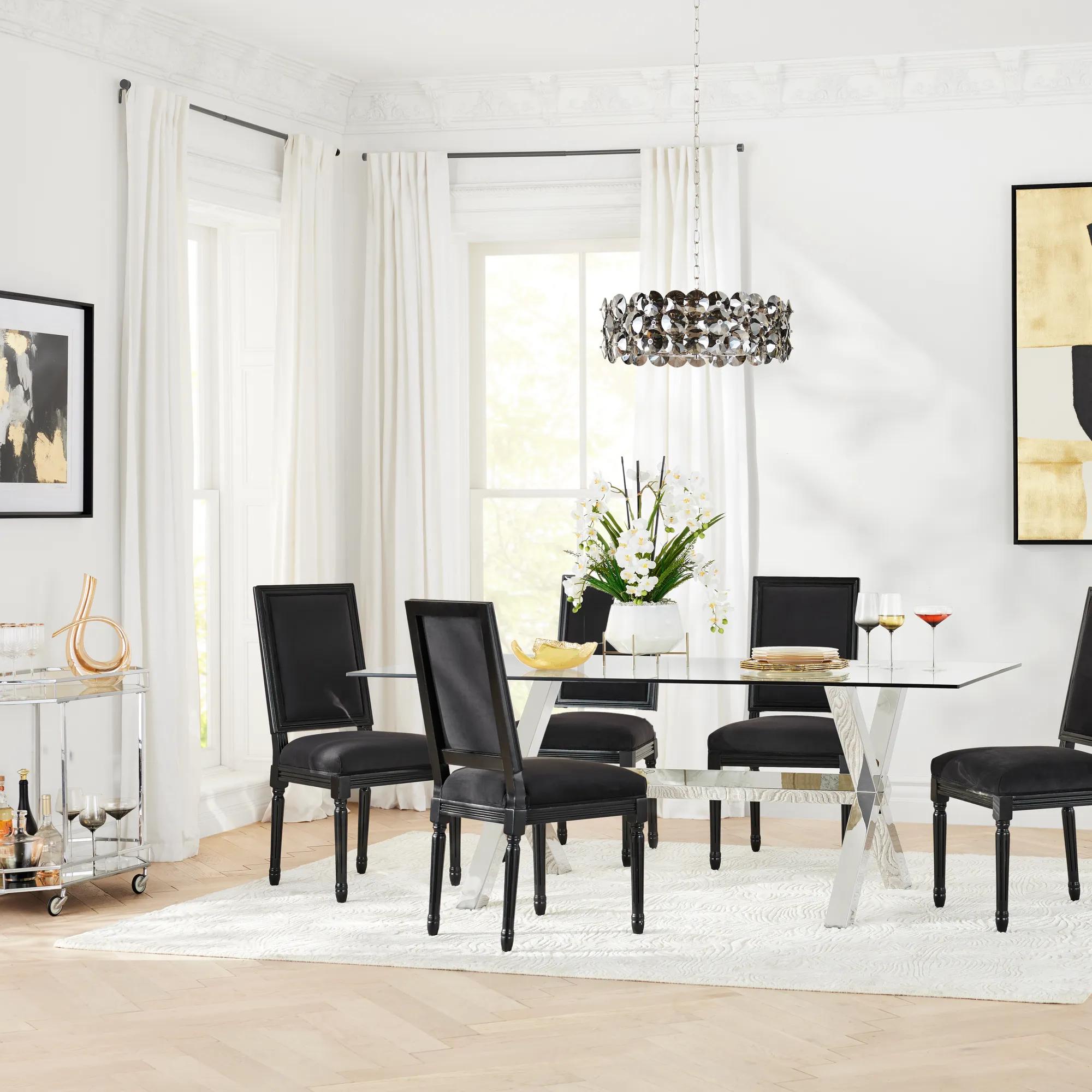 Callan Dining Chair - High Gloss Black$699
A handcrafted dining chair featuring high-gloss black Bella Velvet upholstery, fluted legs, and a squared back.
Add To Cart -
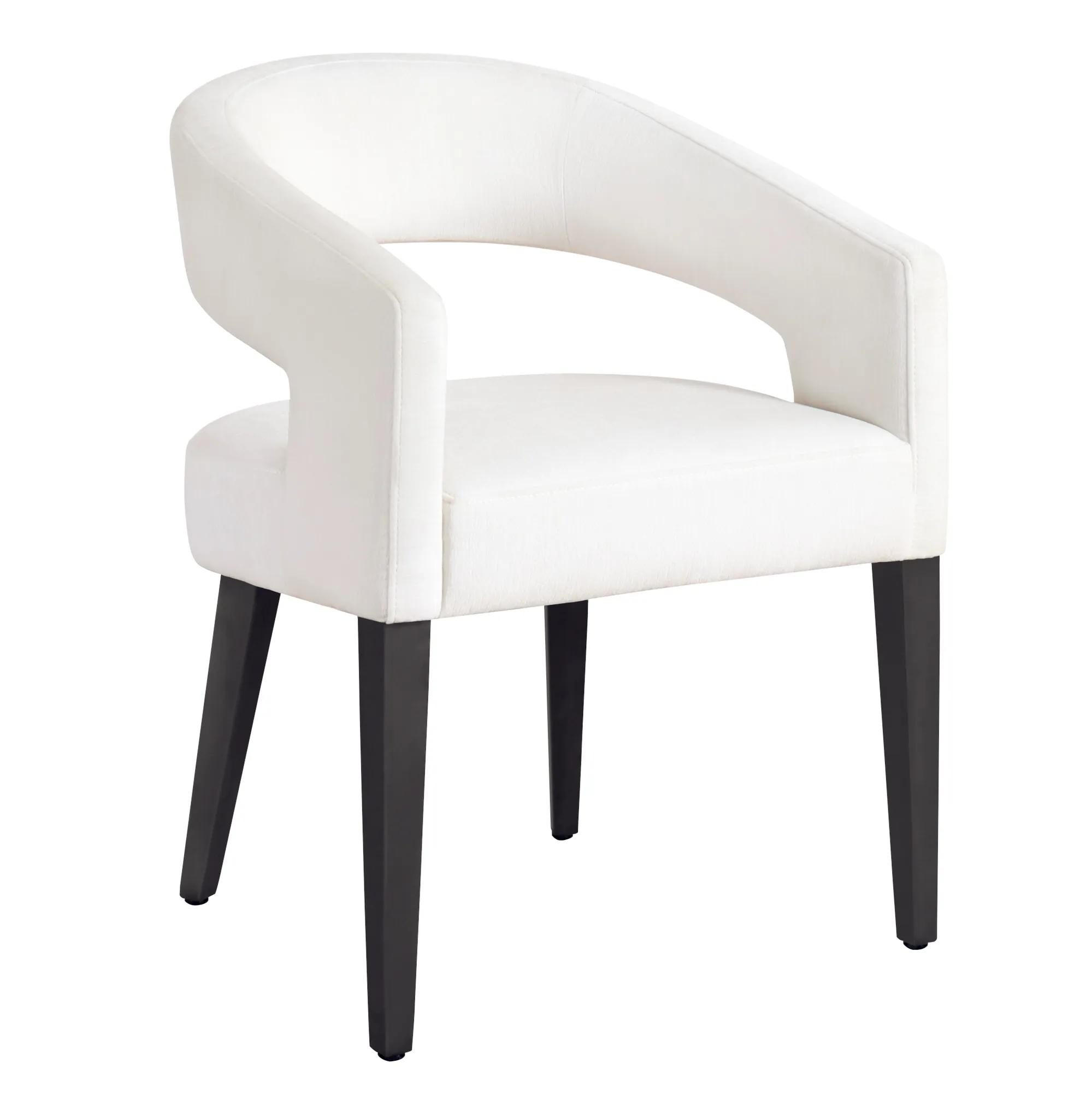
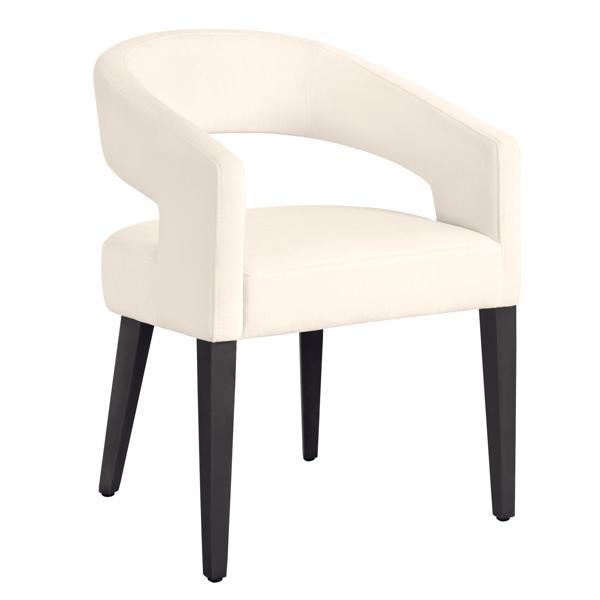 Philippa Dining Chair - Espresso$599
A modern dining chair featuring a curved silhouette, espresso legs, and neatly tailored chenille upholstery.
Add To Cart -
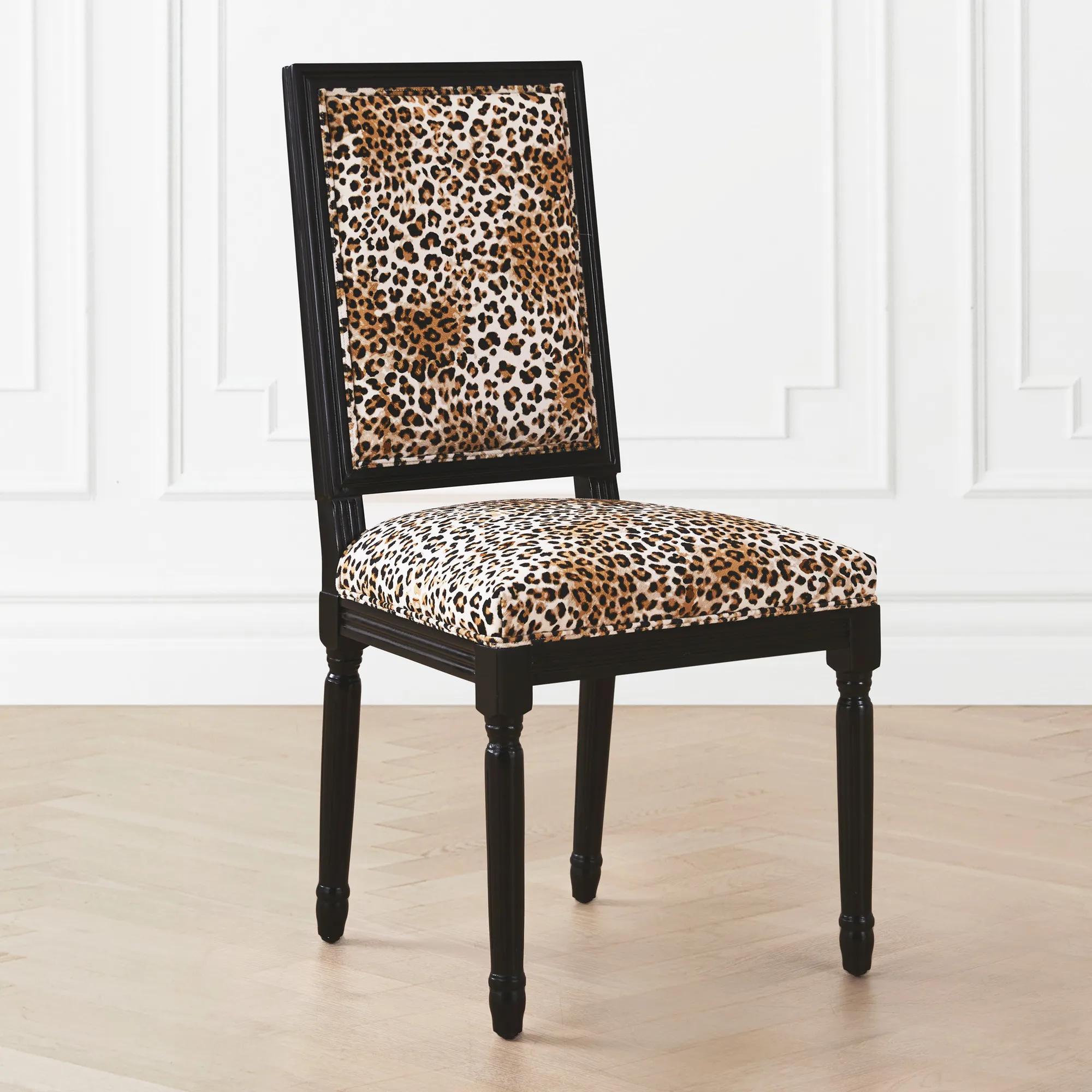
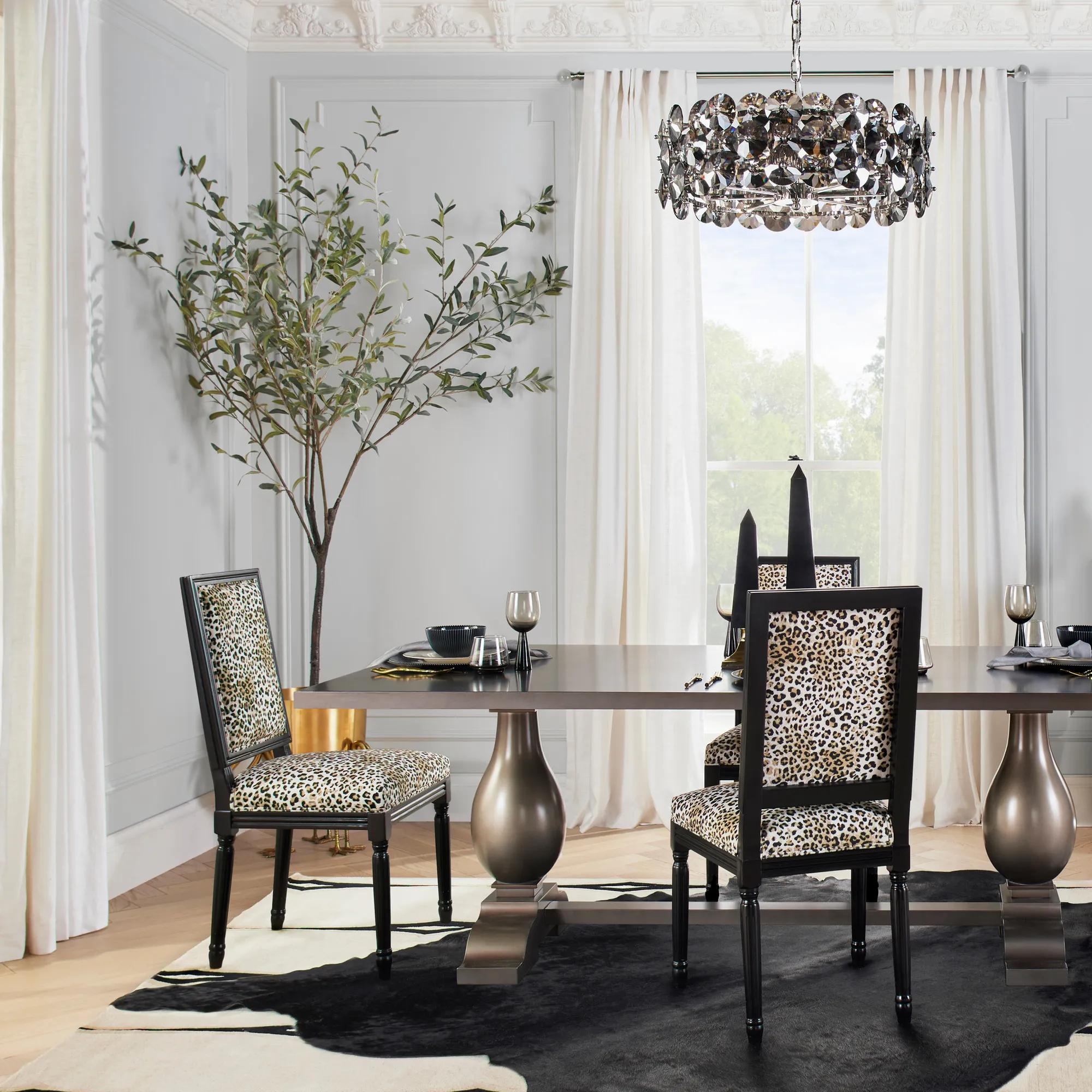 Callan Dining Chair$599
A handcrafted modern chair featuring classic upholstery, squared back, fluted legs, and high-gloss finish.
Add To Cart -
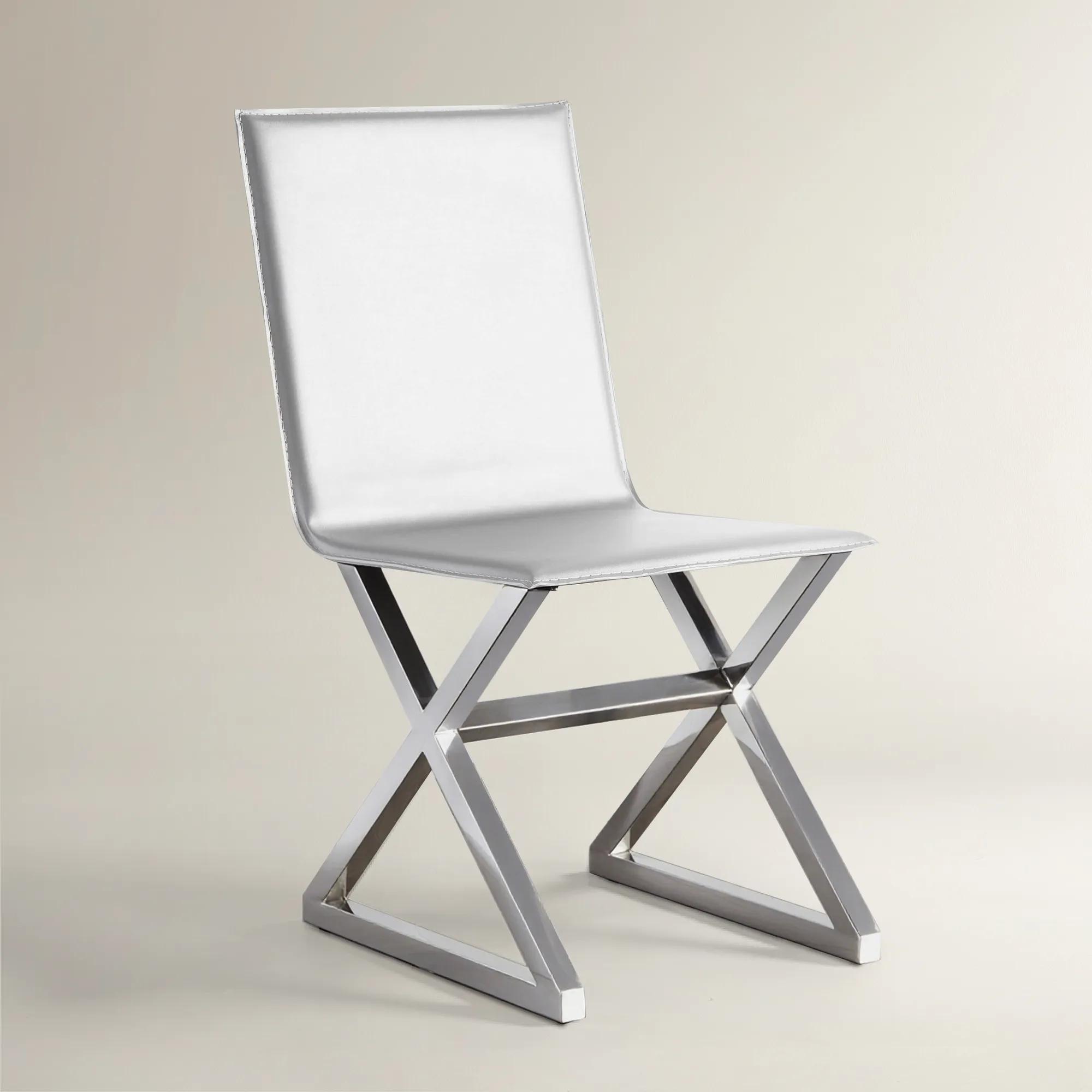
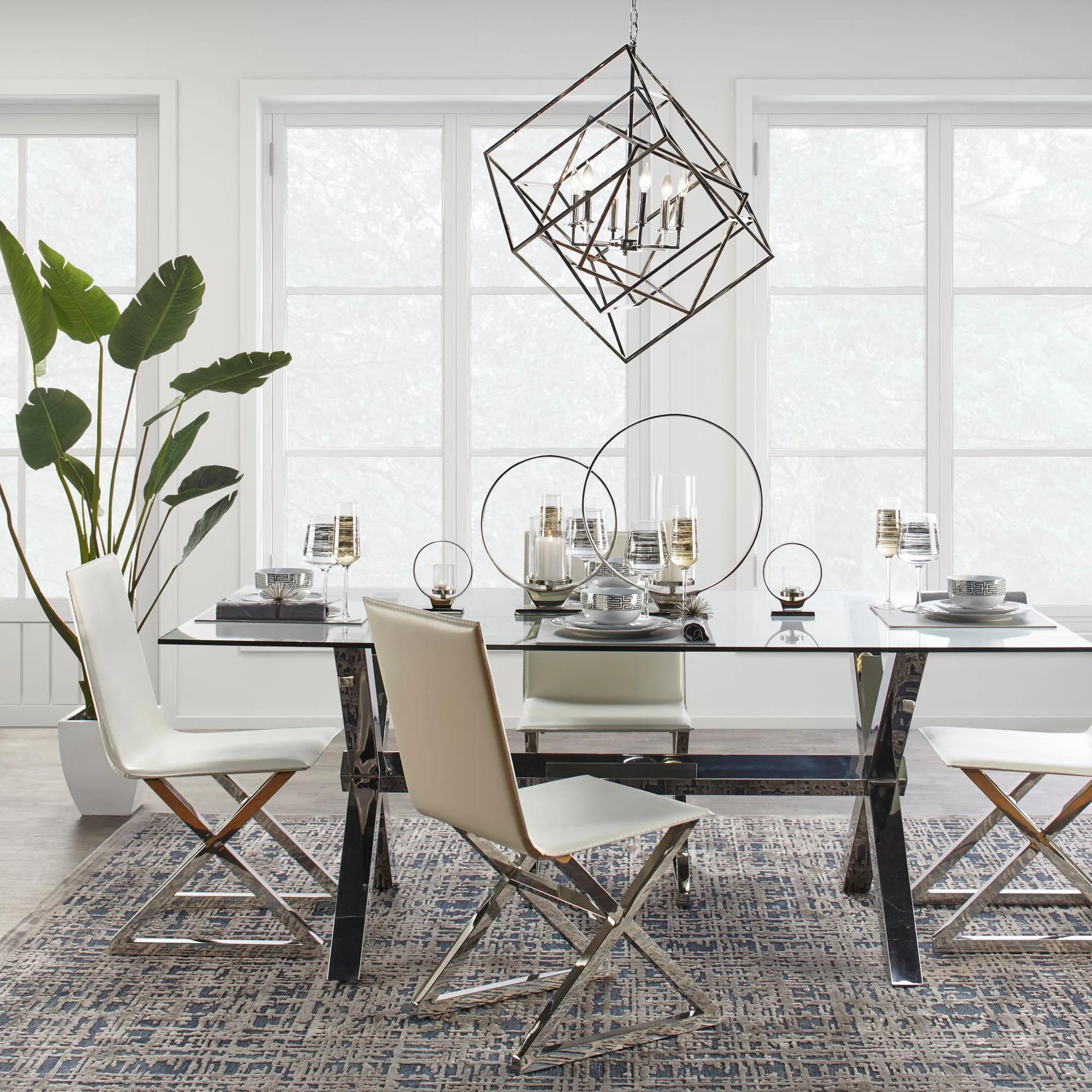 Axis Dining Chair - Set of 2$399
A contemporary chair set featuring white bonded leather upholstery and a polished stainless steel base.
Add To Cart -
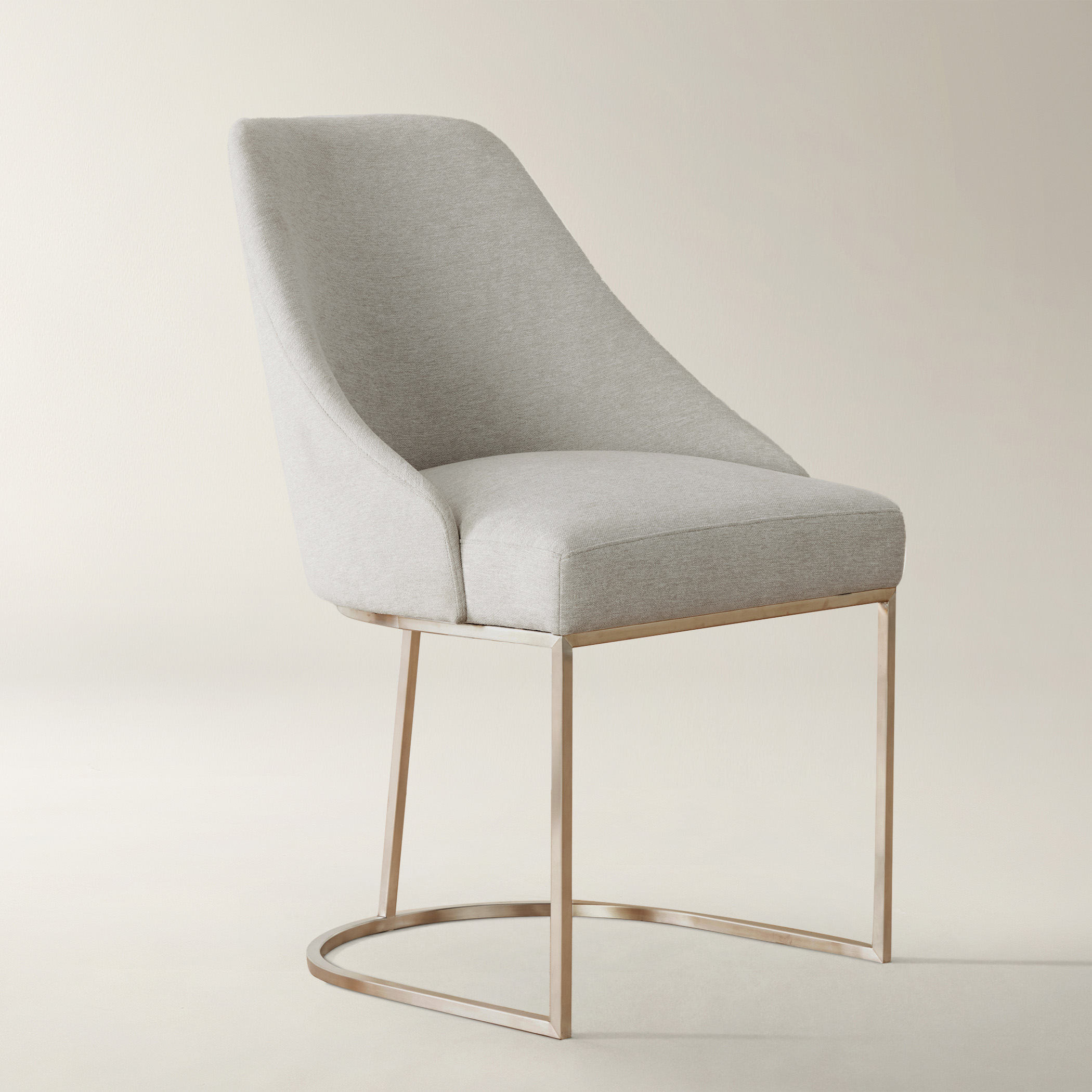
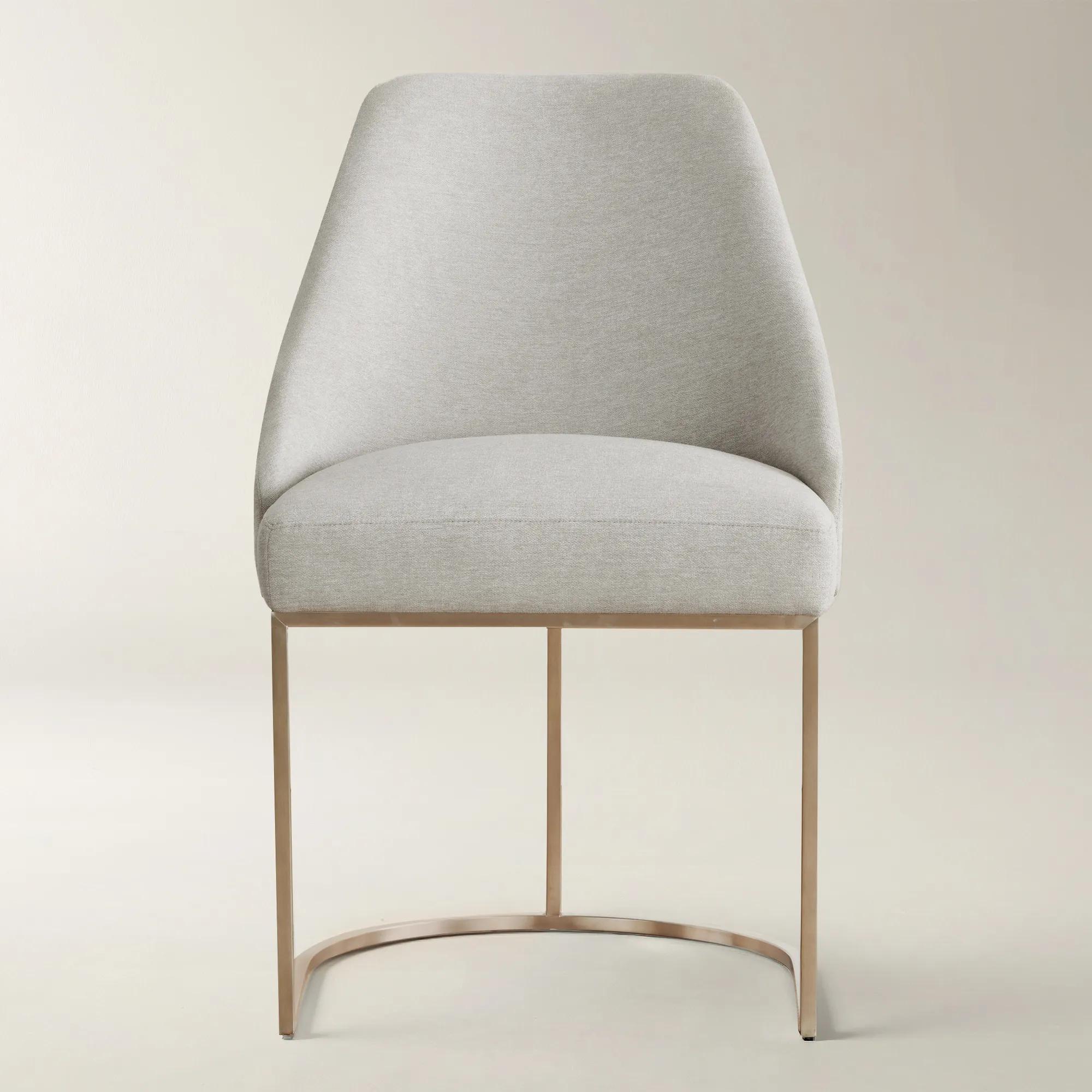 Rowan Ivory Fabric Dining Chair$599
A modern chair featuring brushed stainless steel legs and stain-resistant, water-repellent Roxboro Frost fabric.
Add To Cart -
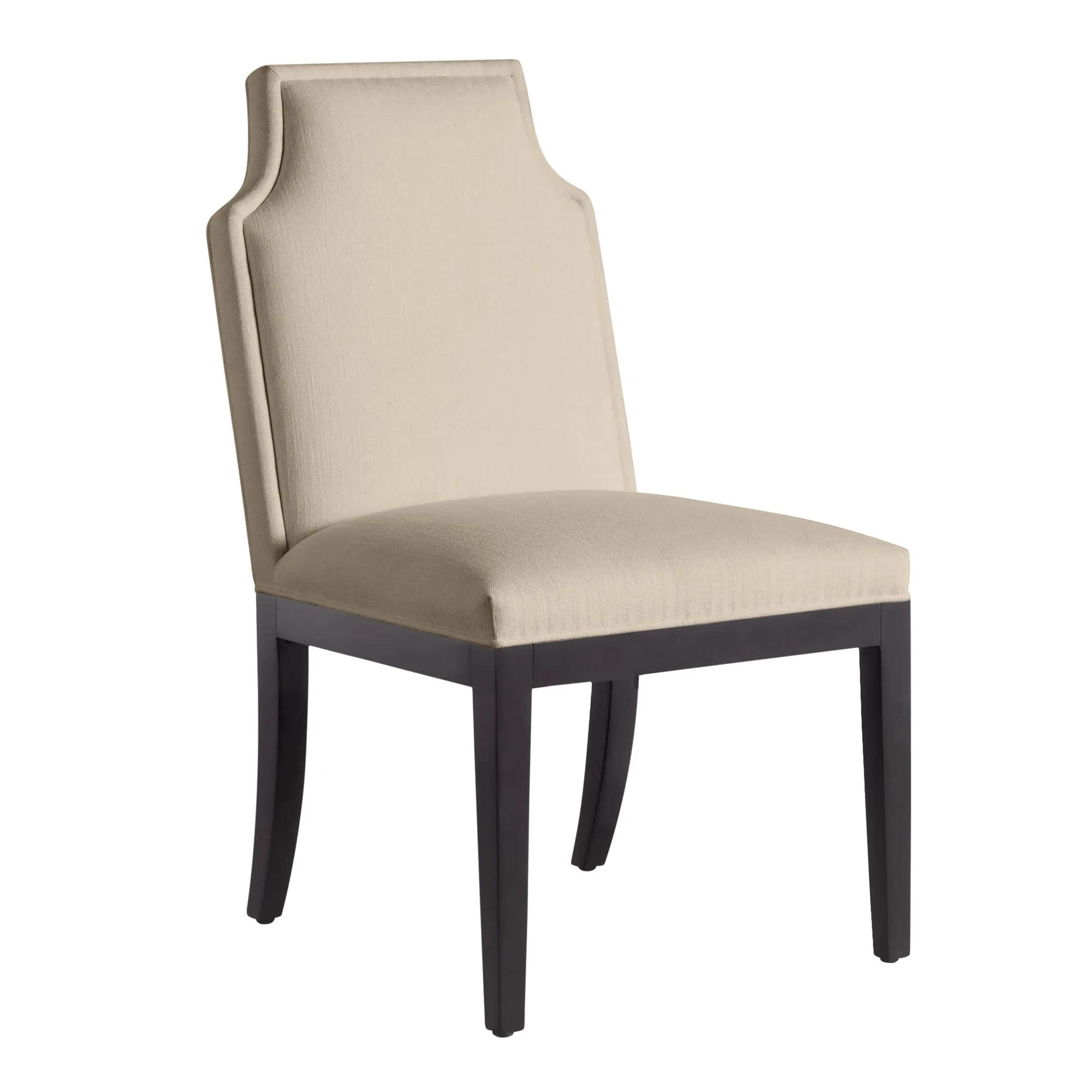
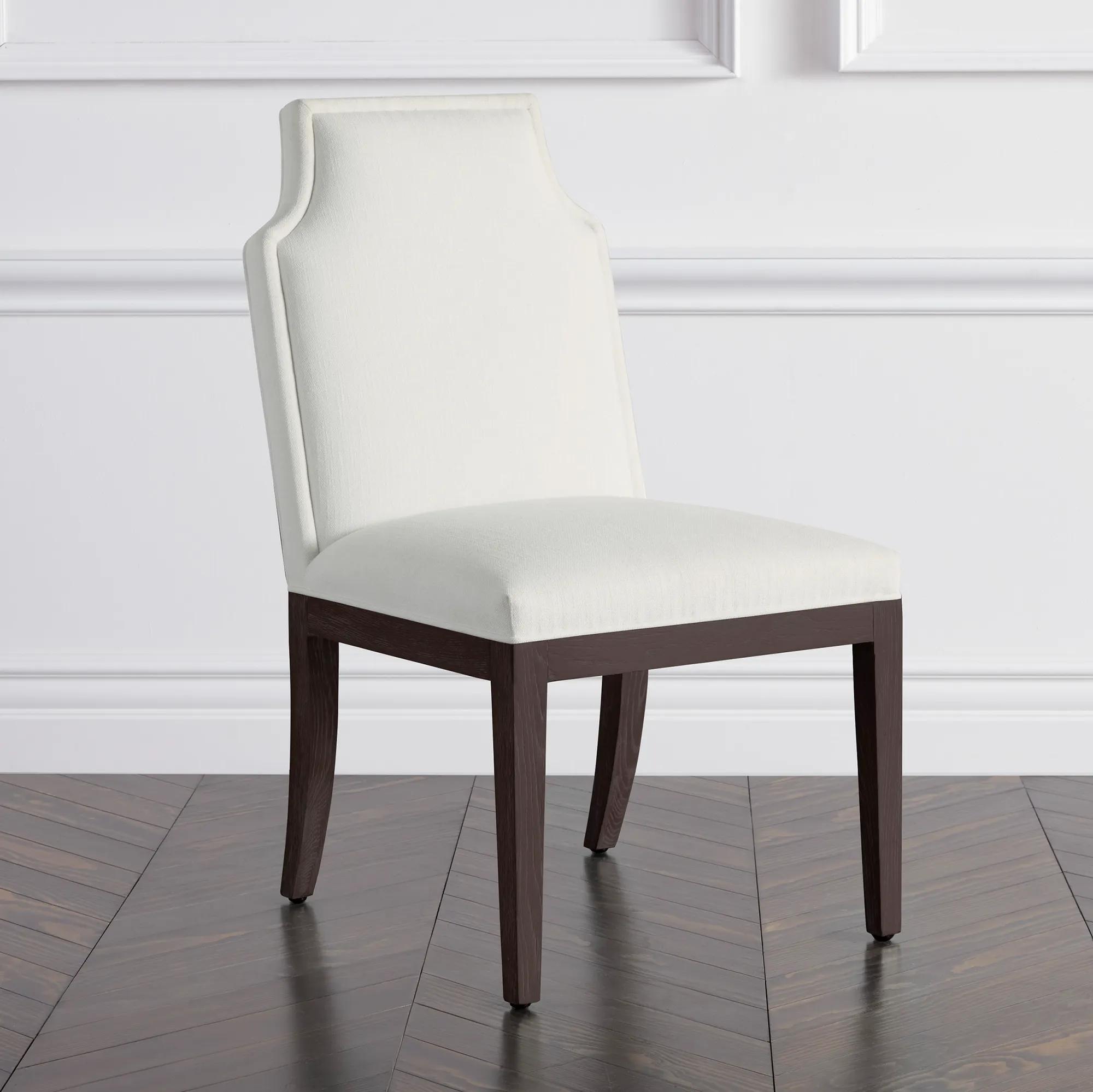 Jasmine Dining Chair - Espresso$649
A chic dining chair featuring a notched back, espresso legs, and plush upholstery for lasting comfort.
Add To Cart -
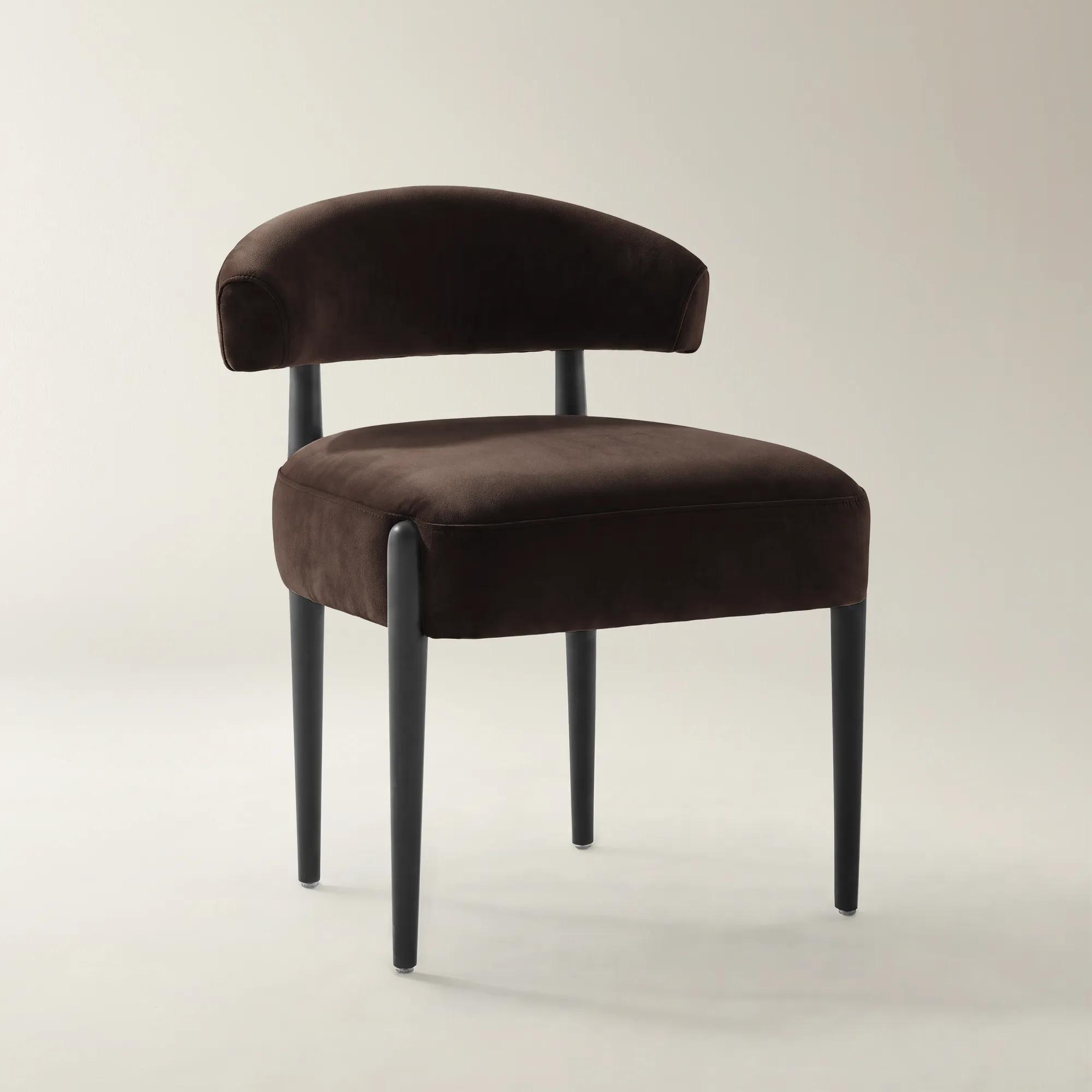
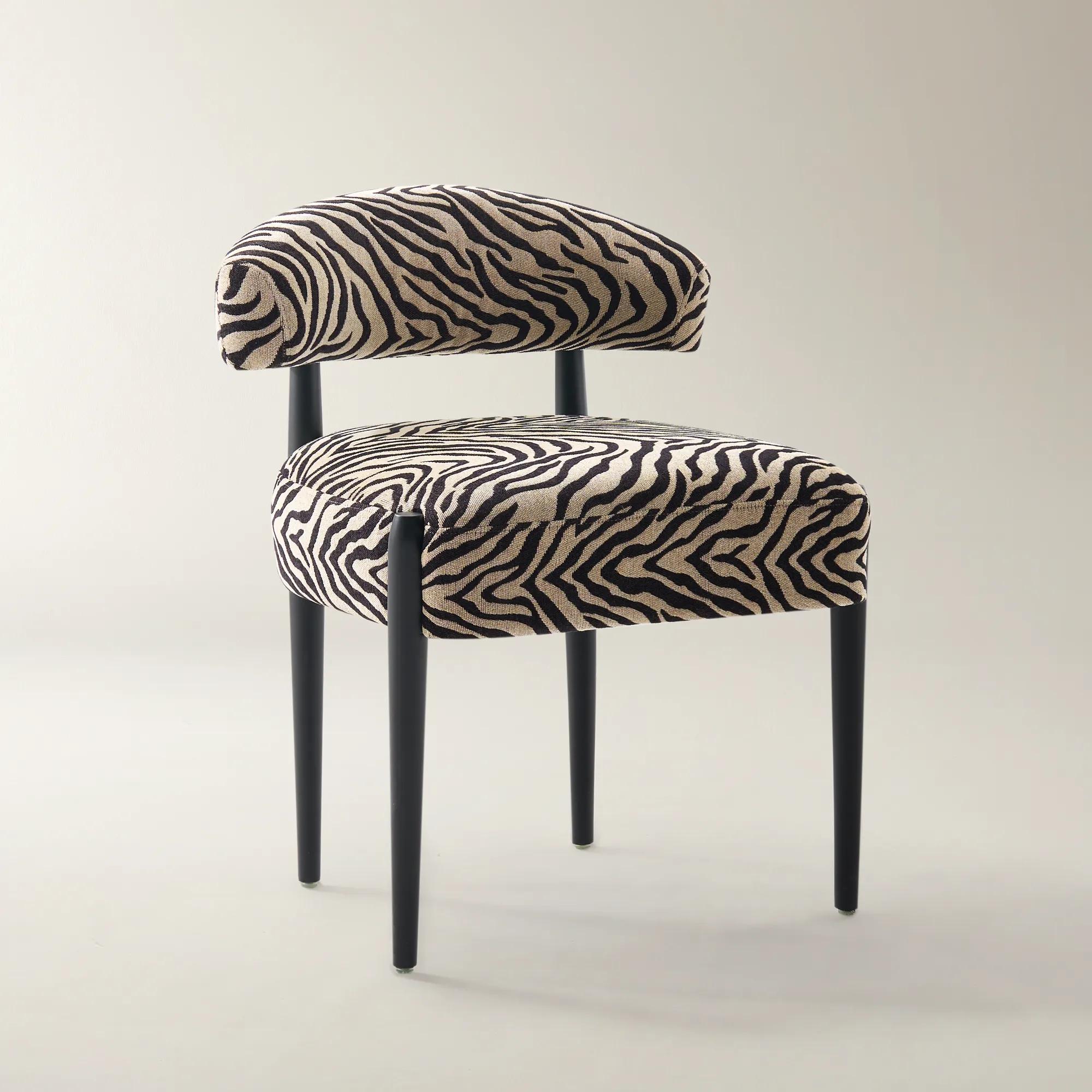 Anna Dark Chocolate Velvet Dining Chair Set of 2$599
A dark chocolate velvet dining chair set featuring an arched back, high-density foam, and solid wood construction.
Add To Cart -
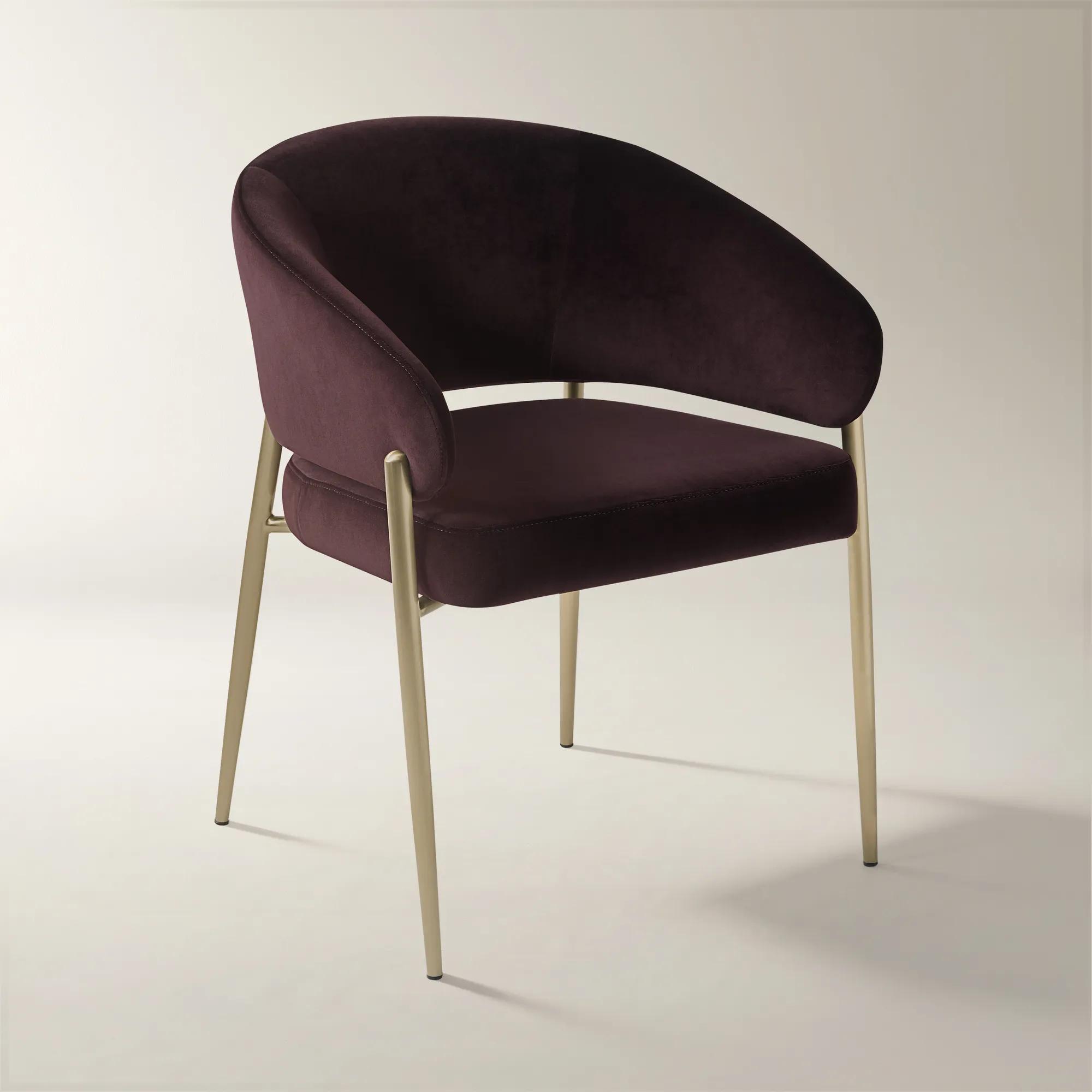 Nara Fig Velvet Dining Chair Set Of 2$599
A set of two dining chairs featuring plush fig velvet upholstery and brushed brass stainless-steel legs.
Add To Cart -
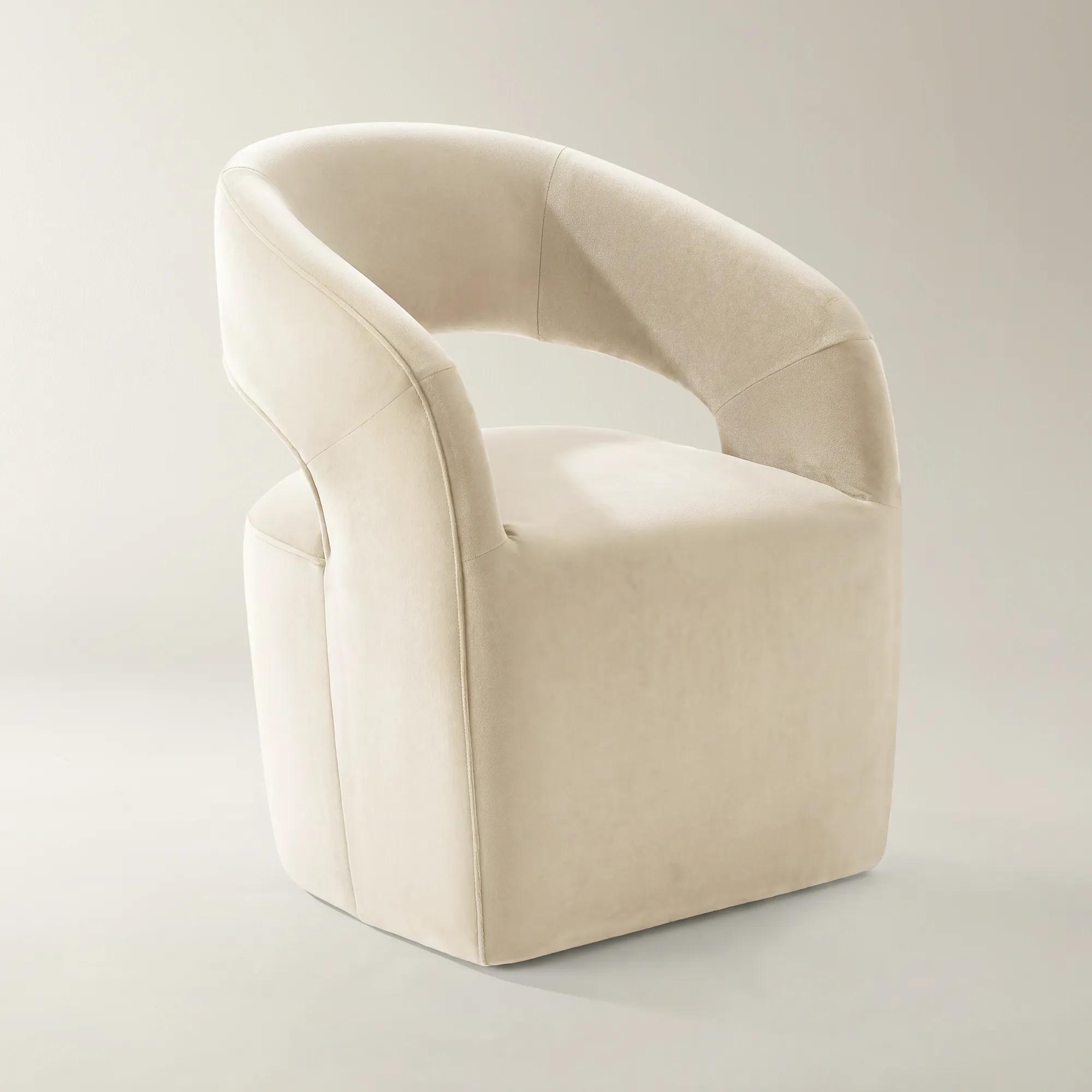
-2.jpg?w=1200&h=1200) Harrison Oatmeal Velvet Dining Chair$449
Harrison Oatmeal Velvet Dining Chair$449A sculptural dining chair upholstered in oatmeal velvet with a curved back, feather-blend seat, and integrated arms.
Add To Cart -
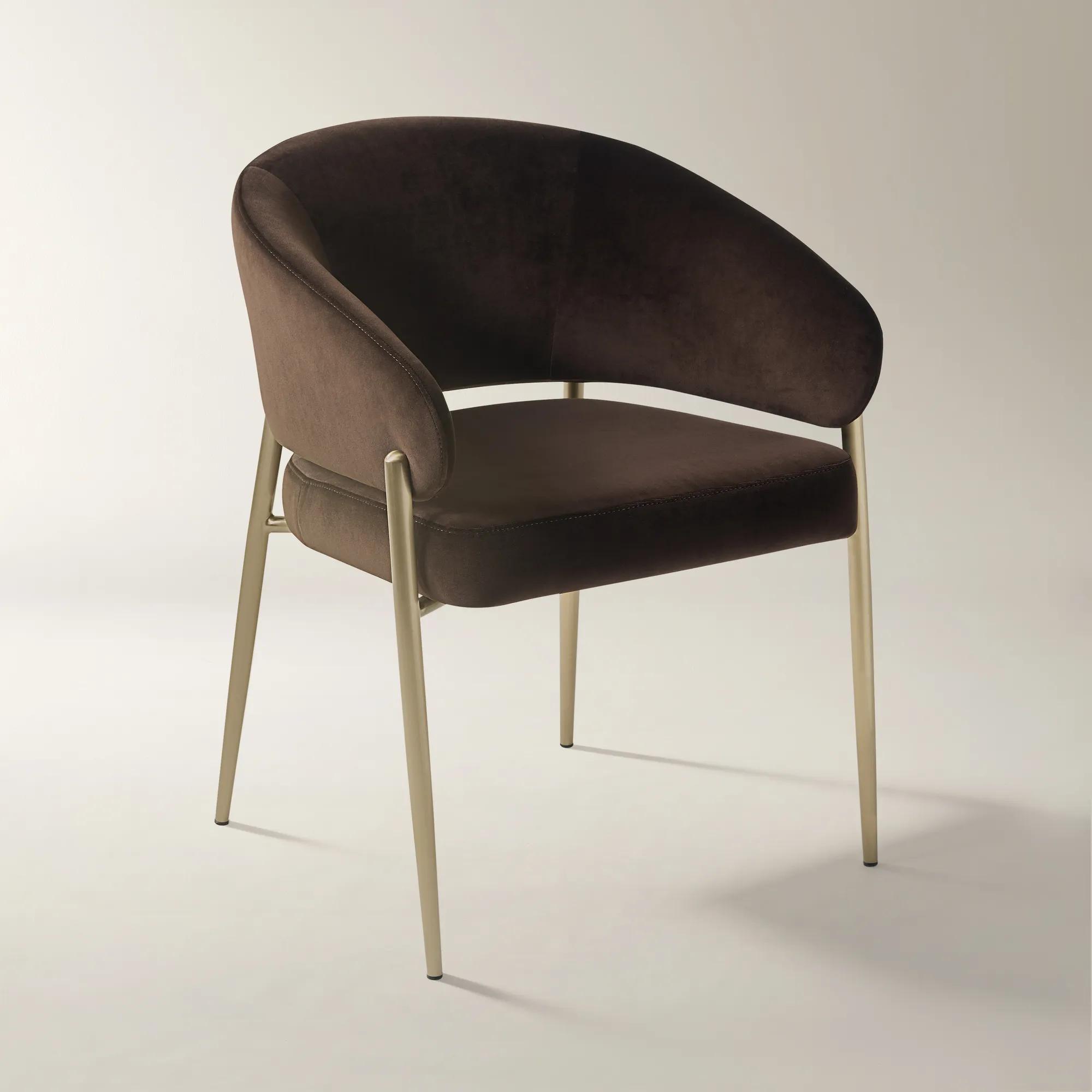 Nara Dark Chocolate Velvet Dining Chair Set Of 2$599
A pair of dark chocolate velvet chairs with curved backs and brushed brass stainless-steel legs for modern elegance.
Add To Cart -
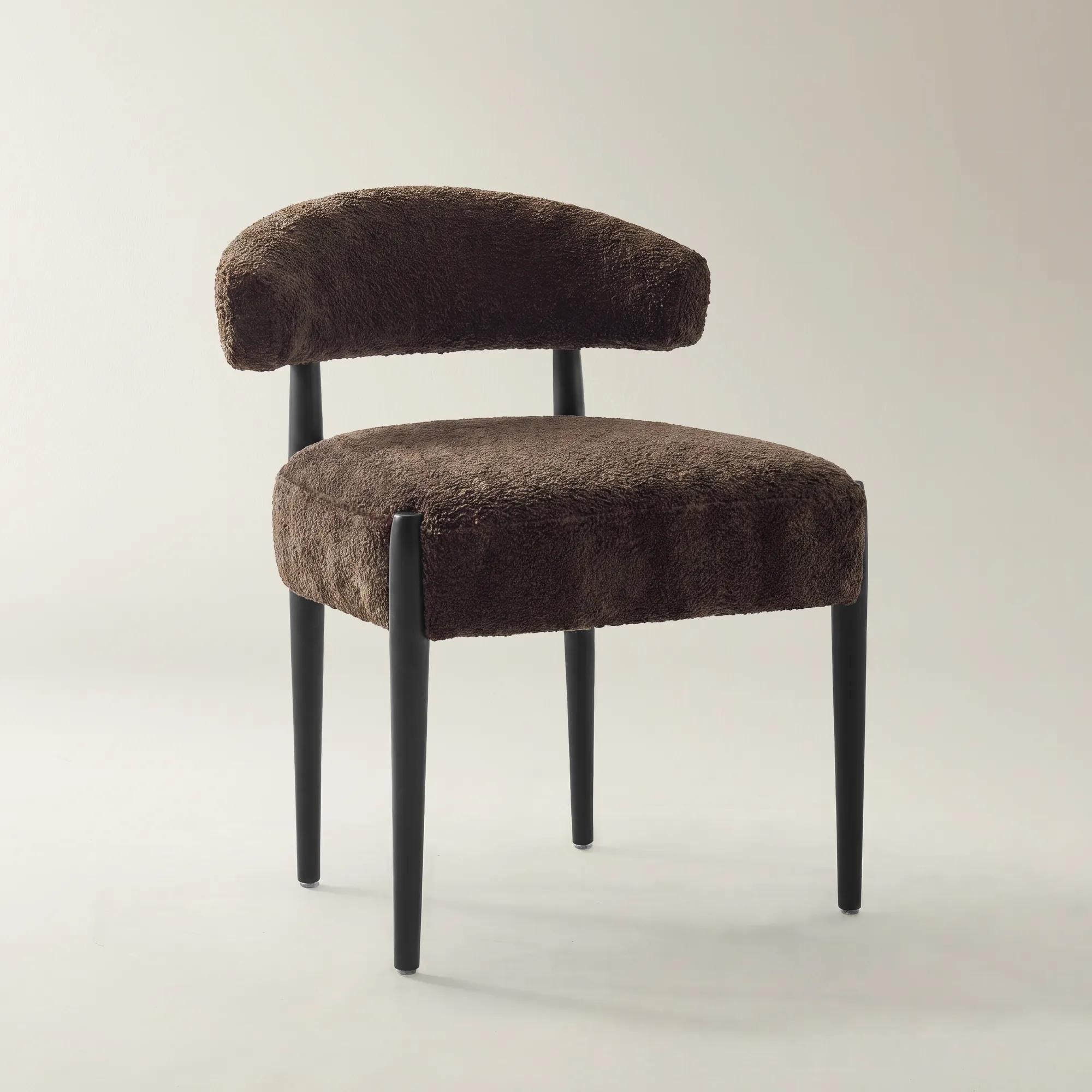 Anna Dark Chocolate Chenille Dining Chair Set of 2$599
A dark chocolate chenille chair pair featuring tailored curved backs, high-density foam, and solid rubberwood legs.
Add To Cart -
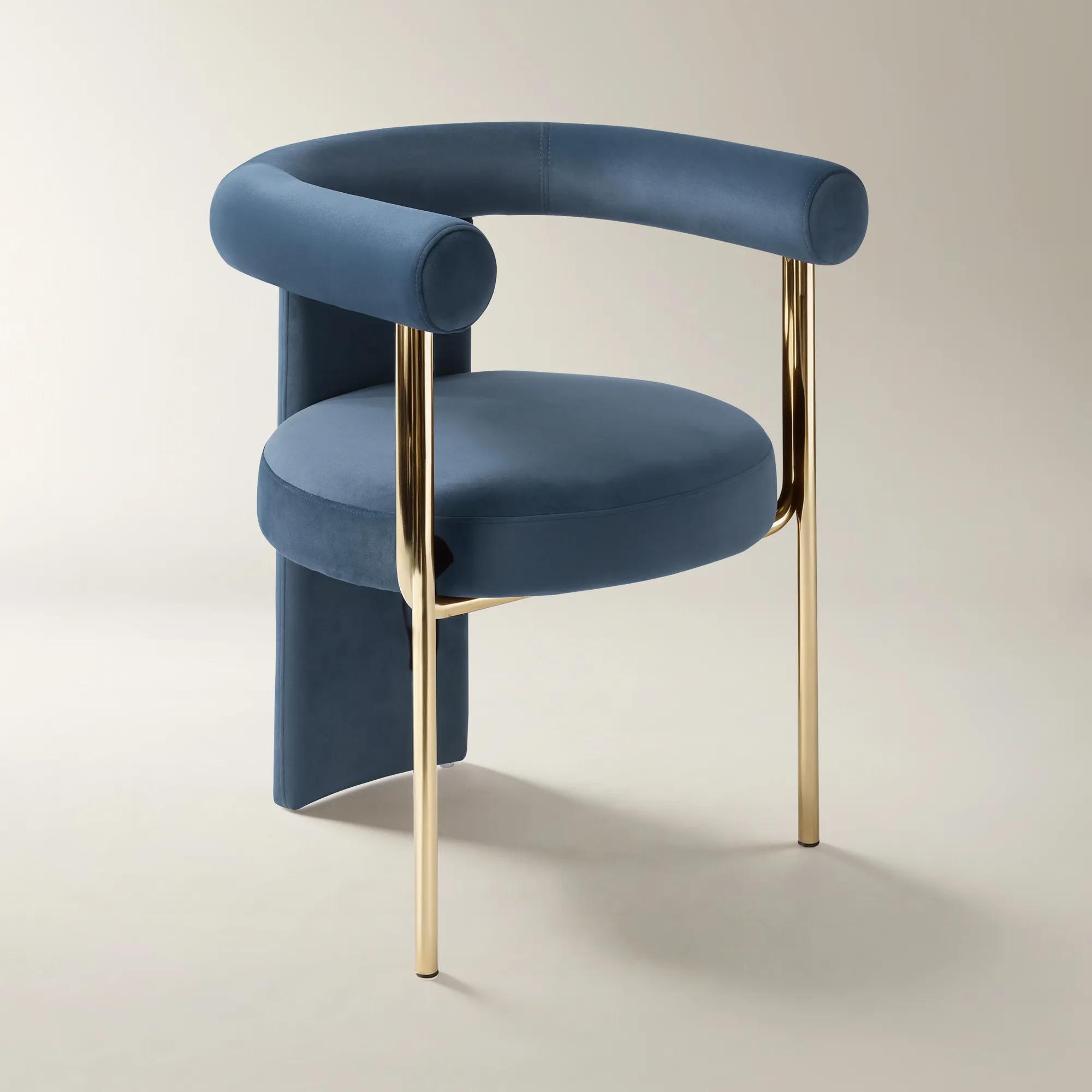 Davina Dusty Blue Velvet Dining Chair Set Of 2$799
A set of two dining chairs featuring dusty blue velvet upholstery and a polished gold metal frame.
Add To Cart -
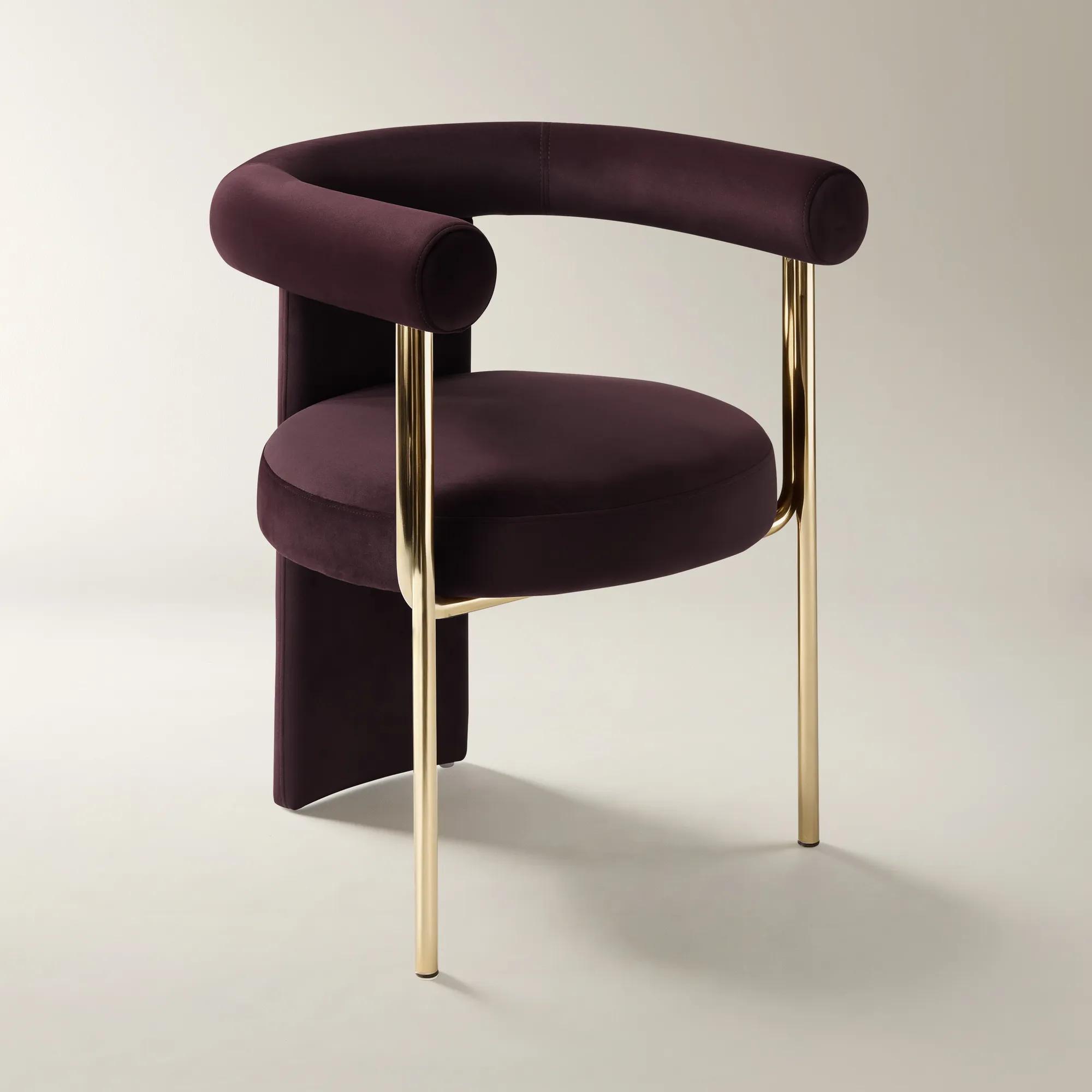 Davina Fig Velvet Dining Chair Set Of 2$799
A set of two dining chairs featuring plush fig velvet upholstery and a sleek gold-finished metal frame.
Add To Cart -
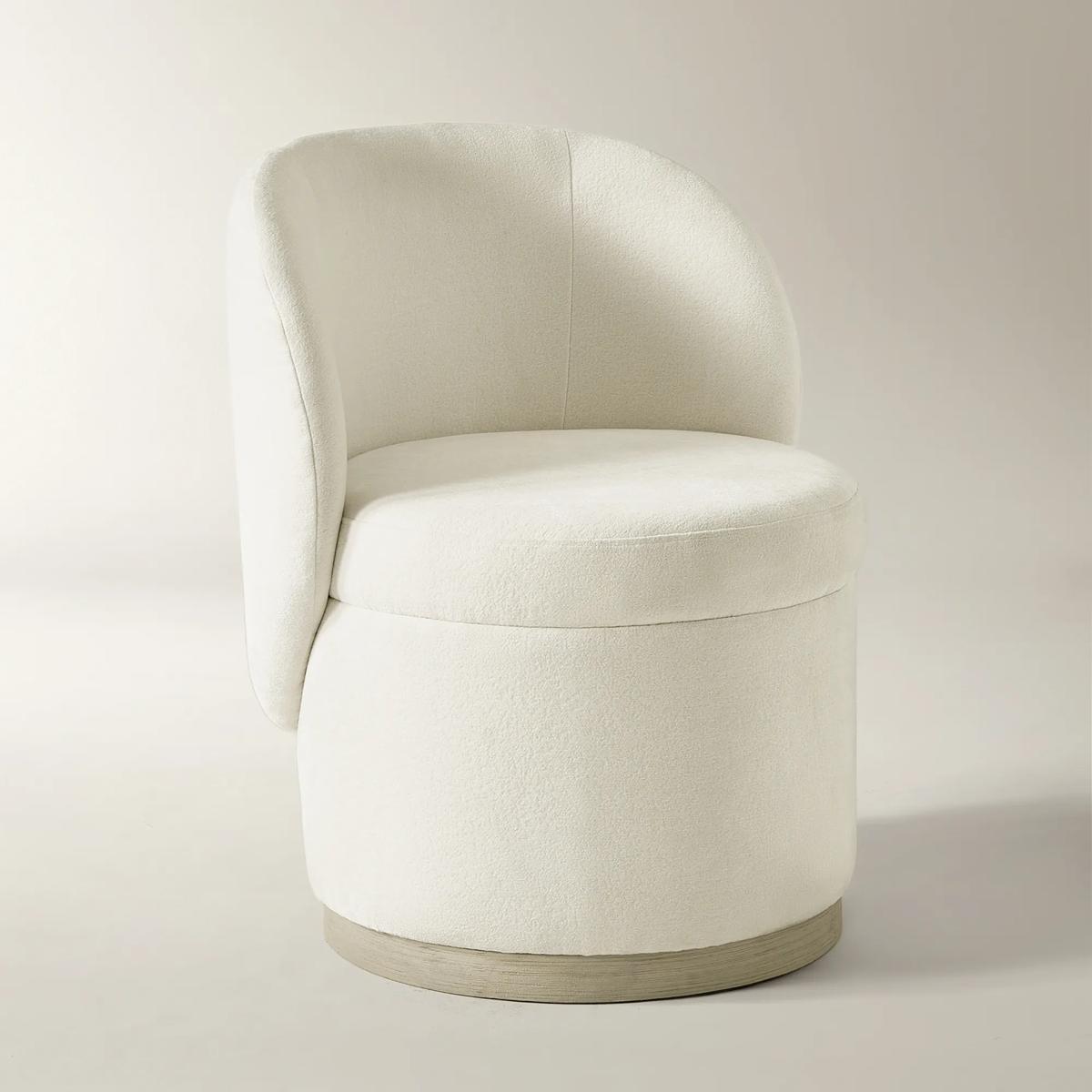 Stria Ivory Chenille Dining Chair With Oak Base$449
An ivory chenille chair featuring a plush, velvet-like finish and a handcrafted solid oak base.
Add To Cart -
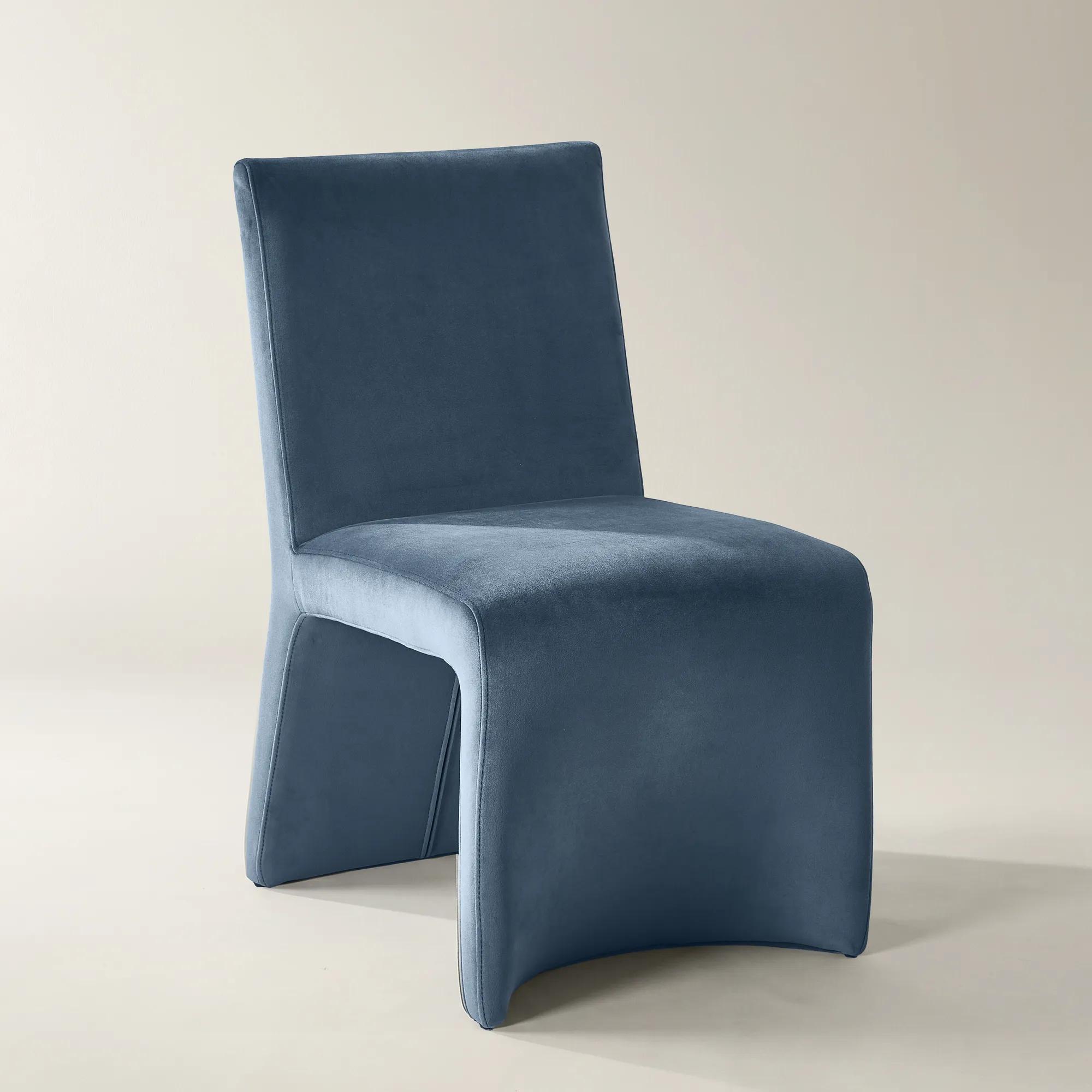 Elara Dusty Blue Velvet Dining Chair Set Of 2$649
A set of two dining chairs featuring plush dusty blue velvet upholstery and a seamless, artful silhouette.
Add To Cart

Fabric Dining Chairs
Explore fabric dining chairs that bring inviting texture and an expressive, tailored look to your dining room. Find upholstered dining seating to complement your table, and consider silhouette, seat height, and fabric care as you choose chairs for everyday meals and elegantly set gatherings.
Fabric dining chairs bring upholstered comfort, tactile richness, and a more inviting silhouette to the dining table. Their seats, backs, or both are covered in fabric, creating a softer visual contrast to wood, glass, stone, and metal surfaces. The appeal extends beyond appearance: cushioning and a supportive back can make lingering over dinner more comfortable, while upholstery introduces color and texture at a scale that feels integral to the room. A sculptural chair wrapped in ivory fabric can brighten a dark wood table; deep charcoal upholstery can give a glass tabletop a striking architectural presence. Velvet lends particular drama, with a pile that catches the light and reveals subtle shifts in tone. Linen and linen blends offer a more relaxed, textured character, while tightly woven fabrics can create a crisp, tailored finish. Bouclé and other dimensional weaves bring tactile interest, though their textured surfaces deserve consideration in homes where claws or jewelry might catch exposed loops. Polyester and blended upholstery fabrics may offer useful resistance to everyday wear, but fiber content alone does not establish stain resistance or durability. The weave, finish, construction, and manufacturer’s care instructions all matter. Performance fabrics are designed to address particular demands, such as resisting spills or simplifying cleaning; the specific benefits should be confirmed in the fabric description rather than assumed. Stain-resistant does not mean stainproof, and a richly textured fabric is not necessarily delicate. These distinctions make fabric dining chairs appealing to a broad range of interiors, from lively family dining spaces to intimate rooms arranged for entertaining. Color creates another layer of expression: a pale neutral allows a dramatic table base to command attention, while saturated upholstery can become the room’s defining accent. Piping, channeling, curved backs, and exposed legs further shape the mood, giving even a coordinated set an unmistakable presence. The most compelling pairing balances the table’s visual weight with the chairs’ proportions, allowing texture and silhouette to contribute without competing for every glance.
Scale is essential to the elegance and usefulness of upholstered dining seating. A chair should feel generous enough for the person seated in it without crowding neighboring guests or overwhelming the table. Standard dining tables are often approximately 30 inches high and generally pair with seat heights around 18 to 20 inches, although the table’s actual dimensions, apron, and chair cushioning determine the fit. Seat height should be measured from the floor to the top of the cushion, not to the chair frame beneath it. About 24 inches of table edge per person is a useful starting point, with wider chairs and substantial arms requiring additional room. Leaving approximately 36 inches between the table edge and a wall or other obstruction helps accommodate pulling a chair out; more space is beneficial where people need to walk behind occupied seats. These proportions matter just as much around a compact round table as they do beside an expansive rectangular one. Armless fabric dining chairs often tuck neatly beneath a tabletop, creating a composed outline and allowing easier movement in a smaller dining area. Armchairs can give the ends of a rectangular table a more enveloping presence, provided their arms clear the tabletop and apron. For an arrangement with more exposed frame detail, upholstered seat dining chairs can introduce cushioning while allowing the back and frame to remain visually prominent. Comfort also depends on seat depth, back angle, and cushion firmness; plush upholstery alone does not guarantee a supportive place to sit. A seat that allows feet to rest comfortably on the floor and keeps the table within easy reach is better suited to conversation and dining than an overly deep cushion that encourages sinking away from the meal. Beneath the fabric, wood or metal frames, sound joinery, and supportive cushioning contribute to stability and lasting use. Construction quality and any stated weight capacity deserve attention, especially for chairs used daily. Felt pads or other floor-appropriate glides help protect flooring and make repositioning seating less disruptive, preserving the dining room’s polished presentation.
The right fabric dining chairs accommodate the way a home actually gathers. For a household with children, frequent guests, or meals that regularly stretch into conversation, documented cleanability and durable construction can be as important as a beautifully curved back. A tightly woven, easy-care upholstery may suit everyday dining, while a luminous velvet or richly textured weave can lend distinction to a room used primarily for entertaining. Neither approach requires sacrificing personality: understated fabric can frame expressive artwork, and jewel-toned seating can make a restrained interior feel deliberately theatrical. Care begins with the upholstery label, since cleaning methods vary and an unsuitable treatment can leave rings, discoloration, or damage. Where standard upholstery cleaning codes are provided, W generally indicates water-based cleaning, S indicates solvent-based cleaning, W/S allows either approved method, and X calls for vacuuming or brushing rather than liquid cleaners. The manufacturer’s specific directions take precedence, and professional cleaning may be appropriate for delicate fabrics or persistent stains. Regular vacuuming with a suitable upholstery attachment helps remove crumbs and dust before they settle into the weave or seams. Spills are best addressed promptly by blotting with a clean, absorbent cloth rather than rubbing, which can spread the mark or disturb the fabric’s surface. Any permitted cleaner should first be tested in an inconspicuous area. Removable covers are not automatically machine washable; washing is appropriate only when the care instructions explicitly allow it. Prolonged direct sunlight can affect upholstery color, and distributing use among chairs can help avoid noticeably uneven wear. Frames and legs also need care suited to their finish, rather than the same cleaning treatment used on the seat. In homes with pets, resistance to stains should not be confused with resistance to scratching or snagging. Thoughtful material choices and consistent care preserve the fabric’s character without expecting it to be impervious to daily life. With proportion, comfort, and maintenance considered together, fabric dining chairs create a setting that feels richly composed and genuinely welcoming, ready for everything from a quiet breakfast to a table filled with animated conversation.
FAQs
Fabric dining chairs often feature velvet, linen, cotton blends, or textured woven upholstery. Velvet brings a sumptuous sheen and a sense of occasion, while linen offers a softly tailored look with natural character. Textured weaves add depth, making even a restrained palette feel richly layered.
Create a dialogue between soft upholstery and striking surfaces. Pair fabric dining chairs with a glass dining table for an airy, polished composition, or contrast them with dark wood for a more dramatic mood. Sculptural lighting and metallic accents complete the scene without competing with the fabric’s texture.
Ivory, taupe, and charcoal upholstery create a sophisticated foundation for expressive table settings and statement art. For a bolder composition, consider jewel tones such as emerald, sapphire, or amethyst. Draw a color from your rug or artwork to give the dining room a deliberate, collected feel.
Yes—mixing upholstered dining chairs with wood, metal, or leather seating can create a beautifully layered arrangement. Keep a shared element, such as a coordinated finish or curved silhouette, to unite the look. Fabric chairs at the heads of the table introduce a luxurious focal point, while contrasting side chairs add visual rhythm.
Follow the upholstery care label, since cleaning methods vary by fabric and finish. For routine care, gently vacuum with an upholstery attachment and blot spills promptly with a clean, dry cloth rather than rubbing. Use only label-approved cleaning products, testing first in an inconspicuous area, to help preserve the fabric’s distinctive texture and color.