Comfortable Dining Chairs
Comfortable Dining Chairs
-
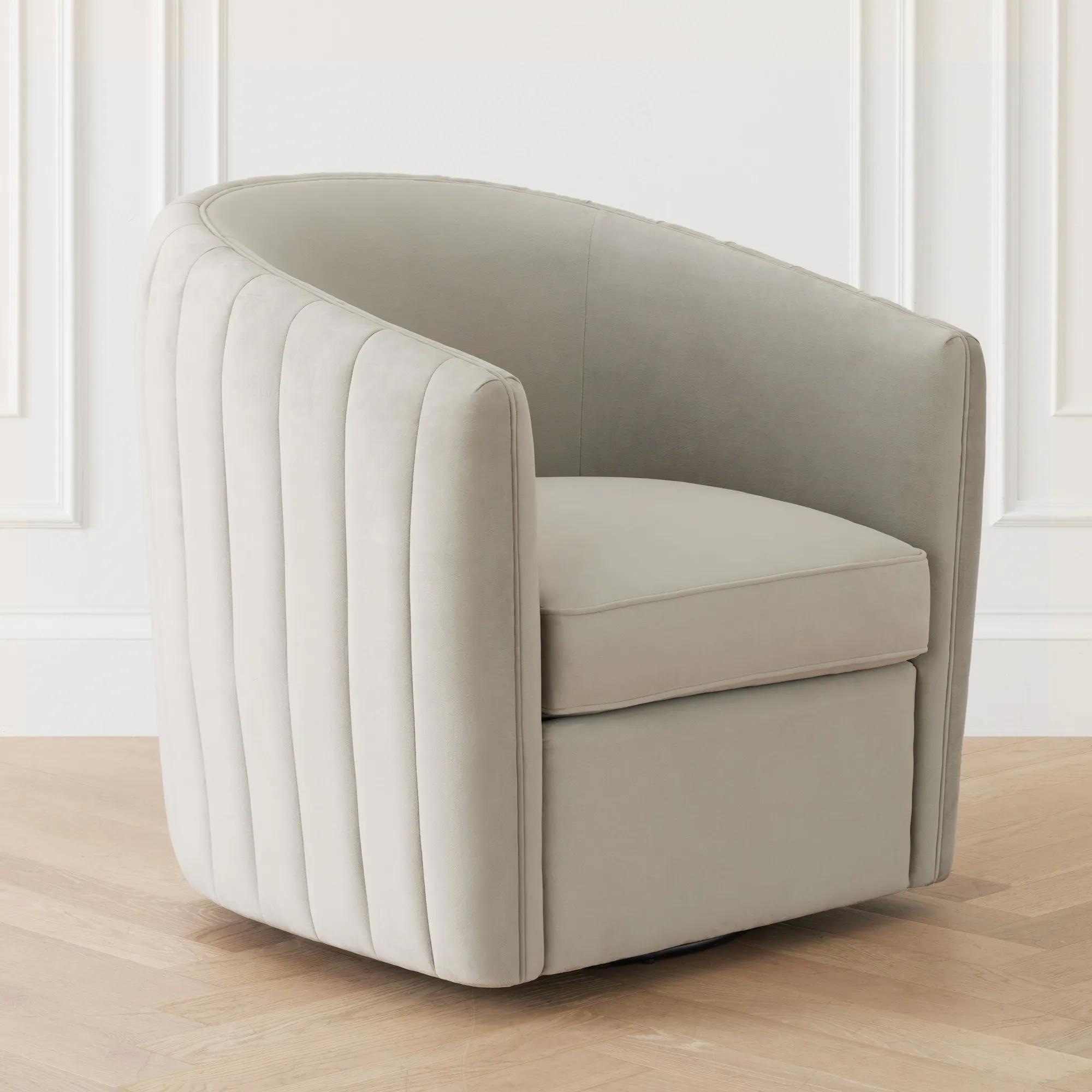
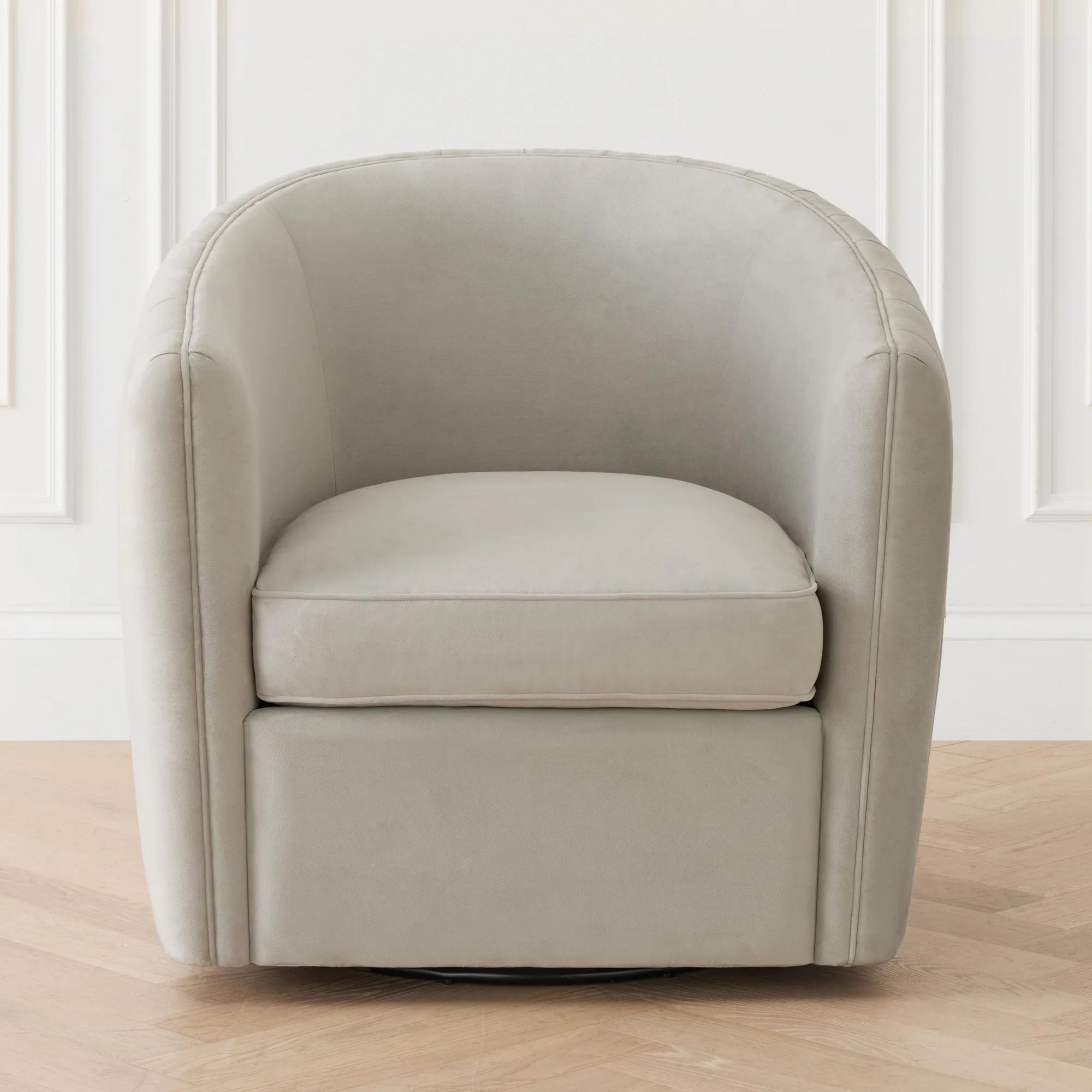 Aria Channeled Swivel Chair$1199
A modern barrel chair in kiln-dried hardwood with channeled velvet upholstery and a smooth swivel base.
Add To Cart -

 Aria Pleated Swivel Chair$1249
A barrel-style swivel chair in kiln-dried hardwood, shown in Bella Velvet Pearl with pleated tailoring.
Add To Cart -
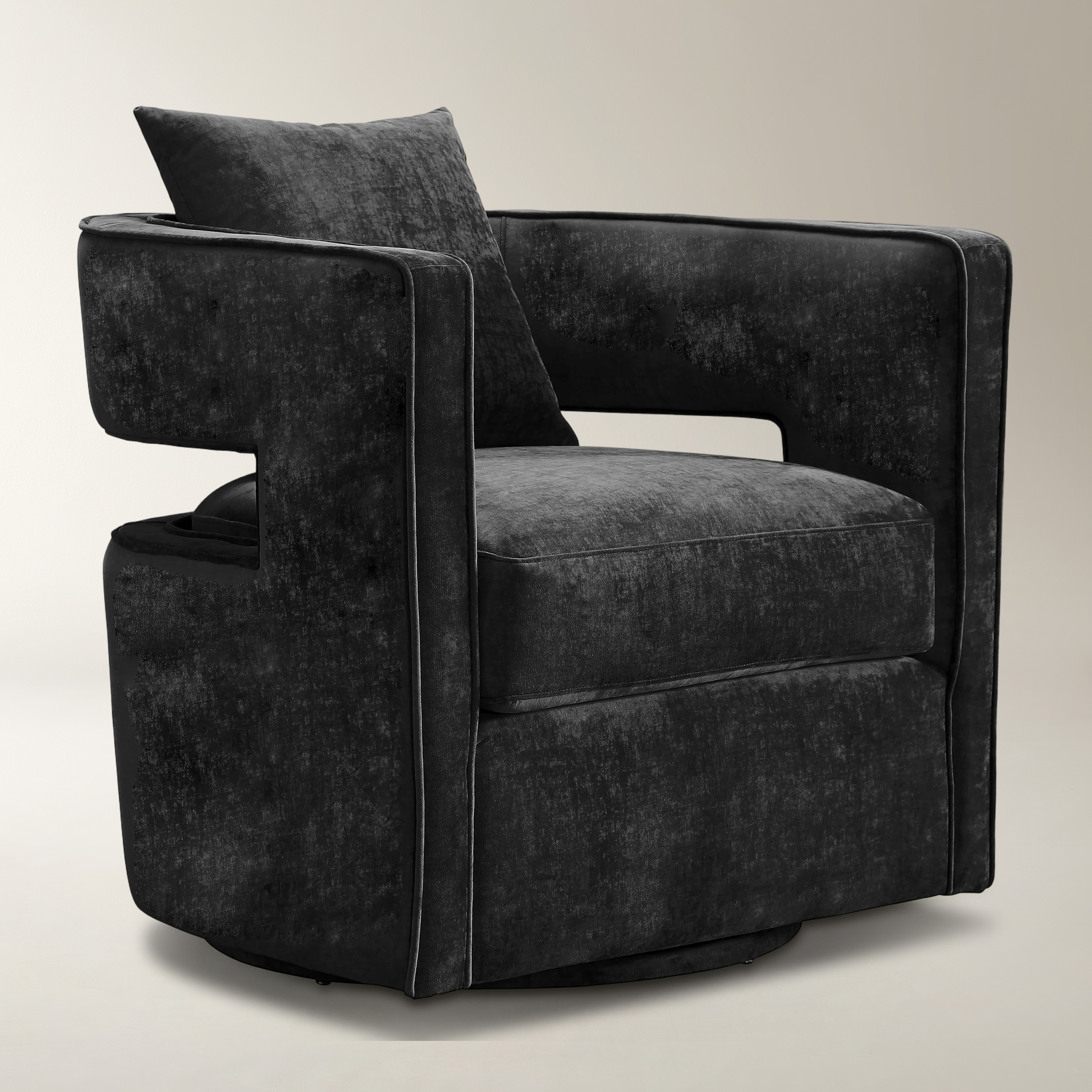 Lottie Black Velvet Swivel Accent Chair$999
A glamorous black velvet swivel chair featuring a barrel back, cutout arms, and plush foam cushioning.
Add To Cart -
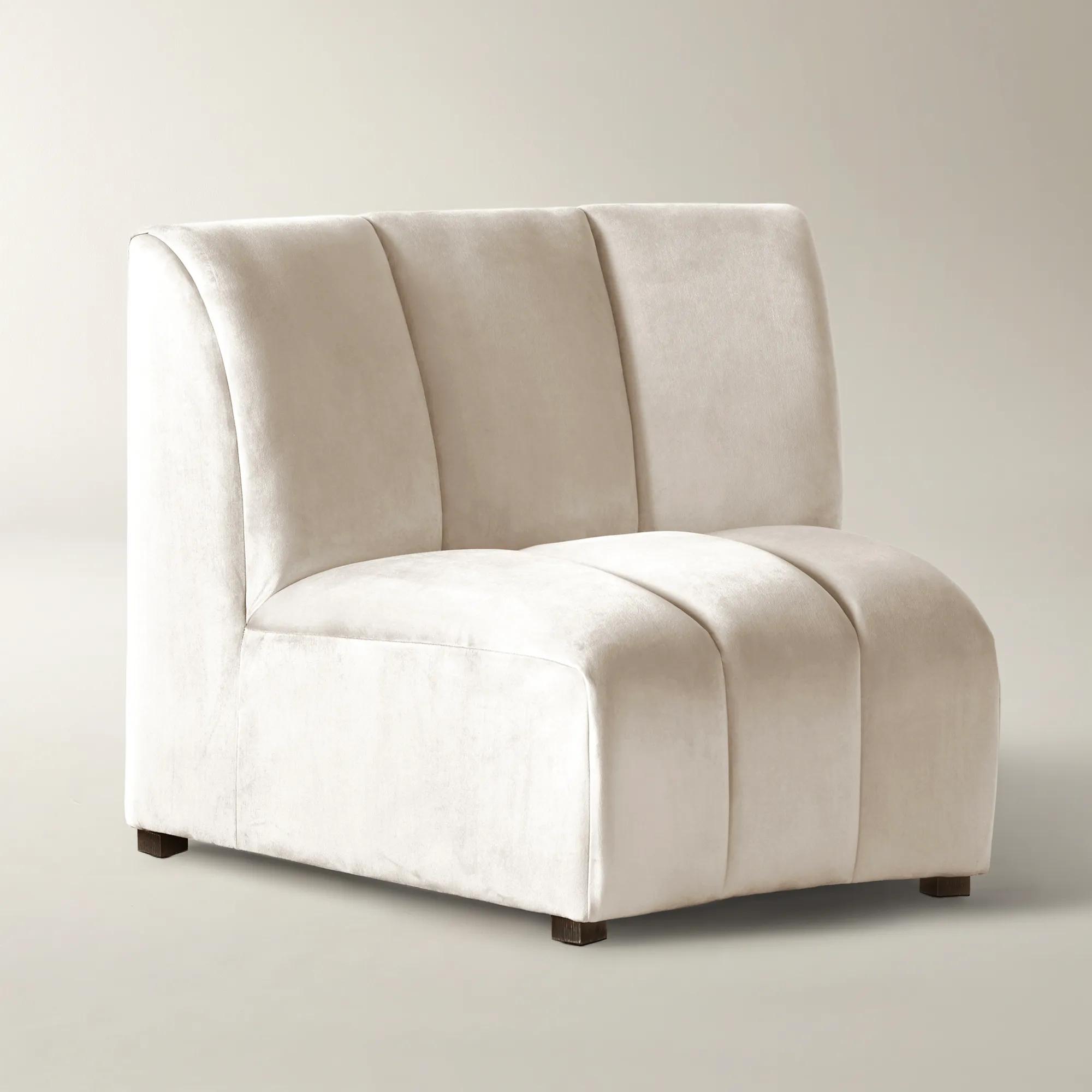 Jayce Channel-Tufted Ivory Velvet Armless Chair$949
A modern armless chair in water-repellent, stain-resistant Velvet Ivory with deep channel tufting and plush padding.
Add To Cart -
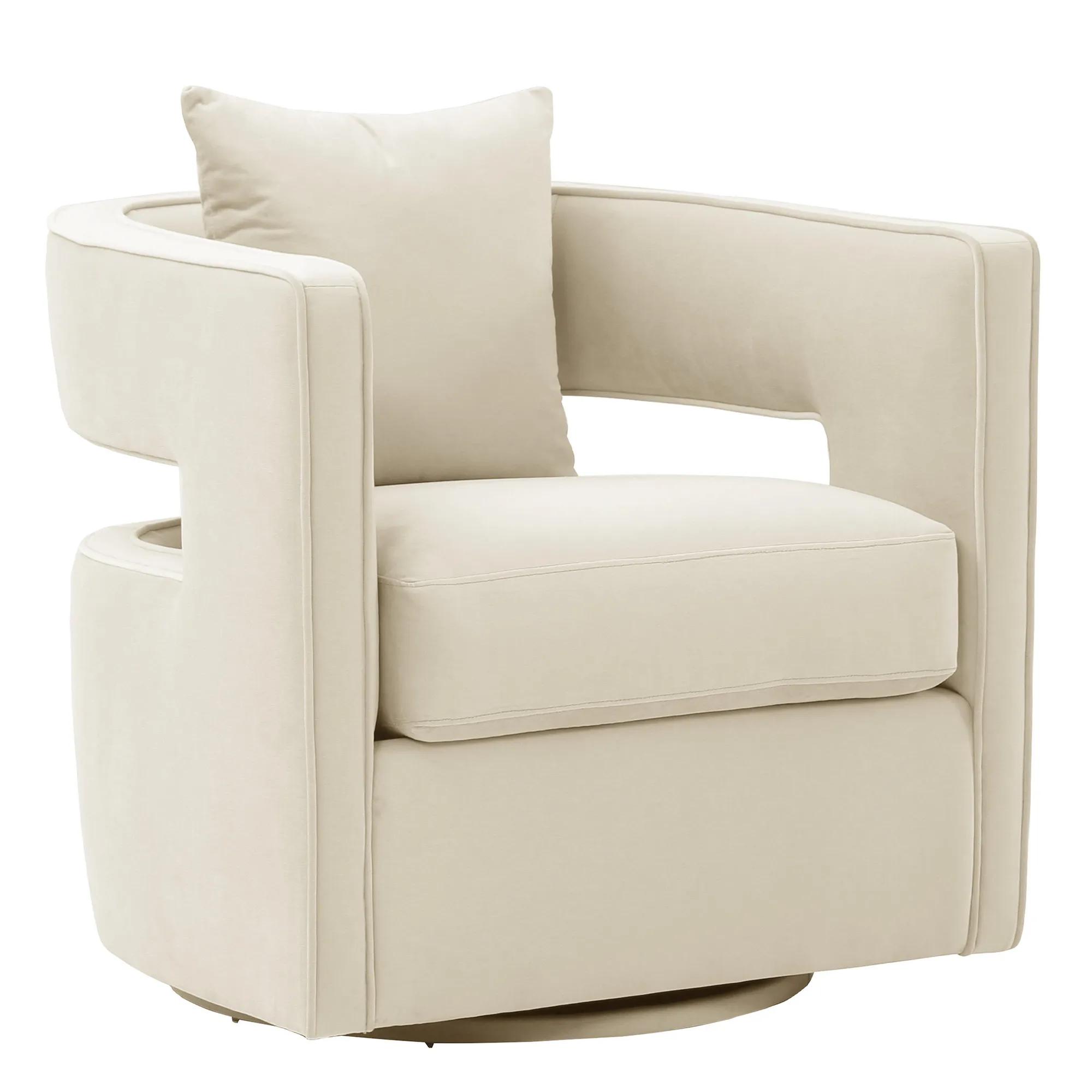
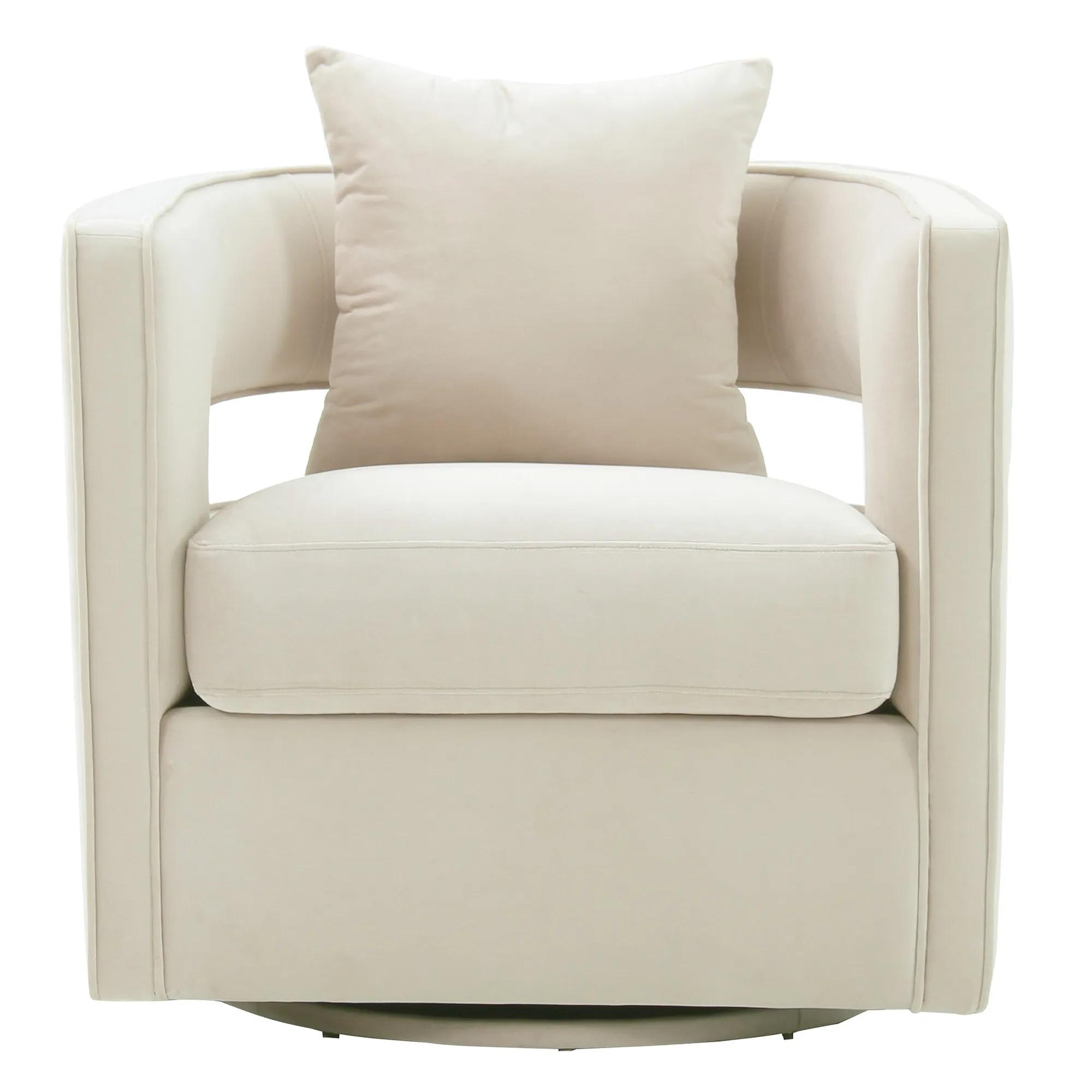 Lottie Cream Velvet Swivel Accent Chair$999
A glamorous cream velvet swivel chair featuring a barrel back, cutout arms, and plush foam cushioning.
Add To Cart -
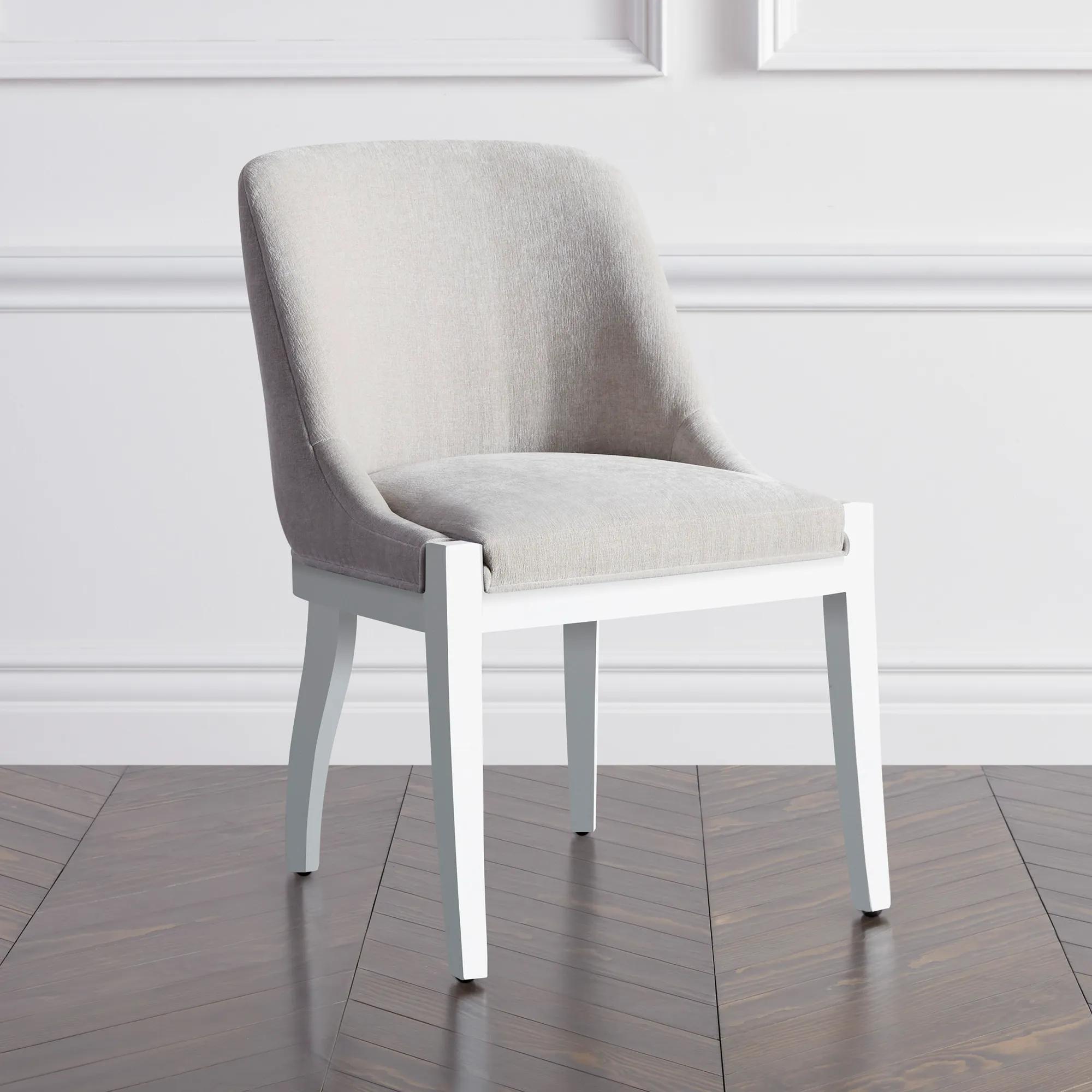
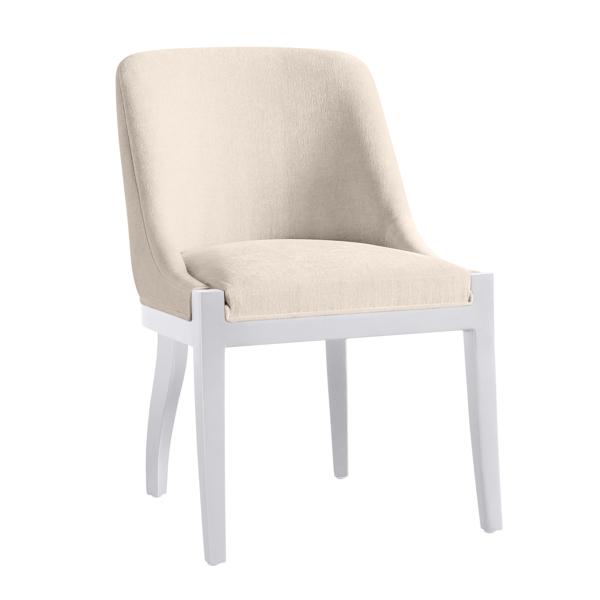 Lily Dining Chair - High Gloss White$649
A modern dining chair featuring kiln-dried hardwood, high-gloss white legs, and neatly tailored upholstery.
Add To Cart -
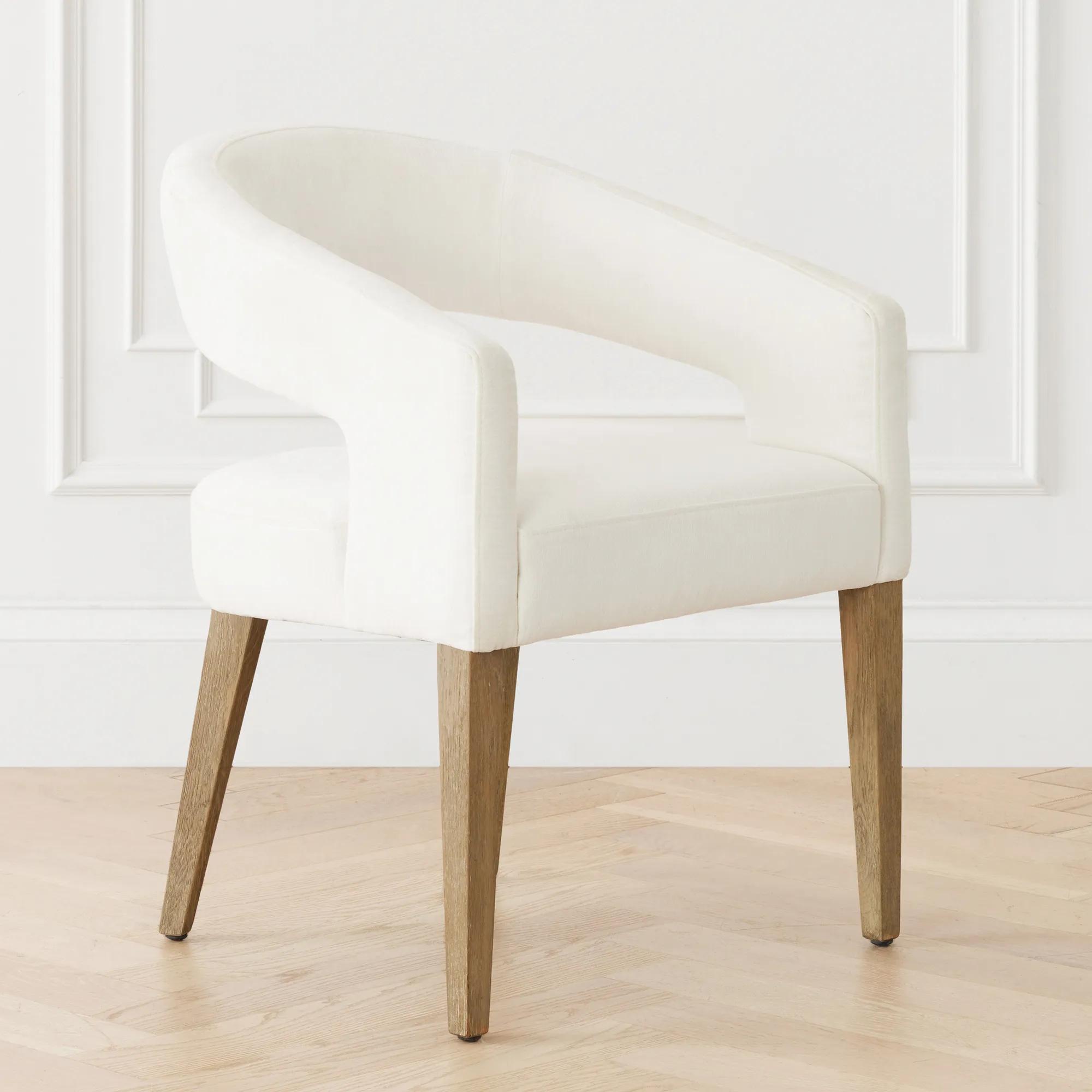 Philippa Dining Chair - Natural Grey$845
A modern dining chair featuring a curved silhouette, grey upholstery, and a kiln-dried hardwood frame.
Add To Cart -
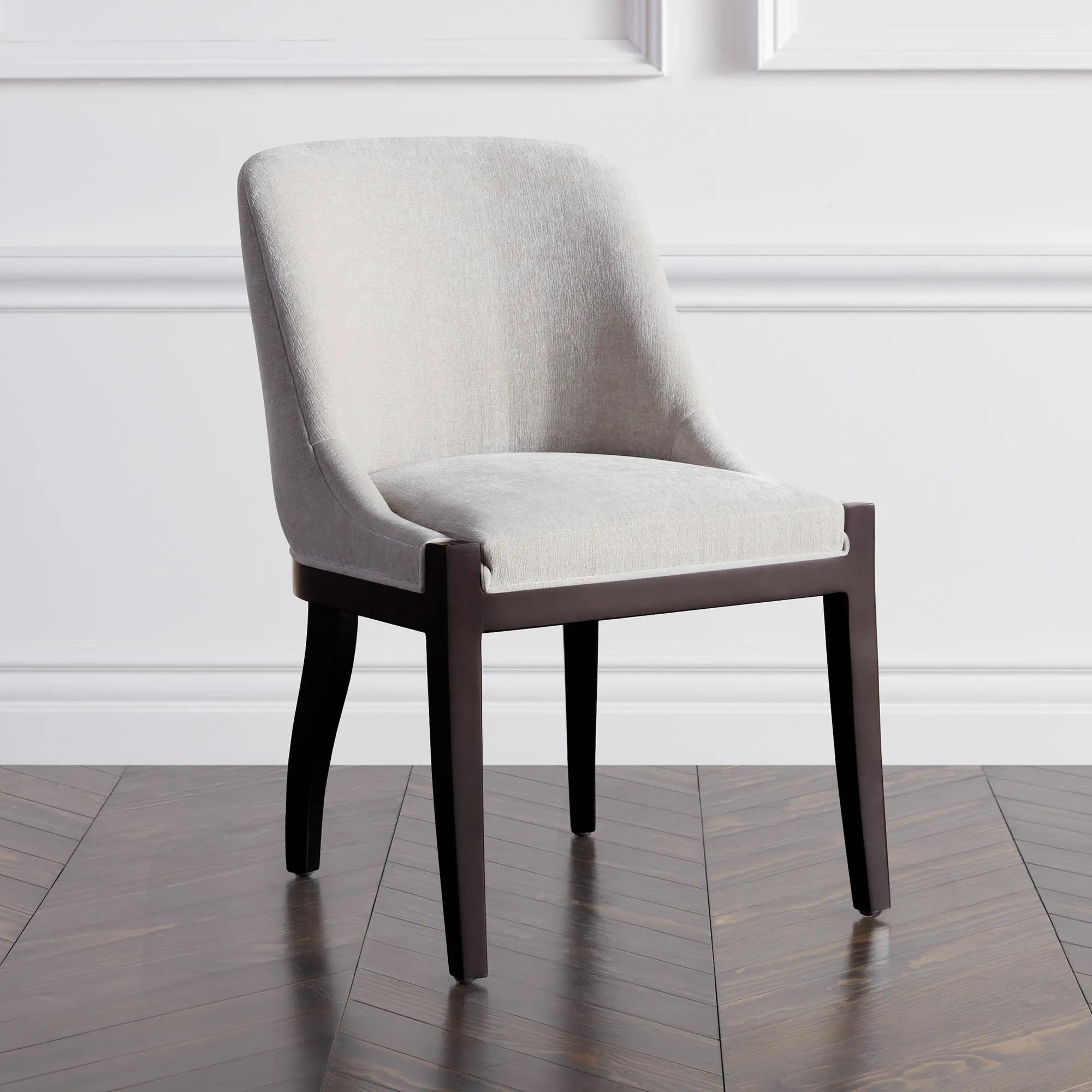
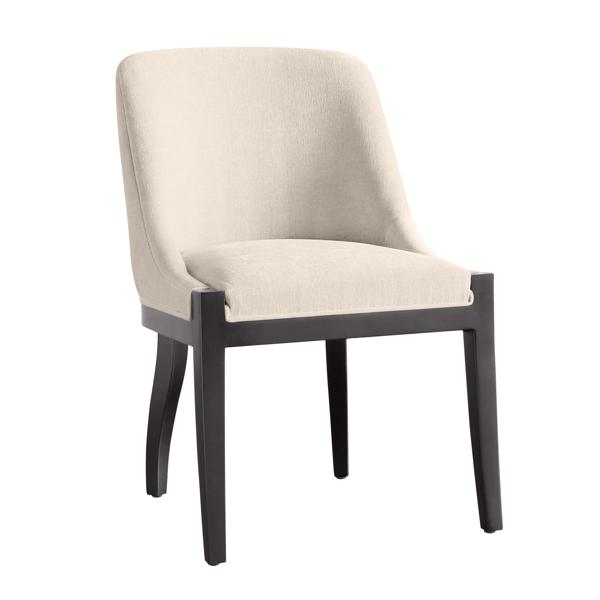 Lily Dining Chair - Espresso$649
A modern dining chair with espresso-finished hardwood frame and plush, tailored upholstery for lasting comfort.
Add To Cart -
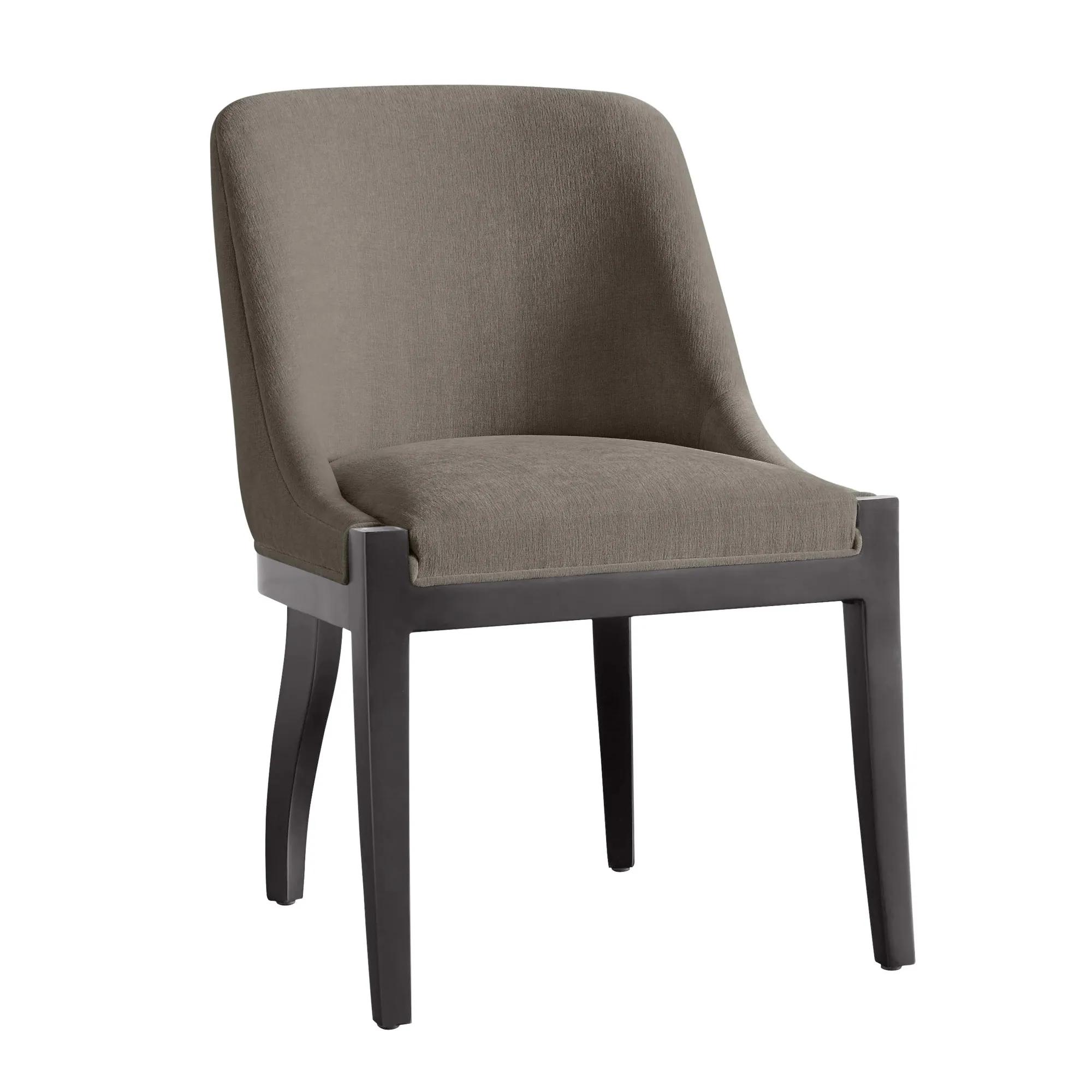 Lily Dining Chair - Espresso$649
A modern dining chair featuring espresso-finished hardwood, curvaceous silhouette, and plush tailored upholstery.
Add To Cart -
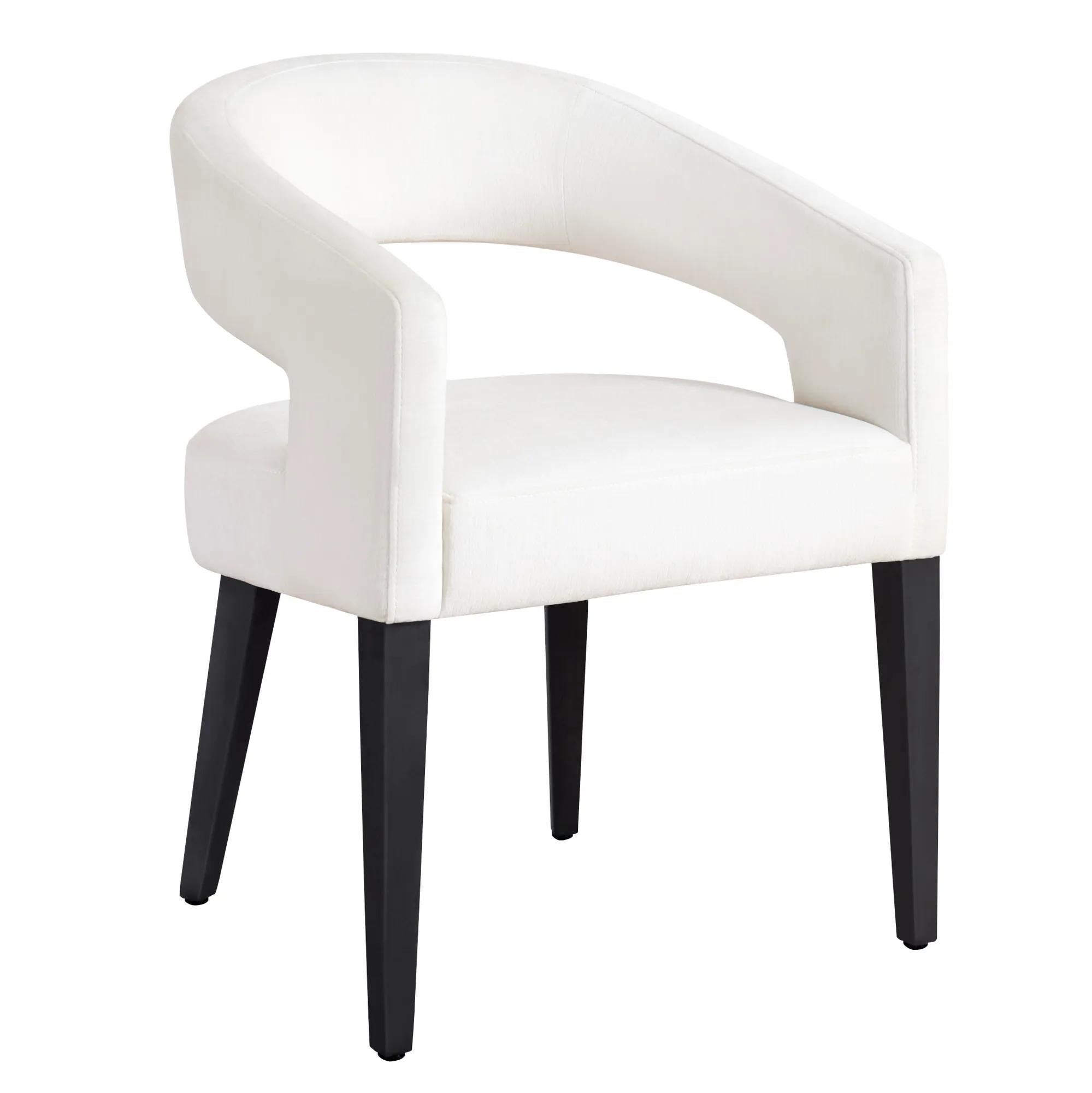
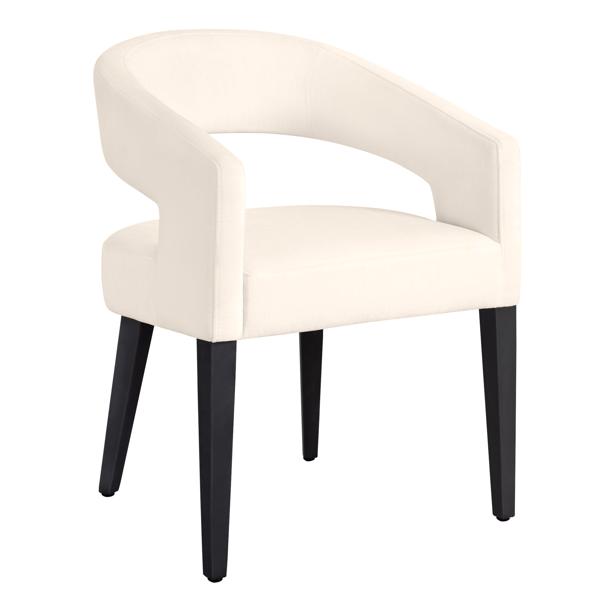 Philippa Dining Chair - Matte Black$699
A modern dining chair featuring a curved silhouette, matte black legs, and neatly tailored upholstery.
Add To Cart -
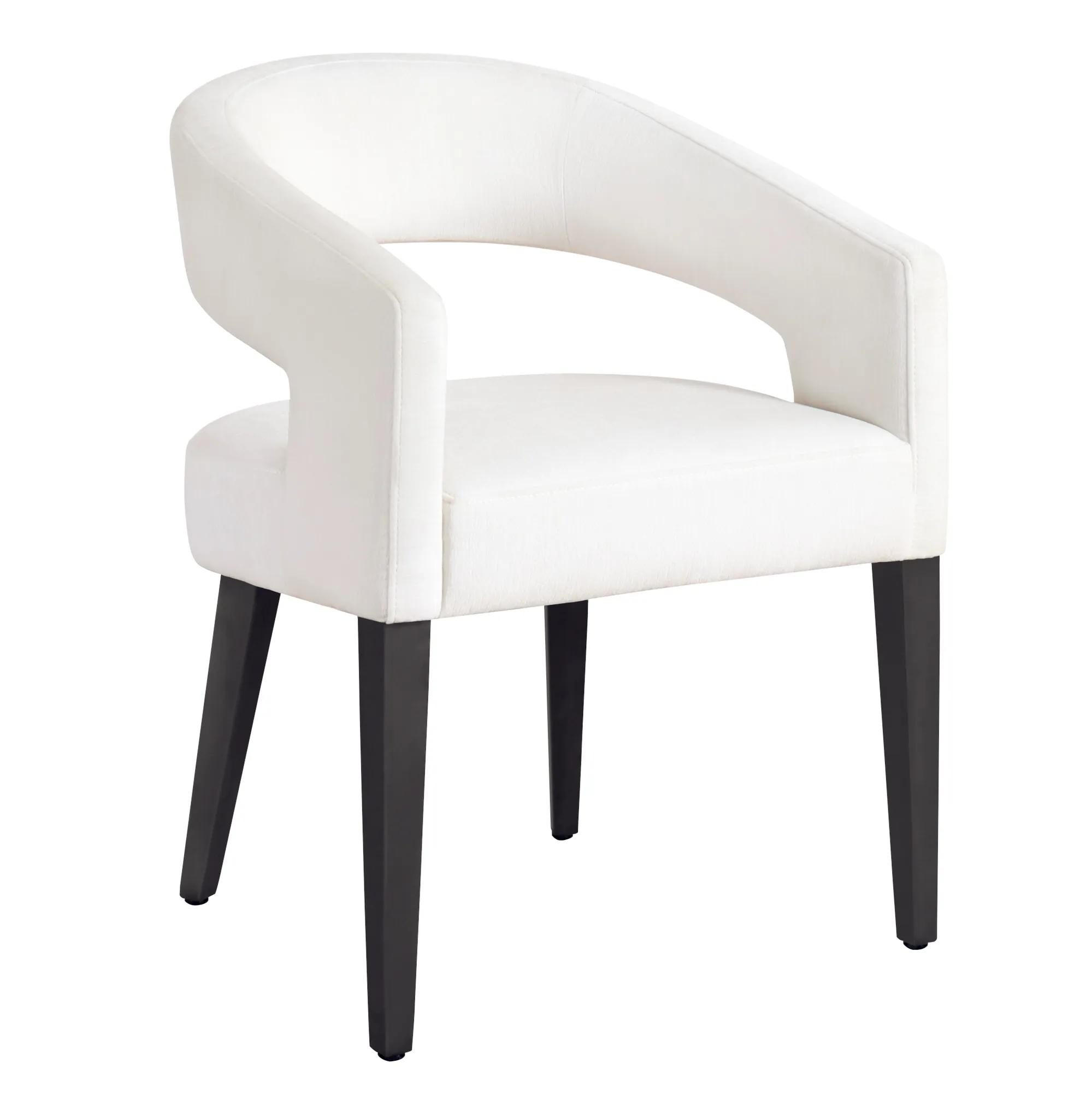
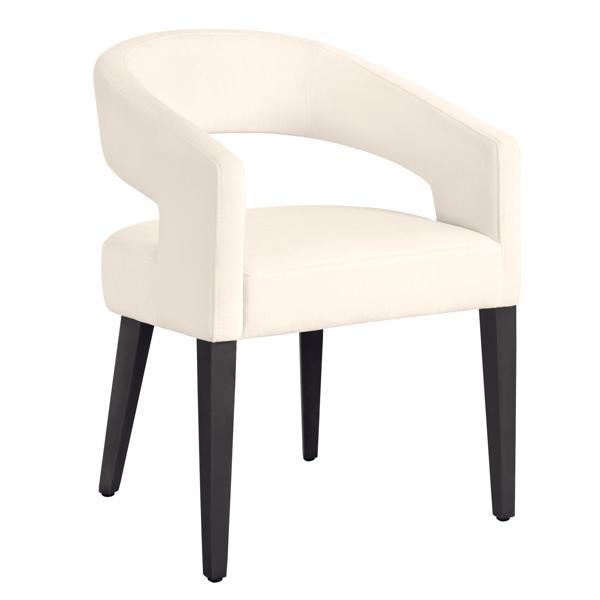 Philippa Dining Chair - Espresso$649
A modern dining chair featuring a curved silhouette, espresso legs, and neatly tailored chenille upholstery.
Add To Cart -
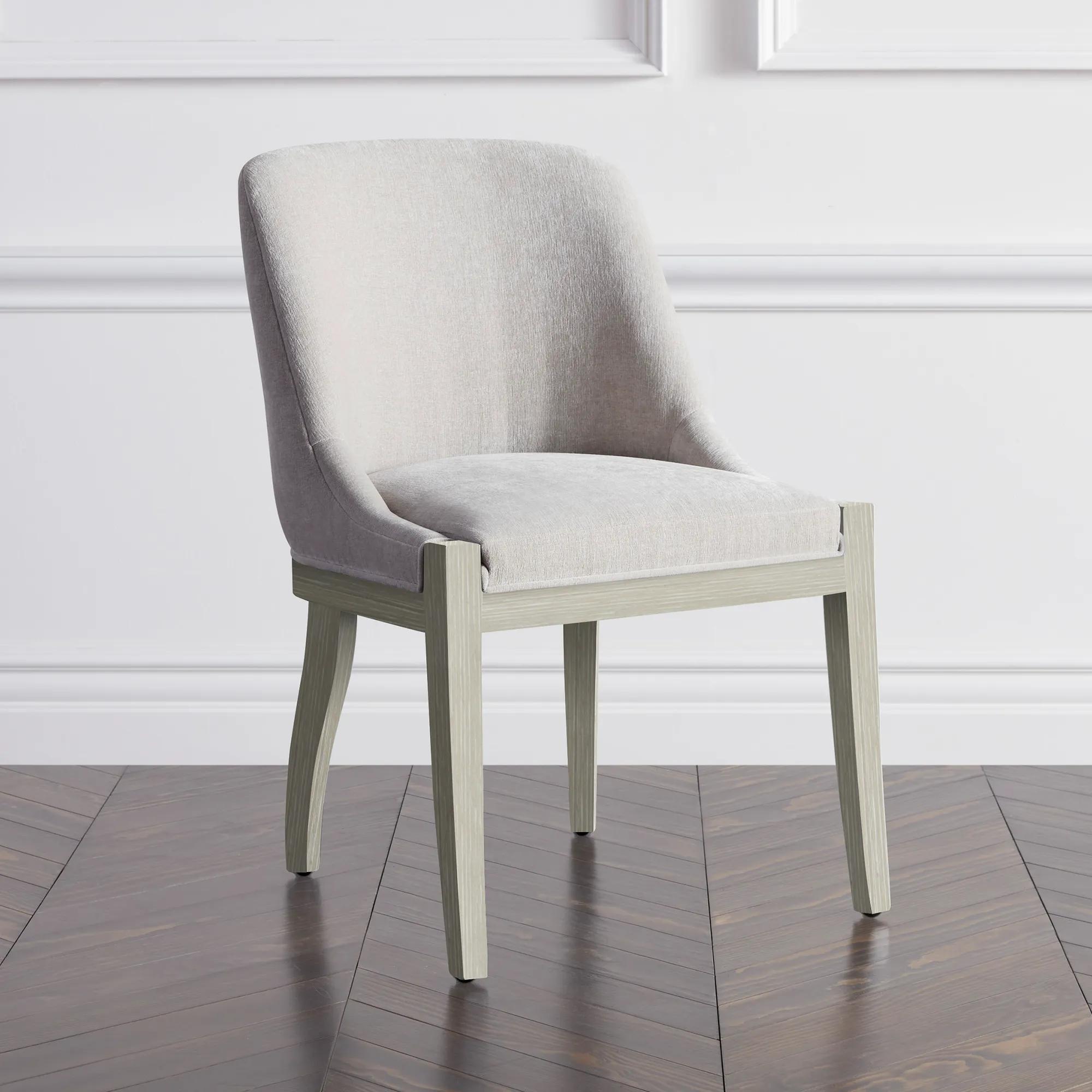 Lily Dining Chair - Natural Grey$649
A modern dining chair featuring kiln-dried hardwood, natural grey upholstery, and cushioned foam-and-fiber comfort.
Add To Cart -
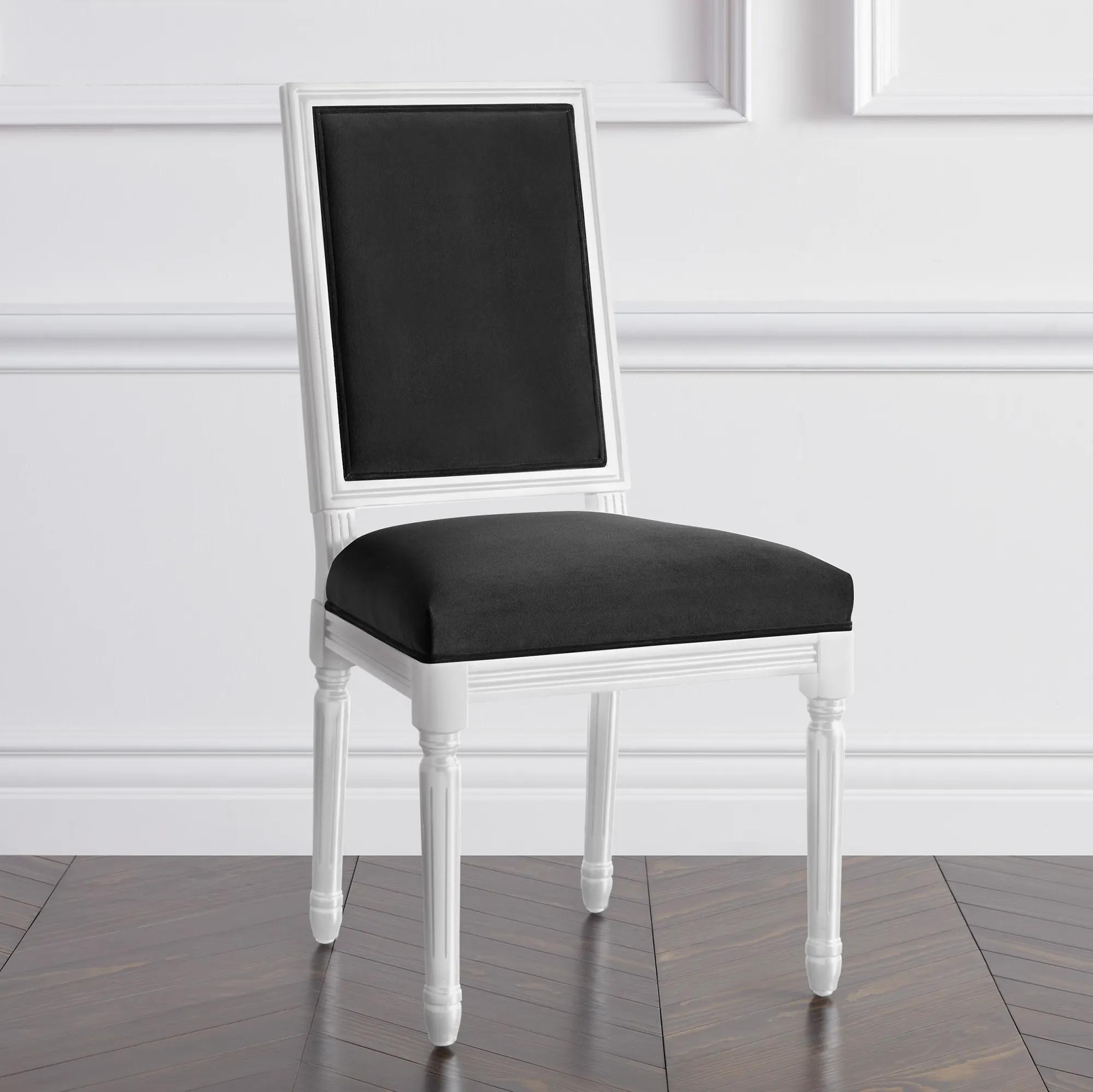
 Callan Dining Chair - High Gloss White$699
A handcrafted dining chair featuring high-gloss white finish, kiln-dried hardwood frame, and plush velvet upholstery.
Add To Cart -
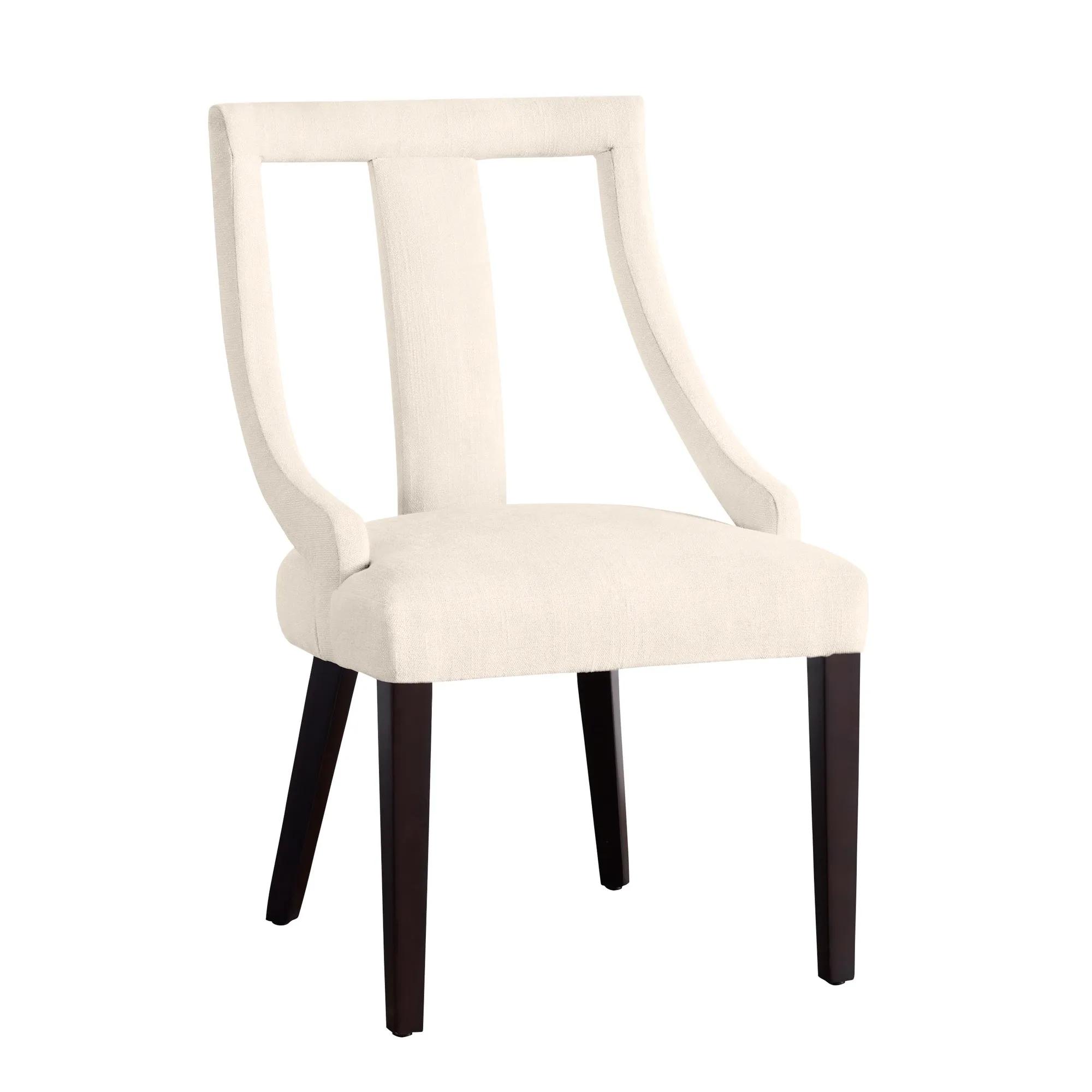
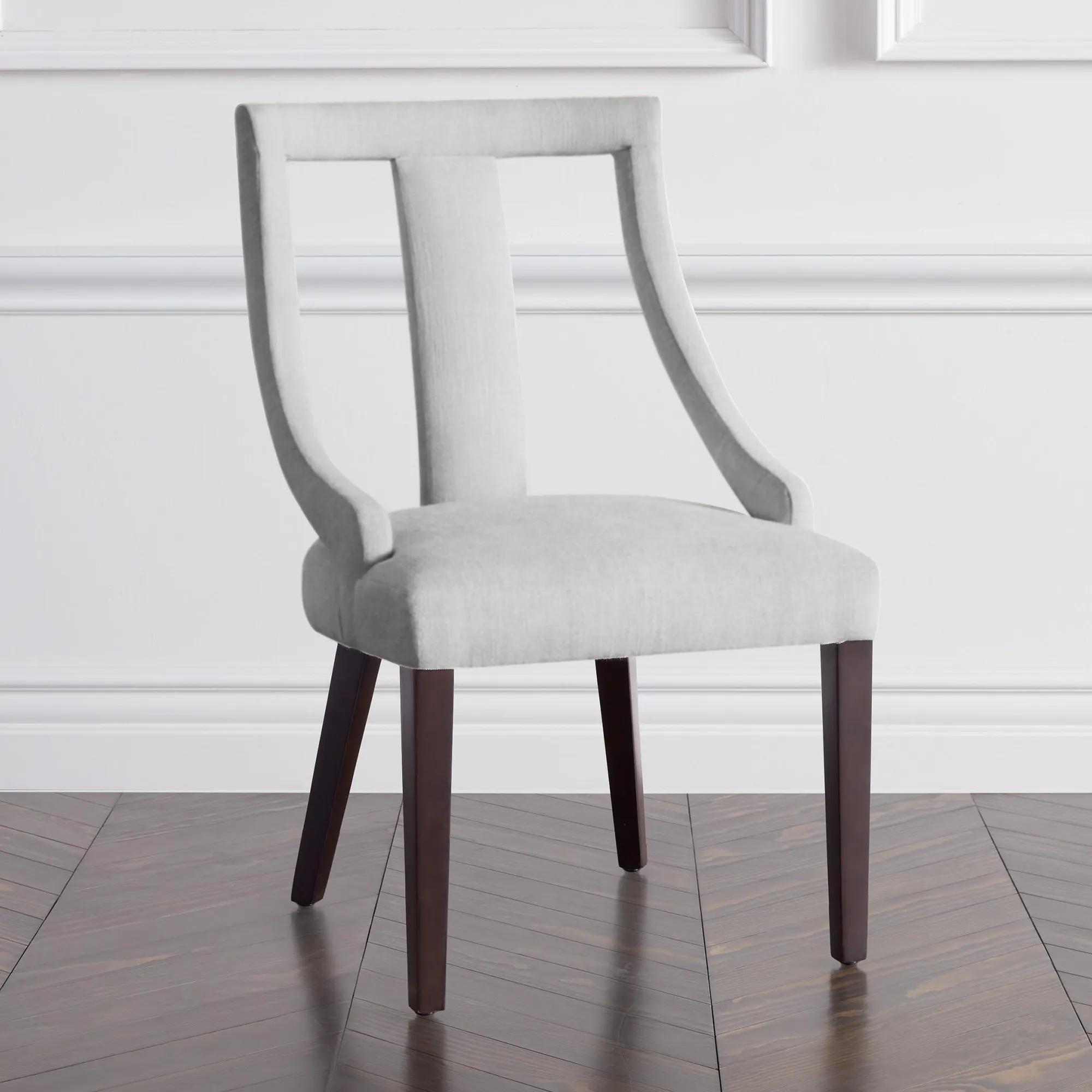 Jade Dining Chair - Espresso$649
A modern dining chair featuring a cutout back, espresso legs, and plush velvet upholstery for lasting comfort.
Add To Cart -
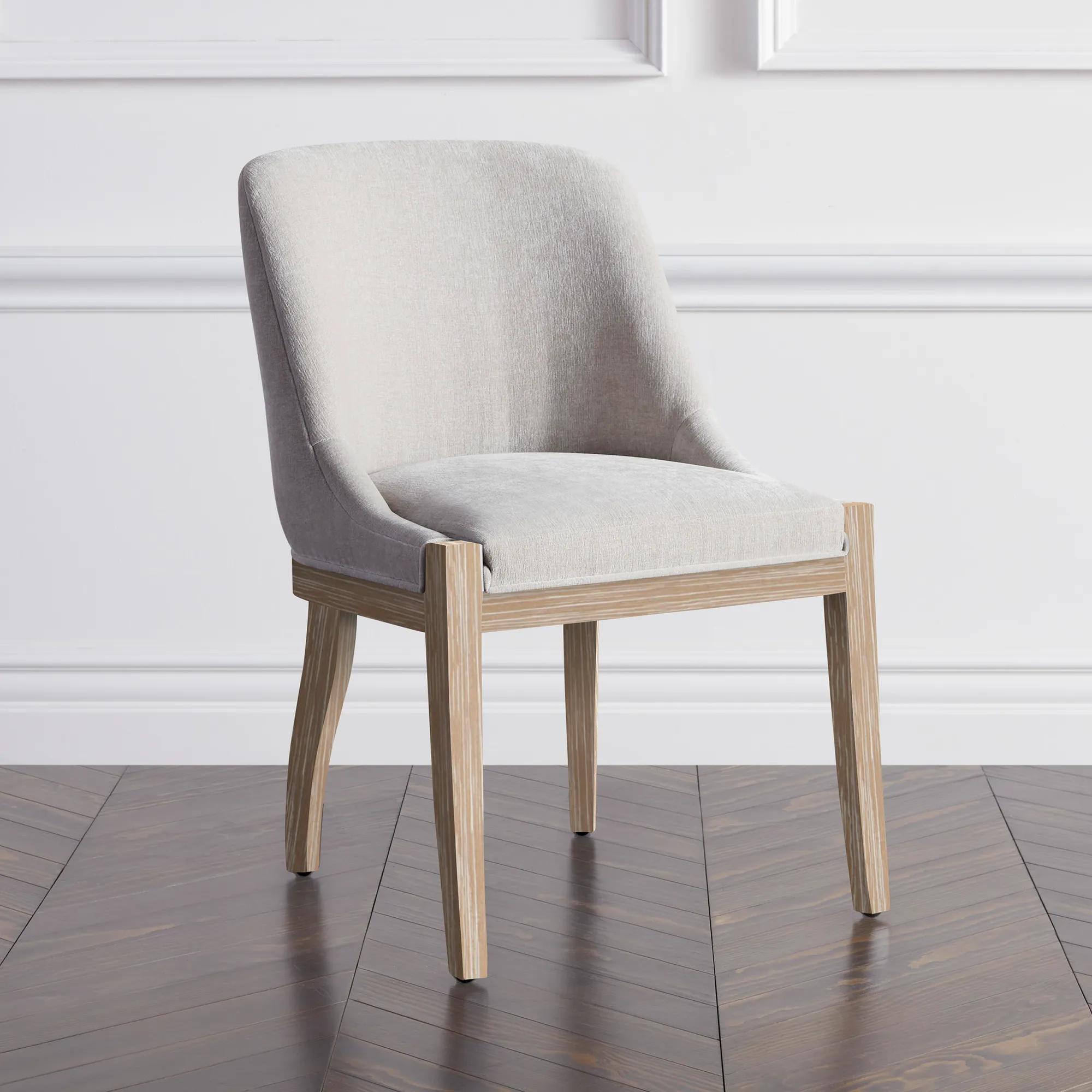
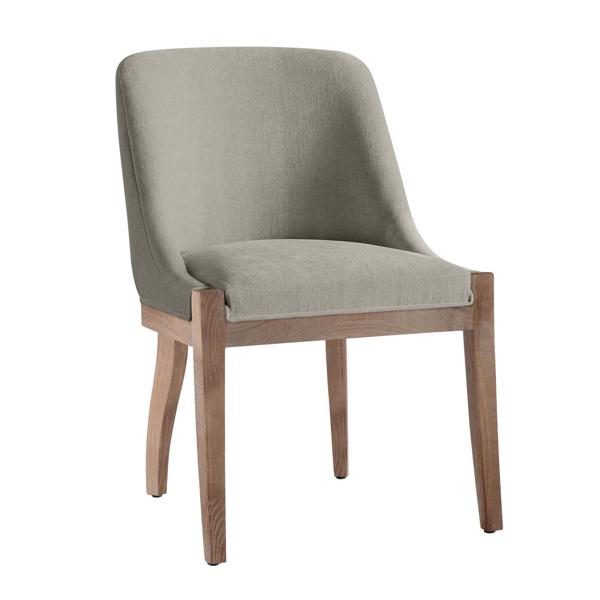 Lily Dining Chair - Wash Oak$749
A modern dining chair featuring a kiln-dried hardwood frame, wash oak legs, and tailored chenille upholstery.
Add To Cart -
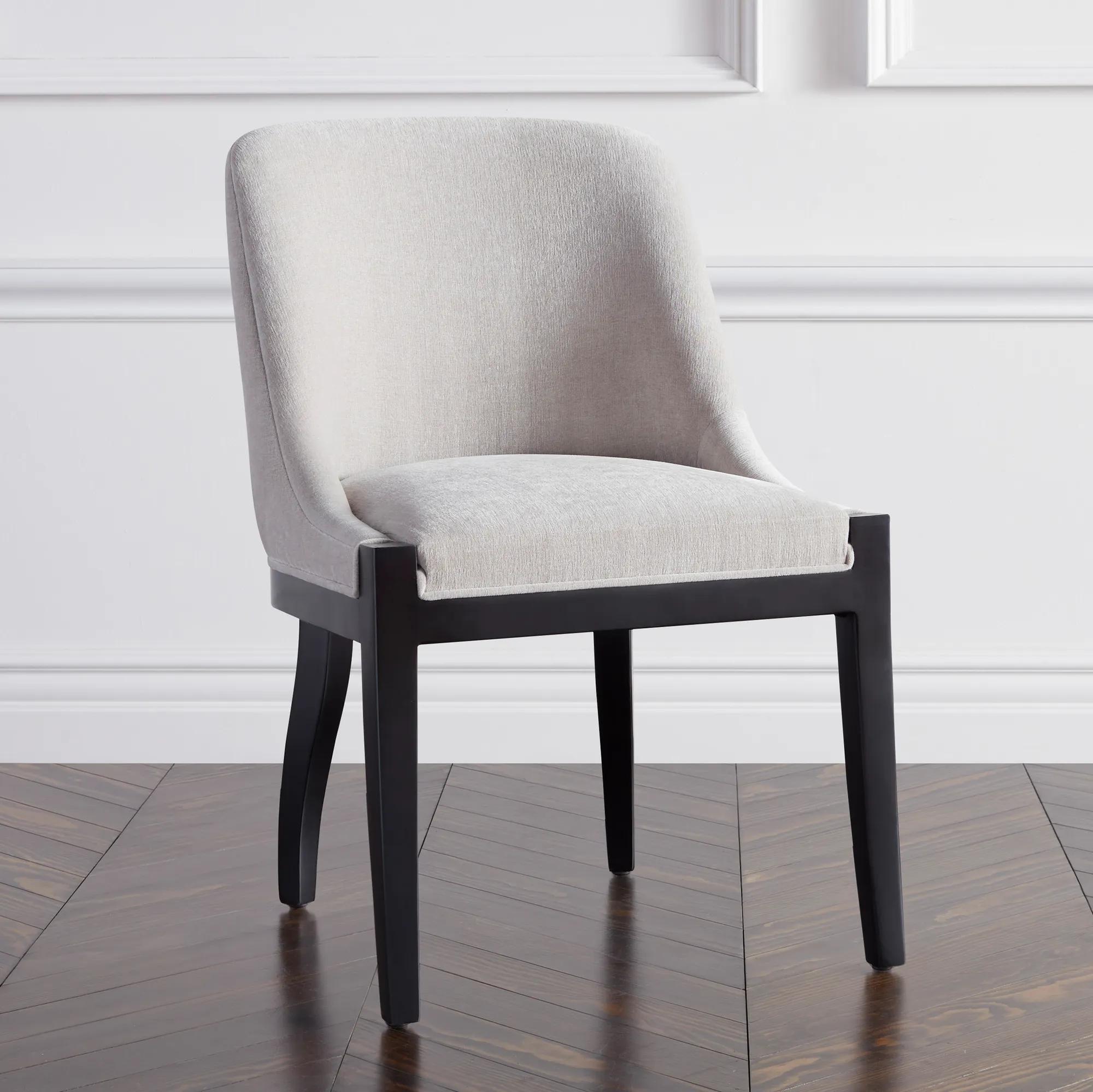 Lily Dining Chair - Matte Black$599
A modern dining chair featuring a matte black hardwood frame and plush, tailored upholstery for lasting comfort.
Add To Cart -
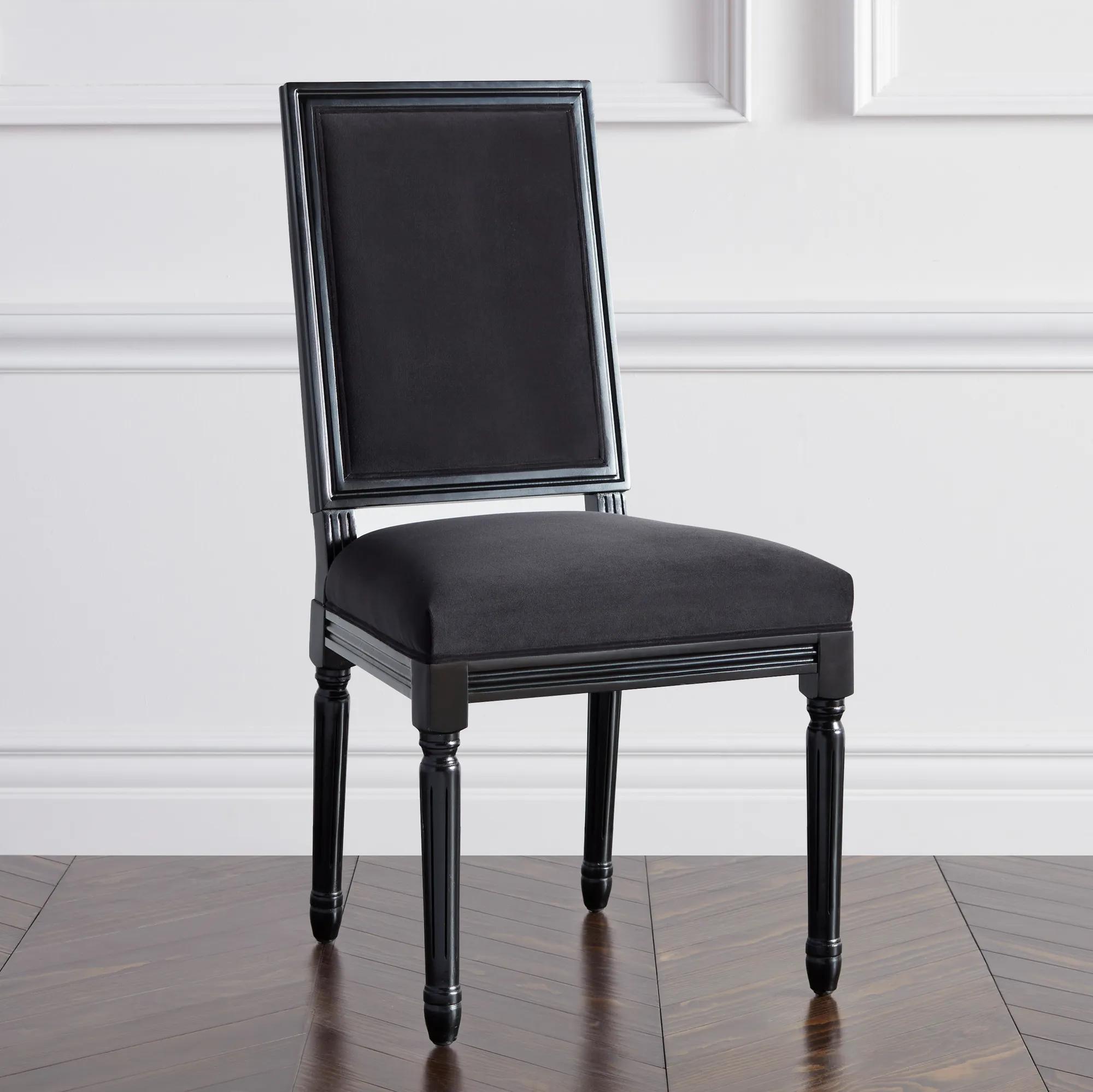
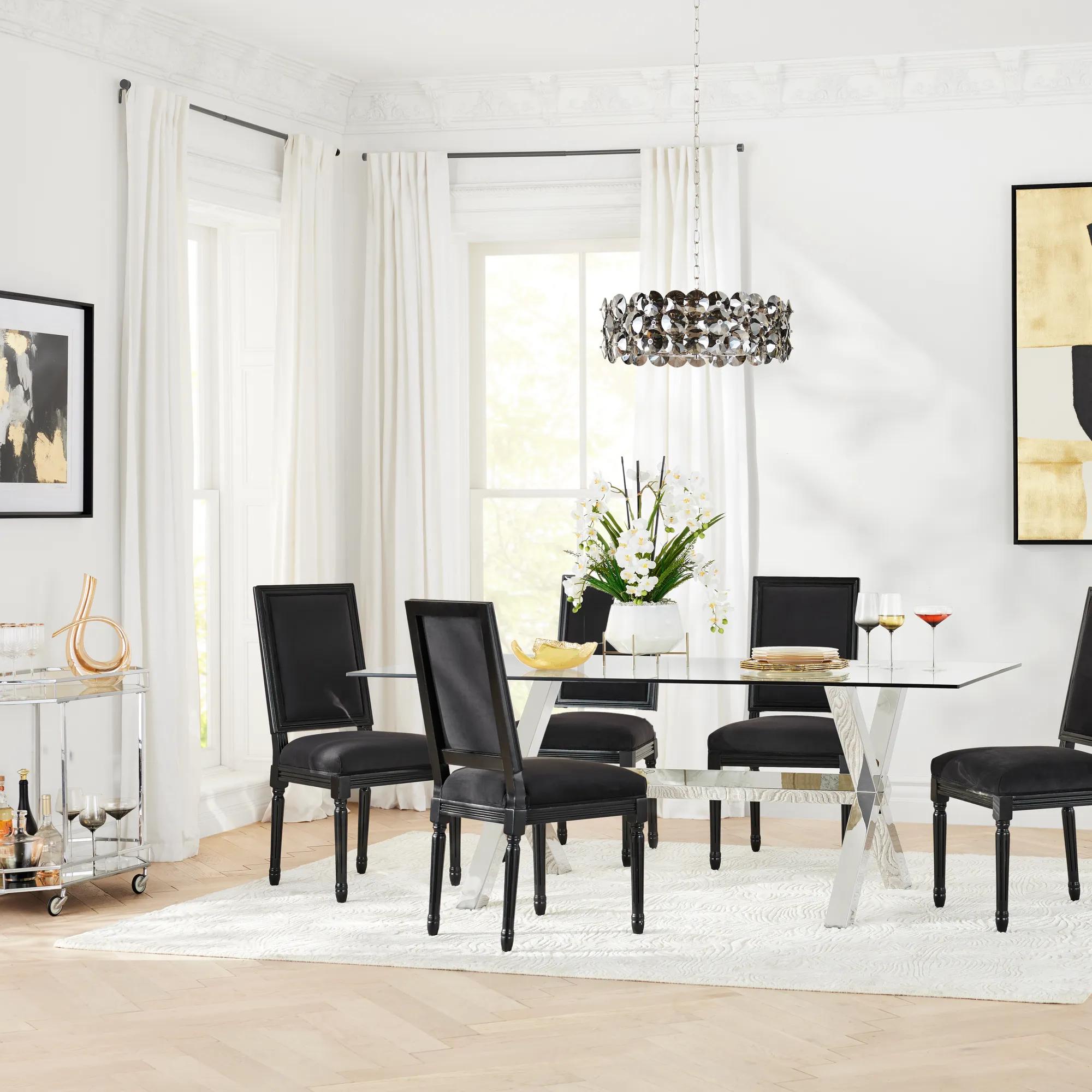 Callan Dining Chair - High Gloss Black$649
A handcrafted dining chair featuring high-gloss black Bella Velvet upholstery, fluted legs, and a squared back.
Add To Cart -
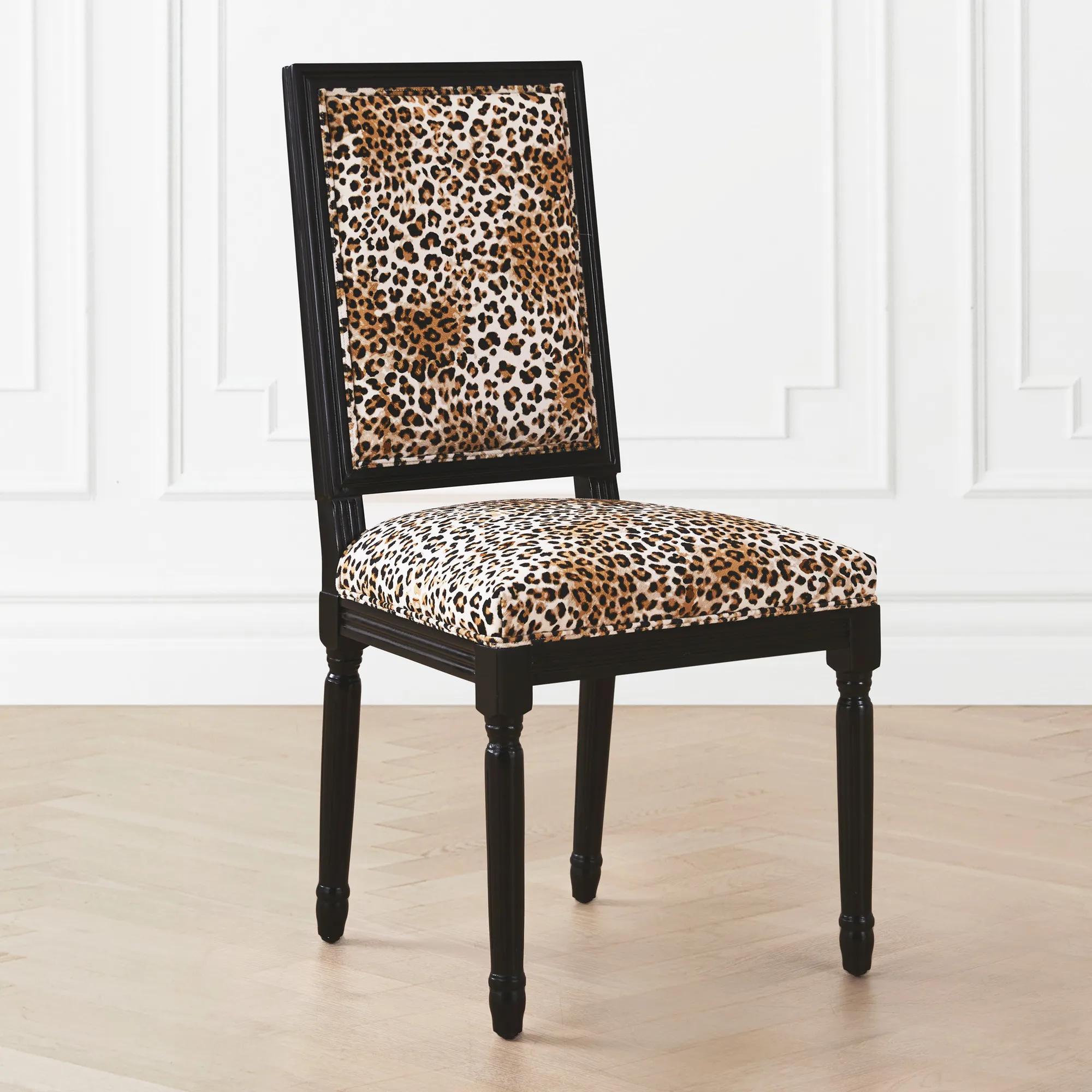
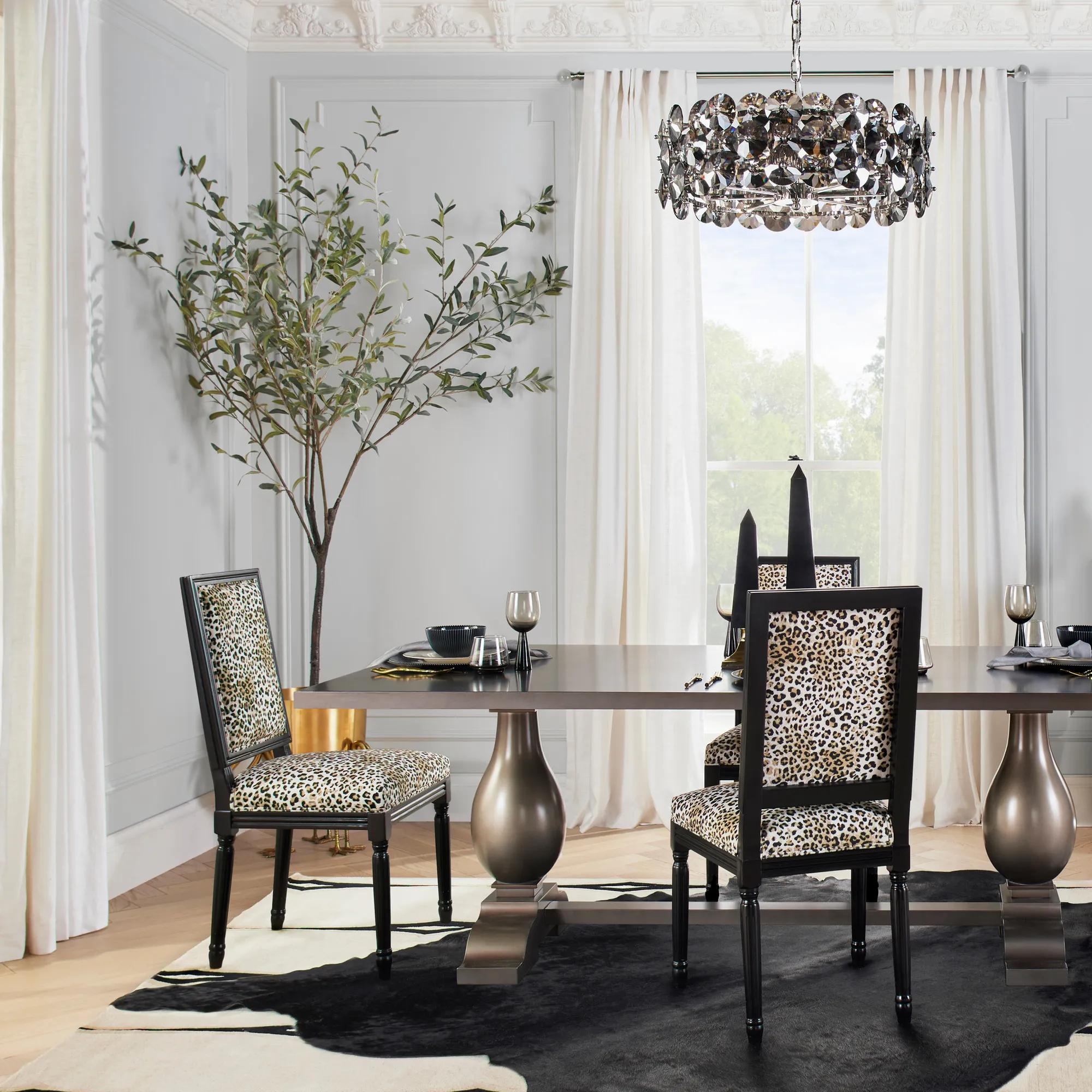 Callan Dining Chair$599
A handcrafted modern chair featuring classic upholstery, squared back, fluted legs, and high-gloss finish.
Add To Cart -
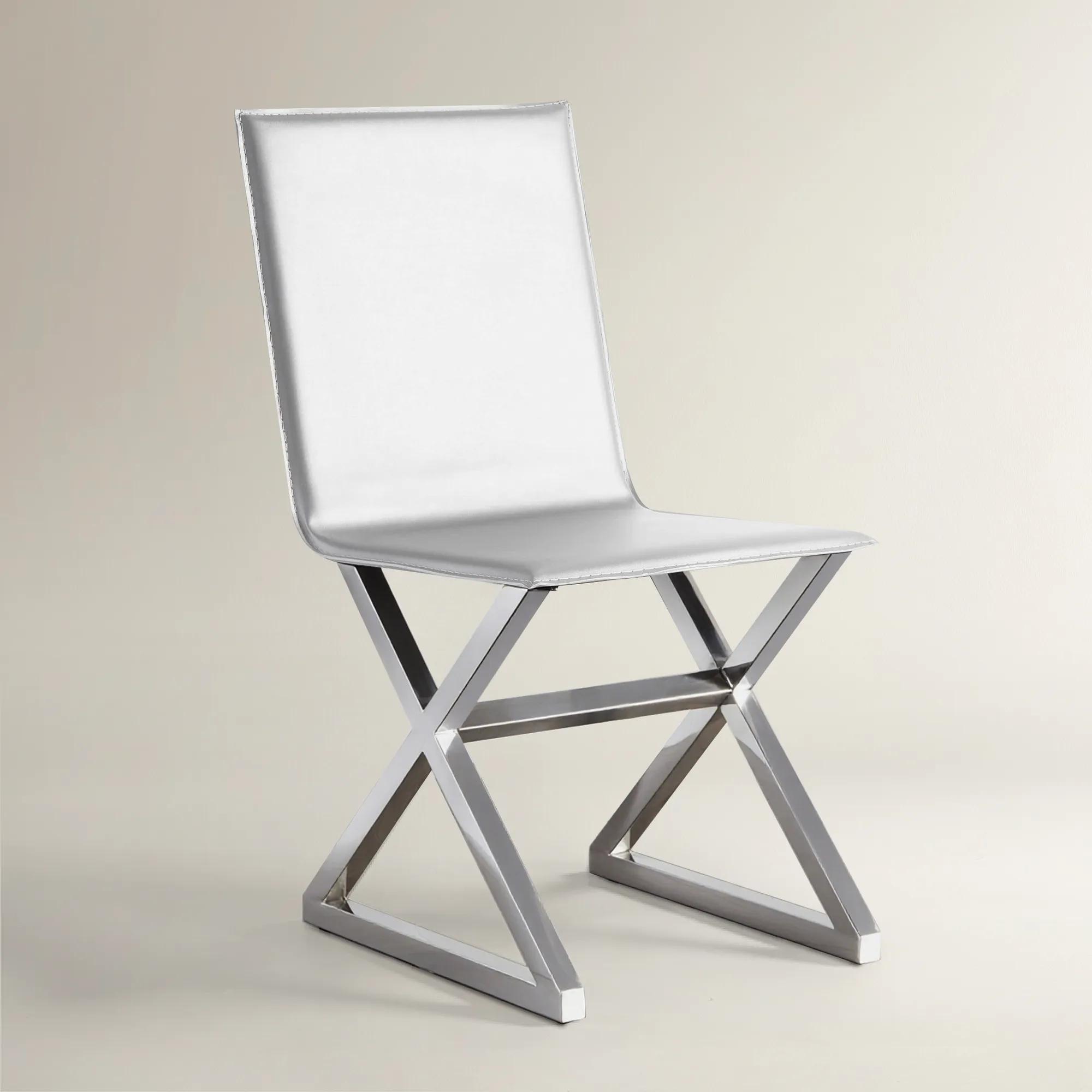
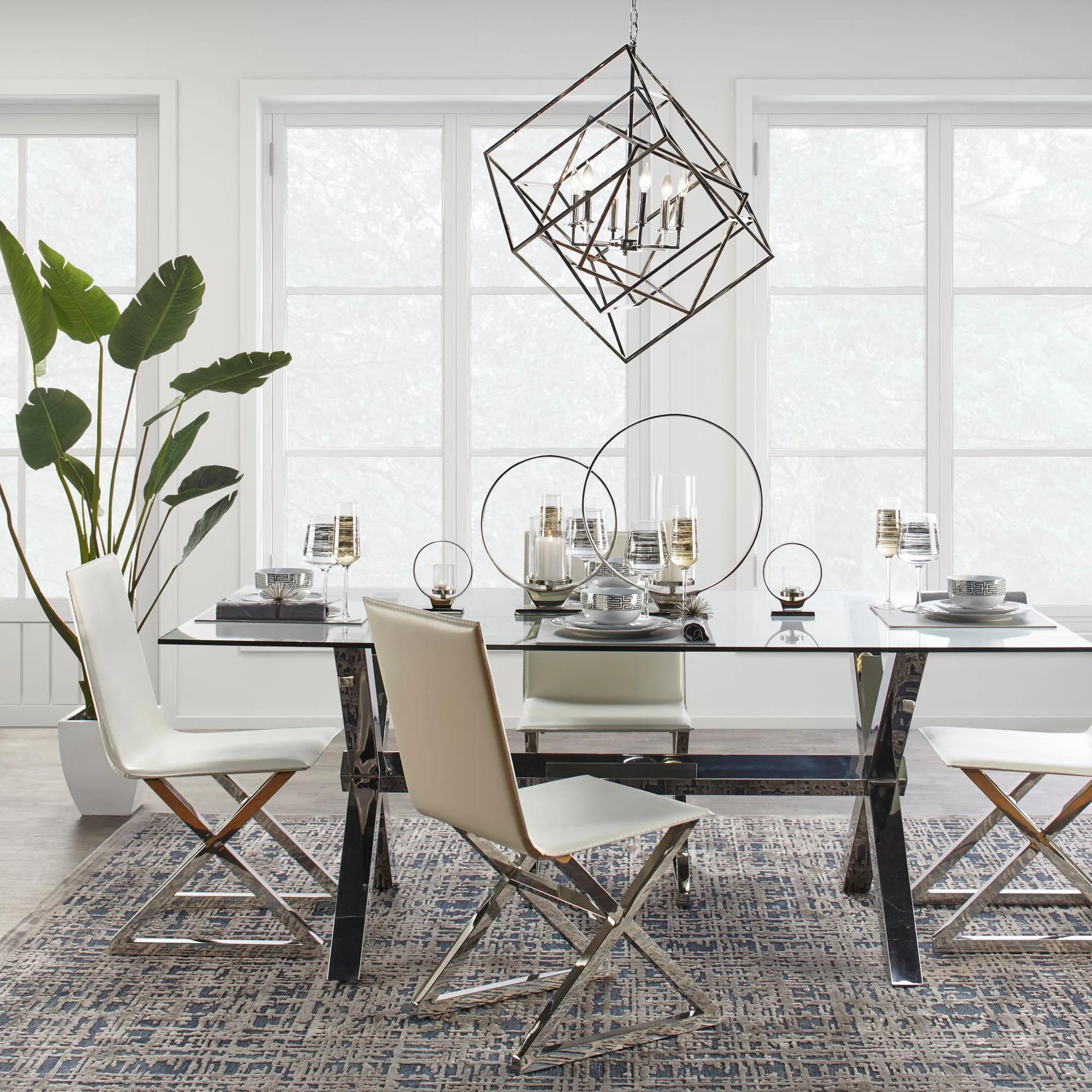 Axis Dining Chair - Set of 2$399
A contemporary chair set featuring white bonded leather upholstery and a polished stainless steel base.
Add To Cart -
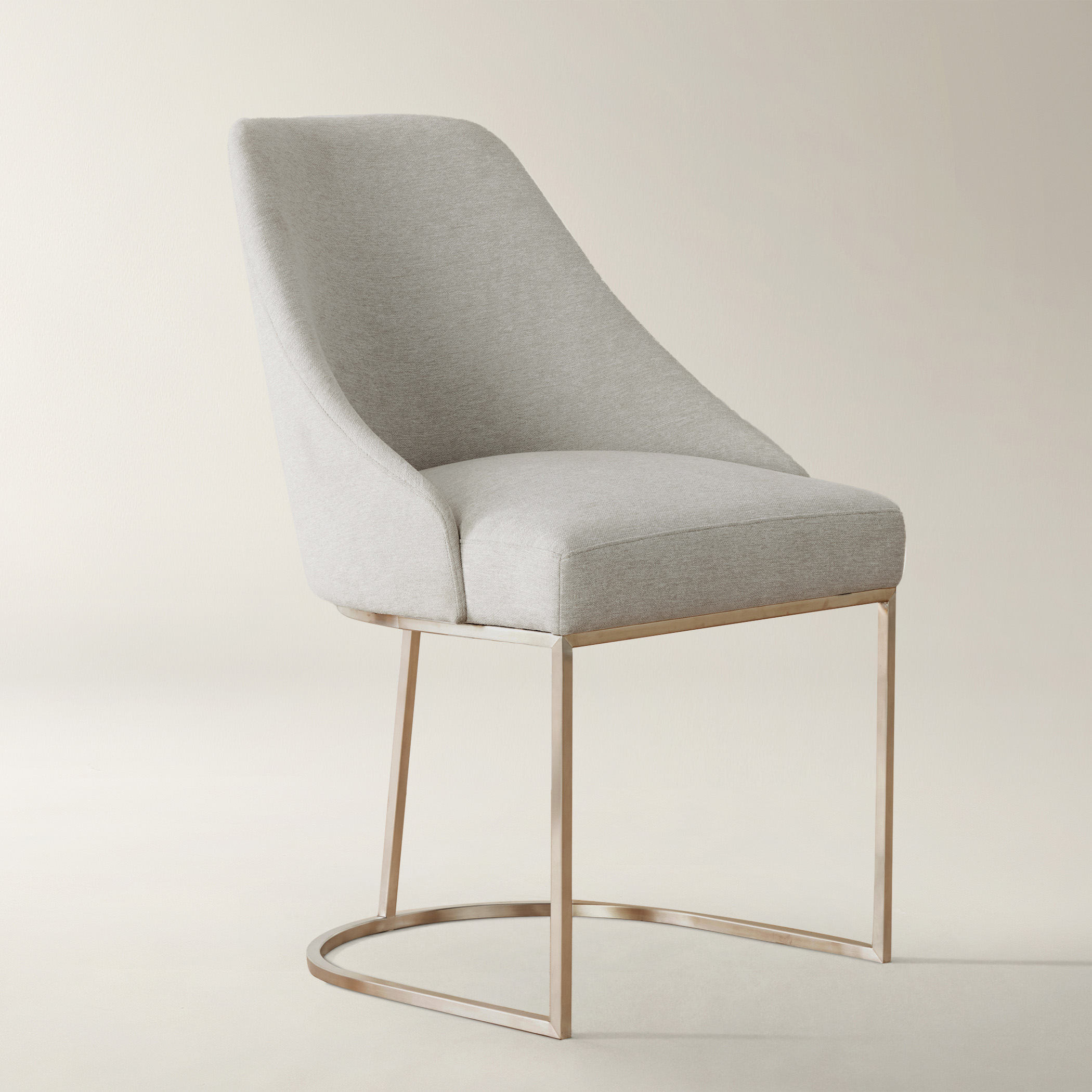
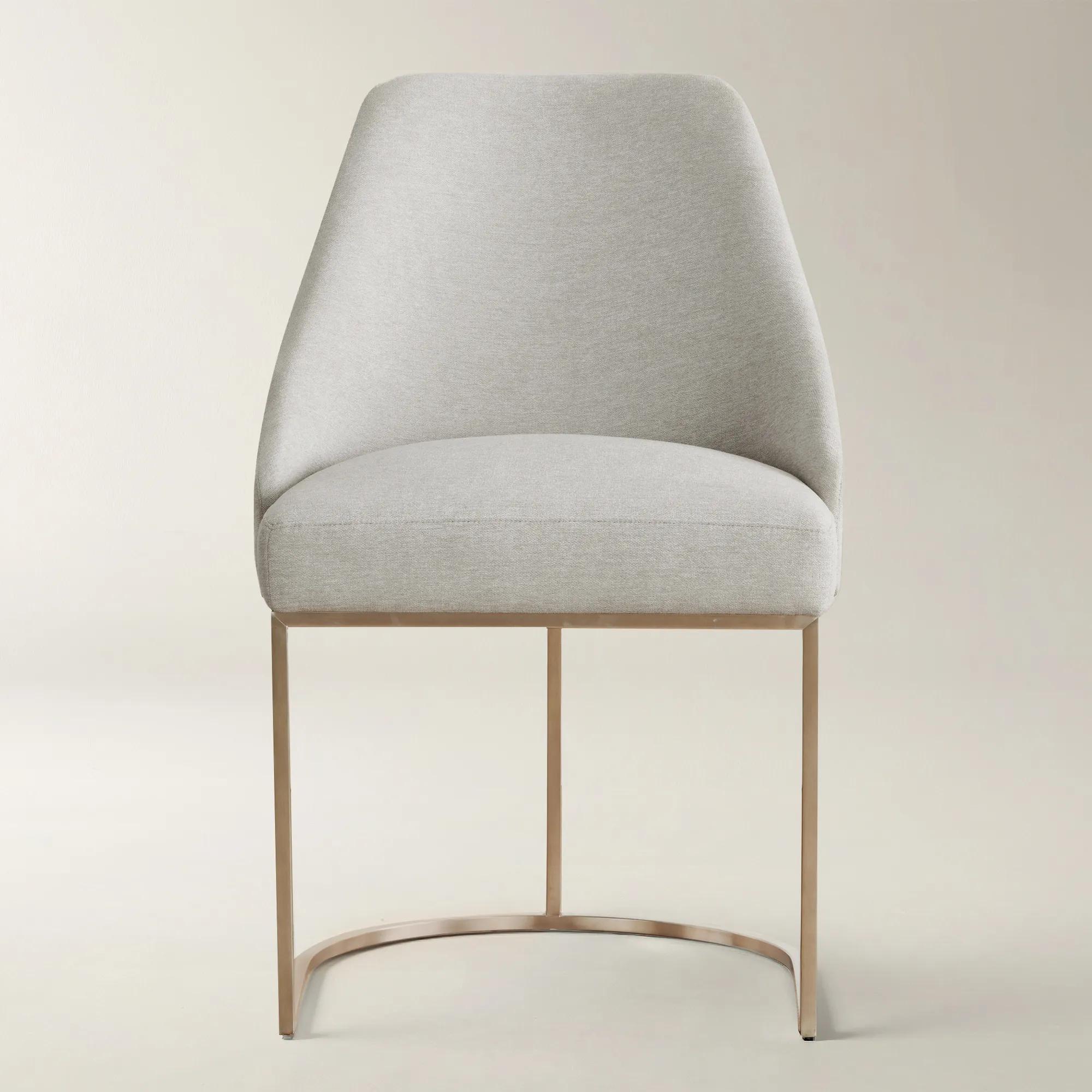 Rowan Ivory Fabric Dining Chair$599
A modern chair featuring brushed stainless steel legs and stain-resistant, water-repellent Roxboro Frost fabric.
Add To Cart -
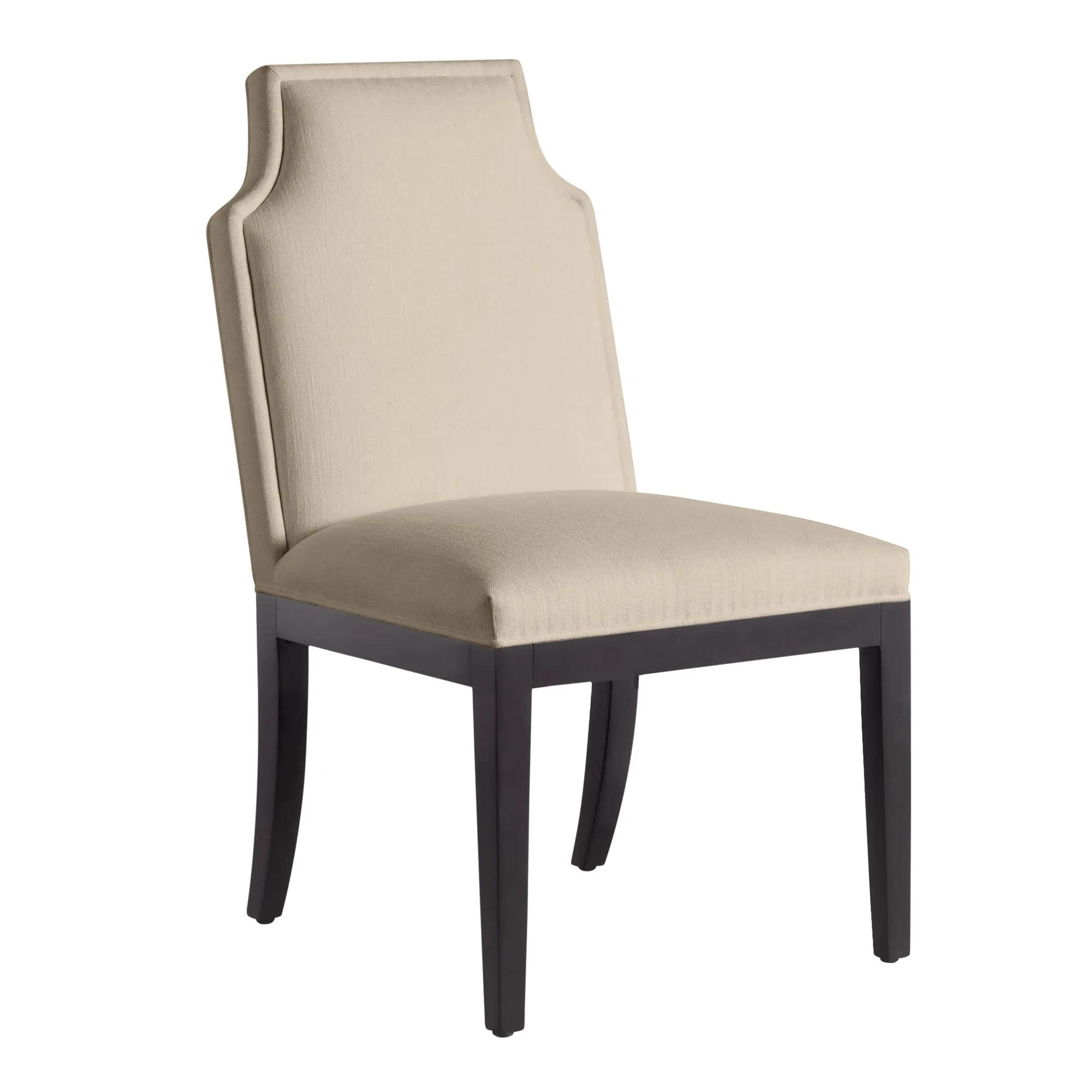
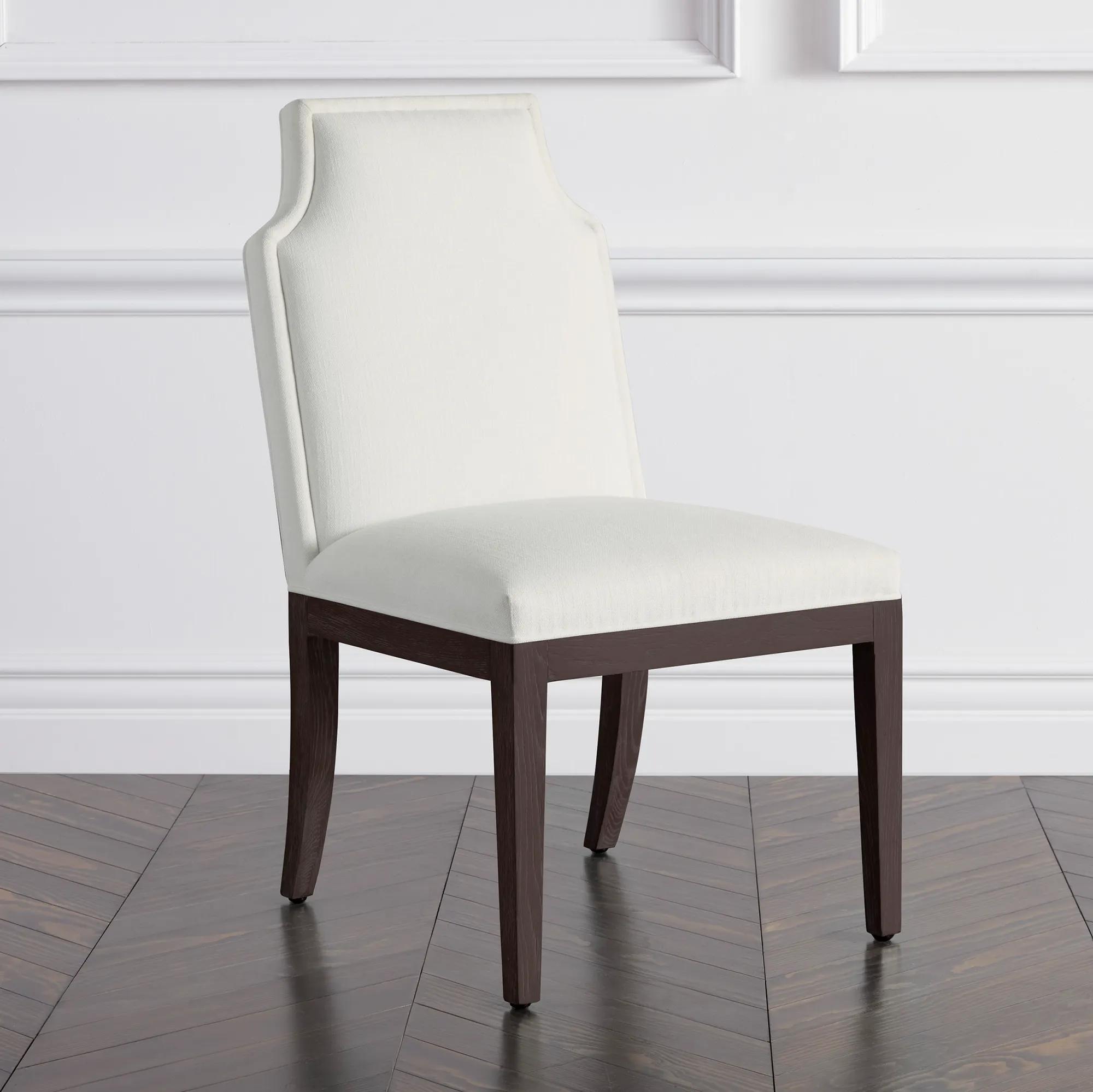 Jasmine Dining Chair - Espresso$649
A chic dining chair featuring a notched back, espresso legs, and plush upholstery for lasting comfort.
Add To Cart -
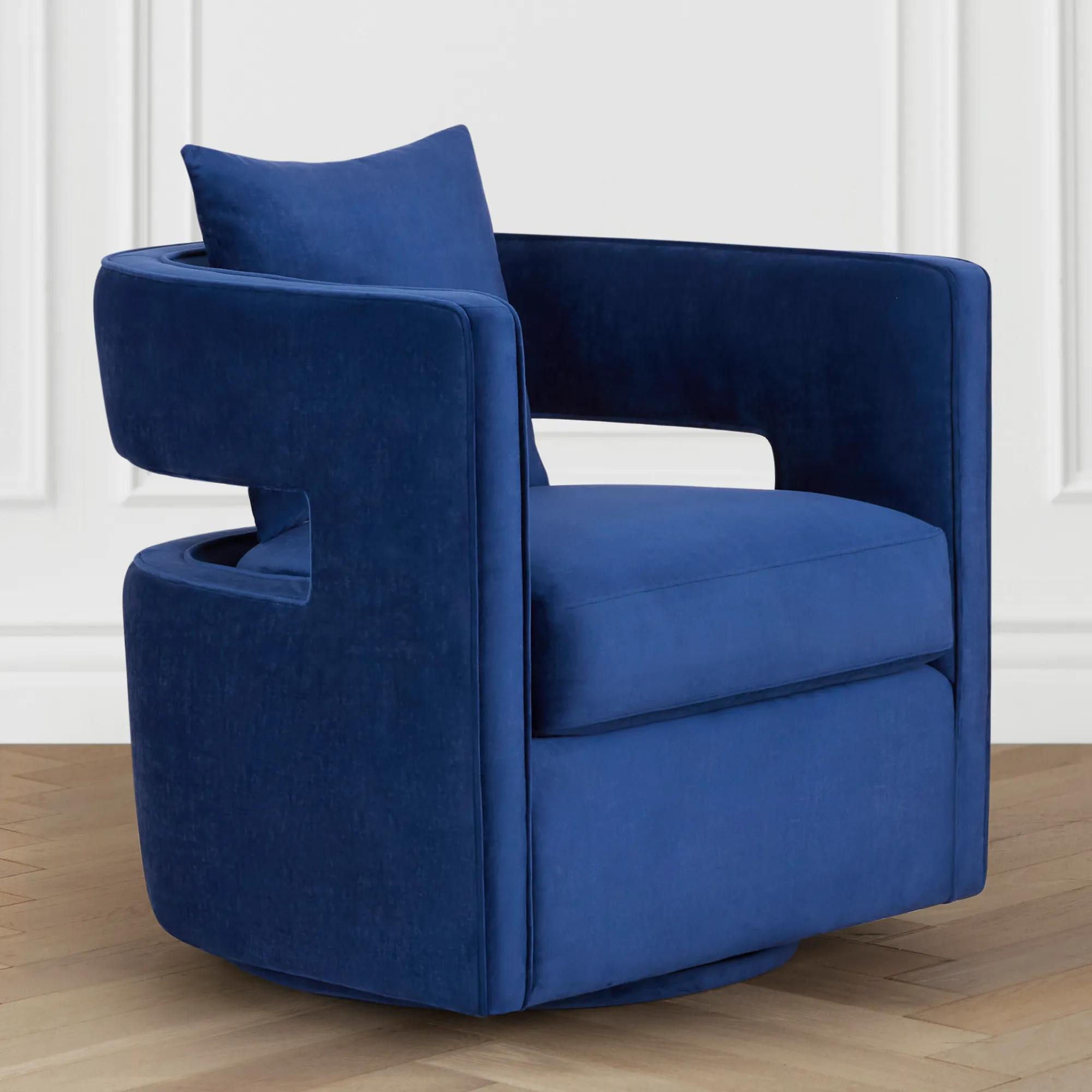
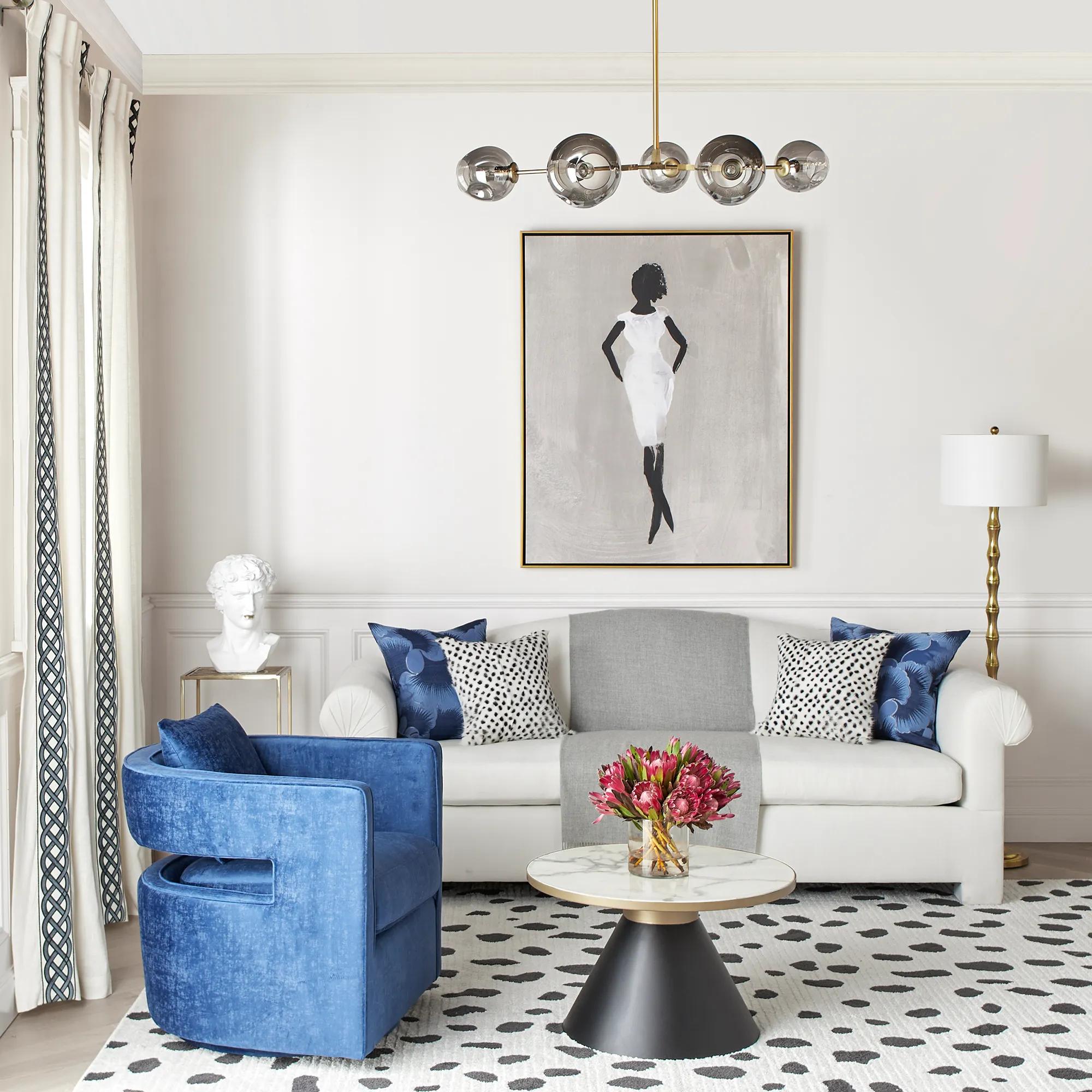 Lottie Navy Velvet Swivel Accent Chair$999
A glamorous navy velvet swivel chair featuring a barrel back, cutout arms, and plush foam cushioning.
Add To Cart -
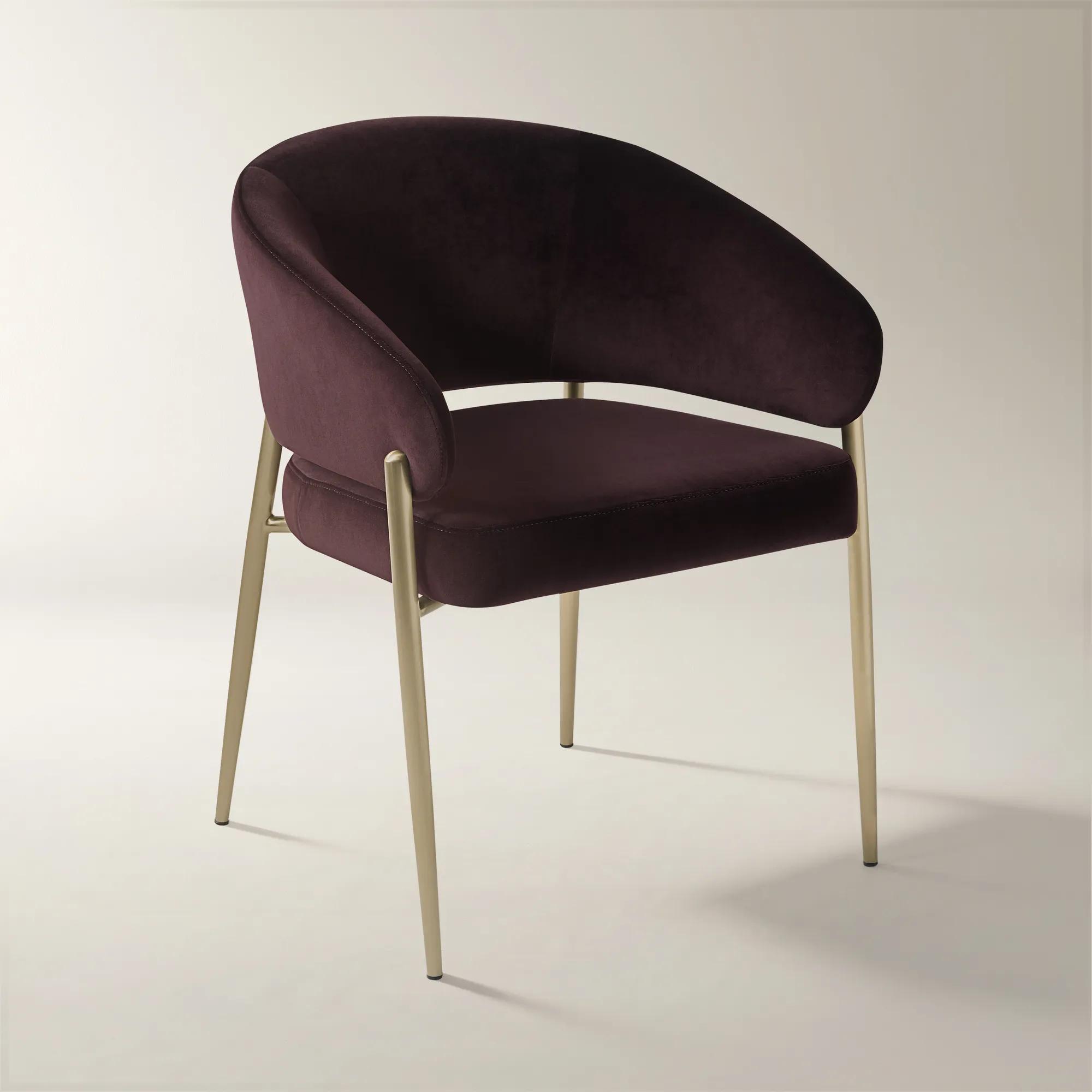 Nara Fig Velvet Dining Chair Set Of 2$599
A set of two dining chairs featuring plush fig velvet upholstery and brushed brass stainless-steel legs.
Add To Cart -
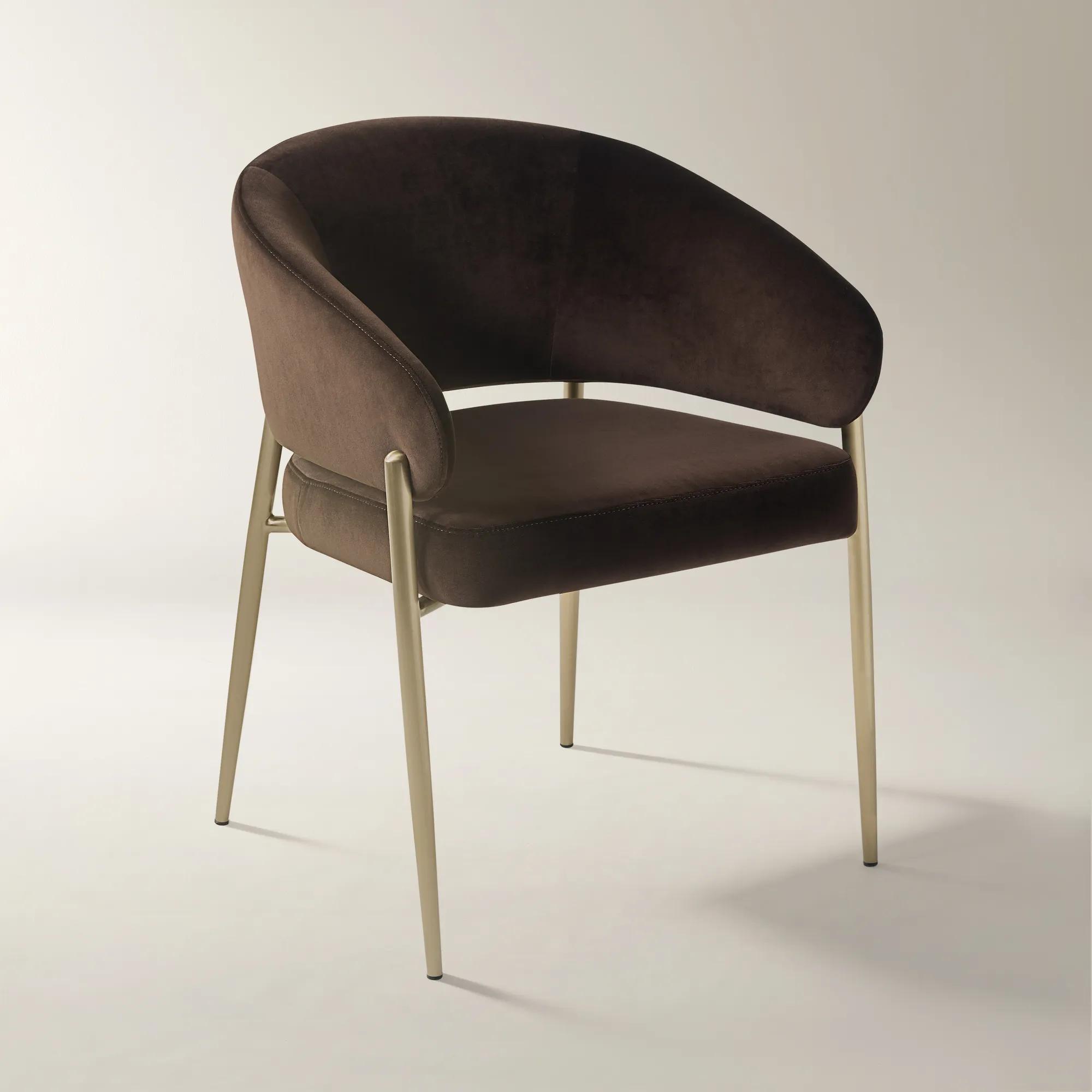 Nara Dark Chocolate Velvet Dining Chair Set Of 2$599
A pair of dark chocolate velvet chairs with curved backs and brushed brass stainless-steel legs for modern elegance.
Add To Cart

Comfortable Dining Chairs
Comfortable dining chairs transform every meal into an experience—inviting you to linger, laugh, and savor every moment in style. Imagine plush silhouettes that beckon you to sit back, elegant curves that cradle every conversation, and sumptuous finishes that elevate the art of gathering. With comfortable dining chairs, your dining room becomes a stage for unforgettable evenings and everyday celebrations, where luxury is not just seen, but felt with every seated moment.
Comfortable dining chairs bring substance to a beautifully dressed table: supportive seating, inviting texture, and the freedom to linger long after the last course. The most satisfying designs balance cushioned seats with supportive backs, proportions that suit the table, and upholstery that feels as considered as it looks. Medium-firm padding can offer a more comfortable foundation for extended meals than a deeply soft seat that lets the body sink too low. High-density foam is worth considering for its potential to retain shape, although density and firmness are different qualities, and construction matters as much as the cushioning itself. A gently curved back can follow the contours of the body, while a slight recline creates a relaxed posture without placing the sitter too far from the table. Comfort remains personal; a chair that feels sumptuous to a tall adult may feel too deep to someone with a shorter reach. A well-fitting seat allows feet to rest on the floor, supports the thighs, and leaves a little space behind the knees. These details give glamorous dining rooms their graciousness. Velvet upholstery catches candlelight with a subtle change in tone, a sculptural back creates a striking outline against a pale wall, and tailored seams lend polish even when the table is set for an ordinary evening. Upholstered dining chairs suit households that gather for leisurely dinners, hosts who love a generous menu, and anyone whose dining table also becomes a place for conversation, correspondence, or an occasional afternoon project. During the cooler months, tactile fabrics and enveloping silhouettes add warmth without requiring a seasonal redesign. For rooms shaped by clean lines and expressive accents, comfortable modern dining chairs bring that same sense of ease to a more architectural setting. The goal is seating that looks composed from across the room and feels equally inviting when a guest settles in.
Scale determines how beautifully that comfort translates to everyday use. Many dining chairs have seat heights of approximately 18 to 20 inches, but the right fit depends on the table’s height, the thickness of its top, and any apron beneath it. About 10 to 12 inches between the seat and tabletop is a useful starting point, with enough unobstructed space below the apron for legs to move comfortably. Seat cushions can compress under weight, so listed dimensions alone do not tell the entire story. Seat widths around 18 to 22 inches are common, though broader seats may feel more accommodating and narrower silhouettes can preserve breathing room around a compact table. Usable seat width deserves attention, particularly when arms or curved sides narrow the sitting area. Seat depth matters just as much: generous depth can feel luxurious, but only when the sitter can reach the backrest without losing comfortable foot support. Armchairs create a composed, almost lounge-like presence at the ends of a rectangular table, where forearm support encourages unhurried conversation. Their arms need to clear the table apron if the chairs are intended to tuck fully underneath. Armless side chairs offer more freedom to enter and leave the seat, making them especially practical along the sides of a table or in a dining nook. Allowing roughly 24 inches of table edge per person is a common starting point, with more room needed for wider chairs, substantial arms, or generous place settings. Space behind the chairs also shapes the experience: approximately 36 inches from the table edge to a wall or furniture can accommodate pulling out a chair, while a busy passage benefits from additional clearance. A pedestal, trestle, or corner leg can change where chairs fit, regardless of tabletop size. In an open dining area, a taller back adds visual ceremony; around a smaller table, a lower, curved silhouette can feel intimate without overwhelming the room. Thoughtful proportions make every place setting feel intentional rather than squeezed into the arrangement.
Materials establish both the mood of dining room seating and the rhythm of its care. Velvet brings depth and a luminous surface to jewel tones and soft neutrals alike, though its pile may show shading or pressure marks that are part of the fabric’s character. Textured woven upholstery adds dimension and can soften the formality of a polished table; looser weaves, however, may be more vulnerable to snagging in homes with pets. Performance fabrics can be appealing for frequently used dining spaces, but that description does not make every fabric stainproof or suitable for the same cleaning method. Leather develops character with use and can offer a smooth, tailored finish, while faux leather provides a similar visual effect with different maintenance requirements and wear characteristics. Neither should be treated as immune to scratches, heat, or spills. For a family table that sees breakfast, homework, and dinner, accessible cleaning instructions may matter as much as the fabric’s visual drama. Regular gentle vacuuming with an appropriate upholstery attachment helps remove crumbs before they settle into seams. Spills are generally best blotted promptly rather than rubbed, with any further treatment guided by the manufacturer’s care instructions and cleaning code. Removable cushions or covers are not necessarily machine washable, and unfamiliar cleaners deserve a test in an inconspicuous area when permitted. Strong sunlight and nearby heating vents can affect upholstery and finishes over time, making placement another part of preservation. Beneath the fabric, durability depends on a sound frame, secure joints, supportive seat construction, and appropriate use. Wood can lend warmth and sculptural richness, while metal offers the possibility of slender profiles and gleaming accents; neither material alone guarantees a longer-lasting chair. Published weight capacities, assembly directions, and care requirements provide more meaningful context. Floor-compatible glides help protect surfaces, and chairs designed for indoor dining belong away from outdoor moisture. In a formal dining room, an eat-in kitchen, or a multipurpose apartment, the finest balance is expressive rather than precious: upholstery suited to daily rituals, construction chosen for repeated use, and a silhouette with enough presence to make the table feel complete.
FAQs
In modern interiors, comfortable dining chairs often feature luxurious materials such as plush velvet, supple leather, or finely woven linen. These fabrics not only provide a tactile sense of comfort but also add a layer of visual sophistication. Sleek metal or lacquered wood frames are commonly chosen for their durability and contemporary appeal, while details like tufting, piping, or metallic accents elevate the overall design.
Mixing and matching comfortable dining chairs is an artful way to express your personal style. Start by choosing a unifying element, such as a common color palette or material, and then play with different silhouettes or finishes. For example, pair sculptural armchairs at the ends of your table with streamlined side chairs for a collected, designer-inspired effect. The key is to balance visual interest with harmony so every seat feels intentional and inviting.
For long, lingering dinner parties, seek out cozy dining chairs with ample seat padding, supportive backrests, and armrests if space allows. Upholstered chairs with ergonomic contours encourage guests to relax and stay awhile. Consider chairs with breathable fabrics and gentle curves that cradle the body, ensuring comfort from appetizers to after-dinner conversation.
Absolutely. Comfortable dining chairs are a natural fit for open-concept living spaces, where dining, lounging, and entertaining often blend together. Opt for chairs with statement-making designs or luxe upholstery to create a visual anchor in your dining area. Their versatility means they can easily transition into extra seating for gatherings or be styled as accent chairs in other parts of your home.
To preserve the opulent appearance of upholstered dining chairs, regularly vacuum the fabric using a soft brush attachment to remove dust and debris. Attend to spills promptly with a clean, damp cloth, and use fabric-specific cleaners as needed. For velvet or suede, a gentle upholstery brush helps restore the nap and luster. Periodic professional cleaning will keep your chairs looking fresh, sumptuous, and ready for every occasion.