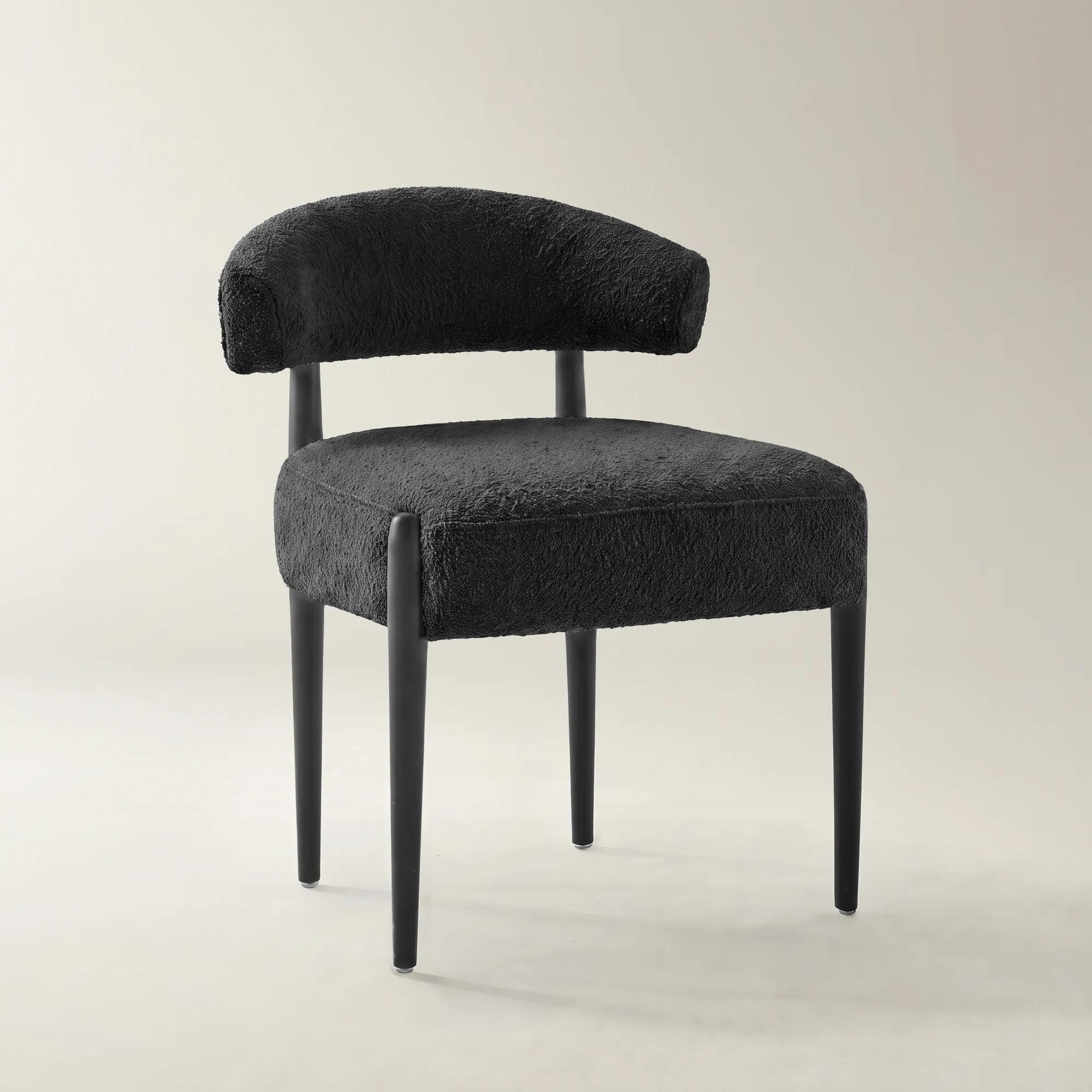
Comfortable Dining Room Chairs
Comfortable Dining Room Chairs
-
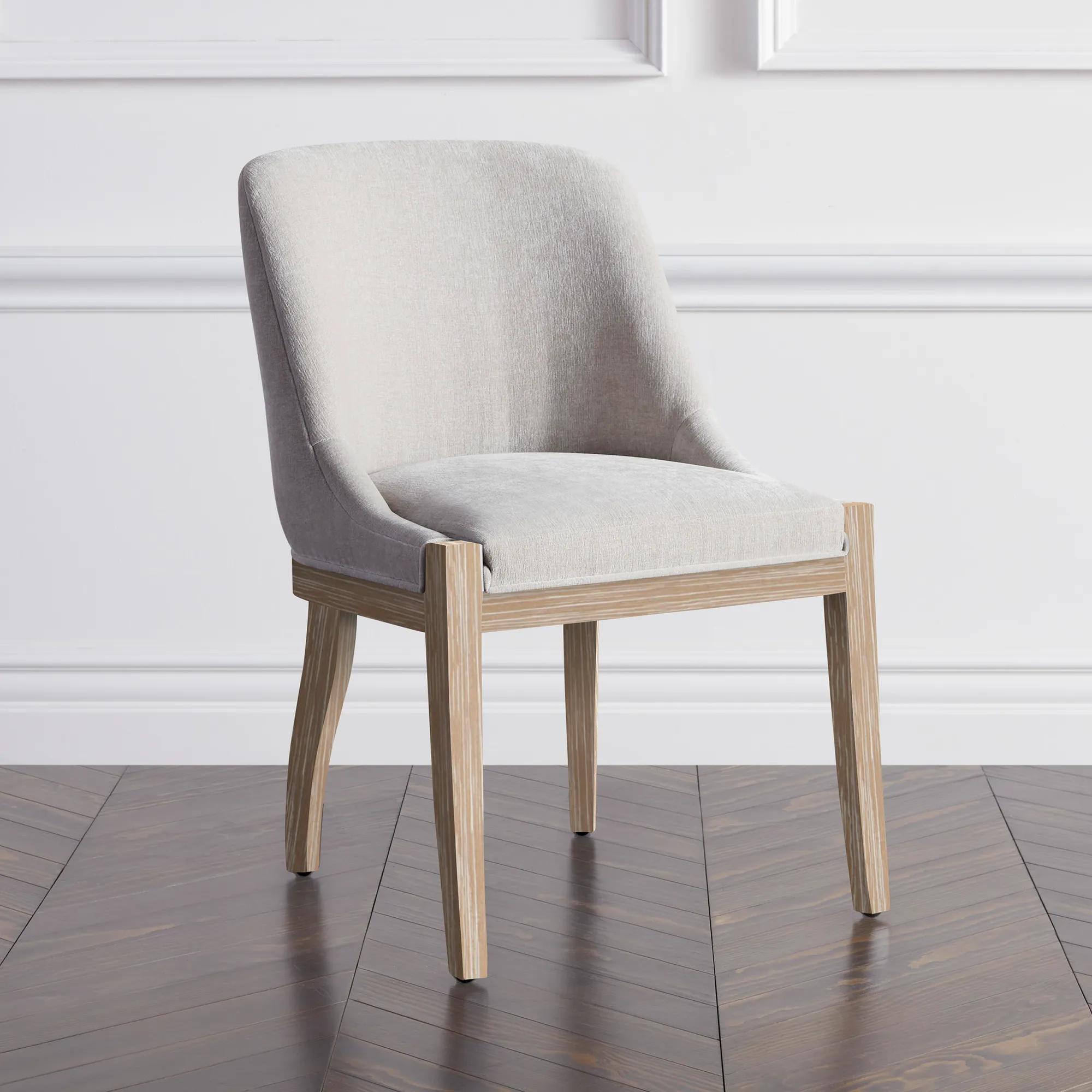
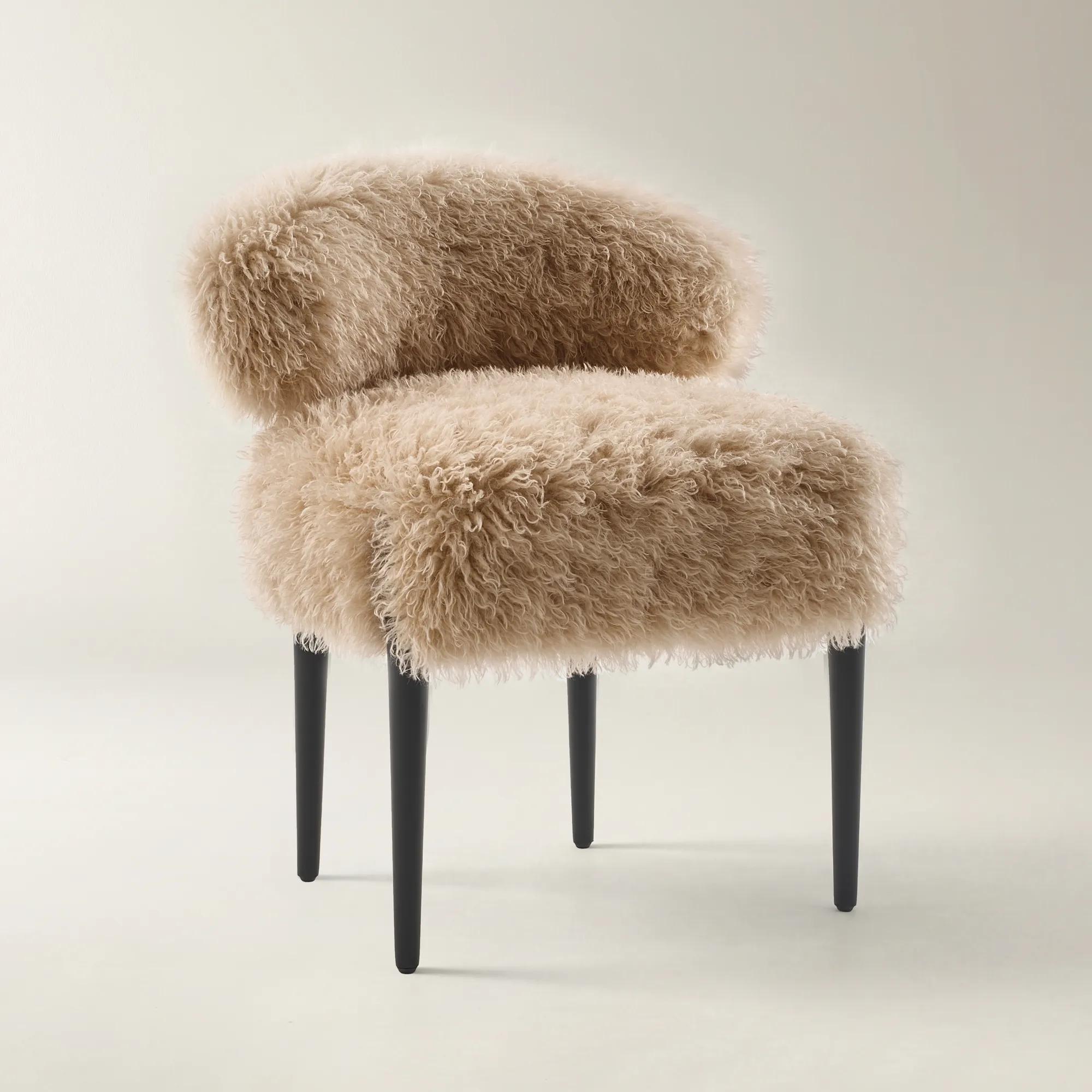
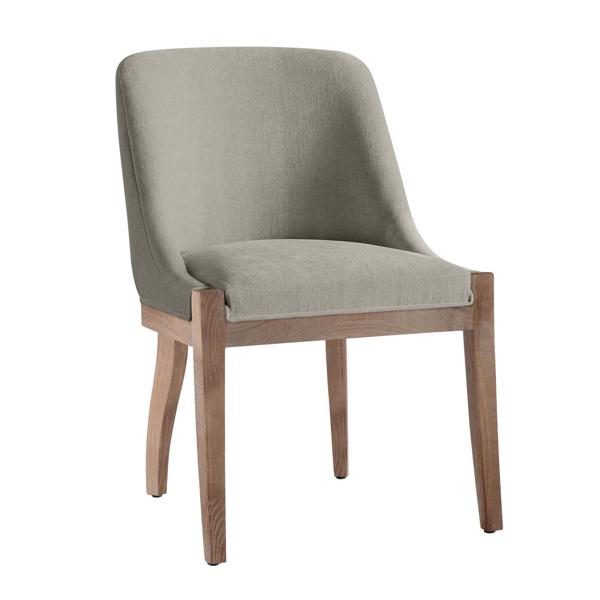 Lily Dining Chair - Wash Oak$649
A modern dining chair with a kiln-dried hardwood frame, wash oak legs, and plush tailored upholstery.
Add To Cart -
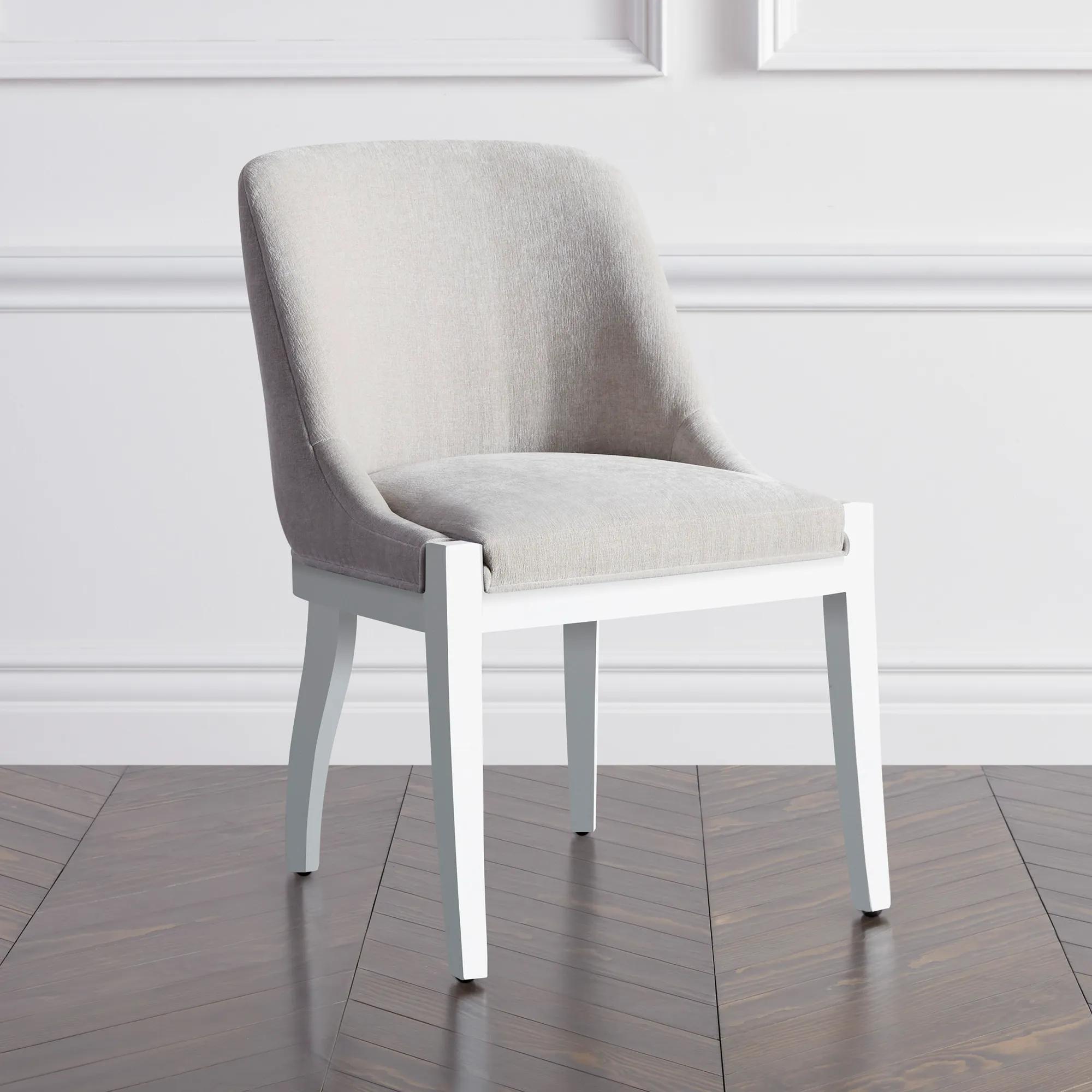
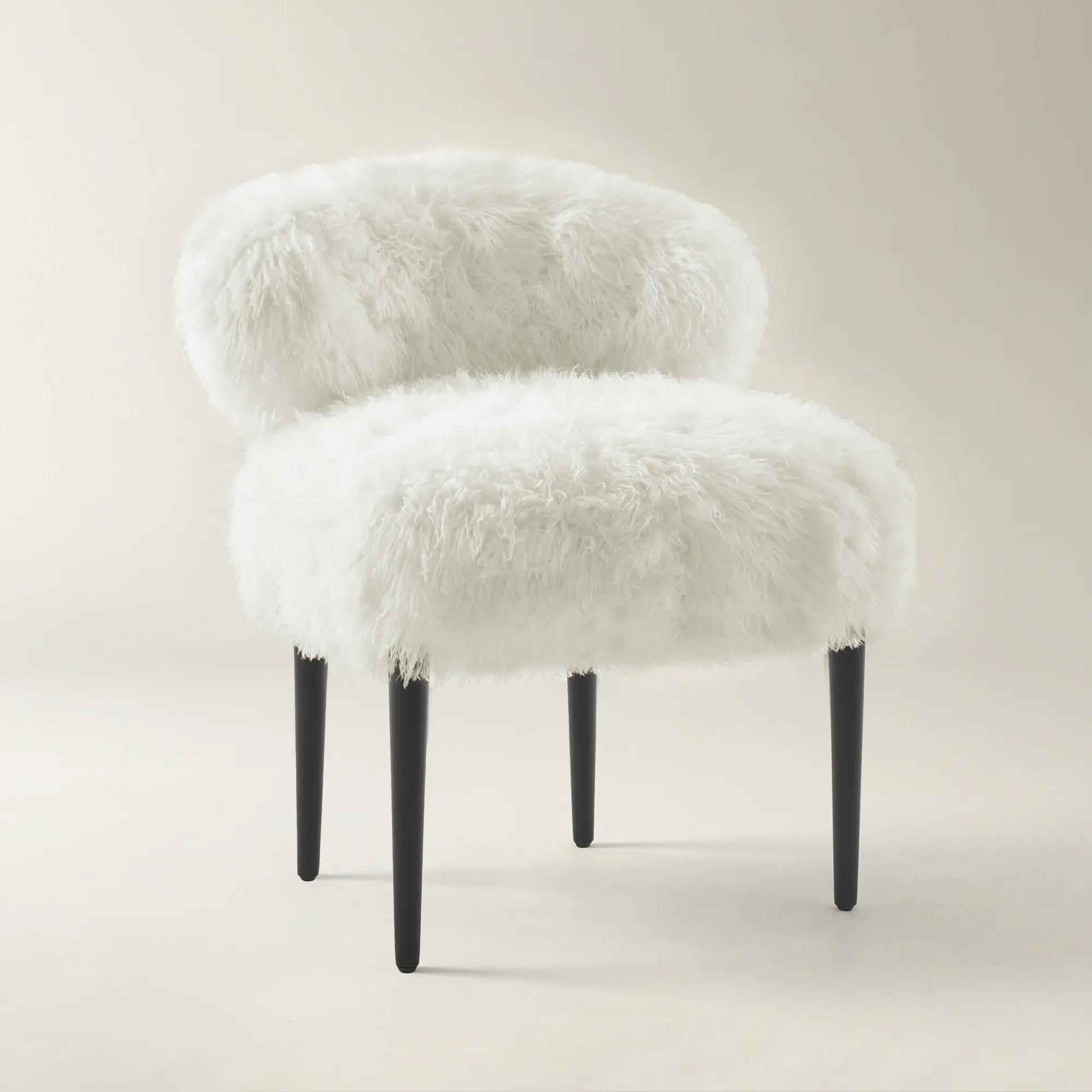
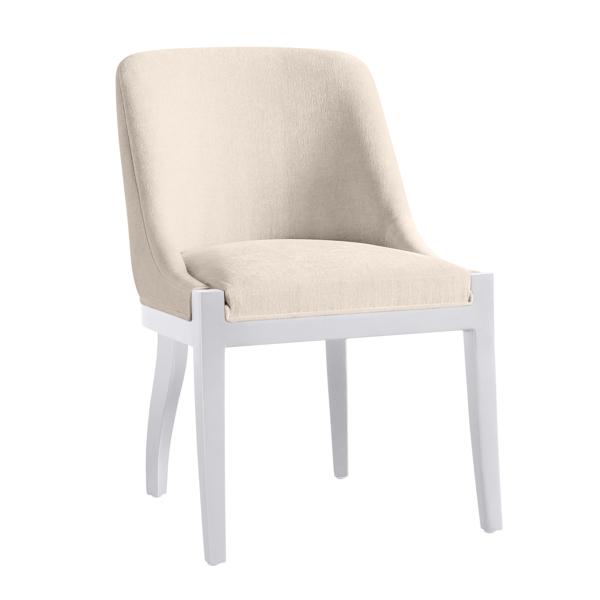 Lily Dining Chair - High Gloss White$649
A modern dining chair featuring kiln-dried hardwood, high-gloss white legs, and neatly tailored upholstery.
Add To Cart -
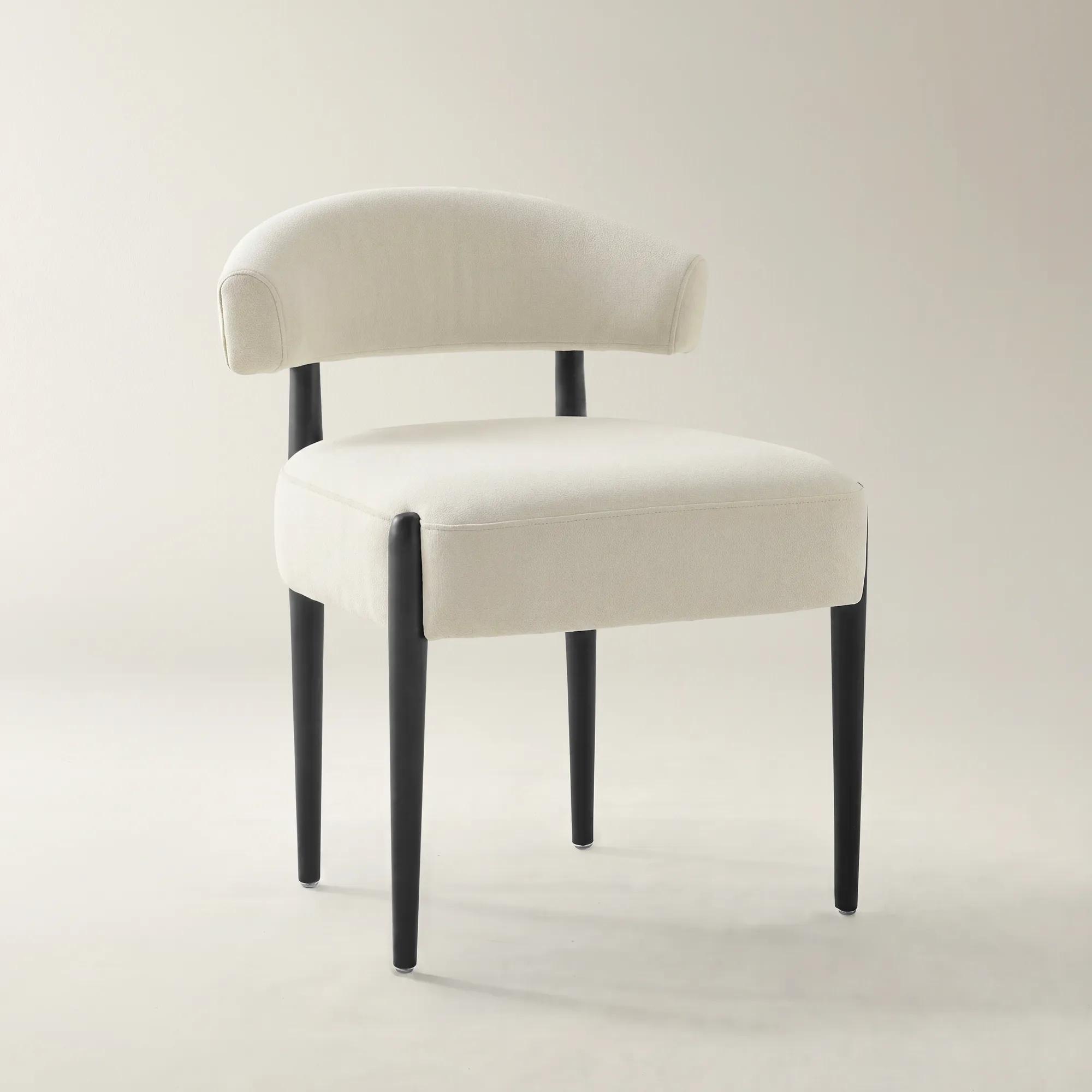
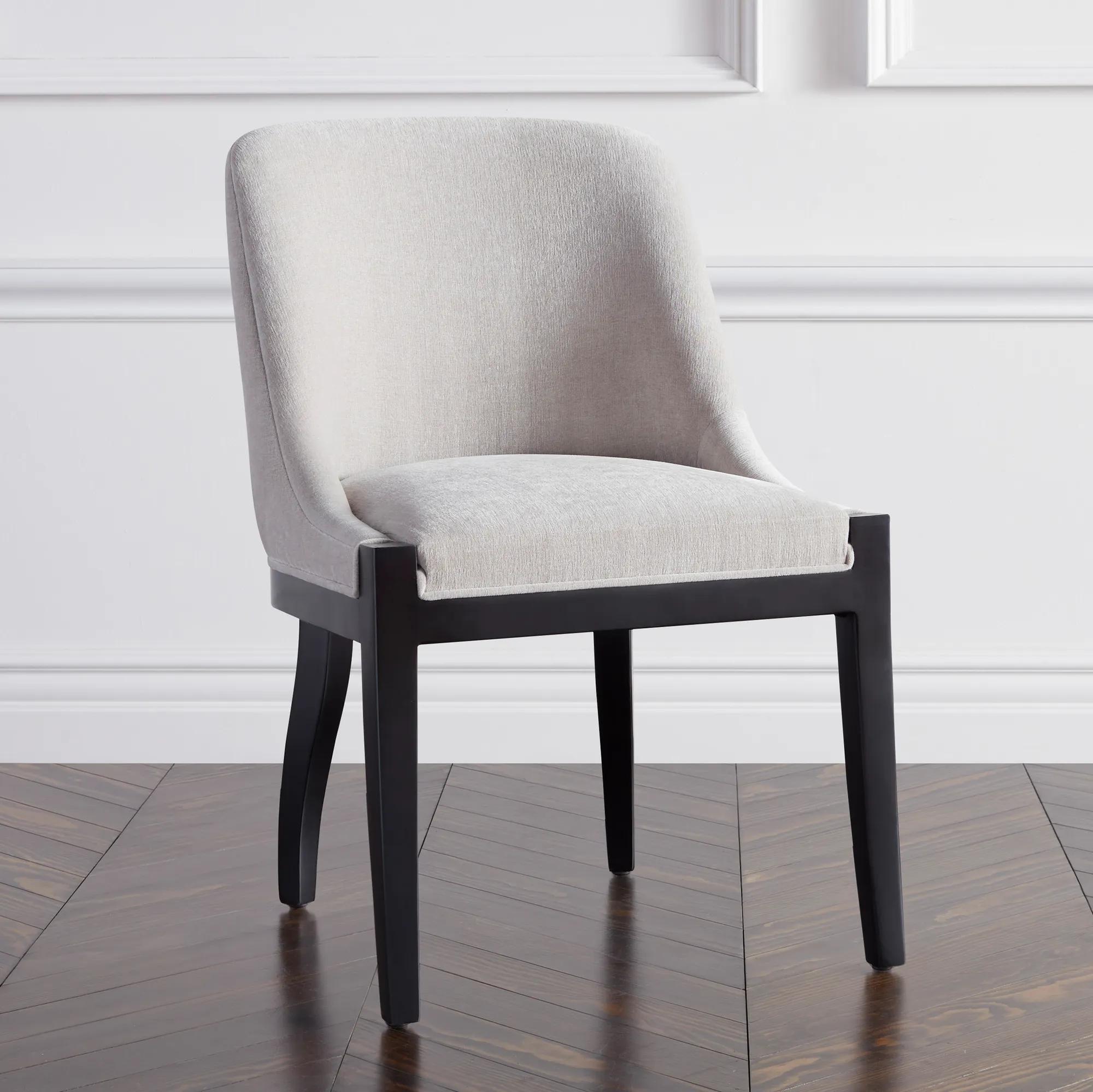 Lily Dining Chair - Matte Black$599
A modern dining chair featuring a kiln-dried hardwood frame and plush, tailored upholstery in matte black.
Add To Cart -
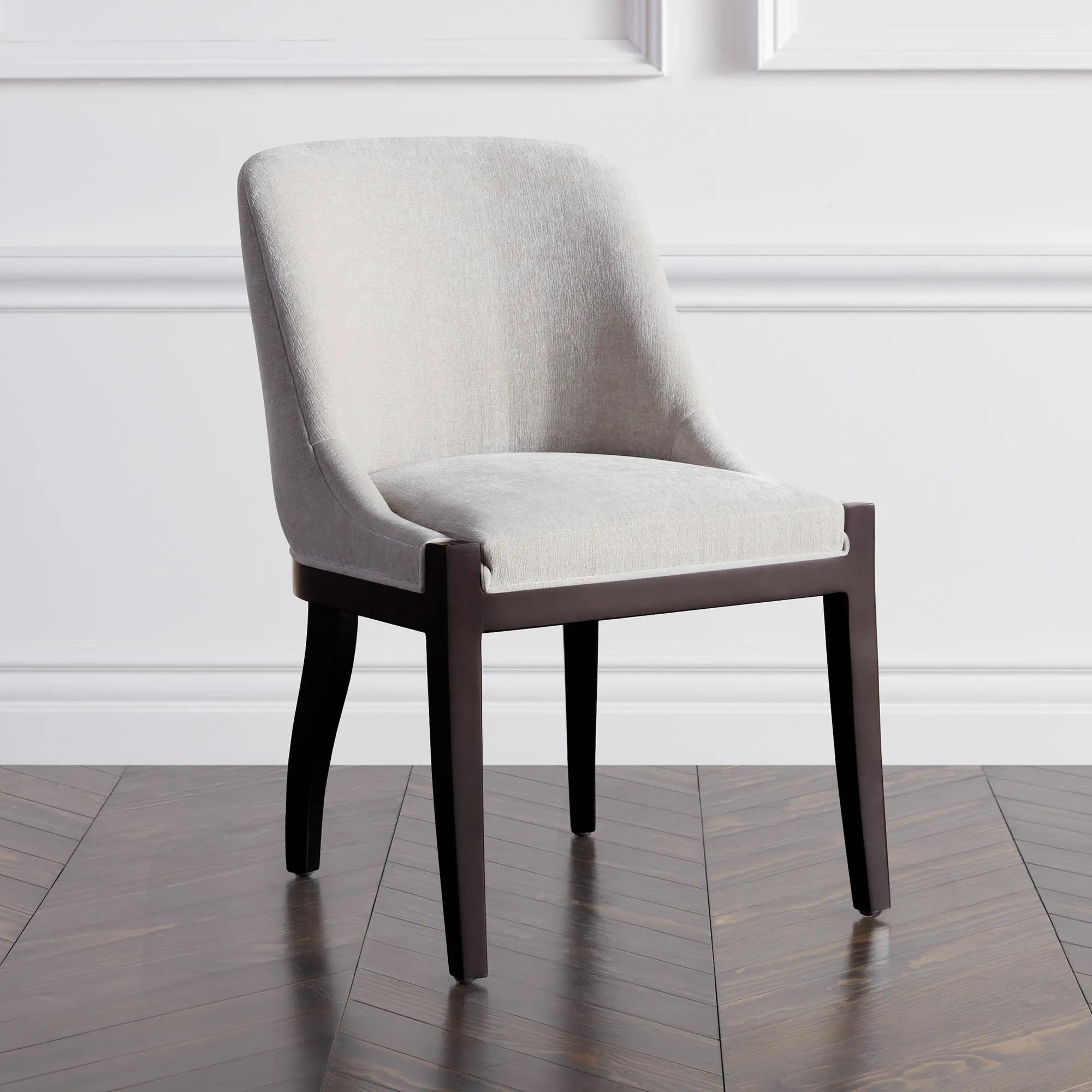
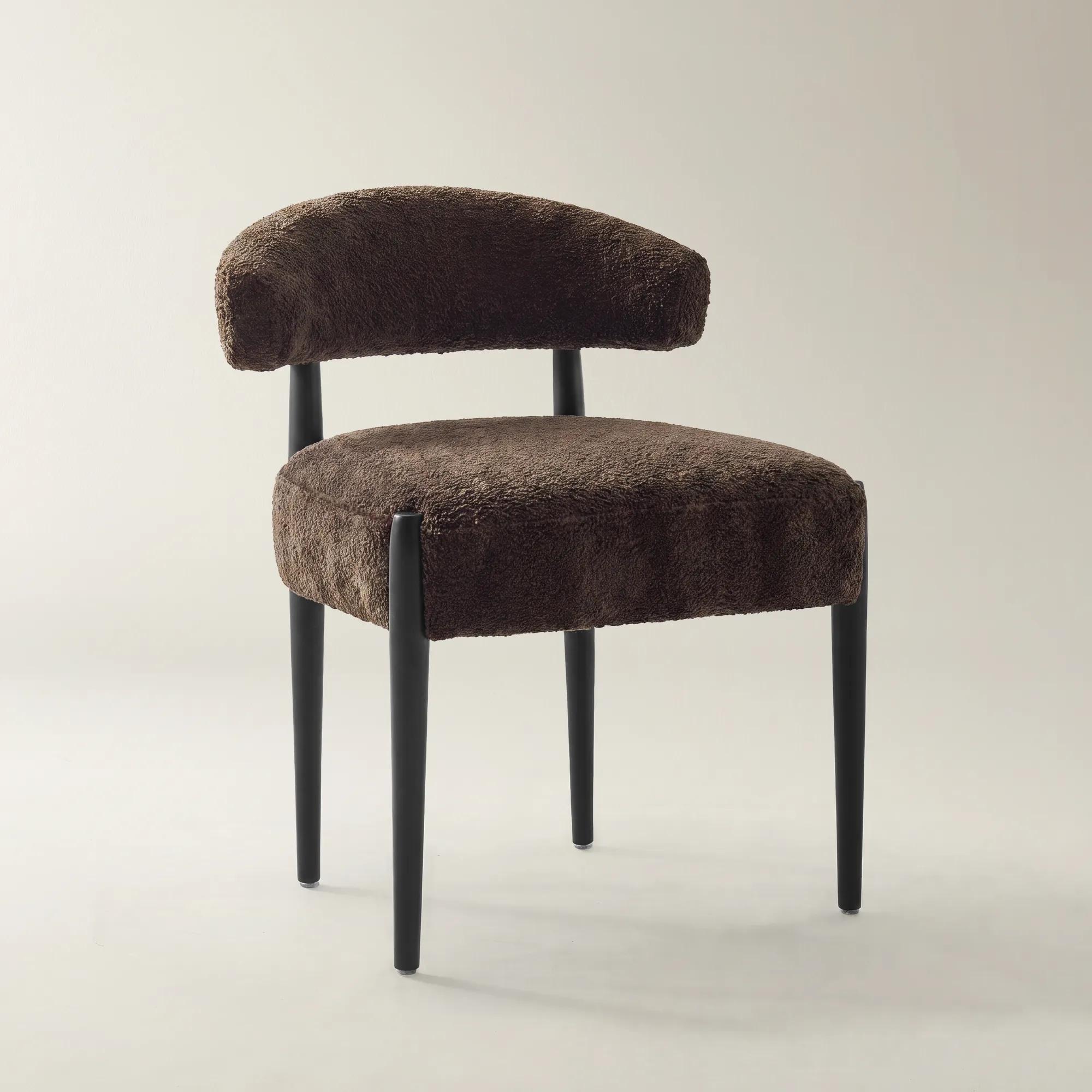
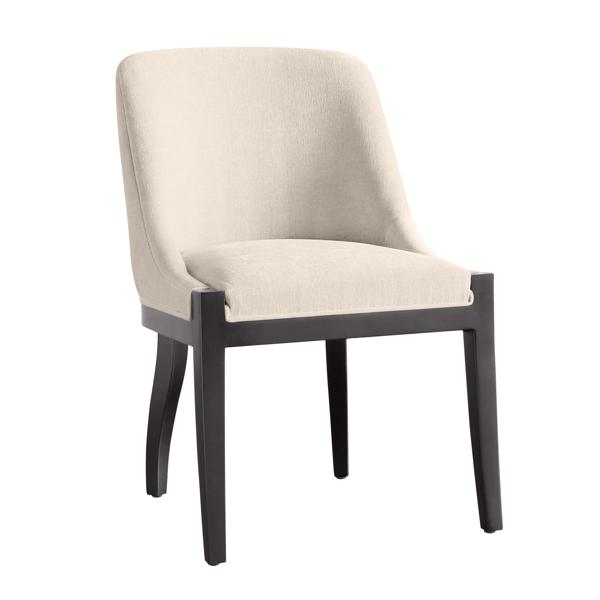 Lily Dining Chair - Espresso$699
A modern dining chair with espresso-finished hardwood frame and tailored upholstery for lasting comfort and support.
Add To Cart -
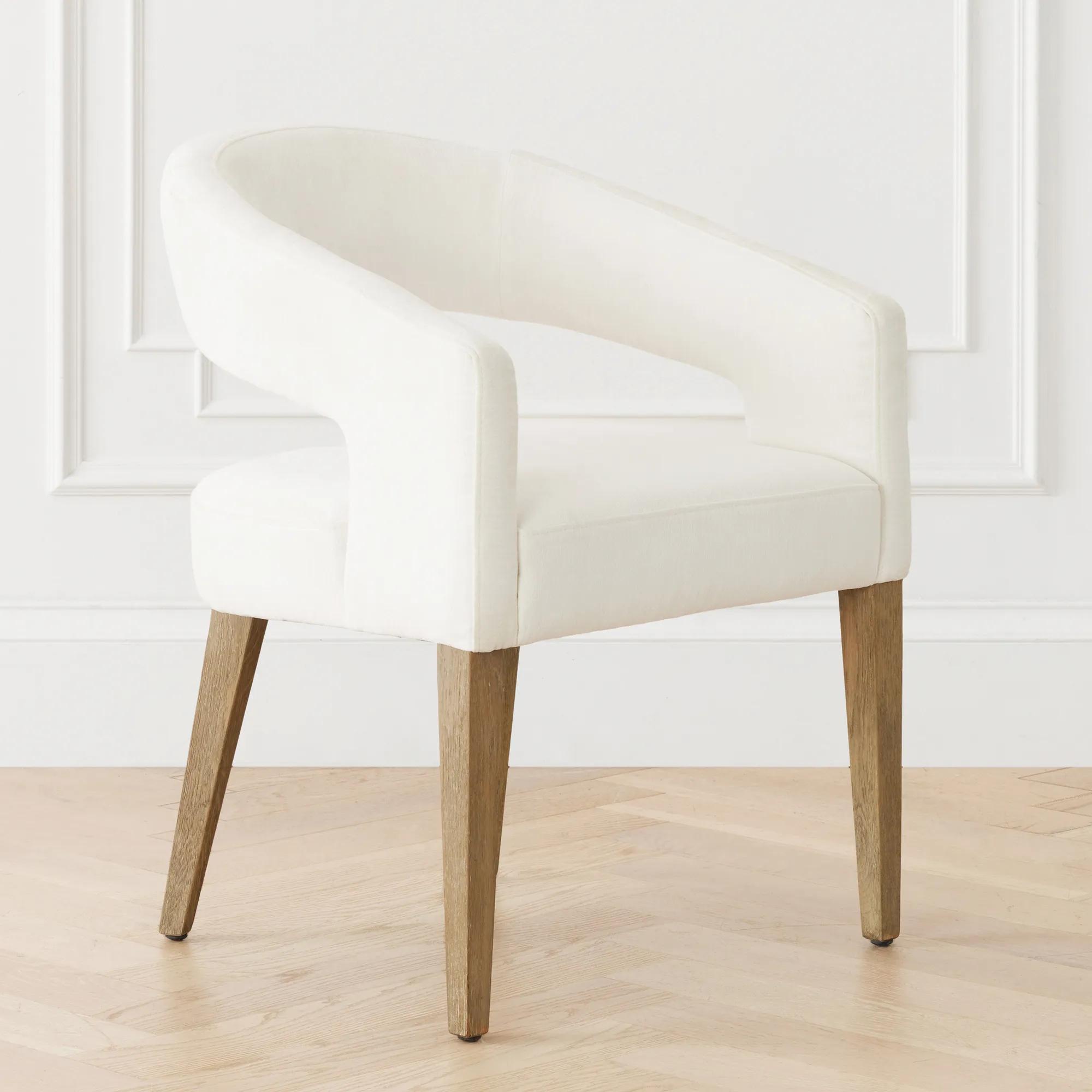 Philippa Dining Chair - Natural Grey$845
A modern dining chair featuring a curved silhouette, grey upholstery, and a kiln-dried hardwood frame.
Add To Cart -
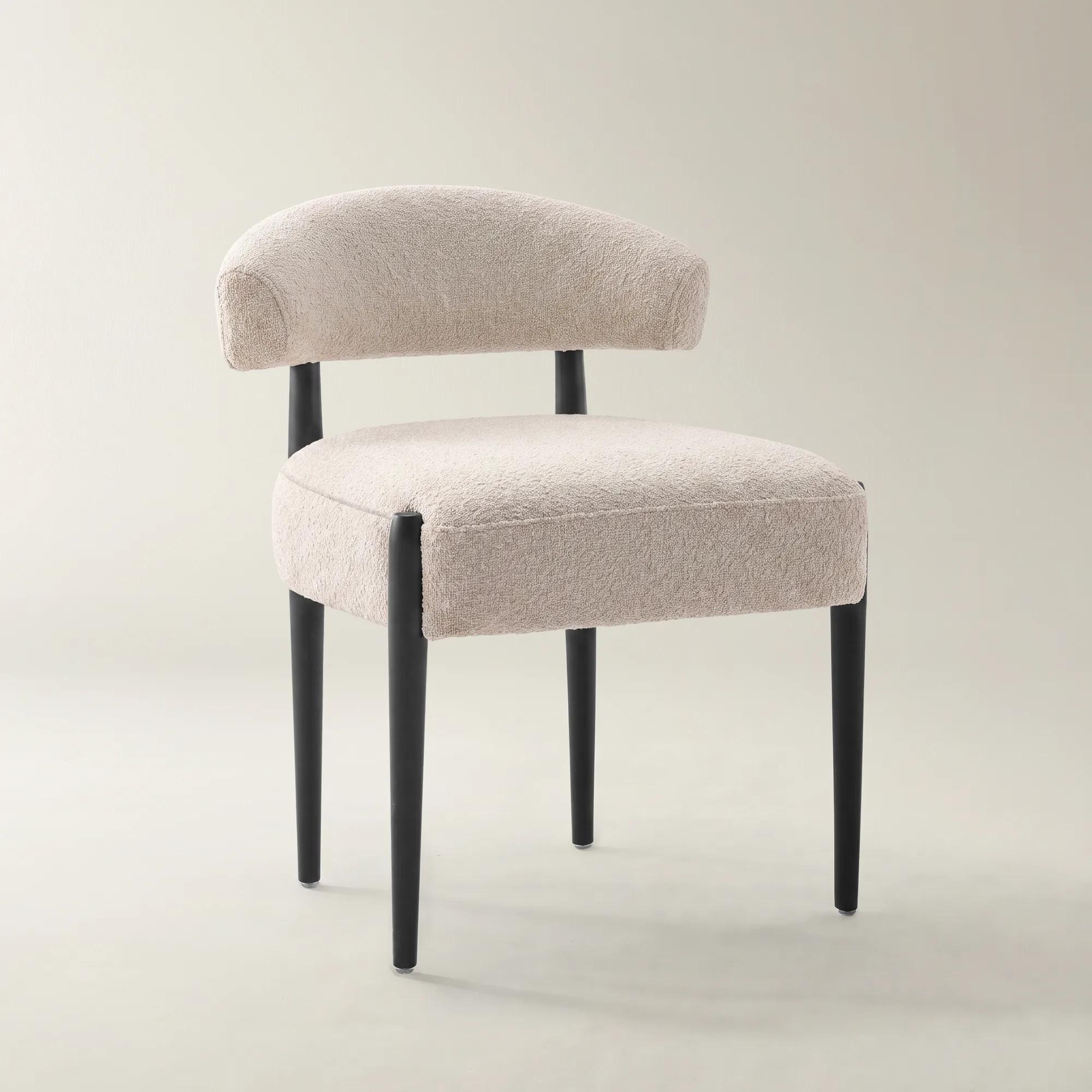
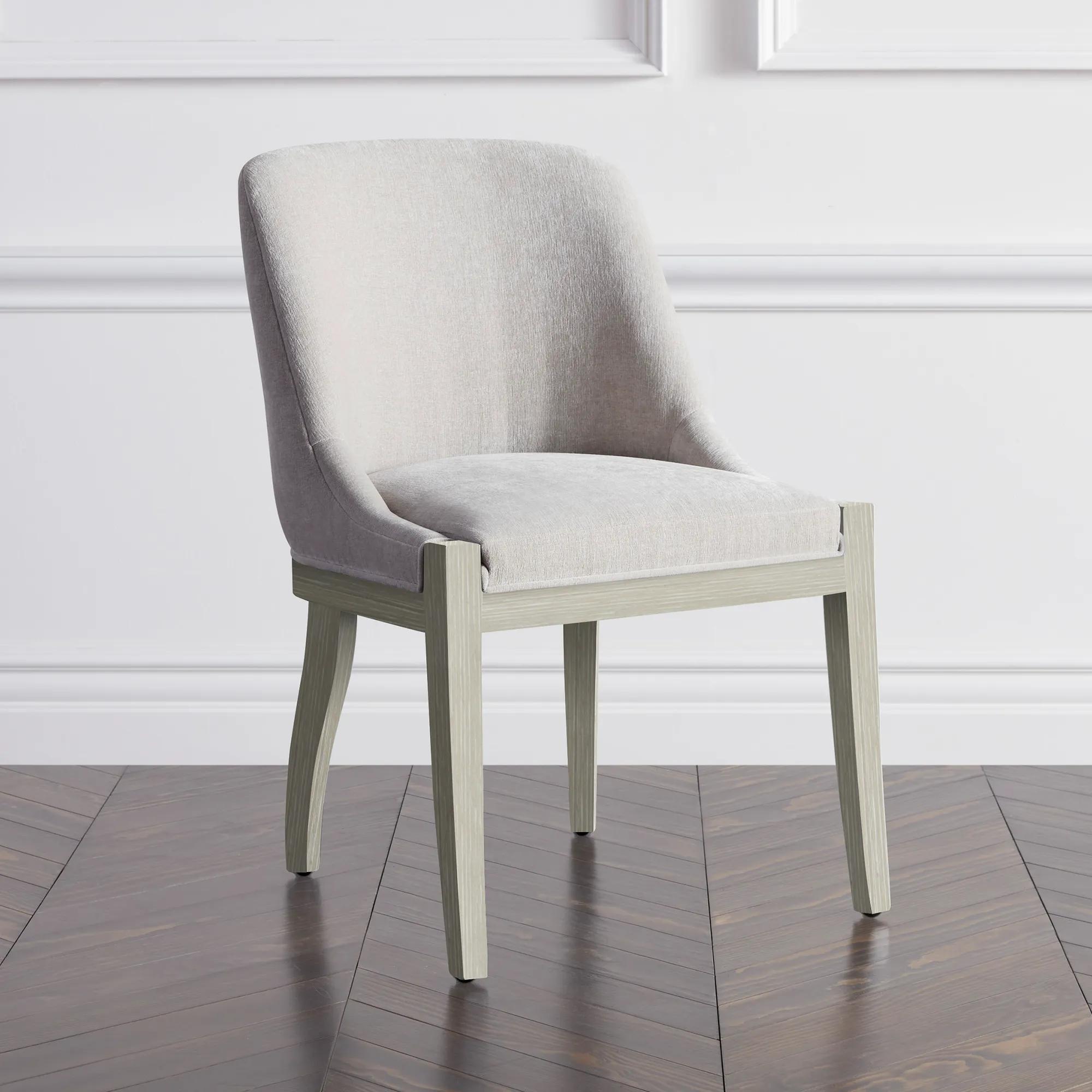 Lily Dining Chair - Natural Grey$749
A modern grey dining chair with kiln-dried hardwood frame and plush, tailored upholstery for lasting comfort.
Add To Cart -
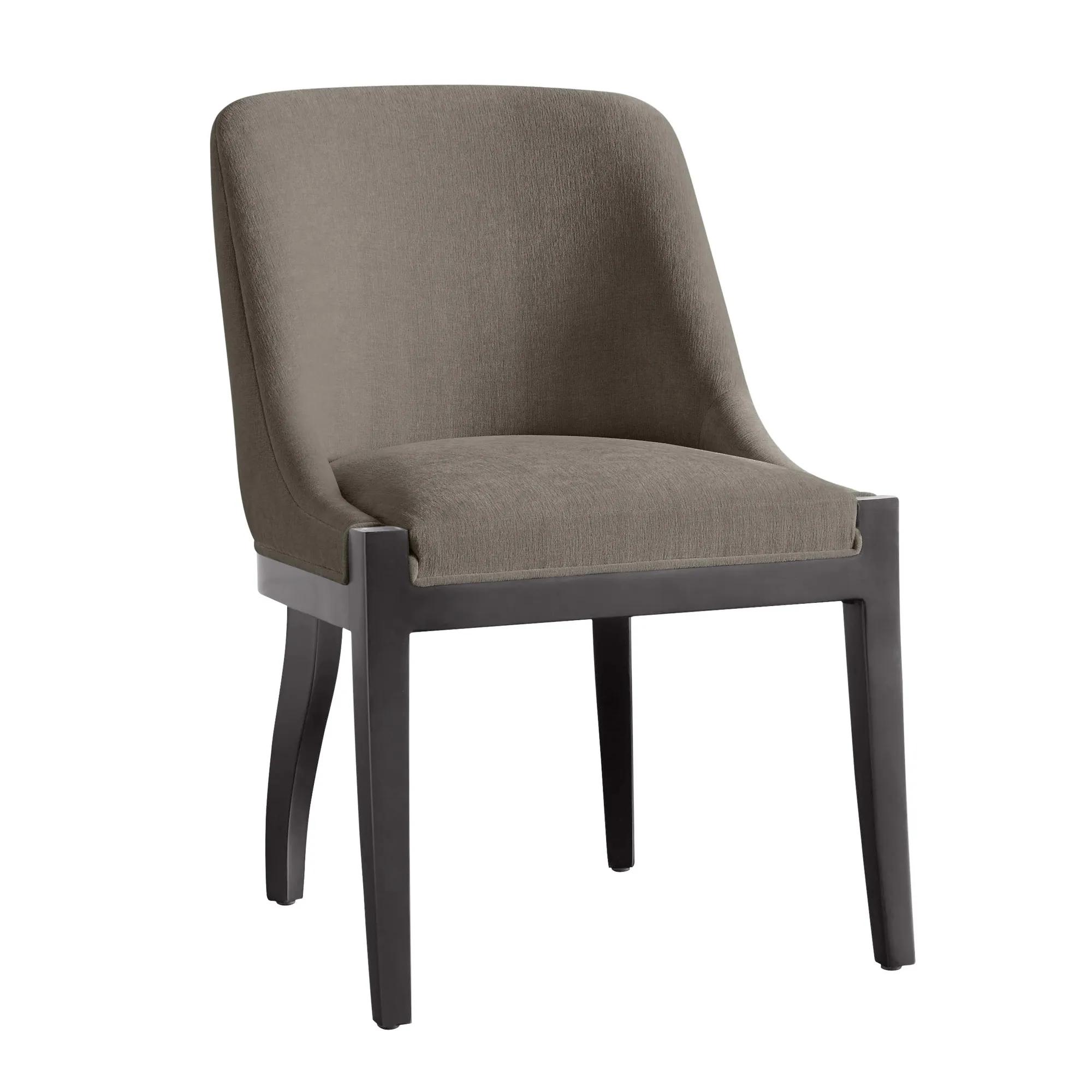 Lily Dining Chair - Espresso$649
A modern dining chair featuring espresso-finished hardwood, curvaceous silhouette, and plush tailored upholstery.
Add To Cart -
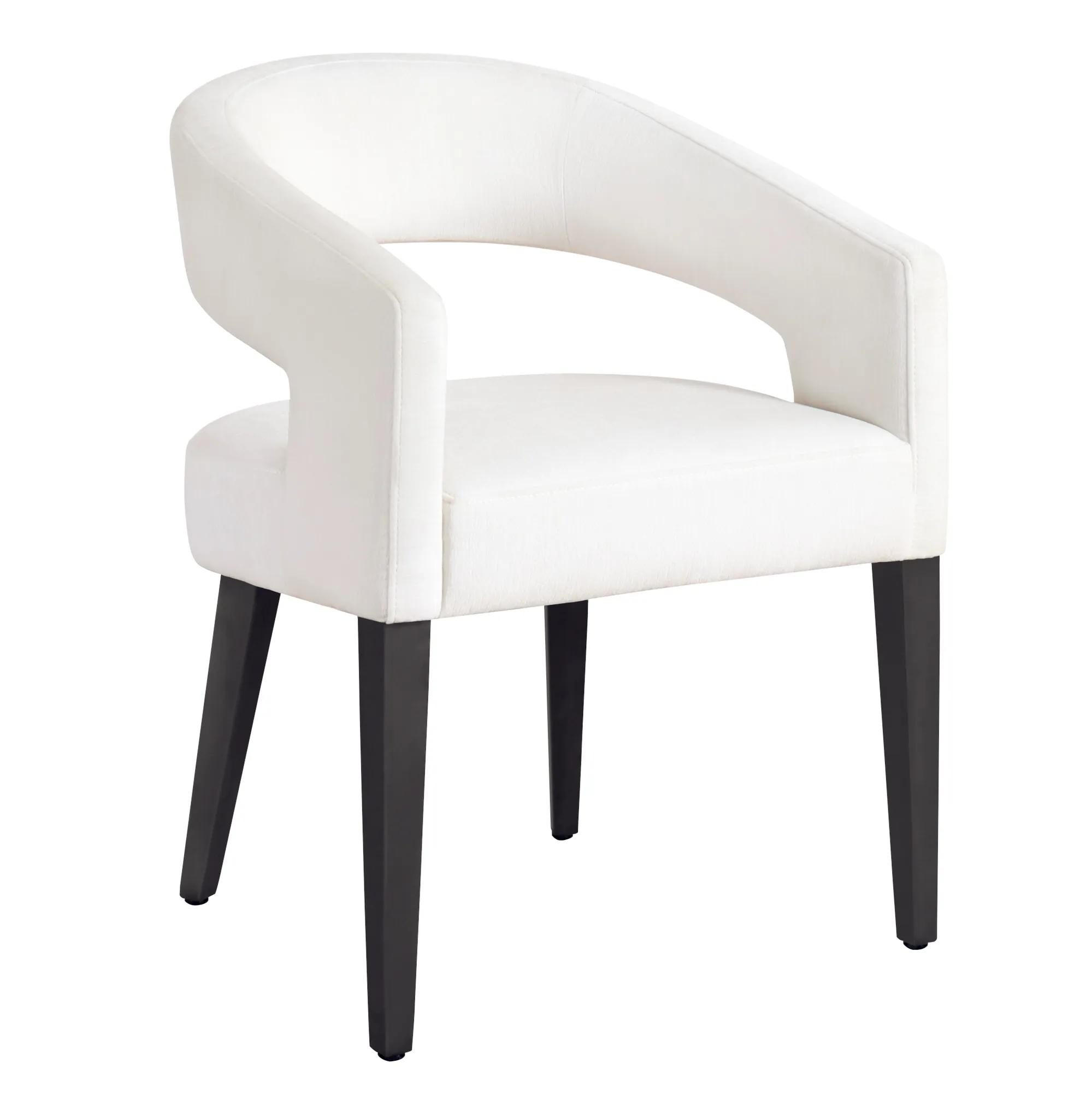
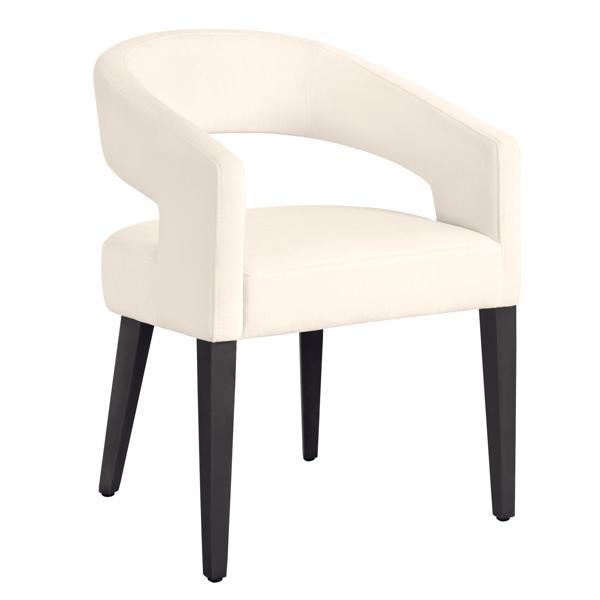 Philippa Dining Chair - Espresso$649
A modern dining chair featuring a curved silhouette, espresso legs, and neatly tailored chenille upholstery.
Add To Cart -
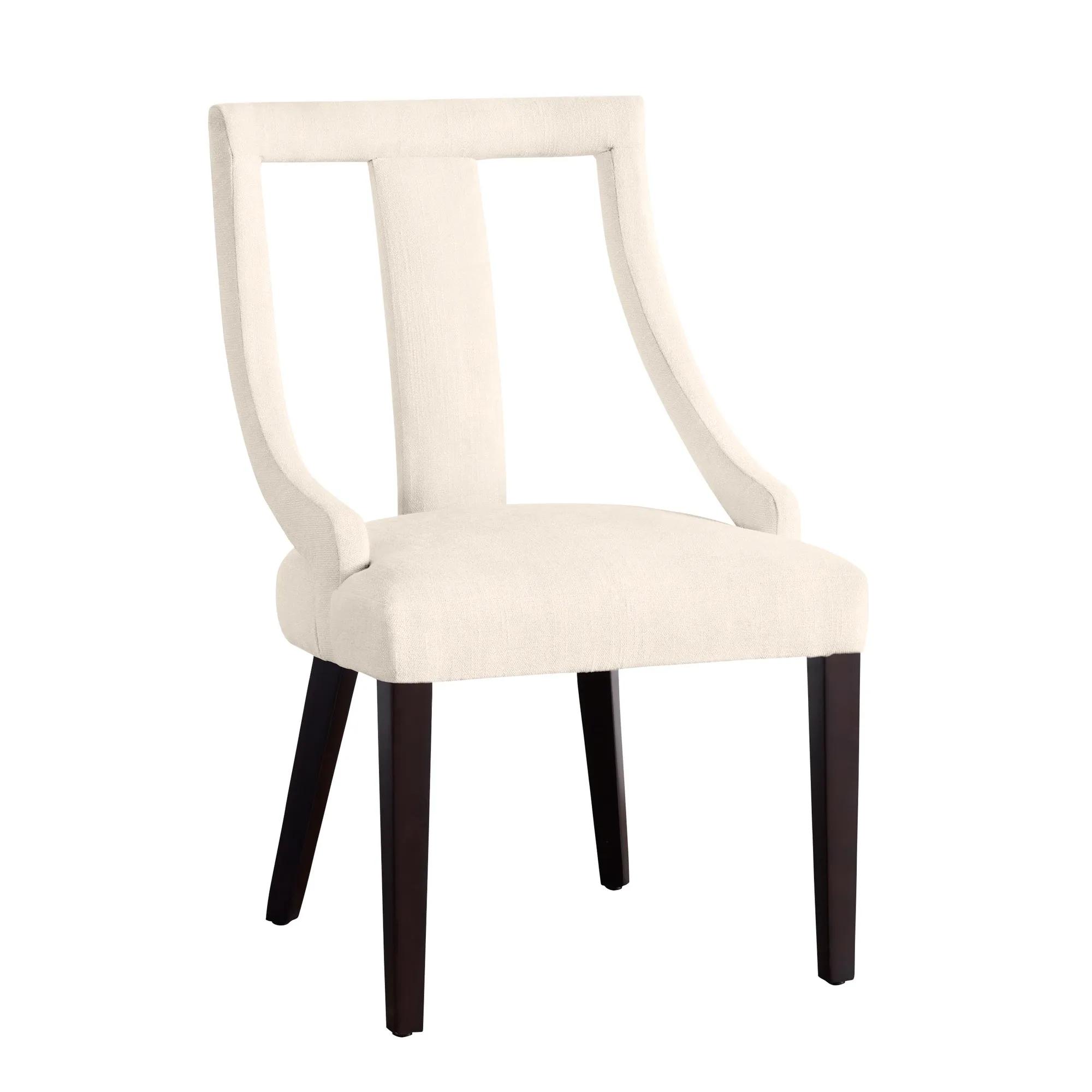
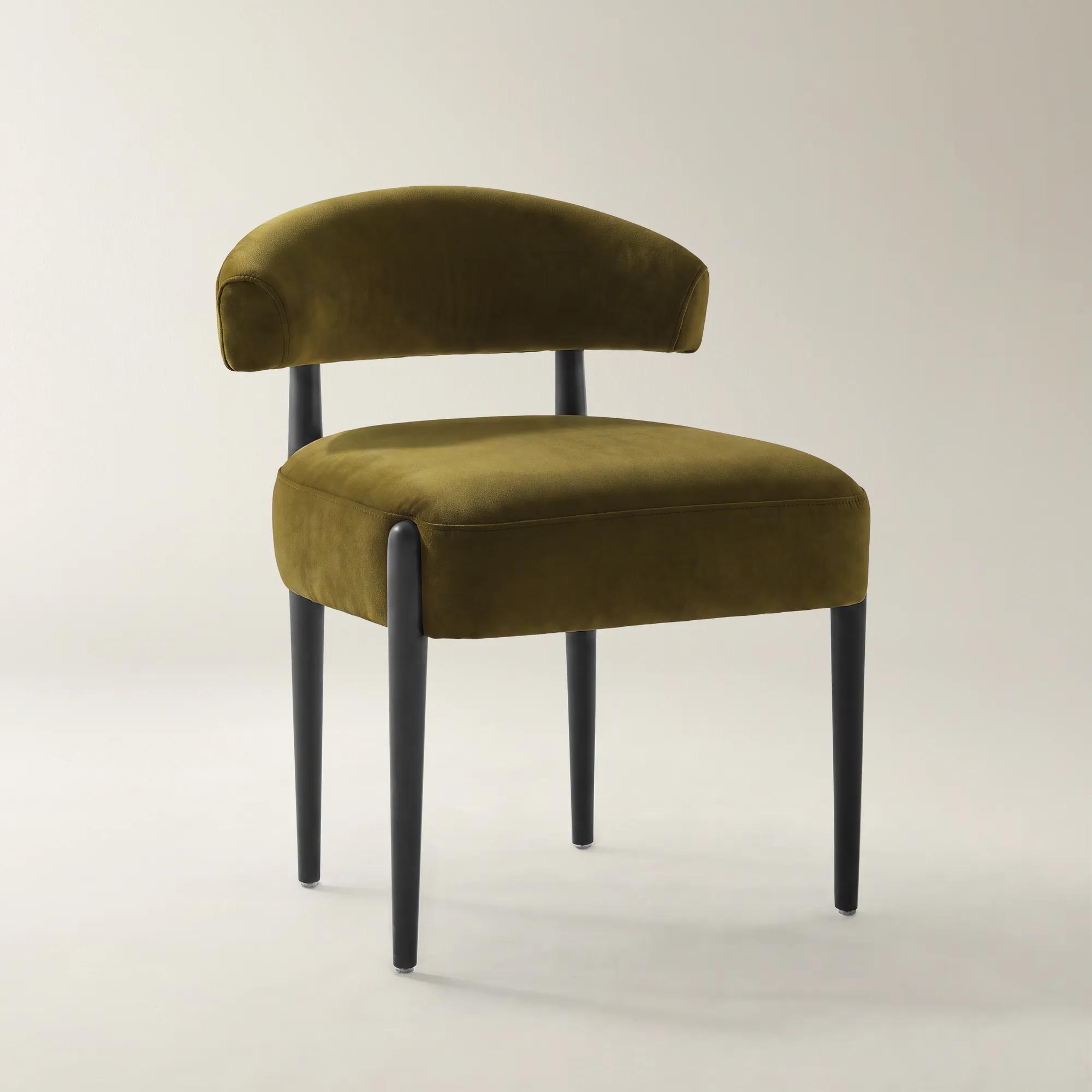
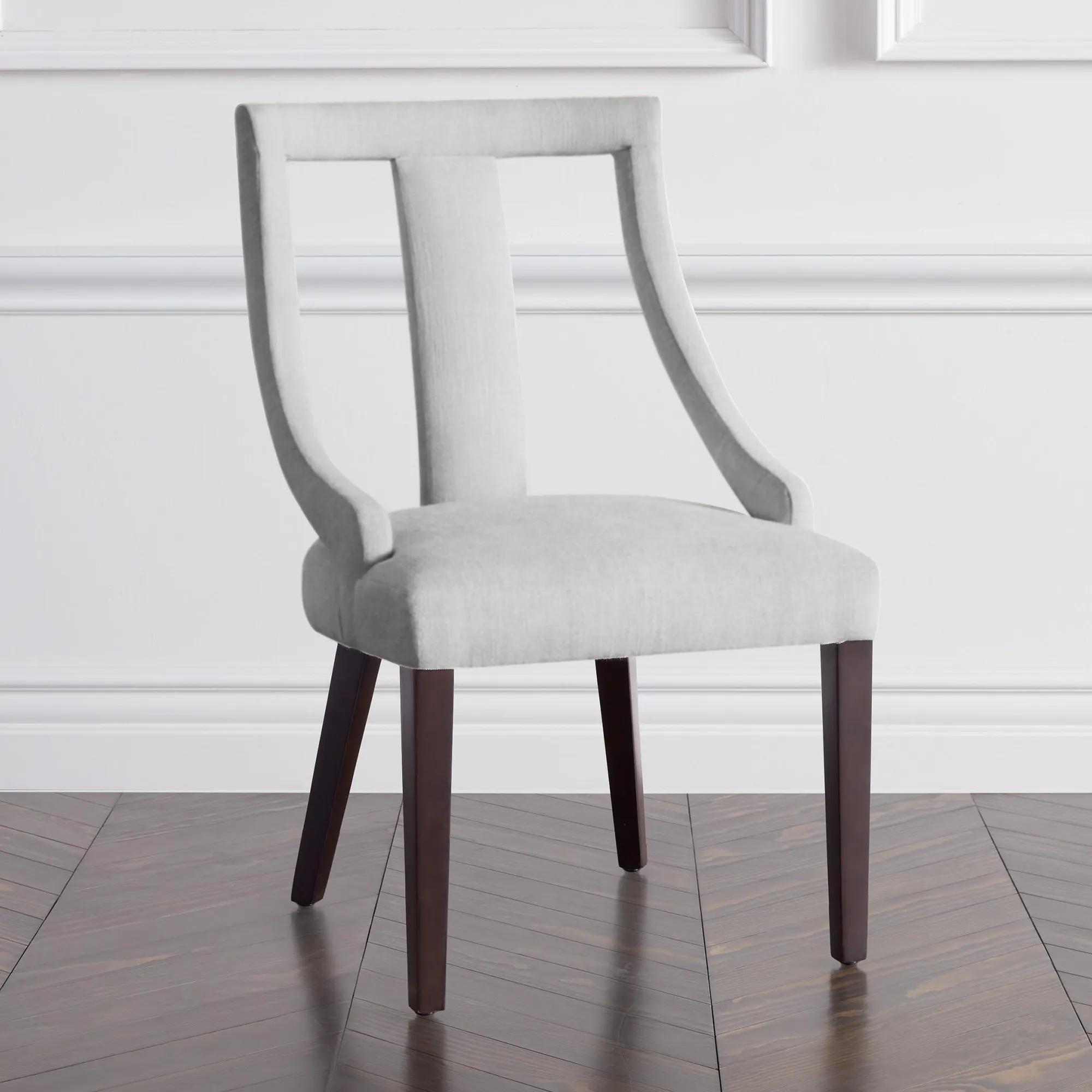 Jade Dining Chair - Espresso$649
A modern dining chair featuring a cutout back, espresso legs, and plush velvet upholstery for lasting comfort.
Add To Cart -
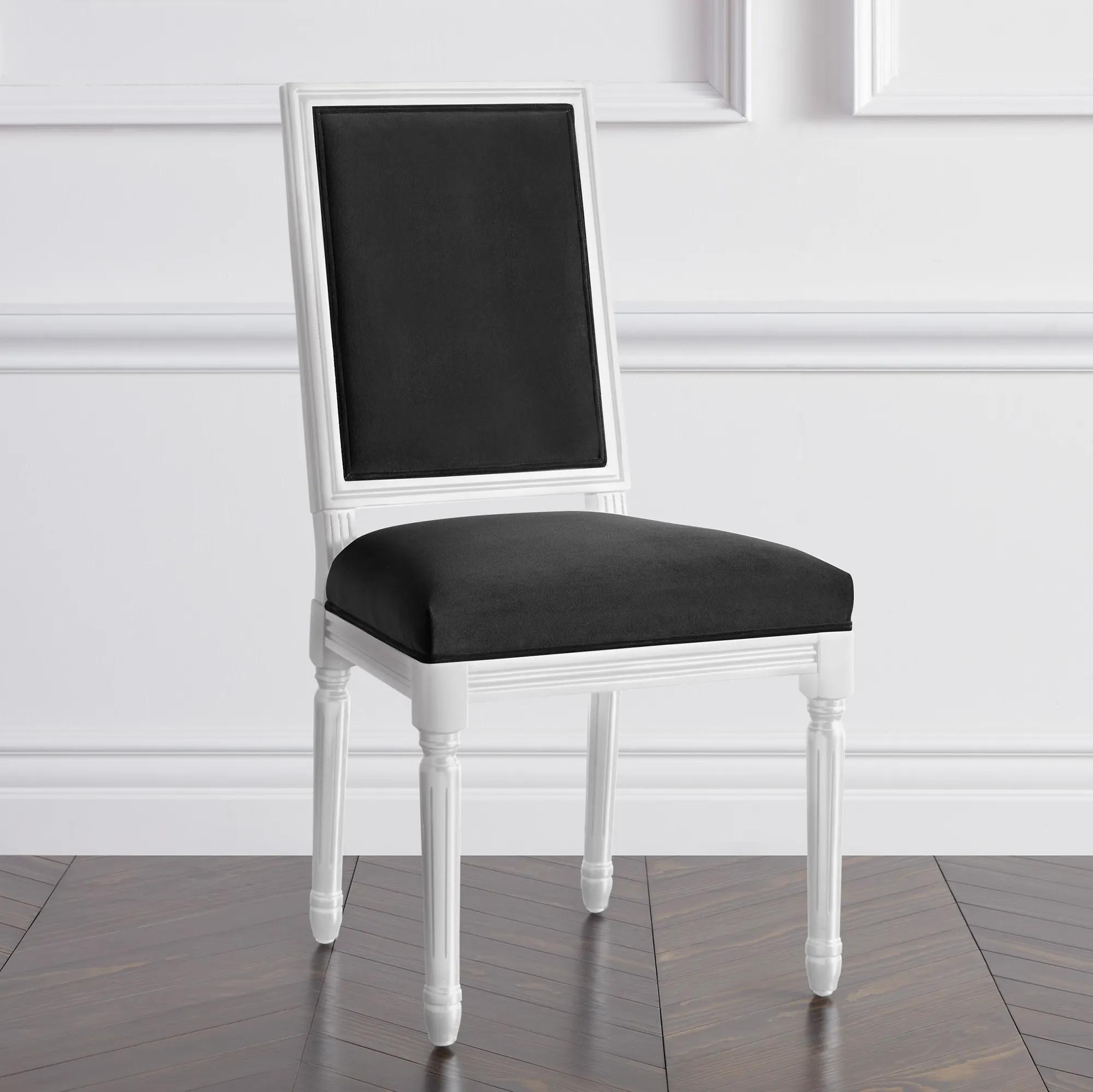
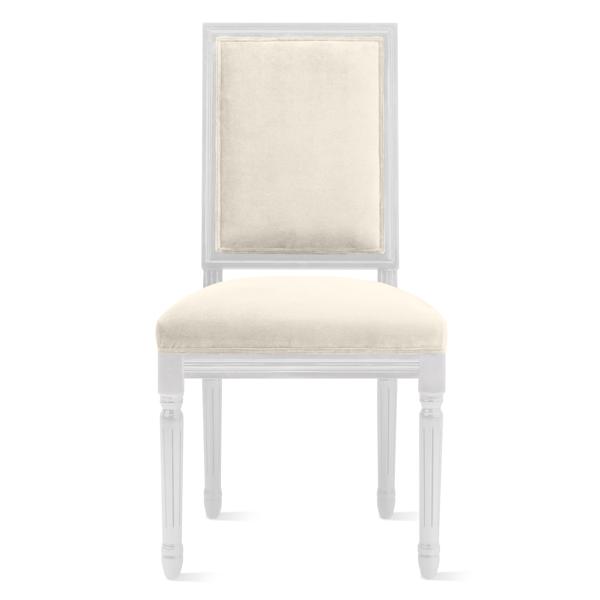 Callan Dining Chair - High Gloss White$599
A handcrafted dining chair featuring high-gloss white finish, kiln-dried hardwood frame, and plush velvet upholstery.
Add To Cart -
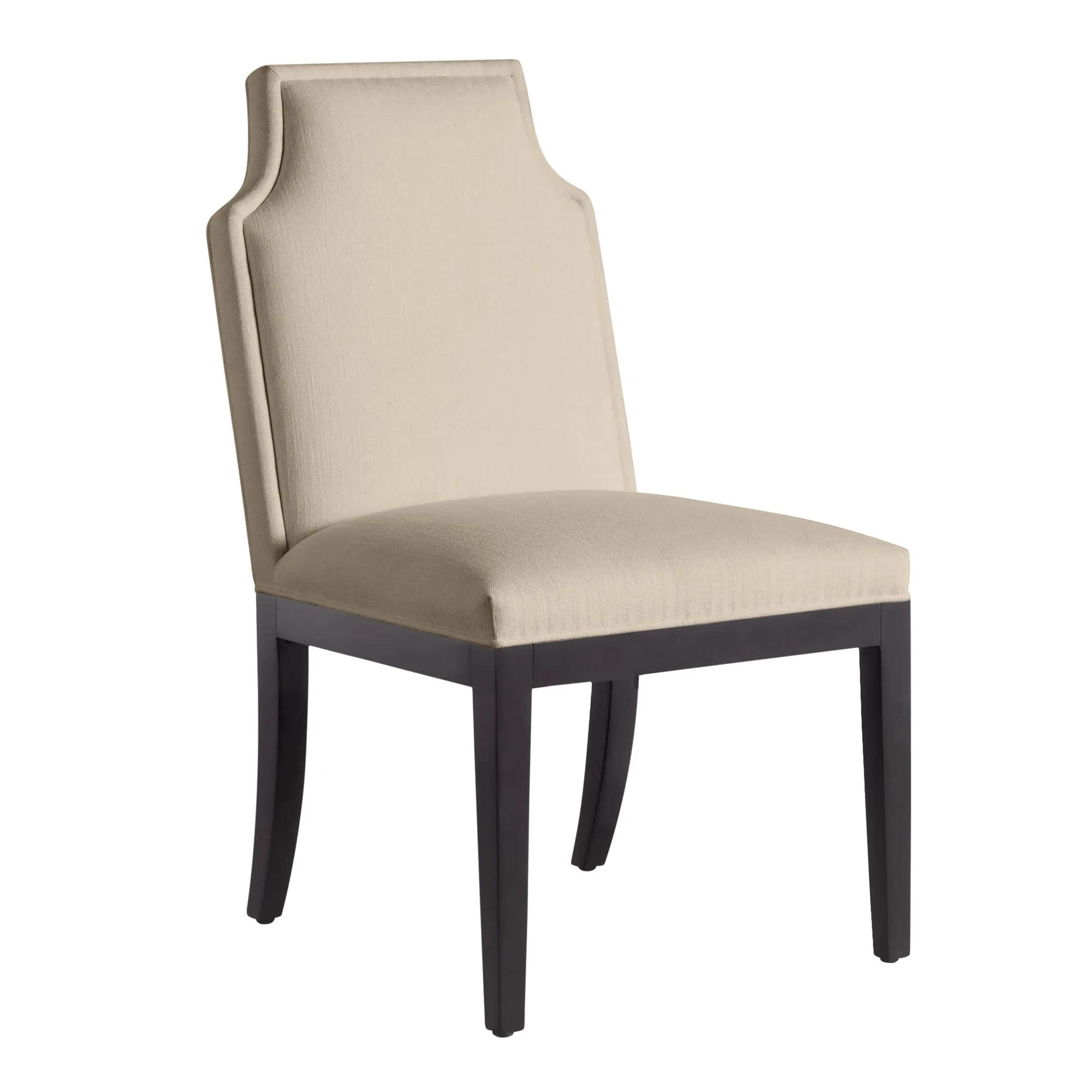
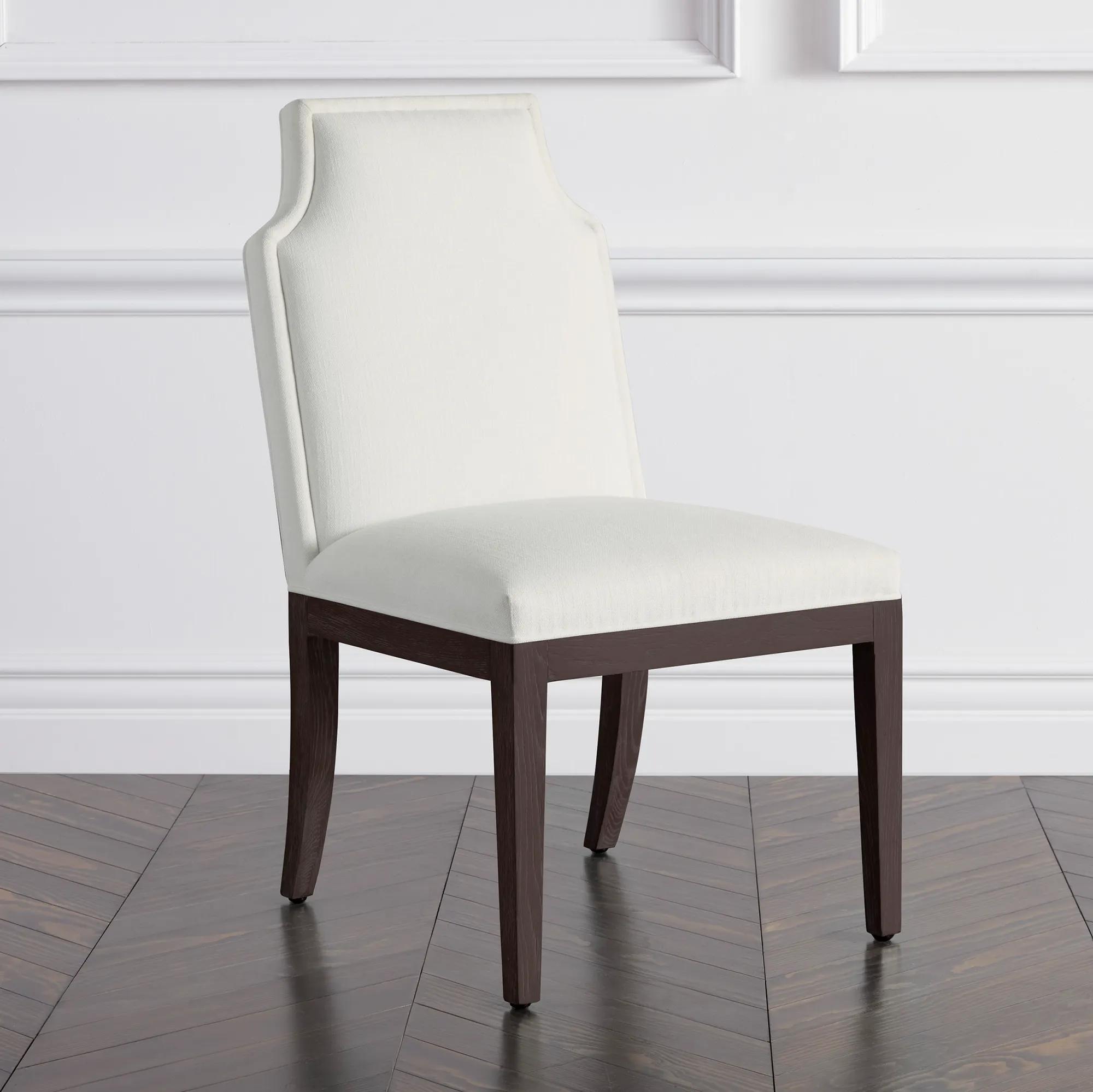 Jasmine Dining Chair - Espresso$649
A chic dining chair featuring a notched back, espresso legs, and plush upholstery for lasting comfort.
Add To Cart -
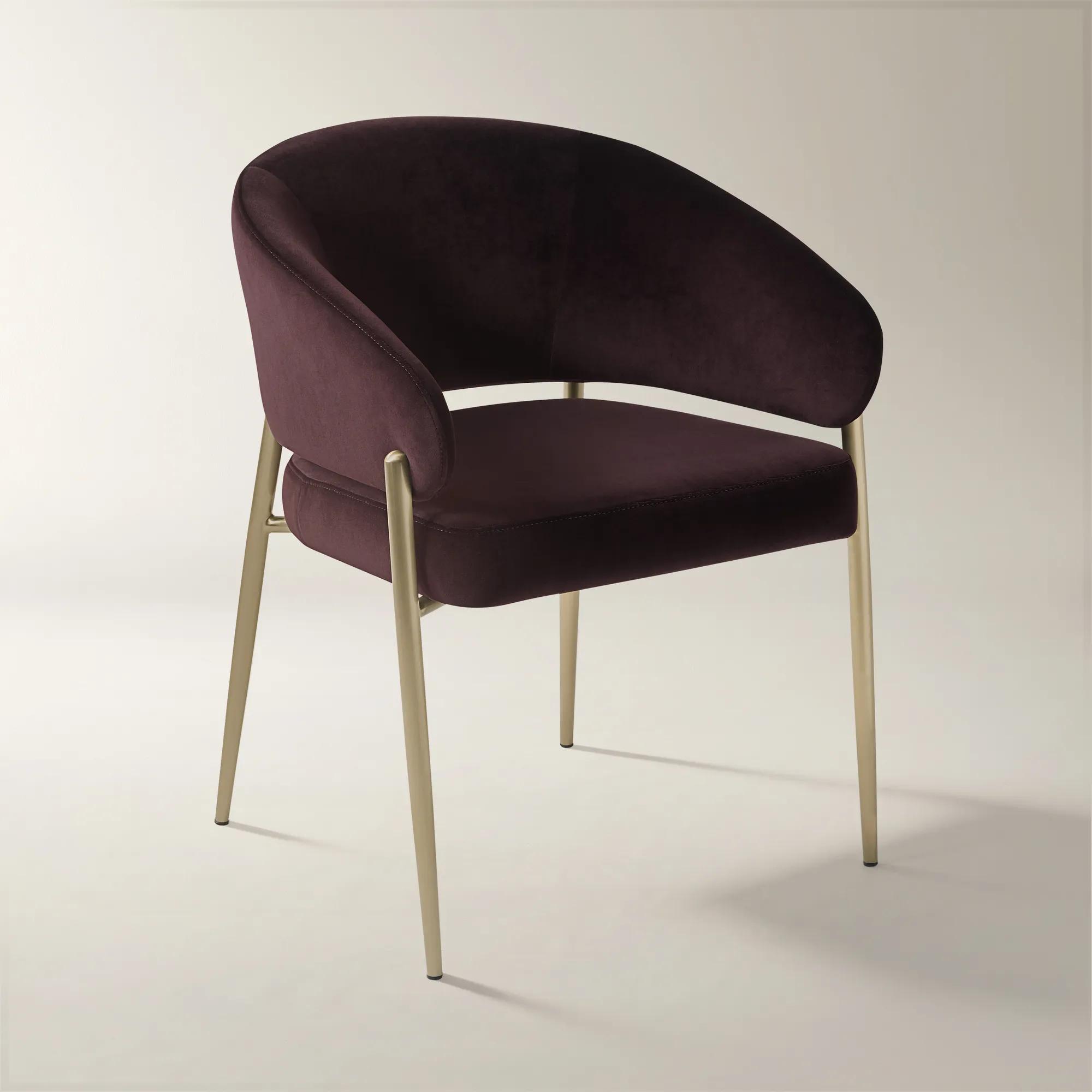 Nara Fig Velvet Dining Chair Set Of 2$599
A set of two dining chairs featuring plush fig velvet upholstery and brushed brass stainless-steel legs.
Add To Cart -
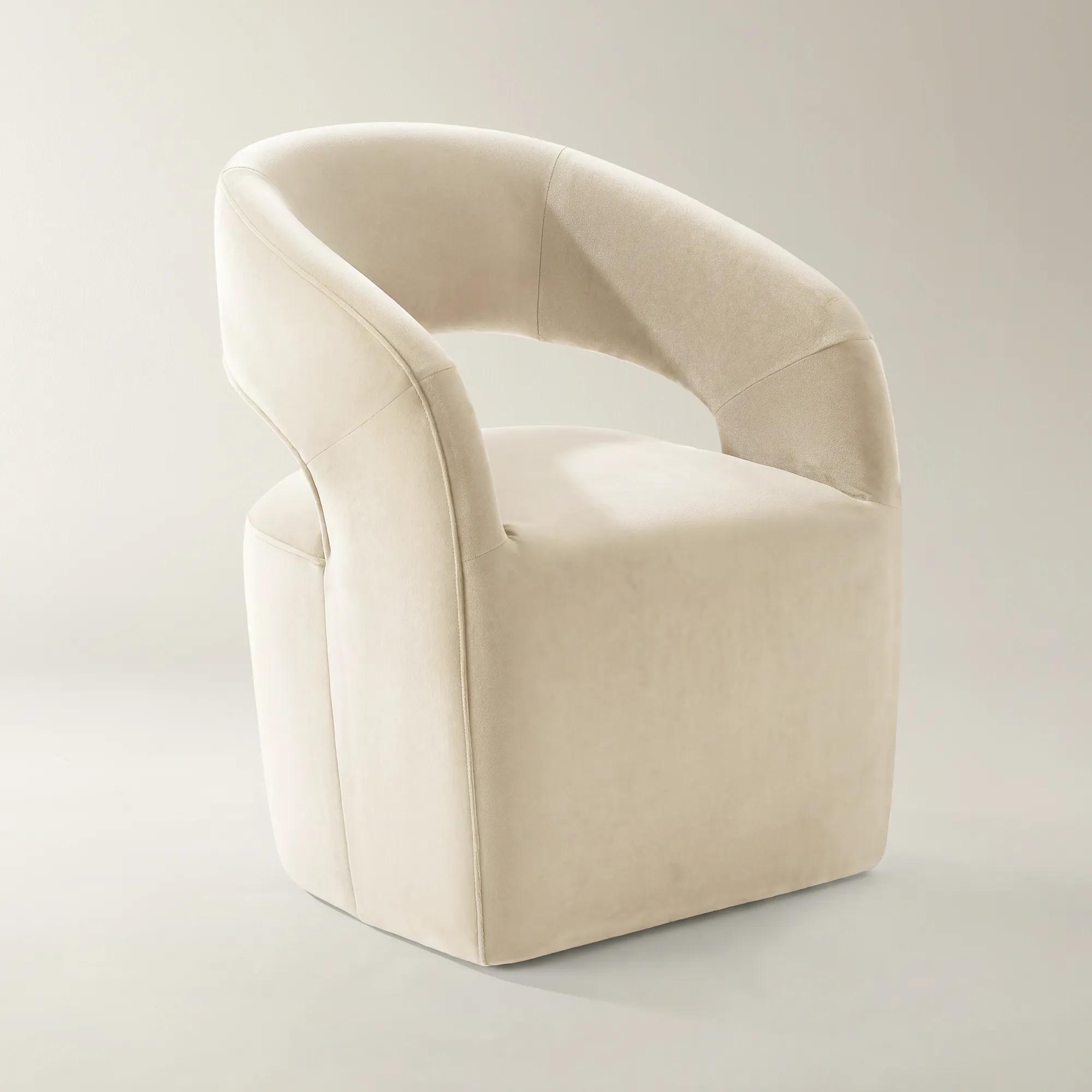
-2.jpg?w=1200&h=1200) Harrison Oatmeal Velvet Dining Chair$449
Harrison Oatmeal Velvet Dining Chair$449A sculptural dining chair upholstered in oatmeal velvet with a curved back, feather-blend seat, and integrated arms.
Add To Cart -
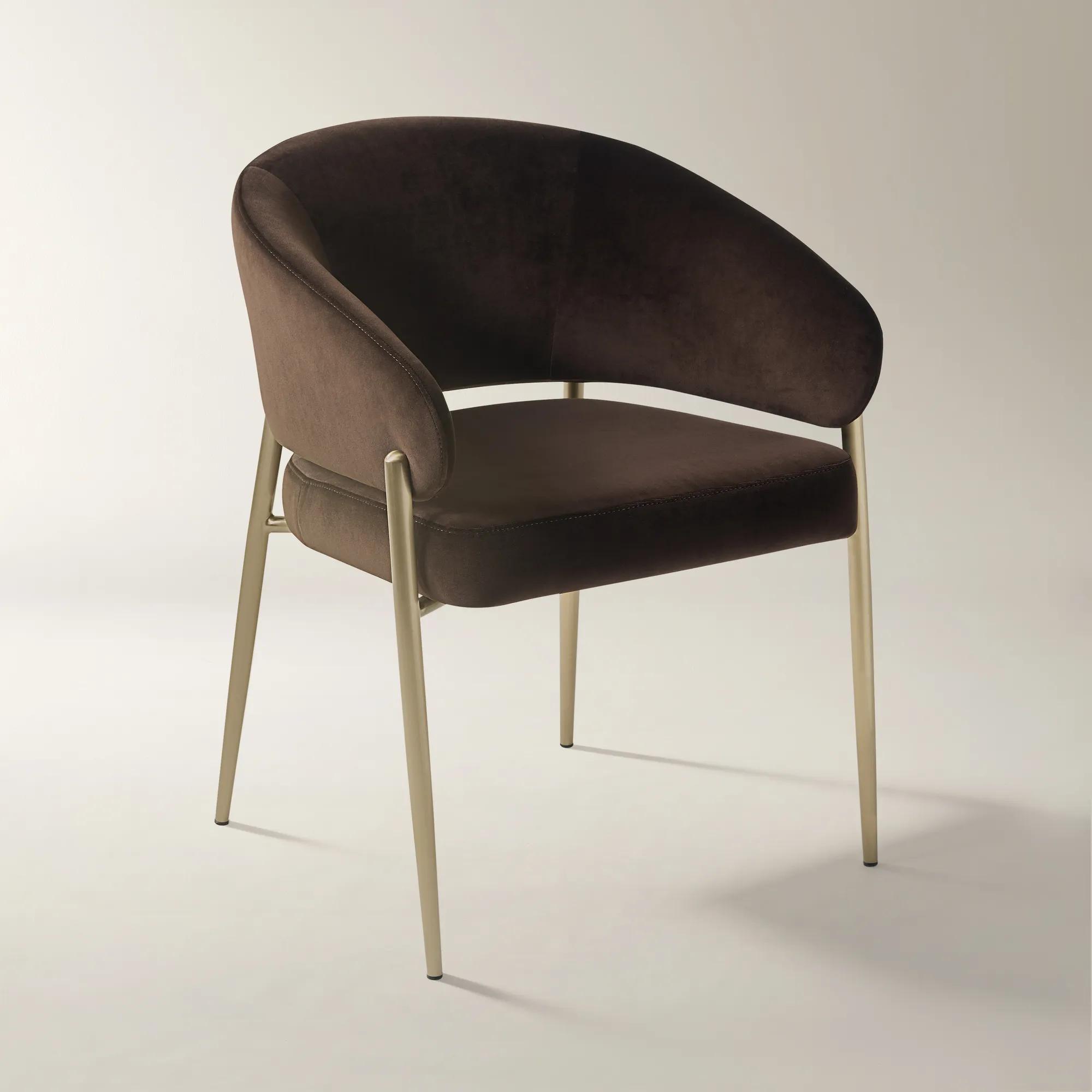 Nara Dark Chocolate Velvet Dining Chair Set Of 2$599
A pair of dark chocolate velvet chairs with curved backs and brushed brass stainless-steel legs for modern elegance.
Add To Cart -
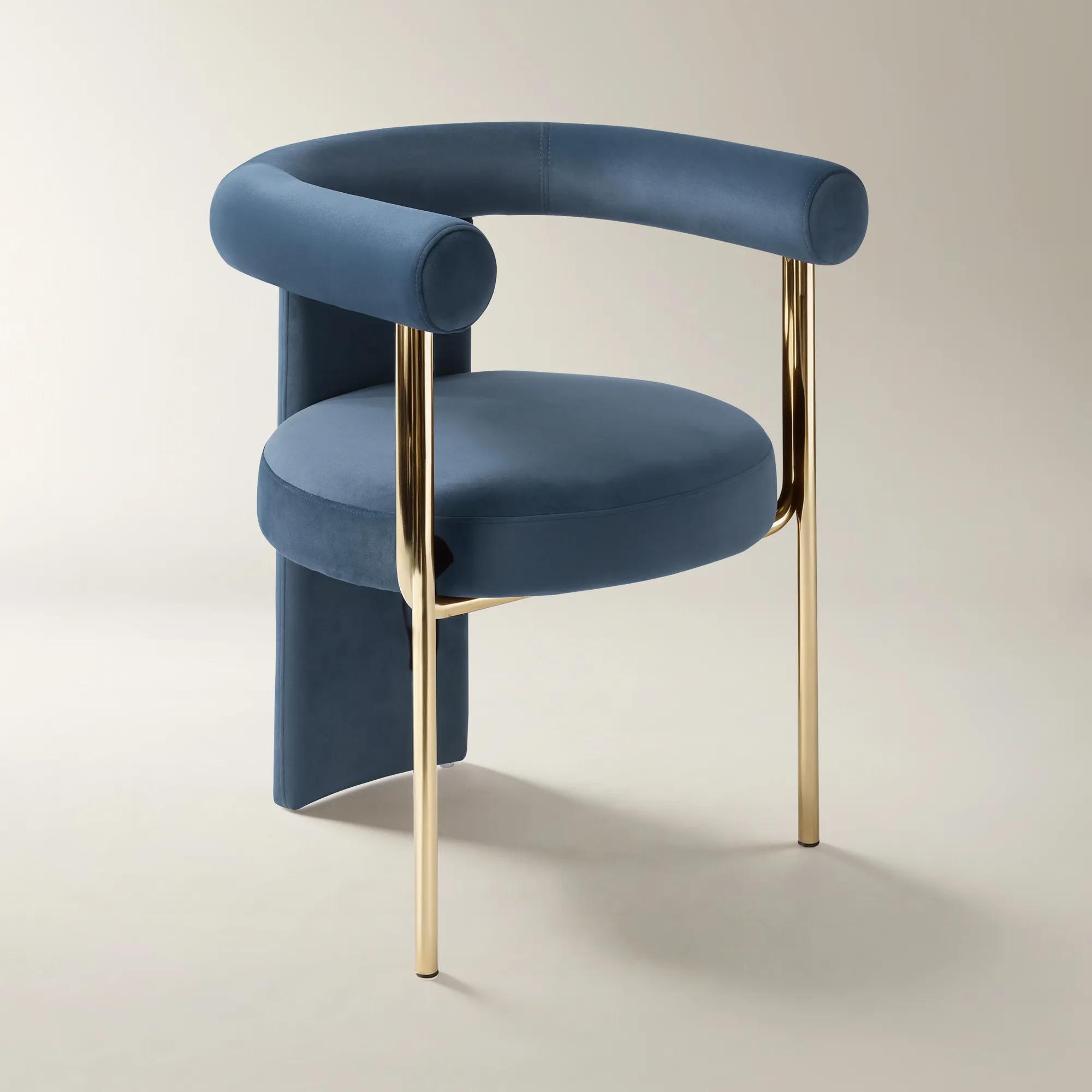 Davina Dusty Blue Velvet Dining Chair Set Of 2$799
A set of two dining chairs featuring dusty blue velvet upholstery and a polished gold metal frame.
Add To Cart -
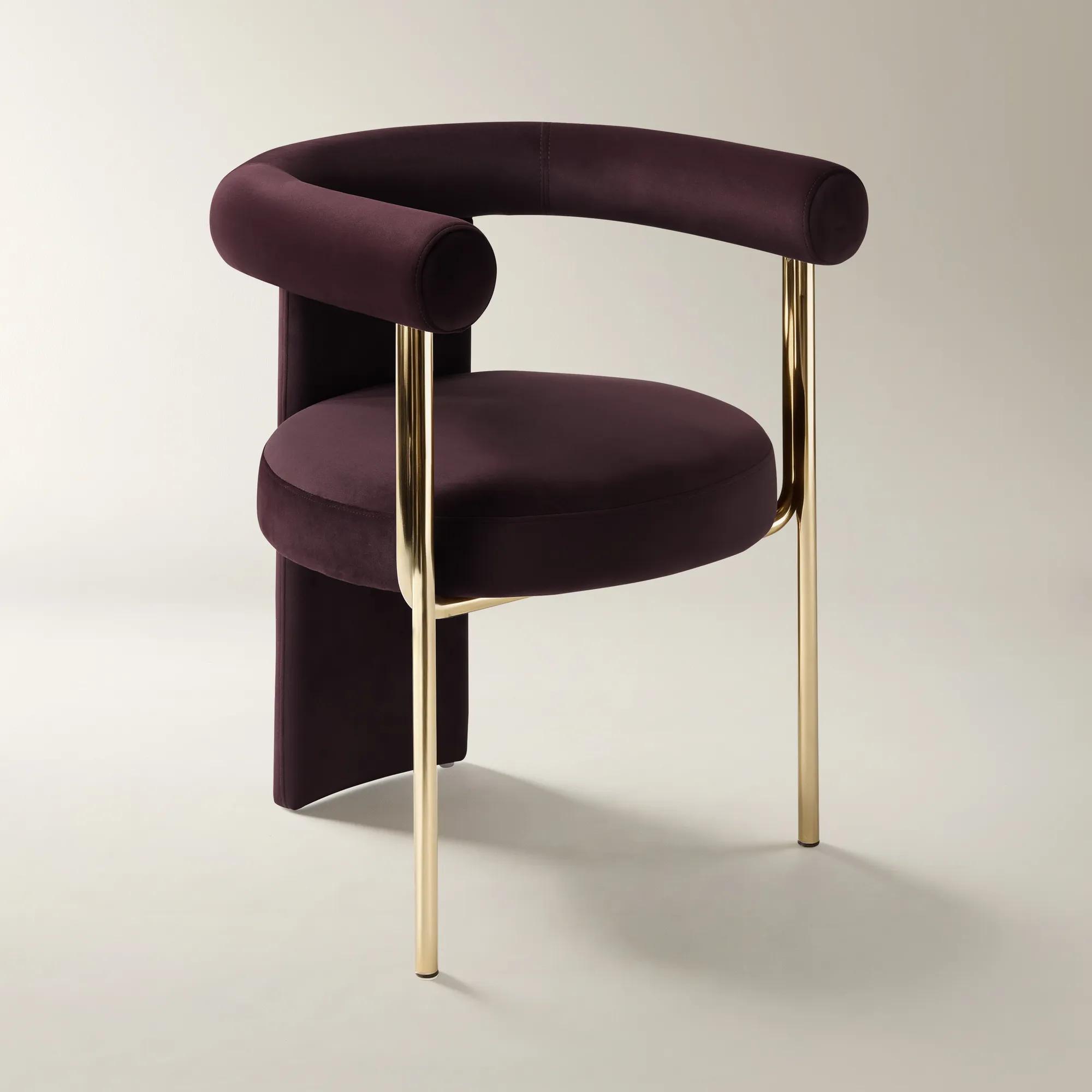 Davina Fig Velvet Dining Chair Set Of 2$799
A set of two dining chairs featuring plush fig velvet upholstery and a sleek gold-finished metal frame.
Add To Cart -
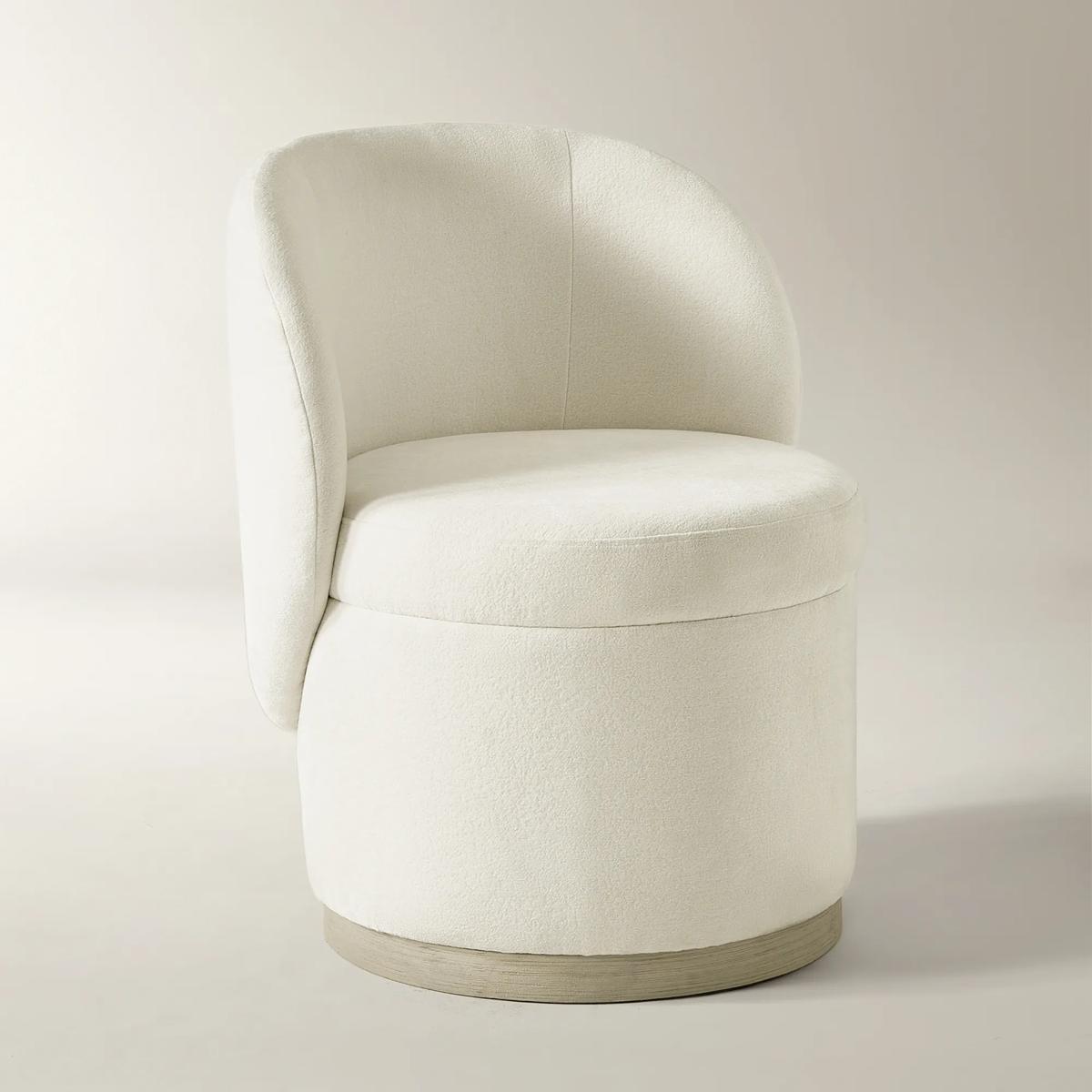 Stria Ivory Chenille Dining Chair With Oak Base$449
An ivory chenille chair featuring a plush, velvet-like finish and a handcrafted solid oak base.
Add To Cart -
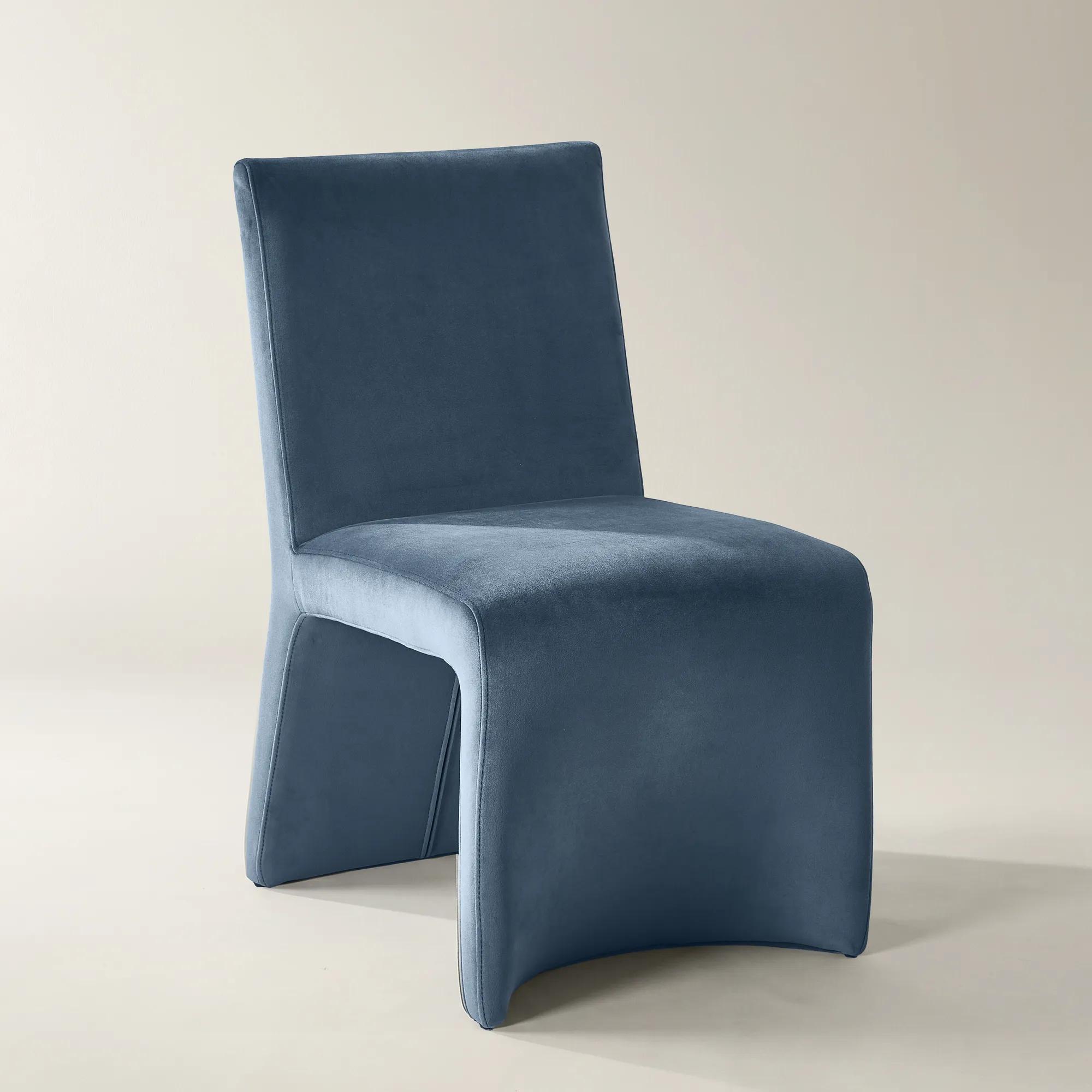 Elara Dusty Blue Velvet Dining Chair Set Of 2$649
A set of two dining chairs featuring plush dusty blue velvet upholstery and a seamless, artful silhouette.
Add To Cart -
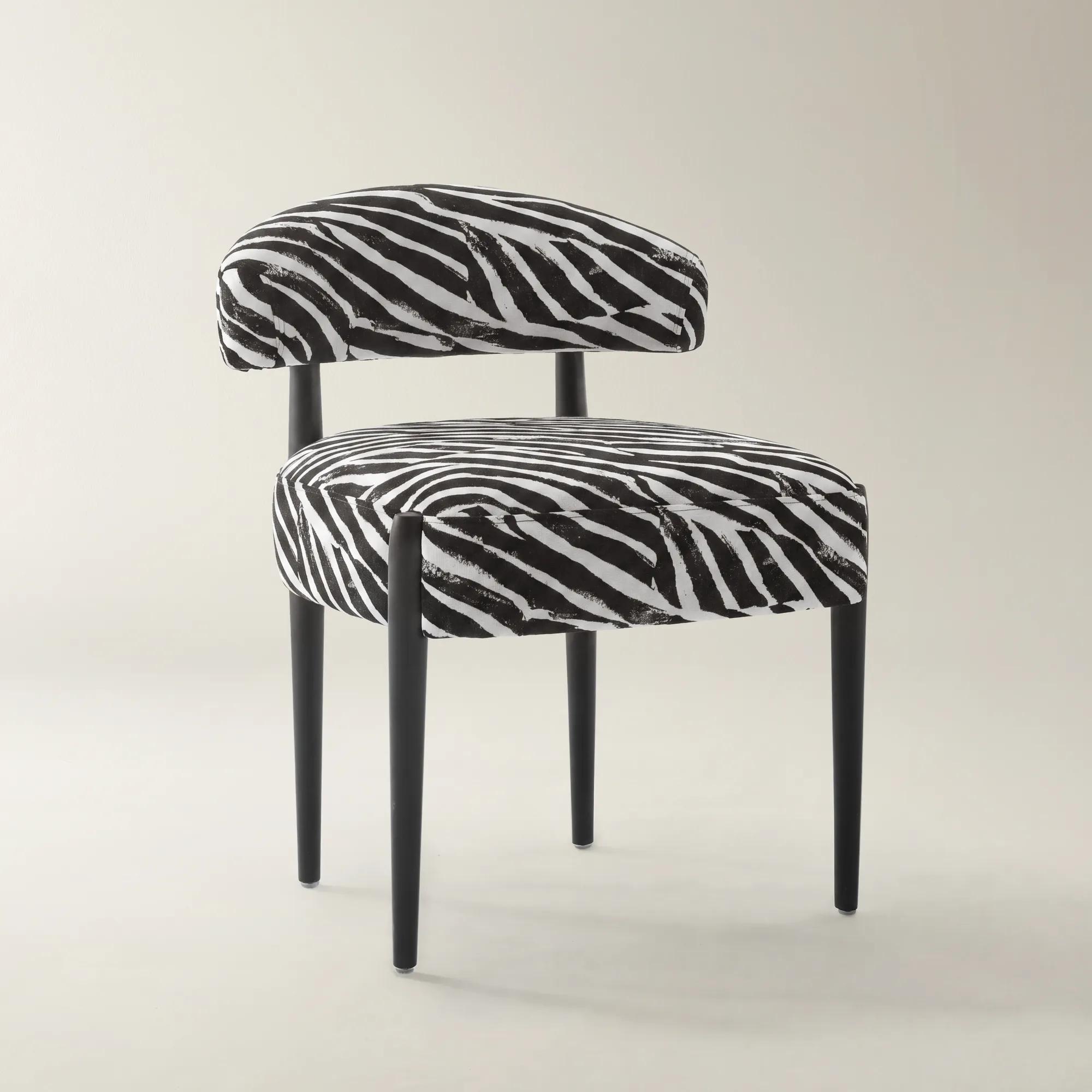
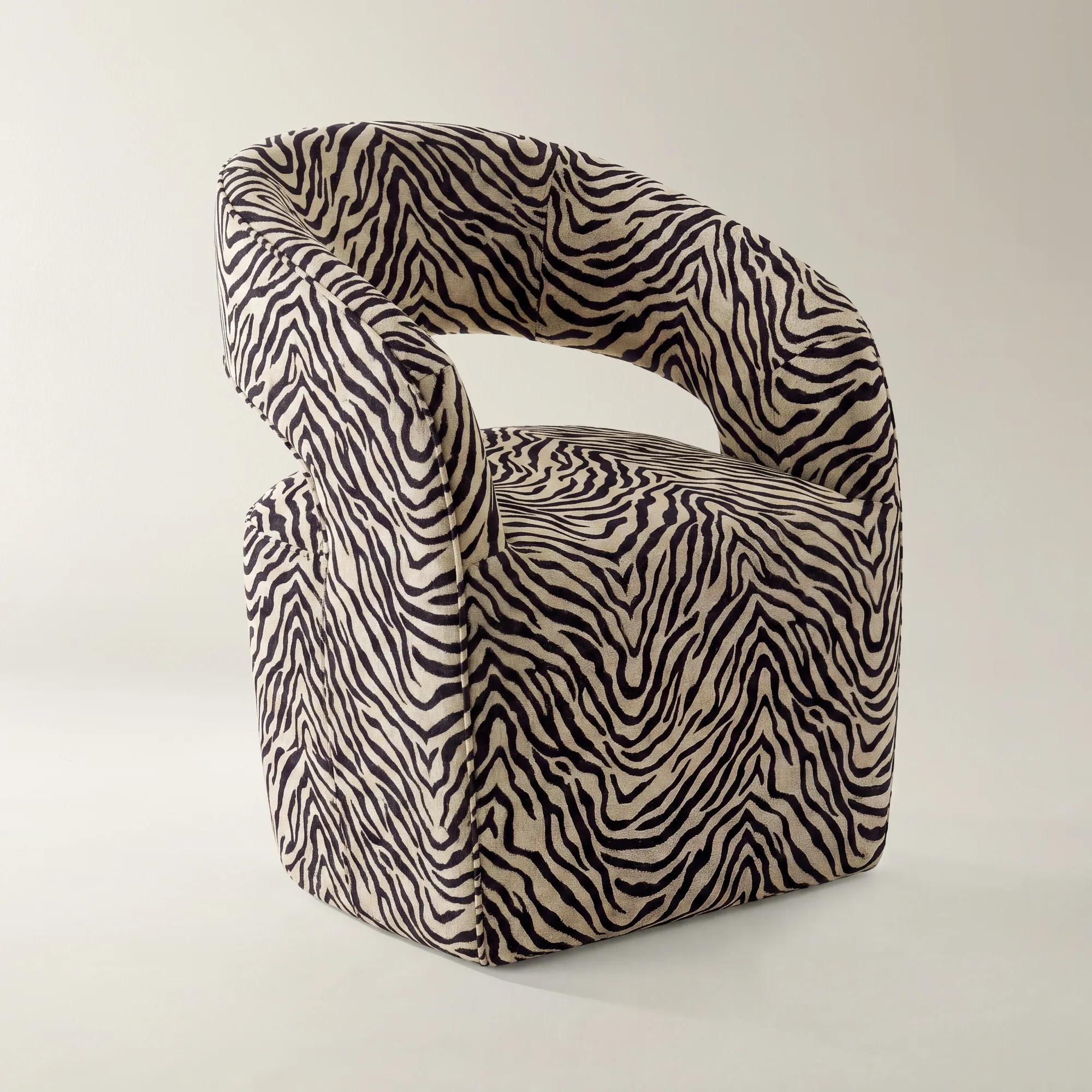 Harrison Zebra Performance Chenille Dining Chair$449
A sculptural dining chair upholstered in zebra performance chenille with a curved back and feather-blend comfort.
Add To Cart -
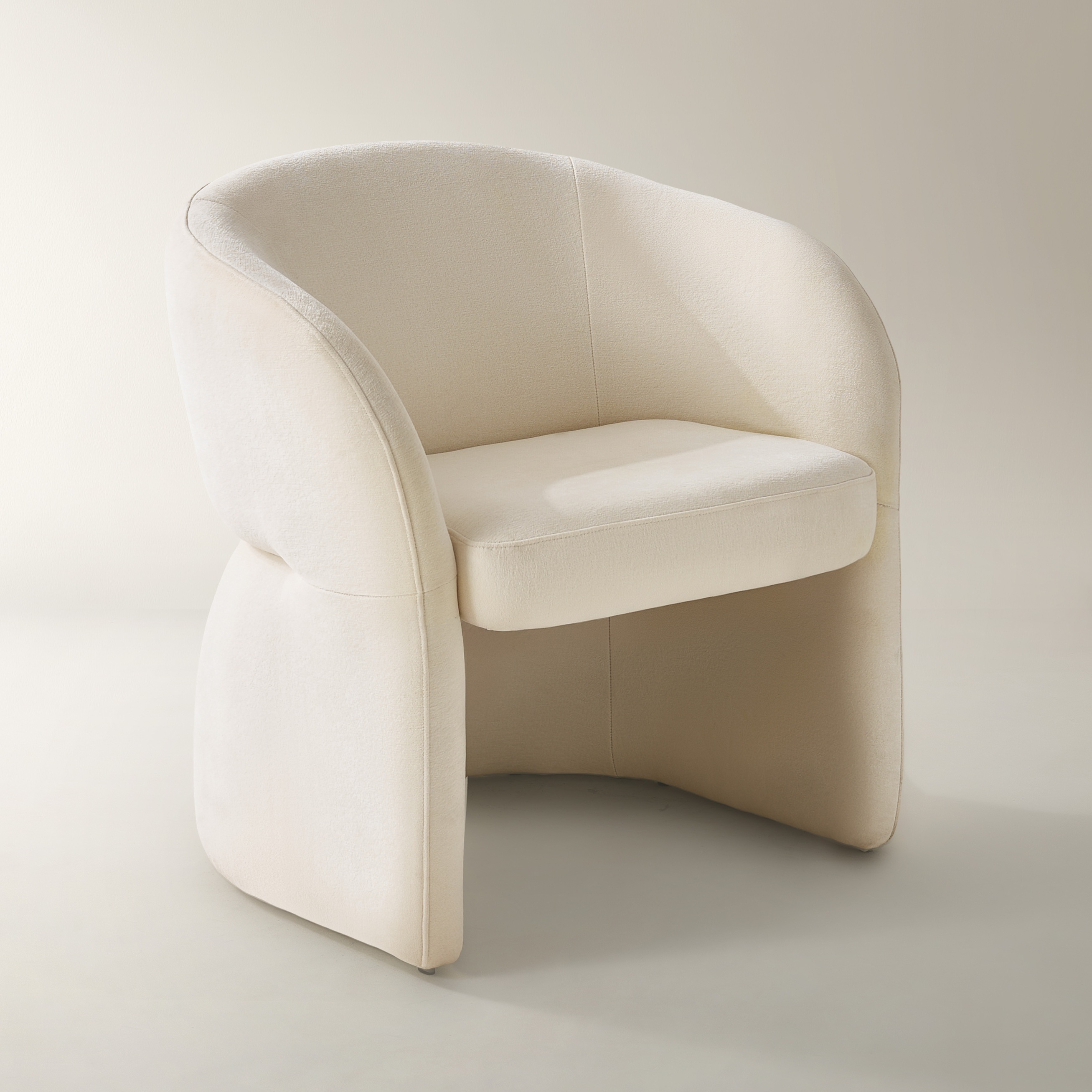
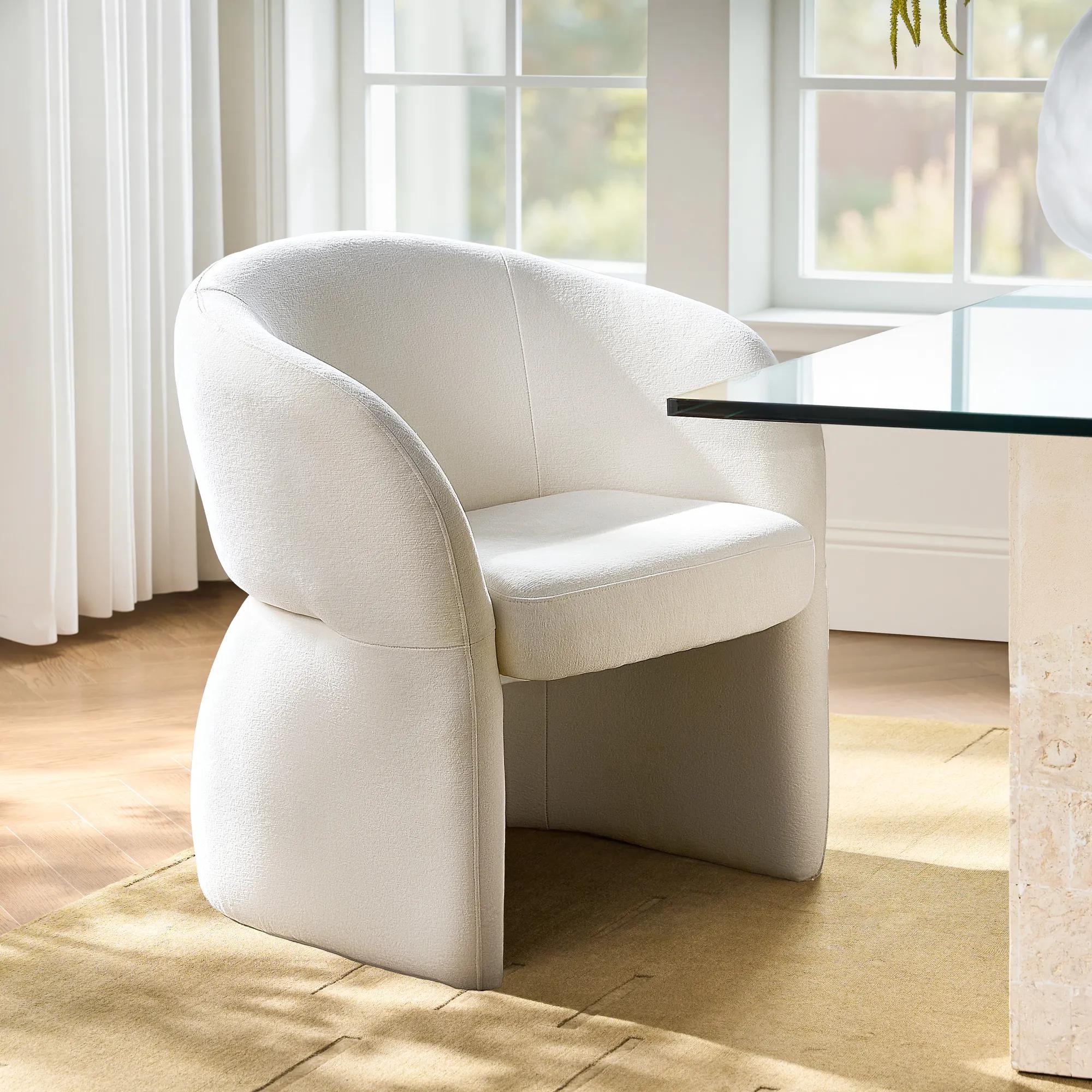 Sierra Oatmeal Velvet Dining Chair$499
An elegant accent chair in oatmeal velvet with gracefully arched arms, curved back, and plush cushioning.
Add To Cart -
-6.jpg?w=1200&h=1200) Stria Roasted Pecan Velvet Swivel Dining Chair With Oak Base$599
Stria Roasted Pecan Velvet Swivel Dining Chair With Oak Base$599A khaki chenille swivel armchair with a handcrafted solid oak base and plush, modern comfort.
Add To Cart -
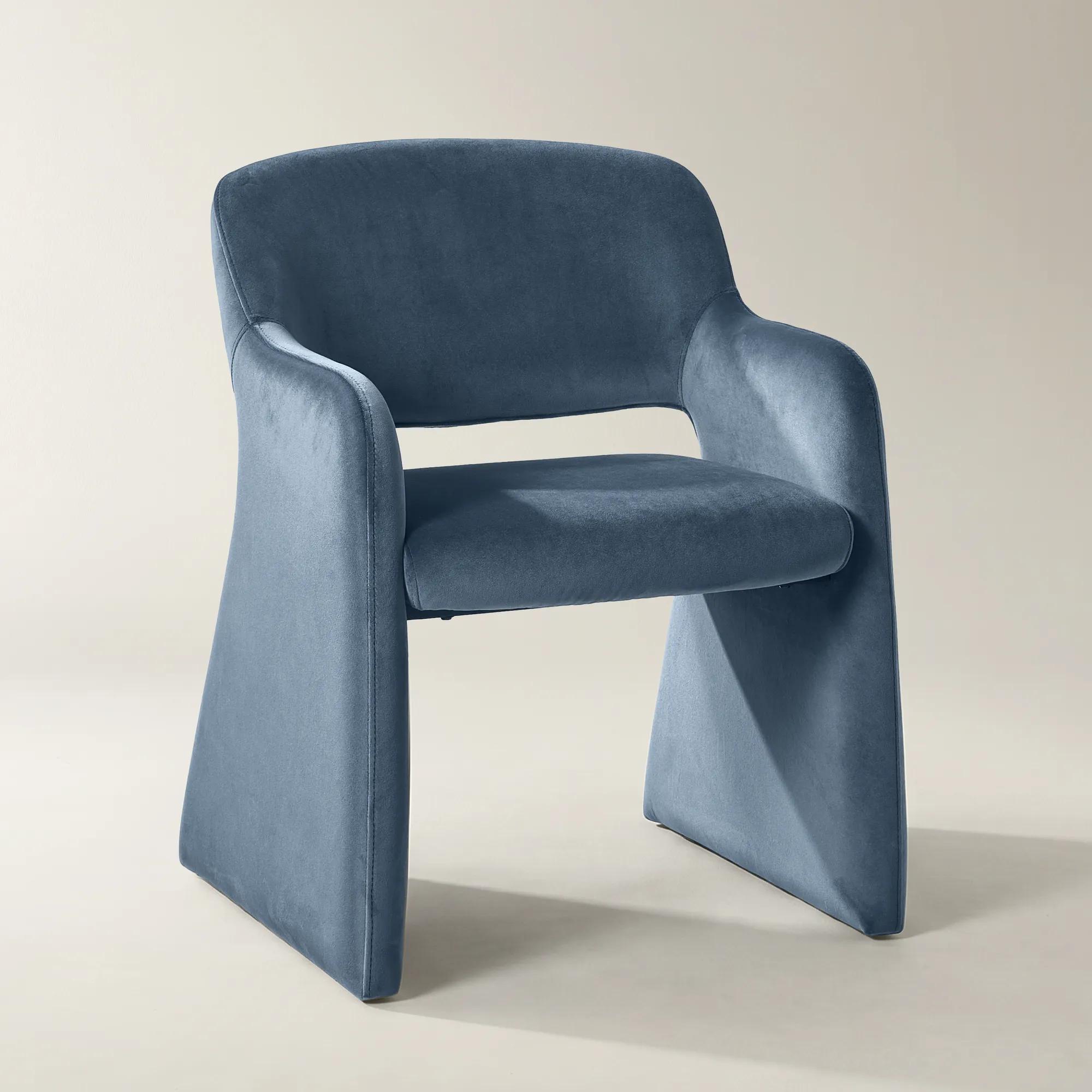 Elara Dusty Blue Velvet Dining Chair$399
A graceful dining chair featuring dusty blue velvet upholstery, integrated arms, and a seamless cantilevered silhouette.
Add To Cart -
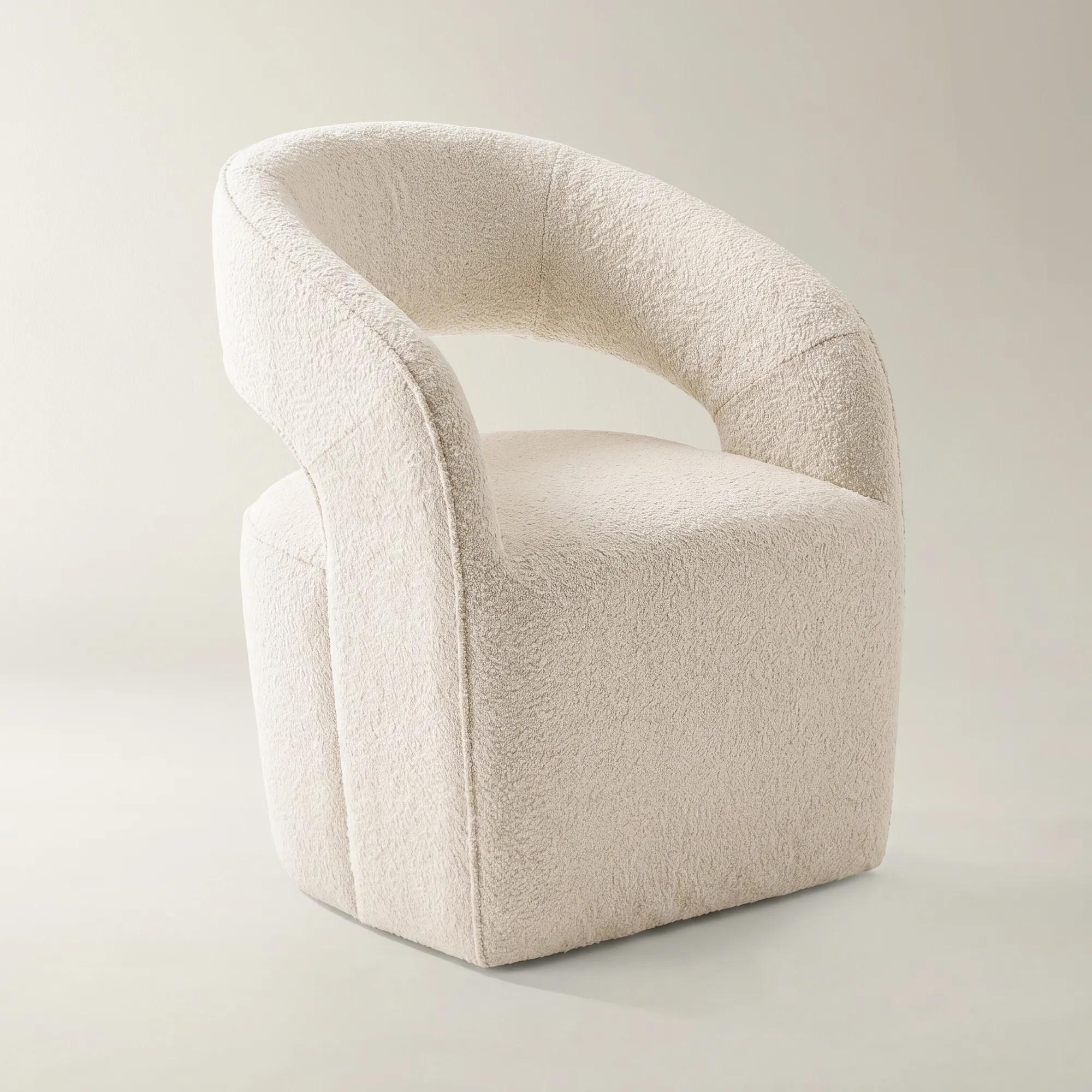 Harrison Utopia Sand Chenille Dining Chair$449
A sculptural dining chair upholstered in sand chenille with a curved back, feather-blend seat, and integrated arms.
Add To Cart -
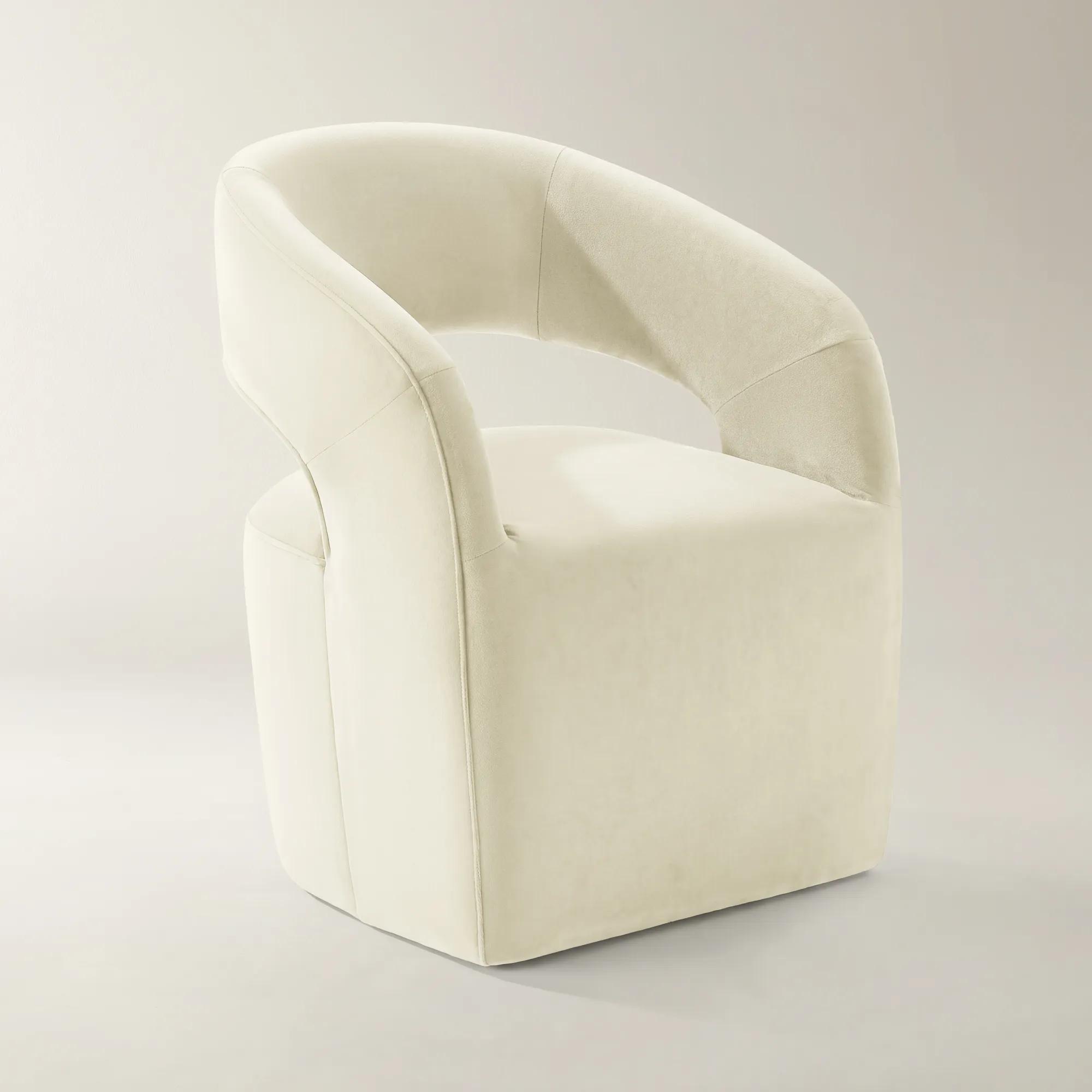 Harrison Cloud Velvet Dining Chair$449
A sculptural dining chair featuring cloud velvet upholstery, feather-blend cushioning, and a continuous curved back.
Add To Cart

Comfortable Dining Room Chairs
Elevate every gathering and transform mealtime into a luxurious affair with comfortable dining room chairs that invite you to linger a little longer. Imagine sumptuous seating that blends sculptural beauty with plush support, turning your dining space into a destination for both grand celebrations and intimate conversations. Each chair is more than a place to sit—it’s an invitation to indulge in style, artistry, and effortless comfort. Redefine the heart of your home with silhouettes that delight the senses and craftsmanship designed for lasting impressions. Discover how comfortable dining room chairs can infuse your space with elegance, drama, and undeniable allure.
Comfortable dining room chairs give a beautifully set table its most inviting quality: a reason to linger. Supportive backs, well-proportioned seats, and resilient cushioning create a setting where an everyday dinner can unfold into hours of conversation without making comfort feel separate from design. The most successful silhouettes offer both presence and ease, pairing a gently curved backrest with upholstery that feels as considered as the tableware. Velvet lends depth to jewel tones and luminous neutrals, while chenille and textured woven fabrics bring a softer, tactile dimension to a polished dining space. A tailored upholstered chair can temper the crisp geometry of a glass table; a sculptural seat with slender metal legs can introduce a gleaming counterpoint to richly grained wood. Comfort, however, comes from more than a plush appearance. A seat should support the thighs without pressing behind the knees, and the backrest should provide comfortable contact when someone sits close enough to eat. Gentle contouring and a modest backward angle can make extended meals more relaxed, while an excessively deep seat may require shorter guests to perch forward, away from the back support. High-density foam can offer a resilient foundation, though foam density describes its structure rather than its softness; the complete cushioning system determines how a chair feels. Upholstered dining chairs with a balanced combination of give and support suit households that use the dining table for everything from breakfast to an elaborate celebration. For hosts who love an expressive room, generous curves, refined seams, and an unexpected upholstery color make seating part of the composition rather than merely its backdrop. A row of graceful chair backs also shapes the view from adjoining rooms, giving an open dining area a distinct identity. Whether the atmosphere is intimate and candlelit or bright and architectural, thoughtfully proportioned seating allows the room’s drama to feel welcoming rather than formal for formality’s sake.
Fit is the detail that turns an appealing dining chair into a comfortable place at the table. Many dining tables stand approximately 28 to 30 inches high, and dining chair seat heights commonly fall around 18 to 20 inches. These ranges are starting points, not a guarantee of compatibility: a useful target is roughly 10 to 12 inches between the top of the seat and the underside of the tabletop, with additional attention to any apron or support structure that reduces thigh clearance. Cushions may compress when occupied, so listed dimensions tell only part of the story. Seat widths around 18 to 22 inches can accommodate a range of preferences, but usable space matters more than the widest exterior measurement, particularly when arms curve inward. Seat depth should allow the sitter to rest against the back with feet supported and a small gap behind the knees; a deeper chair is not automatically a more comfortable one. Armchairs lend a composed, enveloping quality to the ends of a rectangular table, offering a place to rest forearms between courses. Their arms need clearance beneath the table if the chairs are intended to tuck in neatly. Armless dining chairs allow easier side access and can create a more fluid arrangement along a table’s length, especially where guests frequently get up during meals. Planning approximately 24 inches of table edge per person is a common starting point, although broader chairs and generous place settings need more room. Beyond the tabletop, about 36 inches between the table edge and a wall or nearby furniture generally provides room to pull out a chair, while an active walkway behind occupied seating benefits from additional clearance. Table legs and pedestal bases deserve equal attention because they influence where feet and chair legs can settle. For spaces that favor crisp proportions with an inviting finish, comfortable modern dining chairs bring the focus to silhouettes that balance visual lightness with supportive seating. Coordinating these dimensions preserves the room’s elegance in use, not just when every chair is perfectly aligned.
Materials and construction determine how gracefully comfortable dining chairs move through daily life. Solid wood frames can bring warmth and character, while metal frames offer opportunities for slender profiles and striking finishes; either depends on sound construction, secure joints, and a stable stance. Upholstery should be considered alongside the household’s routines. Velvet has a distinctive directional pile that catches light beautifully, but sitting and handling can leave shading or pressure marks that are part of its surface character. Textured fabrics introduce dimension and may soften the appearance of minor everyday marks, though pronounced loops can be vulnerable to snagging. Leather develops its own character with use, while care needs vary by finish; coated alternatives have different cleaning requirements and should not be treated as interchangeable. Performance upholstery can be appealing for frequently used dining spaces, but resistance to stains or abrasion varies by fabric and does not make a chair spillproof. Fiber content, cleaning codes, and manufacturer care instructions provide a more reliable basis for maintenance than appearance alone. Gentle vacuuming with an upholstery attachment helps remove crumbs and dust from seams, and spills are best blotted promptly rather than rubbed into the surface. Any cleaning product should be appropriate for the material and tested in an inconspicuous area. Wood and metal finishes also benefit from care suited to their specific coatings, while compatible floor protectors help reduce scratches as chairs move across hard flooring. A dining rug works best when it extends far enough for chair legs to remain supported as guests pull away from the table. These practical details leave room for a more expressive arrangement: upholstered armchairs at the head and foot, coordinated side chairs in a complementary texture, or a consistent silhouette carried around a round table for a sculptural rhythm. For a compact dining nook, manageable chair weight and a profile that tucks beneath the table can make daily movement feel effortless. In a dedicated dining room, a fuller back and sumptuous upholstery can establish a more enveloping mood. The enduring appeal lies in that balance—chairs with enough artistry to define the setting and enough thoughtful support to make every place at the table feel genuinely inviting.
FAQs
Comfortable dining room chairs are often crafted from a blend of premium materials designed for both durability and sensory appeal. Expect to find lush upholstery in velvet, linen, or performance fabrics, paired with sturdy hardwood frames or gleaming metal bases. Details such as hand-tufting, nailhead trim, or sculptural legs add an extra layer of artistry, ensuring each chair is as visually striking as it is inviting.
For a cohesive dining room, consider echoing elements from your chairs throughout the space—such as repeating a metallic finish in your lighting or mirroring an upholstery hue in your table linens. Mixing textures, like pairing velvet chairs with a glass table, creates dynamic contrast, while choosing chairs with statement backs or arms can anchor the room with a sense of drama and sophistication.
Absolutely. The beauty of comfortable dining room chairs lies in their versatility. Plush, upholstered designs can elevate a formal dinner party with a sense of opulence, while streamlined silhouettes in subtle fabrics offer relaxed elegance for everyday meals. By selecting chairs that balance comfort with artistry, you can effortlessly transition your dining space from casual brunches to festive celebrations.
To preserve the beauty of your dining chairs, regularly dust wood or metal frames with a soft cloth and promptly blot any spills on upholstery with a clean, dry towel. For velvet or fabric seats, gentle vacuuming and occasional professional cleaning will keep them looking sumptuous. Rotating chairs around the table can also ensure even wear, maintaining their allure for years to come.
Mixing and matching dining chairs with other seating, such as benches or <a href="https://zgallerie.com/o/comfortable-dining-room-stools">Comfortable Dining Room Stools</a>, adds dimension and designer flair to your dining room. Choose complementary colors, textures, or finishes for a curated yet eclectic look, and let each piece contribute to the overall story of your space.