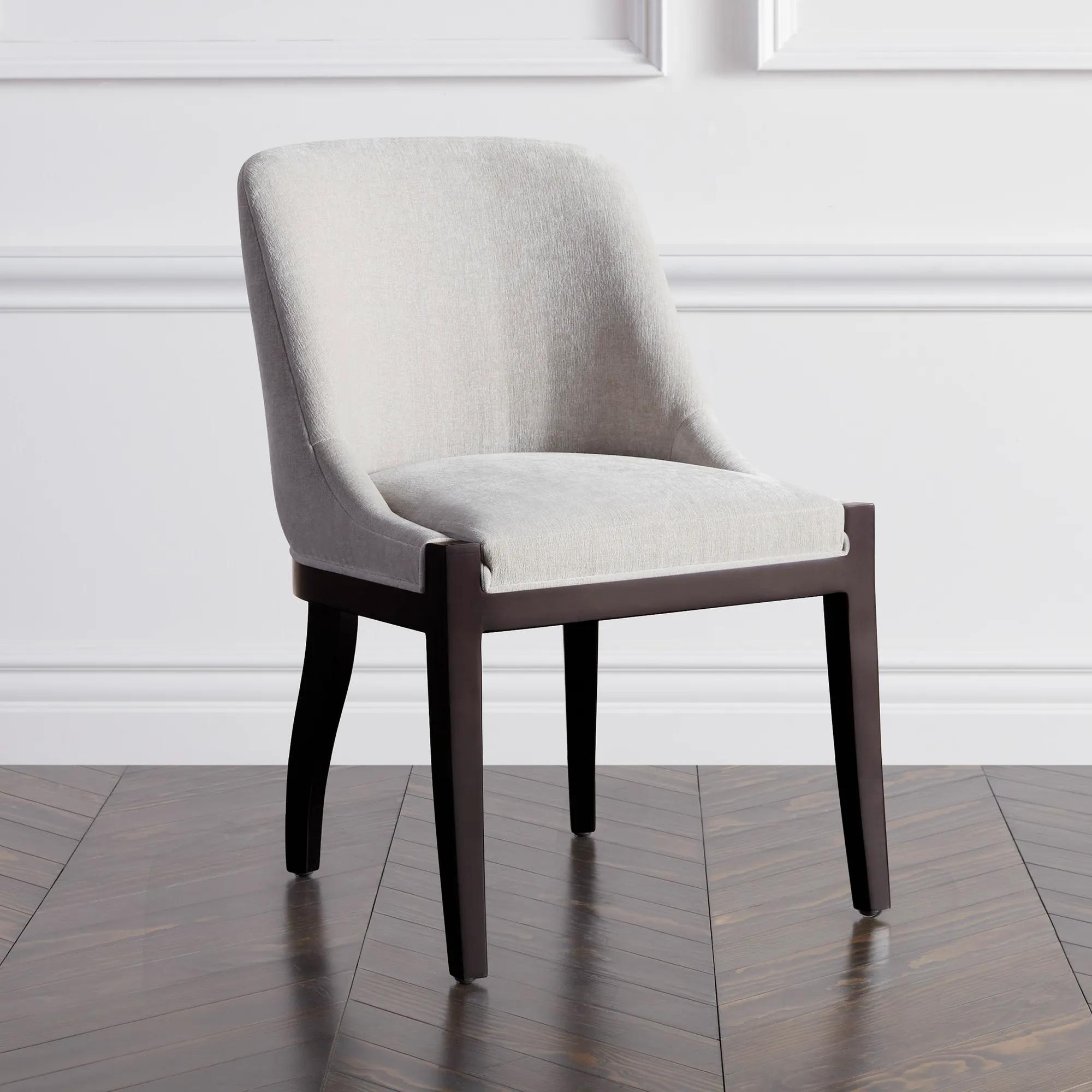
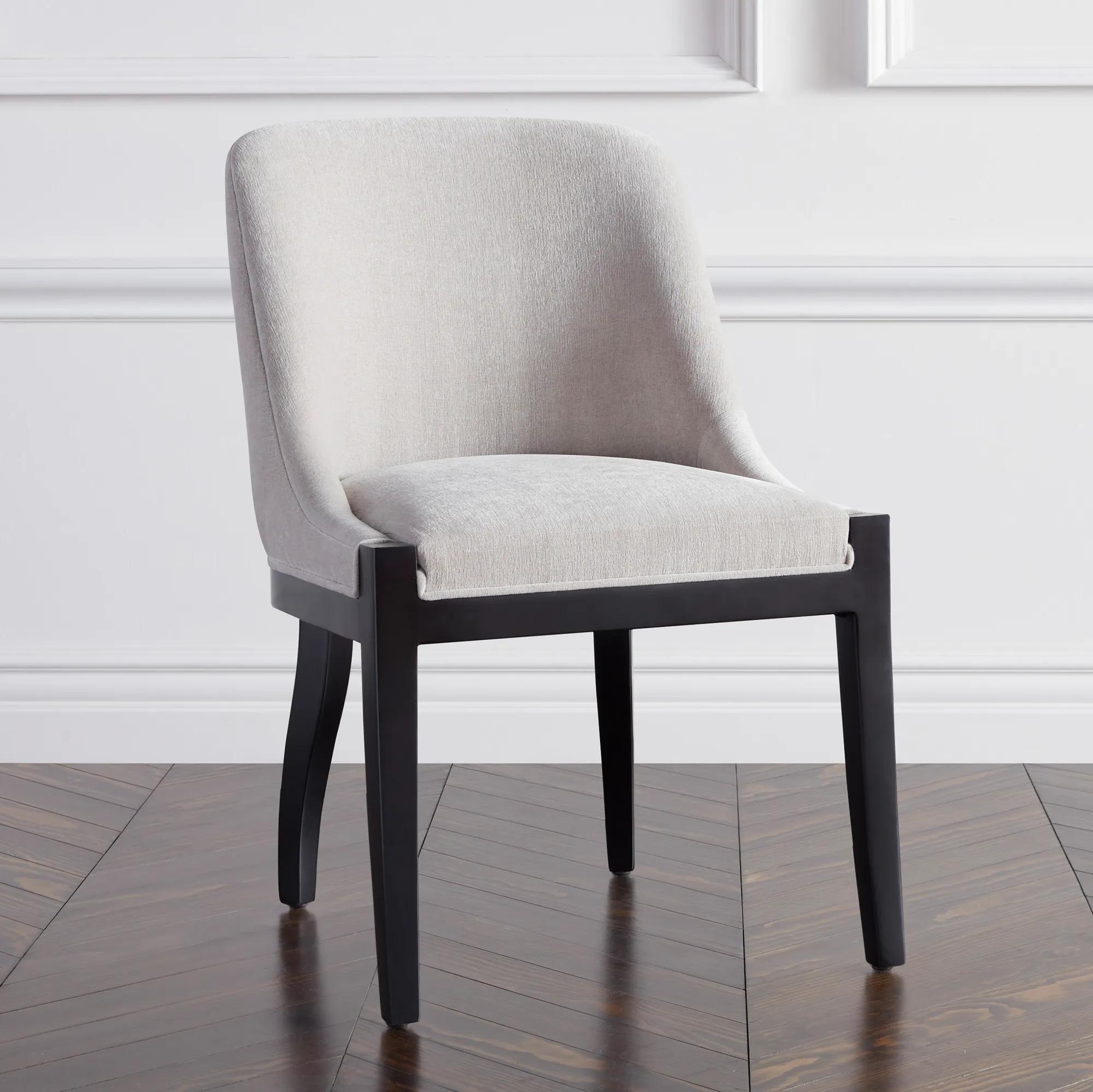
Exclusive Fabric Barstools
Exclusive Fabric Barstools
-
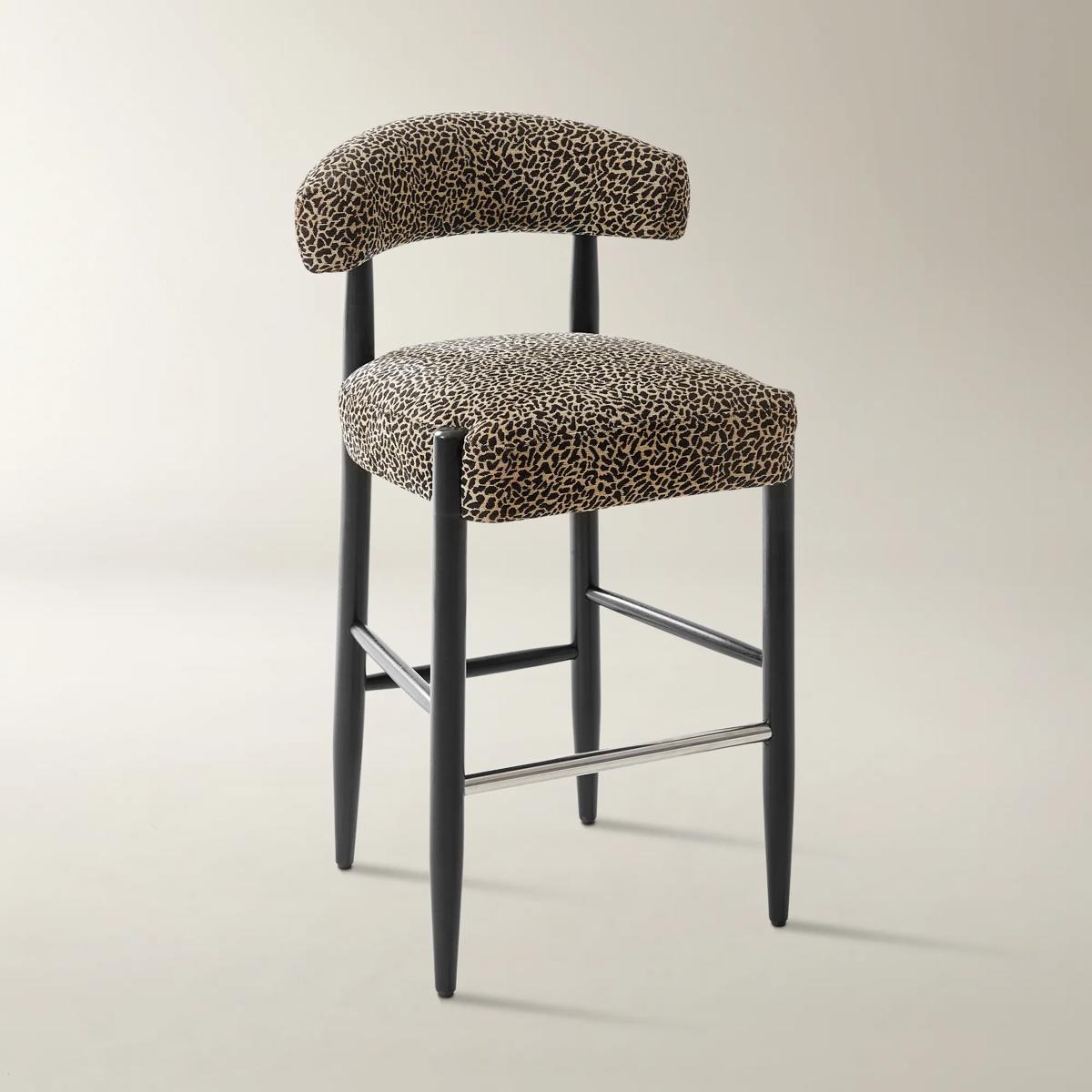
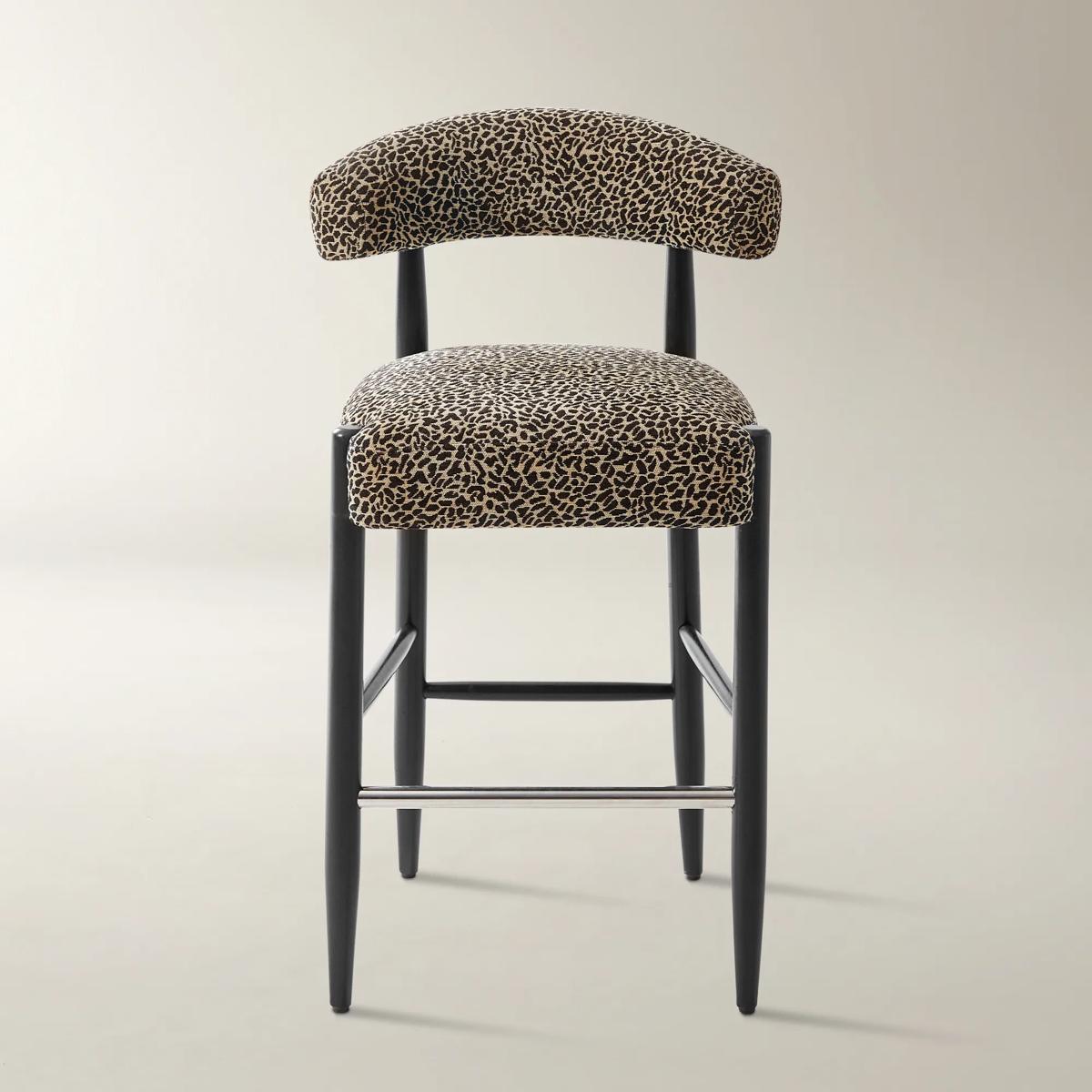 Anna Leopard Chenille Bar/Counter Stool$449
A leopard-print chenille barstool with kiln-dried hardwood legs and supportive, hand-upholstered cushioning.
Add To Cart -
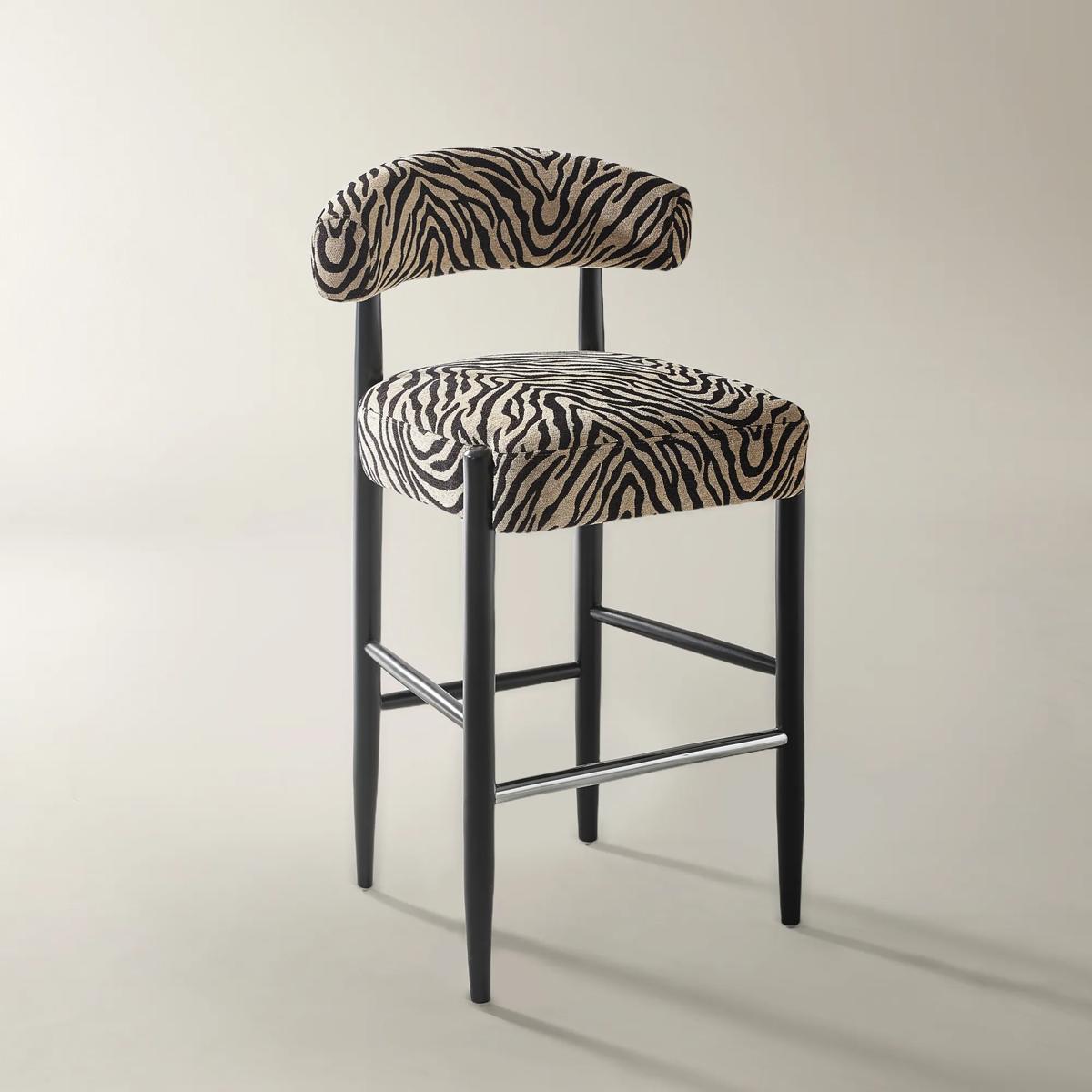
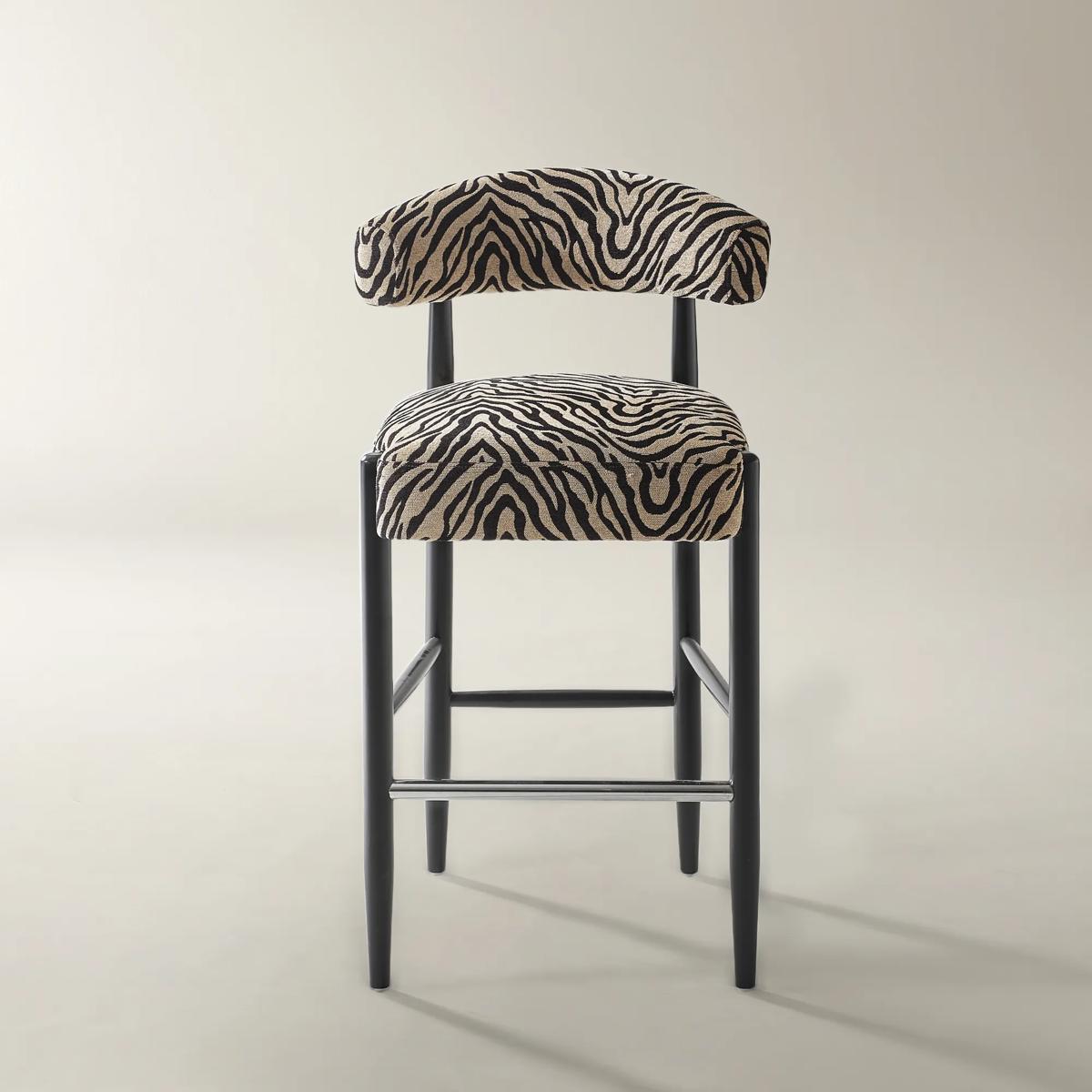 Anna Zebra Chenille Bar/Counter Stool$449
A zebra-print chenille barstool with plush foam padding and solid rubberwood legs for modern sophistication.
Add To Cart -
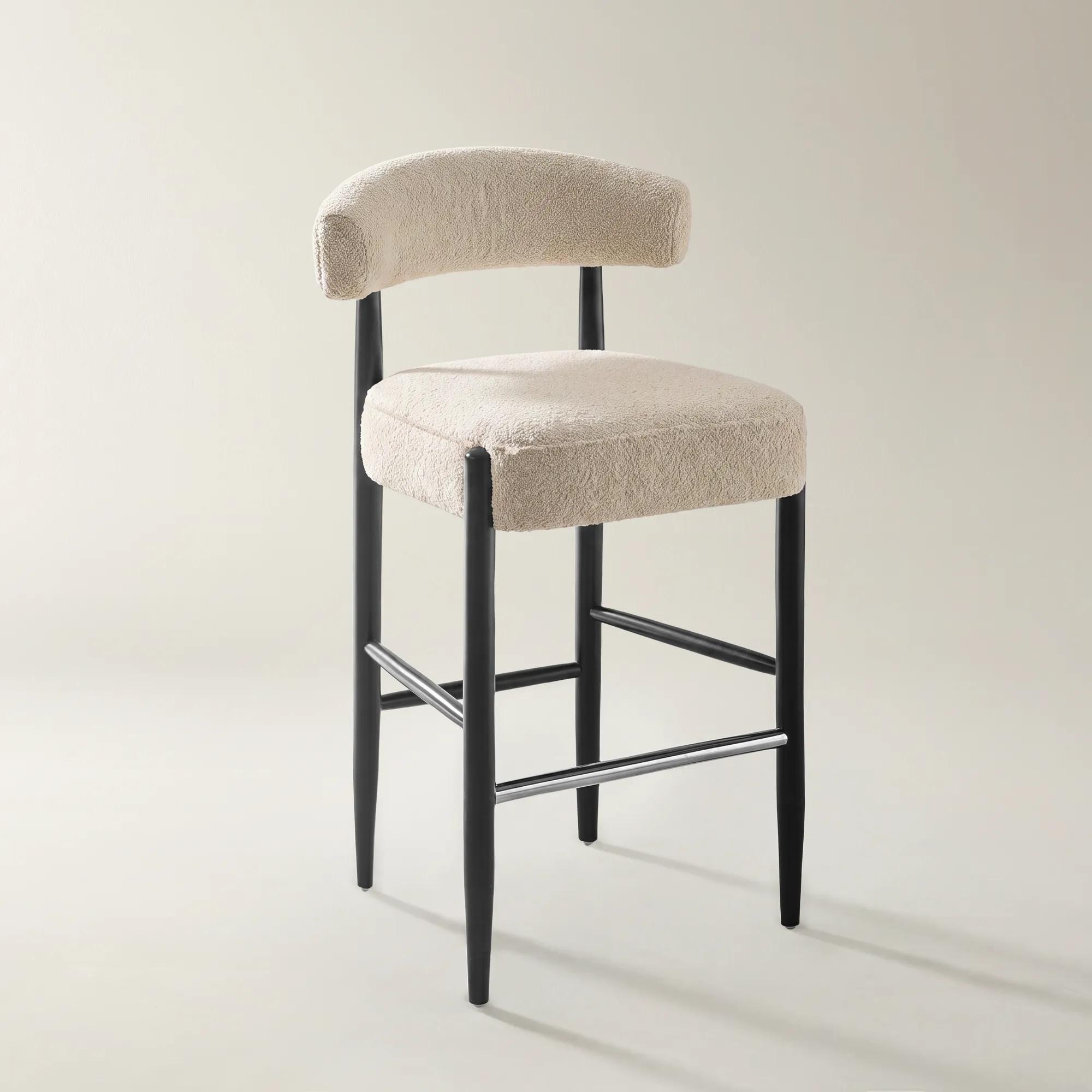 Anna Utopia Sand Chenille Bar/Counter Stool$399
A sand chenille stool with a sculpted padded seat, tailored upholstery, and tapered solid rubberwood legs.
Add To Cart -
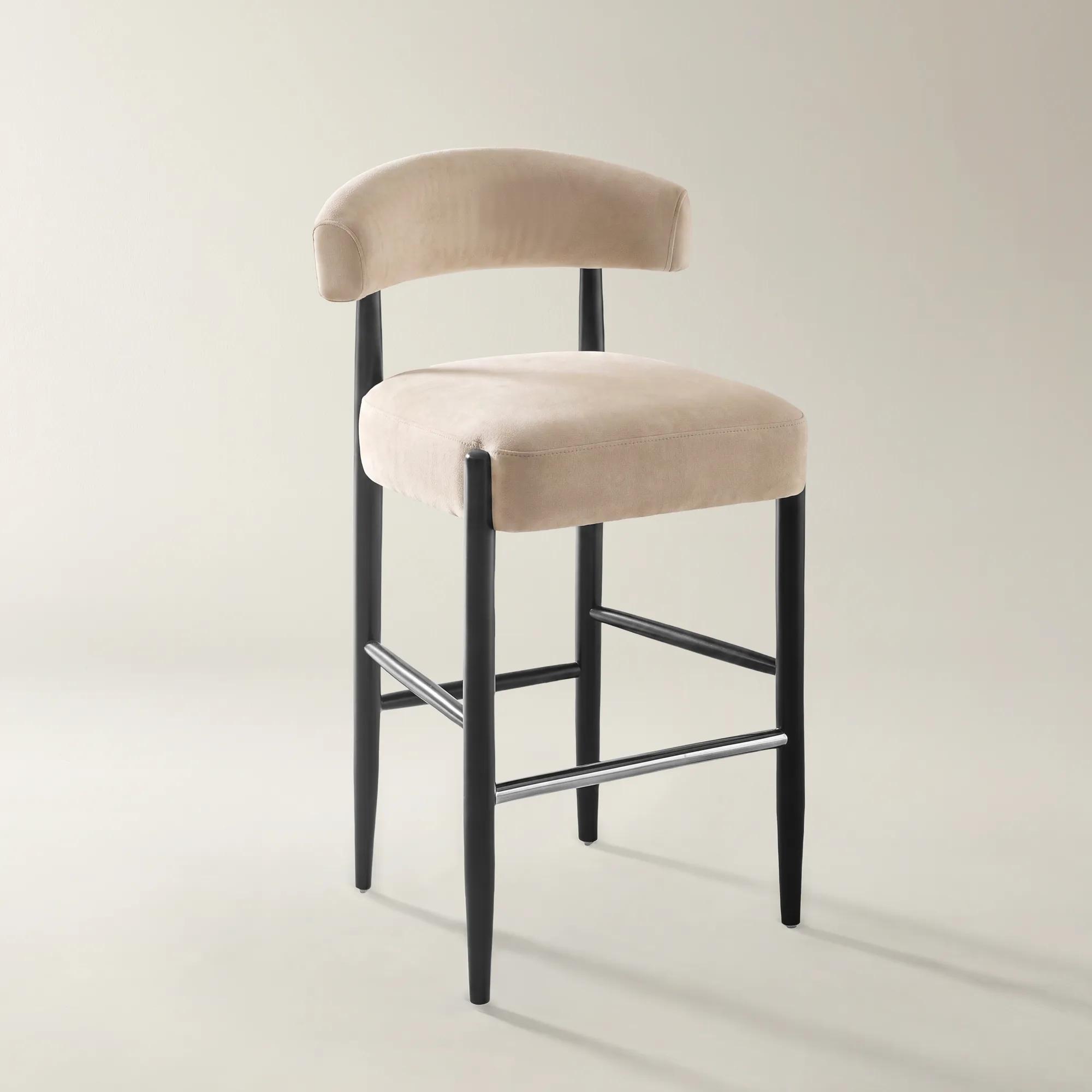 Anna Simply Taupe Velvet Bar/Counter Stool$399
A taupe velvet stool featuring sculpted support, a generously padded seat, and tapered solid rubberwood legs.
Add To Cart -
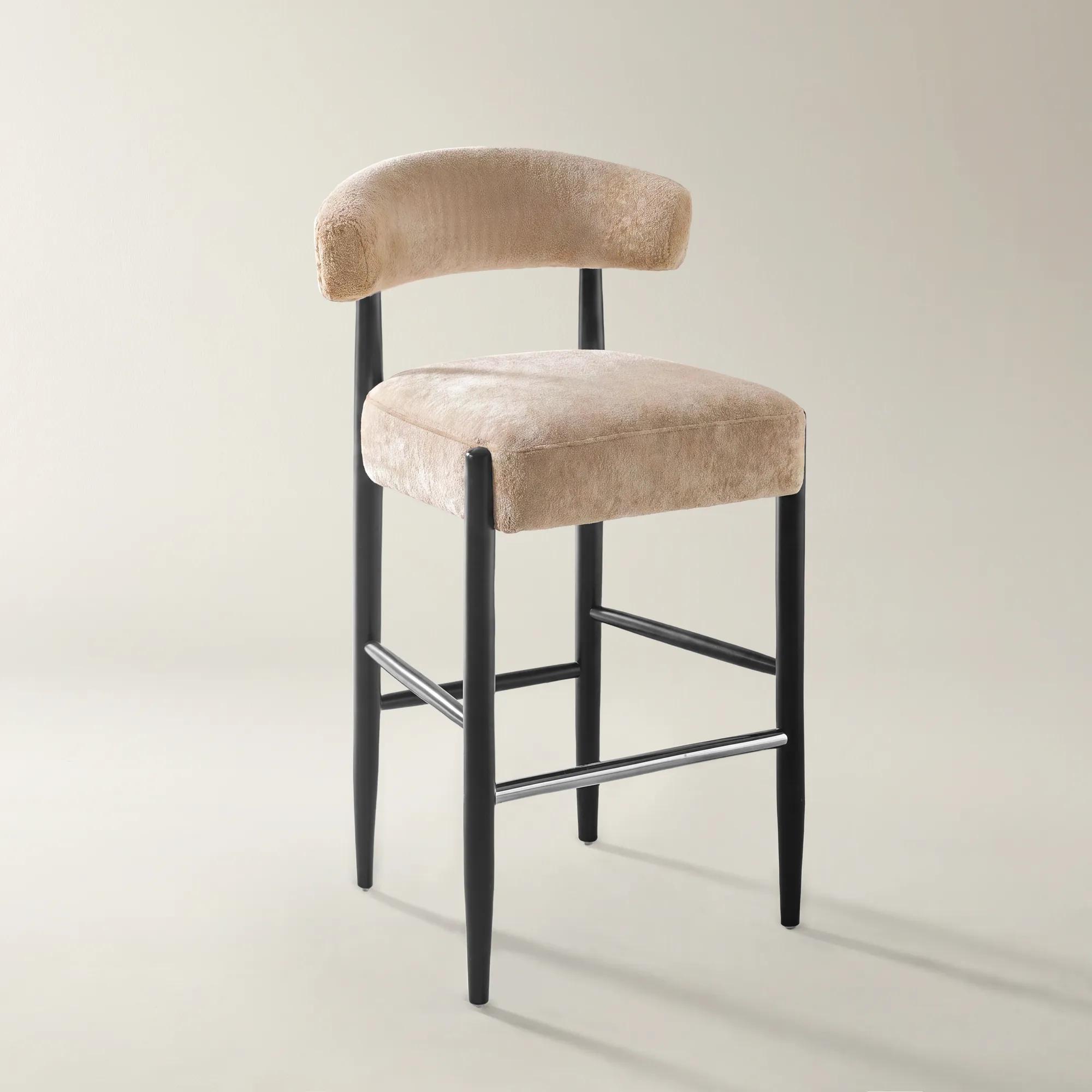 Anna Light Brown Chenille Bar/Counter Stool$399
A brown chenille stool featuring a sculpted back, padded seat, and tapered solid-rubberwood legs.
Add To Cart -
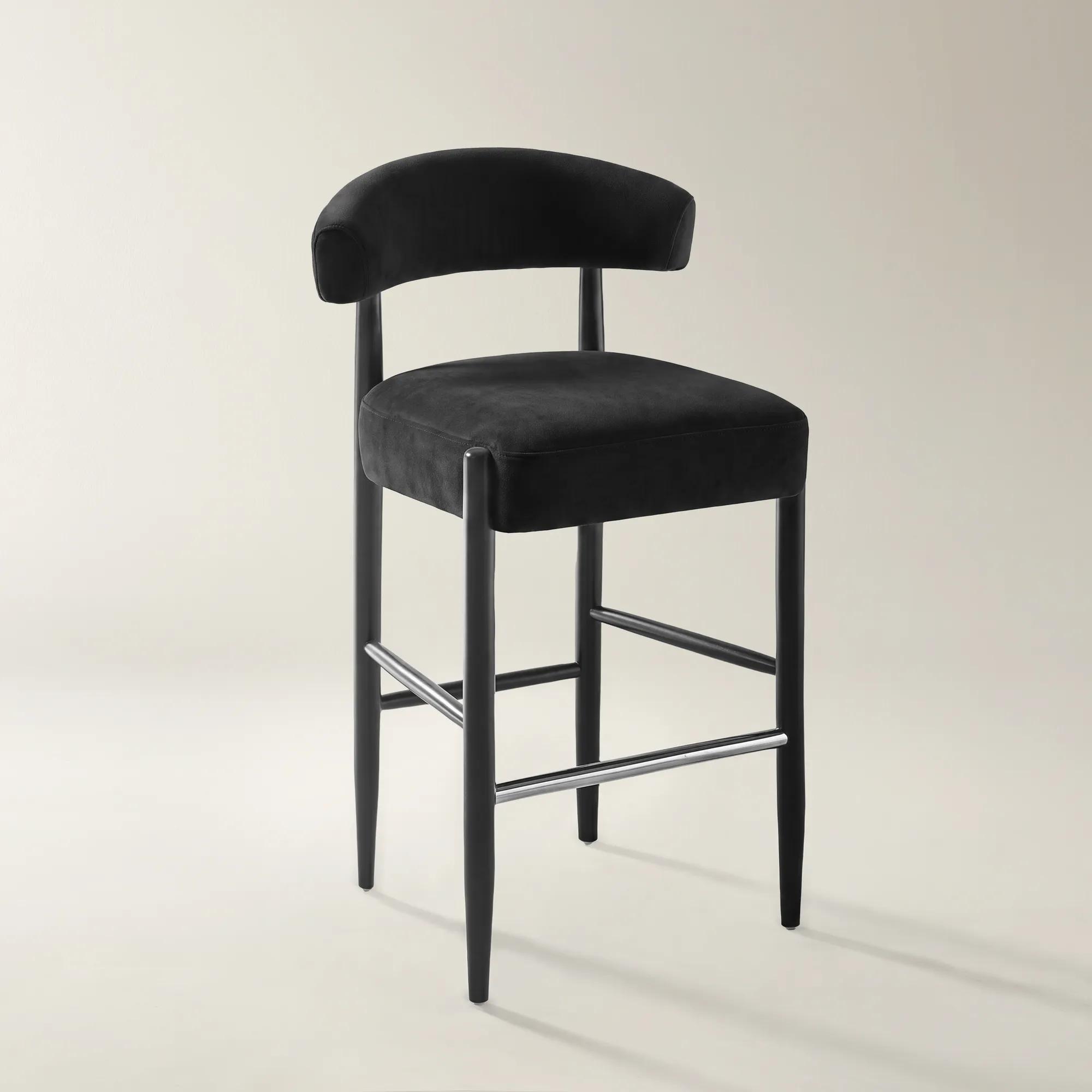 Anna Charcoal Velvet Bar/Counter Stool$399
A charcoal velvet stool featuring a sculpted padded seat, tailored upholstery, and tapered solid-rubberwood legs.
Add To Cart -
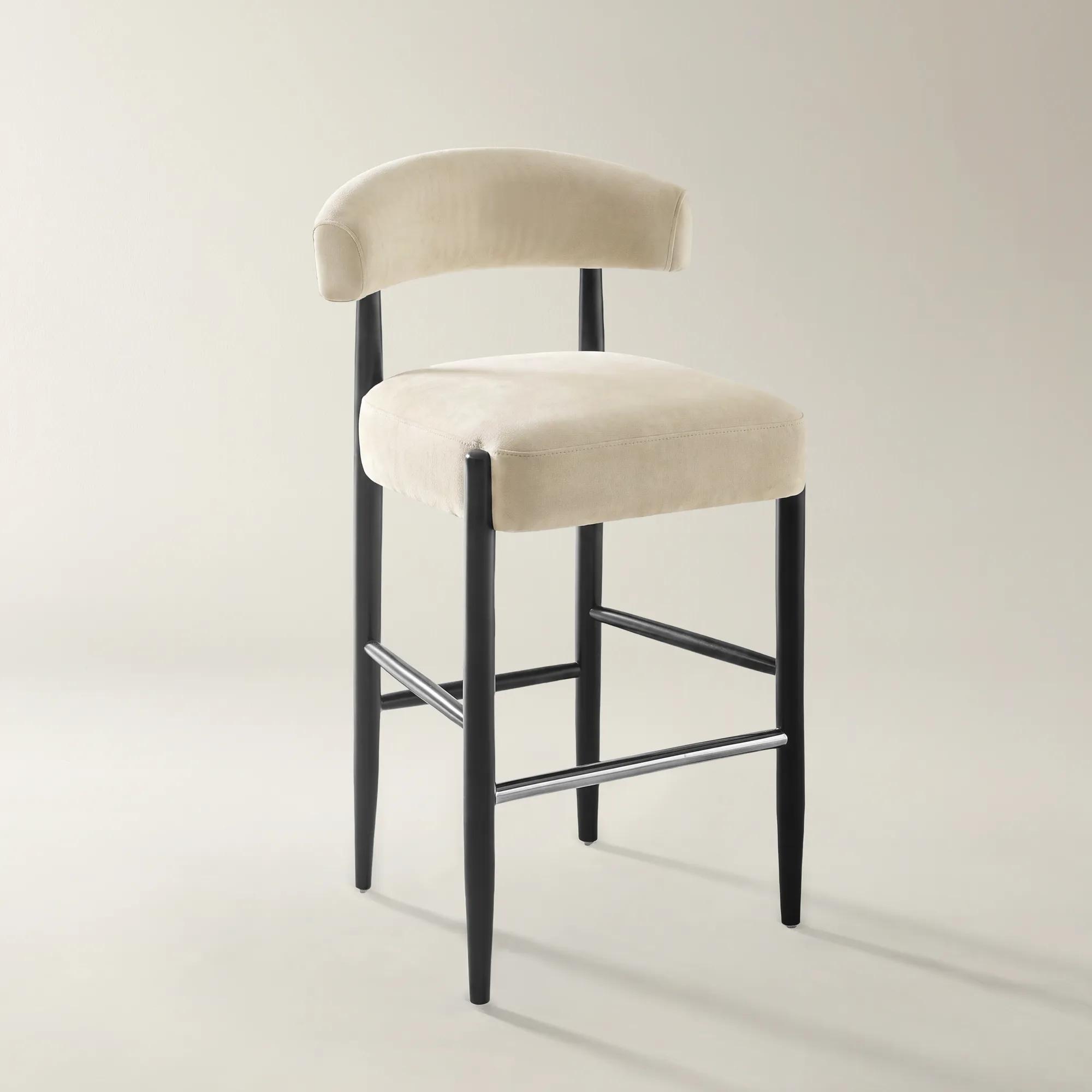 Anna Oatmeal Velvet Bar/Counter Stool$399
A refined oatmeal velvet stool with a sculpted padded seat and solid rubberwood legs.
Add To Cart -
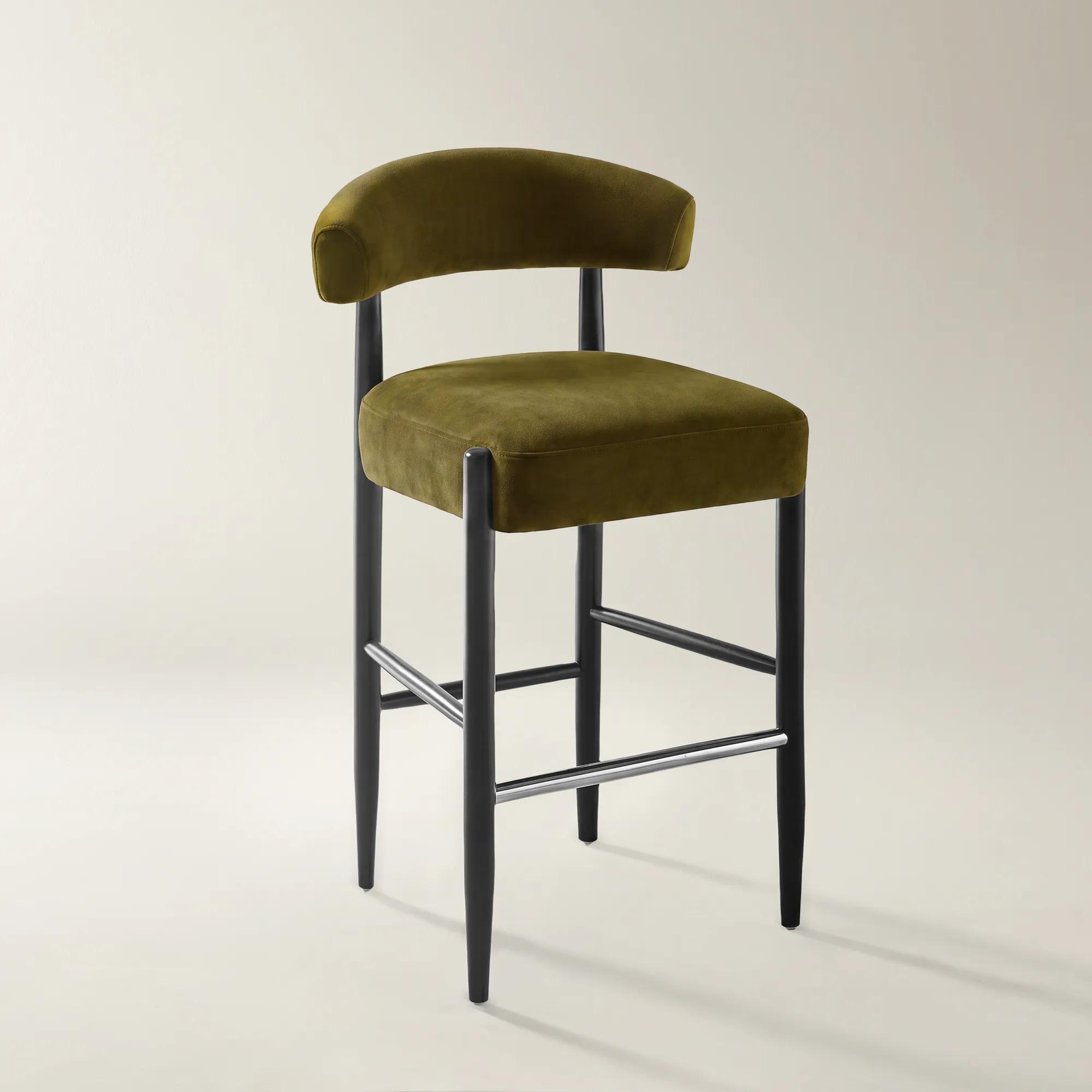 Anna Deep Olive Velvet Bar/Counter Stool$399
A deep olive velvet stool with sculpted support, padded comfort, and tapered solid rubberwood legs.
Add To Cart -
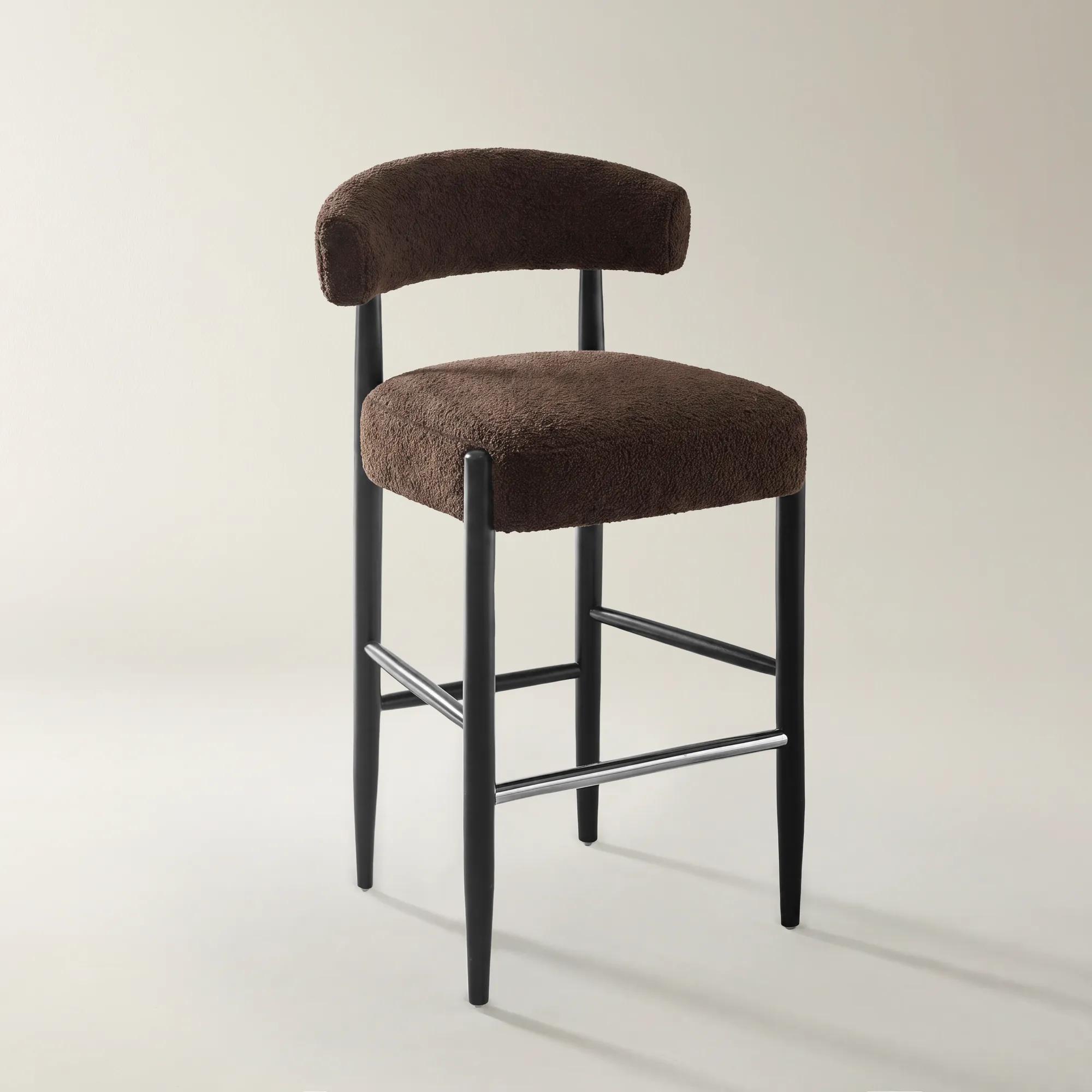 Anna Dark Chocolate Chenille Bar/Counter Stool$399
A dark chocolate chenille stool with sculpted support, padded comfort, and tapered solid rubberwood legs.
Add To Cart -
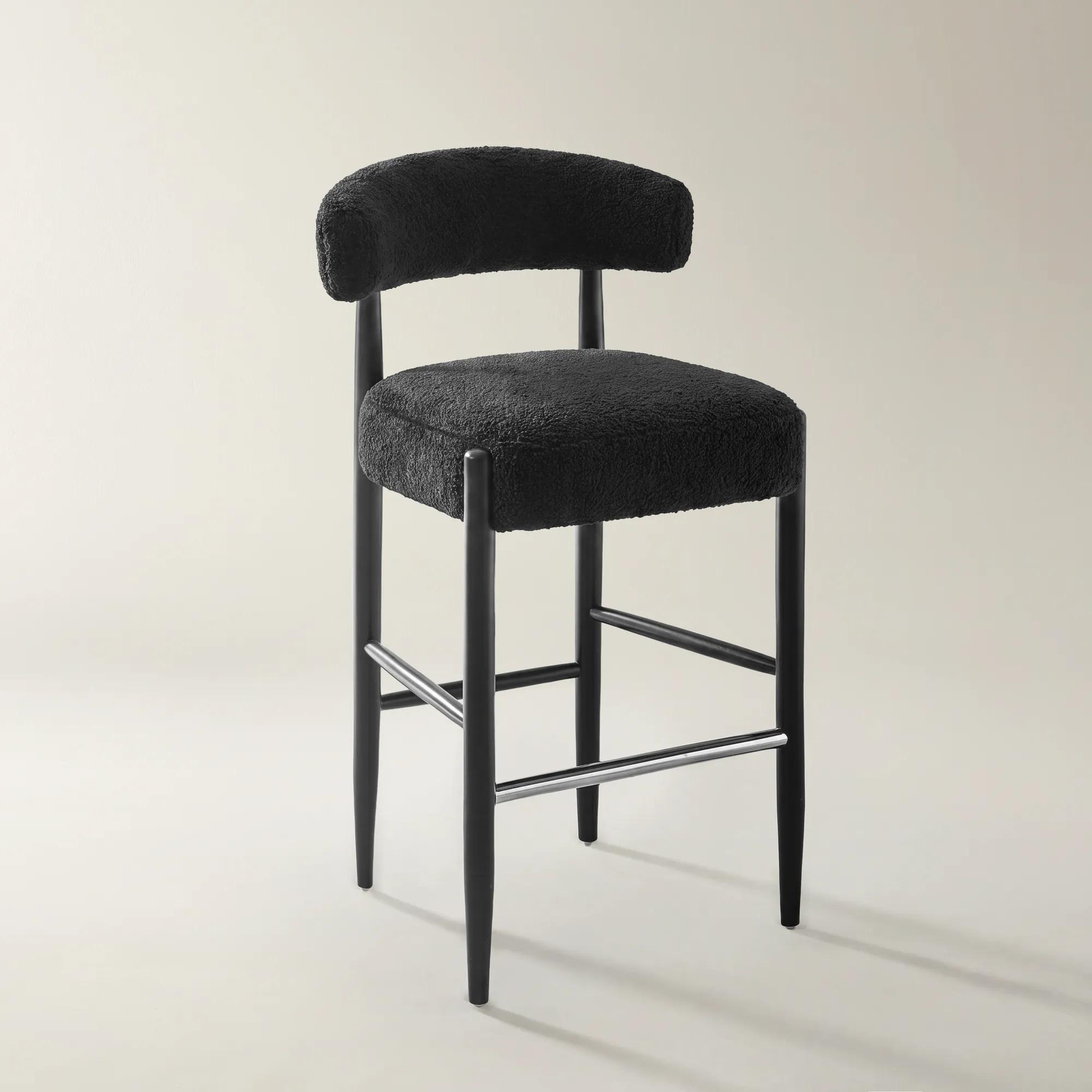 Anna Black Chenille Bar/Counter Stool$399
A charcoal chenille stool featuring sculpted support, high-density cushioning, and tapered solid rubberwood legs.
Add To Cart -
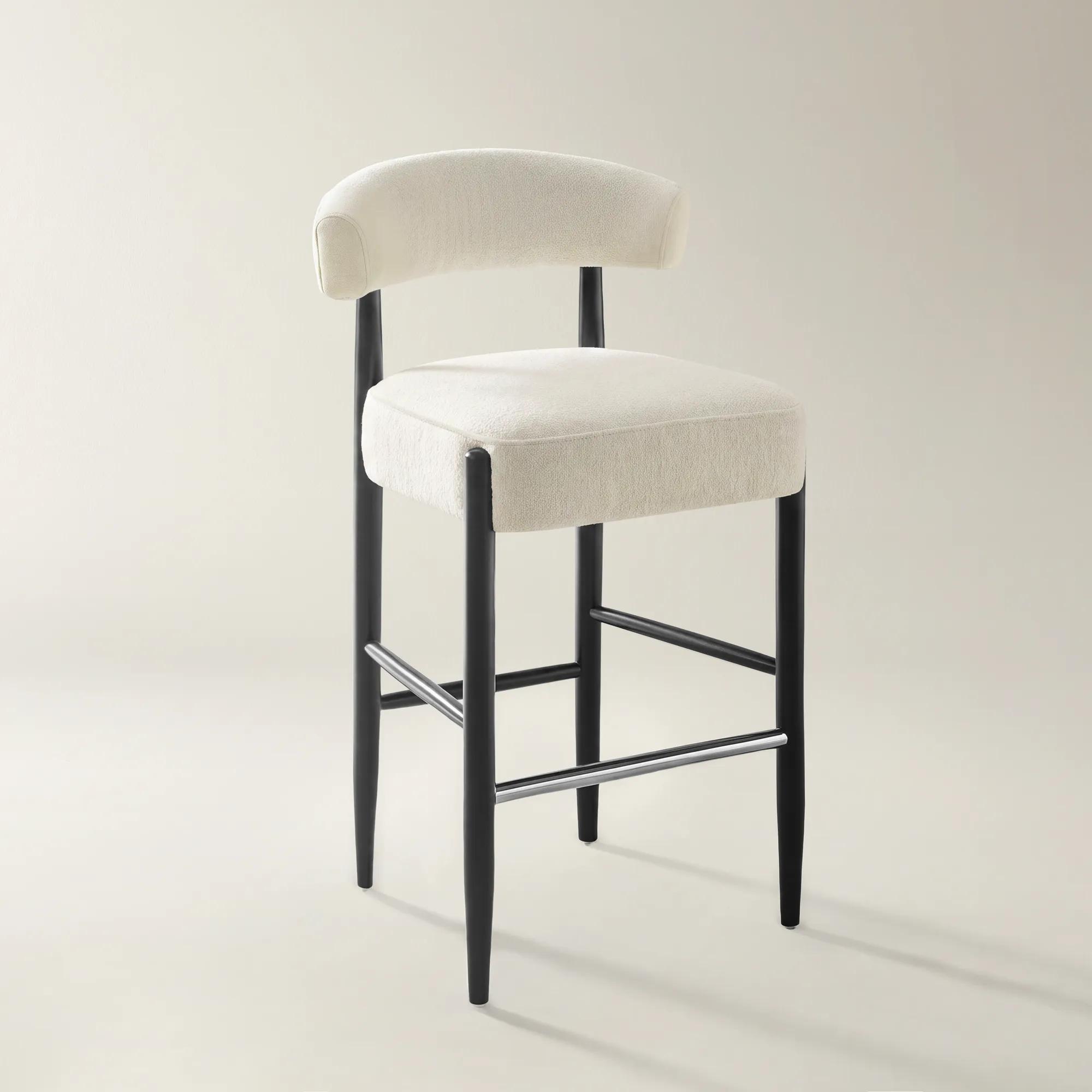 Anna Ivory Performance Chenille Bar/Counter Stool$399
A sculpted ivory performance chenille stool with plush padding and tapered solid rubberwood legs.
Add To Cart -
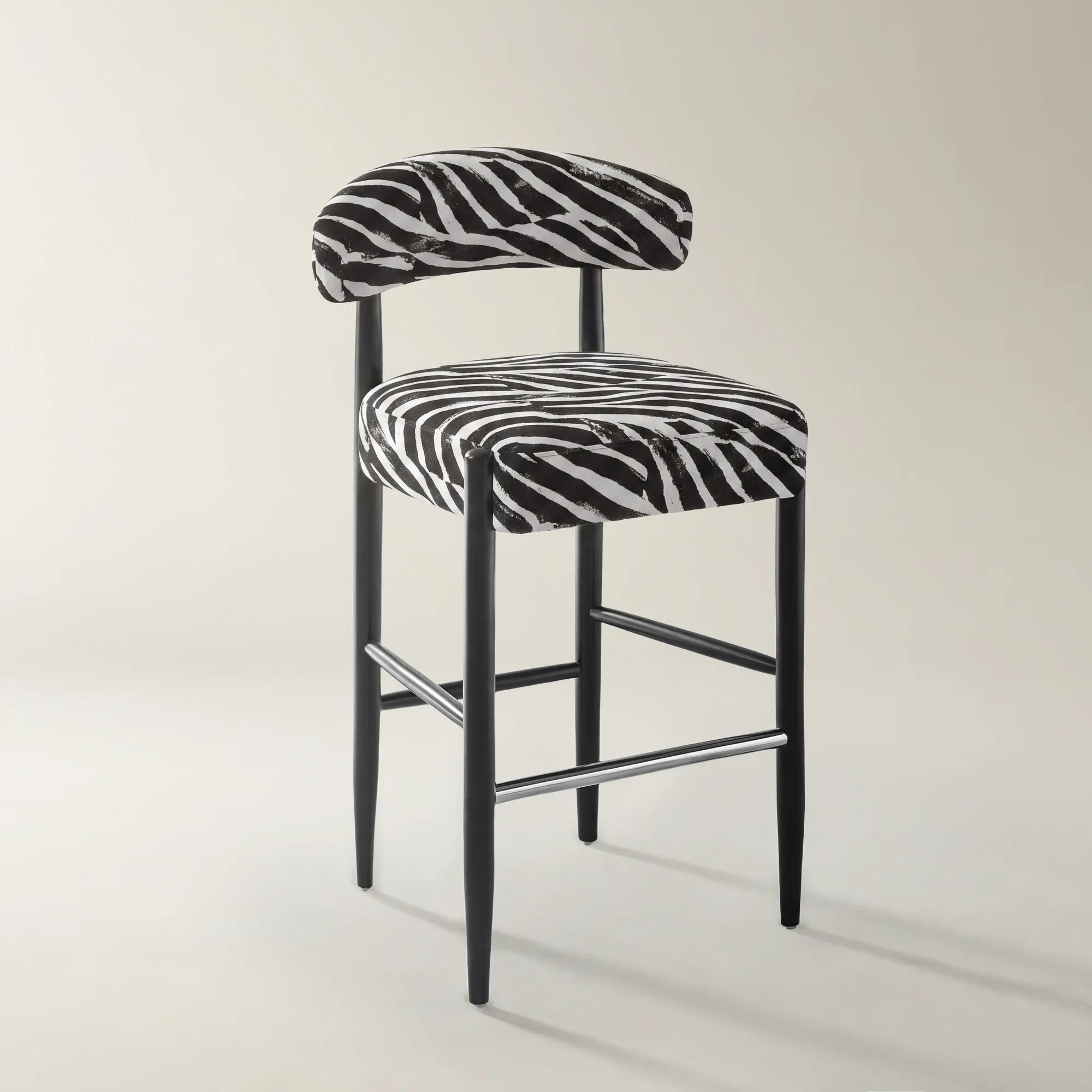 Anna White/Black Performance Chenille Bar/Counter Stool$399
A black-and-white performance chenille stool with sculpted support, padded seating, and tapered solid-rubberwood legs.
Add To Cart -
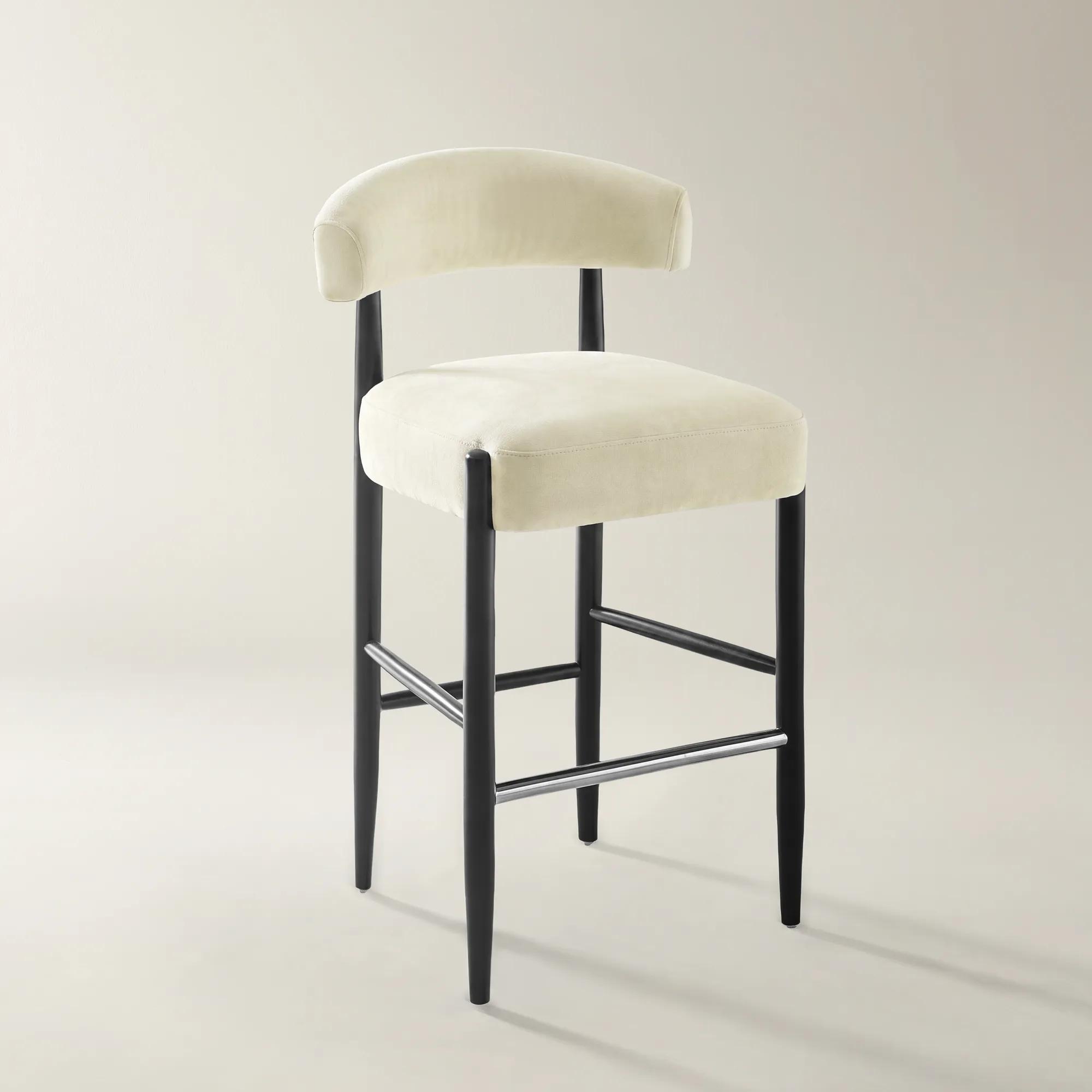 Anna Cloud Velvet Bar/Counter Stool$399
A tailored velvet stool with sculpted support, padded comfort, and solid rubberwood legs.
Add To Cart -
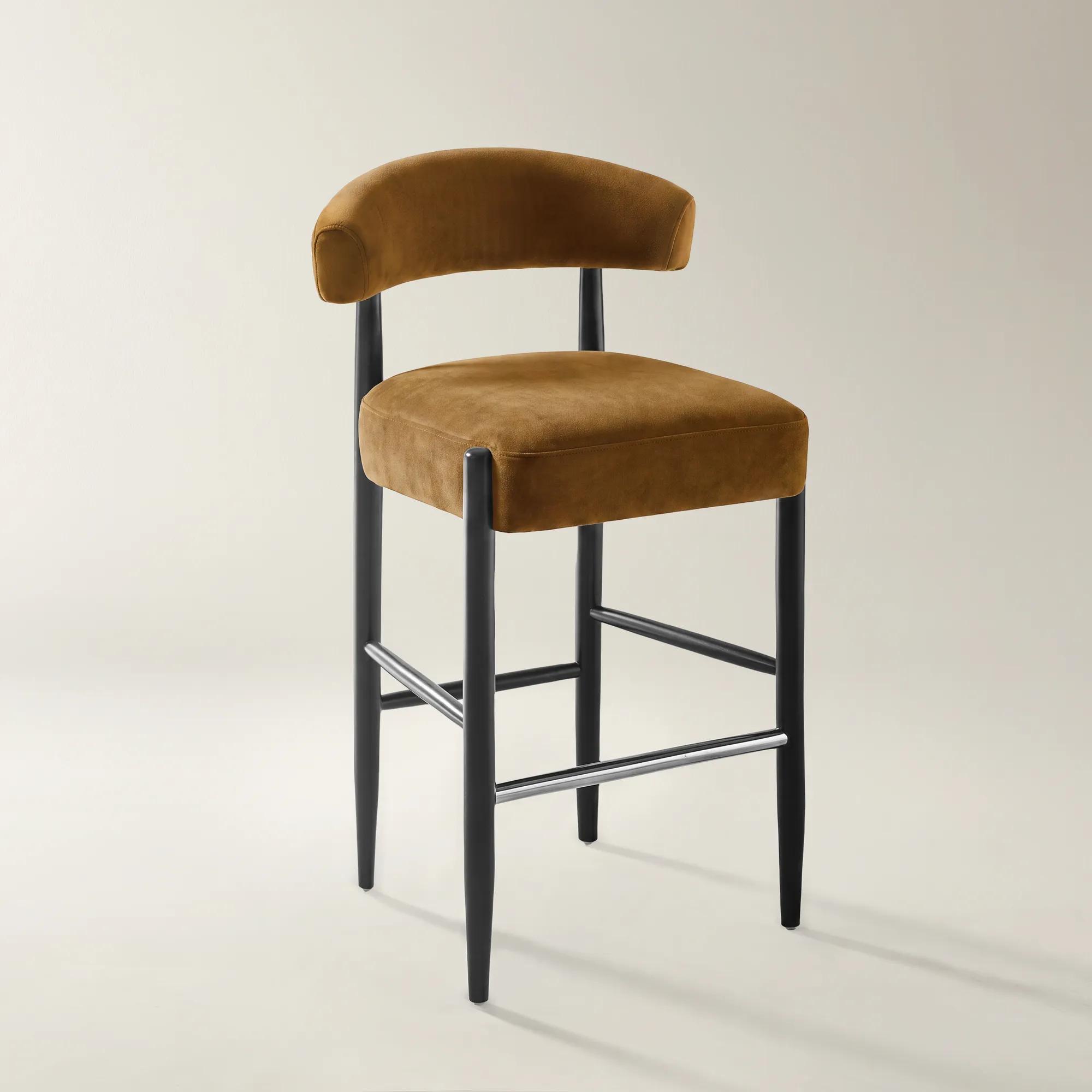 Anna Roasted Pecan Velvet Bar/Counter Stool$399
A roasted pecan velvet stool with a sculpted padded seat and solid rubberwood legs, fully assembled.
Add To Cart -
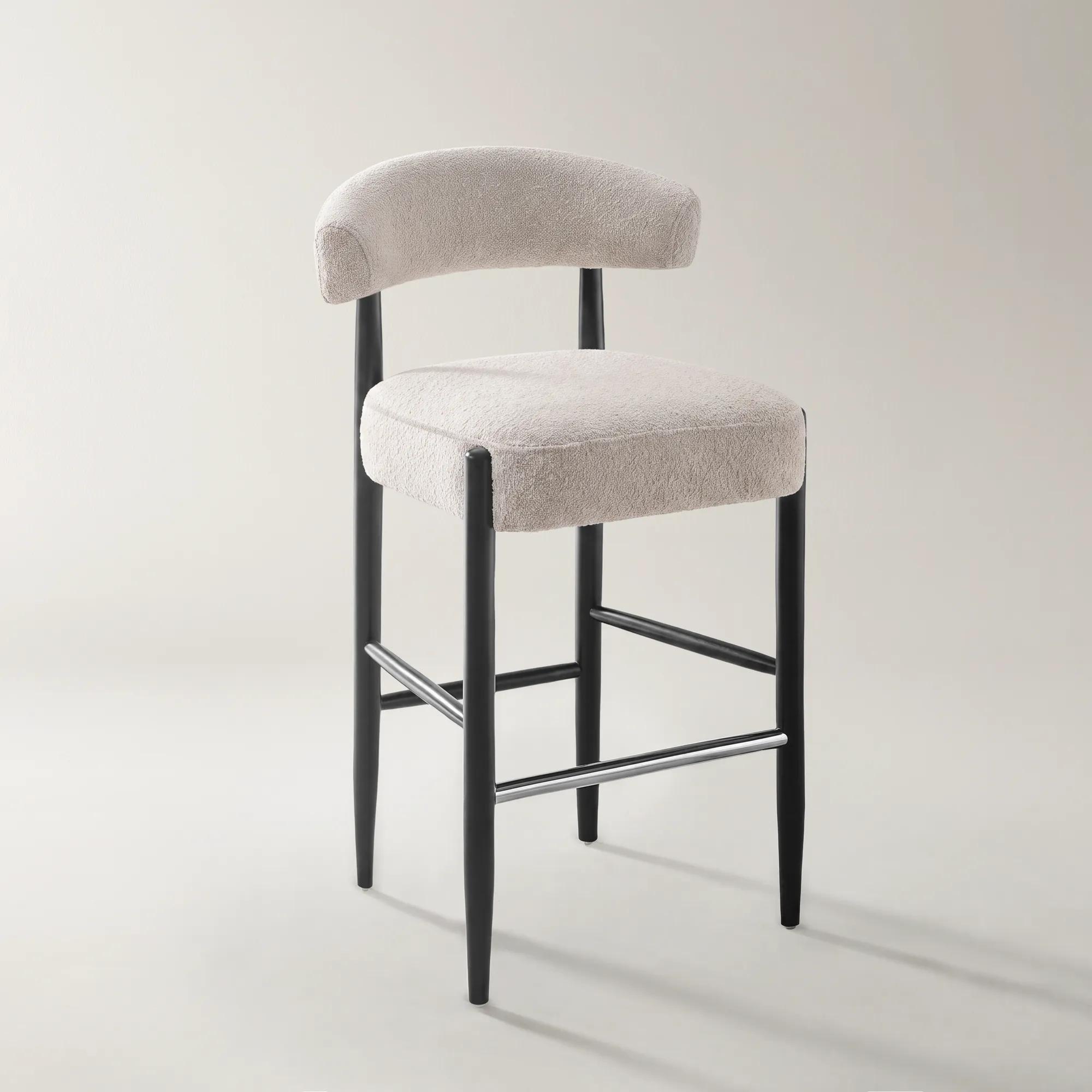 Anna Ivory Performance Boucle Bar/Counter Stool$399
A sculpted ivory performance-bouclé stool with padded support and tapered solid-rubberwood legs for elevated entertaining.
Add To Cart -
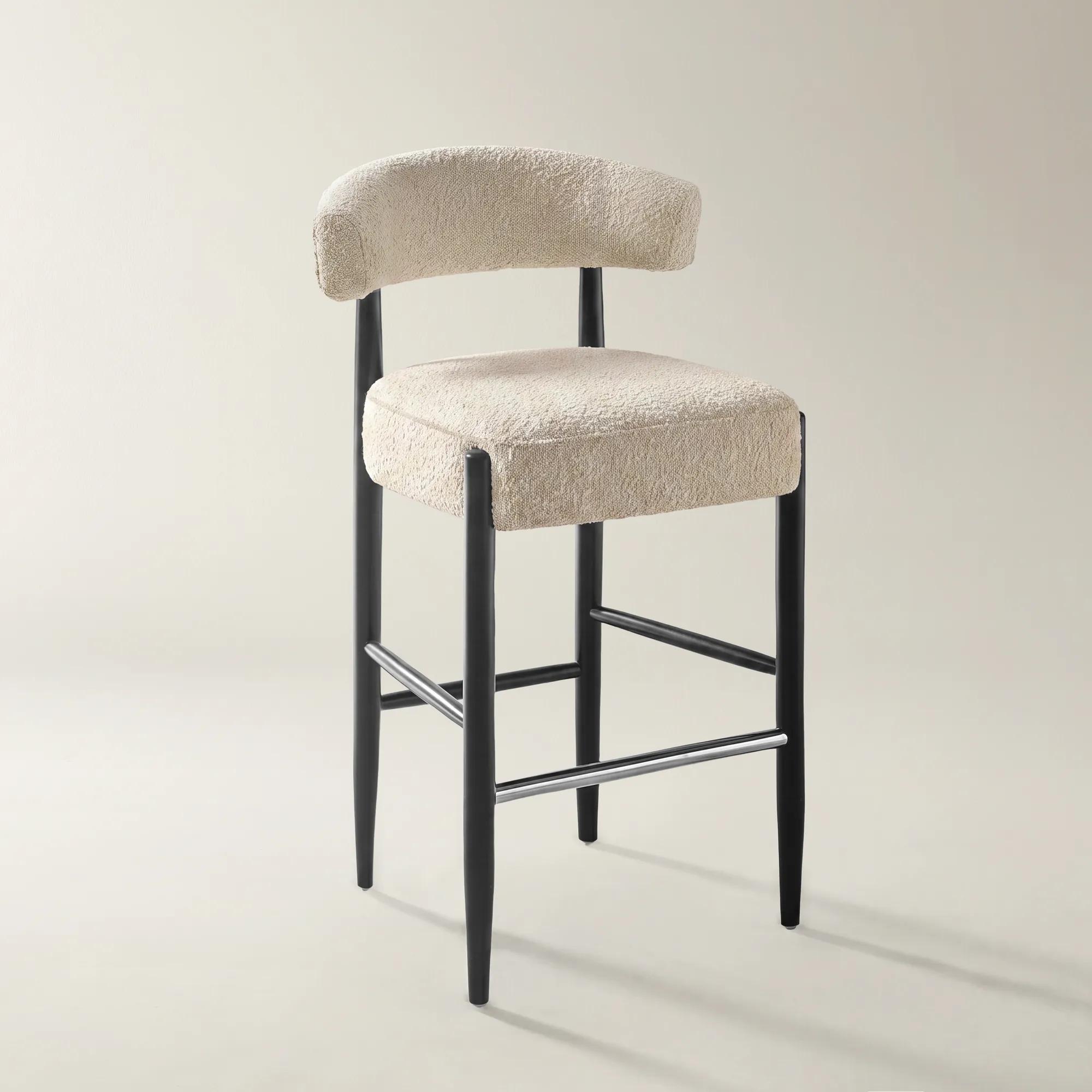 Anna Ivory Performance Boucle Bar/Counter Stool$399
A sculpted ivory performance-bouclé stool with padded support, tailored upholstery, and tapered solid-rubberwood legs.
Add To Cart -
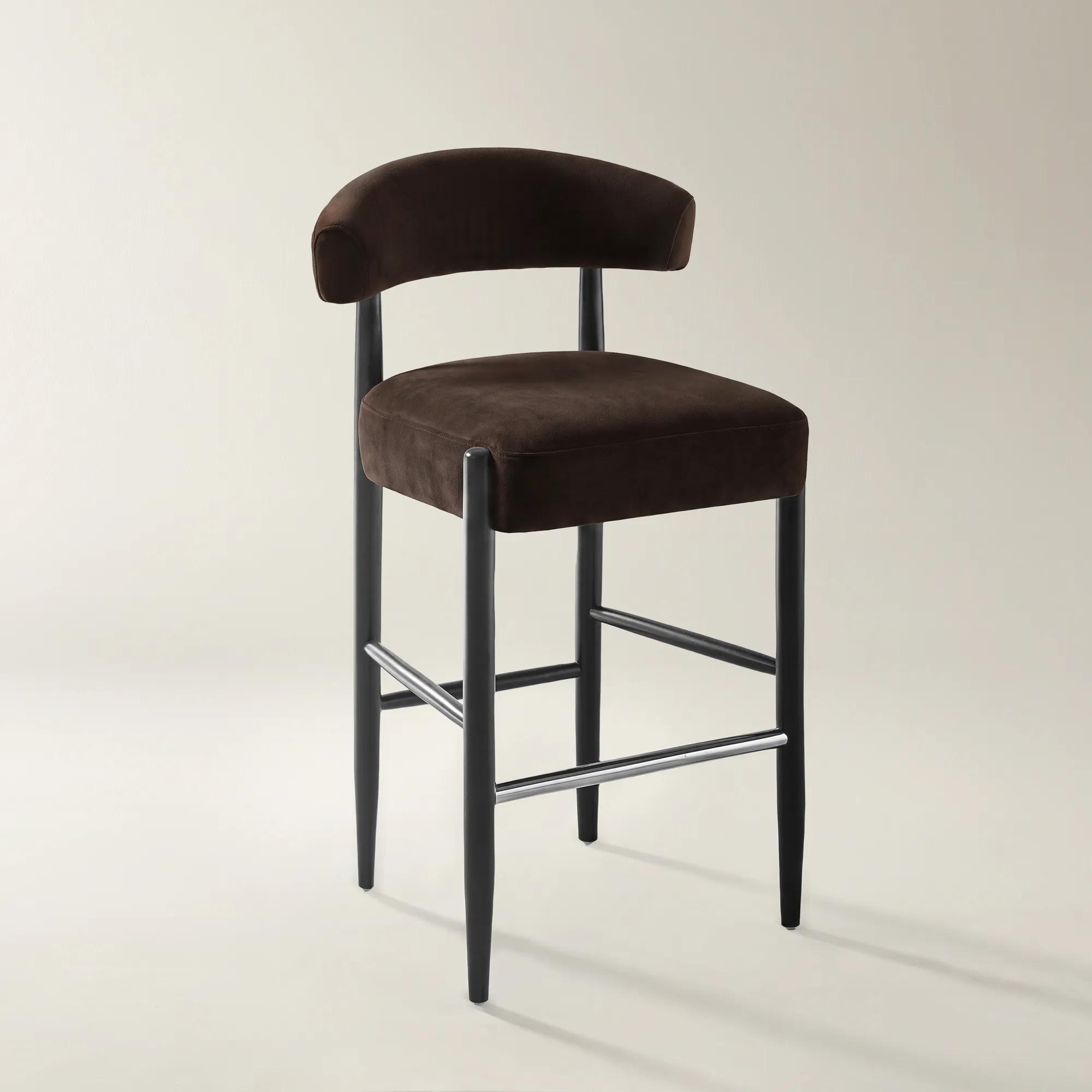 Anna Dark Chocolate Velvet Bar/Counter Stool$399
A dark chocolate velvet stool featuring sculpted support, high-density cushioning, and tapered solid-rubberwood legs.
Add To Cart -
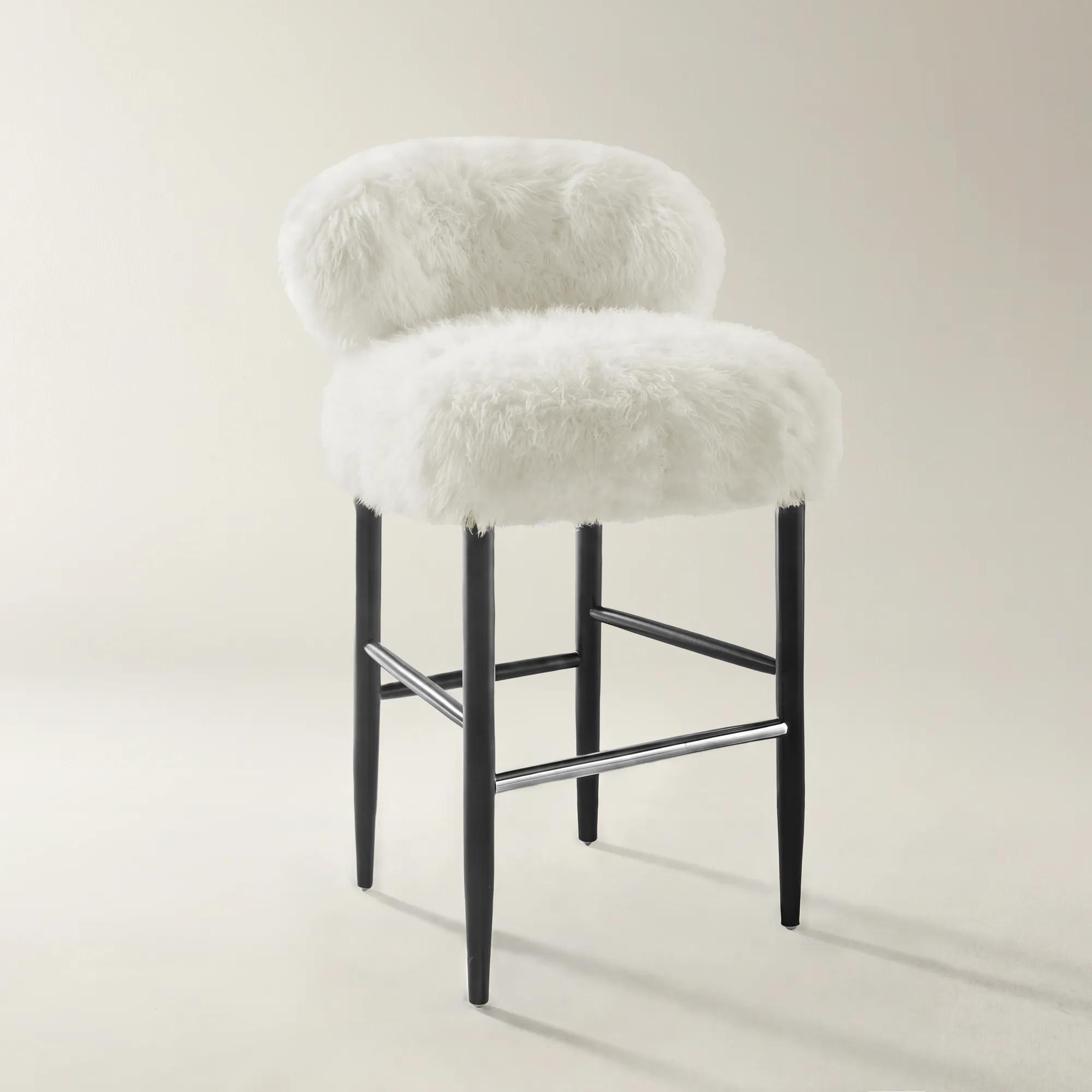 Anna Ivory Faux Fur Bar/Counter Stool$499
An ivory faux-fur stool with a sculpted padded seat and tapered solid rubberwood legs.
Add To Cart -
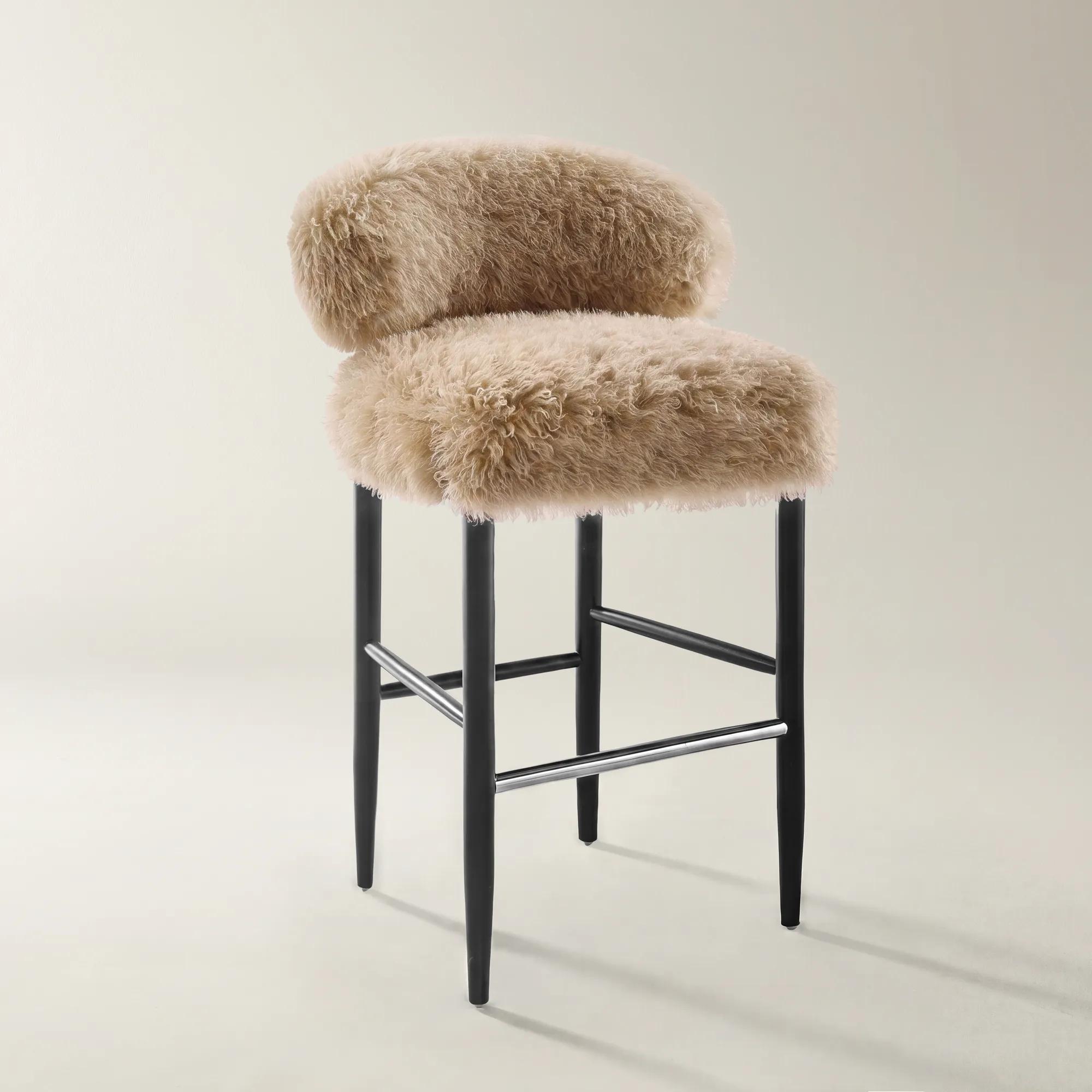 Anna Tan Faux Fur Bar/Counter Stool$499
A tan faux-fur counter stool featuring sculpted support, high-density cushioning, and tapered solid rubberwood legs.
Add To Cart -
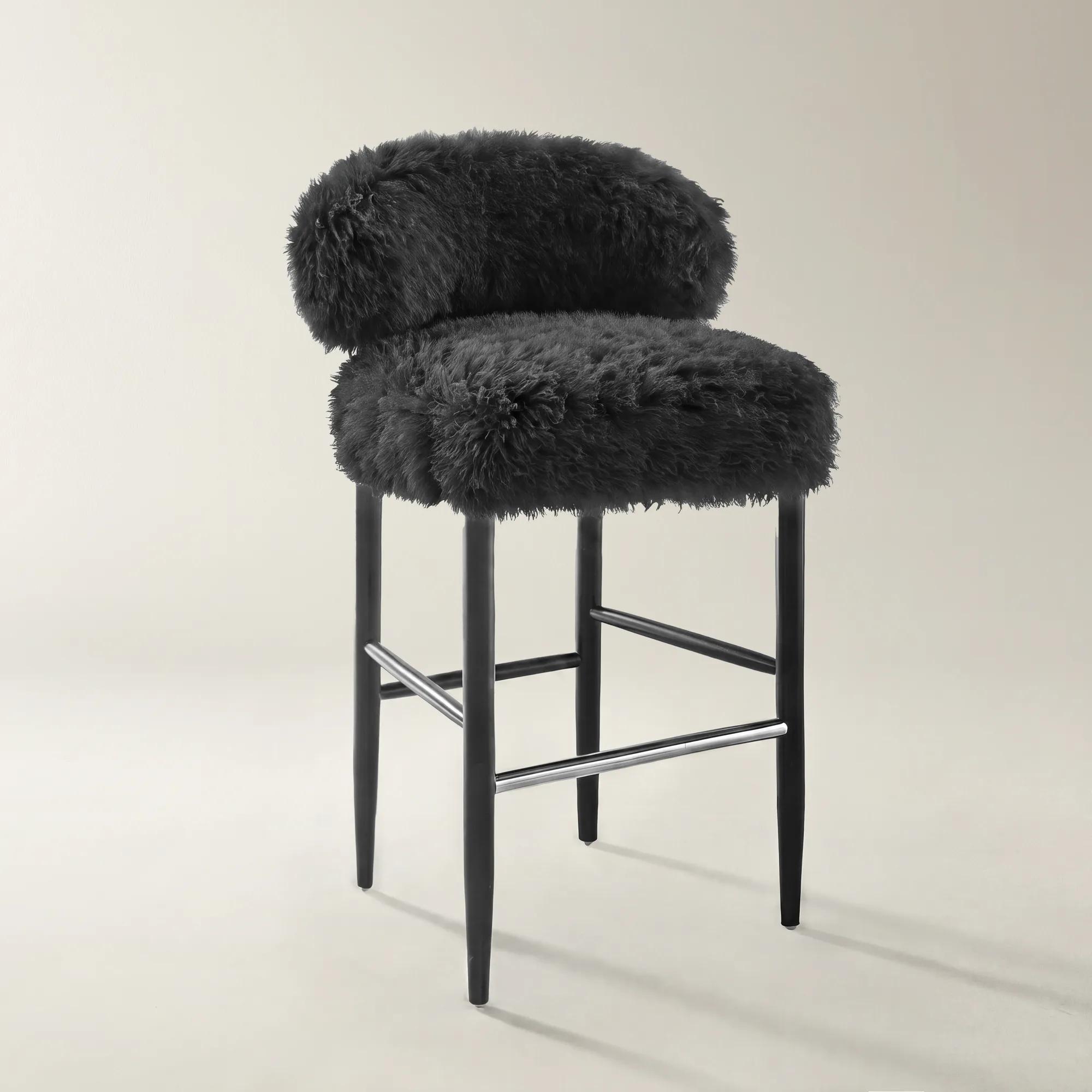 Anna Black Faux Fur Bar/Counter Stool$499
A black faux fur stool with sculpted support, padded seating, and solid rubberwood legs.
Add To Cart -
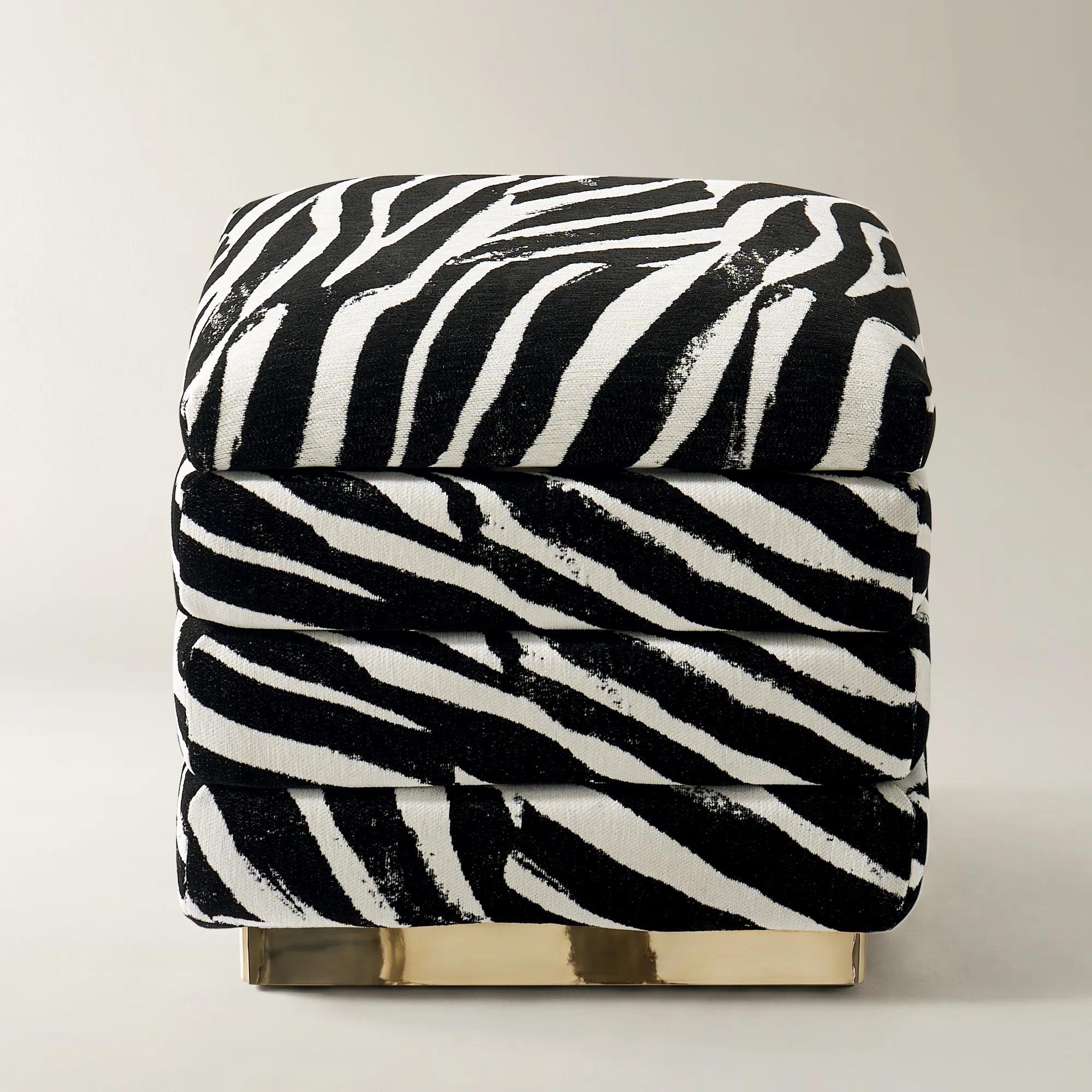
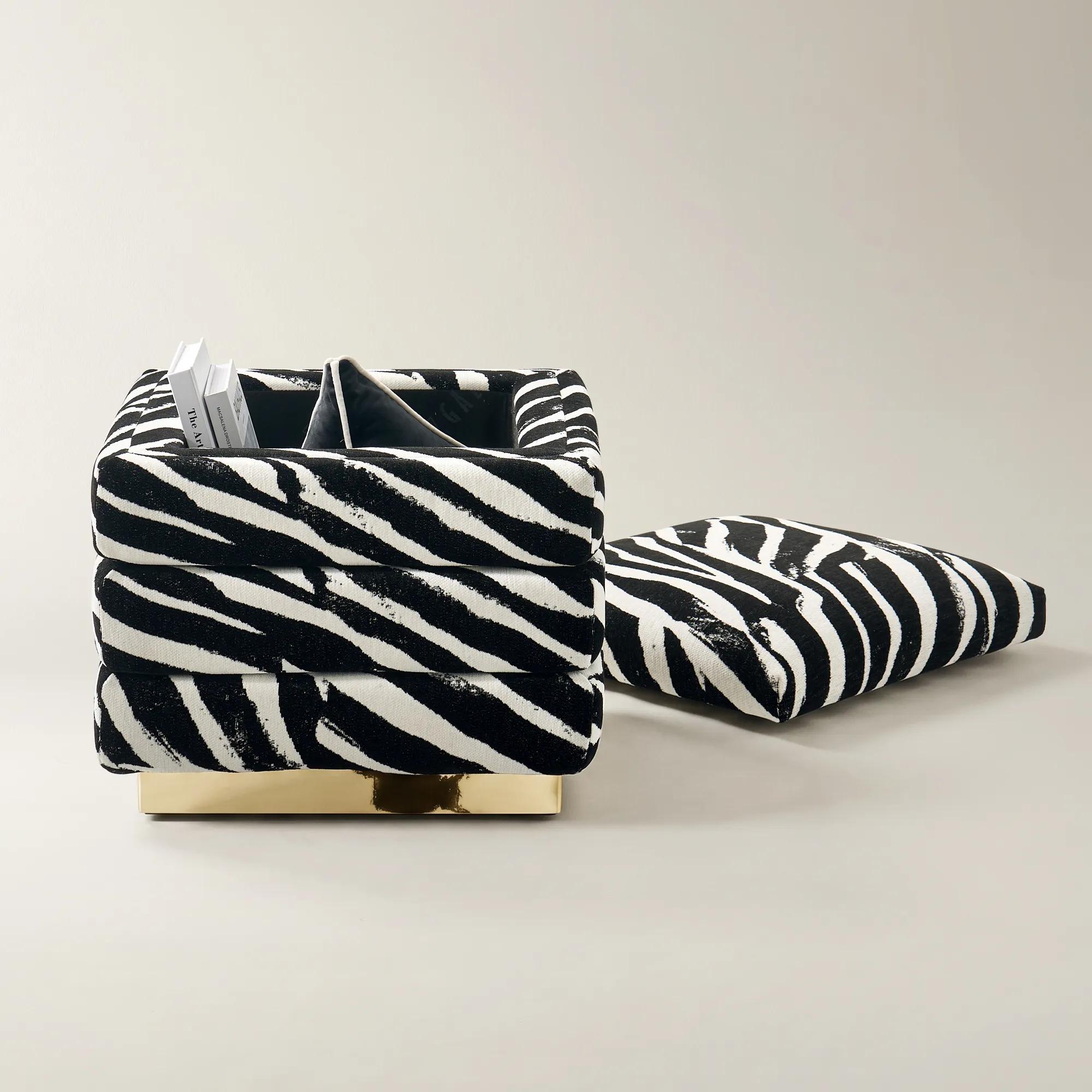 Gable White/Black Performance Chenille Stool$399
A plush white and black chenille stool with hidden storage and a polished gold stainless steel base.
Add To Cart -
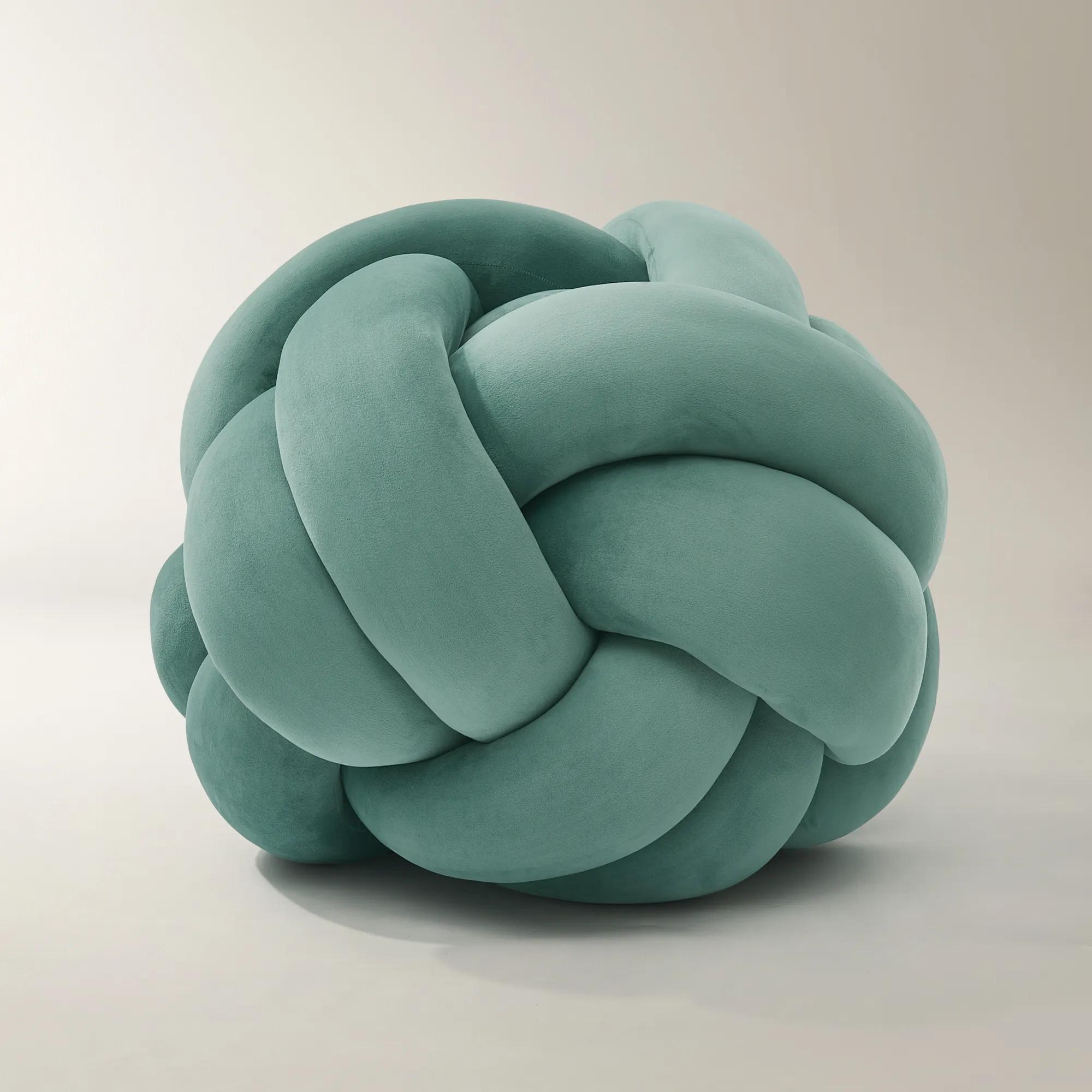 Loopie Ocean Teal Velvet Stool (34.5")$399
A bold sculptural stool featuring plush ocean teal velvet upholstery and an oversized knotted silhouette.
Add To Cart -
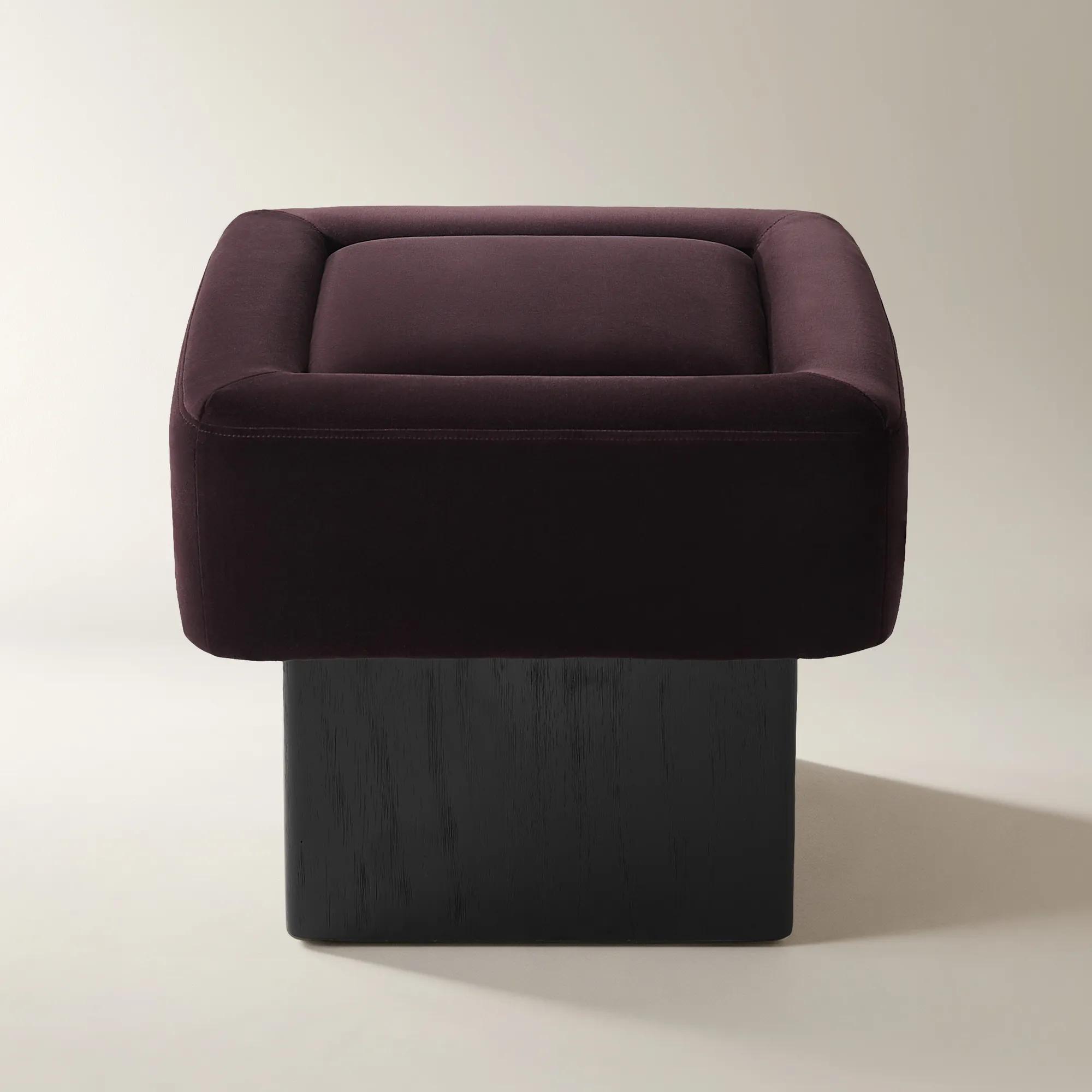 Reims Fig Velvet Stool$399
A plush fig-colored velvet stool featuring a sculpted cushion and a solid rubberwood base for modern contrast.
Add To Cart -
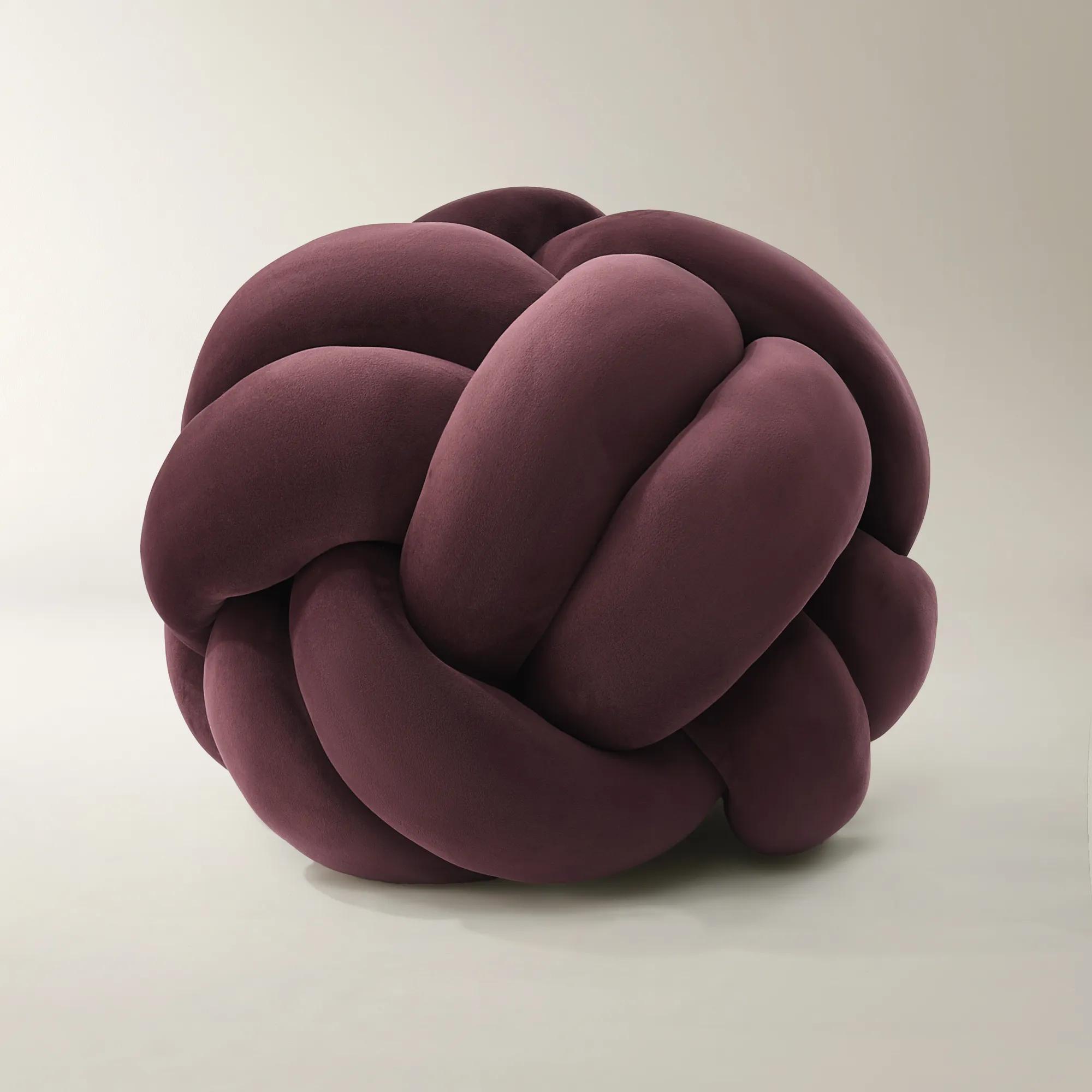
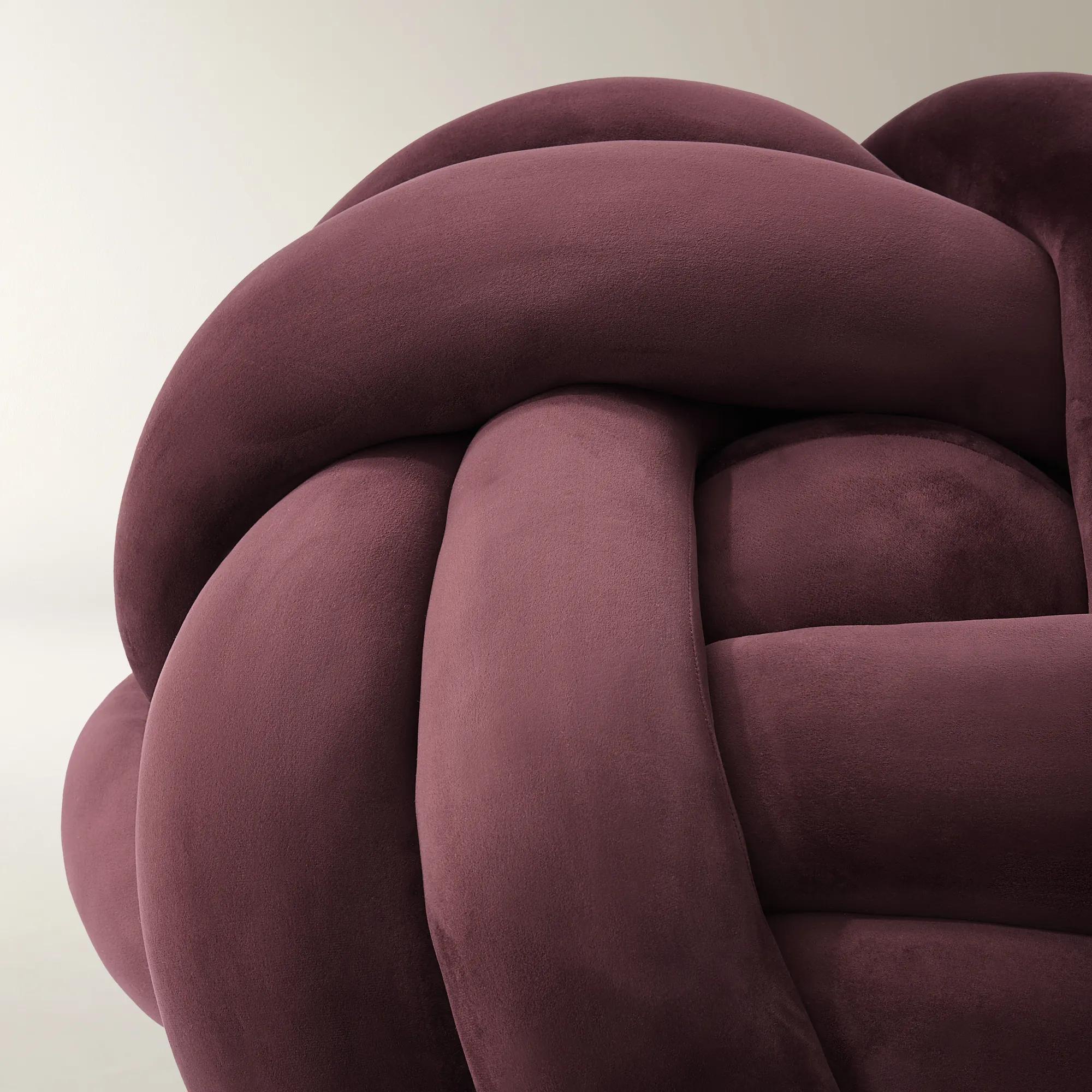 Loopie Fig Velvet Stool (34.5")$399
An oversized, knot-inspired stool hand-upholstered in plush fig velvet for bold sculptural appeal.
Add To Cart

Exclusive Fabric Barstools
Elevate your entertaining spaces with exclusive fabric barstools—a curated collection where sumptuous textures meet sculptural silhouettes. Each piece is designed to transform the everyday perch into a moment of high style, inviting you to linger in luxe comfort. With every detail thoughtfully considered, these barstools are more than seating; they’re statement-makers that infuse your home with artistry and allure. Indulge in the drama of plush fabrics and bold design, and let your kitchen or bar become a showcase of expressive sophistication.
Exclusive fabric barstools bring upholstered comfort and a distinctly decorative presence to elevated dining spaces, turning the edge of a kitchen or home bar into a considered part of the room. Defined by fabric-covered seats, and often upholstered backs, these stools pair the softness of a lounge chair with proportions designed for a bar-height surface. Their appeal lies in that contrast: sumptuous texture above a slender metal frame, sculpted upholstery against polished stone, or a tailored seat balanced by richly finished wood. Velvet offers depth and a light-responsive sheen, while chenille creates a plush, softly textured effect. Linen and linen-blend upholstery can lend a more relaxed, tailored character; woven performance fabrics may offer added resistance to staining or wear, depending on their construction and treatment. None of these materials has a single fixed personality. An ivory weave framed in gleaming metal can feel architectural and luminous, while charcoal velvet paired with dark wood creates a more intimate, enveloping mood. Tufting, welted edges, channel stitching, and curved backs introduce different degrees of detail, allowing fabric barstools to feel expressive without competing with every other element in the space. In an open-plan home, those details matter from multiple angles. The back of a stool may face the living room for much of the day, making its silhouette as important as the seat itself. A continuous upholstered curve reads differently from an exposed frame, and a row of broad backs makes a stronger visual statement than a trio of narrow profiles. For people who love to entertain, upholstered bar seating creates a place for conversation before dinner and an inviting perch while a host finishes the last plate. For everyday use, it gives a morning espresso, a handwritten note, or an unhurried meal a more gracious setting. The most compelling designs balance this sense of occasion with comfort that feels natural, never ceremonial.
Proportion is what allows a dramatic barstool to settle beautifully into its surroundings. Bar-height stools commonly have seats approximately 28 to 32 inches high and are intended for surfaces around 40 to 42 inches high, while counter-height seating generally sits lower. These categories are useful starting points, but the actual relationship between the seat and the underside of the surface determines legroom. Approximately 10 to 12 inches of clearance is a common comfort target; a thick countertop, deep apron, or shallow overhang can change the fit. For a standard kitchen counter rather than a raised bar, Exclusive Design Counterstools offers a related seating category with proportions intended for lower surfaces. Seat width deserves equal attention, especially when upholstery extends into generous arms or a wraparound back. Allowing roughly 6 inches between the widest parts of neighboring stools can help guests settle in without brushing shoulders, although broader silhouettes and swivel designs may need more room. In a narrow passage behind an island, the depth of the stool when occupied matters more than how neatly it tucks away when empty. Arms should clear the underside of the counter if the seat is meant to slide beneath it, and a swivel seat needs enough clearance to turn without striking cabinetry or adjacent furniture. Backless fabric barstools preserve an uninterrupted view across a room and can tuck beneath a sufficiently deep overhang. Low backs offer a subtle outline, while taller upholstered backs provide more support and a stronger decorative rhythm. A footrest gives feet a place to land and helps make elevated seating more comfortable during longer conversations. Seat depth, cushioning, and back angle also shape the experience: a deep, enveloping profile may suit lingering over drinks, while a more upright seat can feel better suited to dining. Together, these proportions make the difference between seating that merely looks composed and seating that welcomes people to stay.
Fabric, frame construction, and care requirements determine how well that polished impression holds up to daily life. In a kitchen where breakfast and evening gatherings share the same seats, tightly woven upholstery or a fabric with documented performance features may be especially practical. Performance claims vary, so stain resistance, abrasion testing, and cleaning instructions deserve attention rather than assumptions based on the fabric name alone. Polyester blends can offer useful resilience, but fiber content is only part of the story; weave, backing, seams, and overall construction also influence durability. Velvet may develop pressure marks or shifts in its pile that change how the color catches the light. Textured weaves can soften the appearance of minor everyday marks, although pronounced loops may be more vulnerable to snagging from pet claws or jewelry. A stable wood or metal frame, secure joints, and a well-supported seat are essential beneath the upholstery, and stated weight limits should suit the intended users. Metal finishes lend brilliance and visual lightness, while wood introduces depth and grain; either can anchor an upholstered silhouette beautifully when properly constructed. Regular gentle vacuuming with an upholstery attachment helps remove crumbs and dust before they settle into seams. Spills call for prompt blotting rather than rubbing, followed by the manufacturer's recommended cleaning method. Some fabrics permit water-based cleaners, others require solvent-based treatment, and some call for vacuuming or professional care only. Saturating upholstery or applying an unapproved treatment can damage fabric, cushioning, or finishes. Direct sunlight may fade certain textiles, and suitable floor protectors can help preserve the surface beneath frequently moved stools. For households with children, frequent guests, or pets, these details are part of choosing seating that remains inviting. Thoughtful fabric barstools need not disappear into the background to serve everyday life. Their texture can echo drapery, their frame can draw out the finish of a pendant, and their sculptural backs can give an otherwise linear kitchen a softer, more expressive silhouette. The result is seating with presence, purpose, and a lasting place in the room's design.
FAQs
Luxury fabric bar stools often feature sumptuous materials such as velvet, linen blends, and performance textiles. Velvet offers a plush, glamorous look with rich color saturation, while linen blends provide a crisp, tailored aesthetic. Performance fabrics are favored for their durability and stain resistance, making them ideal for high-traffic spaces without sacrificing style.
Fabric barstools infuse your entertaining spaces with color, texture, and pattern, serving as both functional seating and artistic accents. Whether you choose jewel-toned velvet for dramatic flair or a patterned textile for visual intrigue, these stools become conversation pieces that reflect your unique sense of style and elevate the ambiance of your kitchen, bar, or dining area.
The best places for upholstered stools with luxe fabric are high-visibility areas where comfort and style converge—think kitchen islands, breakfast bars, or home cocktail lounges. They also shine in open-concept living spaces, where they can anchor a vignette and invite guests to gather, linger, and enjoy the artistry of your home.
Fabric barstools make an exceptional gift for milestone occasions such as housewarmings, weddings, or anniversaries. Their blend of comfort and design transforms everyday seating into a luxurious experience, making them a thoughtful gesture for anyone who appreciates expressive interiors and the joy of entertaining at home.
To style fabric barstools cohesively, echo their fabric tones or textures elsewhere in your space—such as with throw pillows, drapery, or area rugs. Pair them with complementary finishes on lighting or hardware, and let their upholstery inspire your palette, ensuring a harmonious flow that feels curated and intentional throughout your home.