Exclusive Architectural End Tables
Exclusive Architectural End Tables
-
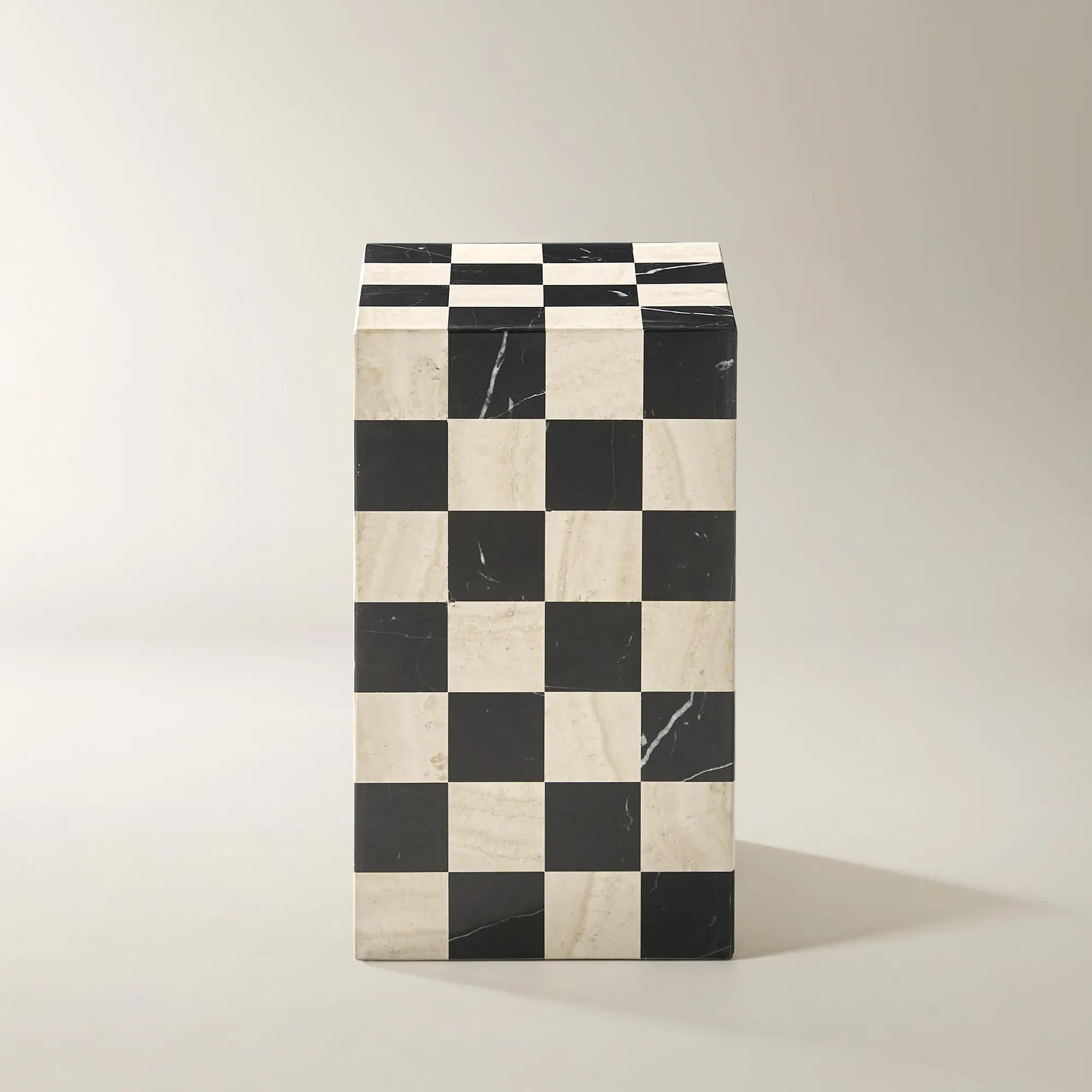 Chessa Square Chequered Marble End Table (12")$999
A sculptural end table featuring a bold black marble and travertine checkerboard mosaic design.
Add To Cart -

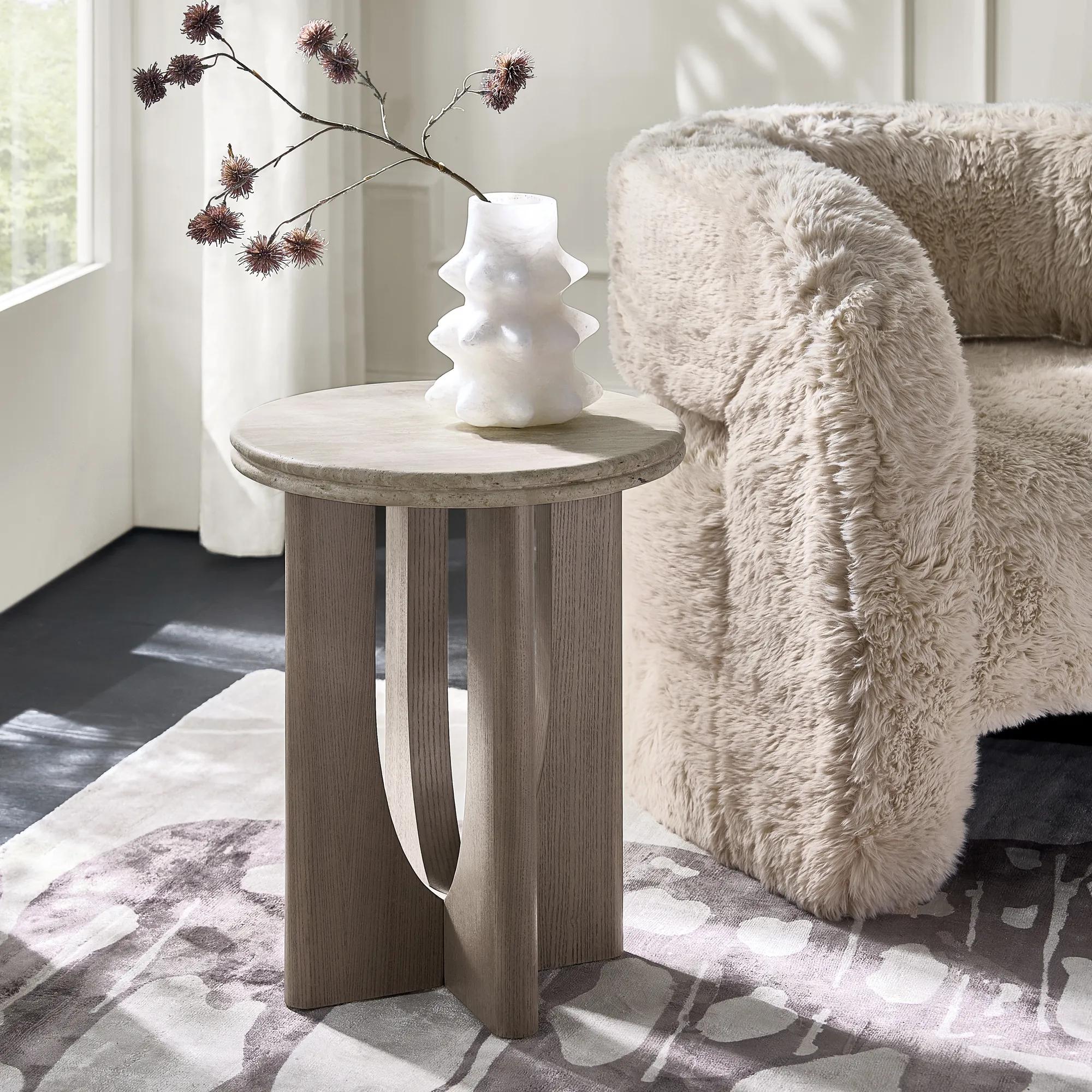 Bond Round Travertine and Wood End Table (17.25")$459
A sculptural end table featuring a genuine ivory travertine top and a solid ash wood base.
Add To Cart -
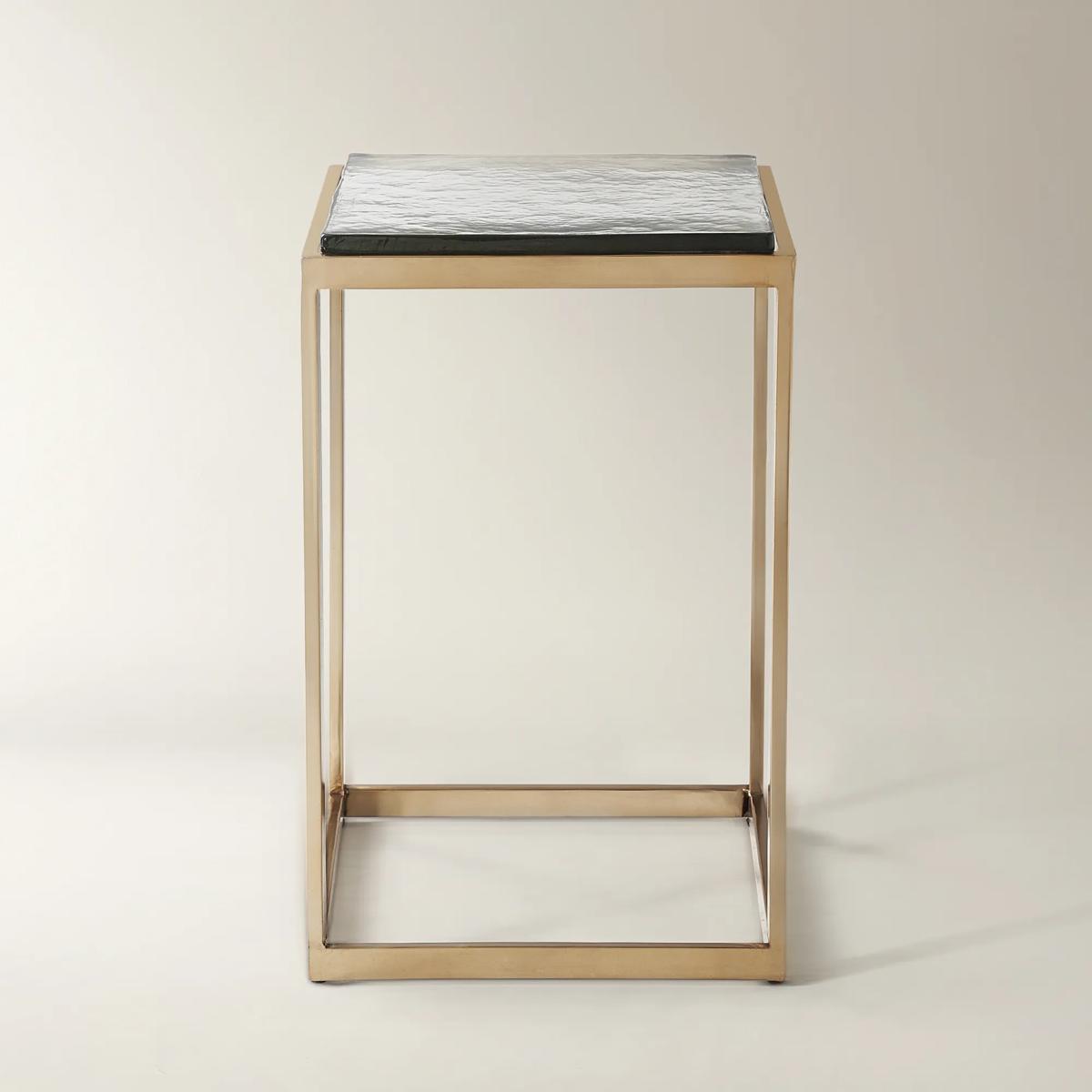
 Lyra Square Brass Metal Side Table With Glass Top (13.8")$239
A sculptural side table featuring a thick cast glass top and a lustrous brass-finished metal base.
Add To Cart -
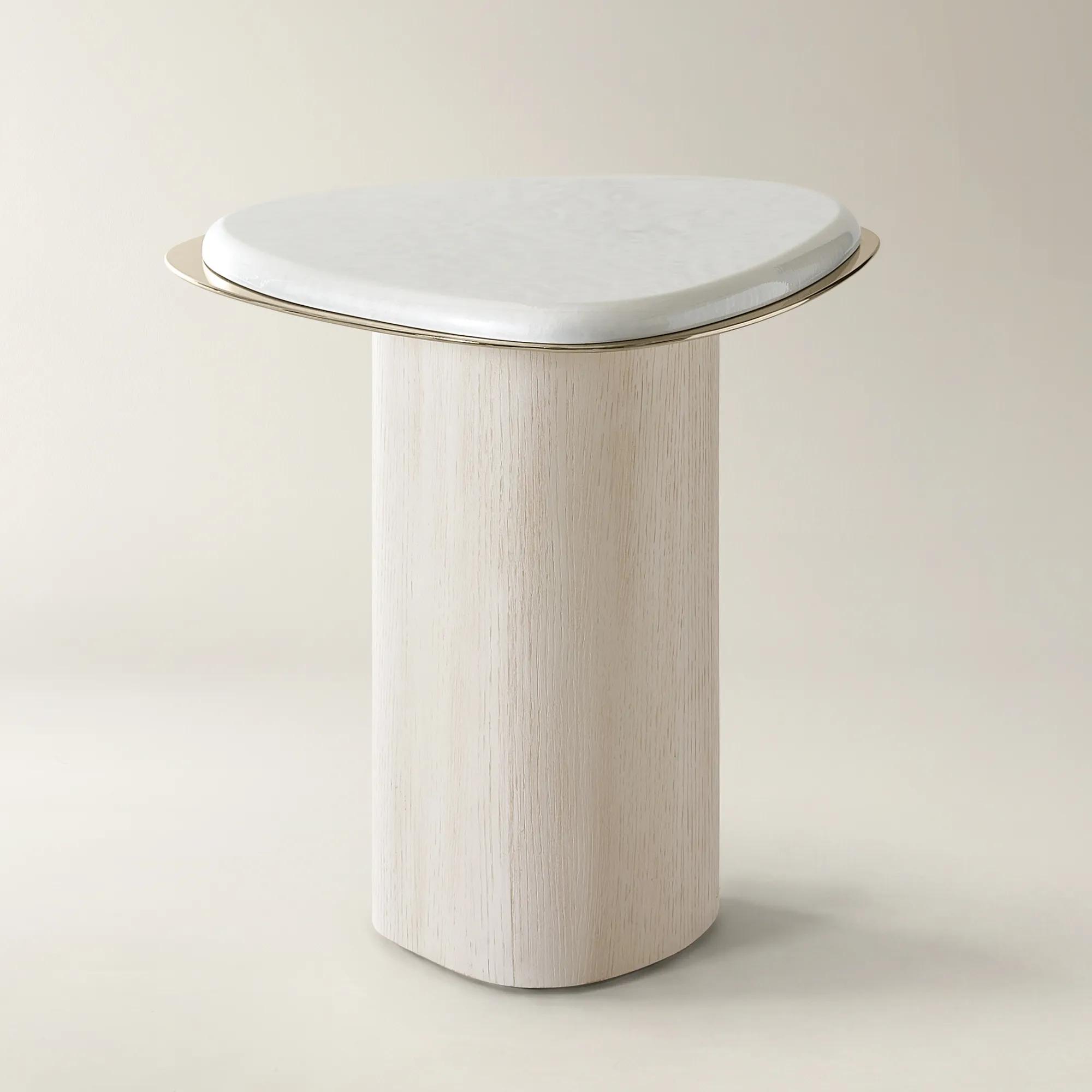
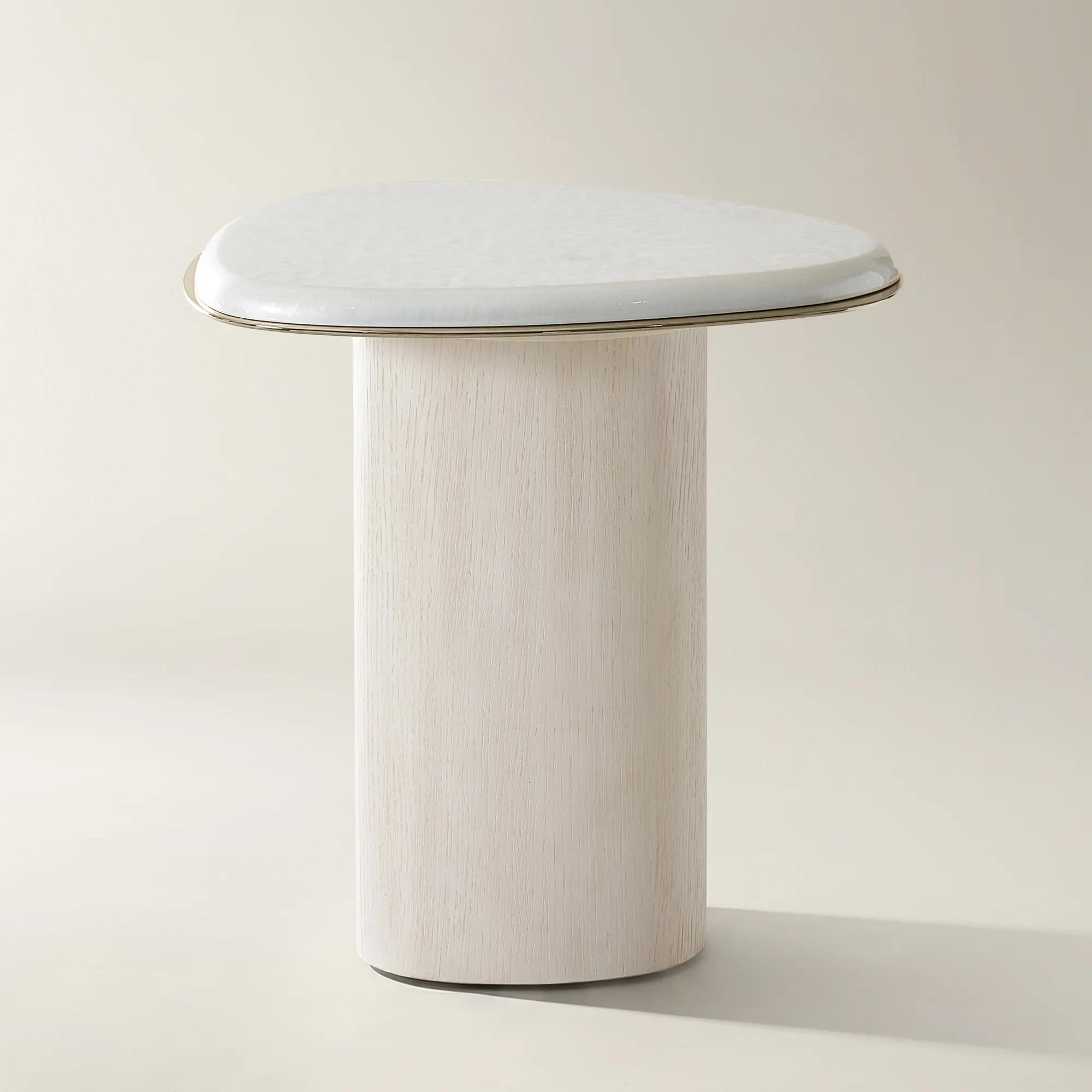 Lumina Bleached Oak End Table With Pearl Lacquered Top (18")$499
A sculptural end table featuring a pearl lacquered top, bleached oak base, and champagne gold trim.
Add To Cart -
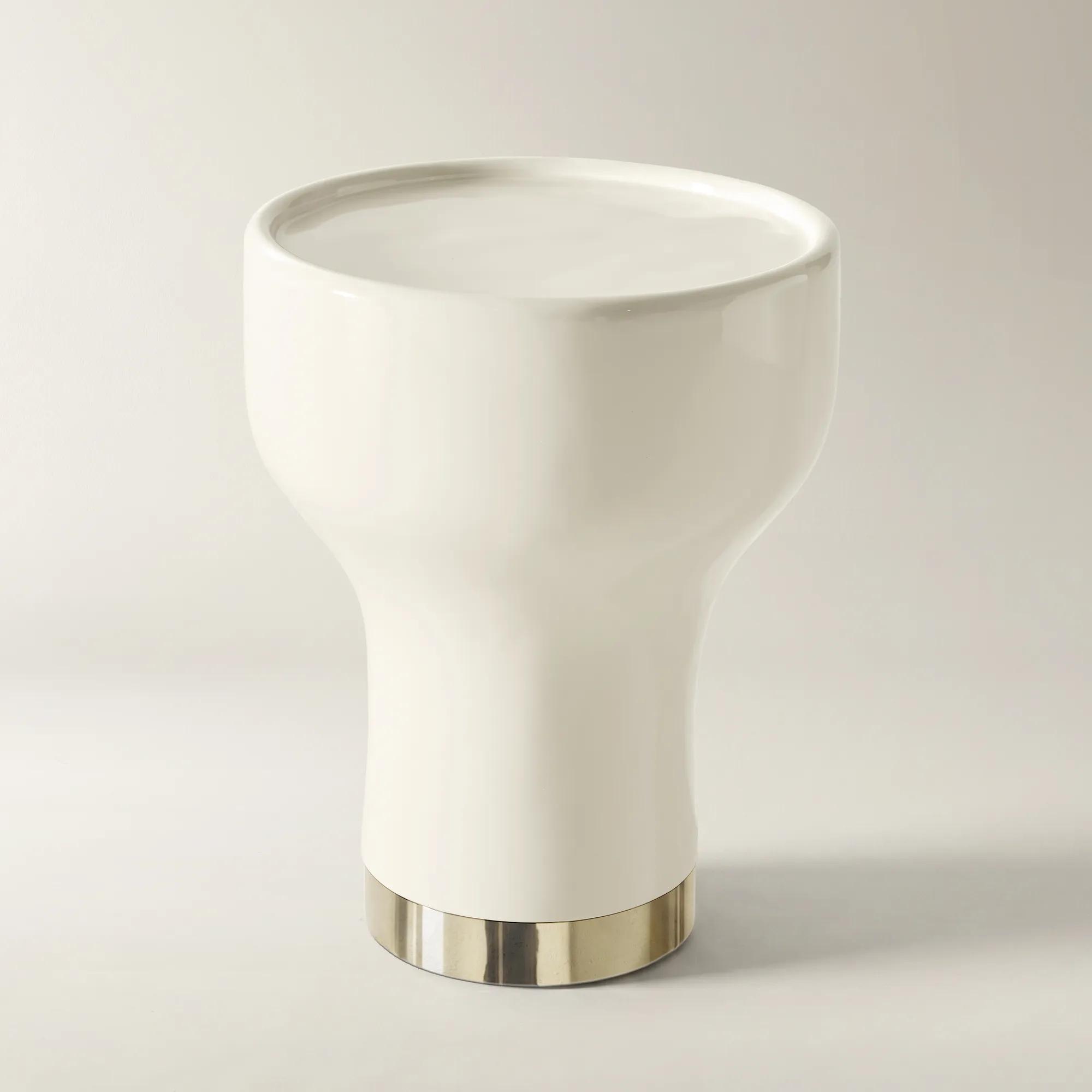
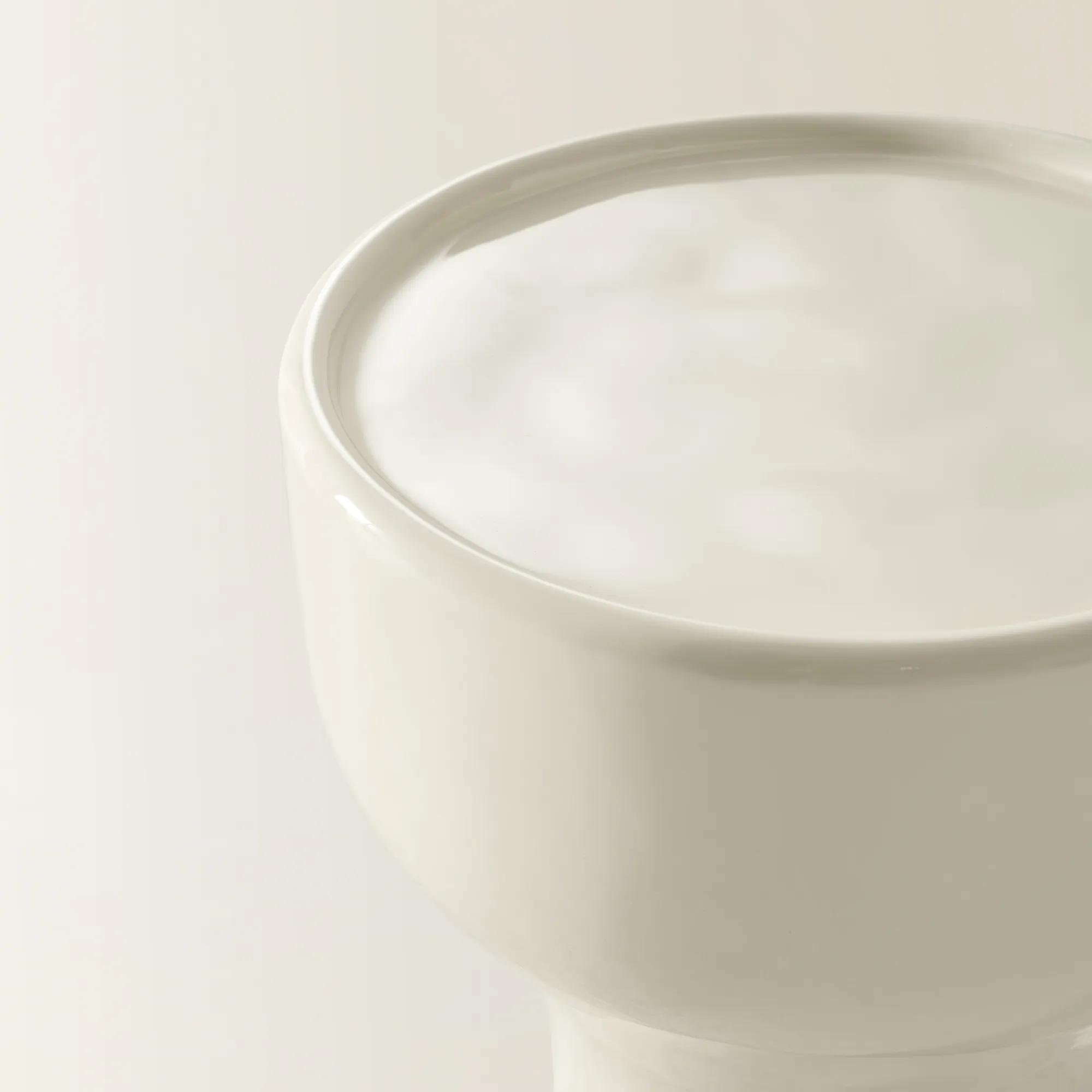 Celia Lacquered Cloud Resin Indoor/Outdoor End Table (16")$399
A sculptural one-piece resin end table with a warm high-gloss finish and gold stainless steel base.
Add To Cart -
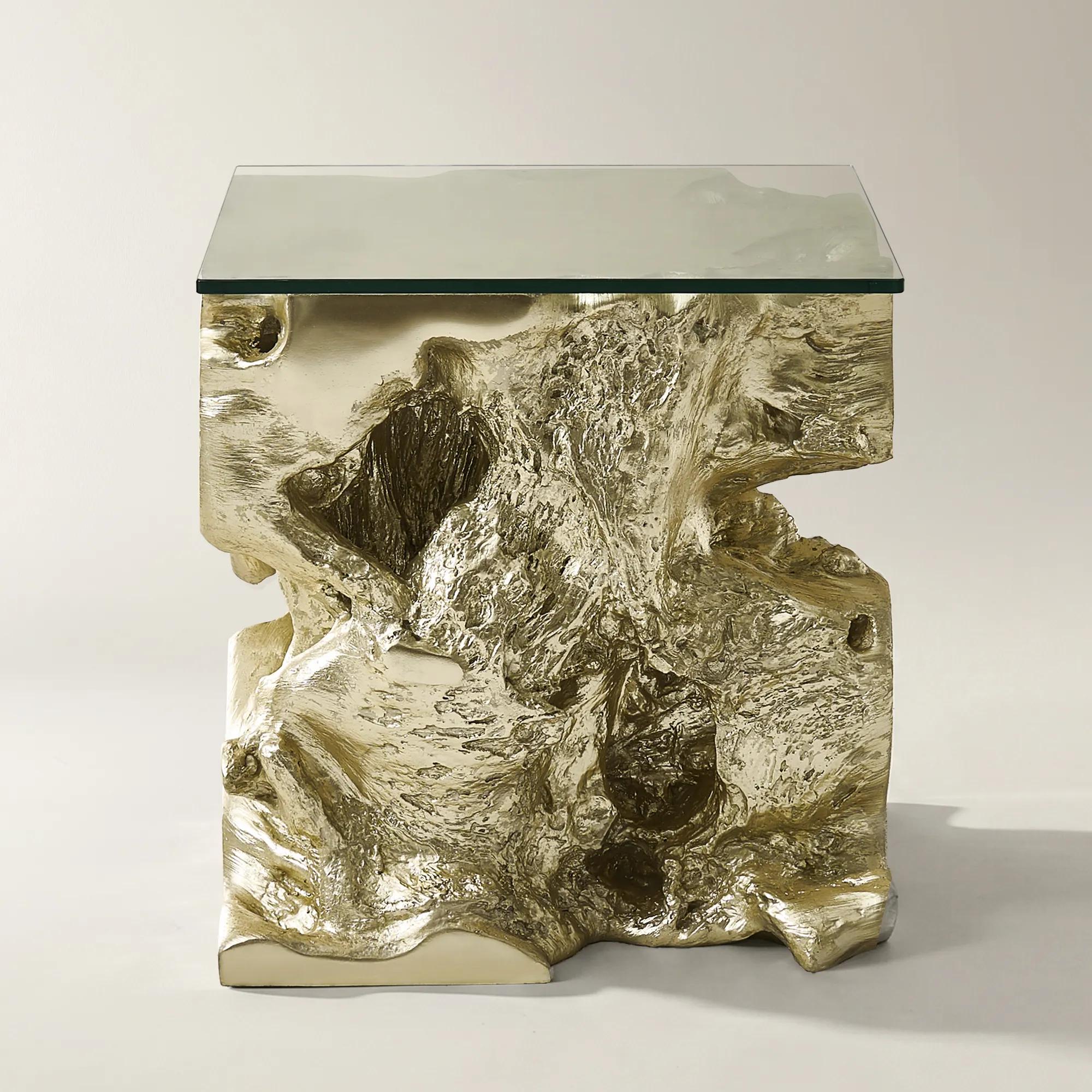 Sequoia Champagne Gold Resin End Table With Glass Top (22")$999
A sculptural resin end table with a champagne gold leaf finish and a clear tempered glass top.
Add To Cart -
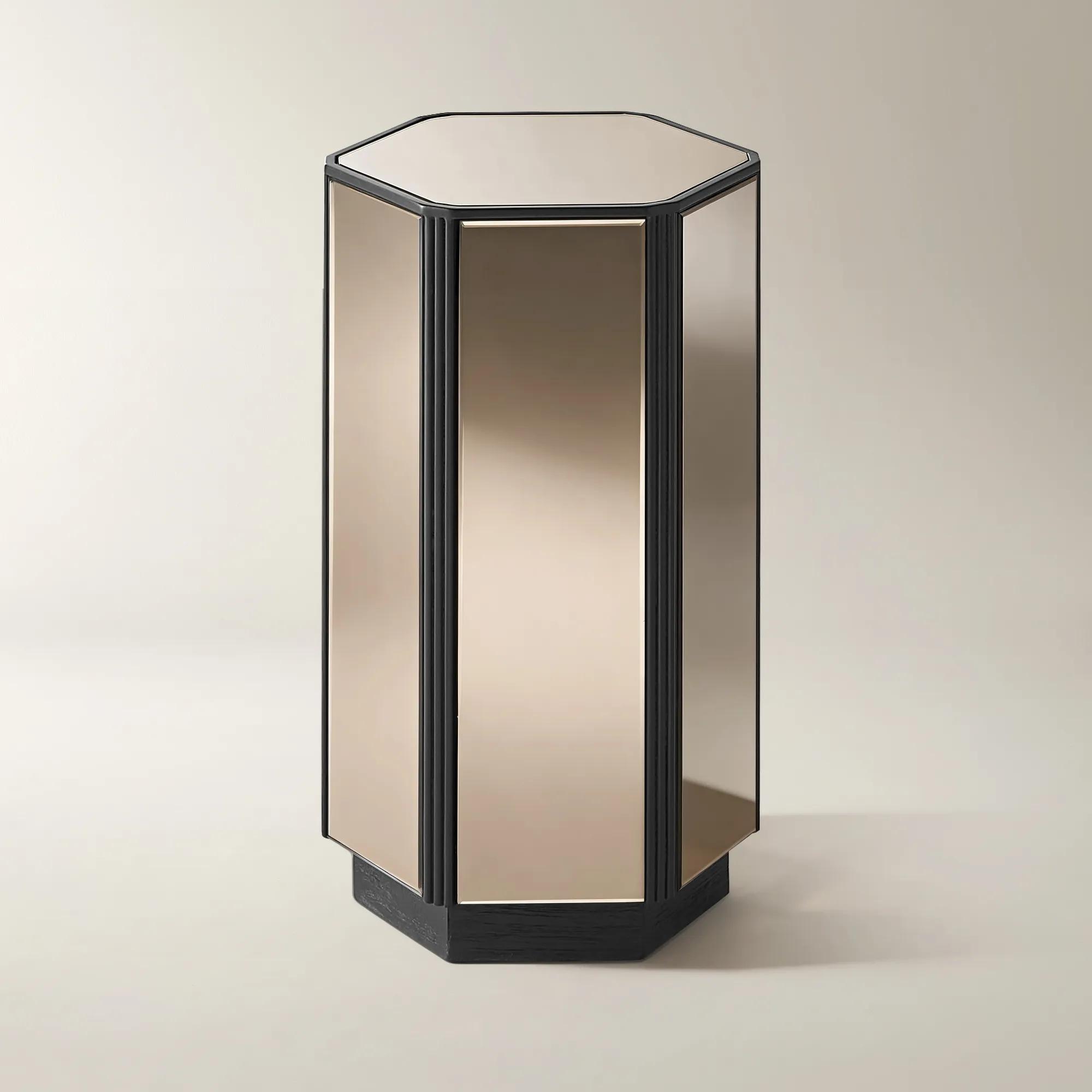 Glimmer Bronze Mirrored End Table (12")$399
A sculptural end table featuring bronze mirror panels and a black oak base for modern elegance.
Add To Cart -
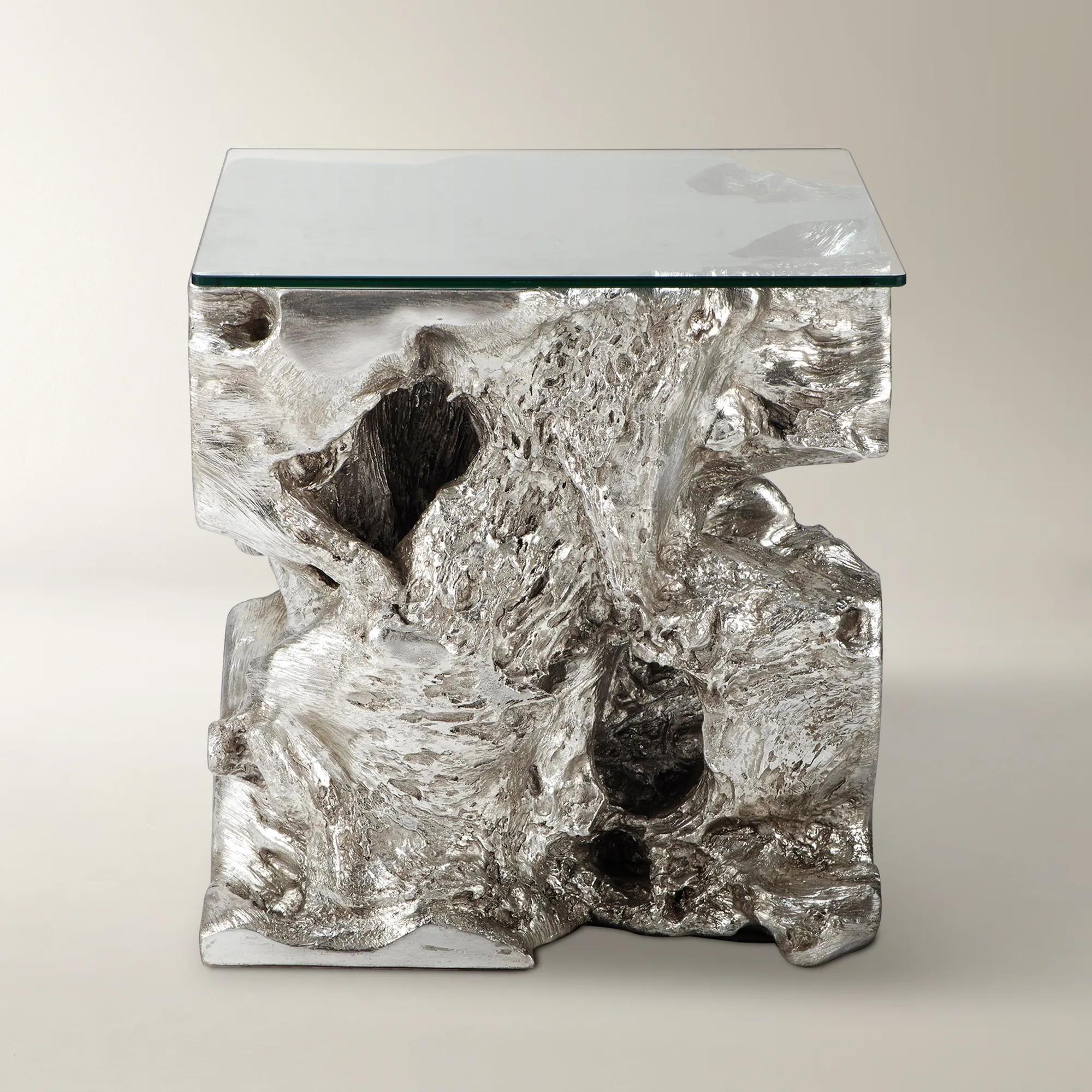 Sequoia Silver Resin End Table With Glass Top (22")$999
A sculptural end table featuring a silver leaf resin base and tempered glass top for modern elegance.
Add To Cart -
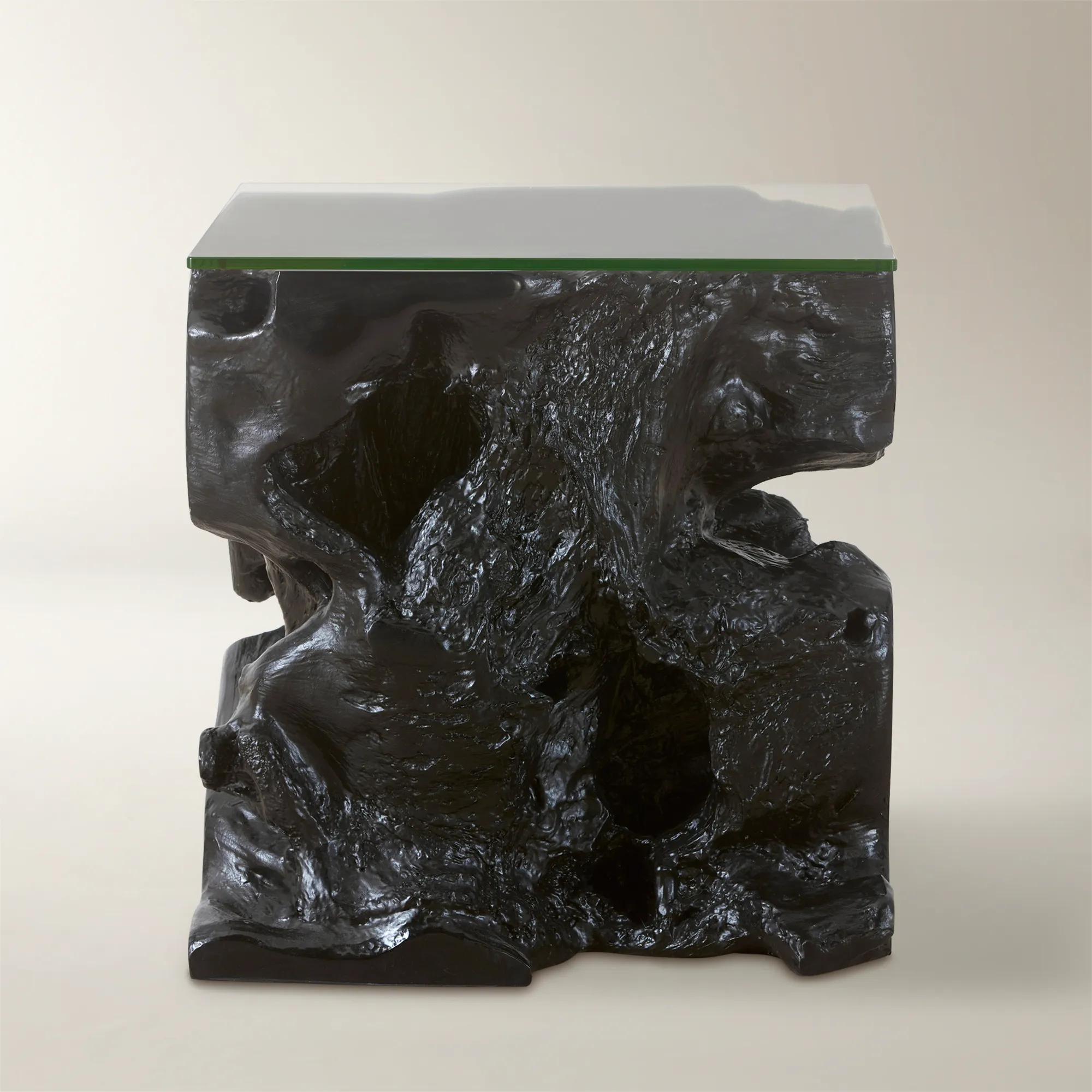 Sequoia Black Resin End Table With Glass Top (22")$999
A sculptural black resin and stone end table inspired by Acacia roots, suitable for indoor or outdoor use.
Add To Cart -
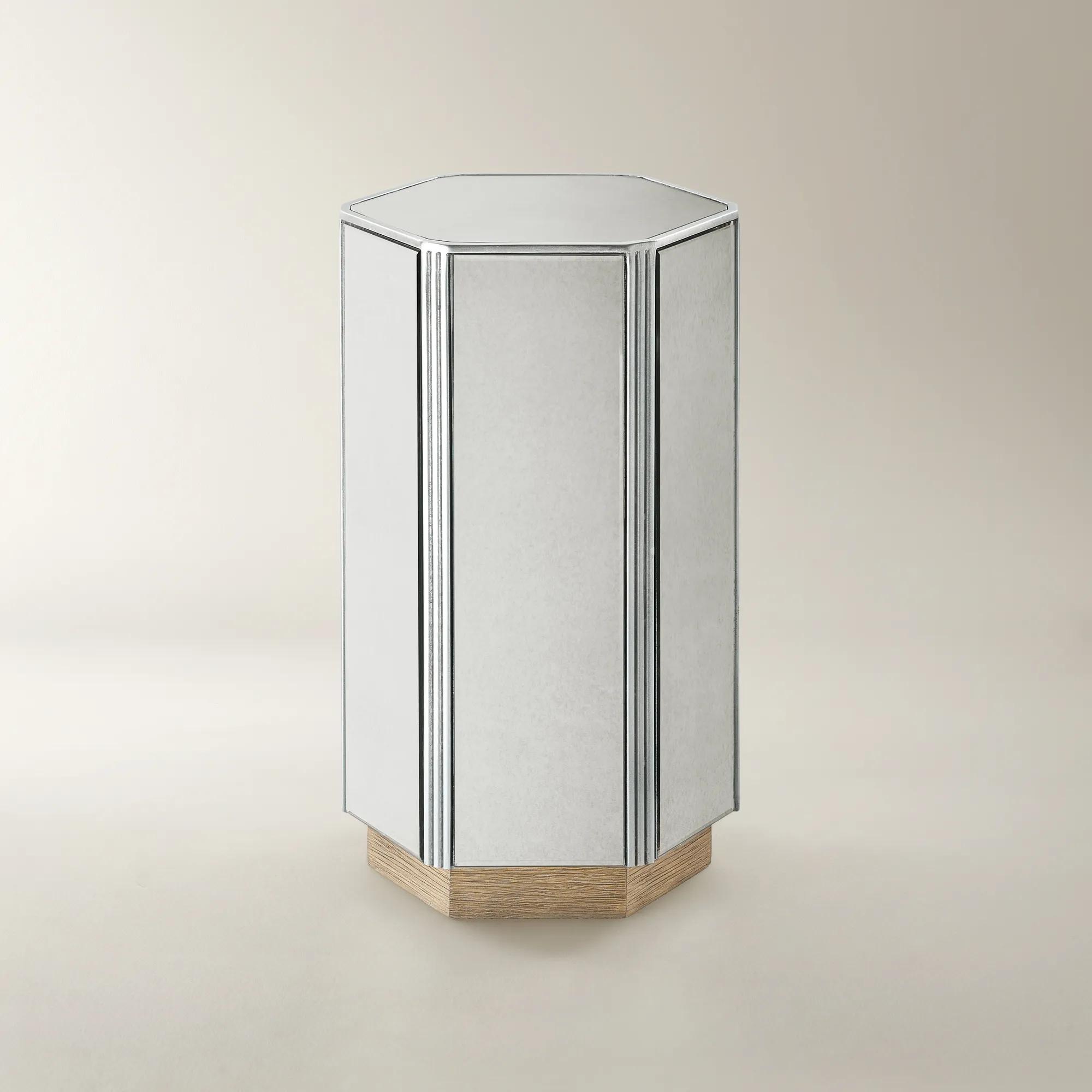 Glimmer Silver Mirrored End Table (12")$399
A chic side table featuring an antique silver mirror top and warm oak veneer base with handcrafted details.
Add To Cart -
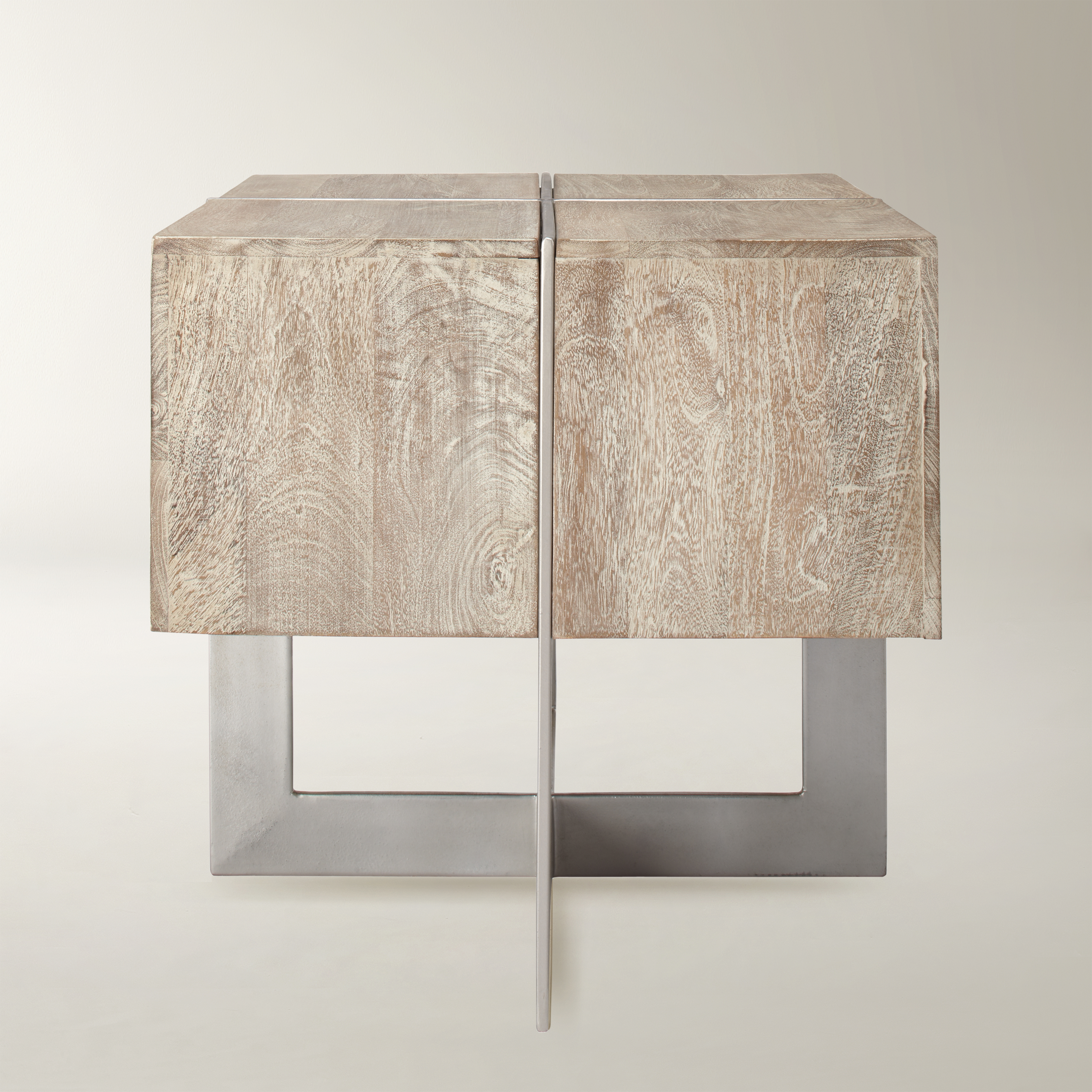
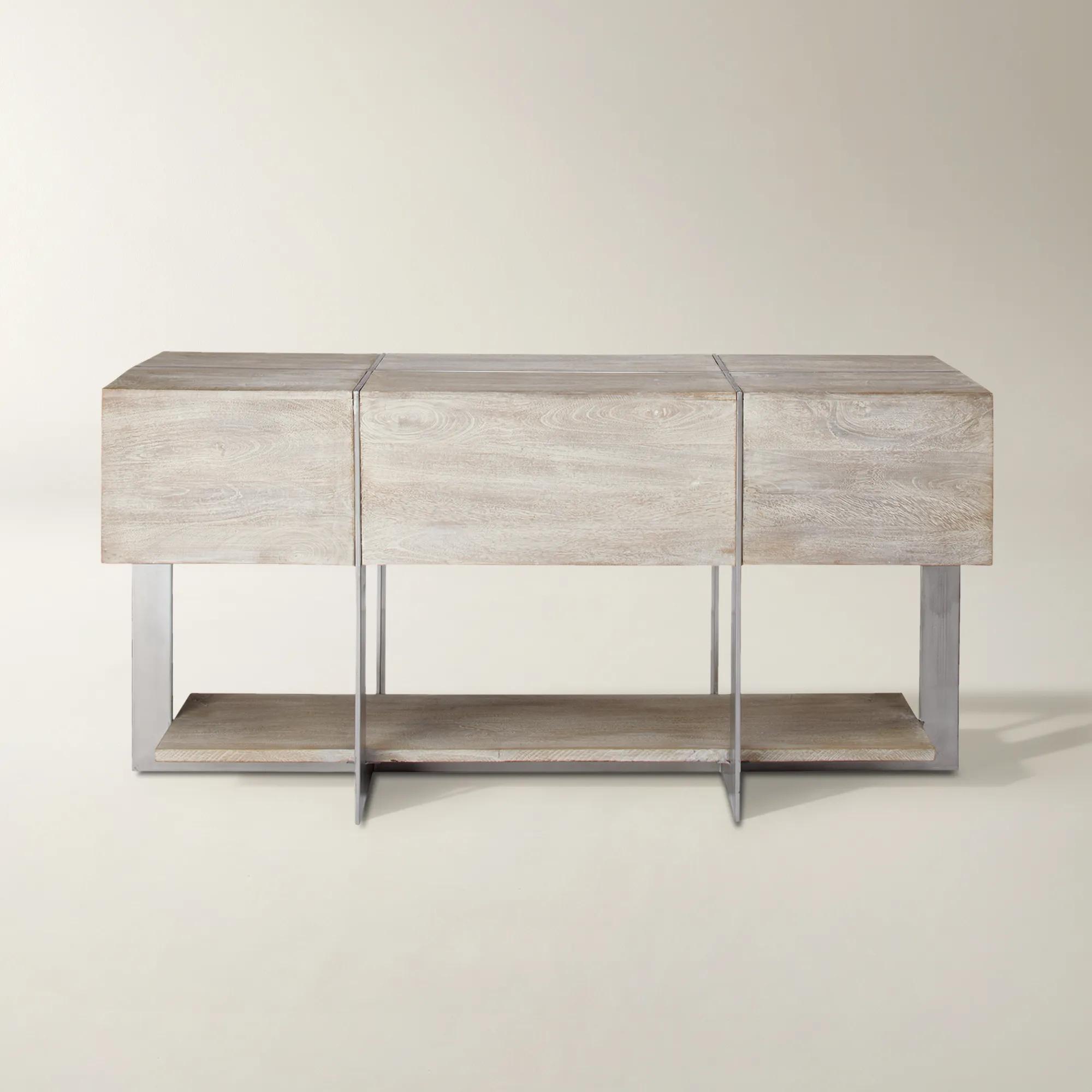
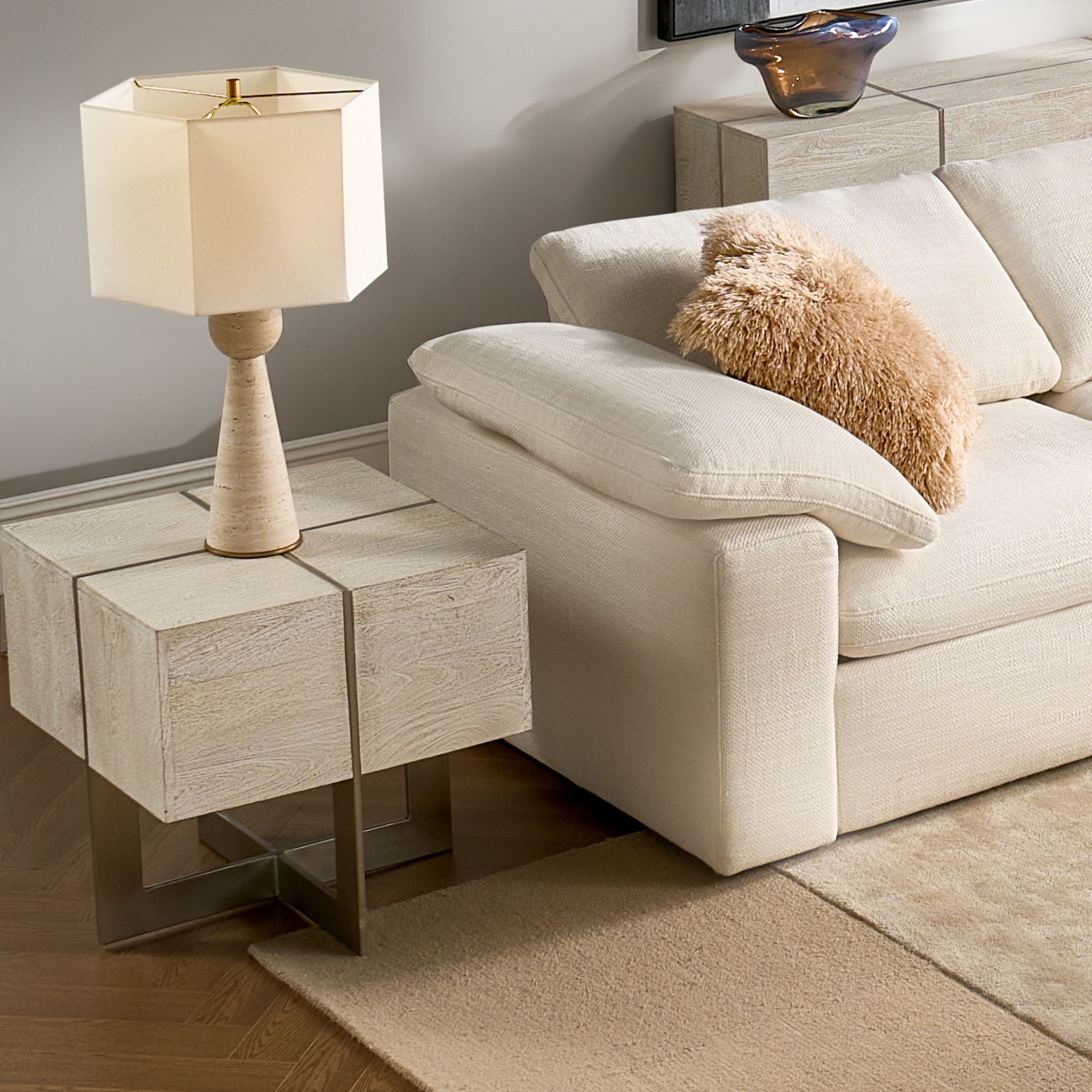 Clifton Square Natural Mango Wood End Table (24")$599
A handcrafted mango wood end table with a whitewashed finish and antiqued silver iron legs.
Add To Cart -
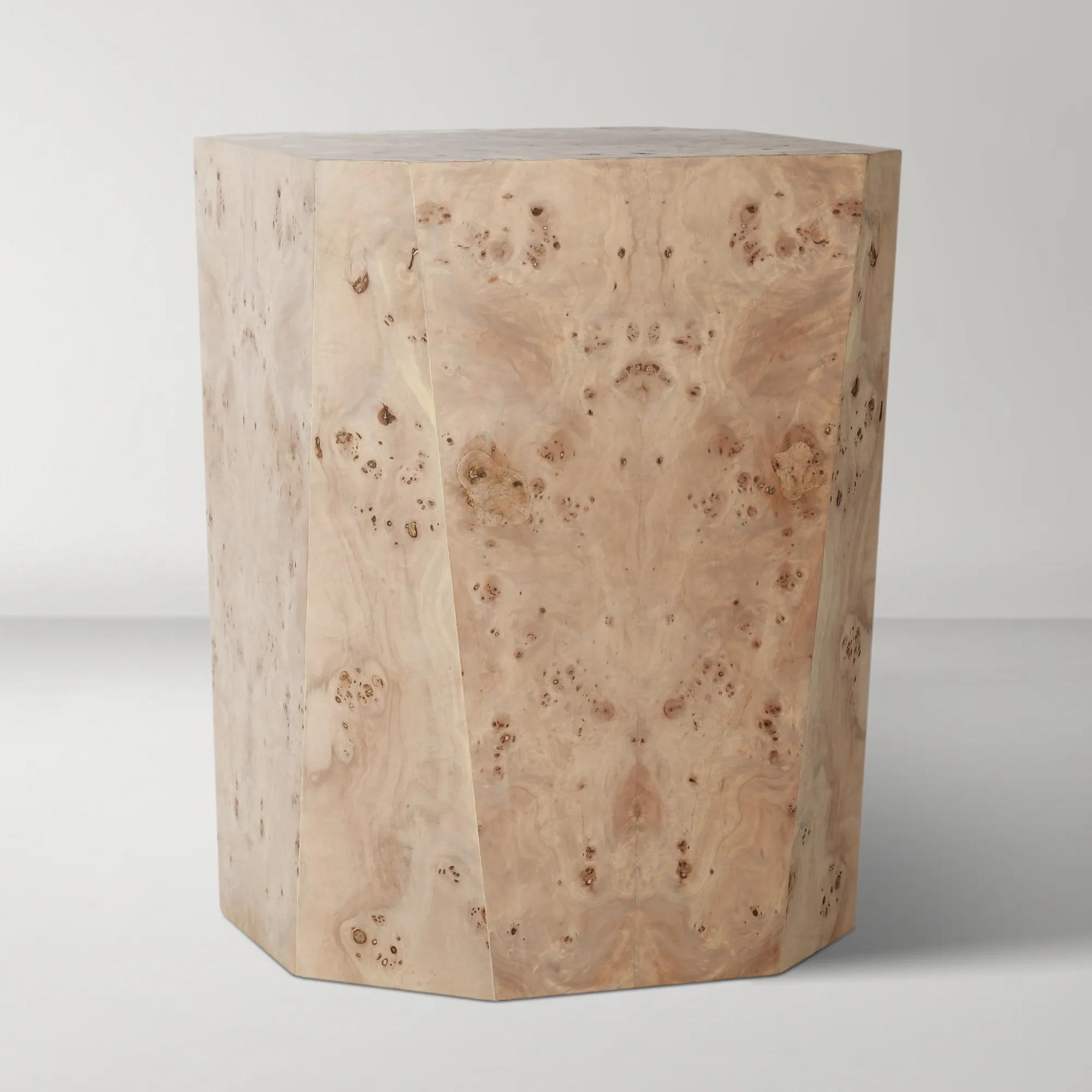
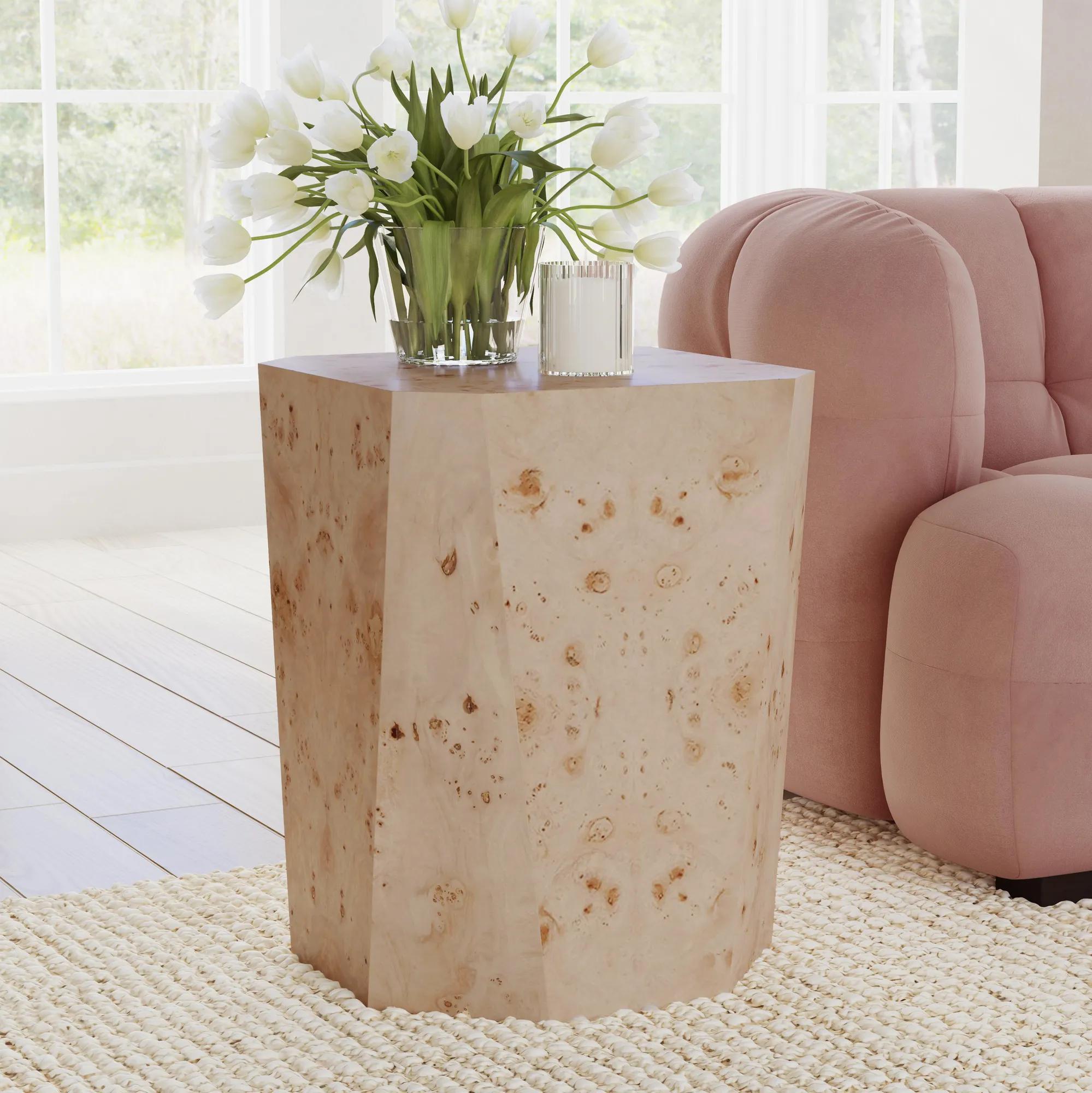 Avena Square Natural Burl Wood End Table (17.75")$699
A striking end table featuring natural burl wood veneer with unique swirling grain and warm, organic tones.
Add To Cart -
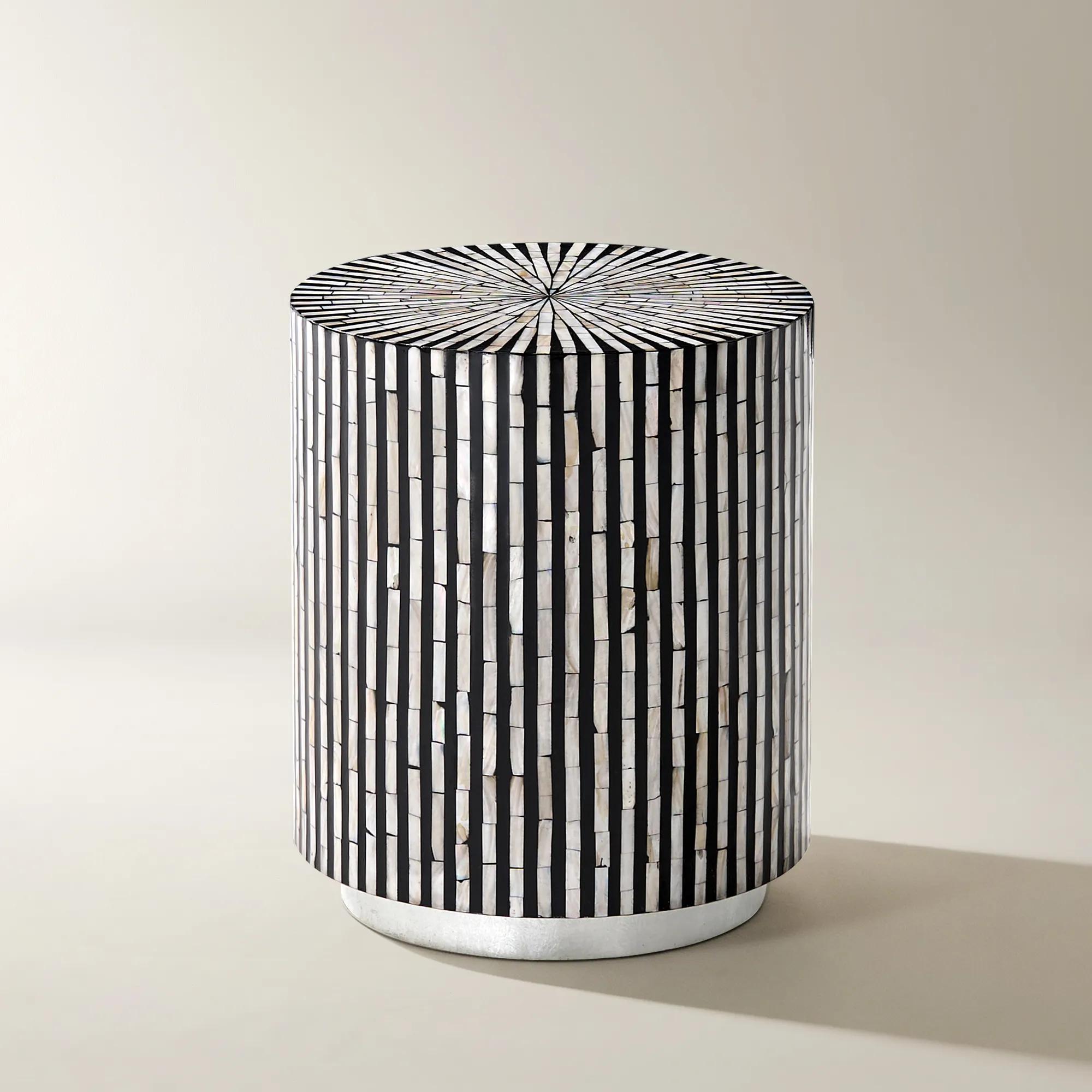
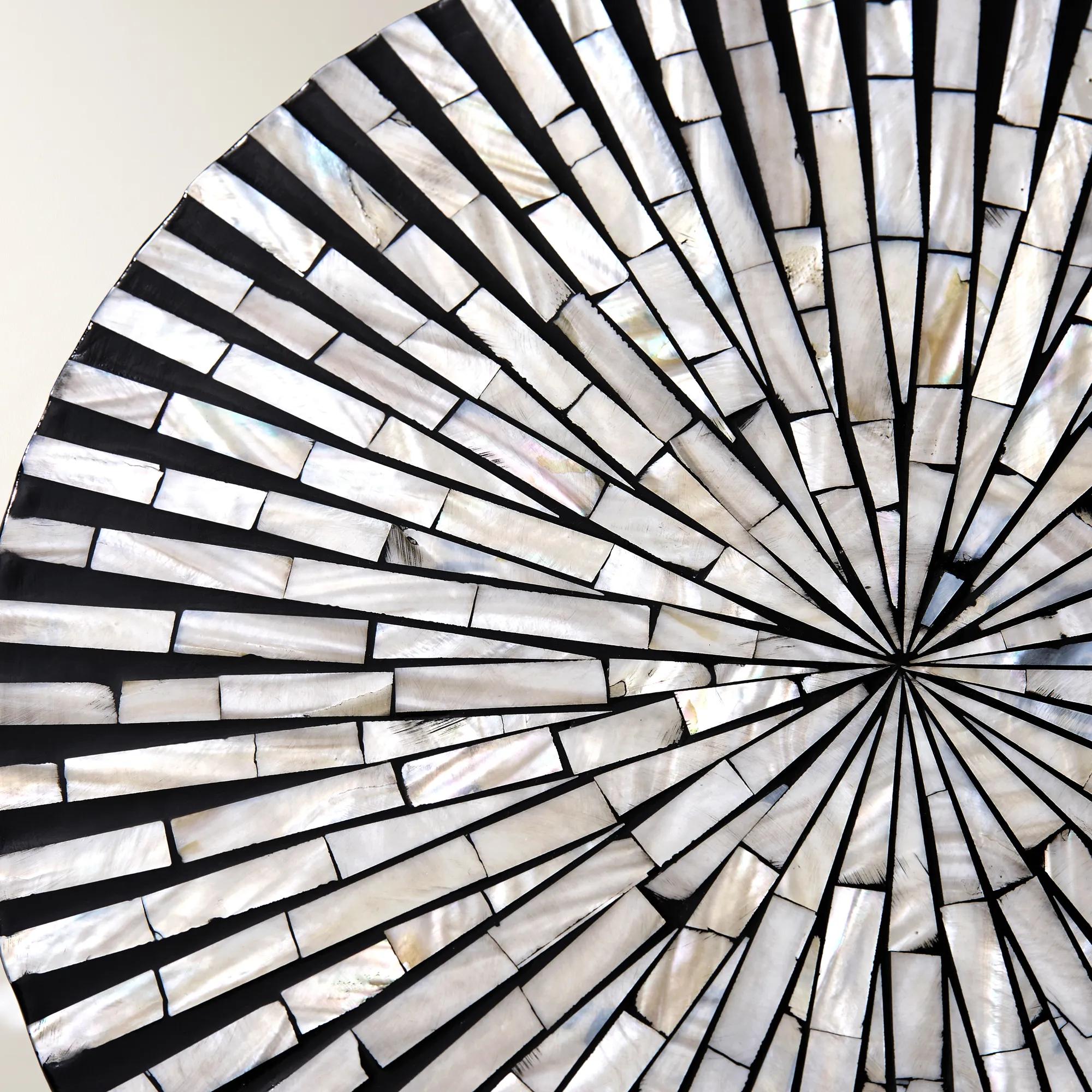 Marina Round Mosaic Black End Table (13.75")$299
A sculptural black end table featuring hand-applied mother-of-pearl mosaic and a silver leaf–accented base.
Add To Cart -
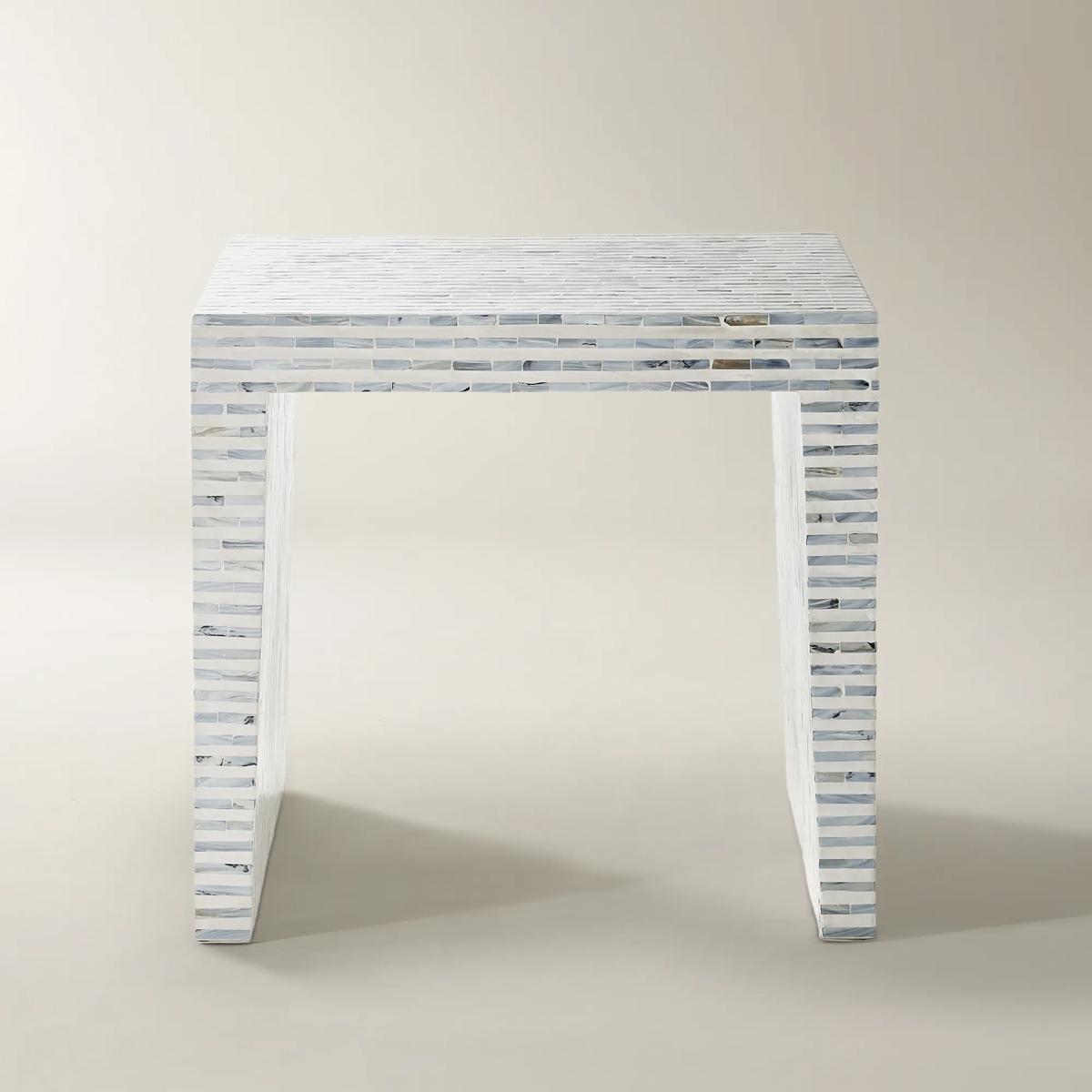
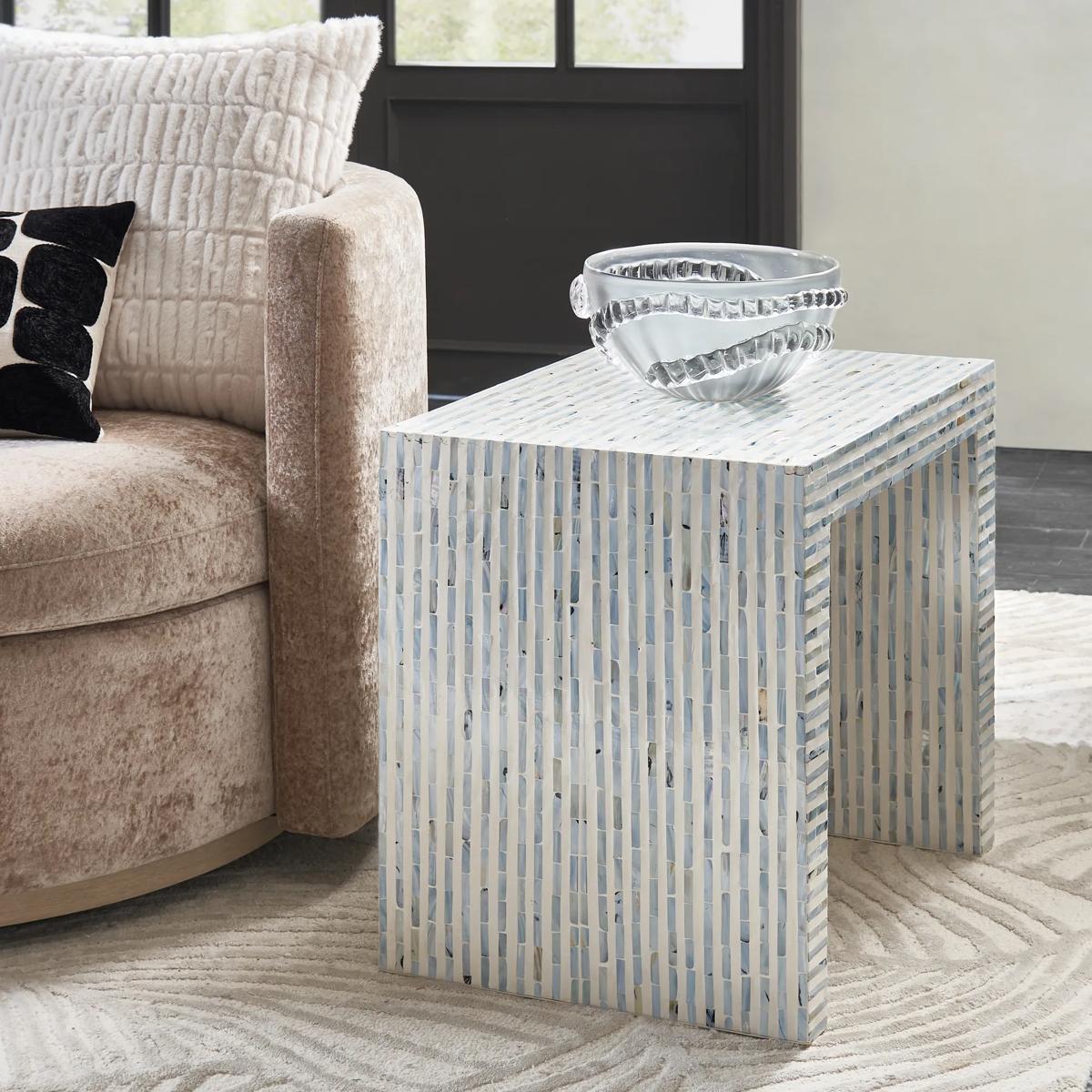 Stella Blue End Table(24")$399
A handcrafted end table featuring genuine blue mother-of-pearl inlay for a unique, iridescent accent.
Add To Cart -
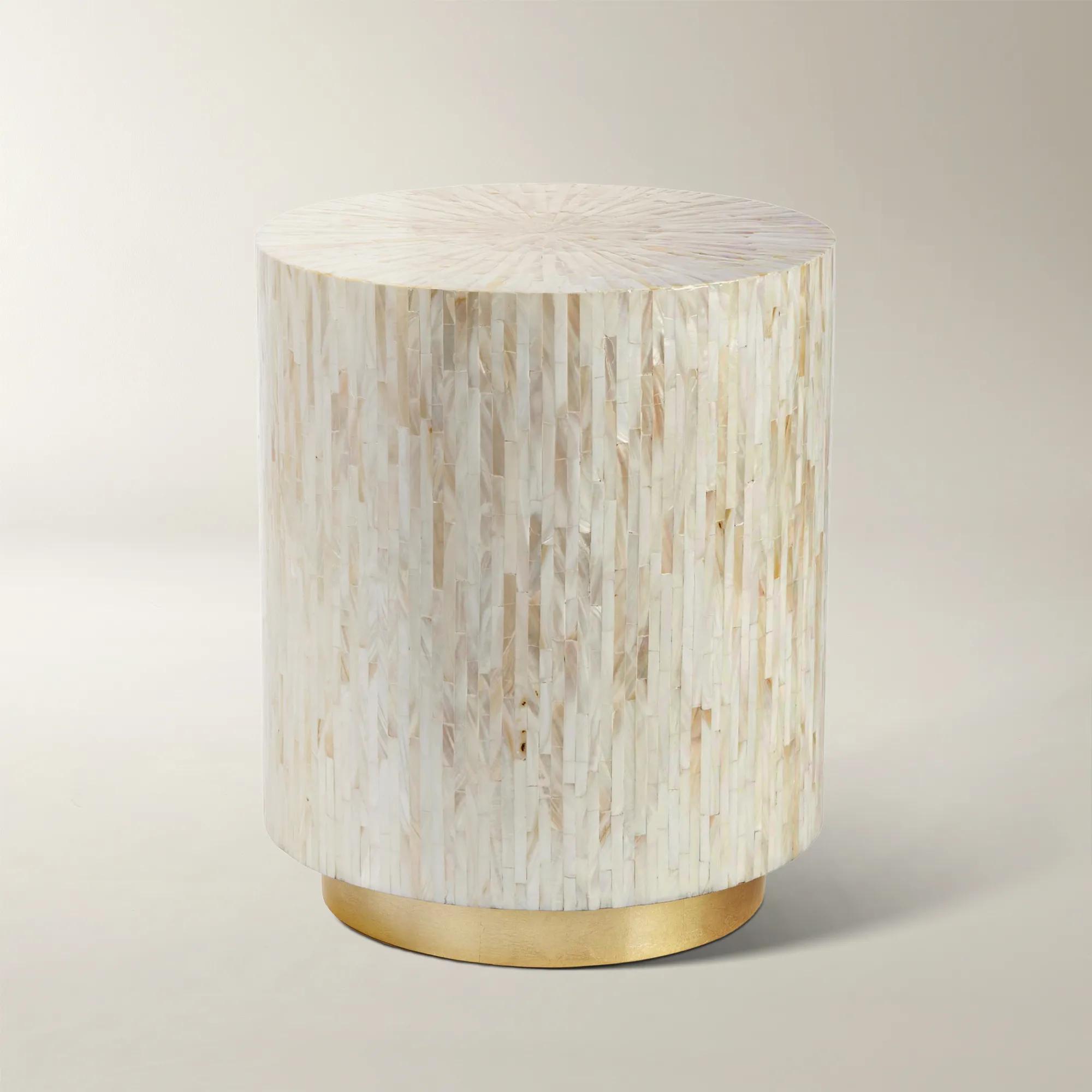 Alexandria Round Mosaic Platinum End Table (13.75")$299
A glamorous accent table featuring hand-applied mother-of-pearl mosaic and a gold leaf-accented base.
Add To Cart -
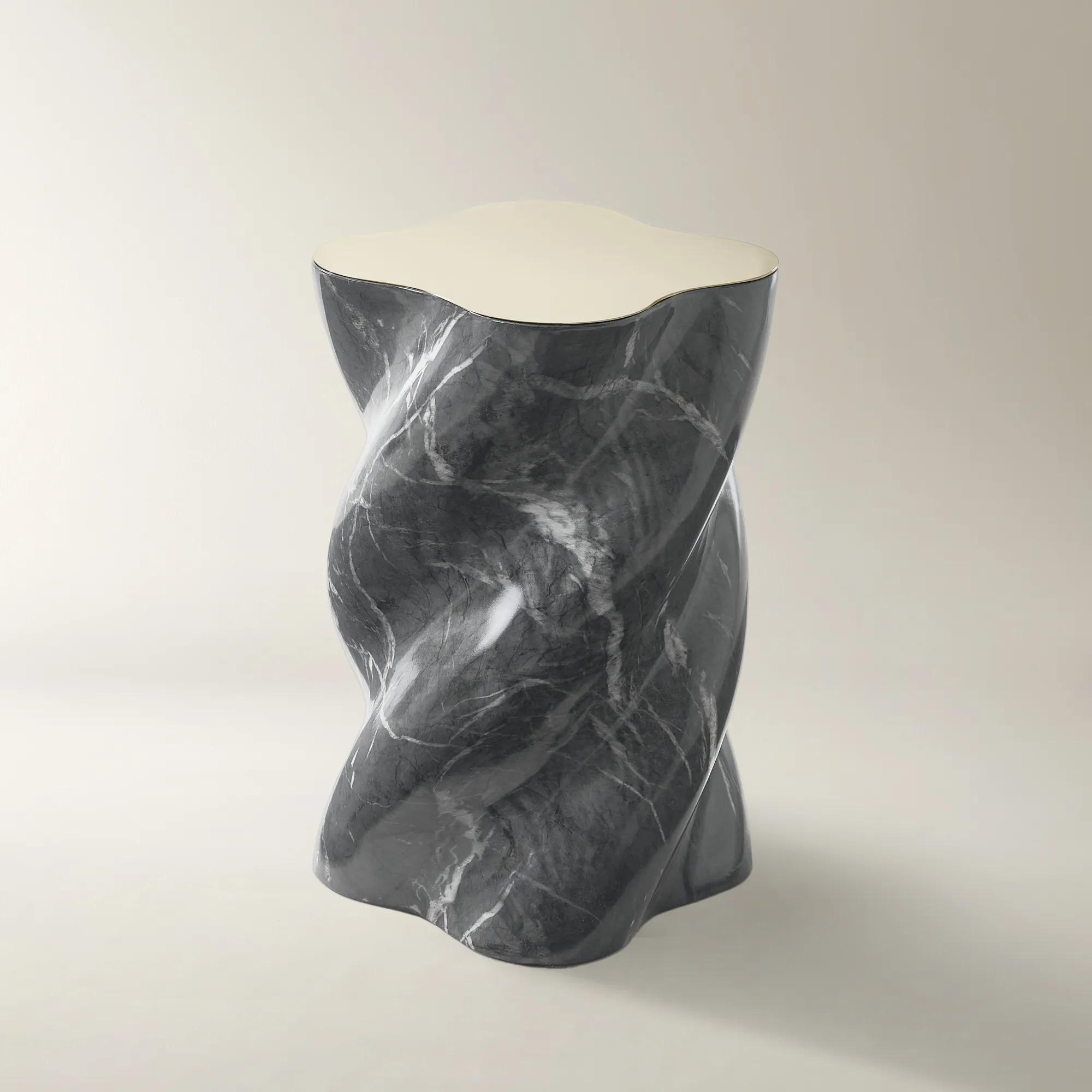 Vega Bvlgary Black Concrete Indoor/Outdoor Side Table With Stainless Steel Top (13.8")$459
A black concrete side table with a sculptural pedestal, removable stainless-steel top, and marble-inspired finish.
Add To Cart -
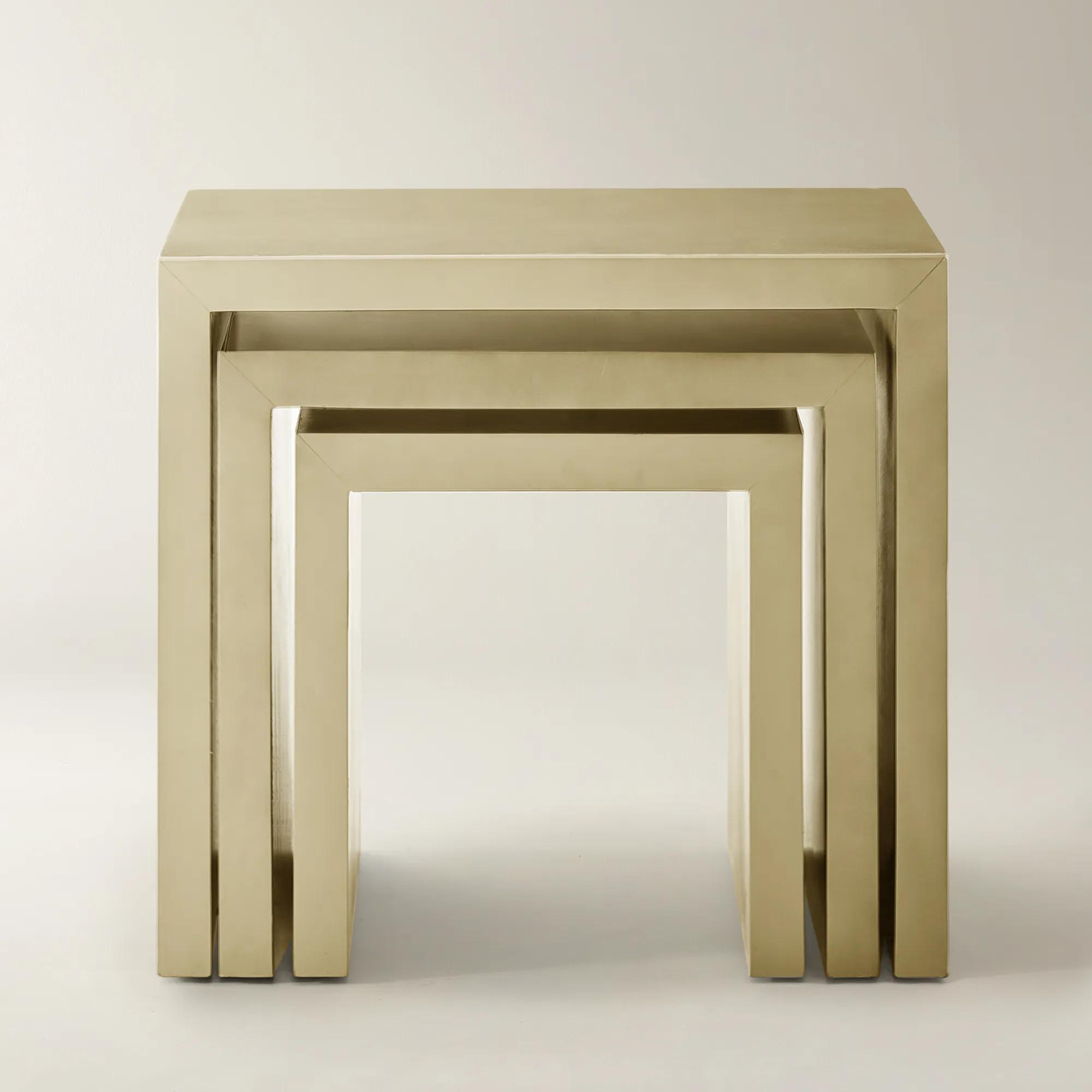
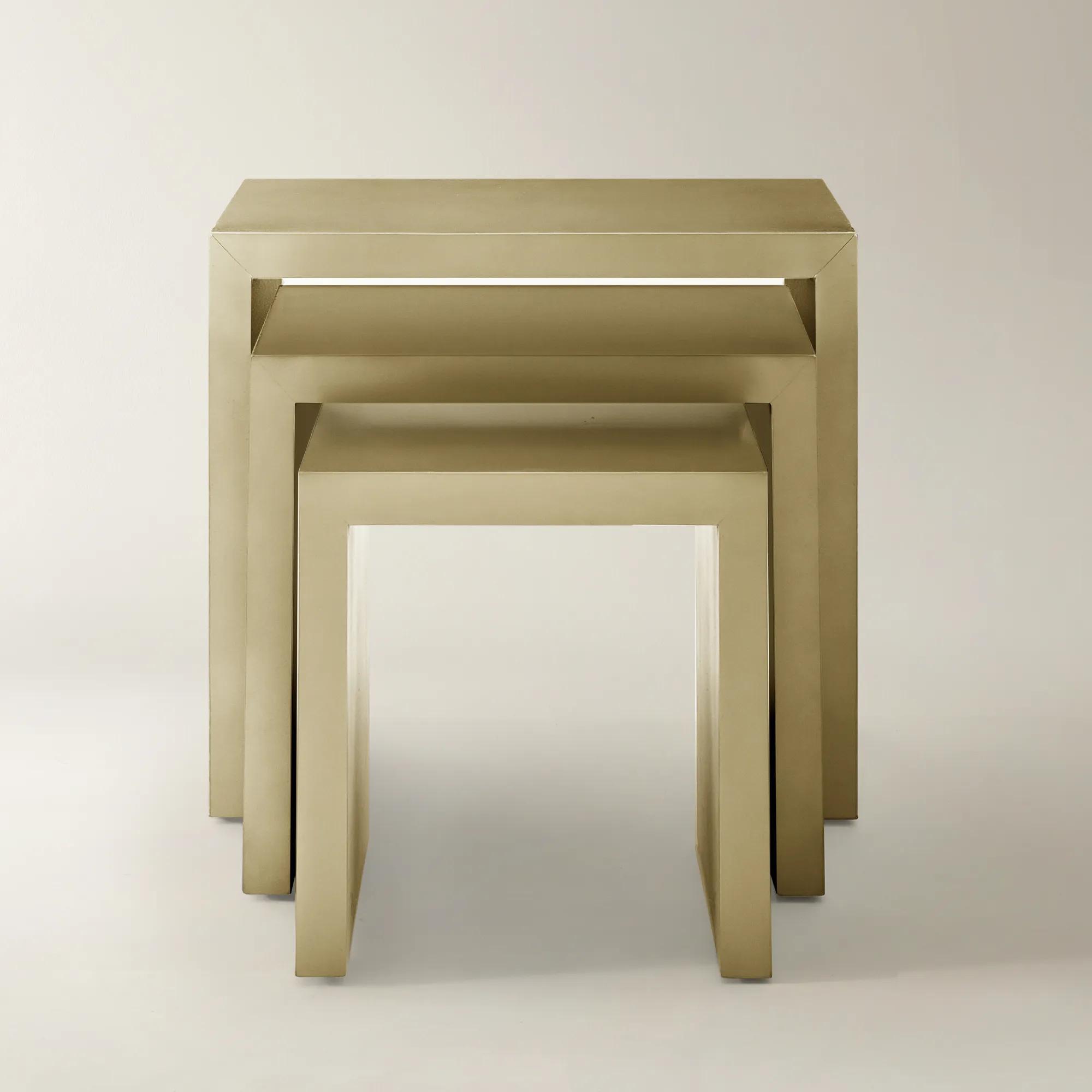 Astair Gold Nesting Accent Table Set Of 3 (16.25"-25.5")$349
A trio of gold-painted engineered wood tables with minimalist block silhouettes and versatile nesting design.
Add To Cart -
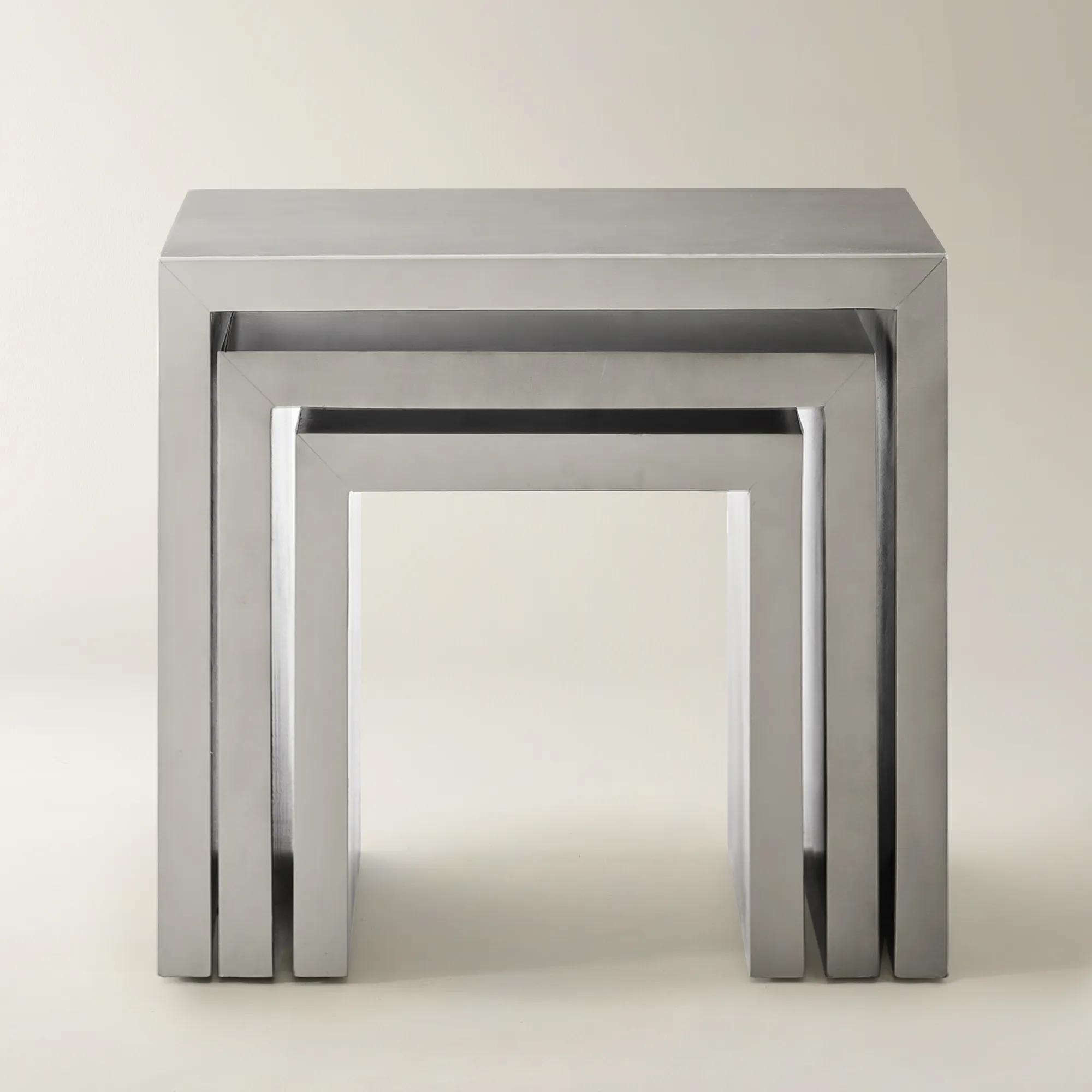
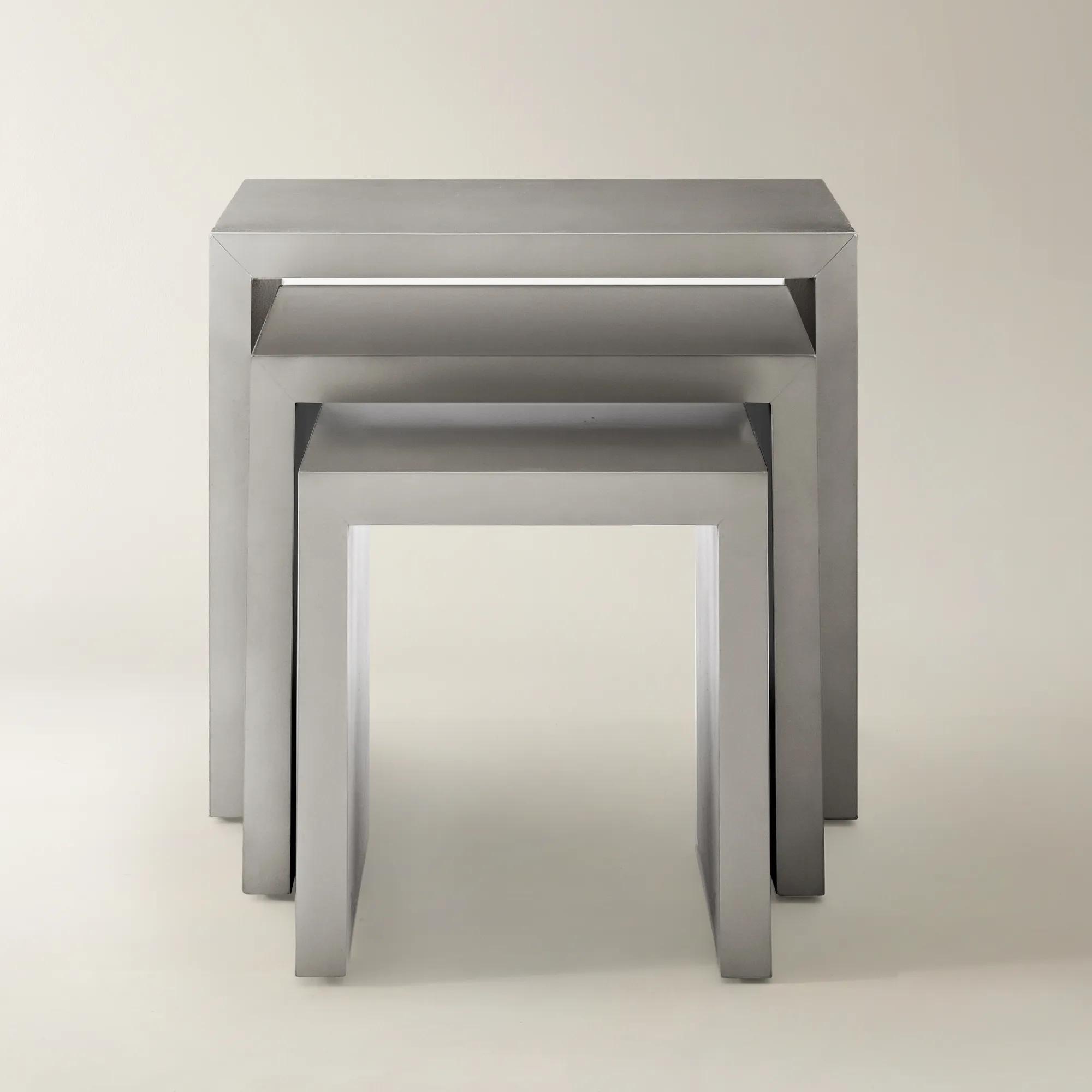 Astair Silver Nesting Accent Table Set Of 3 (16.25"-25.5")$349
A trio of engineered wood nesting tables with a sleek silver metallic finish and minimalist block silhouette.
Add To Cart -
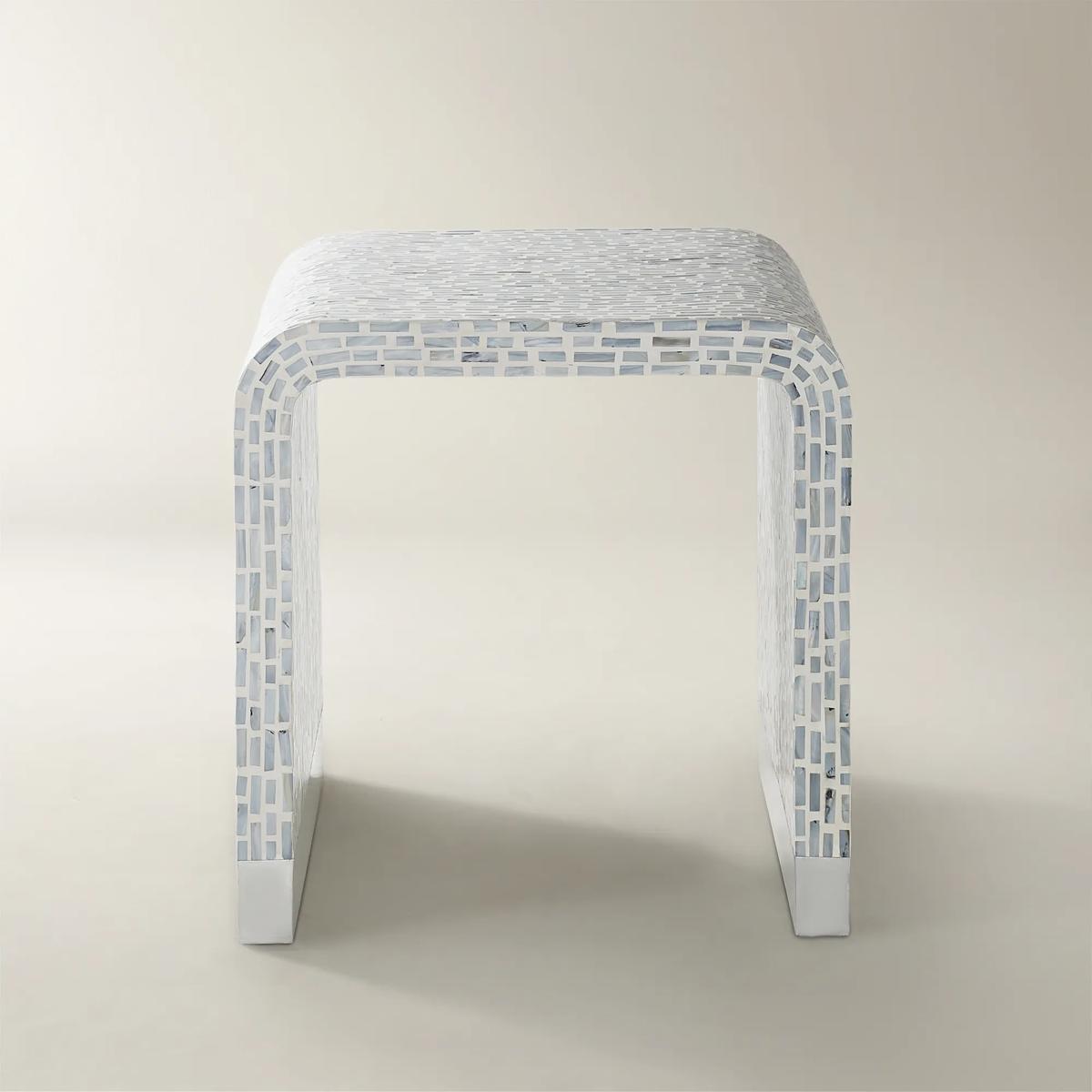
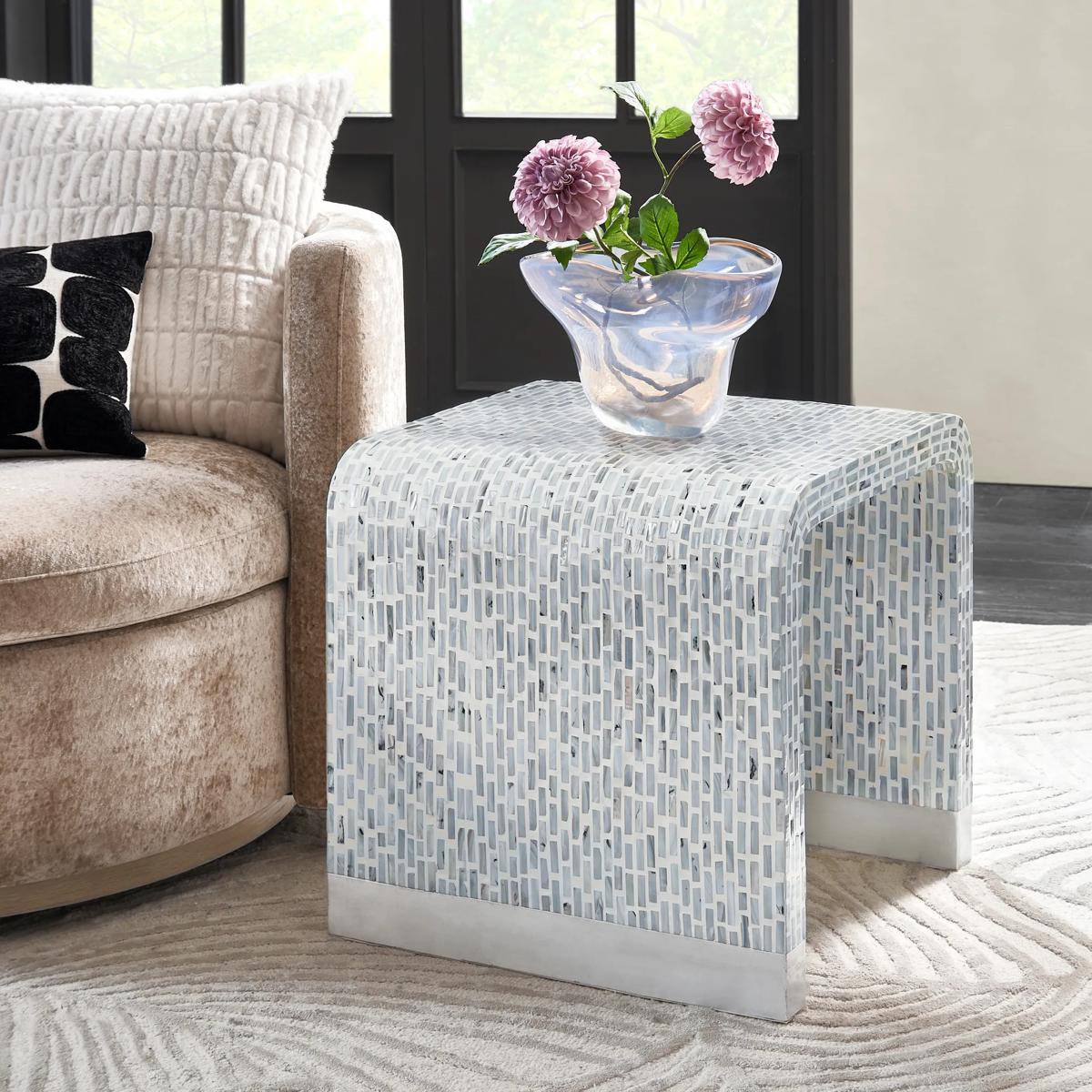 Iridia Blue Side Table (21.6")$399
A handcrafted end table featuring iridescent blue mother-of-pearl inlay and a silver leaf base.
Add To Cart -
 Thalia Glossy Black Side Table Set Of 2 (8"-12.5")$599
A sculptural duo of glossy black fiberglass tables with fluid lines and mirror-like lacquered finish.
Add To Cart -
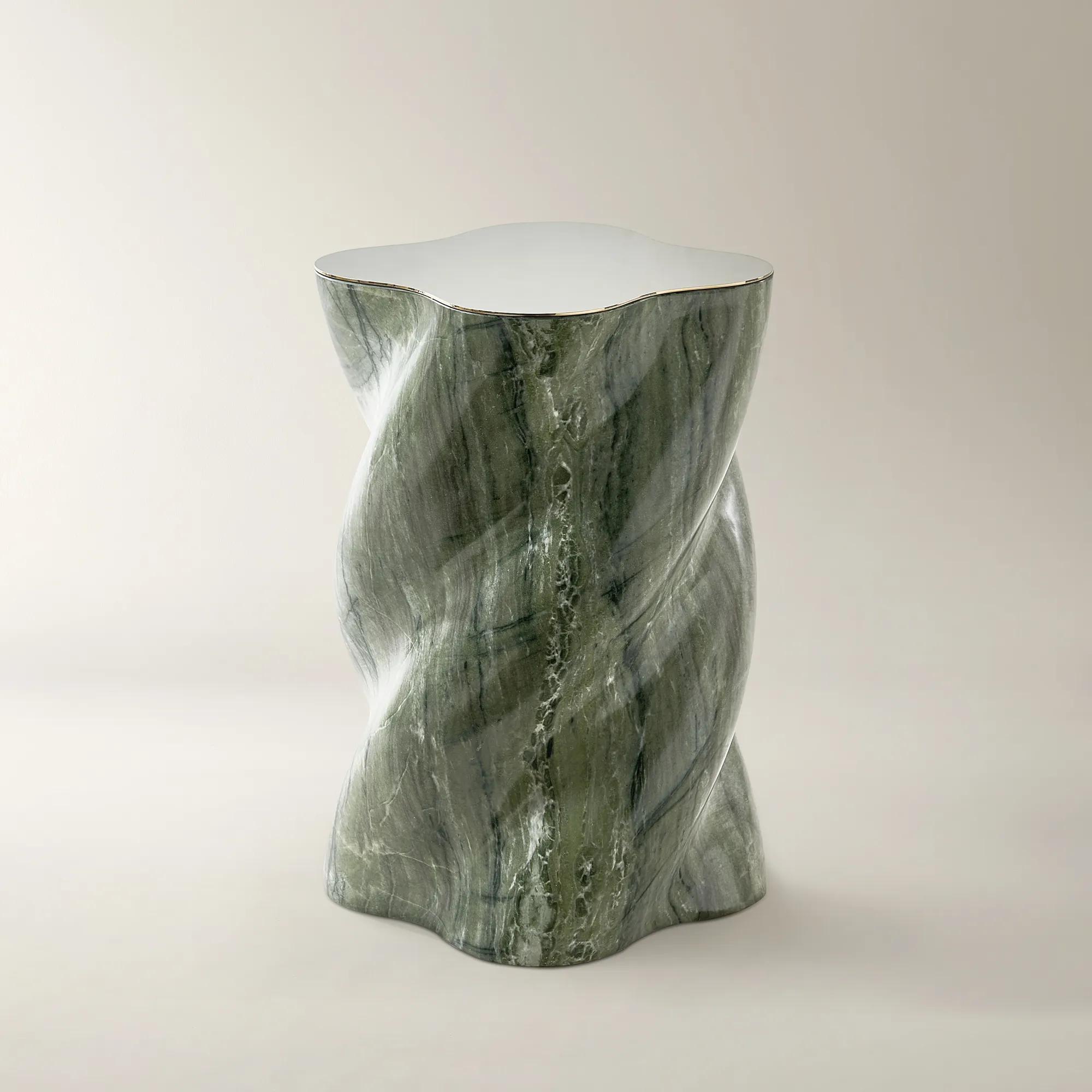 Vega Malachite Green Concrete Indoor/Outdoor Side Table With Stainless Steel Top (13.8")$459
A green concrete side table with a sculptural pedestal, marble-inspired finish, and removable stainless-steel top.
Add To Cart -

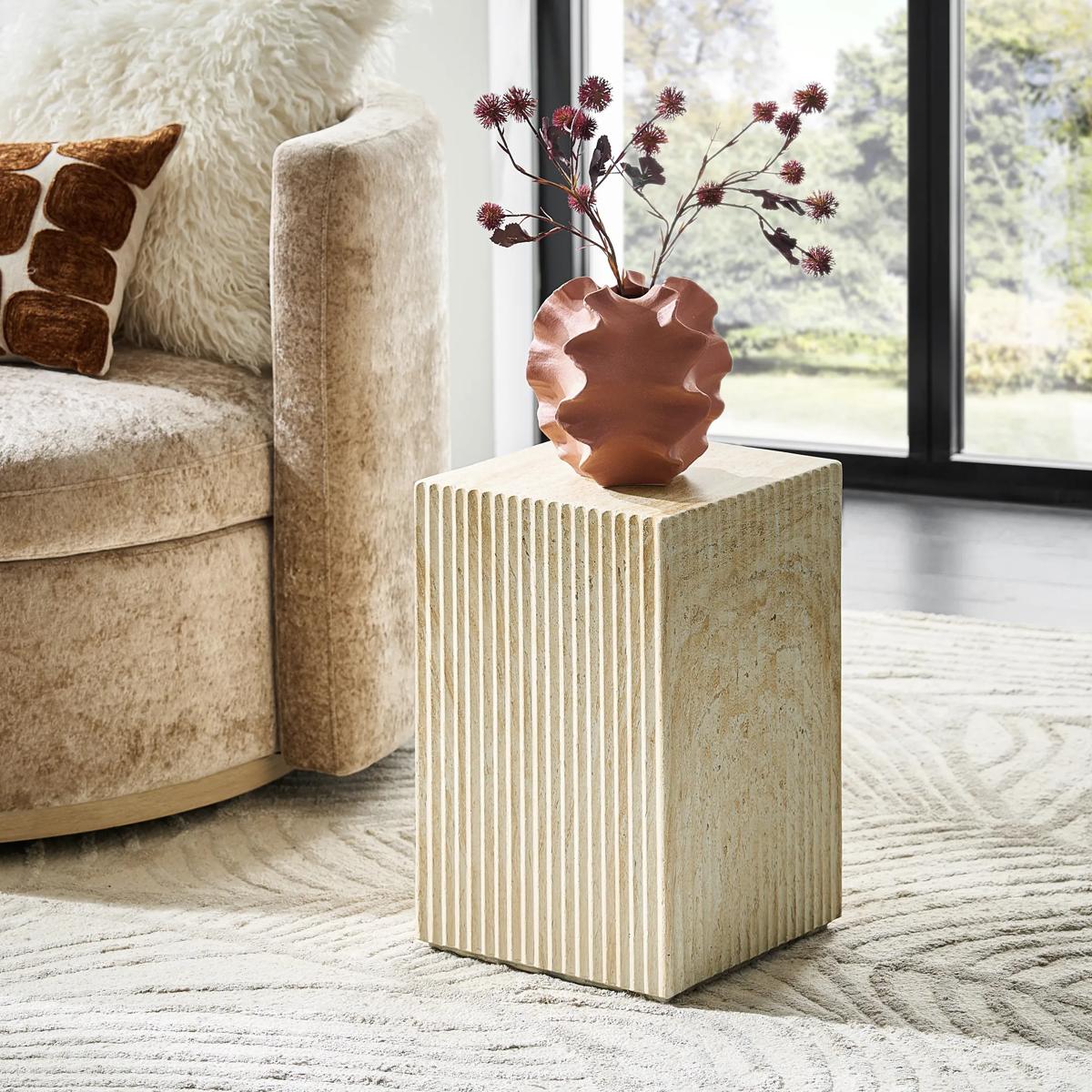 Strata Square Travertine Concrete Indoor/Outdoor Side Table (11.8")$299
A natural travertine-look concrete side table with sculptural cuboid geometry for indoor or covered outdoor spaces.
Add To Cart -
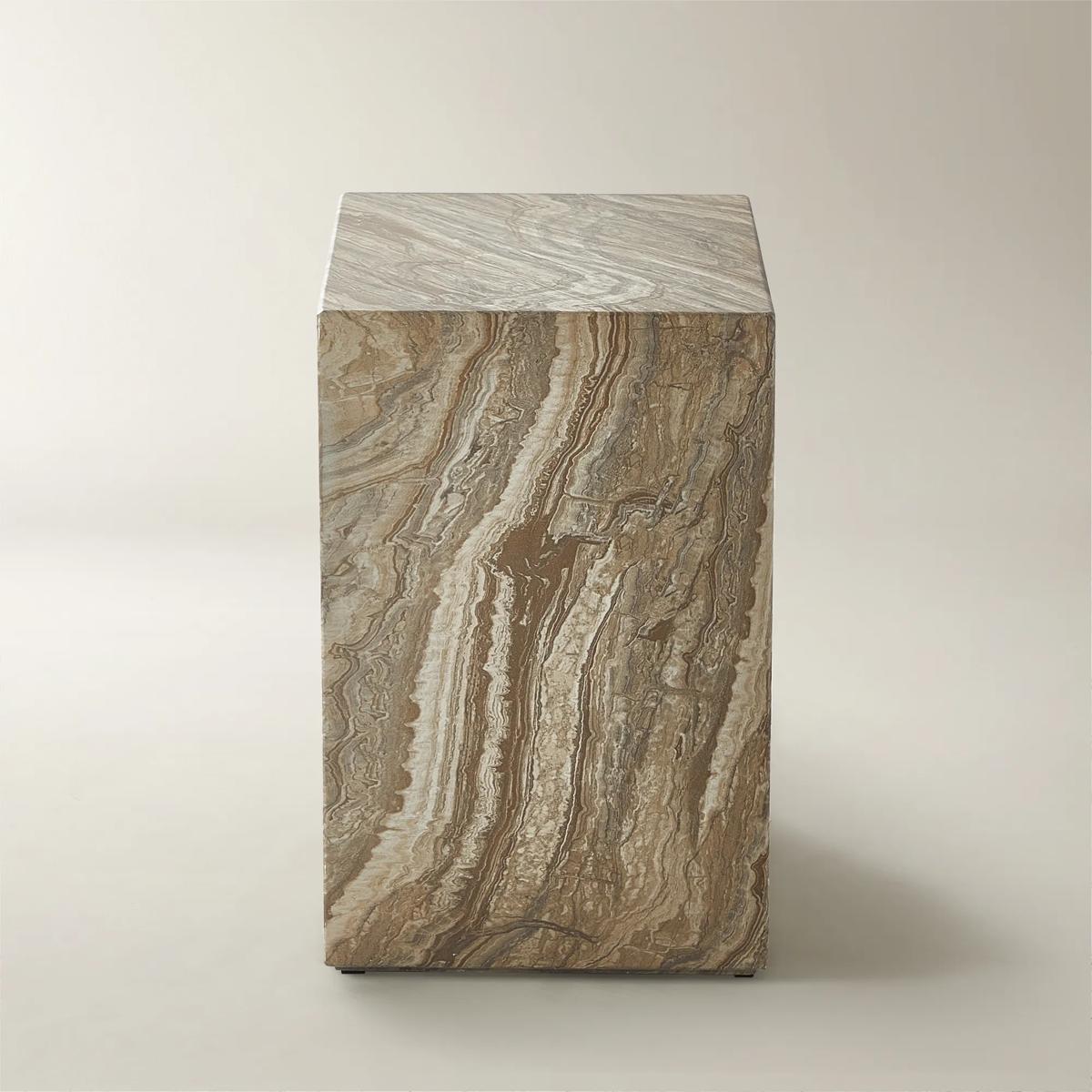
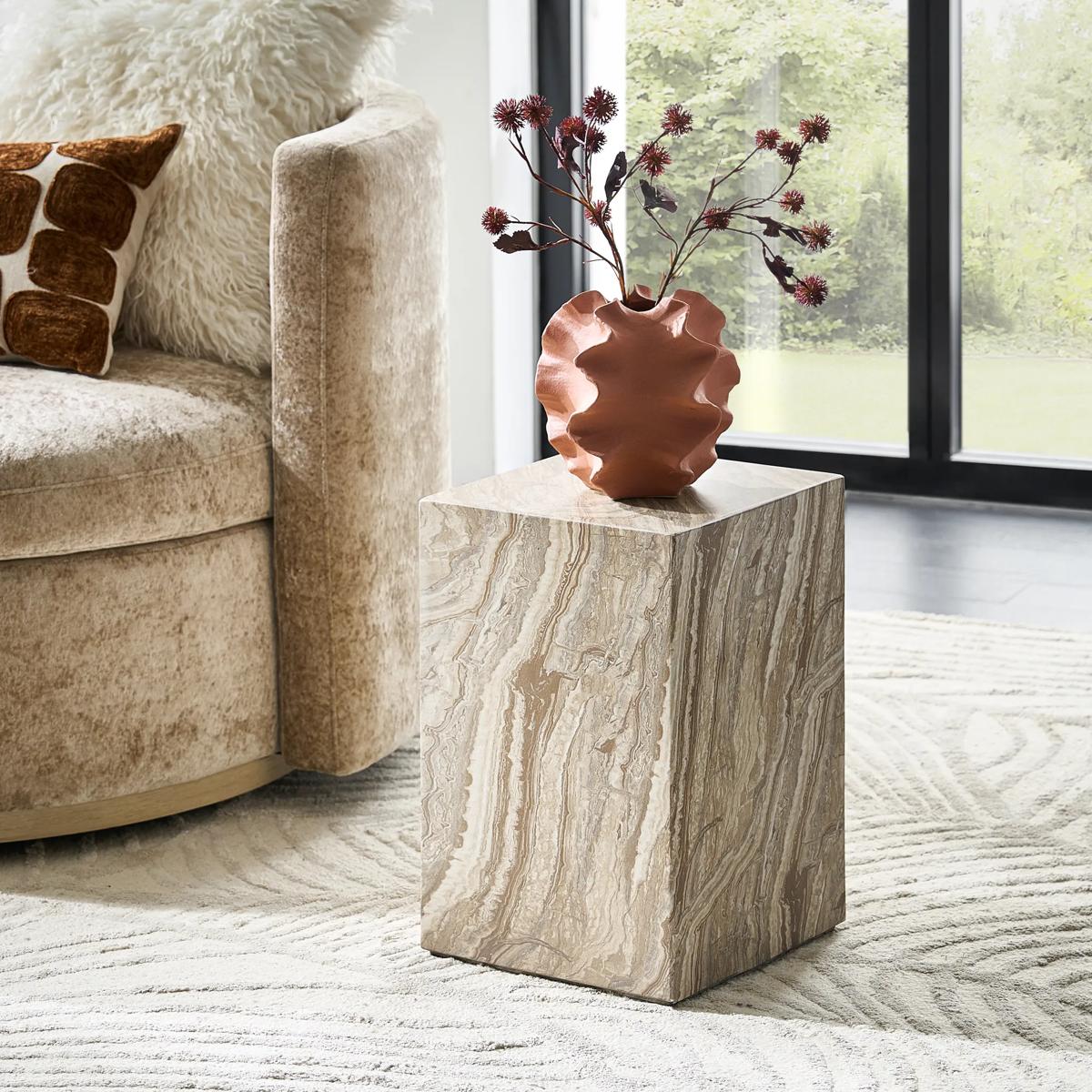 Strata Square Brown Concrete Indoor/Outdoor Side Table (11.8")$299
A brown concrete side table with a sculptural cuboid profile and marble-look finish, indoors or outdoors.
Add To Cart -
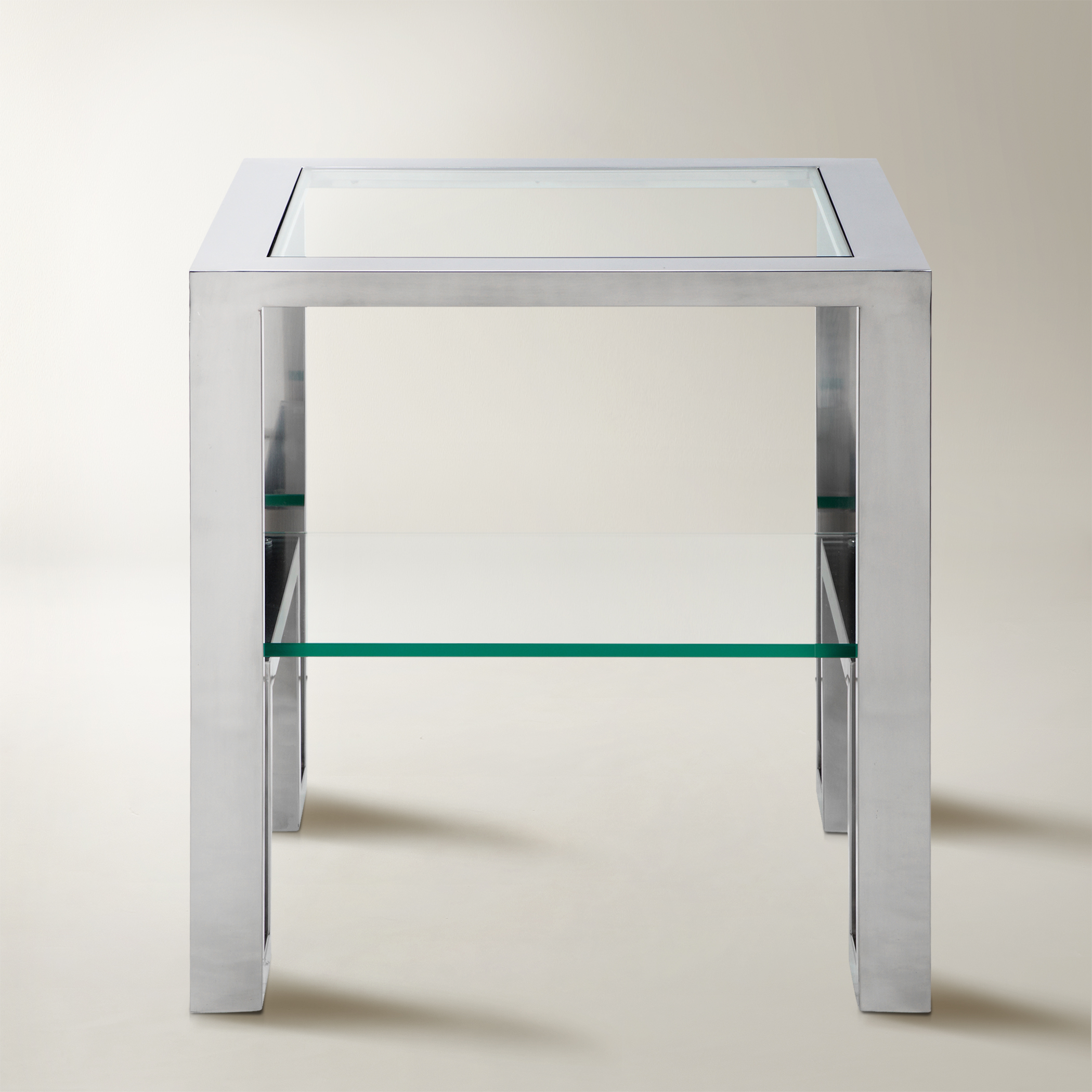
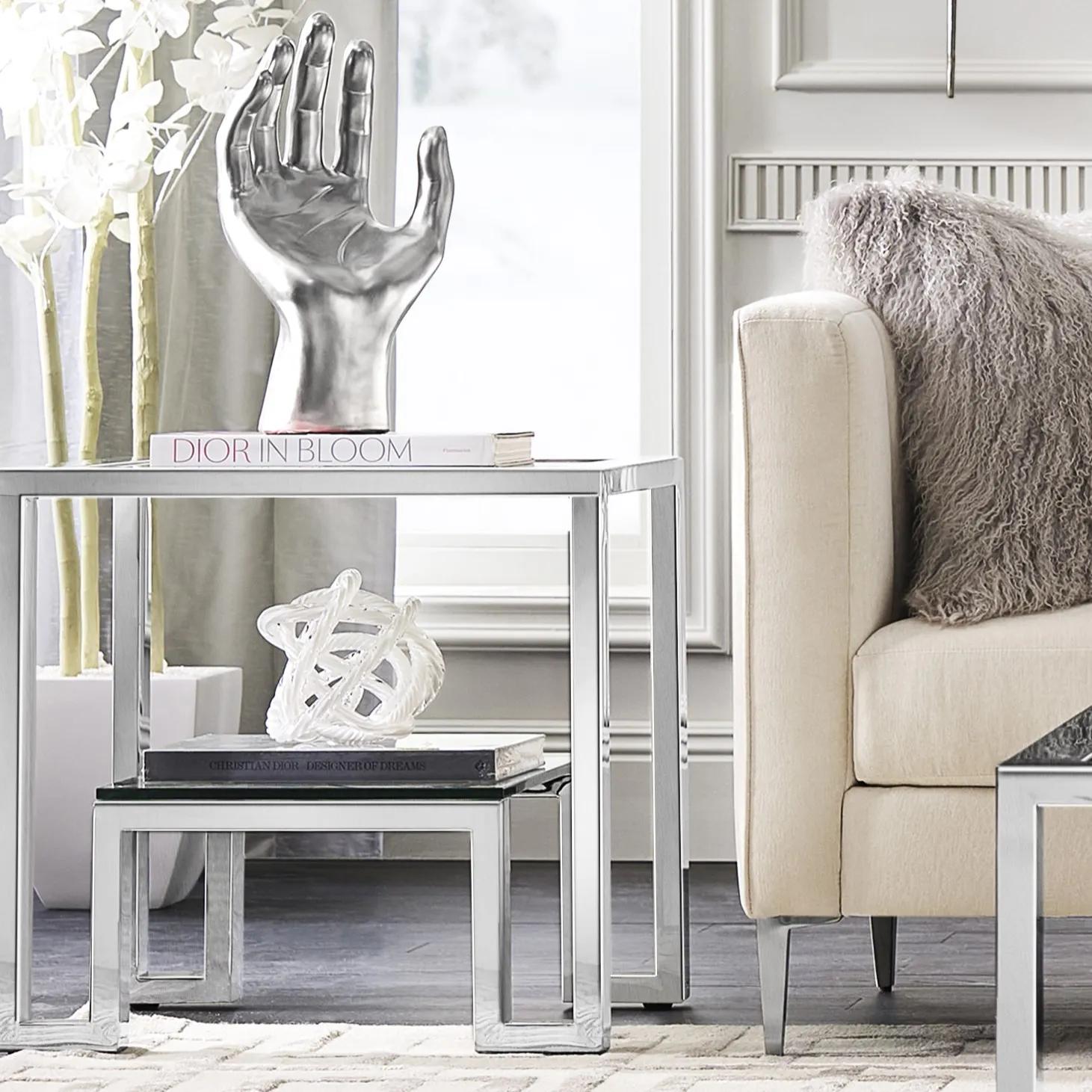 Duplicity Square Silver Stainless Steel End Table With Glass Top (24")$749
A modern end table featuring a stainless steel frame, tempered glass top, and floating bottom shelf.
Add To Cart

Exclusive Architectural End Tables
Dare to define your living space with exclusive architectural end tables—each one a sculptural marvel, designed to captivate and command attention. These striking pieces are more than mere surfaces; they are artistic statements, bringing gallery-worthy drama and structure to any room. With bold silhouettes and unexpected forms, every table transforms its surroundings into a showcase of modern sophistication. Elevate your décor with end tables that blur the line between functional furniture and collectible art, inviting you to curate a home where imagination reigns supreme.
Exclusive architectural end tables unite sculptural form with an everyday purpose: placing a useful surface beside a sofa, accent chair, or bed while giving the room a distinct design signature. Their character comes from architectural elements such as columns, arches, cantilevered planes, geometric volumes, and the interplay between solid forms and open space. Rather than disappearing into a furniture arrangement, an architectural end table contributes to its composition. A pedestal silhouette can lend a seating area the presence of a miniature monument, while an open metal framework introduces rhythm without visually enclosing the room. Broad cylindrical bases feel grounded and substantial; intersecting planes create sharper lines and unexpected shadows. These differences matter because a small table can influence the entire mood of a setting. Beside a deeply upholstered sofa, a crisp geometric profile brings definition to sumptuous fabric. Next to a streamlined lounge chair, a richly textured or sculptural form adds depth without requiring another large piece of furniture. The appeal lies in that balance of expression and restraint: enough visual drama to hold attention, with a footprint suited to the intimate spaces where people sit, read, and converse. Architectural style does not require every piece in a room to share the same shape. A rounded tabletop can soften angular seating, while a squared silhouette can lend structure to a curved sofa. Repeating one detail—a warm metal tone, a dark wood finish, or a pale stone surface—creates continuity without making the arrangement feel overly matched. End tables typically sit at the ends of seating, while side tables can serve a broader range of placements; many architectural designs work beautifully in either role. A lamp, a favorite volume, and room for a drink may be all the surface needs. Leaving part of the tabletop uncovered allows its material, edge profile, and relationship to the base to remain part of the room’s visual story.
Material gives an architectural end table much of its personality, influencing not only its appearance but also its weight, maintenance, and suitability for daily use. Wood brings grain, tonal variation, and warmth to assertive geometric forms, allowing a substantial silhouette to feel inviting beside upholstered seating. Solid wood may develop character through use, while veneered construction can showcase carefully arranged grain across a stable underlying structure; performance depends on the full construction and finish, not that distinction alone. Metal can appear slender and precise or bold and monolithic, with polished surfaces reflecting surrounding light and brushed finishes offering a quieter sheen. A finish described as brass-toned or bronze-toned refers to appearance and does not necessarily mean the piece is made from that solid metal. Marble, travertine, and other natural stones lend mineral depth, subtle irregularity, and a sense of permanence, although their veining, pores, and coloration can vary. Glass introduces transparency that allows an expressive base to remain visible, making the structure itself part of the display. Lacquered and composite surfaces can emphasize uninterrupted curves or crisp planes, giving geometric shapes a particularly graphic presence. Durability rests on more than visual weight: sound joinery, a stable base, an appropriate surface finish, and adherence to the stated weight capacity all matter. Natural stone may require sealing or other specialized care, and acidic liquids can damage some stones even when they have been sealed. Coasters and prompt attention to spills help protect surfaces, while soft cloths and material-appropriate cleaners preserve their finish. Abrasive pads and harsh cleaning products can dull or scratch stone, glass, lacquer, and metal. Wood benefits from protection against standing moisture and prolonged direct sunlight. Following the individual care instructions is especially important when a table combines several materials. A design intended for indoor living should remain indoors unless its specifications expressly permit outdoor use. These practical distinctions allow a table’s dramatic presence to be enjoyed with an understanding of how it will live in the home.
Proportion turns a striking end table into a natural companion for the surrounding furniture. A tabletop close to the height of a sofa or chair arm generally keeps a drink, reading glasses, or lamp switch comfortably within reach; an unusually high arm or low lounge seat may call for a different relationship. Width and depth deserve equal attention. A generous surface accommodates a substantial lamp and a few personal objects, but its base must also fit the available floor space without crowding a walkway. Pedestal, drum, and open-frame designs occupy space differently, even when their tops have similar dimensions. In a compact conversation area, an airy base can preserve sightlines, while a solid form can create a deliberate anchor beside a larger sectional. Neither shape guarantees stability, so the table’s construction, placement, and intended load remain important. Where a lamp is part of the arrangement, its base needs secure support, and the cord should reach an outlet without crossing a walking path. Households with children or pets may favor softened corners and finishes suited to frequent contact, while recognizing that rounded edges alone do not make a table childproof. For a bedside setting, surface area for a reading light and essentials may matter more than an elaborate decorative arrangement; concealed storage, when included in a design, changes how much can remain out of sight. Distinctive tables also make thoughtful housewarming or wedding gifts when the recipient’s room dimensions and design preferences are well understood. Their lasting appeal comes from being personal as well as useful, whether chosen for someone drawn to sculptural minimalism or richly layered interiors. For a complementary expression of structural form, Unique Architectural Side Tables offers a related design direction. The most compelling architectural end tables bring function, material, and silhouette into focus together, giving the space beside a seat its own sense of occasion.
FAQs
Architectural end tables are distinguished by their sculptural forms, innovative use of materials, and bold, geometric silhouettes. Unlike traditional end tables that prioritize simplicity and function, architectural pieces are designed to make a statement, often serving as focal points that showcase artistry and craftsmanship. These tables blur the line between furniture and art, transforming any space into a curated gallery of self-expression.
Exclusive architectural end tables frequently feature luxurious materials such as marble, stone, polished metals, and richly grained woods. These materials are often combined in unexpected ways, creating striking contrasts in texture and finish. The use of high-quality, tactile materials ensures each piece feels substantial and unique, enhancing the overall ambiance of the room.
Architectural end tables have the power to transform the mood and visual impact of a room. Their dramatic shapes and finishes reflect light, add depth, and introduce a sense of curated luxury. By serving as both functional surfaces and sculptural accents, they invite admiration and spark conversation, making every corner of your home feel intentional and inspired.
Architectural end tables make exceptional gifts for design enthusiasts, art lovers, or anyone who values expressive interiors. They are especially suited for housewarmings, milestone celebrations, or as a signature piece for someone embarking on a new chapter. Their unique forms and luxurious materials ensure the gift is both memorable and deeply personal.
To showcase the artistry of an architectural end table, keep surrounding decor minimal and intentional. Pair it with statement lighting, a single sculptural vase, or a curated stack of art books to allow the table’s form and materials to shine. Consider the interplay of textures—such as placing a metallic table beside plush upholstery or layering a marble piece with soft textiles—to create a visually compelling and harmonious vignette.