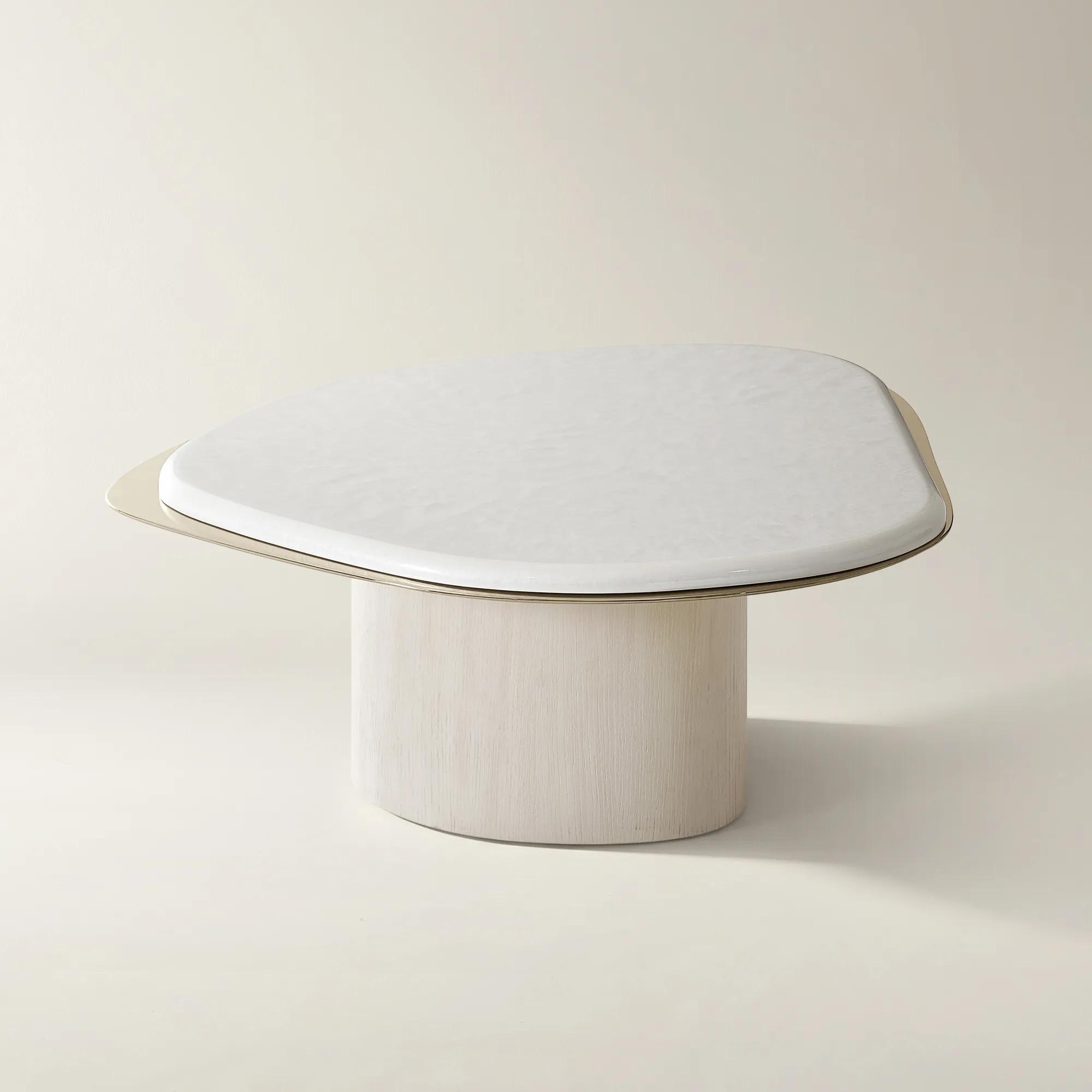
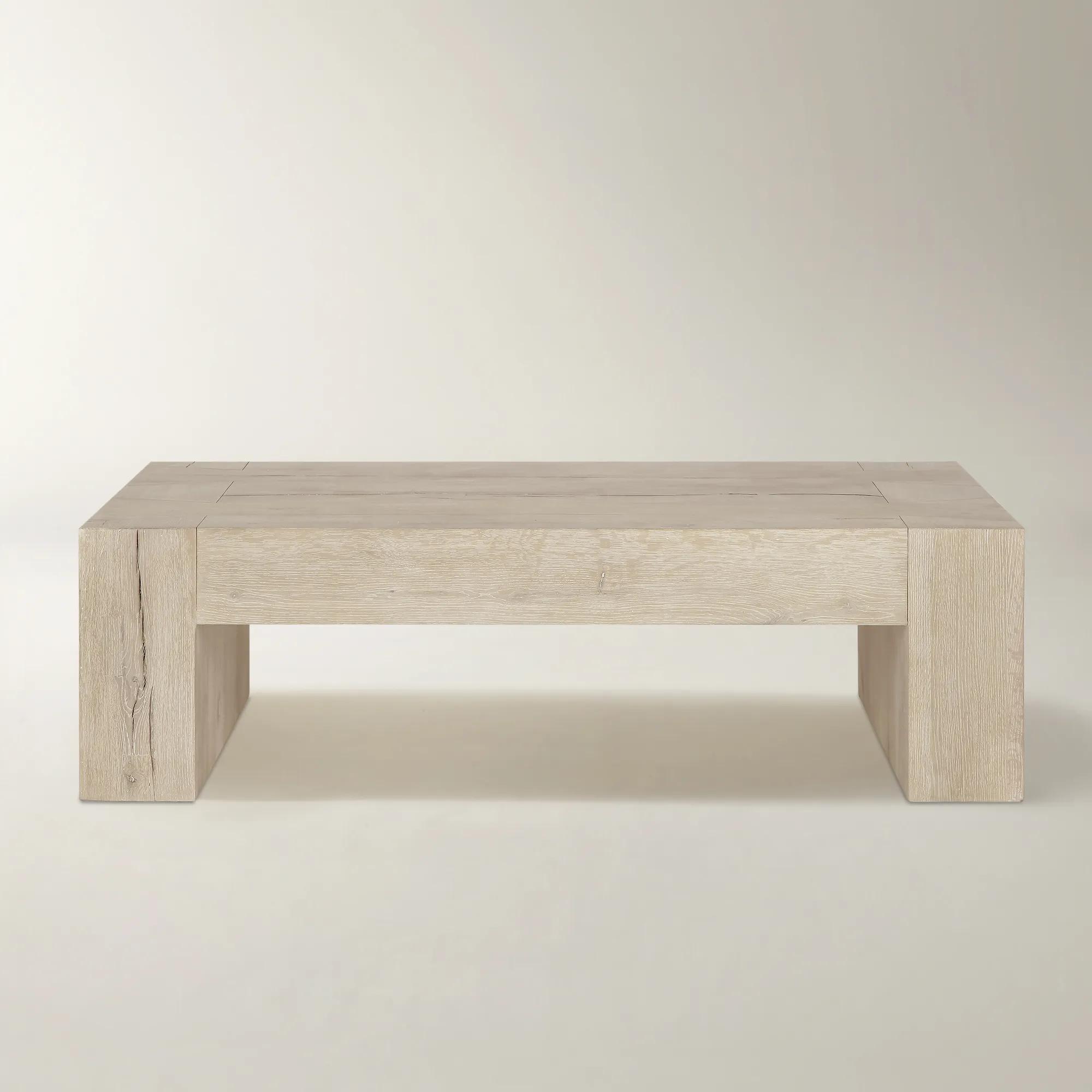
Exclusive Mixed Wood Tables
Exclusive Mixed Wood Tables
-
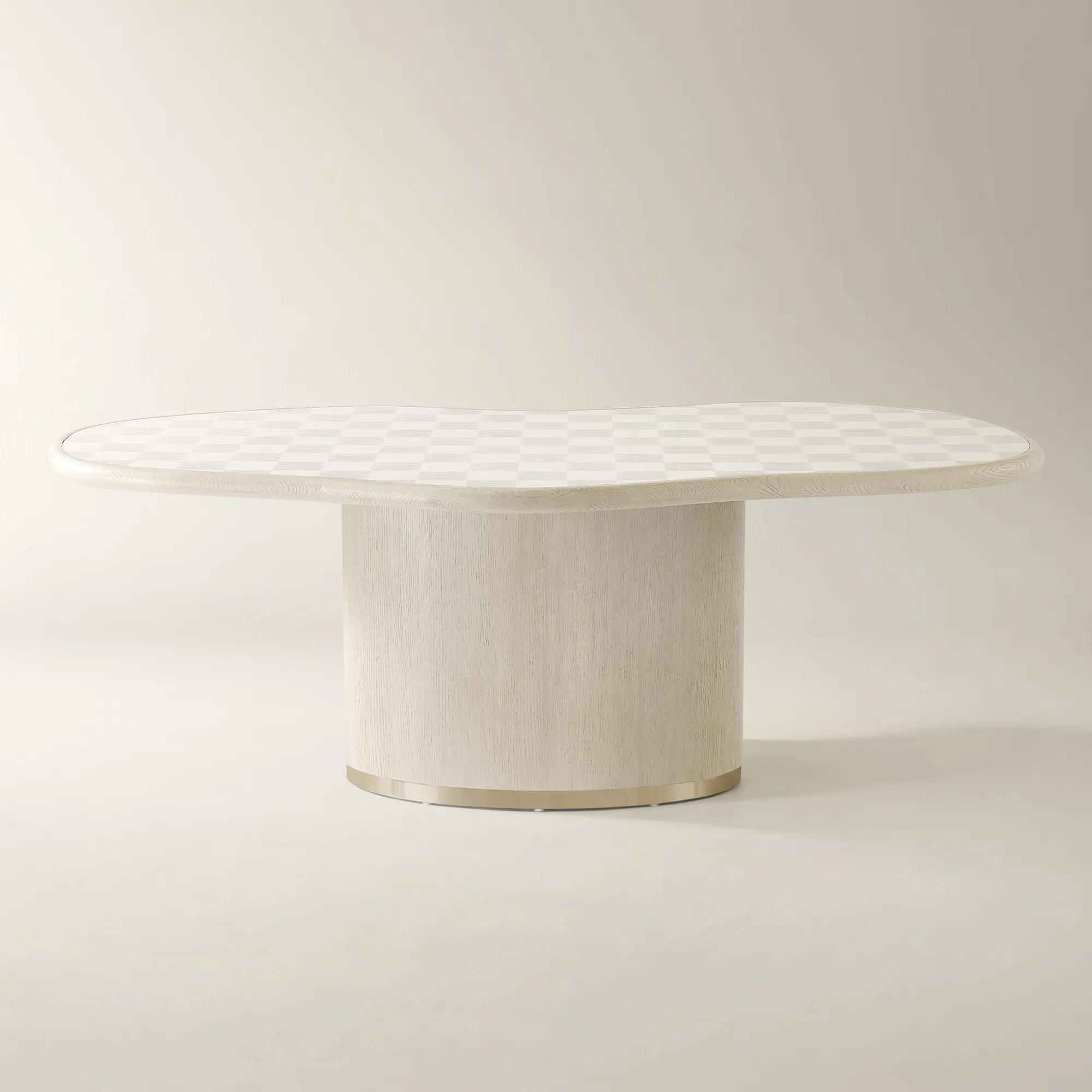 Vetra Checkerboard Oak and Maple Dining Table (84")$2399
A striking dining table featuring a hand-arranged oak and maple checkerboard veneer with soft gold accents.
Add To Cart -
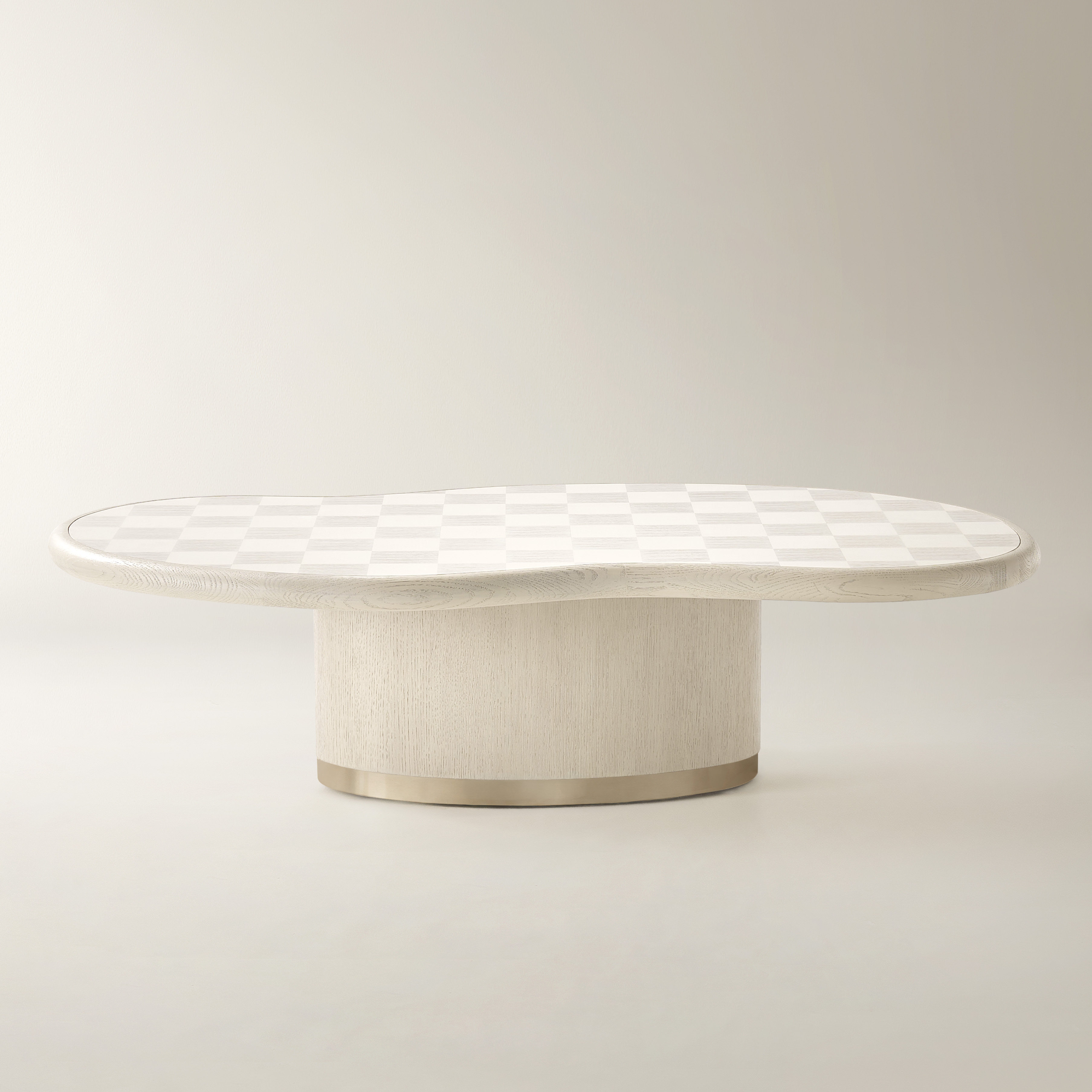 Vetra Checkerboard Oak and Maple Coffee Table (60")$1299
A sculptural coffee table featuring a hand-arranged oak and maple checkerboard top with gold-accented base.
Add To Cart -
 Vetra Checkerboard Oak and Maple Desk with Drawer (71")$2399
A modern desk featuring a hand-arranged oak and maple checkerboard veneer, gold accents, and a concealed drawer.
Add To Cart -
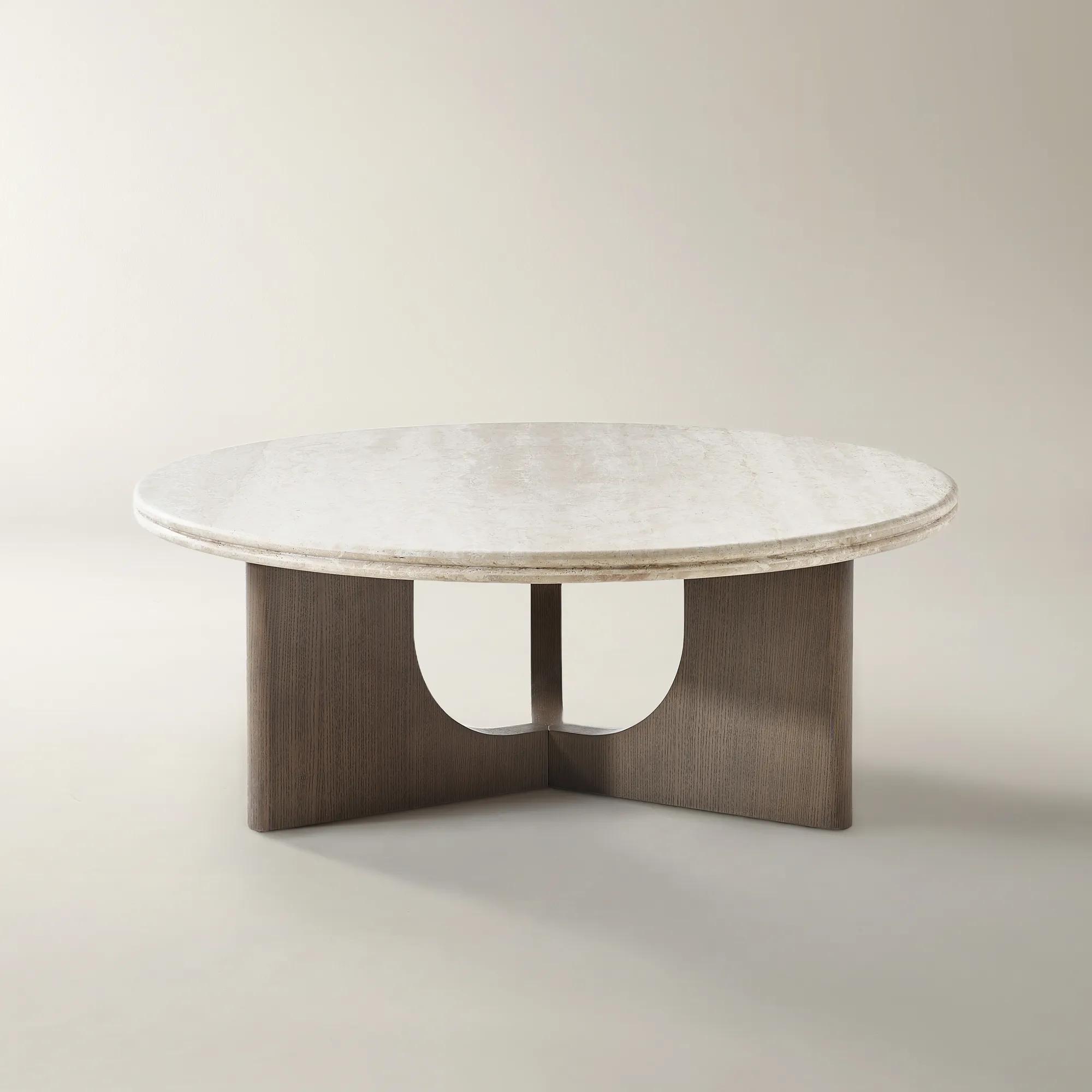
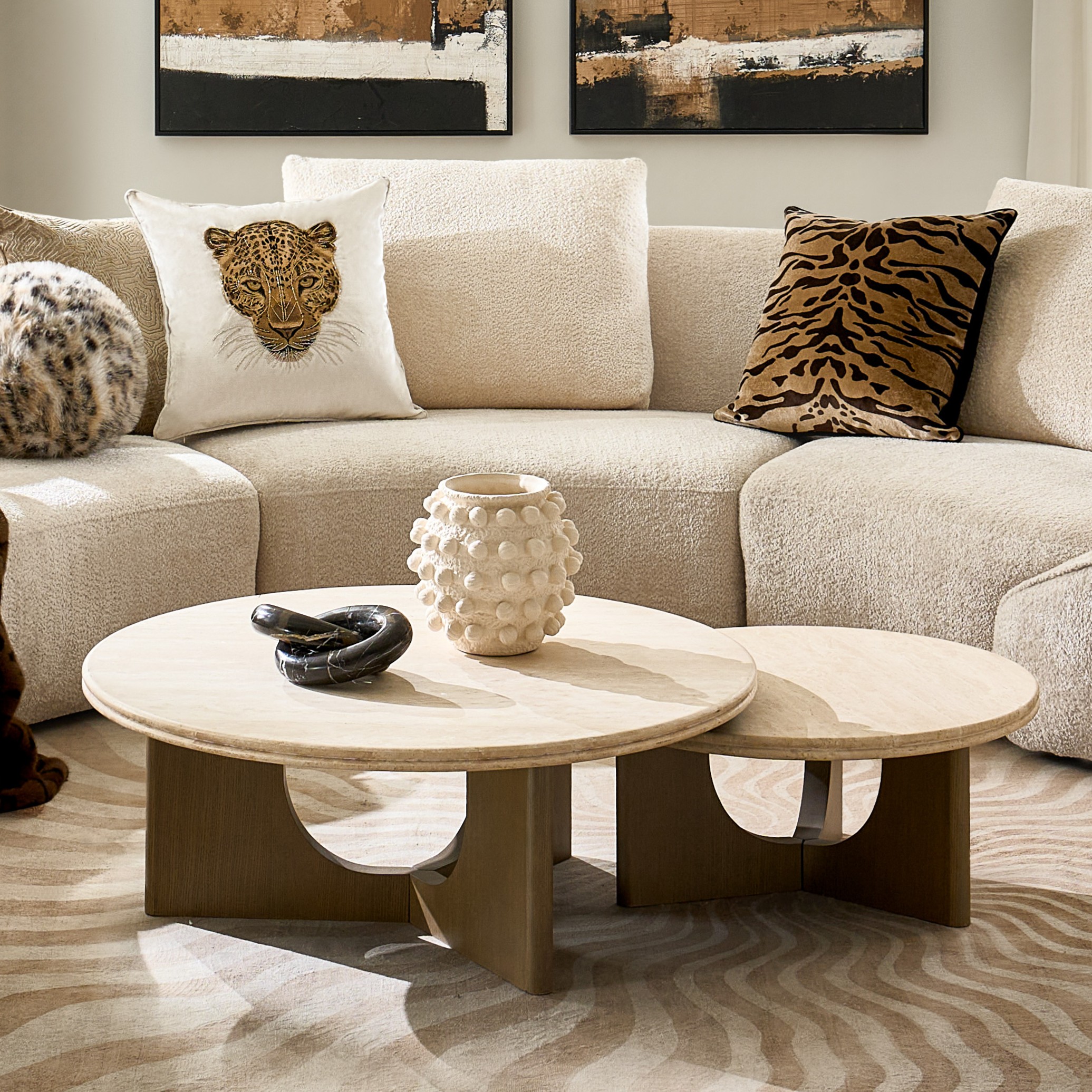 Bond Round Travertine and Wood Coffee Table (41")$1399
A round coffee table featuring a genuine travertine stone top and natural ash wood panel base with arches.
Add To Cart -
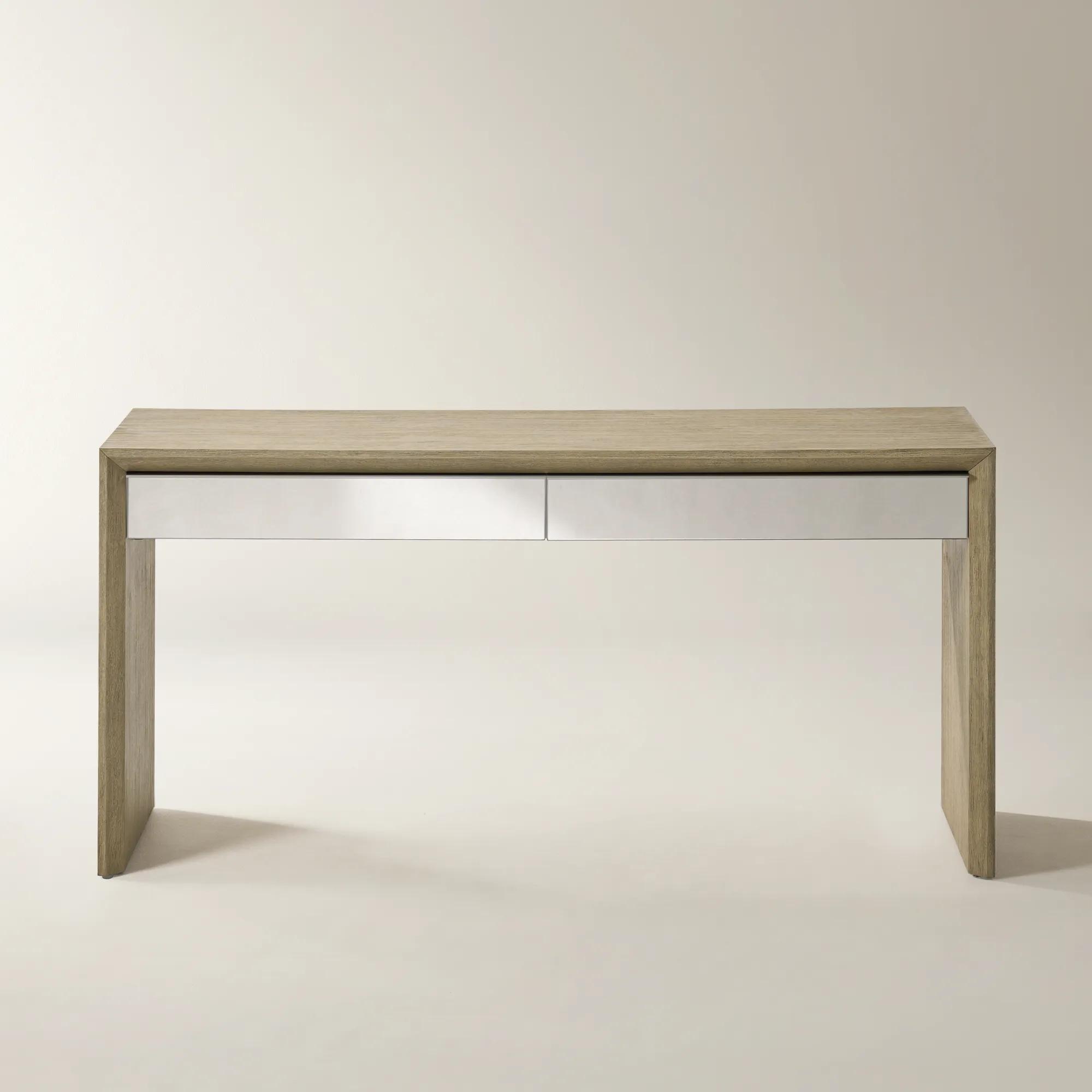 Glimmer Mirrored 2-Drawer Sea Drift Oak Console Table (62")$1299
A two-tone console table featuring warm oak veneer, antique mirrored drawers, and soft-close velvet-lined storage.
Add To Cart -
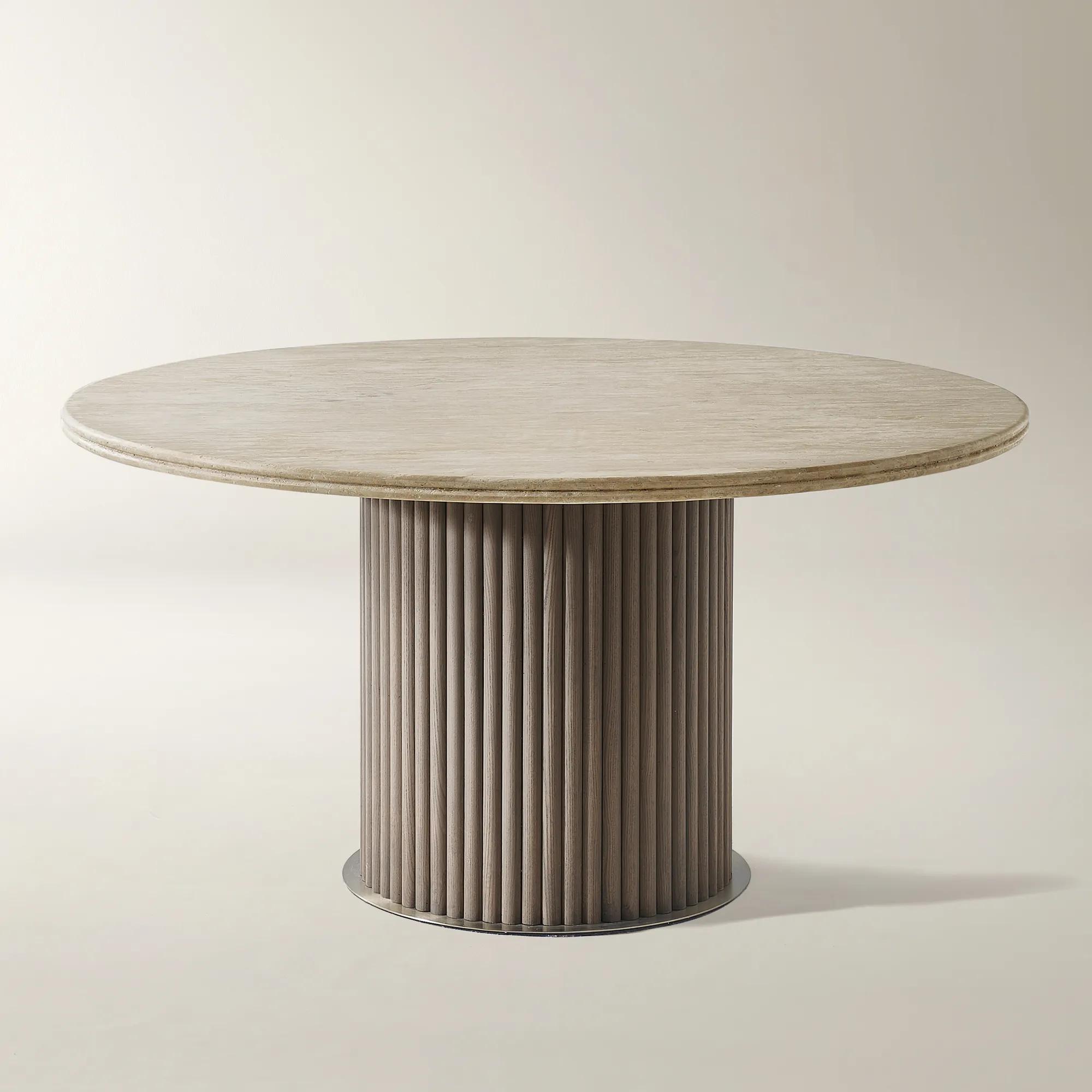 Bond Round Reeded Travertine and Wood Dining Table (59")$3499
A round dining table featuring a genuine natural travertine stone top and a fluted solid ash base.
Add To Cart -

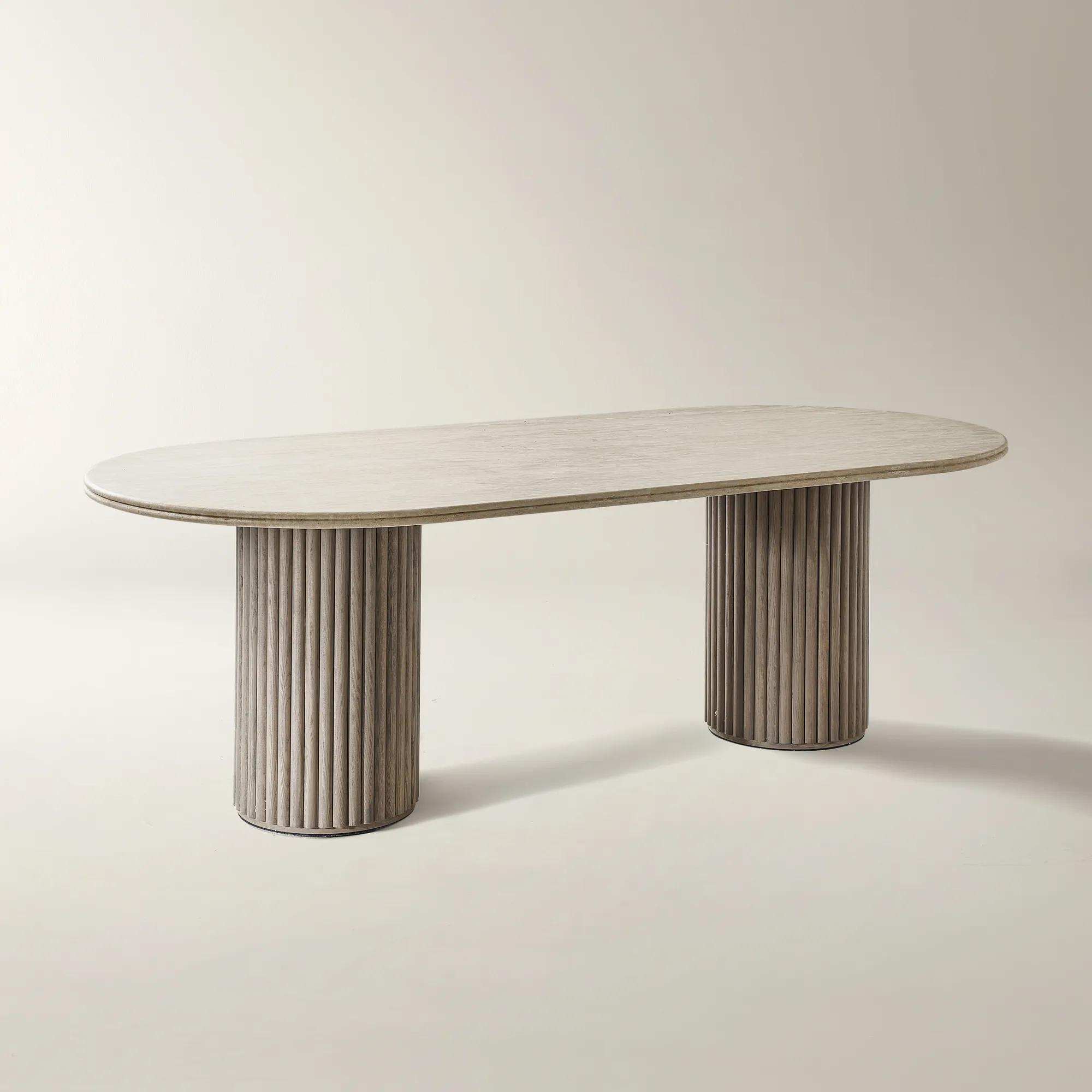 Bond Oval Reeded Travertine and Wood Dining Table (94.25")$4599
A natural travertine stone top pairs with a fluted solid ash base for refined, organic elegance.
Add To Cart -
 Bond Round Travertine and Wood Coffee Table (29.25")$699
A genuine travertine stone coffee table with warm ivory-gold tones atop a solid natural ash base.
Add To Cart -
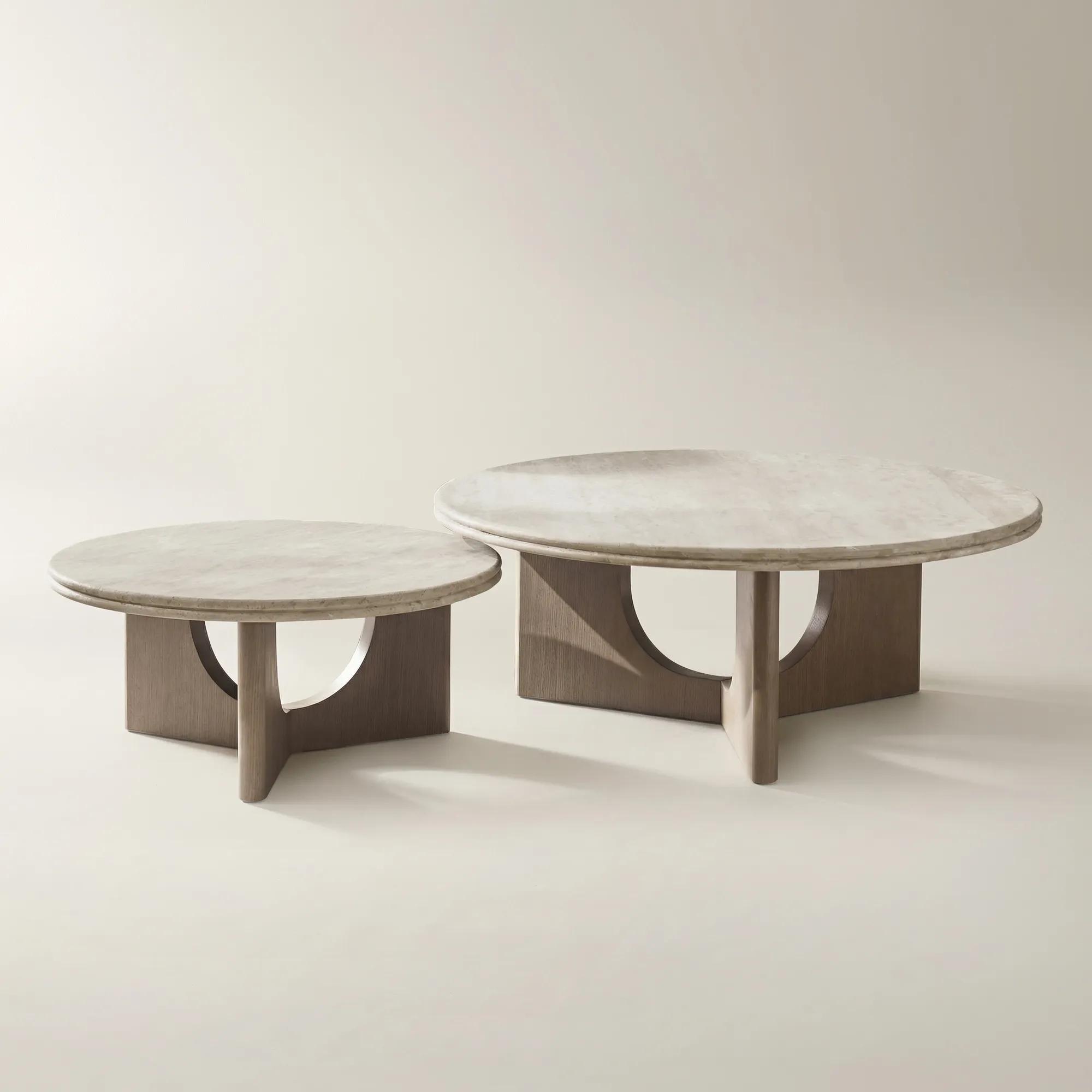
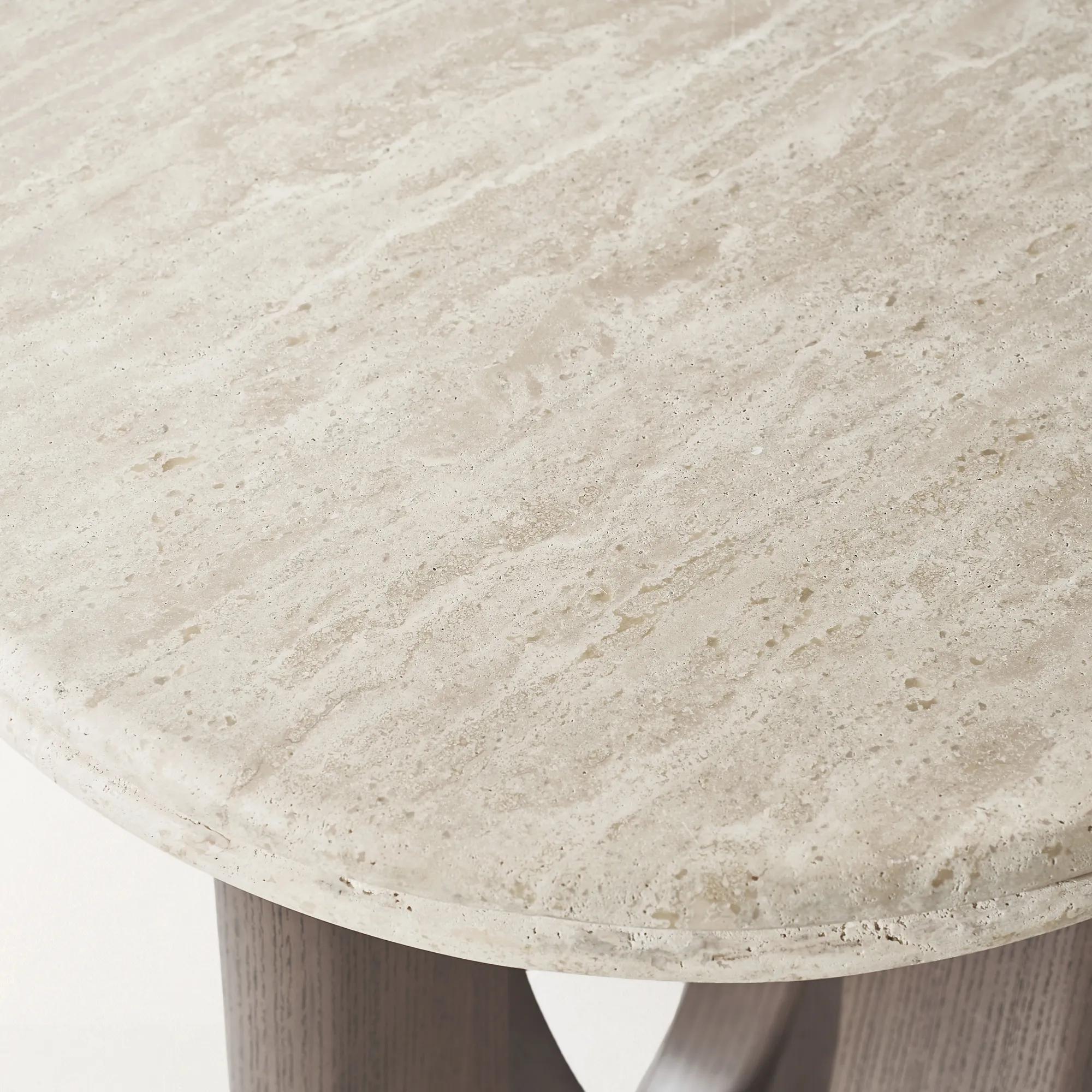 Bond Round Travertine and Wood Coffee Table Set of 2 (29.25"-41")$2098
A natural-finish nesting coffee table set offering versatile, space-saving layering for modern living rooms.
Add To Cart -
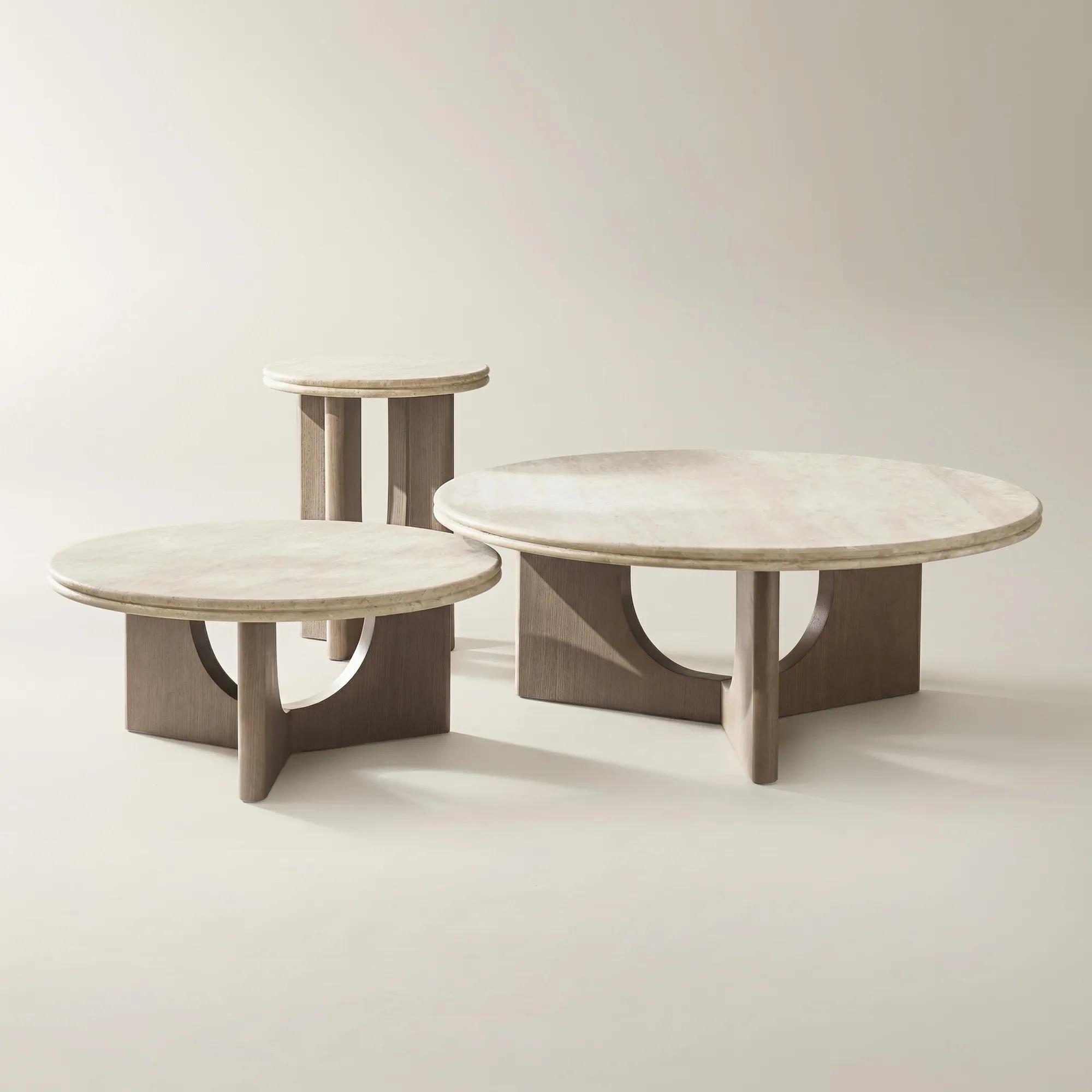
 Bond Round Travertine and Wood Coffee Table Set of 3 (17.72"-41")$2557
A natural-finish nesting coffee table set offering versatile, space-saving surfaces for modern living rooms.
Add To Cart -
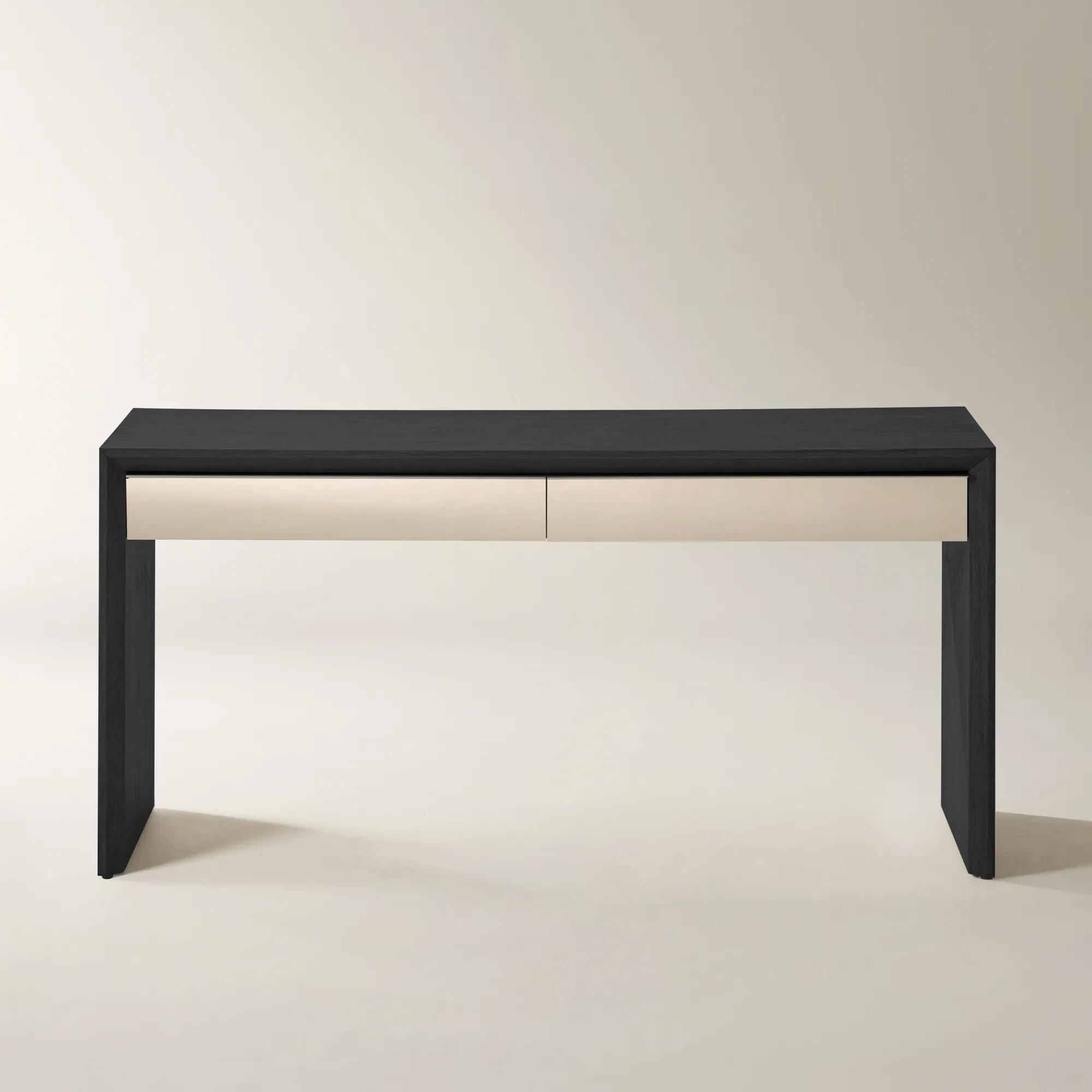
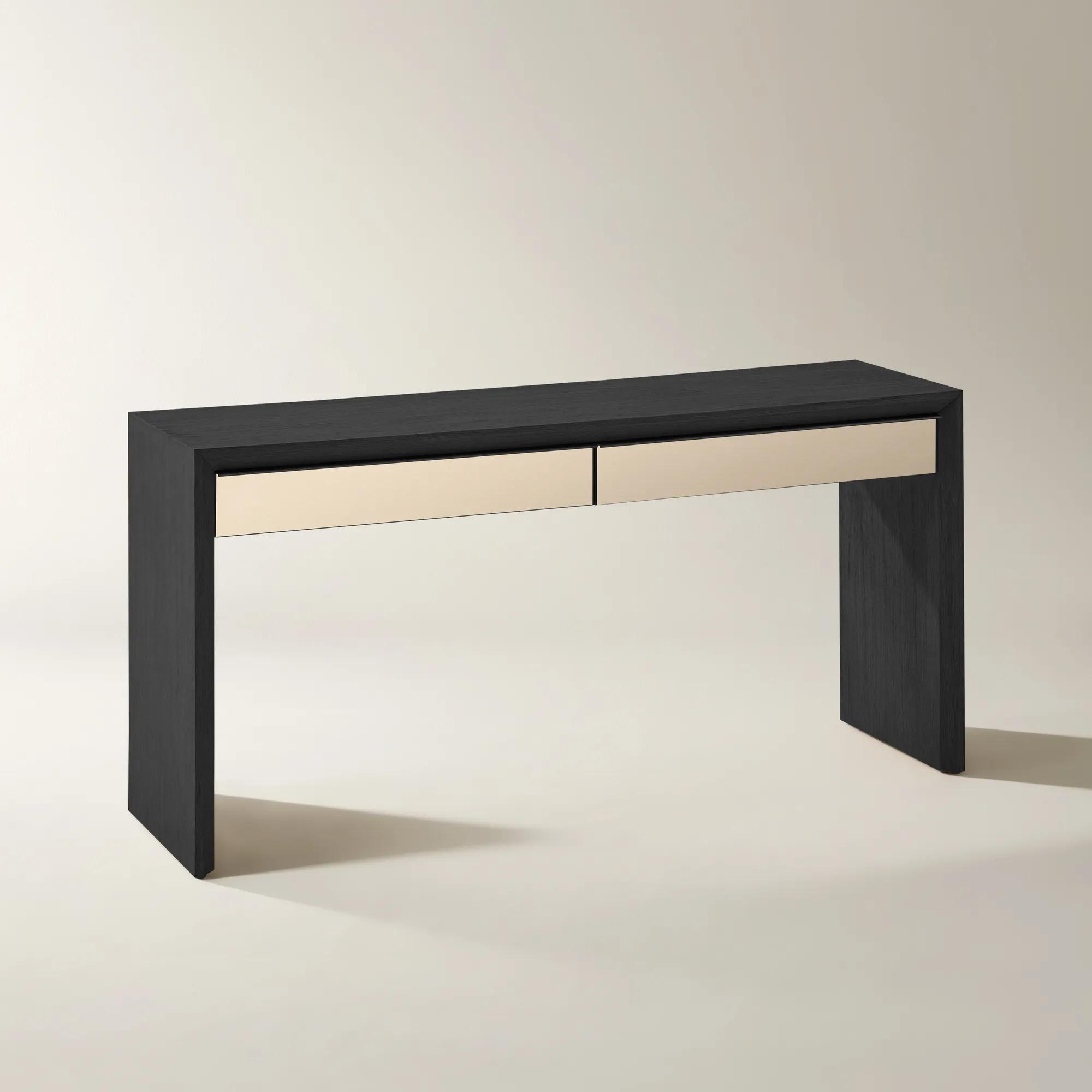 Glimmer Mirrored 2-Drawer Black Oak Console Table (62")$1299
A modern console table featuring black oak veneer, bronze mirrored drawer fronts, and soft-close velvet-lined drawers.
Add To Cart -
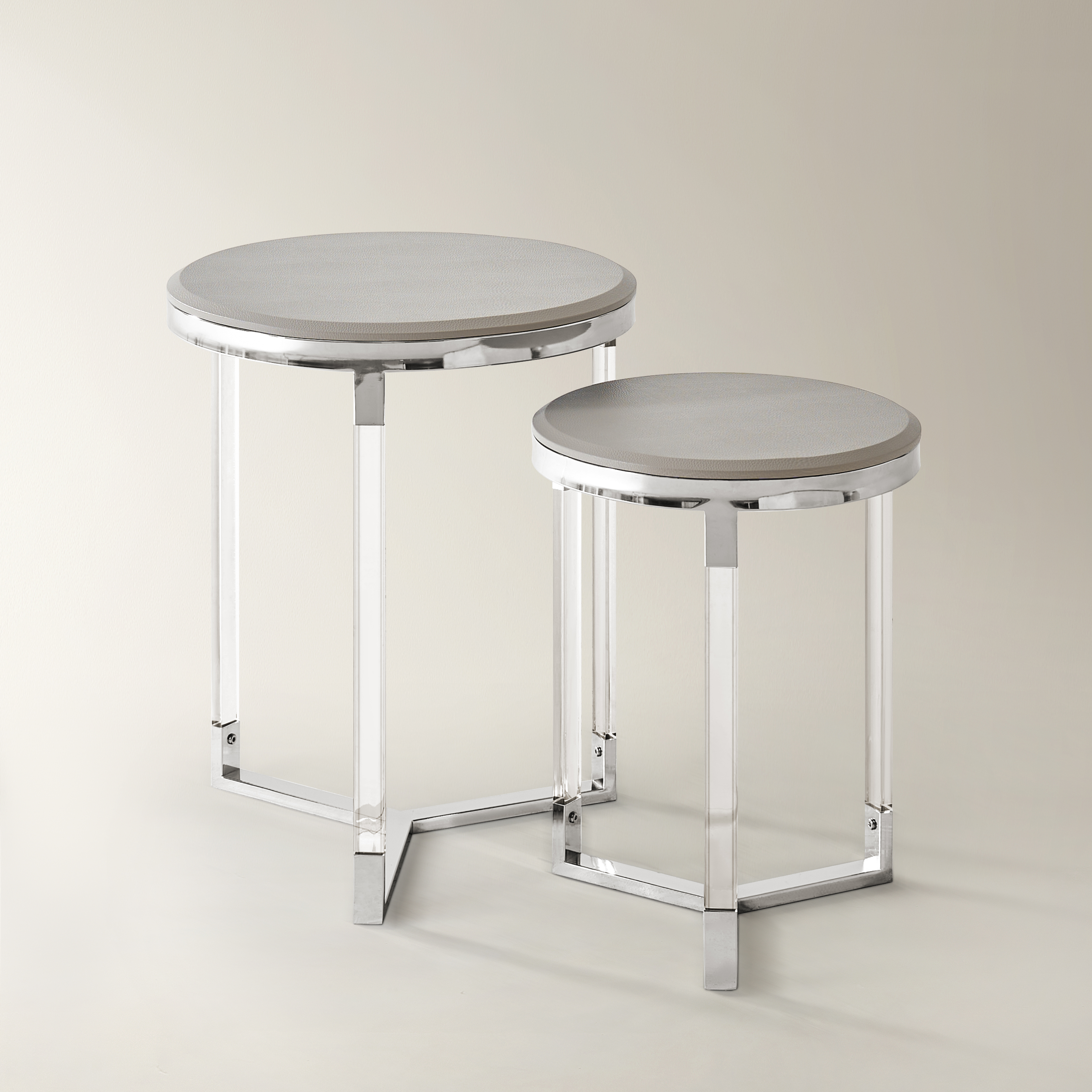
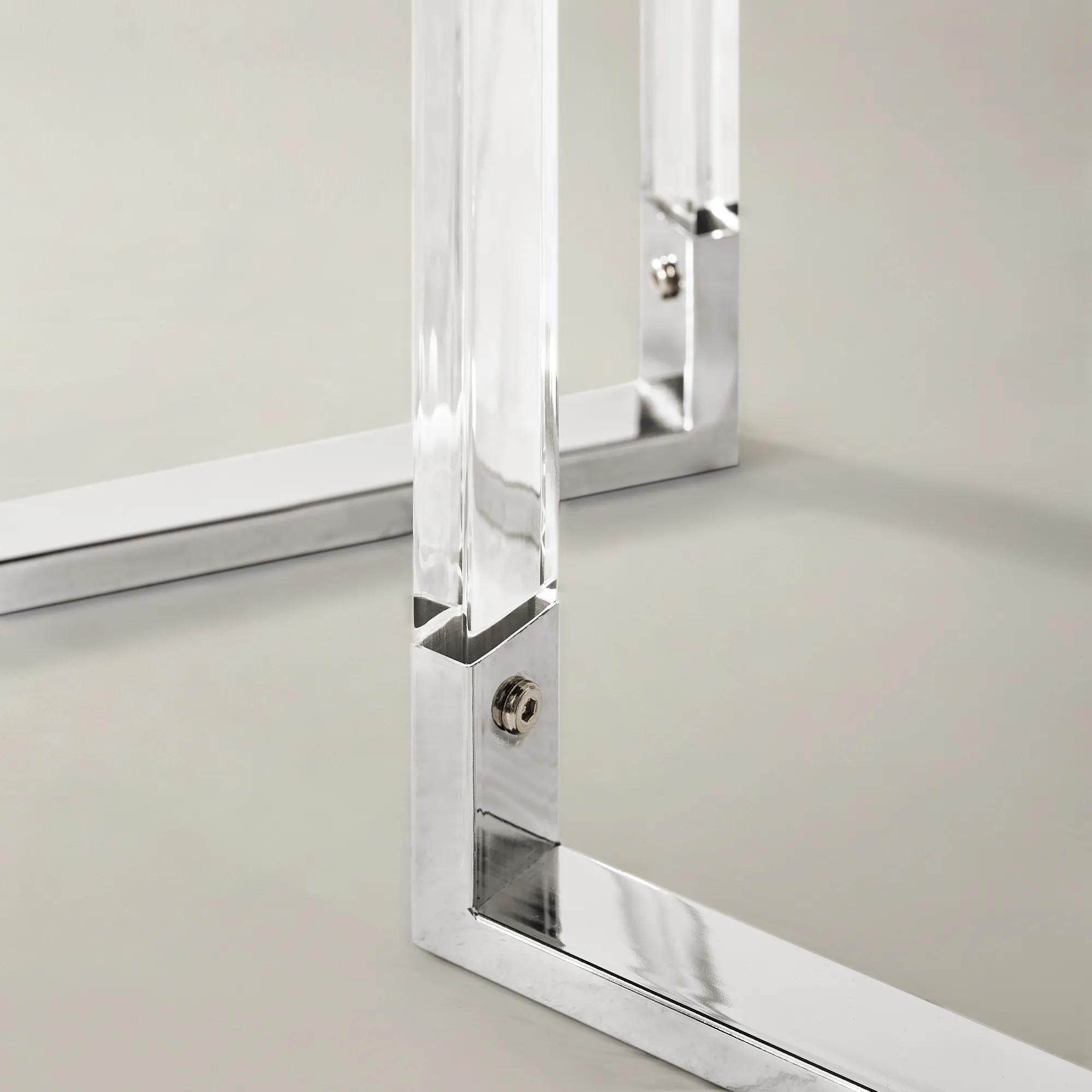 Murano Round Grey Accent Table With Faux Leather Top Set Of 2 (14.5"-18.5")$399
A bold set of two accent tables featuring mixed woods, acrylic legs, and faux leather tops.
Add To Cart -
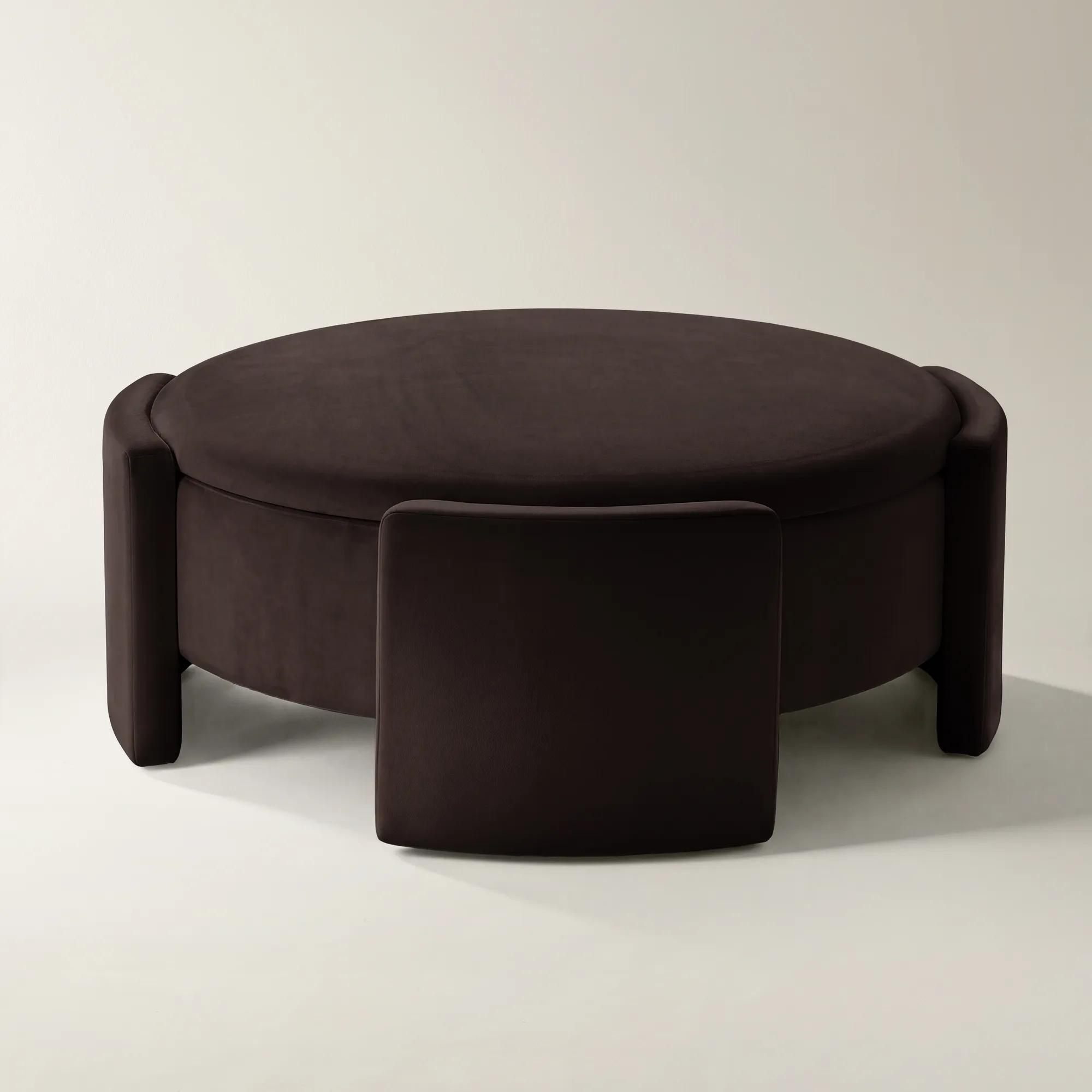
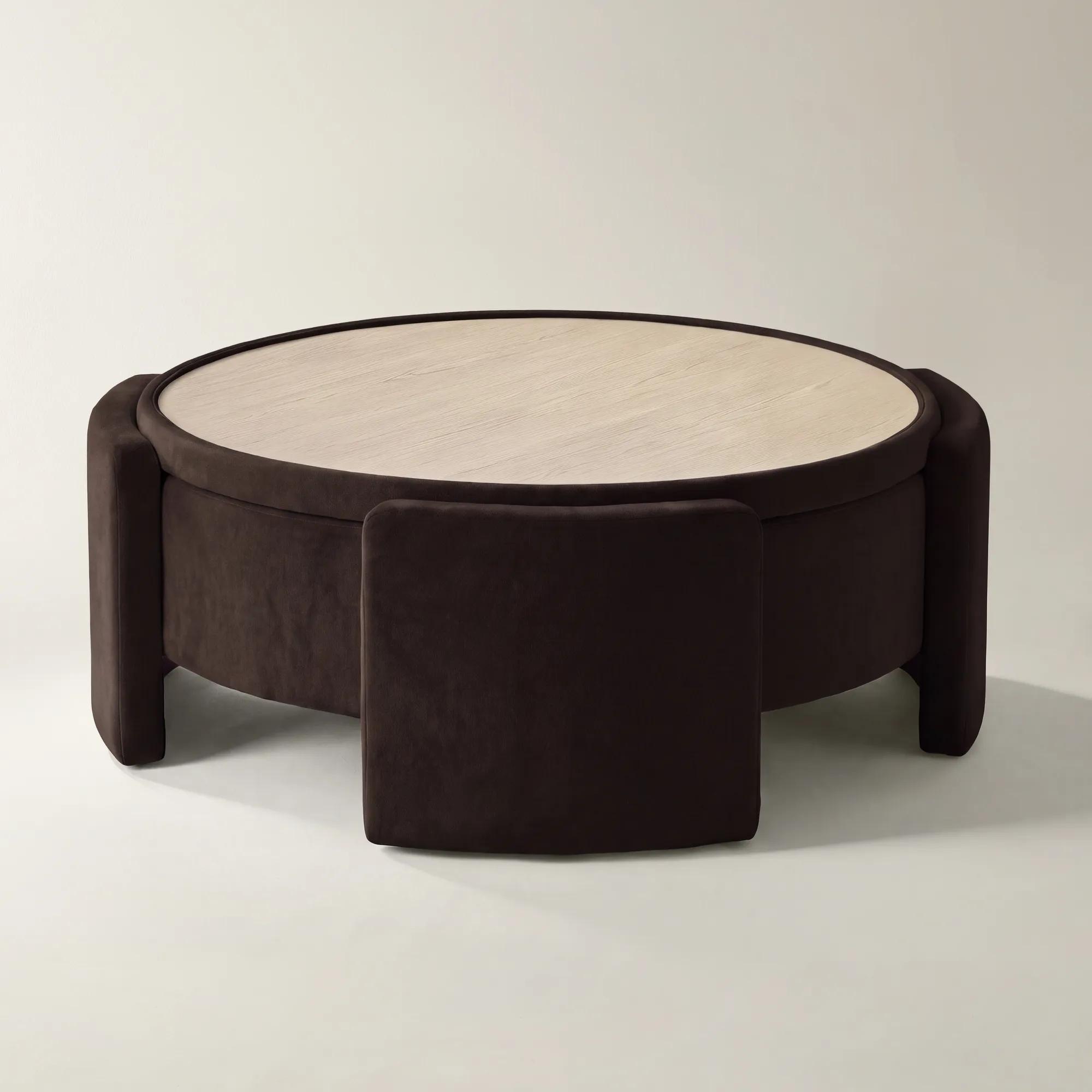 Jora Round Dark Chocolate Velvet Storage Coffee Table With Reversible Tabletop (47.7")$799
A dark chocolate velvet coffee table with hidden storage and a reversible velvet-and-rubberwood tabletop.
Add To Cart -
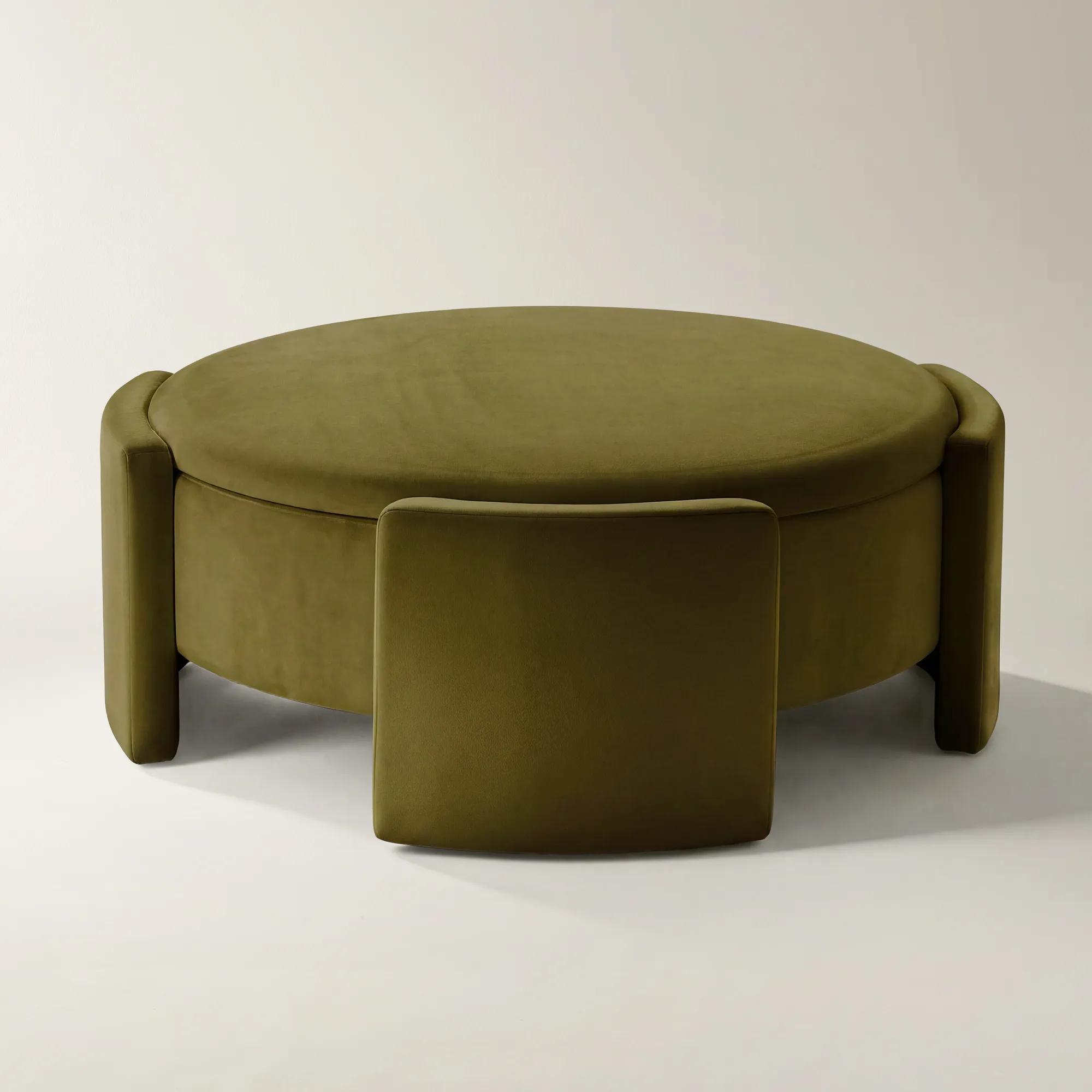
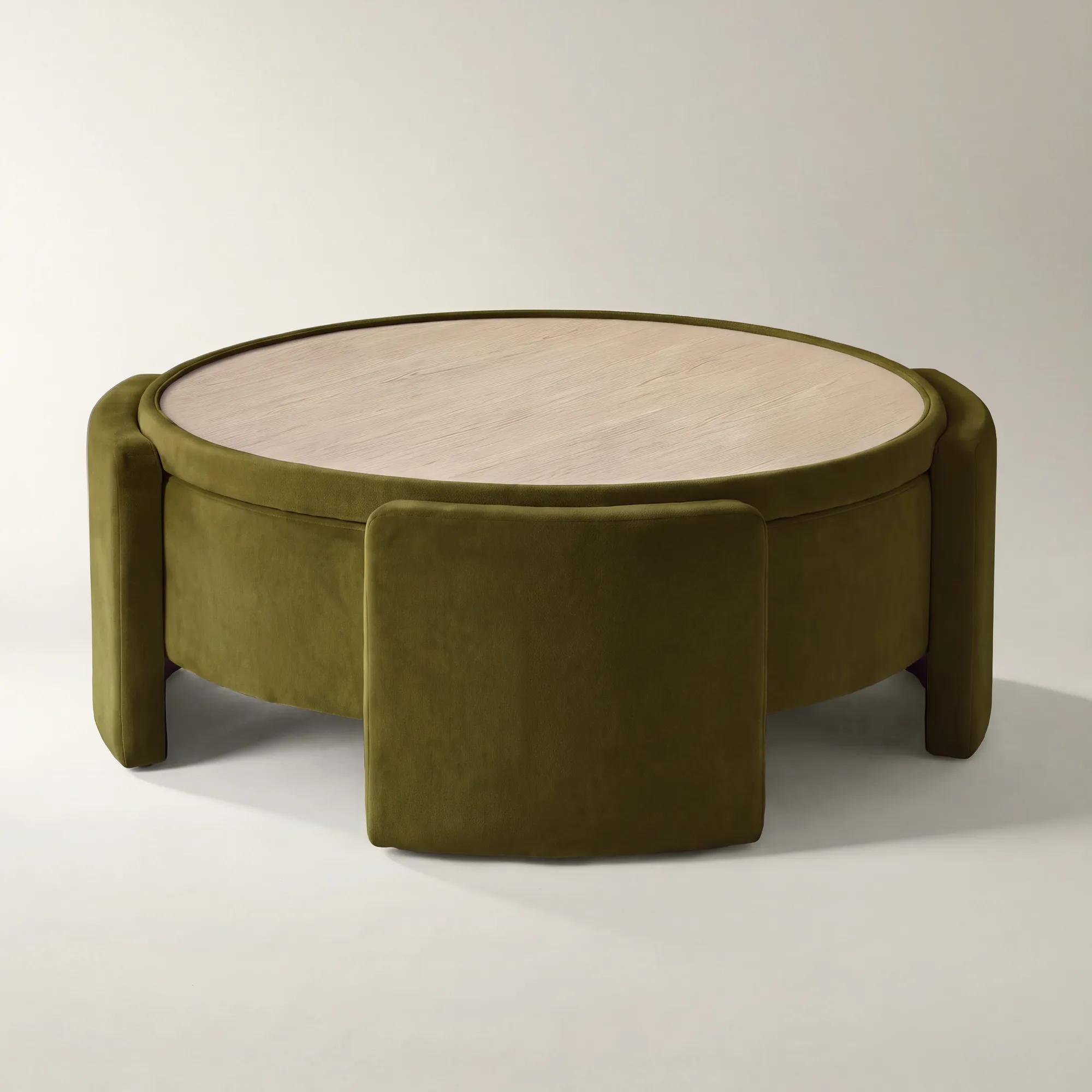 Jora Round Deep Olive Velvet Storage Coffee Table With Reversible Tabletop (47.7")$799
A deep olive velvet coffee table with a reversible tabletop and hidden storage.
Add To Cart -
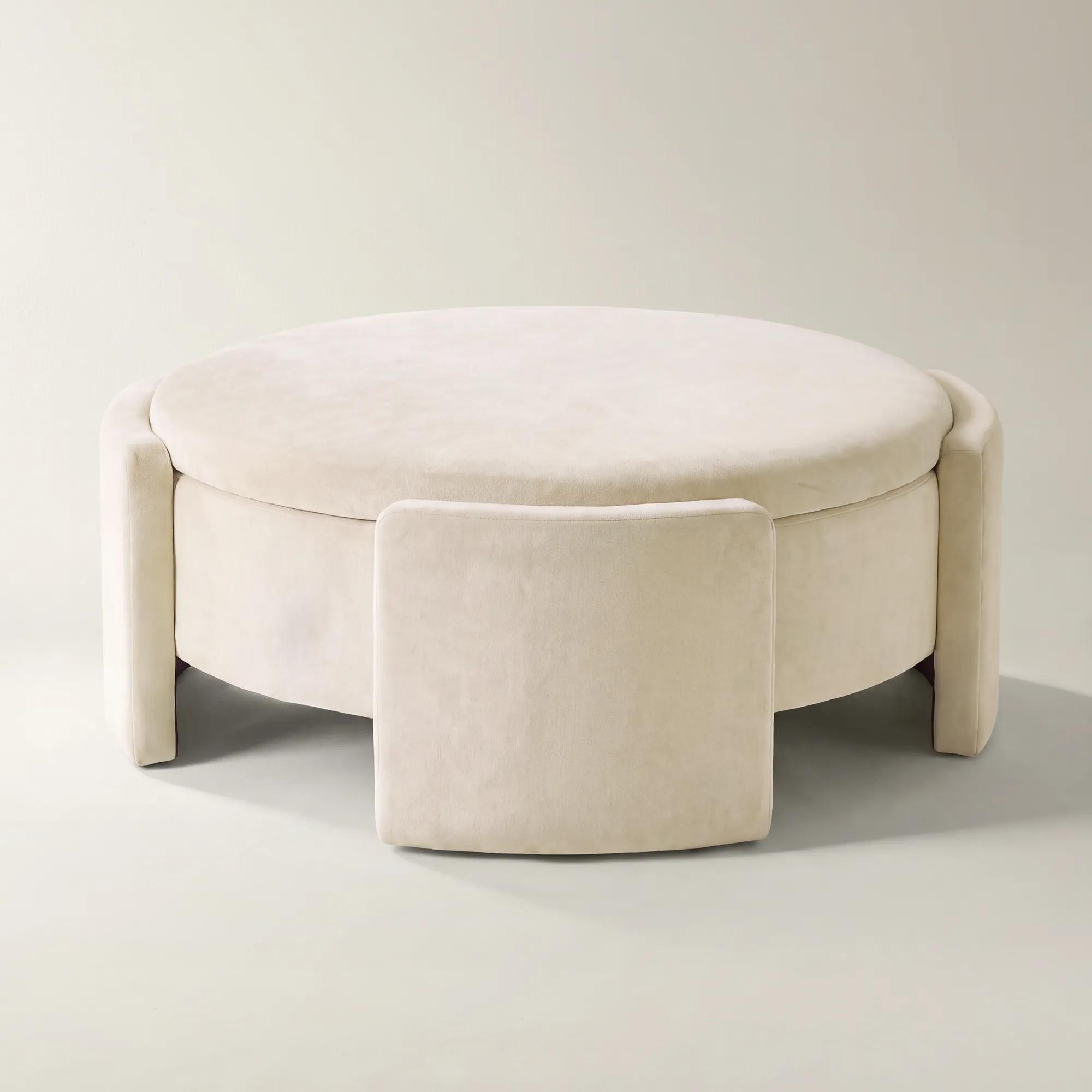
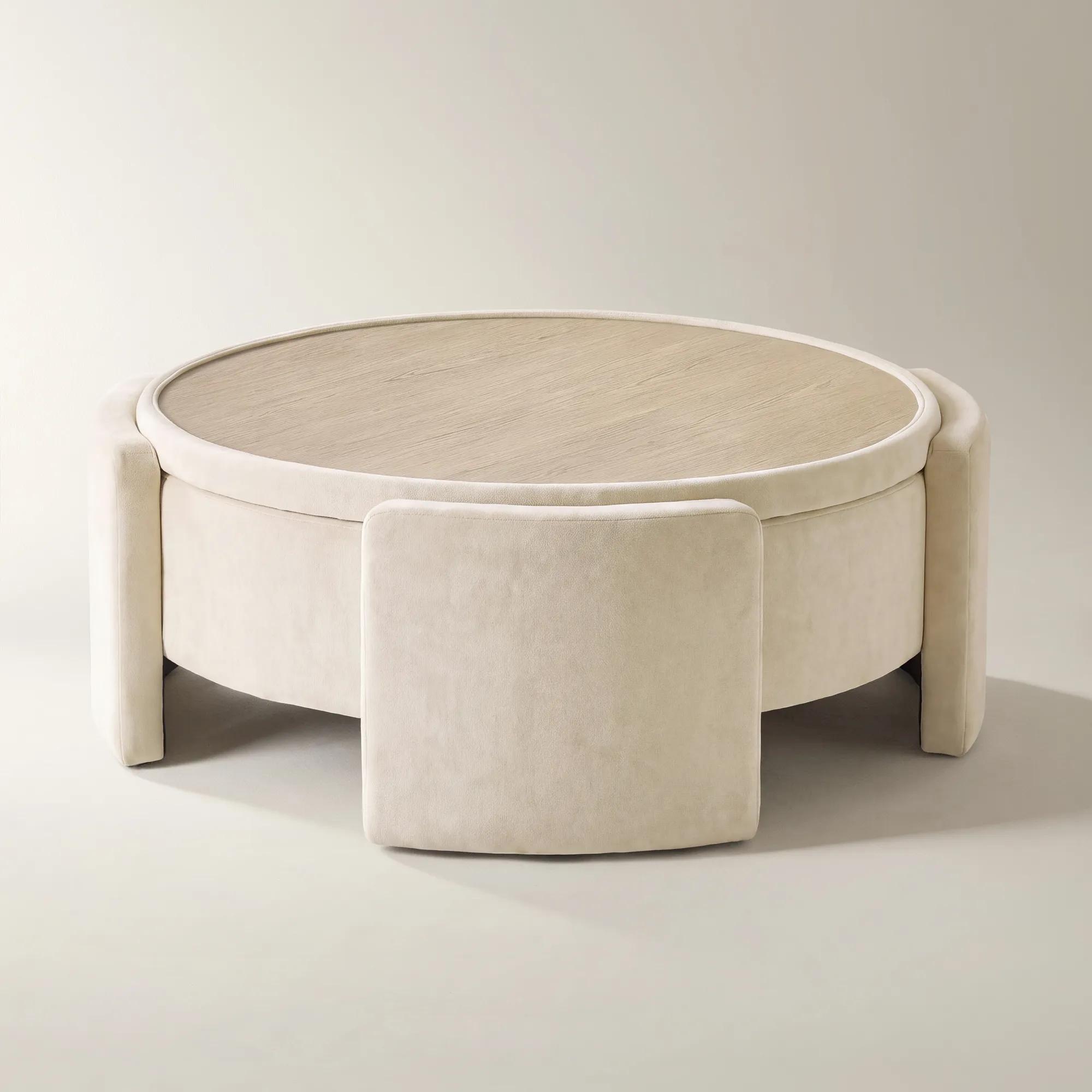 Jora Round Oatmeal Velvet Storage Coffee Table With Reversible Tabletop (47.7")$799
A round oatmeal velvet coffee table with hidden storage and a reversible velvet and wood tabletop.
Add To Cart -
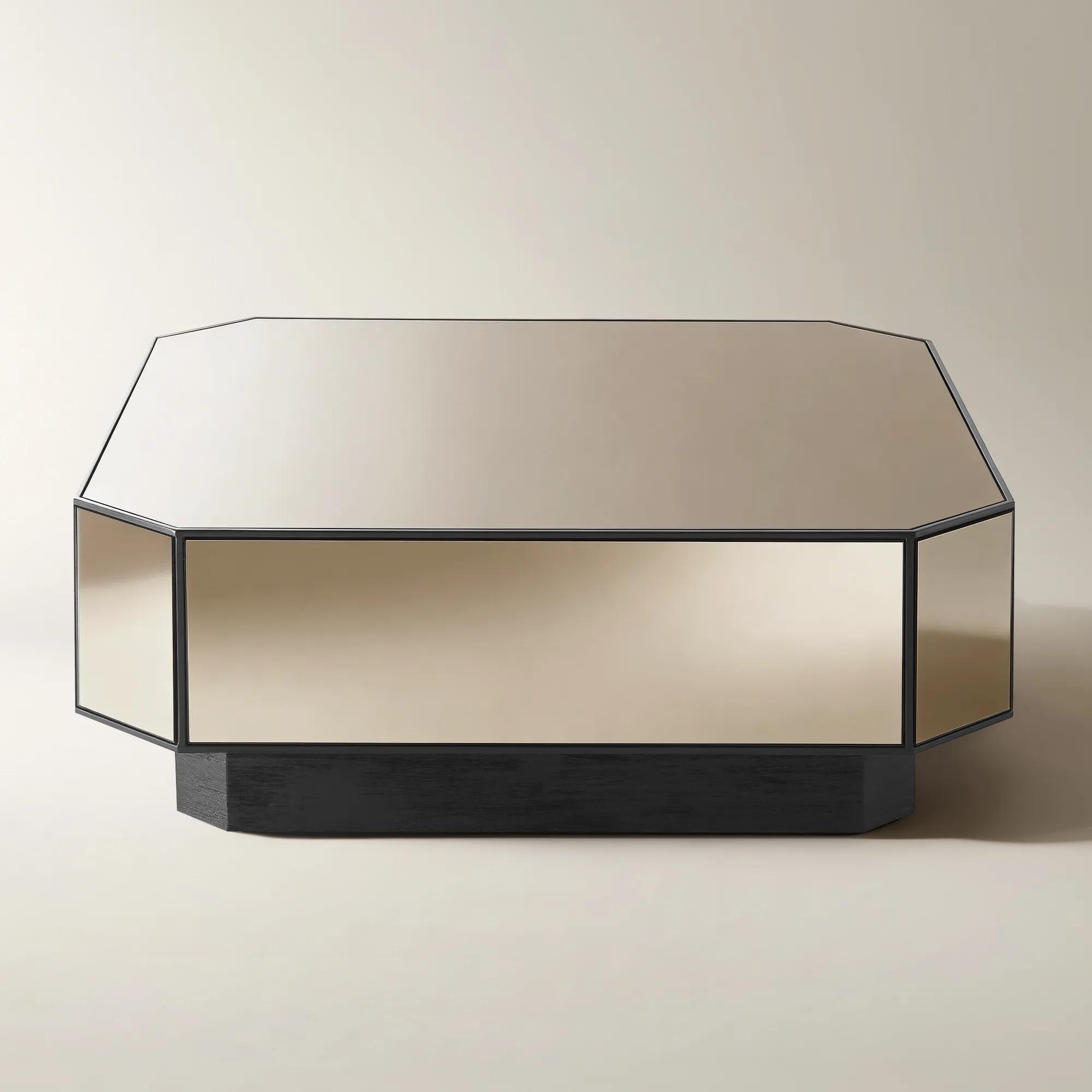 Glimmer Bronze Mirrored Coffee Table (44")$1699
A sculptural coffee table featuring bronze mirror panels and a black oak base for modern sophistication.
Add To Cart -
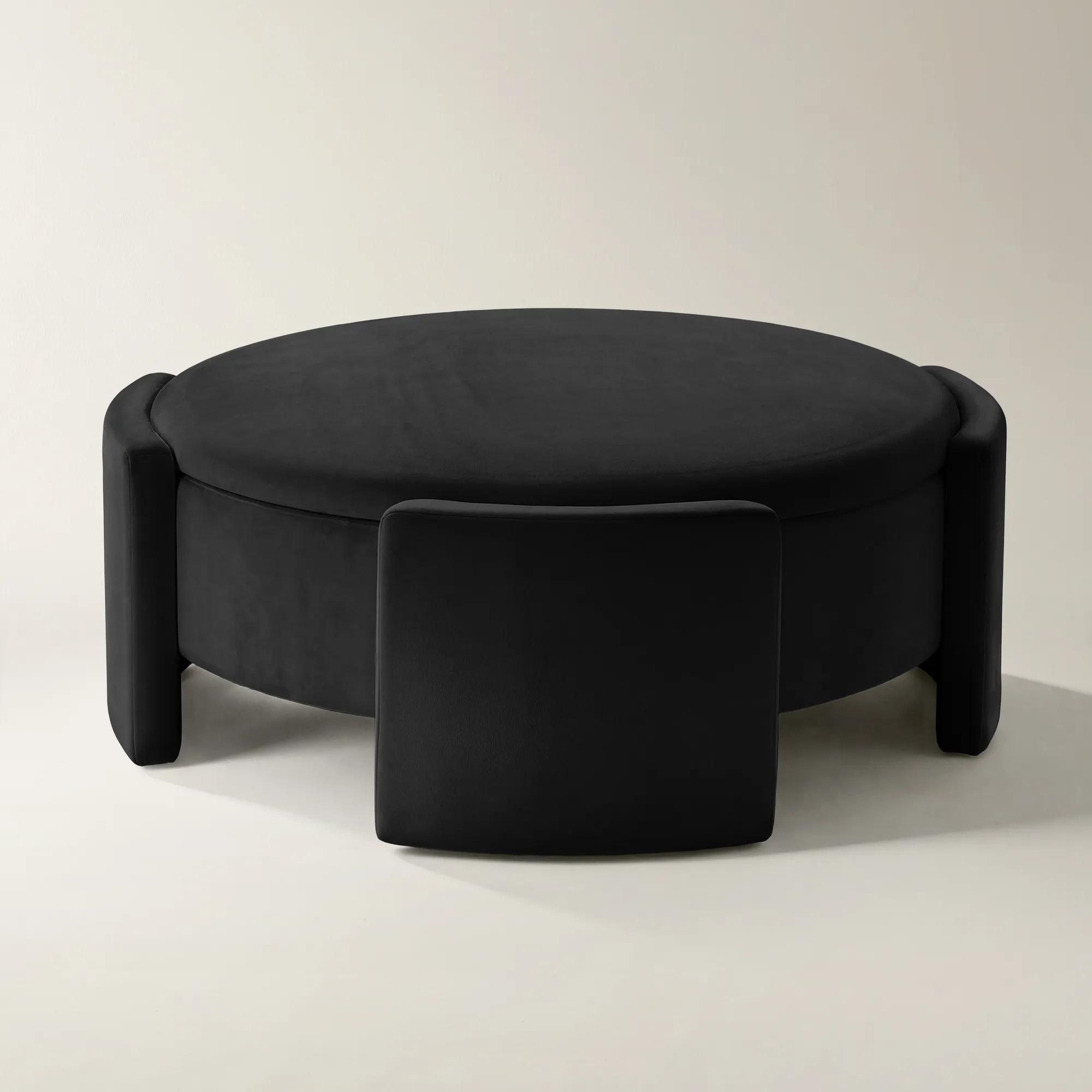
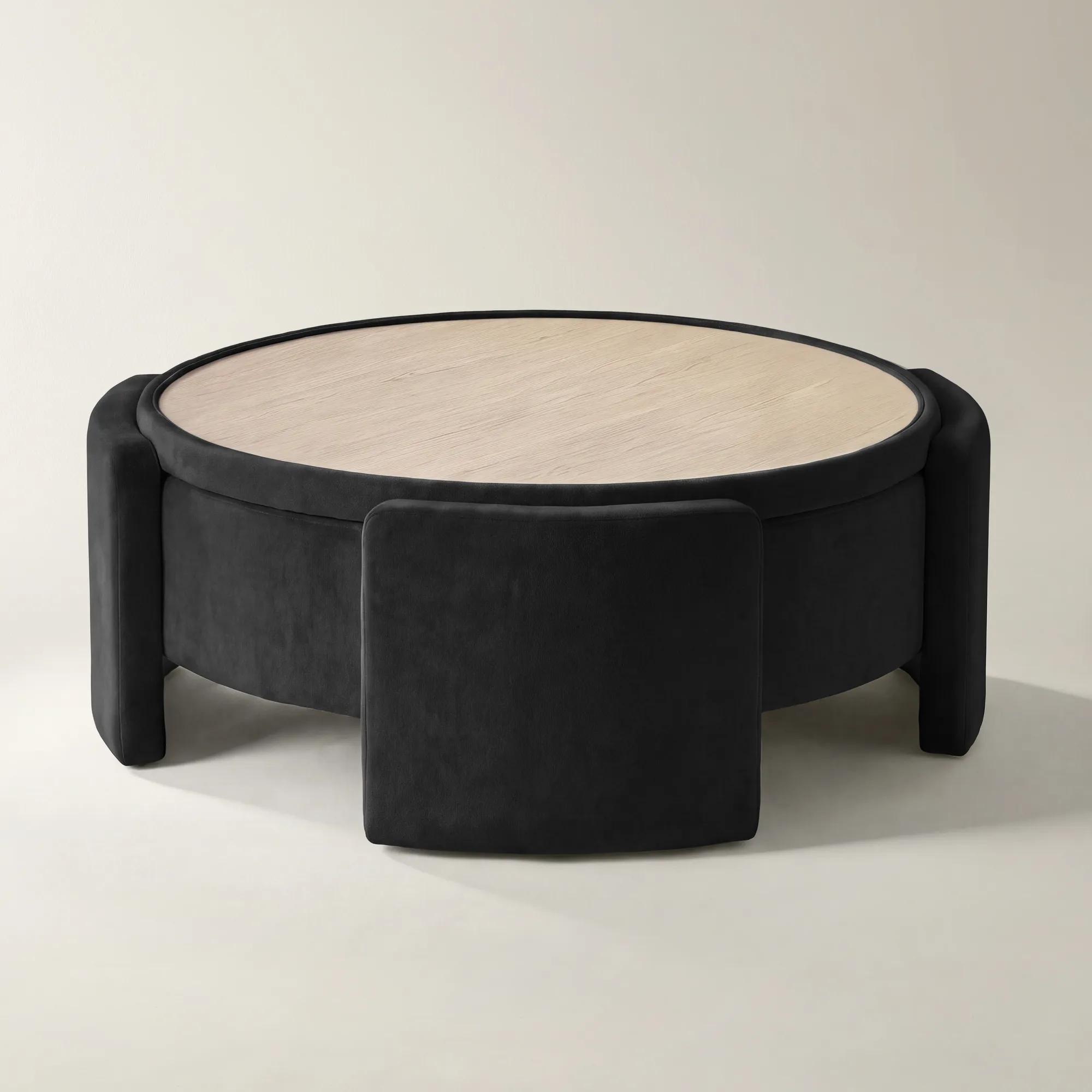 Jora Round Charcoal Velvet Storage Coffee Table With Reversible Tabletop (47.7")$799
A charcoal velvet coffee table with reversible wood veneer tabletop offers hidden storage and sculptural style.
Add To Cart -

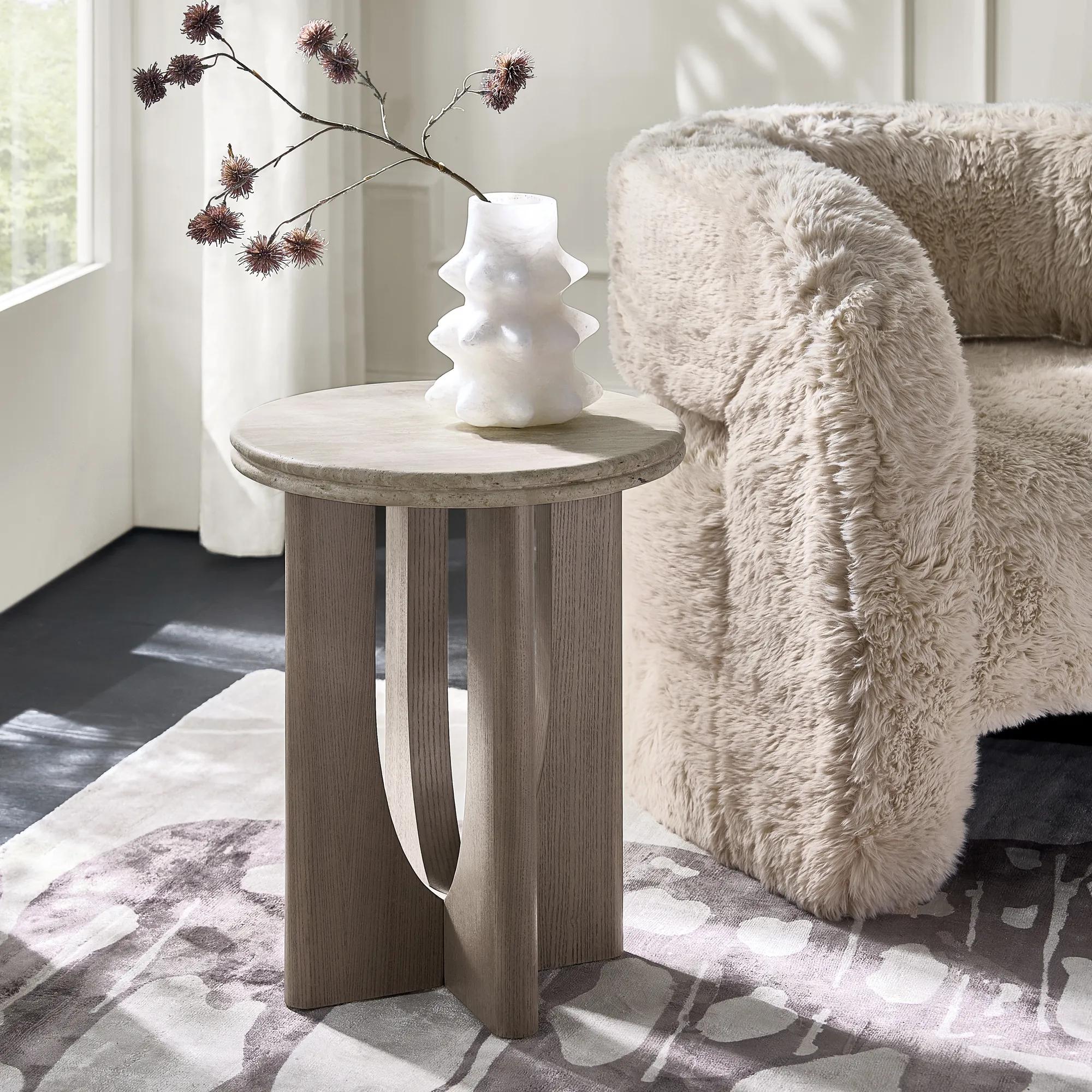 Bond Round Travertine and Wood End Table (17.25")$459
A sculptural end table featuring a genuine ivory travertine top and a solid ash wood base.
Add To Cart -
 Lumina Bleached Oak Coffee Table Set Of 3$2597
A sculptural set featuring pearl lacquered tops, bleached oak veneer bases, and champagne gold trim accents.
Add To Cart -
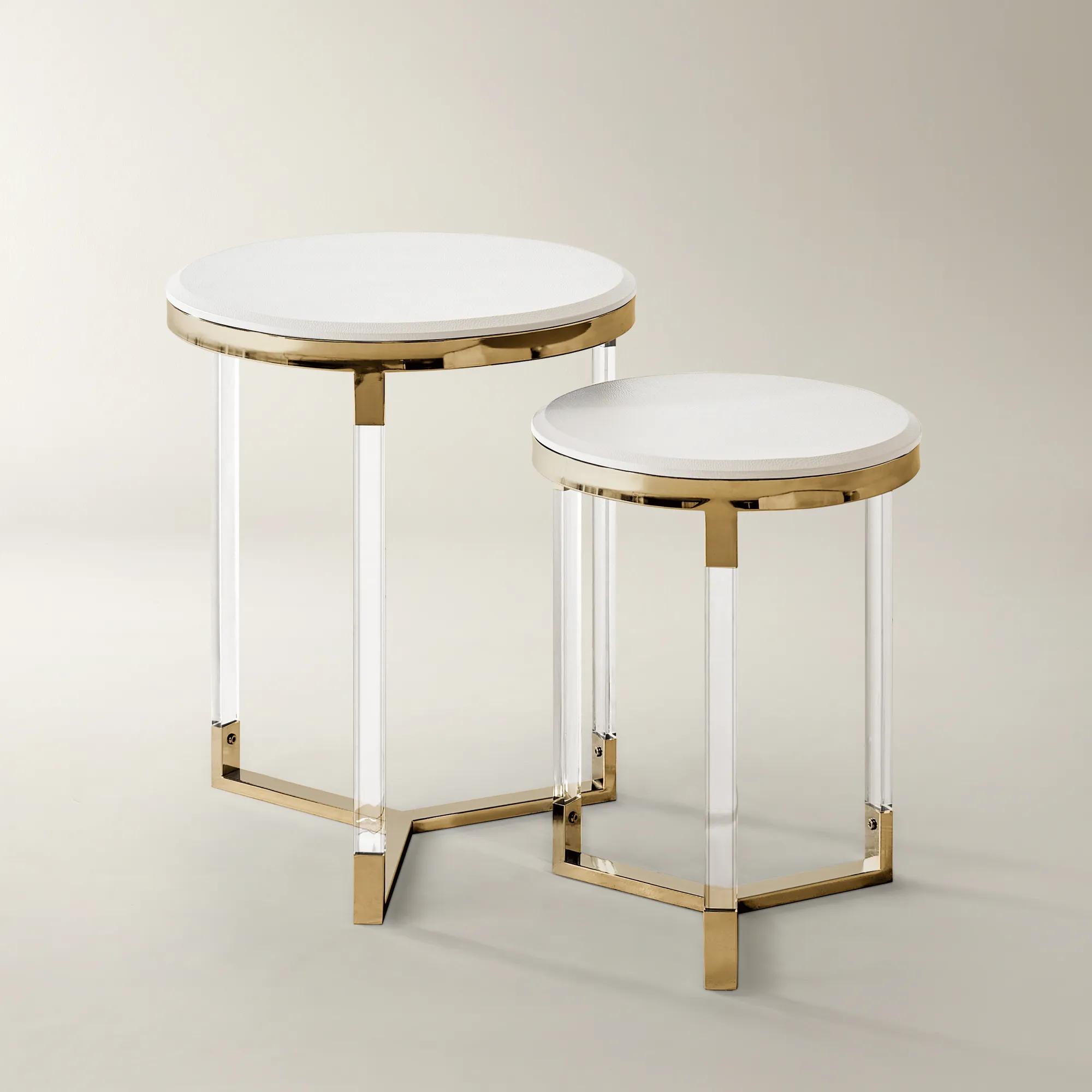
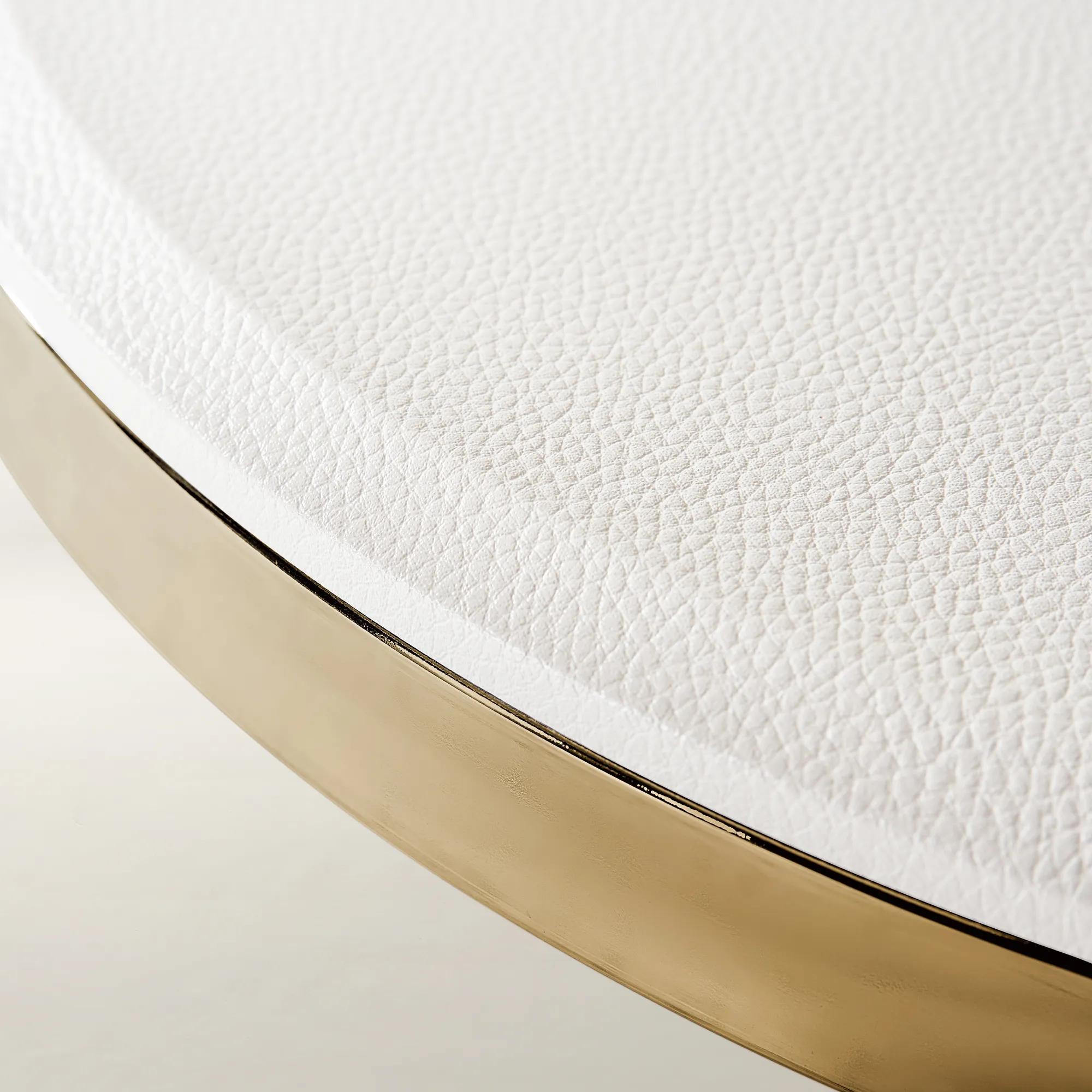 Murano Round White Accent Table With Faux Leather Top Set Of 2 (14.5"-18.5")$399
A set of two accent tables featuring mixed woods, faux leather tops, and acrylic legs with metallic finishes.
Add To Cart -
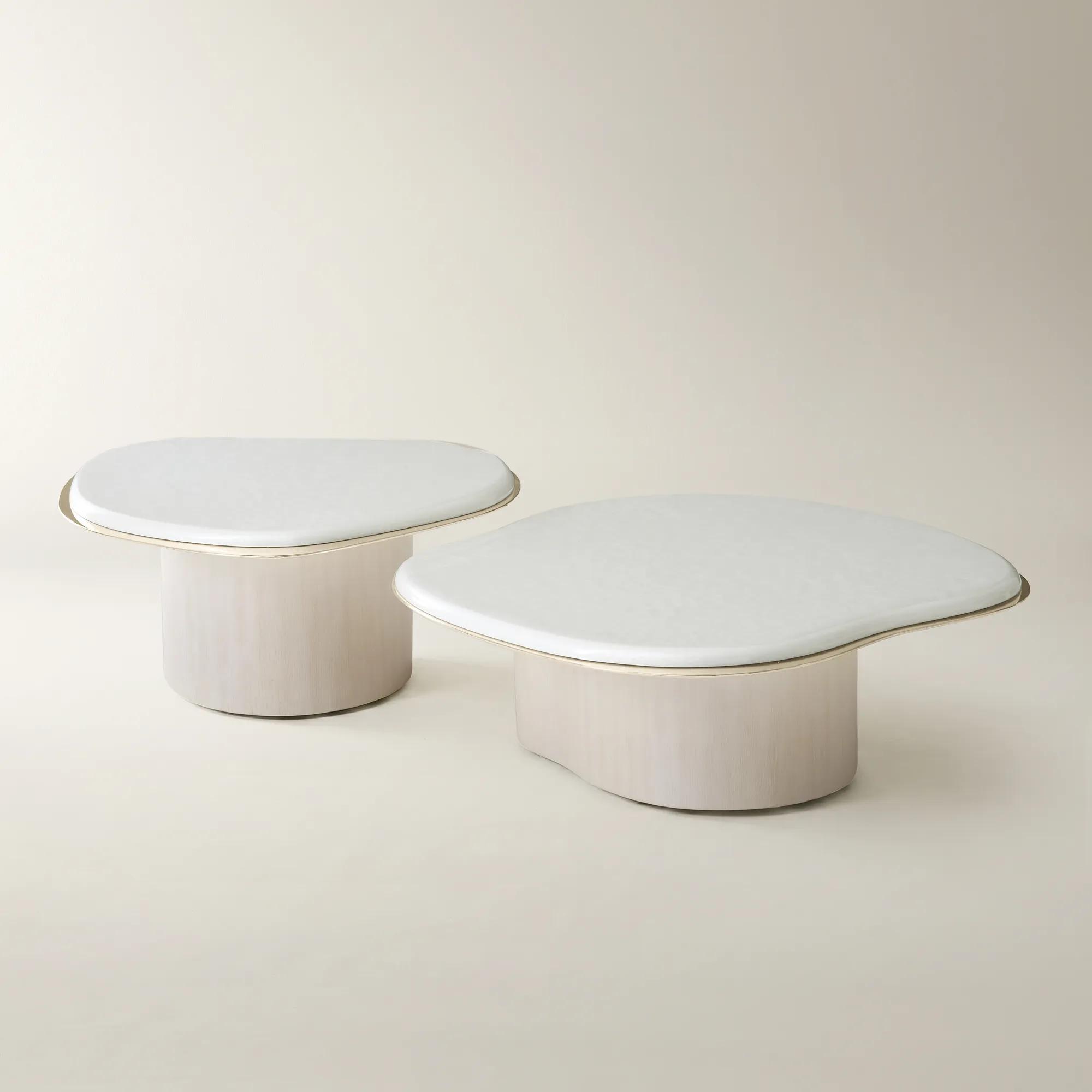 Lumina Bleached Oak Coffee Table Set Of 2$2098
A set of sculptural coffee tables featuring pearl lacquered tops, bleached oak veneer, and champagne gold trim.
Add To Cart -
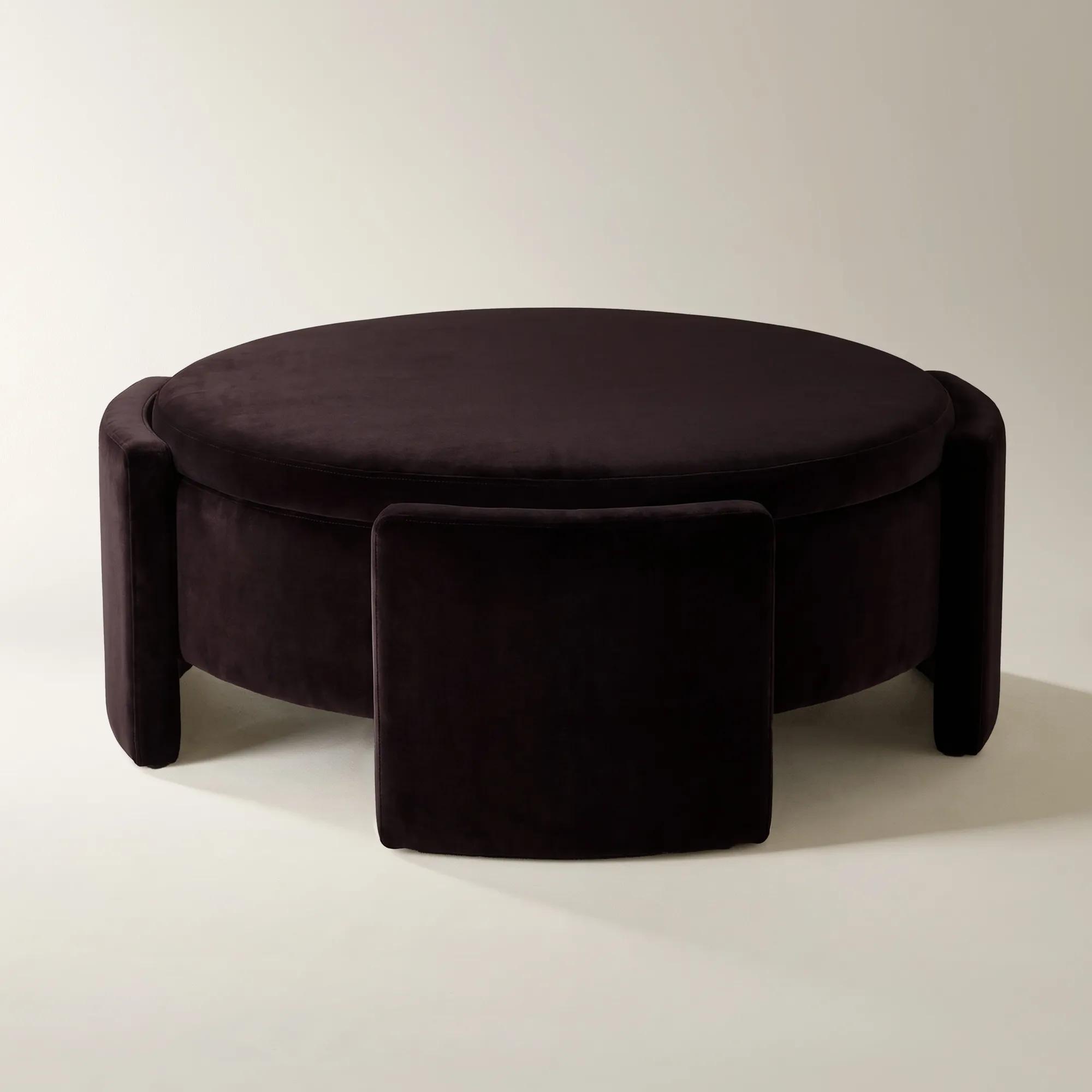
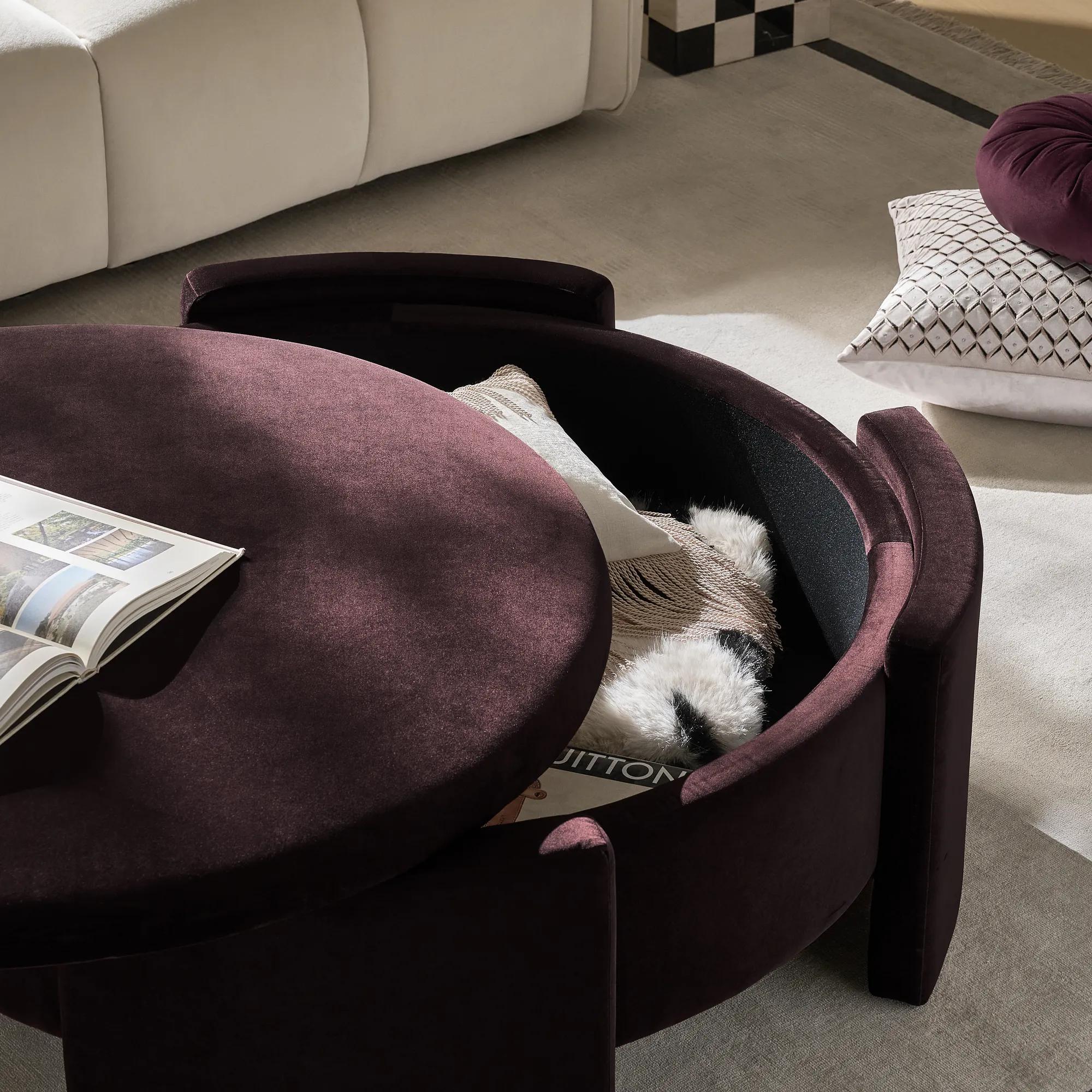 Jora Round Fig Velvet Storage Coffee Table With Reversible Tabletop (47.7")$799
A round fig velvet coffee table featuring a reversible wood tabletop and hidden interior storage.
Add To Cart -
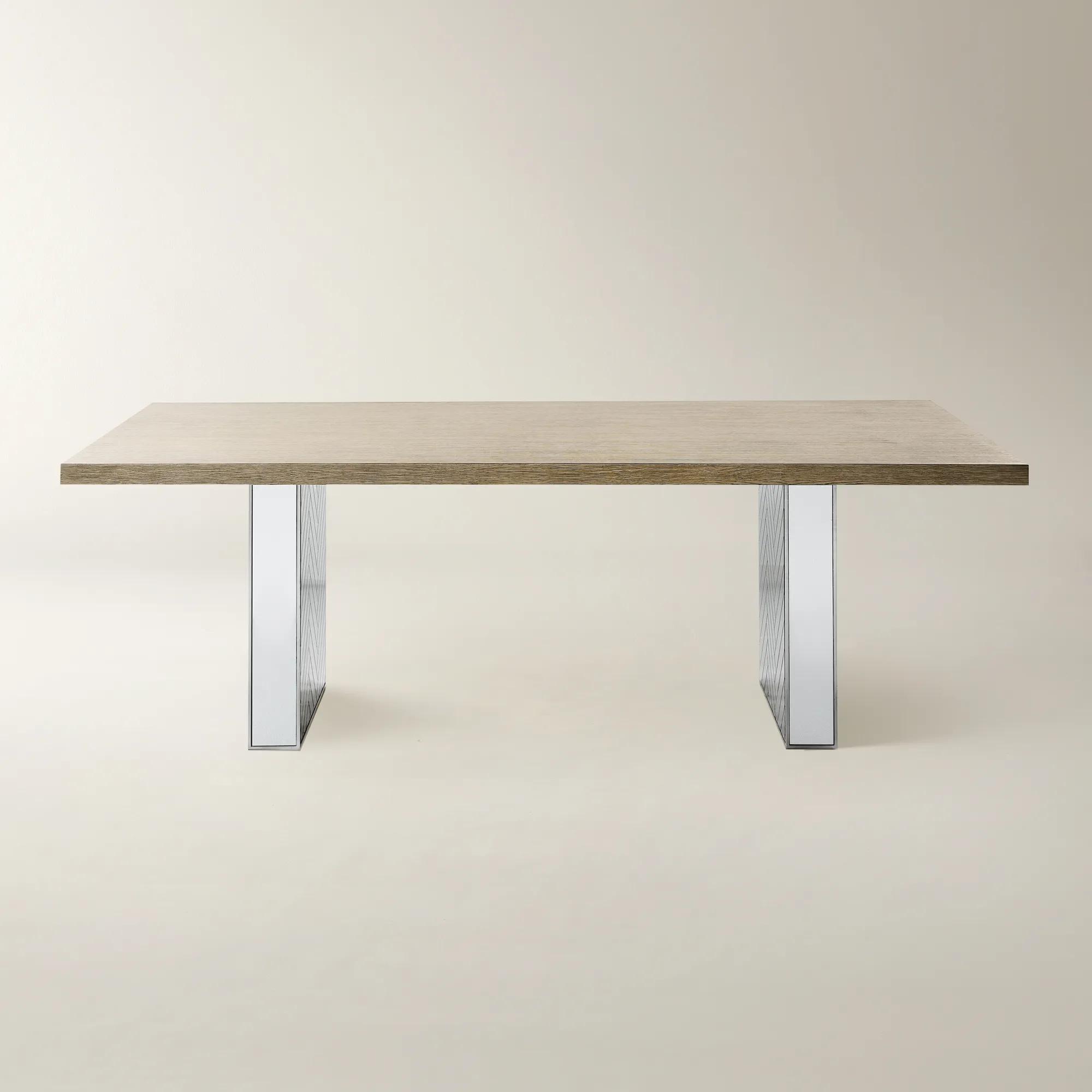
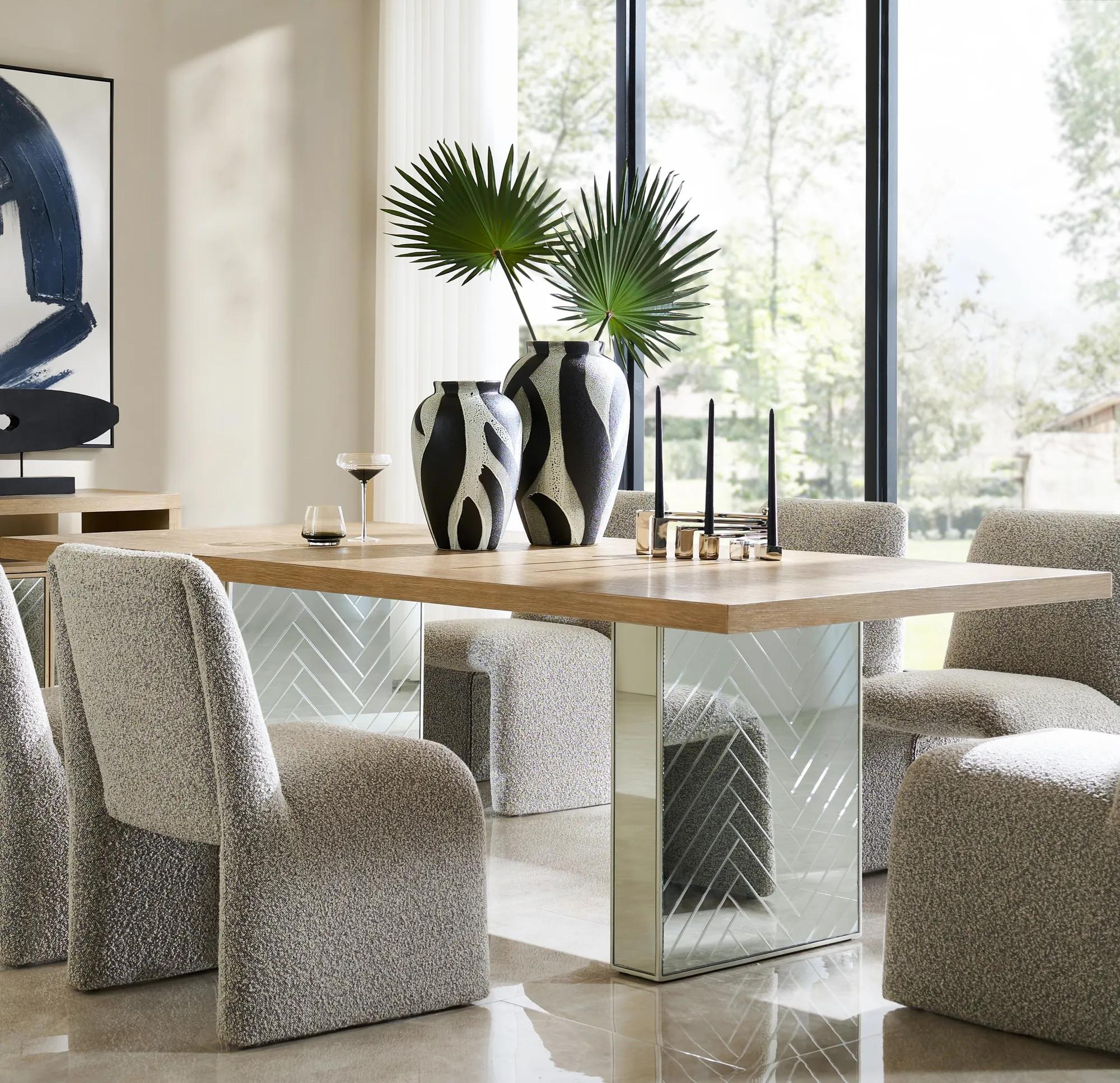 Glimmer Rectangular Seadrift Oak Dining Table With Mirrored Base (90.5")$1799
A modern dining table featuring a warm oak veneer top and a silver mirror-faced parquet base.
Add To Cart -
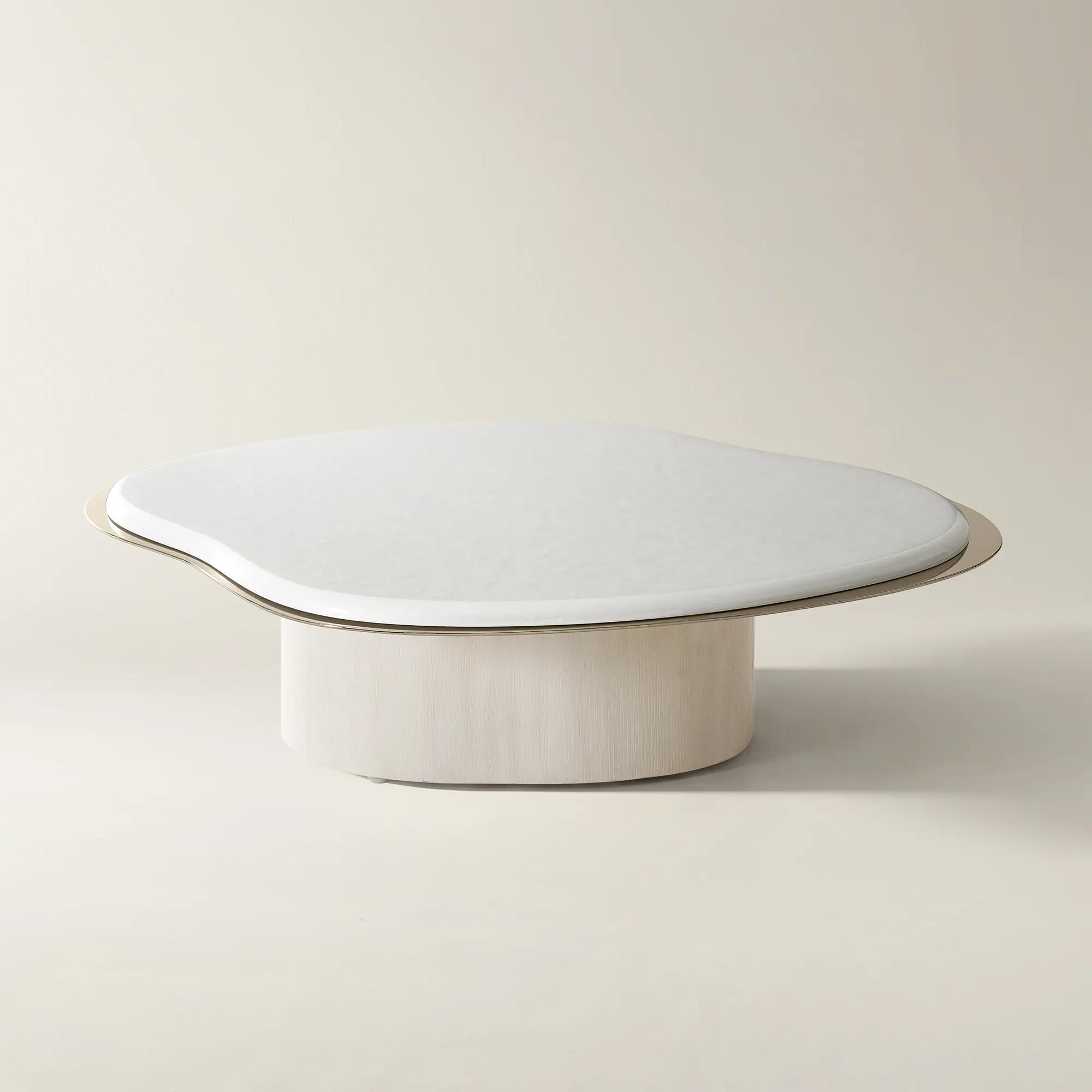
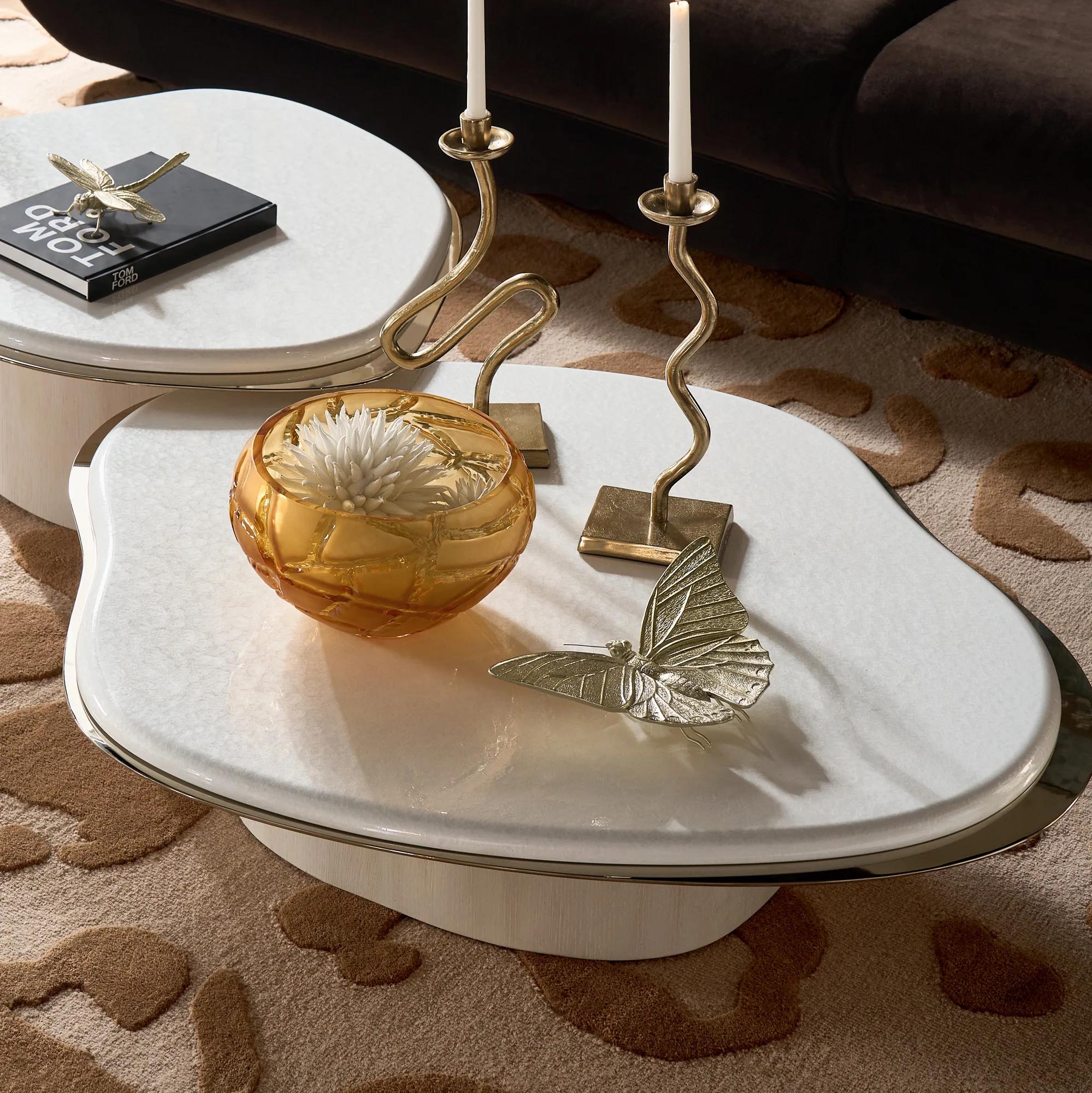 Lumina Bleached Oak Coffee Table With Pearl Lacquered Top (41")$1199
A sculptural coffee table featuring a pearl lacquered top, bleached oak base, and champagne gold trim.
Add To Cart

Exclusive Mixed Wood Tables
Exclusive Mixed Wood Tables are where artistry meets intrigue—each piece a striking fusion of texture, tone, and timeless sophistication. Designed for those who see their home as a stage for self-expression, these tables transform gathering spaces into curated galleries of warmth and wonder. The interplay of rich woods creates visual poetry—unexpected, dramatic, and utterly captivating. Invite conversation and admiration with silhouettes that command attention and details that echo the beauty of bespoke craftsmanship. With Exclusive Mixed Wood Tables, your space becomes a bold canvas—painted with depth, dimension, and unapologetic style.
Exclusive mixed wood tables bring the expressive character of natural grain into a composition of contrasting tones, textures, and shapes. A mixed wood table typically combines two or more wood species, distinct wood veneers, or deliberately varied wood finishes within a single design. The effect can be quietly nuanced, with pale oak beside honeyed ash, or strikingly graphic, with deep walnut tones framing a lighter surface. That contrast gives the table its presence: the eye follows a border, lingers over a patterned top, or discovers a darker base beneath a luminous expanse of wood. Unlike a uniformly finished piece, a mixed wood design makes variation part of the composition, allowing individual grain patterns to contribute movement and depth. Some designs emphasize broad, uninterrupted sections of wood; others use carefully arranged veneers or inlaid details to create a more intricate surface. Solid wood and wood veneer each have a place in this approach. Solid wood brings natural variation throughout the material, while genuine wood veneer allows thin layers of expressive grain to be arranged over a supporting core, including engineered wood. Veneer is not inherently a lesser material; its performance depends on the quality of the core, bonding, edges, and protective finish. The most compelling combinations feel deliberate rather than accidental. Shared warm or cool undertones can connect different species, while a pronounced light-and-dark pairing creates a more architectural statement. Sheen changes the mood as well: a matte surface softens the contrast, while a polished finish gives grain and color a more luminous quality. Within a room, this layered palette can connect existing wood flooring, cabinetry, and furnishings without requiring an exact match. A mixed wood coffee table beside a sumptuous upholstered sofa, for example, can introduce natural warmth while echoing the darker legs of a nearby chair. The result is a room with depth and continuity, where the table contributes both practical purpose and a distinct artistic point of view.
Proportion gives that visual drama room to succeed. Mixed wood dining tables establish a generous stage for shared meals, sculptural serving pieces, and conversation, while coffee tables bring the same interplay of grain and tone into the center of a seating arrangement. Console tables can create a composed entrance beneath an oversized mirror, and smaller accent tables offer a richly detailed surface beside a reading chair or at the end of a sofa. Each role calls for a different balance of dimensions, leg placement, and usable surface. In a dining room, comfortable seating depends on more than the tabletop’s length: apron height, pedestal width, and the distance between legs all affect how chairs fit and how easily guests settle in. Allowing approximately 36 inches between a dining table’s edge and nearby walls or furniture is a useful starting point, with more space desirable along busy walkways. A rectangular silhouette can emphasize the length of a room, while a round top creates a continuous curve that softens surrounding angles. For a dining area shaped around conversation, Exclusive Round Dining Tables offer a complementary direction, with seating arranged around a shared center. In living spaces, a coffee table approximately two-thirds the length of the sofa often feels balanced, though sectional layouts and circulation paths may call for a different proportion. Around 14 to 18 inches between the table and seating generally keeps a drink within reach while leaving space for movement. These measurements are starting points rather than substitutes for the room’s actual layout. A broad pedestal can look magnificent beneath a patterned top, yet its footprint still needs to work with feet, chairs, and surrounding furniture. Equally important is the table’s visual weight. A substantial mixed wood surface can anchor airy upholstery and gleaming accents, while a slender profile lets an elaborate grain pattern command attention without overwhelming a compact room. The strongest fit supports both the way a space looks and the way it is lived in.
Lasting appeal comes from construction and care as much as from the initial impression. Wood species differ in hardness, grain structure, and response to everyday wear, but no wood surface is entirely resistant to scratches, moisture, or heat. A durable mixed wood table depends on sound joinery, a suitable supporting structure, and a finish appropriate to its intended use. Solid wood naturally expands and contracts as indoor humidity changes, so thoughtful construction accommodates that movement; a well-made veneered surface over a stable core can also perform beautifully in daily life. Natural knots, grain shifts, and color variations may contribute character, but they do not establish craftsmanship on their own. Secure connections, well-finished edges, and a stable base matter just as much as a dramatic surface. For a table used for family meals, homework, or frequent entertaining, protective habits preserve the finish without diminishing the pleasure of using it. Coasters help separate condensation from the surface, trivets protect against hot serving dishes, and placemats provide a layer beneath dinnerware. Spills deserve prompt attention with a soft cloth, followed by cleaning consistent with the manufacturer’s instructions. Abrasive pads, harsh solvents, and unapproved oils or polishes can damage a finish or leave unwanted buildup; even products described as suitable for wood may not suit every coating. Prolonged direct sunlight can alter wood color unevenly, making placement and light control worth considering. Styling can remain expressive without concealing the material that makes the table distinctive. A low ceramic bowl against a boldly grained top, a glass vase that leaves the pattern visible, or a single metallic object can create contrast without crowding the surface. For design-minded hosts, households gathering around daily meals, or anyone furnishing a first shared home, mixed wood tables offer a compelling balance of utility and individuality. Their richness comes from the relationship between materials: pale beside dark, smooth against expressive grain, sculptural form grounded in natural character. Given room to be seen and care suited to their construction, they become enduring focal points for a home with a confident sense of style.
FAQs
Exclusive mixed wood tables stand apart for their striking blend of wood species, grain patterns, and finishes. Each table is a unique composition, offering rich visual contrast and tactile intrigue. The interplay of materials creates a one-of-a-kind centerpiece that transforms any room into a curated gallery of style and artistry.
Mixed wood tables bring depth, warmth, and character to any setting. Their layered textures and tones evoke a sense of bespoke luxury, grounding bold vignettes and serving as a dramatic focal point. Whether paired with sculptural lighting or lush textiles, these tables set a mood of refined elegance and creative expression.
A mixed wood table is an exceptional gift for design enthusiasts, newlyweds, new homeowners, or anyone celebrating a milestone. Its timeless appeal and artisanal craftsmanship make it a meaningful gesture—one that becomes a cherished heirloom, inviting shared moments and lasting memories.
Exclusive mixed wood tables are remarkably versatile, complementing a range of aesthetics from modern and contemporary to rustic and eclectic. Their dynamic presence harmonizes with metallic accents, plush upholstery, and dramatic art, allowing you to craft a space that is both cohesive and boldly individual.
To preserve the artistry of your mixed wood table, dust regularly with a soft cloth and avoid harsh chemicals. Use coasters and placemats to protect the surface, and periodically treat the wood with a gentle, high-quality polish. With mindful care, your table will retain its luster and character for years to come.