Elegant Additions For Open Concept Homes
Elegant Additions For Open Concept Homes
-
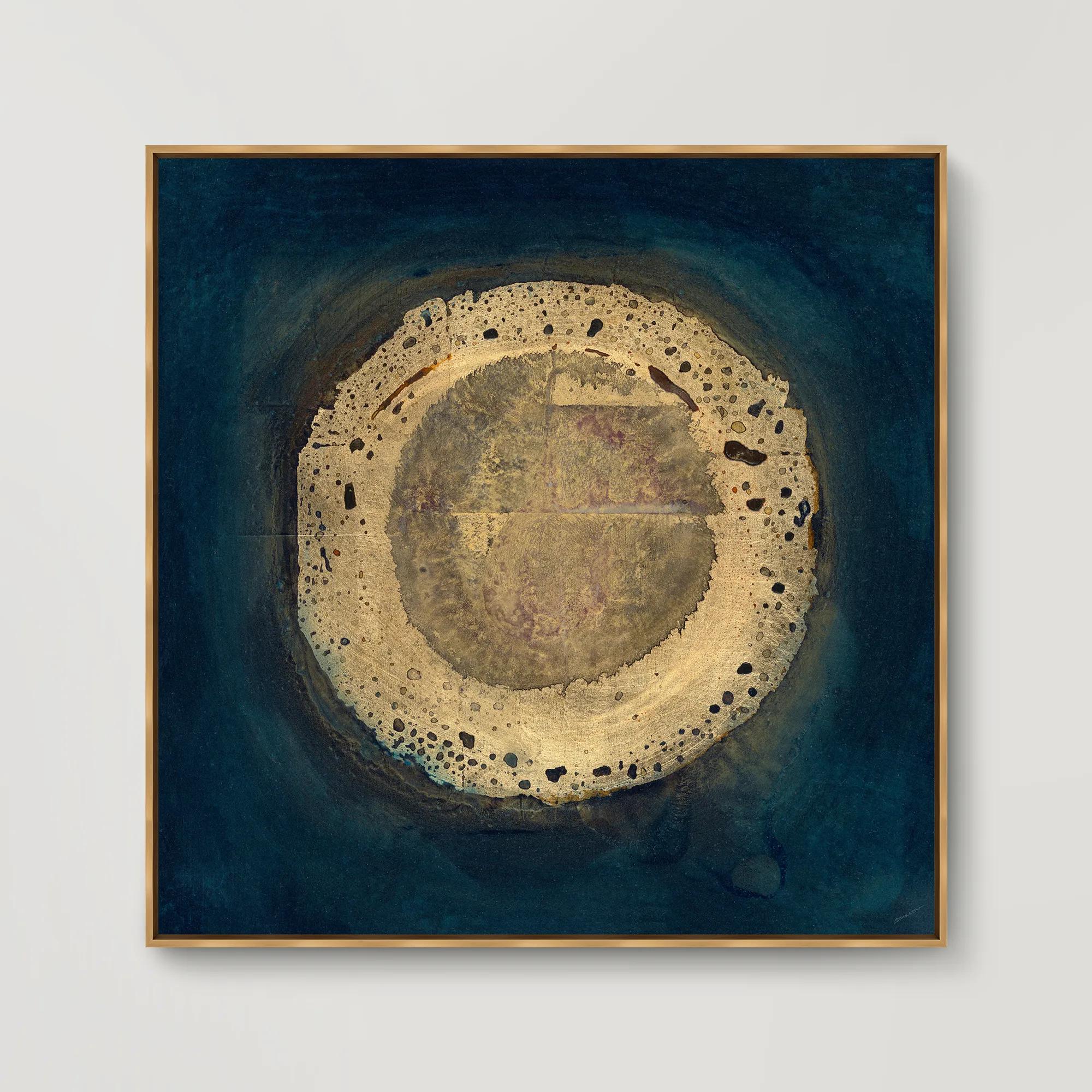
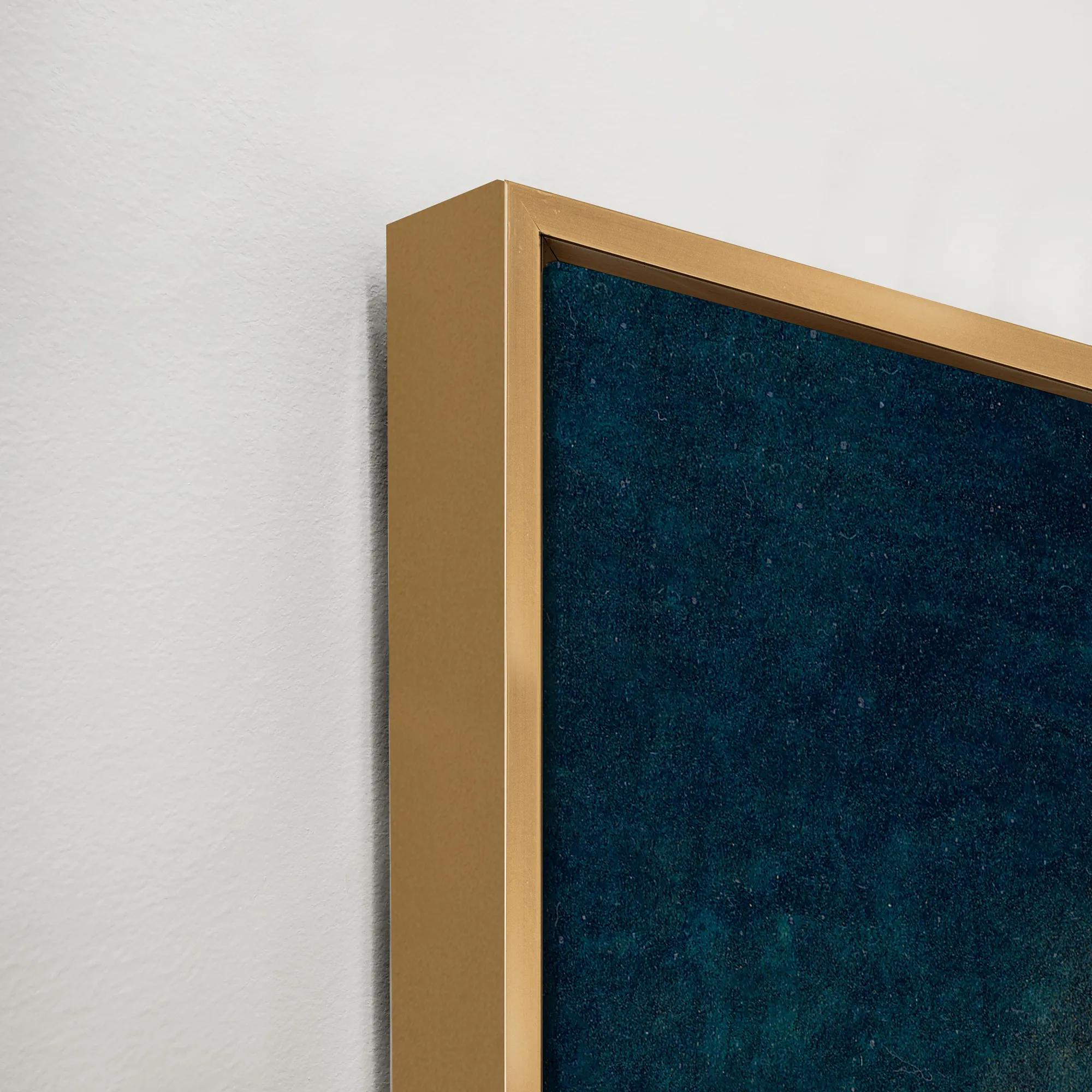 Bramble I Framed Wall Art 41.5" x 41.5"$749
A gallery-wrapped abstract canvas with hand-applied gel finish, set in an elegant gold floater frame.
Add To Cart -
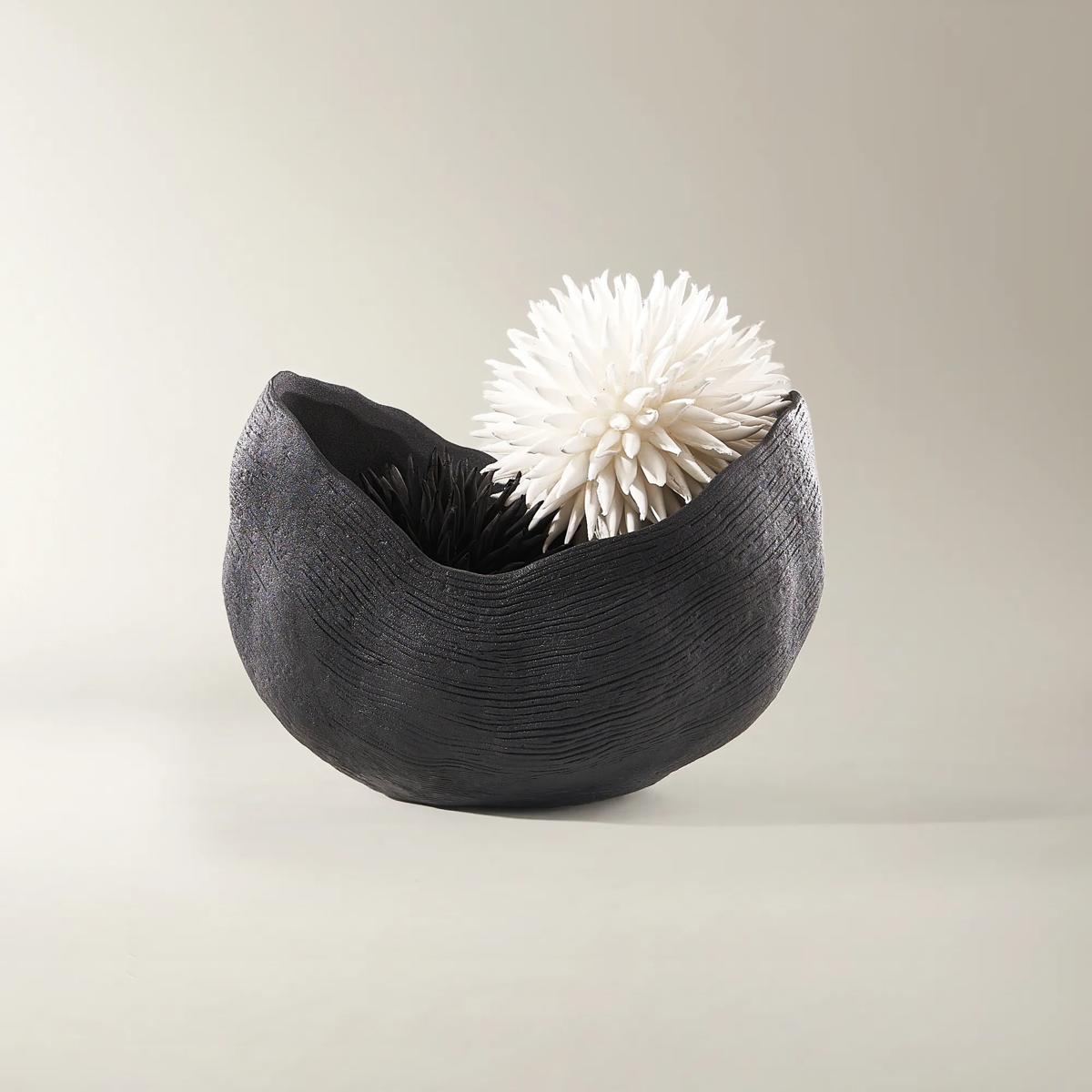 Baz Bowl - Black$119
A sculptural black porcelain bowl with a matte, ridged texture for bold, modern decor accents.
Add To Cart -
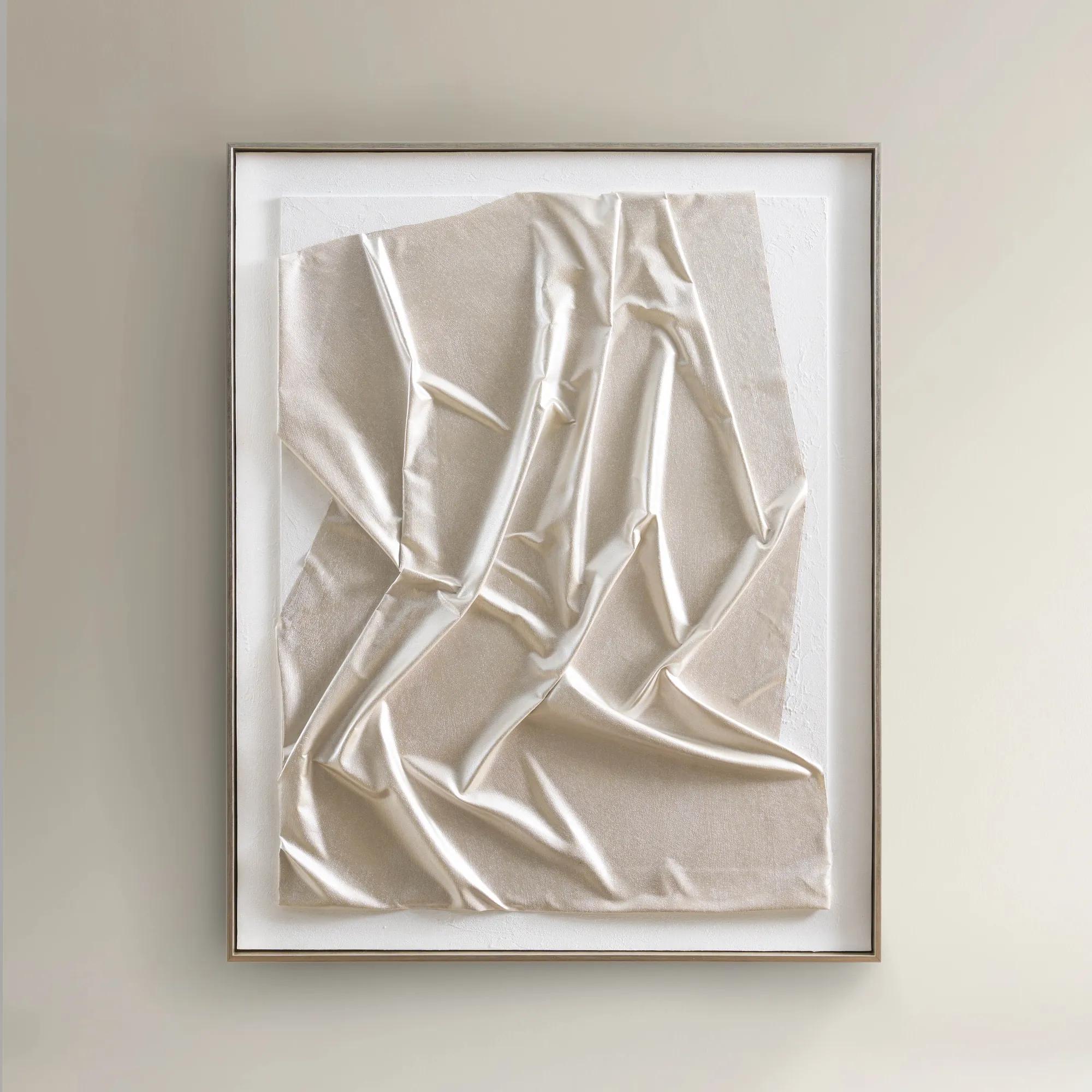 In the Mood Framed Painted Wall Art 31.5" x 39.5"$199
A hand-painted gold canvas artwork featuring textured surfaces and fluid forms in a champagne floater frame.
Add To Cart -
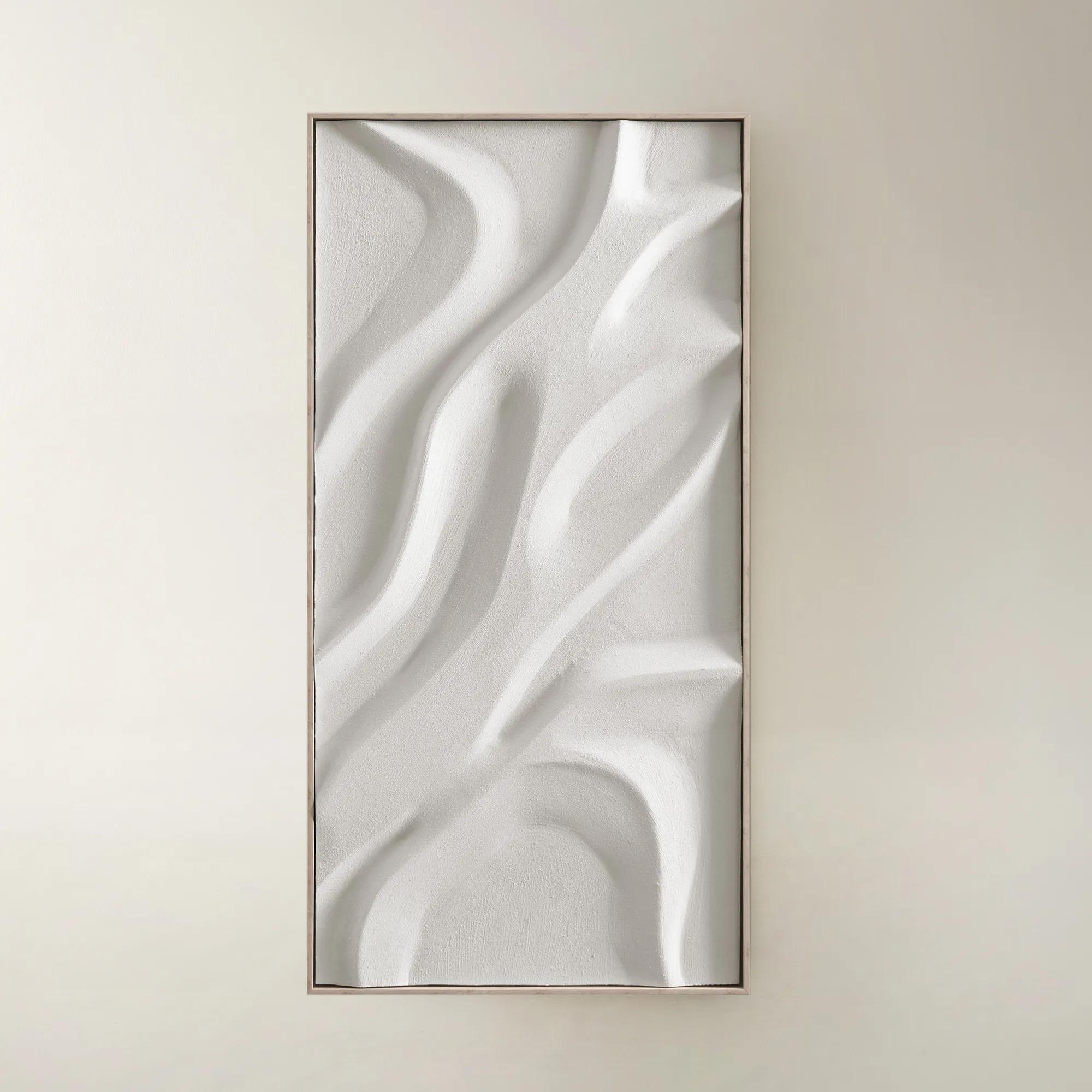
 Au Lait Framed Painted Wall Art II 47.2" x 23.6"$199
A serene hand-painted canvas in beige, set in a warm whitewash floater frame for modern interiors.
Add To Cart -
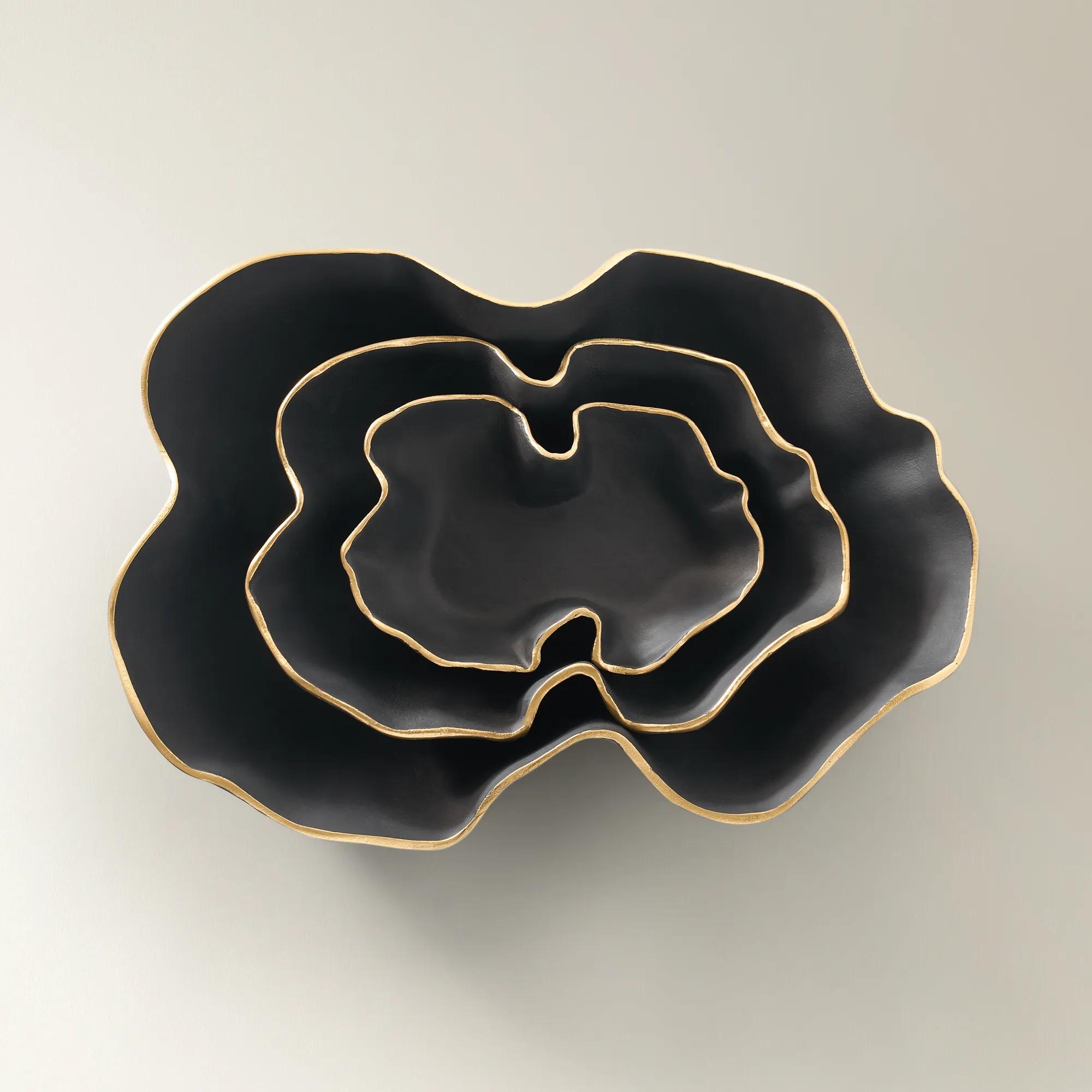 Lava Black Gold Aluminum Decorative Nesting Bowls$39
A deep black aluminum bowl with golden edges, featuring an organic, volcanic-inspired design for decorative display.
Add To Cart -
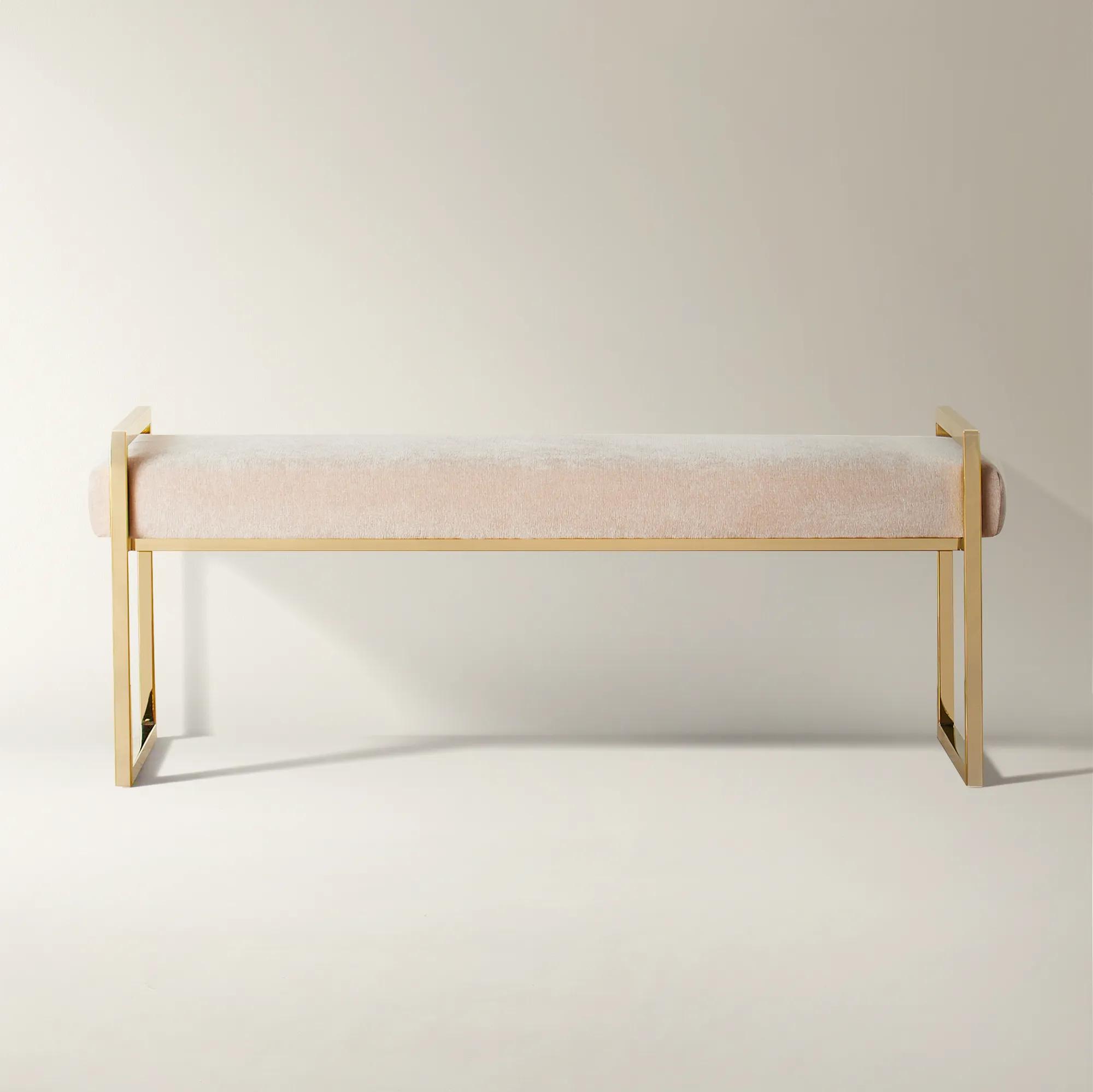 Clara Bench$699
A chic bench featuring a plush upholstered seat and polished gold metal legs for modern elegance.
Add To Cart -
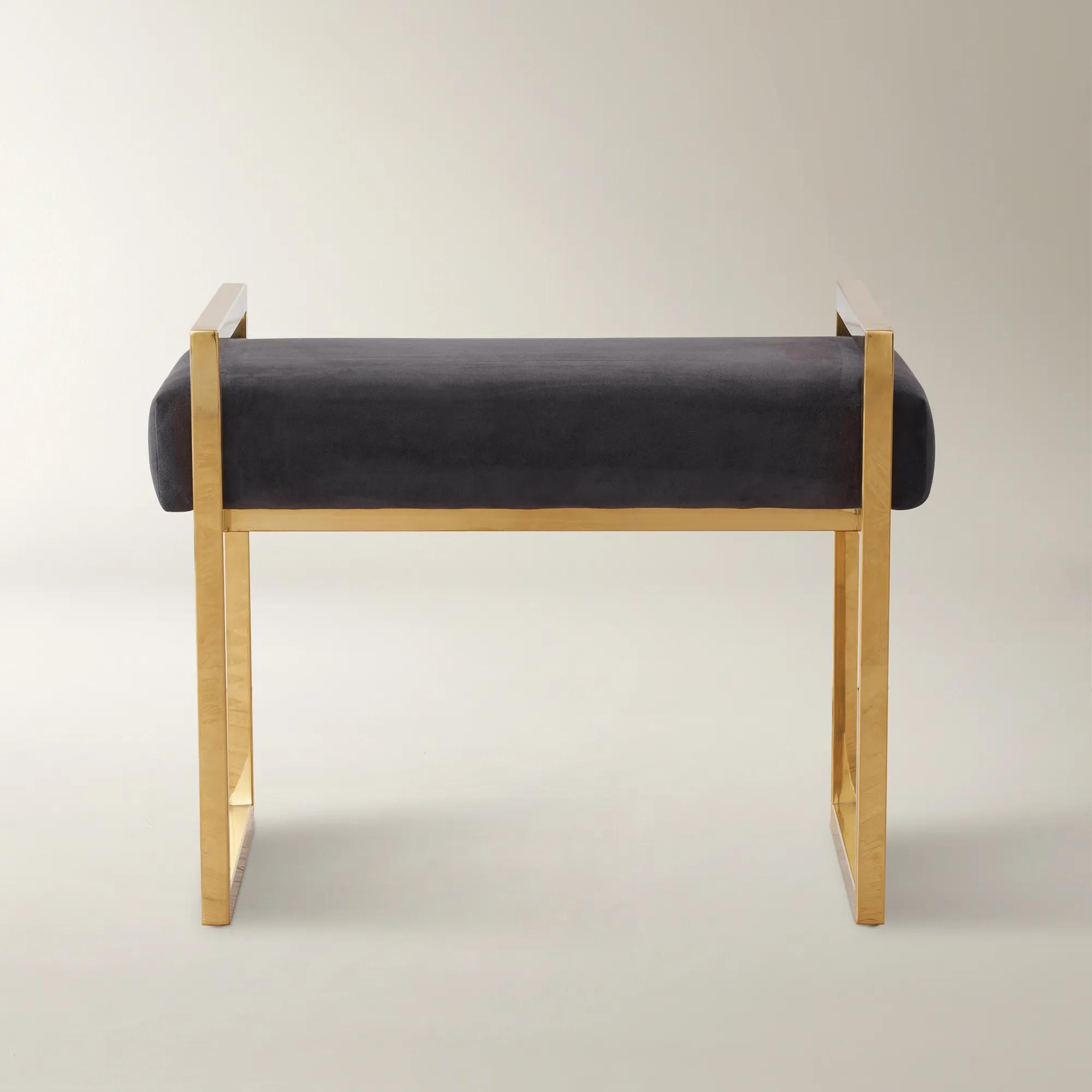
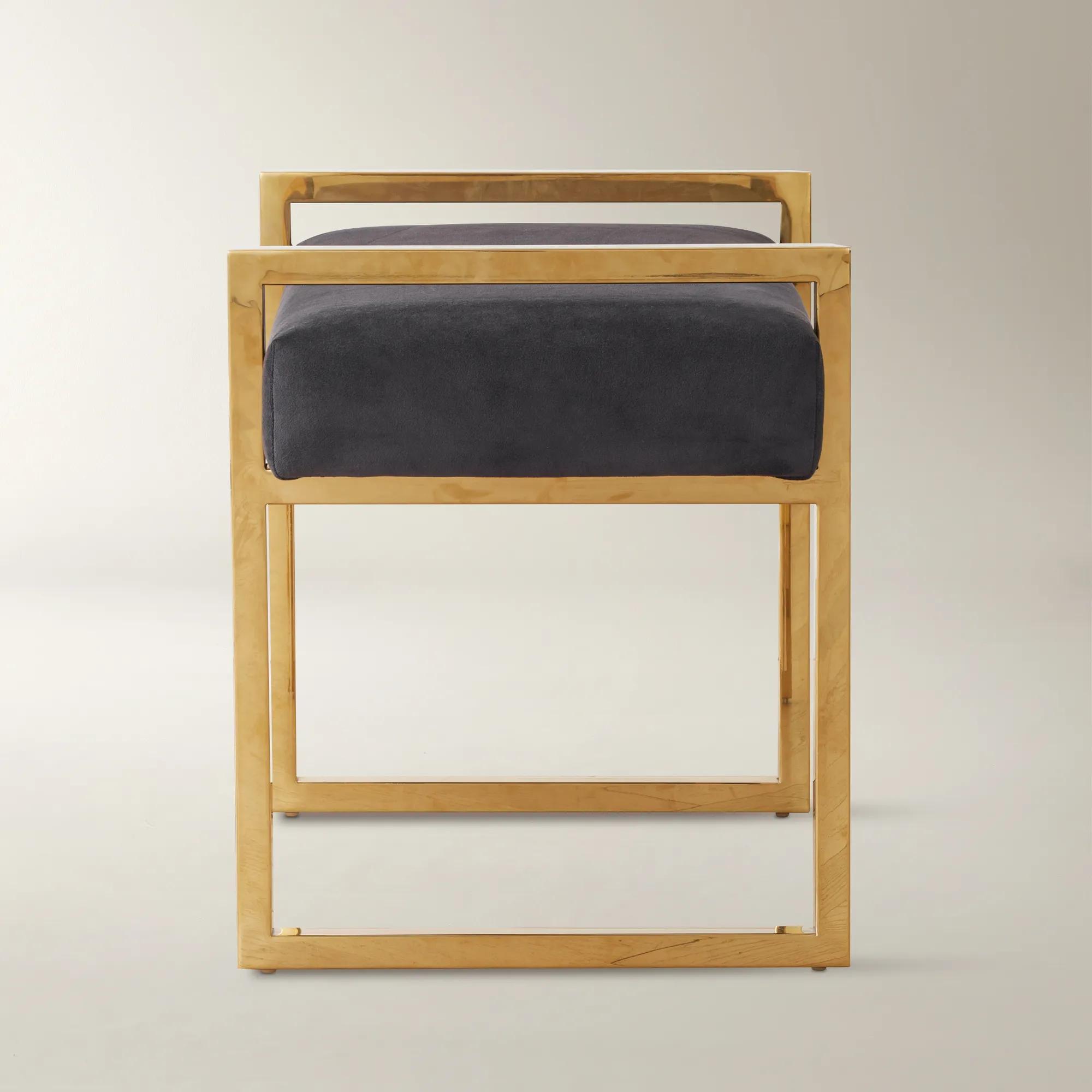 Clara Accent Stool$449
A plush black velvet seat rests on polished gold metal legs for a chic, modern accent piece.
Add To Cart -
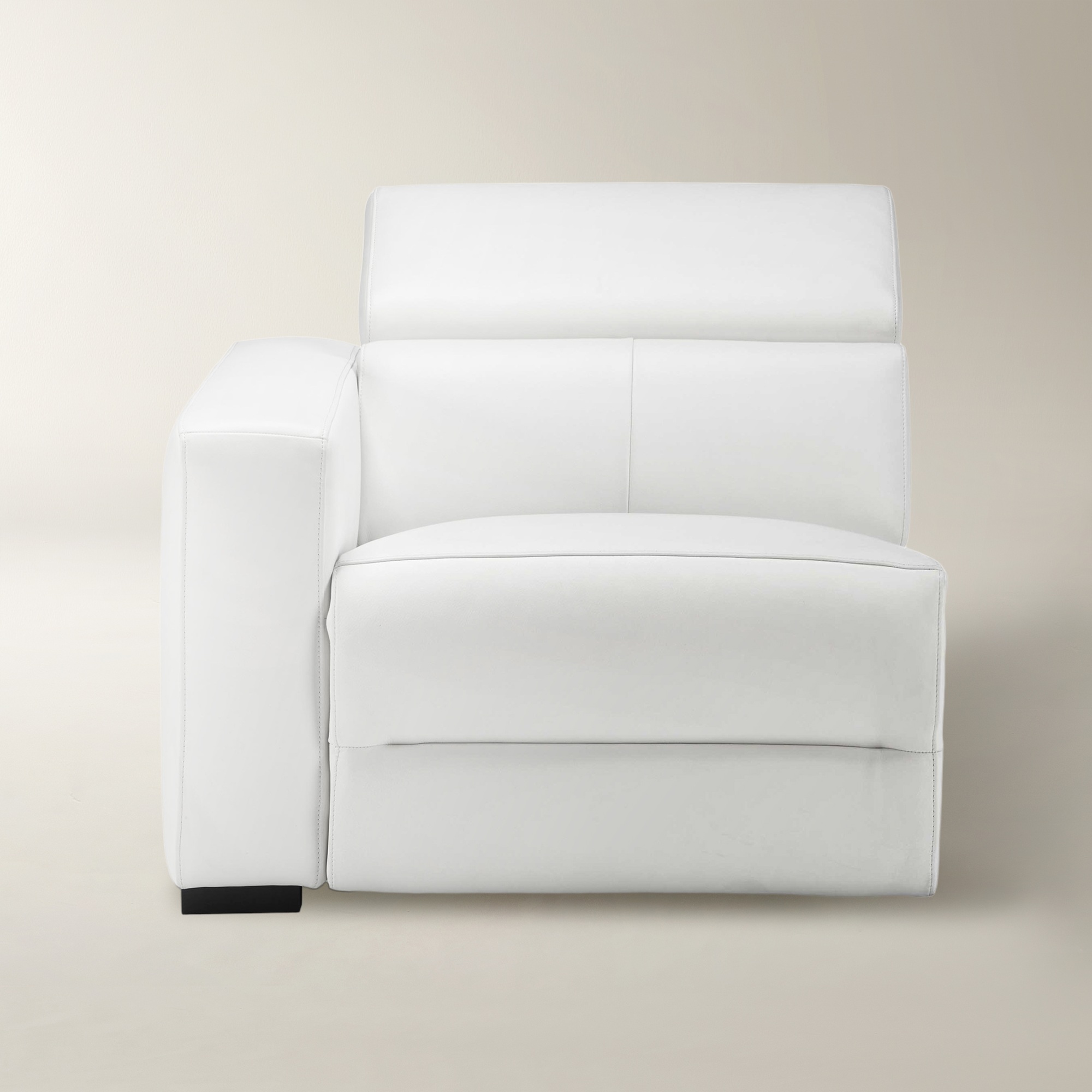
(1).jpg?w=1200&h=1200) Verona Reclining Leather Components - Bulid Your Own$1249
Verona Reclining Leather Components - Bulid Your Own$1249A modern white sectional upholstered in supple semi-aniline leather with adjustable headrests and power-reclining options.
Add To Cart -
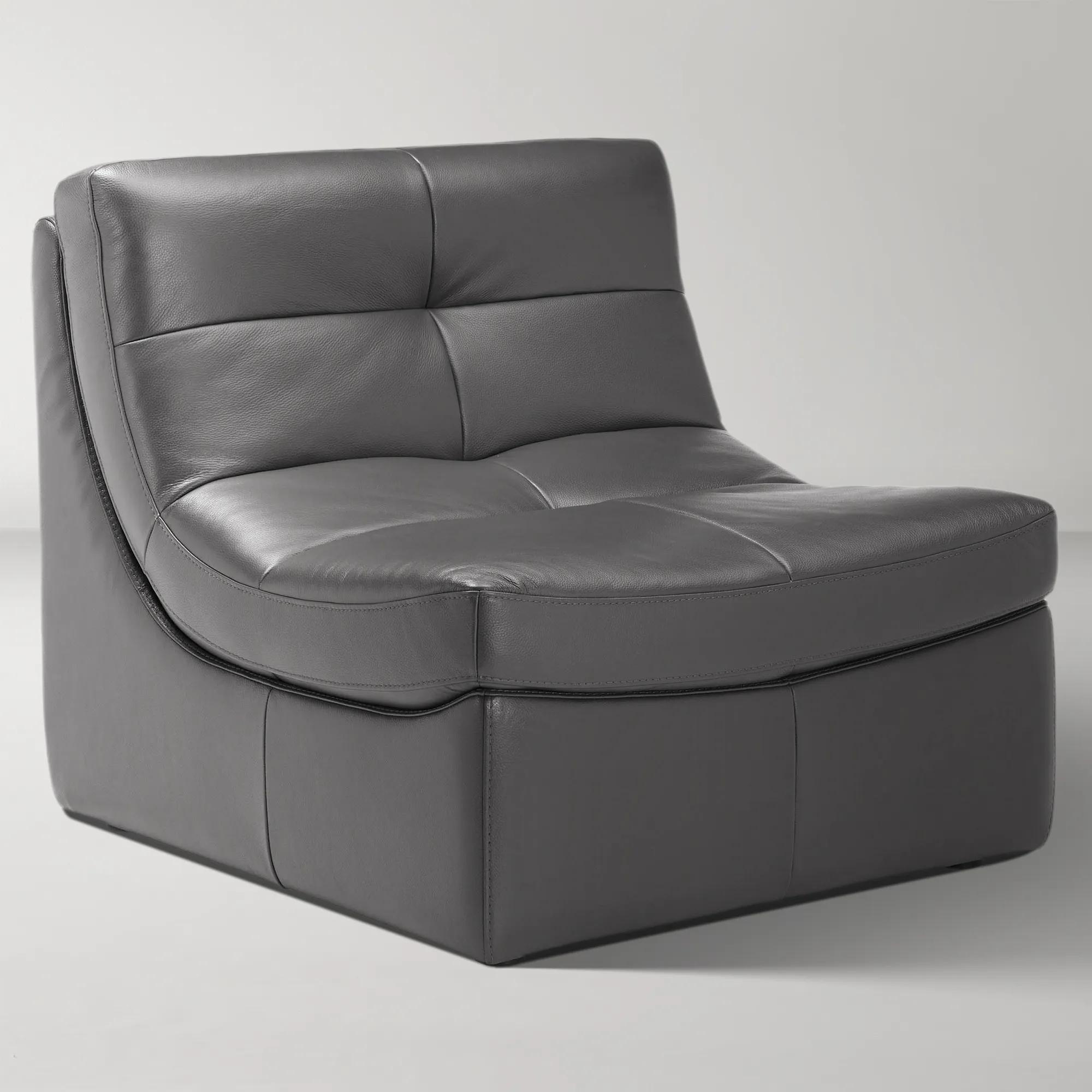
.jpg?w=1200&h=1200) Convo Leather Sectional - Build Your Own$1199
Convo Leather Sectional - Build Your Own$1199A modular sectional with kiln-dried hardwood frame and charcoal semi-aniline leather upholstery for modern versatility.
Add To Cart -
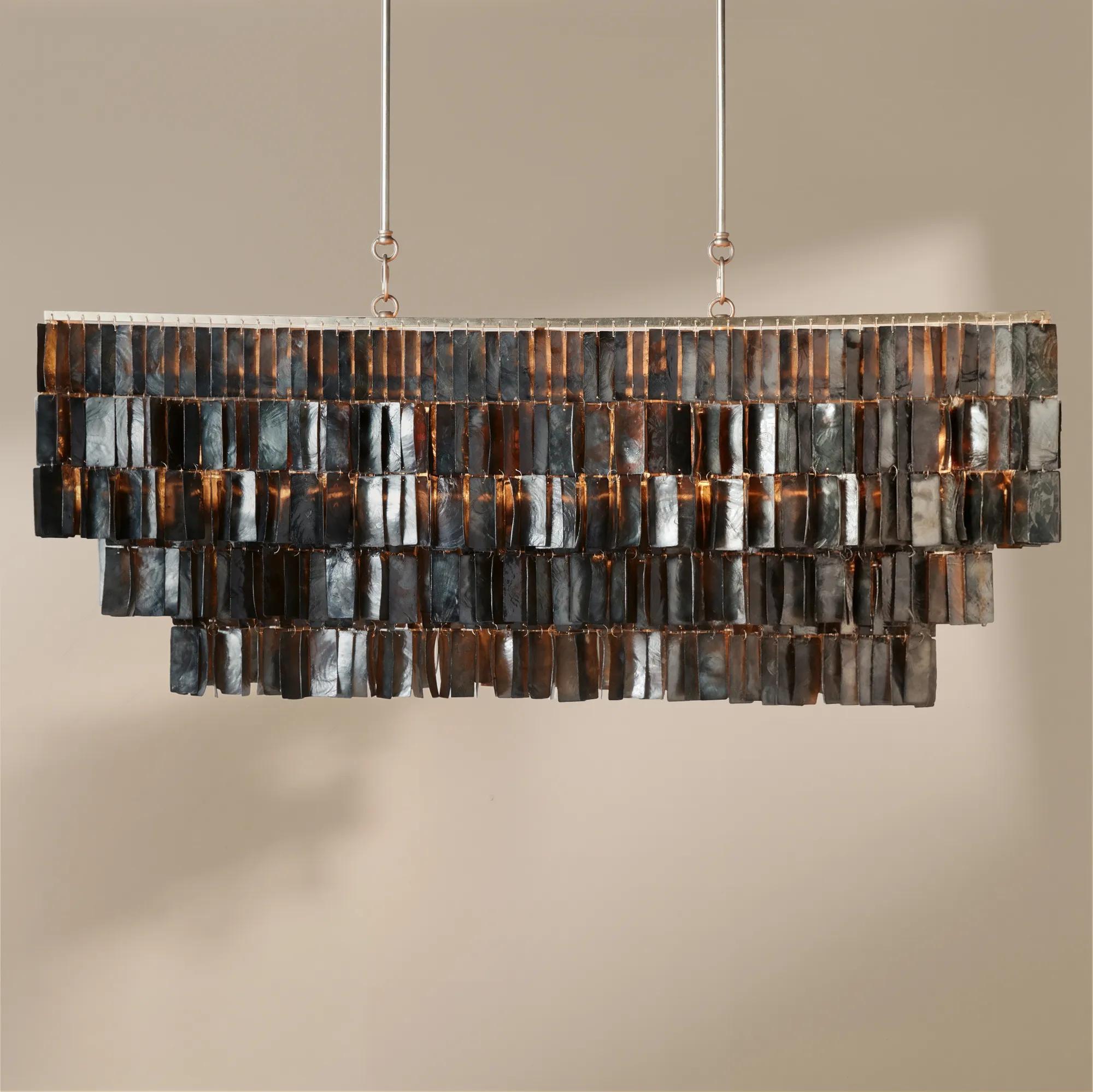
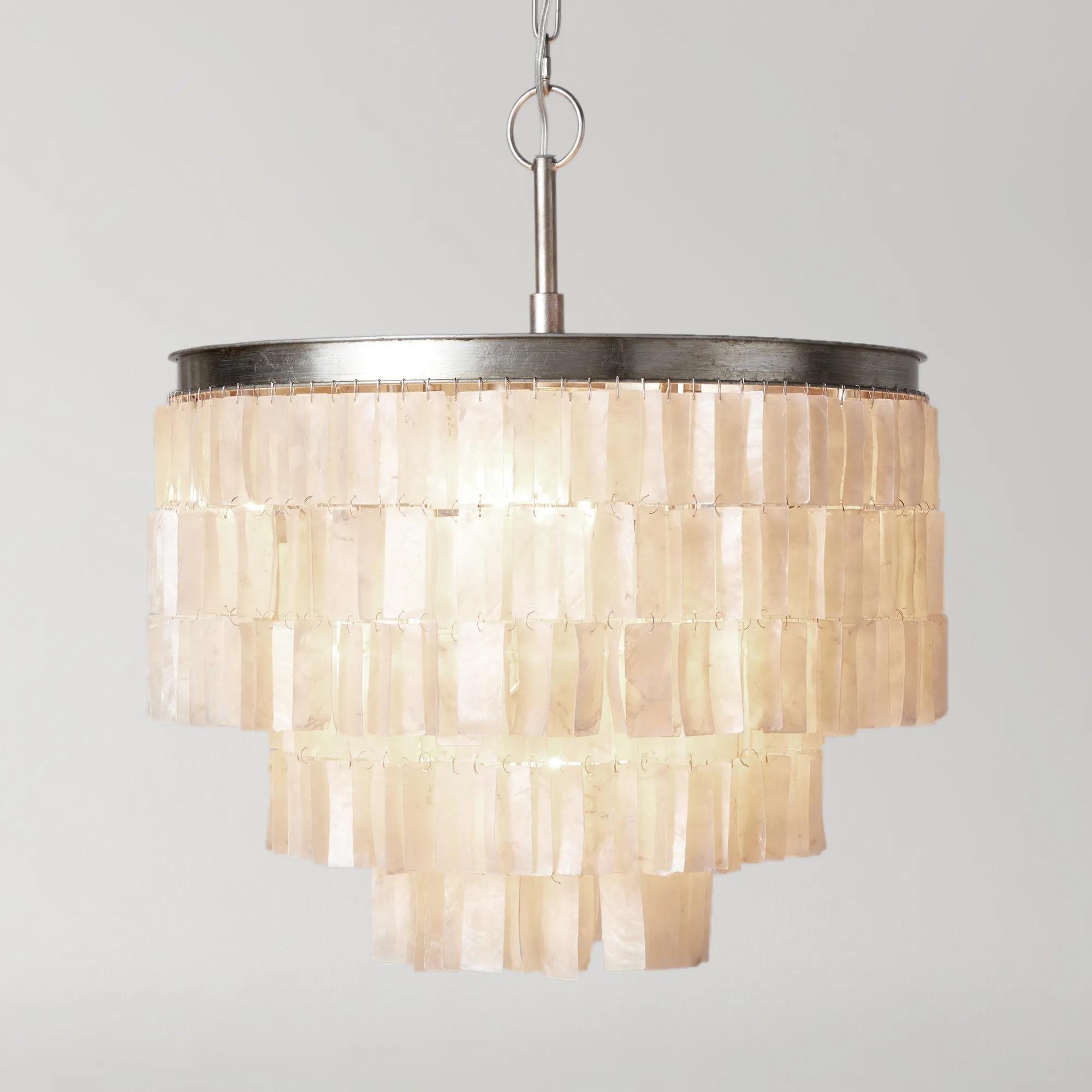
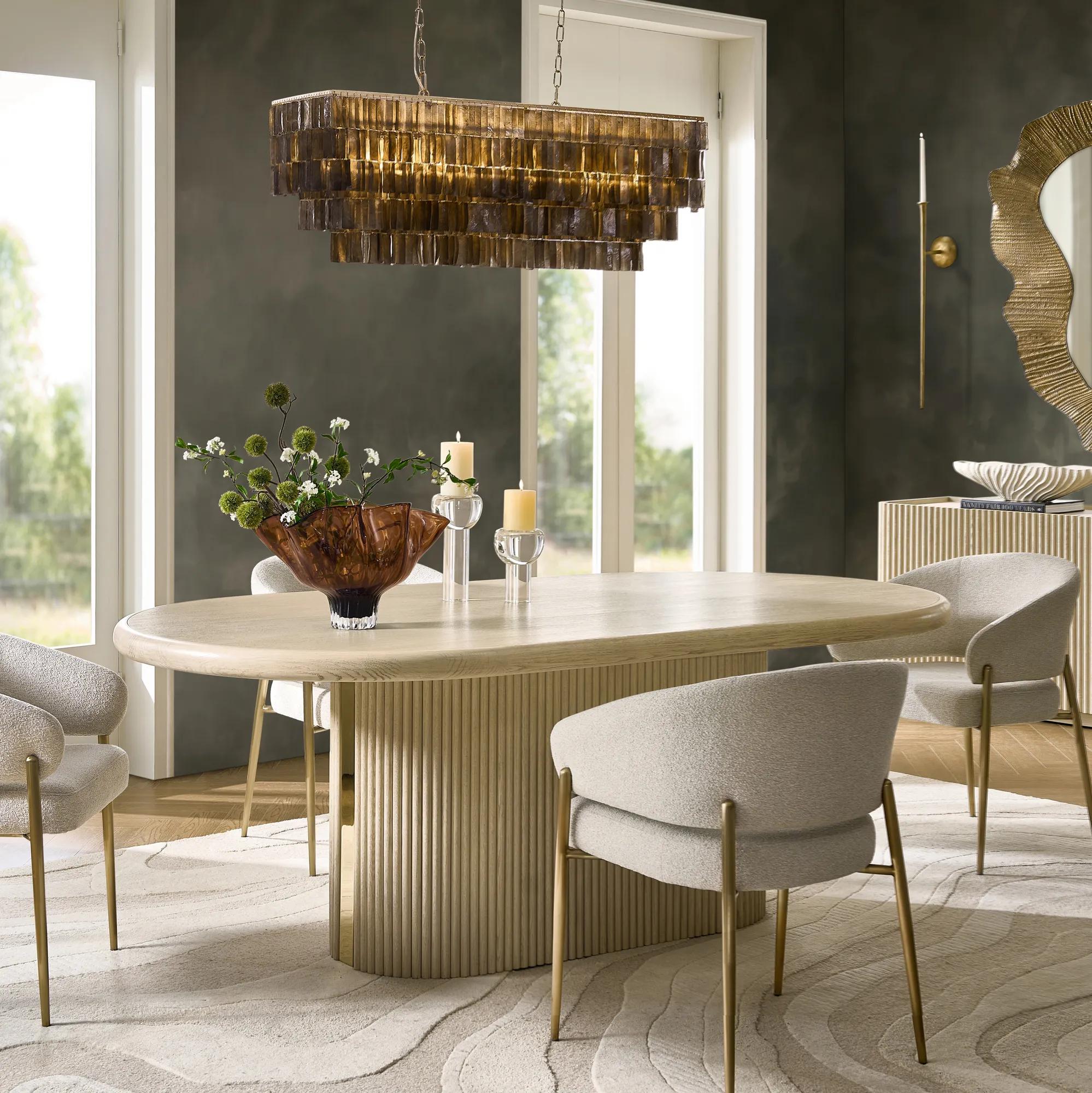 Capiz Shell Graphite Chandelier 39"$849
A naturally elegant chandelier featuring cascading charcoal capiz shells and a champagne-finished iron frame.
Add To Cart -
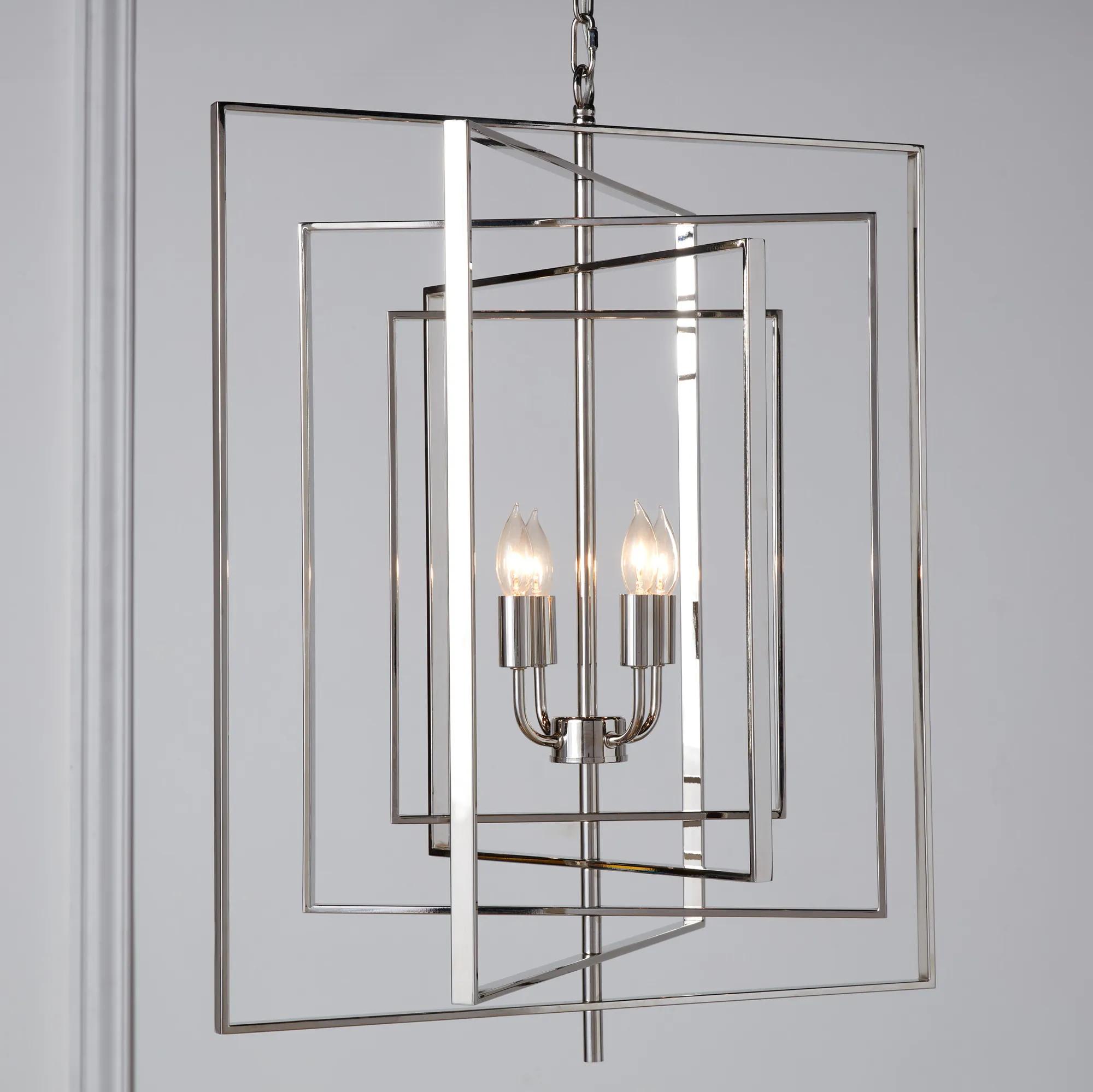
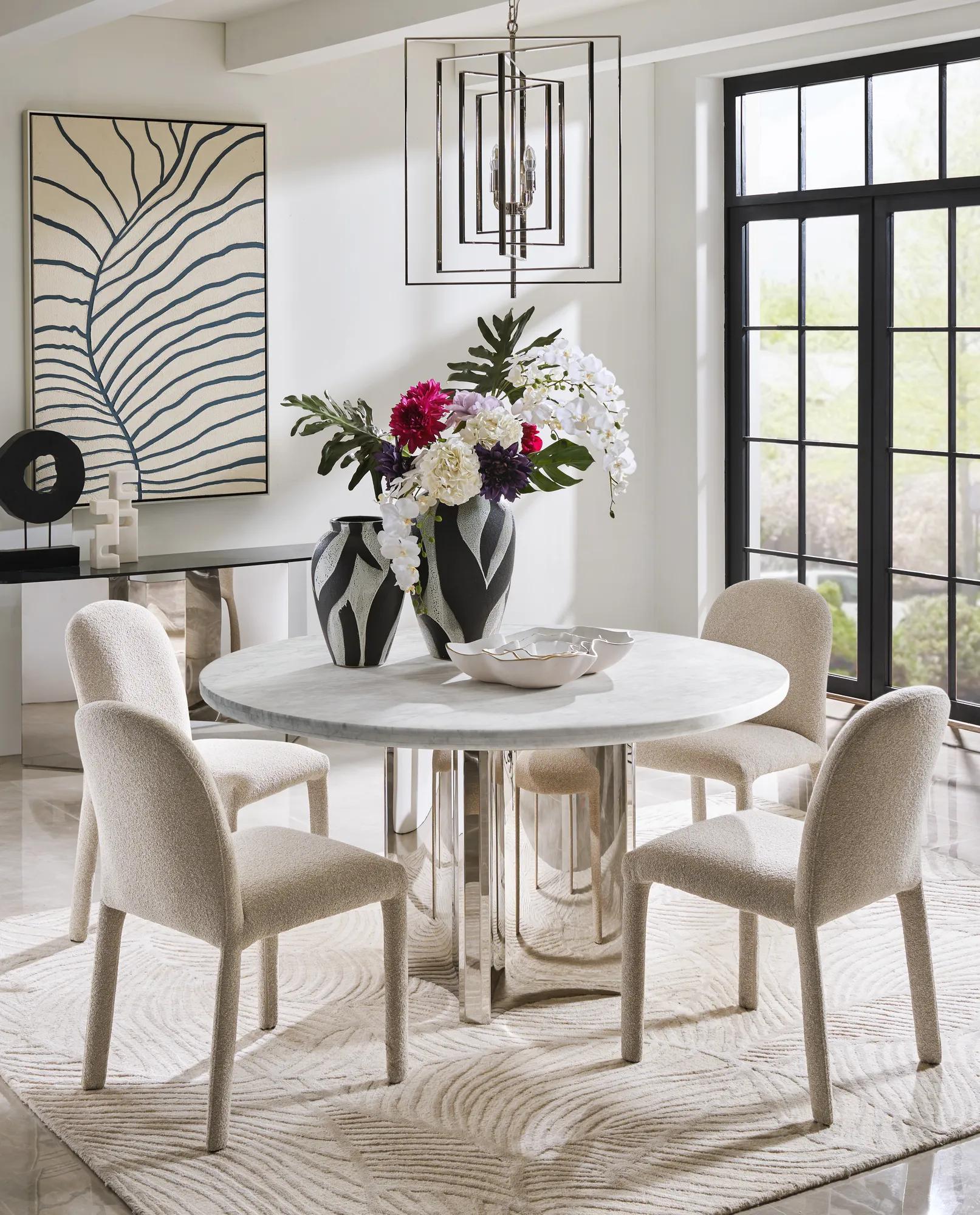 Hollis Chandelier$499
A polished nickel geometric chandelier with four lights, perfect for modern and minimal interiors.
Add To Cart -
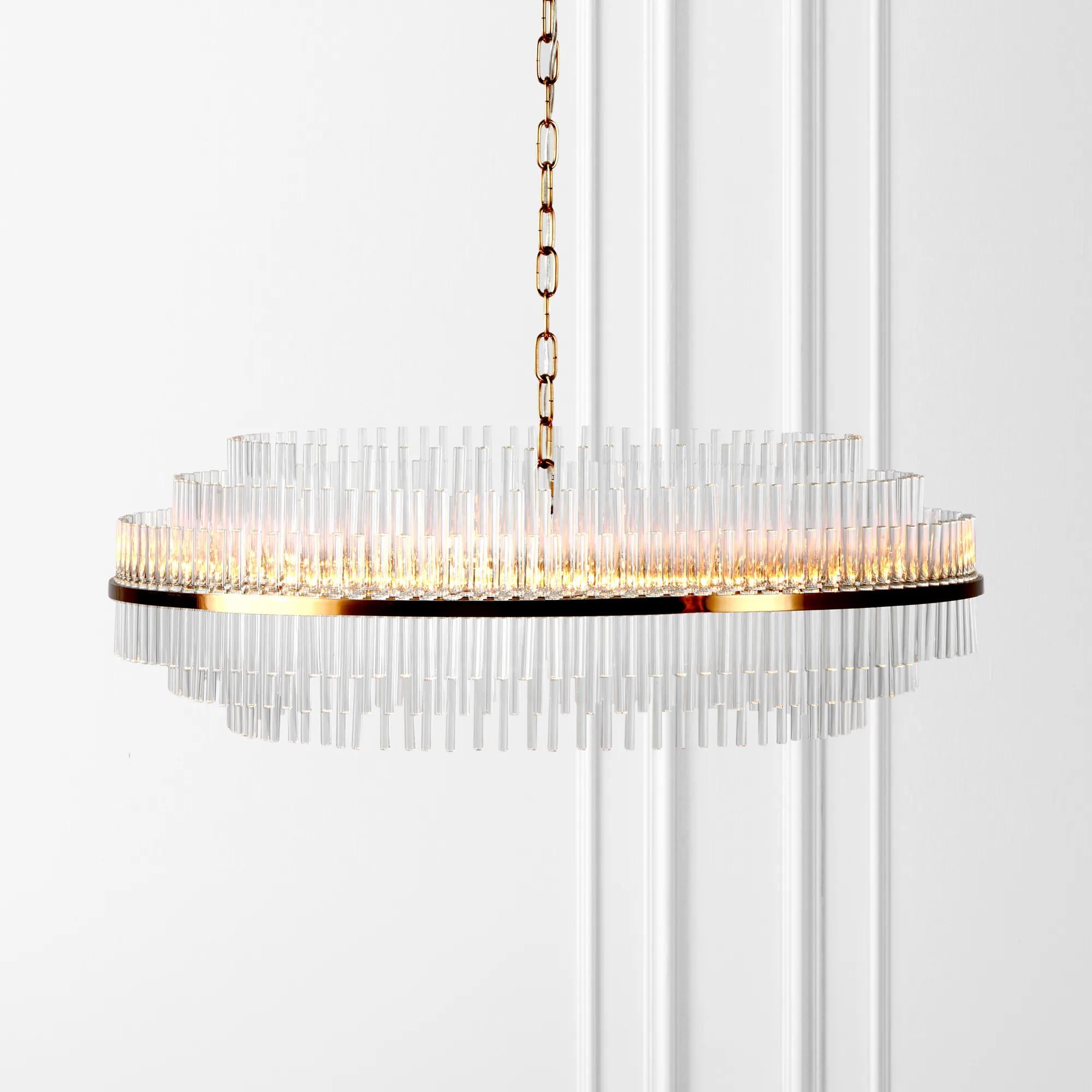
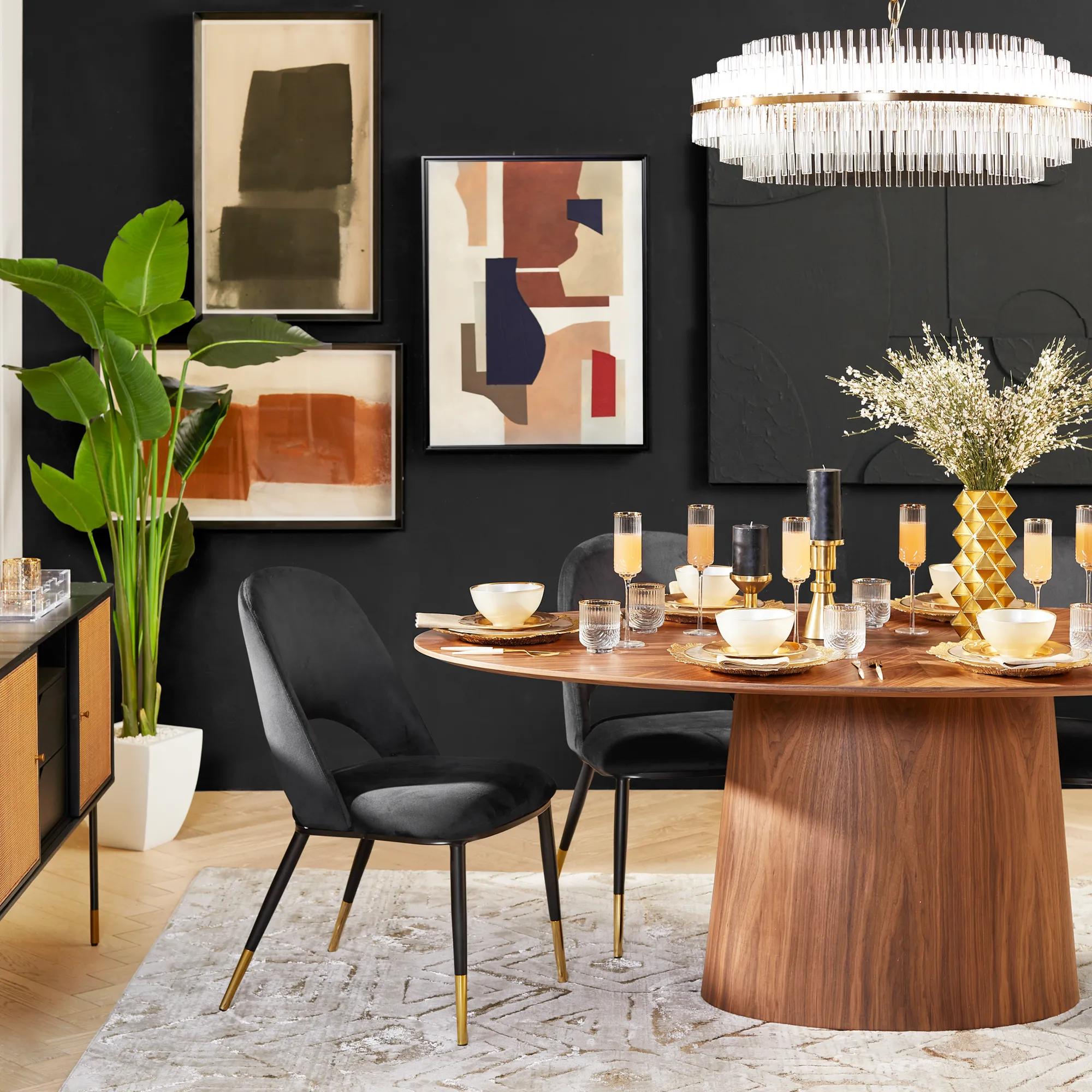 Renata Clear Glass Rod Chandelier 31"W x 10"H$799
A glamorous chandelier featuring glass rods and a brushed brass iron frame for a striking modern look.
Add To Cart -
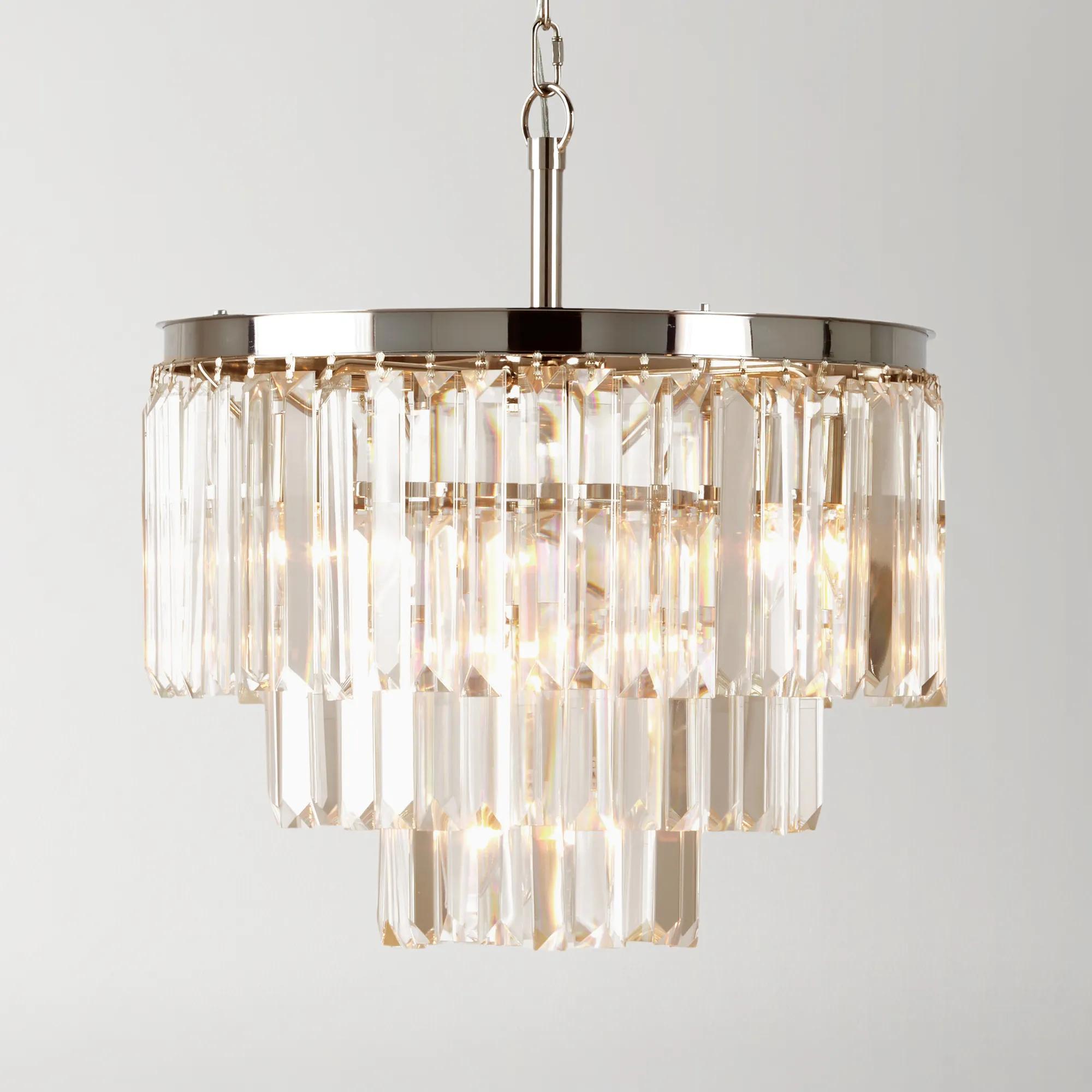 Luxe Chandelier$799
A glamorous chandelier featuring a nickel-plated iron frame and three tiers of faceted crystal accents.
Add To Cart -
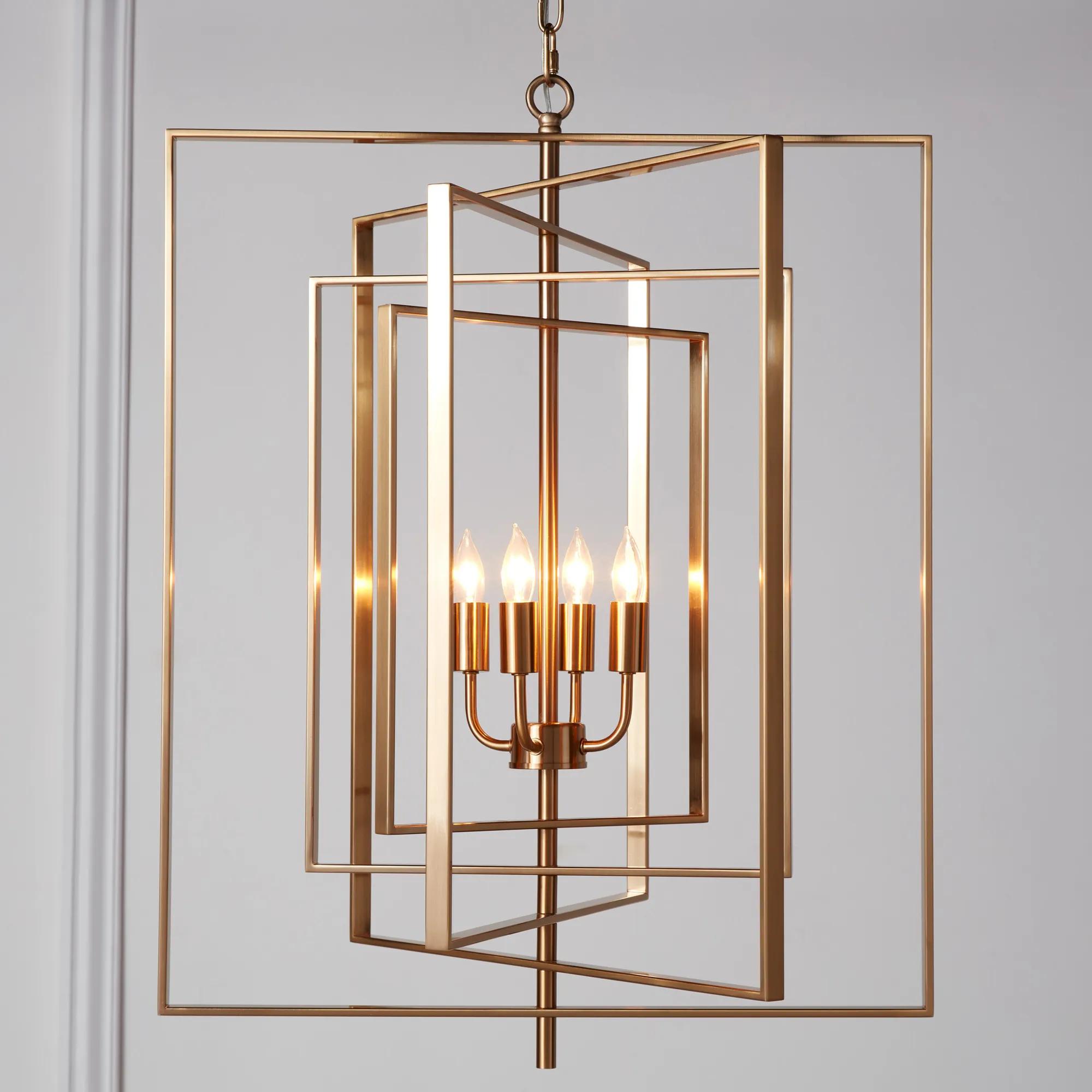 Hollis Chandelier$499
A geometric brass-finished iron chandelier with four lights, perfect for modern and minimal interiors.
Add To Cart -
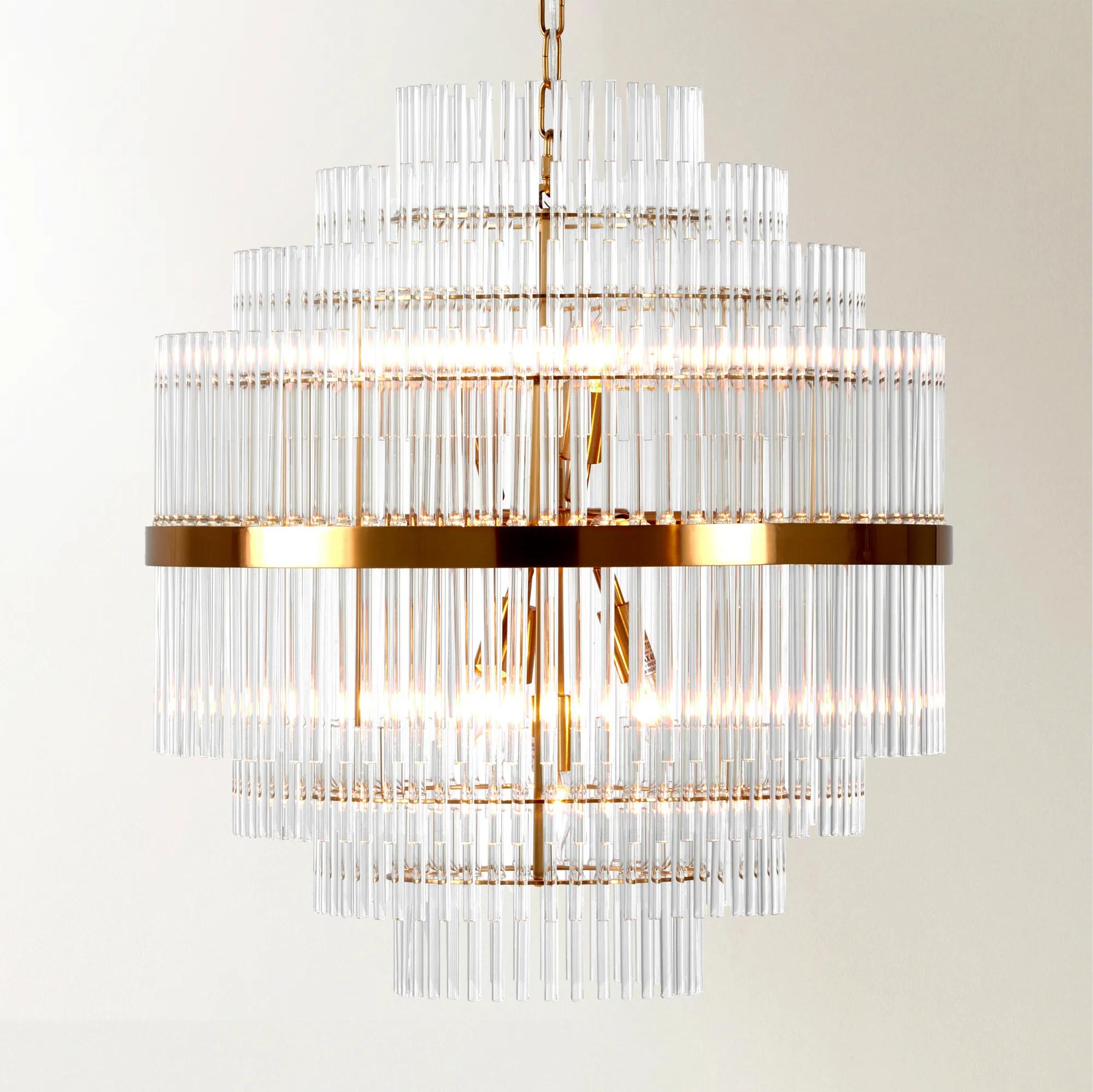
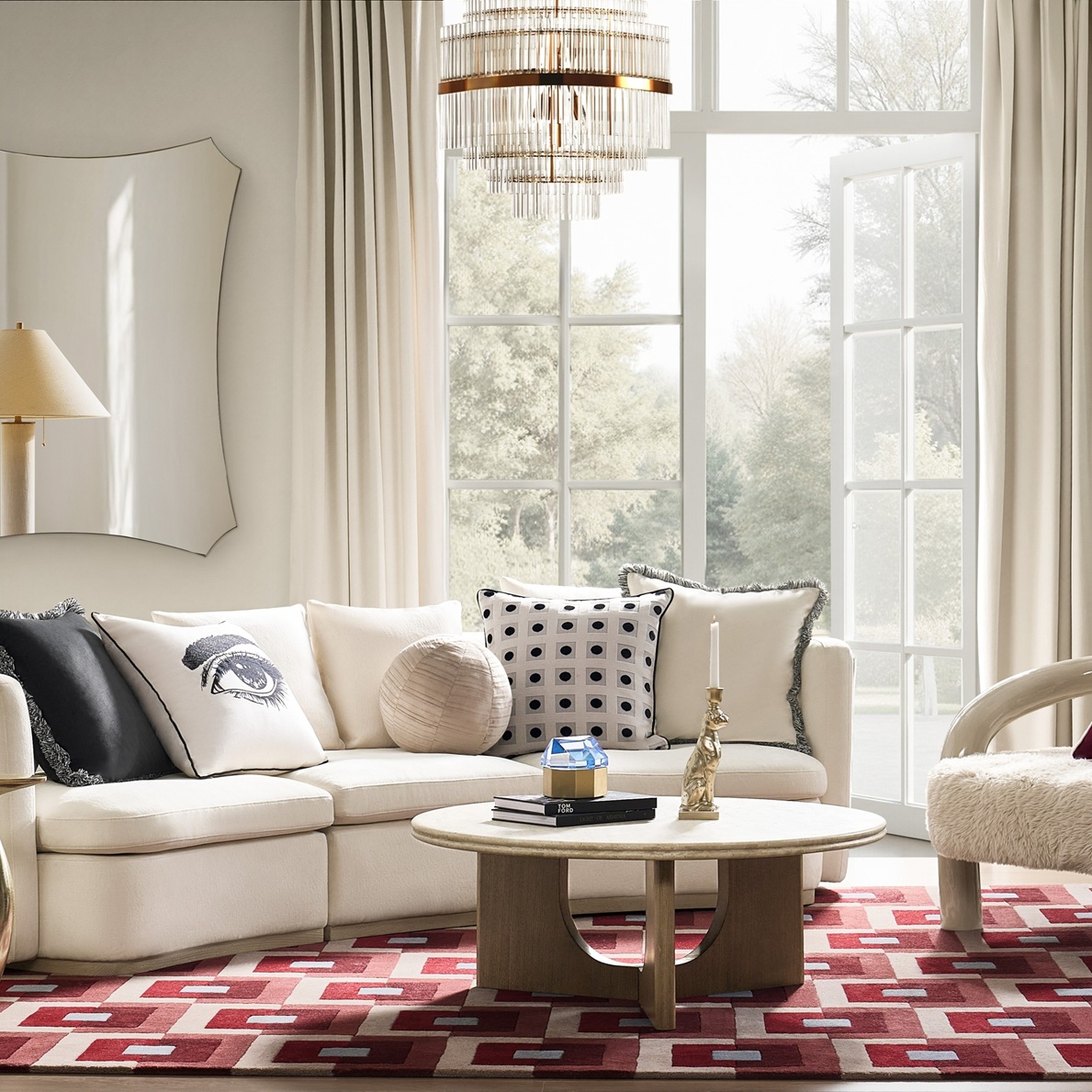 Renata Clear Glass Rod Grand Chandelier 23.6"D x 26.3"H$999
A dramatic chandelier featuring dozens of glass rods and a polished gold iron frame for sophisticated elegance.
Add To Cart -
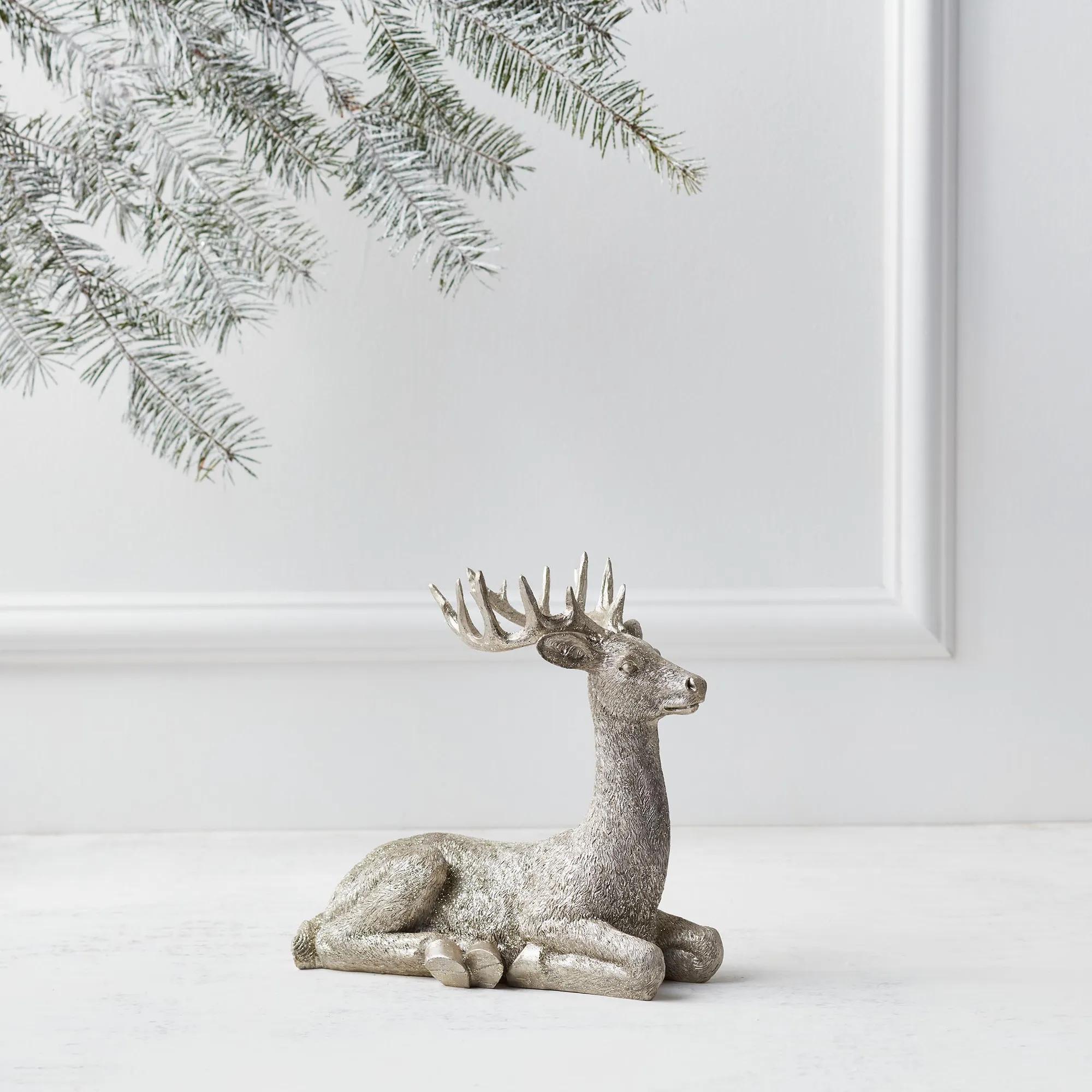
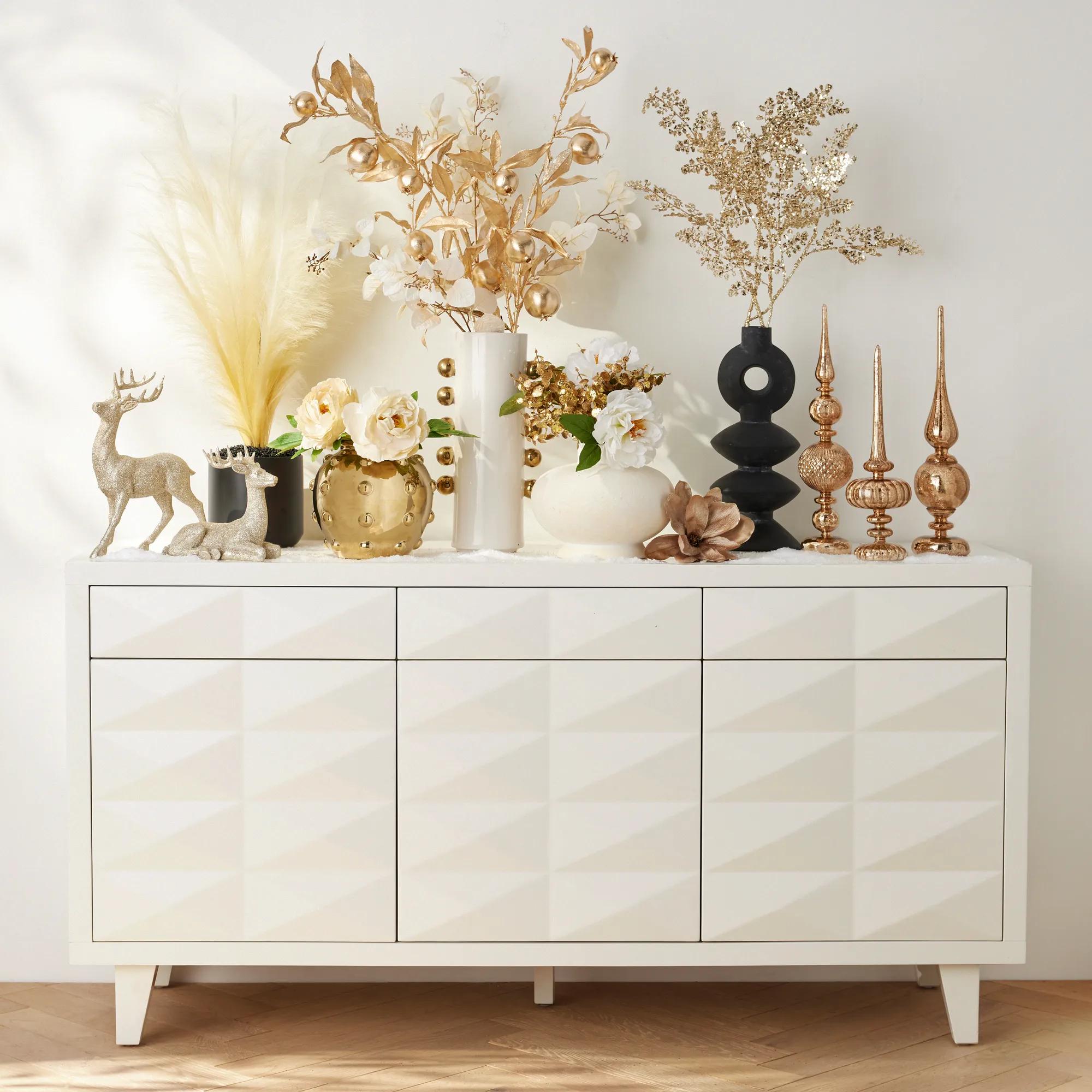 Majestic Deer Champagne Resin 8"$49
A pair of intricately detailed poly resin deer figures with a textured champagne metallic finish.
Add To Cart -
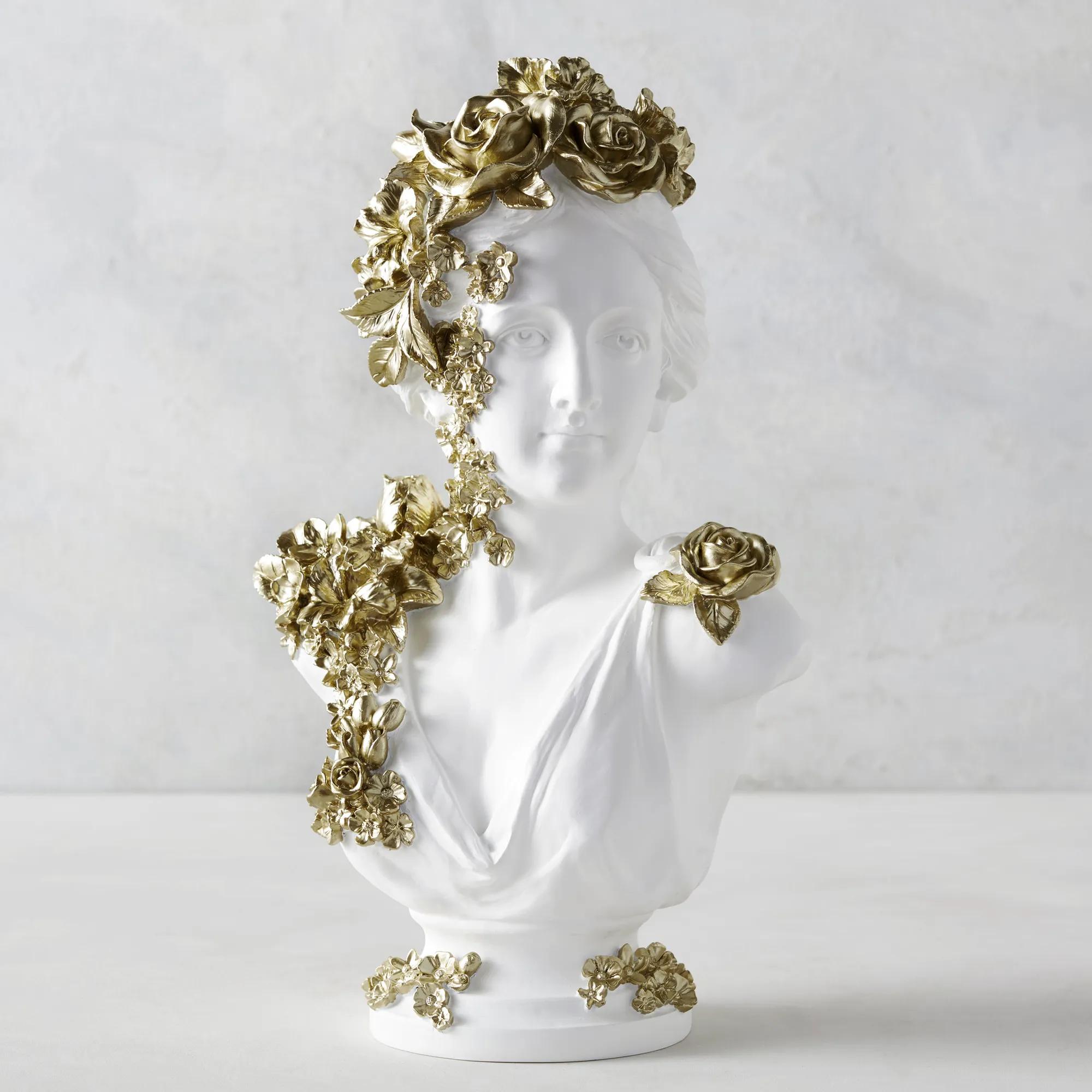 Gold Floral Bust Resin Decorative Object 16.5"$79
A striking resin bust adorned with intricate gold floral embellishments for a bold decorative accent.
Add To Cart -
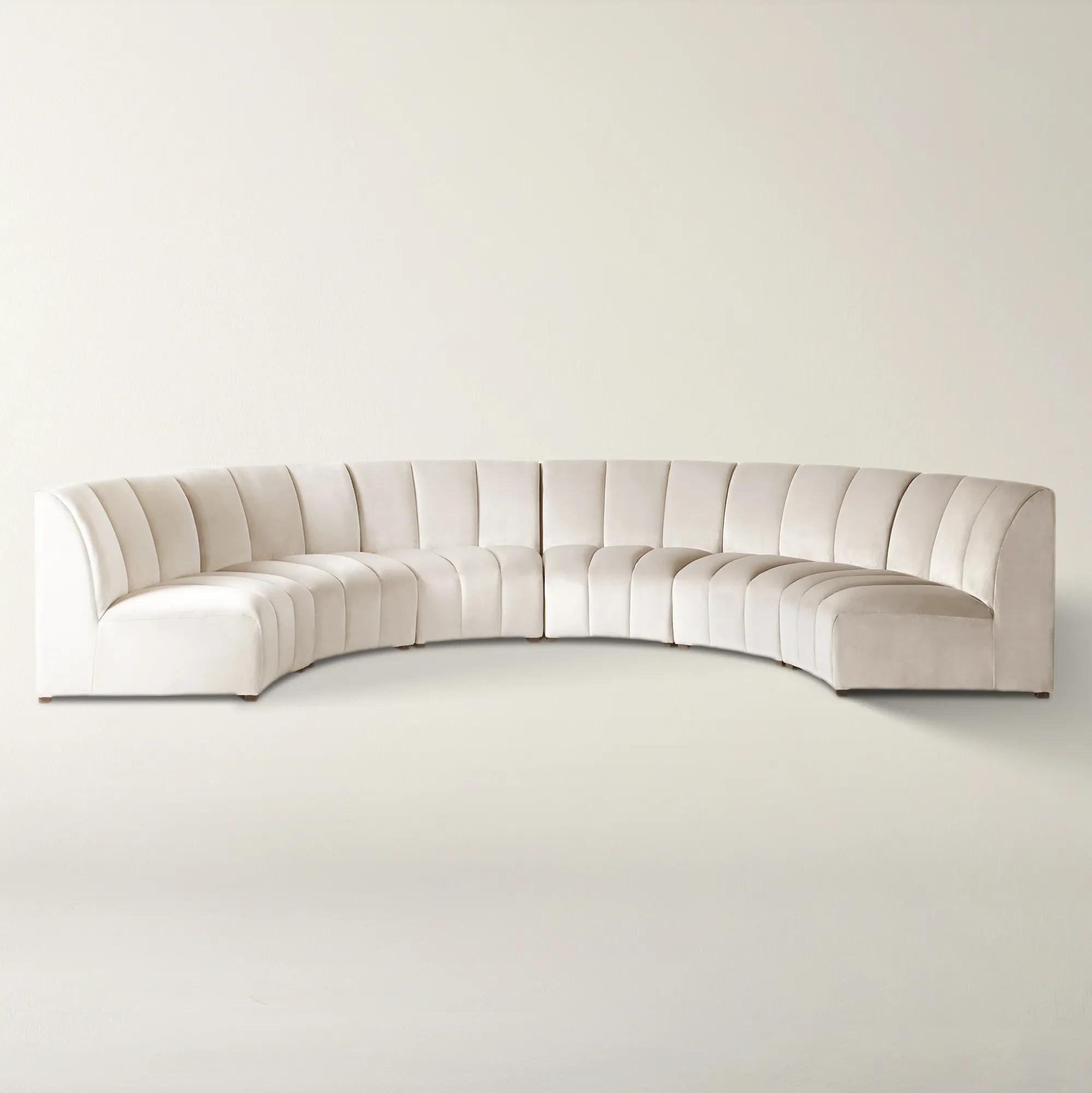 Jayce 6-Piece Channel-Tufted Ivory Velvet Sectional Sofa$5499
A modern curved sectional in stain-resistant Velvet Ivory with deep channel tufting and plush, structured cushions.
Add To Cart -
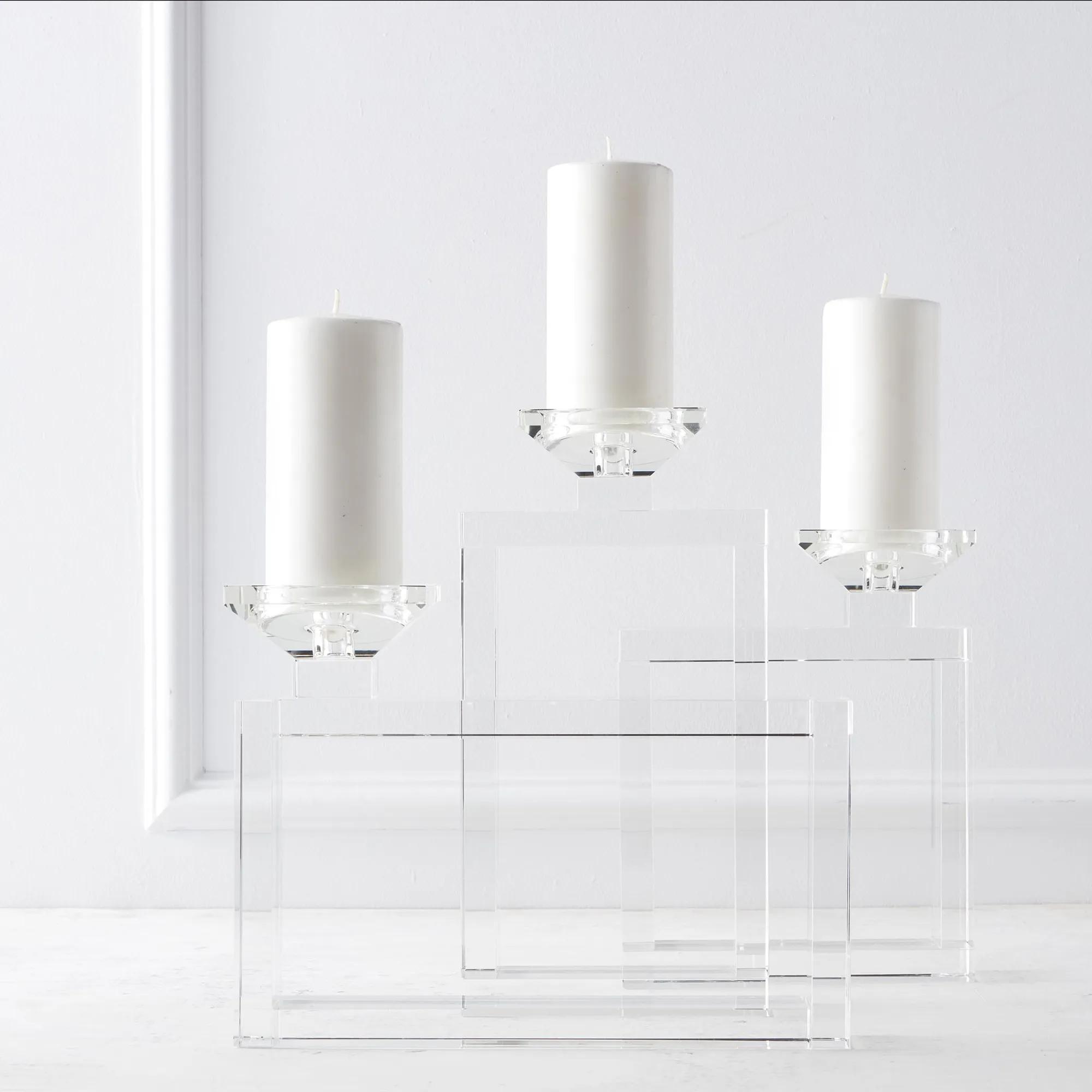
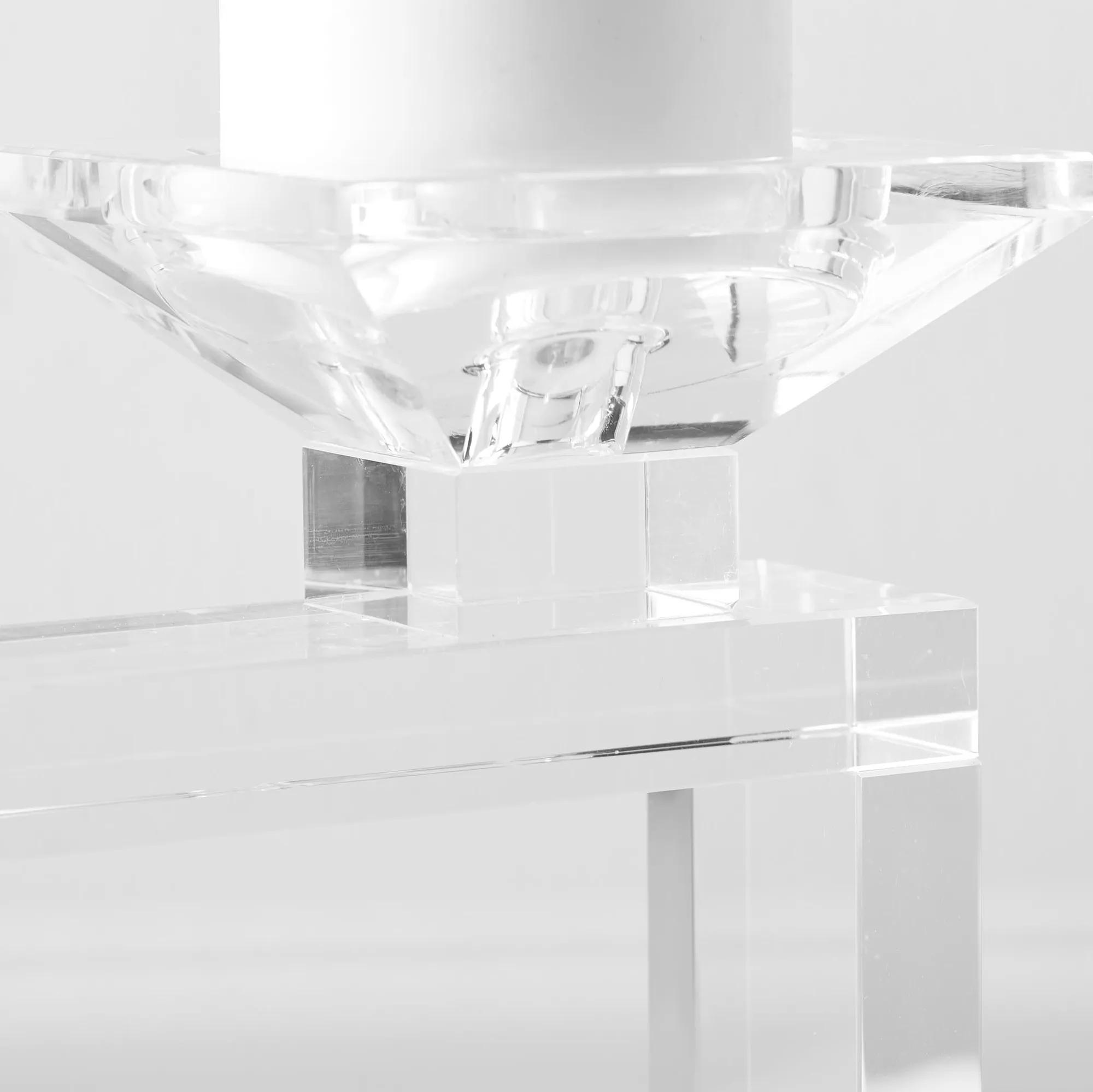 Linx Clear Crystal Glass Pillar Holders$119
A sparkling clear crystal glass holder with an open geometric base for standard pillar candles.
Add To Cart -
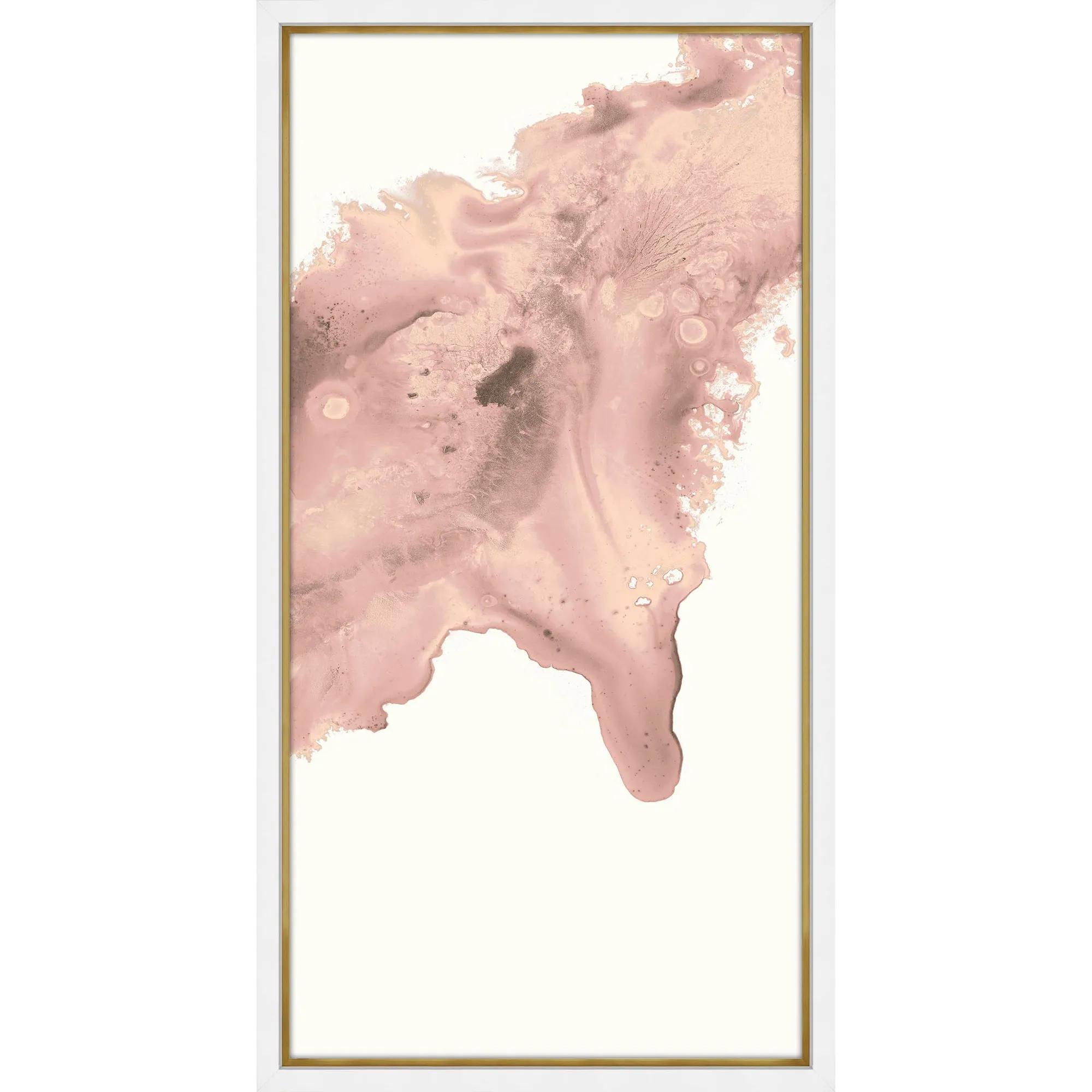
 Blush Conduit 2 Framed Wall Art 24" x 48"$849
A striking abstract print on pearl paper, elegantly framed in gold and matte white for modern appeal.
Add To Cart -
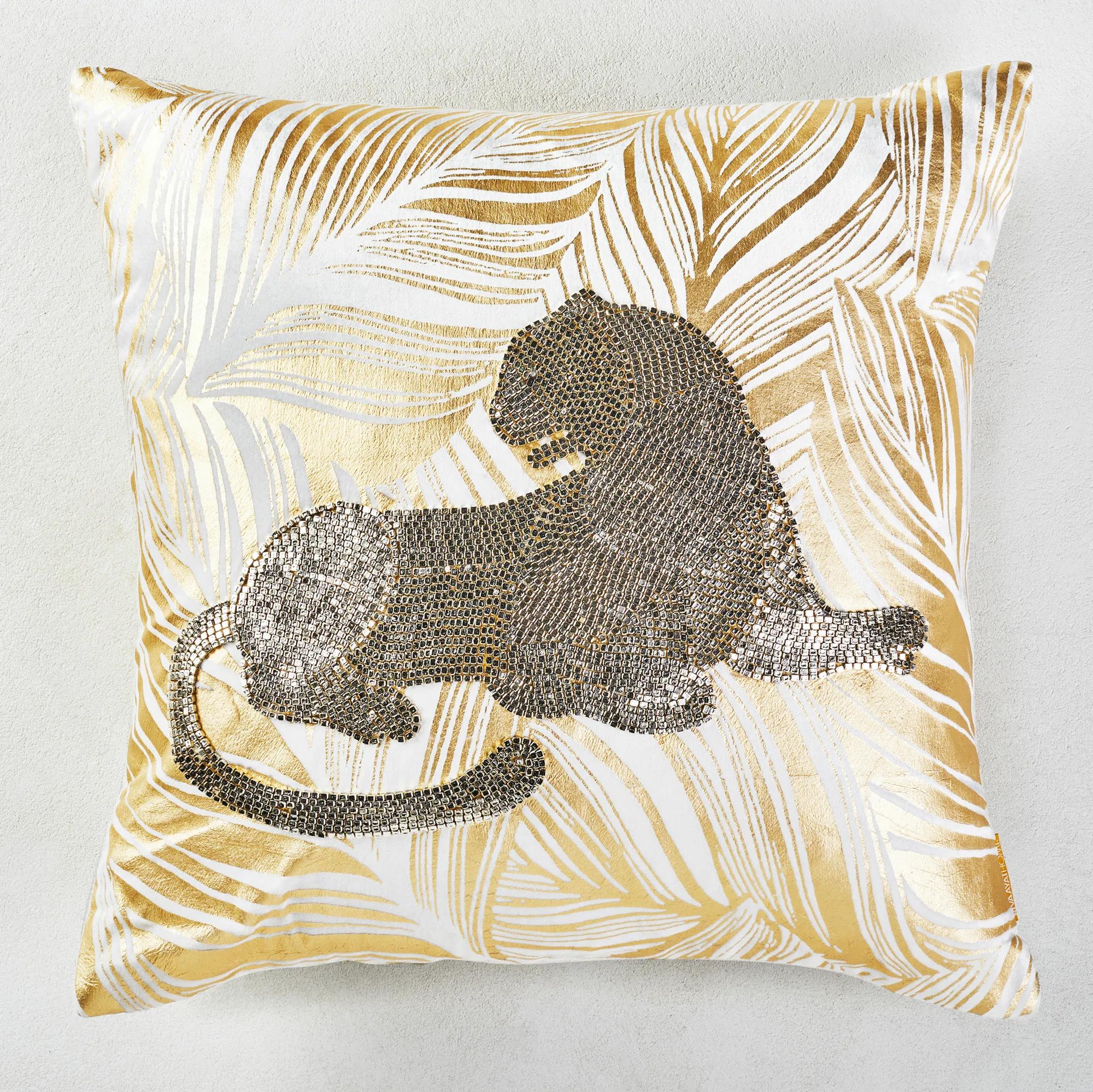 Mosaic Jaguar Pillow 20" - Gold$89
A gold and champagne pillow featuring hand-beaded jaguar detailing on a velvety cotton and polyester blend.
Add To Cart -
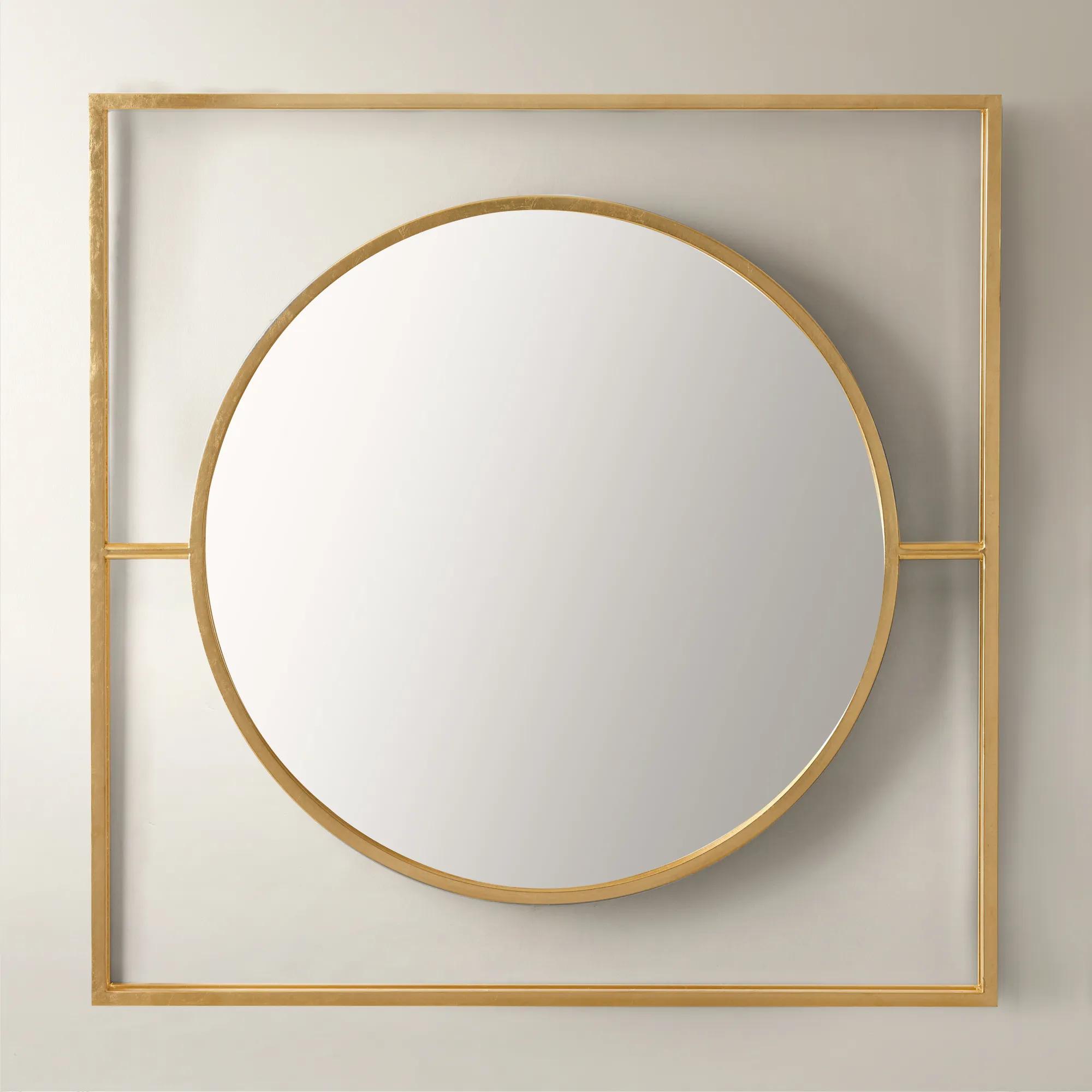
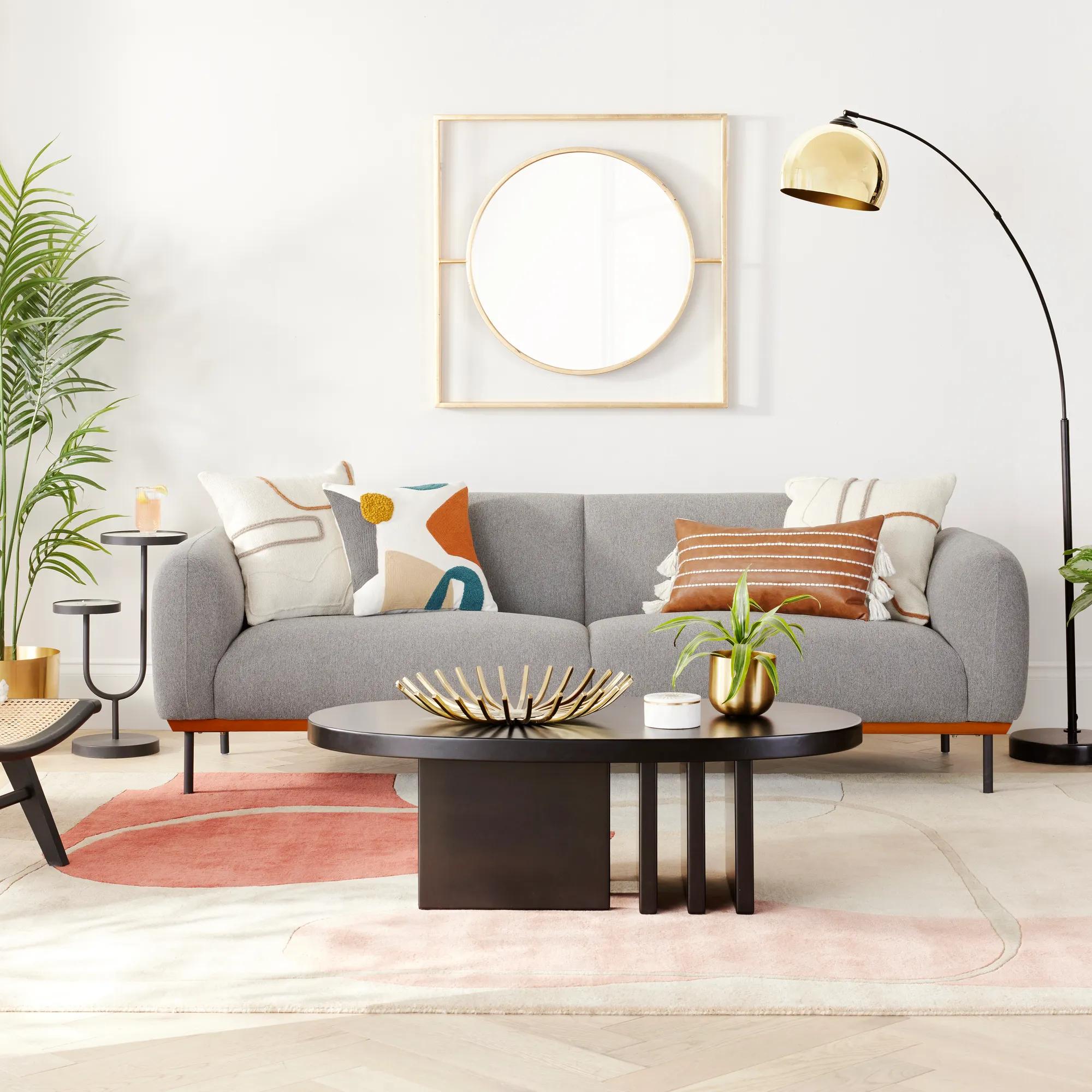 Halo Mirror$449
A round mirror set in a delicate square iron frame with a glamorous gold finish.
Add To Cart -
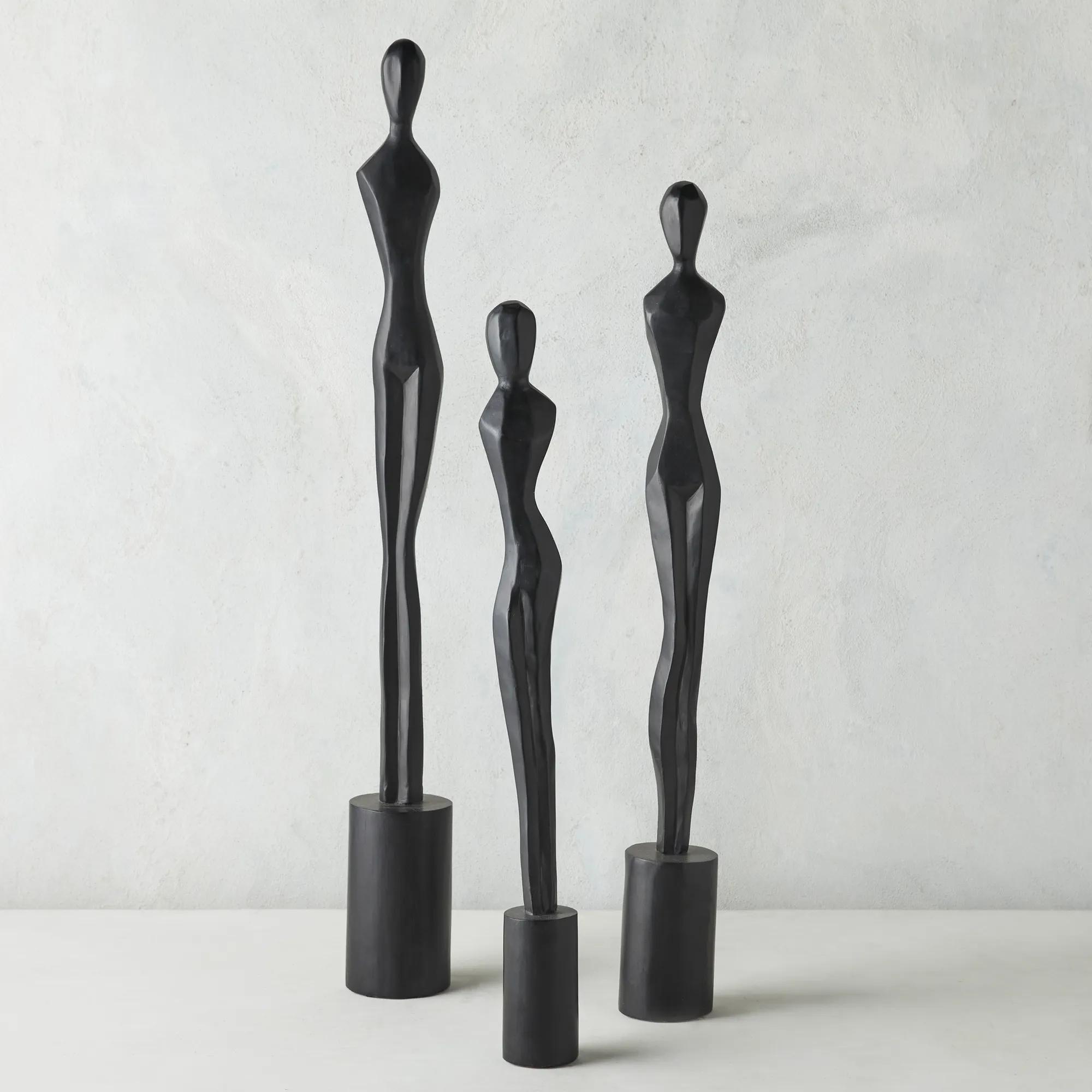
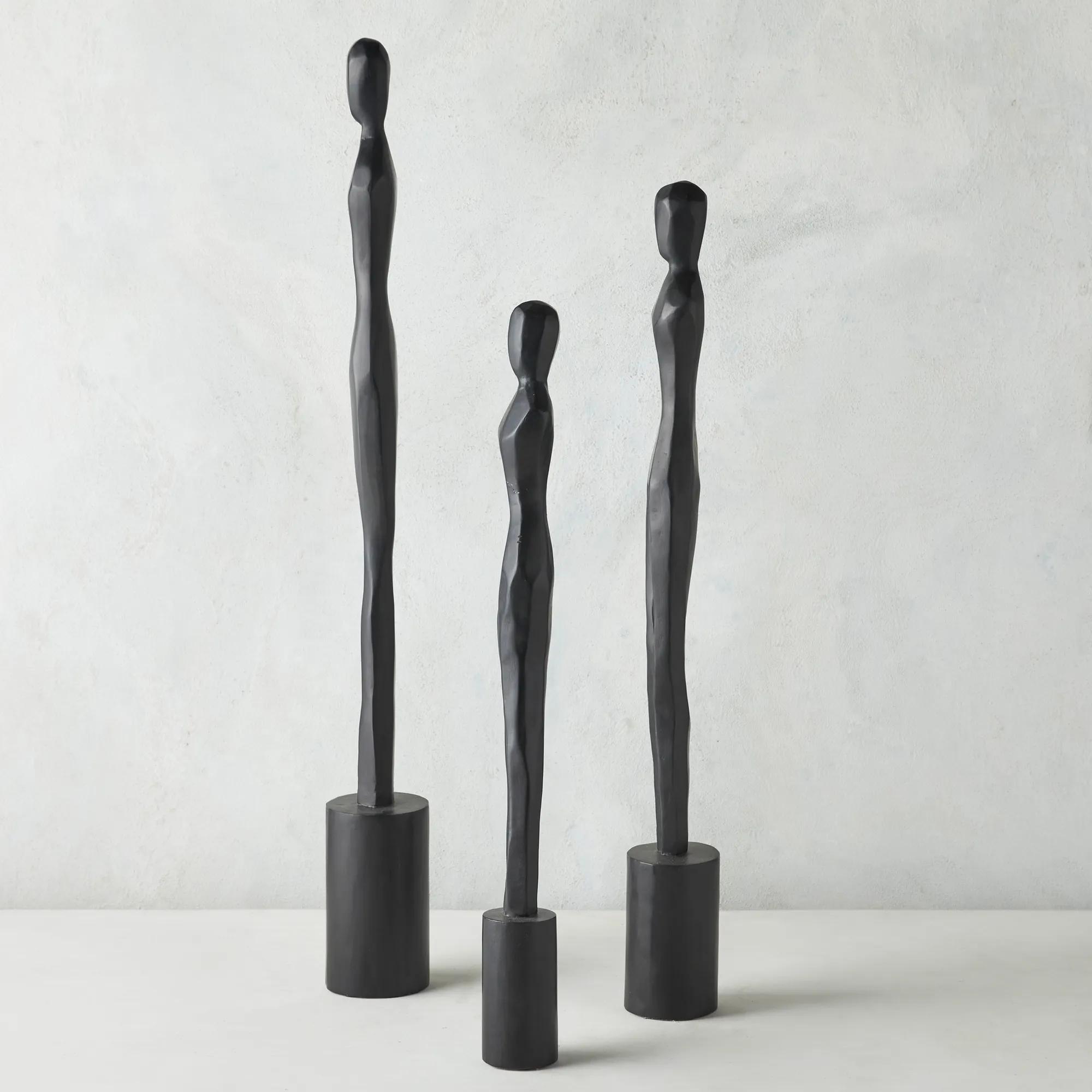 Nikki Chu Female Figure Black Wood Decorative Object Set of 3$129
A striking set of three black mango wood sculptures featuring graceful, elegant female silhouettes.
Add To Cart -
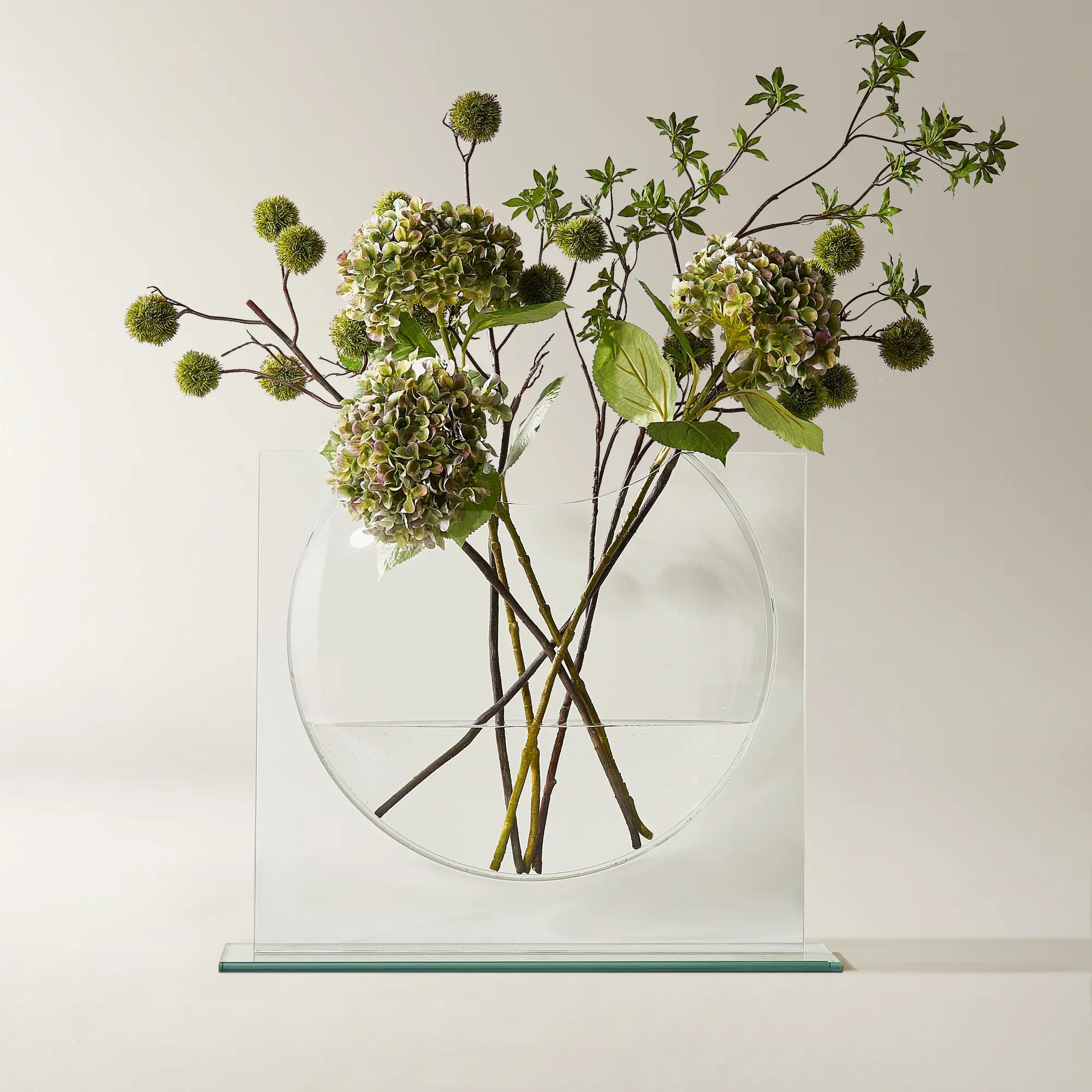
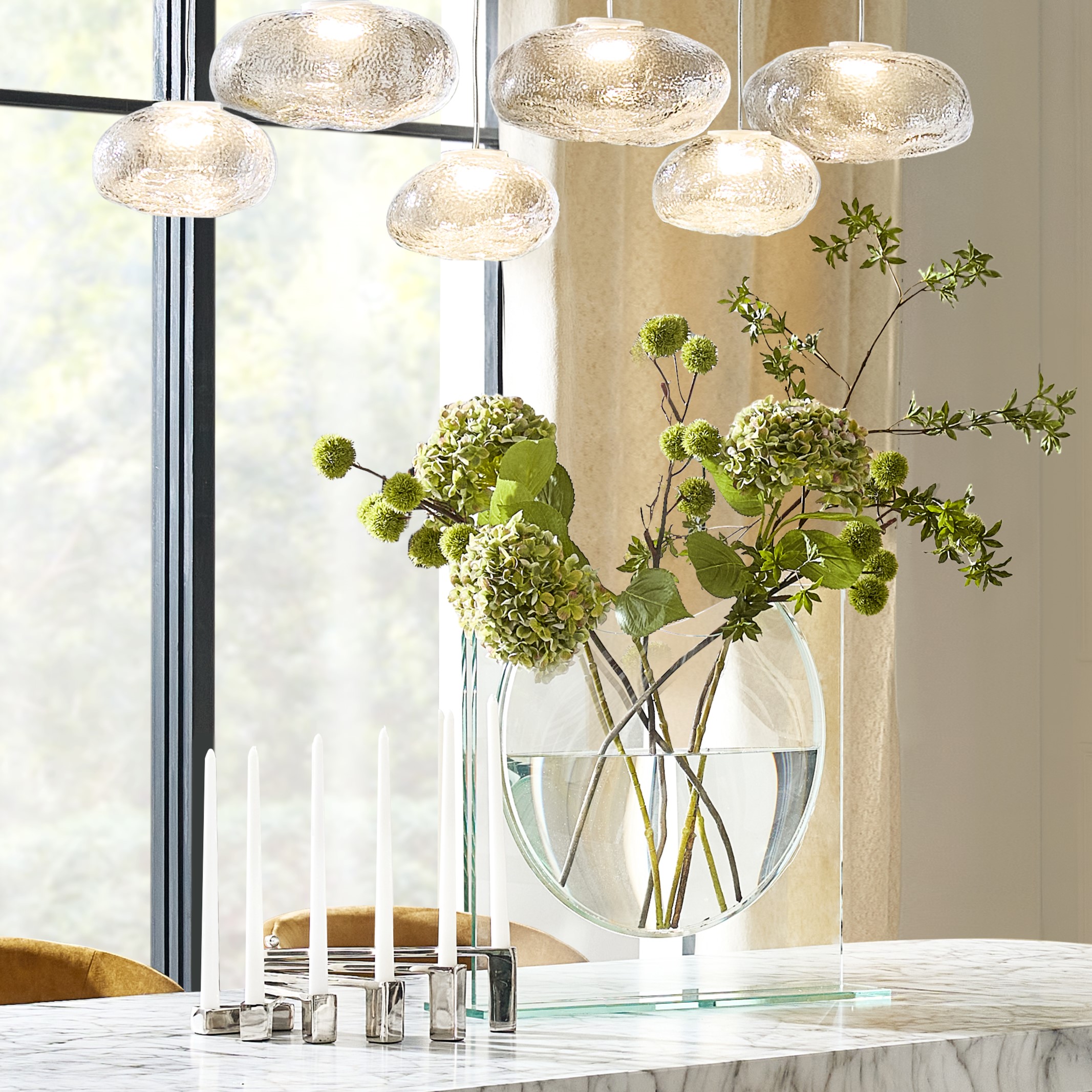 Ellipse Clear Glass Vase 20"$259
A sleek elliptical glass vase offering a modern, functional accent for fresh floral arrangements.
Add To Cart

Elegant Additions For Open Concept Homes
Elevate your open concept sanctuary with elegant additions that blur the line between art and architecture. Every piece is thoughtfully curated to transform expansive spaces into captivating narratives—where sculptural silhouettes, luminous finishes, and sumptuous textures invite both admiration and intrigue. Embrace the grandeur of open living as a canvas for self-expression, layering each room with dramatic flourishes and refined details. With elegant additions for open concept homes, your interiors become a gallery of bold statements and unforgettable moments.
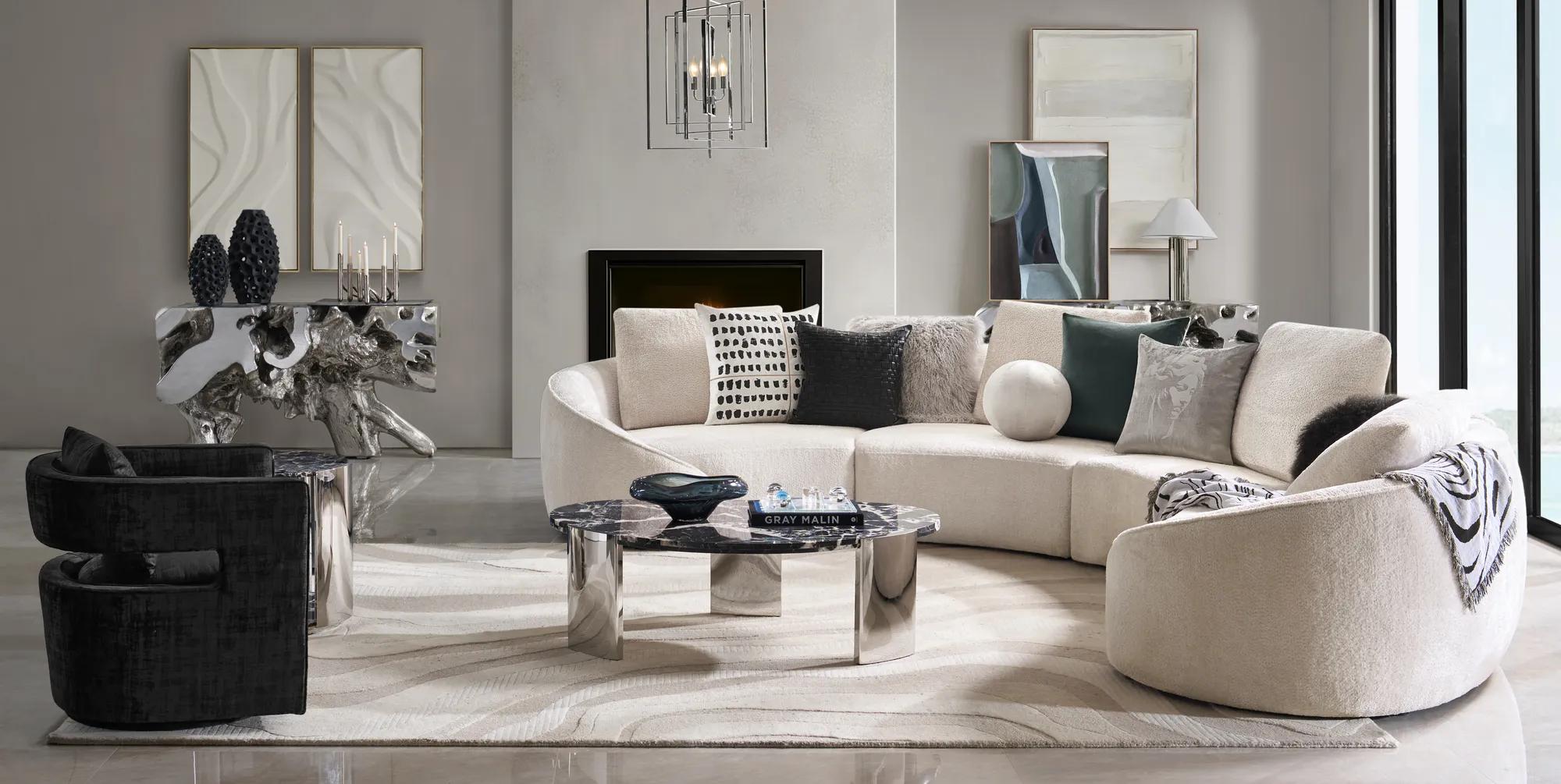
Elegant additions for open concept homes bring definition, rhythm, and a sense of occasion to expansive interiors without interrupting their natural flow. In a home where the kitchen, dining area, and living room share one sweeping footprint, every furnishing becomes part of a larger composition. The most successful selections create visual boundaries while preserving the airy feeling that makes open-plan living so alluring. Begin with scale: generous rooms call for furnishings and accents with enough presence to hold their own across a wide sightline, while slim profiles keep pathways open and the overall arrangement feeling gracious rather than crowded. Large area rugs are especially effective for zoning an open floor plan, placing a living arrangement or dining set within an elegantly defined frame. Choose a rug large enough for the front legs—or ideally all legs—of the surrounding seating to rest upon it, allowing the area to feel intentional instead of scattered. Rich texture, subtle pattern, and dimensional pile can ground a dramatic vignette while softening hard flooring and absorbing some of the sound that naturally travels through an open interior. Layered lighting adds another level of polish. A sculptural fixture can establish a focal point above a dining table or kitchen island, while floor lamps, table lamps, and softly glowing accent lighting create warmth at eye level throughout the adjacent living area. Together, these sources bathe the home in a more flattering, adaptable glow than a single overhead fixture ever could. Use brighter illumination for meal preparation and hosting, then rely on lower, warmer light during the cooler months when the room becomes a gathering place for lingering conversation, candlelit dinners, and quiet evenings at home.
Furniture placement is equally important in creating elegant zones. A sofa floating away from the wall can act as a graceful boundary between living and dining areas, particularly when paired with a slim console table behind it. The console offers a refined landing place for lighting, books, sculptural accents, or an arrangement of treasured objects, while its narrow depth preserves circulation through the room. In larger spaces, an open-backed divider, a pair of occasional tables, or a carefully positioned seating group can distinguish one function from another without closing off the view. This approach is ideal for households that entertain often, since guests can move easily from the kitchen to the dining area and onward to the living room while each zone retains its own atmosphere. It also serves everyday life beautifully: one person can prepare dinner, another can read or work nearby, and everyone remains connected without competing for the same piece of floor. Upholstered seating, long curtains, and plush textiles introduce acoustic softness, helping an expansive interior feel more intimate and settled. Curtains that extend from ceiling to floor can emphasize architectural height while filtering light and adding a sense of movement; when drawn, they offer a layer of privacy and cocooning comfort. A cohesive color palette allows these varied elements to belong to one story. Neutrals with tonal variation—soft ivory, warm taupe, smoky gray, or deep charcoal—can create continuity from one zone to the next, while metallic details, saturated accents, or expressive artwork provide the drama that keeps the room from feeling predictable. For a particularly polished result, repeat one or two materials or finishes throughout the space, such as gleaming metal, smoked glass, natural wood, or sumptuous velvet. The repetition feels considered, while contrast gives the eye somewhere to travel.
These elegant additions are well suited to new homeowners shaping a first signature interior, city dwellers making a generous loft feel more intimate, and growing households that need beauty to coexist with flexibility. They also make thoughtful gifts for hosts, newlyweds, design-minded friends, or anyone settling into a new residence, especially when the selection reflects the recipient’s palette and way of living. A textured accent can transform a quiet corner into a reading retreat; a decorative mirror can amplify light and make a wide room feel even more luminous; a sculptural vessel or artistic object can finish a console, mantel, or dining display with a note of personal expression. When choosing pieces, consider the architecture as well as the furnishings already in place. Measure doorways, walkways, ceiling height, and the full dimensions of a rug before purchasing, and leave enough clearance for chairs to pull out comfortably and for guests to move through the room with ease. In open concept homes, visual weight matters as much as measurements, so balance substantial forms with airier silhouettes and pair statement-making elements with quieter companions. This is where Statement Pieces For Open Concept Homes can lend an especially memorable finish, bringing artistry and confidence to the spaces that anchor daily life. Whether the goal is a luminous setting for entertaining, a composed backdrop for family routines, or a serene retreat that feels expansive yet welcoming, the right combination of rugs, lighting, textiles, dividers, and decorative accents turns openness into an advantage. Each layer helps the room feel more intentional, more comfortable, and unmistakably your own—an expressive canvas where every gathering, quiet morning, and beautifully ordinary evening has its place.
FAQ List
To create defined zones within an open concept layout, layer area rugs to anchor seating arrangements, use sculptural accent pieces as visual dividers, and incorporate statement lighting to highlight specific areas. Thoughtful placement of mirrors, consoles, or tall decorative objects can subtly delineate spaces without interrupting the open flow, allowing each zone to feel distinct yet cohesive.
Infuse your open concept home with luxury by mixing materials such as velvet, marble, polished metals, and hand-blown glass. These finishes catch the light and add depth, while tactile elements like plush textiles and textured ceramics invite touch and visual intrigue. The interplay of these materials transforms expansive spaces into inviting, artful environments.
Absolutely. Elegant decor pieces are designed to elevate both special occasions and daily rituals. A dramatic centerpiece or a plush pillow cover can set the mood for gatherings, while also enhancing the comfort and beauty of everyday moments—whether you're hosting friends or enjoying a quiet evening at home.
Yes, the right accents can transform a vast open area into a welcoming, intimate retreat. Layering sumptuous throws, curated art, and warm lighting creates pockets of coziness. Strategic placement of bold decor pieces draws the eye and fosters connection, making even the most expansive rooms feel inviting and personal.
Seasonal shifts offer an opportunity to refresh your space with new textures, colors, and accents. In late summer, consider lighter fabrics, gleaming metallics, and sunlit glass pieces that capture August’s glow. As the seasons evolve, layer in richer textiles and deeper hues to maintain a sense of luxury and comfort year-round.