Designer Stools For Living Rooms
Designer Stools For Living Rooms
-
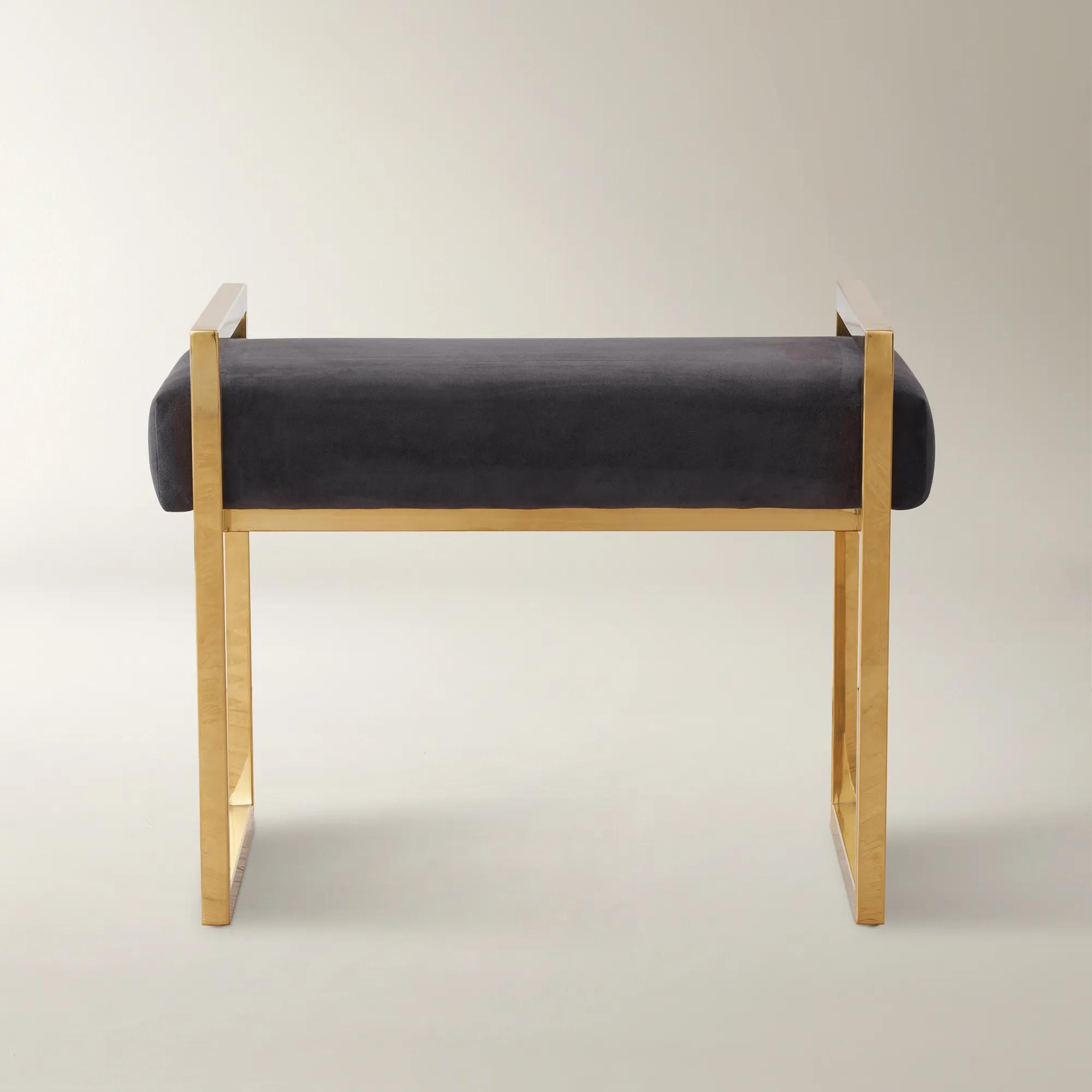
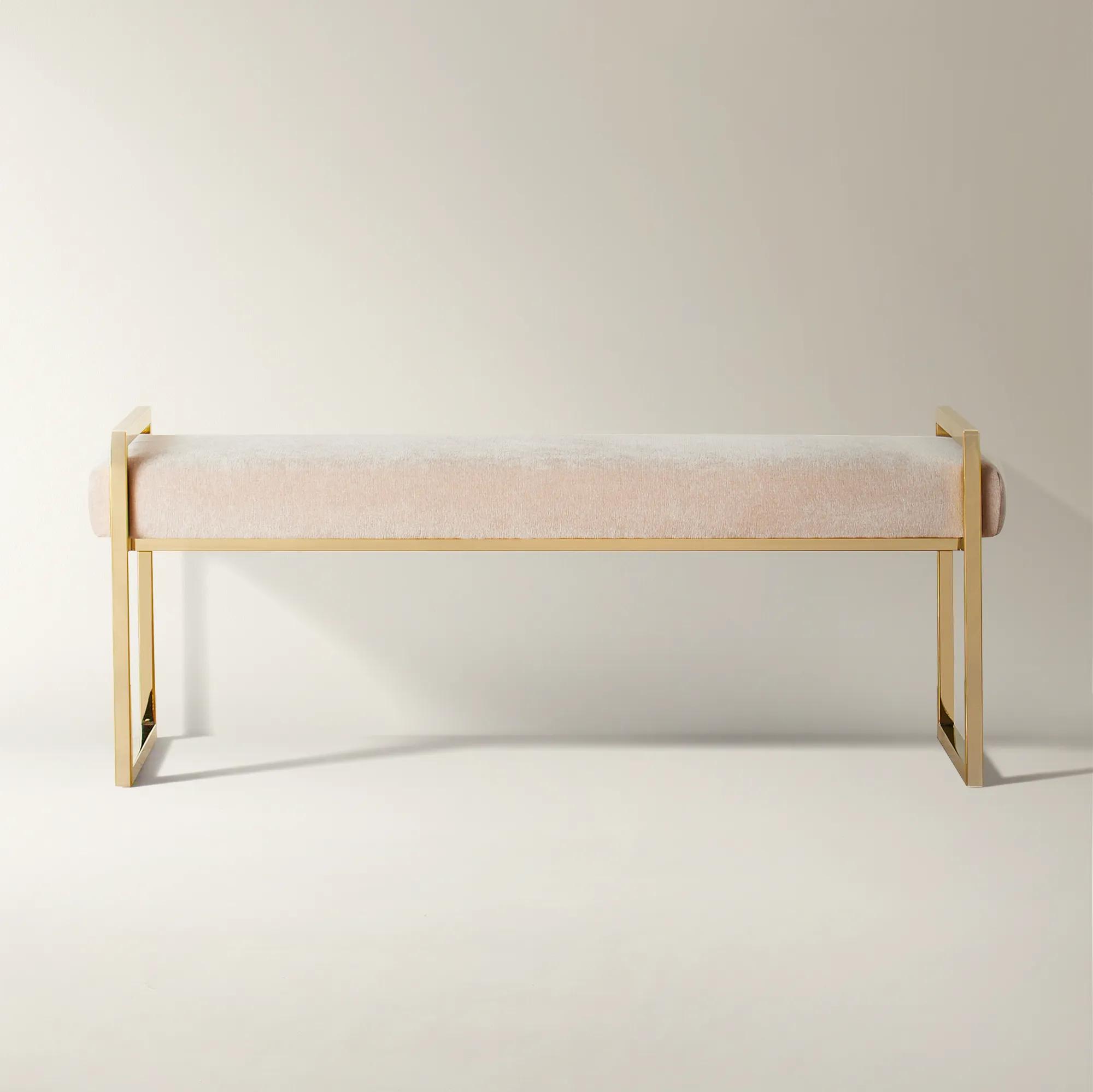
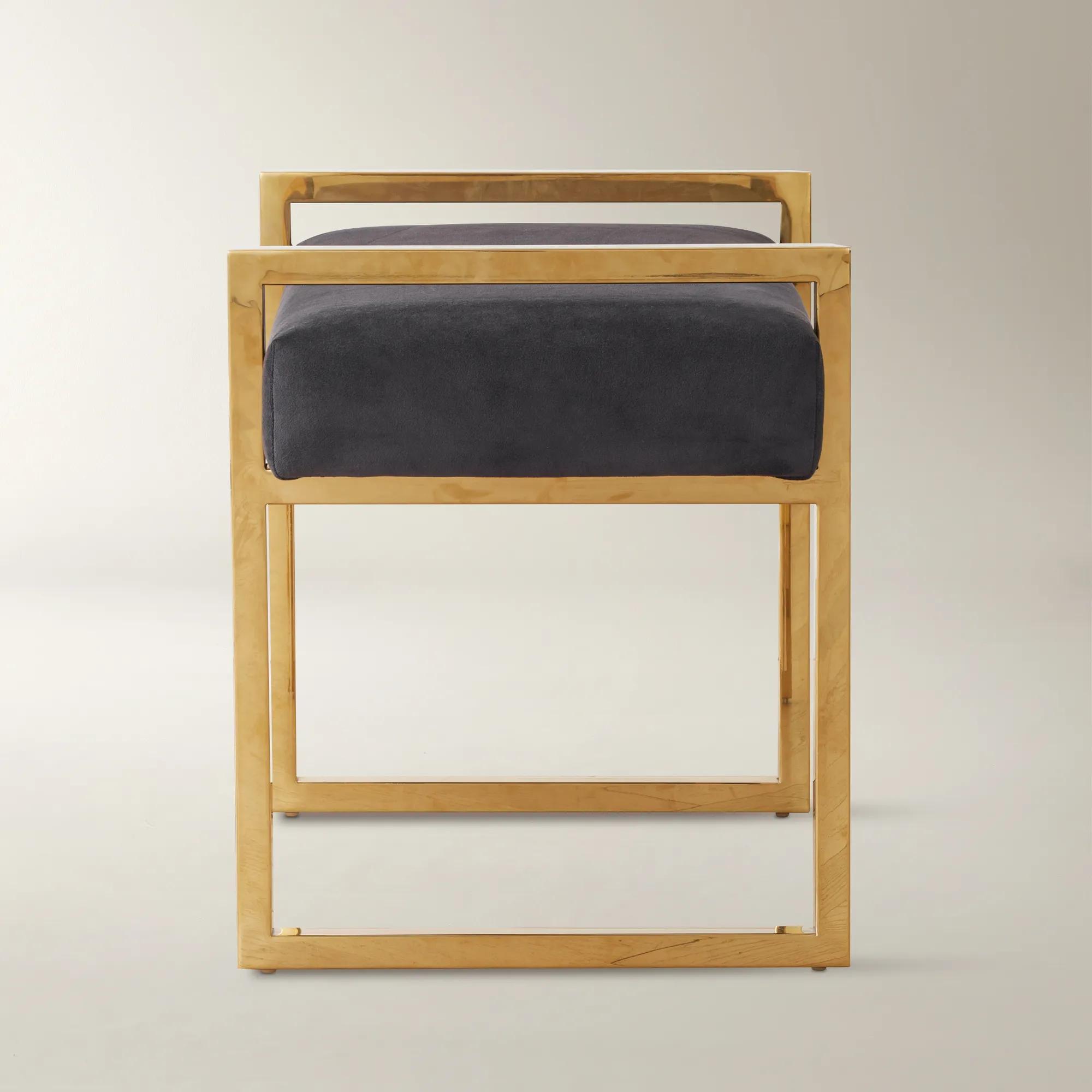 Clara Accent Stool$399
A plush black velvet seat rests on polished gold metal legs for a chic, modern accent piece.
Add To Cart -
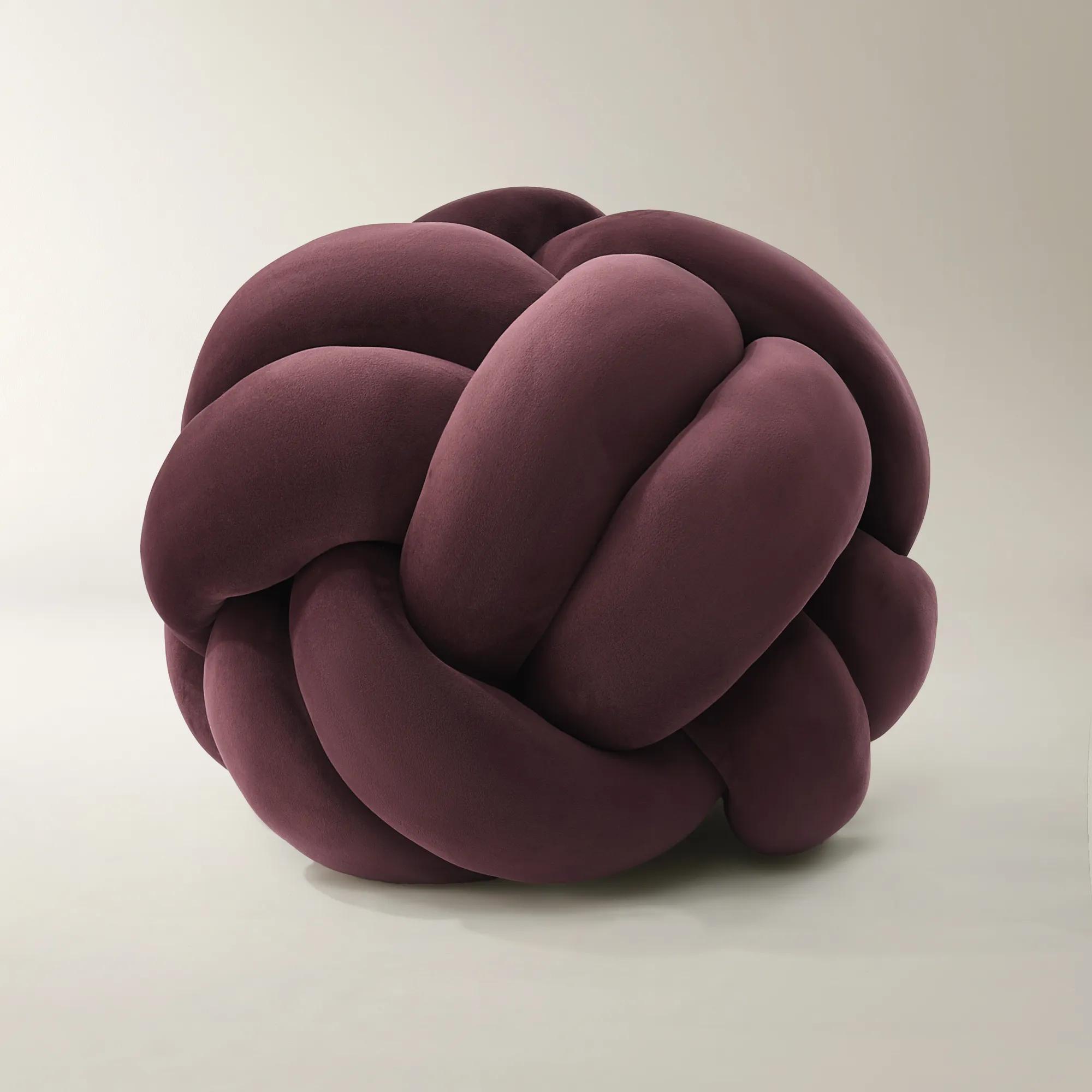
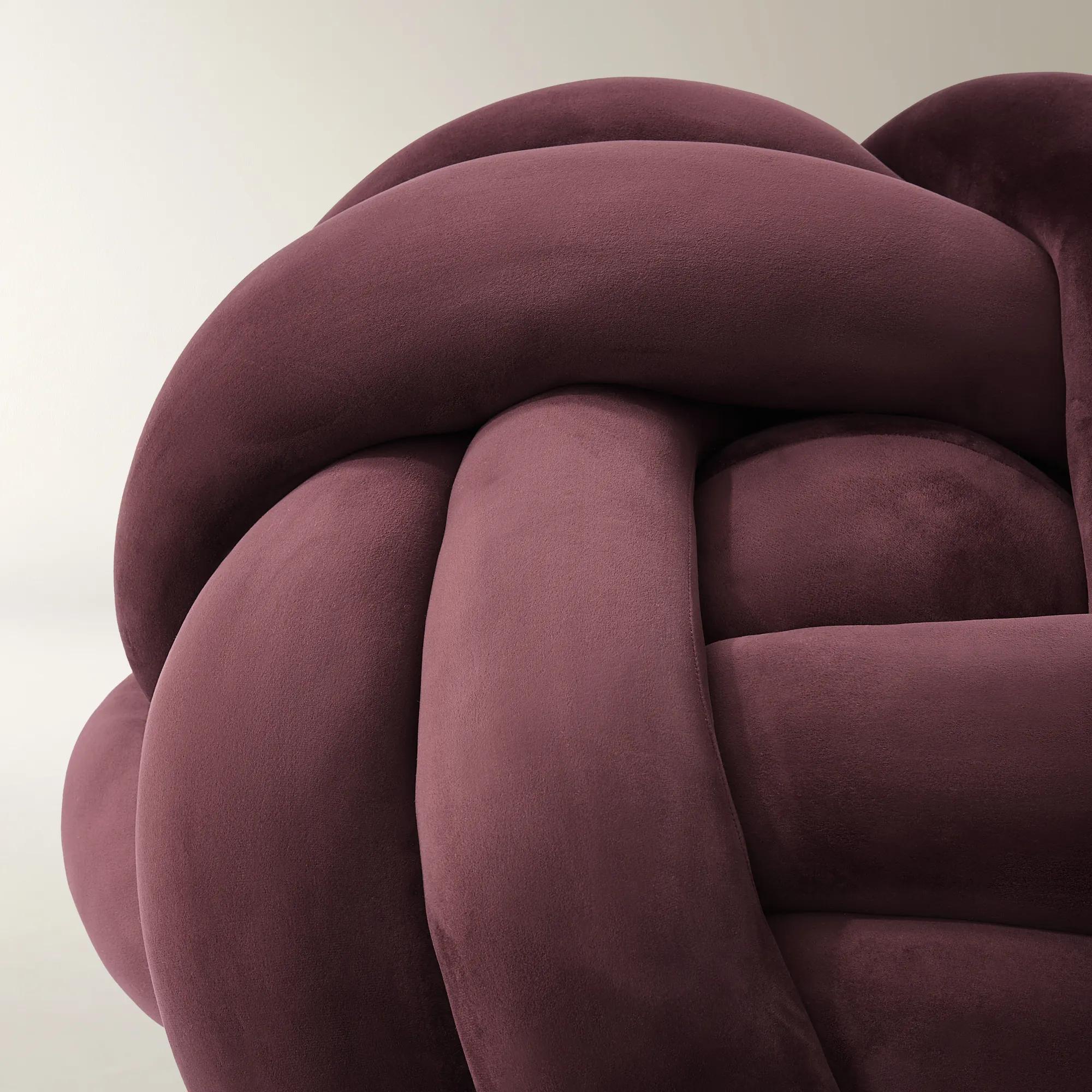 Loopie Fig Velvet Stool (34.5")$349
An oversized, knot-inspired stool hand-upholstered in plush fig velvet for bold sculptural appeal.
Add To Cart -
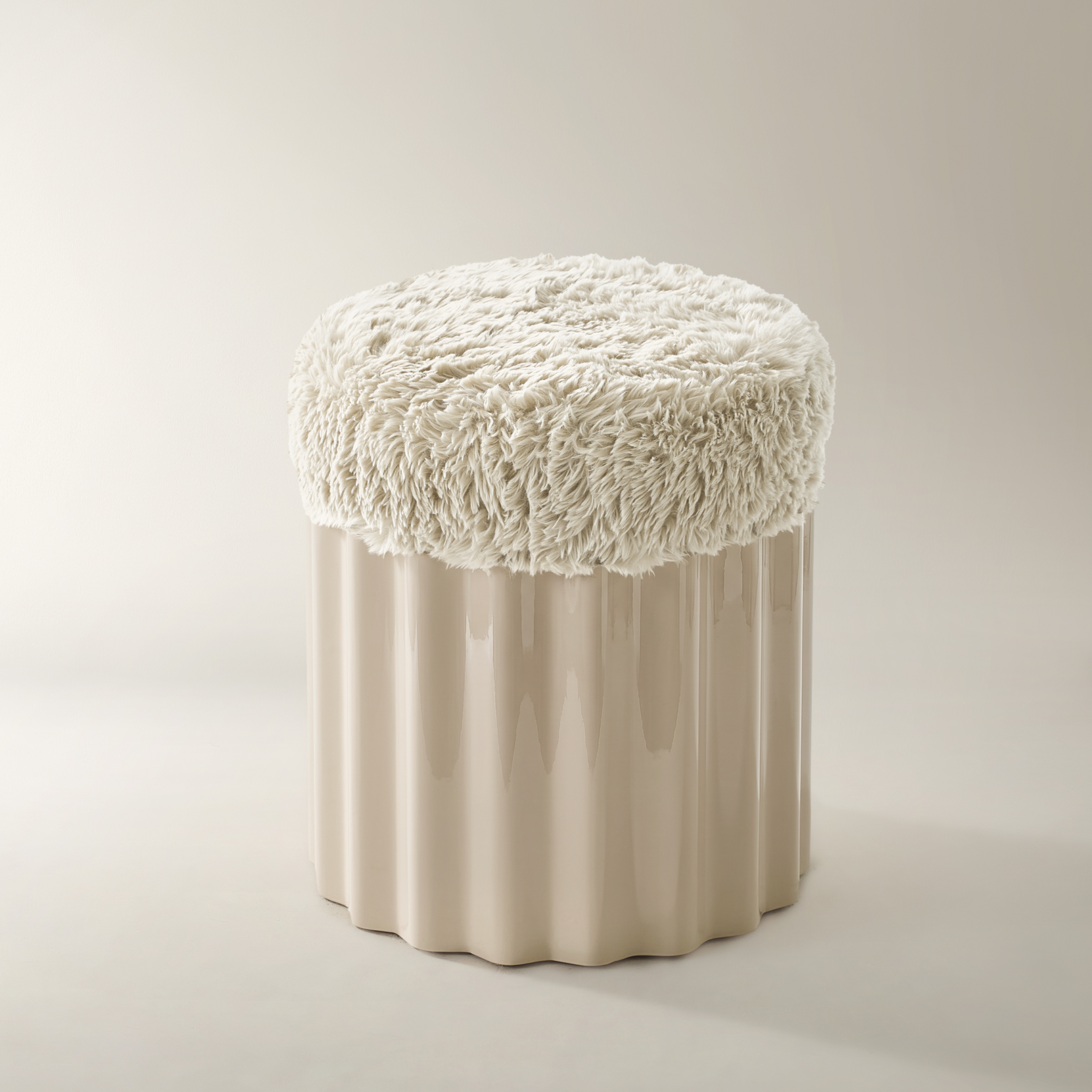
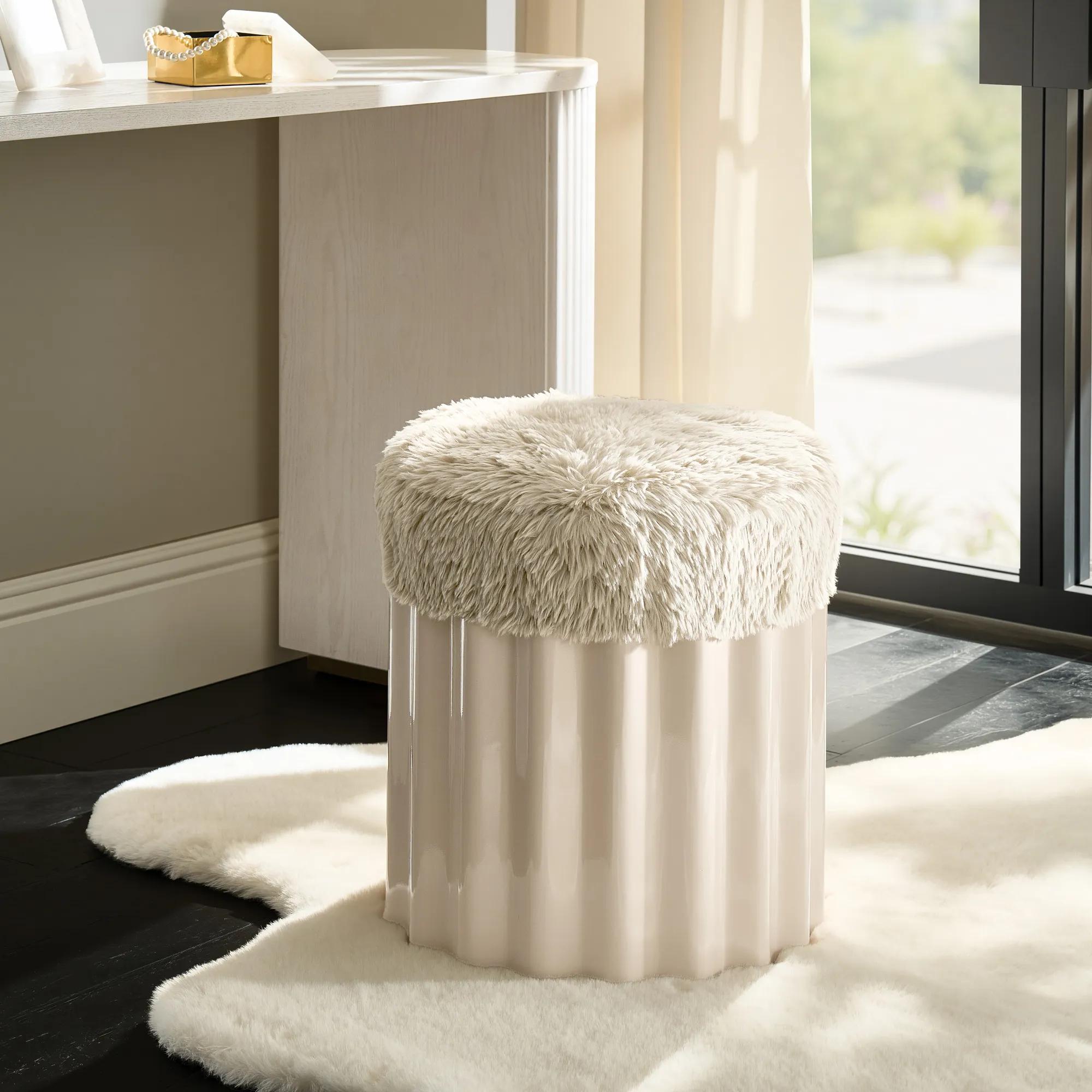 Nia Lacquered Turtle Dove Faux Fur Storage Stool$399
A sculptural fluted stool in warm turtle dove with plush faux fur seat and hidden storage compartment.
Add To Cart -
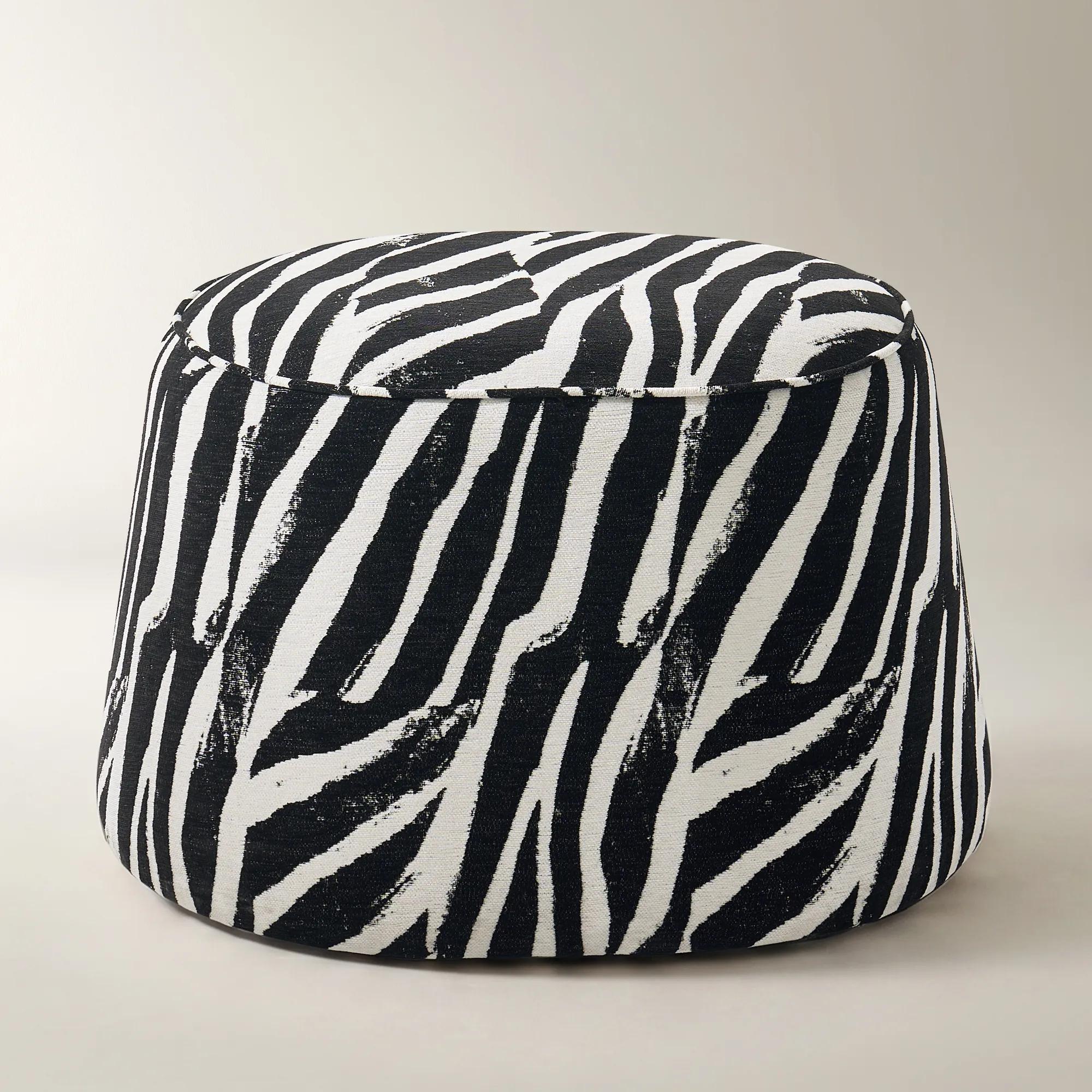 Avery White/Black Performance Chenille Stool$399
A sculpted drum accent stool in black and white performance chenille with an animal-inspired pattern.
Add To Cart -
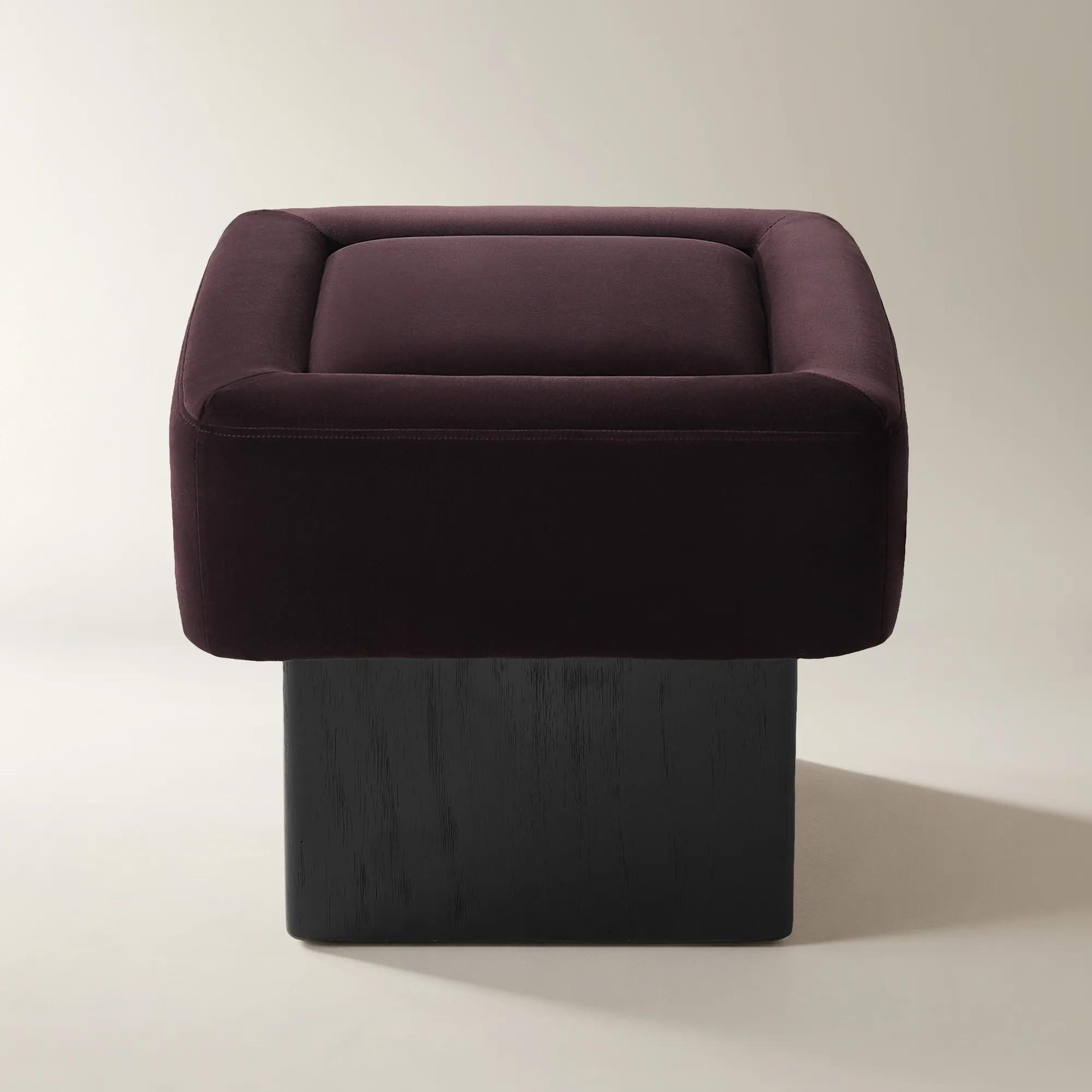 Reims Fig Velvet Stool$349
A plush fig-colored velvet stool featuring a sculpted cushion and a solid rubberwood base for modern contrast.
Add To Cart -
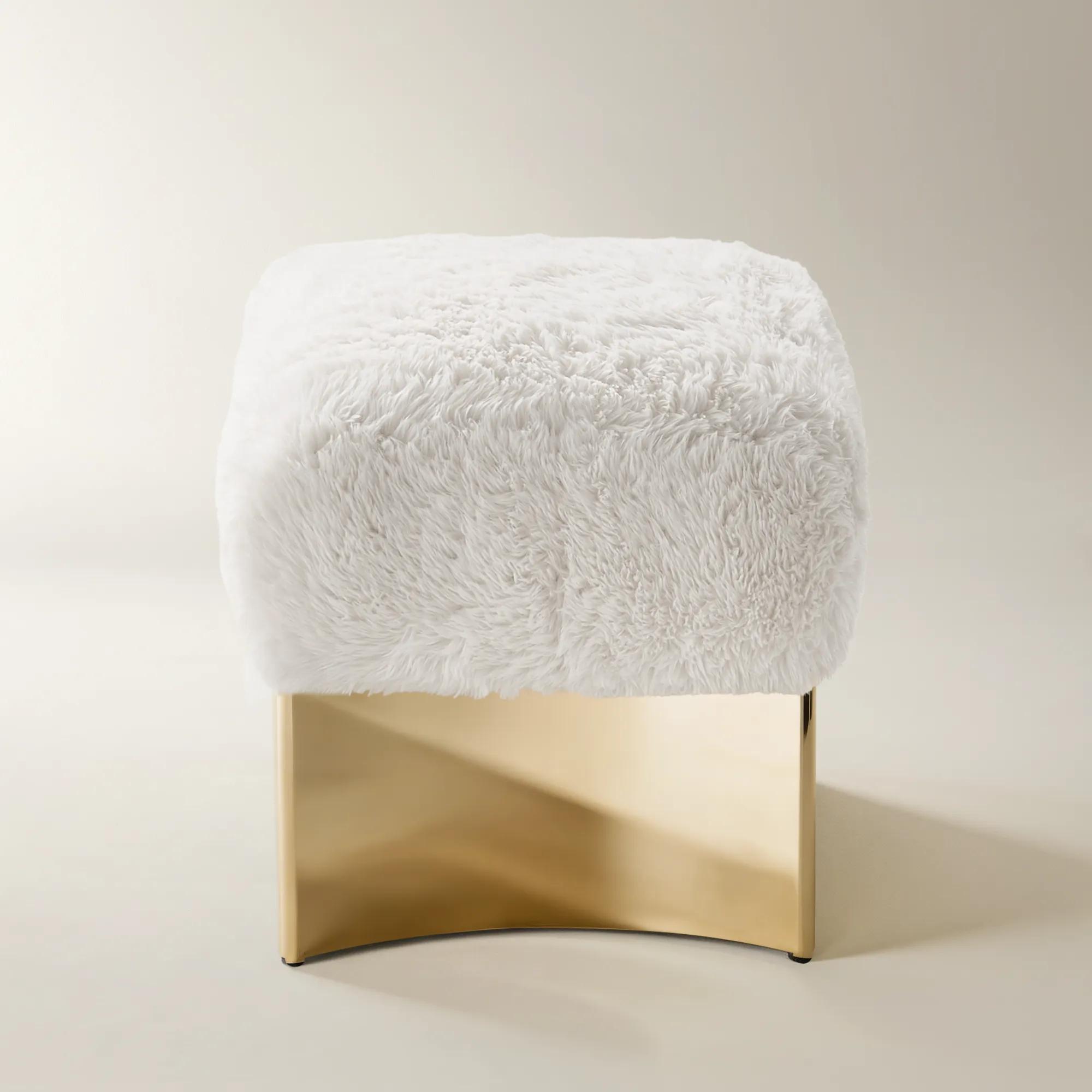 Lush White Faux Fur Stool$499
A sculptural white faux fur stool with a plush seat and polished gold stainless steel base.
Add To Cart -
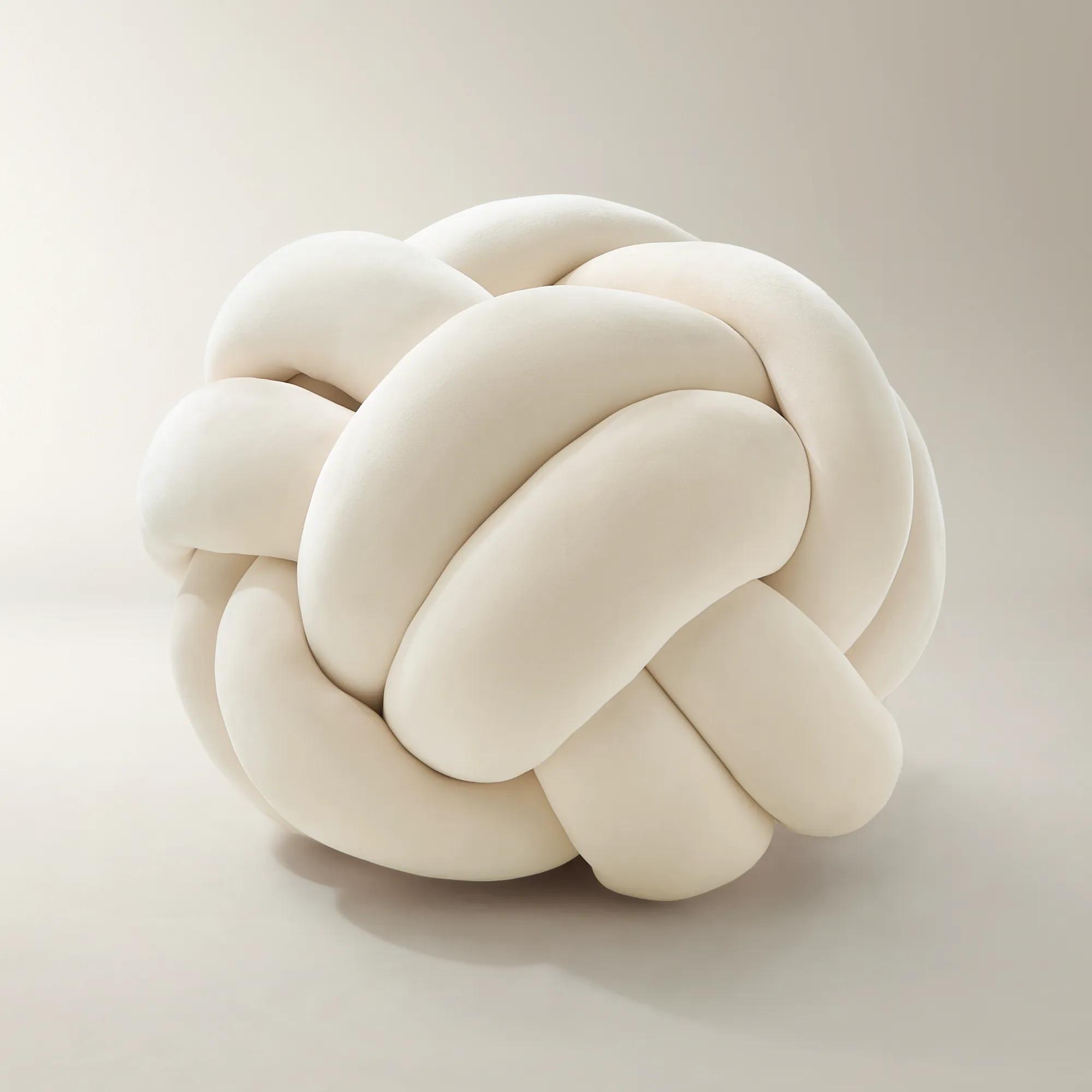 Loopie Oatmeal Velvet Stool (34.5")$349
An oversized oatmeal velvet stool featuring a sculptural knotted silhouette and plush, hand-upholstered finish.
Add To Cart -
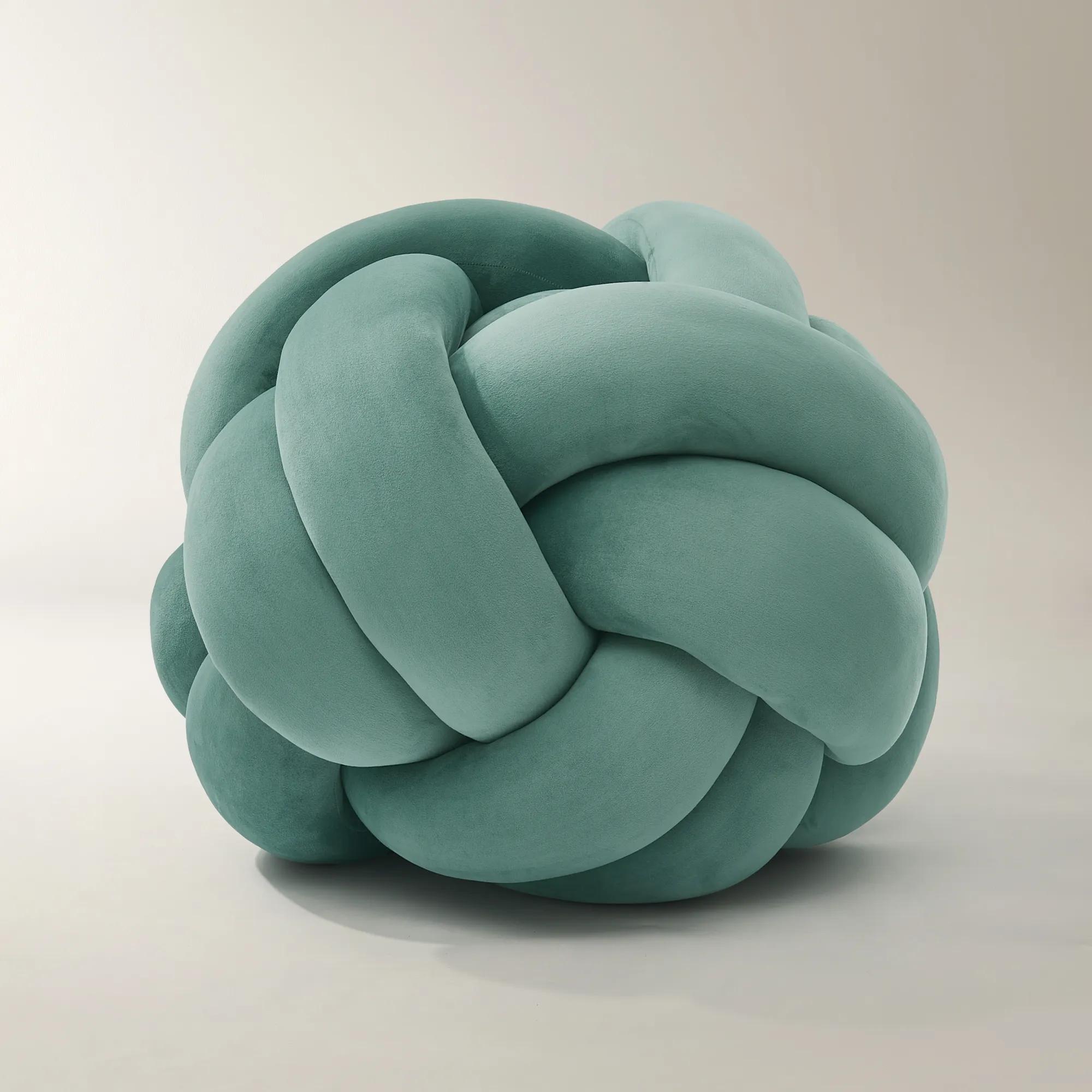
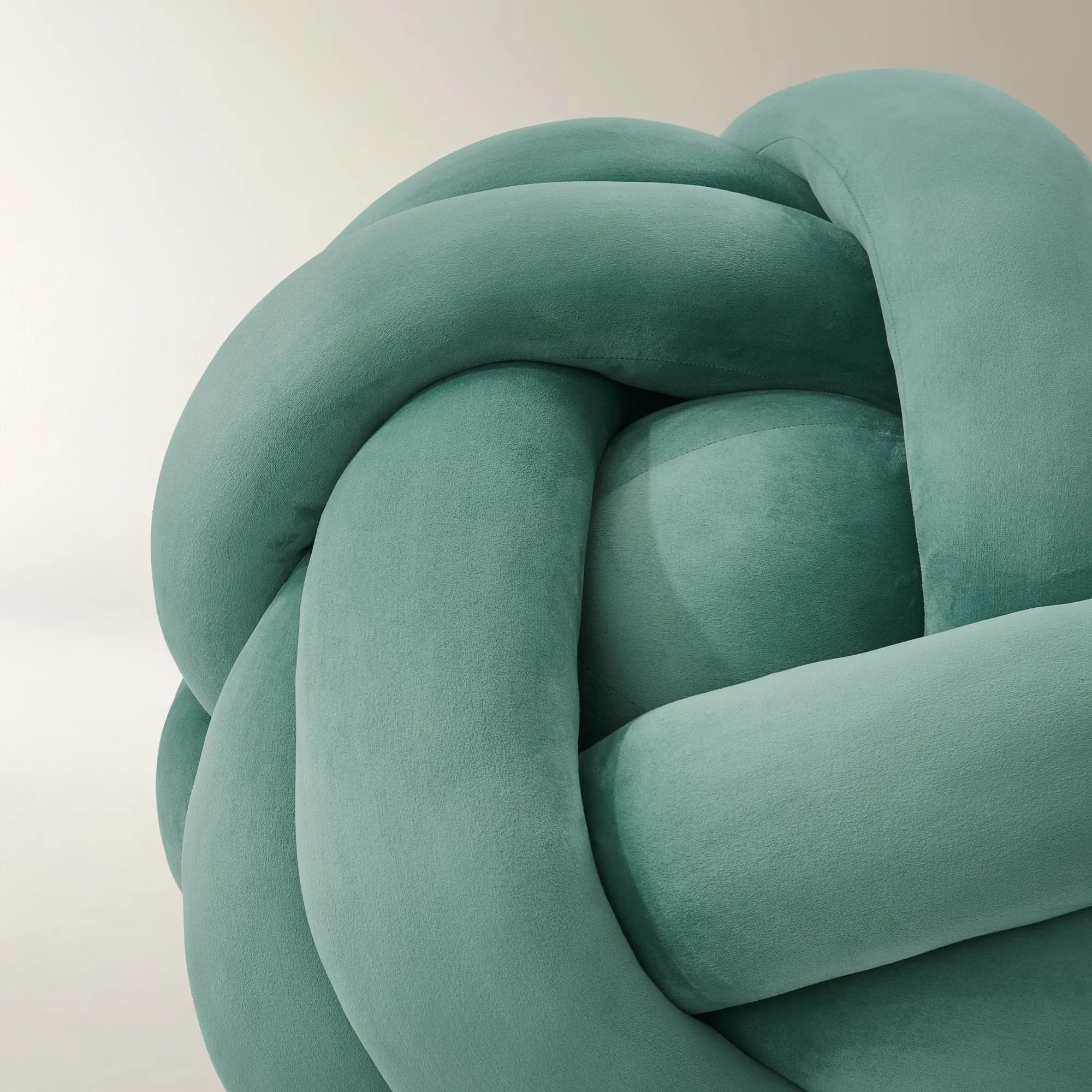 Loopie Ocean Teal Velvet Stool (34.5")$349
A bold sculptural stool featuring plush ocean teal velvet upholstery and an oversized knotted silhouette.
Add To Cart -
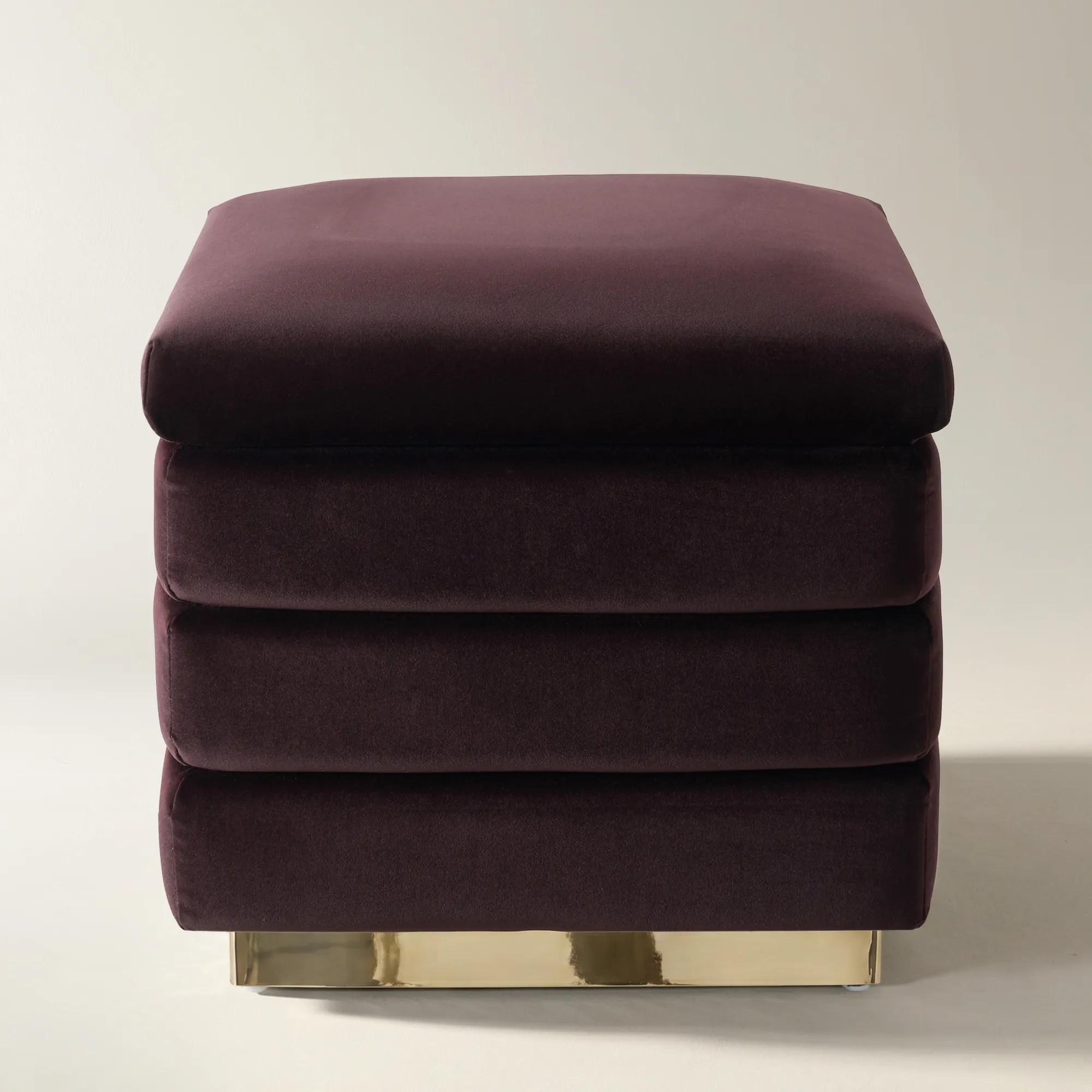
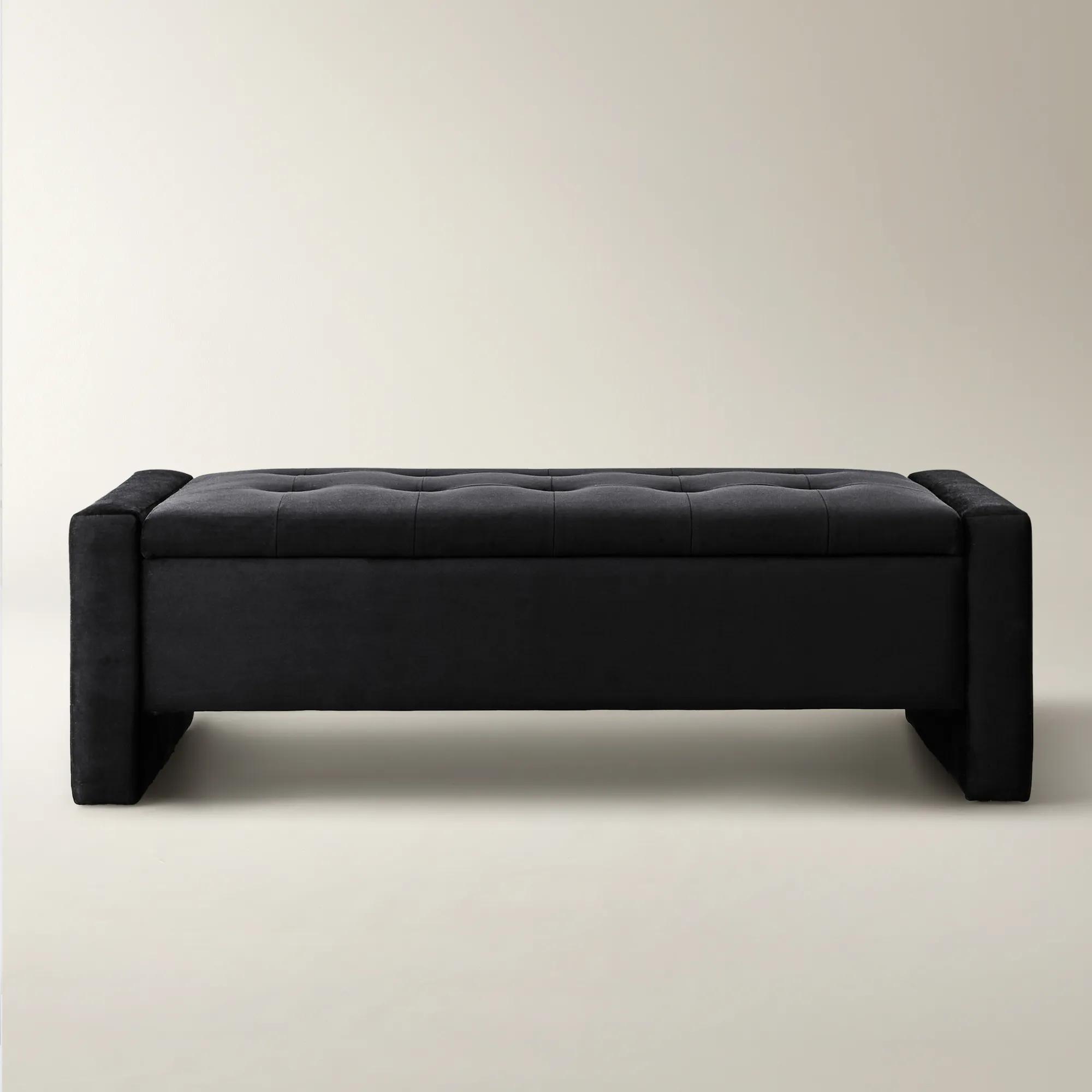
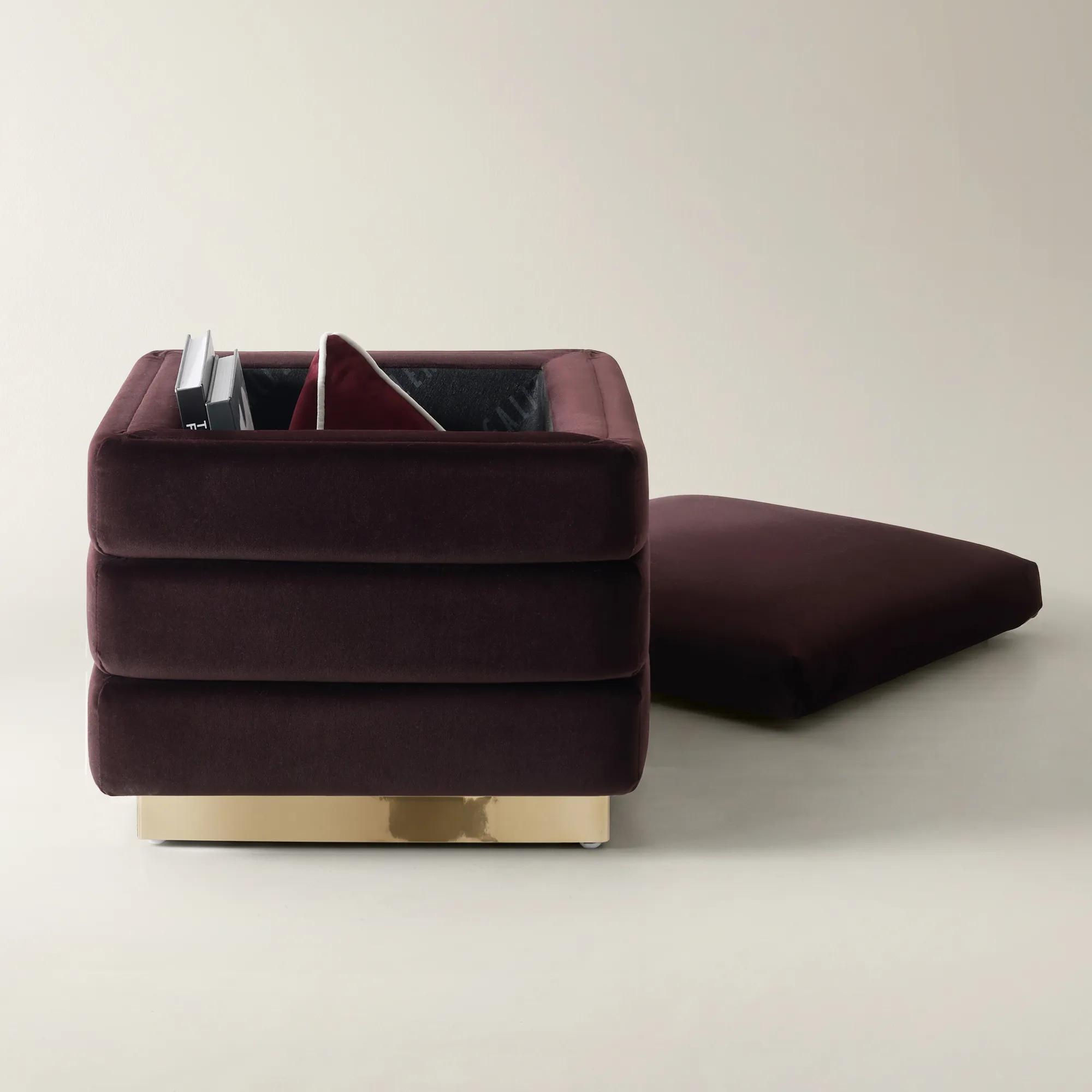 Gable Fig Chenille Storage Stool$399
A plush fig chenille stool with hidden storage, velvet upholstery, and a polished gold stainless steel base.
Add To Cart -
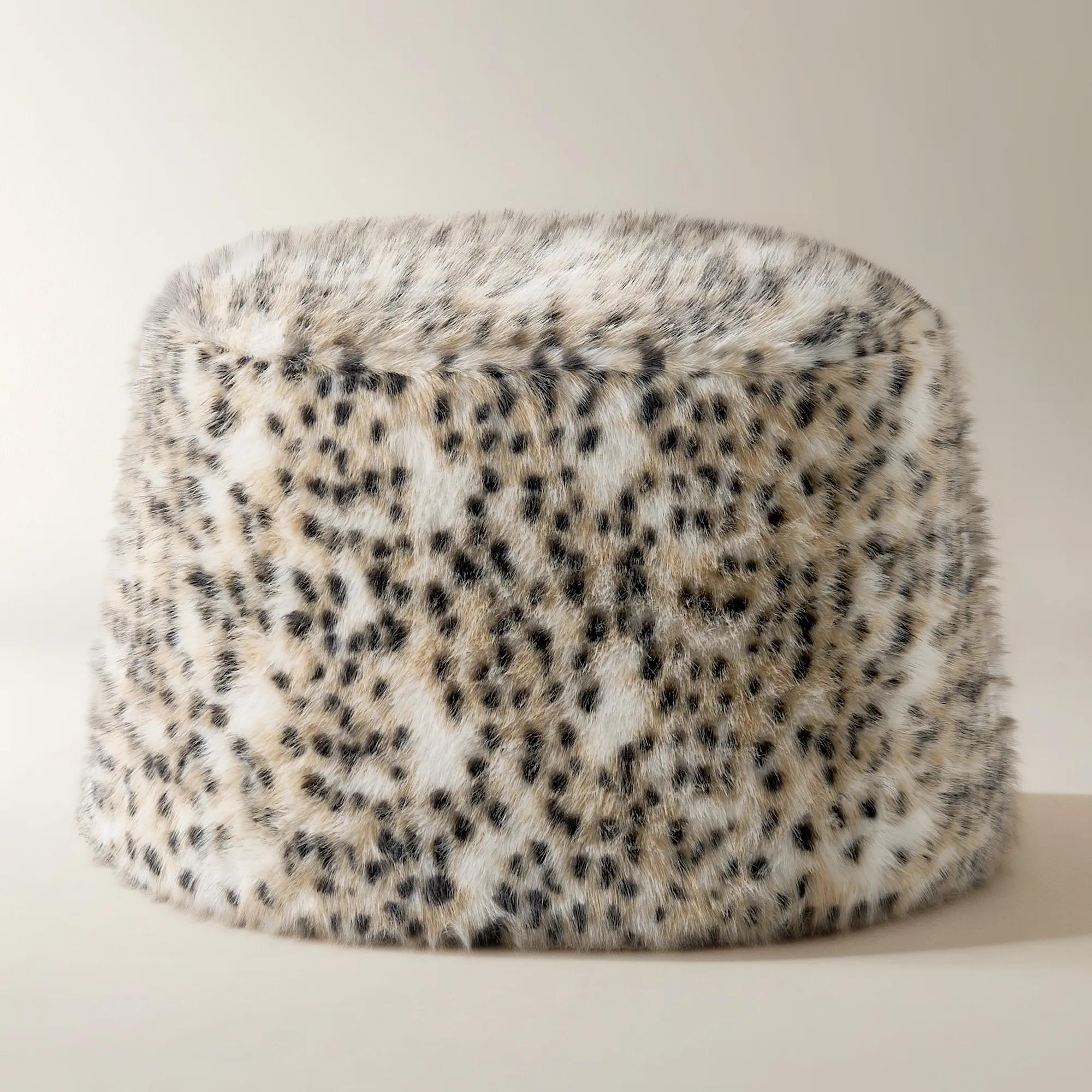
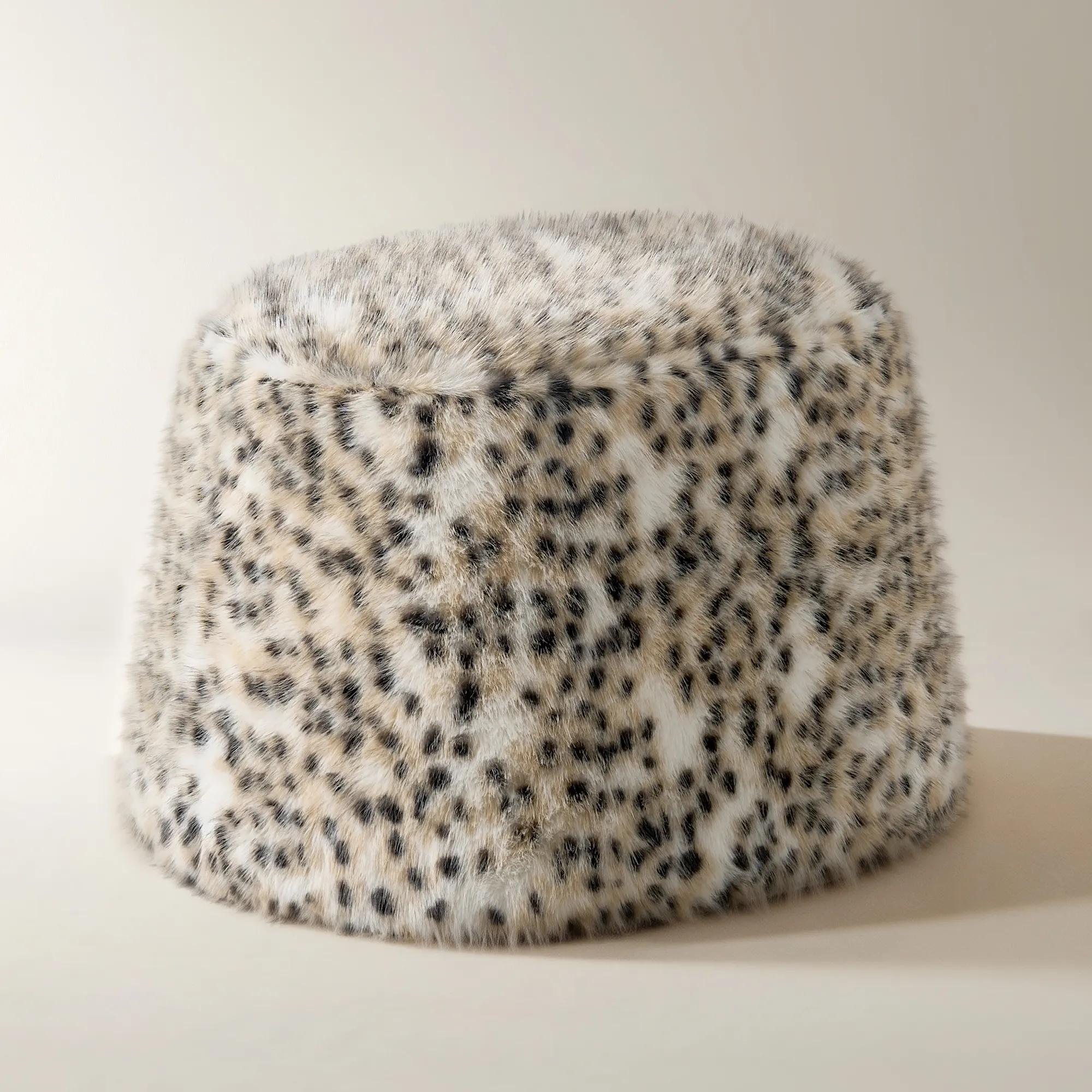 Avery Spotted Faux Fur Stool$399
A sculpted drum stool wrapped in plush spotted faux fur for bold, modern accent seating.
Add To Cart -
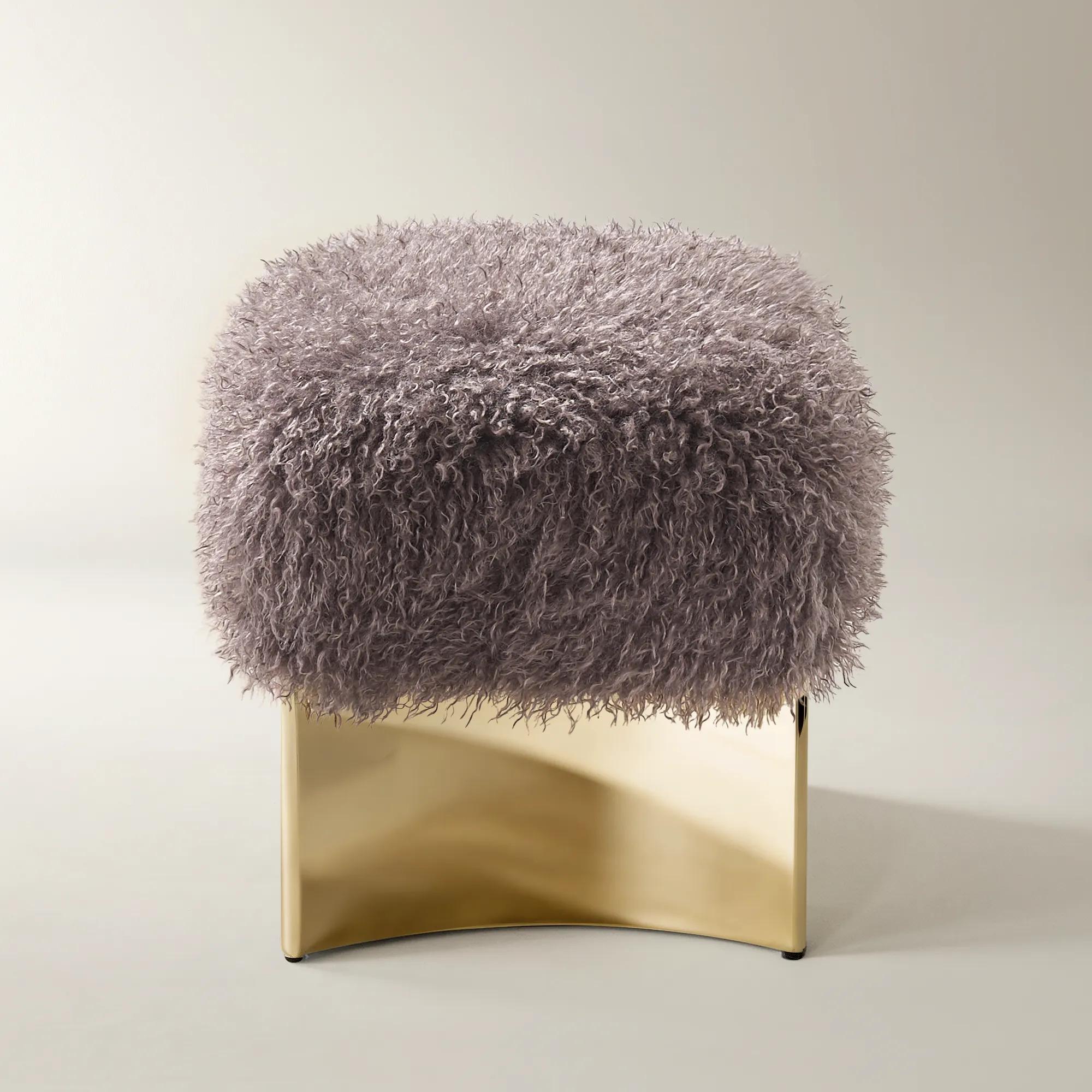 Lush Smoked Plum Faux Fur Stool$499
A sculptural smoked plum faux fur stool with a plush seat and polished gold stainless steel base.
Add To Cart -
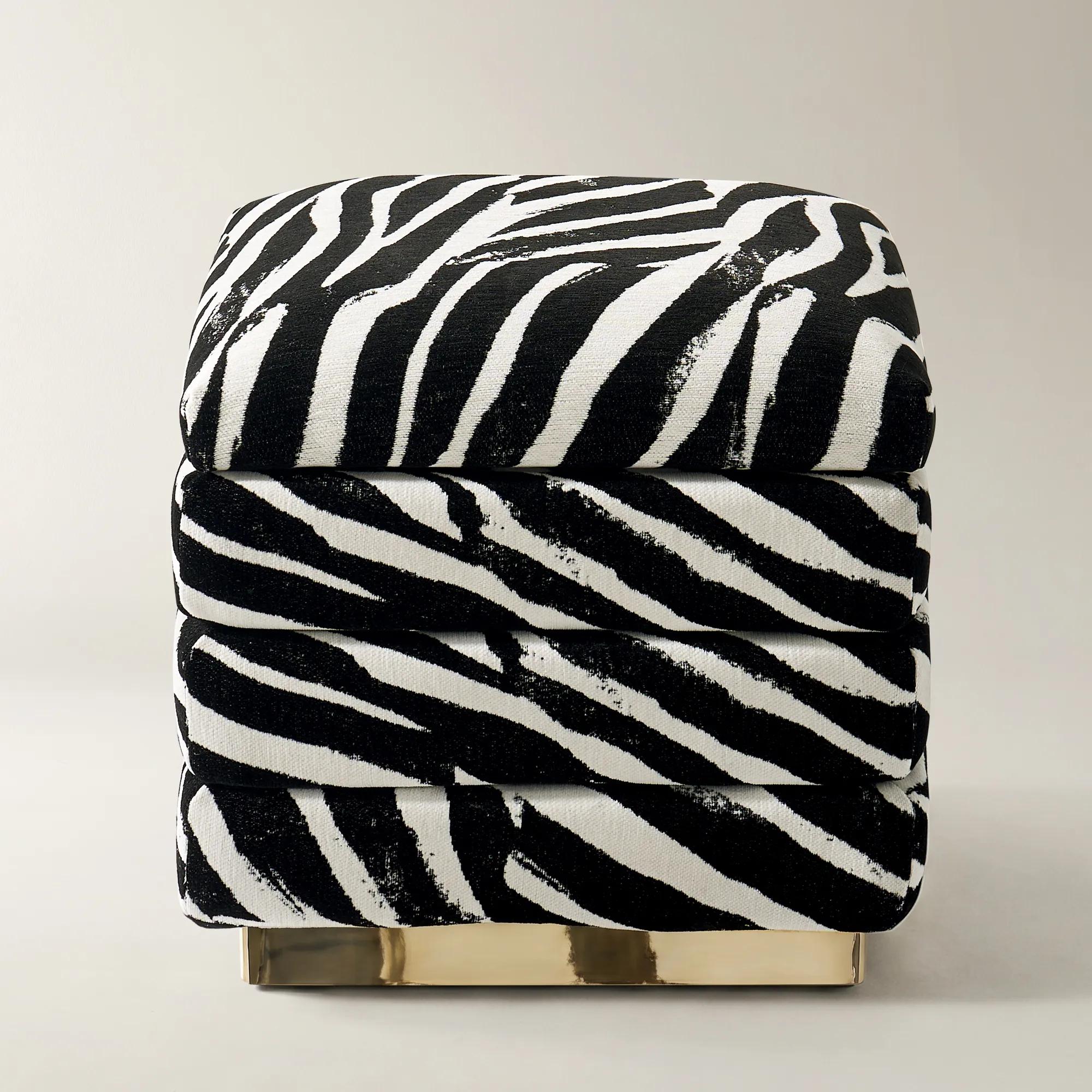
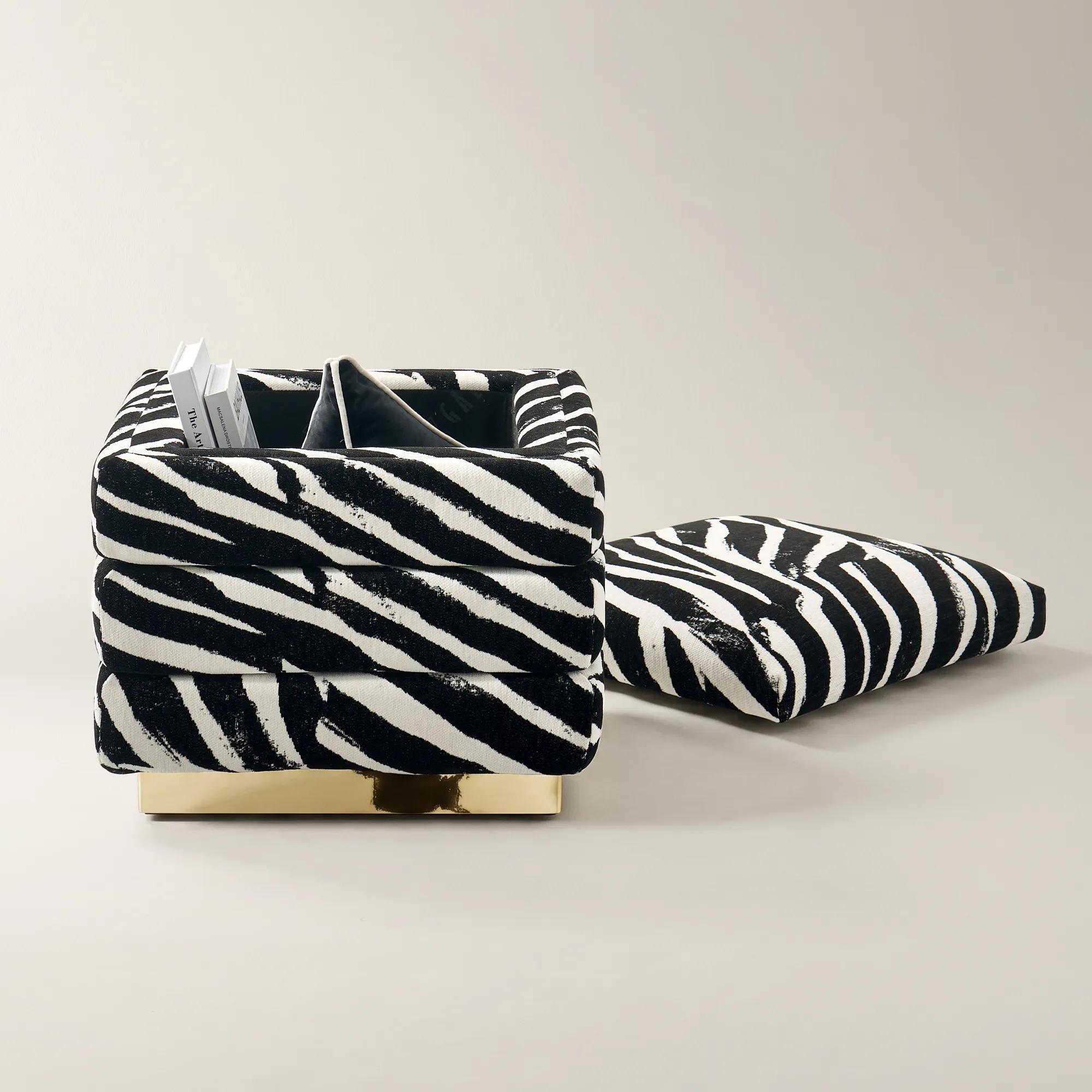 Gable White/Black Performance Chenille Stool$399
A plush white and black chenille stool with hidden storage and a polished gold stainless steel base.
Add To Cart -
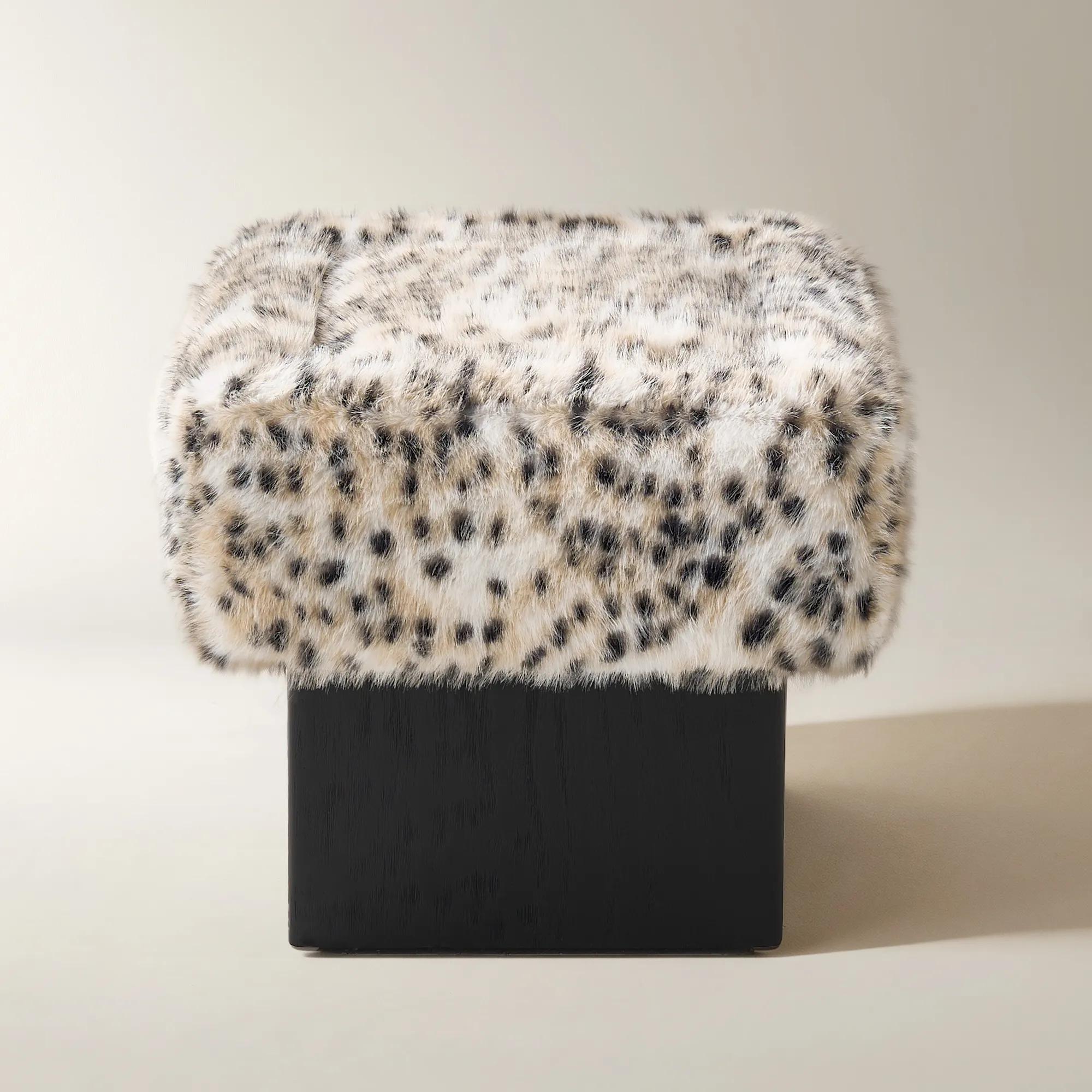 Reims Spotted Faux Fur Stool$349
A plush spotted faux fur stool with a sculpted cushion and solid rubberwood base for modern contrast.
Add To Cart -
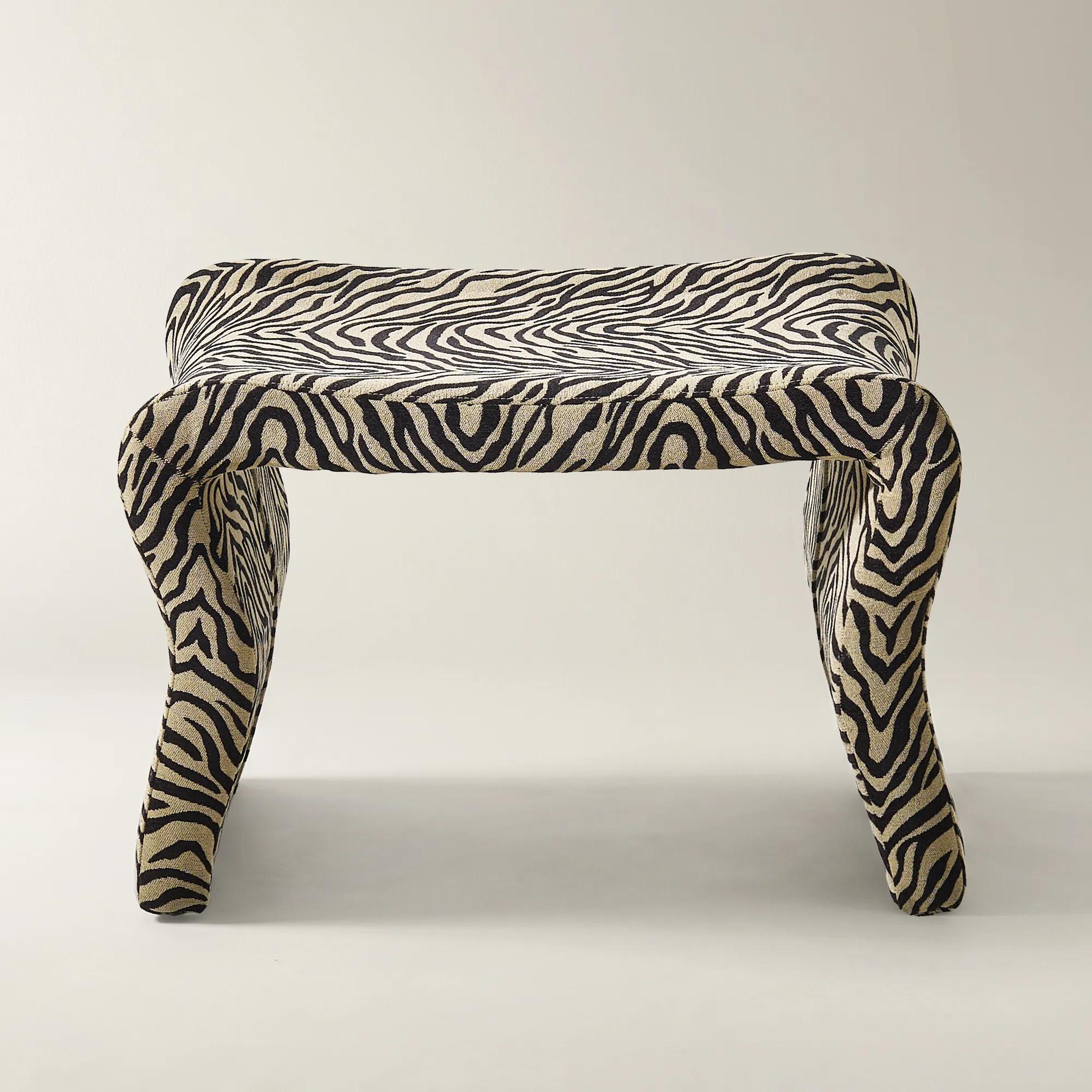
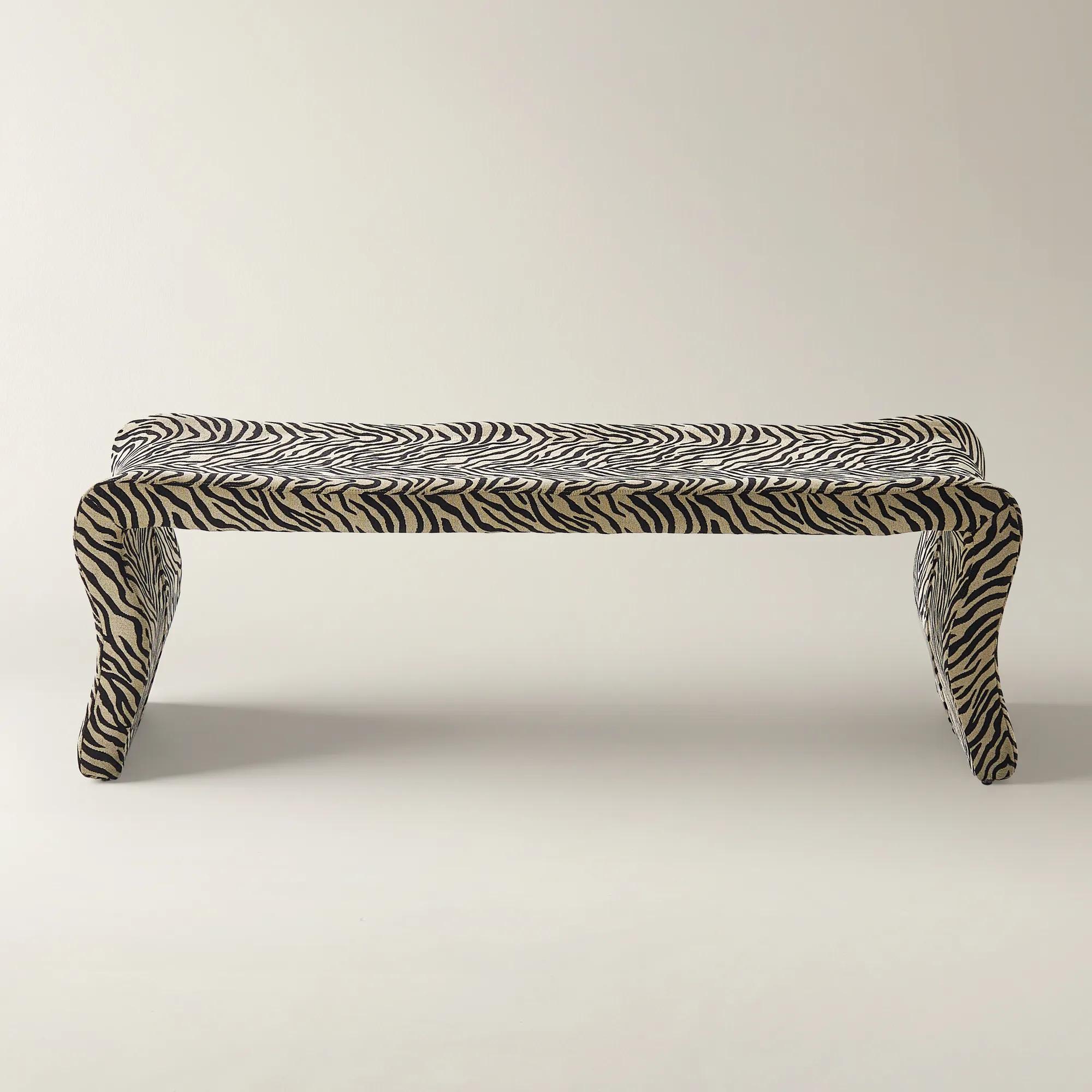
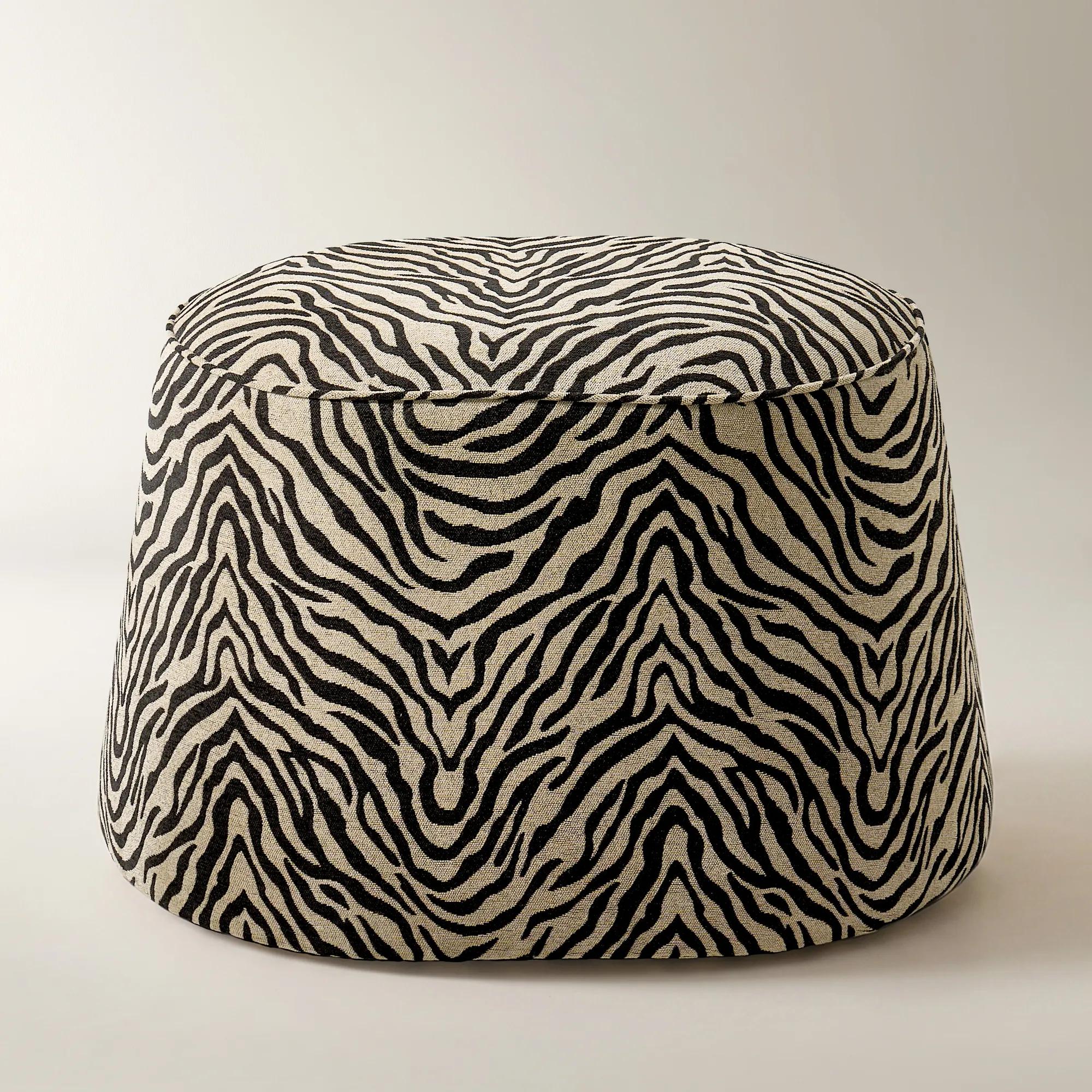 Avery Zebra Performance Chenille Stool$399
A sculpted drum-shaped accent stool upholstered in zebra-patterned performance chenille for bold, modern style.
Add To Cart -
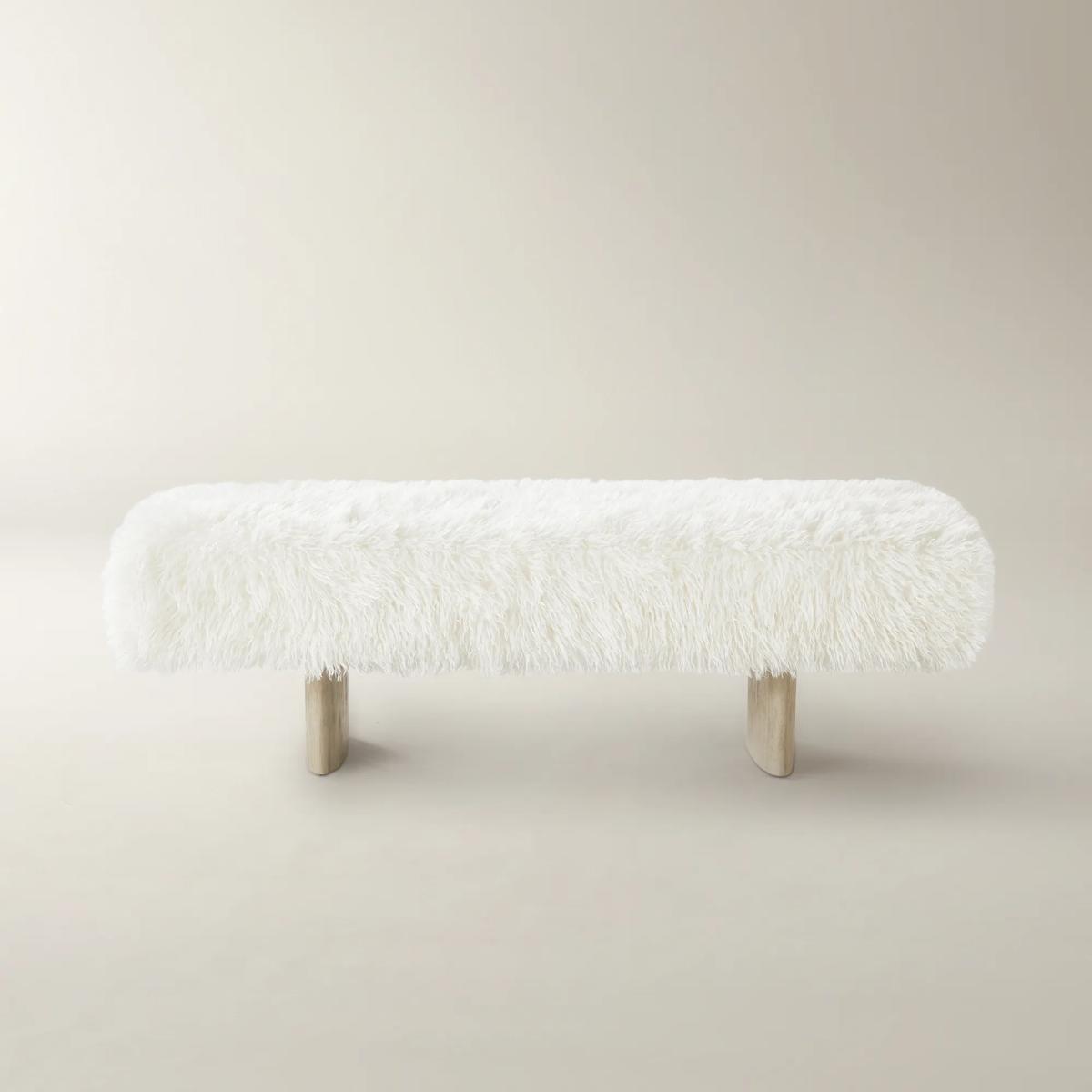 Micah Ivory Mongolian Faux Fur Bench With Rubberwood Legs (62.6")$699
An ivory faux Mongolian fur bench with high-density foam and sculptural solid rubberwood base for modern coziness.
Add To Cart -
.jpg?w=1200&h=1200)
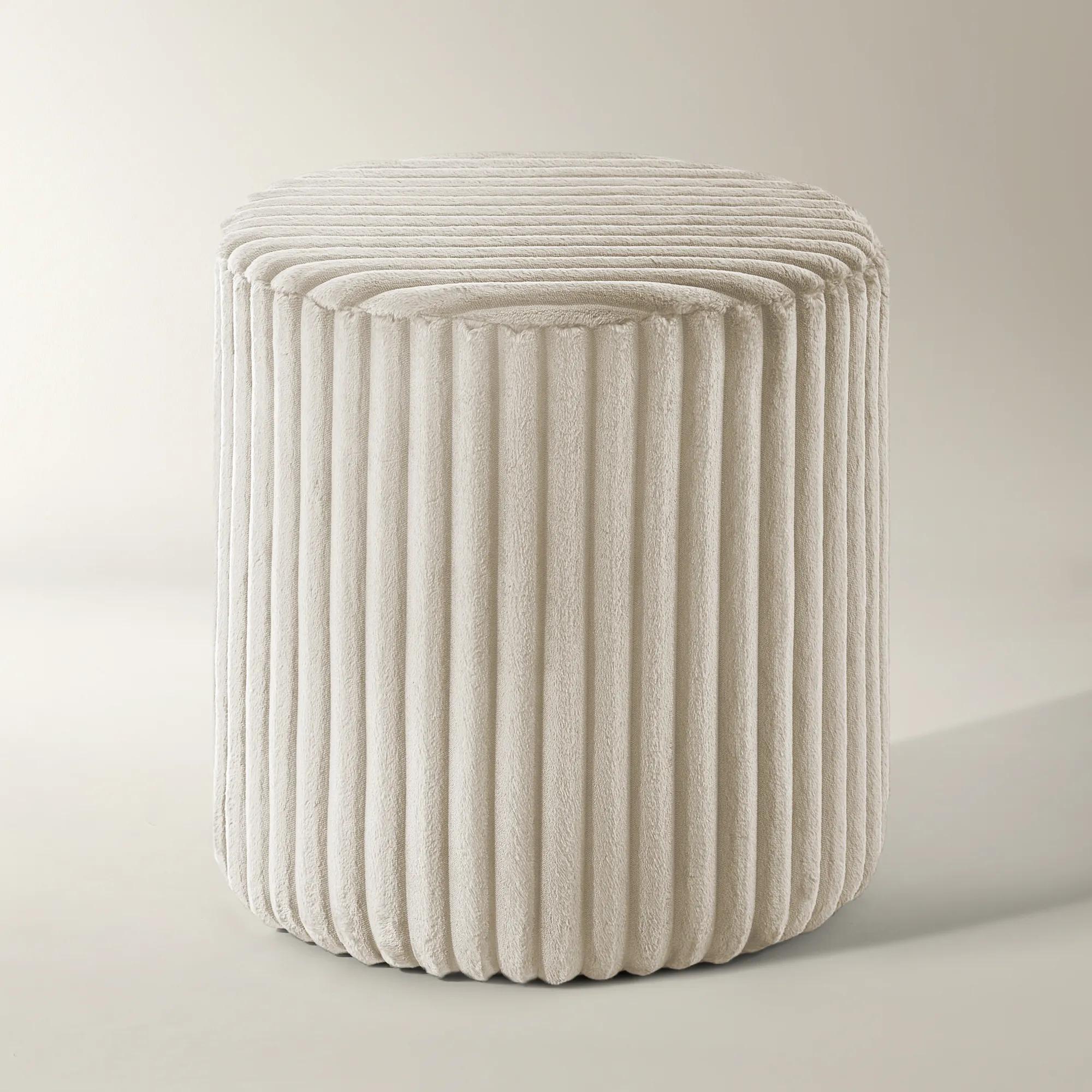 Fleece Fluted Ivory Velvet Stool (15.55'')$229
An ivory ribbed velvet stool offering cozy softness and versatile use as seating, footrest, or accent table.
Add To Cart -
.jpg?w=1200&h=1200) Fleece Fluted Gray Velvet Stool (15.55'')$229
Fleece Fluted Gray Velvet Stool (15.55'')$229A plush grey velvet stool with a unique ribbed texture, perfect for versatile, cozy seating or decor.
Add To Cart -
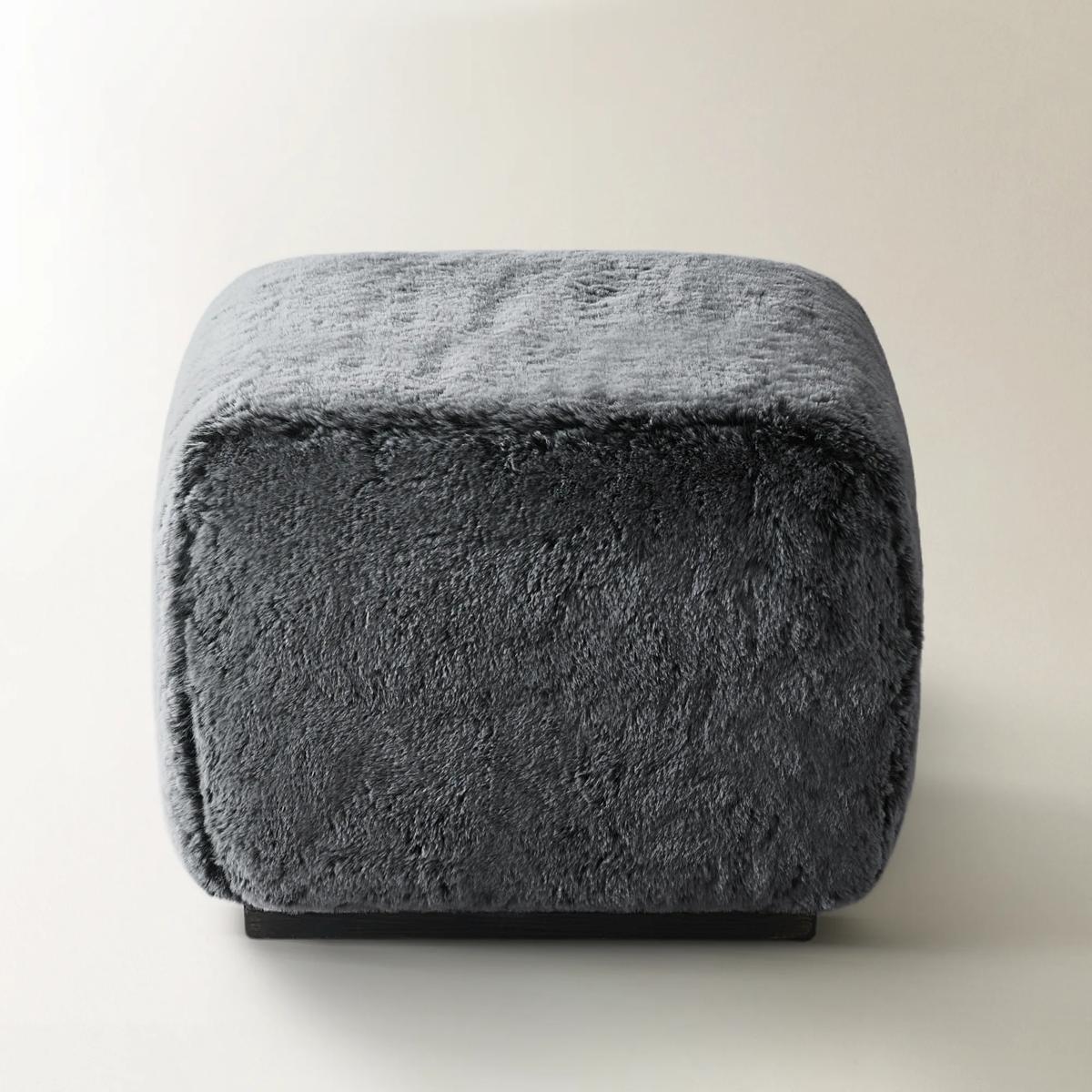
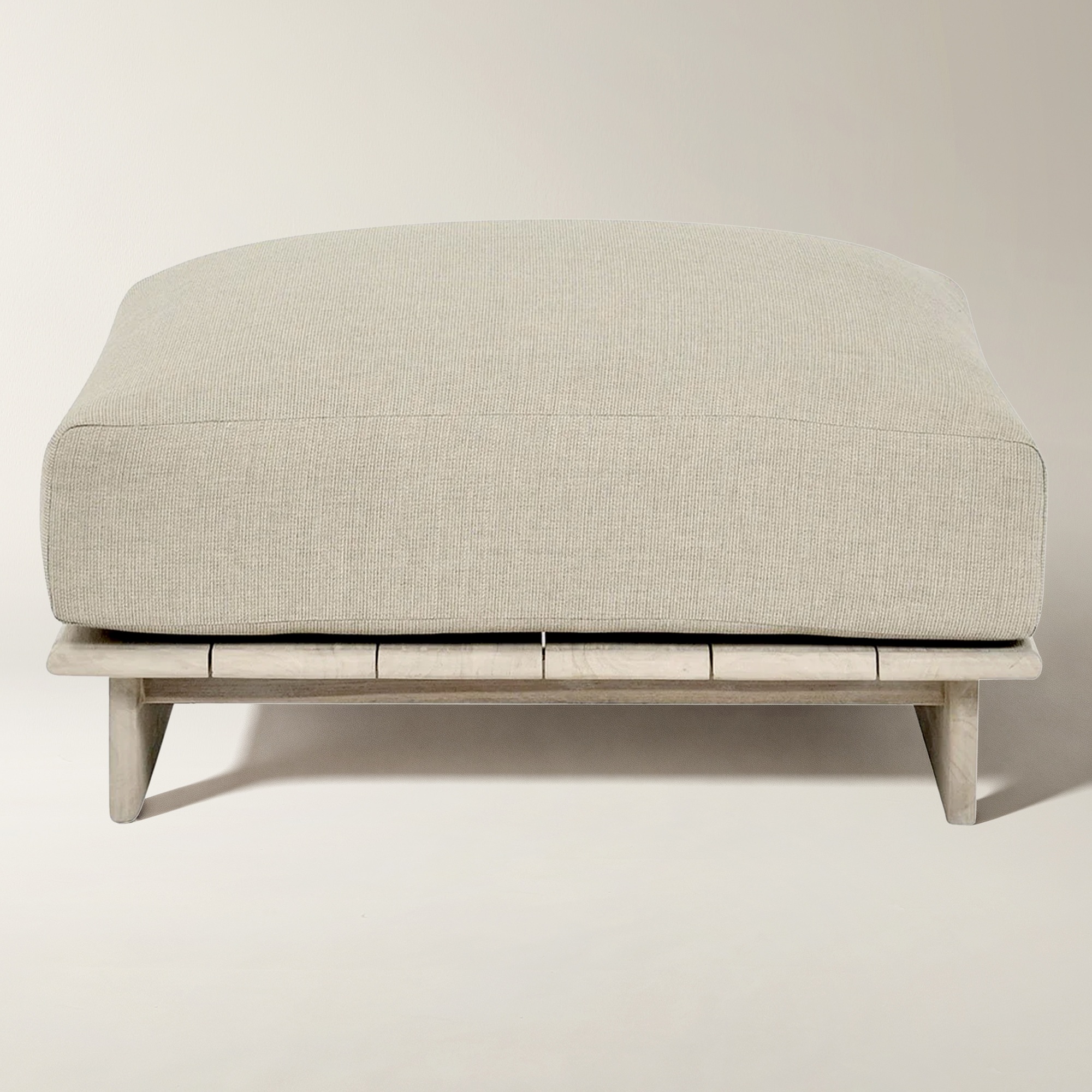
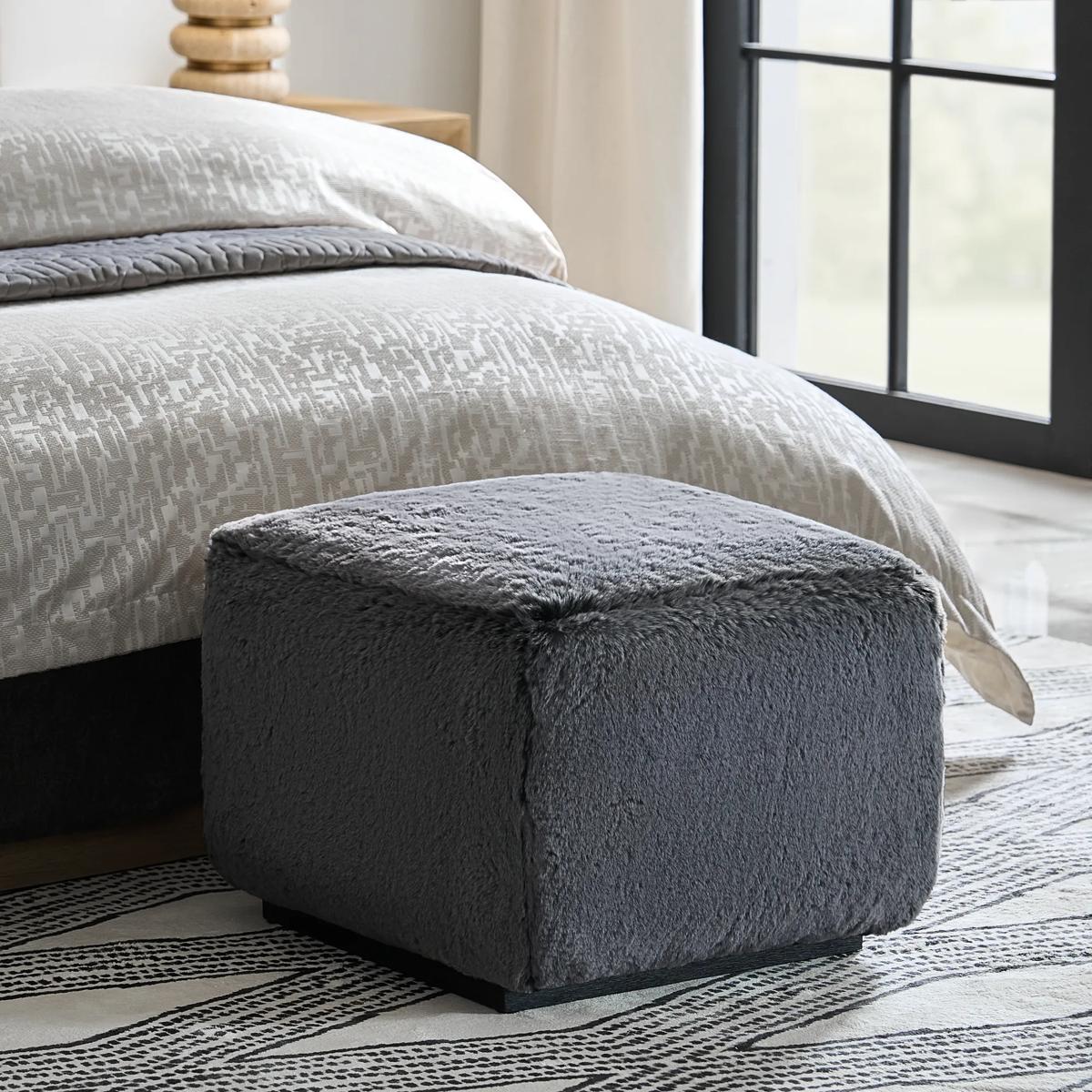 Lris Grey Faux Fur Stool (21")$299
A charcoal grey faux fur pouf with high-density foam and a sturdy rubberwood base for modern comfort.
Add To Cart -
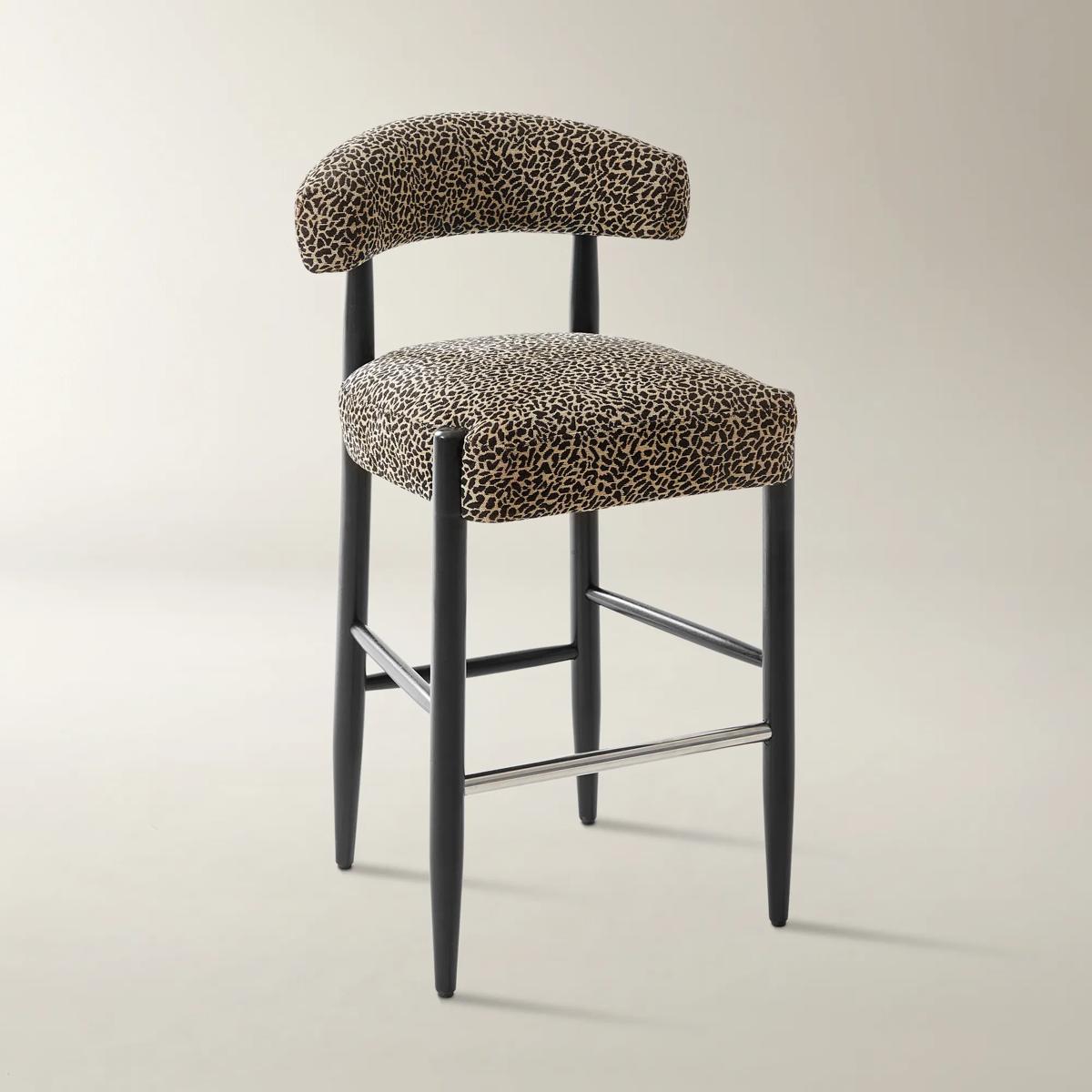 Anna Leopard Chenille Bar/Counter Stool$399
A leopard-print chenille barstool with kiln-dried hardwood legs and supportive, hand-upholstered cushioning.
Add To Cart -
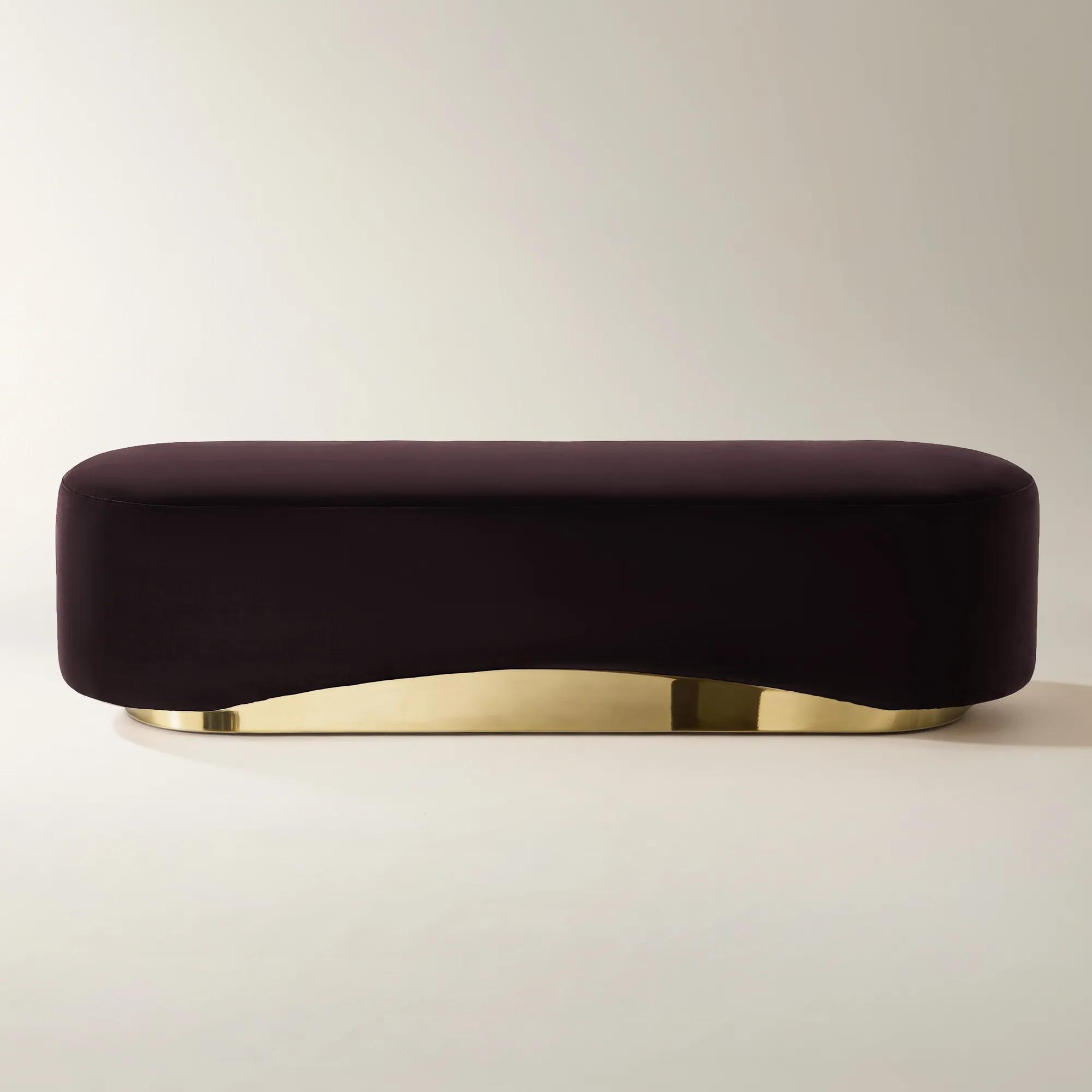 Kendra Fig Velvet Bench (70.47")$799
A plush fig velvet bench with an elongated oval silhouette and a polished gold stainless steel base.
Add To Cart -
.jpg?w=1200&h=1200)
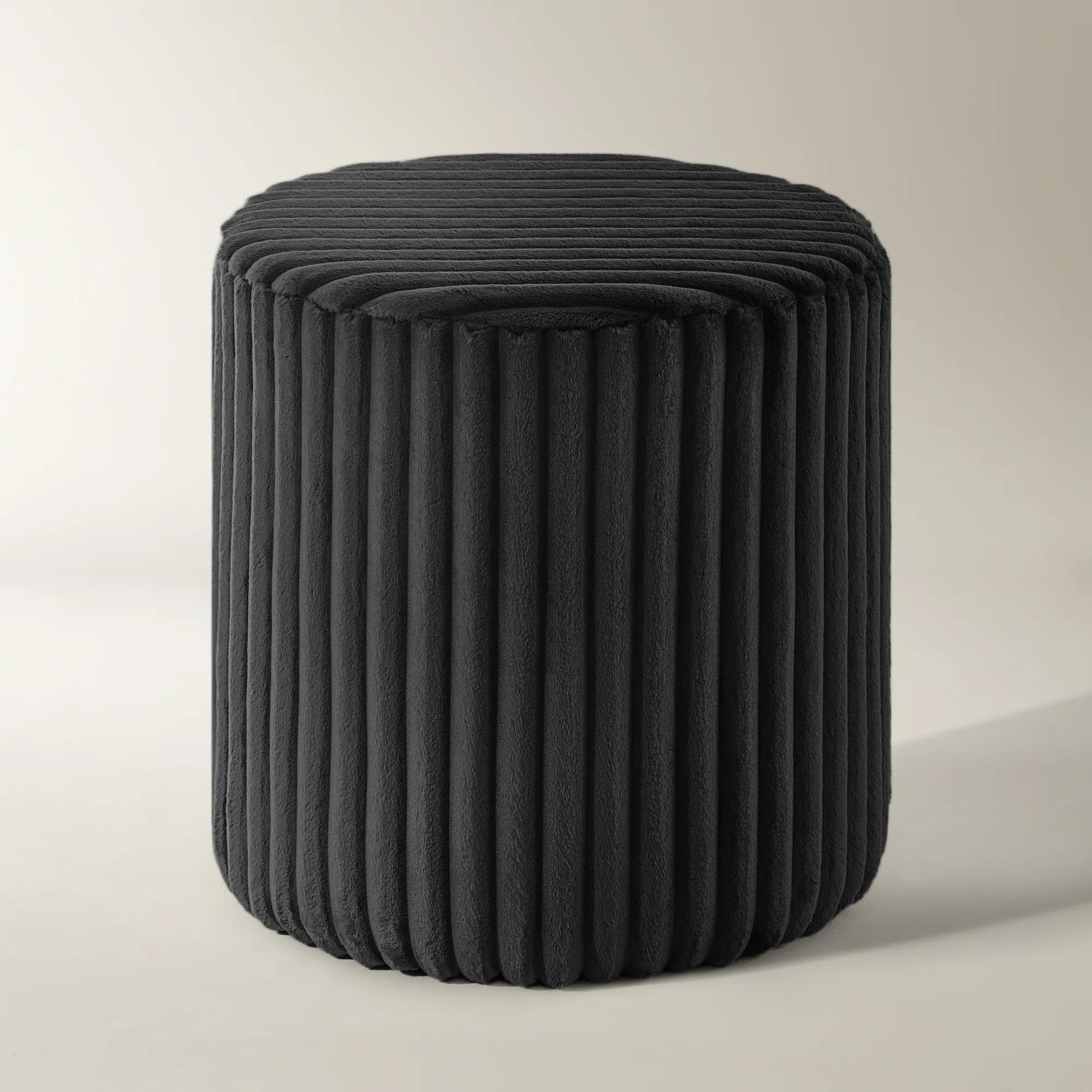 Fleece Fluted Black Velvet Stool (15.55'')$229
A plush black ribbed velvet stool offering versatile seating and cozy texture for any modern space.
Add To Cart -
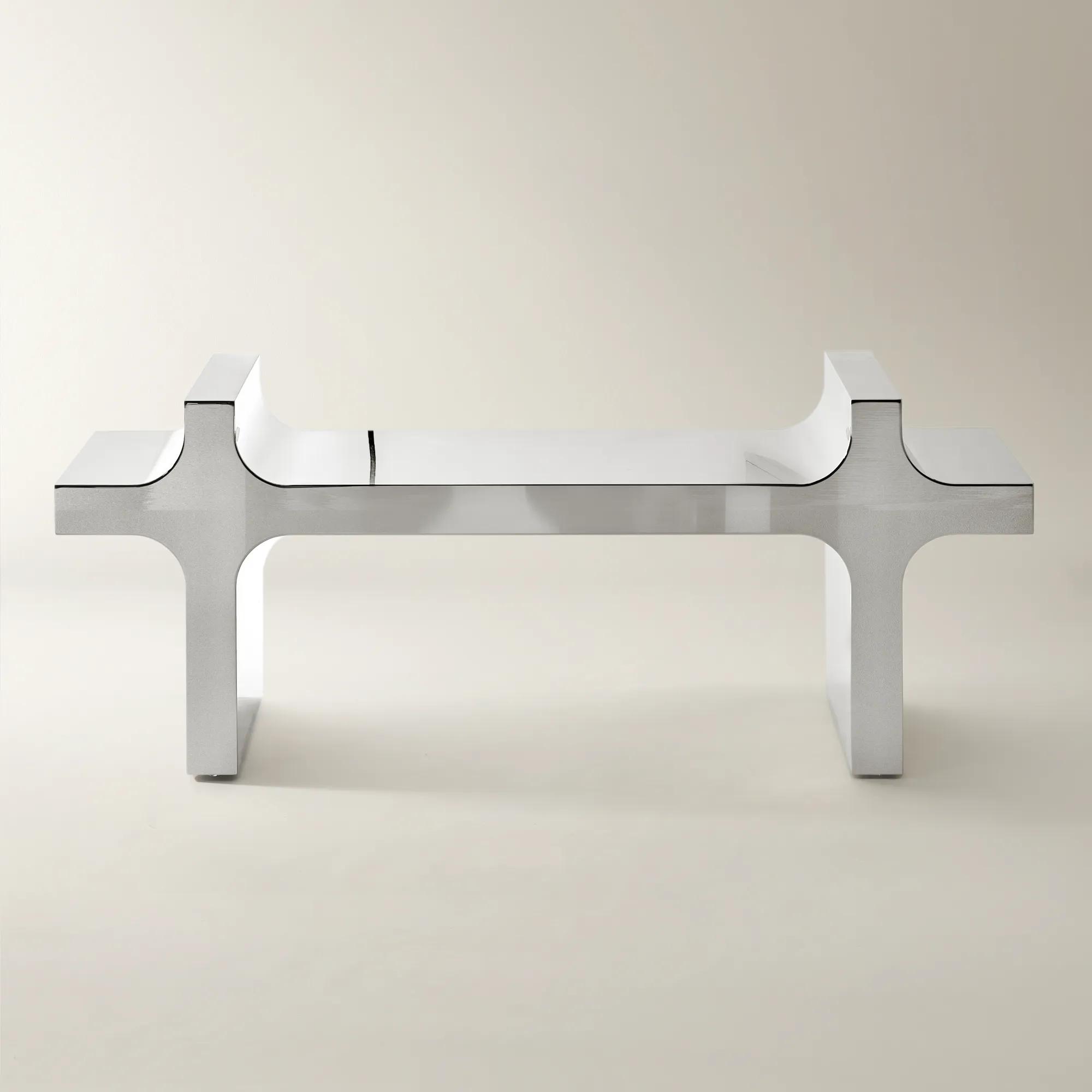 Reflective Silver Stainless steel Bench (59.06")$1249
A polished silver stainless steel bench with an anti-fingerprint finish for modern, sophisticated interiors.
Add To Cart -
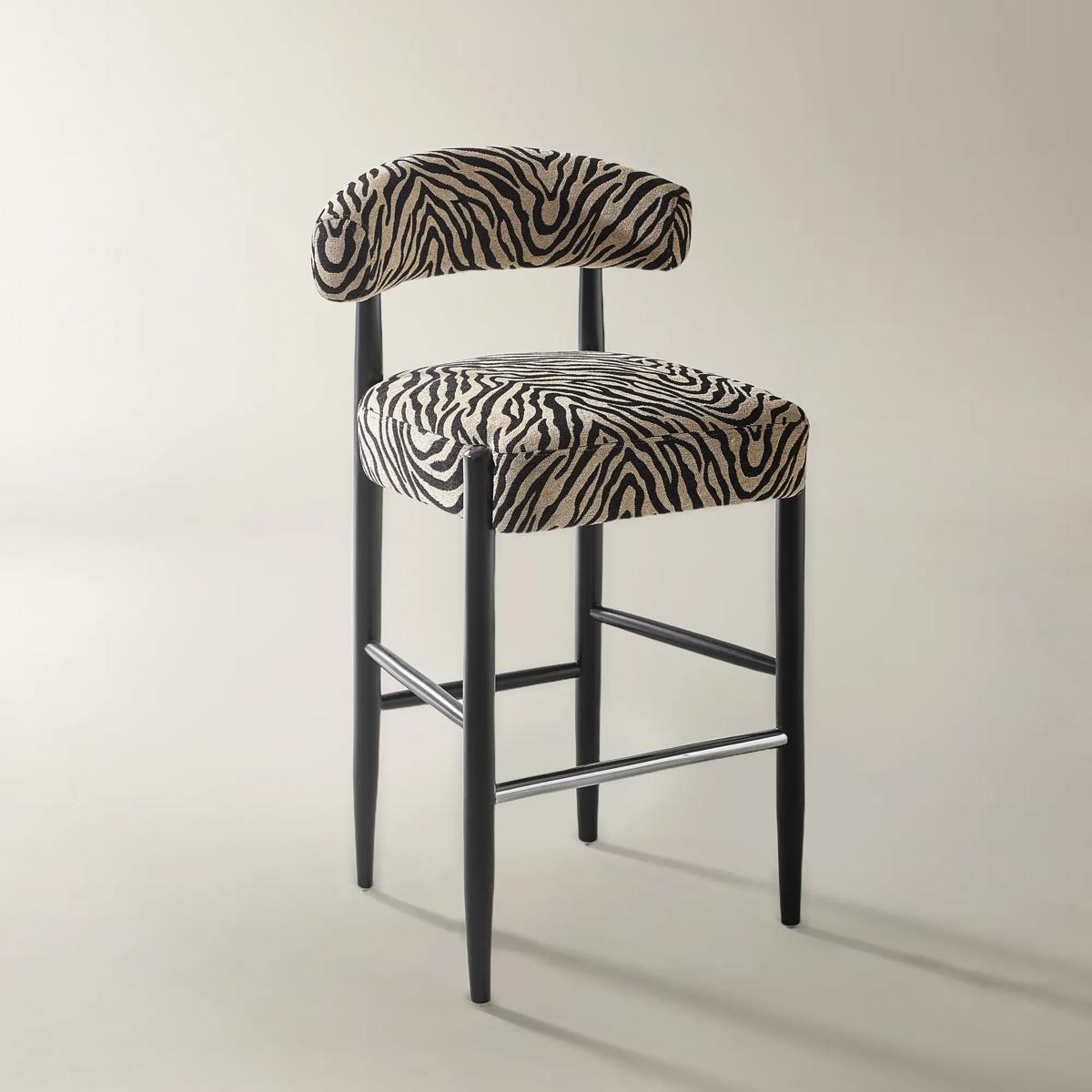
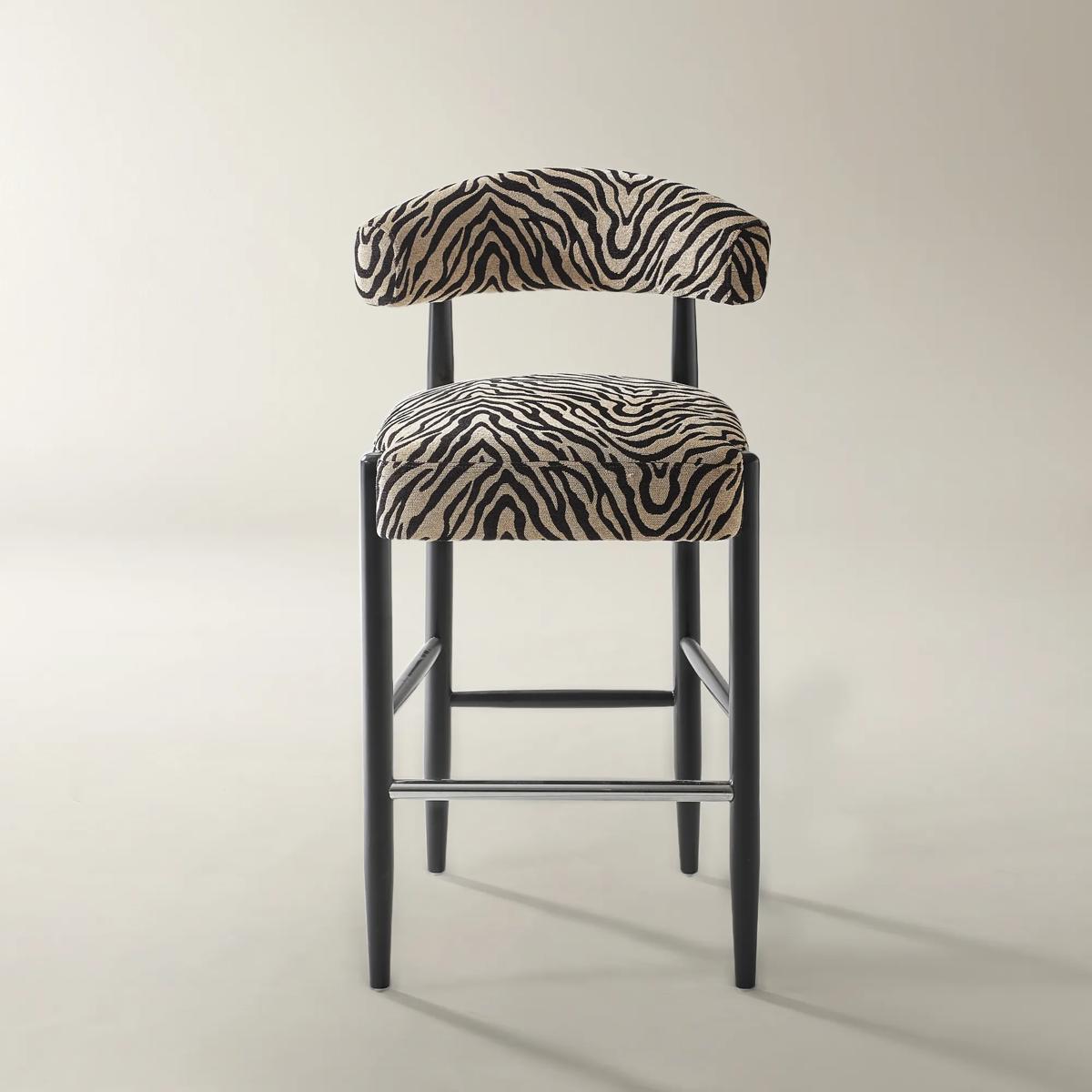 Anna Zebra Chenille Bar/Counter Stool$399
A zebra-print chenille barstool with plush foam padding and solid rubberwood legs for modern sophistication.
Add To Cart

Designer Stools For Living Rooms
Designer stools for living rooms are the unsung heroes of high-style interiors—sculptural, versatile, and undeniably chic. Each piece is an invitation to elevate your space, offering a striking interplay of form and function that transforms an ordinary seating moment into pure artistry. Whether poised as a bold accent or seamlessly integrated into your décor, these stools infuse every corner with a sense of curated drama and expressive sophistication. Discover how designer stools for living rooms become more than furniture—they become conversation starters, adding layers of luxury and allure to your personal sanctuary.
Designer stools for living rooms bring a graceful sense of versatility to a space, shifting effortlessly from sculptural accent to extra seating, impromptu side table, or elevated perch for a favorite plant and a stack of art books. Unlike purely functional seating, a well-chosen stool contributes shape, texture, and visual rhythm to the room. A carved wood silhouette can read like a collected art object beside a tailored sofa, while a plush upholstered form introduces softness near a sleek marble coffee table. Woven natural fibers add organic warmth and relaxed contrast, and fluted metal or lacquered finishes create a gleaming note of modern drama. These adaptable pieces are especially effective in living rooms where every detail must earn its place: a compact stool can tuck beneath a console, sit beside an armchair, or move into conversation when guests arrive, then disappear neatly beneath a table when the room returns to its composed arrangement. During the warmer seasons, a stool can provide a light, flexible seat near an open window or beside a drinks table; as the weather turns cooler, textured upholstery and richly finished materials make the room feel layered, intimate, and ready for lingering evenings. For a polished arrangement, consider grouping two smaller stools beneath a window, placing a pair across from a sofa, or using one unexpected shape to offset the symmetry of a more traditional seating plan. The result is a living room that feels thoughtfully styled rather than overly matched—a canvas where sculptural form and everyday ease exist beautifully together.
When selecting designer stools for living rooms, begin with scale, proportion, and the way the piece will be used most often. A stool around 15 to 18 inches tall can work beautifully as a low accent seat or footrest, while a taller design may be better suited to a console, counter-height surface, or transitional space connecting the living room to a dining area. Measure the available floor space carefully, allowing enough clearance for movement around coffee tables, sofas, and doorways. The shape matters as much as the dimensions: rounded stools soften rooms filled with angular furniture, cube silhouettes lend a graphic, architectural quality, and sculptural carved designs bring movement even when the piece is standing still. Consider the material in relation to the atmosphere you want to create. Velvet and boucle offer a sumptuous, touchable finish that makes a room feel inviting, though their texture may call for thoughtful placement away from heavy traffic. Wood adds warmth and visual weight, with natural grain providing an artisanal counterpoint to glass, stone, and polished metal. Woven stools bring tactile dimension and a relaxed, collected character, while glossy lacquer and metallic surfaces reflect light and sharpen a modern vignette. If the stool will double as a side table, prioritize a stable, level top with enough surface area for a tray, a pair of glasses, or a small arrangement of flowers. For occasional seating, look for a sturdy construction and a comfortable profile that supports conversation without overwhelming the surrounding furnishings. Thoughtful contrast can be particularly striking: a soft upholstered stool beside a sculptural wood chair, a warm woven finish against a mirror-bright table, or a deep jewel tone set against a neutral sofa. These pairings allow the room to feel expressive and layered while preserving the calm, edited quality of a designer interior.
Designer stools also make memorable gifts for hosts, newlyweds, first-time homeowners, and anyone who approaches decorating as a form of self-expression. Their adaptable scale makes them easier to place than larger furniture, yet their presence can transform an entire corner of a room. A generous upholstered stool may become the seat reserved for reading beside a floor lamp, the resting place for a folded throw, or a comfortable perch during a gathering. A compact sculptural stool can enliven an empty alcove, support a statement vase, or give a beloved collection the visual elevation it deserves. In homes with open floor plans, stools help define the living room without adding visual heaviness, creating subtle boundaries between a lounge area, entry, and dining space. They are equally useful in apartments and spacious residences: smaller rooms benefit from their ability to move and tuck away, while larger rooms can use pairs or varied heights to create a more layered composition. For a cohesive finish, repeat one detail from elsewhere in the room—a brushed metal tone, a wood finish, a velvet hue, or a woven texture—without making every element identical. Those quiet echoes make the design feel intentional, like a room assembled over time from pieces with distinct character. If your entertaining space extends toward the dining area, explore Designer Dining Room Stools for additional ways to carry the same sense of polish and personality throughout the home. Whether placed beside a dramatic sofa, beneath a console, or in the center of a beautifully arranged vignette, a designer stool completes the story with function, artistry, and a touch of unmistakable glamour.
FAQ List
Designer stools elevate living room decor with their artful silhouettes, luxurious materials, and attention to detail. They serve as both functional seating and striking accent pieces, adding a layer of sophistication and expressive flair that transforms an ordinary space into a curated haven of style.
Stools can dramatically influence the mood of a living room by introducing texture, color, and sculptural form. Whether upholstered in sumptuous velvet or finished in gleaming metal, they reflect light, create visual interest, and invite guests to gather, making the room feel both welcoming and refined.
Absolutely. Designer stools make memorable gifts for housewarmings, weddings, or milestone celebrations. Their versatility and distinctive design ensure they become cherished additions to any home, offering both beauty and practical use for years to come.
Designer stools harmonize beautifully with sofas, coffee tables, and accent chairs, either echoing existing design elements or introducing a bold contrast. Their adaptable nature allows them to function as extra seating, side tables, or decorative accents, effortlessly enhancing the room’s overall composition.
Popular materials for designer stools include plush velvets, rich leathers, polished metals, and hand-finished woods. These materials not only provide durability but also contribute to a sense of luxury and artistry, making each stool a statement piece within the living room.
.jpg?w=3000&h=3000)