
Decorative Vases For Flowers
Decorative Vases For Flowers
-
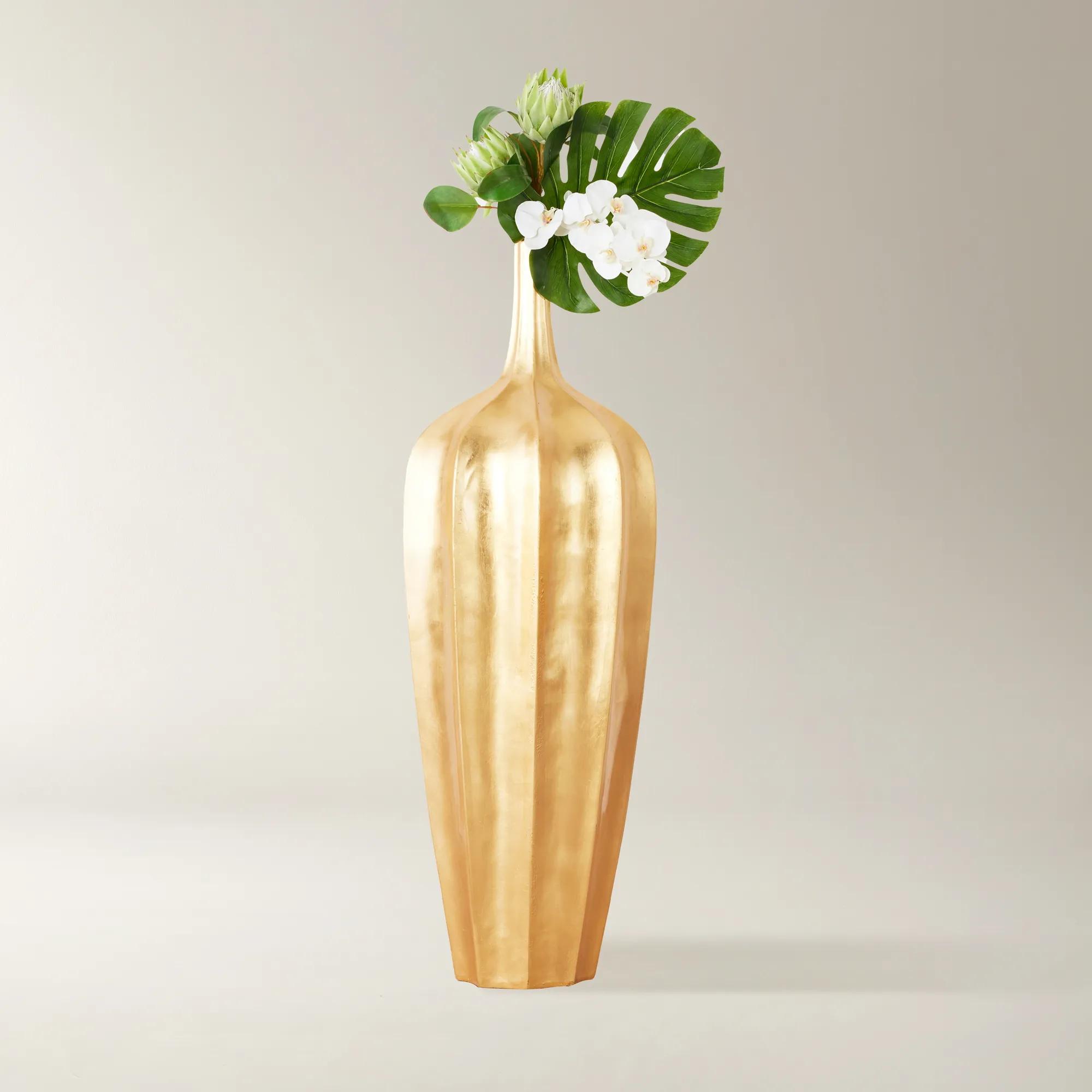 Accolade Gold Leaf Resin Floor Vase 48.75"$539
A fluted fiberglass vase featuring a lustrous gold foil finish for a striking decorative accent.
Add To Cart -

 Miami Gold Ceramic High Gloss Vase 11.75"$69
A contemporary gold ceramic vase designed for decorative use as a sculptural accent or with foliage.
Add To Cart -
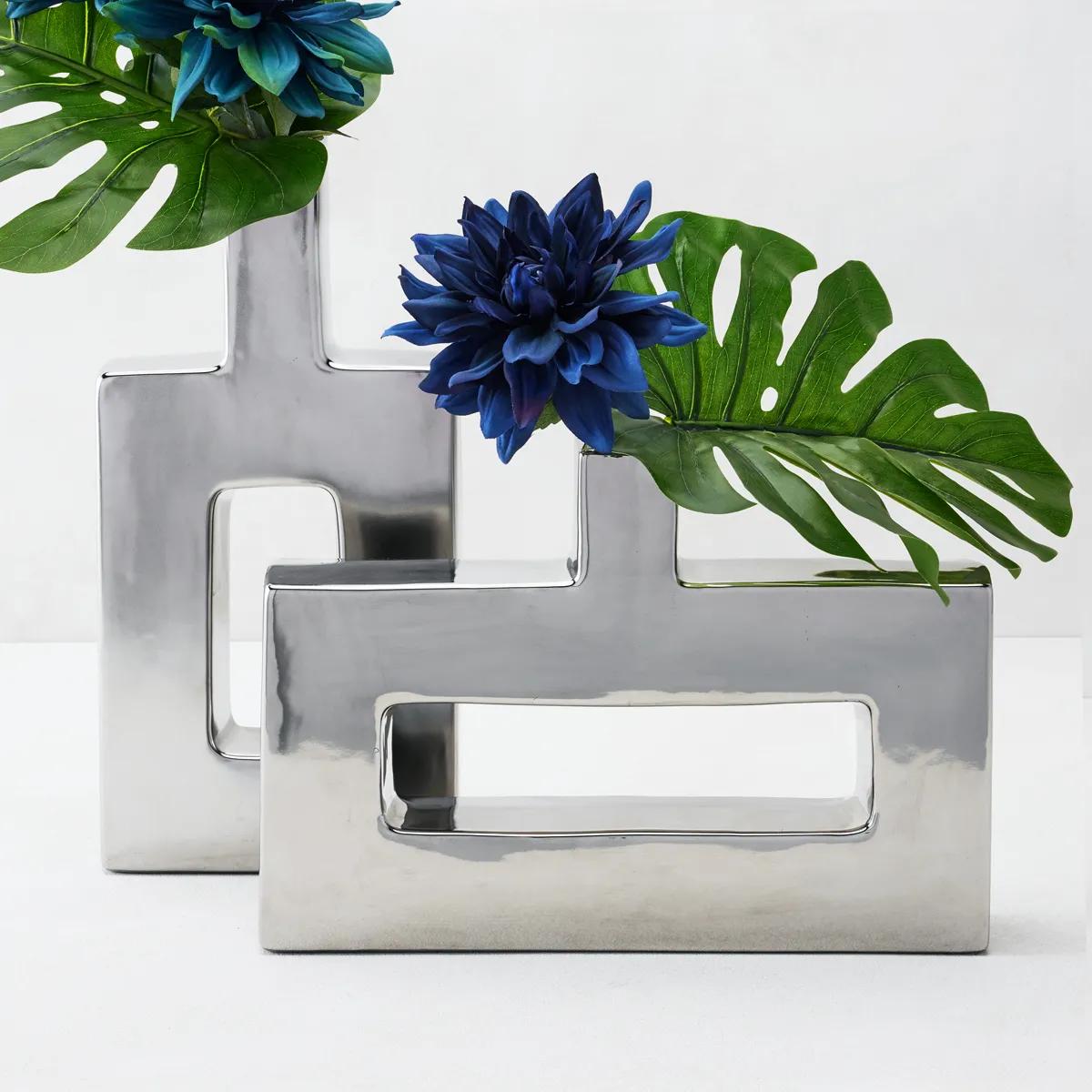 Miami Silver Ceramic High Gloss Vase 11.75"$69
A contemporary silver ceramic vase with a stylish gold glaze, perfect for decorative foliage or display.
Add To Cart -
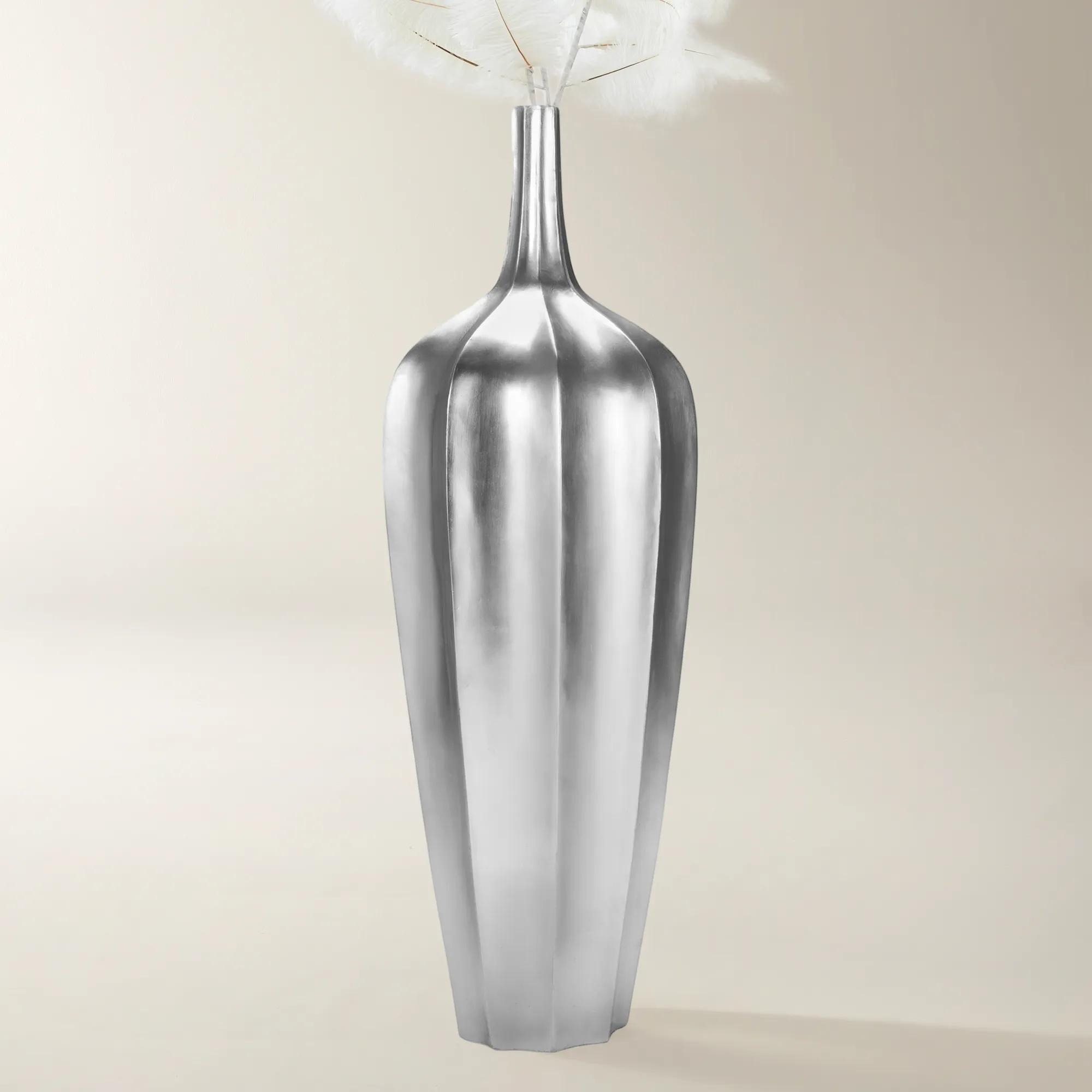
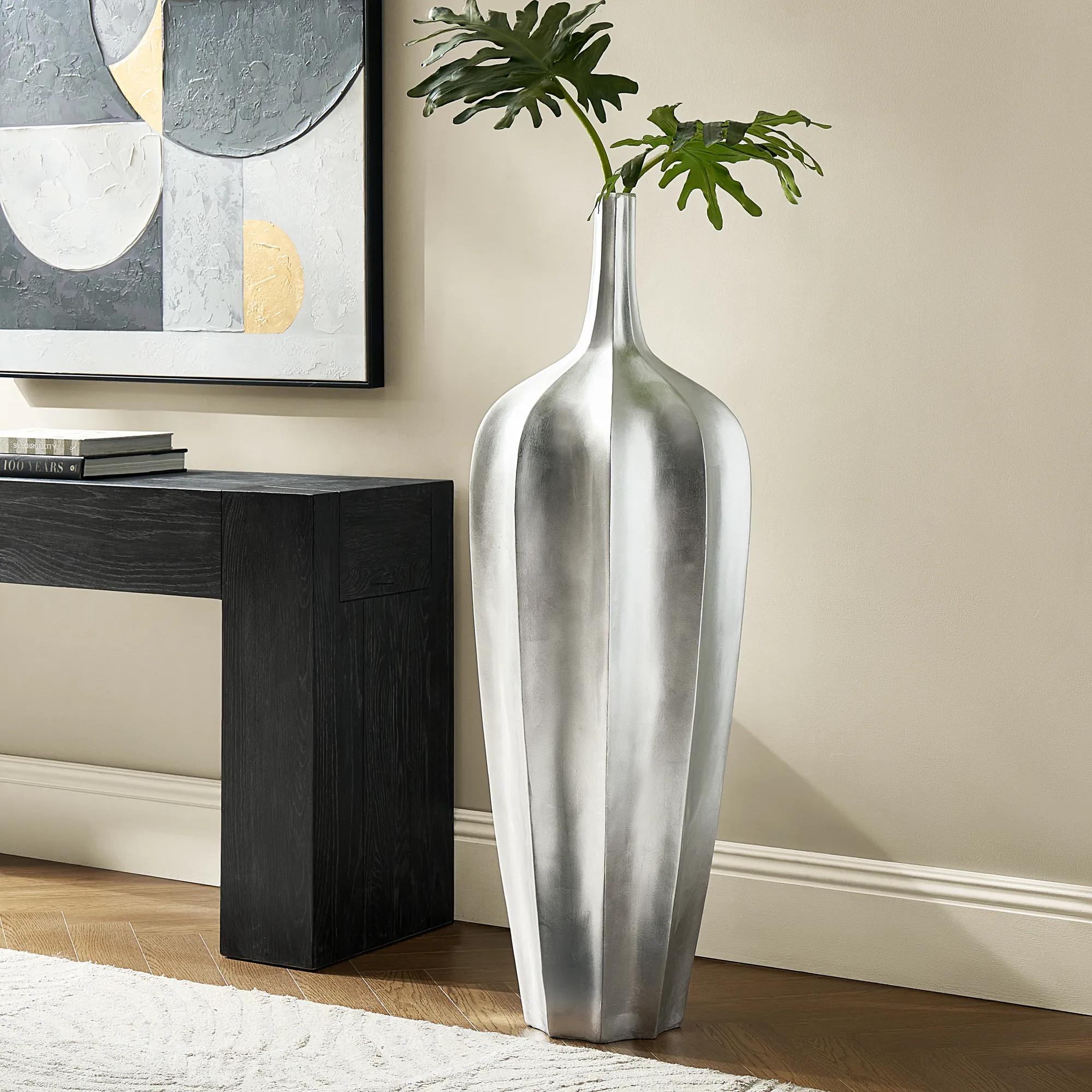 Accolade Silver Leaf Resin Floor Vase 48.75"$539
A fluted fiberglass vase featuring a lustrous metallic silver foil finish for a striking decorative accent.
Add To Cart -
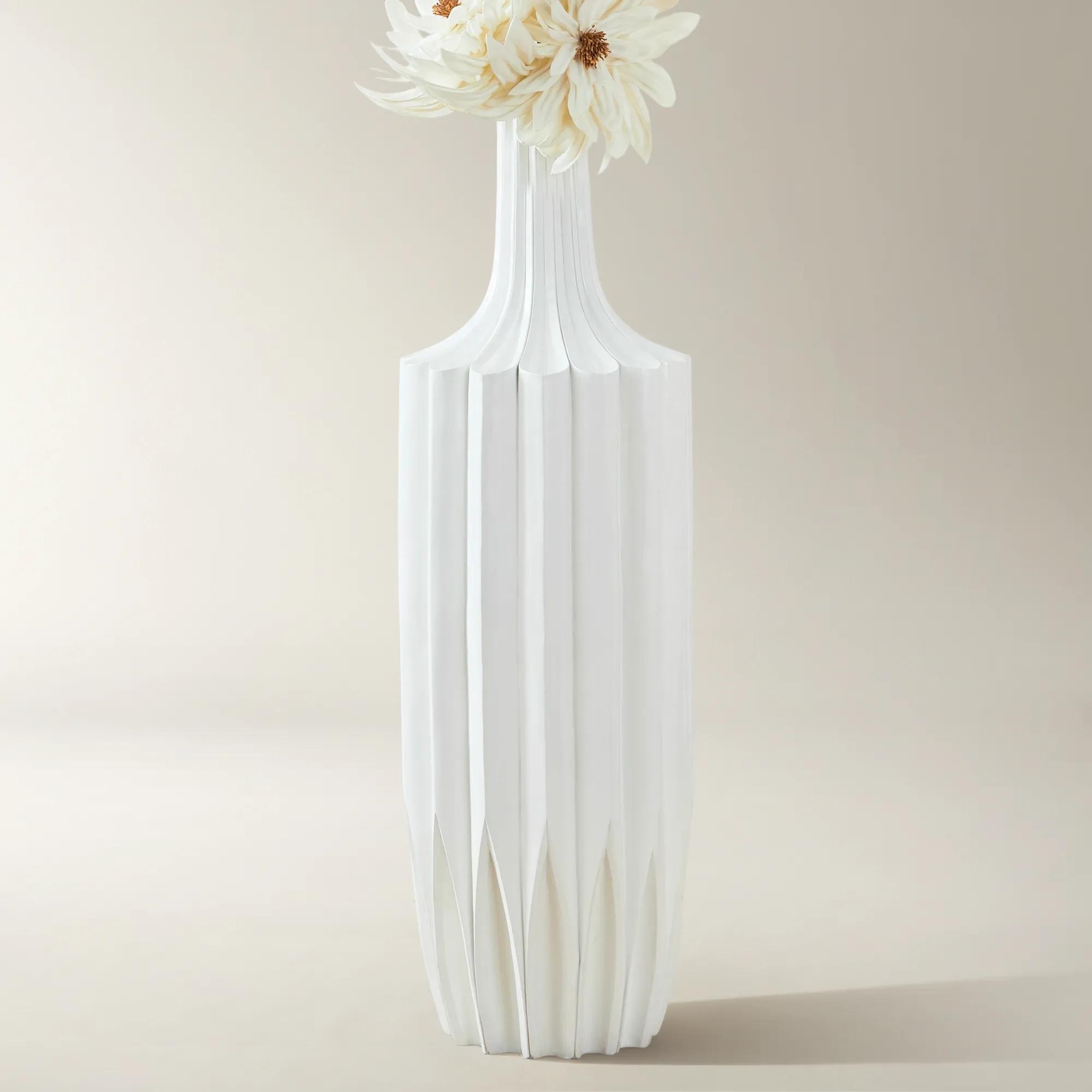 Savannah White Resin Floor Vase 48.75"$509
A sophisticated polyresin vase featuring sleek vertical curves, perfect for displaying decorative flowers or foliage.
Add To Cart -
Miami Gold Ceramic High Gloss Vase 18.5"$69
A contemporary gold ceramic vase designed for decorative use or displaying faux foliage.
Add To Cart -
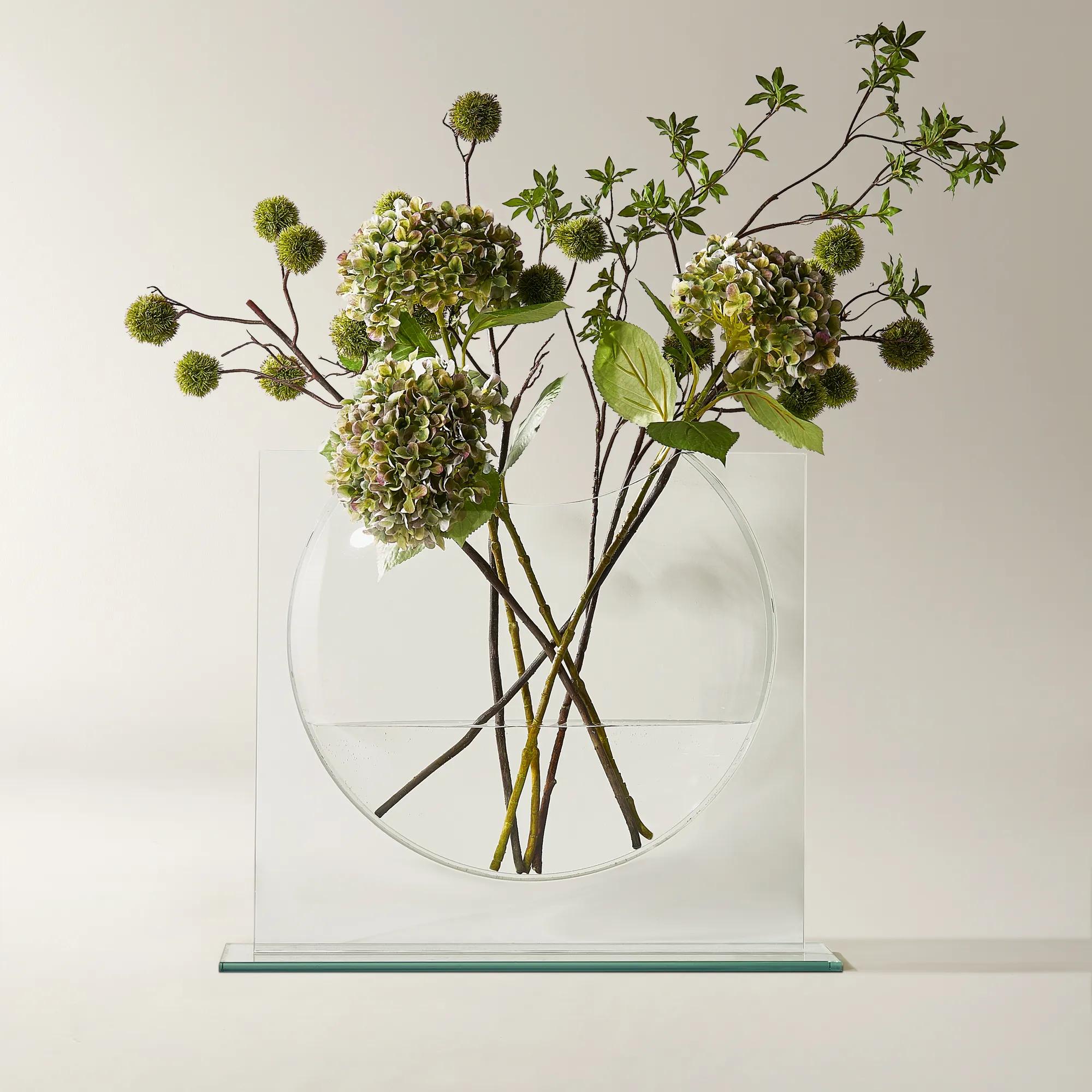
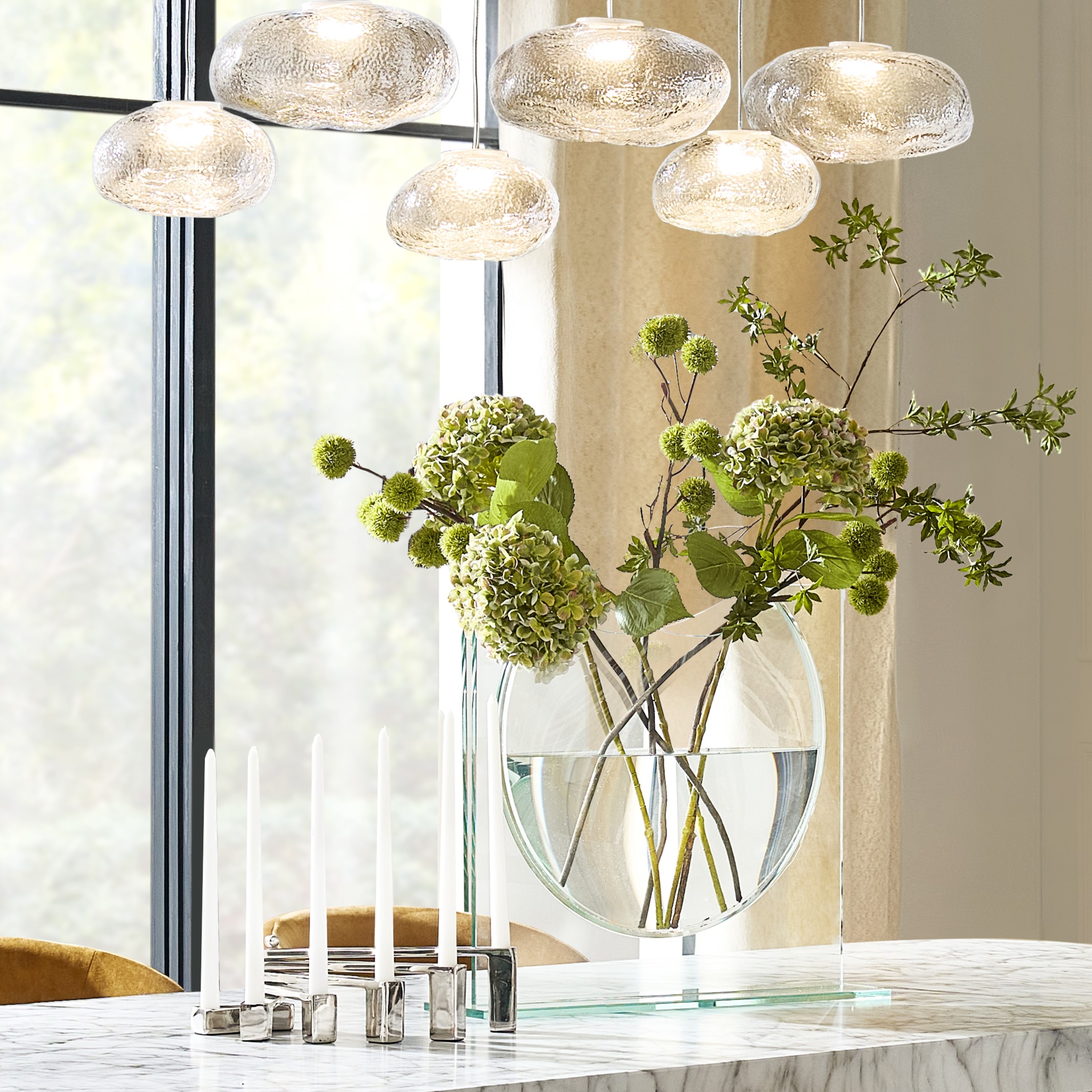 Ellipse Clear Glass Vase 20"$259
A sleek elliptical glass vase offering a modern, functional accent for fresh floral arrangements.
Add To Cart -
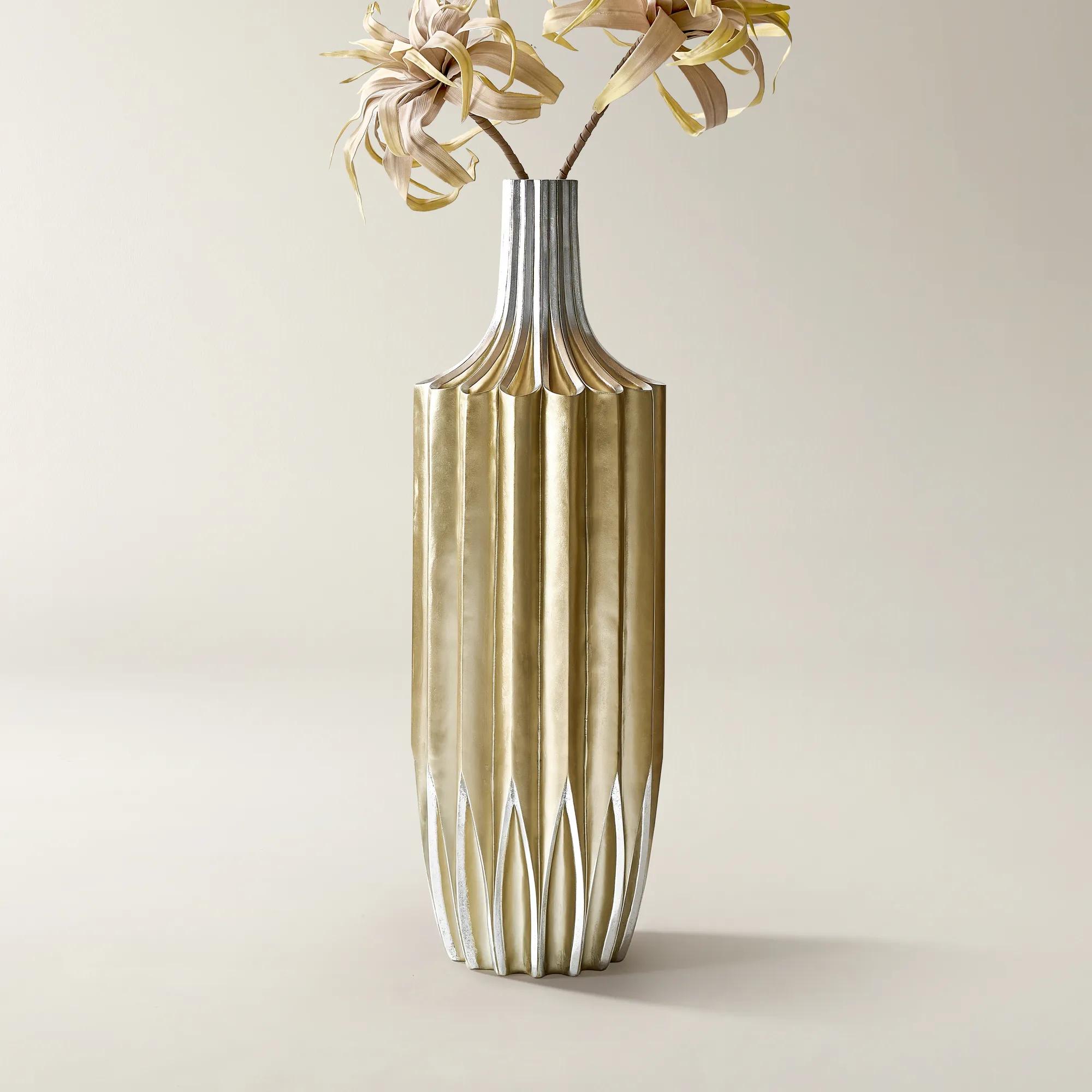
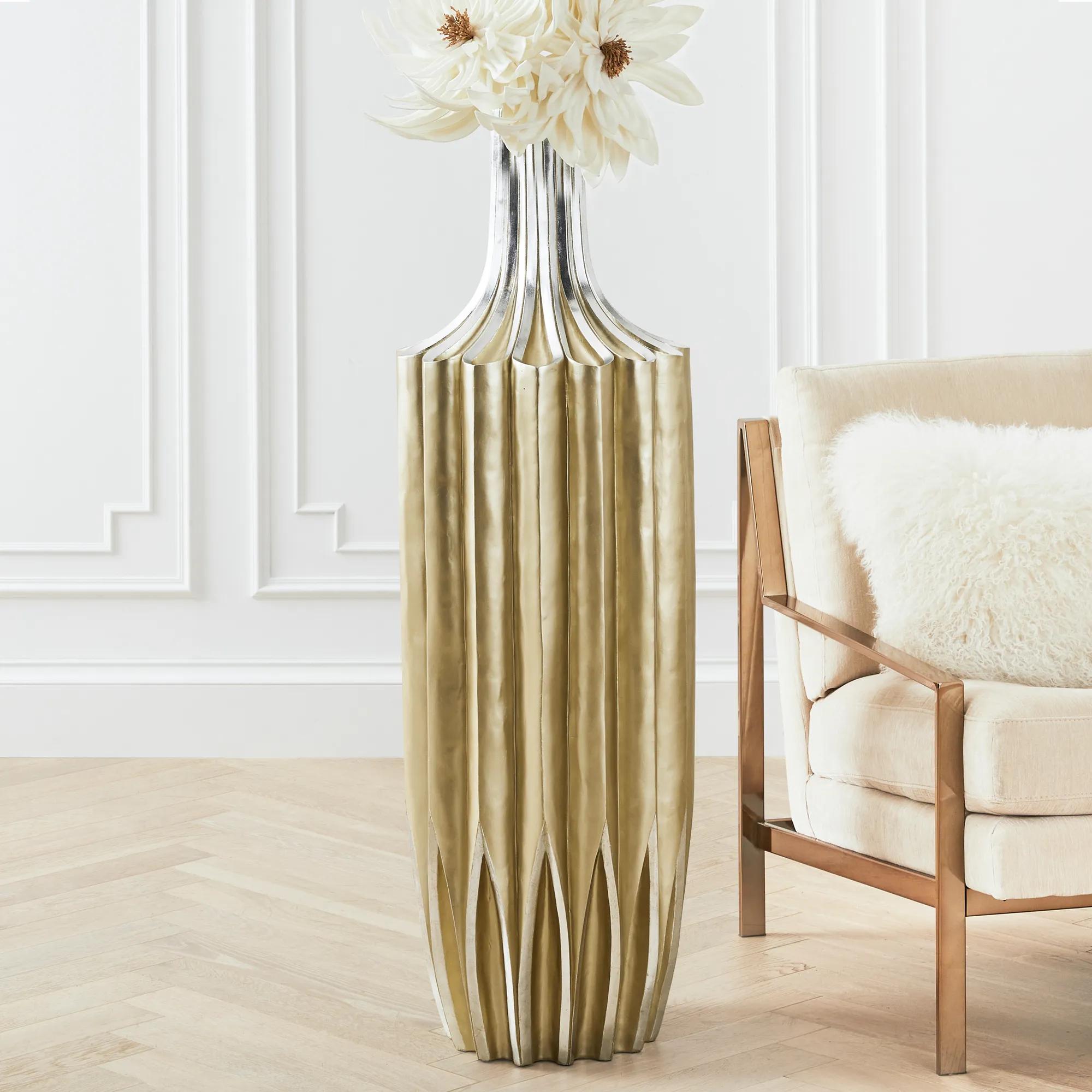 Savannah Gold Resin Floor Vase 48.75"$509
A sophisticated polyresin vase featuring sleek vertical curves for a modern decorative accent.
Add To Cart -
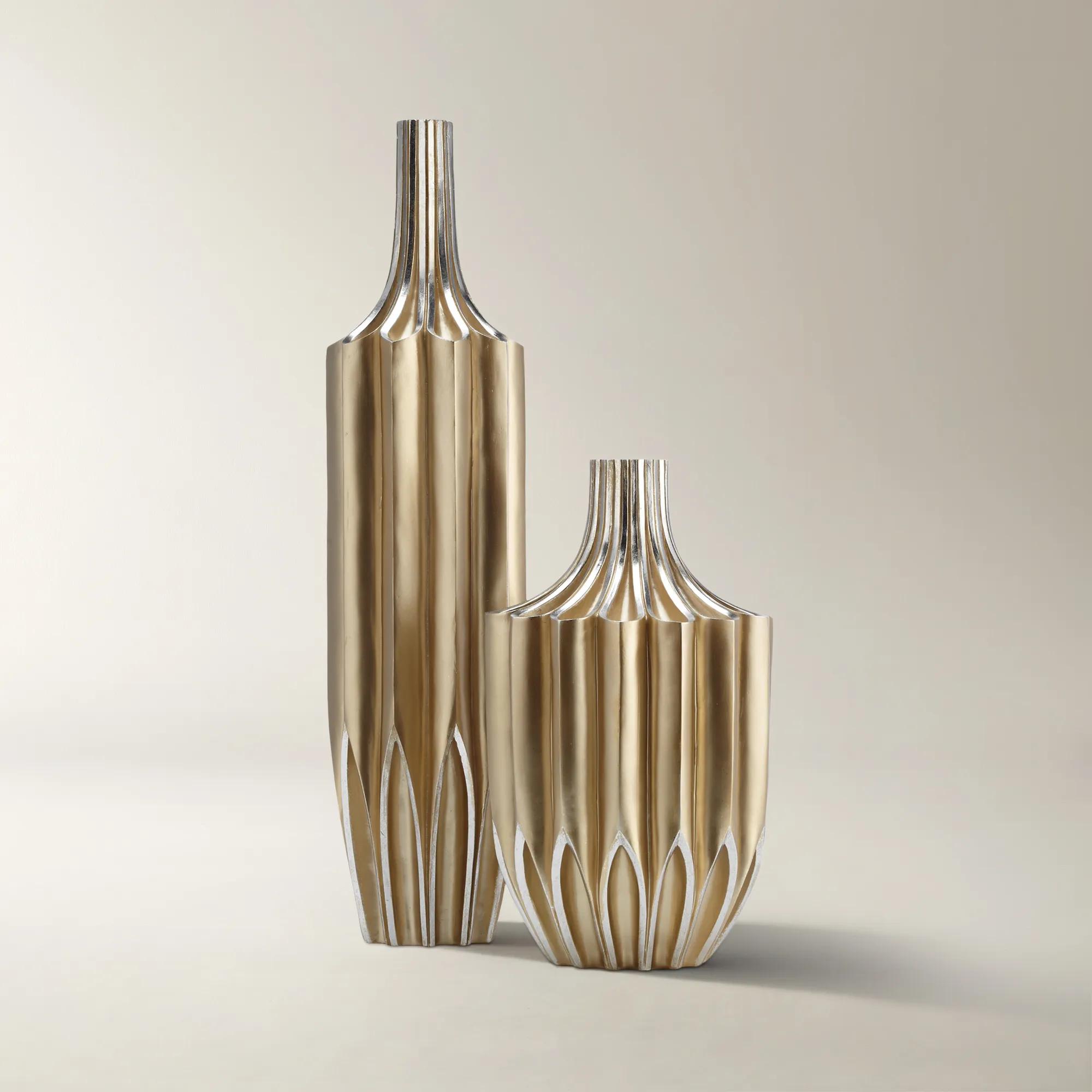
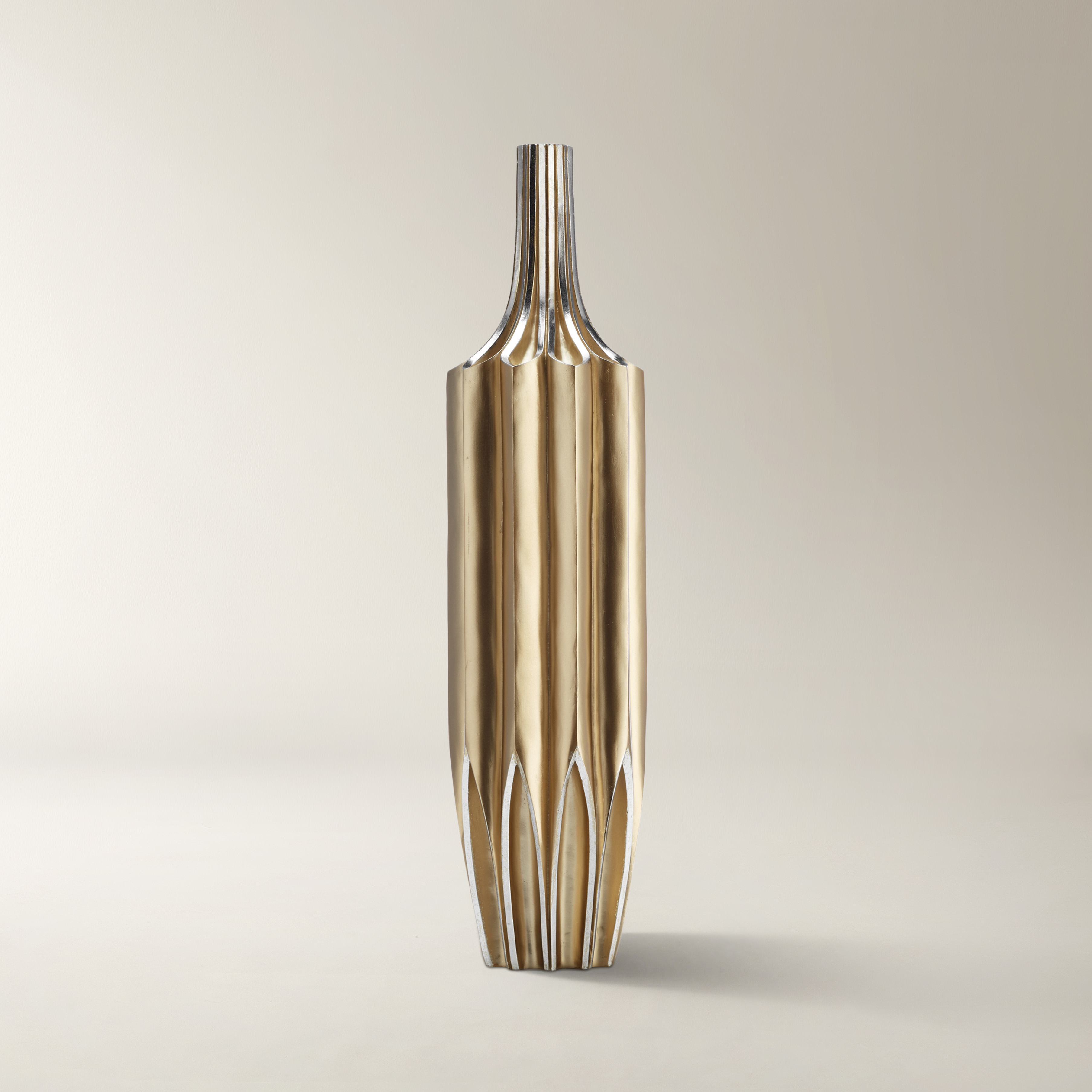 Savannah Gold Resin Vases$69
A sophisticated polyresin vase featuring sleek vertical curves and a modern, inward-flaring design.
Add To Cart -
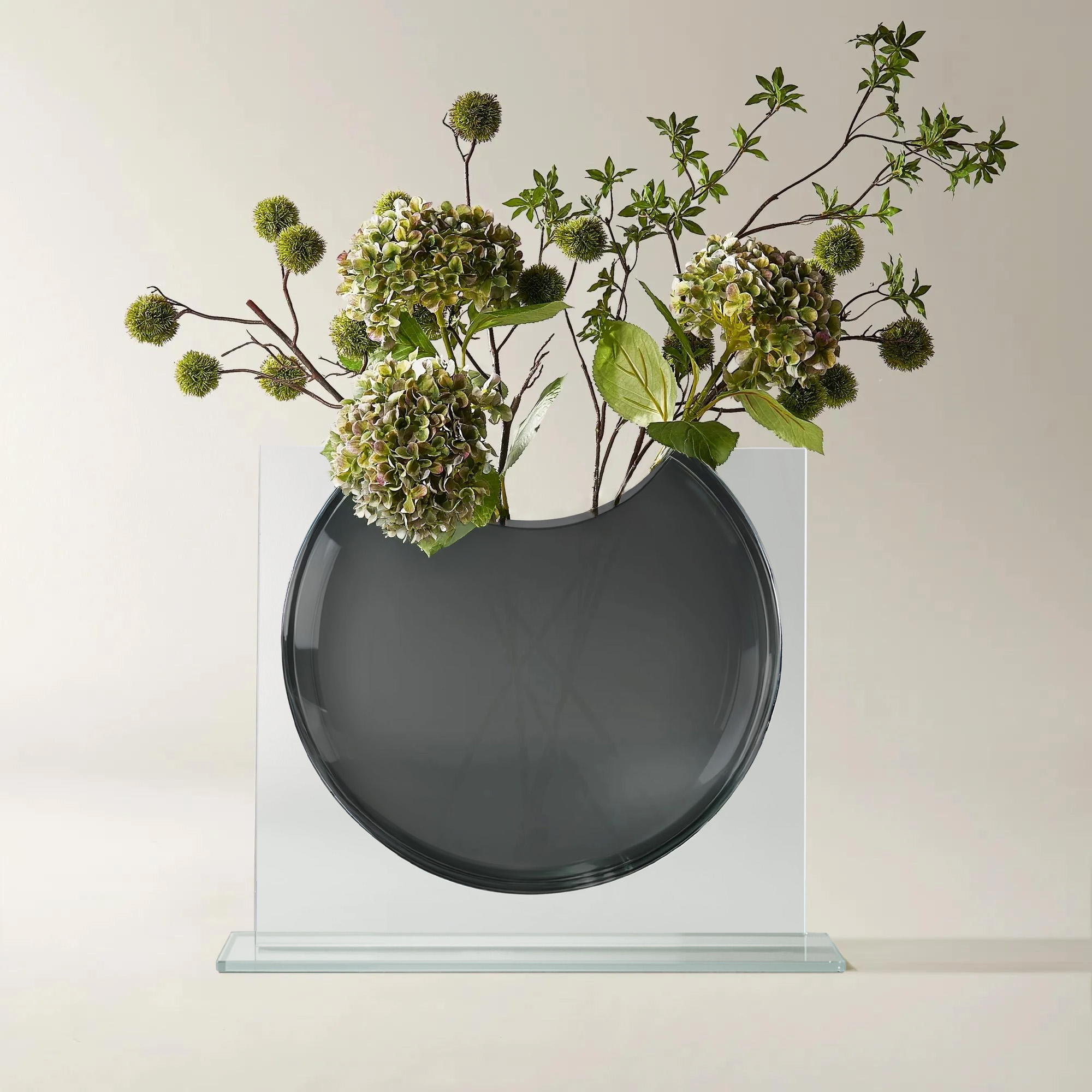
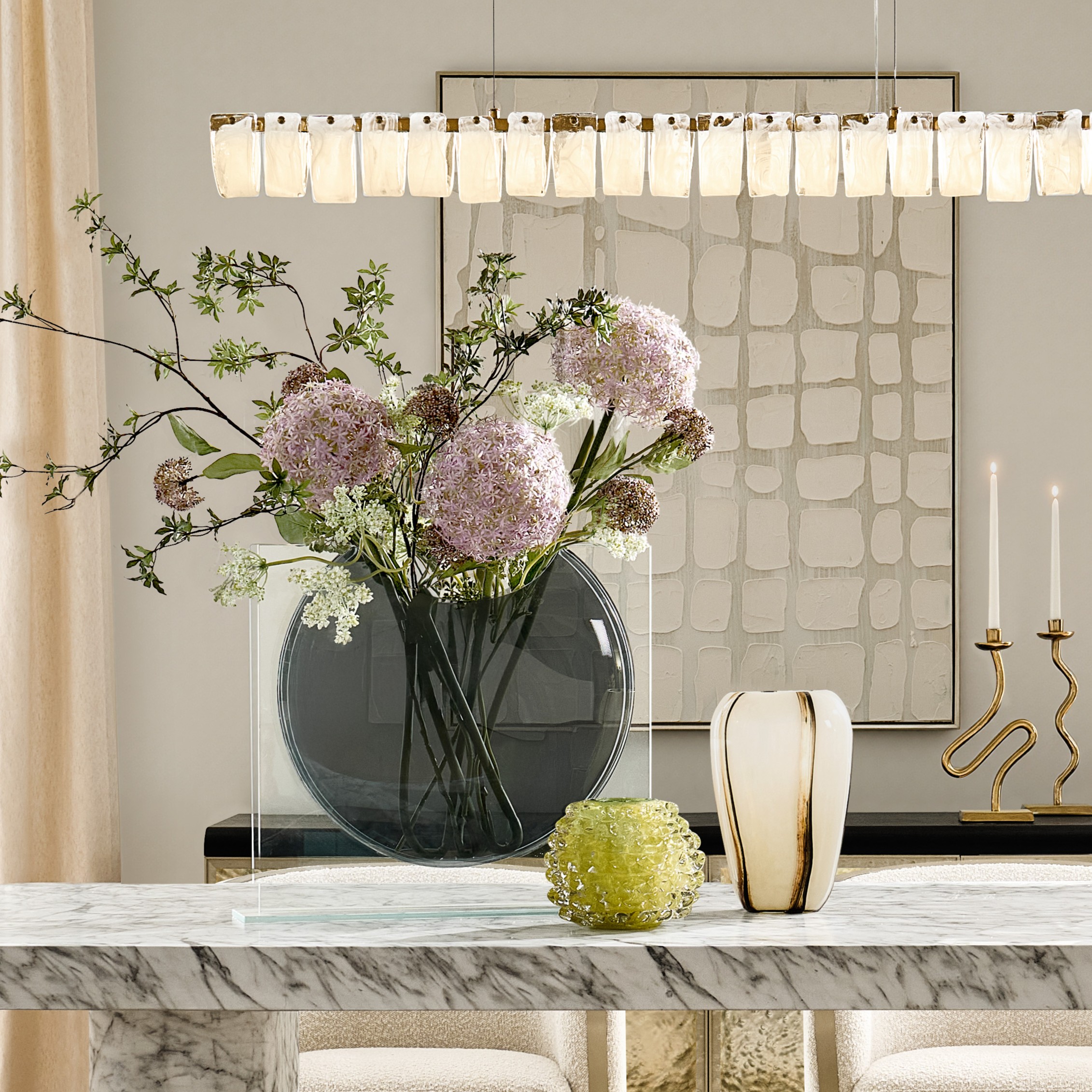 Ellipse Charcoal Glass Vase 20"$299
A sleek elliptical glass vase in clear and charcoal, perfect for displaying fresh flowers in modern spaces.
Add To Cart -
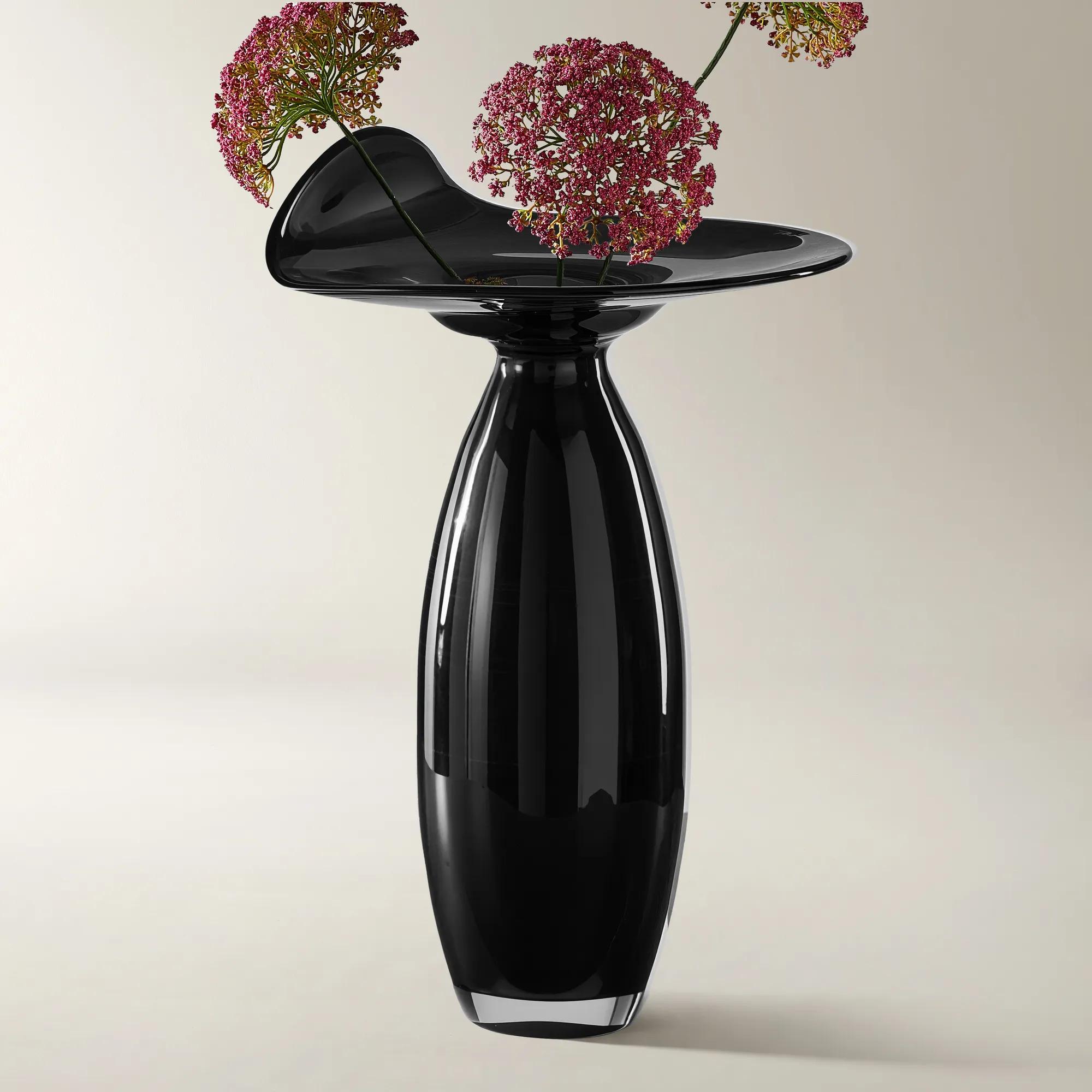 Folia Mouth Blown Glossy Black Glass Vase 22"$199
A handblown glass vase with a glossy black finish and organic sculptural silhouette for modern decor.
Add To Cart -
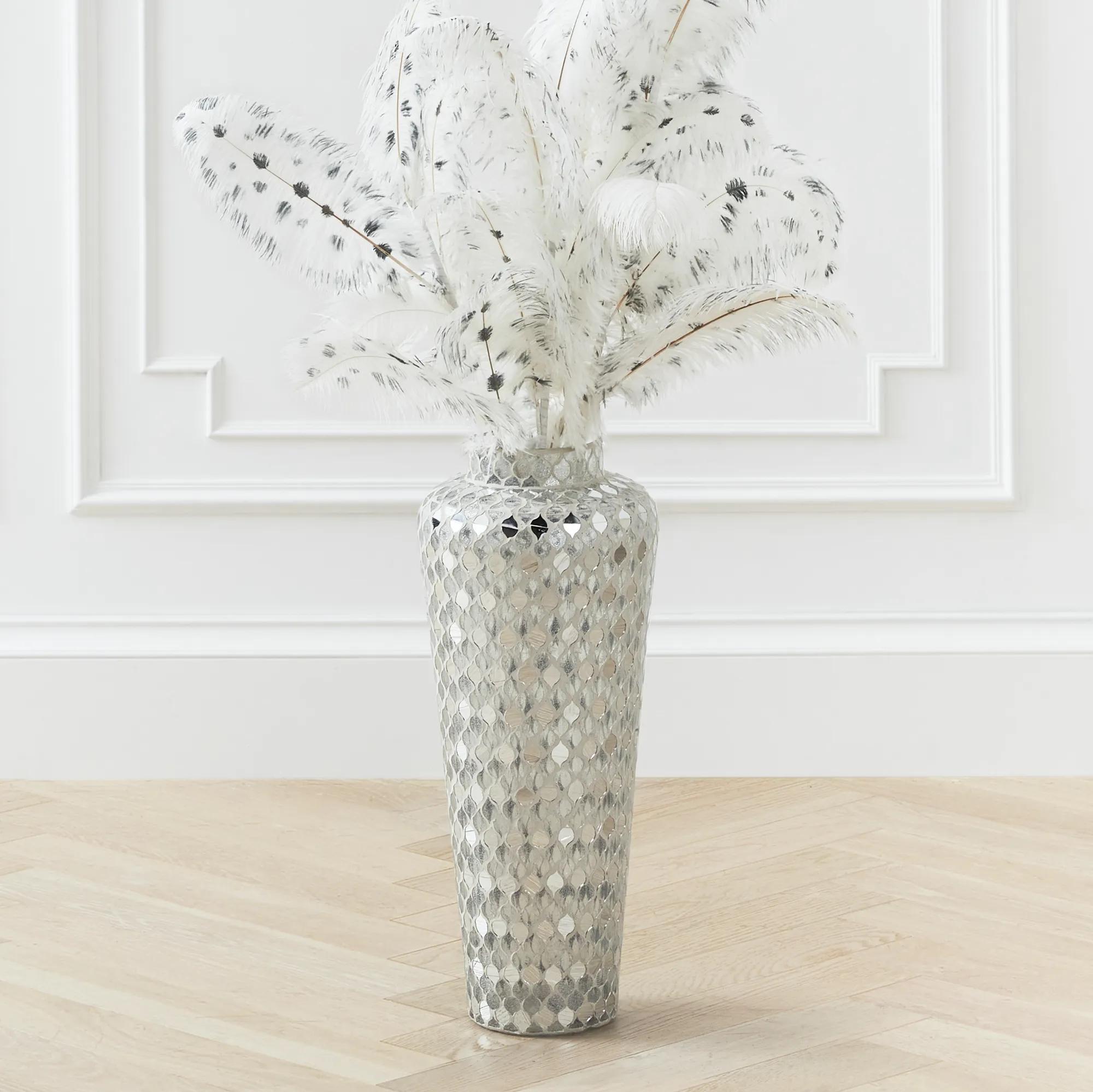 Fez Vase$139
A dazzling glass vase adorned with iridescent mirror and clear tiles for a glamorous decorative accent.
Add To Cart -
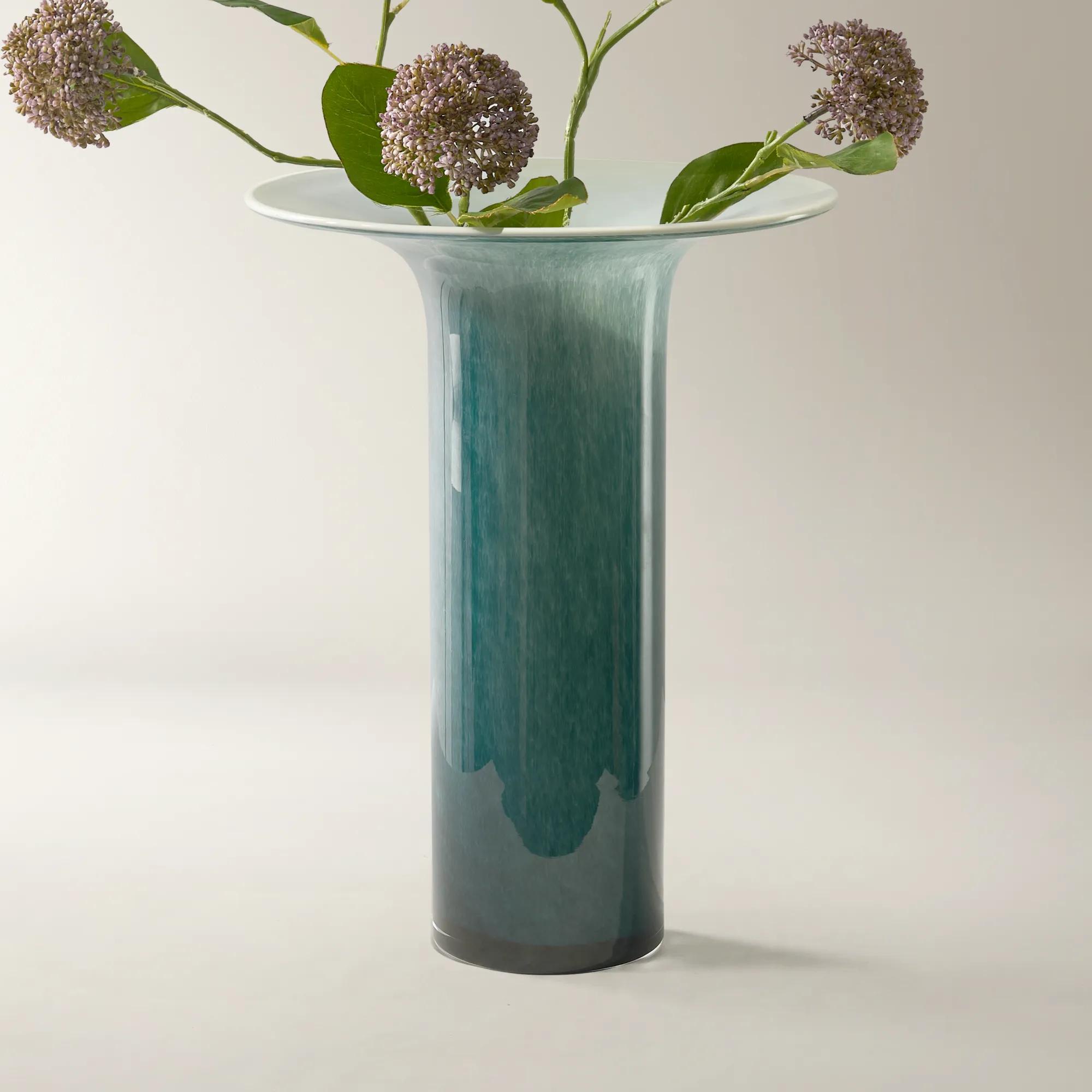 Loft Mouth Blown Deep Teal Glass Vase 15.75"$129
A handblown glass vase in deep teal with a sculptural column silhouette for bold, artful impact.
Add To Cart -
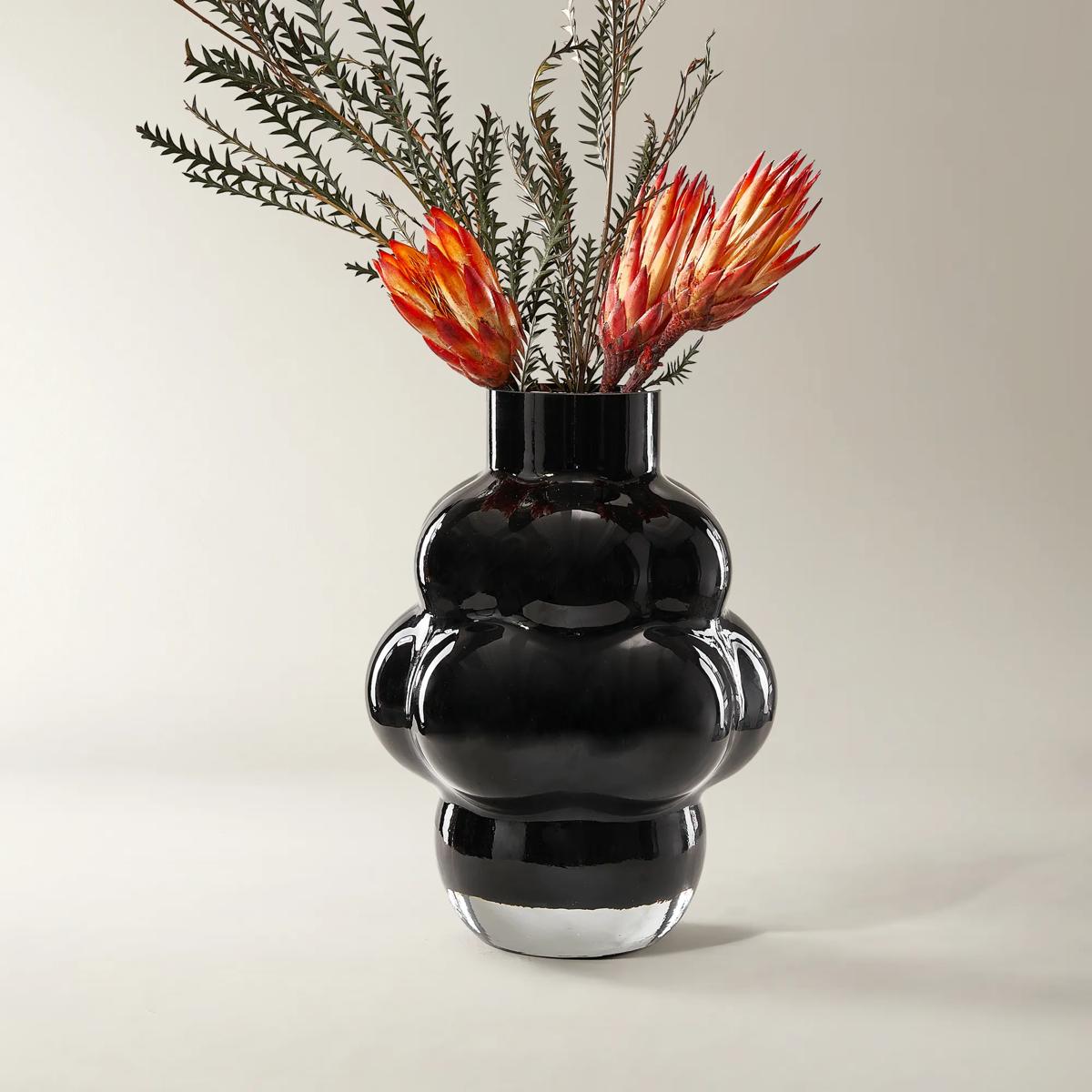 Cloud Glass Vase - Black$129
A hand-blown black glass vase featuring a sculptural silhouette and glossy, dramatic finish.
Add To Cart -
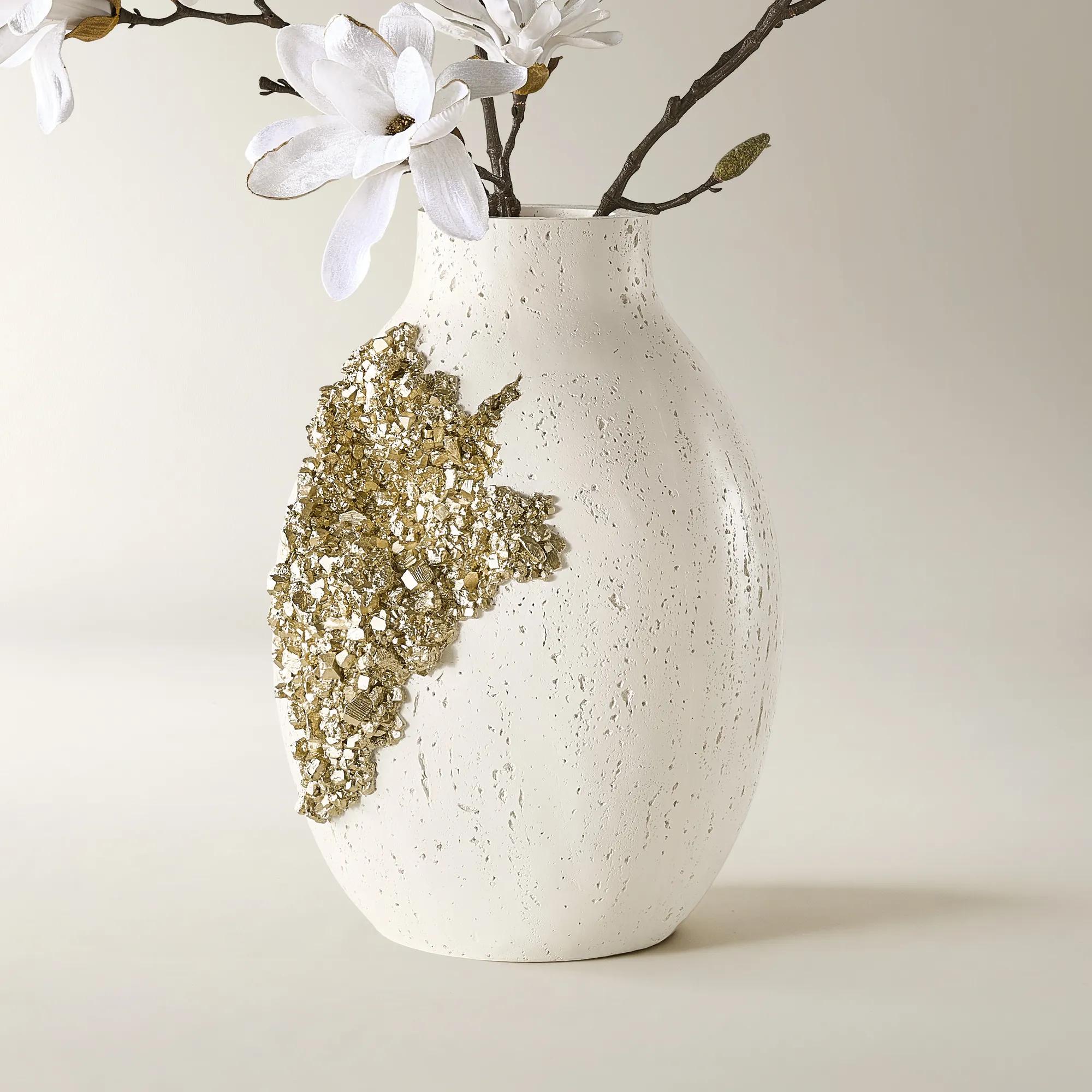 Delve Soft Gold Ivory Resin Vase 18.5"$199
A sculptural polyresin and stone vase in soft gold and white, adding modern glamour to any space.
Add To Cart -
Miami Silver Ceramic High Gloss Vase 18.5"$69
A contemporary silver ceramic vase with a stylish gold glaze, perfect for decorative foliage or display.
Add To Cart -
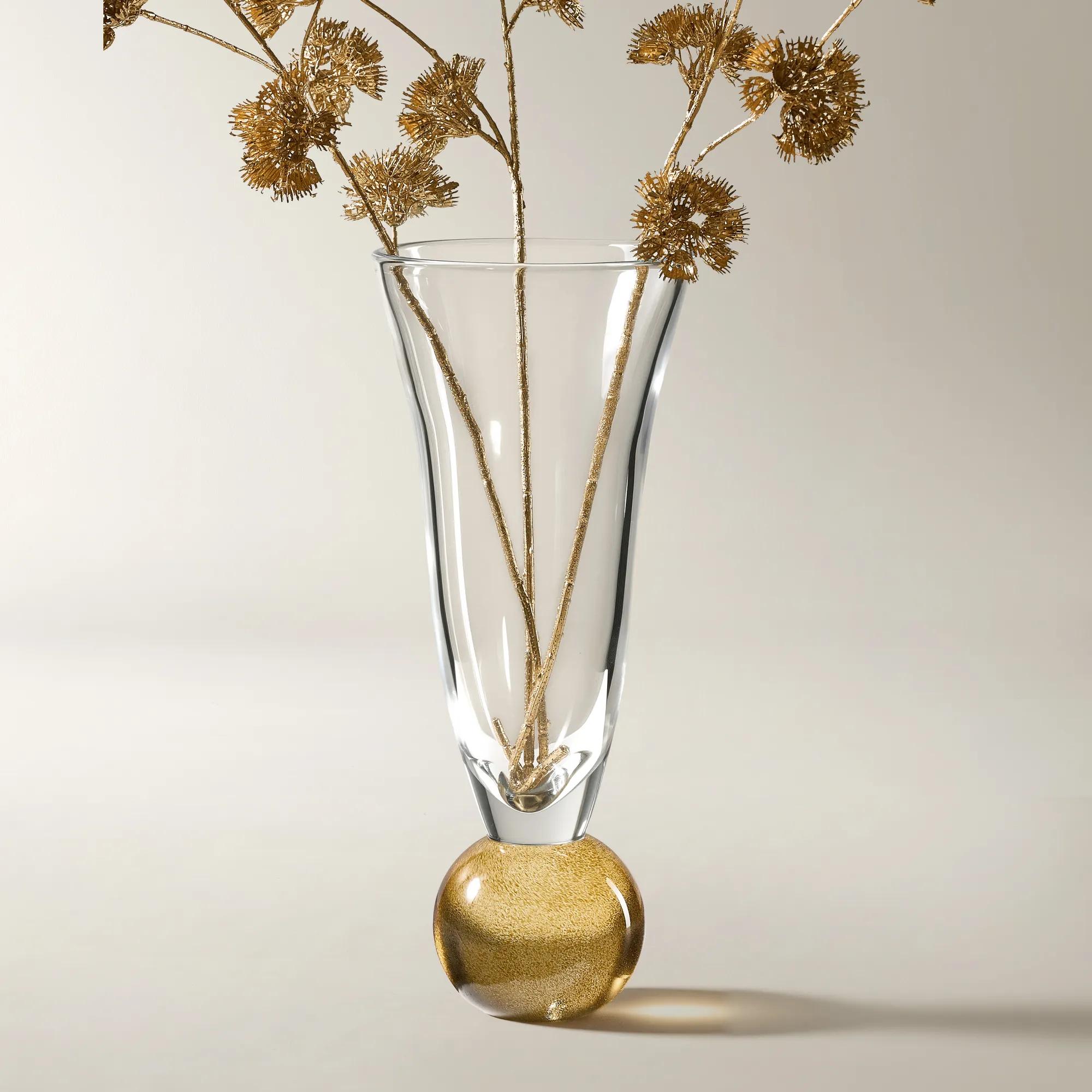 Palazzo Mouth Blown Honey Gold Clear Glass Vase 17.25"$119
A handblown glass vase in luminous honey gold with a sculptural, bauble-inspired silhouette.
Add To Cart -
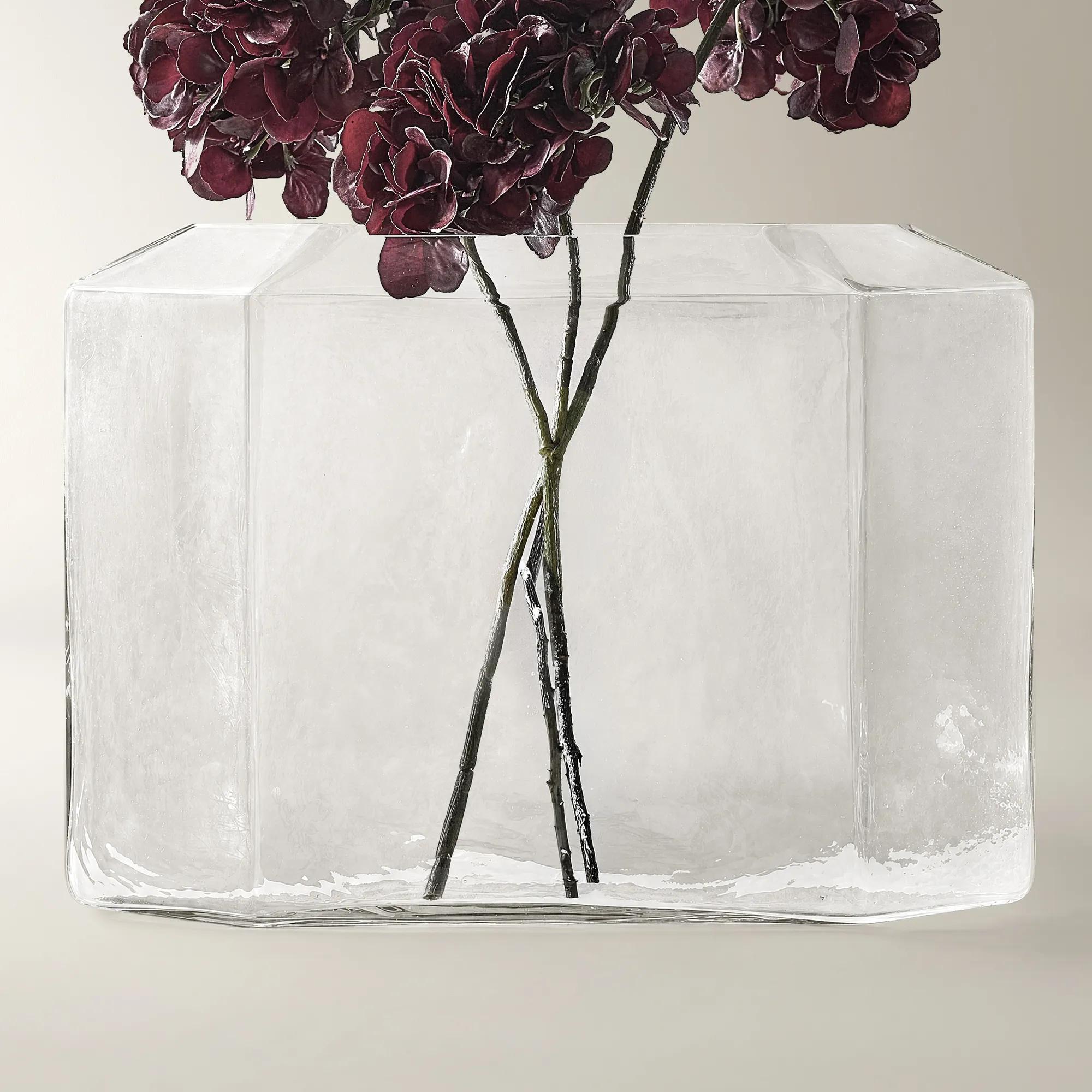 Studio Mouth Blown Clear Glass Vase 13.75"$199
A handblown clear glass vase with faceted detailing that beautifully reflects light for modern elegance.
Add To Cart -
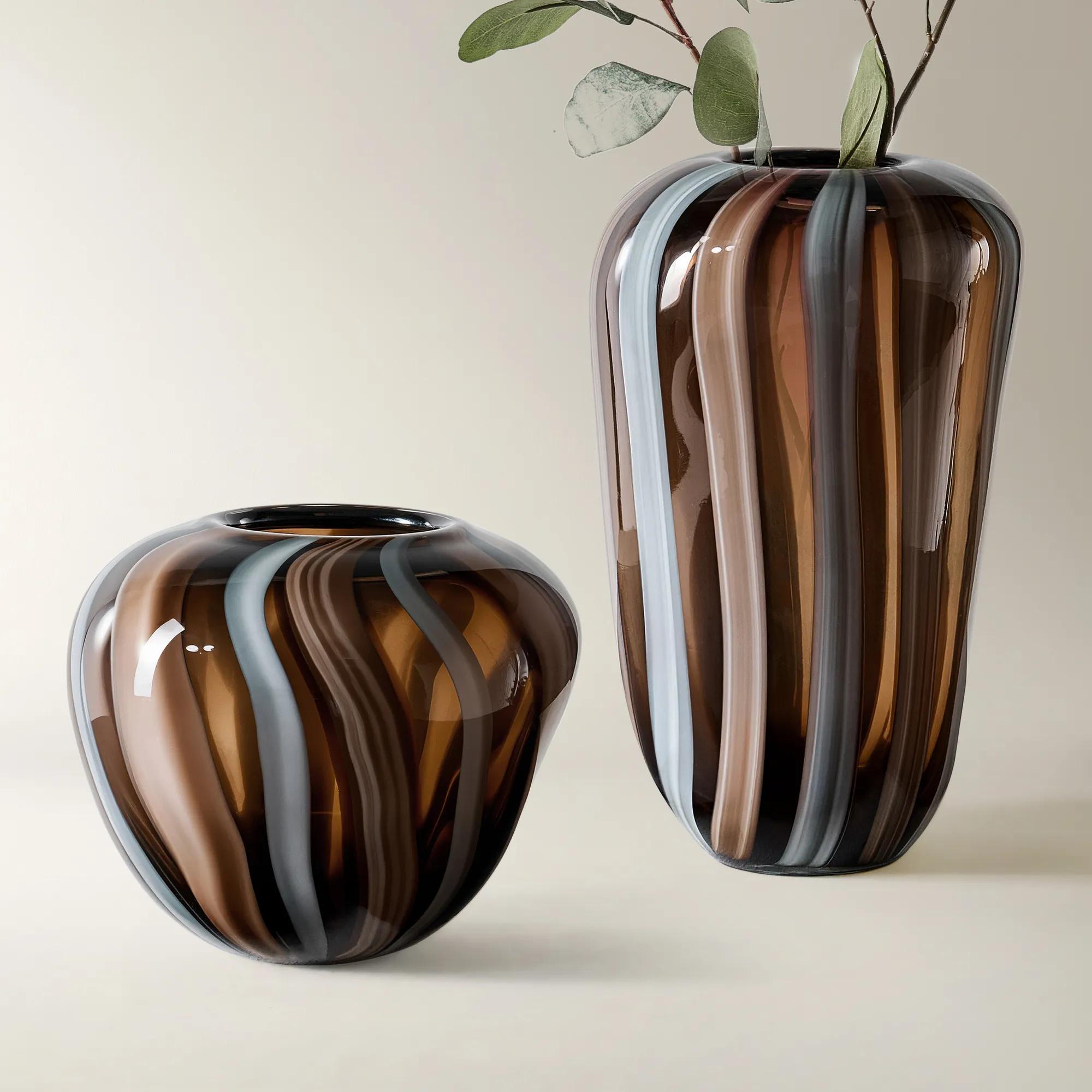
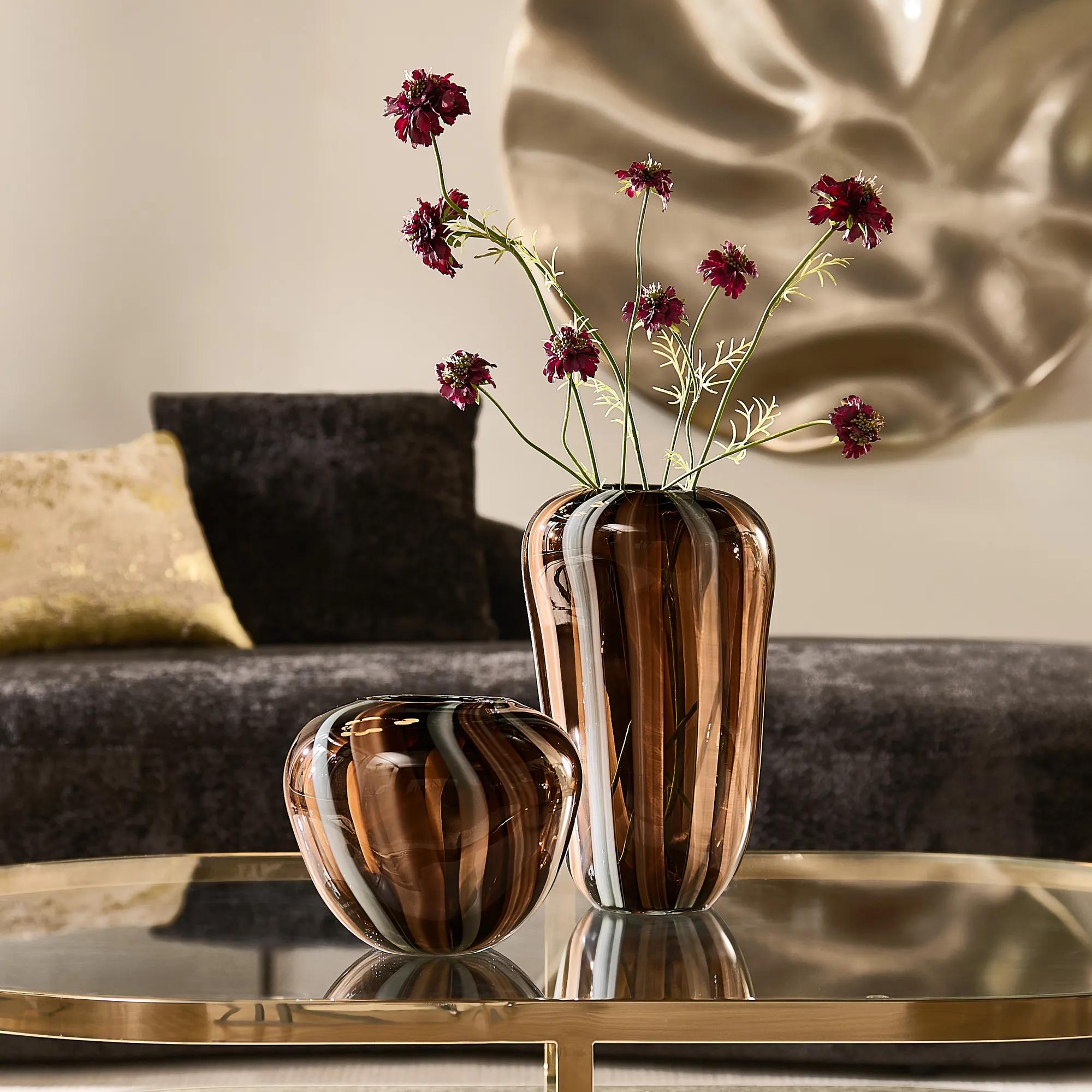 Billow Mouth Blown Brown Striped Glass Vases$119
A sculptural glass vase adding modern elegance to any décor.
Add To Cart -
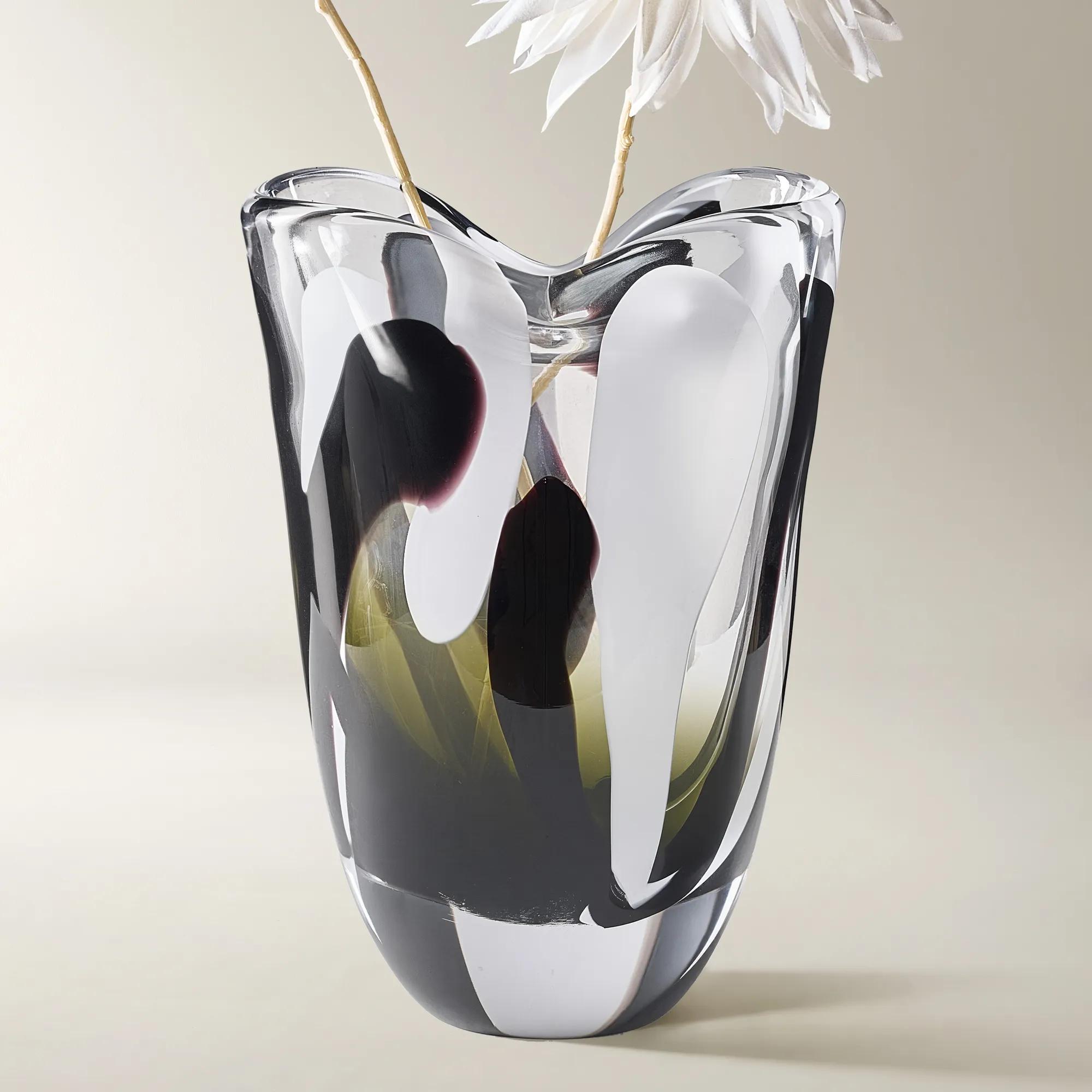 Melrose Mouth Blown Black White Glass Vase 11.25"$109
A handblown glass vase featuring a bold black and white abstract animal pattern for modern appeal.
Add To Cart -
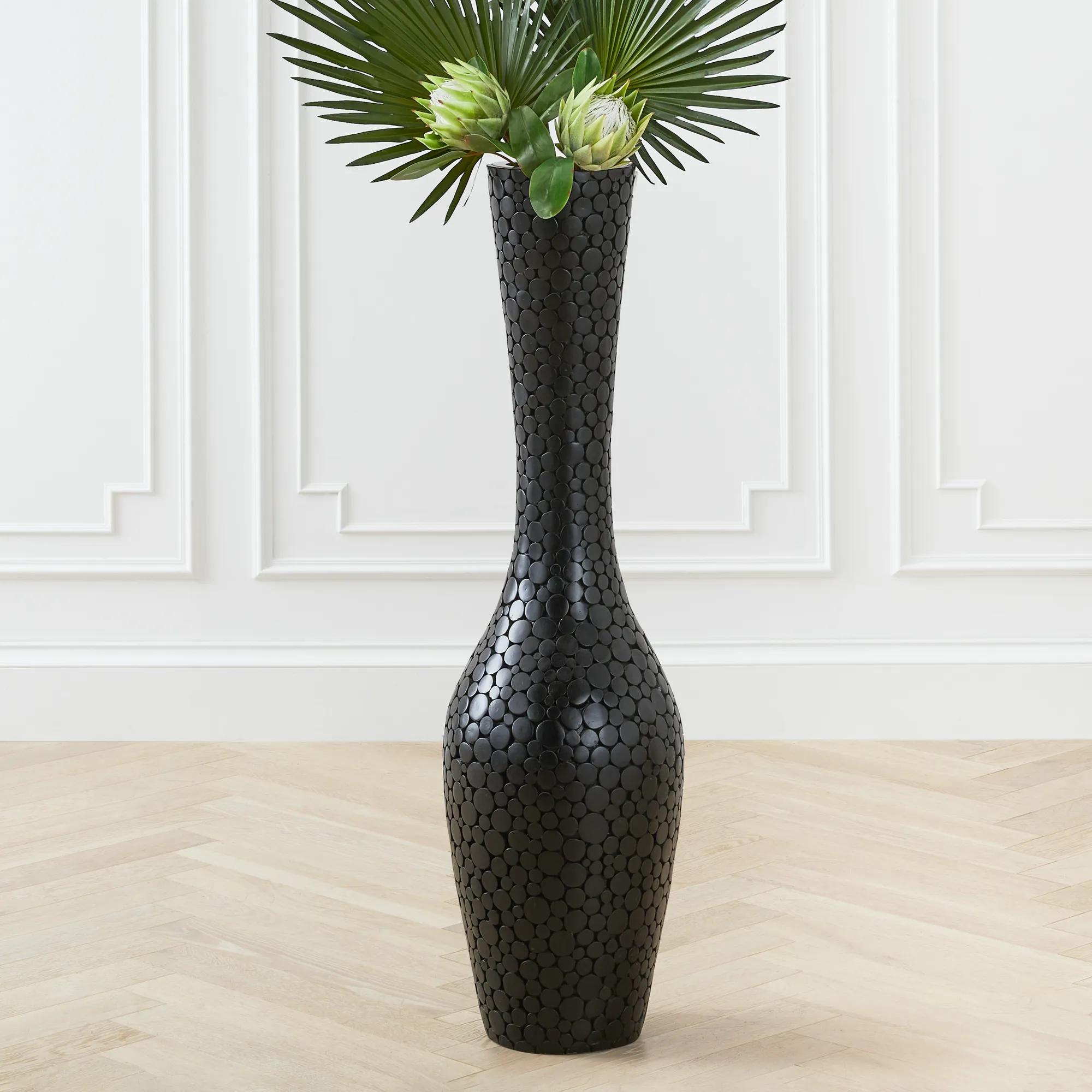
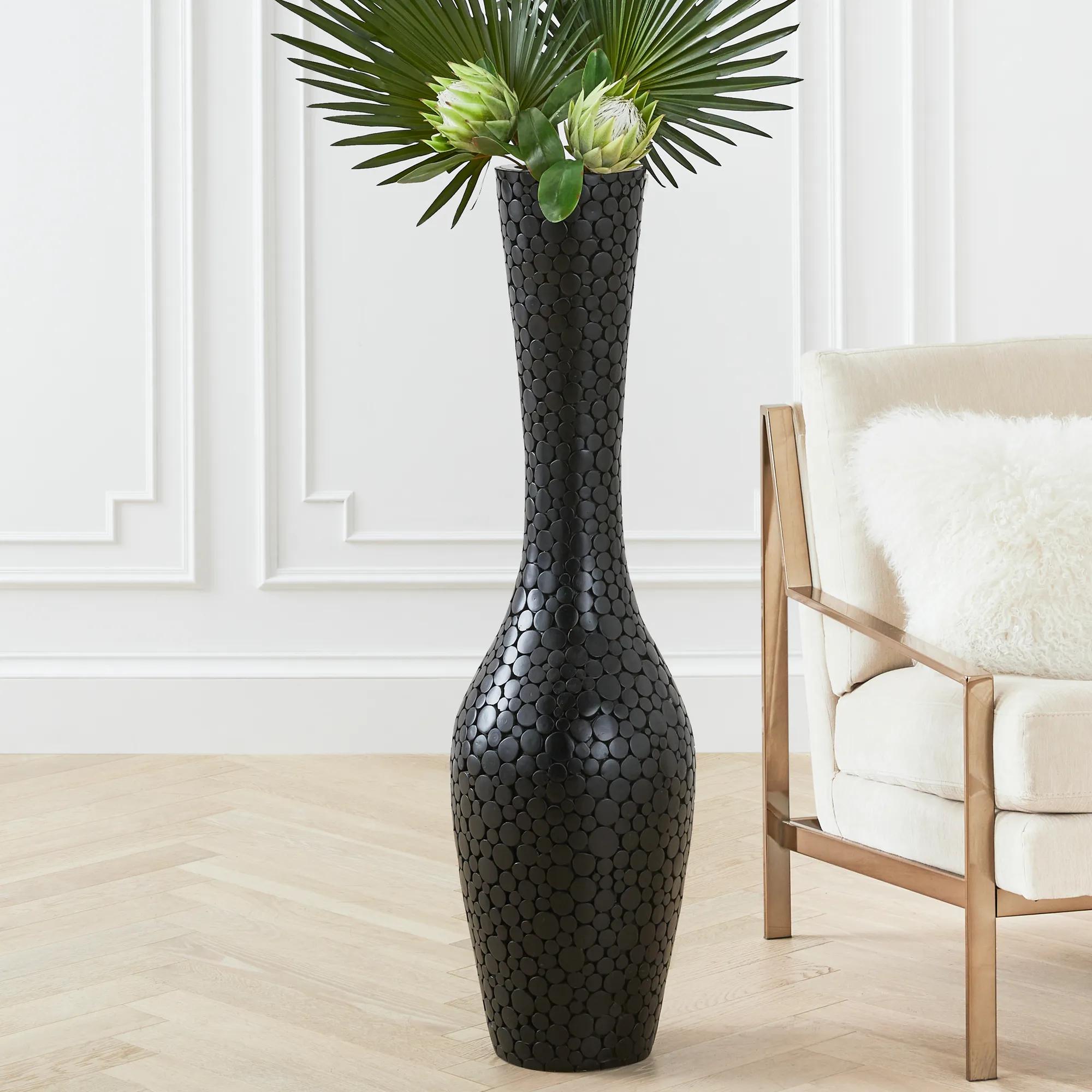 Oslo Black Wood Floor Vase 45"$299
A contemporary floor vase featuring hand-applied wood accents and a glossy black fiberglass base.
Add To Cart -
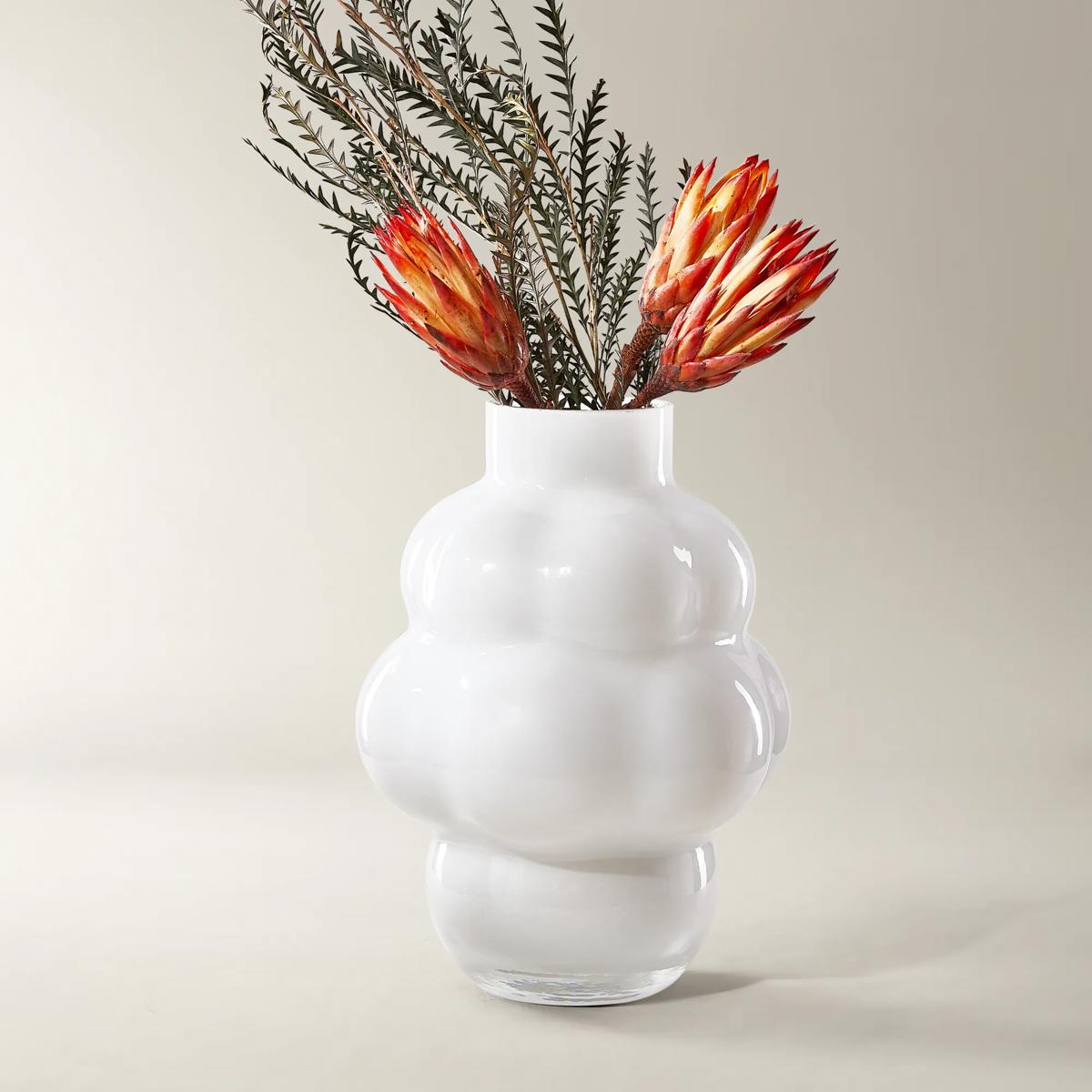 Cloud Glass Vase - White$129
A hand-blown glass vase in glossy opaque white with a sculptural, cloud-inspired silhouette.
Add To Cart -
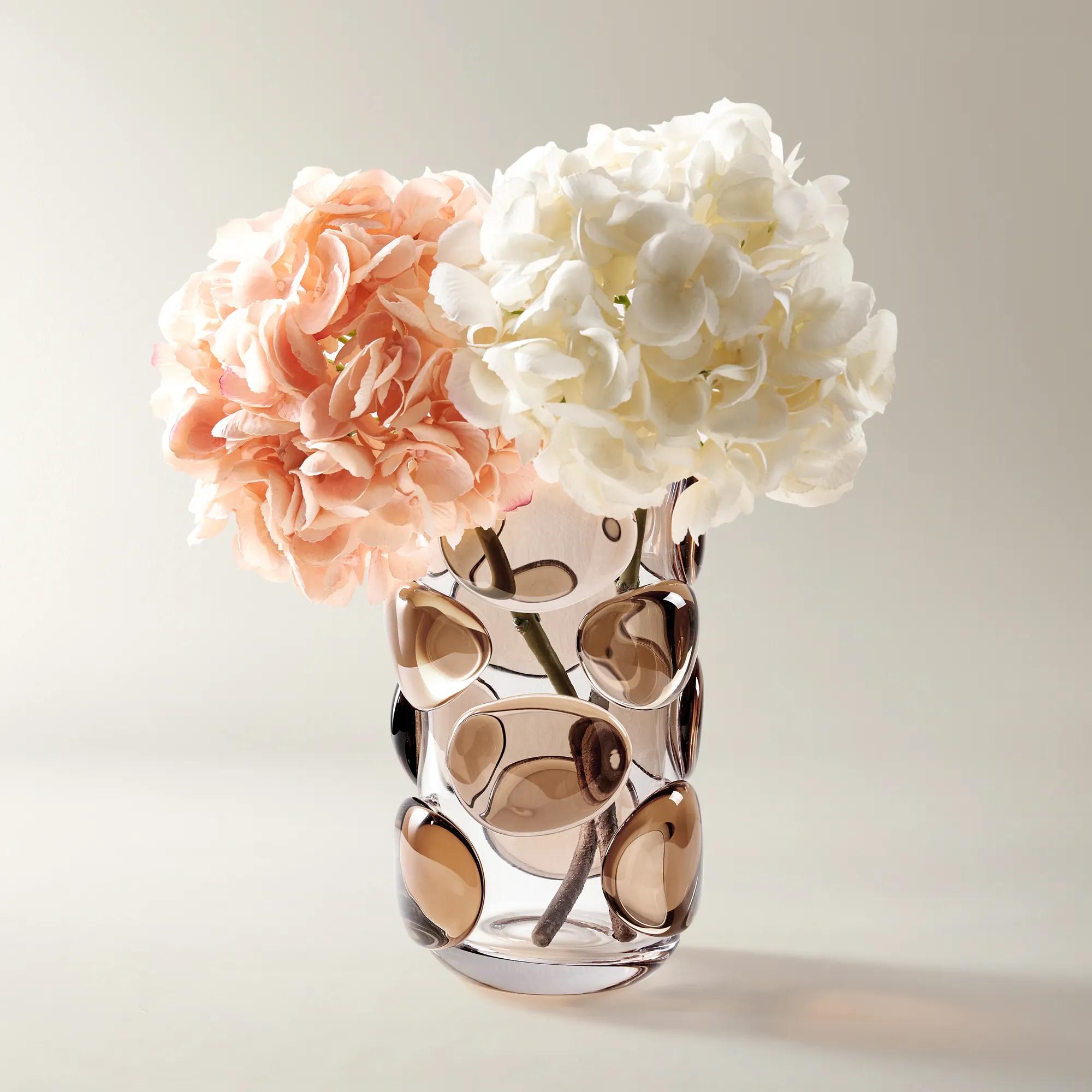
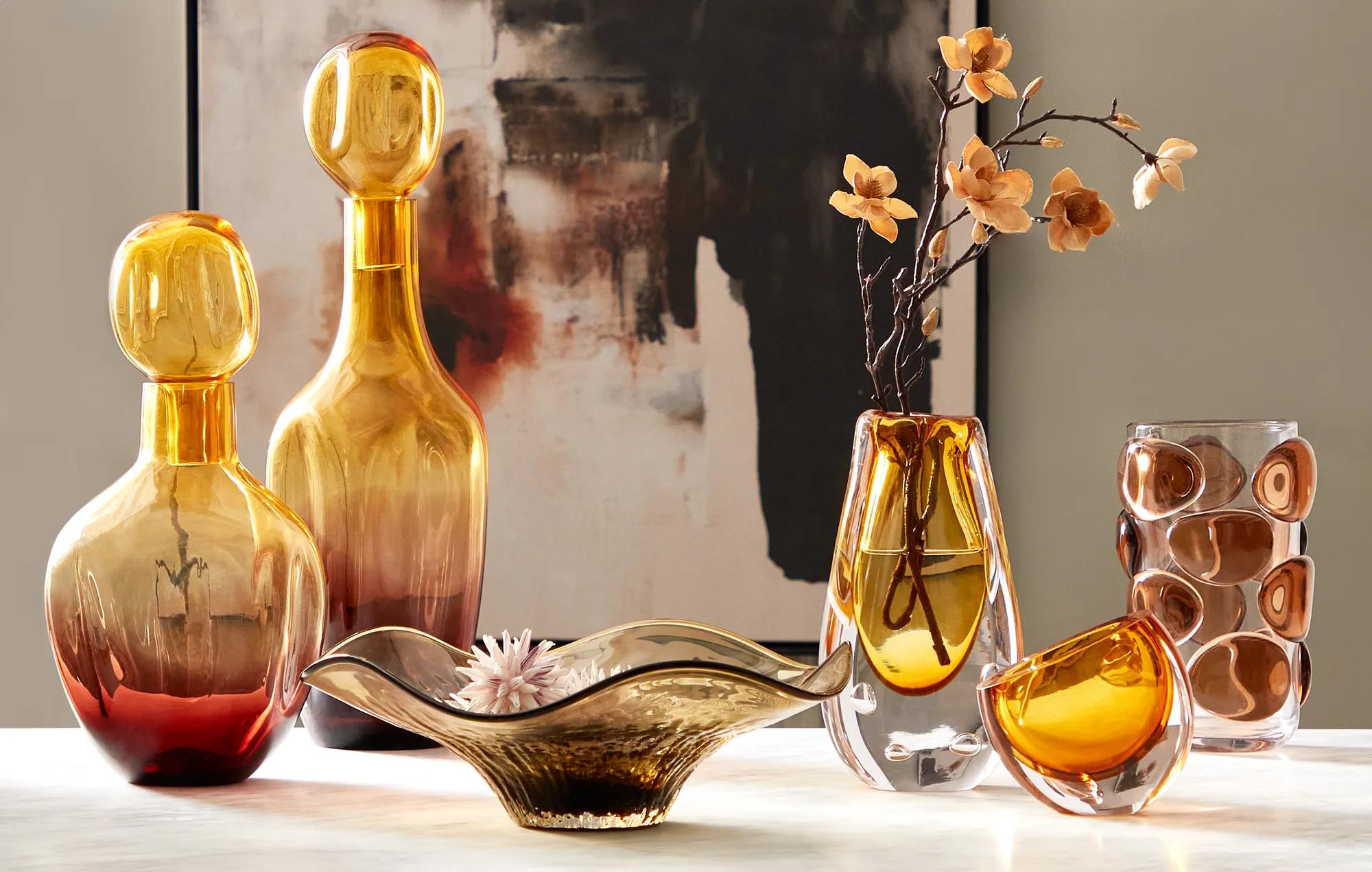 Nova Glass Vase - Small$149
An amber-toned, hand-blown glass vase featuring a sculptural bubble design for striking visual texture.
Add To Cart -
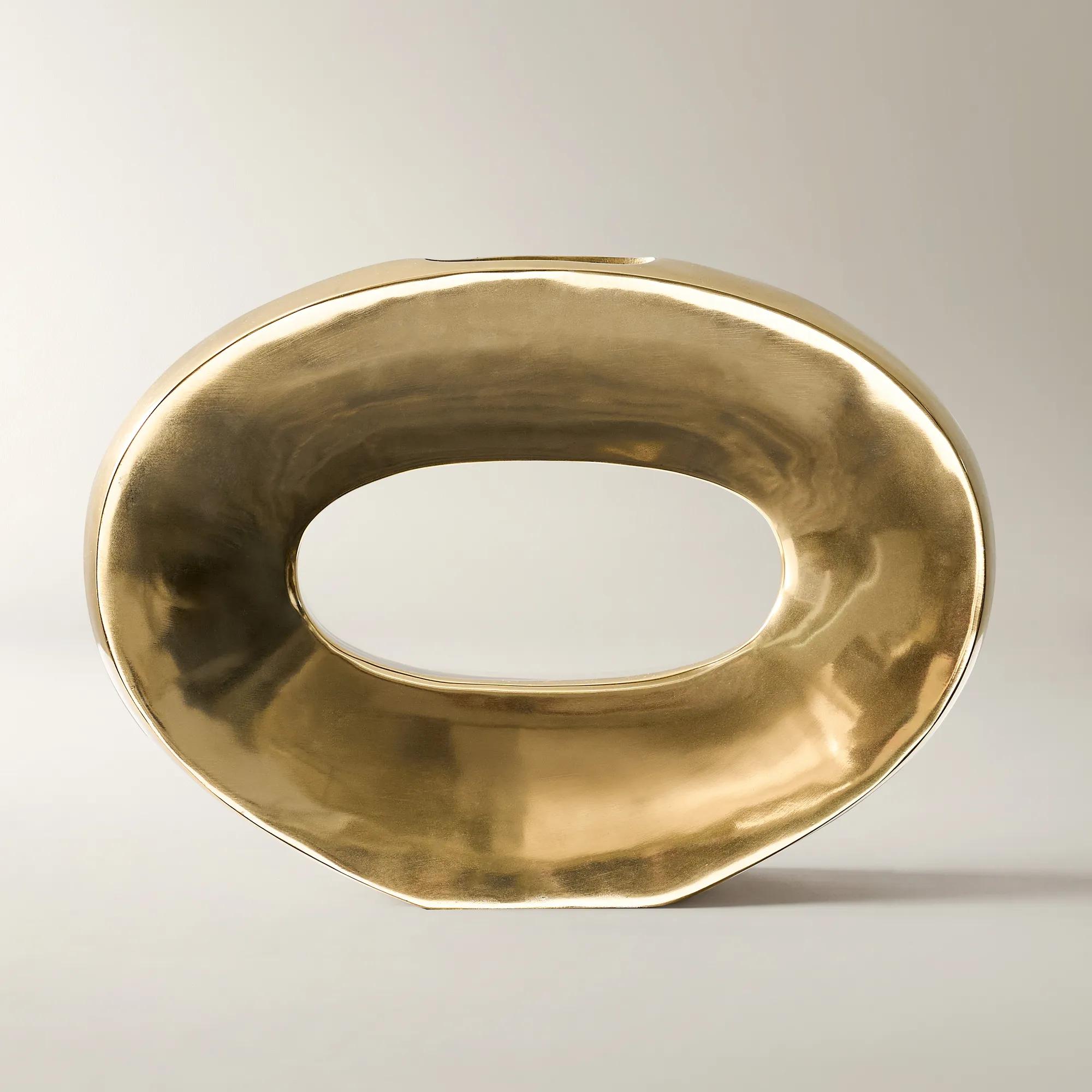
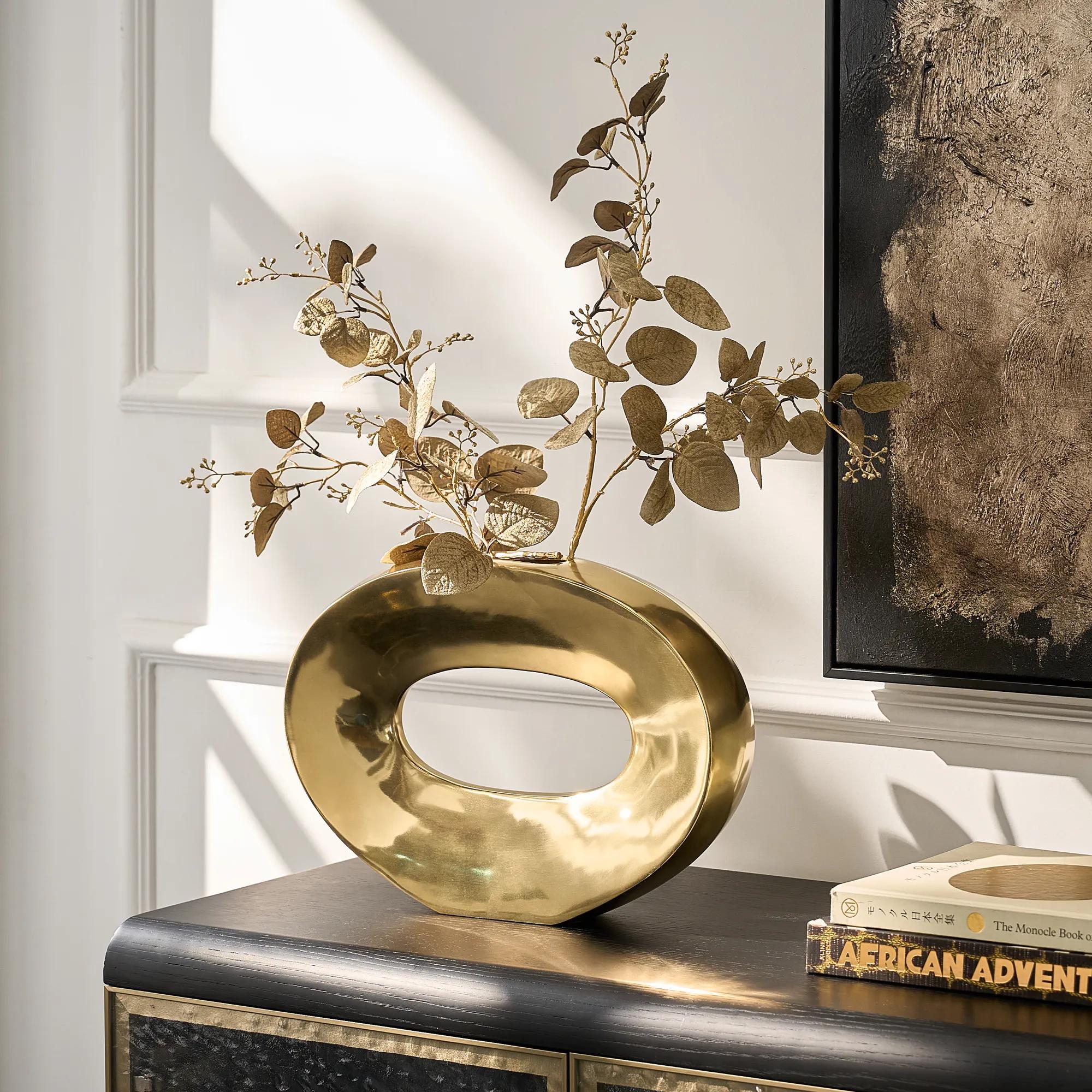 Hera Soft Gold Aluminum Vase 11.75"$169
A sculptural aluminum vase in a soft gold finish, offering modern glamour and architectural appeal.
Add To Cart

Decorative Vases For Flowers
Decorative vases for flowers are more than mere vessels—they are the exclamation point of a well-curated room. Each silhouette, from sculptural curves to gleaming metallics, transforms your floral arrangements into dramatic works of art. Whether poised on a grand entry console or gracing an intimate dining table, these vases invite you to celebrate beauty in every detail. Elevate your blooms and let your space blossom with artistry, confidence, and a touch of unexpected glamour.
Decorative vases for flowers give a floral arrangement its foundation, pairing a sculptural vessel with the color, movement, and texture of the blooms above it. Common materials include glass, ceramic, porcelain, stoneware, and metal, each bringing a distinct character to a tabletop or display. Clear glass reveals the architecture of stems and lets flowers take visual precedence, while colored or textured glass adds depth even to a restrained arrangement. Ceramic and porcelain offer expressive silhouettes, richly glazed surfaces, and opaque walls that conceal stems for a more composed presentation. Stoneware introduces a substantial, tactile presence, while metallic finishes catch surrounding light and lend a polished accent to a console, dining table, or mantel. The most compelling pairing balances the personality of the vessel with the flowers themselves: a lavish bouquet can feel beautifully grounded in a simple, generous form, while a single dramatic stem becomes an intentional statement in a narrow, sculptural vase. Surface treatments matter as much as material. A glossy finish reflects light and sharpens a vignette; a matte surface creates a softer backdrop for luminous petals. Fluting, facets, and relief patterns add dimension without requiring a dense arrangement. Function deserves equal attention, especially for fresh flowers. A vase intended to hold water should be identified as watertight, since decorative ceramics, porous materials, and some metal vessels may require a suitable waterproof liner. A glazed appearance alone does not establish that a vessel can safely contain water. Dried and faux flowers allow greater flexibility, including decorative forms not intended for liquids. In either case, the vessel should support the arrangement securely rather than merely accommodate its stems. A stable base, an opening suited to the bouquet, and an interior deep enough for the intended stems help the finished display feel assured. Even without flowers, a distinctive vase can hold its place as an artful object, making it an expressive element of a room rather than an accessory reserved for special occasions.
Shape and scale determine how decorative flower vases work within a space. Tall cylindrical forms lend structure to long stems, while rounded vessels provide room for fuller bouquets to spread. A narrow neck gathers a handful of stems into a defined composition; a broad mouth allows a more expansive arrangement but may need a floral support to maintain its shape. Bud vases make a single bloom feel considered, especially beside a place setting, on a bedside table, or along a slender shelf. For a dining table used for conversation, a low arrangement keeps sightlines open and gives flowers a presence without placing a visual barrier between guests. On an entry console, a taller vase can create a striking first impression, provided its height and spread leave room for nearby artwork, mirrors, and everyday movement. Proportion is not simply a matter of choosing the largest vessel a surface can hold. The combined height and width of vase and flowers should feel balanced against the furniture beneath them, with enough surrounding space for the silhouette to register. A generous arrangement on a small side table can become awkward beside a reading chair, while a diminutive vase may disappear on a broad dining table unless it belongs to a deliberate grouping. Color offers another way to create cohesion. White and ivory vessels let saturated flowers command attention, smoky glass introduces depth, and gleaming metallic accents can echo nearby lighting or decorative hardware without matching every finish in the room. Repeating a tone from artwork or upholstery gives a bouquet a sense of belonging; introducing a contrasting color makes the arrangement more assertive. For grouped displays, varying heights and related finishes create rhythm, while leaving space between vessels preserves their individual contours. The result can be richly layered without feeling crowded, whether the flowers are a florist’s abundant bouquet or a few carefully placed stems.
Lasting beauty depends on how a vase is used and cared for, particularly when water, delicate finishes, and treasured furniture share the same setting. Fresh-flower arrangements benefit from a clean vessel, regularly refreshed water, and foliage kept below the waterline removed from the stems. Those habits help limit buildup inside the vase and keep the display looking composed. Cleaning methods should follow the material and the maker’s instructions: many decorative finishes are best treated gently, and a vessel should not be assumed dishwasher-safe. Abrasive pads, harsh cleaners, and prolonged soaking can damage certain painted, plated, or embellished surfaces. A soft cloth is often appropriate for exterior dusting, while a suitably sized, nonabrasive bottle brush may help reach the interior of narrow-necked forms when permitted by the care instructions. Glass and ceramic can chip or crack with impact, and sudden temperature changes may damage some materials; thoughtful handling matters more than an appearance of substantial weight. Filled vases also become heavier, making a level surface and sufficient support essential. On wood, stone, or other sensitive furniture, a discreet protective base can help guard against moisture marks and scratches. Households with children or pets may prefer placements away from busy edges and trailing stems, with flower choices considered separately for household safety. Decorative vases also make thoughtful gifts for hosts, newlyweds, new homeowners, and anyone who enjoys arranging flowers. A versatile silhouette can welcome many kinds of bouquets, while an expressive finish suits someone whose interiors celebrate color and drama. Giving a vase with flowers creates an immediate display, but the vessel remains useful long after the original arrangement. For compositions focused on branches and leafy stems, explore Decorative Vases For Foliage for another direction in botanical styling. Whether holding fresh blooms, dried stems, or lifelike flowers, a well-proportioned vase brings artistry to the everyday, giving a room a focal point that feels personal, polished, and full of expression.
FAQs
Decorative vases for flowers are crafted from a variety of luxurious materials, each lending a unique character to your arrangement. Glass vases—whether clear, colored, or frosted—offer a modern, airy elegance that highlights the natural beauty of blooms. Ceramic wares bring artisanal charm and tactile depth, ranging from smooth, high-gloss finishes to rustic, hand-thrown textures. Metal vases, with their gleaming or brushed surfaces, add a touch of drama and sophistication, perfect for statement-making displays. For those who appreciate the unexpected, sculptural shapes and mixed materials can infuse any space with creative flair.
Styling decorative flower vases is an invitation to express your artistic vision. Experiment with placement—cluster several vases of varying heights and shapes for a layered, gallery-inspired look, or let a single dramatic vase stand alone as a focal point. Play with color by matching your florals to the tones of your vase or creating bold contrast for visual impact. For added interest, incorporate seasonal elements like branches, greenery, or dried botanicals. Remember, the vase itself can be just as captivating as the blooms it holds—choose pieces that reflect your personality and the mood you wish to set in each room.
Absolutely. A beautifully crafted decorative vase, especially when paired with a thoughtfully chosen bouquet, makes an exceptional anniversary gift. It’s both a work of art and a vessel for new memories—one that your loved one can fill with fresh blooms year after year. Opt for a timeless design or select a piece that captures the recipient’s unique sense of style, ensuring your gift becomes a cherished centerpiece in their home.
Decorated vases with flowers invite endless creativity. Beyond classic bouquets, try filling vases with sculptural branches, dried florals, or even seasonal fruit for an imaginative twist. For special occasions, line a dining table with a series of petite vases, each holding a single stem for a modern, minimalist effect. Vases can also be used to display ornamental grasses, feathers, or even fairy lights, transforming them into year-round decorative accents that evolve with your style.
To preserve the beauty of your decorative flower vases, regular care is key. For glass and ceramic wares, rinse with warm water and mild soap after each use, ensuring no residue or mineral deposits remain. Metal vases benefit from gentle polishing with a soft cloth to maintain their luster. Always dry vases thoroughly before storing, and avoid harsh chemicals that could damage delicate finishes. With thoughtful upkeep, your vases will continue to elevate your space and showcase your floral artistry for years to come.


