Vases For Floral Arrangements
Vases For Floral Arrangements
-
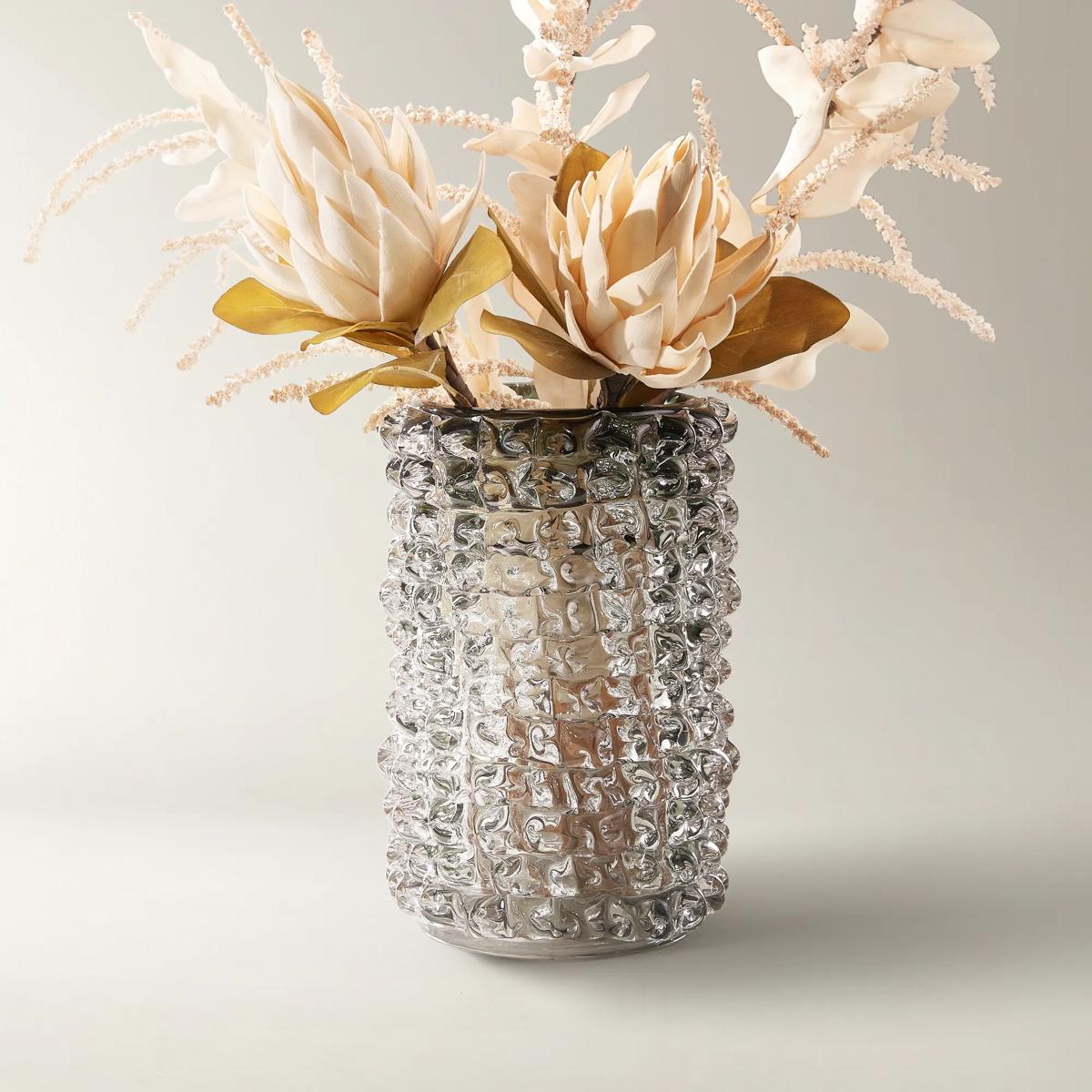
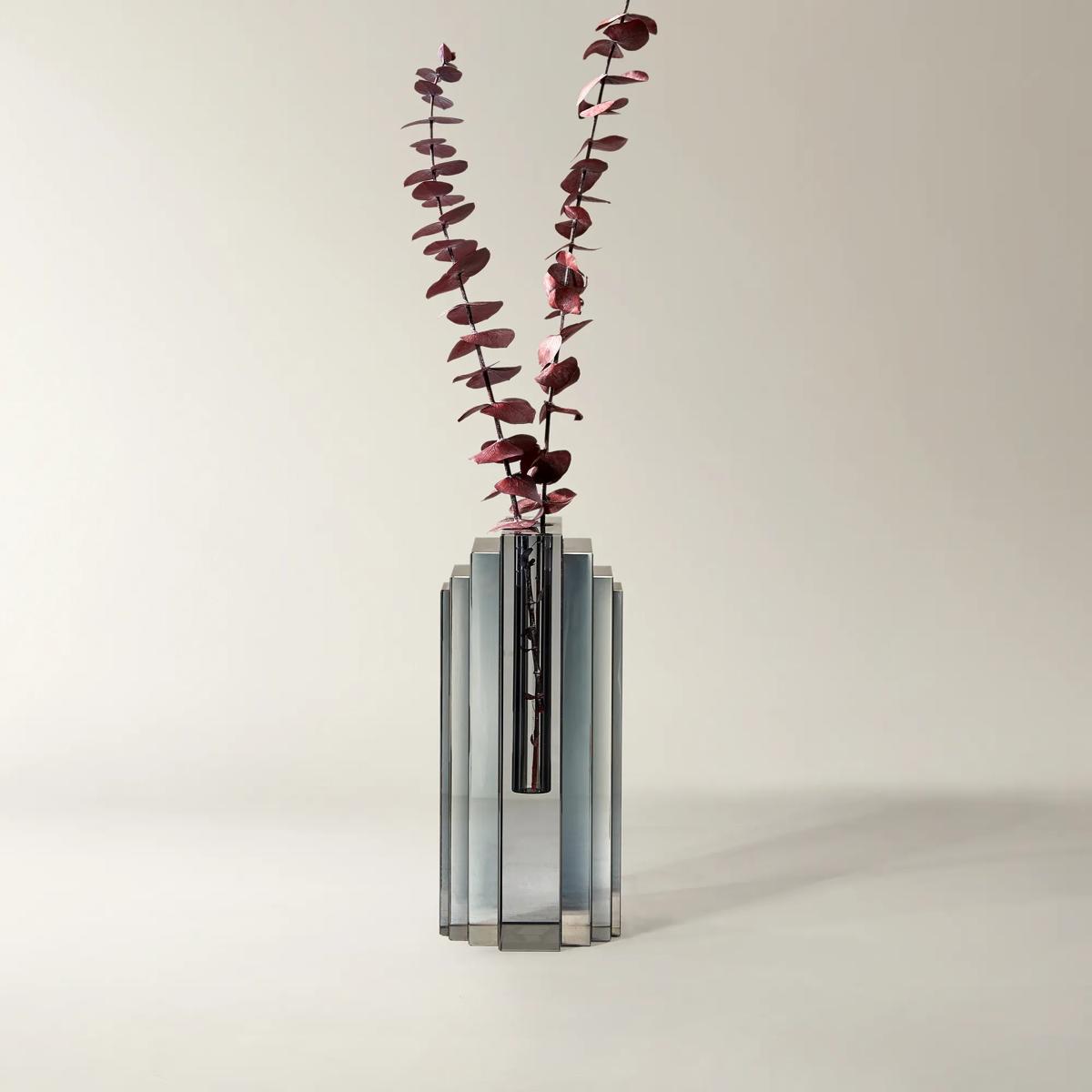 Lucca Crystal Vase - Mirrored Graphite$109
A mirrored graphite crystal vase with a multifaceted geometric design that reflects light for sculptural brilliance.
Add To Cart -
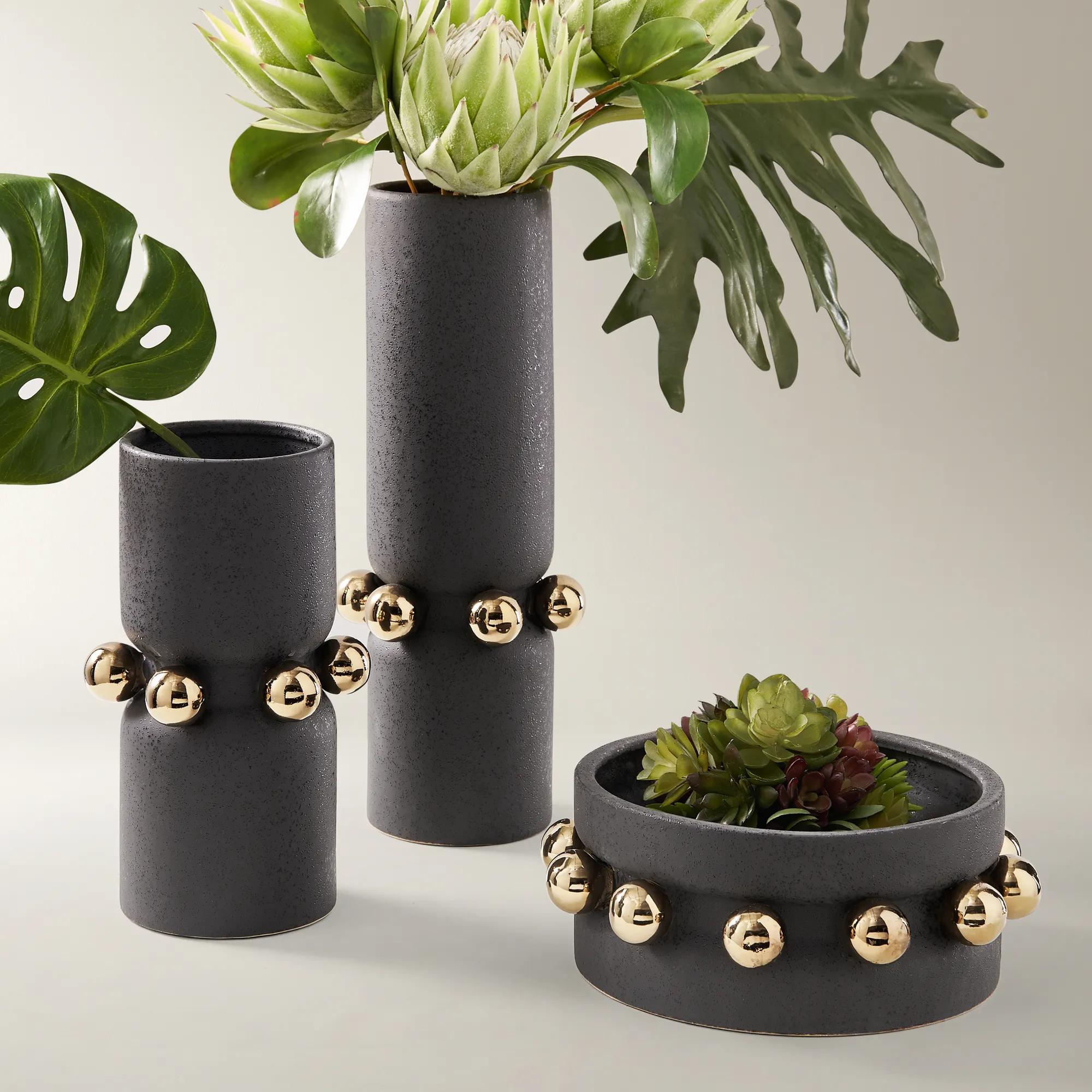
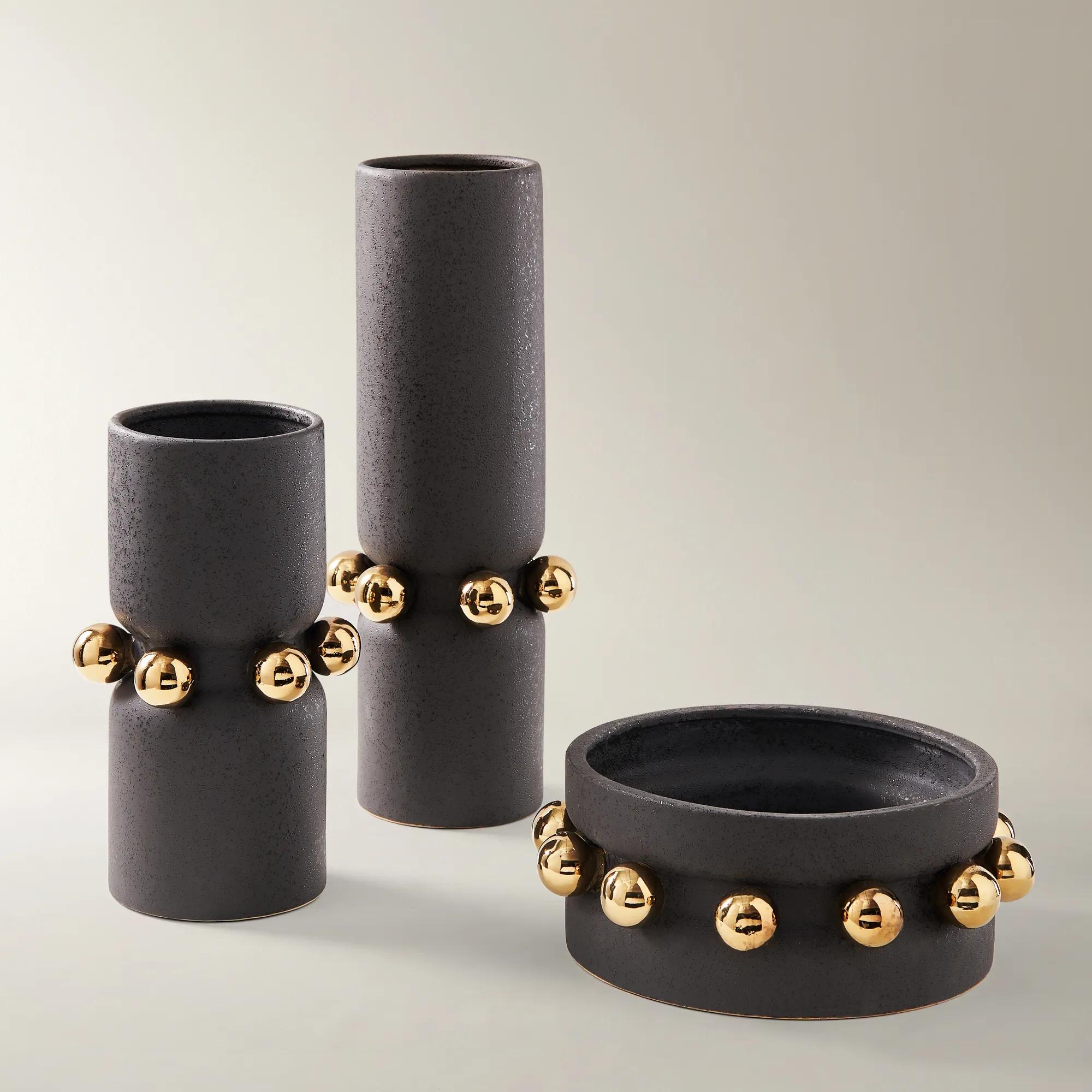 Zerra Vase$79
A ceramic vase featuring a striking matte black and shimmering gold contrast for bold, glamorous decor.
Add To Cart -
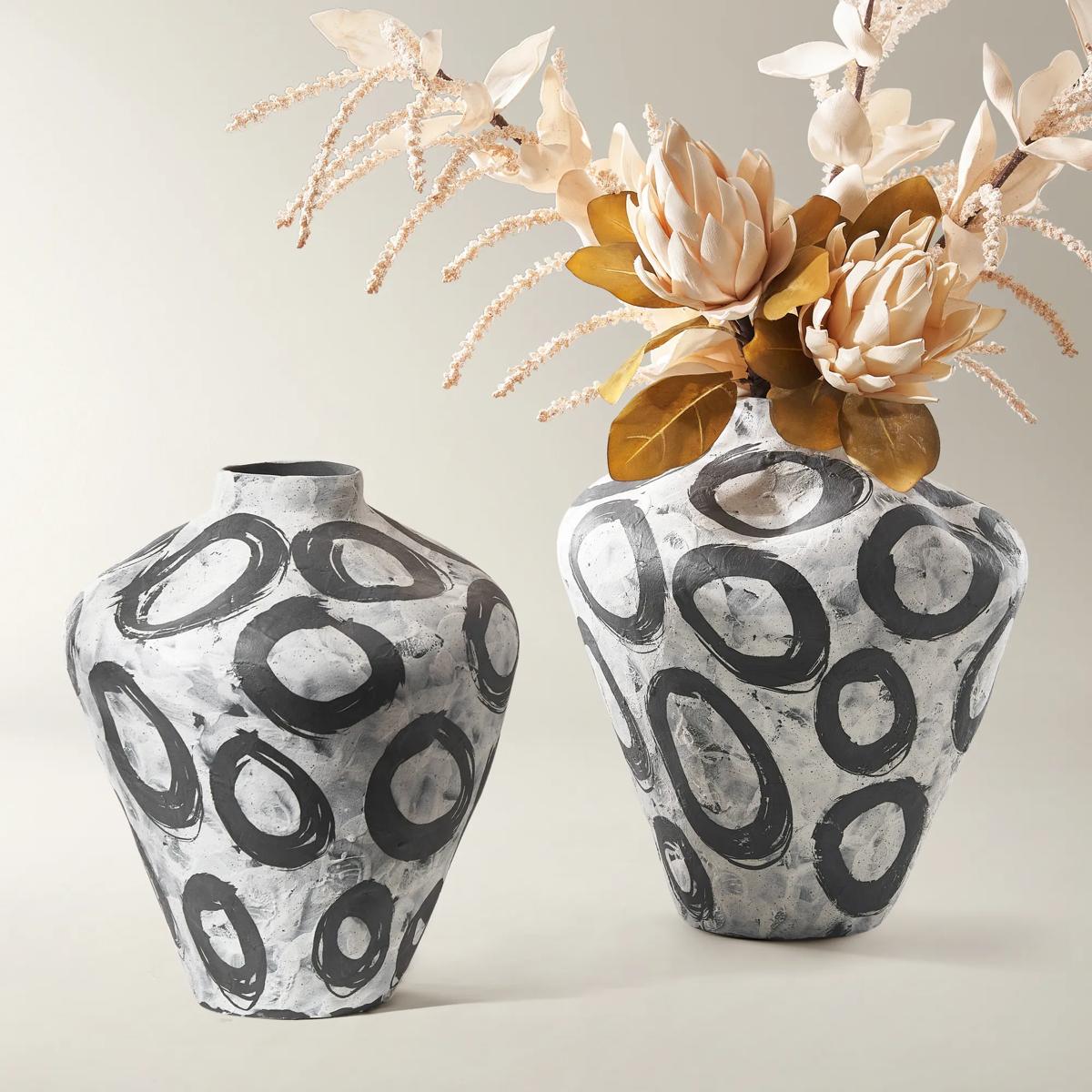
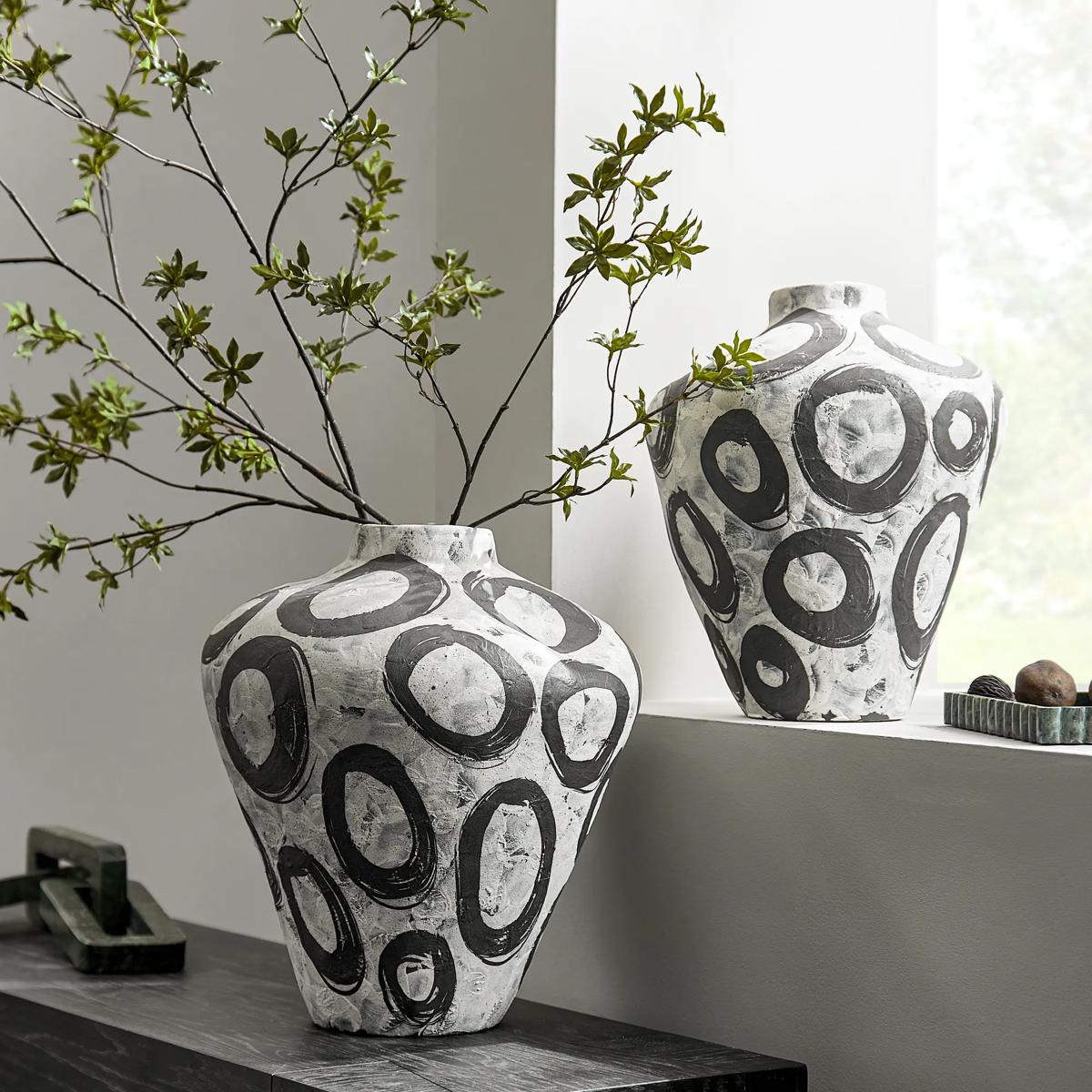 Stone Porcelain Vase$199
A sculptural porcelain vase featuring hand-painted black and white circular brushwork with a matte stone texture.
Add To Cart -
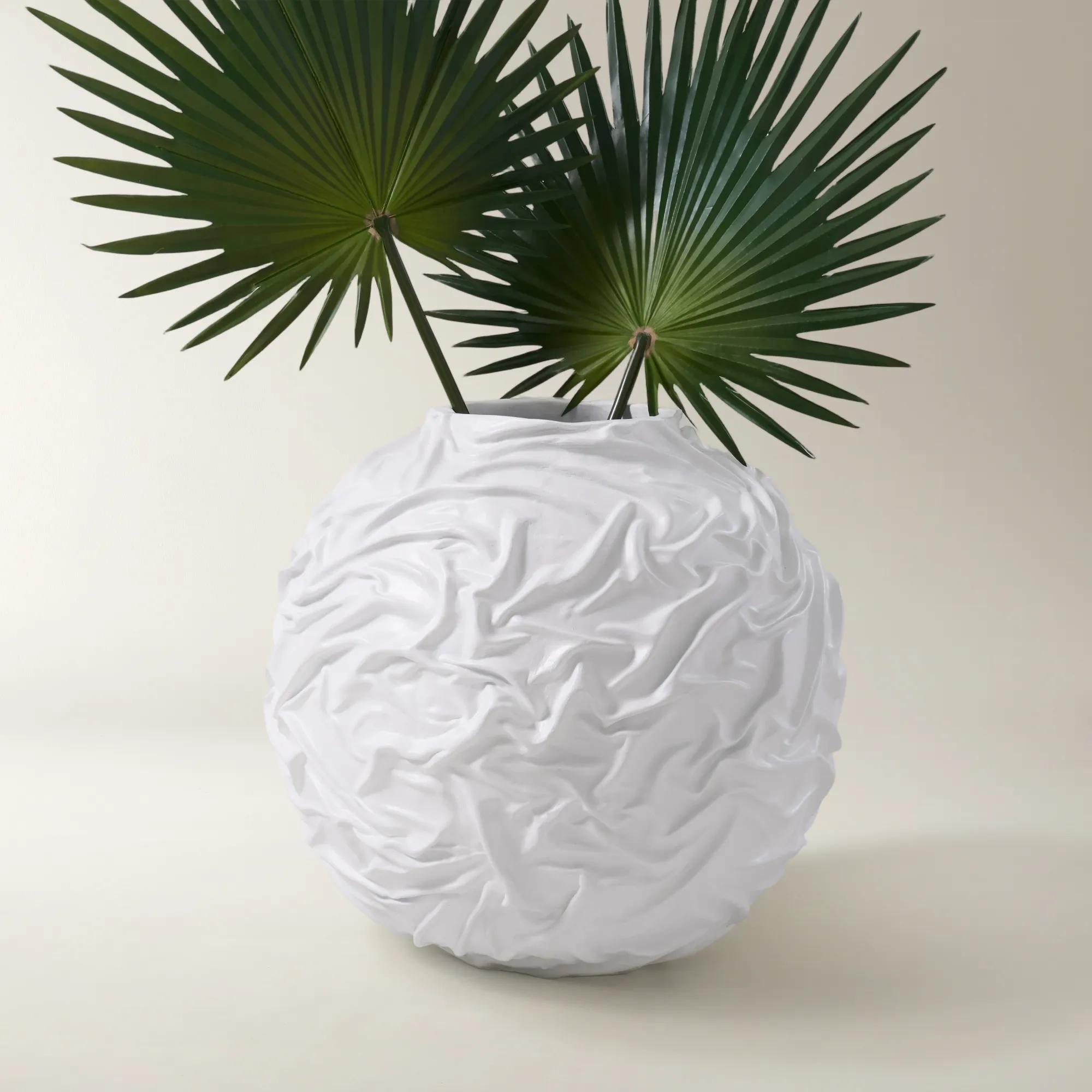 Crumple White Resin Floor Vase 18.3"$259
A sculptural resin vase with a crumpled-paper design and a sleek white finish for modern spaces.
Add To Cart -
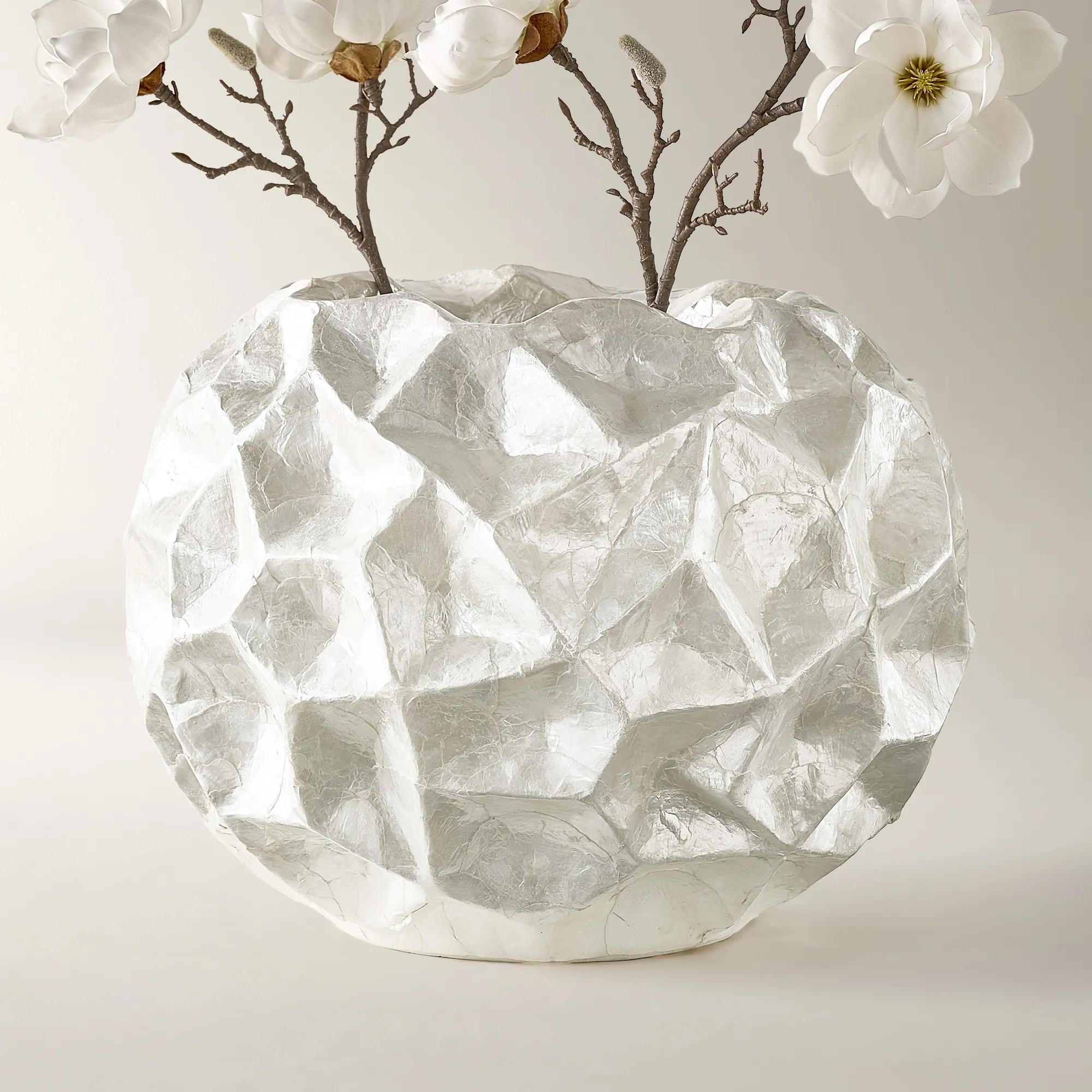
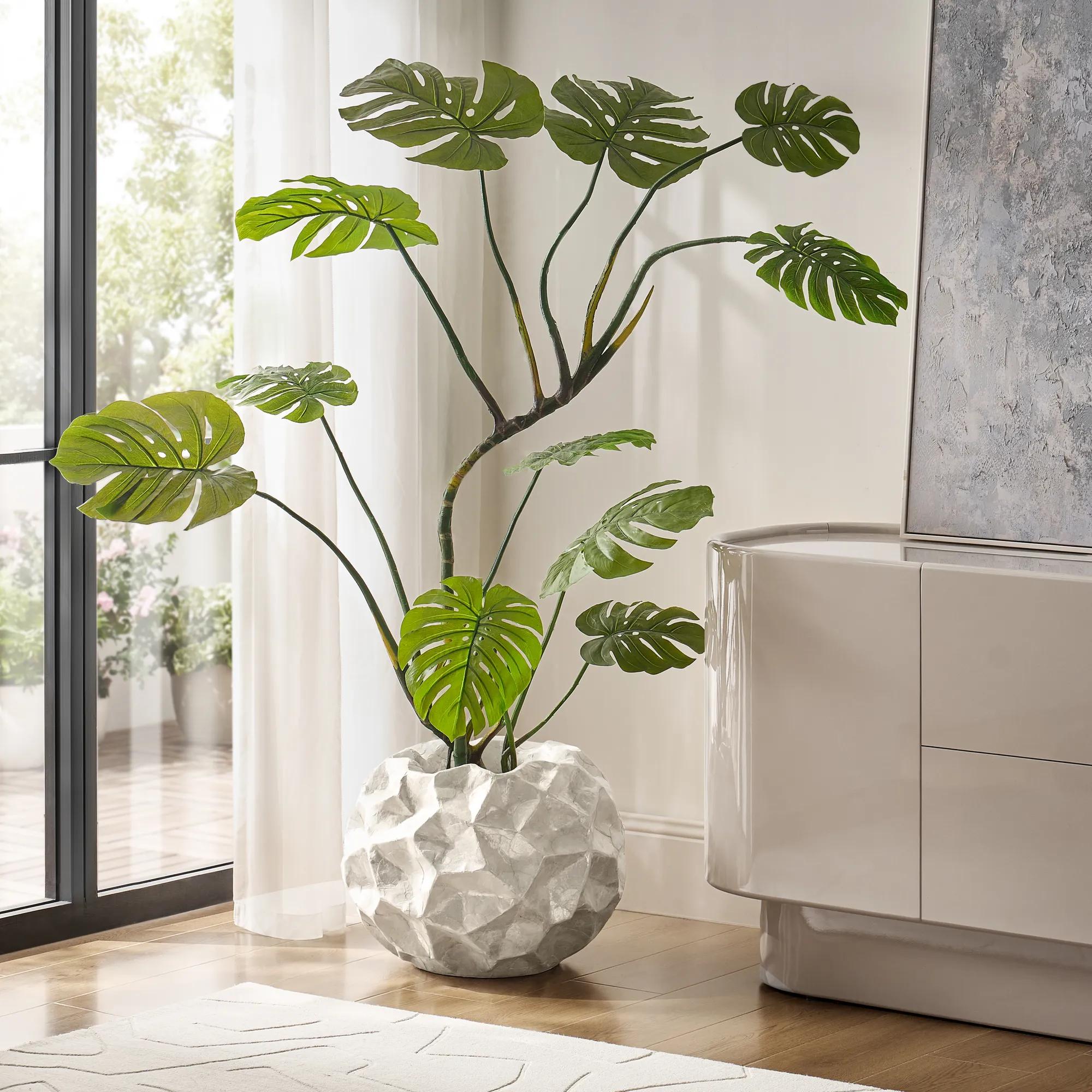 Aspen Capiz Shell Floor Planter 20.25" x 15.25"$299
An opaline pearl floor vase featuring luminous capiz shell texture and a sculptural resin form.
Add To Cart -
.jpeg?w=1200&h=1200)
 Odessey Collection$99
Odessey Collection$99A shiny silver porcelain accent piece perfect for adding modern elegance to any decorative display.
Add To Cart -
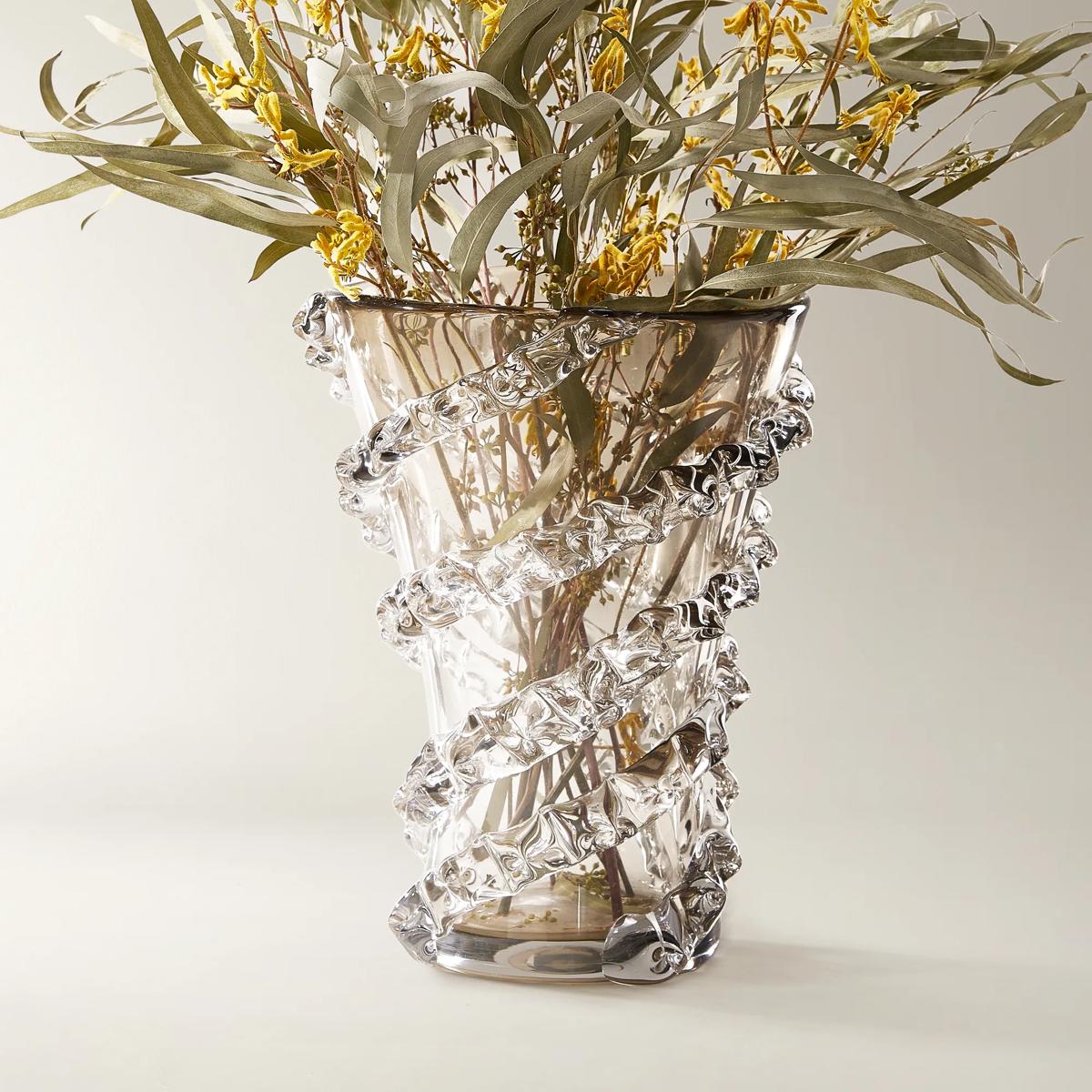
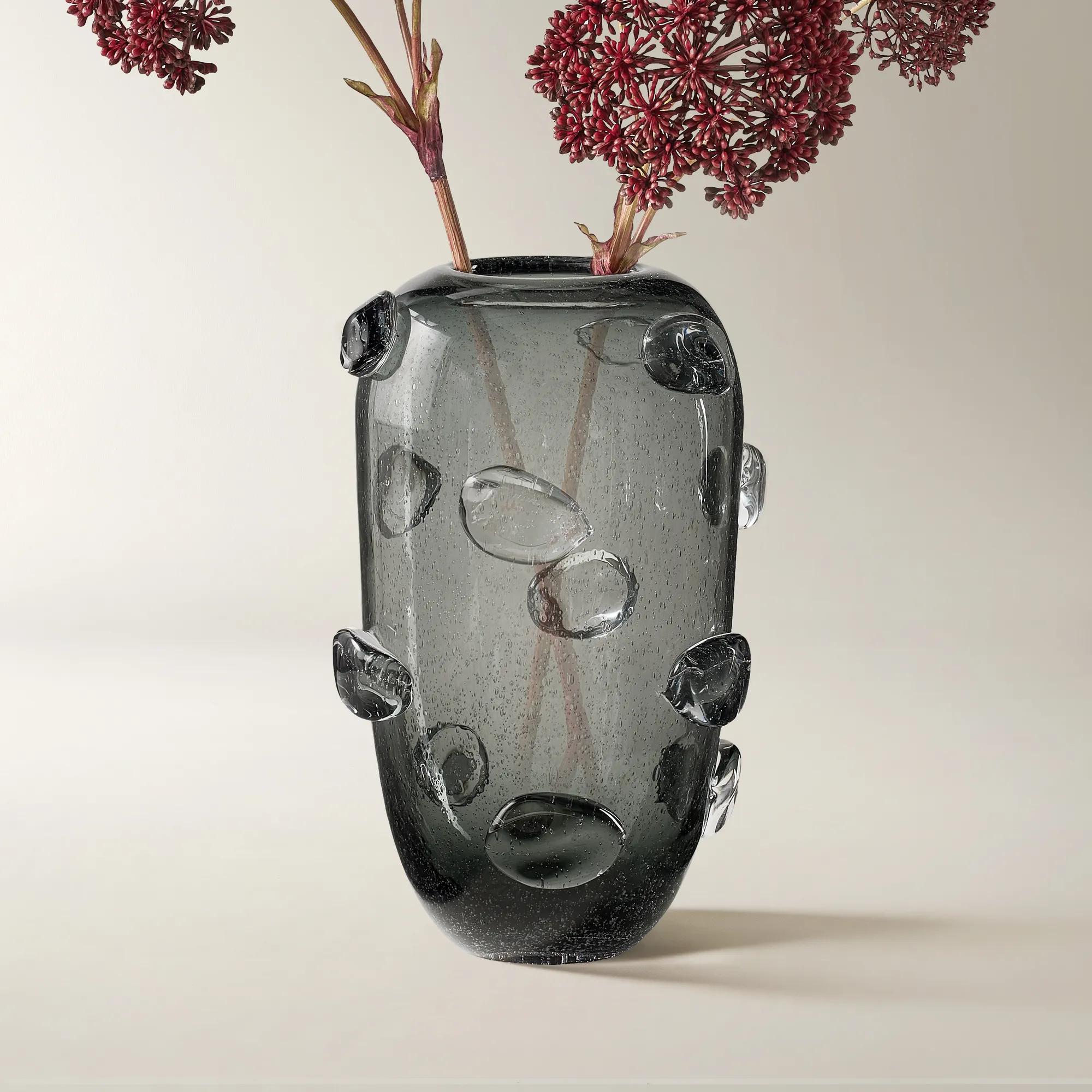
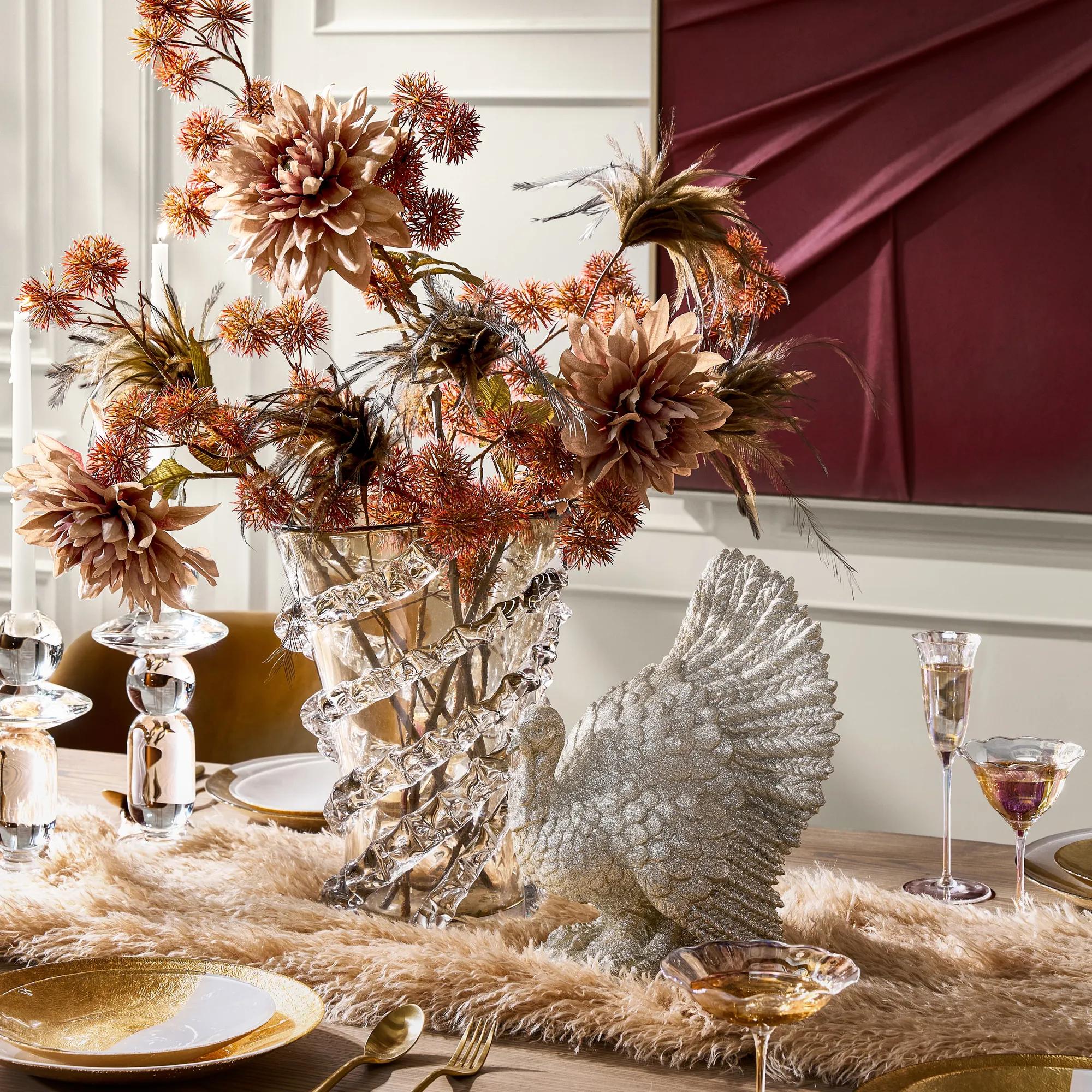 Reyna Glass Vase$299
A hand-blown glass vase featuring a sculptural swirl design and a smoky grey-brown finish.
Add To Cart -
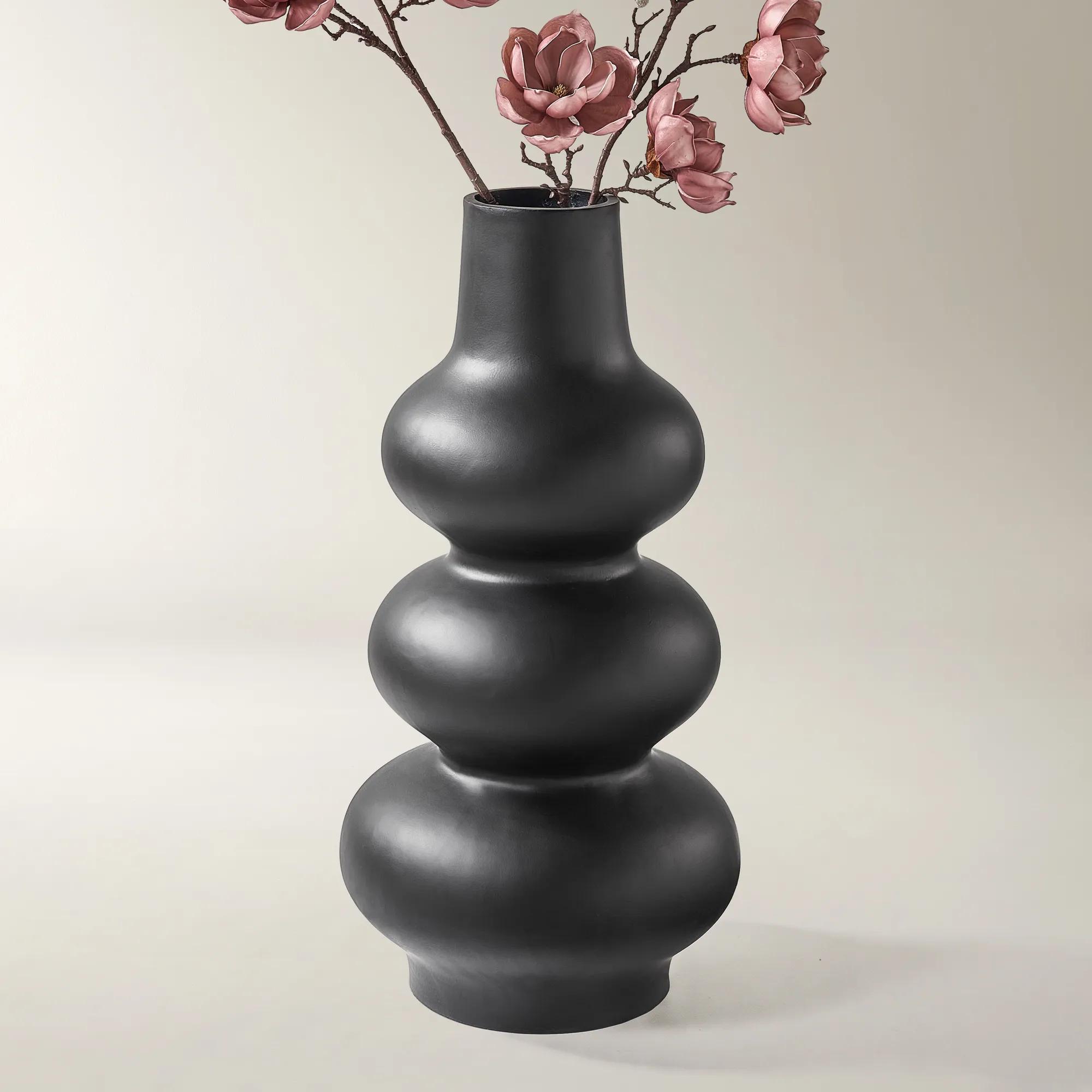 Naali Black Resin Floor Vase 31"$279
A bold black resin vase featuring a chunky, sculptural silhouette for striking modern decor.
Add To Cart -
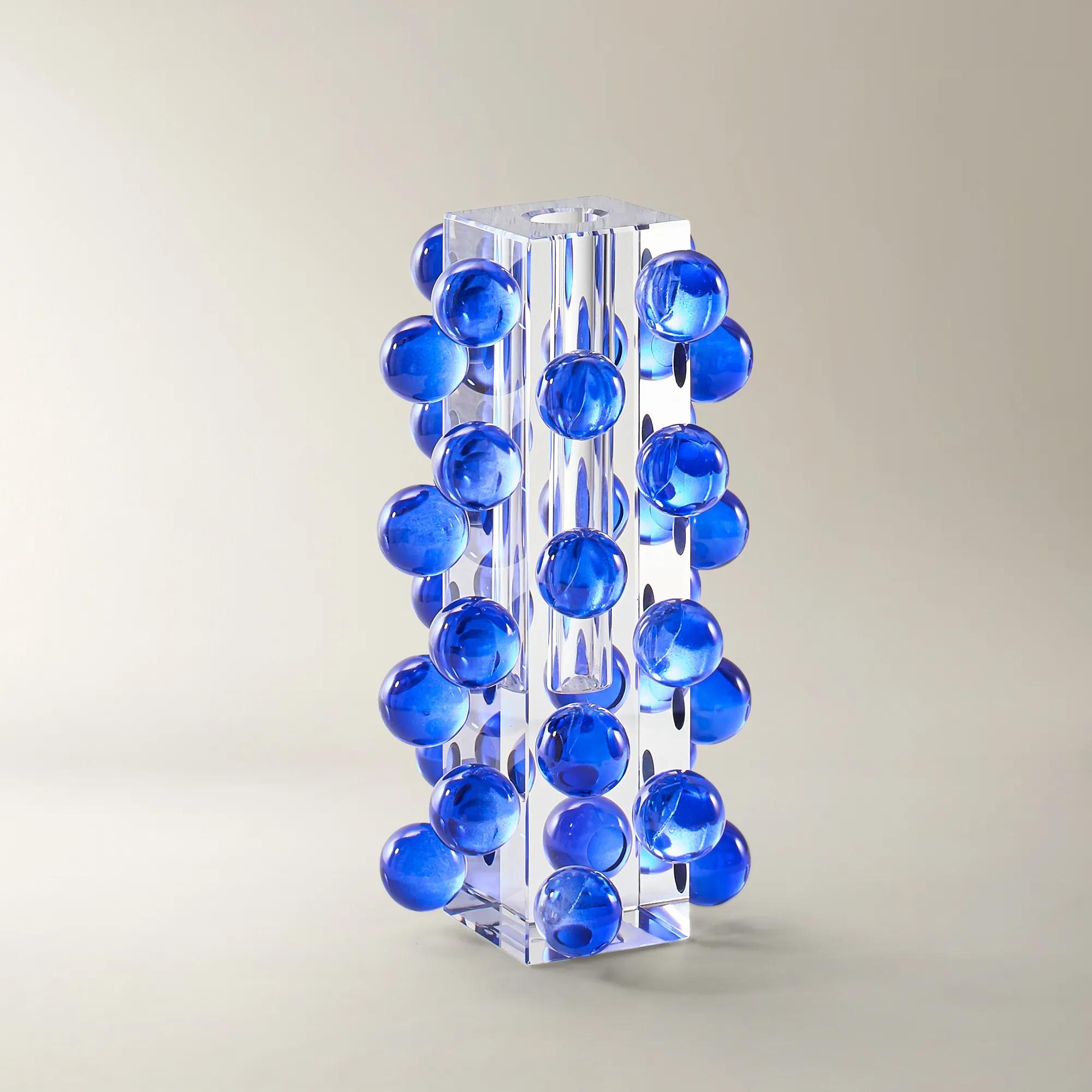 Bubble Vase Blue$79
A vibrant blue crystal glass vase featuring playful clusters of spheres for a striking decorative accent.
Add To Cart -
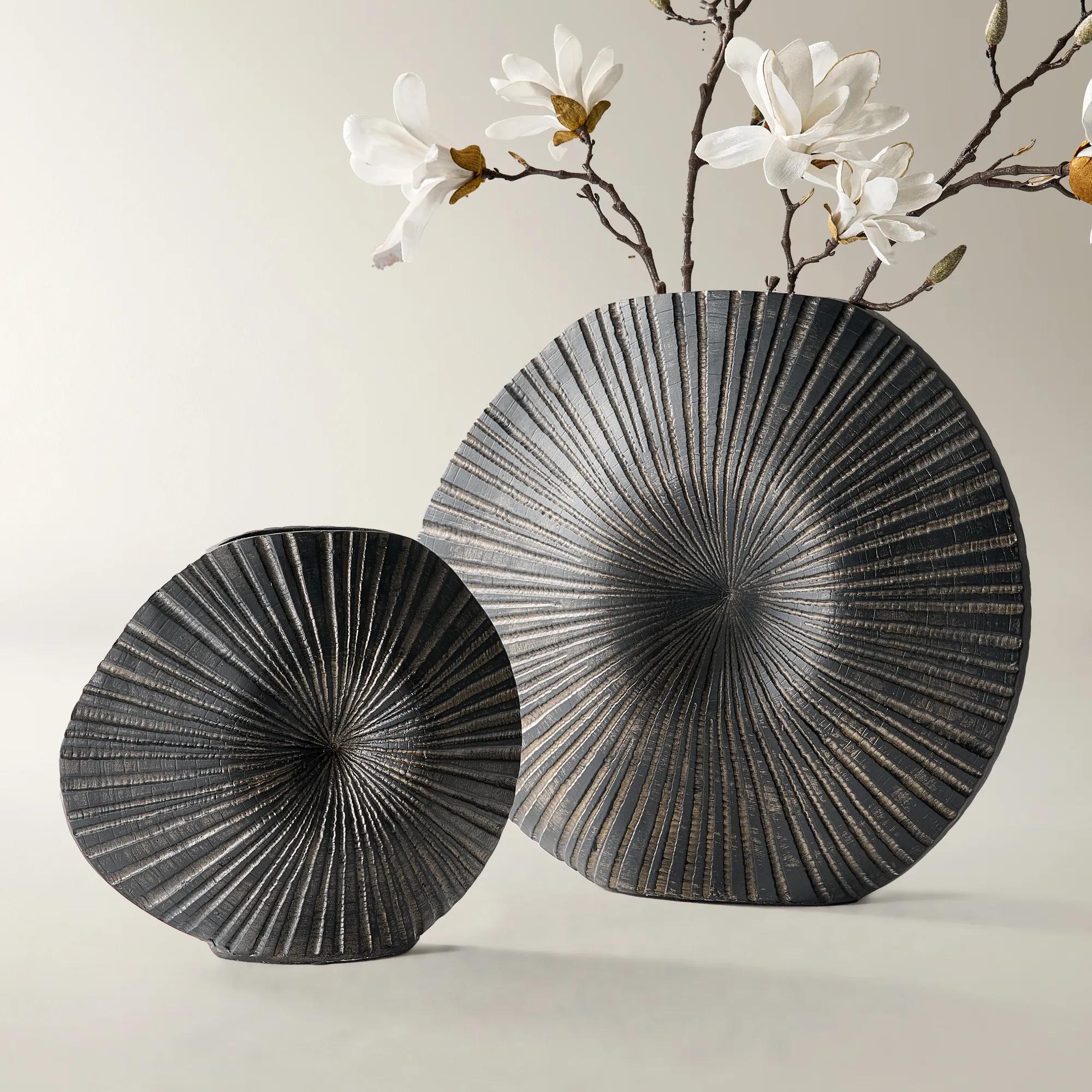
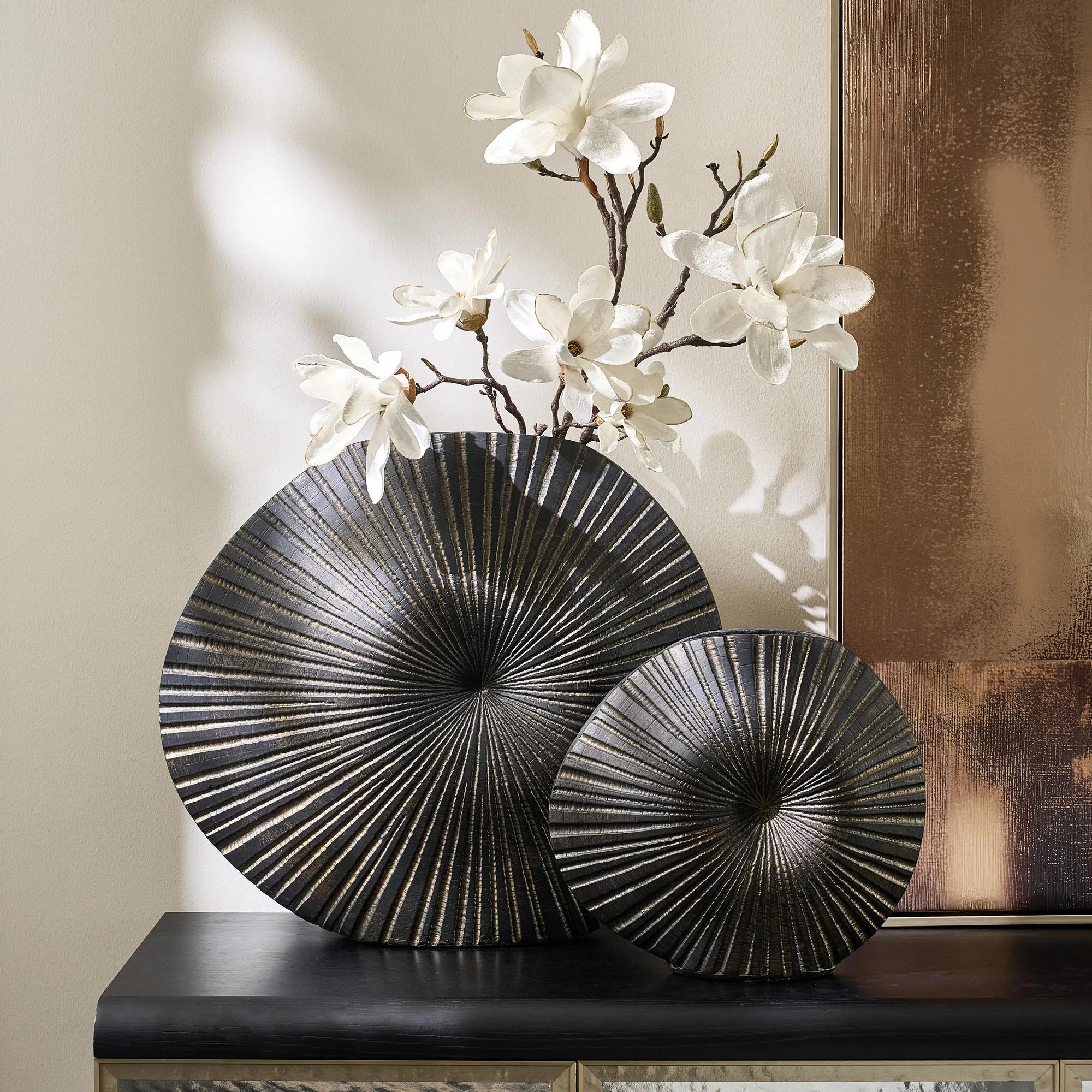 Stellar Black Champagne Resin Vases$169
A sculptural resin vase in black and champagne tones, offering modern glamour and artful visual depth.
Add To Cart -
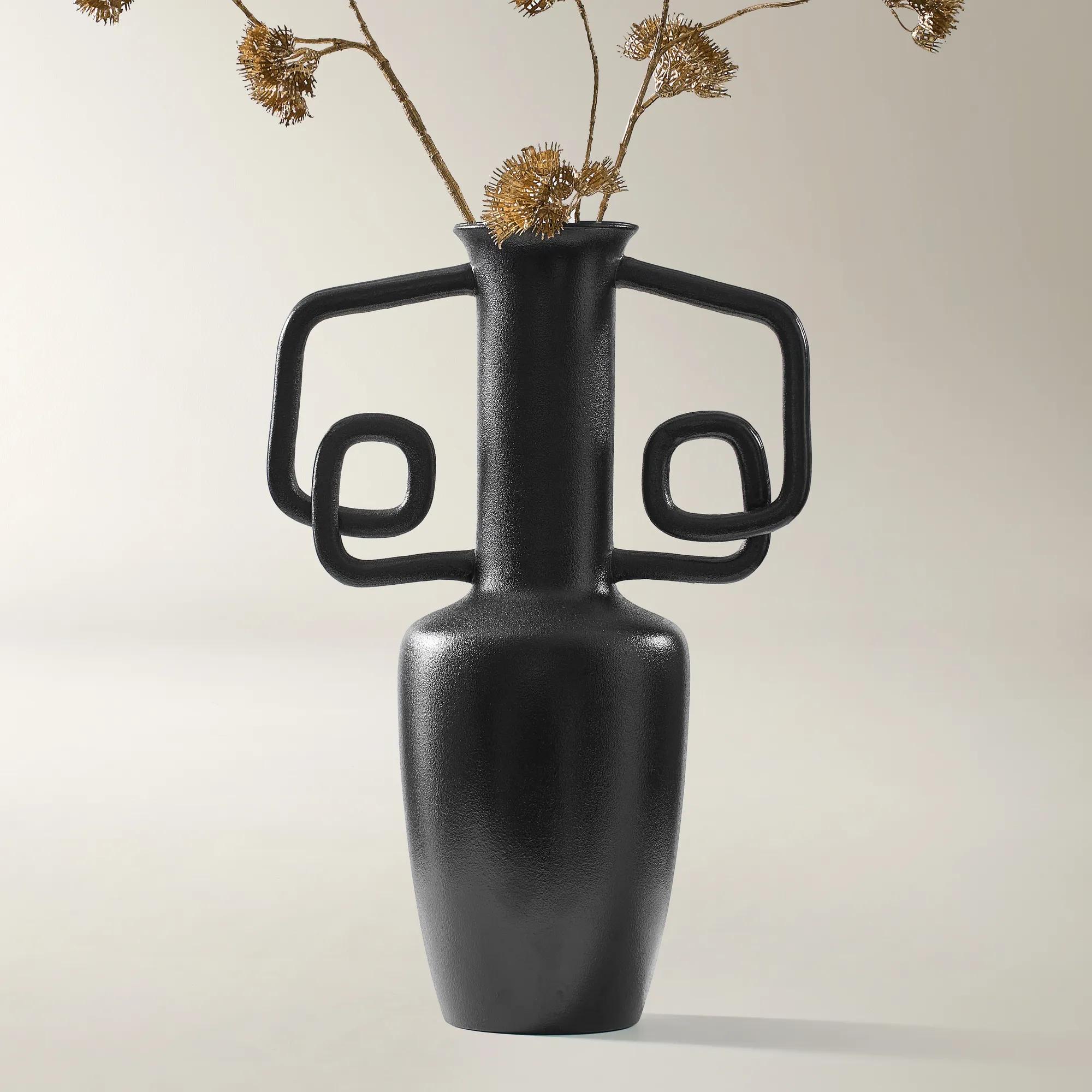 Cleo Handcrafted Black Porcelain Vase 19"$159
A sculptural black porcelain vase with exaggerated handles and a smooth, refined finish for modern decor.
Add To Cart -
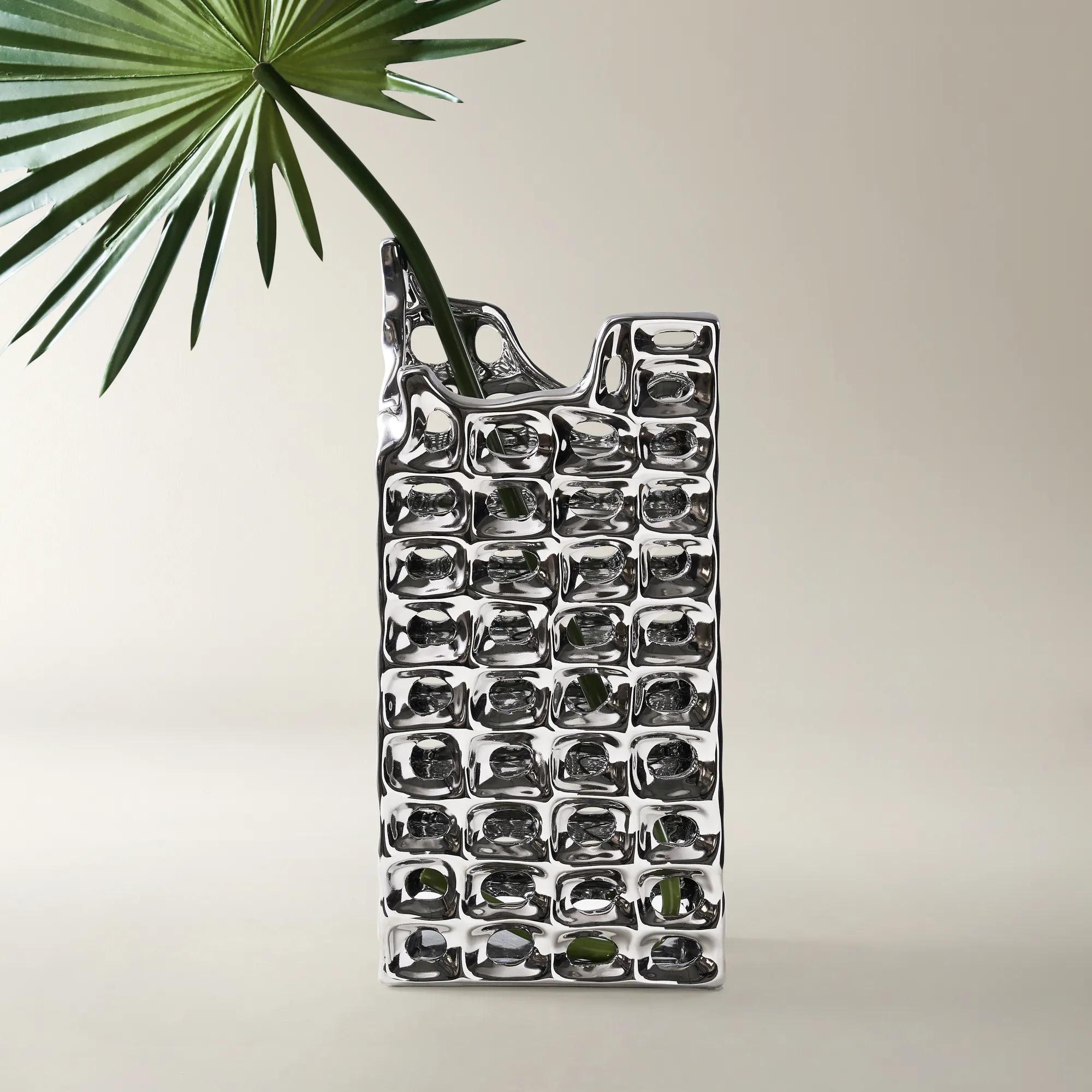
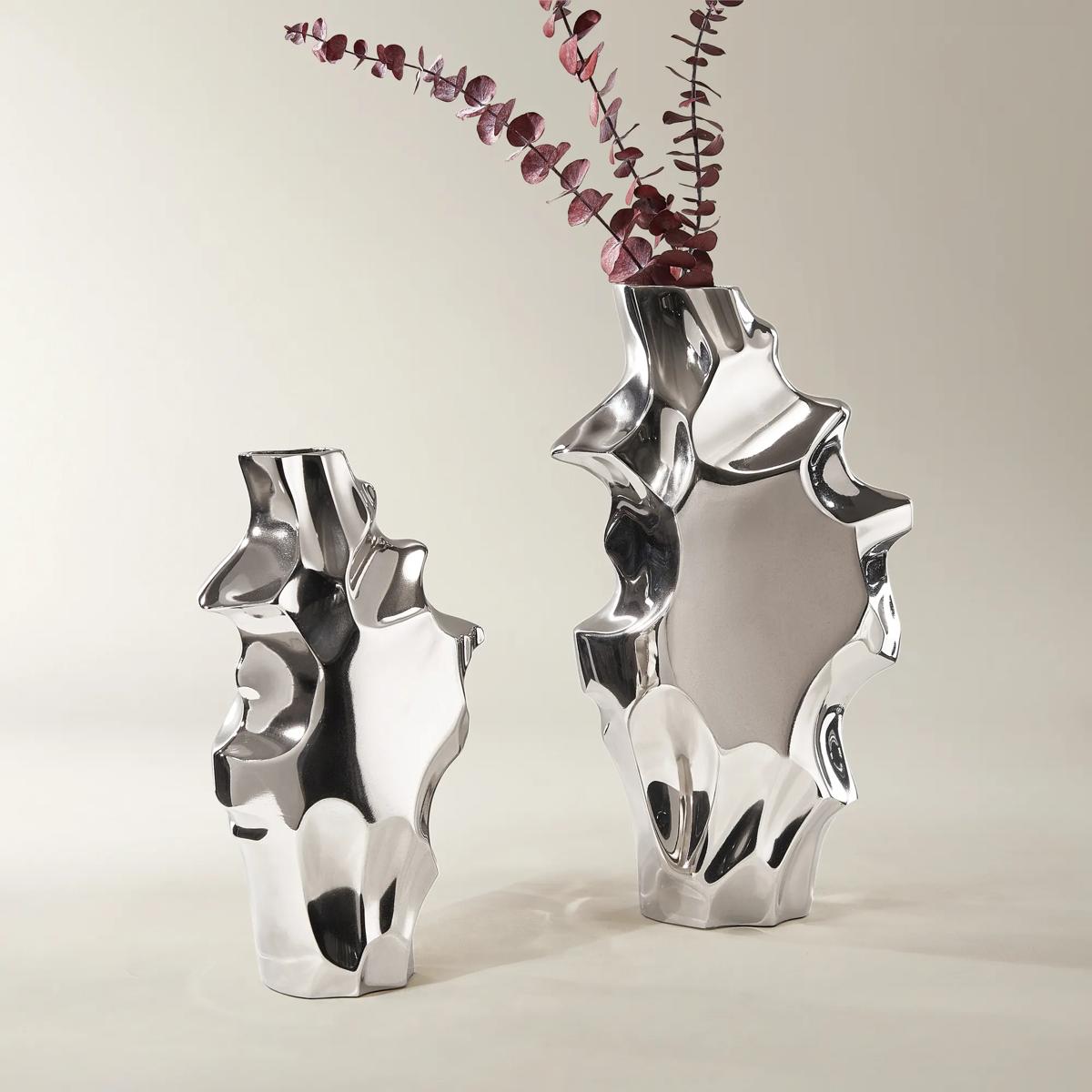
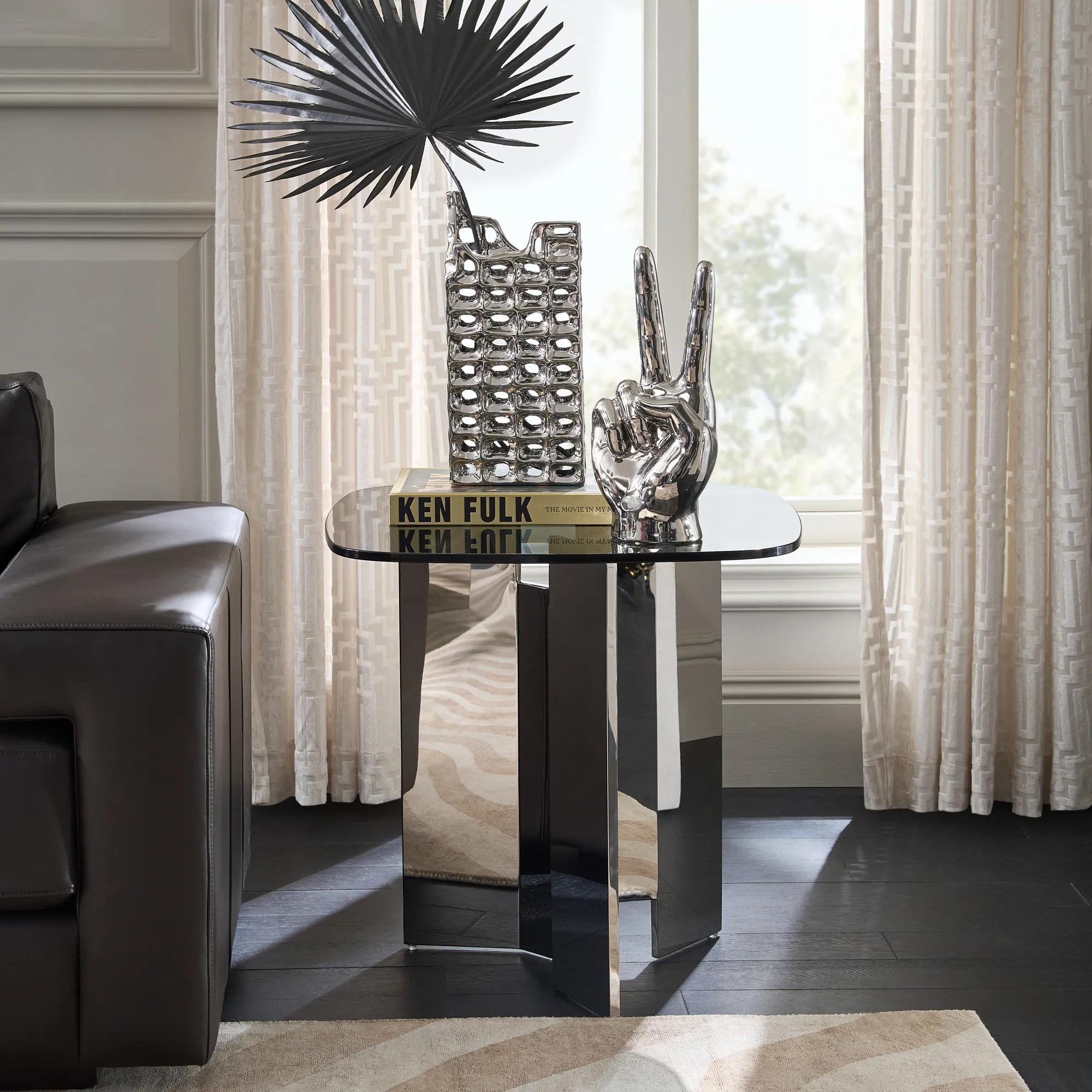 Pierce Vase$69
A ceramic vase with intricate facets and a gleaming silver finish for striking visual impact.
Add To Cart -
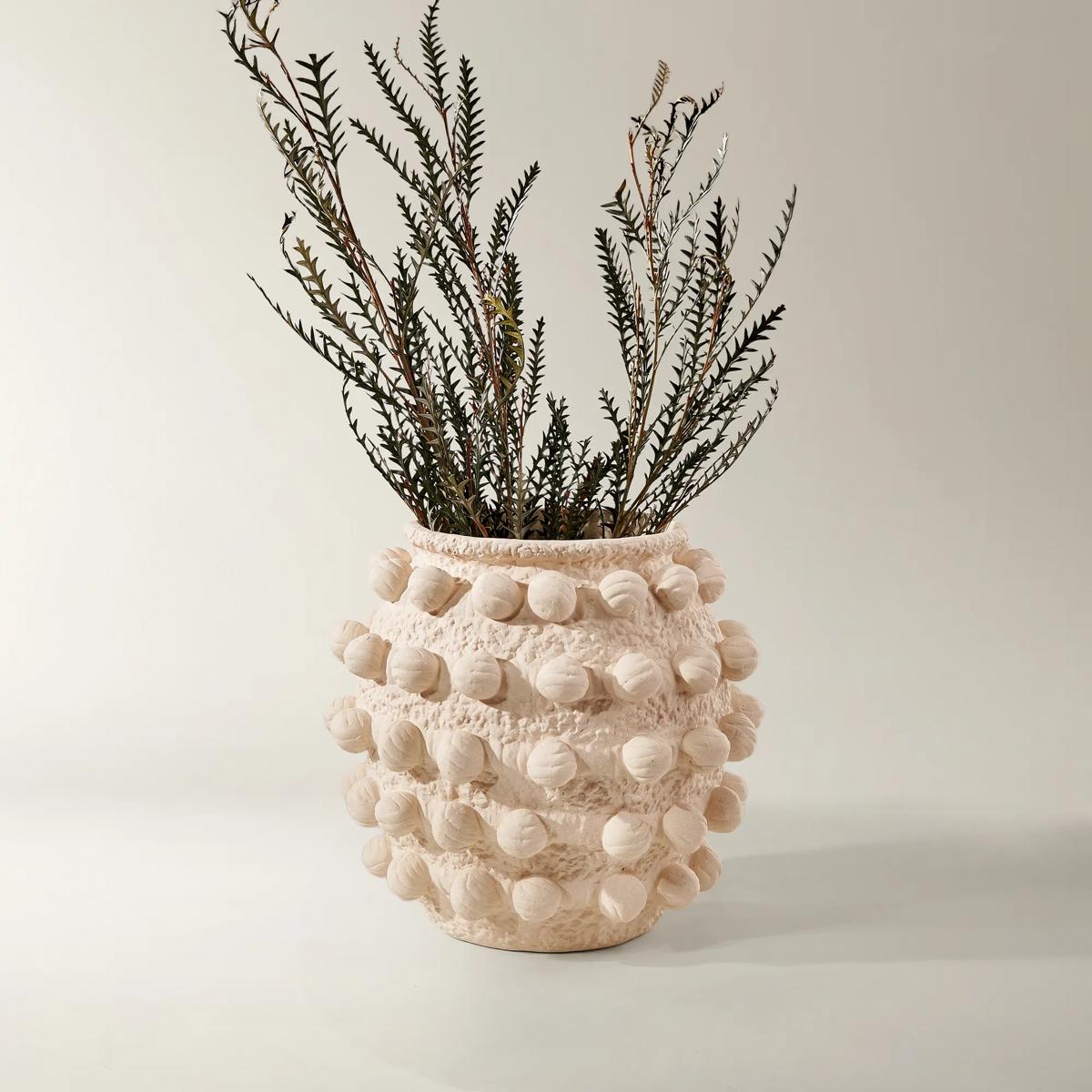
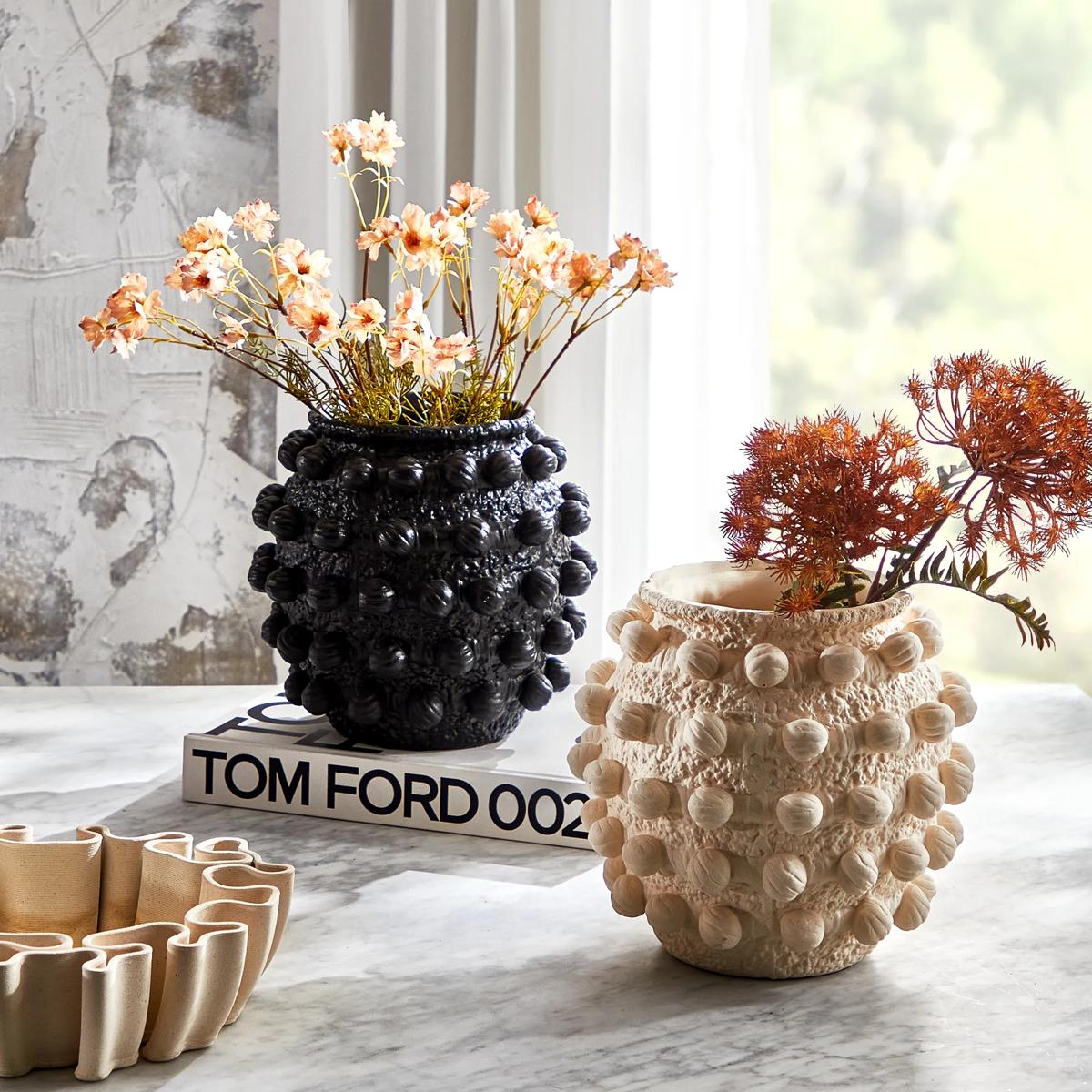 Pompa Vase - Ivory$119
An ivory porcelain vase featuring sculptural rounded forms and a richly textured, tactile surface.
Add To Cart -
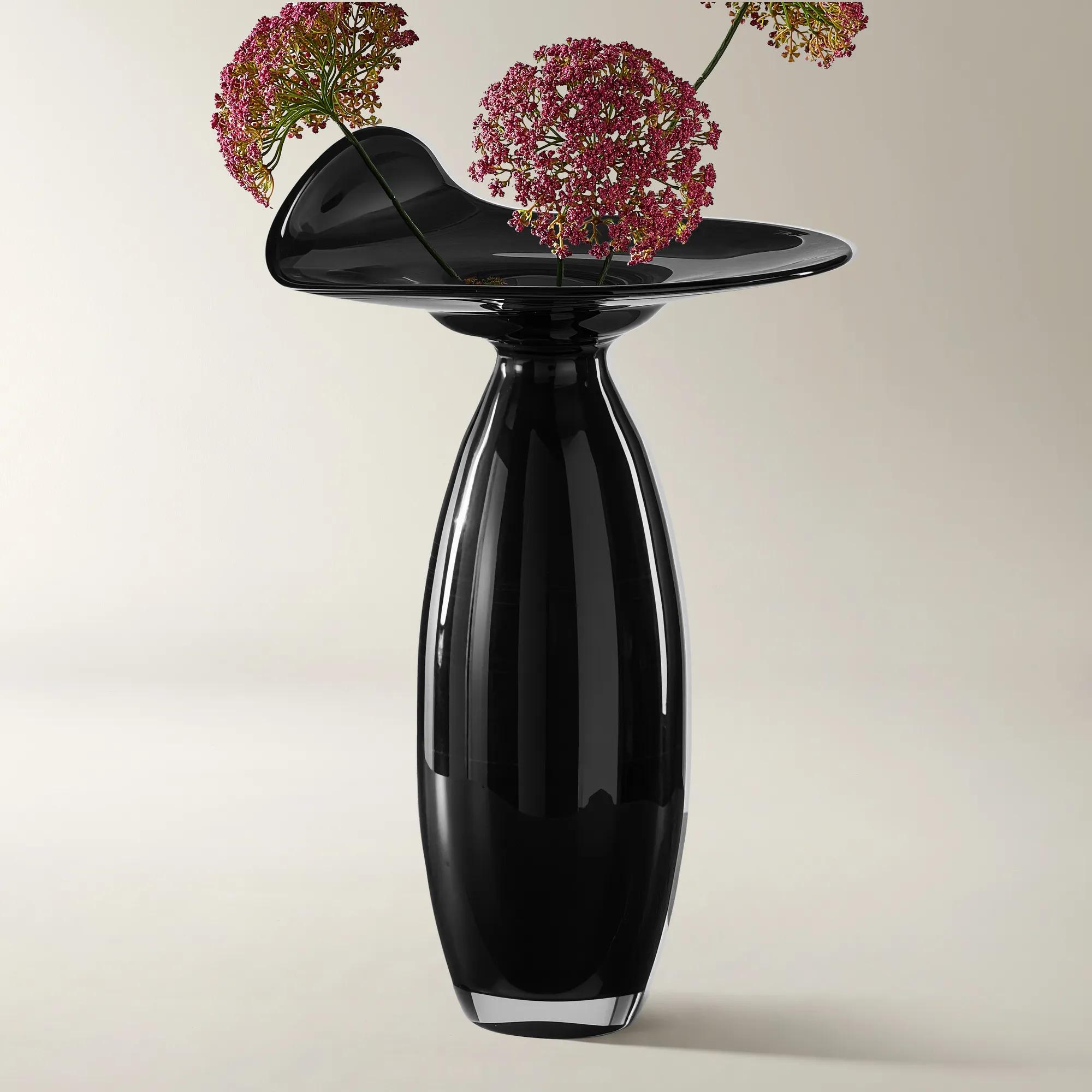 Folia Mouth Blown Glossy Black Glass Vase 22"$199
A handblown glass vase with a glossy black finish and organic sculptural silhouette for modern decor.
Add To Cart -
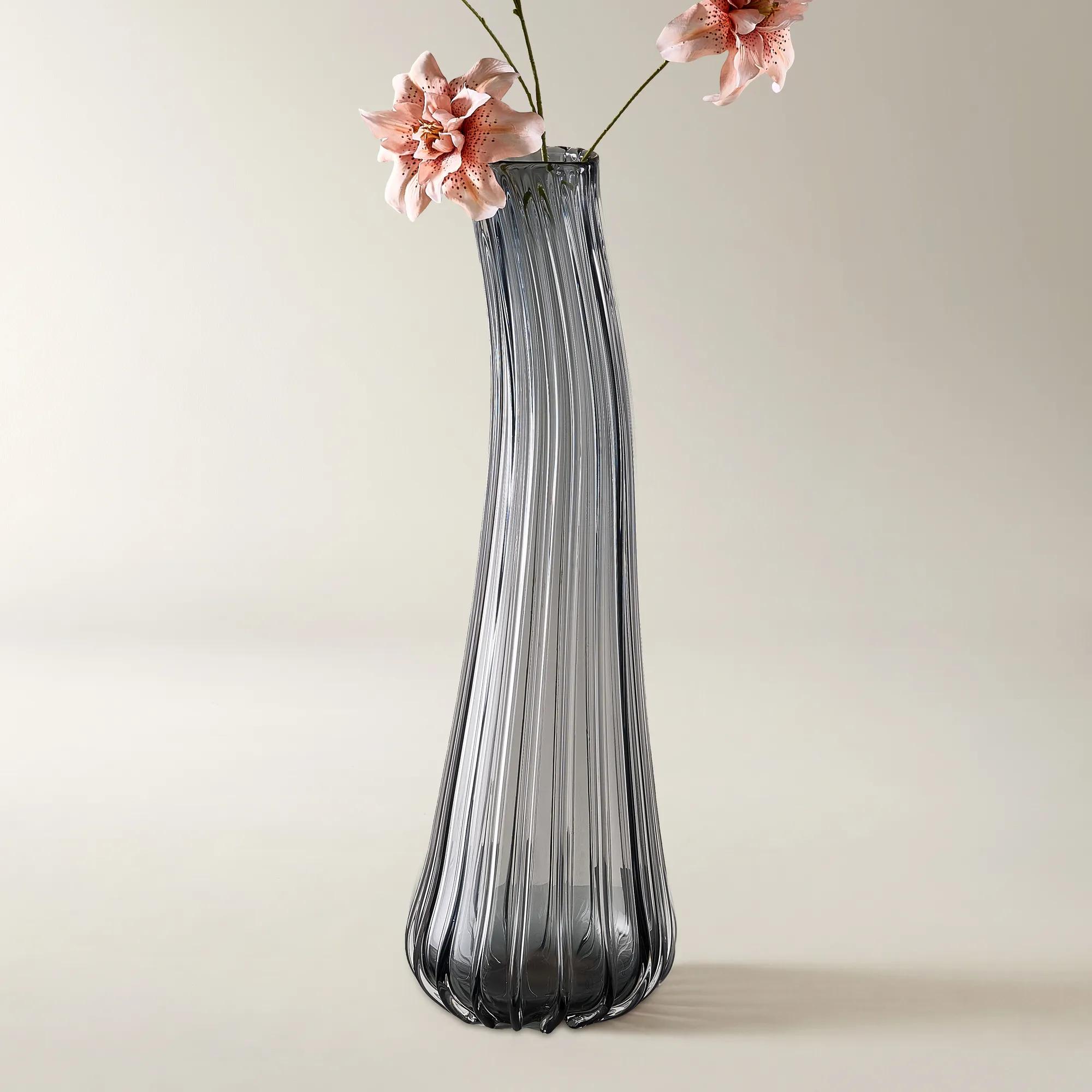 Tango Mouth Blown Smoked Pearl Vase 29"$199
A handblown glass vase in a smoked pearl finish with a textured surface for sculptural elegance.
Add To Cart -
.jpeg?w=1200&h=1200) Playa Black Resin Floor Vase 15" x 36"$299
Playa Black Resin Floor Vase 15" x 36"$299A matte black resin vase featuring an organic texture that adds modern sophistication to any space.
Add To Cart -
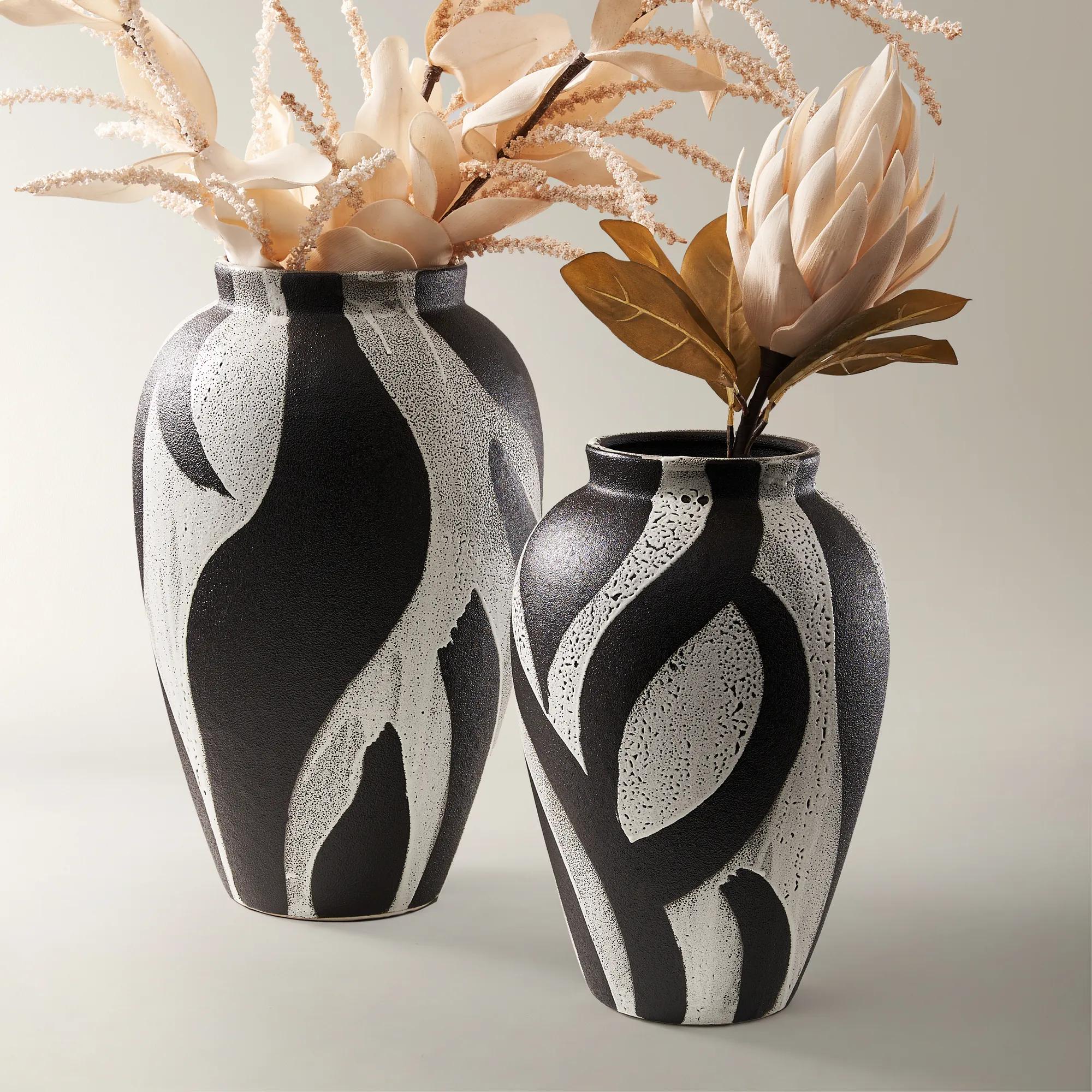 Montae Abstract Zebra Ceramic Vases$149
A bold ceramic vase featuring vivid black and white zebra stripes for a dramatic decorative accent.
Add To Cart -
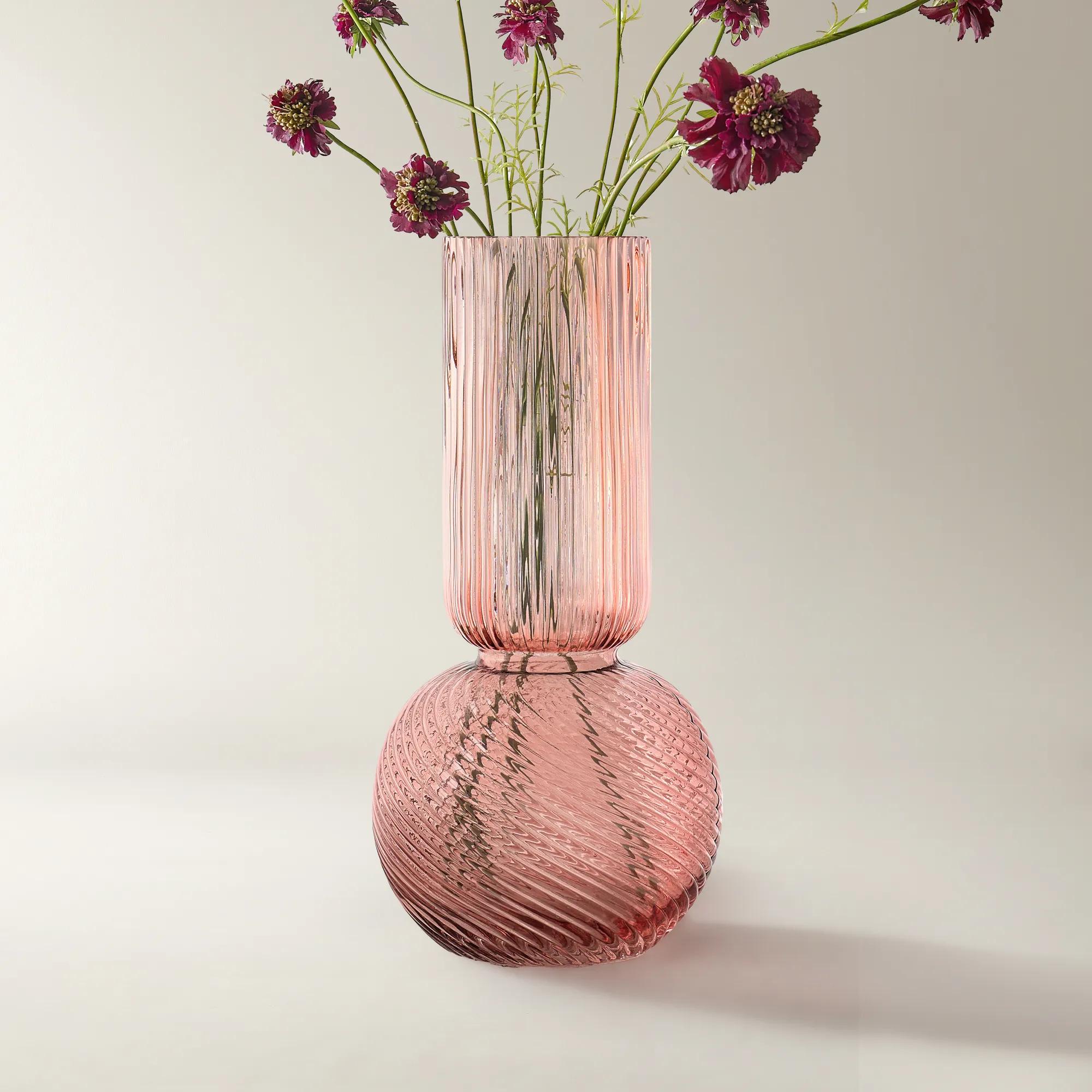 Fluted Ball Glass Vase$69
A sculptural fluted glass vase with a rounded silhouette, perfect for displaying fresh or faux botanicals.
Add To Cart -
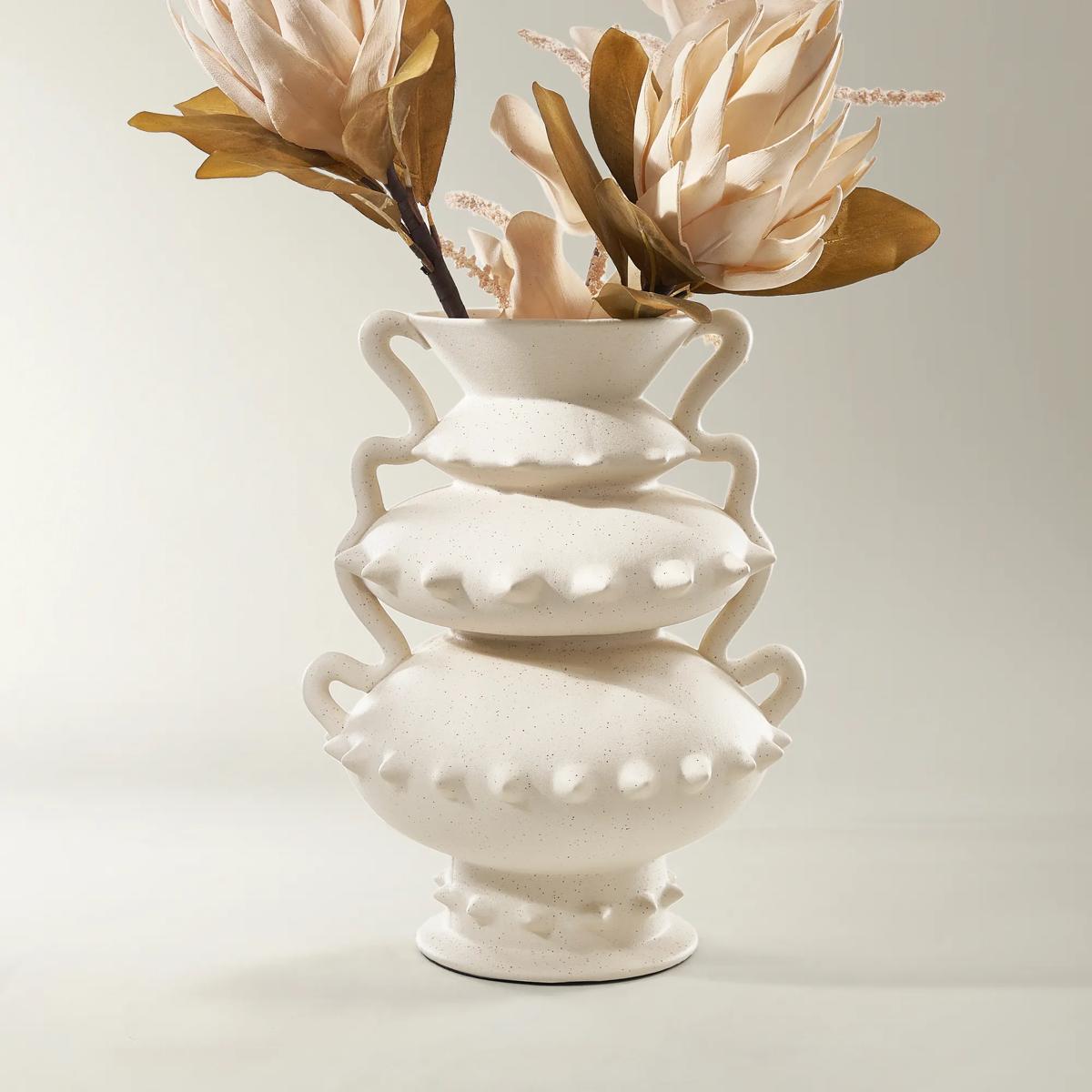 Savior Porcelain Vase - Ivory$189
An ivory porcelain vase featuring sculptural handles, tiered silhouette, and a matte, softly speckled finish.
Add To Cart -
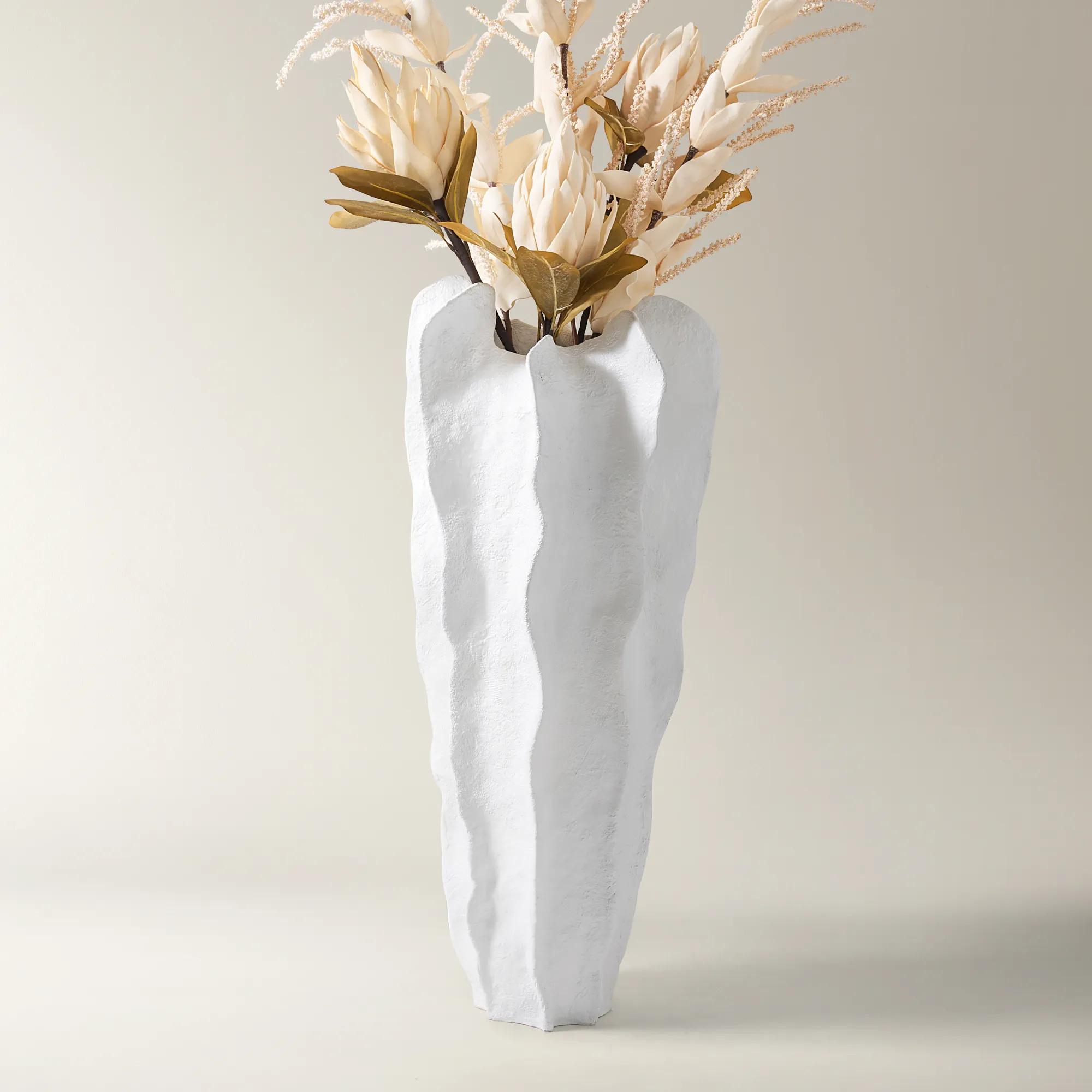 Playa White Resin Floor Vase 15" x 36"$299
A sculptural matte white resin vase featuring organic texture for a bold, dramatic accent.
Add To Cart -
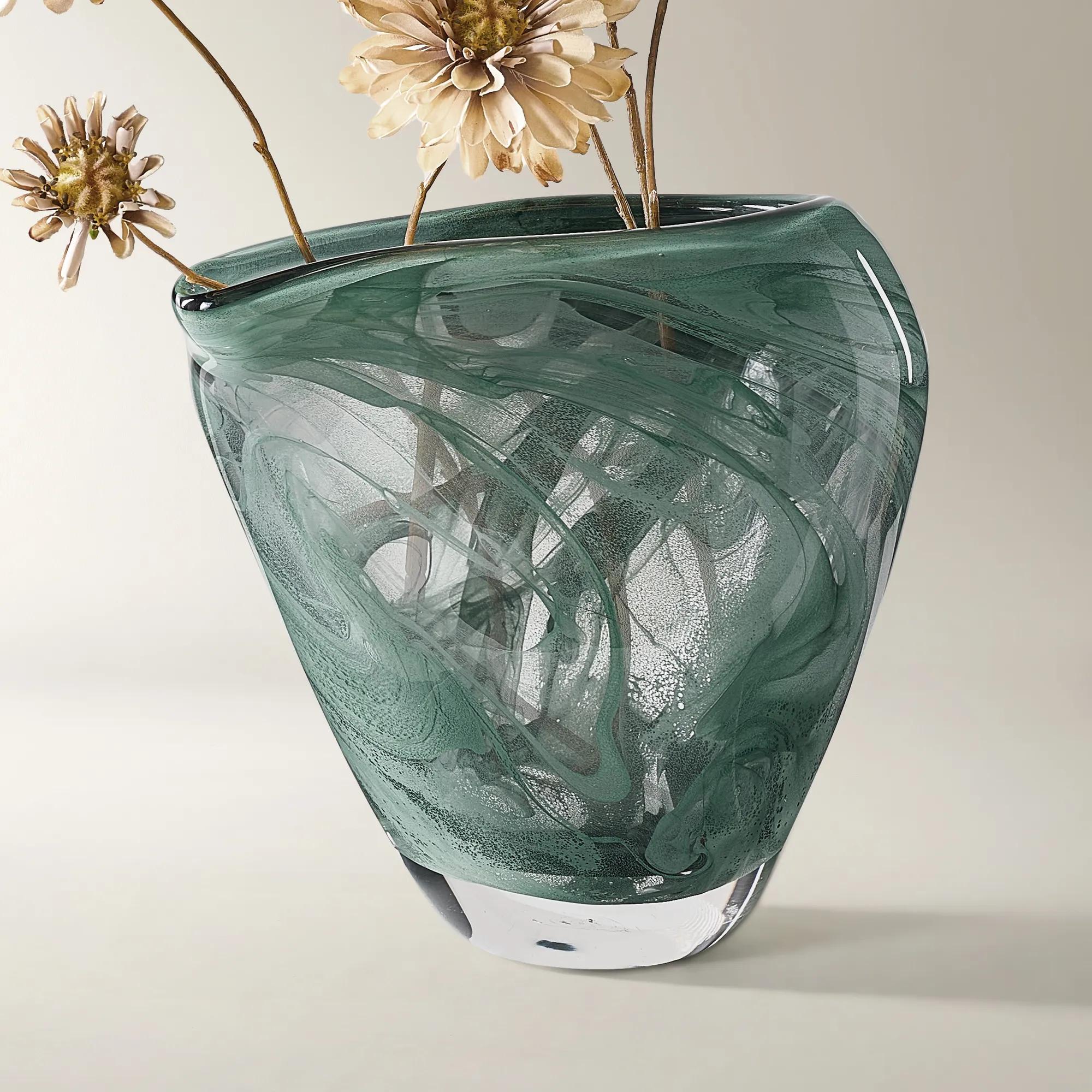 Flow Mouth Blown Sage Green Glass Vase 12.25"$199
A handblown glass vase in calming sage green with an organic, sculptural silhouette for modern decor.
Add To Cart -
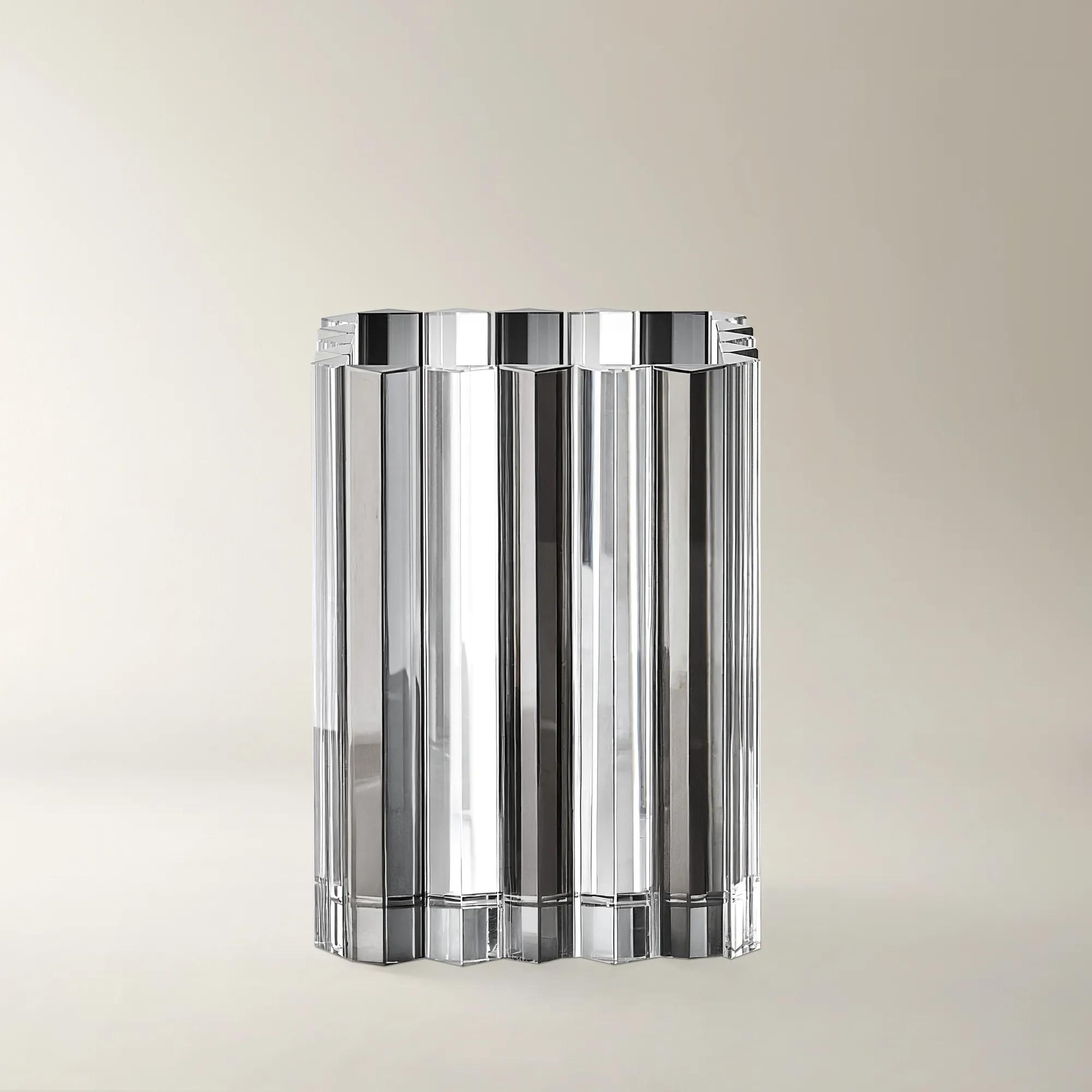 Bande Crystal Glass Candle Holder$129
A sparkling crystal glass candle holder adding elegant glamour to any décor.
Add To Cart -
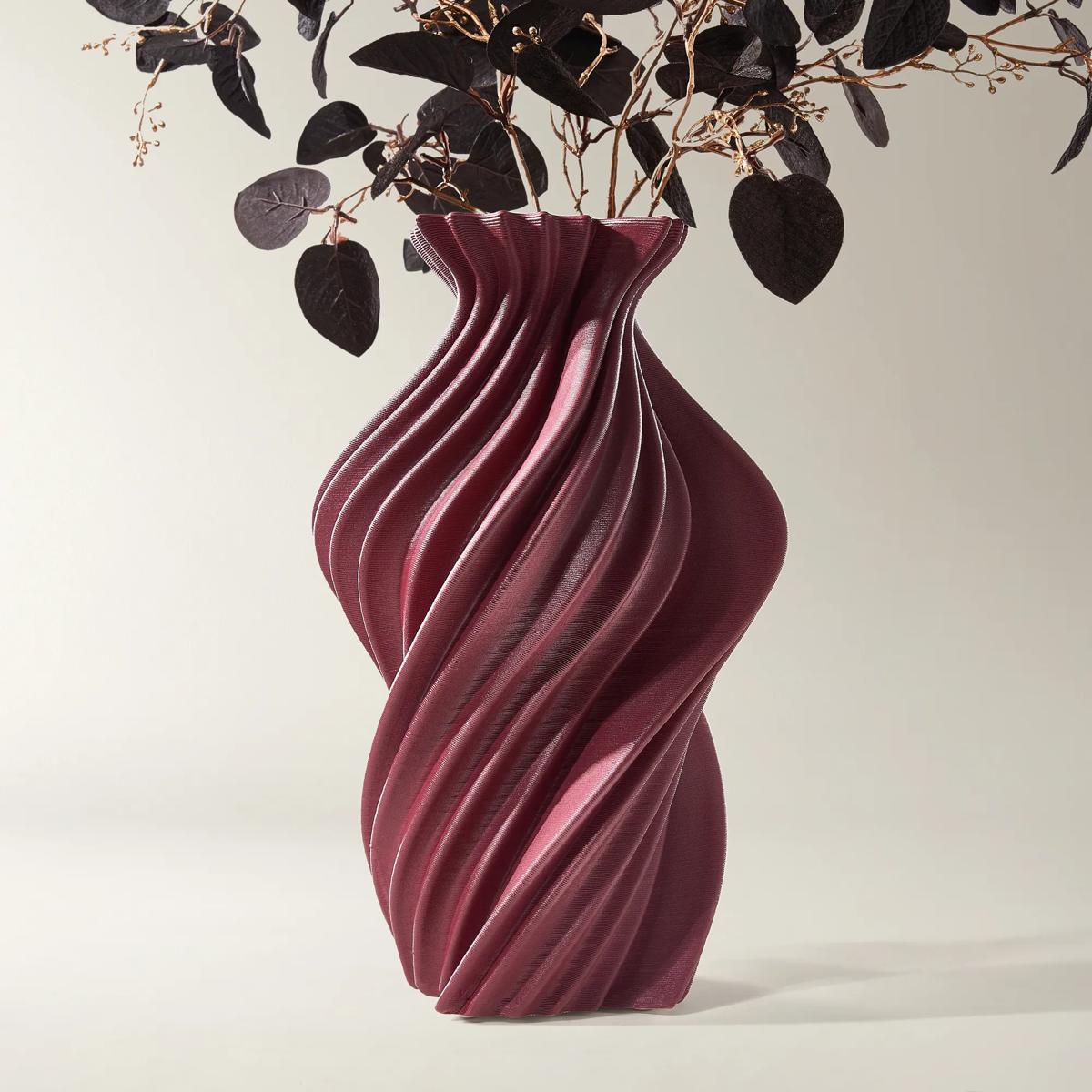
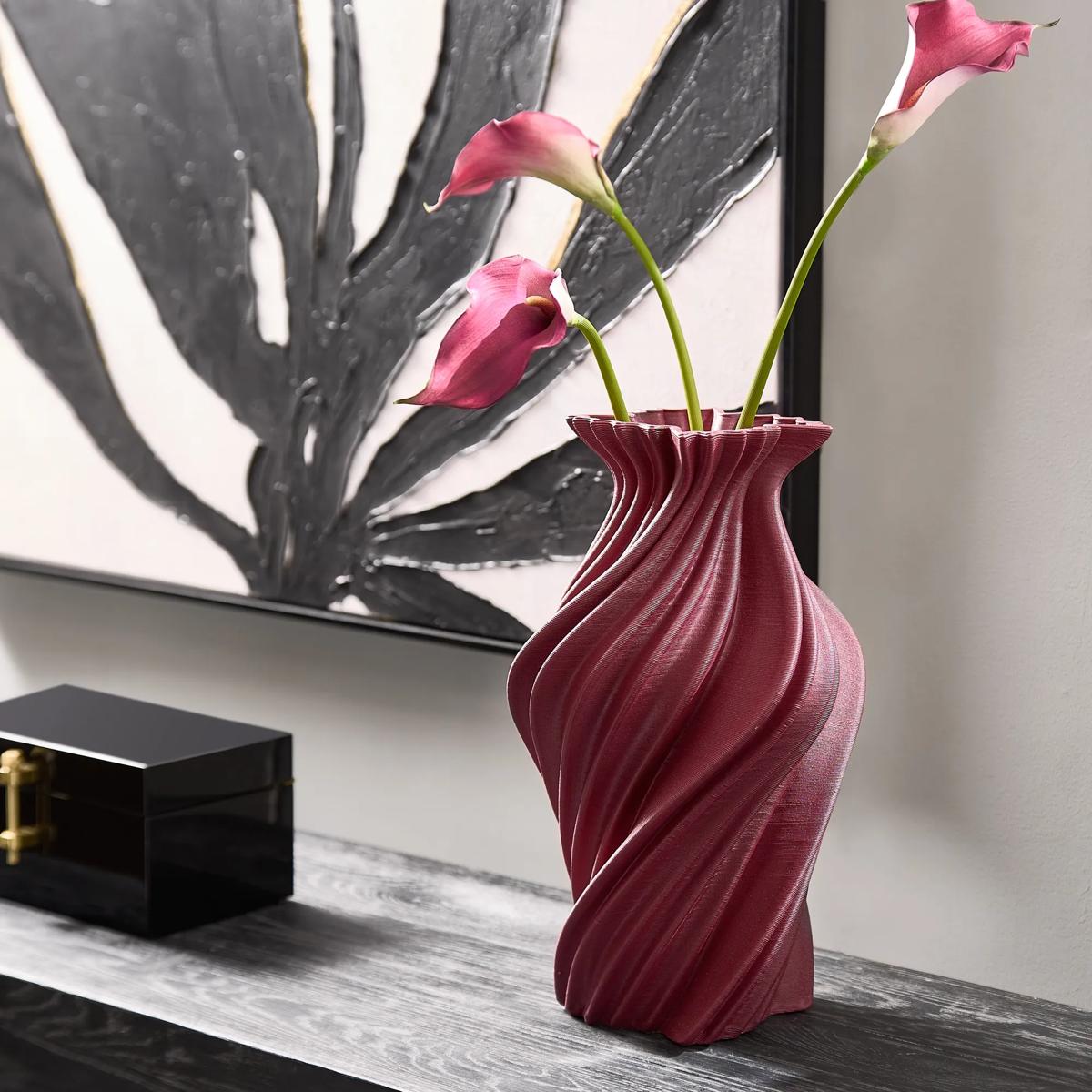 Flame Deep Red Porcelain Vase 16.25"$119
A sculptural porcelain vase in deep red with a dynamic, twisted silhouette inspired by flowing flames.
Add To Cart -
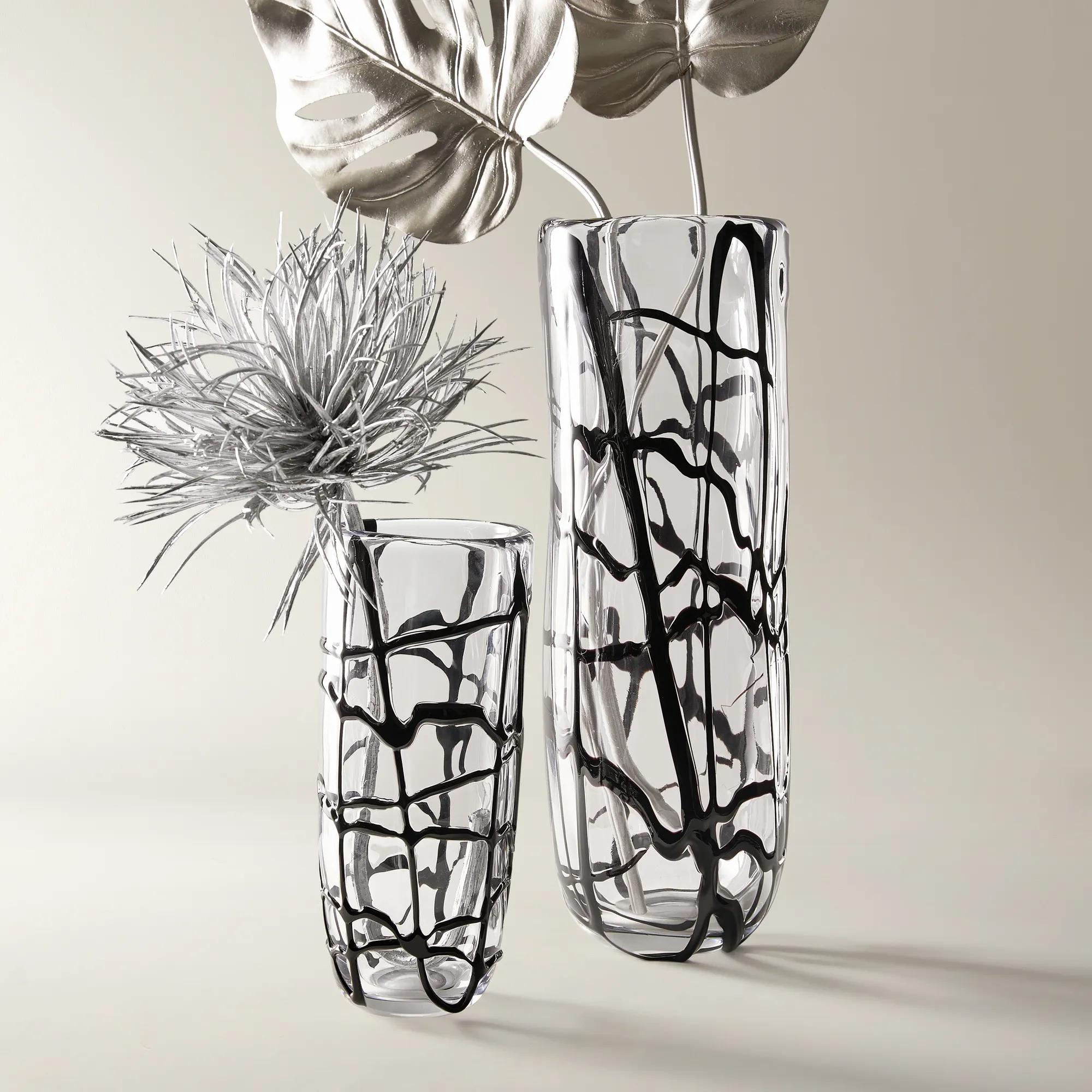 Torino Glass Vase$109
A hand-blown glass vase featuring a dramatic black design and sleek cylindrical silhouette for modern appeal.
Add To Cart

Vases For Floral Arrangements
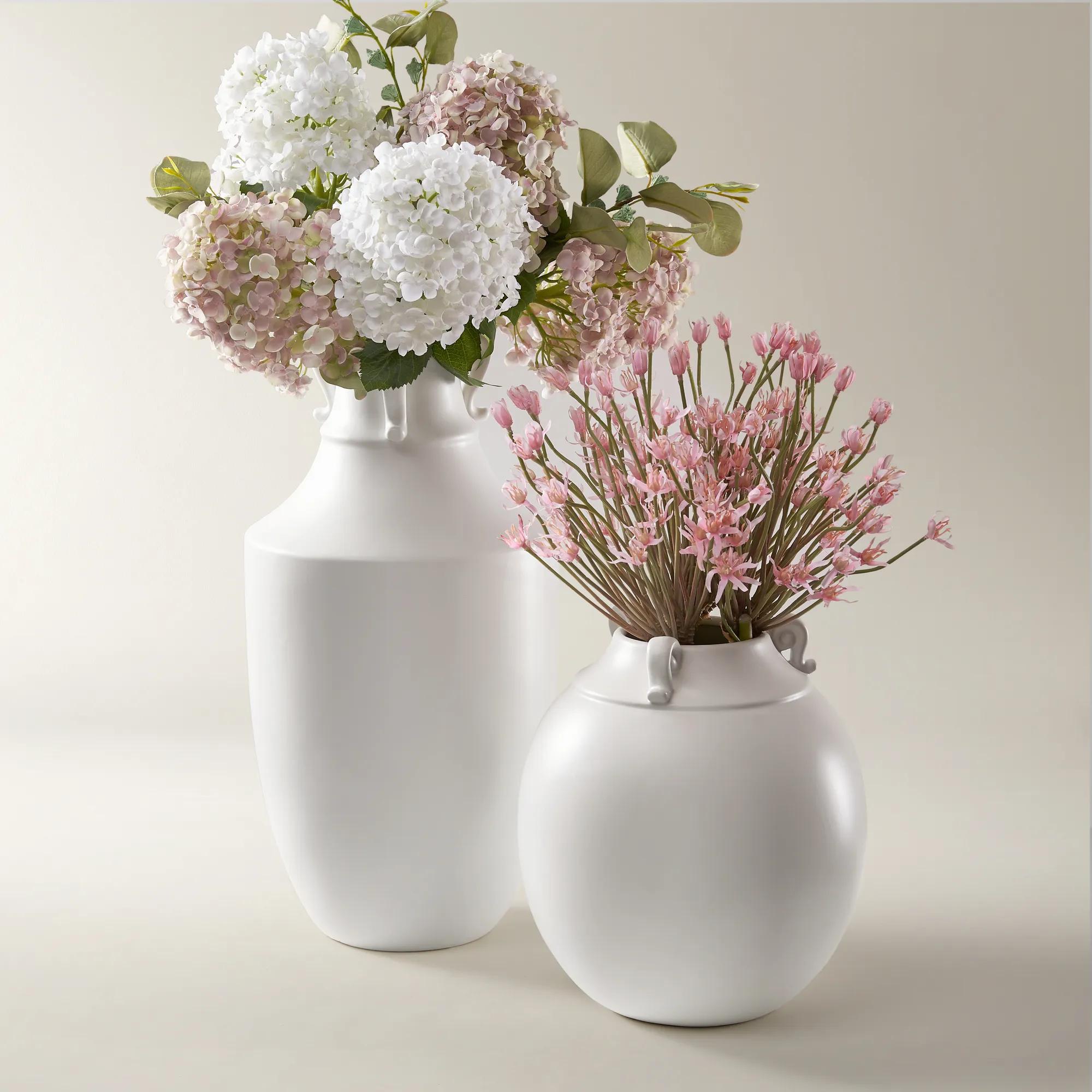
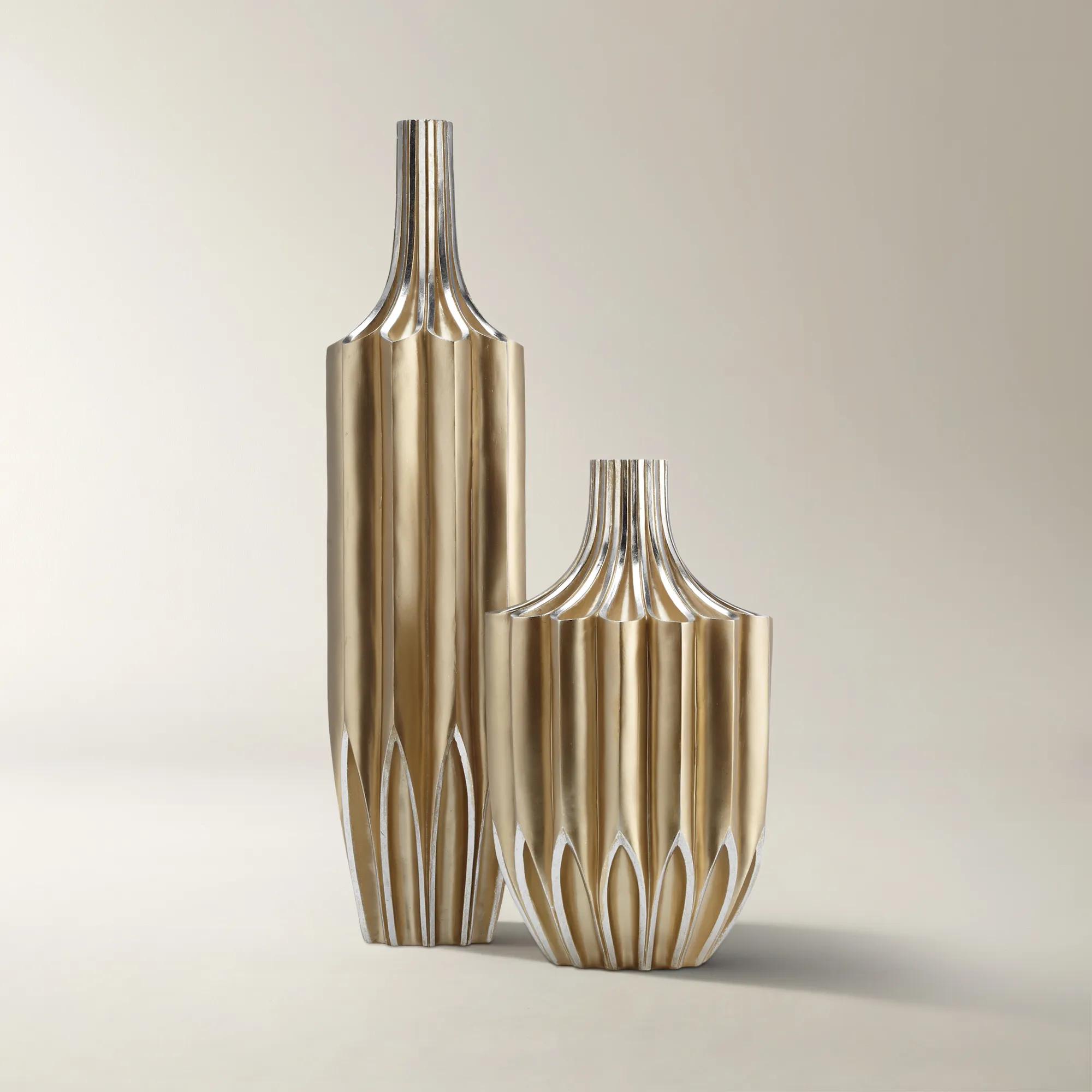
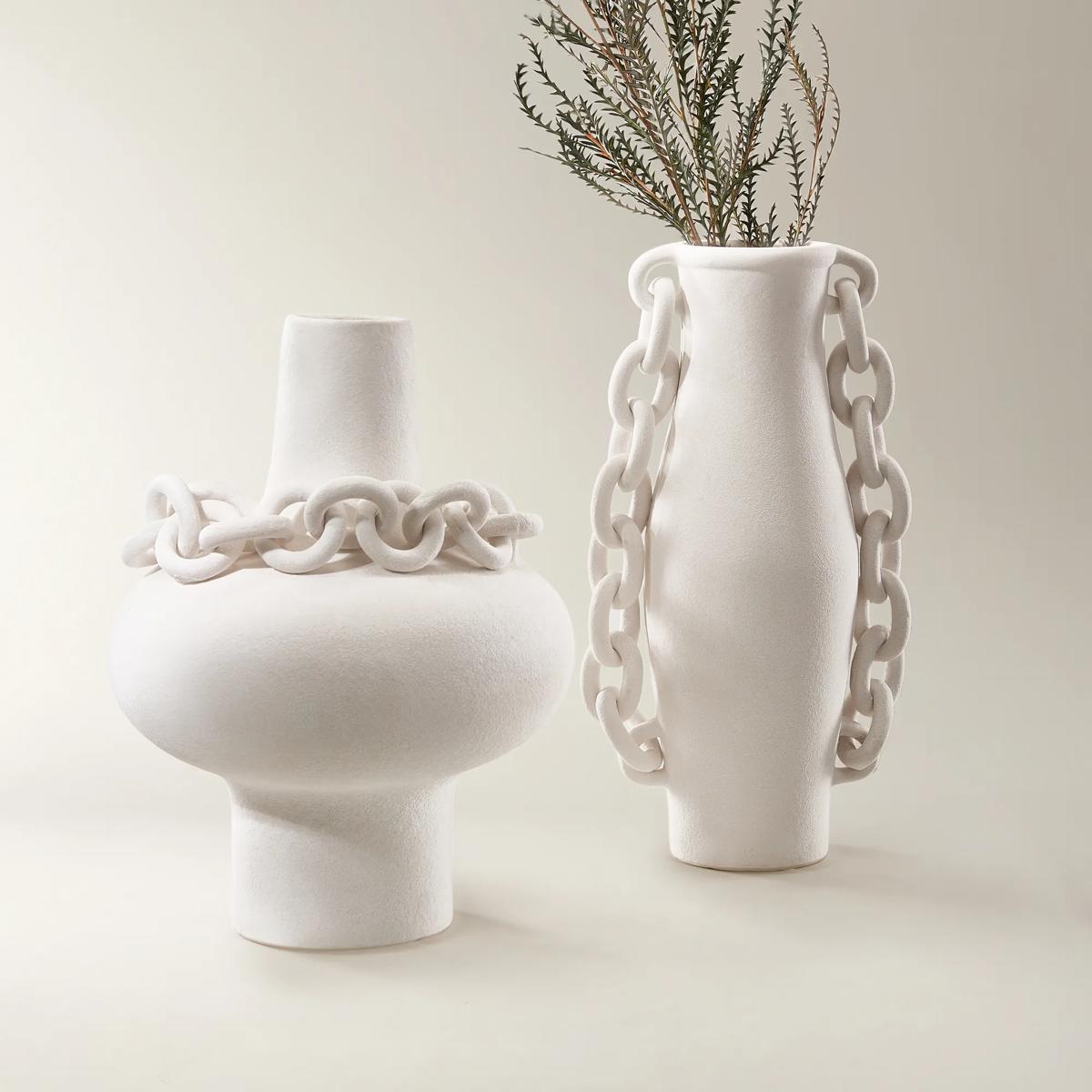
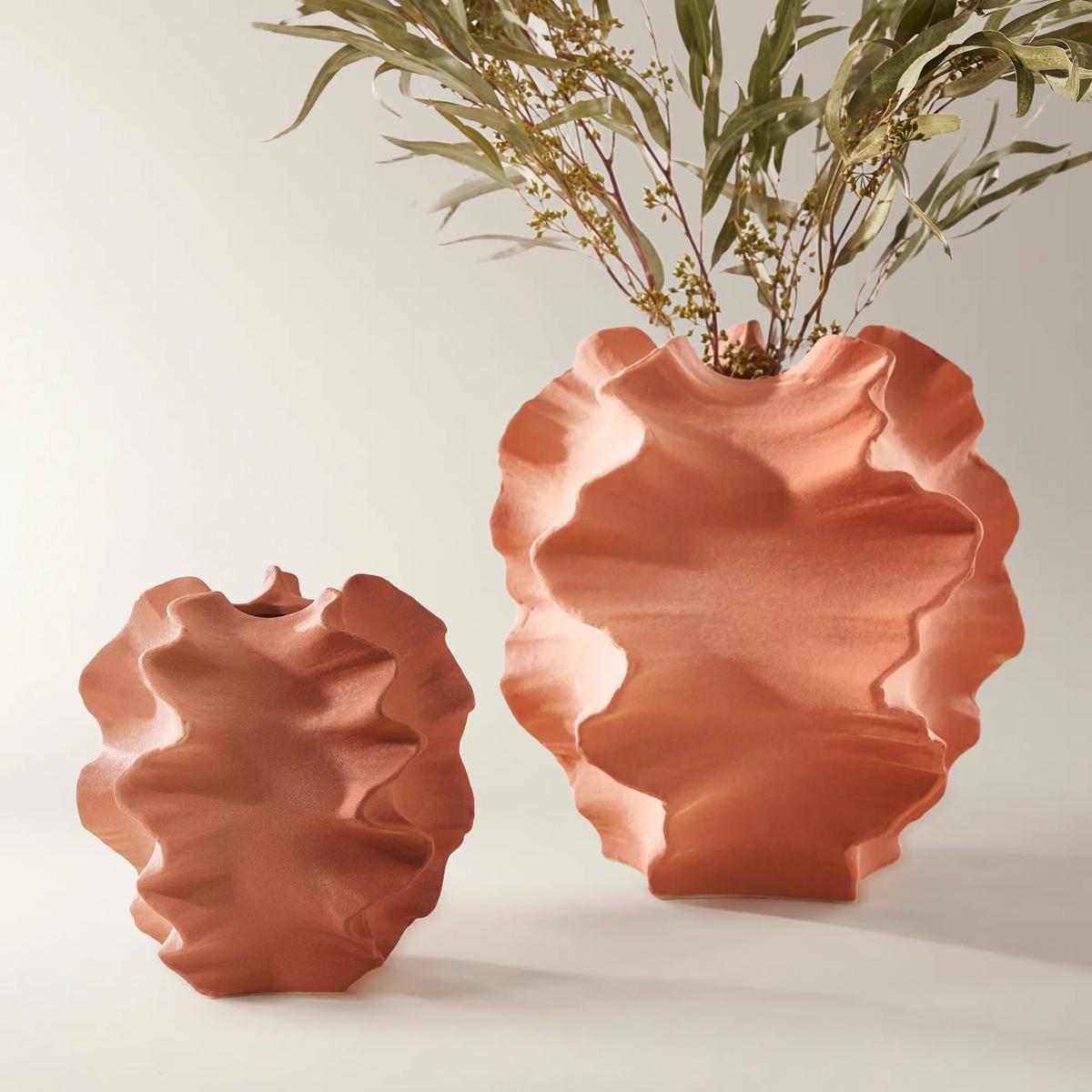
Vases for Floral Arrangements transform everyday blooms into breathtaking works of art, elevating any space with sculptural allure and expressive style. Each vessel is a stage for drama—inviting you to curate moments of beauty, whether you favor grand bouquets or minimalist stems. With silhouettes that captivate and finishes that shimmer, these vases are more than mere containers; they are the finishing touch that turns your floral vision into a living masterpiece. Let your creativity flourish and set the scene for unforgettable ambiance—because every arrangement deserves a canvas as striking as the flowers themselves.
Vases for floral arrangements give flowers their setting, shaping the way a bouquet opens, catches the light, and commands attention. A generous armful of blooms feels lavish in a rounded vessel, while a few architectural stems can look equally arresting in a slender silhouette. The relationship between flowers and vase matters as much as either element alone: a narrow neck gathers stems into a deliberate composition, a flared mouth encourages a softer sweep, and a broad opening creates room for layered foliage and expansive blossoms. For a dining table, a low arrangement brings color and texture into the conversation without obscuring the person across from you. On an entryway console, a taller flower vase can establish a more theatrical welcome, especially when its profile stands clearly against artwork or a mirror. Scale deserves attention beyond height. The width of the base, the spread of the flowers, and the depth of the surface all influence whether an arrangement feels composed or crowded. A substantial vessel can anchor a generous sideboard, while a compact bud vase gives a bedside table an intimate flourish without competing with a lamp or favorite book. As a starting point, flowers often look balanced when their visible height is roughly one to one and a half times the height of the vase, though cascading stems and sculptural branches invite more expressive proportions. Let the opening support the arrangement rather than forcing a dense bouquet into a neck that pinches its stems. For longer branches or top-heavy blooms, a broad, stable base is especially valuable. Color offers another layer of expression: a pale vessel lets saturated petals take center stage, a dark finish adds depth to delicate blossoms, and a reflective surface introduces a flash of glamour among matte leaves. Even without flowers, a thoughtfully proportioned vase contributes a distinct silhouette, allowing the room to retain its sense of artistry between arrangements. The most compelling choice belongs to both the bouquet and the room, connecting floral color with the textures, finishes, and furnishings already in place.
Material determines much of a vase’s character, from the clarity of its outline to the way it interacts with water, stems, and light. Clear glass makes the entire arrangement visible, turning submerged stems into part of the composition and lending even a full bouquet an airy quality. It also makes water levels easy to check, a useful detail for fresh flowers that drink quickly. Colored or textured glass introduces another dimension, softening the view of stems while casting subtle variations across the surface beneath it. Ceramic offers a different kind of presence: opaque walls conceal stems and floral supports, while glazed, ribbed, or softly irregular surfaces bring depth to the arrangement. A smooth ceramic cylinder can create a disciplined contrast with loose foliage; a rounded form echoes the fullness of layered petals. For compositions that call for this balance of sculptural form and expressive finish, Ceramic Vases For Elegant Arrangements offer a natural focal point. Porcelain can lend a refined, finely defined profile, while stoneware often carries a more substantial visual weight, although actual weight and durability vary by construction. Metallic finishes create gleaming accents that feel especially dramatic beside velvety petals or broad green leaves. Water compatibility, however, should never be assumed from appearance alone. Some decorative vessels are intended only for dried or faux botanicals; others require a separate watertight liner to hold fresh flowers safely. Glazing does not automatically make every ceramic vase watertight, and certain metal interiors may react to prolonged moisture. Product care and intended-use details help distinguish a decorative accent from a vessel suited to regular fresh arrangements. Weight also matters in daily use: a vase should feel manageable when filled, yet stable enough for the stems it holds. Glass and ceramic can chip or break after an impact, and delicate rims benefit from careful handling. A beautiful finish has the greatest lasting appeal when its care requirements suit the household, whether that means frequent bouquet changes or a carefully composed display of faux branches.
The most rewarding flower vases suit the rituals and spaces they are meant to enrich. Someone who brings home loose stems regularly may appreciate a medium-height vessel with an opening wide enough for easy arranging and cleaning. A host who favors a richly layered table might prefer a lower profile that leaves room for serving pieces, with flowers held comfortably below guests’ sightlines. For a mantel or shelving display, consider the complete arrangement’s clearance, not simply the empty vase’s dimensions; broad leaves need breathing room, and tall branches should not press against a shelf above them. Faux and dried arrangements offer enduring shape without standing water, making them useful where frequent tending is less convenient, provided the vessel is stable and the stems are kept away from flames. Fresh flowers call for more regular attention. Begin with a clean vase, remove foliage that would sit beneath the waterline, and refresh the water frequently according to the flowers’ needs. Keeping the interior free of residue helps support a cleaner environment for cut stems. Between bouquets, wash water-safe vessels according to their care instructions, often with mild soap, lukewarm water, and a soft cloth or suitable bottle brush. Narrow-neck designs may take more patience to clean than open cylinders, an important consideration for everyday use. Avoid abrasive pads on polished, painted, or metallic surfaces, and do not assume a decorative vase is dishwasher-safe. Sudden temperature changes can damage some glass and ceramic pieces, while soaking may harm porous materials or applied finishes. Dry the exterior before returning the vase to furniture, and protect delicate surfaces from trapped moisture with a suitable barrier that remains discreet beneath the base. As a housewarming, wedding, or host gift, a vase offers both immediate beauty and room for personal expression. A versatile opening and a finish that complements the recipient’s home make it easier to enjoy, with or without an accompanying bouquet. From a single bloom beside a reading chair to an expansive arrangement on a formal table, the right vessel gives flowers a deliberate presence—and gives the surrounding room a richer sense of occasion.
FAQs
For dramatic floral arrangements, opt for vases with bold silhouettes—think tall cylinders, sculptural geometrics, or wide-mouthed vessels. Materials like gleaming glass, metallic finishes, or richly glazed ceramics amplify the visual impact, allowing flowers to be displayed in striking, gallery-worthy compositions.
Vases are a versatile accent for seasonal décor. In winter, choose vases in luxe finishes such as silver, gold, or deep jewel tones and fill them with evergreens, berries, or white blooms. Layer several vases of varying heights for a curated, festive vignette that brings warmth and artistry to your space.
Absolutely—designer vases make exceptional gifts for hosts, newlyweds, or anyone who delights in home décor. A thoughtfully chosen vase is both functional and decorative, offering endless opportunities for creative floral displays and serving as a lasting reminder of your gesture.
Yes, many vases are designed to be as captivating empty as they are filled. Sculptural vases, especially those with unique textures or artistic finishes, can be styled solo or grouped together to create a dynamic focal point on consoles, mantels, or dining tables.
Explore unconventional styling by filling vases with branches, feathers, dried botanicals, or decorative stones. Mix and match vases of different shapes and materials for an eclectic, layered look, or use a single statement vase as an artful accent in any room.