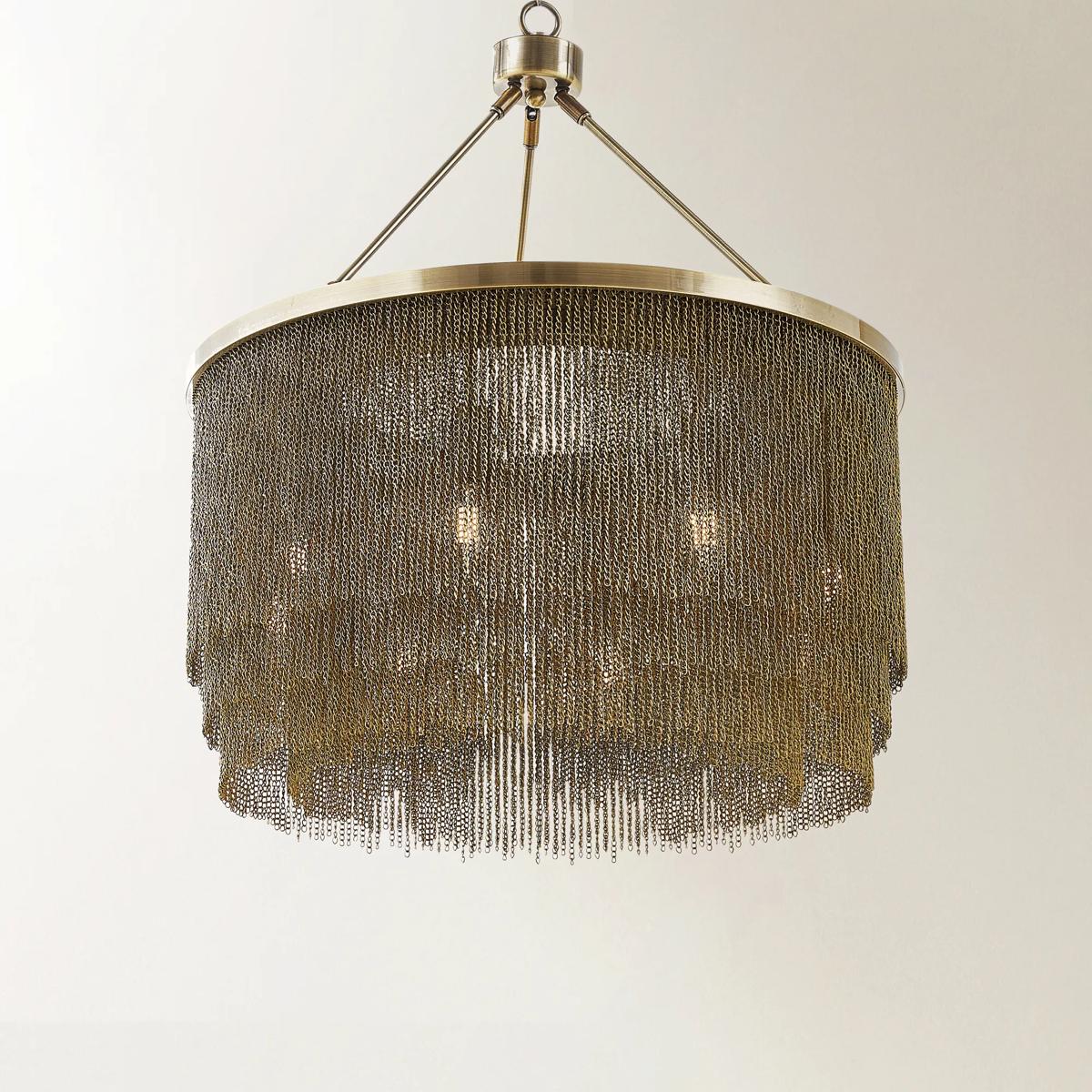
Decorative Lighting For Dining And Living Spaces
Decorative Lighting For Dining And Living Spaces
-
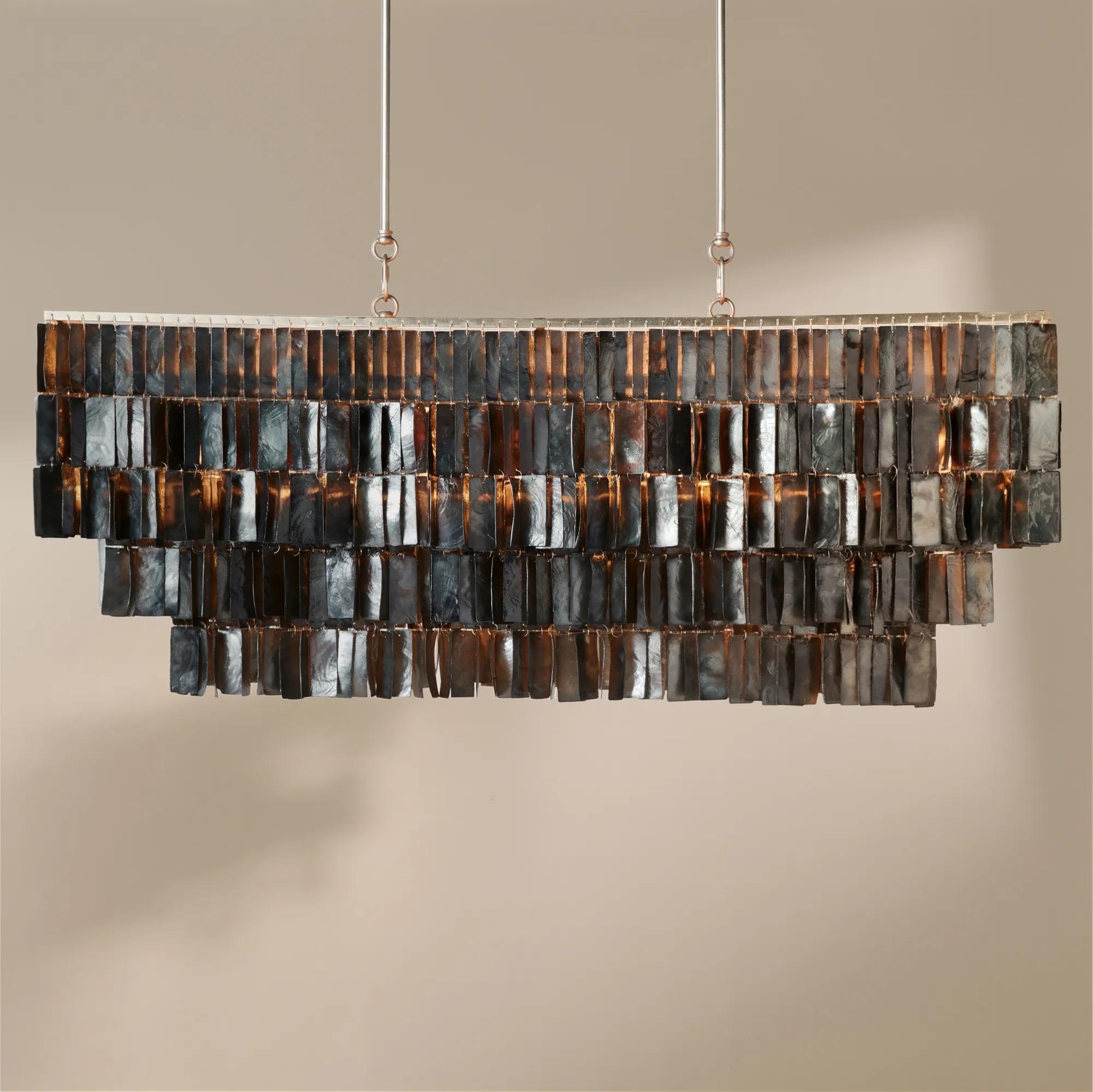
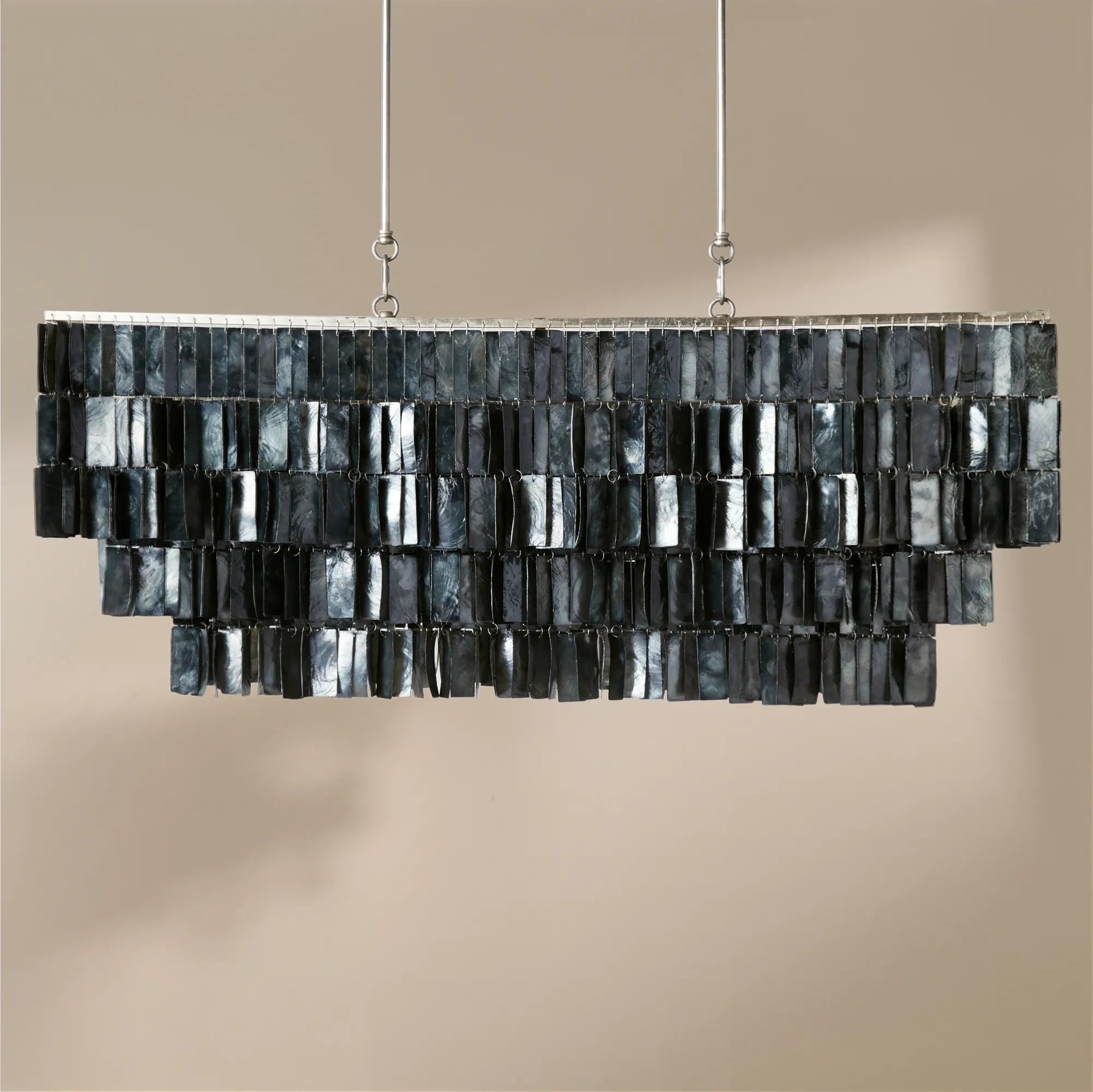 Capiz Shell Graphite Chandelier 39"$849
A chandelier with charcoal capiz shells, a champagne-finished iron frame, and seven dimmable candelabra sockets.
Add To Cart -
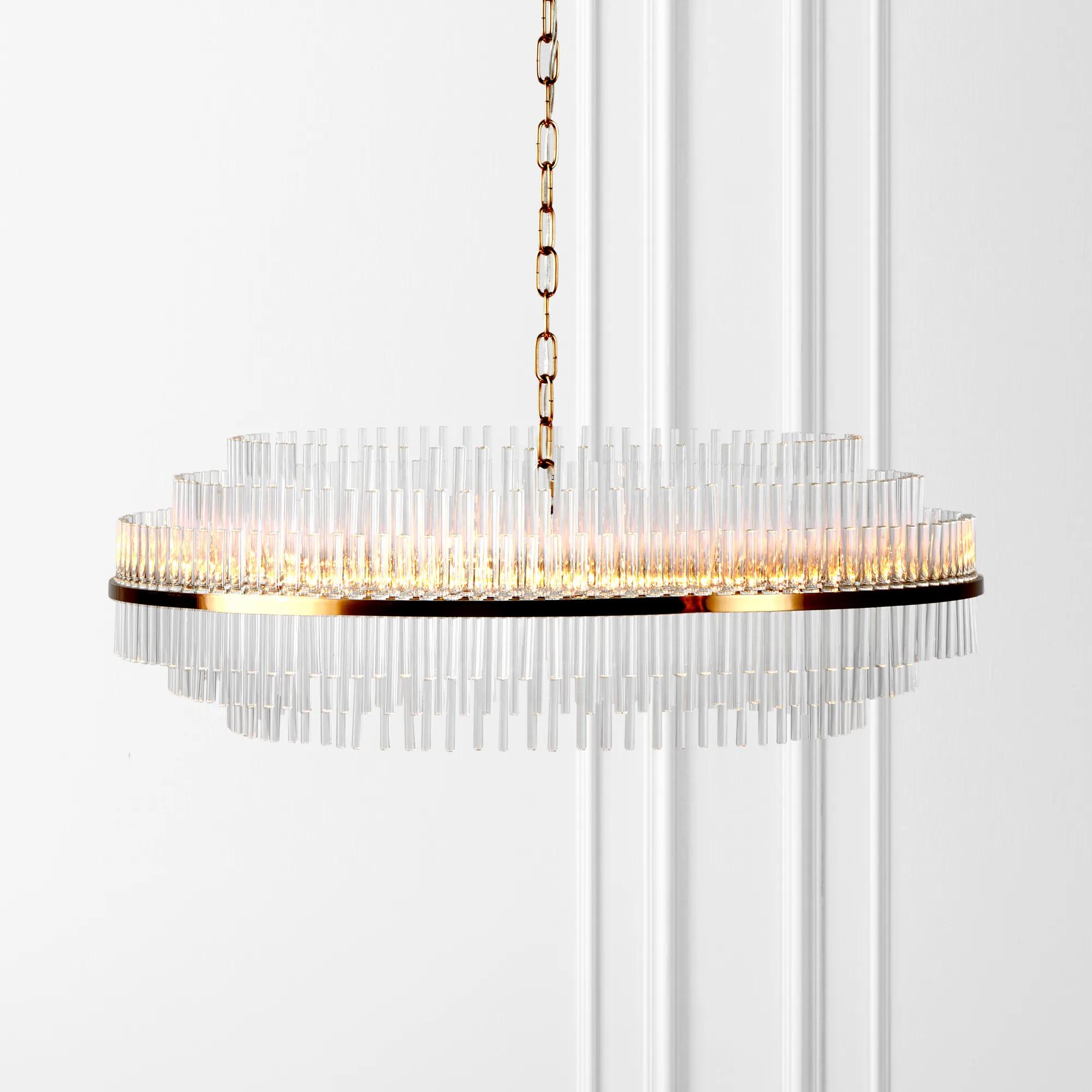
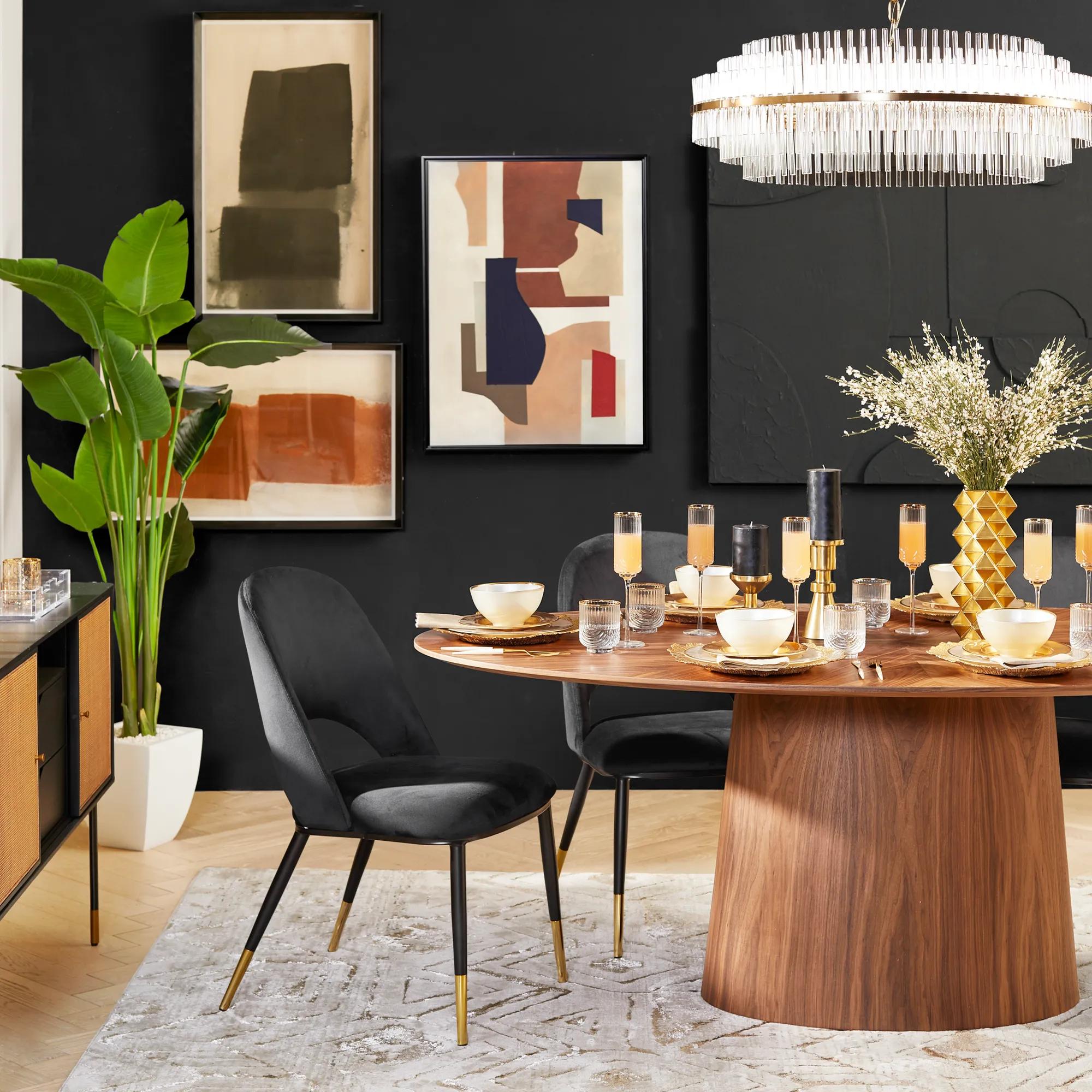 Renata Clear Glass Rod Chandelier 31"W x 10"H$799
A low-profile glass-rod chandelier with a brushed brass iron frame and eight dimmable candelabra lights.
Add To Cart -
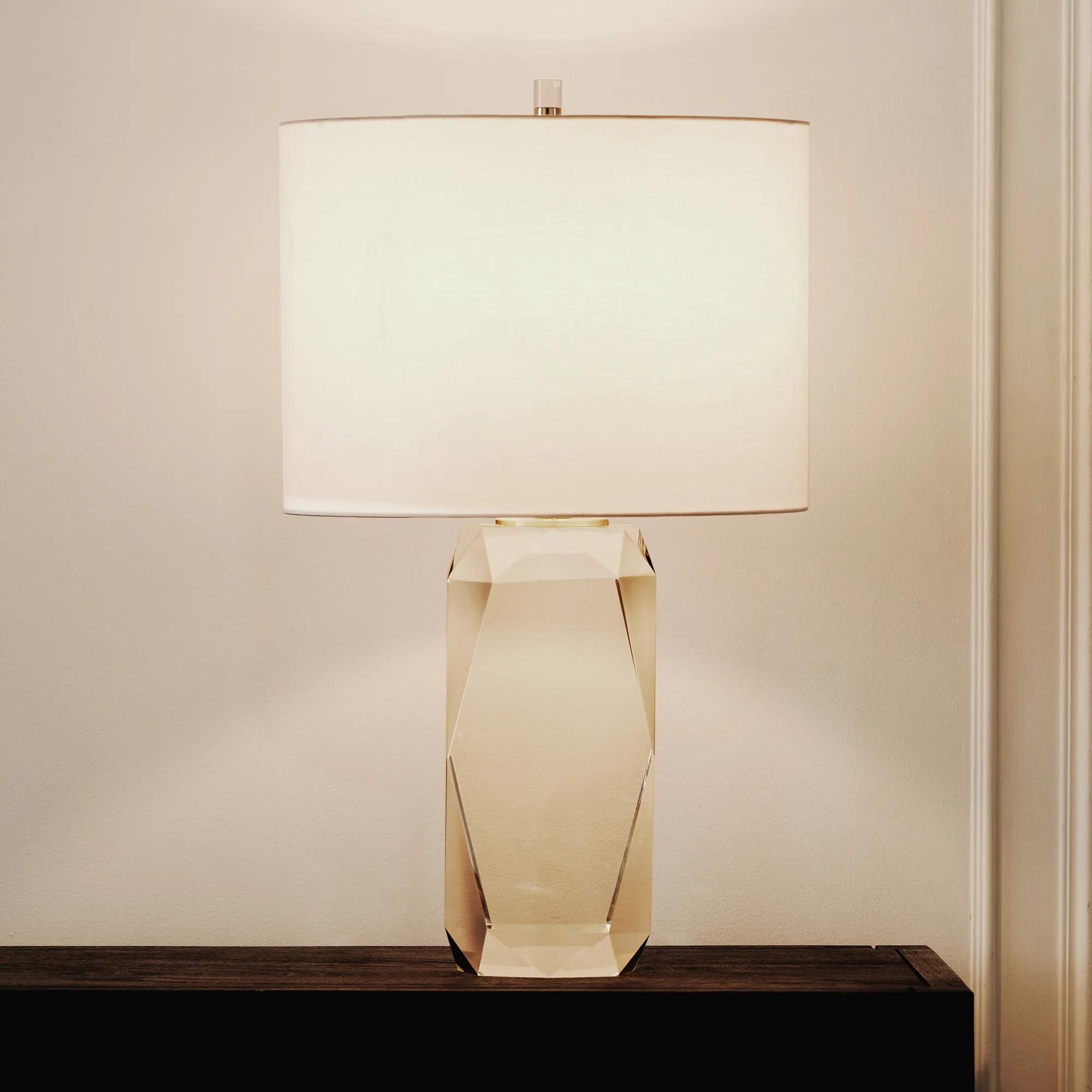 Bianca Faceted Clear K9 Crystal Table Lamp 24"H$499
A clear crystal table lamp with a white drum shade and soft brass hardware for elegant illumination.
Add To Cart -
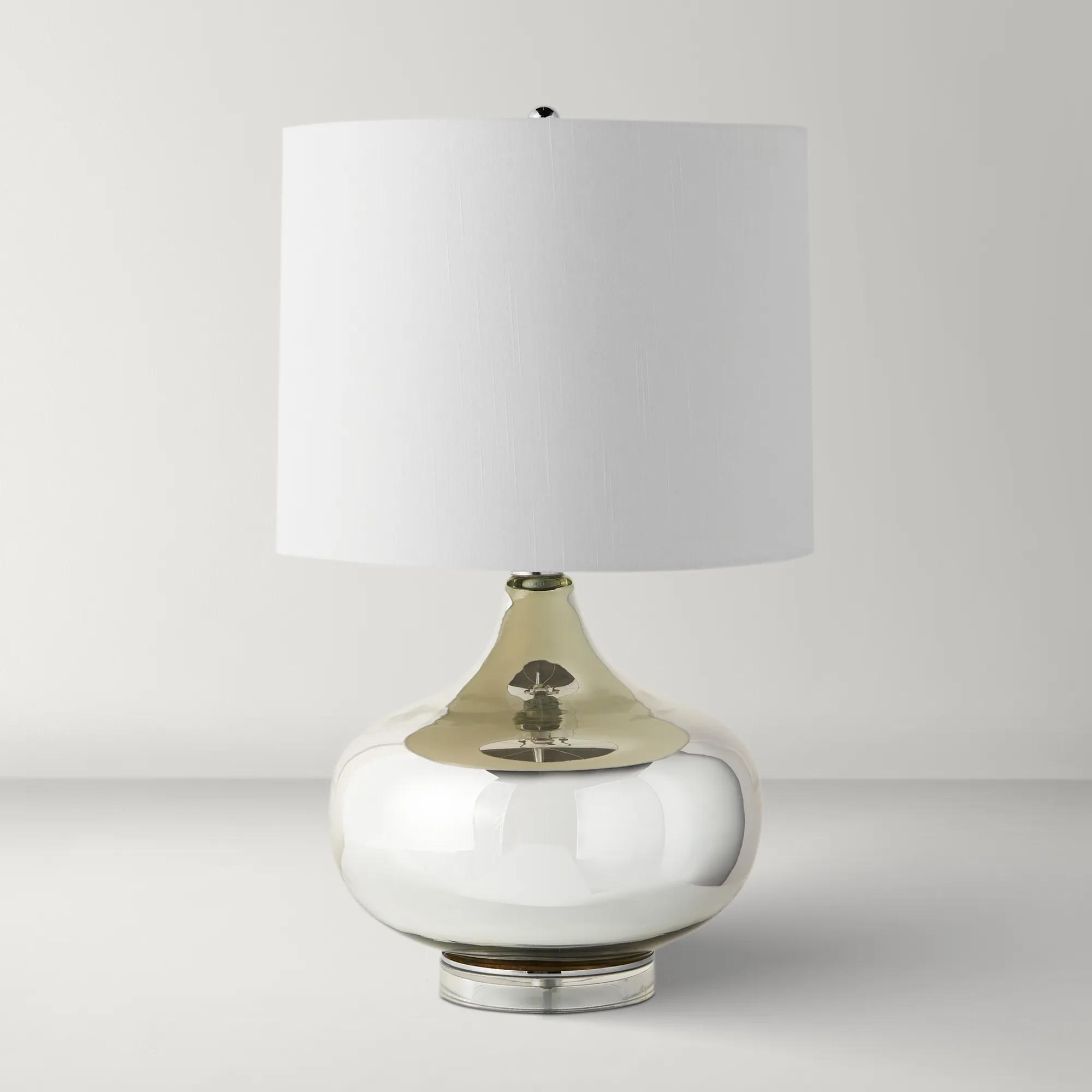 Sabrina Mirrored Silver Glass Table Lamp 27.5"$199
A contemporary lamp featuring a silver mirrored glass base, clear acrylic accents, and a white fabric shade.
Add To Cart -
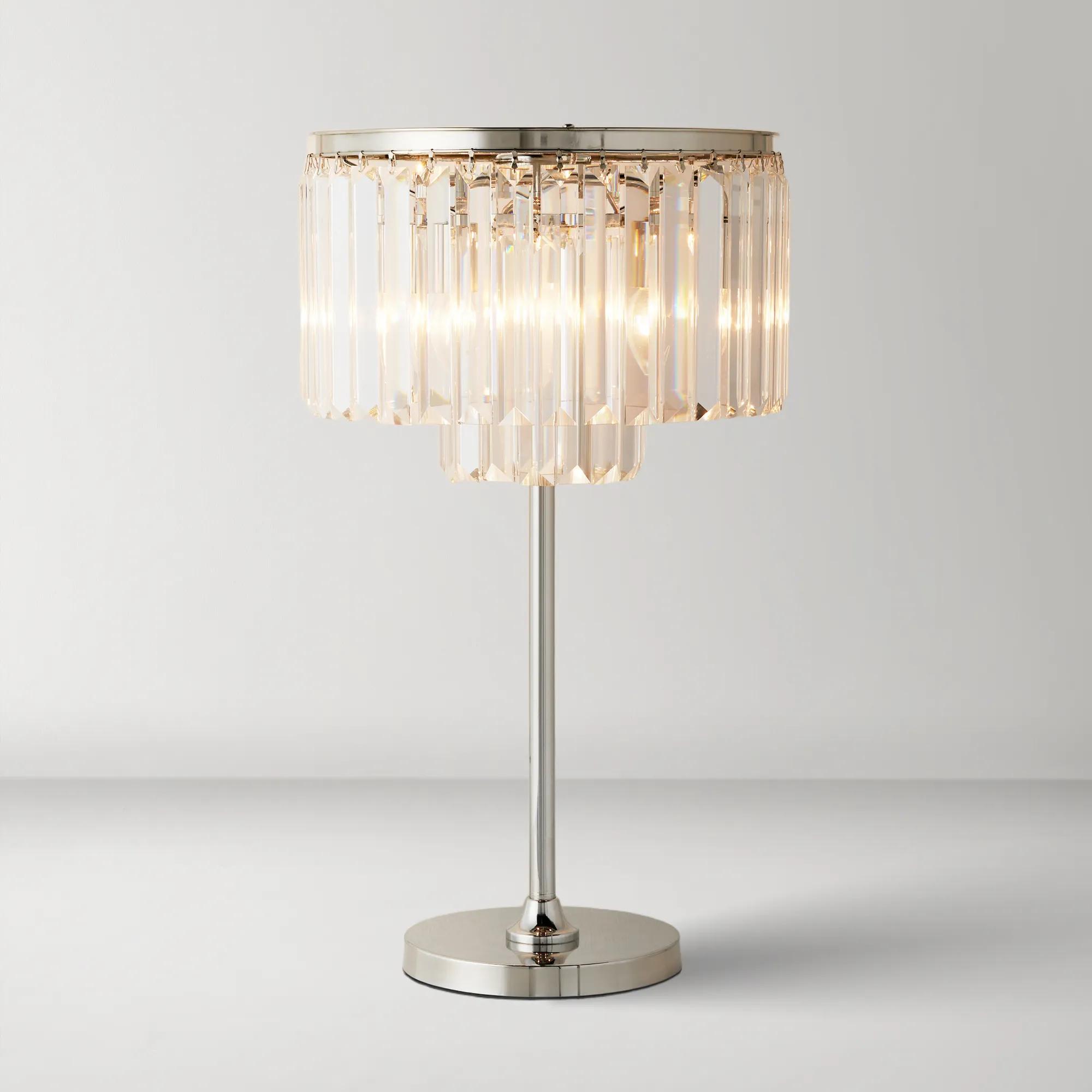
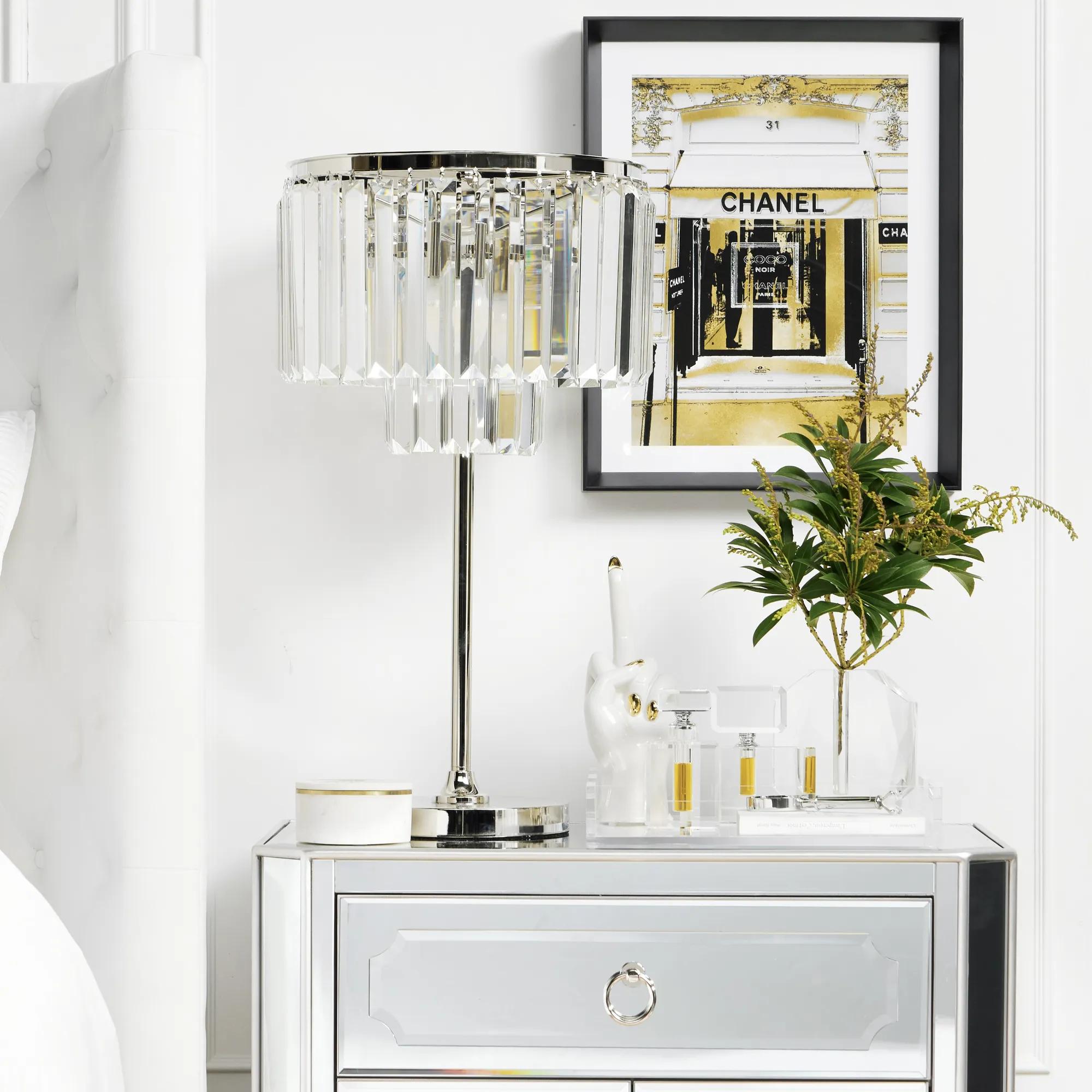 Luxe Table Lamp$499
A sophisticated table lamp featuring faceted ocular glass prisms and a nickel-plated iron frame.
Add To Cart -
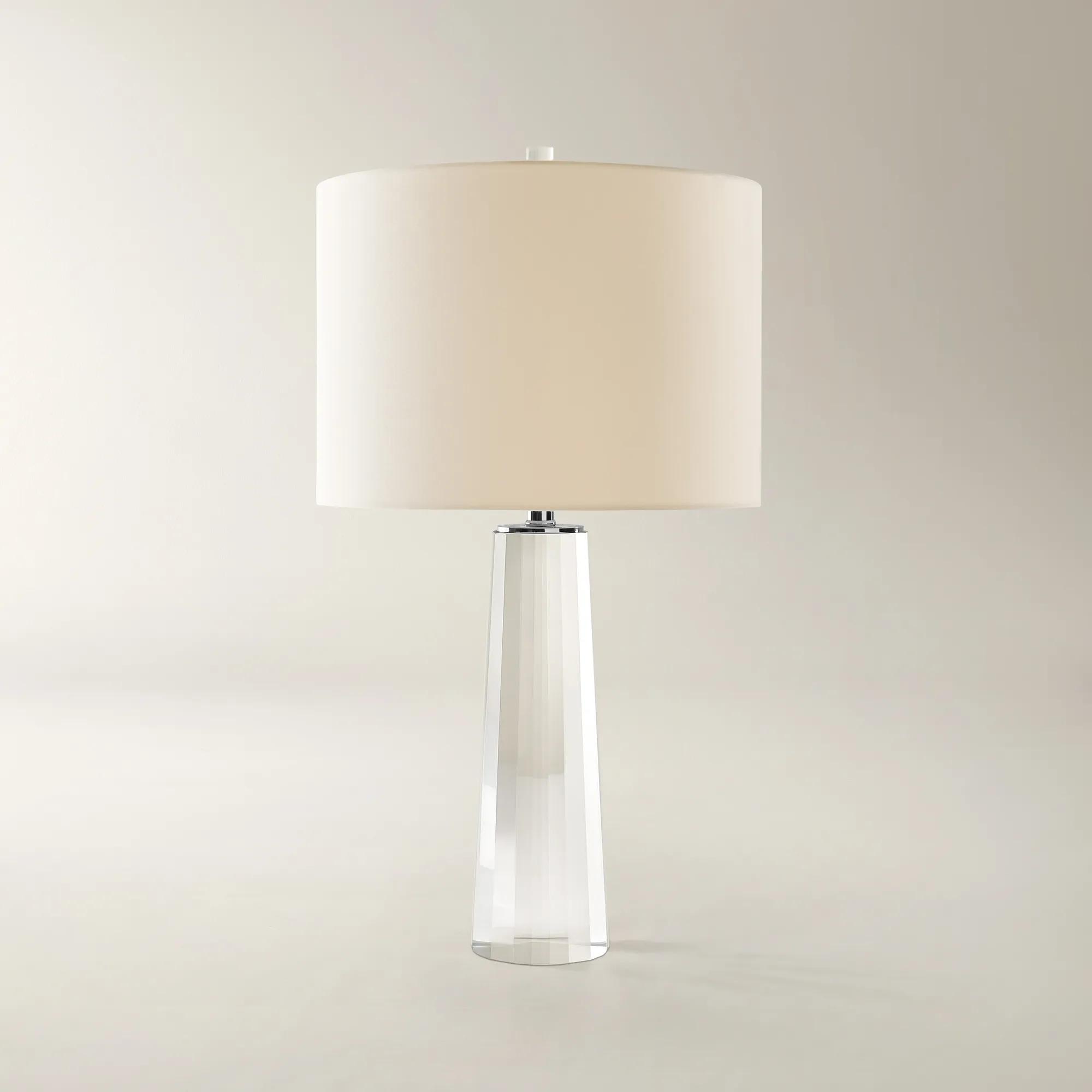
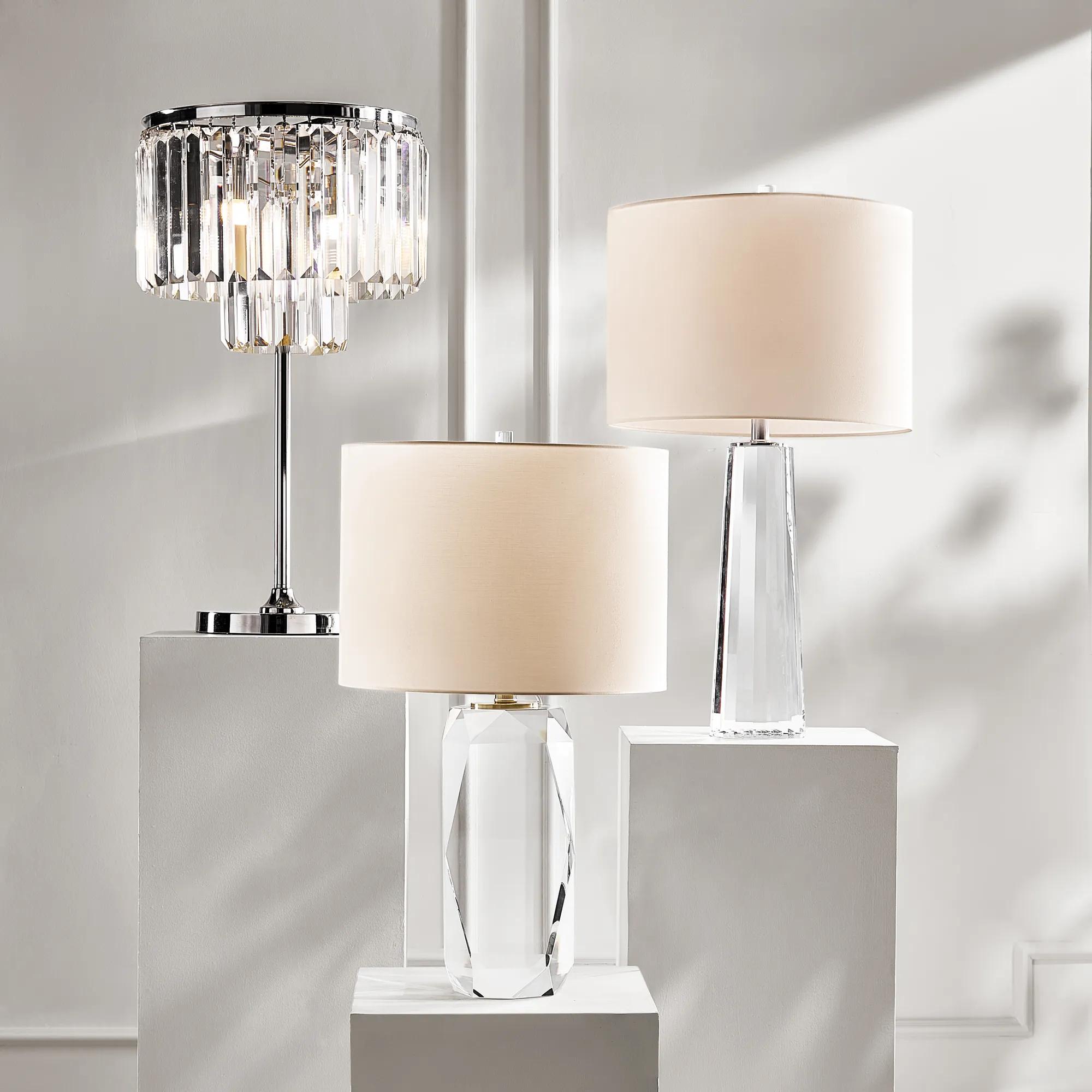 Sasha Faceted Clear K9 Crystal Table Lamp 28"$499
A refined table lamp featuring a clear crystal base, white drum shade, and polished nickel accents.
Add To Cart -
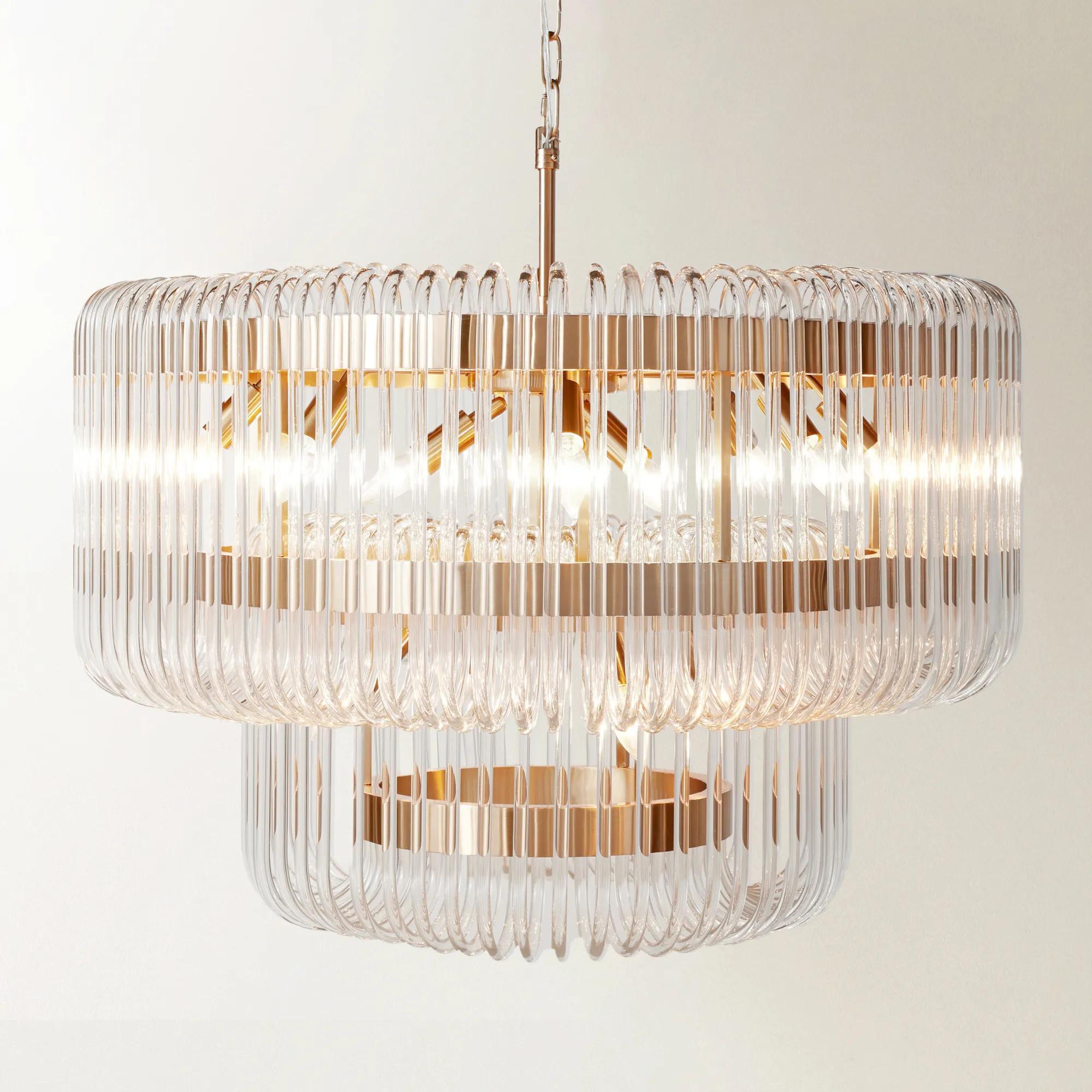 Allure Clear Curved Glass Chandelier 31.5"D x 27.75"H$1499
A chandelier featuring clear curved blown-glass rods, a brushed brass iron frame, and fifteen-light illumination.
Add To Cart -
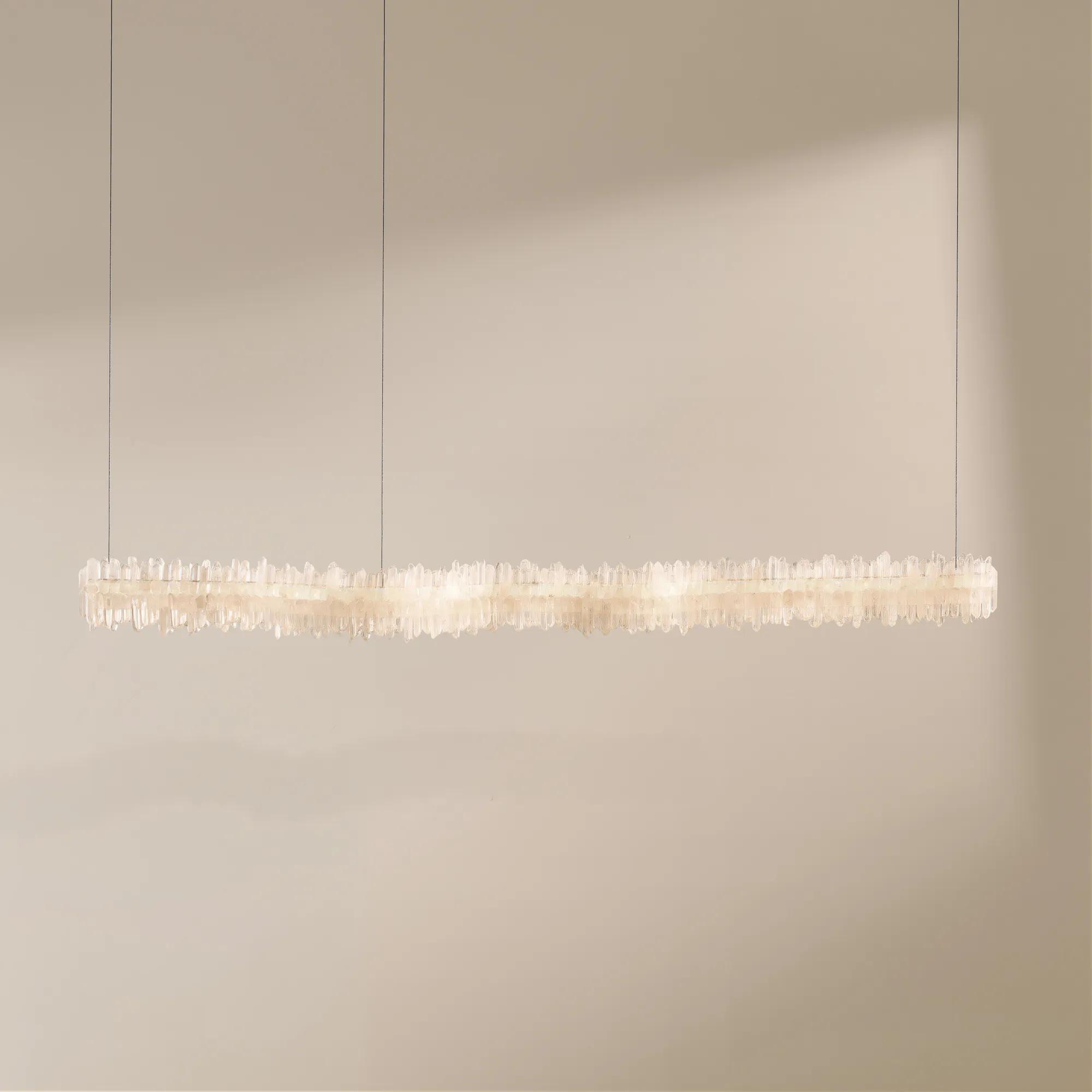 Stella Quartz Crystal LED Chandelier 47.25"$1899
A linear LED chandelier featuring natural raw quartz crystals and a polished rose gold metal frame.
Add To Cart -
 Bolla LED Hand-Blown Glass Bubble Chandelier 60.25"$499
A hand-blown glass chandelier with clear bubbles, matte gold steel framing, and integrated warm LED illumination.
Add To Cart -

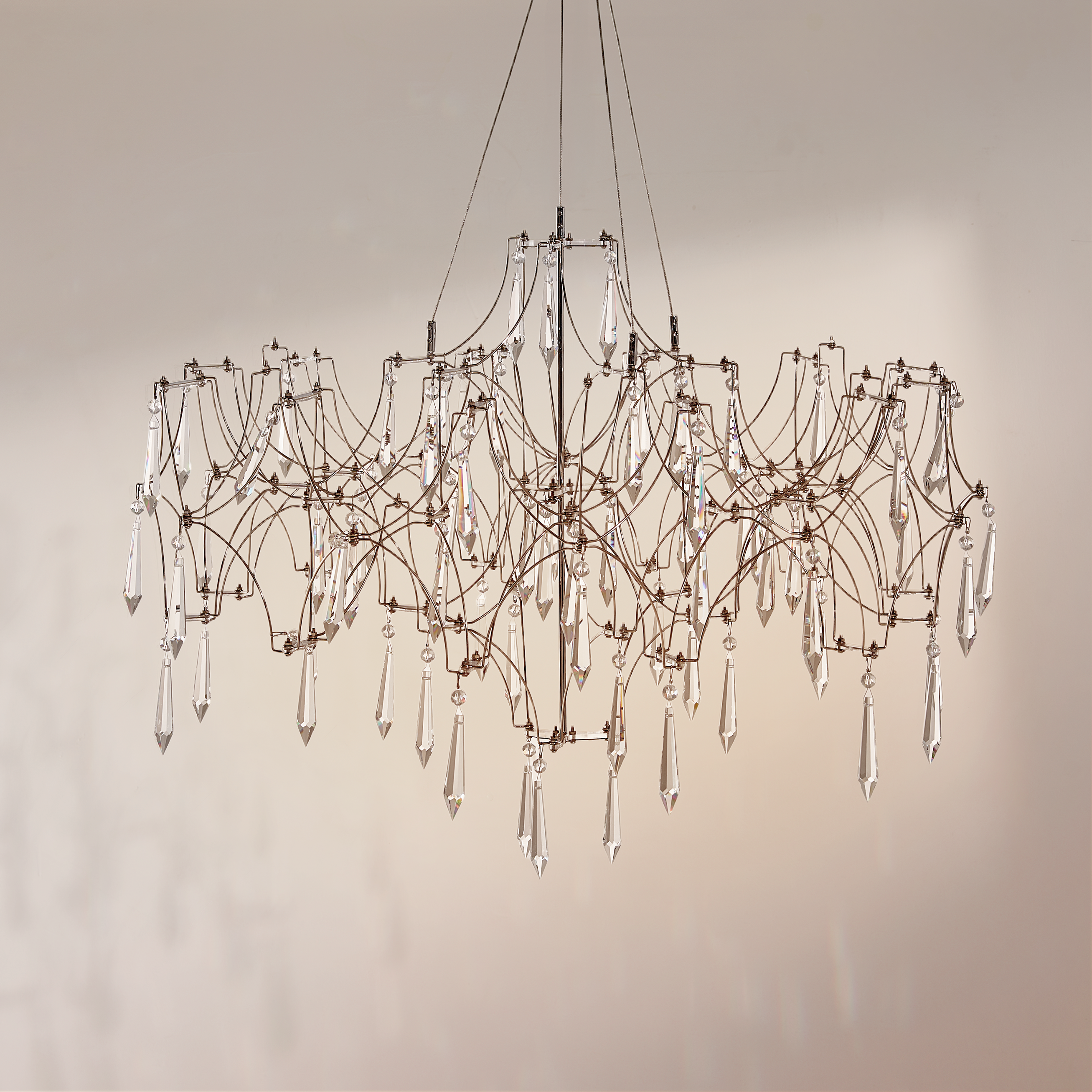 Moderne LED Clear Crystal Chandelier 24.5"W x 19.75"H$899
A clear crystal chandelier with faceted construction, polished nickel framing, and integrated warm LED illumination.
Add To Cart -
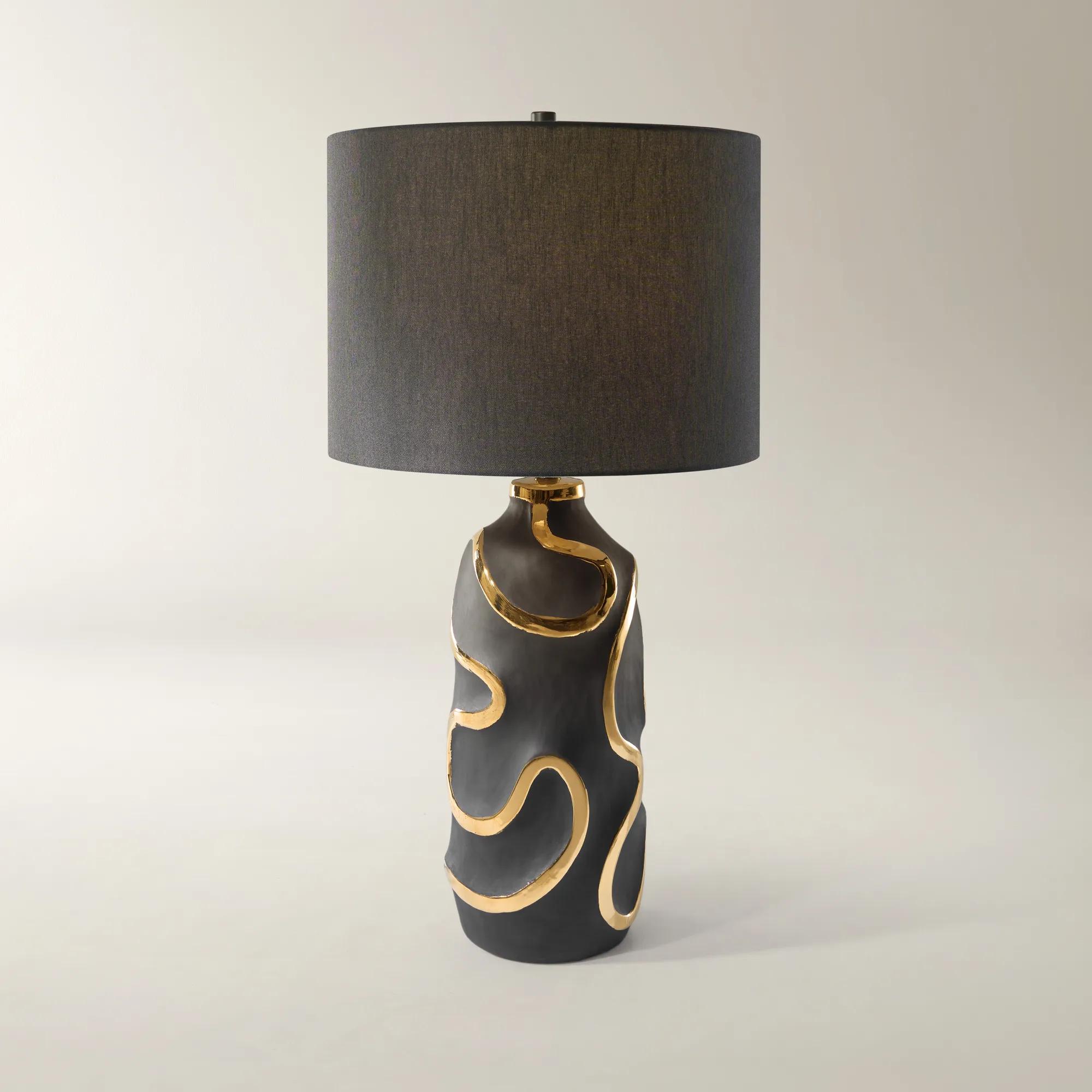 Seraphina Black/Gold Ceramic Table Lamp 32"$249
A matte black ceramic lamp with electroplated gold loops and adjustable three-level lighting.
Add To Cart -

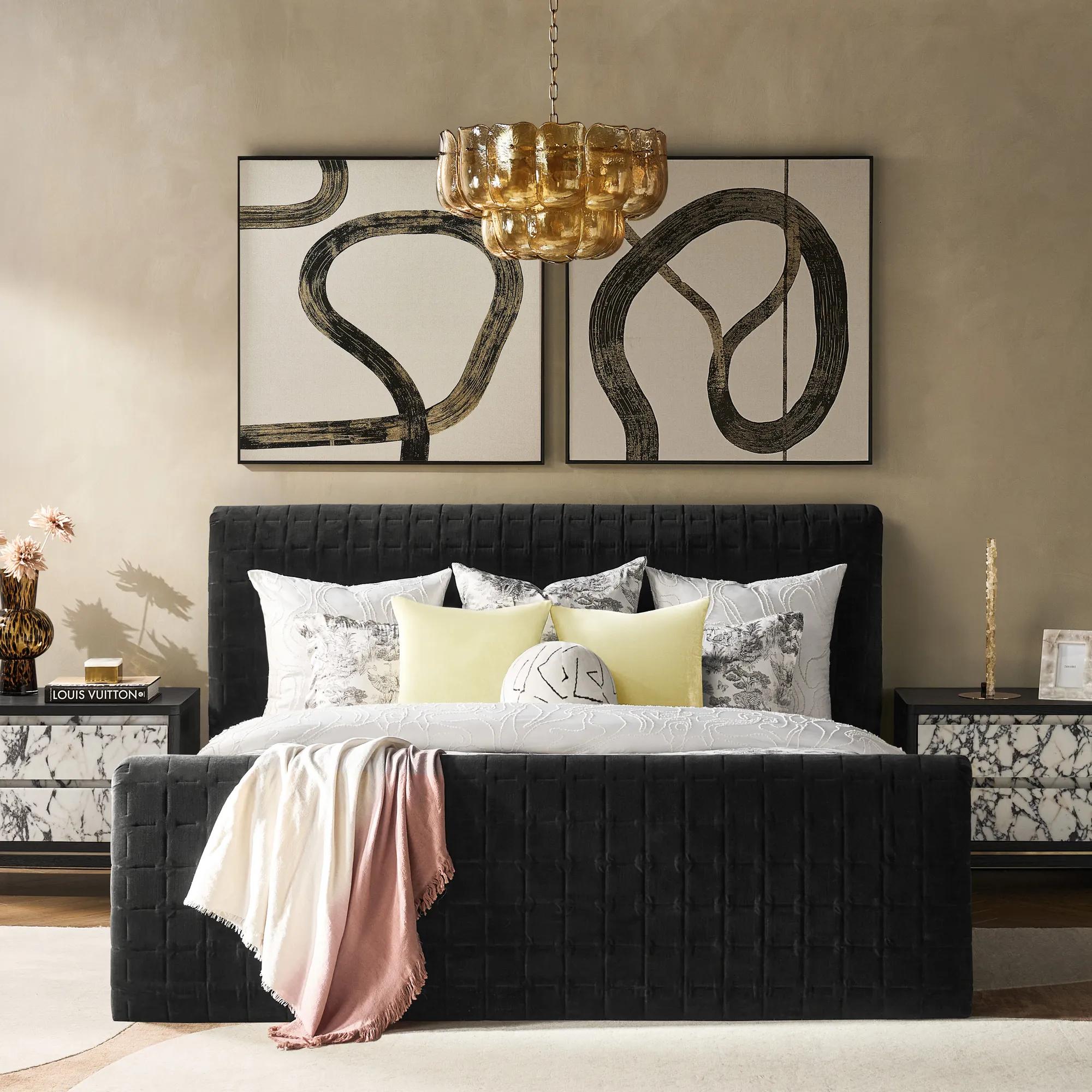 Ember Glow Amber Textured Glass Chandelier 24"$799
A chandelier with textured amber glass petals, brushed brass iron frame, and nine-light ambient illumination.
Add To Cart -

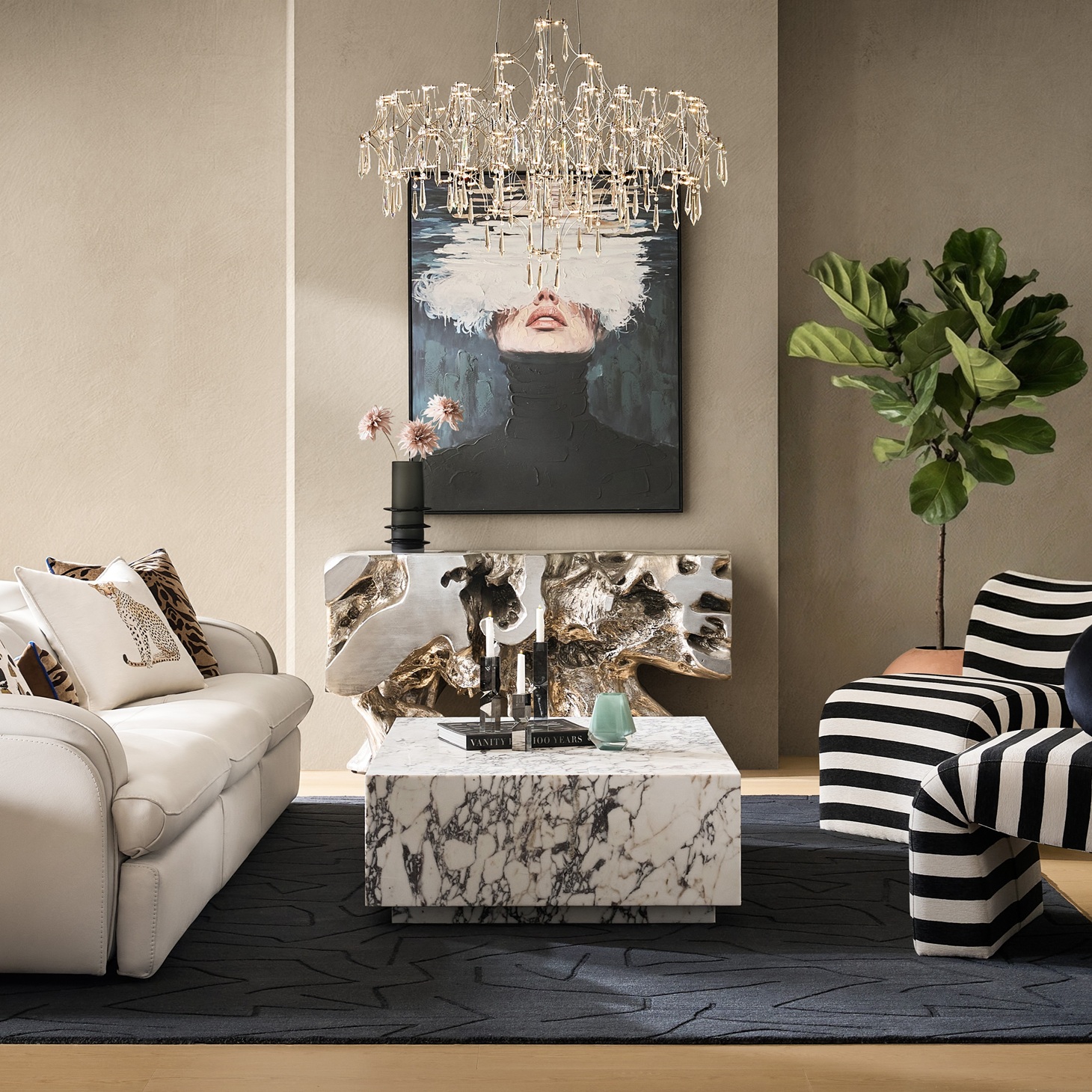 Moderne Grande LED Crystal Chandelier 35.75"W x 28.5"H$1899
A faceted crystal chandelier with polished nickel framing and integrated LED illumination for a modern glow.
Add To Cart -
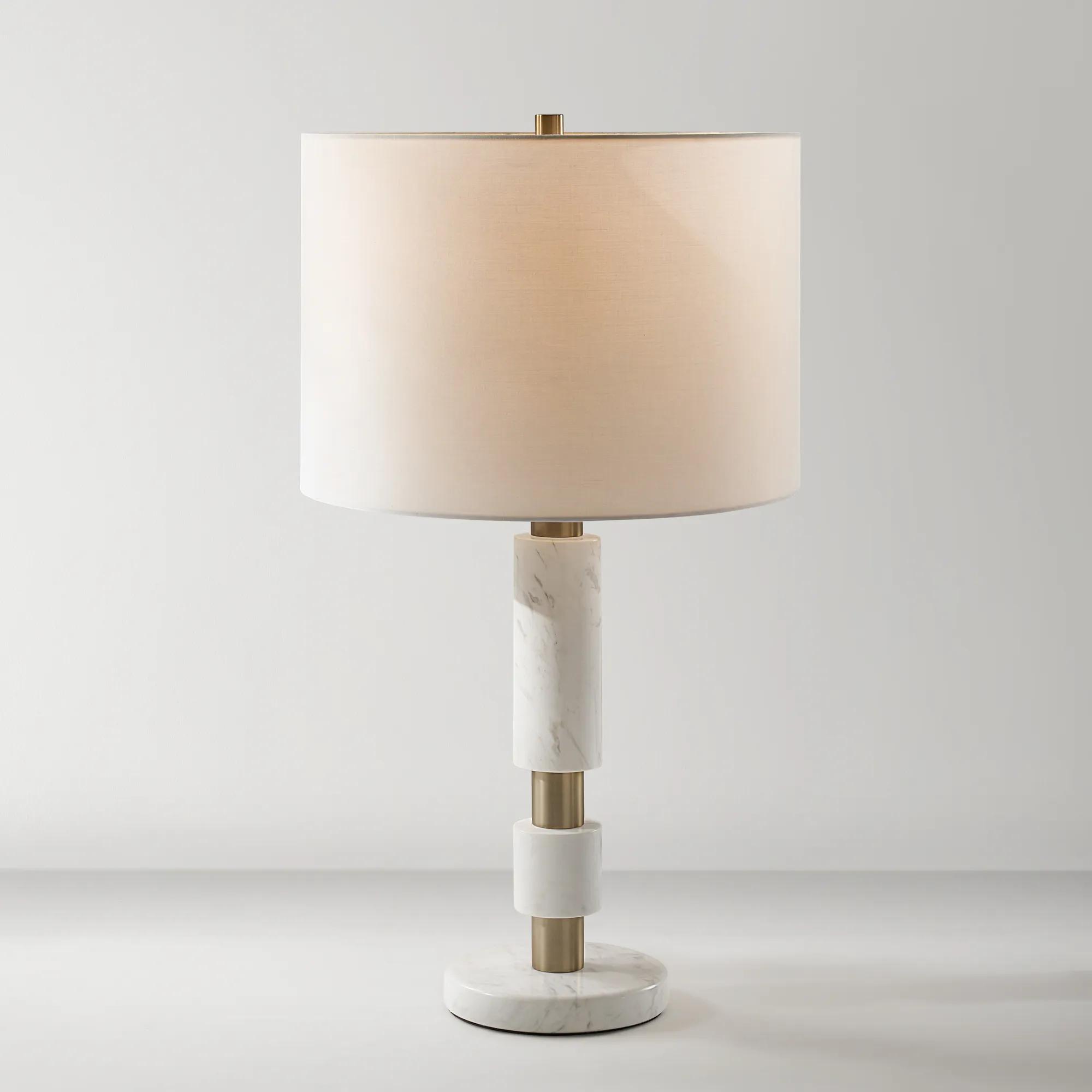 Thea Table Lamp$379
A luxurious table lamp featuring a white marble base, champagne metal accents, and a crisp cotton drum shade.
Add To Cart -
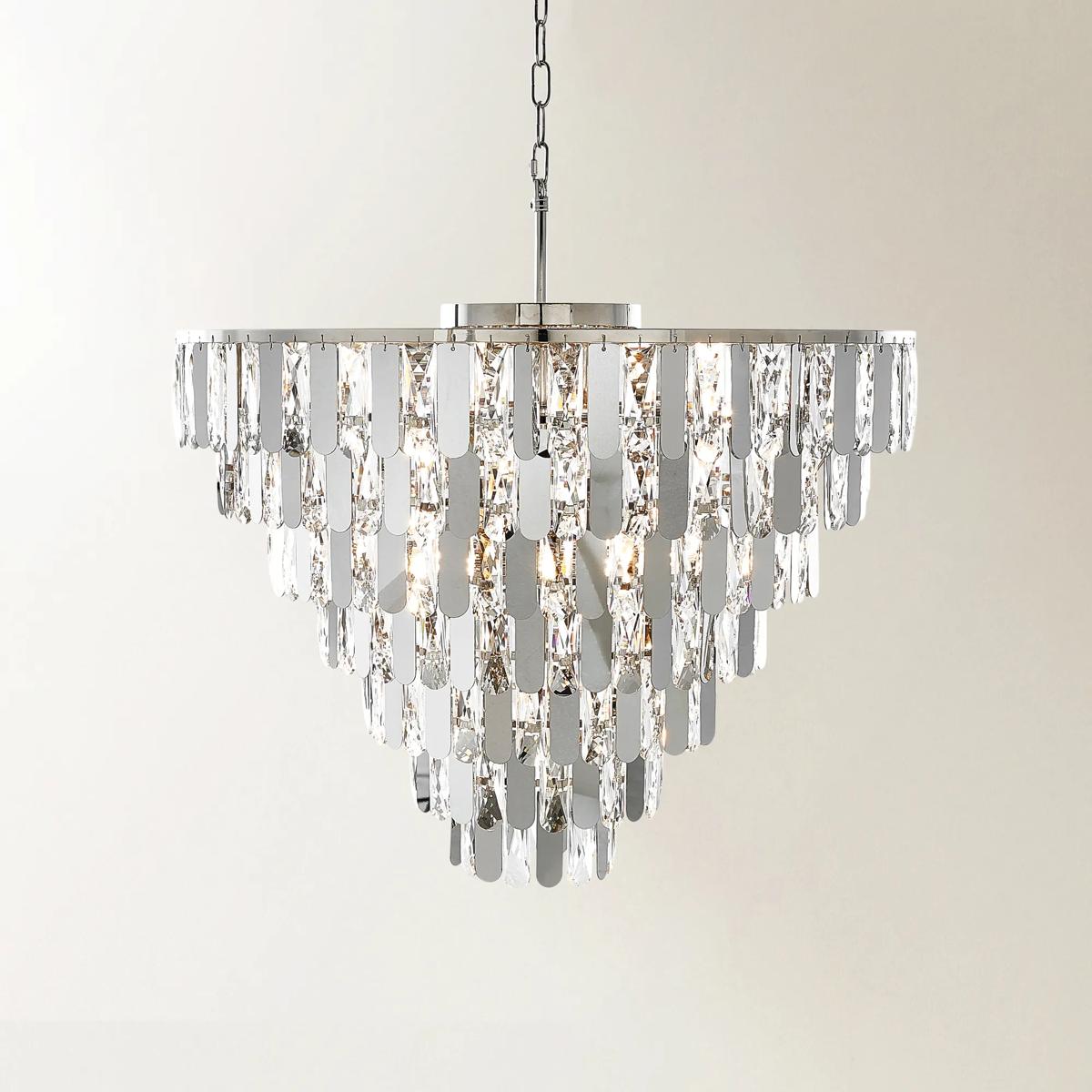
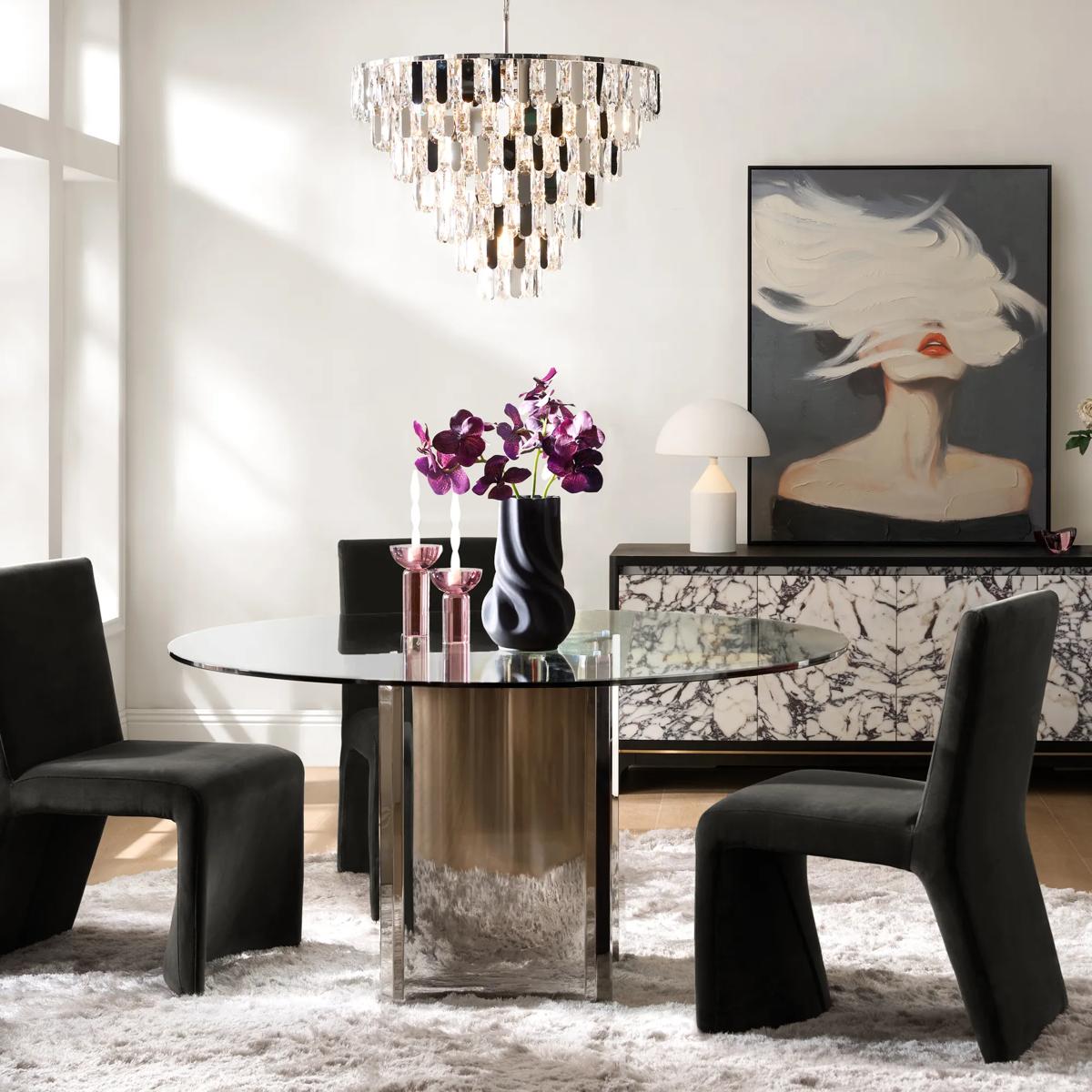 Avenue Crystal Chandelier 28.5"$999
A tiered chandelier crafted from eco-friendly K9 crystal and polished nickel for radiant, modern elegance.
Add To Cart -
 Sawin Chandelier$699
A sculptural brass-plated steel chandelier with frosted acrylic diffusers for a soft, ambient glow.
Add To Cart -

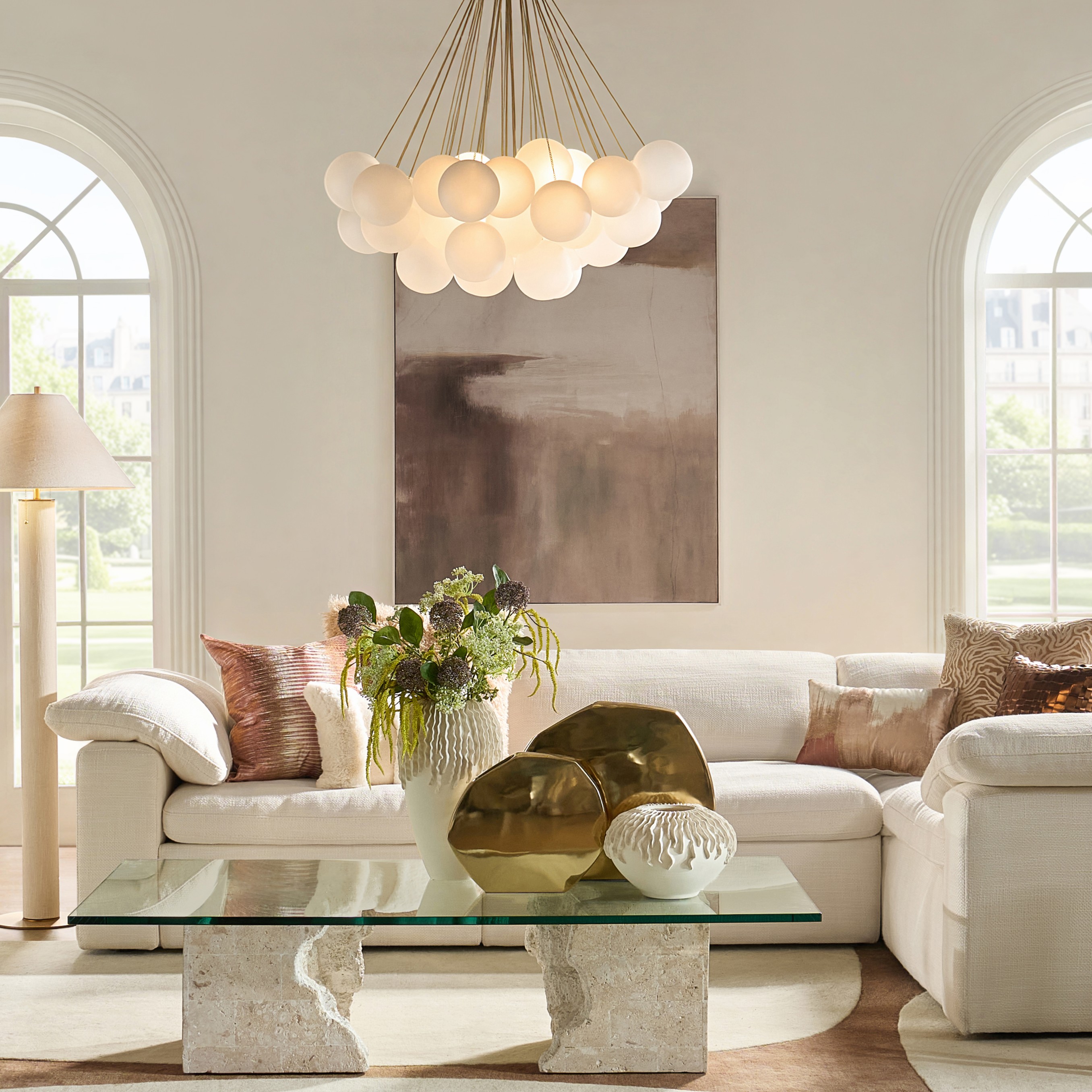 Sanela Frosted Glass Globe Chandelier 39.5"$899
A chandelier with frosted glass globes, an antique brass iron frame, dimmer compatibility, and slope-ceiling adaptability.
Add To Cart -
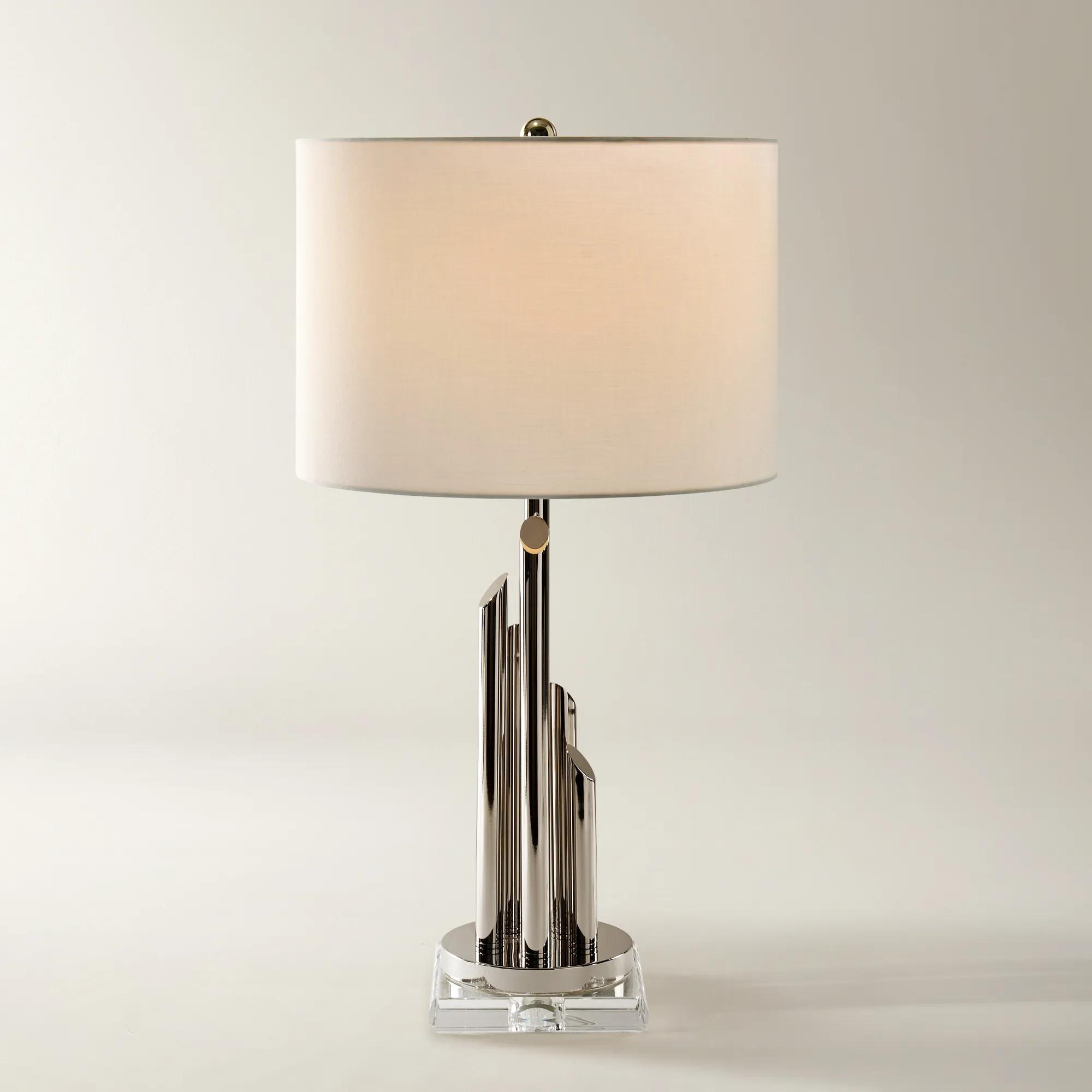
 Jagger Table Lamp$329
A modern table lamp featuring a polished nickel iron frame, clear crystal base, and white cotton drum shade.
Add To Cart -
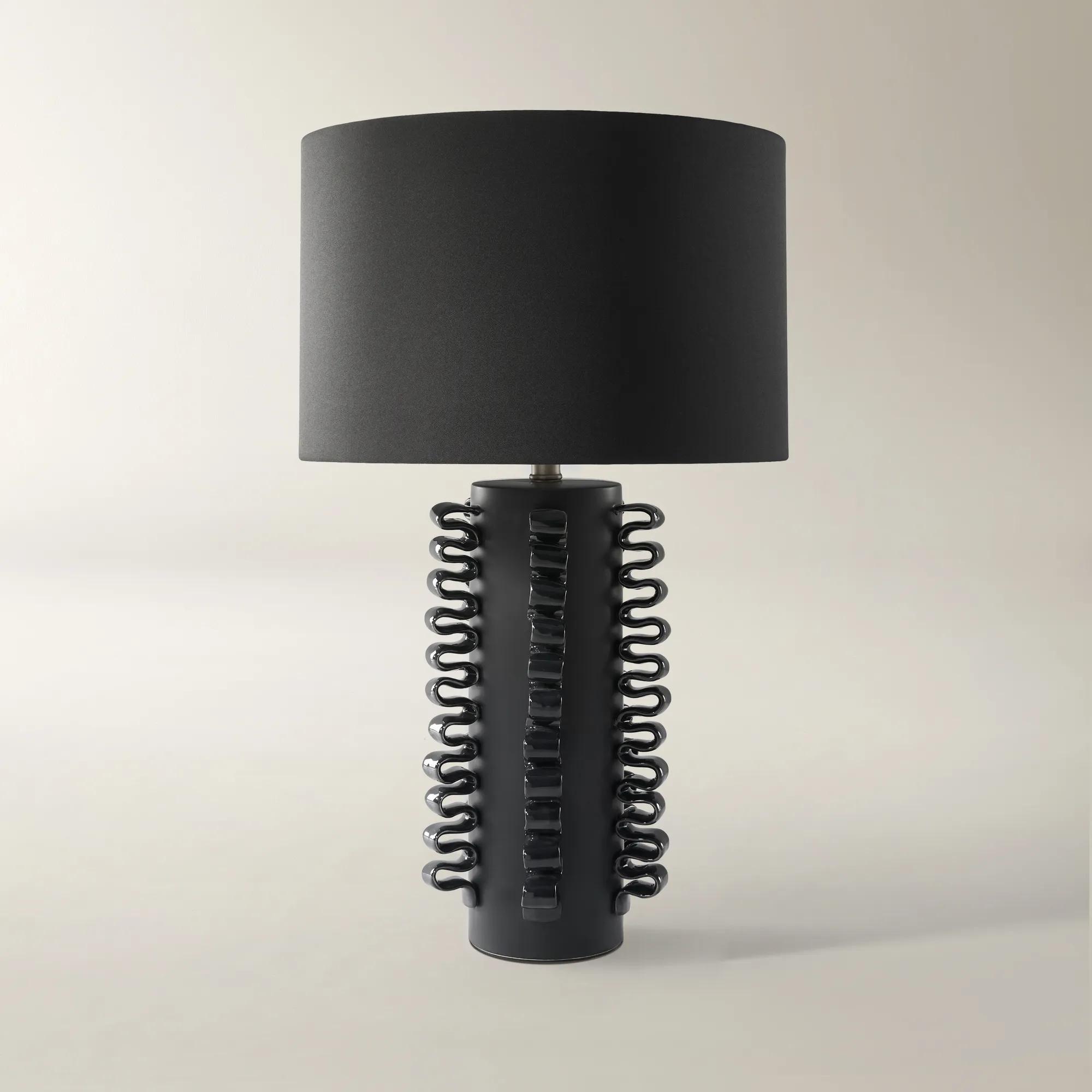
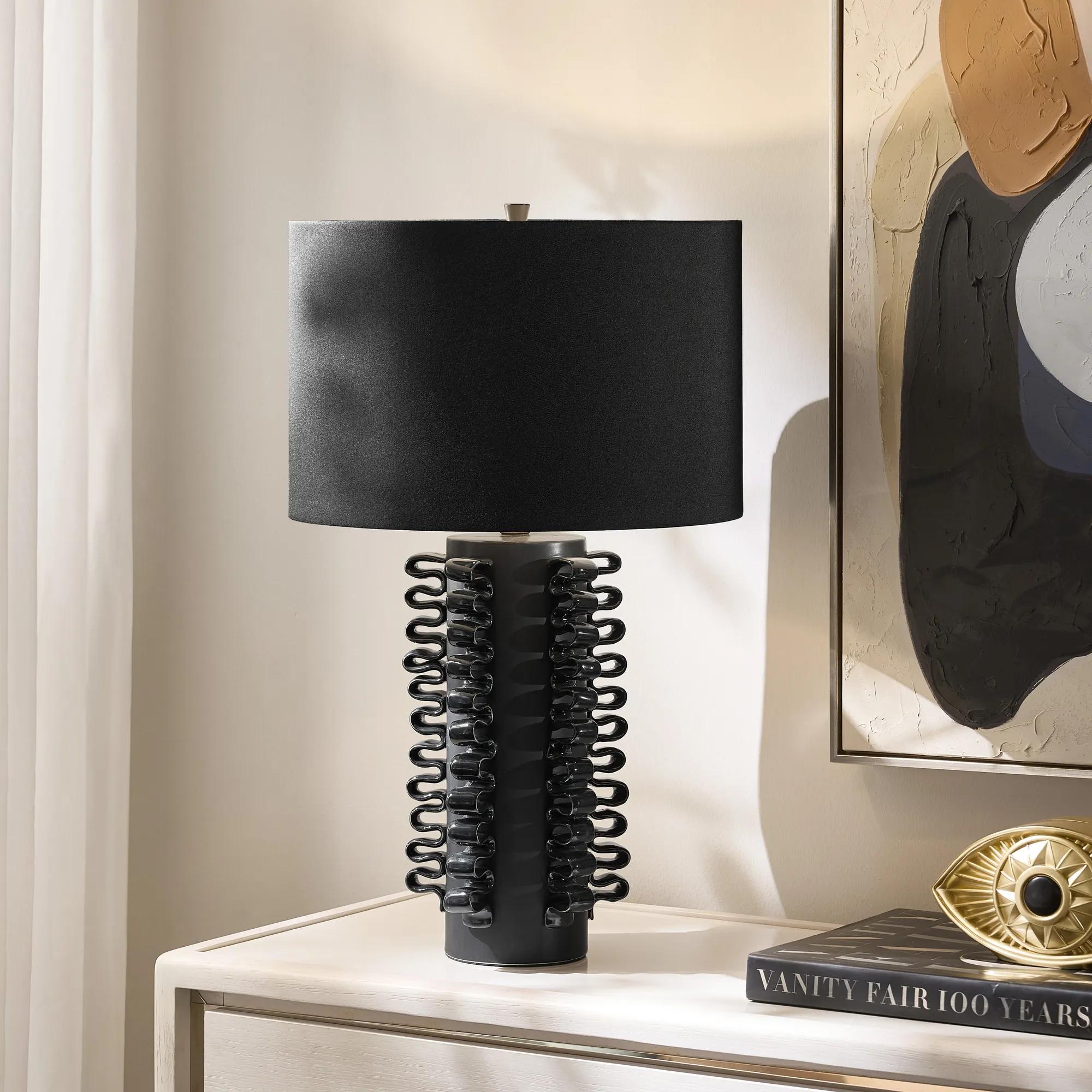 Anello Ruffle Black Ceramic Table Lamp 27"$249
A sculptural matte black ceramic lamp with glazed ribbon accents and a matching black cotton shade.
Add To Cart -
 Blair Mouth Blown Tortoise Brown Glass Table Lamp 25"$229
A mouth-blown glass lamp in a brown tortoise finish with antique brass accents and an ivory linen shade.
Add To Cart -
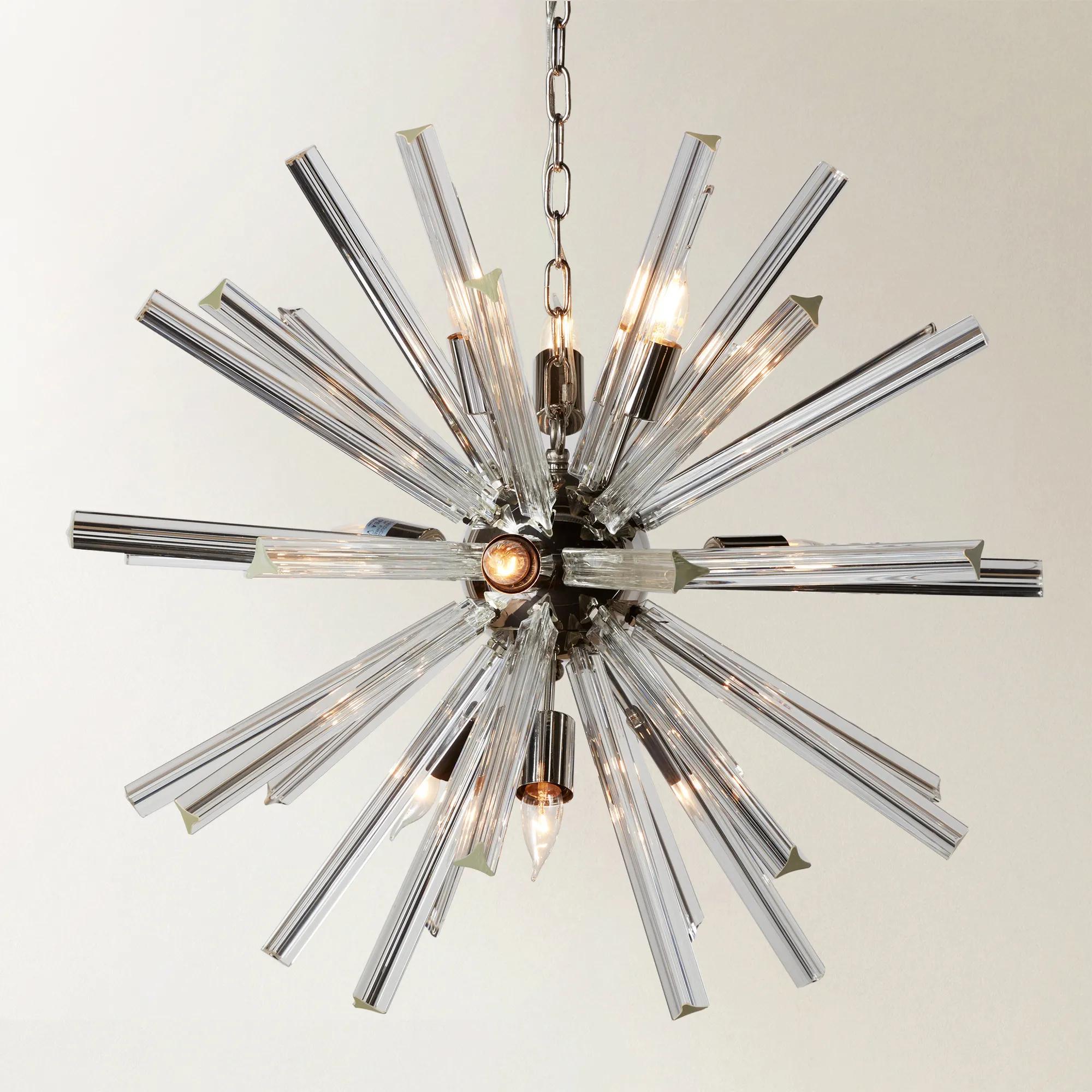
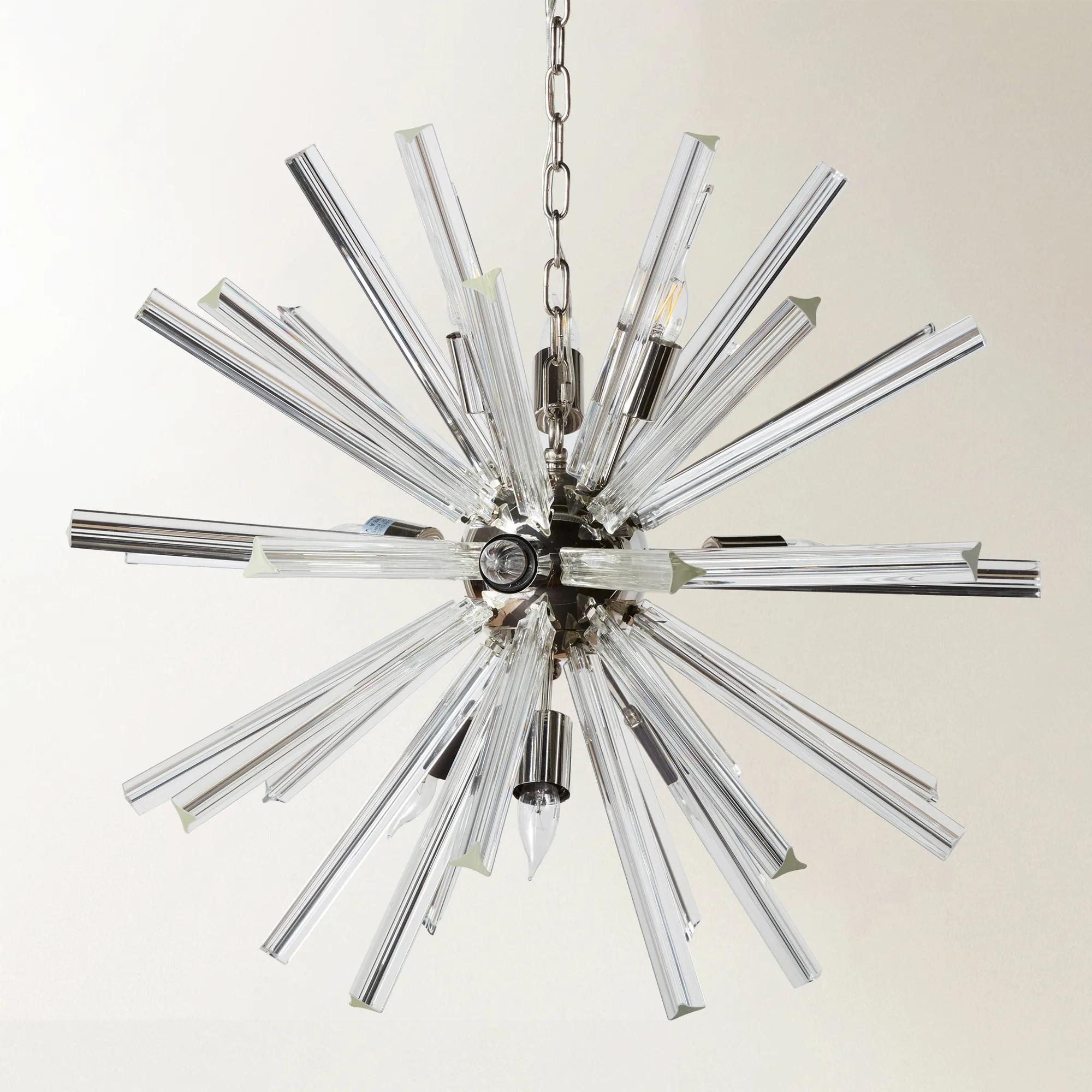 Axis Sputnik Clear Faceted Glass Chandelier 29.5"D$599
A clear glass and iron Sputnik chandelier featuring nine lights and faceted triangular rods.
Add To Cart -
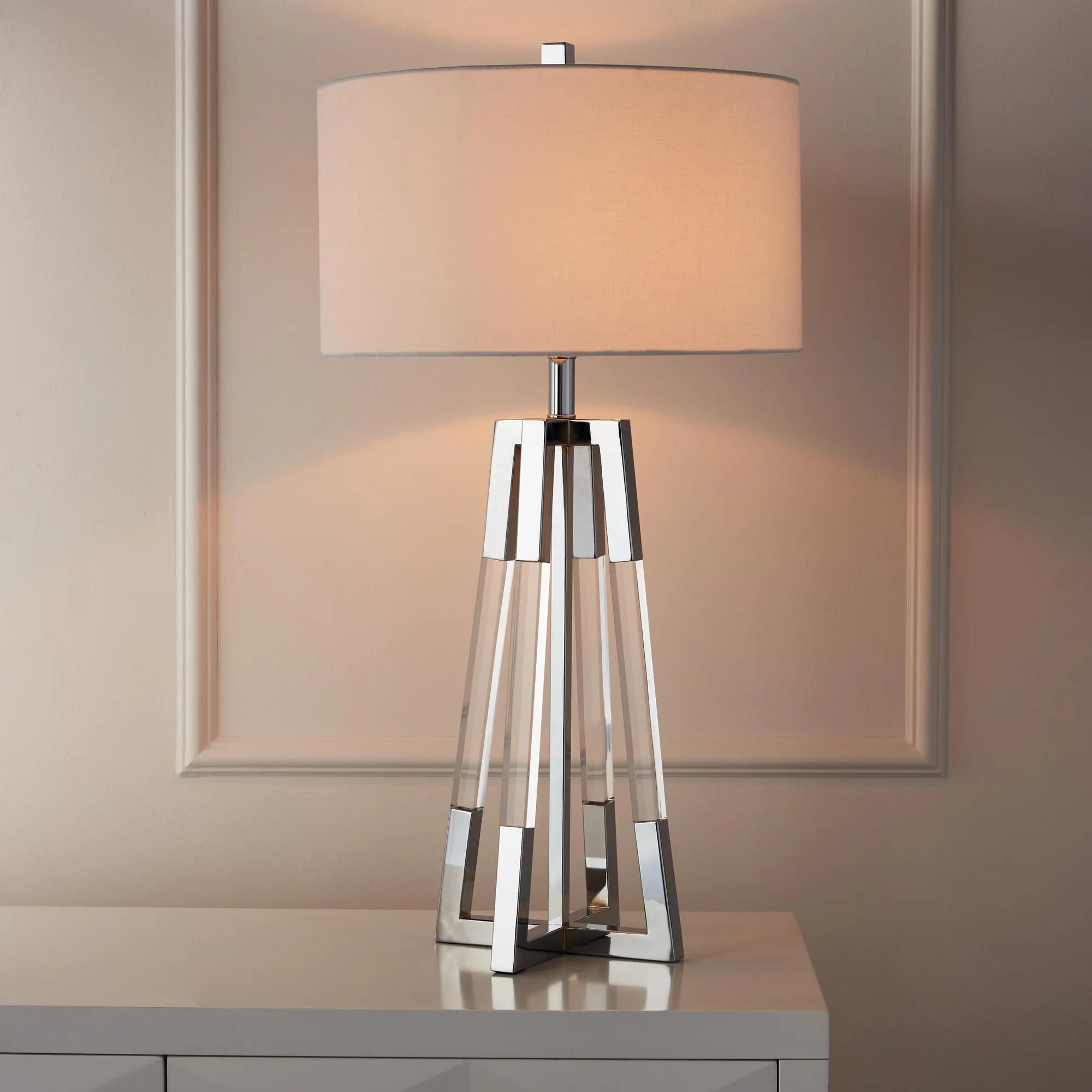 Rollins Table Lamp$439
A sophisticated table lamp featuring clear acrylic and polished nickel accents with a crisp white shade.
Add To Cart -
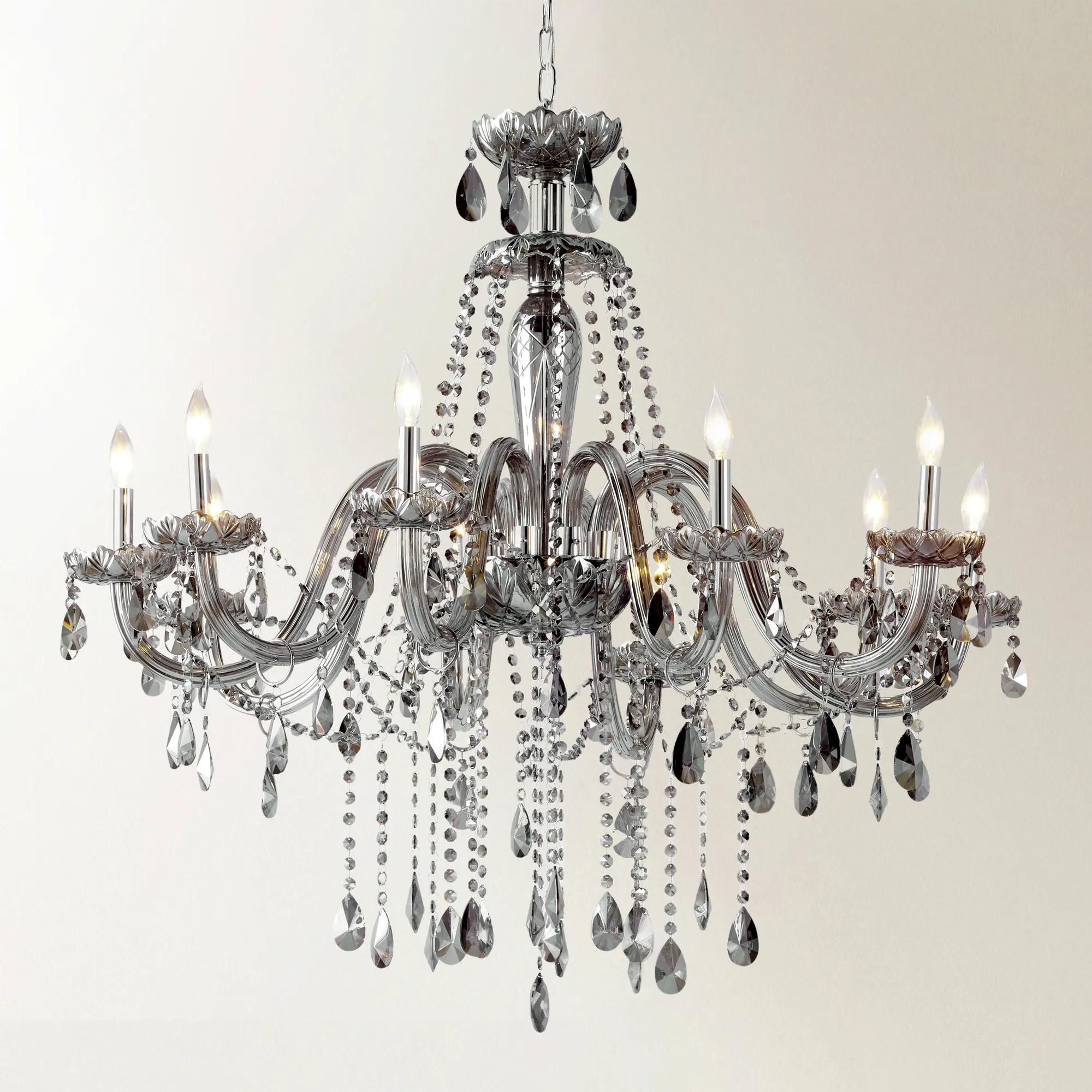
 Omni Chandelier 38.5" - Graphite$999
A dazzling chandelier featuring graphite faceted crystals and ten fluted glass arms with nickel hardware.
Add To Cart -
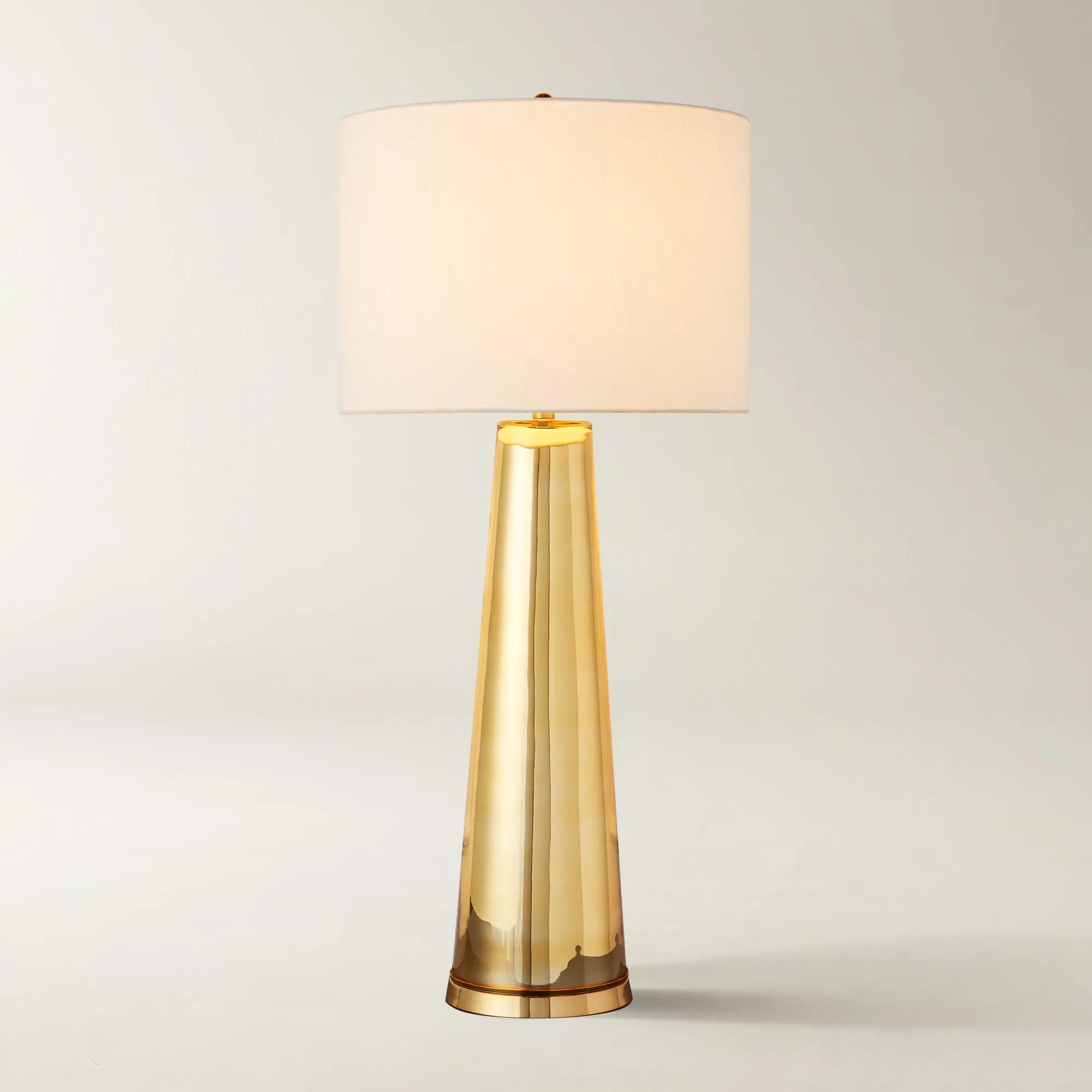
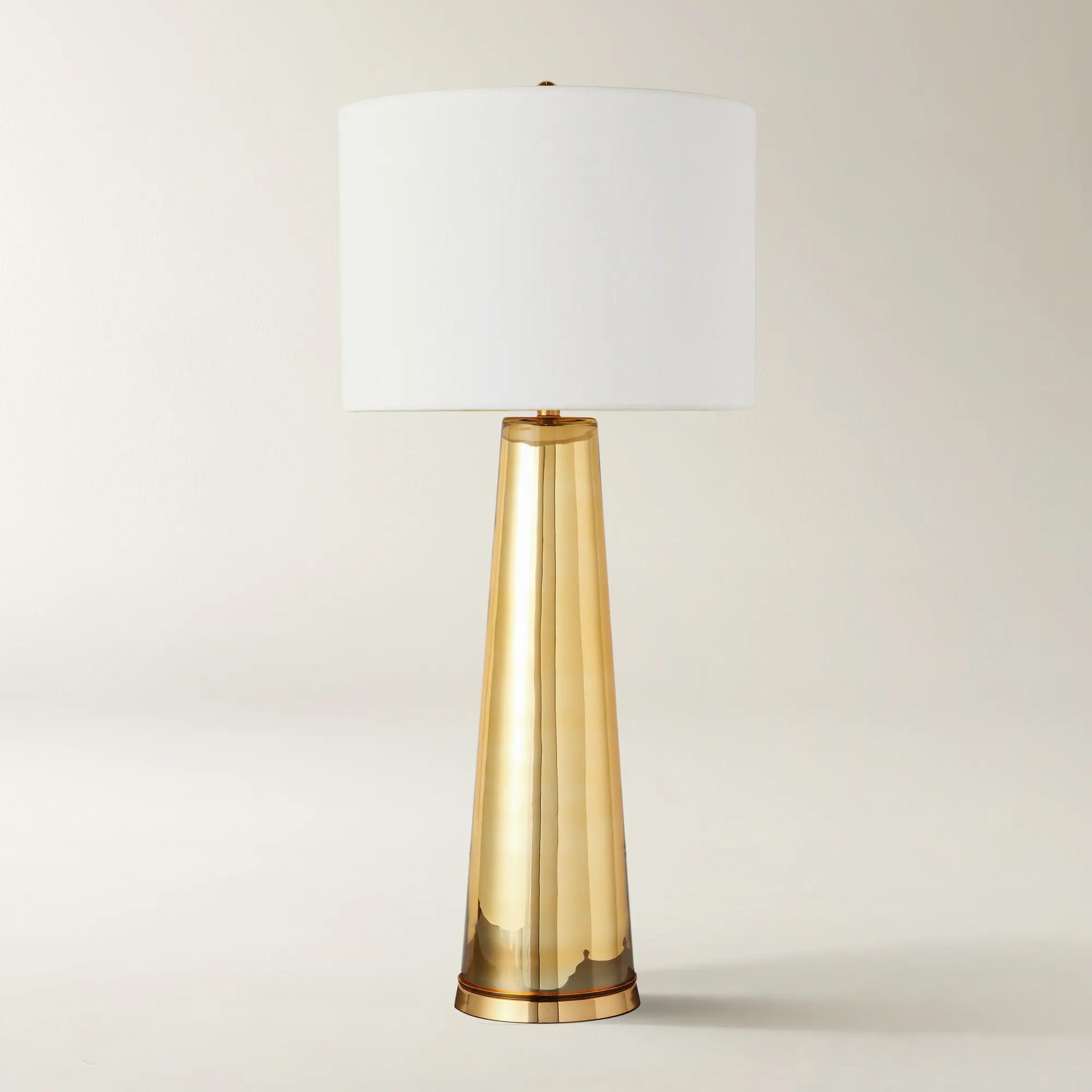 Century Gold Mirrored Glass Table Lamp 40"$299
A modern lamp featuring a mirrored glass base and white drum shade, accented with gold or silver details.
Add To Cart

Decorative Lighting For Dining And Living Spaces
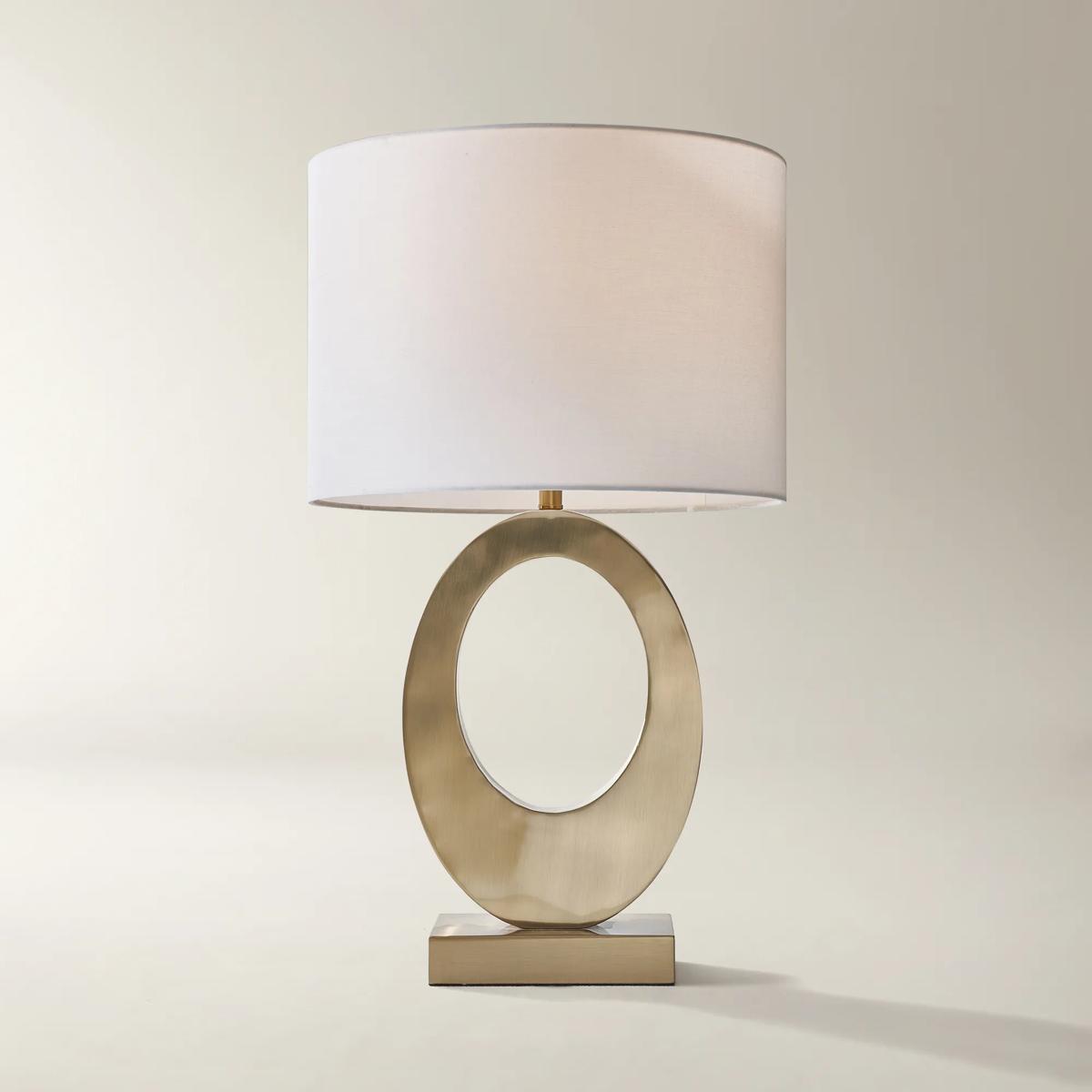
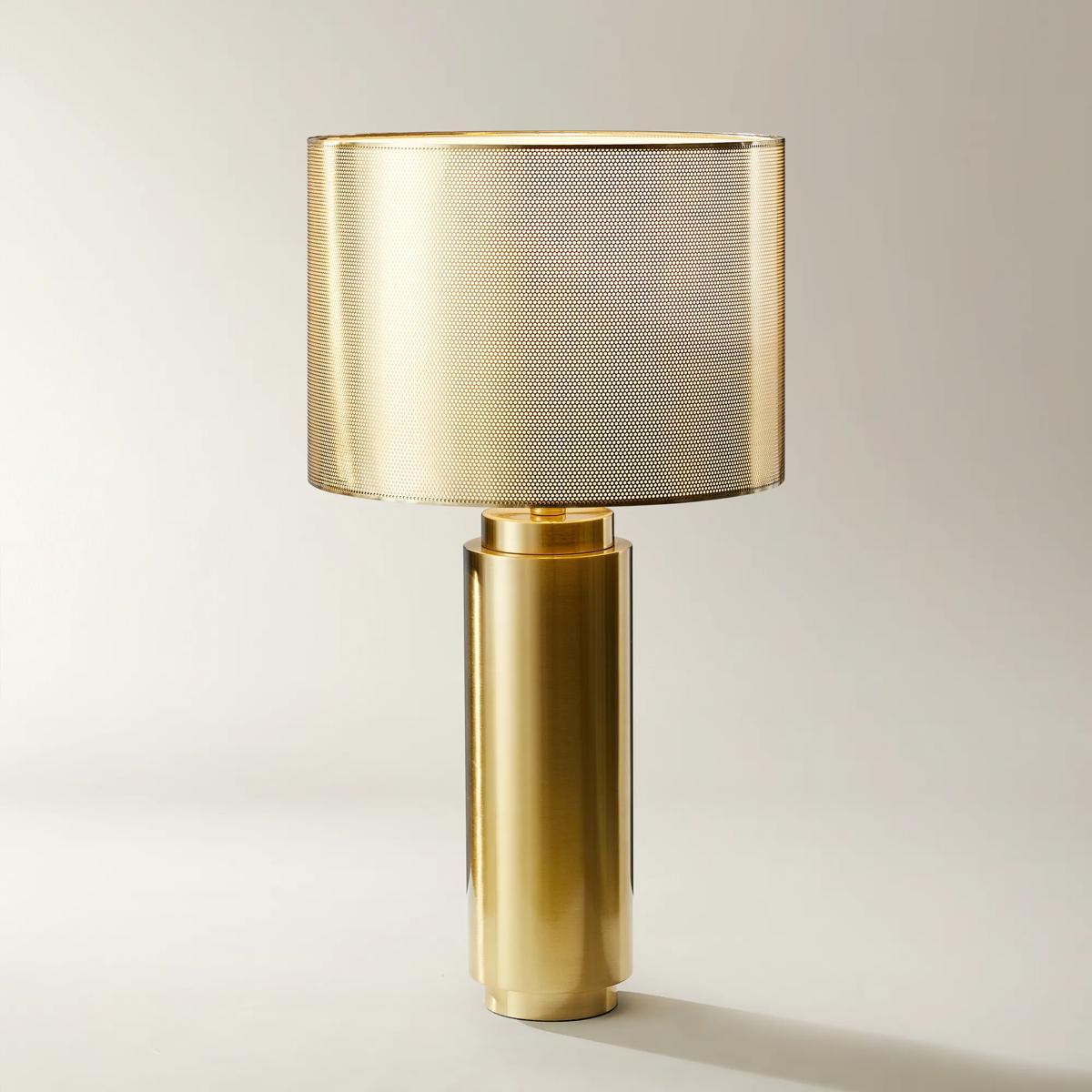
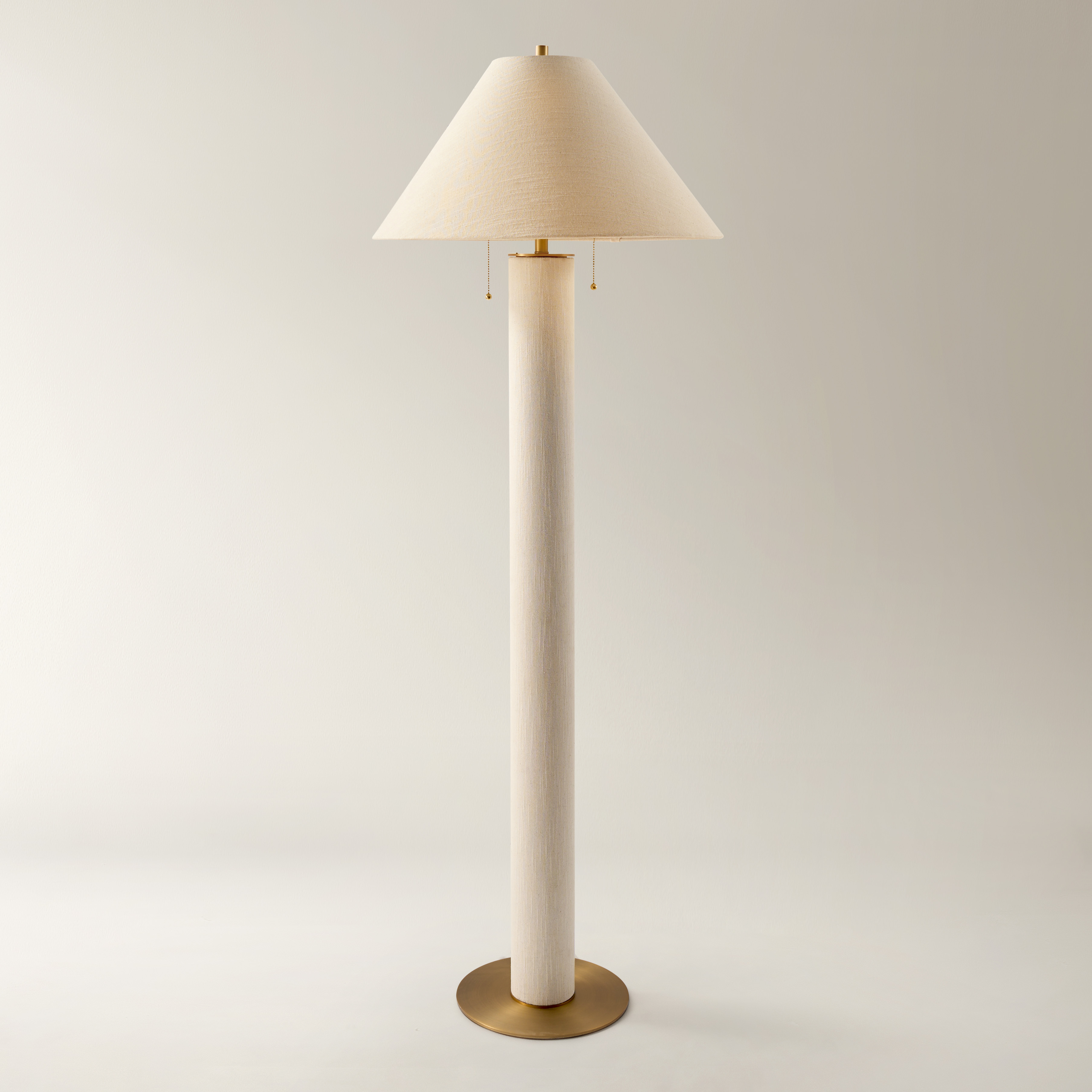
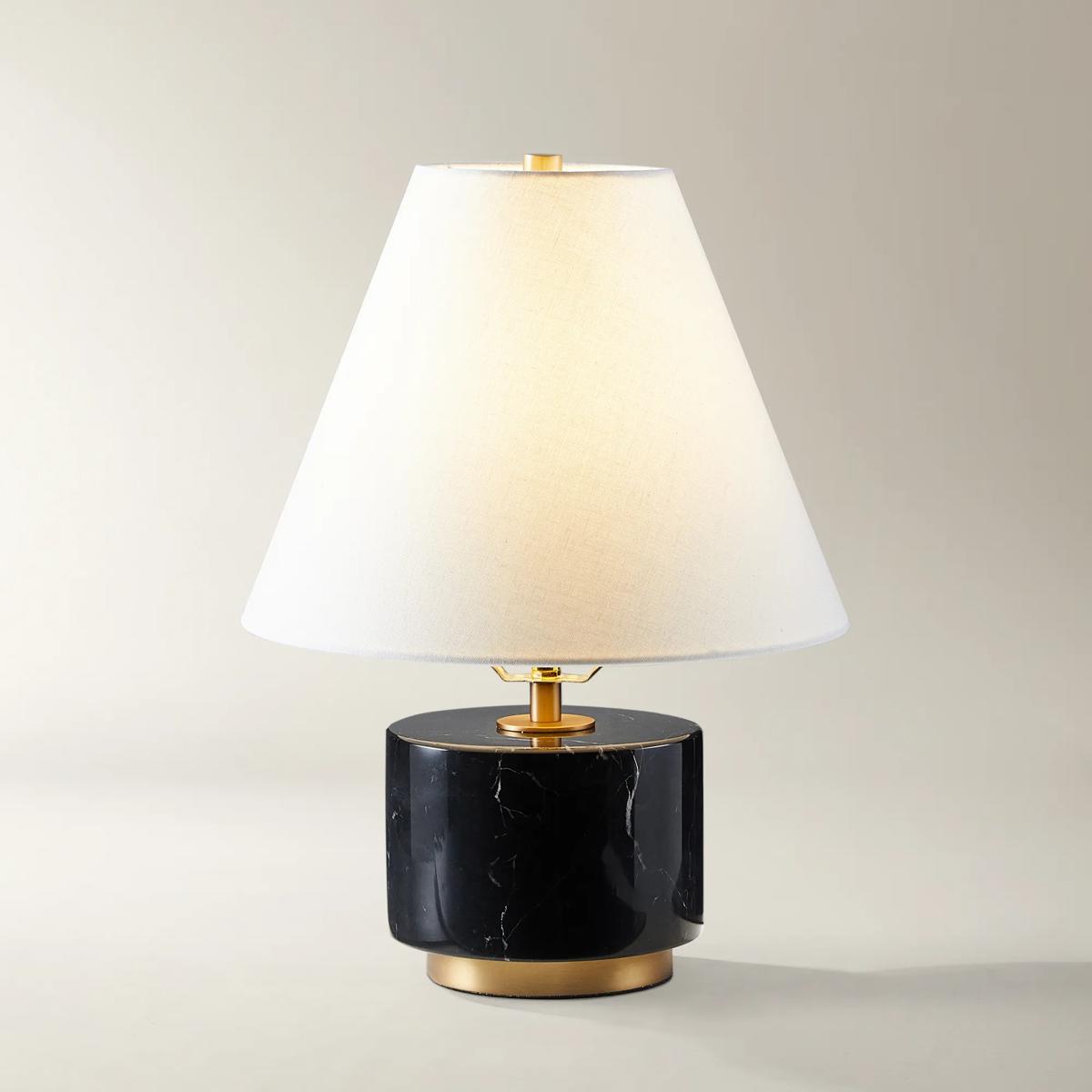
Decorative lighting gives dining rooms and adjoining living spaces a shared sense of drama. Explore statement chandeliers, sculptural table lamps, and ambient floor lighting to create a composition that reflects your personal style. Balance an expressive overhead centerpiece with pools of light around sideboards and seating, connecting each space through color, finish, or form.
Decorative lighting gives dining and living spaces a distinct presence, shaping not only what a room reveals but how it feels to spend time there. A chandelier suspended above a dining table brings the gathering into focus, catching the gleam of glassware and lending even a simple arrangement a sense of occasion. In a living room, a sculptural lamp can create an intimate pool of light beside a deep armchair, while a luminous pendant draws attention to the architecture overhead. These pieces serve a practical purpose, yet their silhouettes, textures, and finishes remain part of the composition long before the lights are switched on. Clear glass can feel airy and brilliant; ribbed or frosted glass softens the appearance of the light source and introduces subtle texture. Crystal elements scatter highlights across nearby surfaces, while polished metal adds definition against upholstery, painted walls, and richly grained wood. Shades in woven fabric bring a gentler contrast, filtering brightness through a tactile surface. The most compelling choice responds to the room rather than competing with every detail in it. Above a rectangular dining table, an elongated fixture can echo the furniture’s proportions; a rounded chandelier can give a circular table a beautifully centered focal point. Scale matters as much as ornament: a fixture should feel substantial enough to belong in the space without overwhelming conversation or interrupting views across the table. Ceiling height, the width of the tabletop, and the fixture’s overall drop all influence that relationship. A dramatic silhouette can still feel balanced when its open framework allows the eye to travel through it. For dining areas that open into a living room, related finishes or repeated curves can establish continuity without requiring identical lighting. The result is a setting with its own visual rhythm, equally suited to a leisurely dinner, an animated gathering, or a quiet meal made more memorable by the glow above it.
Living room lighting invites a more layered expression, with different sources supporting conversation, reading, and the pleasure of simply settling into a beautifully composed room. Overhead illumination establishes the broader atmosphere, while table lamps and floor lamps bring light closer to the people using the space. A lamp beside a sofa makes an end table feel purposeful and complete; a tall, slender floor lamp can add height beside low seating without demanding a broad surface. Where a console sits behind a sofa or against a wall, a pair of lamps can introduce symmetry and draw attention to art above. A single sculptural base, by contrast, can hold its own within a more asymmetrical arrangement. Materials give these choices their character. Glass bases preserve a sense of openness, ceramic offers depth through glaze and form, and stone introduces natural variation that can make each piece visually distinctive. Metal details range from softly brushed surfaces to mirror-like finishes, each reflecting the surrounding room differently. Mixing finishes can feel deliberate when a tone appears elsewhere in a frame, furniture detail, or decorative accent. Function deserves the same attention as appearance. A broad shade may need more tabletop space than the base suggests, and an arcing floor lamp requires clearance beyond its footprint. Shade height and bulb position influence comfort from a seated position, particularly beside a reading chair or opposite a television. Diffused light can help soften the contrast between a bright source and darker surroundings, while adjustable designs offer greater control where focused illumination is useful. Bulb choice also changes the effect of glass, fabric, and metallic finishes. Warm-white light often complements relaxed dining and lounge settings, while accurate color rendering helps artwork and textiles retain their intended richness. Dimmable lighting adds flexibility when both the fixture and bulb are compatible with the dimmer, allowing one room to move gracefully between lively conversation and a quieter, more intimate atmosphere.
Beautiful lighting also earns its place through thoughtful construction, appropriate placement, and care that respects its materials. A stable base is especially important on an end table used daily, while the proportions and weight of a floor lamp should suit the surface beneath it. In homes with children or pets, placement away from busy pathways and secure cord management help preserve both comfort and the composition of the room. Plug-in designs offer flexibility for seating arrangements that may evolve; hardwired fixtures become a more permanent part of the architecture and call for installation appropriate to the electrical connection and mounting requirements. Manufacturer specifications remain essential when selecting bulb types and wattages, and LED compatibility should be confirmed rather than assumed. Durable finishes and sound connections matter wherever a lamp will be handled frequently, but even substantial materials benefit from gentle treatment. Lighting should be switched off, unplugged where applicable, and allowed to cool before cleaning. A soft, dry cloth is often suitable for routine dusting, while abrasive cleaners can damage plated metal, painted surfaces, and delicate coatings. Glass, crystal, stone, and fabric may require different methods, making the care instructions for the individual piece especially valuable. Keeping shades free of dust and reflective details clean helps preserve the clarity and texture that made the design appealing in the first place. These considerations support a room that feels polished without becoming precious: a reading corner meant to be enjoyed, a dining table ready for company, a living space with depth beyond its central furniture. That attention to proportion, texture, and personal expression continues through Modern Decor for Elevated Living Spaces, bringing lighting into conversation with the accents around it. A richly textured vessel, an expressive artwork, or a reflective tray takes on another dimension under carefully placed light. Together, these details create interiors with presence and personality, where illumination is not merely a finishing touch but an essential part of the room’s identity.
FAQs
Decorative lighting makes the fixture itself part of the room’s design story. Chandeliers, table lamps, and floor lamps can introduce sculptural form, color, texture, or sparkle, giving a space artistic presence even before the lights are switched on.
The fixtures can feel connected without belonging to the same collection. Repeat a finish, material, or shape across both rooms, then vary the silhouettes. A shared brass detail or curved glass form can unite a dramatic chandelier with distinctly different lamps.
Treat the lamp as an anchor for the arrangement. Pair it with artwork and a few sculptural objects, leaving open surface around the composition so each detail has presence. Explore <a href="https://zgallerie.com/o/table-lamps-for-sideboards">table lamps for sideboards</a> to develop the look.
Yes. Contrast can make a room feel more personal: pair an ornate chandelier with a tailored lamp, or place a sculptural floor lamp near classic furnishings. Keep a common thread in the palette or materials so the mix feels deliberate rather than disconnected.
Decide which piece should hold the strongest visual emphasis from the room’s main viewpoint. If the artwork is richly patterned, consider lighting with a more defined silhouette. If the fixture is elaborate, give it breathing room within a quieter surrounding composition.