Linen And Fabric Lighting For Cozy Rooms
Linen And Fabric Lighting For Cozy Rooms
-
 Tova Polished Nickel/White Floor Lamp 60"$599
A modern floor lamp featuring a polished nickel iron base and a tapered white cotton shade.
Add To Cart -

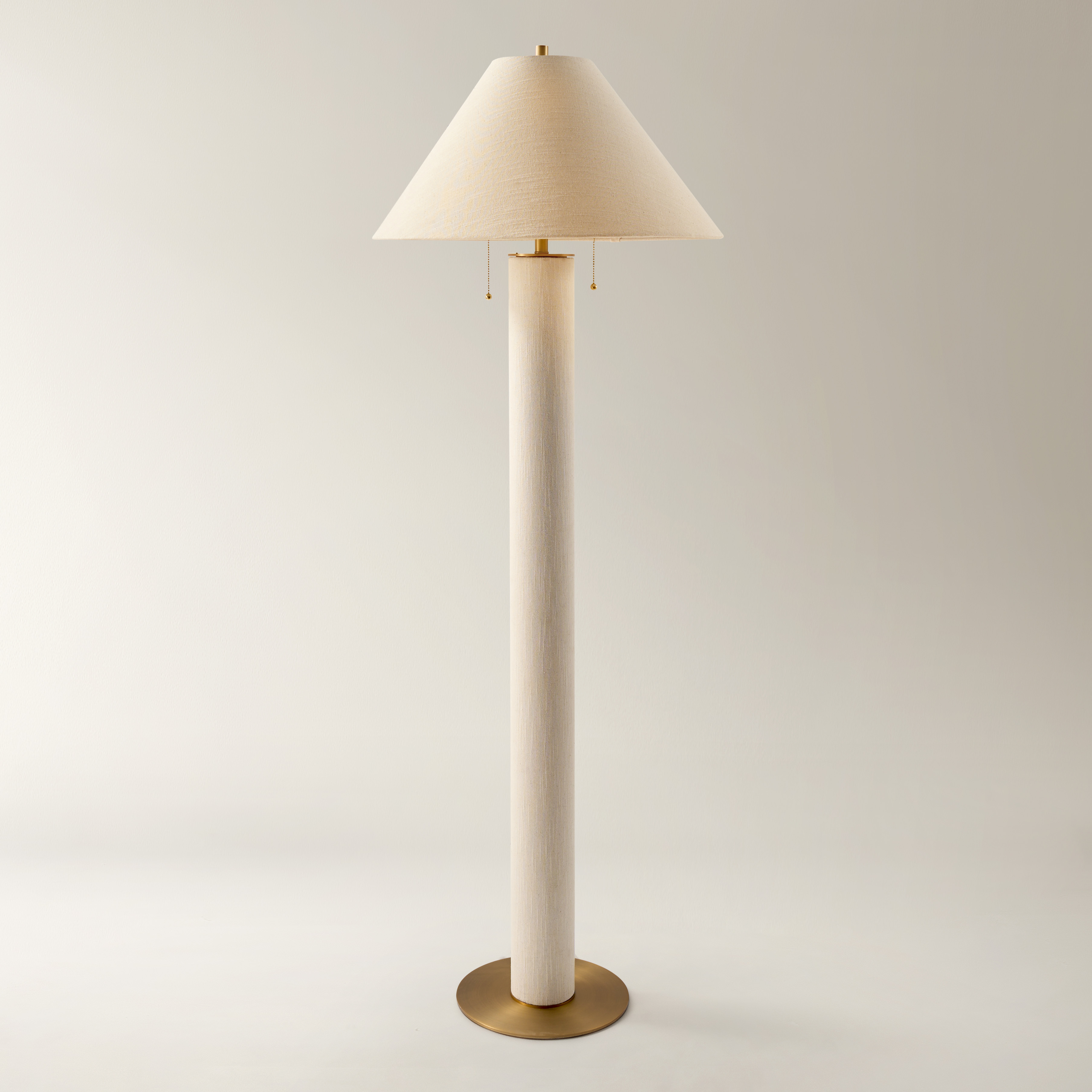
 Della Ivory Linen and Brushed Brass Floor Lamp 66"$499
A linen-wrapped ivory floor lamp with brushed brass accents, oatmeal shade, and dual pull-chain lighting.
Add To Cart -
 Blair Mouth Blown Tortoise Brown Glass Table Lamp 25"$229
A mouth-blown glass lamp in a brown tortoise finish with antique brass accents and an ivory linen shade.
Add To Cart -
 Edin Mouth Blown Slate Blue Glass Table Lamp 17.5"$99
A sculptural slate blue mouth-blown glass lamp with brushed nickel accents and an ivory linen shade.
Add To Cart -

 Blair Mouth Blown Sea Glass Blue Glass Table Lamp 25"$229
A mouth-blown glass lamp in soft blue sea glass with antique brass accents and an ivory linen shade.
Add To Cart -
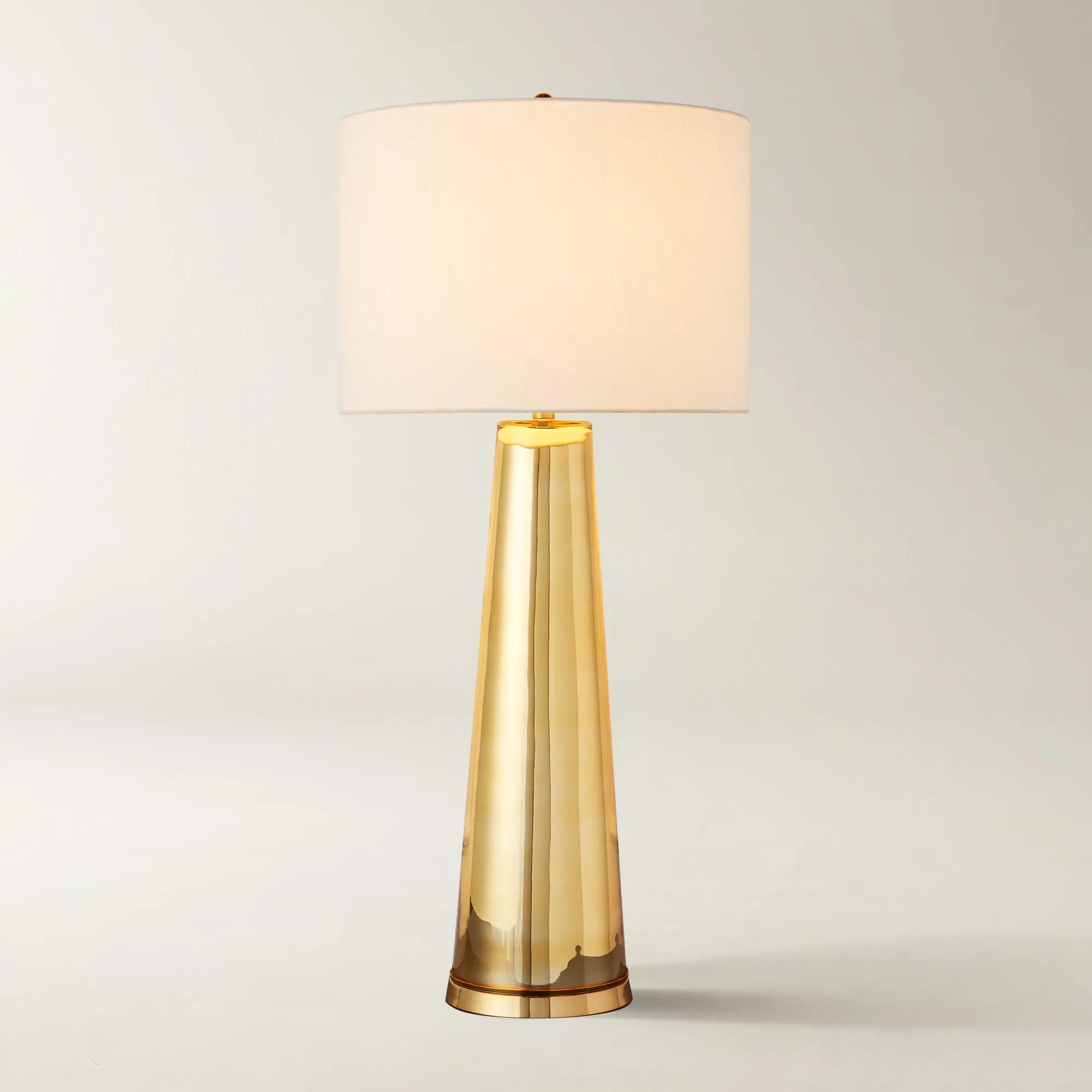
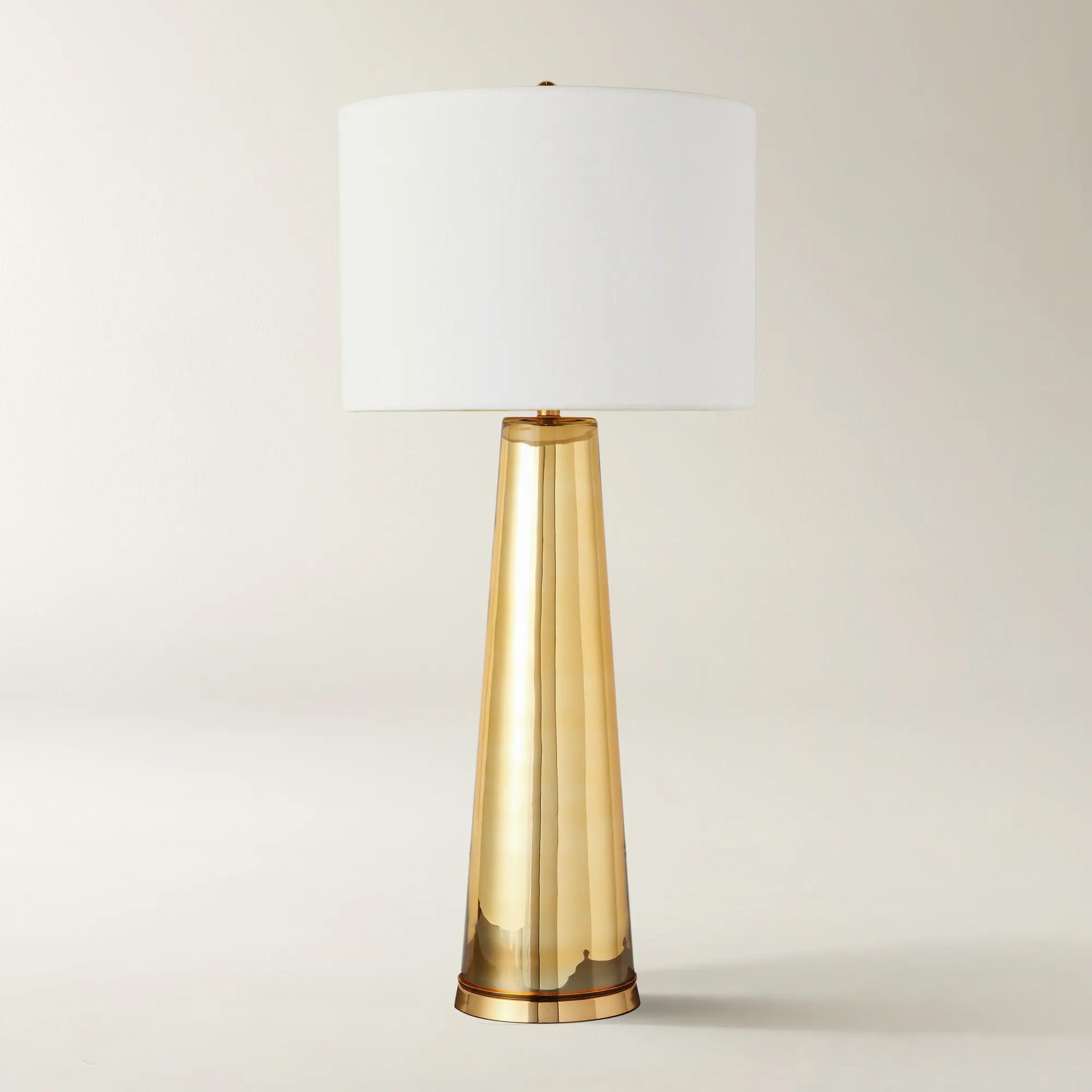 Century Gold Mirrored Glass Table Lamp 40"$299
A modern lamp featuring a mirrored glass base and white drum shade, accented with gold or silver details.
Add To Cart -
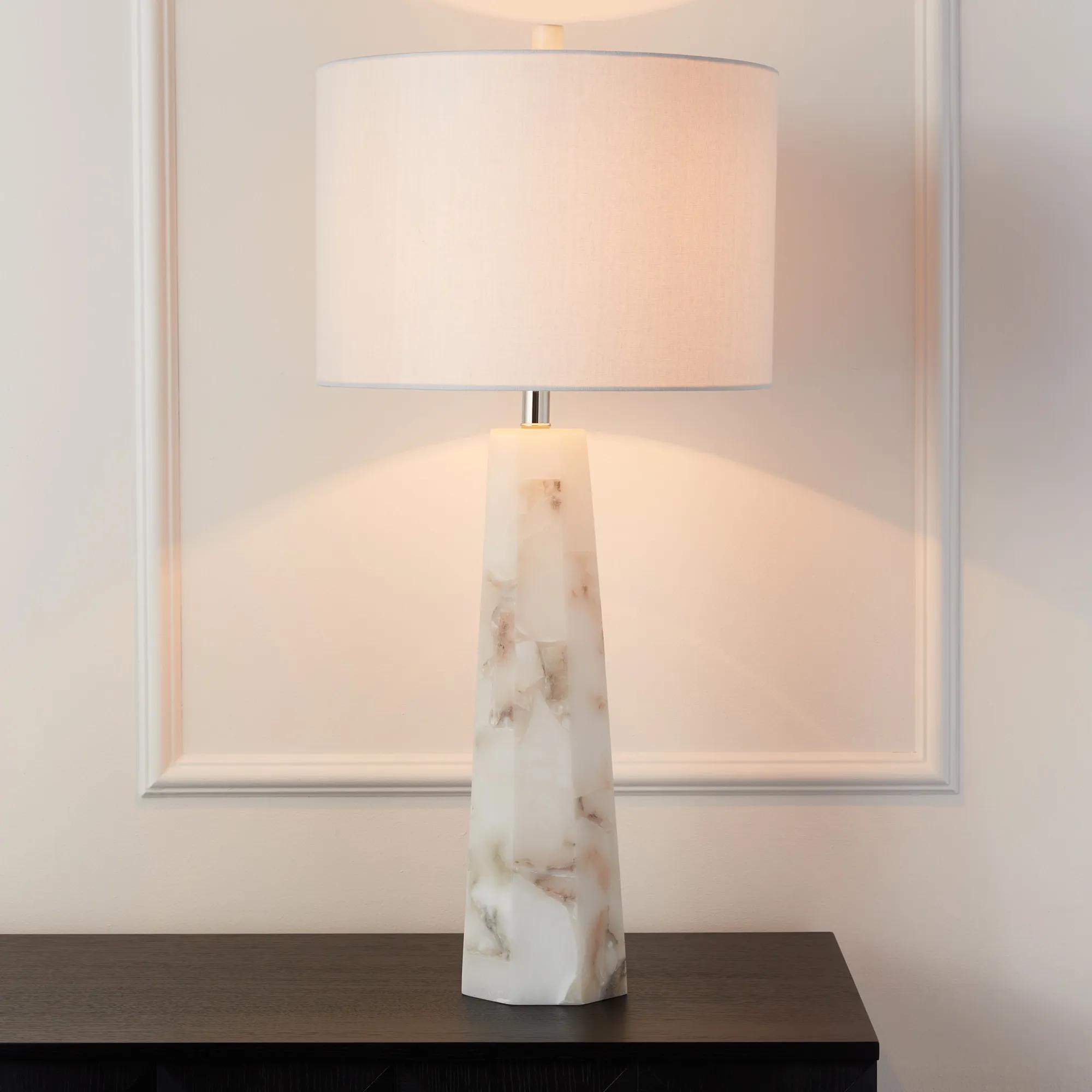 Aurora Alabaster Table Lamp 34"$499
An alabaster stone lamp with a tapered silhouette, white linen shade, and matching alabaster finial.
Add To Cart -
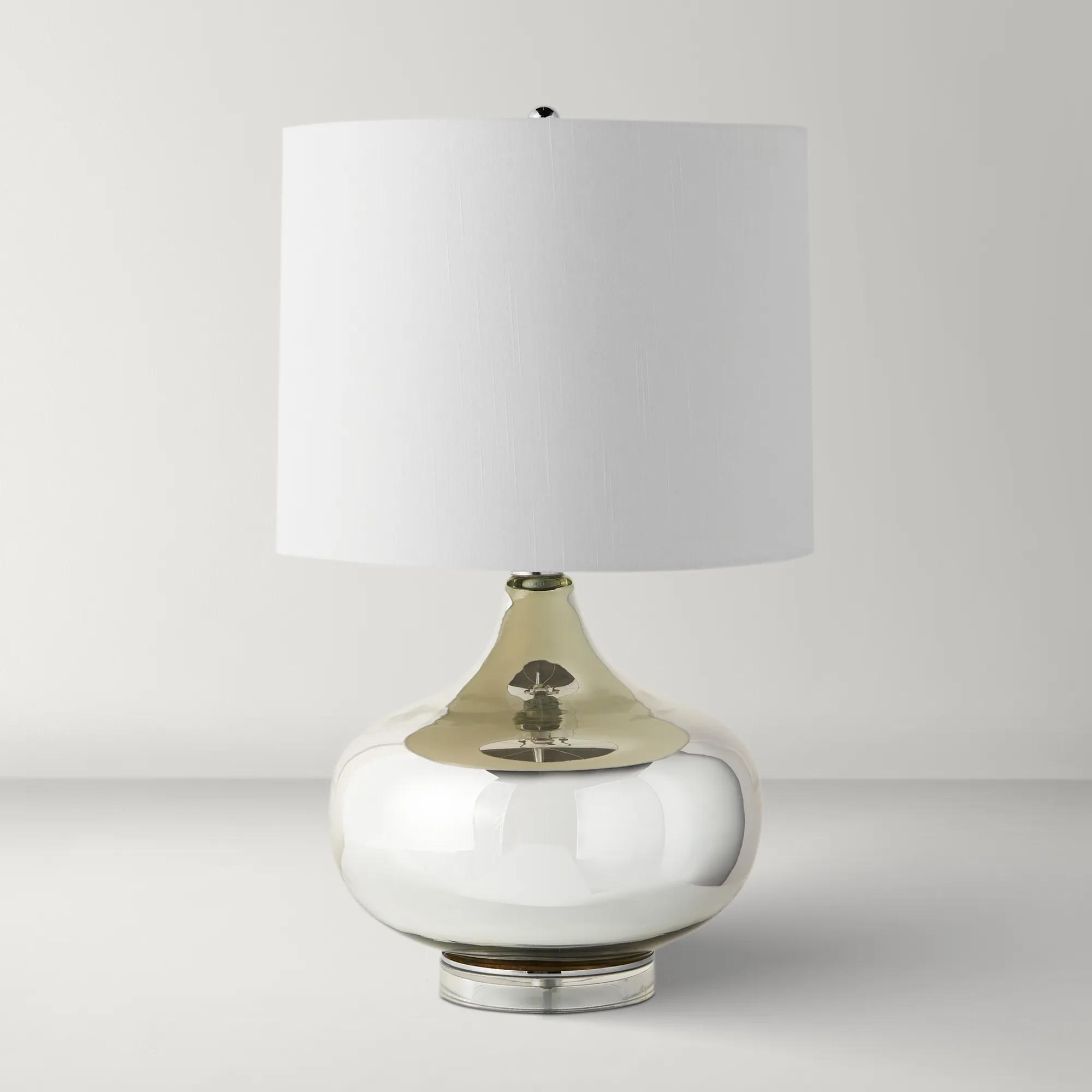 Sabrina Mirrored Silver Glass Table Lamp 27.5"$199
A contemporary lamp featuring a silver mirrored glass base, clear acrylic accents, and a white fabric shade.
Add To Cart -
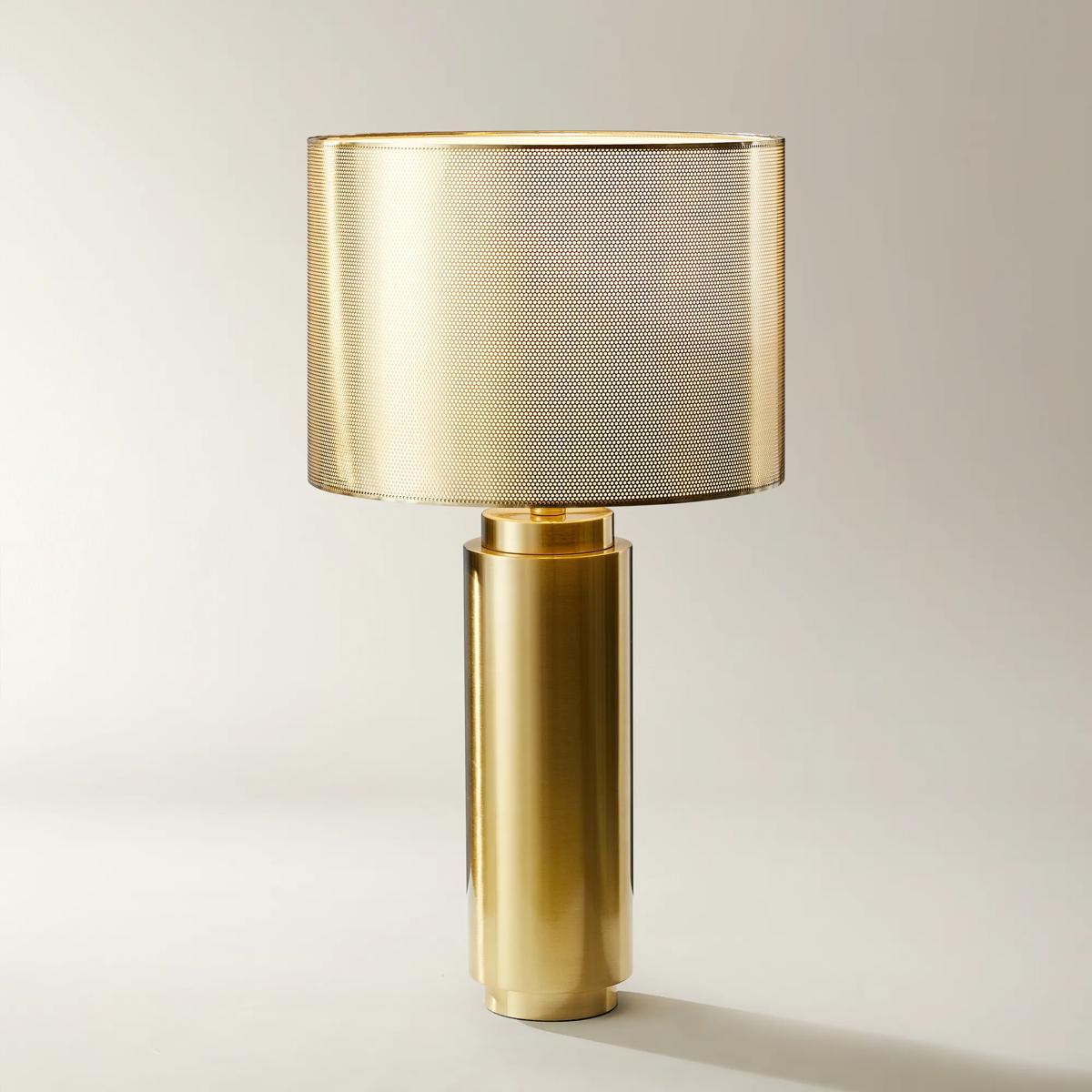
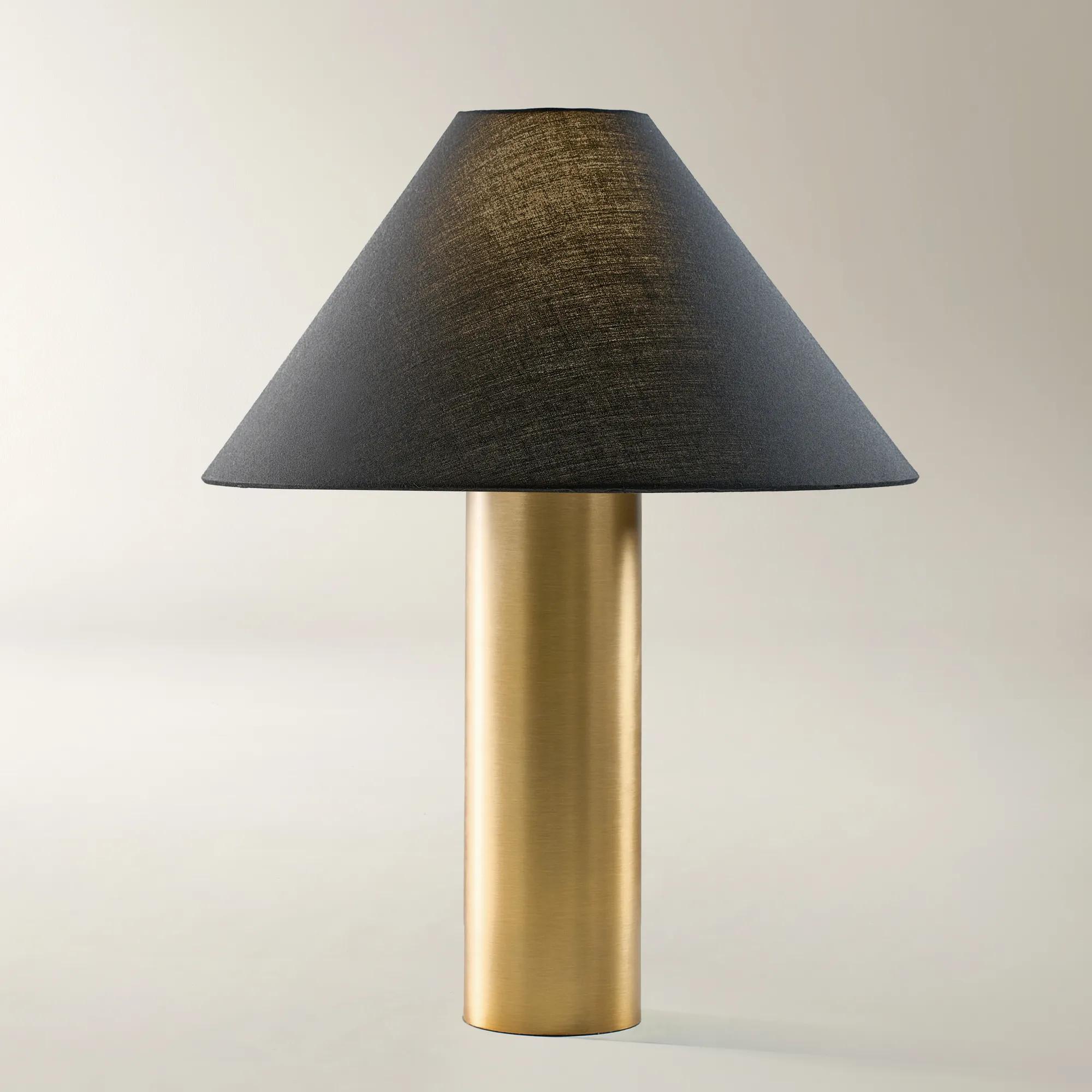 Tova Brushed Brass/Black Table Lamp 20.5"$249
A sculptural brushed brass iron base pairs with a tailored black cotton shade for bold, modern contrast.
Add To Cart -
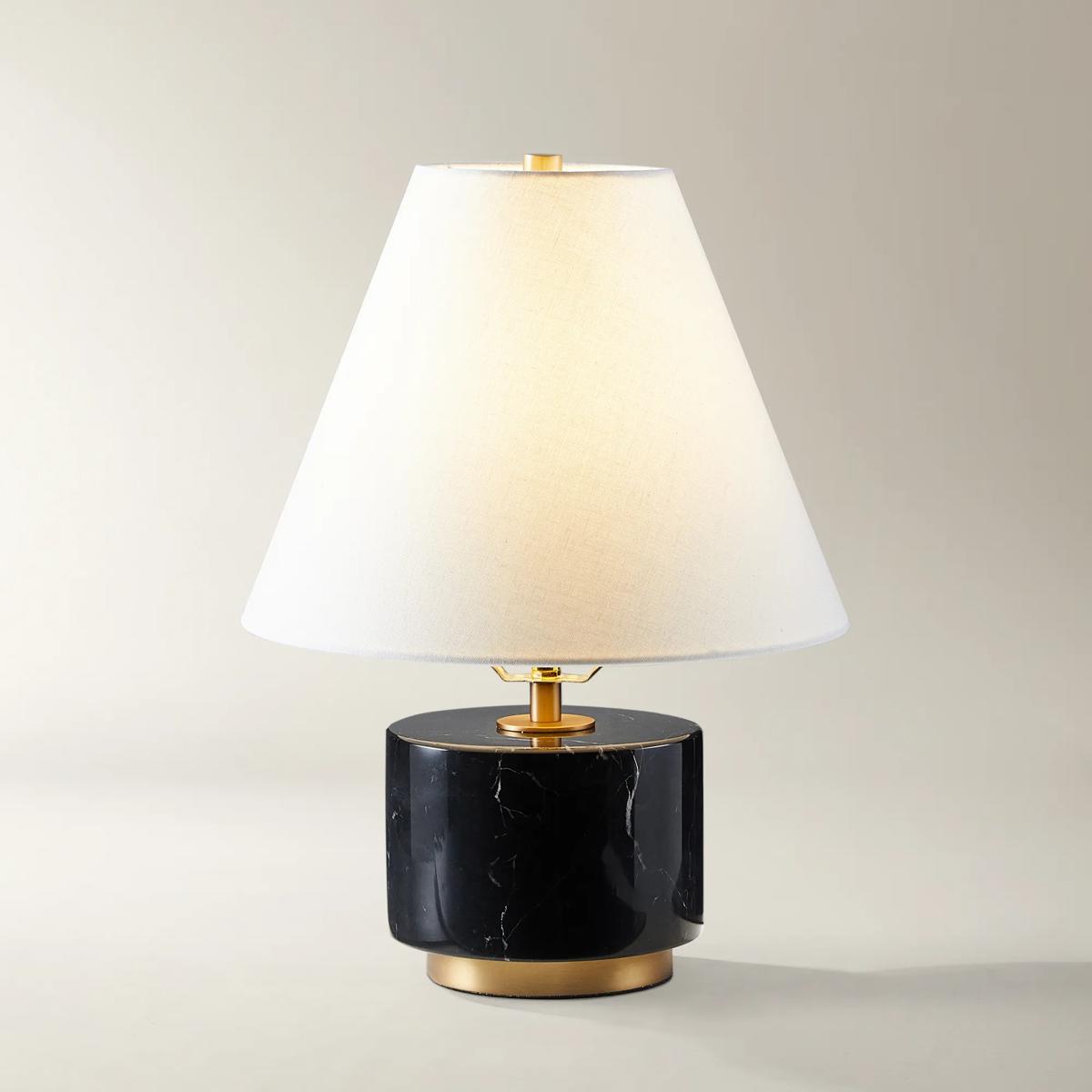
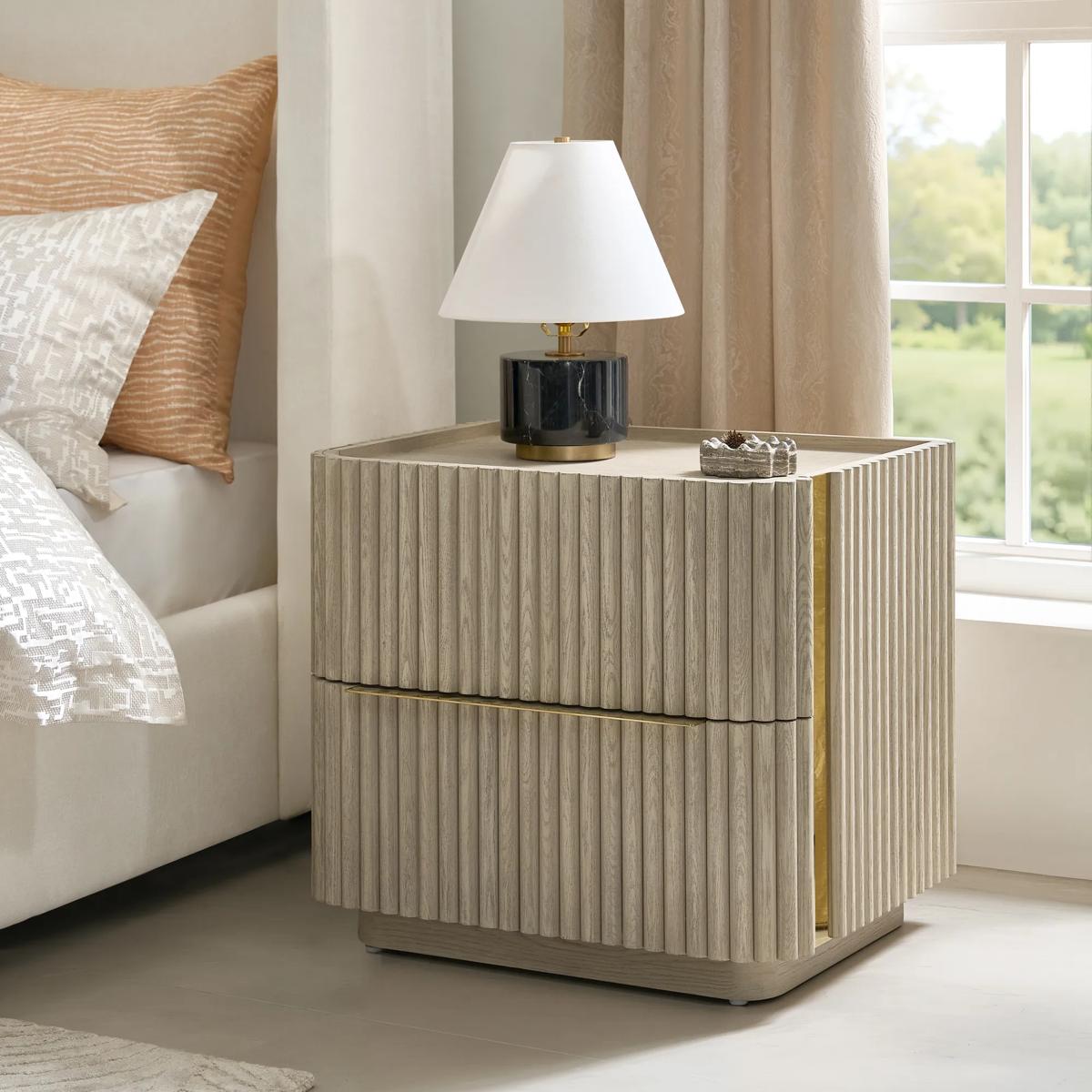 Arden Black Marble Table Lamp 14"$249
A sculptural black marble lamp with brushed brass accents and a warm white linen tapered shade.
Add To Cart -

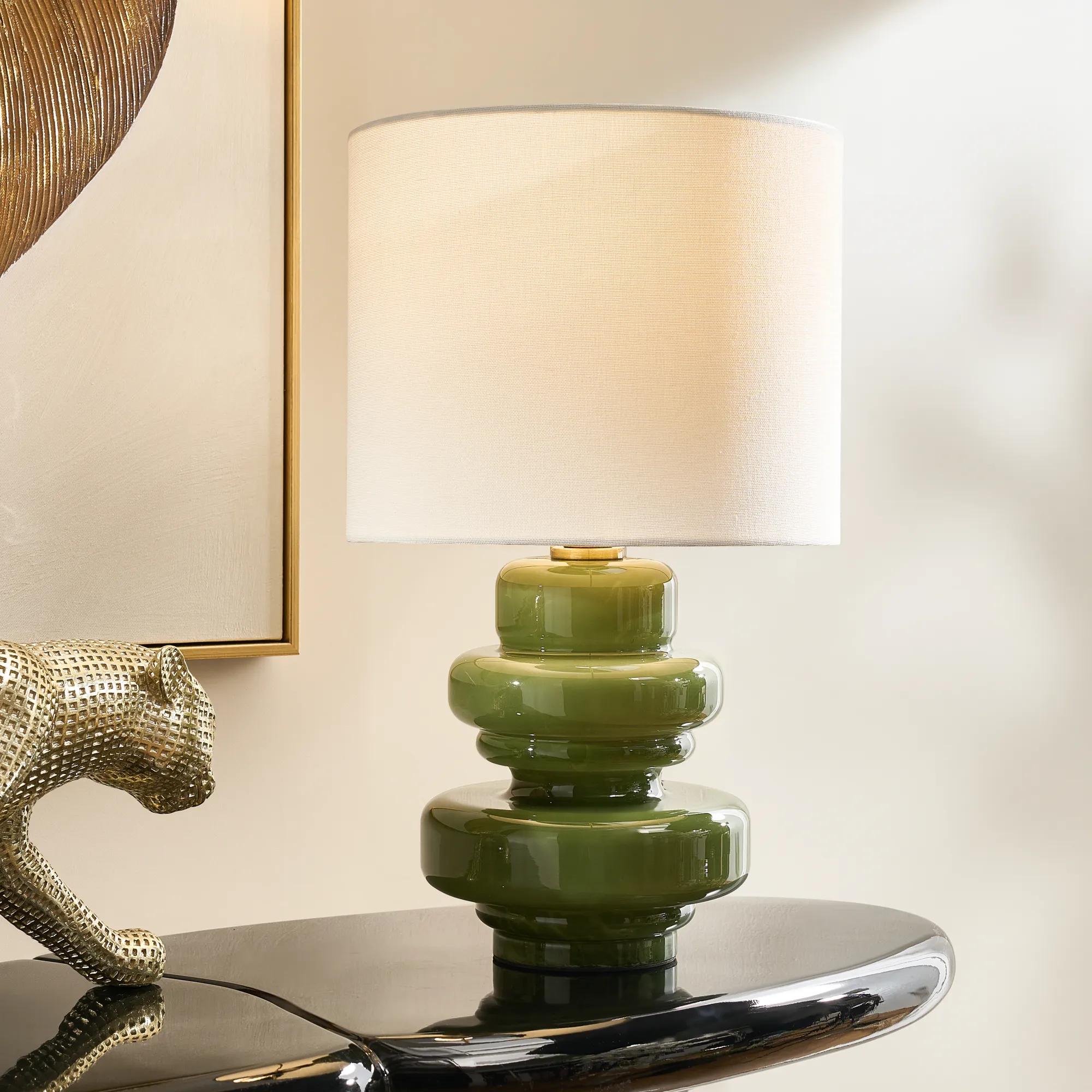 Edin Mouth Blown Pistachio Green Glass Table Lamp 17.5"$99
A sculptural table lamp featuring mouth-blown pistachio green glass and brushed nickel accents with an ivory linen shade.
Add To Cart -
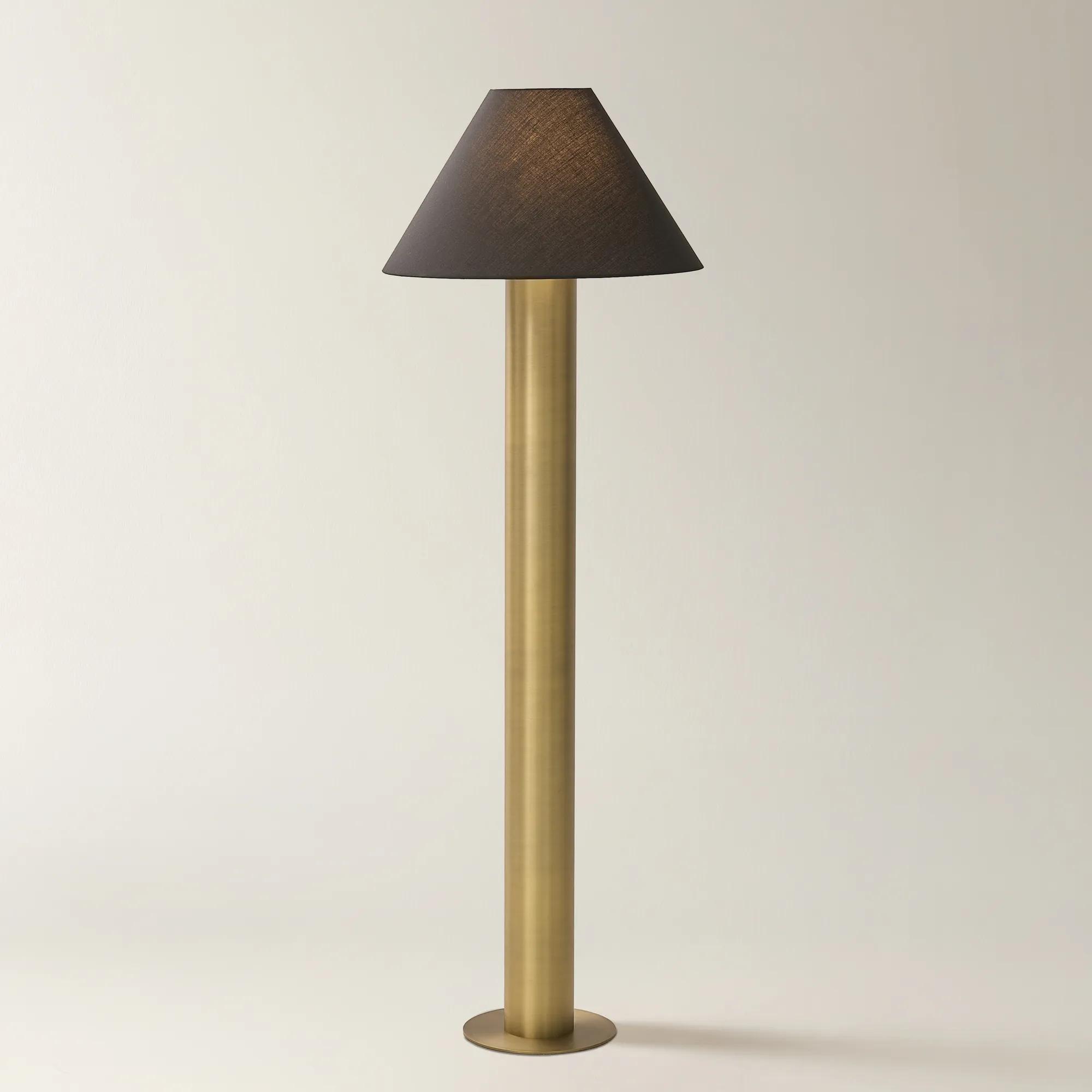
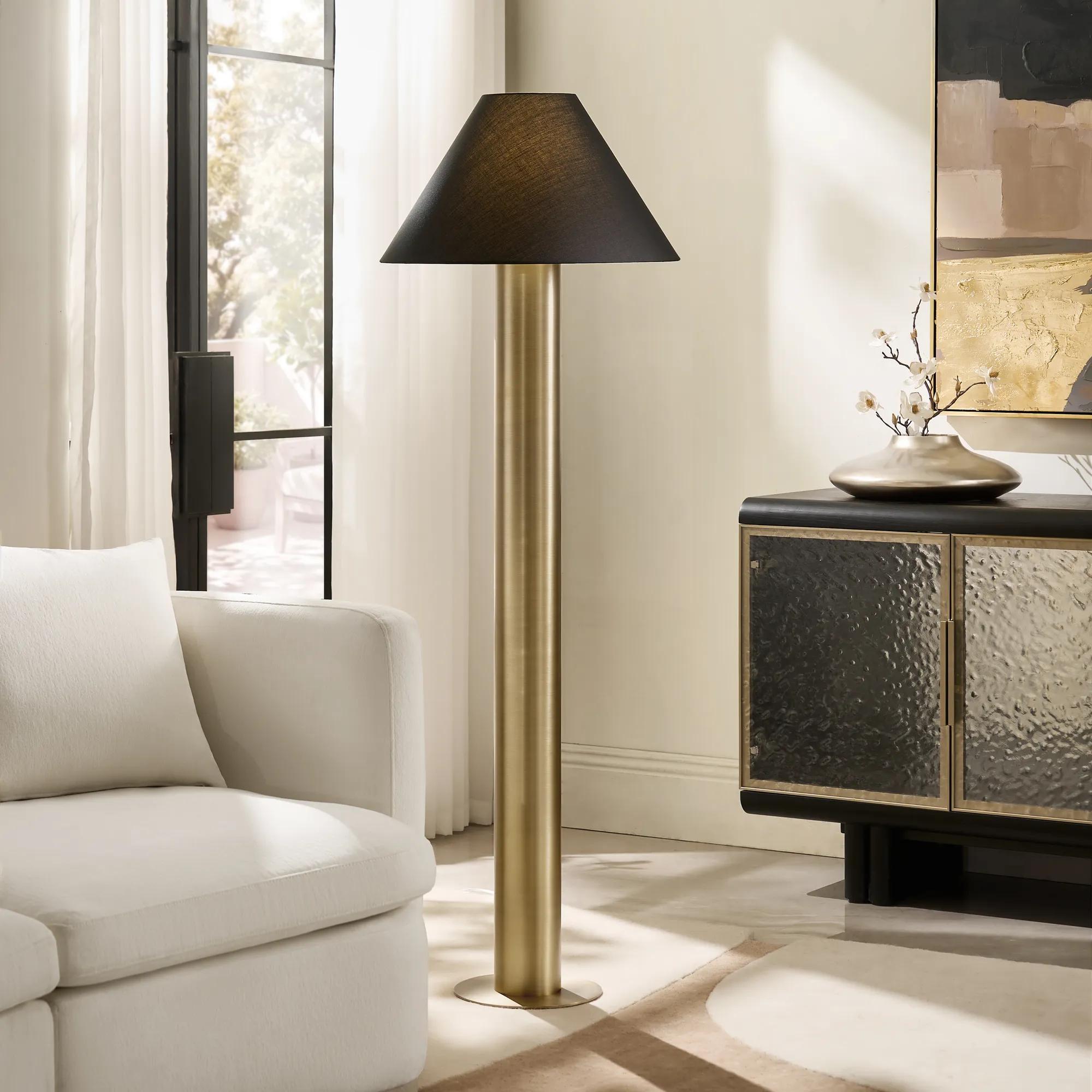 Tova Brushed Brass/Black Floor Lamp 60"$599
A sculptural brushed brass iron frame pairs with a tailored black cotton shade for modern, moody ambiance.
Add To Cart -

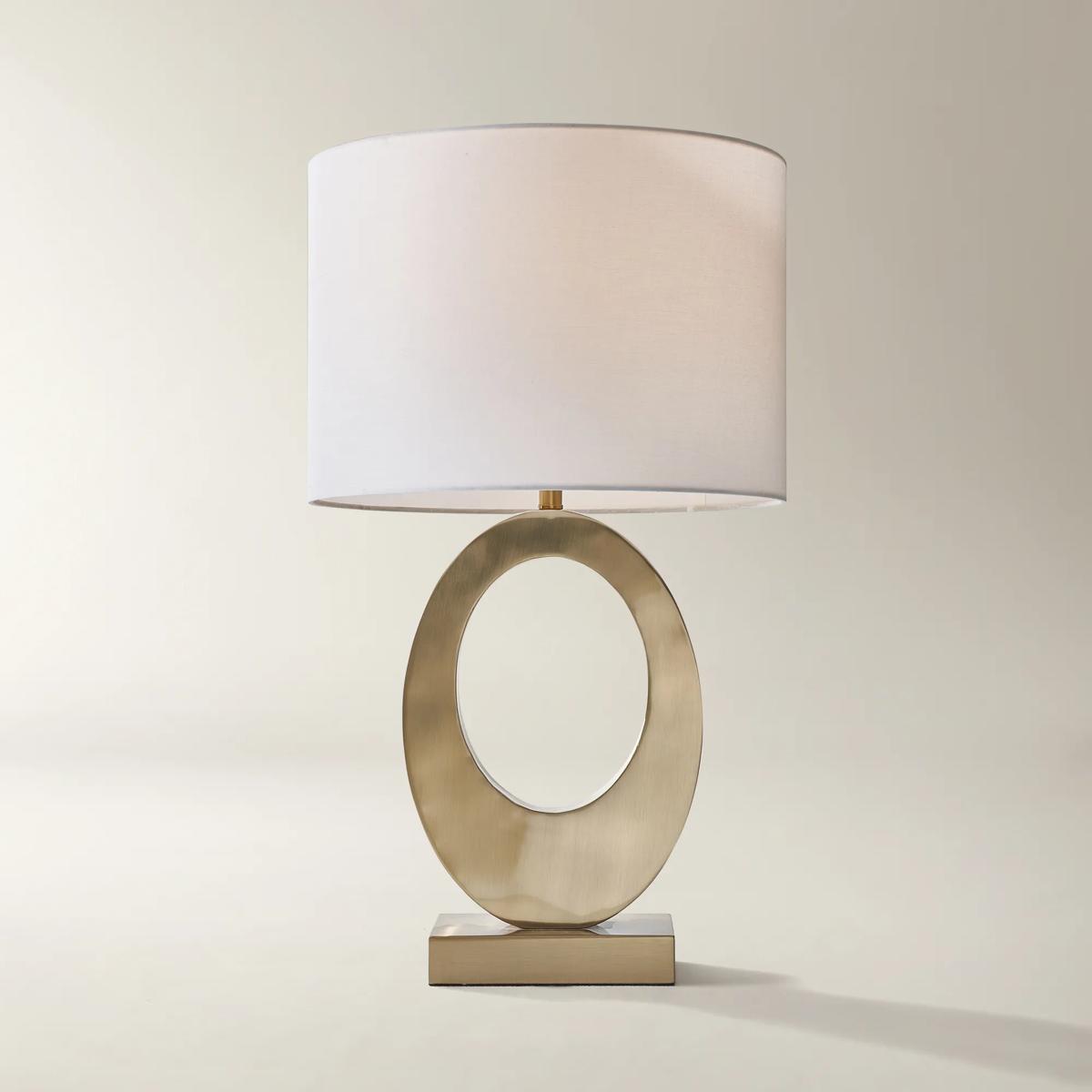
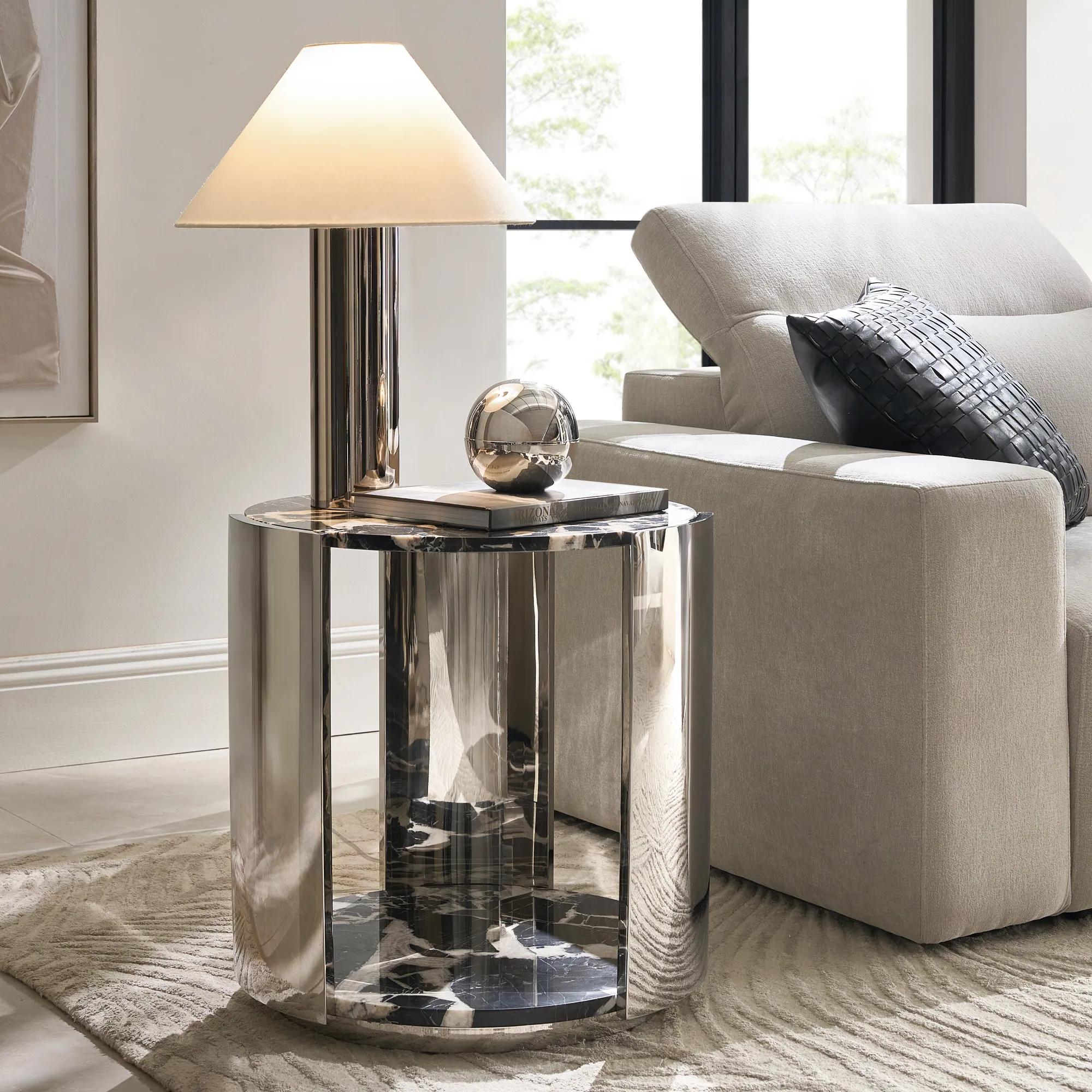 Tova Polished Nickel/White Table Lamp 20.5"$249
A polished nickel iron lamp with a white cotton tapered shade brings sleek, modern style to any room.
Add To Cart -
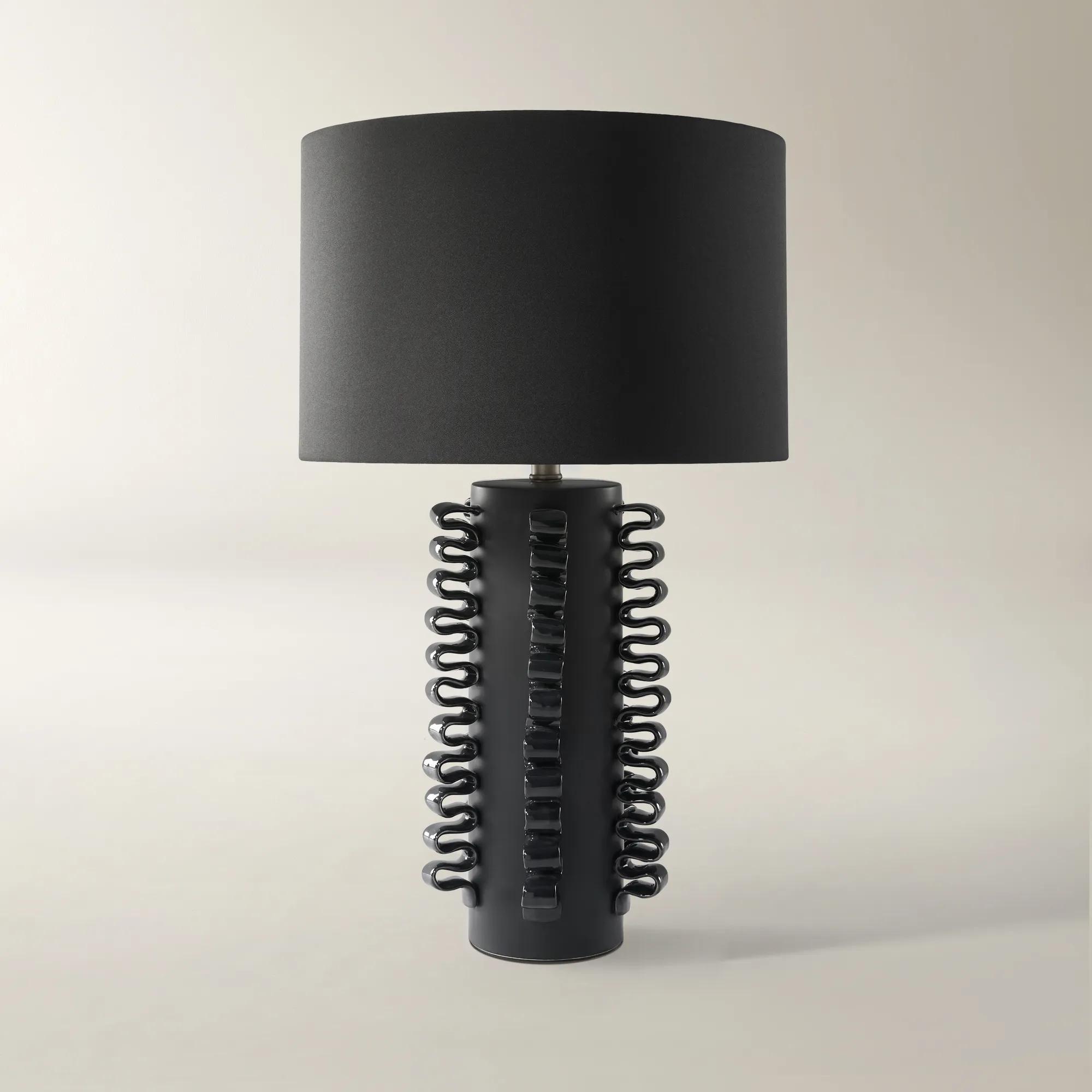
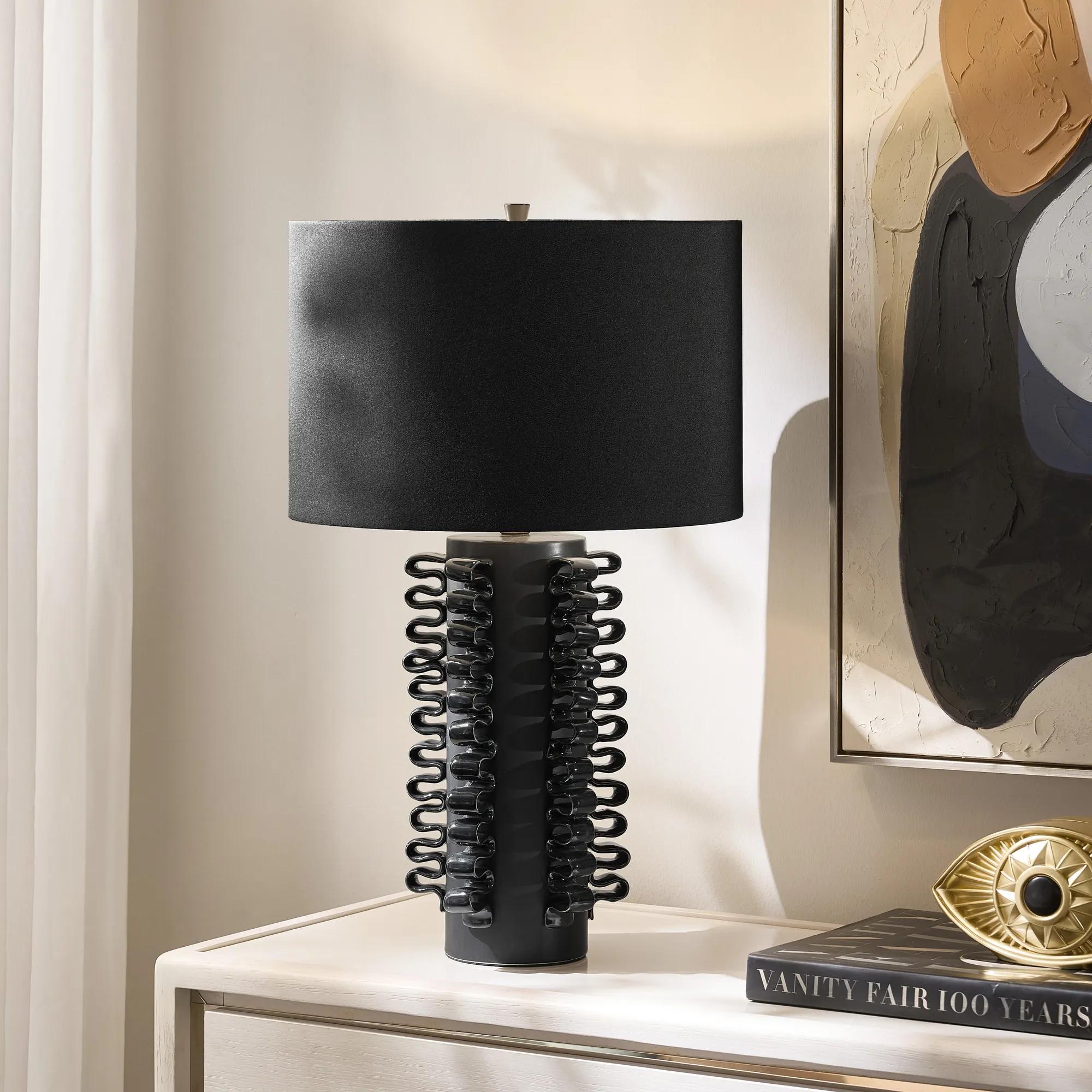 Anello Ruffle Black Ceramic Table Lamp 27"$249
A sculptural matte black ceramic lamp with glazed ribbon accents and a matching black cotton shade.
Add To Cart

Linen And Fabric Lighting For Cozy Rooms
Fabric lamps bring softness to a room without surrendering its sense of drama. Explore table and floor lamps with textile shades or fabric-wrapped details, balancing inviting texture with sculptural silhouettes. Consider shade color, linen detailing, and metallic finishes to create a richly layered living room or an intimate bedside setting.
Linen and fabric lighting gives a room a softer expression without diminishing its drama. Light filtered through a woven shade brings dimension to an ivory wall, draws out the sheen of velvet upholstery, and creates an inviting pool of illumination beside a favorite chair. The appeal lies in that interplay of texture and radiance: a shade feels composed by day, then becomes part of the room’s atmosphere after dark. Linen is especially distinctive for its visible weave and subtle variations in the yarn, which lend even a tailored silhouette an organic character. Cotton and blended fabrics can offer a smoother finish, while pleated textiles introduce rhythmic detail and a more decorative presence. These differences matter beyond appearance. A pale, loosely woven shade generally allows more light to pass through its sides, while a denser fabric or darker color tends to create a more intimate effect; lining and construction also influence the result. Neither effect is inherently more luxurious—the right choice depends on whether the room calls for an airy wash of light or a concentrated glow. Against a sculptural ceramic base, linen brings balance and tactile depth. Paired with clear glass, it allows the base’s transparency to remain part of the composition; above a metallic finish, it softens reflected brilliance. Cream, ivory, flax, and taupe shades work beautifully with expressive furnishings because they give the eye a place to rest without disappearing into the background. A dark fabric shade can feel equally inviting, framing light with a crisp, architectural outline. For living rooms, bedrooms, reading corners, and intimate sitting areas, linen and fabric lighting creates an atmosphere that feels considered rather than overly formal. It is particularly effective in rooms with gleaming surfaces, where a woven element introduces softness alongside polished stone, mirrored accents, or lacquered furniture. The effect comes from contrast: a quiet textile texture gives a bold interior greater depth, making its reflective finishes and sculptural forms feel more intentional.
Proportion gives that softness its presence. A generously scaled shade can hold its own beside a deep sofa or an upholstered bed, while a narrower silhouette leaves breathing room on a compact side table. The relationship between the shade, base, and surrounding furniture matters more than any single measurement. On a bedside surface, there should still be comfortable space for a book, a glass of water, and the objects that make the room personal. Beside seating, the light should fall where it is useful without exposing the bulb directly to someone relaxing nearby. Shade depth and placement both help manage that sightline, especially when a chair sits lower than an adjacent table. In an open living area, fabric-shaded lighting can establish smaller destinations within the larger room: a place to read, an illuminated console, or a conversation area that feels distinct from the space around it. A pair creates visual order across a long surface, while a single substantial silhouette can bring asymmetrical balance to an art-filled corner. Overhead fabric shades offer another expression of the same material story, adding a textile element above furniture without the sparkle of exposed bulbs. Their diameter, suspension height, and clearance deserve attention so the fixture feels connected to the arrangement beneath it rather than crowded against it. Bulb selection completes the mood. Warm-white light, often in the 2700K to 3000K range, typically complements neutral fabrics and creates a welcoming effect, though the shade’s color can influence how the light appears. A compatible dimmer allows the same fixture to support conversation at a lower level and brighter everyday activity when needed. Reading requires sufficient illumination, so shade opacity and bulb output should suit the task rather than appearance alone. Always follow the fixture’s bulb specifications and maximum wattage, and confirm compatibility among the bulb, fixture, and dimming control. Thoughtful lighting layers preserve both beauty and usefulness, allowing a cozy room to feel luminous instead of dim.
The lasting appeal of linen and fabric lighting also depends on construction and everyday care. An evenly fitted shade, secure seams, a stable base, and a sound attachment between shade and fixture all contribute to a polished appearance and dependable use. Natural linen may show small slubs and variations that belong to the fiber’s character rather than indicating a flaw. Fabric blends can offer a more uniform surface, with performance varying by composition and finish. In a busy family room, placement matters as much as material: a stable surface away from frequent bumps helps protect both the shade’s shape and the fixture beneath it. Cords should remain clear of walking paths, and fabric must stay safely separated from bulbs and other heat sources according to the manufacturer’s directions. Routine dust removal helps preserve the textile’s color and texture. With the fixture switched off, unplugged where applicable, and fully cool, gentle cleaning with a soft brush or an appropriate low-suction upholstery attachment may be suitable when permitted by the care instructions. Delicate pleats, bonded linings, and decorative trims warrant particular care. Water and household sprays can leave marks, distort fibers, or affect adhesives, so spot cleaning should never be assumed safe. Prolonged direct sunlight may also alter fabric color over time. These considerations make fabric-shaded lighting especially well suited to thoughtfully arranged bedrooms and living spaces, where its texture can be enjoyed without unnecessary exposure to splashes or handling. For a housewarming or wedding gift, a versatile neutral shade can be an elegant gesture when the recipient’s furnishings, space, and preferred scale are known. Within an established room, repeating a fabric tone rather than matching every finish creates continuity with greater freedom for expression. The Decorative Lighting for Dining and Living Spaces collection offers a broader context for coordinating illumination across connected rooms, where shared tones and complementary silhouettes can carry the mood from one setting to the next. Linen and fabric bring the unifying note: tactile, expressive, and softly radiant.
FAQs
Fabric lamps can feature textile shades, fabric-wrapped bodies, or both. A linen-shade lamp specifically has linen identified as its shade material. A linen-wrapped base does not necessarily mean the shade is linen, so check the materials listed for each part of the design.
Brass tones lend warmth to linen’s textured character, while nickel and silver finishes create a cooler, more reflective contrast. Glass brings another layer of visual depth, and stone offers a grounded counterpoint. Echo an existing finish in the room or introduce a contrasting accent with intention.
They do not need to match exactly. A shared shade color, metallic finish, or repeated curve can connect different silhouettes. Matching designs create a more formal rhythm, while complementary lamps give a room a collected, expressive character.
Use a solid fabric shade to give bold upholstery or patterned curtains a visual pause. Draw its color from a quieter tone in the pattern, then let the lamp base add sculptural interest. For a more dramatic composition, pair a dark shade with richly colored textiles and a restrained selection of metallic accents.
Take cues from the recipient’s existing palette, favorite finishes, and decorating style. A familiar shade color can connect the gift to their home, while an expressive silhouette adds a personal flourish. Consider whether they favor warm metallics, cool reflective accents, or tactile natural materials.