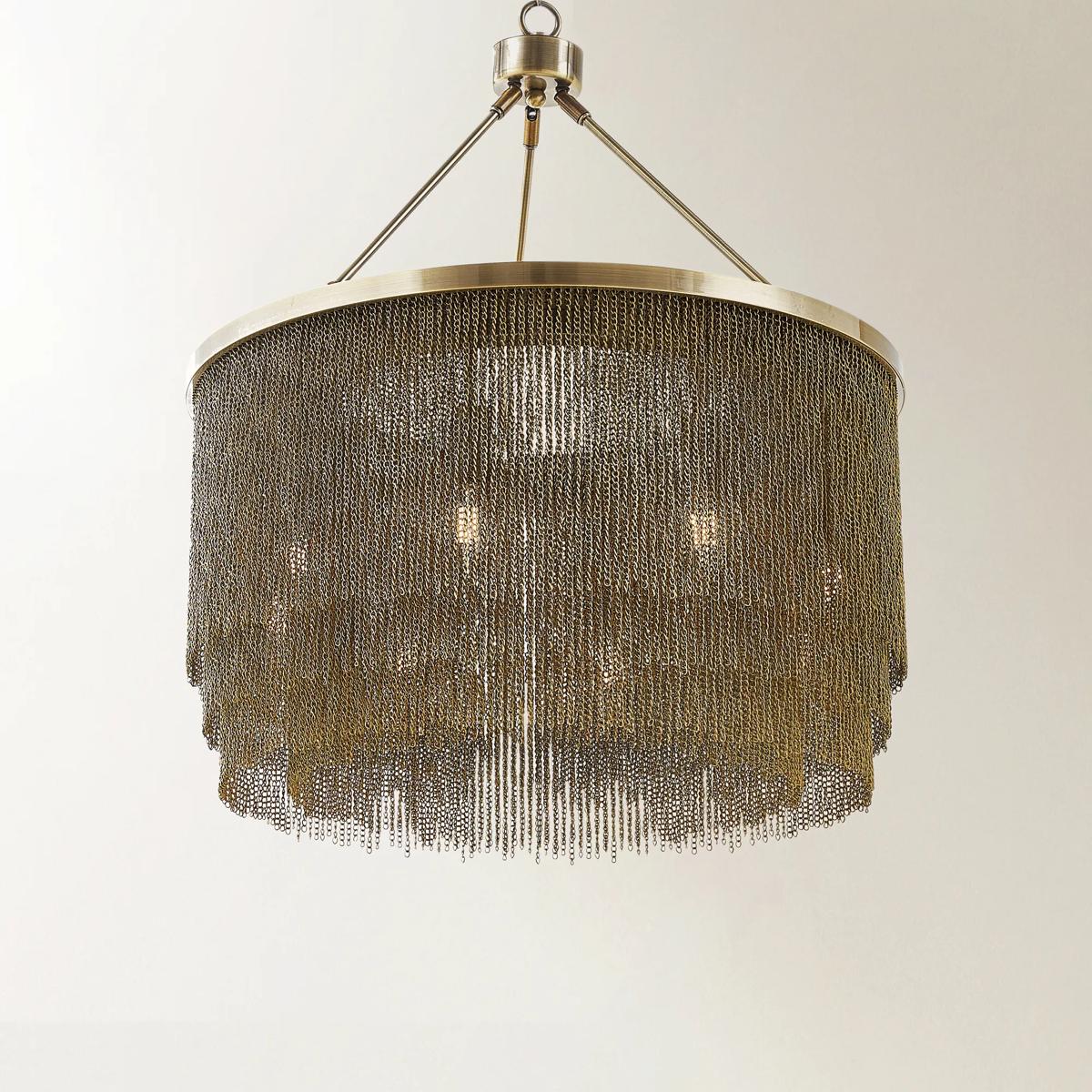
Linen And Fabric Floor Lamps
Linen And Fabric Floor Lamps
-

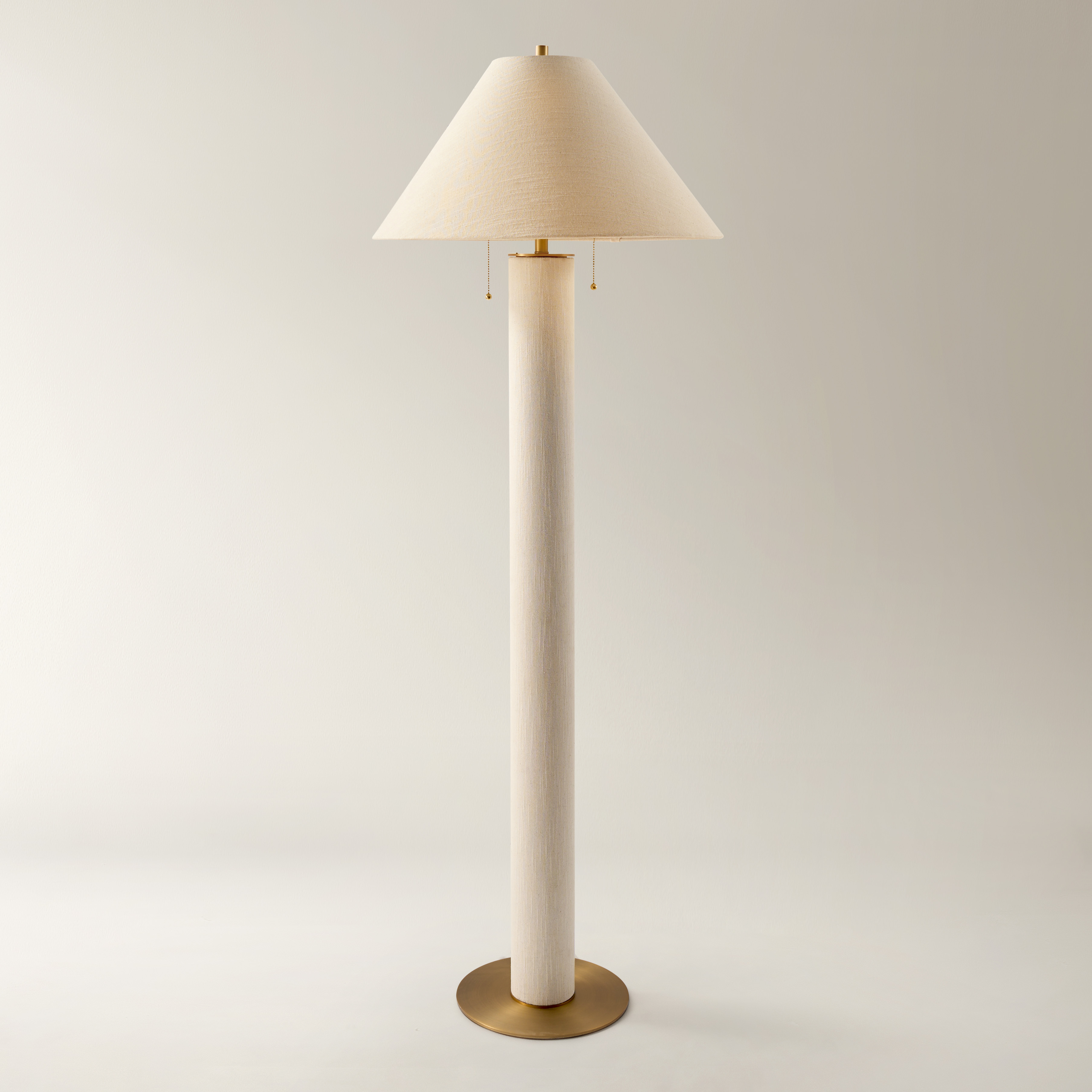
 Della Ivory Linen and Brushed Brass Floor Lamp 66"$499
A linen-wrapped ivory floor lamp with brushed brass accents, oatmeal shade, and dual pull-chain lighting.
Add To Cart -
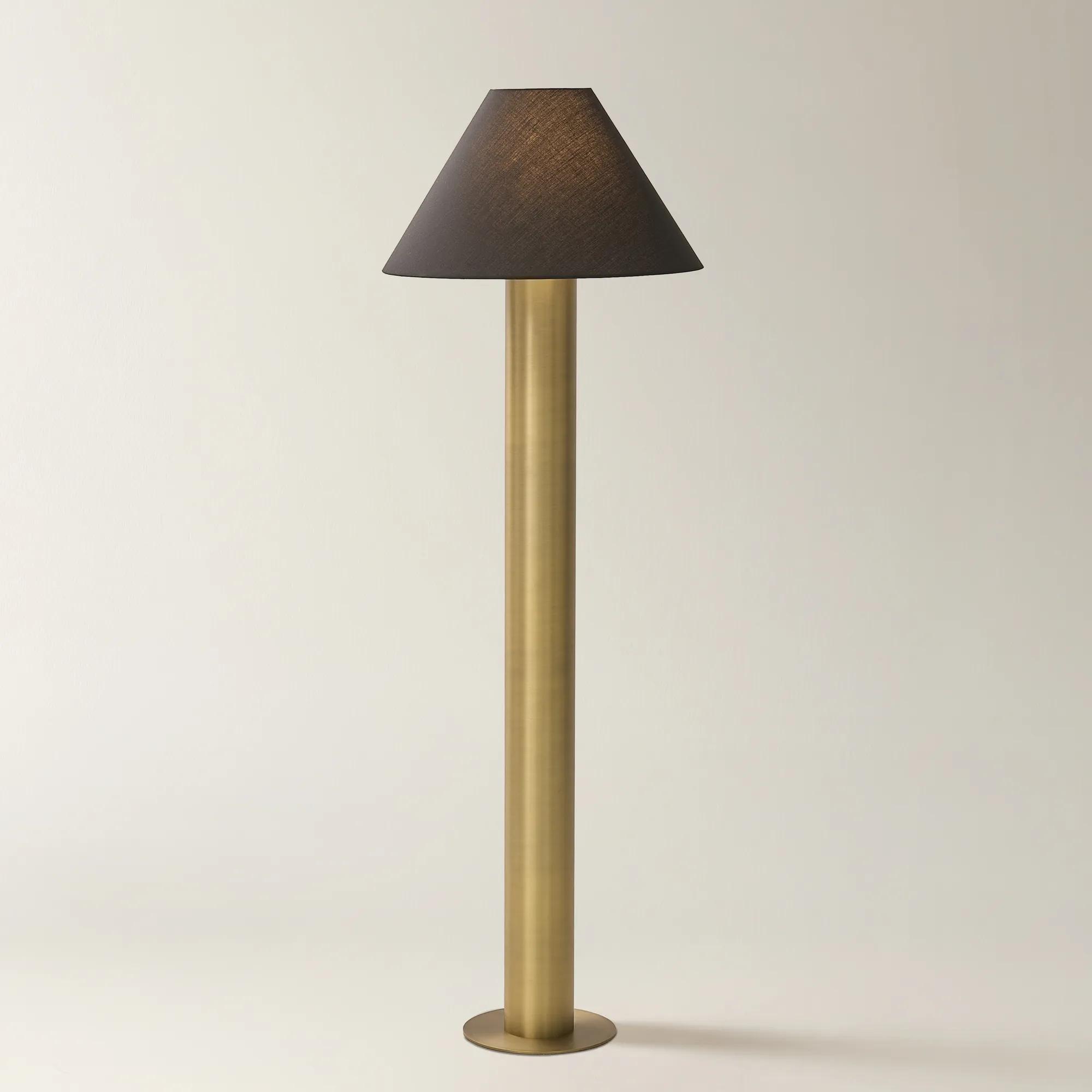
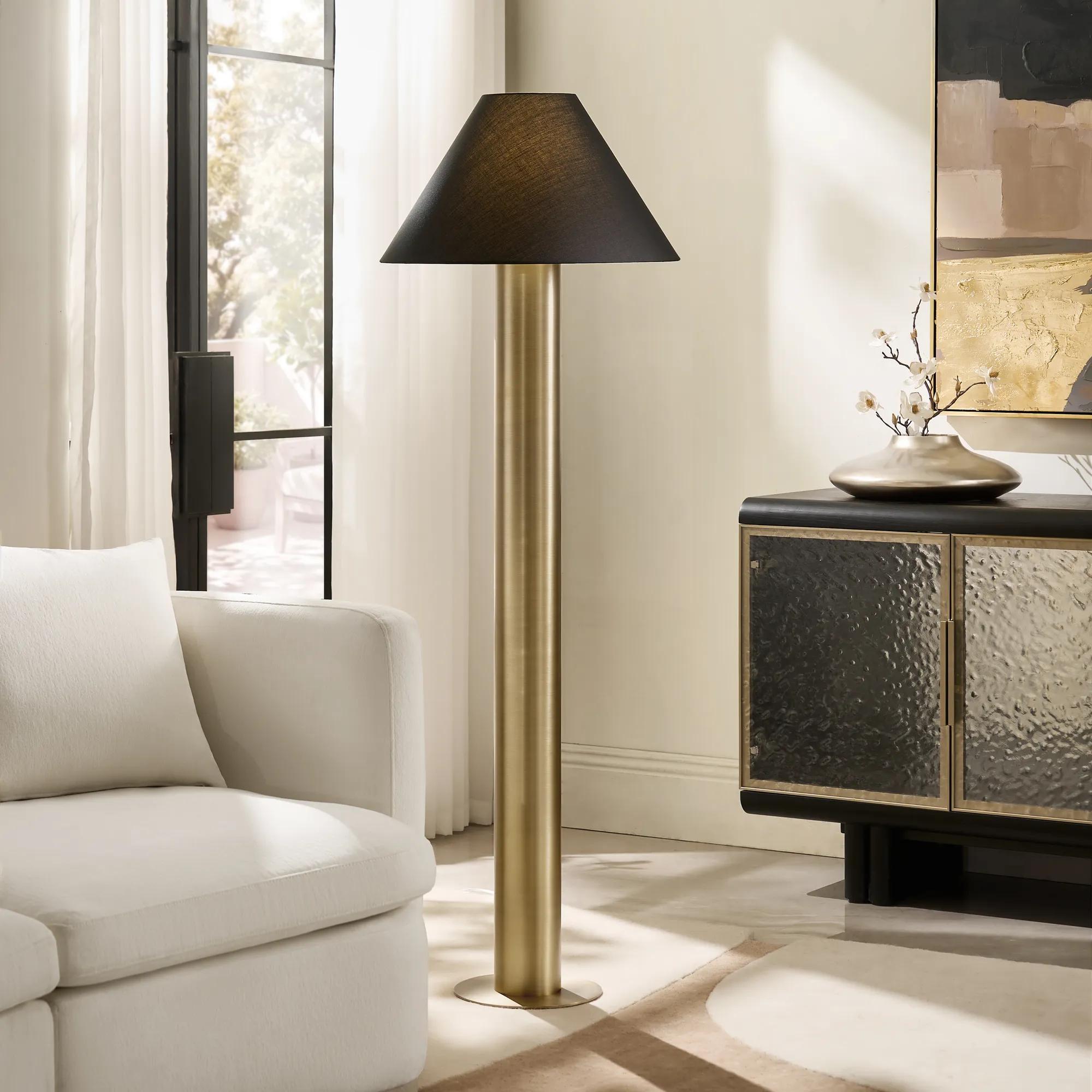 Tova Brushed Brass/Black Floor Lamp 60"$599
A sculptural brushed brass iron frame pairs with a tailored black cotton shade for modern, moody ambiance.
Add To Cart -
 Tova Polished Nickel/White Floor Lamp 60"$599
A modern floor lamp featuring a polished nickel iron base and a tapered white cotton shade.
Add To Cart

Linen And Fabric Floor Lamps
Fabric floor lamps bring a tactile counterpoint to gleaming finishes and sculptural silhouettes. Explore designs with fabric shades or textile-wrapped details that lend depth to living rooms, reading corners, and bedroom seating areas. Consider the shade color, base finish, and overall proportions to create a statement that feels distinctly yours.
Linen and fabric floor lamps give light a softer expression, pairing a sculptural silhouette with the tactile richness of a woven shade. Beside a velvet sofa, that texture offers a quiet counterpoint to sumptuous upholstery; against lacquer, glass, or polished metal, it introduces depth without competing with the surrounding shine. The result is lighting with presence even before the switch is turned. Linen is especially expressive because its characteristic weave and occasional slubs lend subtle variation to the surface, allowing a simple shade to feel dimensional rather than plain. Linen blends, cotton, and other shade fabrics offer their own interpretations, from crisp and tailored to softly textured. Fiber content, weave density, color, and lining all influence how a shade looks illuminated, so a pale fabric does not necessarily produce the same effect from one construction to another. An open weave may reveal more of the light source, while a denser or lined shade can create a more contained glow. Ivory, oatmeal, and warm white shades bring gentle contrast to dark walls and richly colored furnishings; cooler whites feel particularly striking alongside chrome, mirrored surfaces, and graphic artwork. Deeper fabrics can make the lamp itself more prominent while directing attention toward the pools of light above and below the shade. The base adds another layer of character: metal can appear sleek or architectural, wood introduces visible grain, and ceramic or glass brings volume and a distinctive surface. A slender stem beneath a generous drum shade reads differently from a substantial pedestal supporting a tapered silhouette. Neither needs elaborate ornament to command attention. Much of the appeal lies in the relationship between the shade’s proportions, the base’s finish, and the surrounding room. These lamps suit interiors that call for both atmosphere and definition, whether the setting is an intimate reading corner, a composed bedroom seating area, or a living room built around conversation and art. Their fabric shades soften the visual weight of taller lighting, making an expressive statement feel inviting rather than imposing.
Proportion gives a floor lamp its place in a room. Overall height matters, but the width of the shade, the footprint of the base, and the reach of any projecting arm are equally important to how comfortably it lives beside furniture. A tall, narrow design can frame an upholstered chair without visually crowding it, while a broader shade can hold its own beside a deep sectional or a generously scaled console. In a compact seating arrangement, the base needs enough floor space to sit securely without extending into a walking path; an arched silhouette also needs clearance beyond the base itself. Shade position shapes the experience at seat level. When a lamp stands beside a favorite reading chair, a shade that screens the bulb from a seated view can reduce distracting brightness, while enough light still needs to reach the page. A decorative fabric shade may provide beautiful ambient light without delivering the concentrated illumination required for detailed handwork or extended reading, making the lamp’s construction and stated purpose important. Adjustable features, where present, can help direct light toward a book or away from a screen, but they do not replace the need for an appropriate bulb and thoughtful placement. Bulb color also changes the mood: warm white light flatters creamy fabrics and creates an intimate glow, while a more neutral white can feel clearer in a multipurpose space. Lumens indicate brightness, and any bulb must stay within the fixture’s specified type and maximum wattage. Dimming adds flexibility only when the lamp, bulb, and control are compatible. In a living room, a fabric floor lamp can illuminate the space beside a sofa while overhead lighting handles broader coverage. In a bedroom, it can distinguish a lounge chair from the sleeping area without requiring another piece of furniture. A nearby outlet keeps the arrangement composed, with cords routed away from circulation paths and never beneath rugs. The effect should feel effortless, but it rests on these practical relationships between light, furnishings, and movement.
The lasting appeal of linen and fabric floor lamps comes from the balance of expressive materials and considered construction. A shade that sits level, a base that rests securely, and fittings that hold their position all contribute to a polished appearance in daily use. Fabric brings softness, but it also benefits from a little protection: placement away from frequent splashes, cooking residue, and persistent direct sunlight helps preserve its finish and color. In homes with children or pets, a stable base and a location beyond busy play areas deserve particular attention. Routine care is generally gentle rather than intensive. With the lamp switched off, unplugged, and cool, a clean, soft duster can lift surface dust; any brushing, vacuuming, or spot cleaning should follow the shade manufacturer’s instructions. Linen and other shade fabrics may be backed, bonded, dyed, or treated, so washing or saturating a shade can cause distortion, staining, or separation even when the fiber itself seems washable. The base requires care suited to its material and finish, especially when plated metal, painted surfaces, or delicate decorative details are involved. Replacement shades also need more than a visual match: fitter type, dimensions, weight, and the required clearance around the bulb must suit the fixture. Those details help preserve the lamp’s intended proportions as well as its function. Within a layered interior, floor lamps are most compelling when they relate to other lighting without repeating every feature. A woven shade beside a chair can share a soft white palette with white linen shade table lamps across the room, while different base shapes give each setting its own identity. Repeating a metal finish creates another connection, particularly when that finish appears in a mirror frame or accent table. The room feels collected rather than rigidly matched, with light arriving at different heights and textures revealing themselves gradually. Against a bold wall, beside sculptural seating, or within a richly layered arrangement of textiles, a linen or fabric floor lamp brings something distinctive: a strong decorative outline tempered by the intimate glow of light passing through cloth.
FAQs
No. Fabric floor lamps may feature cotton, linen, blended textiles, or fabric detailing on the body rather than the shade. Check the shade and base materials separately to understand exactly where the texture appears.
Light-colored shades create a softer visual connection with neutral furnishings, while dark shades establish a more pronounced outline. Consider whether you want the lamp to blend into a layered palette or stand apart as a graphic focal point.
Warm brass tones bring richness to ivory and oatmeal textiles, while polished nickel introduces a cooler, gleaming contrast. Use nearby hardware and decorative accents as a reference, or mix warm and cool metals with a repeated textile color to unite the room.
Yes. A solid fabric shade can offer a composed counterpoint to expressive upholstery. Draw its color from one quieter tone in the pattern, then let the lamp's silhouette or metallic finish contribute a separate layer of drama.
They can coordinate without being identical. Repeat a shade color, textile detail, or metal tone while varying the silhouettes for a more collected composition. Explore <a href="https://zgallerie.com/o/linen-and-fabric-lighting-for-cozy-rooms">linen and fabric lighting</a> to consider how those shared details can carry across the room.