Designer Floor Lamps With White Shades
Designer Floor Lamps With White Shades
-
 Tova Polished Nickel/White Floor Lamp 60"$599
A modern floor lamp featuring a polished nickel iron base and a tapered white cotton shade.
Add To Cart -

 Della Ivory Linen and Brushed Brass Floor Lamp 66"$499
A linen-wrapped ivory floor lamp with brushed brass accents, oatmeal shade, and dual pull-chain lighting.
Add To Cart -
 Bolla LED Hand-Blown Glass Bubble And Stone Floor Lamp 63"$449
A sculptural floor lamp featuring clear hand-blown glass bubbles, brass and stone accents, and integrated LED lighting.
Add To Cart -

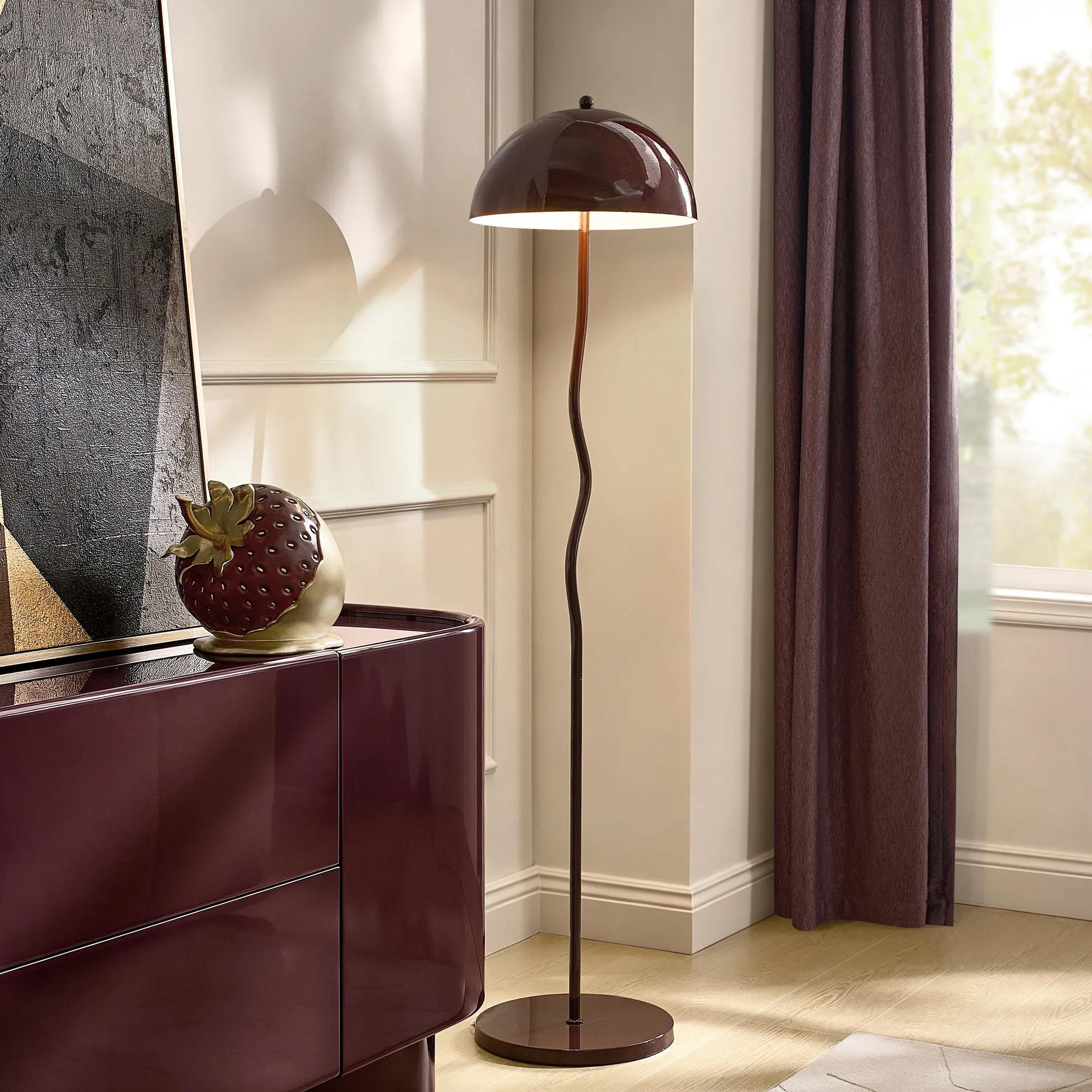 Halsey Fig Wavey Metal Floor Lamp 59"$449
A sculptural metal floor lamp in glossy fig, featuring a fluid silhouette and integrated matching shade.
Add To Cart

Designer Floor Lamps With White Shades
Designer floor lamps with white shades are the secret to elevating any space from ordinary to unforgettable. Each piece stands as a sculptural statement—casting luminous ambiance while seamlessly blending artistry and function. White shades diffuse light with a celestial softness, creating an ethereal glow that flatters every corner and accentuates your boldest décor choices. Whether poised beside a velvet chaise or anchoring a dramatic reading nook, these designer floor lamps invite you to curate a room brimming with sophistication, clarity, and undeniable allure. Illuminate your world with lighting that is as expressive as it is essential—because your home deserves nothing less than extraordinary.
Designer floor lamps with white shades pair sculptural bases with softly diffused illumination, giving a room both a distinctive silhouette and a more inviting atmosphere. The white shade acts as a visual pause above polished metal, translucent glass, richly finished wood, or an architectural column, allowing the base to express its character without overwhelming the composition. Against deep charcoal walls, a white shade creates a striking outline; beside ivory upholstery, it brings subtle definition through texture and proportion. The effect changes with the material. White linen introduces a visible weave and a gently textured glow, while a smooth fabric shade creates a more tailored impression. Paper shades can bring an airy, luminous quality, though their delicate surfaces require thoughtful placement and care. Shade construction, lining, and fabric density all influence how much light passes through the sides and how strongly it travels upward or downward. A drum shade emphasizes clean geometry and works beautifully above a substantial pedestal or slender stem. A tapered shade draws the eye toward the base, lending a graceful balance to curved metalwork or a sculptural profile. These distinctions give white-shaded floor lamps remarkable range: they can stand beside a velvet sofa in a dramatic living room, frame an upholstered reading chair, or soften the transition between a bedroom’s dressing area and its quieter retreat. Metallic finishes add another layer of expression. Warm brass tones bring richness to cream and camel textiles, while polished nickel or chrome creates a cooler reflection alongside glass and mirrored accents. Matte black offers graphic contrast beneath a luminous white shade. Within the broader world of designer floor lamps, white-shaded styles are especially versatile because they balance expressive form with a shade color that complements both saturated palettes and restrained neutrals. Their appeal lies not simply in lighting an empty corner, but in giving that corner presence—a considered vertical element that connects furnishings, art, and the space above them.
Scale determines whether that presence feels poised or overpowering. A generous shade can hold its own beside a deep sectional or a tall upholstered headboard, while a narrower profile suits the space between an accent chair and a console. Overall height matters, but so do the shade’s widest diameter, the footprint of the base, and any reach beyond the stem. An arched silhouette may extend light over a seating area while keeping its base outside the furniture grouping; it also needs enough clearance to avoid interfering with circulation. A straight-column lamp offers a more contained arrangement, particularly where a room already includes oversized art or richly patterned textiles. Beside a reading chair, a shade positioned with its lower edge near seated eye level can help conceal the bulb, although the best relationship depends on the chair, the lamp, and the reader’s posture. Light should reach the page without creating an exposed glare or leaving the book in the reader’s shadow. For ambient use, a white shade can spread a gentle glow around a conversation area, supplementing overhead lighting rather than competing with it. White does not necessarily mean cool light: a warm-white bulb, often in the 2700K to 3000K range, can give the shade a creamy appearance, while a cooler bulb can make it look crisper. The shade material and lining also affect the result. Dimming offers greater control for rooms that move from reading to entertaining, provided the bulb, lamp, and dimmer are compatible. Socket type and maximum bulb ratings remain essential considerations. A conveniently placed switch makes frequent use more comfortable, especially behind a sofa or beside a bed. Nearby outlets, discreet cord routing, and a stable base help preserve the elegance of the arrangement without leaving cords across walkways. In open-plan interiors, repeating white shades across separate seating zones can create visual continuity, while changing the base shapes keeps the room from feeling overly matched. Each lamp can serve its own purpose while contributing to a coherent lighting composition.
Materials and construction shape how gracefully a floor lamp lives with daily use. A substantial base and secure connections are important wherever people pass close to the fixture, and particularly in households with children or pets. Weight alone does not establish stability; the relationship between the base, stem, shade, and any extending arm matters as well. Metal brings definition and can support finishes ranging from softly brushed to highly reflective, though polished surfaces may show fingerprints more readily. Glass introduces transparency or luminous depth, but requires protection from impact. Stone can lend visual weight and natural variation, while wood offers warmth through grain and finish. Fabric shades deserve equal attention: a taut surface, neatly finished edges, and a securely fitted shade contribute to a composed appearance. White shades also make dust and handling marks more noticeable, so routine care helps maintain their clarity. With the lamp switched off, unplugged, and cool, a soft, dry cloth is generally appropriate for dusting many bases; the manufacturer’s instructions should govern cleaning for each finish. Delicate fabric shades may call for a clean, soft brush, while paper shades need especially gentle handling. Water, household sprays, and abrasive cleaners can stain shades or damage finishes, and moisture should never reach electrical components. Keeping the shade clear of curtains and following specified bulb limits helps protect the lamp and its surroundings. For a housewarming or wedding gift, a floor lamp can be a meaningful design gesture when the recipient’s room dimensions, finish preferences, and lighting needs are known. It is equally compelling for someone furnishing a first home or refining a favorite reading space. The lasting appeal comes from the relationship between useful light and expressive detail: a white shade glowing above a sculptural base, a wash of illumination across textured upholstery, and a silhouette that remains beautiful even when the lamp is switched off. In a thoughtfully composed interior, those details turn functional lighting into an integral part of the room’s character.
FAQs
Designer floor lamps with white shades are remarkably versatile, complementing a range of interior styles from modern glam and mid-century chic to transitional and contemporary spaces. Their clean lines and luminous shades add a sense of refinement to eclectic rooms, while their sculptural forms can anchor minimalist or maximalist designs alike. Pair them with plush textiles and metallic accents for a luxurious look, or let them stand out against bold wallpapers and statement art for a gallery-inspired ambiance.
A floor lamp with a white shade diffuses light softly, creating a serene and inviting atmosphere. In living rooms, they can cast an even, flattering glow that accentuates textures and colors, making the space feel open and welcoming. Their understated elegance brings a sense of calm and sophistication, ideal for both entertaining guests and unwinding after a busy day.
Designer floor lamps often feature luxurious materials such as marble, hand-polished metals in finishes like brass or nickel, rich woods, and sometimes hand-blown glass. The white shades themselves may be crafted from high-quality fabrics like linen or silk, frosted or opaque glass, or even fine paper, each contributing its own unique texture and light diffusion to the overall design.
Absolutely—these lamps make memorable gifts for milestones such as weddings, anniversaries, or housewarmings. Their timeless design and functional beauty offer both immediate impact and enduring appeal, making them a thoughtful choice for anyone who appreciates artful living and elevated interiors.
Strategically placing a white-shaded floor lamp near artwork or striking architectural elements can draw the eye and create a dramatic focal point. The soft, diffused light gently illuminates details without overpowering, allowing both the lamp and the feature it highlights to shine. This approach is especially effective in rooms with layered lighting, where the lamp adds dimension and depth to the overall composition.