Bedside Lamps With Fabric Shades
Bedside Lamps With Fabric Shades
-
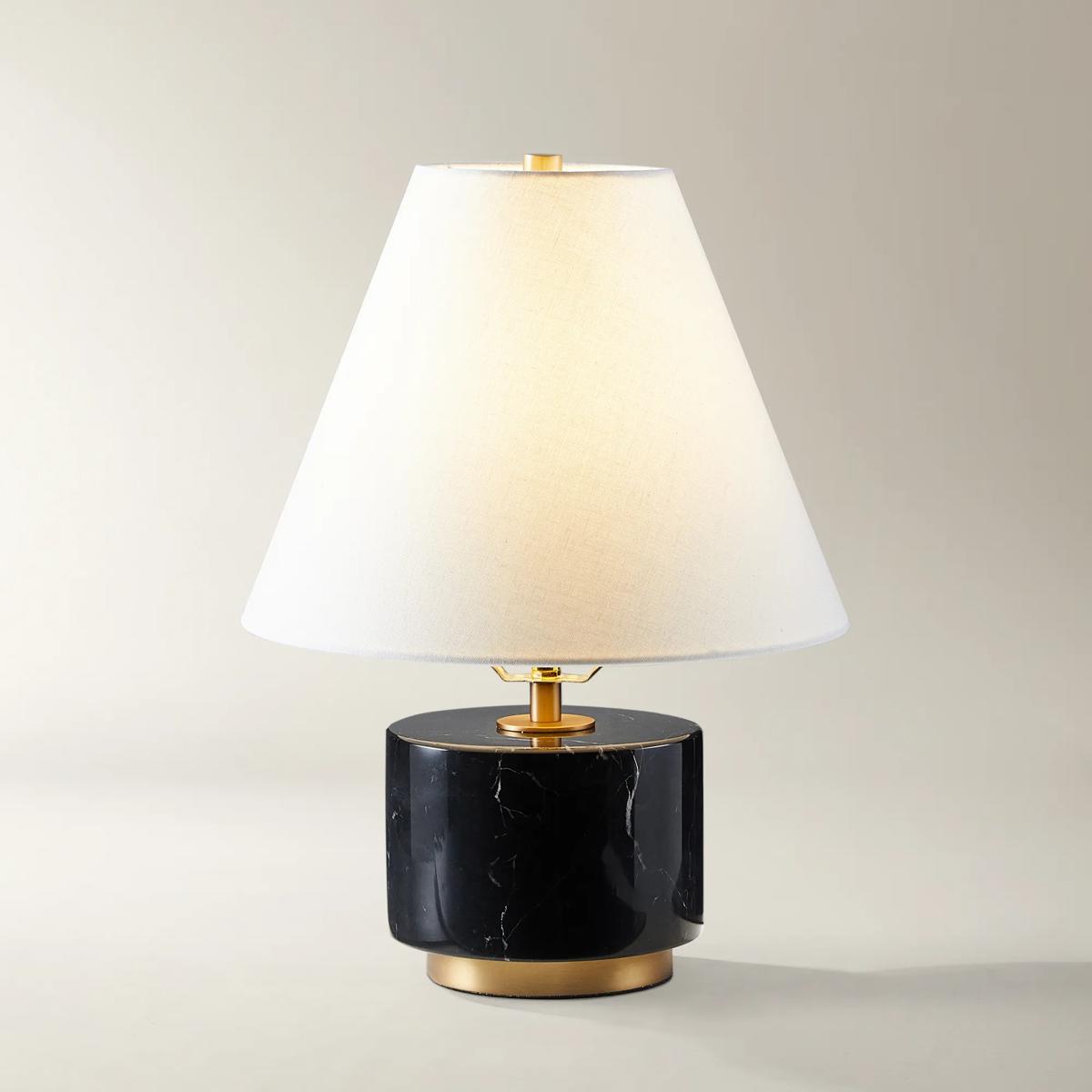
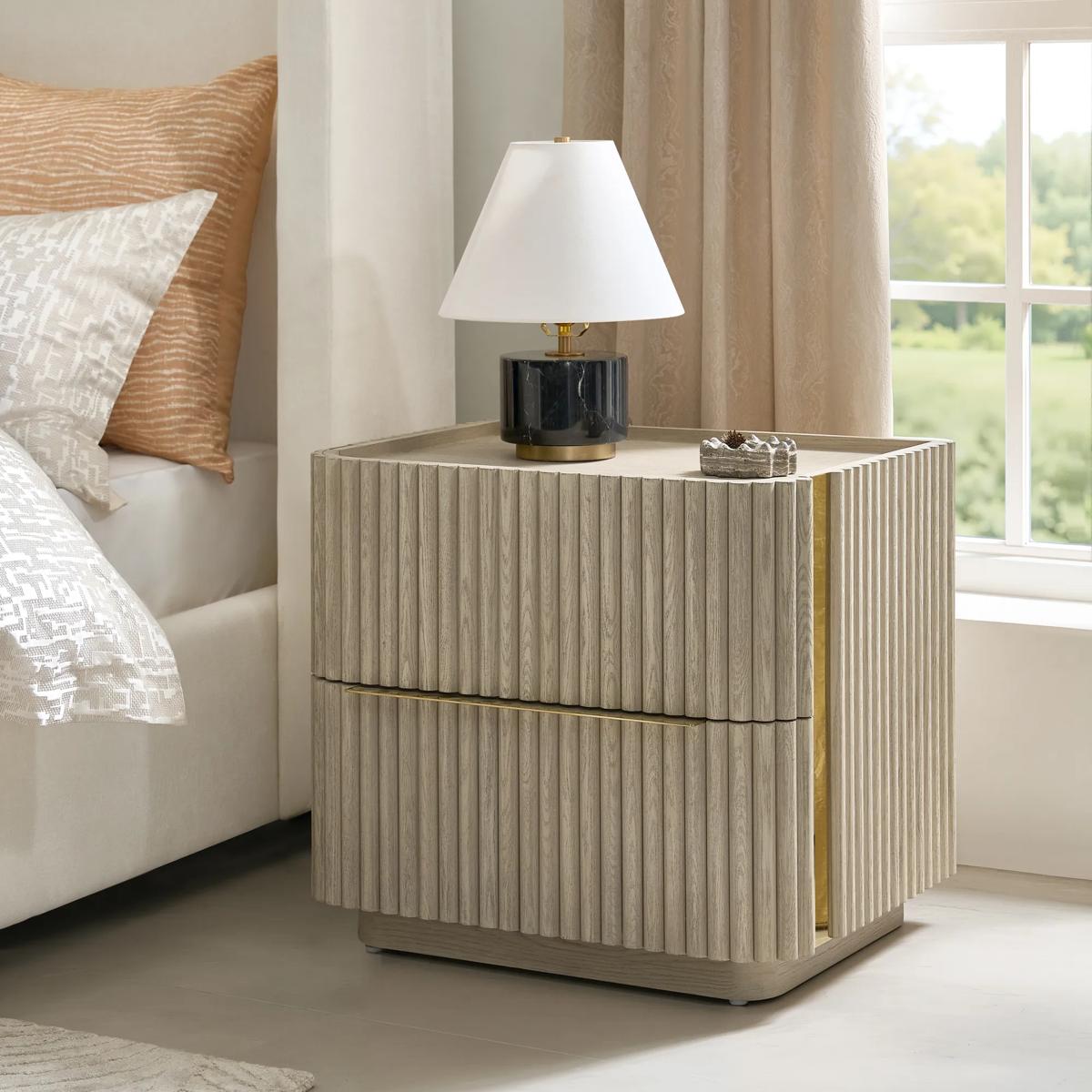 Arden Black Marble Table Lamp 14"$249
A sculptural black marble lamp with brushed brass accents and a warm white linen tapered shade.
Add To Cart -
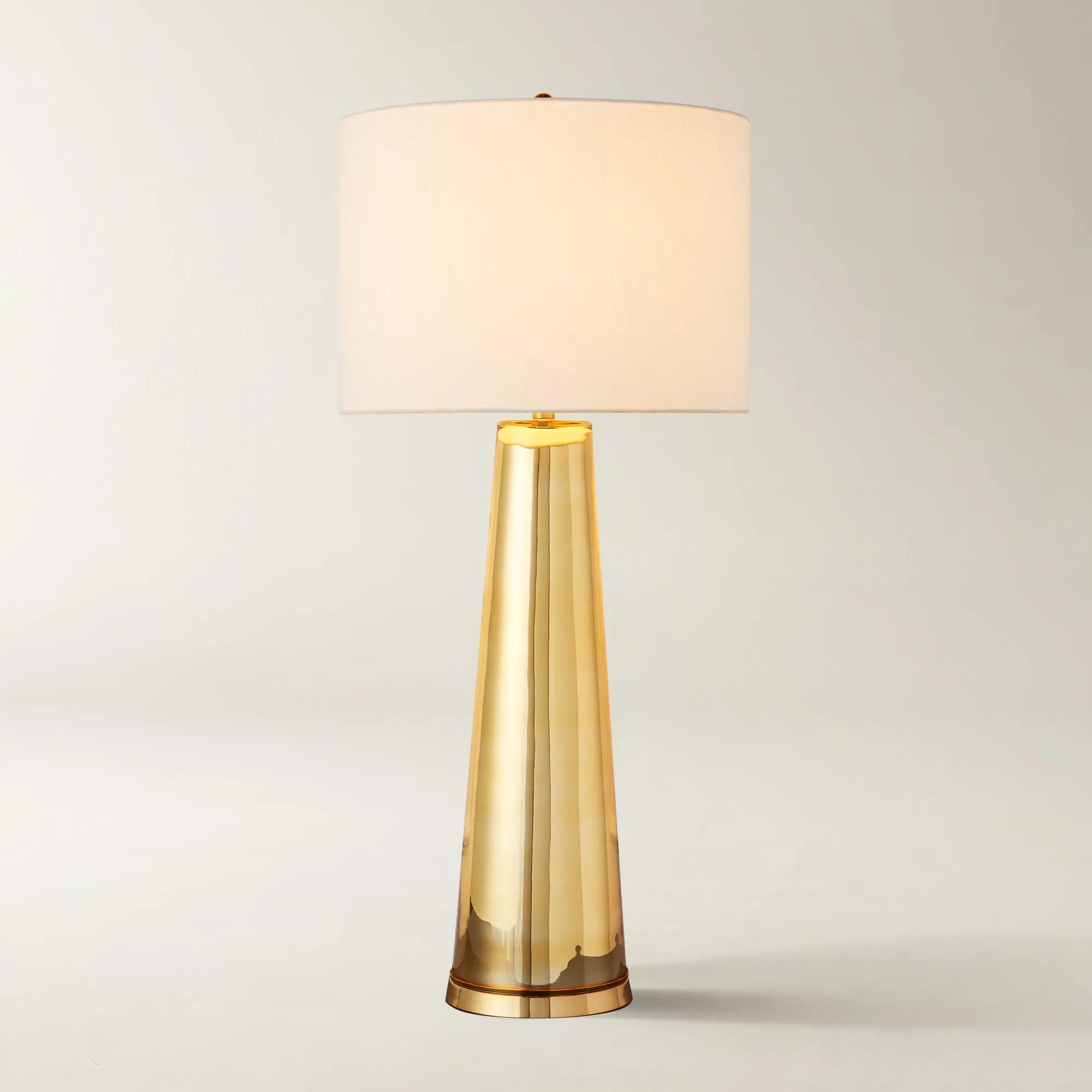
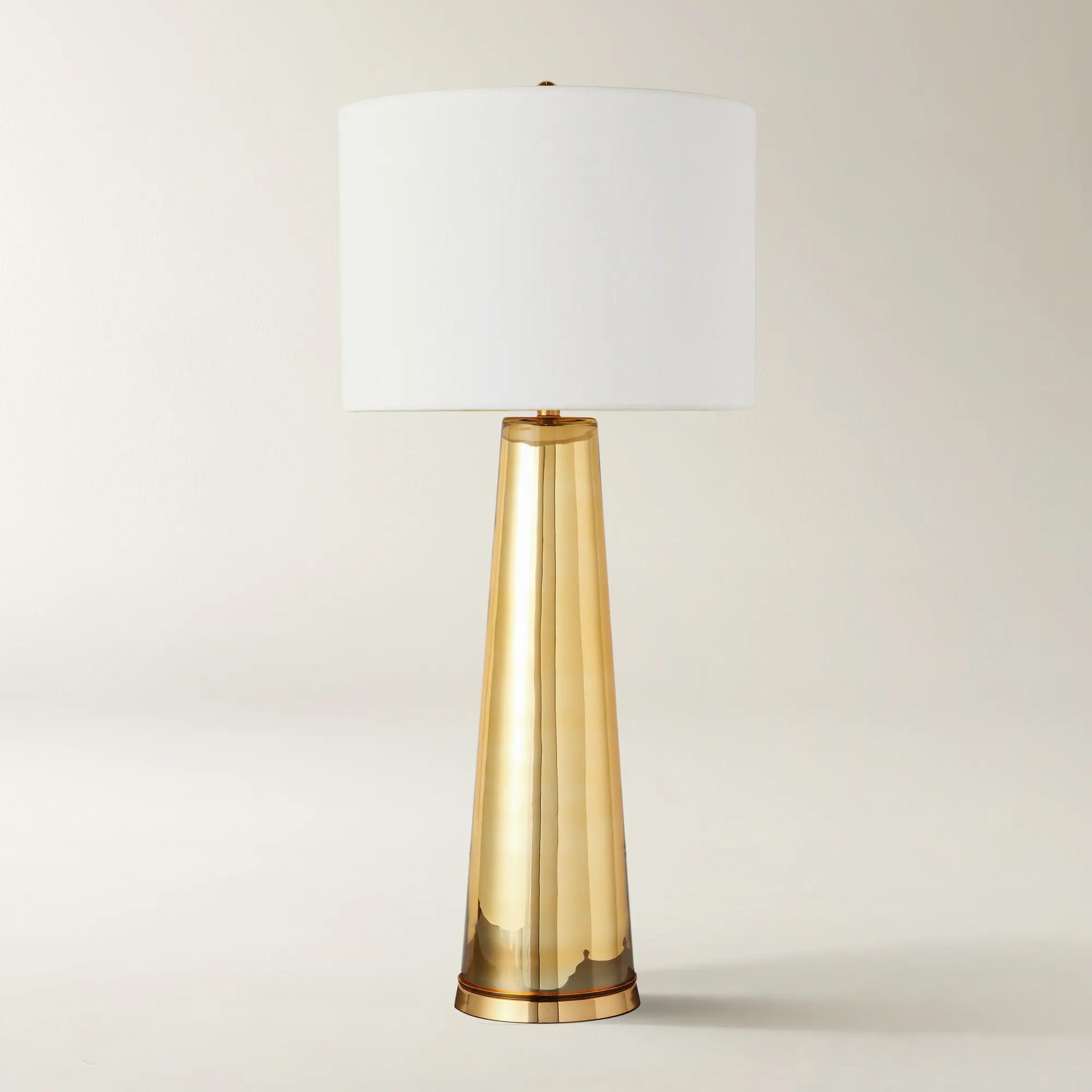 Century Gold Mirrored Glass Table Lamp 40"$299
A modern lamp featuring a mirrored glass base and white drum shade, accented with gold or silver details.
Add To Cart -
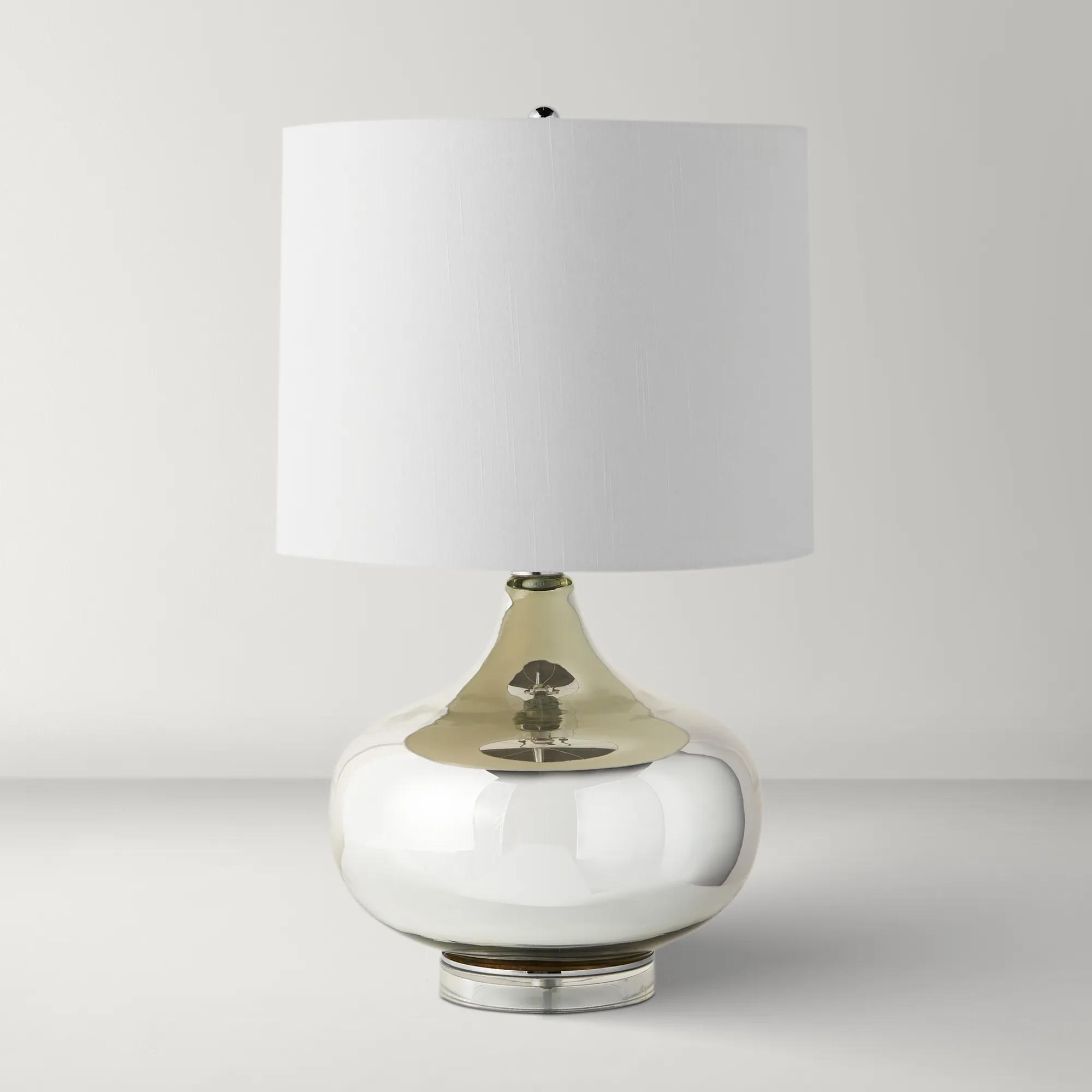 Sabrina Mirrored Silver Glass Table Lamp 27.5"$199
A contemporary lamp featuring a silver mirrored glass base, clear acrylic accents, and a white fabric shade.
Add To Cart -
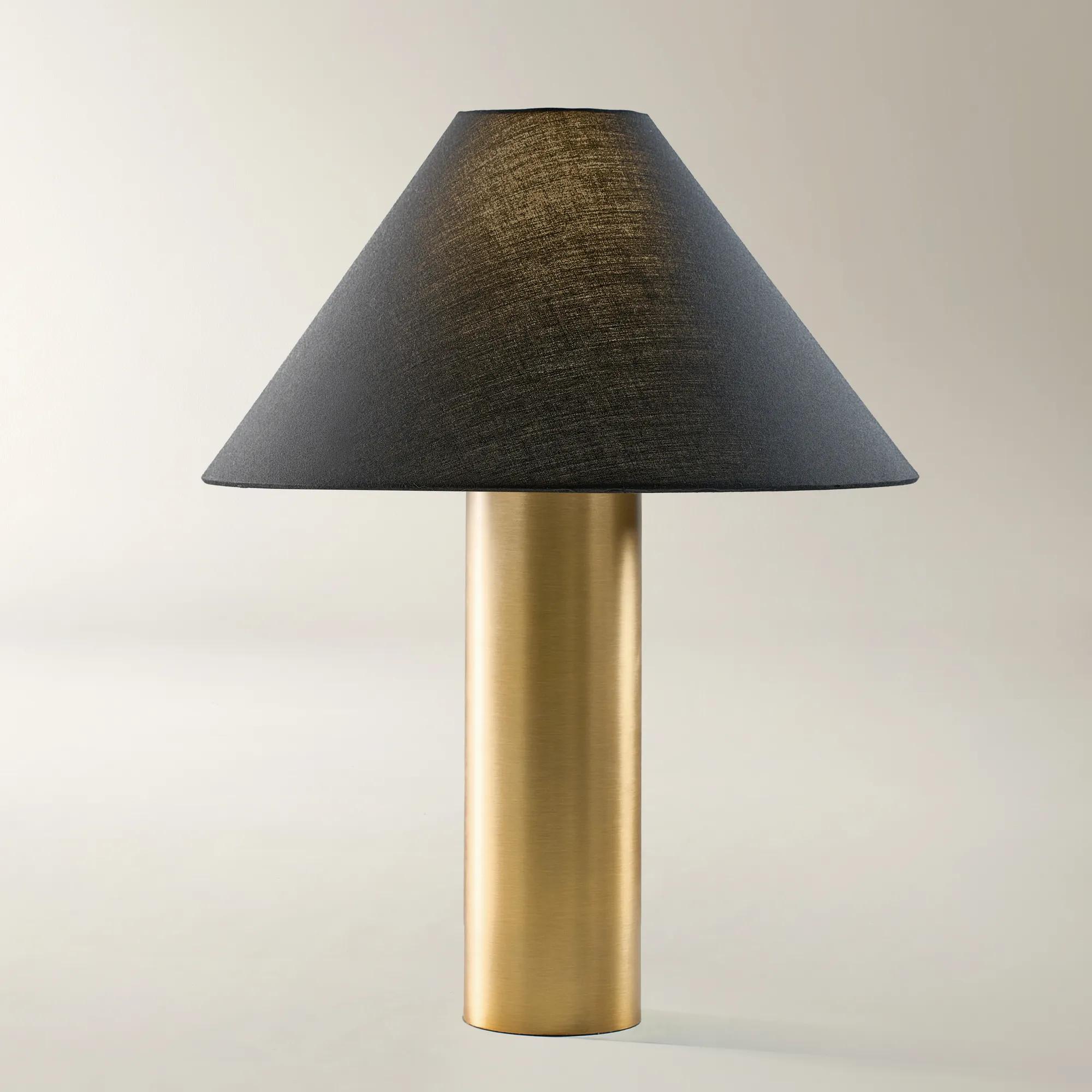 Tova Brushed Brass/Black Table Lamp 20.5"$249
A sculptural brushed brass iron base pairs with a tailored black cotton shade for bold, modern contrast.
Add To Cart -

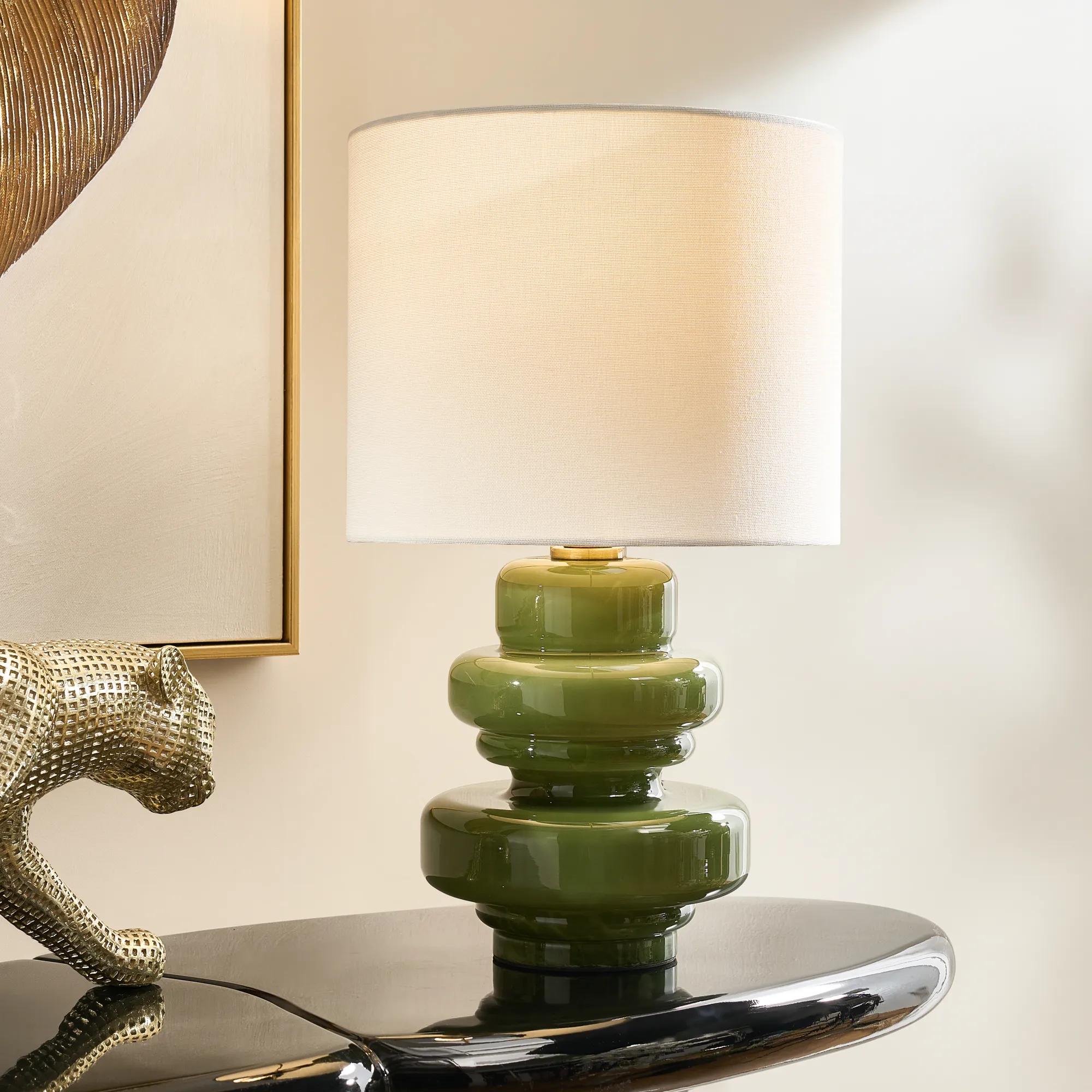 Edin Mouth Blown Pistachio Green Glass Table Lamp 17.5"$99
A sculptural table lamp featuring mouth-blown pistachio green glass and brushed nickel accents with an ivory linen shade.
Add To Cart -
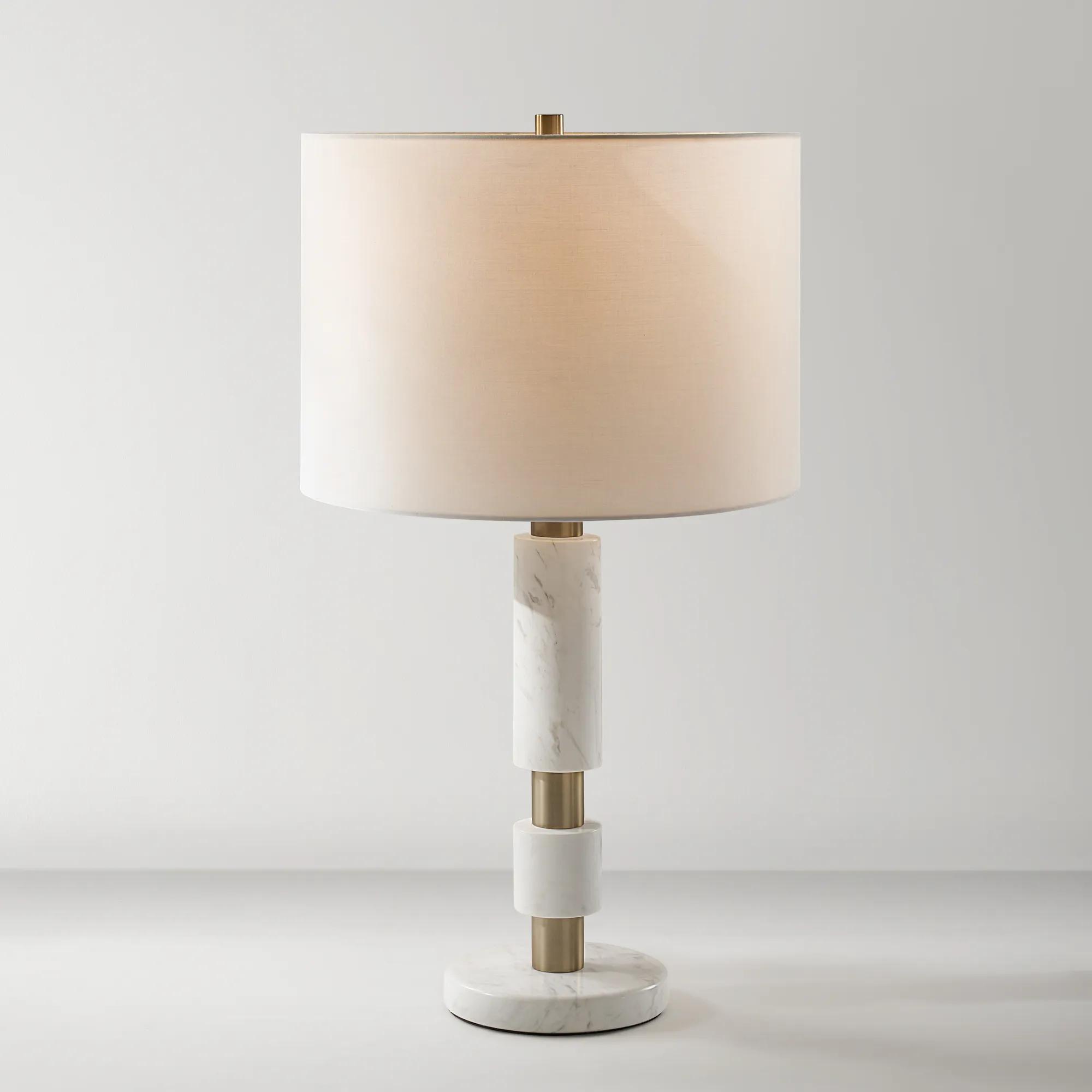 Thea Table Lamp$379
A luxurious table lamp featuring a white marble base, champagne metal accents, and a crisp cotton drum shade.
Add To Cart -
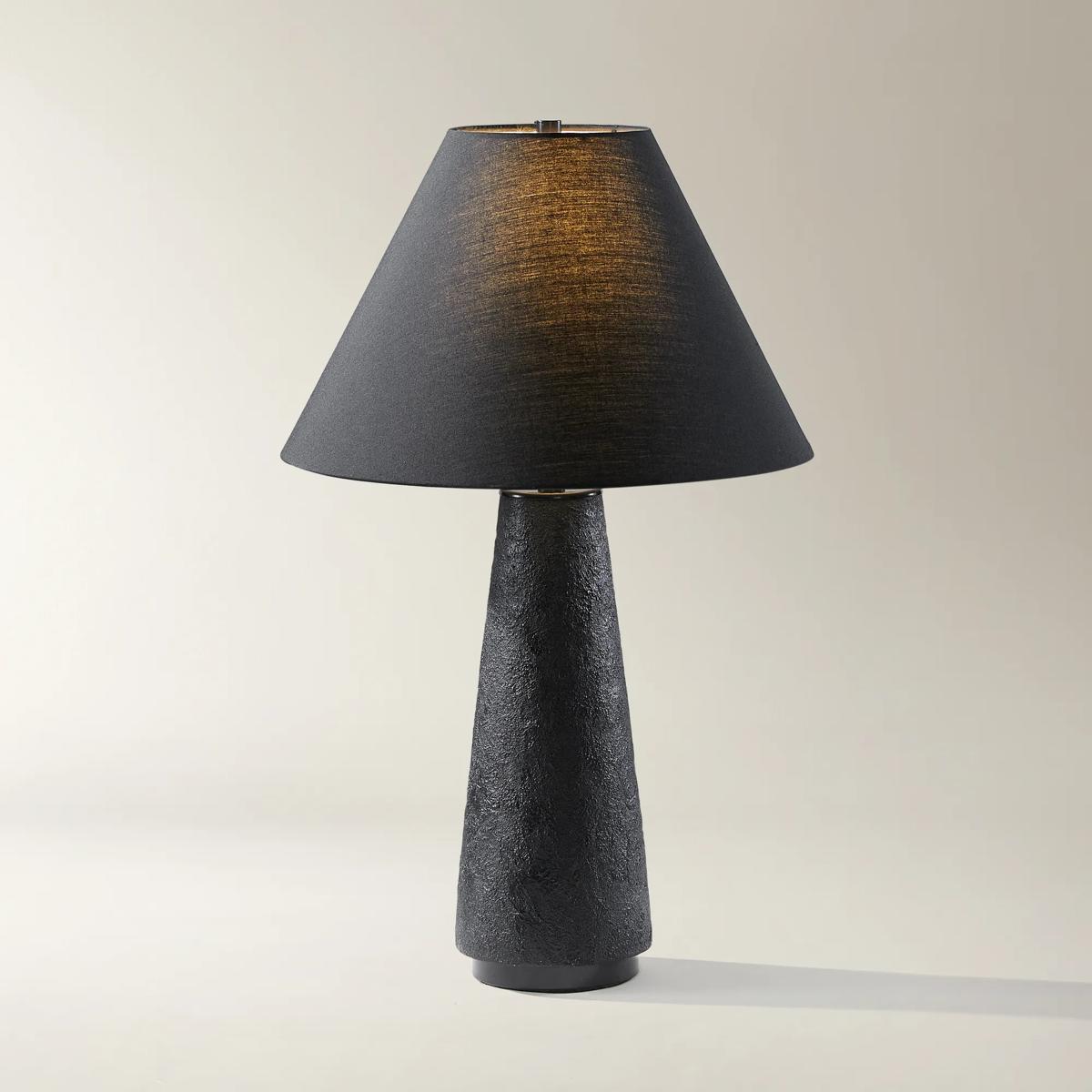 Beton Black Textured Concrete Table Lamp 25"$299
A sculptural table lamp featuring textured black concrete, matte black metal accents, and a black cotton shade.
Add To Cart -
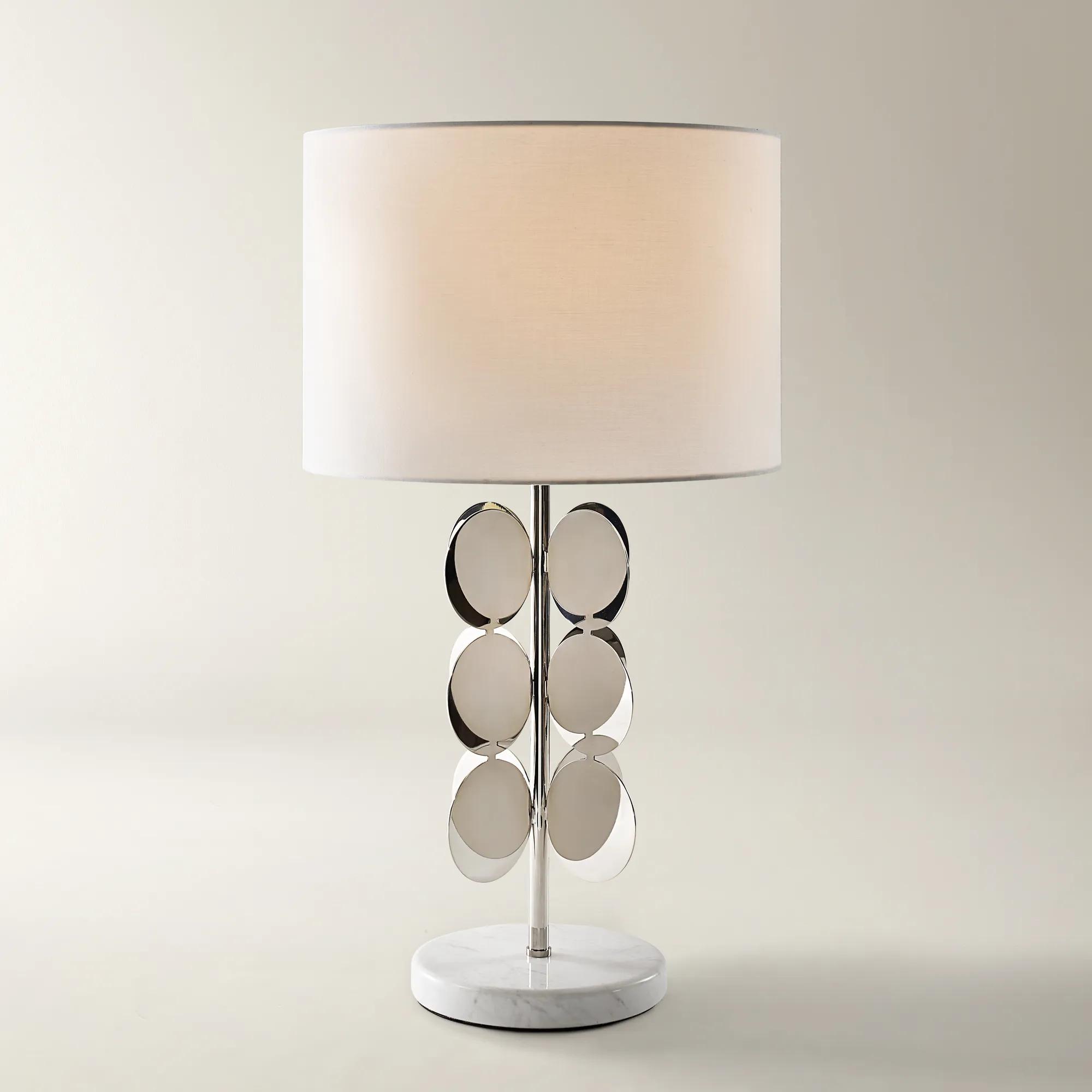 Orion Table Lamp$329
A polished nickel iron lamp with a white marble base and crisp white cotton drum shade.
Add To Cart -

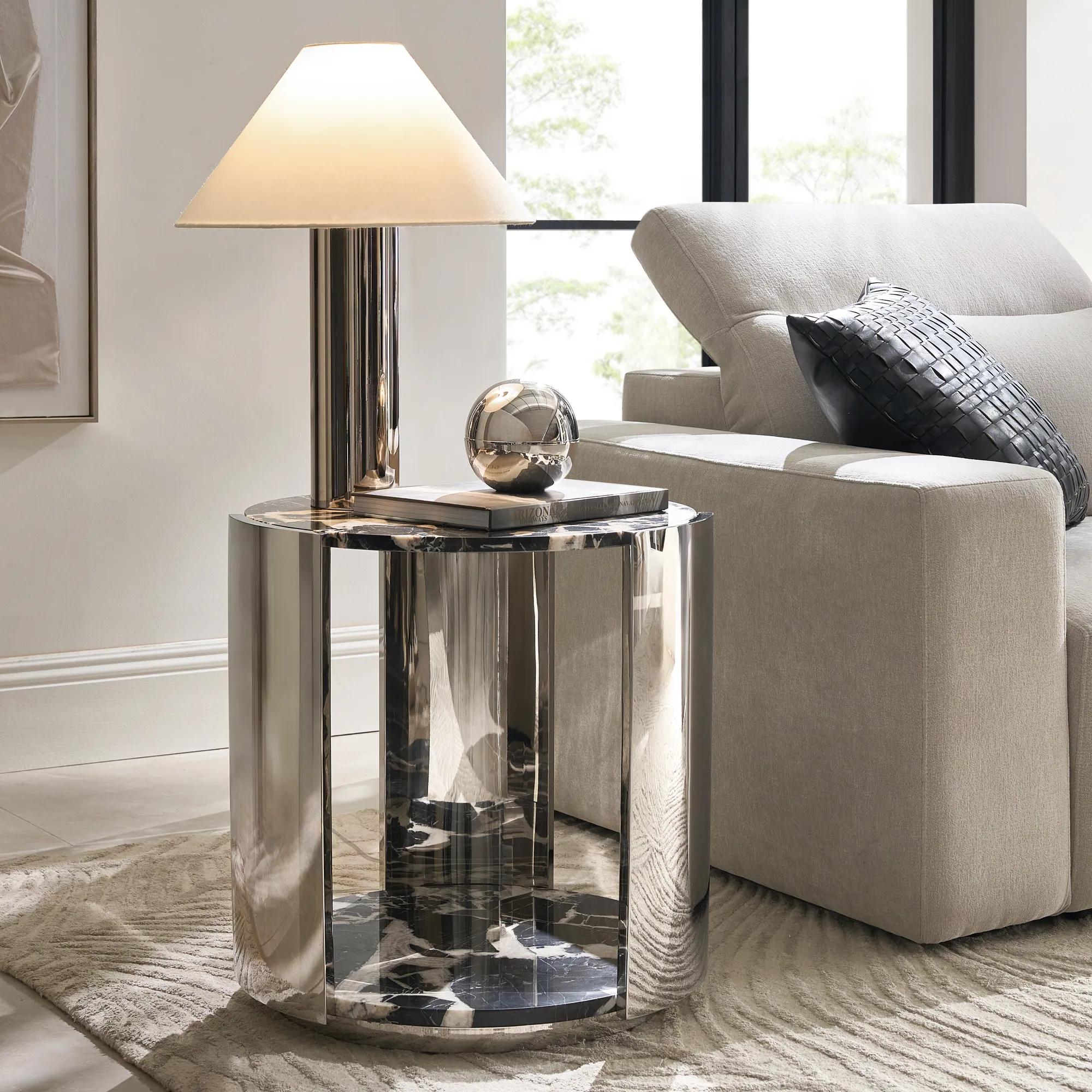 Tova Polished Nickel/White Table Lamp 20.5"$249
A polished nickel iron lamp with a white cotton tapered shade brings sleek, modern style to any room.
Add To Cart -
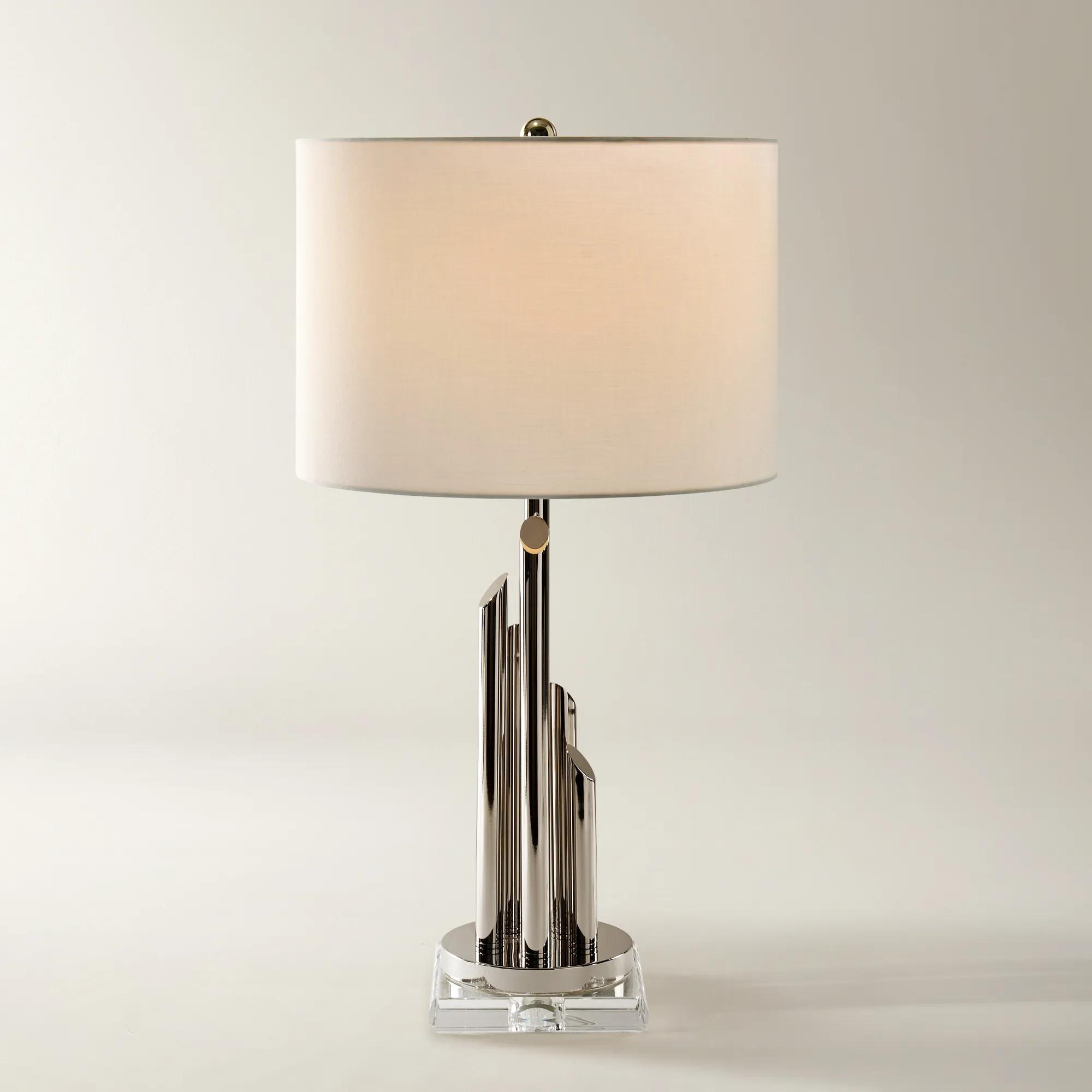
 Jagger Table Lamp$329
A modern table lamp featuring a polished nickel iron frame, clear crystal base, and white cotton drum shade.
Add To Cart -
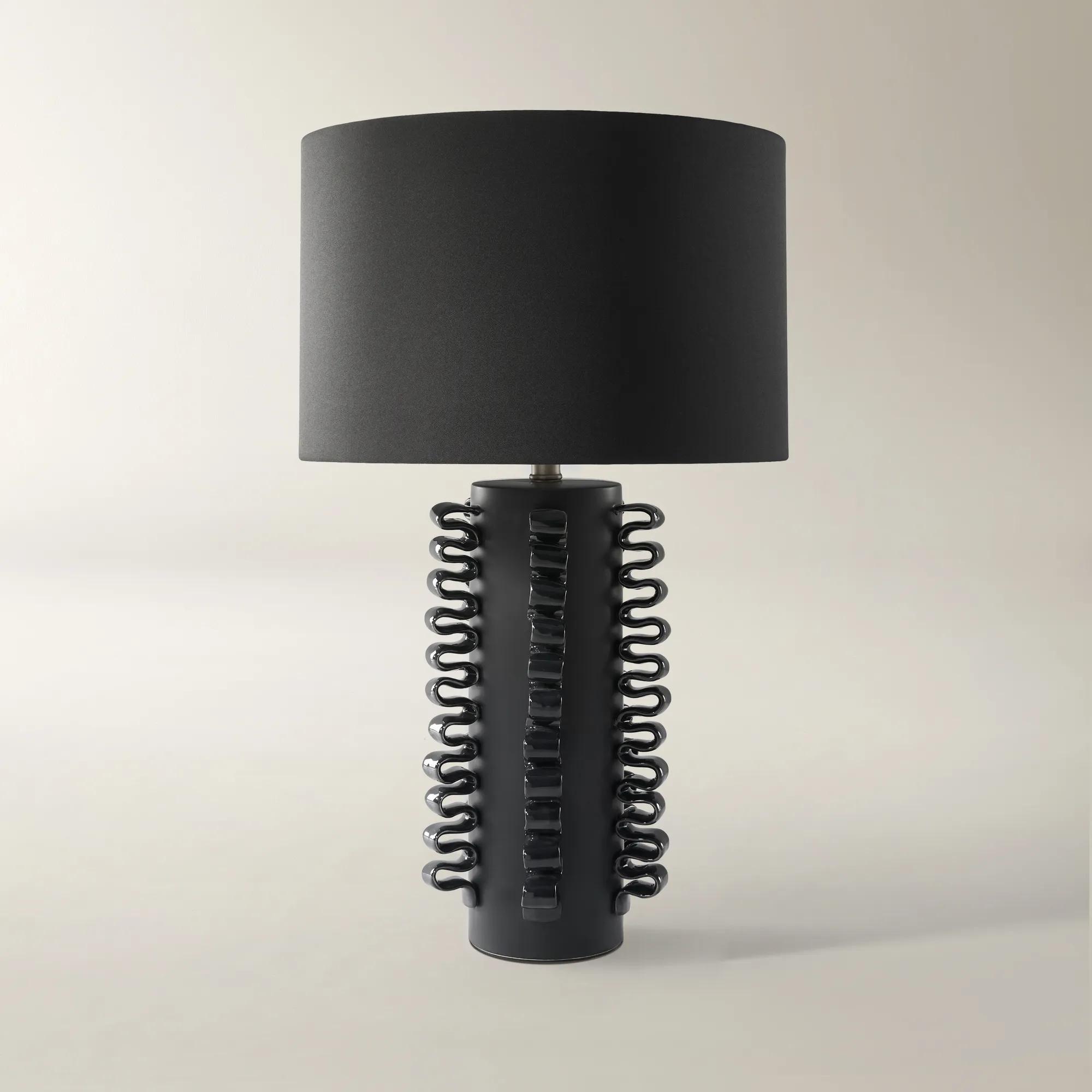
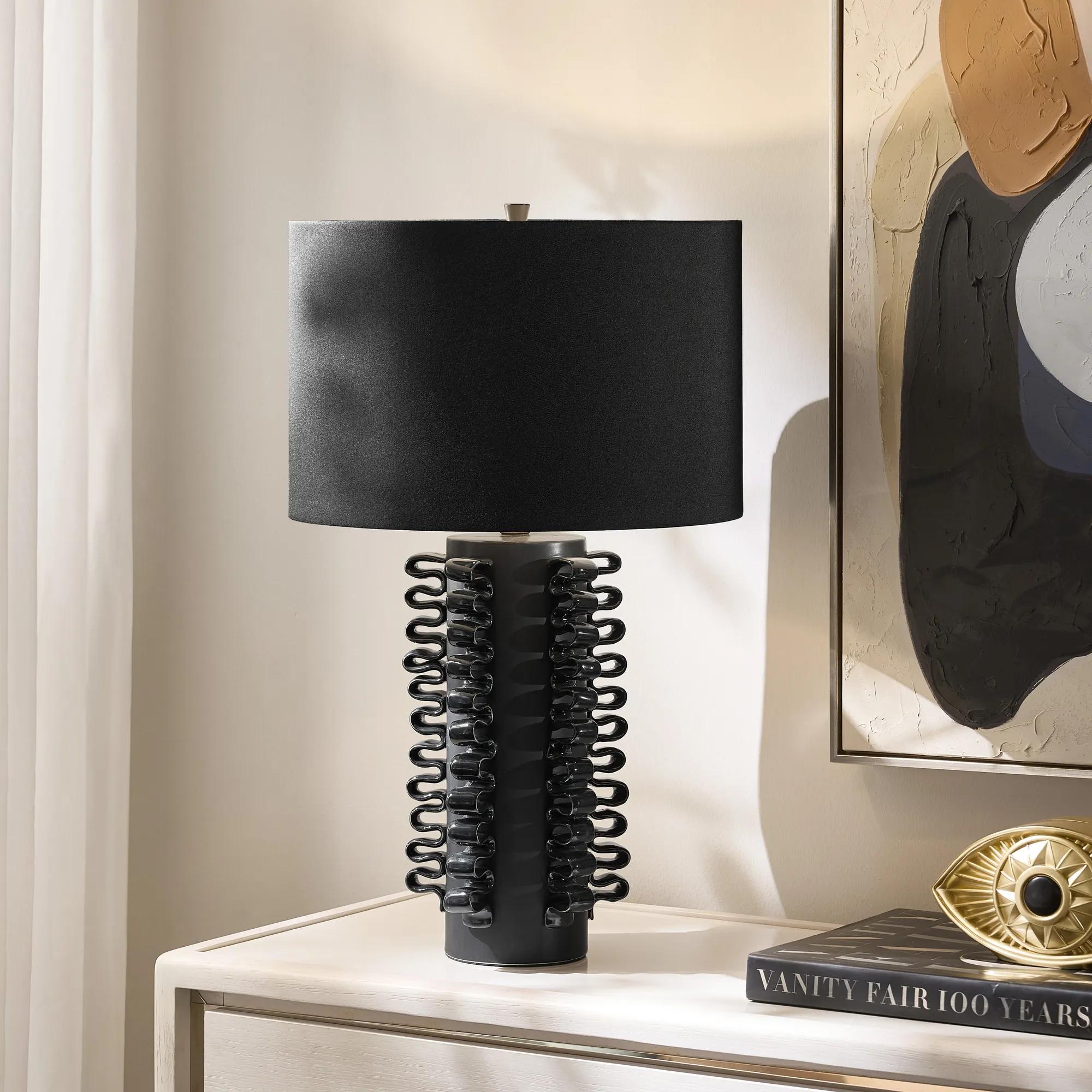 Anello Ruffle Black Ceramic Table Lamp 27"$249
A sculptural matte black ceramic lamp with glazed ribbon accents and a matching black cotton shade.
Add To Cart -
 Blair Mouth Blown Tortoise Brown Glass Table Lamp 25"$229
A mouth-blown glass lamp in a brown tortoise finish with antique brass accents and an ivory linen shade.
Add To Cart -
 Edin Mouth Blown Slate Blue Glass Table Lamp 17.5"$99
A sculptural slate blue mouth-blown glass lamp with brushed nickel accents and an ivory linen shade.
Add To Cart -

 Blair Mouth Blown Sea Glass Blue Glass Table Lamp 25"$229
A mouth-blown glass lamp in soft blue sea glass with antique brass accents and an ivory linen shade.
Add To Cart

Bedside Lamps With Fabric Shades
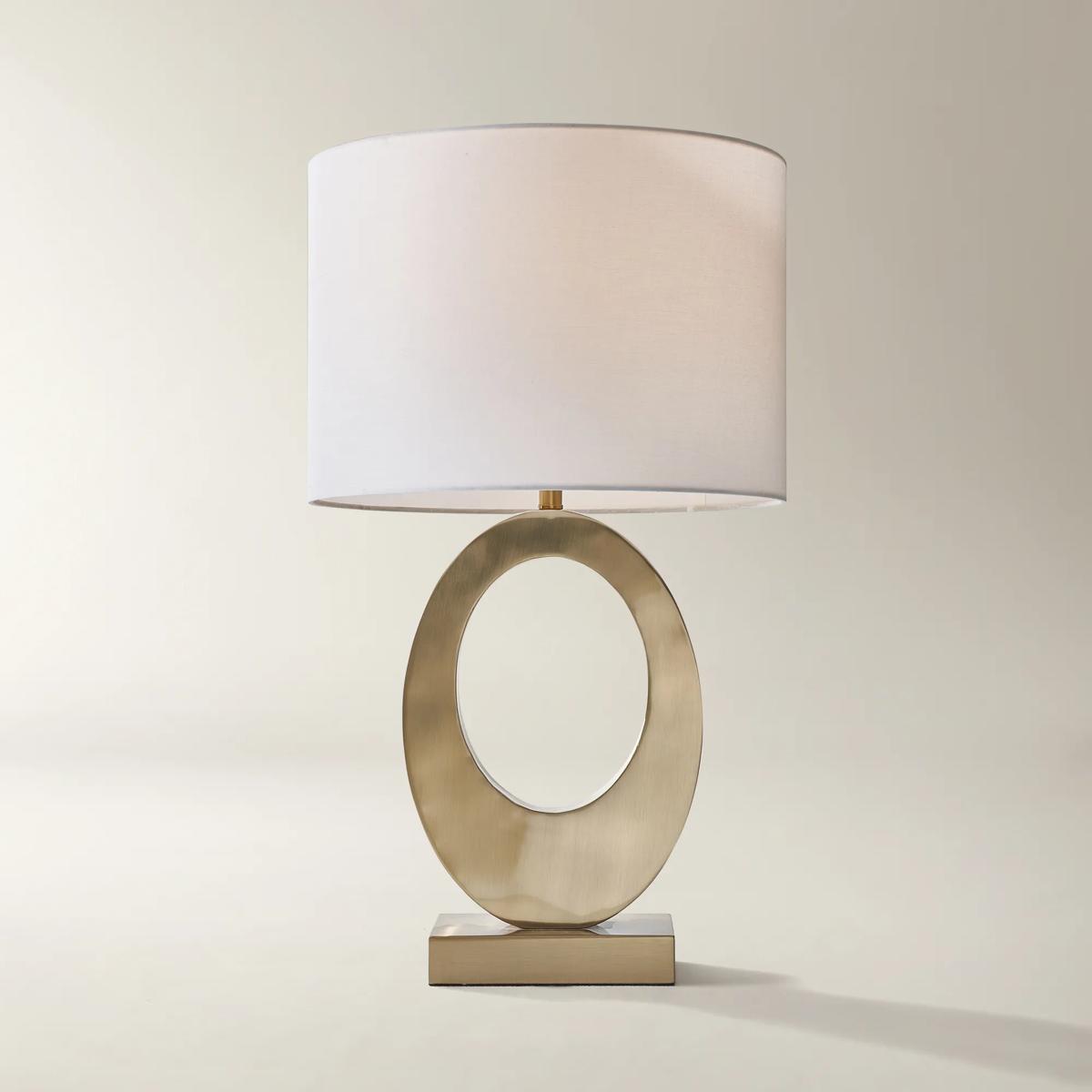
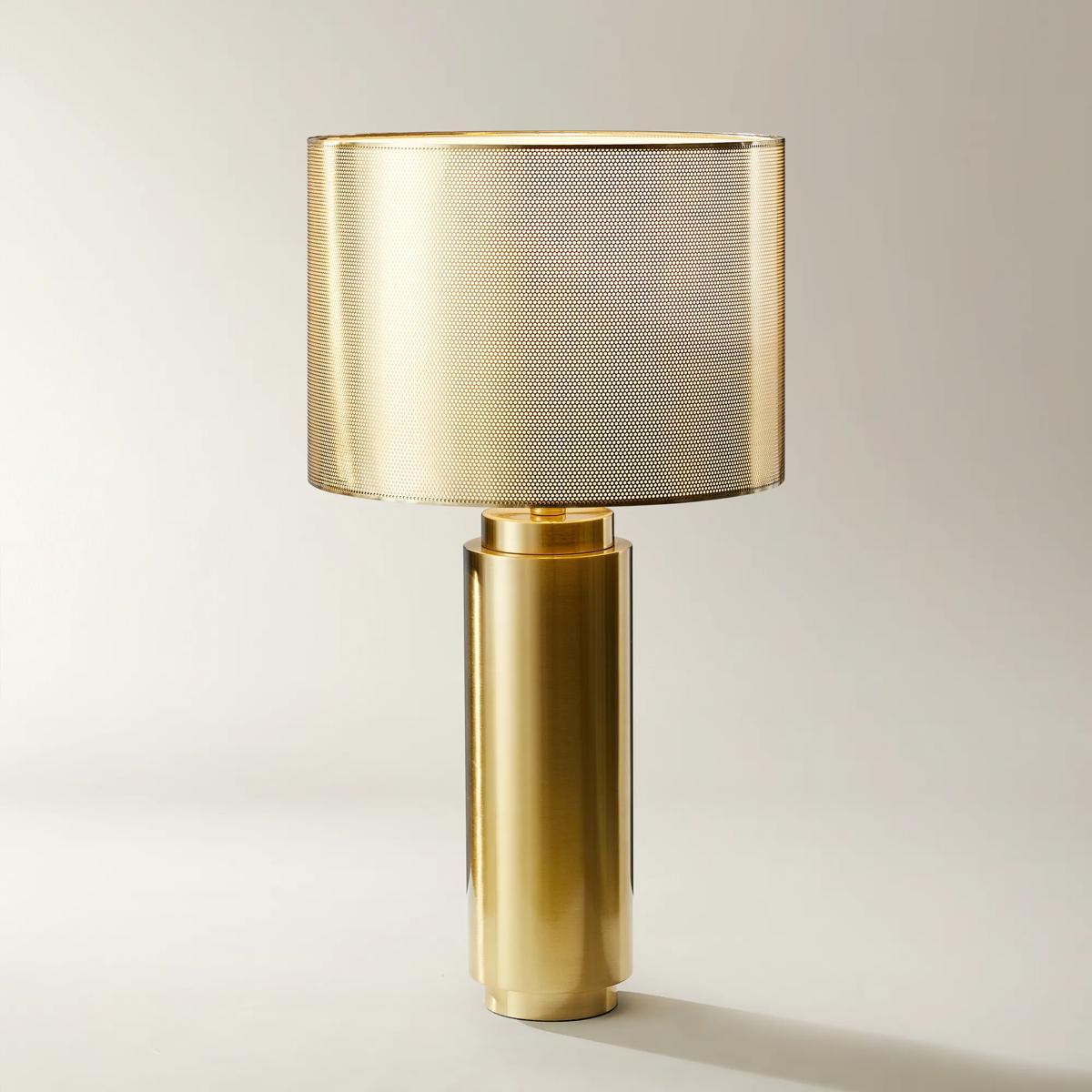
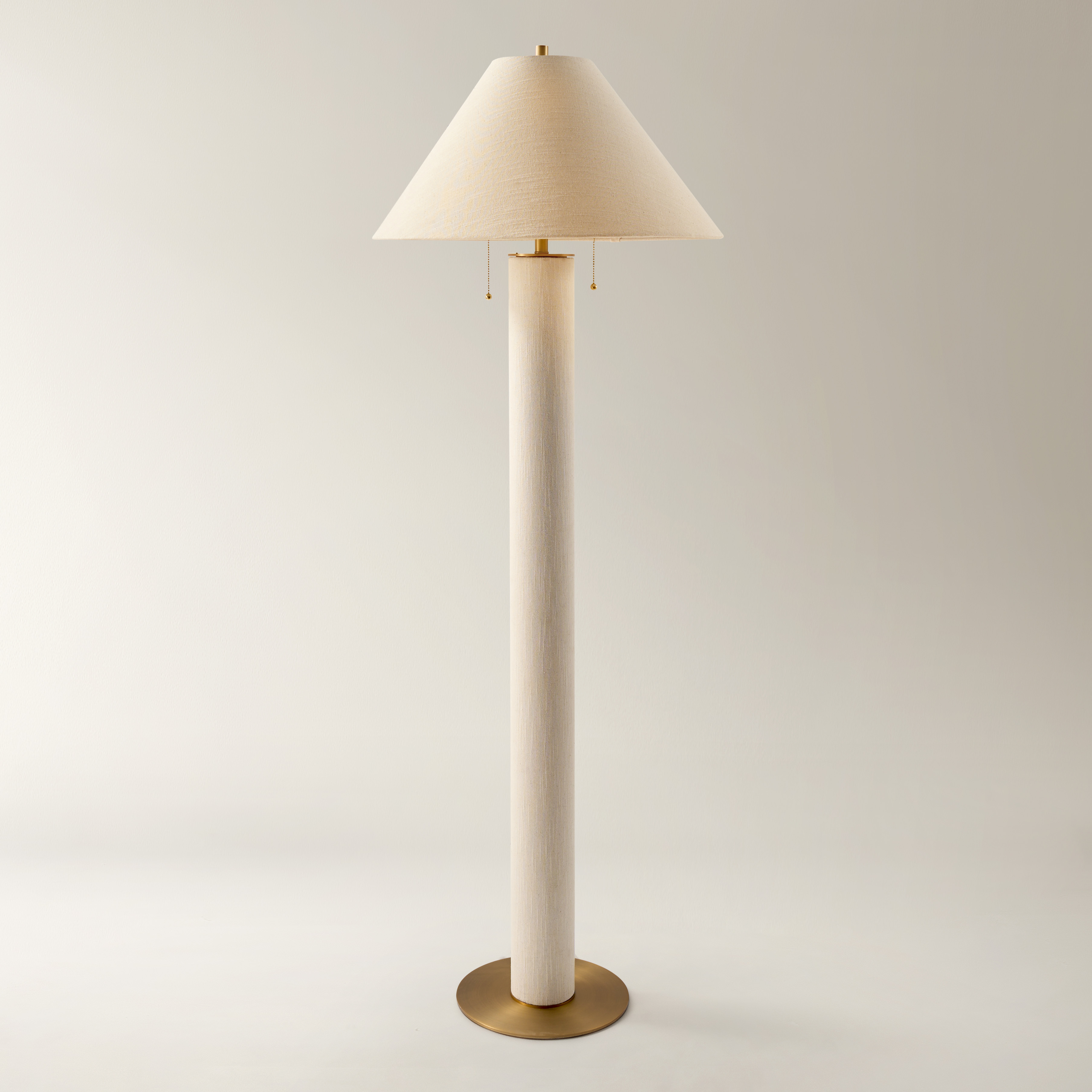
A fabric bedside lamp brings tailored texture to your nightstand, balancing sculptural form with the softness of a linen or cotton shade. Explore expressive silhouettes for an intimate bedside vignette or a more dramatic bedroom statement. Compare shade materials, base finishes, and overall proportions to find a lamp that complements both your furniture and your personal style.
Bedside lamps with fabric shades bring a softer dimension to a bedroom, balancing the presence of a sculptural base with light filtered through cloth. They give the space beside a bed its own atmosphere: intimate enough for winding down, expressive enough to hold its place against a dramatic headboard or richly layered bedding. Unlike an exposed bulb, a fabric shade helps temper direct brightness through its sides, while its open top and bottom can cast light toward the ceiling and nightstand. The effect depends on the weave, lining, color, and shape of the shade, making these details as important as the base beneath it. Linen introduces visible texture and a relaxed contrast to polished surfaces; cotton can create a smoother, more tailored impression; fabric blends offer a range of finishes, from finely woven neutrals to subtly lustrous surfaces. Pale shades tend to feel airy and luminous, while deeper fabrics can create a more concentrated, atmospheric effect. A lining may also change how much light passes through, so fabric color alone does not tell the entire story. Beneath the shade, ceramic brings substance and the expressive character of a glazed surface, glass introduces transparency or reflective depth, and metal lends a crisp architectural note. A gleaming base beside a velvet headboard creates an interplay of soft and reflective textures; a matte ceramic silhouette can give patterned bedding a quieter counterpoint without surrendering presence. Drum shades emphasize clean horizontal lines, tapered shades create a more traditional profile, and rectangular shades can echo the geometry of a tailored nightstand. For a particularly crisp expression, contemporary lamps with white fabric shades pair a luminous neutral with distinctive forms and finishes. Across these variations, the appeal remains the same: a bedside accent that contributes to the room’s composition even before the light is switched on.
Scale gives bedside lighting its sense of intention. A substantial bed and tall upholstered headboard can support lamps with generous proportions, while a slender nightstand benefits from a silhouette that leaves room for the objects used each evening. The shade deserves particular attention because its widest point, rather than the base alone, determines how much visual and physical space the lamp occupies. On a compact surface, an oversized shade can crowd a water glass, extend awkwardly beyond the table, or sit too close to bedding. A well-proportioned arrangement allows the lamp to feel established without consuming the nightstand. Height matters just as much, especially for someone who reads while sitting against pillows. The relationship between mattress height, table height, and the position of the shade affects whether the bulb is comfortably screened from view. A shade that looks balanced from across the room may still expose a bright bulb when viewed from bed. For evening reading, useful light needs to reach the page rather than simply illuminate the wall, and a densely lined or dark shade may provide more atmosphere than task lighting. Bulb brightness and light color also influence the experience: a soft white glow generally feels restful beside bedding, while sufficient output keeps small print from disappearing into shadow. Bulbs should always match the fixture’s specified type and maximum wattage, and dimming requires compatibility among the lamp, bulb, and dimmer. Controls within easy reach make a meaningful difference when the room is dark; a switch hidden behind a broad base may be less convenient than expected. Cord length and outlet placement also affect where a lamp can sit comfortably, without a cord stretched across a walkway. Matching lamps can frame a bed with formal symmetry, particularly against a statement wall. Different bases can feel equally deliberate when their overall heights, shade proportions, or finishes share a visual connection. In a shared bedroom, that balance leaves room for individual reading habits while preserving a cohesive composition.
The lasting beauty of fabric-shade bedside lamps depends on thoughtful construction and care suited to each material. A stable base, secure shade attachment, and neatly finished fabric edges are practical details that support an elegant appearance through everyday use. Heavier materials can lend a reassuring sense of substance, although weight alone does not establish stability; the base’s footprint and the lamp’s overall proportions matter, too. Fabric shades benefit from gentle, regular dust removal before particles settle into the weave. With the lamp switched off, unplugged, and cool, a clean, soft brush can lift surface dust, provided that method is appropriate for the shade’s fabric and finish. Delicate pleats, decorative trim, and bonded linings require particular restraint. Water, cleaning sprays, and vigorous rubbing can leave marks or affect adhesives, making the manufacturer’s care instructions essential before attempting spot cleaning. Bases need their own approach: a soft, dry cloth is often suitable for routine dusting, while abrasive cleaners may scratch glass, dull polished metal, or damage a glazed finish. Keeping shades away from splashes, damp surfaces, and prolonged direct sunlight helps preserve their appearance, and allowing space between the lamp and curtains or bedding supports safe everyday use. These considerations make fabric-shade lamps especially rewarding in primary bedrooms, guest rooms, and thoughtfully furnished apartments, where a single object often needs to contribute both atmosphere and function. In a guest room, an accessible switch and light suited to reading offer a quiet expression of hospitality. As a wedding or housewarming gift, a lamp can feel personal without depending on an exact match to upholstery or artwork, particularly when its proportions and finish reflect the recipient’s space. Paired with a low tray, a favorite book, or a small decorative vessel, bedside lighting becomes part of a composed vignette rather than an isolated accessory. Its fabric shade softens the light; its silhouette gives the room definition. Together, those elements bring intimacy and expressive detail to the place where each day begins and ends.
FAQs
The phrase generally describes a bedside table lamp with a fabric shade, rather than a fabric-covered base. Shade materials may include linen, cotton, or blends. Check the shade description separately from the base material to understand the complete design.
Linen often brings a visibly textured, woven character, while cotton can offer a smoother, more tailored appearance. Weave, color, and construction influence the final look, so compare close-up images and the stated shade material rather than relying on the fabric name alone.
Matching lamps create a composed, symmetrical frame for the bed. Different designs can feel equally intentional when they share a shade color, related silhouette, or finish. Give the pair a visual connection while allowing each side its own expression.
Choose a shade that echoes a quieter tone within the bedding, then let the base introduce a contrasting material or richer color. A restrained shade gives intricate patterns room to shine without sacrificing the lamp’s presence.
Yes. Treat one finish as the dominant note and the other as an accent. Repeat each elsewhere in the bedroom—through hardware, a mirror, or decorative objects—to make the contrast feel deliberate, with the fabric shade adding a softer visual layer.