Brass Lamps With Fabric Shades
Brass Lamps With Fabric Shades
-
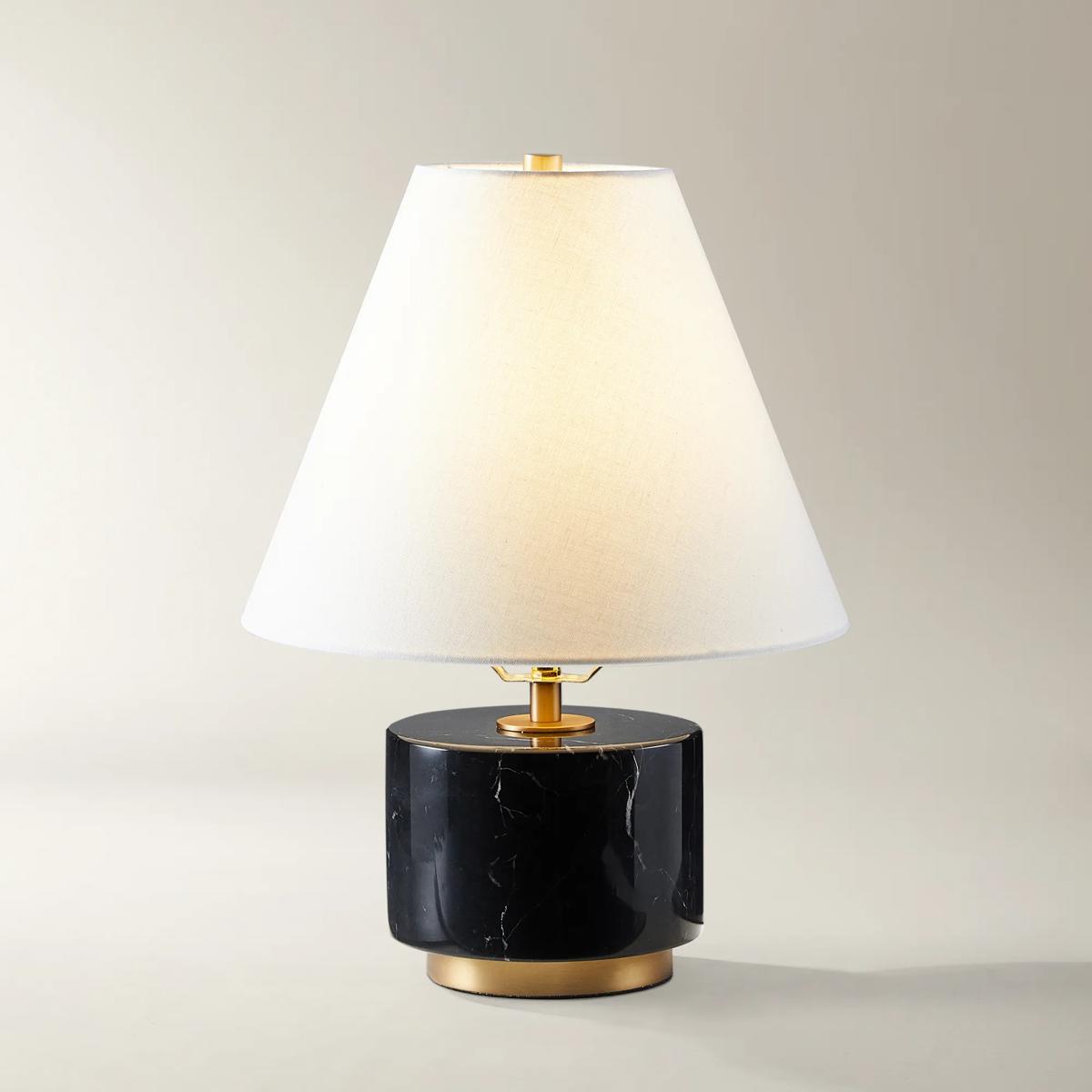
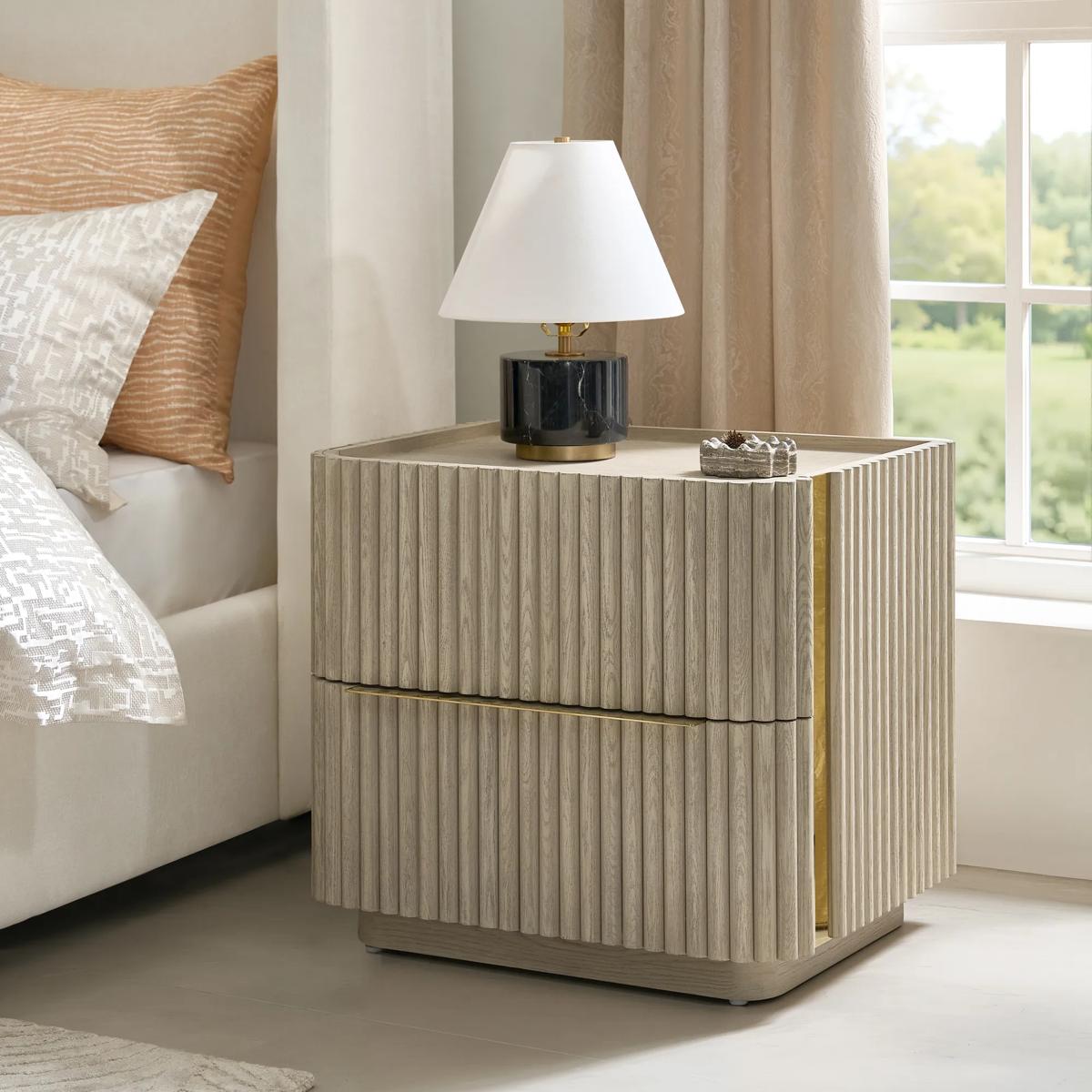 Arden Black Marble Table Lamp 14"$249
A sculptural black marble lamp with brushed brass accents and a warm white linen tapered shade.
Add To Cart -

 Blair Mouth Blown Sea Glass Blue Glass Table Lamp 25"$229
A mouth-blown glass lamp in soft blue sea glass with antique brass accents and an ivory linen shade.
Add To Cart -
 Blair Mouth Blown Tortoise Brown Glass Table Lamp 25"$229
A mouth-blown glass lamp in a brown tortoise finish with antique brass accents and an ivory linen shade.
Add To Cart -
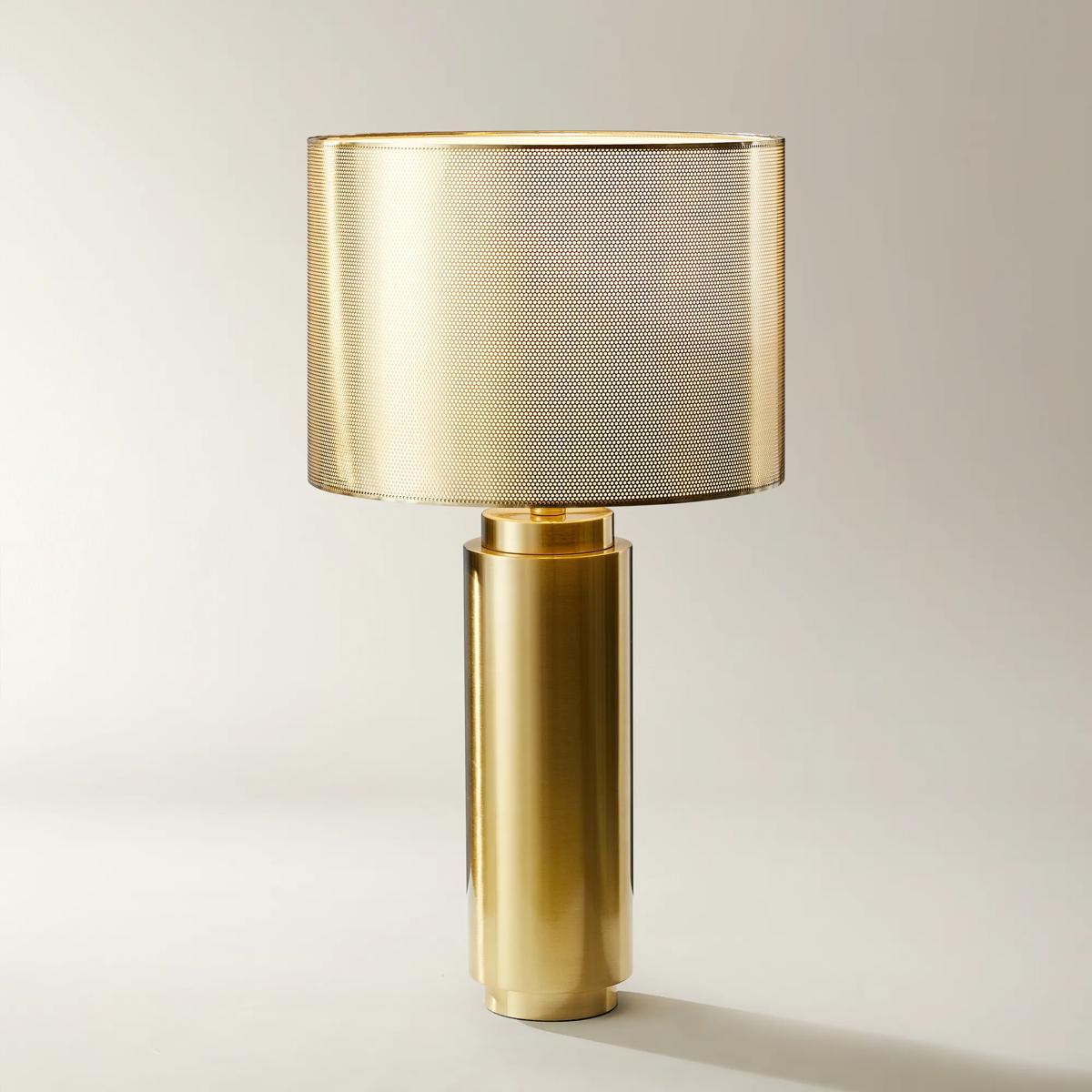
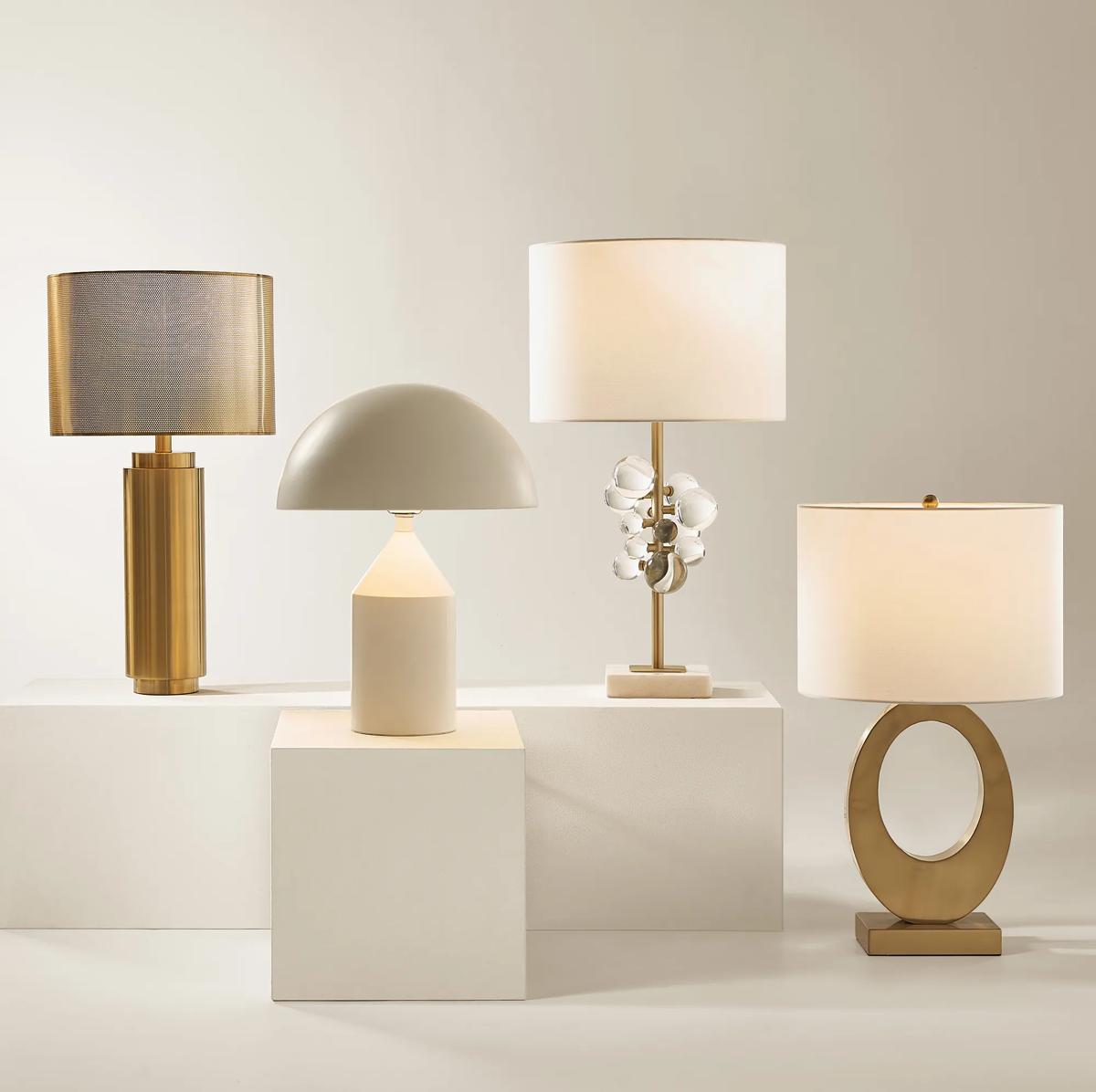 Sibyl Metal Aged Brass Finish Table Lamp 26"$399
A modern table lamp featuring an aged brass iron base and a perforated metal-over-cotton shade.
Add To Cart -
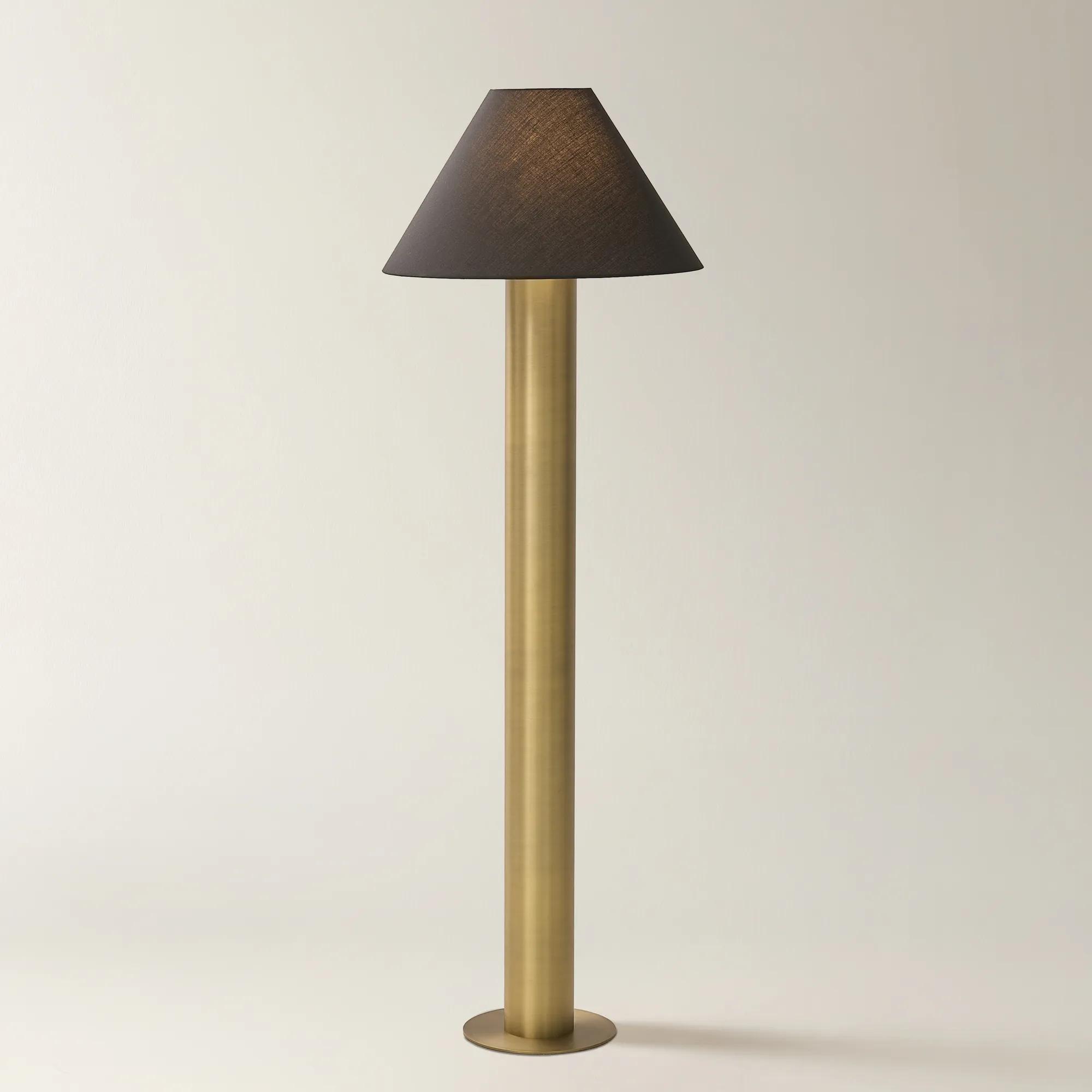
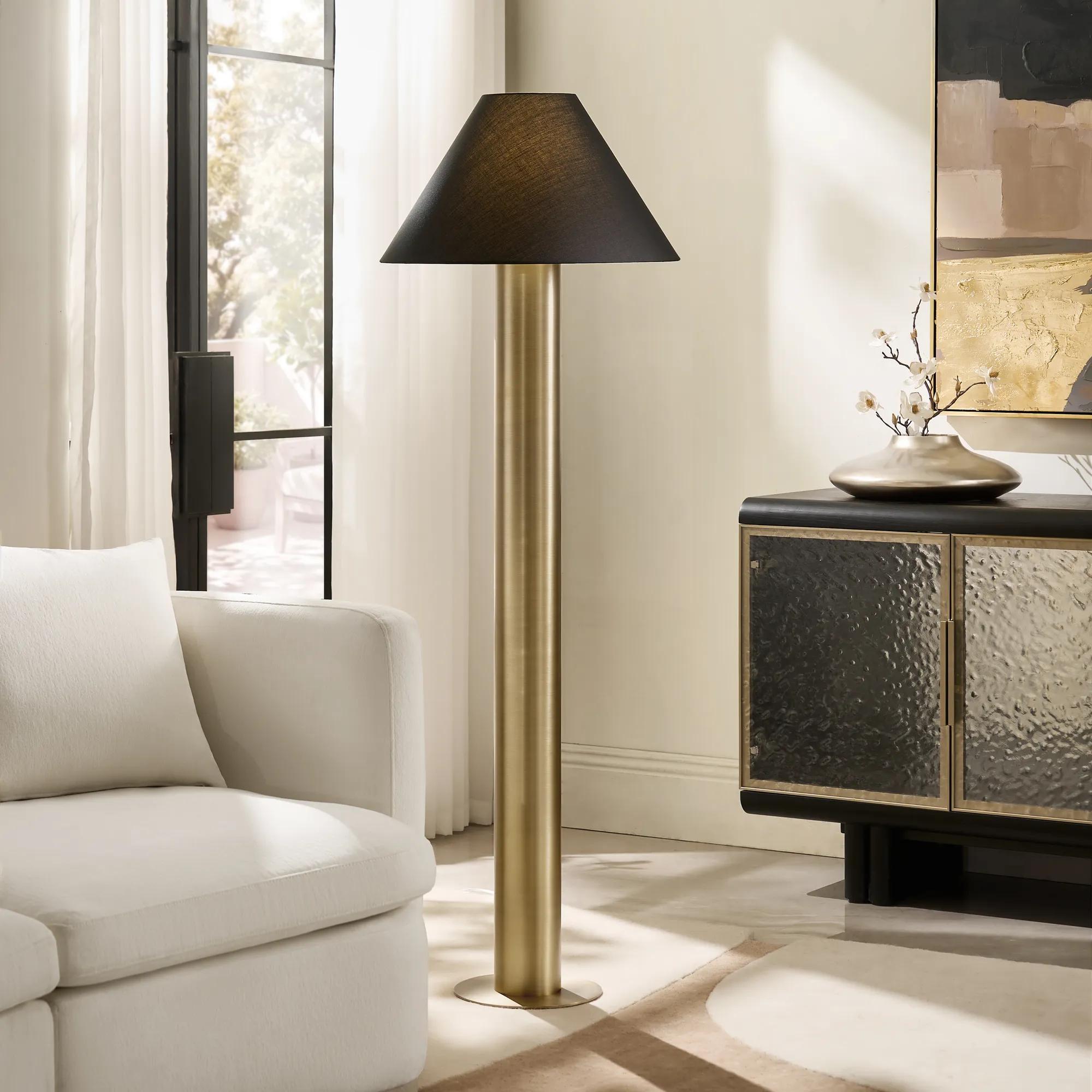 Tova Brushed Brass/Black Floor Lamp 60"$599
A sculptural brushed brass iron frame pairs with a tailored black cotton shade for modern, moody ambiance.
Add To Cart -
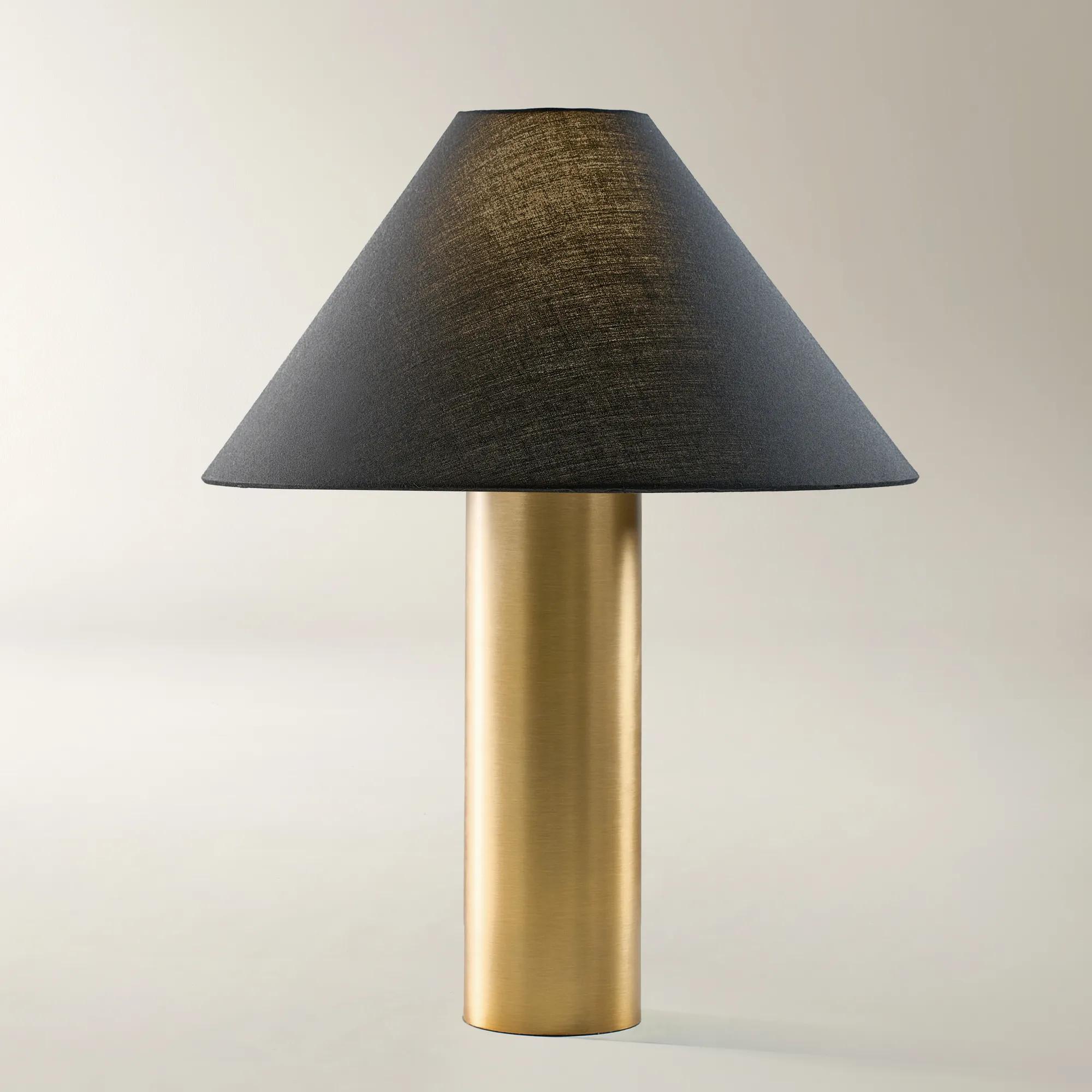 Tova Brushed Brass/Black Table Lamp 20.5"$249
A sculptural brushed brass iron base pairs with a tailored black cotton shade for bold, modern contrast.
Add To Cart

Brass Lamps With Fabric Shades
Brass lamps with fabric shades bring warm metallic detail and tactile softness into the same striking silhouette. Explore table and floor lamps for expressive living rooms, inviting bedside settings, and artfully layered corners. Let the brass finish, shade texture, and balance of materials guide your choice—from a subtle metallic accent to a sculptural focal point.
Brass lamps with fabric shades bring two distinct pleasures into a room: the gleam of metal and the softness of filtered light. Together, they create an expressive accent that feels polished without becoming severe. A brass base catches reflections from nearby glass, lacquer, and mirror, while a fabric shade tempers that brilliance with texture. The effect can be intimate beside a sofa, serene on a nightstand, or decidedly theatrical on a sculptural console. Much of that character comes from the relationship between silhouette and surface. A slender stem with a generous drum shade has an architectural presence; a rounded base beneath a tapered shade creates a fuller, more traditional profile. Angular forms introduce definition among curved upholstery, while gently contoured lamps soften the lines of a tailored room. Brass itself can take on different personalities, from luminous polished finishes to brushed surfaces with a quieter sheen. Solid brass and brass-finished materials are not interchangeable, so construction details matter when considering weight, maintenance, and how the surface may change over time. Uncoated brass can develop a patina, while lacquered or plated surfaces have their own care requirements. Fabric adds another layer of distinction. Linen and linen-look weaves lend visible texture, cotton can create a crisp silhouette, and silk or silk-look materials offer a more lustrous expression, depending on their composition. Shade color also changes the composition. Ivory and cream establish a soft contrast against golden metal; deeper fabrics frame the base more dramatically and may direct more light through the shade’s openings. These lamps suit interiors that favor a deliberate mix of finishes rather than a single repeated metal. Brass can warm a setting of marble and charcoal upholstery, accentuate the richness of dark wood, or introduce a gleaming note against pale walls and plush textiles. The result is a room with both definition and atmosphere, where practical illumination becomes part of the visual composition.
Scale gives that composition its confidence. A lamp should hold its own against the furniture around it without overwhelming the surface that supports it. On a broad end table beside a deep sofa, a substantial base and generously proportioned shade can feel balanced; on a narrow bedside table, a slimmer footprint leaves space for a book, glasses, and a small decorative tray. Overall height, base width, and shade diameter each deserve attention, since a shade may extend well beyond the base beneath it. A lamp that fits neatly on a console at its base can still project awkwardly into a walkway at shade level. The relationship to seating matters just as much. For a lamp beside a reading chair, the shade should help shield the bulb from direct view while allowing useful light to reach the page. A bedside lamp needs a similarly considered position, with controls accessible from the bed and a height that feels comfortable against the headboard. Matching lamps can give a bedroom or long console a composed, symmetrical rhythm, while different silhouettes can feel equally intentional when linked by finish, shade color, or proportion. Brass Finish Table Lamps offer a focused expression of this decorative balance, and Brass Finish Table Lamps can complement spaces where a warm metallic accent belongs at eye level rather than overhead. Fabric-shaded floor lamps create a related effect beside a chaise or accent chair, especially where a side table needs to remain open. Throughout a room, lamps work most beautifully as part of layered lighting rather than as isolated points of brightness. Overhead fixtures establish the broader setting, while shaded lamps create smaller pools of light for conversation, reading, and quiet routines. Cord length, outlet placement, and a stable supporting surface help preserve that elegance without trailing wires across a passage or crowding a tabletop.
The quality of light is as important as the silhouette that delivers it. Fabric shades vary in weave, density, lining, and opacity, so their appearance when illuminated may differ considerably from their appearance in daylight. An open weave can reveal more texture when lit, while a lined shade may produce a more controlled glow. Dark or densely woven shades often send a greater share of light upward and downward rather than through their sides, which can create drama but may not provide enough surrounding light on their own. Bulb brightness and color temperature further shape the mood. Warm-white light generally complements brass’s golden tones, while lumen output determines how much illumination a lamp contributes. Reading and detailed tasks may call for more usable light than a softly lit console vignette. Socket type, maximum bulb rating, bulb dimensions, and dimmer compatibility should always follow the lamp’s specifications; an LED bulb is not automatically compatible with every dimming system. Thoughtful care helps preserve both the finish and the fabric. A soft, dry cloth is often appropriate for routine dusting of a metal base, but cleaning directions should govern any treatment beyond that. Abrasive cleaners and metal polishes can damage protective coatings or plated finishes, even when the underlying appearance resembles solid brass. Shades benefit from gentle dust removal suited to their fabric and construction, without saturating the material or disturbing trims and adhesives. Disconnecting the lamp and allowing the bulb to cool makes routine care safer. In everyday use, a secure shade fitting, sound cord, and stable base matter as much as decorative presence, particularly in homes with children or pets. For a housewarming or wedding gift, a brass lamp with a fabric shade can be a thoughtful choice when the recipient’s room proportions and taste are known. Its appeal lies in that lasting combination of function and expression: a beautifully defined form by day, and a more intimate, luminous setting after dark.
FAQs
No. Brass can describe a surface finish on another material or the finish of hardware and accents. A lamp may combine brass-finish details with metal, glass, or stone. Read the material and finish descriptions separately to understand its construction and where the metallic detail appears.
Linen shades often emphasize visible woven texture, lending a relaxed counterpoint to metallic finishes. Cotton shades can create a more tailored impression, depending on their weave and treatment. Compare the stated fabric and close-up images rather than assuming every shade made from the same fiber looks alike.
Ivory and warm white create a soft tonal relationship with brass, while black introduces a dramatic outline. Choose a shade color that echoes an element in the room, such as upholstery, artwork, or drapery, to make the lamp feel integrated without losing its presence.
Yes. Brass can bring warmth to a room accented with cooler metals or dark hardware. Give one finish the leading role and use the others as deliberate accents. Repeating a shape, texture, or color elsewhere helps the mix feel collected and composed.
Matching shades create a tailored rhythm, but coordinated shades can be equally compelling. Keep one element consistent—such as color, fabric texture, or shape—while allowing another to vary. That shared detail connects different lamp silhouettes and leaves room for a more expressive arrangement.