Decor For Transitional Style Homes
Decor For Transitional Style Homes
-
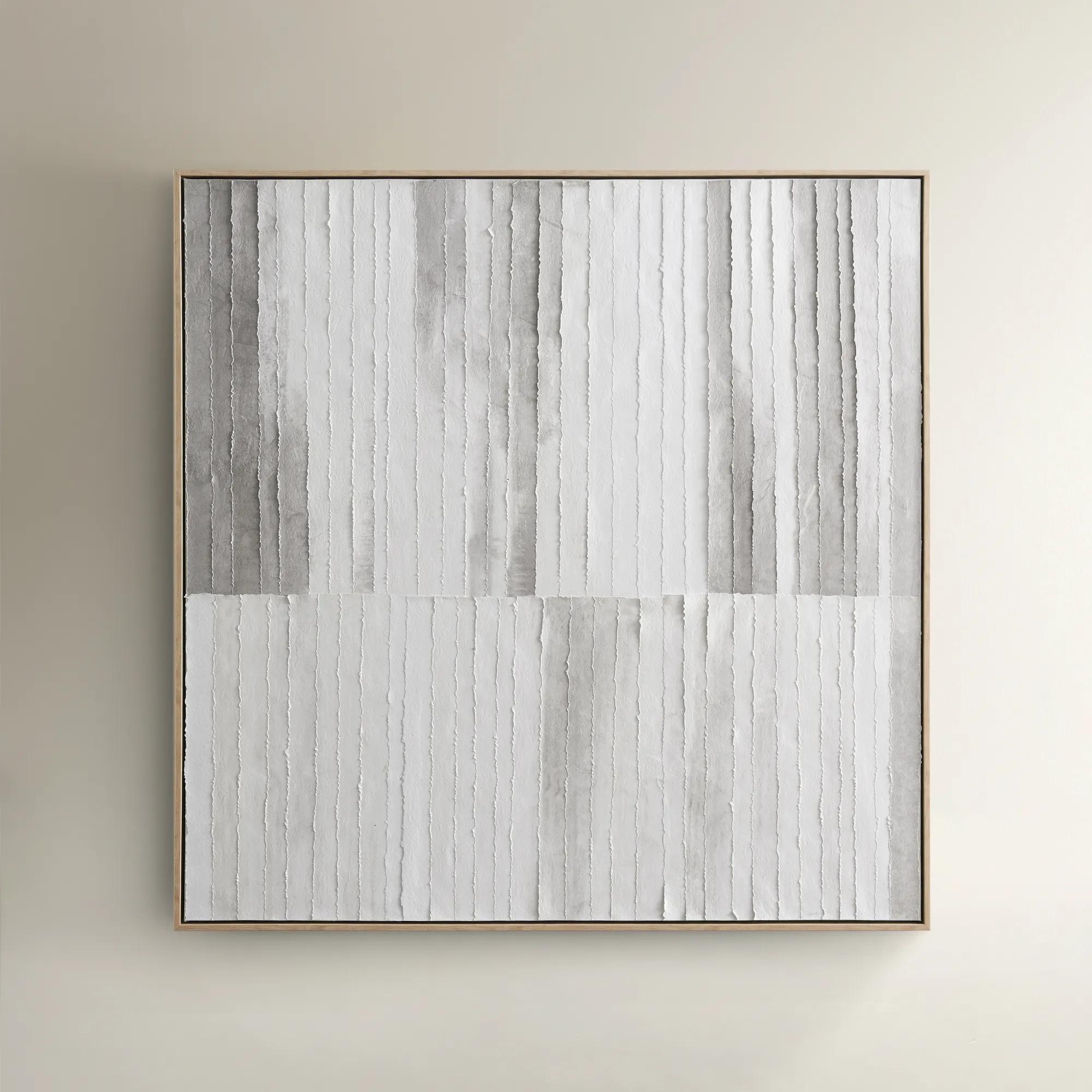
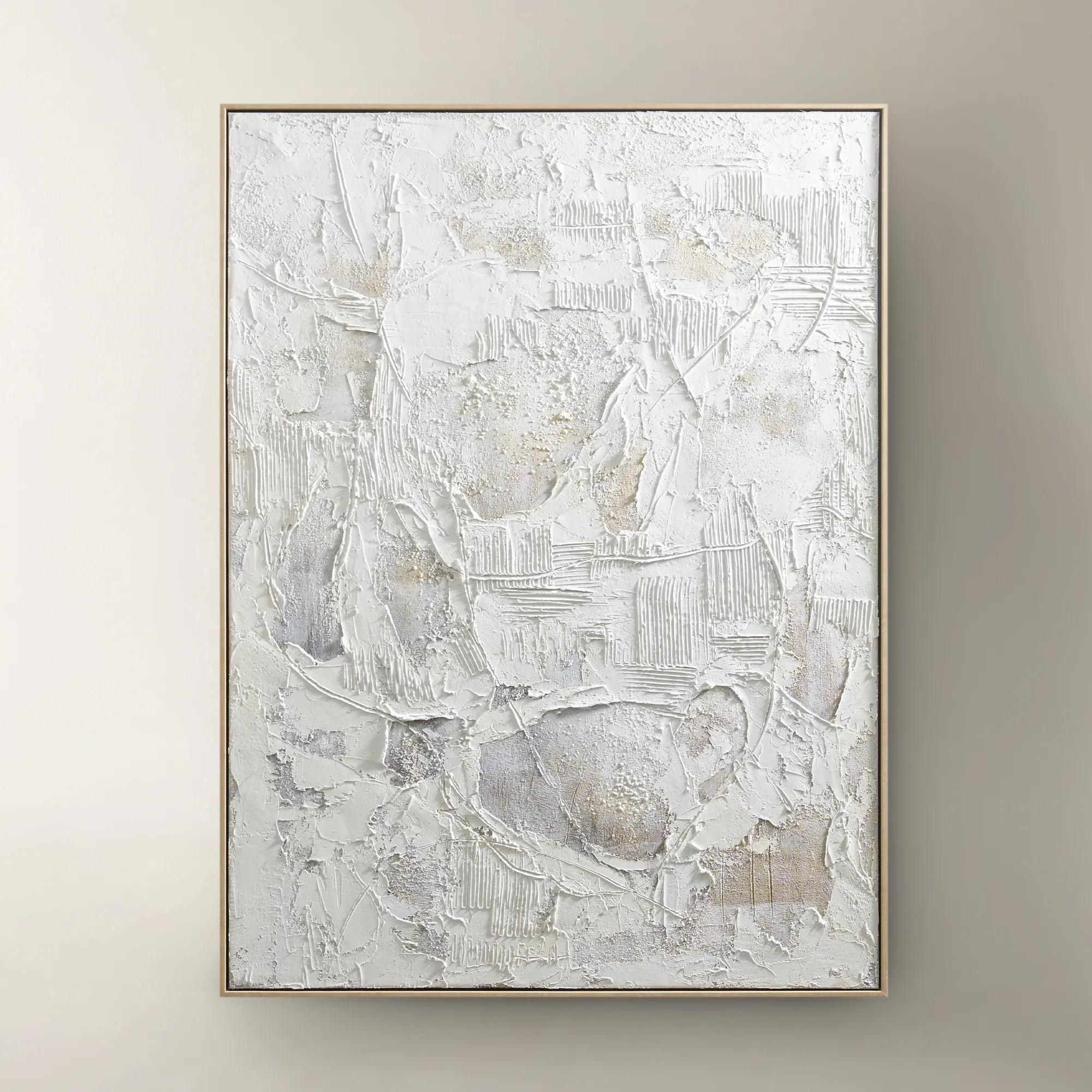
 Morning Mist Paper Art$329
A hand-painted canvas featuring rhythmic grey lines in a textured, whitewashed floater frame for serene style.
Add To Cart -
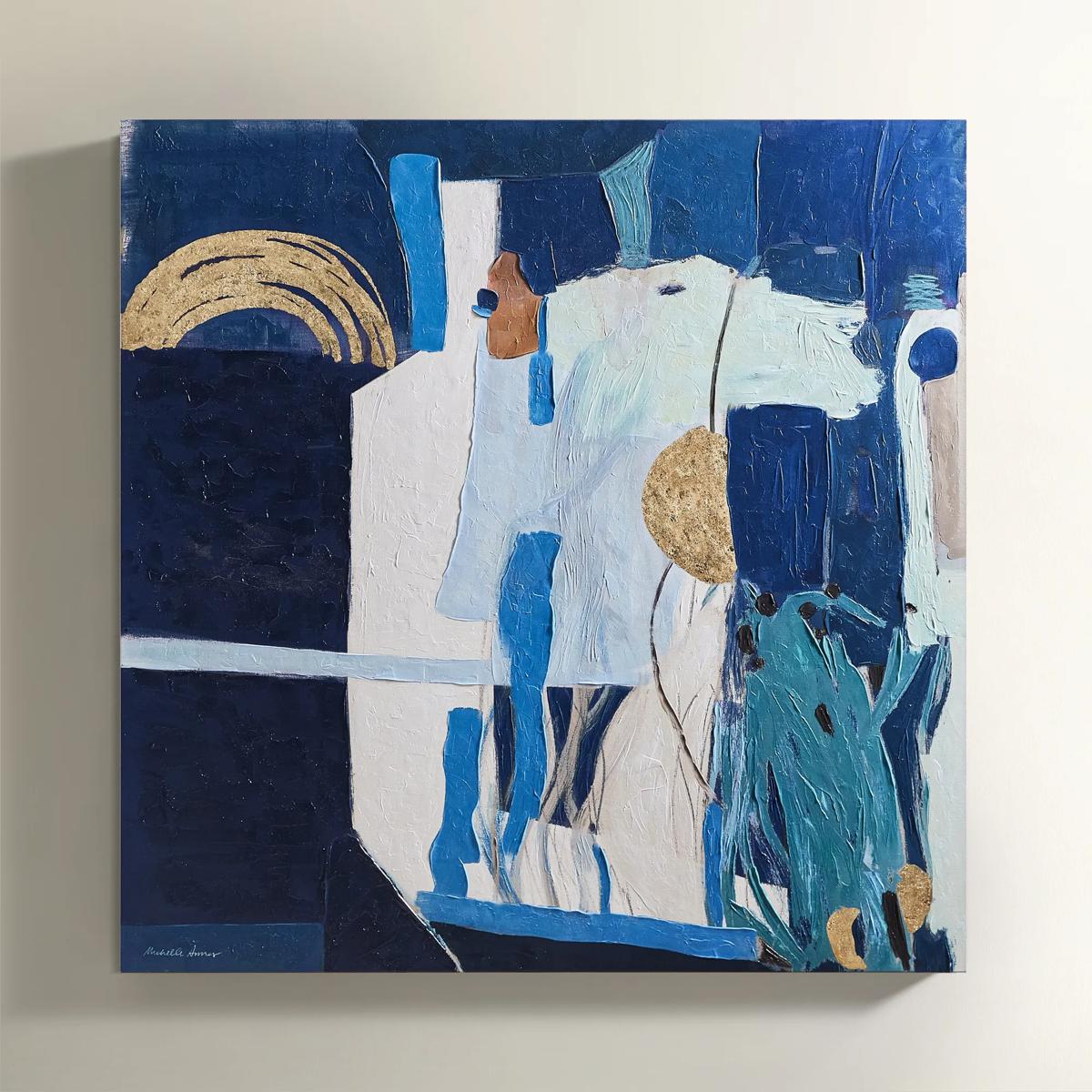
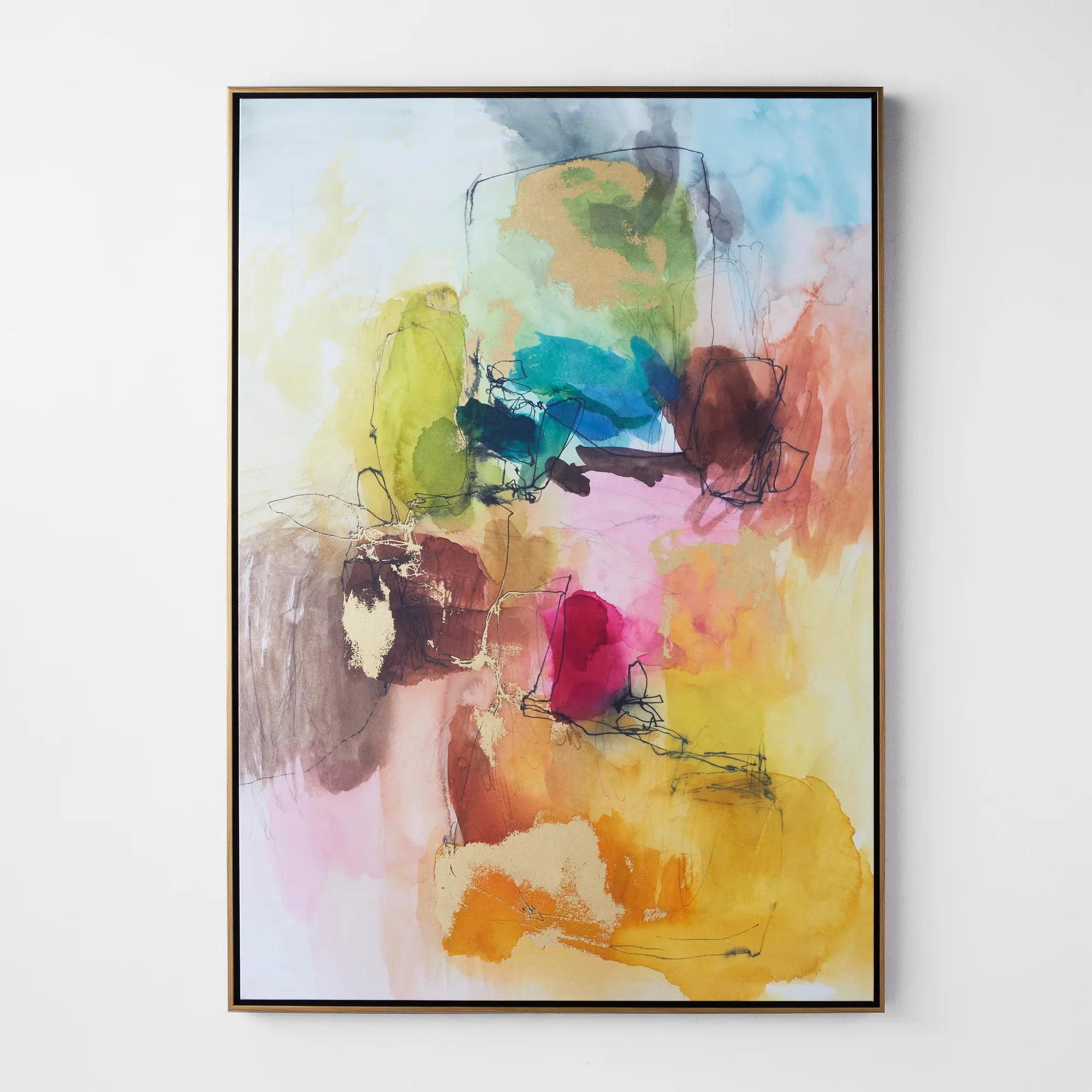
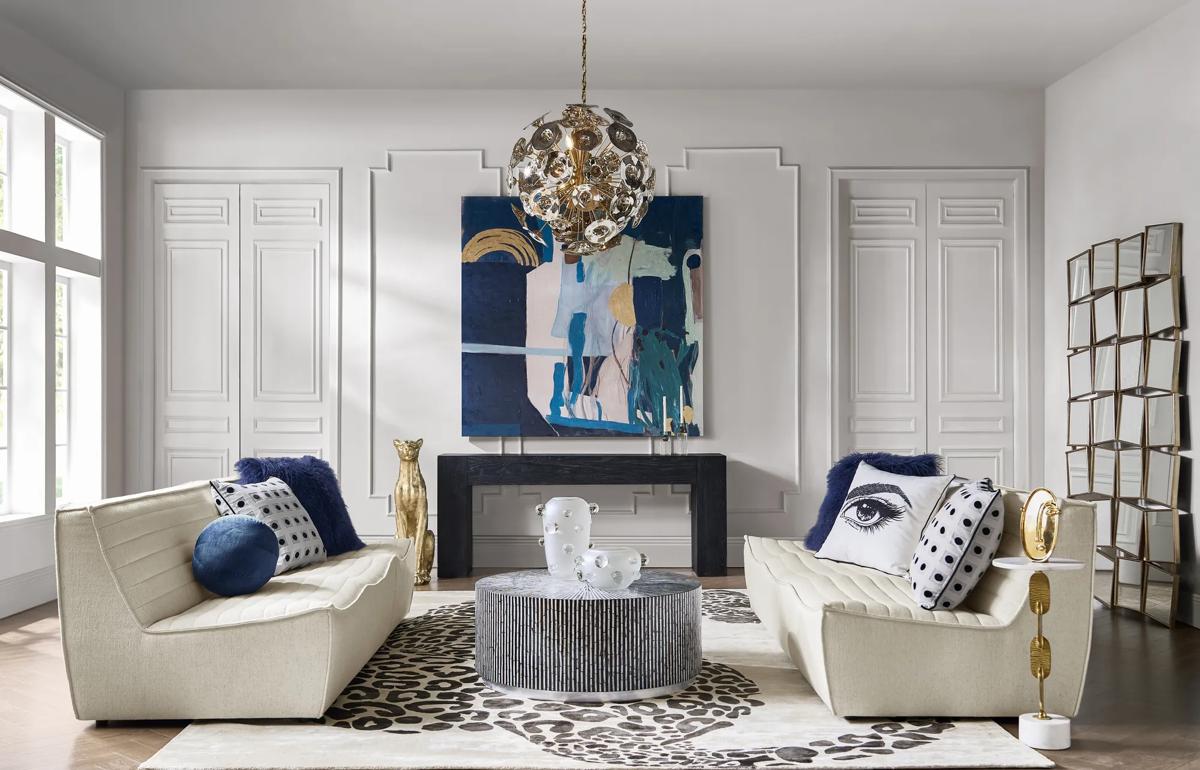 In Flux Painting$699
A hand-embellished canvas artwork featuring deep teal, green, ivory, and gold in a black Art Deco frame.
Add To Cart -
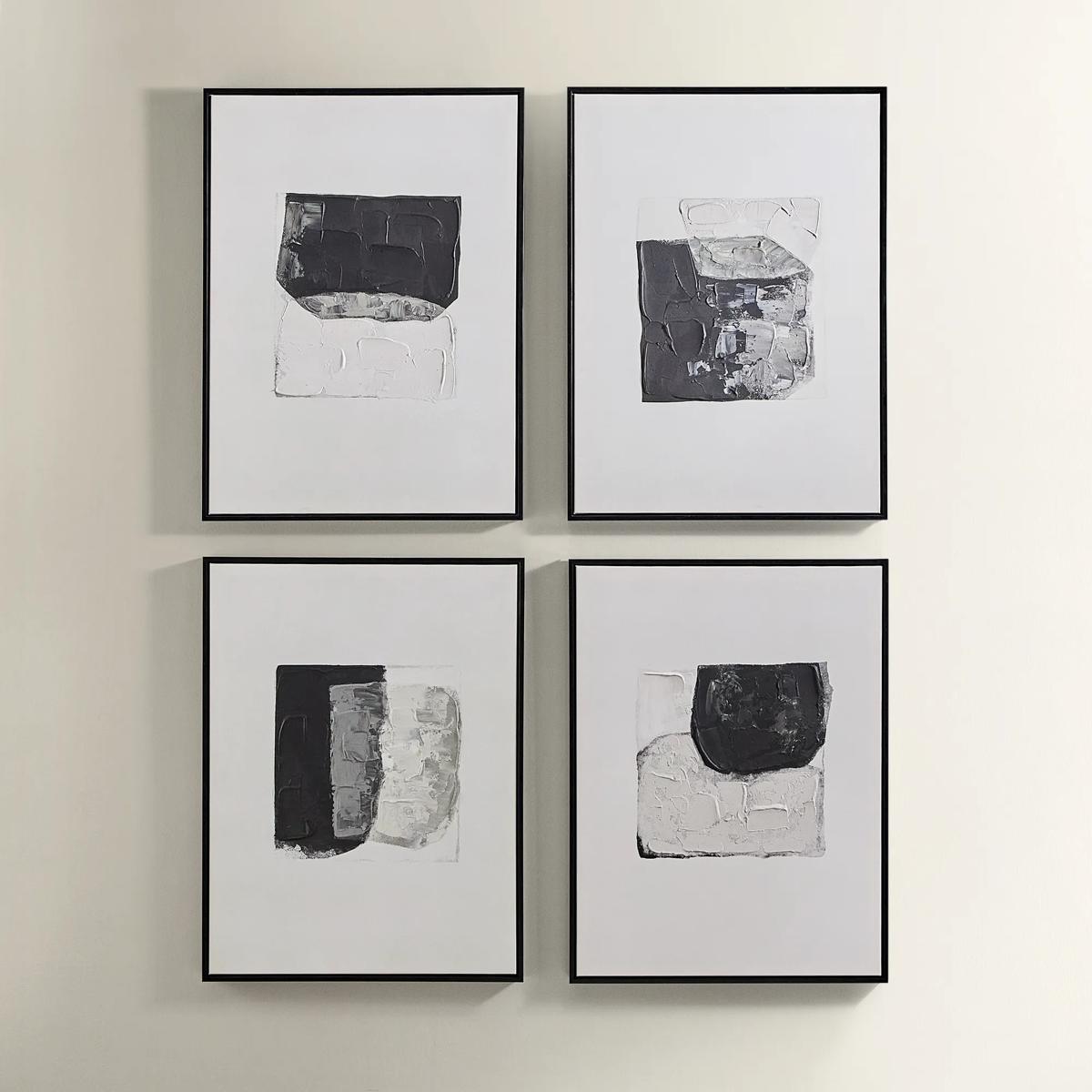
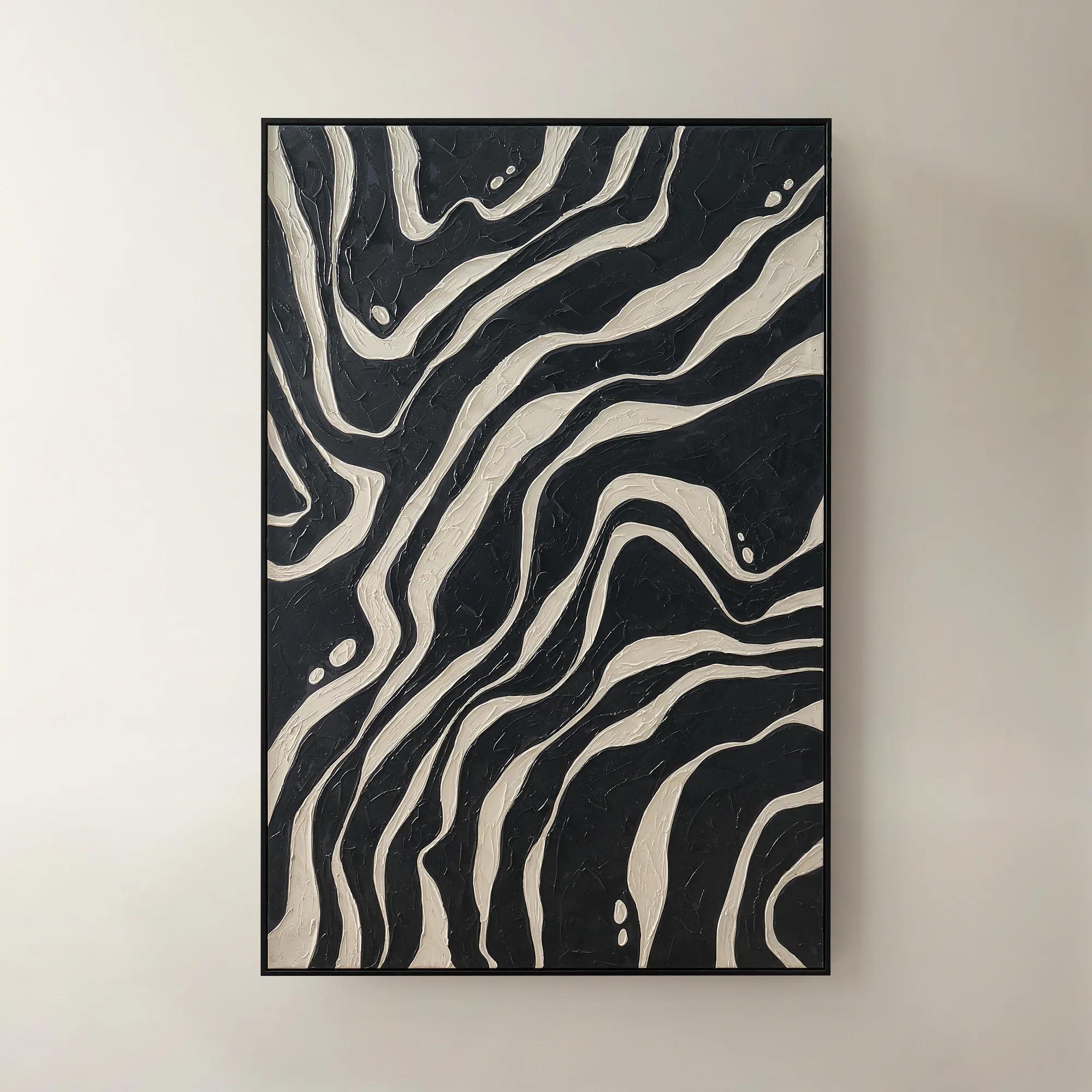
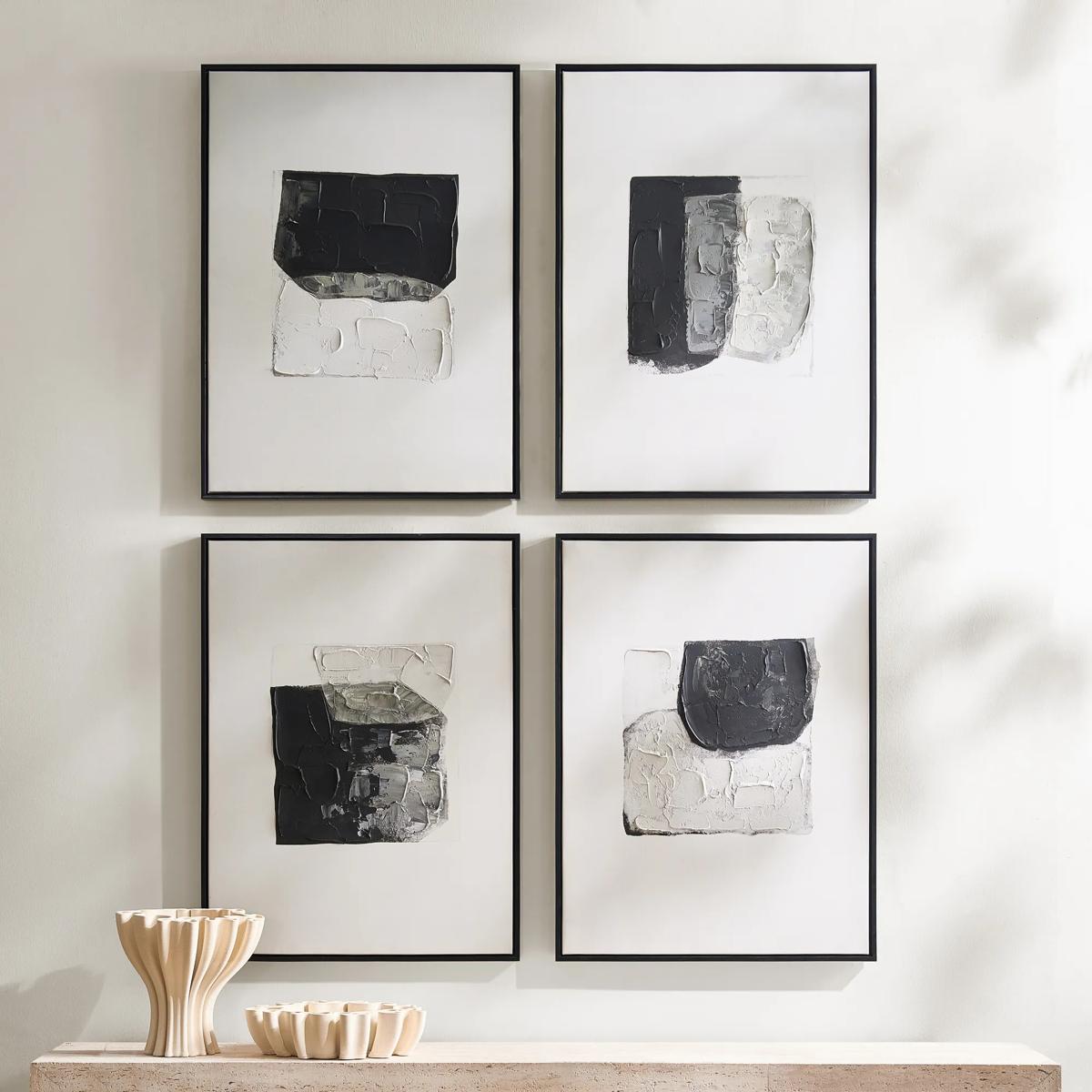 Shadows Framed Painted Wall Art Set of 4$299
A set of four hand-painted abstract canvases featuring black, white, and gold accents in black frames.
Add To Cart -
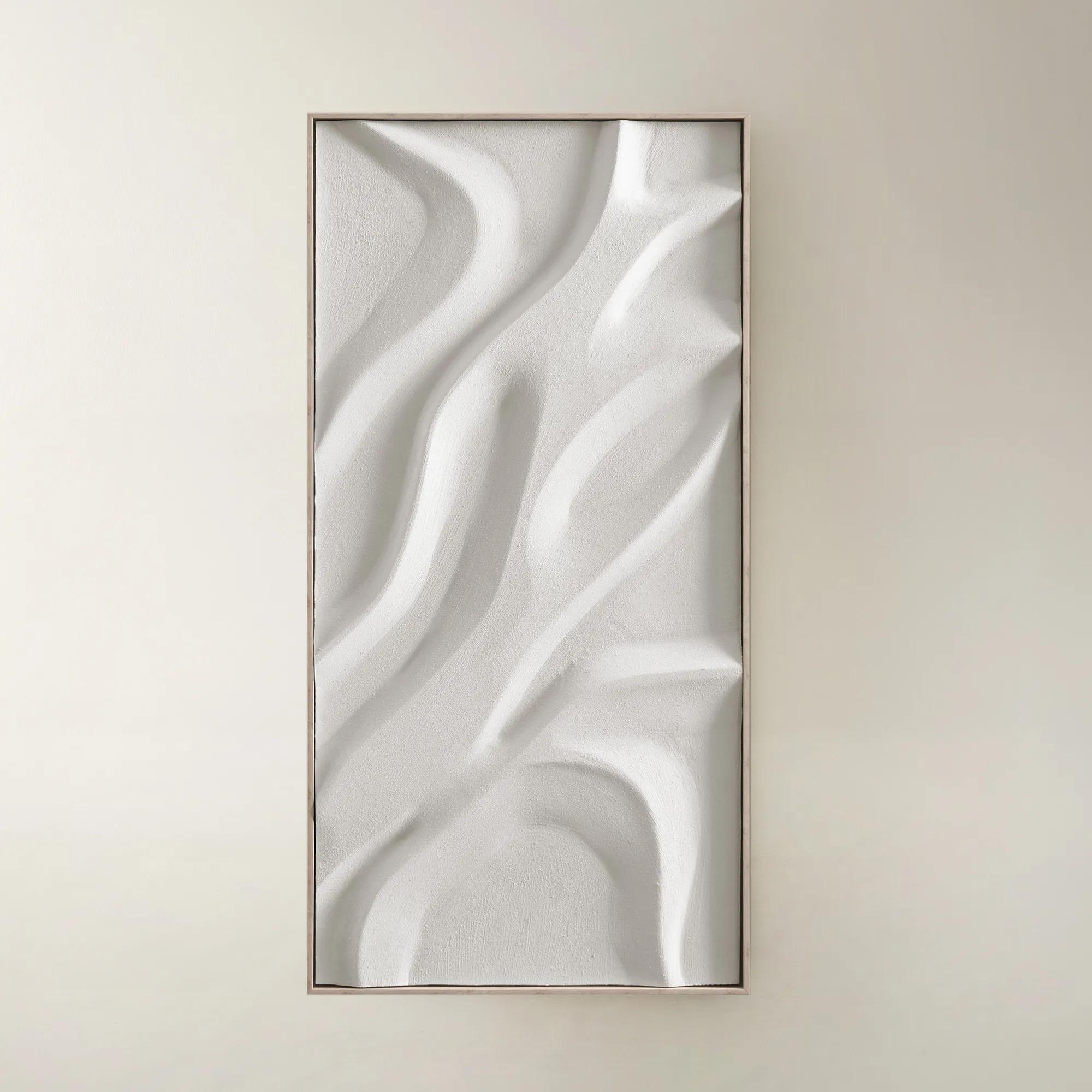
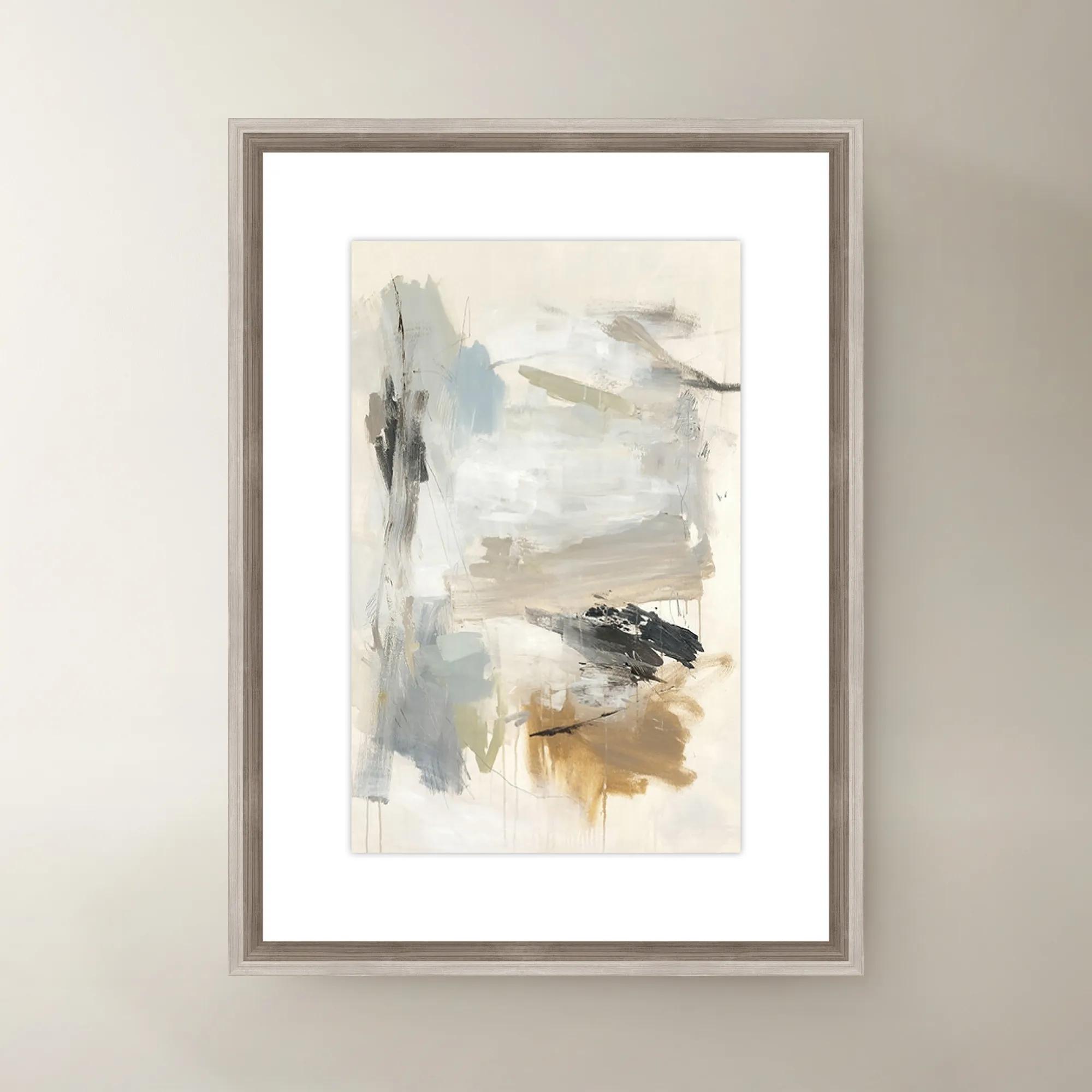
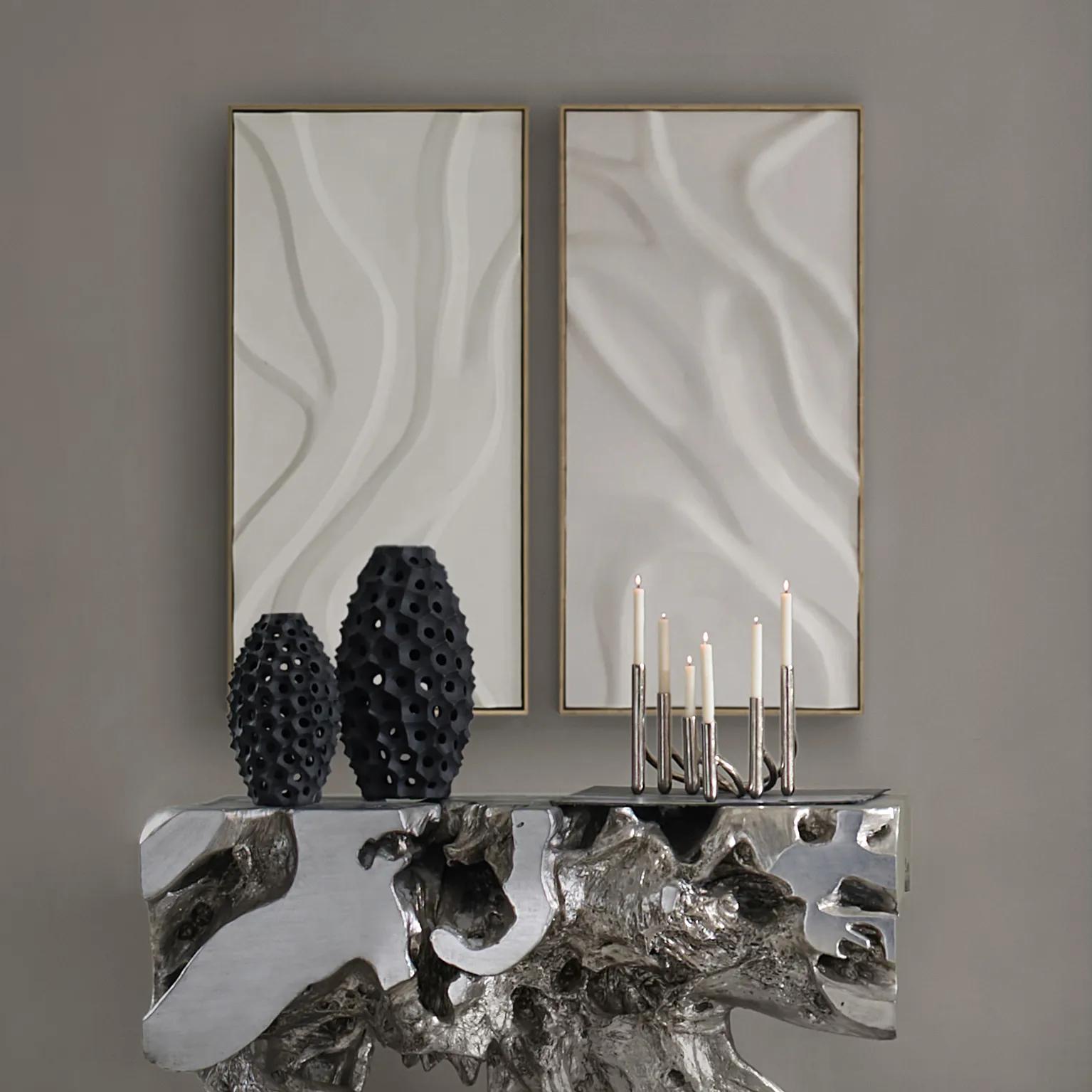 Au Lait Framed Painted Wall Art II 47.2" x 23.6"$199
A serene hand-painted canvas in beige, set in a warm whitewash floater frame for modern interiors.
Add To Cart -
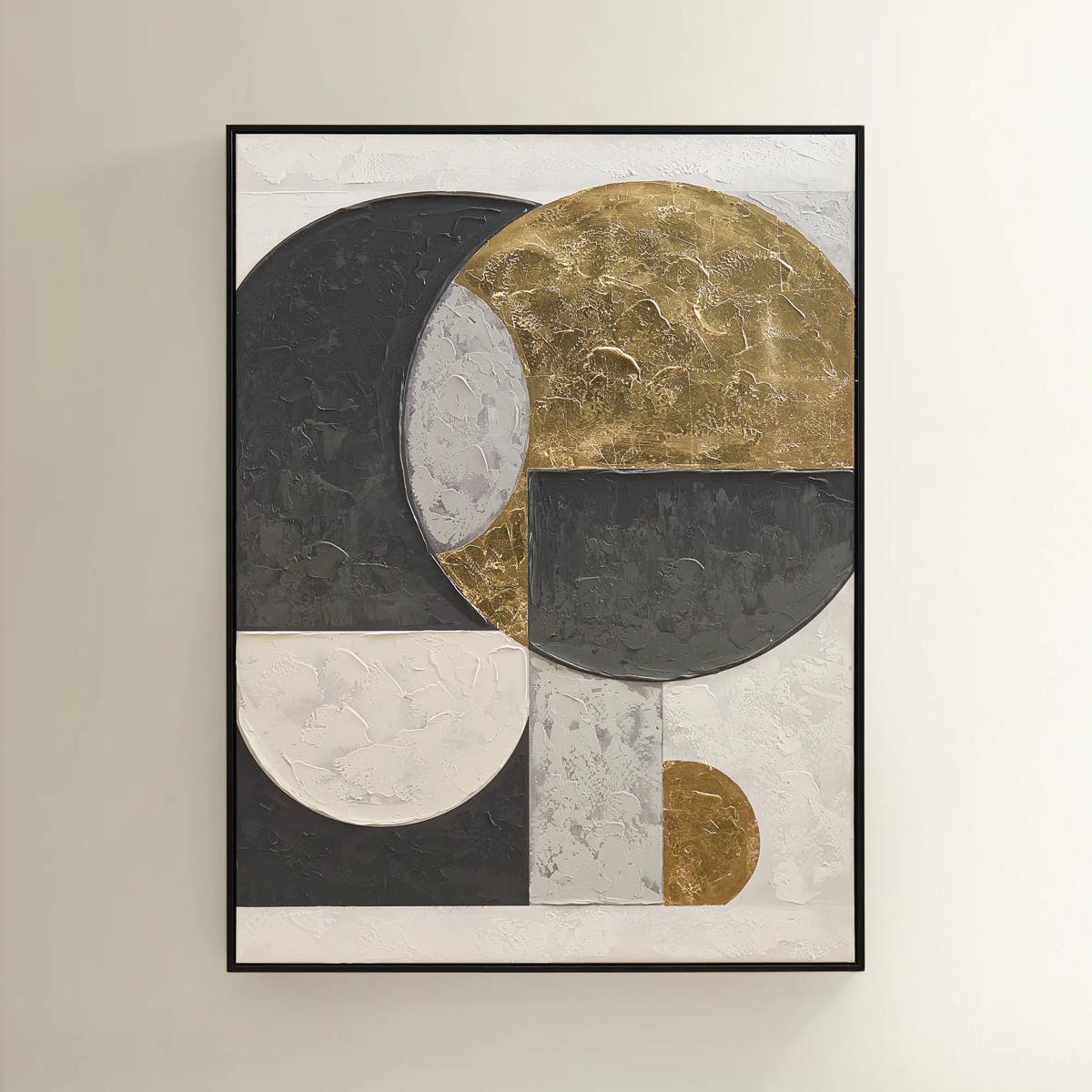
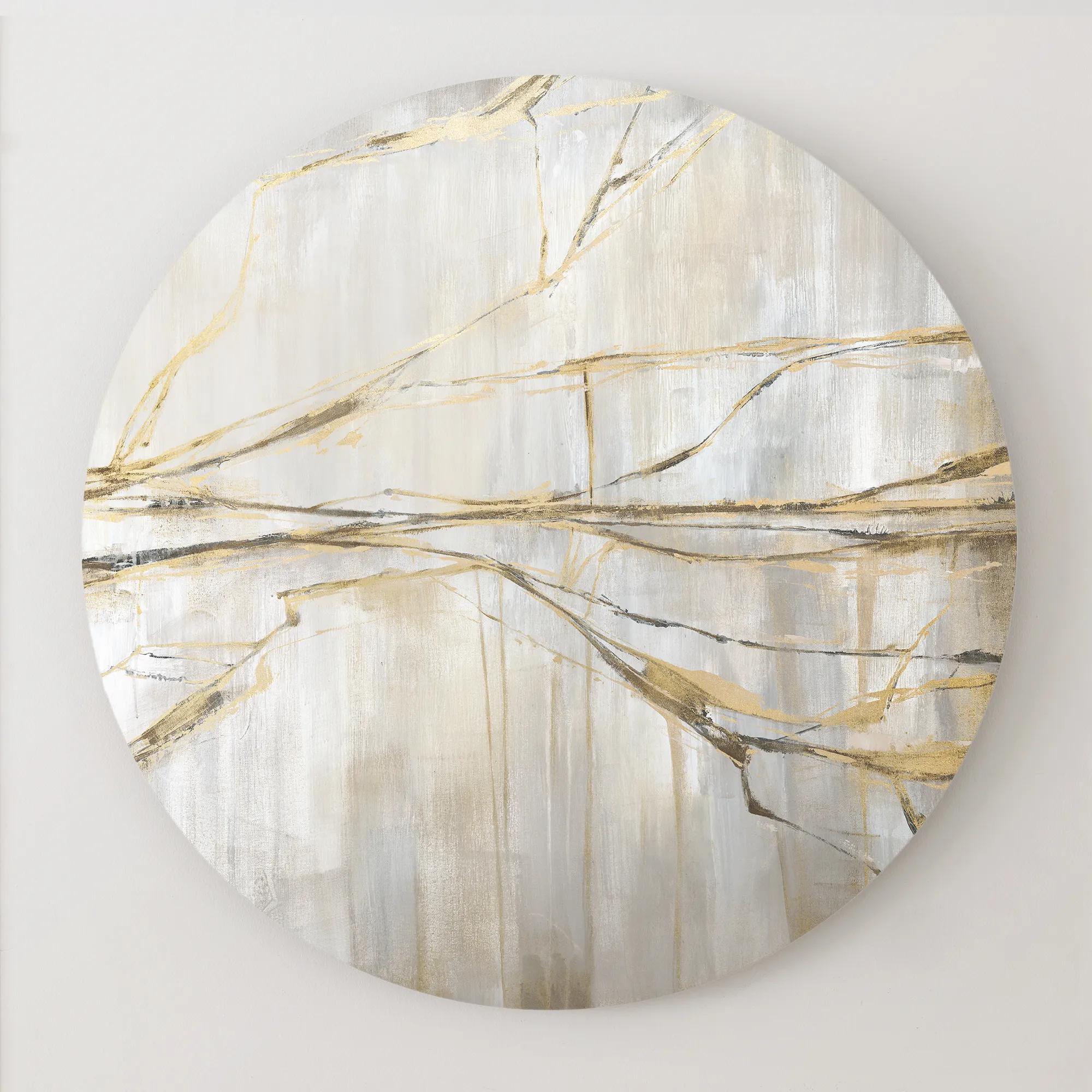
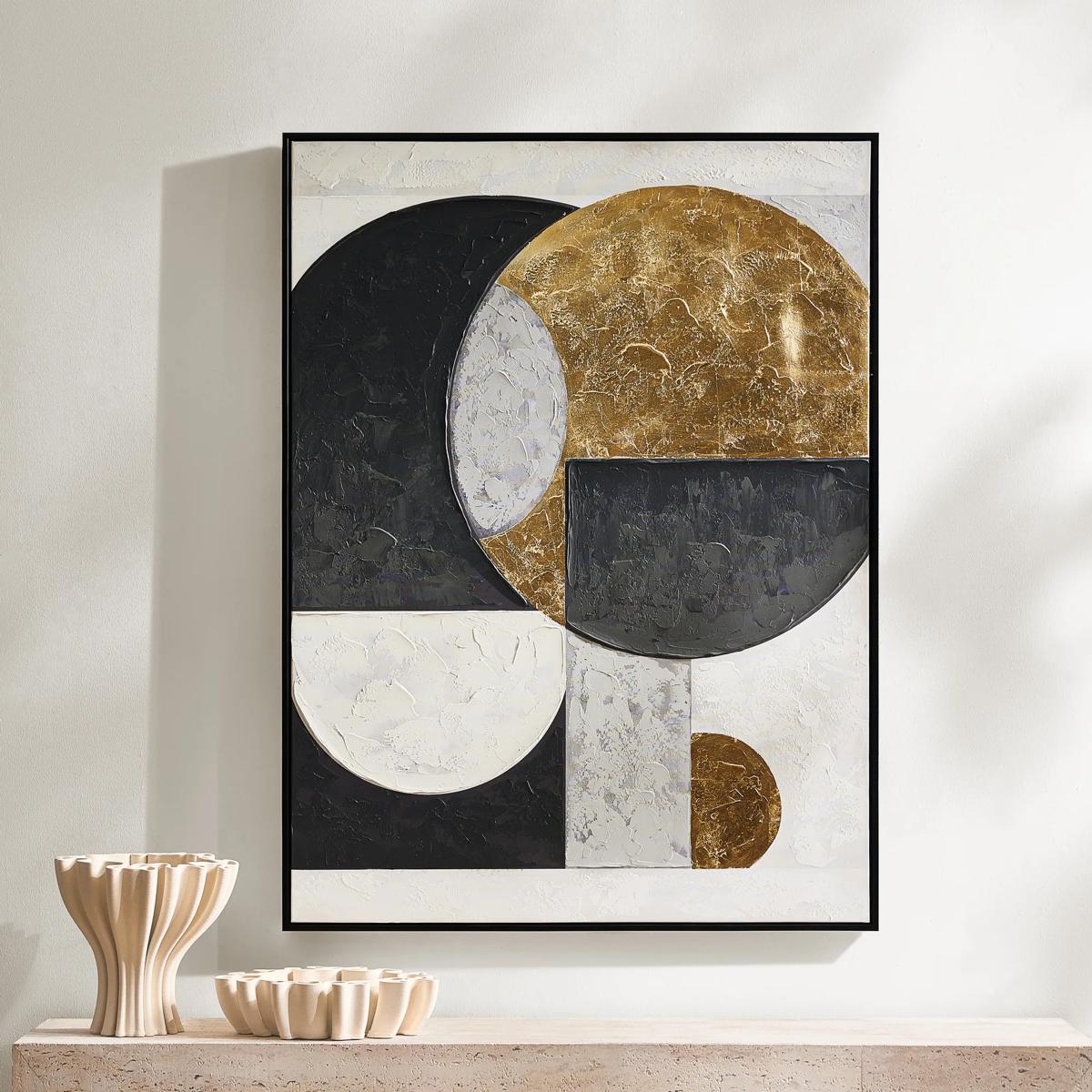 Eclipse Framed Gold Leaf Painted Wall Art 35.25" x 47.25"$449
A hand-painted canvas featuring bold black, grey, and gold geometric shapes with shimmering gold leaf accents.
Add To Cart -
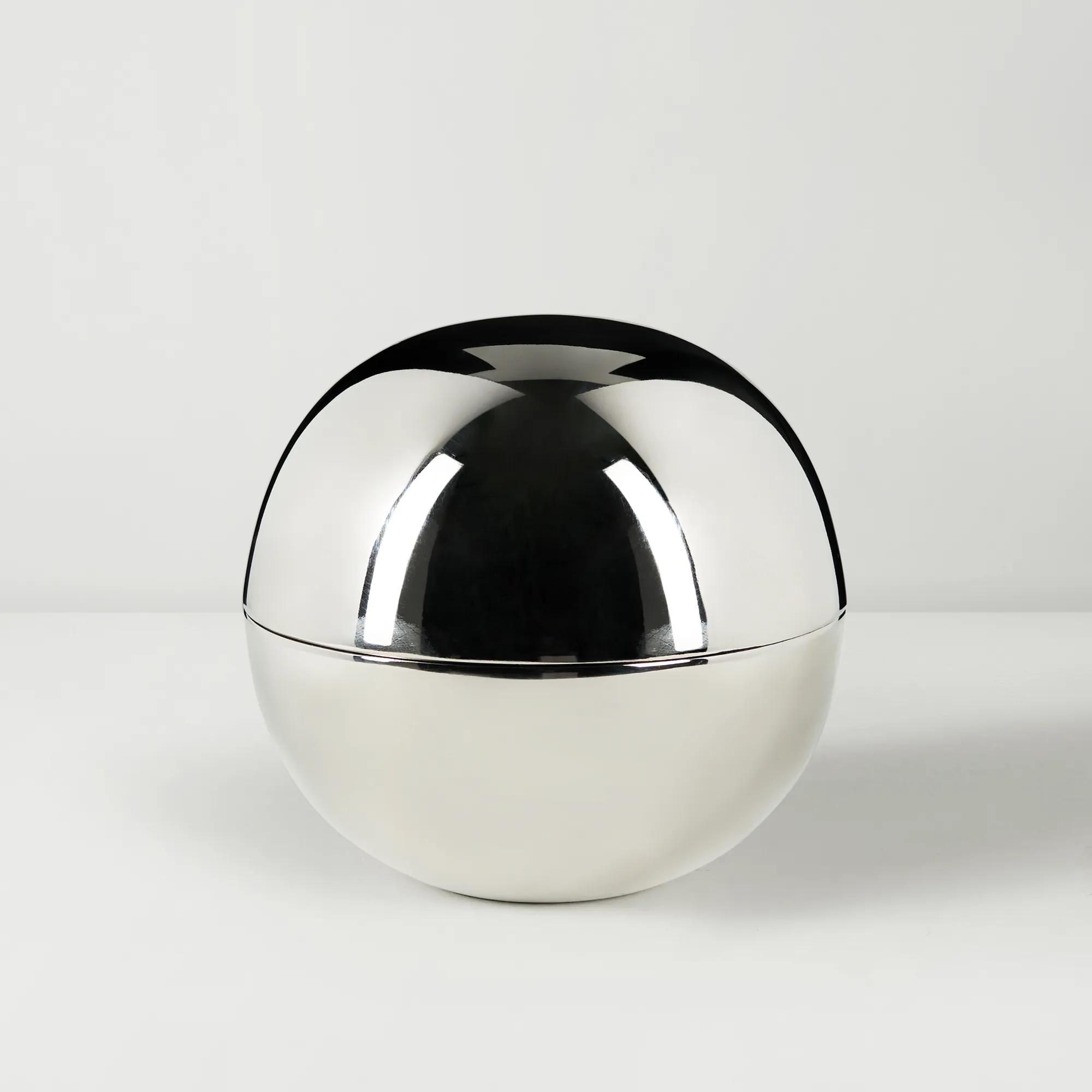
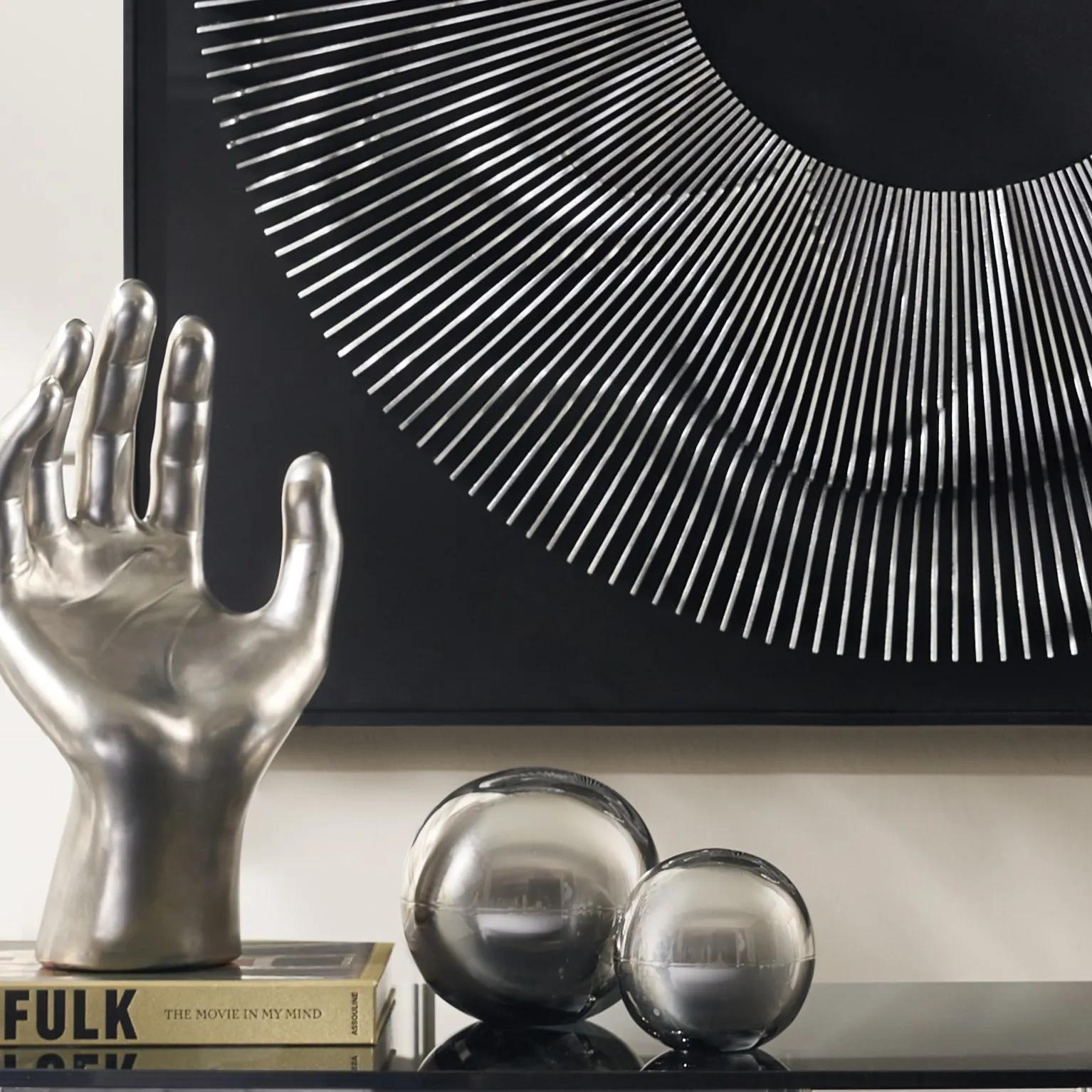 Orion Box$29
A sleek silver aluminum orb box that blends modern style with practical storage.
Add To Cart -
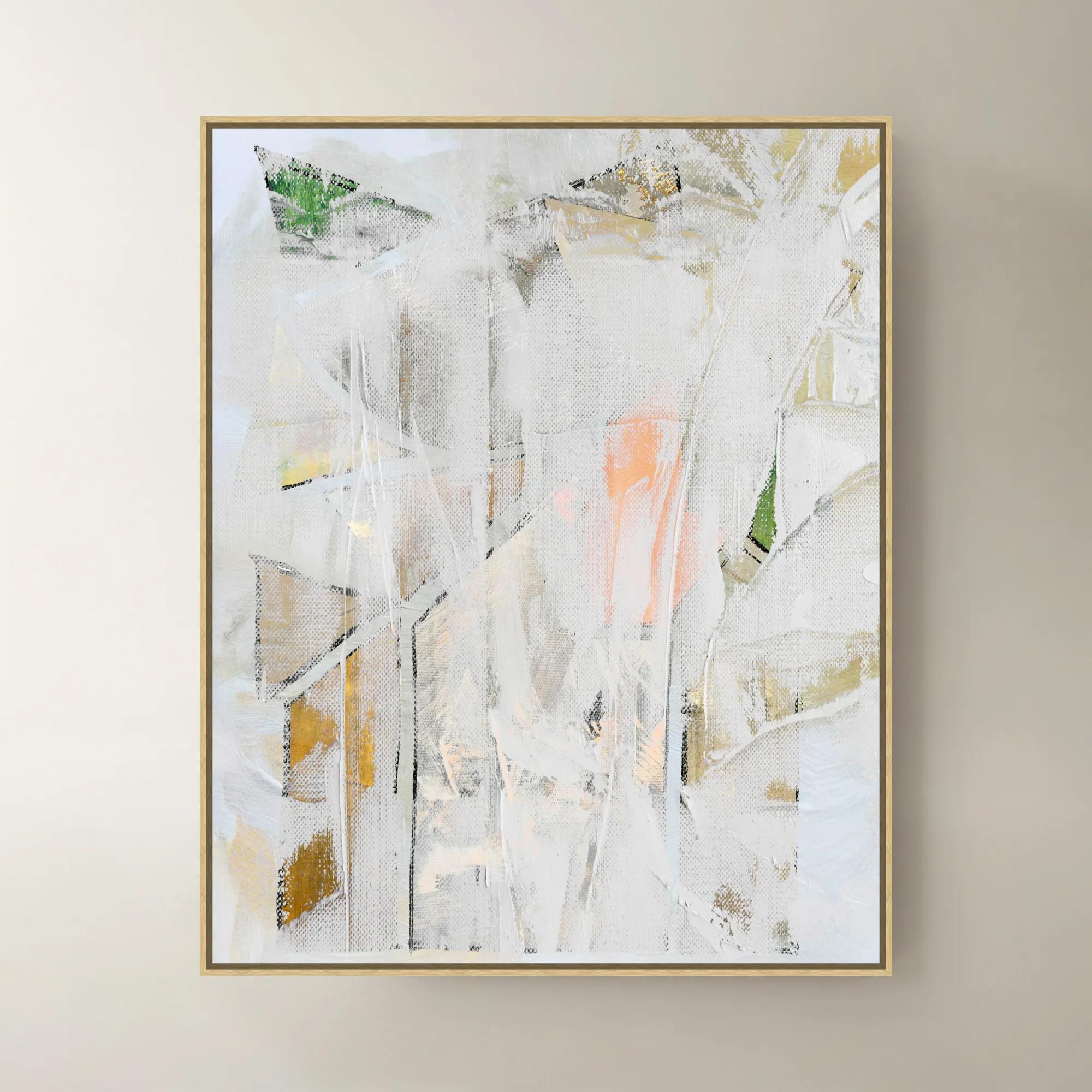
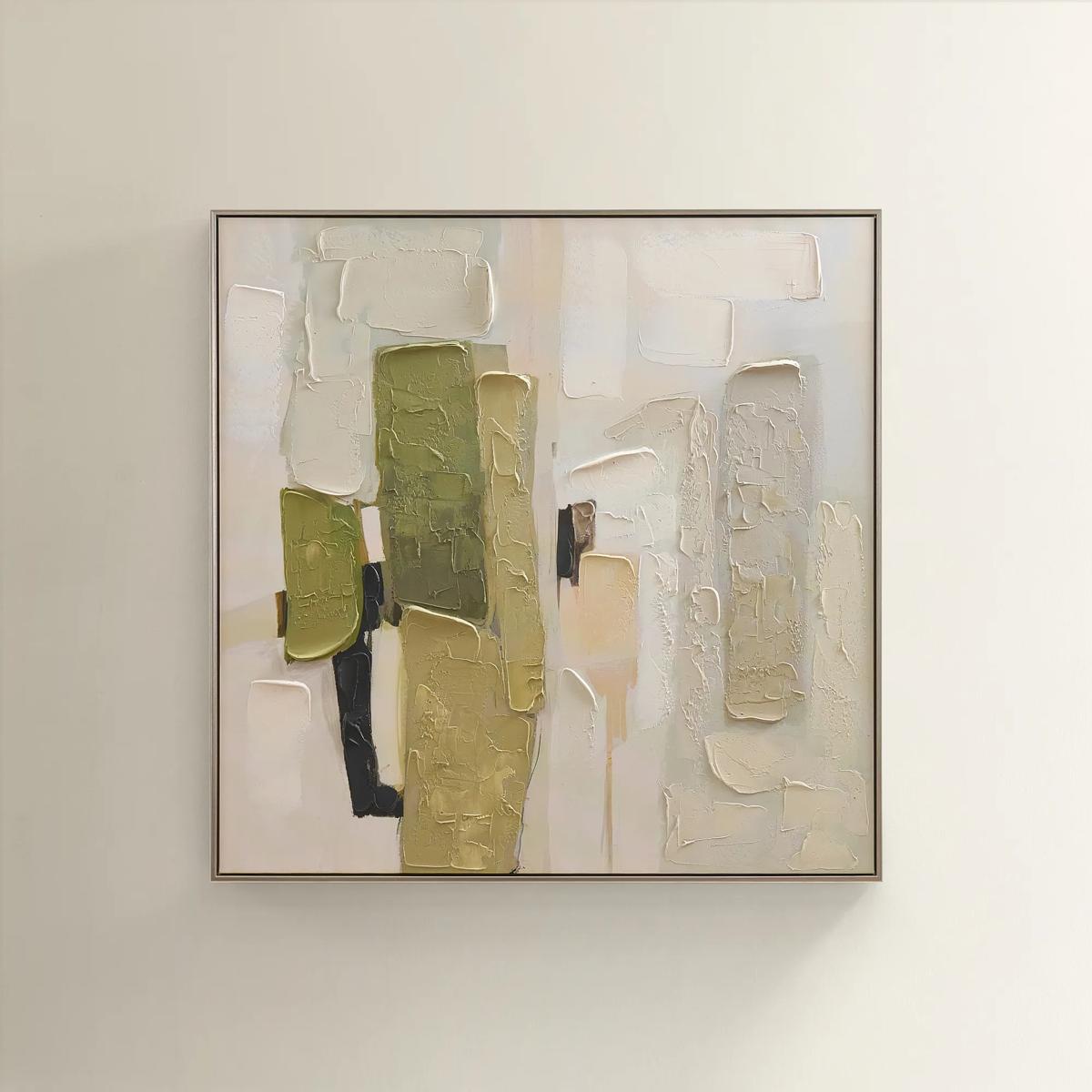 Verde Crush Framed Painted Wall Art 39.25" x 39.25"$349
A hand-painted abstract canvas featuring rich green tones, layered neutrals, and a champagne floater frame.
Add To Cart -
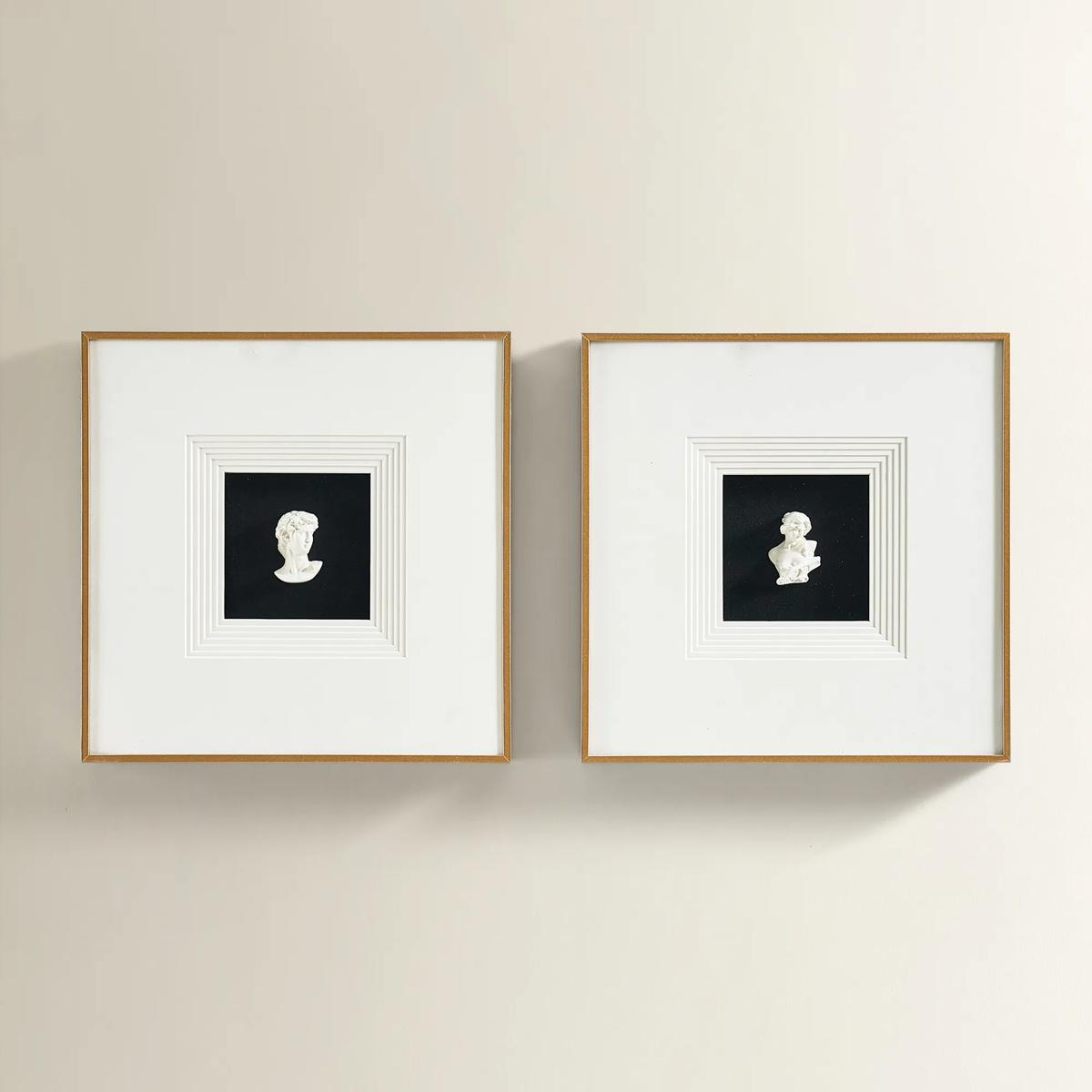
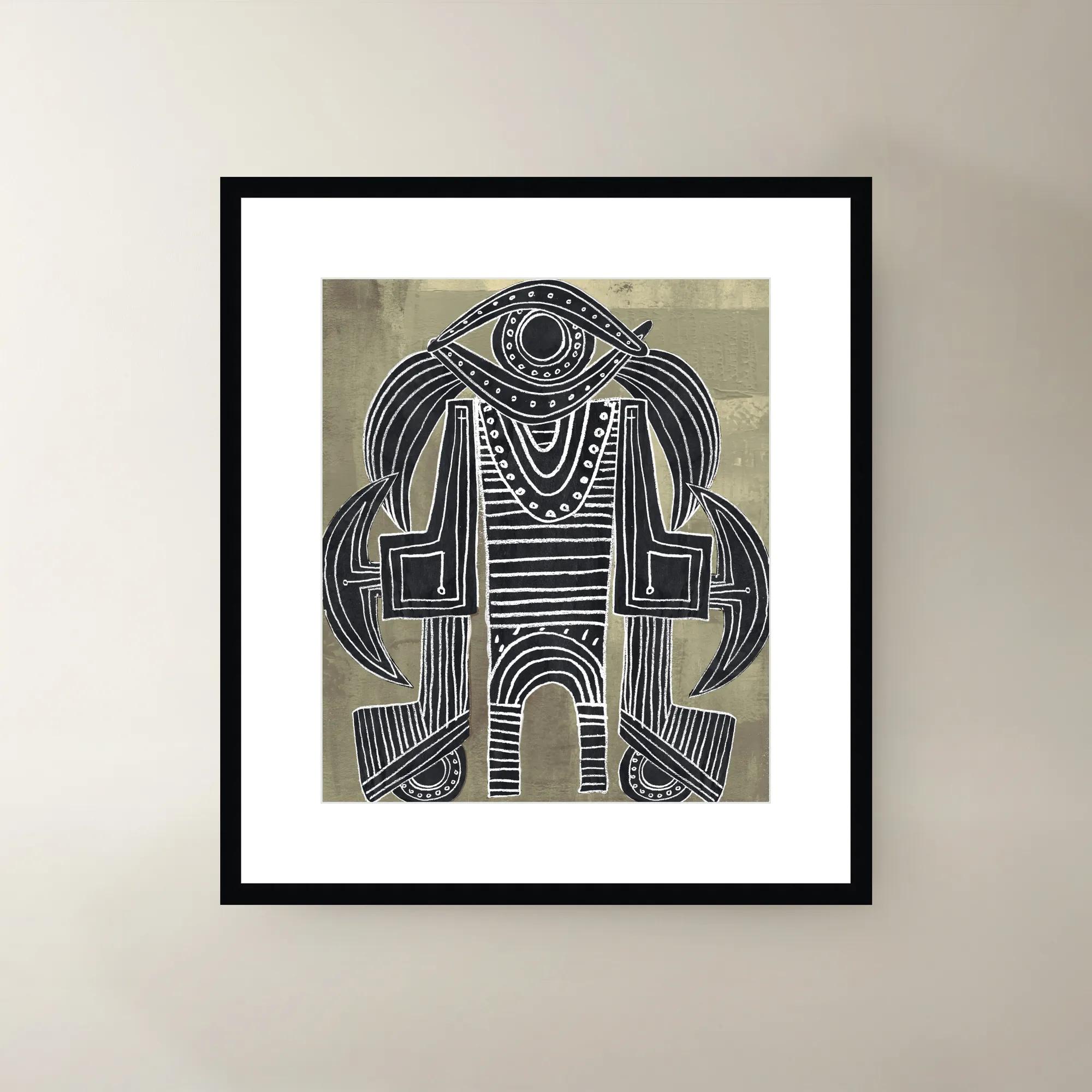
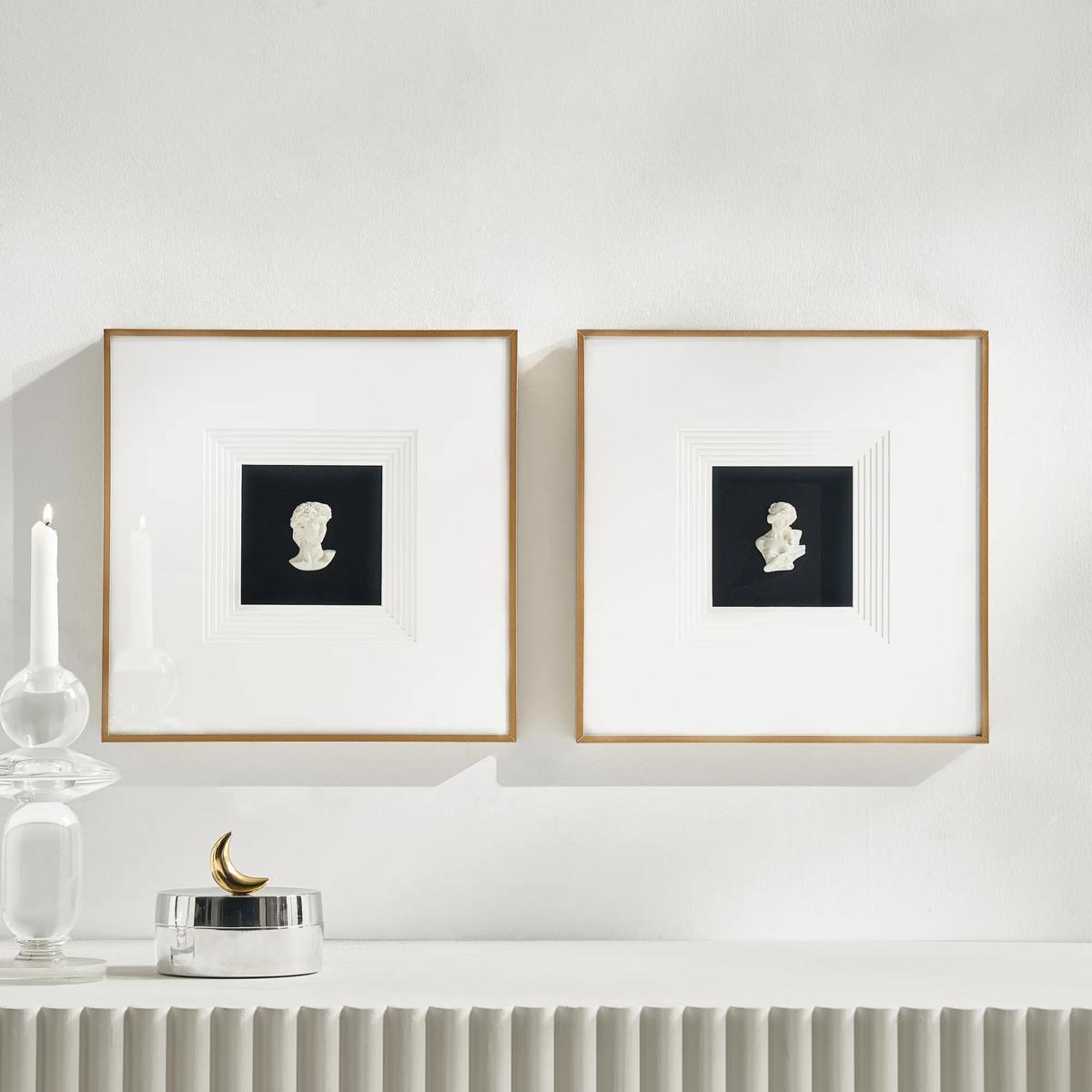 Classics Framed Plaster Wall Decor Set of 2$149
A set of two plaster portrait wall art pieces in black and ivory with sleek aluminum frames.
Add To Cart -
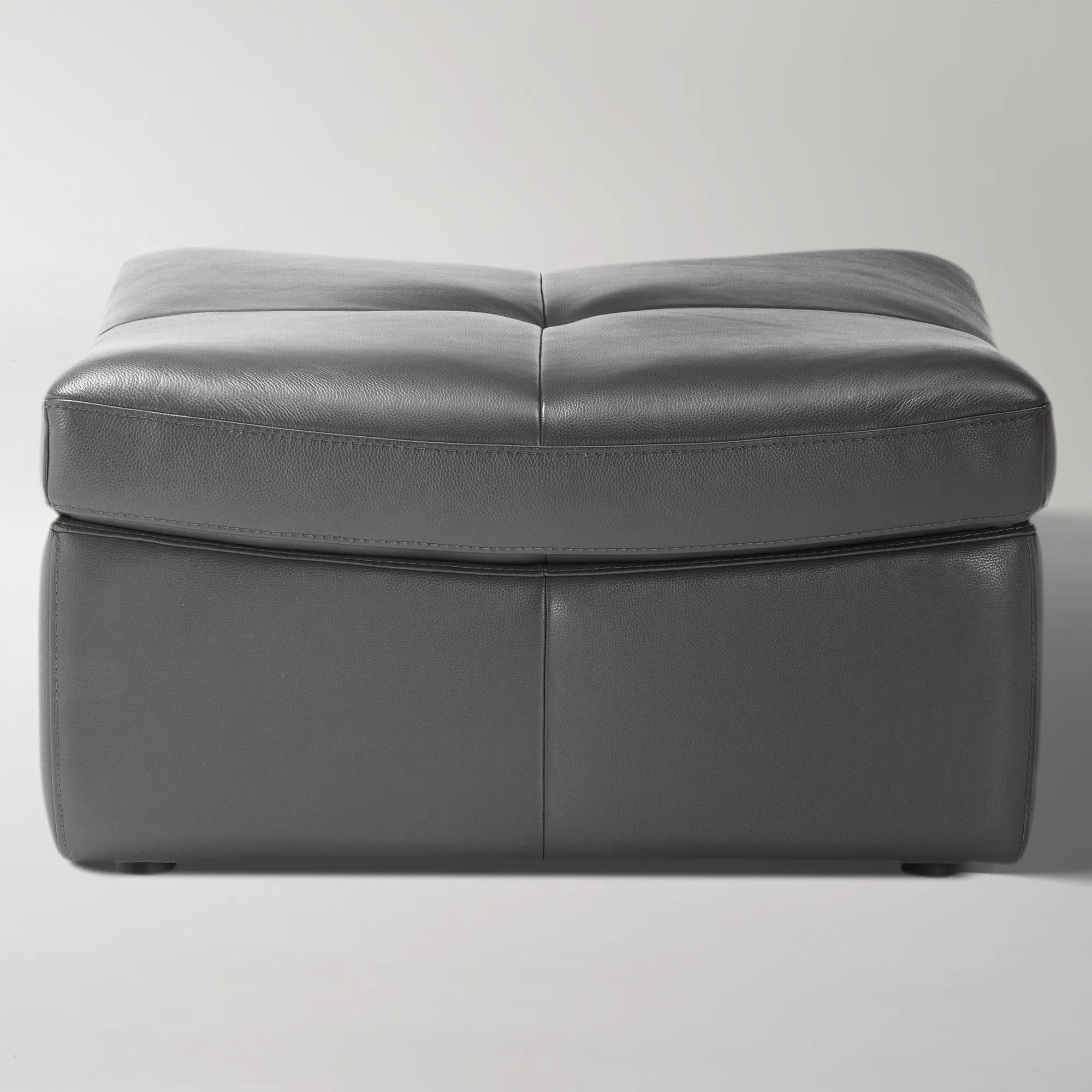 Convo Charcoal Leather Ottoman$849
A modular sectional in charcoal semi-aniline leather with kiln-dried hardwood frames and gently curved seats.
Add To Cart -
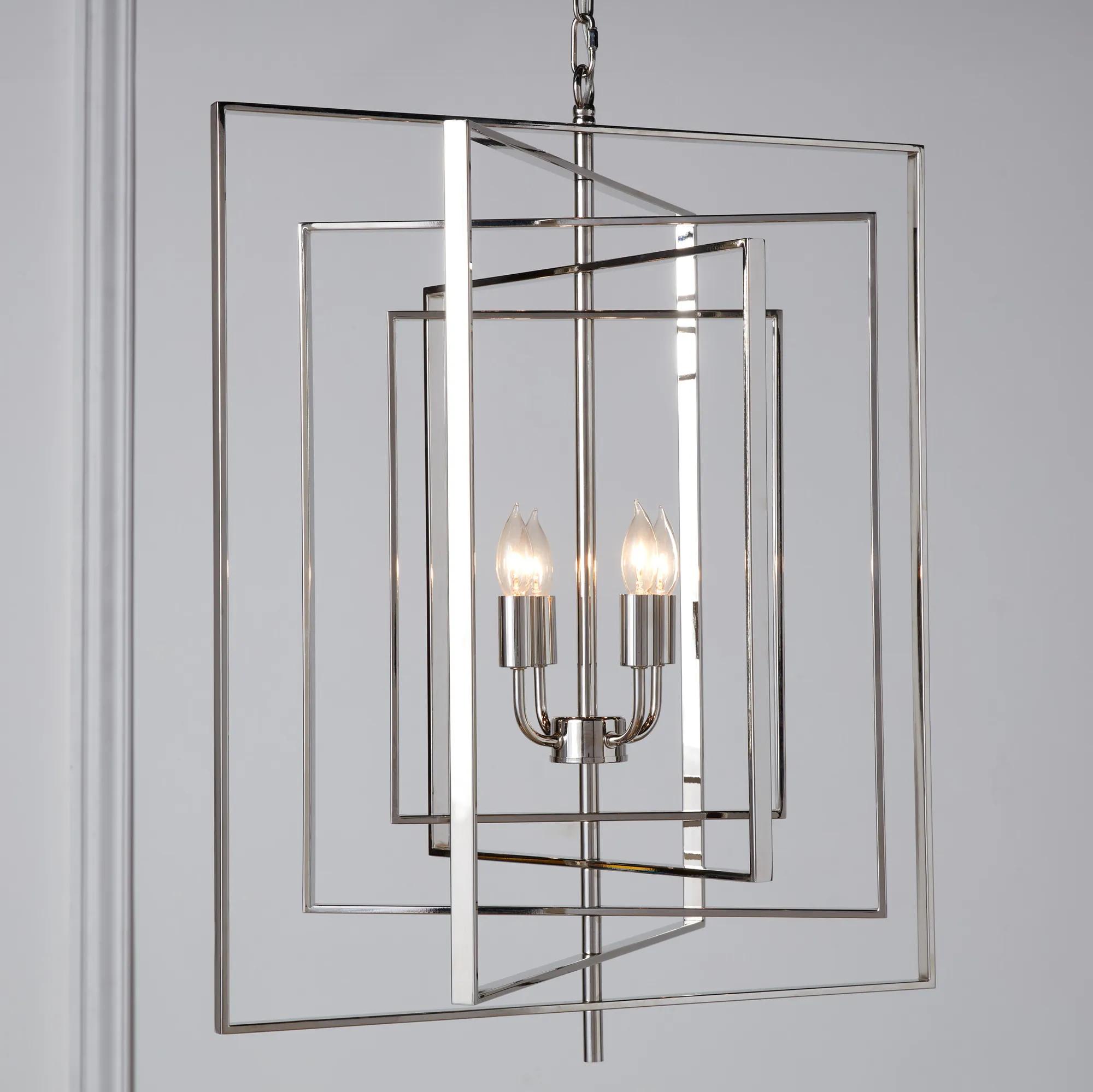
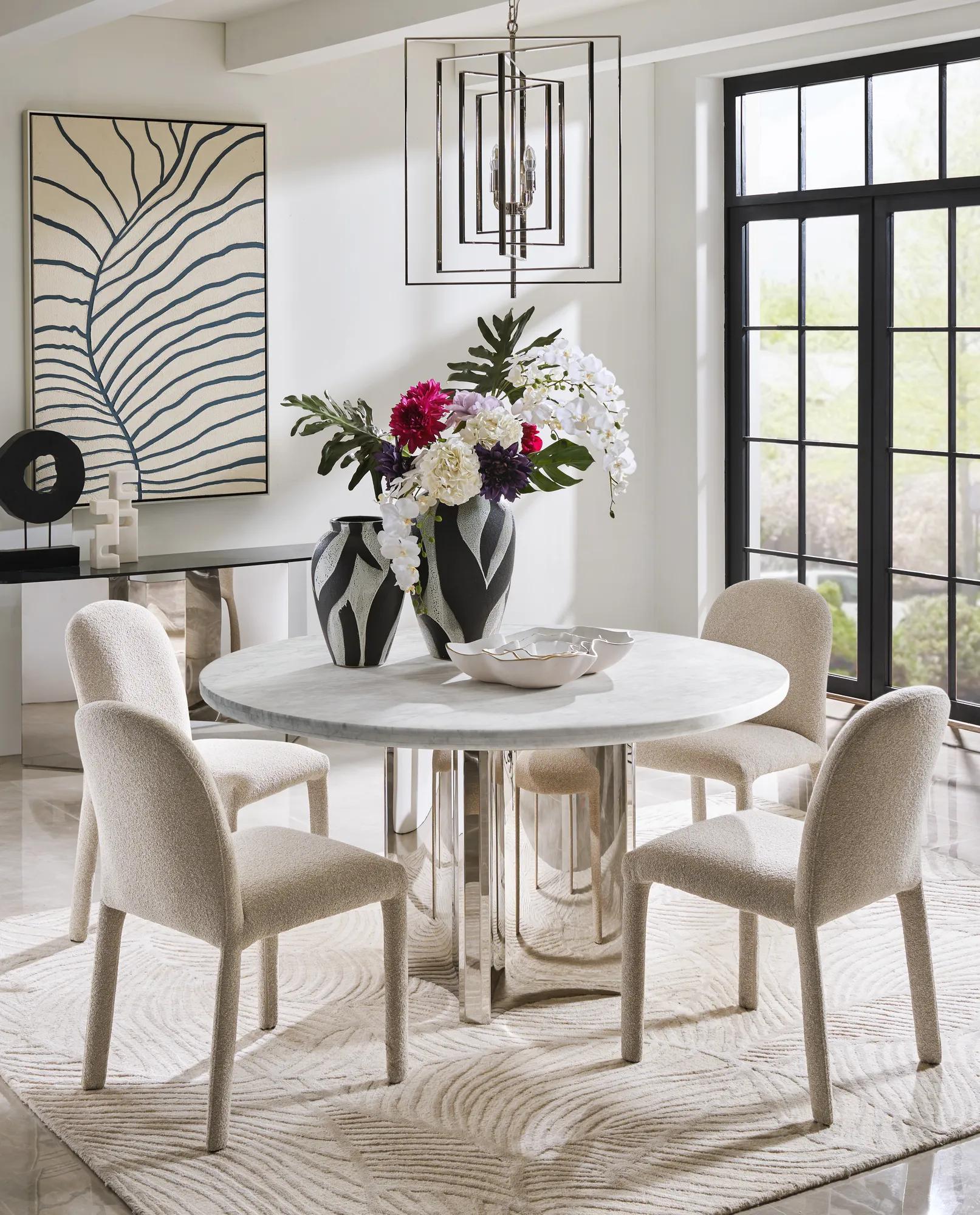 Hollis Chandelier$499
A polished nickel geometric chandelier with four lights, perfect for modern and minimal interiors.
Add To Cart -
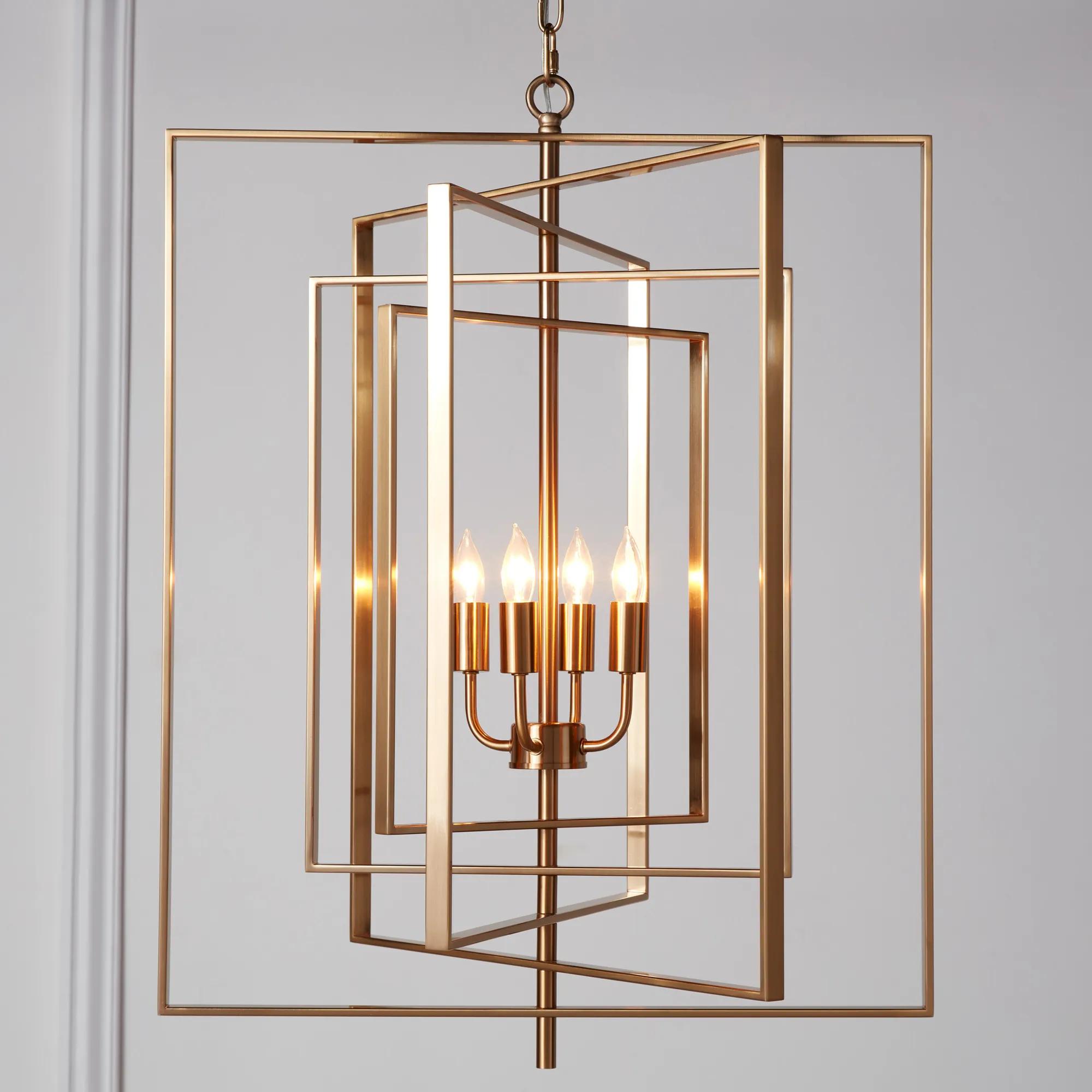 Hollis Chandelier$499
A geometric brass-finished iron chandelier with four lights, perfect for modern and minimal interiors.
Add To Cart -
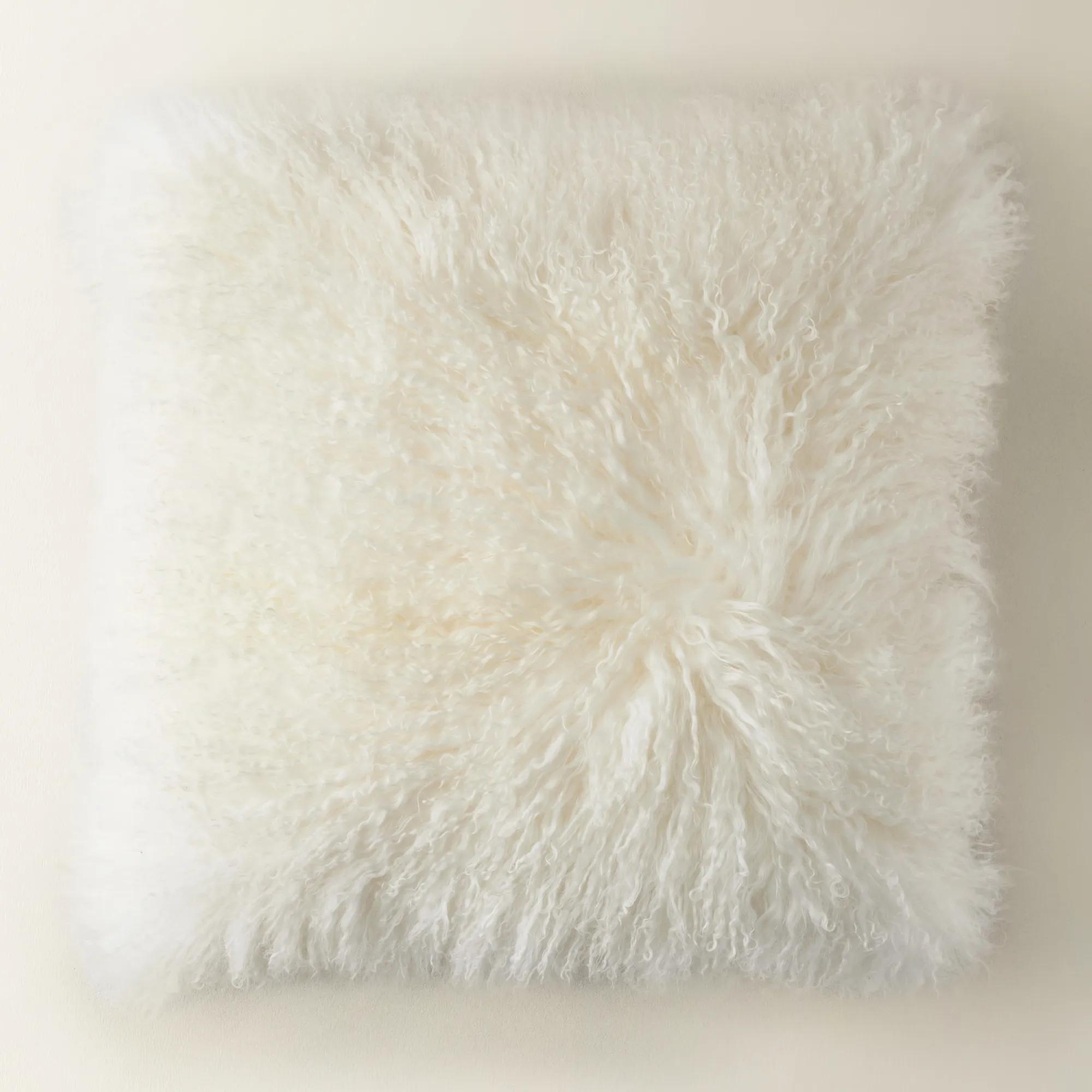
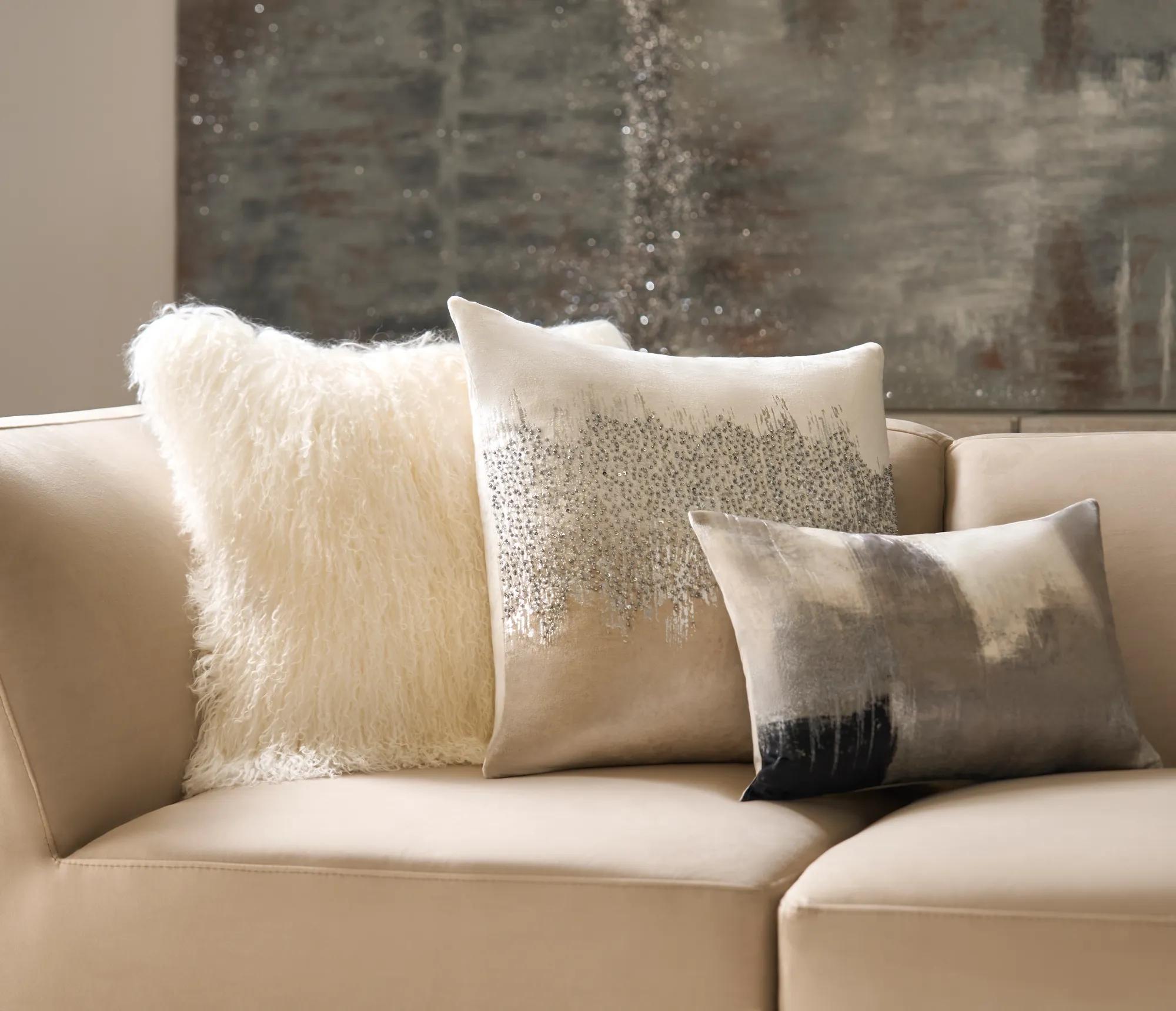 Mia White Mongolian Lamb Fur Pillow 22" x 22"$169
A luxurious white pillow featuring genuine Mongolian lamb fur front and faux suede back for elegant texture.
Add To Cart -
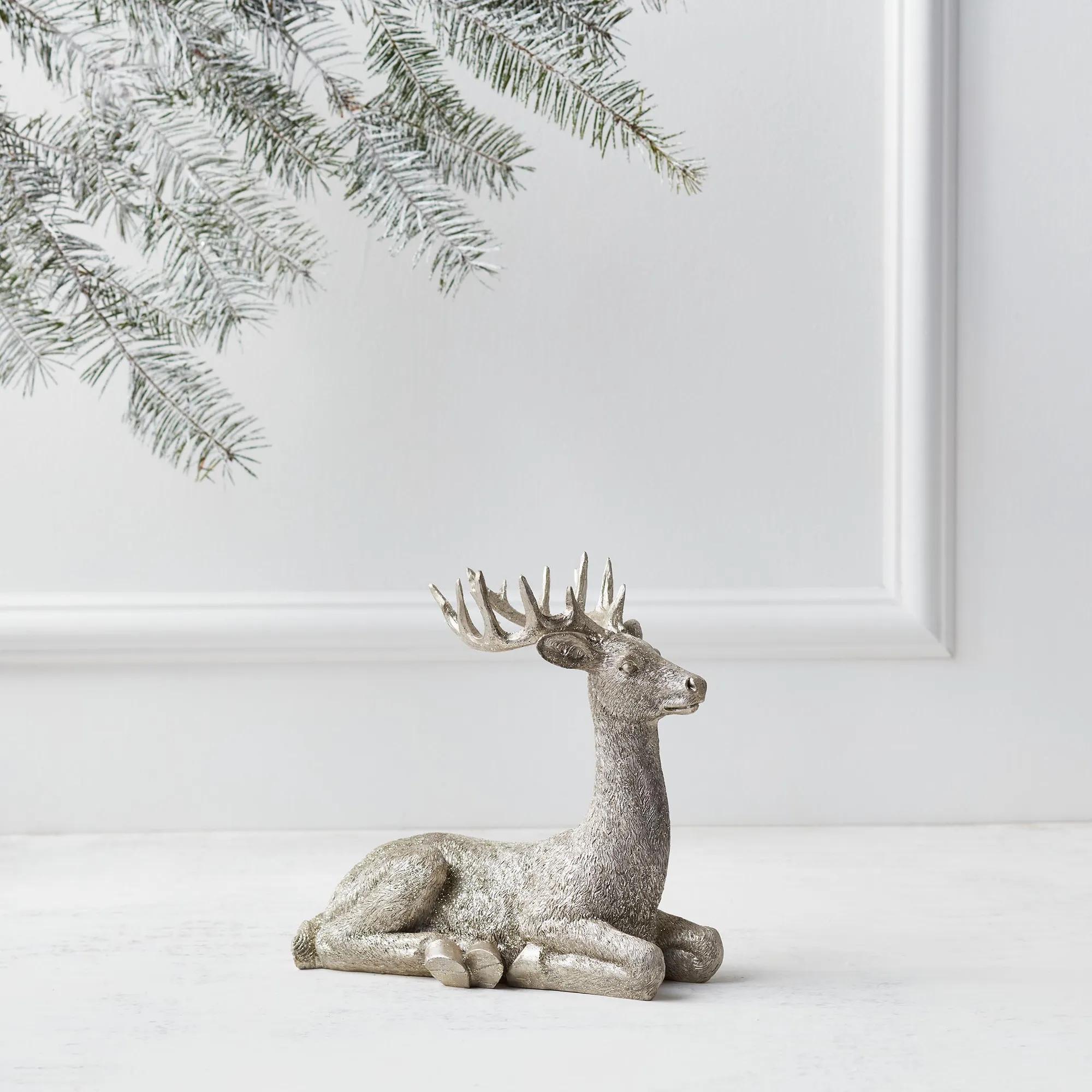
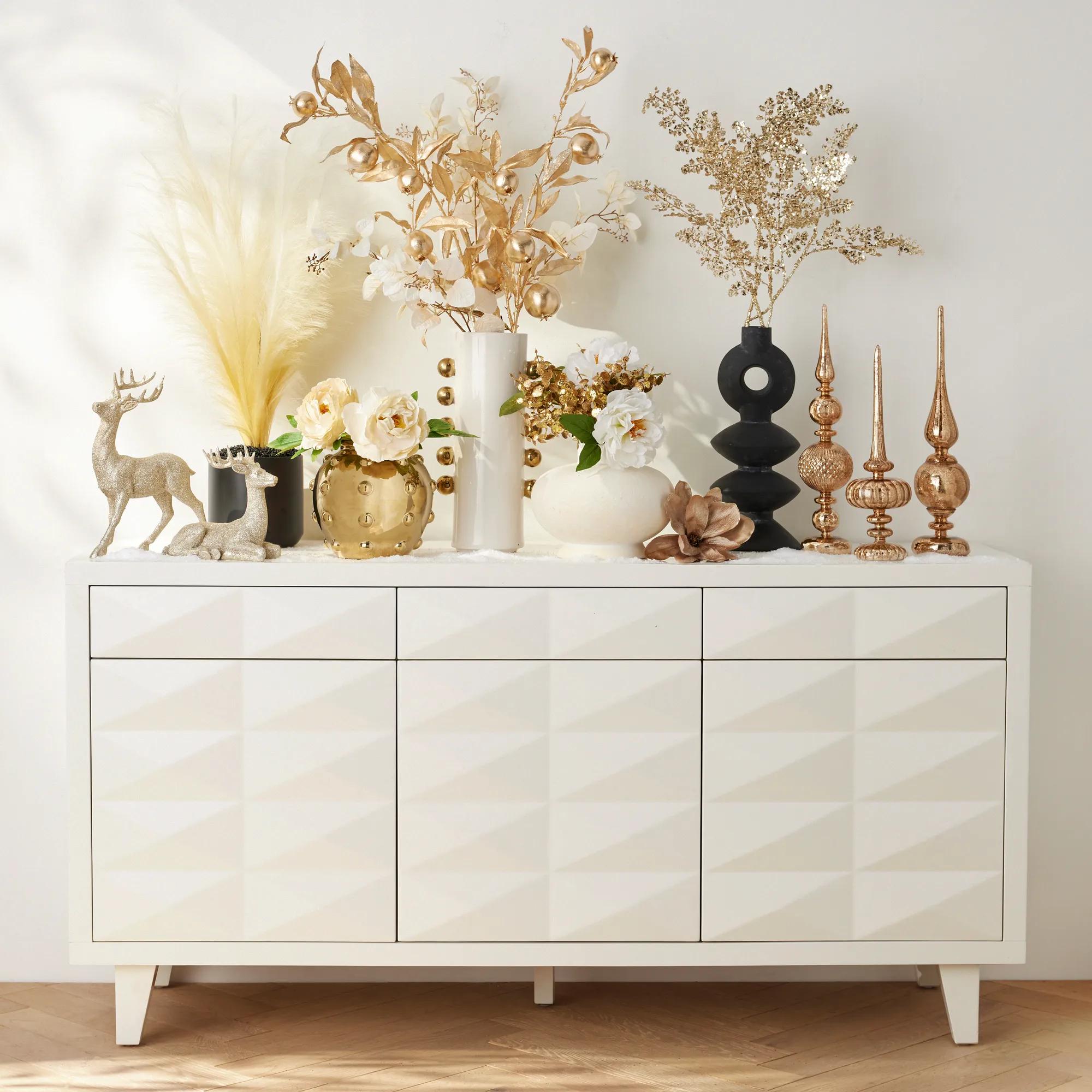 Majestic Deer Champagne Resin 8"$49
A pair of intricately detailed poly resin deer figures with a textured champagne metallic finish.
Add To Cart -
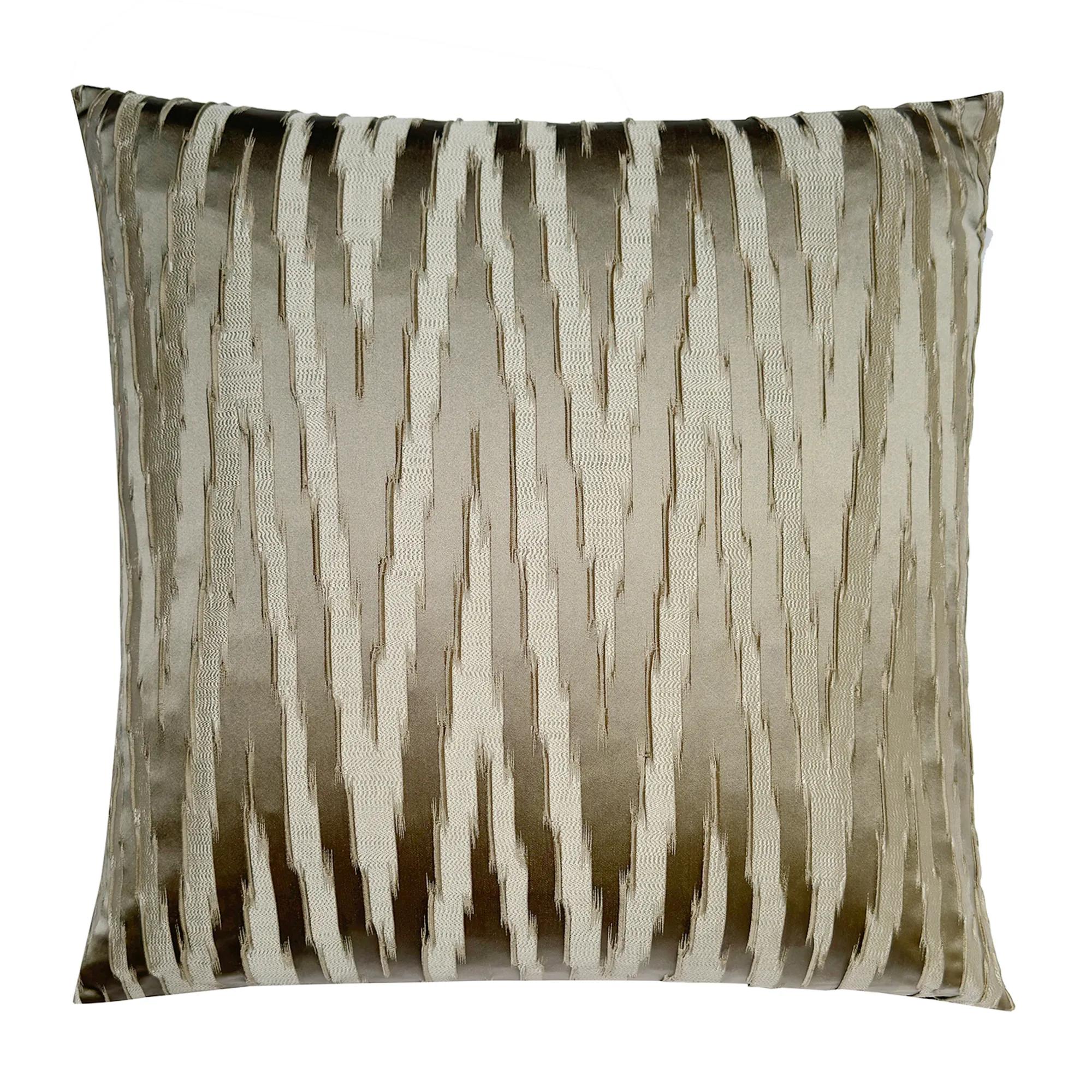
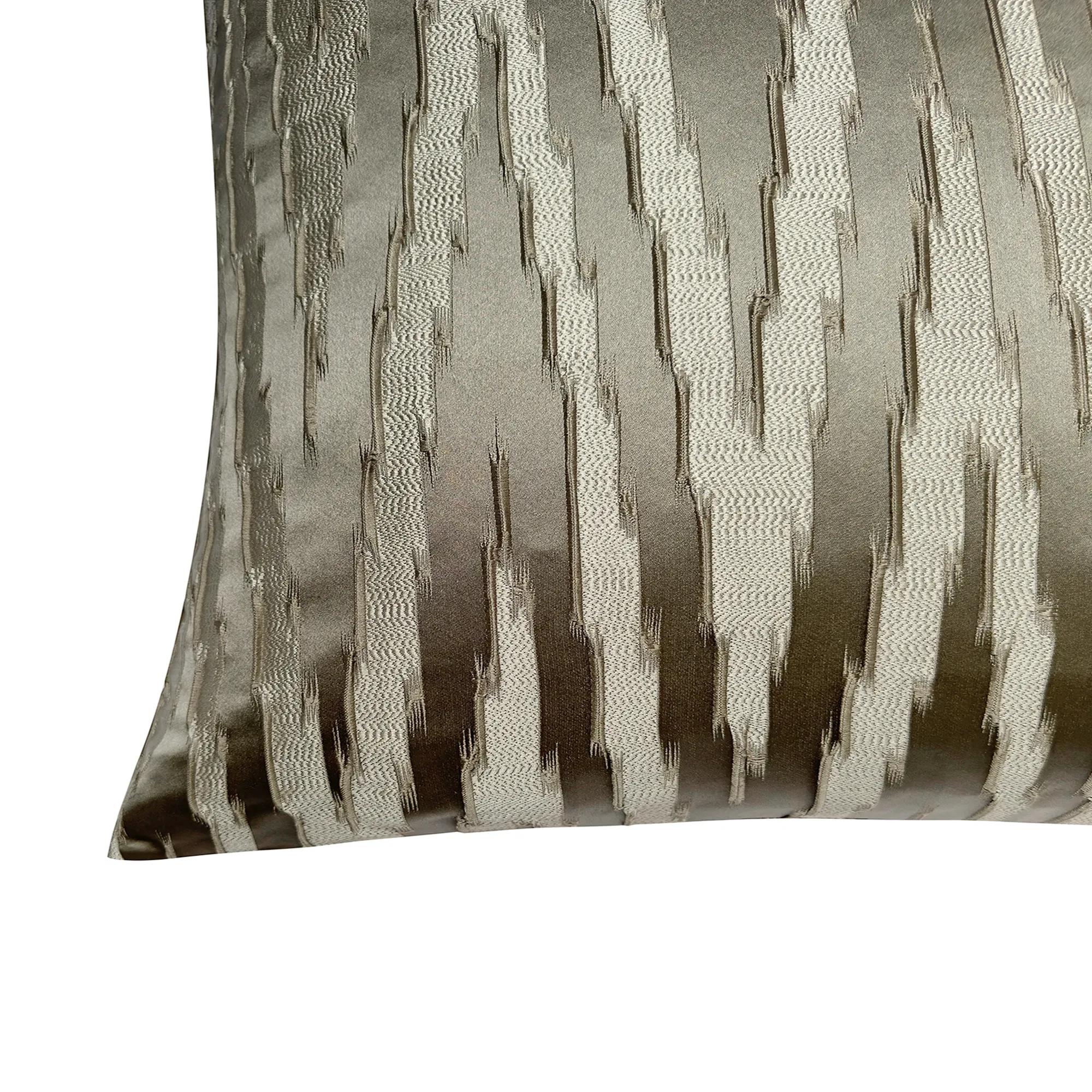 Minka Jacquard Charcoal Pillow 22" x 22"$89
A handmade charcoal pillow featuring a textured chevron jacquard design and plush feather down insert.
Add To Cart -
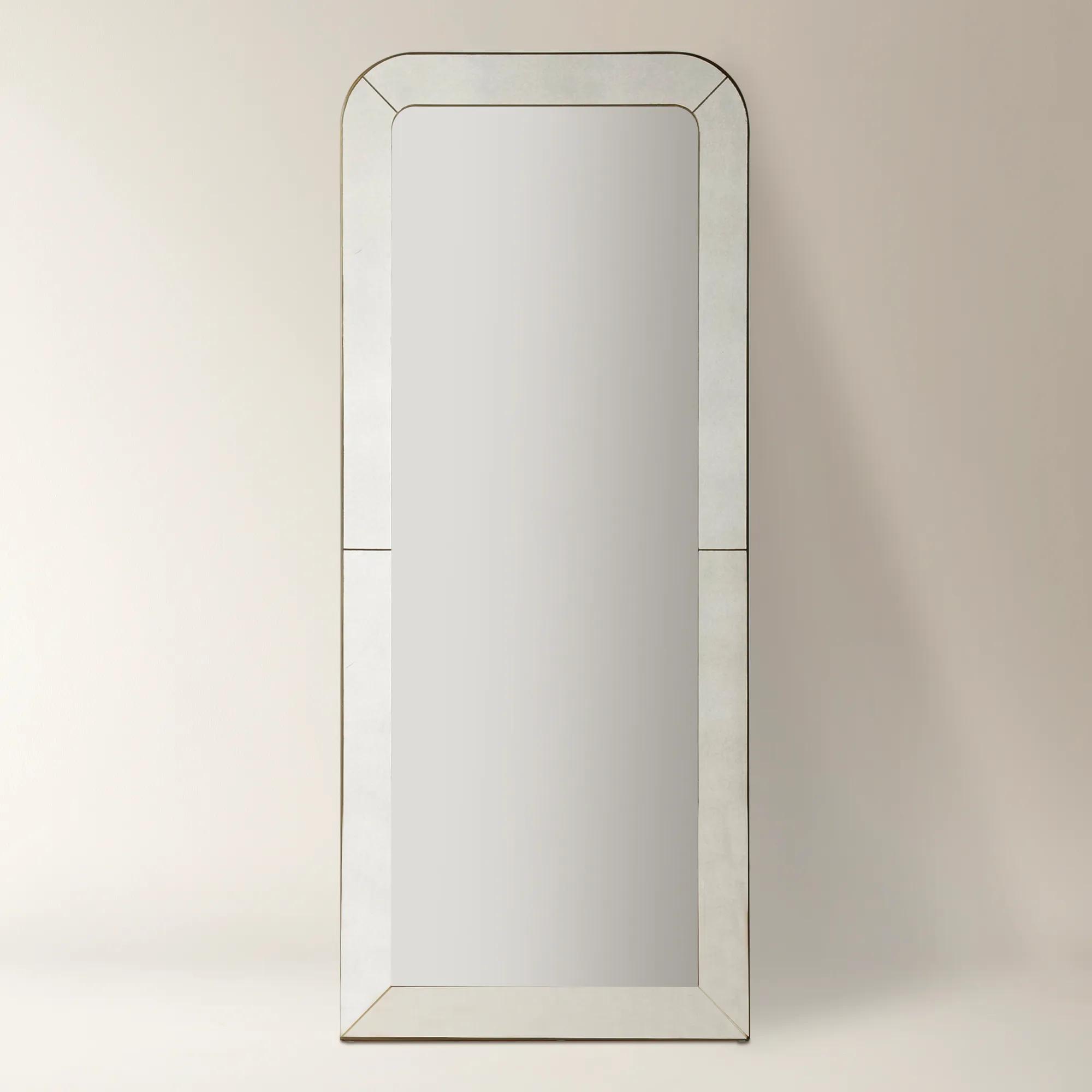
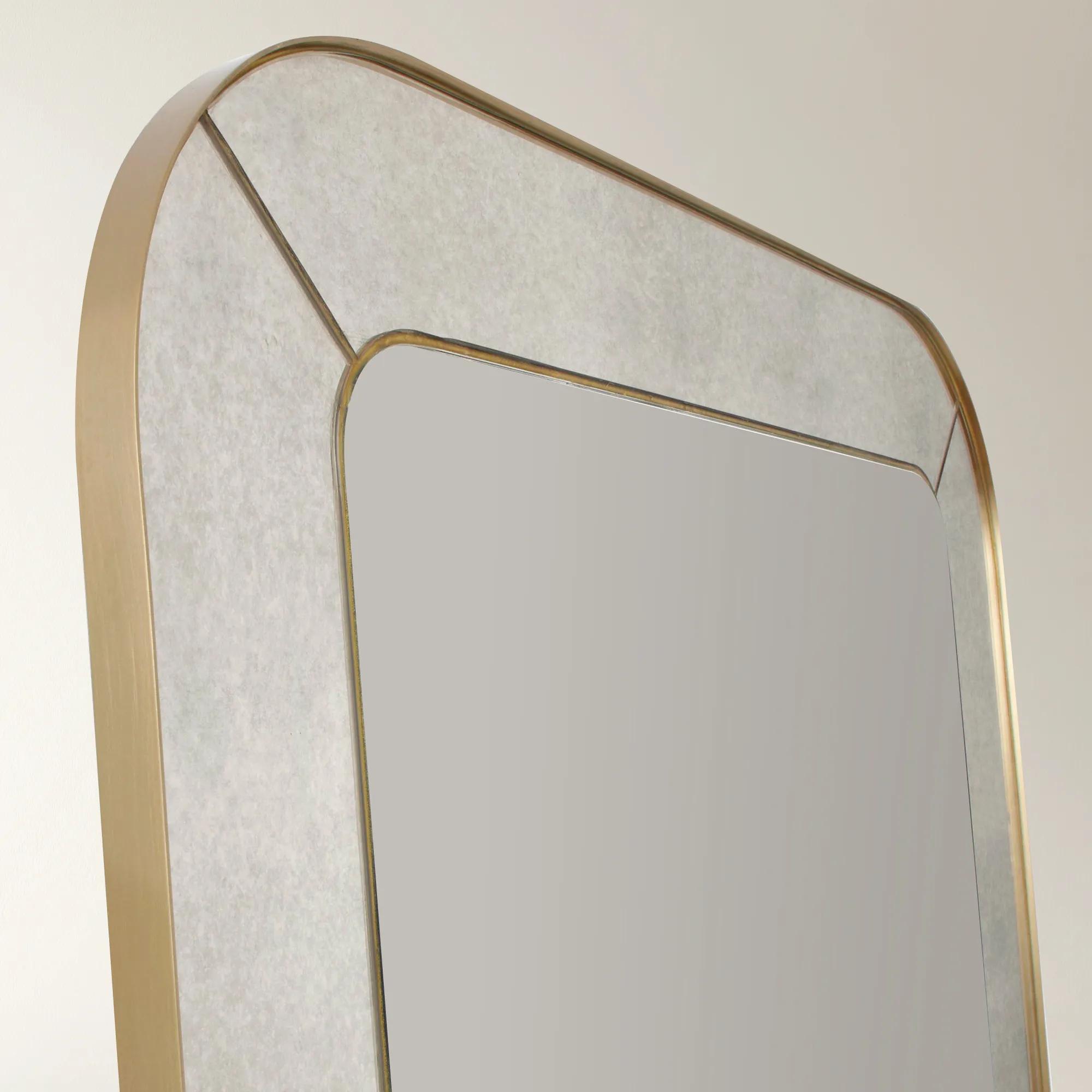 Parker Stainless Steel Floor Mirror 32" x 76"$799
An arched floor mirror with a gold stainless steel frame adds drama and sophistication to any room.
Add To Cart -
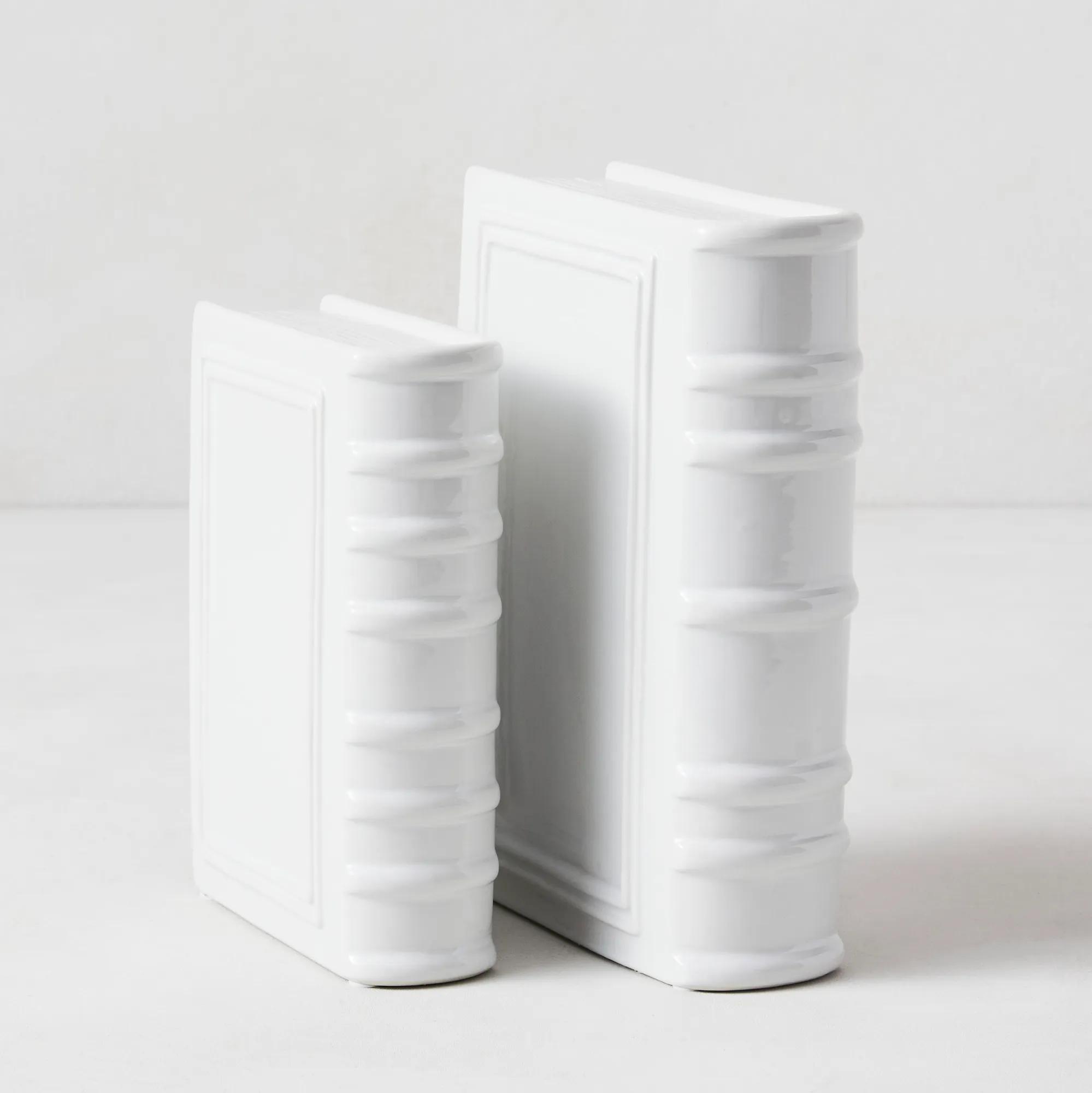
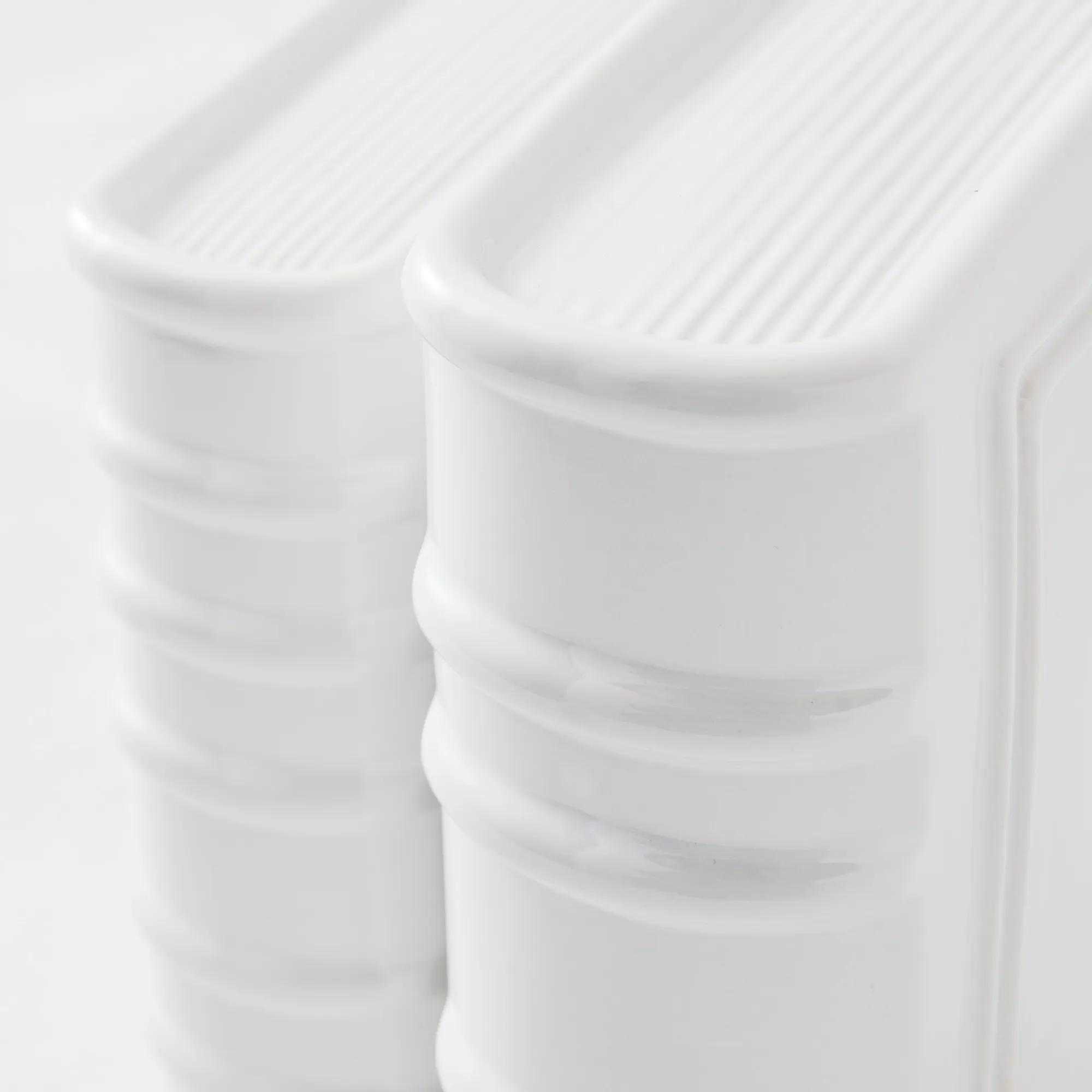 Ceramic Bookends - White$49
A pair of cream ceramic book accents that double as minimalist bookends or decorative console pieces.
Add To Cart -
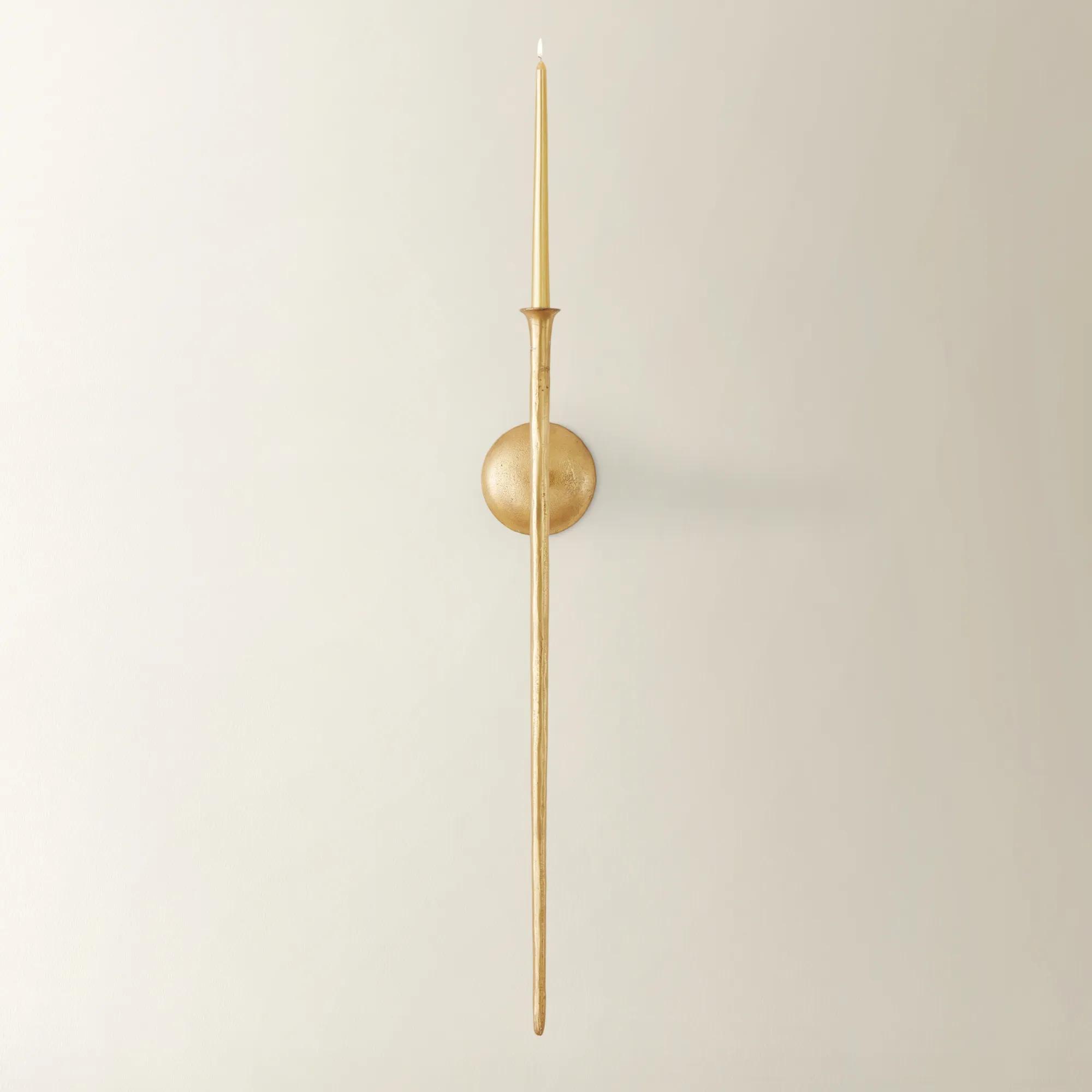 Aspar Gold Aluminum Candle Wall Sconce Large 33"$59
A slender metal wall sconce available in silver, gold, or black, perfect for displaying taper candles.
Add To Cart -
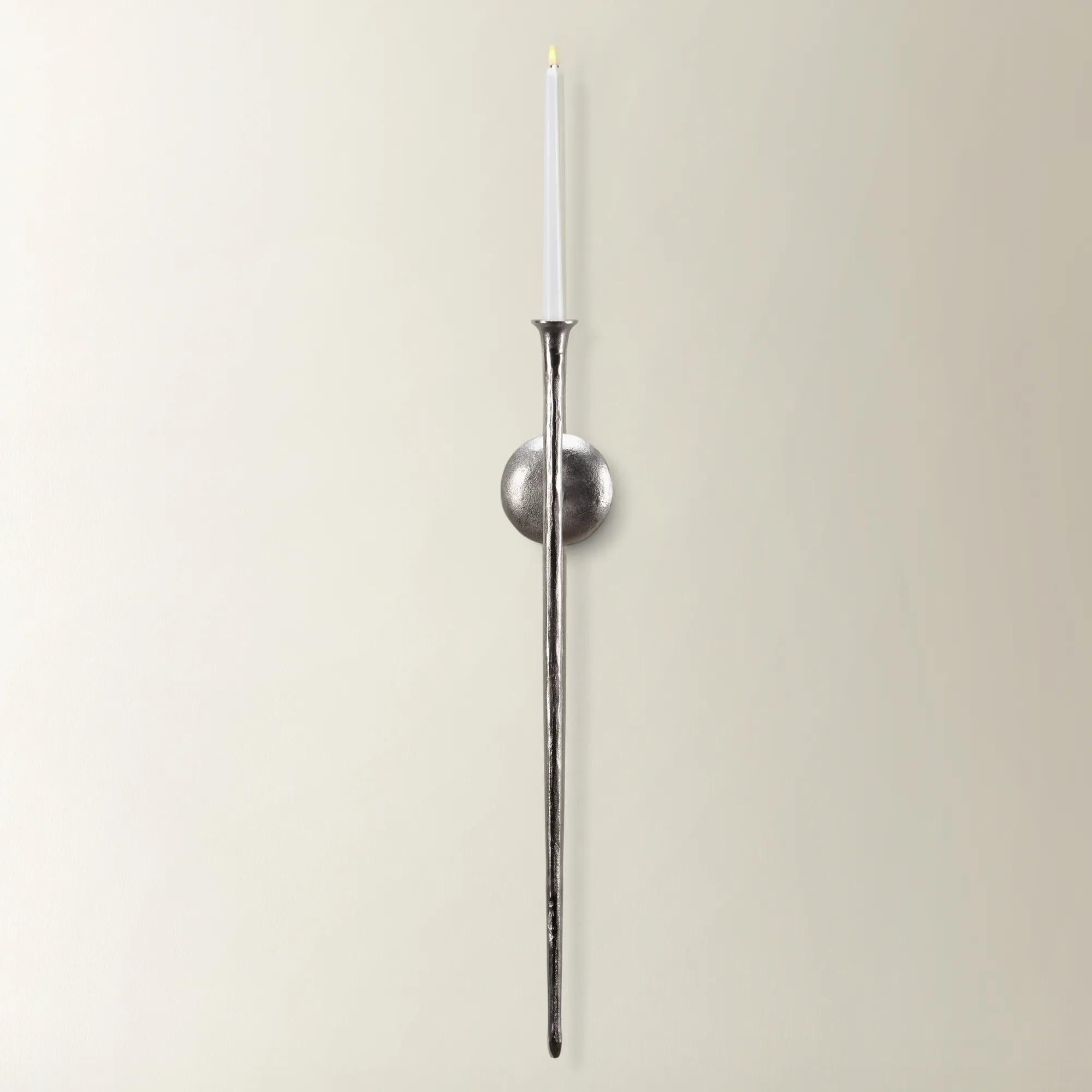
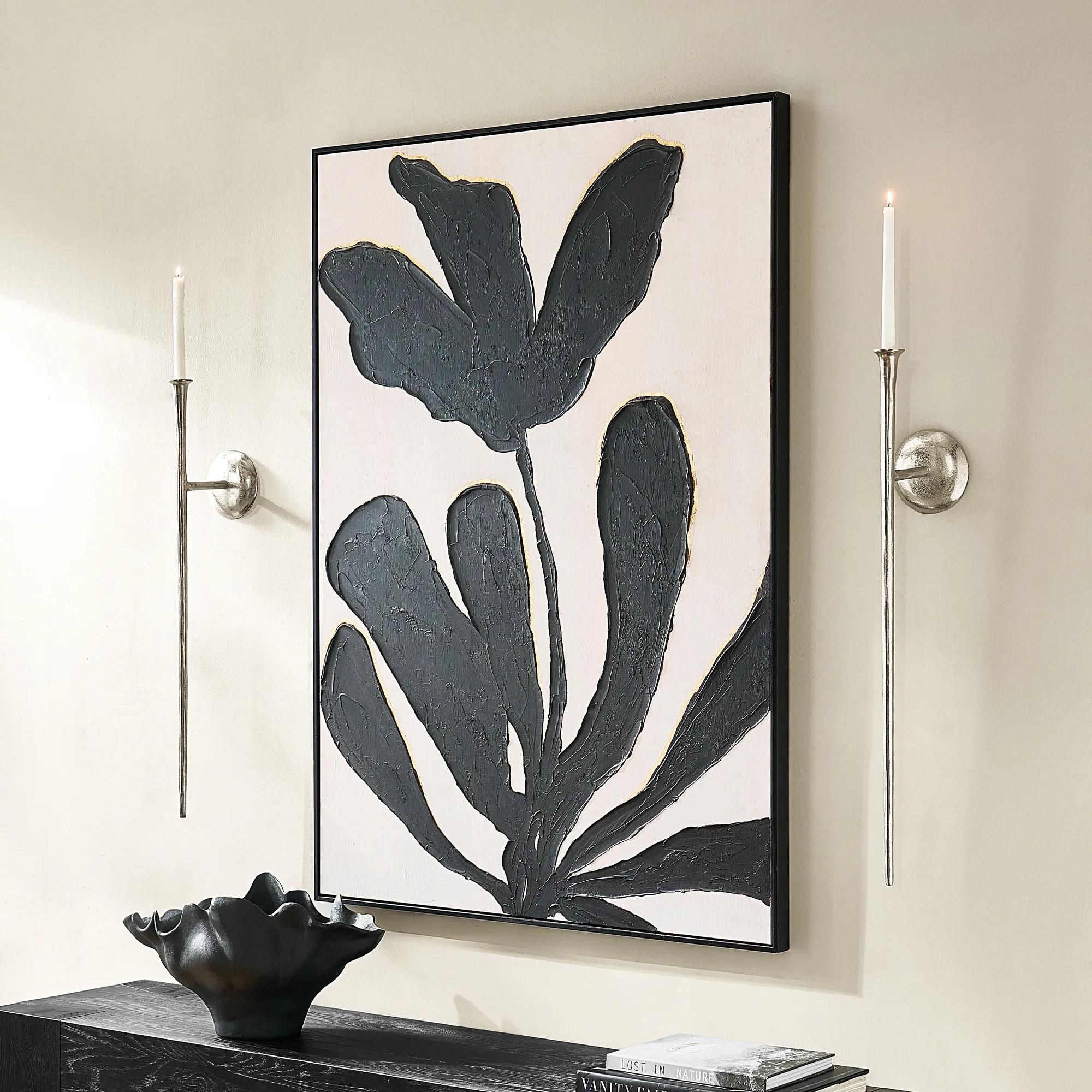 Aspar Silver Aluminum Candle Wall Sconce Large 33"$59
A slender metal wall sconce available in silver, gold, or black for elegant candlelit ambiance.
Add To Cart -
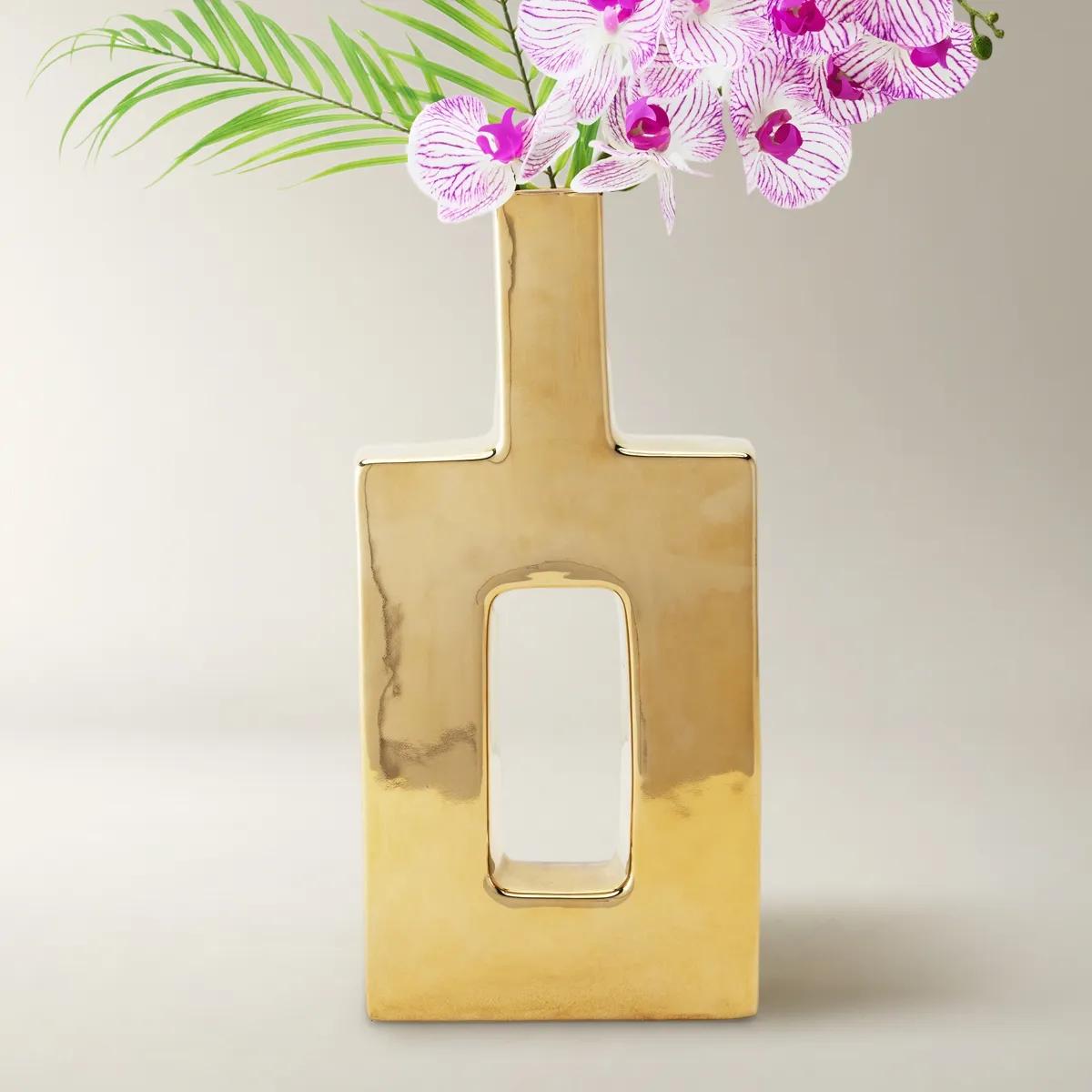 Miami Gold Ceramic High Gloss Vase 18.5"$69
A contemporary gold ceramic vase designed for decorative use or displaying faux foliage.
Add To Cart -
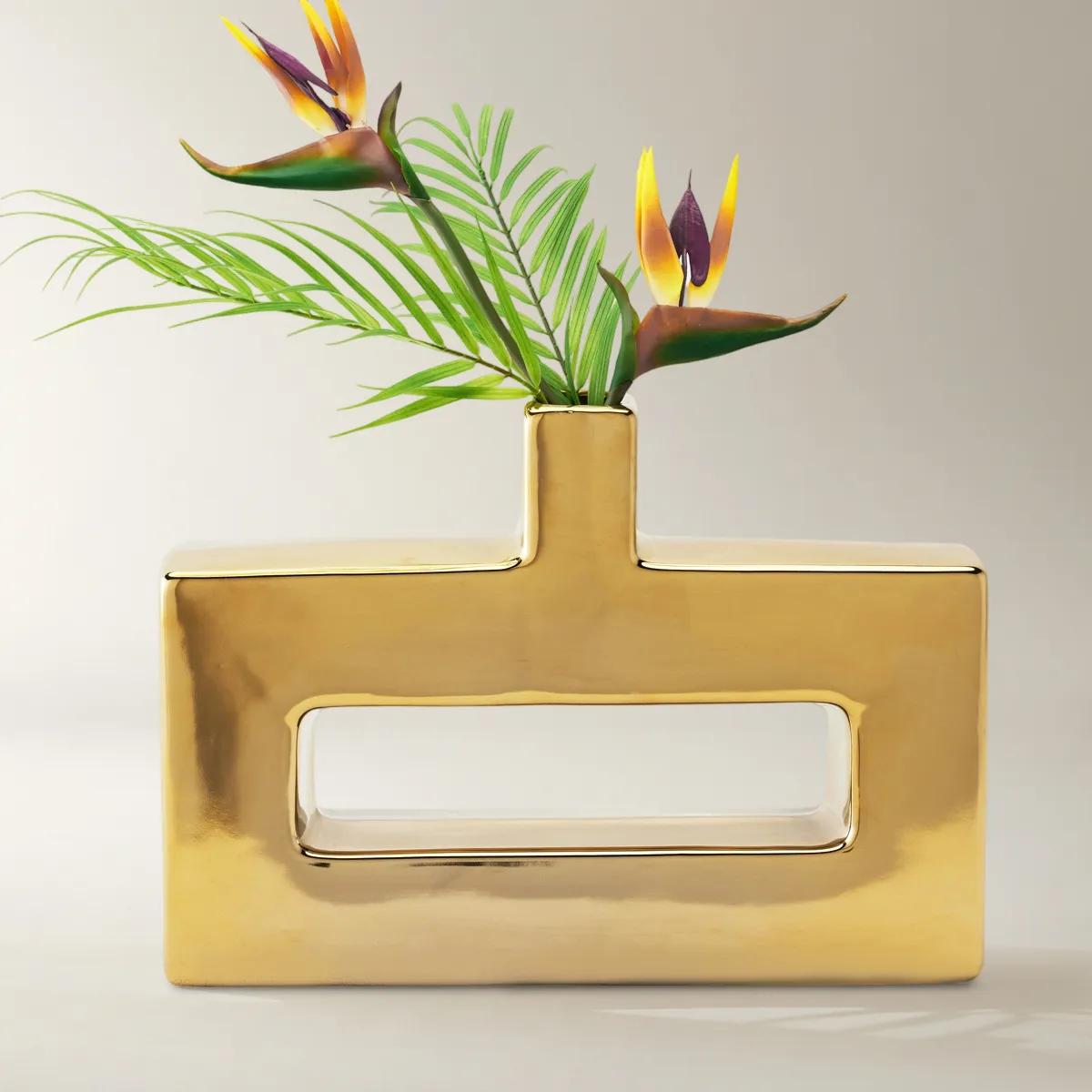 Miami Gold Ceramic High Gloss Vase 11.75"$69
A contemporary gold ceramic vase designed for decorative use as a sculptural accent or with foliage.
Add To Cart -
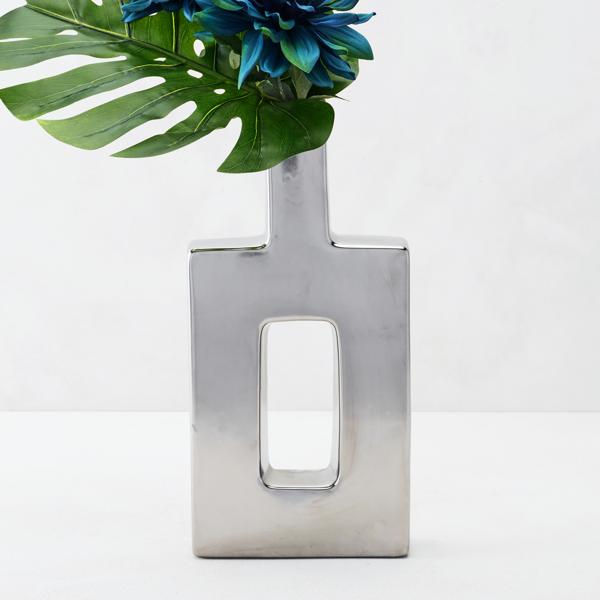
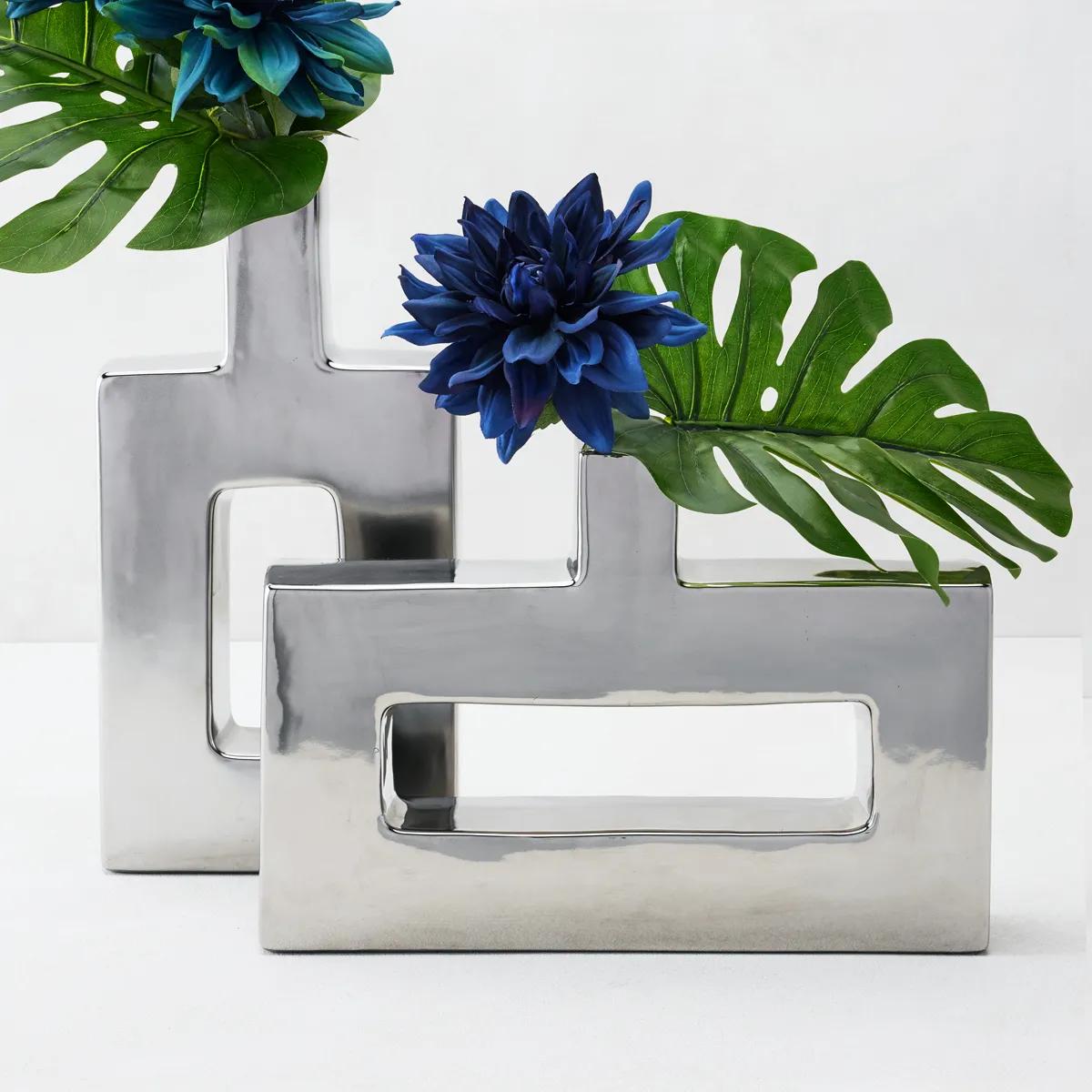 Miami Silver Ceramic High Gloss Vase 18.5"$69
A contemporary silver ceramic vase with a stylish gold glaze, perfect for decorative foliage or display.
Add To Cart -
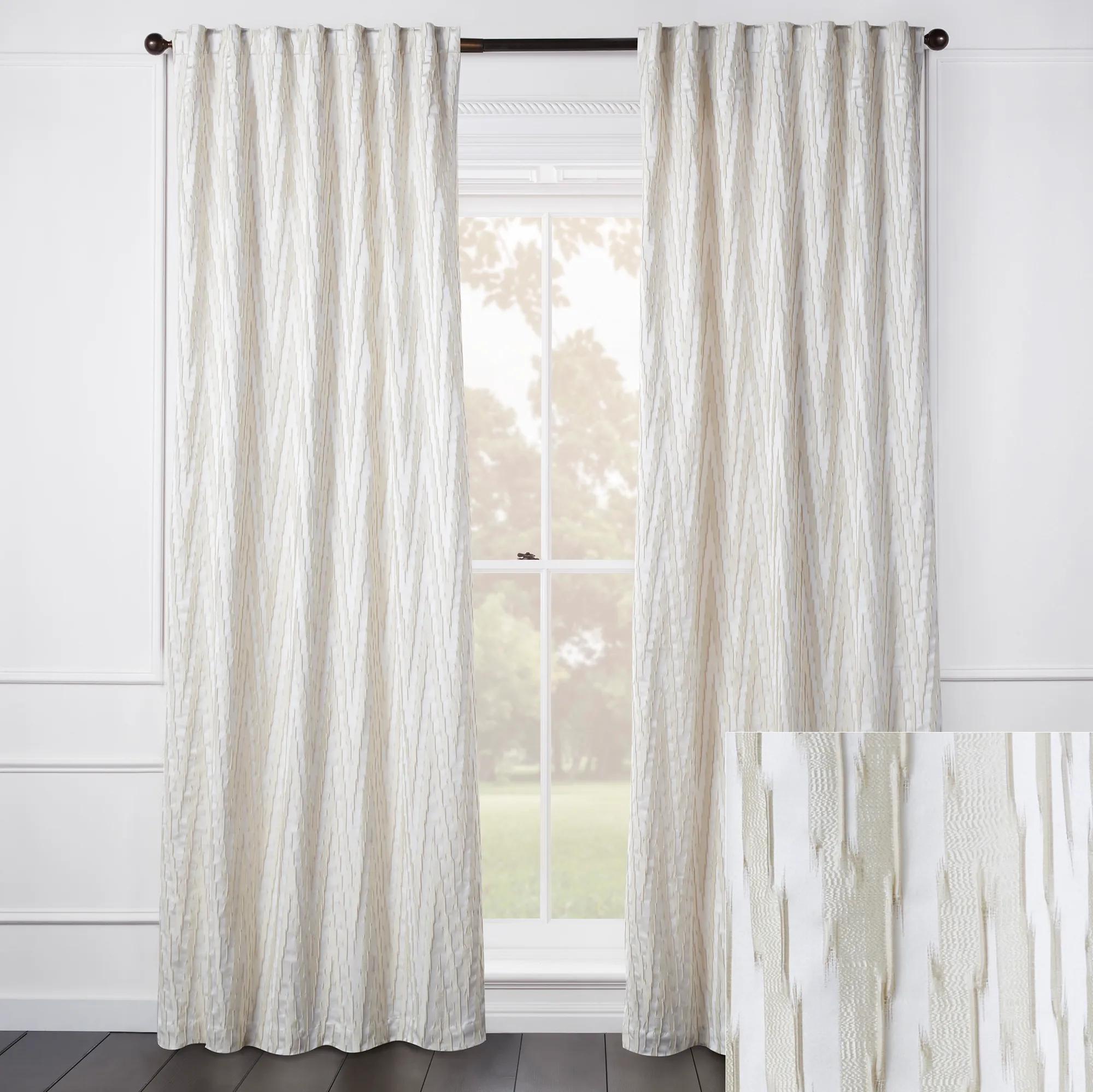
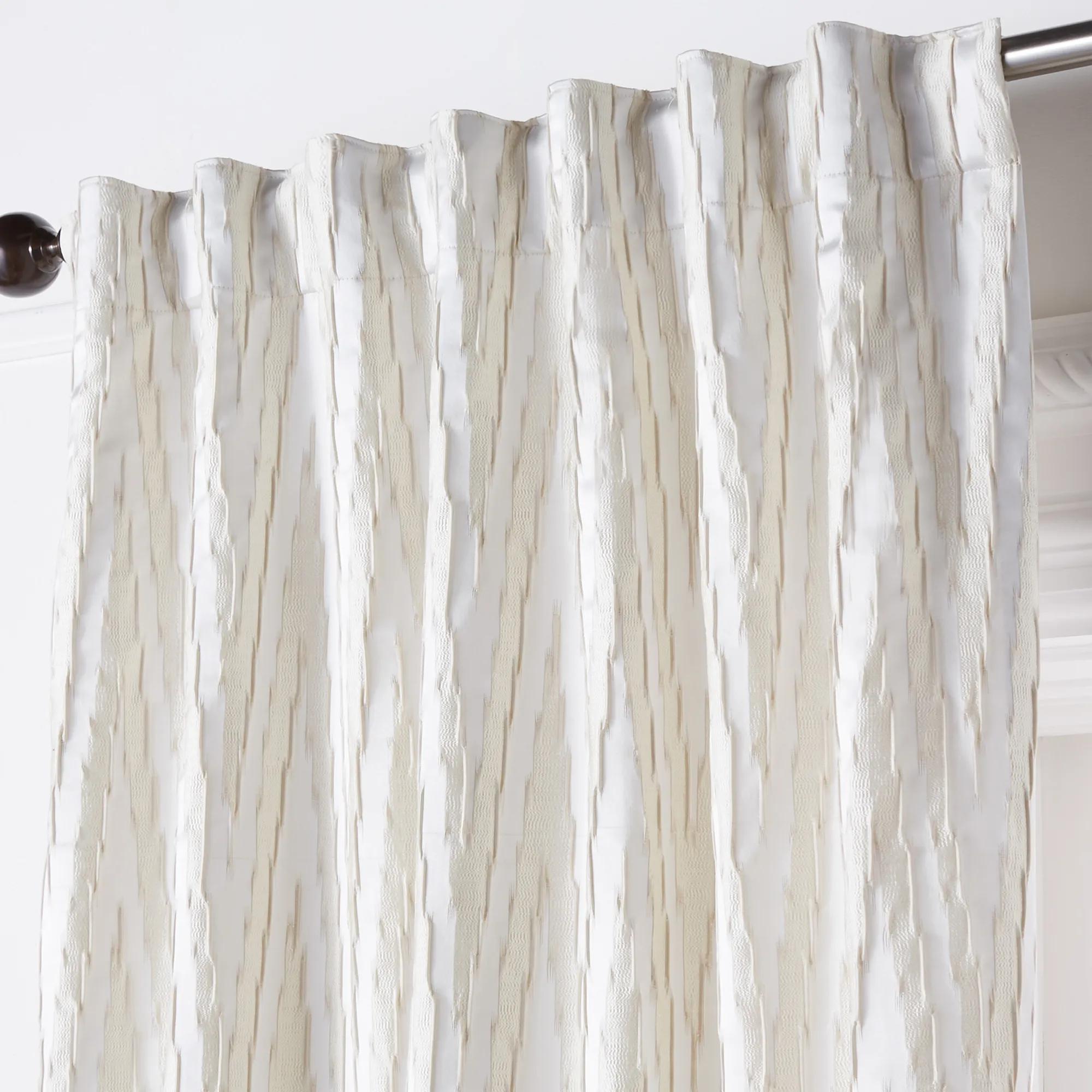 Minka Jacquard Pearl Window Curtain Panel Custom$319
A highly textured chevron curtain panel in pearl, grey, or natural polyester with customizable hanging options.
Add To Cart -
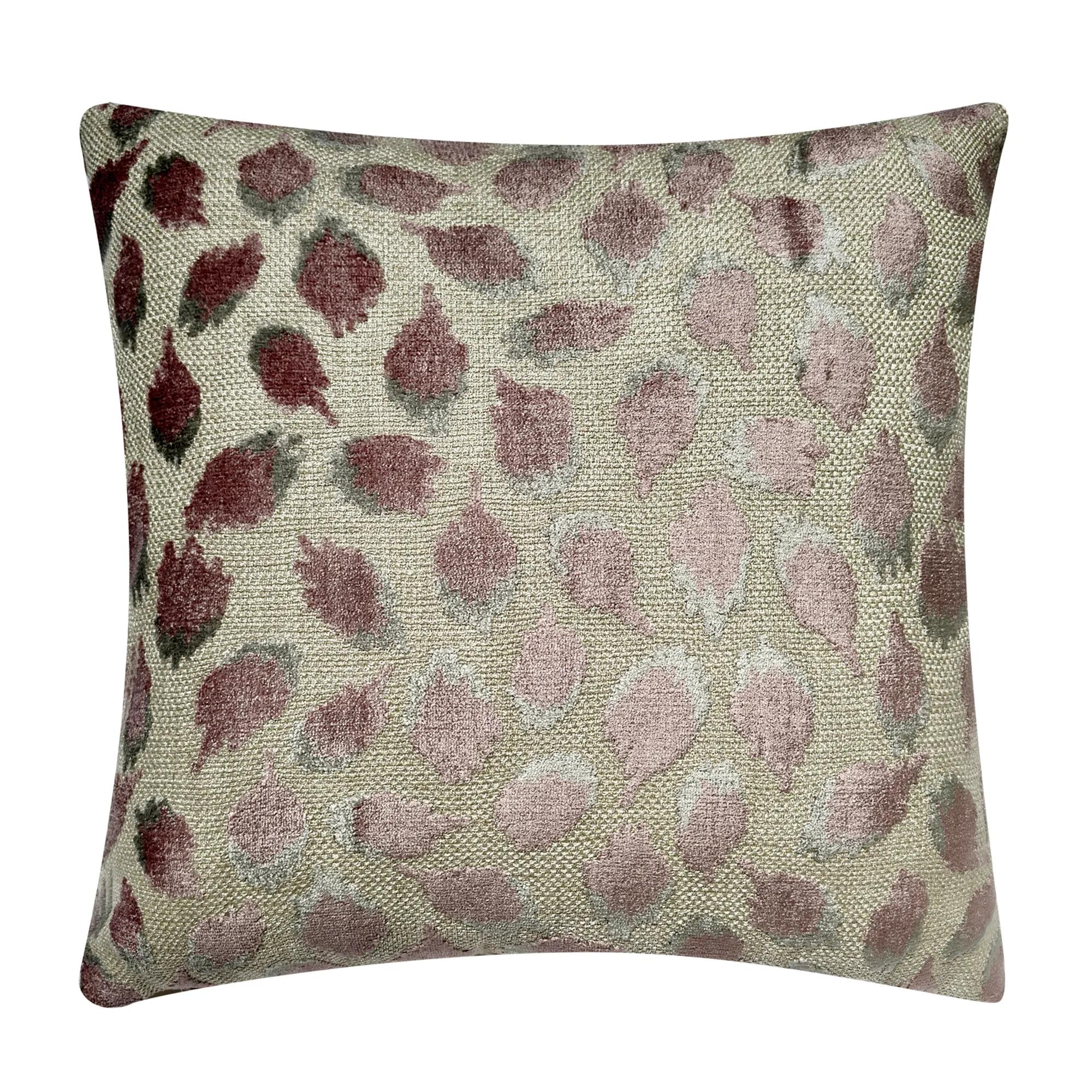
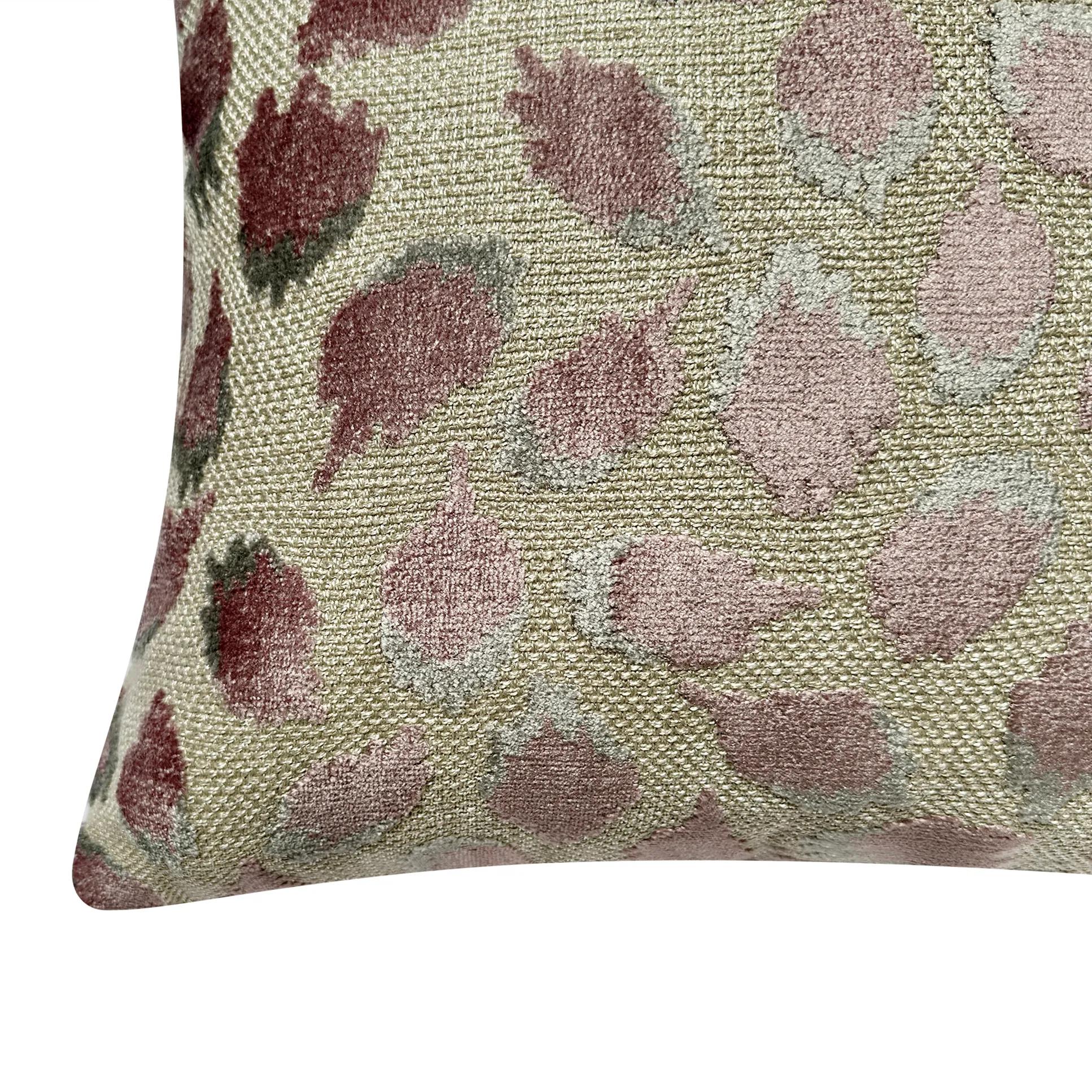 Gianna Pink/Grey Velvet Pillow 22" x 22"$129
A plush feather-down pillow featuring a textured pink and grey abstract leopard design with a removable cover.
Add To Cart -
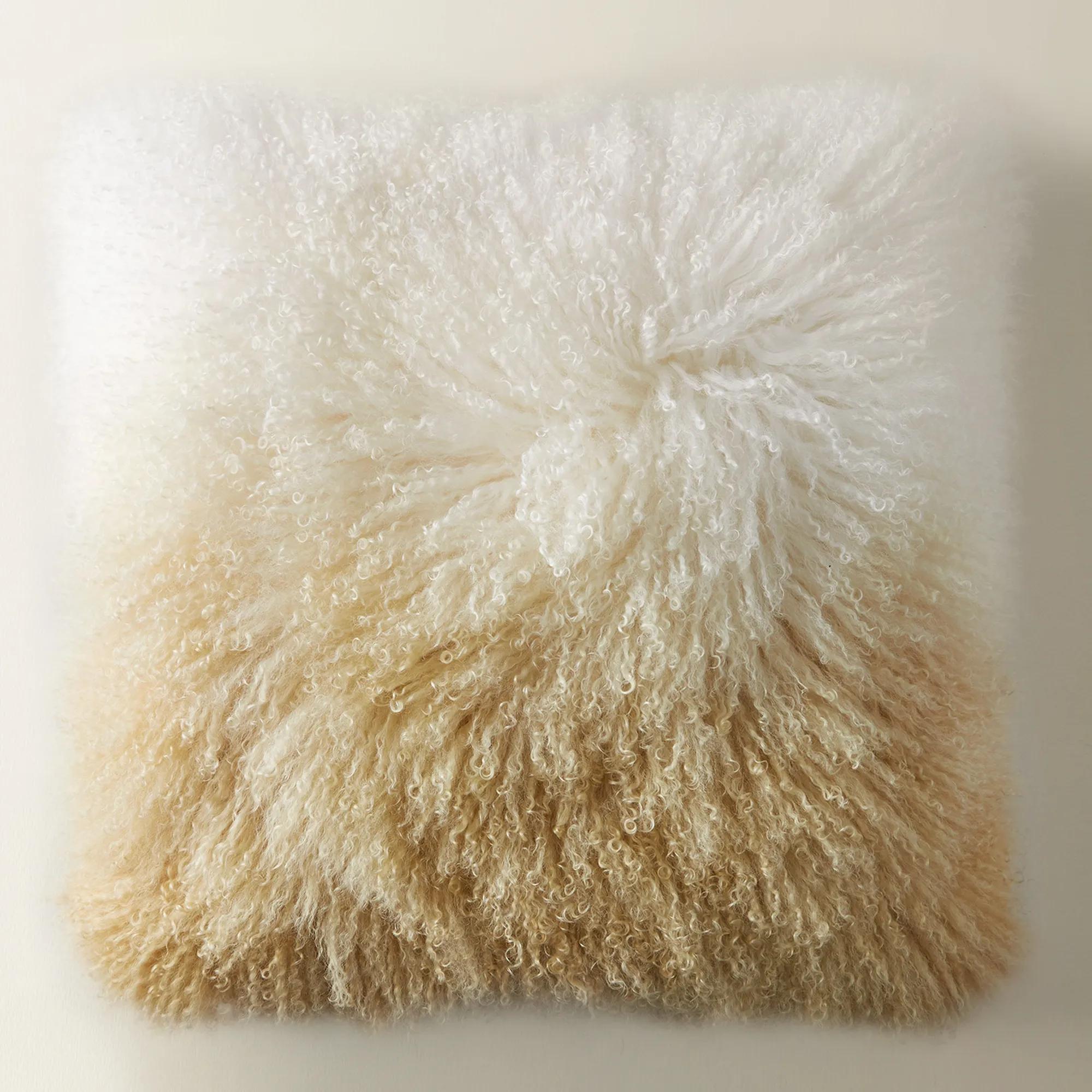
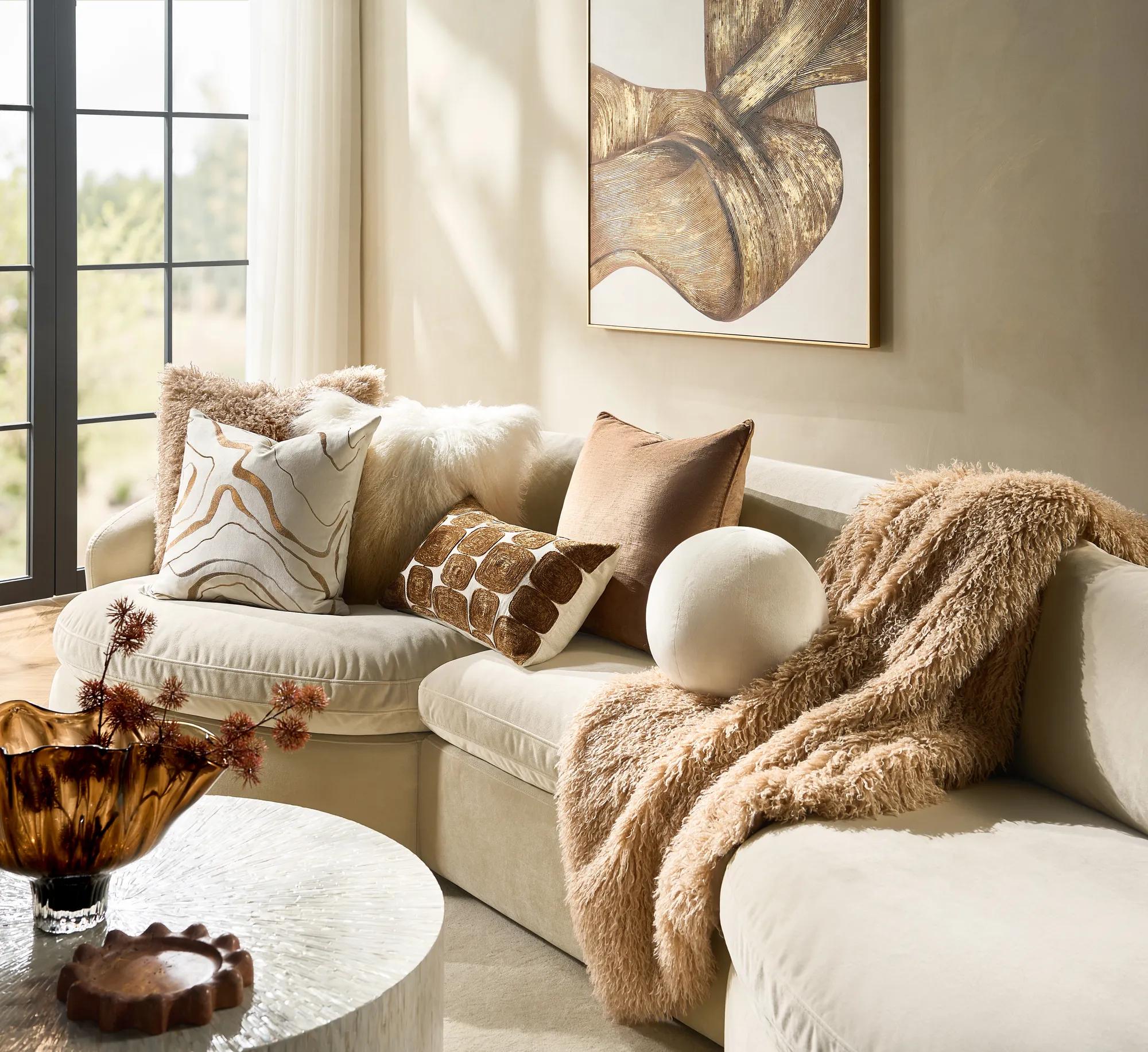 Mia Gold Ombre Mongolian Lamb Fur Pillow 22" x 22"$169
An ombre pillow featuring plush white and gold Mongolian lamb fur with a faux suede back.
Add To Cart

Decor For Transitional Style Homes
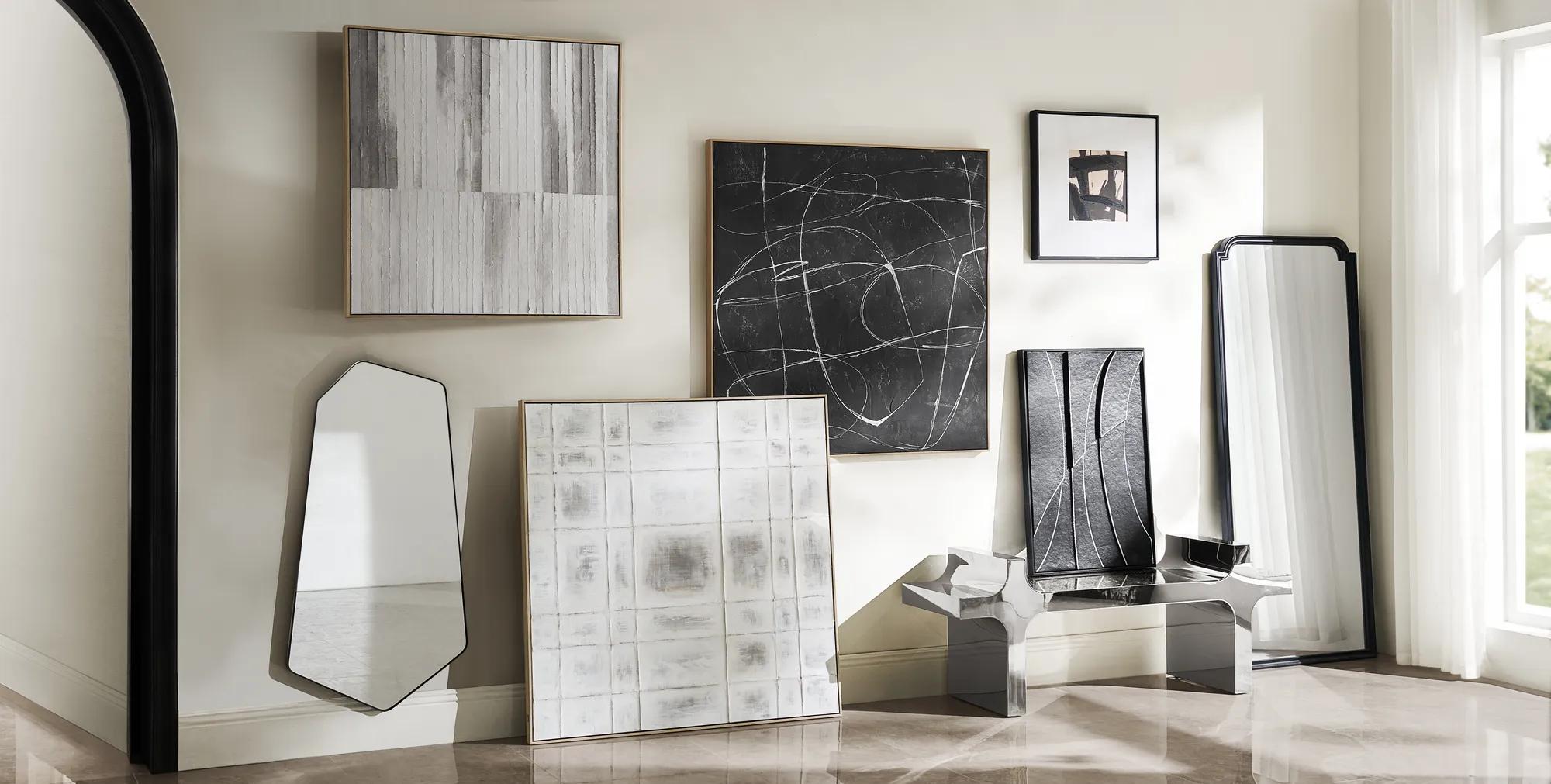
Where timeless elegance meets modern allure, decor for transitional style homes creates a harmonious dialogue between classic sophistication and contemporary flair. Each piece is thoughtfully curated to strike a perfect balance—inviting warmth and refinement while offering fresh, unexpected details that captivate the senses. Layered textures, sculptural silhouettes, and a palette of serene neutrals invite you to craft a space that feels both grounded and inspired. Elevate your interiors with decor for transitional style homes and discover how effortless luxury can transform every moment into an artful expression of self.
Decor for transitional style homes blends the warmth and familiarity of traditional interiors with the clean silhouettes and artistic confidence of modern design. The result is a space that feels composed without becoming formal, expressive without losing its sense of ease. Rather than recreating a particular era, transitional home decor creates a conversation between old and new: a softly curved profile beside a crisp geometric shape, a richly grained surface beneath gleaming metal, or an abstract composition framed with architectural precision. Warm white, ivory, beige, taupe, and soft gray establish a versatile foundation, while accents of charcoal, navy, or chocolate give the room definition. Neutral does not have to mean restrained. A generous sweep of texture, an unexpected reflective finish, or a dramatic change in scale can give a quiet palette extraordinary presence. This balance makes transitional decor especially appealing in homes where inherited furnishings share space with contemporary pieces, or where different personal tastes need to feel equally at home. A traditional living room can take on a fresher expression through sculptural shapes and luminous surfaces; a newer interior can gain warmth through tactile fabrics, organic materials, and gently rounded forms. The connecting thread is often a repeated color, finish, or line rather than a perfectly matched arrangement. In an open living and dining area, for example, touches of warm metal can carry the eye between spaces while distinct textures give each setting its own character. Rooms with substantial molding may benefit from decor with cleaner outlines, while rooms with spare architecture can support more pronounced texture and ornament. Transitional style leaves room for glamour, particularly when one striking element has enough visual breathing space to make an impression. Large-scale art, a reflective focal point, or a dimensional accent can bring that sense of occasion without making the surrounding room feel crowded. The most convincing spaces look collected over time, with beauty and comfort given equal consideration.
Materials bring depth to transitional interiors, turning a coordinated palette into something richer and more personal. Linen and cotton offer a softly textured counterpoint to polished surfaces, while velvet introduces a sumptuous shift in color as the light moves across its pile. Wool can lend warmth and resilience underfoot, though construction, fiber blend, and placement all influence how a textile wears. Glass adds visual lightness, metal supplies definition, and wood brings grain and tonal variation that prevent a room from feeling overly uniform. Marble and other natural stones contribute distinctive veining, with variations that belong to the material rather than a repeated printed pattern. These contrasts are particularly effective when the colors remain related: creamy fabric, pale stone, and warm wood can feel cohesive even though each surface catches light differently. Finish also shapes the mood. Brushed metal produces a gentler shimmer than a mirror-polished surface, while glazed ceramics can range from a subtle sheen to a more pronounced luster. For everyday rooms, beauty works best alongside an honest assessment of use. Frequently handled surfaces benefit from finishes suited to regular contact, and decorative textiles in busy family spaces deserve attention to weave, removable covers, and cleaning requirements. No material is universally carefree. Velvet may show pressure marks, loosely woven fabrics may snag, and some natural fibers may shed, especially early in use. Stone can be vulnerable to acidic spills, and protective pads beneath decorative objects help reduce the risk of scratching furniture. Manufacturer care instructions should determine cleaning methods; a treatment suitable for one finish may damage another. Gentle dusting with a soft cloth is often appropriate for hard decorative surfaces, while textile care may call for spot cleaning, professional cleaning, or laundering only when the label permits. Direct sunlight can fade some fabrics and finishes over time. In homes with children or pets, stable placement and secure mounting are as important as appearance, particularly for heavy, fragile, or elevated decor.
Scale and placement give transitional decorating its sense of polish, whether the setting is an expansive great room or a compact bedroom. A decorative arrangement should relate to the furniture and architecture around it, not simply fit within an empty spot. Over a broad sofa, artwork with enough visual weight can anchor the seating area; over a narrower console, a more contained composition can preserve balance. Leaving visible surface around an accent allows its silhouette and material to register, especially when the finish is intricate or reflective. In an entryway, shallow proportions help maintain a comfortable passage while still creating an expressive arrival. In a dining space, lower decorative forms can preserve conversation across the table, and easily moved accents allow the surface to transition gracefully from everyday use to entertaining. Bedrooms often call for a softer interpretation, with tactile layers, rounded shapes, and quieter contrasts supporting a restful atmosphere. During the cooler months, deeper textures can bring warmth without requiring a new color scheme or a seasonal motif. Lighting affects every one of these choices: warm illumination can enrich cream and bronze tones, while daylight reveals subtle differences between gray, beige, and ivory. Reflective surfaces are most effective when their placement considers what they will mirror, whether that is a beautiful architectural detail or an unwelcome glare. For households bringing together contrasting tastes, transitional decor offers flexibility: a classic outline can satisfy a preference for tradition while an unexpected finish introduces a more contemporary point of view. Decorative accents can also make thoughtful housewarming, wedding, or host gifts when their proportions, care needs, and palette suit the recipient’s home. Someone with a carefully edited interior may appreciate one expressive form more than an elaborate grouping. For an aesthetic with a similarly polished sensibility, Decor for Sophisticated Homes offers a complementary direction. Transitional style ultimately draws its strength from these considered relationships: soft against structured, familiar beside unexpected, and everyday comfort enriched by details with unmistakable presence.
FAQs
Transitional style décor artfully blends the warmth and familiarity of traditional design with the clean lines and minimalism of contemporary aesthetics. This approach favors a neutral color palette, purposeful layering of textures, and a curated mix of classic and modern elements. Unlike traditional style, which often features ornate detailing and rich colors, or contemporary style, which can feel stark and minimal, transitional décor strikes a harmonious balance—offering timeless comfort with a fresh, updated edge.
Transitional homes shine when they feature a thoughtful mix of materials such as wood, glass, metal, and stone. Matte and glossy finishes can coexist beautifully, with metallic accents—like brushed nickel, antique brass, or polished chrome—adding a hint of glamour. Textiles in cotton, linen, and velvet introduce tactile richness, while glass and mirrored surfaces reflect light and amplify the sense of space.
The transitional palette begins with versatile neutrals—creams, soft grays, taupes—that create a serene backdrop. To add dimension and personality, introduce subtle pops of color through accessories such as pillows, art, or florals in muted blues, greens, or blush tones. Patterns should remain understated, like tone-on-tone geometrics or delicate stripes, to maintain the style’s signature sense of calm and cohesion.
Layering textures is central to transitional style. Combine smooth leather or velvet upholstery with nubby linen pillows, drape a chunky knit throw over a streamlined sofa, or anchor the space with a plush area rug atop hardwood floors. Accents like glass vases, metallic trays, and woven baskets introduce variety and depth, ensuring the room feels inviting and visually engaging without excess.
Transitional décor makes for exceptionally versatile and thoughtful gifts, as its timeless appeal complements a wide range of interiors. Consider gifting elegant vases, sculptural candleholders, decorative trays, or statement picture frames—pieces that blend seamlessly into both classic and modern spaces. These items not only beautify the home but also serve as lasting reminders of special occasions and shared moments.