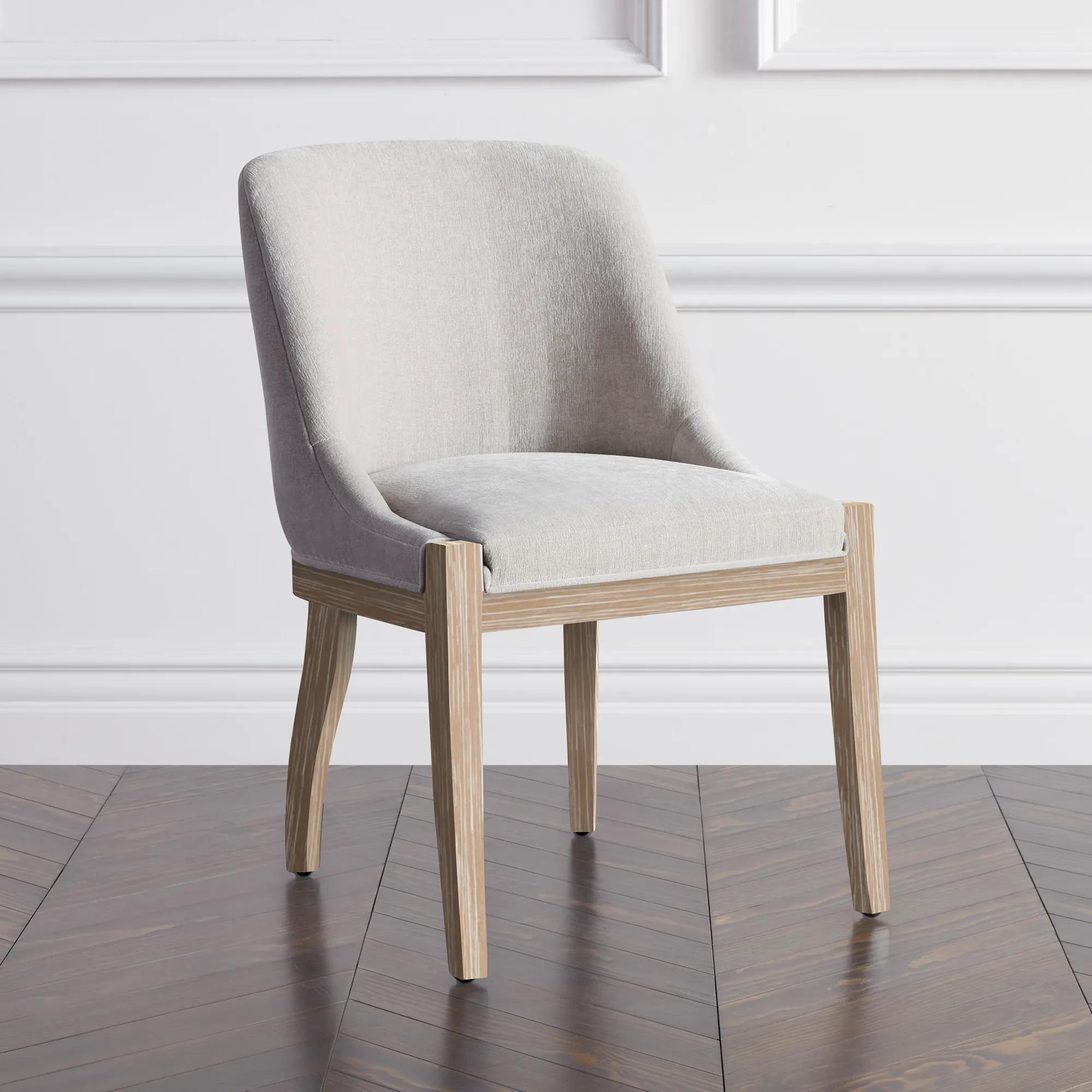
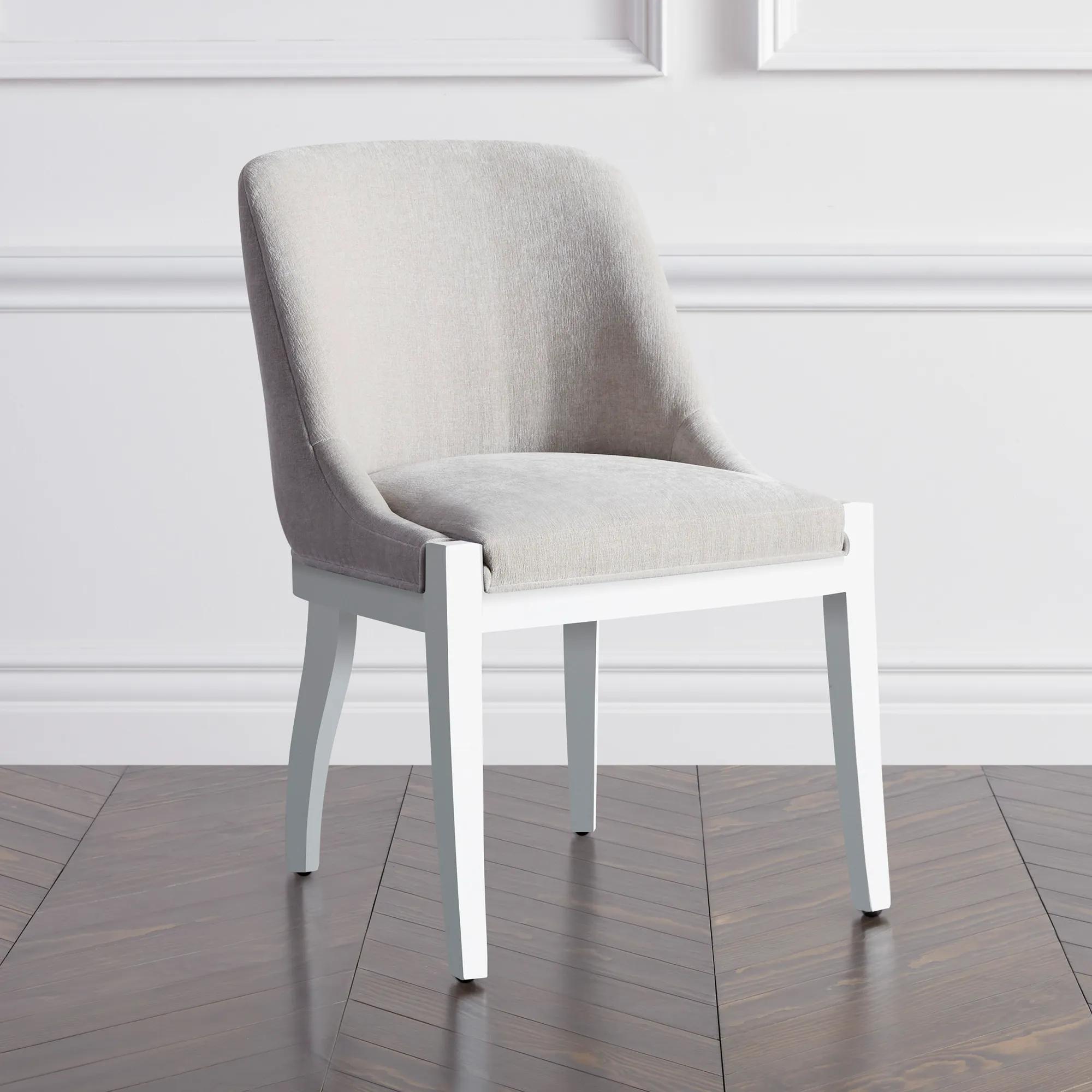
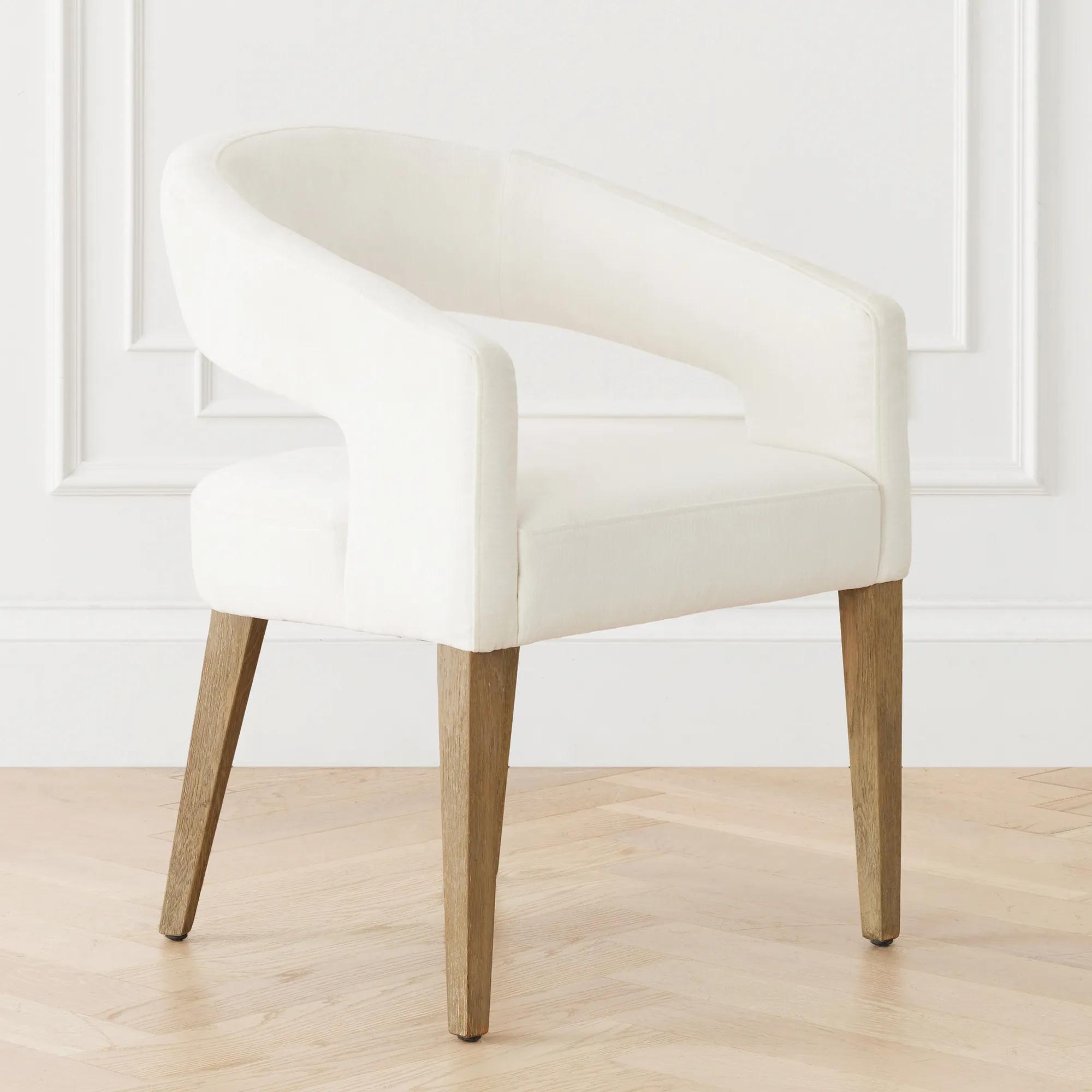
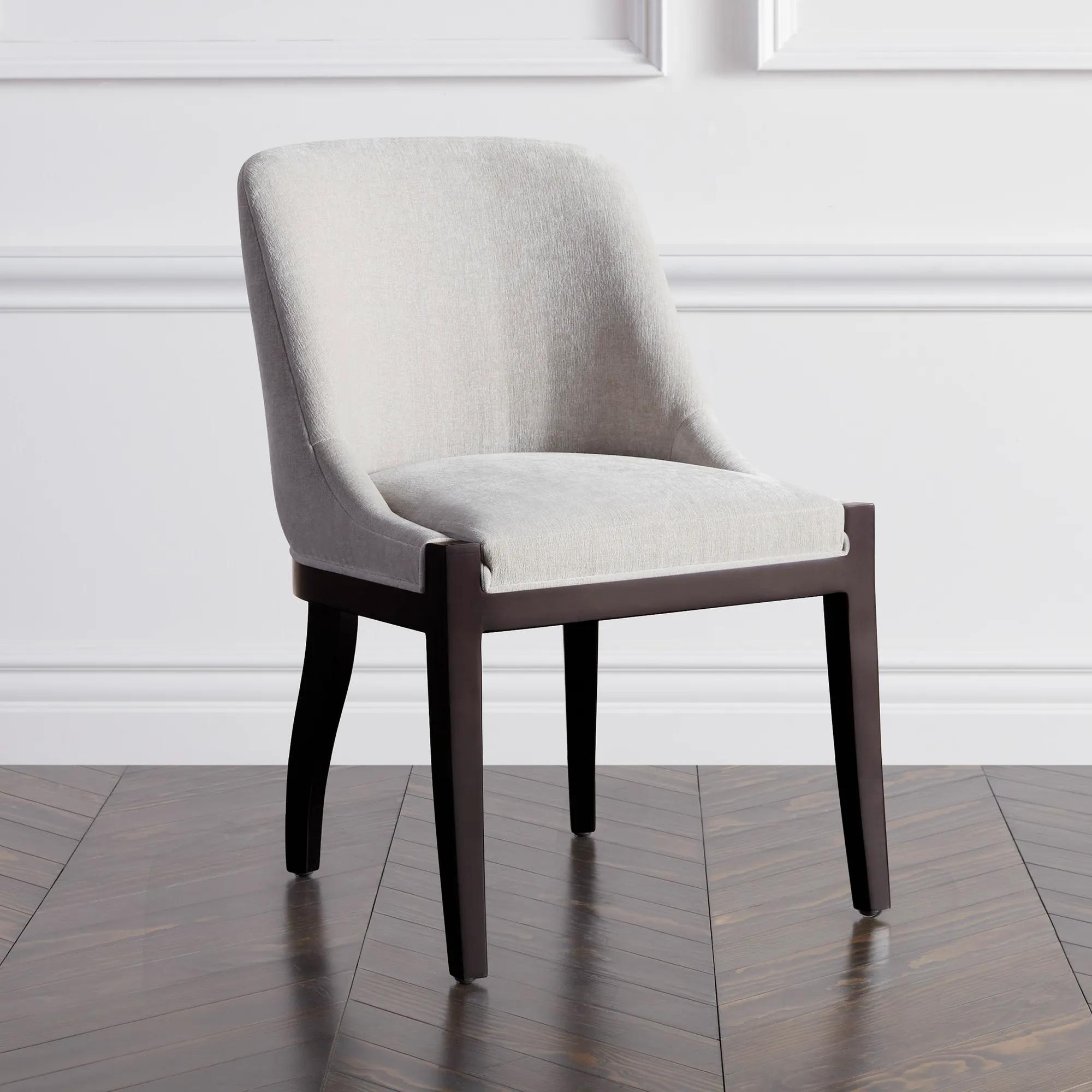
Curved Upholstered Dining Chairs
Curved Upholstered Dining Chairs
-
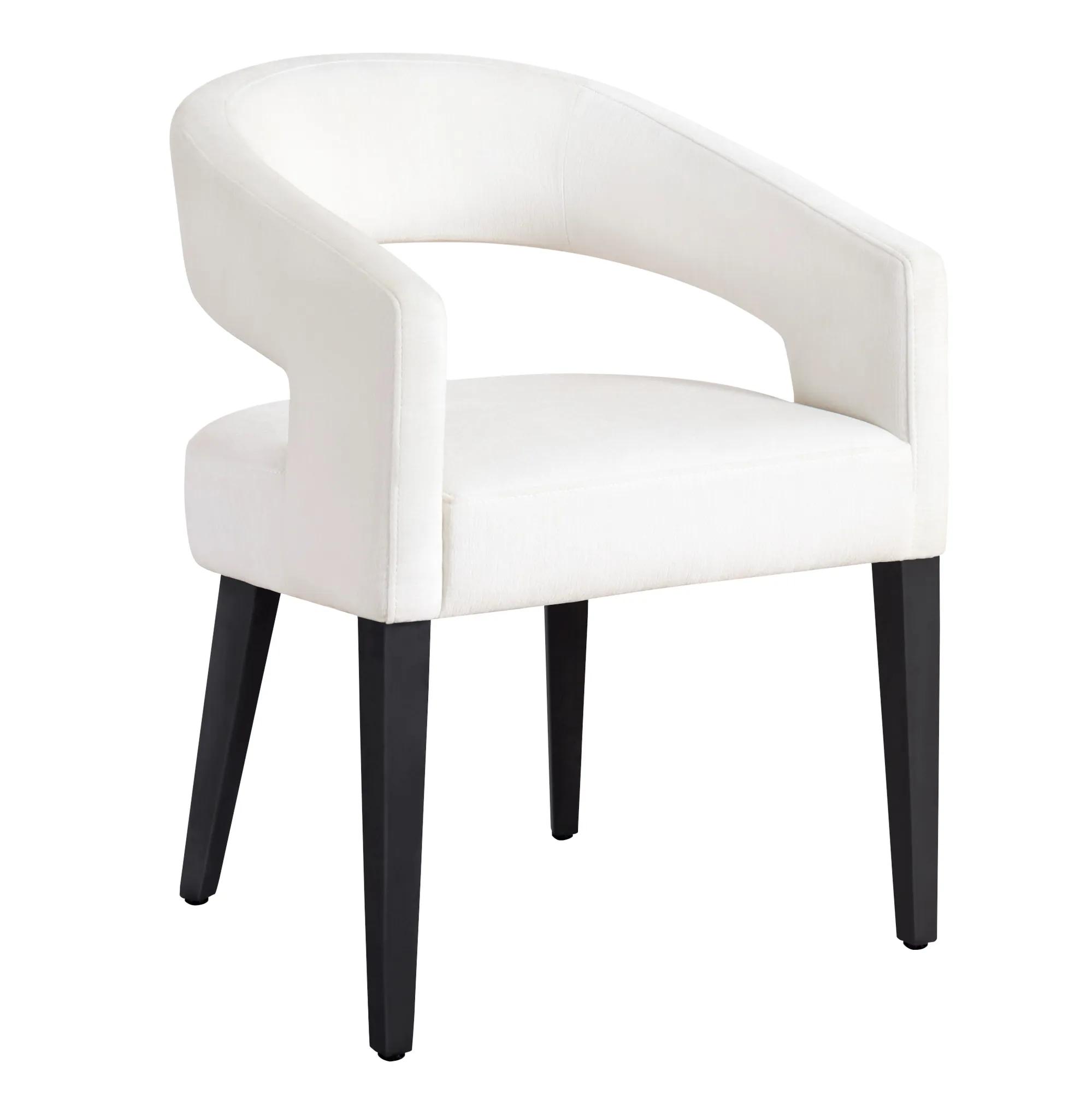
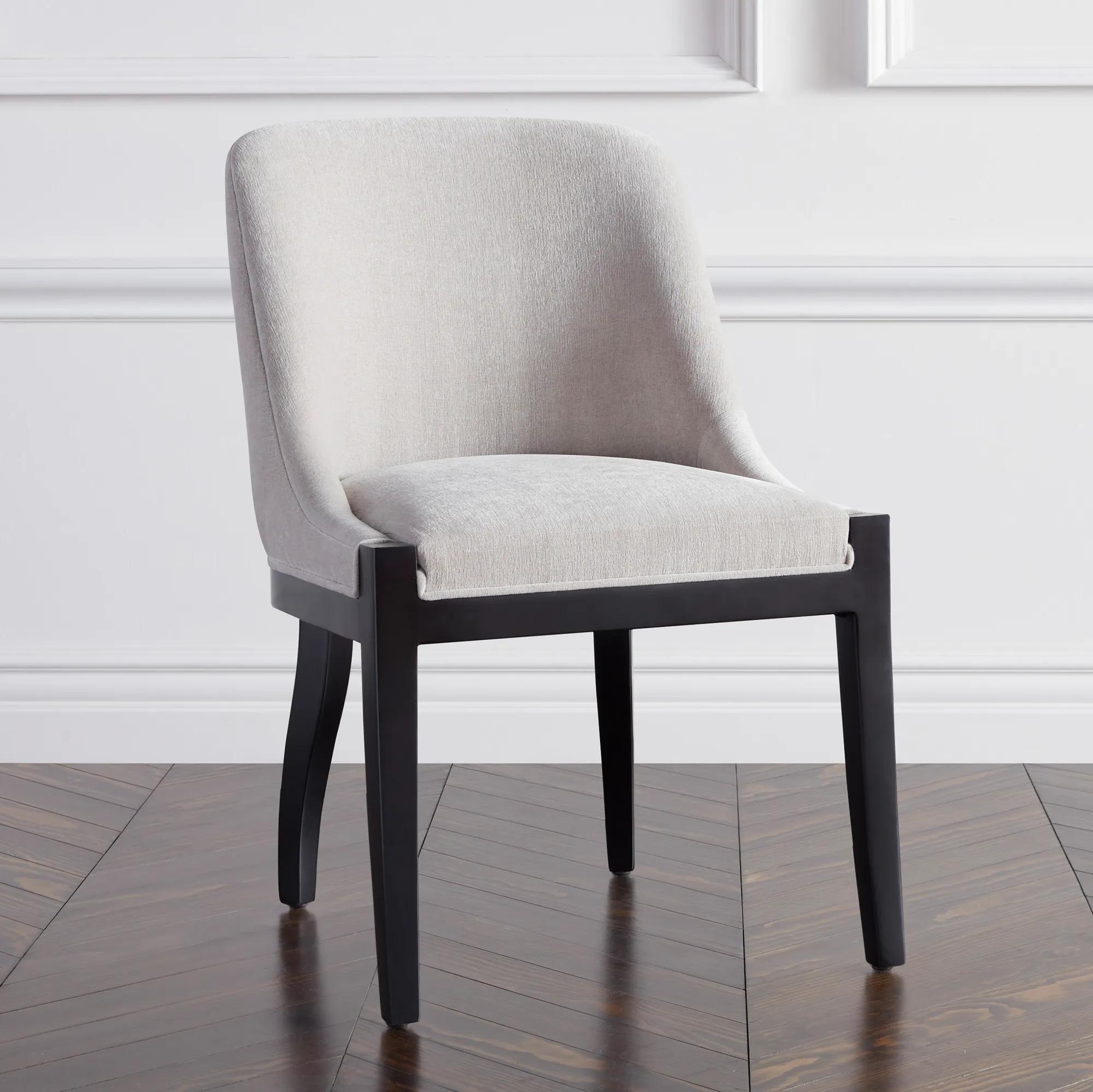
 Philippa Dining Chair - Matte Black$599
A modern dining chair featuring a curved silhouette, matte black legs, and neatly tailored upholstery.
Add To Cart -
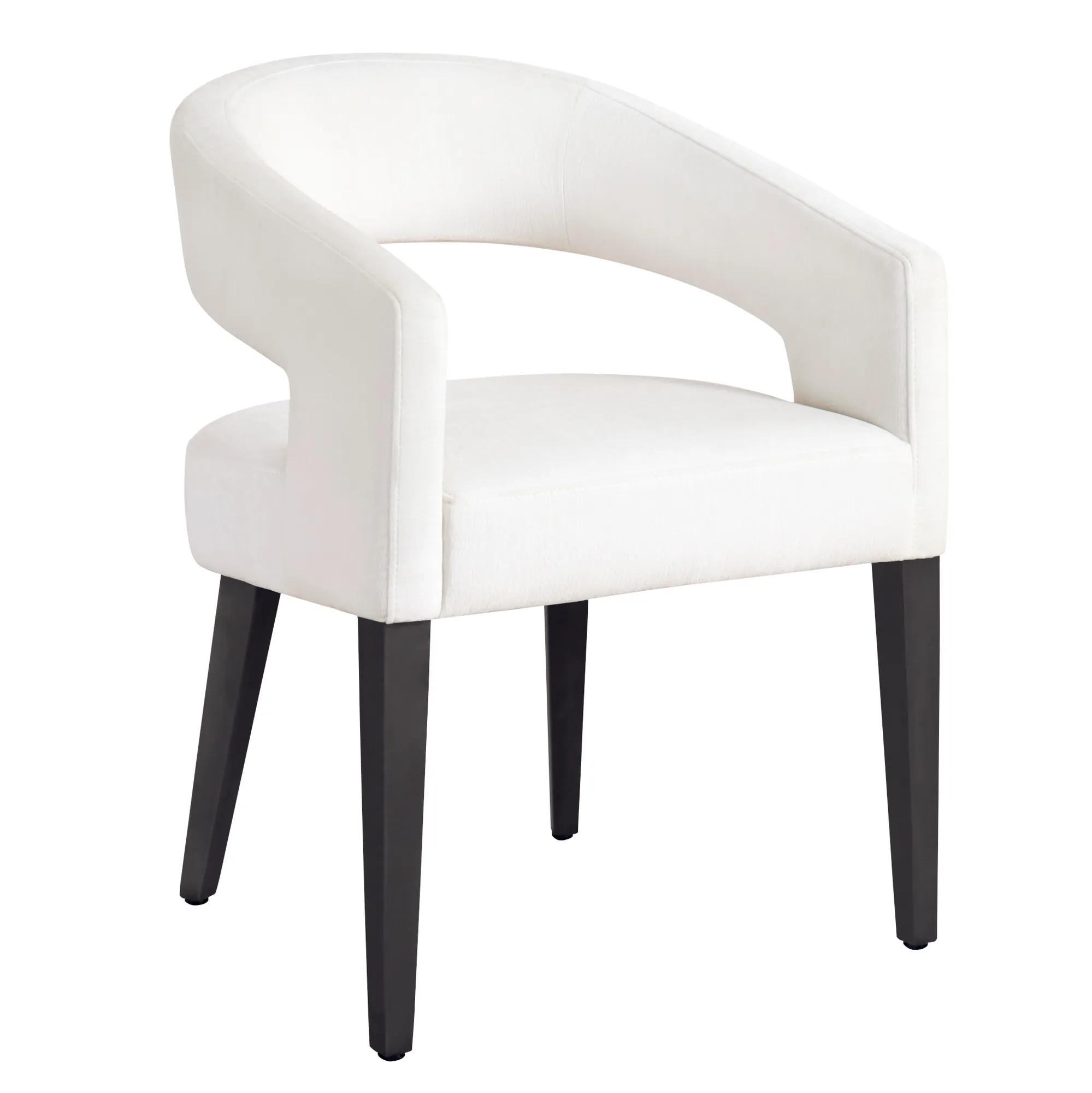
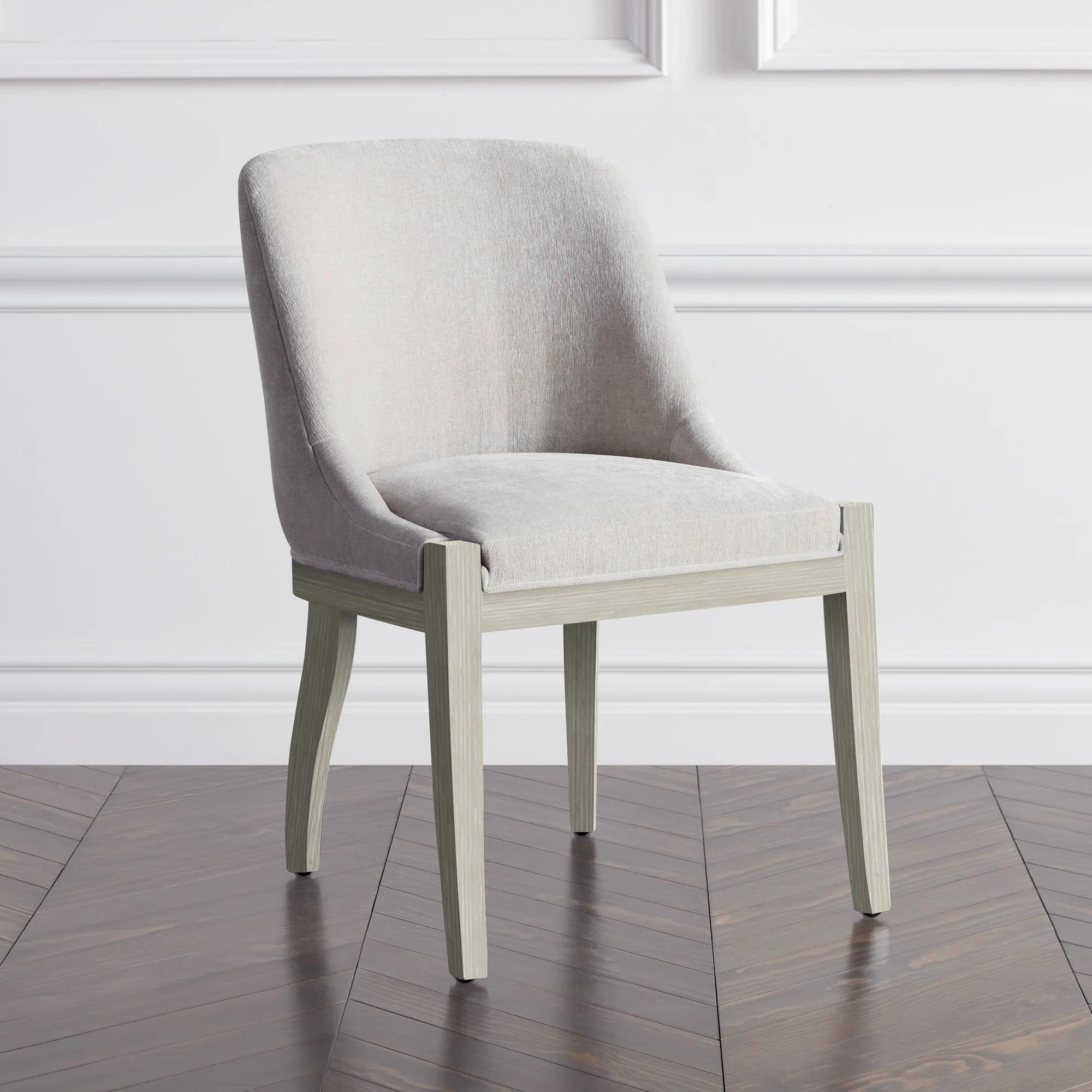
 Philippa Dining Chair - Espresso$845
A curved, upholstered chair with an espresso-finished hardwood frame and a sleek back cutout.
Add To Cart -
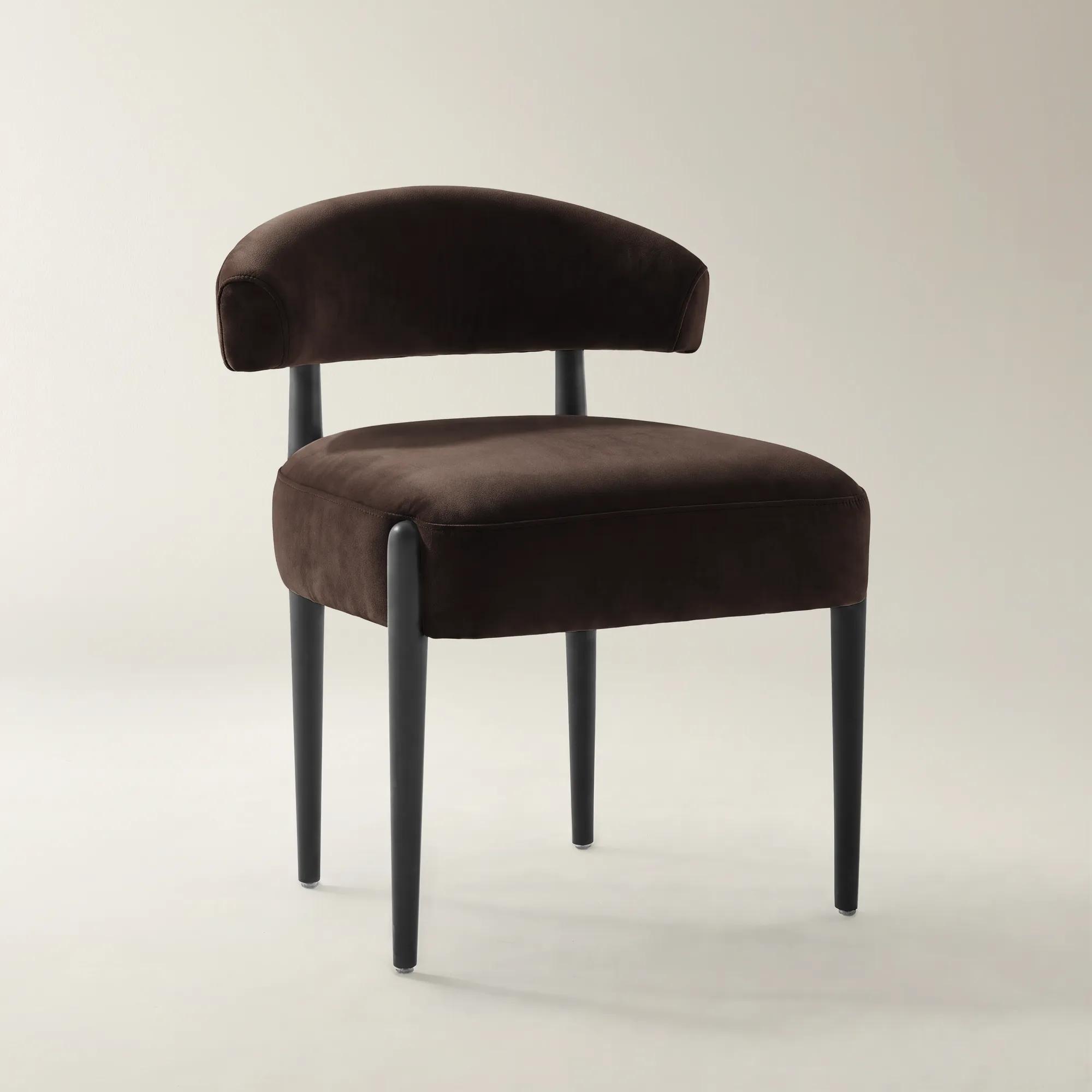
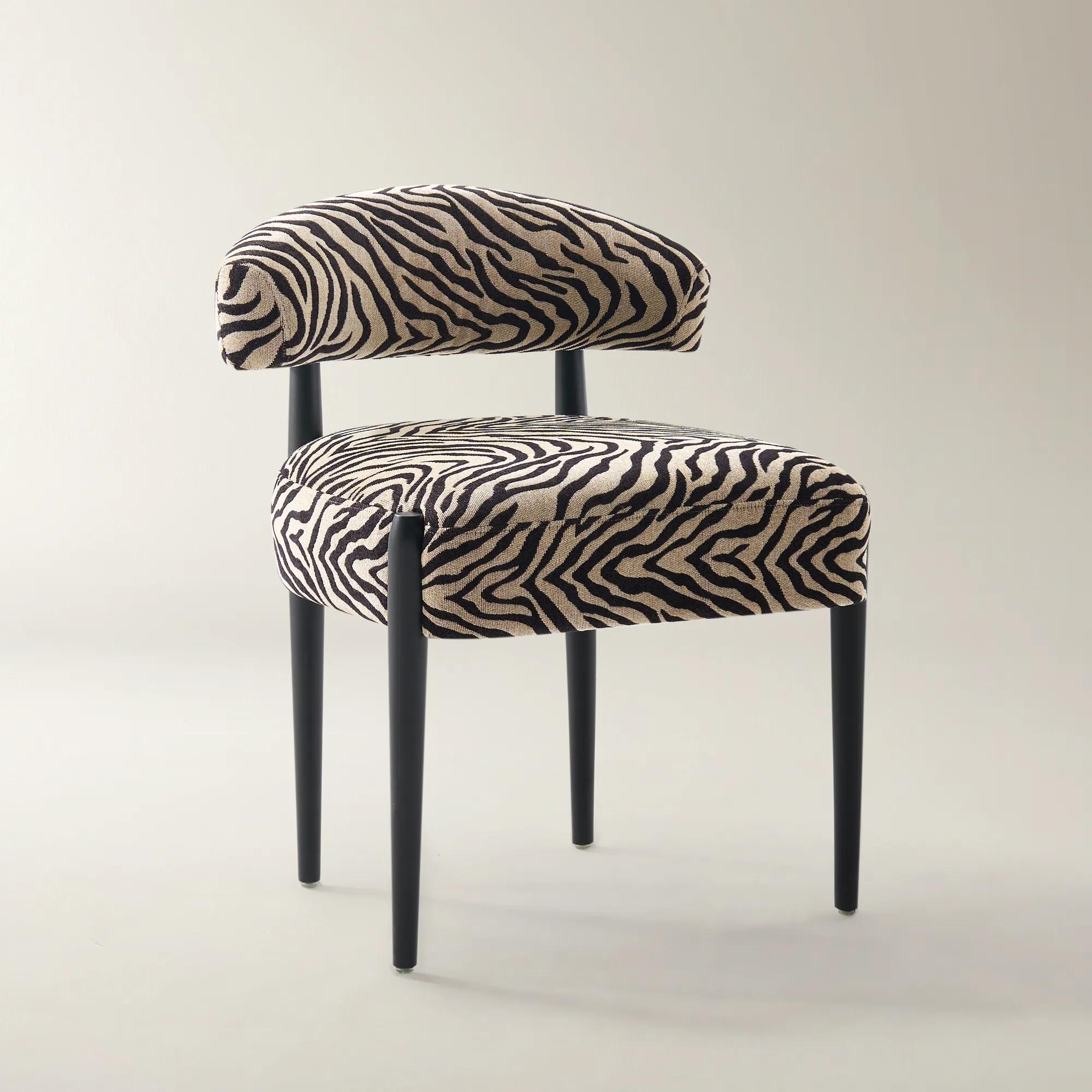 Anna Dark Chocolate Velvet Dining Chair Set of 2$699
A dark chocolate velvet dining chair set featuring an arched back, high-density foam, and solid wood construction.
Add To Cart -
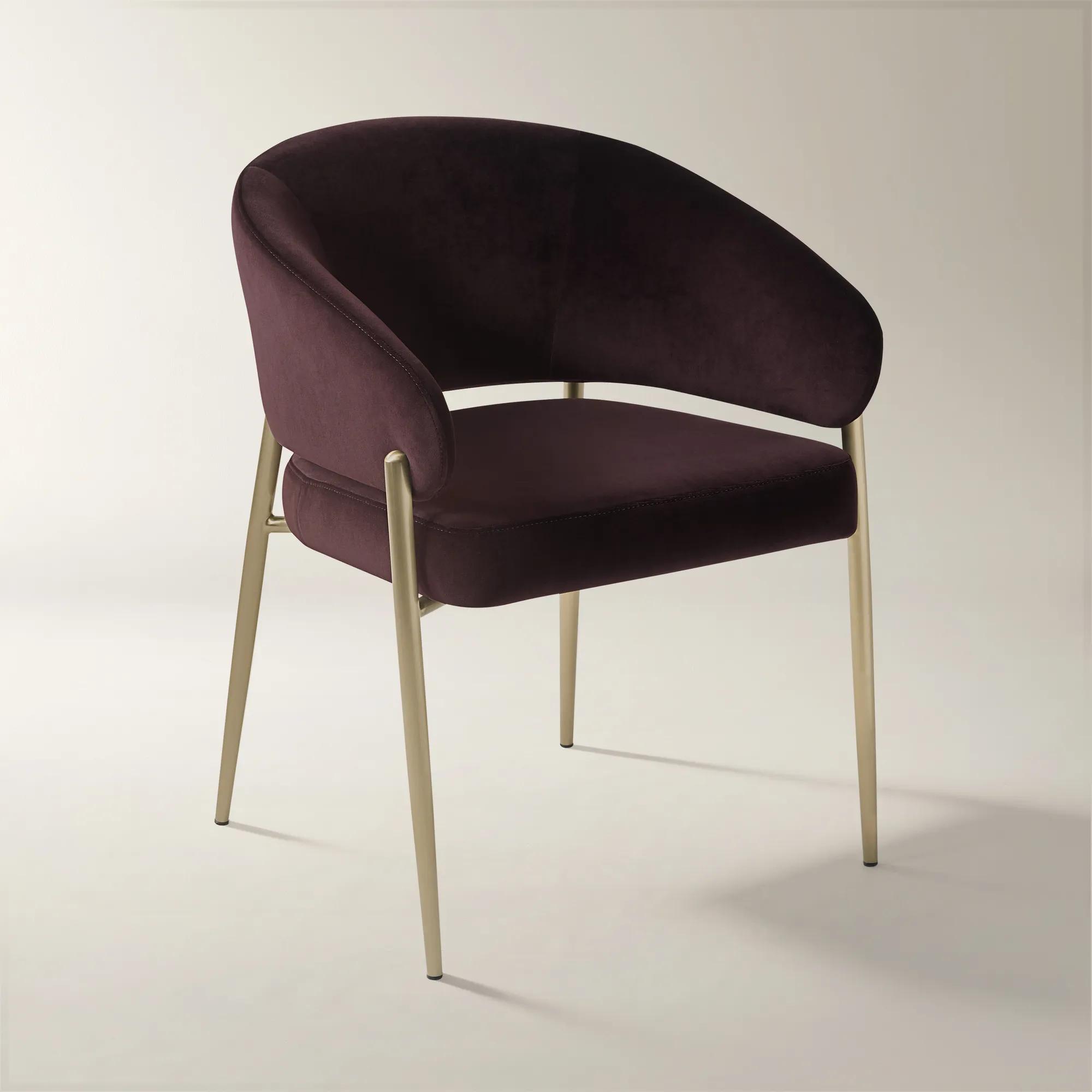 Nara Fig Velvet Dining Chair Set Of 2$599
A set of two dining chairs featuring plush fig velvet upholstery and brushed brass stainless-steel legs.
Add To Cart -
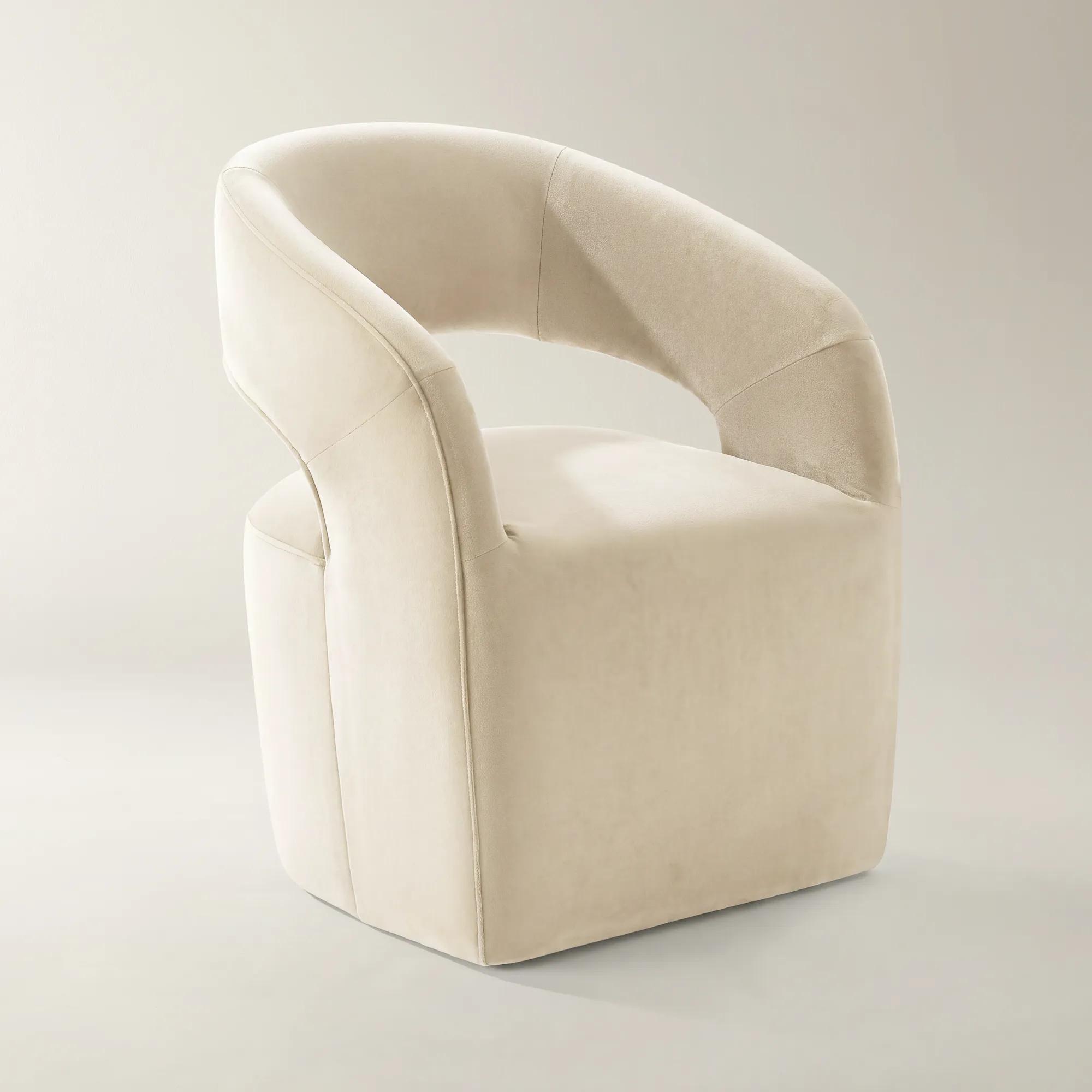
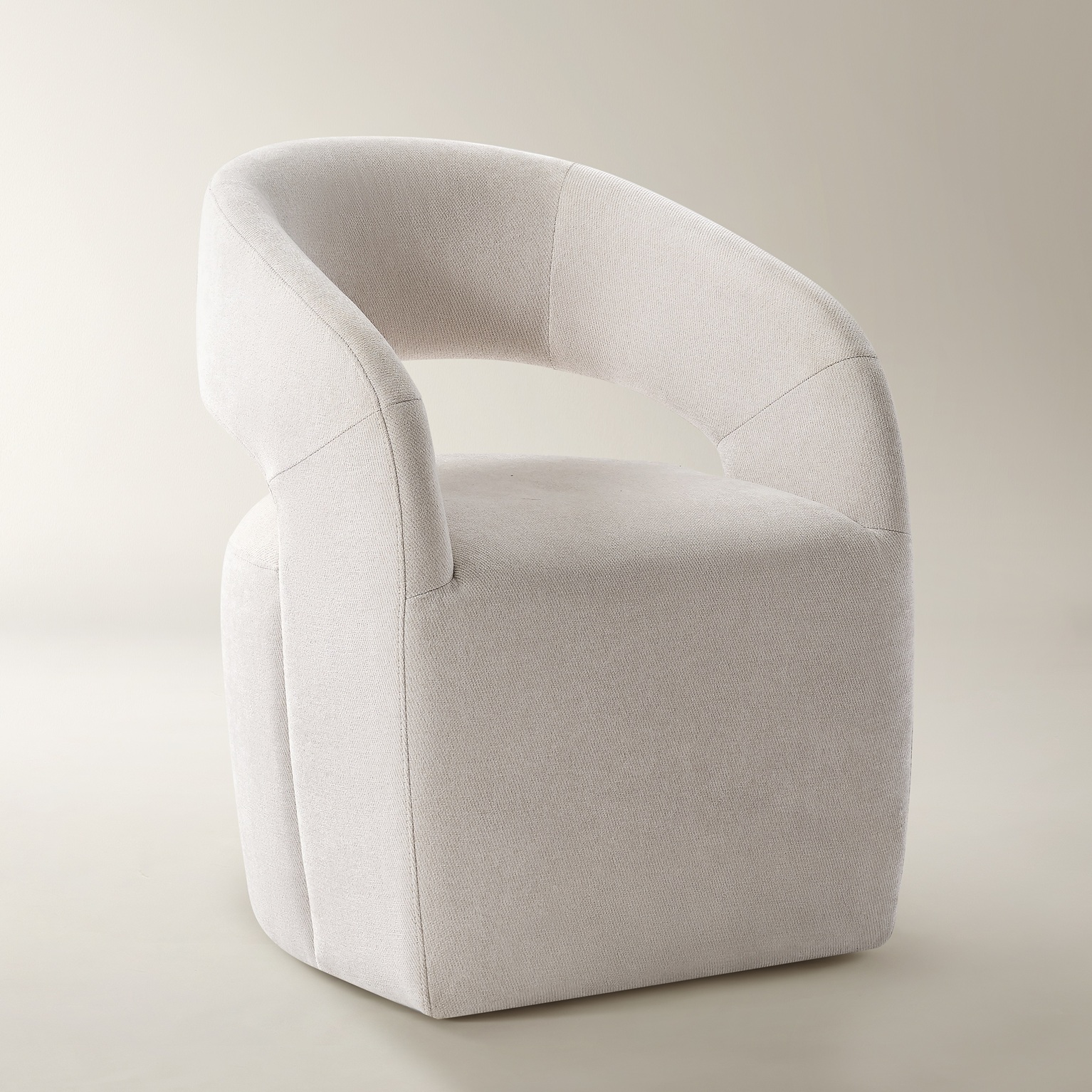 Harrison Oatmeal Velvet Dining Chair$499
A sculptural dining chair upholstered in oatmeal velvet with a curved back, feather-blend seat, and integrated arms.
Add To Cart -
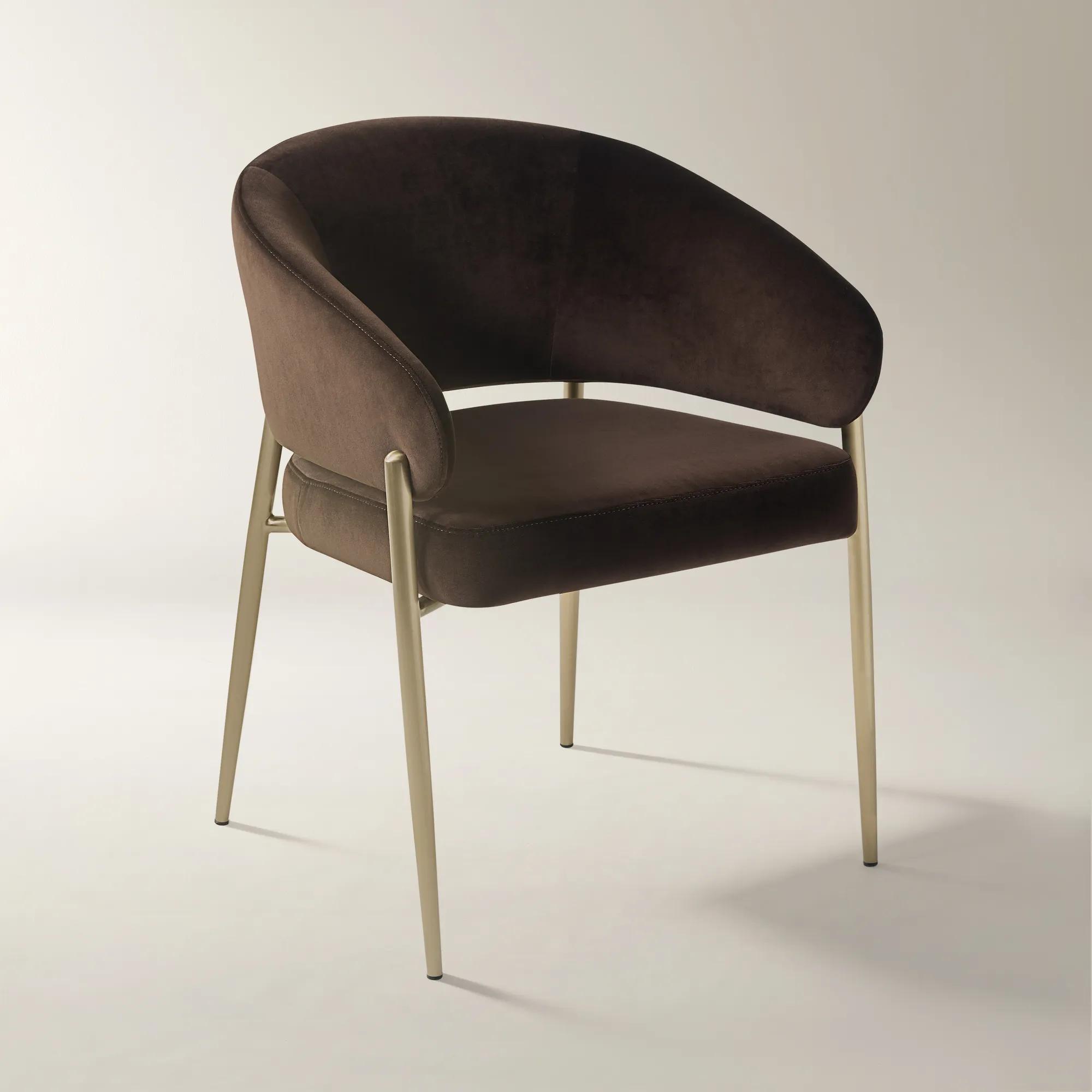 Nara Dark Chocolate Velvet Dining Chair Set Of 2$599
A pair of dark chocolate velvet chairs with curved backs and brushed brass stainless-steel legs for modern elegance.
Add To Cart -
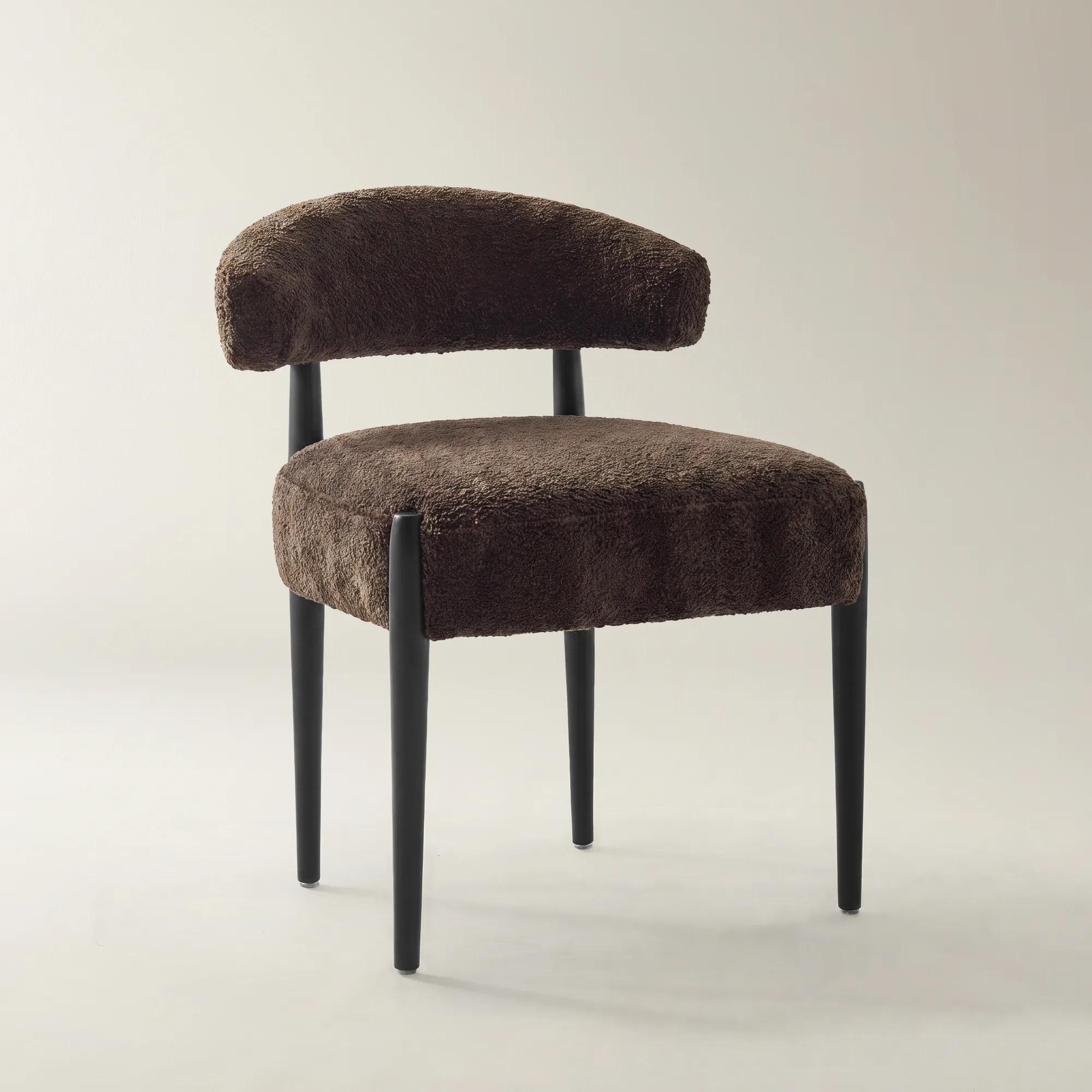 Anna Dark Chocolate Chenille Dining Chair Set of 2$699
A dark chocolate chenille chair pair featuring tailored curved backs, high-density foam, and solid rubberwood legs.
Add To Cart -
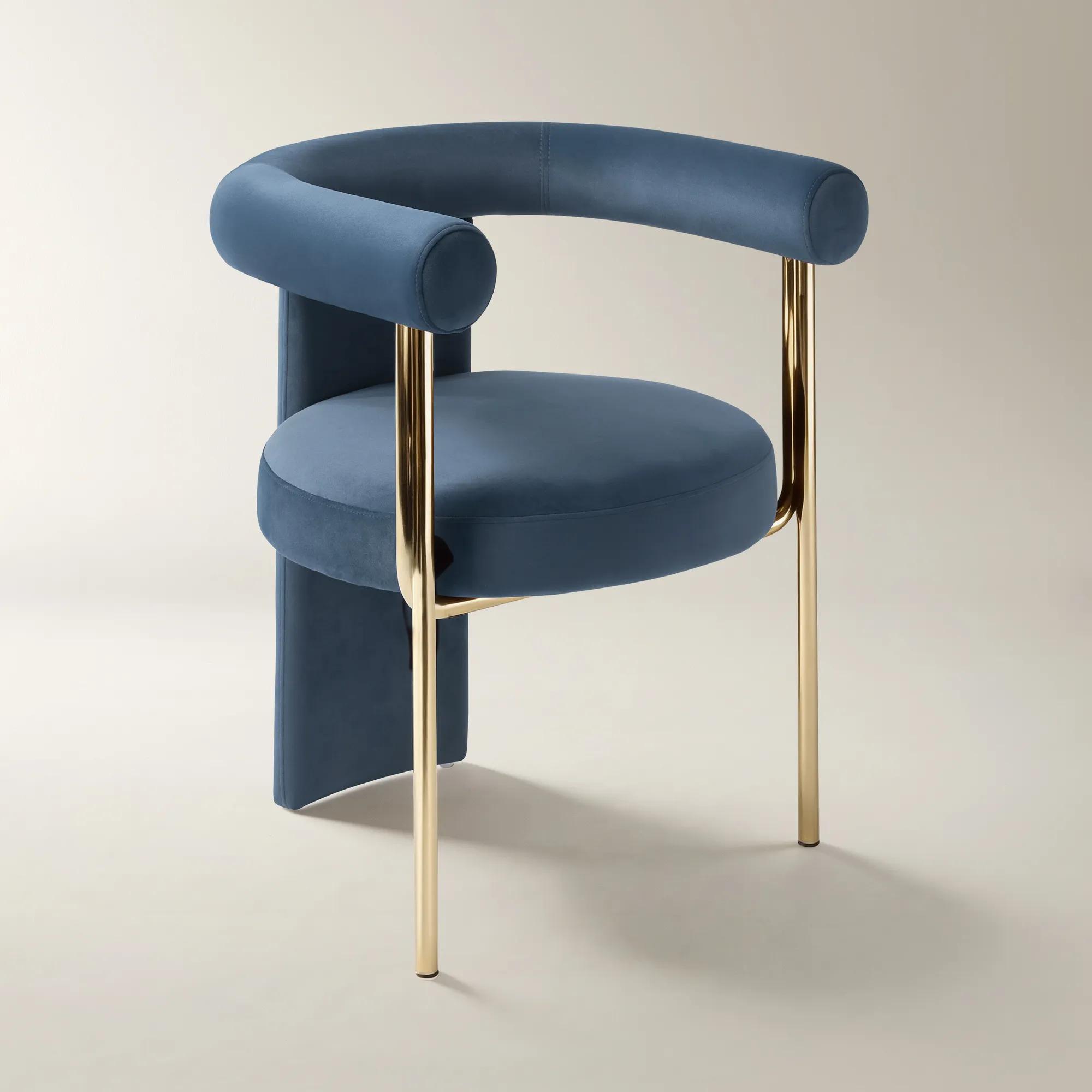 Davina Dusty Blue Velvet Dining Chair Set Of 2$899
A set of two dining chairs featuring dusty blue velvet upholstery and a polished gold metal frame.
Add To Cart -
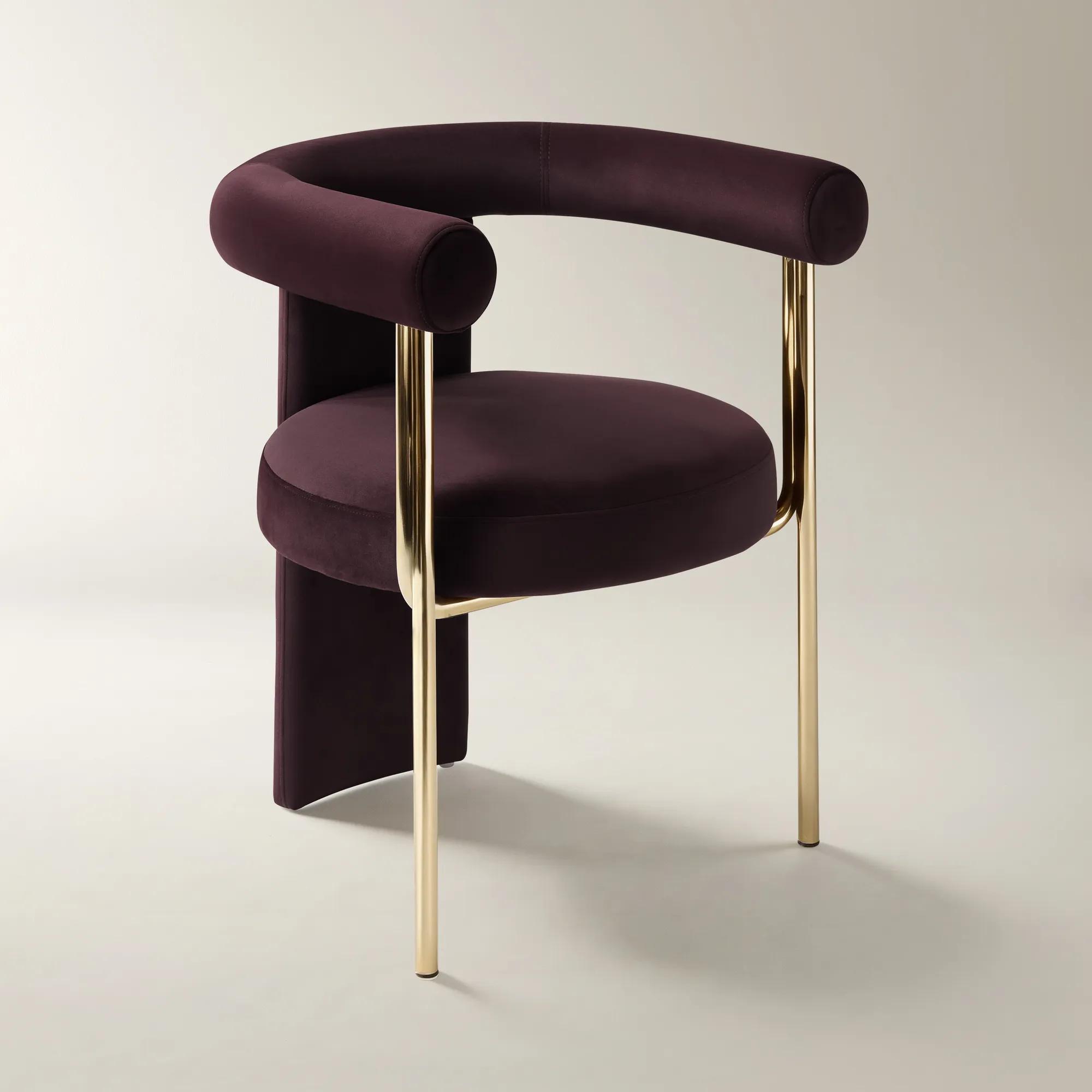 Davina Fig Velvet Dining Chair Set Of 2$899
A set of two dining chairs featuring plush fig velvet upholstery and a sleek gold-finished metal frame.
Add To Cart -
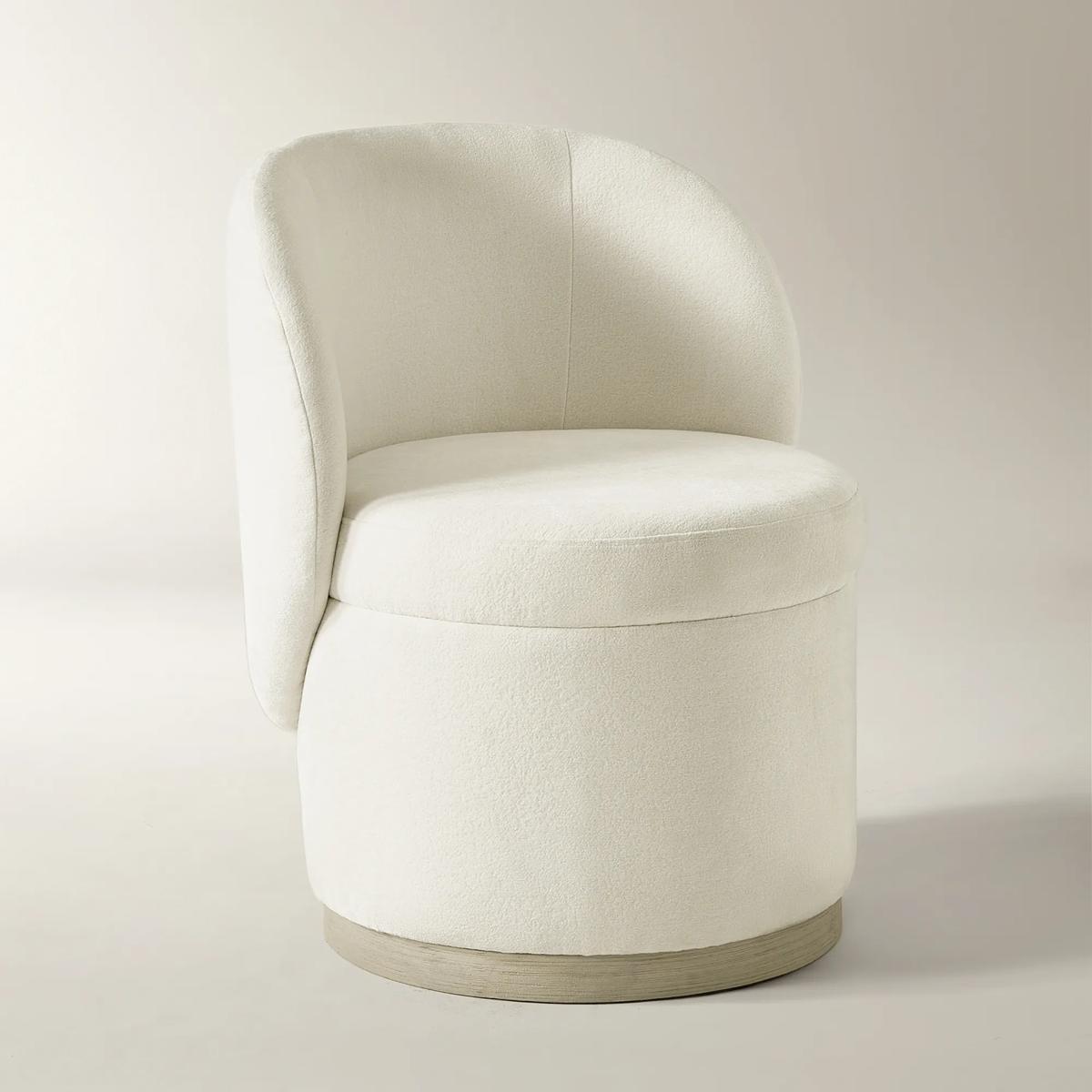 Stria Ivory Chenille Dining Chair With Oak Base$599
An ivory chenille chair featuring a plush, velvet-like finish and a handcrafted solid oak base.
Add To Cart -
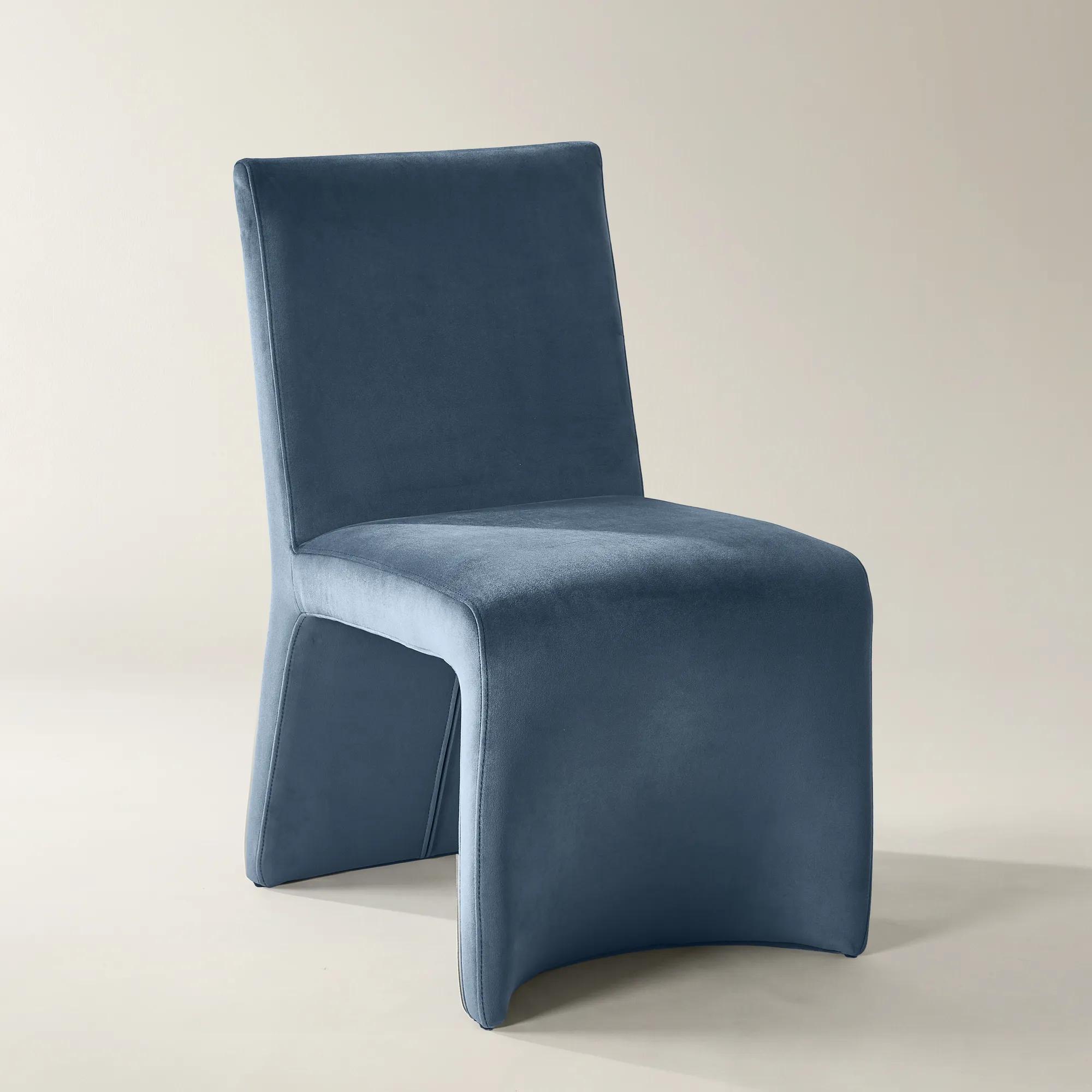 Elara Dusty Blue Velvet Dining Chair Set Of 2$799
A set of two dining chairs featuring plush dusty blue velvet upholstery and a seamless, artful silhouette.
Add To Cart -
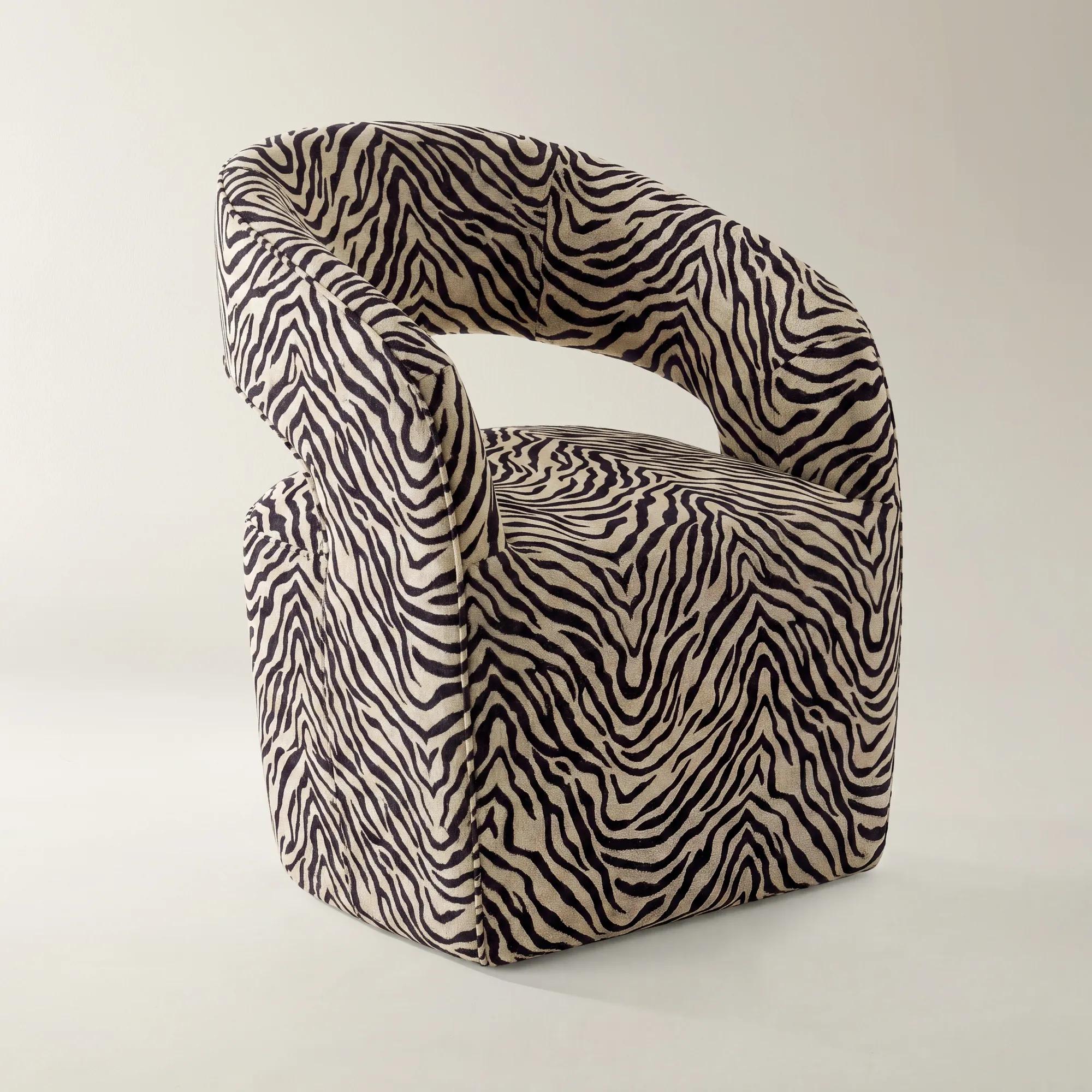 Harrison Zebra Performance Chenille Dining Chair$499
A sculptural dining chair upholstered in zebra performance chenille with a curved back and feather-blend comfort.
Add To Cart -
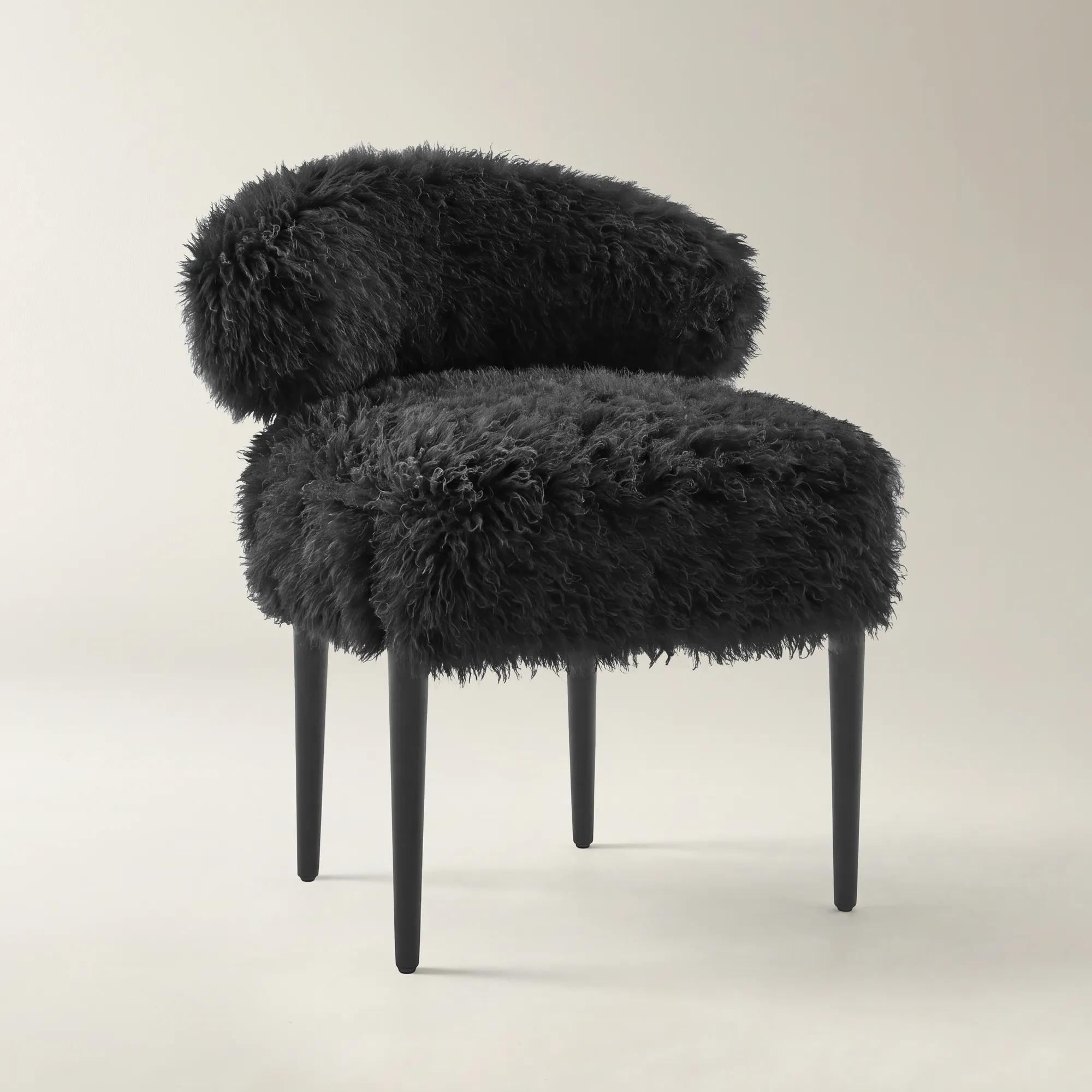 Anna Black Faux Fur Dining Chair Set of 2$799
A black faux fur chair set with arched backs, foam cushioning, and solid wood legs.
Add To Cart -
 Stria Roasted Pecan Velvet Swivel Dining Chair With Oak Base$699
A velvet swivel dining chair with a sculpted curved profile and warm solid oak base.
Add To Cart -
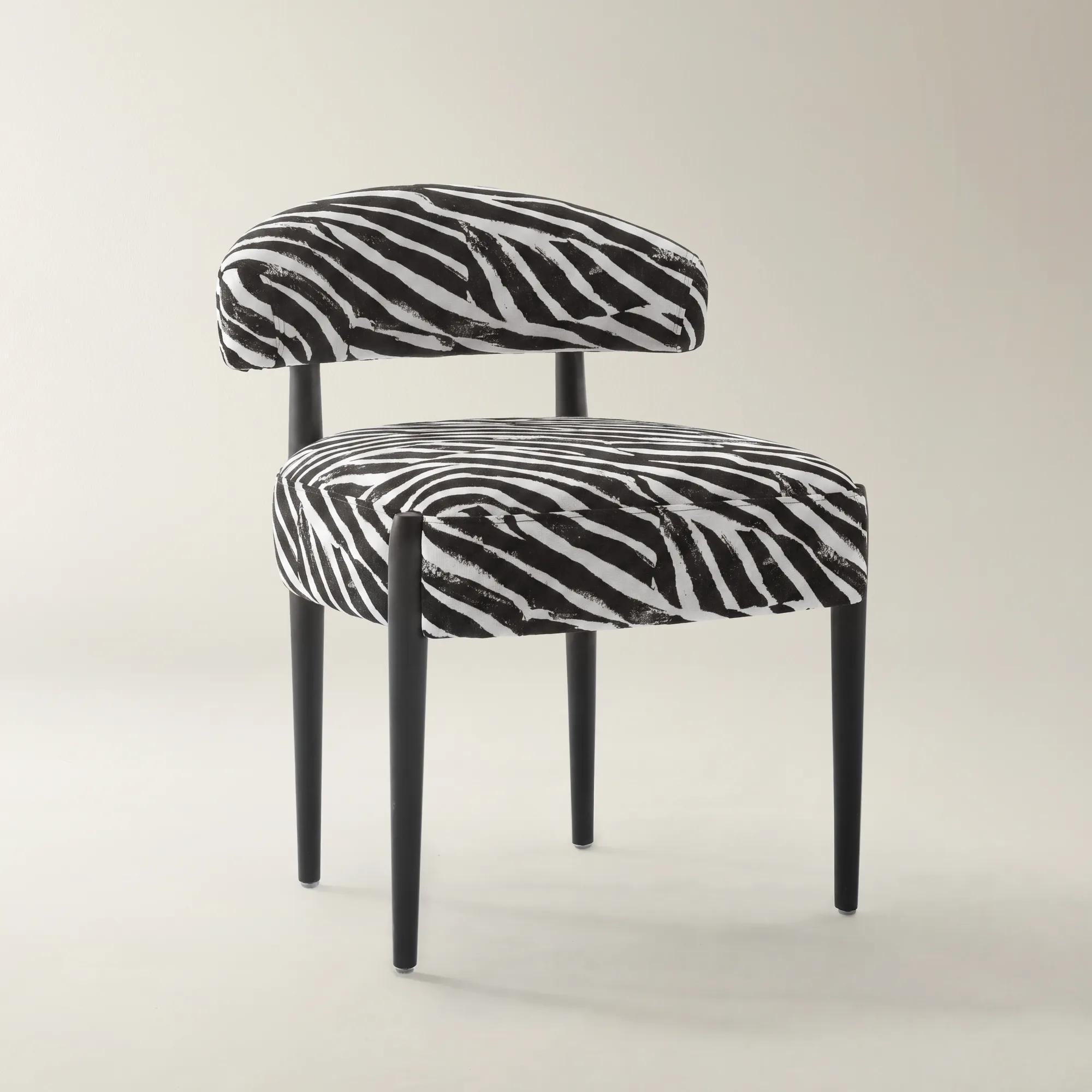 Anna White/Black Performance Chenille Dining Chair Set of 2$699
A black-and-white performance chenille chair set with arched backs, high-density foam, and solid rubberwood legs.
Add To Cart -
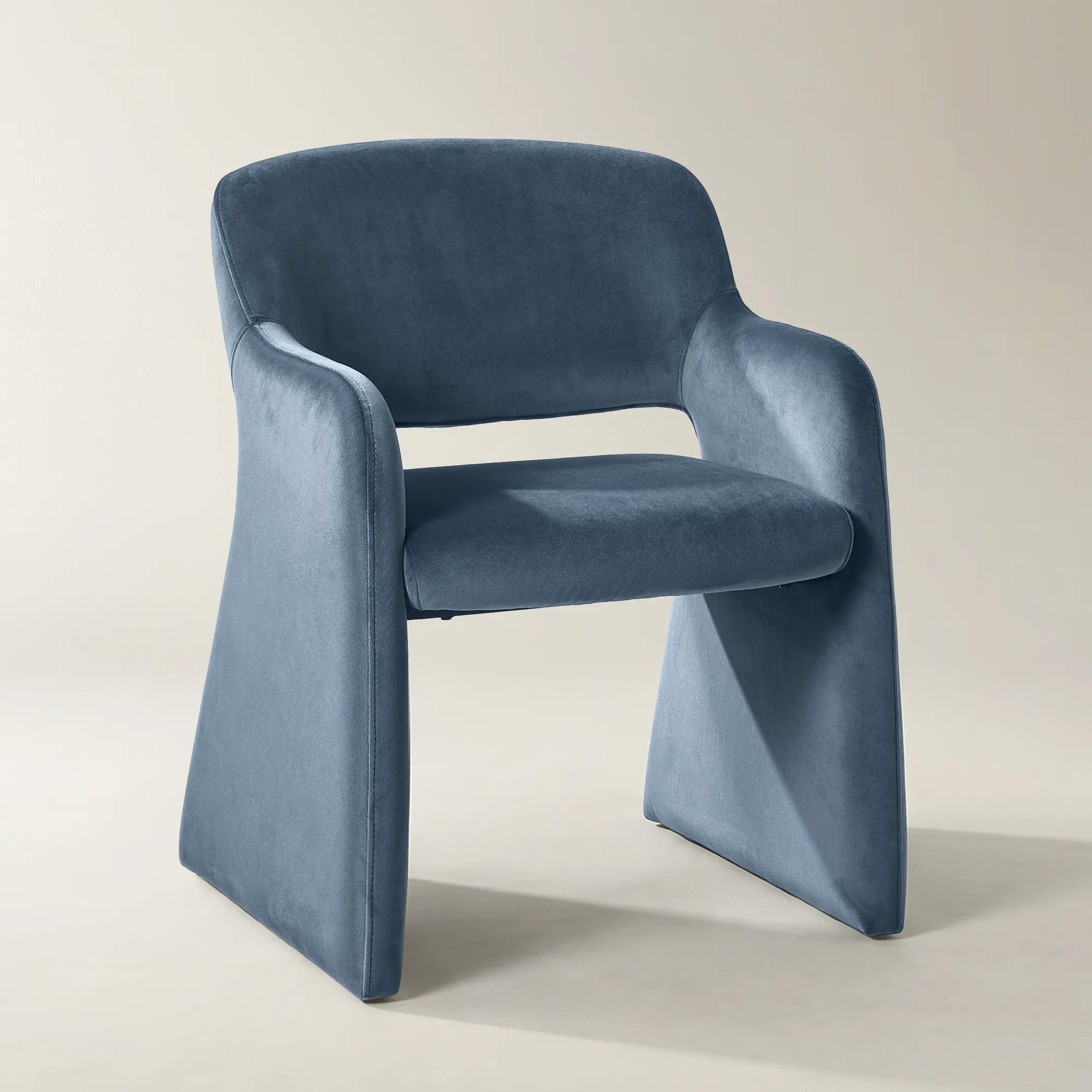 Elara Dusty Blue Velvet Dining Chair$449
A graceful dining chair featuring dusty blue velvet upholstery, integrated arms, and a seamless cantilevered silhouette.
Add To Cart -
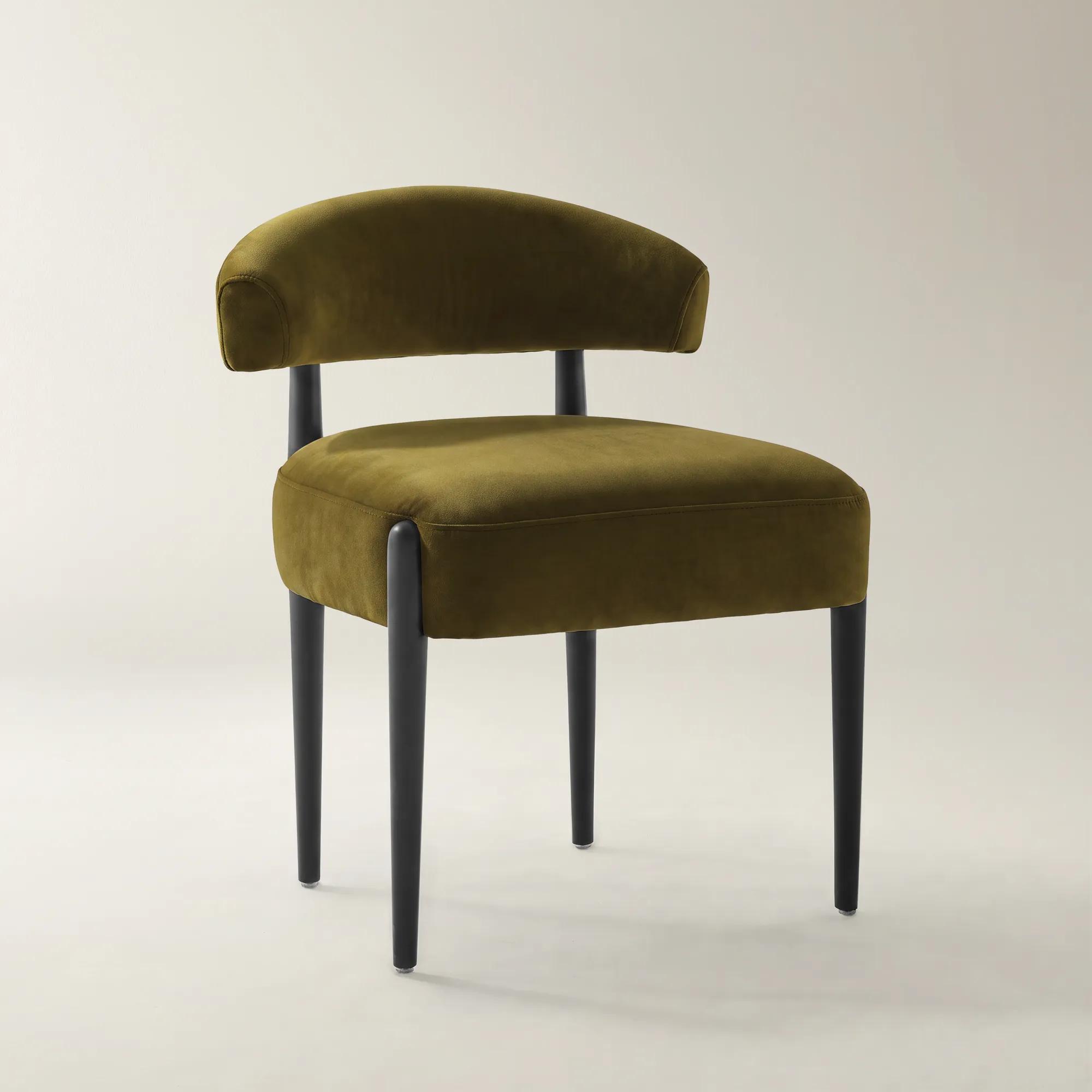 Anna Deep Olive Velvet Dining Chair Set of 2$699
A deep olive velvet dining chair with a tailored curved back, high-density cushioning, and solid rubberwood legs.
Add To Cart -
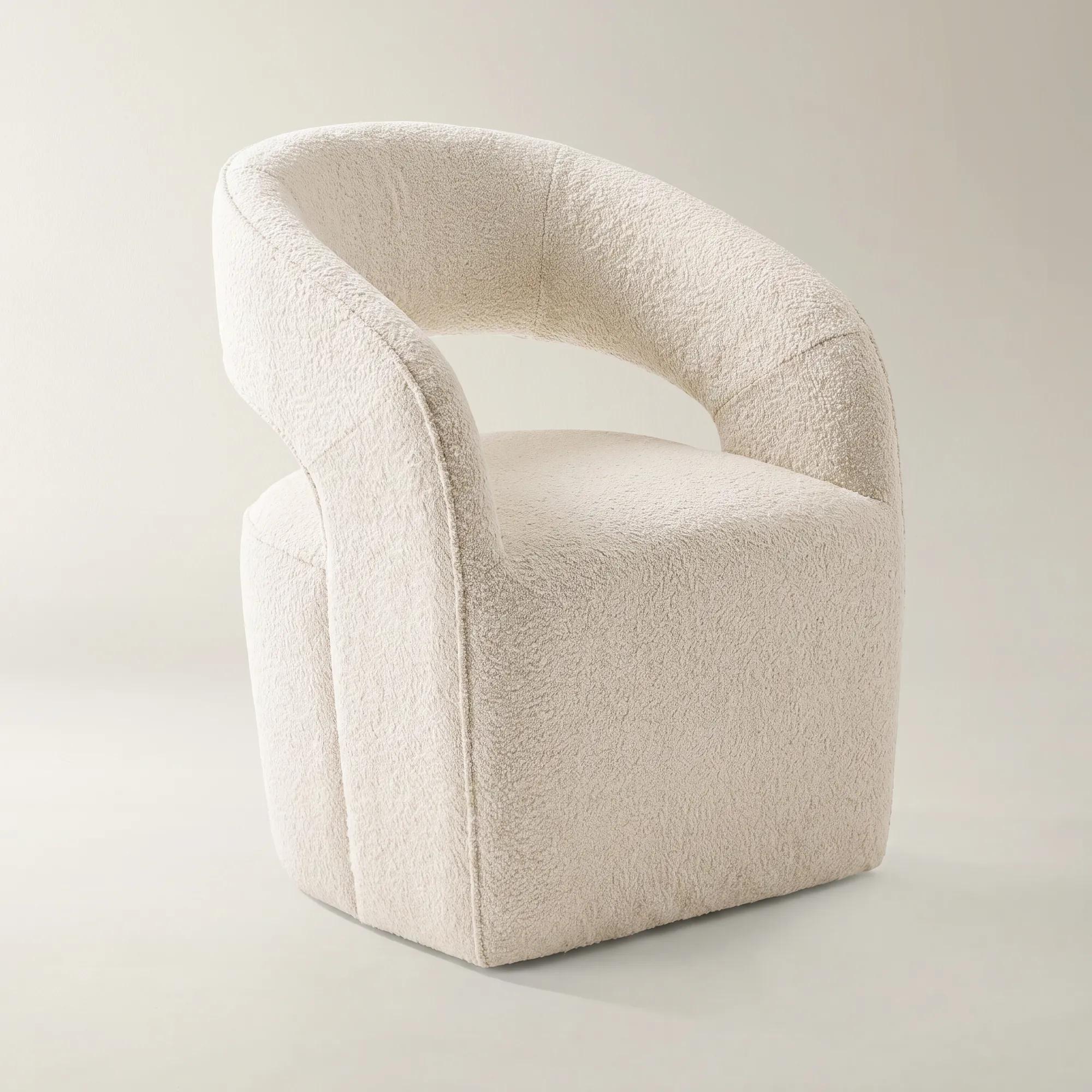 Harrison Utopia Sand Chenille Dining Chair$499
A sculptural dining chair upholstered in sand chenille with a curved back, feather-blend seat, and integrated arms.
Add To Cart -
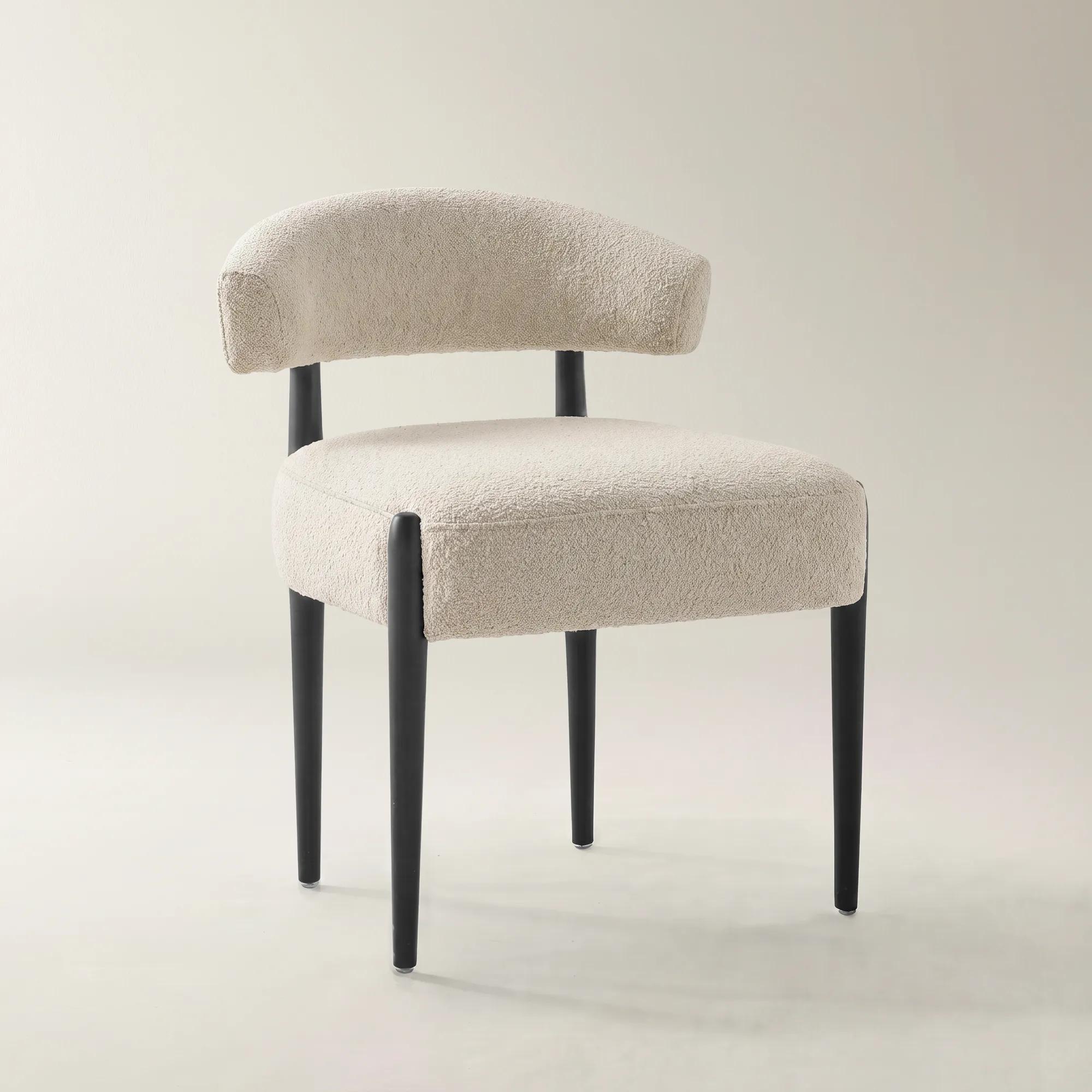 Anna Utopia Sand Chenille Dining Chair Set of 2$699
A sand chenille dining chair set featuring tailored armless curves, high-density cushioning, and solid rubberwood legs.
Add To Cart -
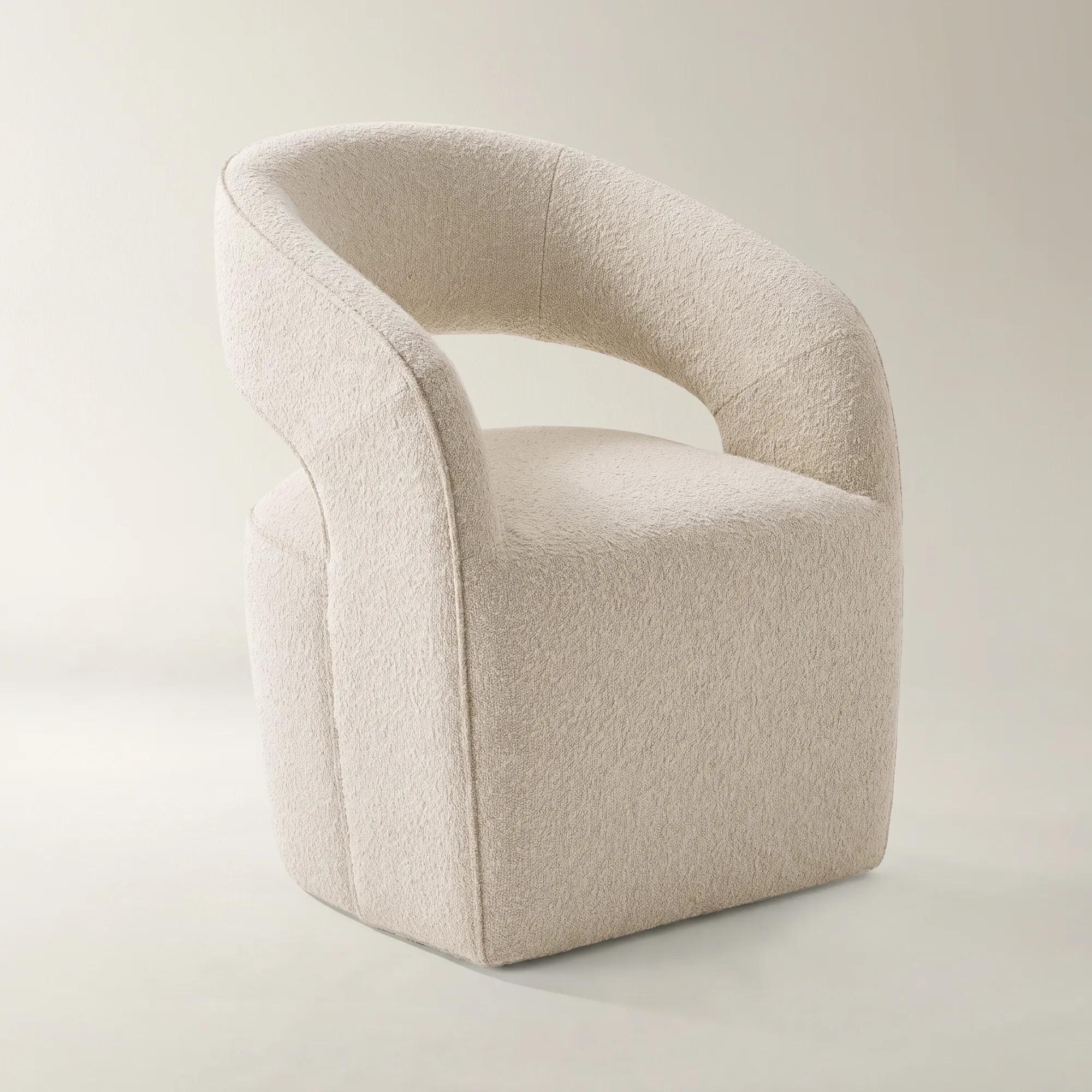 Harrison Ivory Performance Boucle Dining Chair$499
A sculptural dining chair in ivory performance boucle with a curved back, integrated arms, and feather-blend comfort.
Add To Cart -
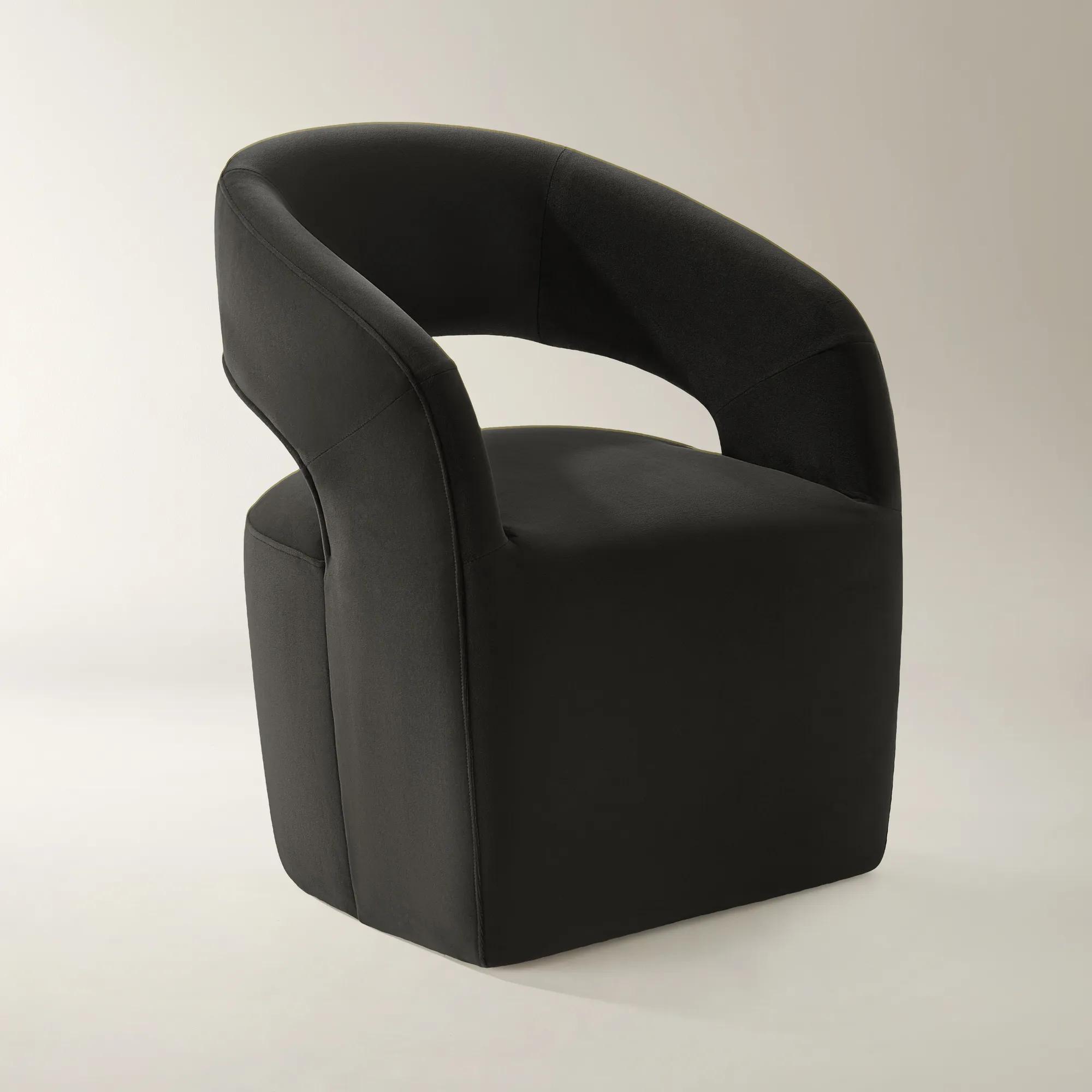 Harrison Charcoal Velvet Dining Chair$499
A sculptural dining chair upholstered in charcoal velvet with a continuous curved back and feather-blend comfort.
Add To Cart -
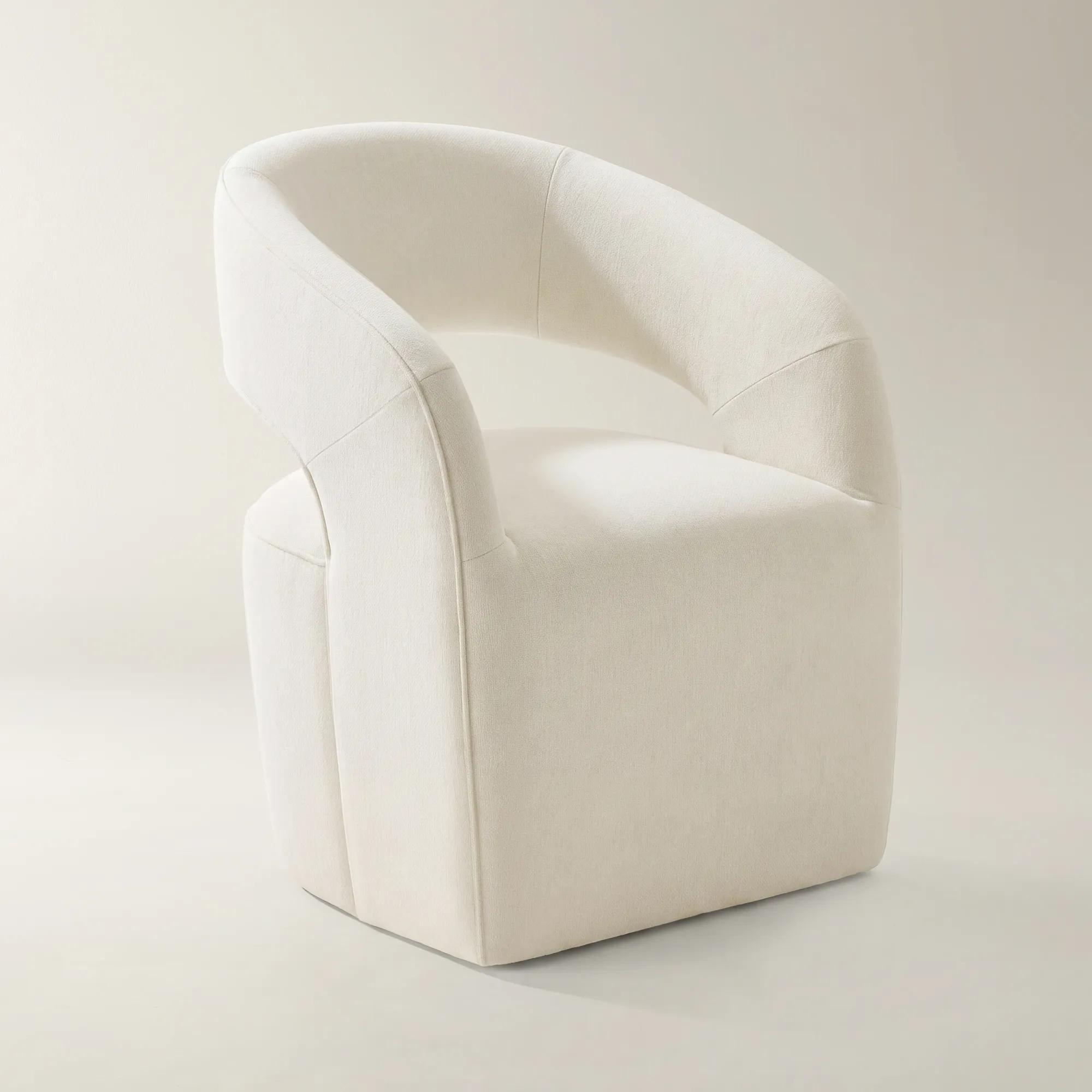 Harrison Ivory Performance Chenille Dining Chair$499
A sculptural ivory chenille chair featuring a continuous curved back, feather-blend comfort, and performance upholstery.
Add To Cart -
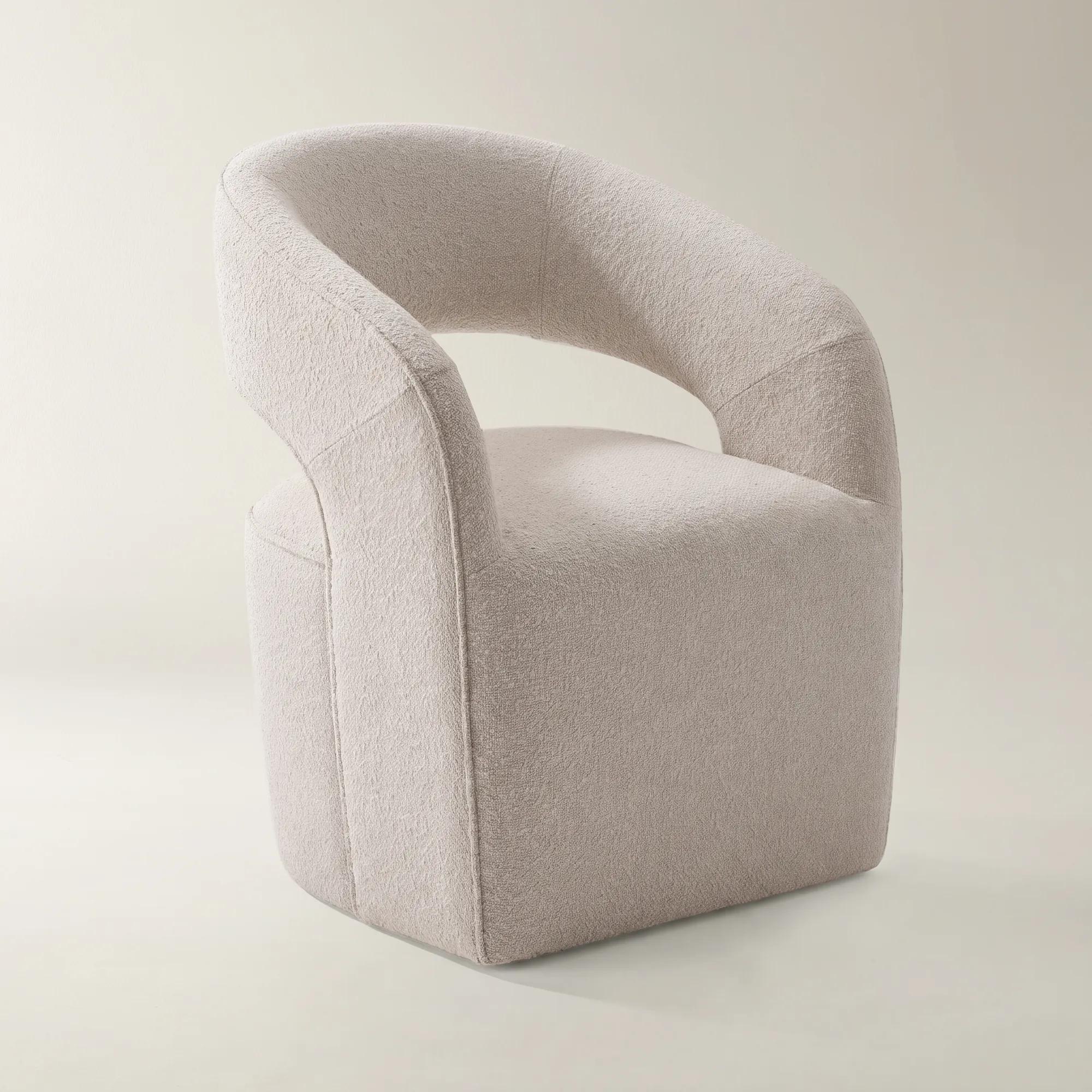 Harrison Ivory Performance Boucle Dining Chair$499
A sculptural dining chair in ivory performance boucle with a curved back, feather-blend seat, and modern elegance.
Add To Cart -
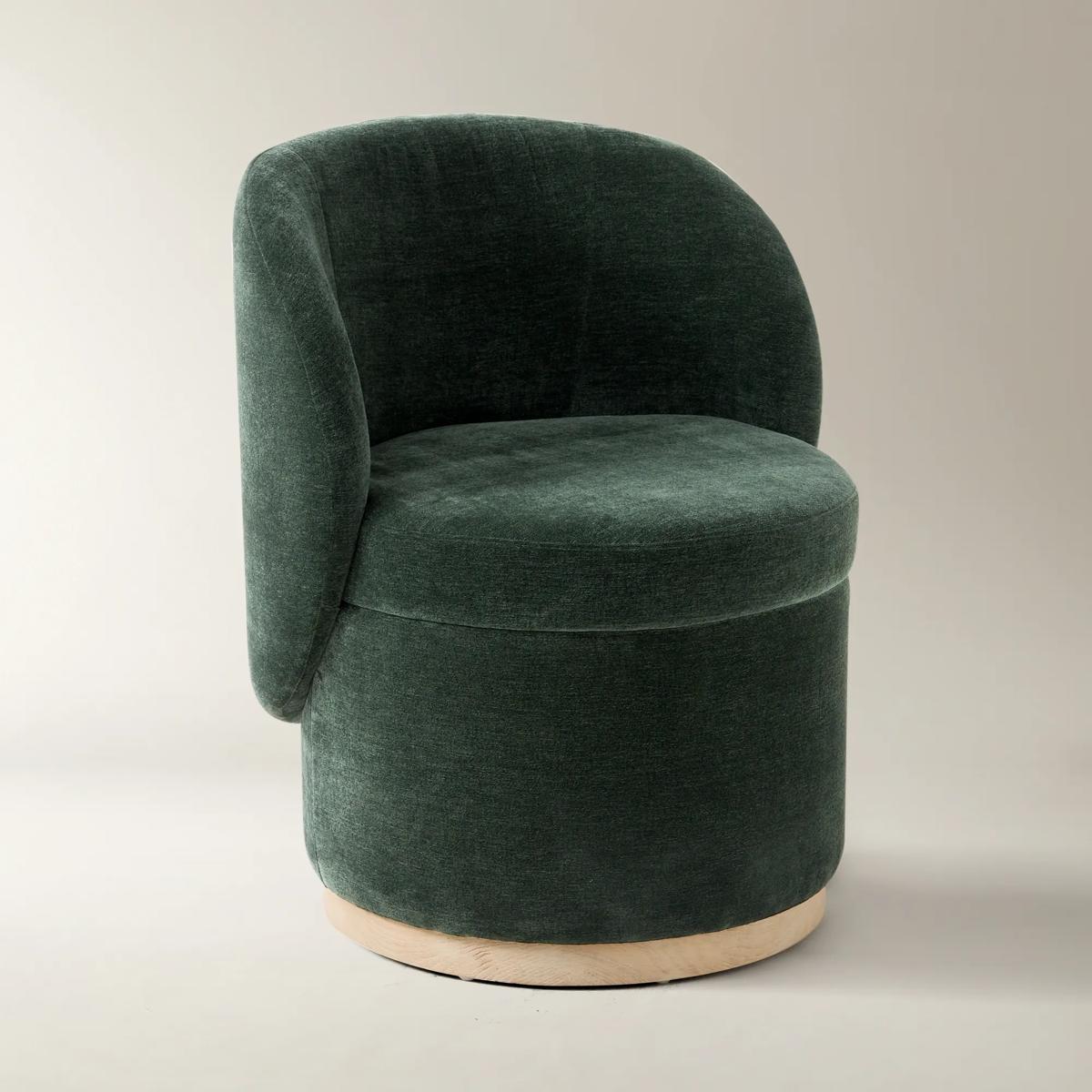
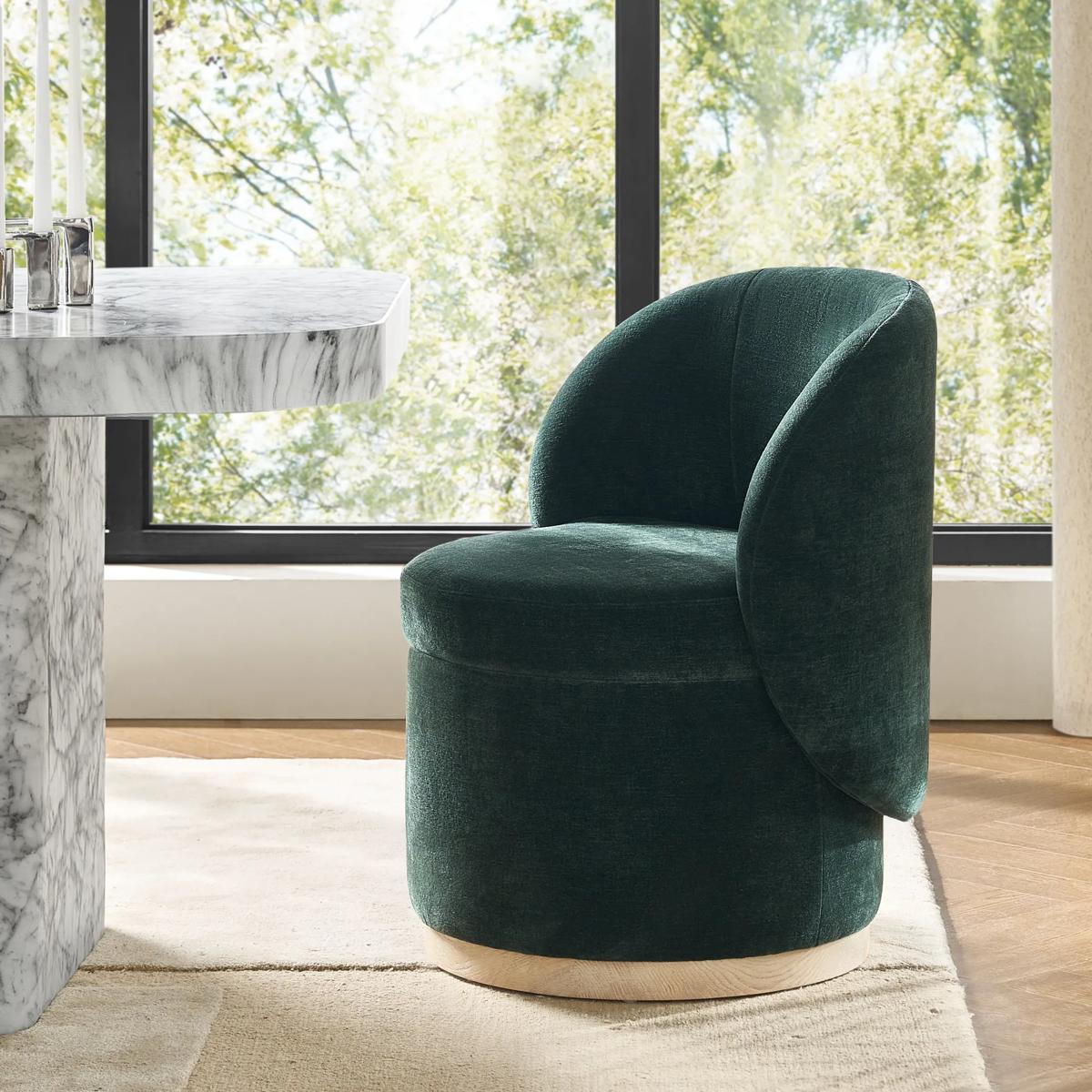 Stria Green Chenille Dining Chair With Oak Base$599
A green chenille dining chair with a handcrafted solid oak base and inviting, softly curved silhouette.
Add To Cart

Curved Upholstered Dining Chairs
Explore curved upholstered dining chairs that bring sculptural shape and a softened silhouette to your dining space. Upholstered seating balances the sweep of curved lines for a look that feels expressive yet inviting. As you browse, consider how each chair’s proportions complement your table and leave room for comfortable movement around it.
Curved upholstered dining chairs bring a sculptural rhythm to the dining room, turning a row of seats into a composition of sweeping lines, rich texture, and inviting proportions. A rounded back softens the geometry of a rectangular table, while a gently wrapped silhouette echoes the shape of a circular or oval tabletop. The effect can be dramatic without feeling imposing: upholstery lends visual depth, and the curve gives each chair a presence that feels considered from every angle. In an open dining area, where chair backs are visible from the living room or entryway, that rear view becomes an important part of the design. A continuous upholstered shell creates a fluid, tailored look; an exposed wood or metal frame introduces contrast and lets the construction participate in the room’s overall composition. Ivory upholstery can illuminate a dark dining table, charcoal can bring definition to a pale stone surface, and a saturated jewel tone can turn the seating into the room’s most expressive element. Color is only part of the story. Velvet catches light differently across its pile, while textured woven fabric gives broad curves a quieter, tactile richness. These chairs suit interiors that welcome both artistry and everyday connection, from a compact dining alcove with an intimate round table to a formal room designed for lingering conversation. The same sculptural sensibility carries through Curved Back Dining Room Chairs, where the backrest’s shape remains central to the seating’s character. Upholstery adds another dimension, balancing the crisp edges of glass, the gleam of metal, or the substantial presence of wood. For a cohesive arrangement, repeating one chair silhouette around the table creates a graceful cadence. Mixing complementary upholstered shapes can feel equally intentional when their seat heights, proportions, and finishes share a clear relationship. The result is a dining setting with enough personality to hold attention and enough softness to welcome people into it.
The appeal of curved upholstered dining chairs extends beyond their profile. A padded seat and shaped backrest can make the dining table a more inviting place for a leisurely meal, a conversation that continues after dessert, or an afternoon spent reviewing plans over coffee. Comfort depends on the details rather than the outline alone: seat depth, usable seat width, cushioning, backrest height, and the angle of the curve all influence how a chair feels. A deeply wrapped back may create a sheltered impression, but its interior dimensions still need to allow comfortable movement. Arms can lend an enveloping, lounge-inspired quality, while armless silhouettes often offer more flexibility around smaller tables. Materials establish both the mood and the practical character of the seating. Velvet brings a luminous surface to rounded forms, with subtle shifts in shading that are part of its distinctive appearance. Tightly woven upholstery can deliver a more tailored expression, while bouclé and other dimensional fabrics emphasize texture and soften the chair’s visual weight. Leather offers another interpretation, pairing a smooth surface with natural variation that may develop character through use, depending on the finish. Households with frequent dinner guests, young children, or pets may place greater importance on fabric construction and documented cleaning characteristics. Performance upholstery can be useful in a hardworking dining space, but the term does not make every fabric impervious to stains or suitable for the same cleaning method. The underlying frame matters just as much as the covering. Well-constructed joints, securely attached legs, and cushioning appropriate for regular seating help a chair maintain its role at a frequently used table. Wood frames can add warmth and visible grain; metal bases can create a slender, graphic contrast beneath a generously upholstered seat. When evaluating durability, the manufacturer’s specifications, weight limits, upholstery details, and care instructions provide a more reliable foundation than appearance alone. Those practical considerations allow an expressive silhouette to serve the room beautifully through repeated meals and gatherings.
Proportion gives curved upholstered dining chairs their most convincing place in a room. A broad, sculptural chair may look magnificent beside a substantial tabletop yet feel crowded around a narrow one, especially when the back curves outward or the arms extend beyond the seat. Overall width and depth deserve attention alongside the seating dimensions, since upholstery and a rounded shell can occupy more space than their front view suggests. Many standard dining arrangements pair tables approximately 28 to 30 inches high with seats around 18 to 20 inches high, although tabletop thickness, cushioning, and individual comfort can change the relationship. Roughly 10 to 12 inches between the seat and the underside of the table is a useful starting point rather than a universal rule. An apron beneath the tabletop may reduce legroom, and arms need sufficient clearance if the chairs are intended to tuck neatly underneath. Allowing about 24 inches of table edge per person is another starting point; wider chairs and more generous place settings may call for additional room. Space behind the seating is equally important, particularly where guests need to pull chairs out or someone must pass behind an occupied seat. These details preserve the ease that makes an elegant dining room feel genuinely welcoming. Care helps protect the upholstery’s texture and the frame’s finish without diminishing their character. Regular vacuuming with an appropriate upholstery attachment can lift dust and crumbs from seams and curved transitions. Spills are best addressed promptly by blotting rather than rubbing, followed by the cleaning method specified for the fabric; some coverings require water-based products, others solvent-based treatment, and some professional attention. Velvet pile and looped textures may need particular care, while prolonged direct sunlight can affect certain fabrics and finishes. Moving chairs by lifting rather than dragging, checking floor protectors, and following any recommended hardware checks support everyday longevity. With scale and maintenance thoughtfully considered, upholstered curves can anchor many kinds of dining spaces: an apartment where the table serves several purposes, a dedicated dining room arranged for entertaining, or a breakfast area given the same design attention as the rest of the home. Beneath a luminous pendant or against a richly colored wall, their rounded backs create a distinctive silhouette, inviting the table to become a place for both expressive design and unhurried company.
FAQs
Curved upholstered dining chairs pair sweeping contours with a tailored, fabric-covered finish. Rounded backs and flowing silhouettes bring a sculptural quality to the dining room, turning everyday seating into an expressive part of the decor.
A pedestal table echoes the chairs’ fluid lines for a cohesive, sculptural composition, while an angular table introduces striking contrast. Glass, wood, and stone tabletops each offer a distinct backdrop, allowing the upholstery and curved silhouettes to shape the room’s mood.
Their sweeping profiles lend themselves beautifully to both. In a modern dining room, let the curves stand out against clean-lined furnishings and restrained decor. For a more glamorous setting, layer in luminous accents, expressive artwork, and a dramatic chandelier to give the chairs an equally captivating backdrop.
Think of upholstery color as part of the room’s palette. Soft neutrals emphasize the chairs’ contours, while deep, saturated hues create a more theatrical presence. Draw a color from nearby artwork or a rug for a connected composition, or introduce contrast to make the seating a deliberate focal point.
Yes—contrasting silhouettes can give a dining room a collected, expressive character. Use curved upholstered chairs at the heads of the table and a more linear style along the sides, or alternate complementary designs. A shared color, finish, or upholstery tone keeps the arrangement intentional without making every chair identical.