Dining Chairs With Curved Seat
Dining Chairs With Curved Seat
-
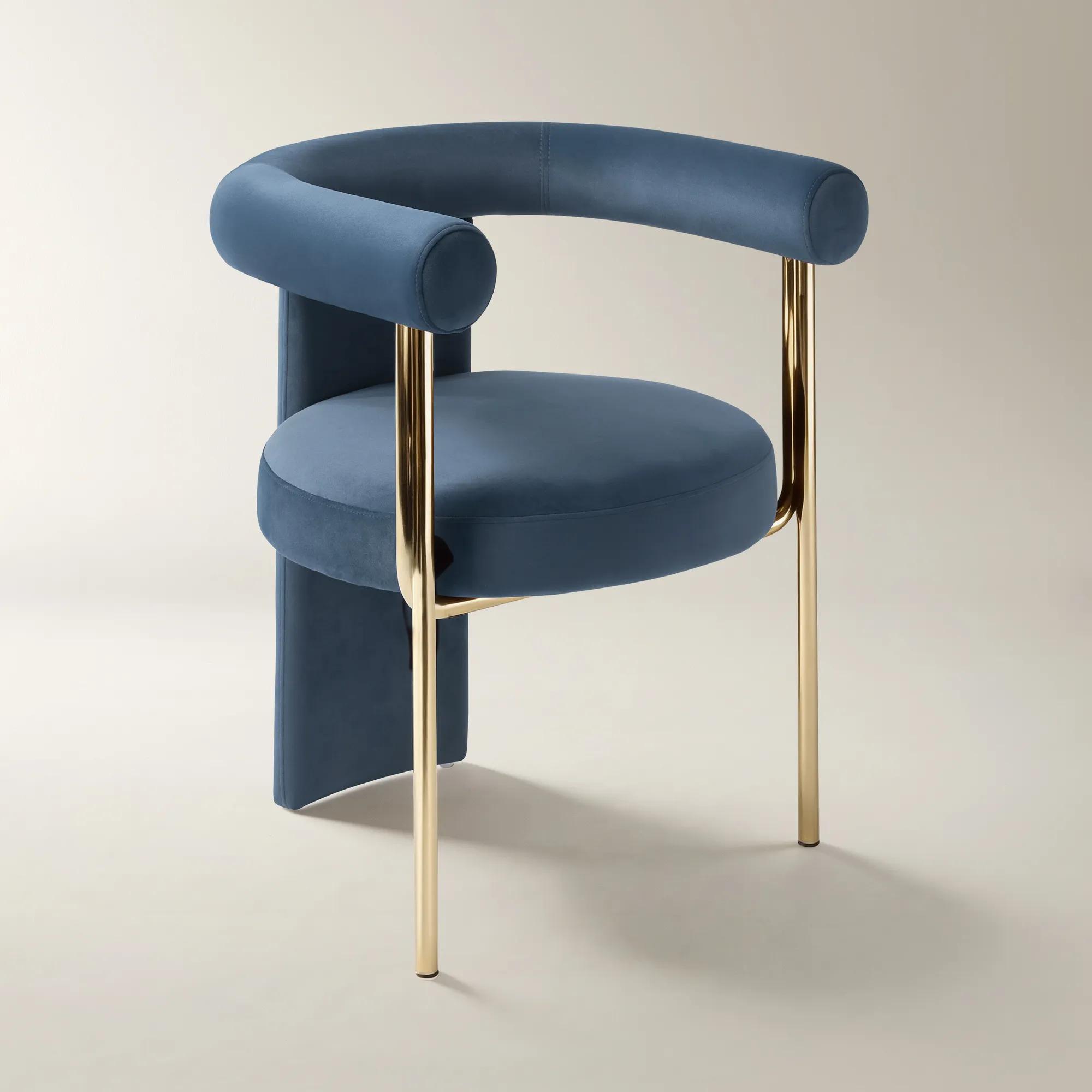 Davina Dusty Blue Velvet Dining Chair Set Of 2$899
A set of two dining chairs featuring dusty blue velvet upholstery and a polished gold metal frame.
Add To Cart -
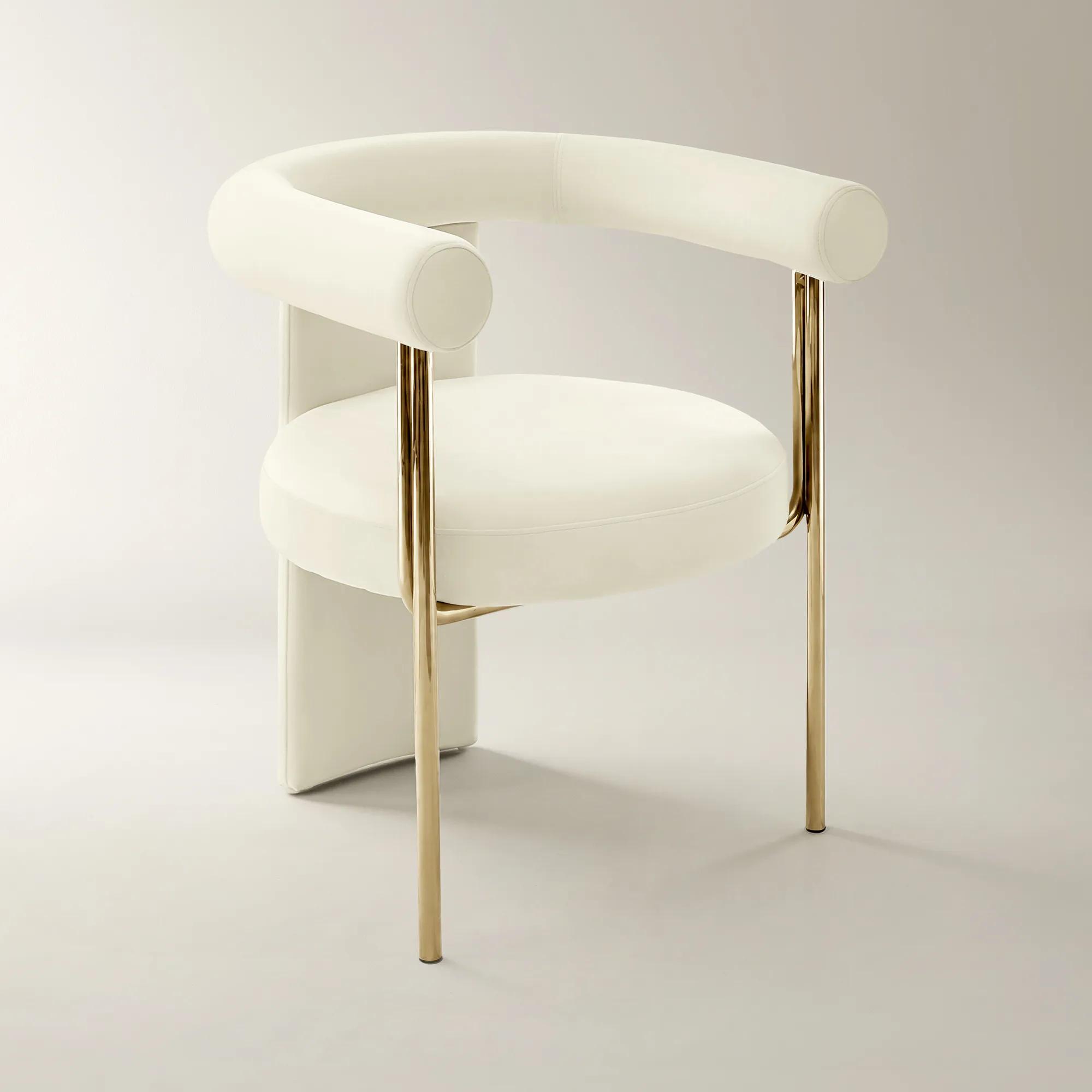 Davina Cloud Velvet Dining Chair Set Of 2$899
A set of two dining chairs featuring plush cloud velvet upholstery and a sculptural gold metal frame.
Add To Cart -
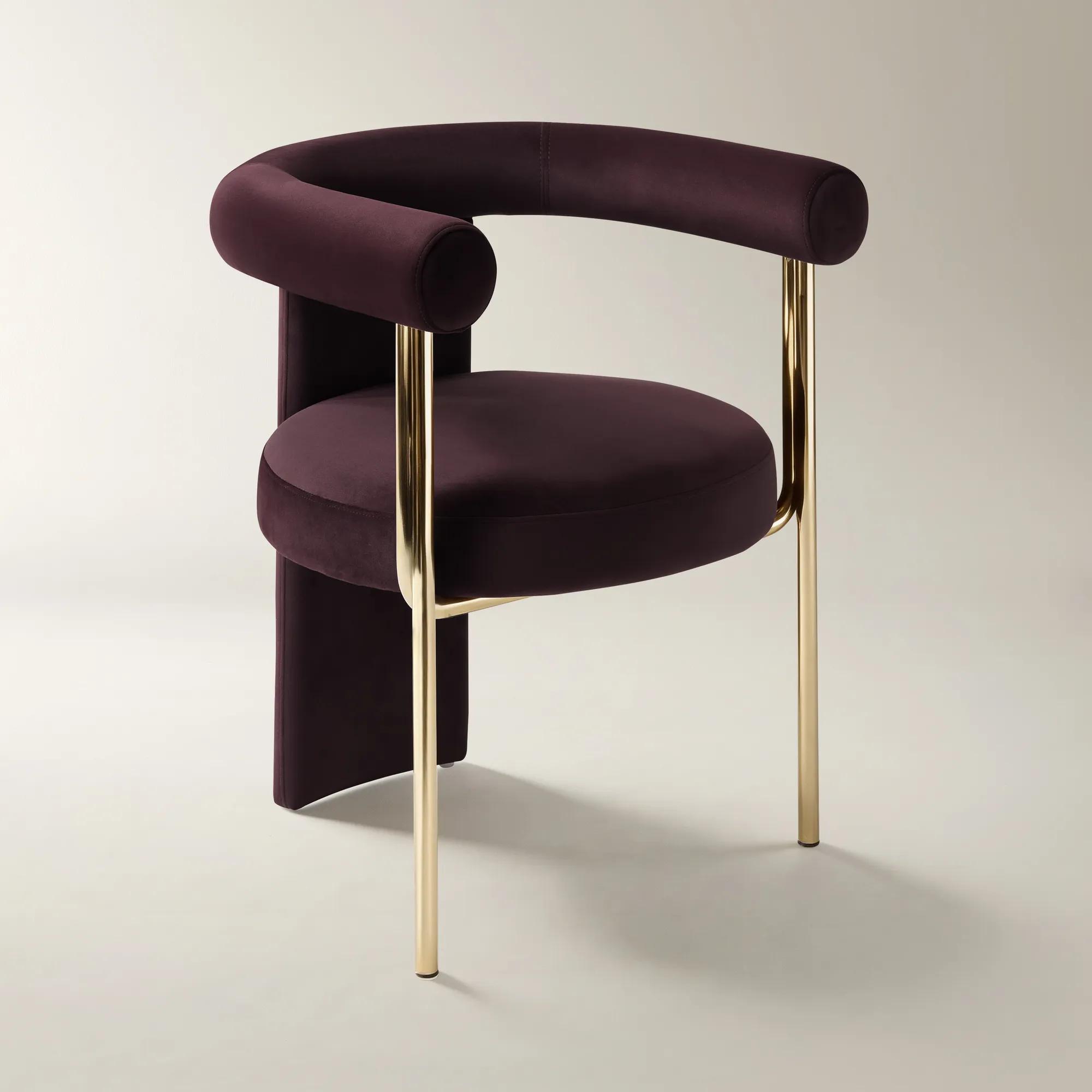 Davina Fig Velvet Dining Chair Set Of 2$899
A set of two dining chairs featuring plush fig velvet upholstery and a sleek gold-finished metal frame.
Add To Cart -
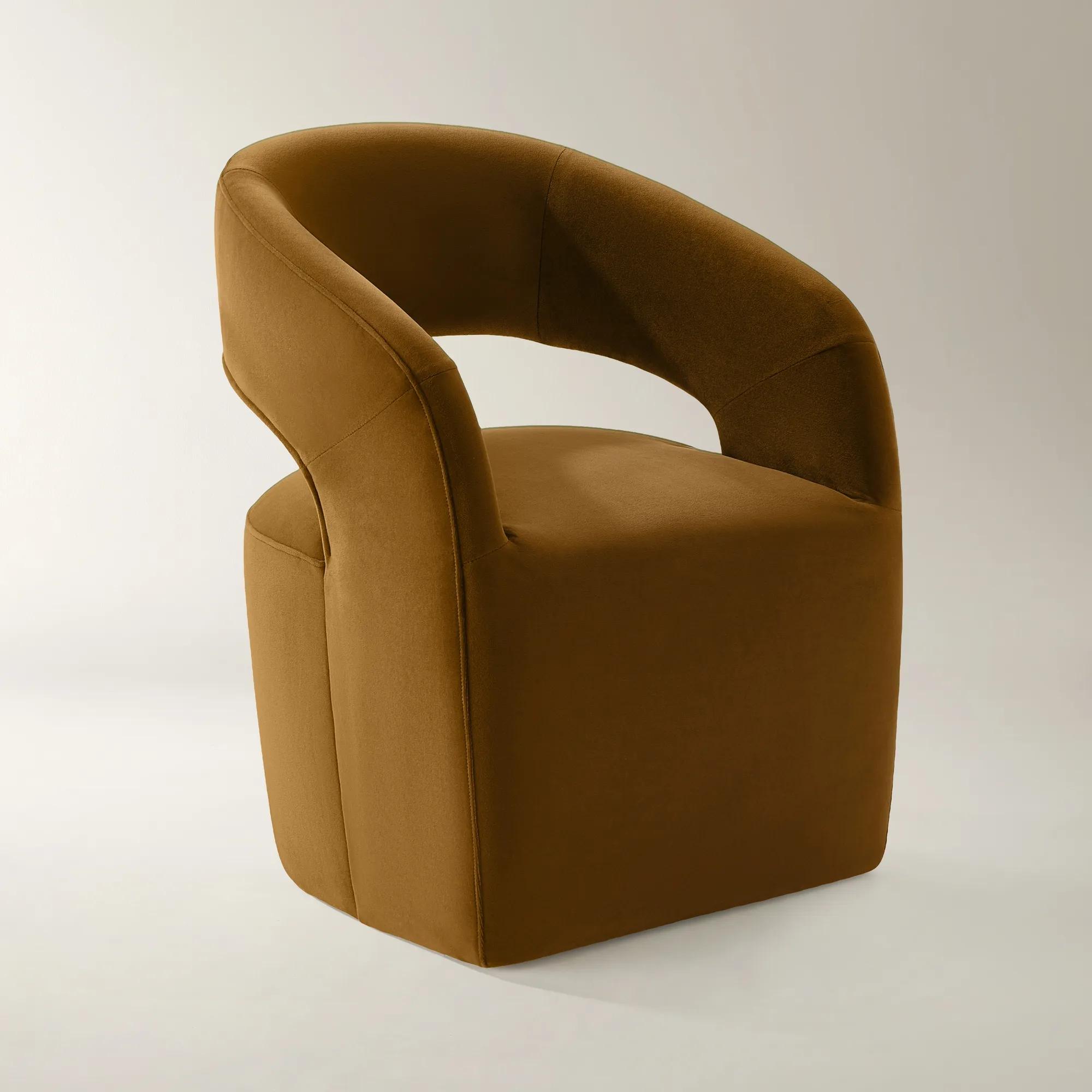
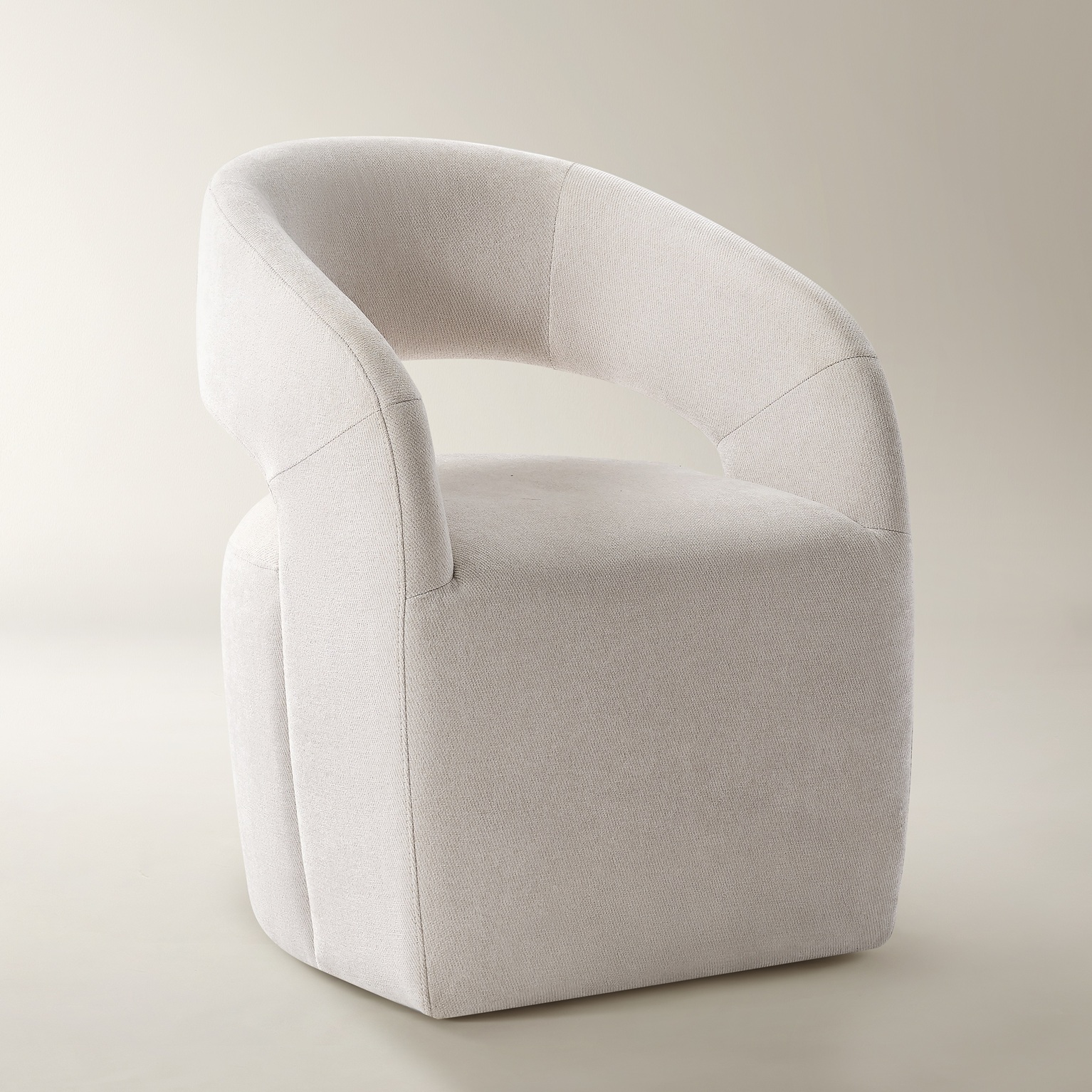 Harrison Roasted Pecan Velvet Dining Chair$499
A sculptural dining chair upholstered in roasted pecan velvet with feather-blend cushioning and integrated arms.
Add To Cart -
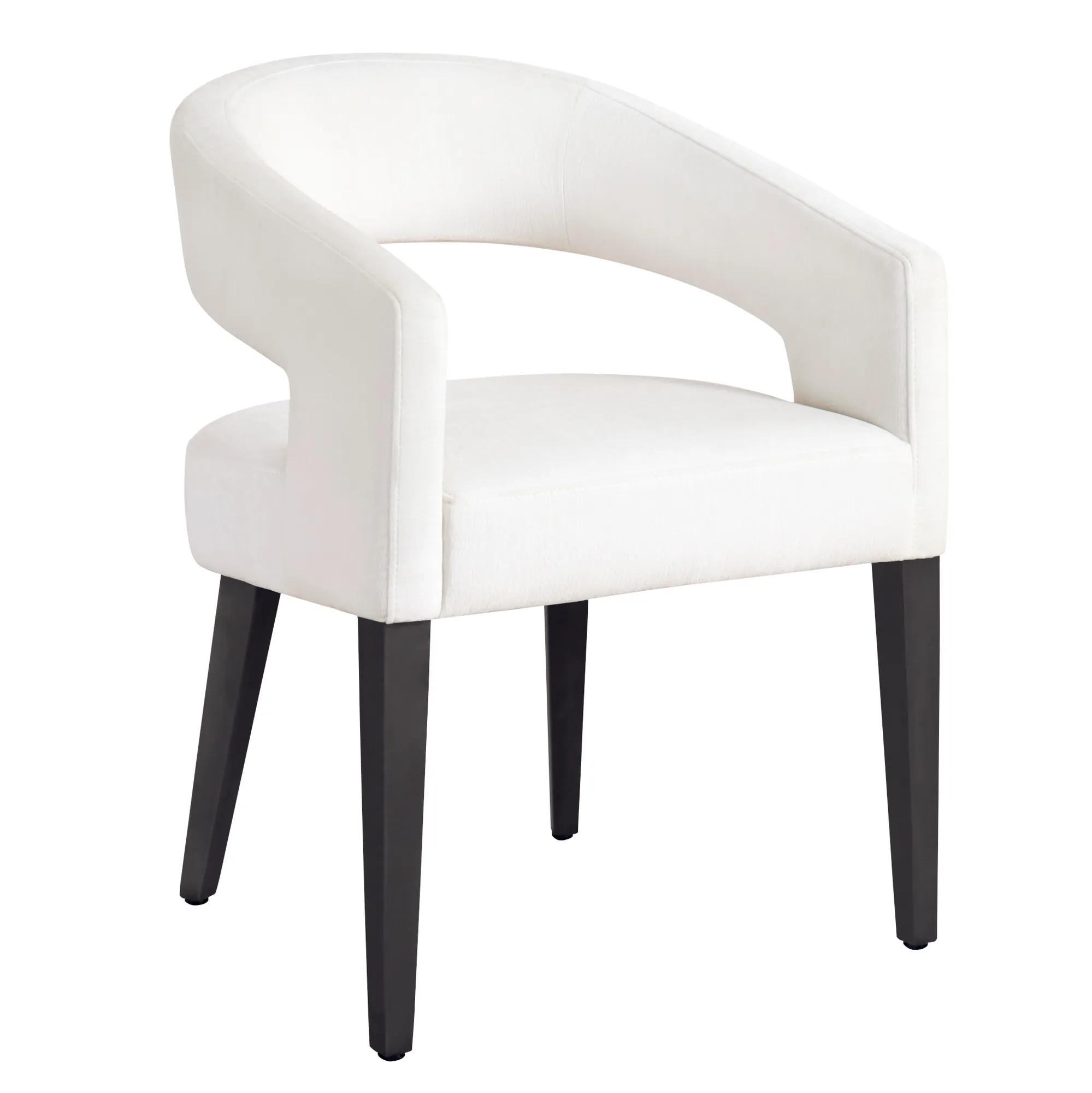
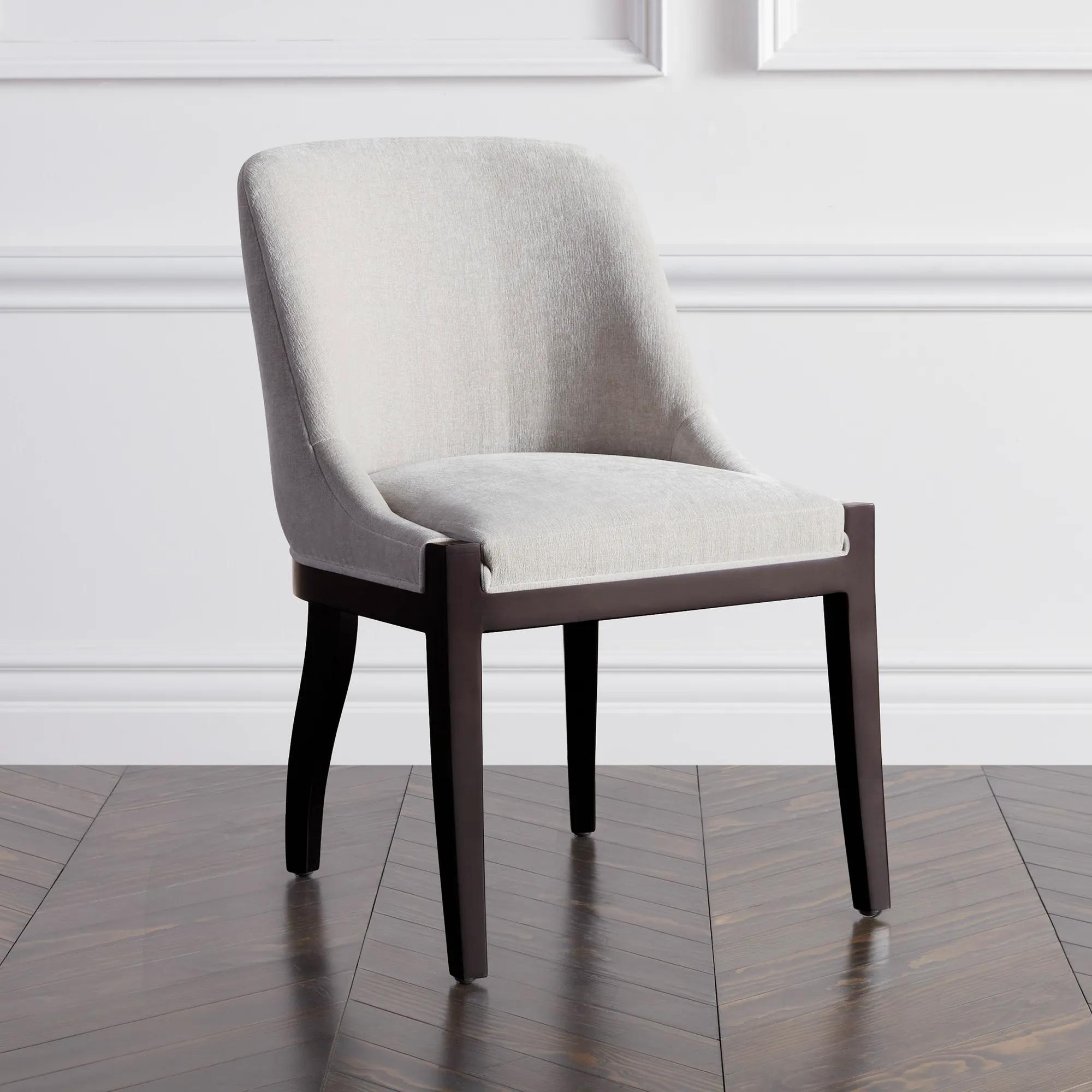
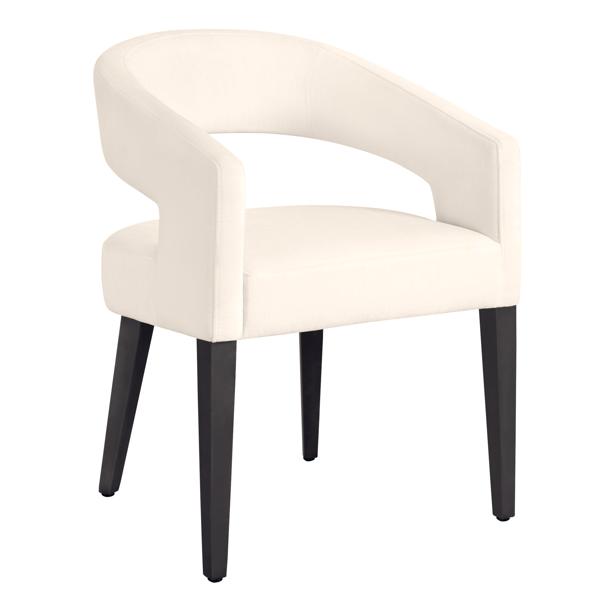 Philippa Dining Chair - Espresso$599
A curved dining chair featuring tailored upholstery, espresso-finished legs, and a sleek back cutout.
Add To Cart -
 Elara Burnt Umber Velvet Dining Chair Set Of 2$799
A pair of brown velvet chairs with sinuous curves, ergonomic support, and hand-crafted, sculptural design.
Add To Cart -
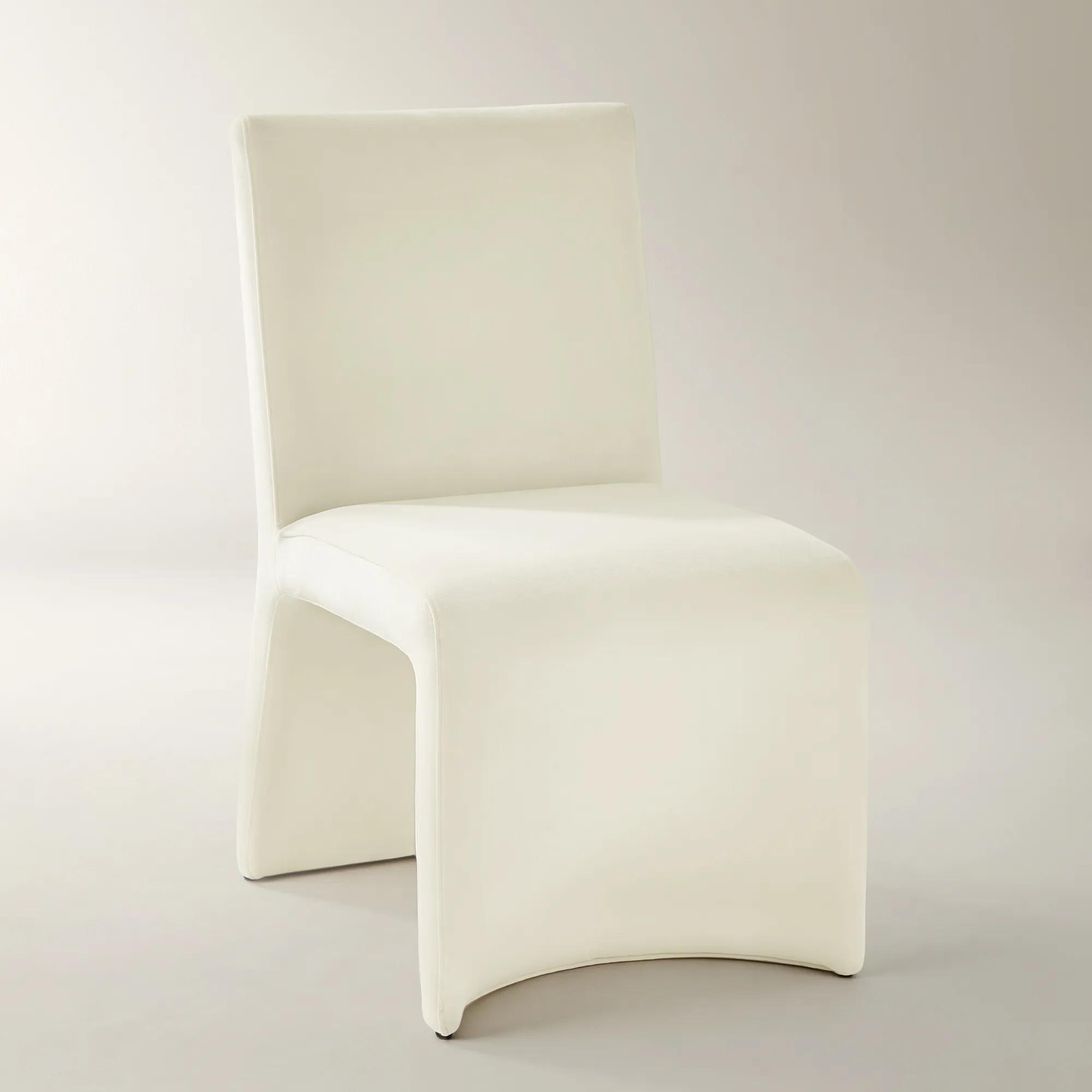 Elara Cloud Velvet Dining Chair Set Of 2$799
A set of two dining chairs featuring plush velvet upholstery, a seamless curved silhouette, and a sturdy steel frame.
Add To Cart -
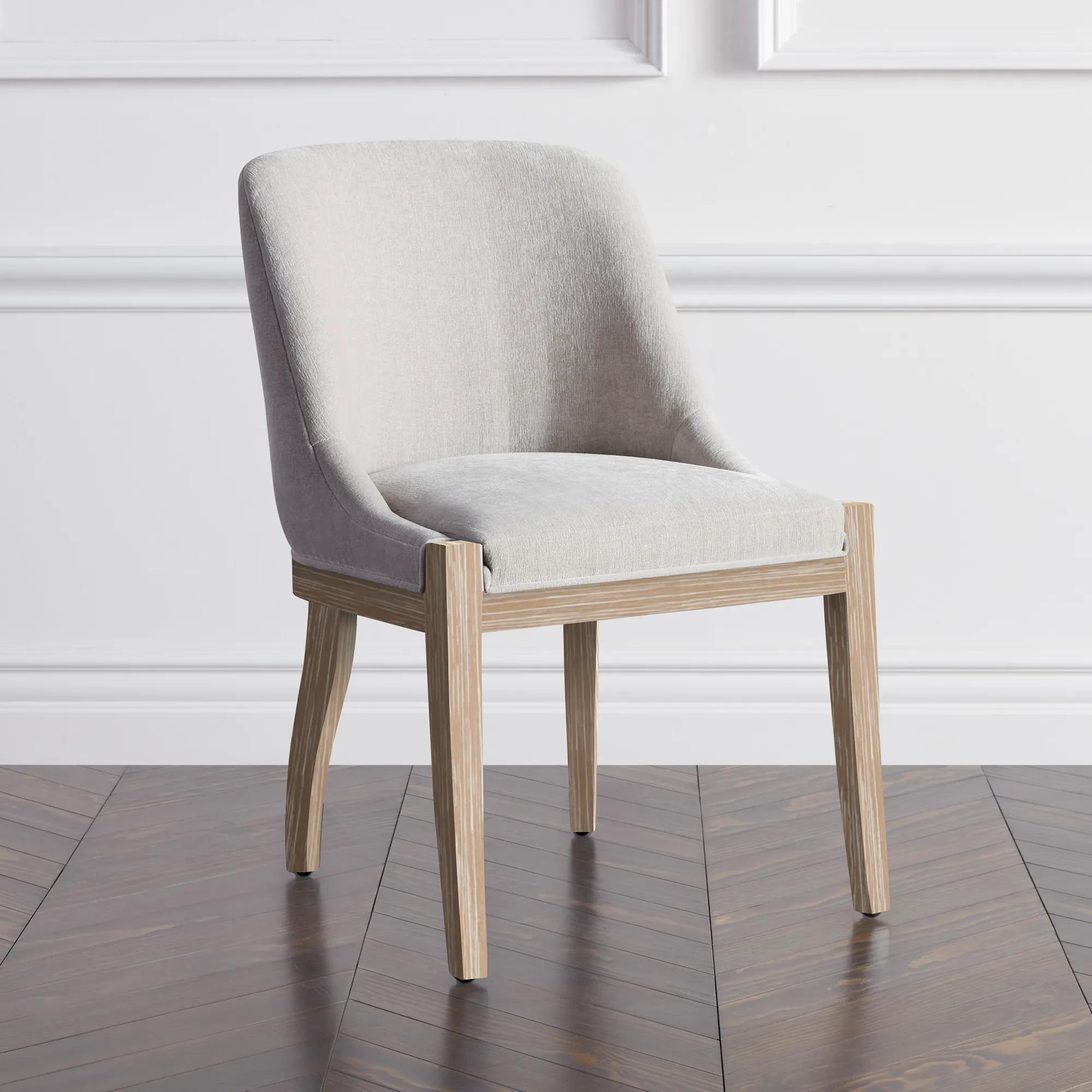
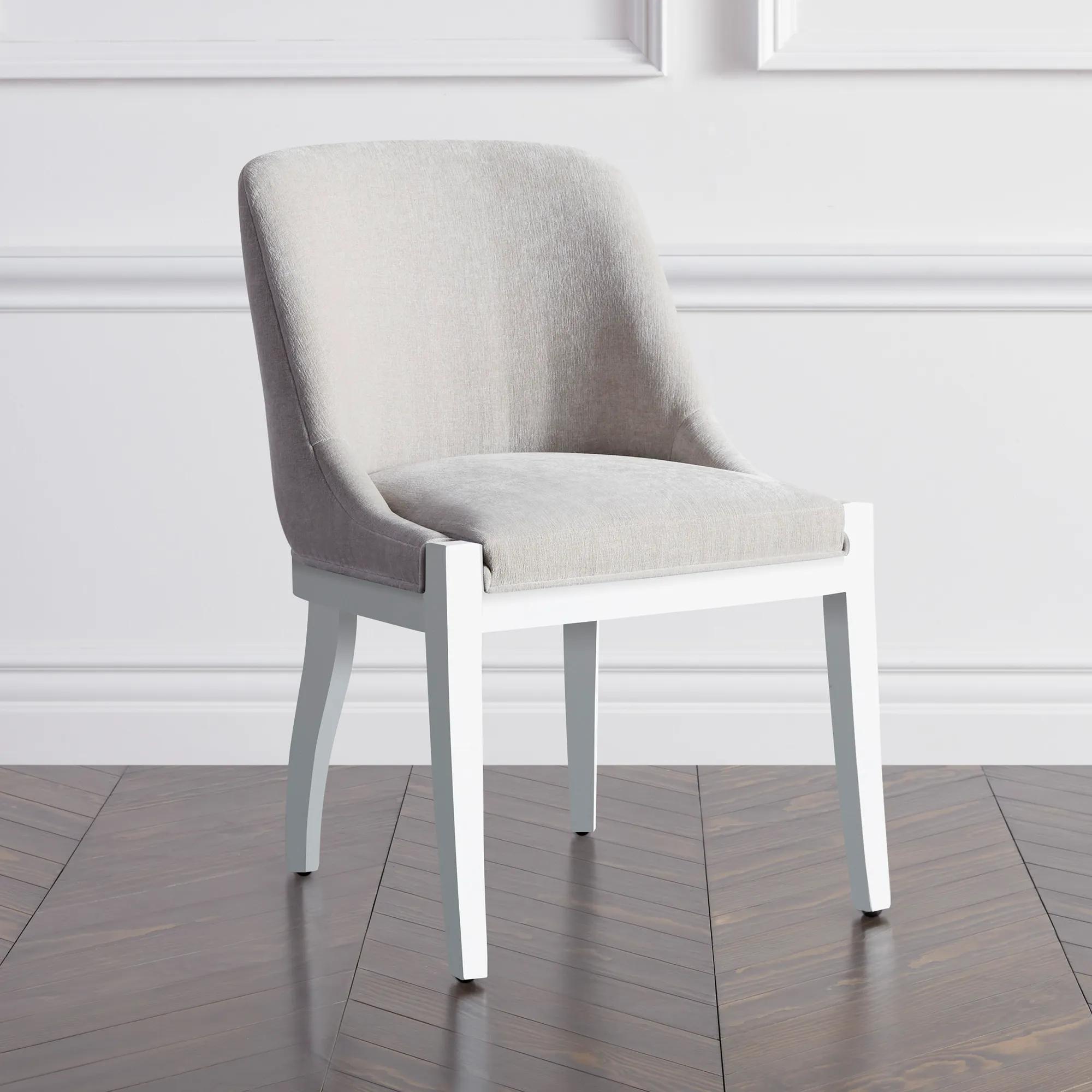
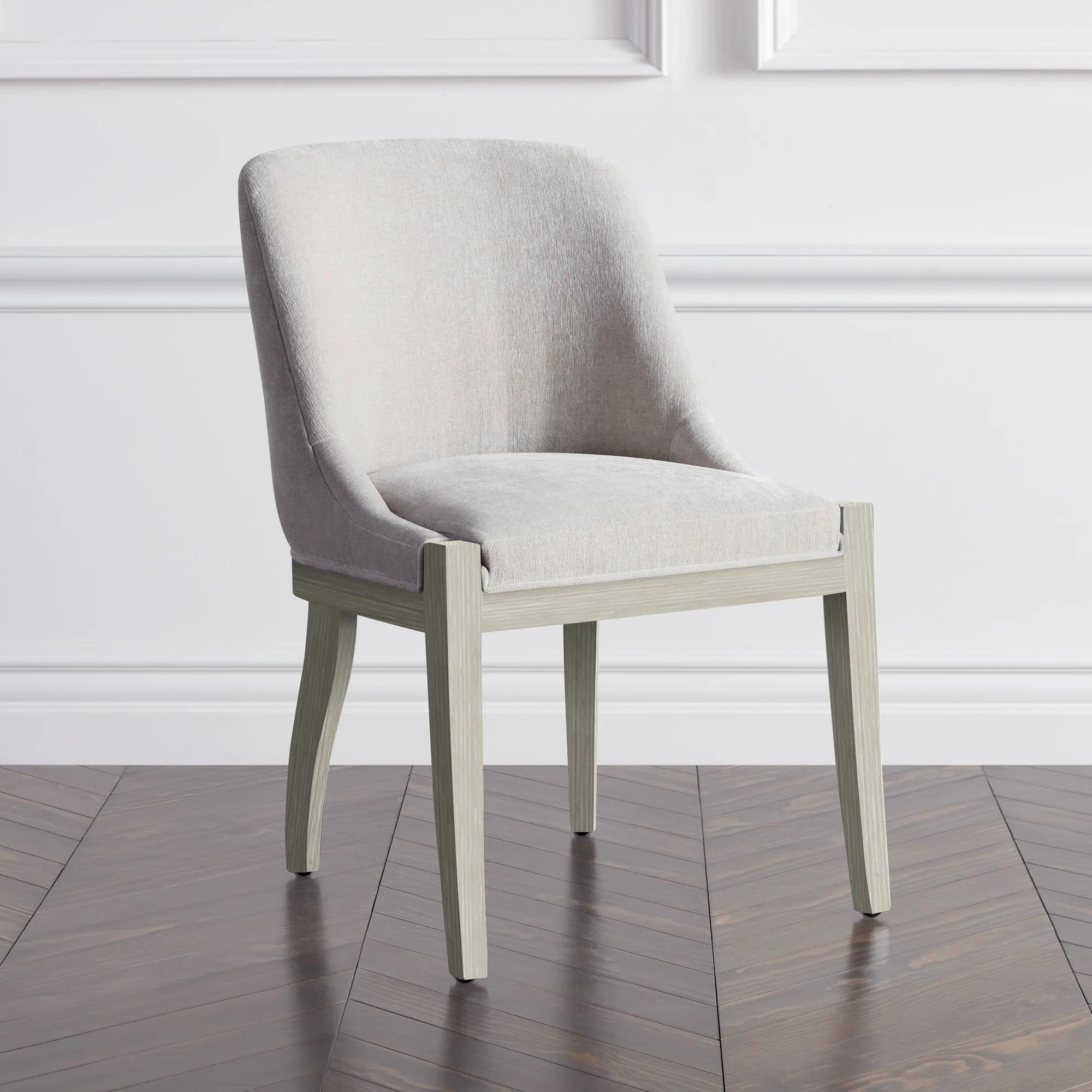
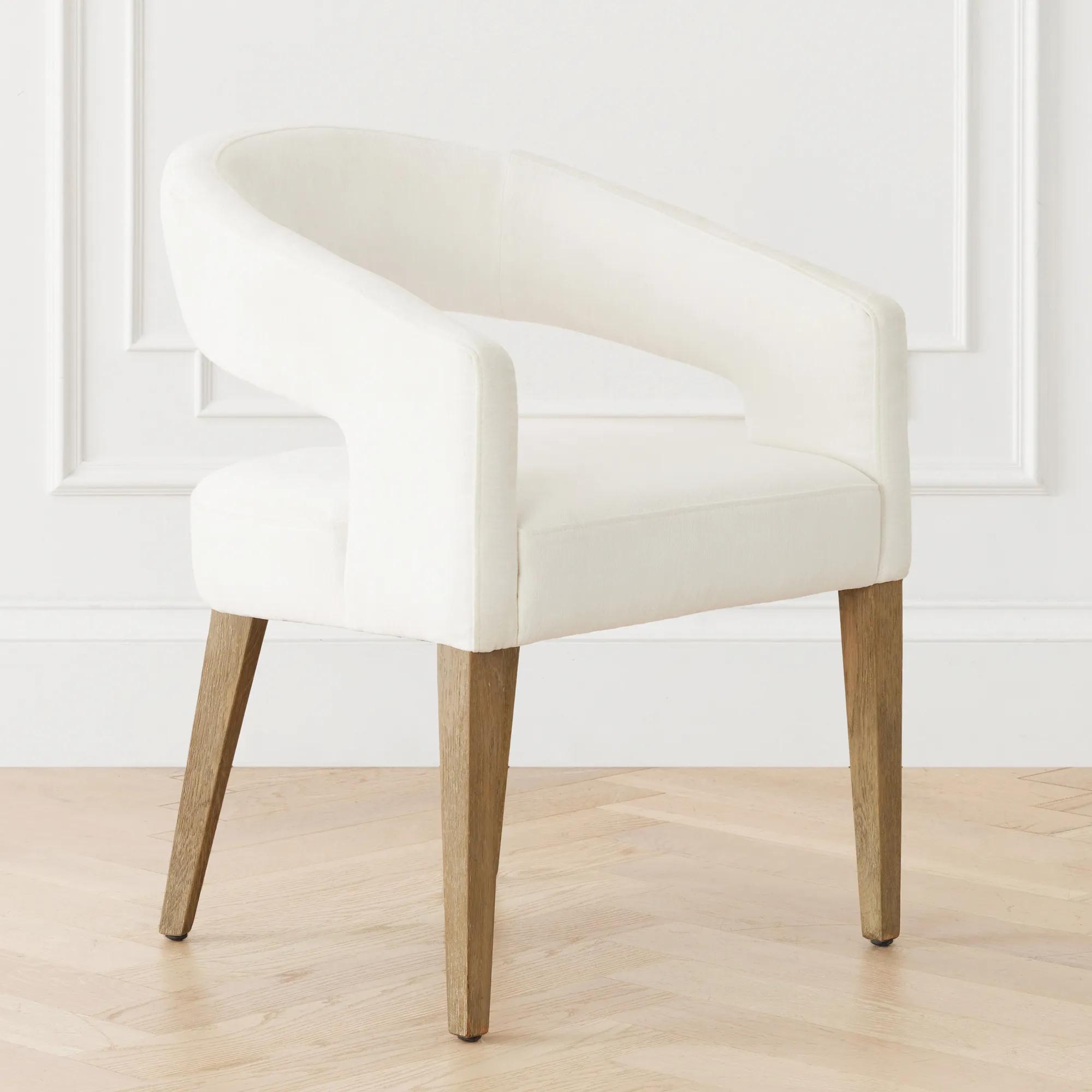 Philippa Dining Chair - Natural Grey$699
A curved grey dining chair featuring tailored chenille upholstery, a sleek back cutout, and sturdy hardwood frame.
Add To Cart -
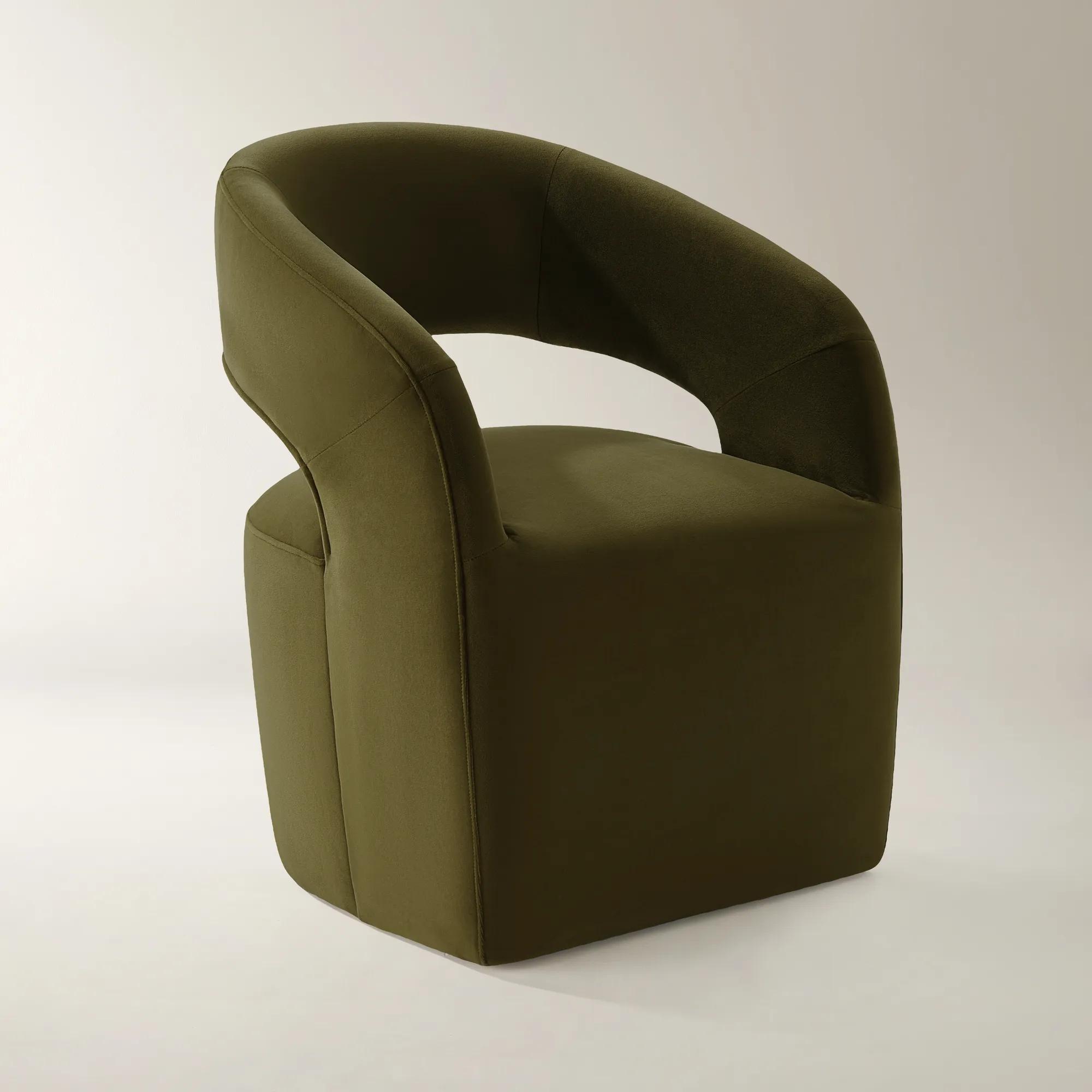 Harrison Deep Olive Velvet Dining Chair$499
A sculptural dining chair in deep olive velvet with a curved back, integrated arms, and plush feather-blend comfort.
Add To Cart -
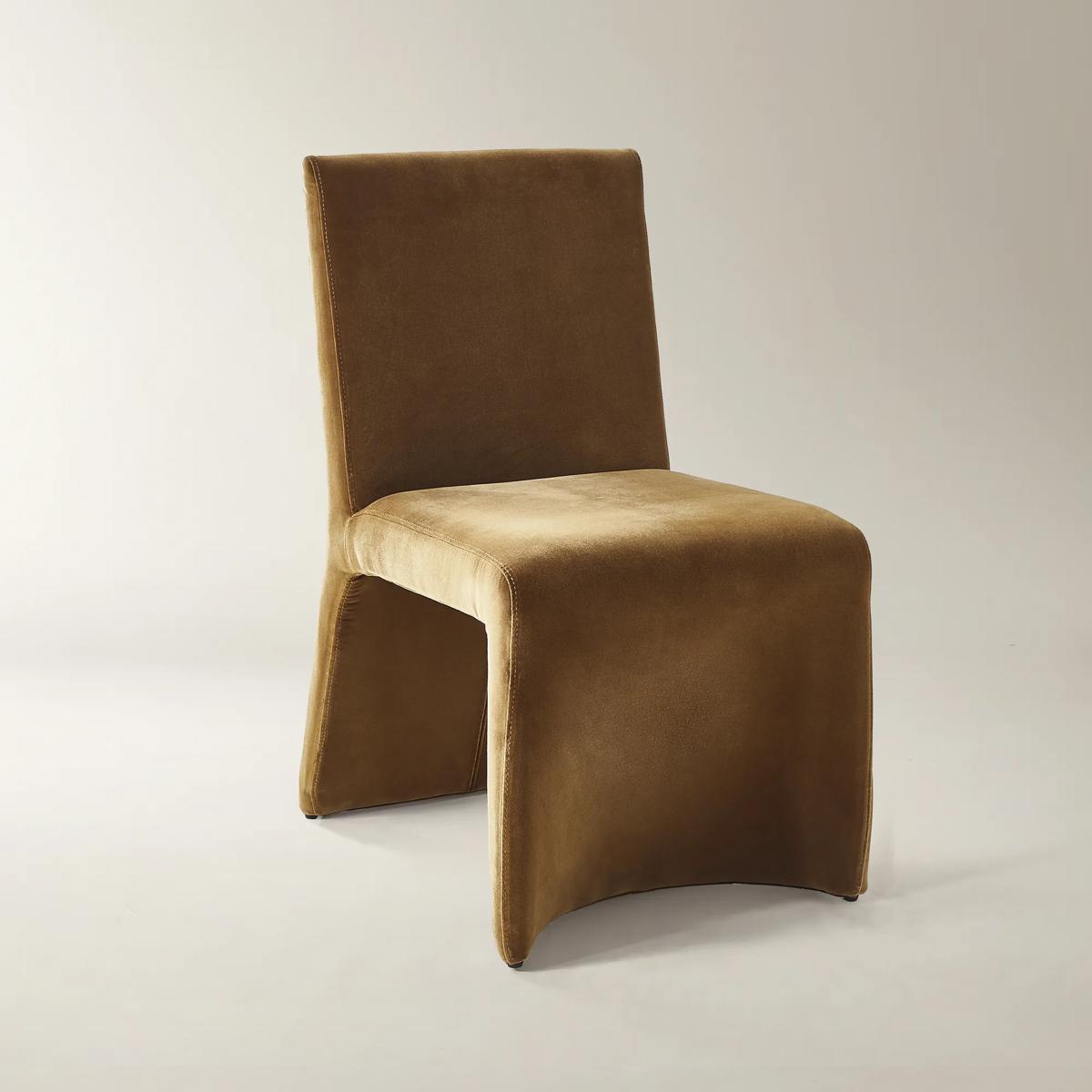 Elara Roasted Pecan Velvet Dining Chair Set Of 2$799
A pair of mustard velvet dining chairs featuring curved ergonomic silhouettes and hand-upholstered, reinforced construction.
Add To Cart -
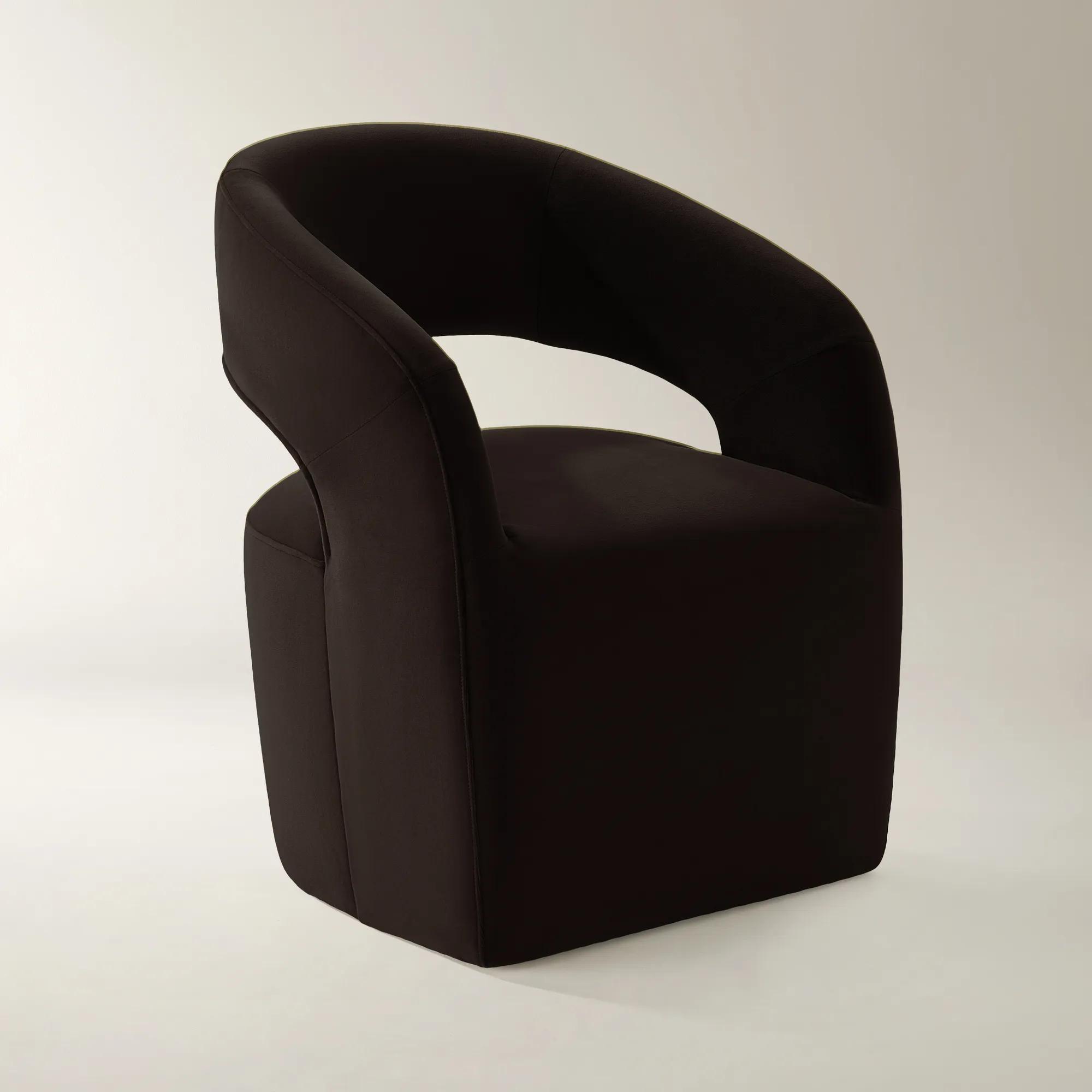 Harrison Dark Chocolate Velvet Dining Chair$499
A sculptural dining chair upholstered in dark chocolate velvet with a plush feather-blend seat and curved back.
Add To Cart -
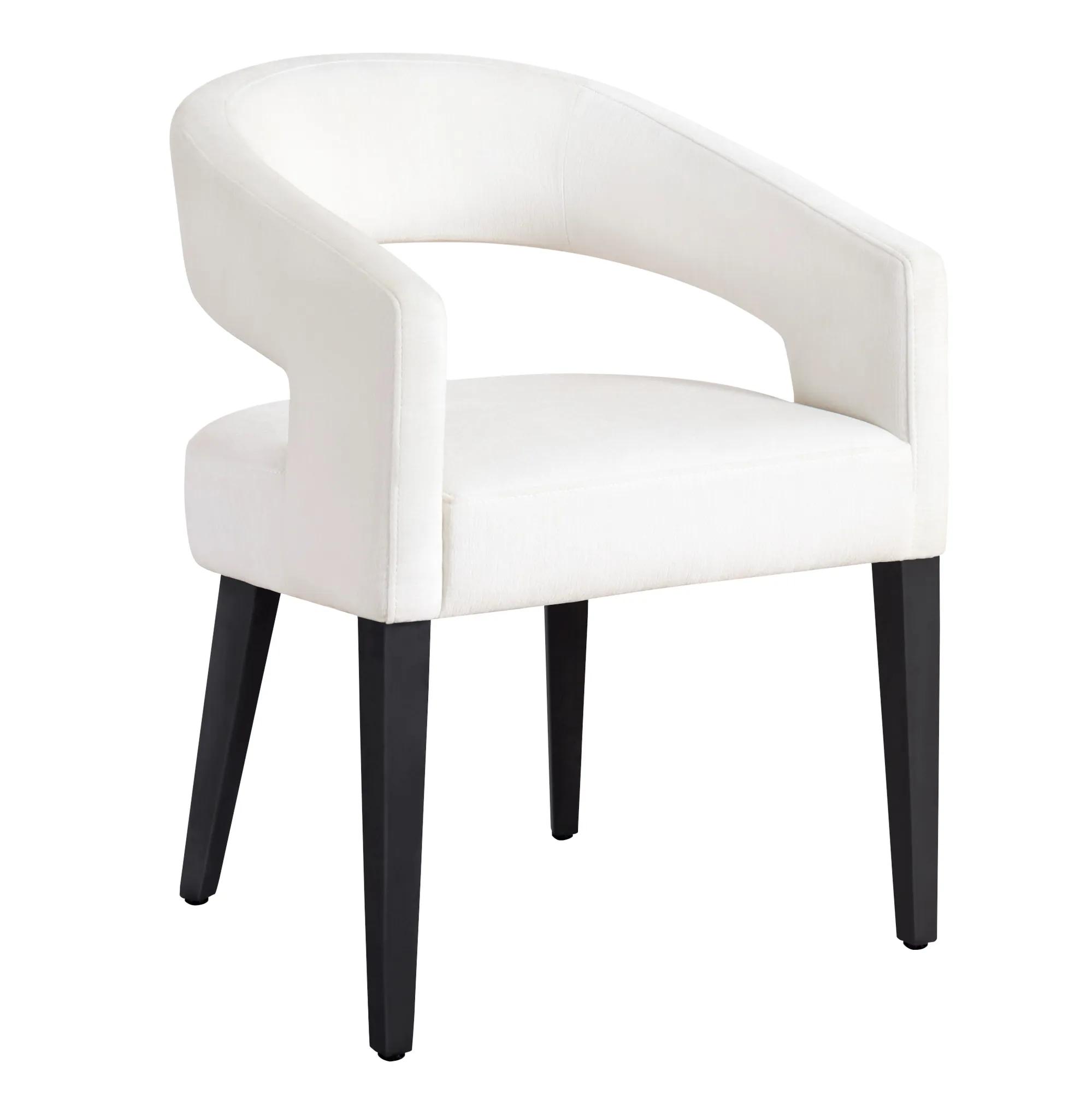
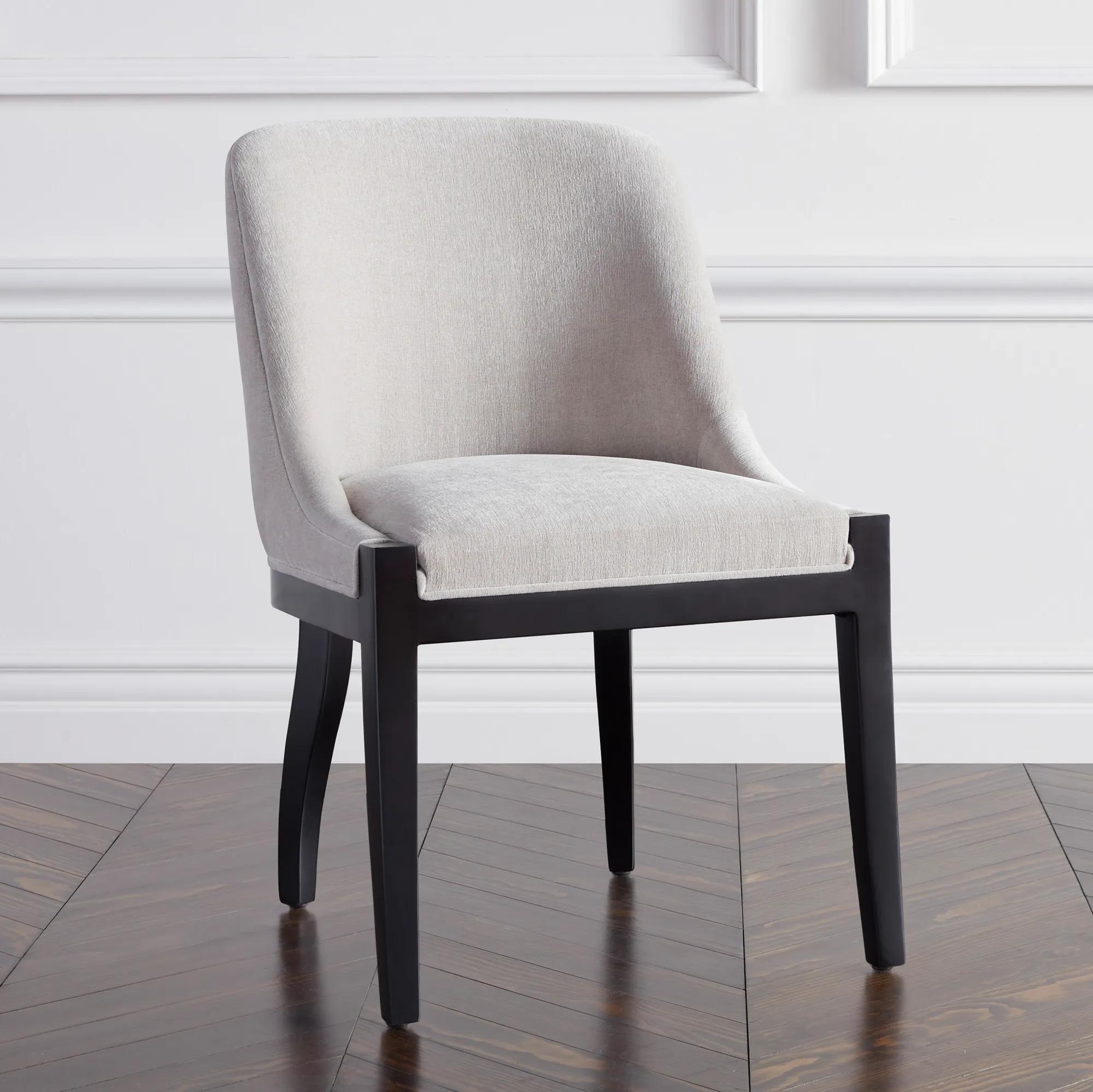
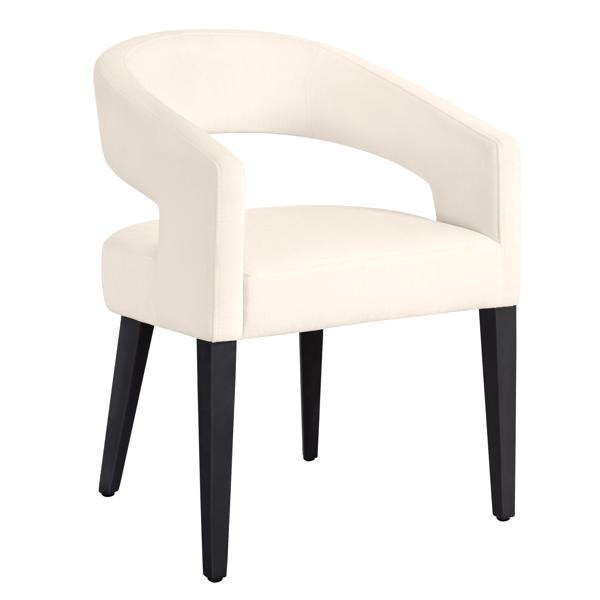 Philippa Dining Chair - Matte Black$599
A modern dining chair featuring a curved silhouette, matte black legs, and neatly tailored upholstery.
Add To Cart -
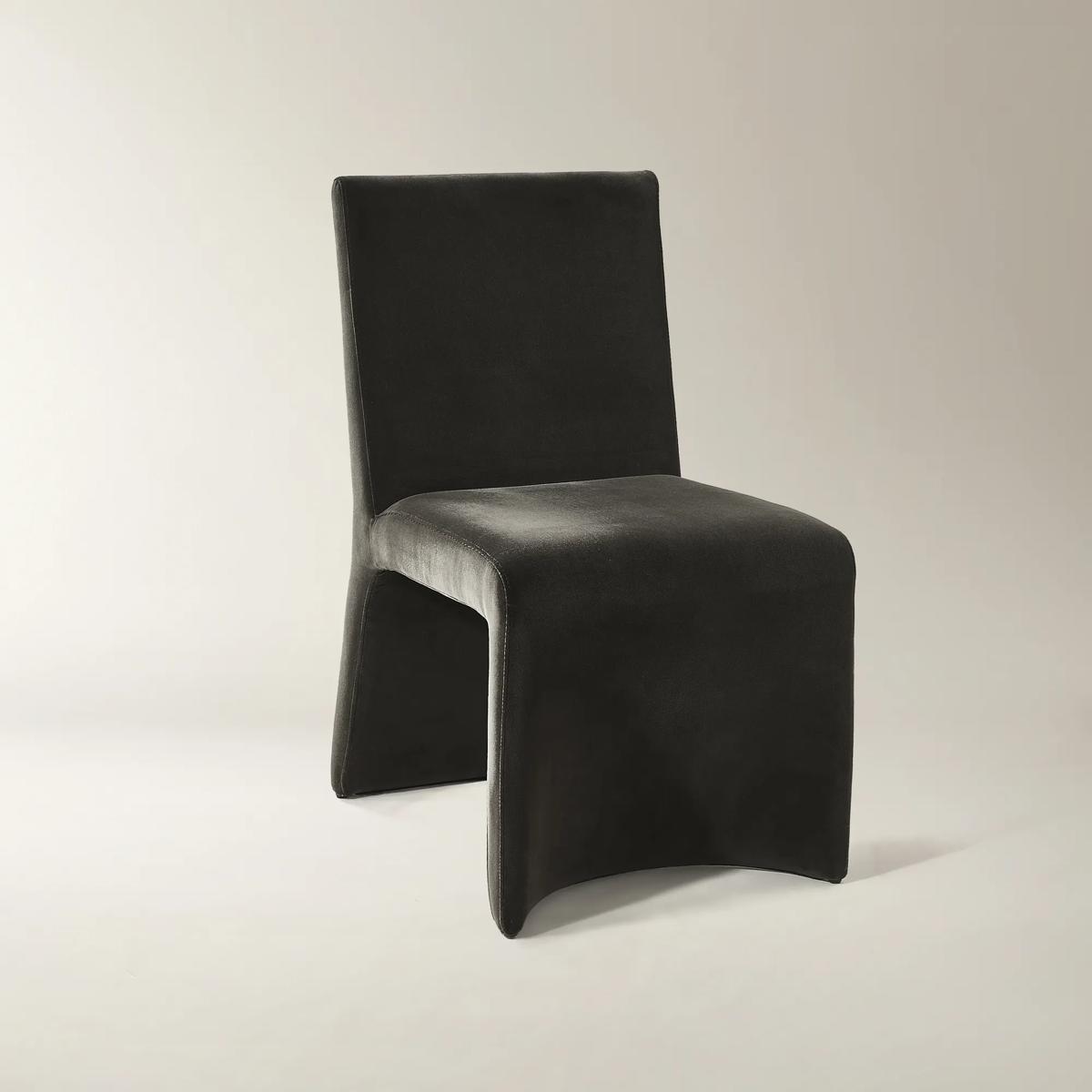
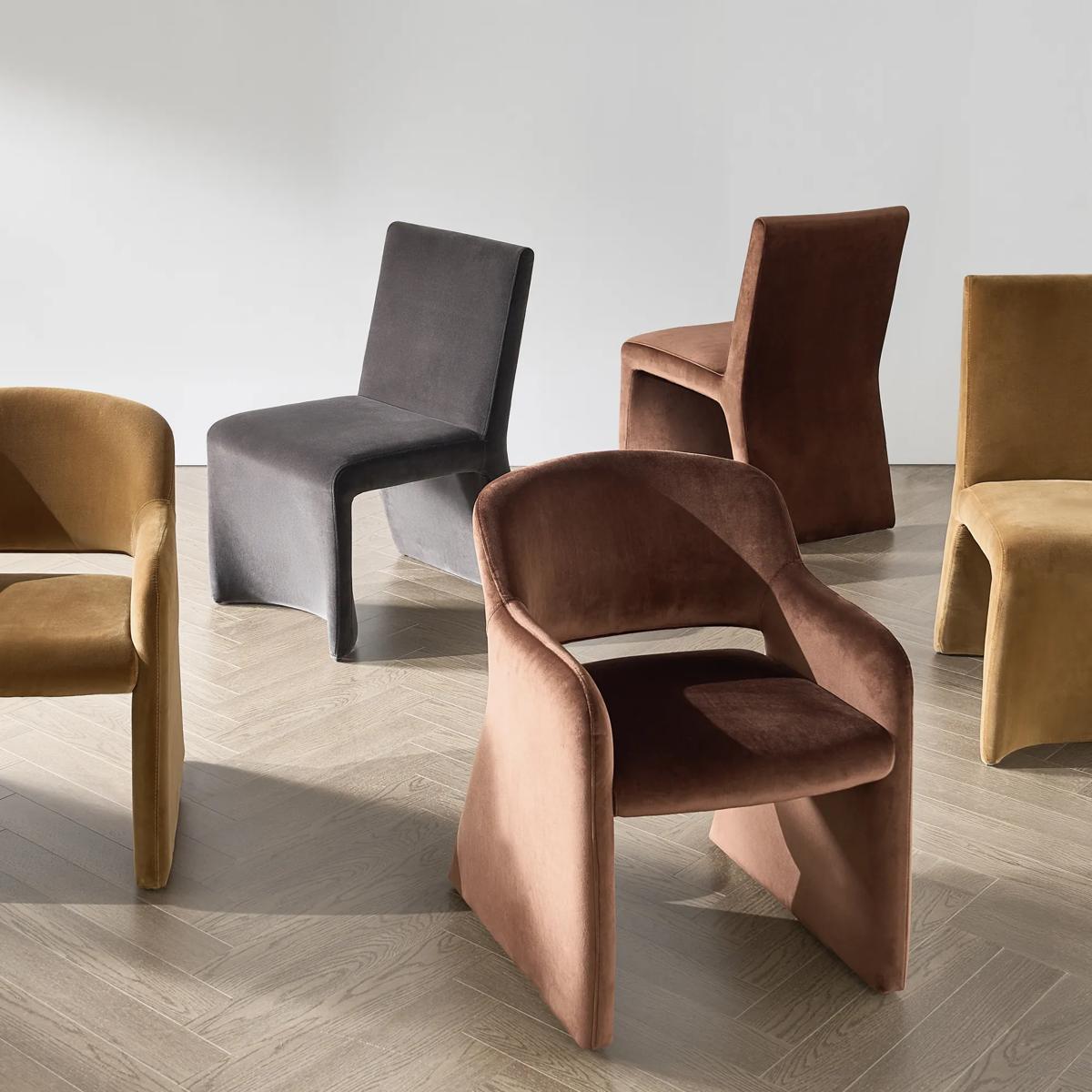 Elara Charcoal Velvet Dining Chair Set Of 2$799
A pair of charcoal velvet dining chairs featuring curved ergonomic silhouettes, plush upholstery, and hand-crafted details.
Add To Cart -
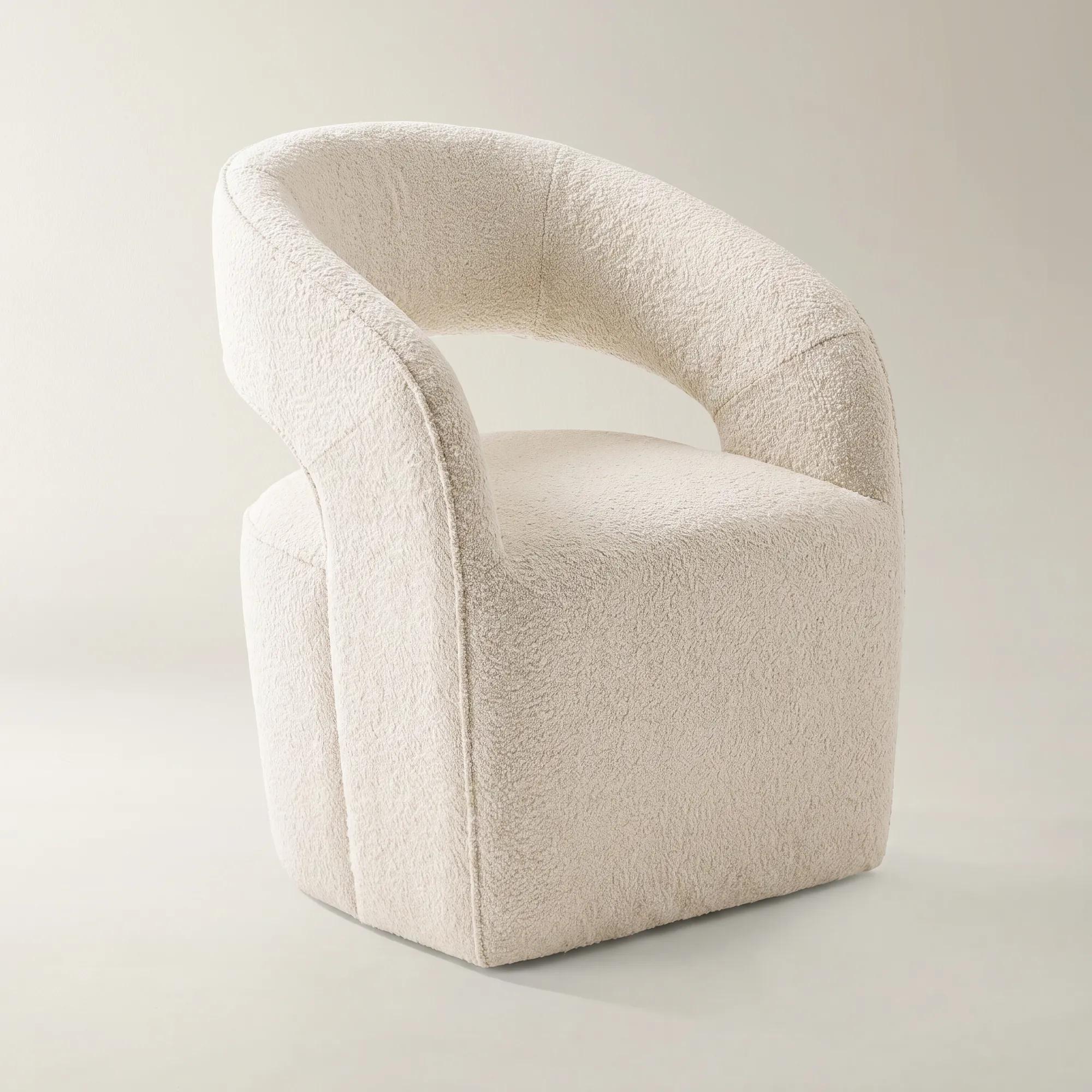 Harrison Utopia Sand Chenille Dining Chair$499
A sculptural dining chair upholstered in sand chenille with a curved back, feather-blend seat, and integrated arms.
Add To Cart -
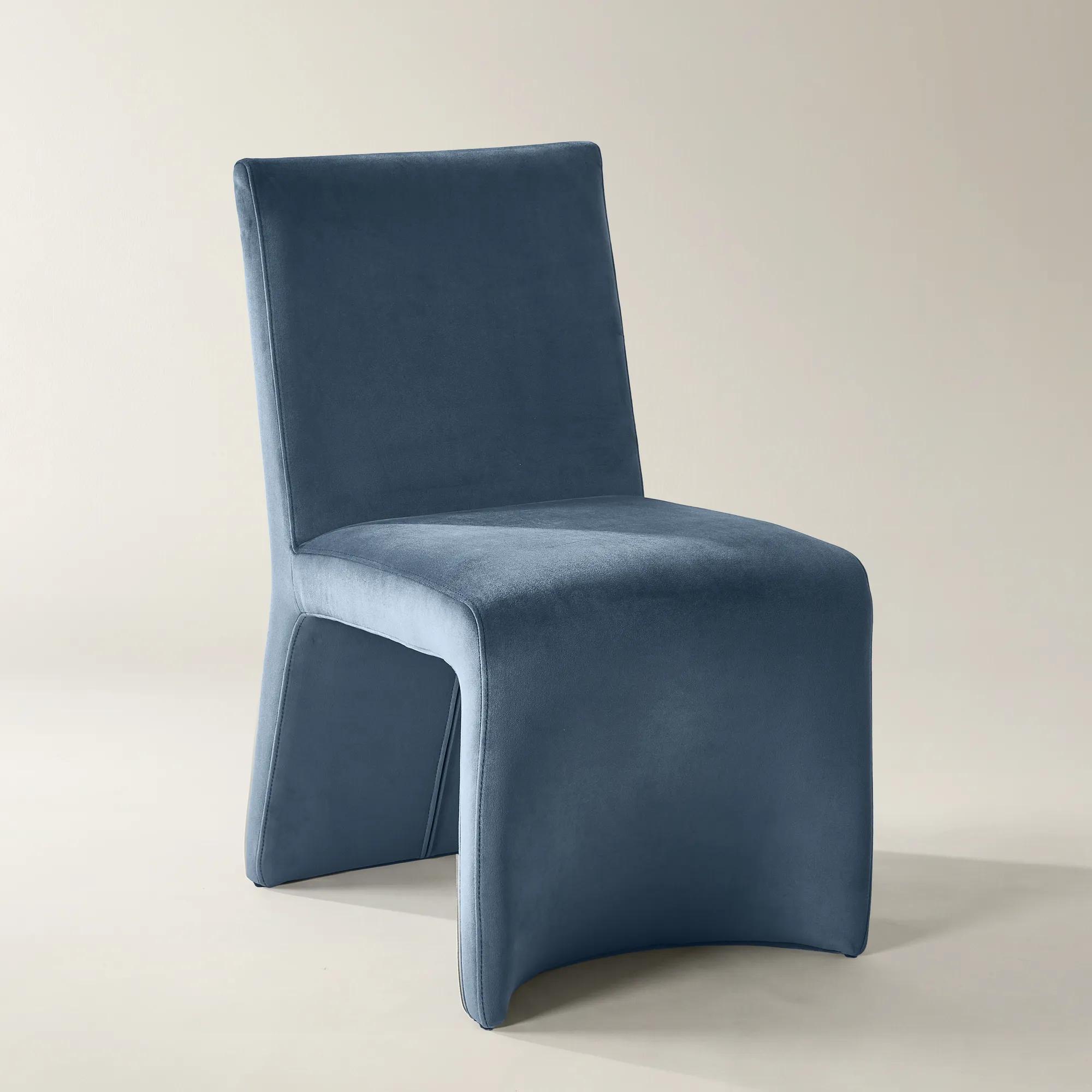 Elara Dusty Blue Velvet Dining Chair Set Of 2$799
A set of two dining chairs featuring plush dusty blue velvet upholstery and a seamless, artful silhouette.
Add To Cart -
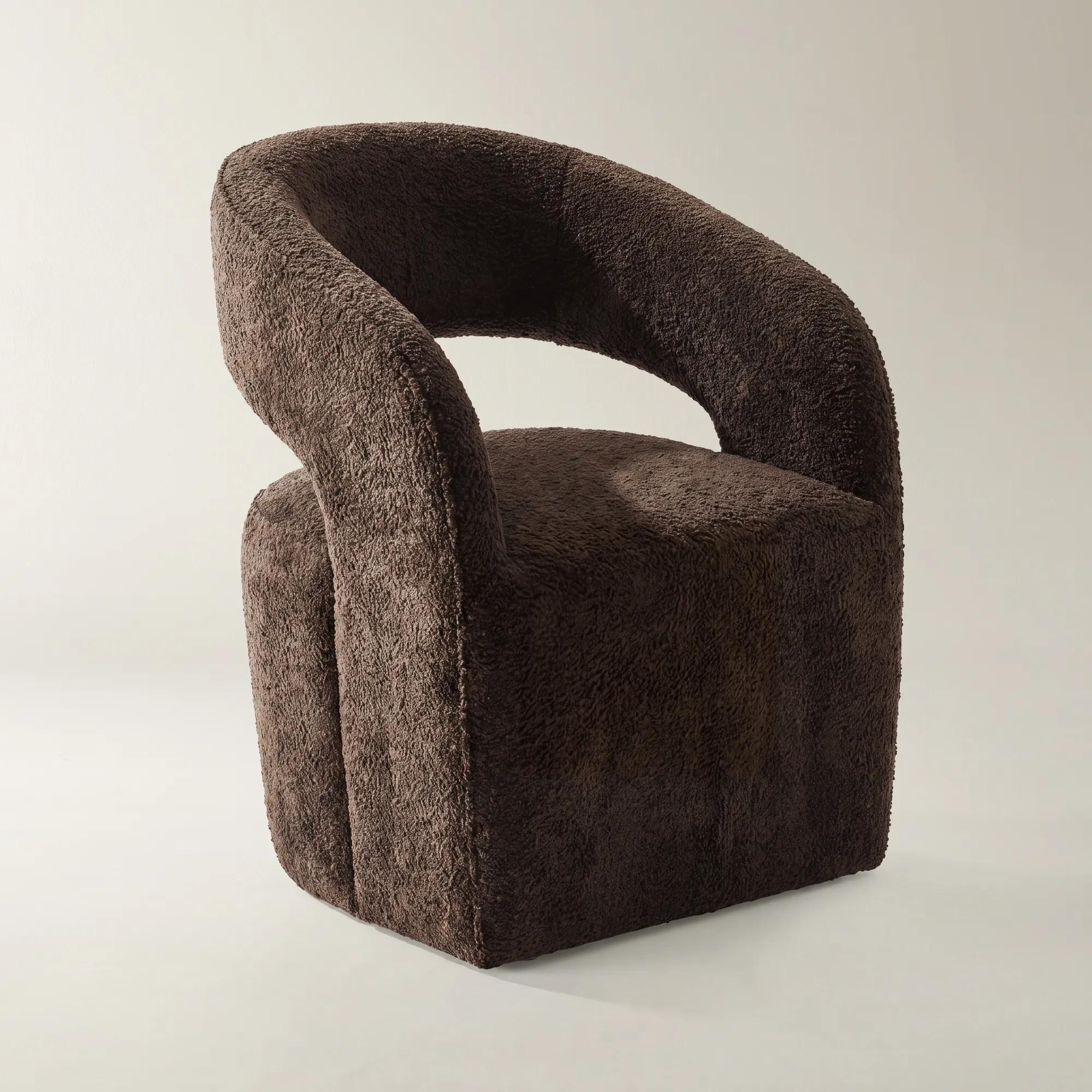 Harrison Dark Chocolate Chenille Dining Chair$499
A sculptural dining chair upholstered in dark chocolate chenille with feather-blend cushioning and curved arms.
Add To Cart -
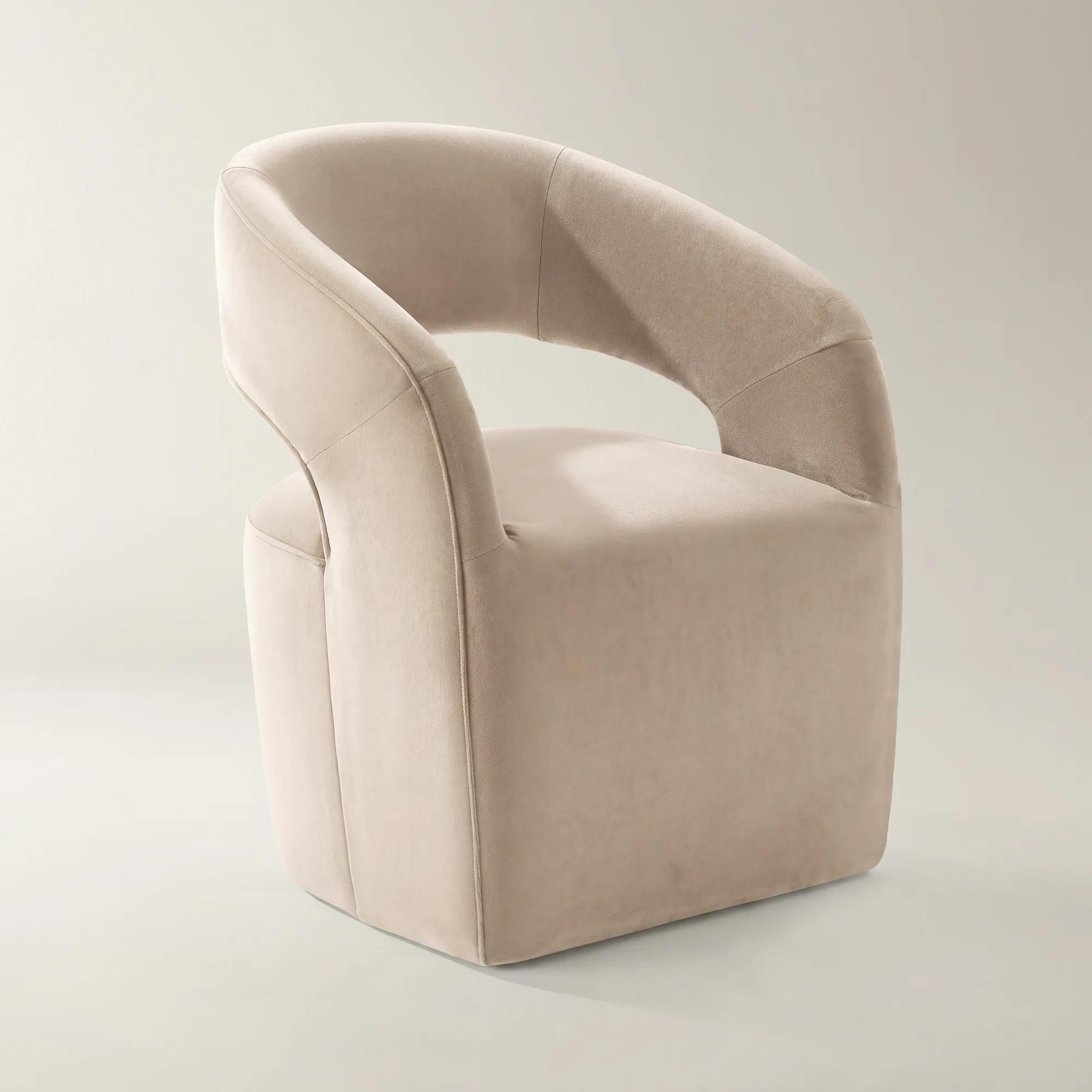 Harrison Simply Taupe Velvet Dining Chair$499
A sculptural dining chair in simply taupe velvet with a curved back, feather-blend seat, and modern elegance.
Add To Cart -
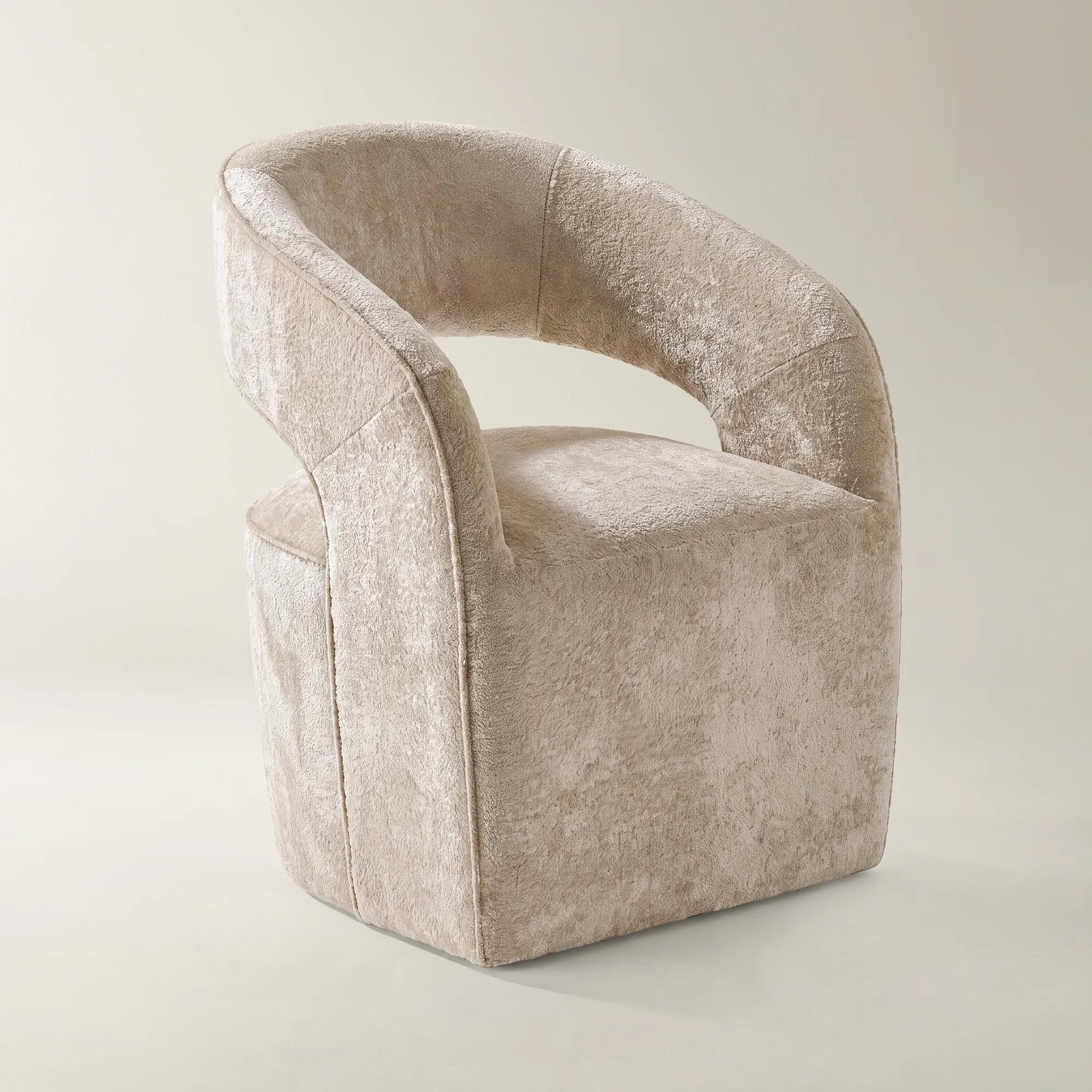 Harrison Light Brown Chenille Dining Chair$499
A sculptural dining chair upholstered in light brown chenille with a feather-blend cushion for plush comfort.
Add To Cart -
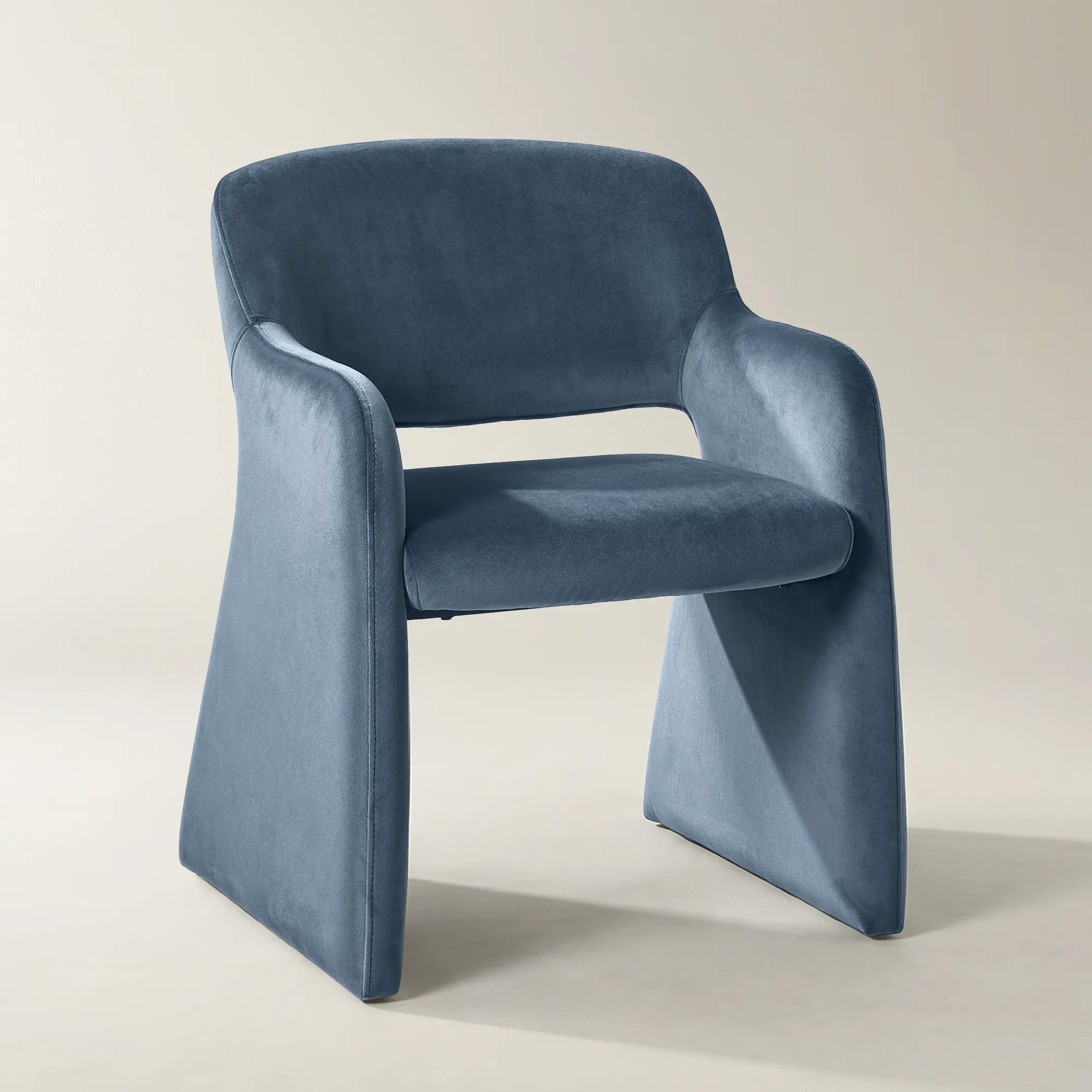 Elara Dusty Blue Velvet Dining Chair$449
A graceful dining chair featuring dusty blue velvet upholstery, integrated arms, and a seamless cantilevered silhouette.
Add To Cart -
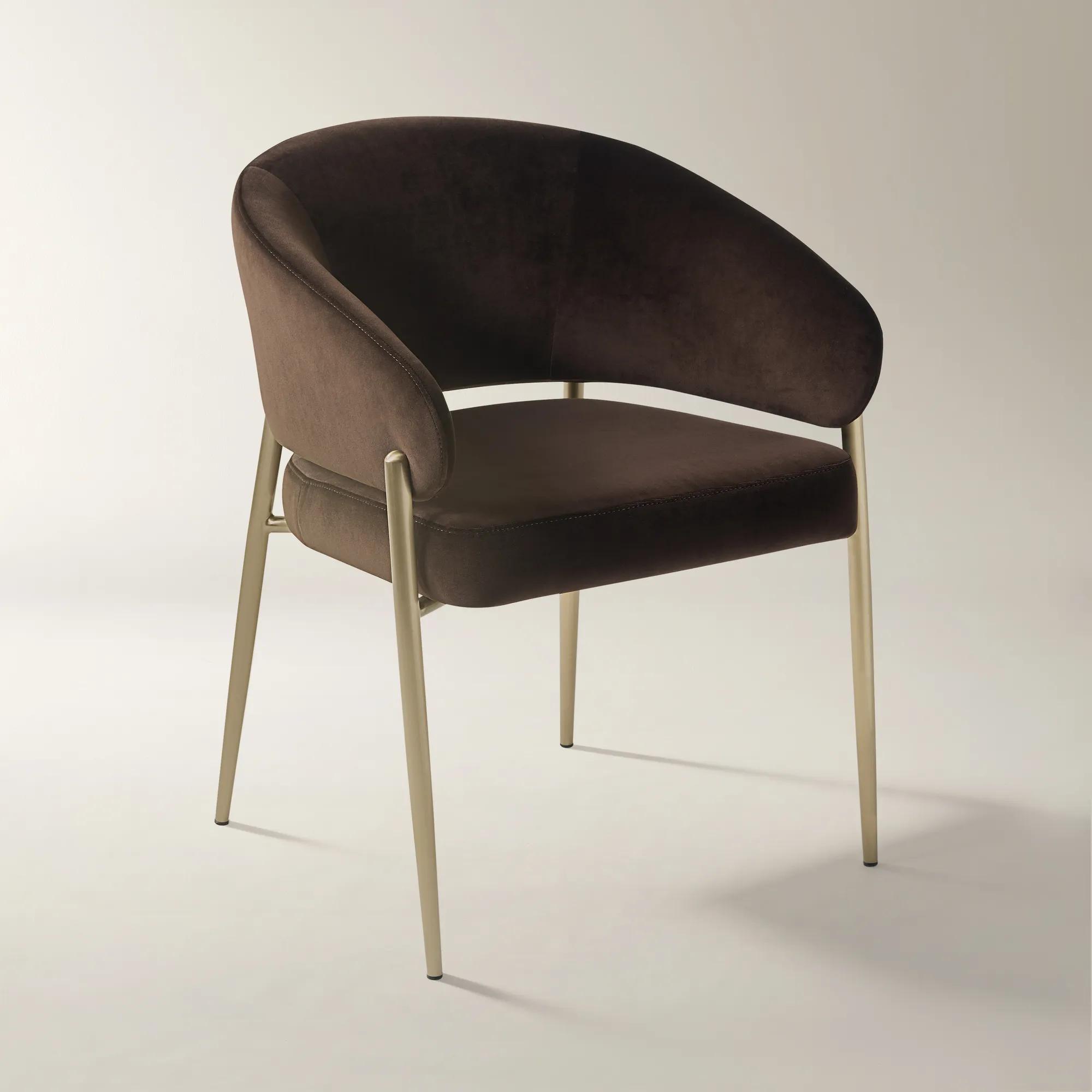 Nara Dark Chocolate Velvet Dining Chair Set Of 2$599
A pair of dark chocolate velvet chairs with curved backs and brushed brass stainless-steel legs for modern elegance.
Add To Cart -
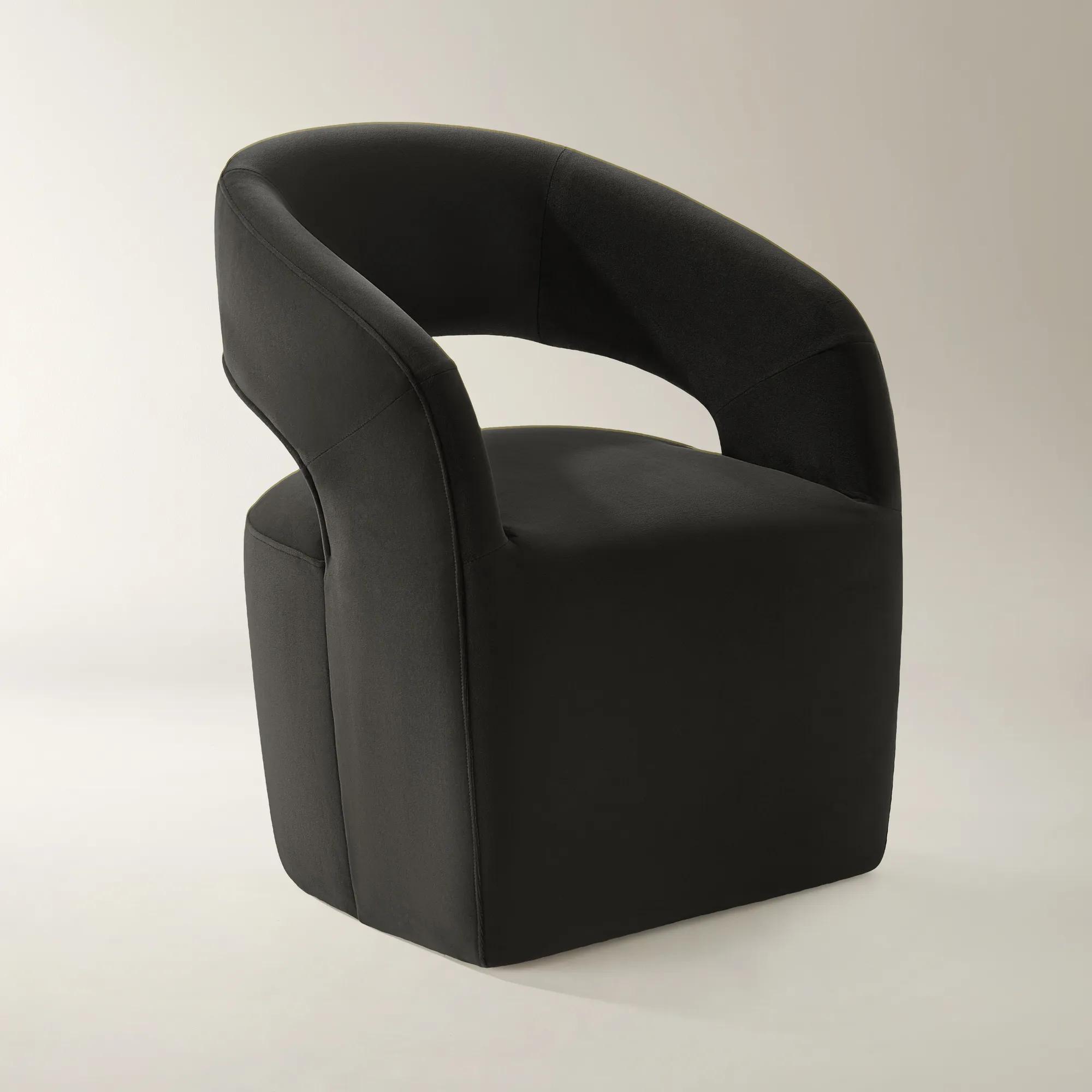 Harrison Charcoal Velvet Dining Chair$499
A sculptural dining chair upholstered in charcoal velvet with a continuous curved back and feather-blend comfort.
Add To Cart -
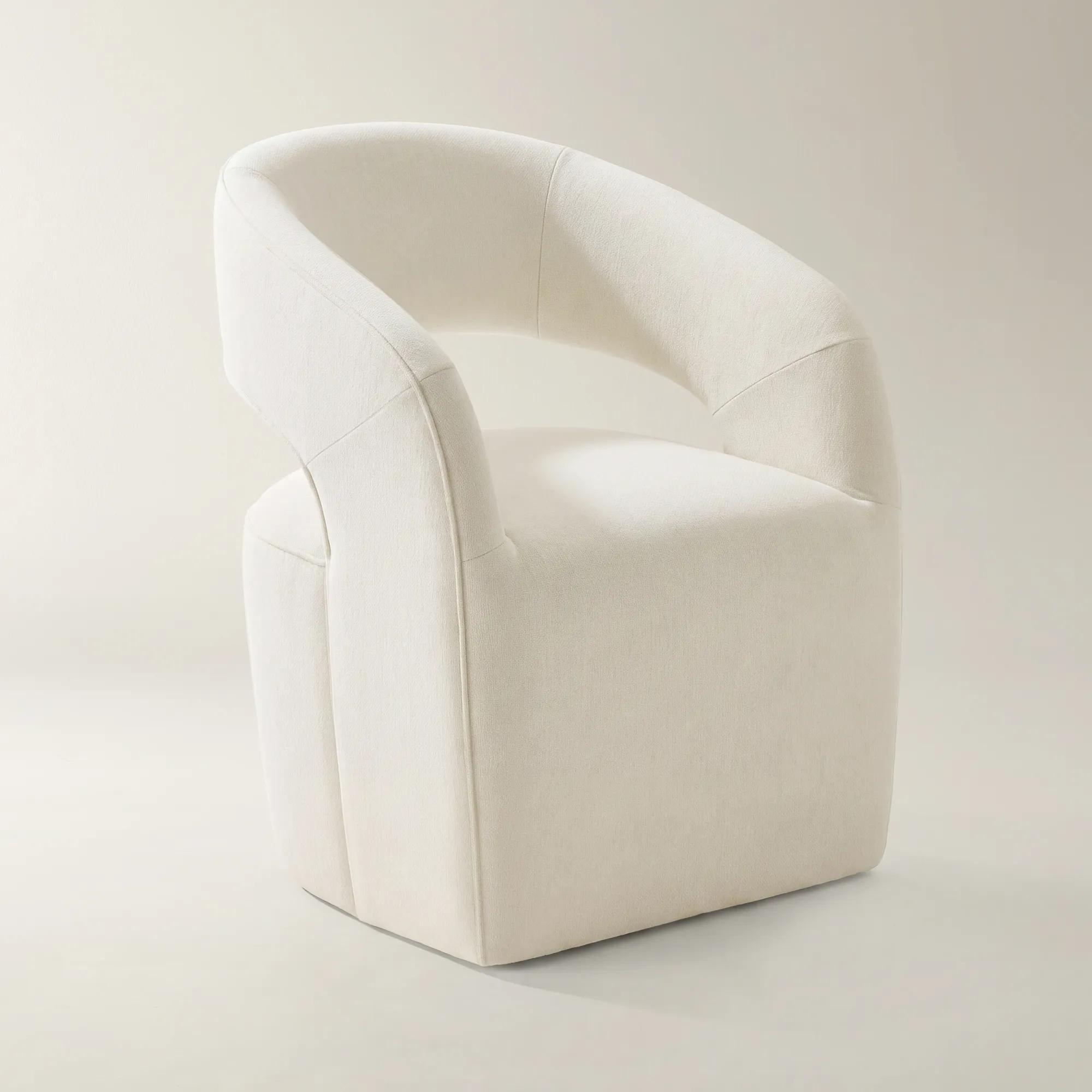 Harrison Ivory Performance Chenille Dining Chair$499
A sculptural ivory chenille chair featuring a continuous curved back, feather-blend comfort, and performance upholstery.
Add To Cart -
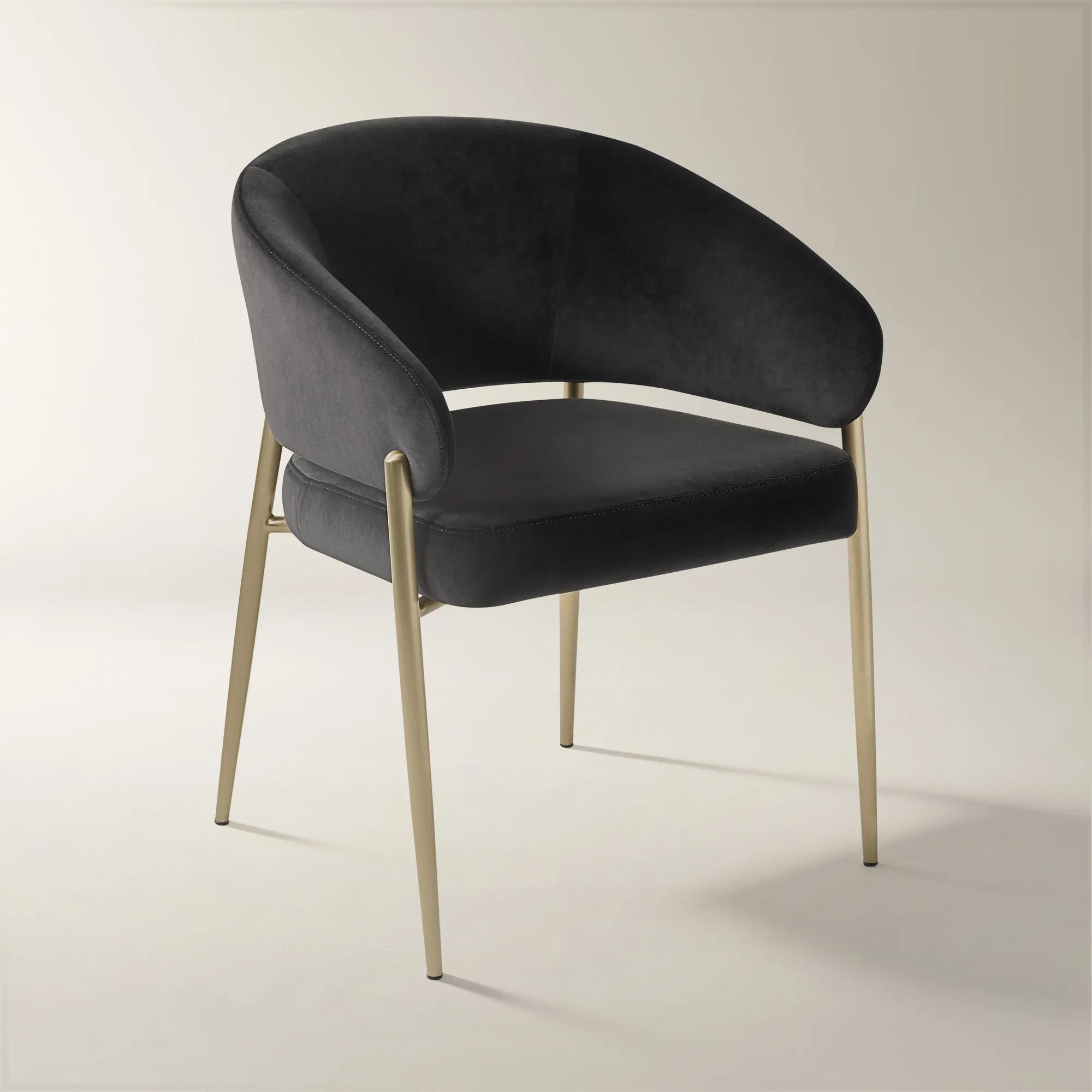 Nara Charcoal Velvet Dining Chair Set Of 2$599
A set of two charcoal velvet chairs featuring curved backs, plush upholstery, and brushed brass metal legs.
Add To Cart -
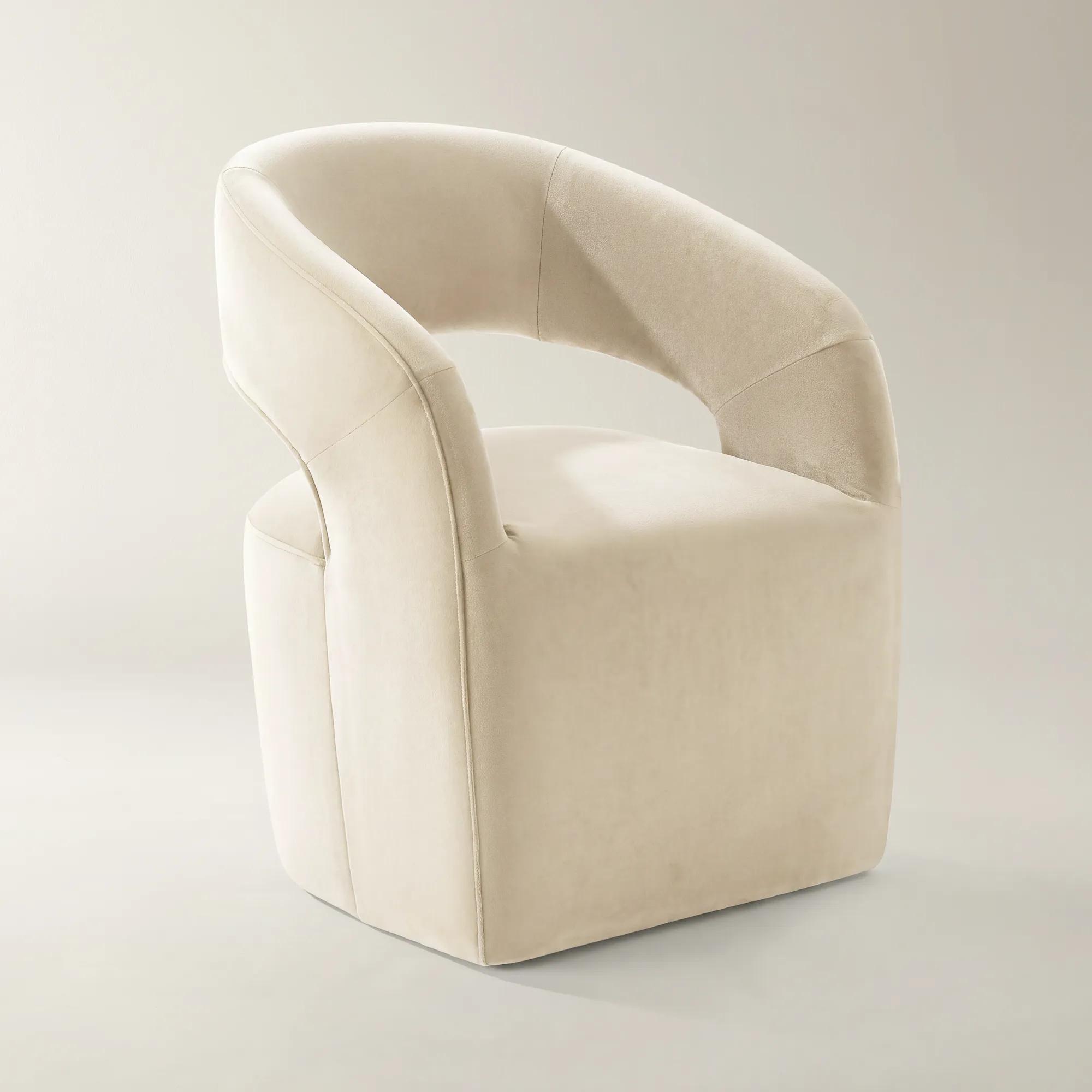 Harrison Oatmeal Velvet Dining Chair$499
A sculptural dining chair upholstered in oatmeal velvet with a curved back, feather-blend seat, and integrated arms.
Add To Cart

Dining Chairs With Curved Seat
Elevate your dining experience with dining chairs with curved seat—where sculptural form meets sumptuous comfort. Each silhouette is thoughtfully designed to cradle you in style, transforming every meal into a moment of artistry. The gentle arc of these seats invites conversation and connection, while their striking profiles add a note of modern sophistication to any setting. Discover how dining chairs with curved seat can turn your table into a statement and your gatherings into unforgettable occasions.
Dining chairs with a curved seat bring a sculptural softness to the dining room, pairing a gently contoured sitting surface with a silhouette that feels considered from every angle. Unlike a flat seat, a curved seat has a shaped profile that may dip slightly through the center, rise along the sides, or soften into a rounded front edge. The precise contour varies by design, and a curved seat is not the same feature as a curved backrest: one shapes the surface beneath the sitter, while the other follows the line of the back. Designs that combine both can create an enveloping effect, though comfort also depends on seat depth, cushioning, back angle, and individual proportions. Visually, these chairs introduce movement where a dining table establishes structure. Beside a rectangular table, their rounded lines soften the composition; around a circular table, they echo its shape without competing for attention. A deeply upholstered silhouette can give a formal dining room the intimacy of a lounge, while a slimmer, shaped seat lends definition to a breakfast nook or an open dining area. Ivory upholstery creates a luminous counterpoint to dark wood, rich jewel tones bring depth to a restrained palette, and warm neutrals allow the contours themselves to take the spotlight. For households that gather over leisurely dinners, host intimate celebrations, or use the dining table for conversation long after the plates are cleared, the chair becomes an essential part of the experience. Armless designs often preserve an uninterrupted view across the table, while chairs with arms can establish a more generous presence at its ends. A coordinated arrangement creates a polished rhythm, but mixing complementary silhouettes can feel equally deliberate when seat heights, proportions, and upholstery tones remain harmonious. The result is a dining space with presence, where seating contributes as much to the room’s character as the table, lighting, or art.
Materials give curved-seat dining chairs their distinctive texture and influence how they feel in everyday use. Upholstered seats can soften the contour with padding, while exposed wood seats reveal their shaping more directly through grain, finish, and the sweep of the edge. Velvet adds depth as its pile catches the light, giving even a simple silhouette a sumptuous quality. Bouclé offers a more pronounced, looped texture that lends dimension to pale upholstery, while chenille can provide a plush surface with a gentler visual rhythm. Tightly woven fabrics may suit dining spaces that see frequent use, particularly when their care instructions accommodate the realities of shared meals. A fabric described as performance upholstery should still be evaluated by its stated properties: stain resistance, cleaning methods, and durability vary, and the designation does not make a chair immune to spills or wear. Leather introduces a tailored surface whose appearance and upkeep depend on its finish; protected leather and more absorbent varieties respond differently to moisture and handling. Beneath the upholstery, padding density and support affect whether the seat feels firm, yielding, or somewhere between the two. More cushioning does not automatically mean greater comfort, especially when a deep seat leaves a shorter sitter without adequate back support. Frames and bases bring their own character. Wood can add warmth and visible grain, while metal can create a slender outline or a gleaming accent beneath the seat. For durability, frame construction, secure joints, appropriate weight capacity, and a stable stance matter more than appearance alone. In a dining area used by children or frequent guests, forgiving upholstery and straightforward care can be just as valuable as an expressive shape. In a more formal setting, a richly textured fabric and refined base can make each chair feel like a composed accent. Rooms built around rounded forms may also find a complementary direction in Upholstered Dining Chairs With Curved Legs, where the line of the base adds another layer of movement to the setting.
Proportion determines whether that sculptural statement feels effortless at the table. Dining chairs with curved seats deserve attention to the usable sitting area, not simply the overall width listed in the dimensions. Raised sides, thick upholstery, or a wraparound profile can make two similarly sized chairs feel quite different, and a pronounced contour may suit some sitters better than others. Seat height should work with the underside of the dining table as well as its top; approximately 10 to 12 inches between the seat and tabletop is a common starting point, but an apron beneath the table can reduce legroom. Upholstered seats may compress when occupied, so their feel and working height deserve consideration alongside measurements. Arm height is especially important when chairs need to tuck beneath the table, and pedestal bases or widely positioned table legs can affect where seats fit comfortably. Allowing roughly 24 inches of table edge per diner offers a useful starting point for spacing, with wider chairs or generous arms requiring more room. Clearance behind the chairs matters, too: space to pull out a seat is different from space for someone to pass behind it. In a compact dining area, a streamlined armless frame may preserve circulation without sacrificing visual impact; in a larger room, a fuller silhouette can hold its own beneath a dramatic pendant. Everyday care helps retain that carefully composed appearance. Upholstery generally benefits from regular, gentle vacuuming with an appropriate attachment, especially along seams where crumbs collect. Spills should be addressed promptly according to the material’s care instructions, with blotting rather than vigorous rubbing when recommended. Wood and metal finishes call for suitable cleaners and soft cloths, while abrasive products can damage surfaces. Floor protectors should suit the flooring and be checked periodically for trapped grit. Rotating chairs among frequently used positions can help distribute wear, and prolonged direct sunlight may affect some fabrics and finishes. With thoughtful proportions and care suited to the material, a curved seat offers more than a distinctive outline: it becomes a welcoming place within a room designed for gathering.
FAQs
Curved dining chairs captivate with their sculptural lines and ergonomic design, infusing dining areas with a sense of movement and artistry. Their graceful silhouettes soften the angularity of tables and architecture, creating a visually inviting atmosphere that feels both modern and timeless. The gentle curves also enhance comfort, encouraging guests to linger and enjoy the experience.
Curved seat chairs are remarkably versatile, lending themselves beautifully to eclectic interiors. Pair them with a mix of finishes—such as a marble-topped table or metallic accents—to create a layered, curated look. Play with color and texture by adding plush cushions or draping a throw over the back for added personality. Their unique shapes serve as a striking counterpoint to more traditional pieces, making your dining room feel collected and expressive.
Absolutely. The ergonomic design of curved backrest dining chairs provides natural support for the spine and encourages relaxed posture, making them ideal for leisurely dinners or festive celebrations. The gentle arc cradles the back, while well-padded seats and quality upholstery further enhance the comfort, ensuring guests feel pampered throughout the evening.
Curved dining chairs are often crafted from a variety of luxurious materials, including polished wood, gleaming metal, and sumptuous upholstery fabrics like velvet or linen. Each material brings its own character: wood offers warmth and organic texture, metal lends a sleek modern edge, and rich upholstery adds softness and depth. The combination of these elements can dramatically influence the mood of your dining space, from glamorous to cozy or avant-garde.
Yes, dining chairs with curved legs are perfect for mixing and matching with other seating styles. Their distinctive shape adds visual interest and can complement everything from classic benches to bold, statement armchairs. For a cohesive yet dynamic look, echo the curves elsewhere in the room—such as in lighting fixtures or decorative accessories—while allowing each piece to shine in its own right.