Designer Dining Chairs With Curved Legs
Designer Dining Chairs With Curved Legs
-
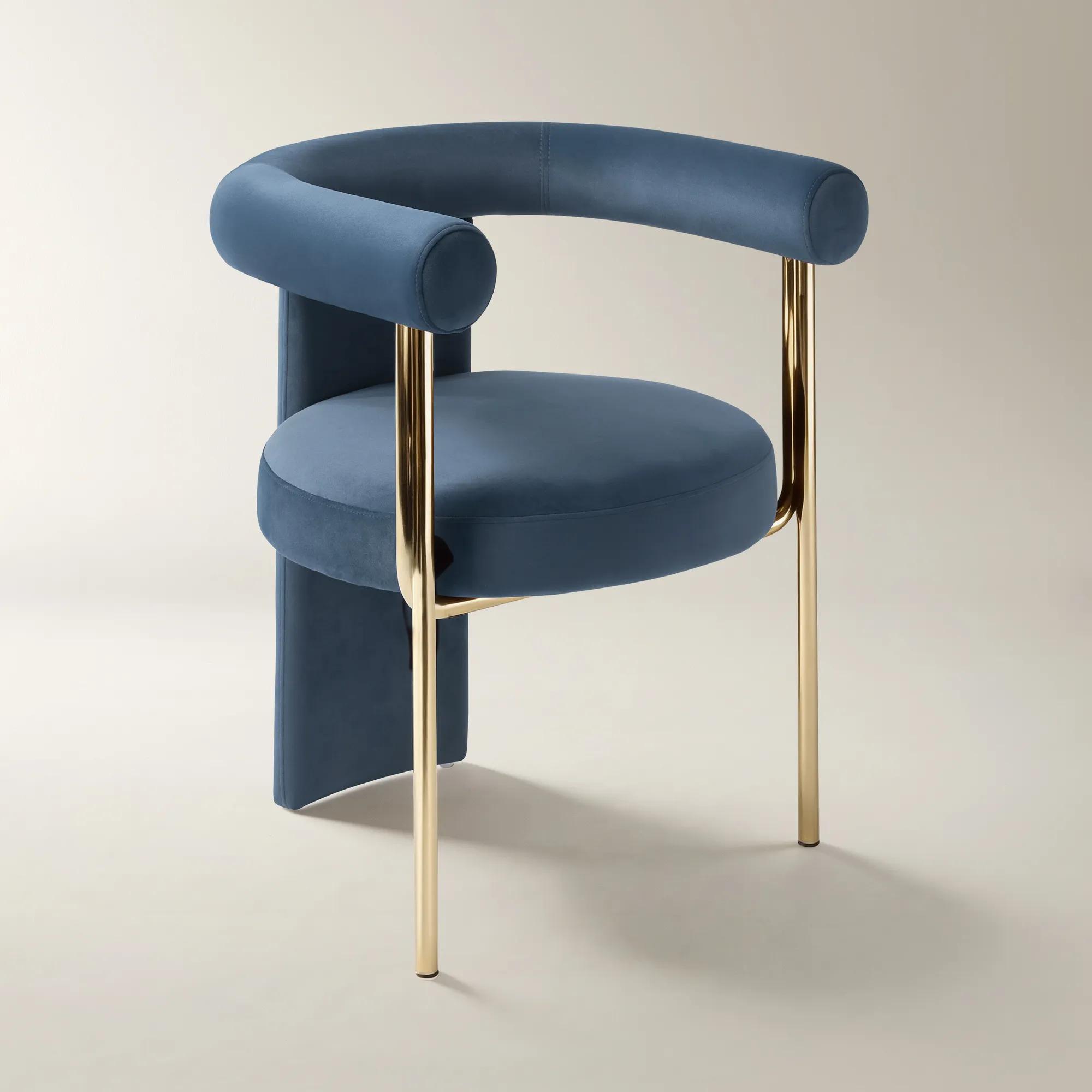 Davina Dusty Blue Velvet Dining Chair Set Of 2$899
A set of two dining chairs featuring dusty blue velvet upholstery and a polished gold metal frame.
Add To Cart -
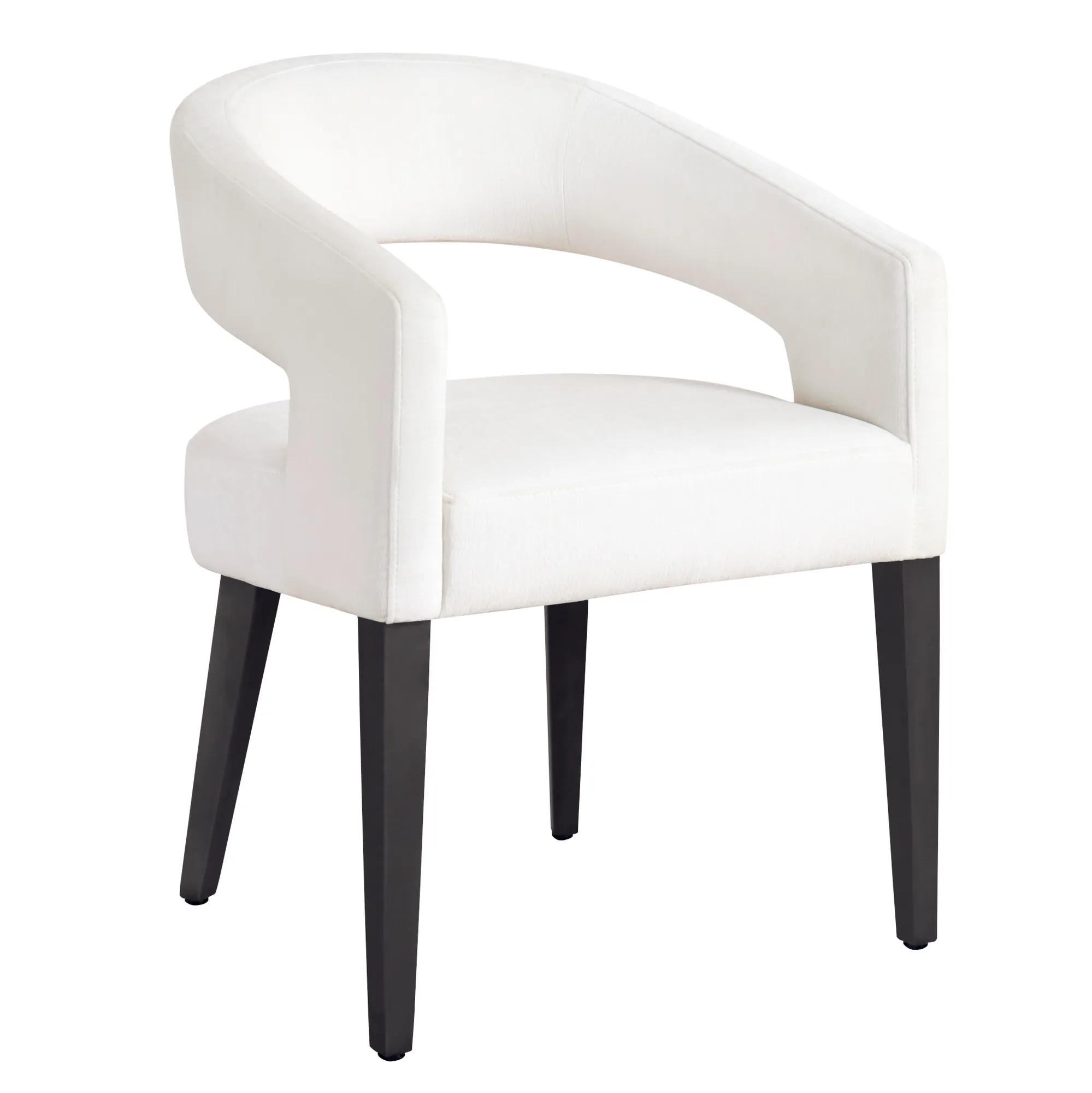
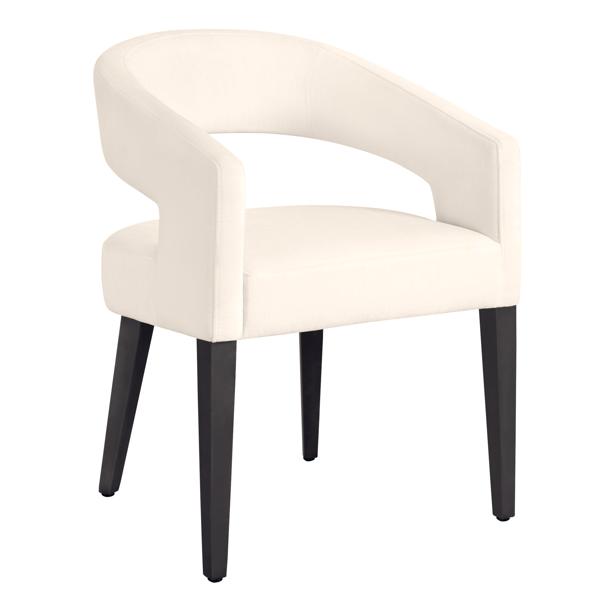 Philippa Dining Chair - Espresso$599
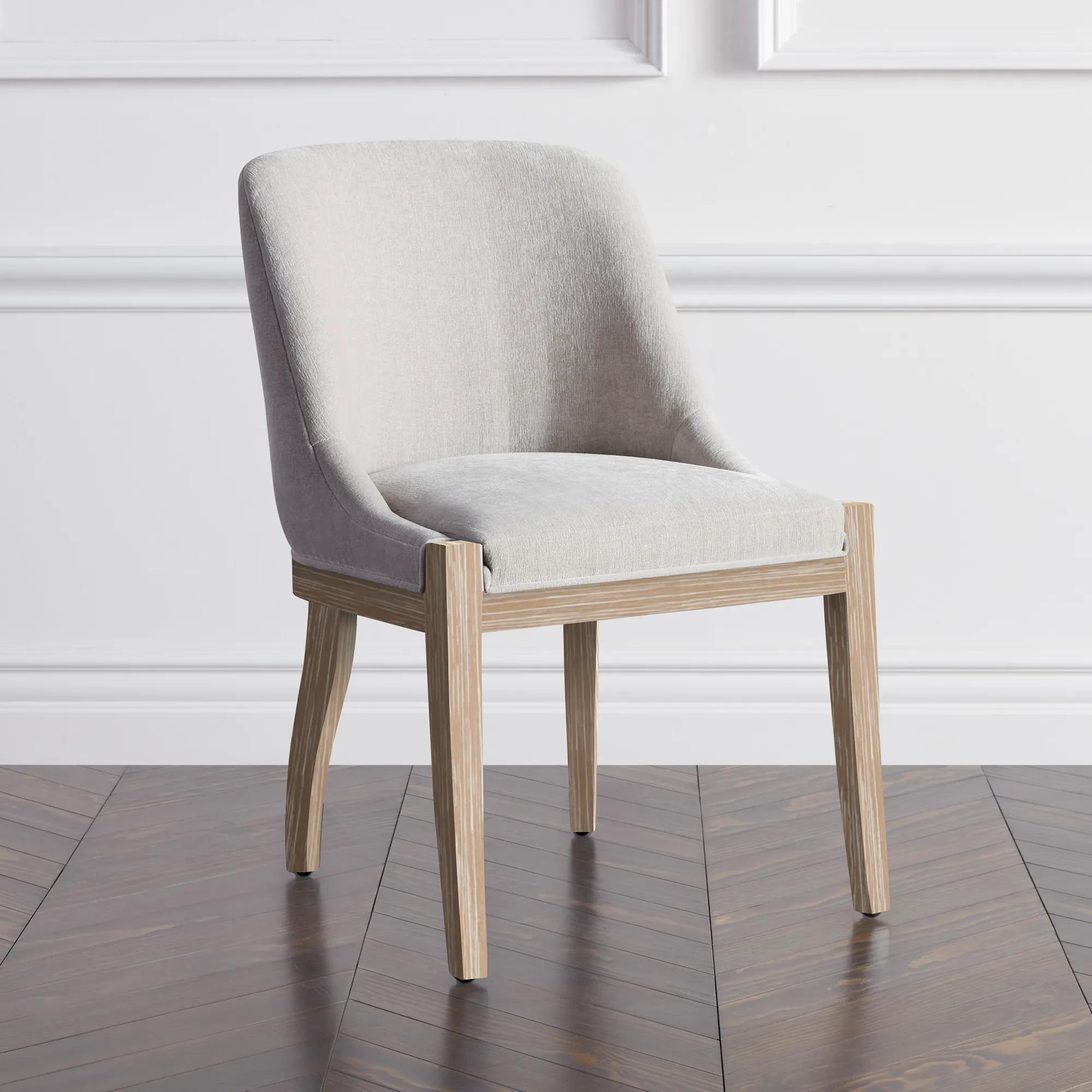
A modern dining chair featuring a curved silhouette, espresso legs, and neatly tailored chenille upholstery.
Add To Cart -
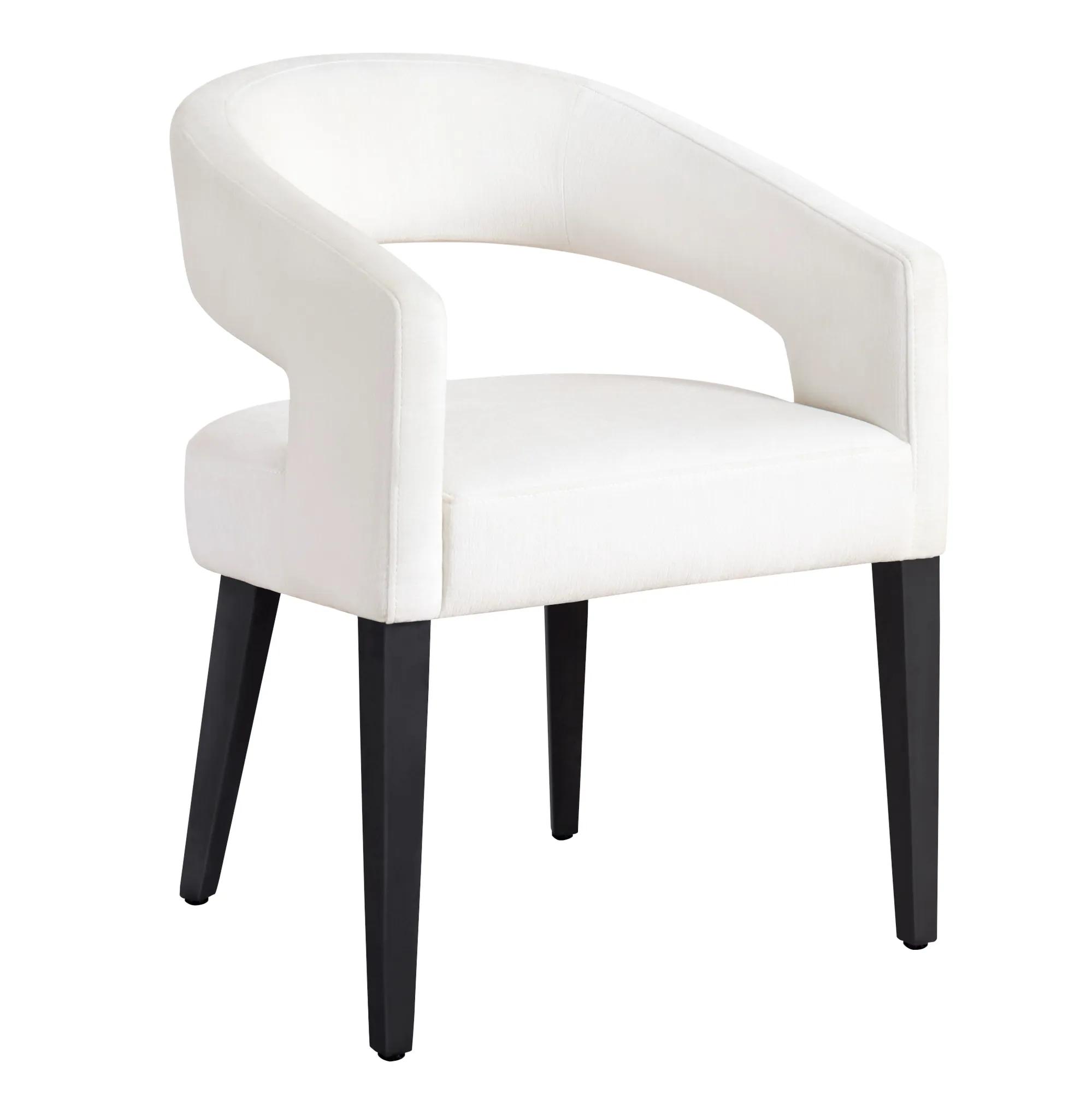
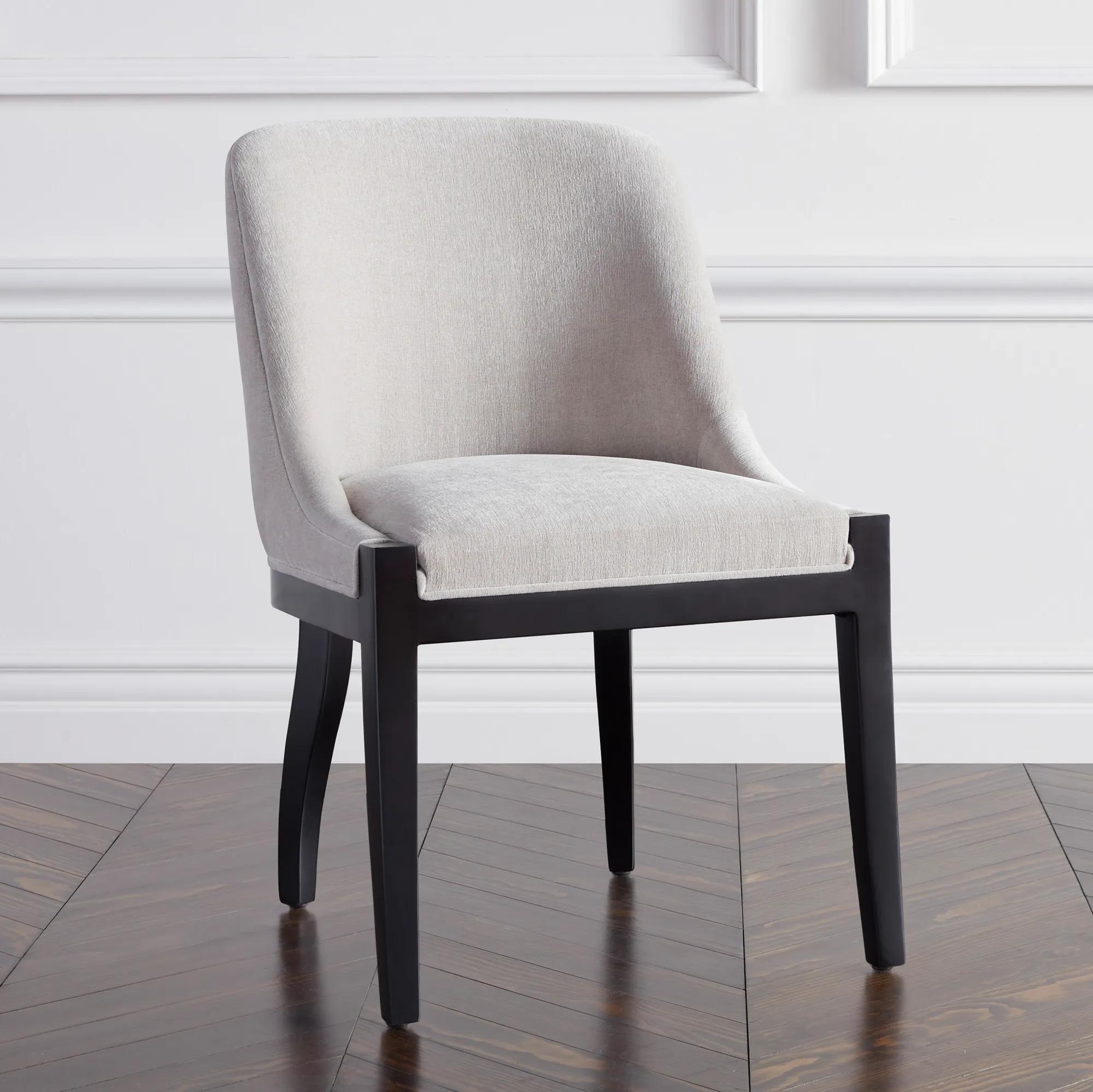
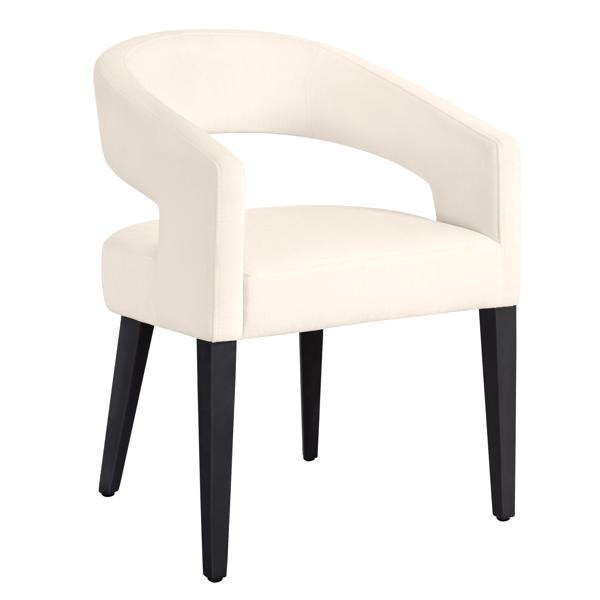 Philippa Dining Chair - Matte Black$599
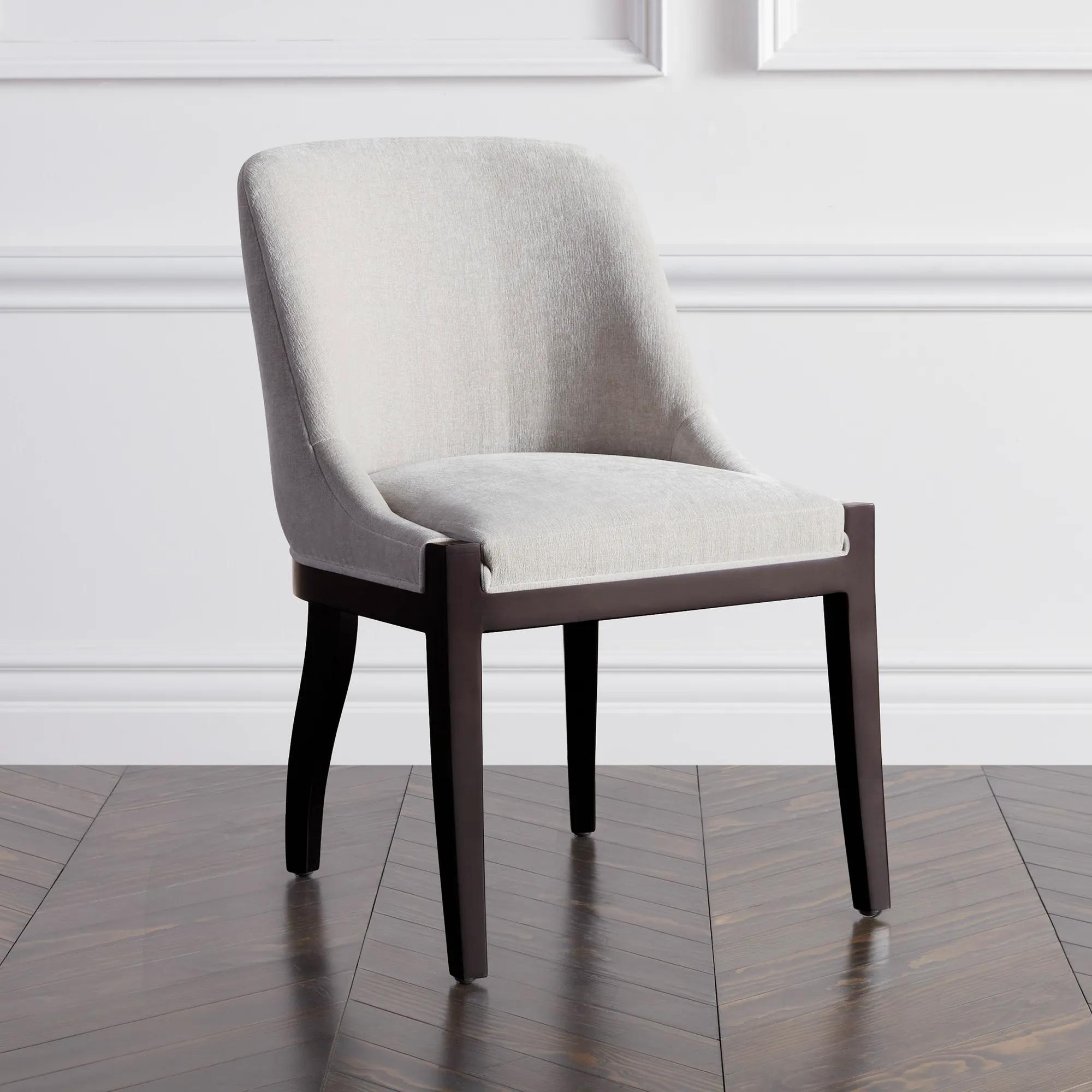
A modern dining chair featuring a curved silhouette, matte black legs, and neatly tailored upholstery.
Add To Cart -
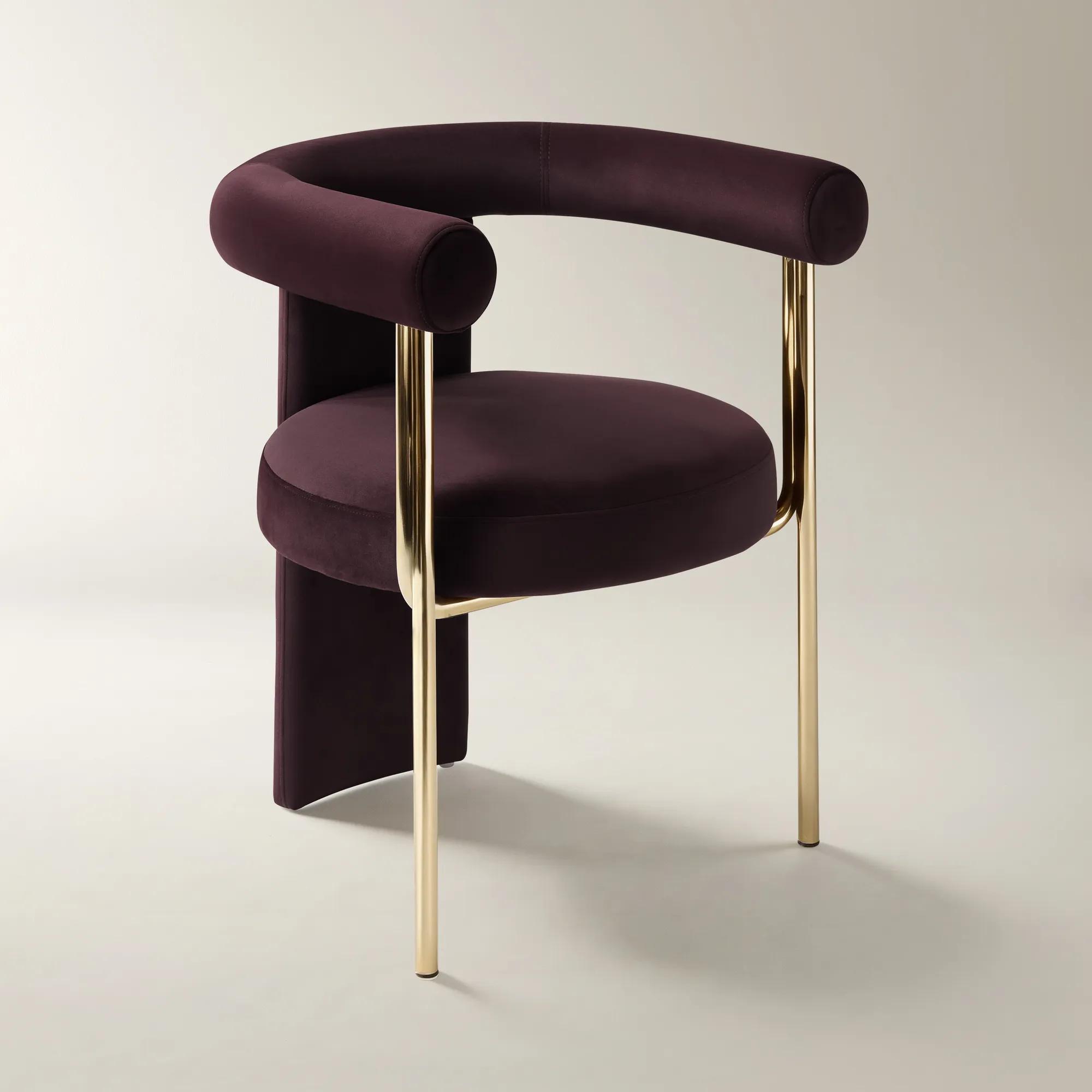 Davina Fig Velvet Dining Chair Set Of 2$899
A set of two dining chairs featuring plush fig velvet upholstery and a sleek gold-finished metal frame.
Add To Cart -
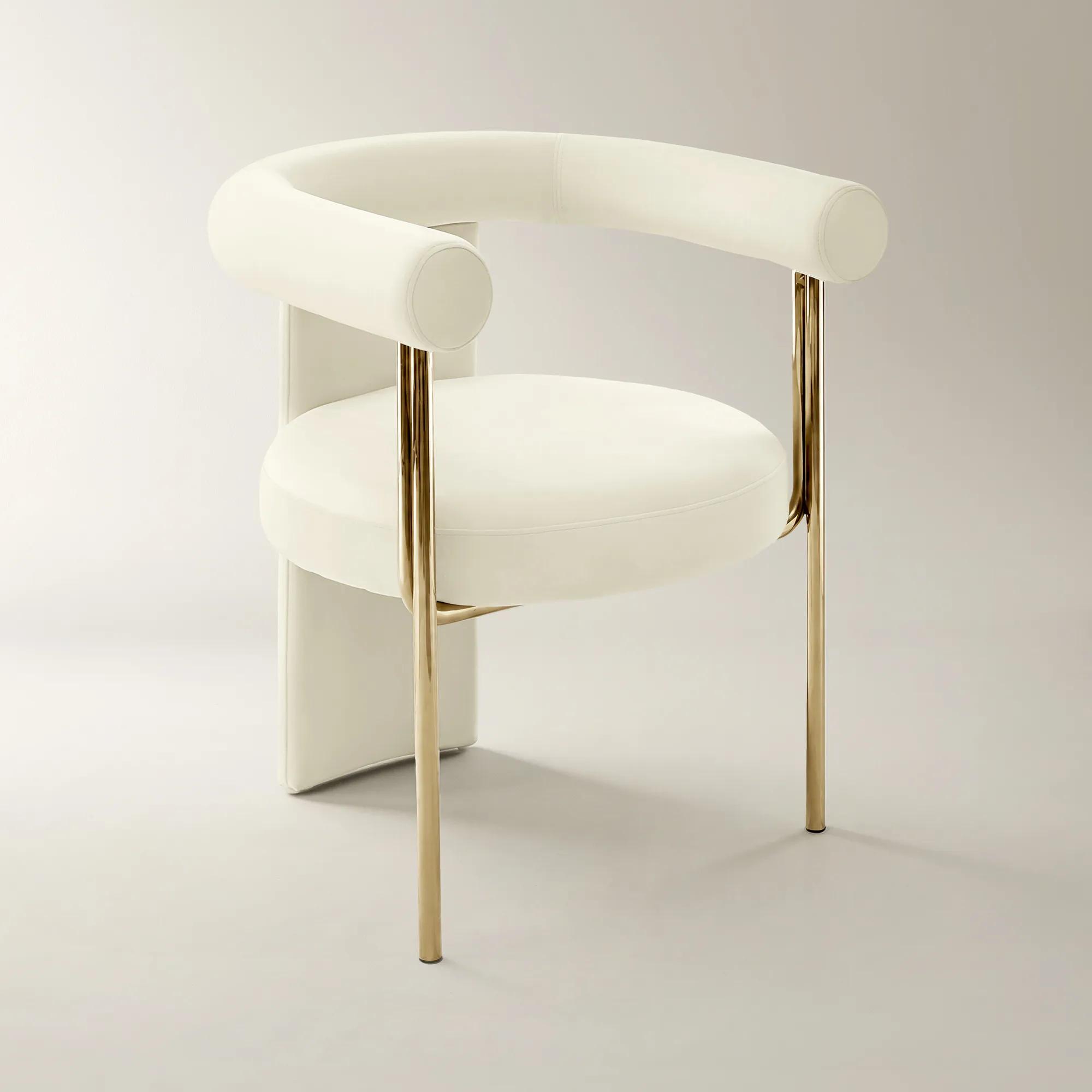 Davina Cloud Velvet Dining Chair Set Of 2$899
A set of two dining chairs featuring plush cloud velvet upholstery and a sculptural gold metal frame.
Add To Cart -
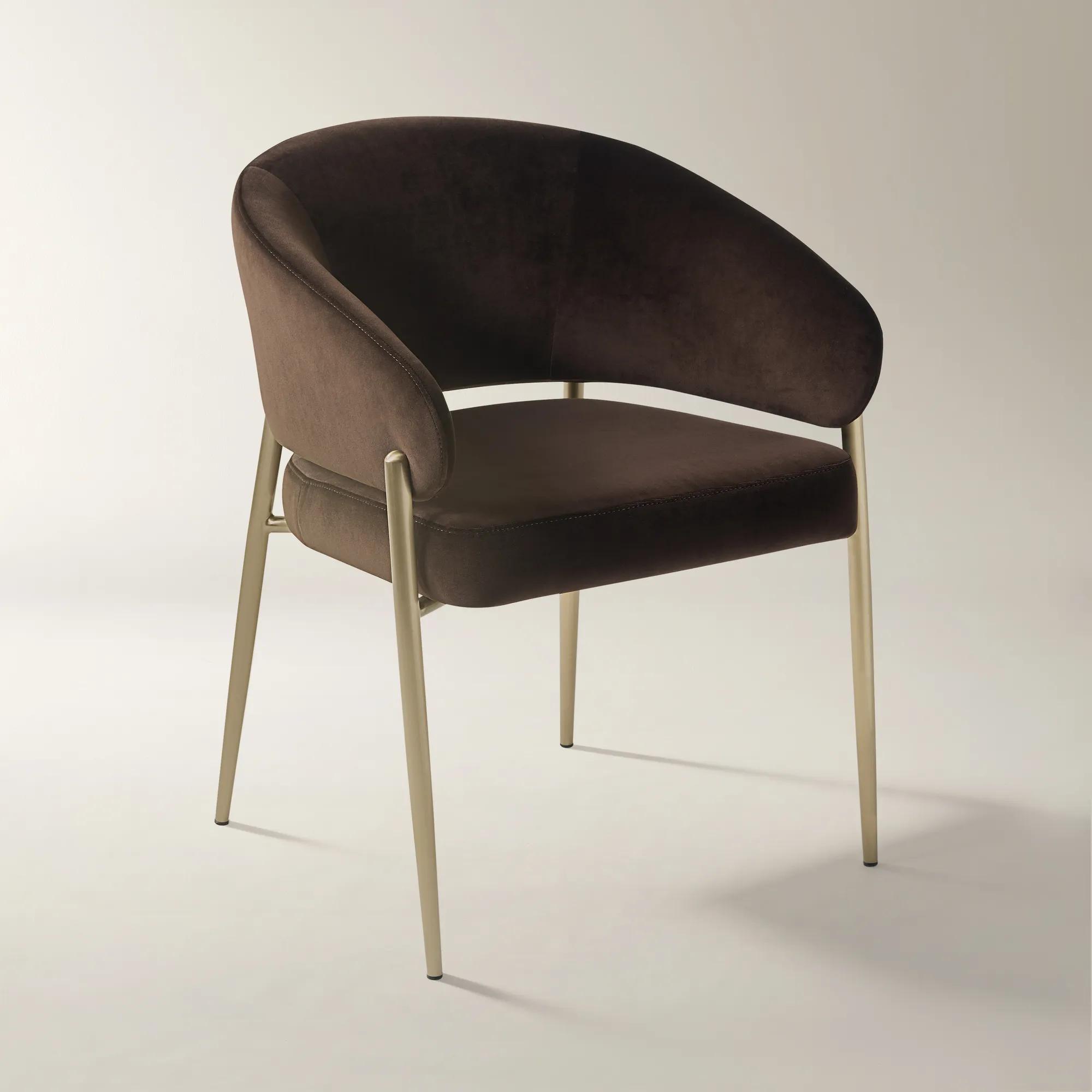 Nara Dark Chocolate Velvet Dining Chair Set Of 2$599
A pair of dark chocolate velvet chairs with curved backs and brushed brass stainless-steel legs for modern elegance.
Add To Cart -
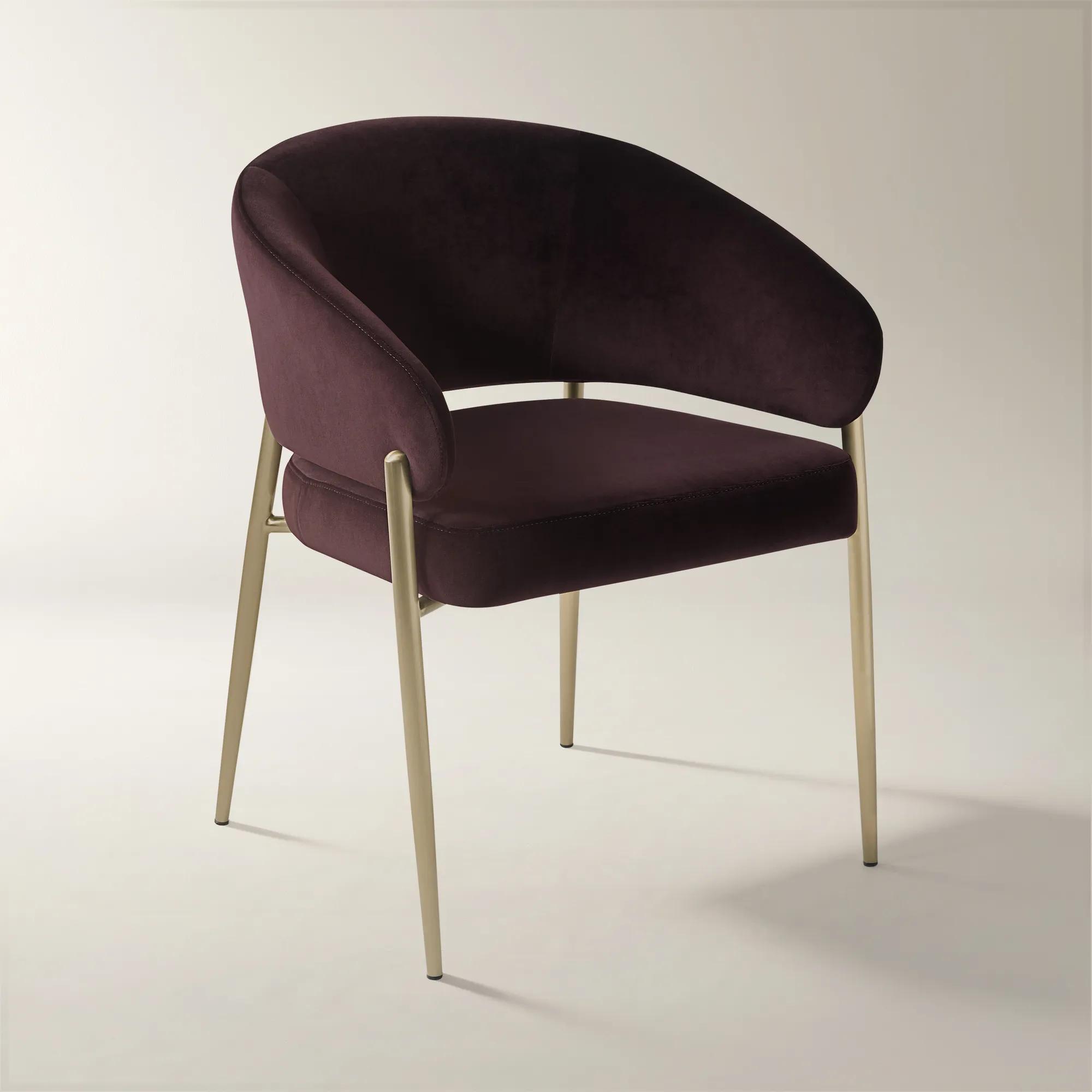 Nara Fig Velvet Dining Chair Set Of 2$599
A set of two dining chairs featuring plush fig velvet upholstery and brushed brass stainless-steel legs.
Add To Cart -
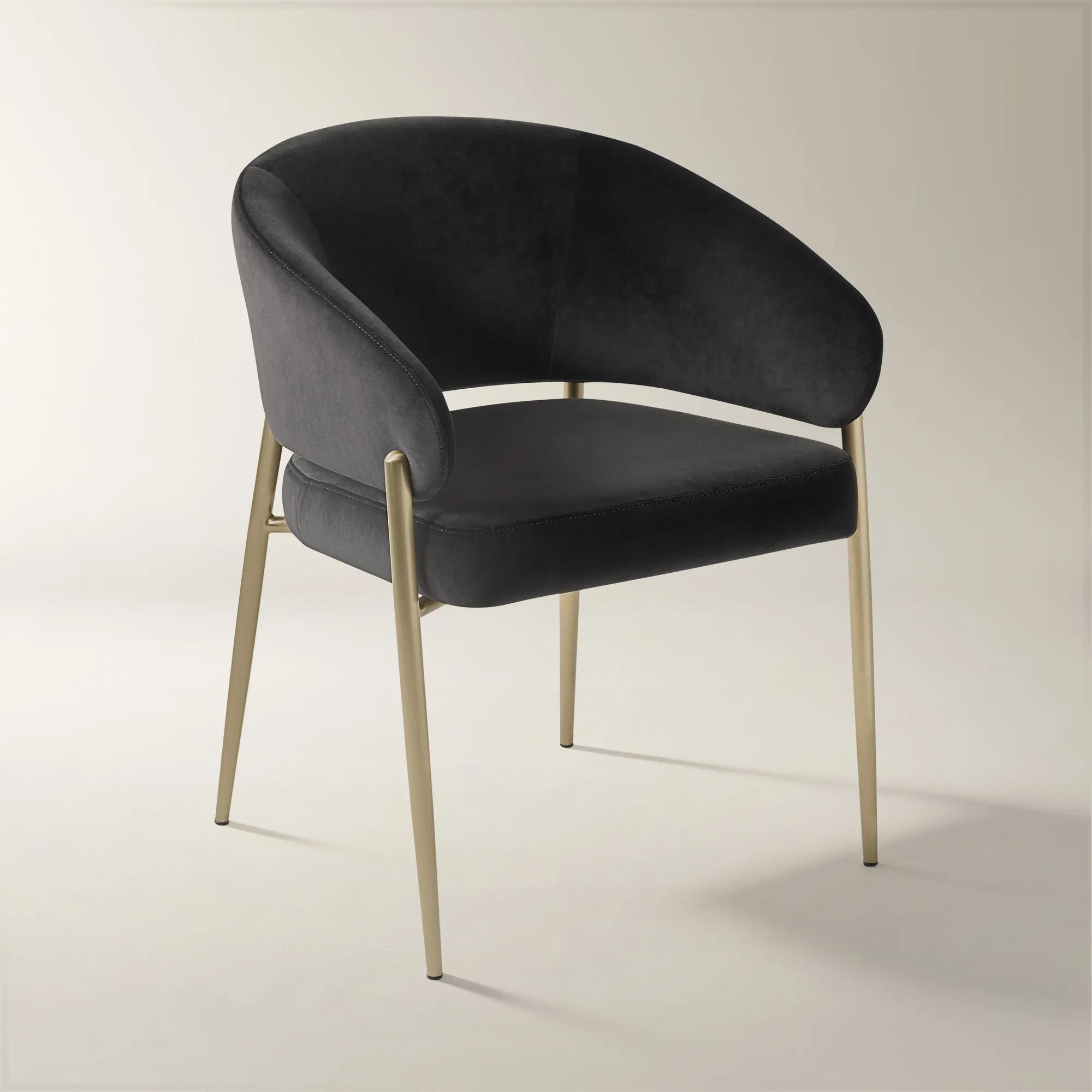 Nara Charcoal Velvet Dining Chair Set Of 2$599
A set of two charcoal velvet chairs featuring curved backs, plush upholstery, and brushed brass metal legs.
Add To Cart -
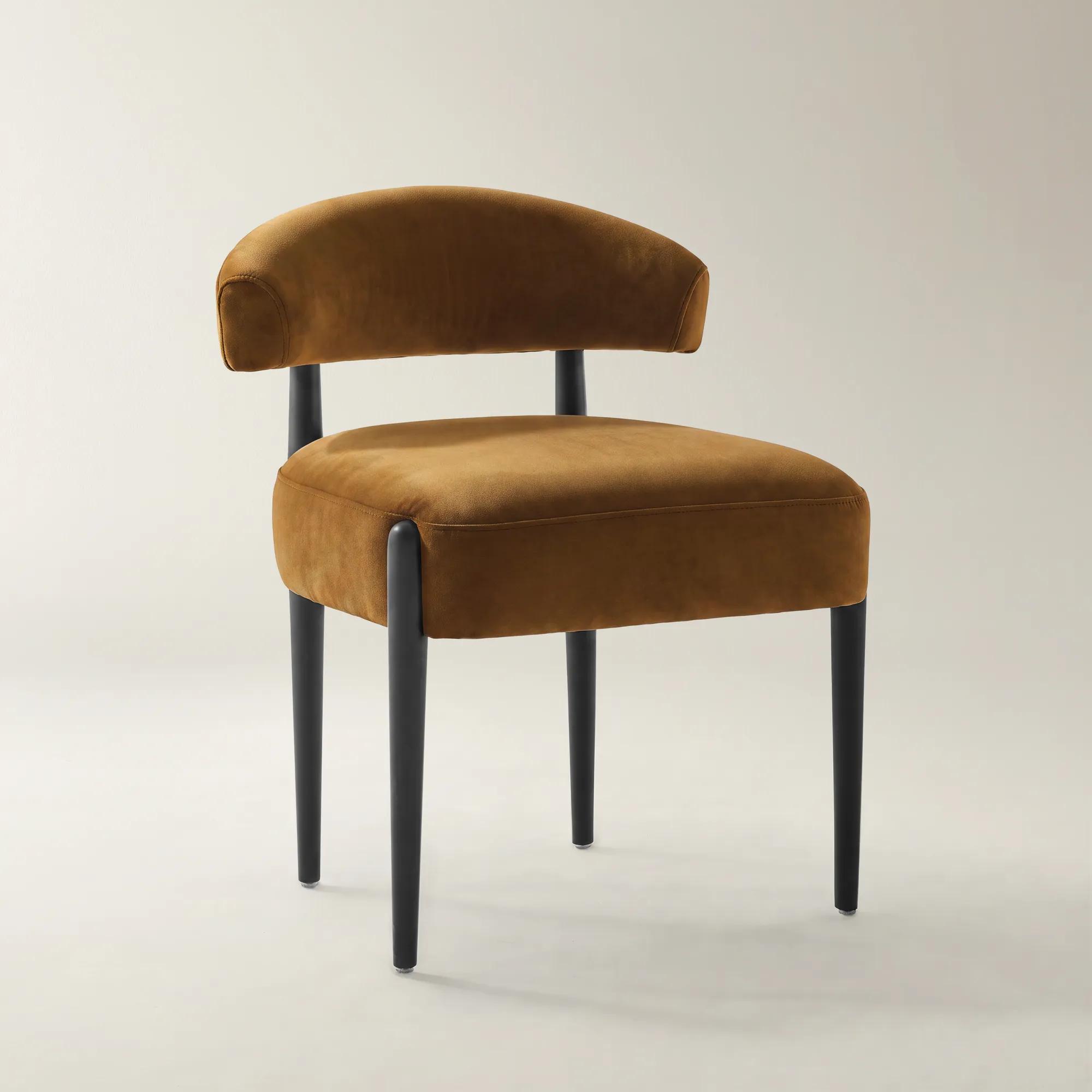
 Anna Roasted Pecan Velvet Dining Chair Set of 2$699
A roasted pecan velvet dining chair set featuring a tailored curved back and high-density foam cushioning.
Add To Cart -
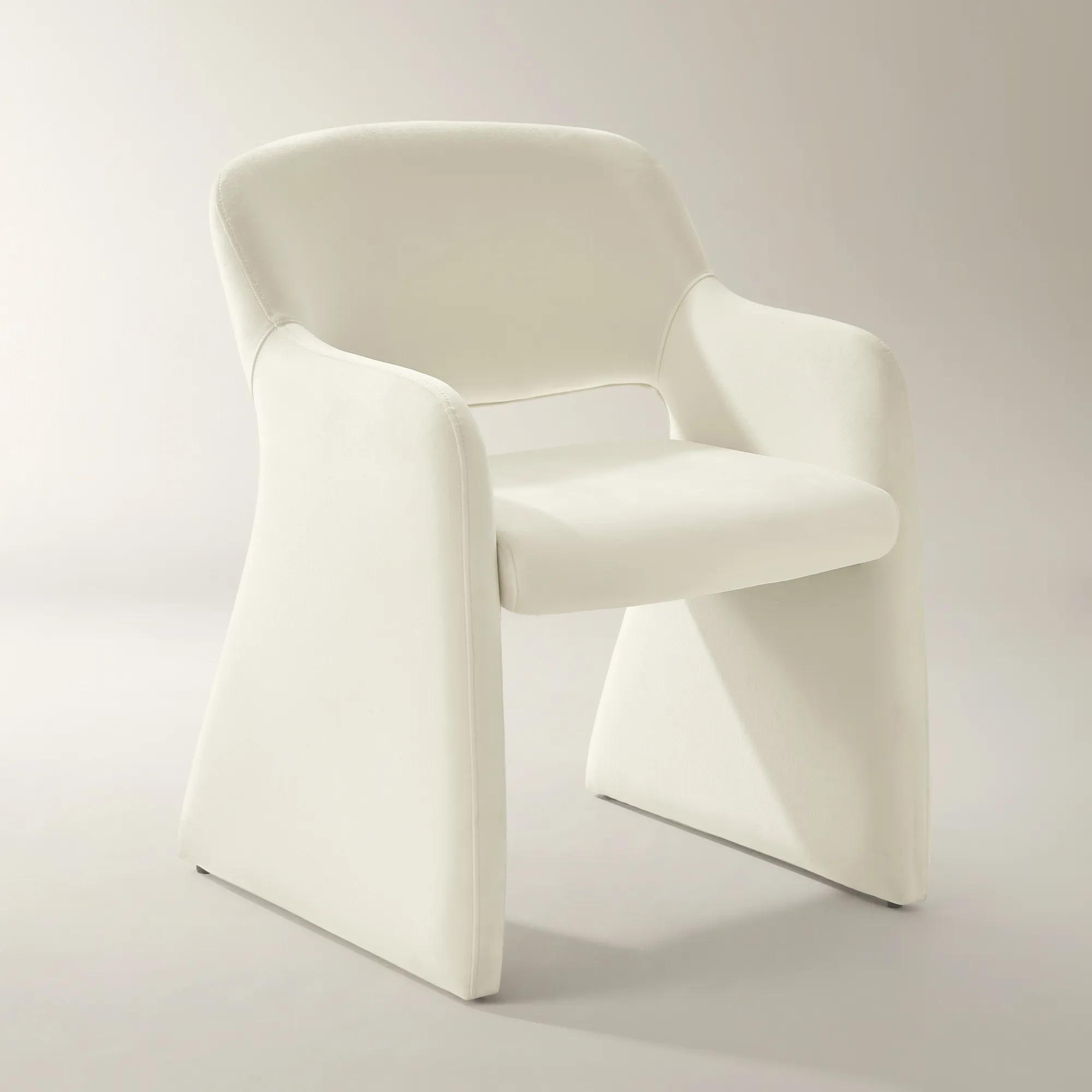 Elara Cloud Velvet Dining Chair$449
A plush velvet dining chair featuring a seamless wraparound silhouette and supportive carbon steel frame.
Add To Cart -
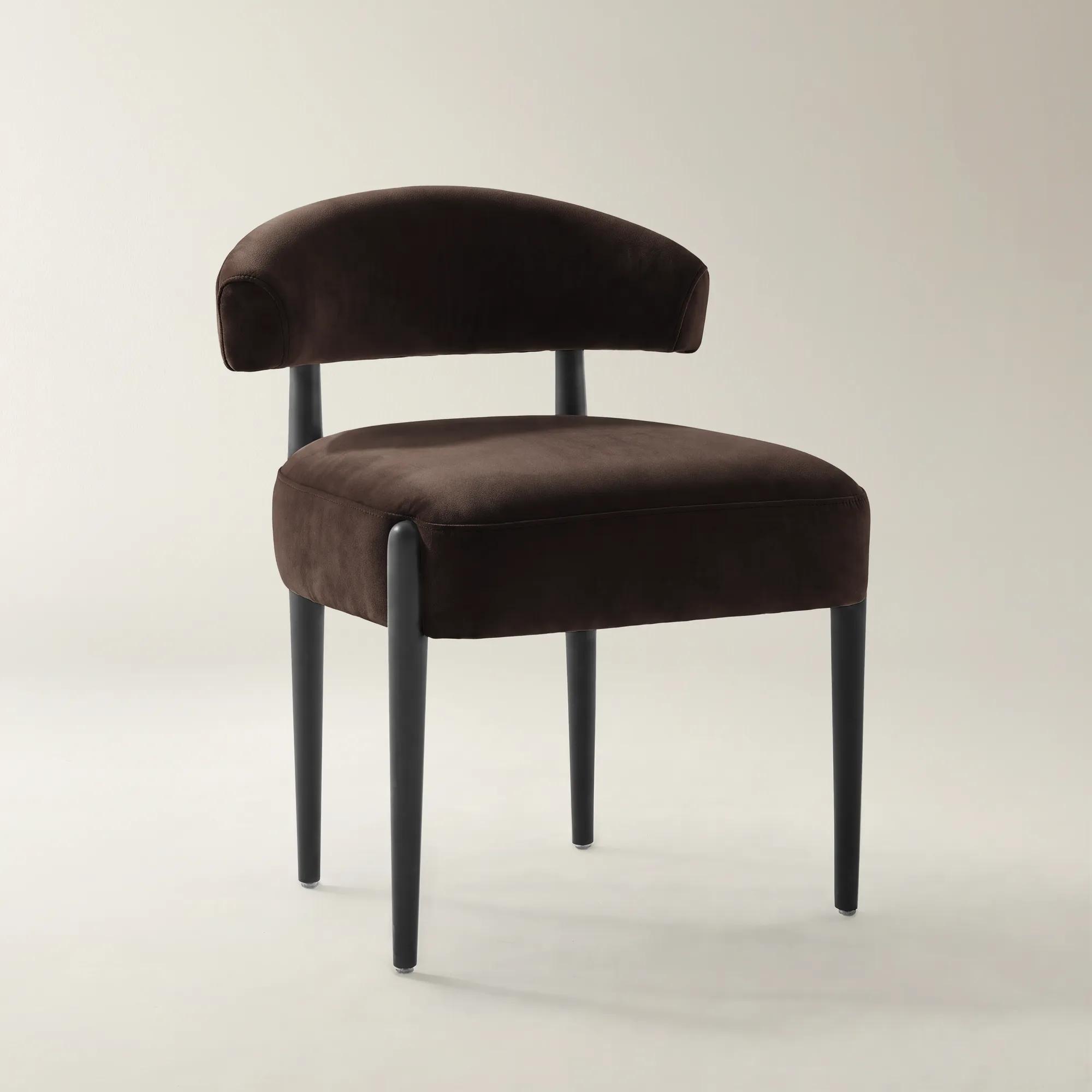 Anna Dark Chocolate Velvet Dining Chair Set of 2$699
A dark chocolate velvet dining chair set featuring an arched back, high-density foam, and solid wood construction.
Add To Cart -
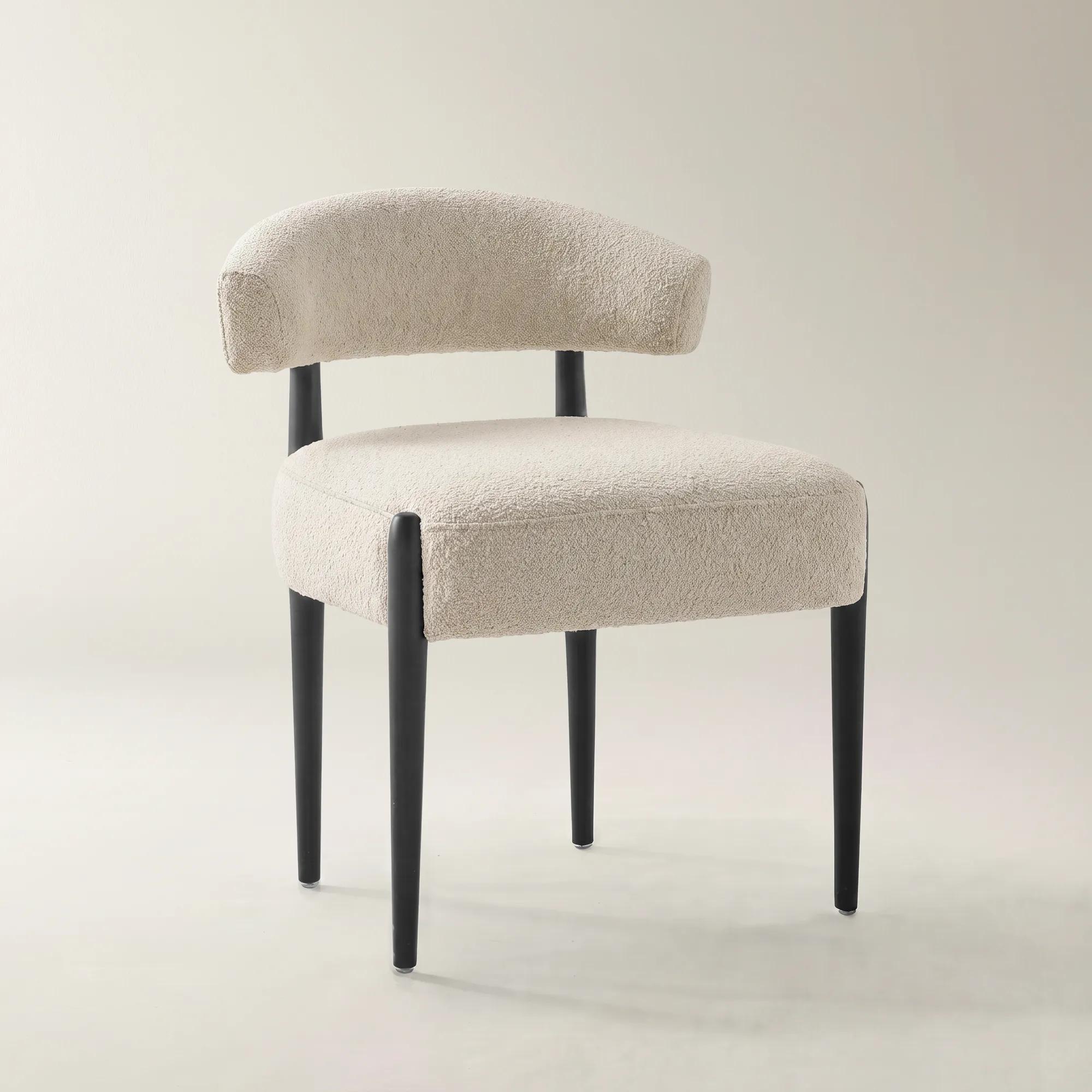 Anna Utopia Sand Chenille Dining Chair Set of 2$699
A sand chenille dining chair set featuring tailored armless curves, high-density cushioning, and solid rubberwood legs.
Add To Cart -
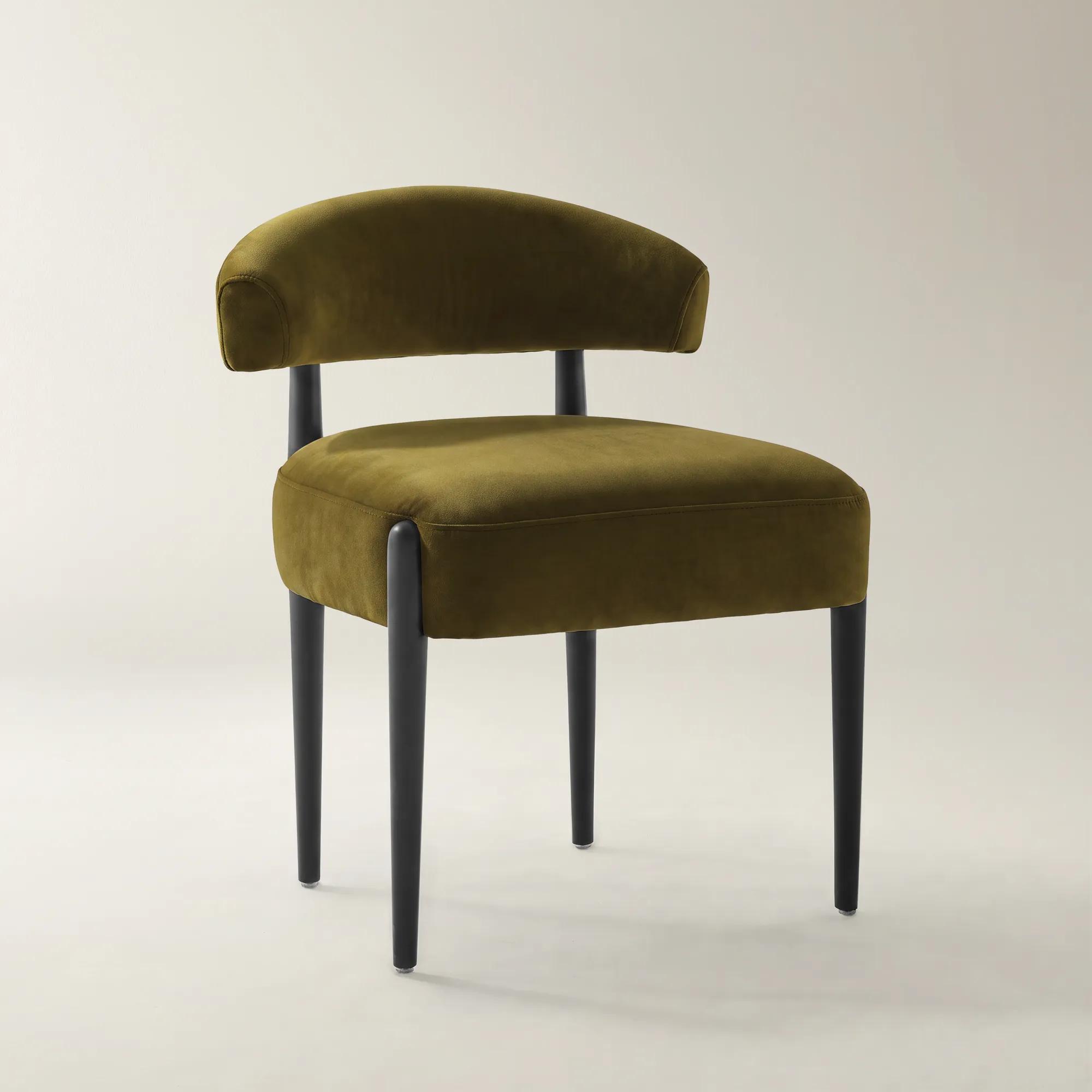 Anna Deep Olive Velvet Dining Chair Set of 2$699
A deep olive velvet dining chair with a tailored curved back, high-density cushioning, and solid rubberwood legs.
Add To Cart -
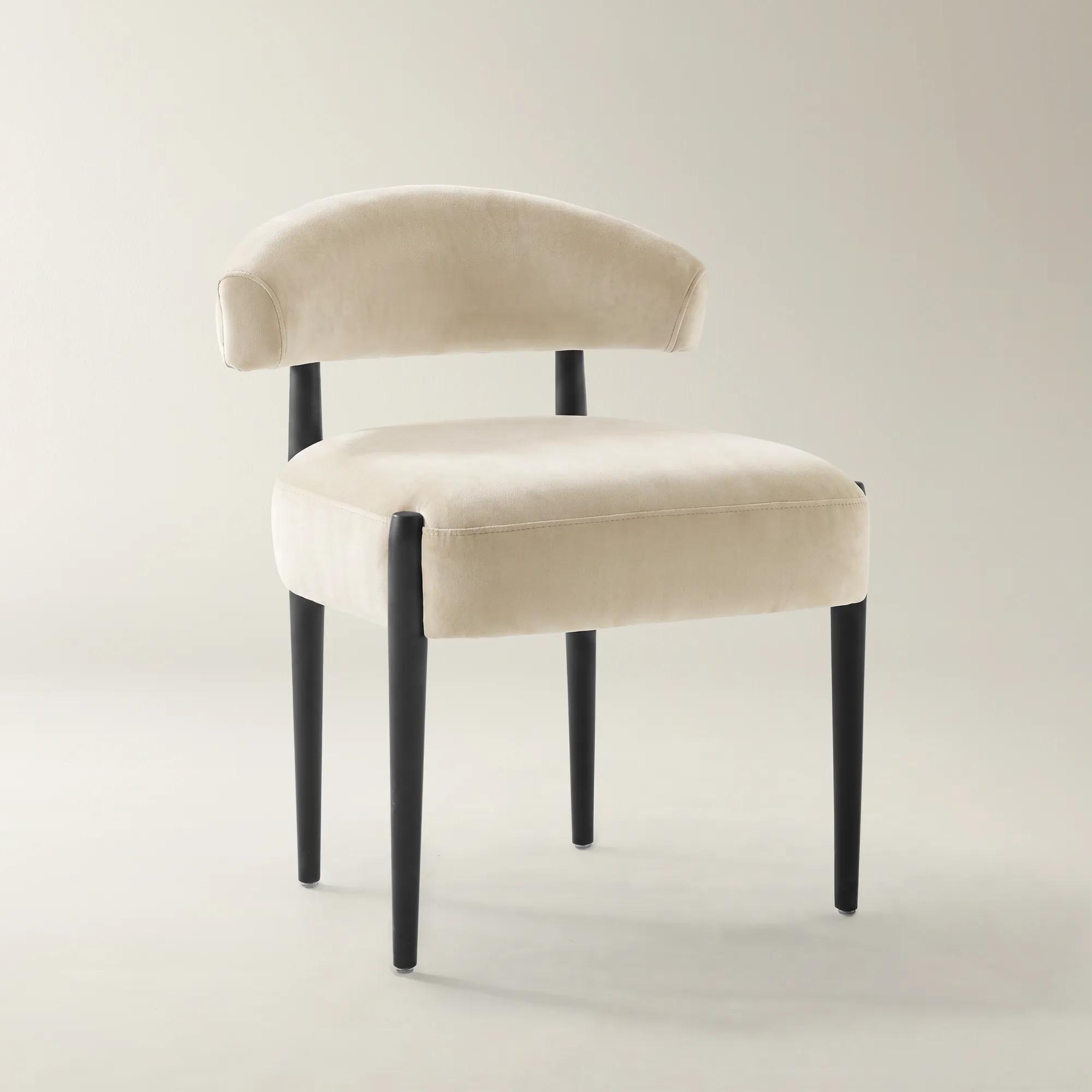 Anna Oatmeal Velvet Dining Chair Set of 2$699
A pair of oatmeal velvet dining chairs with arched backs, supportive foam cushioning, and rubberwood legs.
Add To Cart -
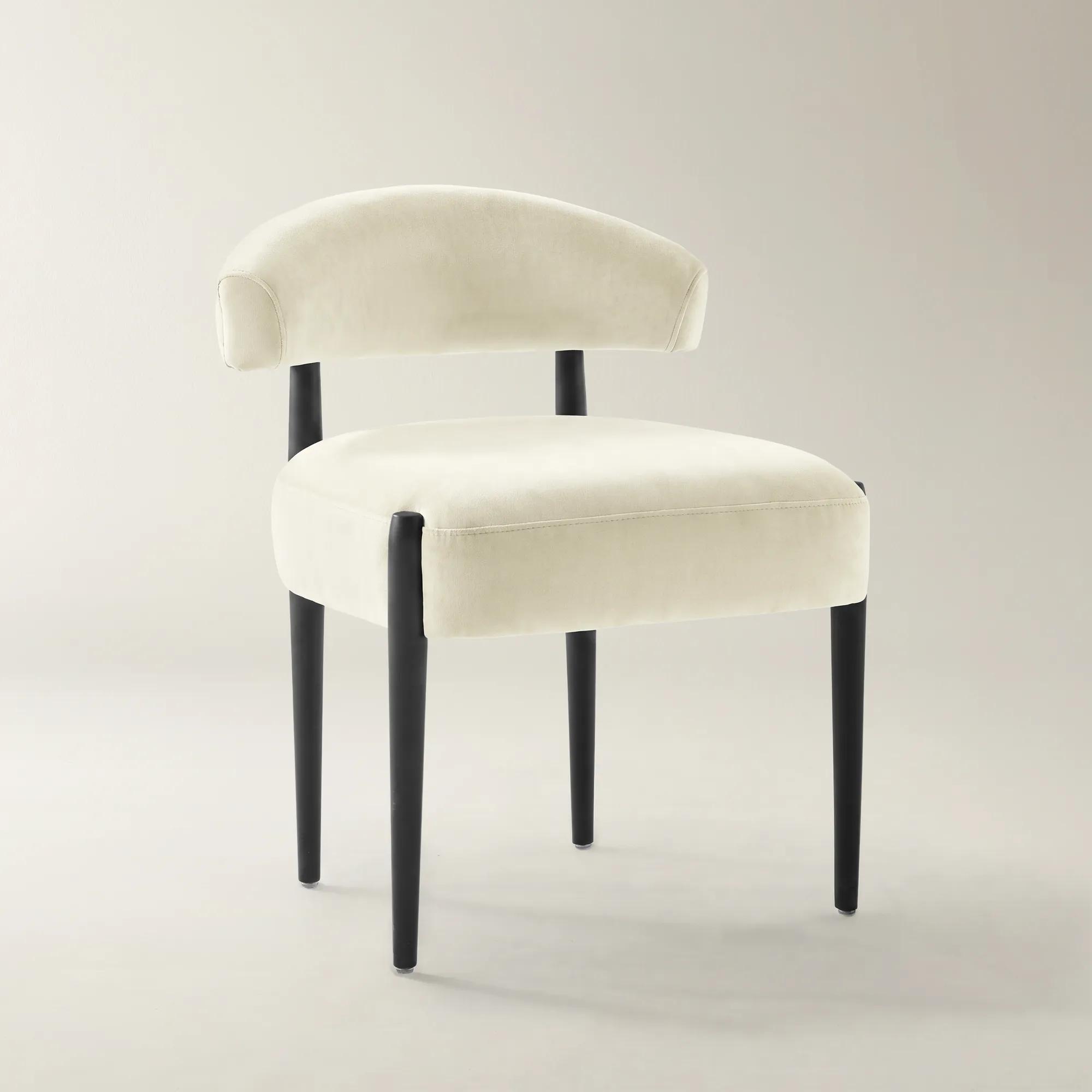 Anna Cloud Velvet Dining Chair Set of 2$699
A hand-upholstered Cloud velvet chair set featuring curved backs, high-density foam, and solid rubberwood legs.
Add To Cart -
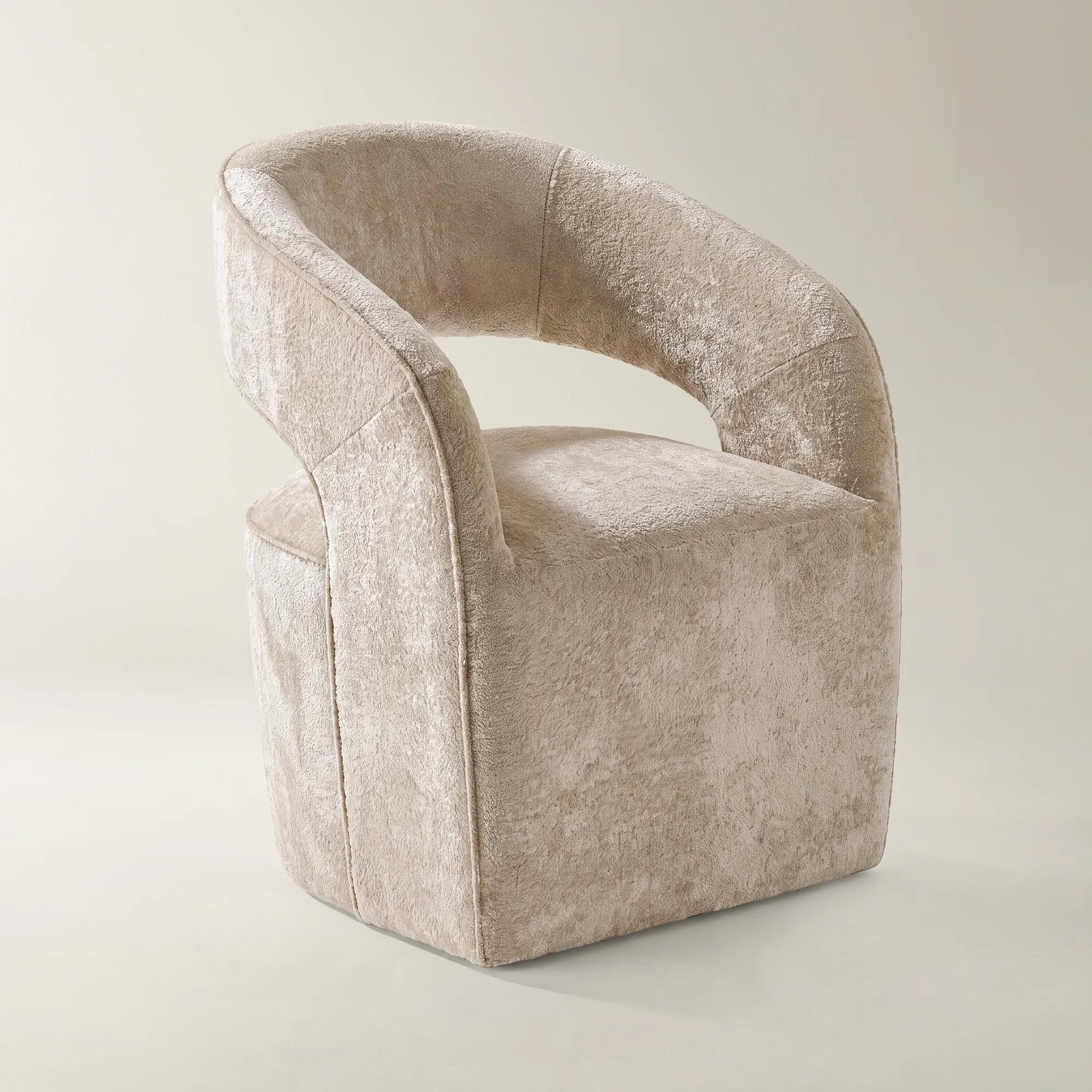
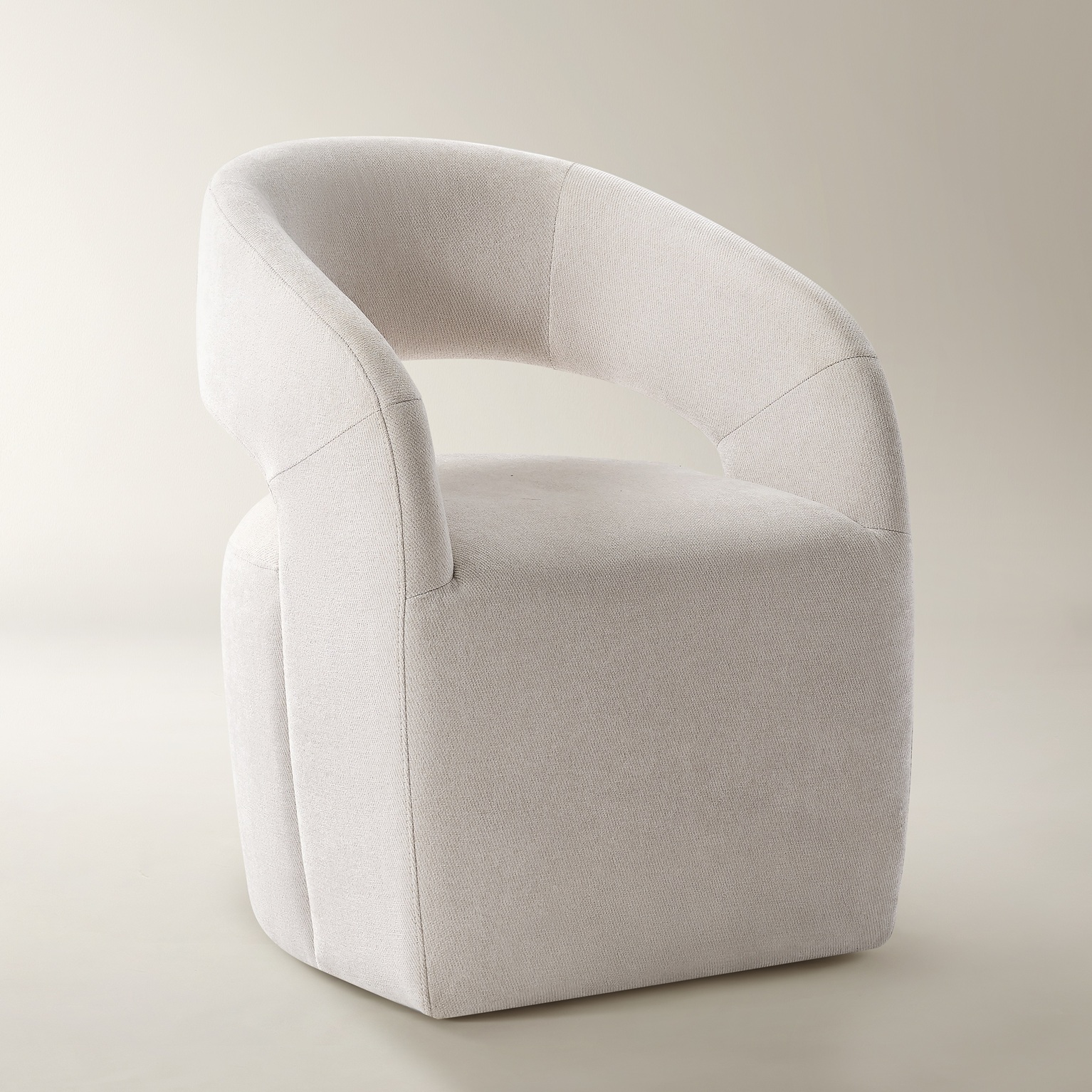 Harrison Light Brown Chenille Dining Chair$499
A sculptural dining chair upholstered in light brown chenille with a feather-blend cushion for plush comfort.
Add To Cart -
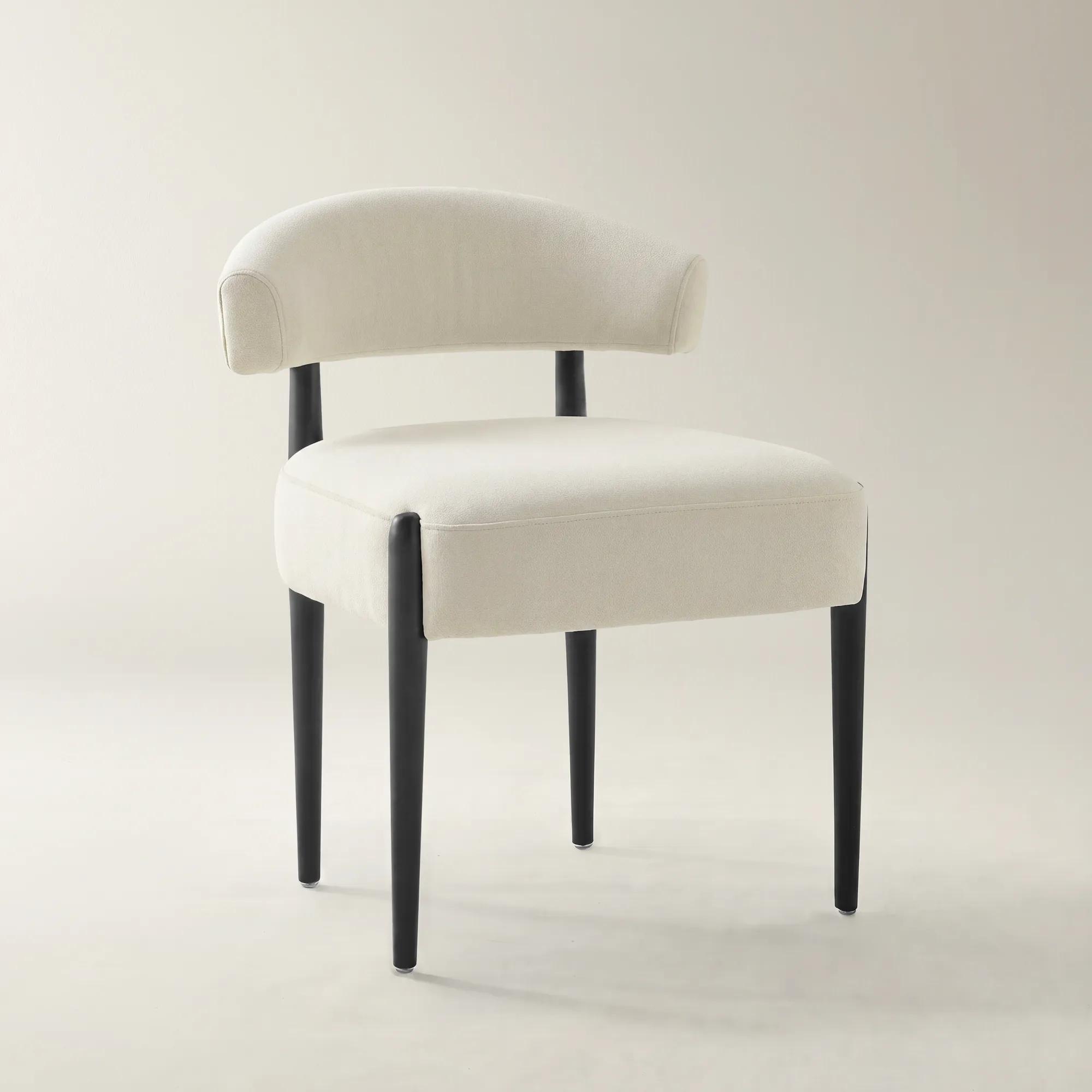 Anna Ivory Performance Chenille Dining Chair Set of 2$699
An ivory performance chenille chair pair featuring curved backs, high-density foam, and solid rubberwood legs.
Add To Cart -
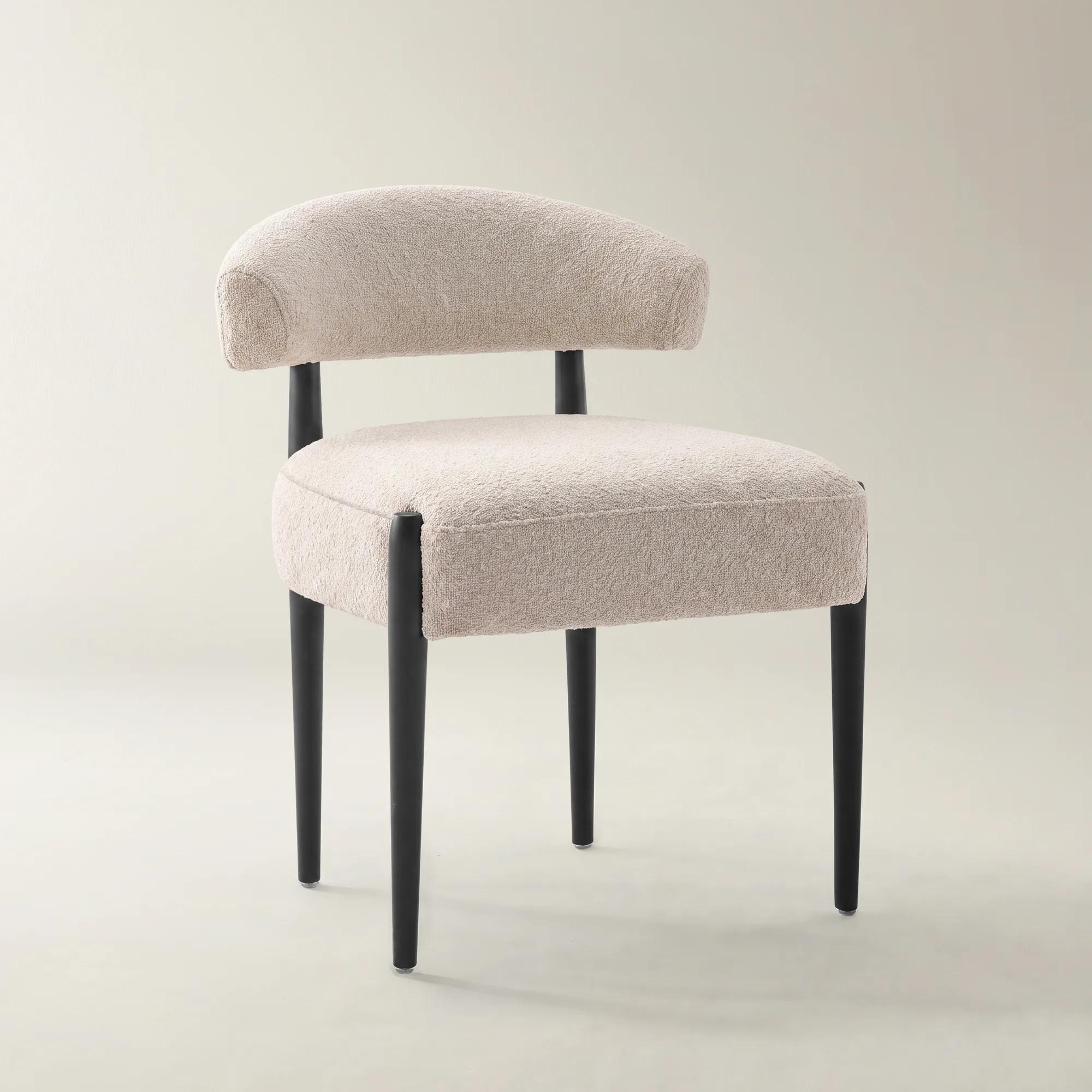 Anna Ivory Performance Boucle Dining Chair Set of 2$699
An ivory performance bouclé dining chair set with arched backs, high-density foam, and solid wood construction.
Add To Cart -
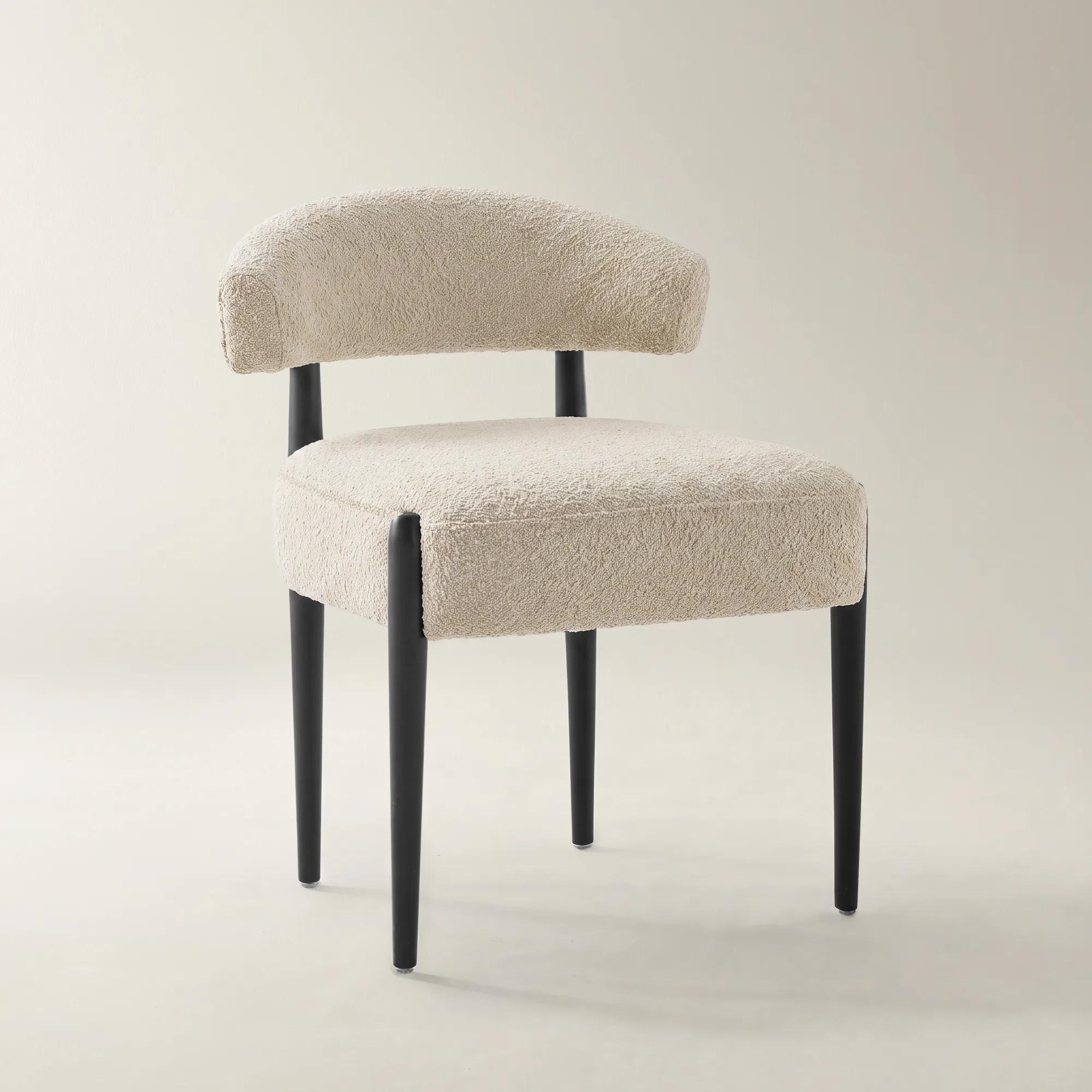 Anna Ivory Performance Boucle Dining Chair Set of 2$699
A pair of ivory performance boucle chairs with curved backs, cushioned comfort, and solid wood frames.
Add To Cart -
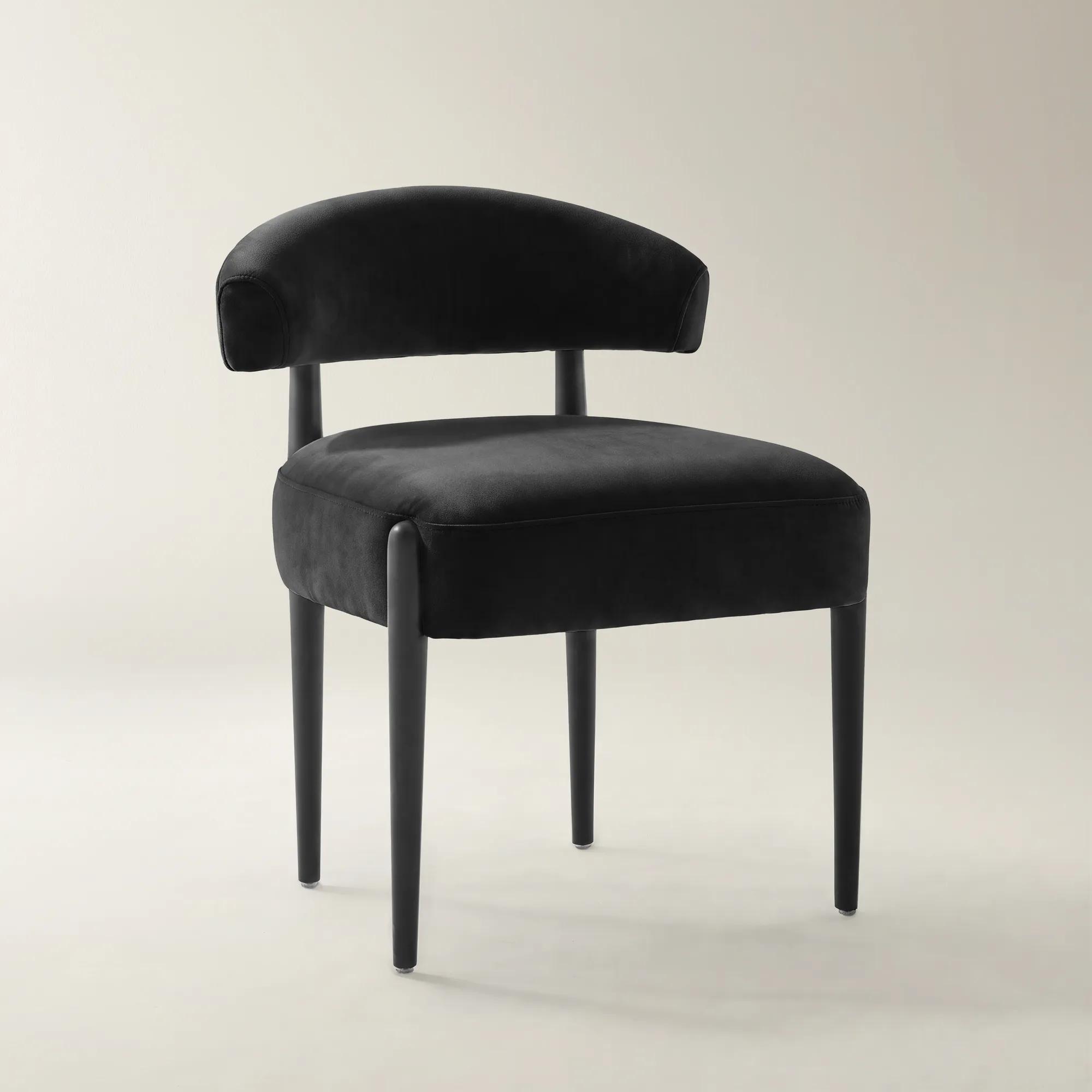 Anna Charcoal Velvet Dining Chair Set of 2$699
A charcoal velvet dining chair with an arched back, supportive foam cushioning, and solid rubberwood legs.
Add To Cart -
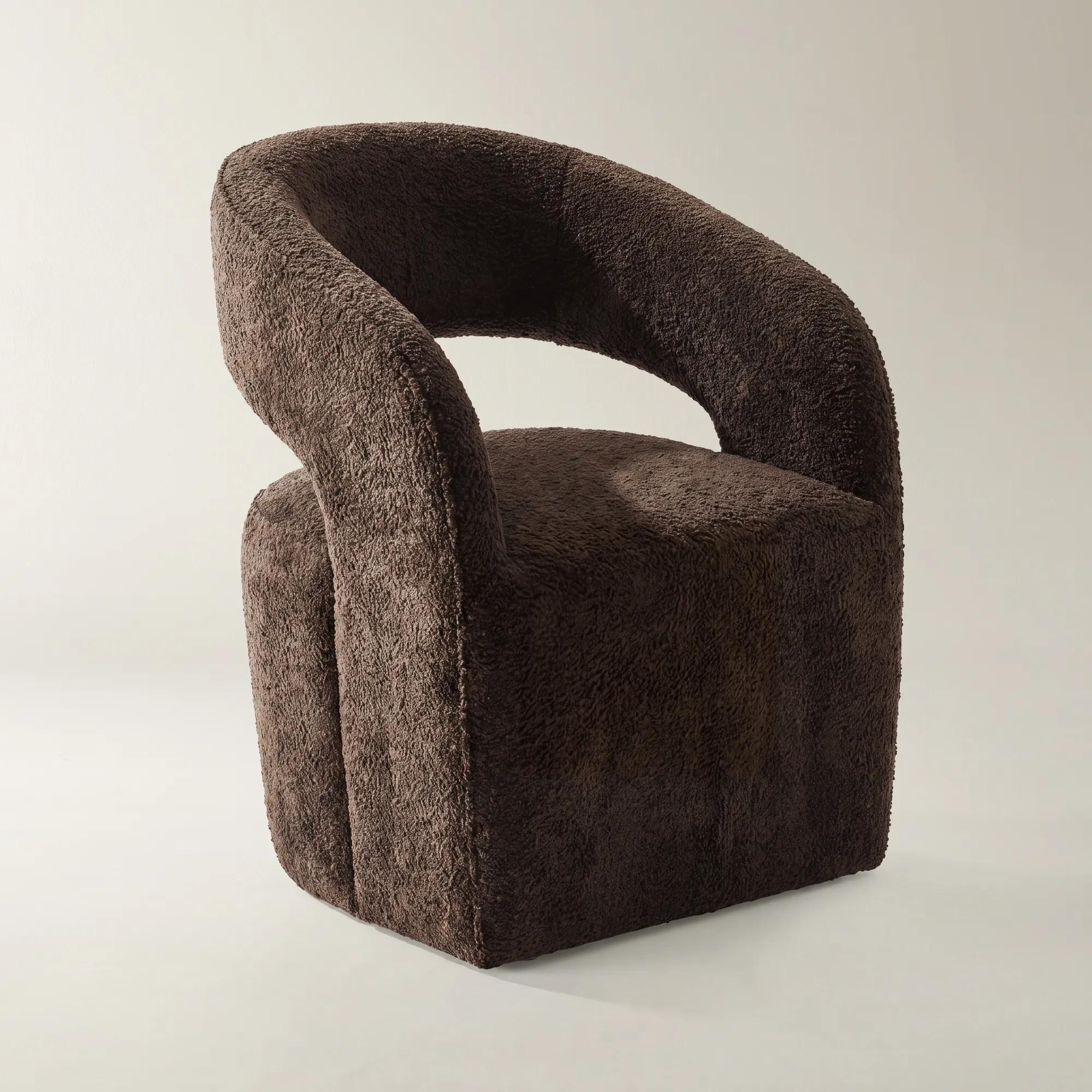 Harrison Dark Chocolate Chenille Dining Chair$499
A sculptural dining chair upholstered in dark chocolate chenille with feather-blend cushioning and curved arms.
Add To Cart -
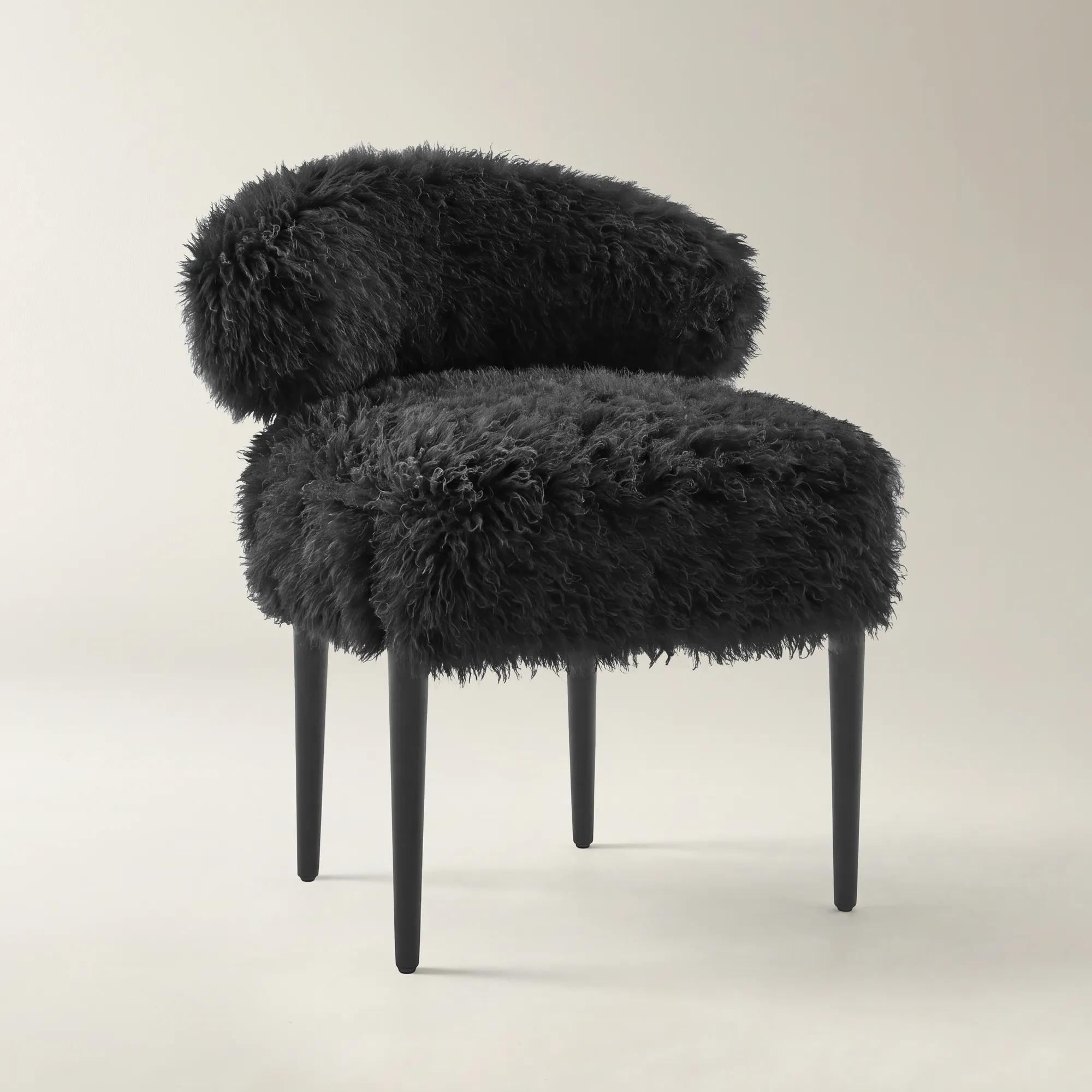 Anna Black Faux Fur Dining Chair Set of 2$799
A black faux fur chair set with arched backs, foam cushioning, and solid wood legs.
Add To Cart -
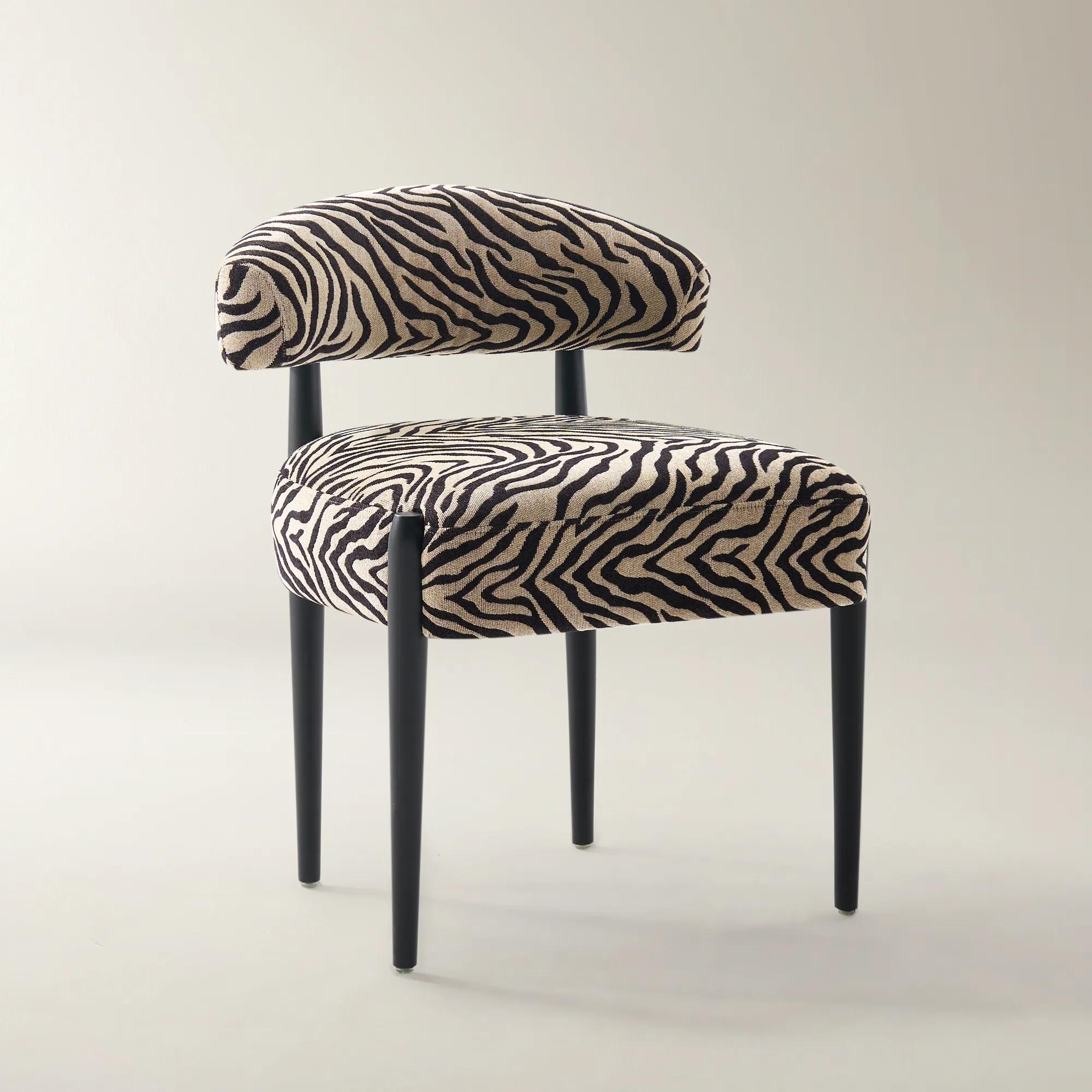
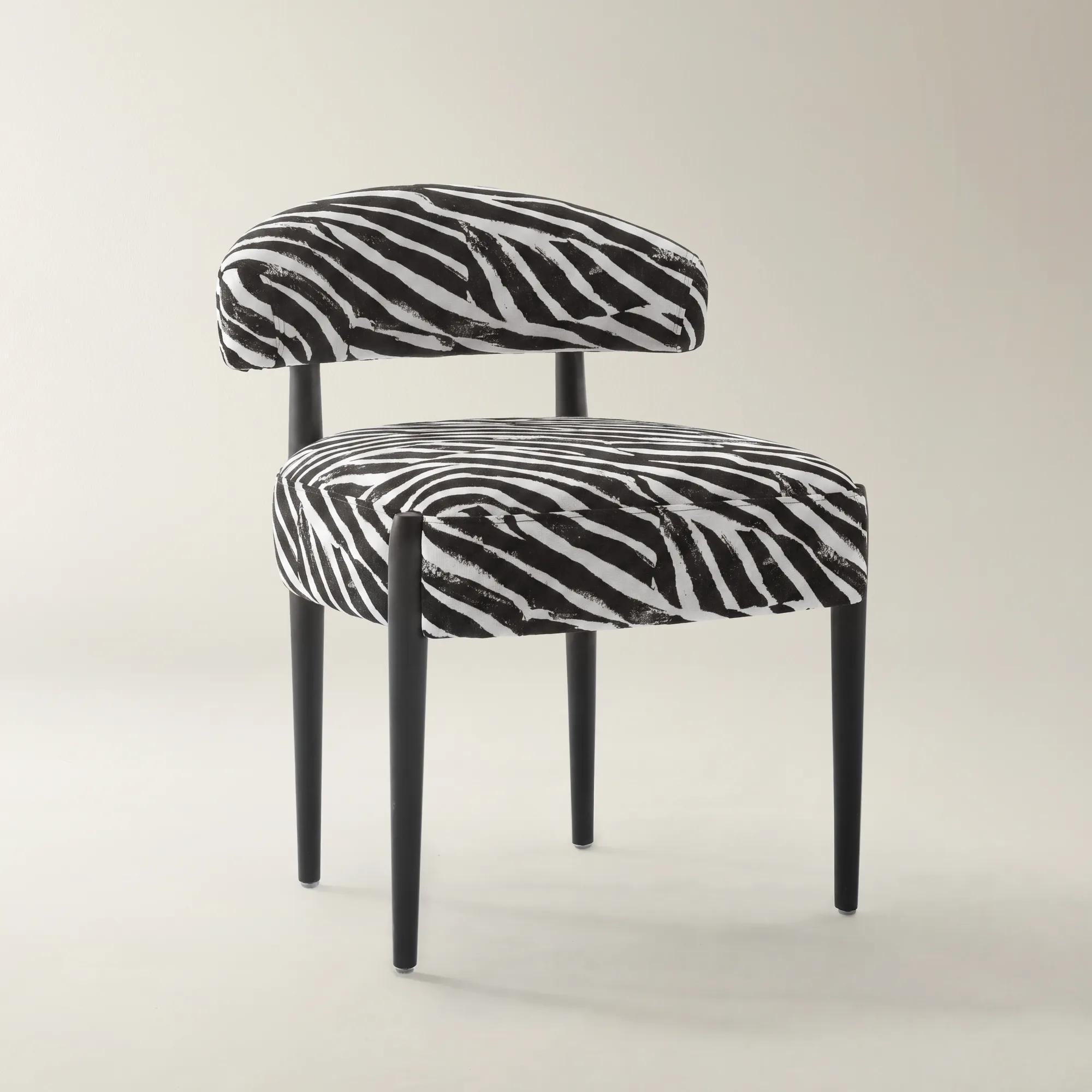 Anna White/Black Performance Chenille Dining Chair Set of 2$699
A black-and-white performance chenille chair set with arched backs, high-density foam, and solid rubberwood legs.
Add To Cart -
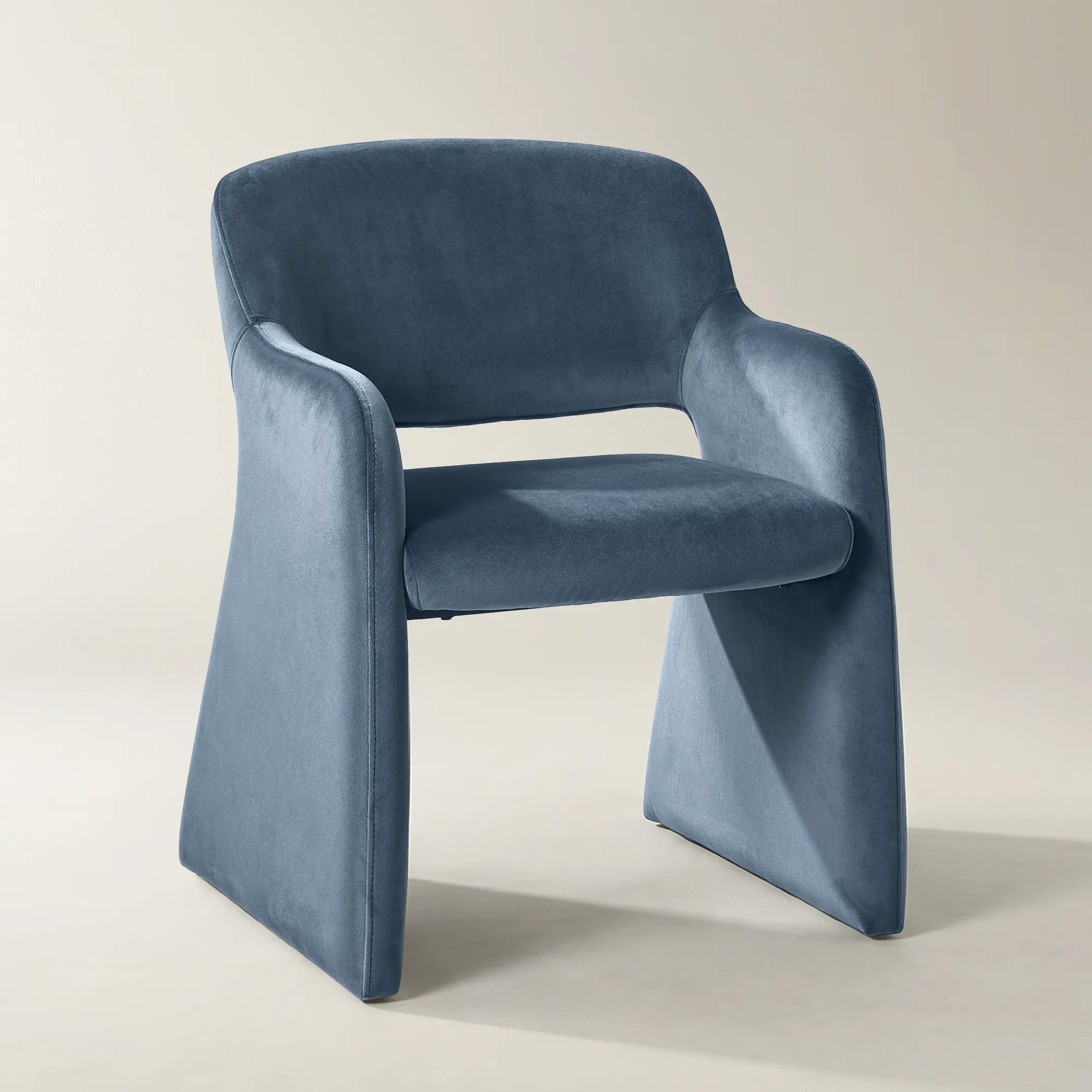 Elara Dusty Blue Velvet Dining Chair$449
A graceful dining chair featuring dusty blue velvet upholstery, integrated arms, and a seamless cantilevered silhouette.
Add To Cart

Designer Dining Chairs With Curved Legs
Designer dining chairs with curved legs transform the dining room into a stage for style and sophistication. Each silhouette is a sculptural masterpiece, where graceful arcs and artful contours invite admiration from every angle. These chairs don’t simply offer a seat—they command attention, bringing an air of modern glamour to gatherings both grand and intimate. With their fluid lines and expressive forms, designer dining chairs with curved legs promise to elevate every meal into a moment of pure artistry.
Designer dining chairs with curved legs bring a sculptural quality to the table, pairing functional seating with a silhouette that feels considered from every angle. Their defining feature is a leg profile that bends, sweeps, or arches rather than following a straight vertical line. That detail can take many forms: a restrained outward flare, a saber-inspired sweep, or a more pronounced cabriole curve that introduces a note of traditional grandeur. Each creates a different rhythm beneath the tabletop, where chair legs become part of the room’s architecture rather than disappearing into the background. Around a substantial rectangular table, gently curved supports soften the composition without diminishing its presence. Beside a round pedestal table, they can echo the tabletop’s circular outline and create an inviting arrangement for conversation. The effect is especially compelling in an open dining area, where chairs remain visible from the living room or entryway and their profiles contribute to the larger interior. Curved legs can feel tailored and contemporary when paired with a slim upholstered seat, or richly expressive beneath a generous back and sumptuous fabric. The curve alone does not determine comfort; seat proportions, cushioning, back support, and construction all contribute to how a chair feels through dinner and the conversation afterward. Visually, however, that sweep introduces movement into a setting often dominated by straight edges. An interior centered on luxury dining chairs with curved legs can balance polished surfaces with softer contours, allowing the seating to hold its own beside statement lighting and expressive art. A matched arrangement creates a composed, continuous outline, while coordinating armchairs at the ends of a table can add distinction without interrupting the overall design. For those who love a dining room with personality, these silhouettes offer drama at a human scale: beautiful enough to anchor the setting, yet intended for the familiar pleasures of gathering, serving, and lingering.
Materials give curved-leg dining chairs much of their character, influencing everything from the visual weight of the frame to the way the seat responds to everyday use. Wood brings grain, depth, and a sense of warmth to a curved profile, whether the finish is pale and understated or dark enough to create a bold outline against light upholstery. Solid wood and bentwood construction achieve curves differently, and neither appearance nor material alone establishes quality; secure joints, appropriate reinforcement, and a stable stance matter just as much. Metal can create a slender, sweeping base with a more architectural presence. A polished finish catches light beneath the table, while a brushed or matte surface offers a quieter contrast to lustrous fabrics. Upholstery adds another layer of expression. Velvet lends depth to color as its pile catches the light, making even a restrained palette feel dimensional. Textured woven fabrics create a more tactile impression, while leather offers a distinctive surface whose appearance and care requirements depend on its finish. Performance fabrics may suit frequently used dining spaces, but resistance to spills, staining, and wear varies, so the specific fabric information remains important. Closely tailored upholstery can emphasize the precision of a chair’s outline; more generous cushioning creates a softer, enveloping presence. Neither requires an oversized footprint, which makes proportion especially relevant in dining rooms that need both visual impact and room to move. A compact side chair with swept legs can lend distinction to an apartment dining nook, while a broader upholstered armchair may feel appropriately substantial beside a large table. For households that gather at the table daily, durable upholstery, dependable frame construction, and supportive seating deserve equal attention. In a dining room reserved for entertaining, the same practical qualities allow the more expressive details—gleaming legs, saturated color, sculpted backs—to remain a pleasure rather than a complication.
A successful dining arrangement gives these expressive shapes enough space to function as beautifully as they look. Curved legs may extend beyond the seat, so the full footprint matters when judging how closely chairs can sit together and how easily they can slide beneath a table. Seat height also needs to work with the tabletop and any apron underneath it. Many dining chairs have seat heights of approximately 18 to 20 inches, but the right fit depends on the table, cushion compression, and the sitter’s proportions rather than a single standard measurement. Arm height deserves particular attention when an upholstered armchair is intended to tuck beneath the table. Along the table edge, roughly 24 inches per diner is a useful starting point, with additional room often needed for wider seats or substantial arms. These considerations become tangible when serving dishes pass between guests or someone needs to leave the table without disturbing the entire row. Behind the chairs, comfortable circulation and a sufficiently generous rug help the room feel composed in use; chair legs should remain on the rug when the seat is pulled back for sitting. Care supports that sense of lasting refinement. Upholstered seats benefit from regular gentle vacuuming with an appropriate attachment, particularly along seams where crumbs collect. Spills call for prompt blotting rather than rubbing, followed by the cleaning method specified for the upholstery. Velvet pile can show pressure marks or changes in direction, while leather and woven fabrics require their own recommended treatments. Wood and metal frames generally benefit from a soft cloth and finish-appropriate care, avoiding abrasive cleaners that may dull or scratch decorative surfaces. Floor protectors suited to both the legs and flooring can help reduce scuffs, and chairs should be lifted rather than dragged when rearranging the room. With thoughtful proportions and attentive care, curved-leg dining chairs become more than a striking outline beneath the table. They give the dining room a distinctive point of view, carrying its sense of artistry into everyday meals, intimate celebrations, and evenings that unfold long after the plates have been cleared.
FAQs
Designer dining chairs with curved legs are remarkably versatile, complementing a wide range of aesthetics. Their sculptural forms are ideal for Art Deco-inspired spaces, where geometric curves and luxurious finishes create a sense of drama. They also shine in mid-century modern and Scandinavian environments, thanks to their organic lines and natural wood tones. For a more classic or traditional look, opt for chairs with bobbin-style frames or rich upholstery to evoke timeless elegance. Ultimately, these chairs serve as a bold focal point in any dining room, seamlessly blending with both contemporary and vintage-inspired décor.
Curved leg dining chairs are crafted from a sumptuous array of materials to suit every taste. Solid woods like oak and walnut provide warmth and durability, while metal accents can add a sleek, modern edge. Upholstery options range from plush velvets and soft linens to easy-care performance fabrics and faux leather, each offering its own unique tactile experience. Many designer chairs also feature hand-finished details, decorative piping, or metallic embellishments that further elevate their luxurious appeal.
Absolutely. Curved upholstered dining chairs are designed with ergonomics in mind, offering supportive contours that cradle the body for hours of relaxed conversation. The gentle arc of the legs and backrest encourages a natural posture, while plush cushioning and premium fabrics ensure both comfort and style. These chairs are perfect for leisurely dinners, festive celebrations, or intimate brunches where guests are encouraged to linger and enjoy the ambiance.
To achieve a harmonious dining space, consider echoing the curves of your chairs in other elements of the room. Pair them with a round or oval dining table, or accentuate the look with arched mirrors, sculptural lighting, or flowing drapery. Mixing materials—such as pairing velvet chairs with a marble-topped table—adds depth and interest. For a collected, designer feel, blend different styles of curved chairs at the heads and sides of the table, uniting them with a consistent color palette or finish.
Designer chairs with curved legs make a striking and meaningful gift for housewarmings, weddings, anniversaries, or milestone celebrations. Their blend of artistry and function ensures they will be cherished for years to come, serving as both a practical addition and a daily reminder of beauty and self-expression. Gifting a sculptural chair is a way to inspire creativity and elevate the recipient’s living space with a touch of luxury.