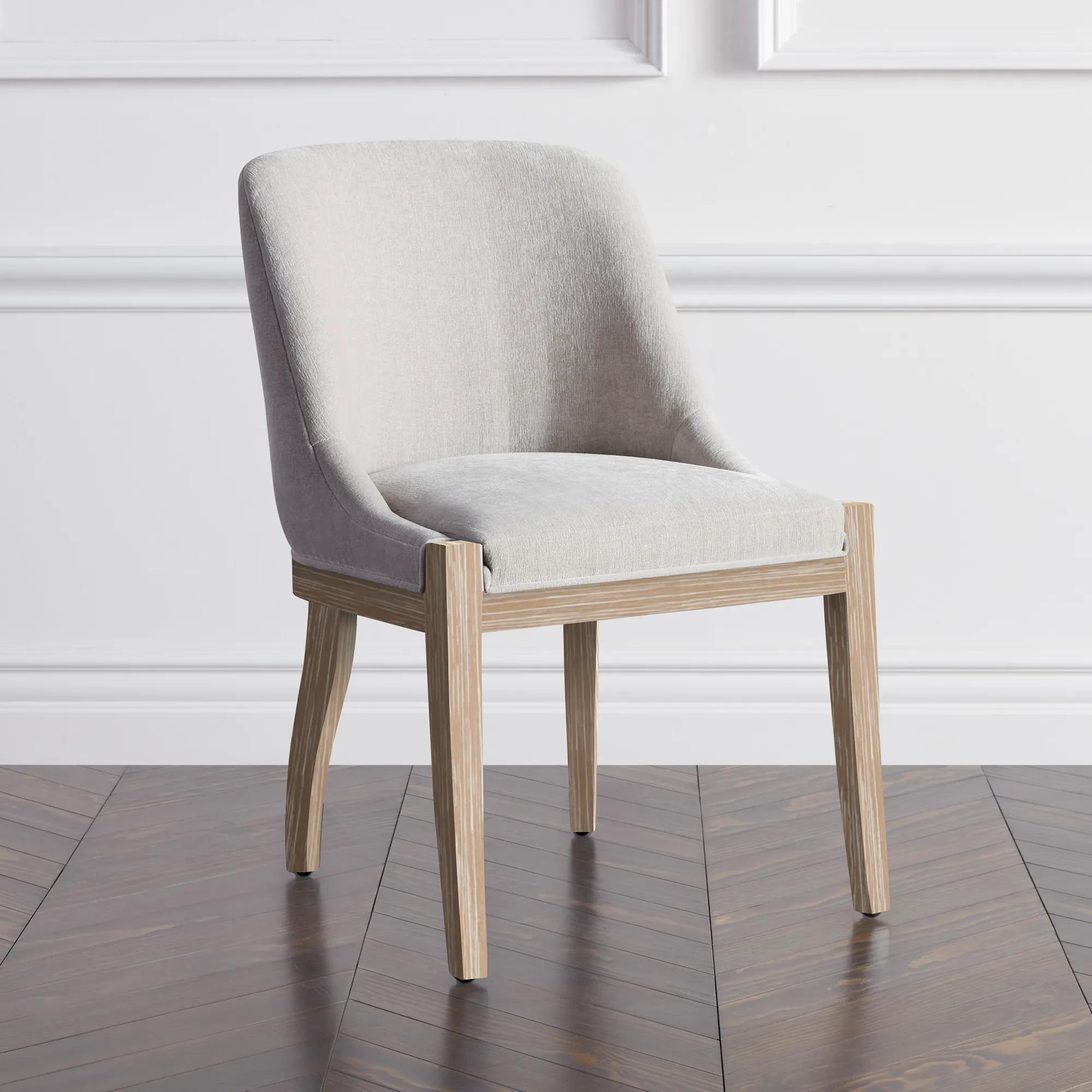
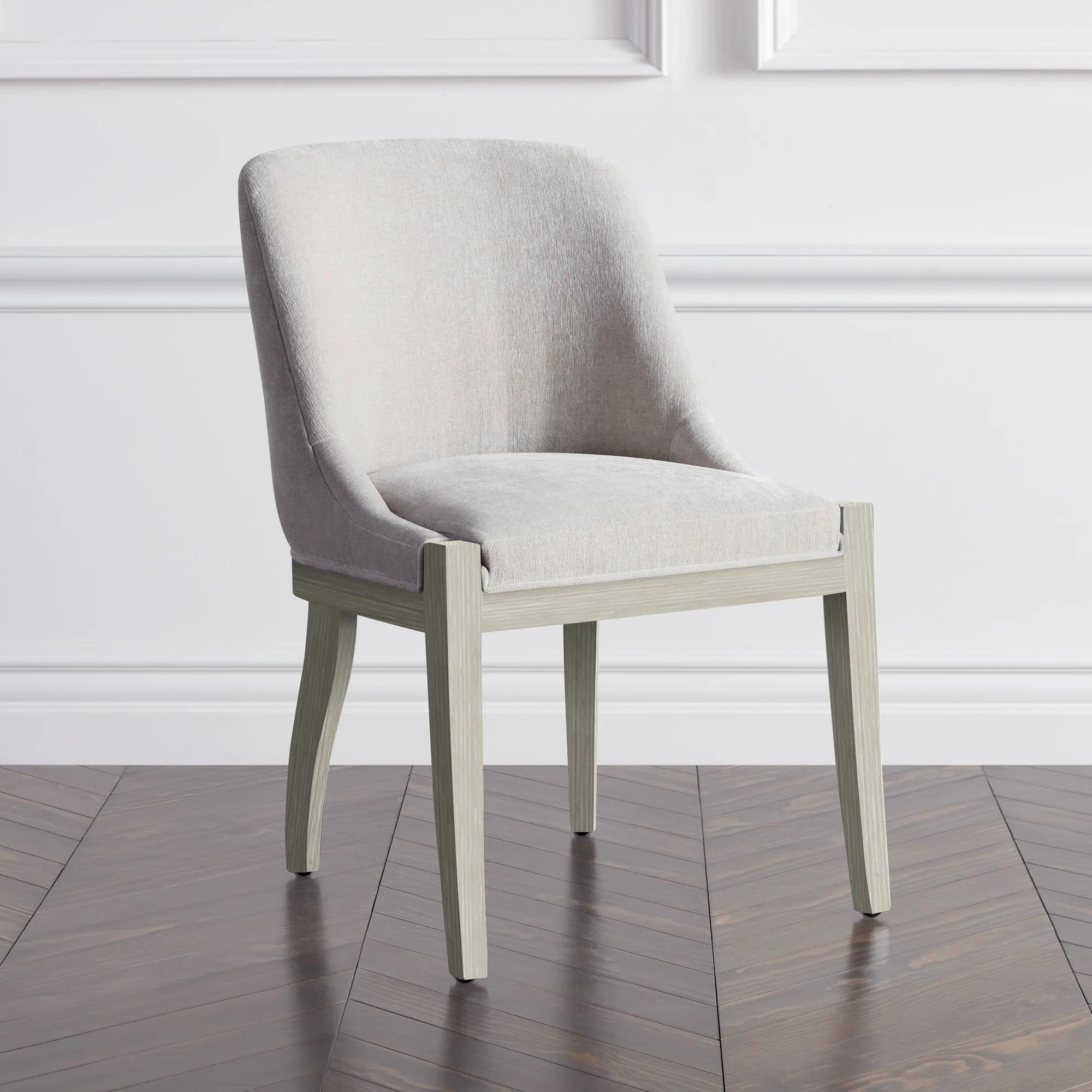
Curved Back Dining Room Chairs
Curved Back Dining Room Chairs
-
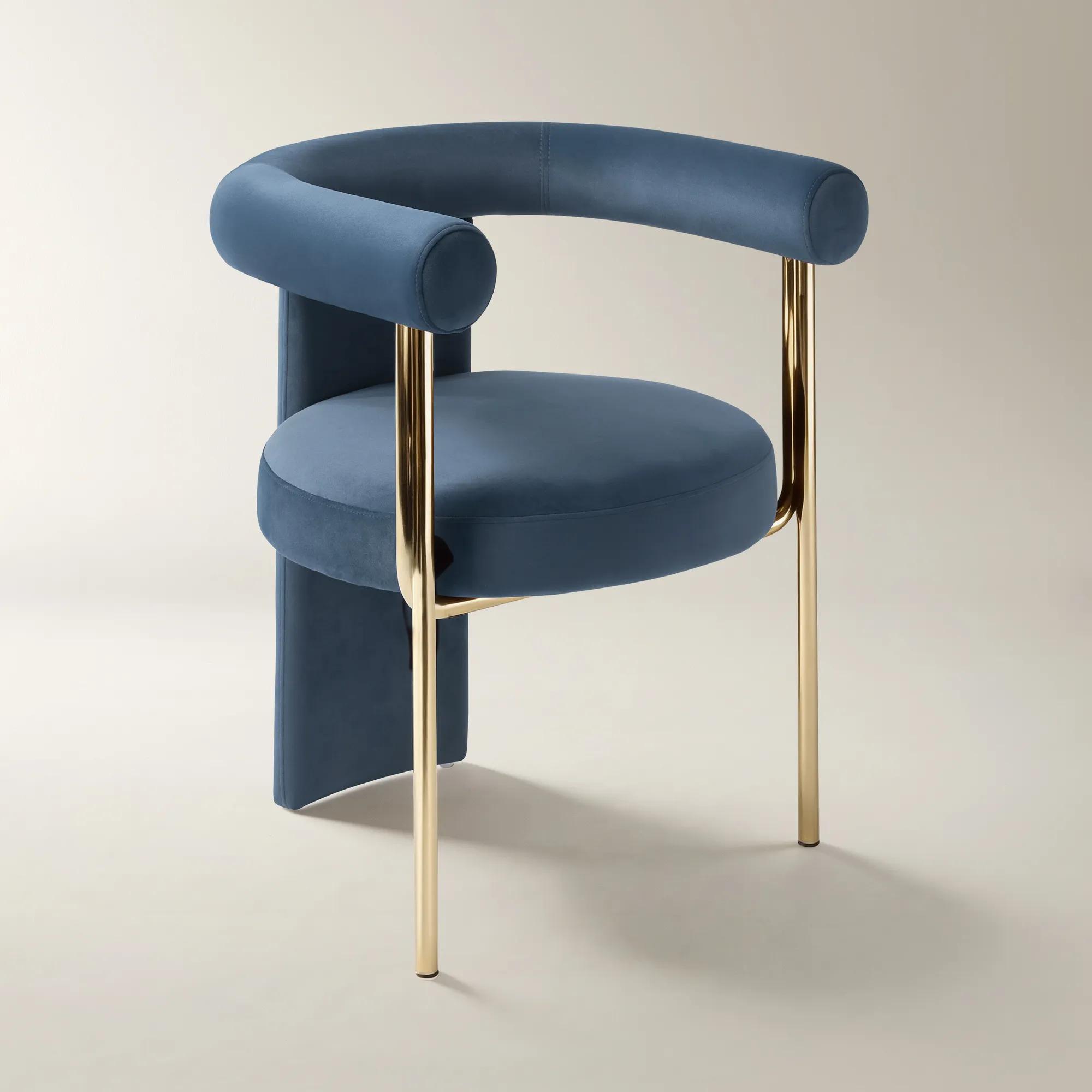 Davina Dusty Blue Velvet Dining Chair Set Of 2$899
A set of two dining chairs featuring dusty blue velvet upholstery and a polished gold metal frame.
Add To Cart -
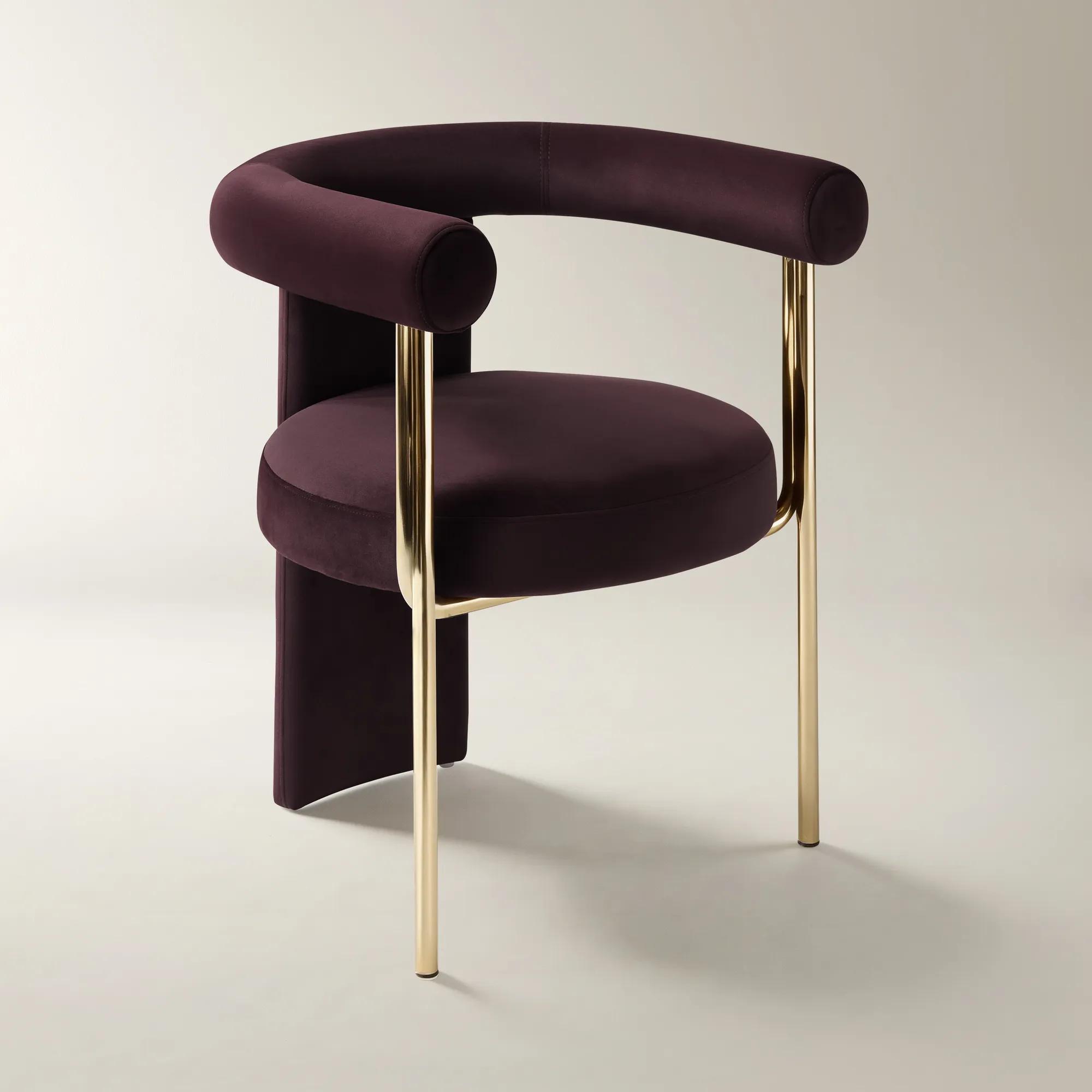 Davina Fig Velvet Dining Chair Set Of 2$899
A set of two dining chairs featuring plush fig velvet upholstery and a sleek gold-finished metal frame.
Add To Cart -
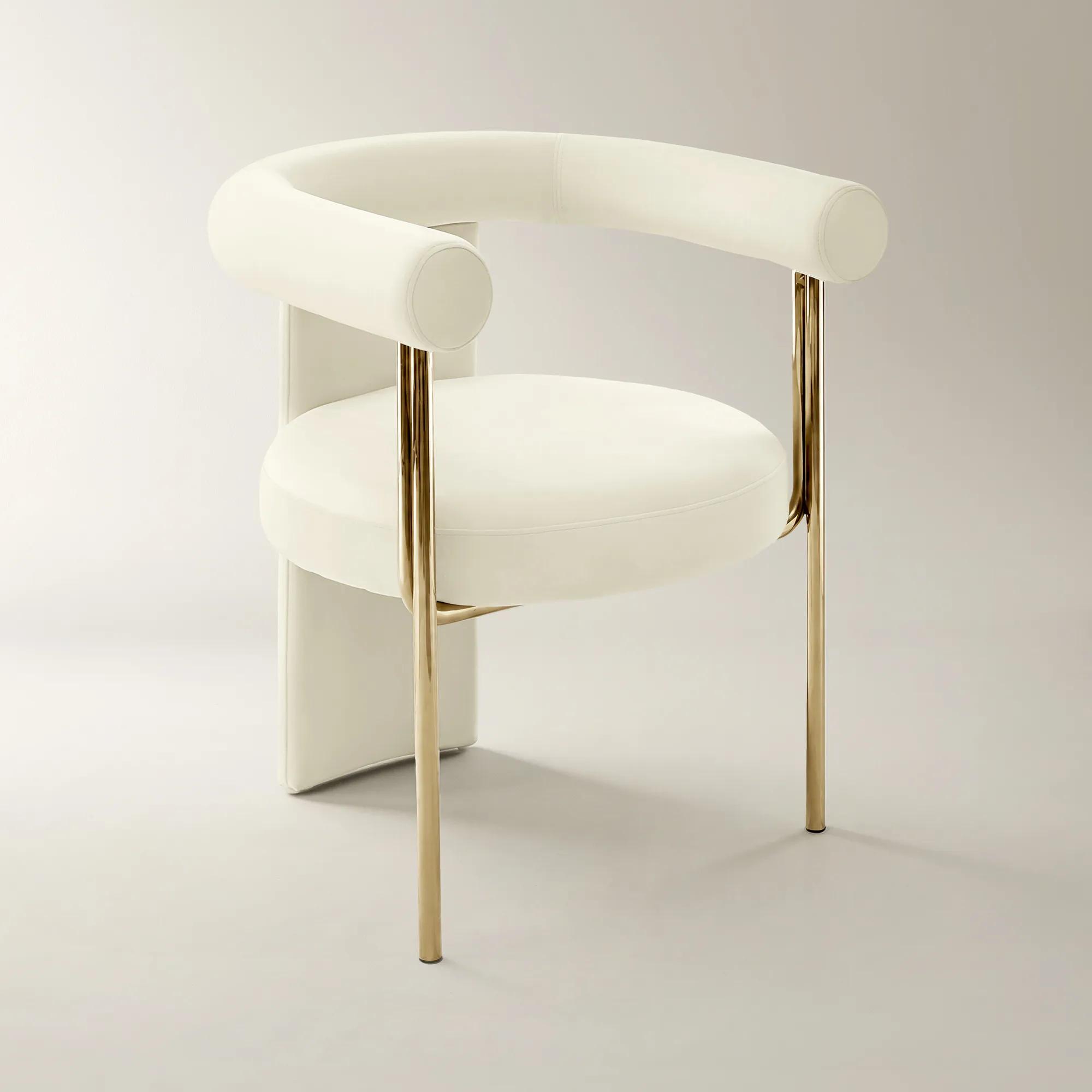 Davina Cloud Velvet Dining Chair Set Of 2$899
A set of two dining chairs featuring plush cloud velvet upholstery and a sculptural gold metal frame.
Add To Cart -
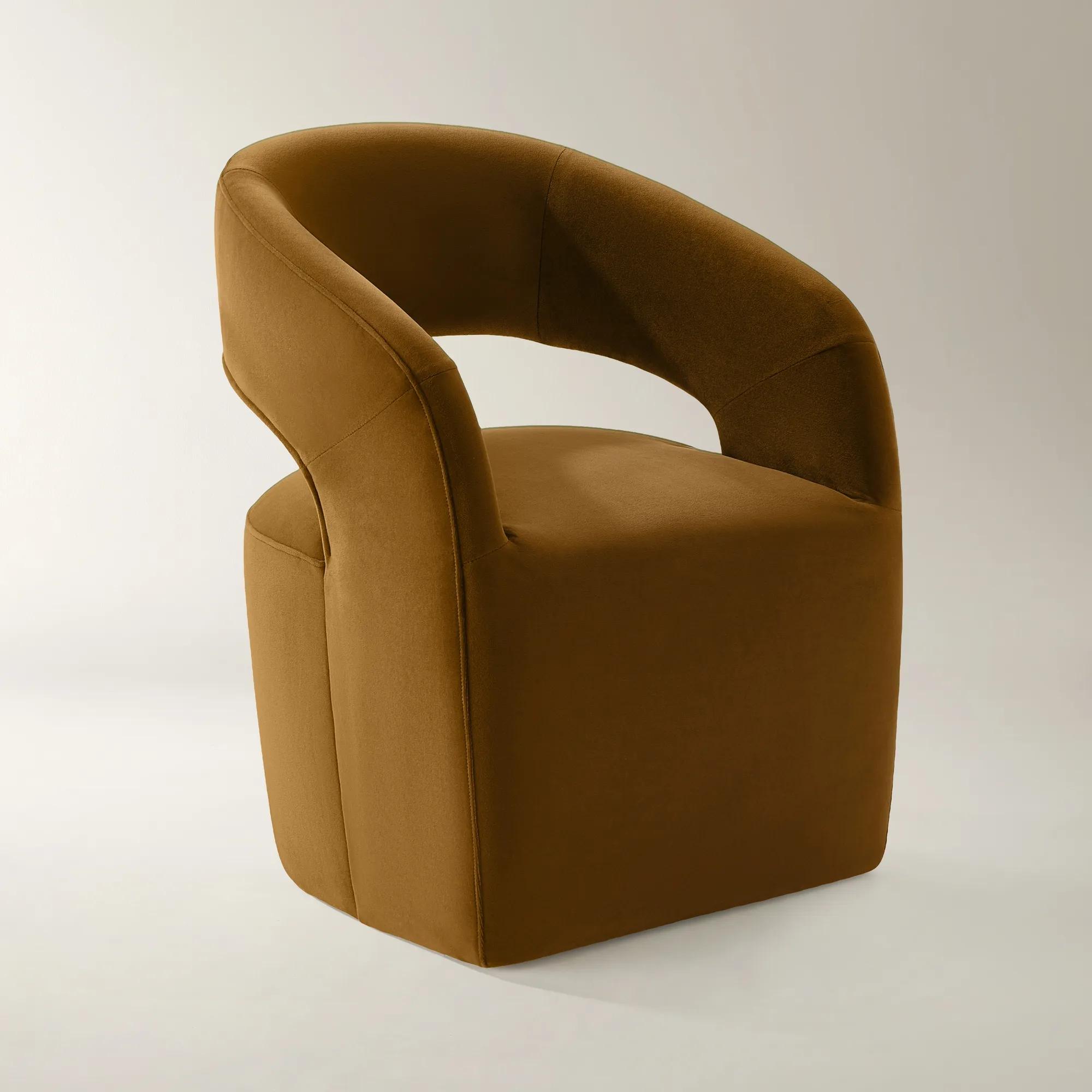
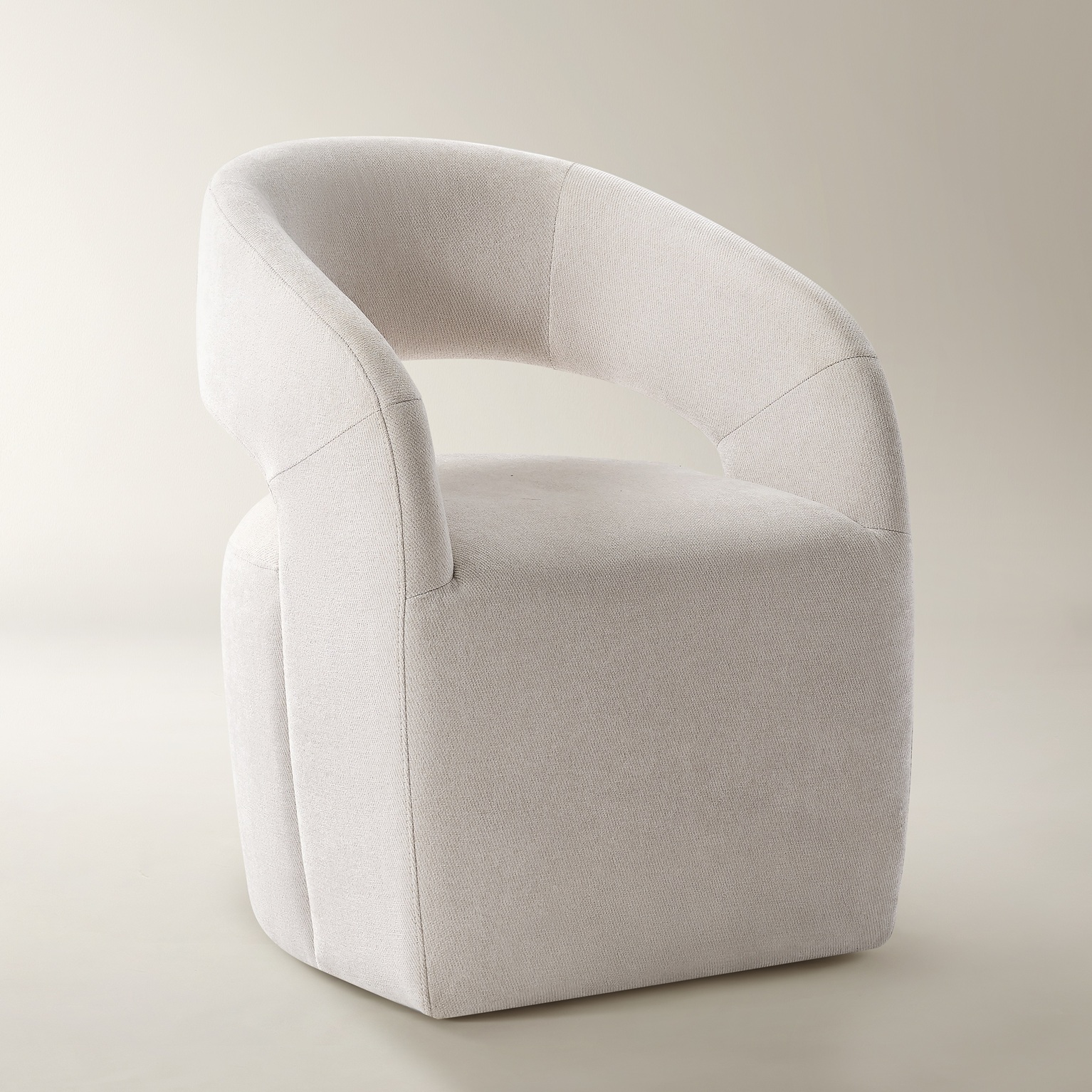 Harrison Roasted Pecan Velvet Dining Chair$499
A sculptural dining chair upholstered in roasted pecan velvet with feather-blend cushioning and integrated arms.
Add To Cart -
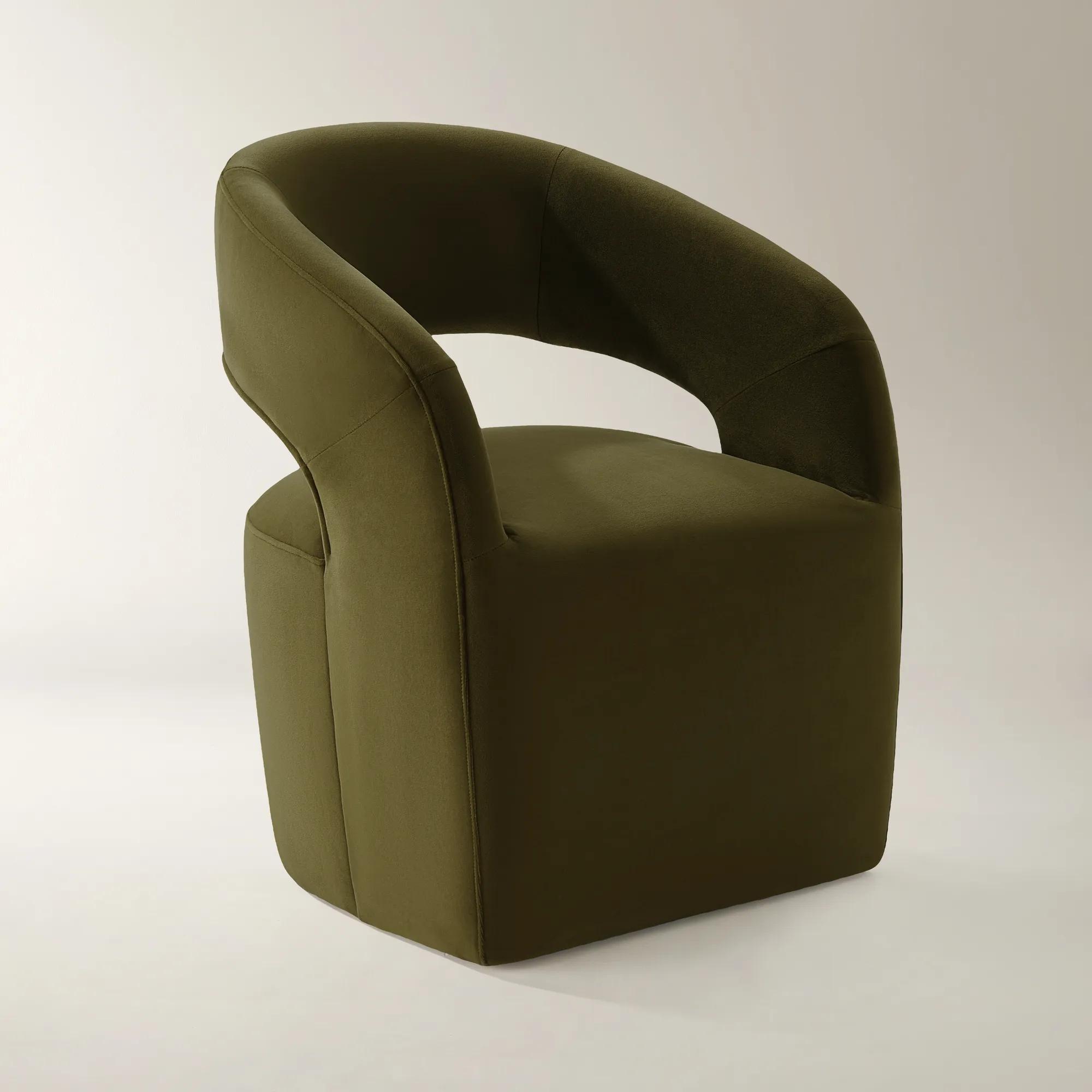 Harrison Deep Olive Velvet Dining Chair$499
A sculptural dining chair in deep olive velvet with a curved back, integrated arms, and plush feather-blend comfort.
Add To Cart -
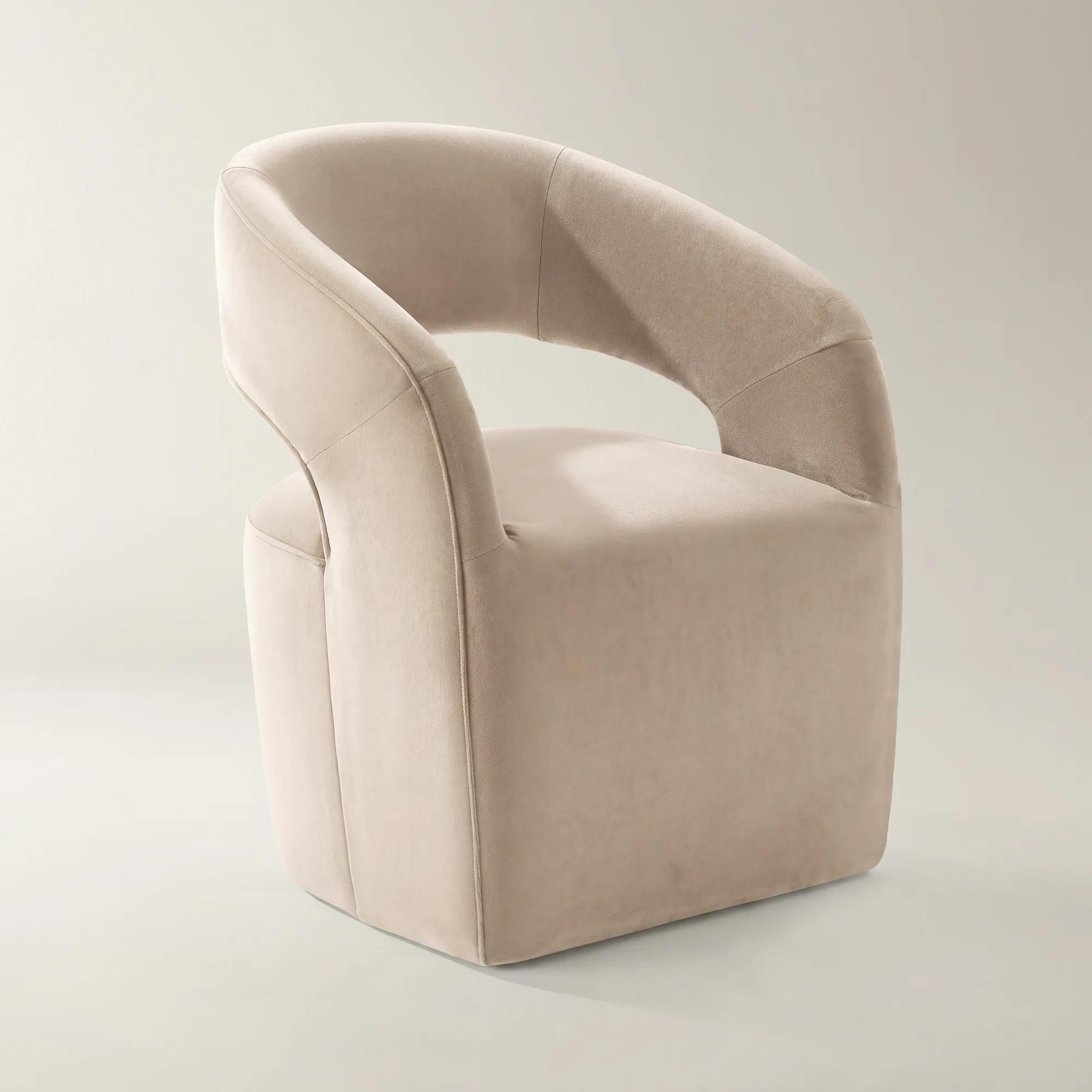 Harrison Simply Taupe Velvet Dining Chair$499
A sculptural dining chair in simply taupe velvet with a curved back, feather-blend seat, and modern elegance.
Add To Cart -
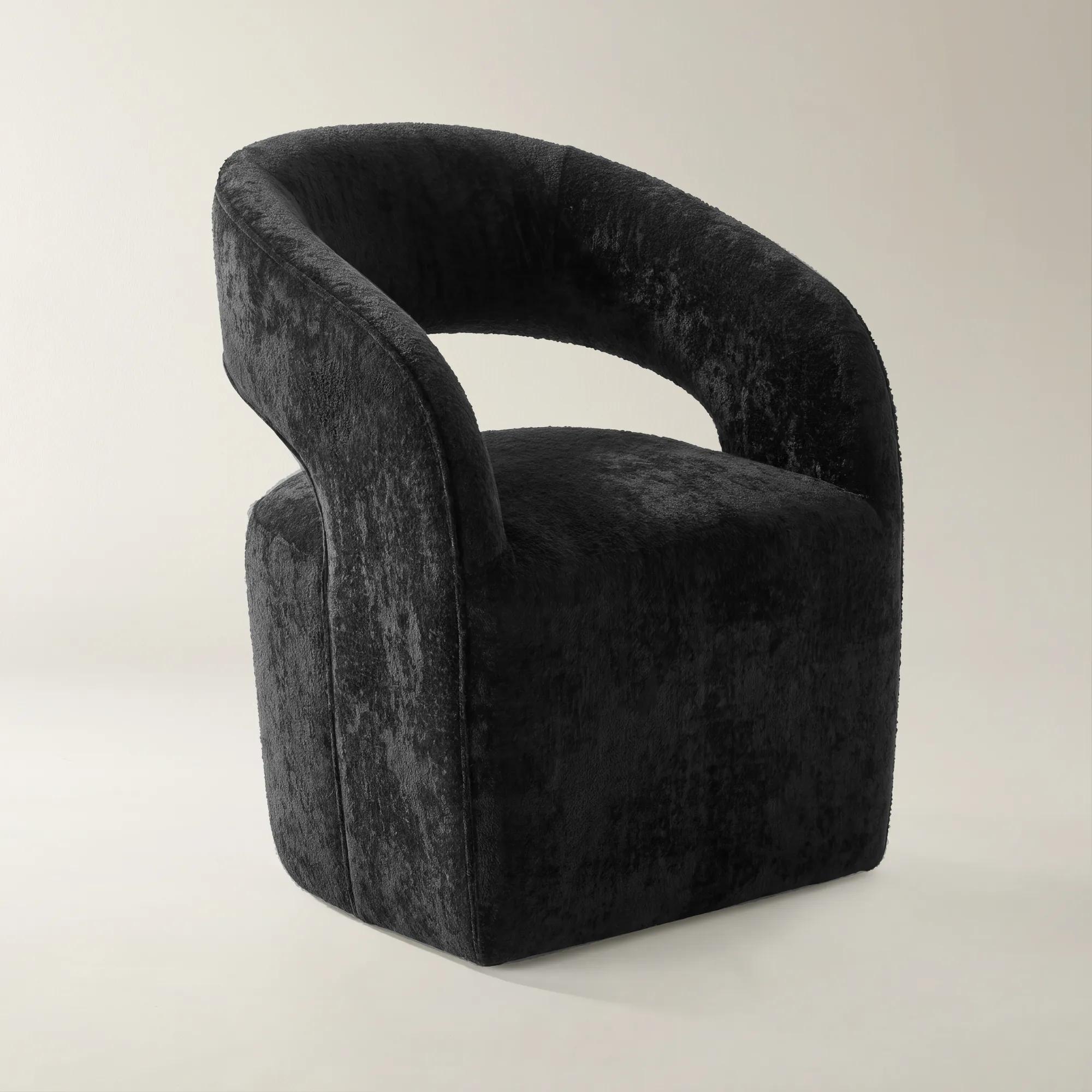 Harrison Black Chenille Dining Chair$499
A sculptural dining chair upholstered in charcoal chenille with a curved back, feather-blend seat, and integrated arms.
Add To Cart -
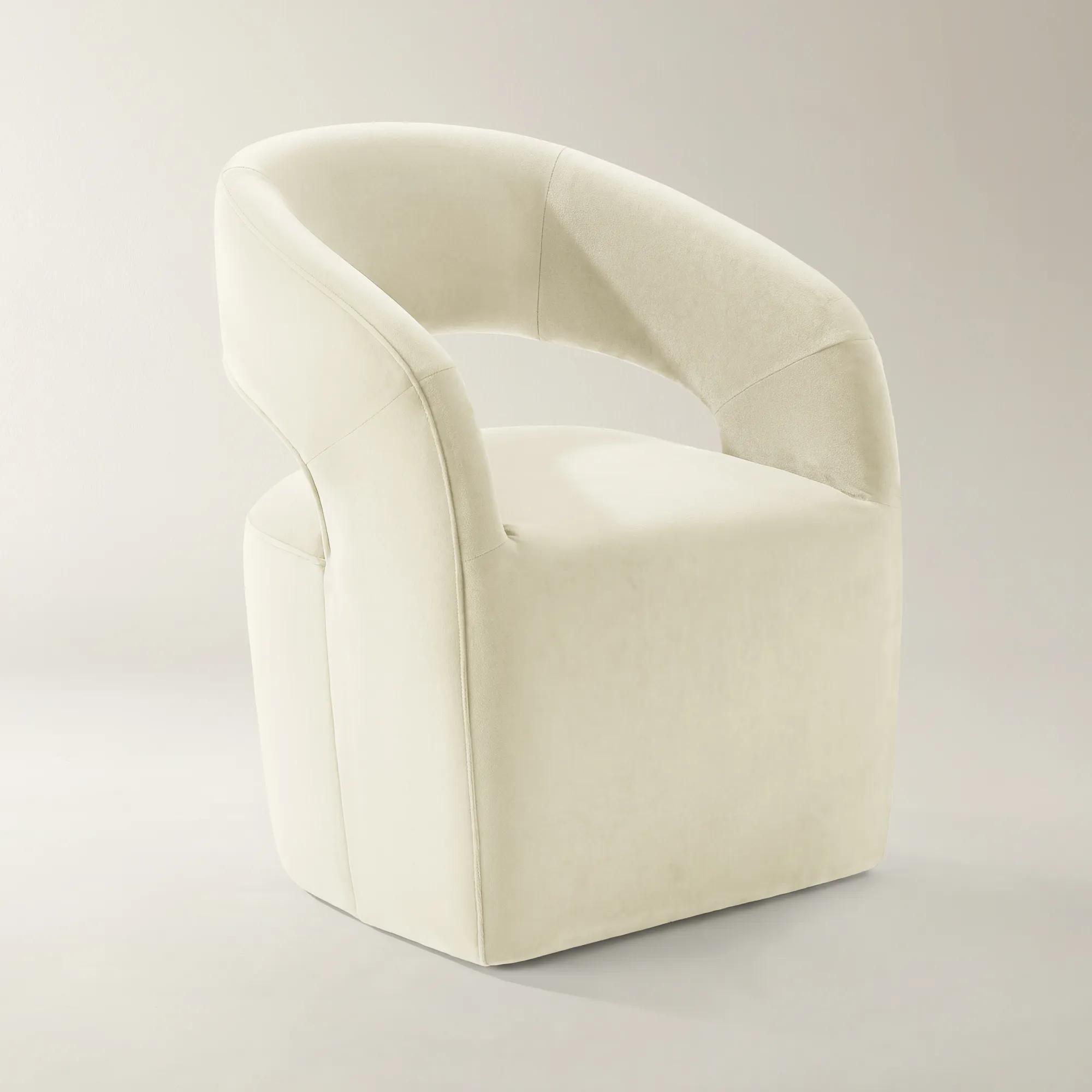 Harrison Cloud Velvet Dining Chair$499
A sculptural dining chair featuring cloud velvet upholstery, feather-blend cushioning, and a continuous curved back.
Add To Cart -
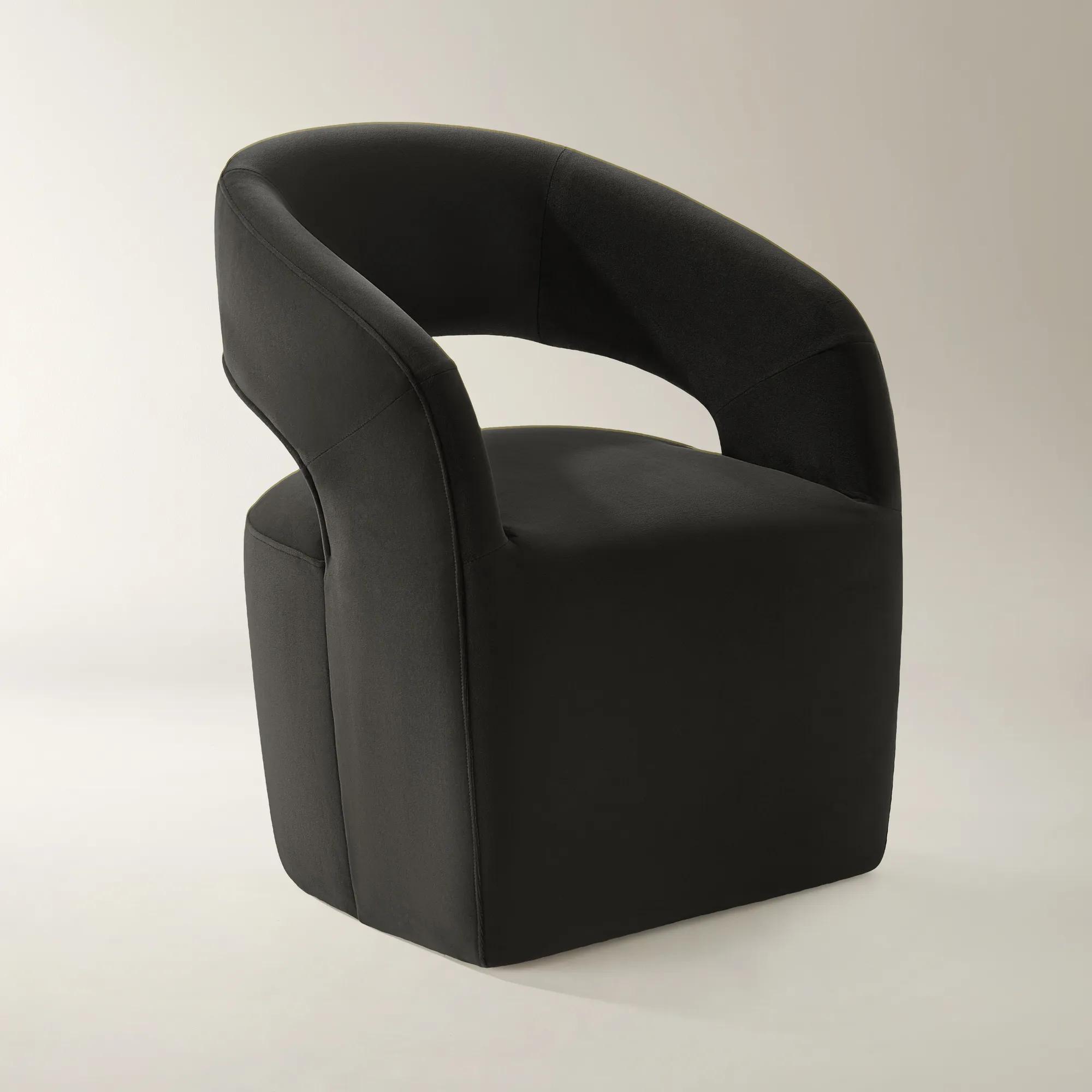 Harrison Charcoal Velvet Dining Chair$499
A sculptural dining chair upholstered in charcoal velvet with a continuous curved back and feather-blend comfort.
Add To Cart -
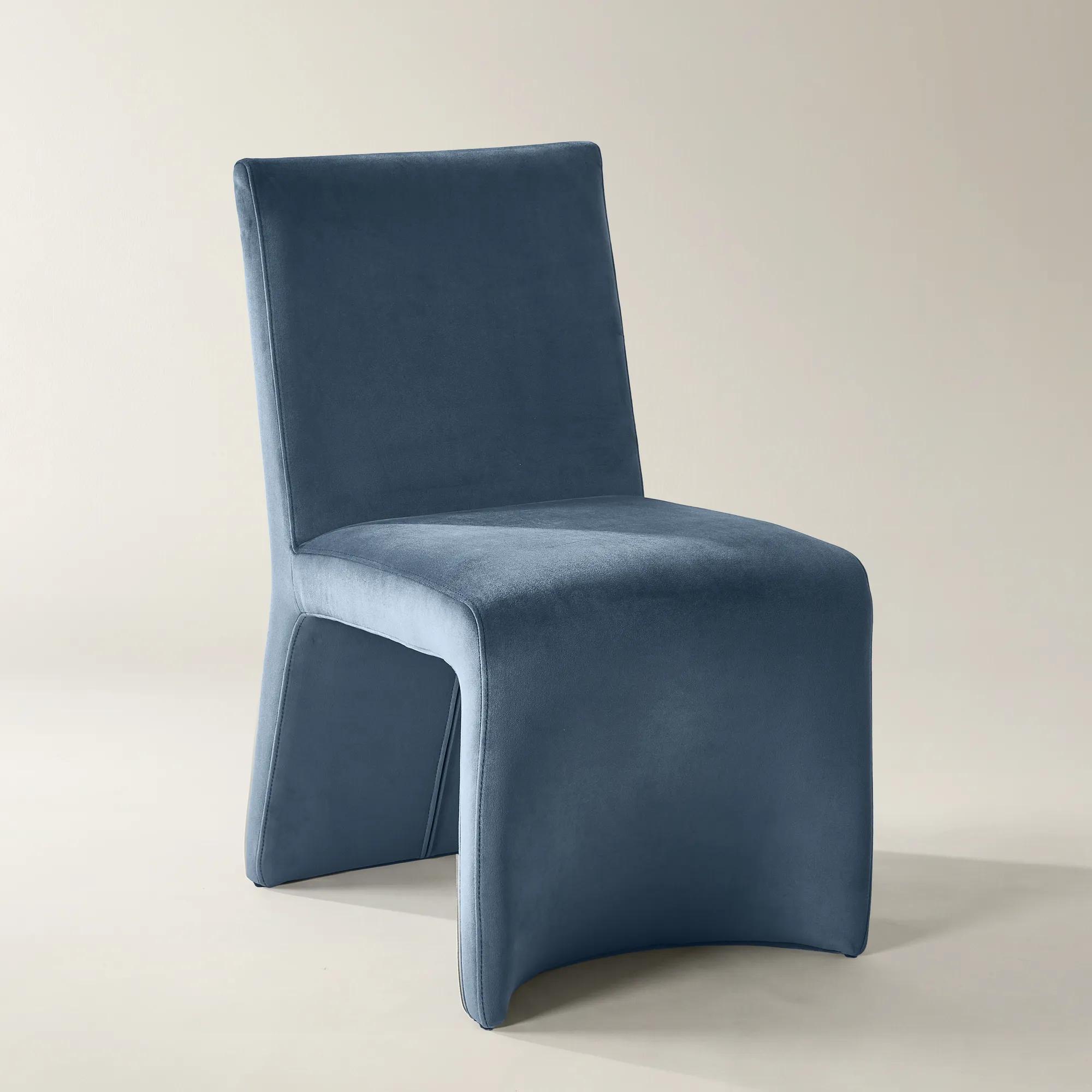 Elara Dusty Blue Velvet Dining Chair Set Of 2$799
A set of two dining chairs featuring plush dusty blue velvet upholstery and a seamless, artful silhouette.
Add To Cart -
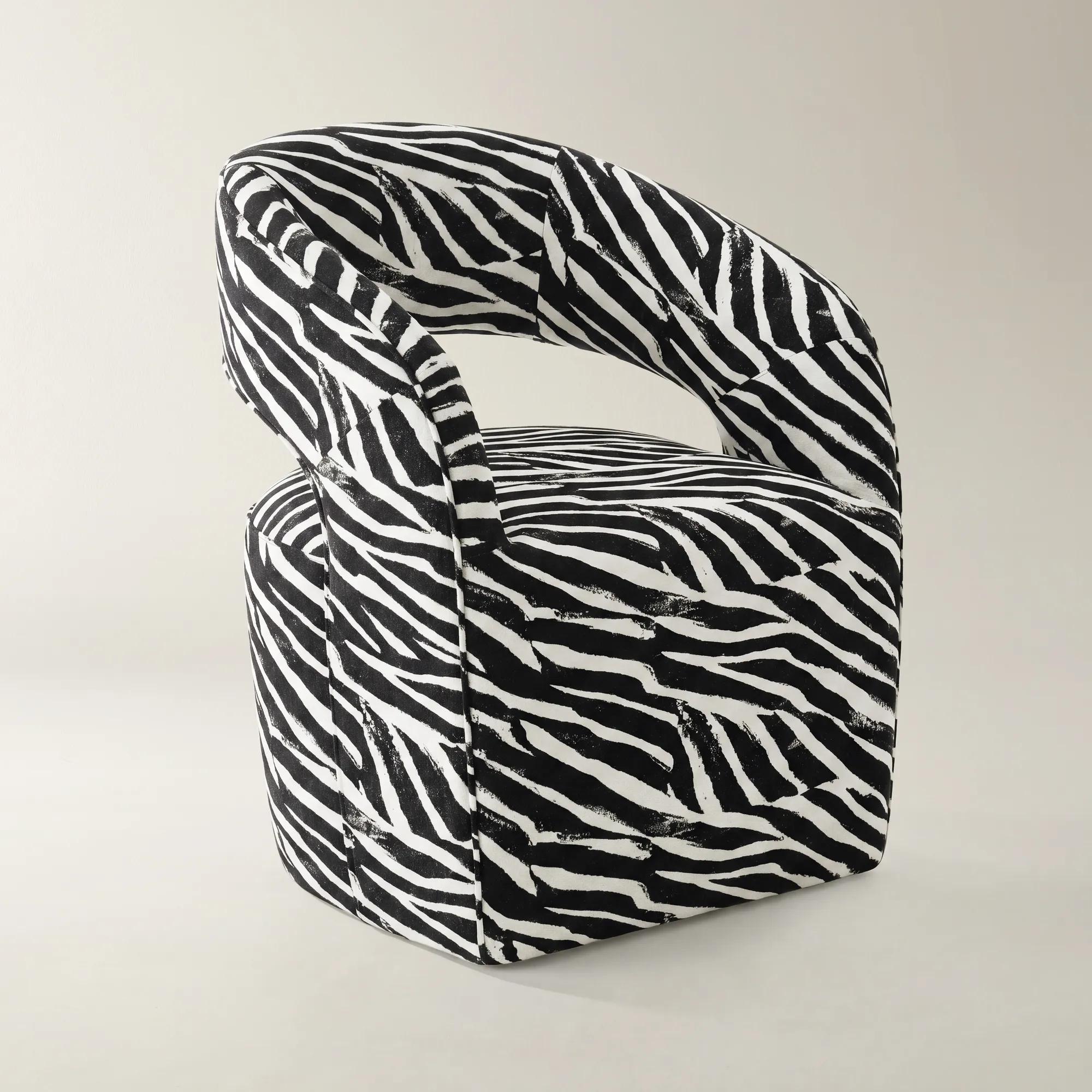 Harrison White/Black Performance Chenille Dining Chair$499
A sculptural dining chair in white and black performance chenille with plush feather-blend cushioning and curved arms.
Add To Cart -
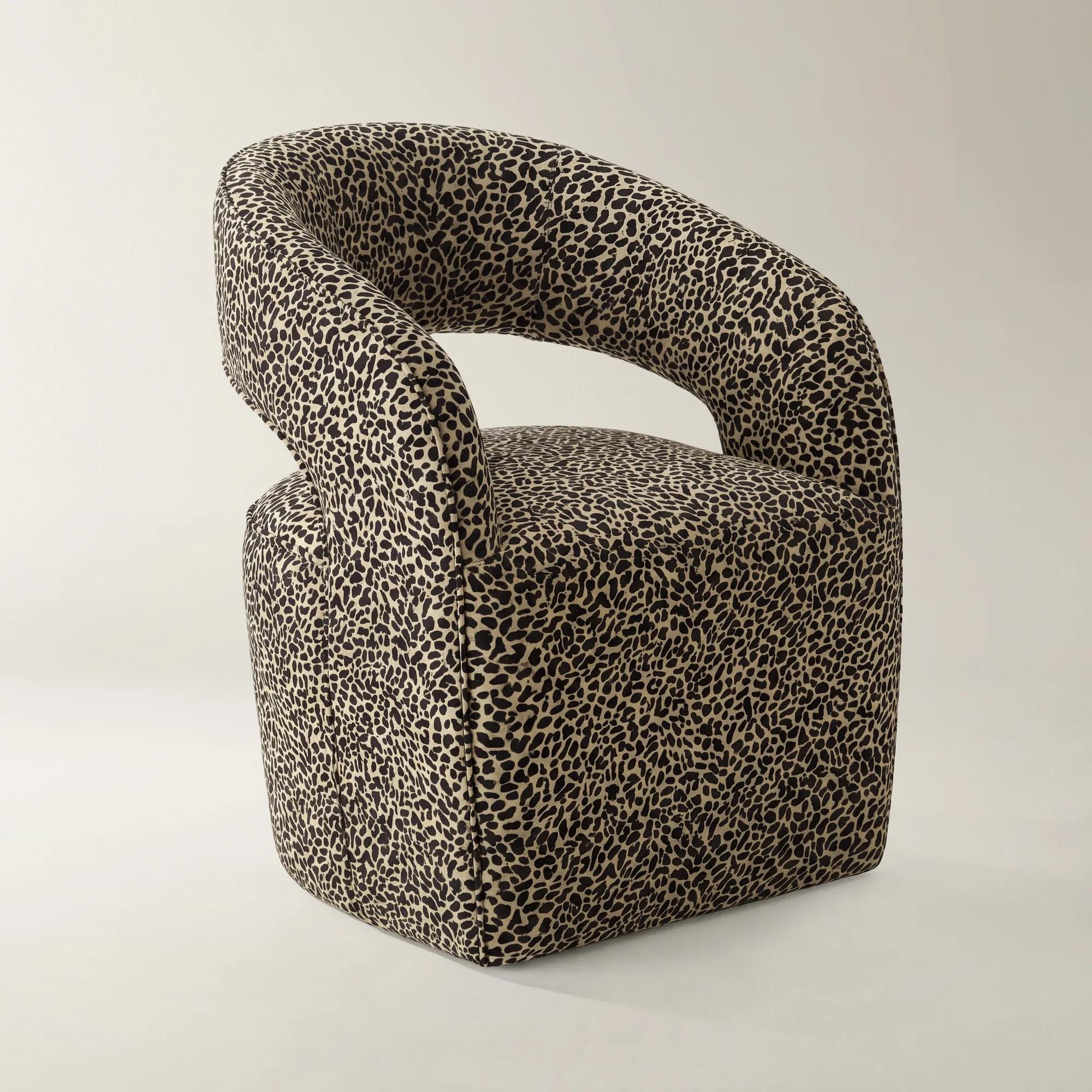 Harrison Leopard Performance Chenille Dining Chair$499
A sculptural dining chair featuring leopard performance chenille upholstery, feather-blend cushioning, and a curved silhouette.
Add To Cart -
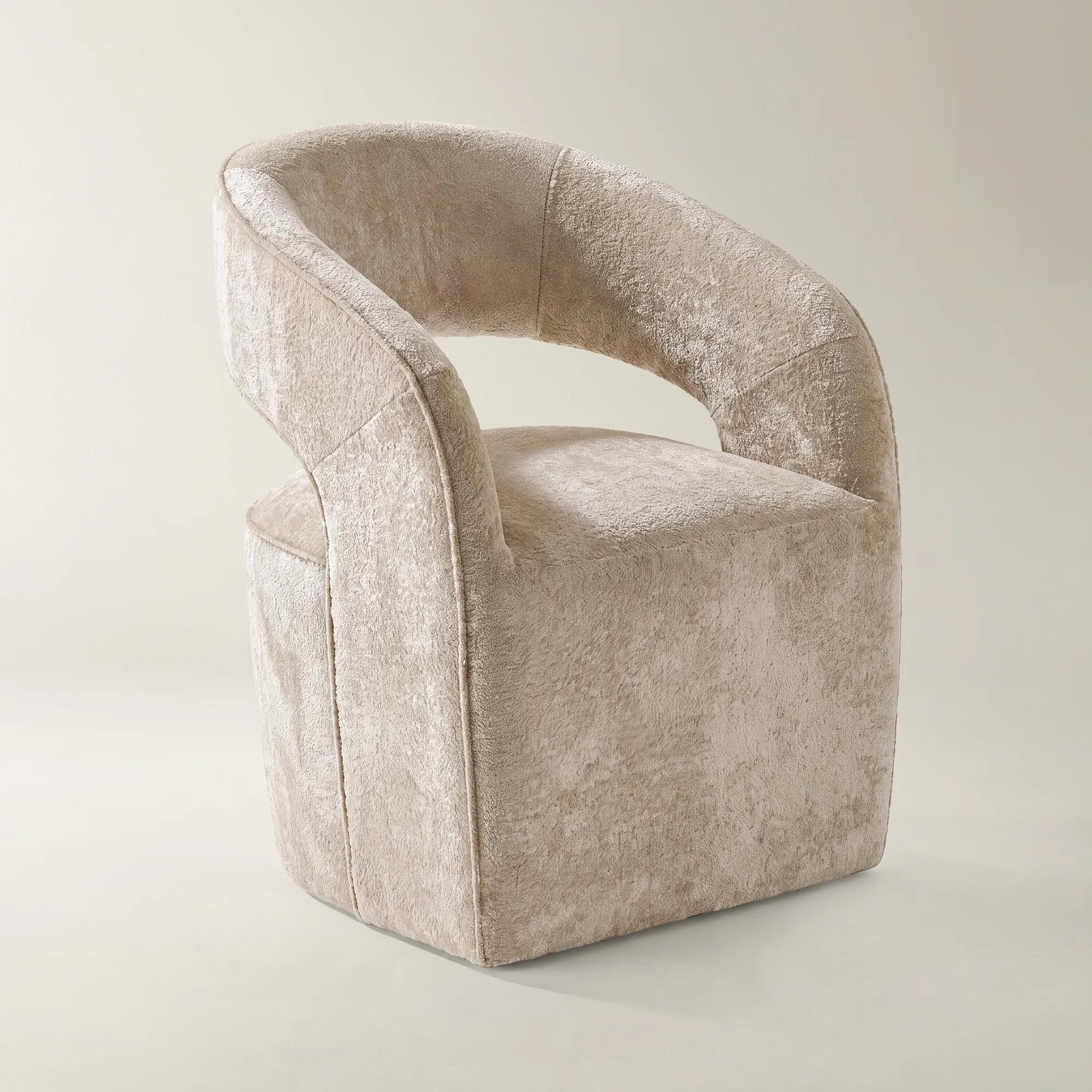 Harrison Light Brown Chenille Dining Chair$499
A sculptural dining chair upholstered in light brown chenille with a feather-blend cushion for plush comfort.
Add To Cart -
 Stria Ivory Chenille Swivel Dining Chair With Oak Base$699
A sculpted ivory chenille dining chair with a solid oak base and smooth 360-degree swivel.
Add To Cart -
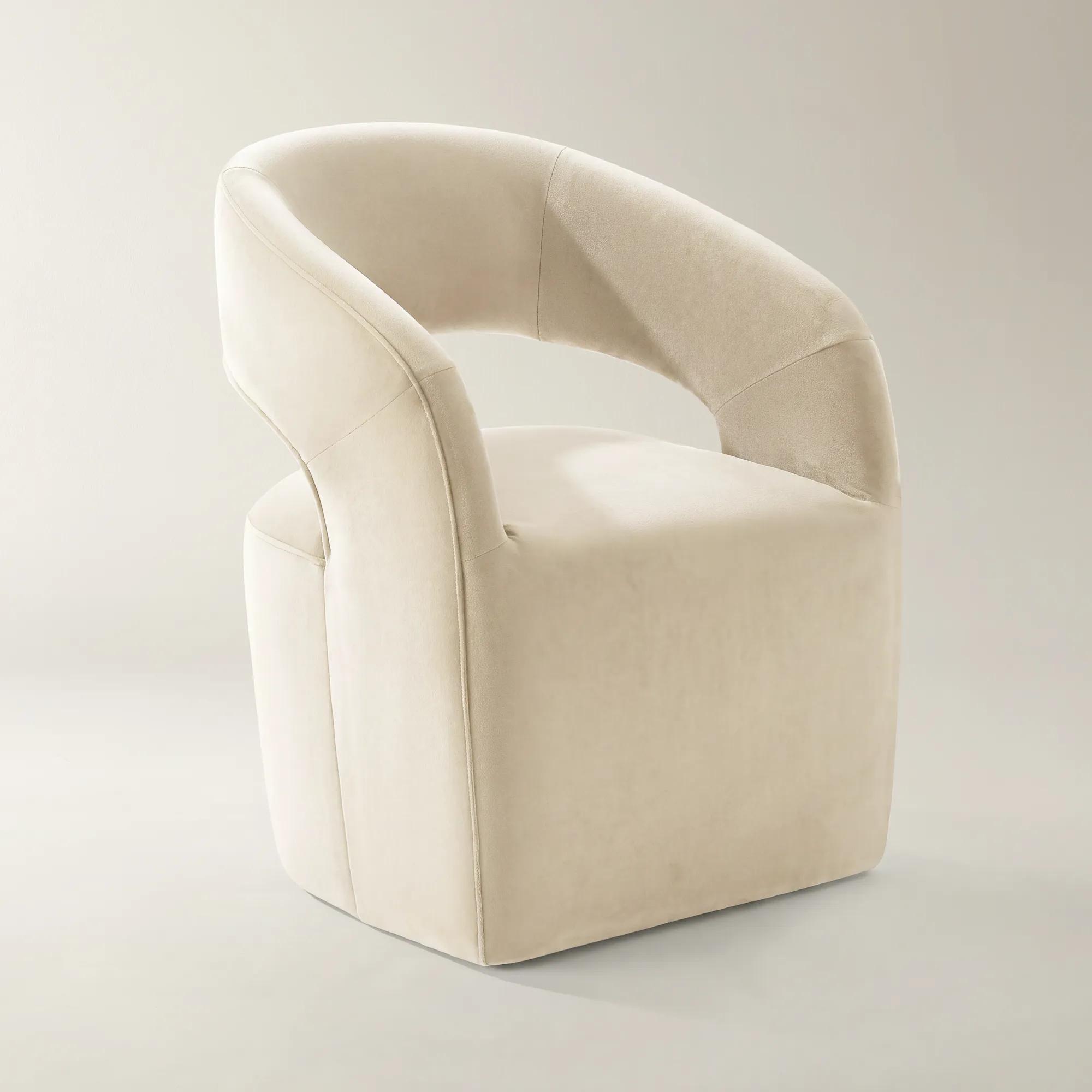 Harrison Oatmeal Velvet Dining Chair$499
A sculptural dining chair upholstered in oatmeal velvet with a curved back, feather-blend seat, and integrated arms.
Add To Cart -
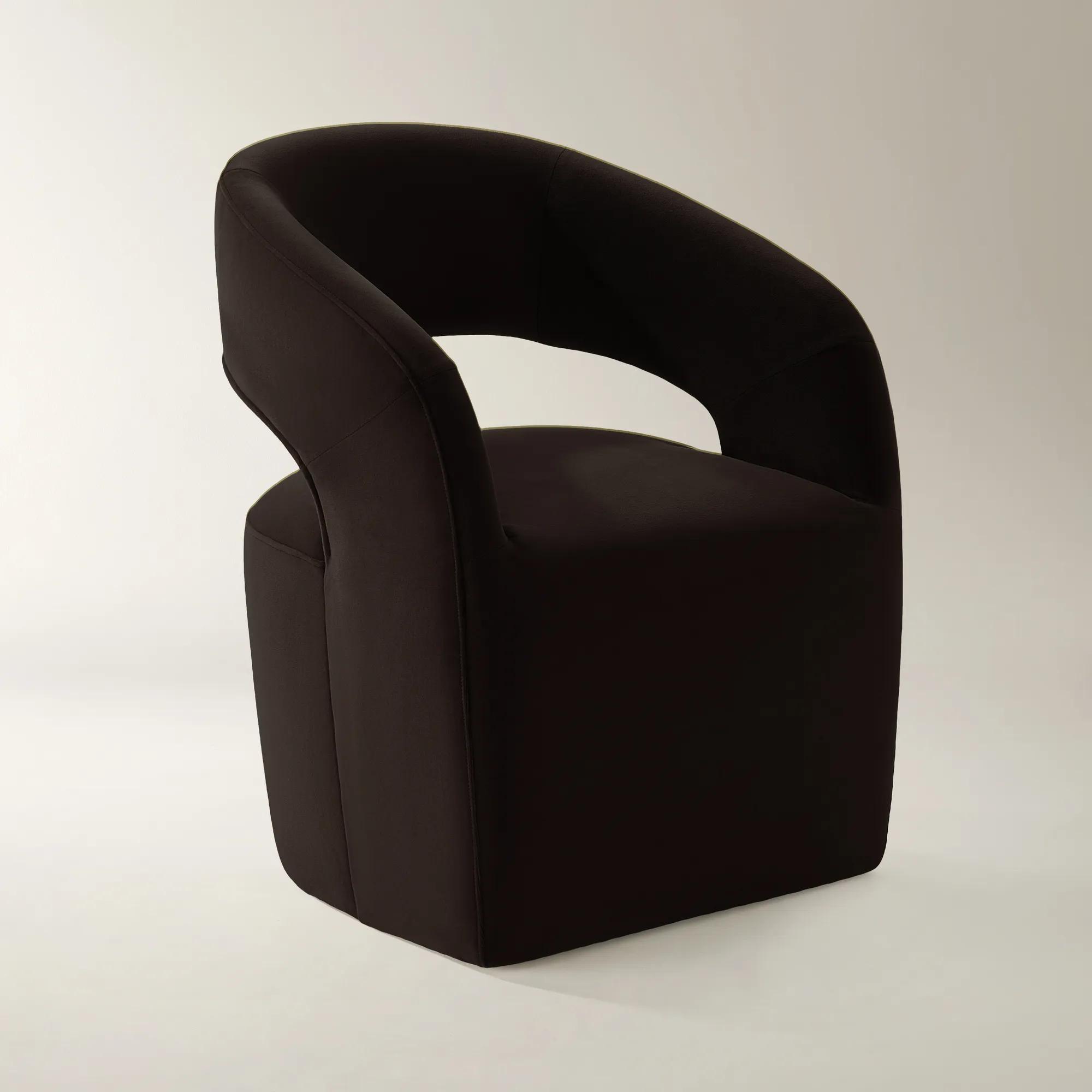 Harrison Dark Chocolate Velvet Dining Chair$499
A sculptural dining chair upholstered in dark chocolate velvet with a plush feather-blend seat and curved back.
Add To Cart -
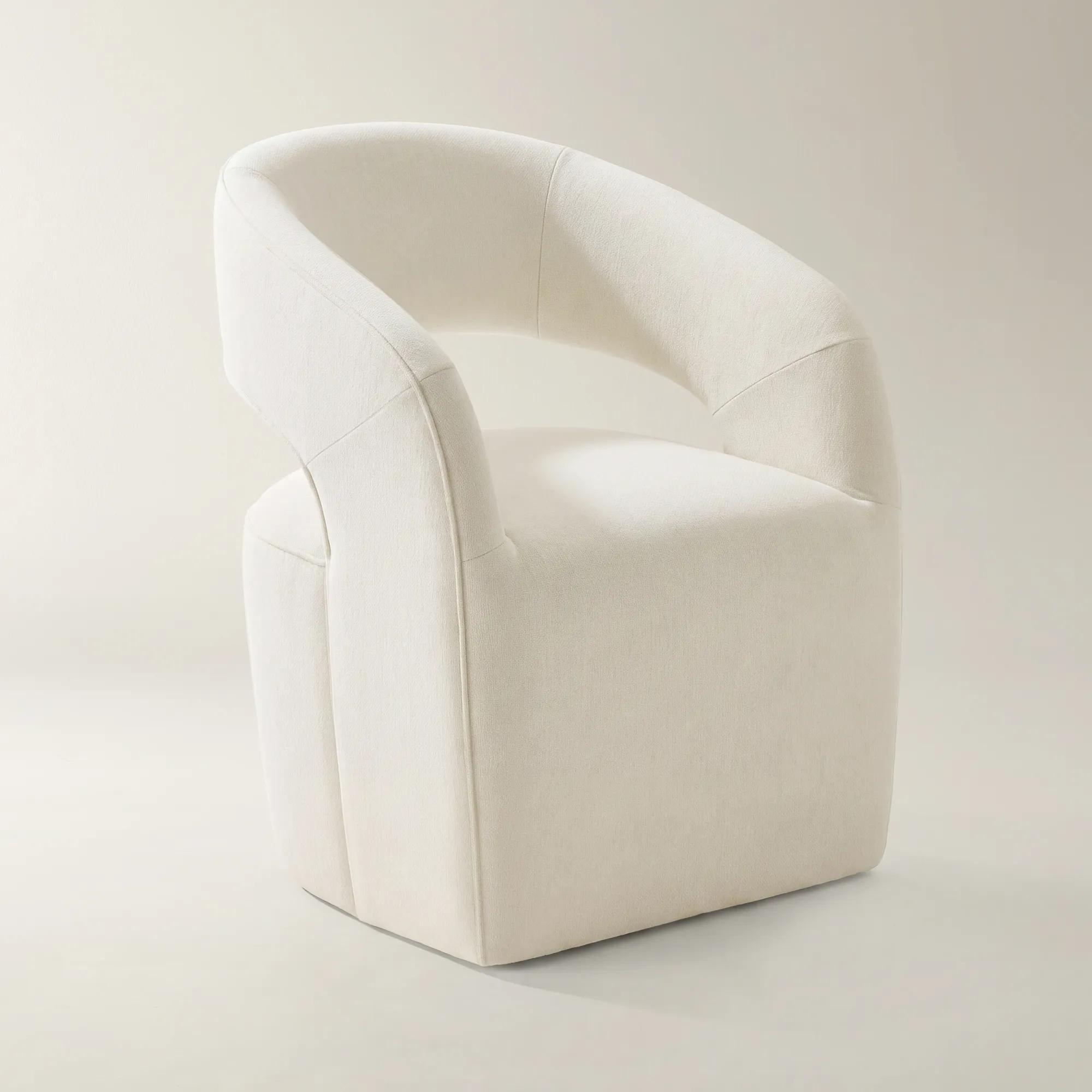 Harrison Ivory Performance Chenille Dining Chair$499
A sculptural ivory chenille chair featuring a continuous curved back, feather-blend comfort, and performance upholstery.
Add To Cart -
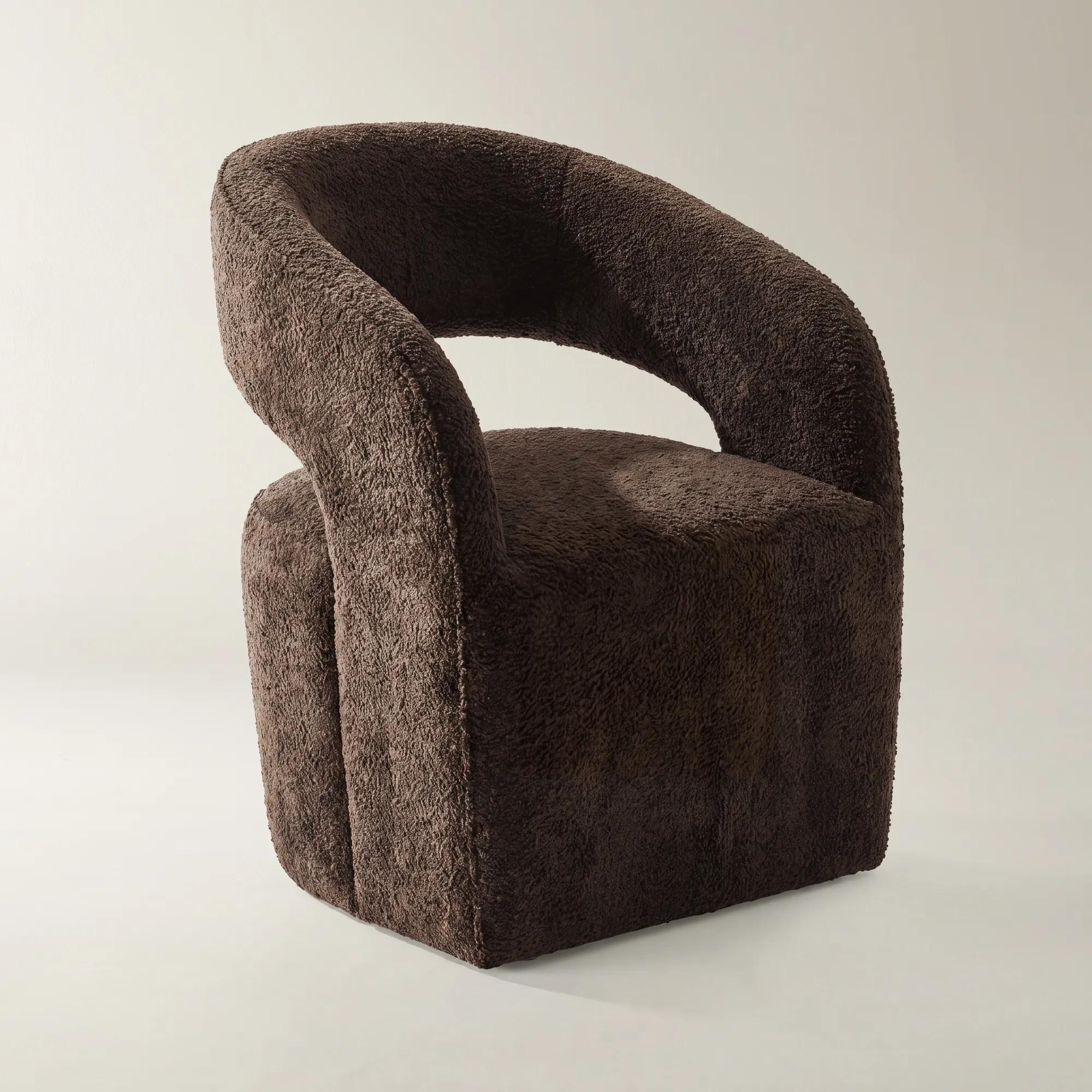 Harrison Dark Chocolate Chenille Dining Chair$499
A sculptural dining chair upholstered in dark chocolate chenille with feather-blend cushioning and curved arms.
Add To Cart -
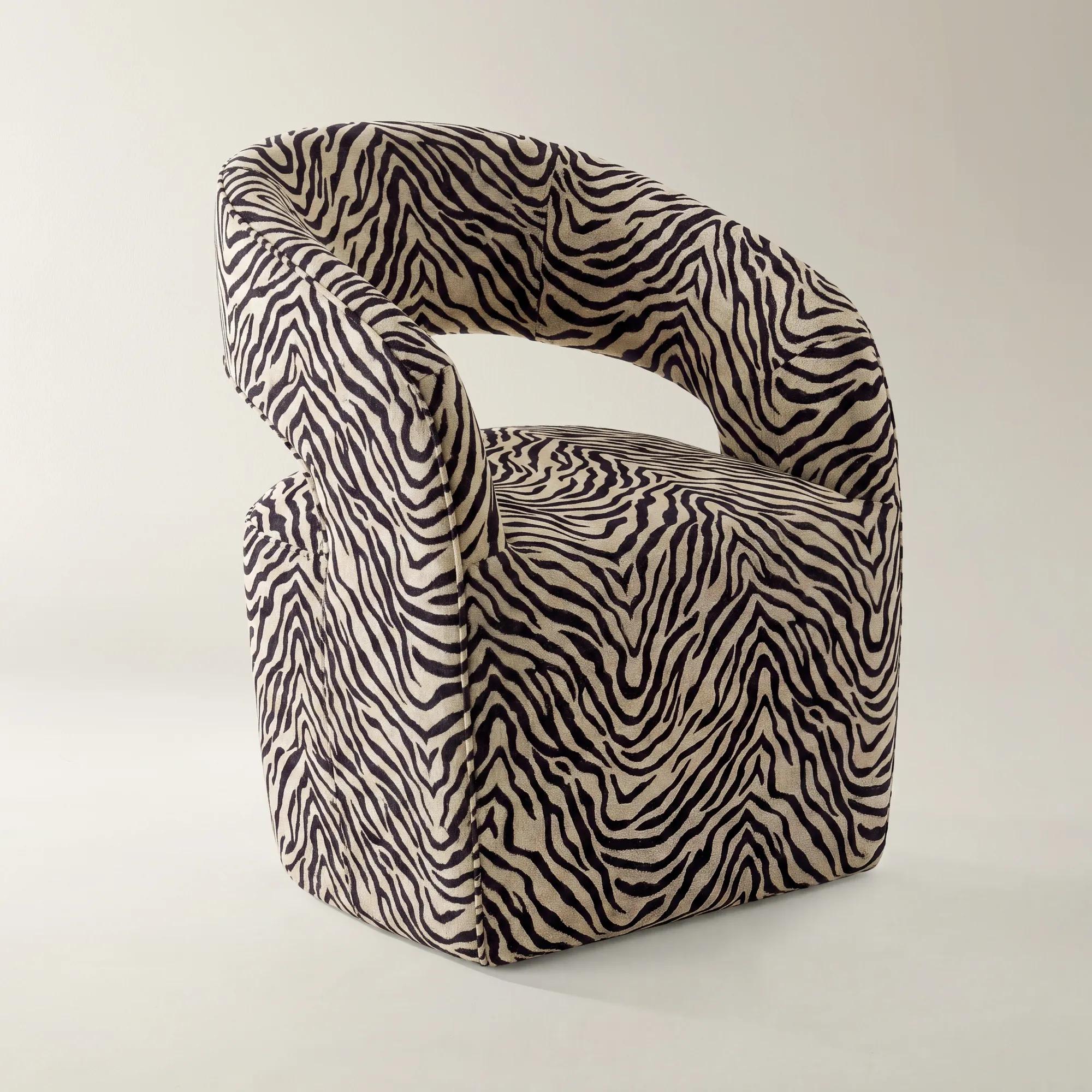 Harrison Zebra Performance Chenille Dining Chair$499
A sculptural dining chair upholstered in zebra performance chenille with a curved back and feather-blend comfort.
Add To Cart -
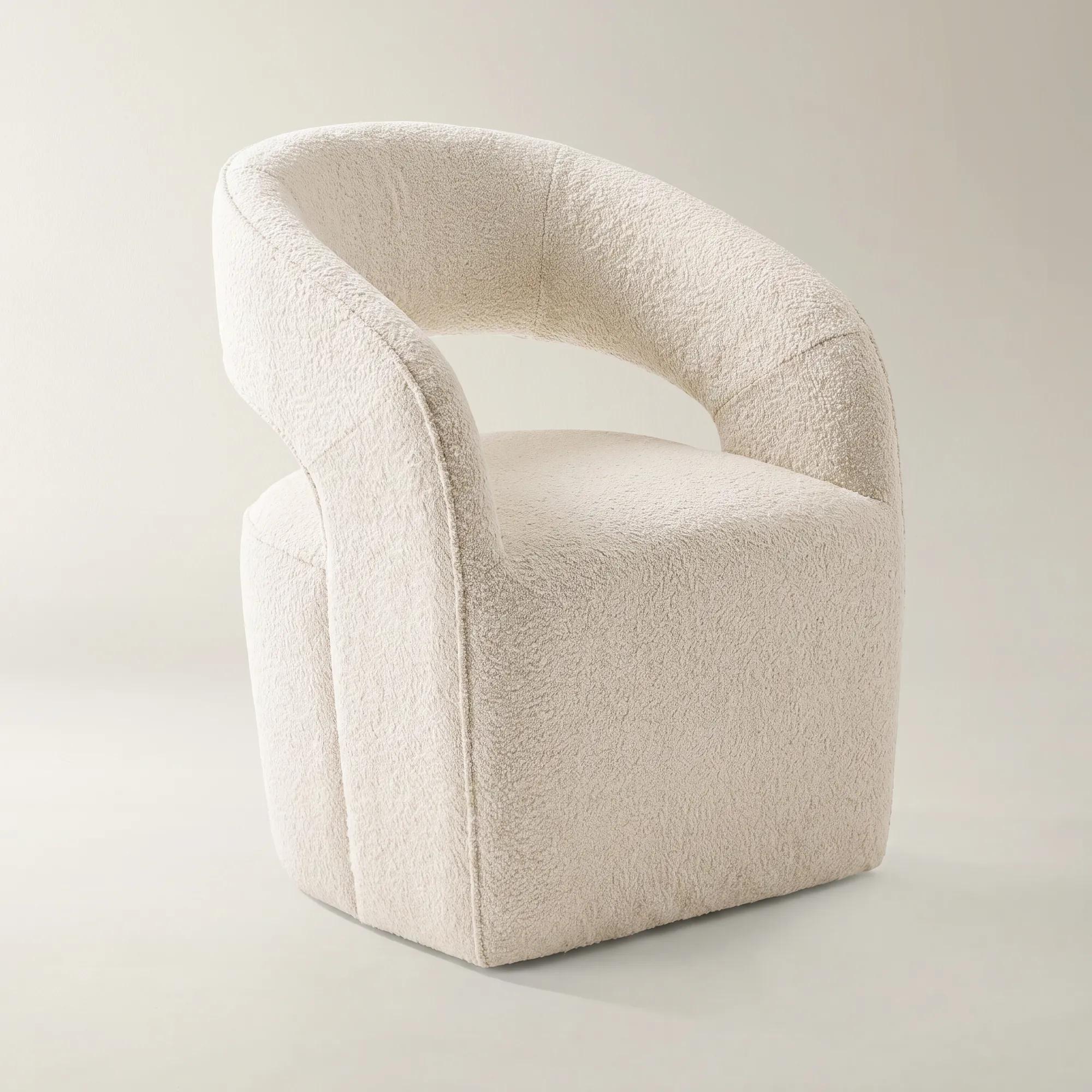 Harrison Utopia Sand Chenille Dining Chair$499
A sculptural dining chair upholstered in sand chenille with a curved back, feather-blend seat, and integrated arms.
Add To Cart -
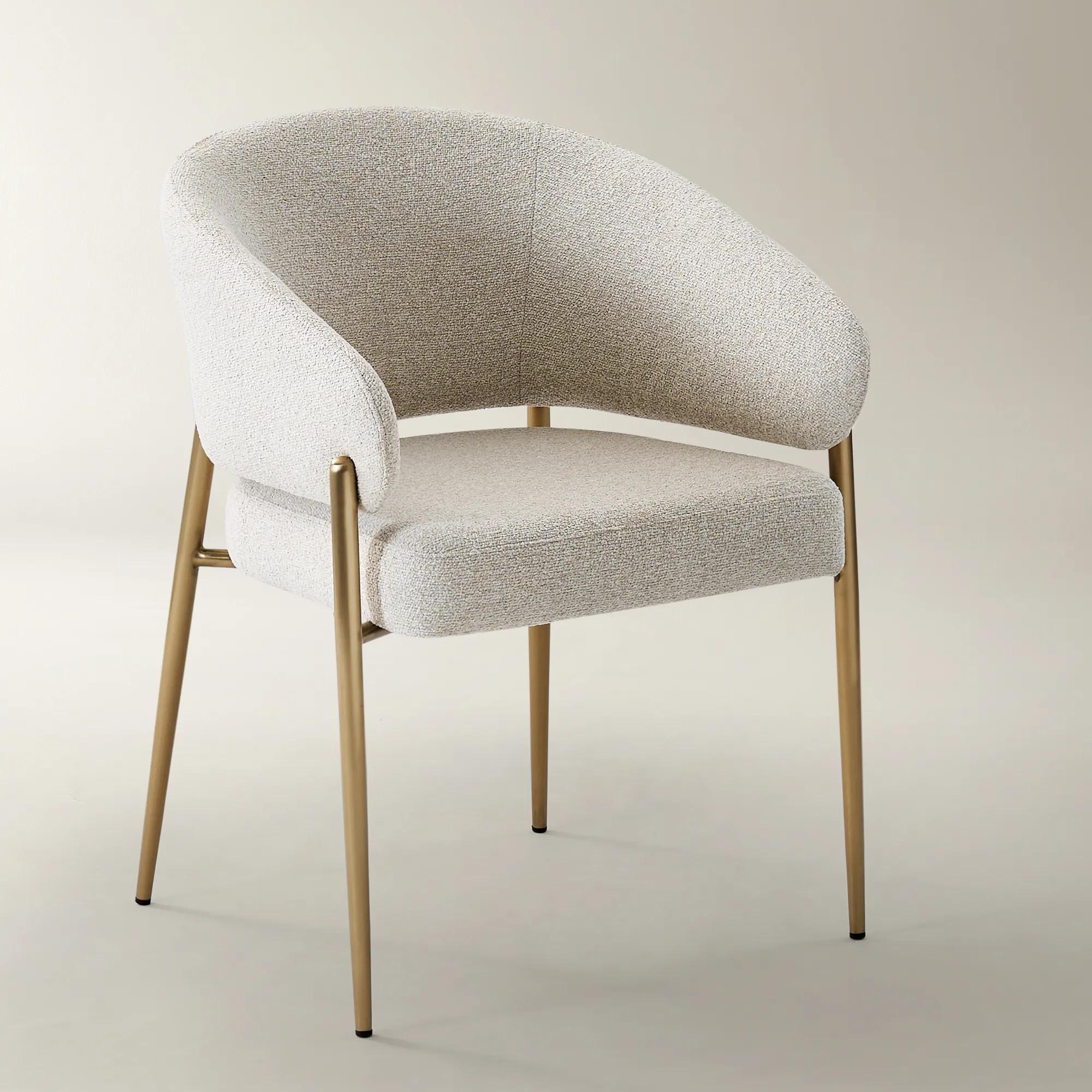
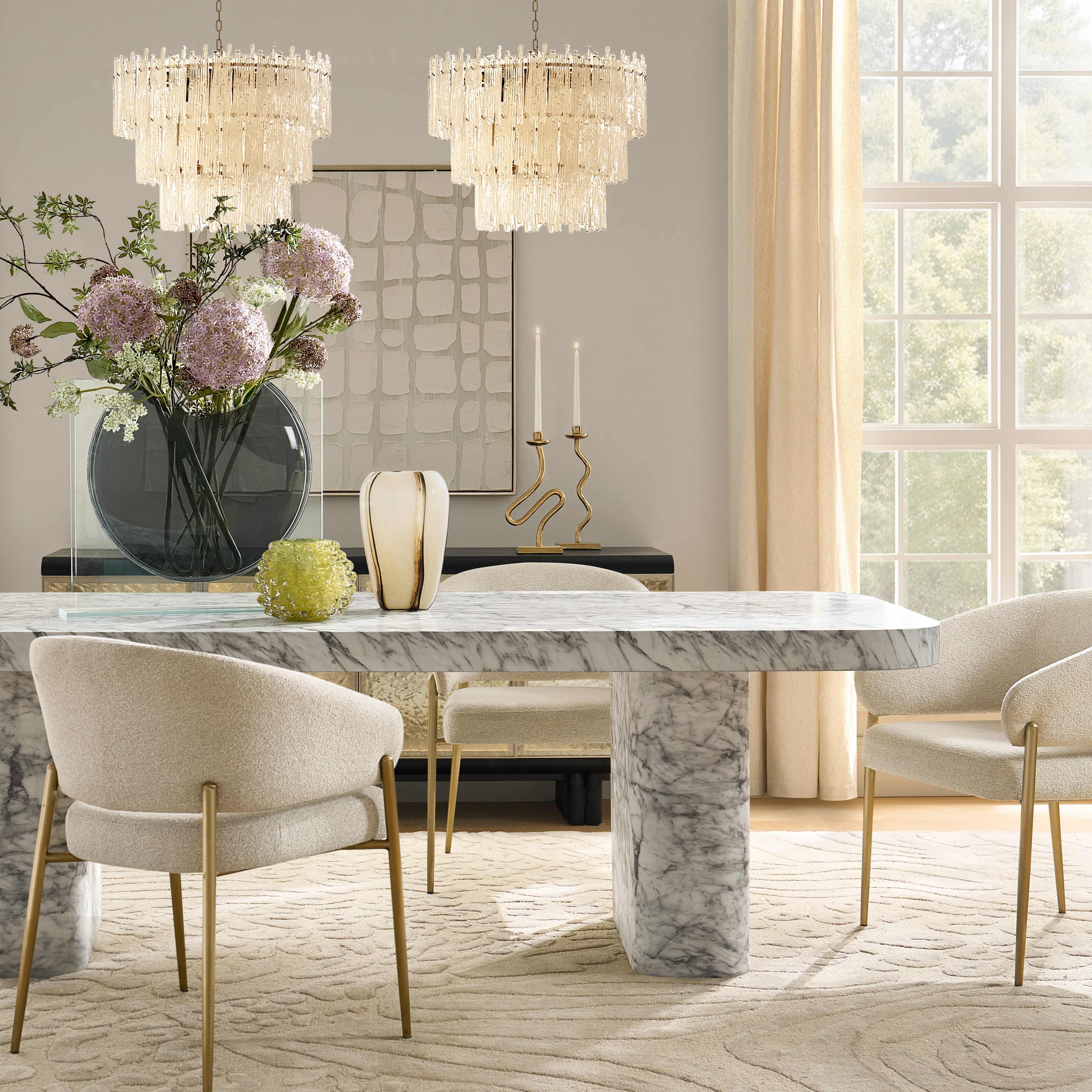 Nara Ivory Boucle Dining Chair Set Of 2$599
An ivory boucle dining chair set with a curved backrest and brushed stainless steel frame for modern elegance.
Add To Cart -
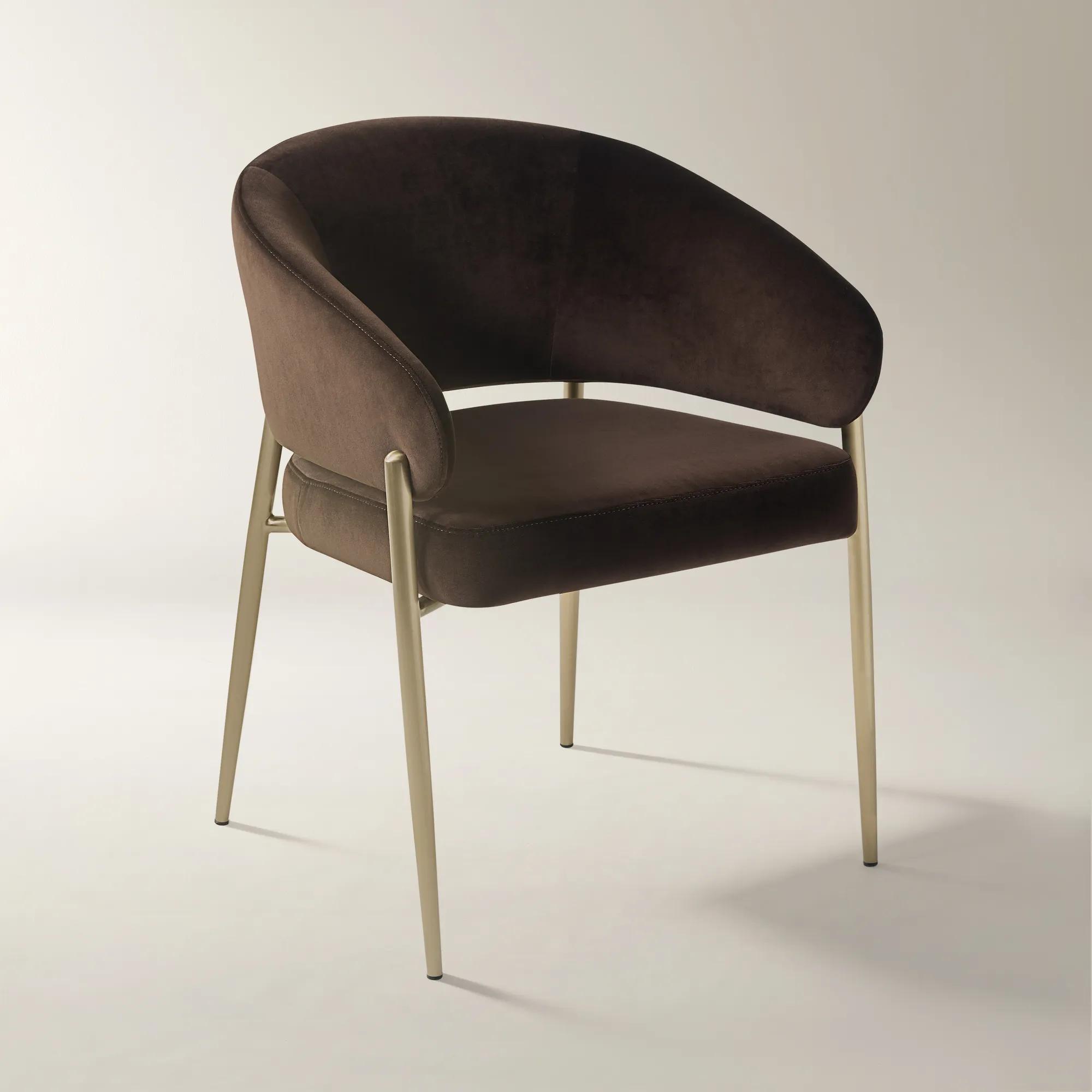 Nara Dark Chocolate Velvet Dining Chair Set Of 2$599
A pair of dark chocolate velvet chairs with curved backs and brushed brass stainless-steel legs for modern elegance.
Add To Cart -
 Harrison Cream Chenille Dining Chair$499
A fully upholstered cream chenille chair with high-density foam cushioning for exceptional comfort and contemporary style.
Add To Cart -
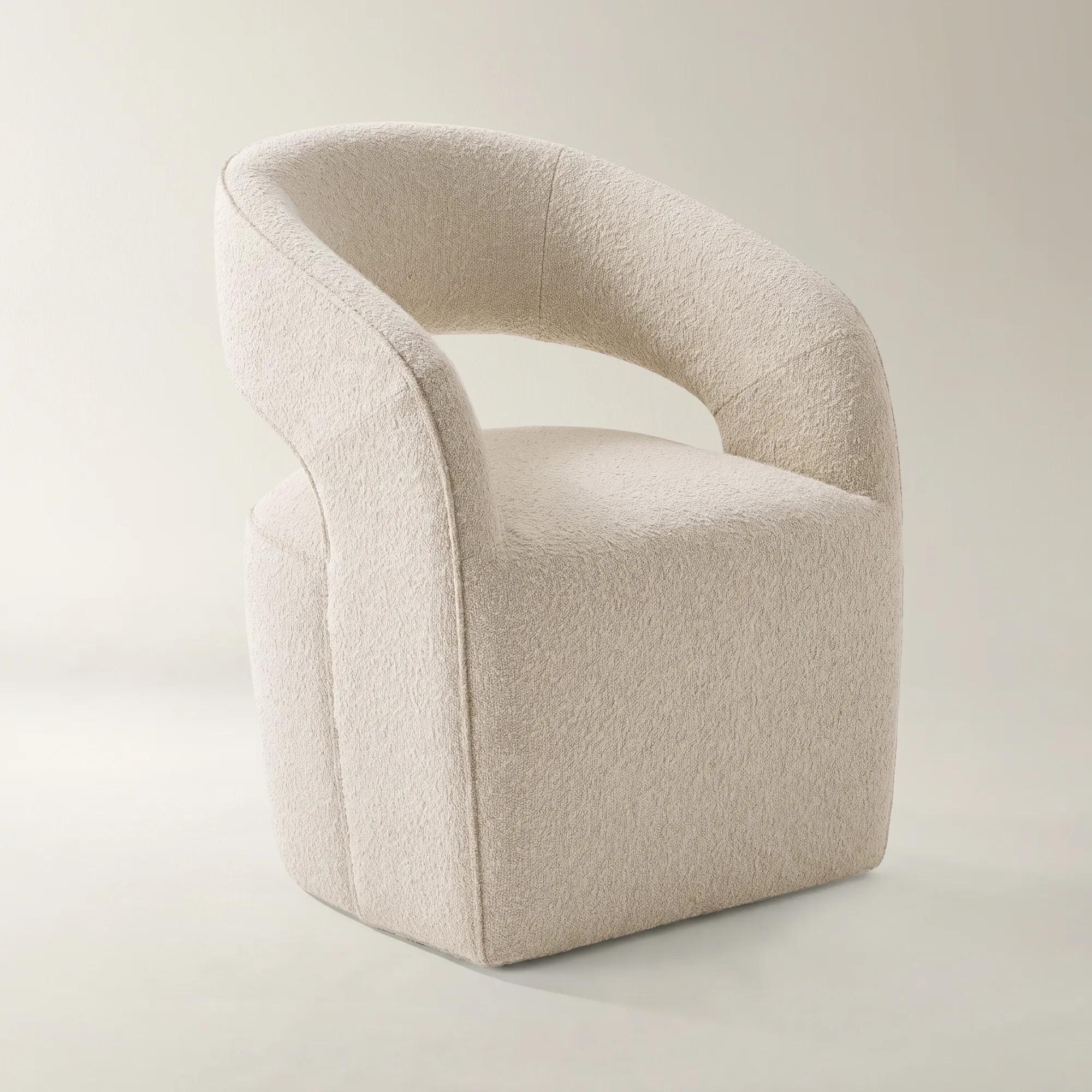 Harrison Ivory Performance Boucle Dining Chair$499
A sculptural dining chair in ivory performance boucle with a curved back, integrated arms, and feather-blend comfort.
Add To Cart

Curved Back Dining Room Chairs
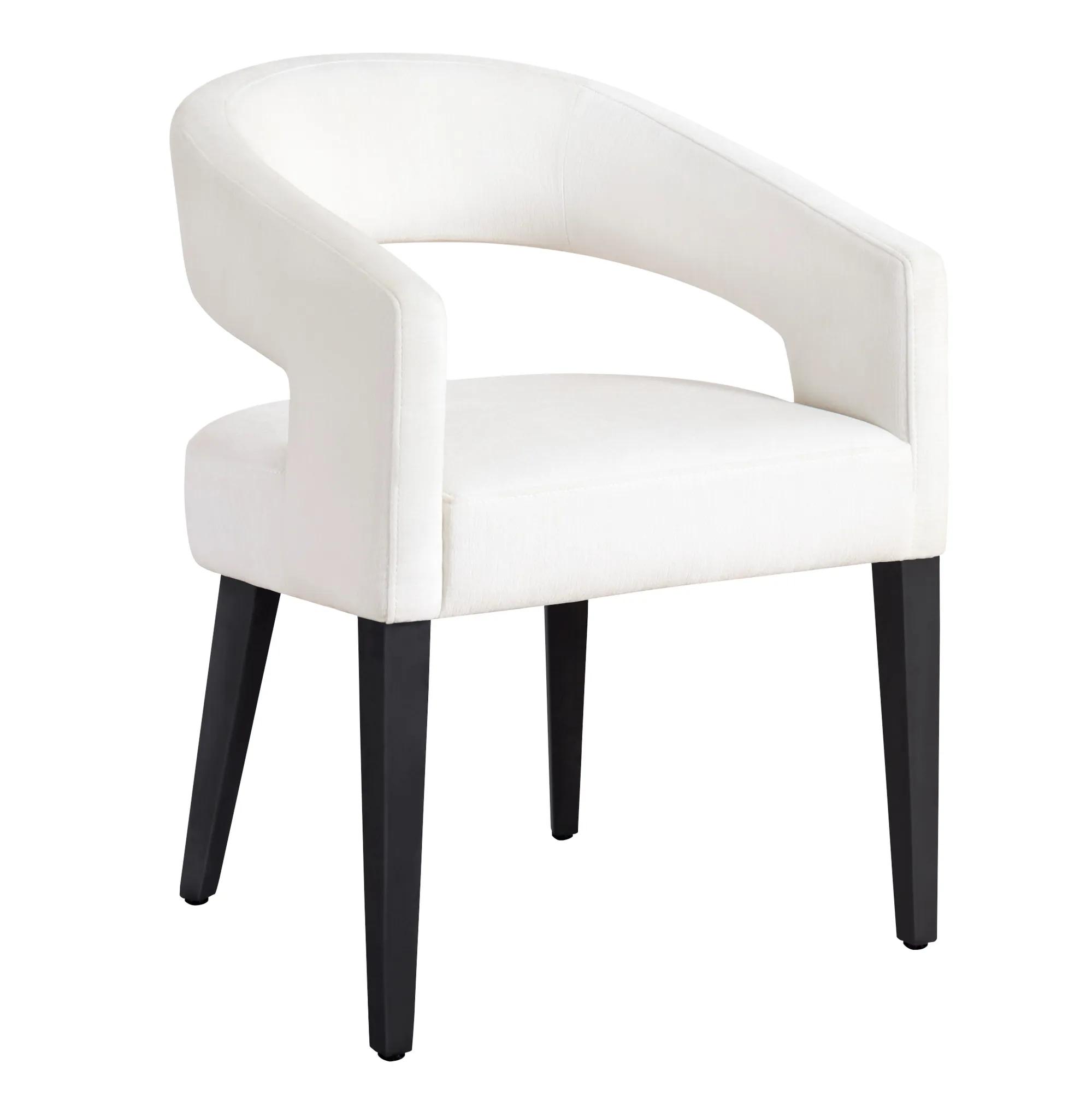
Curved back dining room chairs invite a sense of sculptural elegance to the heart of your home, transforming every meal into an occasion. With their graceful silhouettes and fluid lines, these chairs evoke a mood of modern sophistication—where comfort meets artistry and every gathering feels like a curated event. Whether anchoring a dramatic tablescape or standing alone as objets d’art, curved back dining room chairs offer more than seating; they create an ambiance that is both inviting and undeniably chic. Elevate your dining experience with pieces that celebrate form, function, and the expressive spirit of design.
Curved back dining room chairs bring a sculptural rhythm to the table, turning a familiar gathering place into a room with presence. Their defining feature is the sweep of the backrest: an arc that softens the silhouette, frames the seat, and gives the chair visual interest from nearly every angle. That last detail matters in a dining room, where the backs of the chairs often make the first impression. Seen from an entryway or across an open living space, a sequence of curved backs creates a composition rather than a row of purely functional seats. Some shapes suggest a restrained crescent; others extend into a generous, enveloping profile with a more dramatic outline. Each offers a different balance of openness and enclosure, allowing the dining area to feel tailored, expressive, or quietly sumptuous. Around a round table, curved chairs echo the tabletop’s geometry and reinforce its intimate arrangement. Beside a rectangular table, their softer lines provide contrast, especially when paired with a substantial pedestal or crisp, architectural legs. An oval table offers another compelling pairing, carrying the curved motif through the entire setting without making every element identical. The effect can be glamorous without relying on elaborate ornament: a beautifully proportioned back, rich upholstery, and a gleaming frame may provide all the distinction the room needs. For households that use the dining table for everything from breakfast to lingering conversation, the appeal extends beyond appearance. A backrest with a contour that suits the sitter can make the seat feel more welcoming, though comfort depends on its height, angle, cushioning, and relationship to the table. These chairs belong in rooms designed to be enjoyed, whether that means an intimate apartment dining nook, a formal space for entertaining, or a shared dining area visible from the kitchen. Their curves establish a sense of occasion while leaving room for everyday life.
Upholstery and frame materials give that silhouette its character. Velvet catches light across the backrest, emphasizing the curve with subtle shifts in tone, while a textured woven fabric creates a more tactile, dimensional surface. Smooth upholstery allows the outline to take center stage; a pronounced weave adds another layer to the room’s material palette. The enveloping forms of Curved Upholstered Dining Chairs are especially expressive when the fabric continues across the outside back, giving guests approaching the table the same considered finish as those already seated. Pale upholstery can create a luminous contrast against a dark table, while deeper tones lend definition beside glass, stone, or light wood. Frame finishes further shape the mood. Polished metal introduces reflection and a jewelry-like accent; wood brings grain, depth, and a warmer visual counterpoint to upholstery. Neither appearance alone nor a material name establishes durability, so construction details and the demands of the household remain important considerations. Secure joints, a stable base, upholstery intended for dining use, and appropriate care all contribute to lasting performance. Fabric composition also matters, particularly where children, frequent guests, or daily meals put seating through regular use; stain resistance and cleaning requirements should be confirmed rather than assumed from texture or color. Proportion is just as consequential as material. A chair’s overall width may extend well beyond its seat because of the curved back or arms, so its full footprint determines how comfortably several chairs fit along the table. Seat height should leave comfortable space beneath the tabletop and apron, accounting for any cushion compression. Arms need clearance if the chairs are intended to tuck in, and the room needs enough space behind each seat for someone to rise without squeezing past a wall or cabinet. In a compact setting, a visually open base can preserve an airy impression, but actual measurements—not appearance—determine fit. Generous silhouettes look most intentional when they have room to breathe.
Living with curved back dining chairs is as much about thoughtful placement and care as the initial composition. Upholstered backs are frequently touched as chairs are pulled away from the table, making those surfaces worth including in regular maintenance rather than focusing only on the seat. Gentle vacuuming with a suitable upholstery attachment can remove crumbs and surface dust where the seat meets the back; the manufacturer’s care directions should determine the method and frequency. Spills call for prompt attention according to the fabric’s cleaning code, with any permitted cleaner tested in an inconspicuous area before broader use. Removable covers, washable fabrics, and performance treatments should never be assumed, even when a chair looks suited to busy dining. Wood and metal frames have their own finish-specific requirements, and abrasive cleaners can compromise the very sheen or texture that gives them distinction. Appropriate floor protectors help reduce scuffing and should be checked periodically for wear or trapped grit. Chairs should be lifted when moved rather than dragged, and their backs and arms should not be used as handles unless the construction is designed for it. These small habits help preserve both the furniture and the setting around it. For hosts who enjoy an expressive table, curved seating provides a strong foundation for layered linens, sculptural centerpieces, and luminous glassware without requiring every finish to match. Matching chairs create a continuous sweep around the table; coordinated armchairs at the ends can introduce a measured change in scale. In an open-plan home, repeating a fabric tone or metal finish from an adjoining room can connect the dining area to the larger interior while allowing the chair shape to remain distinctive. The most compelling arrangement balances that visual drama with practical comfort: seats guests can settle into, surfaces suited to the household, and enough space for easy movement. With those relationships considered, curved back dining room chairs become more than an attractive outline. They give the dining room a graceful structure for conversation, shared meals, and beautifully personal expression.
FAQs
Curved back dining chairs are remarkably versatile, complementing a wide range of design aesthetics. Their sculptural lines enhance glamorous, contemporary, and mid-century modern interiors, while their graceful arches can soften more traditional or transitional spaces. For a daring look, pair them with bold colors and metallic accents; for understated elegance, select neutral tones in luxe fabrics like velvet or leather.
Arched dining chairs can be the star or the supporting cast in a mixed seating arrangement. Consider placing two rounded back dining chairs at the heads of your table to create a sense of grandeur, then complement them with streamlined side chairs for contrast. Alternatively, mix different upholstery textures or finishes within the same arched silhouette to create visual intrigue while maintaining cohesion.
Absolutely. The ergonomic design of curved and arched back dining chairs naturally follows the contours of the body, offering support and comfort during long, leisurely meals. Many styles feature plush cushioning or upholstered backs, making them an inviting choice for dinner parties, holiday celebrations, or any occasion when guests are encouraged to linger.
Yes, the elegant profile of a curved back or arched dining chair makes it a striking accent in living rooms, bedrooms, or entryways. Use one to create a reading nook, flank a console table, or add a touch of sophistication to a home office. Their artistic form and inviting comfort ensure they shine wherever you place them.
Arched back dining chairs are available in a variety of luxurious materials. Velvet and boucle offer a sumptuous, tactile appeal, while leather and faux leather provide classic sophistication. For a modern edge, look for lacquered or polished wood frames, or opt for mixed materials—like metal legs paired with upholstered seats—for a distinctive, curated look.