Curved Back Accent Chairs
Curved Back Accent Chairs
-
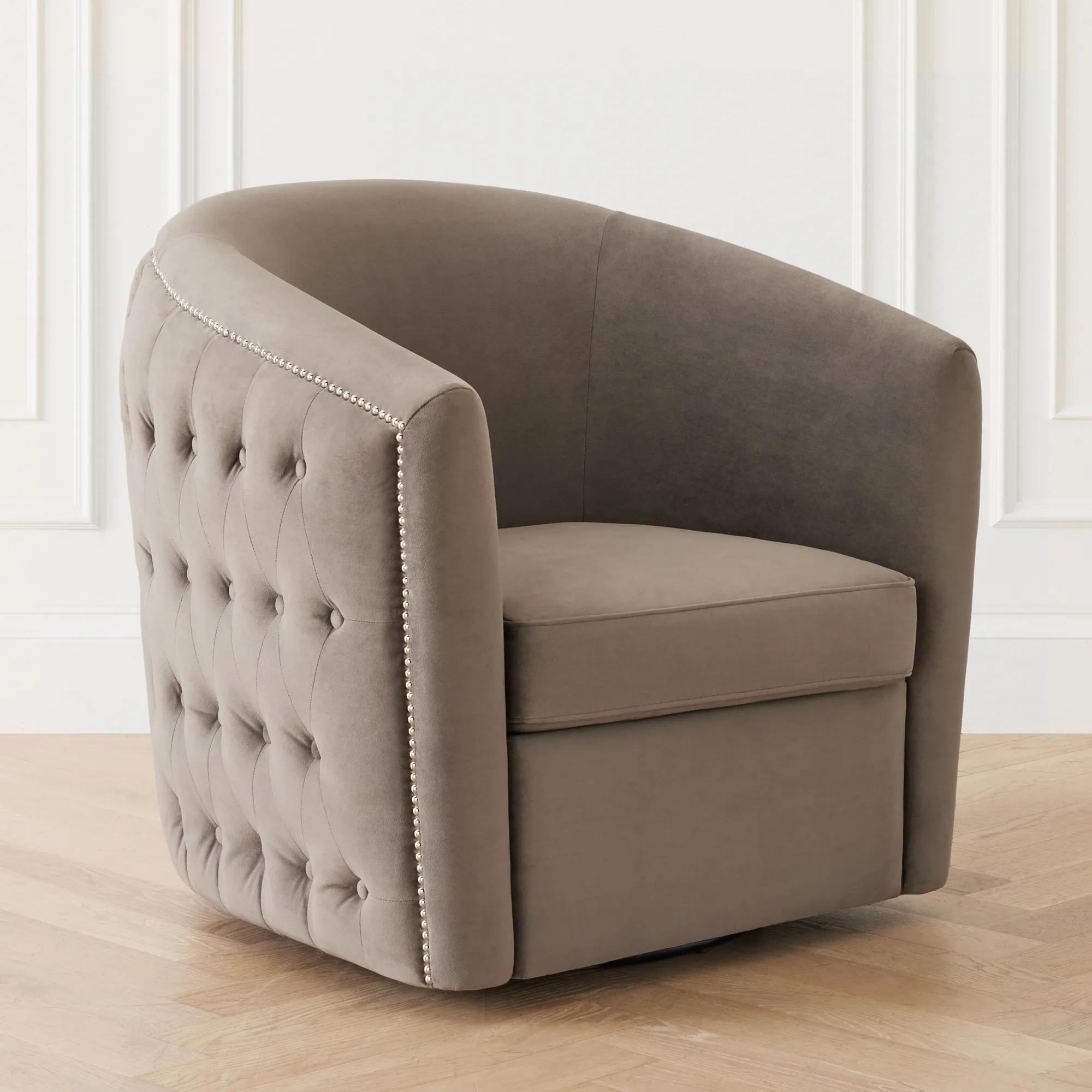
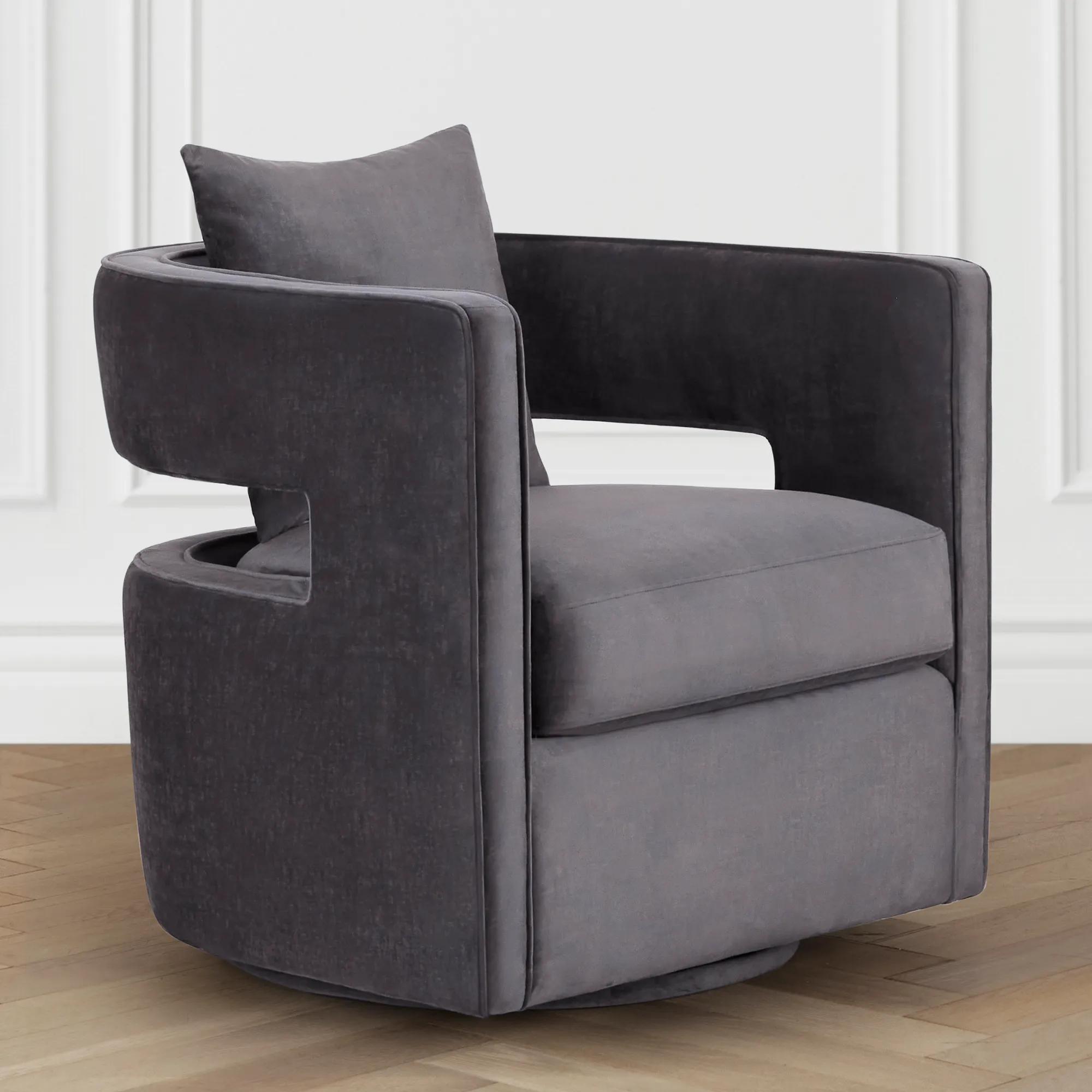 Lottie Grey Velvet Swivel Accent Chair$999
A glamorous grey velvet swivel chair featuring a barrel back, cutout arms, and plush foam cushioning.
Add To Cart -
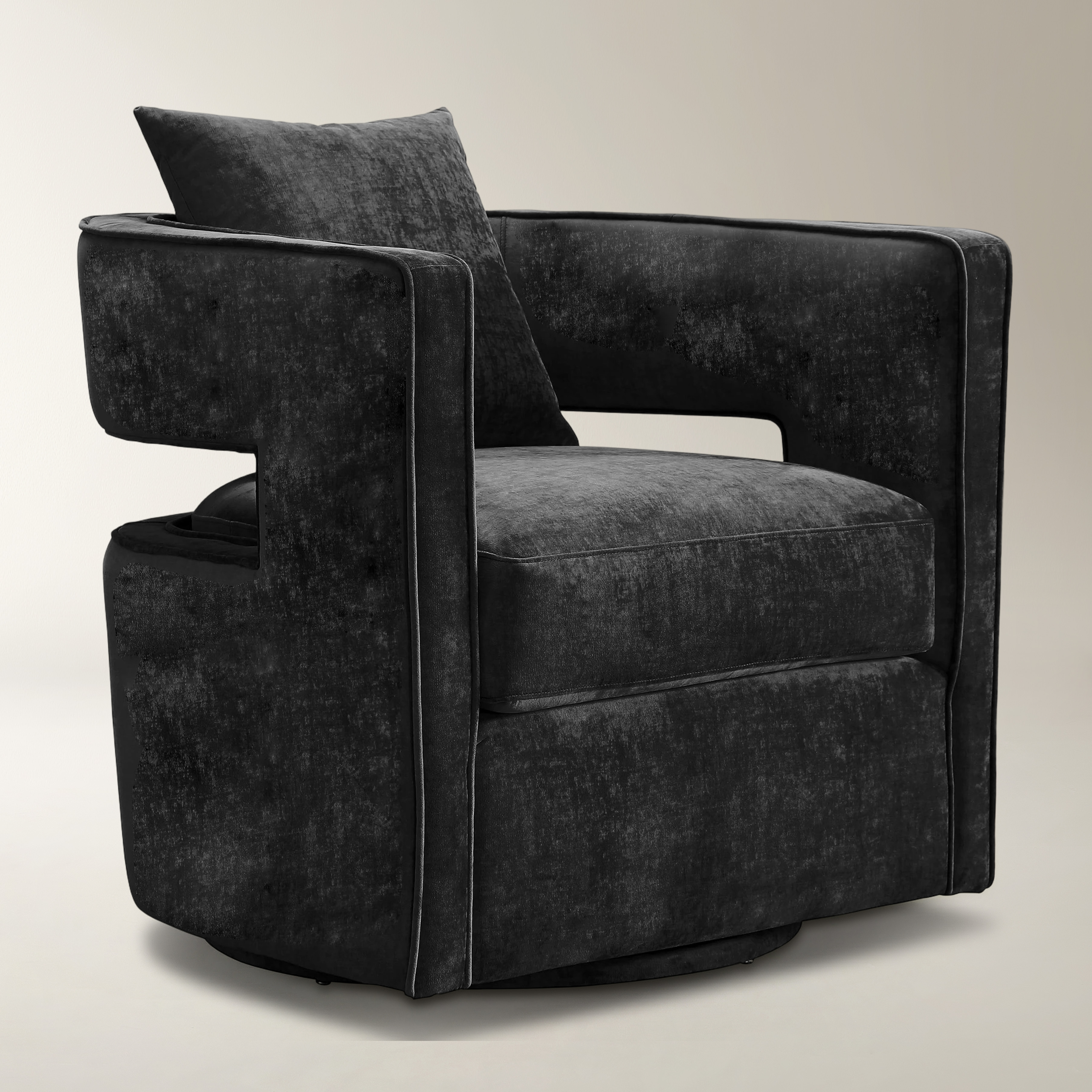 Lottie Black Velvet Swivel Accent Chair$999
A black velvet swivel accent chair with a sculpted barrel silhouette, open arms, and supportive cushioning.
Add To Cart -
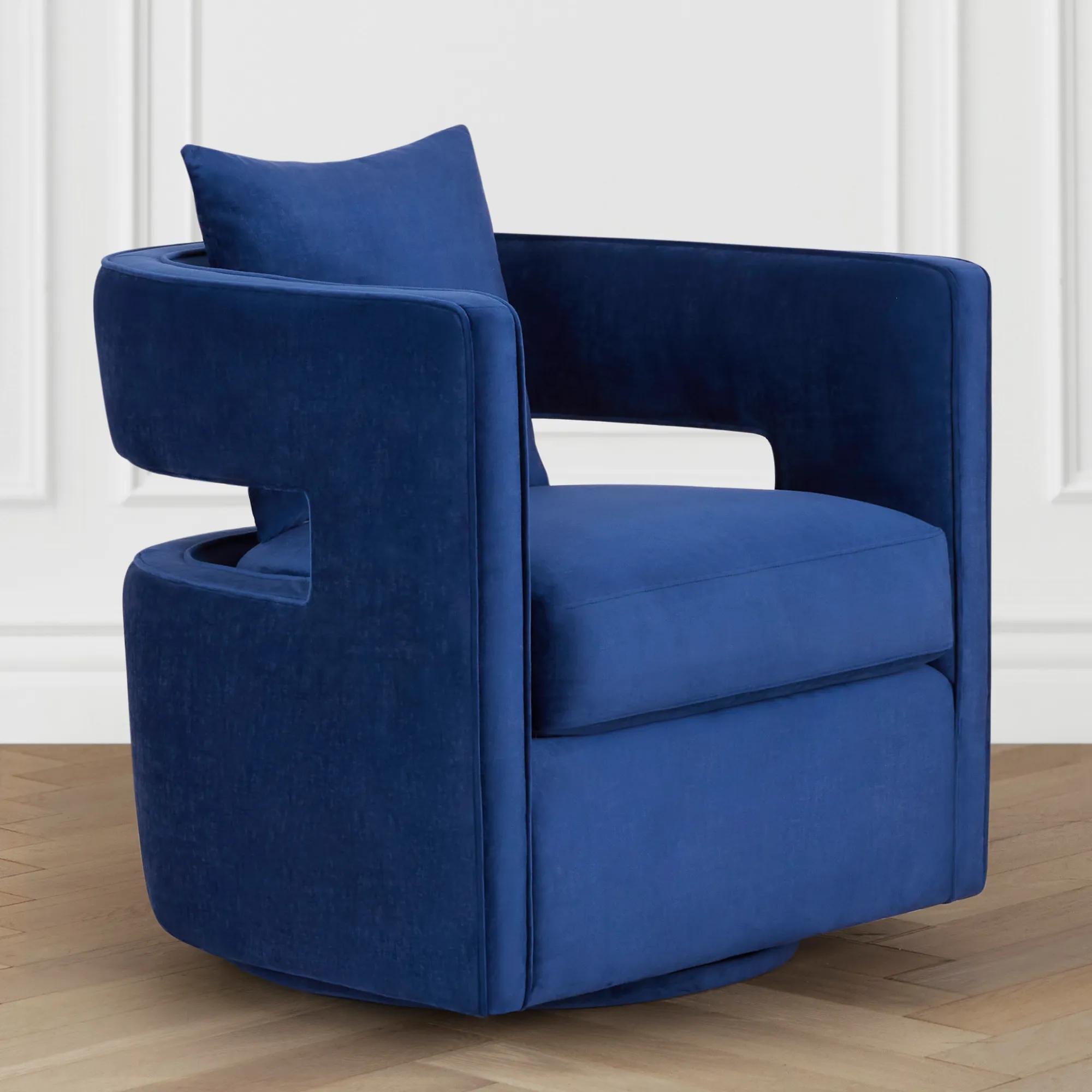
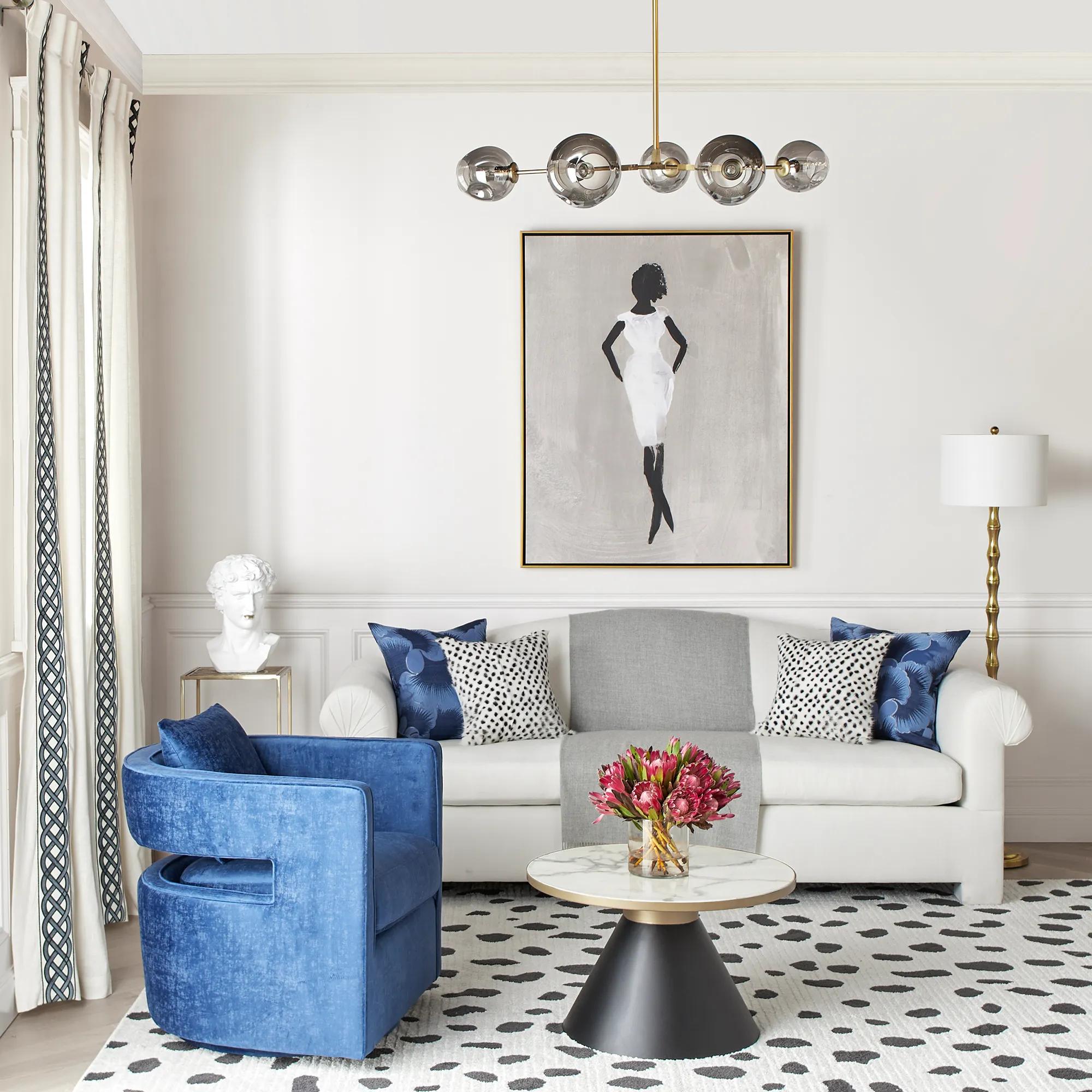 Lottie Navy Velvet Swivel Accent Chair$999
A navy velvet swivel accent chair featuring a sculpted barrel silhouette, open arms, and supportive cushioning.
Add To Cart -
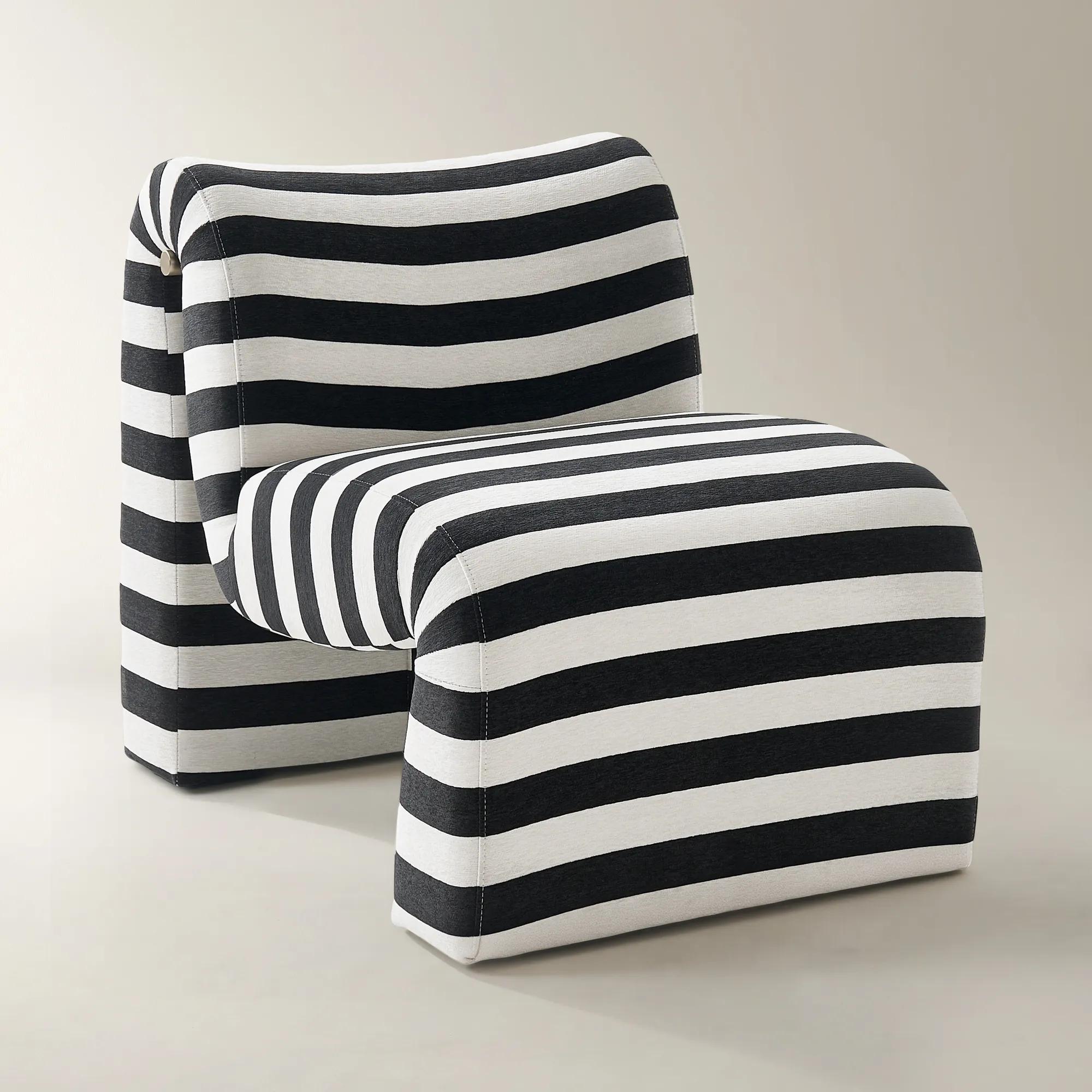 Cora Stripe Chenille Accent Chair$899
A bold black-and-white striped accent chair featuring water-repellent chenille and a gold stainless-steel inlay.
Add To Cart -
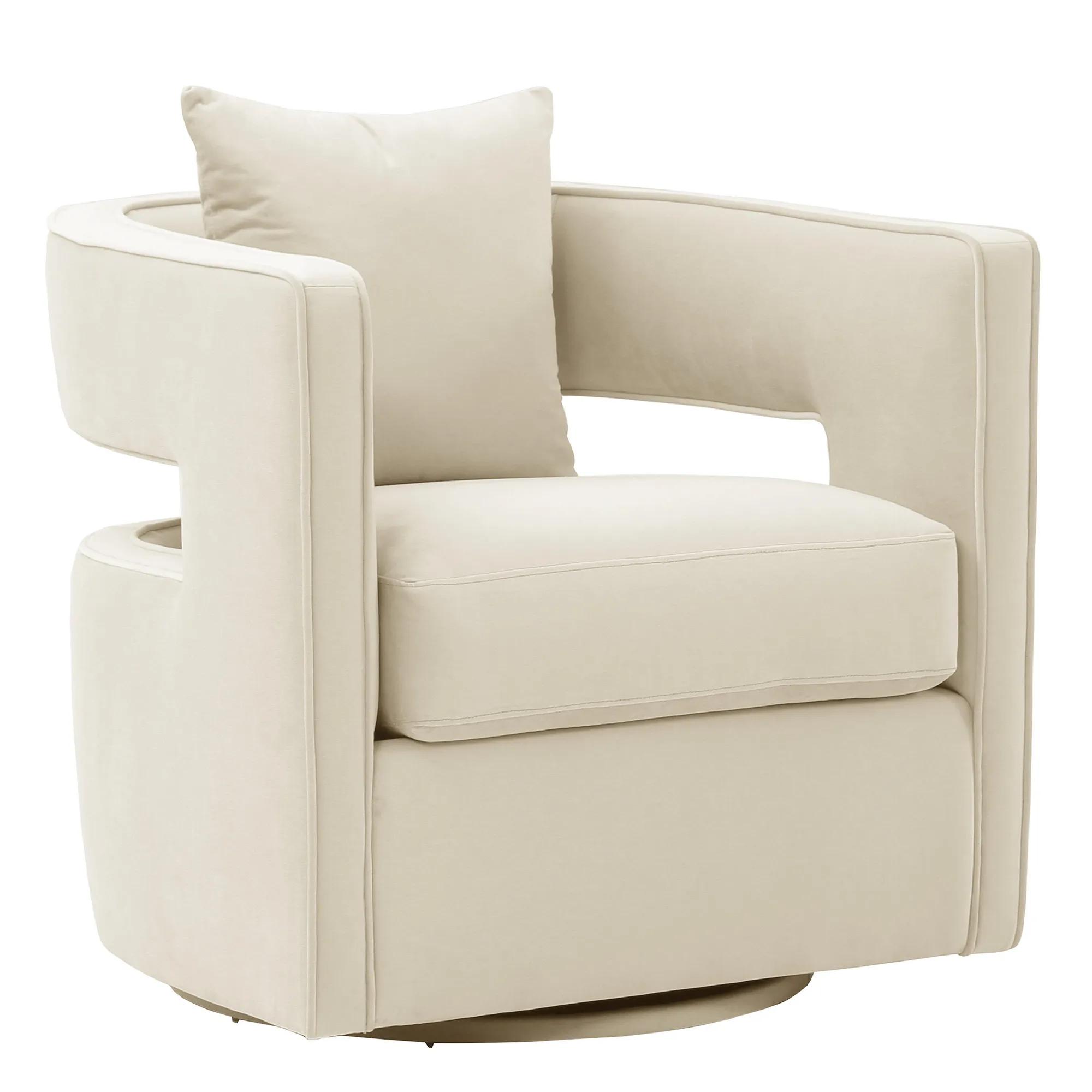
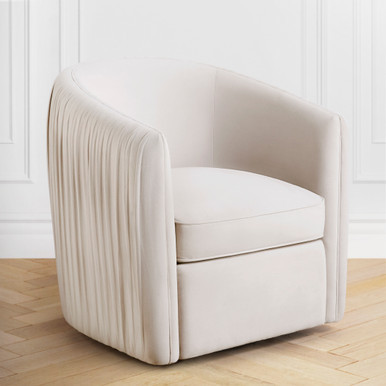
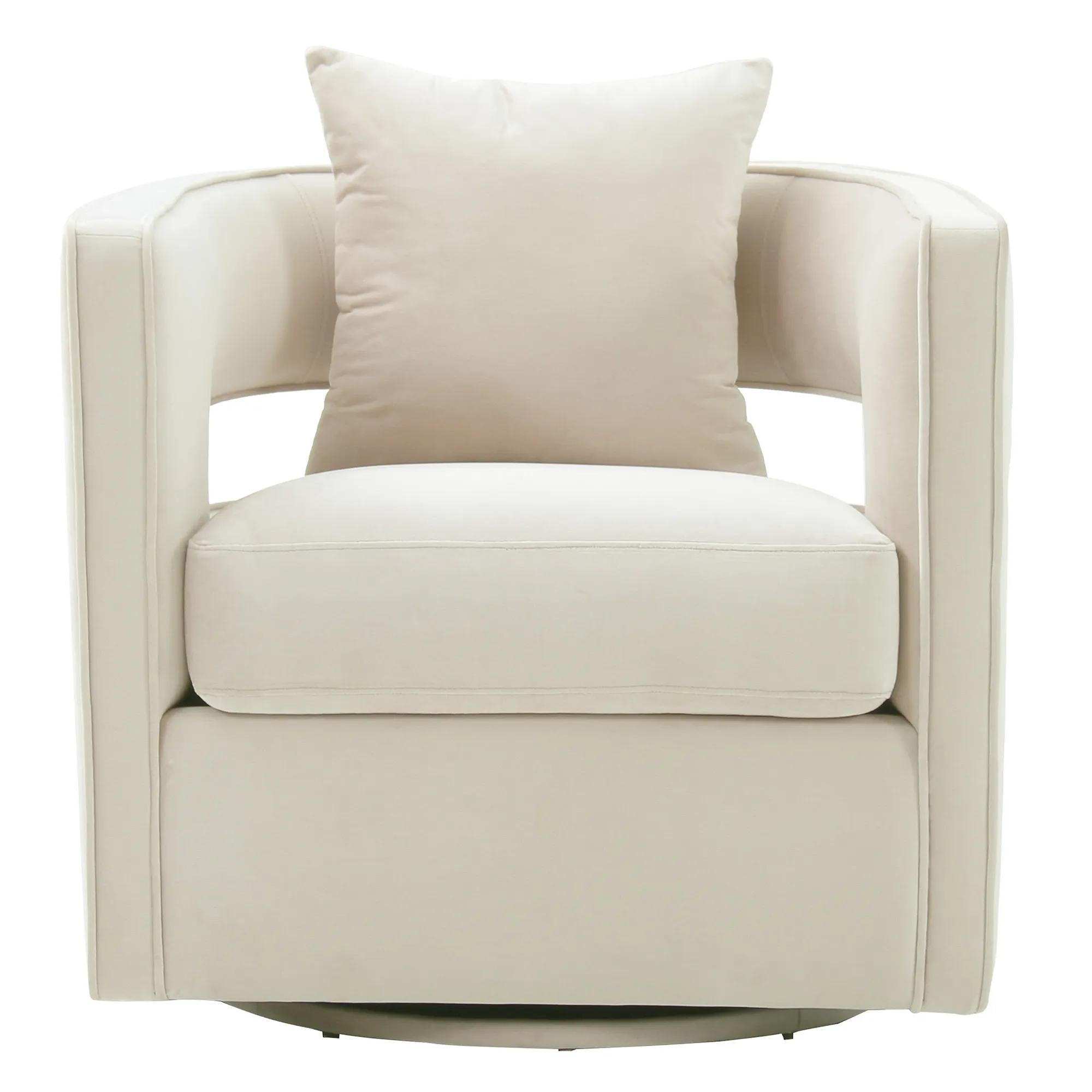 Lottie Cream Velvet Swivel Accent Chair$999
A glamorous cream velvet swivel chair featuring a barrel back, cutout arms, and plush foam cushioning.
Add To Cart -
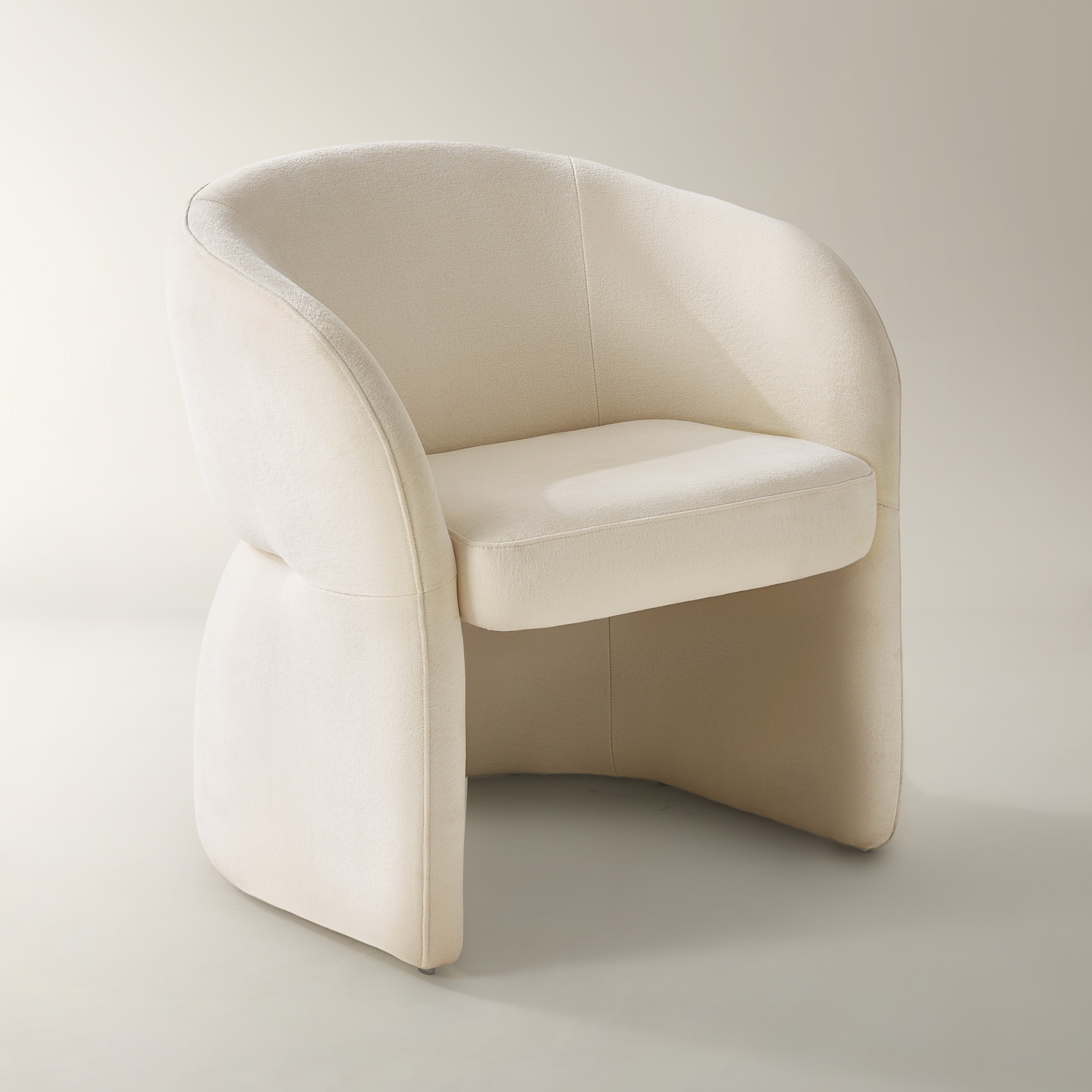
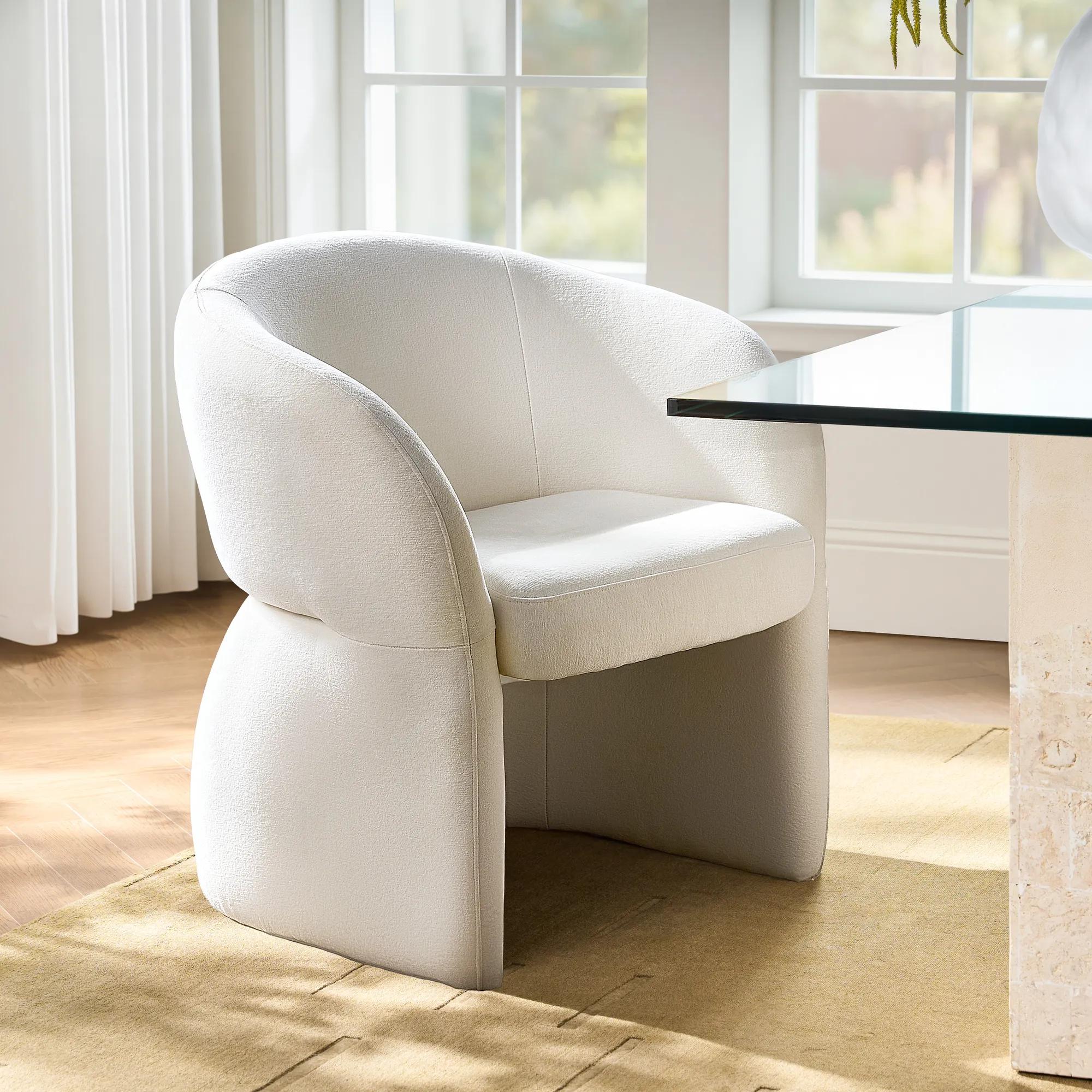 Sierra Oatmeal Velvet Dining Chair$599
An elegant accent chair in oatmeal velvet with gracefully arched arms, curved back, and plush cushioning.
Add To Cart -
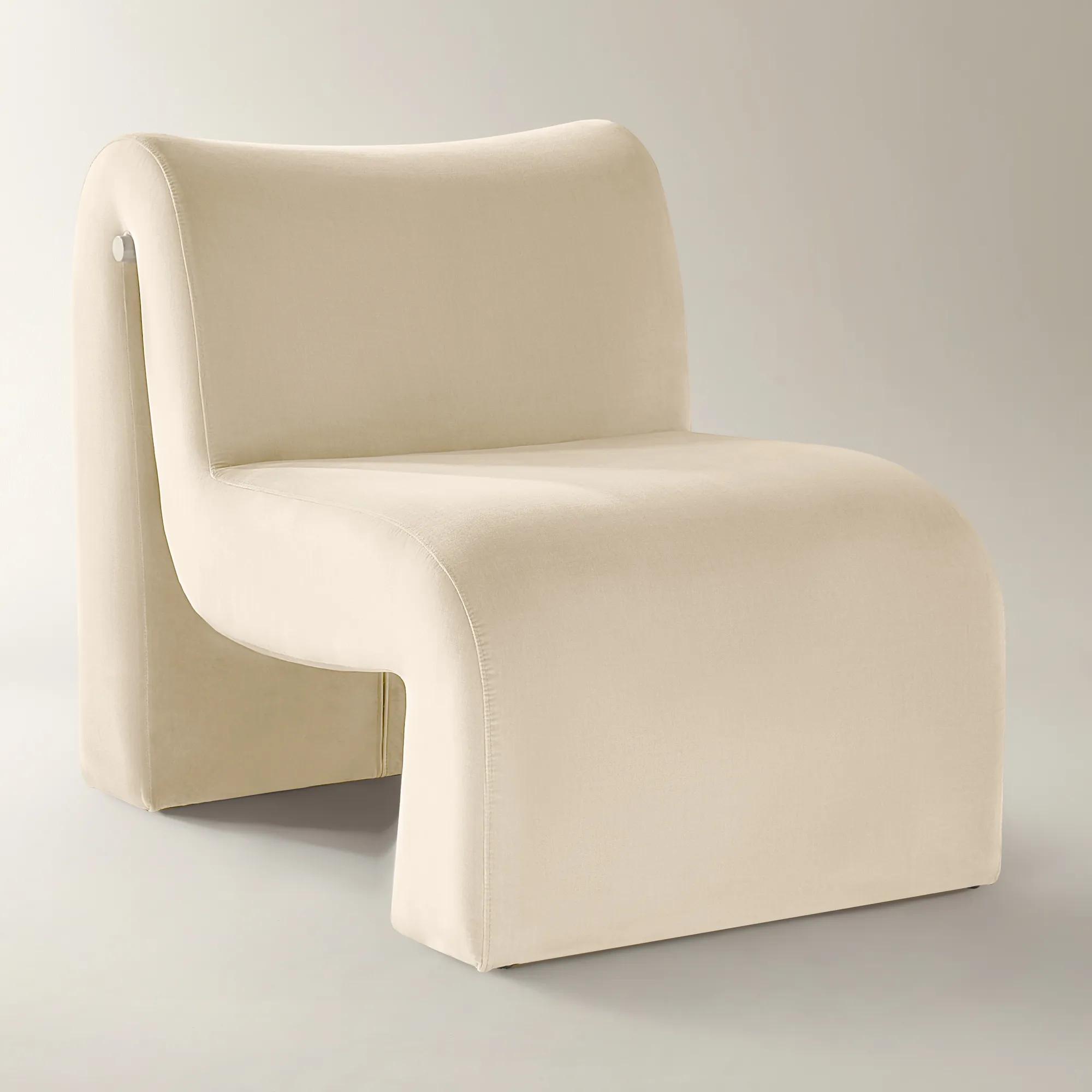 Cora Ivory Velvet Accent Chair$899
A sculpted ivory velvet chair featuring a continuous curved silhouette and a gold stainless-steel accent.
Add To Cart -
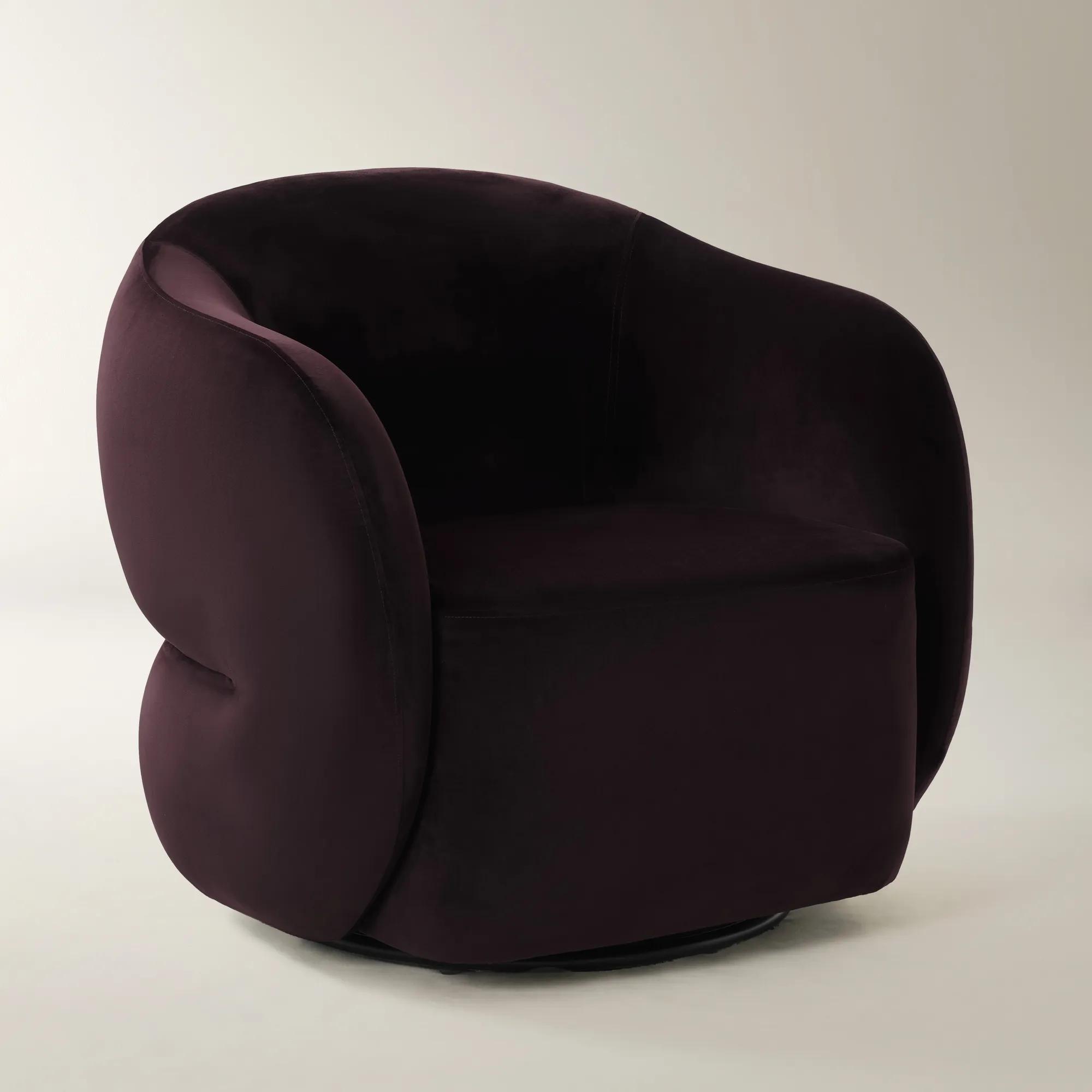 Sierra Fig Velvet Swivel Accent Chair$899
A modern accent chair in plush fig velvet with a wraparound back and smooth 360° swivel base.
Add To Cart -
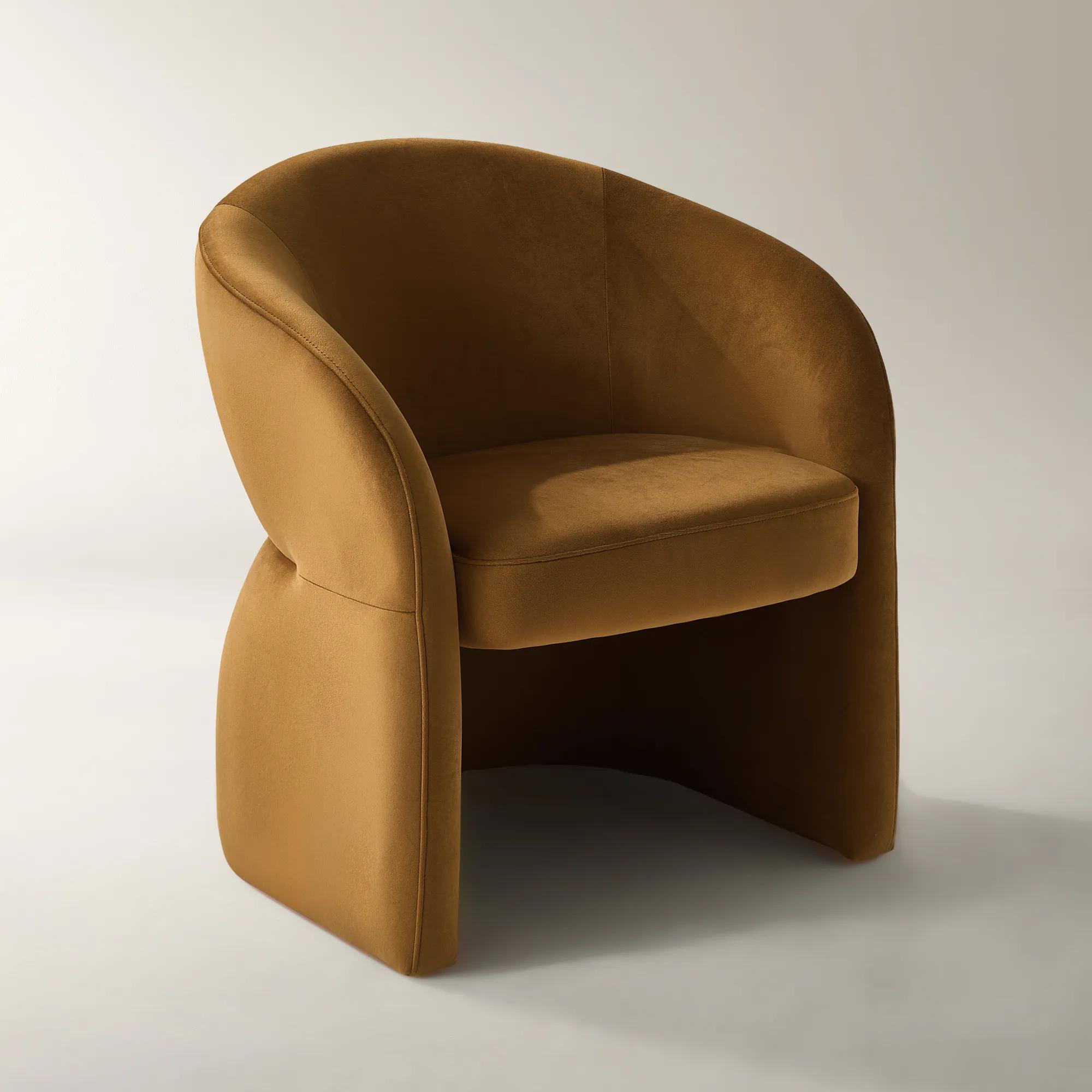
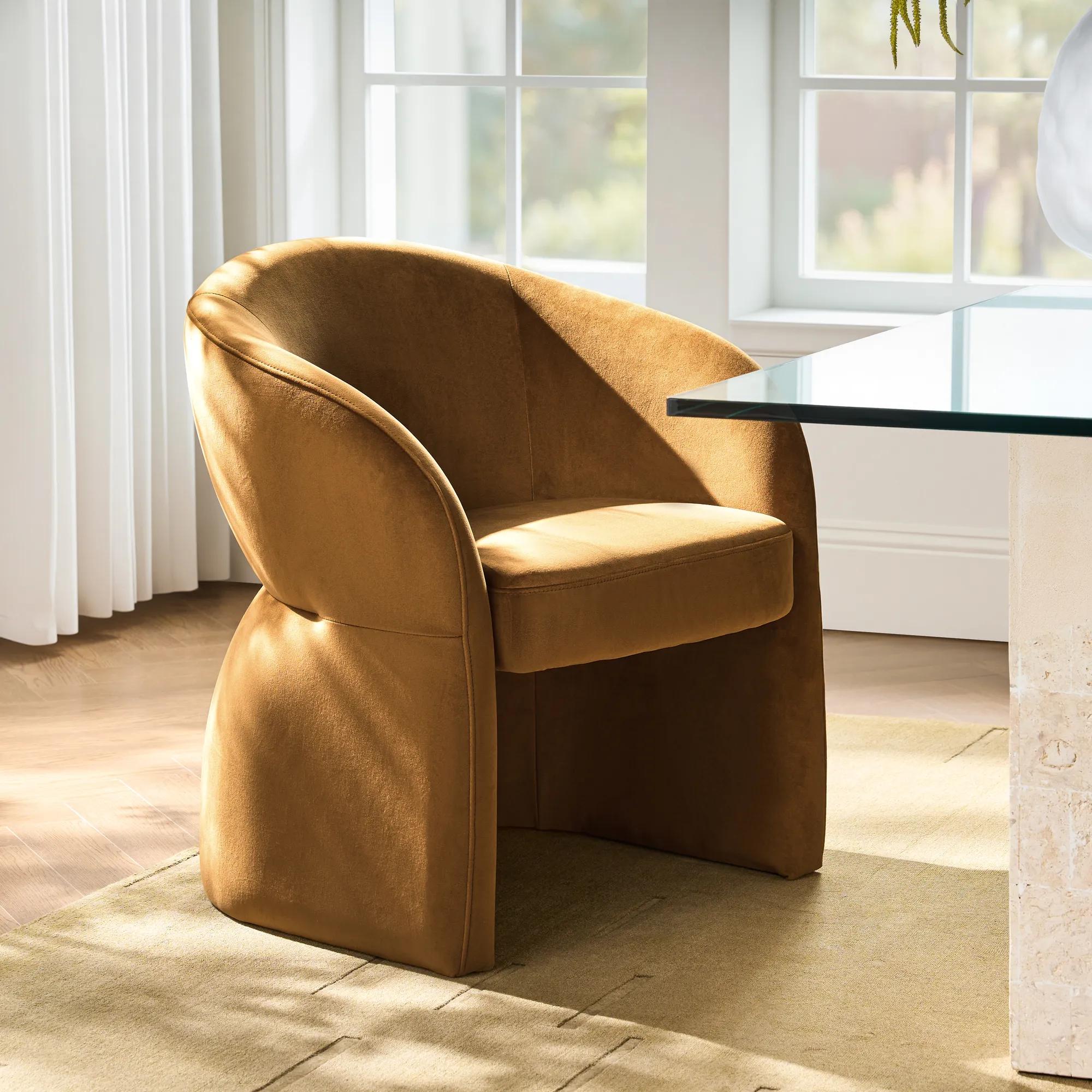 Sierra Roasted Pecan Velvet Dining Chair$599
A sculptural accent chair in roasted pecan velvet with arched arms, curved back, and plush cushioning.
Add To Cart -
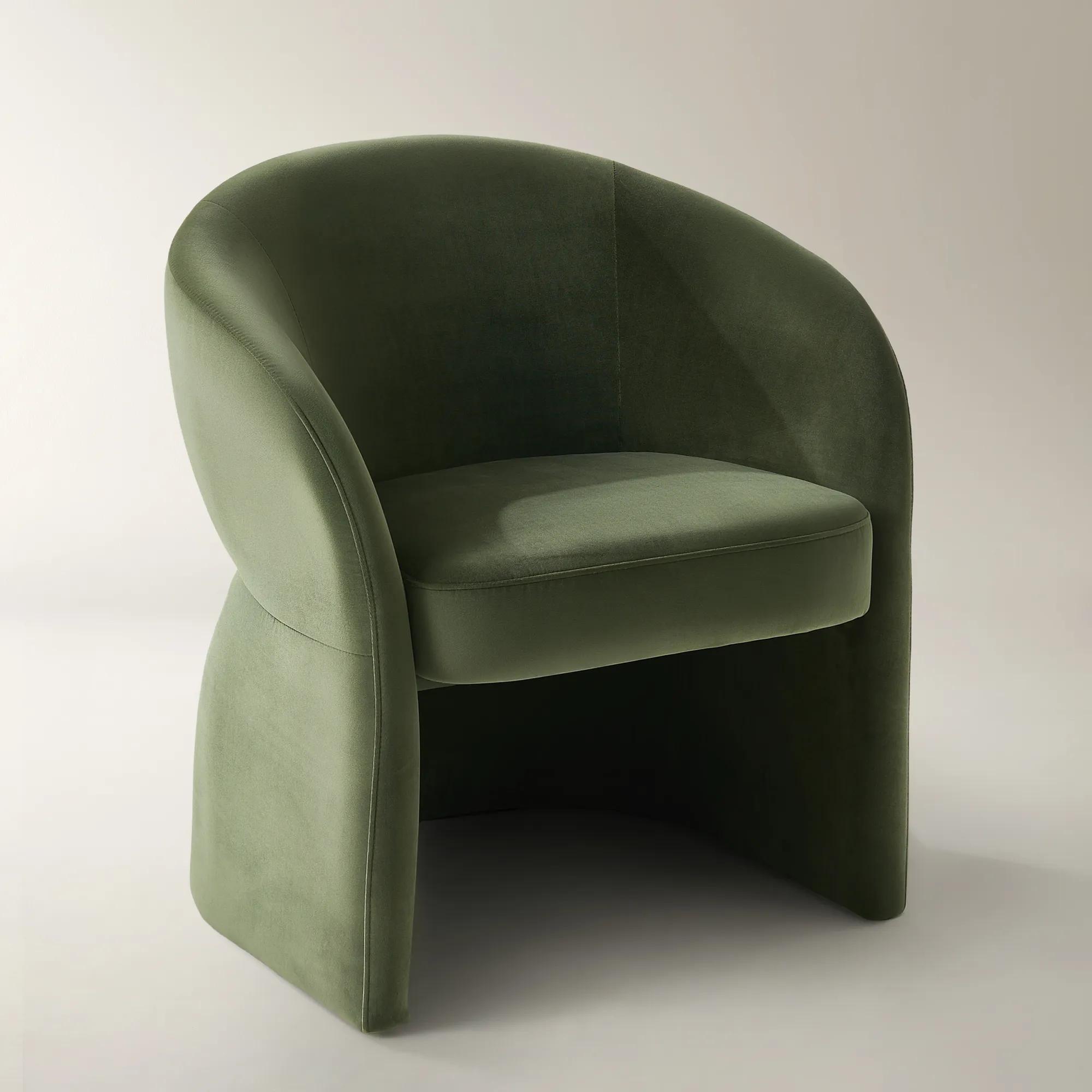
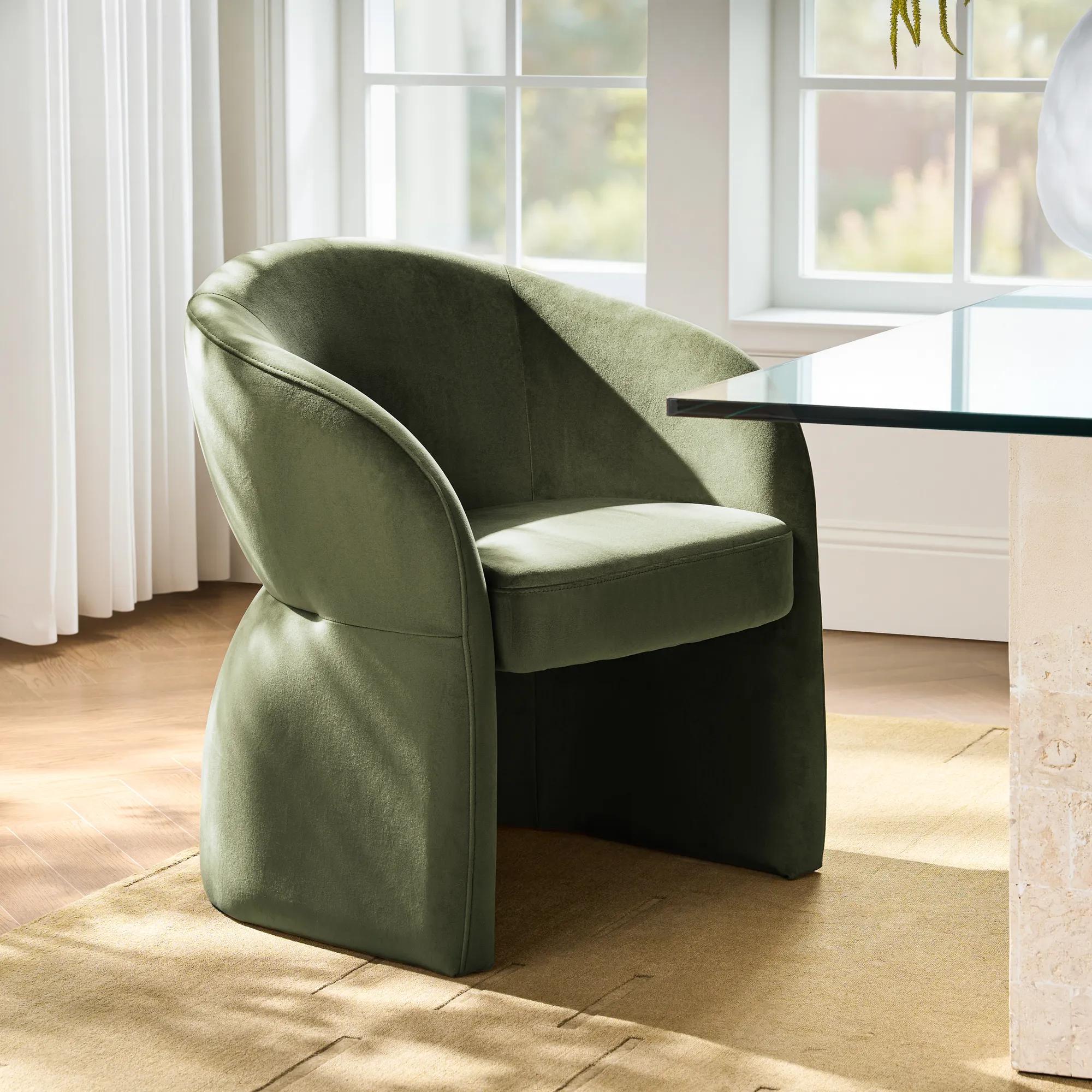 Sierra Jade Green Velvet Dining Chair$599
A sculptural accent chair in jade green velvet with gracefully arched arms and plush, supportive cushioning.
Add To Cart -
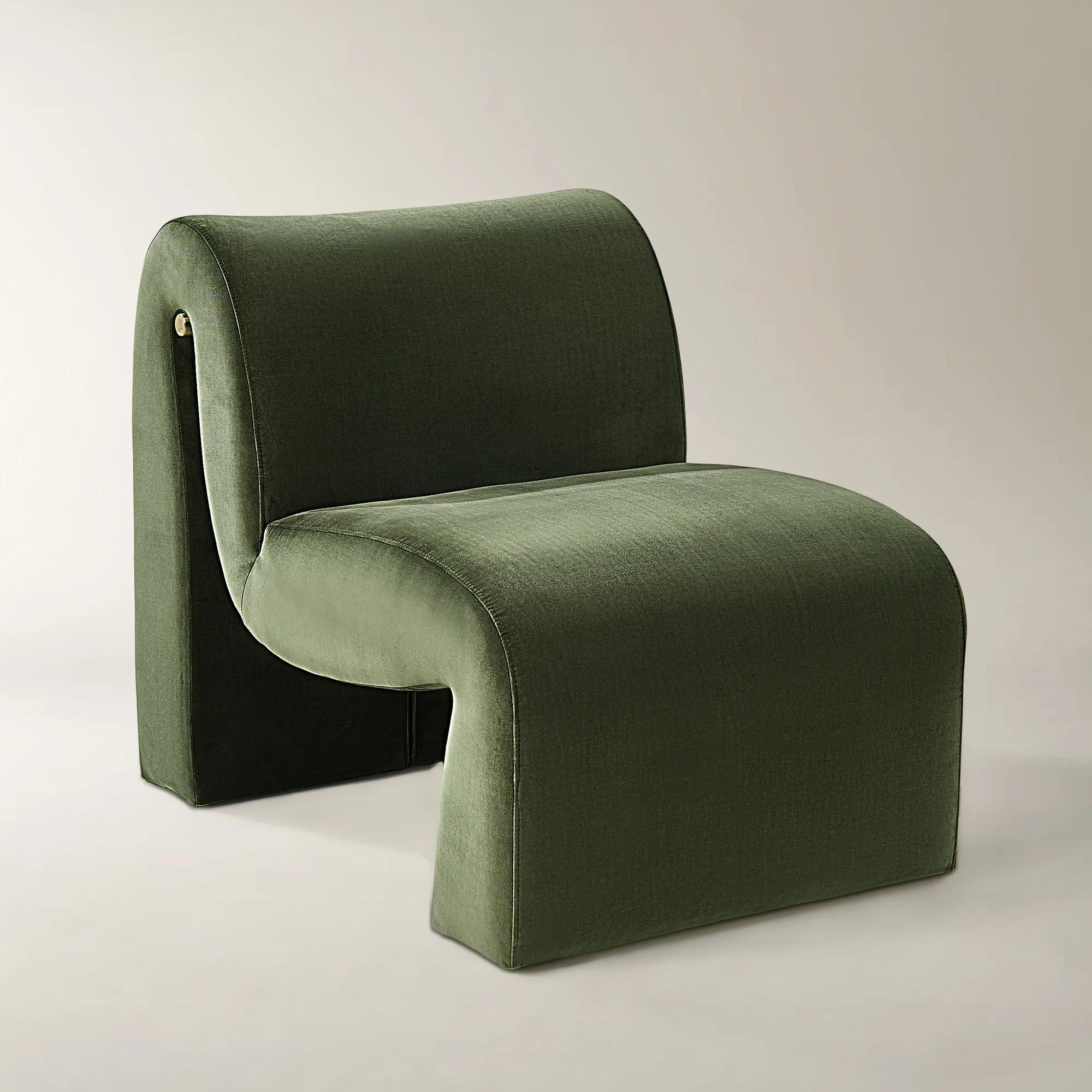
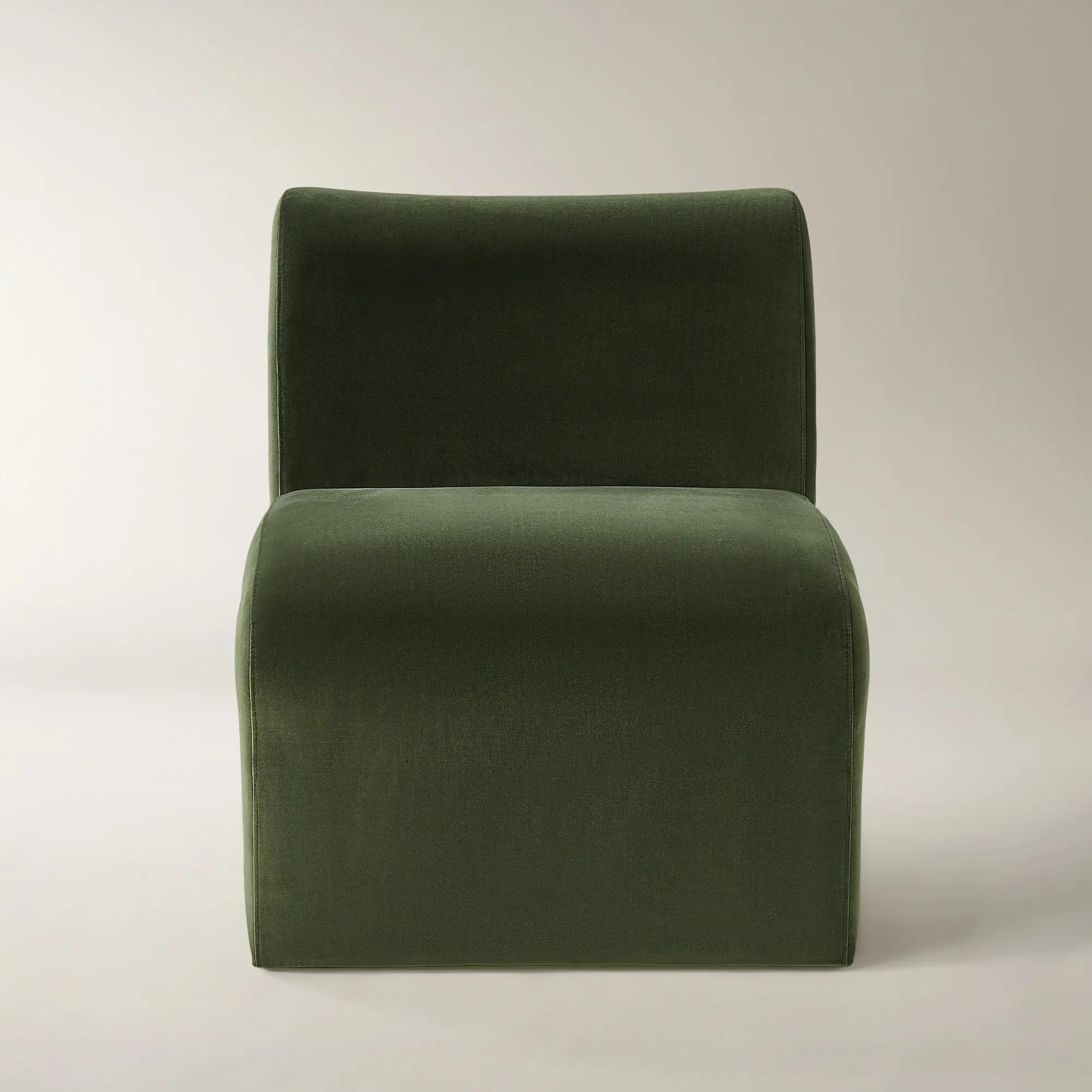 Cora Jade Green Velvet Accent Chair$899
A sculpted accent chair in jade green velvet with a gold stainless-steel inlay for refined glamour.
Add To Cart -
 Teddy Beige Faux Fur Accent Chair$949
A sculptural modern accent chair in beige faux fur with plush foam cushioning for ultimate comfort.
Add To Cart -
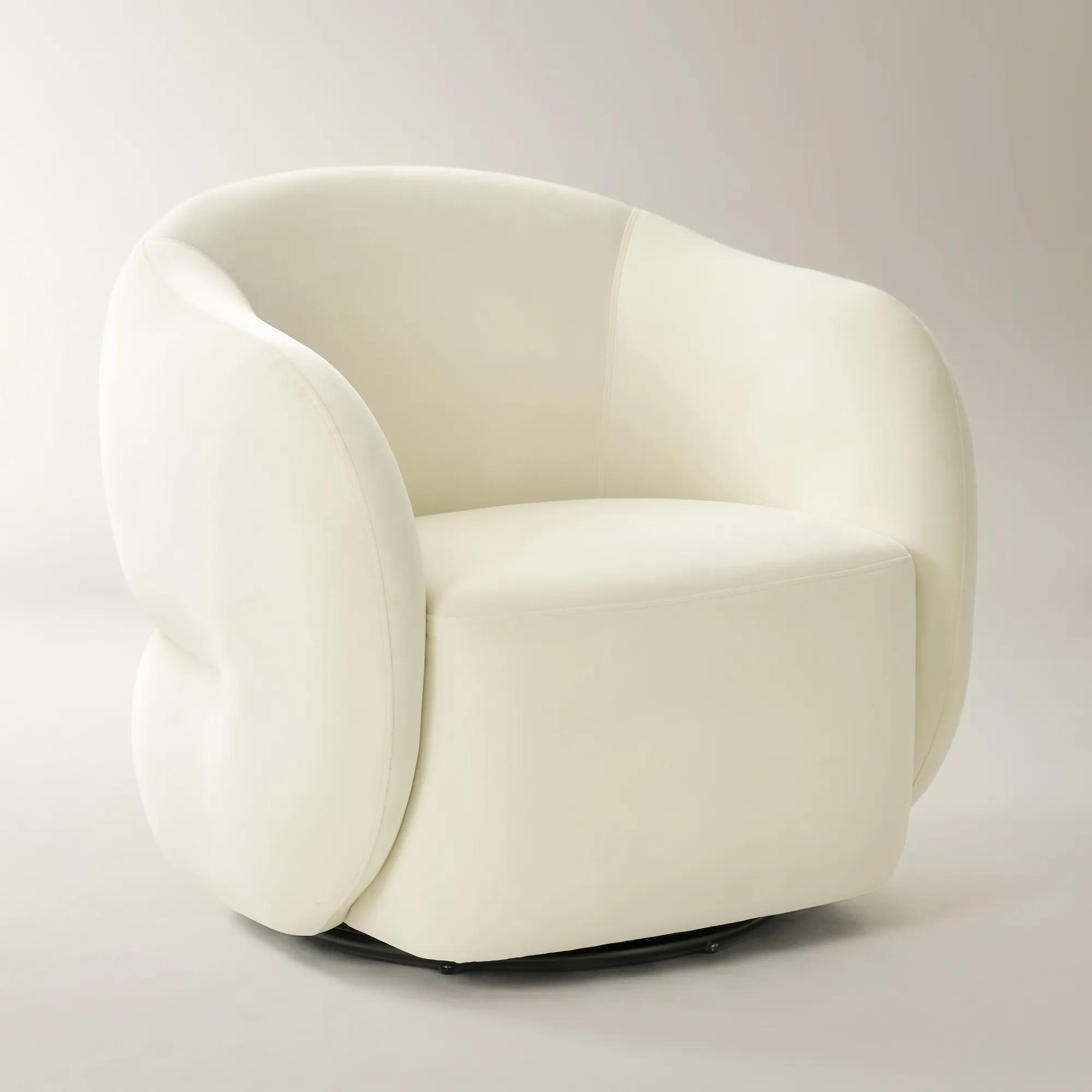
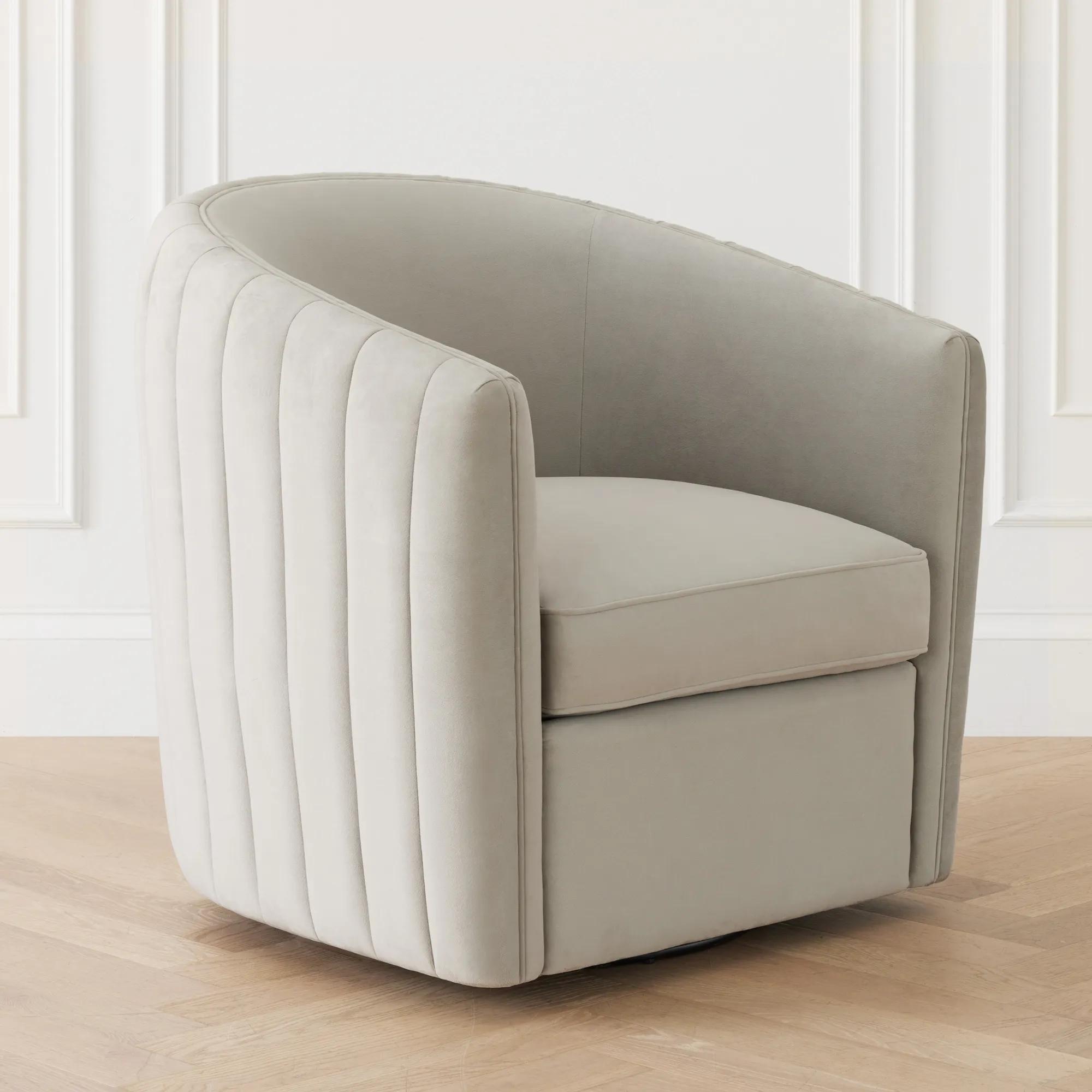
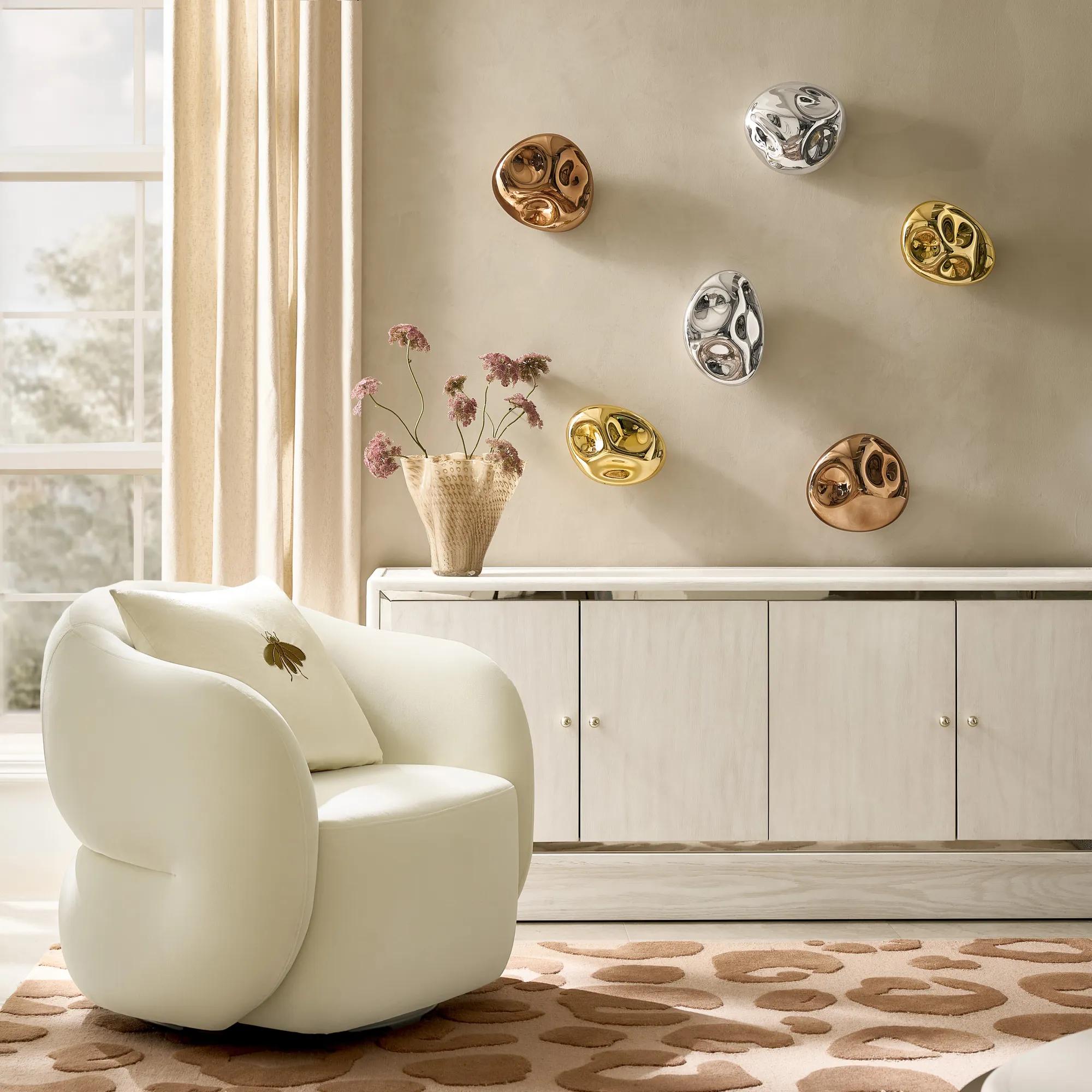 Sierra Cloud Velvet Swivel Accent Chair$899
A plush velvet accent chair featuring a wraparound back, fluid curves, and smooth 360° swivel base.
Add To Cart -
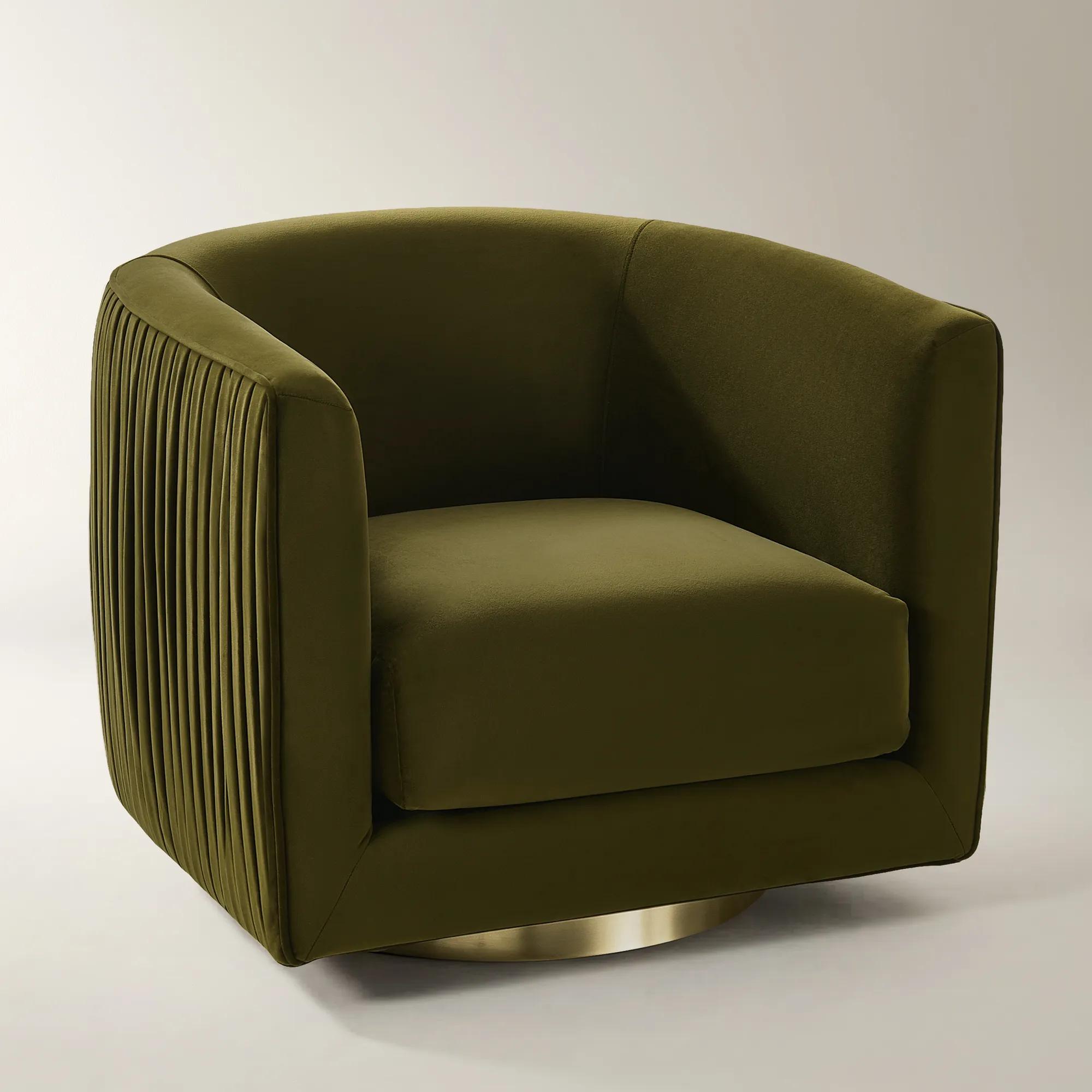
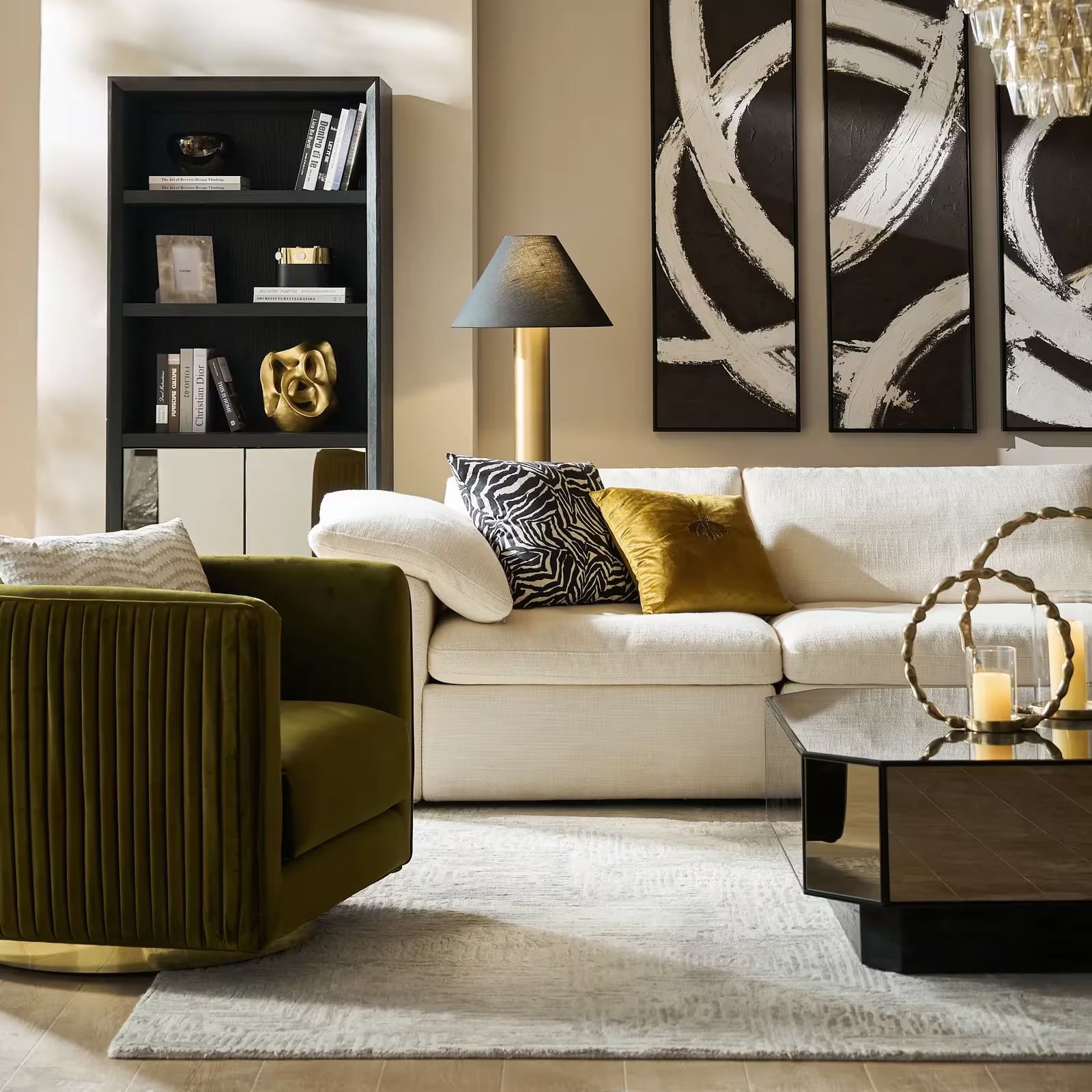 Lyssa Pleated Deep Olive Velvet Swivel Accent Chair$1099
A deep olive green velvet accent chair featuring pleated panels, smooth curves, and a 360-degree swivel base.
Add To Cart -
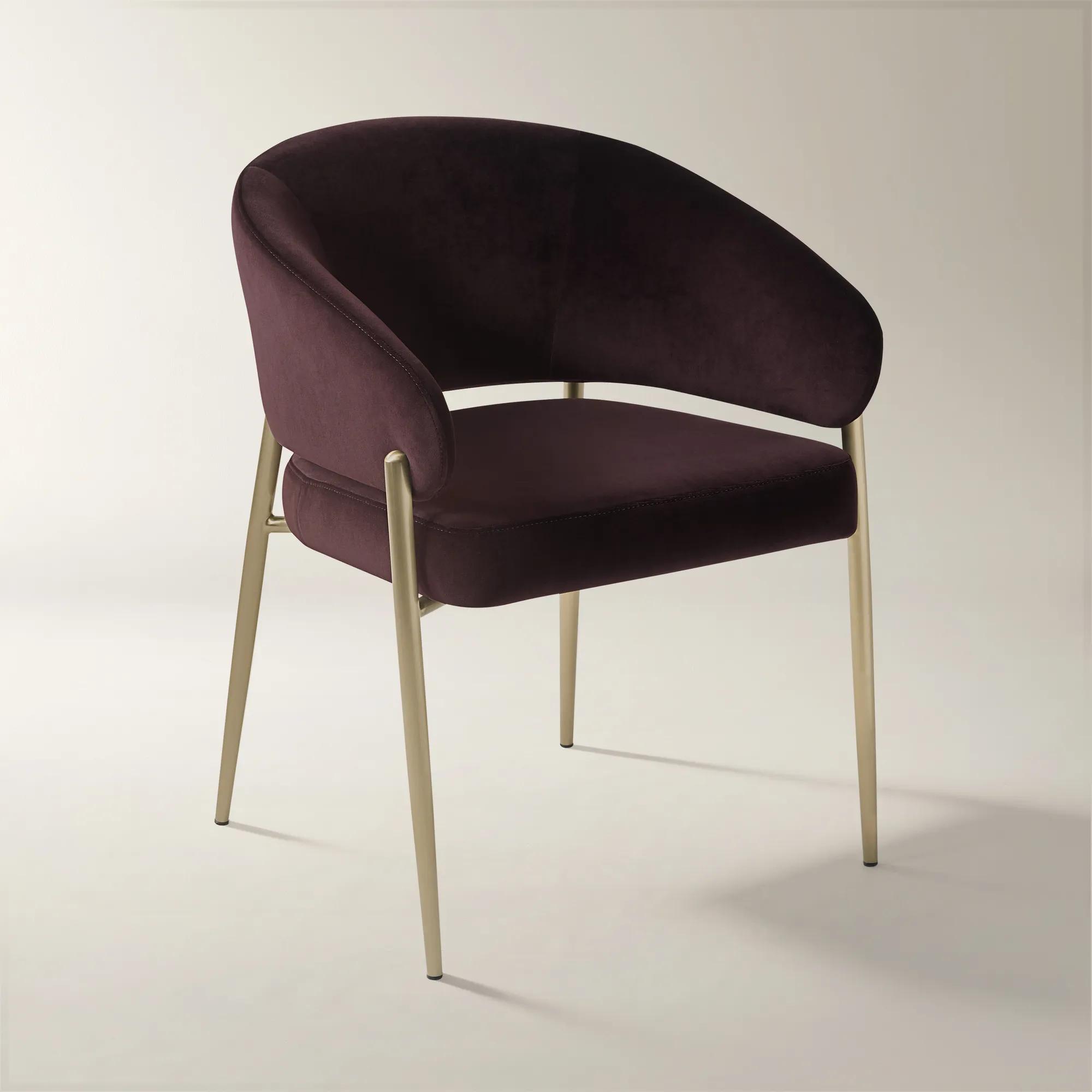 Nara Fig Velvet Dining Chair Set Of 2$599
A set of two dining chairs featuring plush fig velvet upholstery and brushed brass stainless-steel legs.
Add To Cart -
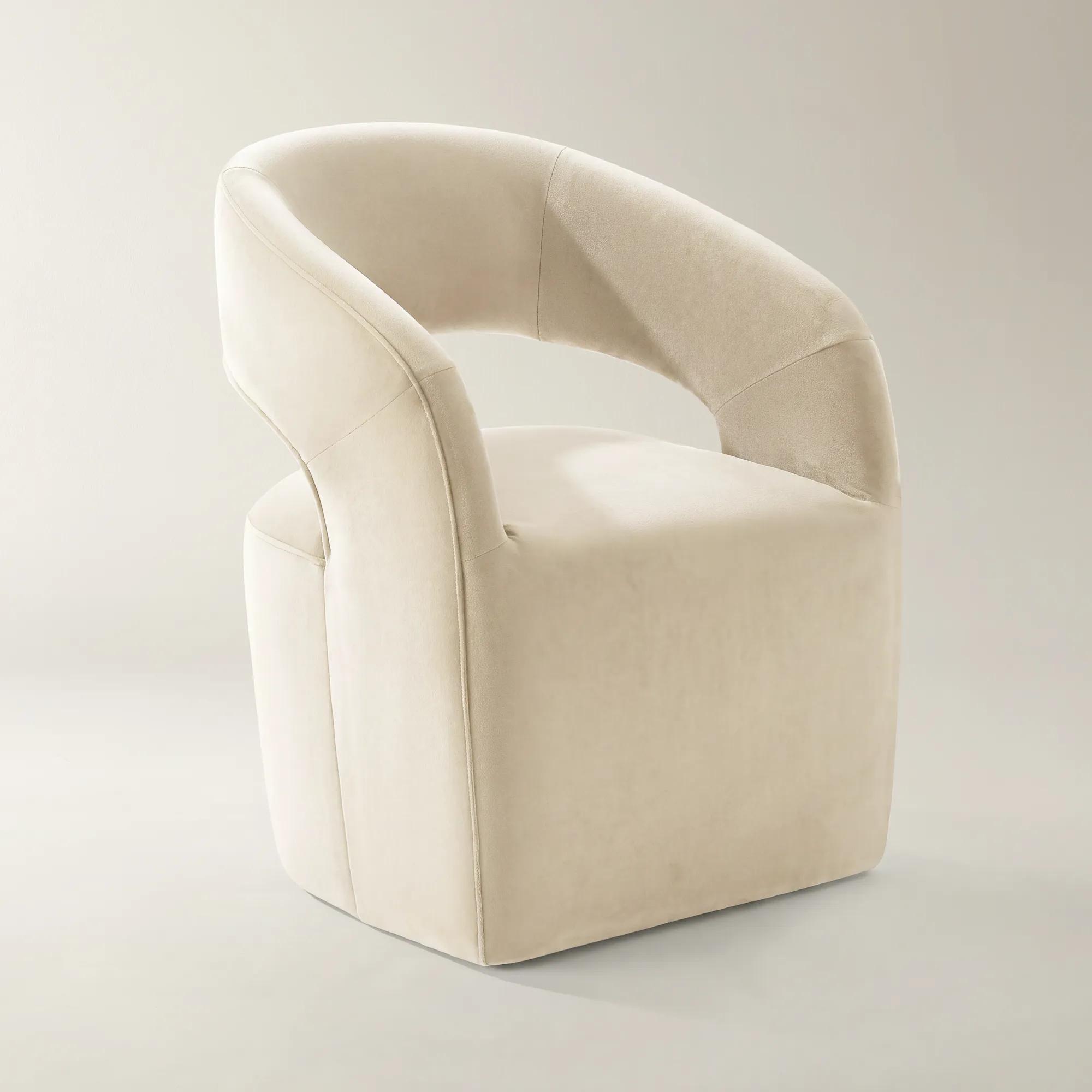
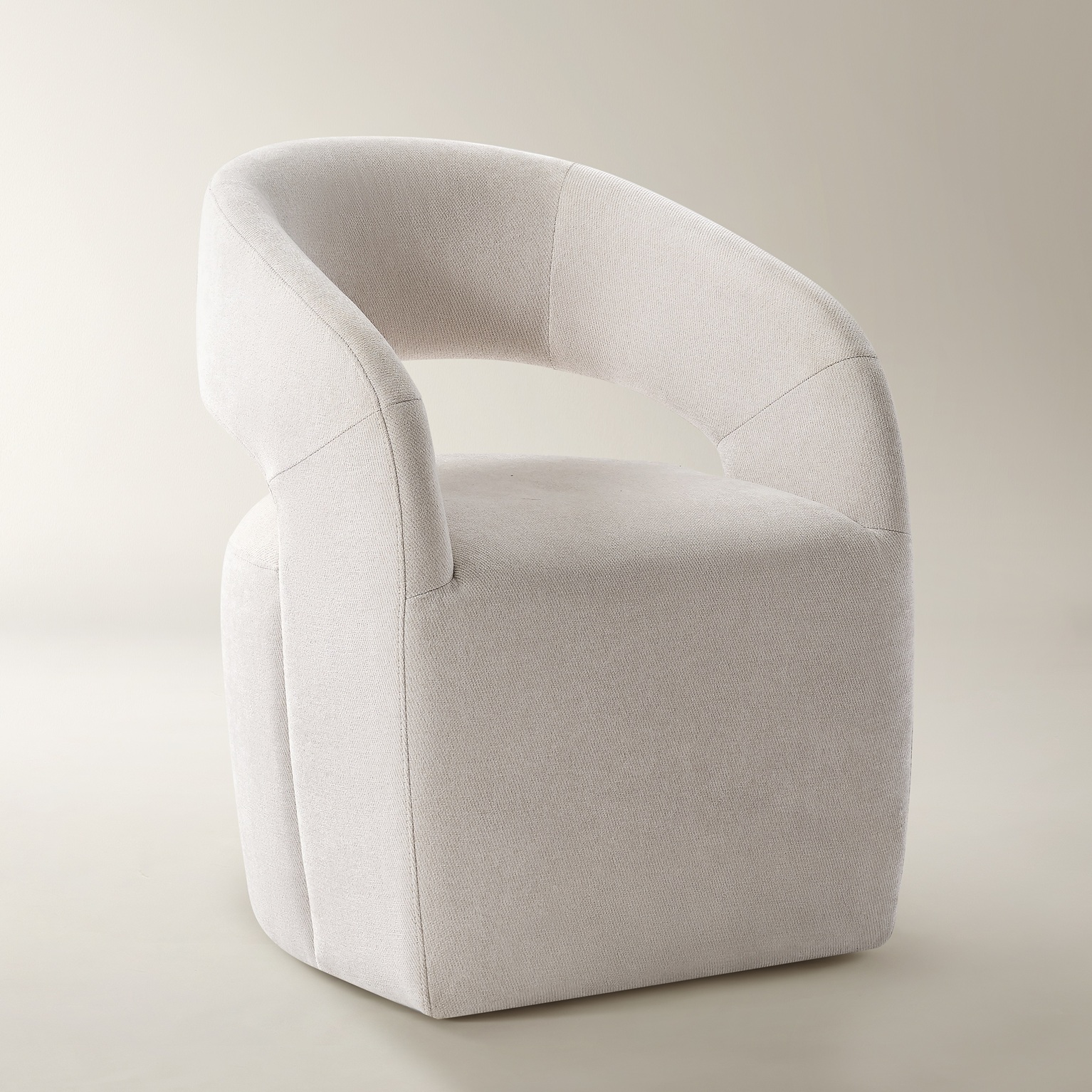 Harrison Oatmeal Velvet Dining Chair$499
A sculptural dining chair upholstered in oatmeal velvet with a curved back, feather-blend seat, and integrated arms.
Add To Cart -
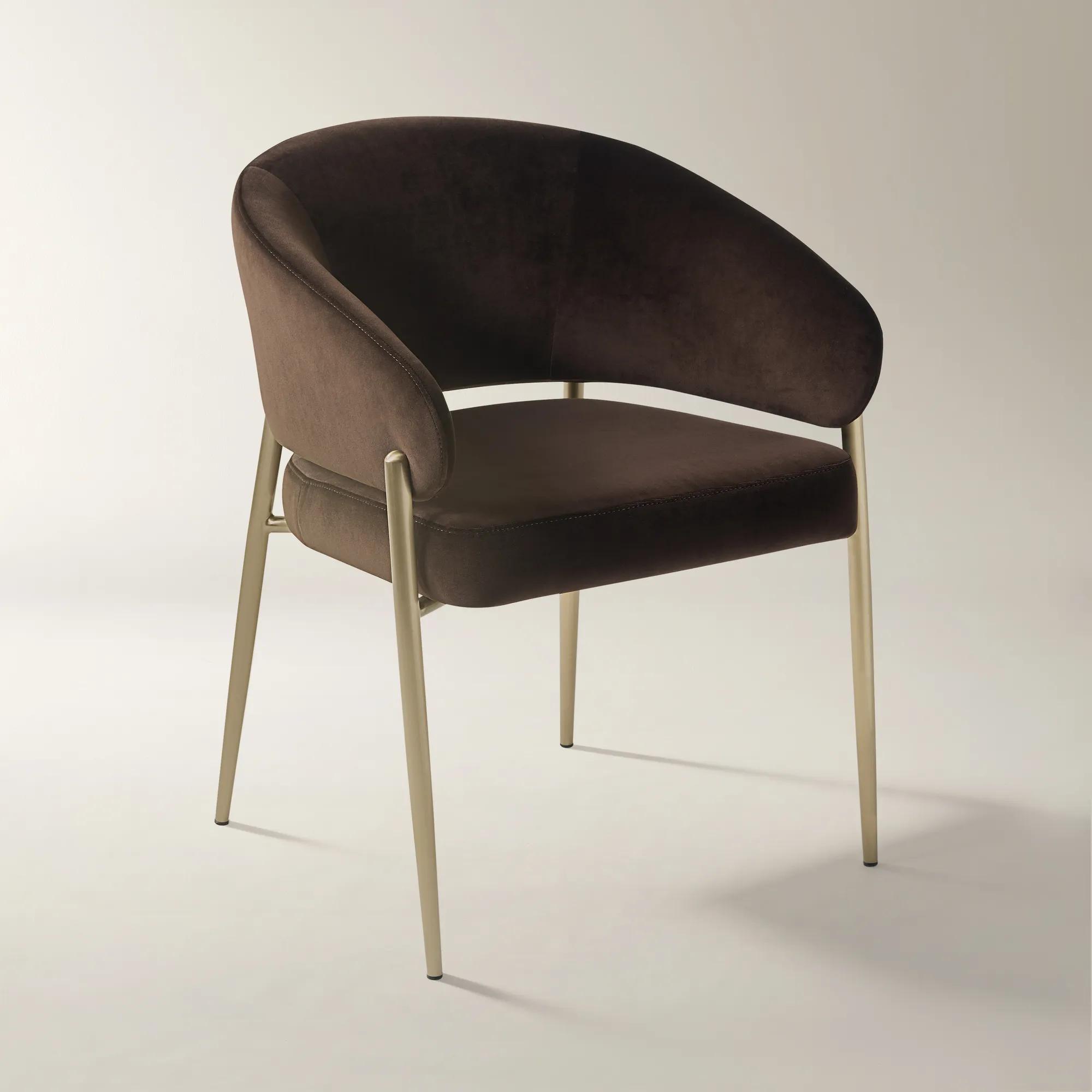 Nara Dark Chocolate Velvet Dining Chair Set Of 2$599
A pair of dark chocolate velvet chairs with curved backs and brushed brass stainless-steel legs for modern elegance.
Add To Cart -
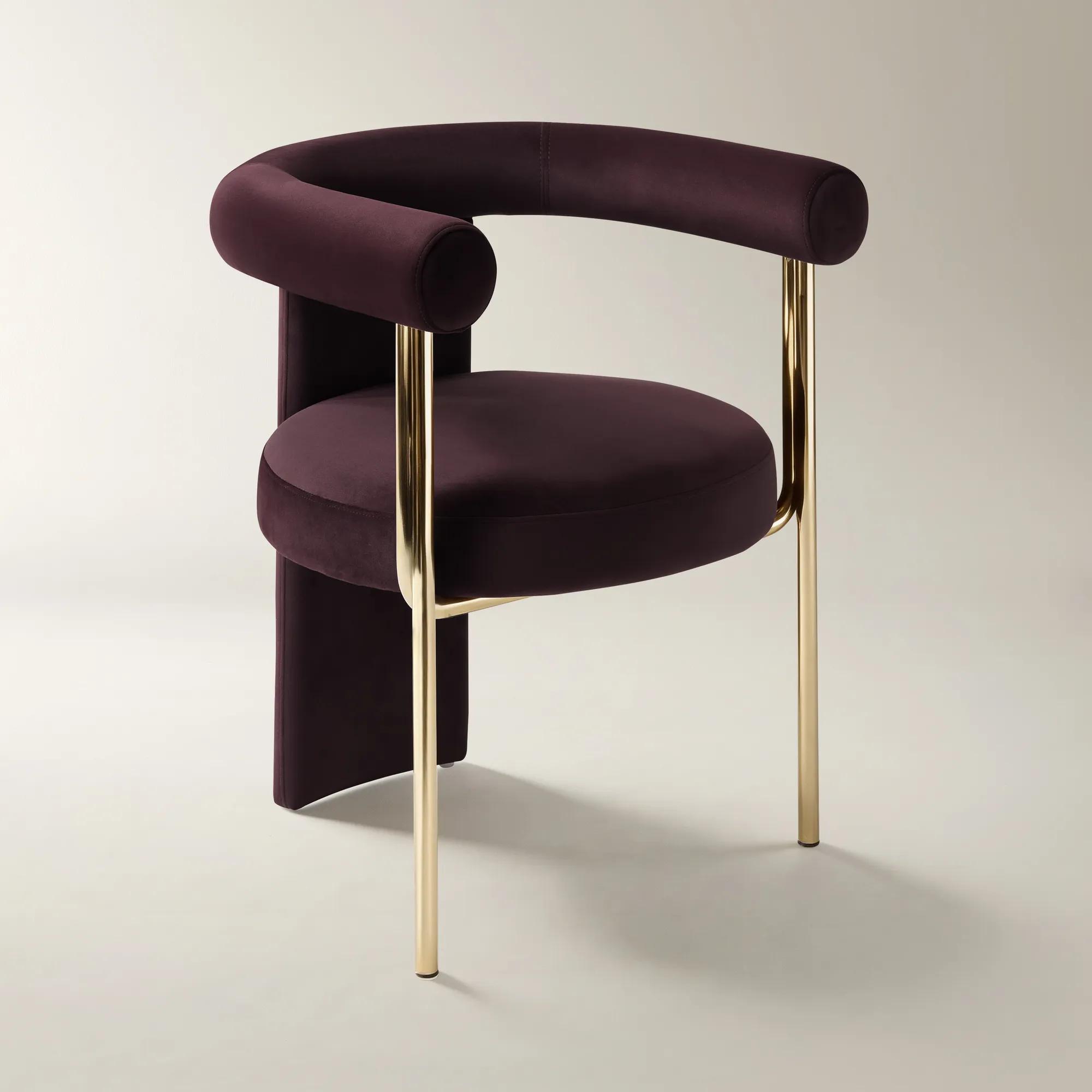 Davina Fig Velvet Dining Chair Set Of 2$899
A set of two dining chairs featuring plush fig velvet upholstery and a sleek gold-finished metal frame.
Add To Cart -
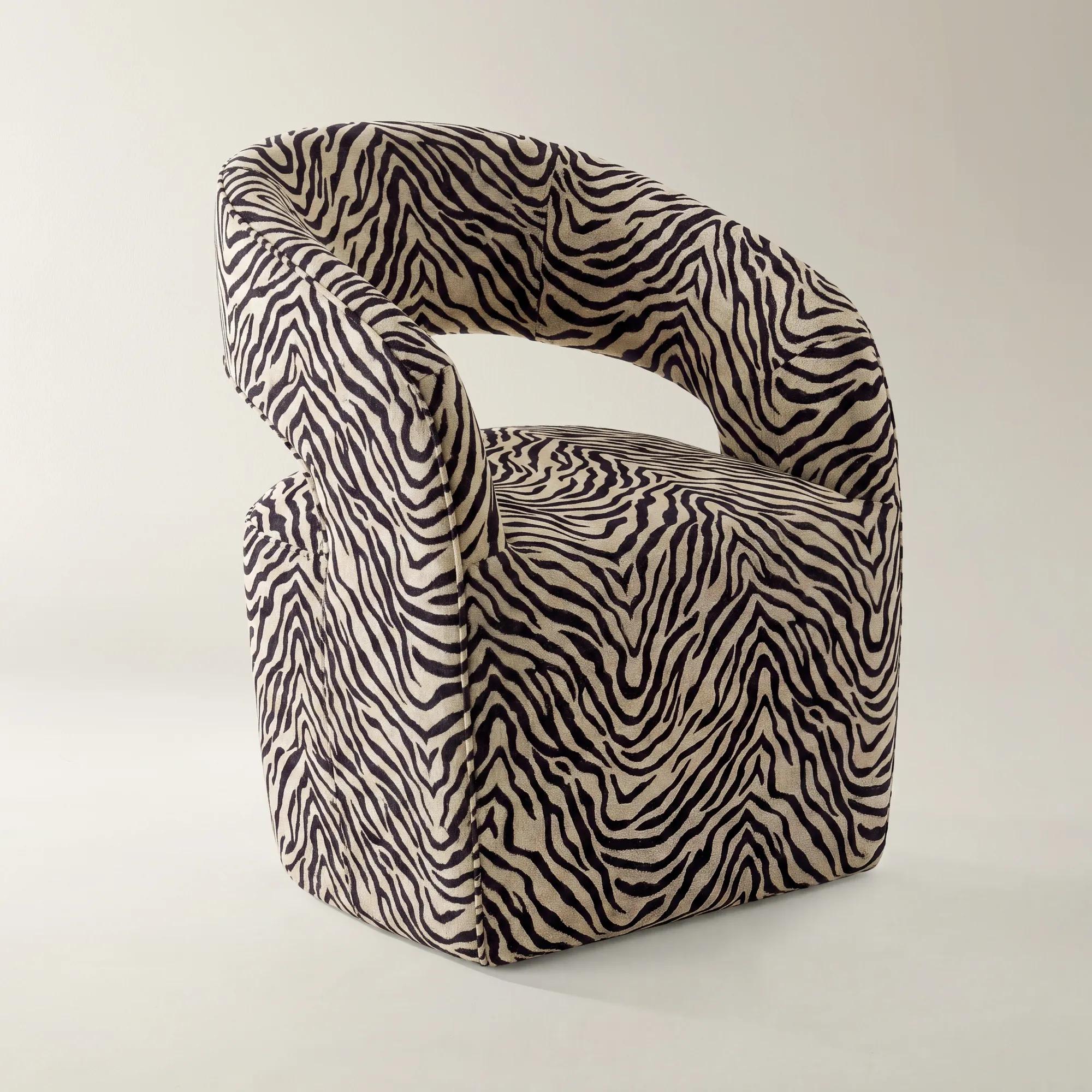 Harrison Zebra Performance Chenille Dining Chair$499
A sculptural dining chair upholstered in zebra performance chenille with a curved back and feather-blend comfort.
Add To Cart -

 Stria Light Brown Chenille Swivel Accent Chair$1499
A light brown chenille accent chair featuring triple-layer cushioning, a 360° swivel, and a solid oak base.
Add To Cart -
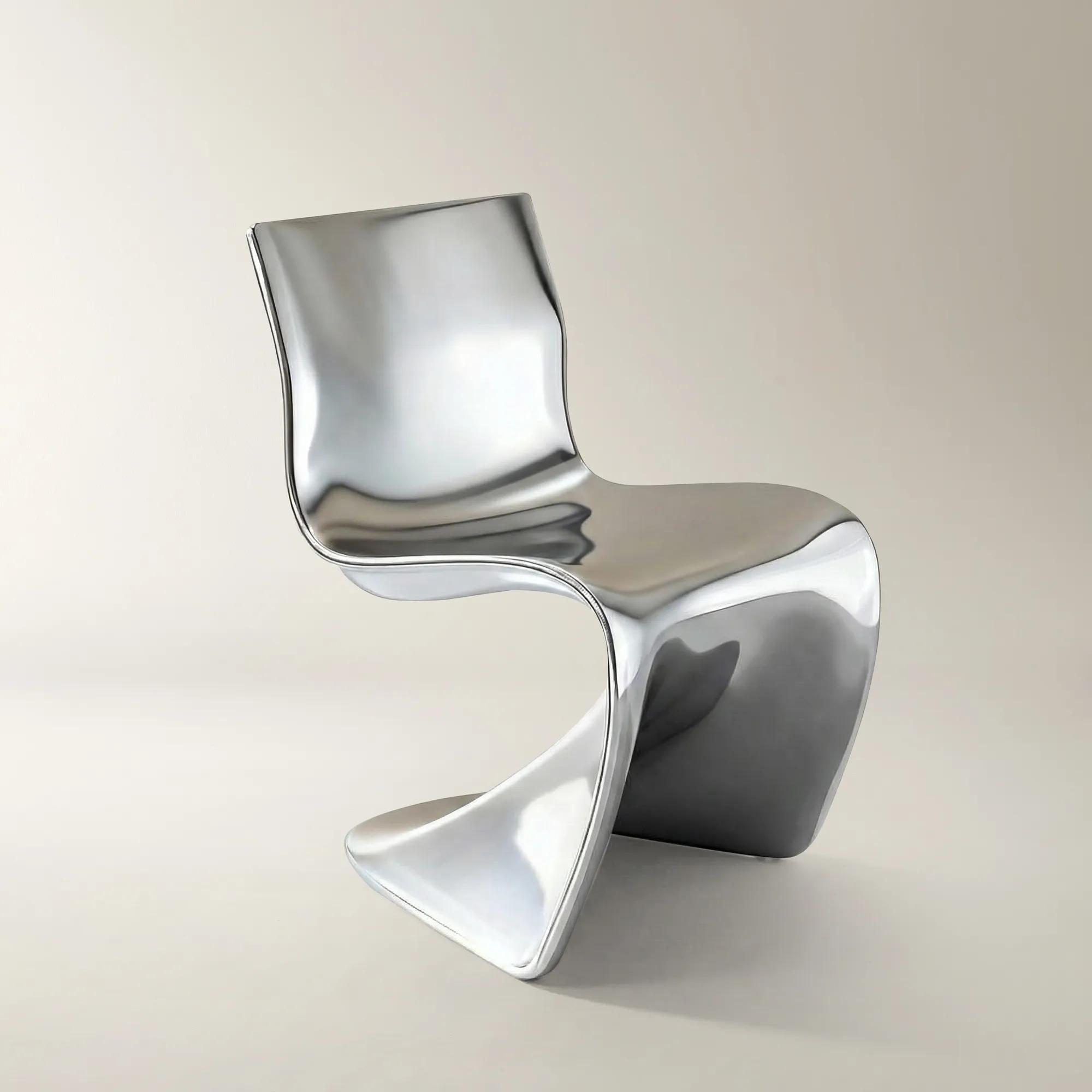
 Sasha Chrome Dining Chair$899
A sculptural accent chair crafted from polished chrome-finished fiberglass for a sleek, modern statement.
Add To Cart -
 Stria Roasted Pecan Velvet Swivel Dining Chair With Oak Base$699
A velvet swivel dining chair with a sculpted curved profile and warm solid oak base.
Add To Cart -
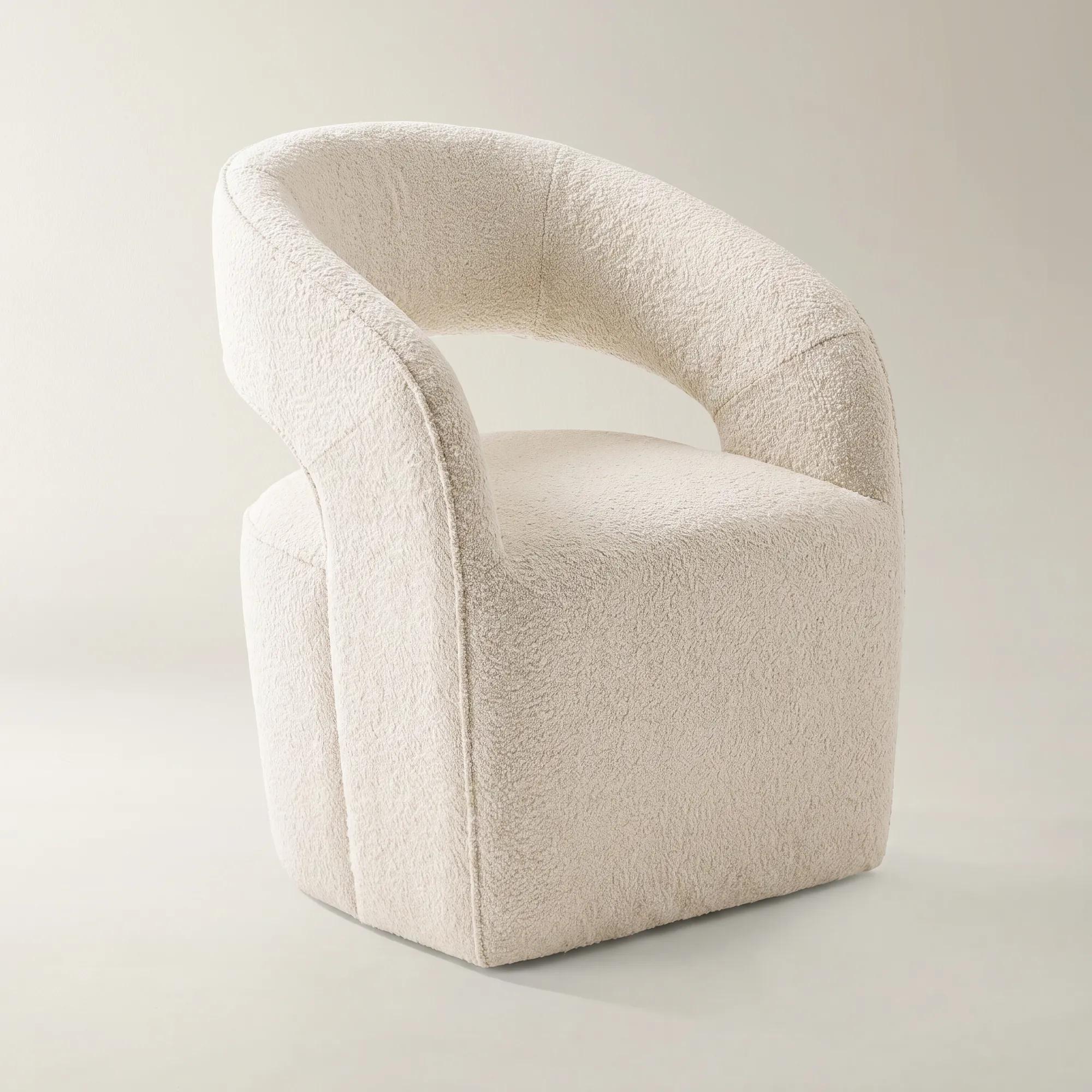 Harrison Utopia Sand Chenille Dining Chair$499
A sculptural dining chair upholstered in sand chenille with a curved back, feather-blend seat, and integrated arms.
Add To Cart -
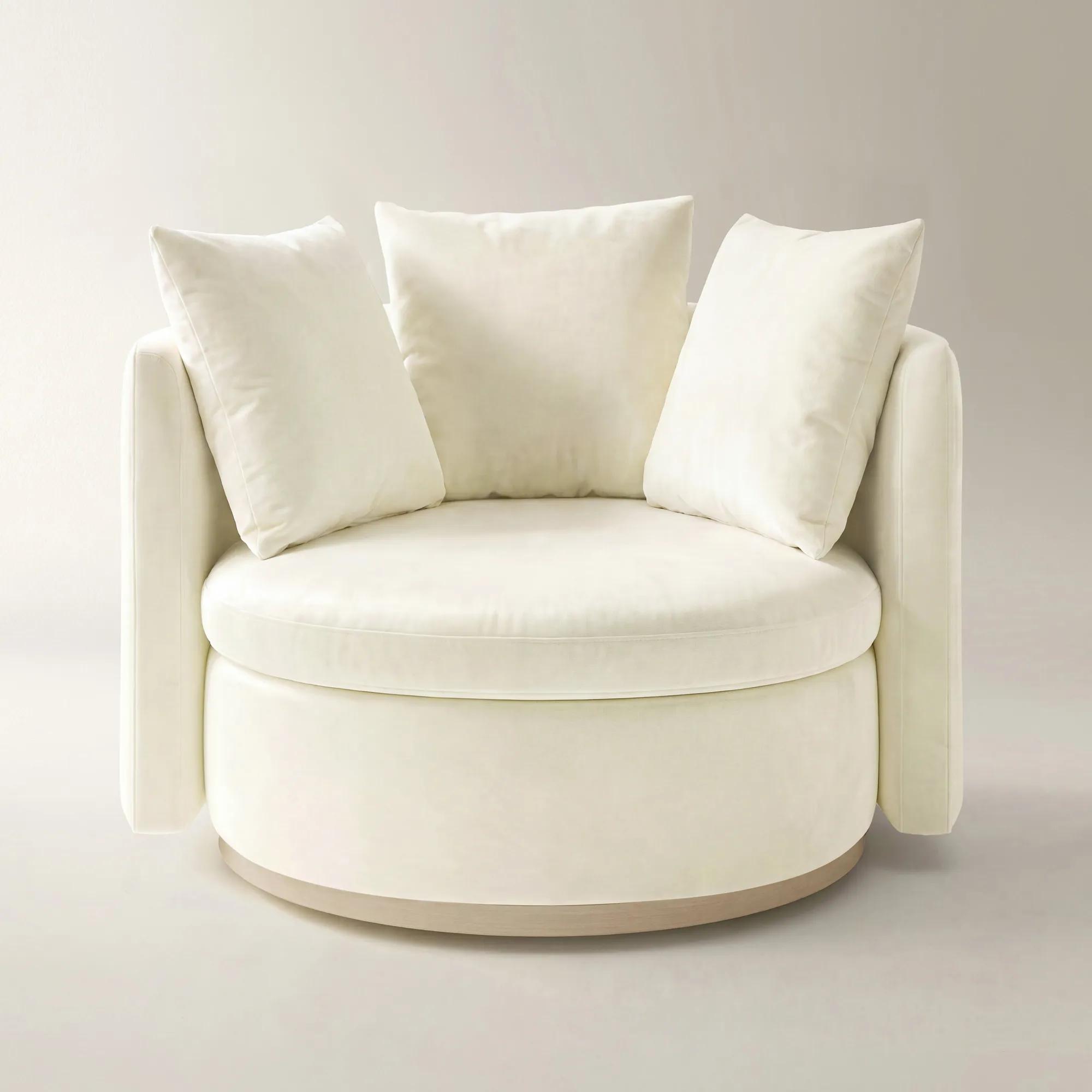
 Stria Cloud Velvet Swivel Accent Chair$1499
A sculptural cloud-velvet accent chair with enveloping curves, layered cushioning, and a concealed 360-degree swivel base.
Add To Cart

Curved Back Accent Chairs
Explore curved back accent chairs that bring a sculptural silhouette to a living room, bedroom, or reading nook. Their rounded profiles soften angular furniture and create an expressive focal point. As you browse, consider the chair’s width, seat depth, and back height to find a shape that complements your space and the way you like to lounge.
A curved back accent chair gives a room something a straight line cannot: a sense of movement, an inviting embrace, and a silhouette worth admiring from every angle. The back may sweep gently around the seat, rise into a rounded crest, or continue into the arms for a more enveloping profile. Each interpretation introduces a sculptural presence that feels especially compelling beside the crisp edges of a sofa, a rectangular coffee table, or a wall of tailored drapery. Curved back accent chairs can soften an architectural living room without diminishing its drama, or lend definition to a bedroom corner that needs more than another decorative object. Their appeal lies in that balance between presence and purpose. A chair becomes a place to settle with a novel, linger over conversation, or pause while dressing, while its rounded outline contributes to the composition of the room even when the seat is empty. A fully upholstered back can look particularly striking when the chair floats away from the wall, allowing the curve to read as a complete form. Lower, wraparound silhouettes tend to feel intimate and grounded; taller backs create a more pronounced vertical gesture. Neither needs an elaborate setting to command attention. A richly textured rug, a slender side table, and a thoughtfully positioned lamp can give the chair a setting that feels deliberate rather than crowded. For a more expressive arrangement, repeat its arc in a circular mirror or an oval table, then introduce contrast through angular artwork or a geometric console. The result is not a room filled with matching shapes, but a dialogue between contours. Color adds another layer: a pale upholstered curve can appear almost architectural, while a deeply saturated seat brings visual weight and a more theatrical mood. The most compelling choice feels connected to the surrounding space while retaining enough individuality to be noticed.
Upholstery changes both the appearance and the everyday experience of a rounded accent chair. Velvet catches light across a curved back, creating subtle shifts in tone that make the silhouette feel dimensional and sumptuous. Bouclé emphasizes texture, giving rounded forms a tactile, almost cloudlike presence, while a tightly woven fabric can lend the same shape a more tailored finish. Leather, where used, offers another expression, with natural character and a surface that may develop a patina over time. Consider these materials in relation to the people and routines around them, not simply their appearance in a photograph. A chair used daily for reading calls for upholstery suited to regular contact, supportive cushioning, and a seat that remains comfortable beyond a brief pause. In a household with pets, a pronounced looped texture may be more vulnerable to snagging, while any fabric choice deserves attention to abrasion resistance, cleaning instructions, and the way it responds to spills. Performance designations vary, so the stated properties of the upholstery matter more than the label alone. Construction is equally important beneath the surface: a well-built frame, secure joinery, and appropriate seat support contribute to lasting stability, while cushion composition influences whether the sit feels plush, resilient, or firm. Exposed wood can introduce warmth beneath a sweeping upholstered back, and metallic details can sharpen its outline with a gleaming accent. Preserving those finishes begins with care suited to the material. Follow the manufacturer’s cleaning guidance, vacuum upholstery with an appropriate attachment, and blot spills promptly rather than rubbing them into the fibers. Test any approved cleaning method in an inconspicuous area first. Velvet may show changes in pile direction, and textured weaves can collect dust along seams and curves, making gentle, regular attention worthwhile. Positioning upholstered seating away from prolonged direct sunlight can also help limit uneven fading, allowing the richness of the fabric and the clarity of the chair’s form to remain part of its appeal.
Proportion determines whether a curved back accent chair feels like a natural invitation or an obstacle in an otherwise beautiful room. Overall width matters, but so do seat depth, seat height, arm height, and the space required to approach and leave the chair comfortably. A broad, rounded back can occupy more floor area than the seat alone suggests, so measure the full footprint and check doorways, stair turns, and delivery paths before committing to a larger silhouette. For someone who prefers to sit upright with feet resting on the floor, a shallower seat may feel more accommodating than an especially deep lounge profile. A lower chair may suit relaxed conversation, while a firmer, higher seat can be easier to rise from; individual comfort remains the deciding factor. In a living room, two curved chairs angled toward a sofa can establish a conversational arrangement without making the seating feel rigid. Leave clear passage around the grouping, and position a side table close enough to hold a glass without requiring an awkward reach. In a bedroom, a single chair beside a dresser or window can create a dressing or reading nook, provided it does not interfere with drawers, curtains, or the route around the bed. A home office can also benefit from an upholstered accent seat for reading or welcoming a guest, though it should not be treated as a substitute for task seating during extended desk work. For an even gentler expression of rounded upholstery, Soft Curved Accent Chairs offer a related design direction to consider alongside the room’s existing shapes and textures. Finish the setting with restraint rather than excess: a small lumbar pillow may add color or comfort, but it should leave enough usable seat space. Let the sweep of the back remain visible, especially in open-plan rooms where the chair is seen from several directions. That uninterrupted curve is often the detail that gives the entire arrangement its distinctive poise.
FAQs
A curved back accent chair features a rounded backrest that gives its silhouette a graceful, sculptural line. From a subtle arc to an enveloping barrel shape, this distinctive profile brings fluidity to a room and turns an everyday seat into an expressive design statement.
Curved back accent chairs lend themselves to modern glam, Art Deco-inspired interiors, and contemporary spaces with an artistic point of view. Their sweeping lines echo the drama of rounded mirrors and sculptural lighting, while offering a striking contrast to crisp, angular furnishings.
Let the chair’s silhouette lead the composition. Pair it with a distinctive side table and a floor lamp that casts a warm glow, then layer in an abstract artwork or richly textured rug. Keep decorative accents deliberate so the curved back remains a captivating part of the room’s visual story.
Choose a color that expresses the mood you want to create. Soft neutrals let the sculptural shape take center stage, while deep jewel tones introduce richness and drama. For a more expressive composition, select a hue from your artwork or rug and let the chair carry that color into the room.
Curved back accent chairs do not need to match the sofa to create a cohesive room. A shared undertone or complementary color can connect the pieces while allowing each silhouette its own presence. Pairing a rounded chair with a clean-lined sofa creates a particularly compelling interplay of softness and structure.