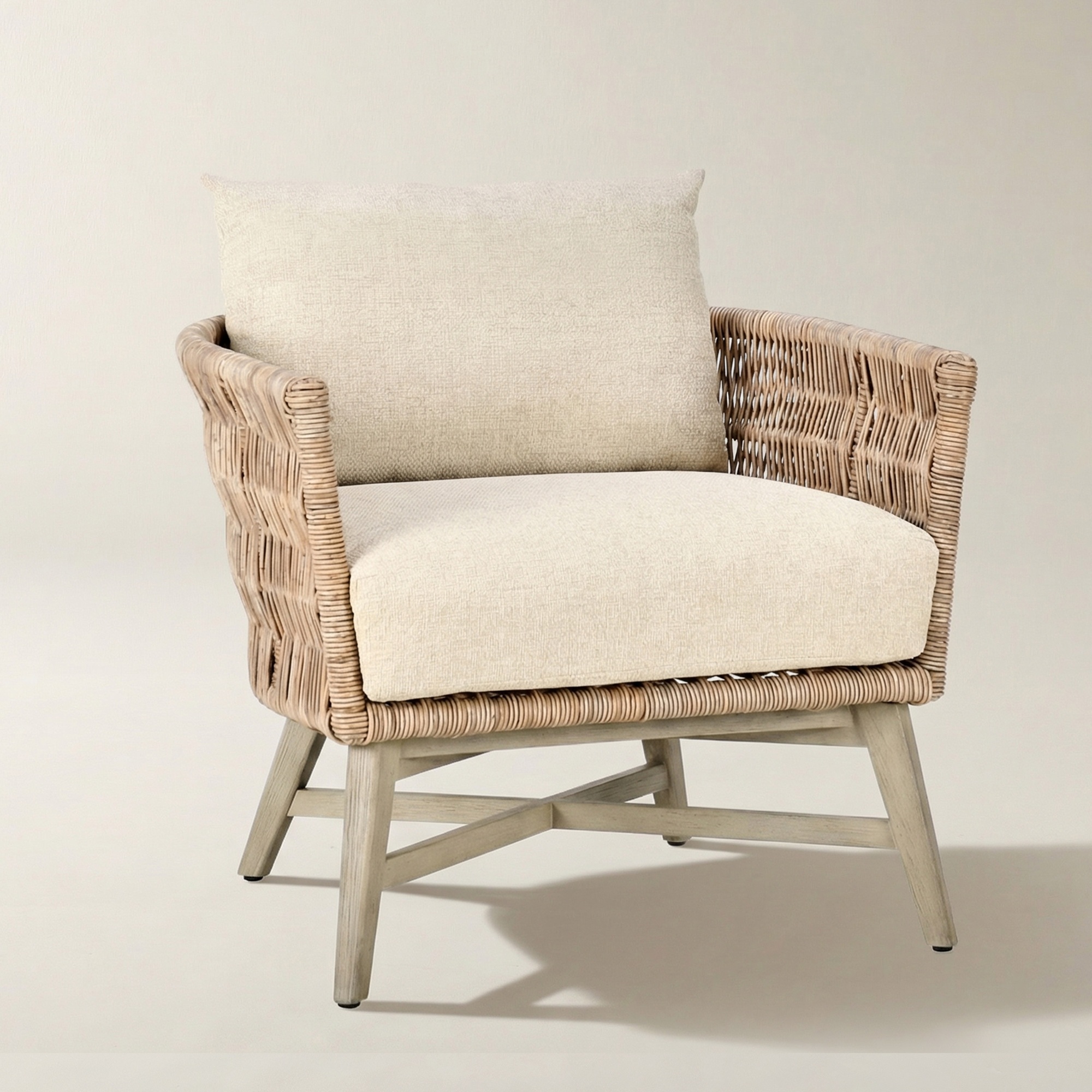
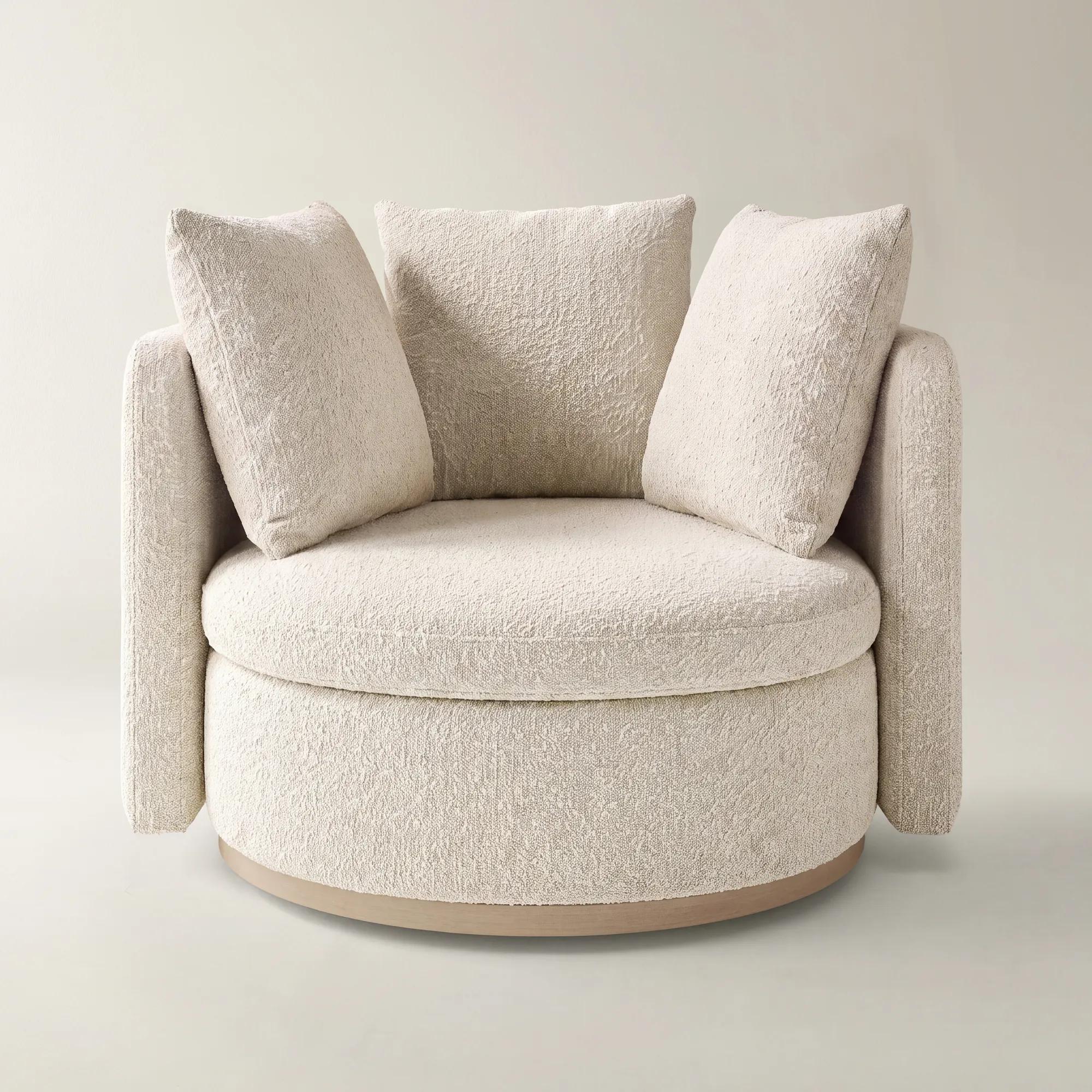
Soft Curved Accent Chairs
Soft Curved Accent Chairs
-
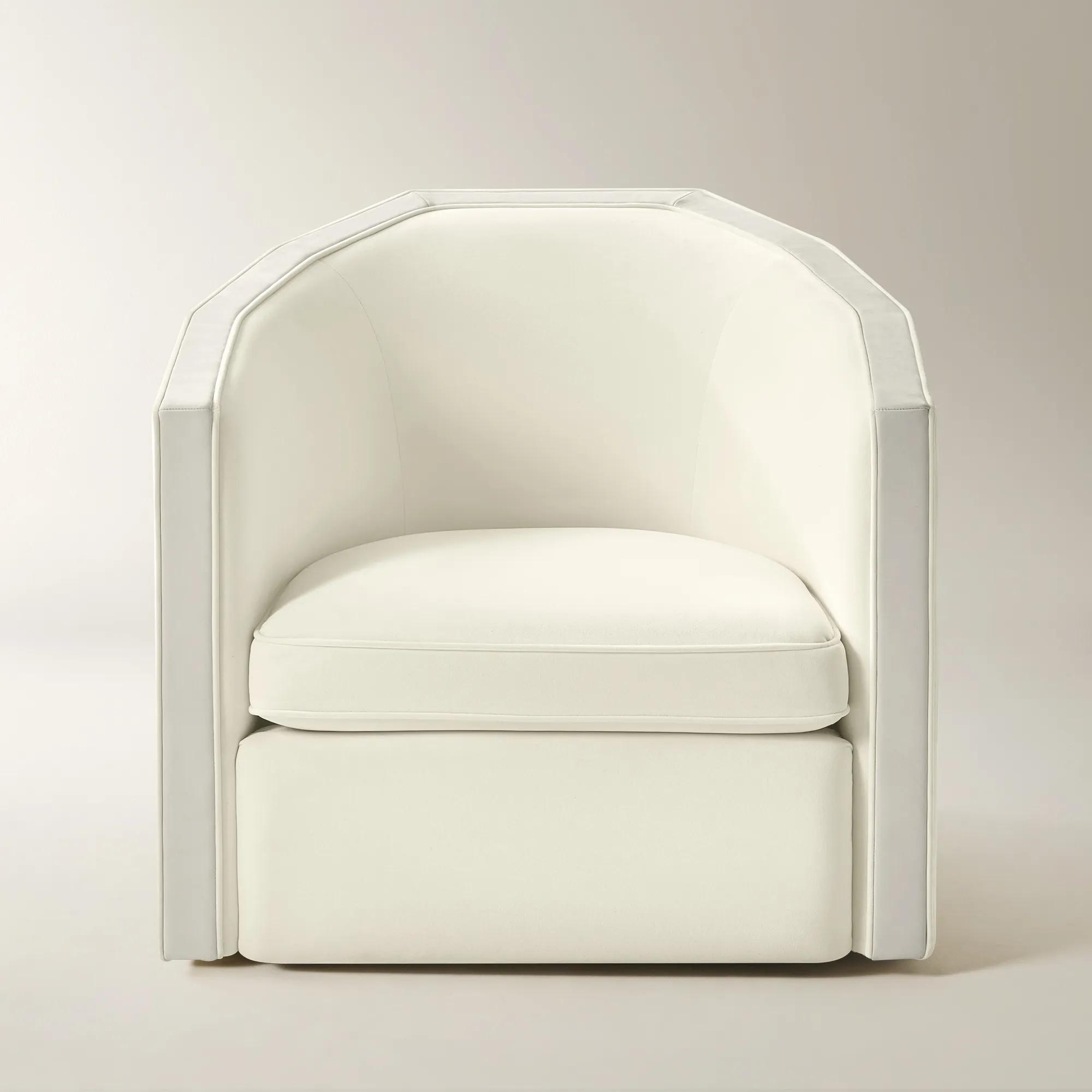
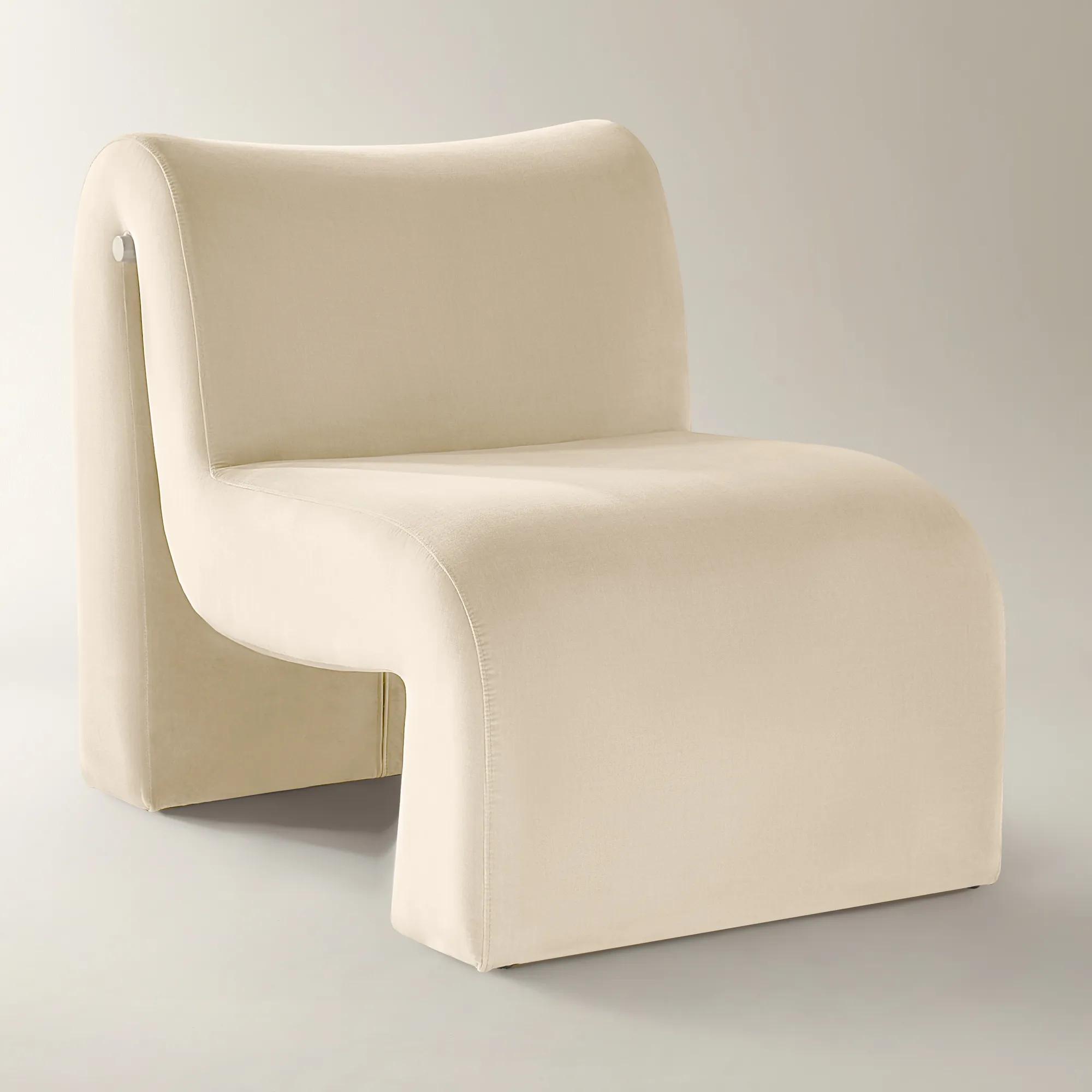 Cora Ivory Velvet Accent Chair$899
A sculpted ivory velvet chair featuring a continuous curved silhouette and a gold stainless-steel accent.
Add To Cart -
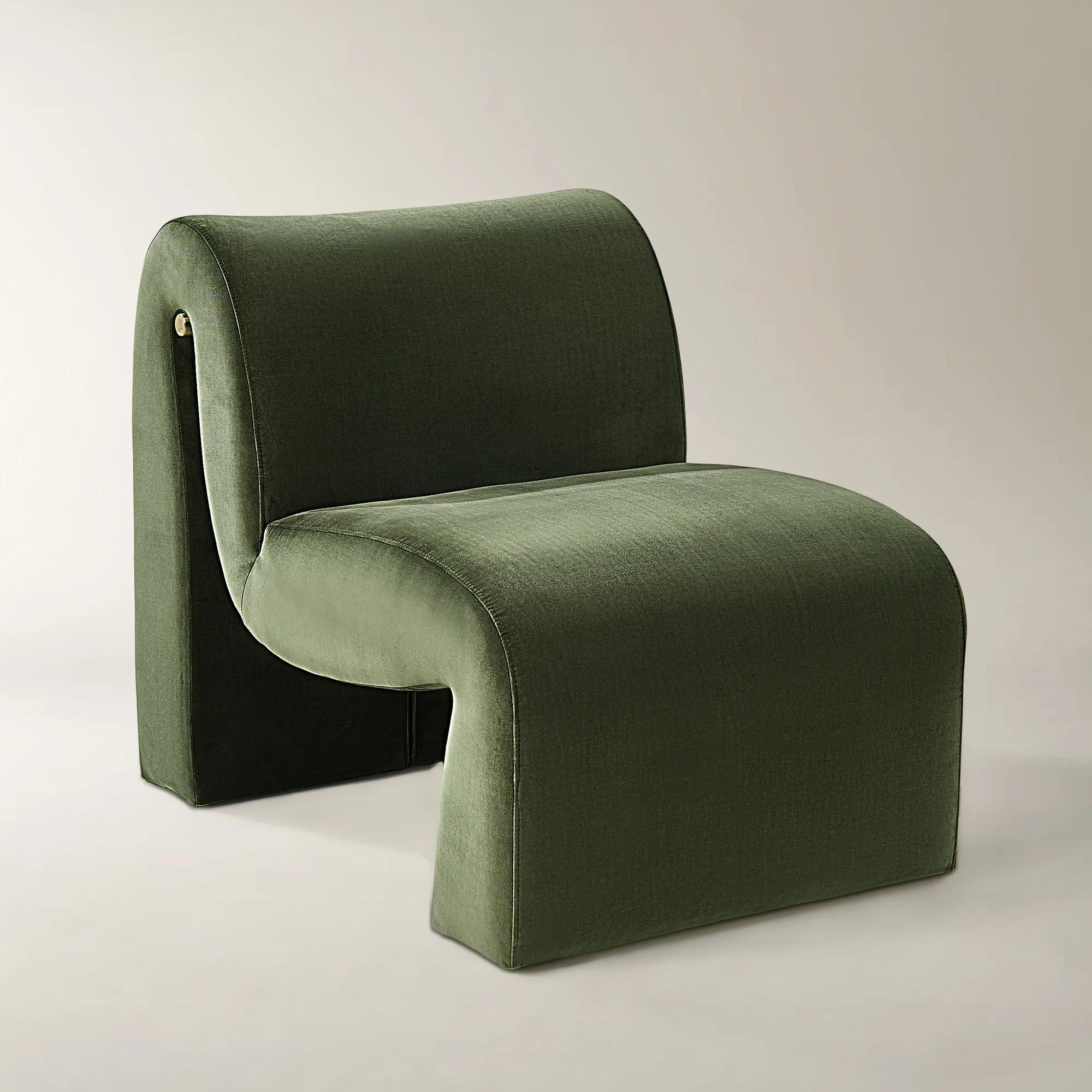
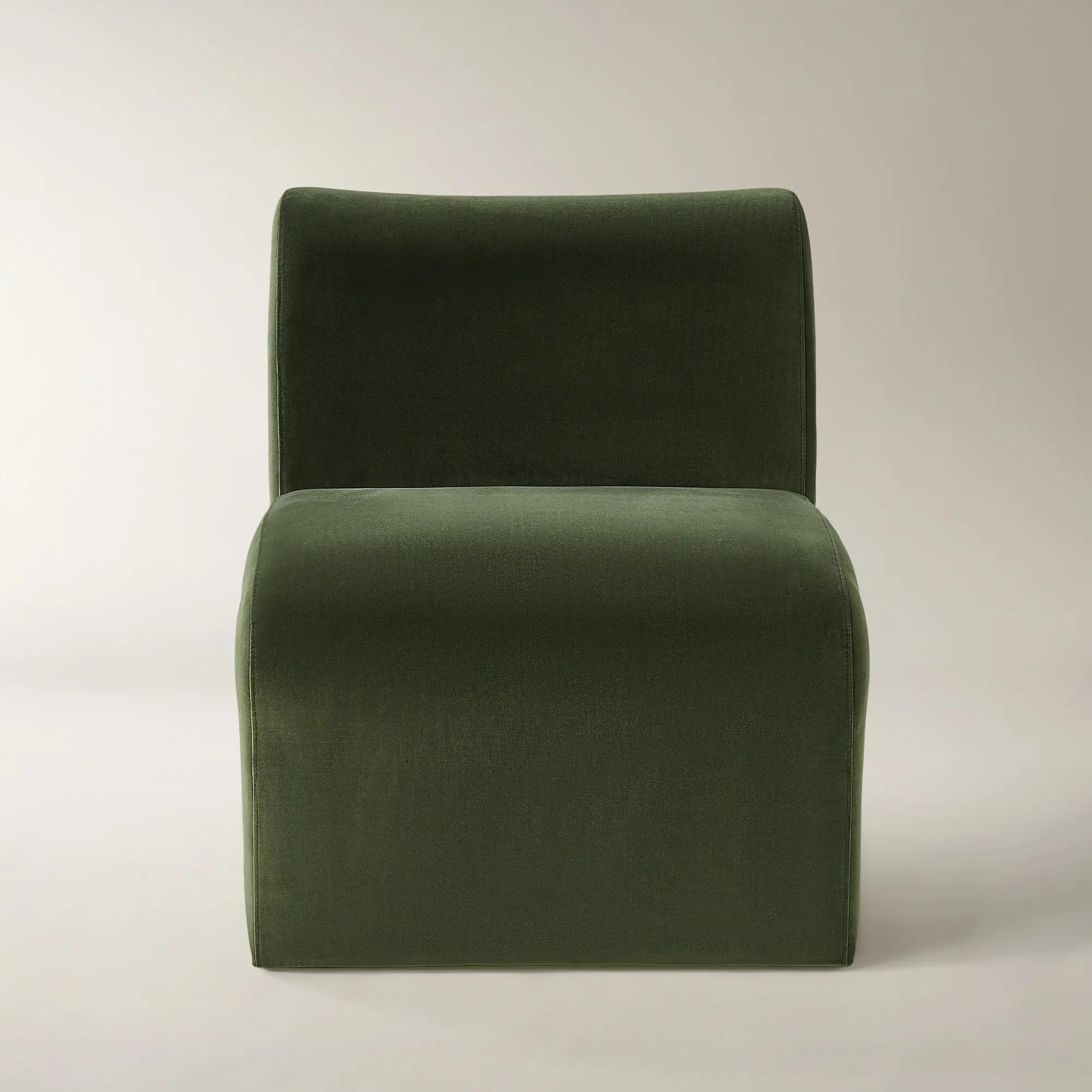 Cora Jade Green Velvet Accent Chair$899
A sculpted accent chair in jade green velvet with a gold stainless-steel inlay for refined glamour.
Add To Cart -
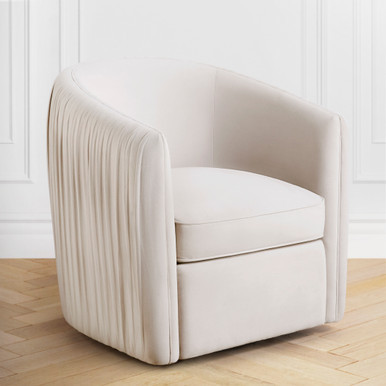
 Lyssa Pleated Simply Taupe Velvet Swivel Accent Chair$1099
A taupe velvet accent chair with pleated panels, 360-degree swivel, and a soft gold metal base.
Add To Cart -
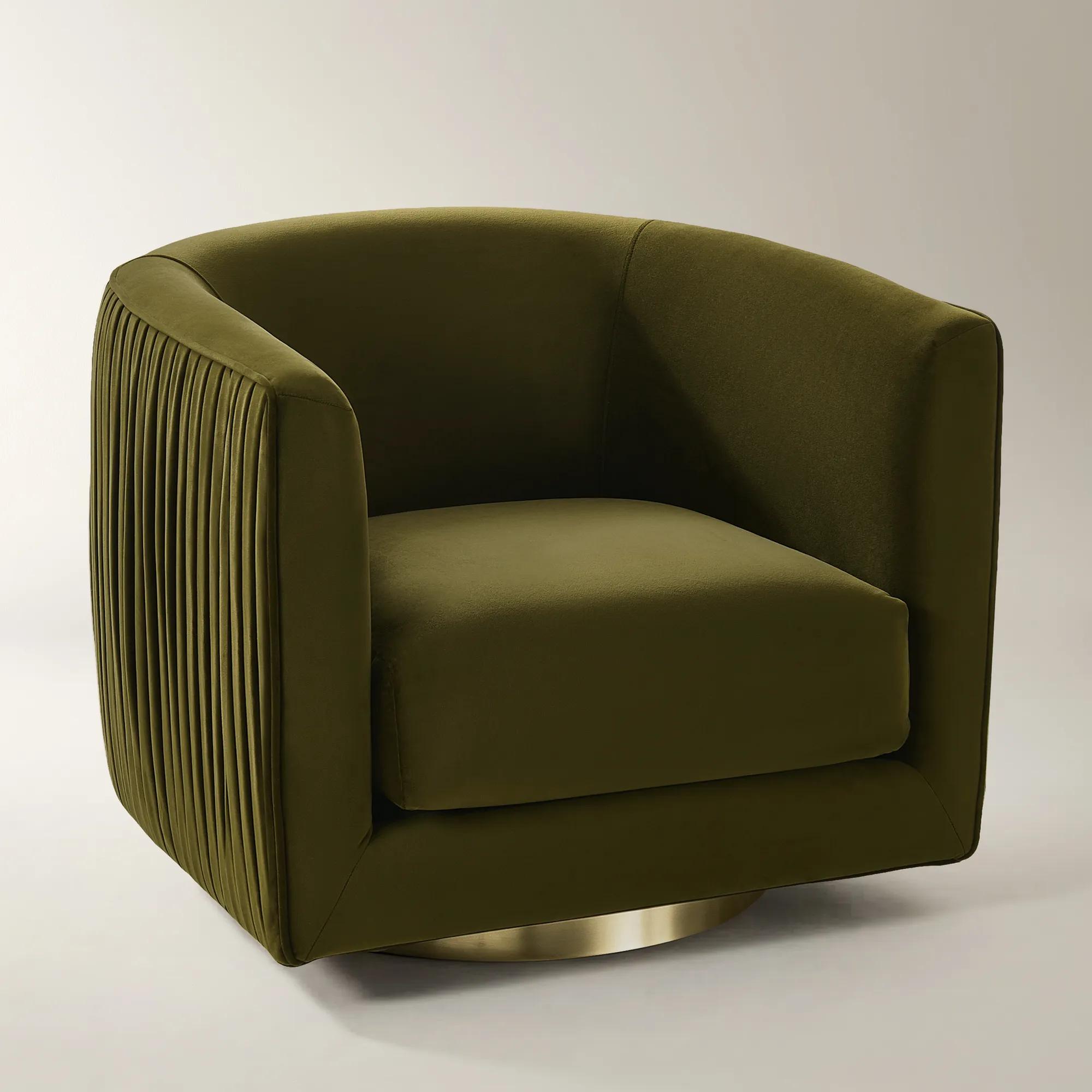
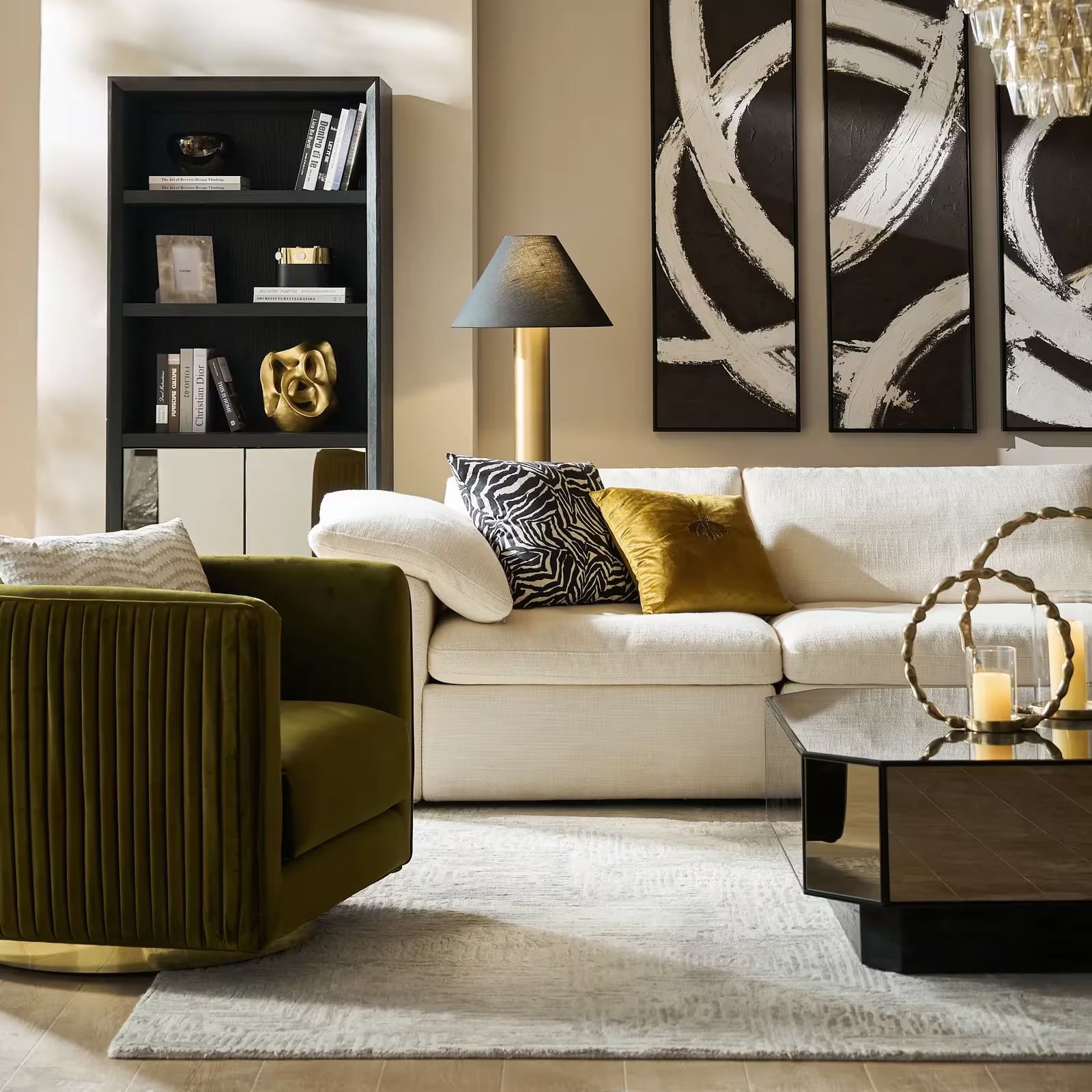 Lyssa Pleated Deep Olive Velvet Swivel Accent Chair$1099
A deep olive velvet accent chair with pleated panels, 360-degree swivel, and gold-finished steel base.
Add To Cart -
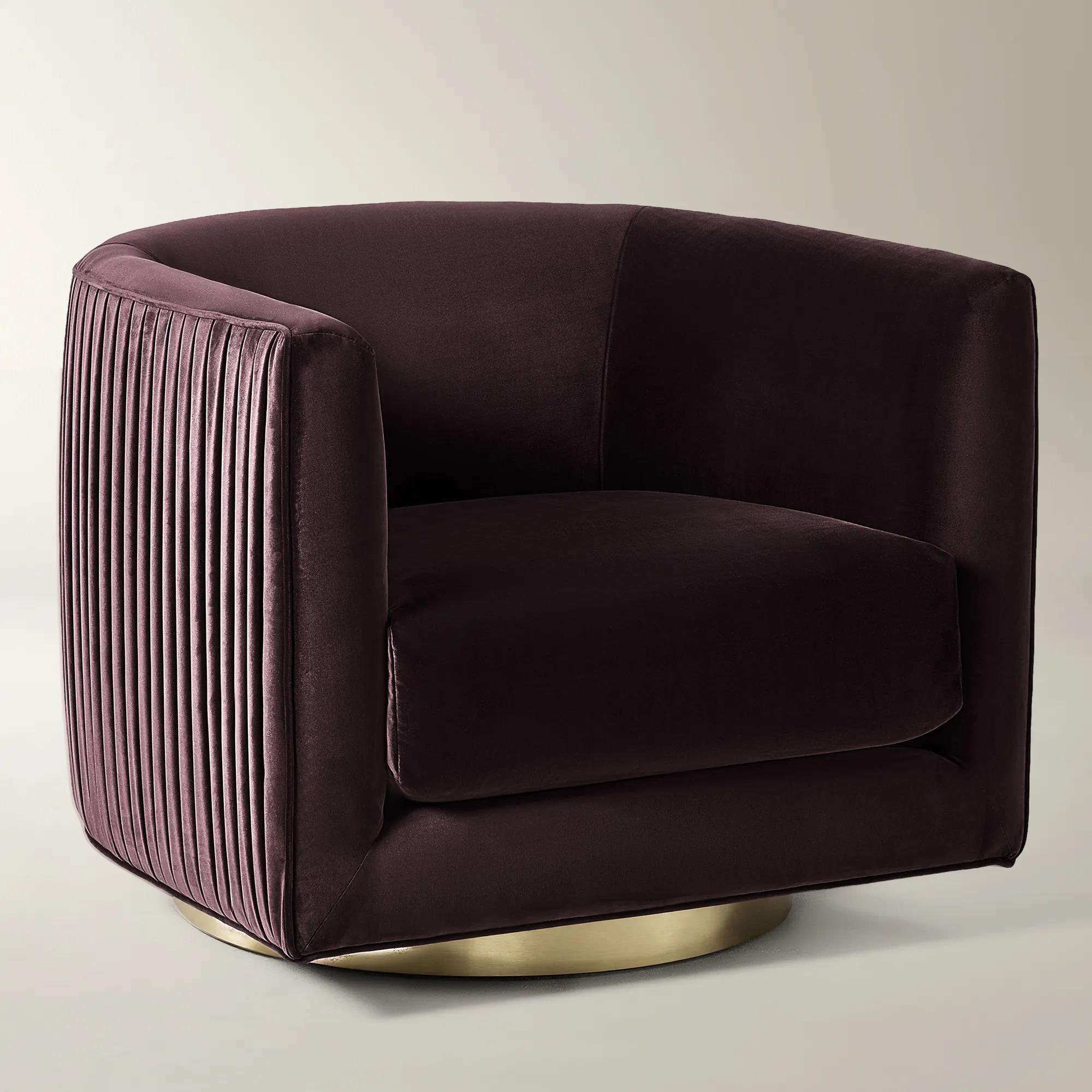 Lyssa Pleated Fig Velvet Swivel Accent Chair$1099
A red velvet accent chair with pleated panels, curved silhouette, 360-degree swivel, and soft-gold metal base.
Add To Cart -
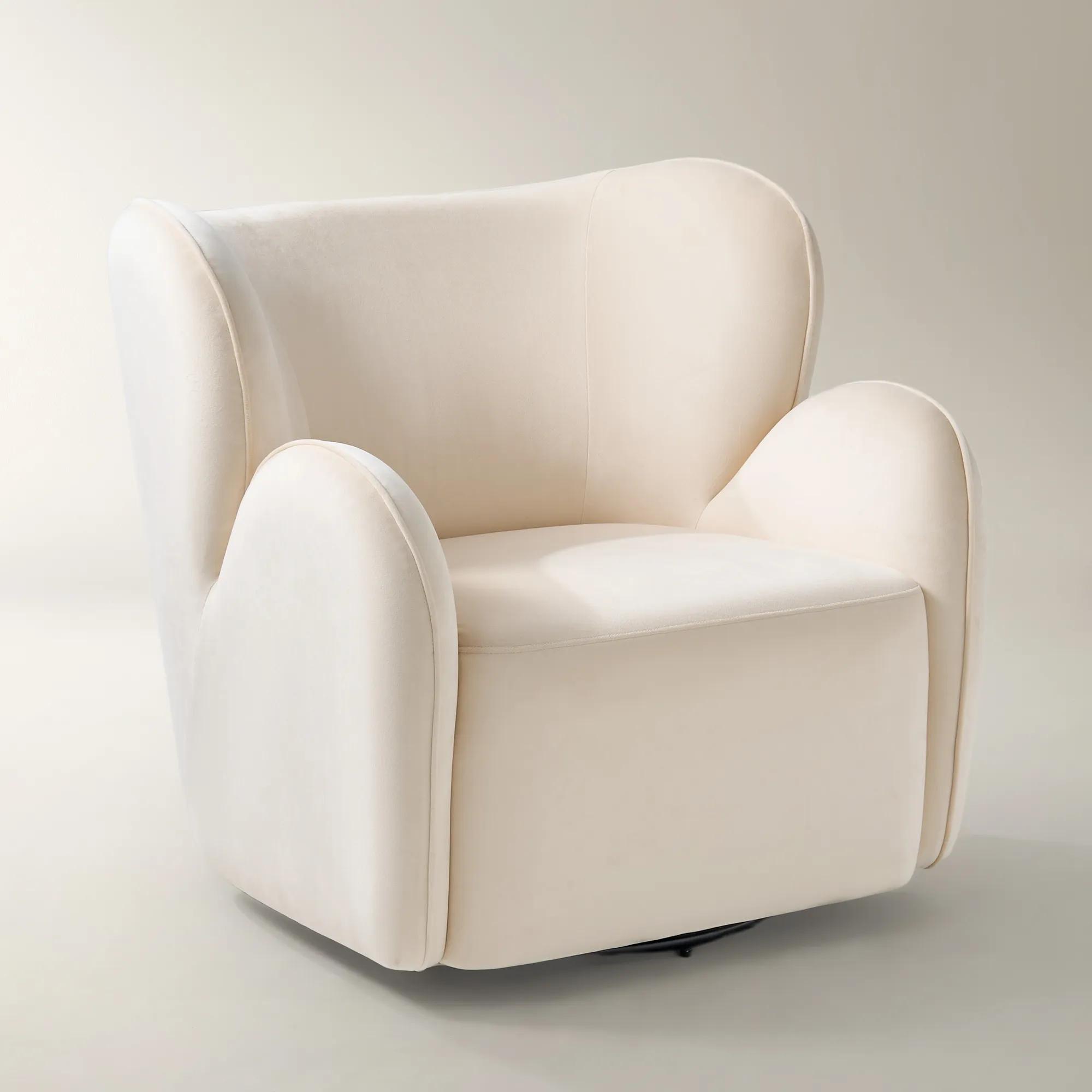
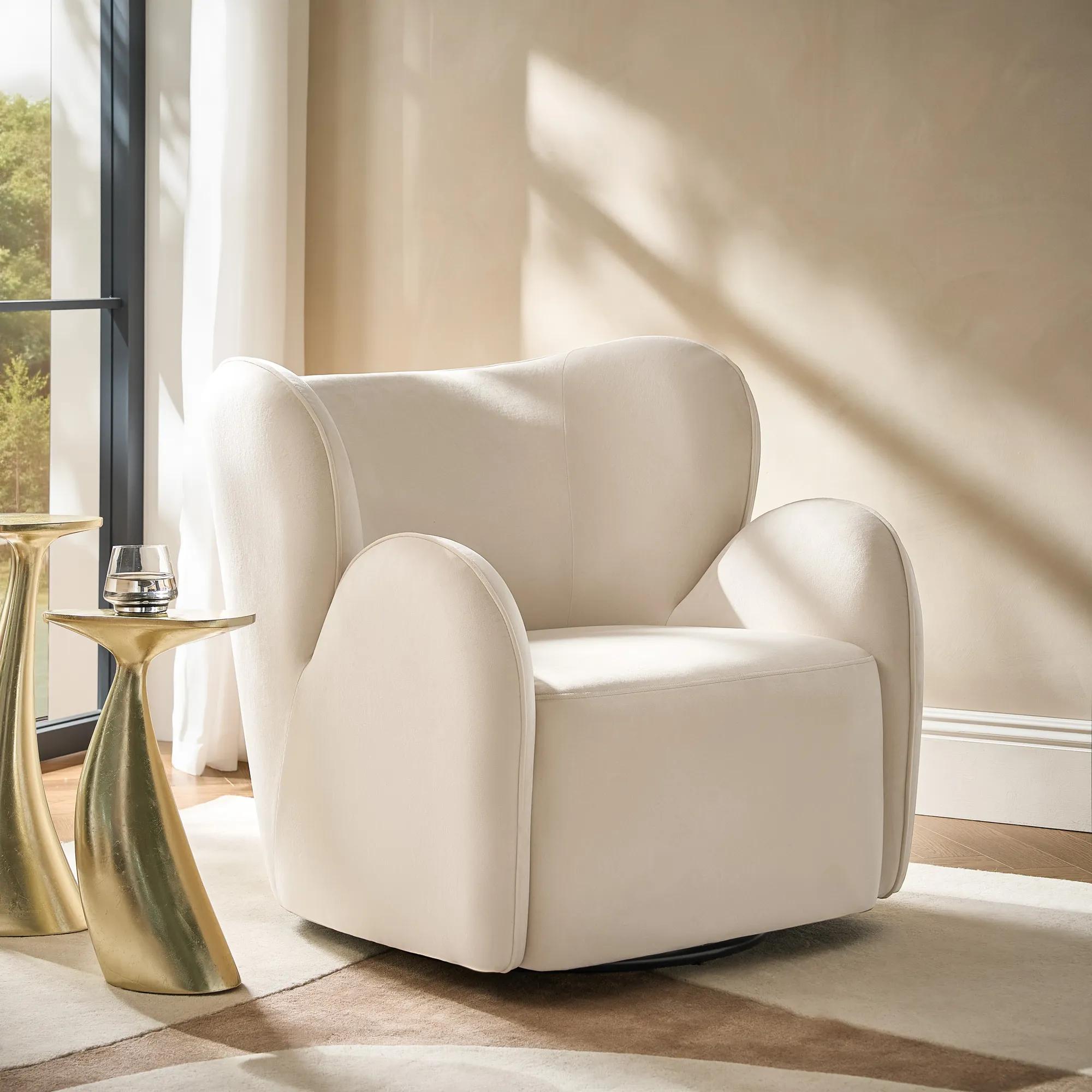 Ceres Ivory Velvet Swivel Accent Chair$799
An ivory velvet accent chair featuring a curved silhouette, 360° swivel, and plush, supportive cushioning.
Add To Cart -
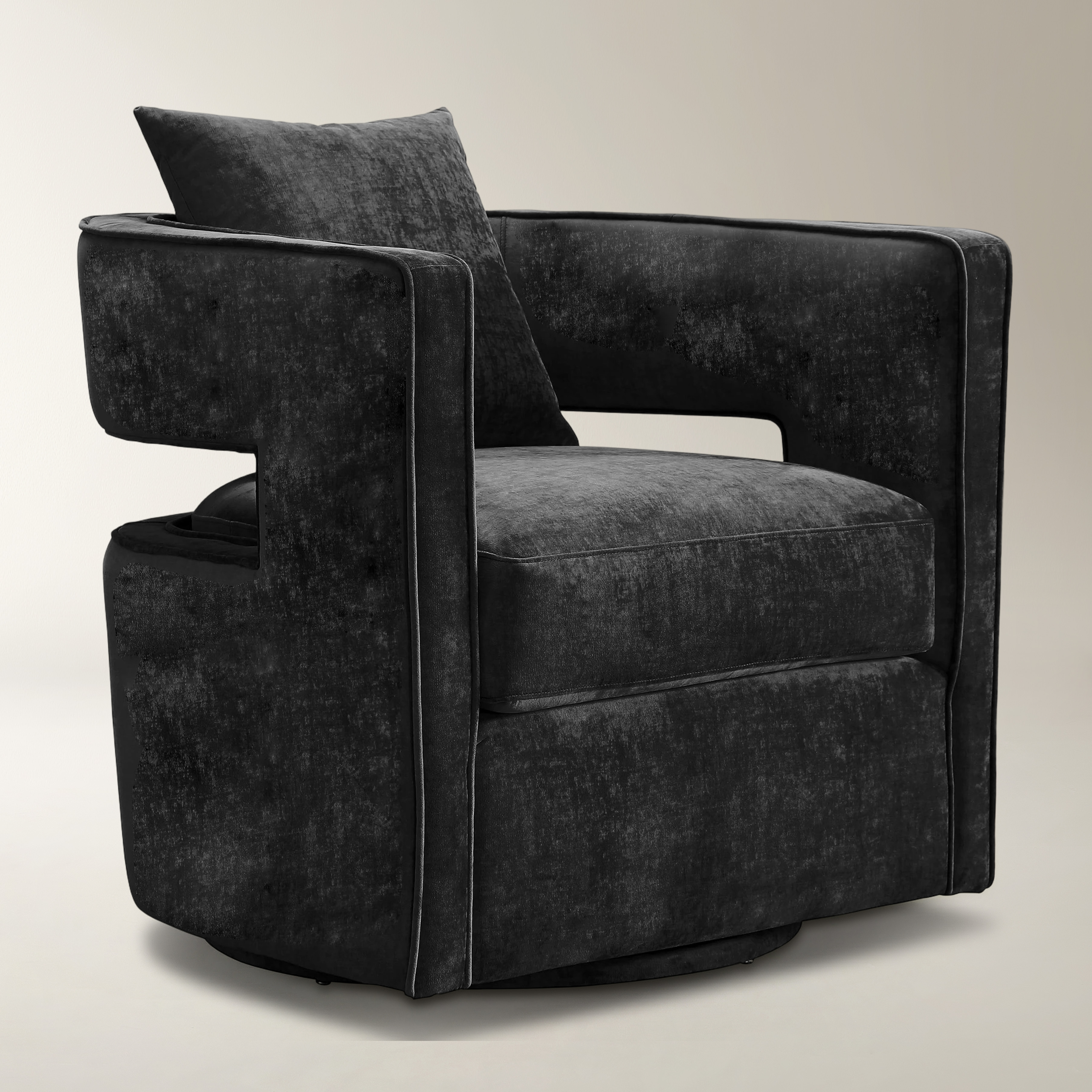 Lottie Black Velvet Swivel Accent Chair$999
A black velvet swivel accent chair with a sculpted barrel silhouette, open arms, and supportive cushioning.
Add To Cart -
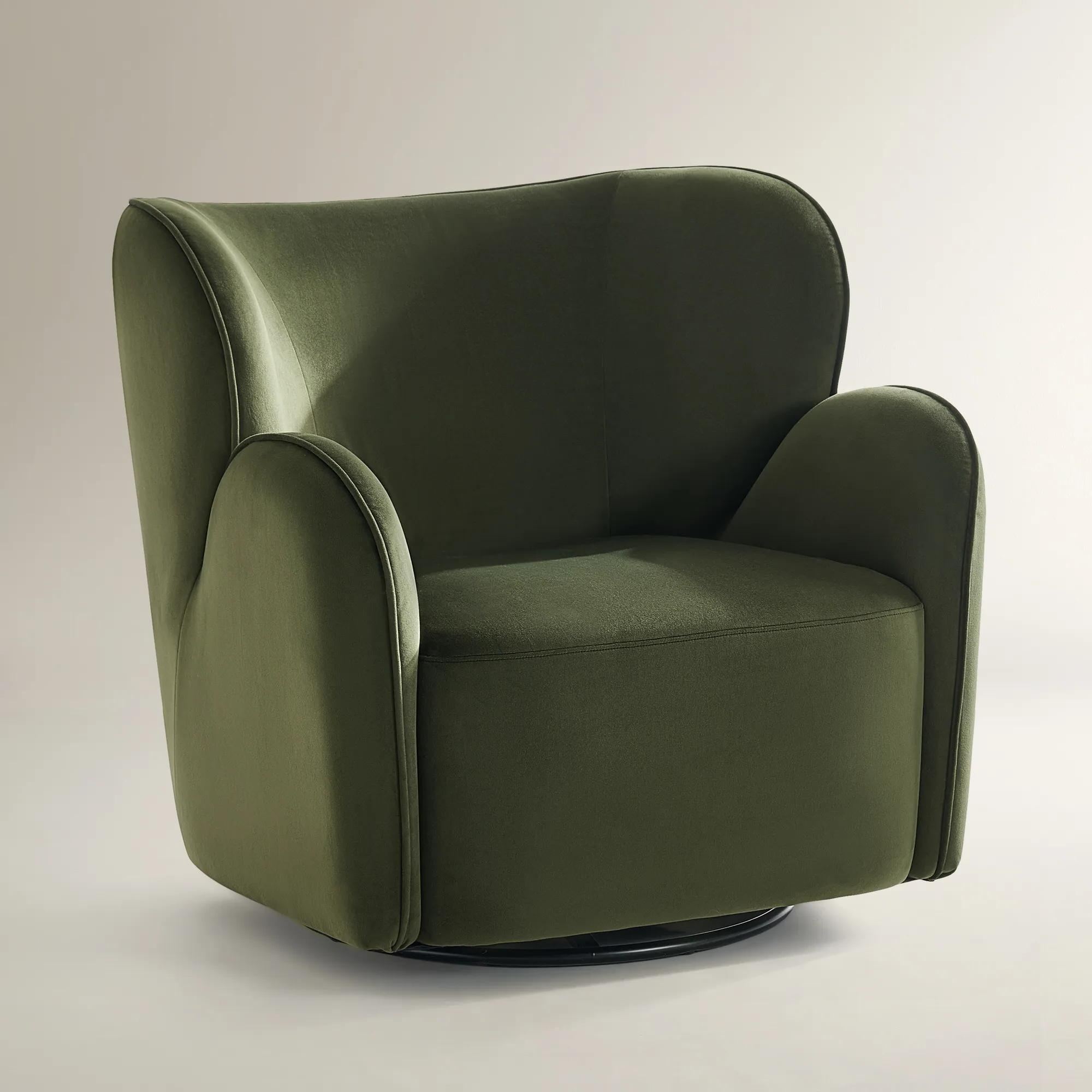
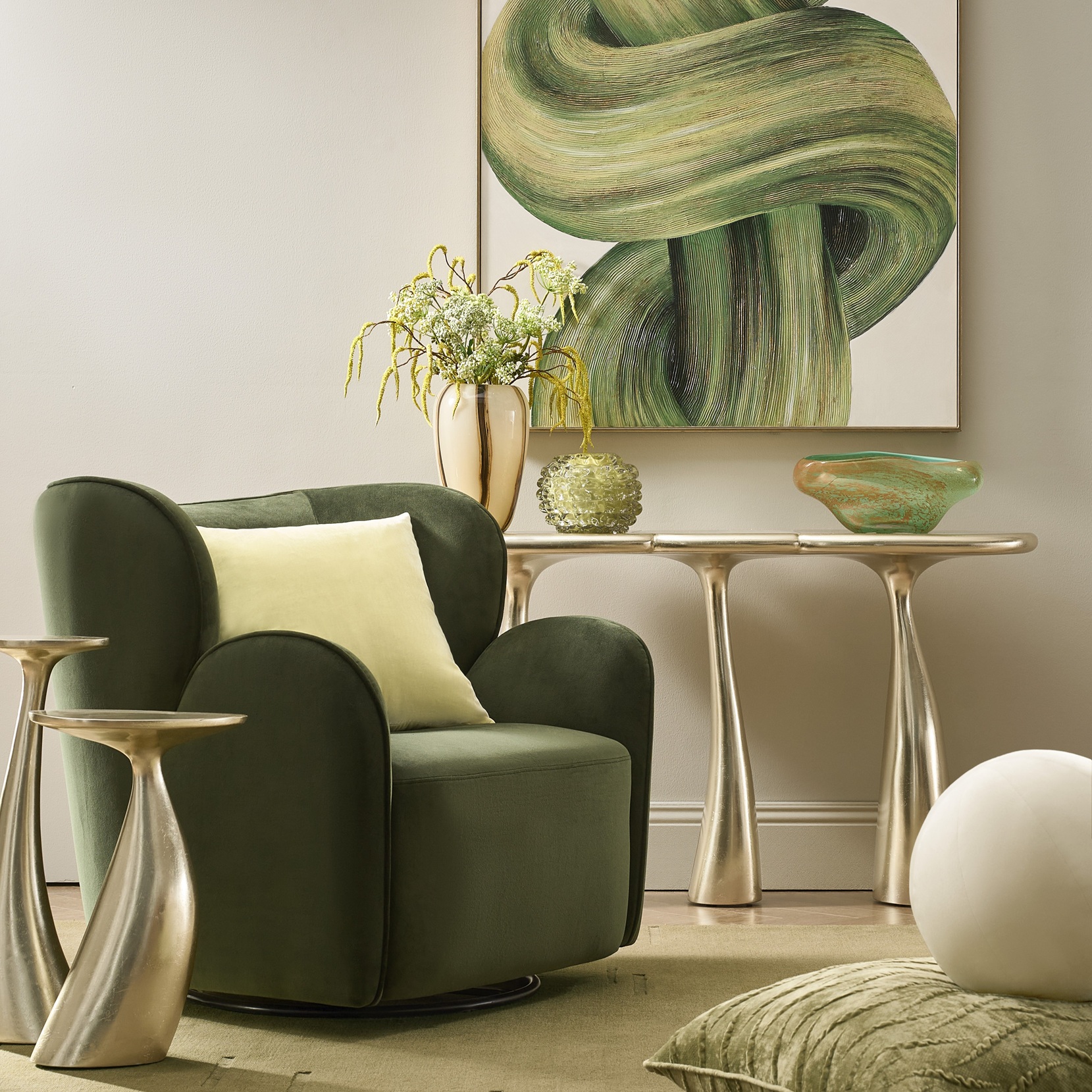 Ceres Jade Green Velvet Swivel Accent Chair$799
A plush jade green velvet chair with a curved silhouette, 360° swivel, and supportive foam cushioning.
Add To Cart -
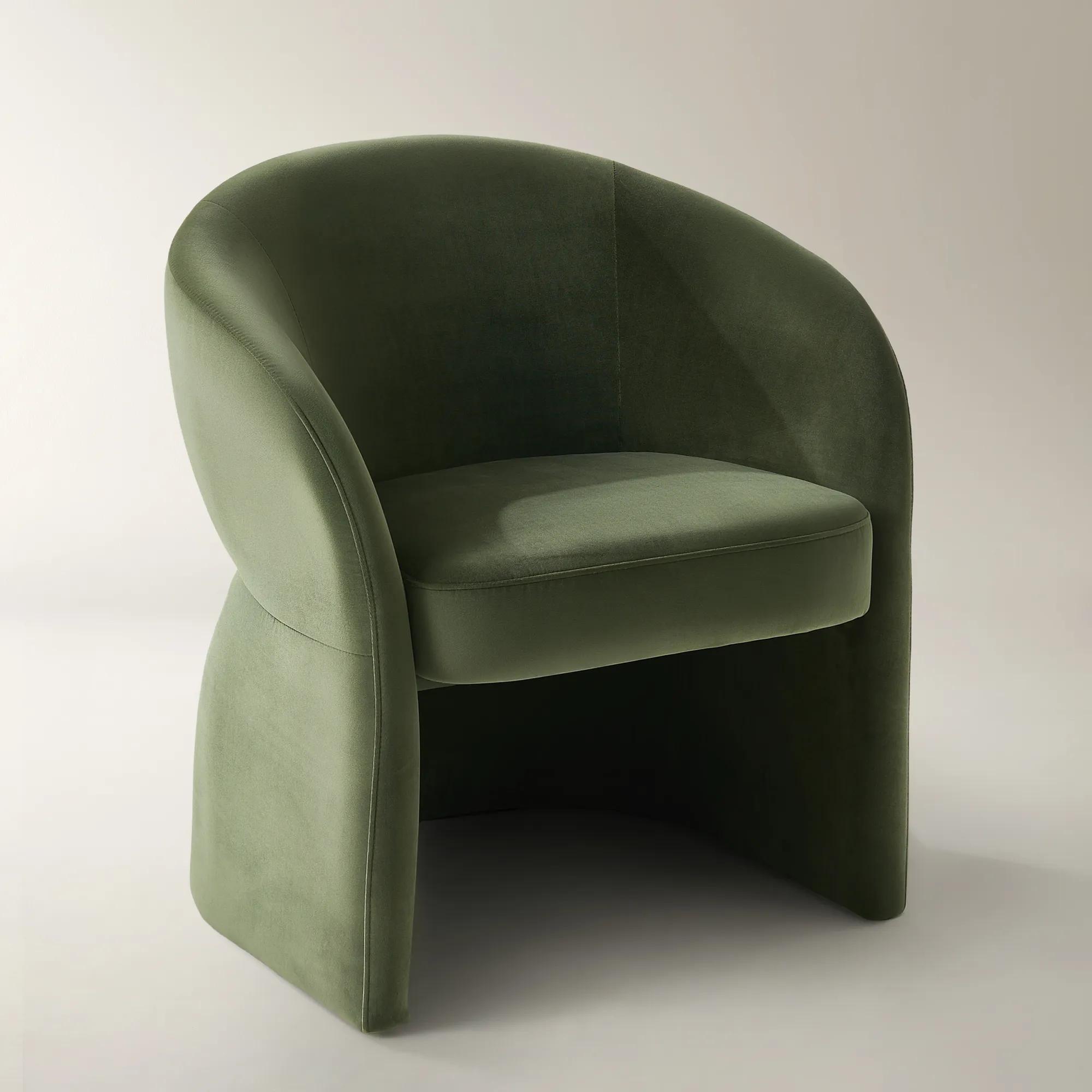
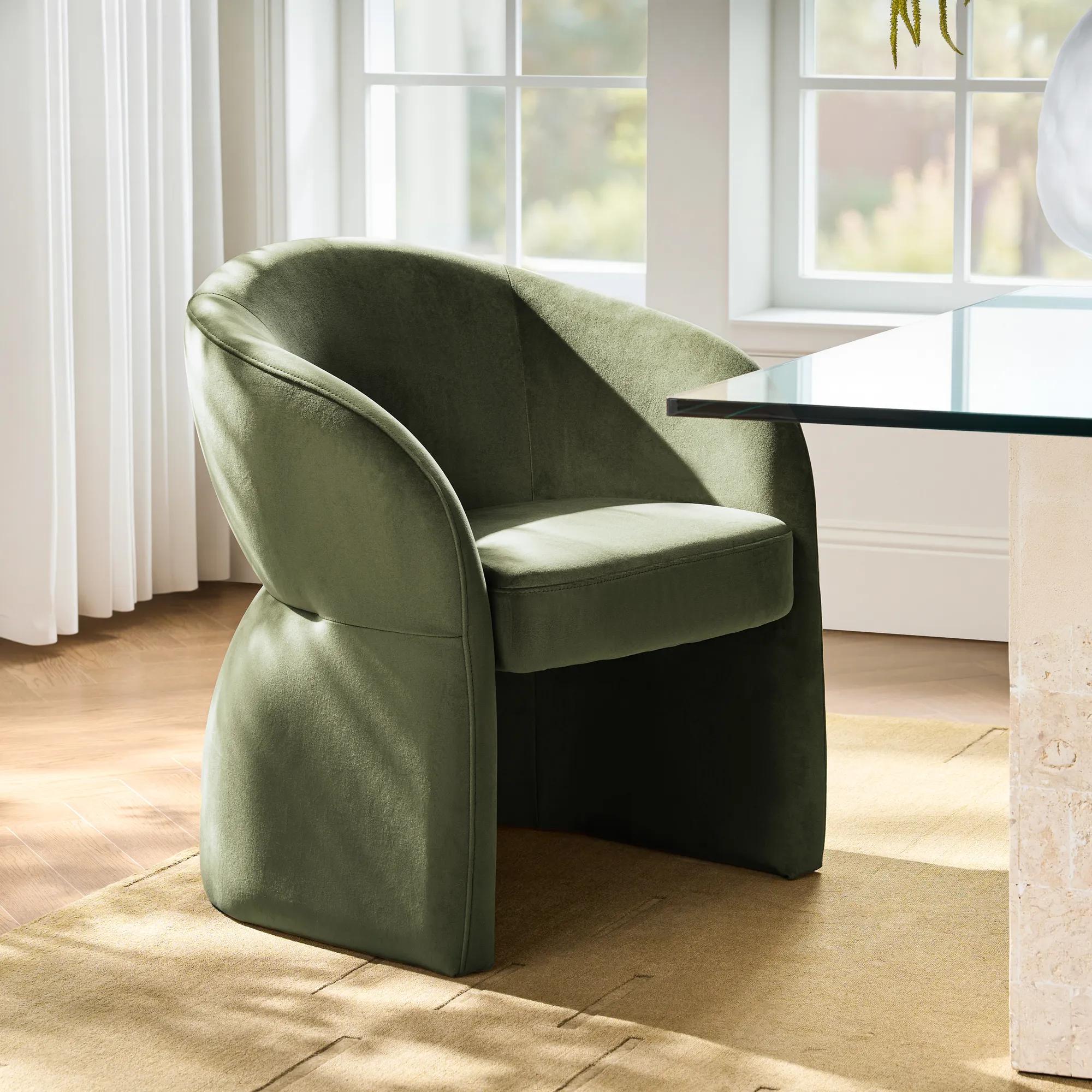 Sierra Jade Green Velvet Dining Chair$599
A sculptural accent chair in jade green velvet with gracefully arched arms and plush, supportive cushioning.
Add To Cart -
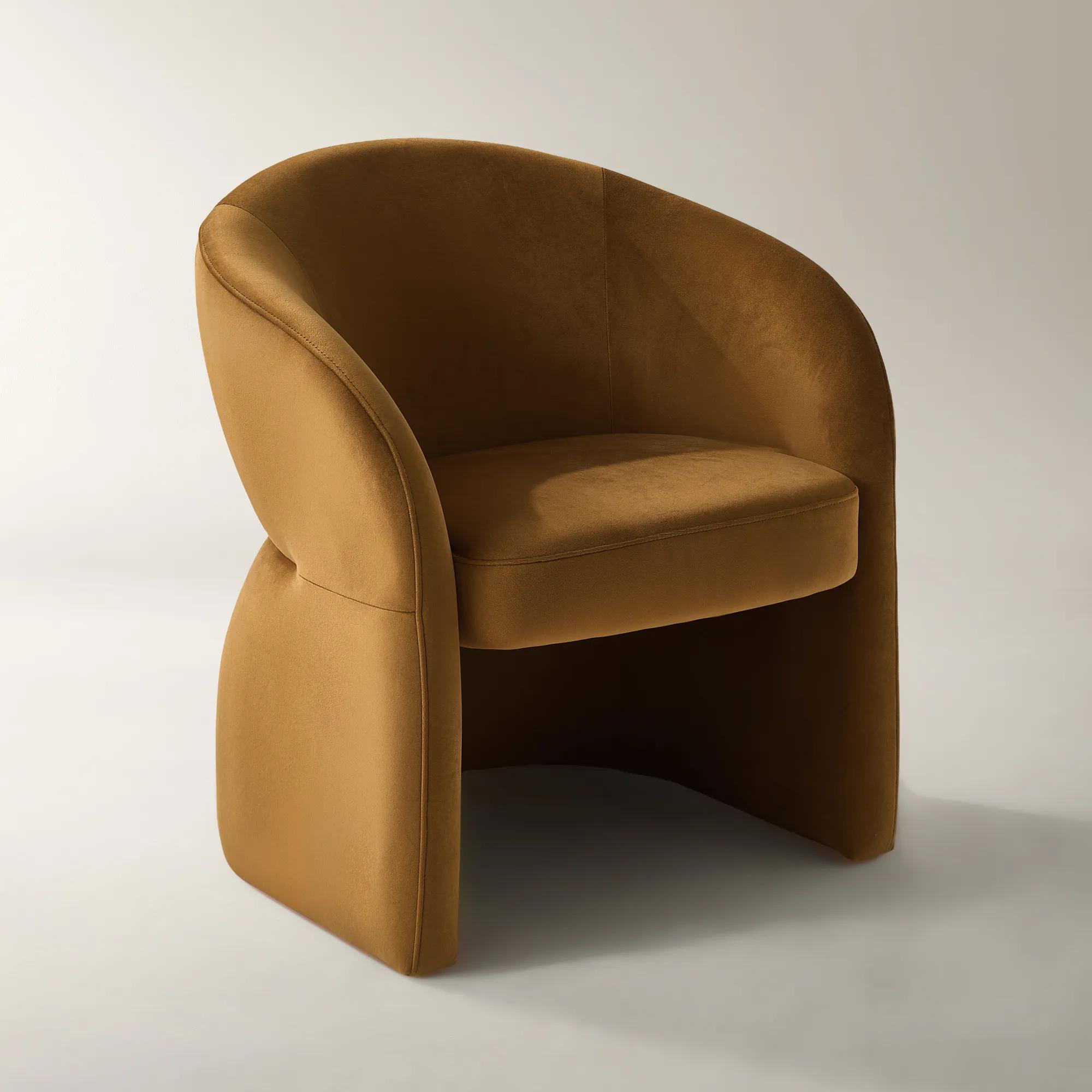
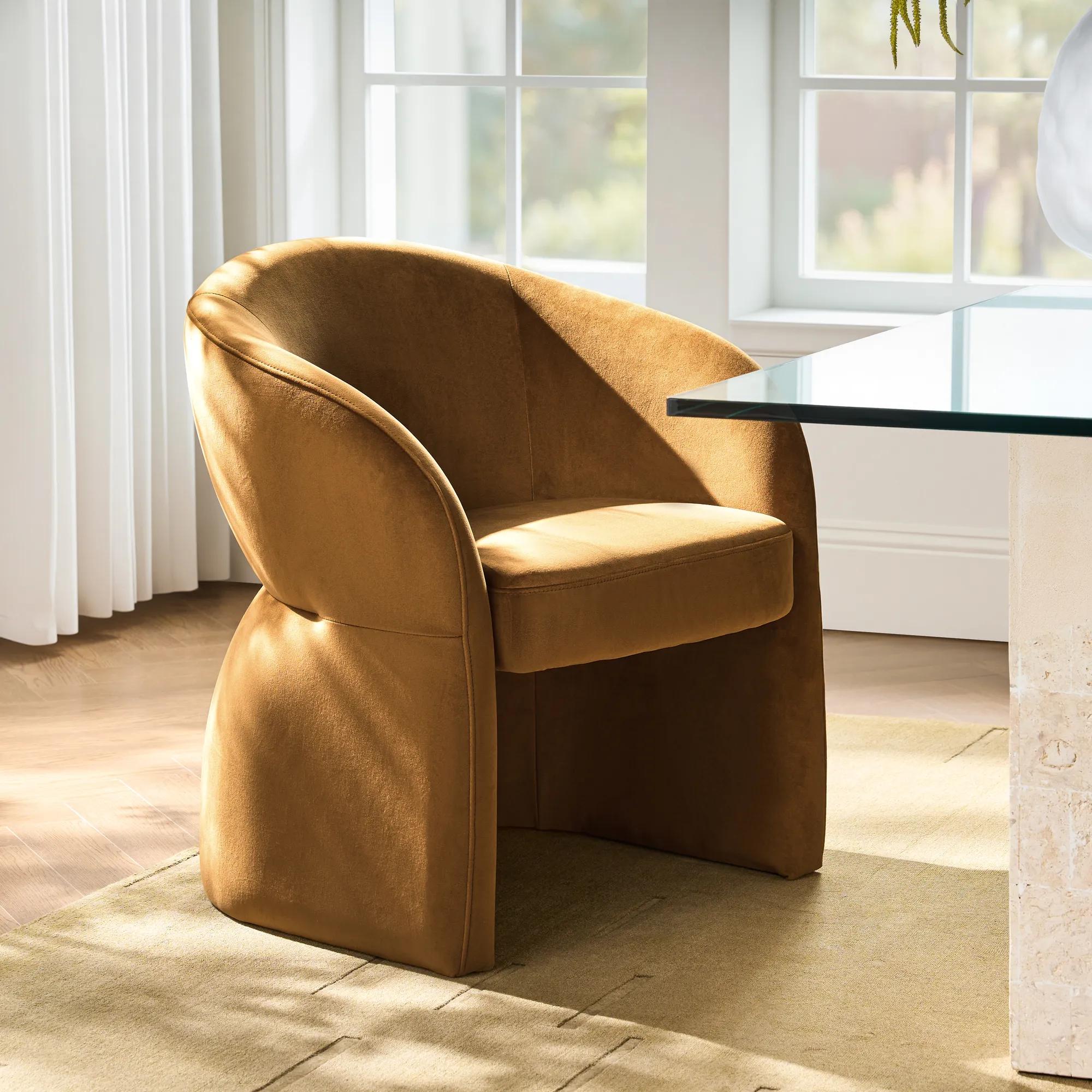 Sierra Roasted Pecan Velvet Dining Chair$599
A sculptural accent chair in roasted pecan velvet with arched arms, curved back, and plush cushioning.
Add To Cart -
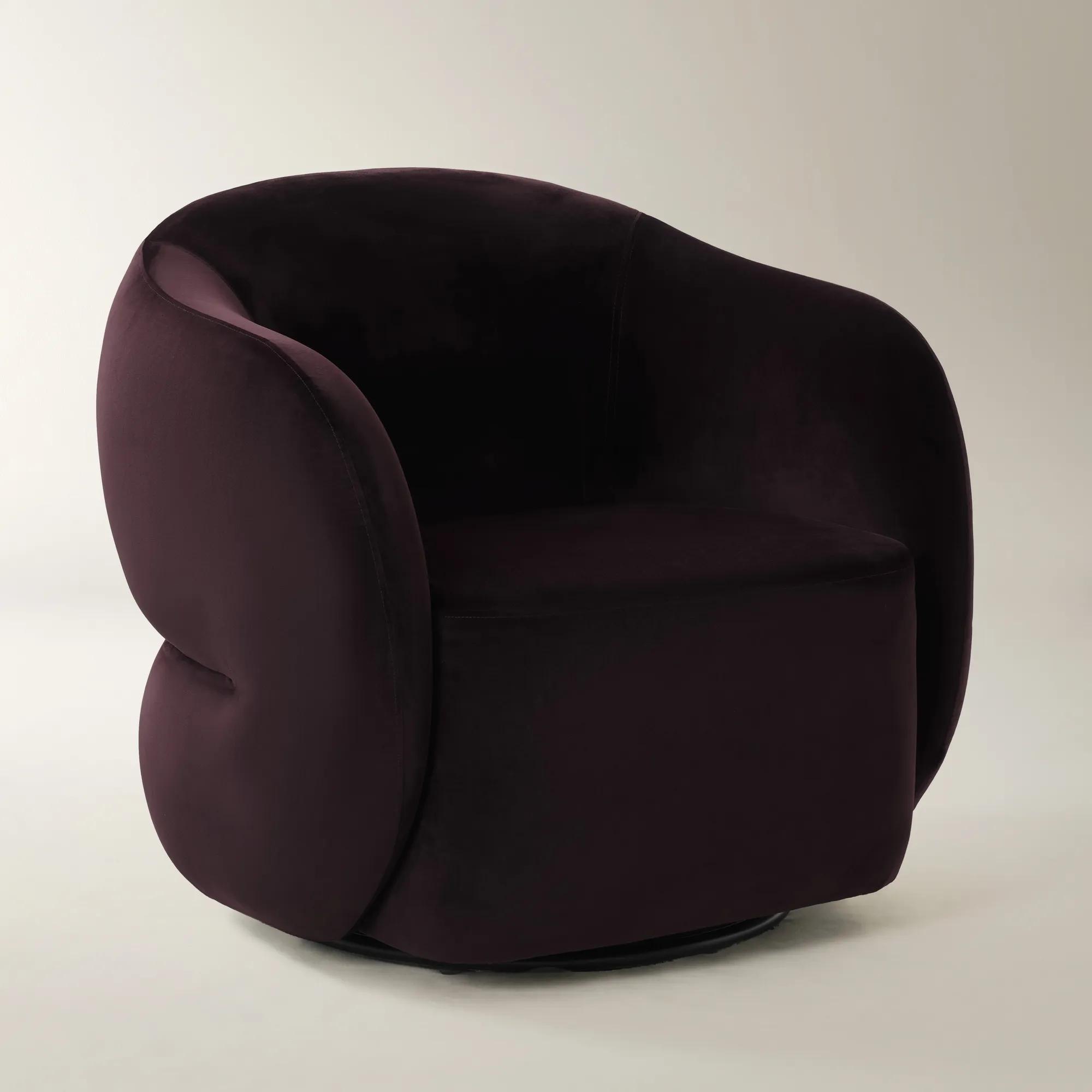 Sierra Fig Velvet Swivel Accent Chair$899
A modern accent chair in plush fig velvet with a wraparound back and smooth 360° swivel base.
Add To Cart -
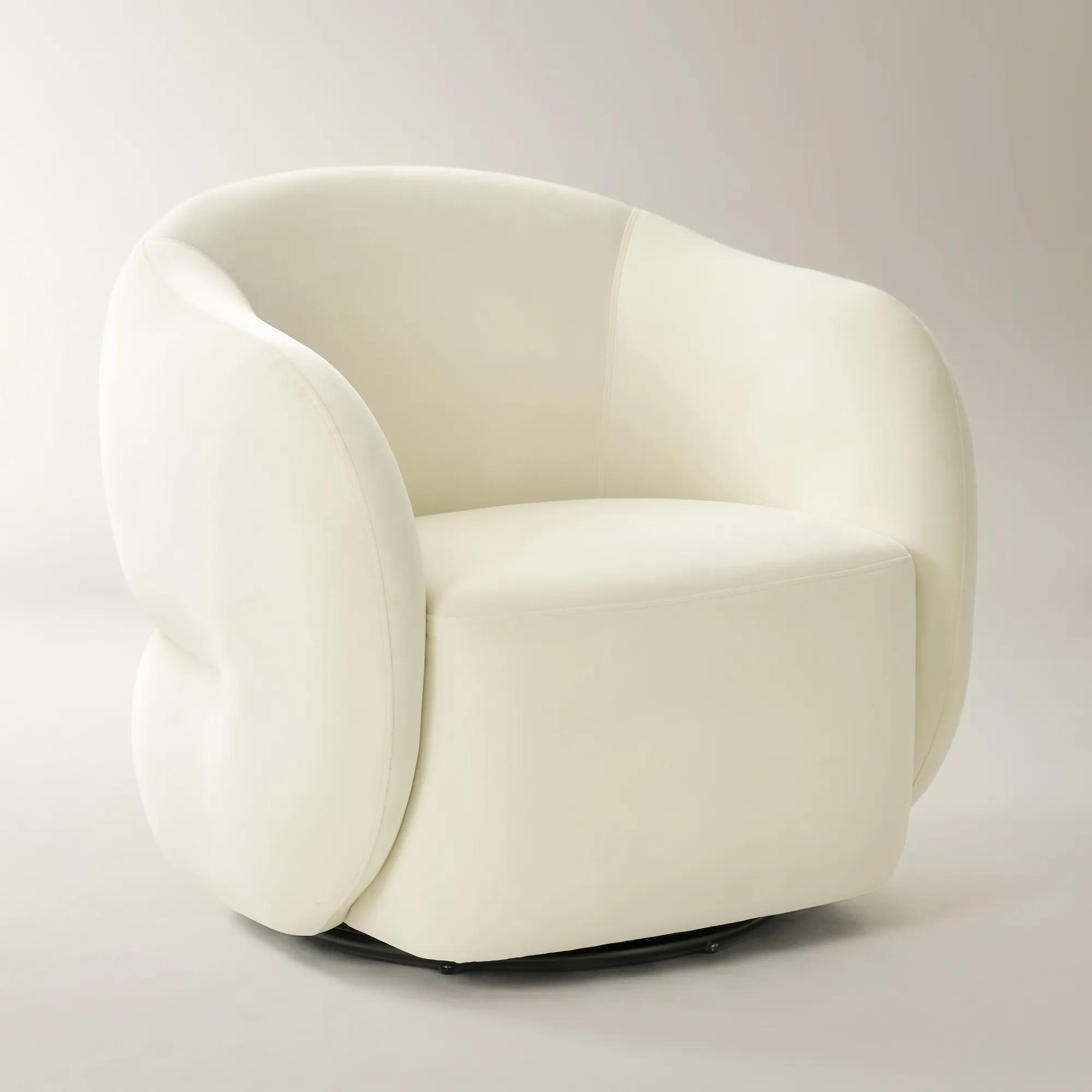
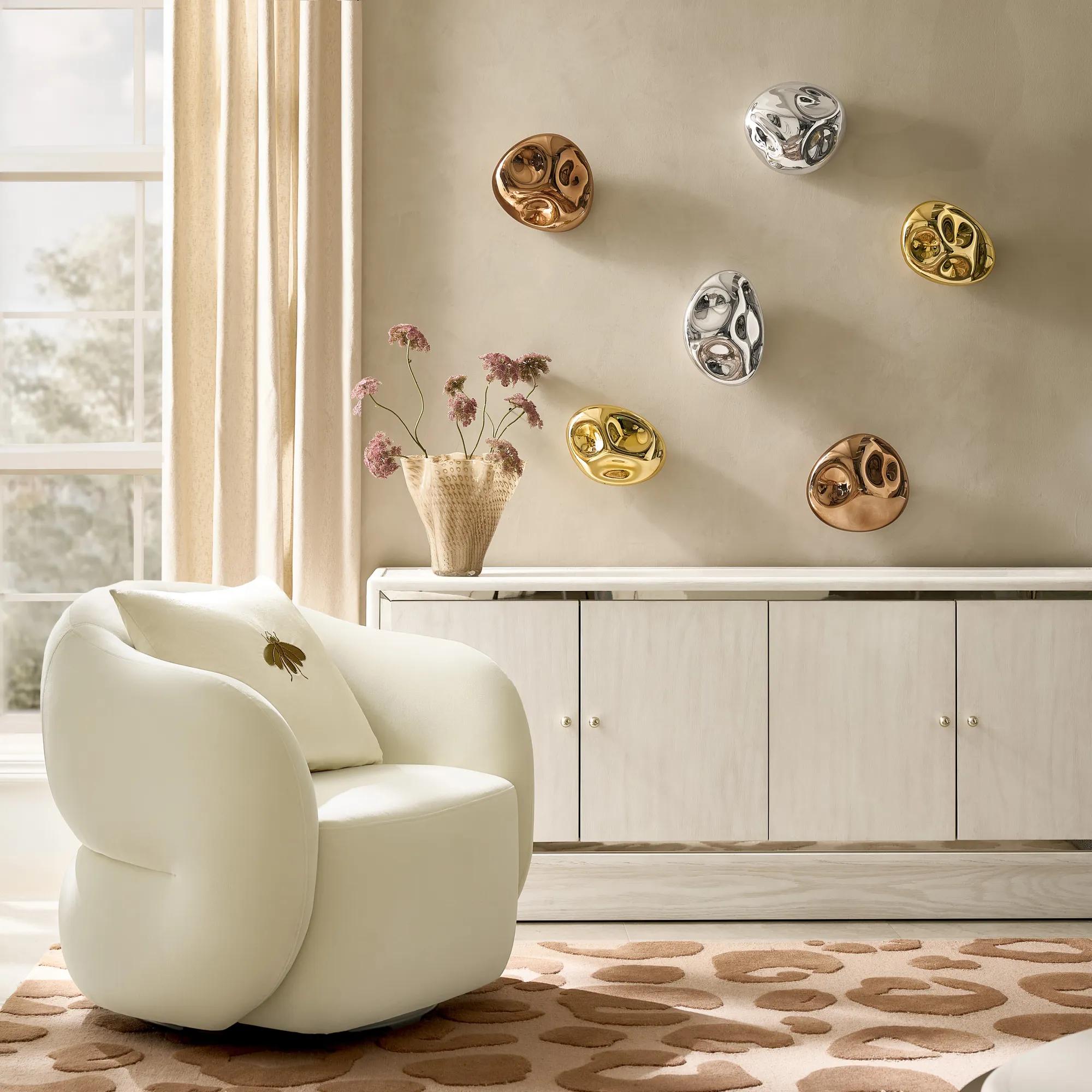 Sierra Cloud Velvet Swivel Accent Chair$899
A plush velvet accent chair featuring a wraparound back, fluid curves, and smooth 360° swivel base.
Add To Cart -
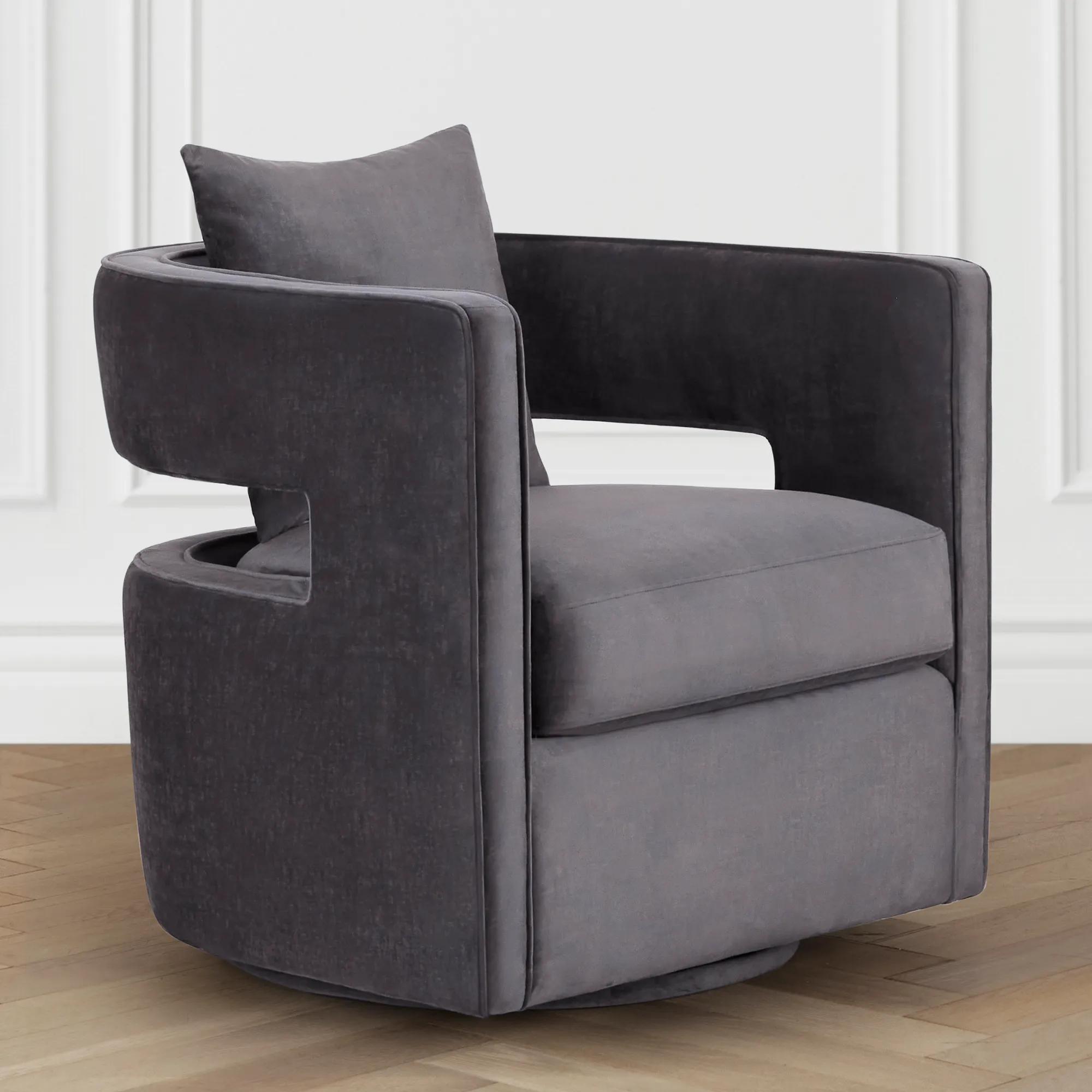 Lottie Grey Velvet Swivel Accent Chair$999
A glamorous grey velvet swivel chair featuring a barrel back, cutout arms, and plush foam cushioning.
Add To Cart -
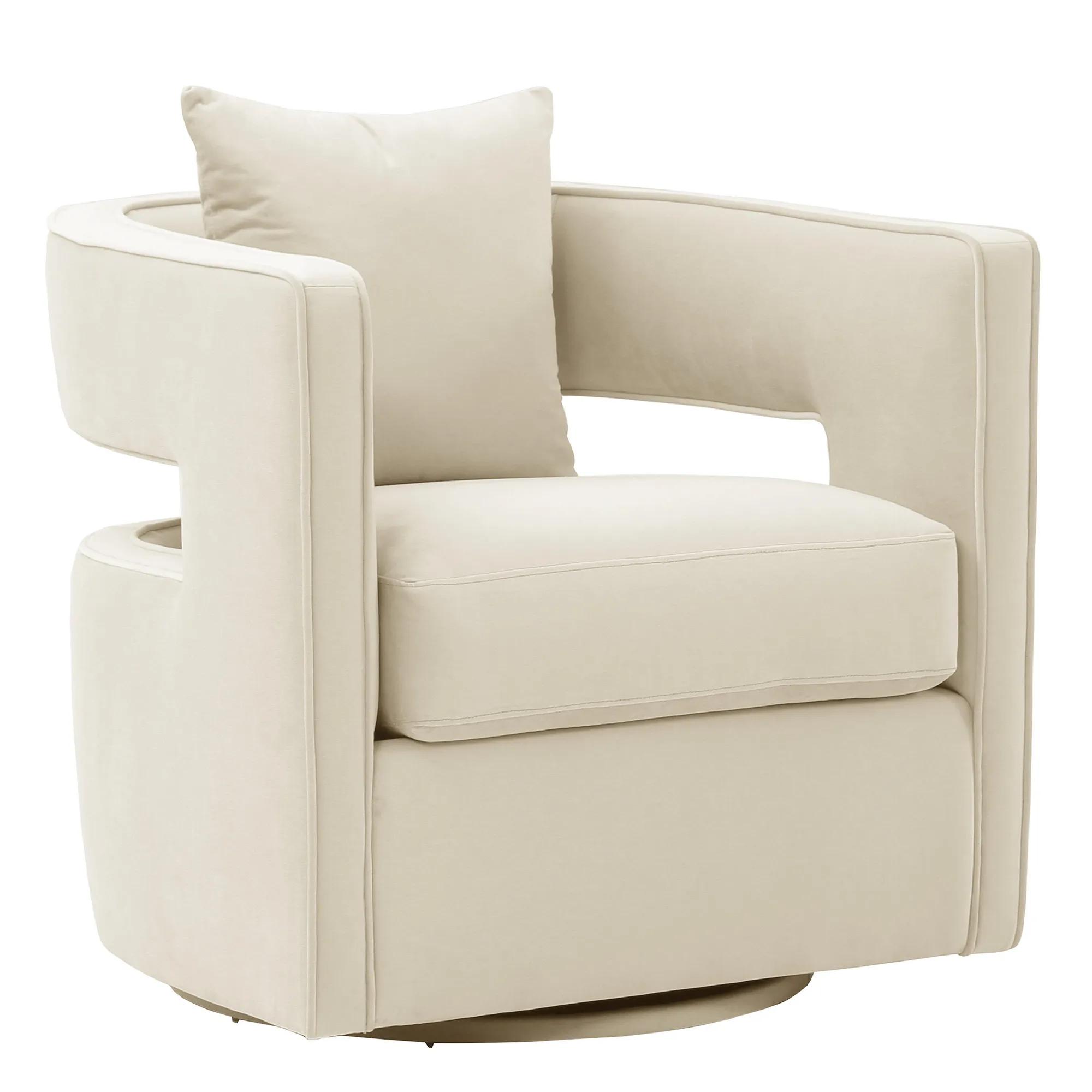
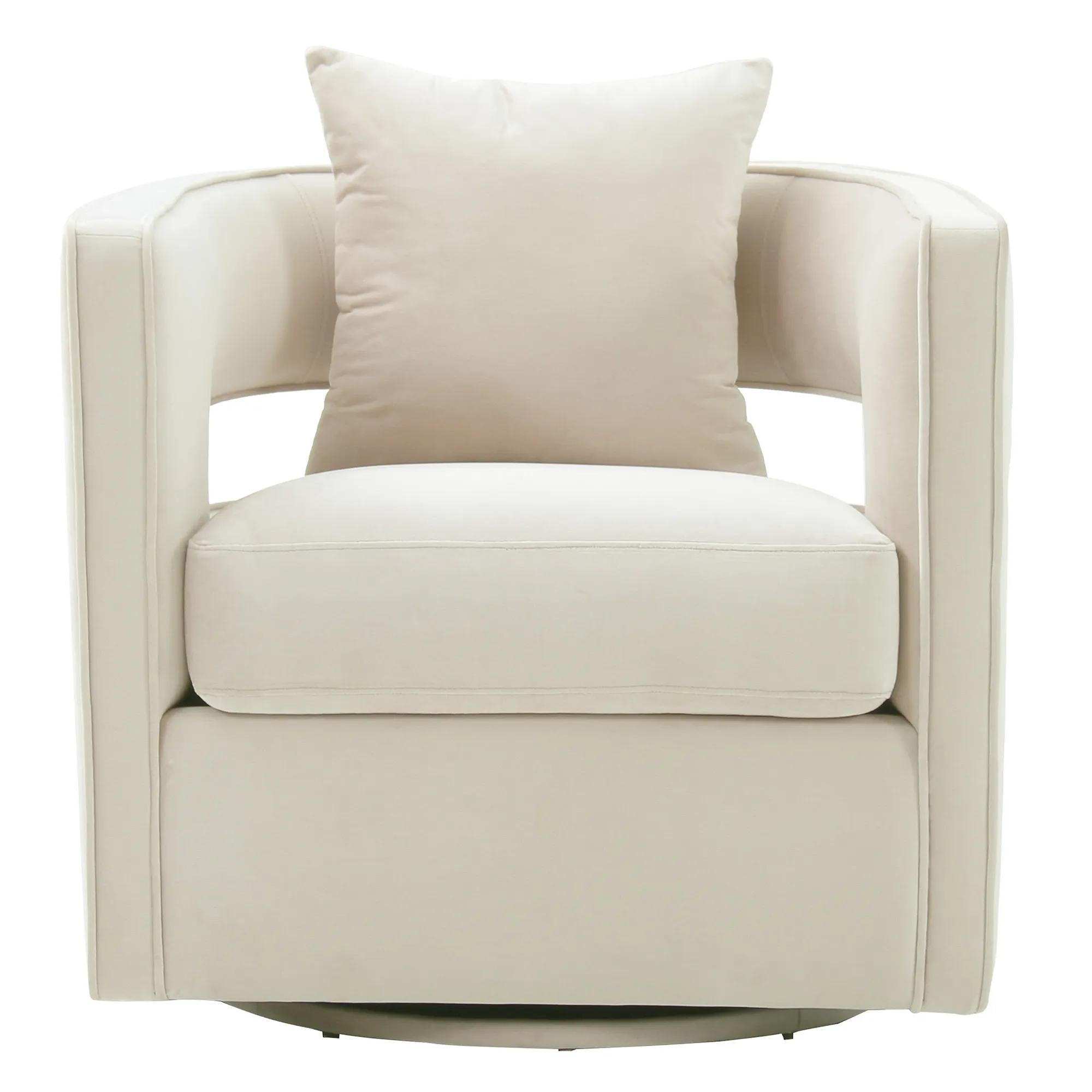 Lottie Cream Velvet Swivel Accent Chair$999
A glamorous cream velvet swivel chair featuring a barrel back, cutout arms, and plush foam cushioning.
Add To Cart -
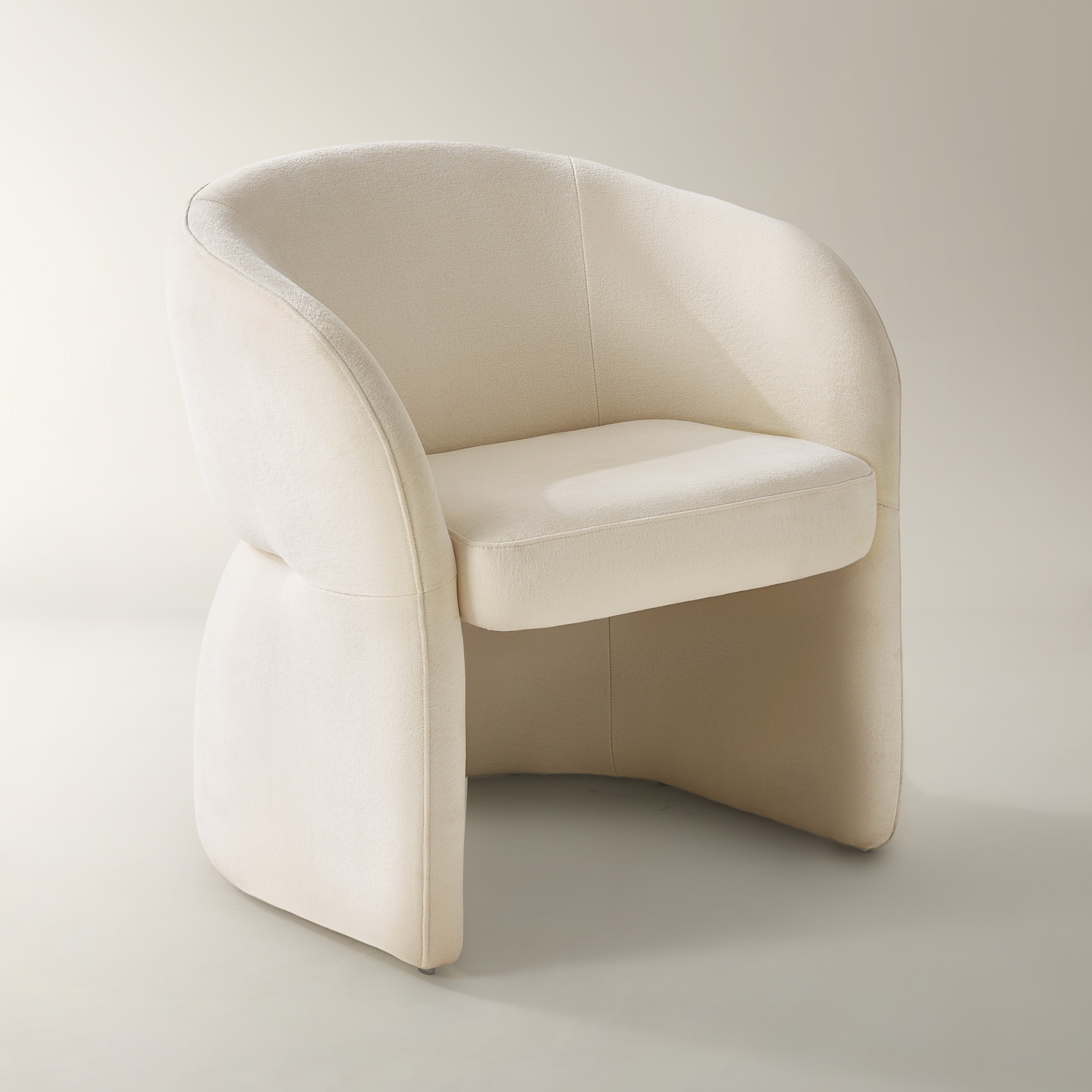
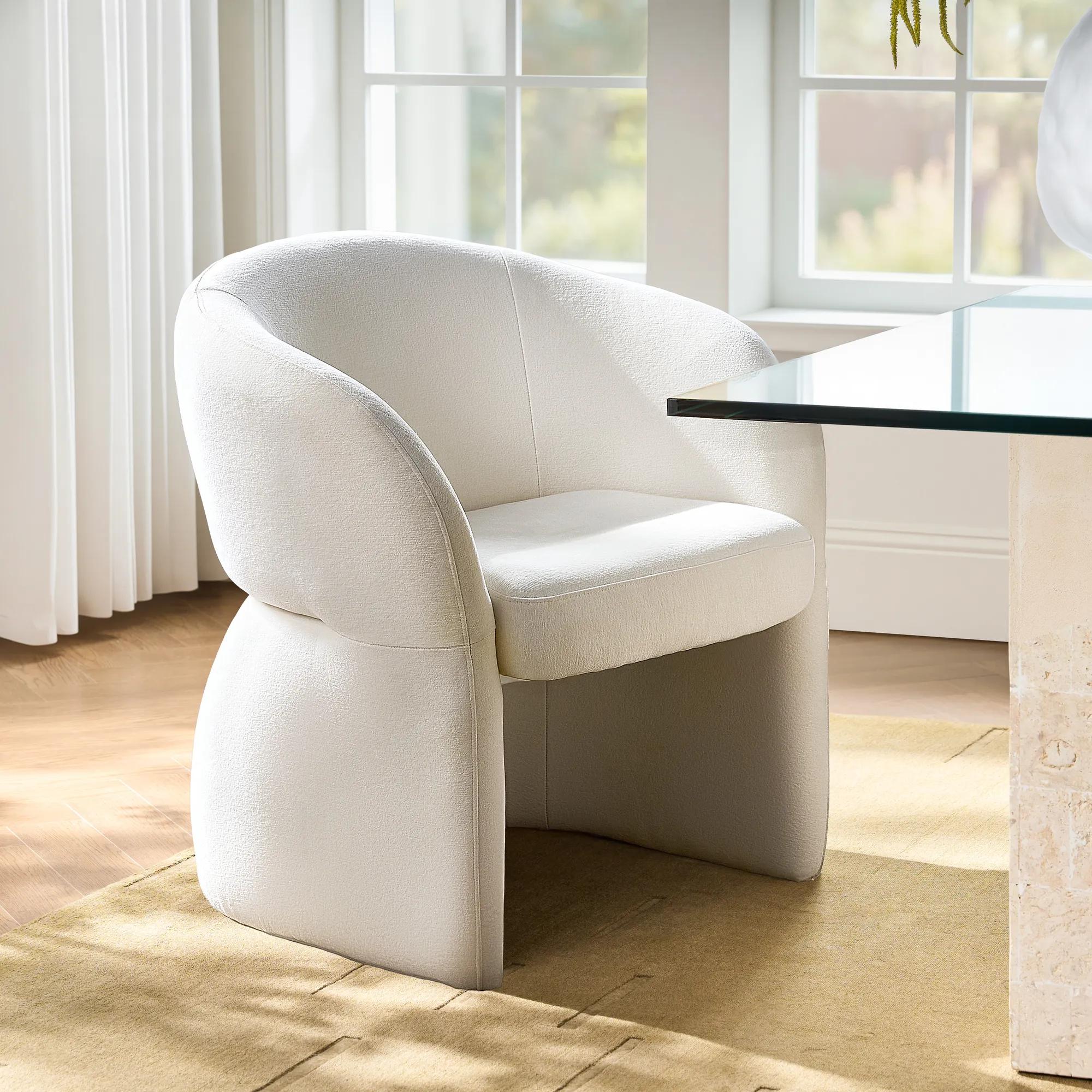 Sierra Oatmeal Velvet Dining Chair$599
An elegant accent chair in oatmeal velvet with gracefully arched arms, curved back, and plush cushioning.
Add To Cart -

 Nia Lacquered Turtle Dove Faux Fur Accent Chair$899
A sculptural accent chair featuring a high-gloss sand-toned fiberglass frame and plush turtle dove faux fur upholstery.
Add To Cart -
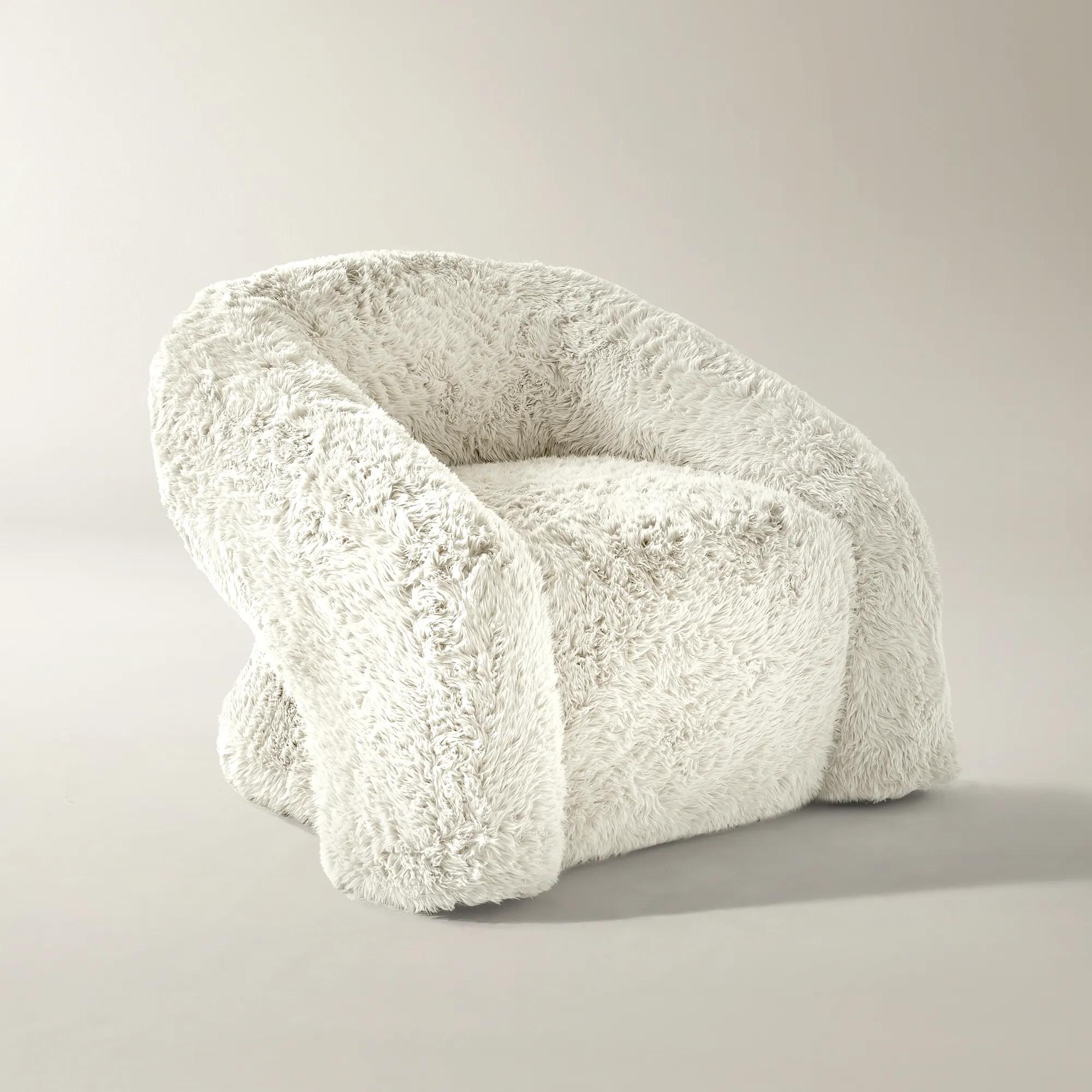 Misha White Faux Fur Accent Chair$799
A modern white faux fur chair offering plush comfort, sculptural lines, and pet-friendly, easy-care upholstery.
Add To Cart -
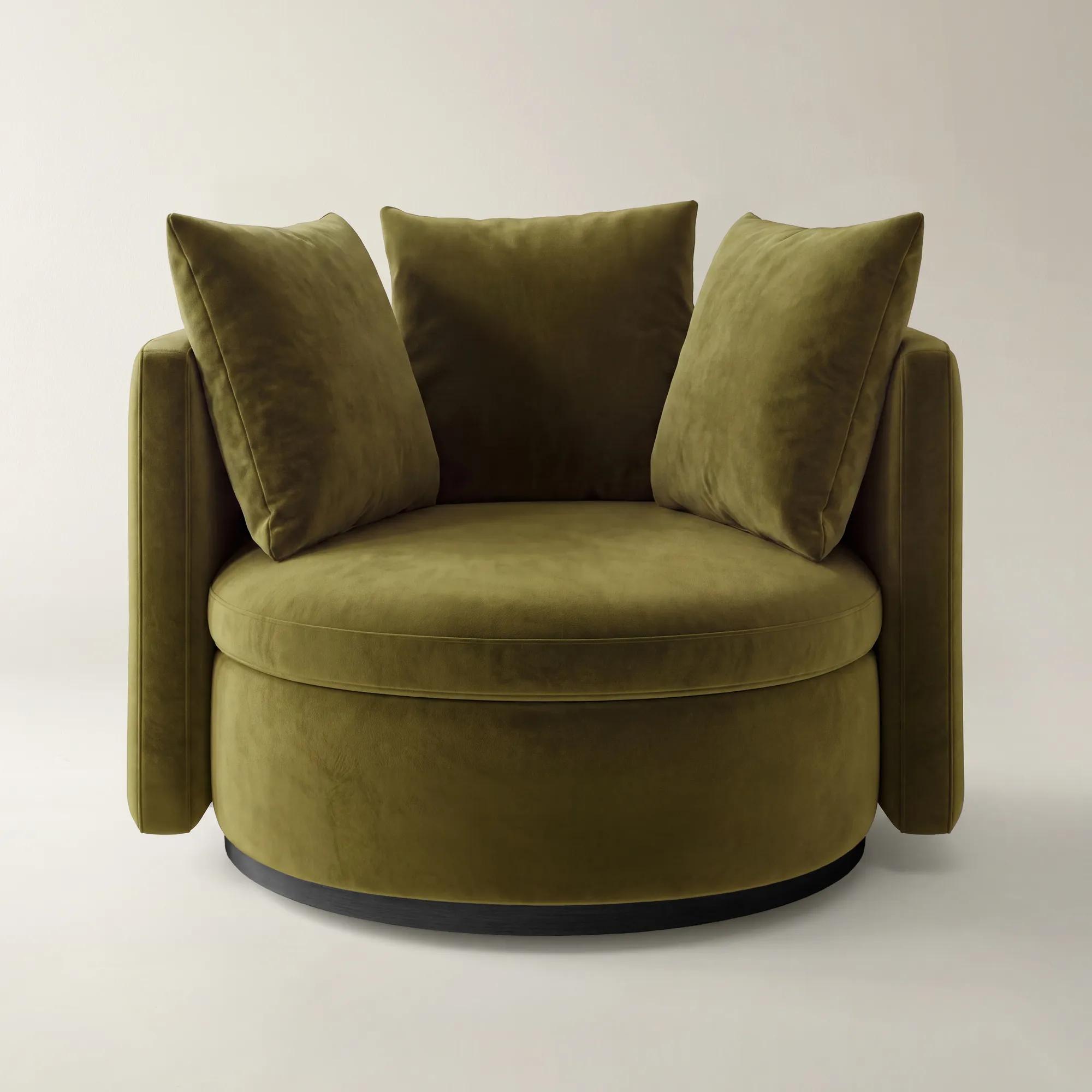
 Stria Deep Olive Velvet Swivel Accent Chair$1499
A deep olive velvet accent chair with enveloping curves, layered cushioning, and a concealed 360-degree swivel base.
Add To Cart -
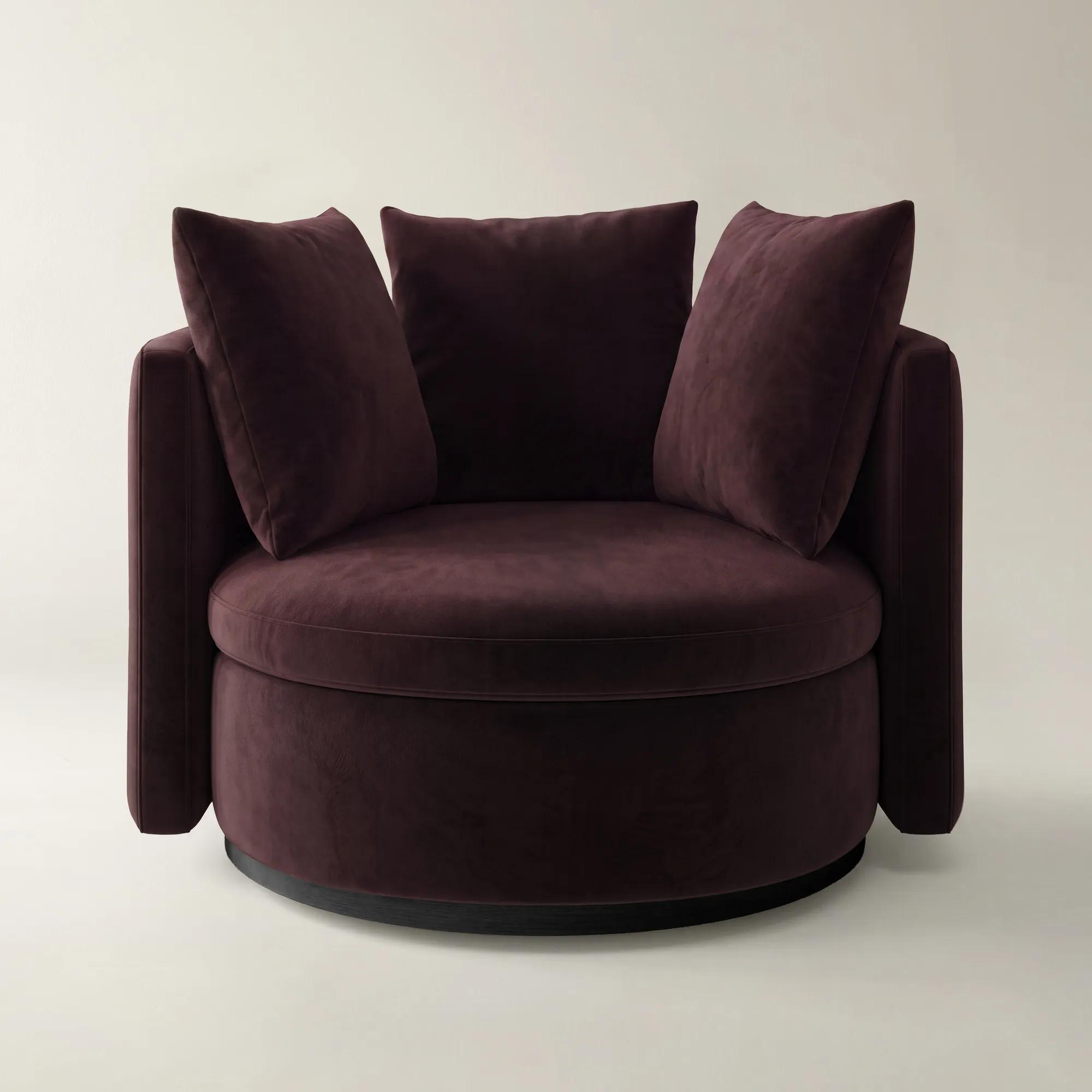 Stria Fig Velvet Swivel Accent Chair$1499
A fig velvet chair with a sculptural wraparound silhouette, layered foam comfort, and concealed 360-degree swivel.
Add To Cart -
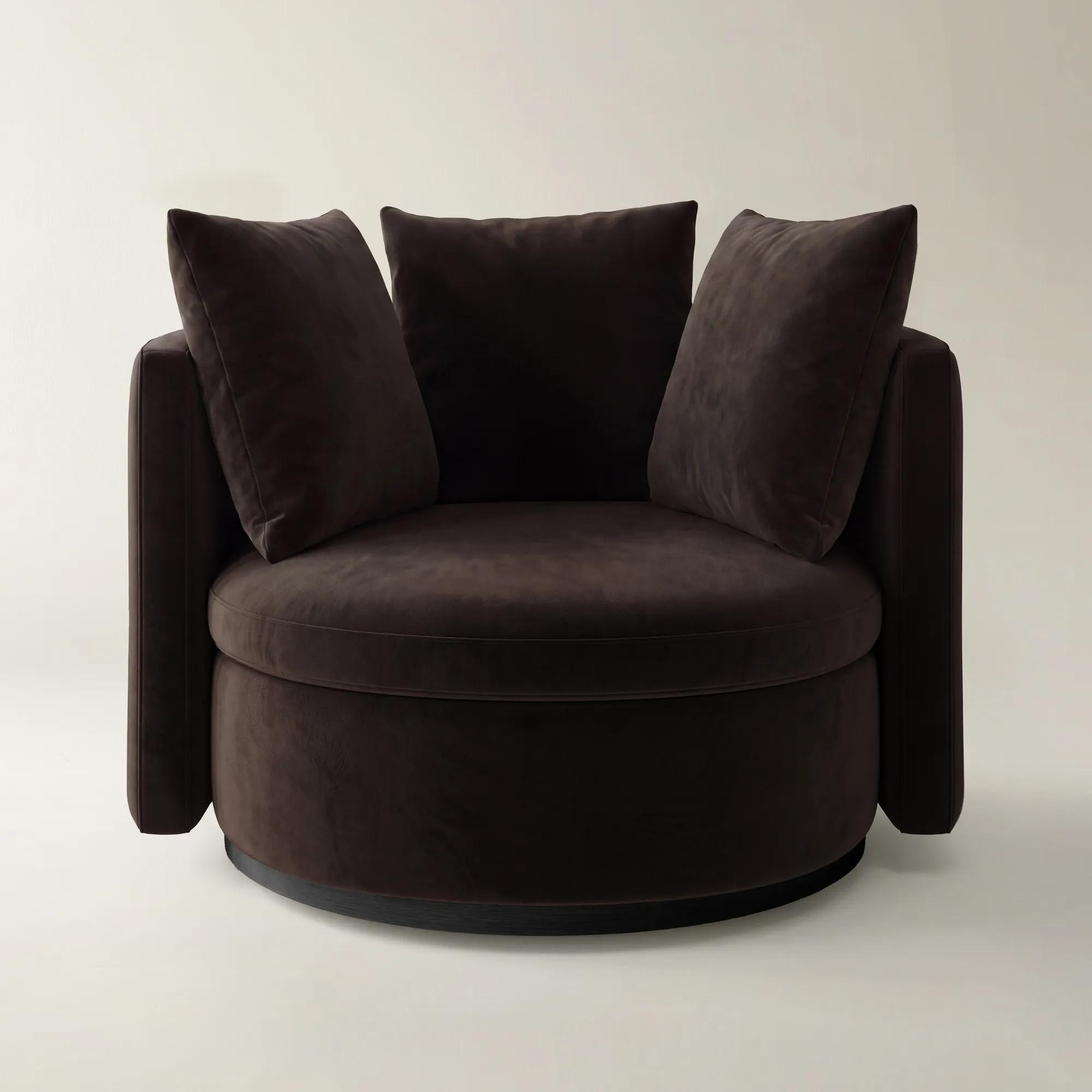 Stria Dark Chocolate Velvet Swivel Accent Chair$1499
A dark chocolate velvet accent chair with enveloping curves, plush cushioning, and a concealed 360-degree swivel.
Add To Cart -
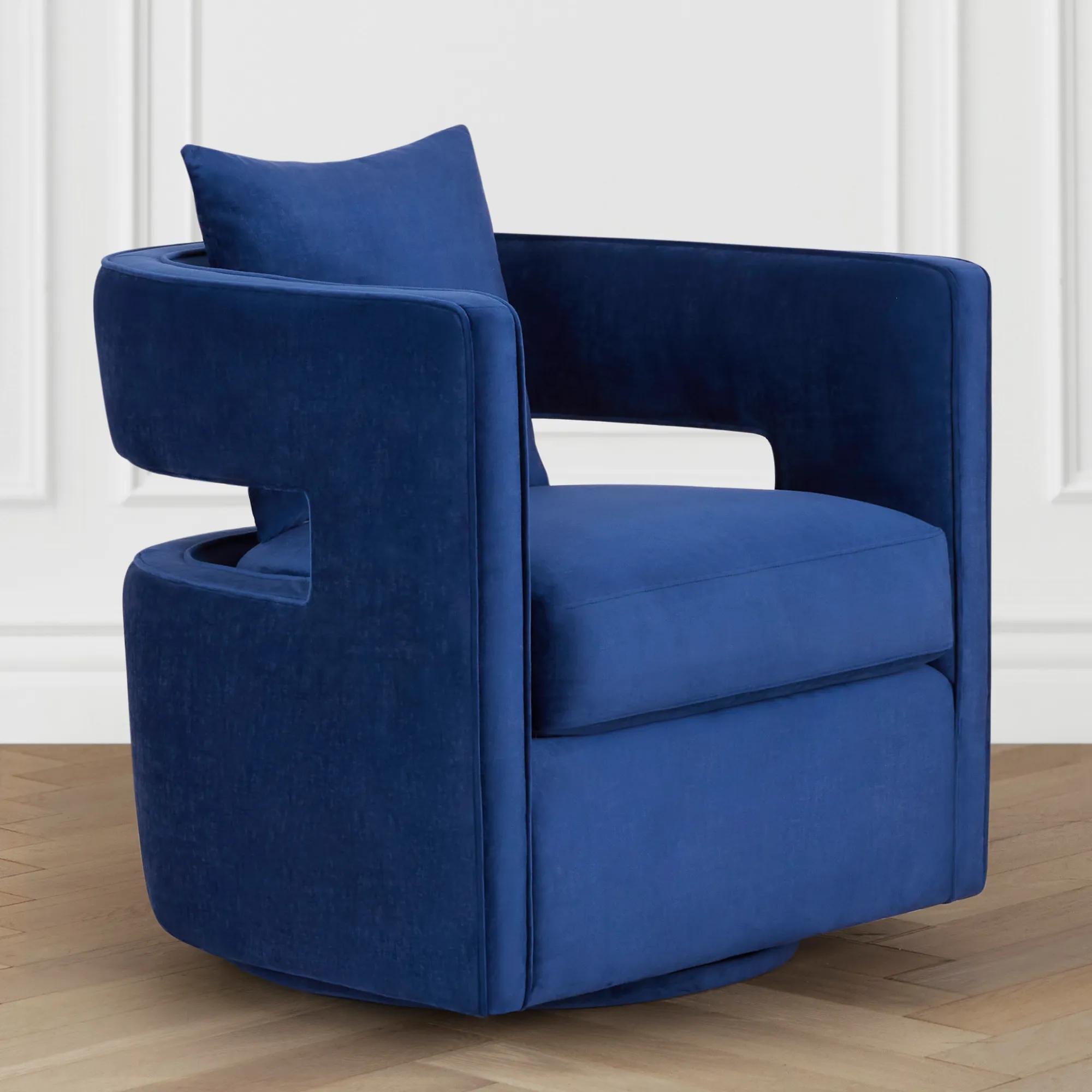
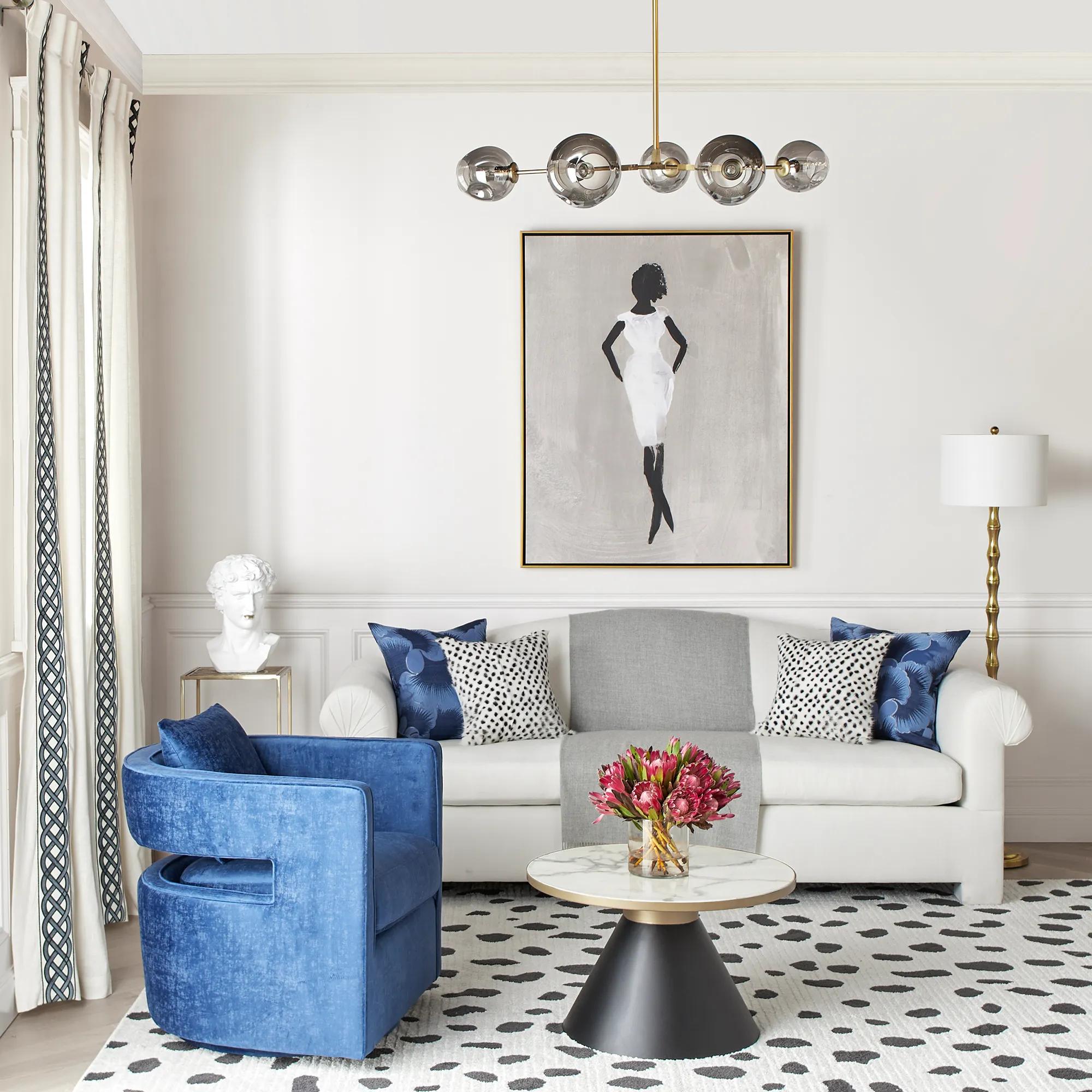 Lottie Navy Velvet Swivel Accent Chair$999
A navy velvet swivel accent chair featuring a sculpted barrel silhouette, open arms, and supportive cushioning.
Add To Cart -
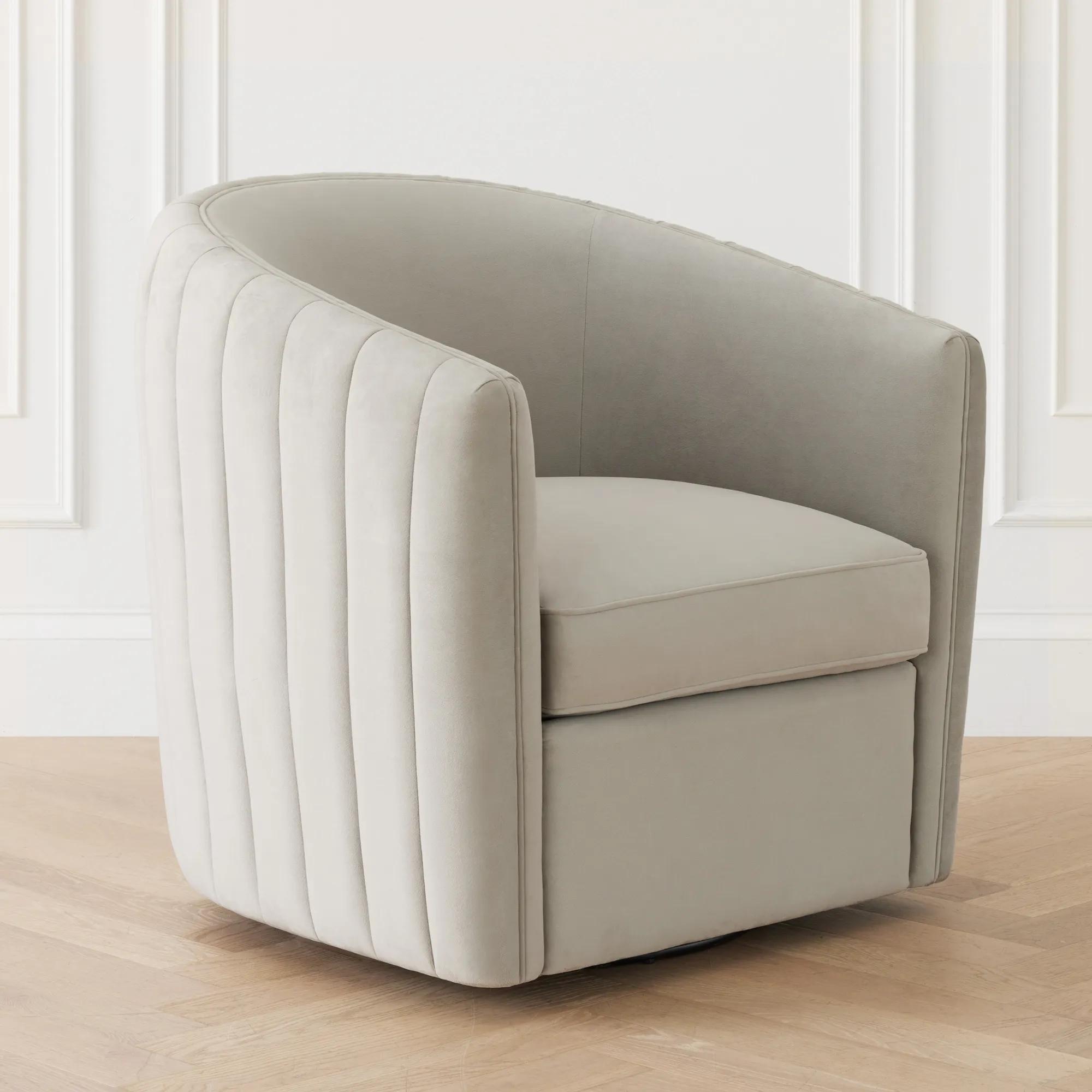
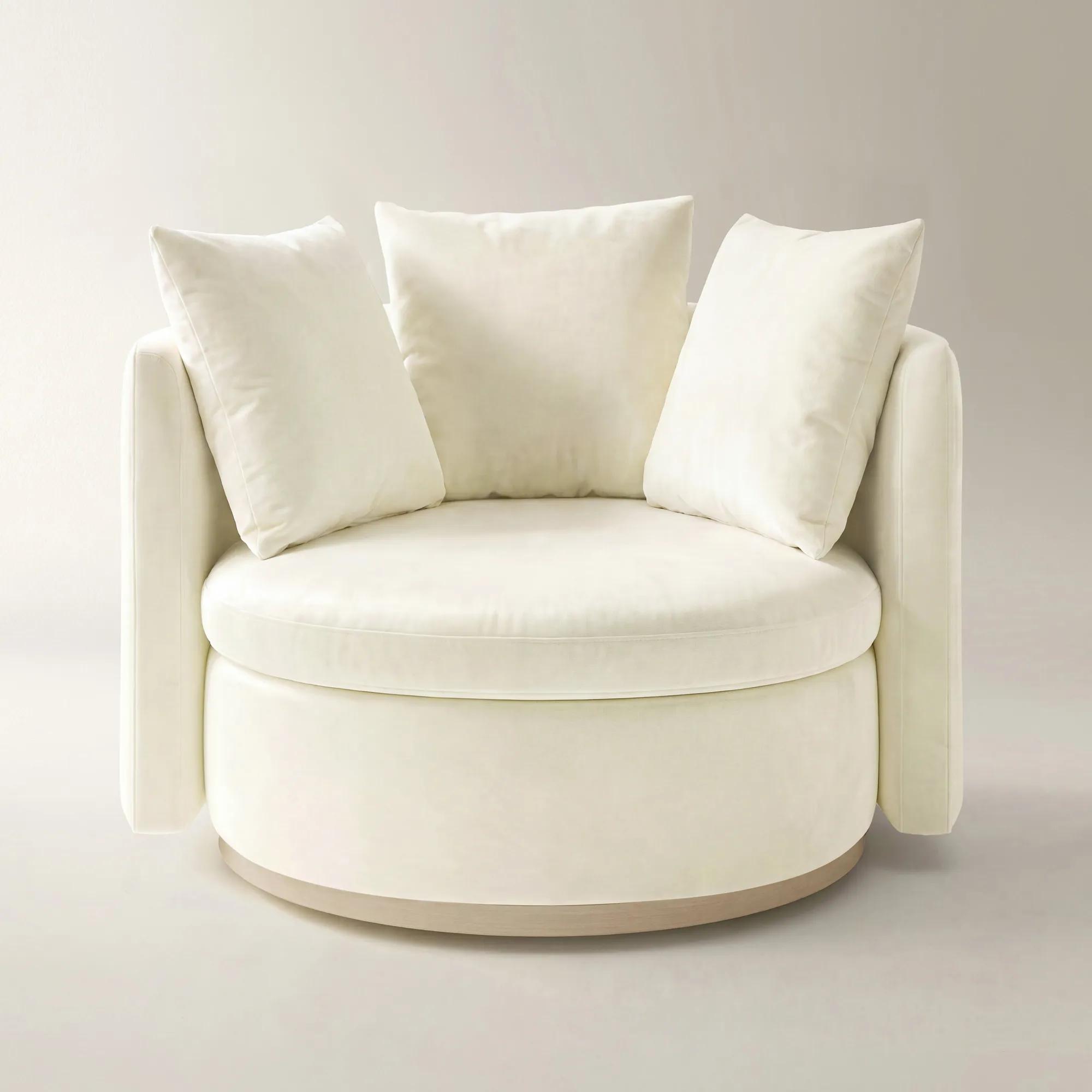 Stria Cloud Velvet Swivel Accent Chair$1499
A sculptural cloud-velvet accent chair with enveloping curves, layered cushioning, and a concealed 360-degree swivel base.
Add To Cart -
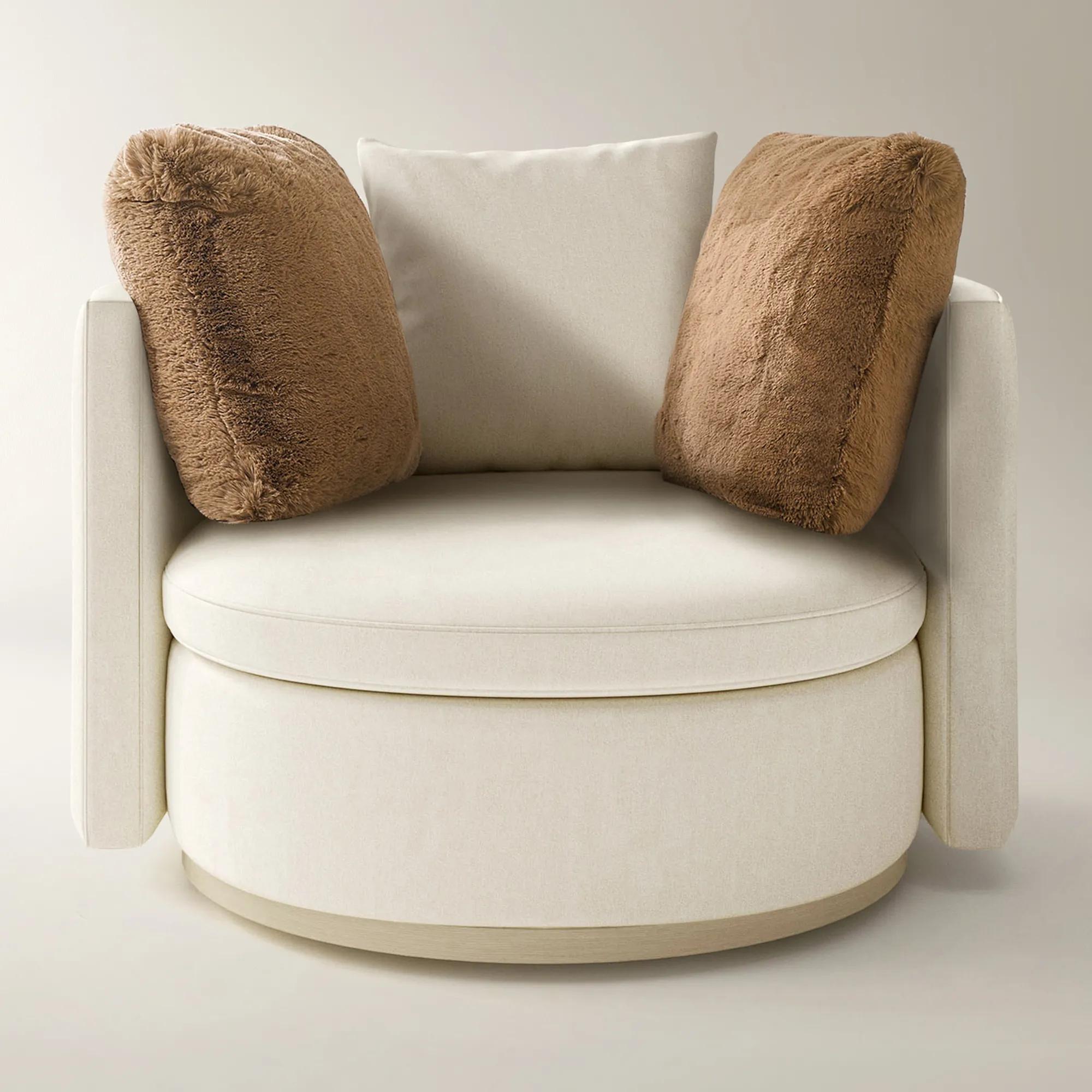 Stria Ivory Chenille Swivel Accent Chair$1499
An ivory chenille accent chair with triple-layer cushioning, ergonomic curves, and a smooth 360-degree swivel.
Add To Cart -

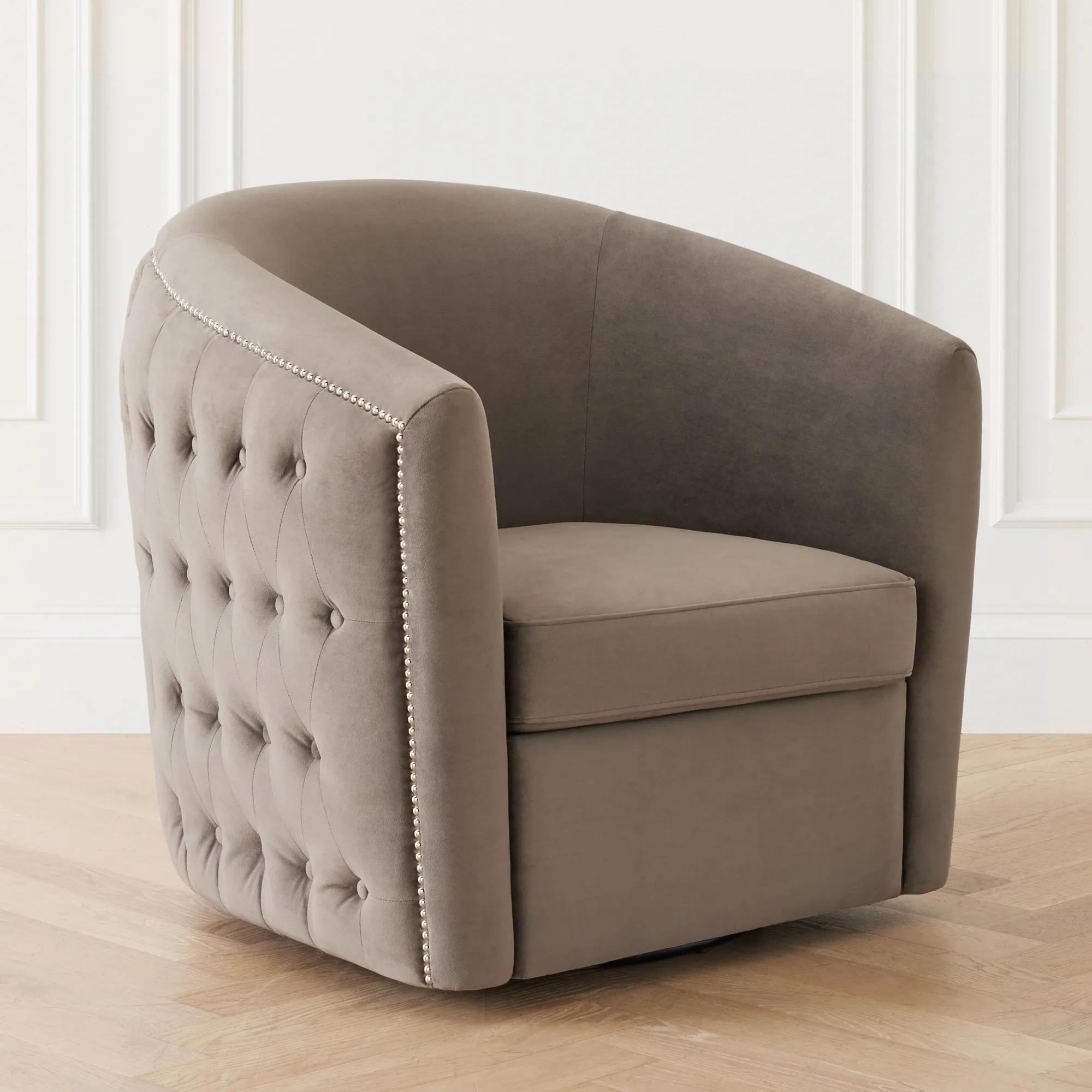
 Stria Light Brown Chenille Swivel Accent Chair$1499
A light brown chenille accent chair featuring triple-layer cushioning, a 360° swivel, and a solid oak base.
Add To Cart

Soft Curved Accent Chairs
Soft curved accent chairs invite a sense of effortless sophistication into any room, transforming mere seating into an artistic statement. Their graceful silhouettes and fluid lines whisper of modern glamor, enveloping your space in comfort and allure. With every gentle curve, these chairs evoke a sculptural presence—perfect for those who crave interiors that dazzle with both style and substance. Let soft curved accent chairs become the exclamation point in your design story, infusing living rooms, bedrooms, or reading nooks with a touch of drama and undeniable elegance.
Soft curved accent chairs combine rounded silhouettes with upholstered seating, bringing sculptural shape and an inviting place to settle into living rooms, bedrooms, and intimate conversation areas. Their defining features can include a bowed back, gently sloping arms, a rounded seat, or an enveloping barrel profile. The effect is expressive without relying on sharp angles: a generous curve softens the lines of a tailored sofa, adds dimension beside a rectangular coffee table, and gives an overlooked corner a sense of purpose. Softness comes from both appearance and construction, so a chair with a fluid outline may feel supportive and structured, while one with deeper cushioning offers a more relaxed seat. Upholstery gives each shape a distinct personality. Velvet emphasizes contours through its shifting sheen, bouclé lends a dimensional surface, and chenille brings a plush, subtly lustrous finish. Smooth woven fabrics allow the silhouette to take center stage, especially when seams follow the curve with precision. Ivory, cream, and warm taupe create a luminous foundation for expressive artwork and gleaming accents; richer hues give a single chair the presence of a deliberate color statement. A rounded chair beside a dark wood console feels especially striking when the upholstery offers a contrasting texture. In a bedroom, the same silhouette can soften the geometry of a tall dresser or an upholstered bed. An exposed metal base introduces a flash of polish, while visible wood adds warmth and a fully upholstered base creates a grounded, sculptural presence. For interiors that place particular emphasis on the sweep of the backrest, Curved Back Accent Chairs offer another expression of this rounded design language. The appeal lies in how these forms balance visual drama with an approachable scale, making accent seating feel integral to the room rather than simply added to it.
Proportion determines how beautifully a curved accent chair fits into daily life. Overall width and depth establish its footprint, but usable seat width, seat depth, seat height, and arm placement reveal more about the sitting experience. A broad, rounded back can create a substantial visual presence even when the seat itself is relatively compact. Conversely, a low-profile chair may extend farther into a room than its height suggests. Measuring the intended placement alongside nearby furniture helps preserve comfortable passage and keeps a graceful silhouette from feeling crowded. Doorways, stair turns, and delivery paths also matter, particularly with wide barrel shapes or designs that arrive fully assembled. In a living room arranged for conversation, two curved chairs angled toward a sofa create a welcoming gathering area without the visual rigidity of a straight row. A single chair beside a floor lamp and a small table can establish a reading space, with enough surface nearby for a book and a beverage. For longer stretches of reading, supportive back cushioning and a seat depth suited to the sitter matter more than a plush appearance alone. A deeper seat may suit someone who enjoys reclining or drawing up their legs, while a shallower seat can make upright sitting more comfortable. Arms that curve inward create an embracing feel but can reduce the space available across the seat. In a bedroom or dressing area, a smaller upholstered chair offers a composed place to pause without competing with larger furnishings. Swivel designs, when included, add flexibility in rooms where seating faces both a conversation area and a view, although they need unobstructed space to rotate. Seat height also affects how easily someone can sit down and stand again; very low seating may not suit every household. The most satisfying fit allows the chair to feel generous to its sitter while leaving the surrounding room open, balanced, and easy to move through.
Lasting comfort depends on what supports the upholstery as much as on the fabric itself. A well-constructed frame, appropriate joinery, and a supportive seat foundation help a curved chair maintain its shape through repeated use. Depending on the design, cushioning may include resilient foam, fiber wrapping, or layered fills, each contributing a different balance of structure and softness. High-density foam can provide support, but density alone does not establish how firm a seat will feel; cushion thickness, foam formulation, and the underlying suspension also influence comfort. A tightly tailored upholstered shell offers a different experience from a loose-cushion design, and neither should be judged by appearance alone. For a frequently used family seating area, upholstery performance deserves particular attention. A textured fabric may disguise some everyday marks, yet pronounced loops can be vulnerable to snagging from pet claws or jewelry. Velvet can develop shading or pressure marks as its pile changes direction, a characteristic that contributes to its depth but may require occasional attention according to the fabric’s care instructions. Fabrics identified as performance upholstery may offer resistance to certain stains or wear, though those benefits vary and do not make a chair impervious to spills. Routine care generally begins with gentle vacuuming using an upholstery attachment, prompt blotting rather than rubbing, and cleaning methods matched to the manufacturer’s recommendations. Removable cushion covers are not necessarily machine washable, and an unfamiliar cleaner should be tested discreetly before broader use. Placement matters, too: prolonged direct sunlight can affect upholstery color, while furniture pads appropriate to the base can help protect flooring. Where cushions are designed to be moved, rotating or turning them as directed can encourage more even wear. These practical details preserve the qualities that make soft curved accent chairs so compelling: a beautifully held silhouette, tactile upholstery, and a seat that remains inviting beyond its first impression. Chosen with attention to both construction and setting, a curved chair brings lasting character to a room, offering a place to linger within a composition of texture, light, and expressive form.
FAQs
Soft curved accent chairs complement a wide range of interior aesthetics, from glam and Art Deco to contemporary and transitional. Their sculptural forms add a sense of movement and sophistication, making them a striking choice for eclectic, modern, or even classic spaces seeking a touch of drama and artistry.
Position your soft curved accent chair in a quiet corner with abundant natural light or near a stylish floor lamp. Add a plush throw and a decorative pillow for extra comfort, and complete the vignette with a small side table to hold your favorite books and a cup of tea. The chair’s enveloping curves invite you to linger and unwind.
Absolutely. These chairs offer both comfort and visual intrigue, making them ideal for entertaining. Place them in conversational groupings in your living room or lounge, where their inviting shapes encourage guests to relax and engage. Their artistic silhouettes also serve as conversation starters, adding a sense of occasion to any gathering.
Luxurious materials such as velvet, boucle, and chenille are especially well-suited to soft curved accent chairs, as their textures enhance the sculptural lines and add depth to the design. Choose a finish that complements your existing décor, whether you prefer the shimmer of velvet or the cozy appeal of boucle.
Yes, a soft curved accent chair excels as a statement piece. Its distinctive silhouette and sumptuous upholstery naturally draw the eye, anchoring your space with a sense of artistry and bold sophistication. Place it where it can be admired—such as an entryway, bedroom corner, or beside a dramatic floor lamp—to let its design shine.