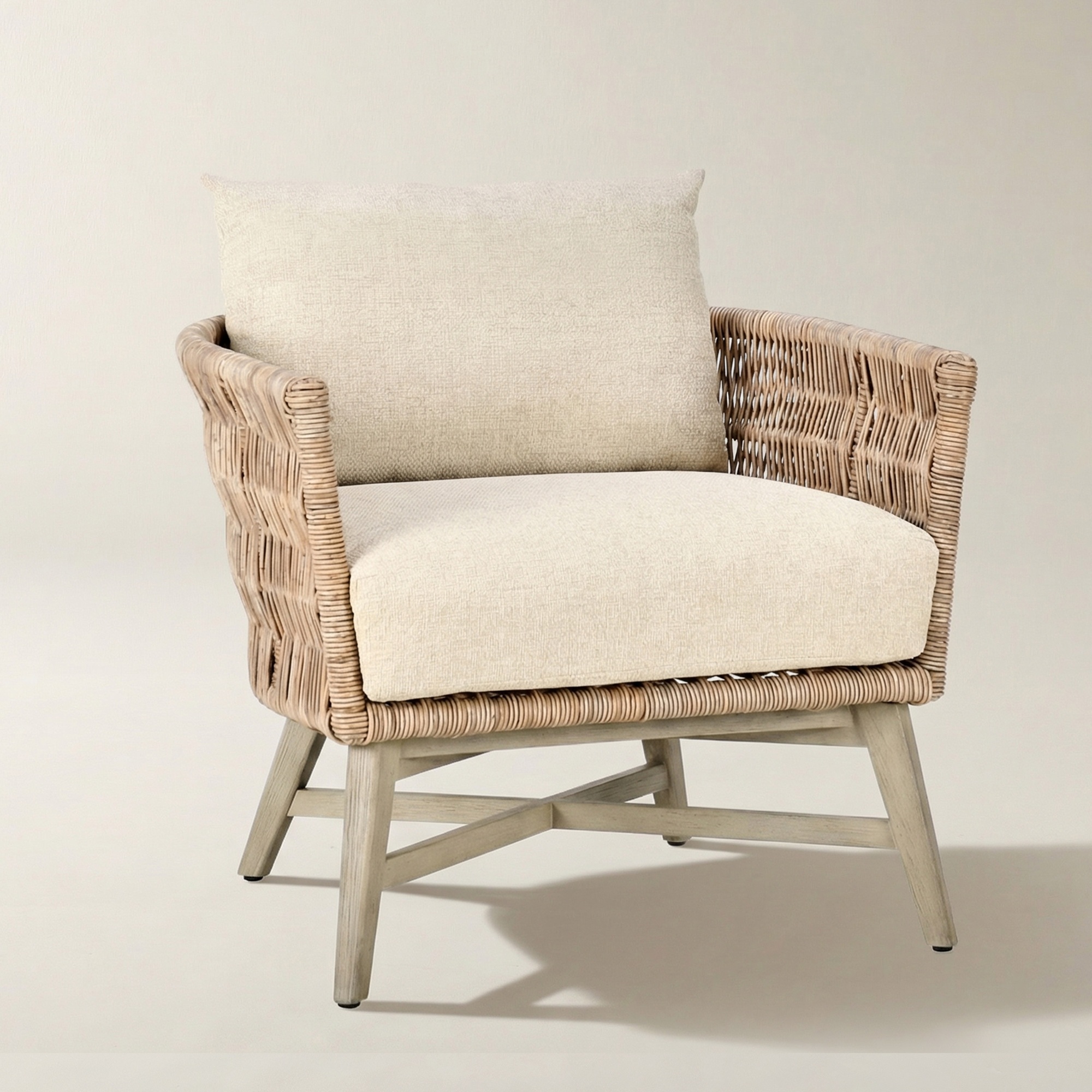
Comfortable Seating Accent Chairs
Comfortable Seating Accent Chairs
-
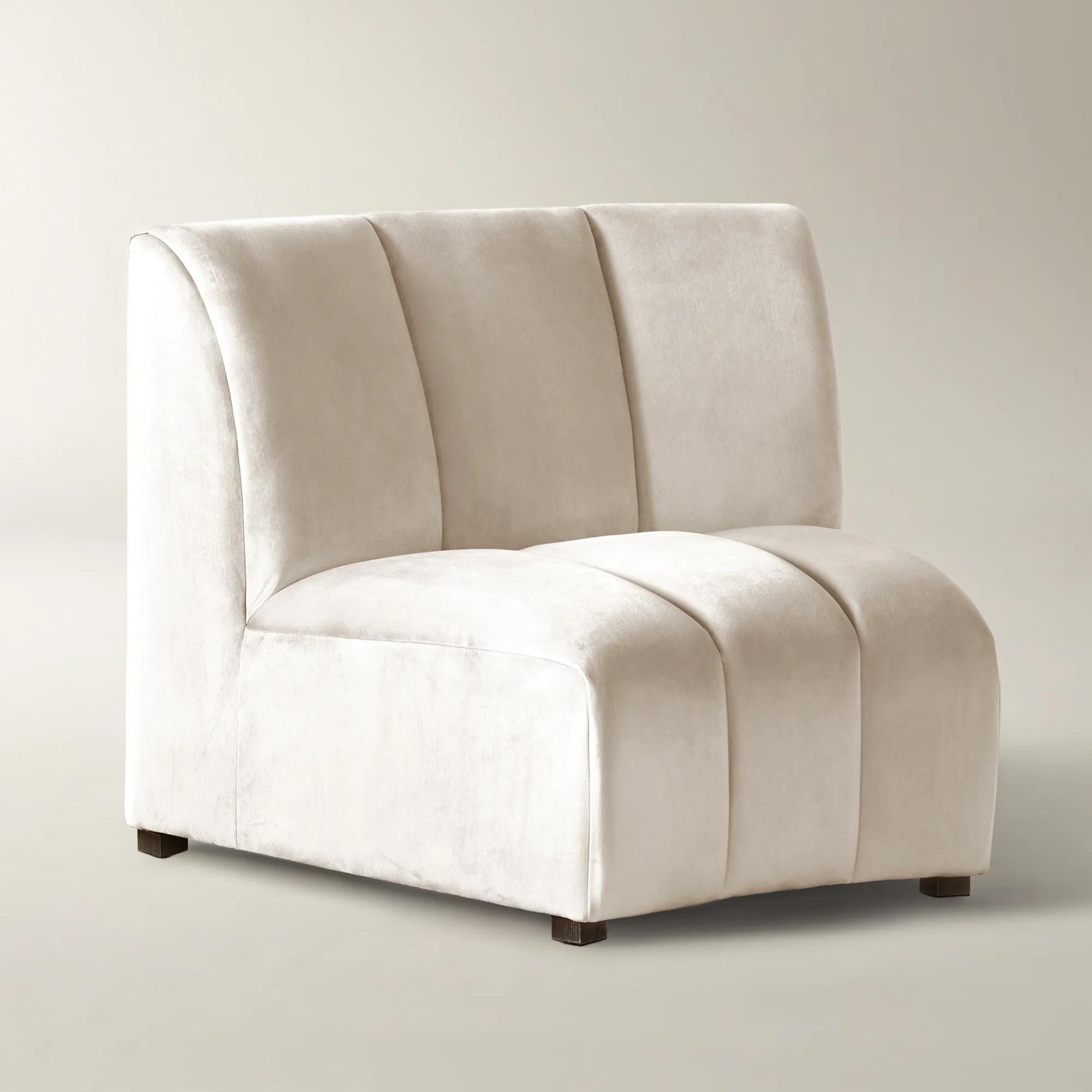
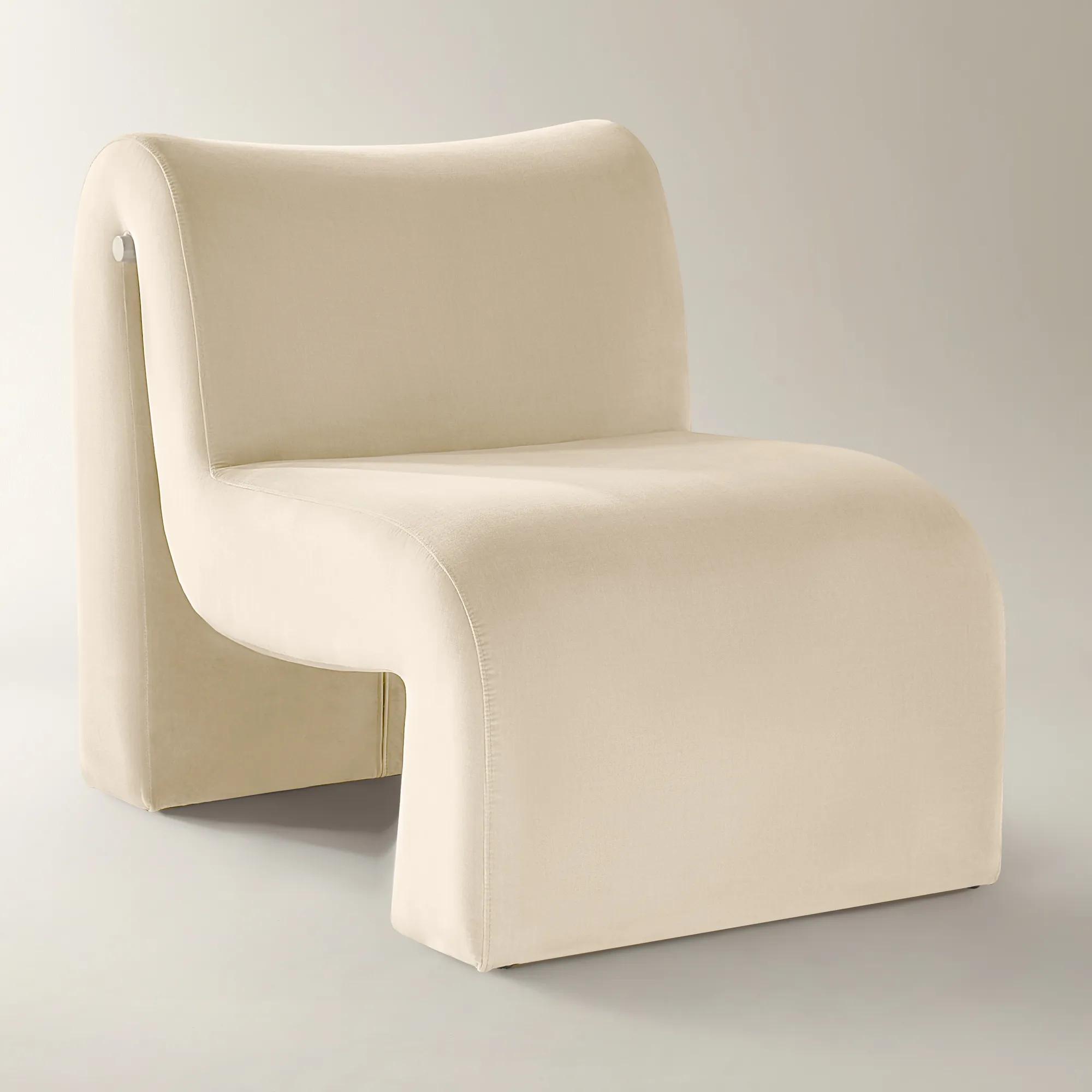 Cora Ivory Velvet Accent Chair$899
A sculpted ivory velvet chair featuring a continuous curved silhouette and a gold stainless-steel accent.
Add To Cart -
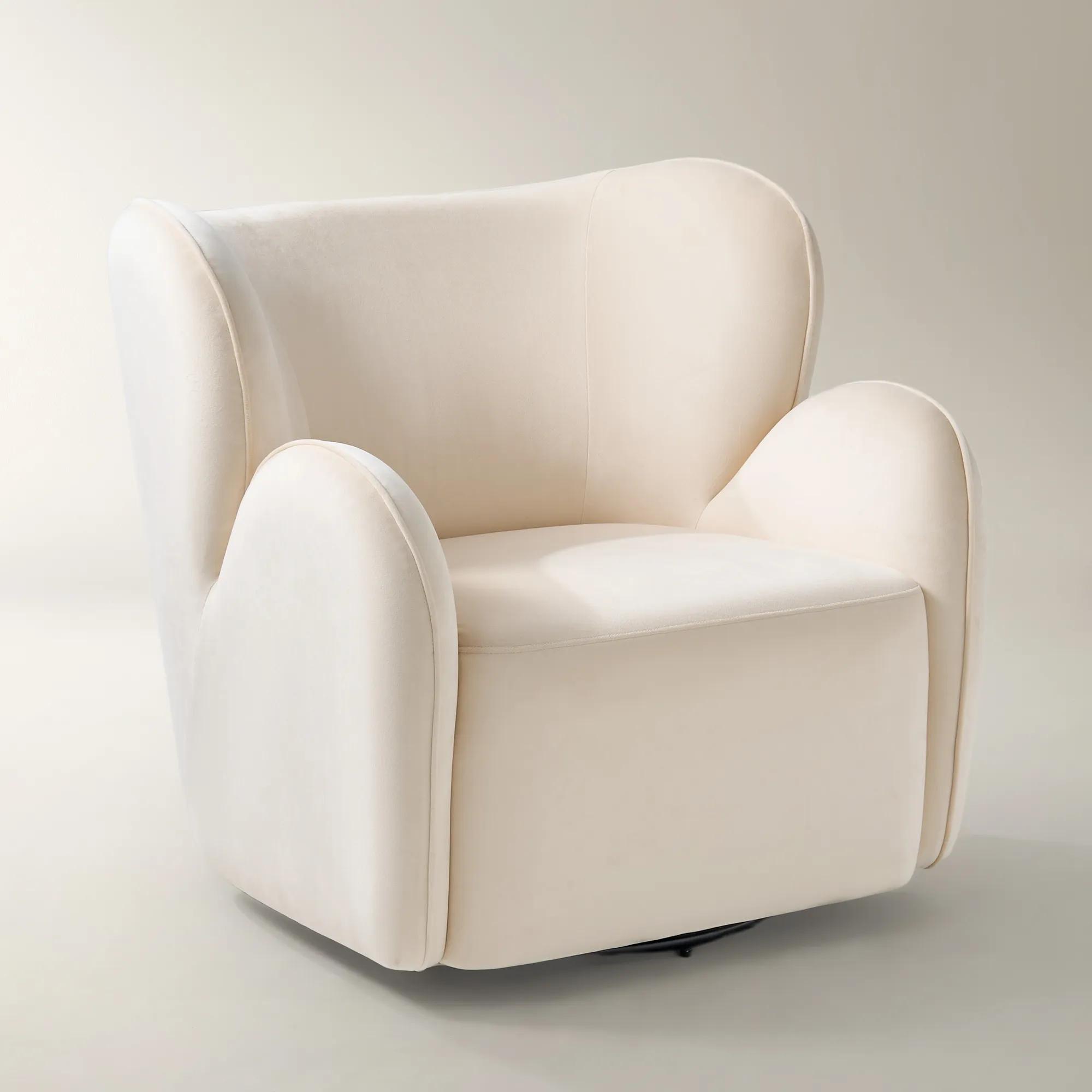
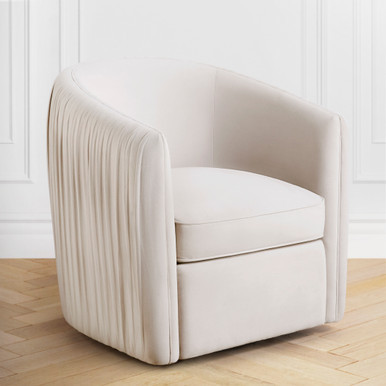
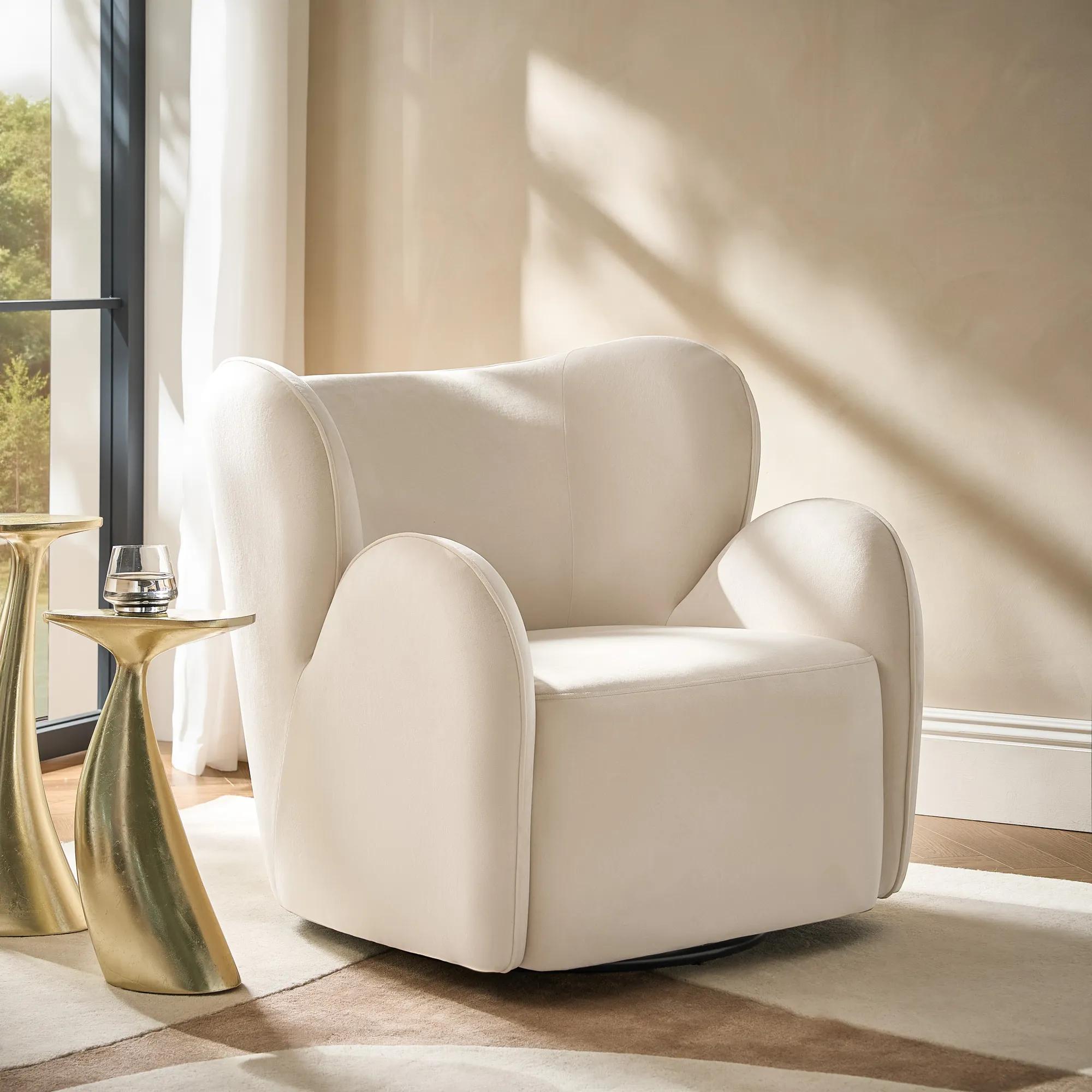 Ceres Ivory Velvet Swivel Accent Chair$799
An ivory velvet accent chair featuring a curved silhouette, 360° swivel, and plush, supportive cushioning.
Add To Cart -
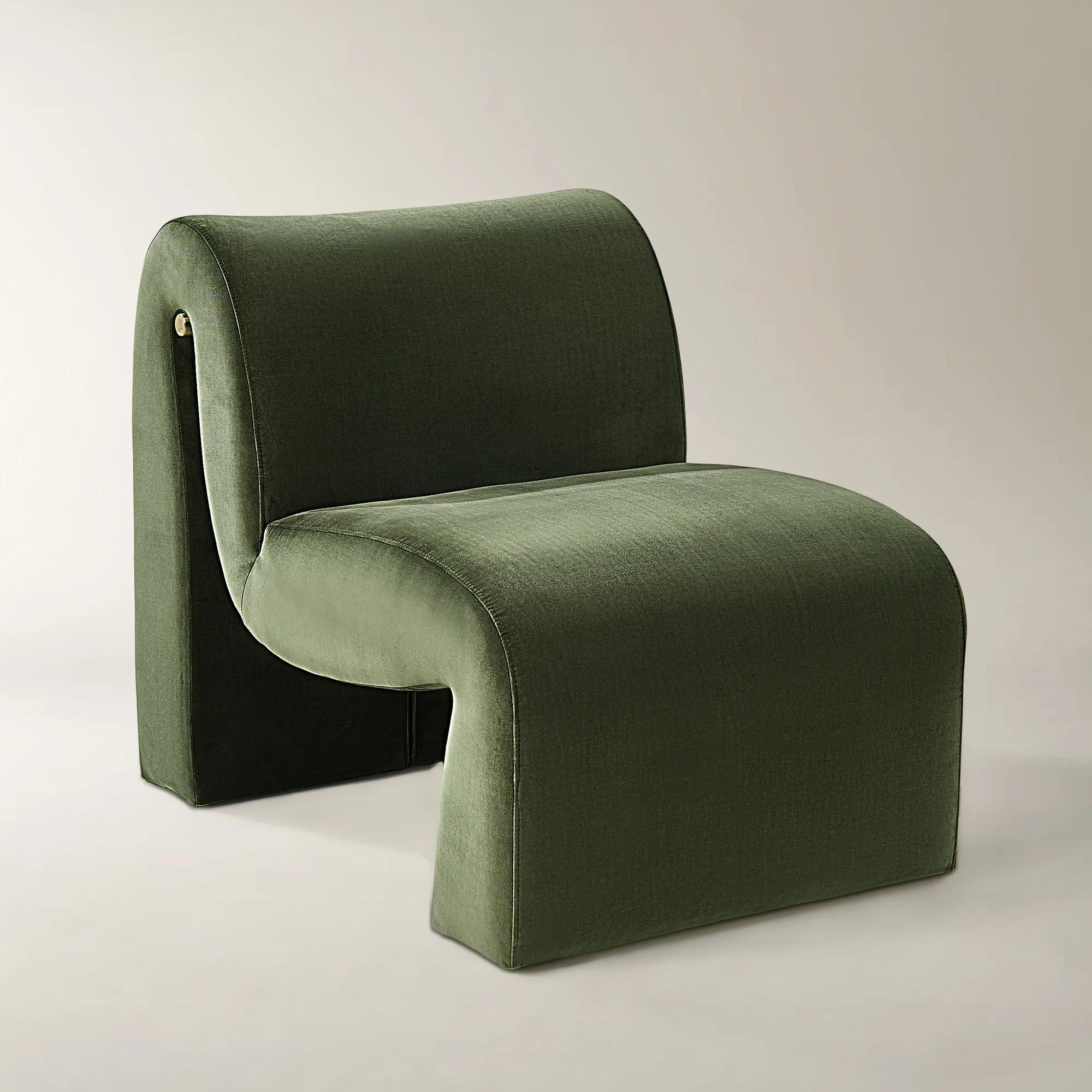
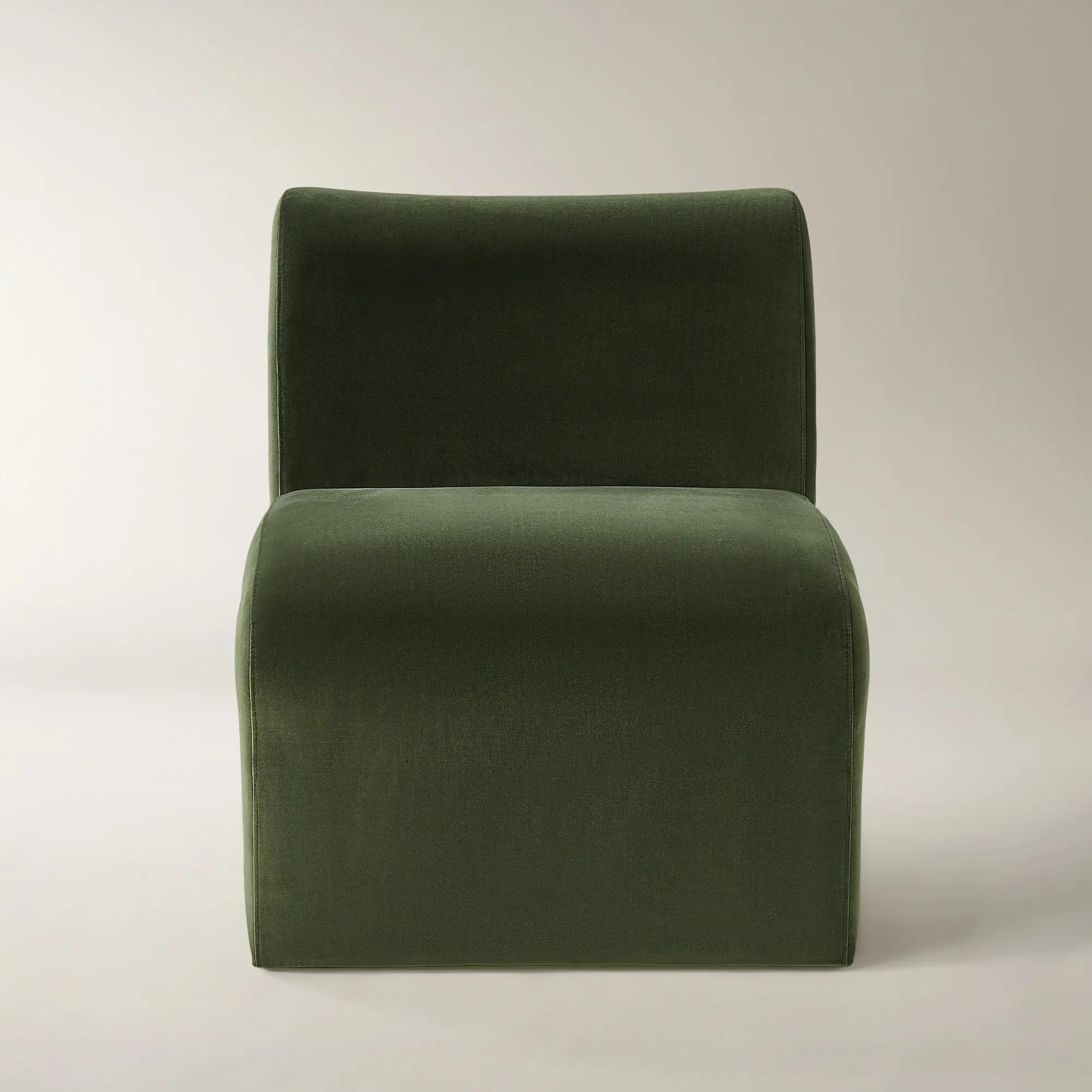 Cora Jade Green Velvet Accent Chair$899
A sculpted accent chair in jade green velvet with a gold stainless-steel inlay for refined glamour.
Add To Cart -
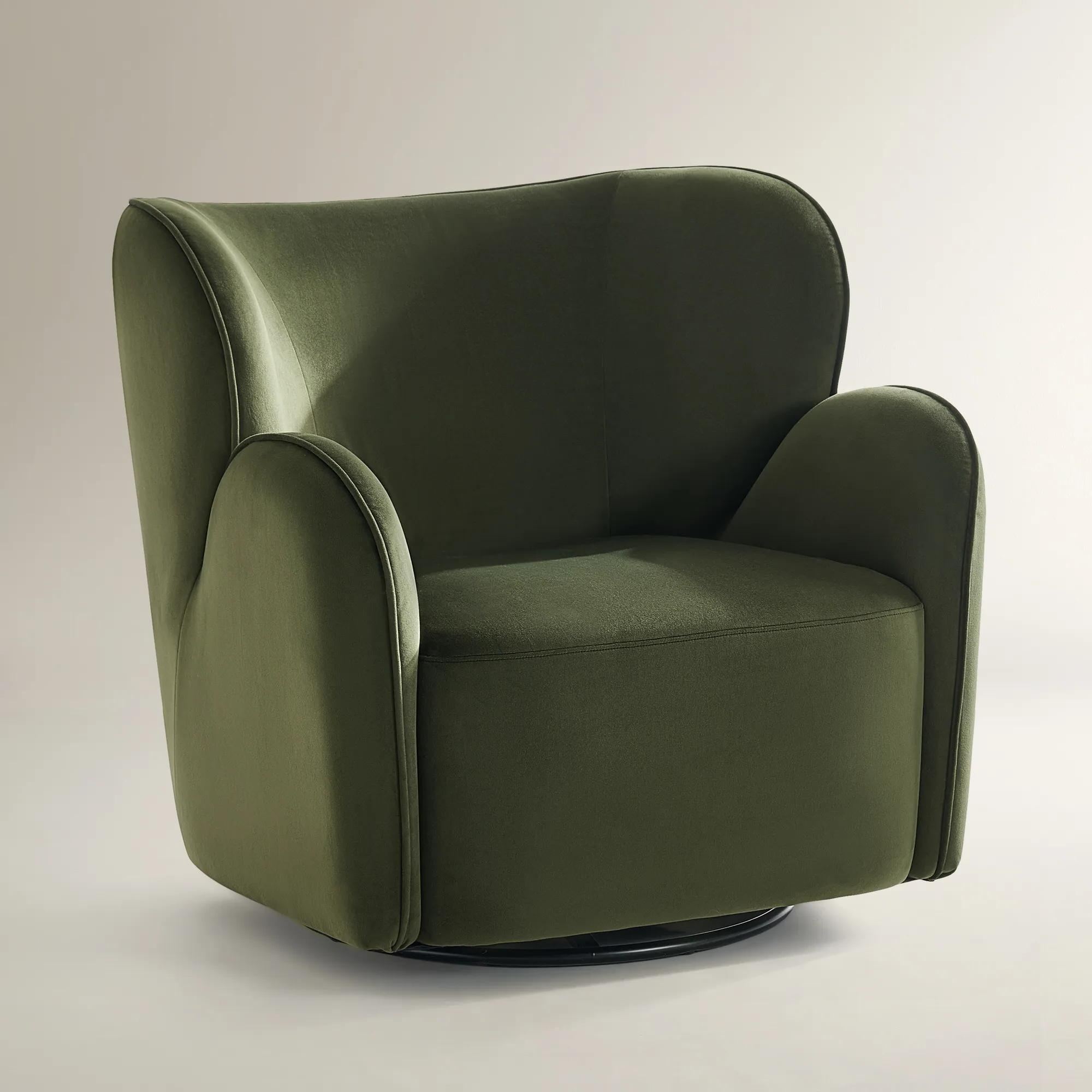
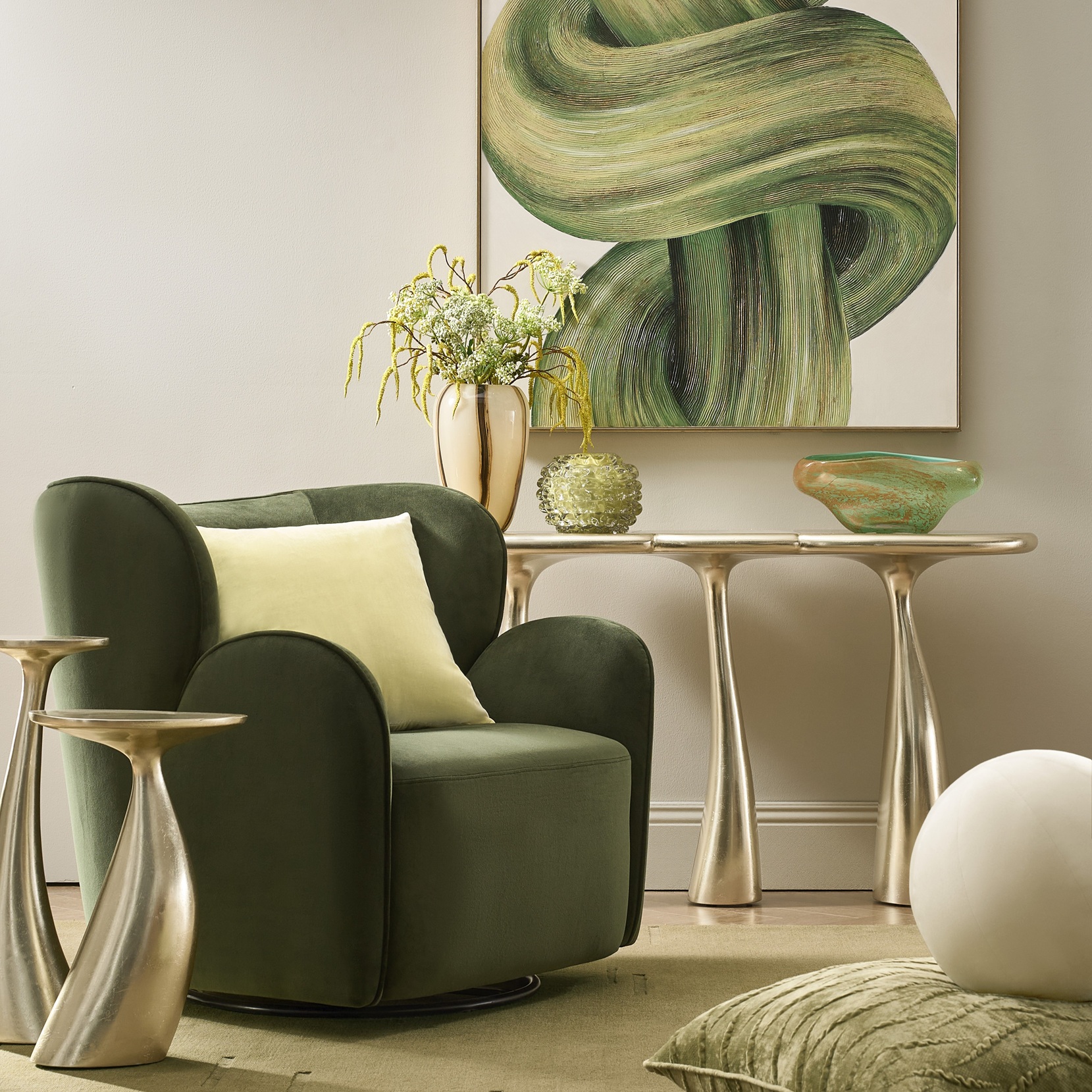 Ceres Jade Green Velvet Swivel Accent Chair$799
A plush jade green velvet chair with a curved silhouette, 360° swivel, and supportive foam cushioning.
Add To Cart -
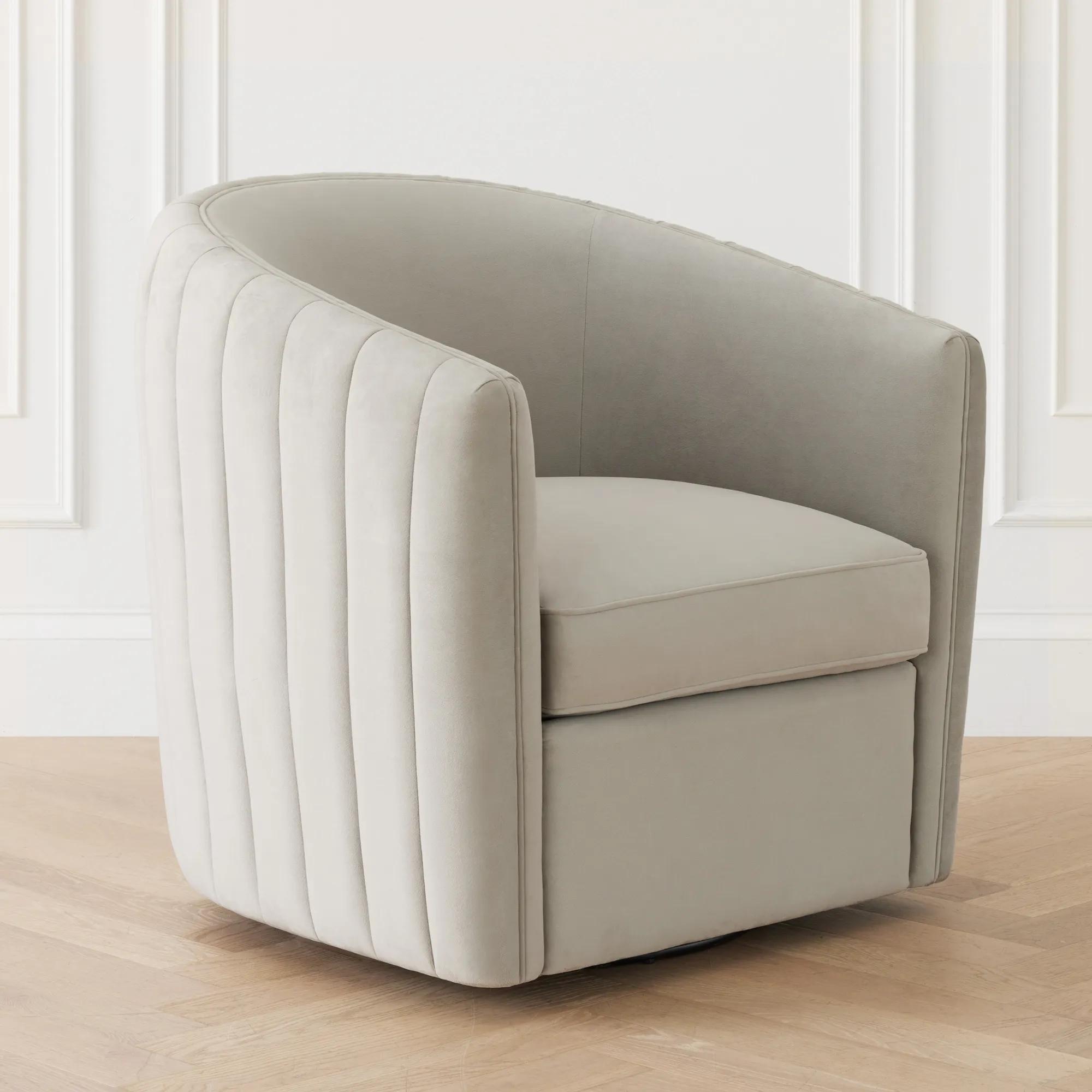
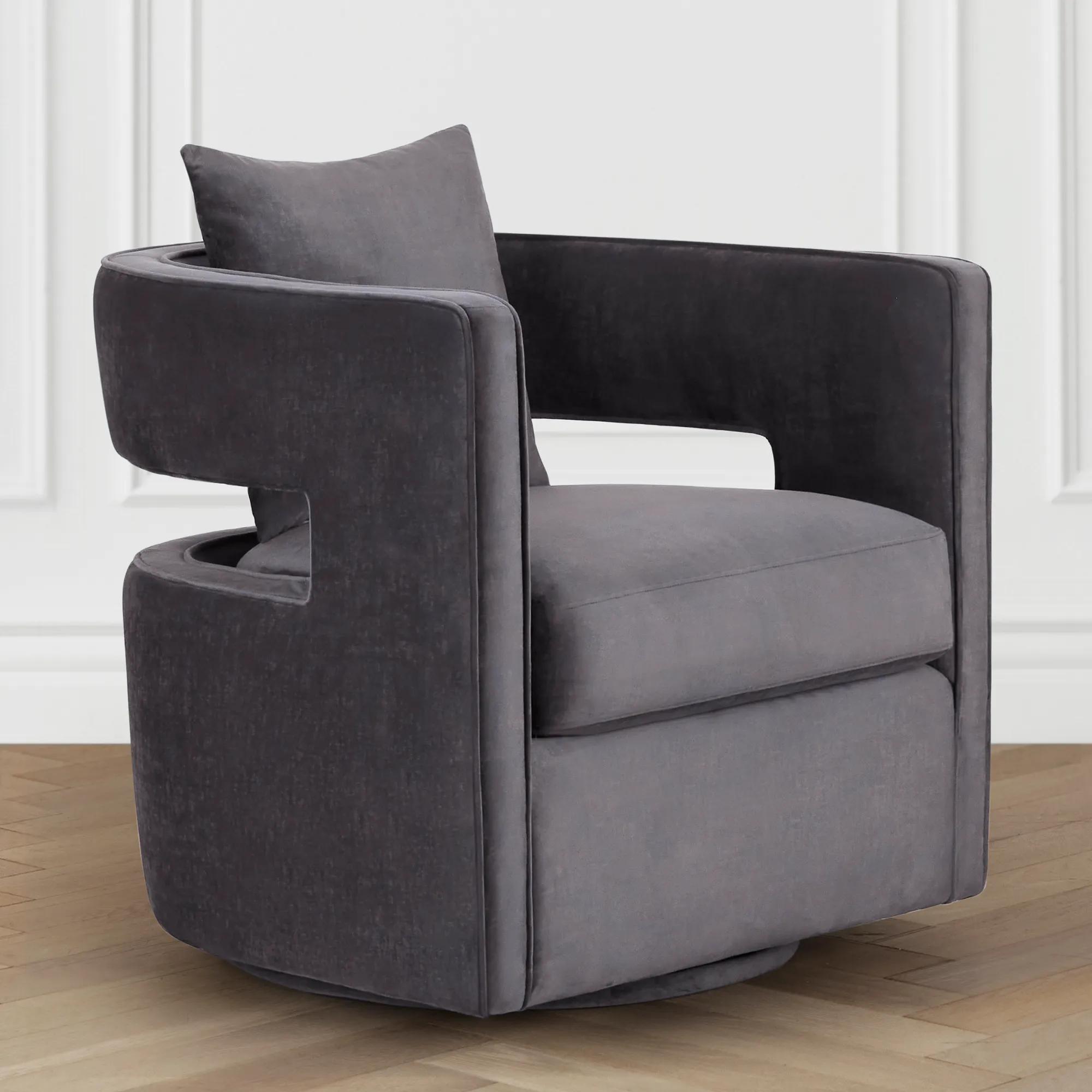 Lottie Grey Velvet Swivel Accent Chair$999
A glamorous grey velvet swivel chair featuring a barrel back, cutout arms, and plush foam cushioning.
Add To Cart -
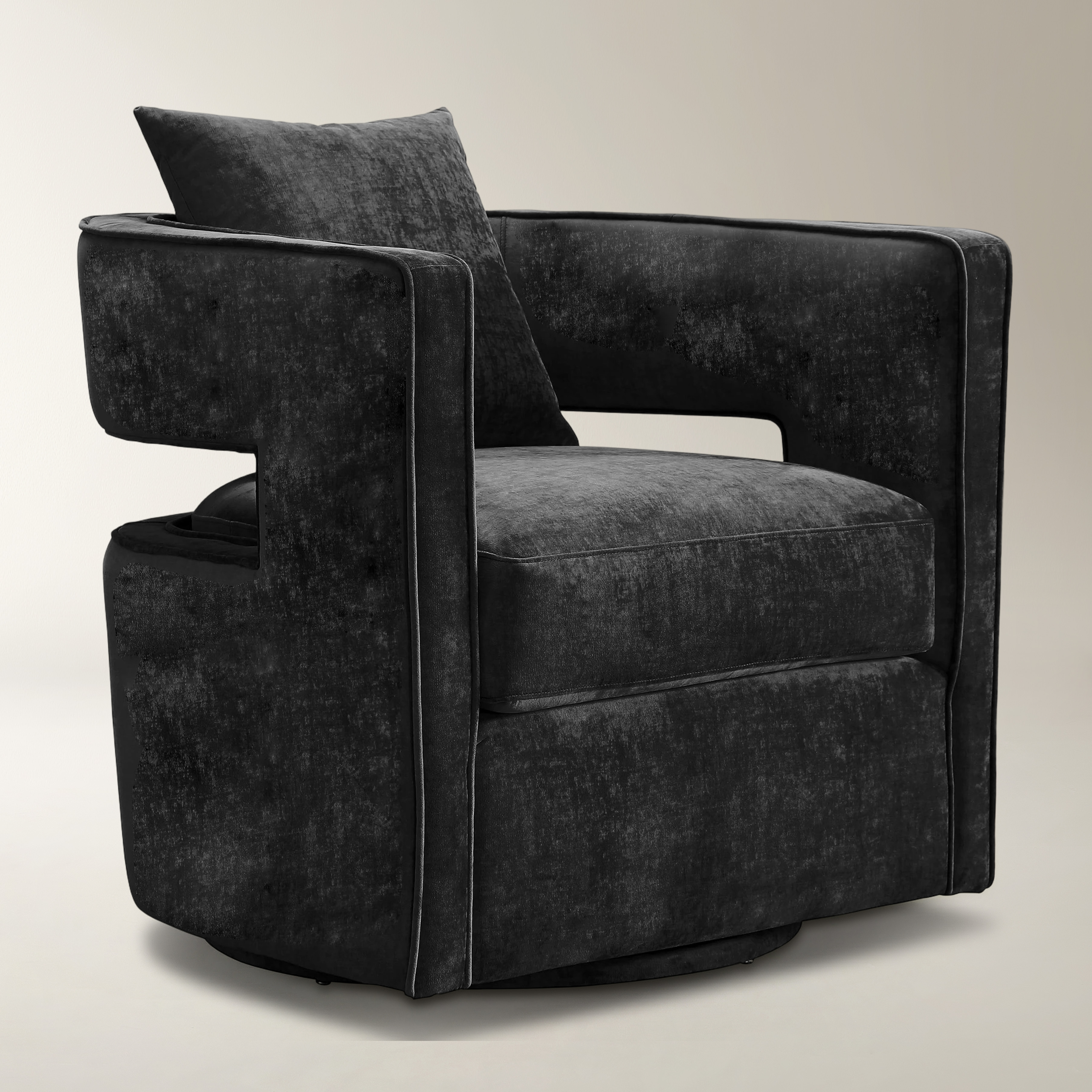 Lottie Black Velvet Swivel Accent Chair$999
A black velvet swivel accent chair with a sculpted barrel silhouette, open arms, and supportive cushioning.
Add To Cart -
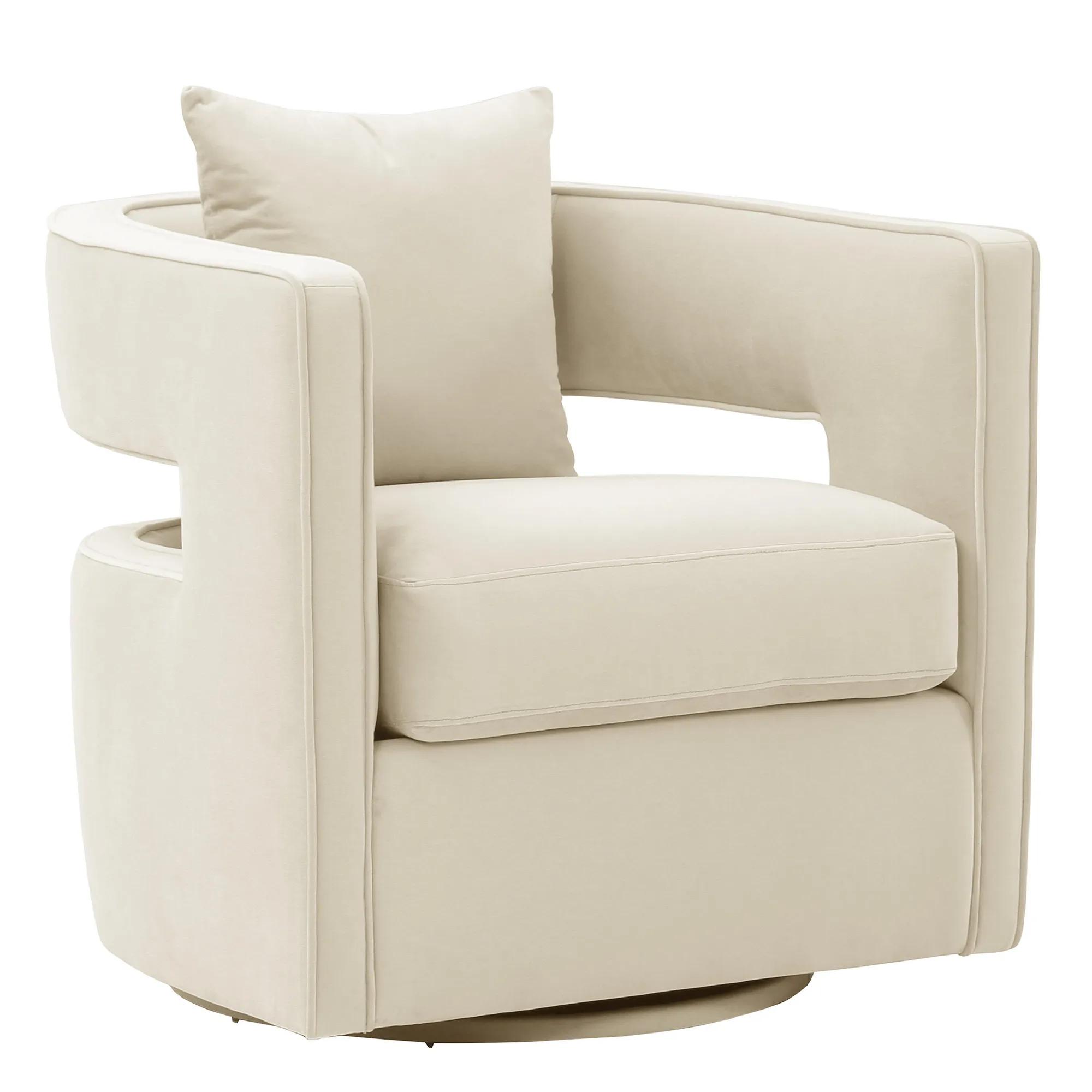
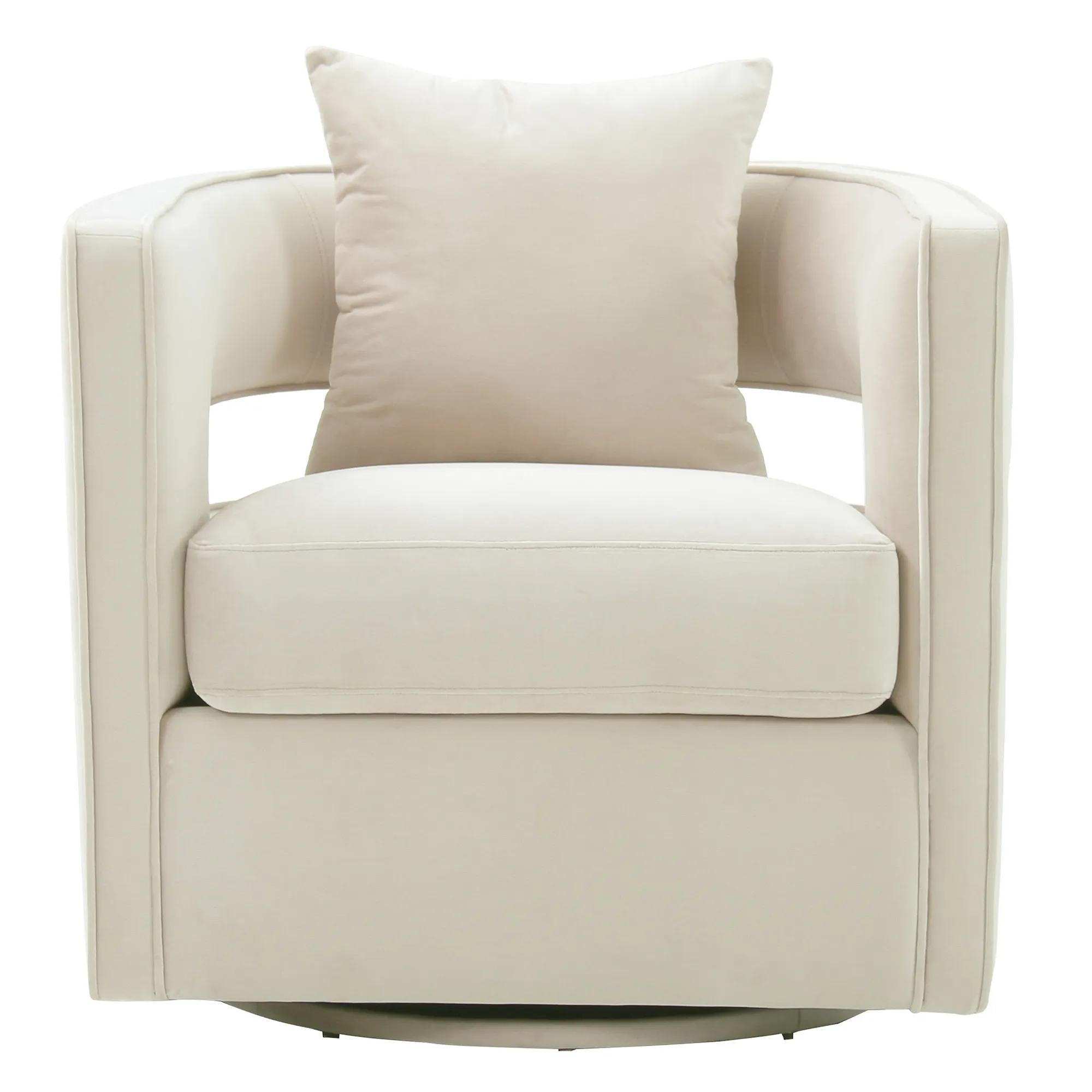 Lottie Cream Velvet Swivel Accent Chair$999
A glamorous cream velvet swivel chair featuring a barrel back, cutout arms, and plush foam cushioning.
Add To Cart -
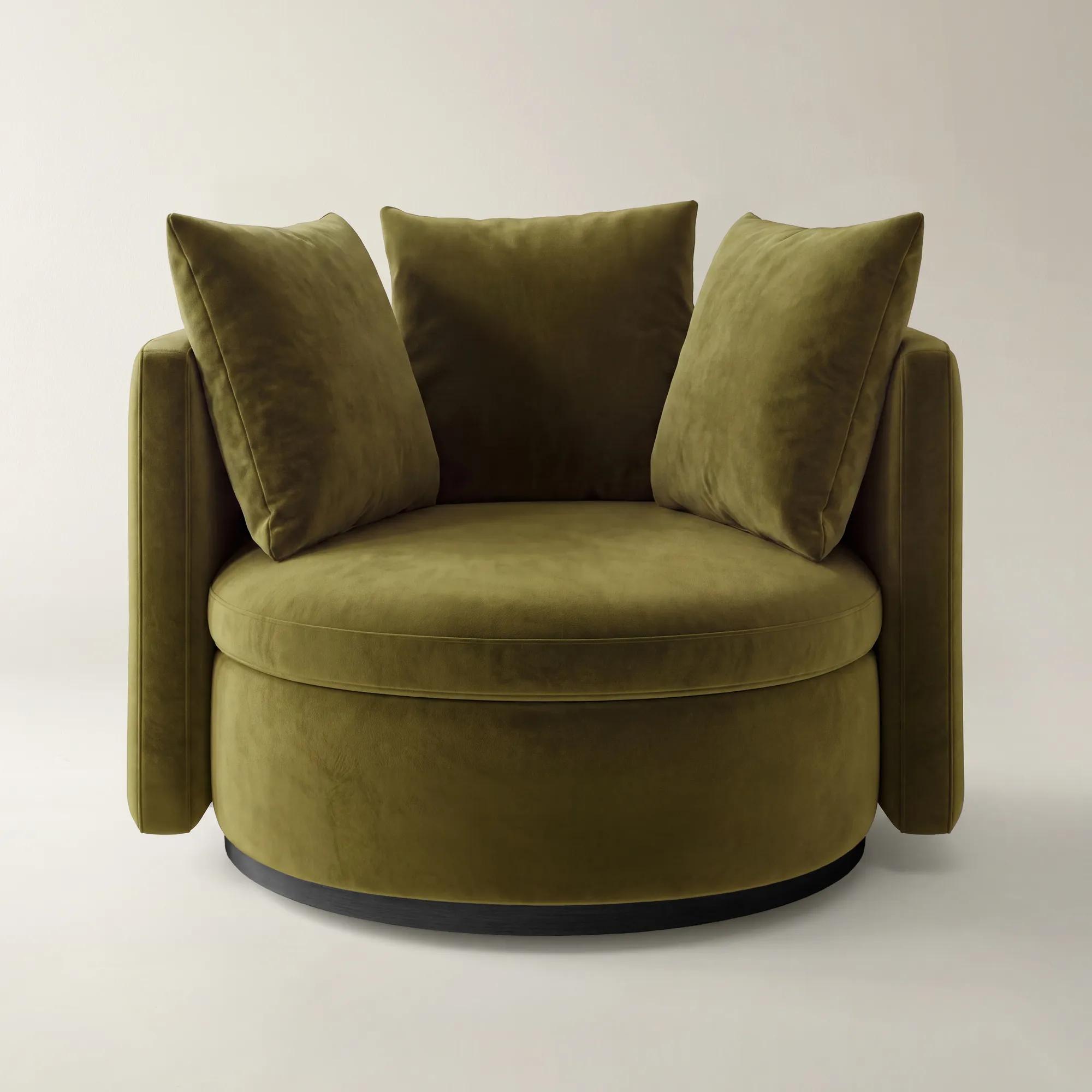
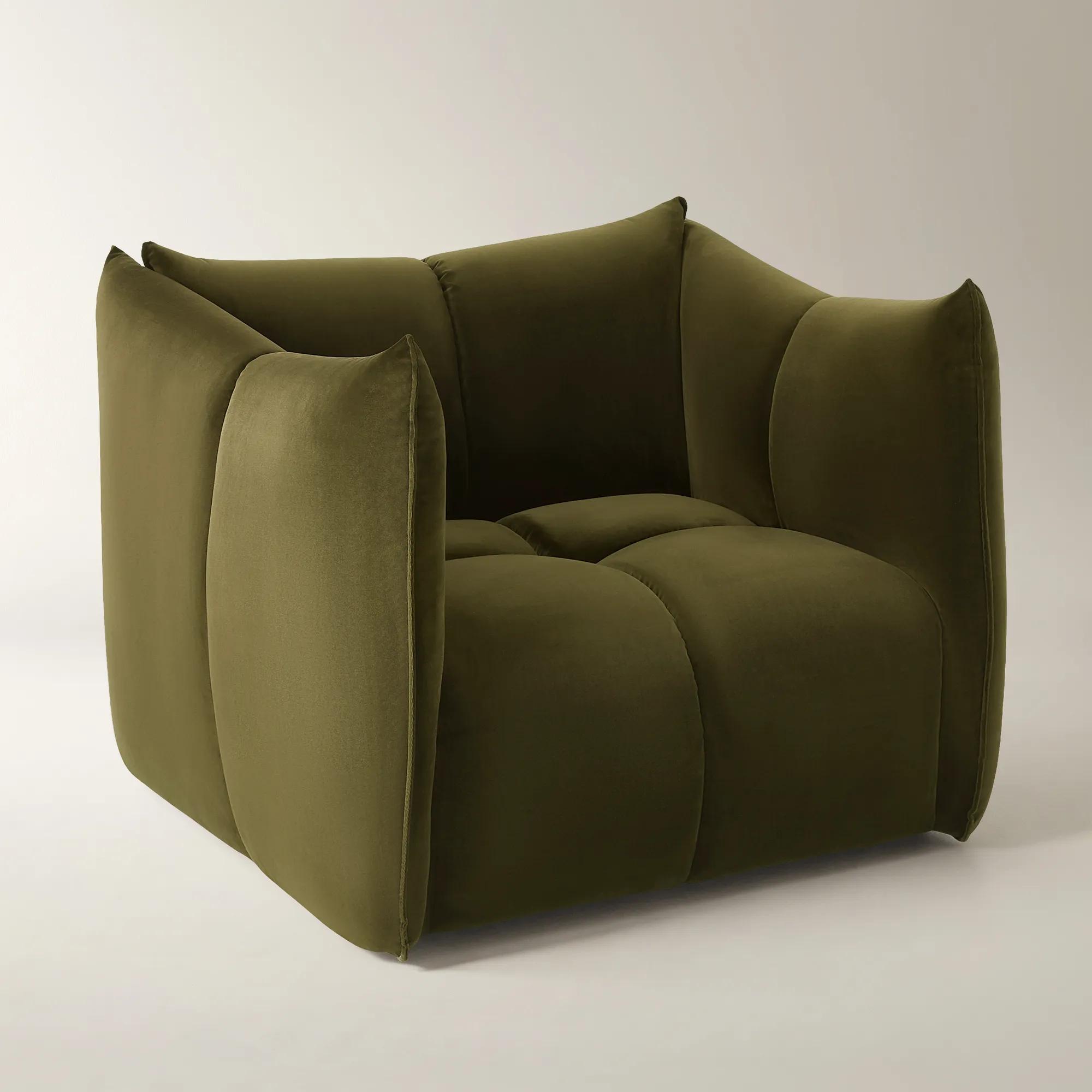
 Stria Deep Olive Velvet Swivel Accent Chair$1499
A deep olive velvet accent chair with enveloping curves, layered cushioning, and a concealed 360-degree swivel base.
Add To Cart -
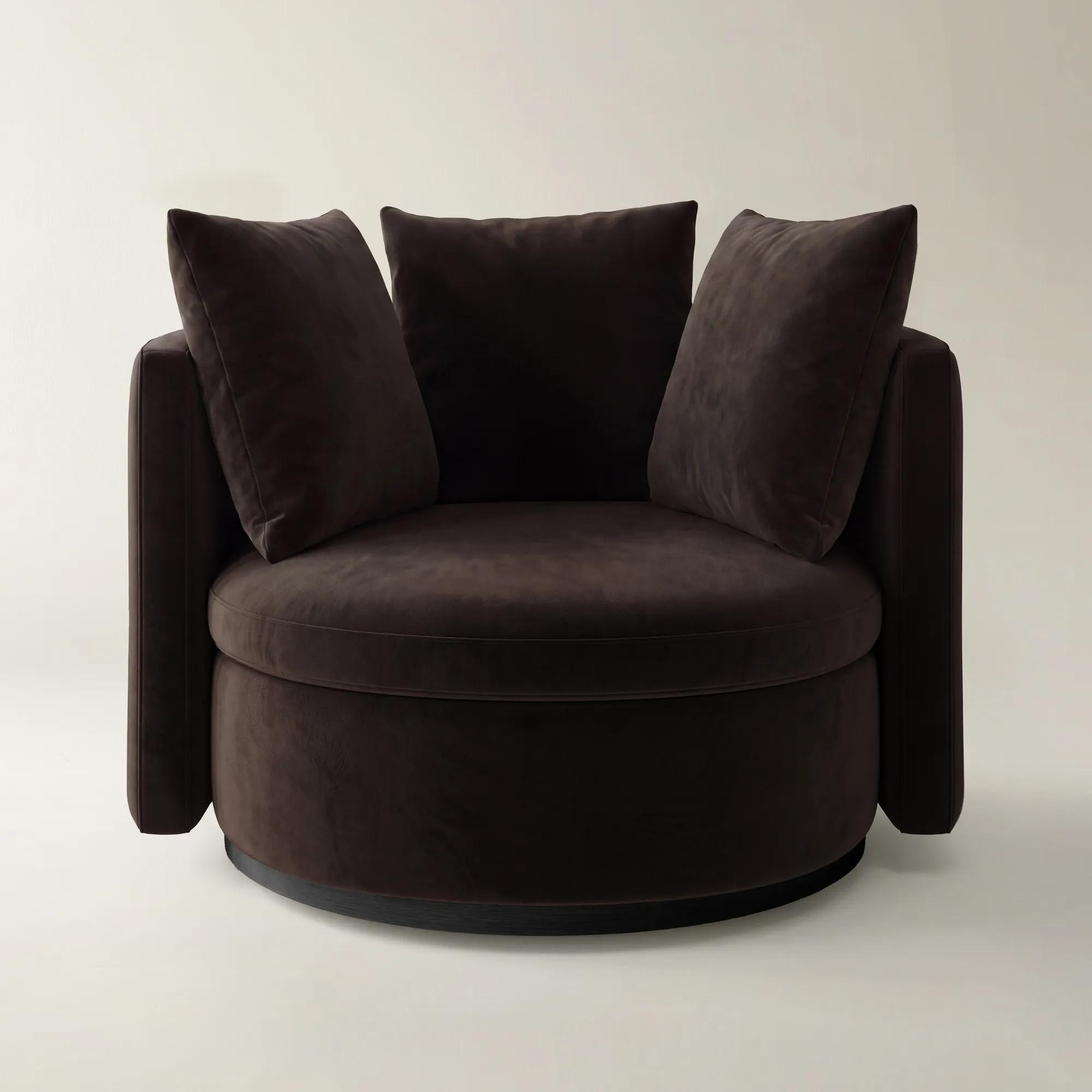 Stria Dark Chocolate Velvet Swivel Accent Chair$1499
A dark chocolate velvet accent chair with enveloping curves, plush cushioning, and a concealed 360-degree swivel.
Add To Cart -
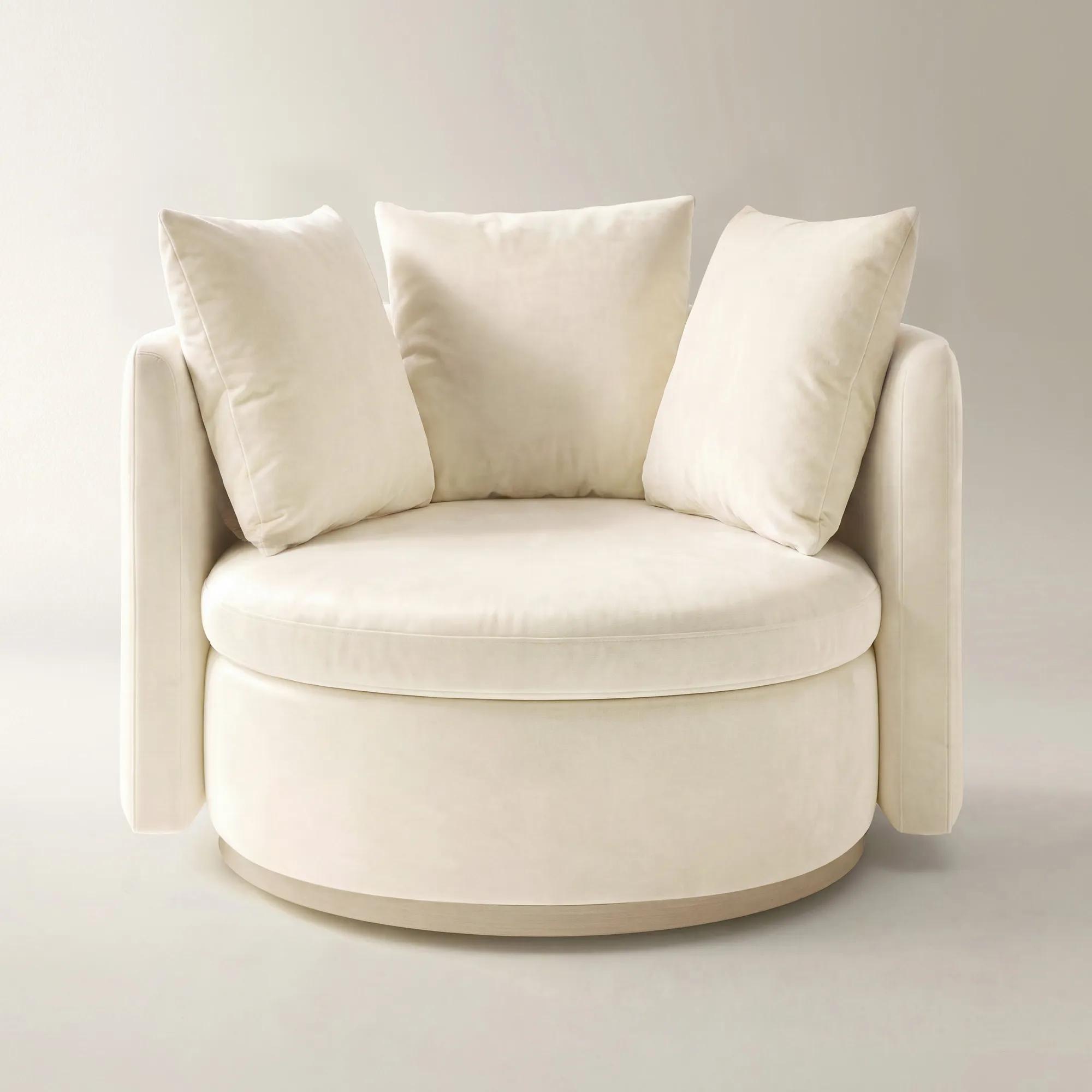 Stria Oatmeal Velvet Swivel Accent Chair$1499
An oatmeal velvet accent chair featuring enveloping curves, layered cushioning, and a concealed 360-degree swivel base.
Add To Cart -
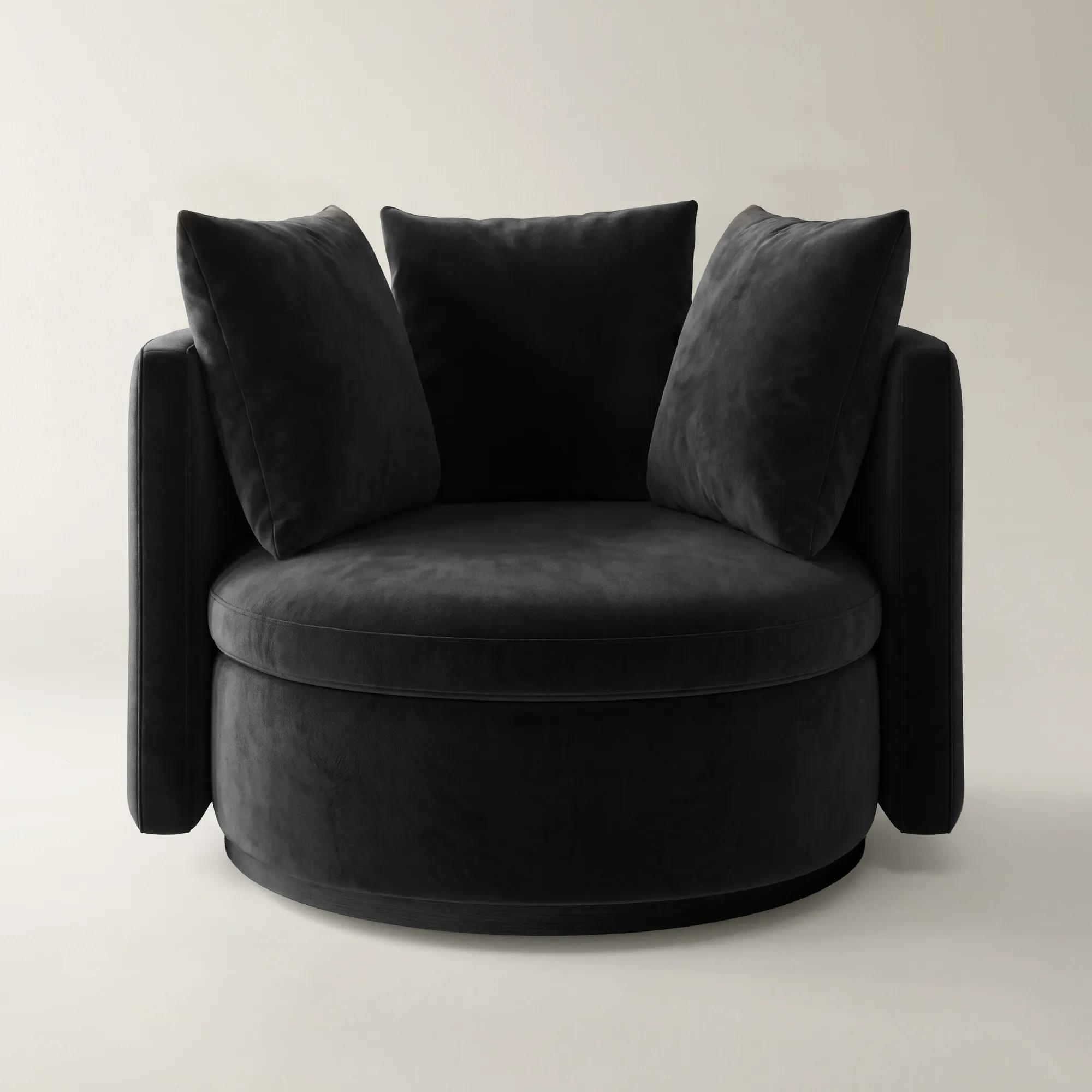
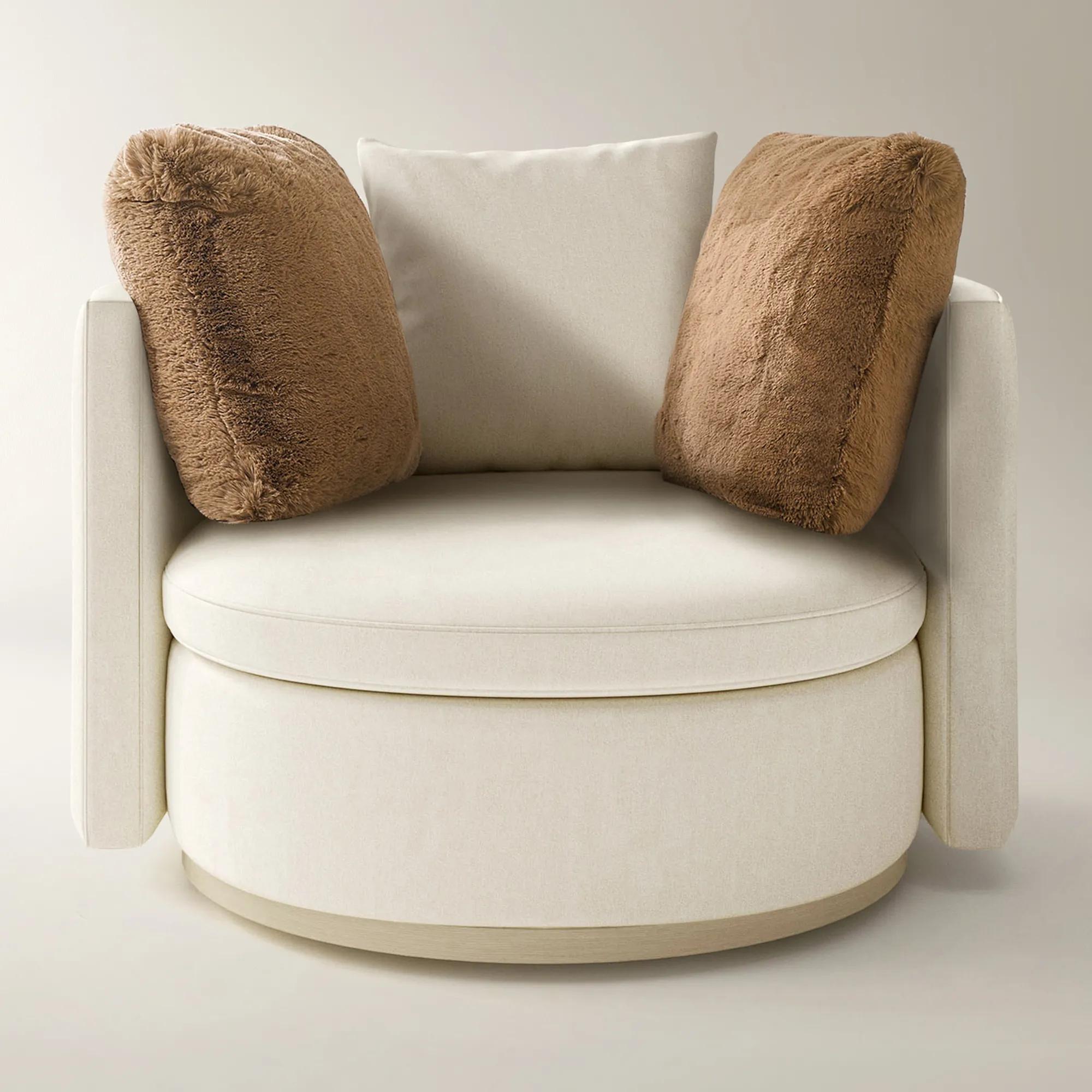 Stria Charcoal Velvet Swivel Accent Chair$1499
A sculptural charcoal velvet accent chair with enveloping curves, layered cushioning, and a concealed 360-degree swivel.
Add To Cart -
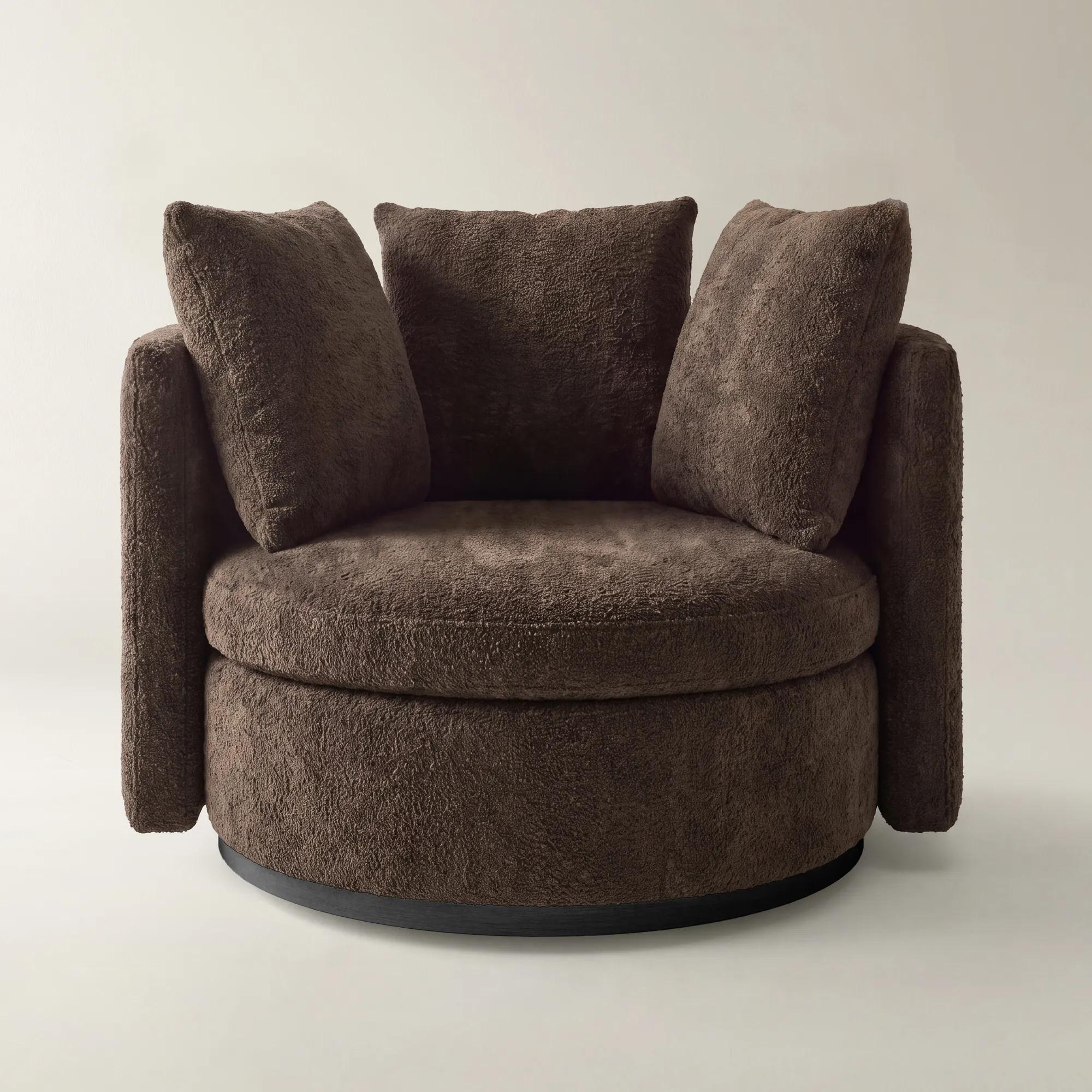 Stria Dark Chocolate Chenille Swivel Accent Chair$1599
A dark chocolate chenille accent chair featuring enveloping curves, layered cushioning, and a concealed 360-degree swivel.
Add To Cart -
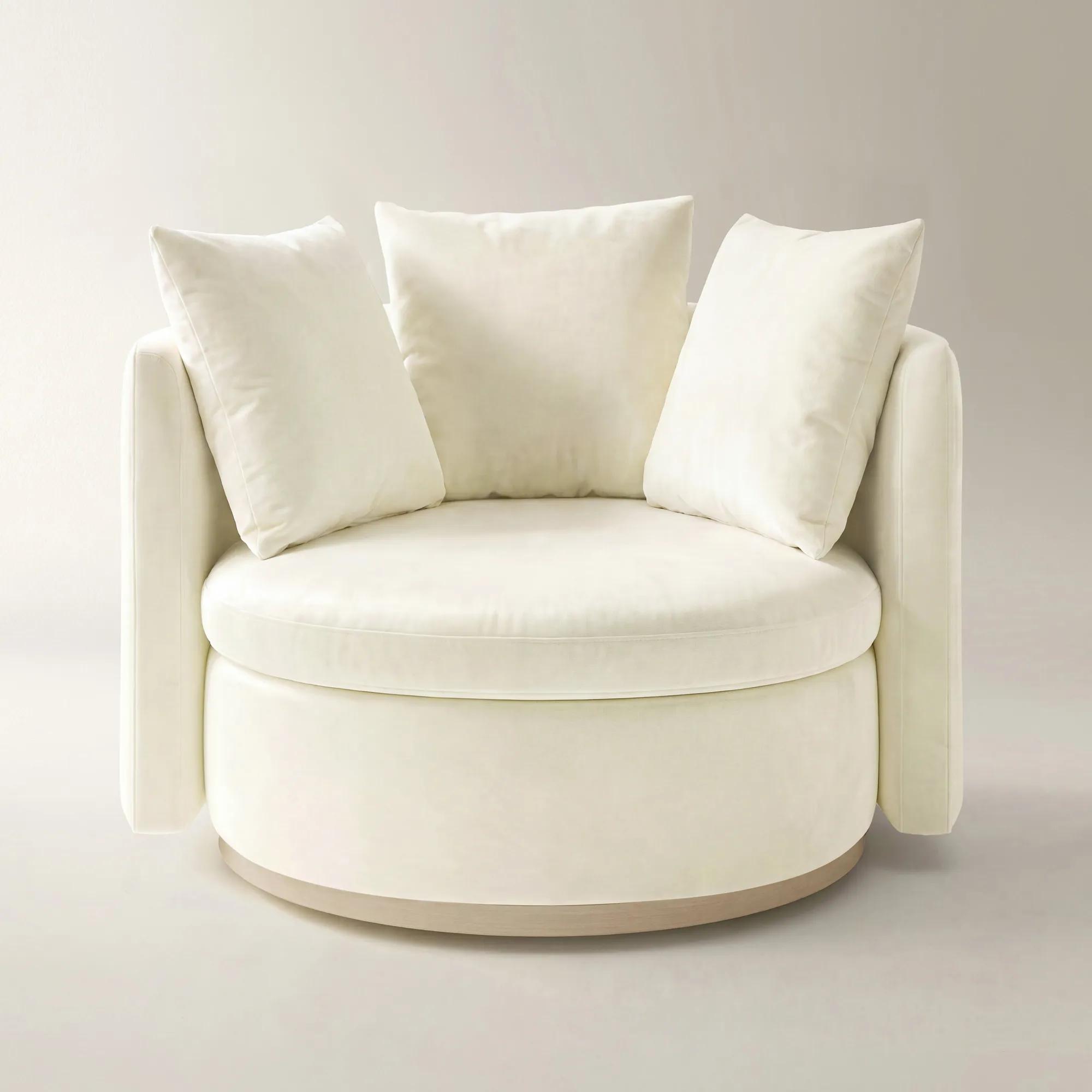 Stria Cloud Velvet Swivel Accent Chair$1499
A sculptural cloud-velvet accent chair with enveloping curves, layered cushioning, and a concealed 360-degree swivel base.
Add To Cart -
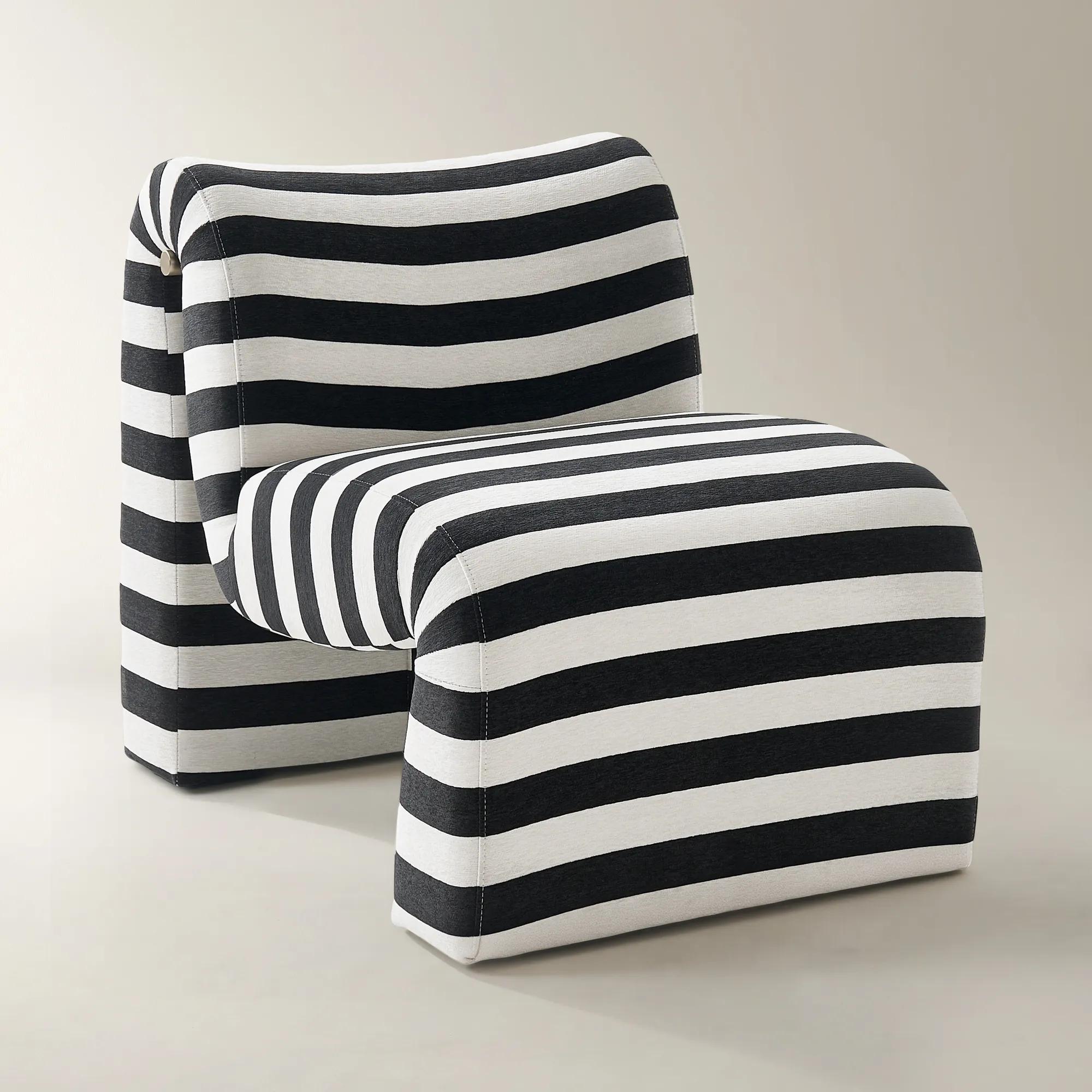 Cora Stripe Chenille Accent Chair$899
A bold black-and-white striped accent chair featuring water-repellent chenille and a gold stainless-steel inlay.
Add To Cart -
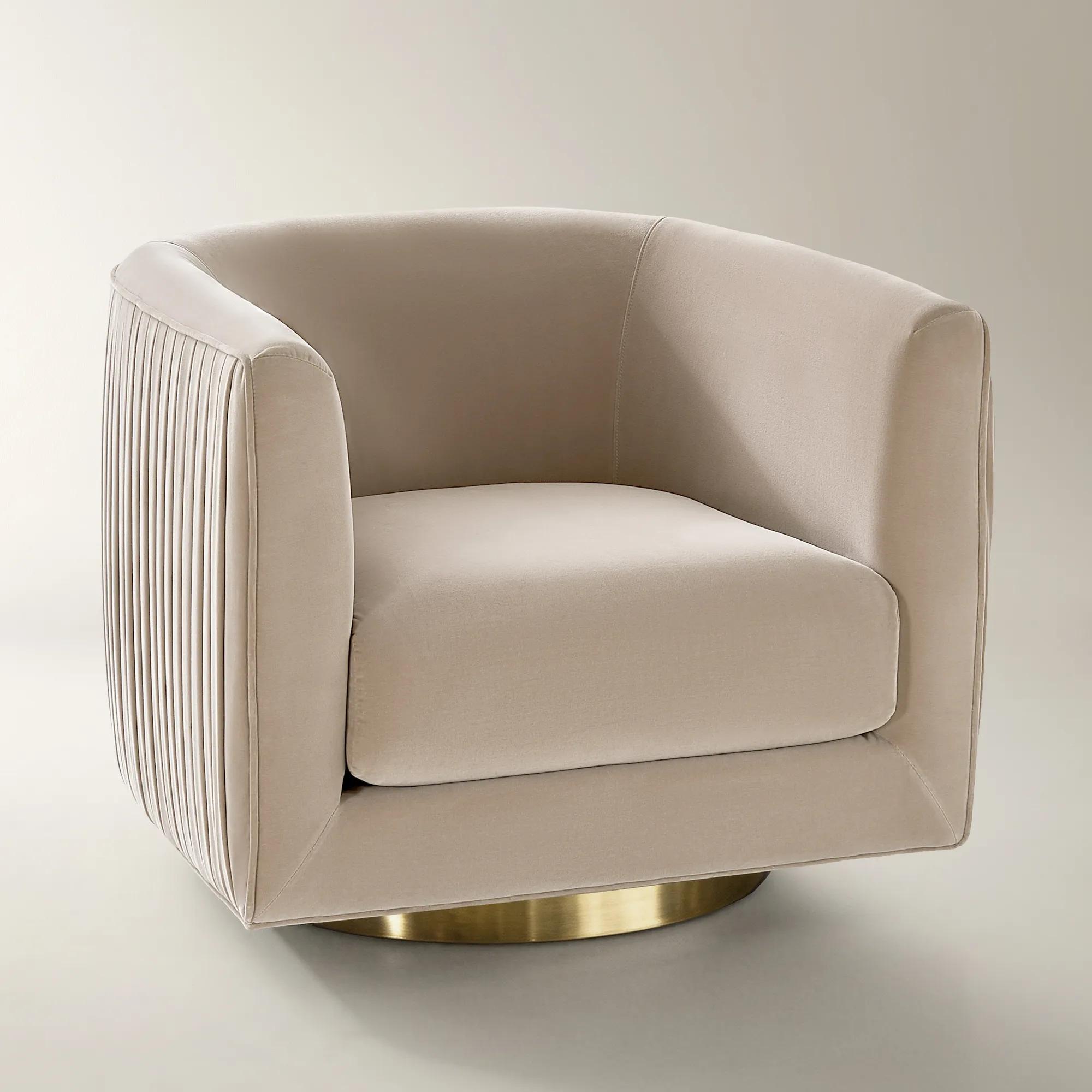 Lyssa Pleated Simply Taupe Velvet Swivel Accent Chair$1099
A softly curved taupe velvet accent chair featuring pleated detailing, 360° swivel, and a gold stainless steel base.
Add To Cart -
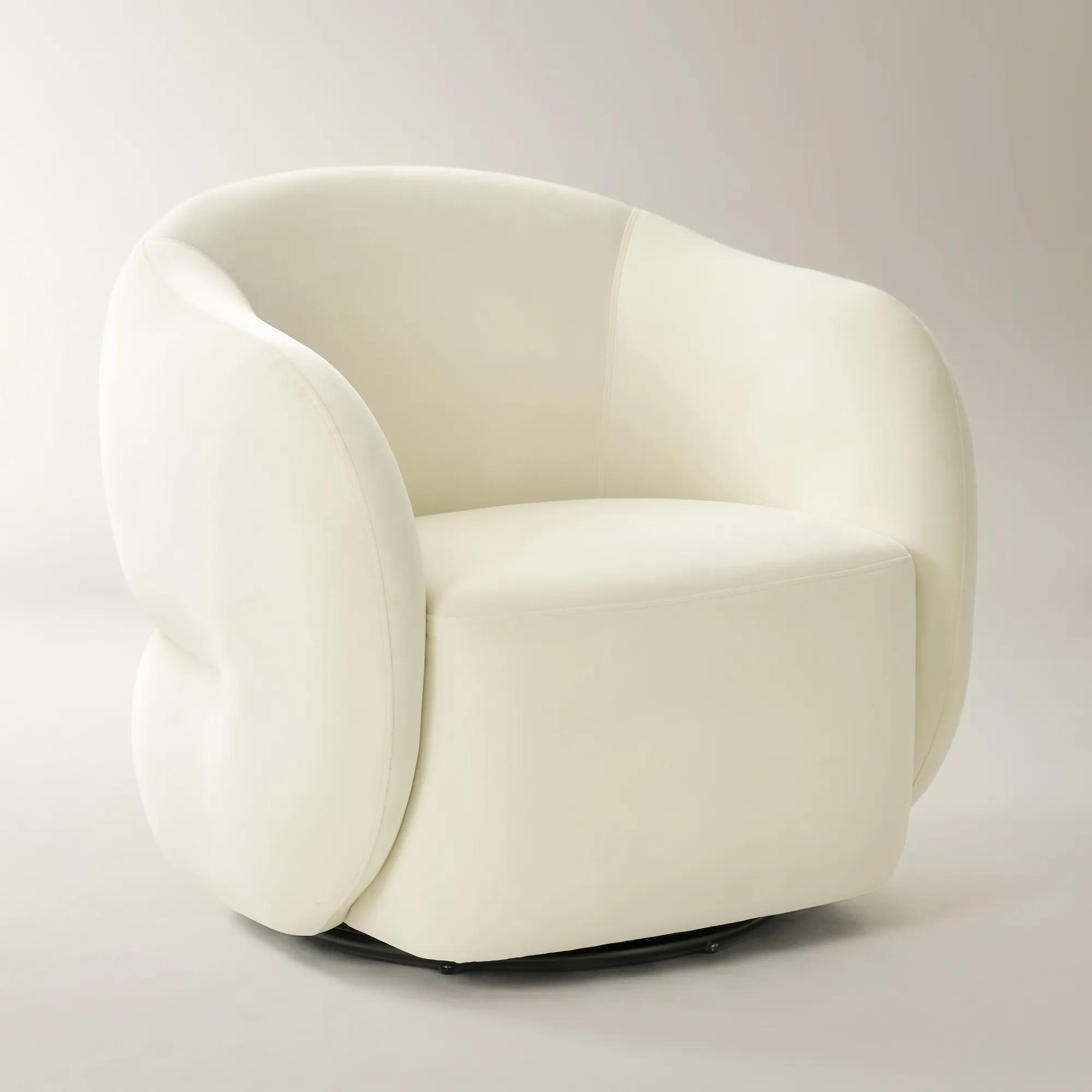
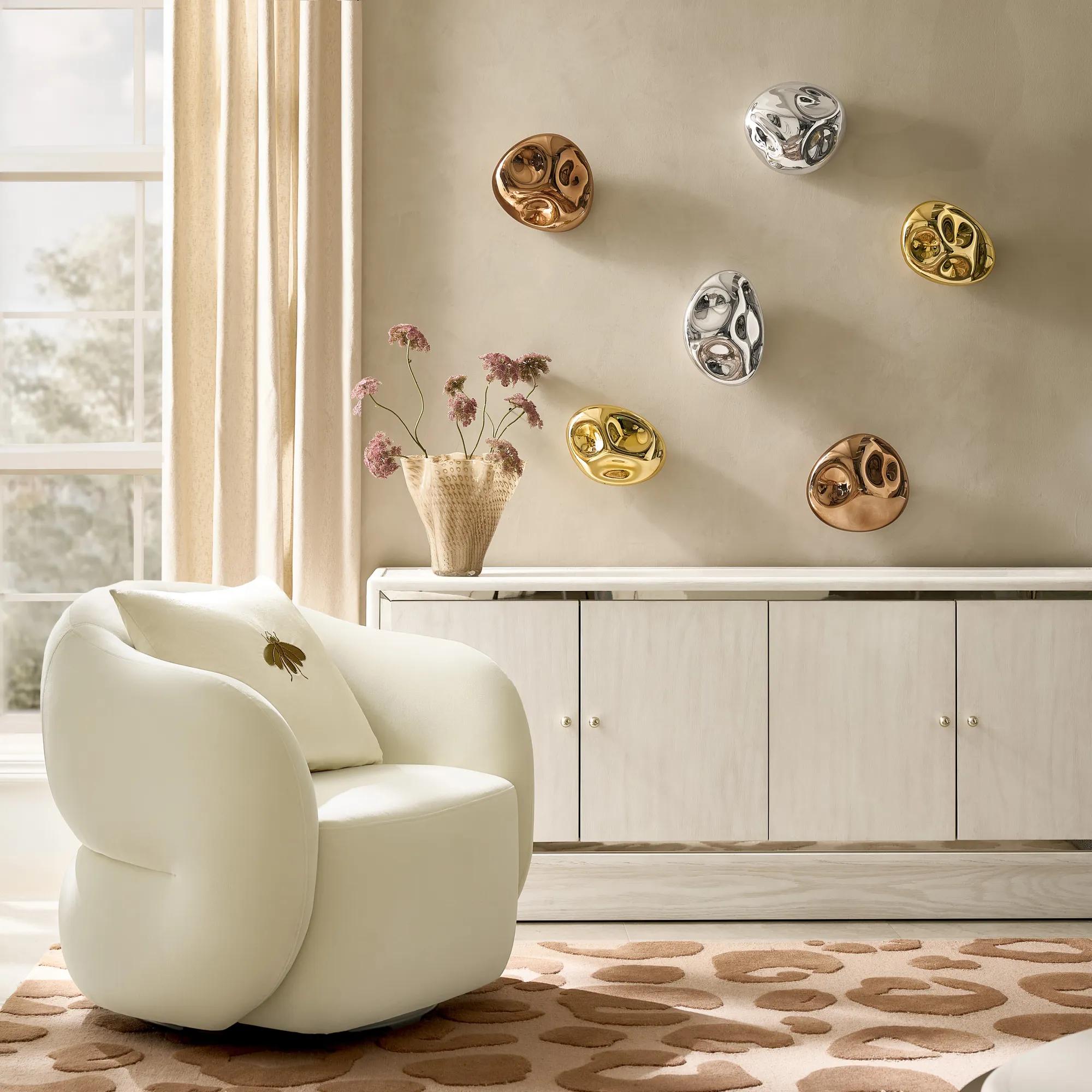 Sierra Cloud Velvet Swivel Accent Chair$899
A plush velvet accent chair featuring a wraparound back, fluid curves, and smooth 360° swivel base.
Add To Cart -
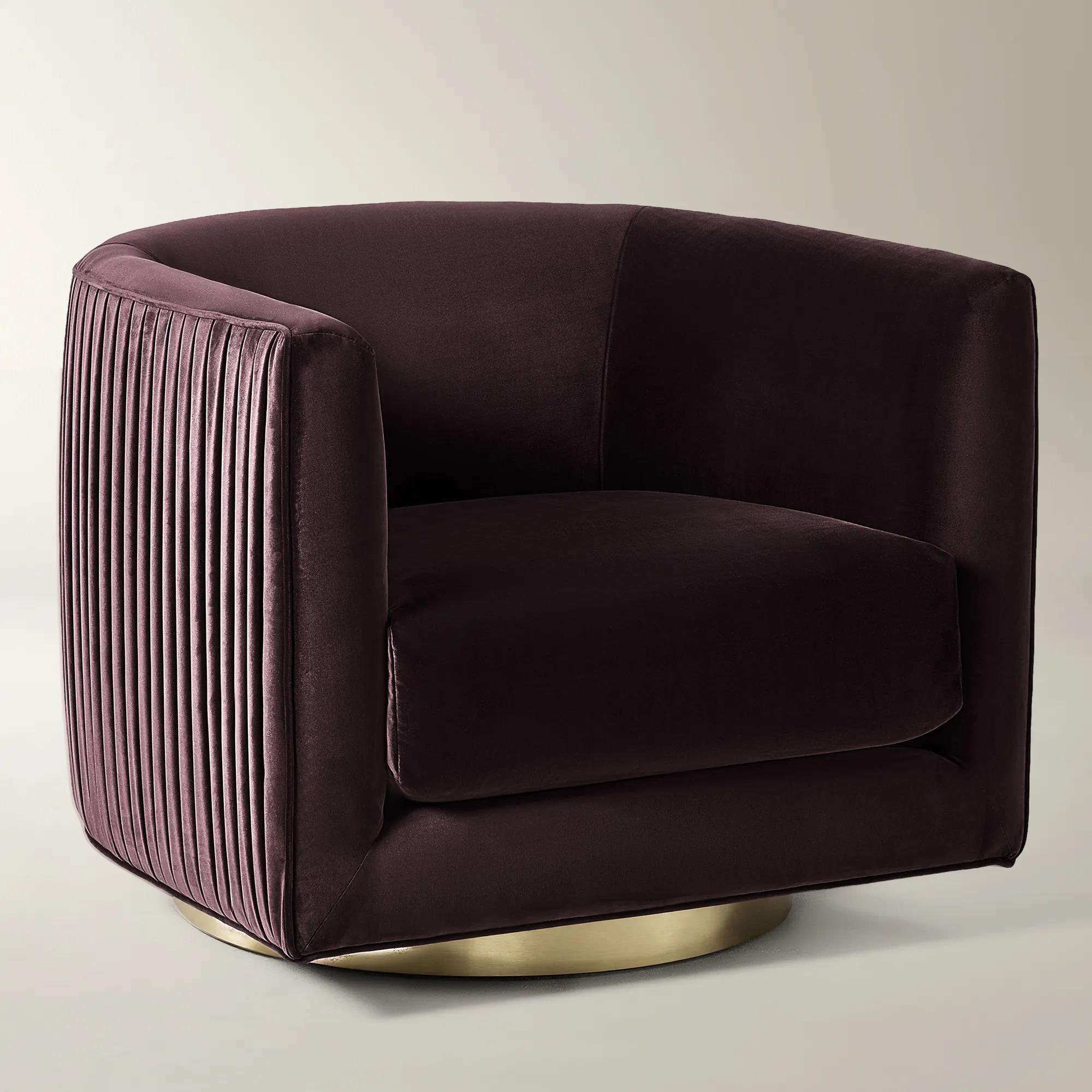 Lyssa Pleated Fig Velvet Swivel Accent Chair$1099
A fig-colored velvet accent chair featuring pleated detailing, a curved silhouette, and a smooth 360° swivel base.
Add To Cart -
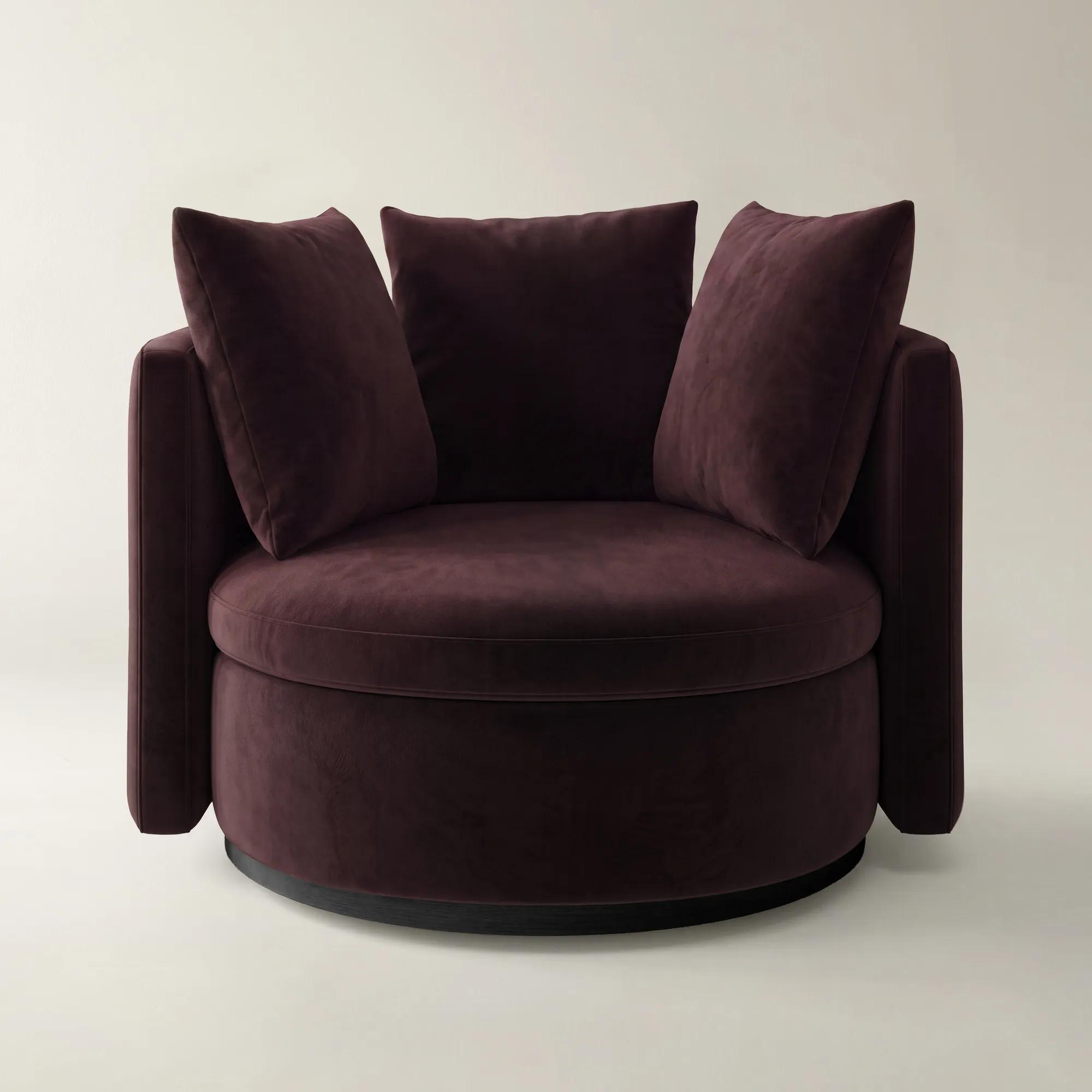 Stria Fig Velvet Swivel Accent Chair$1499
A fig velvet chair with a sculptural wraparound silhouette, layered foam comfort, and concealed 360-degree swivel.
Add To Cart -
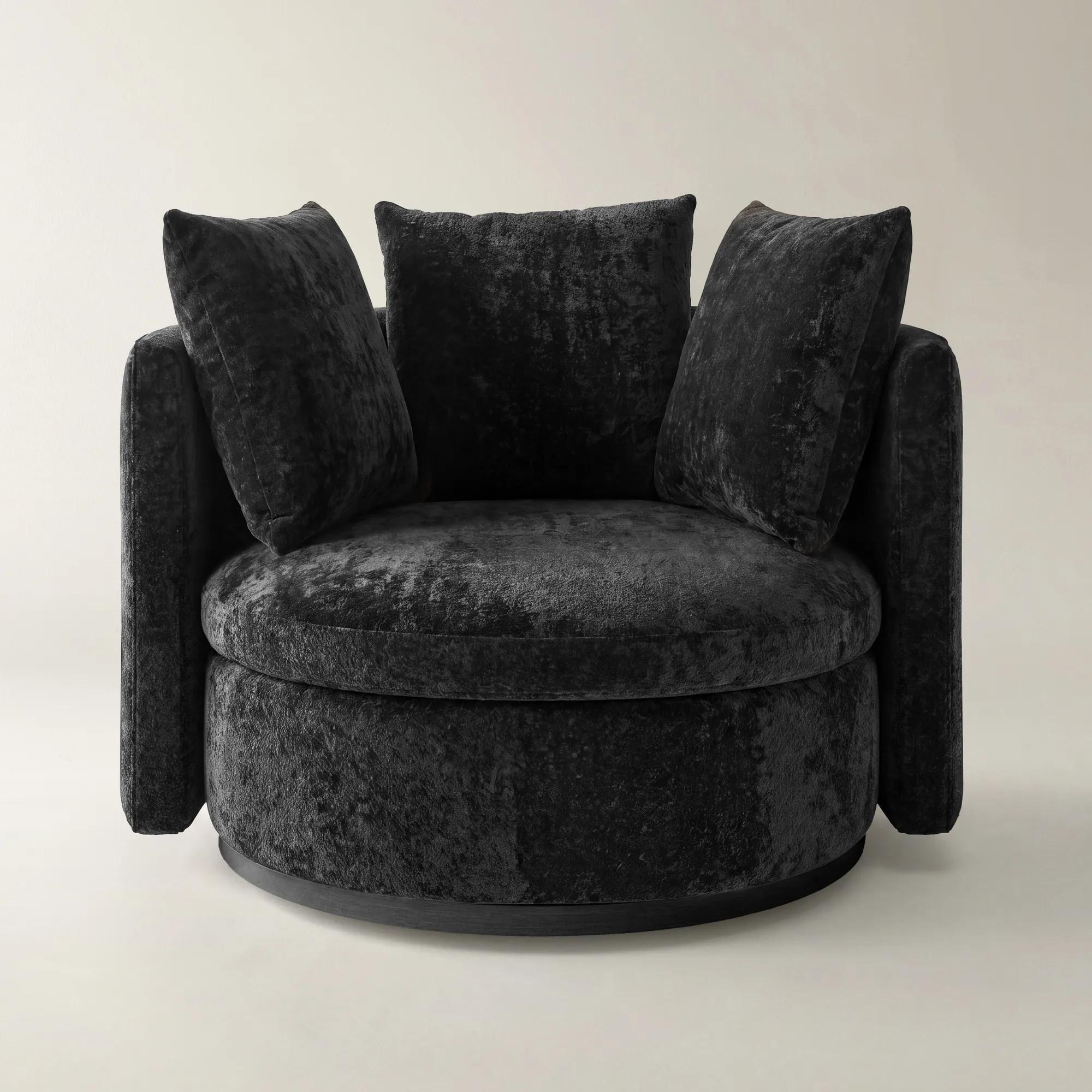 Stria Black Chenille Swivel Accent Chair$1599
A black chenille accent chair with enveloping curves, foam-and-down comfort, and a concealed 360-degree swivel.
Add To Cart -
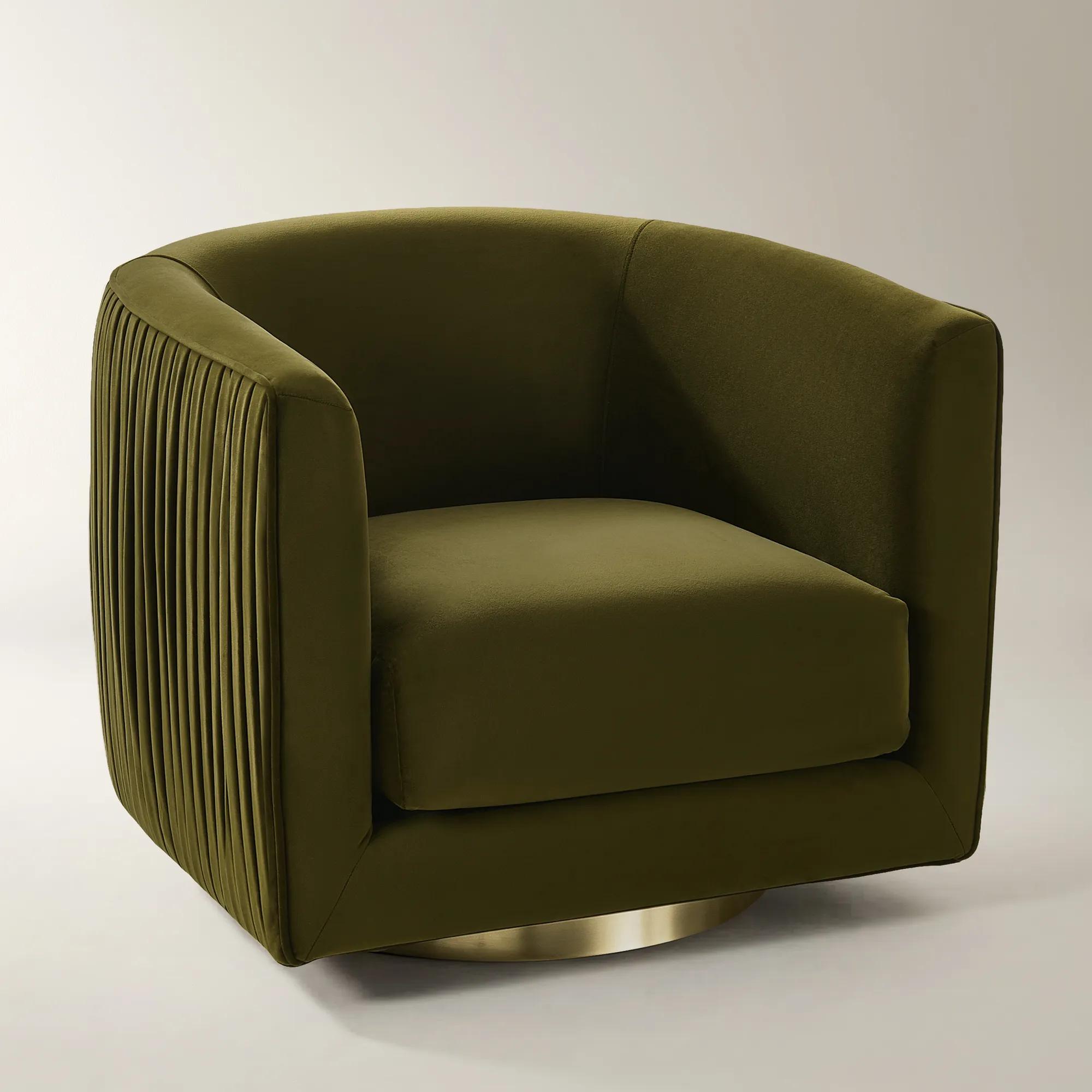
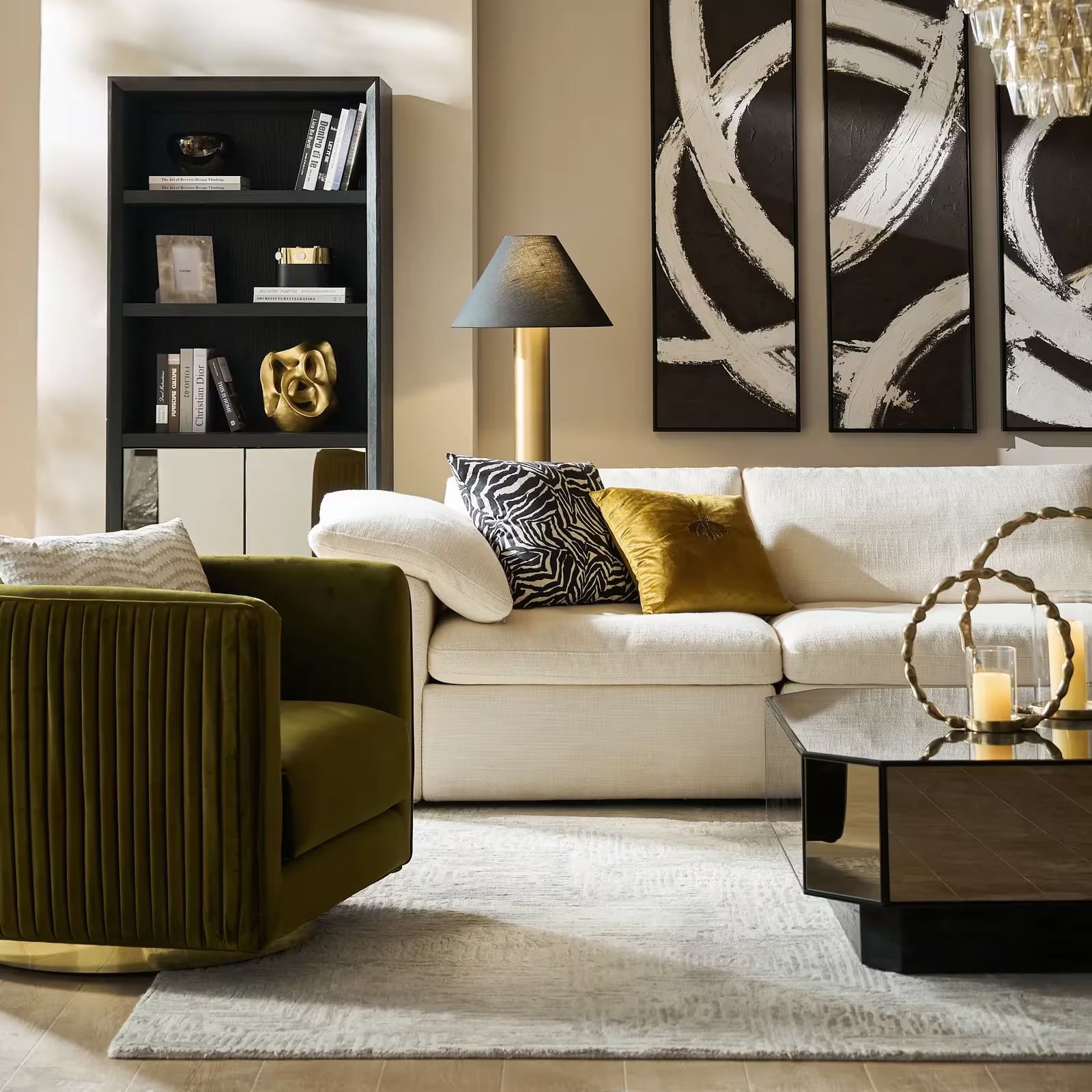 Lyssa Pleated Deep Olive Velvet Swivel Accent Chair$1099
A deep olive green velvet accent chair featuring pleated panels, smooth curves, and a 360-degree swivel base.
Add To Cart -
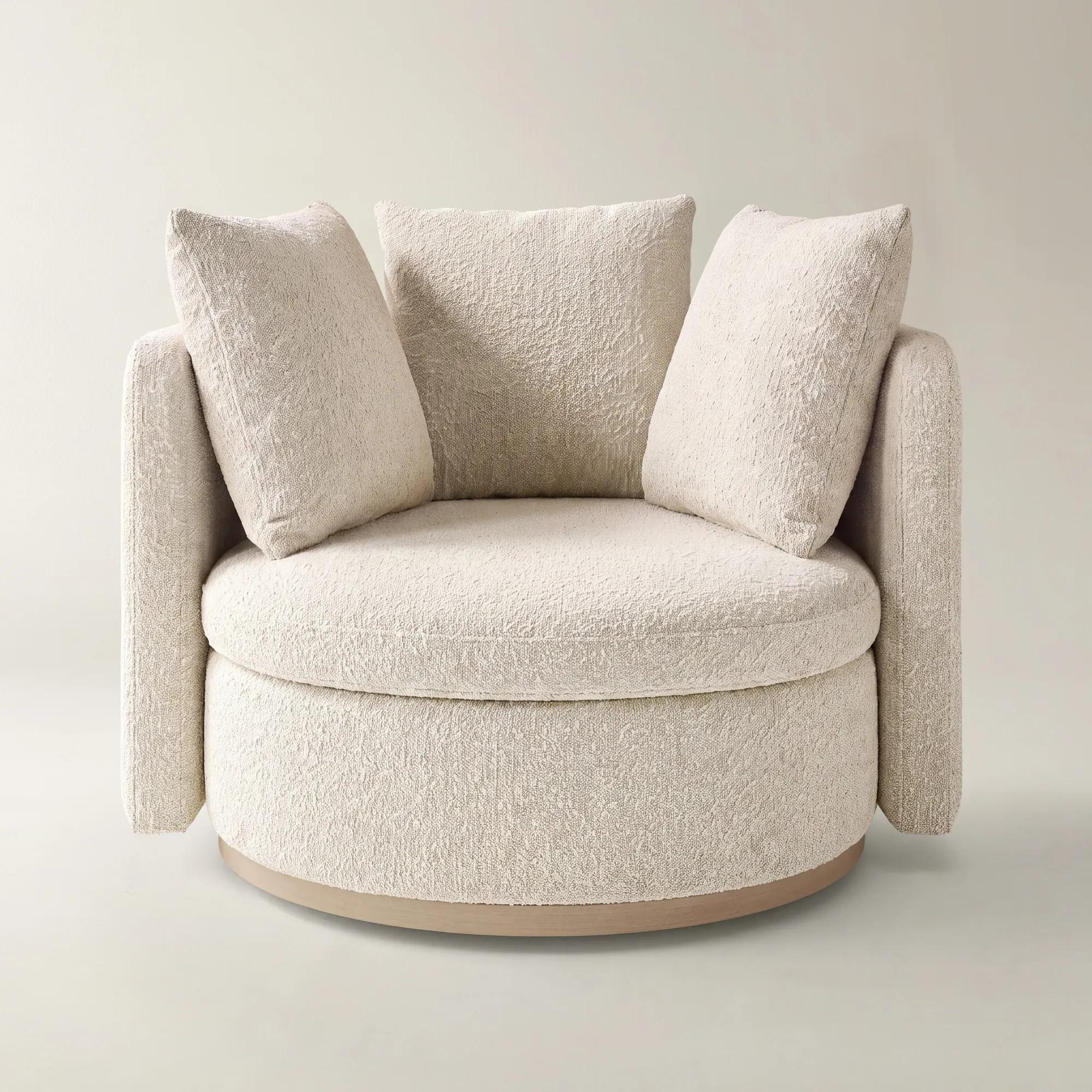 Stria Ivory Performance Boucle Swivel Accent Chair$1599
An ivory performance bouclé accent chair with enveloping curves, layered comfort, and a concealed 360-degree swivel.
Add To Cart -
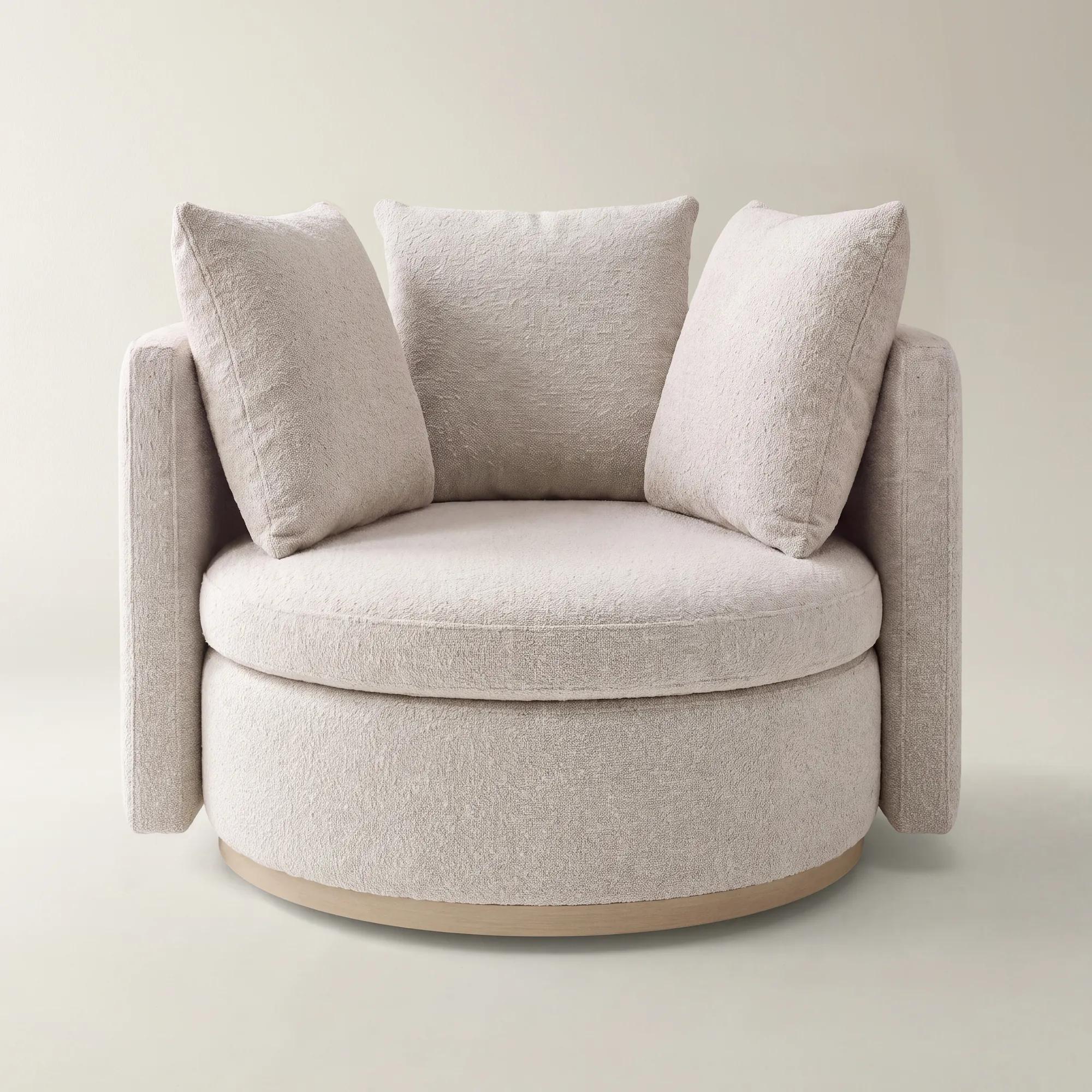 Stria Ivory Performance Boucle Swivel Accent Chair$1599
An ivory performance bouclé accent chair with enveloping curves, layered comfort, and a concealed 360-degree swivel.
Add To Cart -

 Stria Light Brown Chenille Swivel Accent Chair$1499
A light brown chenille accent chair featuring triple-layer cushioning, a 360° swivel, and a solid oak base.
Add To Cart -
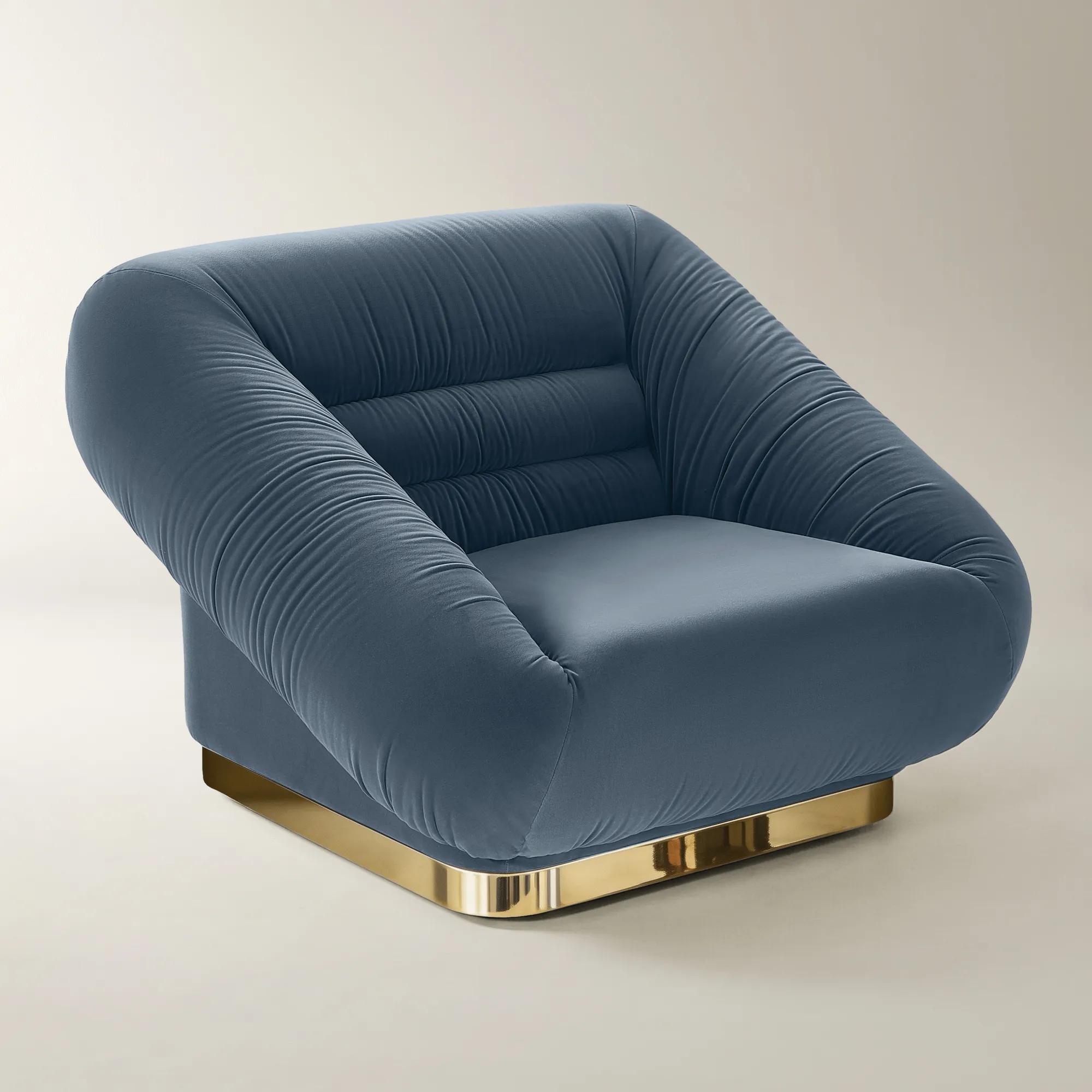 Dover Dusty Blue Velvet Swivel Accent Chair$1299
A sculptural blue velvet accent chair featuring soft gathered upholstery, gold-trimmed base, and smooth 360° swivel.
Add To Cart

Comfortable Seating Accent Chairs
Unleash the art of relaxation with comfortable seating accent chairs that transform lounging into a luxurious experience. Each piece is an invitation to sink into sumptuous comfort while making a statement worthy of your boldest design dreams. Sculptural silhouettes, plush upholstery, and daring details converge to create more than just a seat—they become the exclamation point in any room’s story. Whether nestled in a reading nook or commanding attention in the living room, these accent chairs promise to elevate your space with irresistible allure and signature style.
Comfortable accent chairs combine supportive cushioning, inviting proportions, and expressive design, giving a room a seat that feels as considered as it looks. More intimate than a sofa and more sculptural than an occasional perch, an accent chair can turn an unused corner into a reading retreat or introduce a striking new silhouette beside a tailored sectional. Comfort comes from the relationship between the seat, back, arms, and the person settling into them—not simply from the amount of padding. A deeper seat offers room to curl up, while a shallower profile can feel more supportive for someone who prefers to sit upright with feet resting on the floor. A gently angled back encourages lingering conversation; a taller back may provide more contact across the shoulders, depending on its shape and the sitter’s height. Arms matter, too: broad, cushioned arms create an enveloping feel, while slimmer profiles preserve an airy outline without sacrificing a place to rest an elbow. Firm cushioning and comfort are not opposites. A resilient seat can feel reassuringly supportive, while a softer cushion creates a more relaxed, sink-in experience. For a chair used during long stretches of reading, back support and a comfortable arm position deserve as much attention as its dramatic presence. In a living room arranged for conversation, a seat that is easy to enter and rise from may matter more than lounge-like depth. These distinctions allow comfortable seating accent chairs to serve different rhythms of daily life, from a quiet chapter before dinner to an evening spent catching up with guests. The visual expression can be equally personal. A curved barrel silhouette brings softness to angular architecture, a winged profile lends height and ceremony, and a low, generously proportioned chair gives a seating arrangement a relaxed sense of confidence. Upholstery, contour, and scale work together to make the chair feel intentional, whether its role is a glamorous focal point or a richly textured complement.
Upholstery sets the mood at first glance and shapes the experience with every touch. Velvet gives curved arms and rounded backs a luminous depth, with a directional pile that can reveal subtle changes in tone as light moves across the surface. Bouclé introduces a tactile, looped texture that brings dimension to a restrained palette, while tightly woven upholstery can create a crisp, tailored effect. Leather offers another expression of luxury, ranging from smooth and polished to softly grained; its feel, maintenance needs, and response to everyday use depend on the finish. No material is universally best for a comfortable accent chair. A household with pets may place greater importance on a fabric’s weave, resistance to snagging, and cleaning requirements, while a quieter bedroom setting may allow a more delicate texture to take center stage. Performance upholstery can be worth considering for frequently used rooms, but stain resistance, cleaning methods, and durability vary by fabric and should be confirmed in the material details. Beneath the upholstery, construction influences how the chair feels over time. A well-built frame, secure joints, and an appropriate suspension system help support regular use; cushion density and composition affect resilience, softness, and shape retention. Foam, fiber, and feather blends offer different sensations and maintenance needs, so cushion thickness alone does not reveal how supportive a seat will feel. Care is part of preserving that beautiful first impression. Regular vacuuming with a suitable upholstery attachment helps remove dust and debris, especially along seams and beneath removable cushions. Spills call for prompt attention according to the manufacturer’s care instructions, rather than a universal cleaning solution. Some upholstery requires solvent-based care or professional treatment, and aggressive rubbing can alter texture or spread a stain. Where cushions are designed to be rotated or fluffed, that simple routine can help distribute wear and maintain their appearance. Placement also matters: prolonged direct sunlight can affect upholstery color, making thoughtful positioning as valuable to the chair’s longevity as it is to the room’s composition.
Scale gives comfortable seating its place in the larger room. A chair may look beautifully compact from the front yet extend farther into the space because of a sloping back or generous arms. Overall width and depth determine its footprint, while the interior seat measurements reveal how much usable sitting space it provides. Seat height affects how naturally feet meet the floor, and arm height helps establish a comfortable relationship with a nearby side table. These details become especially important in a bedroom corner, an apartment living area, or a home office where a lounge chair must coexist with doors, drawers, and everyday movement. A swivel base can make a seat more adaptable in an open-plan room, allowing conversation to move between a sofa grouping and another part of the space without repositioning the chair. It also needs enough clearance to turn freely. A stationary chair offers a more fixed visual anchor, particularly when its base or legs contribute a sculptural detail. For a tailored counterpoint to softer upholstery and flowing curves, Structured Seat Accent Chairs offer a defined design direction. A pair of accent chairs can establish balance across from a sofa, while a single statement chair introduces asymmetry that feels collected rather than overly matched. An ottoman can extend the lounging experience when there is room to stretch out without interrupting a walkway. Beside the chair, a table within easy reach keeps a book or beverage close, and a well-positioned lamp gives the setting purpose beyond its appearance. Color completes the composition: ivory and champagne tones let texture carry the drama, charcoal adds depth, and jewel-toned upholstery can create a concentrated moment of saturated color. For avid readers, frequent hosts, or anyone seeking a private place to pause, the most satisfying accent chair balances individual comfort with the surrounding furnishings. Its presence should invite use as confidently as it commands attention—a generous seat, a compelling silhouette, and a place that feels distinctly personal.
FAQs
A truly exceptional accent chair achieves harmony between plush comfort and striking design. Look for chairs with sculptural silhouettes, supportive cushioning, and luxurious upholstery—think velvet, boucle, or textured linen. Details such as hand-tufted backs, gleaming metallic legs, or artisanal finishes add visual intrigue, ensuring the chair is as inviting to sit in as it is captivating to behold.
An accent chair can serve as a dramatic focal point or a complementary layer within your living room. Place it near a window to create a sunlit reading nook, pair it with a side table for an intimate conversation zone, or let it stand boldly beside a fireplace. Enhance its presence with a sumptuous throw or an artful pillow to complete the look and invite relaxation.
Absolutely. A beautifully crafted accent chair is a gift that elevates any space, making it a memorable choice for housewarmings, anniversaries, or milestone celebrations. Its blend of comfort and artistry ensures it will be cherished and used daily, offering a lasting reminder of your impeccable taste and thoughtfulness.
Luxury accent chairs are often crafted from kiln-dried hardwood frames for enduring strength, layered with high-resilience foam for comfort, and upholstered in premium fabrics like velvet, leather, or textured weaves. Finishing touches—such as polished metal accents, hand-applied nailhead trim, or intricate stitching—underscore the chair’s artistry and sophistication.
Begin by considering the mood you wish to evoke: bold and glamorous, serene and inviting, or eclectic and artistic. Select a chair that resonates with your vision, whether it’s a jewel-toned velvet seat, a sculptural silhouette, or a piece with dramatic metallic details. Let your accent chair express your individuality and transform your space into a true reflection of your unique aesthetic.